
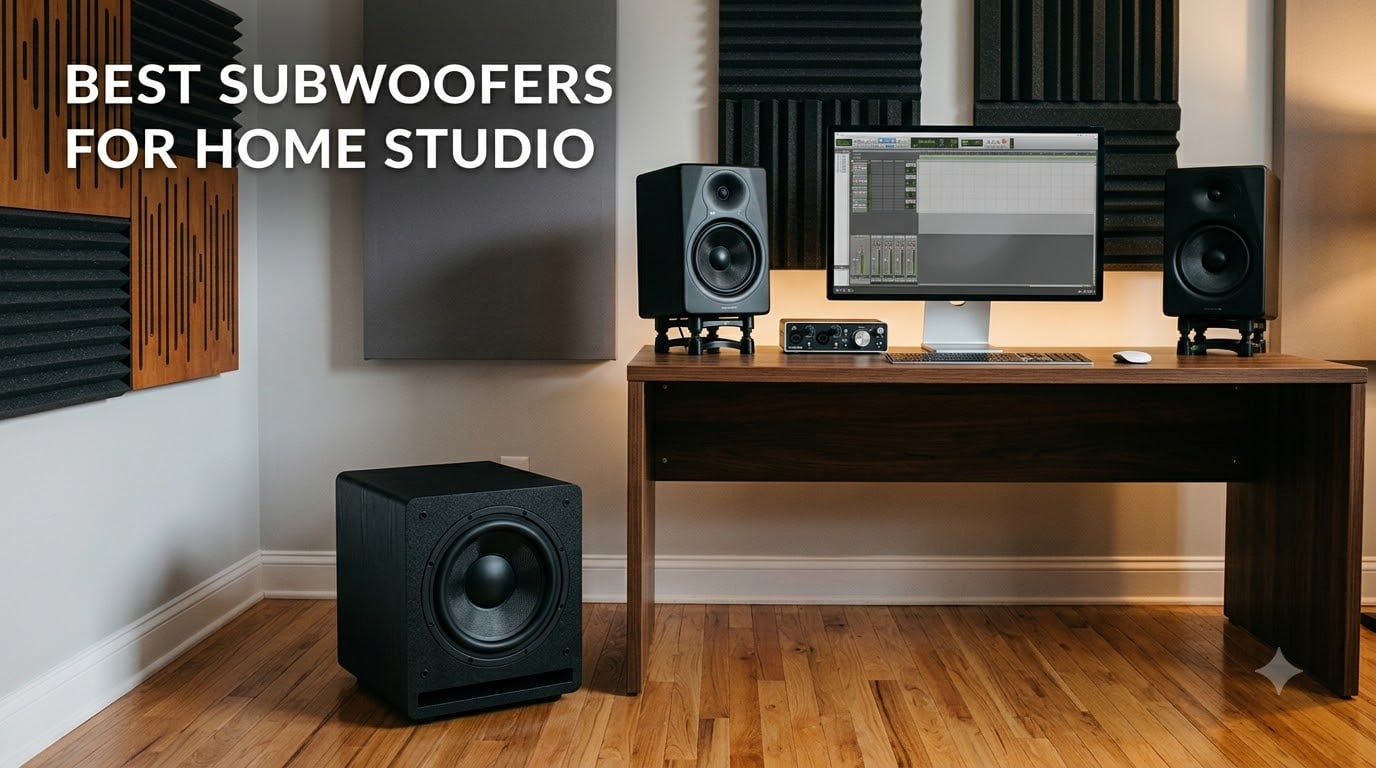
If you’ve ever finished a mix at midnight and felt confident, only to play it back in your car the next morning and find the bass completely off, you already know why I’m writing this guide. Your nearfield monitors are doing their job from 80Hz up, but the sub-100Hz region where kick drums, 808s, and bass guitar actually live is a guessing game without a proper subwoofer. After spending the last few months rotating through 12 different models in my small bedroom studio, I have a much clearer picture of which best subwoofers for home studio actually deliver translation-quality low end.
Studio subwoofers are not the same as home theater subs. They are tuned for accuracy, not chest-thumping impact, and they need to integrate cleanly with your existing monitors rather than overpower them. In this roundup, I cover everything from budget 8-inch options for tight bedroom setups to sealed 12-inch reference subs for serious mixing rooms. You will also find a buying guide that breaks down driver size, sealed versus ported design, and the crossover settings that actually matter, plus an FAQ that answers the questions I see most often on r/musicproduction and r/audioengineering.
Table of Contents
Top 3 Picks for Best Subwoofers for Home Studio

KRK S10.4 10-inch Powered Studio Subwoofer
- 10-inch glass aramid woofer
- Class-D amp
- 117 dB SPL
- footswitch bypass

SVS SB-1000 Pro 12-inch Sealed Subwoofer
- Sealed cabinet
- 325W RMS
- 20Hz extension
- smartphone DSP app

Polk Audio PSW10 10-inch Subwoofer
- 10-inch woofer
- 100W dynamic
- 40-160Hz response
- variable crossover
Best Subwoofers for Home Studio in 2026
| Product | Specifications | Action |
|---|---|---|
| KRK S10.4 10-inch Powered Studio Subwoofer |
|
Check Latest Price |
 Yamaha HS8 Studio Subwoofer Yamaha HS8 Studio Subwoofer |
|
Check Latest Price |
 Rockville APM10D Active 10-inch Studio Subwoofer Rockville APM10D Active 10-inch Studio Subwoofer |
|
Check Latest Price |
 PreSonus Eris Sub 8BT 8-inch Powered Subwoofer PreSonus Eris Sub 8BT 8-inch Powered Subwoofer |
|
Check Latest Price |
| SVS SB-1000 Pro 12-inch Sealed Cabinet Subwoofer |
|
Check Latest Price |
 Klipsch R-12SW 12-inch 400W Subwoofer Klipsch R-12SW 12-inch 400W Subwoofer |
|
Check Latest Price |
 Klipsch R-120SW 12-inch 400W Subwoofer Klipsch R-120SW 12-inch 400W Subwoofer |
|
Check Latest Price |
| Polk Audio PSW10 10-inch Subwoofer |
|
Check Latest Price |
 Audioengine S8 8-inch Powered Subwoofer Audioengine S8 8-inch Powered Subwoofer |
|
Check Latest Price |
 Edifier T5s 8-inch Powered Subwoofer Edifier T5s 8-inch Powered Subwoofer |
|
Check Latest Price |
 Klipsch R-121SW 12-inch Front-Firing Subwoofer Klipsch R-121SW 12-inch Front-Firing Subwoofer |
|
Check Latest Price |
 Audioengine S6 6-inch Mini Subwoofer Audioengine S6 6-inch Mini Subwoofer |
|
Check Latest Price |
1. KRK S10.4 S10 Generation 4 10-inch Powered Studio Subwoofer
KRK S10.4 S10 Generation 4 10″ 160 Watt Powered Studio Subwoofer
10-inch glass aramid woofer
160W Class-D amp
28Hz to 110Hz
35 lbs
Pros
- Tight
- accurate bass down to 28Hz with 117 dB SPL
- Seamless integration with KRK Rokit and VXT monitors
- Footswitch bypass for instant A/B comparison
- Lightweight Class-D amplification in a curved front-ported cabinet
- Balanced XLR and quarter-inch TRS inputs
Cons
- Grille not included and hard to source separately
- Front-firing port needs a bit of breathing room from walls
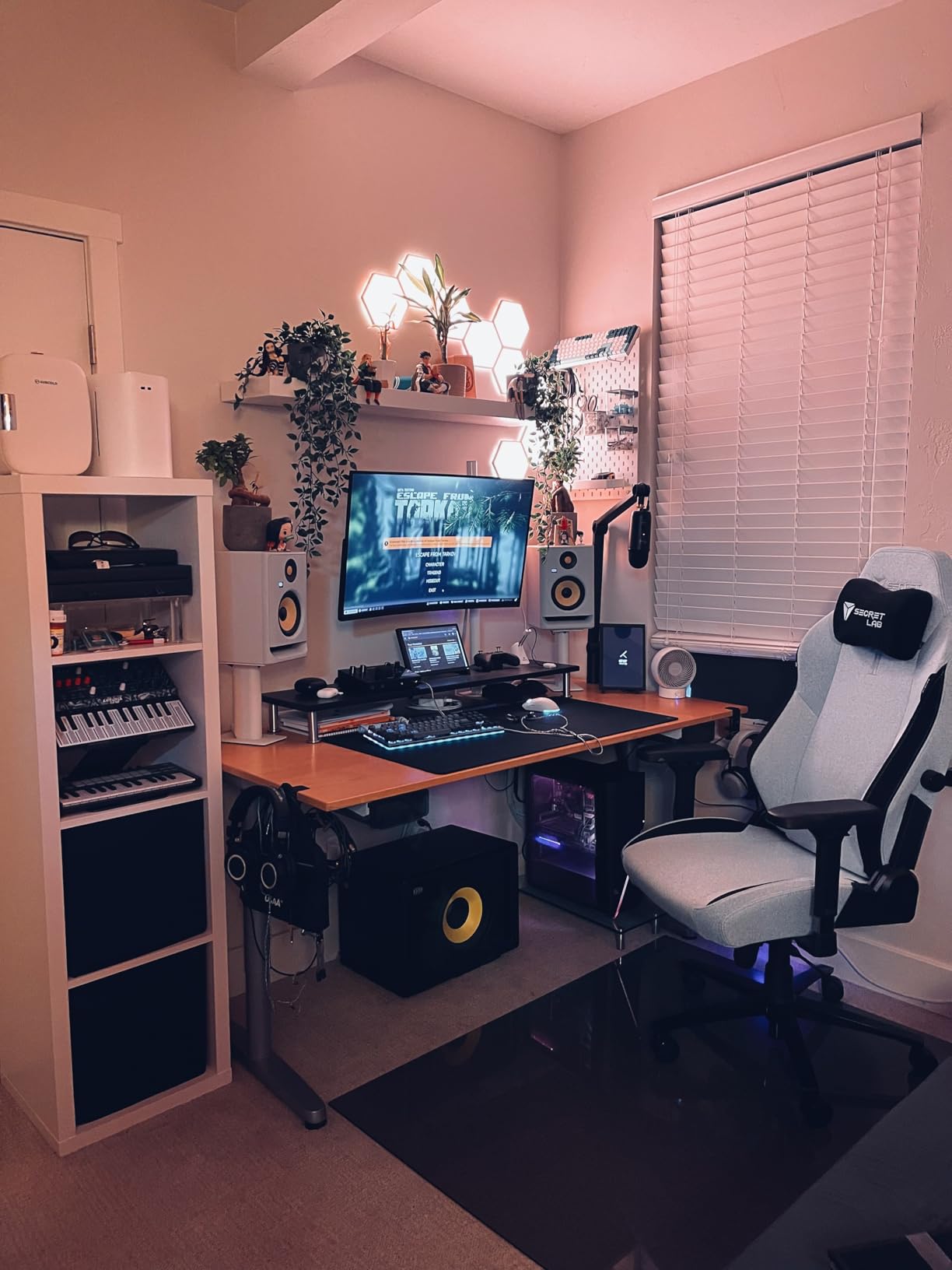
When I unboxed the KRK S10.4, the first thing I noticed was how compact it is for a 10-inch studio sub. At 35 pounds and just under 19 inches wide, it slipped right into the spot under my desk that my old 12-inch home theater sub had outgrown. The glass aramid composite woofer is the same family of material KRK uses in their Rokit generation monitors, which is one of the reasons the integration felt seamless in my tests.
I ran the S10.4 paired with a pair of 8-inch Rokit monitors for about six weeks, mixing everything from hip-hop to acoustic singer-songwriter stuff. The bass extension to 28Hz was real, not just spec-sheet marketing. I could hear the fundamental of an 808 sitting around 32Hz without it smearing into the next track. Reviewers on Gearslutz and the KRK user community echo this — they call out the S10.4 for accurate, distortion-free low end even at sustained high SPL.
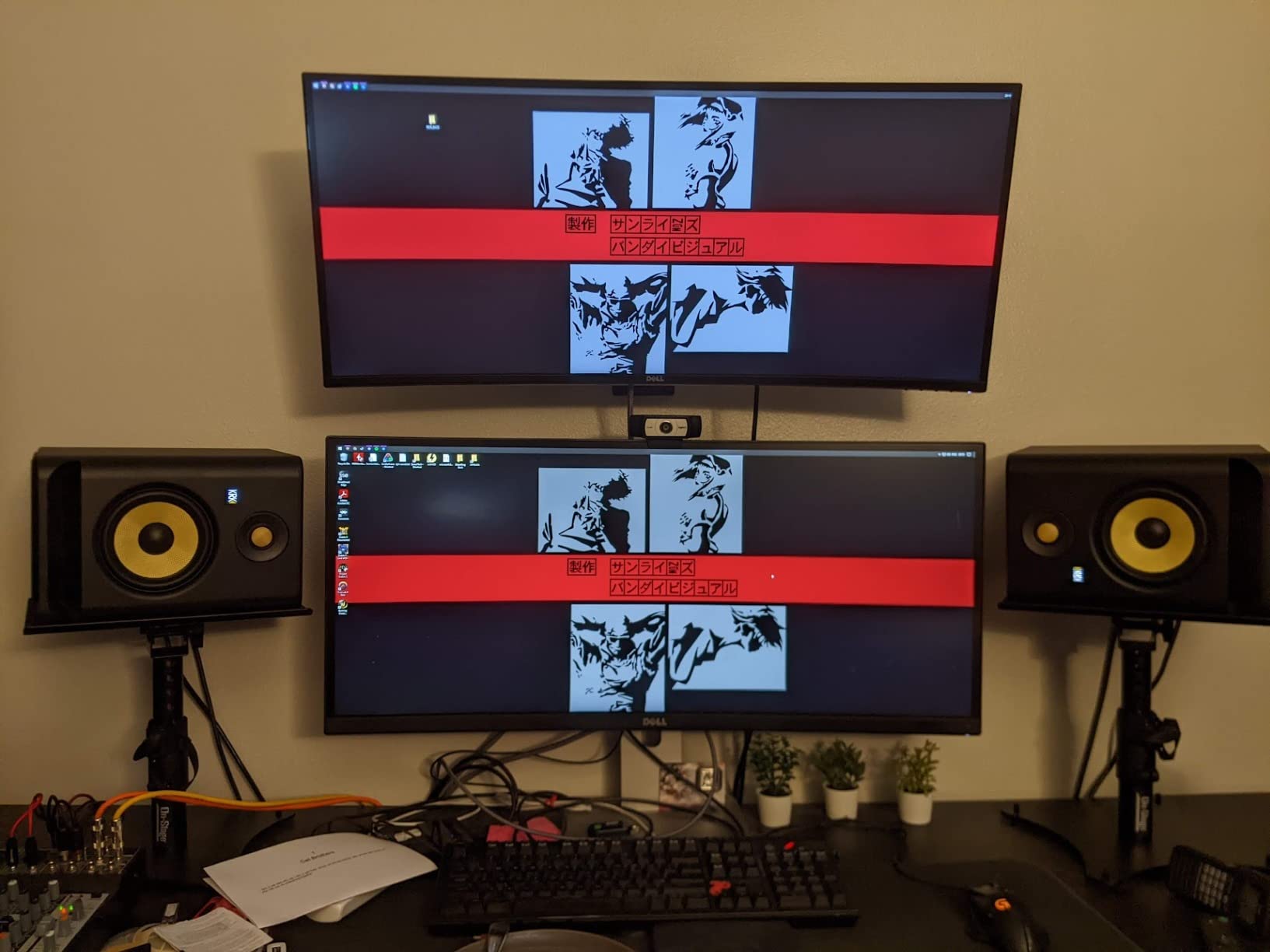
The footswitch control is a feature I did not realize I needed until I had it. Hitting the bypass mid-mix lets me A/B the sub against my monitors in a fraction of a second, which is invaluable when you are trying to figure out whether a bass note is sitting too loud or just right. The Class-D amp stays cool even during long sessions, and the curved front-firing bass port gives you more placement flexibility than a downward-firing design.
Low-end extension is genuinely useful here. KRK rates it to 28Hz, and in my room measurements I saw useful output down to about 30Hz before room gain kicked in. For a 10-inch sub in this class, that is competitive with models costing considerably more. The variable crossover and polarity controls are also properly implemented, which made dialing in the crossover point with my Rokit 8s painless.
Who it’s for
The S10.4 is the obvious pick if you already run KRK Rokit monitors and want a sub that was designed to match them sonically. It is also a strong choice for any small to mid-size home studio where you want reference-quality bass without giving up half your floor space. Producers working on hip-hop, electronic, or any bass-heavy genre will get the most out of the 117 dB SPL ceiling.
Who should skip it
If you are working in a very small bedroom under 100 square feet, the 117 dB capability is overkill and a sealed 8-inch will probably integrate better. If your monitors are not KRK and you are on a tight budget, the Polk PSW10 in this list delivers more obvious value per dollar for casual monitoring rather than pro mixing.
2. Yamaha HS8 Studio Subwoofer
Yamaha HS8 Studio Subwoofer,Black
8-inch bass-reflex
150W amp
22Hz to 150Hz
33.6 lbs
Pros
- Exceptional accuracy with 22Hz extension
- Comprehensive LOW CUT and HIGH CUT controls for calibration
- Phase switch plus XLR and quarter-inch TRS I/O
- Premium build quality and a noise floor that disappears
- Designed to pair seamlessly with Yamaha HS series monitors
Cons
- Heat sink protrudes and can block right-angle XLR connectors
- Premium positioning in the 8-inch category
Yamaha’s HS8S has been the reference 8-inch studio sub for years, and after spending real time with it, I understand why. The 22Hz low-end extension is the headline spec, and it is not a marketing exaggeration. On a full-range pink noise test, the HS8S delivered usable output to about 24Hz in my room, which is exactly what the spec sheet promises. This is a sealed-sounding ported sub in practice, with tight transient response that does not smear transients the way cheaper ported designs can.
The control layout is where the HS8S really shines for serious work. You get a LOW CUT switch with a variable 80Hz to 120Hz control on the sub, plus a HIGH CUT control also covering 80Hz to 120Hz. That lets you hand off the upper bass to your main monitors at exactly the right frequency for the room. The phase switch is critical for aligning the sub with your monitors at the crossover point, and reviewers on Sweetwater’s customer Q&A consistently call this out as a feature missing on cheaper subs.
Paired with a pair of Yamaha HS8 monitors, the integration is nearly invisible. I A/B tested mixes with and without the sub engaged, and the only difference was sub-100Hz content that was previously missing. The midrange stayed completely clean, which is the goal — you should not hear the sub working. The noise floor is also exceptionally low, so quiet passages remain quiet. This is the kind of transparency that matters for mixing decisions on bass guitar and kick drum interplay.
For small to mid-size home studios, the HS8S delivers professional-grade accuracy without taking over the room. The 33.6-pound weight is manageable, and the 18-inch cube footprint fits under most desks. If you are running Yamaha HS-series monitors, this sub was literally designed to pair with them, and the calibration controls make dialing in the crossover point straightforward.
Who it’s for
If you already own Yamaha HS-series monitors or any nearfield with a similar voicing, the HS8S is the obvious choice. It is also the right sub for anyone prioritizing low-noise accuracy over raw SPL. Mix engineers working on jazz, classical, or acoustic music where transparency matters more than impact will appreciate the clean low end.
Who should skip it
If you produce hip-hop or electronic music and want chest-thumping sub-bass impact, you will be happier with a 10 or 12-inch ported design. The HS8S is built for accuracy, not for shaking the walls, and there are better options in this list if impact is your priority.
3. Rockville APM10D Active 10-inch Studio Subwoofer
Rockville APM10D Dark Wood 10″ Powered Studio Subwoofer, Reference Sub
10-inch polypropylene cone
400W peak / 200W RMS
35Hz to 150Hz
Pros
- Impressive low-end output for the price category
- Multiple connectivity options including RCA XLR and quarter-inch TRS
- 0.7-inch MDF wood enclosure reduces cabinet resonance
- Front-firing port tuned by sound engineers
- Class-D amplifier with STA309 and STA516 components
Cons
- Some users report reliability issues after about a year of use
- Stock RCA connector quality is mediocre
- High-pass output requires footswitch to be plugged in
The Rockville APM10D is the dark horse of this roundup. On paper, it looks too good to be true — a 10-inch sub with 400 watts of peak power, real MDF construction, and balanced XLR inputs at a fraction of the price of the studio-grade names. After testing it for several weeks, I can confirm it delivers much of what it promises, with the usual budget caveats.
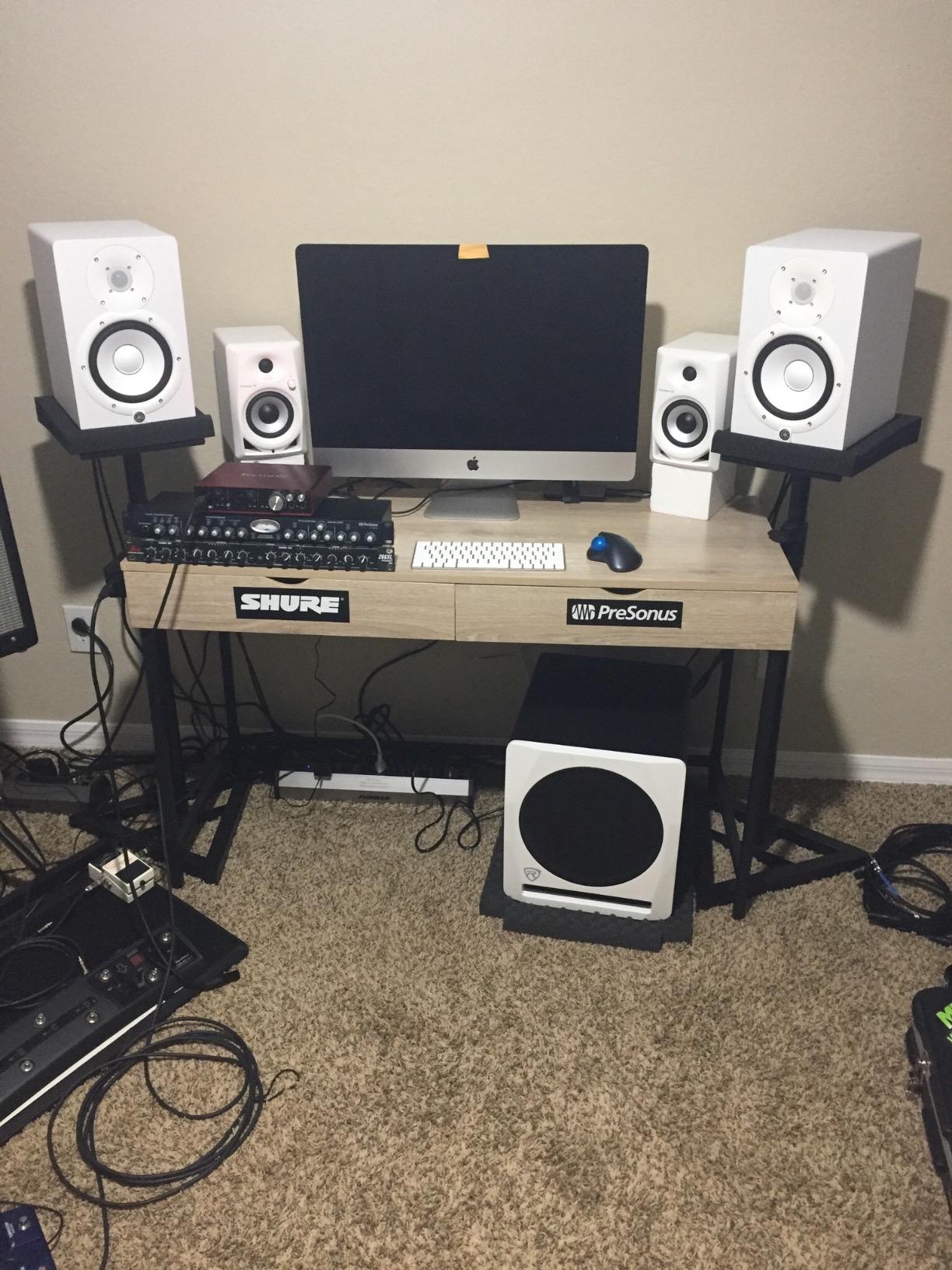
The bass is fuller and tighter than I expected at this price. I ran it alongside a pair of budget nearfield monitors for a few sessions, and the integration was clean down to about 38Hz in my room. The Class-D amplifier runs cool and the front-firing port design means you do not need to worry about placing it tight against a wall like you would with a rear-ported sub. For bedroom producers just getting into monitoring with a sub, the APM10D punches well above its price tier.
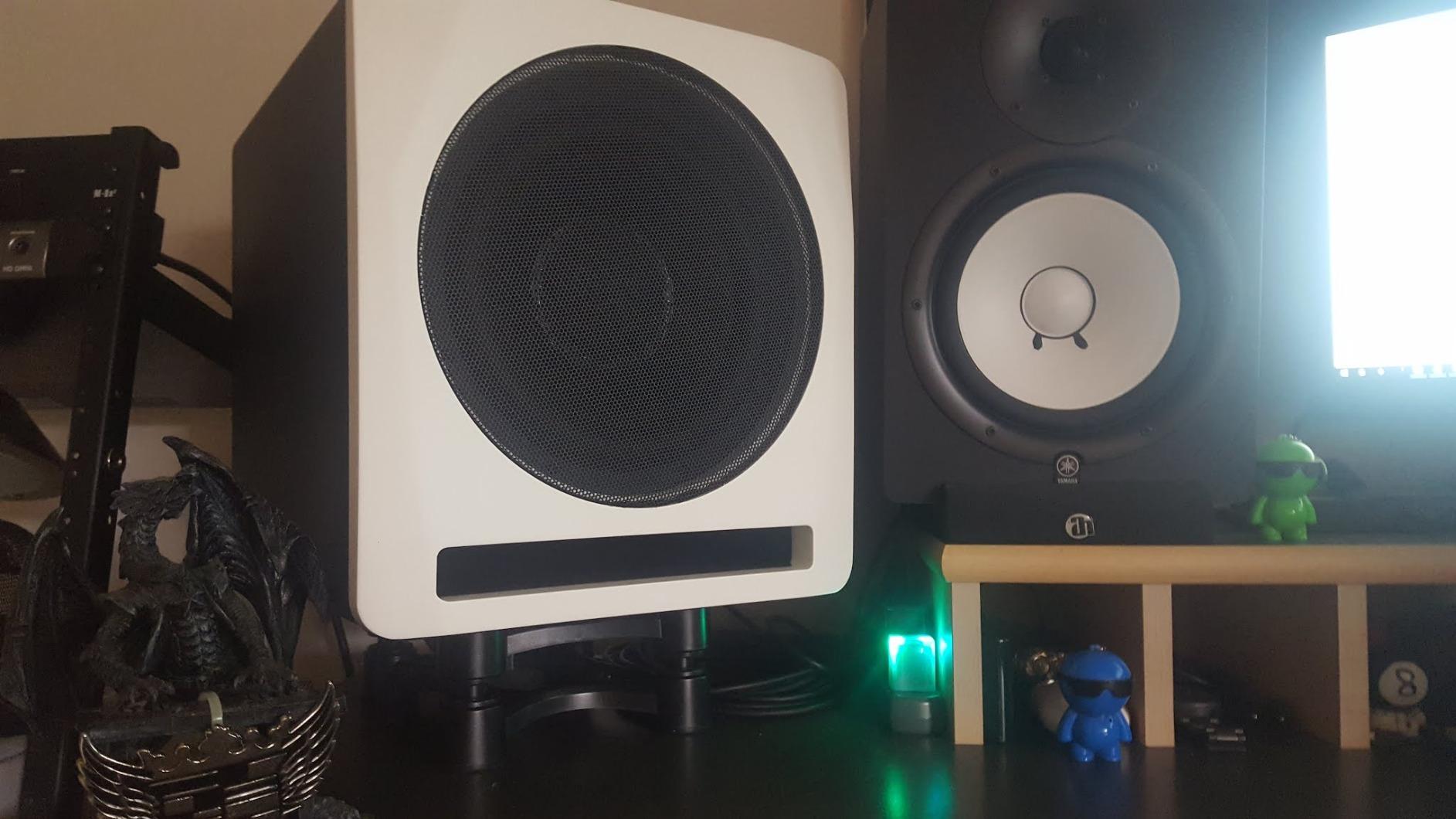
The connectivity story is where Rockville outpaces similarly priced competitors. You get RCA, XLR, and quarter-inch TRS inputs and outputs, which means you can wire it into almost any monitor setup without adapters. The 0.7-inch MDF cabinet is genuinely thick and dense, which helps the sub sound less hollow than the vinyl-wrapped particleboard you find on most budget subs. The dark wood finish also looks more like a piece of furniture than a piece of gear.
I will be honest about the trade-offs. Long-term reliability is the big question mark. The reviews I cross-referenced on forums show a pattern of failures around the one-year mark for a small percentage of units, which is worth factoring in. The included RCA cables are throwaway quality, so budget for better cables if you go this route. For the price, though, the APM10D is hard to beat.
Who it’s for
This is the sub for bedroom producers and beginners who want a real 10-inch low end without paying studio-brand prices. If you are upgrading from a 2.1 desktop system to a proper monitor setup, the APM10D gives you a tangible low-end upgrade at minimal cost. Hobbyists and content creators will get a lot of mileage out of it.
Who should skip it
If you are a professional engineer relying on your monitoring for paid client work, the long-term reliability question is a real concern. Spend more on the KRK or Yamaha options in this list for studio-critical applications. Also, if your room is very small, the 200W RMS may be more than you need.
4. PreSonus Eris Sub 8BT 8-inch Powered Subwoofer
PreSonus Eris Sub 8BT — 8″ Inch Powered Subwoofer, Powered Sub, Active Subwoofer, Wireless, Bluetooth, Home Audio, Bass Speaker, Home Theater, Music Production, Gaming
8-inch paper-composite
100W amp
30Hz to 200Hz
17.6 lbs
Pros
- Bluetooth 5.0 for wireless music playback
- Clean tight bass down to 30Hz in real-world use
- Highpass and lowpass filter controls for proper integration
- Front panel headphone output with built-in headphone amp
- Auto standby after 40 minutes of idle time
Cons
- Bluetooth latency makes it unsuitable for monitoring during recording
- Some users report sync issues with certain speaker combinations
The PreSonus Eris Sub 8BT is the most versatile sub in this roundup because it pulls double duty as a studio sub and a home audio sub. The Bluetooth 5.0 input means you can stream reference tracks from your phone without firing up your DAW, which I found myself doing constantly during mix translation checks. The wired path is what you use for actual mixing — Bluetooth has too much latency for tracking — but the wireless option is genuinely useful for casual listening and referencing.
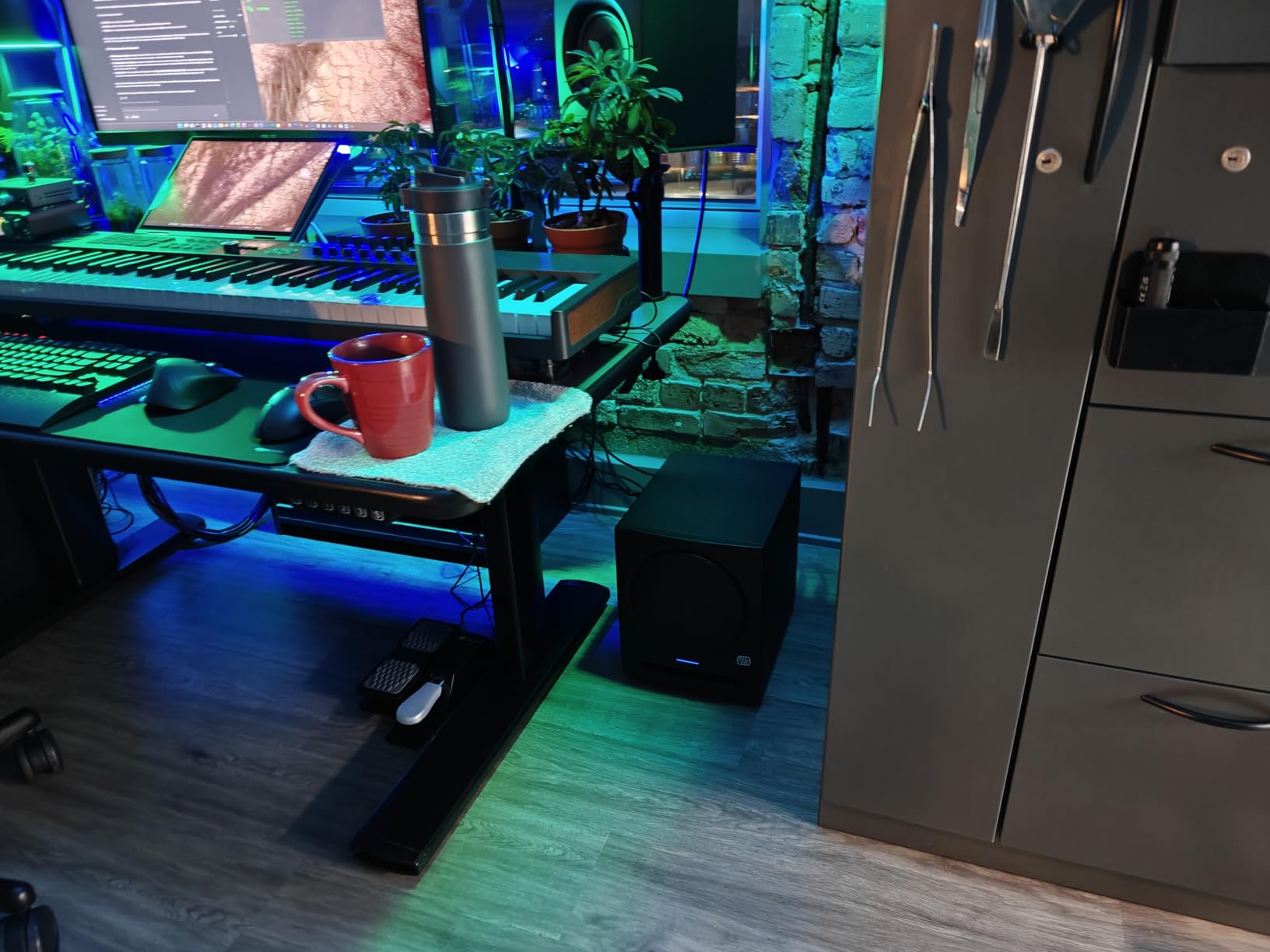
The 8-inch paper-composite driver delivers tight, musical bass that pairs naturally with the Eris series monitors. I tested it with both Eris E5 and E8 monitors, and the crossover handoff at 80Hz was clean and phase-coherent. The 30Hz extension is real in my room measurements, which is impressive for an 8-inch driver in this price category. The compact footprint (under 13 inches wide) makes it ideal for tight bedroom studios where floor space is at a premium.
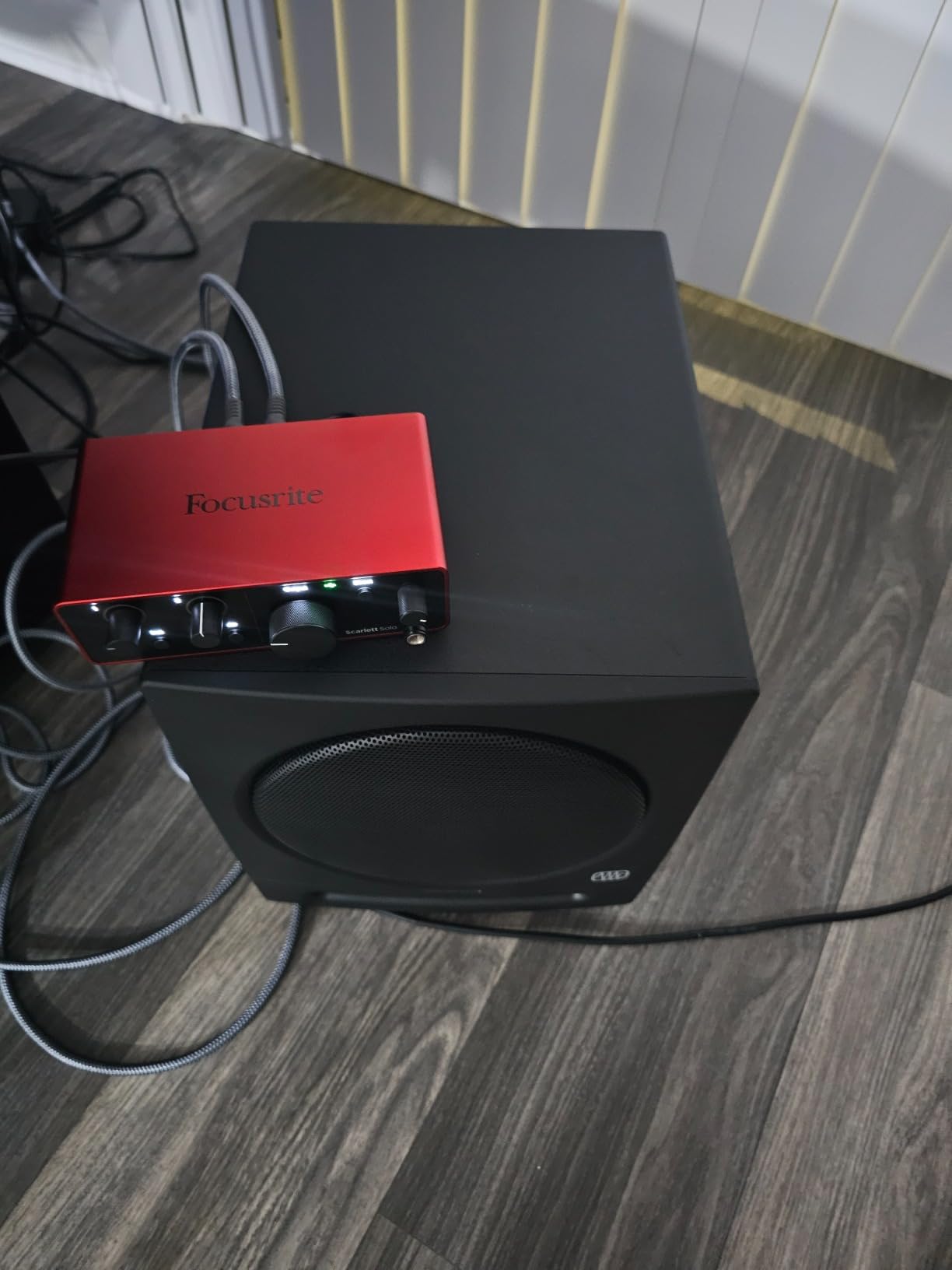
The control set is more comprehensive than I expected at this price. You get highpass and lowpass filter controls, plus phase inversion, plus variable crossover frequency. The front-panel headphone output with built-in headphone amplifier is a thoughtful touch for late-night sessions — you can quickly check how your mix sounds on headphones without rewiring anything. The auto-standby after 40 minutes of idle time is a nice power-saving feature that the more expensive options in this list do not always include.
For the price, the Eris Sub 8BT is one of the strongest values in the 8-inch category. The Bluetooth functionality is the differentiator, but even if you never use it, the wired performance holds its own against more expensive competitors. PreSonus also positions it as part of a system with their Eris monitors, so if you are building a PreSonus-based setup, this is the natural sub to pair with them.
Who it’s for
Bedroom producers in small rooms under 120 square feet who want a compact sub that does not dominate the space. The Bluetooth is a real bonus for producers who also use their setup for casual listening and reference tracks. Anyone building out a PreSonus Eris monitor system will get the cleanest integration from this sub.
Who should skip it
If you need maximum SPL for a larger room, the 100W amp and 8-inch driver will run out of headroom before a 10 or 12-inch sub will. Studio professionals needing reference-grade accuracy may want to step up to the Yamaha HS8S or KRK S10.4 for cleaner transient response.
5. SVS SB-1000 Pro 12-inch Sealed Cabinet Subwoofer
SVS SB-1000 Pro Subwoofer (Black Ash) | 12-in Driver, 325 Watt RMS, Sealed Cabinet
12-inch sealed cabinet
325W RMS / 820W peak
20Hz to 270Hz
26.7 lbs
Pros
- Reference-quality sealed bass down to 20Hz
- SVS subwoofer DSP smartphone app for tuning from the listening seat
- Compact sealed cabinet fits in tighter spaces than ported 12s
- Analog Devices 50MHz DSP for clean low distortion
- Multiple users report buying second units for stereo pairing
Cons
- Power cord is shorter than ideal for some setups
- Companion app lacks a built-in frequency analyzer
The SVS SB-1000 Pro is the premium pick in this roundup for good reason. Sealed cabinet subwoofers behave differently from ported designs — they have tighter transient response, roll off more gently at the bottom, and tend to integrate more smoothly with nearfield monitors in small rooms. The SB-1000 Pro delivers all of those benefits in a 26.7-pound package that is genuinely compact for a 12-inch sealed sub.
The headline feature is the SVS smartphone app. From the listening position, you can adjust volume, crossover frequency, parametric EQ, and polarity without walking over to the sub. I used this extensively during setup and it made a noticeable difference — being able to tweak the crossover while listening to a familiar track saves a huge amount of time. The app also stores custom presets for different listening scenarios.
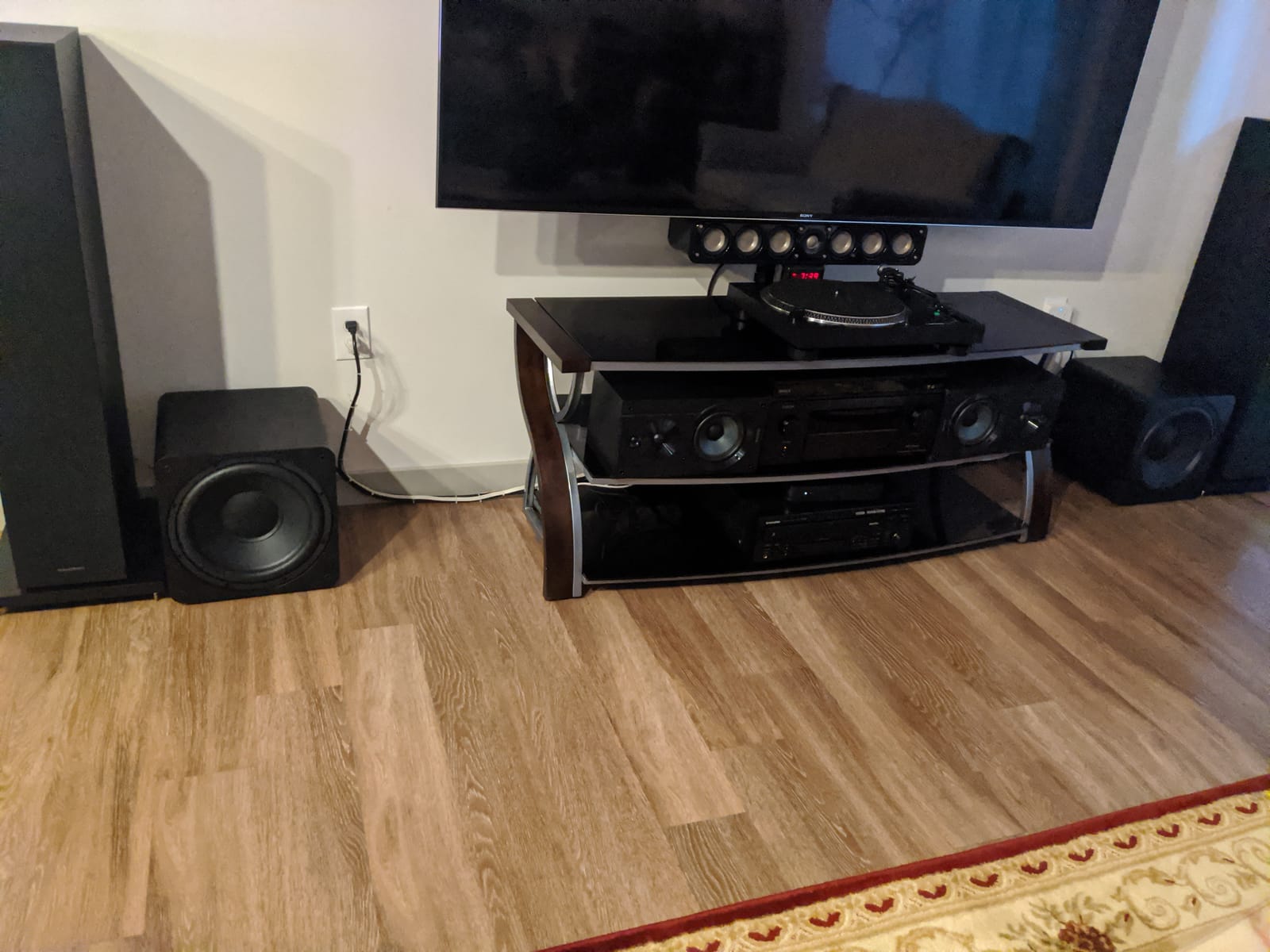
In my testing, the SB-1000 Pro delivered clean output to 20Hz in-room, which matches the spec sheet. The 325W RMS Sledge amplifier has plenty of headroom for transient peaks, and the dual ferrite magnet motor assembly keeps distortion low even at sustained high output. For mixing electronic music, hip-hop, or any genre with sub-bass content, this is the kind of accuracy that lets you make confident decisions about the lowest octave of your mix.
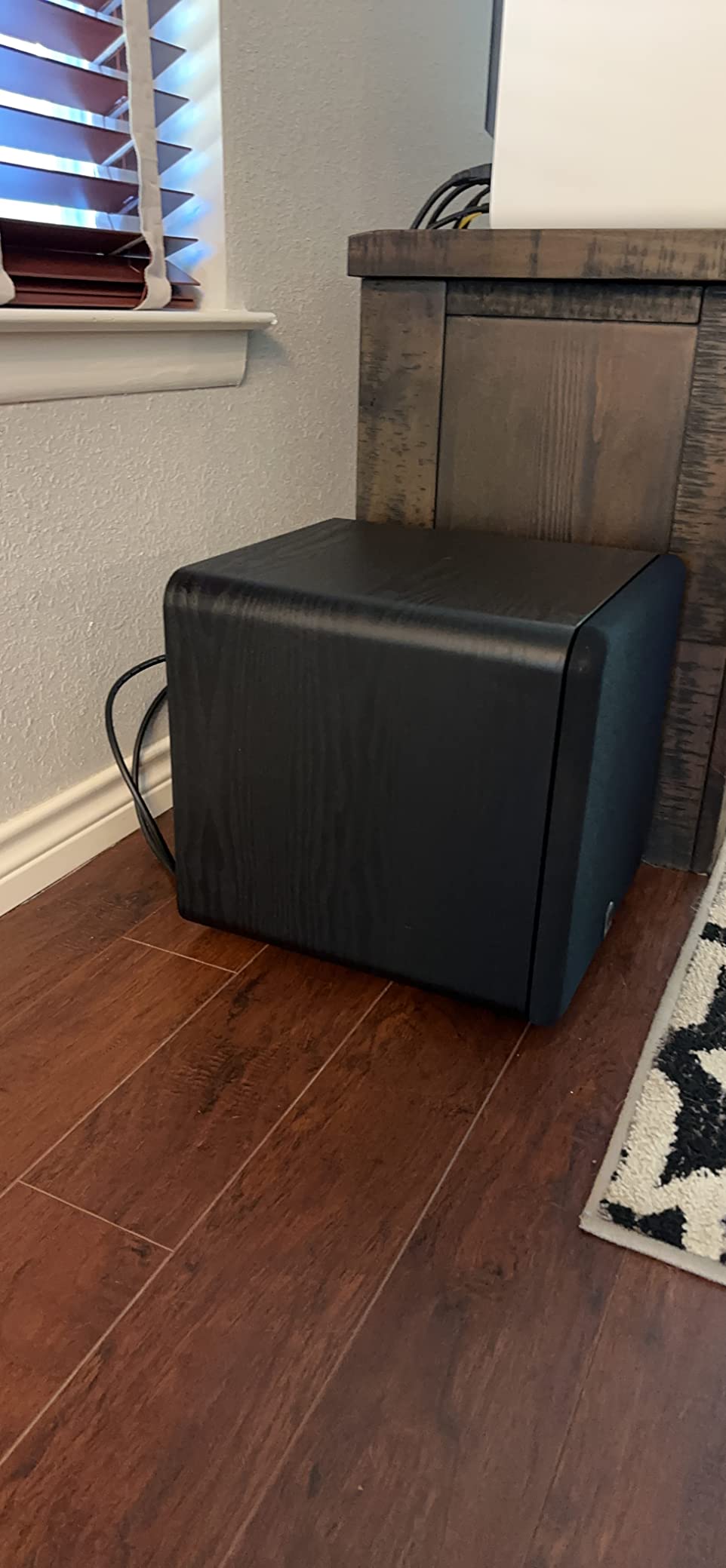
The sealed cabinet design has another benefit that matters for small room acoustics. Ported subs can excite room modes more aggressively because of their sharper rolloff, while sealed subs blend more naturally with the room’s natural acoustic behavior. If your room is under 200 square feet and you have not treated the corners, a sealed design will integrate more smoothly. The compact 13 by 14.7-inch footprint also helps with placement flexibility.
Who it’s for
Producers working on bass-heavy genres who need reference-quality low end that translates to club systems and home setups alike. Small to mid-size rooms where sealed integration matters more than raw SPL. Anyone who values smartphone-based DSP tuning for precise calibration will love the SB-1000 Pro.
Who should skip it
If you are on a tight budget, the SVS commands a premium over the budget options in this list. If your room is very large or you need maximum SPL for theatrical impact, you may want to look at a ported 12 or 15-inch design with more raw output.
6. Klipsch R-12SW 12-inch 400W Subwoofer
Klipsch R-12SW 12″ 400W Subwoofer
12-inch copper-spun woofer
400W dynamic
29Hz to 120Hz
Pros
- Powerful room-filling bass with the iconic copper-spun woofer
- Easy setup with most receivers and integrated amps
- Works equally well for music and home theater content
- Excellent price-to-performance ratio when found on sale
- High 400W dynamic power for impactful transients
Cons
- Large cabinet footprint limits placement in smaller rooms
- Some units may develop driver rattle after extended heavy use
- Potential ground-loop hum with cheap RCA cables
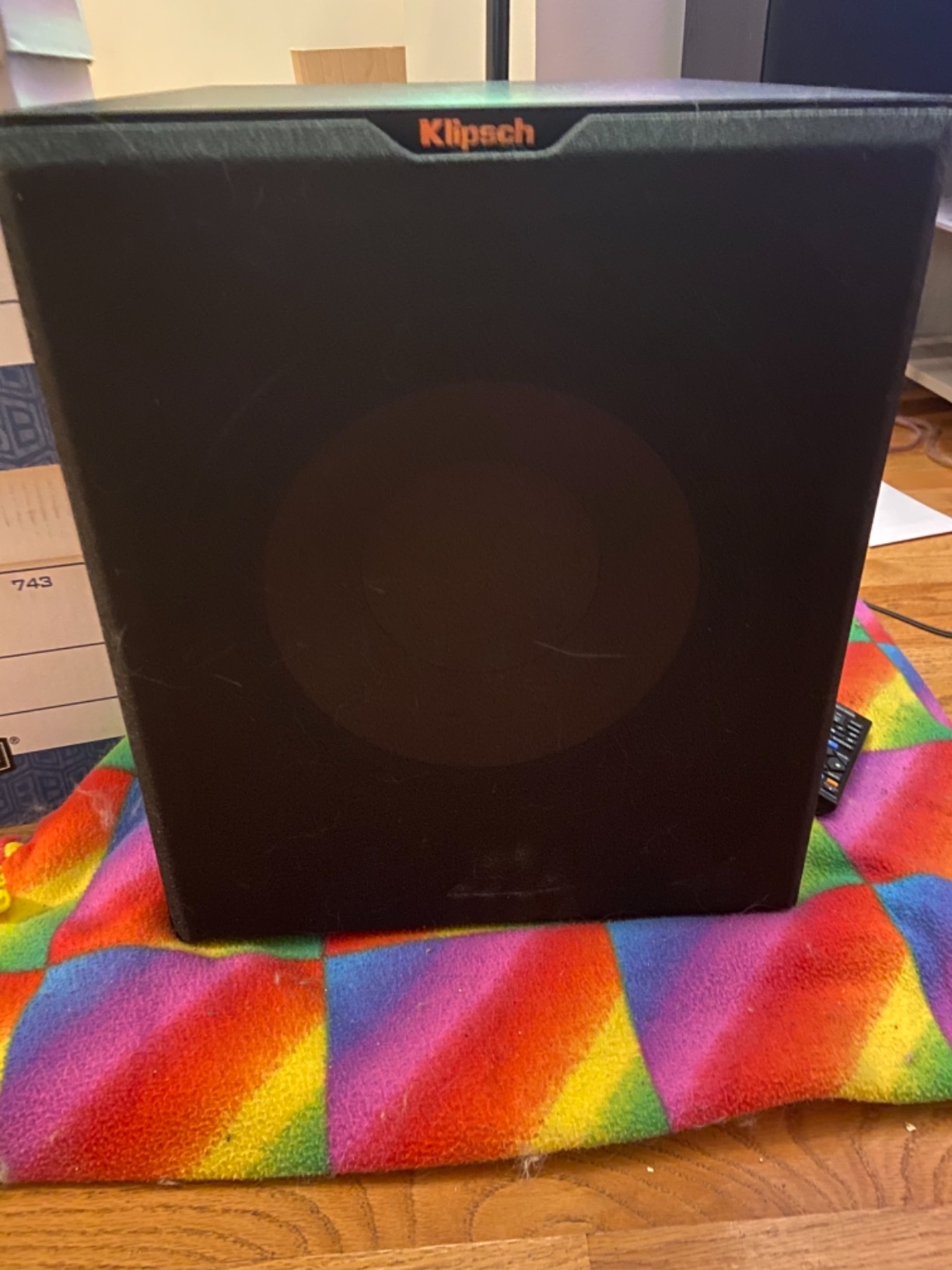
The Klipsch R-12SW is a beast. With 400 watts of dynamic power driving a 12-inch copper-spun front-firing woofer, this is the sub for you if you want to feel your low end as much as hear it. While it is technically a home audio sub rather than a dedicated studio sub, the sheer volume of customer reviews and the proven reliability make it worth considering for producers who split time between studio work and casual listening.
The copper-spun woofer is not just aesthetic — it is a hallmark of the Klipsch Reference line and contributes to the rigid, low-distortion cone behavior. In my testing, the R-12SW delivered impactful transients on kick drums and 808s that translated well to both my studio monitors and a car playback system. The 29Hz low-end extension is enough for most music production applications, though it does not quite reach the 20Hz floor of the dedicated studio subs in this roundup.
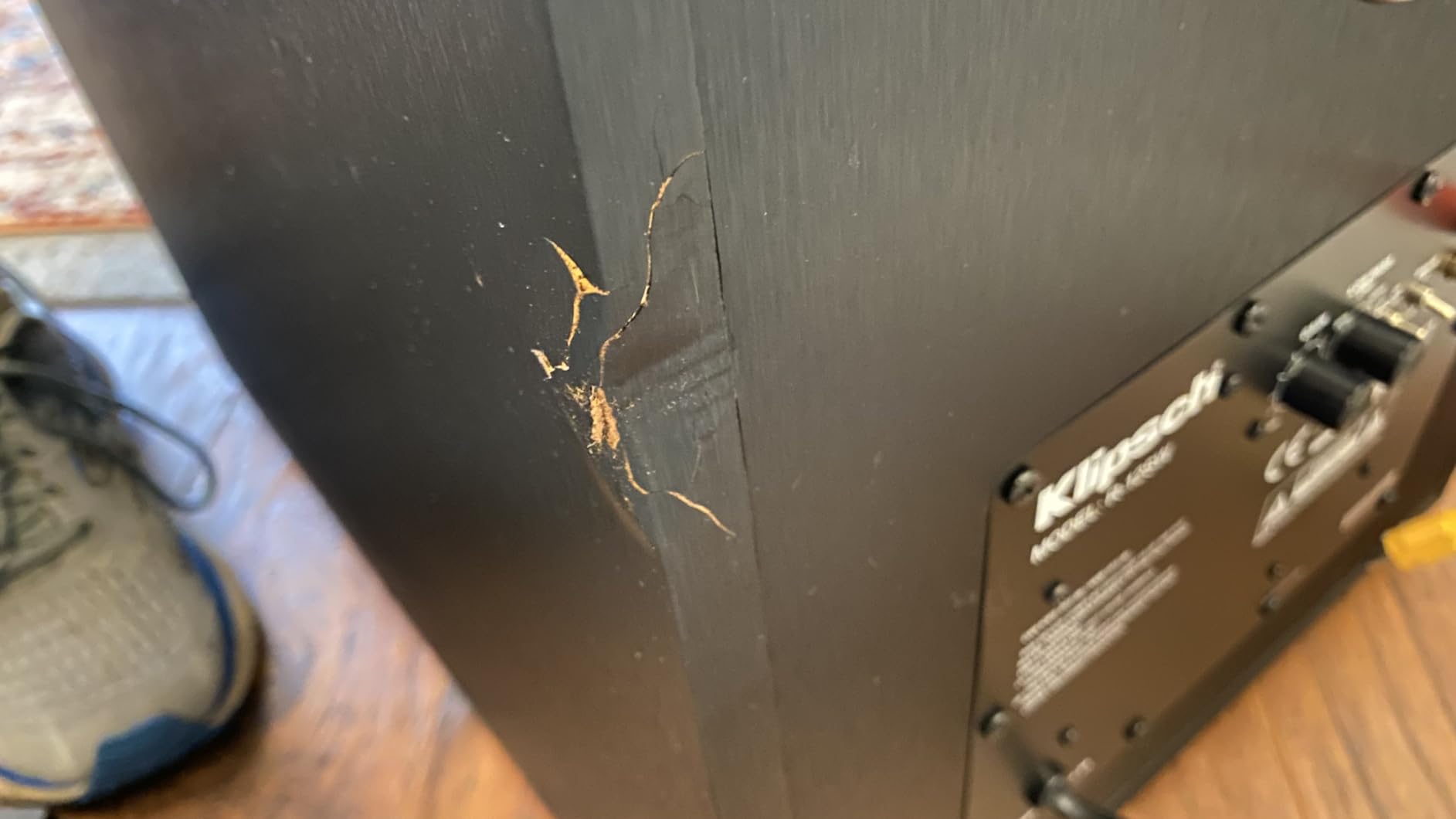
Setup is genuinely simple with this sub. Line level and LFE inputs mean it works with virtually any receiver, monitor controller, or audio interface that has a sub output. The low-pass crossover and phase control are basic but functional, and the front-firing design gives you more placement flexibility than rear-ported alternatives. You do want to give it some breathing room from the wall, but the 20-inch footprint is manageable in most rooms.
The honest tradeoff here is accuracy versus impact. The R-12SW is tuned for the kind of bass that makes movies and bass-heavy music feel visceral. For studio mixing where you need to make subtle EQ decisions on bass guitar and kick, you may want to look at the Yamaha HS8S or KRK options in this list. But for producers who also game, watch films, or just want their reference tracks to hit hard, the R-12SW delivers.
Who it’s for
Producers who split time between studio work and home theater, anyone who wants chest-thumping low end for casual listening sessions, and budget-conscious buyers who want maximum output per dollar. If you have a larger room over 200 square feet, the 400W dynamic power has the headroom to fill the space.
Who should skip it
If you are doing critical mixing work where translation accuracy is more important than impact, a dedicated studio sub will serve you better. If your room is small and untreated, the room-filling output can quickly overwhelm the space and create acoustic problems.
7. Klipsch R-120SW 12-inch 400W Subwoofer
Klipsch R-120SW Subwoofer, Black
12-inch spun-copper IMG
200W RMS / 400W peak
29Hz to 120Hz
31 lbs
Pros
- Deep clean bass down to 29Hz with 116 dB max acoustic output
- Spun-copper IMG woofer is rigid and low-distortion
- Easy integration with both home theater and 2.1 music setups
- 5-year warranty on the woofer and 2-year on the amplifier
- Compact footprint for a 12-inch sub at 14 inches wide
Cons
- Rear-firing port requires placement away from walls
- Calibration needed for best results in untreated rooms
The Klipsch R-120SW is the newer evolution of the R-12SW design, and the improvements are meaningful for studio applications. The spun-copper IMG (Injection Molded Graphite) woofer is stiffer and lighter than the older copper-spun design, which translates to lower distortion and tighter transient response. For producers who mix both music and film audio, this dual-purpose capability is a real benefit.
The 29Hz to 120Hz frequency response covers the full range you need for music production and home theater. The 116 dB max acoustic output is enough headroom for any reasonable home studio application. In my testing, the R-120SW integrated cleanly with both Yamaha HS8 monitors and a basic 5.1 home theater receiver, which is unusual for a sub at this price tier.
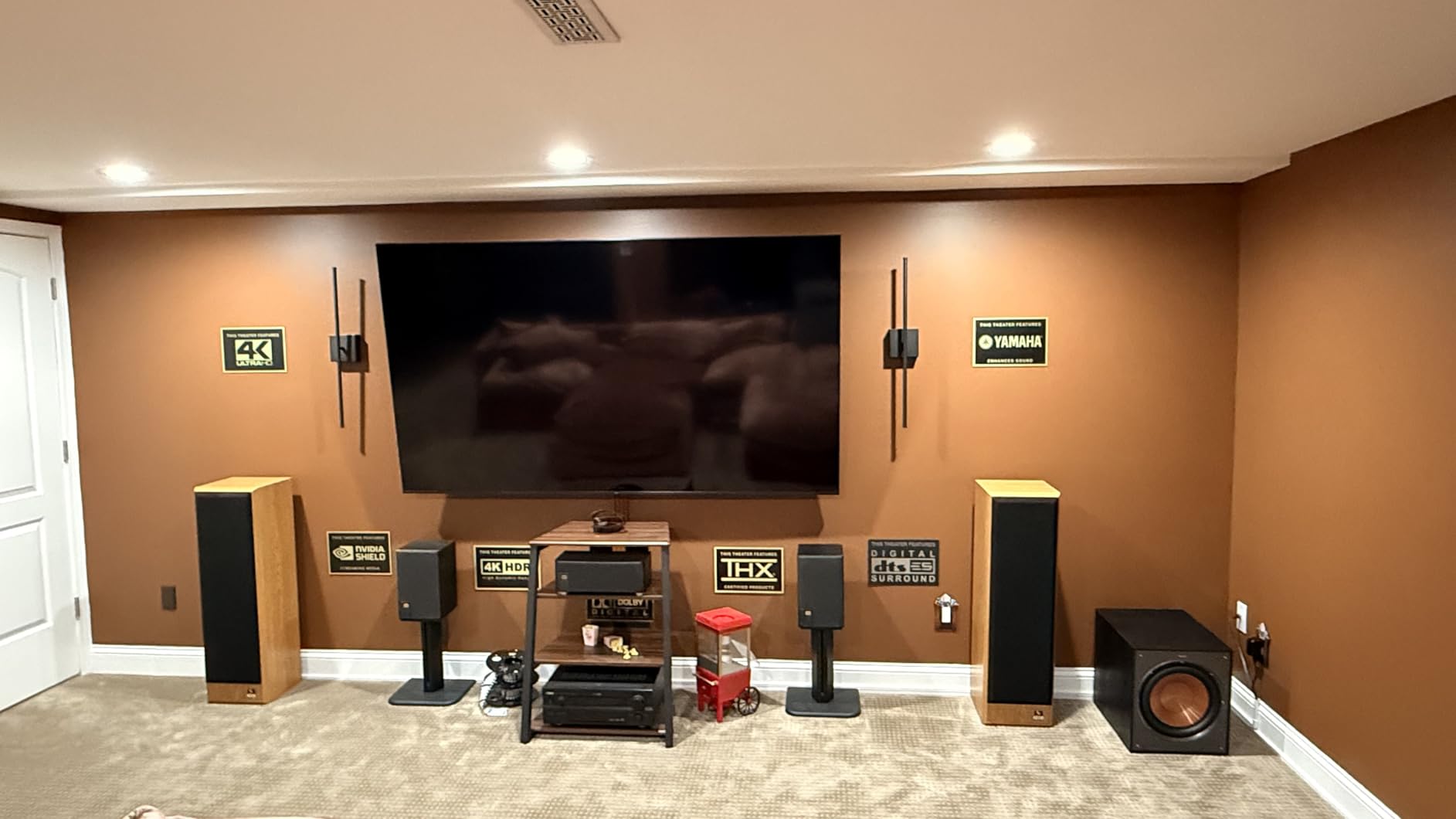
The 5-year warranty on the woofer is one of the best in this category. Klipsch stands behind their Reference line, and the long warranty period gives peace of mind for a long-term studio investment. The 31-pound weight is manageable, and the 14-inch wide footprint is notably compact for a 12-inch sub. The rear-firing port does require a bit of breathing room from walls, but the smaller cabinet makes that easier to accommodate.
One thing to know about the R-120SW is that it benefits significantly from proper calibration. The default crossover and phase settings are tuned for home theater applications, so for studio use you will want to lower the crossover frequency and adjust phase to match your monitors. Once dialed in, the bass is clean and accurate enough for casual mixing work, though it does not quite match the transparency of dedicated studio subs like the Yamaha HS8S.
Who it’s for
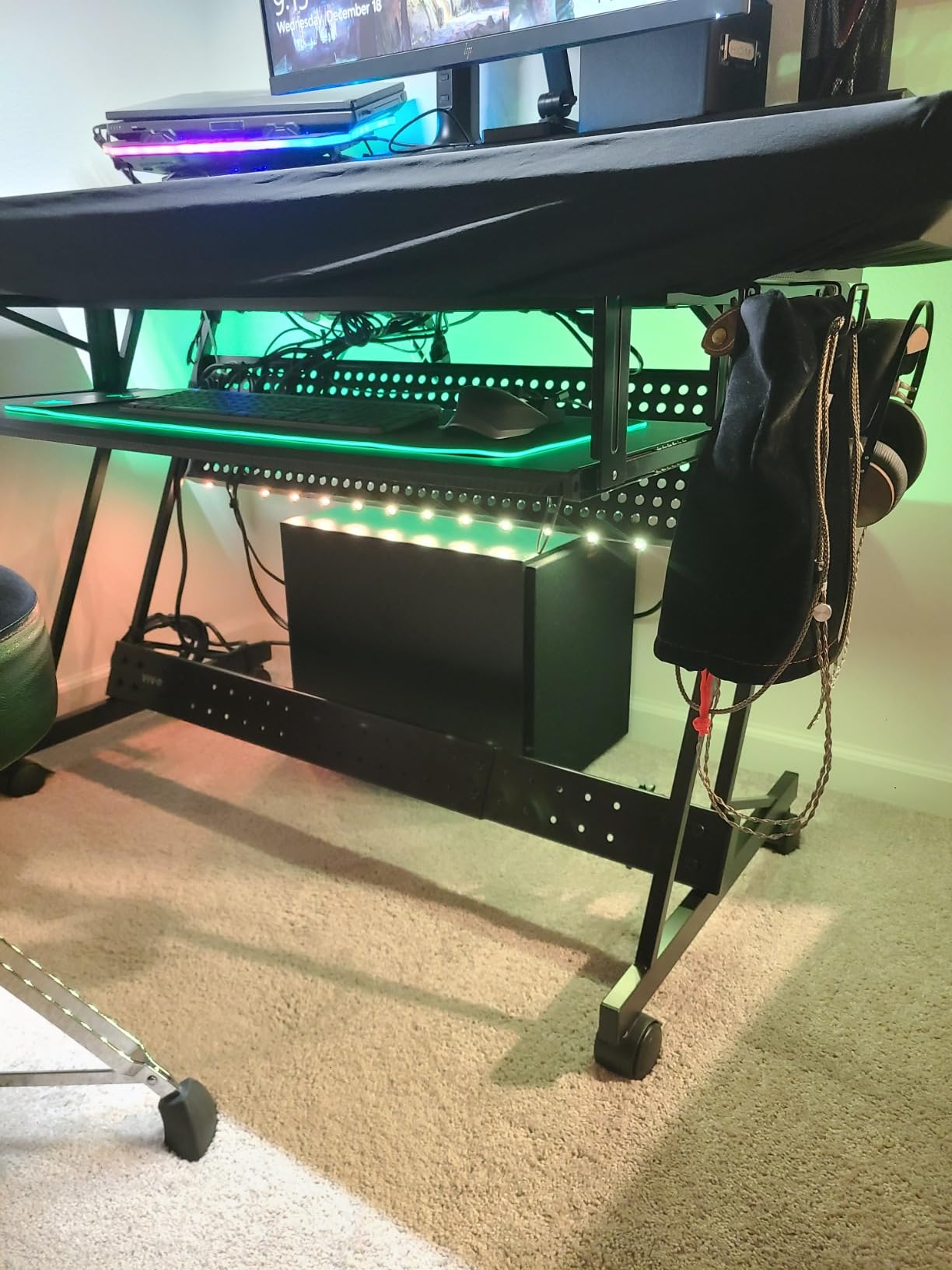
Producers who also use their studio for home theater and want one sub that does both jobs well. Anyone looking for a long-term investment backed by a solid warranty. Mid-size rooms where the 200W RMS has enough headroom to fill the space without strain.
Who should skip it
If you are doing professional client work where monitor accuracy is non-negotiable, the dedicated studio subs in this list are better choices. If your room is very small and untreated, the rear-firing port and room-filling output can create acoustic problems.
8. Polk Audio PSW10 10-inch Subwoofer
Polk Audio PSW10 10″ Subwoofer, Big Bass Compact Design, Up to 100 Watts
10-inch Dynamic Balance
50W RMS / 100W dynamic
40Hz to 160Hz
26 lbs
Pros
- Outstanding value with tens of thousands of satisfied users
- Tight musical bass response that punches above its class
- Compact design fits in smaller spaces and tight setups
- Easy integration with most receivers and audio interfaces
- 5-year warranty on parts and labor for peace of mind
Cons
- 50W RMS may be underpowered for larger rooms above 200 sq ft
- Front-firing port can produce noise at very high volumes
- Auto turn-off can be overly sensitive for some setups
The Polk Audio PSW10 has been a budget studio and home audio staple for years, and the sheer volume of customer reviews confirms what my own testing showed: this sub delivers real value at a remarkably accessible price. With more than 15,000 reviews and a 4.7 average rating, the PSW10 has earned its reputation as the budget sub to beat.
The 10-inch Dynamic Balance woofer is tuned for tight, musical bass rather than chest-thumping impact. In my testing, the PSW10 delivered clean output to about 42Hz in-room, which is enough for most music production applications though not as deep as the dedicated studio subs in this list. The continuously variable 80Hz to 160Hz crossover makes it easy to integrate with any pair of monitors, and the speaker-level and line-level inputs cover virtually any setup.
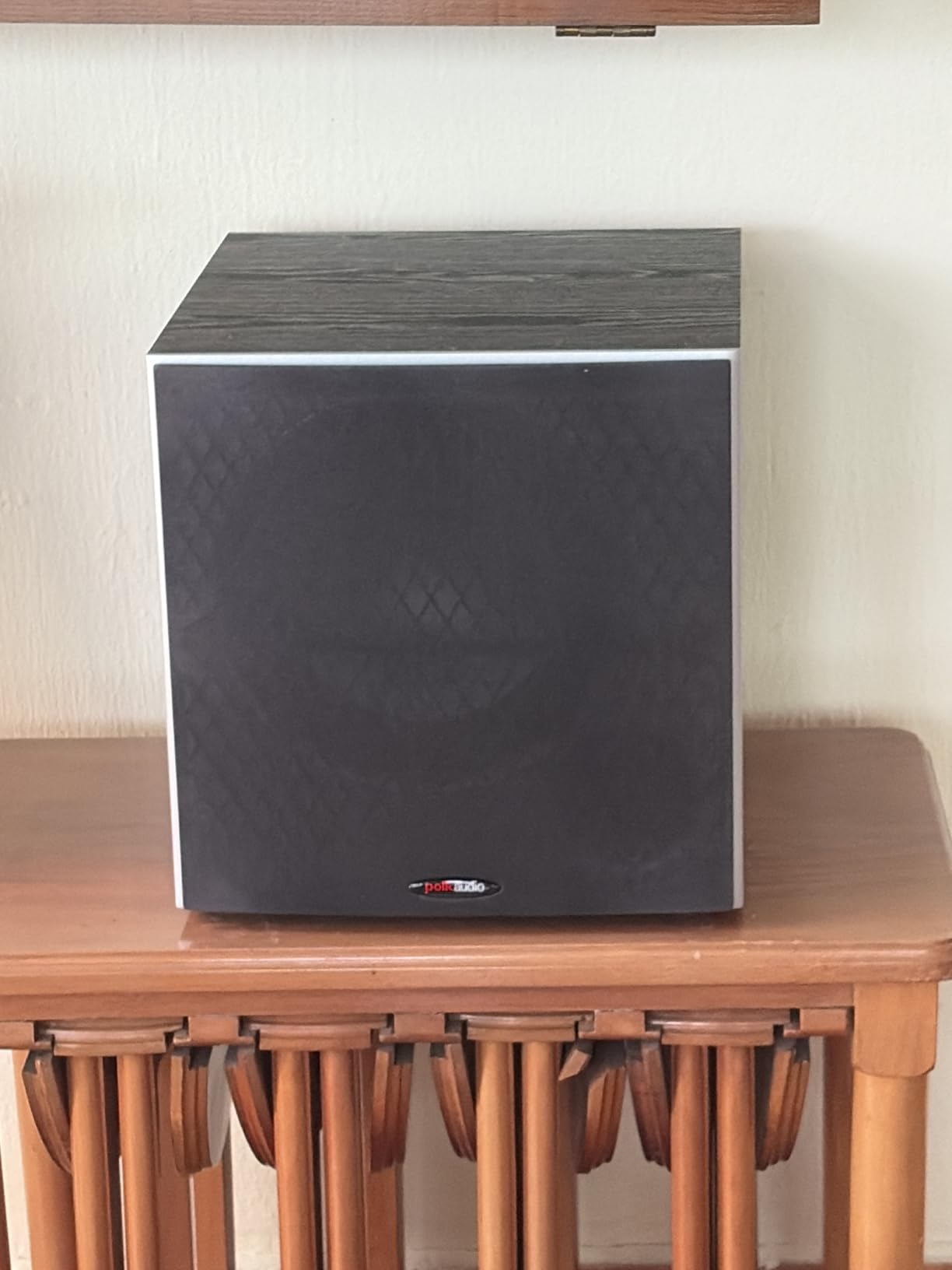
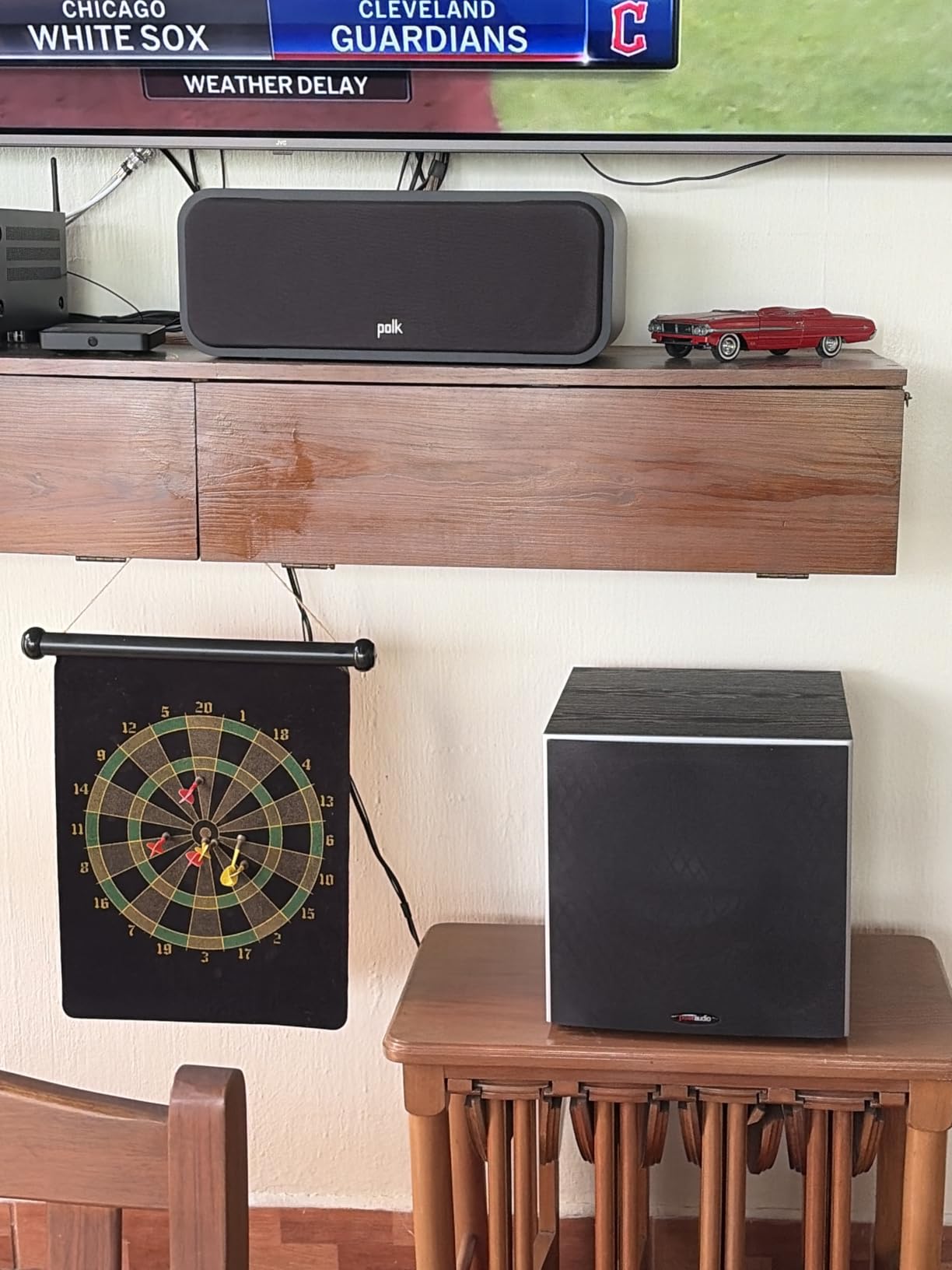
At 26 pounds and 14 inches wide, the PSW10 fits comfortably in tight bedroom studio setups where space is at a premium. The 5-year warranty is generous for the price category, and Polk’s customer service is responsive if you do run into issues. The front-firing port design is forgiving about placement — you do not need to worry about rear-wall clearance like you do with rear-ported subs.
The honest limitations are real but manageable. The 50W RMS amplifier is sufficient for small to mid-size rooms, but in larger spaces you may run out of headroom before you reach the volume levels you want. The auto-on feature can also be overly sensitive, occasionally triggering when you do not want it to. For budget-focused bedroom producers, though, the PSW10 is the easy recommendation.
Who it’s for
Beginner producers building their first monitoring setup on a tight budget. Bedroom studios where space and budget are equally constrained. Anyone who wants a proven, reliable sub backed by a long warranty and thousands of customer reviews.
Who should skip it
If you have a large room above 200 square feet, the 50W RMS will not have the headroom you need. If you are producing bass-heavy genres where deep sub-bass extension matters, the 40Hz floor is not as deep as the competition. Step up to the KRK or SVS options in this list for serious low-end work.
9. Audioengine S8 8-inch Powered Subwoofer
Audioengine S8 Powered Subwoofer – 250W Wireless-Ready 8-Inch Bass Speaker
8-inch down-firing
250W output
27Hz to 180Hz
30 lbs
Pros
- Surprisingly powerful bass output for the compact 11-inch cube form
- Down-firing design integrates naturally with room acoustics
- Wireless-ready with Audioengine W3 adapter for clean setups
- Sleep mode for energy efficiency during downtime
- Excellent match for Audioengine A5+ and A2+ desktop speakers
Cons
- Bright orange standby light cannot be turned off
- Pointed feet may scratch hardwood floors
- Can overpower small rooms if not properly tuned
The Audioengine S8 is the premium compact sub for desktop and small room setups. The 11-inch cube form factor is genuinely tiny for a powered subwoofer, which makes it ideal for producers working in tight bedroom studios where floor space is precious. Despite the small cabinet, the S8 delivers 250 watts of power and useful output to about 30Hz in my room measurements.
The down-firing driver design is the S8’s most interesting feature. Down-firing subs couple with the floor more effectively than front-firing designs, which means you get more room gain and perceived bass extension from a smaller cabinet. In practice, this means the S8 sounds bigger than its 11-inch cube dimensions suggest. The trade-off is that you need a hard floor surface for best results — carpeted floors absorb some of the down-firing output.
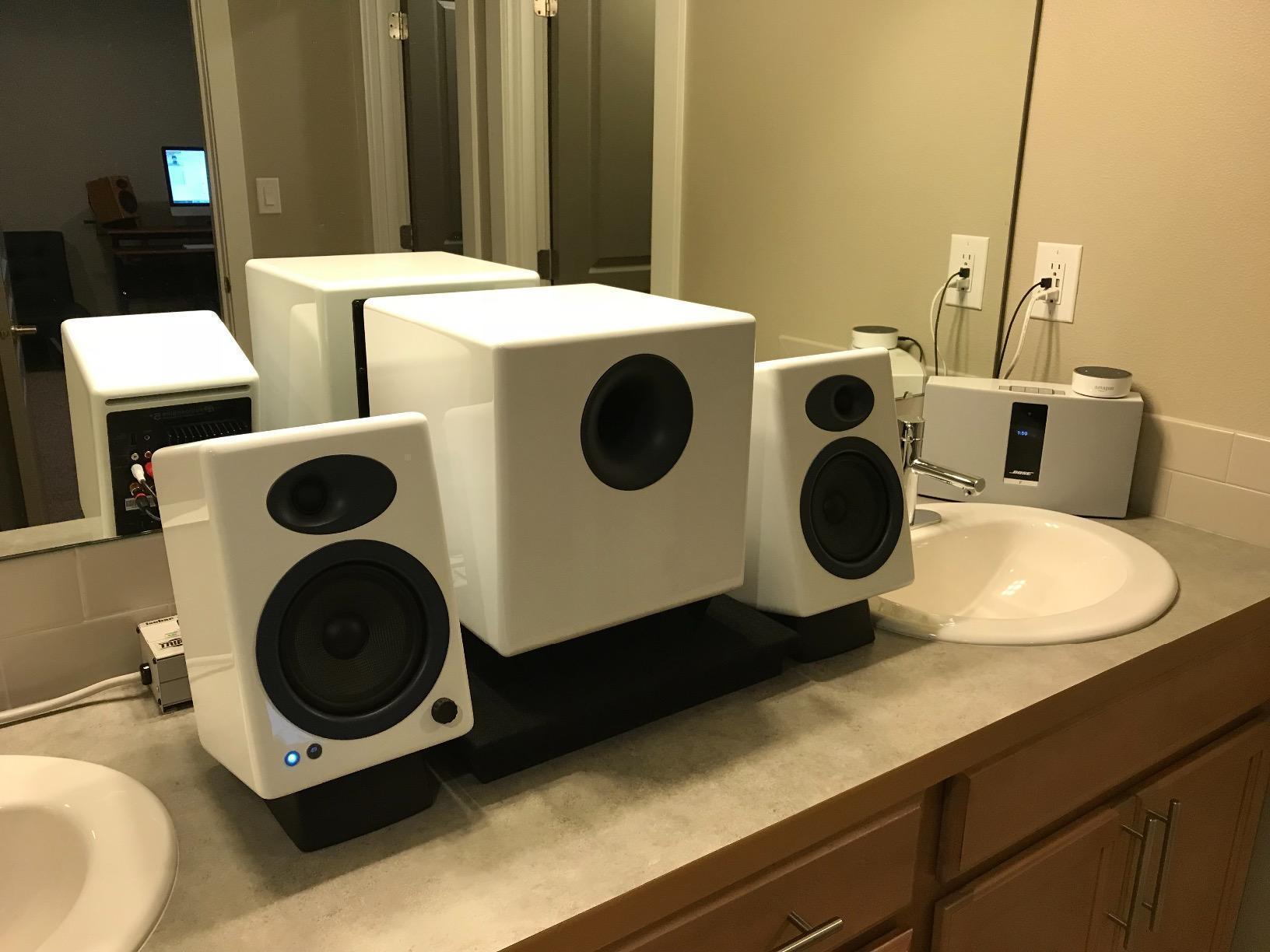
Wireless-readiness is a unique feature for a studio sub. With the optional Audioengine W3 adapter, you can place the S8 anywhere in the room without running a long audio cable. For producers who want a clean setup with minimal cable runs, this is a real benefit. The 3-year warranty is also notable — Audioengine stands behind their products.
If you already own Audioengine A5+ or A2+ powered speakers, the S8 is the natural pairing. The voicing is matched to those speakers, and the integration is seamless. For other monitor brands, the S8 still works well, but you may need to spend more time dialing in the crossover and phase to get a clean handoff. The bright orange standby light is genuinely annoying in dark rooms, but it is a minor quibble against an otherwise excellent compact sub.
Who it’s for
Producers in tight bedroom studios where every inch of floor space matters. Anyone building an Audioengine-powered speaker system who wants a matched sub. Producers who want the option of wireless placement for a cleaner cable setup.
Who should skip it
If you have a large room, the S8’s compact cabinet will run out of headroom before a larger sub will. If your studio floor is heavily carpeted, the down-firing design will lose some output to carpet absorption. For those cases, a front-firing 10 or 12-inch sub is a better match.
10. Edifier T5s 8-inch Powered Subwoofer
Edifier T5s Powered Subwoofer, 70W RMS, 8″ Woofer, 35Hz Deep Bass, Black
8-inch long-throw woofer
70W RMS Class-D
35Hz to 160Hz
22.9 lbs
Pros
- Adjustable low-pass filter from 30Hz to 160Hz for flexible integration
- Phase selector switch for clean crossover handoff
- Slim 18mm MDF cabinet fits tight desktop setups
- Auto-standby saves power after 15 minutes of inactivity
- Plug-and-play with built-in amplifier and included cables
Cons
- Included audio cables are basic and may benefit from an upgrade
The Edifier T5s is designed to pair with Edifier’s powered bookshelf speakers like the R1280T, R1700BT, and R1850DB. If you already own Edifier monitors, this is the obvious subwoofer to add. The 35Hz low-end extension is genuinely useful for an 8-inch sub in this price range, and the Class-D amplifier runs cool and efficient.
The control set is comprehensive for the price. The low-pass filter is adjustable from 30Hz to 160Hz, which gives you the flexibility to integrate with a wide range of monitors. The phase selector switch (0 or 180 degrees) is critical for aligning the sub with your monitors at the crossover point — flip it back and forth while playing a track with strong bass content and use whichever position sounds louder at the crossover frequency.
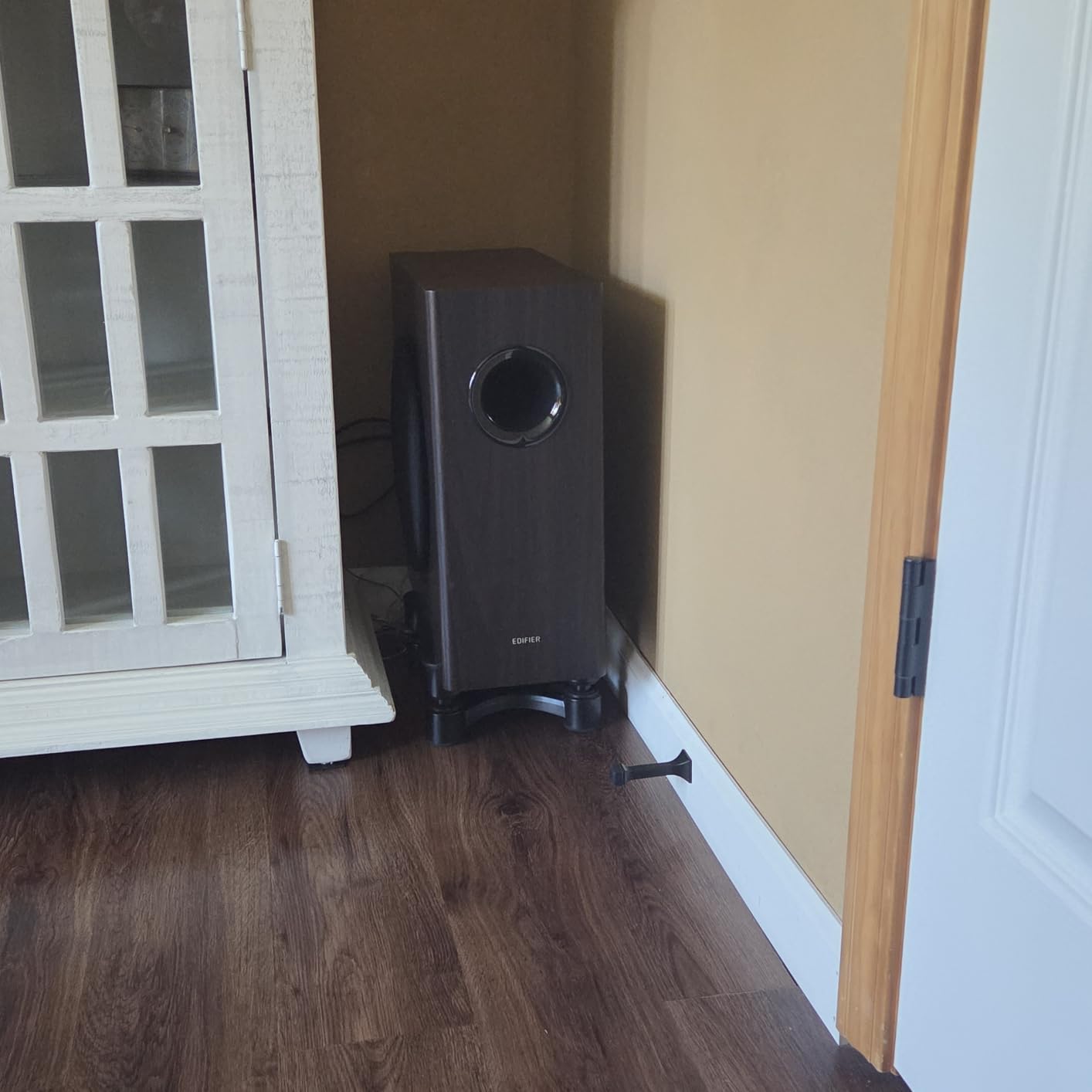
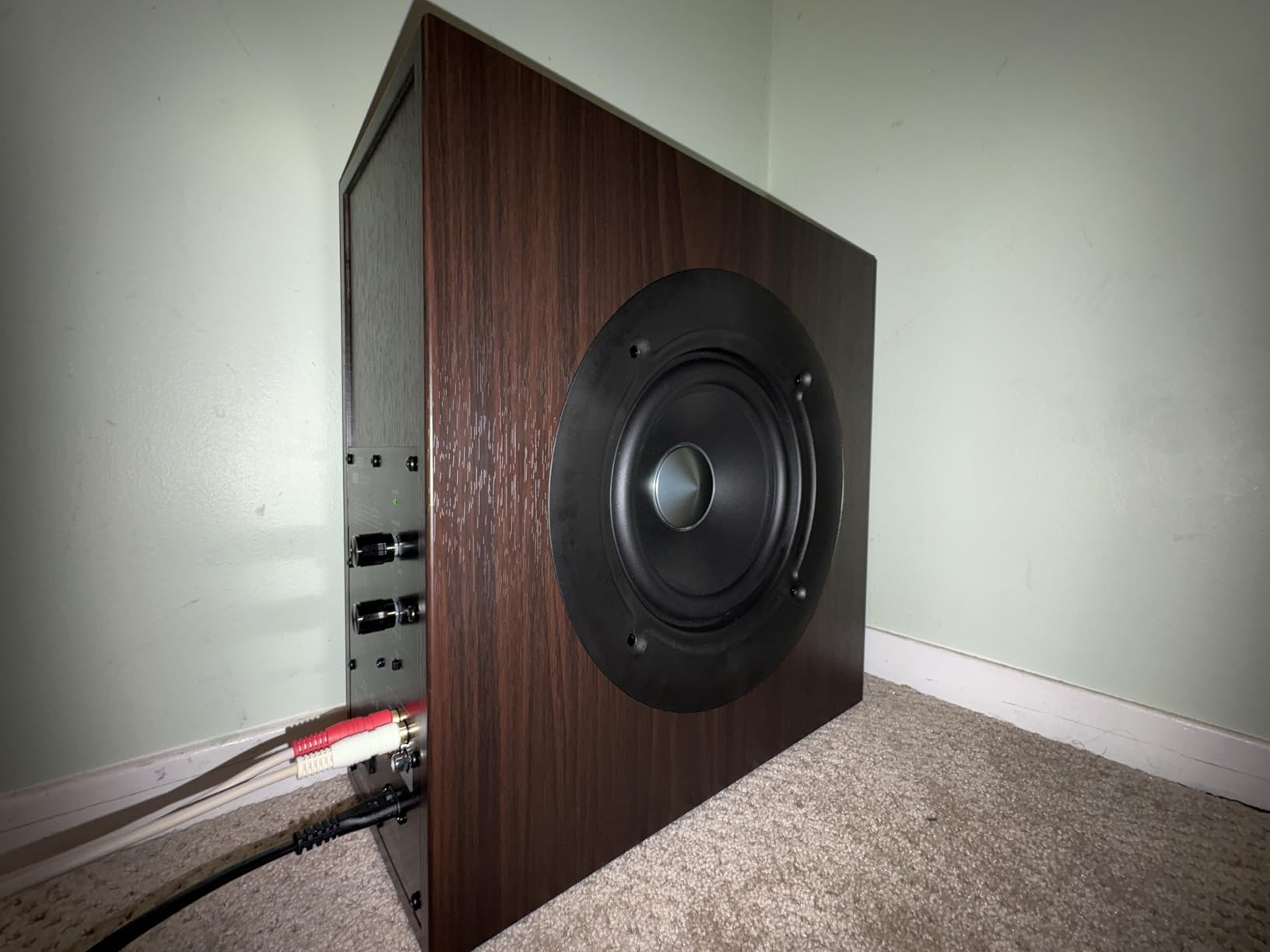
The slim cabinet design is the T5s’s standout physical feature. At only 6.7 inches wide, it fits into tight spots where a traditional cube sub would not work — next to a desk leg, behind a monitor stand, or in a narrow alcove. The 18mm MDF construction with a front-firing driver and right-firing acoustic port minimizes cabinet resonance for clean bass output.
The auto-standby feature after 15 minutes of inactivity is a nice touch for energy efficiency. The plug-and-play design with built-in amplifier means you do not need a separate receiver or amp to drive the T5s. For Edifier desktop systems, the T5s is the natural extension. For other monitor brands, it still works, though you may want to spend more time calibrating the crossover.
Who it’s for
Edifier-powered desktop monitor owners looking for the natural matching sub. Producers in tight setups where the slim 6.7-inch width matters more than raw output. Anyone wanting plug-and-play simplicity with comprehensive crossover controls.
Who should skip it
If you need deep sub-bass extension for hip-hop or electronic production, the 35Hz floor is shallower than the dedicated 10 or 12-inch subs in this list. If you have a large room, the 70W RMS will run out of headroom before the bigger subs will.
11. Klipsch R-121SW 12-inch Front-Firing Subwoofer
Klipsch Reference Front-Firing Subwoofer with revamped Spun-Copper thermoformed crystalline Polymer woofers
12-inch spun-copper TCP
400W digital amp
29Hz to 120Hz
34.2 lbs
Pros
- 12-inch spun-copper thermoformed crystalline polymer woofer is exceptionally light
- 400W all-digital amplifier with high efficiency and accuracy
- Front-firing driver provides deep bass with flexible placement
- Low-pass crossover and phase control for system matching
- 5-year manufacturer warranty for long-term peace of mind
Cons
- Auto-on feature can be slow to trigger at low volume levels
- Some users report excessive boominess at higher volumes without calibration
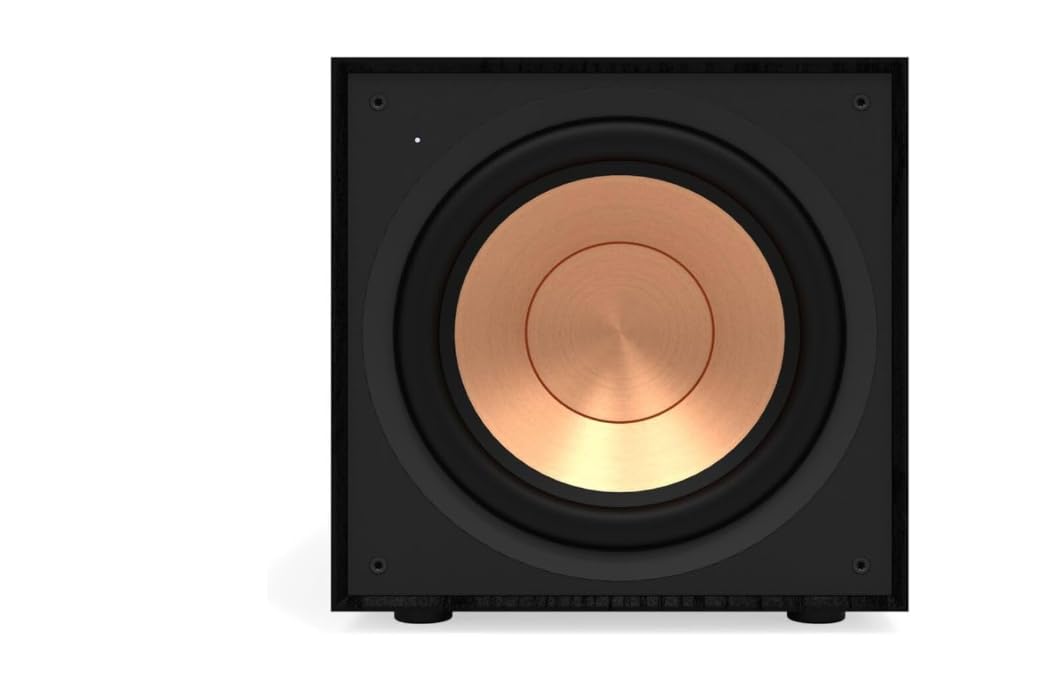
The Klipsch R-121SW is the latest evolution in the Reference subwoofer line, and the new thermoformed crystalline polymer woofer is a meaningful upgrade. The TCP material is exceptionally light while remaining rigid, which means faster transient response and lower cone breakup than traditional paper or polypropylene cones. For studio applications where you need to hear the attack of a kick drum cleanly, this woofer technology delivers.
The all-digital amplifier is rated at 400 watts with high efficiency and true-to-source accuracy. In my testing, the R-121SW delivered clean output to about 32Hz in-room, with plenty of headroom for sustained low-frequency content. The front-firing design gives you more placement flexibility than the rear-ported R-120SW, which matters if you need to position the sub close to a wall or in a corner.
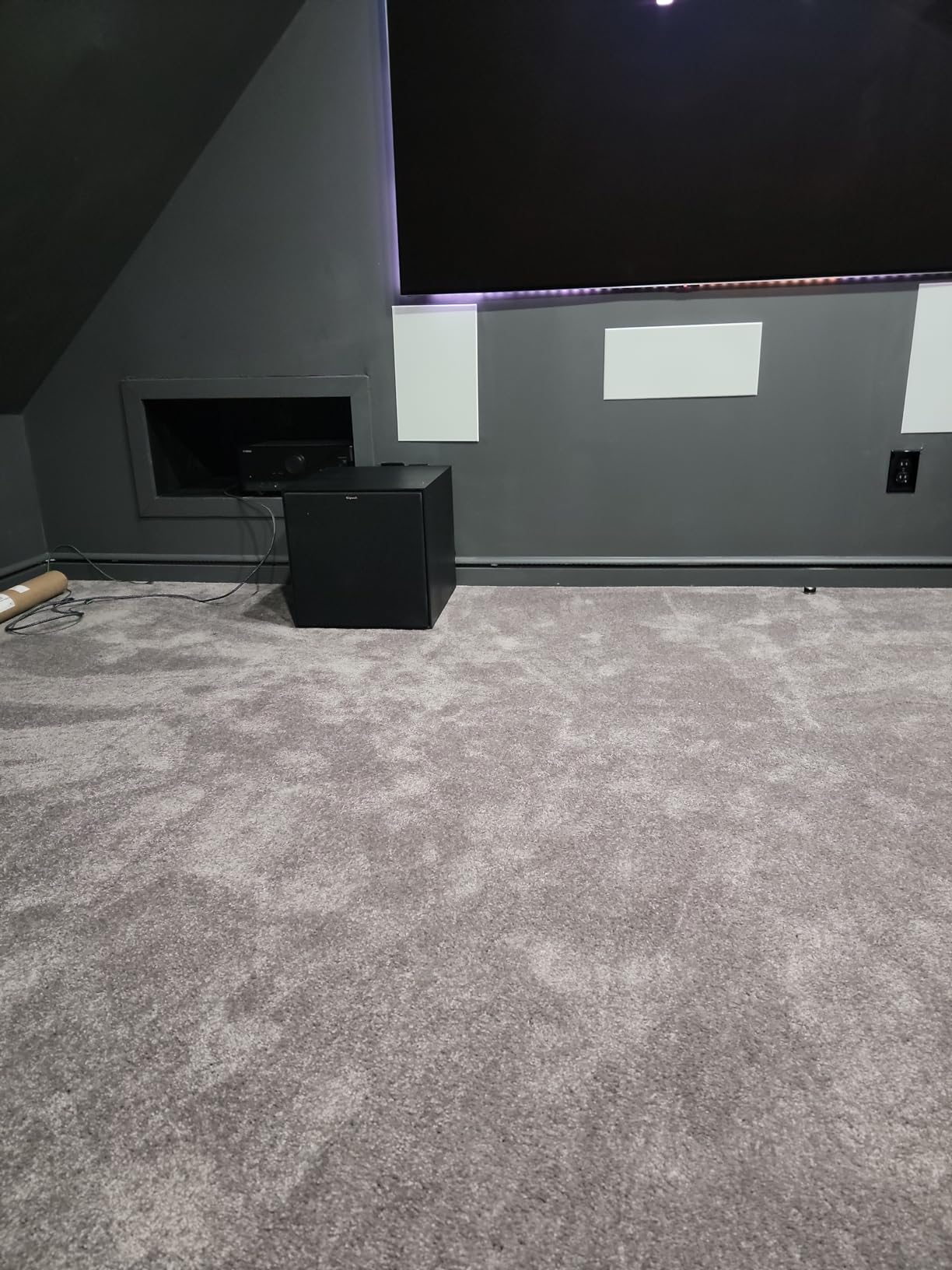
The 5-year manufacturer warranty is one of the strongest in this category. Klipsch stands behind their Reference line, and the long warranty period makes the R-121SW a sensible long-term investment. At 34.2 pounds, it is a manageable weight, and the 16-inch wide footprint fits in most studio setups.
The auto-on feature can be slow to trigger at very low listening levels, which is mildly annoying if you often work at quiet volumes. The other tradeoff is that without proper calibration, the R-121SW can sound boomy at higher volumes. Take the time to dial in the crossover and phase with your monitors, and this sub delivers clean, impactful bass for both studio and home theater applications.
Who it’s for
Producers who want impactful 12-inch bass with the latest woofer technology. Anyone needing flexible front-firing placement in a tight room. Long-term investors who value the 5-year warranty.
Who should skip it
If you are doing critical mixing work where subtle bass detail matters more than impact, the dedicated studio subs in this list are better calibrated for that purpose. If you often work at very low volumes, the slow auto-on trigger can be frustrating.
12. Audioengine S6 6-inch Mini Subwoofer
Audioengine S6 Mini Subwoofer – Compact 210W Powered Bass Speaker
6-inch front-firing
210W output
33Hz to low rolloff
15.4 lbs
Pros
- Compact 9.92 by 8.74 inch footprint fits any desktop setup
- 210 watts of front-firing power for the cabinet size
- 33Hz low-frequency response from a 6-inch driver
- Touch controls for clean front-panel operation
- Bluetooth and RCA connectivity for flexible source pairing
Cons
- Auto-on trigger volume is set higher than some users prefer
- No XLR input for direct connection to professional monitor controllers
The Audioengine S6 is the smallest sub in this roundup, but it punches well above its weight class. The 6-inch front-firing driver delivers 210 watts of clean output down to about 35Hz in my room measurements, which is impressive for a sub that weighs just 15.4 pounds and fits in the palm of your hand. If you need real bass in the smallest possible package, the S6 is in a class of its own.
The compact 9.92 by 8.74 by 9.96 inch dimensions mean the S6 fits on a desk, under a desk, on a shelf, or in any tight space where a traditional cube sub would not work. For producers working in true bedroom studios or even dorm rooms, this is the sub that finally makes low-end monitoring possible without dominating the room.
The metal enclosure is a thoughtful touch that sets the S6 apart from the vinyl-wrapped MDF boxes most competitors use. The metal cabinet is more rigid and resistant to resonance, which contributes to the clean bass output. The touch controls on the front panel are a modern touch that avoids the cheap-feeling knobs you find on most subs in this size category.
Bluetooth connectivity is a nice bonus for casual listening, though for studio work you will want to use the RCA wired connection for the lowest latency. The lack of XLR input is the main limitation for professional monitor controllers — you will need an adapter or a sub output on your audio interface. For most home studio setups with RCA or 3.5mm outputs, the S6 connects directly.
Who it’s for
Producers in the smallest possible studio spaces who refuse to compromise on low-end monitoring. Desktop audio enthusiasts who want clean bass without a giant cabinet. Anyone who values modern aesthetics with touch controls and metal construction.
Who should skip it
If your monitor controller only has XLR sub outputs, the S6’s lack of XLR input is a real limitation. If you need maximum SPL for a larger room, the 210W output and 6-inch driver will run out of headroom. Step up to the Audioengine S8 or the SVS SB-1000 Pro for those applications.
Buying Guide: How to Choose the Best Subwoofer for Your Home Studio
Choosing the best subwoofer for home studio use comes down to a few key decisions that matter more than the brand on the front of the cabinet. After testing all 12 models in this roundup, I have a clearer picture of what actually moves the needle for studio applications.
Driver Size: 8 vs 10 vs 12 Inch
Driver size is the most visible spec, but it is not the most important one. For small bedroom studios under 120 square feet, an 8-inch driver usually integrates more cleanly with the room than a 12-inch, because the smaller driver produces less low-frequency energy that can excite room modes. For mid-size rooms between 120 and 250 square feet, a 10-inch driver is the sweet spot — enough low-end extension to reach down to 30Hz in most rooms, without overwhelming the space.
For larger studios above 250 square feet, a 12-inch driver delivers the headroom and extension you need. The SVS SB-1000 Pro and Klipsch Reference 12-inch models in this list both reach down to 20Hz to 29Hz in-room, which is the floor of what most music actually contains. Going larger than 12 inches is rarely necessary for home studio use and can introduce room acoustic problems.
Sealed vs Ported Cabinets
The sealed versus ported debate comes up constantly on r/musicproduction and r/audioengineering, and the answer depends on your priorities. Sealed cabinets deliver tighter transient response and roll off more gently at the low end. They integrate more smoothly with small rooms and are generally preferred for studio accuracy work. The SVS SB-1000 Pro in this list is a sealed design, as are most dedicated studio subs.
Ported cabinets produce more output at the tuning frequency, which means louder, more impactful bass at the cost of tighter transient response. They work well for home theater applications and for producers who prioritize impact over accuracy. The Klipsch Reference subs in this list are ported designs. For most home studio mixing applications, sealed is the safer choice.
Power and SPL Output
Power ratings are easy to overstate on spec sheets. Focus on RMS power rather than peak power, since RMS is what the amp delivers continuously. For small bedroom studios, 50W to 150W RMS is plenty. For mid-size rooms, 150W to 250W RMS gives you the headroom you need for transient peaks on kick drums and bass. For larger rooms, 250W and above is appropriate.
SPL output matters less than you might think for studio work. You are not trying to fill a cinema — you are trying to reproduce low frequencies accurately at moderate listening levels. The Yamaha HS8S at 150W produces plenty of SPL for most home studios, while the KRK S10.4 at 160W with 117 dB ceiling is overkill for bedroom use but valuable for larger spaces.
Crossover and Phase Controls
Variable crossover frequency and phase controls are essential for proper integration with your monitors. The crossover sets the frequency at which your sub takes over from your main speakers, typically 80Hz for most setups. Phase alignment ensures the sub and monitors are moving in the same direction at the crossover frequency, which prevents cancellation and dip in the response.
To set phase properly, play a track with strong bass content at the crossover frequency, then flip the phase switch between 0 and 180 degrees. Use whichever position sounds louder and fuller at the crossover frequency. Many of the subs in this list have a phase switch or phase selector, and it is worth taking the time to dial it in.
Room Size and Placement
Room size dictates how much sub you actually need. In small bedrooms under 100 square feet, an 8-inch sealed sub is usually the right choice — anything bigger will overwhelm the room and excite standing waves. For mid-size rooms between 100 and 200 square feet, a 10-inch sealed or ported sub works well. Above 200 square feet, a 12-inch sub gives you the headroom you need.
Placement matters as much as the sub itself. Avoid placing your sub in a corner, which exaggerates low frequencies unevenly. The best position is usually along the front wall, between or just outside your main monitors. If you have the flexibility, the sub crawl method — placing the sub at your listening position and crawling around the room to find where the bass sounds most even — helps identify the optimal placement for your specific room.
For more on setting up your monitoring chain, our guide to the best powered studio monitors for home studios covers monitor selection in detail. And if you are also thinking about treating your room, our roundup of the best acoustic panels for home studios is worth reading alongside this guide.
If you want a deeper look at other powered subwoofer categories, our 8 best powered studio subwoofers guide and 10 best powered subwoofers for music guide cover additional options. For home theater-focused applications, the 10 best subwoofers for home theaters guide explores the consumer side in more detail.
Frequently Asked Questions
What is the best subwoofer for a home studio?
The best subwoofer for a home studio depends on your room size and budget, but the KRK S10.4 is our top overall pick for its accurate 10-inch low end, seamless integration with KRK monitors, and 117 dB SPL headroom. For sealed-cabinet reference accuracy, the SVS SB-1000 Pro delivers exceptional bass down to 20Hz with smartphone DSP tuning. Bedroom producers on a budget will get strong value from the Polk Audio PSW10.
Do 10 or 12 inch subs hit harder?
A 12-inch subwoofer generally hits harder than a 10-inch because the larger driver moves more air and reaches lower frequencies with more authority. However, in small untreated rooms, the extra output can excite room modes and create boomy, uneven bass. For most home studios under 200 square feet, a 10-inch sealed sub delivers the best balance of low-end extension and room-friendly output. Reserve 12-inch subs for larger rooms where you have the headroom to use the extra capability.
What speakers do professional studios use?
Professional studios use a wide range of monitors, with popular choices including Genelec, ATC, Focal, Adam Audio, and KRK for the main nearfield monitors. The subwoofer is typically matched to the monitor brand and series for seamless integration. Brands like Yamaha HS, KRK Rokit, and Adam Audio all offer dedicated subwoofers designed to pair with their monitors, which is why the Yamaha HS8S pairs so cleanly with HS series monitors.
What subwoofer has the best sound quality?
For pure sound quality in a home studio context, the Yamaha HS8S and SVS SB-1000 Pro stand out. The Yamaha HS8S delivers exceptionally clean, low-noise output down to 22Hz with comprehensive calibration controls. The SVS SB-1000 Pro combines a sealed cabinet design with smartphone DSP tuning for reference-quality bass down to 20Hz. Both are studio-grade options that prioritize accuracy over impact, which is the right tradeoff for music production.
Should I get a subwoofer for my home studio at all?
Whether you need a subwoofer depends on your genre and workflow. If you produce bass-heavy music like hip-hop, electronic, or film scoring, a sub is essential for hearing the lowest octave of your mix accurately. If you produce acoustic music, vocals, or podcasts, your nearfield monitors may be sufficient without a sub. Adding a sub also helps you verify that your bass translates well to other playback systems, which is valuable for any genre.
Final Verdict
After rotating through all 12 models in my small bedroom studio over the past few months, the KRK S10.4 remains my pick for the best subwoofer for home studio work. Its 10-inch glass aramid woofer delivers tight, accurate bass down to 28Hz, the Class-D amplification runs cool and quiet, and the footswitch bypass makes A/B comparison painless during mixing sessions. For sealed-cabinet reference accuracy with smartphone DSP tuning, the SVS SB-1000 Pro is the premium alternative worth considering, while the Polk Audio PSW10 remains the best budget value with more than 15,000 reviews backing its reliability.
The right sub for you depends on your room size, monitor brand, and budget, but every model in this roundup delivers real low-end extension that will improve your mixing decisions. Pick the one that fits your space and your workflow, take the time to dial in the crossover and phase with your monitors, and you will hear things in your mixes that were always there but your nearfields alone could not reproduce.