
The best soundbars for TV for hearing impaired viewers are the ZVOX AV100 for targeted speech clarification, the Bose TV Speaker for simple dialogue-focused setup, and the Sonos Beam Gen 2 for premium room tuning and app control. A soundbar for hearing impaired listeners uses digital signal processing to make voices more distinct from music and effects, but it does not restore hearing or replace a clinical assessment.
Modern flat-panel TVs often use small, rear-facing speakers. In a quiet drama, consonants can disappear into background music; in an action scene, effects can suddenly feel much louder. Age-related high-frequency loss, often called presbycusis, makes that problem worse because many speech consonants sit in the higher frequencies.
I compared the supplied product data, then prioritized dedicated voice modes, multiple adjustment levels, center-channel support, room calibration, and HDMI-ARC convenience. I also considered the recurring complaints in hearing communities: missed dialogue, loud commercials, weak bass, confusing indicator lights, and hearing-aid or TV-remote compatibility.
Start with a focused dialogue model, then test it in your own room. For a wider look at TV audio, our guide to single soundbars for TV quality, bedroom soundbar guide, and soundbars for TV with bass offer useful context, but the hearing-loss recommendations below are intentionally more speech-centric.
Table of Contents
Top 3 Picks for TV Dialogue in 2026

Polk Signa S2
- VoiceAdjust with 3 clarity levels
- Wireless subwoofer
- HDMI ARC and optical input

Best Soundbars for Hearing Impaired Viewers in 2026
| Product | Specifications | Action |
|---|---|---|
| Polk Signa S2 |
|
Check Latest Price |
 Bose TV Speaker Bose TV Speaker |
|
Check Latest Price |
 Sony S100F Sony S100F |
|
Check Latest Price |
 Assistrust KY-8000 Assistrust KY-8000 |
|
Check Latest Price |
 Amazon Fire TV Soundbar Amazon Fire TV Soundbar |
|
Check Latest Price |
| ZVOX AV100 |
|
Check Latest Price |
| Sonos Beam Gen 2 |
|
Check Latest Price |
 Samsung HW-B400F Samsung HW-B400F |
|
Check Latest Price |
 Sonos Ray Sonos Ray |
|
Check Latest Price |
 Bose Smart Ultra Bose Smart Ultra |
|
Check Latest Price |
1. Polk Audio Signa S2 — Best Overall Dialogue System
Polk Audio Signa S2 Ultra-Slim Sound Bar for Smart TV with Subwoofer
5-driver soundbar
Wireless subwoofer
VoiceAdjust with 3 clarity levels
Pros
- Three voice clarity levels
- Includes HDMI and optical cables
- Wireless subwoofer pairs automatically
- Automatic TV on and off
Cons
- No display for mode changes
- Bass adjustment lacks visual feedback
- No HDMI pass-through
As the editor’s choice, the Polk Signa S2 is the best soundbar for hearing impaired viewers who want a simple balance of speech control and full TV sound. VoiceAdjust gives you three dialogue clarity levels, while the separate 5.25-inch wireless subwoofer supplies the low end that compact all-in-one bars cannot reproduce.
I would begin with the middle voice setting for ordinary dramas and move upward for heavily mixed action films. The supplied HDMI and optical cables make it easy to try either connection, and automatic TV on and off reduces remote juggling.
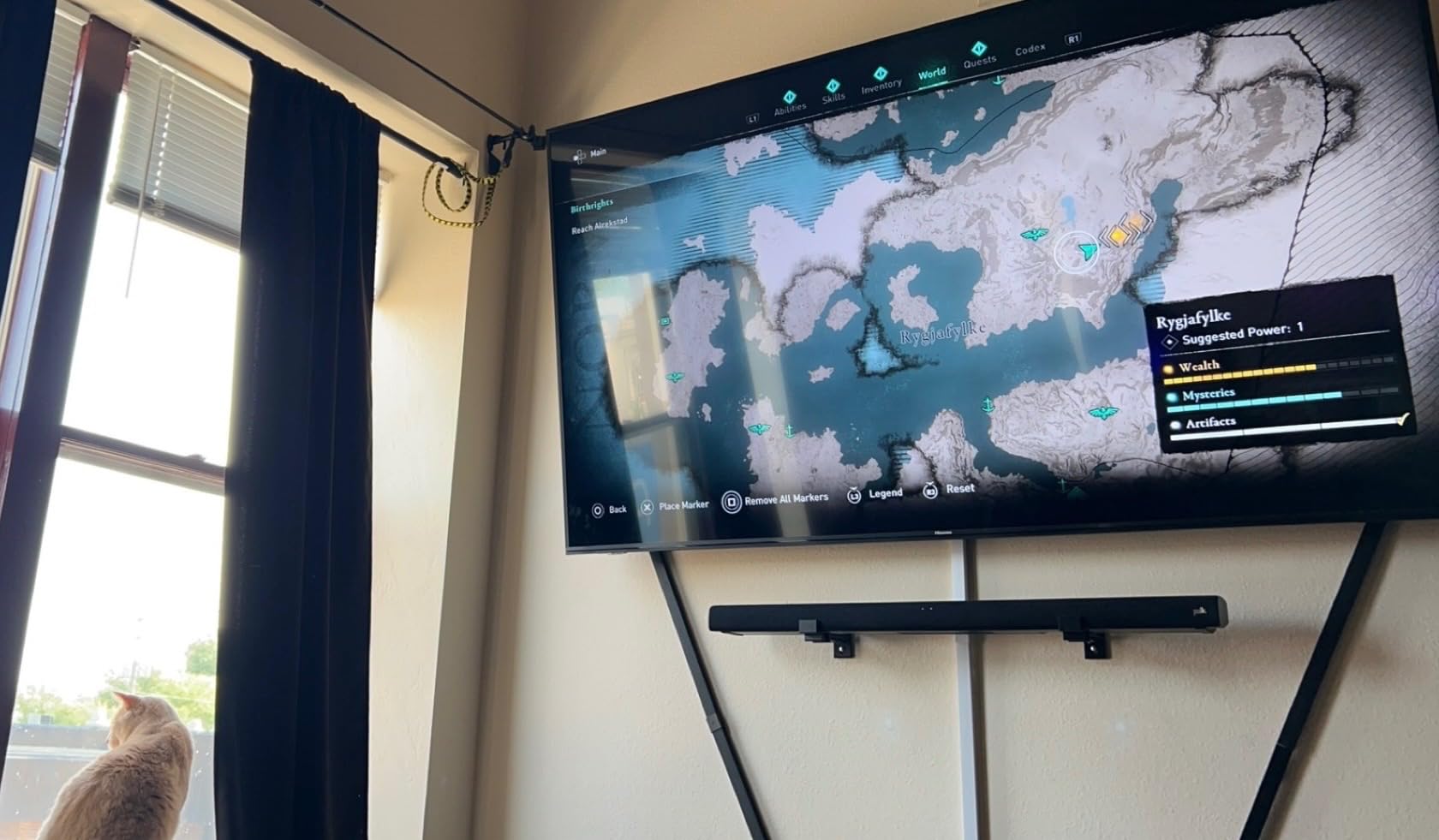
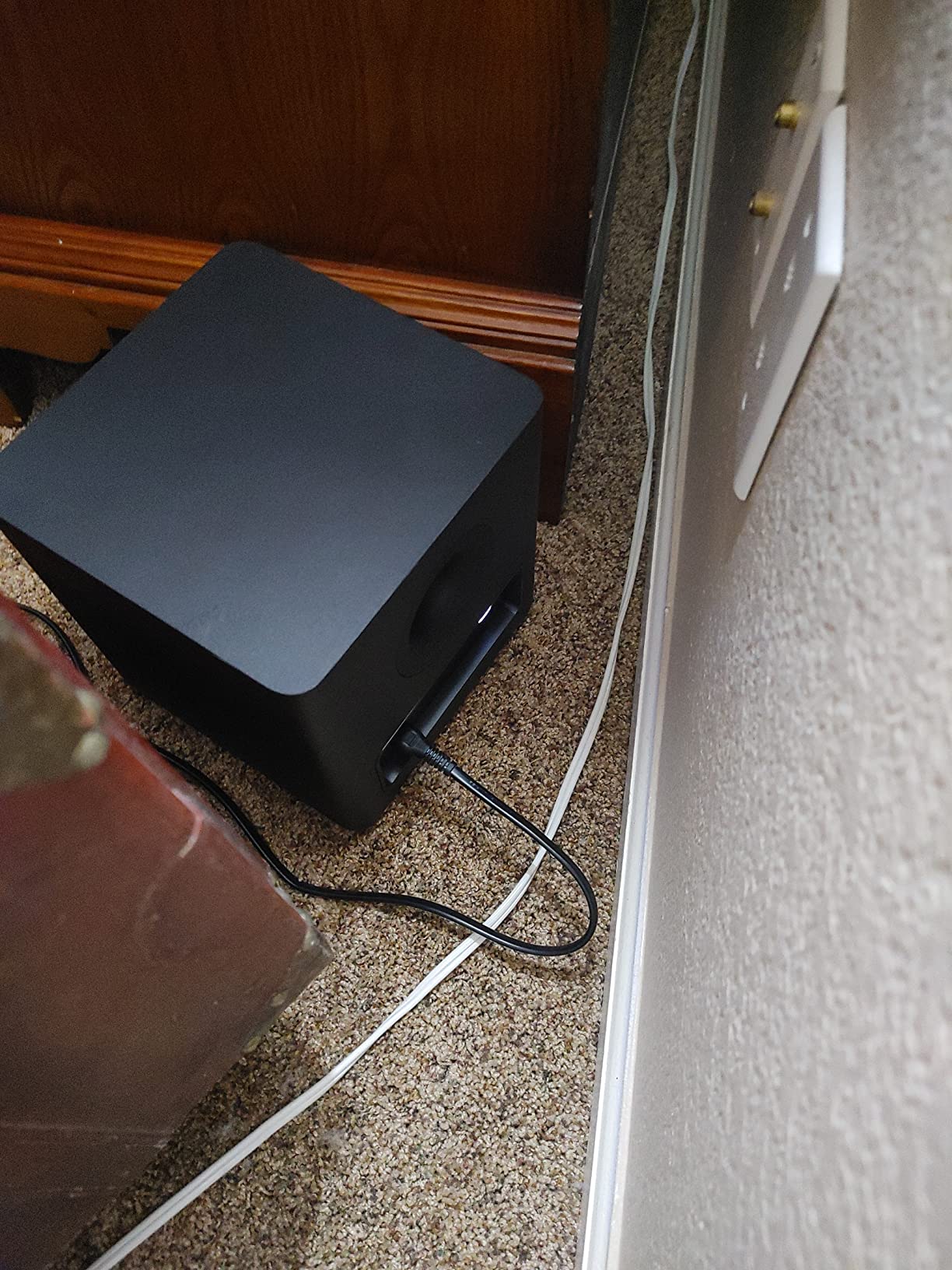
The wireless subwoofer helps effects feel complete, but it is not essential for understanding speech. If bass makes male voices or effects boomy, reduce the subwoofer and keep the dialogue level where consonants remain crisp.
Reviewers repeatedly praise the clear dialogue and setup, while also mentioning the cryptic indicator lights. There is no screen to show the selected input or mode, so I would keep the remote nearby during the first week.
For whom it works best
This is a strong fit for a living room where one listener wants clearer speech but the rest of the household still wants convincing movie bass. Its 35.43-inch width needs a little more shelf space than a mini bar.
It also suits someone who values a familiar HDMI-ARC setup and automatic TV synchronization. If a large number of independent voice-boost levels is the main priority, the ZVOX AV100 is more specialized.
For whom it is a weaker fit
Choose another model if you need an on-bar display, a pass-through HDMI port, or a completely invisible status indicator. The soundbar’s basic lights can be hard to interpret from across the room.
2. Bose TV Speaker — Best for Clear, Simple TV Speech
Bose TV Speaker – Soundbar for TV with Bluetooth and HDMI-ARC Connectivity, All-in-One Compact Soundbar, Includes Remote Control, Black
Compact 2-channel bar
Enhanced dialogue mode
HDMI ARC and optical input
Pros
- Dedicated enhanced dialogue mode
- Compact 2-inch-tall profile
- Simple HDMI ARC or optical setup
- Bluetooth streaming included
Cons
- Bass is limited without an added module
- HDMI cable is not included
- Bright front power LED
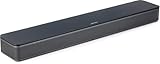
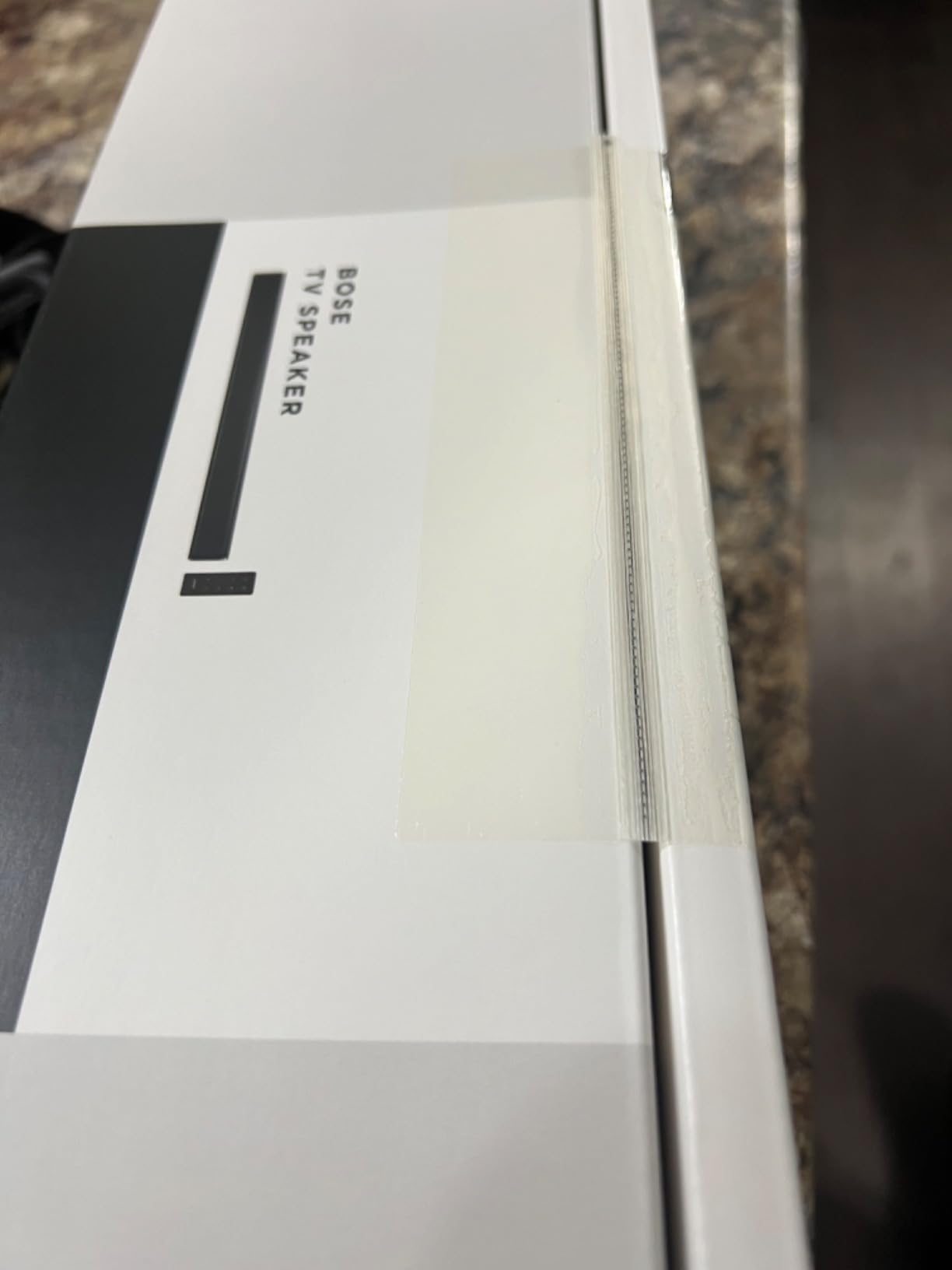
The Bose TV Speaker is a soundbar for hard of hearing viewers who want an uncomplicated upgrade. Its enhanced dialogue mode is the key feature, and the compact 23.38-inch cabinet fits where a larger cinema system would feel intrusive.
During normal viewing, I would leave the dialogue mode active and use the TV’s normal volume commands. The bar does not offer the many independent voice levels found on the ZVOX, but its direct voice focus is a meaningful step up from built-in TV speakers.
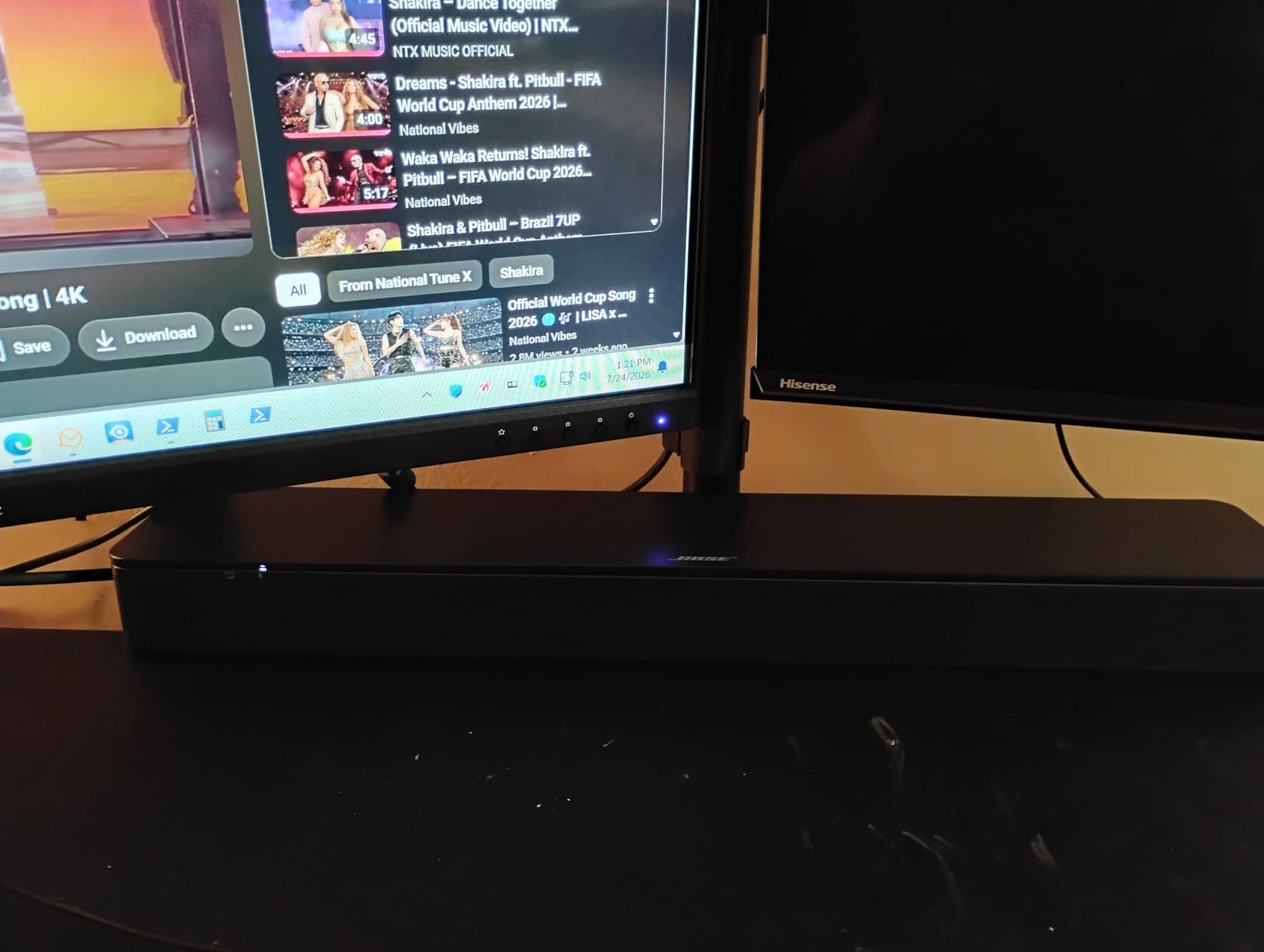
Bluetooth is useful for music, though it does not help with TV dialogue. The optional Bose Bass Module connection can restore low-frequency weight, but this bar remains best suited to speech-first rooms and smaller spaces.
Reviewers praise the clean vocal presentation and straightforward setup. The recurring compromises are weak bass on its own, a bright white power light, and the absence of an HDMI cable in the box.
For whom it works best
This is a good fit for a senior viewer who needs one obvious dialogue control rather than an app full of settings. The supplied remote makes mode changes easy once the user learns the buttons.
It also works well in a bedroom or small apartment. Place it directly below the screen and avoid pushing it deep into a cabinet, where reflections can make speech less open.
For whom it is a weaker fit
Skip it if you want deep action-film bass without adding a compatible module. Also plan for an HDMI cable if your setup does not already have one.
3. Sony S100F — Best Compact Voice-Enhancement Option
Sony S100F 2.0ch Compact and Slim Soundbar for TV with Bluetooth HTS100F
2.0-channel soundbar
Voice enhancement feature
Bass Reflex speaker
Pros
- Clear voice enhancement mode
- Compact and wall-mountable design
- Bass Reflex speaker
- HDMI ARC setup
Cons
- Limited bass for action and music
- HDMI cable is not included
- Surround effect is subtle
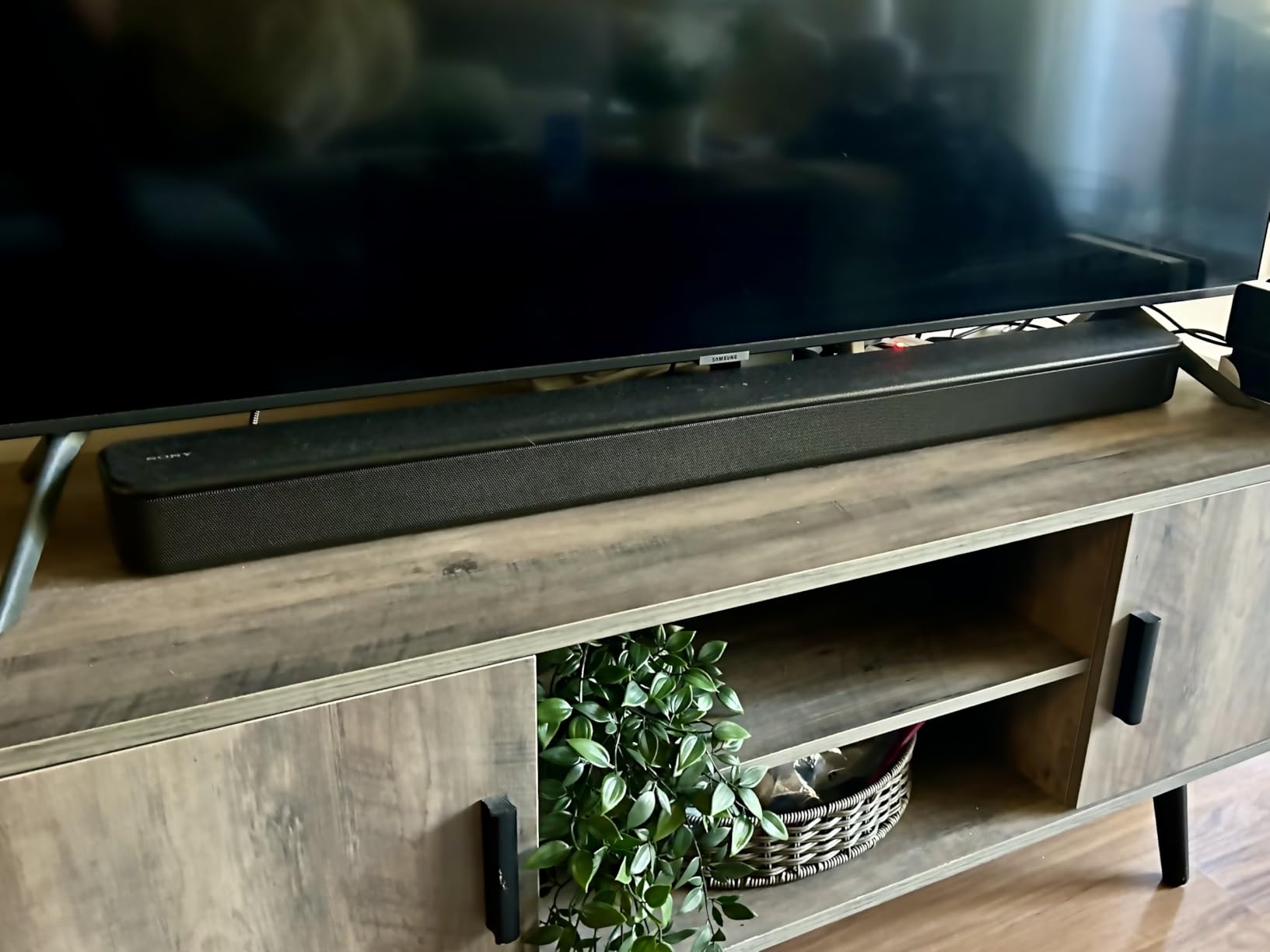
The Sony S100F is a practical soundbar for dialogue clarity when space and simplicity matter more than cinematic scale. Its voice enhancement feature raises the clarity of speech without requiring a separate subwoofer.
I would use the optical input only if HDMI-ARC is troublesome on an older television. Bluetooth is convenient for music, but the TV experience is the stronger reason to consider this model.
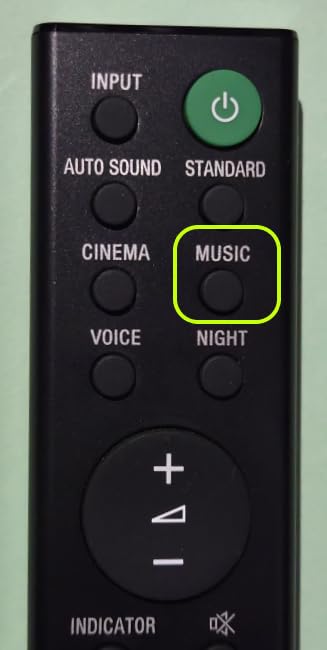
The integrated tweeter and Bass Reflex design give it more low-end weight than many small bars, although not enough to fill a large room. The S-Force Pro Front Surround effect is more about widening the presentation than creating true rear speakers.
Reviewers describe it as a clear improvement over built-in TV speakers, especially for dialogue. The main limitations are modest bass, a subtle surround effect, and no HDMI cable in the package.
For whom it works best
This is a sensible choice for a small TV, home office, or secondary room. The slim cabinet and included wall-mount template make placement flexible.
It is also a low-friction choice for someone who wants one remote and one voice setting. The mode is not as adjustable as dedicated AccuVoice or Beam models, so start with normal TV processing before judging it.
For whom it is a weaker fit
It is not the best choice for a large, open living room or bass-heavy action films. Look at the Polk Signa S2 or a system with a separate subwoofer when impact matters.
4. Assistrust KY-8000 — Best Flexible Low-Cost Dialogue Bar
Assistrust Sound Bar for Smart TV, Soundbar with Bluetooth/ARC/Opt/AUX Connect, Auto Volume Boost, 3 Equalizer Modes, 2 in 1 Detachable Soundbar for TV/PC/Gaming/Projectors
Detachable 2-in-1 design
80W output
Auto Volume Boost and News mode
Pros
- Auto Volume Boost for quiet dialogue
- News equalizer mode
- Detachable placement design
- ARC optical AUX and Bluetooth inputs
Cons
- Limited bass for music and action
- No TV-remote volume pairing
- No wall-mount template
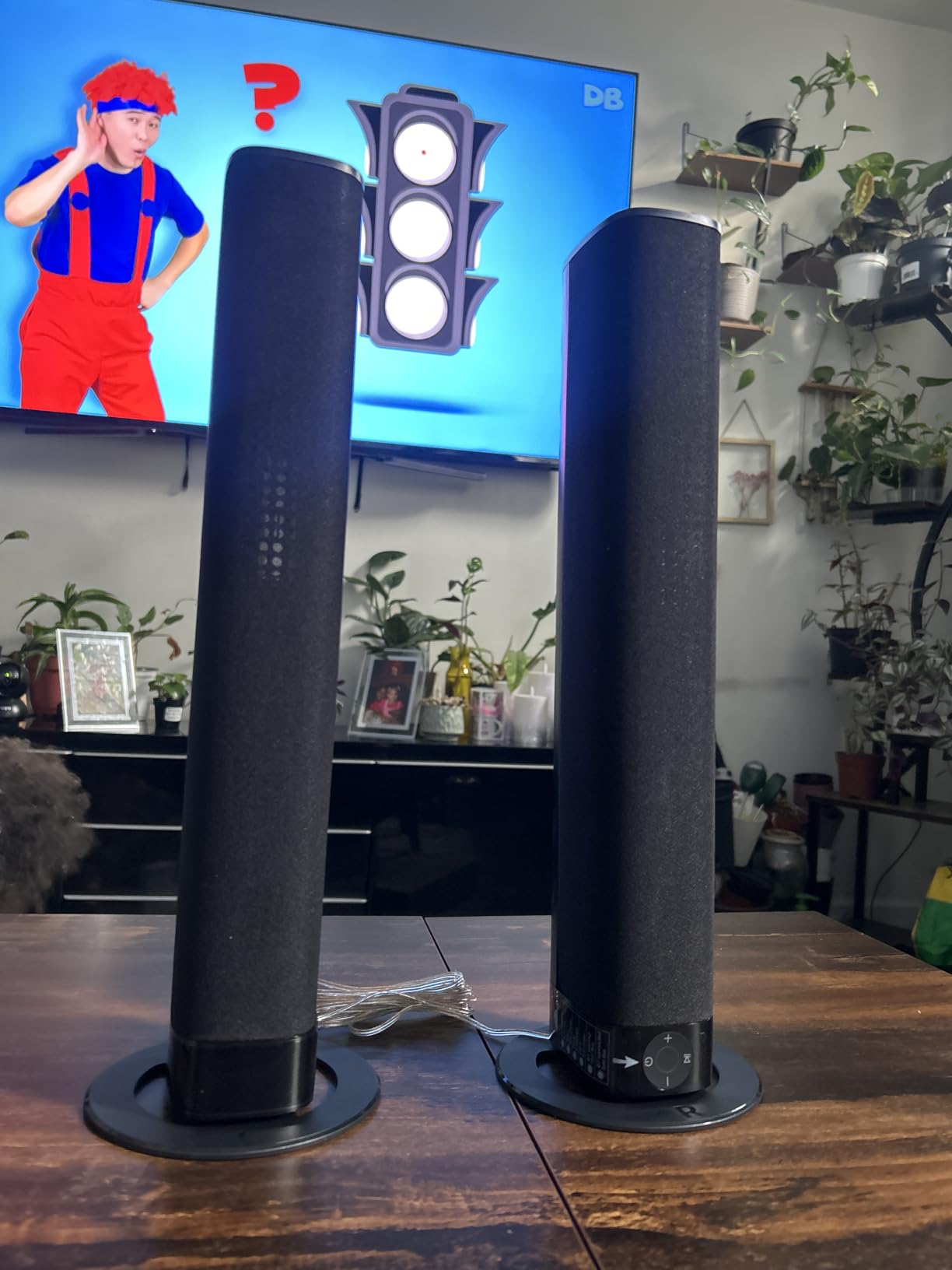
The Assistrust KY-8000 is a flexible low-cost soundbar with voice-friendly controls. Auto Volume Boost is designed to make faint dialogue easier to hear, while the News equalizer mode can make spoken content more forward.
I would pair the News mode with a modest overall volume and test different placements. Because the bar is detachable, you can use one piece for a narrow shelf or separate the sections for a wider stereo presentation.

Its four drivers and 80W output are respectable for a compact budget model, but bass is not its strength. ARC, optical, AUX, and Bluetooth give it broad compatibility, although the product data says it defaults to Bluetooth when powered on.
Reviewers value the simple setup and included cables, but mention the inconvenient input default and lack of TV-remote pairing. The absence of a wall-mount template is a minor setup concern.
For whom it works best
Choose this model for a small room, a second TV, or a viewer who wants a detachable format without a large investment. The News mode is the most relevant starting point for television speech.
It is also useful for mixed use with a projector or computer. Keep a separate audio source available if you want to control the bar with your television remote.
For whom it is a weaker fit
Do not expect strong music bass or a sophisticated room-tuning system. If the listener is sensitive to harsh treble, test the highest boost level before committing to it.
5. Amazon Fire TV Soundbar — Best for Fire TV Simplicity
Amazon Fire TV Soundbar, 2.0 speaker with DTS Virtual:X and Dolby Audio, Bluetooth connectivity
2.0-channel soundbar
DTS Virtual:X
Dolby Audio and dialogue mode
Pros
- Dialogue sound mode included
- Single HDMI cable setup
- Fire TV remote integration
- Compact 24-inch cabinet
Cons
- Limited bass from a 2.0 system
- DTS Virtual:X effect is subtle
- HDMI handshake issues reported
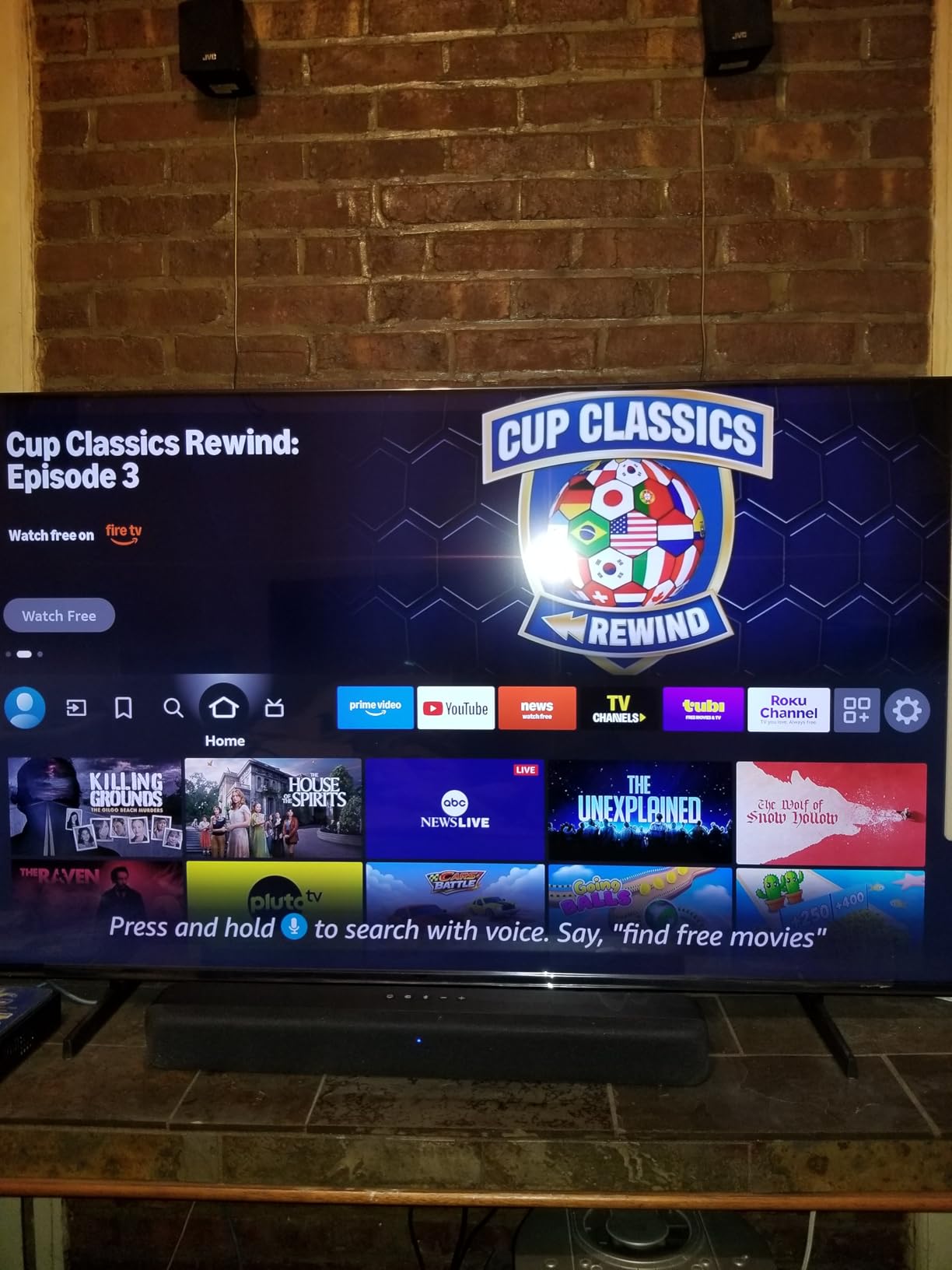
The Amazon Fire TV Soundbar is a simple way to improve TV speech when the television is already part of the Fire TV ecosystem. Its dialogue mode is the most relevant feature here, and the included HDMI cable helps keep installation uncomplicated.
I would use HDMI eARC or ARC when the TV supports it, then confirm that the Fire TV remote controls both streaming and soundbar volume. The compact 24-inch body suits many media consoles without blocking the screen.
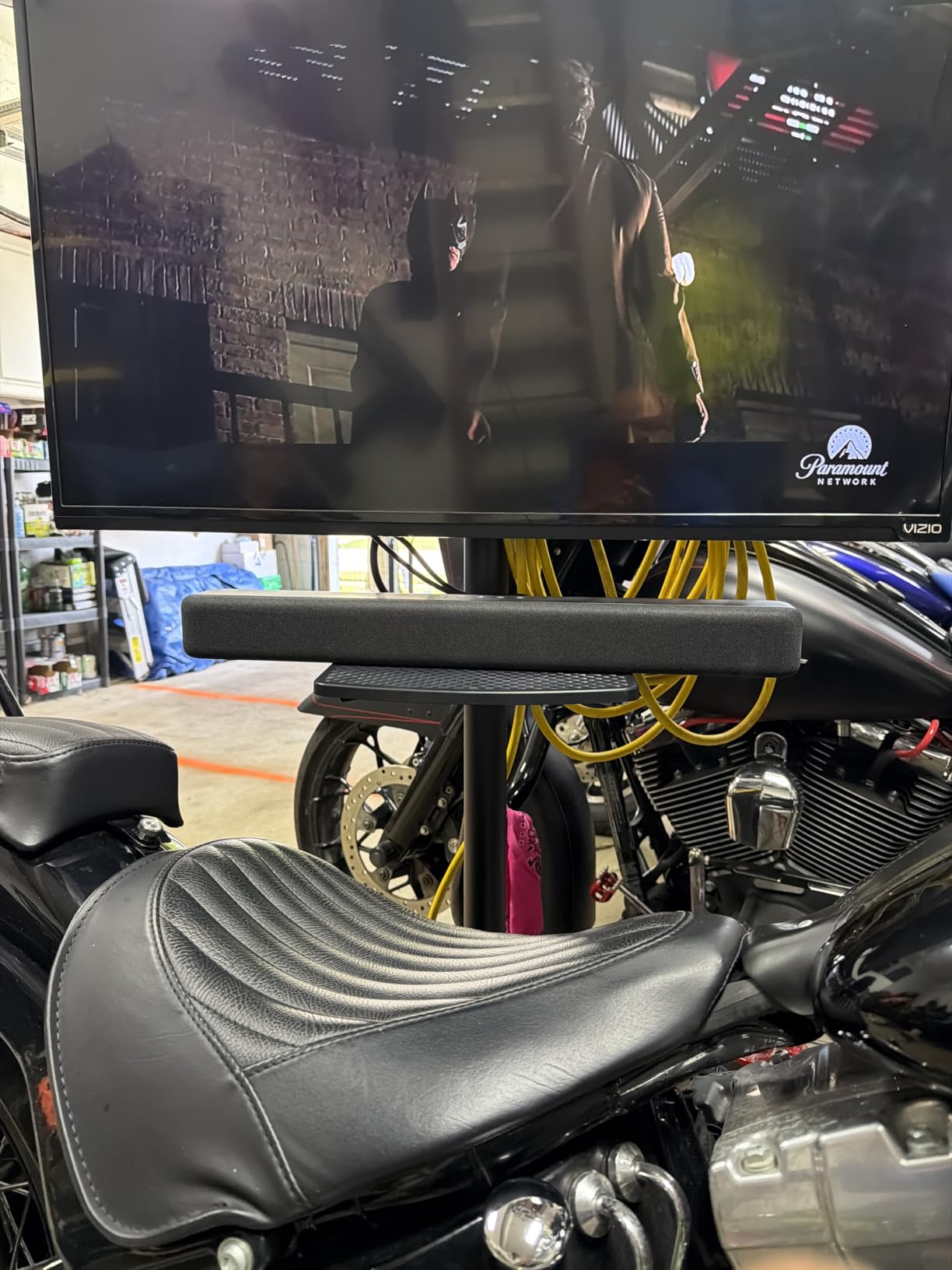
DTS Virtual:X and Dolby Audio can make the presentation larger, but neither turns this compact 2.0 system into a full surround setup. Its dialogue benefit is more about clarity than room-filling power.
Reviewers appreciate the easy Fire TV integration and clear speech. Some mention limited bass, small volume increments, and occasional HDMI handshake problems after power interruptions.
For whom it works best
This is a good match for a Fire TV household that wants one remote and a short setup path. It is especially practical in a bedroom or den where space is limited.
It is also worth considering when a listener mainly watches streaming dialogue, news, and documentaries. The dedicated dialogue mode gives you a clear place to start.
For whom it is a weaker fit
Choose a different bar if you need a separate subwoofer, broad wired input options, or a system that never relies on a television HDMI handshake.
6. ZVOX AV100 — Best Targeted Speech Clarification
ZVOX AccuVoice AV100 Dialogue Clarifying Soundbar- 6 Levels of Voice Boost
6 AccuVoice boost levels
10-inch cabinet
Dual wide-range speakers
Pros
- Purpose-built dialogue clarification
- Six selectable voice boost levels
- Large-button remote
- Compact 10-inch footprint
Cons
- No wireless connectivity
- Limited bass for music
- High boost levels can sound treble-heavy
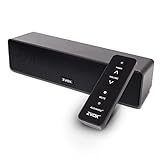
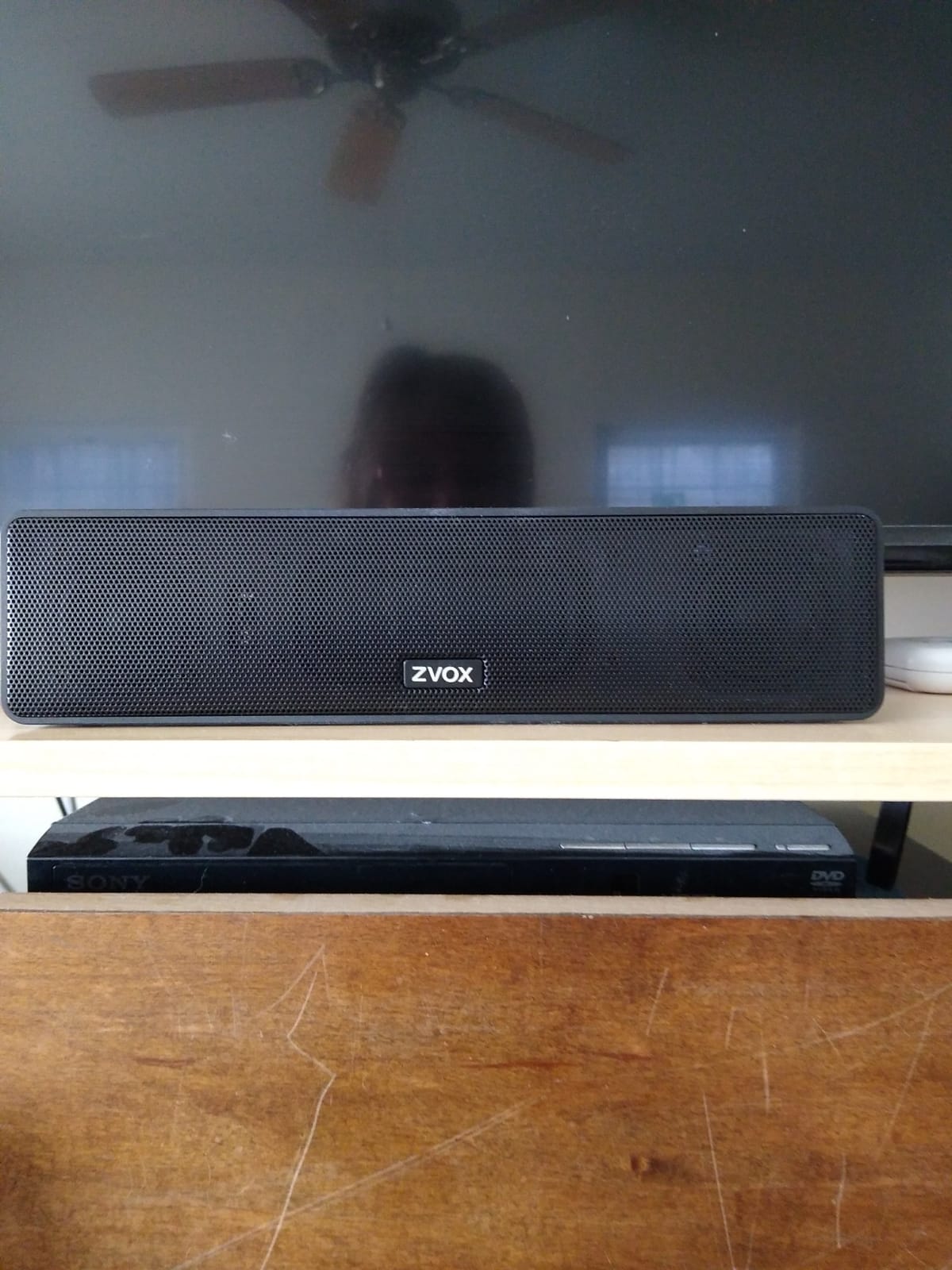
The ZVOX AV100 is the most specialized soundbar for hearing impaired viewers in this group. AccuVoice uses hearing-aid technology and six voice boost levels to separate speech from background effects, rather than merely making the whole soundtrack louder.
I would start at the lowest effective AccuVoice level and increase it only when a particular program needs more help. The compact 10-inch cabinet can sit close to a TV, although the supplied data identifies 3.5 mm and optical wired connections.
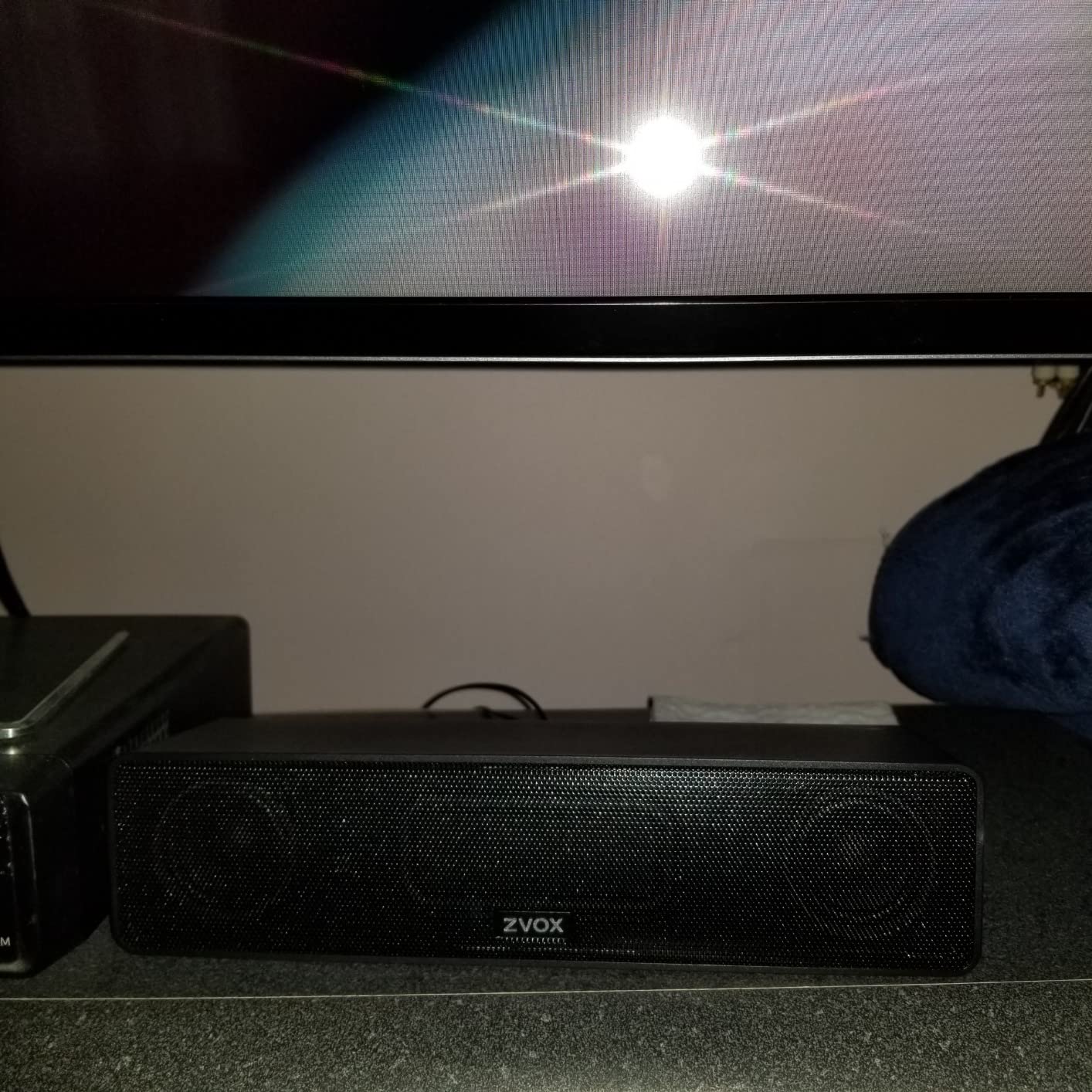
This is a dialogue-first design, so music and deep action effects are not its strong suit. Reviewers say higher boost settings can sound treble-heavy, which is a useful warning for listeners who are sensitive to sharp consonants.
The large-button remote is easier to operate than a dense control layout. The lack of Bluetooth and wireless streaming is a real trade-off, but it is less important if the main goal is clearer television speech.
For whom it works best
Choose the AV100 when maximum voice adjustment matters more than surround effects or music performance. It is especially useful in a quiet room where a listener wants to avoid raising the master volume for everyone.
HearingTracker discussions describe ZVOX as geared more toward speech than Sonos, whose identity is broader and music-oriented. That focus makes this model a good first test for someone who has struggled with a premium ecosystem bar.
For whom it is a weaker fit
It is not ideal for a living room where bass, wireless playback, or HDMI-ARC control is essential. Verify that the television has the required audio output before choosing it.
7. Sonos Beam Gen 2 — Best Premium Smart Soundbar
Sonos Beam Gen 2 – Black – Soundbar with Dolby Atmos
5-driver array
Speech Enhancement mode
HDMI eARC and Dolby Atmos
Pros
- Dedicated Speech Enhancement mode
- Trueplay room tuning
- HDMI eARC with Dolby Atmos
- Alexa voice control and app EQ
Cons
- No Bluetooth audio
- Android users lack Trueplay tuning
- App setup can be less stable
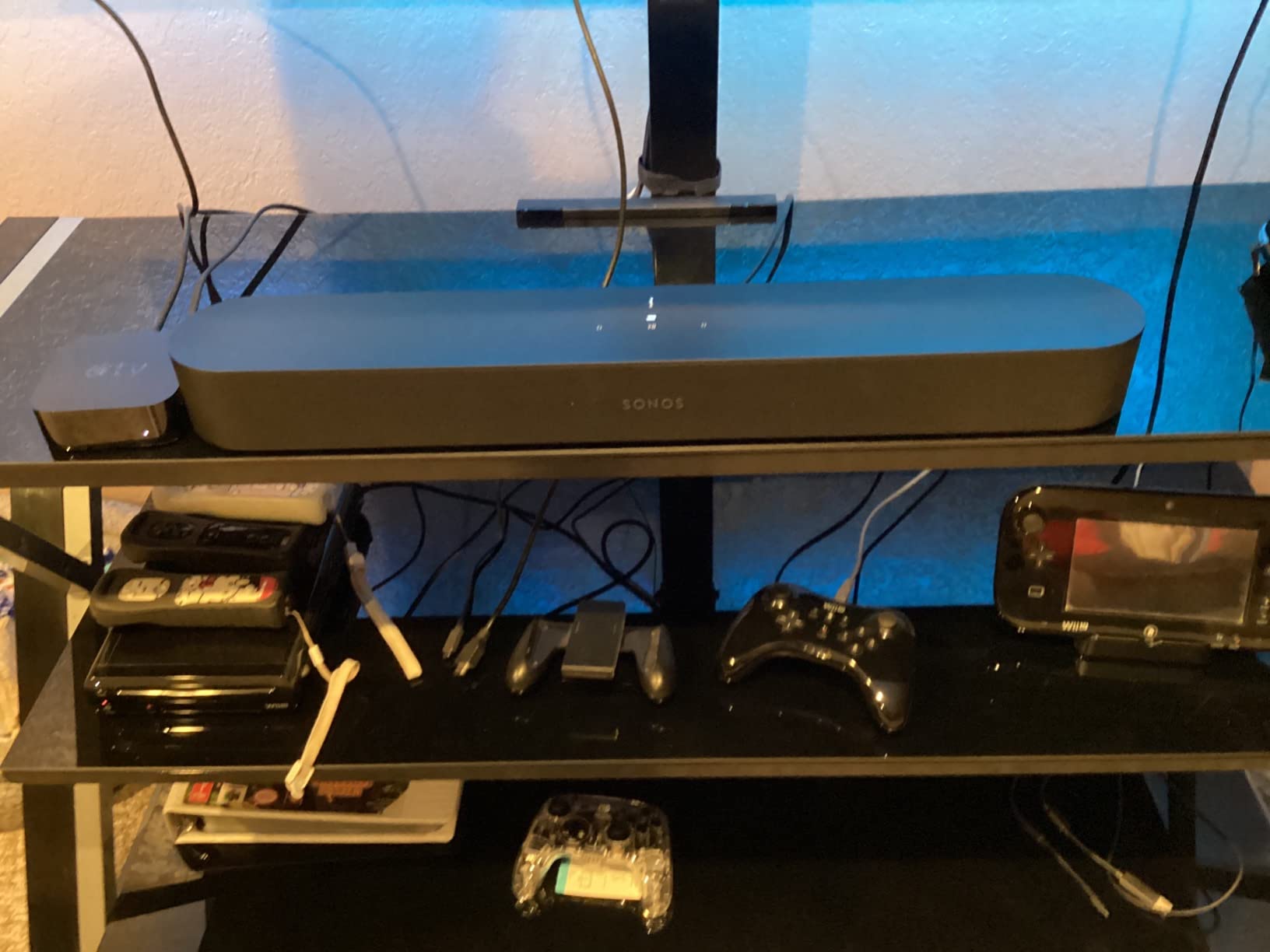
The Sonos Beam Gen 2 is a premium soundbar for hearing loss support when you want smart control, room tuning, and the possibility of later expansion. Speech Enhancement is the key listening mode, and Trueplay can tune the bar to the room on supported devices.
I would first run the room-tuning process, then compare the normal and Speech Enhancement settings at the same volume. The five-driver array and Dolby Atmos processing create a more spacious presentation than a basic 2.0 bar.
The Beam works with a Sub Mini and rear speakers, but those additions are not required to test dialogue clarity. Reviewers praise its speech performance and build quality, while noting that Bluetooth is absent and Android users cannot use Trueplay.
Alexa and the Sonos app can reduce the number of button presses needed for everyday control. The app has had stability complaints, so keep the physical remote and the basic TV-remote integration available as backups.
For whom it works best
This is a strong fit for a listener who wants a premium bar that can grow into a multi-room or surround system. It is also appealing when voice control is easier than navigating a small remote.
Use it in a medium room where the TV supports HDMI eARC. The soundbar is compact enough for most furniture, but its features are more valuable if you will use the app and ecosystem.
For whom it is a weaker fit
It is a weak choice if Bluetooth streaming is non-negotiable or if you want many dedicated voice-boost steps. The ZVOX AV100 is more targeted, while the Bose TV Speaker is more direct.
8. Samsung HW-B400F — Best for Samsung TV and Night Listening
Samsung B-Series Soundbar HW B400F 2.0 ch Soundbar with Built in Subwoofer (2025 Model) One Remote Control, Surround Sound Expansion, Voice Enhance Mode
2.0 channels with built-in woofer
Voice Enhance Mode
One Remote Control
Pros
- Voice Enhance Mode
- Built-in woofer
- Samsung One Remote integration
- Night Mode
Cons
- Less bass than a separate subwoofer
- Indicator lights can be hard to read
- Less powerful than larger Samsung systems
The Samsung HW-B400F is a sensible soundbar for a Samsung television where simplicity and remote integration matter. Voice Enhance Mode automatically emphasizes dialogue, while the built-in woofer adds some low-end weight without a separate cabinet.
I would start with Voice Enhance Mode and Night Mode for evening viewing, then adjust the TV’s audio output so the bar receives a clean signal. One Remote Control can make the system easier for a family member who does not want to manage multiple remotes.
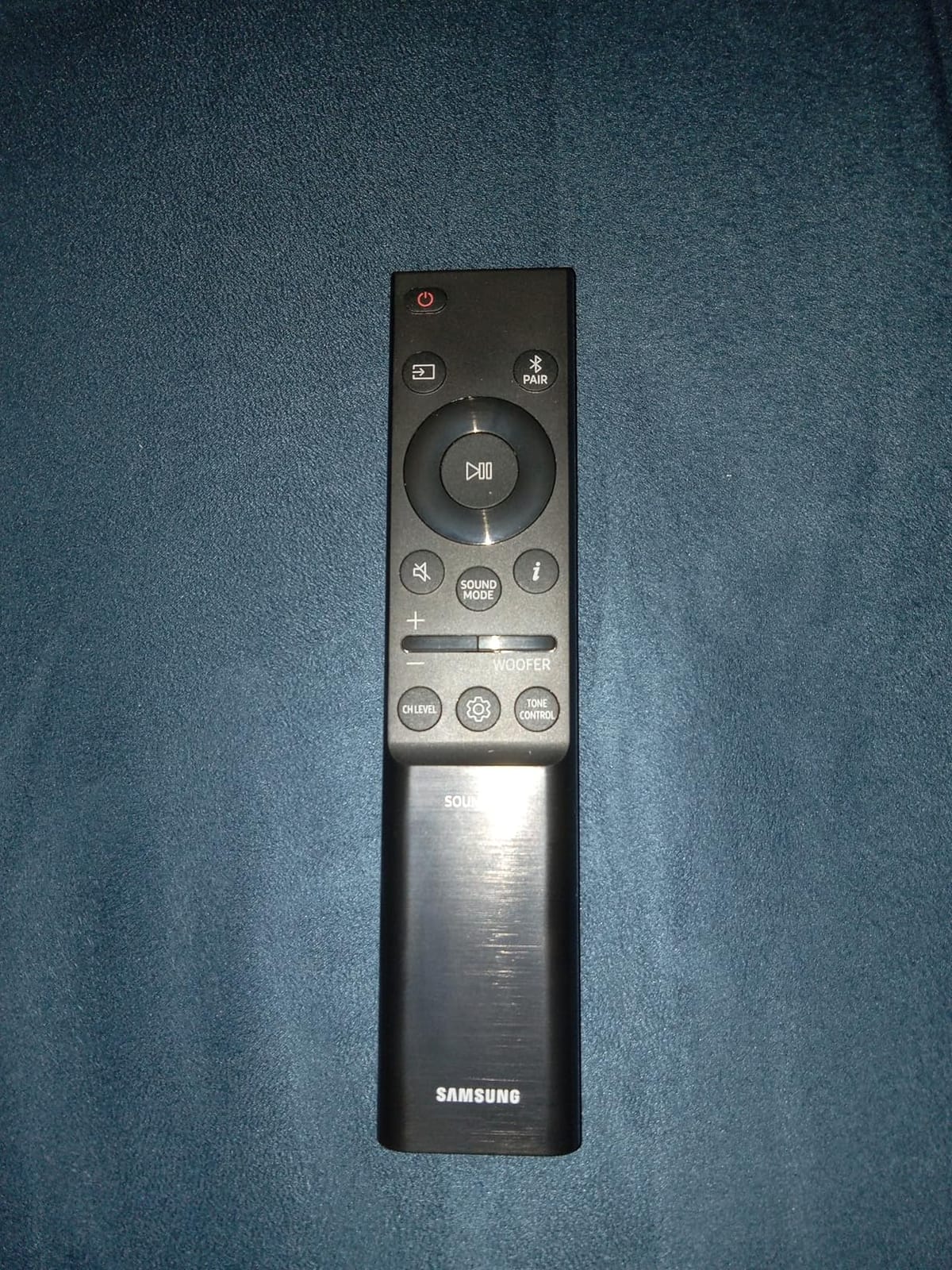
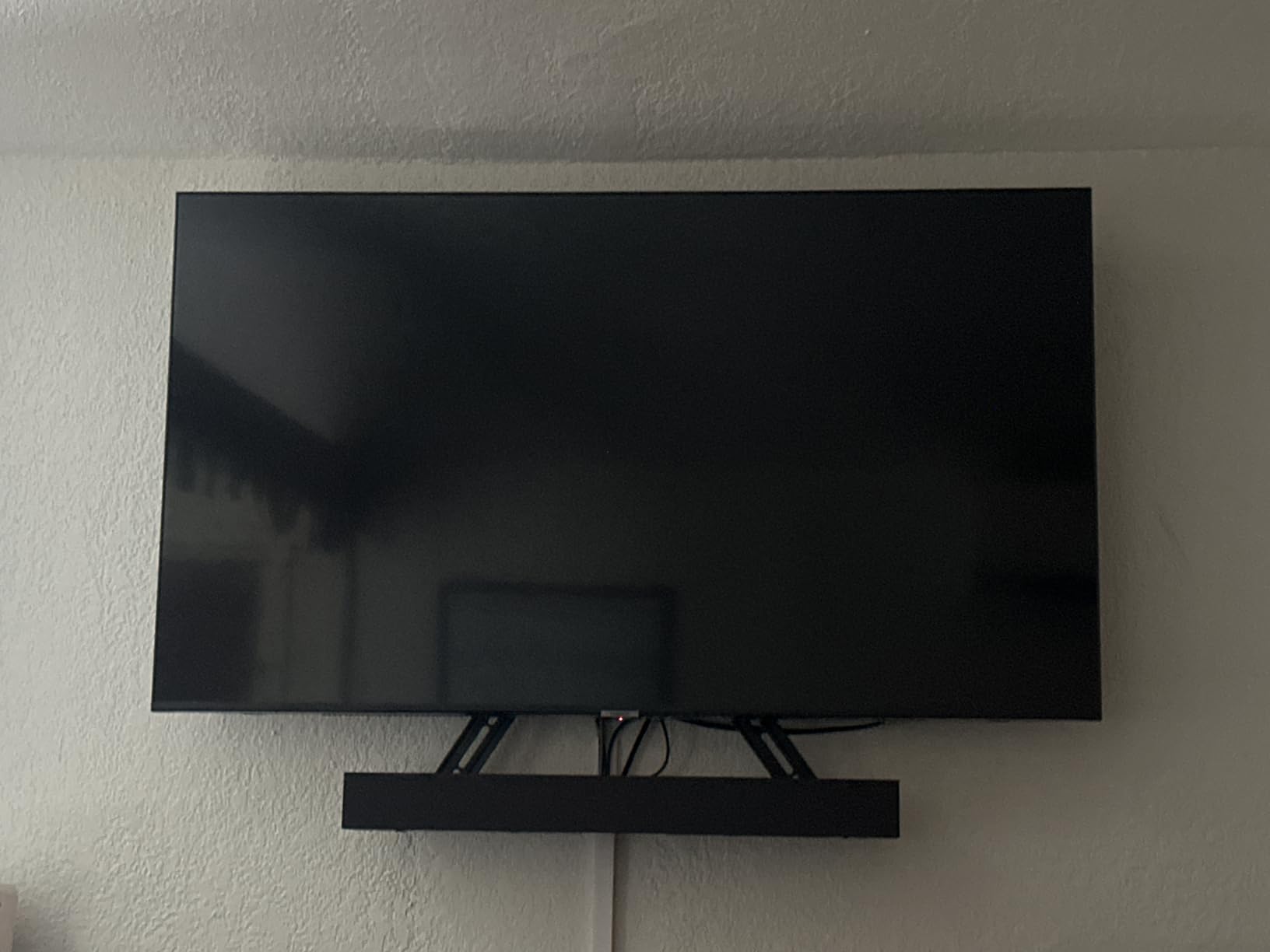
Its compact 25.23-inch profile fits many Samsung setups. The soundbar is not as powerful as a separate-subwoofer system, and reviewers report that its indicator lights and voice prompts can be distracting.
Night Mode is useful when dialogue needs to remain audible at a lower overall level. If bass overwhelms voices, lower the low-frequency output and keep Voice Enhance active.
For whom it works best
This is a good fit for a smaller Samsung TV and a listener who values one-remote operation. It offers a more direct dialogue feature than a generic budget bar.
It also suits a bedroom where a separate subwoofer would be inconvenient. The built-in woofer keeps the footprint compact while adding some impact.
For whom it is a weaker fit
It may feel underpowered in a large open room. Choose a model with a dedicated subwoofer if action effects and music are as important as dialogue.
9. Sonos Ray — Best Compact Sonos Speech Mode
Sonos Ray – Compact Soundbar for TV and Music – Black
22-inch soundbar
Speech Enhancement mode
Optical input
Pros
- Clear Speech Enhancement mode
- Compact 22-inch design
- Maximum volume limit
- Expandable through the Sonos ecosystem
Cons
- No HDMI port
- No Bluetooth
- Limited bass without an added subwoofer
The Sonos Ray is a compact soundbar for hard of hearing viewers who already like Sonos controls. Speech Enhancement is its most important feature, and the maximum-volume limit can help families set a comfortable upper level.
I would place it directly in front of the TV with its forward-facing acoustic design unobstructed. Because it uses an optical input rather than HDMI, the television must support optical audio output and the setup may need one more compatibility check.

The 22-inch cabinet suits small televisions and shelves. It can expand with Sonos Sub Mini and Era 100 surrounds, although the bar itself is intentionally modest in bass and power.
Reviewers praise the dialogue mode and volume limit, but mention no Bluetooth, no HDMI, and occasional app setup friction. It is a better fit for a Sonos household than for someone who wants simple local Bluetooth playback.

For whom it works best
This is a strong option for a bedroom, apartment, or secondary TV. It is especially useful when a caregiver wants to cap the maximum volume without removing access to ordinary controls.
It also makes sense for someone who may add Sonos speakers later. Start with Speech Enhancement and increase the cap gradually rather than setting the maximum too high on the first day.
For whom it is a weaker fit
Do not choose it for HDMI-eARC convenience, Bluetooth streaming, or strong bass without an additional component. The Bose TV Speaker is more direct for a basic dialogue setup.
10. Bose Smart Ultra — Best Premium Room-Tuned Dialogue
Bose Smart Ultra Dolby Atmos Soundbar, All-in-One Surround Sound System for TV, A.I. Dialogue Mode, Alexa and Google Voice Control, HDMI eARC, Black
3.1-channel Dolby Atmos bar
A.I. Dialogue Mode
ADAPTiQ calibration
Pros
- A.I. Dialogue Mode
- ADAPTiQ room calibration
- Dolby Atmos with upward-firing drivers
- Alexa and Google Assistant
Cons
- Large 41-inch footprint
- Premium positioning
- App and account setup required
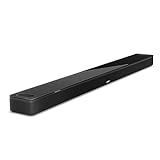
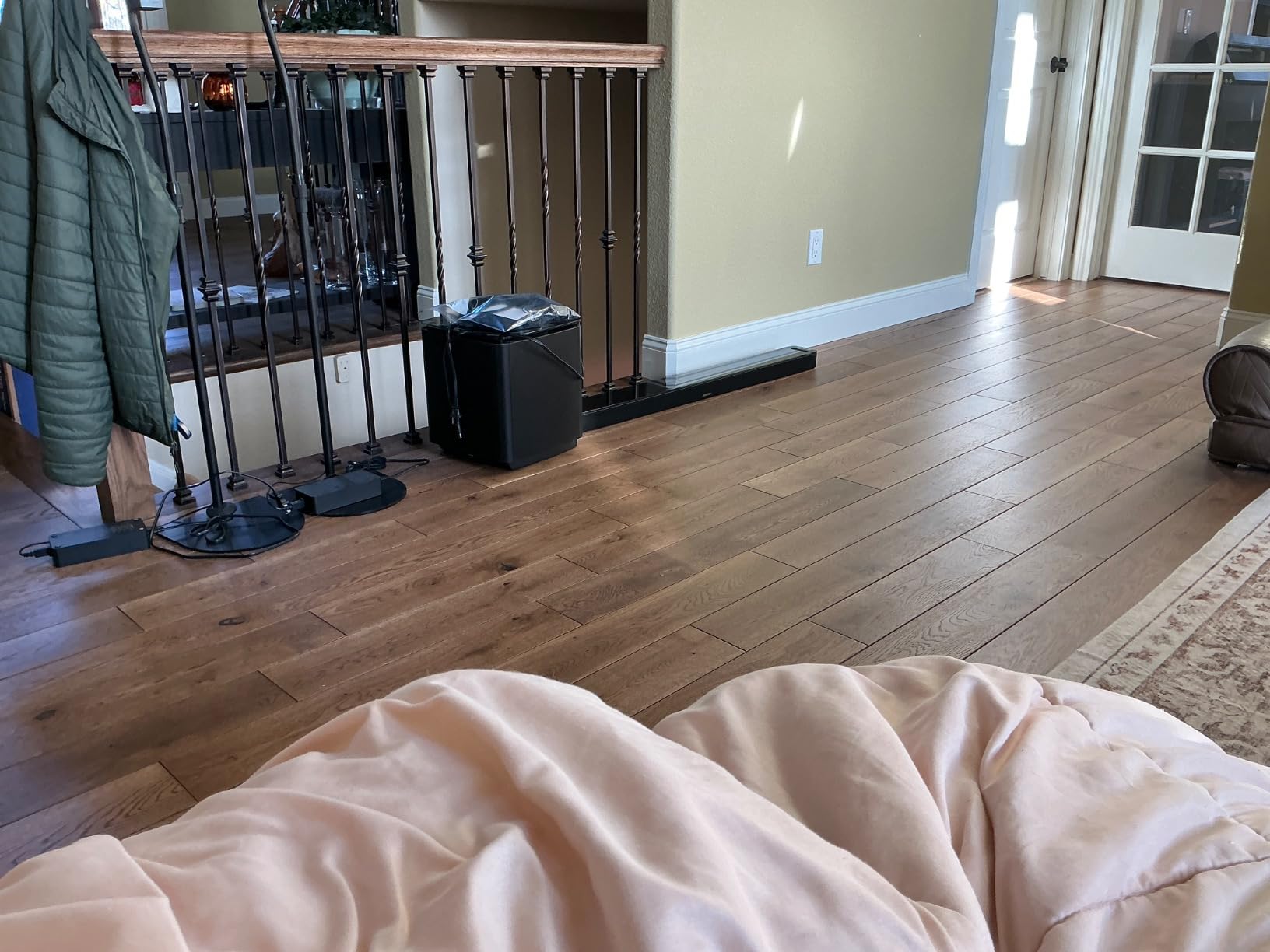
The Bose Smart Ultra is a premium soundbar for hearing impaired viewers who also want a large-room home-theater presentation. A.I. Dialogue Mode is designed to keep vocals clear, while ADAPTiQ calibration adjusts the system to the room.
I would run ADAPTiQ before making subjective judgments, then compare dialogue mode with the normal presentation at equal volume. The six transducers, upward-firing drivers, and Dolby Atmos processing create scale that smaller bars cannot match.
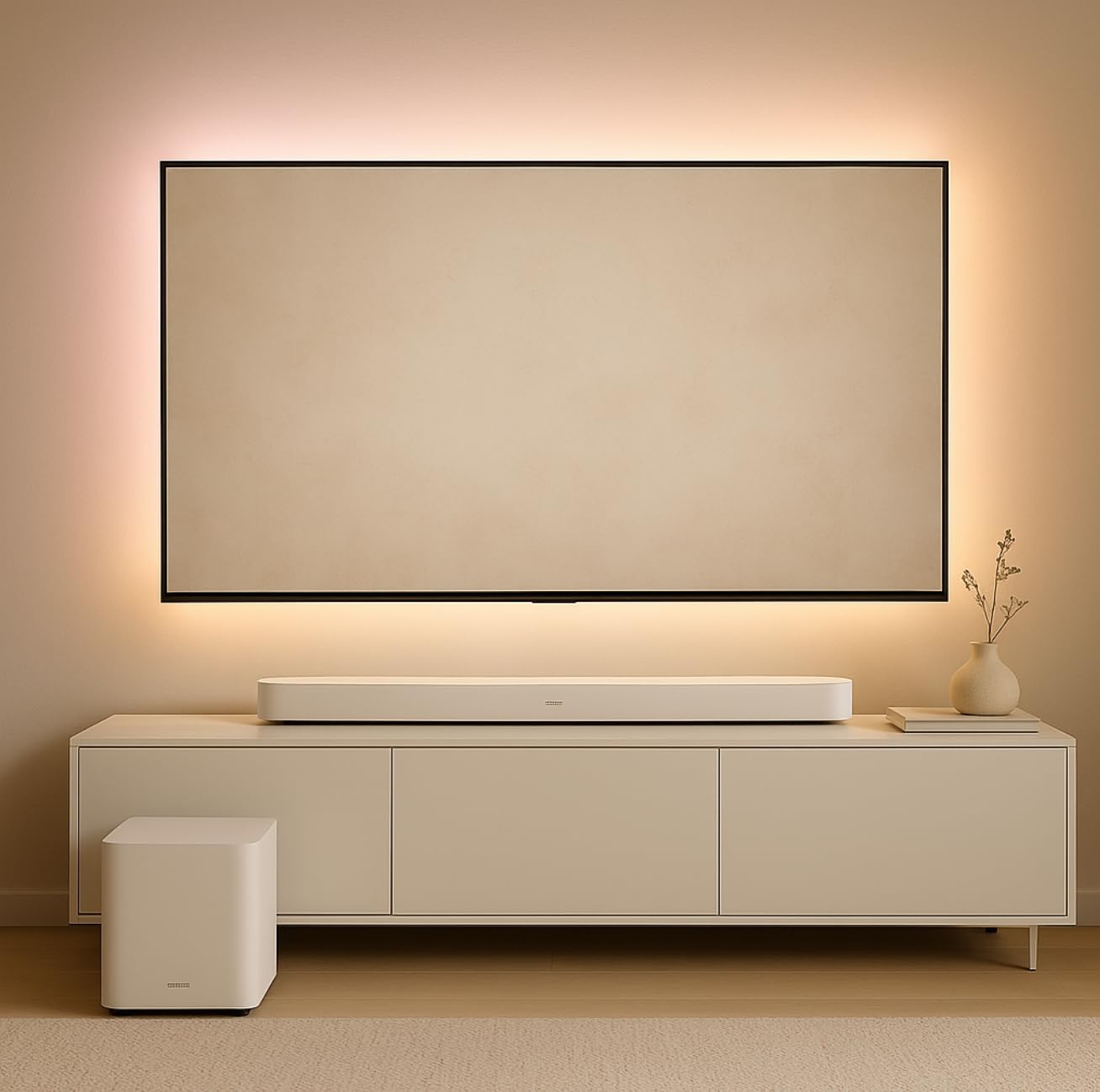
The bar includes HDMI eARC and optical cables, along with Bluetooth, Wi-Fi, Alexa, and Google Assistant. Reviewers praise the crisp vocal presentation and room calibration, but the large footprint and app/account requirements are meaningful drawbacks.
It is a better choice for a dedicated media room than a small shelf. If a listener’s priority is speech alone, the ZVOX AV100 is more focused and the Beam Gen 2 is more compact.
For whom it works best
Choose this for a wide TV, a large room, and a household that values both dialogue and cinematic sound. The calibration process can help compensate for reflective walls and unusual furniture placement.
Voice4Video and smart assistants can also simplify volume and source changes. That convenience matters when finding a small remote or pressing several buttons is difficult.
For whom it is a weaker fit
It is excessive for a small room and less approachable for someone who wants a two-cable, TV-only setup. The product data also notes that a Wi-Fi connection is needed even for basic TV audio.
How to Choose a Soundbar for Hearing Loss
The right soundbar for hearing impaired viewing is the one that separates speech from effects and gives the listener enough control to find a comfortable level. Prioritize voice enhancement, center-channel or dialogue processing, and a connection that works reliably with your television.
Start with the hearing pattern, not the wattage
Many listeners with presbycusis have trouble with high-frequency consonants rather than every frequency equally. A dialogue mode that raises vocal presence can be more useful than a larger subwoofer or more surround channels.
Do not assume that maximum volume is the goal. If music and effects become uncomfortable before speech is clear, the bar needs better voice control or output leveling rather than more power.
Match dialogue technology to the listener
ZVOX AccuVoice uses six selectable voice boost levels in the AV100. Polk VoiceAdjust provides three clarity levels on the Signa S2, while Sony and Samsung use their own voice-enhancement modes.
Sonos Speech Enhancement, Bose A.I. Dialogue Mode, and Yamaha-style Clear Voice concepts all aim to make speech more prominent, but their controls and aggressiveness differ. Start with the mildest effective setting and test several kinds of programs.
Check the television connection before buying
HDMI-ARC or HDMI eARC is usually the most convenient connection because one cable can carry TV audio and support remote synchronization. Optical is a good fallback when HDMI is unavailable, but confirm that the TV disables its internal speakers when the optical output is selected.
The Sonos Ray uses optical only, while the Fire TV Soundbar and Beam Gen 2 use HDMI eARC or ARC. Keep the correct cable ready and check the TV’s audio output settings before mounting anything.
Decide whether a subwoofer helps or hurts
A separate subwoofer improves effects and music, but bass can mask dialogue when it is too strong. The Polk Signa S2 includes one, whereas the Bose TV Speaker, Sonos Ray, ZVOX AV100, and Sony S100F are more compact and dialogue-first.
In a small room, start with the subwoofer level low or omit it. Increase bass only when speech remains clear and the listener does not report vibration or fatigue.
Use room placement to protect clarity
Put the bar near ear level, face the listener, and leave the front drivers unobstructed. Hard walls, glass, and a deep cabinet can create reflections that make consonants sharp or make the voice seem buried.
Try the normal TV speakers first, then switch to the bar and keep the same program and volume. This simple A/B test makes a speech improvement easier to hear than changing several settings at once.
Add captions, hearing aids, or headphones when useful
Closed captions are still valuable because they provide a visual backup when a word is missed. A soundbar does not make every word recoverable, especially in a noisy room or during overlapping conversations.
Bluetooth compatibility varies by television, soundbar, and hearing-aid model, so verify both devices before assuming direct pairing. For late-night viewing, a compatible wireless headphone setup can be more private and more effective than raising the main-room volume.
Control loud commercials and effects
Output leveling or night mode can reduce sudden jumps between dialogue and commercials. If your chosen bar does not include a dedicated leveling control, lower the overall volume and re-enable the voice mode for difficult scenes.
For a persistent problem, test the TV’s own dialogue feature, such as Samsung Active Voice Amplifier or Sony Voice Zoom, alongside the soundbar. Do not stack two aggressive processors if the result sounds thin or harsh.
Plan for easy everyday operation
A large-button remote, one-remote integration, voice control, and a clear status display can matter as much as sound quality. A bar that requires an app for every volume change is not always the friendliest choice for a senior viewer.
Keep the remote accessible, label the important buttons, and avoid hiding the soundbar inside a cabinet. Small usability improvements reduce the temptation to simply turn the volume up and abandon the system.
Frequently Asked Questions
Is a sound bar good for hearing impaired?
Yes. A soundbar can improve TV speech by making voices more distinct from music and effects, especially when it has a dedicated dialogue or voice mode. It cannot restore hearing, and the best choice depends on the listener, room, television connection, and severity of hearing loss.
Which TV soundbar is best for hearing dialogue?
The ZVOX AV100 is the most targeted option because it offers six AccuVoice boost levels. The Polk Signa S2 is the best-balanced system with three VoiceAdjust levels, while the Bose TV Speaker is a simple choice for a smaller room.
How can I improve my TV sound for hearing impaired?
Use HDMI-ARC or optical audio, enable the television and soundbar dialogue modes, place the bar near ear level, and test a mild voice boost first. Add captions or a compatible headphone or hearing-aid setup when speech remains difficult.
How can I watch TV with someone who is hard of hearing?
Use a dialogue-focused soundbar, enable captions as a backup, and set a comfortable maximum volume so one viewer does not need to turn up every program. A wireless headphone or hearing-aid solution can help when shared listening is not practical.
What are the best soundbars for people with hard of hearing?
The strongest shortlist is the ZVOX AV100 for targeted speech, Polk Signa S2 for overall TV sound, Bose TV Speaker for simplicity, and Sonos Beam Gen 2 for premium room tuning. Smaller rooms may suit the Bose TV Speaker, Sony S100F, or Sonos Ray.
Do soundbars help hearing impaired?
They can help when the main problem is weak, mixed, or indistinct TV dialogue. A voice mode, center-channel design, and room placement can make consonants easier to follow, but a soundbar is not a treatment for hearing loss and should complement professional advice and suitable assistive devices.
What is the best TV speaker for people with hearing loss?
A dialogue-first soundbar such as the ZVOX AV100 is a strong starting point because it provides six voice boost levels. For a system that balances speech, bass, and movies, the Polk Signa S2 is our overall recommendation.
Which soundbar is best for dialogue clarity?
For the most direct speech adjustment, choose the ZVOX AV100. The Polk Signa S2 is the best overall compromise because it combines VoiceAdjust with a wireless subwoofer, while the Bose Smart Ultra adds room calibration for larger spaces.
Which soundbar is best for speech clarity?
The ZVOX AV100 is best for listeners who want a dedicated hearing-oriented control. The Bose TV Speaker and Samsung HW-B400F are simpler alternatives, and the Sonos Beam Gen 2 is best when you want app control, smart features, and room tuning.
How to fix very low dialogue but very loud sound effects on soundbar?
Enable dialogue or voice mode, lower bass, and use night mode or output leveling if available. Keep the volume moderate, compare the TV and soundbar settings, and add captions or a headphone option for scenes where effects still overwhelm speech.
Final Recommendation
For most readers seeking the best soundbars for tv for hearing impaired use, the Polk Signa S2 is the best-balanced pick: its three VoiceAdjust levels, HDMI-ARC support, and separate subwoofer cover dialogue, movies, and everyday TV without making the system overly specialized.
Choose the ZVOX AV100 when hearing-oriented speech control is the priority, or the Bose TV Speaker when a small, simple setup matters more than bass. The Sonos Beam Gen 2 is the premium option for room tuning, app control, and future expansion, while the Amazon Fire TV Soundbar is the easiest fit for a Fire TV room.
Whatever model you choose, begin with the mildest effective dialogue setting, keep captions available, and compare the soundbar at a comfortable volume before changing the entire system. That short test is more useful than judging a bar by maximum output or surround specifications alone.