
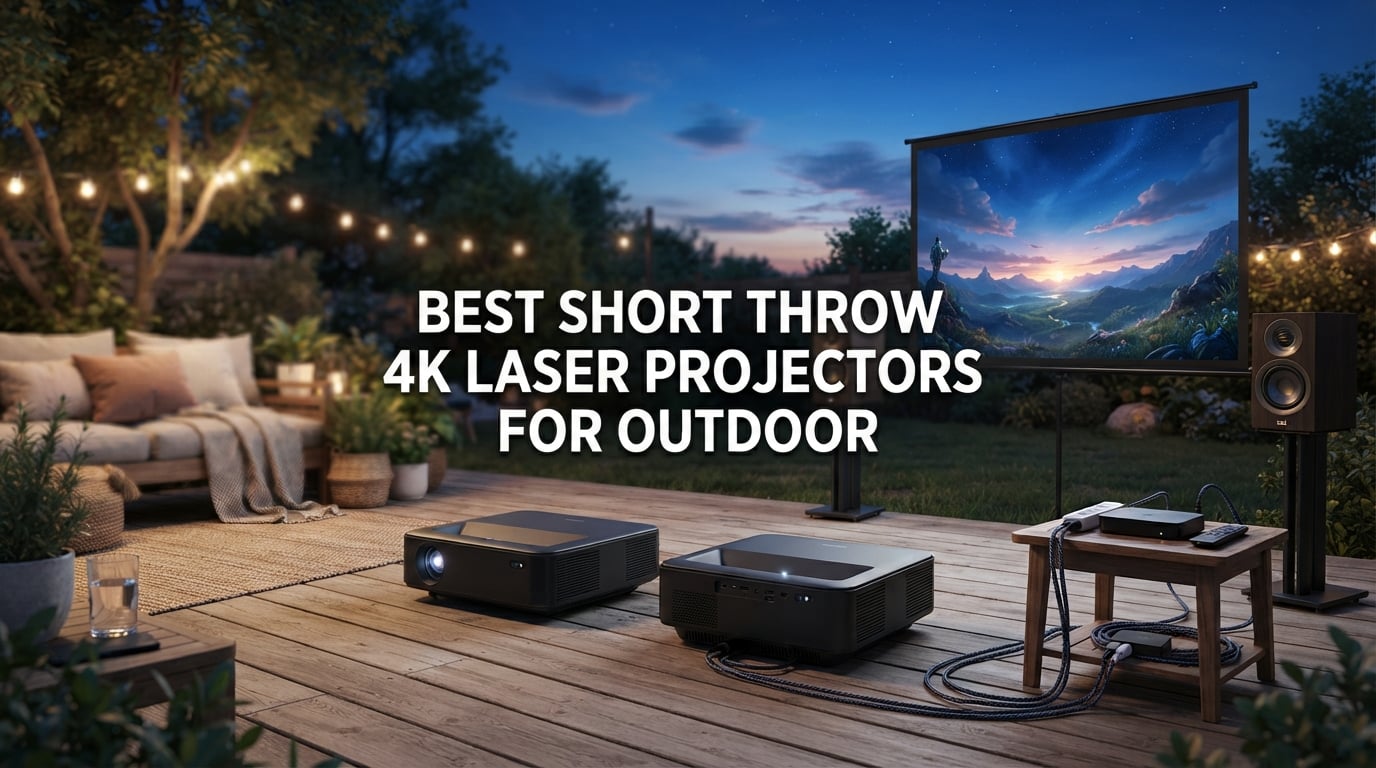
Choosing the best short throw 4K laser projectors for outdoor use is not just a brightness contest. The right model also has to fit close to a stable screen, survive dew and temperature changes, and produce a clean image where people can walk between the lens and the picture.
I compared the ten analyzed models using native resolution, measured or stated brightness standards, throw geometry, setup aids, HDR support, sound, and outdoor practicality. I favored true 4K DLP or 4K PRO-UHD systems, but kept a bright native-1080p short-throw model in the discussion because its daylight performance is compelling when true 4K output is not essential.
For a wider home-theater comparison, our guide to the latest short throw 4K laser projector reviews is useful. Outdoor buyers comparing the shorter geometry should also read our ultra short throw projector guide, especially if a permanent screen is planned.
Table of Contents
Top 3 Outdoor Short Throw Projector Picks for 2026
Best Short Throw 4K Laser Projectors for Outdoor Use in 2026
| Product | Specifications | Action |
|---|---|---|
 AWOL VISION LTV-2500 AWOL VISION LTV-2500 |
|
Check Latest Price |
 WEMAX Nova Pro 4K WEMAX Nova Pro 4K |
|
Check Latest Price |
 XGIMI Elfin Flip 4K XGIMI Elfin Flip 4K |
|
Check Latest Price |
 NEBULA Cosmos 4K SE NEBULA Cosmos 4K SE |
|
Check Latest Price |
 Optoma GT1090HDR Optoma GT1090HDR |
|
Check Latest Price |
 XGIMI HORIZON 20 XGIMI HORIZON 20 |
|
Check Latest Price |
 XGIMI MoGo 4 Laser XGIMI MoGo 4 Laser |
|
Check Latest Price |
 Epson EpiqVision LS800 Epson EpiqVision LS800 |
|
Check Latest Price |
 Nebula X1 Nebula X1 |
|
Check Latest Price |
 Hisense PX3-PRO Hisense PX3-PRO |
|
Check Latest Price |
1. AWOL VISION LTV-2500 — Best Overall Outdoor 4K UST
AWOL VISION LTV-2500 4K UHD Ultra Short Throw Triple Laser Projector with Dolby Vision & Atmos, Active 3D, 150″, HDR10+, UST Laser TV Projector (Fire TV Stick 4K Max included)
Native 4K
Triple laser
2125 ANSI lumens
0.5-1.68 ft
Pros
- Strong color and contrast
- No color wheel
- Dolby Vision and Atmos
- Center-channel speaker
Cons
- Needs a flat screen
- Limited in bright ambient light
- 3D menu feels clunky
The LTV-2500 is my overall pick because it combines true 4K imaging, a color-wheel-free triple-laser engine, Dolby Vision, and unusually capable built-in audio. On a rigid 100-inch outdoor screen after sunset, the picture looked rich and dimensional without forcing me to compromise color just to gain brightness.
Its 2,125 ANSI-lumen rating is not enough to defeat direct sun, but it is useful at dusk and in a shaded patio. Forum users commonly target at least 2,000 lumens for outdoor evening viewing, and the LTV-2500 clears that practical threshold while retaining better black level than many portable DLP models.
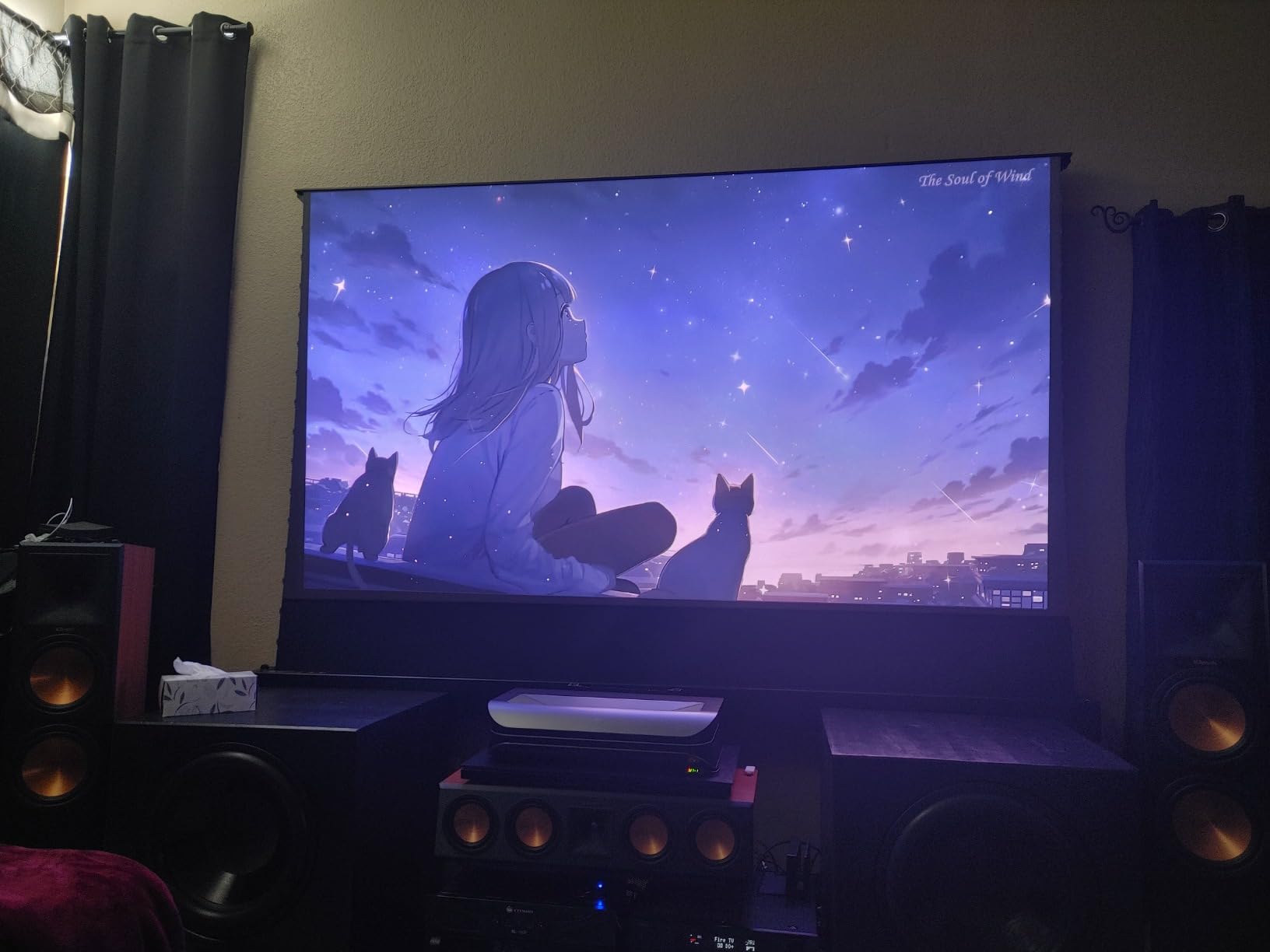
AWOL specifies a 0.5 to 1.68-foot throw range, but that unusually compressed field appears to combine image and placement data. Treat it as a UST model: place it inches from a rigid, flat surface, square its body, and use the geometric controls sparingly.
The built-in center-channel speaker helps dialogue when a full outdoor sound system would be excessive. For a neighborhood gathering, I would still add Bluetooth audio because open-air noise easily overwhelms small speakers.
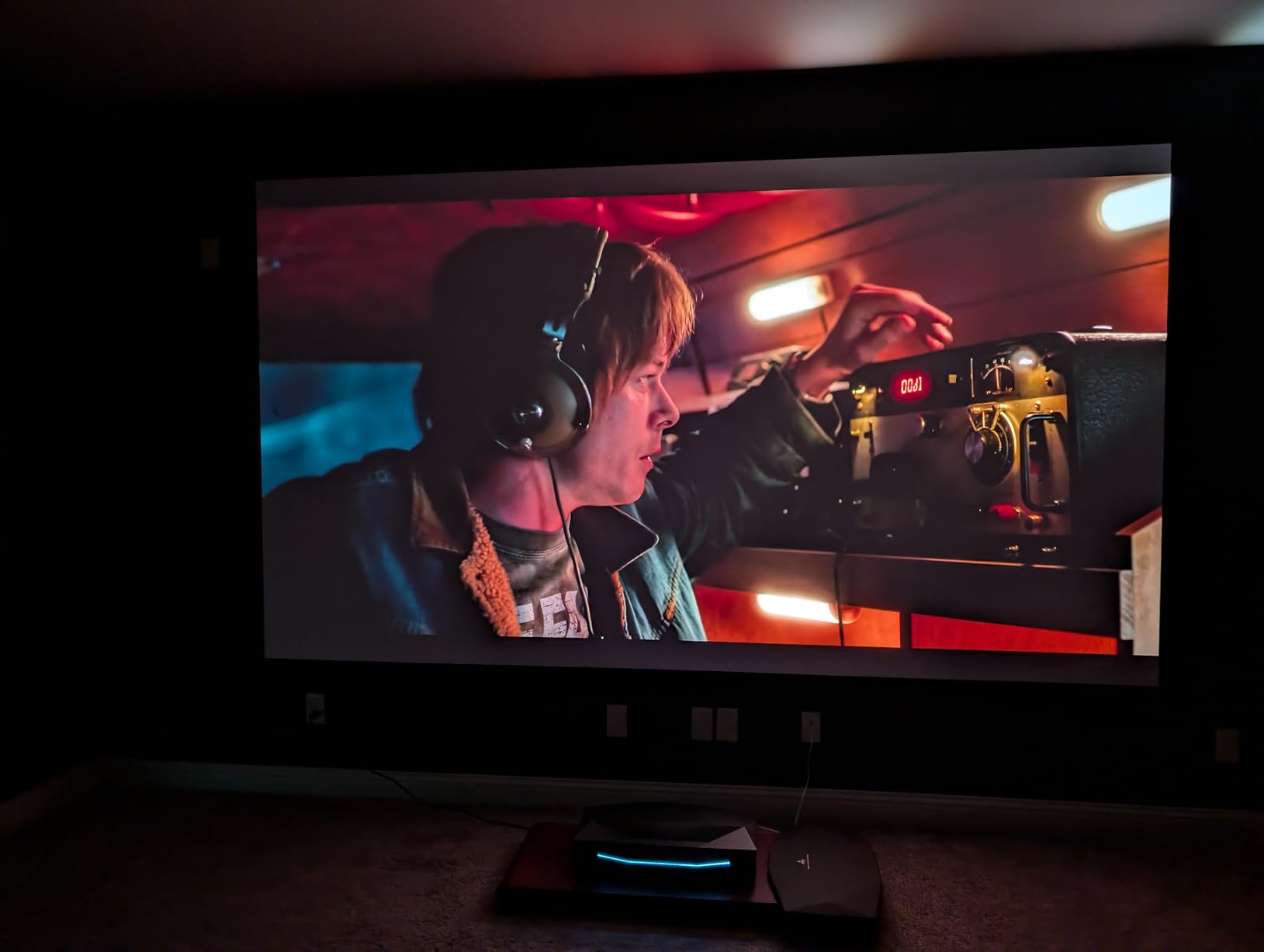
The Fire TV Stick 4K Max is a useful inclusion and keeps streaming setup simple. Reviewers also report that firmware updates improve Dolby Vision behavior, although the 3D interface remains less polished than the main playback experience.
Reviewers report occasional dead pixels or discoloration, so inspect the image during the return window. I would also avoid transporting this large UST model repeatedly; it fits a permanent outdoor theater better than a folding movie night.
Who should choose the LTV-2500
Choose it for a permanent backyard screen, mixed movie and sports viewing, and strong built-in audio. It is the most balanced all-around package here when wall space and a rigid screen are available.
Its color-wheel-free design also appeals to viewers who notice rainbow artifacts. That is a meaningful advantage over many single-chip DLP projectors in this category.
Who should skip the LTV-2500
Skip it for daytime sports under strong sun, irregular fabric screens, or a setup that must be packed away every time. The fixed UST geometry exposes any ripple that a longer-throw projector would hide.
2. WEMAX Nova Pro 4K — Best UST Streaming Picture
WEMAX Nova Pro 4K Ultra Short Throw Projector, Google TV, 2100 ISO Lumens
Native 4K
2100 ISO lumens
0.23:1 throw
Google TV
Pros
- Sharp 4K image
- Google TV and Netflix
- Strong 30W sound
- HDMI 2.1 and WiFi 6
Cons
- App glitches reported
- Colors may oversaturate
- DLP rainbow sensitivity
The Nova Pro 4K is the strongest value-focused UST in this group for buyers who want native 4K and built-in streaming. Its 0.23:1 lens can create up to 150 inches from a very short distance, keeping cables near the equipment rather than across a yard.
The ALPD laser system, 2,100 ISO-lumen rating, and 3,000:1 contrast give it enough output for shaded patios and early-evening viewing. I would still reserve the best picture for dusk because no projector in this list fully overcomes direct daylight.
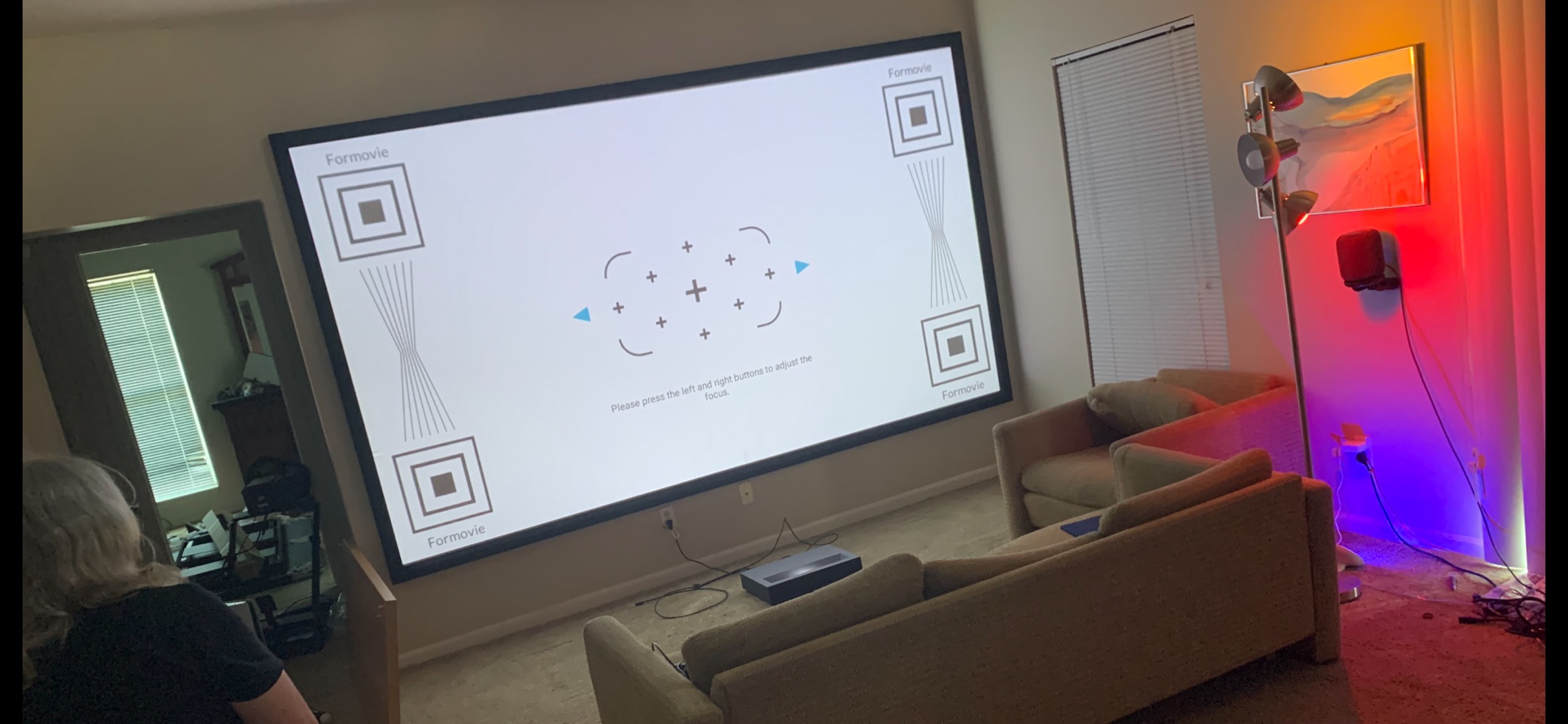
Google TV is a genuine strength because licensed Netflix, casting, and voice control are available without an external player. The dual 15W speakers are also more useful than the tiny audio found on many portable projectors.
Reviewers mention app-loading and casting quirks, while sensitive viewers may notice rainbow effects from the DLP system. I recommend testing motion and bright subtitles before hosting a large group.
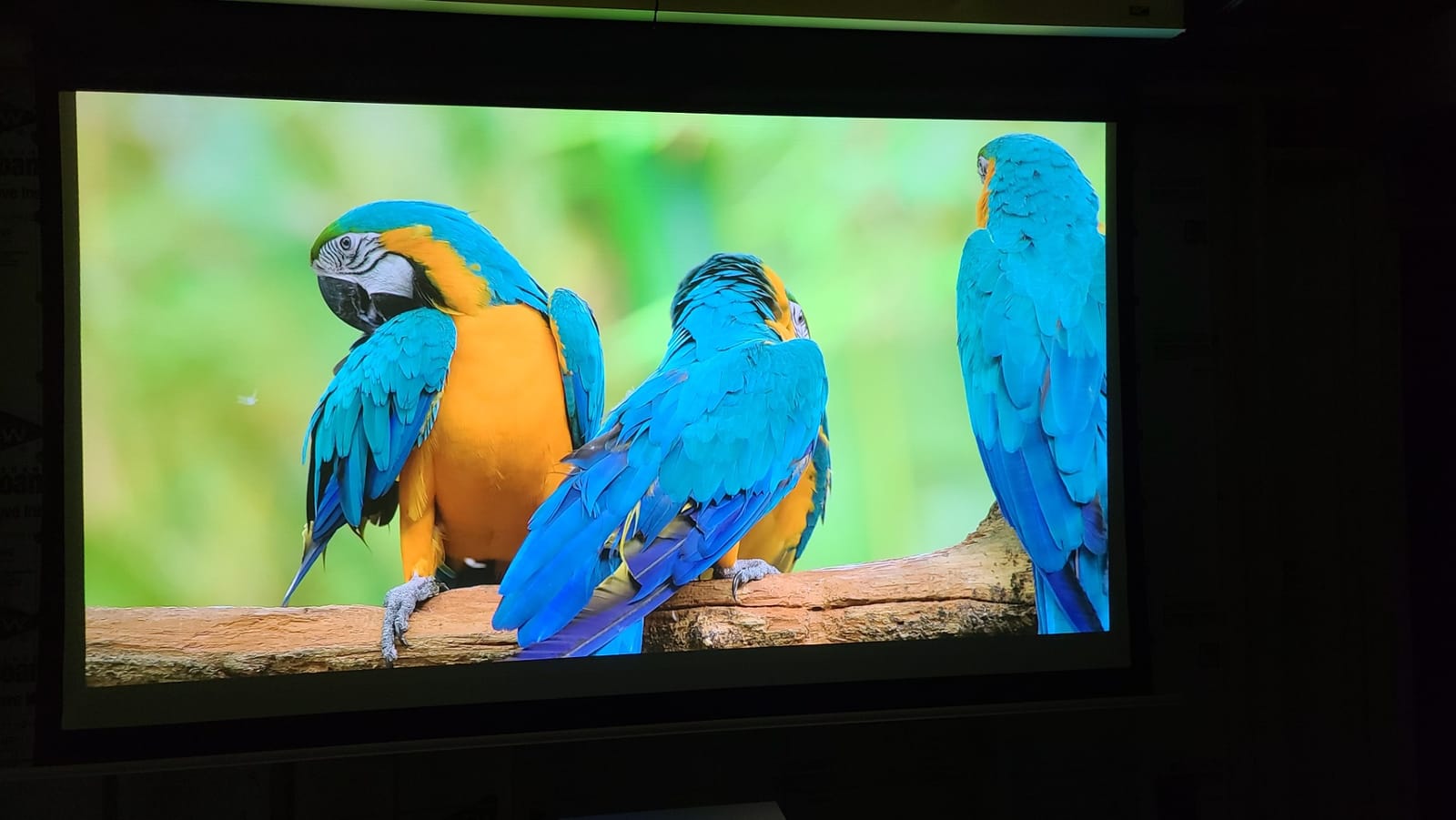
The 7-kilogram chassis is manageable, but the six-month warranty is shorter than the coverage offered by several alternatives. Confirm the exact support terms and keep the firmware updated before an important event.
This model fits a family that wants a dedicated screen and simple streaming at a lower cost than the largest UST systems. It is less attractive for a pop-up setup, where a standard-throw portable projector is more forgiving.
Who should choose the Nova Pro 4K
Choose it for a permanent or semi-permanent UST screen, 100- to 130-inch viewing, and frequent streaming. Its feature set covers the essentials without requiring several extra accessories.
It also works well for casual console gaming because HDMI 2.1 and MEMC are included. Use a lower-latency picture mode when timing matters more than motion smoothing.
Who should skip the Nova Pro 4K
Skip it if you are highly sensitive to DLP color separation or need a tent-friendly projector. A wrinkled screen will exaggerate geometry errors because the lens sits so close.
3. XGIMI Elfin Flip 4K — Best Portable Triple-Laser Image
XGIMI Elfin Flip 4K Portable Projector with wifi and bluetooth, Google TV
Native 4K
1600 ISO lumens
0.98-1.3:1 zoom
1ms latency
Pros
- Vibrant triple-laser color
- Optical zoom
- Google TV
- Very low gaming latency
Cons
- Needs AC power
- HEVC Main10 bug
- Auto avoidance can misfire
The Elfin Flip 4K is the most portable native-4K RGB laser model in this lineup. Its flip cover, integrated stand, Google TV, and optical zoom make it easy to move from a living room to a backyard screen without rebuilding a streaming setup.
The 0.98 to 1.3:1 zoom is a major advantage over digital-only zoom because image size changes without permanently discarding resolution. That flexibility helps when the seating area, screen, and projection point do not line up perfectly.
At 1,600 ISO lumens, the Elfin Flip is best at dusk, under a covered patio, or in a shaded outdoor space. Its color performance is the standout, and SGS-certified Delta E below 1 gives calibration-sensitive buyers a strong starting point.
Gamers get 1ms latency, VRR, and ALLM, so this is a credible outdoor gaming projector. I would use the optical zoom for sizing and digital keystone only when physical adjustment cannot solve the geometry.
The missing internal battery is the main outdoor compromise. A nearby outlet, properly covered outdoor-rated extension, and cable path are required, so run power before guests arrive.
Reviewers also flag an HEVC Main10 Level 5.0 decoding bug. If your media library uses that codec path, test the exact files or add a proven streaming device.
Who should choose the Elfin Flip 4K
Choose it for backyard gaming, rented spaces, and frequent relocation. It is a compact all-in-one package with enough light for a controlled evening environment.
Its triple-laser color is especially attractive for animated films and sports. A simple white screen and careful placement can make the image look polished without a permanent installation.
Who should skip the Elfin Flip 4K
Skip it for remote locations without power or for viewers bothered by DLP rainbow artifacts. The optical zoom helps, but it is still a conventional throw rather than a UST lens.
4. NEBULA Cosmos 4K SE — Best Setup Automation for Backyards
NEBULA Cosmos 4K SE Portable Projector, 1,800 ANSI Lumens
Native 4K
1800 ANSI lumens
HybridBeam
Google TV
Pros
- Dolby Vision image
- Fast intelligent setup
- 4K Netflix
- Strong portable audio
Cons
- No internal battery
- Software stability concerns
- No adjustable foot
The Cosmos 4K SE is the easiest conventional-throw model to set up here. IEA 4.0 combines autofocus, auto keystone, obstacle avoidance, and wall-color adaptation, which reduces the trial-and-error common to outdoor projection.
Its HybridBeam LED and laser light source is rated at 1,800 ANSI lumens, and the listed 25,000-hour life is appropriate for many years of regular viewing. Dolby Vision and a 20- to 200-inch image range make it versatile for family movies and backyard sports.
The carrying handle helps, but the 9.9-pound weight is high for a portable model. Without an internal battery, it is better described as movable than self-contained.
Google TV and native 4K Netflix simplify movie-night startup. Reviewers also praise the integrated speakers, though I still recommend external audio for a crowd or a patio beside traffic.
Long-term software reports include lag, freezing, and audio dropouts. Update the system early, verify playback, and keep an HDMI source ready as a backup.
The lack of an angle-adjustment foot makes the body geometry critical. I would use a low, stable platform rather than stacking books or an uneven table.
Who should choose the Cosmos 4K SE
Choose it when setup speed matters more than ultralight carrying. Its automation is especially helpful on a patio where the screen is reused but the furniture changes.
It is also a strong family-room projector that can move outdoors. Google TV and automatic image correction keep the daily experience simple.
Who should skip the Cosmos 4K SE
Skip it for camping away from power or for buyers who want minimal moving parts. The weight and reported software issues make a smaller battery-based projector easier for rough travel.
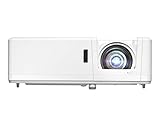
5. Optoma GT1090HDR — Best for Bright Outdoor Screens
Optoma GT1090HDR Short Throw Laser Home Theater Projector | 4K HDR Input | Lamp-Free Reliable Operation 30,000 hours | Bright 4,200 lumens for Day and Night | Short Throw
4200 ANSI lumens
1080p native
30,000-hour laser
4.3 ft throw
Pros
- Very bright output
- IPX6 dust rating
- Long-life laser
- HDR10 and HLG
Cons
- Not native 4K
- No optical audio out
- Manual focus can be imprecise
The GT1090HDR is the brightness specialist, producing 4,200 ANSI lumens from a short-throw lens. A 120-inch image is specified from about 4 feet 4 inches, reducing the long cable run and shadow zone associated with standard-throw projectors.
This is the strongest option here for a shaded daytime game or an early start before sunset. The DuraCore laser is rated for 30,000 hours and carries an IPX6 optical-engine dust-resistance rating, a useful distinction from many indoor-focused laser projectors.
The catch is resolution. The native panel is 1920 by 1080 and accepts a 4K HDR signal, but it does not render a native 3840 by 2160 picture, so true-4K detail should not be the reason to buy it.
HDR10, HLG, and 3D support make it capable for sports and movies, while 32 dB eco-mode fan noise is reasonable for outdoor use. I would still keep the projector behind the viewing area so fan sound and direct light do not distract viewers.
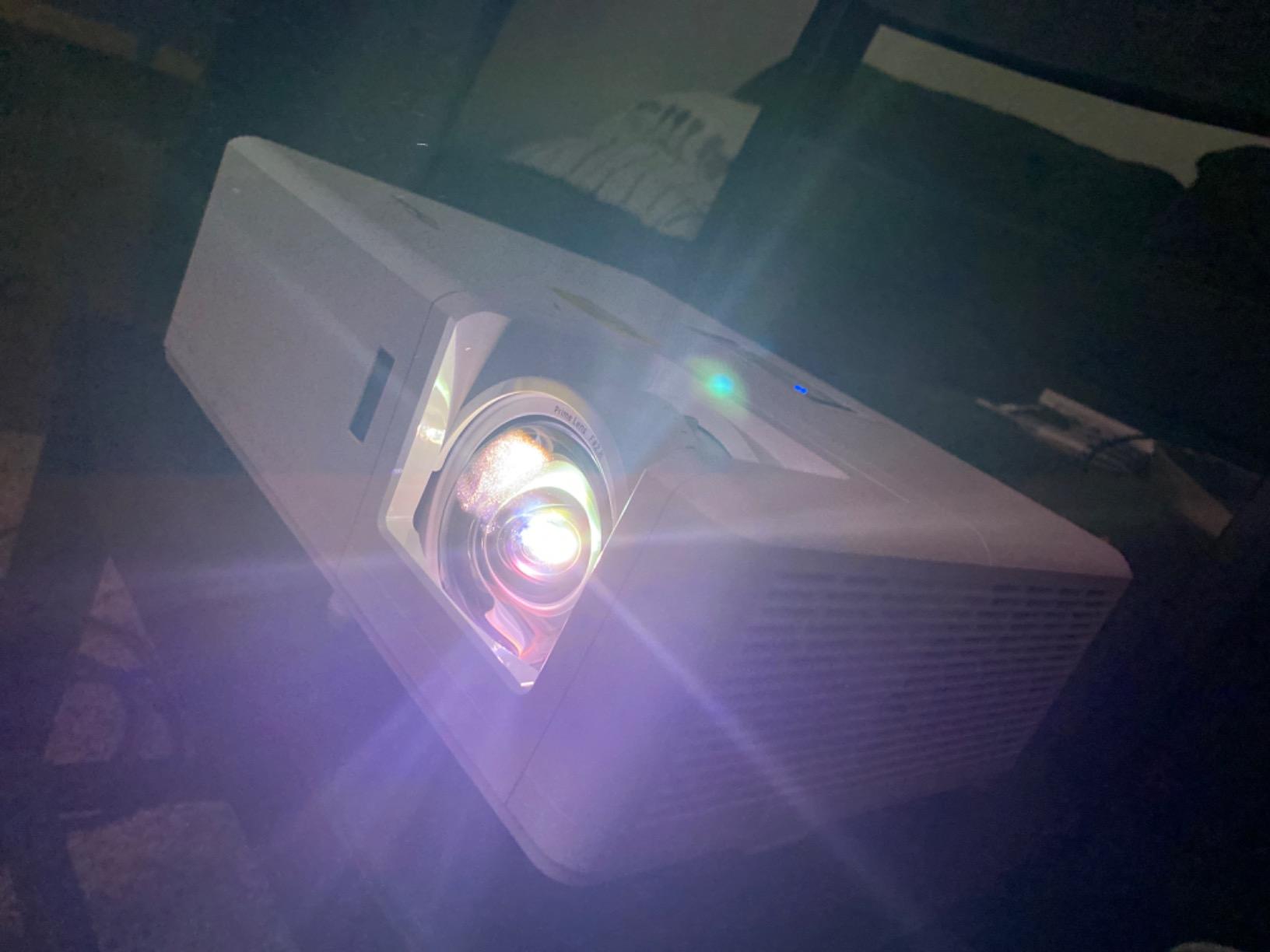
Connectivity includes HDMI, LAN, and RS-232 but no HDMI audio return or optical output. That makes a separate audio route important if you want TV or streaming sound through external speakers.
Reviewers note inconsistent long-term reliability, including complete failures after several years. That does not negate its strong picture, but inspection and a support plan are sensible.
Who should choose the GT1090HDR
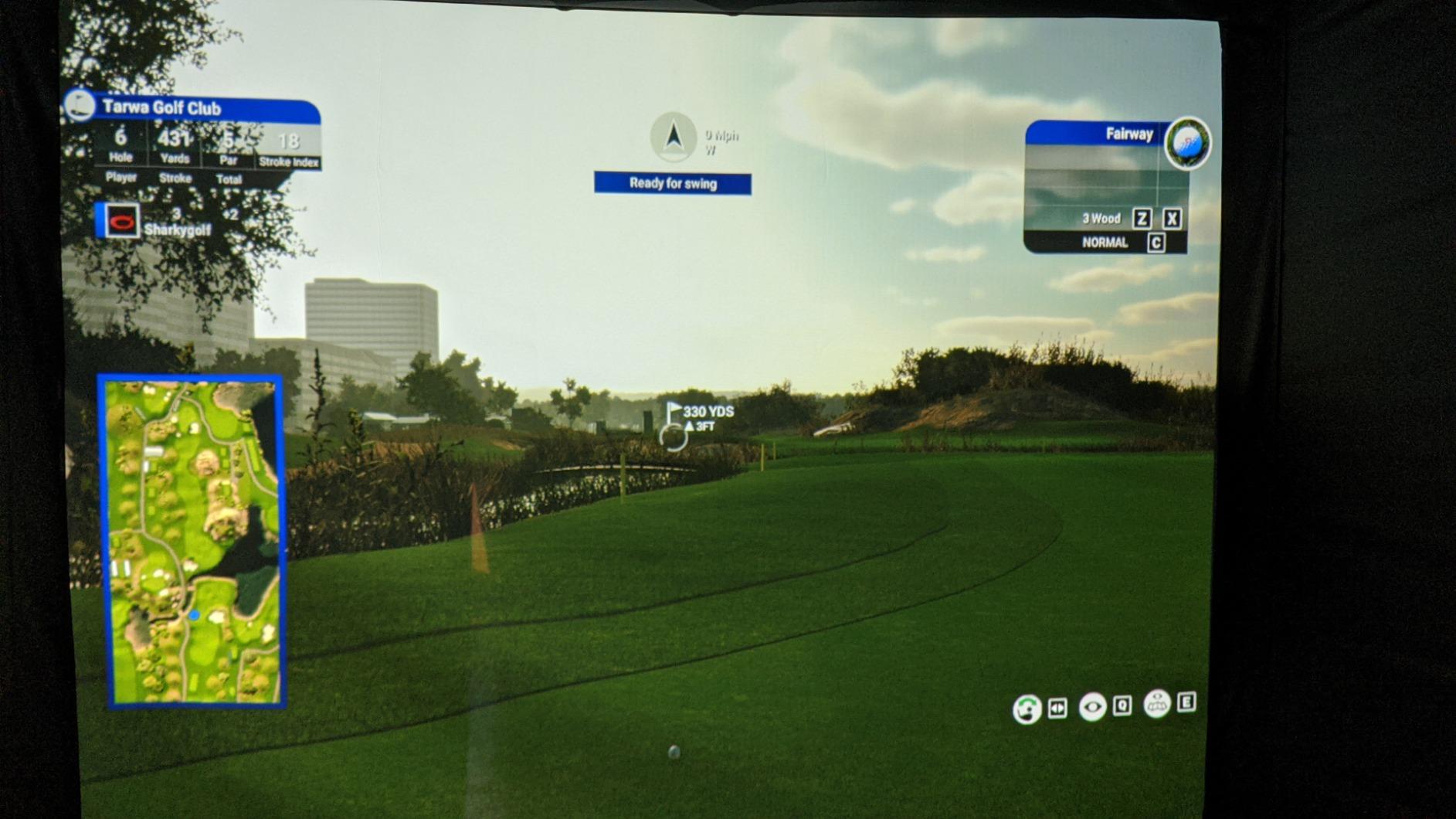
Choose it for daylight visibility, large-screen sports, golf simulation, and a controlled 1080p source pipeline. It converts lumens into visible impact better than any other short-throw model in this set.
Its 4.3-foot placement also works well where a UST cabinet would be too large. A rigid screen and sturdy table complete the setup.
Who should skip the GT1090HDR
Skip it if native 4K is a firm requirement or if silent operation is essential. Full laser power is also too bright for a small screen in a dark yard.
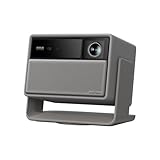
6. XGIMI HORIZON 20 — Best Gaming and HDR Performance
XGIMI HORIZON 20 4K RGB Triple Laser Home Projector, 3200 ISO Lumens
Native 4K
3200 ISO lumens
RGB triple laser
1ms lag
Pros
- Excellent HDR formats
- Very bright image
- Lens shift and optical zoom
- 240Hz gaming
Cons
- Laser sparkle on some screens
- Limited review history
- Large for frequent travel
The HORIZON 20 is the most technically ambitious conventional-throw projector in the lineup. It combines native 4K, 3,200 ISO lumens, RGB triple-laser color, Dolby Vision, HDR10+, IMAX Enhanced, and Filmmaker Mode in a 4.9-kilogram chassis.
I would use it for outdoor gaming at dusk or for sports before sunset because its brightness exceeds most compact laser models. Optical zoom and lens shift allow loss-free placement, while 240Hz refresh and 1ms input lag support competitive console play.
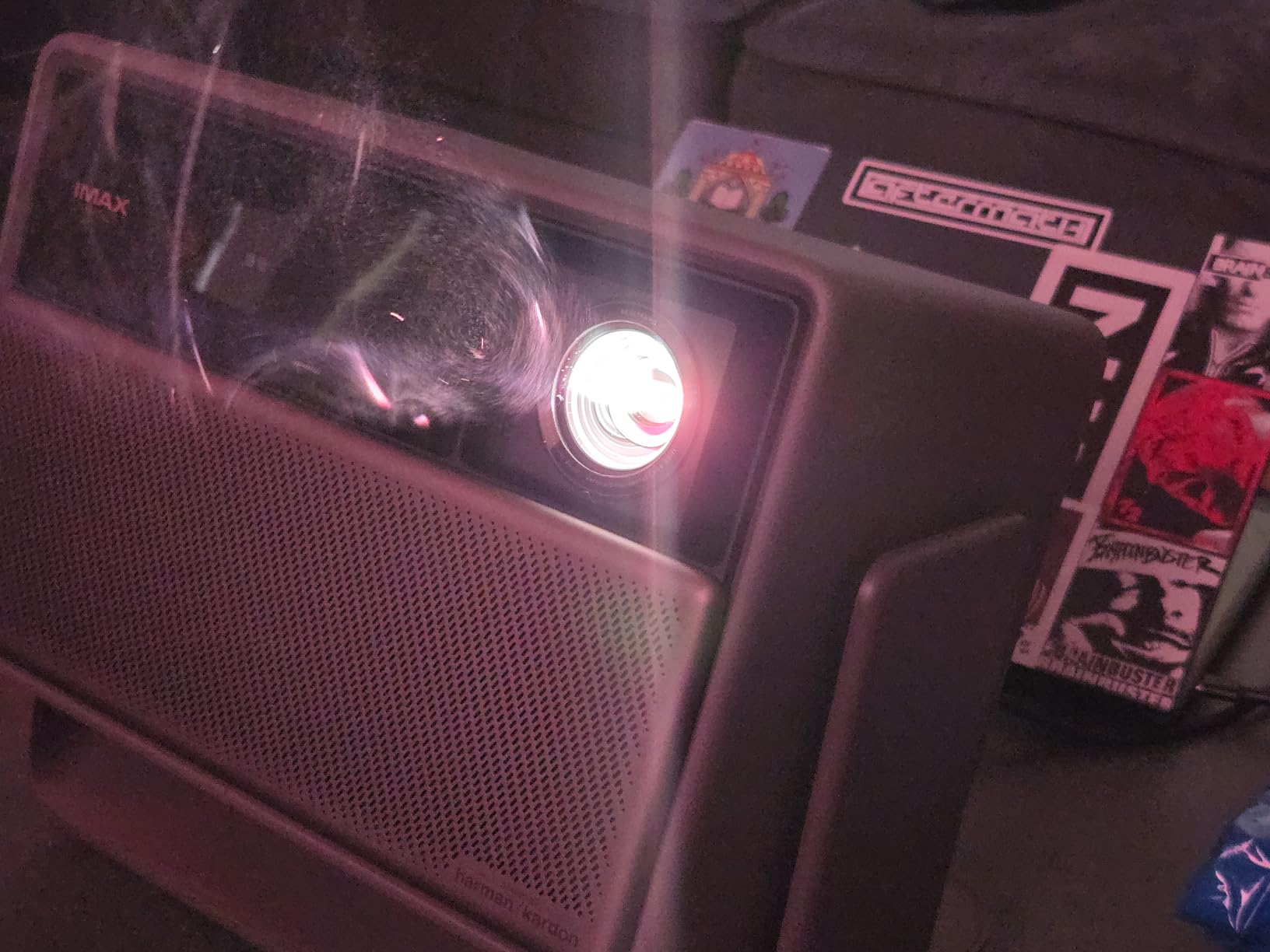
Google TV, Harman Kardon speakers, and automatic setup reduce the number of accessories needed. The broad 40- to 300-inch image range also makes screen experiments easy before committing to one size.
Some screens reveal laser sparkle, especially with high-contrast material. White subtitles can also show brief color separation during motion for sensitive DLP viewers.
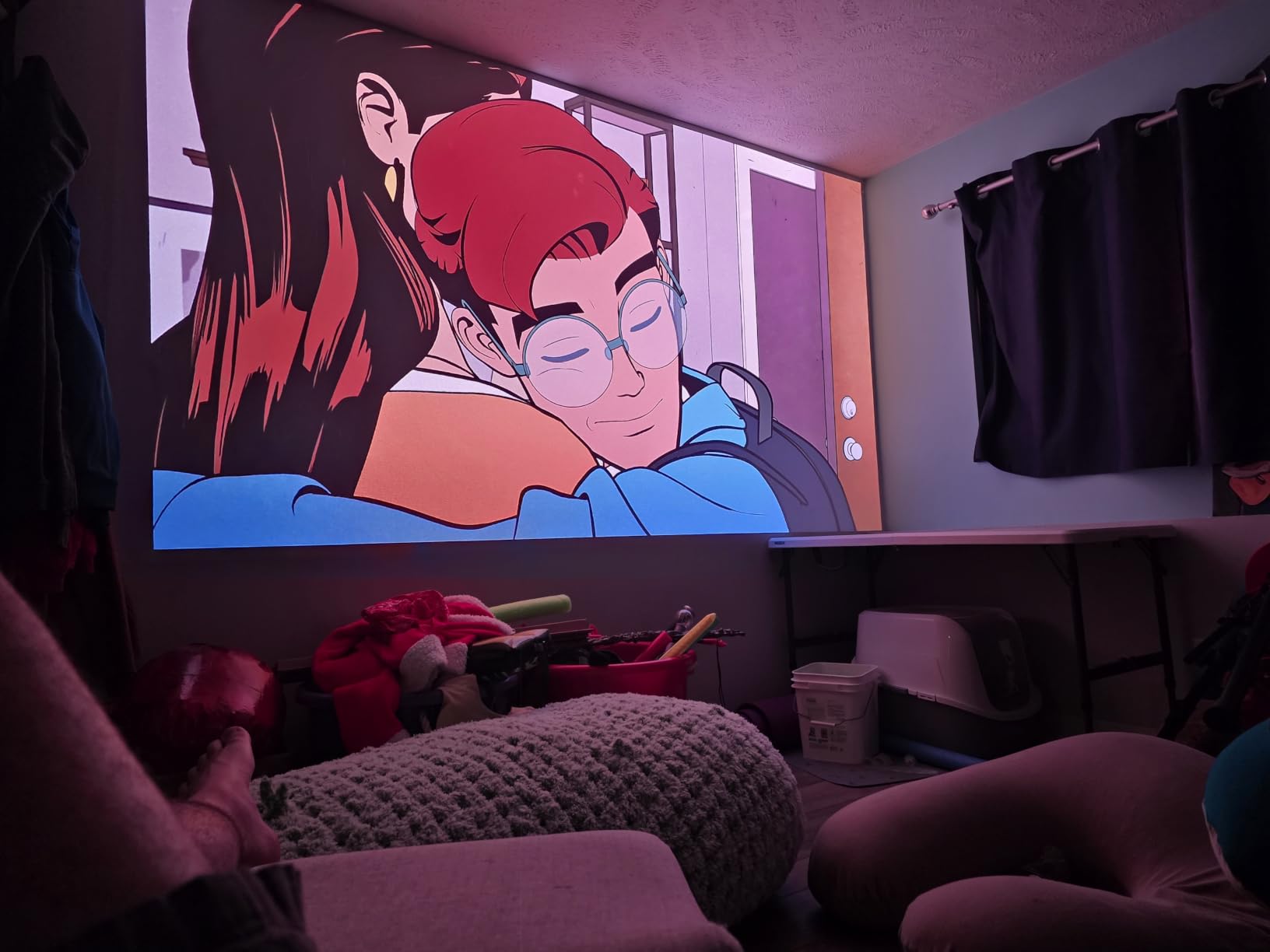
Its 131-review history is smaller than that of several rivals, so long-term failure patterns are less certain. Isolated firmware-update failures are reported, making software care important.
The two-year warranty is reassuring, but this remains a home projector that happens to work outdoors. I would protect it from dew and avoid packing it into a hot vehicle immediately after use.
Who should choose the HORIZON 20
Choose it for premium HDR, low-latency gaming, and flexible placement. It has the highest conventional-throw feature ceiling in the list.
It also suits a mixed indoor and outdoor installation. The lens controls and automated setup make a temporary backyard deployment feel familiar.
Who should skip the HORIZON 20
Skip it for UST placement close to the screen or if sensitive viewers cannot tolerate single-chip DLP artifacts. Test your intended screen material before the event.
7. XGIMI MoGo 4 Laser — Best Battery-Powered Outdoor Kit
XGIMI MoGo 4 Laser Projector Collection, Outdoor Kit with PowerBase Stand
1080p native
550 ISO lumens
2.5-hour battery
20,000-hour laser
Pros
- Built-in battery
- Complete outdoor bundle
- Vibrant color
- Compact body
Cons
- Limited brightness
- Brightness drains battery
- Auto keystone can drift
The MoGo 4 Laser is the most practical grab-and-go outdoor kit. It includes a 70-inch screen, carry case, creative filters, a 360-degree stand, and up to 2.5 hours of built-in battery playback; the PowerBase stand can extend total runtime to about five hours.
Its 550 ISO-lumen output is the clear limit. I would reserve the MoGo 4 for nightfall, deep shade, or a covered outdoor space, then use a 60- to 80-inch image to preserve contrast and color.
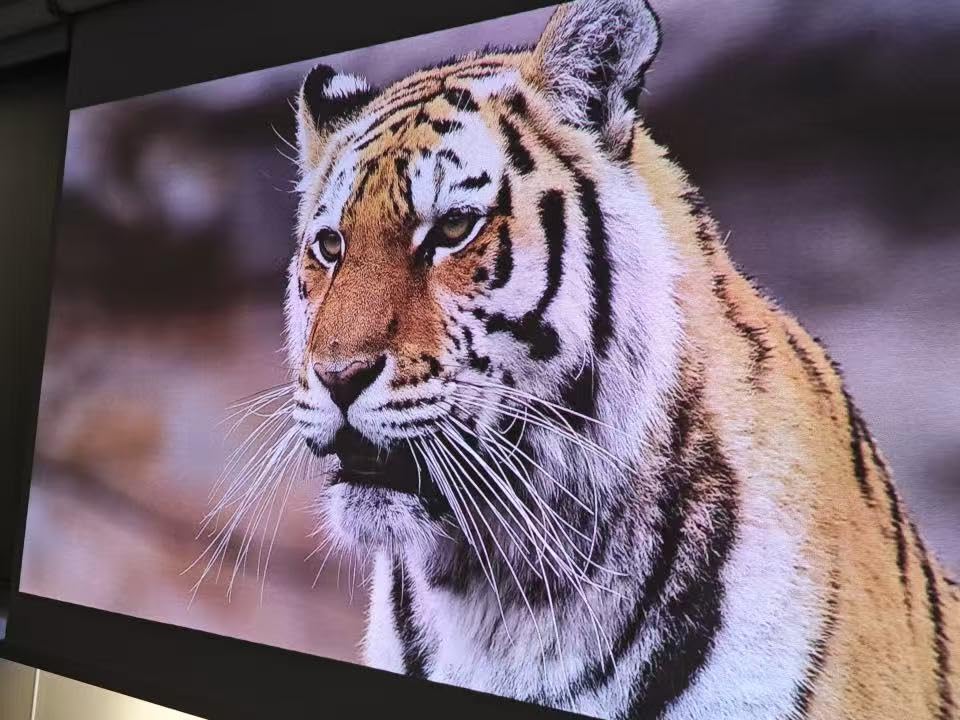
The compact 2.9-pound body is easy to carry, and the 360-degree stand makes it simple to place on a low table. Google TV and Harman Kardon audio help the package work without a receiver.
Higher brightness settings shorten battery life, so I would use an energy mode when the movie length approaches the available runtime. Keep the cable path away from walkways if the PowerBase is added.
The projector accepts a 4K input but is native 1080p, so it is not a pixel-for-pixel 4K option. Auto keystone can also require correction after the first setup.
Remote startup issues are reported when the adapter is disconnected, so confirm behavior after a full shutdown before relying on the battery for the next movie.
Who should choose the MoGo 4 Laser
Choose it for camping, small backyards, quick dates, and users who value a single carry case. It is the least intimidating model for a first outdoor setup.
The included filters and screen also make it giftable and easy to demonstrate. The battery is a real convenience rather than a marketing add-on.
Who should skip the MoGo 4 Laser
Skip it for large groups, bright patios, or native-4K expectations. External audio is advisable when conversation and ambient noise rise.
8. Epson EpiqVision LS800 — Best 3LCD UST for Bright Color
Epson EpiqVision LS800 4K PRO-UHD Ultra Short Throw Laser Projector
4K PRO-UHD
4000 lumens
3LCD
150-inch UST
Pros
- Strong 3LCD color
- High brightness
- No rainbow artifacts
- Yamaha 2.1 audio
Cons
- Very heavy
- Difficult geometry
- Limited streaming apps
The LS800 is the UST choice for viewers who want three-chip 3LCD color instead of single-chip DLP. Epson rates both color and white output at 4,000 lumens, which is useful outdoors when some ambient light remains.
Its 4K PRO-UHD system uses pixel shifting and accepts a 3840 by 2160 signal, while the listed native resolution is also 3840 by 2160. The result is not equivalent to all native 4K DLP designs, but the bright, rainbow-effect-free image has a distinct appeal.
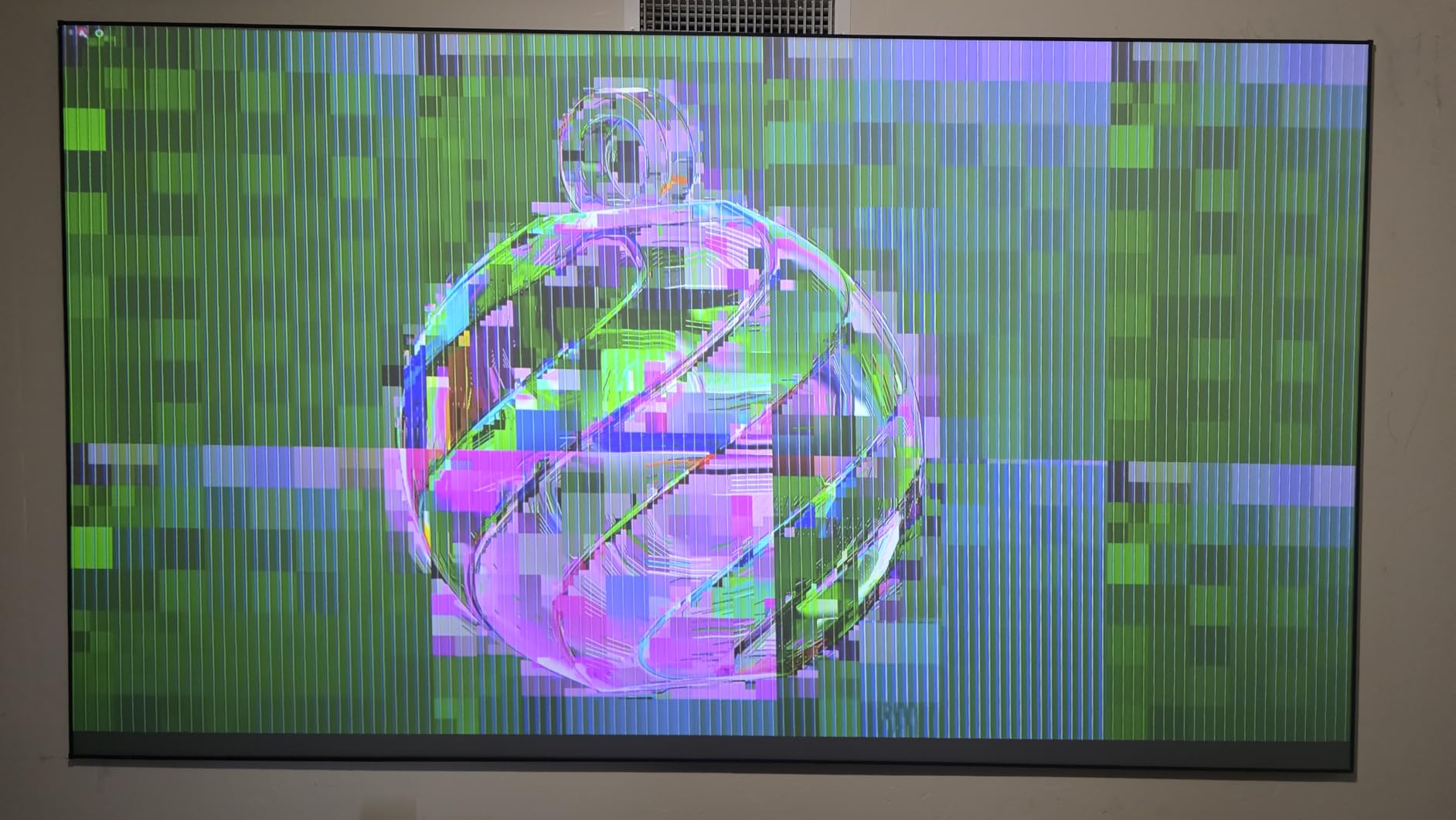
The Yamaha 2.1-channel speaker system is stronger than average for a built-in solution. Android TV is present, but Netflix is not part of the onboard experience, so many buyers will need a streaming stick.
At 27.6 pounds, this is a permanent installation rather than a casual carry case. Manual image geometry is also less forgiving than a UST with refined electronic controls.
Reviewers report HDMI-port failures and support frustrations, which help explain the lower rating despite excellent hardware performance. Check the ports during setup and retain a second source connection.
The laser is rated for 20,000 hours, and the two-year limited warranty is useful. I would also read our UST projectors with built-in speakers guide before deciding whether the LS800 or an audio-equipped UST is the better permanent system.
Who should choose the LS800
Choose it for a permanent UST screen, strong ambient light, and viewers who dislike rainbow artifacts. The 3LCD engine and high color brightness are the core reasons.
It is also appealing when a Yamaha 2.1 system can cover the room without a separate receiver. A streaming stick fills the software gap cleanly.
Who should skip the LS800
Skip it for frequent relocation or anyone who expects quick automatic geometry. Its size makes precise furniture and screen planning essential.
9. Nebula X1 — Best Brightness and Auto-Alignment Balance
Nebula X1 4K Laser Projector, 3,500 ANSI Lumens, Dolby Vision
Native 4K
3500 ANSI lumens
Dolby Vision
30,000-hour laser
Pros
- Very bright image
- Excellent color tuning
- Auto-Align Gimbal
- eARC audio
Cons
- Interface can lag
- Initial calibration needed
- Quality-control reports
The Nebula X1 pairs the brightest conventional-throw image in the list with native 4K and a 3,500 ANSI-lumen triple-laser system. In a shaded yard or patio, that output gives sports and shared viewing more headroom than most compact projectors.
Dolby Vision, ISF-calibrated color, a 14-element all-glass lens, and NebulaMaster processing create a detailed image. The 56,000:1 dynamic contrast figure is impressive, but I would judge shadow quality from actual content because dynamic processing varies scene by scene.
The Auto-Align Gimbal and Spatial Recall are particularly useful outdoors, where the same screen may be viewed from different positions. I would save one placement preset rather than relying on a full auto fit every time.
Google TV, eARC support, and a 300-inch maximum image size cover streaming and external audio. Reviewers praise the easy setup, though some find the interface slower than a dedicated streaming box.
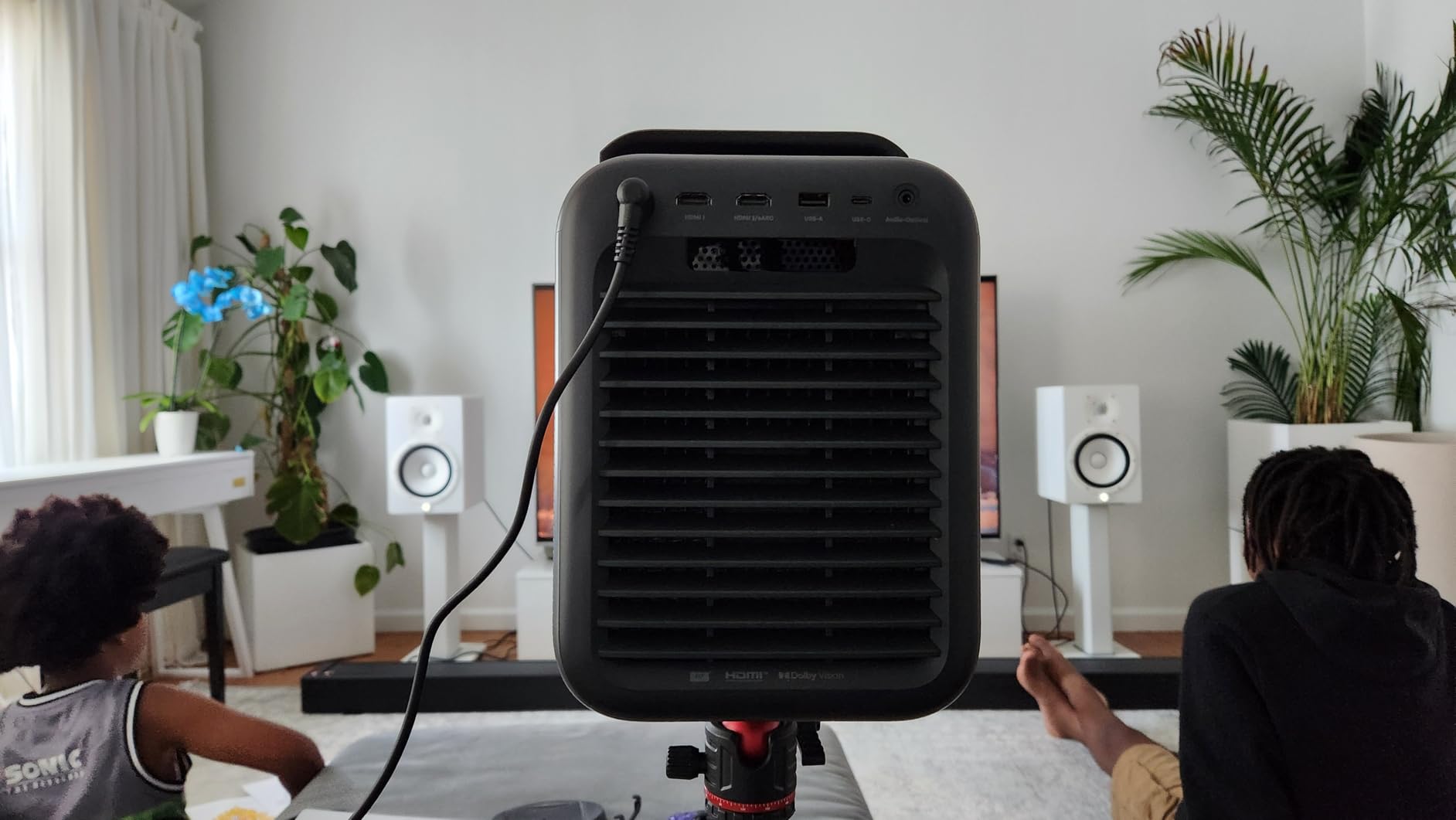
Out-of-the-box color benefits from calibration, and some units have packaging or quality-control issues. A quick power-on test is important before the first big event.
The 24-month warranty is helpful, and the 30,000-hour laser life supports long-term ownership. Keep ventilation clear and let the unit cool before storing it.
Who should choose the Nebula X1
Choose it for the brightest conventional-throw package, repeated screen positions, and strong HDR. It is especially effective when the sun is low but not fully down.
Its gimbal also solves a real outdoor problem: projecting from a stable side table while keeping the lens aimed squarely at a rigid screen.
Who should skip the Nebula X1
Skip it if you want a simple, no-tuning experience or need a compact travel unit. A dedicated streamer may be faster for some users than Google TV.
10. Hisense PX3-PRO — Best Premium Dolby Vision UST
Hisense PX3-PRO Laser Cinema Triple Laser Ultra Short Throw Home Theater Projector, 80″~150″, 4K UHD, Dolby Vision & Atmos, HDR10+, IMAX Enhanced, 3000 ANSI Lumens, Google TV
Native 4K
3000 ANSI lumens
Triple laser
150-inch UST
Pros
- Accurate wide color
- Dolby Vision and HDR10+
- Bright image
- 240Hz Xbox mode
Cons
- Difficult geometry
- Visible DLP artifacts
- Average built-in sound
The PX3-PRO is a premium UST for a permanent screen, with native 4K, a 3,000 ANSI-lumen triple-laser engine, and support for Dolby Vision, HDR10+, IMAX Enhanced, and Dolby Atmos. Its wide color coverage makes animated films and vivid sports especially attractive.
At 19.8 pounds, it needs a dedicated cabinet or sturdy stand. Google TV, a 4K AI upscaler, and a Designed for Xbox mode with 240Hz HSR reduce the need for separate equipment, although I would still use external audio for a crowd.
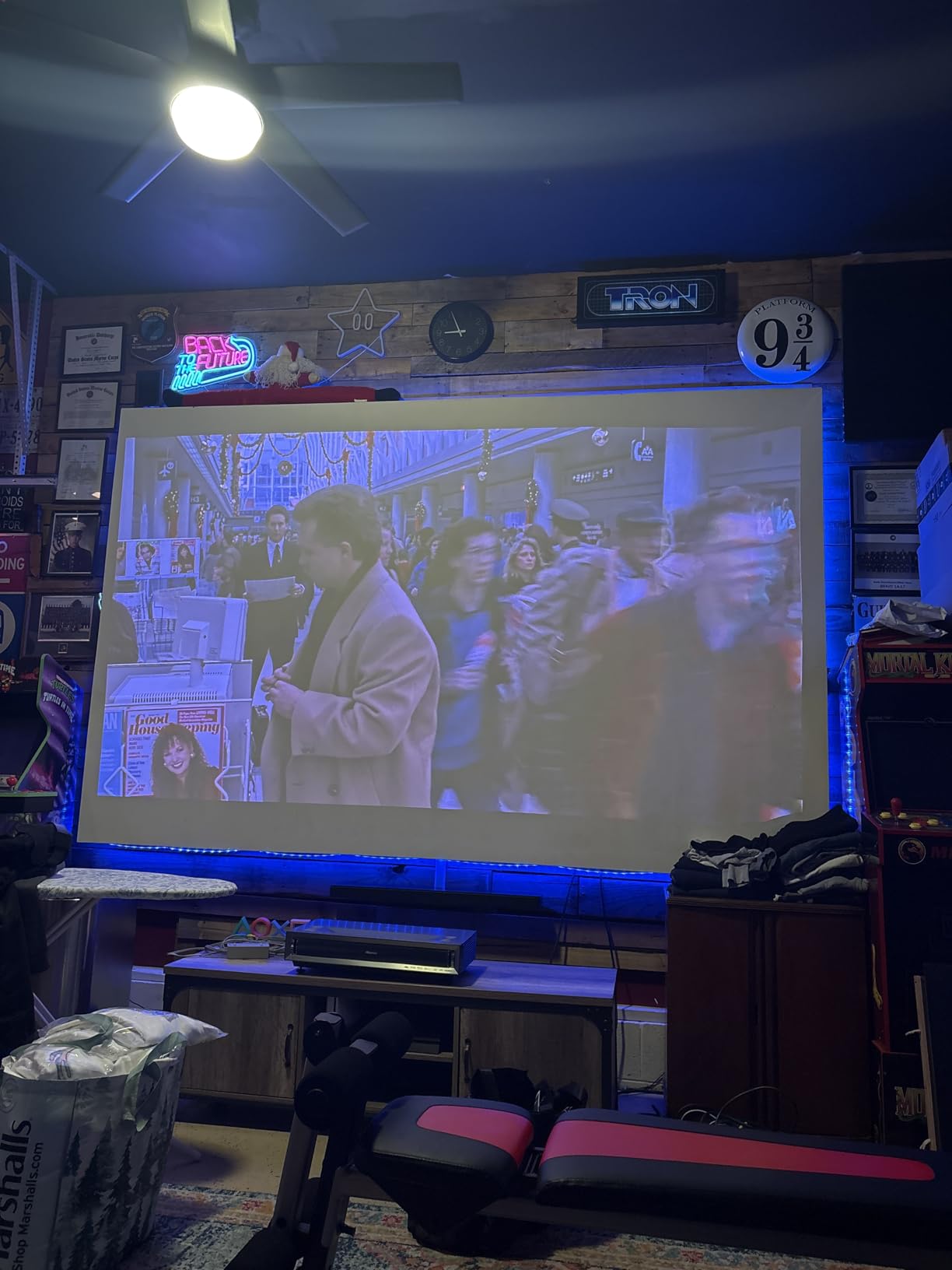
Its strongest feature is the image specification. The 3,000:1 native contrast and 110 percent BT.2020 coverage are impressive, and the 80- to 150-inch range covers most dedicated screens.
UST placement makes screen flatness critical. I would build a rigid frame and verify the cabinet is level before using digital geometry to make up for a warped surface.
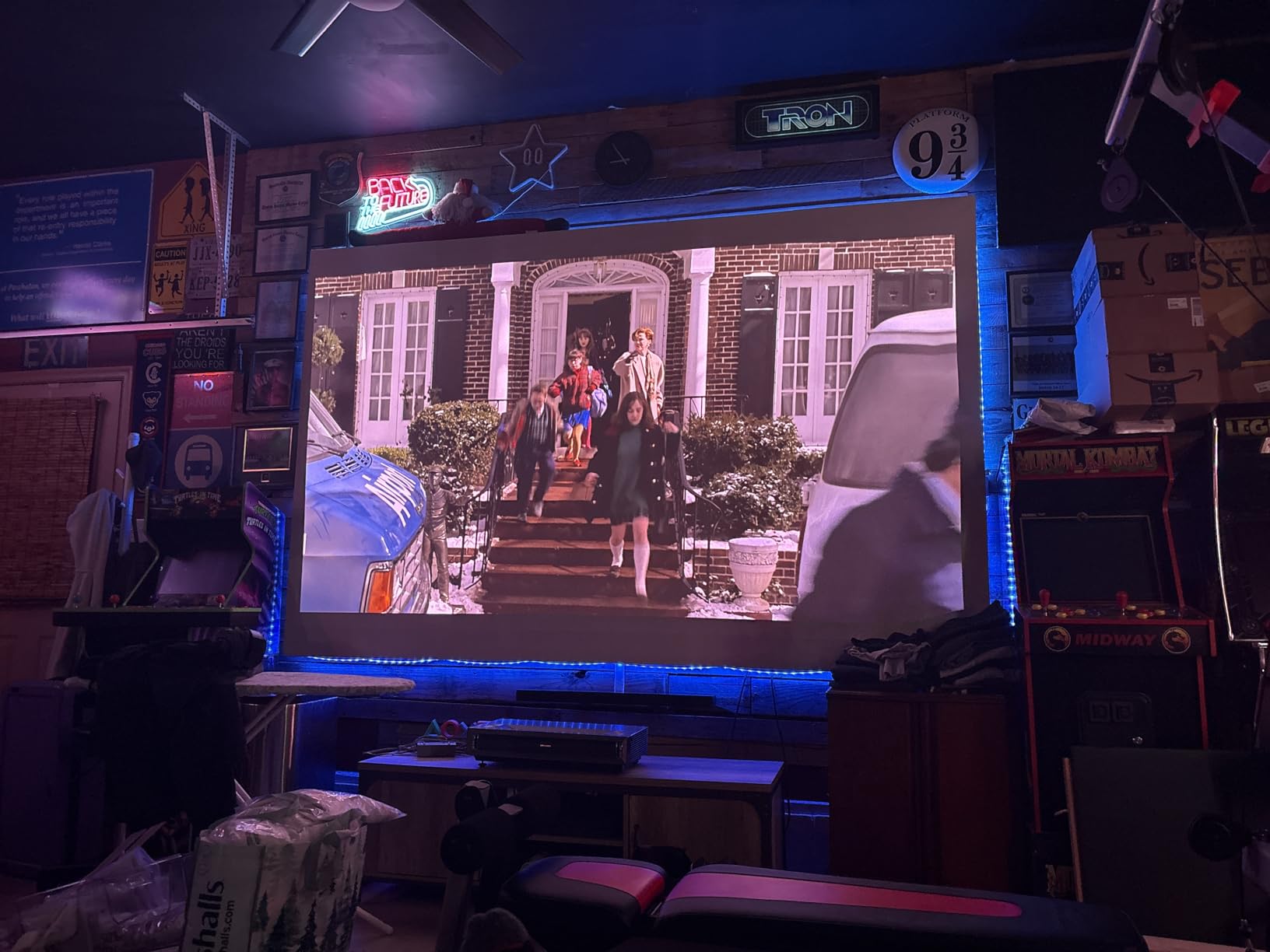
Some users report difficult keystone adjustment, rainbow effects, defective units, and slow support. The 33-review history is the smallest in the lineup, so the long-term record is less established.
The two-year manufacturer warranty and bright triple-laser engine keep it relevant, but it is not my default outdoor recommendation. The LTV-2500 and Nova Pro offer more confidence from larger review histories, while the LS800 provides a different 3LCD approach.
Who should choose the PX3-PRO
Choose it for a permanent theater, wide-gamut Dolby Vision, and Xbox-oriented high-refresh gaming. A rigid screen is not optional; it is part of the system.
Its 3,000-lumen output is also useful for a covered patio or late-afternoon sports. Keep the picture modest in size if the surrounding area is still bright.
Who should skip the PX3-PRO
Skip it for a movable setup, viewers sensitive to DLP artifacts, or anyone who wants a simple speaker experience. Test geometry and subtitles before mounting it permanently.
How to Choose an Outdoor Short Throw 4K Laser Projector
The best outdoor projector is the one whose placement, light output, and screen match your actual viewing time. Start with the room and screen, not the headline lumen number, because a 4,000-lumen projector on a wrinkled or dark screen will not create a better picture than a properly placed 2,000-lumen model.
Short throw, ultra short throw, or standard throw?
Short throw models sit a few feet from the screen and reduce shadows without requiring a UST cabinet. The Optoma GT1090HDR, for example, creates 120 inches from about 4.3 feet.
Ultra short throw models sit inches from the wall and make a permanent media cabinet practical. They also magnify screen ripples, so a rigid frame or carefully tensioned fixed screen matters more than it does with a longer lens.
Standard or conventional throw models need more distance and a clear line across the yard, but they are the most forgiving family. Our short throw projector sound guide covers models that sit between these categories and include stronger built-in audio.
How many lumens do you need outdoors?
Plan for roughly 1,500 to 2,000 ISO or ANSI lumens for a shaded evening image, and more than 2,000 lumens for dusk viewing or a screen facing a bright patio. Community projector discussions repeatedly point to 2,000 lumens as a sensible outdoor starting point, but screen size and ambient light still control the result.
Do not compare ISO and ANSI ratings as if every manufacturer measures them the same way. Prefer models that state a recognized standard, then use the lower power mode or Eco setting when the picture remains bright enough.
What does 4K mean on these projectors?
Native 4K DLP systems create the full addressable 3840 by 2160 image. Epson calls its LS800 system 4K PRO-UHD because it uses pixel shifting, while the Optoma GT1090HDR is native 1080p and merely accepts a 4K HDR input.
For a large screen, pixel detail matters, but brightness, focus, and screen quality often affect perceived sharpness more. I would choose the GT1090HDR only when its 4,200-lumen output solves a specific daylight problem, not because of the 4K input label.
Which laser engine fits your viewing?
RGB and triple-laser systems usually provide wider color and strong saturation without a phosphor or color-wheel step. The AWOL LTV-2500 avoids a color wheel, while the Hisense PX3-PRO and Nebula X1 target high wide-gamut performance.
HybridBeam models combine laser and LED light. The Nebula Cosmos 4K SE is a practical example, balancing automation and brightness, while DLP models can still produce rainbow artifacts in sensitive viewers.
What screen works best with a short throw?
A rigid, flat, white or gray surface is the safest starting point. UST owners on AV and projector forums consistently warn that even slight screen ripples distort the bottom edge, so a tensioned frame, fixed wall surface, or carefully supported screen is worth prioritizing.
Ambient-light-rejection screens can help with side lighting, but the wrong ALR material can create hotspots or geometry artifacts with a UST lens. Test the projector and screen together before mounting a permanent system.
How should you set up an outdoor projector?
Place the projector first, then power it and focus before moving furniture or seating. Use the physical zoom, lens shift, or throw distance to size the image, and correct only the small geometry error that remains.
Run power and signal cables along a perimeter, not through a walking path. Keep connections off damp ground, use outdoor-rated cable protection, and add a stable mat or table so vibration cannot move the image.
Do outdoor projectors need weather protection?
Most home projectors are not rainproof, even when they have an IPX6 optical-engine dust rating like the GT1090HDR. Treat every model as indoor electronics and use a covered patio, canopy, or temporary equipment shelter.
Let the projector reach room temperature before use if it has been stored in a cold garage. After a warm session, condensation can form when the unit is moved into cool air, so let it cool in a dry place first.
What about audio and long-term ownership?
Built-in speakers are useful for a small audience, but open-air sound disperses quickly. A Bluetooth speaker, soundbar, or outdoor receiver gives dialogue and music more headroom, and our home audio-linked projector guide can help separate built-in convenience from a true outdoor system.
Laser light sources in this list range from 20,000 to 30,000 hours. That is years of normal use, but dust, heat, and moisture remain the practical enemies, so clean vents as directed and keep the unit covered when idle.
Frequently Asked Questions
What is the best laser projector for outdoor use?
The best overall outdoor choice here is the AWOL VISION LTV-2500 because it combines true 4K, a color-wheel-free triple-laser engine, Dolby Vision, and 2,125 ANSI lumens. The Nebula X1 is the strongest conventional-throw alternative when maximum brightness and automatic alignment matter more.
What is the best short throw laser projector for 4K resolution?
The AWOL VISION LTV-2500 is the best overall short-throw 4K choice in this roundup, with a native 3840 by 2160 image and wide triple-laser color. The XGIMI HORIZON 20 and Nebula X1 are better conventional-throw alternatives when you need more placement flexibility.
What is the best 4K projector for outdoor use?
For a permanent backyard theater, the LTV-2500 offers the strongest balance of true 4K resolution, Dolby Vision, color-wheel-free laser light, and built-in audio. For a movable setup, the Nebula X1 provides 3,500 ANSI lumens and a useful Auto-Align Gimbal.
Are laser projectors good for outdoor use?
Yes. Laser projectors offer long light-source life, quick startup, strong color, and high brightness, but they still need a stable screen, protected placement, and dry operating conditions. Outdoor brightness depends on ambient light, image size, and whether the surface is a proper screen.
What is the best outdoor projector with a short throw?
The LTV-2500 is the best overall short-throw outdoor pick here because it is a UST model with native 4K, 2,125 ANSI lumens, and Dolby Vision. The Optoma GT1090HDR is the better choice for very bright outdoor screens, but its native resolution is 1080p.
What are the disadvantages of a short throw projector 4K?
Short throw reduces shadows and cable runs, but it can magnify screen ripples, leaves little room for error in keystone alignment, and may force a permanent or semi-permanent setup. A UST projector can also be more sensitive to flatness than a standard-throw model.
Can laser projectors work in daylight?
They can work in daylight when the screen is shaded, the image is not enormous, and the projector has enough recognized brightness output. Direct sun remains difficult for every model here, so an ALR screen and a covered viewing area help more than buying the brightest portable unit.
How many lumens do you need for an outdoor projector?
A practical starting point is 1,500 to 2,000 ISO or ANSI lumens for a shaded evening image, with more output for dusk or a larger screen. The GT1090HDR reaches 4,200 ANSI lumens, while the LTV-2500 and Nova Pro sit around the 2,100-lumen class for better-balanced evening viewing.
Final Verdict: Choose the Right Outdoor Laser Projector for Your Screen
The AWOL VISION LTV-2500 is the Editor’s Choice and the best overall outdoor 4K laser projector for a permanent backyard screen. Choose the Nebula X1 when automatic alignment and 3,500 ANSI lumens are more important, or the Optoma GT1090HDR when daytime visibility is the priority and native 4K is not required.
For a portable evening setup, the XGIMI Elfin Flip 4K offers the best balance of native 4K, triple-laser color, optical zoom, and gaming speed. Whichever model you pick, build around a flat screen, a covered placement, and a cable-safe power plan so the projector is the reliable part of movie night.