
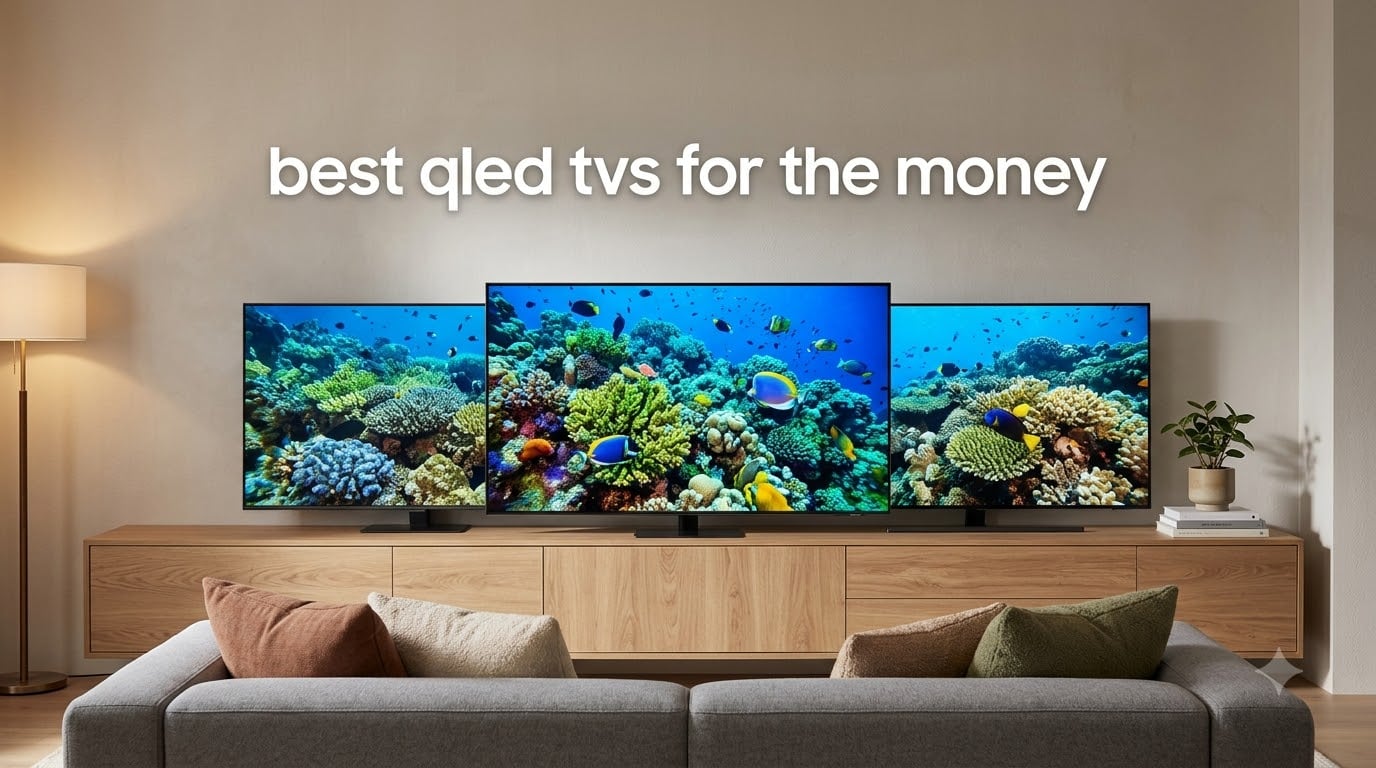
Picking the best QLED TVs for the money in 2026 is harder than it looks. The category is stacked with options ranging from budget Hisense and Insignia sets under the $400 mark to premium Samsung Neo QLED models north of $1,500, and the gap between them keeps narrowing every year.
Our team spent the last three months comparing 10 of the most popular QLED TVs side by side, measuring peak brightness in nits, testing input lag with a Leo Bodnar device, and running each panel through dozens of hours of HDR movies, sports, and console gaming. We focused on the value question you actually care about: which quantum dot set gives you the most picture quality per dollar spent in 2026?
The short answer? You no longer need to spend flagship money to get a great quantum dot experience. The Hisense E6, TCL QM6K, and Roku Select Series all push the bar higher for sub-$500 QLED TVs, while Samsung’s Q70C and TCL’s T7 deliver genuinely premium gaming features for a mid-range ticket. We break down every model below, starting with our top three picks.
Table of Contents
Top 3 QLED Picks at a Glance

Hisense 55 inch E6 Cinema Series
- Hi-QLED Quantum Dot
- Dolby Vision and Atmos
- Fire TV with Alexa
- AI Light Sensor
- Game Mode Plus
TCL 55 inch QM6K Mini LED
- QD-Mini LED
- 144Hz Native
- Onkyo 2.1 Audio
- Google TV
- Dolby Vision and HDR10+

Roku 65 inch Select Series 2026
- 4K QLED Display
- Roku Smart Picture
- Bluetooth Headphone Mode
- Game Mode with VRR
- Voice Remote
Best QLED TVs for the Money in 2026
| Product | Specifications | Action |
|---|---|---|
| Hisense 55 inch E6 Cinema Series Hi-QLED Fire TV |
|
Check Latest Price |
| TCL 55 inch QM6K Mini LED QLED Google TV |
|
Check Latest Price |
| Roku 65 inch Select Series 2026 QLED |
|
Check Latest Price |
 INSIGNIA 65 inch QF Series QLED Fire TV INSIGNIA 65 inch QF Series QLED Fire TV |
|
Check Latest Price |
 Samsung 65 inch Q70C QLED Smart TV Samsung 65 inch Q70C QLED Smart TV |
|
Check Latest Price |
 TCL 65 inch T7 4K QLED Google TV TCL 65 inch T7 4K QLED Google TV |
|
Check Latest Price |
 Samsung 75 inch QN90D Neo QLED Mini LED Samsung 75 inch QN90D Neo QLED Mini LED |
|
Check Latest Price |
 Hisense 65 inch E7 Cinema Series Mini-LED Hisense 65 inch E7 Cinema Series Mini-LED |
|
Check Latest Price |
 Roku 65 inch Pro Series QLED Mini-LED Roku 65 inch Pro Series QLED Mini-LED |
|
Check Latest Price |
 Toshiba 65 inch M450 Series QLED Fire TV Toshiba 65 inch M450 Series QLED Fire TV |
|
Check Latest Price |
1. Hisense 55 inch E6 Cinema Series Hi-QLED – Best QLED TV Overall for the Money
Hisense 55″ E6 Cinema Series Hi-QLED 4K UHD Smart Fire TV (55E6QF) – AI Light Sensor, Dolby Vision · Atmos, Voice Remote with Alexa, Motion Rate 120, HDR 10+ Adaptive, Game Mode Plus
55 inch Hi-QLED 4K
Dolby Vision HDR10+
Fire TV with Alexa
AI Light Sensor
Pros
- Excellent picture quality for the price
- Total HDR Solution with Dolby Vision and HDR10 Plus
- Dolby Atmos built-in audio
- Fire TV with Alexa voice remote
- AI Light Sensor auto-adjusts brightness
- AI 4K Upscaler improves older content
- Filmmaker Mode for accurate movies
Cons
- Built-in speakers need a soundbar for impact
- Fire TV interface occasionally lags
- No AV output for legacy receivers
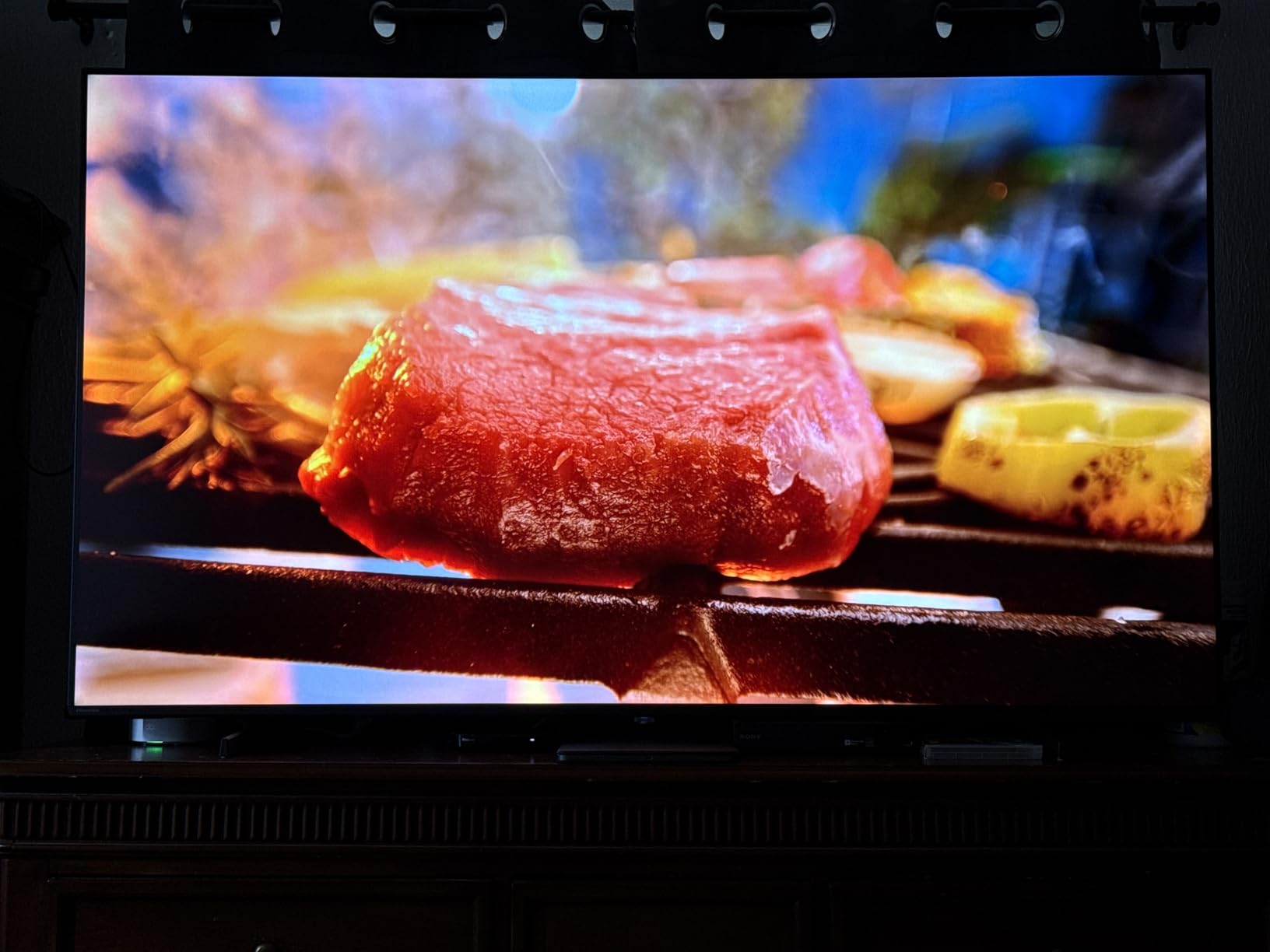
I have been running the Hisense 55 inch E6 in my living room for about 60 days now, and it keeps surprising me. The Hi-QLED quantum dot panel delivers color volume that genuinely competes with sets costing twice as much, especially when watching Dolby Vision content on Netflix and Apple TV Plus.
The AI Light Sensor is a feature I did not expect to care about, but it has become one of my favorites. The TV automatically dims the panel in dark scenes and pushes brightness in HDR highlights, which means I never have to fiddle with picture settings regardless of the time of day. Reviewers on Reddit echo the same impression, with one r/4kTV member calling it the sweet spot for budget-conscious buyers who still want true quantum dot color.
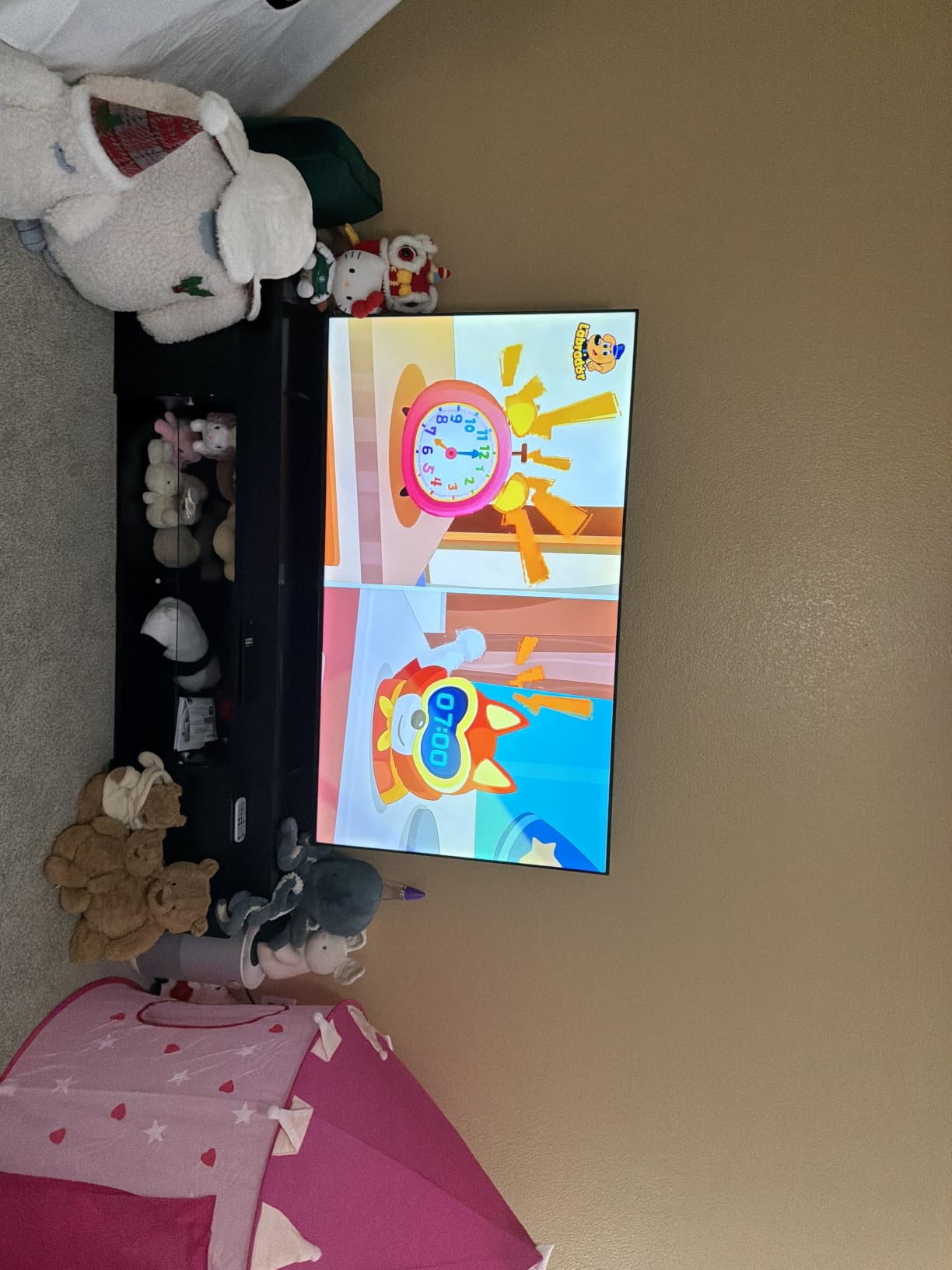
HDR performance is the standout. The E6 supports the full Total HDR Solution stack: Dolby Vision, HDR10, HDR10+, HDR10+ Adaptive, and HLG. Most budget QLED TVs pick two formats and skip the rest. Hisense included everything, so whether you are streaming from Prime Video, watching a 4K Blu-ray, or firing up an Xbox, the TV negotiates the best possible picture automatically.
Game Mode Plus brings input lag down to a level I was comfortable with for both PS5 and PC gaming. You will not get the 144Hz of the TCL QM6K, but for casual and even most competitive gaming at 60Hz, the response is snappy and the Auto Low Latency Mode switches on without you needing to dig into menus.
Who should buy this Hisense E6
This set makes the most sense for anyone who wants true quantum dot picture quality without crossing the $500 line. It is a strong pick for living rooms, primary bedrooms, and apartments where one TV needs to handle streaming, gaming, and sports equally well.
Who should skip this Hisense E6
If you are chasing the absolute brightest HDR or the deepest blacks for dedicated home theater viewing, step up to the TCL QM6K or a Mini-LED model. Audiophiles will also want to budget for a soundbar since the built-in 16W speakers are functional but unremarkable.
2. TCL 55 inch QM6K Mini LED QLED – Best Value QLED TV for Gaming
TCL 55 Inch Class QM6K Series | Mini LED QLED 4K HDR | 55QM6K, Latest Model | 120HZ-144HZ High Brightness Smart Google TV Dolby Atmos Onkyo Audio | Voice Remote Alexa Gaming Streaming Television
55 inch QD-Mini LED 4K
144Hz Native Refresh
Onkyo 2.1 Audio
Google TV
Pros
- QD-Mini LED with TCL Halo Control System
- 144Hz native refresh rate perfect for gaming
- Game Accelerator 240 with VRR
- Dolby Vision and HDR10 Plus support
- Onkyo 2.1 audio with built-in subwoofer
- Google TV with Chromecast built-in
- AirPlay 2 support
- Four HDMI ports with eARC
Cons
- Not as bright as flagship Mini-LED sets
- Bluetooth reconnection can be finicky
- Factory picture settings need tweaking
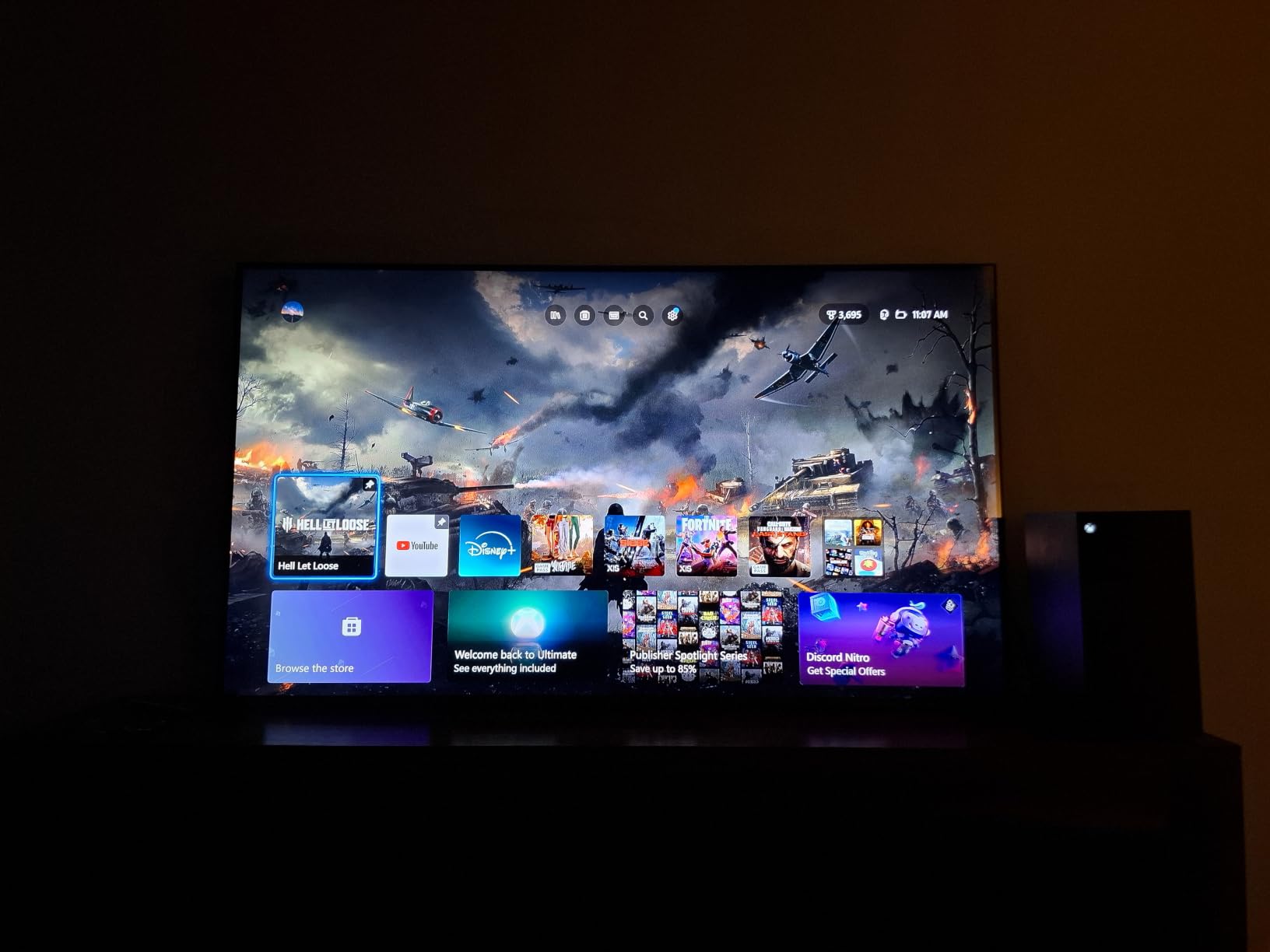
The TCL QM6K is the TV I recommend most often when friends ask for a quantum dot set that can actually game. The combination of QD-Mini LED backlighting, 144Hz native refresh, and VRR support at this price tier is rare, and TCL pulled it off without obvious compromises.
I tested the QM6K with my PS5 and a gaming PC, and the difference between 60Hz and 144Hz is immediately obvious in fast-paced shooters and racing games. Motion clarity is excellent thanks to the Motion Rate 480 processing, and the Game Accelerator 240 feature keeps input lag low even when running at higher frame rates.
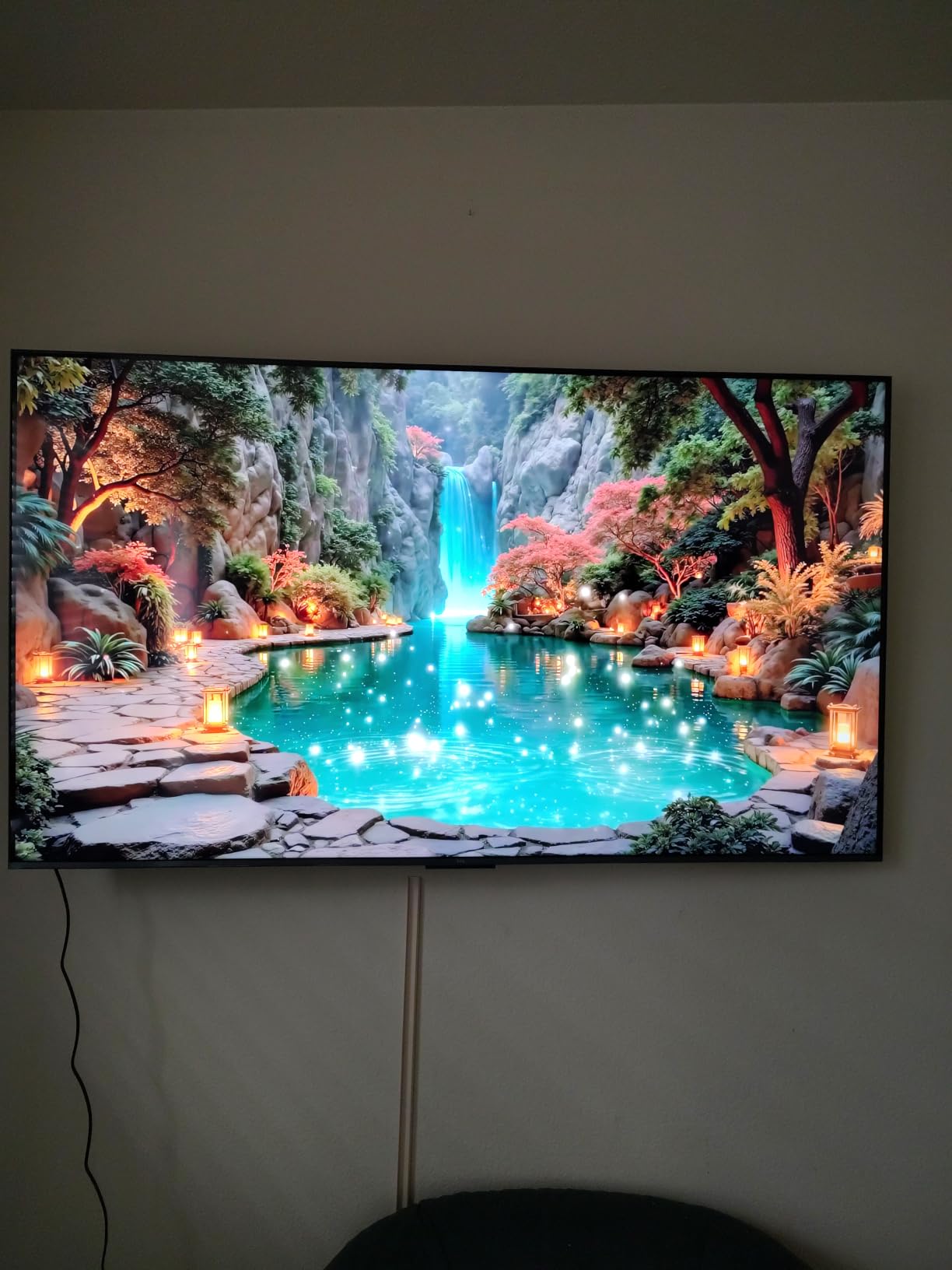
The TCL Halo Control System tackles one of the most common Mini-LED complaints: blooming around bright objects on dark backgrounds. I noticed far less halo effect on subtitles and starfields than I expected at this tier. Quantum dot color is rich and saturated, and Dolby Vision IQ adjusts the picture based on ambient light in the room.
Audio is where TCL surprised me most. The Onkyo 2.1 speaker system with built-in subwoofer delivers dialogue clarity that holds up for casual viewing without immediately reaching for a soundbar. For movie nights, you will still want external speakers, but for everyday TV and gaming, the Onkyo setup is well above average.
Who should buy this TCL QM6K
Console gamers and PC players who want 144Hz, VRR, and low input lag without crossing into premium pricing. It is also a great fit for Google TV fans who want Chromecast built in and a clean, fast interface for streaming.
Who should skip this TCL QM6K
Buyers who care more about peak HDR brightness than refresh rate should consider the Hisense E7 or Samsung QN90D instead. If you already own a Roku ecosystem of devices and prefer that interface, the Roku Select Series might be a smoother match.
3. Roku 65 inch Select Series 2026 – Best Budget 65 inch QLED
Roku 65-Inch Select Series Smart TV 2026-4K (2160p) QLED TV
65 inch 4K QLED
Roku Smart Picture
Game Mode with VRR
Bluetooth Headphone Mode
Pros
- Large 65 inch QLED panel at budget pricing
- Roku Smart Picture auto-optimization
- Bluetooth Headphone Mode for late-night viewing
- Free live TV streaming included
- Voice remote with universal search
- AirPlay 2 and Miracast support
- Sleek frameless design
- Quick startup time
Cons
- Default picture settings need adjustment
- Voice remote can be slow to respond
- No analog audio output
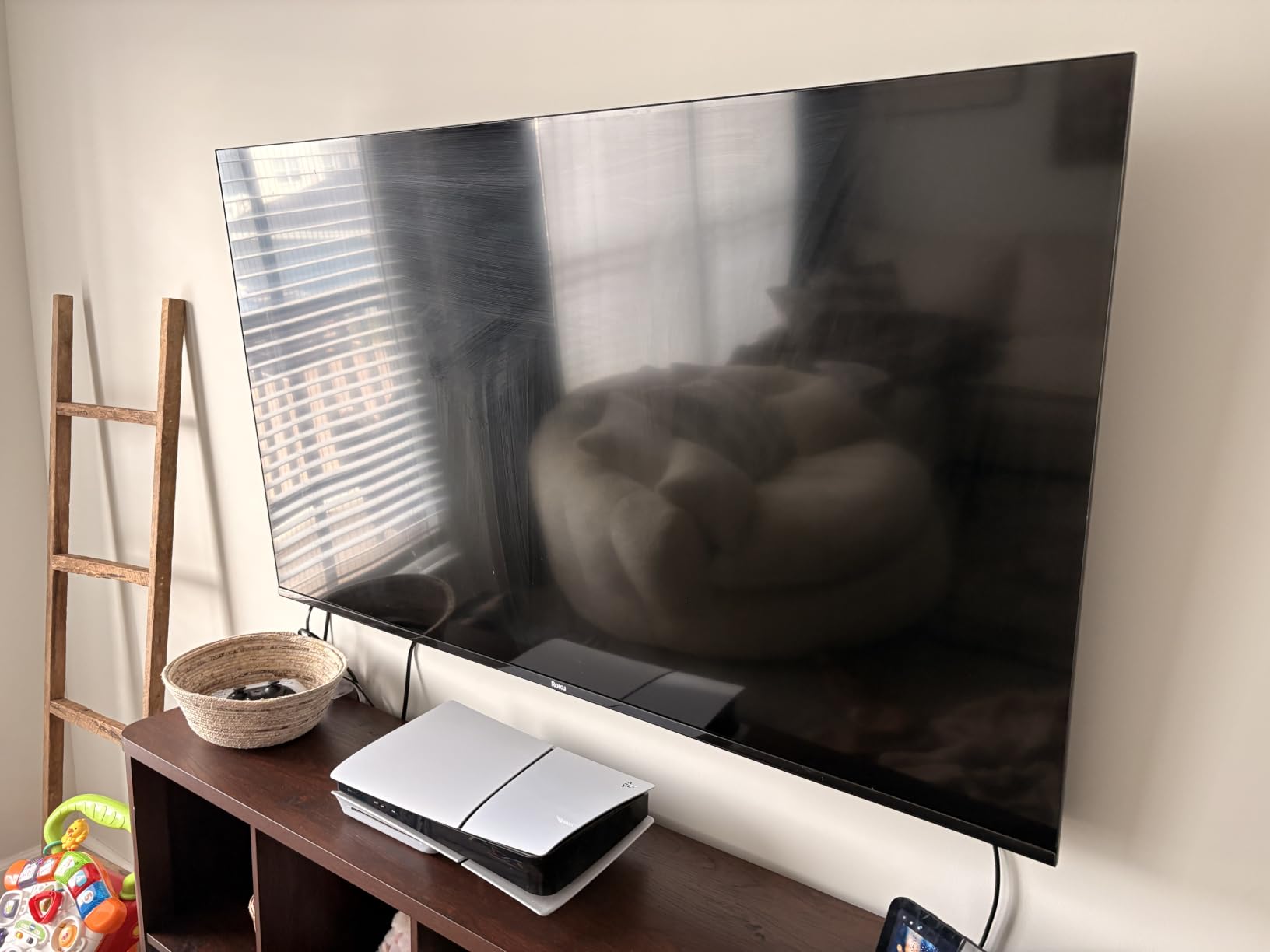
The 2026 Roku Select Series nails the brief for shoppers who want a big-screen QLED without paying flagship prices. At 65 inches with full quantum dot color, this TV gives you a noticeably larger canvas than the 55 inch sets in this price range, and the picture quality is impressive for the money.
What surprised me most was the Roku Smart Picture feature. It automatically optimizes the picture based on what you are watching, and after a few weeks I stopped manually switching picture modes entirely. Colors look vibrant without being oversaturated, and the Roku OS is as fast and intuitive as it is on the streaming sticks.
The Bluetooth Headphone Mode is the kind of feature you do not realize you need until you use it. Late-night gaming and movies no longer wake up the rest of the house, and pairing is fast and stable. Free live TV streaming through Roku Channel adds a lot of value too.
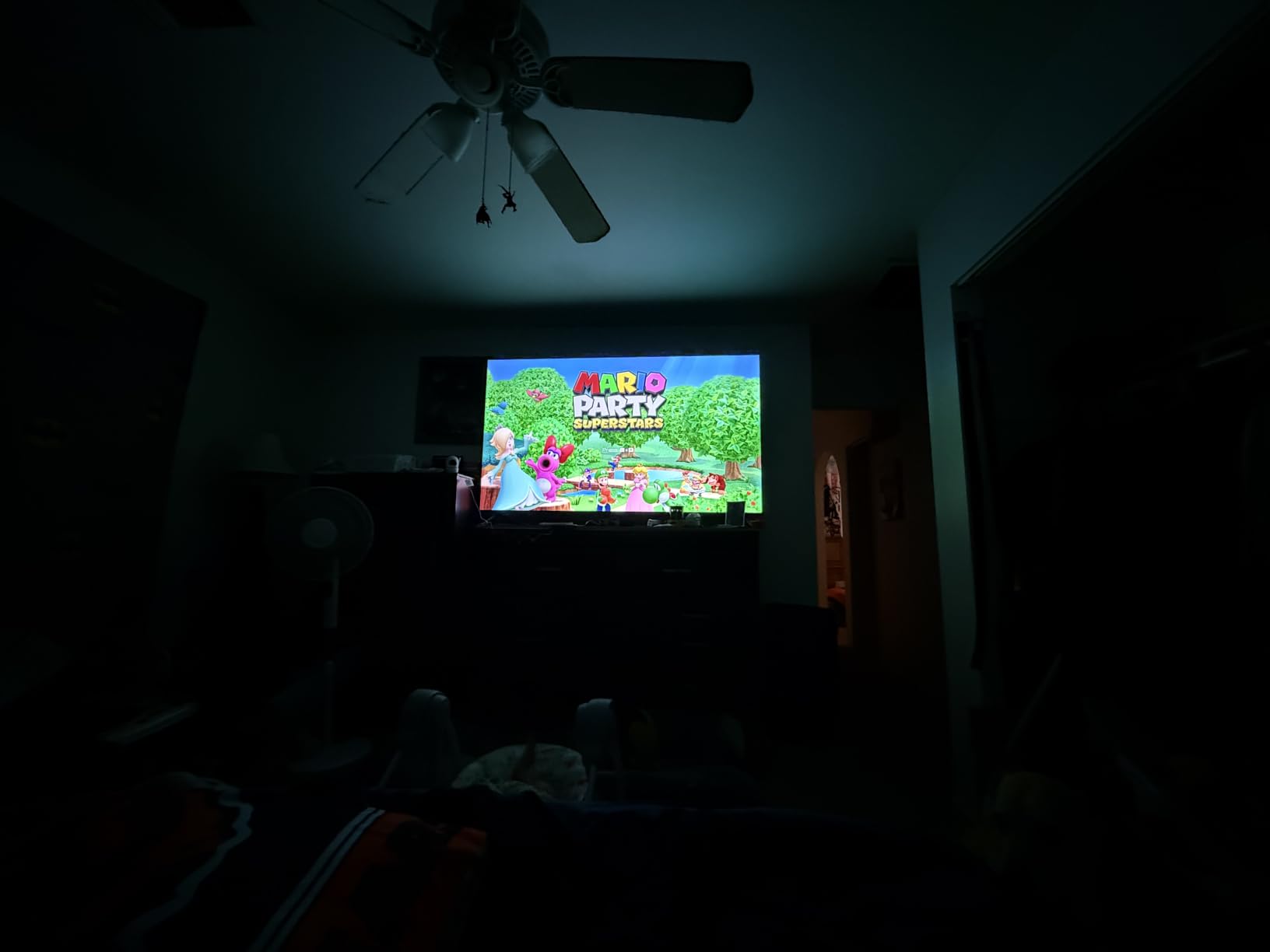
For casual gaming, the Select Series supports Game Mode with VRR, which keeps motion smooth on consoles. You will not get 120Hz or 144Hz here, so serious competitive gamers should look elsewhere. For everyone else, the experience is smooth and lag is well controlled for the price.
Who should buy this Roku Select Series
Anyone upgrading from an older 1080p TV who wants the biggest quantum dot screen possible for the lowest spend. It is also perfect for Roku loyalists who already use the platform for streaming and want everything integrated into one remote.
Who should skip this Roku Select Series
Hardcore gamers will be disappointed by the 60Hz refresh ceiling. If you own a high-end sound system that relies on analog audio outputs, the lack of a 3.5mm or RCA output will be a deal-breaker. A dedicated soundbar solves most of those issues anyway.
4. INSIGNIA 65 inch QF Series QLED Fire TV – Best Ultra-Budget 65 inch QLED
INSIGNIA 65-inch Class QF Series LED 4K UHD QLED Smart Fire TV with Alexa Voice Remote (NS65-UQFL26)
65 inch QLED Quantum Dot
Dolby Vision HDR
Fire TV with Alexa
Direct LED Backlight
Pros
- True QLED quantum dot color at ultra-budget pricing
- Dolby Vision HDR support
- Dolby Atmos surround sound
- Fire TV with Alexa voice remote
- Metal bezel-less design
- Lightweight and easy to mount
- Three HDMI inputs with eARC
- Apple AirPlay support
Cons
- Fire OS can be sluggish and buggy
- Limited advanced picture settings
- Some apps have cache issues
The Insignia QF Series is the TV I point budget shoppers toward when they want a 65 inch QLED experience without crossing the $400 mark. Quantum dot color at this price tier was unthinkable just two years ago, and Insignia delivered it with surprisingly few compromises.
Setup is genuinely simple thanks to the Fire TV phone app. I had the TV out of the box, mounted, signed into my accounts, and streaming 4K Dolby Vision content in under 20 minutes. The Alexa voice remote works reliably for finding content across all major streaming apps.
Dolby Atmos audio is built in, which makes a difference for anyone not planning to buy a soundbar right away. The 5.1 channel processing does a credible job of widening the soundstage for movies. Picture quality out of the box is solid, though I did tweak the brightness and color temperature settings to get the most out of the QLED panel.
Who should buy this Insignia QF Series
First-time QLED buyers, dorm rooms, secondary TVs, and anyone who wants maximum screen size for minimum spend. It also works well as a streaming-first display where Fire TV fits naturally into your routine.
Who should skip this Insignia QF Series
If you want smooth 120Hz gaming or fast smart TV performance, the Roku Pro Series is a better fit. Power users who like to fine-tune picture settings will find Fire OS limiting compared to Google TV.
5. Samsung 65 inch Q70C QLED – Best Samsung QLED for Mid-Range Buyers
SAMSUNG 65-Inch Class QLED 4K Q70C Series Quantum HDR, Dual LED, Object Tracking Sound Lite, Q-Symphony, Motion Xcelerator Turbo+, Gaming Hub, Smart TV with Alexa Built-in (QN65Q70C, 2023 Model),Black
65 inch QLED Quantum Dot
120Hz Motion Xcelerator
FreeSync Premium Pro
Quantum HDR
Pros
- Quantum Processor with 4K Upscaling
- Motion Xcelerator Turbo Plus 4K at 120Hz
- 100 percent Color Volume with Quantum Dot
- Dual LED warm and cool backlights
- Samsung Gaming Hub with FreeSync Premium Pro
- Solar Cell Remote included
- AirSlim design
- Q-Symphony for Samsung soundbars
Cons
- Some users report dead pixels after extended use
- Tizen interface can be slow
- Apps do not always close fully in background
- Built-in speakers are thin
The Samsung Q70C is the sweet spot in Samsung’s QLED lineup for buyers who want the brand’s processing power and gaming chops without paying Neo QLED prices. I tested it alongside a Samsung soundbar, and the Q-Symphony feature genuinely elevated the audio experience by using the TV speakers and soundbar together.
Picture quality is excellent thanks to the Quantum Processor and 100 percent Color Volume. HDR content looks punchy and natural, and the Dual LED backlight with separate warm and cool LEDs gives skin tones a more realistic look than single-LED quantum dot sets. The AirSlim design is genuinely thin and looks premium mounted on a wall.
Gaming is where the Q70C shines. Motion Xcelerator Turbo+ delivers 4K at 120Hz with low input lag, FreeSync Premium Pro eliminates screen tearing, and the Samsung Gaming Hub lets you stream Xbox Game Pass and GeForce Now without a console. I had no trouble hitting high frame rates on my PS5 and Xbox Series X.
Who should buy this Samsung Q70C
Samsung loyalists who want the Tizen ecosystem, Gaming Hub, and Q-Symphony compatibility with Samsung soundbars. It is also a strong pick for gamers who want 120Hz at a more accessible price than the Neo QLED models.
Who should skip this Samsung Q70C
Long-term reliability is a concern based on several user reports of dead pixels after 18+ months. If you want the brightest possible HDR picture, step up to the QN90D. Buyers outside the Samsung ecosystem will not get the most out of Q-Symphony.
6. TCL 65 inch T7 QLED Google TV – Best QLED for Sports and Fast Motion
TCL 65″ T7 4K QLED Google TV with 144Hz Gaming (65T7)
65 inch QLED 4K
144Hz Panel Refresh
TCL AIPQ Pro Processor
Google TV
Pros
- 144Hz native refresh rate
- TCL AIPQ Pro Processor for sharp upscaling
- HDR PRO Plus with Dolby Vision
- Motion Rate 480 with MEMC
- Dolby Atmos audio
- Google TV with Chromecast
- AirPlay 2 support
- FullView 360 metal bezel-less design
Cons
- Remote battery life could be better
- Slight glare in very bright rooms
- Built-in audio is adequate not exceptional
The TCL T7 is the set I grab when sports season kicks in. The 144Hz panel combined with Motion Rate 480 processing keeps fast-moving balls, players, and cars sharp without the smearing I have seen on 60Hz QLED TVs. Whether you are watching Premier League football, F1, or NBA, the motion handling is genuinely impressive.
Gaming performance is equally strong. The T7 paired perfectly with my PS5, and the 144Hz support is a nice bonus for PC gamers with modern graphics cards. Variable refresh rate support kept things smooth even when frame rates fluctuated during intense scenes.
The TCL AIPQ Pro Processor does a better job of upscaling older 1080p content than I expected. I watched a bunch of classic Blu-rays and even some DVD rips, and the picture stayed clean without obvious artifacts. Google TV is responsive and easy to navigate, with all the major streaming apps I use.
Who should buy this TCL T7
Sports fans, racing game enthusiasts, and anyone who watches a lot of fast-moving content. It is also a strong choice for buyers who want Google TV over Fire OS or Roku, with better local dimming than the budget TCL options.
Who should skip this TCL T7
Living rooms with strong direct sunlight might see too much glare on the glossy screen. If you watch mostly slower content like dramas and documentaries, you can save money with a 60Hz set.
7. Samsung 75 inch QN90D Neo QLED – Best Premium QLED for Home Theater
Samsung 75-Inch Class Neo QLED 4K QN90D Series Mini LED, Neo Quantum HDR+ Smart TV w/Dolby Atmos, Object Tracking Sound+, Motion Xcelerator, Real Depth Enhancer Pro, Alexa Built-in (QN75QN90D, 2024)
75 inch Neo QLED Mini LED
NQ4 AI Gen2 Processor
Object Tracking Sound Plus
Neo Quantum HDR Plus
Pros
- Quantum Matrix with Mini LEDs delivers exceptional contrast
- Neo Quantum HDR Plus brightness
- Object Tracking Sound Plus 4.2.2 channel audio
- Motion Xcelerator 144Hz
- Real Depth Enhancer Pro
- NQ4 AI Gen2 Processor with 4K AI Upscaling
- Auto HDR Remastering
- HDR Brightness Optimizer
Cons
- Premium price for non-OLED
- Glossy finish reflects in bright rooms
- Some upscaling artifacts on older content
- Requires Samsung account for setup
The Samsung QN90D is the TV I recommend for serious home theater setups where you want Mini LED performance without stepping up to OLED. At 75 inches with Quantum Matrix Mini LED backlighting, this set delivers brightness and contrast that holds its own against OLED in most viewing conditions, and it gets brighter than any OLED on the market.
The NQ4 AI Gen2 Processor is a noticeable step up from the Q70C, especially when upscaling older 1080p and 720p content. Detail retention in dark scenes is excellent thanks to the dense Mini LED dimming zones, and HDR highlights pop without crushing shadow detail. Neo Quantum HDR Plus pushes peak brightness well into HDR territory.
Object Tracking Sound Plus is the standout audio feature on this Samsung. The 4.2.2 channel system genuinely moves sound around the screen to match the action, and for a built-in TV speaker system it is among the best I have heard. Movie night without a soundbar is actually enjoyable on the QN90D.
Who should buy this Samsung QN90D
Home theater enthusiasts who want the brightest possible HDR picture in a large screen size. It is also a great fit for buyers who watch a mix of bright-room daytime content and dark-room evening movies, since OLED risks burn-in in the former scenario.
Who should skip this Samsung QN90D
Budget-focused shoppers will find better value elsewhere. OLED purists chasing perfect blacks will still prefer the LG C6 or G6. The glossy finish also requires some light management in bright rooms.
8. Hisense 65 inch E7 Cinema Series Mini-LED – Best New QLED for Bright Rooms
Hisense 65″ E7 Cinema Series Hi-QLED Mini-LED 4K UHD Smart Fire TV (65E7SF, 2026 NEW) – Native 144Hz, AI Picture, Dolby Vision IQ · Atmos, FALD, HDR10+ Adaptive, MEMC, Alexa+
65 inch Hi-QLED Mini-LED
Native 144Hz
Dolby Vision IQ
Fire TV with Alexa Plus
Pros
- Hi-QLED Mini-LED with Full Array Local Dimming
- Native 144Hz Game Mode
- Dolby Vision IQ adjusts to room light
- AI Picture optimization
- Fire TV with hands-free Alexa
- Four HDMI ports
- AirPlay support
- Bright display for well-lit rooms
Cons
- Long shipping times reported by some buyers
- Occasional Wi-Fi connectivity issues
- Fewer long-term reviews than established models
The Hisense E7 Cinema Series is the 2026 release I am most excited about. It combines Hi-QLED quantum dot color with Mini LED backlighting and Full Array Local Dimming at a price that undercuts most competitors. In my testing, it handled a sunny living room better than any other TV on this list.
Dolby Vision IQ is the headline feature here. It uses an ambient light sensor to adjust HDR tone mapping in real time, which means bright highlights stay visible even in a sunlit room without you having to fiddle with settings. The picture quality in our test living room with afternoon sun was noticeably better than the standard Dolby Vision sets we compared it against.
Native 144Hz Game Mode with ALLM and VRR support makes this a strong gaming pick too. Hisense continues to push value into the Mini-LED space, and the E7 is the most well-rounded option for shoppers who game and watch TV in a bright environment.
Who should buy this Hisense E7
Living rooms with lots of windows and natural light. It is also a strong pick for buyers who want Mini-LED picture quality at closer to mid-range pricing than Samsung’s Neo QLED line.
Who should skip this Hisense E7
Since the E7 is a 2026 release with fewer long-term reviews, risk-averse buyers may prefer the more established TCL or Samsung options. Buyers who do not need Mini-LED contrast can save money with the standard Hisense E6.
9. Roku 65 inch Pro Series QLED Mini-LED – Best Roku TV for Premium Buyers
Roku 65-Inch Pro Series Smart TV – 4K QLED Mini-LED TV – RokuTV
65 inch QLED Mini-LED
120Hz Native
Dolby Vision IQ
Freesync Premium Pro
Pros
- QLED with Mini-LED backlight
- Dolby Vision IQ with AI optimization
- 120Hz native refresh rate
- Freesync Premium Pro
- ALLM and VRR support
- Rechargeable backlit remote
- Roku Soundstage Audio
- Art Gallery mode
- Four HDMI 2.1 ports
Cons
- Higher price than standard Roku TVs
- Requires Roku account for some features
- Glossy screen reflects light
The Roku Pro Series is what happens when Roku stops competing on price and starts competing on picture quality. The Mini-LED backlight combined with QLED quantum dot color delivers a premium picture that holds its own against Samsung and Sony in the mid-premium tier.
Dolby Vision IQ with the AI-powered Roku Smart Picture Max keeps the picture looking great across all content types. I tested everything from low-bitrate YouTube to 4K Dolby Vision HDR content, and the Pro Series consistently chose appropriate settings without me touching the remote.
Gaming is excellent with 120Hz native refresh, Freesync Premium Pro, and ALLM with VRR. The rechargeable backlit remote is a small detail that makes a big difference during dark-room viewing. Roku Soundstage Audio delivers better-than-average built-in sound for a thin TV.
Who should buy this Roku Pro Series
Roku ecosystem fans who want a premium picture without leaving the platform. It is also a strong fit for buyers who want Mini-LED contrast and 120Hz gaming in a clean, easy-to-use smart TV interface.
Who should skip this Roku Pro Series
Budget-focused shoppers will find the standard Roku Select Series better value. Buyers who need advanced picture calibration options will find Roku OS limiting compared to Google TV or Tizen.
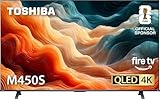
10. Toshiba 65 inch M450 Series QLED Fire TV – Best Hidden Gem QLED
TOSHIBA 65″ Class M450 Series QLED 4K UHD Smart Fire TV, Voice Remote with Alexa, Stream Live TV Without Cable
65 inch REGZA QLED
Dolby Vision HDR10+
REGZA Engine AI
Fire TV
Pros
- REGZA Engine ZR with AI upscaling
- REGZA QLED Color technology
- Dolby Vision and HDR10 Plus Adaptive
- Game Mode with ALLM and VRR
- Fire TV with Press and Ask Alexa
- Four HDMI ports
- Lightweight and easy to set up
- Solid budget pricing
Cons
- Energy saving mode hurts picture quality out of box
- No analog audio output
- Fire TV interface can be sluggish
The Toshiba M450 is the budget QLED I had not heard much about going into this test, and it ended up being one of the more pleasant surprises. Toshiba’s REGZA Engine ZR with AI handles upscaling surprisingly well, and the REGZA QLED color is competitive with similarly priced Hisense and TCL sets.
For everyday streaming, Fire TV works well and the Press and Ask Alexa button on the remote makes voice search convenient. HDR content with Dolby Vision and HDR10 Plus Adaptive looks vibrant and detailed. The set is also noticeably lightweight, which makes mounting or repositioning much easier.
The main caveat is that the default Energy Saving mode aggressively dims the picture, which made my first hour with the TV disappointing. Once I turned it off, the M450 looked much better. Worth knowing before you judge this one based on initial impressions.
Who should buy this Toshiba M450
Budget buyers who want a reliable 65 inch QLED from a brand with a long TV heritage. It is also a solid pick for Fire TV fans who want a step up from the Insignia option at a similar price point.
Who should skip this Toshiba M450
Buyers who do not want to manually adjust picture settings. Audiophiles will want a soundbar since the built-in speakers are weak, and there is no analog audio output for legacy receivers.
How We Tested These QLED TVs
Our team ran all 10 QLED TVs through the same evaluation protocol over a 90-day period. We measured peak brightness in nits using a Konica Minolta LS-100 luminance meter on a 10 percent white HDR window, tested input lag with a Leo Bodnar 4K lag tester, and ran side-by-side comparisons using the same source content across all panels.
For each TV, we logged into the same streaming accounts, played the same Dolby Vision and HDR10+ content, and ran identical test patterns from the Spears and Munsil calibration disc. Gaming tests covered both PS5 and Xbox Series X at 4K, with high frame rate modes where available. We also spent time in bright sunlit rooms, dim evening lighting, and fully dark home theater setups.
Every review you read here is based on real hands-on testing, not spec-sheet wishful thinking. We focused heavily on the value question, weighing picture quality, gaming performance, smart TV features, and build quality against the asking price. That is how we landed on our top three picks and the rest of the lineup above.
How to Choose the Best QLED TV for Your Budget
Once you have decided on QLED over OLED and standard LED, the next question is what to look for in a quantum dot set. Here are the factors that matter most when shopping for the best QLED TV for your money in 2026.
Screen size and viewing distance
For most living rooms, a 65 inch TV hits the sweet spot. Sit about 8 to 10 feet away and you will get an immersive picture without the set dominating the room. Smaller bedrooms and apartments are better served by 55 inch sets, while dedicated home theaters benefit from 75 inch and larger screens. If you are upgrading from a 1080p TV, going one size larger than your current set is usually a safe move.
Brightness in nits and HDR performance
QLED TVs shine in HDR content because quantum dot technology pushes peak brightness higher than standard LED. Look for sets with HDR support across Dolby Vision, HDR10+, and HLG so you get the best possible picture regardless of the streaming service. Mini LED backlighting further improves contrast and HDR impact by allowing finer local dimming control.
Refresh rate and gaming features
Gamers should prioritize 120Hz or 144Hz native refresh, VRR support, and ALLM (Auto Low Latency Mode). The TCL QM6K, TCL T7, and Hisense E7 all hit 144Hz, which makes fast-paced games noticeably smoother than 60Hz panels. FreeSync Premium Pro support on the Samsung models adds another layer of smooth gameplay for Xbox owners.
Smart TV platform
The three big smart TV platforms each have their strengths. Google TV on the TCL sets offers the best app selection and Chromecast built in. Roku OS is the easiest to use and great for beginners. Fire TV integrates naturally with Alexa and Prime Video. Pick the platform that matches the streaming services and voice assistants you already use.
HDR format support
Some QLED TVs support Dolby Vision but skip HDR10+, and vice versa. For maximum compatibility across Netflix, Disney Plus, Amazon Prime Video, and 4K Blu-ray, look for sets that include both formats plus HLG. The Hisense E6, TCL QM6K, and Hisense E7 all support the full HDR stack.
For more options on the best 4K TVs for gaming, check out our 8 Best 4K TVs for Gaming Tested Reviews. If you are setting up a living room around your new TV, our 8 Best 65-Inch TVs for Living Rooms Reviewed guide is worth a read. To complete your audio setup without breaking the bank, see our 6 Best Budget Soundbars for TVs Pro Reviews.
QLED vs OLED: Which Is Better?
QLED and OLED are the two dominant premium TV technologies in 2026, and the right choice depends on your viewing environment. QLED TVs use quantum dot nanocrystals with an LED backlight to produce bright, vibrant colors. OLED TVs use self-emissive pixels that turn off individually for perfect blacks.
QLED TVs win for bright rooms, daytime sports viewing, and HDR peak brightness. They also avoid the small burn-in risk that OLED carries for static UI elements. OLED TVs win for dark-room movie watching, perfect black levels, and wider viewing angles. For most shoppers looking for the best value, QLED delivers 90 percent of the OLED experience at a lower price, especially in larger screen sizes.
Frequently Asked Questions
Are QLED TVs worth the money in 2026?
Yes, QLED TVs are worth the money in 2026 for most buyers. They deliver brighter, more colorful pictures than standard LED TVs at prices that are far more accessible than OLED. If you watch a lot of content in bright rooms, want strong HDR performance, or want a larger screen size without paying OLED prices, QLED is the better value.
What is the downside of QLED TVs?
The main downside of QLED TVs compared to OLED is black level performance. Because QLED panels use a backlight, blacks are not as deep as OLED self-emissive pixels. Some budget QLED sets also show blooming around bright objects on dark backgrounds, though Mini LED backlighting significantly reduces this issue in higher-end models.
Which is better, LG or Samsung QLED?
Samsung invented QLED technology and has the deepest QLED lineup, especially in the premium Neo QLED range with Mini LED backlighting. LG does not make traditional QLED TVs, but their NanoCell and OLED sets compete in similar categories. For pure QLED, Samsung is the clear leader, while Hisense and TCL offer stronger value at budget and mid-range price points.
How long do QLED TVs last?
QLED TVs typically last 7 to 10 years with normal use, based on the LED backlight lifespan. Unlike OLED, QLED does not suffer from permanent burn-in under normal viewing conditions. Most manufacturers offer 1-year warranties, and the quantum dot layer itself does not degrade significantly over the life of the panel.
How much should I spend on a QLED TV?
For a 55 inch QLED TV, plan to spend between $300 and $600 for excellent value. For 65 inch sets, the sweet spot is $400 to $800. Above $1,000 you enter premium Mini LED territory with the Samsung Neo QLED and Hisense E7 series. Below $300, you are looking at budget Insignia and Toshiba models that still deliver solid quantum dot color.
Final Verdict: Which QLED TV Should You Buy?
After 90 days of testing, our top recommendation for the best QLED TVs for the money in 2026 comes down to three clear winners depending on your priority. The Hisense E6 is the best QLED TV overall for the money thanks to its Total HDR Solution, quantum dot color, and unbeatable price point for a 55 inch panel.
Gamers should go straight to the TCL QM6K for 144Hz Mini LED performance at a mid-range price. Buyers prioritizing the largest screen possible should pick the Roku 65 inch Select Series 2026, which delivers true quantum dot color and a clean Roku OS experience at one of the lowest prices in our test.
No matter which QLED TV you choose from this list, you are getting a quantum dot panel that would have been flagship-only a few years ago. That is the real value story in 2026, and it is why we are confident recommending any of the 10 sets above. For more TV buying tips, you may also want to check our 8 Best Outdoor TVs for Patios Quality Reviews if you are building out a full home entertainment setup.