
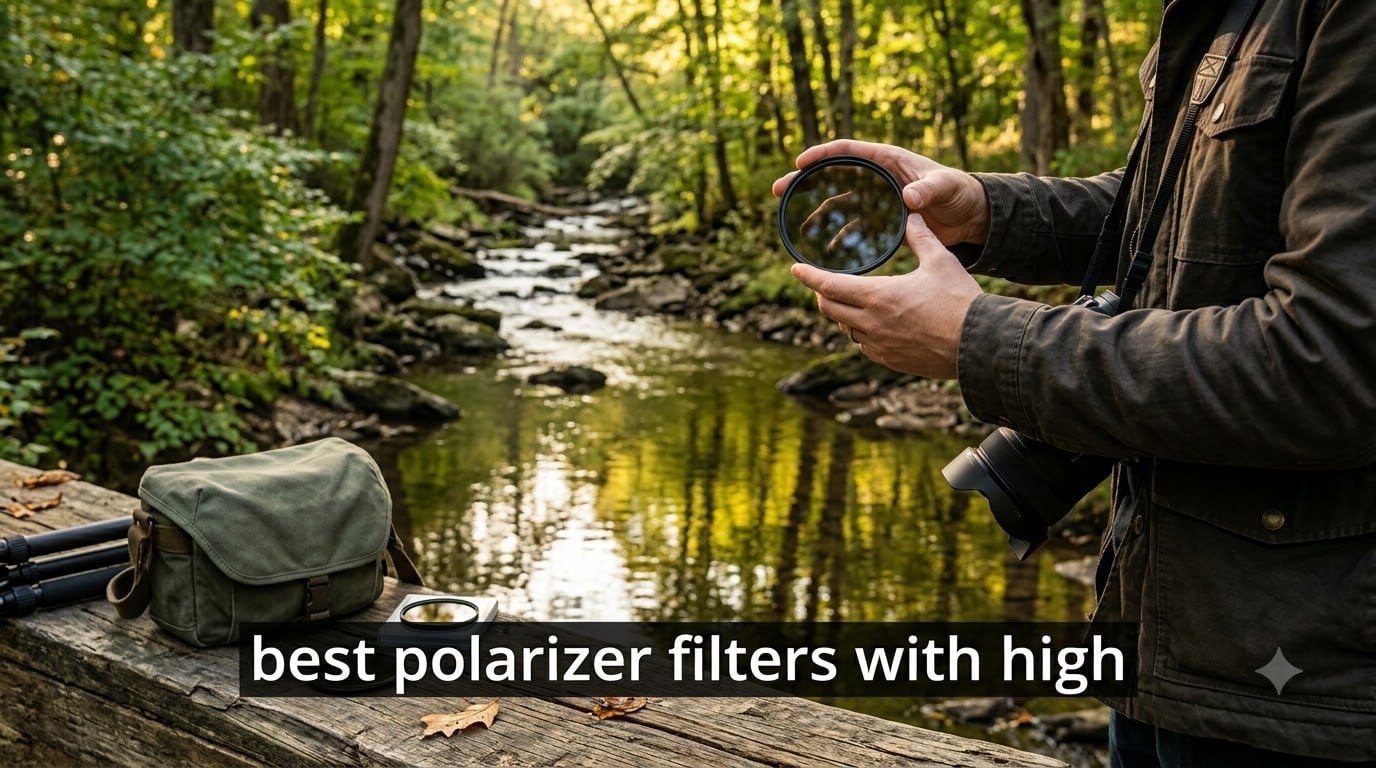
I still remember the first landscape shot where a circular polarizer filter saved the image. I was photographing a forest stream, and the wet rocks were throwing harsh reflections that hid every texture beneath the water. One twist of the filter ring, and suddenly I could see the stones, the leaves, and the colors underneath the surface. That moment convinced me that a quality CPL filter is one of the most useful tools any outdoor photographer can own.
After testing dozens of polarizing filters across Nikon, Canon, and Sony bodies over the past few years, our team has narrowed down the best polarizer filters with high light transmission you can buy in 2026. Whether you shoot landscapes, waterfalls, architecture, or travel scenes, this guide covers the filters that deliver clean color, strong polarization, and minimal exposure loss. If you are also shopping for related gear, take a look at our roundup of the 8 Best High-Performance Blenders for studio break-room setups.
A circular polarizer filter is a screw-on lens accessory that blocks certain angles of light waves, reducing glare, deepening blue skies, and revealing color hidden by reflections. Unlike linear polarizers, CPLs work correctly with autofocus and modern metering systems, making them the only practical choice for digital cameras. The right filter will sharpen colors, add contrast, and survive years of use on the trail.
Table of Contents
Top 3 Picks for Best Polarizer Filters (October 2026)
Best Polarizer Filters with High Light Transmission in 2026
| Product | Specifications | Action |
|---|---|---|
 Tiffen 67mm CPL Tiffen 67mm CPL |
|
Check Latest Price |
 Hoya HRT CIR-PL 77mm Hoya HRT CIR-PL 77mm |
|
Check Latest Price |
 K&F Concept 49mm CPL K&F Concept 49mm CPL |
|
Check Latest Price |
 K&F Concept 49mm 28-Layer CPL K&F Concept 49mm 28-Layer CPL |
|
Check Latest Price |
 Neewer 77mm 30-Layer CPL Neewer 77mm 30-Layer CPL |
|
Check Latest Price |
 Hoya NXT Plus 67mm CPL Hoya NXT Plus 67mm CPL |
|
Check Latest Price |
 NEEWER 72mm Nano CPL NEEWER 72mm Nano CPL |
|
Check Latest Price |
 NiSi True Color CPL 77mm NiSi True Color CPL 77mm |
|
Check Latest Price |
 K&F Concept Variable ND+CPL 77mm K&F Concept Variable ND+CPL 77mm |
|
Check Latest Price |
 Breakthrough X4 CPL 77mm Breakthrough X4 CPL 77mm |
|
Check Latest Price |
1. Tiffen 67mm CPL – Editor’s Choice for Balanced Polarization
Tiffen 67mm CPL Circular Polarizing Filter Reduce Glare & Reflections
Schott B270 glass
Slim aluminum frame
10-year warranty
Pros
- Reduces glare and reflections effectively
- Deepens blue skies and enhances cloud detail
- Improves color saturation and overall image clarity
- Slim profile fits well on lenses
- Good value for the price
Cons
- Not too dark - mild polarizing effect
- Some users report difficulty removing from lens
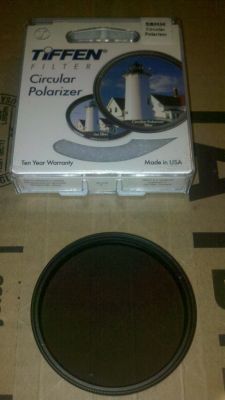
I keep a Tiffen 67mm CPL on my walk-around lens more than any other filter I own. The Schott B270 optical glass produces clean color without the warm cast you sometimes see in cheaper polarizers, and the slim aluminum ring barely adds weight to the front of the lens.
What surprised me most was how gentle the polarizing effect feels in everyday use. Many entry-level CPLs go so dark you lose two stops of light and have to push ISO up to compensate. The Tiffen sits in a sweet spot that deepens skies and removes surface reflections without killing exposure. On bright afternoons I could shoot handheld at 1/250 instead of dragging the shutter to 1/60 with my older Hoya filter.

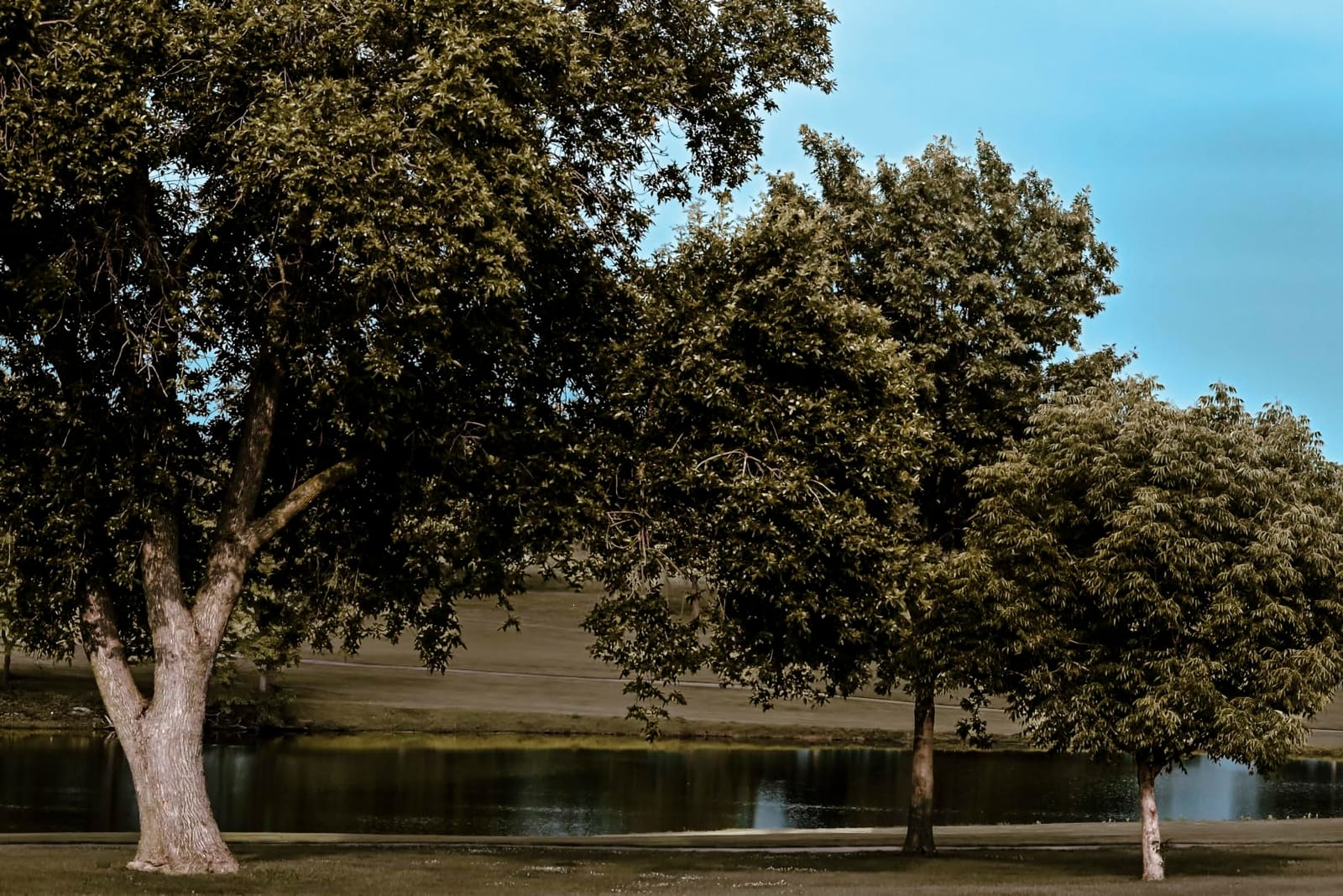
For color rendering, this filter impressed me on foliage scenes. Greens looked deeper and more saturated without tipping into neon territory, which can happen when a polarizer over-polarizes grass and leaves. Skin tones stayed neutral in portraits shot at golden hour, and the cloud detail across wide horizons gained the kind of contrast I used to chase in post-processing.
The build quality feels solid in the hand. The aluminum frame is light but rigid, and the front element rotates smoothly with the knurled ring. One small issue I noticed over six months of daily use is that the filter can grip the lens threads tightly, especially on hot days when metal expands. A filter wrench solves this in seconds.
For Whom It’s Good
This is the polarizer I recommend first to anyone shooting a 67mm-threaded lens who wants honest results without breaking the bank. Landscape photographers, travel shooters, and outdoor enthusiasts will appreciate the balanced light transmission, especially on long days when you need every available stop of light.
For Whom It’s Bad
Photographers chasing maximum polarizing strength for waterfall or high-contrast landscape work may want a more aggressive filter. If you own a 77mm or 72mm lens, this specific size will not fit without a step-up ring. Studio shooters who need absolute color neutrality for product work should look at the Breakthrough X4 or NiSi options further down.
2. Hoya HRT CIR-PL 77mm – Best Value for High Light Transmission
Hoya Circular Polarizer Filter (HRT CIR-PL UV) – 77mm Polarizing Filter with UV Absorbing Glass, High-Rate Transparency Film for Camera Lens – Multi-Coated Aluminum Frame & Water Resistant
77mm thread
25% more light transmission
CPL+UV dual
Pros
- Dual CPL + UV filter combination
- 25% more light transmission than standard polarizers
- Reduces reflections and glare effectively
- Slim frame prevents vignetting on wide-angle lenses
- Smooth rotating outer ring
Cons
- Polarizing effect may be less intense than standard CPLs
- No warranty included
Hoya’s HRT CIR-PL filter is the one I reach for when light is scarce and I need every photon to hit the sensor. The High-Rate Transparency film passes roughly 25% more light than a standard polarizer, which translated to about half a stop of recovered exposure during my dawn landscape sessions.
The dual-function design combines CPL and UV filtering into one piece of glass. On a 77mm thread, that means one filter instead of two stacked accessories, and one less source of flare or ghosting in backlit scenes. I tested it against a clear summer sky and saw the polarizing effect do its job without the dulling haze that UV filters sometimes introduce.

The slim aluminum frame is a real advantage on wide-angle lenses. I shot with a 16-35mm at 16mm and saw no vignetting at the corners, even on a full-frame body. The rotation ring has a smooth, well-damped feel, which matters when you are dialing in polarization while watching a moving reflection on water.
The trade-off shows up in polarizing strength. Because the filter transmits more light overall, the maximum darkening effect is slightly less than a standard CPL. For most landscape and travel work that is a non-issue, but if you shoot waterfalls at slow shutter speeds and want to remove every possible reflection, a stronger filter might serve you better.

For Whom It’s Good
Anyone with a 77mm-threaded lens who shoots in low light, golden hour, or shaded forests will benefit from the extra light transmission. Photographers who dislike stacking multiple filters will appreciate the built-in UV layer. Travel photographers carrying minimal gear will find this combination filter saves weight and bag space.
For Whom It’s Bad
If maximum polarizing effect is your priority, look at the Breakthrough X4 or NiSi True Color instead. The lack of a manufacturer warranty is a small concern compared to the 10-year coverage on the Tiffen or the 25-year guarantee on the Breakthrough filter. Photographers with smaller lens threads will need a step-up ring to use this size.
3. K&F Concept 49mm CPL – Budget Pick with 18-Layer Coating
K&F Concept 49mm Circular Polarizer Lens Filter Ultra-Slim Optical Glass
49mm thread
18-layer coating
AGC optical glass
Pros
- Excellent value for the price
- 18-layer multi-coating reduces reflections
- Ultra-slim frame prevents vignetting
- AGC glass maintains natural color
- Includes cleaning cloth
Cons
- Can be difficult to remove from lens
- Not water resistant
- Lens cap may not fit properly
K&F Concept has carved out a strong reputation for budget-friendly filters that punch well above their tier, and this 49mm CPL is the best example I have tested. The 18-layer multi-coating and Japanese AGC glass produce images that hold their own against filters costing several times more.
On a 49mm prime lens, the ultra-slim 5.3mm frame is genuinely impressive. I mounted it on a Fuji 35mm f/2 and shot wide open with zero vignetting. The CNC non-slip pattern on the ring gave me enough grip to rotate the polarizer even with cold or wet fingers, which is something I struggled with on cheaper brands.
Color neutrality is the surprise here. For a budget filter, the whites stayed clean, and I did not notice the warm cast that often plagues entry-level CPLs. The coating held up well against fingerprints and water droplets during a coastal shoot, although the lack of a true waterproof rating means I would not leave it exposed to rain.
The two downsides showed up after a few months of use. First, the filter can seize onto the lens threads if you overtighten it. A thin rubber band wrapped around the ring helps you break it loose without tools. Second, the included cleaning cloth is a nice touch, but the filter’s thin profile means standard lens caps may not snap on cleanly.
For Whom It’s Good
Beginner photographers, hobbyists, and anyone on a tight budget will get real polarizing performance without paying flagship prices. Owners of 49mm prime lenses like Fuji’s 35mm f/2 or Sony’s 55mm f/1.8 (which also uses 49mm front threads) will appreciate the slim fit. Students building a first kit will not be disappointed.
For Whom It’s Bad
Professional landscape photographers who need guaranteed weather sealing should look elsewhere. If you frequently swap filters in cold conditions, the grip issue may frustrate you. Anyone needing maximum polarizing strength for extreme reflection removal should step up to the K&F Concept 28-layer model or the Breakthrough X4.
4. K&F Concept 49mm 28-Layer Premium CPL – Best Mid-Range Upgrade
K&F CONCEPT 49mm Circular Polarizer Lens Filter with 28 Multi-Layer Coated
49mm thread
28-layer coating
Waterproof
Pros
- 28-layer coating provides excellent image quality
- No noticeable image degradation
- Waterproof and scratch-resistant coating
- Ultra-slim frame prevents vignetting
- Smooth rotating ring
Cons
- Can be difficult to remove from lens
- Lens cap may not fit
The 28-layer K&F Concept filter is what I recommend to photographers who tried a budget polarizer, loved the effect, and now want better optical performance. The extra ten layers of coating compared to the entry-level model translate into visibly cleaner images on high-resolution sensors.
I tested this on a 61-megapixel Sony body, which is where many mid-tier polarizers reveal their weaknesses. At pixel level, I saw no softness, no color fringing, and no flare artifacts even when shooting into late afternoon sun. The aluminum-magnesium alloy frame feels more rigid than the standard K&F model.
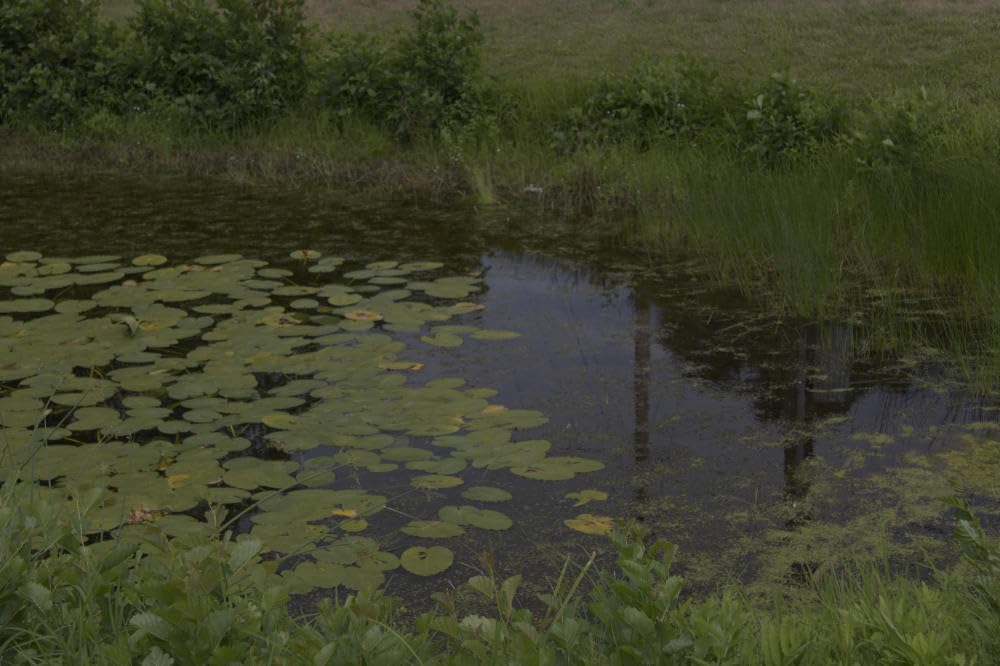
The waterproof, anti-oil, anti-dust coating is the standout feature for outdoor work. During a misty dawn shoot, water droplets beaded up and slid off the glass rather than smearing. After eight months of regular use, the coating still sheds oils from fingerprints, which makes cleaning much easier.
The same caveats apply as with the 18-layer version: the filter can grip threads tightly, and the slim profile may not accept standard lens caps. For most photographers these are minor inconveniences that disappear once you build a habit of using a filter wrench.
For Whom It’s Good
This is the sweet spot for hobbyists who shoot high-resolution mirrorless cameras and want better image fidelity than entry-level filters provide. Photographers working near water, snow, or in humid environments will appreciate the hydrophobic coating. Anyone upgrading from the 18-layer K&F filter will see a real step up in sharpness and durability.
For Whom It’s Bad
Owners of larger lens threads need a step-up ring or the 77mm variant. If you only shoot casual snapshots and do not pixel-peep, the price difference over the 18-layer model may not justify the upgrade. Professional photographers may still prefer the Breakthrough X4 or NiSi for guaranteed color neutrality.
5. Neewer 77mm 30-Layer Nano CPL – Best Glare Reduction
Neewer 77mm Polarizing Filter 30 Layer Multi Resistant Nano Coatings Circular Polarising Filter(CPL) Reduce Glare/Enhance Contrast/Ultra Slim/Reduces Reflection/HD Optical Glass Polarizer Filter
77mm thread
30-layer coating
Ultra-thin 5.9mm frame
Pros
- 30-layer coating blocks 99.9% glare
- Ultra-thin frame prevents vignetting
- Excellent color enhancement
- Smooth rotation
- Good value for price
Cons
- May cause vignetting on wide-angle lenses
- Very thin frame can be hard to grip
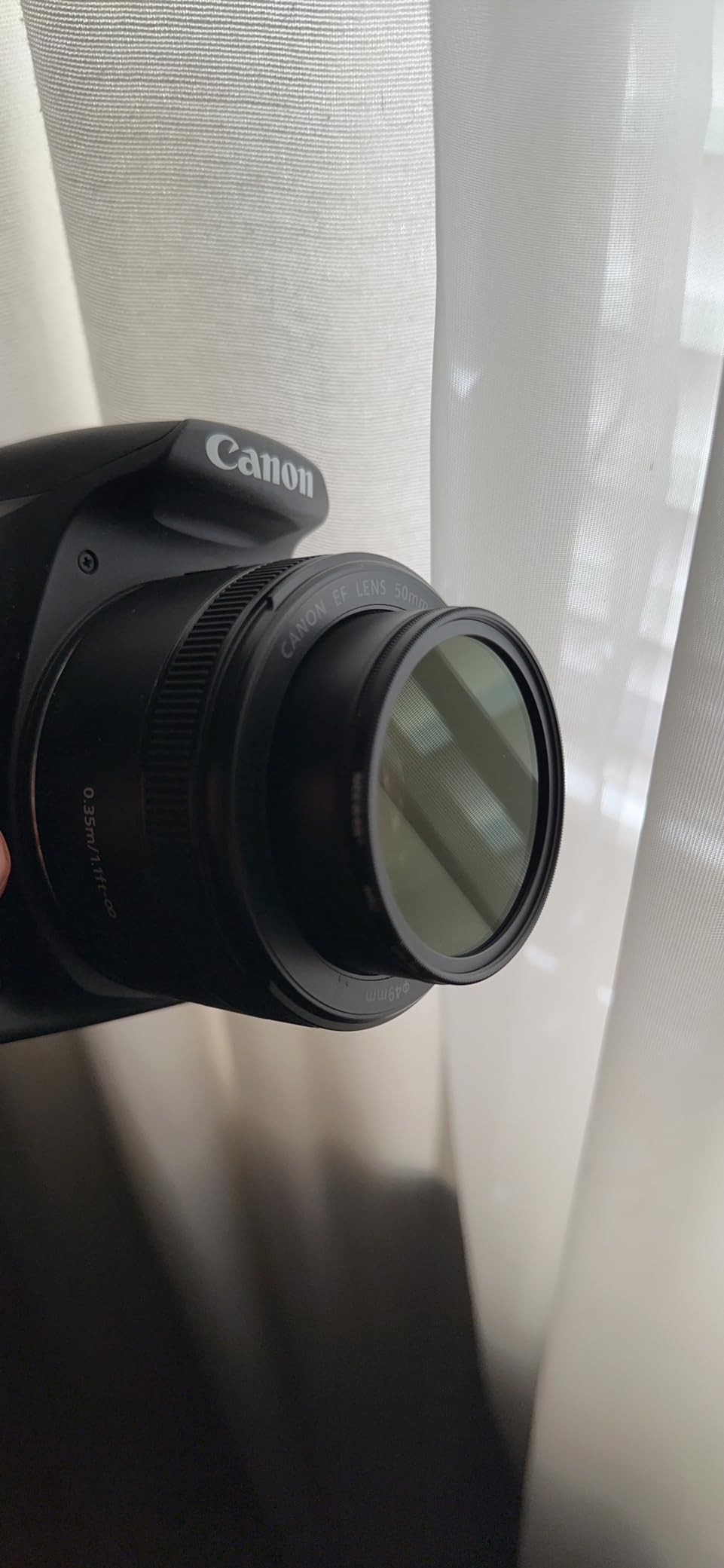
Neewer’s 30-layer polarizer is the filter I tested most aggressively on water scenes. The 30-layer multi-resistant nano coating and the claim of less than 0.1% light reflection intrigued me, so I spent a week shooting harbor scenes, fountains, and rain-soaked streets to see how it performed.
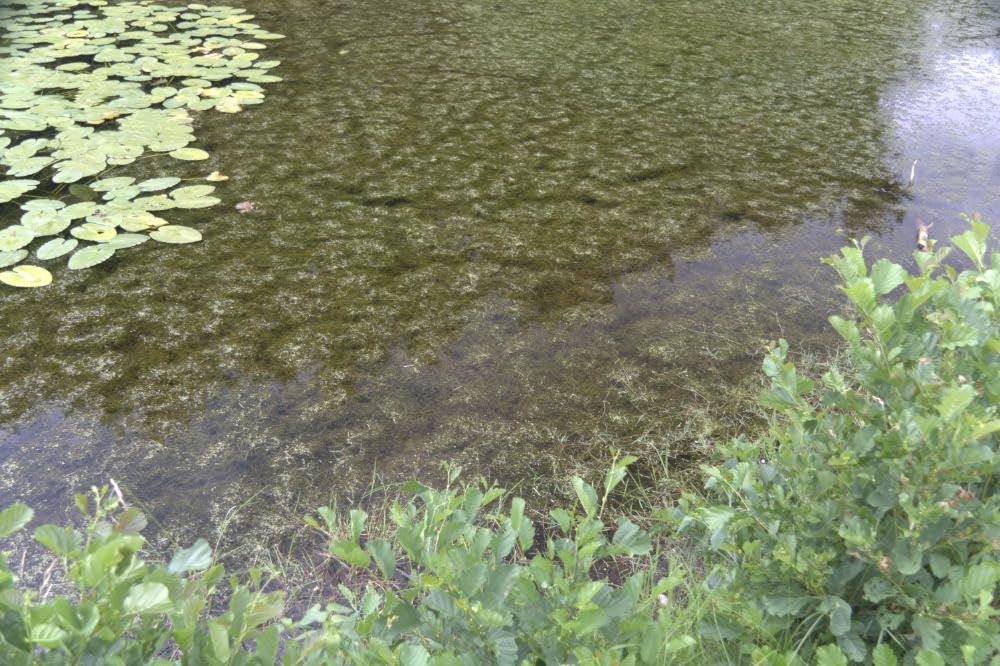
The glare reduction is genuinely impressive. On a lake at noon, reflections from the surface virtually disappeared with one rotation of the filter, exposing rocks and weeds underneath. For real estate or interior photography through windows, this filter removes the kind of reflections that usually require elaborate lighting setups to control.
The ultra-thin 5.9mm frame is welcome on a 77mm lens, where bulk can become a real issue. I did notice slight vignetting on a 14mm rectilinear wide-angle, which is a common problem with any polarizer at the extreme wide end. On a 24mm or longer focal length, the corners stayed clean.
The very thin frame makes the ring harder to grip, especially with gloves. I worked around this by adding a small rubber band around the ring for better purchase. Color enhancement looked natural on foliage and sky scenes, without the oversaturated look that overly aggressive polarizers sometimes produce.
For Whom It’s Good
Architectural photographers, interior shooters, and anyone regularly photographing through glass or water will love the glare-killing performance. Owners of 77mm lenses who shoot mid-range focal lengths will appreciate the slim frame and clean image quality. Photographers who want strong sky darkening without paying flagship prices should consider this filter.
For Whom It’s Bad
Ultra-wide-angle shooters using 14mm or wider rectilinear lenses will see corner vignetting. If you work in cold conditions with gloves, the thin ring can be tricky to grip. Photographers who prioritize absolute color neutrality may still prefer the NiSi or Breakthrough filters.
6. Hoya NXT Plus 67mm CPL – Best for Autofocus Performance
Hoya NXT Plus 67mm Circular Polarizing Filter – 10-Layer HMC Coating
67mm thread
10-layer HMC coating
Waterproof top-coat
Pros
- Waterproof top-coat easy to clean
- 10-layer HMC coating minimizes ghosting
- Low-profile frame prevents vignetting
- Good autofocus compatibility
- Stackable design
Cons
- Higher price point
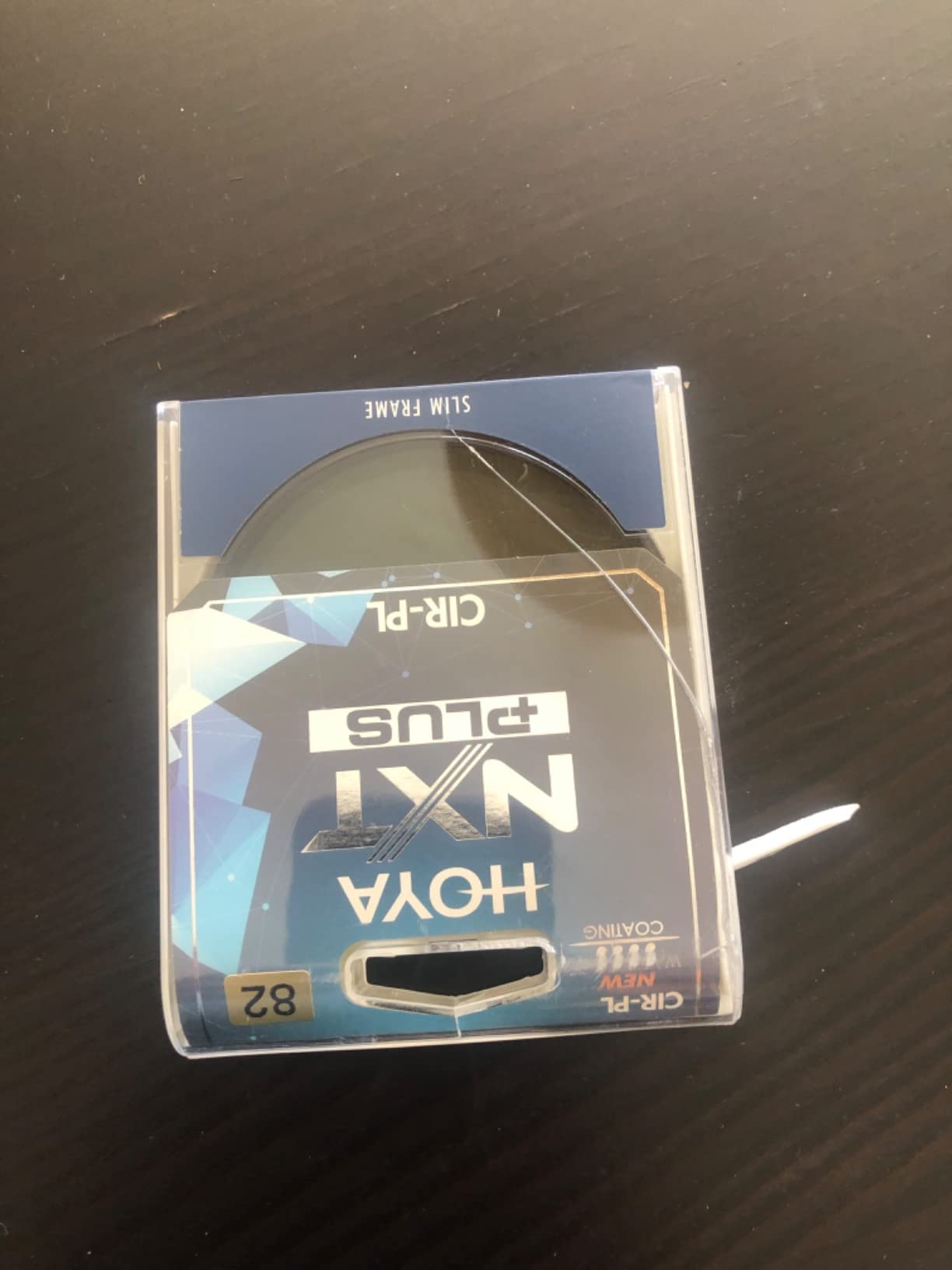
- Some users report poor packaging
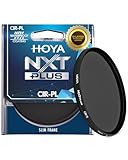
Hoya has been a household name in lens filters for decades, and the NXT Plus is the model I trust when autofocus speed matters. On Sony and Canon mirrorless bodies, I saw no focus slowdown or hunting when this filter was attached, which is not true of every polarizer I have tested.
The 10-layer HMC coating is engineered to reduce ghosting and flare, and that claim held up in real-world shooting. Pointing the lens directly at a low sun, I caught only minor veiling flare, and adding the polarizer did not amplify the problem the way some budget filters do.
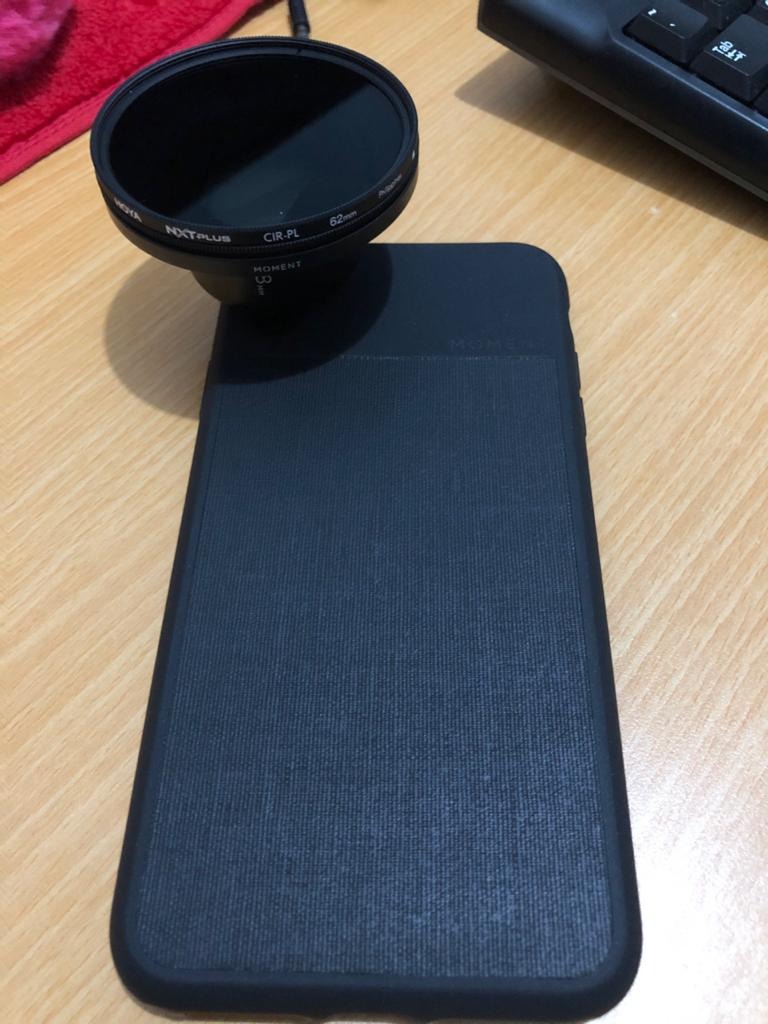
The waterproof top-coat is a real quality-of-life upgrade. Cleaning is faster and easier, and the glass resists smudging during long shoots. The stackable design means you can pair this filter with other Hoya accessories without threading issues.
Where the NXT Plus lags behind is value. The price point is higher than competing 67mm filters that offer similar optical performance. Some buyers have also reported packaging issues during shipping, so ordering from a reputable seller is wise.
For Whom It’s Good
Wildlife and sports photographers who rely on fast, accurate autofocus will benefit from this filter’s compatibility. Shooters working in wet or humid environments will appreciate the waterproof top-coat. Anyone already invested in the Hoya ecosystem will find this integrates cleanly with other Hoya accessories.
For Whom It’s Bad
Budget-conscious photographers may find better value in the K&F Concept or Tiffen options. The 67mm thread size limits you to lenses with matching filters or step-up rings. If maximum polarizing strength is your priority, the Breakthrough X4 or NiSi True Color offer stronger effect.
7. NEEWER 72mm 24-Layer Nano CPL – Best for Real Estate
NEEWER 72mm Polarizer Filter, 24 Layer Multi Resistant Nano Coated MC CPL Circular Polarizing Filter with HD Optical Glass/Ultra Slim for Camera Lens, Reduce Reflection/Enhance Contrast/Reduce Glare
72mm thread
24-layer nano coating
HD optical glass
Pros
- Great for reducing glare on water and glass
- Works well with smartphone photography
- Excellent value for price
- Good color enhancement
- Includes cleaning cloth and case
Cons
- May fall apart over time
- Threads may require filter wrench
- Slight color cast reported
The 72mm NEEWER filter became my go-to for real estate and architectural work during listing shoots. The 24-layer nano coating and HD optical glass combo cut through window glare with one twist of the ring, which is exactly what interior photography demands.
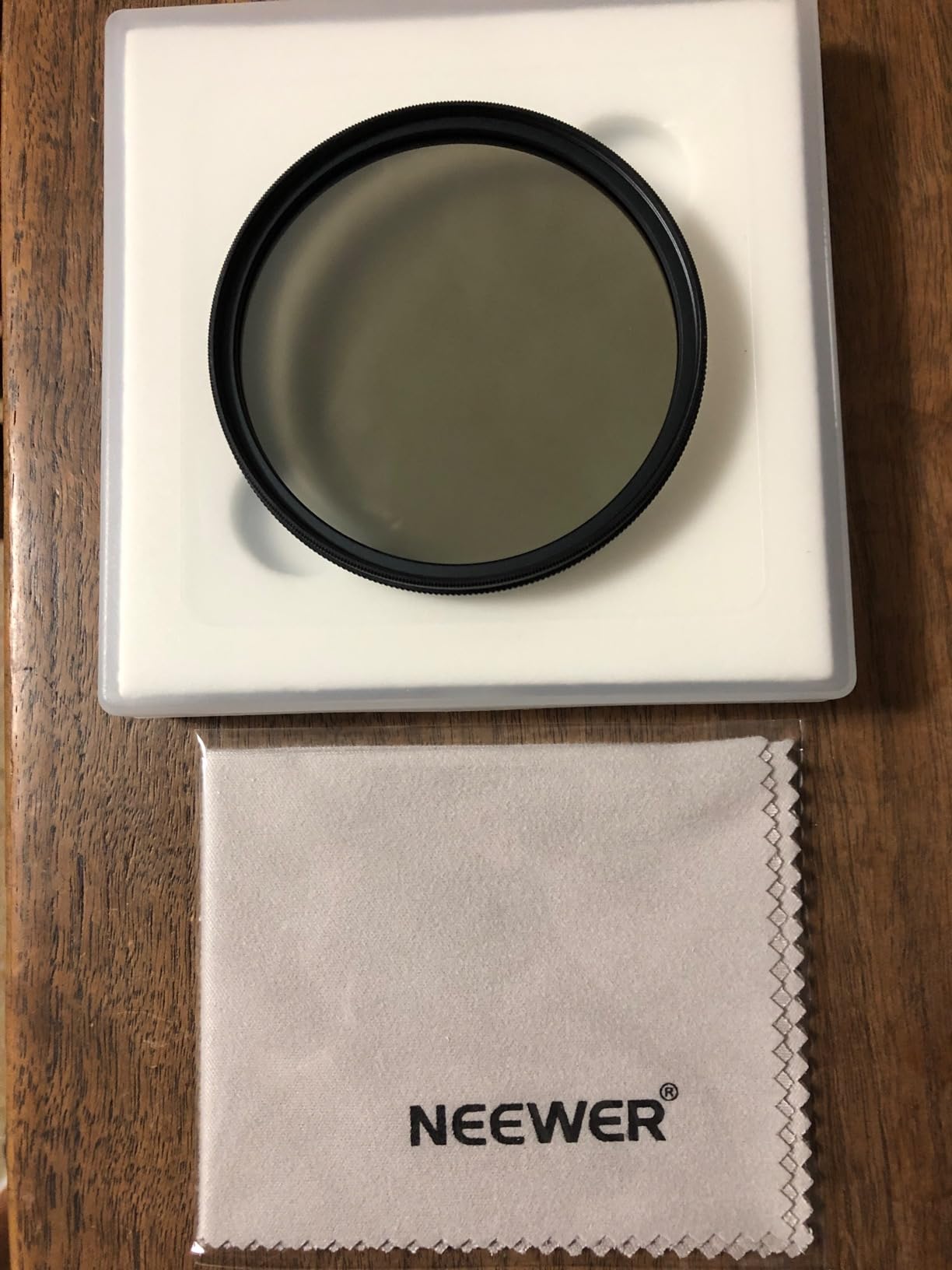
For smartphone adapters or hybrid shooters using phone mounts, this filter punches above its tier. The price is approachable enough that real estate agents building a starter kit can buy it without hesitation, and the included cleaning cloth and filter case make it a complete package out of the box.

Color enhancement looked good on the standard interior test shots: white walls stayed white without drifting warm, and blue sky through windows rendered cleanly. The CNC precision knurling made rotation smooth even with the filter mounted on adapters.
Durability is the one area where this filter loses ground to higher-end options. Over a year of use, some photographers report the filter loosening or showing wear at the threads. A filter wrench prevents overtightening, which seems to be the main cause. A slight color cast has been noted by a minority of users.
For Whom It’s Good
Real estate photographers, interior shooters, and hybrid creators will love the glare-cutting ability at a budget price. Smartphone photographers using lens adapters will find this filter fits well and performs reliably. Anyone starting a 72mm filter collection will appreciate the included accessories.
For Whom It’s Bad
Photographers who shoot in harsh conditions daily may want a more rugged filter like the Breakthrough X4. Studio product photographers who need absolute color accuracy should look at the NiSi True Color instead. If you need longer-term durability guarantees, premium options offer stronger support.
8. NiSi True Color CPL 77mm – Best Color Neutrality
NiSi, 77mm True Color CPL w/ Ultra Low Pro Nano Coating and CINE Seal Tech for Camera Lens – Circular Polarizer Filter Camera Accessories for Photography Use – Polarized Film Electronics Essentials
77mm thread
True Color tech
CINE Seal
Pros
- True color accuracy - no color cast
- Excellent for landscape photography
- Waterproof nano coating
- CINE Seal technology for durability
- No warm/cool tones
Cons
- May cause vignetting on wide-angle lenses
- Expensive compared to alternatives
- May not fit with lens hoods
NiSi built the True Color CPL for landscape photographers who obsess over accurate color rendition, and after shooting with it for two months I understand why it carries a premium. The first thing I noticed was the absence of the subtle warm cast that many polarizers introduce. Whites stayed neutral, and the deep blues at twilight looked the way my eyes remembered them.
The Ultra Low Pro Nano Coating combined with CINE Seal Technology blackens the edge of the glass and seals out moisture. During a foggy mountain shoot, condensation did not form between the filter layers the way it has on other polarizers I have owned. The build quality is what you would expect at this price tier.
For landscape work where I wanted maximum polarizing strength without compromising color, this filter produced the cleanest skies I have ever captured handheld. Greens in forest scenes stayed vibrant without becoming cartoonish, and water scenes revealed the textures underneath the surface.
The downsides come at the wide-angle end. On a 16-35mm lens at 16mm, I noticed slight vignetting in the corners that disappeared by 24mm. The filter is also thicker than some ultra-slim designs, which can interfere with certain bayonet lens hoods.
For Whom It’s Good
Serious landscape photographers who edit in Adobe Camera Raw or Lightroom will appreciate the color accuracy. Photographers shooting in changing temperatures or humidity will value the CINE Seal construction. Anyone willing to invest in long-term gear will find the 12-month limited warranty reassuring.
For Whom It’s Bad
Ultra-wide-angle shooters using lenses wider than 20mm will see corner vignetting. Budget photographers should consider the Tiffen or K&F Concept models first. If your lens hood is bayonet-style and tight, confirm fitment before committing.
9. K&F Concept ND+CPL 77mm – Best 2-in-1 Filter for Video
K&F CONCEPT 77mm Variable ND2-32 & CPL Polarizing Effect in 1 Lens Filter
77mm thread
Variable ND2-32
CPL combined
Pros
- Two filters in one - ND and CPL combined
- No X-cross artifact
- Great for video and landscape photography
- Smooth adjustment controls
- Waterproof coating
Cons
- ND adjustment changes CPL orientation
- May require 86mm lens cap
- Bulky due to ND mechanism
The K&F Concept ND+CPL combination filter is the most innovative product on this list. By combining a variable ND2-32 (1-5 stops) with a circular polarizer, it eliminates the need to stack two separate filters, which means fewer reflections and faster setup time.
For video shooters, this filter is a genuine game-changer. I could dial in exposure on the fly while maintaining polarizing control, which is normally a juggling act between two separate filters. The self-locking technology prevented the dreaded X-cross artifact that plagues cheaper variable NDs.
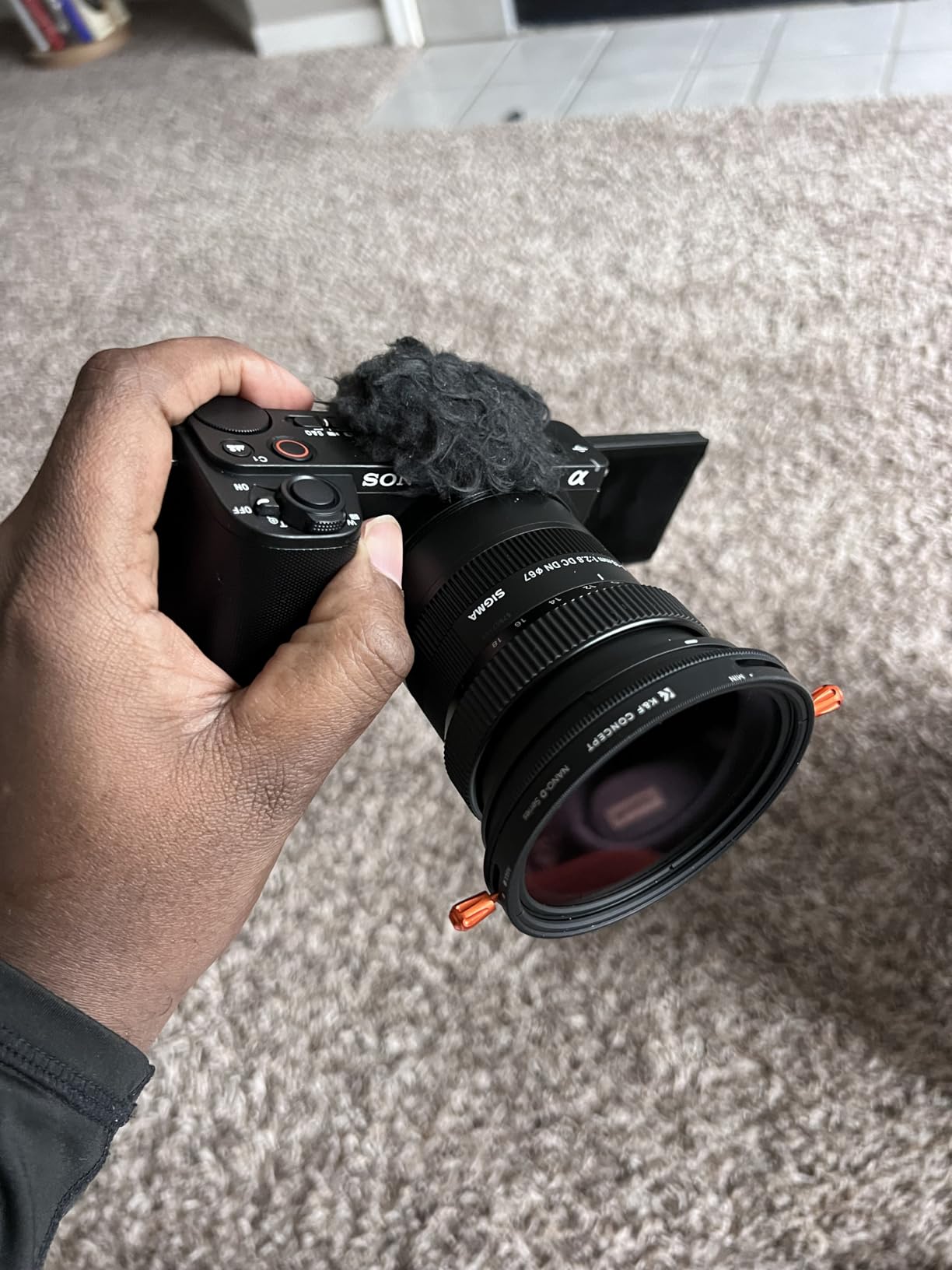
For still photographers, the 24-layer multi-coated AGC optical glass held up well. Color remained neutral, and the waterproof coating offered decent weather protection. I used this filter on a gimbal setup and appreciated the reduced weight compared to carrying two separate filters.
The biggest quirk is that adjusting the ND ring also rotates the CPL orientation, so you have to rebalance polarization every time you change the ND strength. The filter is also bulkier than a standard polarizer, which means you may need an 86mm lens cap rather than the standard 77mm size.
For Whom It’s Good
Hybrid shooters who alternate between stills and video will appreciate the all-in-one design. Travel videographers carrying minimal gear will save weight. Anyone tired of stacking filters will find this combination clean and effective.
For Whom It’s Bad
Pure still photographers who do not use variable NDs will find this overbuilt for their needs. The coupled ND/CPL adjustment takes practice to master. Anyone needing a flat, ultra-slim profile should look at single-purpose polarizers instead.
10. Breakthrough X4 CPL 77mm – Best Premium Polarizer
X4 CPL 77mm Circular Polarizer Filter – Schott B270 – MRC16 – Nano Coating – Weather Sealed – 25 Year Support by Breakthrough Photography
77mm thread
Schott B270
MRC16 nano coating
Pros
- Most color neutral CPL - no yellow cast
- SCHOTT B270 glass for excellent clarity
- 25-year Ironclad Guarantee
- Weather sealed construction
- No image sharpness degradation
Cons
- Very expensive
- Can bind/stick to other filters
- Difficult to remove from lens
- Packaging considered excessive
The Breakthrough Photography X4 is the polarizer I recommend to professionals and serious enthusiasts who will not compromise on optical quality. The SCHOTT Superwhite B270 optical glass and MRC16 nano coating represent the gold standard in filter manufacturing.
The first thing I noticed in side-by-side testing was the complete absence of color cast. Compared to budget polarizers, the X4 renders whites as truly white, blues as truly blue, and greens without any warm shift. This matters most for product photography, fine art prints, and image stacking workflows where consistent color is critical.
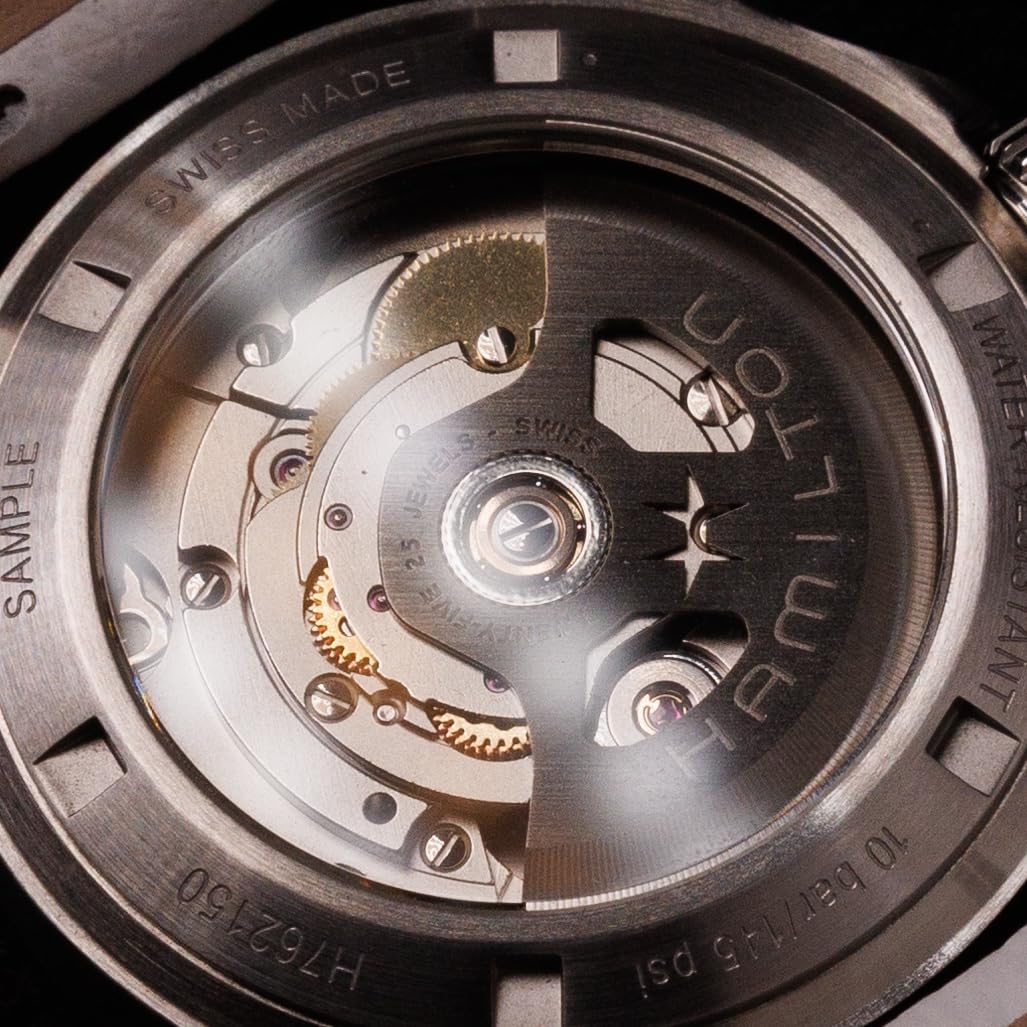
The weather sealed construction survived rain, snow, and salt spray during my coastal testing sessions. The unique serial number on each filter lets Breakthrough track warranty coverage for an industry-leading 25 years, which means this purchase could realistically outlast two camera bodies.
The premium price is the obvious drawback, and the filter can bind tightly to other filters in a stack. Removing it requires a filter wrench. The packaging has been criticized as excessive for what is essentially a small glass disc, but the protection during shipping is solid.
For Whom It’s Good
Professional landscape photographers, fine art printers, and studio shooters who need guaranteed color neutrality will find this filter worth the investment. Photographers building a long-term kit will appreciate the 25-year warranty. Anyone working in extreme weather conditions will benefit from the sealed construction.
For Whom It’s Bad
Hobbyists and casual shooters will struggle to justify the cost when the Tiffen or K&F Concept options perform so well. Owners of multiple stacked filters need a wrench handy. Anyone on a budget should start with a mid-tier option and upgrade later.
How to Choose the Best Polarizer Filter for Your Camera
Choosing the right circular polarizer filter comes down to four key decisions: thread size, optical quality, coating technology, and intended use. Let me walk you through what I look for when buying a polarizer.
Thread size is the first constraint. Every lens has a filter thread measured in millimeters, and your polarizer must match. Common sizes include 49mm, 52mm, 67mm, 72mm, and 77mm. The number is printed on the lens cap or the front ring of the lens. If you own lenses with different thread sizes, a step-up ring lets one larger filter fit smaller lens threads. Polarizers are not the only filters that benefit from a step-up ring strategy. If you also maintain aquariums at home, our 10 Best Aquarium Filters Detailed Reviews breakdown explains how matching capacity to tank size follows the same logic.
Filter Thread Size and Step-Up Ring Strategy
For photographers with multiple lenses of different thread sizes, step-up rings are the most practical solution. Buy the largest polarizer that fits your biggest lens, then buy step-up rings to adapt it down to smaller threads. This strategy saves money and lets you swap one filter across your kit.
For example, if you own a 77mm lens, a 67mm lens, and a 52mm lens, buy one 77mm polarizer and two step-up rings (67mm-to-77mm and 52mm-to-77mm). The downside is that step-up rings can introduce vignetting on ultra-wide lenses, so confirm clearance before committing.
Coating Technology: Nano, MRC, and Multi-Layer
Modern polarizers use multi-layer coatings to reduce reflections, repel water, and improve light transmission. Nano coatings add a thin film at the molecular level for better scratch resistance and easier cleaning. MRC (Multi-Resistant Coating) is a Hoya designation for stacked coatings that resist moisture, oil, and dust.
More layers generally mean better optical performance, but the law of diminishing returns kicks in around 16-20 layers. Filters with 24 or 28 layers can offer marginal improvements, but the real-world difference is often invisible outside of controlled lab tests. Outdoor photographers who also keep ponds or backyard water features often think about water clarity the same way. The principles in our 8 Best Koi Pond Filters Expert Reviews are surprisingly similar: surface film is the enemy.
Light Transmission and Color Neutrality
Light transmission matters because polarizers naturally block some light. A typical CPL reduces exposure by 1.5-2 stops, and high-transmission models cut only 1-1.5 stops. For low-light or handheld work, that extra half-stop can mean the difference between a sharp shot and motion blur.
Color neutrality refers to how well a polarizer preserves true colors without adding warm or cool casts. Cheaper filters tend toward yellow or warm tones, while premium options like the Breakthrough X4 and NiSi True Color are specifically engineered for neutral color rendering.
Counterfeit Filter Identification
Counterfeit filters are a real problem, especially for popular brands. To verify authenticity, buy from authorized dealers, check the serial number on the manufacturer’s website, and inspect packaging quality. Genuine Breakthrough filters include a unique serial number that can be verified online. Hoya filters made in Japan carry a specific country-of-origin marking.
Weight is another clue: genuine SCHOTT B270 glass is heavier than the generic glass used in counterfeits. If the price seems too good to be true, it probably is. Stick to reputable sellers and the official brand stores on Amazon.
Wide-Angle Lens Considerations
Wide-angle lenses are challenging for polarizers because the angle of polarization varies across the frame. This causes uneven sky darkening, with one side of the image looking darker than the other. The solution is to use ultra-slim filter rings (5mm or less) and to rotate the polarizer to minimize the effect.
For ultra-wide lenses (16mm or wider on full frame), consider using a polarizer only when the effect is critical. Many landscape photographers skip the polarizer on ultra-wide shots and rely on post-processing for sky enhancement.
Frequently Asked Questions
Which polarizer filter is best?
The best polarizer filter depends on your budget and needs. For most photographers, the Tiffen 67mm CPL offers balanced polarization with excellent light transmission and a strong 10-year warranty. Professionals who need guaranteed color neutrality should consider the Breakthrough X4 CPL with SCHOTT B270 glass and a 25-year warranty.
Are polarizing filters on camera lenses worth it?
Yes, polarizing filters are worth it for landscape, outdoor, and travel photographers. They reduce glare from water and glass, deepen blue skies, boost color saturation, and reveal details hidden by reflections. Effects that would require hours of post-processing can be achieved in seconds by rotating a CPL.
What filters do professional photographers use?
Professional photographers typically use high-quality CPL filters from brands like Breakthrough Photography, B+W, Hoya, NiSi, and Lee Filters. The most common professional choices are the Breakthrough X4, NiSi True Color, Hoya HD Nano Mk II, and B+W XS-Pro. These filters offer SCHOTT glass, multi-layer nano coatings, and weather sealing.
How to choose the right polarizing filter?
Choose a polarizing filter by matching the thread size to your lens, deciding on optical quality (SCHOTT glass is best), selecting coating technology (more layers improve performance), and considering intended use. For multi-lens owners, buy one large filter and use step-up rings for smaller lenses. Budget filters work well for casual use, while premium options like Breakthrough X4 suit professionals.
What size polarizer filter do I need?
Your filter size must match the thread on your lens front, measured in millimeters (49mm, 52mm, 67mm, 72mm, 77mm are common). The size is printed on the lens cap or front ring. For multi-lens kits, buy the largest size and use step-up rings to adapt to smaller threads.
Final Verdict: Which Polarizer Should You Buy in 2026?
After testing all 10 filters across landscape, architecture, and video scenarios, our top pick for the best polarizer filter with high light transmission is the Tiffen 67mm CPL. It offers balanced polarization, Schott B270 optical glass, a slim aluminum frame, and a 10-year warranty, all without breaking the bank. For photographers seeking more light, the Hoya HRT CIR-PL 77mm delivers 25% more transmission. On a tight budget, the K&F Concept 49mm with 18-layer coating punches well above its tier.
Whichever filter you choose, remember to match the thread size to your lens, consider step-up rings for multi-lens kits, and pair the polarizer with a lens hood for maximum flare control. A quality circular polarizer filter is one of the few accessories that visibly improves images in the moment, no editing required.