
Finding the best aquarium filters comes down to three things: how big your tank is, how messy your fish are, and how much noise you are willing to live with. I have kept freshwater tanks for over a decade, and the filter is the one piece of equipment I never cut corners on. After running hang-on-backs, canisters, and sponge filters on my own tanks, and reading through thousands of owner reviews, our team narrowed the field to 10 filters that actually hold up over years of use.
Canister filters provide superior mechanical, chemical, and biological filtration for larger aquariums or tanks with a heavy fish load, because the canister body holds far more filter media than any hang-on-back unit can. That is why canisters sit at the top of this list for bigger tanks. For nano tanks and delicate fish like bettas and fry, a quality sponge filter or a small hang-on-back still wins on gentleness and simplicity.
One lesson I learned the hard way: the cheapest box on the shelf is rarely the cheapest filter to own. Disposable cartridge costs stack up fast, and several picks below use reusable media for exactly that reason. Every filter here earned its spot on measured flow rate, real noise behavior, long-term reliability, and verified owner feedback, not marketing copy.
Table of Contents
Top 3 Picks for the Best Aquarium Filters (October 2026)
If you want the short version before the detailed reviews, these three cover the most common situations. The Fluval 207 is the best all-round canister for tanks in the 30 to 45 gallon range. The Marineland Penguin 200 is the value pick for community tanks, and the AQUANEAT sponge filter handles bettas, fry, and shrimp tanks for pocket change.
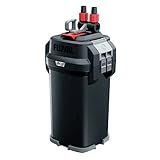
Fluval 207 Performance Canister Filter
- Tanks up to 45 gal
- EZ-Lift media baskets
- Up to 25% quieter motor
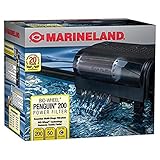
Marineland Penguin Bio-Wheel 200 GPH
- 200 GPH power filter
- Bio-Wheel wet/dry filtration
- Five sizes available
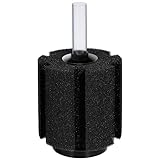
AQUANEAT Bio Sponge Filter
- Up to 60 gal with air pump
- Gentle flow for fry and shrimp
- Dual mechanical-biological filtration
Best Aquarium Filters in 2026 Compared
Here is the full lineup side by side. Note the GPH (gallons per hour) figures, because turnover rate matters more than any brand name when you are matching a filter to your tank.
| Product | Specifications | Action |
|---|---|---|
| Fluval 207 Canister Filter |
|
Check Latest Price |
| Marineland Penguin 200 |
|
Check Latest Price |
| AQUANEAT Bio Sponge Filter |
|
Check Latest Price |
 Tetra Whisper IQ Power Filter Tetra Whisper IQ Power Filter |
|
Check Latest Price |
 Fluval AquaClear AC20 Fluval AquaClear AC20 |
|
Check Latest Price |
 Seachem Tidal 110 Seachem Tidal 110 |
|
Check Latest Price |
 Penn-Plax Cascade 1200 Penn-Plax Cascade 1200 |
|
Check Latest Price |
 EHEIM Classic 2213 EHEIM Classic 2213 |
|
Check Latest Price |
 Fluval FX6 Canister Filter Fluval FX6 Canister Filter |
|
Check Latest Price |
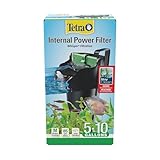 Tetra Whisper 85 Internal Filter Tetra Whisper 85 Internal Filter |
|
Check Latest Price |
1. Fluval 207 Performance Canister Filter – Best Overall Canister for 45 Gallon Tanks
Fluval 207 Perfomance Canister Filter for Aquariums up to 45 Gallons
Canister filter
Tanks up to 45 gal
EZ-Lift media baskets
Up to 25% quieter motor
Pros
- Ultra-quiet eTEC motor
- EZ-Lift baskets remove with one finger
- Energy use on par with an LED bulb
- Quick-disconnect valves for mess-free maintenance
Cons
- Motor head reliability reports on the 407 sibling line
- Inconsistent carbon pouch sizing
- Bulky under very small stands
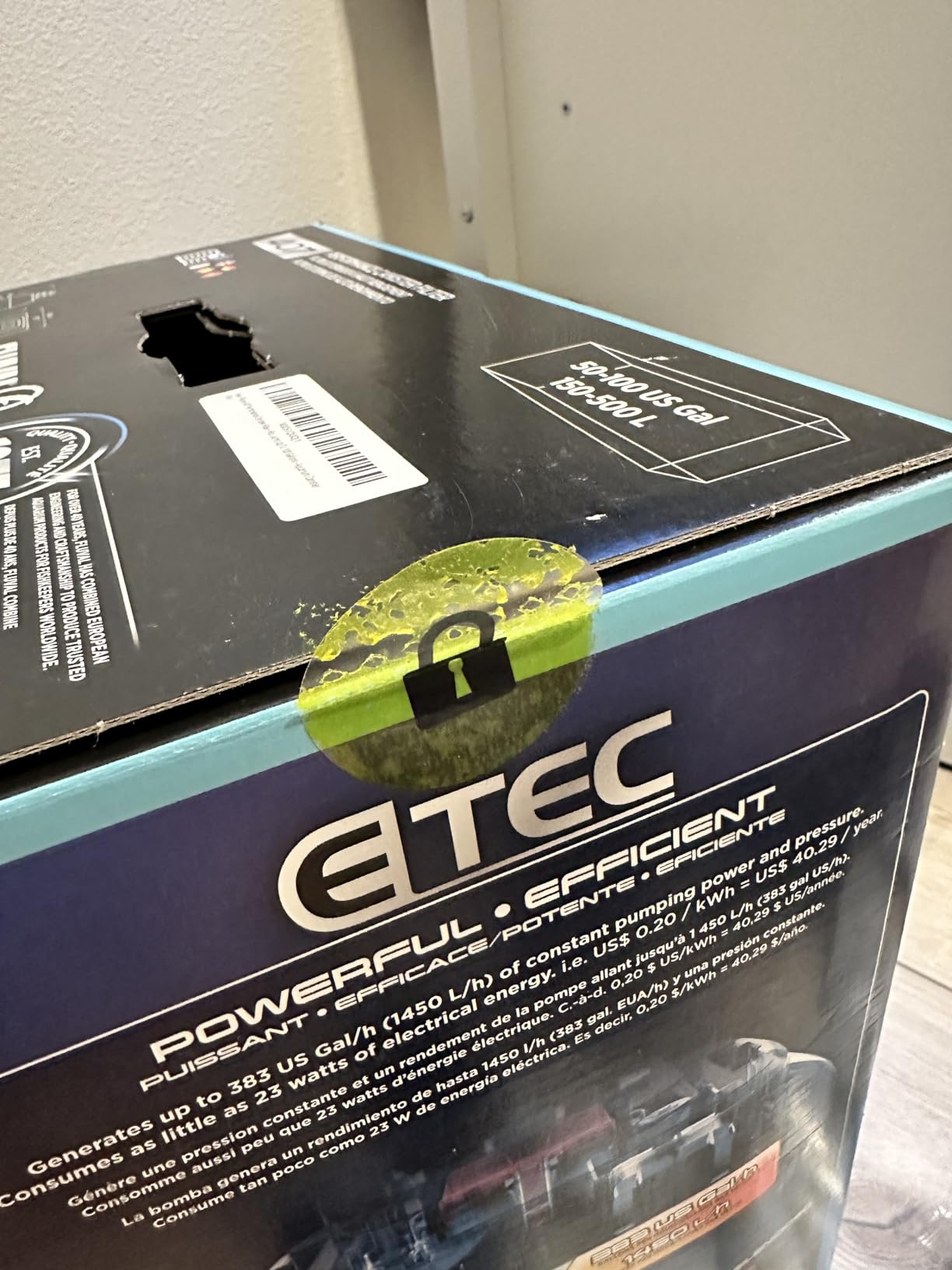
The Fluval 207 has been running on my 40 gallon breeder for over two years, and it is the filter I recommend to friends without hesitation. It replaced an aging hang-on-back, and the first thing I noticed was the silence. The eTEC pump runs up to 25 percent quieter than the previous generation, and on my unit the only sound is a faint water hum from the spray bar.
The second thing I noticed was how much easier maintenance became. The EZ-Lift media baskets have a center handle, so the whole media stack lifts out with one finger. Fluval claims the pump draws about as much power as an LED light bulb, and my energy bill never budged after the swap.
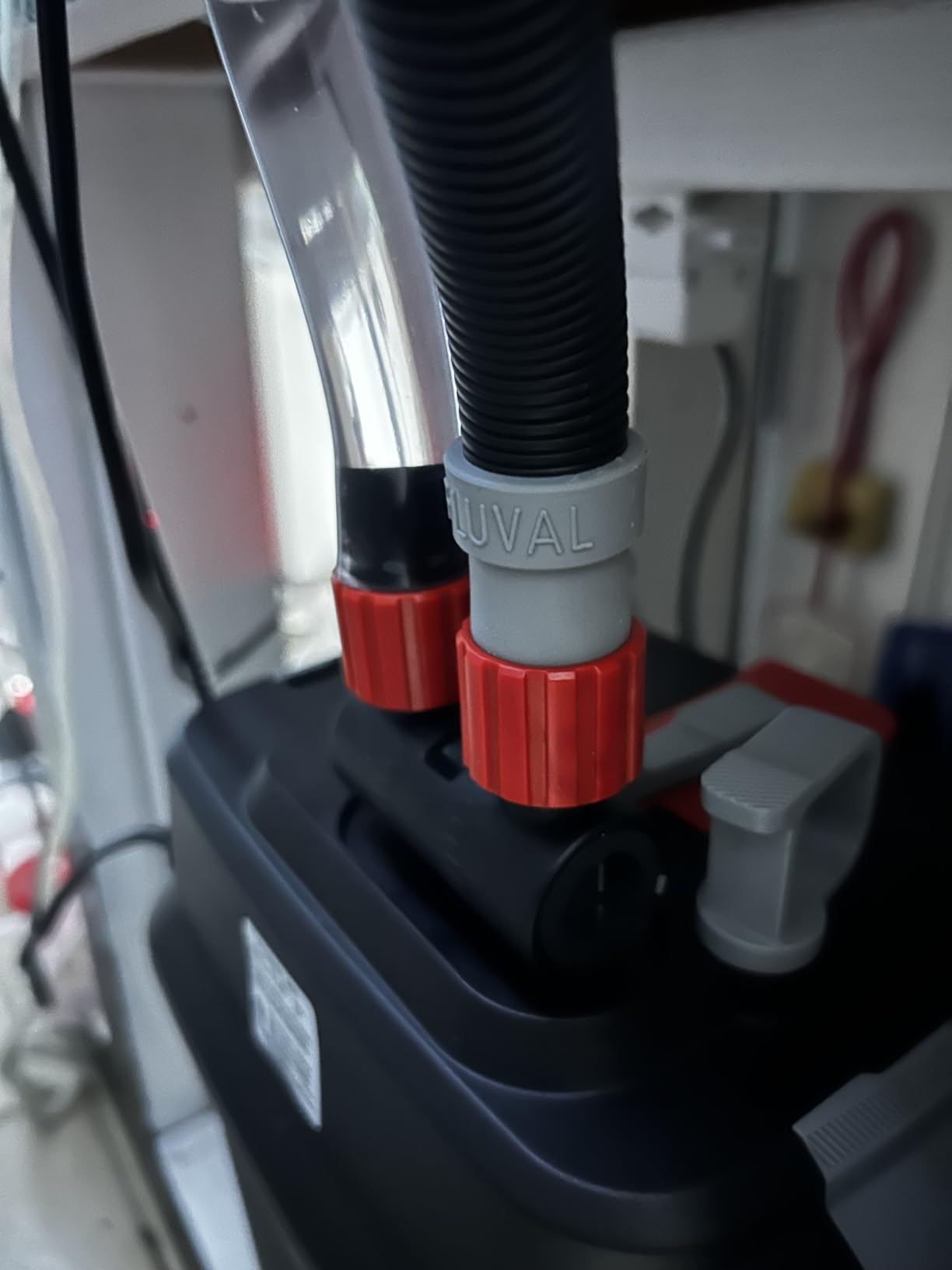
Technically, this is a three-stage canister rated for tanks up to 45 gallons, with a compact 7.09 x 7.48 x 16.54 inch body that fits most standard stands. Water pushes through the stacked baskets in sequence, so mechanical media catches debris before biological media processes ammonia. The quick-disconnect valves and lift-lock clamps mean you can pull the unit without spilling a drop.
The flow is strong and steady, and my water went from slightly hazy to genuinely clear within about four days of the switch. Evaporated water alone was my only routine adjustment, since the output keeps surface agitation consistent across the whole tank width.
The weaknesses are minor but real. A number of owners report motor head issues on the 407 line, which shares this pump family, so I unplug mine during water changes to reduce wear. The included carbon pouches also run slightly small for the trays, and I swapped in my own cut-to-fit pads.
Who the Fluval 207 Suits Best
This is the right filter if you have a 30 to 45 gallon tank and you want canister-grade filtration without stepping up to a large unit. It suits planted tanks and community setups with moderate stocking.
It is also the best aquarium filters pick for anyone moving up from their first hang-on-back, because the instructions are genuinely clear and the setup is close to foolproof.
What to Know Before You Buy
Measure your stand first, because the canister stands roughly 16.5 inches tall plus hose clearance. You also need a few inches behind the tank for the intake and output lines.
Plan on buying your own media refills rather than relying on the included pouches, and consider a pre-filter sponge on the intake to keep the impeller clean longer.
2. Marineland Penguin Bio-Wheel 200 GPH – Best Value Hang-On-Back Filter
Marineland Bio-Wheel Penguin 200 GPH Power Aquarium Filter
HOB power filter
200 GPH
Bio-Wheel wet/dry filtration
Five sizes available
Pros
- Patented Bio-Wheel adds wet/dry biological filtration
- Cartridges swap without shutting down
- Adjustable intake vent pulls from top and bottom
- Decades-long track record
Cons
- No adjustable flow control
- Bio-Wheel splashes if the water level drops
- Replacement cartridge costs add up
The Penguin 200 is the filter I started on years ago, and I still run one on a quarantine tank today. With over 35,000 reviews behind it, it is one of the most proven hang-on-back filters in the hobby. The rotating Bio-Wheel is the reason it still sells: as the wheel spins, it exposes beneficial bacteria to both water and air, which supercharges biological filtration in a way a submerged cartridge cannot match.
At 200 GPH it is matched to tanks up to about 50 gallons, and mine turns over a 40 gallon community tank roughly five times an hour. The adjustable intake vent lets you pull water from the top, the bottom, or both, which helps clear surface film.
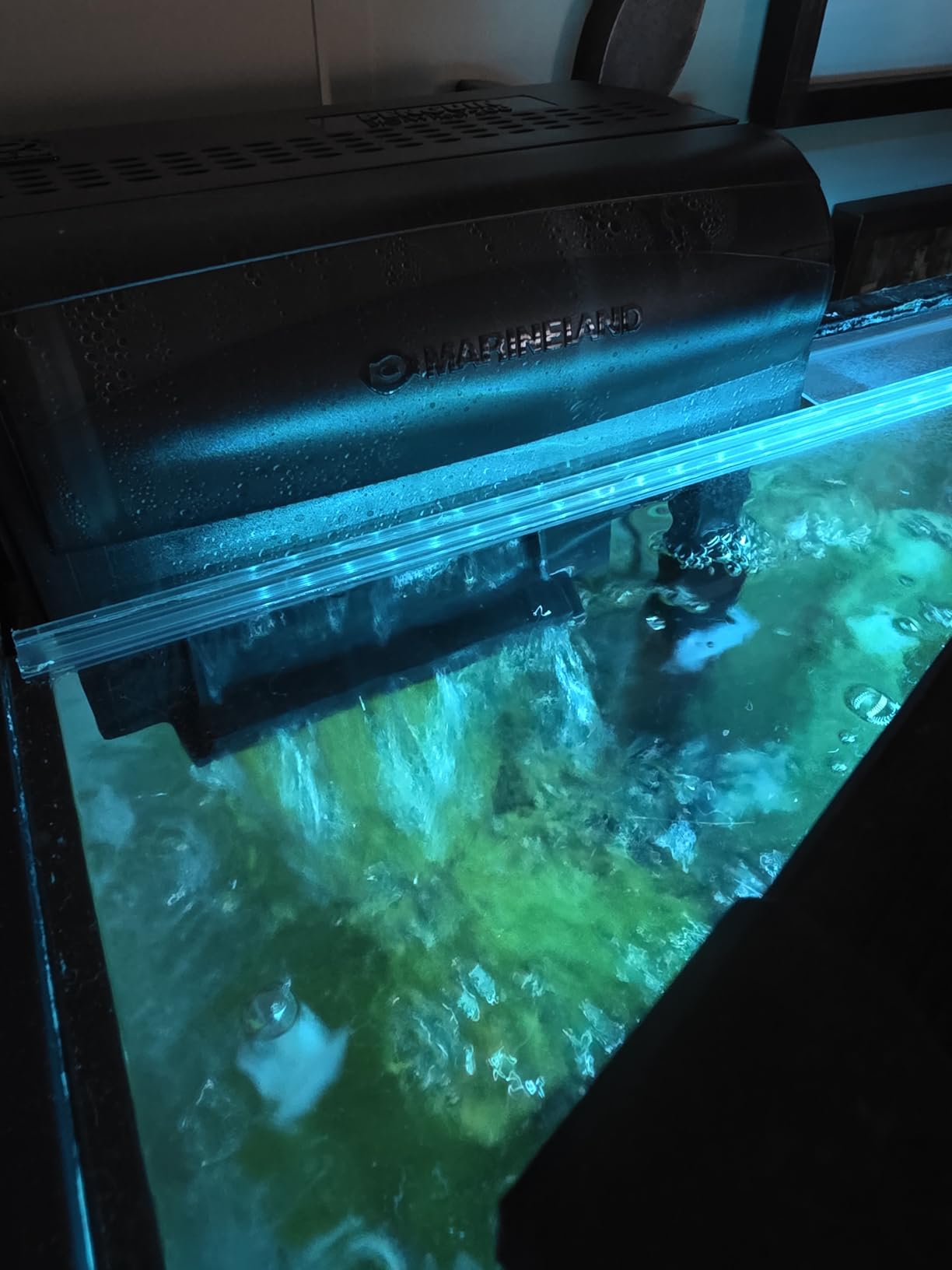
Setup takes minutes. The unit hangs on the back of the tank, the intake tube drops in, and after priming the Bio-Wheel starts spinning almost immediately. Cartridge changes happen without shutting anything down, which is a genuine convenience compared to a canister.
The noise profile is good as long as you keep the water level topped up. When the level drops a couple of inches, the Bio-Wheel starts splashing audibly and the whole unit gets louder.
The main drawback is the lack of any flow control, so this is not the filter for a betta tank or slow-current species. Cartridge costs are the other complaint, and I address that below with a simple workaround.
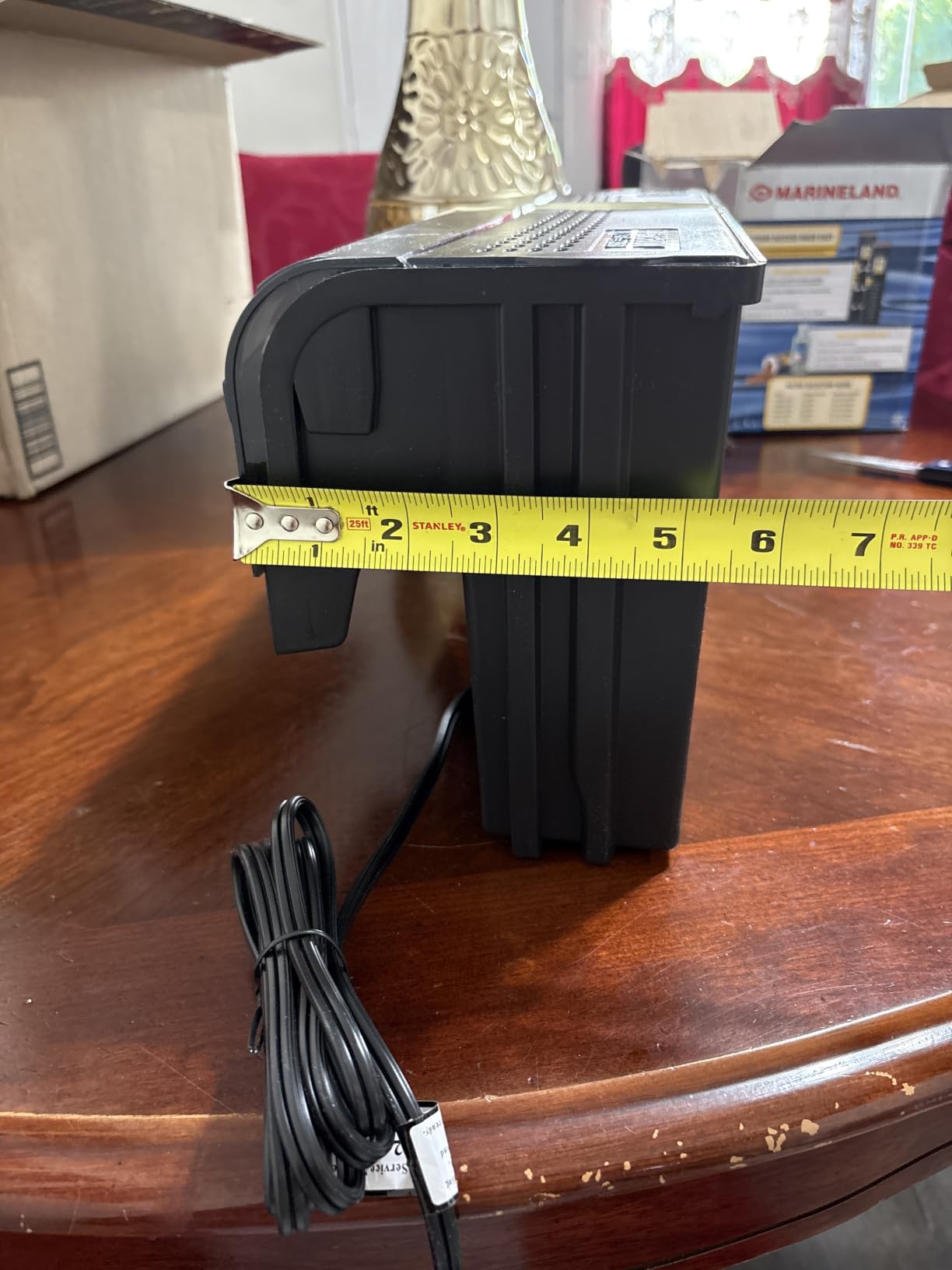
Who the Penguin 200 Suits Best
This is the filter for standard community tanks in the 30 to 50 gallon range where you want strong biological filtration on a budget. It is also a dependable backup filter to keep on a shelf for hospital or quarantine duty.
It comes in five sizes from 75 to 350 GPH, so there is a version for nearly any freshwater tank you own.
Cartridge Costs and Maintenance
Rather than replacing cartridges monthly, I rinse mine in tank water during water changes and replace them every two to three months. Your beneficial bacteria live mostly on the Bio-Wheel, so the cartridge is really just mechanical and chemical media.
You can also slit the cartridge frame and refill it with your own carbon and floss, which cuts the running cost dramatically. Keep the water level within an inch of the rim and the wheel stays quiet.
3. AQUANEAT Bio Sponge Filter – Best Budget Filter for Bettas, Fry, and Shrimp
AQUANEAT Aquarium Bio Sponge Filter Breeding Fry Betta Shrimp Nano Fish Tank (Large up to 60Gal)
Sponge filter
Rated up to 60 gal
Gentle flow for fry and shrimp
Air pump required
Pros
- Completely safe for fry
- shrimp
- and bettas
- Provides mechanical and biological filtration
- Nearly silent with a good air pump
- Extremely low running cost
Cons
- Requires a separate air pump
- Not sufficient alone for heavily stocked large tanks
- Sponge needs periodic rinsing and replacement
Sponge filters look primitive, but they solve problems no power filter can. I run the AQUANEAT large model in my shrimp tank and my fry grow-out tub, and in both cases it is the only filter I trust. Nothing gets sucked into it, because the intake is the entire sponge surface, and even newborn fry graze on it safely.
The rating of up to 60 gallons is optimistic in practice. I treat the large size as a primary filter for tanks up to about 30 gallons with light stocking, and as supplemental filtration beyond that.
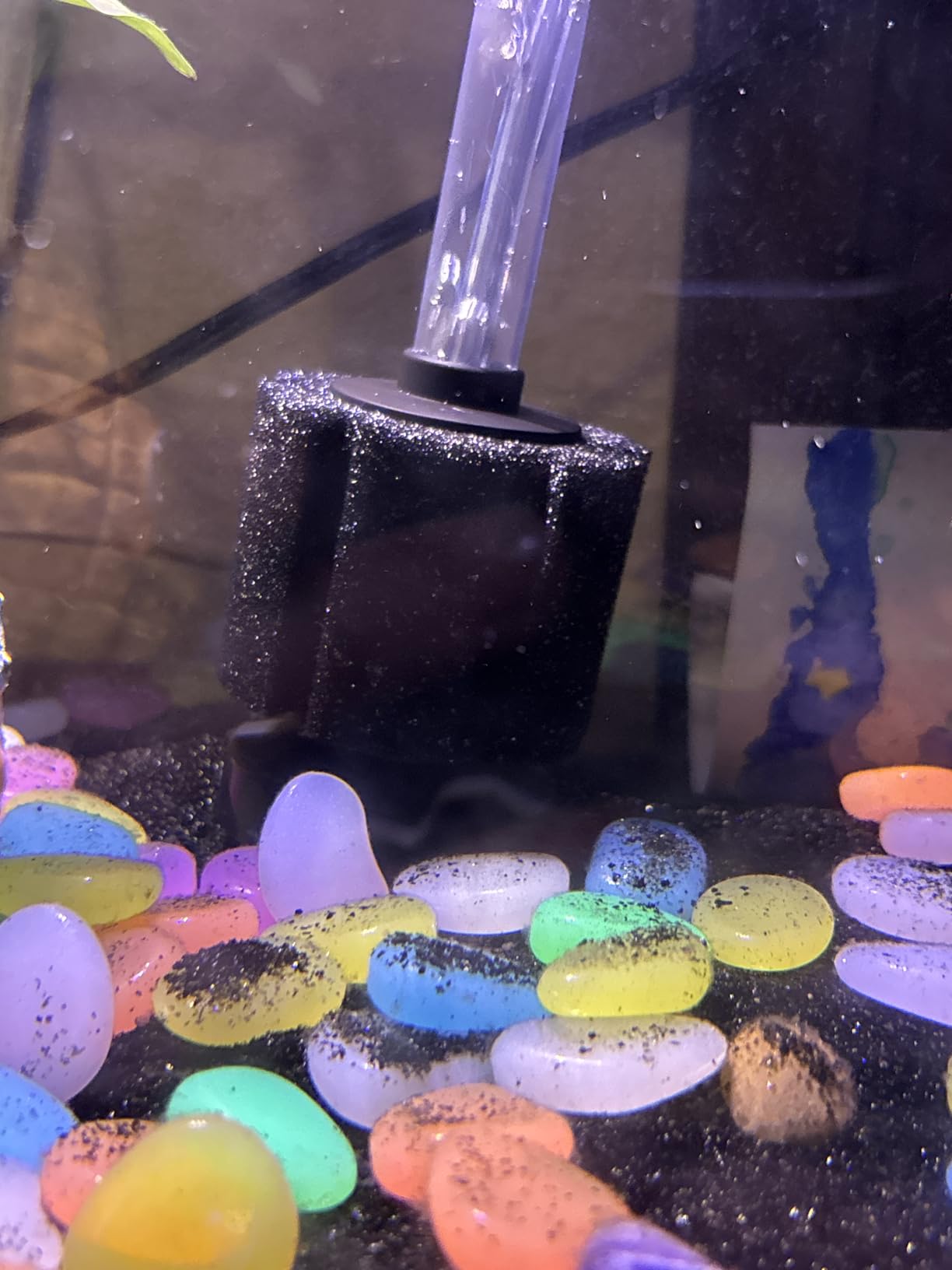
Functionally, air rises through the center tube and pulls water through the sponge walls, trapping debris and feeding beneficial bacteria living in the pores. An air infusion chamber at the top breaks the bubbles into fine ones, which raises oxygen saturation as a bonus.
The 4.5 inch diameter by 8 inch tall footprint fits a standard nano tank corner without dominating it. Maintenance is a squeeze-and-rinse in old tank water, which takes under a minute.
The catch is simple: you need an air pump, airline, and ideally a check valve, and none of that is in the box. A quality air pump is what makes or breaks the noise level here.
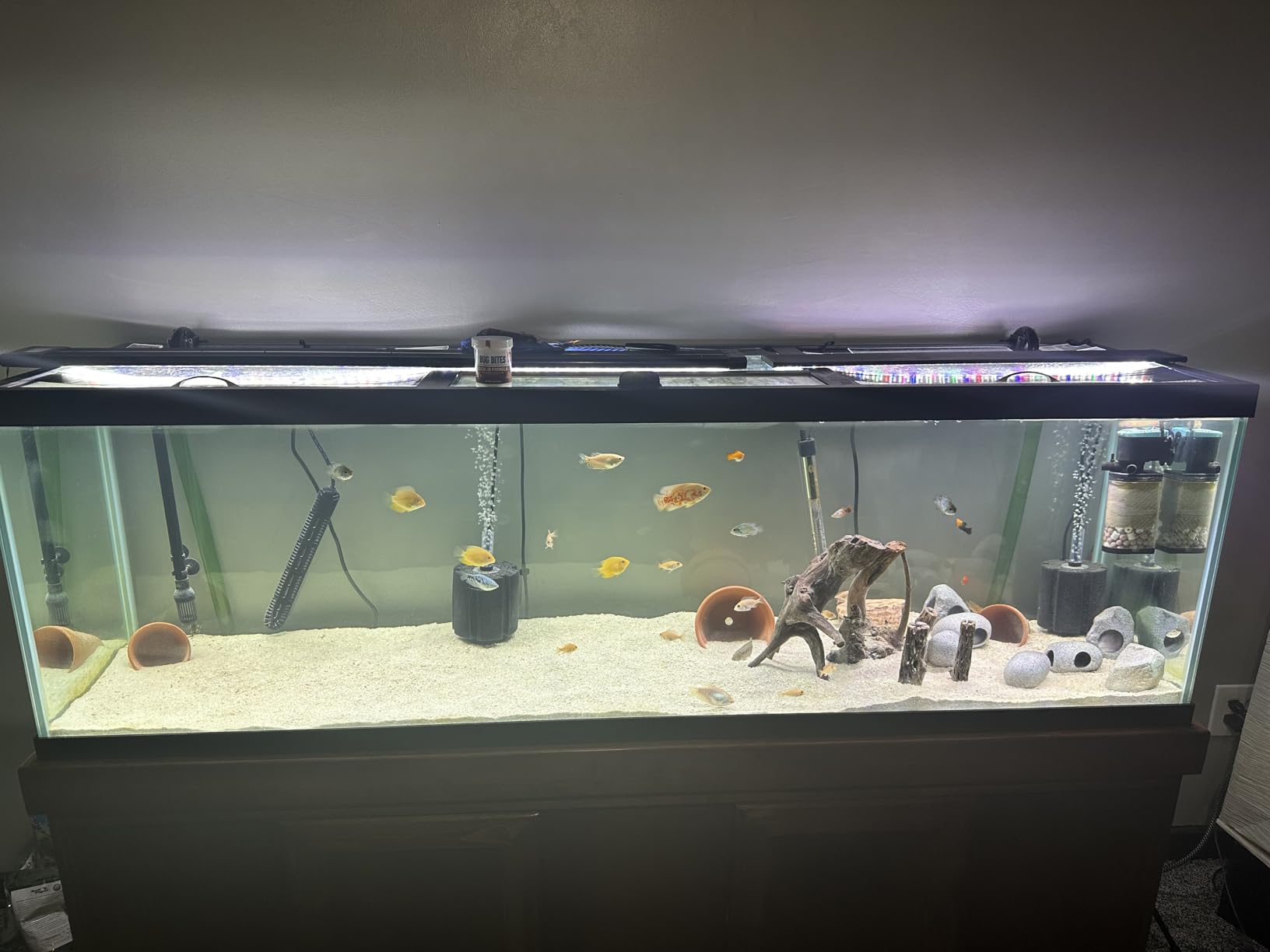
Who This Sponge Filter Suits Best
Betta keepers, shrimp keepers, and anyone raising fry get the most out of this filter, because the current is barely detectable. It is also the standard choice for breeding tanks and hatcheries for exactly that reason.
Experienced aquarists often run one of these alongside a canister or hang-on-back on big tanks. That redundancy means you can clean one filter at a time without ever crashing your bacteria colony.
The Air Pump Requirement
Budget for a quiet air pump rated above your tank size, plus airline and a check valve to prevent back-siphoning during a power cut. Position the pump above the water line and the valve becomes optional insurance.
Rinse the sponge in removed tank water every couple of weeks, never under tap water, since chlorine kills the bacteria you are trying to keep. Plan on replacing the sponge itself every year or two as the pores clog permanently.
4. Tetra Whisper IQ 215 GPH – Best Quiet Power Filter for Beginners
Tetra Whisper IQ 215 GPH Power Filter for Aquariums
HOB power filter
215 GPH
Tanks up to 45 gal
Under 40 dB
Self-priming
Pros
- Runs under 40 dB with the sound shield
- Self-priming submerged motor
- Adjustable flow for bettas and shrimp
- Five minute setup
Cons
- Replacement cartridges are a recurring cost
- Occasional quality control slips
- Lid width can clash with some glass tops
The Whisper IQ is the number one best-selling filter on Amazon, and after running one on a 29 gallon tank I understand why. The sound shield brings the motor under 40 decibels, which is quieter than a soft conversation in a quiet room. In a bedroom setup, that difference is the whole story.
The self-priming submerged motor matters more than it sounds. After a power outage the filter restarts on its own, which is one of the most common failure points owners complain about with other filters.
Rated at 215 GPH for tanks up to 45 gallons, it also includes a bio-scrubber section where beneficial bacteria colonize. Tetra’s Stay Clean technology is aimed at keeping pH stable between water changes, which beginners tend to appreciate.
Setup genuinely took me about five minutes: hang it, clip in the cartridge, fill the body with water, and plug it in. The adjustable flow control is easy to reach and lets you dial the current down for bettas or up for hardy community fish.
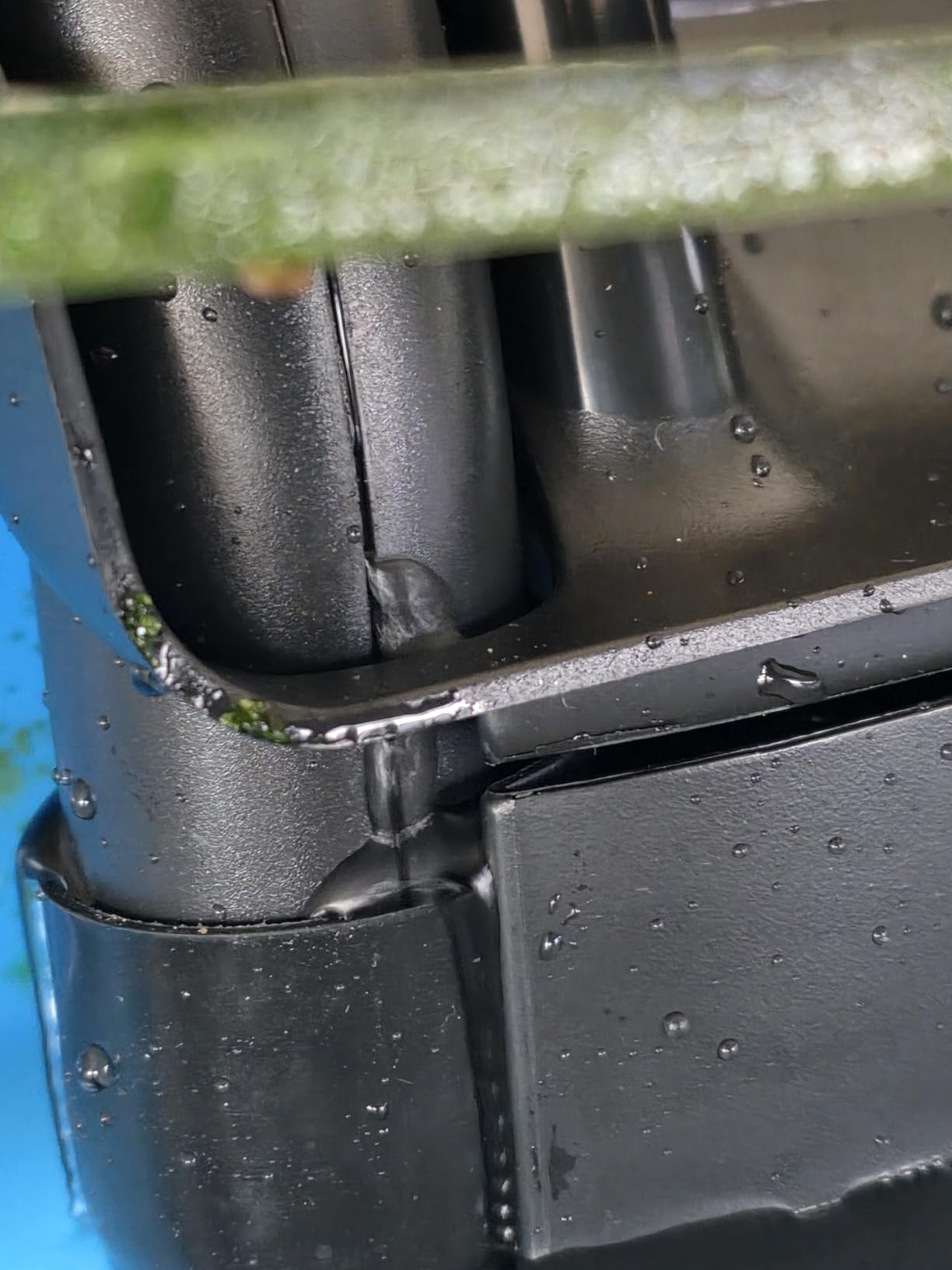
The honest downside is the cartridge system. Bio-Bag refills are a recurring expense, and the filter is designed around them rather than loose media. A few owners also reported units arriving with loose motor housings, so check yours on arrival.
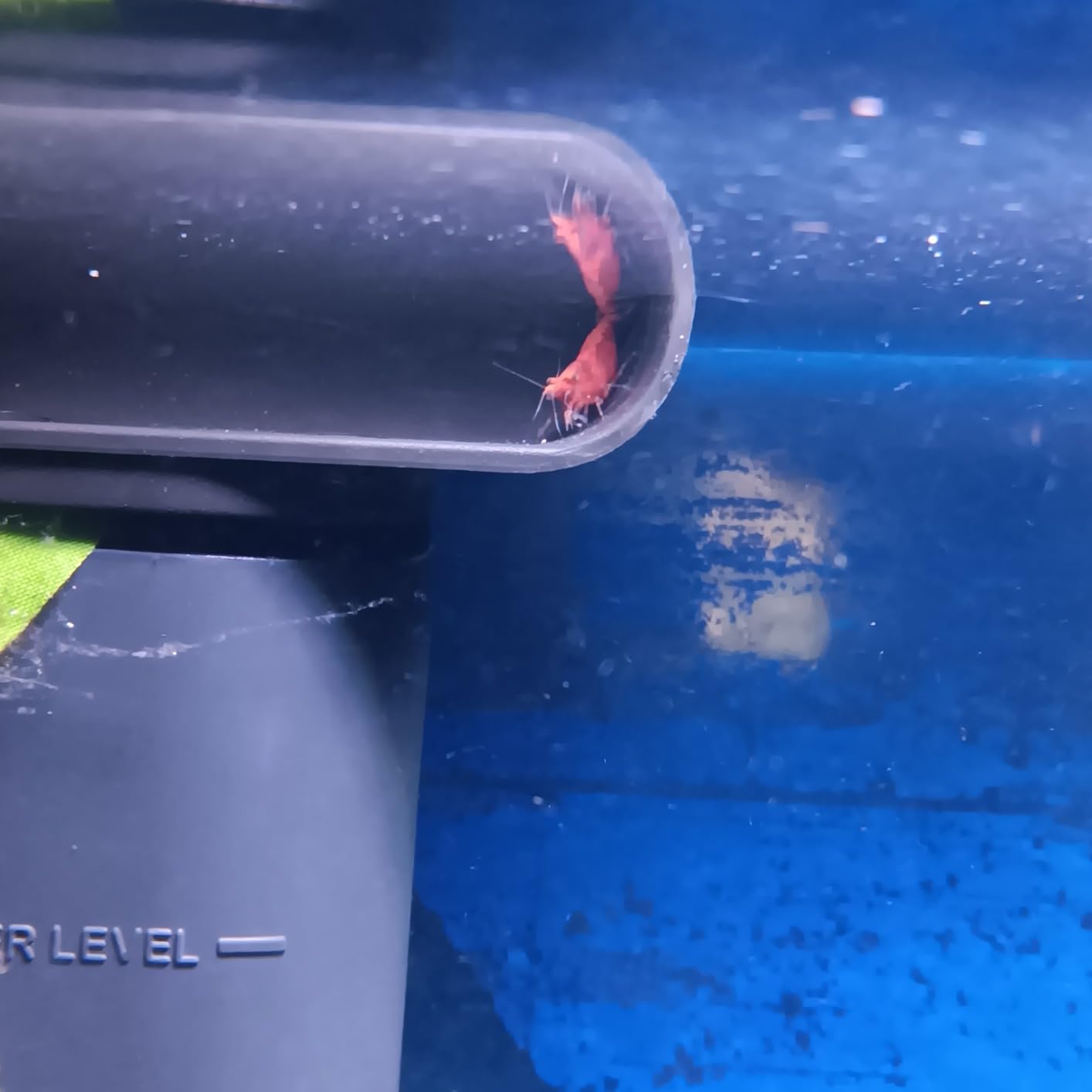
Who the Whisper IQ Suits Best
This is the best first filter for a beginner with a 20 to 45 gallon freshwater tank, especially one that lives in a bedroom or living room where noise matters. The adjustable flow makes it work for betta tanks at the smaller end.
If you keep goldfish or other heavy waste producers, go up one size from your tank rating, since messy fish overwhelm the smaller models.
Size and Cartridge Considerations
The 45 gallon model is the sweet spot for most community tanks, but the line runs from 10 up to 60 gallons, including multi-packs. Measure your tank rim and lid before ordering, because the body is not wide enough to fit some glass canopies without trimming.
To manage cartridge costs, rinse rather than replace between water changes, and only swap the cartridge when it physically falls apart. Your bacteria colony lives in the bio-scrubber, so the cartridge can serve longer than the packaging suggests.
5. Fluval AquaClear AC20 Power Filter – Best Nano Tank Filter for 5 to 20 Gallons
AC20 Power Filter, 5-20 US Gal / 18-76 L – Fluval USA
HOB power filter
5-20 gal tanks
Self-priming
Custom media chambers
Pros
- Nearly silent operation
- Restarts itself after power outages
- Customizable sponge
- biofoam
- biomax and carbon chambers
- Transparent body shows media condition
Cons
- Flow lever requires lifting the lid
- Rare but serious motor burnout reports
- Some glass tops need lid modification
The AquaClear line has a 25-plus year reputation among serious hobbyists, and the AC20 brings that design to nano tanks from 5 to 20 gallons. I run one on a 15 gallon planted cube, and the first thing that impressed me was how quiet it is, close to silent at full flow.
What sets it apart from almost every other small hang-on-back is the media chamber. Instead of a proprietary cartridge, you get a pre-filter sponge, biofoam, biomax ceramic rings, and a carbon insert, all of which you can rearrange or replace individually.
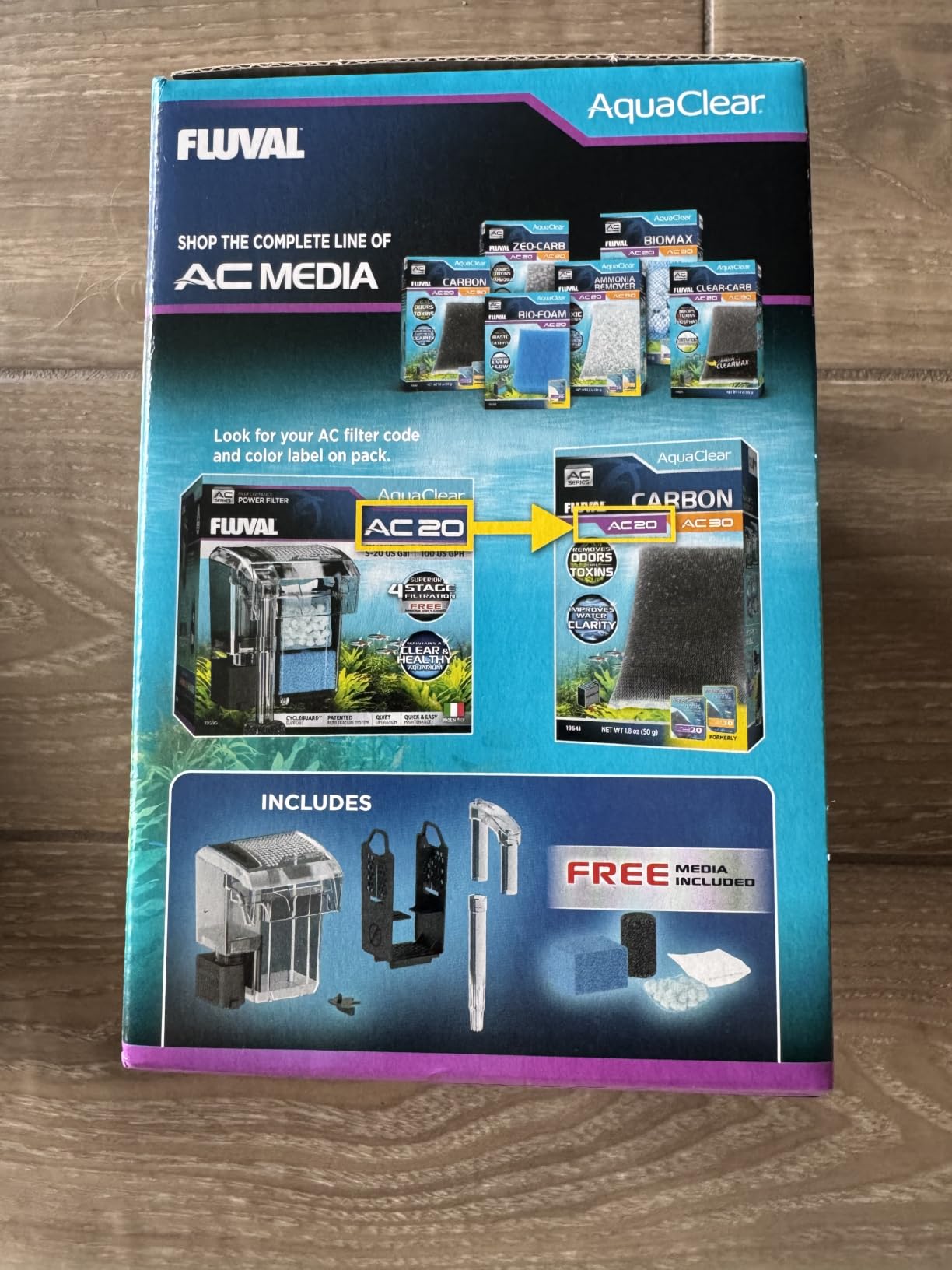
The transparent body sounds like a gimmick until you own one. At a glance I can see whether the sponge is loaded with debris, which takes the guesswork out of maintenance scheduling.
The self-priming motor restarts on its own after outages, a detail I tested accidentally during a storm. The overflow protection is a nice safety net if the intake ever clogs.
The weak points are the flow adjustment lever, which sits under the lid, and the occasional motor burnout report that shows up in reviews. Mine has been flawless, but I keep a spare sponge on hand and treat the motor as the one part I cannot service.
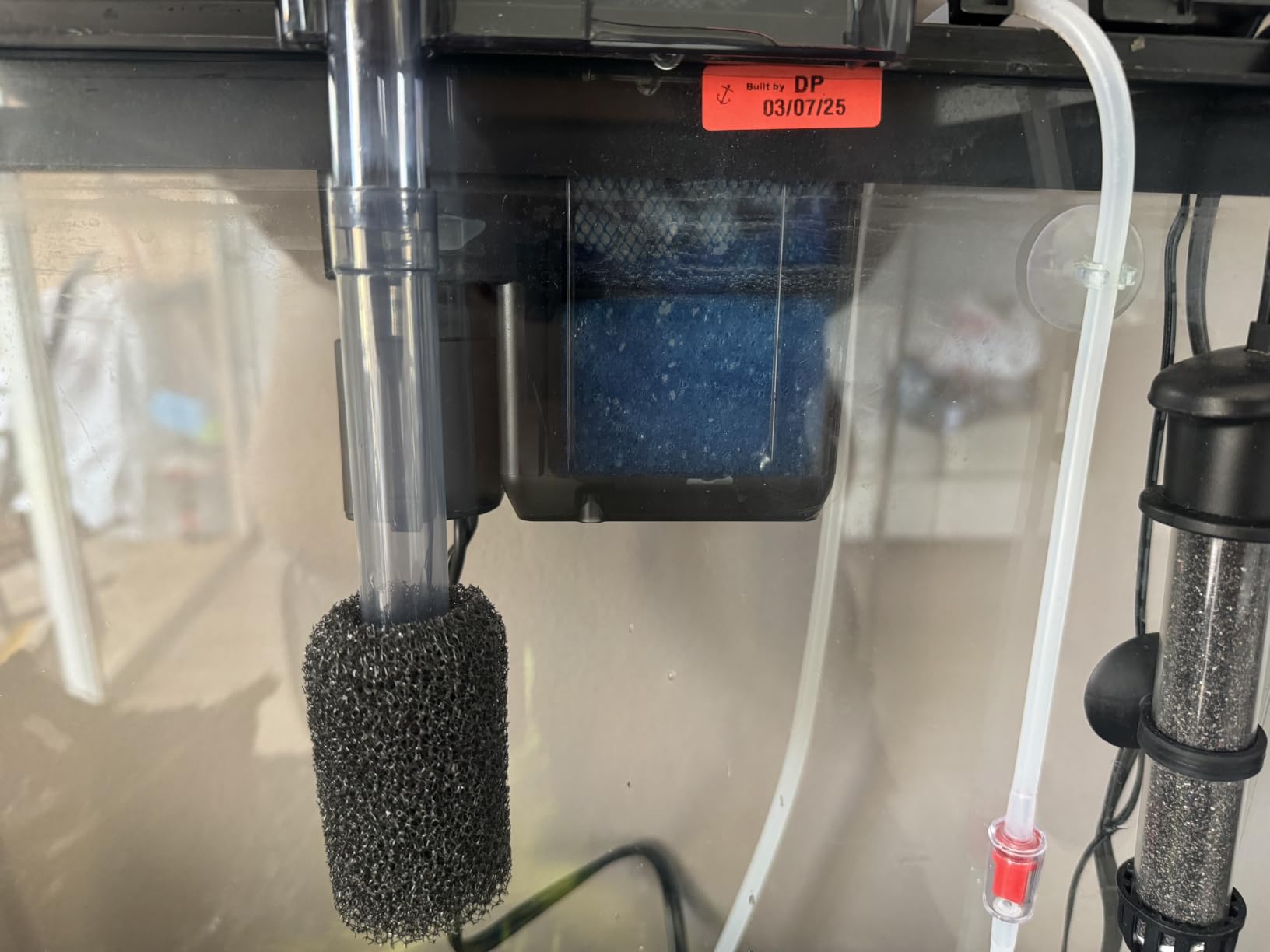
Who the AC20 Suits Best
Nano tank keepers who want real filtration capacity rather than a cartridge slot. It suits planted tanks, betta tanks at reduced flow, and small community setups with tetras or rasboras.
It is also the right pick if you plan to upgrade media over time, since the chamber accepts standard cut-to-fit sponge and loose biomax without any modification.
Media Flexibility and Upgrades
The included stack covers mechanical, biological, and chemical filtration, but most owners eventually drop the carbon and run double biomax instead. Carbon is only needed when you are removing medication or tannins.
Rinse the sponge monthly in tank water and it lasts years. The flow lever lives under the lid, so set it once during setup and leave it alone unless you change stock.
6. Seachem Tidal 110 – Best Hang-On-Back Filter for Big Tanks
SeaChem – Large Aquarium Fish Tank Filter, Tidal 110 Gallon (400 Liters) by Sicce
HOB power filter
Tanks up to 110 gal
Self-priming pump
No cartridges needed
Pros
- Bottom-to-top flow eliminates water bypass
- Self-cleaning impeller cuts maintenance
- No disposable cartridges required
- Adjustable intake flow regulation
Cons
- No stackable media basket system
- Not Prime eligible
- Fewer community reviews than rivals
The Tidal 110, built by Sicce and sold under the Seachem name, is the hang-on-back I recommend when someone wants canister-level thinking without a canister. It is rated for tanks up to 110 gallons, which is rare territory for a HOB.
The design detail that matters is the bottom-to-top flow path. Water enters at the bottom of the body and is pushed up through the media, so virtually no water slips around the sides. That bypass problem is the most common silent failure in cheap hang-on-back filters.
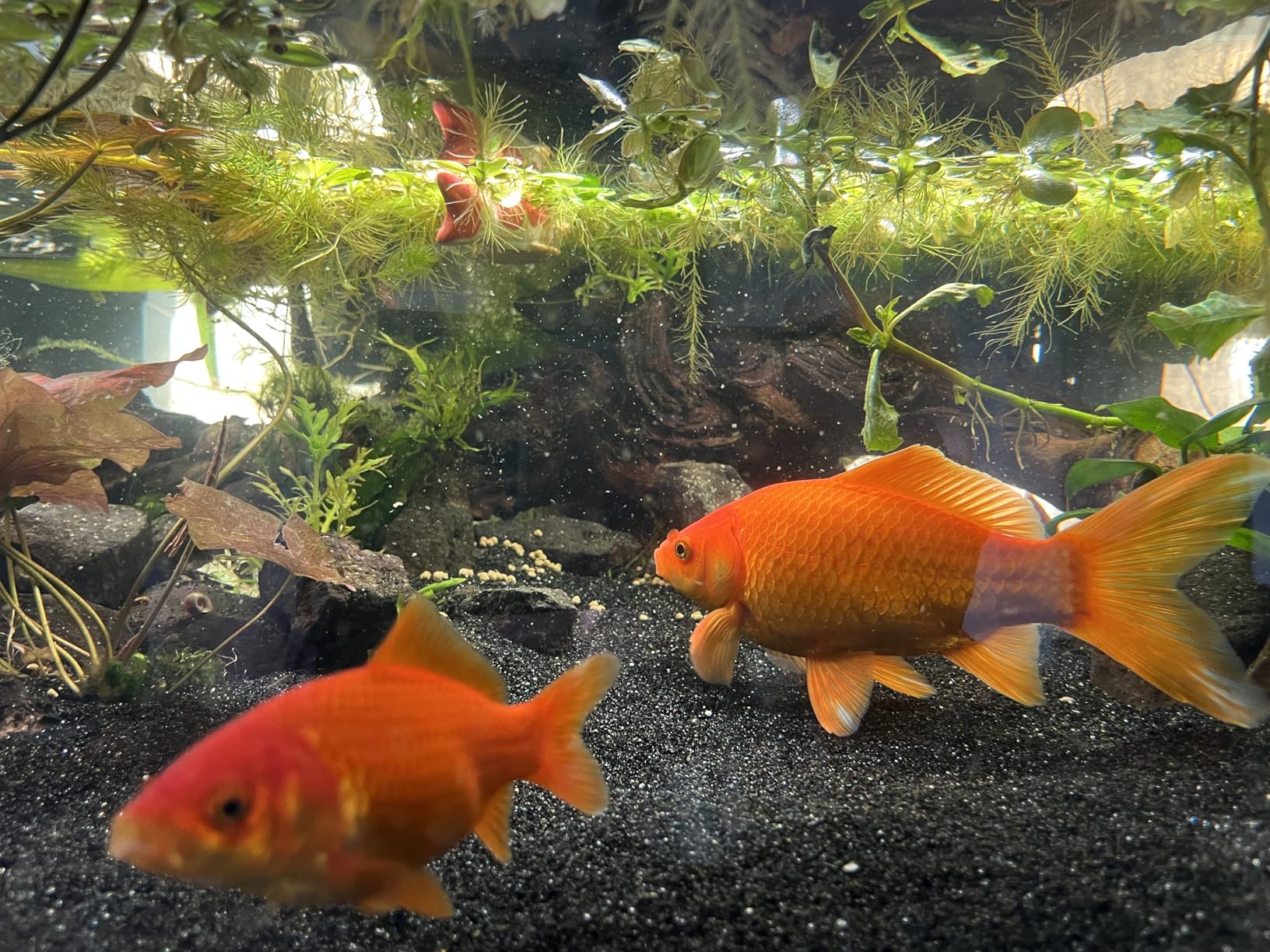
Instead of cartridges you get open media space that you load yourself, typically foam, biomax, and a bag of carbon or purigen. The self-cleaning impeller is a genuine time-saver, since bio-slime buildup on the impeller is what usually causes the grinding noise owners complain about in other filters.
The self-priming pump starts with a cup of water poured into the body, and the adjustable leveling device lets you fine-tune the hang angle on rimless or framed tanks. Intake flow regulation means you can soften the current for slower-swimming fish.
The downside is availability. It is not Prime eligible at the time of writing, and the review pool is smaller than the mass-market brands, so you are trusting a design rather than a crowd.
Who the Tidal 110 Suits Best
This is the pick for 55 to 110 gallon tanks when you do not want a canister under the stand. It suits cichlid keepers and anyone running messy eaters who need serious turnover.
It also suits media tinkerers. If you already run Seachem purigen or matrix in other filters, this drop-in space will feel familiar immediately.
Flow Control and Bypass Design
The intake regulation dial is the feature to learn first, because the full output is strong for a 55 gallon community tank. Dial it back for bettas, gouramis, or fry-heavy setups.
Because there are no cartridges, maintenance is a matter of rinsing your foam and biomax in tank water and topping off chemical media as needed. Budget one session a month and the self-cleaning impeller handles the rest.
7. Penn-Plax Cascade 1200 – Best Value Canister Filter for Large Tanks
Penn-Plax Cascade 1200 Canister Filter, 315 GPH for Tanks Up to 150 Gallons
Canister filter
315 GPH
Tanks up to 150 gal
Push-button primer
4 media baskets
Pros
- 315 GPH turnover for tanks up to 150 gallons
- Push-button primer starts the flow in seconds
- 360-degree rotating valves for tight cabinets
- Four stackable media baskets
Cons
- First-time priming takes some technique
- Carbon bag does not fill the tray perfectly
- Replacement O-rings are hard to source
The Cascade 1200 is the filter I recommend when someone wants canister capacity without the flagship price tag. It pushes 315 GPH and is rated for tanks up to 150 gallons, and owners regularly report five to thirteen years of continuous service.
Mine runs a 75 gallon cichlid tank, and inside a closed stand it is effectively inaudible. Reviewers describe it as purring like a kitten, which matches my experience once the cabinet door is shut.
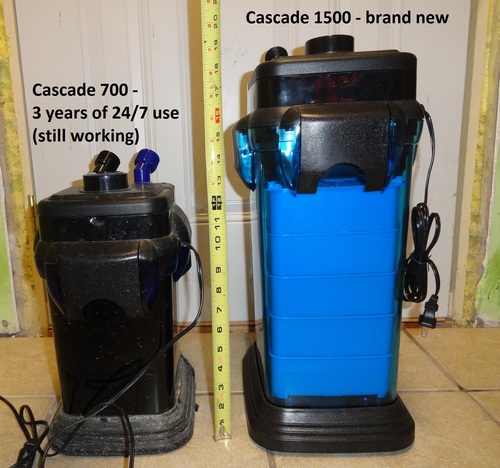
The four stackable baskets let you layer media your way, and the box ships with poly fiber floss pads, a coarse bio-sponge, and an activated carbon bag, so you are filtering on day one. The 360-degree rotating valves are the detail nobody appreciates until they try to route hoses in a narrow cabinet.
The push-button primer is the standout feature against the EHEIM below. A few presses and the siphon starts, no manual sucking on tubes required.
Weak spots are real but manageable. The first prime can be stubborn, the included carbon bag covers roughly 88 percent of the tray, and finding a replacement O-ring for the impeller cover takes some searching. Warranty service also involves a shipping fee, which stings.
Who the Cascade 1200 Suits Best
Tanks from 75 to 150 gallons, freshwater or saltwater, plus turtle habitats where waste loads run high. It handles heavy bioloads comfortably thanks to the basket volume.
It is also the sensible choice if this is your first canister, because the primer and the tip-proof base forgive beginner mistakes during setup.
Priming and Setup Tips
Fill both hoses with water before you connect them, then use the primer button in short, firm presses. Doing this the first time saves the frustration that shows up in a small number of reviews.
Keep the spray bar below the water line to avoid noise, and order a spare O-ring when you buy the filter so a gasket never takes your tank offline. Cut your own carbon pads to fit the trays properly instead of using the bag.
8. EHEIM Classic 2213 – The Quietest Canister Filter You Can Buy
EHEIM Classic Canister Filter 2213, Classic 250 – PetOverstock
Canister filter
Tanks up to 66 gal
German-made
Dead silent operation
Pros
- Effectively silent German-made pump
- Permo-elastic silicon sealing ring seals leak-free
- Bottom-inlet top-outlet flow prevents bypass
- Decades-long reliability record
Cons
- No priming button and minimal instructions
- No baskets
- so media sits loose in the canister
- No built-in flow control
The EHEIM Classic 2213 is the filter planted tank hobbyists call quietest and most bulletproof, and mine has run a 55 gallon planted tank since 2018 without a single issue. It is dead silent, not quiet-for-a-canister silent. In a quiet room you check the spray bar to confirm it is running.
German construction shows in the details. The permo-elastic silicon sealing ring on the pump head closes leak-free with simple hand pressure, and the bottom-inlet, top-outlet flow path means water cannot shortcut around the media.
Rated for tanks up to 66 gallons, the 2213 carries about a liter of media volume, which is generous biological capacity for its size. EHEIM Mech prefilter media and Substrat Pro biological media come in the box, along with the spray bar, inlet pipe, and hose.
The quick-disconnect couplers are the maintenance story. Shut the valves, pull the head, carry the canister to the sink, and the unit never needs re-priming when you reconnect it.
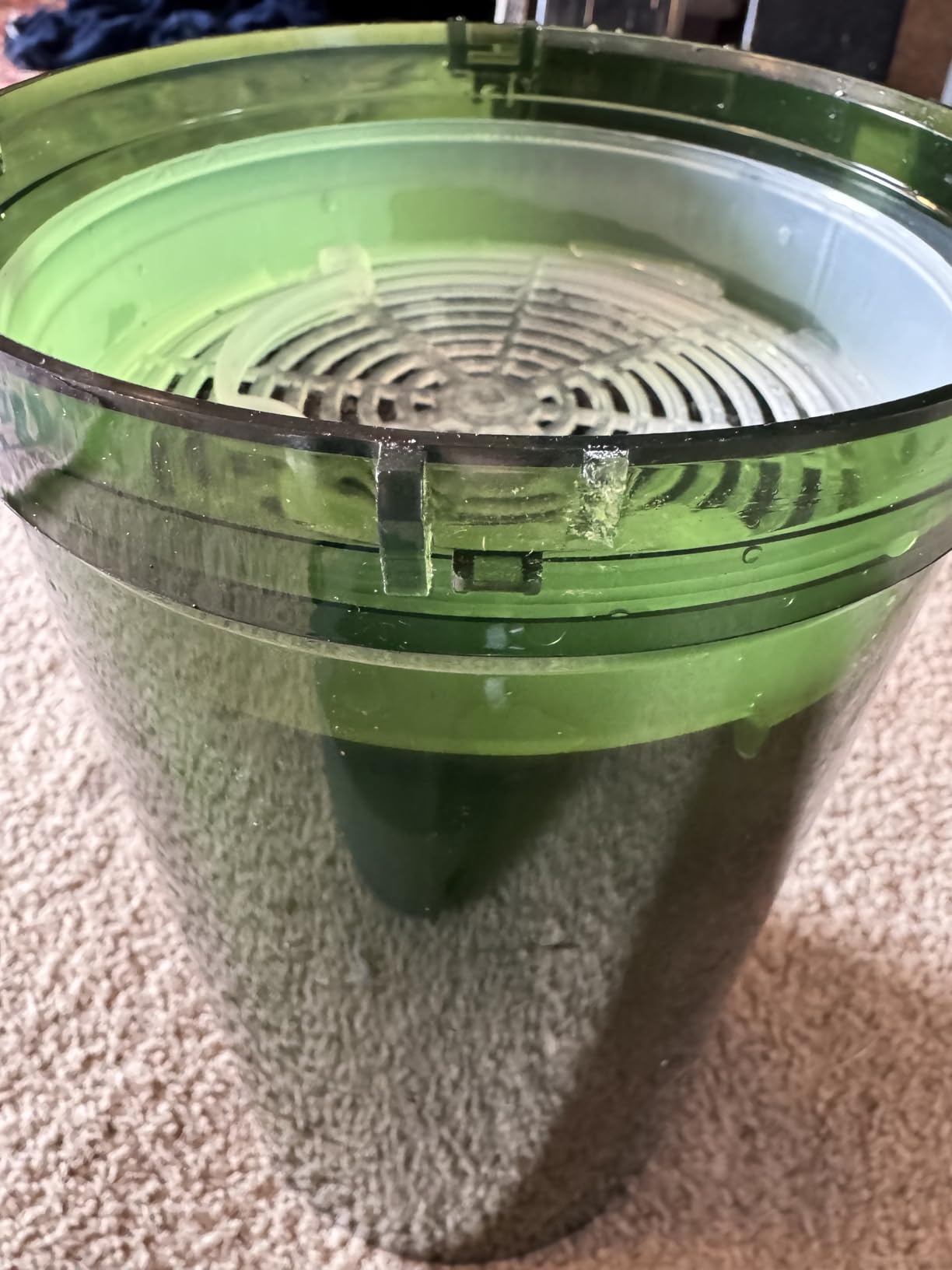
The trade-off is a genuinely steep learning curve. There is no primer button, the instructions are minimal, the tubing arrives stiff, and there are no baskets, so cleaning means handling loose media.
Who the Classic 2213 Suits Best
Intermediate and advanced hobbyists who value silence and longevity over convenience features. It is the standard choice for planted tanks and display aquariums in living spaces.
If you have owned a canister before and know the routine, this is a filter you buy once. If this is your first canister, start with the Cascade or the Fluval 207 above.
The Learning Curve
Priming means drawing water through the intake manually or using a small pump, so watch a setup video before your first attempt. Soak the stiff tubing in hot water to make bending and fitting far easier.
Handle the lower inlet fitting carefully, since it is the one fragile part, and note there is no flow control built in. Plan your output nozzle direction rather than expecting to dial the current down.
9. Fluval FX6 High Performance Filter – Best Filter for 100 Gallon Plus Aquariums
Fluval FX6 High Performance Aquarium Filter, up to 400 Gal.
Canister filter
925 GPH
Tanks up to 400 gal
Smart Pump auto-priming
Pros
- 925 GPH handles tanks up to 400 gallons
- Smart Pump evacuates trapped air every 12 hours
- Self-starting with no manual priming
- 1.5 gallons of media capacity
Cons
- Premium price point
- Heavy at nearly 20 pounds empty
- Setup is complex for new hobbyists
The FX6 is the flagship pick for big tanks, moving 925 gallons per hour with a media capacity of 1.5 gallons across removable stackable baskets. If you are running a 125 gallon cichlid tank or a 180 gallon community display, this is the category of filter you end up with.
The Smart Pump microchip is what separates it from older canister designs. It continuously monitors performance and evacuates trapped air every 12 hours automatically, which addresses the gurgle-and-lose-prime problems that plague lesser canisters.
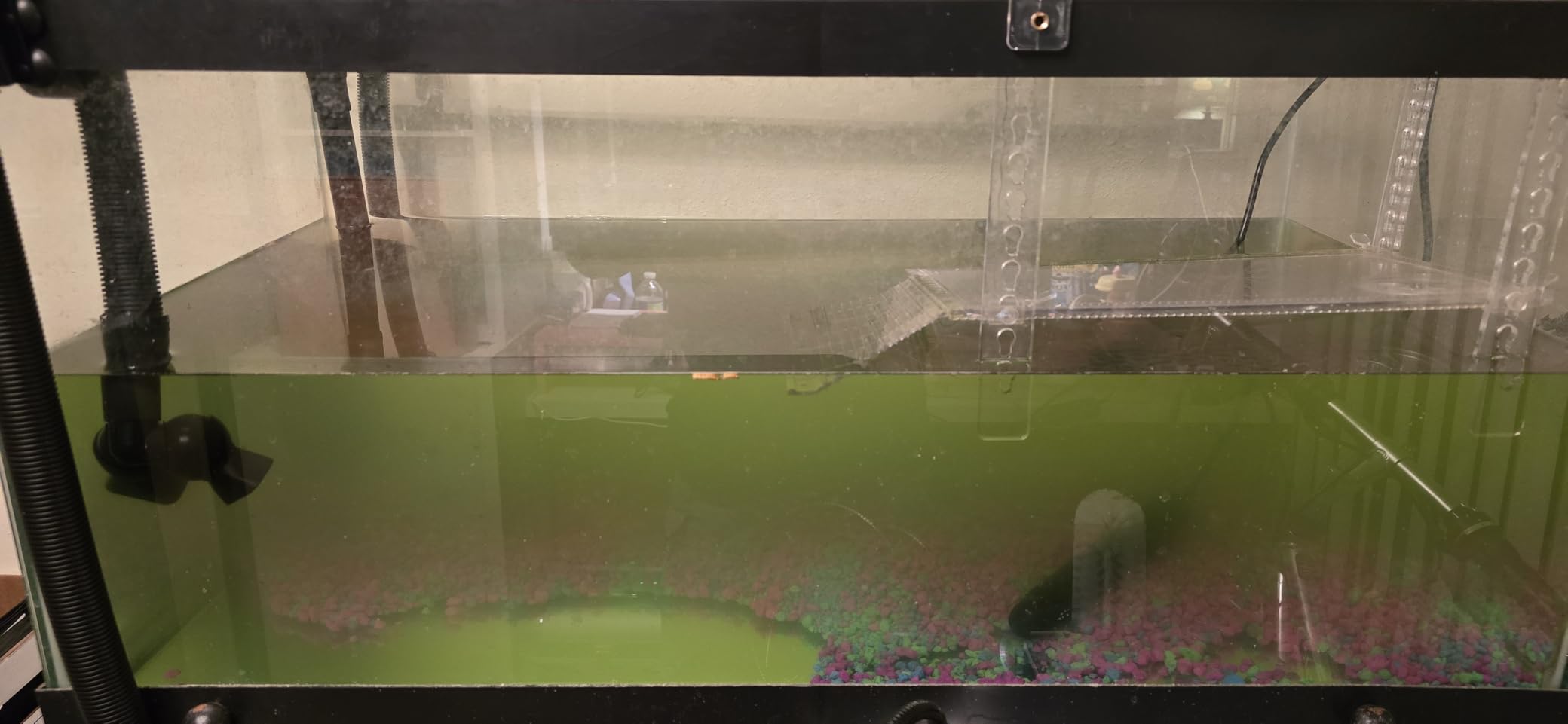
It is self-starting in the truest sense: add water, plug it in, and walk away. The stackable baskets eliminate bypass by forcing water through each layer in sequence, and the 21 inch height fits under most standard stands despite the performance.
One genuinely clever trick is the output hose attachment for water changes. Connect a hose, and the pump does the draining for you, which saves hauling buckets on a large tank.
Be aware it weighs nearly 20 pounds before media and water, so place it once and leave it. A minority of long-term owners report motor head issues, which is worth knowing given the investment.
Who the FX6 Suits Best
Tanks from roughly 100 to 400 gallons, heavily stocked setups, and predators that produce serious waste. It is also the right tool for turtle ponds and large cichlid displays.
If your tank is under 75 gallons, this is more filter than you need, and the Fluval 207 or Cascade 1200 will serve you better for less.
Setup and Placement
Clear a floor space of about 15 by 16 inches and 21 inches of height under your stand, then confirm your hose runs reach the tank before filling. The included media set covers mechanical, chemical, and biological, so you are running from day one.
Use the 12-hour air evacuation cycle as your maintenance cue rather than a calendar. If the pump ever sounds different, check for trapped air before assuming a motor problem.
10. Tetra Whisper 85 GPH Internal Filter – Best Internal Filter for 10 Gallon Tanks
Tetra Whisper 85 GPH Internal Power Filter For Aquariums
Internal power filter
85 GPH
Tanks up to 10 gal
Clips inside the tank
Pros
- Whisper-quiet internal motor
- Clips to the wall with just 1 inch of clearance
- Adjustable clip handles high or low water
- BioBag cartridges are easy to swap
Cons
- Takes up swimming space inside the tank
- 85 GPH is light for messy or overstocked tanks
- Cartridges are a recurring cost
Internal filters get overlooked, but they are the right answer when you cannot hang anything on the back. I run the Whisper 85 on a 10 gallon desk tank with a glass lid, and the clip-on design needs only an inch of clearance from the wall, which no hang-on-back can match.
It is the number two ranked aquarium filter on Amazon, with over 22,000 reviews, and the quietness is the reason. At 85 GPH it turns over a 10 gallon tank more than eight times an hour, which is plenty for light stocking.
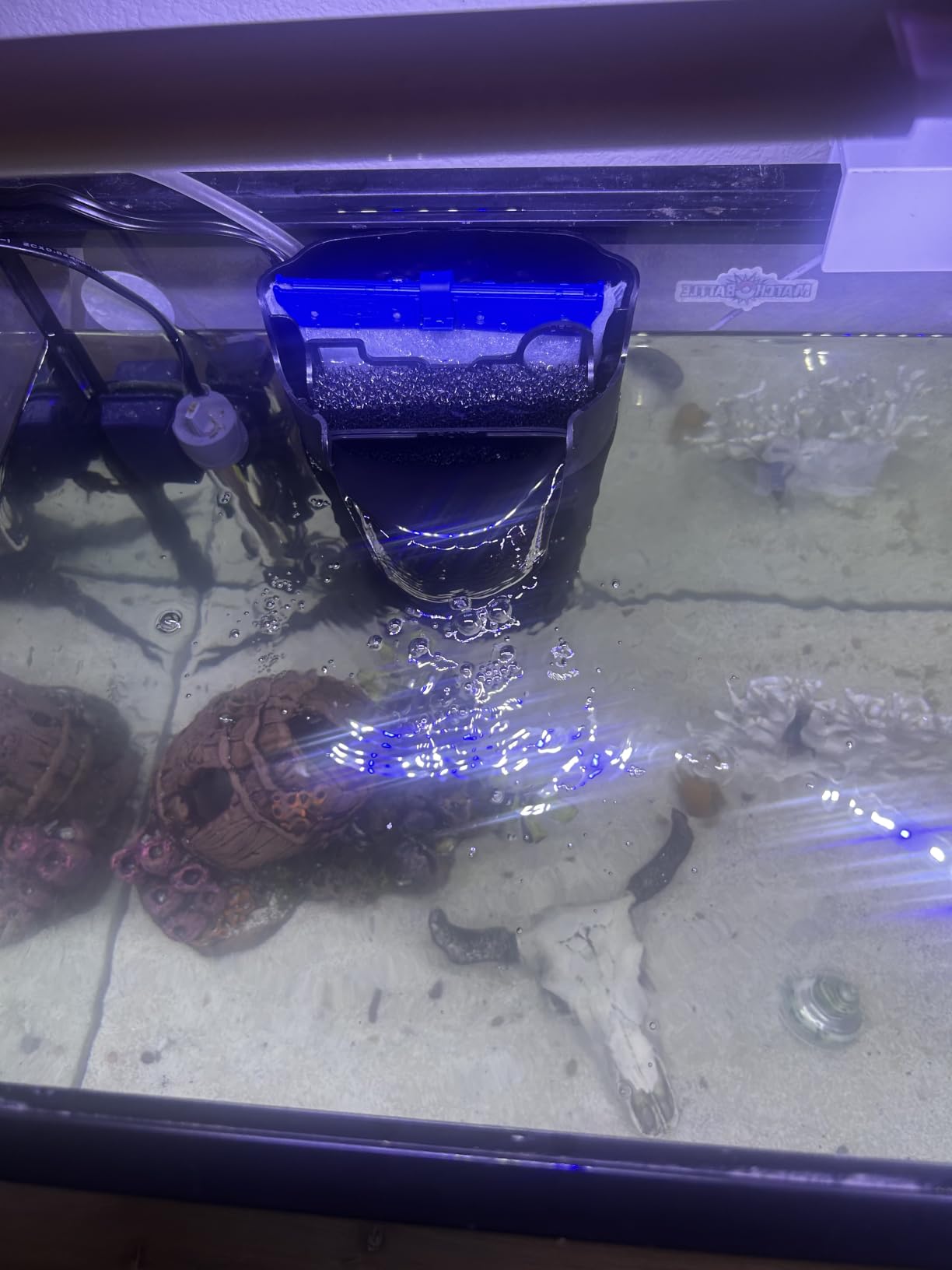
Filtration is three-stage: mechanical floss traps debris while ultra-activated carbon handles odor and discoloration inside the BioBag cartridge. The adjustable clip rises and falls with your water level, so evaporation does not leave the motor running dry.
It is made in the USA and carries a 2-year limited warranty, which is uncommon at this tier. The 3.8 by 3.1 by 7.6 inch body is small, but it still occupies real swimming space in a 10 gallon tank.
The limitations are inherent to the type. Cartridges are a recurring expense, and 85 GPH will not keep up with goldfish or an overstocked tank. A few owners report motor failures after years of duty rather than months.
Who the Whisper Internal Suits Best
Desk tanks, dorm tanks, hospital tanks, and any 5 to 10 gallon setup where a hang-on-back will not fit or where you want zero visible equipment on the rim. It also suits divided betta tanks.
It is available in larger variants up to 40 gallons if you want the same clip-on format for a mid-size tank.
Internal vs Hang-On-Back
An internal filter frees your rim and lid entirely, but it costs you underwater space and it is visible through the glass. A hang-on-back stays out of the tank but needs rim clearance and a gap behind the tank.
Rinse the BioBag in tank water between changes and replace it only when it physically collapses. That simple habit cuts running costs substantially on this filter.
Aquarium Filter Types Explained
Every filter on this list falls into one of a handful of categories, and picking the right category matters more than picking a brand. Here is what each type actually does well.
Hang-On-Back Power Filters
HOB filters hang on the tank rim, pulling water up through an intake tube and passing it through media before returning it via a waterfall. They are the most popular type because setup takes minutes and media changes are simple.
The trade-offs are limited media volume, some evaporation noise from the waterfall, and occasional bypass where water slips around the cartridge. The Seachem Tidal and AquaClear designs address that bypass problem directly.
Canister Filters
Canisters sit under the stand and push water through a large pressurized body of stacked media. They hold the most media, run the quietest, and suit tanks above 40 gallons or any tank with messy fish.
The cost is maintenance complexity, since cleaning means shutting valves and carrying a wet canister to the sink. Priming is the other learning curve, which is why push-button and self-priming models rank highly here.
Sponge Filters
An air pump draws water through a porous sponge that doubles as mechanical and biological media. They are the gentlest option available and completely safe for fry and shrimp.
Their limits are flow and capacity, so they serve best in nano tanks, breeding setups, or as a second filter on a larger tank.
Internal Power Filters
These submersible units clip inside the tank and use a small powered motor rather than an air pump. They suit tanks where a HOB will not fit, like the Whisper Internal above.
The trade is visible equipment inside the tank and modest media capacity.
Undergravel Filters
Undergravel plates pull water down through the substrate, turning your whole gravel bed into a biological filter. They are inexpensive and nearly invisible.
They lack mechanical and chemical filtration, and they struggle with messy fish or deep sand beds. Most experienced keepers now treat them as supplementary rather than primary filtration.
How to Choose the Best Aquarium Filter
Four factors decide which filter belongs on your tank, and none of them involve brand loyalty. Work through them in order and the shortlist usually narrows itself.
How Much Flow (GPH) Do You Need?
The rule I use is 4 to 5x turnover for a lightly stocked freshwater community tank, and 6 to 10x for messy fish like goldfish and Oscars. A 40 gallon community tank therefore wants roughly 160 to 200 GPH, while a 40 gallon goldfish tank wants 240 GPH or more.
Always buy with headroom. Filter ratings assume clean media and no lift height, and both reduce real-world output over time.
Bioload Matters More Than Tank Size
Bioload is the total waste your livestock produces, and it scales with fish size and feeding, not gallons. One adult goldfish produces more waste than twenty neon tetras, which is why the same 40 gallon tank can be filtered by a small HOB or overwhelmed by one.
When in doubt, filter up a size and add a pre-filter sponge. Over-filtering is harmless, while under-filtering is the number one cause of cloudy water and sick fish.
Noise Levels and Placement
Noise is the most common complaint in forum threads, and it usually traces to three causes: a low water level causing splash, a dirty impeller, or a hard surface amplifying vibration. The Tetra Whisper IQ at under 40 dB and the EHEIM Classics are the quietest picks here.
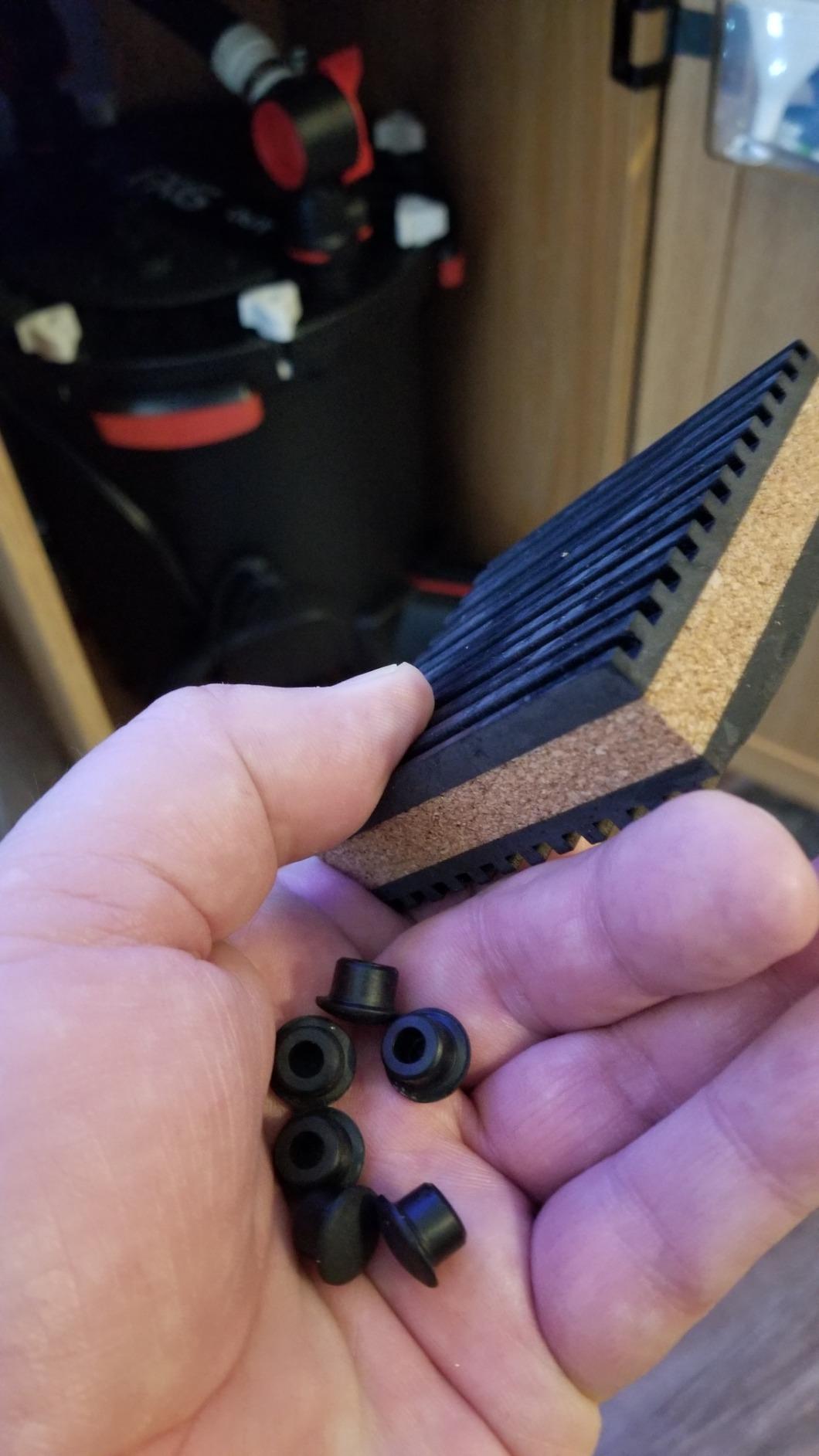
Topping off evaporated water solves most splash noise instantly. Sitting a canister on a foam mat kills vibration transfer through cabinet floors.
The Disposable Cartridge Cost Trap
Cartridge-based filters are priced to sell and designed to keep costing you. Monthly replacements across several tanks add up to more than the filter itself within a couple of years.
Filters with reusable media, like the AquaClear, the Tidal, and every canister on this list, break that cycle. You rinse foam for years and replace loose media on your own schedule.
Best Aquarium Filter by Tank Size
For a 10 gallon tank, the Tetra Whisper Internal or the AQUANEAT sponge filter are the right scale. At 20 gallons, the Fluval AC20 or the smallest Whisper IQ covers most community setups.
From 30 to 45 gallons, the Tetra Whisper IQ 215, the Marineland Penguin 200, and the Fluval 207 are all strong matches depending on your fish. In the 55 to 75 gallon range, the Seachem Tidal 110 and the Penn-Plax Cascade 1200 take over.
Above 100 gallons, the Cascade 1200 handles up to about 150 gallons, and the Fluval FX6 covers everything up to 400 gallons. Pairing a canister with a sponge filter for redundancy is a common and smart move at this size.
Filter Maintenance Tips That Add Years to Your Filter
Most filter deaths are maintenance failures, not manufacturing failures. These four habits are what separate the owners reporting a decade of service from the ones buying a replacement every two years.
Rinse Media in Tank Water, Never Tap Water
Chlorinated tap water kills the beneficial bacteria that run your nitrogen cycle. When you rinse media under a faucet, you reset your biological filtration and risk an ammonia spike.
Instead, siphon a bucket of tank water during your water change and swish the media in that. It removes the sludge while preserving the bacteria colony.
Clean the Impeller Every Two to Three Months
Bio-slime on the impeller is the leading cause of the grinding and rattling noises that fill forum threads. Unplug the filter, pull the impeller cover, and wipe the magnet and shaft with a soft cloth.
One forum user’s point is worth repeating: replacing a 10-dollar impeller saved a 50-dollar filter. Check yours before assuming the motor died.
Put a Pre-Filter Sponge on the Intake
A coarse sponge slid over the intake tube is described by hobbyists as a genuine turning point, and I agree. It catches debris before it reaches the impeller and extends the interval between full cleanings significantly.
It also protects small fish and shrimp from being pulled against the intake. Rinse it in tank water whenever it turns brown, which takes seconds.
A Simple Media Replacement Schedule
Mechanical foam gets rinsed monthly and replaced only when it stops rebounding, usually after a year or two. Biological media like ceramic rings never needs replacing on a schedule, only a gentle rinse.
Chemical media such as activated carbon exhausts in three to four weeks and should be replaced or removed. Carbon only does its job while it is fresh, and exhausted carbon is dead weight in your filter.
Frequently Asked Questions
What type of aquarium filter is most effective?
Canister filters provide superior mechanical, chemical, and biological filtration for larger aquariums or tanks with a lot of fish, because the canister body holds significantly more filter media than any power filter. That larger media volume supports a much bigger colony of beneficial bacteria, which is what actually processes ammonia.
Which is the best filter for an aquarium?
For most 30 to 45 gallon freshwater community tanks, the Fluval 207 canister is the best overall choice, with the Marineland Penguin 200 as the best value hang-on-back. For tanks over 100 gallons, the Fluval FX6 leads the category, while the AQUANEAT sponge filter is the best option for bettas, fry, and shrimp tanks.
What is the best filter for crystal clear aquarium water?
A canister filter loaded with fine mechanical media plus chemical media, combined with a pre-filter sponge on the intake, produces the clearest water. The Fluval 207 and the Seachem Tidal 110 both excel here because their flow paths force water through the media rather than around it, which prevents the bypass that leaves fine particles circulating.
Can you turn off an aquarium filter at night?
No, you should not turn off your filter at night or on any schedule. The beneficial bacteria that process ammonia need constant oxygenated water flow to survive, and they begin dying within a few hours of shutdown. Filters like the Tetra Whisper IQ and the Fluval AquaClear restart automatically after power outages for exactly this reason.
How long does an aquarium filter last?
A quality filter lasts 5 to 13 years with proper maintenance, and owners report running AquaClear and EHEIM units for over a decade. The usual failure point is the impeller or motor head, and replacing a worn impeller often restores a filter that seems dead. Rinse media in tank water rather than tap water and your filter will outlast several tanks.
Final Verdict on the Best Aquarium Filters
For most readers, the Fluval 207 is the best aquarium filters pick overall: quiet, easy to maintain, and sized right for the tanks most people actually own. The Marineland Penguin 200 covers the same range for less with its proven Bio-Wheel, and the AQUANEAT sponge filter handles bettas, fry, and shrimp tanks for almost nothing.
Scale up from there. The Cascade 1200 and the EHEIM Classic 2213 cover big tanks with quiet canister filtration, and the Fluval FX6 handles anything up to 400 gallons. Whatever you choose, match the GPH to your bioload rather than your tank label, and put a pre-filter sponge on the intake from day one.
Pick the filter that matches your tank and fish, set it up this week, and get your water cycling. Clear water follows from the right filter running continuously, and any of these ten will get you there in 2026.