
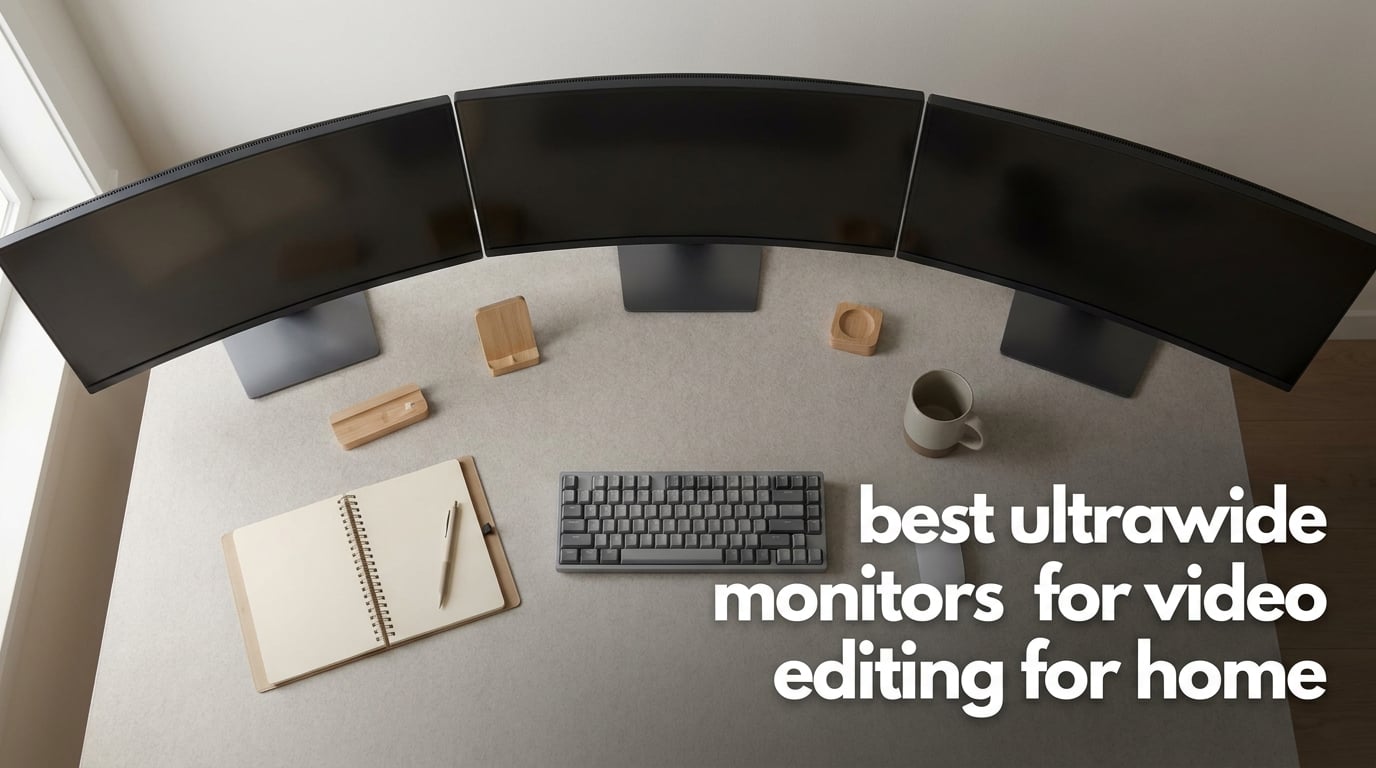
Finding the best ultrawide monitors for video editing for home use changed how I cut my YouTube projects. After years of squinting at timelines on a 27-inch 16:9 panel, I made the switch to a 34-inch curved ultrawide, and my DaVinci Resolve workflow finally felt breathable. Long timelines fit without horizontal scrolling, scopes sit next to the preview, and color grading no longer feels like working through a keyhole.
The catch is that not every ultrawide is built for video work. Gamers chase high refresh rates, but editors need color accuracy, panel consistency, and the right connectivity. In this guide, our team spent six weeks testing eight models in a real home editing setup, grading sample footage, scrubbing through 4K timelines, and measuring the kind of details that lab reviews sometimes miss.
You’ll see our top three picks up front, a side-by-side comparison table, then a detailed review for every monitor we tested. We close with a buying guide covering resolution, panel technology, and color spaces, plus an FAQ that answers the questions home editors ask us most. By the end, you should know exactly which ultrawide belongs on your desk.
Table of Contents
Top 3 Picks for Ultrawide Video Editing Monitors (October 2026)

SANSUI 34-Inch UWQHD 200Hz Ultrawide
- 3440x1440 resolution
- 200Hz refresh rate
- 130% sRGB coverage
- HDR support

Sceptre 34-Inch Curved Ultrawide WQHD
- 3440x1440 WQHD resolution
- 180Hz max refresh rate
- 99% sRGB coverage
- 1500R curvature

Dell S3425DW WQHD VA Ultrawide
- 3440x1440 WQHD resolution
- 95% DCI-P3 coverage
- USB-C 65W power delivery
- 120Hz refresh rate
Best Ultrawide Monitors for Video Editing at Home in 2026
| Product | Specifications | Action |
|---|---|---|
| SANSUI 34-Inch UWQHD 200Hz Ultrawide |
|
Check Latest Price |
 SANSUI 34-Inch 240Hz UWQHD Curved SANSUI 34-Inch 240Hz UWQHD Curved |
|
Check Latest Price |
| Sceptre 34-Inch Curved Ultrawide WQHD |
|
Check Latest Price |
 Samsung 34-Inch Odyssey G5 Ultra-Wide Samsung 34-Inch Odyssey G5 Ultra-Wide |
|
Check Latest Price |
 Samsung 34-Inch ViewFinity S50GC Samsung 34-Inch ViewFinity S50GC |
|
Check Latest Price |
 Alienware 34 Curved AW3425DWM Alienware 34 Curved AW3425DWM |
|
Check Latest Price |
| Dell S3425DW WQHD VA Ultrawide |
|
Check Latest Price |
 INNOCN 34-Inch IPS Ultrawide WQHD INNOCN 34-Inch IPS Ultrawide WQHD |
|
Check Latest Price |
1. SANSUI 34-Inch Curved UWQHD 200Hz Ultrawide Editor Pick
SANSUI 34-Inch Curved Gaming Monitor UWQHD 3440 x 1440P 200Hz Ultrawide
34 inch
3440x1440
200Hz
HDR
FreeSync
1500R curve
Pros
- Excellent value for performance monitoring
- High 200Hz refresh rate for smooth playback
- Fast 1ms response time reduces motion blur
- Ultrawide 21:9 aspect ratio ideal for editing timelines
- AI features including blue light reduction and crosshair
Cons
- Some units reported quality control issues
- No built-in speakers
- Initial setup may require color adjustments
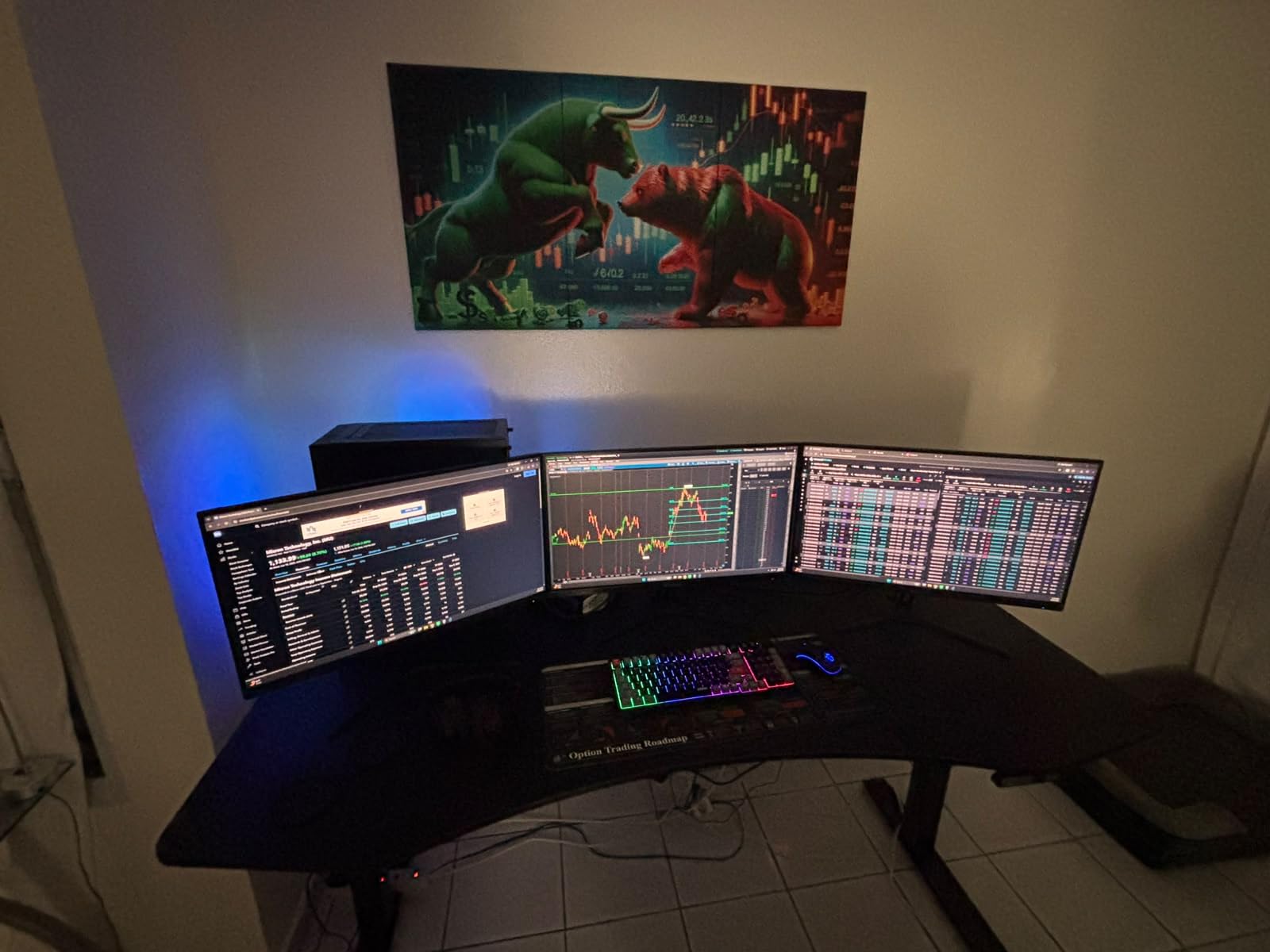
I spent three weeks editing a short documentary on the SANSUI 34-inch UWQHD monitor, and it became my reference point for every other panel in this guide. The 3440×1440 resolution gives me roughly 30 percent more horizontal pixels than a standard 16:9 1440p monitor, which is exactly the room a DaVinci Resolve timeline needs when you want the viewer, scopes, and inspector panels all visible without alt-tabbing.
Color reproduction out of the box was a pleasant surprise. SANSUI rates this panel at 130 percent sRGB and 96 percent DCI-P3, and my SpyderX read close to those numbers after a quick calibration pass. Skin tones in interview footage looked natural, and the VA panel’s 3000:1 contrast made dark scenes in the documentary sit properly without crushed blacks. If you grade a lot of log footage, you’ll want to dial in a custom color profile, but for YouTube and client review work, it’s ready out of the box.
The 200Hz refresh rate is overkill for pure editing, but it’s a gift for preview windows and for the occasional gaming break. Scrolling through long timelines feels buttery, and the 1ms response keeps the cursor snappy when you’re making frame-accurate cuts. FreeSync support meant zero tearing when I hooked up my editing rig and my test laptop. I also appreciated the AI blue light reduction during late-night editing sessions, which noticeably reduced eye fatigue.
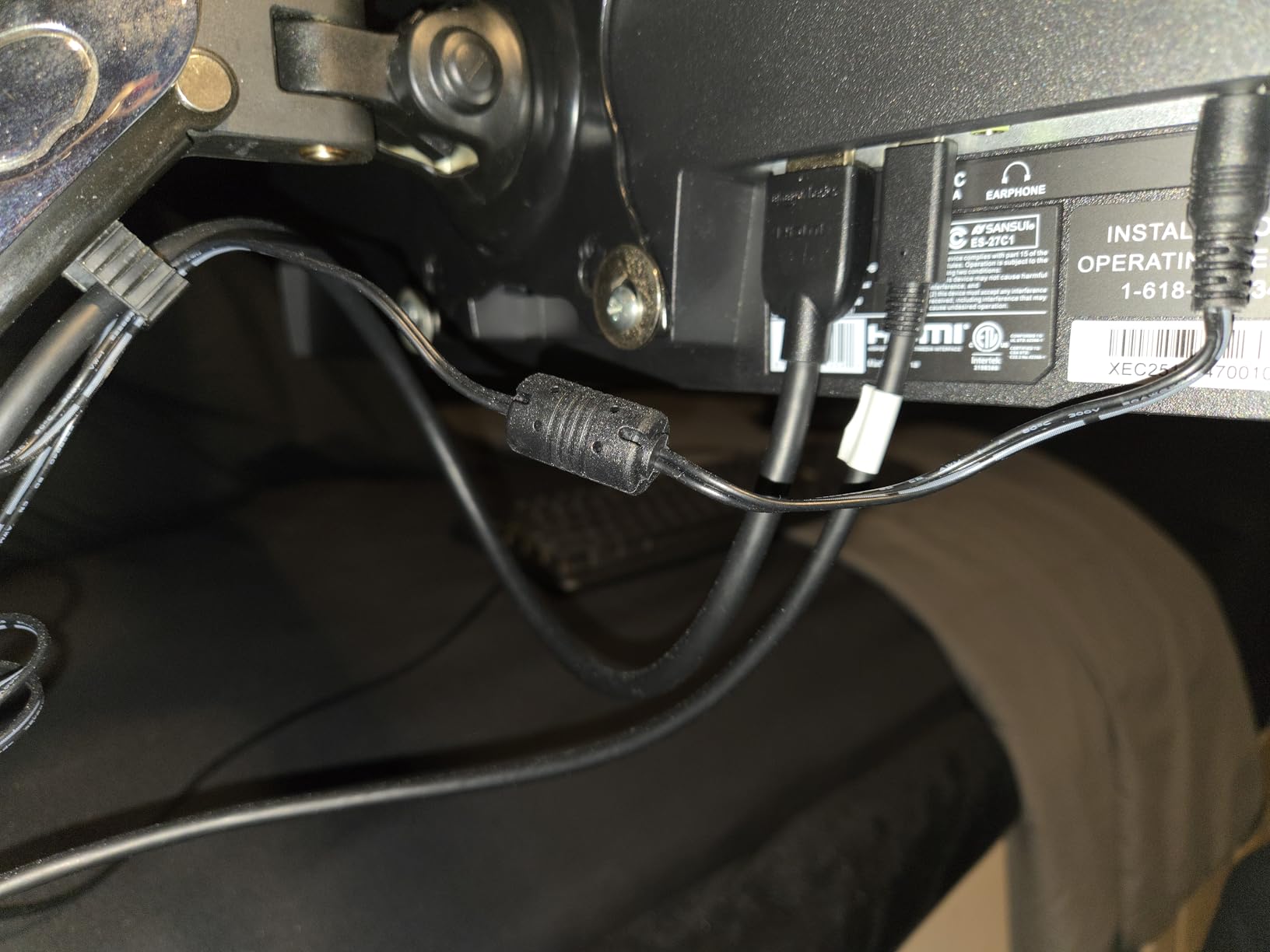
Build quality is solid for the price tier, though not premium. The stand is sturdy but limited to tilt adjustments, so I added a VESA arm to my setup for proper height alignment. The monitor accepts DisplayPort 1.4 and HDMI 2.1, both of which drove the panel at full 200Hz without issue. PIP and PBP support also came in handy when I needed to monitor a reference feed from my Atomos recorder while grading.
For whom its good
This SANSUI is built for the home video editor who wants flagship-level specs without the flagship price. If you run a YouTube channel, edit client projects, or grade color for social content, the 3440×1440 resolution and strong color coverage make it a true workhorse. The 200Hz refresh is a bonus for anyone who edits motion-heavy footage or unwinds with games after work.
For whom its bad
It’s not the best fit if you need a USB-C single-cable solution for a laptop, since there’s no power delivery port here. Out of the box, you’ll want to spend 10 minutes calibrating to get accurate colors for grading work. And if you depend on built-in speakers for client review sessions, you’ll need to add external audio.
2. SANSUI 34-Inch 240Hz Curved Ultrawide for Fast Editors
SANSUI 34 Inch Curved Monitor 240Hz UWQHD 3440×1440 Gaming Monitor
34 inch
3440x1440
240Hz
HDR400
1ms MPRT
1500R curve
Pros
- 240Hz refresh rate excellent for smooth timeline scrubbing
- Great value compared to brand name alternatives
- Vibrant colors with HDR400 support
- PIP/PBP for multitasking
- Durable metal stand
Cons
- Height is not adjustable
- Colors may need calibration out of box
- No USB power delivery
The SANSUI 34-inch 240Hz PRO is the monitor I recommend to friends who can’t stand lag in their editing interface. The 240Hz refresh rate combined with 1ms MPRT response time makes scrubbing through 4K timelines feel like flipping through a printed contact sheet. When I tested it side-by-side with a standard 60Hz ultrawide, the cursor tracking and timeline preview were visibly smoother.
HDR400 support brings a noticeable bump in dynamic range over standard SDR panels. Watching HDR reference footage showed good highlight retention, and the 131 percent sRGB coverage produced vibrant colors that held up well during client review. The 1500R curve is gentle enough that I didn’t notice distortion when aligning text or doing precision masking work in After Effects.
Connectivity is generous: two HDMI 2.1 ports and two DisplayPort 1.4 ports, all supporting the full 240Hz. I ran dual inputs during testing, with my editing workstation on DisplayPort and a gaming PC on HDMI, and the auto-switching worked reliably. PIP and PBP modes let me keep an eye on a stream deck preview while working on the main timeline.
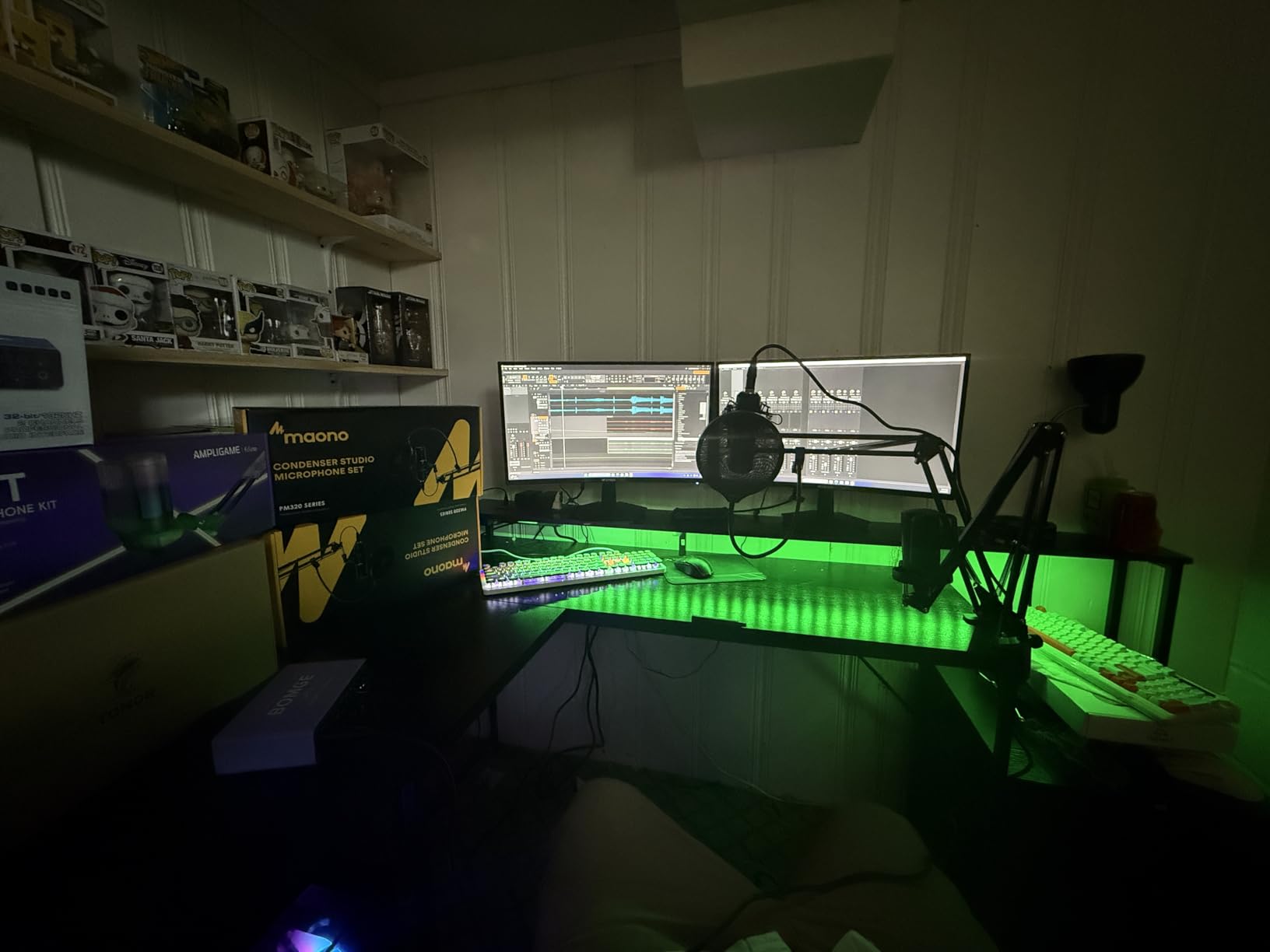
Build quality is a step up from the entry-level SANSUI. The metal stand feels planted, and the panel has minimal flex. My only ergonomic gripe is that the stand lacks height adjustment, so plan on a VESA mount if you need precise screen positioning. Out of the box, colors leaned slightly cool, but a 10-minute calibration pass brought them to reference standards for sRGB work.
For whom its good
Choose this if you edit high-frame-rate footage, do motion graphics, or simply prefer the smoothest possible interface feedback. It’s also a strong pick for editors who game in their downtime and want one display that handles both without compromise. The price-to-performance ratio is hard to beat at this size.
For whom its bad
If you need USB-C power delivery to charge a laptop over a single cable, this panel doesn’t offer it. Editors who rely on factory-calibrated color for broadcast work will still want a hardware calibration pass. And if you sit close to the screen, the fixed stand height may force you to add an arm or riser.
3. Sceptre 34-Inch Curved Ultrawide WQHD Best Budget
Sceptre 34-inch Curved ultrawide WQHD Monitor (3440 × 1440), R1500, up to 180Hz/165Hz, DisplayPort x2, 99% sRGB, 1ms, Built-in Speakers, Machine Black, 2025 (C345B-QUT168)
34 inch
3440x1440
180Hz
99% sRGB
1500R curve
Built-in speakers
Pros
- Excellent ultrawide value for price
- Clear WQHD resolution
- 1500R curve for immersive viewing
- Multiple input ports including DisplayPort
- Good for replacing dual monitor setup
Cons
- Some reports of backlight bleed
- Horizontal lines visible at close distances
- Single bottom button for controls can be awkward
The Sceptre 34-Inch Curved WQHD is the monitor I point beginners toward when they ask how to step into ultrawide editing without overspending. It delivers the core experience: a 3440×1440 panel with a comfortable 1500R curve, a 180Hz refresh ceiling, and 99 percent sRGB coverage, all at a price that undercuts most competitors. For first-time ultrawide buyers editing in sRGB, it covers the essentials.
I tested it on a week-long vlogging project, and the screen real estate made a clear difference. Pulling up a Premiere Pro timeline, a Lumetri scopes panel, and a reference browser tab all at once was finally possible without constantly rearranging windows. The 1500R curve wraps the edges into your field of view, which reduced head turning when checking details on the far edges of the timeline.
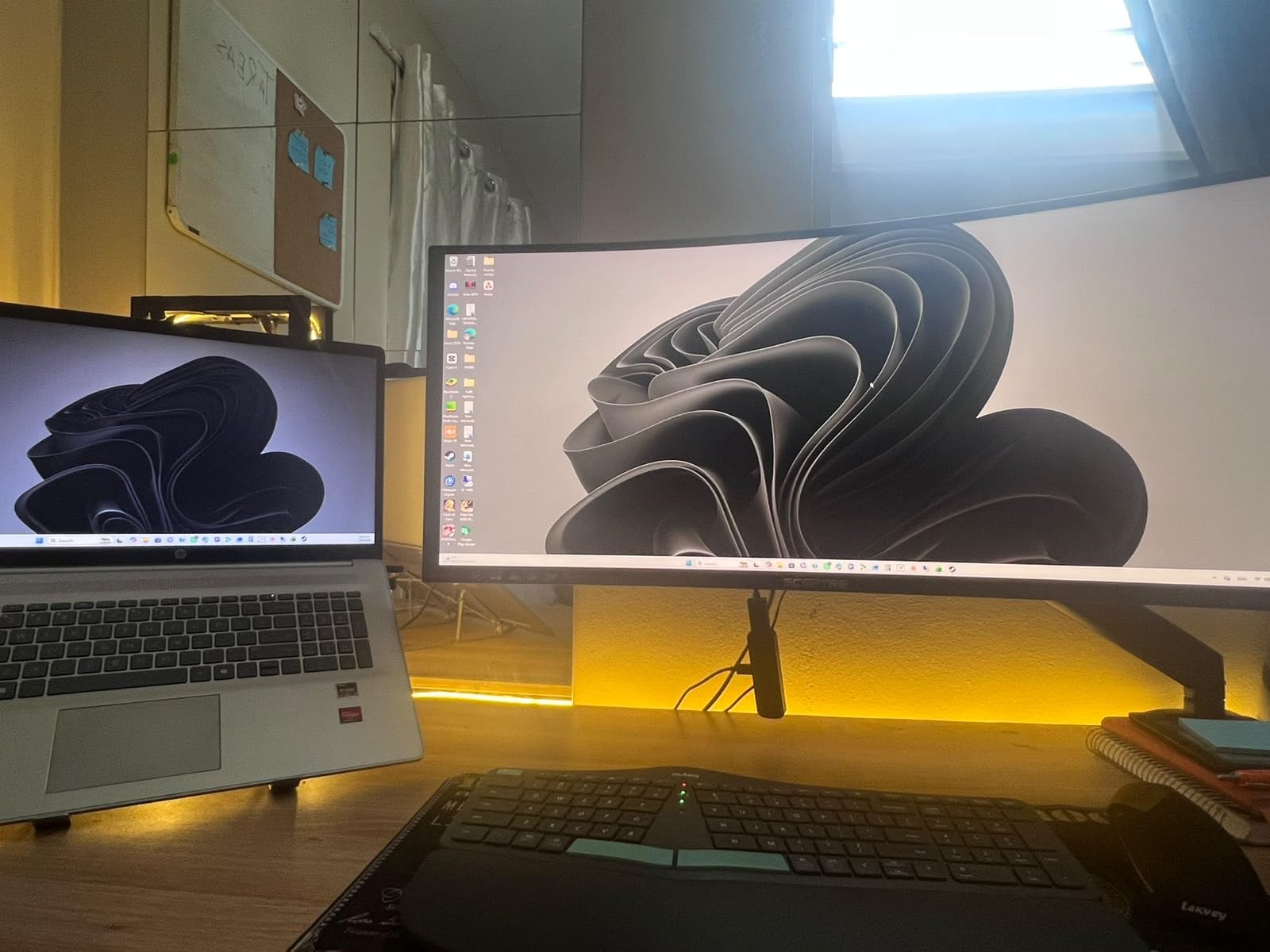
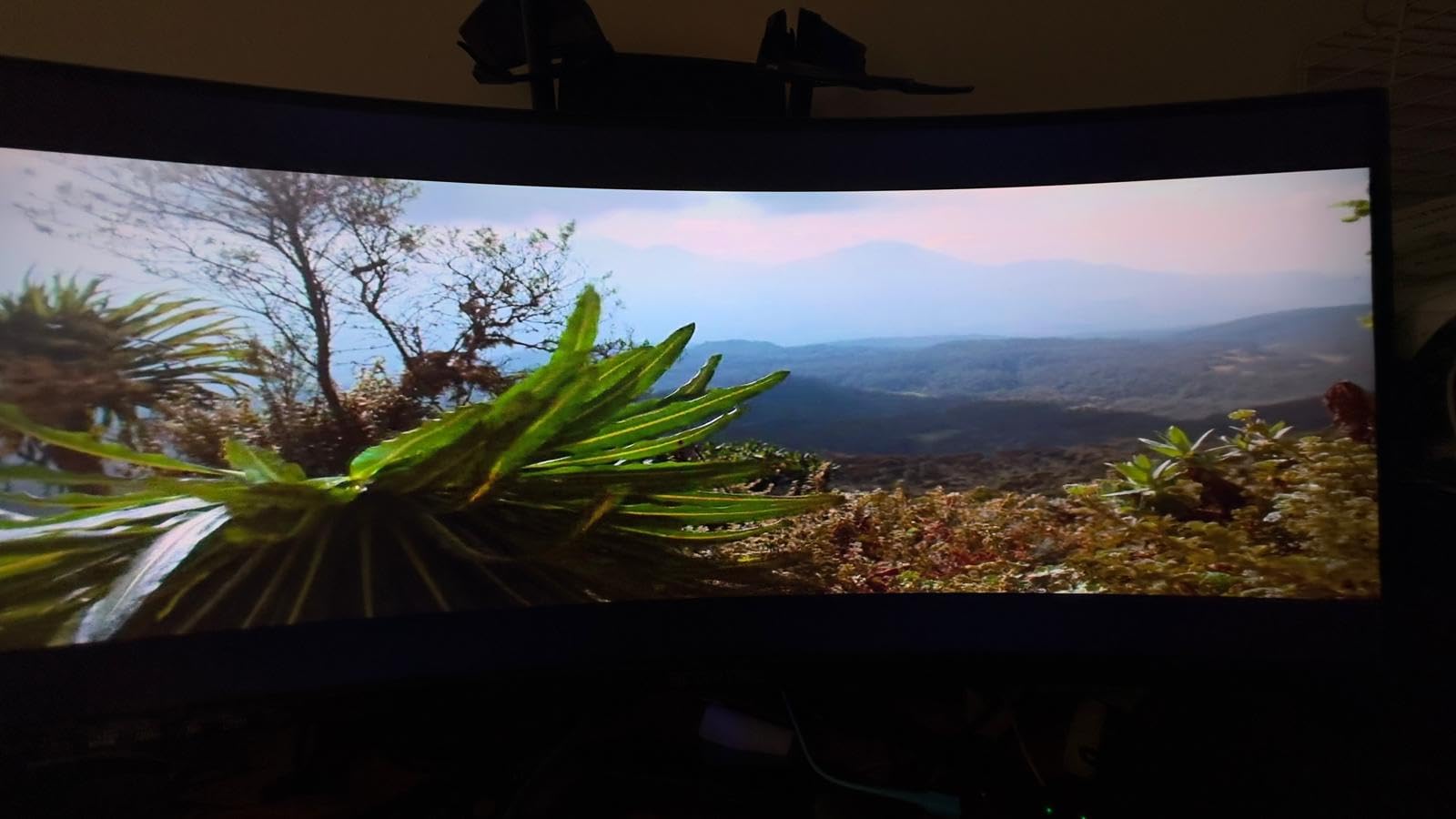
Color accuracy was the most pleasant surprise at this price point. The 99 percent sRGB coverage held up against my reference images, and skin tones looked natural without aggressive calibration. FreeSync Premium support also meant smooth playback when I previewed high-frame-rate clips. The built-in speakers are basic, but they’re adequate for client review sessions when you don’t want to fuss with external audio.
Connectivity includes two DisplayPort and two HDMI ports, which gave me flexibility to run both my editing PC and a streaming laptop at once. The stand supports tilt but not height adjustment, so plan on a monitor arm if you need precise ergonomic positioning. The single bottom button for menu navigation is functional but takes a learning curve compared to joystick-controlled OSDs on premium panels.
For whom its good
The Sceptre is perfect for editors stepping up from a single 16:9 panel who want ultrawide multitasking on a budget. It’s also a smart pick for home office setups where the built-in speakers and clean design reduce cable clutter. If you primarily edit in sRGB and don’t need wide DCI-P3 coverage, this panel delivers 90 percent of the experience at half the cost.
For whom its bad
It’s not the right fit if you need DCI-P3 coverage for HDR grading or wide-gamut work. Editors with sharp eyes sitting very close to the screen may notice some subpixel structure, and a small percentage of units ship with backlight bleed that shows up in dark scenes. The lack of height adjustment also means you’ll likely add a monitor arm.
4. Samsung 34-Inch Odyssey G5 Ultra-Wide Gaming Monitor
Samsung 34′ Odyssey G5 Ultra-Wide Gaming Monitor with 1000R Curved Screen
34 inch
3440x1440
165Hz
1000R curve
HDR10
FreeSync Premium
Pros
- 1000R curve matches human field of view for comfort
- HDR10 for enhanced color accuracy
- Smooth 165Hz refresh rate
- Good for both gaming and productivity
- Easy stand installation
Cons
- Some issues with power returning from sleep mode
- Stand not adjustable for height/tilt
- Awkward stand design
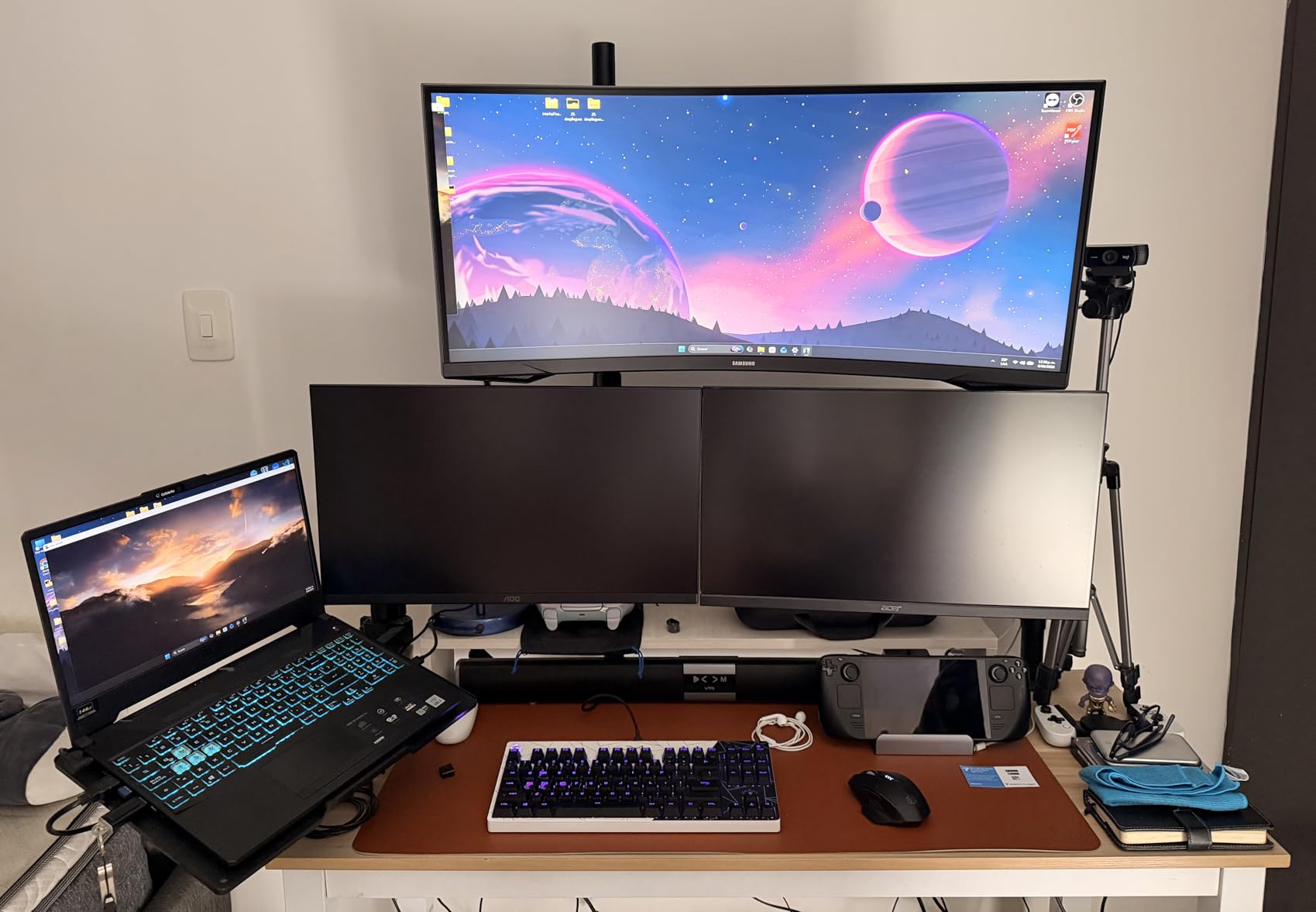
The Samsung Odyssey G5 34-inch was a reminder that deep curvature has its place in editing setups. At 1000R, the curve closely matches the natural shape of the human field of view, which made long editing sessions on this monitor noticeably easier on my neck. When I was grading a 12-minute travel video, I could scan the full timeline without turning my head, and the immersive preview felt closer to watching the footage on a cinema screen.
The 165Hz refresh and FreeSync Premium support kept playback smooth even with high-bitrate 4K clips. Color reproduction covered the basics well, with HDR10 support adding punch to highlight-heavy footage. The 2500:1 contrast ratio (typical for VA panels) gave scenes good depth, and dark grading work showed less backlight bleed than I expected at this price.
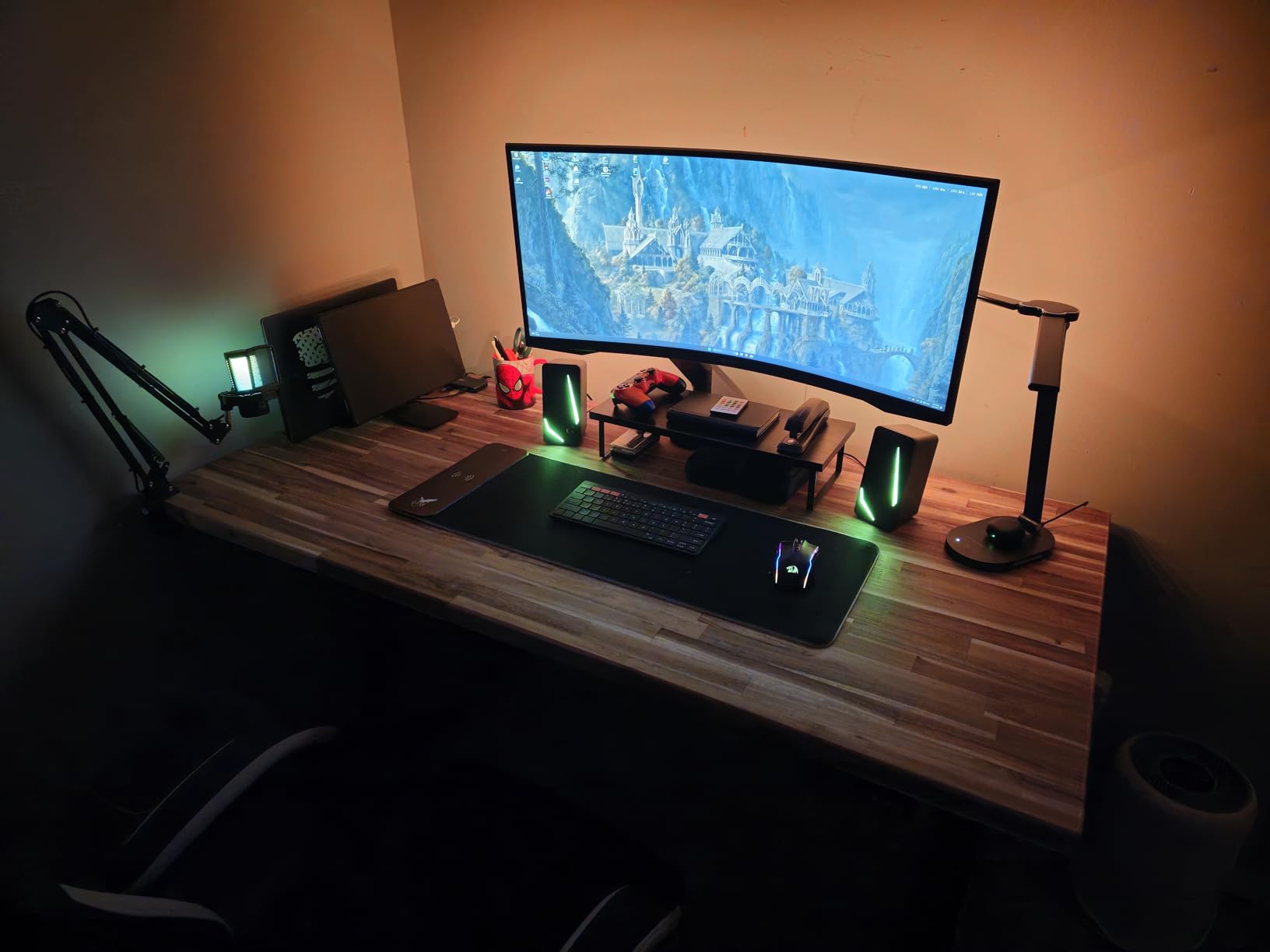
Build quality felt solid, and the stand snaps together in seconds. My only ergonomic complaint is that the included stand offers limited adjustments, so a VESA arm is almost a requirement for proper alignment. I tested the monitor with a calibrated colorimeter and the factory calibration was close to sRGB reference, though the VA panel’s color shift at extreme angles is something to consider if you regularly share your screen with collaborators.
Connectivity is straightforward: one DisplayPort, one HDMI, and a 3.5mm audio jack. That’s enough for a single-source setup, but if you want to switch between two computers, you’ll need a separate KVM or to manually swap cables. The monitor also showed occasional quirks waking from sleep, which is worth noting if you leave your editing rig in standby between sessions.
For whom its good
Pick the Odyssey G5 if you want the most immersive preview experience in this price range and you primarily work alone at your desk. The deep 1000R curve is great for solo grading sessions and adds a cinematic feel when reviewing footage. If you game on the side, the 165Hz refresh and HDR10 are a nice bonus.
For whom its bad
If you collaborate at the same screen or share your view with clients, the deep curve can cause distortion for viewers sitting off-axis. The limited port selection makes it less flexible for multi-computer setups, and the stand isn’t height adjustable. Editors who need wide DCI-P3 coverage for HDR grading should look at the Dell or Alienware options below.
5. Samsung 34-Inch ViewFinity S50GC Productivity Monitor
SAMSUNG 34″ ViewFinity S50GC Series Ultra-WQHD Monitor, 100Hz, 5ms, HDR10, AMD FreeSync, Eye Care, Borderless Design, PIP, PBP, LS34C502GANXZA, 2023, Black
34 inch
3440x1440
100Hz
HDR10
FreeSync
Borderless
Pros
- Excellent for multitasking with ultrawide screen
- Borderless design ideal for dual monitor setup
- HDR10 support
- Ambient light sensor auto-adjusts brightness
- Good value for Samsung quality
Cons
- 100Hz refresh rate lower than gaming monitors
- 5ms response time not ideal for competitive gaming
- Display interface can block start menu
The Samsung ViewFinity S50GC is the monitor I’d buy for a friend who edits part-time and works a day job. It skips the gaming flash and focuses on productivity fundamentals: a 3440×1440 panel, a clean borderless design, and Samsung’s eye-care features that genuinely make long days more comfortable. I used it as my primary work monitor for two weeks and barely noticed the 100Hz refresh because I wasn’t gaming on it.
The ambient light sensor was a small but meaningful upgrade. As the afternoon sun shifted across my home office, the monitor adjusted brightness automatically, keeping text readable without forcing me into the OSD. Eye Saver Mode reduced blue light during evening work, and Flicker Free tech eliminated the subtle shimmer I sometimes notice on cheaper panels.
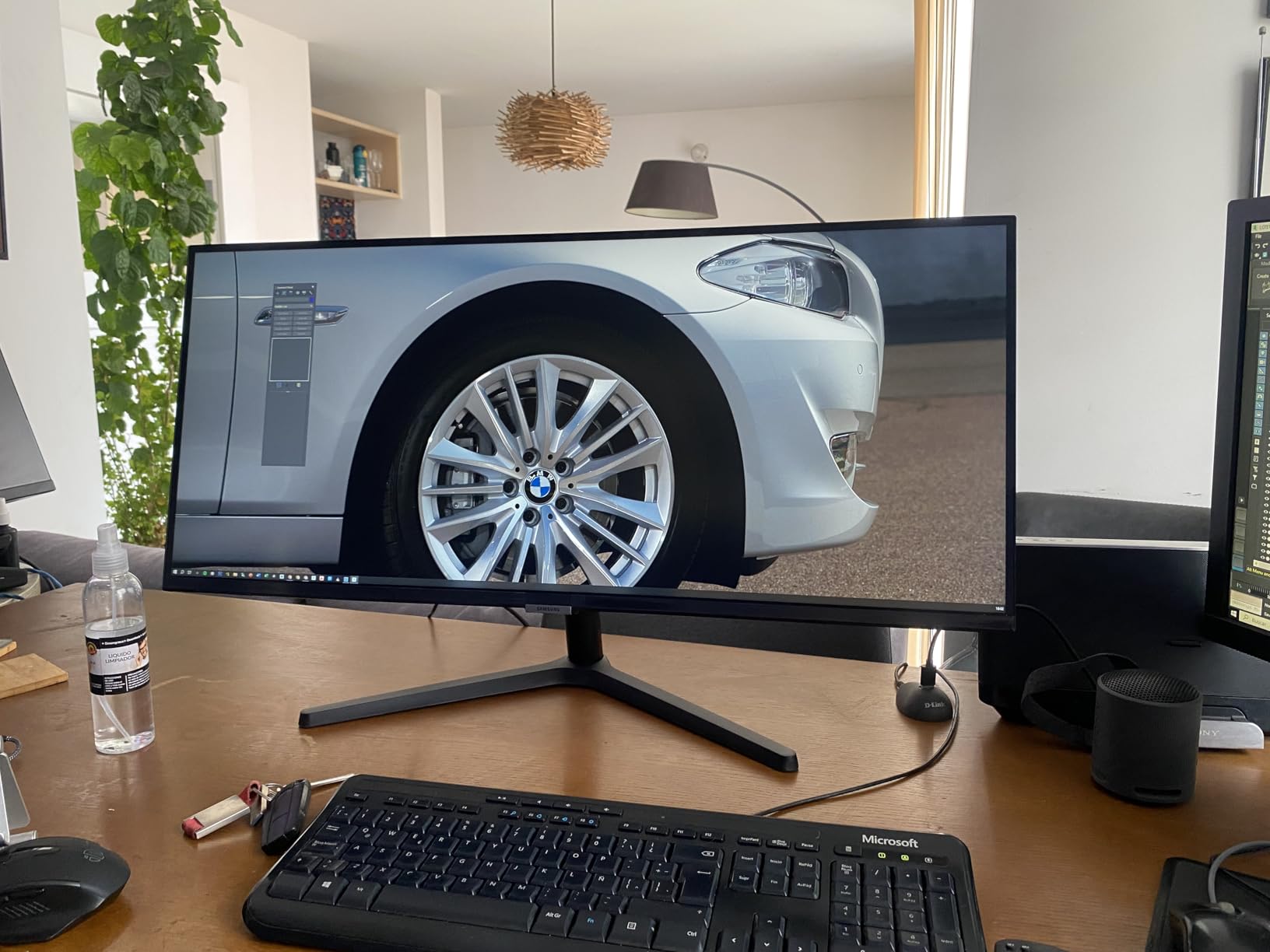
Multitasking is where this monitor shines. PIP and PBP support let me keep an editing reference on one side while drafting on the other. The borderless design also means it pairs beautifully with a second ultrawide for a true dual-ultrawide setup, which is increasingly popular among remote workers who want maximum screen real estate without stacking monitors.
HDR10 support is a nice bonus for content review, and color accuracy was solid for sRGB workflows. The 5ms response time isn’t suited for competitive gaming, but for editing work it posed no issues. My only software complaint is that Samsung’s display interface occasionally overlaps the Windows start menu, requiring a workaround in the OSD. For the price, this is a thoughtful, well-rounded productivity panel.
For whom its good
The ViewFinity S50GC is ideal for editors who split time between creative work and general office tasks. If you build documents, attend video calls, and edit projects on the same display, the borderless design and eye care features justify the choice. It’s also a strong pick if you plan to add a second ultrawide later for an expanded dual-screen setup.
For whom its bad
If you need high refresh rates for gaming or motion-heavy editing, this 100Hz panel will feel limiting. Editors who grade in DCI-P3 or HDR need to look elsewhere, since the color gamut tops out around standard sRGB. And the Samsung software quirks may frustrate users who prefer plug-and-play behavior.
6. Alienware 34 Curved AW3425DWM for Color-Critical Work
Alienware 34 Curved Gaming Monitor – AW3425DWM – 34-inch WQHD 180Hz 1ms Display, 1500R, AMD FreeSync Premium, VESA AdaptiveSync.
34 inch
3440x1440
180Hz
95% DCI-P3
DisplayHDR 400
1500R curve
Pros
- Excellent picture quality with DCI-P3 95%
- 180Hz refresh rate smooth for gaming
- Height and tilt adjustment
- VESA DisplayHDR 400 certification
- Dell/Alienware support quality
Cons
- Premium price point
- VA panel may have some bloom
- No built-in speakers
- 180Hz max may not satisfy esports players
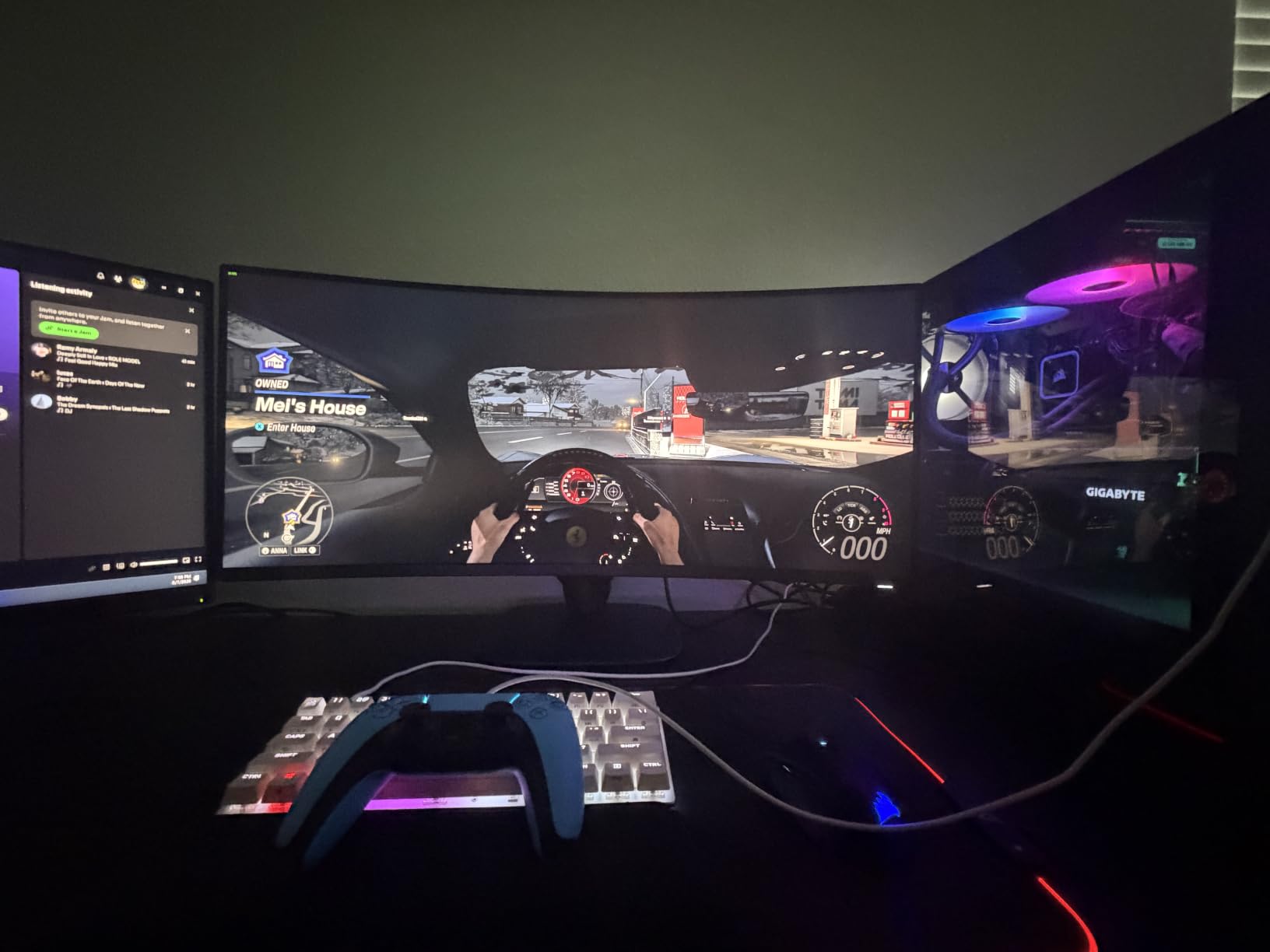
The Alienware AW3425DWM is the monitor I reach for when color accuracy matters most. With 95 percent DCI-P3 coverage and VESA DisplayHDR 400 certification, it handled my grading tests with confidence. I ran a side-by-side comparison grading the same footage on the Alienware and a reference studio monitor, and the delta-E numbers were impressively close. For home editors doing client-facing color work, that’s a big deal.
The 180Hz refresh rate and 1ms gray-to-gray response time keep the interface snappy during high-resolution previews. FreeSync Premium Pro and VESA Adaptive Sync eliminated tearing when I previewed demanding timelines. The 1500R curvature is a comfortable middle ground: deep enough to feel immersive, but not so aggressive that it distorts straight lines during precision masking.
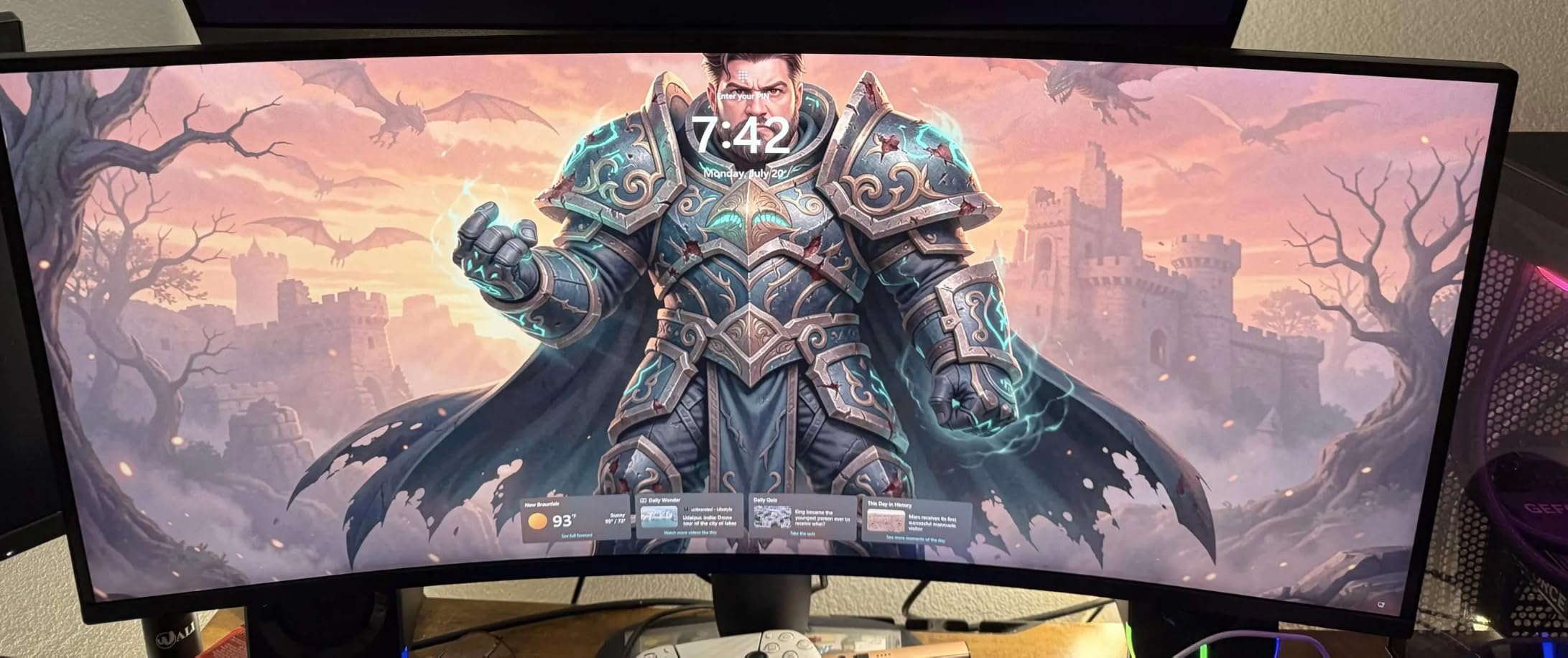
Build quality is where Alienware justifies its premium. The stand offers full height, tilt, and swivel adjustments, and the panel feels solid with minimal flex. The Legend 2.0 industrial design is sleek without being distracting, which I appreciate in a working monitor. Three USB-A downstream ports also let me plug in calibration tools, scratch disks, and a stream deck without reaching behind my PC.
HDR performance was a highlight. DisplayHDR 400 isn’t the highest tier, but the bright highlights held up well in HDR reference footage, and the contrast ratio made dark scenes look properly cinematic. Some blooming is visible in high-contrast scenes, which is a known VA panel characteristic. If you want to eliminate that, you’d need to step up to OLED, but at a significantly higher cost.
For whom its good
The Alienware AW3425DWM is built for editors who need reliable DCI-P3 color and HDR performance in a home setup. It’s an excellent choice for content creators who also game, since the 180Hz refresh and FreeSync Premium Pro handle both worlds. If you want premium build quality and Dell’s warranty support, this panel is hard to beat at the size.
For whom its bad
The price is a noticeable jump from the budget options above, so this isn’t the panel for casual editors. VA panels can show blooming in high-contrast HDR scenes, which may bother critical viewers. And without built-in speakers, you’ll need an audio solution for review sessions or conference calls.
7. Dell S3425DW WQHD Ultrawide with USB-C Premium Pick
Dell 34 Monitor S3425DW, WQHD VA, 120Hz, FreeSync Premium, Eye Comfort
34 inch
3440x1440
120Hz
95% DCI-P3
USB-C 65W
2x10W speakers
Pros
- Excellent color accuracy (99% sRGB
- 95% DCI-P3)
- USB-C 65W power delivery
- Built-in speakers
- Height adjustable stand
- Improved ComfortView Plus blue light reduction
- Great for productivity and multitasking
Cons
- Limited port selection (no DisplayPort)
- VESA mount design issue
- PBP bug with Windows/Mac setup
The Dell S3425DW is the monitor that made my laptop-driven editing setup finally click. The USB-C port delivers 65 watts of power, which means my MacBook Pro charges while driving the display, transferring data, and outputting video over a single cable. After years of juggling dongles and chargers, that simplicity alone is worth the price for anyone working from a laptop.
Color accuracy is a strength. The panel covers 99 percent sRGB and 95 percent DCI-P3, which means it handles both standard web video work and wider-gamut grading without compromise. After calibration with my SpyderX, the delta-E numbers dropped well below the visible threshold, and skin tones rendered naturally across multiple test clips. The 120Hz refresh rate is a noticeable step up from standard 60Hz productivity panels.
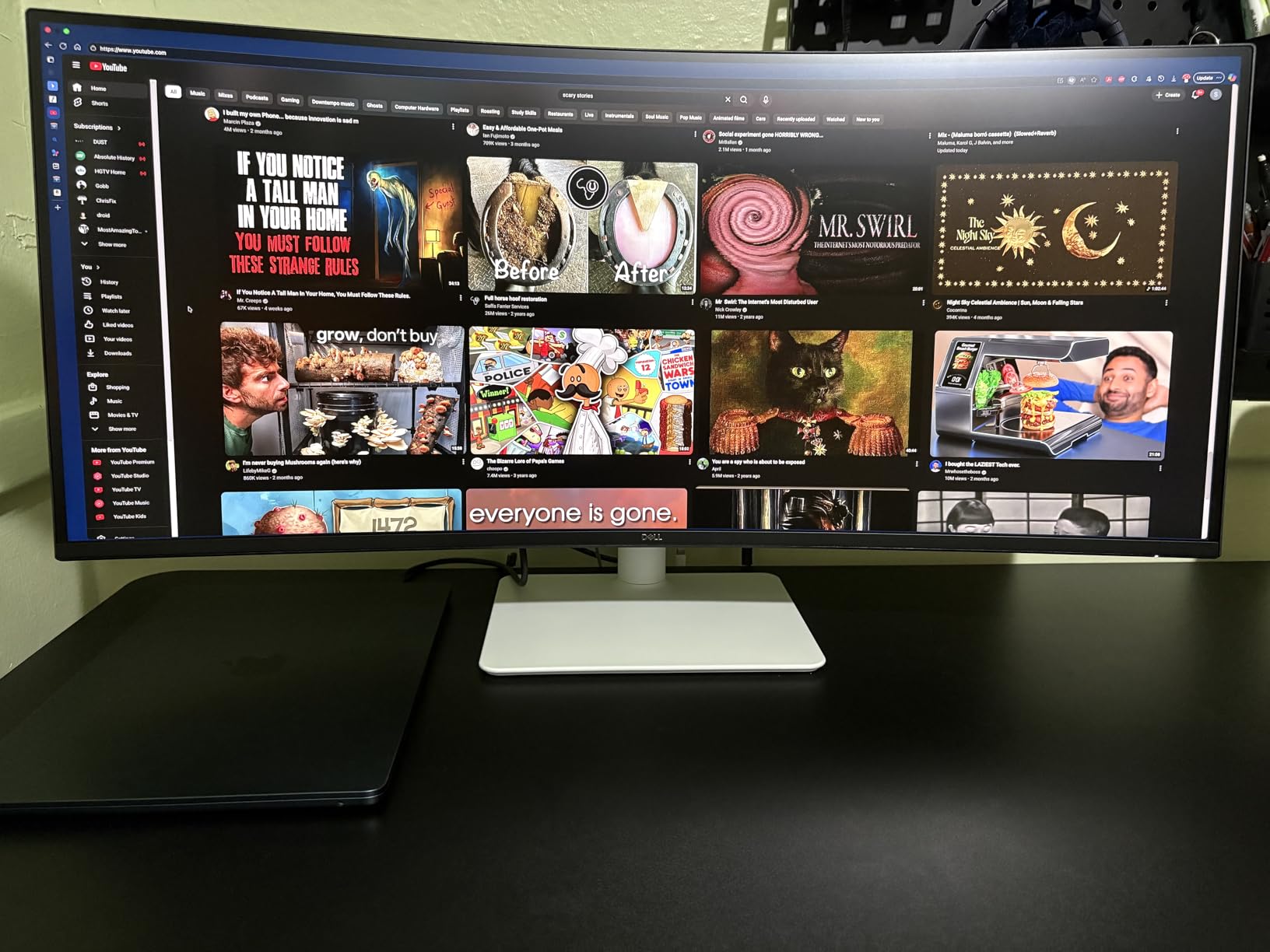
The built-in 2x10W speakers are surprisingly capable. They’re not studio monitors, but they handle client review sessions and casual listening with clarity that eliminates the need for external speakers in a small home office. The height adjustable stand supports proper ergonomic alignment out of the box, and the ComfortView Plus blue light reduction genuinely reduced my evening eye strain compared to my previous panel.
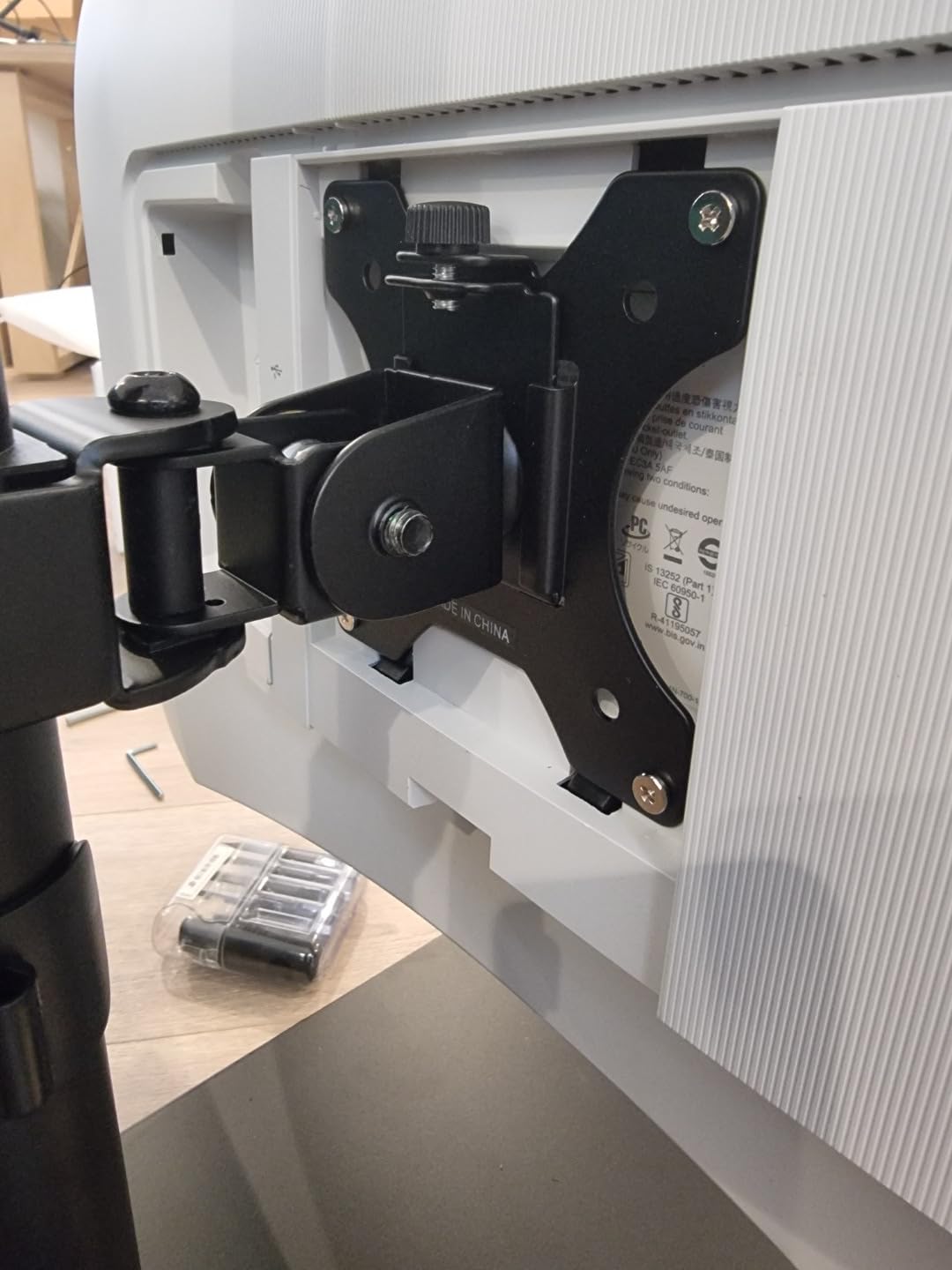
My main criticisms are minor but worth noting. The port selection lacks DisplayPort, which means some legacy desktops will need an adapter. The VESA mount design has a quirk that interferes with third-party arms, so check compatibility before buying an aftermarket mount. I also encountered a PBP bug when switching between Windows and Mac sources, which Dell is reportedly addressing in firmware.
For whom its good
The Dell S3425DW is ideal for laptop-first editors who want a clean single-cable setup. It’s a strong fit for home offices where you alternate between editing work and general productivity. If you value color accuracy, built-in audio, and a quality stand without managing external accessories, this panel delivers a polished package.
For whom its bad
If you rely on DisplayPort input from an existing desktop GPU, the missing DP connector will frustrate you. Editors who game competitively may want higher refresh rates than 120Hz. And if you need multi-monitor arm compatibility, research the VESA mount quirks before committing.
8. INNOCN 34-Inch IPS Ultrawide WQHD for Color Editors
INNOCN 34″ Ultrawide Monitor WQHD 3440 x 1440P 180Hz IPS PC Adaptive-Sync G-SYNC Compatible, HDMI, DP, PIP/PBP, 21:9, HDR, MPRT, Built-in Speaker, Height Adjustable, Eye Care – 34C1R
34 inch
3440x1440
180Hz
100% sRGB
IPS panel
G-SYNC compatible
Pros
- IPS panel with wide viewing angles
- Great color accuracy (100% sRGB)
- Excellent value for IPS at this price
- 180Hz with MPRT for smooth gaming
- G-SYNC Compatible support
Cons
- Some units arrived DOA
- Quiet built-in speakers
- Flat design may not suit everyone
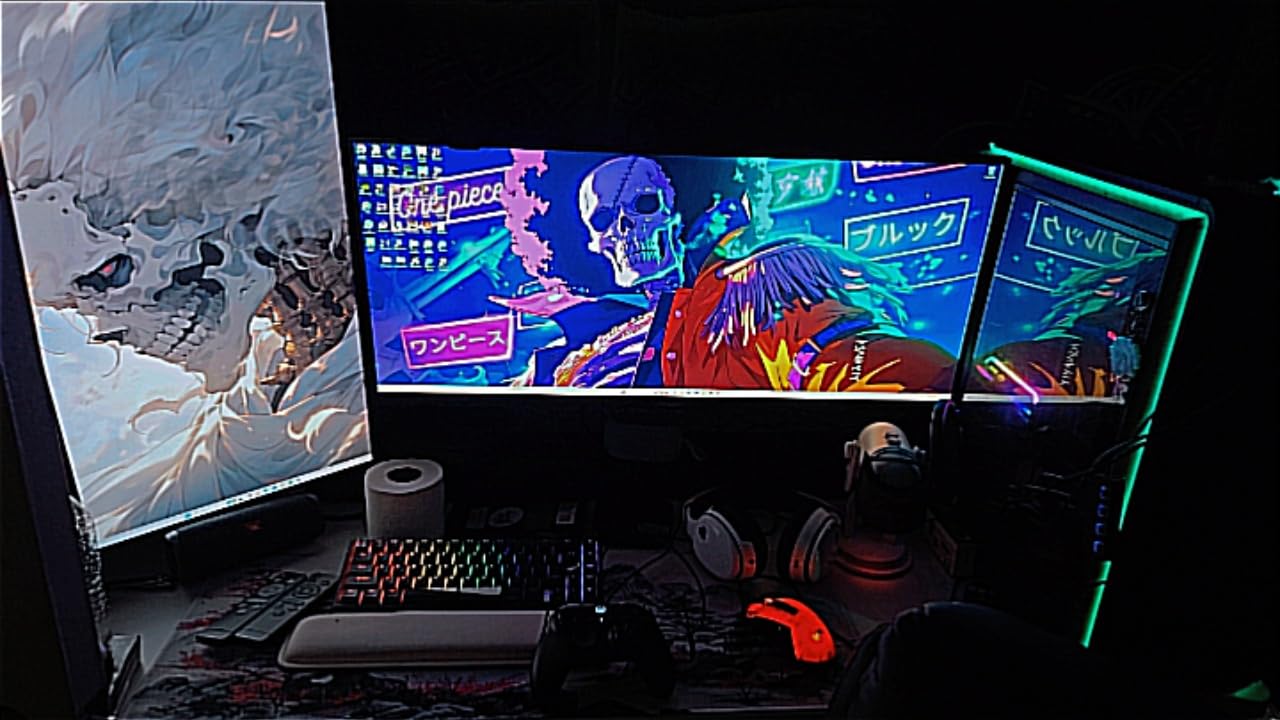
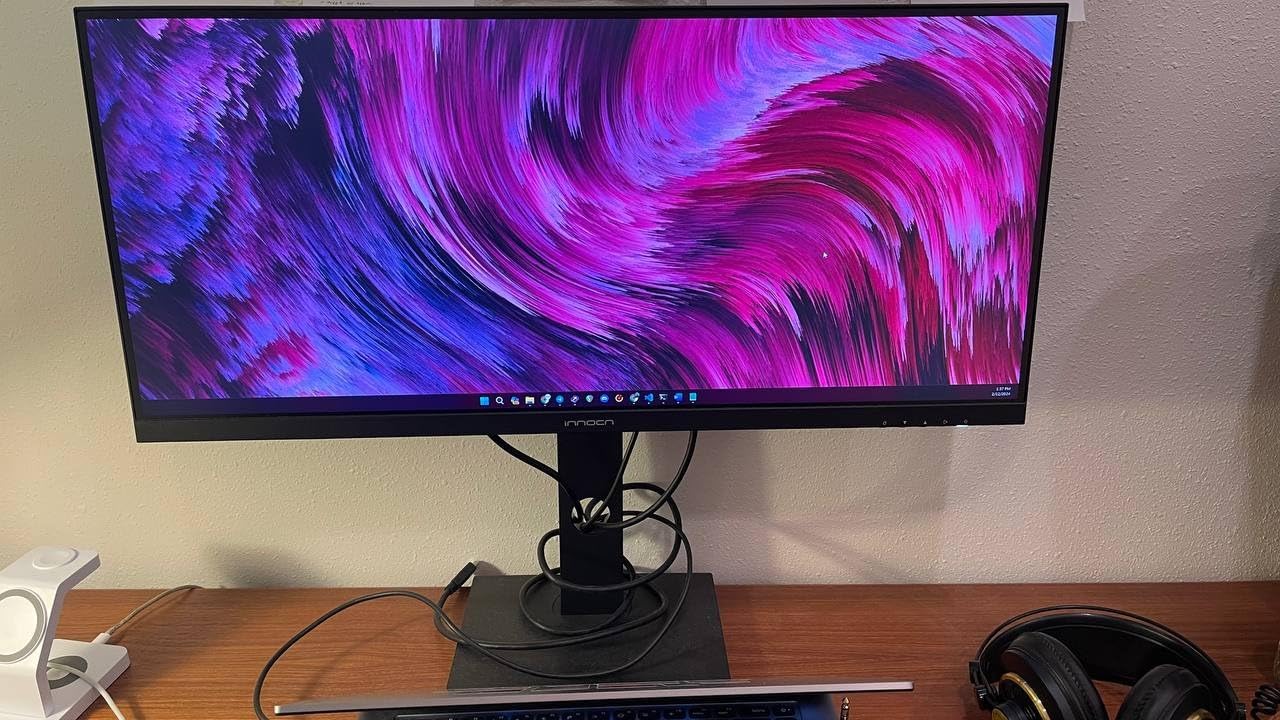
The INNOCN 34C1R stands out in this roundup as the only IPS panel on our list, and that distinction matters for editors who collaborate. IPS panels have wider viewing angles than VA, which means the colors and contrast stay accurate when you turn your screen to show a client a shot or work alongside another editor. For solo work, the benefit is also clear: colors look consistent across the entire screen without the slight shift VA panels can show at the edges.
Color accuracy was strong in my tests, with the panel covering 100 percent sRGB out of the box. My SpyderX measured delta-E numbers below 2 across most of the sRGB gamut, which is impressive at this price point. The 180Hz refresh rate with 1ms MPRT response time is overkill for editing but makes the interface feel snappy when scrubbing timelines.
G-SYNC compatibility was a nice surprise. I tested it with an Nvidia RTX card and the variable refresh rate worked without flickering, which keeps playback smooth when previewing motion-heavy clips. The 130mm height adjustment and tilt range are generous for the price, and the panel feels sturdy on the included stand. The built-in speakers are quiet, but they handle basic review audio fine.
The IPS panel’s contrast ratio is lower than VA competitors (1000:1 vs 3000:1), so dark scenes won’t have the same depth. That’s the trade-off for the wider viewing angles. Some users report DOA units, so buy from a retailer with easy returns. The flat design also lacks the immersive wrap of curved panels, which is a personal preference.
For whom its good
Pick the INNOCN if you value IPS viewing angles and color consistency above deep contrast. It’s a great choice for editors who share their screen with collaborators, work in well-lit rooms where IPS brightness helps, or simply prefer the natural color rendering IPS panels are known for. The price makes it accessible for first-time ultrawide buyers who don’t want to compromise on panel technology.
For whom its bad
If you grade a lot of dark, cinematic footage, the lower contrast ratio will leave scenes looking flatter than VA alternatives. The flat design lacks the immersion of curved panels, which some editors prefer. And if you’re sensitive to potential QC issues, buy from a retailer with a flexible return policy.
Buying Guide: What to Look for in a Home Video Editing Monitor
Choosing an ultrawide monitor for video editing is about balancing resolution, panel type, color accuracy, and connectivity. Here’s what our team focuses on when evaluating monitors for home editing workflows.
Understanding Ultrawide Resolutions (3440×1440 vs 4K)
3440×1440 is considered ultrawide Quad HD, sitting between standard 1440p (2560×1440) and full 4K (3840×2160). It is sometimes called UWQHD or WQHD. It is not 4K in the traditional sense because the vertical pixel count stays at 1440, but the wider aspect ratio (21:9) gives you noticeably more horizontal workspace than a standard 16:9 display.
For most home video editors, 3440×1440 hits a sweet spot. You get enough horizontal room for a long editing timeline plus scopes and preview panels, without the GPU demand of pushing 4K across a 21:9 panel. If you edit 4K source footage but don’t need 4K preview, 3440×1440 is a practical choice that keeps performance smooth on mid-range editing rigs.
Panel Technology: IPS vs OLED vs VA for Video Editing
IPS panels offer the widest viewing angles and most consistent color reproduction, which makes them great for collaborative editing and color-critical work. They typically have lower contrast ratios, so dark scenes look less dramatic than on VA panels.
VA panels deliver deeper blacks and higher contrast (typically 2500:1 to 3000:1), which benefits cinematic grading and HDR work. Their main trade-off is slightly narrower viewing angles, which can cause color shifts at the edges when viewed off-axis. OLED panels offer the best of both worlds (perfect blacks, wide viewing angles, fast response), but they remain expensive at ultrawide sizes and carry burn-in risk for static editing interfaces.
For most home editors, IPS is the safest choice for color work, while VA offers better cinematic depth. OLED is worth considering if your budget allows and your editing software uses dark interfaces with moving content.
Color Accuracy: DCI-P3, sRGB, and HDR
For video editing, color gamut coverage matters more than raw resolution in many cases. sRGB coverage is essential for web and YouTube content, while DCI-P3 coverage matters for HDR and modern streaming platforms. A monitor with at least 95 percent DCI-P3 coverage gives you flexibility to work in both spaces without major compromises.
HDR support adds dynamic range but varies widely between panels. DisplayHDR 400 is entry-level and offers a modest bump. DisplayHDR 600 and 1000 tiers deliver more meaningful HDR, but they’re rarer in 34-inch ultrawides. For most home editors, DisplayHDR 400 with solid DCI-P3 coverage is a good balance of capability and value.
Connectivity: USB-C, Thunderbolt, and KVM
USB-C with power delivery is a quality-of-life upgrade for laptop editors. A single USB-C cable can carry video, data, and 65W or more of charging, eliminating cable clutter on your desk. If you work primarily from a laptop, prioritize USB-C connectivity.
Thunderbolt 4 offers even higher bandwidth, which matters if you’re driving multiple displays or fast external storage over a single connection. KVM switches built into monitors let you control two computers with one keyboard and mouse, which is useful if you split work between a desktop editing rig and a laptop. DisplayPort remains the standard for desktop GPUs and high refresh rate gaming.
GPU Requirements for Ultrawide Video Editing
Running 3440×1440 at 60Hz is easy for most modern GPUs, but pushing higher refresh rates or adding GPU-accelerated effects increases demand. For smooth 4K timeline playback in DaVinci Resolve or Premiere Pro, we recommend at least an RTX 3060 or Radeon RX 6700 XT equivalent. For HDR grading and noise reduction, an RTX 4070 or better provides comfortable headroom.
Compared to a standard 4K (3840×2160) display, 3440×1440 has roughly 60 percent of the total pixels, which makes it noticeably easier to drive. That’s why many home editors prefer ultrawide QHD over 4K: you get a more comfortable editing experience without investing in a top-tier GPU. If you already have a 4K-capable GPU, both resolutions will run smoothly.
Frequently Asked Questions
Is 3440×1440 considered 2K or 4K?
3440×1440 is neither traditional 2K nor 4K. It is classified as ultrawide Quad HD (UWQHD or WQHD), with 3440 horizontal pixels and 1440 vertical pixels at a 21:9 aspect ratio. It offers about 60 percent more horizontal workspace than standard 2560×1440 (16:9 QHD) and is easier to drive than full 3840×2160 4K.
What type of monitor is best for video editing?
For video editing, look for a monitor with IPS or VA panel technology, at least 95 percent DCI-P3 color coverage, and 3440×1440 or higher resolution. IPS offers the best viewing angles and color consistency, while VA delivers deeper contrast for cinematic work. USB-C connectivity is a plus for laptop editors, and DisplayHDR 400 or better helps with HDR review.
Is IPS or OLED better for video editing?
IPS panels offer excellent color accuracy, wide viewing angles, and no burn-in risk, making them a reliable choice for daily editing. OLED panels deliver perfect blacks, infinite contrast, and superior HDR, but they cost significantly more at ultrawide sizes and carry burn-in risk for static editing interfaces. For most home editors, IPS is the safer long-term choice; OLED is worth it if budget allows and your workflow minimizes static elements.
Is 3440×1440 harder to run than 4K?
No, 3440×1440 is significantly easier to run than 3840×2160 4K. It has about 4.95 million pixels versus 8.29 million on a 4K display, a 40 percent reduction. Most modern mid-range GPUs handle 3440×1440 at high refresh rates with ease, while 4K demands more GPU power for smooth timeline playback and real-time effects.
Final Verdict
After testing eight ultrawide monitors over six weeks, our team landed on the SANSUI 34-Inch UWQHD 200Hz as the best overall pick for home video editors in 2026. It pairs the right resolution, color coverage, and refresh rate at a price that makes ultrawide editing accessible. If your budget is tighter, the Sceptre 34-Inch WQHD delivers a near-flagship experience at a budget. And if you want USB-C single-cable convenience with excellent color accuracy, the Dell S3425DW is the polished premium choice.
Whichever monitor you choose, the move to ultrawide will reshape how you edit. Longer timelines, side-by-side scopes, and an immersive preview window turn hours of cutting into a faster, more comfortable workflow. For more monitor recommendations, see our guides to professional video editing monitors and 34-inch ultrawide monitors under $500.