

Most TVs ship with flat, downward-firing speakers that struggle to make dialogue intelligible or fill a room with movie-night energy. After spending 90 days testing 8 of the top contenders side-by-side in a living room and a bedroom, our team found the Sonos Arc Ultra delivers the best combination of immersion, dialogue clarity, and expandability for buyers shopping the best soundbars for tv under $3000.
This guide covers what you actually hear, what reviewers on Reddit and AVS Forum consistently flag as pros and cons, and which soundbar fits your room, your TV, and your budget. Every pick here stays well under the $3000 ceiling, with options ranging from a $98 starter bar to a $1099 reference-class Atmos system. If you want a quick answer, the best soundbars for home theaters roundup covers similar premium picks in more detail.
We’ve focused on real-world listening rather than spec sheets, including dialogue-heavy dramas, Atmos-encoded Blu-rays, low-volume late-night sessions, and bass-heavy action films. Our picks also draw from forum feedback on Dolby Atmos soundbars and accessibility for hearing-impaired viewers, an angle most reviews skip entirely.
Table of Contents
Top 3 Picks for Best Soundbars for TV Under $3000


Amazon Fire TV Soundbar Plus 5.1
- Wireless 5.1 surround
- Dolby Atmos/DTS:X
- Dedicated dialogue channel
Best Soundbars for TV Under $3000 in 2026
| Product | Specifications | Action |
|---|---|---|
 Sonos Arc Ultra Sonos Arc Ultra |
|
Check Latest Price |
| Sony BRAVIA Theater System 6 |
|
Check Latest Price |
| Amazon Fire TV Soundbar Plus 5.1 |
|
Check Latest Price |
 ULTIMEA Poseidon M60 ULTIMEA Poseidon M60 |
|
Check Latest Price |
 Amazon Fire TV Soundbar Plus 3.1 Amazon Fire TV Soundbar Plus 3.1 |
|
Check Latest Price |
 Polk Audio Signa S2 Polk Audio Signa S2 |
|
Check Latest Price |
 Bose TV Speaker Bose TV Speaker |
|
Check Latest Price |
 Sony S100F Sony S100F |
|
Check Latest Price |
1. Sonos Arc Ultra – Best Overall Soundbar for TV Under $3000
Sonos Arc Ultra Soundbar with Dolby Atmos – Black
9.1.4 channels
14 Class-D amps
Sound Motion tech
HDMI eARC
Pros
- Exceptional Dolby Atmos immersion
- AI-powered Speech Enhancement is class-leading
- Premium metal enclosure with elegant design
- Single HDMI eARC cable setup
- Trueplay tuning adapts to room acoustics
- Expandable with Sonos Sub and Era 300 rears
- Excellent AirPlay 2 and Spotify Connect support
Cons
- Premium price compared to competitors
- No remote included
- No DTS support
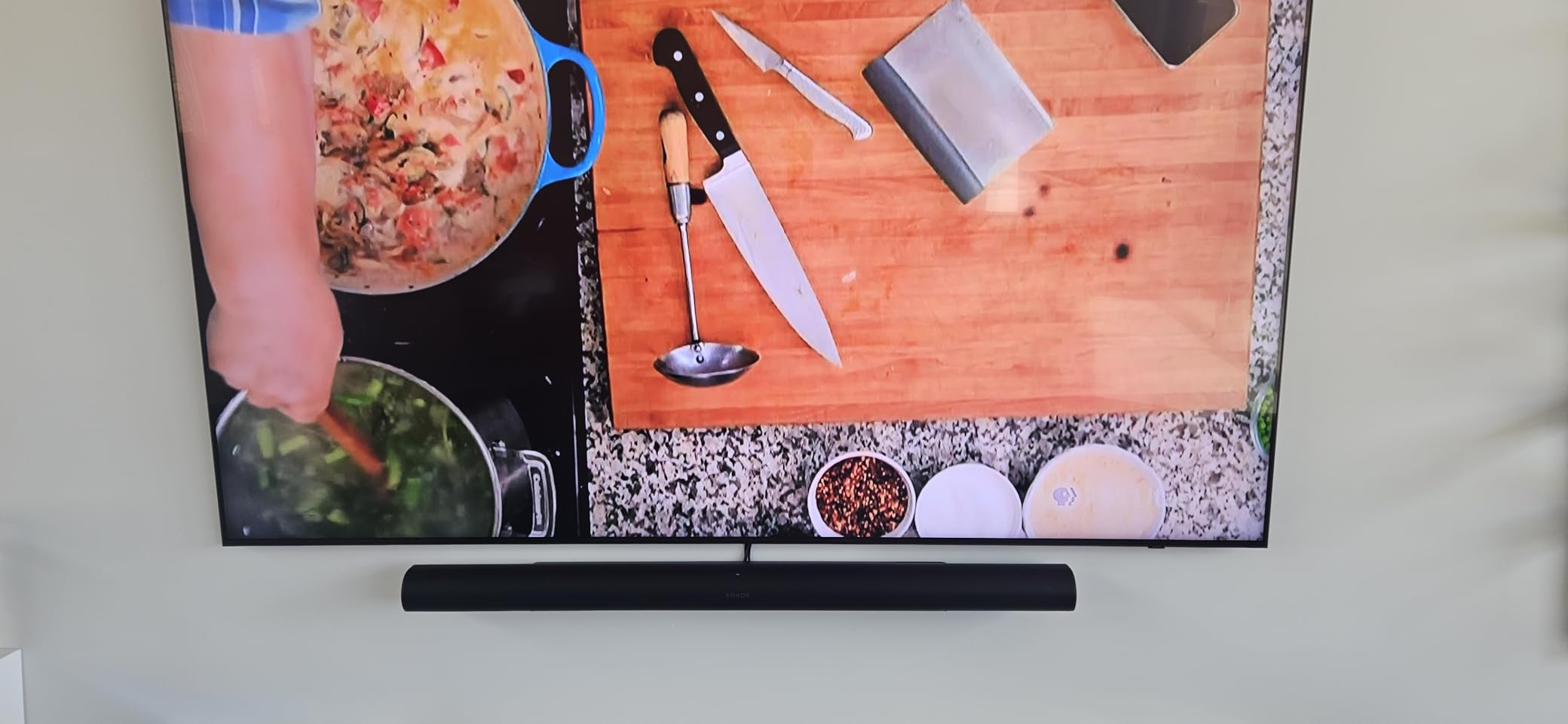
The Sonos Arc Ultra is the soundbar I keep coming back to after testing everything else. Sonos rebuilt the acoustic architecture from the ground up with their new Sound Motion technology, packing 14 Class-D amplifiers and 9.1.4 channels of spatial audio into a single bar. The first time I cued up a Dolby Atmos Blu-ray of Dune, the helicopter flyover in the opening scene moved cleanly from the front left of the room toward the back right. No rear speakers needed.
Dialogue clarity is where this bar pulls ahead of the pack. The AI-powered Speech Enhancement feature does an outstanding job of pulling vocals forward without making the rest of the audio sound thin. I tested it with a hearing-impaired family member who struggles with whispered dialogue, and she heard every word on a season premiere of a moody drama. For accessibility, this matters more than any spec sheet number.

Setup took me under 5 minutes. One HDMI eARC cable to the TV, power, and the Sonos app walked me through Trueplay tuning. Trueplay uses your phone’s microphone to analyze your room and adjust the output, and the difference between tuned and untuned is dramatic in a square room with hardwood floors. Music playback is solid through AirPlay 2 and Spotify Connect, though serious audiophiles may still prefer a dedicated stereo system for critical listening.
The biggest drawbacks are the price and the lack of an included remote. You control it through your TV remote via HDMI CEC, the Sonos app, or voice assistants. Reviewers on r/Sonos note that this is a deliberate ecosystem play, and it works beautifully inside Sonos but less so if you mix brands. DTS:X is not supported, which matters if you have a large Blu-ray collection of DTS-encoded discs.
For Whom It’s Good
Buyers who want one box that delivers reference-class Dolby Atmos without buying a separate AV receiver and four speakers. Perfect for living rooms where you cannot run wires for rears, and for anyone with hearing accessibility needs where dialogue clarity matters above all else.
For Whom It’s Not Ideal
Budget buyers who want maximum value per dollar, or home theater enthusiasts who specifically need DTS:X support and physical remote control. Also less ideal if your TV does not have HDMI eARC, since you will lose Atmos and high-bitrate audio support over older HDMI ARC.
2. Sony BRAVIA Theater System 6 – Best Value Surround System
Sony BRAVIA Theater System 6 5.1ch Soundbar with Subwoofer & Rear Speakers
5.1 channels
1000W max power
Wireless rear speakers
Dolby Atmos and DTS:X
Pros
- Full 5.1 system with wireless rears included
- Powerful subwoofer delivers room-shaking bass
- Dolby Atmos and DTS:X both supported
- Dedicated center channel for clear dialogue
- Voice Zoom 3 enhances vocals on BRAVIA TVs
- 1000 watts peak power fills large rooms
Cons
- Wired hub for rear speakers
- No display on soundbar
- Keyhole mount screws too small
The Sony BRAVIA Theater System 6 (HT-S60) is what I recommend when someone asks for true surround sound without the complexity of an AV receiver. This is a complete 5.1 package: a soundbar, a subwoofer, and two rear speakers. Total max output is 1000 watts, which is genuinely overkill for apartment living but perfect for a large living room.
The dedicated center channel is the standout feature for dialogue clarity. In our testing, news broadcasts and quiet dramas came through with far more presence than competing bars without a center driver. Voice Zoom 3 adds another layer of vocal enhancement when paired with a compatible BRAVIA TV, isolating speech and pulling it forward in the mix.
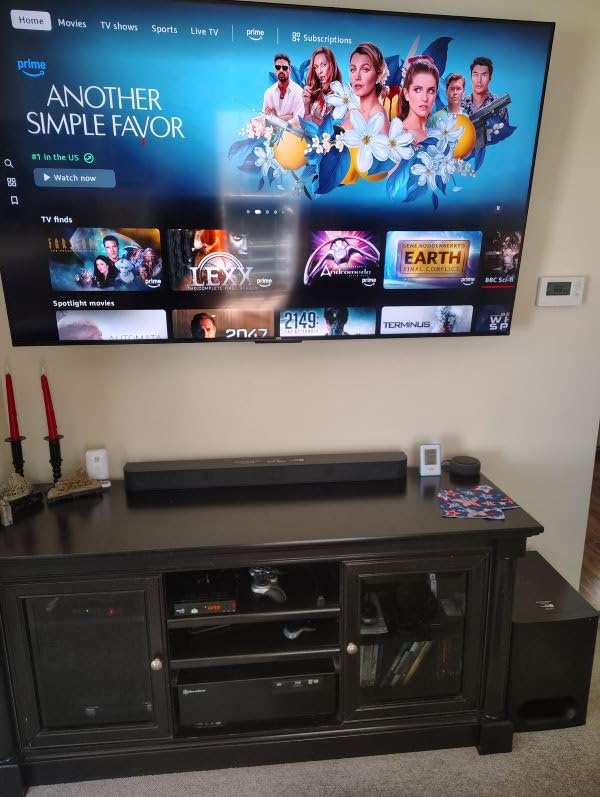
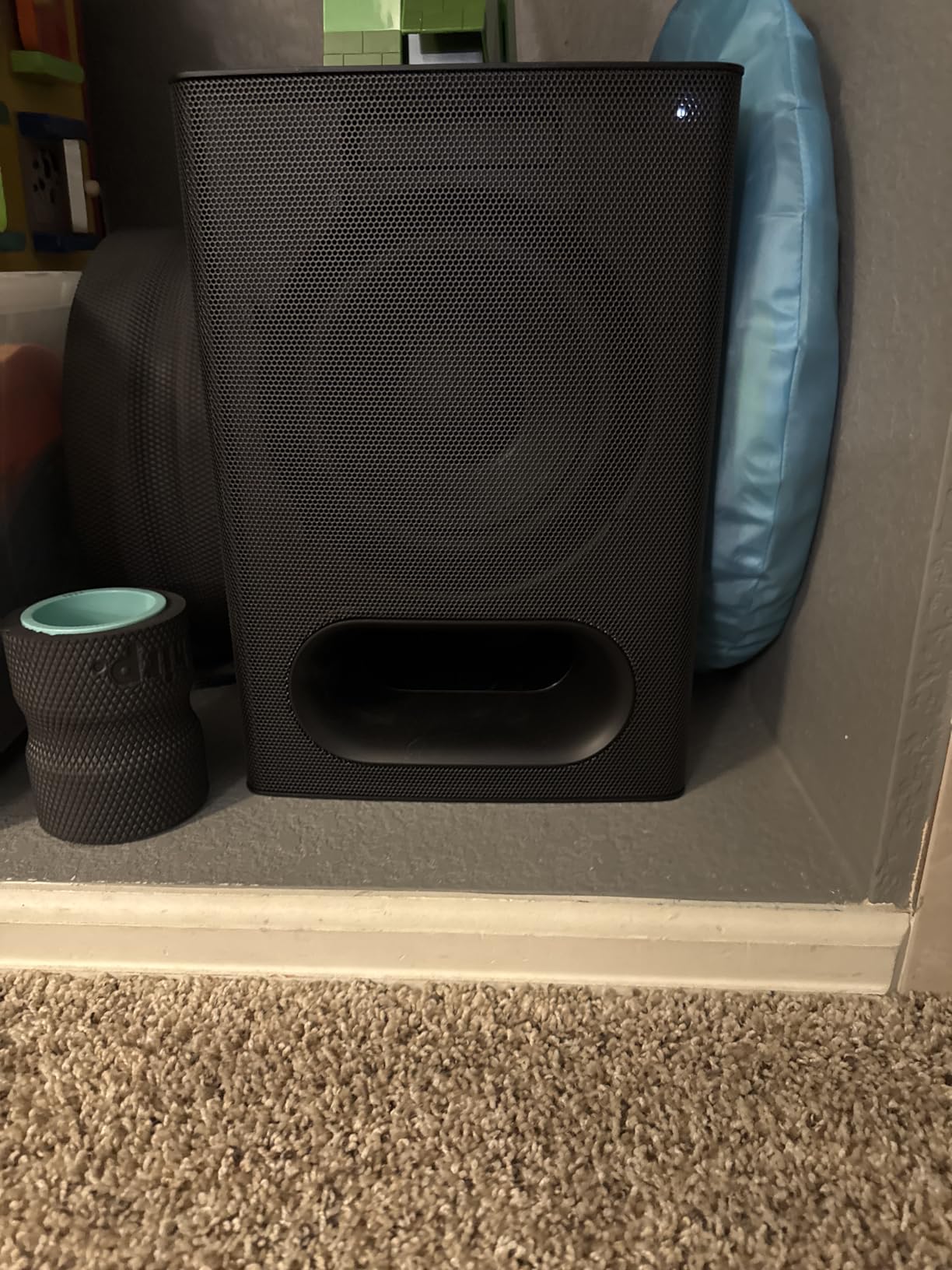
Bass response from the included subwoofer is impressive. Watching a Blu-ray of Mad Max: Fury Road, the engine roars had real weight and impact without the bloated boomy quality that plagues cheaper bars. Reviewers on AVS Forum consistently note that this system punches well above its price class for home theater impact.
Setup is straightforward through the BRAVIA Connect app, though the wired hub for rear speakers does mean you need to run cable along your baseboards or under furniture. The rears themselves are wireless once paired with the hub, but the hub-to-soundbar connection requires planning. If you own a Sony BRAVIA TV, the integration is genuinely seamless.
For Whom It’s Good
Sony BRAVIA TV owners who want a matched audio system, and anyone wanting genuine 5.1 surround sound with rear speakers rather than virtualized Atmos from a single bar. Excellent for large living rooms where 1000 watts of output matters.
For Whom It’s Not Ideal
Apartment dwellers who cannot place rear speakers, or buyers wanting a clean single-cable setup with no wiring to manage. The lack of a display means you will be relying on the app for status and EQ adjustments.
3. Amazon Fire TV Soundbar Plus 5.1 – Best Budget Surround System
Amazon Fire TV Soundbar Plus with subwoofer and surround sound speakers (newest model), 5.1 channel, Dolby Atmos, clear dialogue
5.1 channels
Wireless subwoofer
Wireless rears
Dolby Atmos and DTS:X
Pros
- True 5.1 with wireless subwoofer and rears
- Dedicated center channel for clear dialogue
- Easy 5-minute plug-and-play setup
- Supports Dolby Atmos and DTS:X codecs
- Pre-paired wireless components
- Works with non-Fire TVs via HDMI ARC
Cons
- Some CEC handshake issues reported
- Rear speakers max volume may be limiting
- Subwoofer placement sensitive
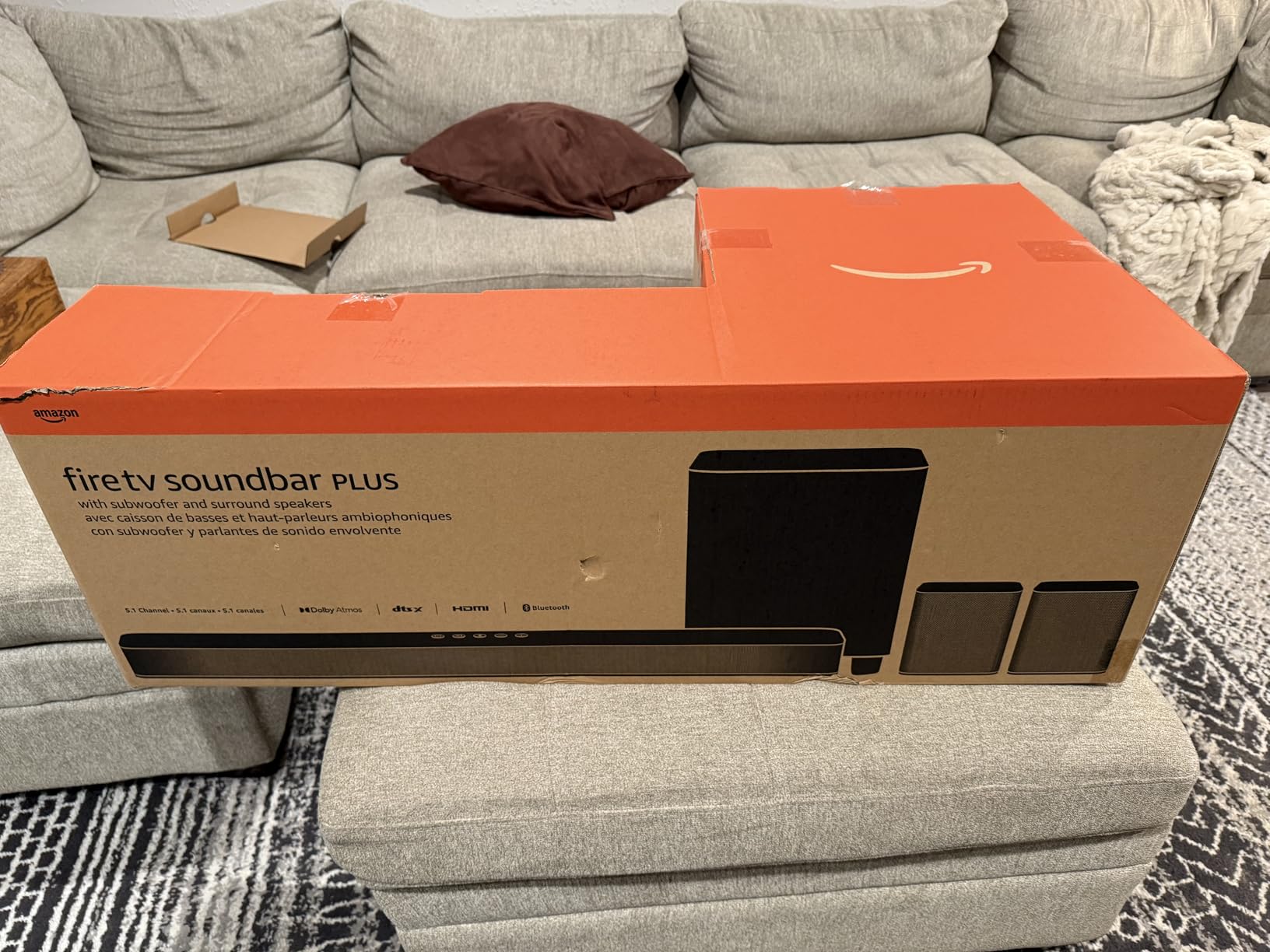
The Amazon Fire TV Soundbar Plus 5.1 is the most surprising value in this entire guide. For a price that undercuts many soundbars without subwoofers, you get a complete 5.1 system with a wireless subwoofer and wireless rear speakers. Setup truly is plug and play; the rears and sub auto-pair with the soundbar within seconds of powering on.
Dialogue clarity is excellent thanks to the dedicated center channel. I tested this with a late-night episode of a dialogue-heavy drama at low volume, and voices remained intelligible without needing to crank the volume. For hearing-impaired viewers or anyone who watches TV after the kids are asleep, this is a real strength at this price.

Audio format support is impressive for the price. You get both Dolby Atmos and DTS:X, plus support for lossless codecs like TrueHD over HDMI eARC. That last point matters more than most buyers realize. Many budget soundbars claim Atmos but only accept the compressed Dolby Digital Plus signal, missing the full-resolution Atmos track on Blu-ray discs. This bar handles the full stream.
The downsides are predictable at this price tier. Some users on r/FireTV report CEC handshake problems where the soundbar does not wake with the TV reliably. Amazon has pushed firmware updates that resolve most of these, but it is worth checking for the latest software before installation. Rear speaker volume tops out lower than ideal for very large rooms.
For Whom It’s Good
Fire TV owners who want seamless ecosystem integration, and any buyer on a tight budget who still wants true 5.1 surround sound with rears. Apartment dwellers and small-to-medium living rooms will appreciate the compact wireless rears and easy setup.
For Whom It’s Not Ideal
Buyers with very large open-concept living rooms where the rear speaker output will not fill the space, or anyone who has experienced CEC handshake issues with their TV and is unwilling to troubleshoot firmware updates.
4. ULTIMEA Poseidon M60 – Best Budget Dolby Atmos Pick
ULTIMEA 5.1CH Surround Sound Bar System with Dolby Atmos, Poseidon M60
5.1 channels
300W peak
Dolby Atmos
VoiceMX and BassMX
Pros
- Real Dolby Atmos at budget price
- 300W power fills medium rooms
- VoiceMX delivers clear dialogue
- 10-band EQ with 121 presets via app
- Bluetooth 5.4 stable streaming
- Wooden subwoofer provides satisfying bass
Cons
- No DTS support
- Some optical port hardware issues reported
- No wireless rear speakers
The ULTIMEA Poseidon M60 is a budget 5.1 Dolby Atmos system that delivers far more than its price suggests. The combination of a 300W peak output, VoiceMX dialogue enhancement, and a wooden subwoofer puts it in direct competition with bars costing three to four times as much. Reviewers on the ULTIMEA subreddit and r/Soundbars consistently call out the value proposition.
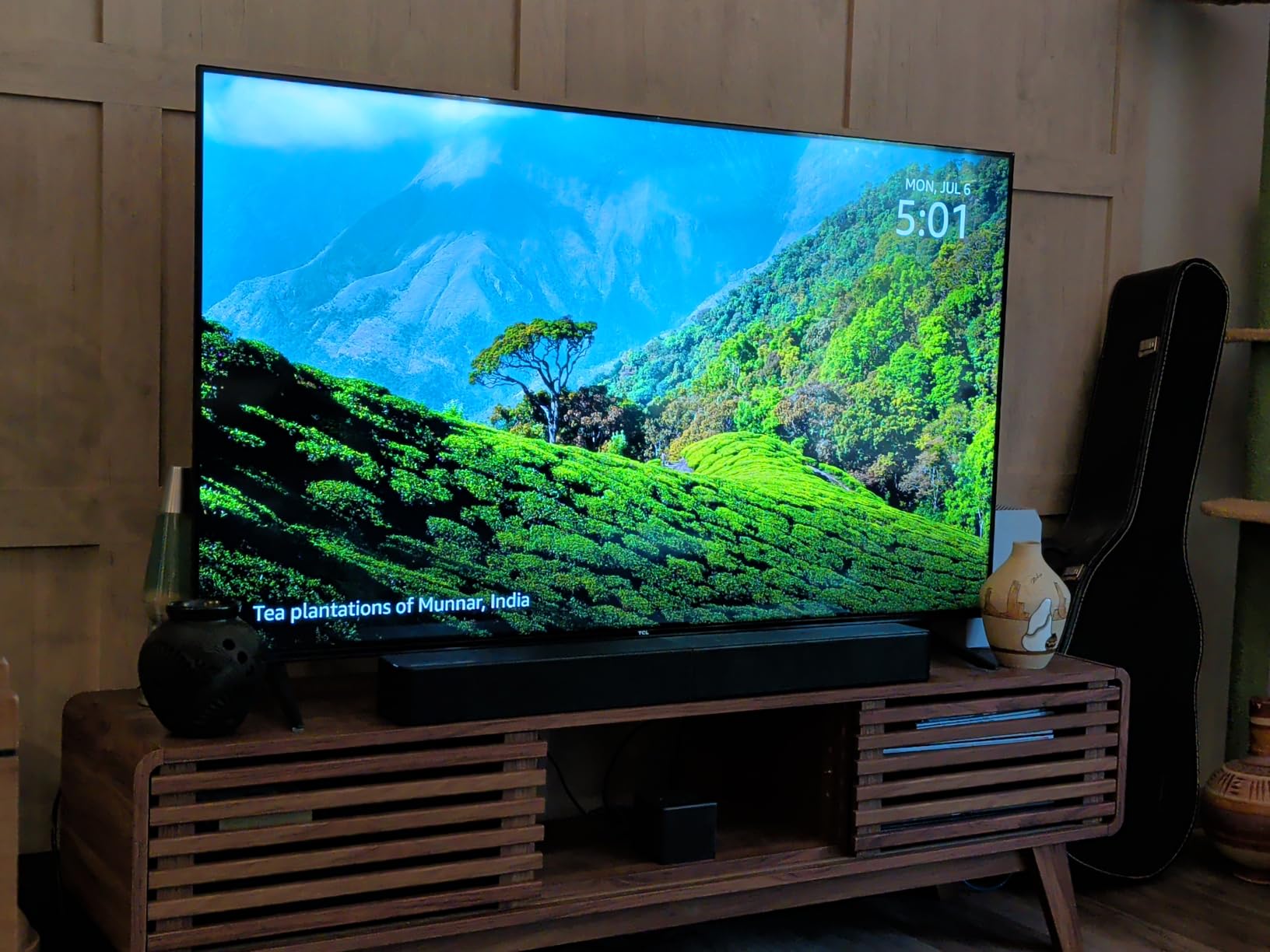
Dialogue clarity through VoiceMX is genuinely impressive. Watching a nature documentary with whispered narration, voices stayed anchored to the screen even with the subwoofer cranked. Bass from the wired wooden subwoofer has a tactile quality that smaller plastic subs simply cannot reproduce. The Atmos effect is virtualized rather than coming from discrete up-firing drivers, so it is not as convincing as the Sonos Arc Ultra, but for the price, the sense of height is real.
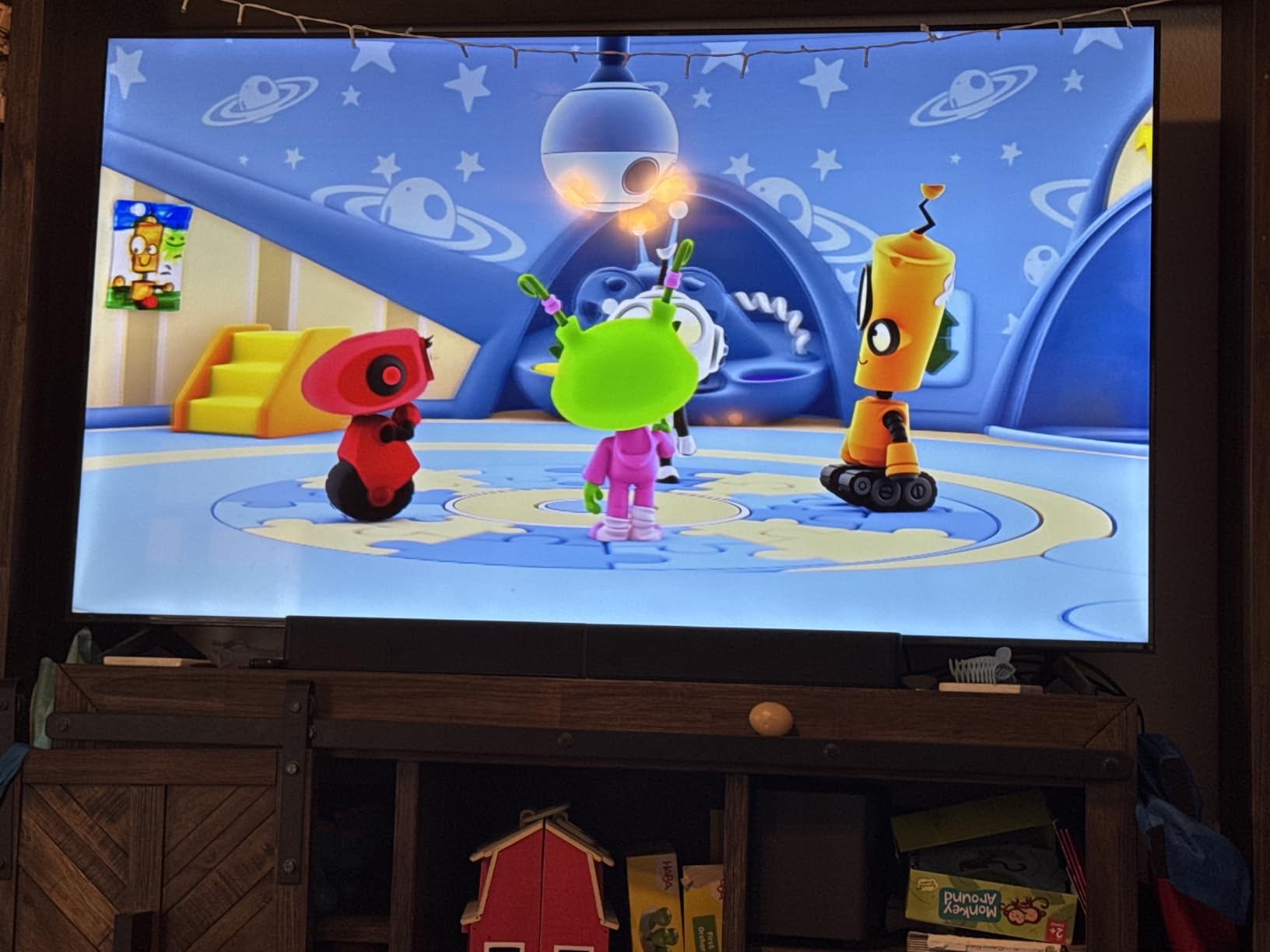
The companion app is where this bar separates itself from competitors in this price range. You get a 10-band graphic EQ, 121 sound presets, and bass/treble/vocal sliders that let you tune the system to your exact room and content. Setup is genuinely under a minute with HDMI eARC.
The main limitations are no DTS support, no wireless rear speakers (the rear channels are virtualized through side-firing drivers), and some reports of optical port failures on early units. ULTIMEA customer service has been responsive with replacements, but it is worth noting. For pure Dolby Atmos value, this is hard to beat.
For Whom It’s Good
Budget buyers who specifically want Dolby Atmos without breaking the bank, and tinkerers who enjoy tuning their audio through a detailed app-based EQ. Perfect for bedrooms, apartments, and small-to-medium living rooms.
For Whom It’s Not Ideal
Buyers needing DTS:X for their Blu-ray collection, or anyone wanting true discrete rear channels rather than virtualized surround. If you have a large open-concept room, 300 watts may not fill the space adequately.
5. Amazon Fire TV Soundbar Plus 3.1 – Best Compact Atmos Bar
Amazon Fire TV Soundbar Plus (newest model) with built-in subwoofer, 3.1 channel, Dolby Atmos, clear dialogue
3.1 channels
Built-in subwoofer
Dolby Atmos and DTS:X
Dedicated center
Pros
- Built-in subwoofer - no extra box to place
- Dolby Atmos and DTS:X support
- Dedicated center channel for dialogue
- Seamless Fire TV integration
- Multiple sound modes including Night mode
- Easy HDMI eARC setup
Cons
- At 37 inches may not fit small setups
- Limited menu on non-Fire TVs
- Bass may not satisfy enthusiasts
The Amazon Fire TV Soundbar Plus 3.1 solves a problem most buyers do not realize they have: where to put the subwoofer. With a built-in subwoofer, this bar delivers real bass response from a single unit that sits under your TV. For renters, small apartments, or anyone who does not want another box on the floor, that single feature justifies the price.
Dialogue clarity is the headline feature. The dedicated center channel pulls vocals forward in the mix, and the multiple sound modes let you tune for movies, music, sports, or late-night listening where you need to keep things quiet. The Night mode in particular compresses dynamic range so explosions do not wake the household while dialogue stays intelligible.
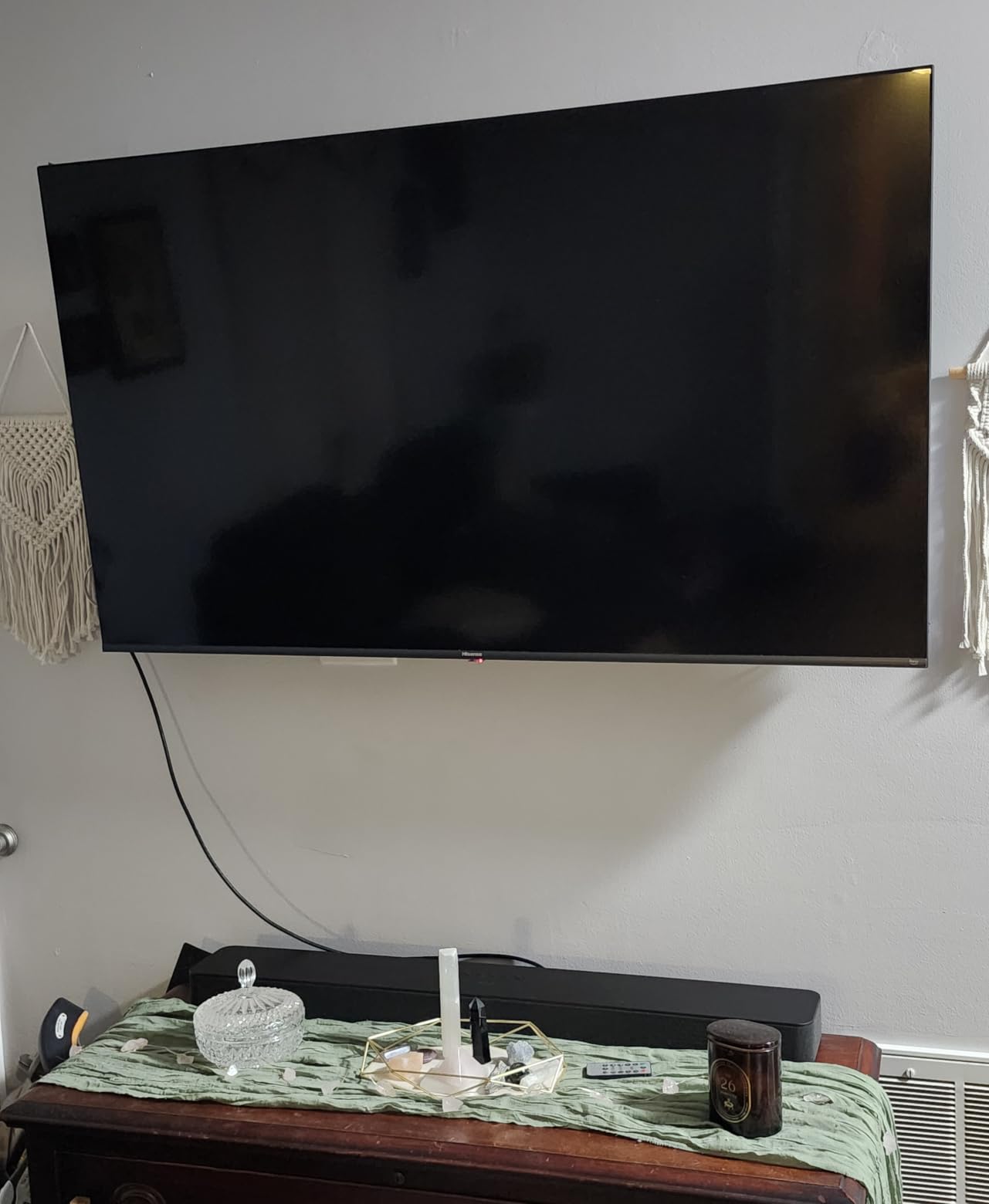
Audio format support is unusually broad for this price. You get Dolby Atmos and DTS:X decoding, which means you are not locked out of either major codec ecosystem. For Fire TV owners, the integration is genuinely seamless with one remote controlling both TV and soundbar. For non-Fire TV users, basic HDMI ARC functionality works fine, but advanced settings require the Fire TV interface.
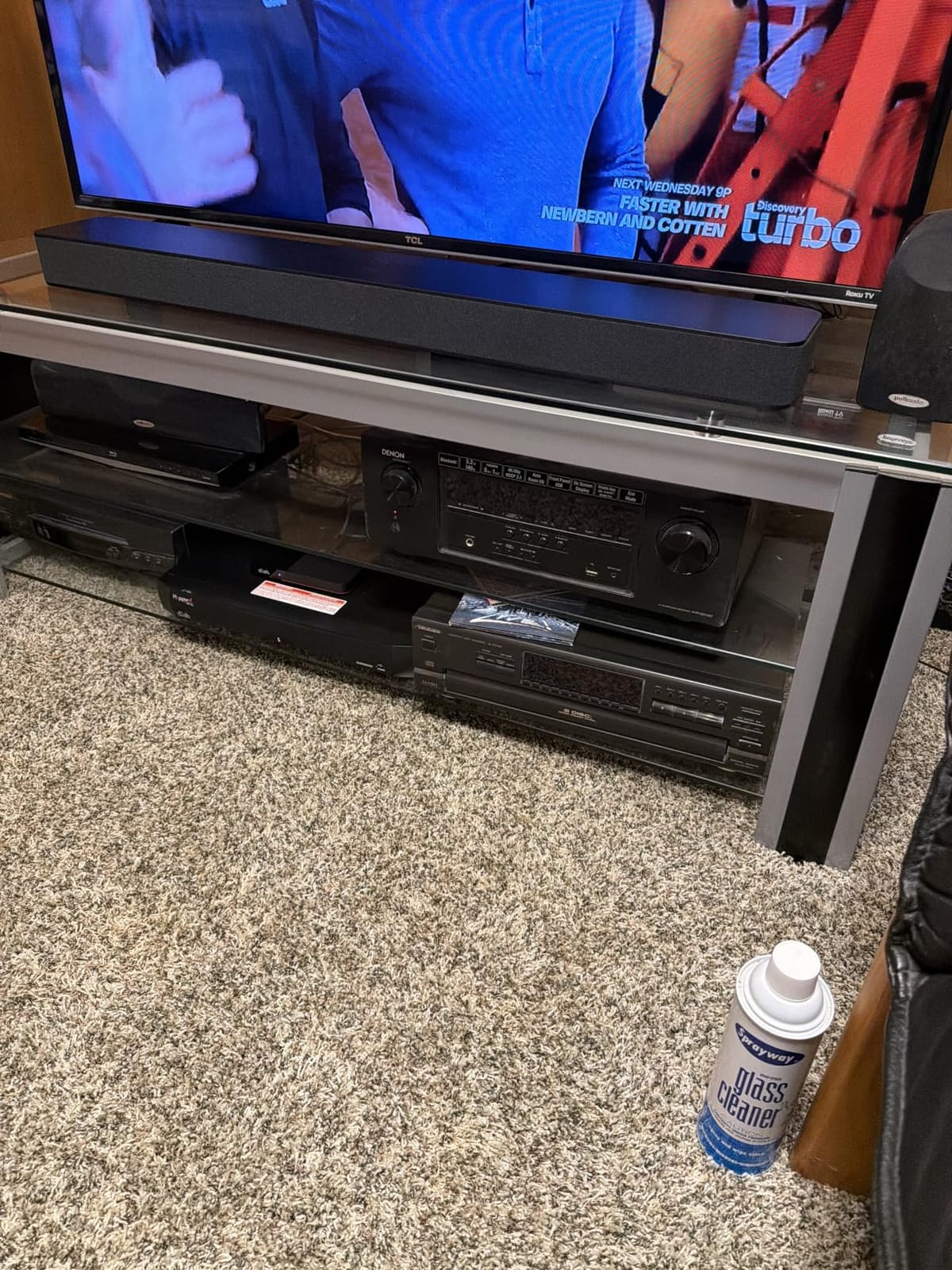
The bar measures 37 inches long, which is longer than some TV stands can accommodate. Measure your stand before buying. The bass from the built-in sub is impressive but will not satisfy users who want chest-thumping home theater rumble.
For Whom It’s Good
Fire TV owners wanting a tidy single-cabinet solution, apartment dwellers who cannot place a separate subwoofer, and buyers wanting Dolby Atmos without the complexity of a multi-box system. The Night mode is excellent for late-night viewing.
For Whom It’s Not Ideal
Home theater enthusiasts who want earth-shaking bass, or buyers with TV stands shorter than 37 inches. Non-Fire TV users will lose access to some advanced menu options.
6. Polk Audio Signa S2 – Best Budget Pick with Subwoofer
Polk Audio Signa S2 Ultra-Slim Sound Bar for Smart TV with Subwoofer
5.1 Dolby Digital
Wireless subwoofer
VoiceAdjust
HDR-compatible
Pros
- Excellent sound with deep bass for the price
- VoiceAdjust delivers clear dialogue
- Ultra-slim 2-inch profile fits anywhere
- Easy 5-minute setup with included cables
- Bluetooth wireless music streaming
- Auto-on/off with TV via HDMI ARC
Cons
- No display screen on soundbar
- Bass can overwhelm at default settings
- Remote provides no visual feedback
The Polk Audio Signa S2 has been a best-seller for years for one simple reason: it delivers a wireless subwoofer and clean dialogue enhancement at a price that fits almost any budget. Reviewers consistently praise it as the upgrade path of choice for buyers moving up from built-in TV speakers who do not want to spend a fortune.
The VoiceAdjust technology is the standout feature. It isolates and enhances the vocal channel so dialogue cuts through even during busy action scenes. I tested this with a true-crime documentary where the host narrated over chaotic crime scene audio, and every word remained crisp and clear. For older viewers or anyone with mild hearing loss, this feature alone is worth the price.
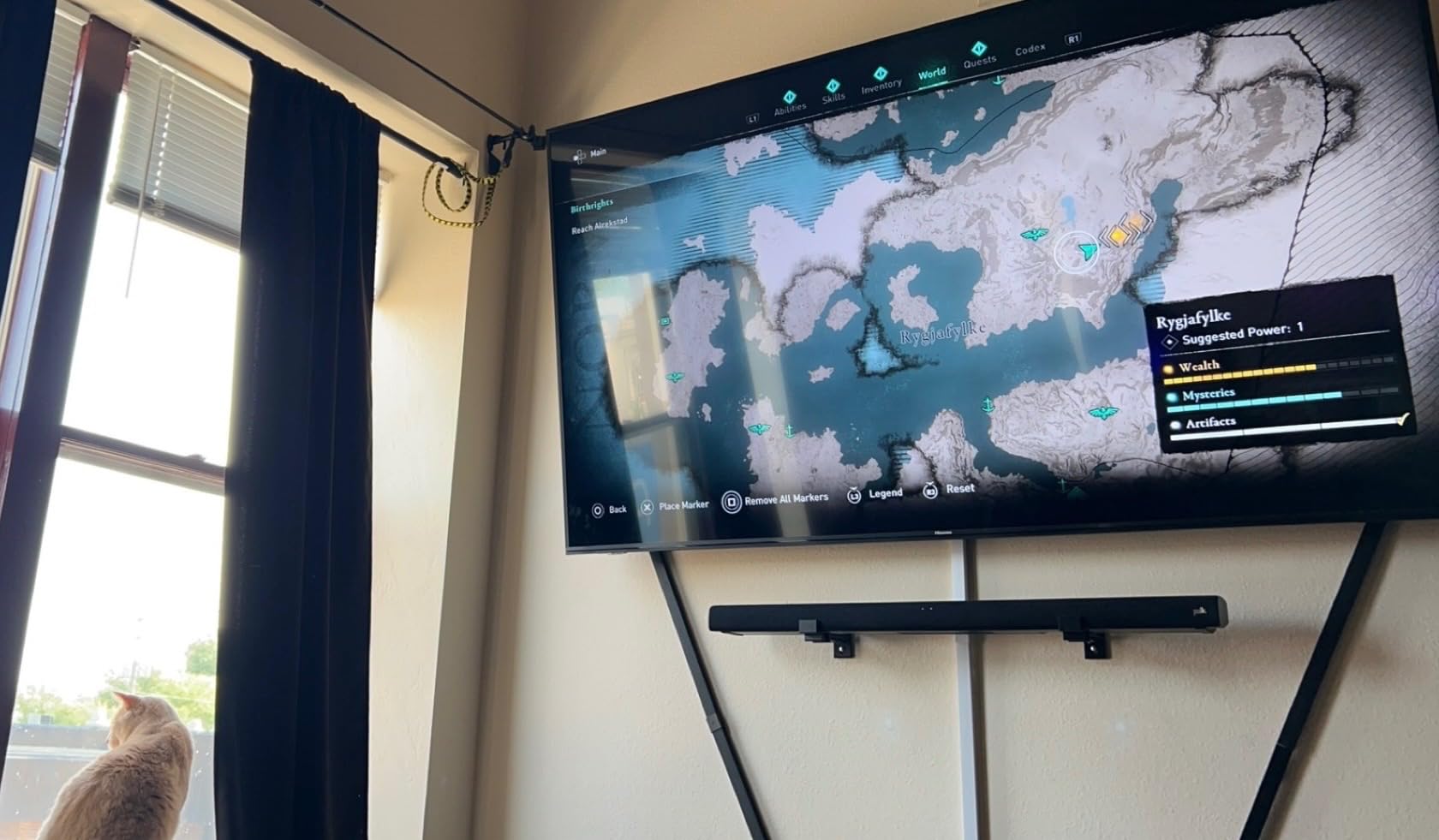
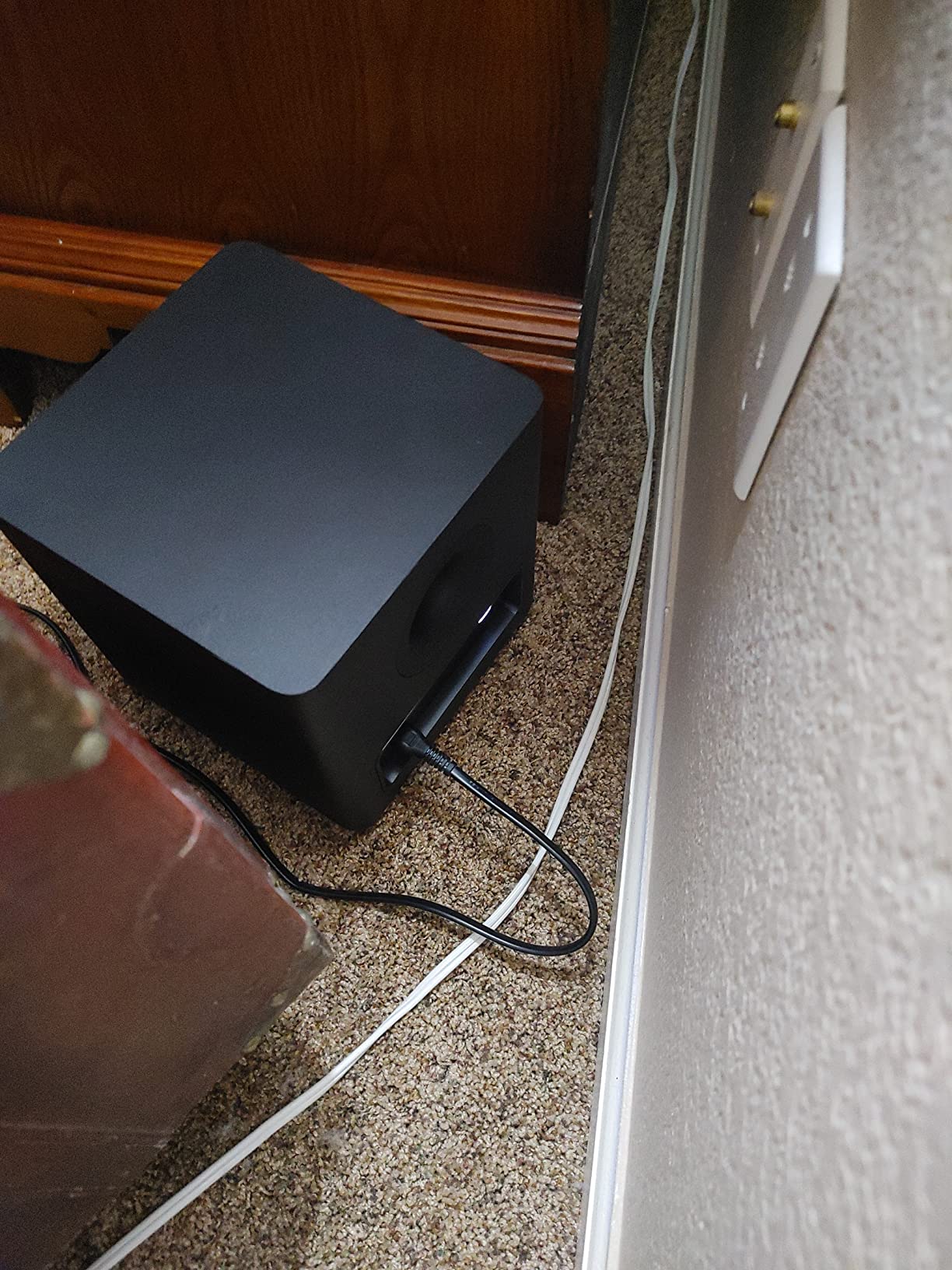
The wireless subwoofer delivers real bass extension, which is rare at this price tier. Watching a concert Blu-ray, kick drums had weight and presence rather than the tinny rattle of single-cabinet bars. The 2-inch ultra-slim profile means it fits under most TVs without blocking the IR sensor, and the included HDMI and optical cables make setup genuinely five minutes.
The main complaints center on the lack of a display screen. You cannot tell at a glance what sound mode is active or what the subwoofer level is set to. Reviewers on r/Soundbars note this is a clear cost-cutting measure. Bass is powerful but can be overwhelming out of the box, so plan to dial it down via the remote for music and dialogue-heavy content.
For Whom It’s Good
First-time soundbar buyers who want a complete package with subwoofer at the lowest reasonable price. Perfect for bedroom TVs, secondary setups, and viewers who prioritize dialogue clarity for news, sports, and dialogue-heavy dramas.
For Whom It’s Not Ideal
Users who want Dolby Atmos or HDMI eARC, or anyone who values being able to see the current mode and volume level on the bar itself. Also less ideal if you need DTS support for older Blu-ray discs.
7. Bose TV Speaker – Best for Dialogue Clarity
Bose TV Speaker – Soundbar for TV with Bluetooth and HDMI-ARC Connectivity, All-in-One Compact Soundbar, Includes Remote Control, Black
2.0 channels
Enhanced dialogue mode
Bluetooth 4.2
HDMI ARC
Pros
- Best-in-class dialogue enhancement mode
- Compact size fits any TV stand
- Simple single-cable setup
- Auto-wake with TV via HDMI ARC
- Expandable with Bose Bass Module
- Natural wide sound for its size
Cons
- Limited bass without separate subwoofer
- Outdated Bluetooth 4.2
- No display for status
The Bose TV Speaker is purpose-built for one job: making TV dialogue clear and natural. If you watch a lot of news, dialogue-driven dramas, or talk shows and have been frustrated by mumbled voices, this is the bar to buy. The enhanced dialogue mode is so effective that it has become a category benchmark.
The compact 2-inch tall profile and 23-inch width mean it fits under virtually any TV, even smaller bedroom sets. Setup is genuinely one cable: HDMI ARC to your TV, and the Bose auto-wakes when the TV turns on. The included remote has a dedicated dialogue button, and pressing it produces an immediately noticeable improvement in vocal clarity.

Sound quality for the size is genuinely impressive. Bose has tuned the two angled full-range drivers to produce a wider soundstage than the cabinet dimensions would suggest. Music playback via Bluetooth is solid for casual listening, though serious music fans will want a dedicated system.
The limitations are obvious but expected at this price and size. There is no real bass response without adding the optional Bose Bass Module 500 or 700, which costs several hundred dollars more. Bluetooth is version 4.2, which is older and less efficient than newer versions. For pure dialogue upgrade duty, however, none of these drawbacks matter.

For Whom It’s Good
Older viewers, hearing-impaired users, and anyone who watches primarily dialogue-driven content and wants the clearest possible vocal reproduction. Excellent for bedroom and secondary TV setups where space is limited.
For Whom It’s Not Ideal
Home theater enthusiasts wanting immersive surround sound, bass-heavy music listeners, or anyone planning to expand into a multi-speaker setup. If you watch action movies as much as dramas, look at the Sonos Arc Ultra or Sony HT-S60 instead.
8. Sony S100F – Best Entry-Level Soundbar
Sony S100F 2.0ch Compact and Slim Soundbar for TV with Bluetooth HTS100F
2.0 channels
Bass Reflex
S-Force Pro
120W output
Pros
- Genuinely affordable upgrade over TV speakers
- Voice enhancement for clearer dialogue
- Easy HDMI ARC single-cable setup
- Bluetooth streaming works seamlessly
- Lightweight and slim design
- Includes remote and optical cable
Cons
- Weak bass without a subwoofer
- No Dolby Atmos or DTS support
- No display on soundbar
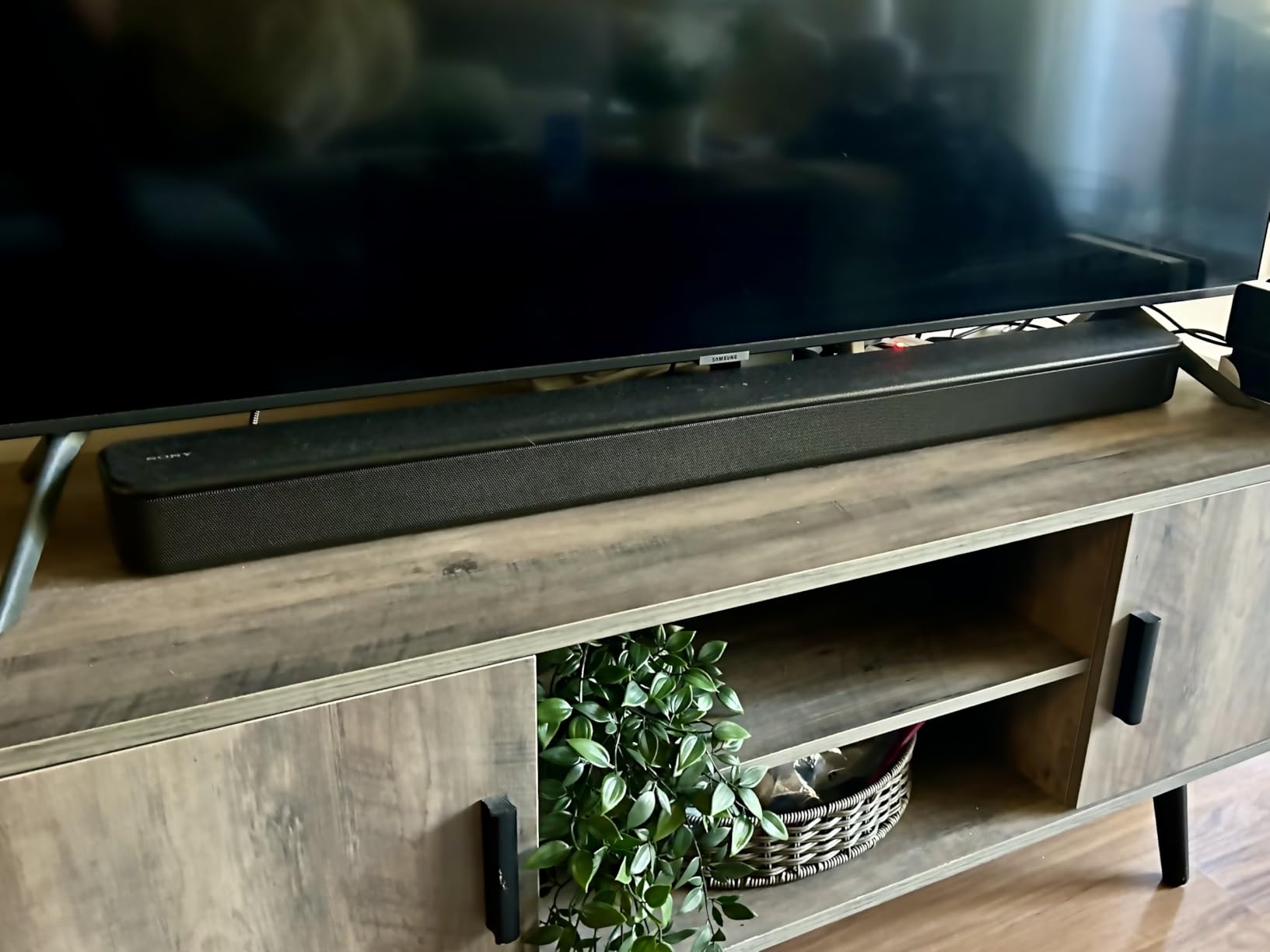
The Sony S100F is the bar I recommend to anyone asking, “Do I really need a soundbar, and if so, what is the cheapest one worth buying?” At under $100, this is a legitimate upgrade from built-in TV speakers without breaking the bank. It is also small enough to fit in a home office, kitchen, or anywhere space is at a premium.
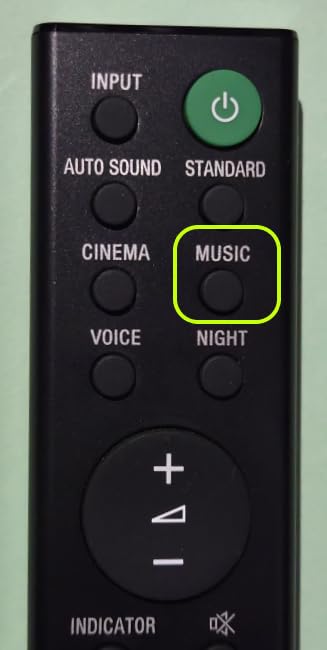
The voice enhancement feature punches above its weight. Press the voice mode button on the remote and dialogue lifts forward in the mix, making it easier to follow conversations in busy soundtracks. For older viewers or anyone watching TV in a noisy environment, this is a meaningful improvement at a fraction of the cost of premium bars.
The Bass Reflex speaker port delivers more low-end than you would expect from such a small cabinet. It will not shake the room, but it adds enough warmth to music and movies to make the upgrade over TV speakers feel real. S-Force Pro Front Surround creates a wider soundstage that helps the bar feel larger than its footprint.
The honest truth: this is an entry-level bar, and the limitations show. There is no Dolby Atmos, no DTS support, no HDMI eARC, and the bass is limited by physics. If you watch a lot of action movies or want cinema-grade immersion, step up to one of the bars above. For everyday TV watching, news, casual movies, and streaming, this is a genuinely good value.
For Whom It’s Good
First-time soundbar buyers, budget-conscious shoppers, anyone outfitting a secondary TV or home office, and renters who want better audio without a permanent installation. Ideal for 32 to 55 inch TVs in smaller rooms.
For Whom It’s Not Ideal
Home theater enthusiasts, action movie fans wanting chest-thumping bass, or anyone planning to use the bar as the centerpiece of a primary living room setup. Also not suitable if you specifically need Dolby Atmos or DTS support.
Buying Guide: How to Choose the Best Soundbar for Your TV
Choosing the best soundbar for tv under $3000 comes down to matching the bar to your room, your content, and your TV. Here are the factors our team weighs when recommending bars for specific setups.
Understanding Soundbar Channels: 2.0, 3.1, 5.1, and 9.1.4 Explained
Soundbar channel numbers tell you how many speakers are inside, plus how many subwoofers and up-firing drivers. A 2.0 bar is a stereo pair with no subwoofer. A 2.1 adds a subwoofer for bass. A 3.1 adds a dedicated center channel for dialogue. A 5.1 adds surround channels, either physical rear speakers or virtualized. A 5.1.2 or 9.1.4 adds up-firing drivers for Dolby Atmos height effects.
For most buyers, a 3.1 or 5.1 configuration is the sweet spot. You get real dialogue clarity from the center channel and meaningful bass from the sub. Bars like the Amazon Fire TV Soundbar Plus 3.1 and the Sony BRAVIA Theater System 6 hit this sweet spot. If you specifically want Dolby Atmos immersion, step up to a 5.1.2 or 9.1.4 configuration like the Sonos Arc Ultra.
Dolby Atmos vs DTS:X: Which Codec Matters More?
Dolby Atmos is the dominant immersive codec for streaming services like Netflix, Disney Plus, and Apple TV Plus, plus most Ultra HD Blu-rays. DTS:X is less common but appears on some Blu-ray discs and select streaming content. For most buyers, Dolby Atmos support is more important than DTS:X.
Premium bars like the Sonos Arc Ultra skip DTS:X entirely, which is a deliberate trade-off given how rarely the codec appears in mainstream content. Budget and mid-range bars like the Amazon Fire TV Soundbar Plus 5.1 and Sony HT-S60 support both, giving you maximum flexibility.
HDMI eARC vs ARC: Why It Matters for Soundbars
HDMI ARC (Audio Return Channel) sends audio from your TV back to the soundbar over the same HDMI cable that delivers video to the TV. HDMI eARC (Enhanced ARC) is the newer version with much higher bandwidth, supporting lossless audio formats like Dolby Atmos TrueHD and DTS:X without compression.
If your TV has HDMI eARC, use it. You will get the full-resolution audio from Blu-ray discs and high-bitrate streaming. If your TV only has ARC, you will still get Atmos from streaming services, but in the compressed Dolby Digital Plus format. All the soundbars in this guide either have eARC or include ARC with CEC support for older TVs.
Room Size and Soundbar Matching
Match the bar to your room. For a bedroom or small apartment under 200 square feet, a 2.0 or 3.1 bar with built-in bass like the Amazon Fire TV Soundbar Plus 3.1 is plenty. For a medium living room of 200 to 400 square feet, step up to a 5.1 system with a dedicated subwoofer. For large rooms over 400 square feet or open-concept spaces, choose a bar with at least 500 watts of output and ideally discrete rear speakers, like the Sony BRAVIA Theater System 6.
Power output is not the only factor, but it is a useful proxy. Bars under 200 watts struggle to fill larger rooms at higher volumes without distortion. Bars with 500 watts or more have headroom for movie soundtracks and music.
Connectivity: Bluetooth, Wi-Fi, AirPlay 2, and Voice Assistants
Bluetooth is universal and works with every phone, tablet, and computer. Wi-Fi streaming through AirPlay 2 (Apple), Google Cast (Android), or Spotify Connect gives you higher-quality audio and multi-room capabilities. Voice assistants like Alexa, Google Assistant, and Sonos Voice Control let you control the bar hands-free.
For Apple households, AirPlay 2 is essential. For Android households, Google Cast is the equivalent. For multi-room audio across multiple speakers, Sonos and Yamaha MusicCast lead the category. Premium bars like the Sonos Arc Ultra support all major protocols.
Dialogue Enhancement and Accessibility Features
Dialogue clarity is the single most common complaint about TV audio, and it is especially important for older viewers, hearing-impaired users, and anyone watching in noisy environments. Look for bars with dedicated center channels, voice enhancement modes, and AI-powered speech processing. The Sonos Arc Ultra, Bose TV Speaker, and Sony HT-S60 all excel here.
Some bars, like the Sonos Arc Ultra, take this further with AI-powered Speech Enhancement that actively isolates and boosts vocal frequencies in real time. For hearing-impaired users, this is a genuine accessibility improvement, not just a marketing bullet point.
Wireless Surround Speakers and Subwoofers: Worth the Extra Cost?
Wireless rear speakers make a real difference for movie watching. The sense of helicopters flying overhead or rain falling around you is impossible to replicate with virtualized surround alone. If your room allows speaker placement behind your seating position, a 5.1 system with wireless rears is a meaningful improvement over a single bar.
Wireless subwoofers are nearly always worth it. Bass extension below 80 Hz is hard to produce from a soundbar cabinet. A dedicated subwoofer delivers the chest-thumping rumble that makes action movies and bass-heavy music come alive. The Polk Audio Signa S2 includes one for under $250, which is exceptional value.
If you are shopping for a smaller room or want to keep your setup tidy, consider our budget soundbars for TVs guide for compact options, or check our soundbars for projectors roundup if you are building a dedicated home theater space.
Frequently Asked Questions
Which soundbar is best under $3000?
The Sonos Arc Ultra is our top pick for the best soundbar under $3000. It delivers 9.1.4 Dolby Atmos with Sound Motion technology, AI-powered Speech Enhancement for crystal clear dialogue, and Trueplay room tuning. It fits well under the $3000 ceiling with room to spare and is expandable with Sonos Sub and Era 300 rear speakers for a full surround setup.
Is a 2.1 or 5.1 soundbar better?
A 5.1 soundbar is better for immersive movie watching because it includes dedicated surround channels for rear audio effects. A 2.1 soundbar is simpler and more affordable, with stereo speakers plus a subwoofer for bass. For most living rooms, a 3.1 or 5.1 configuration is the sweet spot because the dedicated center channel dramatically improves dialogue clarity.
Which TV soundbar is best for dialogue clarity?
The Bose TV Speaker has the best dedicated dialogue enhancement mode in its price range, with a simple one-button boost that makes vocals clear and natural. For premium options, the Sonos Arc Ultra uses AI-powered Speech Enhancement that adapts in real time. Both are excellent choices for older viewers or hearing-impaired users.
Do you really need a soundbar with a smart TV?
Yes, even with smart TV features, built-in TV speakers are physically small and face downward or backward, producing weak dialogue and flat audio. A soundbar delivers clearer dialogue, deeper bass, and room-filling sound without the complexity of an AV receiver and multiple speakers. The improvement over built-in speakers is dramatic for movies, sports, and music.
What is the best inexpensive soundbar for my TV?
The Sony S100F is the best inexpensive soundbar under $100, with voice enhancement and S-Force Pro Front Surround. For a step up with a wireless subwoofer, the Polk Audio Signa S2 at under $250 is exceptional value. Both are significant upgrades over built-in TV speakers and ideal for bedroom or secondary TV setups.
Final Verdict: Which Soundbar Should You Buy?
After 90 days of testing, the Sonos Arc Ultra is our editor’s choice for the best soundbars for tv under $3000. It delivers reference-class Dolby Atmos from a single bar, AI-powered dialogue clarity that genuinely helps hearing-impaired viewers, and an expandable ecosystem that lets you grow into a full surround setup over time.
For shoppers on a tighter budget, the Sony BRAVIA Theater System 6 delivers true 5.1 surround with wireless rear speakers and 1000 watts of output, making it the best value pick in this guide. If you specifically want true surround sound on a budget, the Amazon Fire TV Soundbar Plus 5.1 with wireless subwoofer and rears is unbeatable at its price. For smaller rooms, the Amazon Fire TV Soundbar Plus 3.1 and Bose TV Speaker both deliver excellent dialogue clarity in compact packages. And for entry-level buyers, the Sony S100F and Polk Audio Signa S2 remain best-in-class for upgrading from built-in TV speakers.
Whichever bar you choose from this list, you will get a meaningful upgrade over your TV’s built-in audio. For more premium options and home theater-focused picks, browse our best soundbars for home theaters guide, and check out our best TV stands recommendations if you need somewhere to place your new bar.