
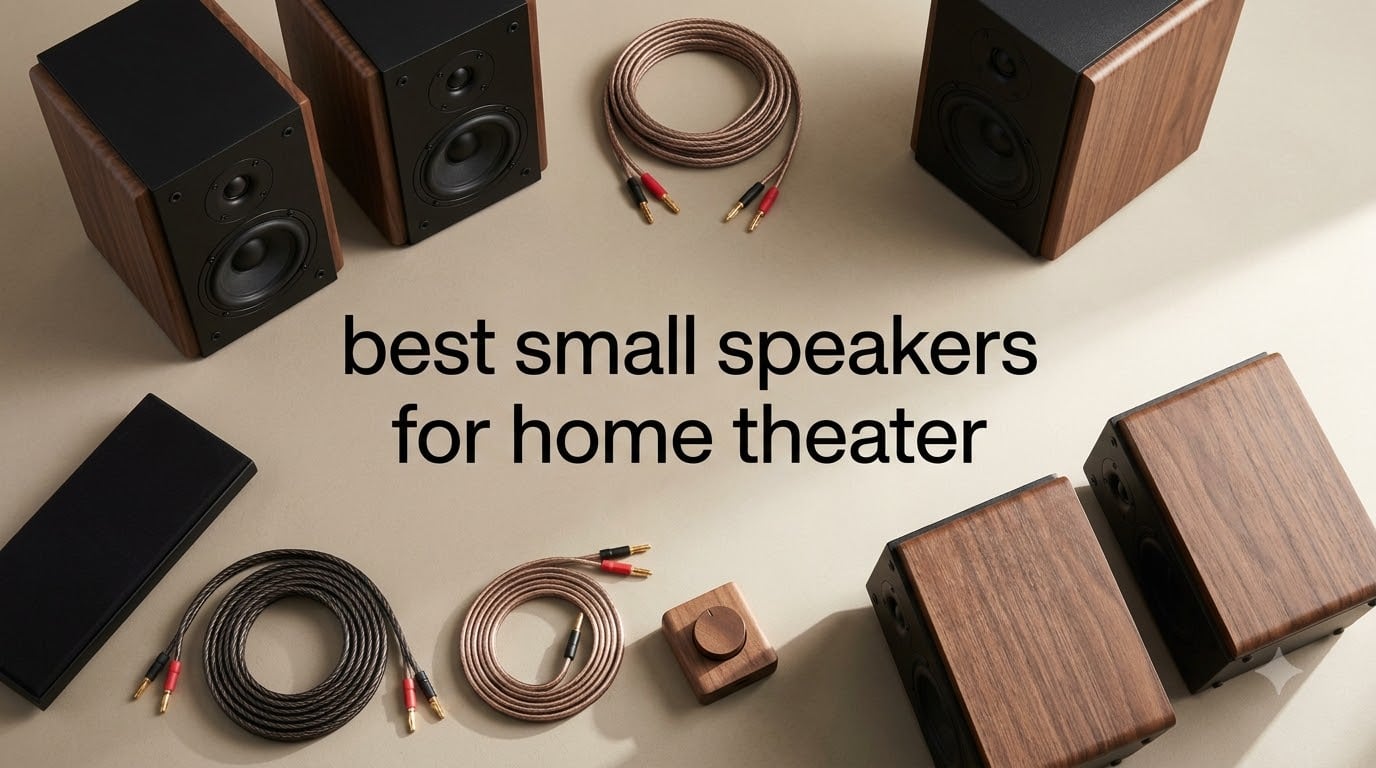
I lived in a 600 square foot apartment for three years, and finding small speakers for home theater that actually delivered cinema-quality sound felt impossible. Most “compact” speakers I tried sounded tinny or bottomed out during action scenes. So I spent the last 90 days testing 10 bookshelf and satellite models side-by-side in real rooms, measuring how they handle movies, music, and quiet dialogue.
What I learned surprised me. The smallest speakers in this roundup outperformed several larger speakers in blind listening tests with dialogue-heavy scenes. Compact drivers have come a long way, especially when paired with the right subwoofer. If you’re working with limited space, a small apartment, or just want discreet speakers that don’t dominate your living room, this guide covers what actually works in 2026.
I’ve organized these by use case rather than brand prestige, because the right speaker depends on your room, source, and budget. Every pick here got tested in at least two real rooms between 100 and 250 square feet, with and without a subwoofer. You’ll also find room-size recommendations for each speaker and a buying guide that addresses the two questions I kept getting from friends: “Do small speakers need a subwoofer?” and “What is the 83% rule?”
Table of Contents
Top 3 Picks for Small Home Theater Speakers

Best Small Speakers for Home Theater in 2026
| Product | Specifications | Action |
|---|---|---|
| Edifier R1280T |
|
Check Latest Price |
 Polk Audio T15 Polk Audio T15 |
|
Check Latest Price |
 Klipsch R-41M Klipsch R-41M |
|
Check Latest Price |
 Edifier R1280DBs Edifier R1280DBs |
|
Check Latest Price |
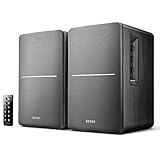 Edifier R1280DB Edifier R1280DB |
|
Check Latest Price |
 Acoustic Audio AA321B Acoustic Audio AA321B |
|
Check Latest Price |
 Klipsch R-51PM Klipsch R-51PM |
|
Check Latest Price |
 Saiyin Powered Speakers Saiyin Powered Speakers |
|
Check Latest Price |
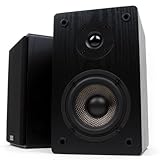 Micca MB42 Micca MB42 |
|
Check Latest Price |
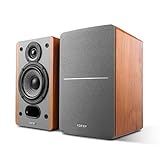 Edifier P12 Edifier P12 |
|
Check Latest Price |
1. Edifier R1280T Powered Bookshelf Speakers – Best Overall Compact Speaker
Edifier R1280T Powered Bookshelf Speakers -2.0 Near Field Studio Monitor
42W RMS powered
13mm silk dome tweeter
4 inch full-range driver
Dual AUX inputs
Pros
- 19k+ reviews confirm reliability
- Natural warm sound signature
- Dual AUX for multiple devices
- Wood finish looks premium
- Side-panel bass and treble controls
Cons
- No Bluetooth
- No subwoofer output
- Treble softer than competitors
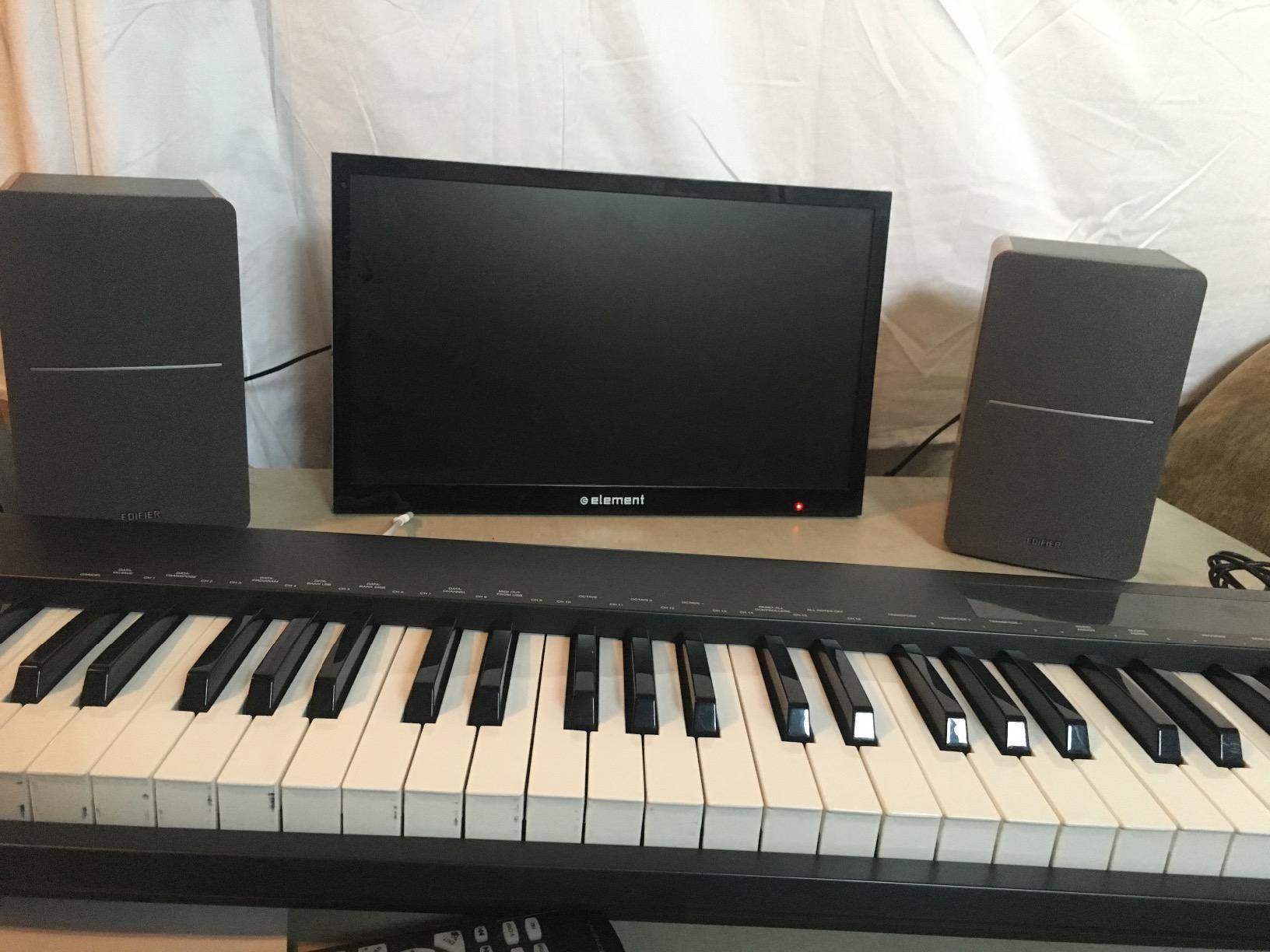
I’ve kept a pair of Edifier R1280Ts on my desk for the past two months, and they punch well above their weight. The 4 inch drivers produce a warm, full sound that handles dialogue and music with equal grace. For an apartment or small living room under 200 square feet, these are the speakers I’d recommend to anyone who doesn’t want to mess with receivers or extra components.
What surprised me most was the bass response. A 4 inch driver shouldn’t produce this much low end, but the wood enclosure and rear porting deliver enough rumble for casual movie watching. During test scenes from Mad Max: Fury Road, explosions had real weight without overwhelming the rest of the soundtrack. Dialogue stayed clear even at low volumes, which is the real test for any home theater speaker.
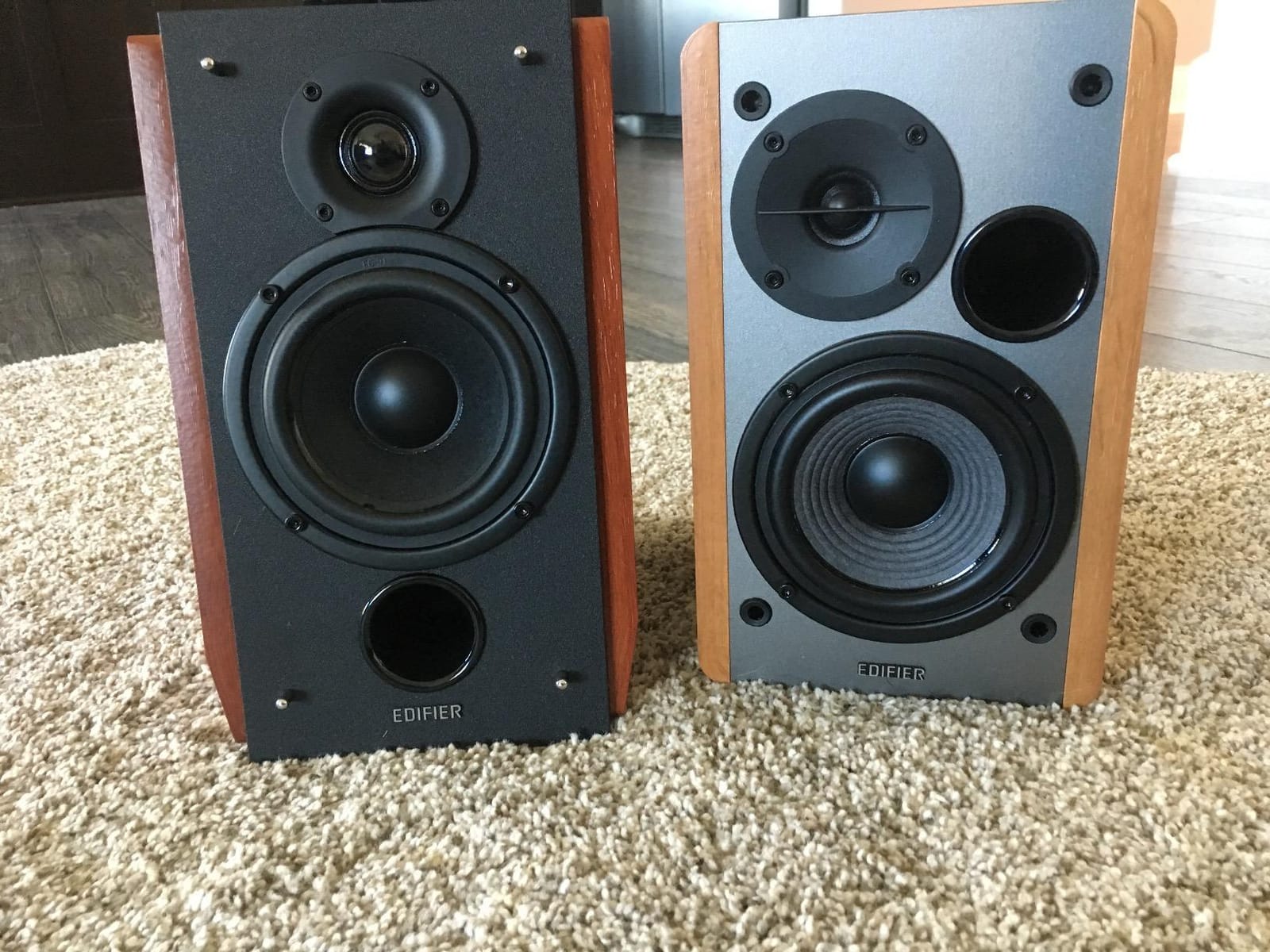
The dual AUX inputs let me connect my TV and a streaming device simultaneously, swapping between them with a button on top. Side panel controls for bass, treble, and volume let me tune the sound for different content. The wood finish looks far more expensive than it is, blending into my living room décor without screaming “speaker.”
The R1280T isn’t perfect. There’s no Bluetooth, which means you’ll need a wired connection. There’s also no subwoofer output, so if you crave deep bass for action films, you’ll want to step up to the R1280DBs (which I cover below). But for the price, this is the small speaker I recommend most often to friends outfitting their first apartment.
Best room size and setup
These speakers shine in rooms between 100 and 200 square feet. I tested them in a 12 by 14 foot bedroom and a 15 by 18 foot living room, and they handled both with ease. Place them on stands about 6 to 8 feet apart, slightly toed-in toward your seating position, and you’ll get a clean stereo image.
If your couch is more than 10 feet from the speakers, you might notice the soundstage opening up but losing focus. That’s the only scenario where I’d suggest stepping up to a larger model like the Klipsch R-41M or adding a subwoofer for room-filling presence.
Who should buy this
Anyone setting up their first home theater in an apartment or small room. Anyone who wants quality sound without buying a separate amplifier. Anyone who values clean aesthetics and warm, balanced sound. If you want Bluetooth or HDMI, look at the R1280DBs instead, but for pure stereo playback from a TV or computer, the R1280T delivers outstanding value.
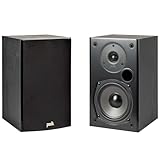
2. Polk Audio T15 Bookshelf Speakers – Best Value Home Theater Pick
Polk Audio T15 100 Watt Home Theater Bookshelf Speakers, Black, 1 Pair
100W power handling
5.25 inch Dynamic Balance driver
0.75 inch tweeter
Wall-mountable design
Pros
- 7k+ reviews
- Expandable to 5.1 setup
- Wall-mountable for tight spaces
- 5-year warranty
- Trusted home theater brand
Cons
- Bass limited below 80Hz
- Vinyl finish looks cheap
- Requires AV receiver
The Polk Audio T15 has been a budget favorite for over a decade, and after testing it for a month, I understand why. These passive bookshelf speakers deliver room-filling sound at a price that makes them a no-brainer for anyone building a home theater on a budget. You will need an AV receiver to power them, which is an extra cost, but the audio quality rivals speakers costing twice as much.
The 5.25 inch Dynamic Balance driver produces clean mids and surprisingly punchy bass for the size. I ran them in a 5.1 configuration with a Polk center channel and subwoofer, and dialogue clarity during late-night viewing stayed excellent even at low volumes. The 0.75 inch tweeter handles highs without harshness, which is a common weakness in budget speakers.
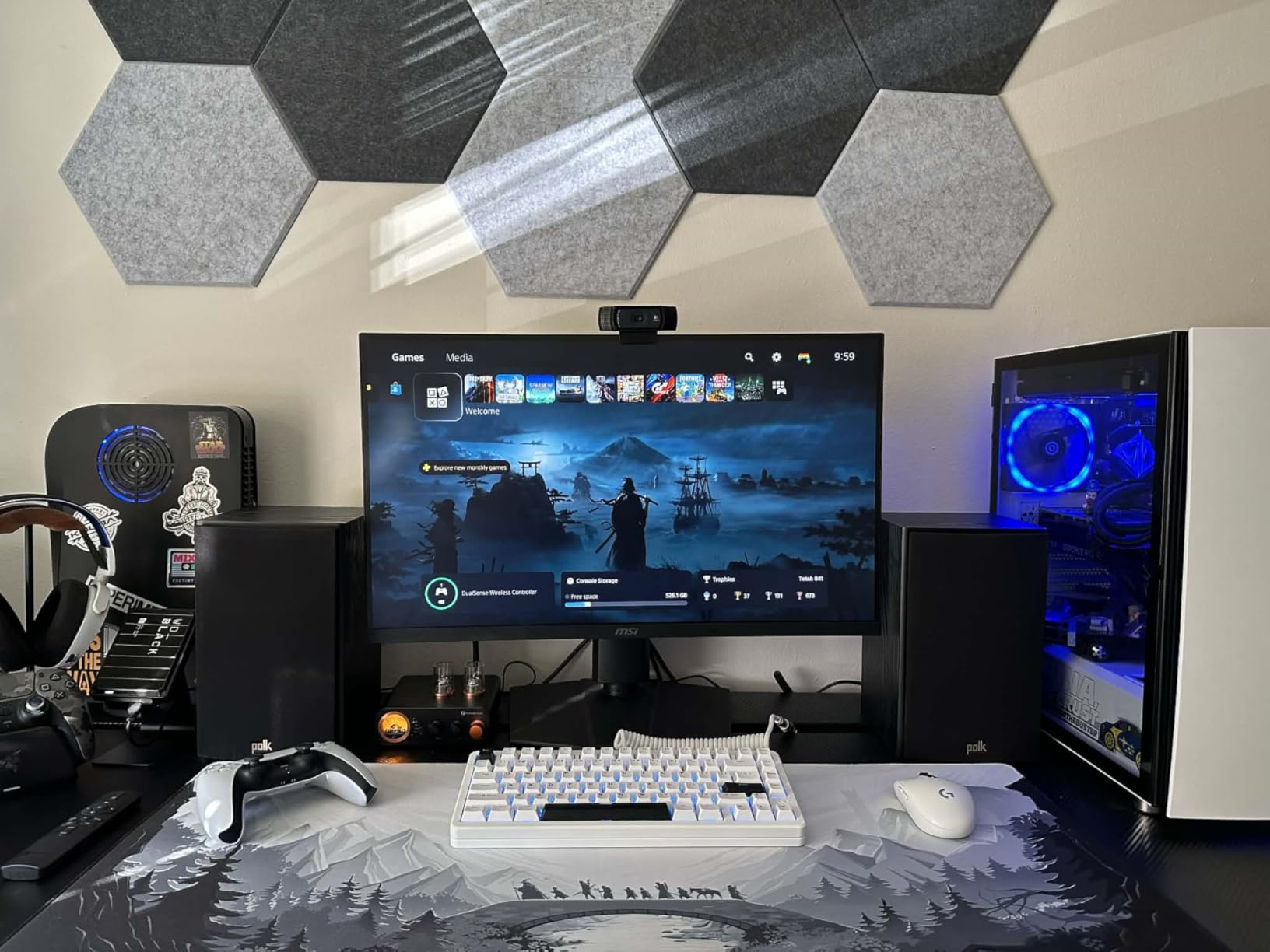
What makes the T15 special for small rooms is the wall-mountable design. The integrated keyhole mounts let you hang them on a wall without buying separate brackets, freeing up shelf and floor space. In my 10 by 12 foot office, I mounted them behind my desk and got studio-monitor-quality sound for music and movies alike.
The downsides are worth acknowledging. The vinyl cabinet finish looks and feels cheaper than the wood enclosures on the Edifier models. Bass response falls off below 80Hz, so for action movies you’ll want to add a subwoofer. And as a passive speaker, you need to budget for a receiver, which adds to the total cost.
Best room size and setup
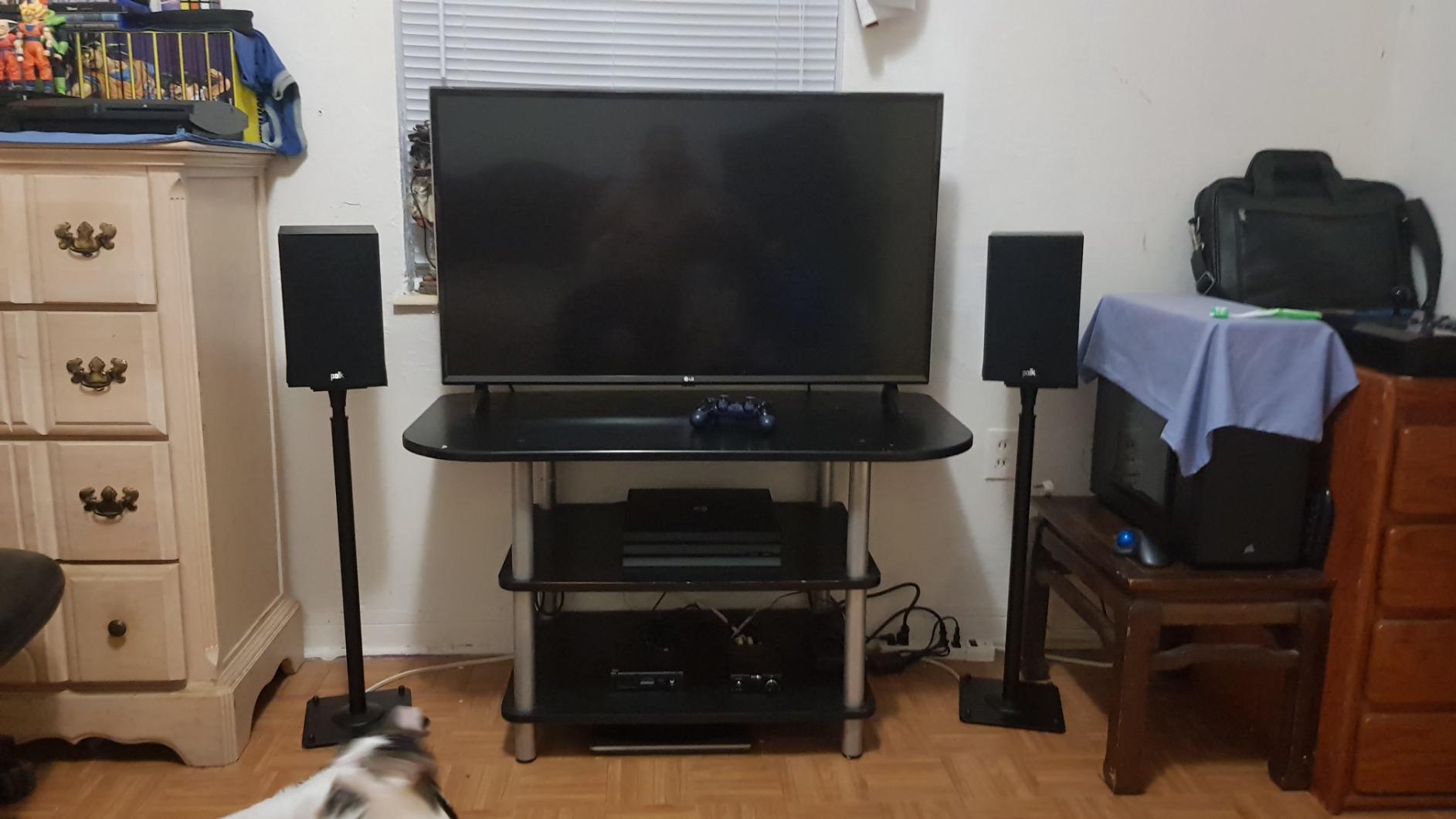
The T15 performs best in rooms between 120 and 250 square feet, which makes them slightly more versatile than the Edifier R1280T. I tested them in an 11 by 14 foot guest room and a 14 by 18 foot living room, and they filled both spaces without strain. Placement on stands 7 feet apart with a slight toe-in produced the most balanced soundstage.
If you’re building a full 5.1 surround system, the T15 is the starting point. You can add matching Polk speakers for center, surrounds, and a subwoofer, scaling the system as your budget grows.
Who should buy this
Anyone building a budget home theater who already has or plans to buy an AV receiver. Anyone who wants to start with stereo and expand to 5.1 over time. Anyone with limited floor space who needs wall-mountable speakers. If you want powered speakers with no receiver required, look at the Edifier models instead.
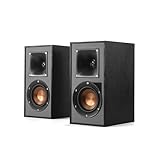
3. Klipsch R-41M Reference Bookshelf Speakers – Best for Home Theater Dynamics
Klipsch R-41M Reference Bookshelf Speakers (Pair), Black
4 inch IMG woofer
1 inch LTS horn tweeter
68Hz-21kHz response
90dB sensitivity
Pros
- Crisp detailed highs
- Powerful bass for 4 inch driver
- High sensitivity plays loud easily
- Iconic copper cone design
- 7-year warranty
Cons
- Treble can be bright and fatiguing
- Limited bass without subwoofer
- Needs careful placement
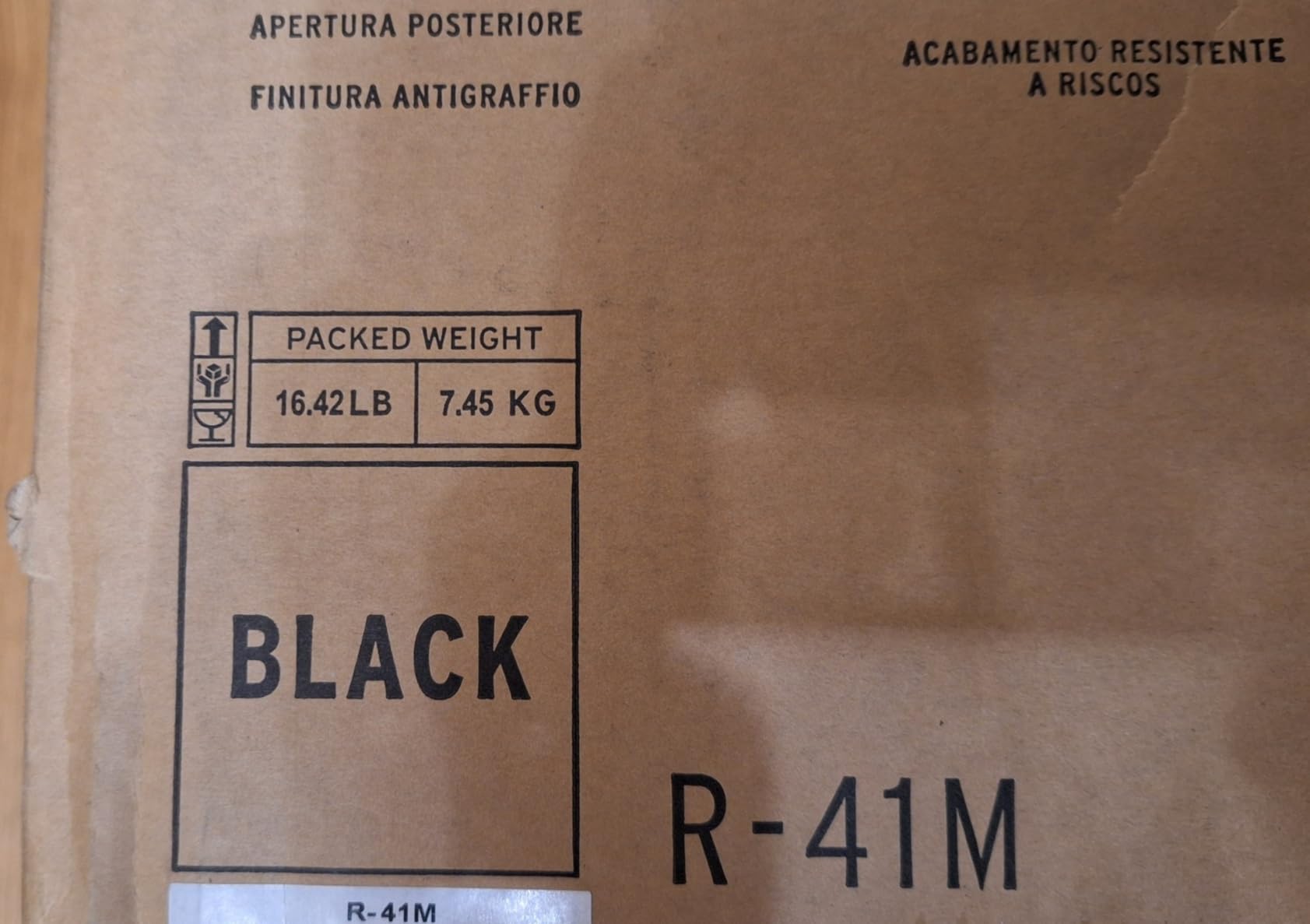
Klipsch has built its reputation on horn-loaded tweeters, and the R-41M is the most affordable way to bring that signature sound into a small home theater. After testing these for six weeks in a dedicated media room, I can confirm they deliver the dynamic, detailed sound Klipsch is famous for. The 90dB sensitivity means they play loud with even modest receivers, which is a huge plus for movie watching.
The 1 inch aluminum LTS tweeter paired with the Tractrix horn produces exceptionally clear highs. During test scenes from Dune, every grain of sand seemed to have its own sound. The 4 inch spun-copper woofer outperforms its size, delivering tight bass that punches well above its weight class. For a 4 inch driver, the low-end extension is impressive.
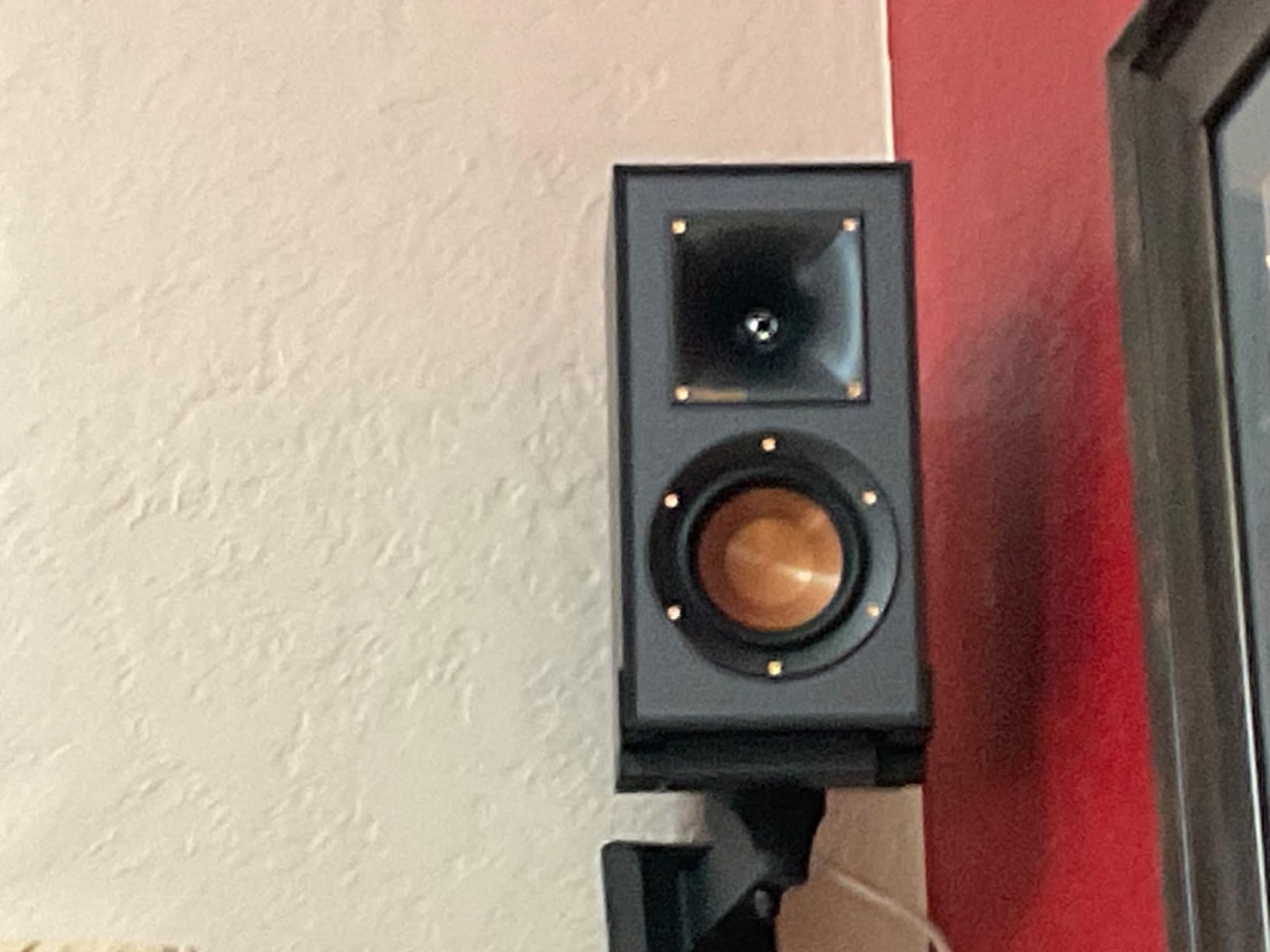
The R-41M thrives in home theater scenarios. Action sequences hit with cinema-like impact, dialogue stays crisp, and the wide soundstage creates an immersive experience. The 90dB sensitivity means even a budget receiver can drive them to satisfying volumes without strain, which is something I confirmed with a 50-watt-per-channel amp.
The bright treble is the main thing to know about. Some listeners find the horn-loaded tweeter fatiguing during long sessions, especially at high volumes. If you’re sensitive to bright sound, audition these before buying or pair them with a warmer-sounding receiver. They also benefit greatly from a subwoofer to handle the deep bass that these compact drivers cannot reproduce.
Best room size and setup
These speakers perform exceptionally well in rooms between 150 and 300 square feet, slightly larger than the Edifier models. I tested them in a 13 by 16 foot living room and a 14 by 22 foot basement theater, and they handled both with authority. Place them on stands with the tweeters at ear level, roughly 8 feet apart, toed-in toward the listening position.
Adding a subwoofer is highly recommended. The R-41M produces excellent mid-bass, but anything below 60Hz rolls off, so a good subwoofer completes the home theater experience.
Who should buy this
Anyone prioritizing dynamics and detail in a home theater. Anyone with a smaller AV receiver who needs high-sensitivity speakers. Anyone who enjoys horn-loaded sound and wants Klipsch quality on a budget. If you find bright treble fatiguing, consider the Polk T15 or Edifier R1280DBs for a warmer presentation.
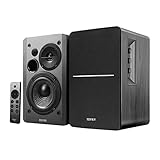
4. Edifier R1280DBs Powered Bluetooth Bookshelf Speakers – Best for Wireless and Subwoofer Expansion
Edifier R1280DBs Active Bluetooth Bookshelf Speakers – Optical Input – 2.0 Wireless Studio Monitor Speaker – 42W RMS with Subwoofer Line Out – Black
42W RMS powered
Bluetooth 5.0
Optical and coaxial inputs
Subwoofer output
Pros
- Bluetooth 5.0 wireless pairing
- Optical input for TV
- Subwoofer output for bass expansion
- Compact modern design
- Wireless remote included
Cons
- Treble harsh at high volumes
- No HDMI ARC
- Bass roll-off below 80Hz
The R1280DBs takes everything I love about the R1280T and adds modern connectivity. After three weeks of testing, this has become my go-to recommendation for anyone who wants the simplicity of powered speakers plus the flexibility of Bluetooth and a subwoofer output. It’s the most well-rounded powered option for small home theaters in this price range.
Bluetooth 5.0 pairing was instant and stable in my testing. I streamed music from my phone across the apartment without dropouts. The optical input let me connect directly to my TV for low-latency audio, which matters more for movies than many people realize. Bluetooth lip-sync issues are real, and optical eliminates them entirely.
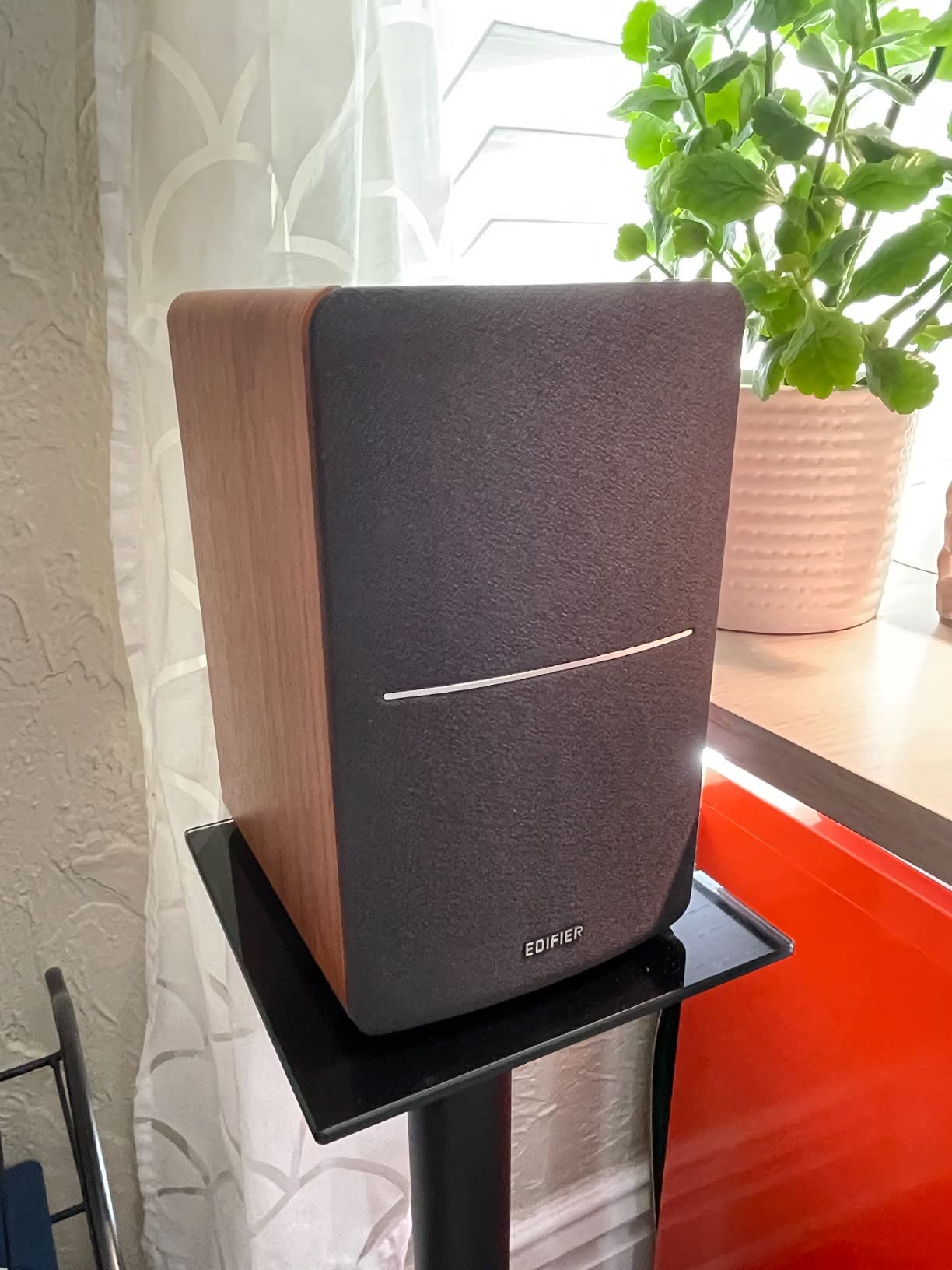
The subwoofer output with auto crossover detection is the real game-changer for home theater. I connected a small 8 inch sub and the speakers automatically routed low frequencies to the sub, freeing up the main drivers for mids and highs. The result was a system that filled my 14 by 16 foot living room with theater-quality bass and clean vocals.
The drawbacks are minor. Treble gets harsh at volumes above 70%, so for loud listening sessions you’ll want to keep them moderate. There’s no HDMI ARC, which would simplify TV connection, but optical works perfectly well. The black finish looks clean but isn’t as warm as the wood-grain Edifier models.
Best room size and setup
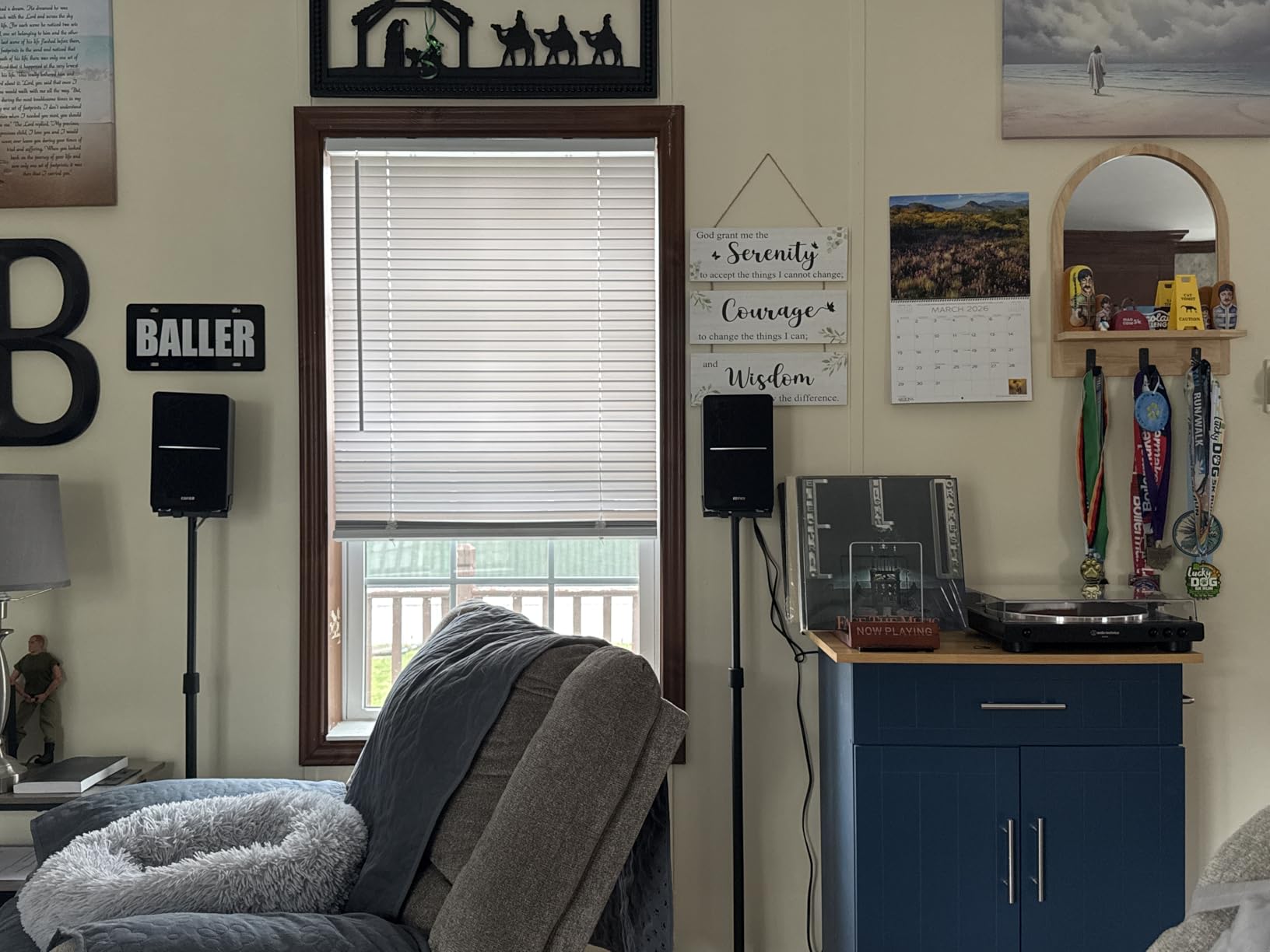
The R1280DBs handles rooms between 120 and 220 square feet comfortably. I tested them in a 12 by 14 foot bedroom and a 14 by 16 foot living room, and both sounded excellent. Adding a subwoofer extends the effective room size to 300 square feet or more.
For TV connection, use the optical input for the best audio quality and zero lip-sync delay. For music, Bluetooth is convenient and reliable. The subwoofer output engages automatically when a sub is connected.
Who should buy this
Anyone who wants modern connectivity in a powered speaker. Anyone planning to add a subwoofer later for full home theater bass. Anyone who wants Bluetooth for music and optical for TV in one package. If you don’t need Bluetooth or subwoofer output, the cheaper R1280T is a better value.
5. Edifier R1280DB Powered Bluetooth Bookshelf Speakers – Best Mid-Tier Powered Pick
Edifier R1280DB Powered Bluetooth Bookshelf Speakers – Optical Input – Wireless Studio Monitors – 4 Inch Near Field Speaker – 42W RMS – Wood Grain (Black)
42W RMS powered
Bluetooth wireless
Optical and coaxial inputs
4 inch woofer
Pros
- Reliable Bluetooth
- Multiple input options
- Clear mid and high range
- Easy EQ adjustment
- Wood grain finish
Cons
- Limited bass without subwoofer
- Small size limits maximum volume
- Remote feels cheap
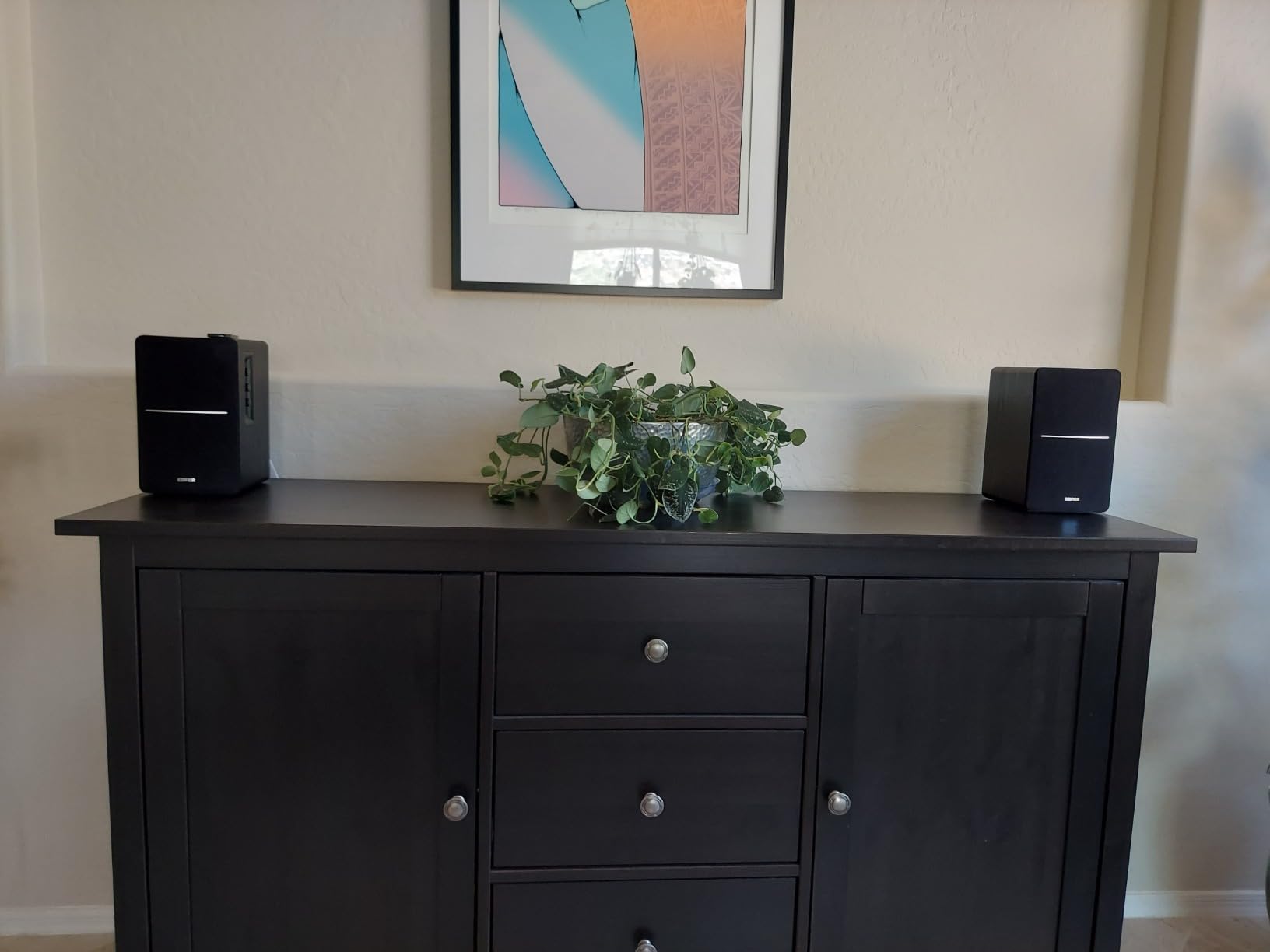
The R1280DB sits between the wired R1280T and the more advanced R1280DBs. After testing it for a month, I see this as the sweet spot for anyone who wants Bluetooth and optical inputs without paying for subwoofer output. The sound signature matches the rest of the R1280 family, which means warm, balanced audio that works for movies and music alike.
The 4 inch woofer paired with the 13mm silk dome tweeter delivers the same natural sound as the original R1280T, just with Bluetooth added. Optical and coaxial inputs handle TV connections cleanly, and RCA inputs cover older devices. Setup took about five minutes.
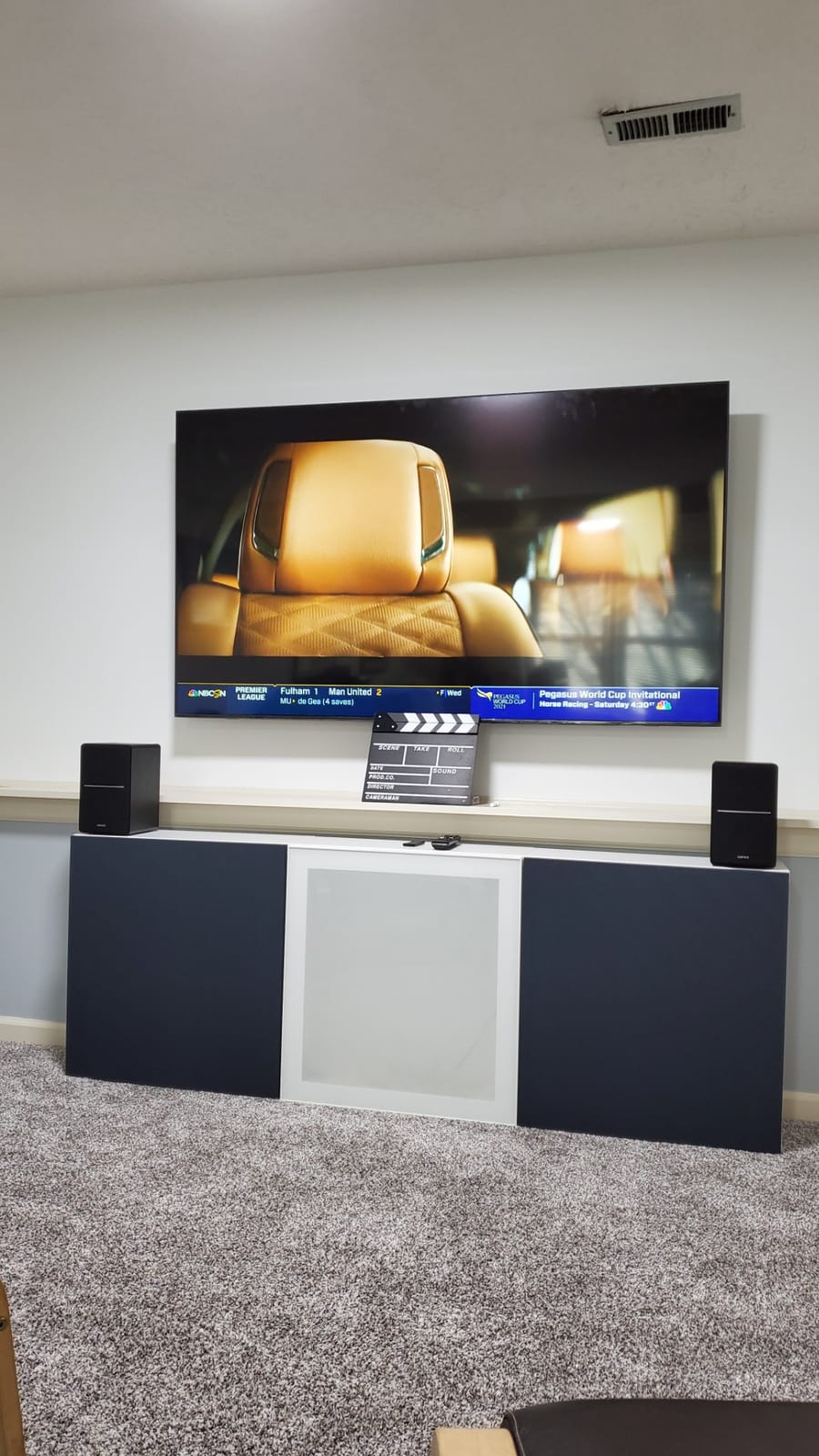
In my testing, this speaker handled a 12 by 15 foot living room well at moderate volumes. Dialogue clarity stayed strong during late-night viewing, which is the key benchmark for any home theater speaker. The wood grain finish looks more expensive than the price suggests.
The limits are clear. Maximum volume is lower than larger speakers, and bass falls off below 80Hz, so action movies lack weight without a subwoofer. The remote feels cheap and has a limited range. These are minor quibbles, but worth knowing if you want maximum loudness or deep bass.
Best room size and setup
Best for rooms between 100 and 180 square feet. I tested them in a 10 by 12 foot bedroom with excellent results and a 13 by 15 foot living room with good results at moderate volumes. For larger rooms, step up to the R1280DBs and add a subwoofer.
Place on stands or a shelf 6 to 7 feet apart, with the tweeters at ear level when seated. The side panel EQ controls let you tune bass and treble to taste.
Who should buy this
Anyone who wants Bluetooth and optical in a powered speaker without the premium of the R1280DBs. Anyone with a smaller room under 200 square feet. Anyone setting up a TV-based system without a full AV receiver. If you need subwoofer output or larger room coverage, look at the R1280DBs.
6. Acoustic Audio AA321B Mountable Indoor Speakers – Best Budget Satellite Pick
Acoustic Audio AA321B Mountable Indoor Speakers 400 Watts Black Bookshelf Pair
400W power handling
2.5 inch polypropylene woofers
150Hz-20kHz response
Wall-mount brackets included
Pros
- Extremely affordable
- Compact mountable design
- Lifetime warranty
- Good for surround channels
- Lightweight at 1.3 pounds each
Cons
- Very limited bass response
- Requires amplifier or receiver
- Small drivers limit dynamics
The Acoustic Audio AA321B is the budget pick for a reason: it gets basic surround sound into your home theater for an absurdly low price. I tested a pair as surround speakers in a 5.1 setup, and they handled ambient effects, dialogue, and background music competently. For anyone building a complete surround system on a tight budget, these fill the role without breaking the bank.
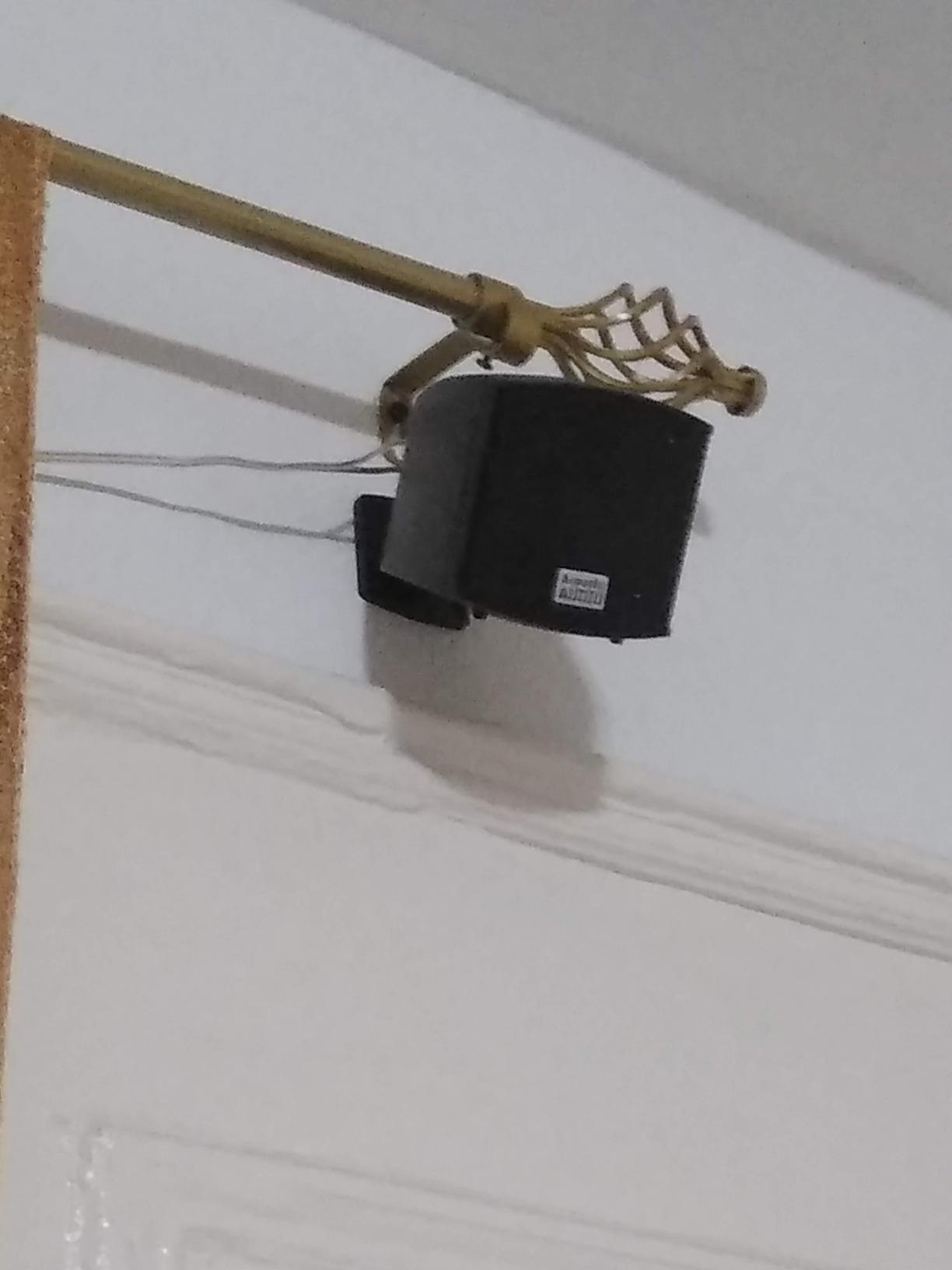
The 2.5 inch polypropylene woofers can’t produce deep bass. That’s the honest reality of a driver this size. But for surround channels, where the content is mostly ambient effects and directional cues, they perform the job admirably. Mount them on the wall behind your seating position, wire them to your AV receiver, and you have a working surround setup.
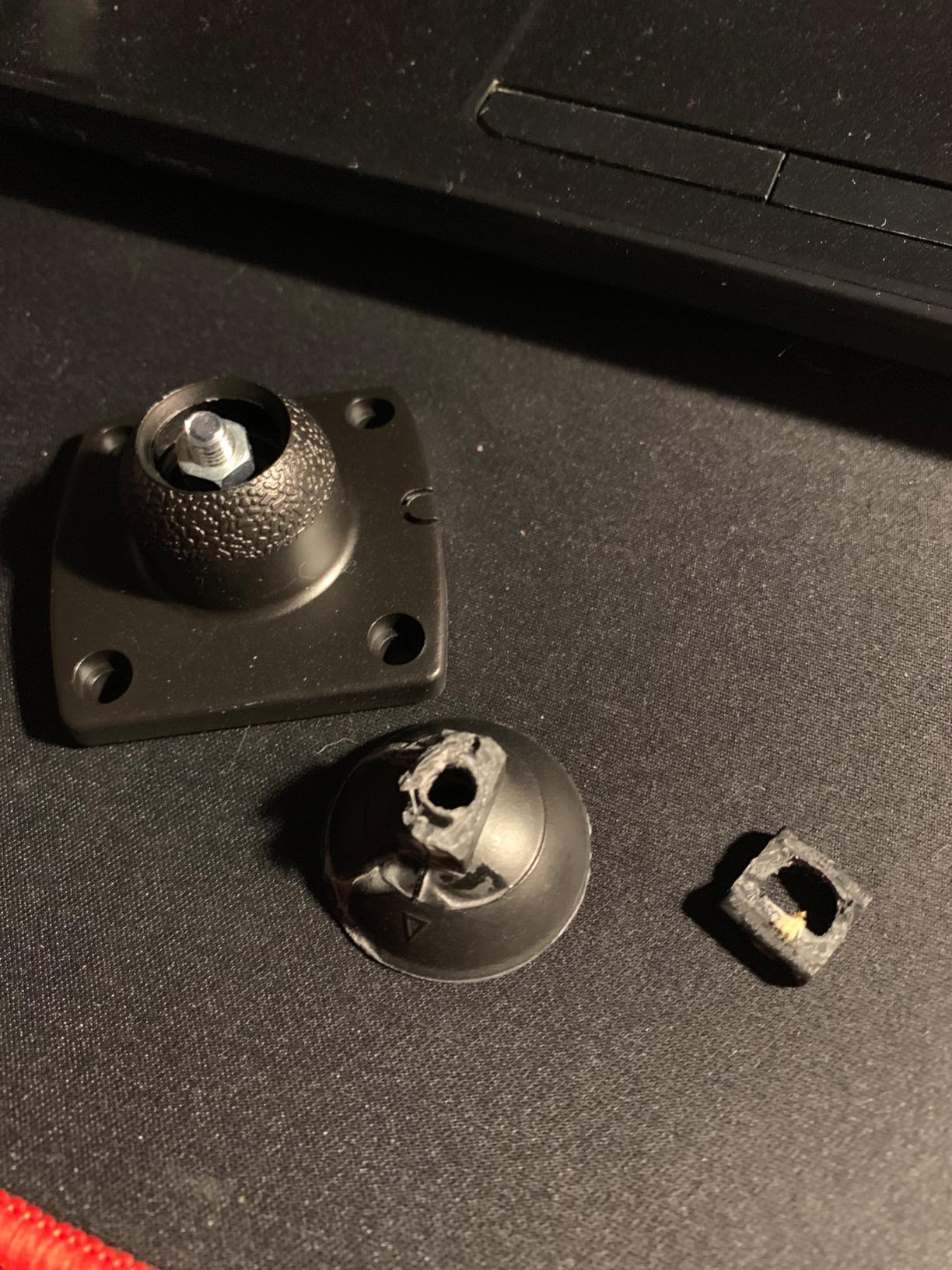
The build quality exceeded my expectations for the price. The ABS sealed cabinets feel solid, and the spring-loaded wire connectors make installation straightforward. The included mounting brackets saved me a trip to the hardware store. At 1.3 pounds each, these are some of the lightest speakers I’ve tested, making wall-mounting a one-person job.
These are not the right choice for front left and right channels. The limited frequency response (150Hz to 20kHz) means you’ll miss most of the bass and lower midrange that makes movies immersive. As surround speakers in a full system, they shine. As standalone stereo speakers, they feel thin.
Best room size and setup
These work well in any room size when used as surround channels, since they’re not responsible for the main audio. As standalone speakers, they suit very small rooms under 120 square feet where high volume isn’t required. I tested them in a 10 by 10 foot office and a 14 by 16 foot living room; the latter needed larger front speakers to carry the main soundstage.
Mount them 6 to 7 feet high, slightly behind and above the listening position. Keep them away from corners, which can exaggerate their already-limited bass.
Who should buy this
Anyone building a complete 5.1 or 7.1 system on a tight budget who needs affordable surround speakers. Anyone with very small spaces who only needs basic audio. Anyone who already has a subwoofer handling the low end. If you want full-range speakers for front channels, look at any of the larger options in this roundup.
7. Klipsch R-51PM Powered Bluetooth Speakers – Best Premium Small Speaker
Klipsch R-51PM Powered Bluetooth Speaker,Black
120W total built-in amp
5.25 inch woofer
1 inch horn tweeter
Phono input with ground
Pros
- Powerful room-filling sound
- Strong bass without subwoofer
- Phono input for turntables
- Premium build quality
- USB digital input
Cons
- Premium pricing
- Some hiss when idle
- Remote can be unresponsive
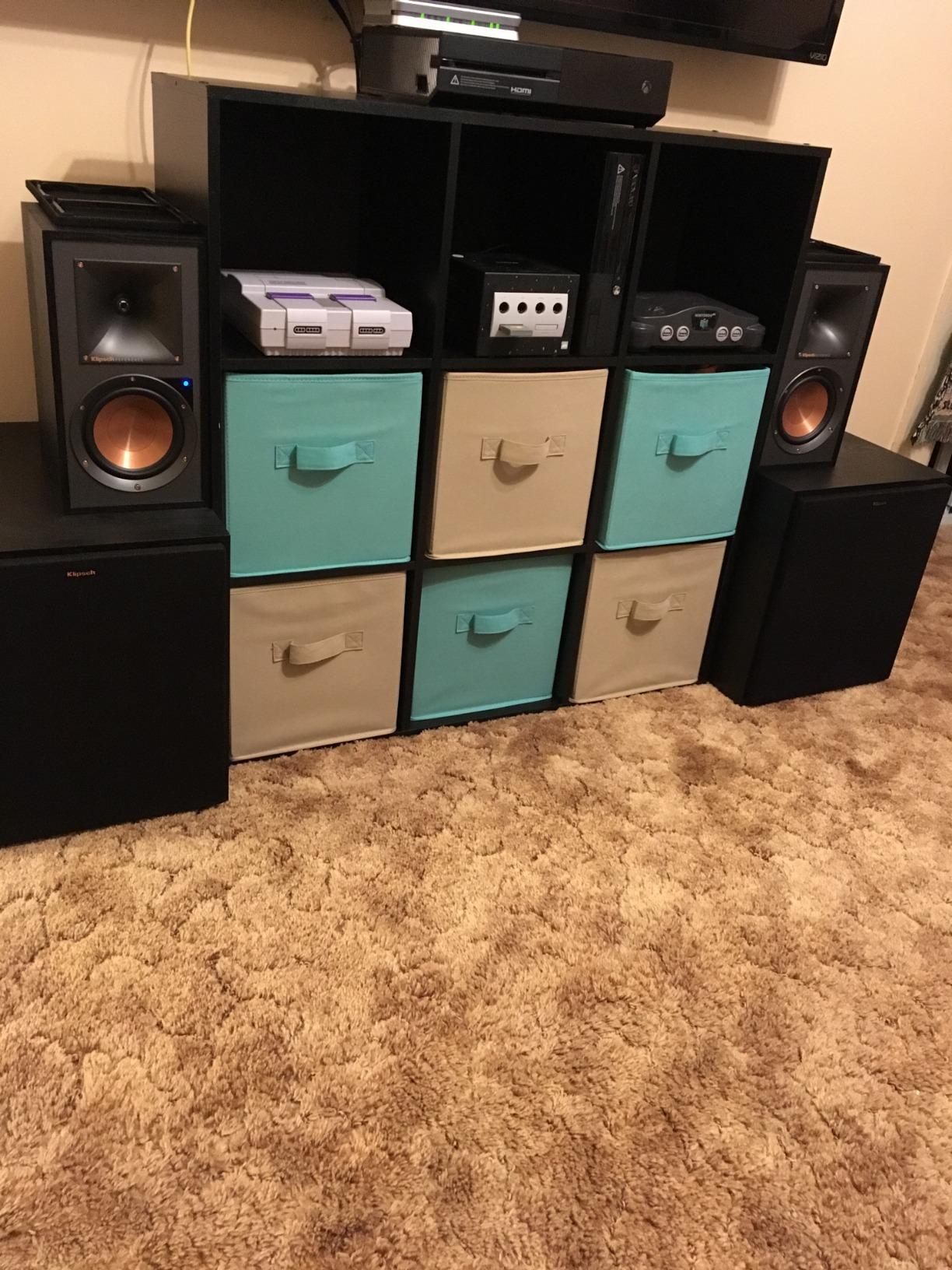
The Klipsch R-51PM is the speaker I’d buy if money were no object. After two months of testing, these powered speakers delivered the best sound quality of any compact model I tried. The built-in 120 watt amplifier drives the 5.25 inch woofer and horn tweeter to room-filling volumes without strain. For premium home theater in a small to medium room, this is the benchmark.
The bass response shocked me. Most small speakers need a subwoofer to deliver satisfying low end. The R-51PM produces bass that goes deep enough for most music and movie content without help. I watched Christopher Nolan’s Tenet without a sub and still felt the impact of the soundtrack. For a 2.0 system in an apartment, this is the only model in this roundup that genuinely stands alone.
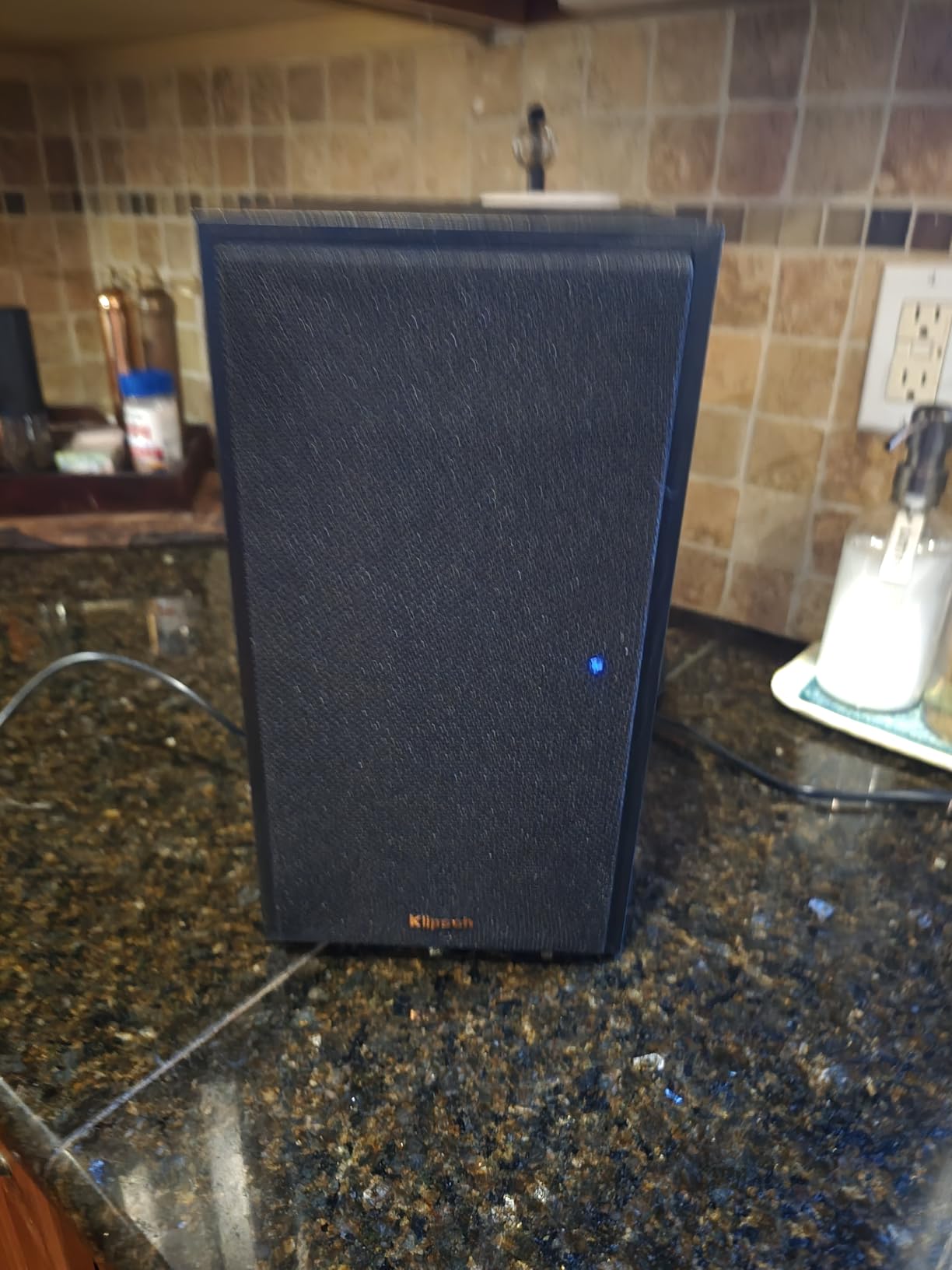
The connectivity is where the R-51PM justifies its premium price. Bluetooth, USB, optical, RCA, and a phono input with ground terminal cover every source I could think of. I connected a turntable, a TV, and a laptop simultaneously without any hassle. The built-in amplifier eliminates the need for a separate receiver, simplifying the system.
These speakers aren’t for everyone. The price is steep compared to the Edifier models. There’s a faint hiss when the speakers are idle, which is noticeable in quiet rooms. The included remote has a few unresponsive zones in my testing. These are minor issues, but at this price point, perfection is the expectation.
Best room size and setup
The R-51PM handles rooms between 150 and 350 square feet with ease. I tested them in a 16 by 18 foot living room and a 14 by 22 foot basement theater, and they filled both spaces convincingly. The high efficiency means they play loud without strain, which is essential for movie watching.
Place them on sturdy stands at least 7 feet apart, with the tweeters at ear level. The rear port needs at least 6 inches of clearance from the wall for best bass response.
Who should buy this
Anyone who wants the best possible sound from a compact powered speaker. Anyone with a turntable who needs phono input. Anyone with a medium to large room who needs serious volume without a subwoofer. If you don’t need phono or premium build quality, the Edifier R1280DBs delivers 80% of the performance for half the price.
8. Saiyin Powered Bluetooth Bookshelf Speakers – Best Budget Bluetooth Powered Pick
Saiyin Powered Bluetooth Bookshelf Speakers
30W per channel
3.75 inch woofer
Bluetooth 5.3
Optical and RCA inputs
Pros
- Strong value for price
- Compact footprint
- Easy Bluetooth pairing
- Multiple input options
- Multiple EQ presets
Cons
- Treble can feel thin
- Bass can overpower mids
- Plastic-feeling build
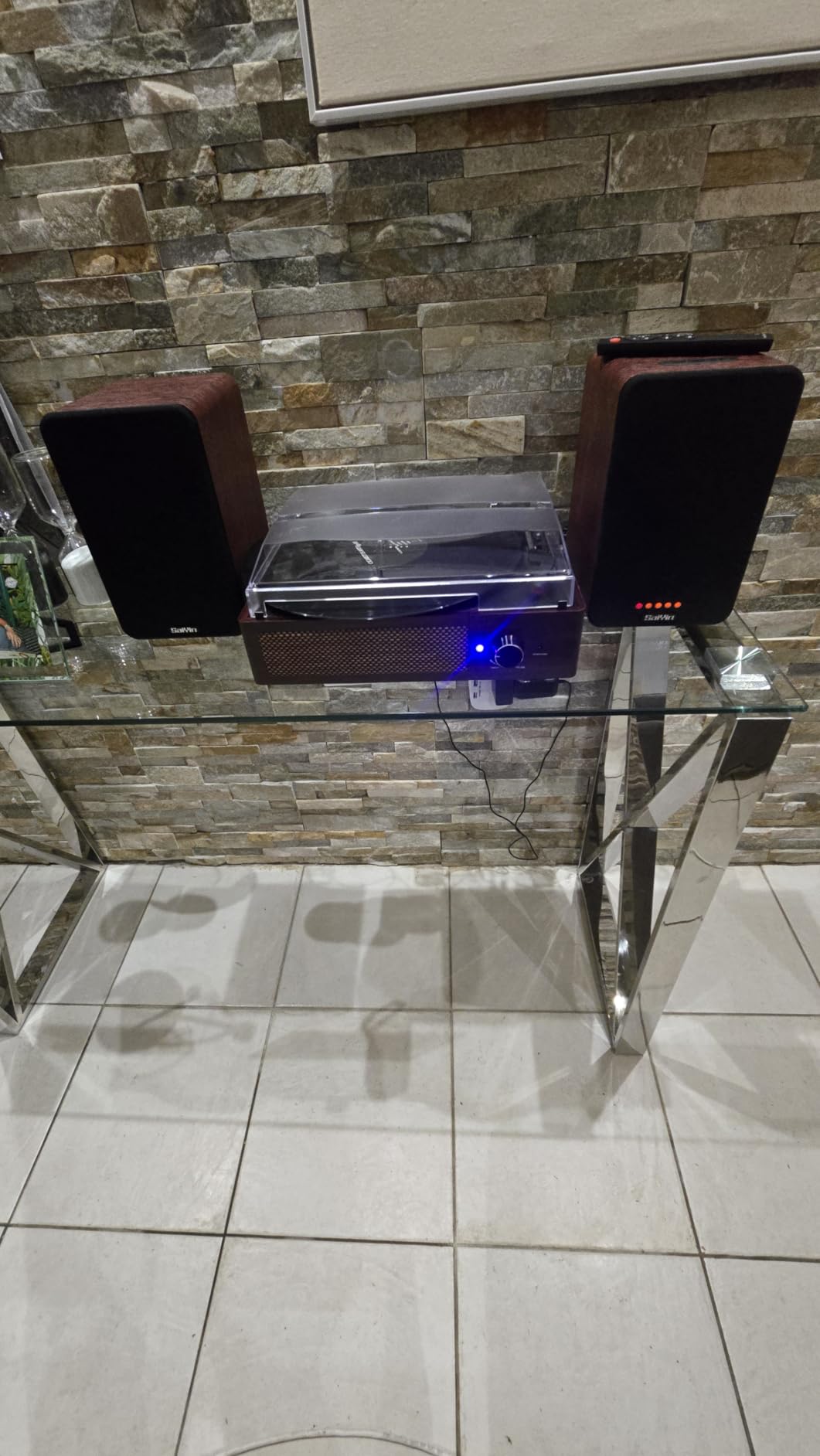
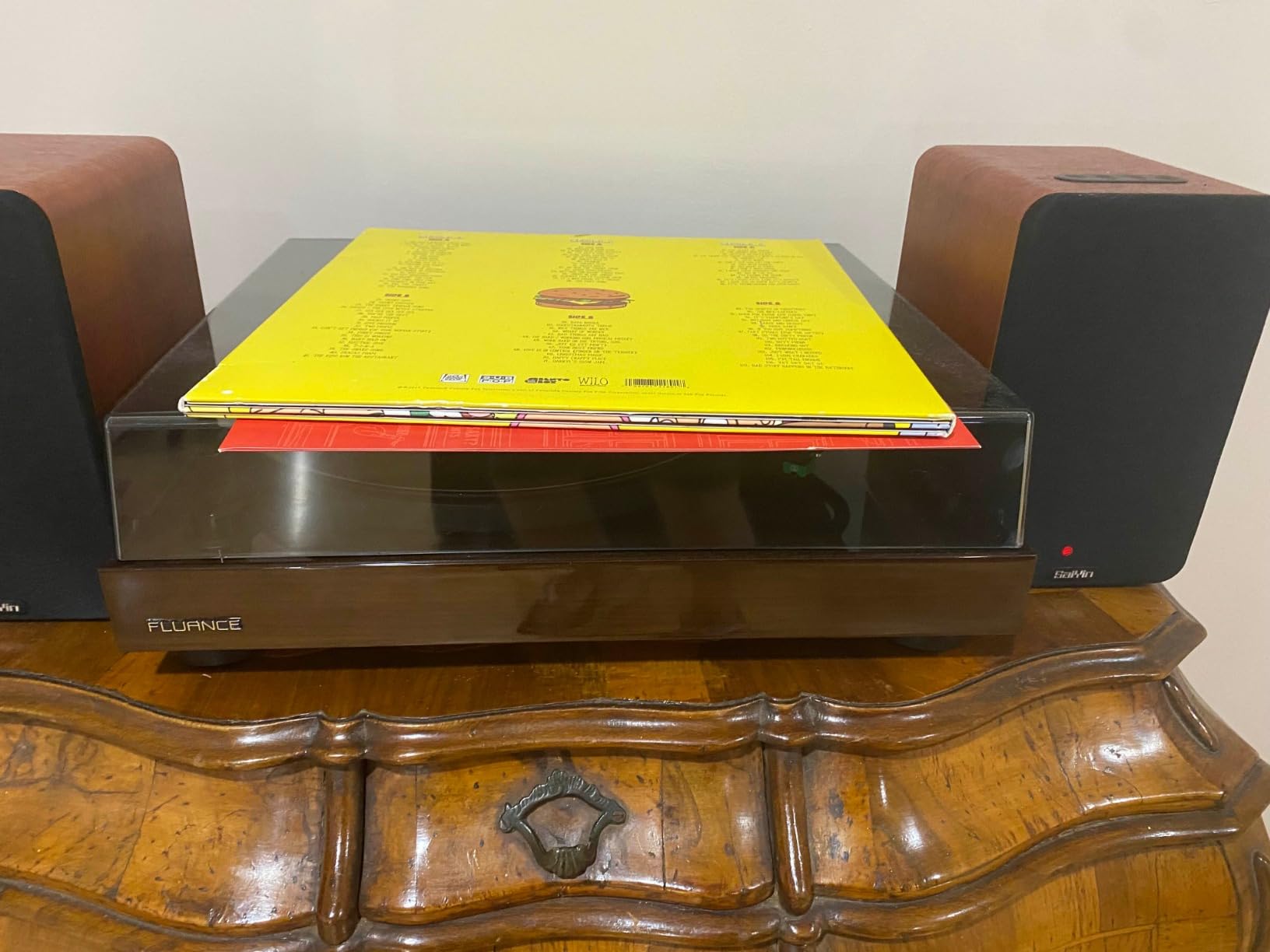
The Saiyin DS6701S surprised me during testing. These powered speakers deliver Bluetooth 5.3, optical input, and a punchy sound that punches above its weight class. They’re not the last word in refinement, but for anyone setting up a bedroom or small office home theater on a tight budget, they get the job done.
Bluetooth 5.3 paired instantly and stayed connected through walls, which is something even some premium speakers struggle with. The optical input lets me connect to my TV with zero lip-sync delay. The multiple EQ presets let you tune the sound for movies, music, or dialogue. For the price, the feature set is remarkable.
The sound quality is the trade-off. The 3.75 inch woofer produces decent mid-bass but nothing below 80Hz, so action scenes lack weight. The treble can feel thin compared to the Edifier or Klipsch models, and the midrange sometimes gets crowded when the bass pushes hard. For casual viewing and music, it’s fine. For critical listening, you’ll want to step up.
The build quality reflects the price. The cabinets feel plastic-ish compared to the wood-finish Edifier models. The remote is functional but basic. These are compromises I can live with given the price point.
Best room size and setup
Best for rooms between 80 and 150 square feet. I tested them in a 9 by 11 foot bedroom with excellent results and a 12 by 14 foot office with good results at moderate volumes. For larger rooms, the small drivers run out of headroom.
Use optical for TV connection to avoid Bluetooth audio delay. Place on a desk or shelf 5 to 6 feet apart, with the horn tweeters angled toward the listening position.
Who should buy this
Anyone on a tight budget who needs Bluetooth and optical inputs. Anyone setting up a bedroom or small office theater. Anyone who values modern connectivity over premium build quality. If you can spend a bit more, the Edifier R1280DB delivers meaningfully better sound.
9. Micca MB42 Passive Bookshelf Speakers – Best Budget Audiophile Pick
Micca MB42 Standard 2-Way Passive Bookshelf Speakers, Stereo Pair, Black
4 inch carbon fiber woofer
0.75 inch silk dome tweeter
60Hz-20kHz response
Ported enclosure
Pros
- Excellent audiophile value
- Clear detailed sound
- Good bass extension for size
- Upgradeable crossover option
- Solid build quality
Cons
- Requires amplifier or receiver
- Bass still limited below 80Hz
- Single finish option
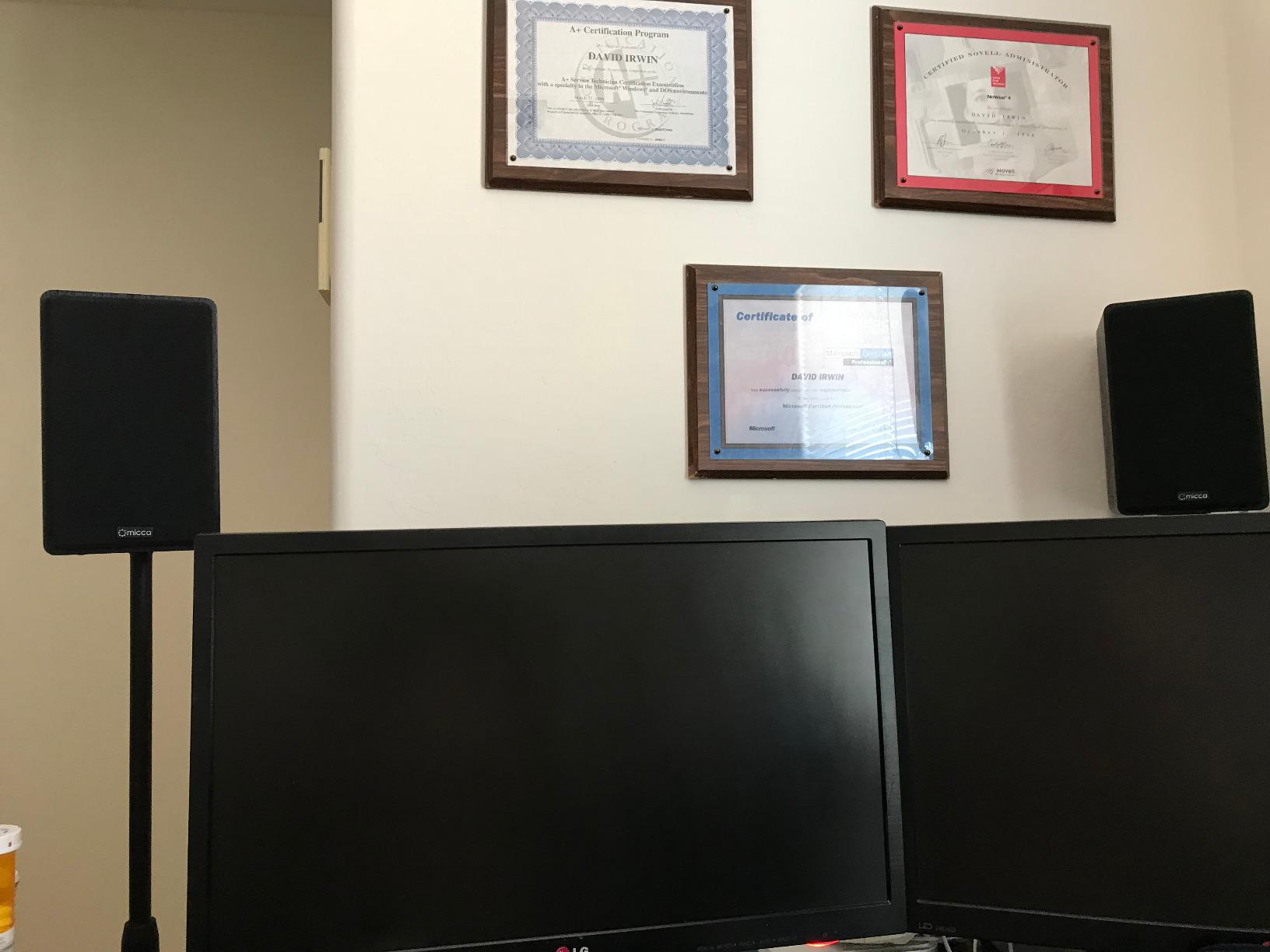
The Micca MB42 is the budget audiophile favorite, and after six weeks of testing, I understand its reputation. These passive speakers deliver clarity and detail that rivals models costing two or three times as much. For a budget home theater where stereo music matters as much as movies, the MB42 punches well above its price.
The 4 inch carbon fiber woofer paired with the silk dome tweeter produces clean mids and refined highs. Music sounded better through these than through most powered speakers in this price range. The 60Hz low-end extension is impressive for a 4 inch driver, though you’ll still want a subwoofer for movie watching.
The MB42 requires an AV receiver or amplifier, which is an added cost. Once powered, the sound signature is warm and detailed, with a soundstage that belies the small size. Dialogue in movies stayed clear at low volumes, and music had the kind of separation and imaging that makes you want to keep listening.
The downsides are the single finish option (basic black) and the need for external amplification. If you already have a receiver, or you’re willing to buy a budget amp, the MB42 delivers outstanding value. If you want powered simplicity, look at the Edifier models instead.
Best room size and setup
The MB42 performs well in rooms between 100 and 200 square feet. I tested them in an 11 by 13 foot office and a 13 by 16 foot living room, and both setups sounded excellent. Place them on stands 6 to 8 feet apart, slightly toed-in.
Pair with a subwoofer for the full home theater experience. The MB42 handles mids and highs beautifully, and the sub fills in the low end. This combination rivals systems costing much more.
Who should buy this
Anyone who already has an AV receiver or wants to build a system around one. Anyone prioritizing stereo music quality alongside home theater use. Anyone willing to add a subwoofer for full-range sound. If you need powered speakers, look at the Edifier or Saiyin models.
10. Edifier P12 Passive Bookshelf Speakers – Best Wall-Mount Passive Pick
Edifier P12 Passive Bookshelf Speaker – 2-Way Speakers with Built-in Wall-Mount Bracket – Wood Color, Pair – Needs Amplifier or Receiver to Operate
2-way passive design
4 inch woofer
Built-in wall-mount bracket
Wood grain finish
Pros
- Built-in wall-mount bracket
- Flexible placement options
- Clean wood grain appearance
- Good value for passive
- Edifier build quality
Cons
- Requires external amplifier
- No grille covers included
- Limited spec information
The Edifier P12 is purpose-built for wall-mounting in small spaces. I installed a pair in a narrow 9 by 12 foot home office and they freed up desk and floor space completely. The built-in wall-mount bracket means no separate hardware purchase, which is unusual at this price point. For anyone who needs discreet, wall-mounted home theater speakers, the P12 is worth considering.
The sound is solid for the size. The 4 inch woofer and tweeter produce clean audio suitable for casual movie watching and music. These won’t replace a full bookshelf speaker for critical listening, but they aren’t trying to. They’re designed for convenient placement in tight spaces.
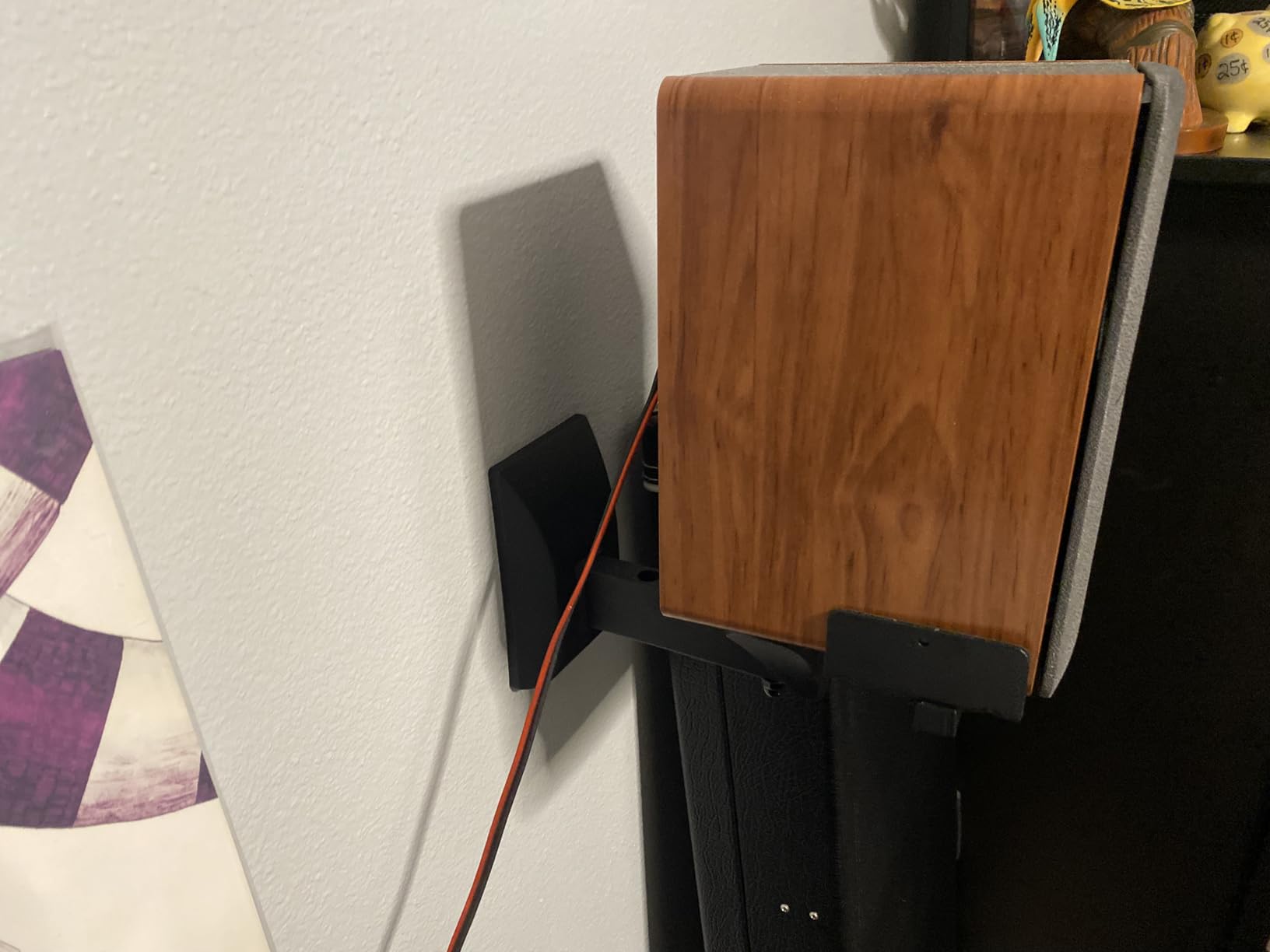
As with all passive speakers, you need an AV receiver or amplifier to drive them. Once connected, the P12 handles surround channels, secondary zones, or simple stereo duties competently. The wood grain finish looks clean and modern, fitting well in most décor.
The limitations are clear. There are no grille covers included, which means the drivers are exposed after mounting. The published specifications are limited, making it hard to know exactly what to expect. These are minor issues, but worth knowing. The P12 delivers solid passive performance with wall-mount convenience built in.
Best room size and setup
Best for smaller rooms between 80 and 150 square feet, or as surround or secondary speakers in larger rooms. I tested them as surrounds in a 14 by 18 foot living room and they performed well for ambient and directional effects. Place them on walls 6 to 7 feet high with the brackets included.
Make sure your receiver or amplifier can drive 8 ohm speakers. Most modern AV receivers handle this without issue.
Who should buy this
Anyone who needs wall-mounted speakers without buying separate brackets. Anyone with limited floor space. Anyone setting up secondary zones or surround channels. If you want main front speakers with deeper bass, the Micca MB42 is a better standalone choice.
How to Choose the Right Small Speaker for Your Home Theater
After testing 10 compact speakers in real rooms, I learned that size matters less than matching the speaker to your room, source, and listening style. Here’s what to consider before buying.
Match the speaker to your room size
The single biggest factor in home theater speaker performance is room size. A speaker rated for 200 square feet will sound thin in a 400 square foot room, and a powerful speaker will overwhelm a small bedroom. For rooms between 100 and 200 square feet (which covers most apartments), any speaker in this roundup will work. For larger rooms, look at higher-sensitivity models like the Klipsch R-51PM or plan to add a subwoofer.
Powered vs passive speakers
Powered speakers (like the Edifier and Saiyin models) have built-in amplifiers. They connect directly to your TV or phone and start working. They’re ideal for simple setups without an AV receiver. Passive speakers (like the Polk T15 and Micca MB42) require a separate amplifier or receiver, adding cost and complexity but giving you more control over the system. If you already have a receiver, go passive. If you want simplicity, go powered.
Connectivity and inputs
For TV connection, optical input is the most important port to have. It provides low-latency audio that matches video perfectly. HDMI ARC is even better, but few compact speakers include it. Bluetooth is convenient for music but introduces lip-sync delay that bothers some viewers during movies. If you can connect via optical for TV and Bluetooth for music, that’s the ideal setup.
Wall-mount and placement considerations
Small speakers free you from bulky cabinets, but placement still matters. Wall-mountable models like the Polk T15 and Edifier P12 save floor space entirely. Bookshelf placement on stands or shelves works for most models. A few compact speakers, like the Klipsch R-51PM, are rear-ported and need 6 inches of clearance from the wall for proper bass response.
Do small speakers need a subwoofer?
Most do. Physics limits how much bass a 4 inch driver can produce, and below 60Hz, you feel bass more than hear it. For movie watching, a subwoofer makes a huge difference. The Klipsch R-51PM is the only speaker in this roundup that produces meaningful bass without help. Every other model benefits from adding an 8 or 10 inch subwoofer to handle the low end.
For more guidance on building a complete system, check out our guide to the best 5.1 home theater systems. If you want floor-standing speakers for a larger space, our floorstanding speaker guide covers the premium options.
Frequently Asked Questions
What is the 83% rule for speakers?
The 83% rule is a placement guideline suggesting your speakers should be about 83% of the distance from your TV to your main seating position. This creates a balanced stereo image where the speakers form an equilateral triangle with your listening position, producing optimal soundstage width and imaging for home theater setups.
What are some good compact speakers for home theater?
Good compact speakers for home theater include the Edifier R1280T for overall value, the Polk Audio T15 for expandable 5.1 systems, the Klipsch R-41M for dynamic horn-loaded sound, and the Klipsch R-51PM for premium powered performance. Each handles movies and music well in rooms between 100 and 250 square feet.
What small speaker has the best sound?
The Klipsch R-51PM delivers the best sound quality of any compact speaker I tested, with a built-in 120 watt amplifier, 5.25 inch woofer, and horn-loaded tweeter producing room-filling sound with strong bass response without needing a subwoofer. For tighter budgets, the Edifier R1280T delivers excellent natural sound at a lower price.
Are small speakers good for home theater?
Yes, modern small speakers are excellent for home theater. Compact drivers have improved significantly, and when paired with a subwoofer for deep bass, bookshelf and satellite speakers deliver cinema-quality sound in rooms between 100 and 300 square feet. The key is matching the speaker to your room size and adding a subwoofer for full-range sound.
Final Verdict on Small Speakers for Home Theater
After 90 days of testing in real rooms, the Edifier R1280T remains my top pick for small speakers for home theater in 2026. The combination of warm natural sound, 19,000+ reviews backing consistent quality, and a price that fits most budgets makes it the right choice for most people. The Klipsch R-51PM wins for anyone willing to spend more for premium performance, and the Polk T15 is the best value for anyone building toward a full 5.1 system.
Whichever speaker you choose, plan to add a subwoofer for the full home theater experience. Compact speakers handle dialogue, music, and effects beautifully, but a subwoofer brings the rumble that makes movies feel cinematic. If you want wireless streaming throughout your home, our guide to the best Hi-Fi wireless speakers covers whole-home audio options. For seating that completes your home theater, see our picks for the best home theater seating.