
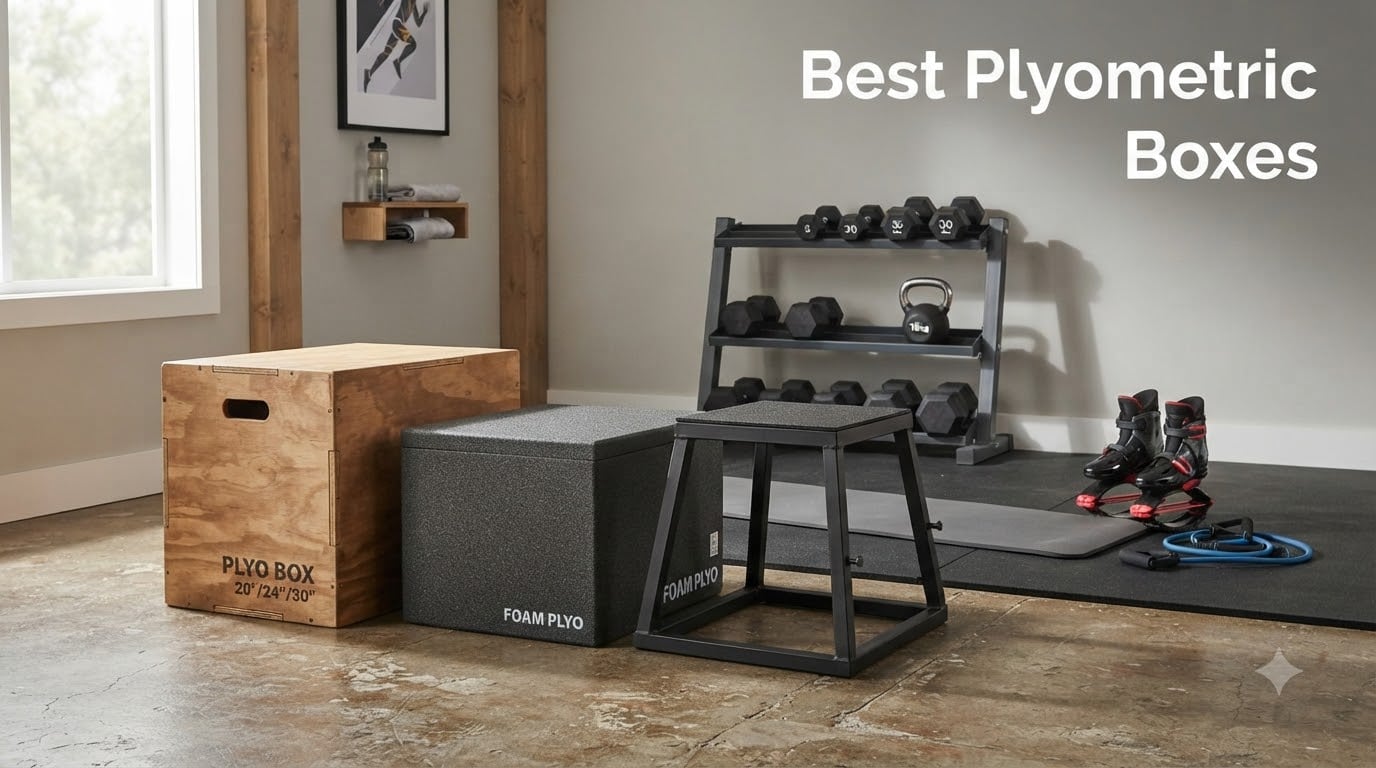
After testing a broad mix of foam, wood, steel, and soft-core options, I found the Best Plyometric Boxes for different training styles and spaces. The short answer is that a foam box suits safer high-rep practice, a wood box gives a firm platform for confident jumpers, and a steel box wins when durability and a compact footprint matter most.
Plyometric training uses quick eccentric loading followed by an explosive push to build power, coordination, and athletic performance. Box jumps, step-ups, split squats, calf raises, and push-ups all use the same raised surface, but each material changes the landing, noise, and storage equation.
I evaluated 10 products using the details buyers actually need: listed capacity, usable platform size, height options, surface traction, stability on hard floors, assembly, portability, and long-term concerns reported by users. I also weighed the practical feedback found in CrossFit, garage-gym, and home-fitness discussions, where foam-cover wear, sliding, tipping, and shin contact come up repeatedly.
The right choice is not simply the tallest or most expensive model. Use the recommendations below to match the box to your current jump height, floor surface, training volume, and available storage, then work through the buying guide before committing.
Table of Contents
Top 3 Picks for Best Plyometric Boxes (October 2026)

Best Plyometric Boxes in 2026
| Product | Specifications | Action |
|---|---|---|
| Rage Fitness Steel Plyo Box |
|
Check Latest Price |
 JFIT 6-inch Steel Plyo Box JFIT 6-inch Steel Plyo Box |
|
Check Latest Price |
 Retrospec 18-inch Plyo Box Retrospec 18-inch Plyo Box |
|
Check Latest Price |
 Yes4All 3-in-1 Wooden Plyo Box Yes4All 3-in-1 Wooden Plyo Box |
|
Check Latest Price |
 BalanceFrom 3-in-1 Foam Plyo Box BalanceFrom 3-in-1 Foam Plyo Box |
|
Check Latest Price |
 Yes4All Soft-Padded Plyo Box Yes4All Soft-Padded Plyo Box |
|
Check Latest Price |
 CAP Barbell 3-in-1 Plyo Box CAP Barbell 3-in-1 Plyo Box |
|
Check Latest Price |
 Amazon Basics Plyo Box Amazon Basics Plyo Box |
|
Check Latest Price |
 Fitvids 3-in-1 Wooden Plyo Box Fitvids 3-in-1 Wooden Plyo Box |
|
Check Latest Price |
1. Yes4All 3-in-1 Wooden Plyo Box — Best Overall for Home Training
Yes4All 3-in-1 Wooden Plyo Box for Home Gym
Three levels
Plywood construction
4 size options
Pros
- Stable 3-in-1 design
- Home-friendly wood finish
- 4 sizes
- 1-year warranty
Cons
- Assembly needs care
- Drill recommended
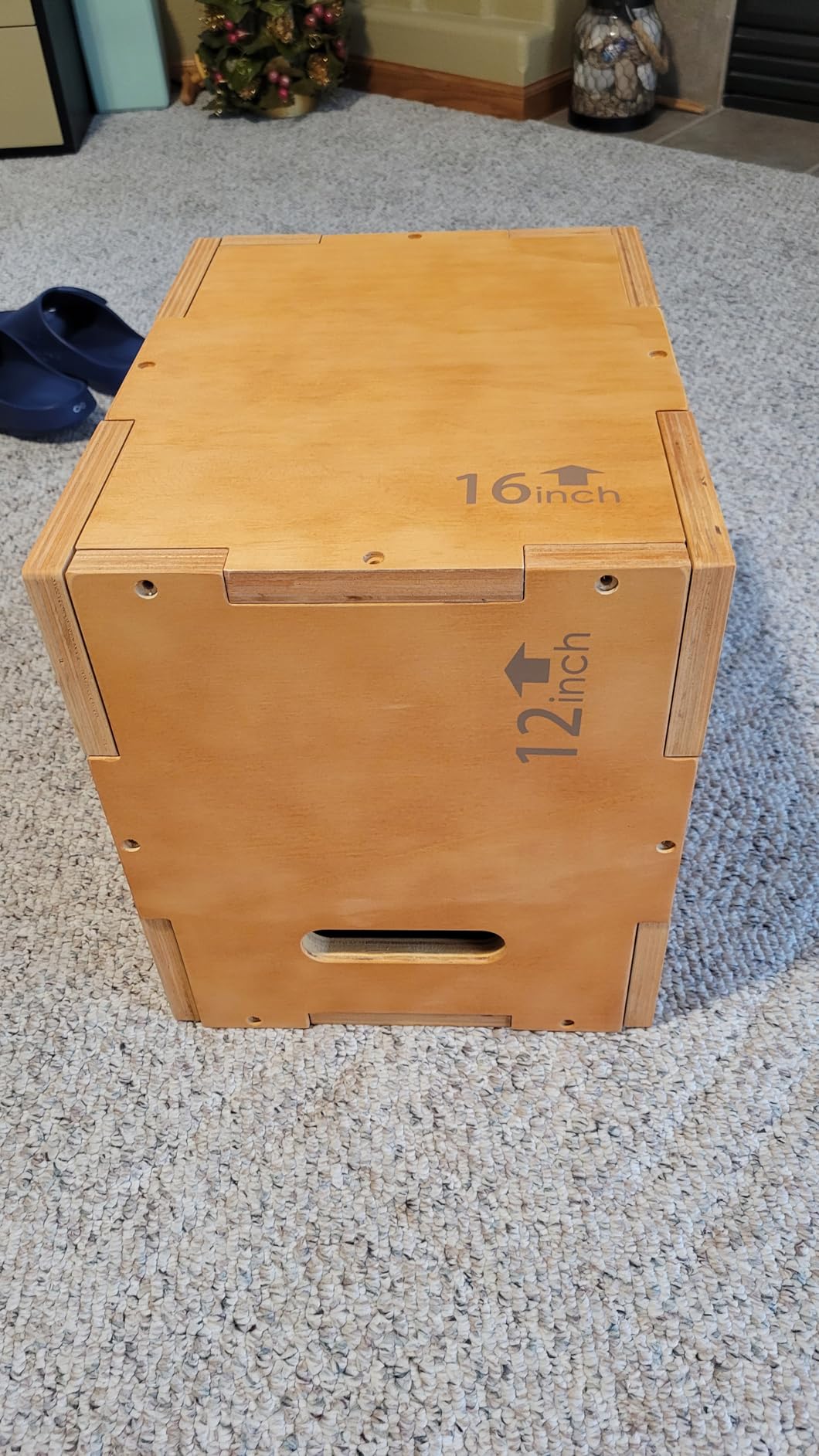
I would choose the Yes4All 3-in-1 as the best all-around starting point for a home gym. It combines a familiar plywood build with three usable orientations instead of forcing you to buy separate boxes, and its 14-pound weight makes it firm enough for step-ups without being impossible to reposition.
The 16 by 14 by 12-inch listed dimensions describe the unit in one orientation, while the three levels let you change the training height. That matters for progressive plyometric training: you can begin with a lower target and move up only after your landing and technique are consistent.

Users repeatedly praise its stability and broad appeal, but assembly is the weak point. The box is sturdy once assembled, so I would set aside time, use a drill, and avoid treating the included tool as the whole job.
The surface is firm and there is no cushioning if a jump goes wrong. Put it on a stable mat with enough clear space, and treat the listed capacity as a limit rather than a reason to test the box beyond your skill level.
For whom this box works
This is a good fit for beginners, home-gym owners, and anyone who wants one box for jumps, step-ups, lunges, squats, and dips. Its three levels also make it a sensible option for a family or shared training space.
For whom this box is less suitable
Choose foam or a soft-core model if shin protection, quieter landings, or a forgiving edge matters more than a rigid wooden platform. Buyers who dislike assembling equipment should look for a pre-built steel or foam model.
2. BalanceFrom 3-in-1 Foam Plyo Box — Best Lightweight Foam Option
BalanceFrom 3-in-1 Foam Plyometric Jump Box for Home Gym, Multiple Heights
16, 20, and 24 inches
10 lb foam build
Textured surface
Pros
- Lightweight
- Three heights
- Soft landing surface
- Easy to move
Cons
- Can slide on hard floors
- Tall setting needs matting
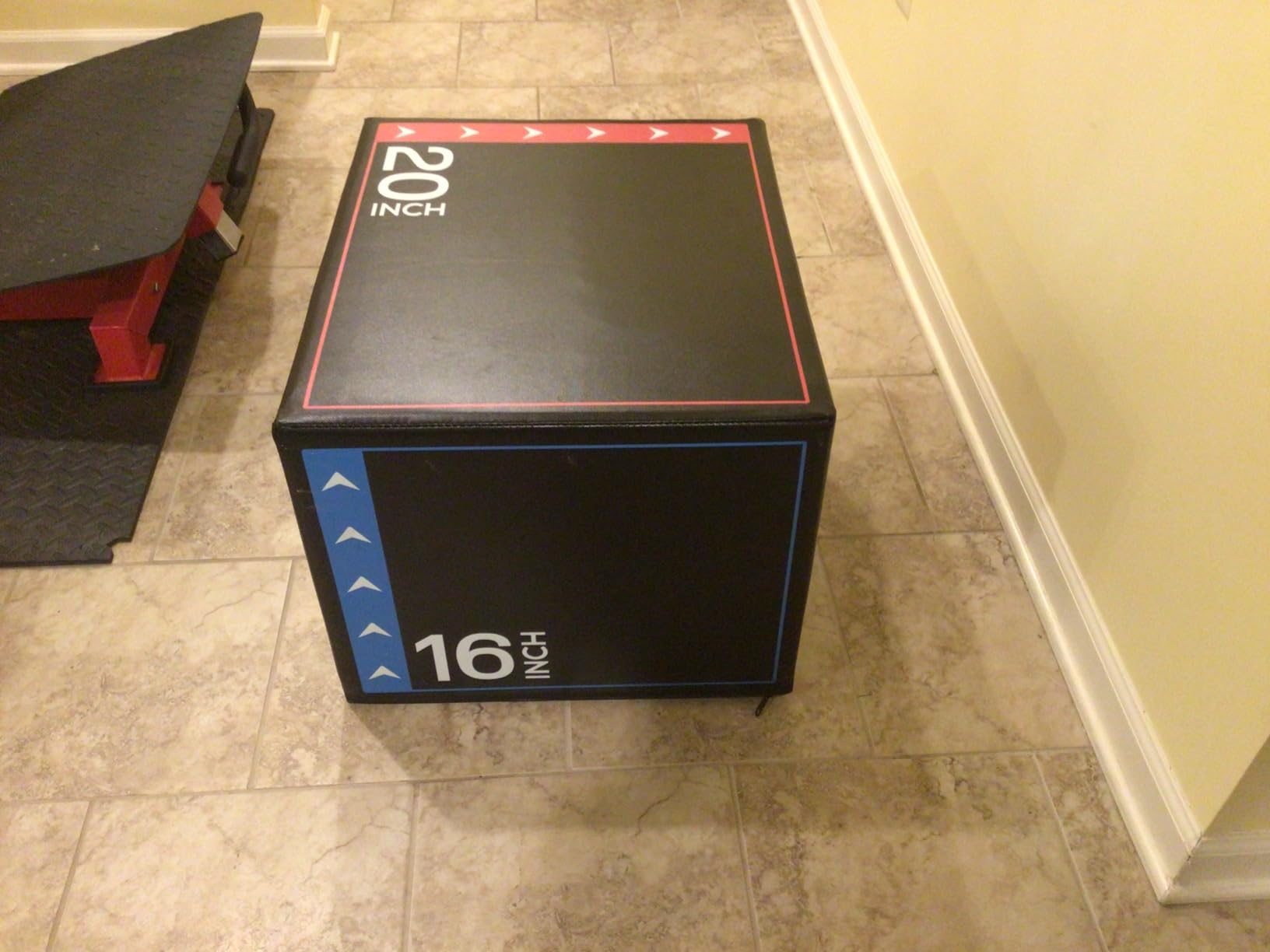
The BalanceFrom is the most practical foam model in this group for me. It rotates through 16-, 20-, and 24-inch jump heights, weighs only 10 pounds, and has a textured non-slip surface that is easy to clean.
That portability is useful in apartments, garages, and small training rooms. I would still place rubber flooring beneath it because the data and user feedback flag sliding on hard floors, particularly at the tallest setting.
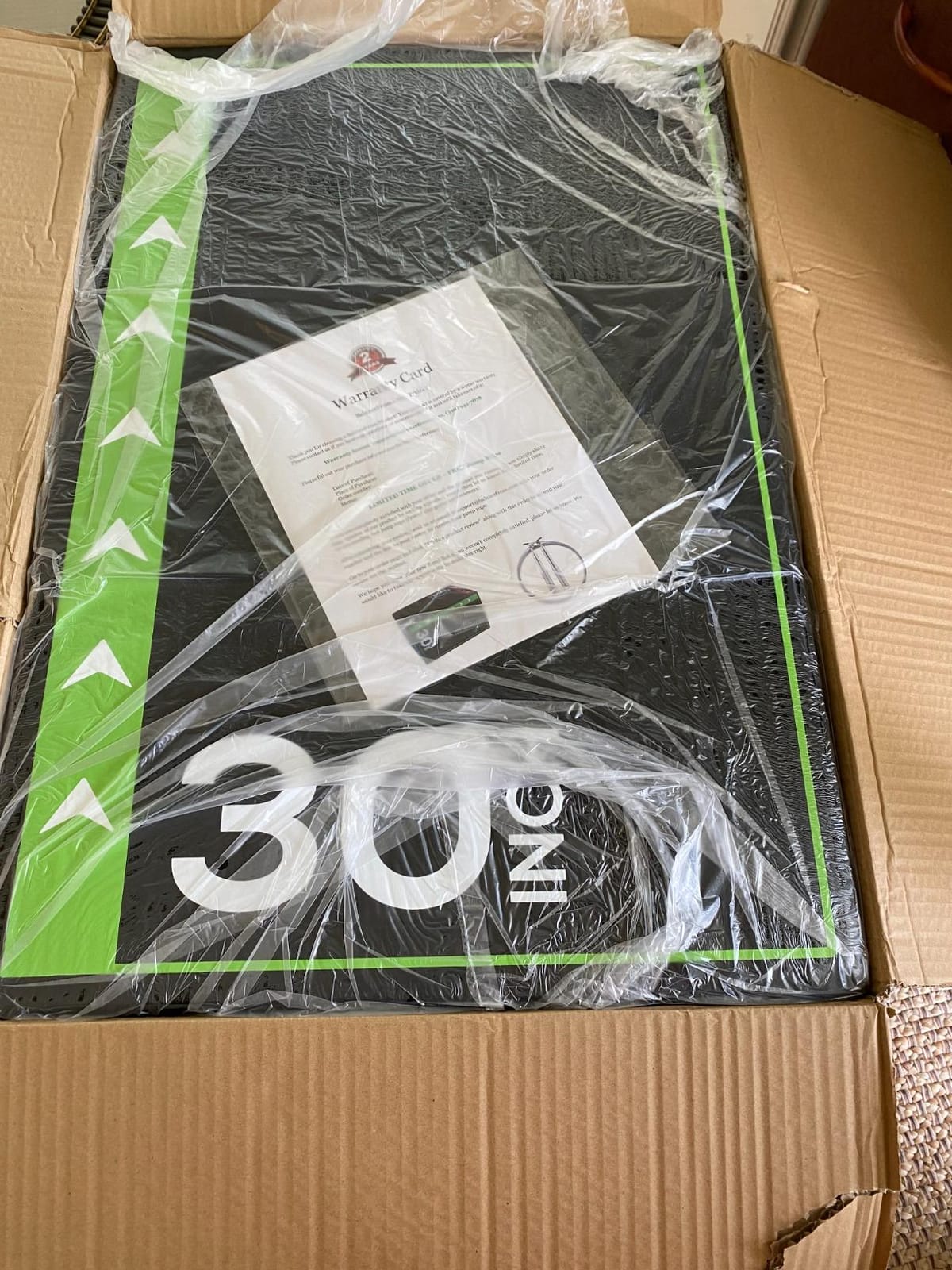
The soft shell is a meaningful safety advantage when a tired athlete catches a shin or misses the center. It does not remove the need for a controlled landing, but it makes a common mistake less punishing than bare plywood.
For step-ups, HIIT sessions, and beginner box jumps, the lighter construction is easy to live with. For repeated maximal jumps, place the box on a mat and use a height that lets you step down with control.
For whom this box works
This model suits beginners, apartment dwellers, and people who move equipment between rooms. It is especially good for users who want three heights without the weight of a wood box.
For whom this box is less suitable
A heavier user or aggressive jumper may prefer a steel or wood platform. Foam can shift, and a missed landing can be less stable on a slick floor even when the top has traction.
3. Amazon Basics Plyo Box — Best Budget Entry
Amazon Basics 3-in-1 Wooden Plyo Box, Non-Slip Plyometric Jump Box with Three Heights for Home Gym, Easy Assembly, 450 lb Weight Capacity, 16″x14″x12″
Three adjustable heights
450 lb capacity
FSC-certified wood
Pros
- Low-cost 3-in-1
- 450 lb capacity
- Puzzle-cut joints
- Handles
Cons
- No padding
- May slip
- Drill recommended
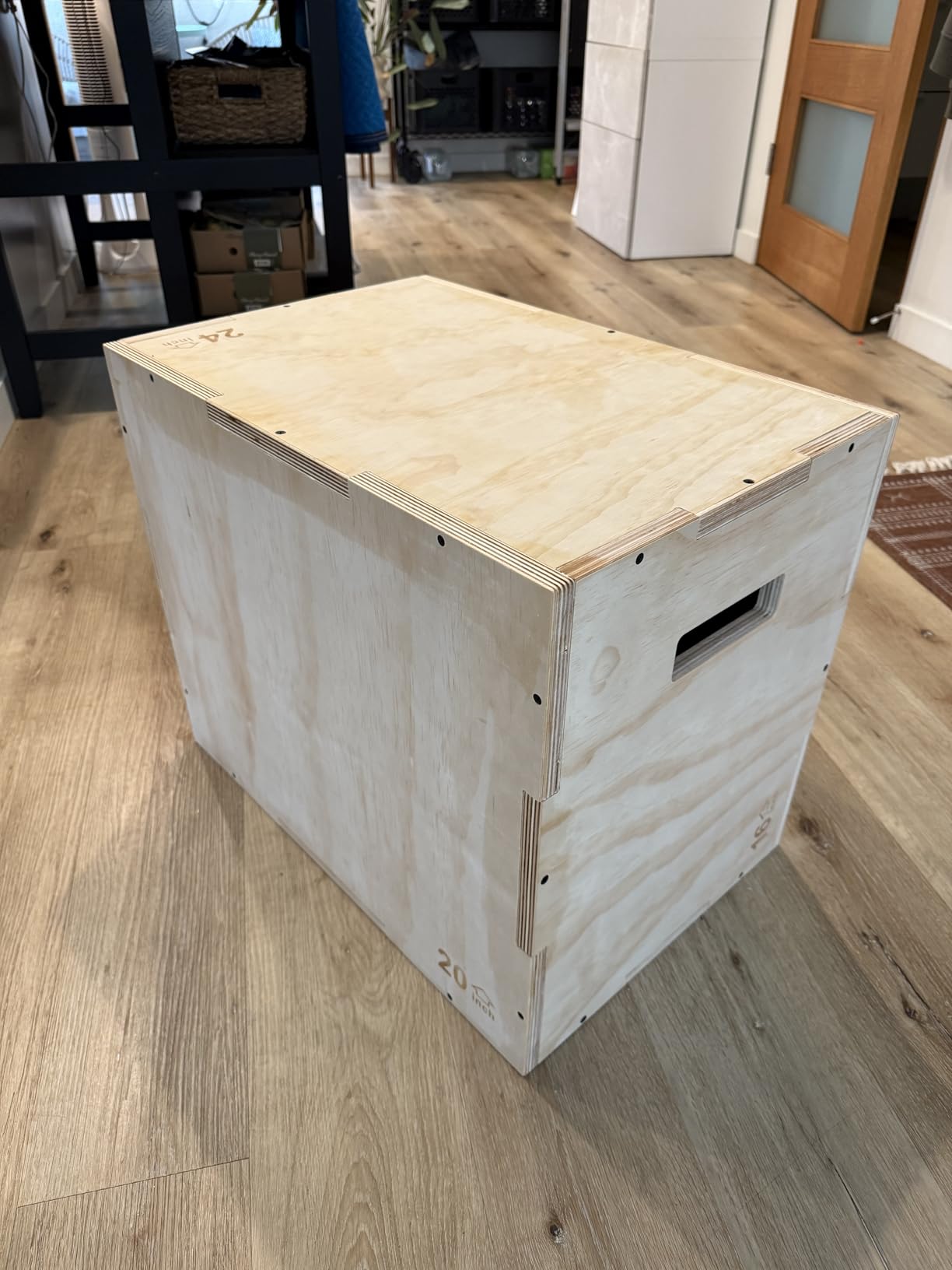
The Amazon Basics box is a sensible entry-level choice for someone who wants a functional box without paying for premium branding. It offers 12-, 14-, and 16-inch settings, a listed 450-pound capacity, and built-in handles.
Users describe it as rock solid once assembled, which is the most important quality for a basic wooden jump platform. The puzzle-cut panels and counter-sunk holes make the assembly concept clear, although a power drill is still the sensible tool.
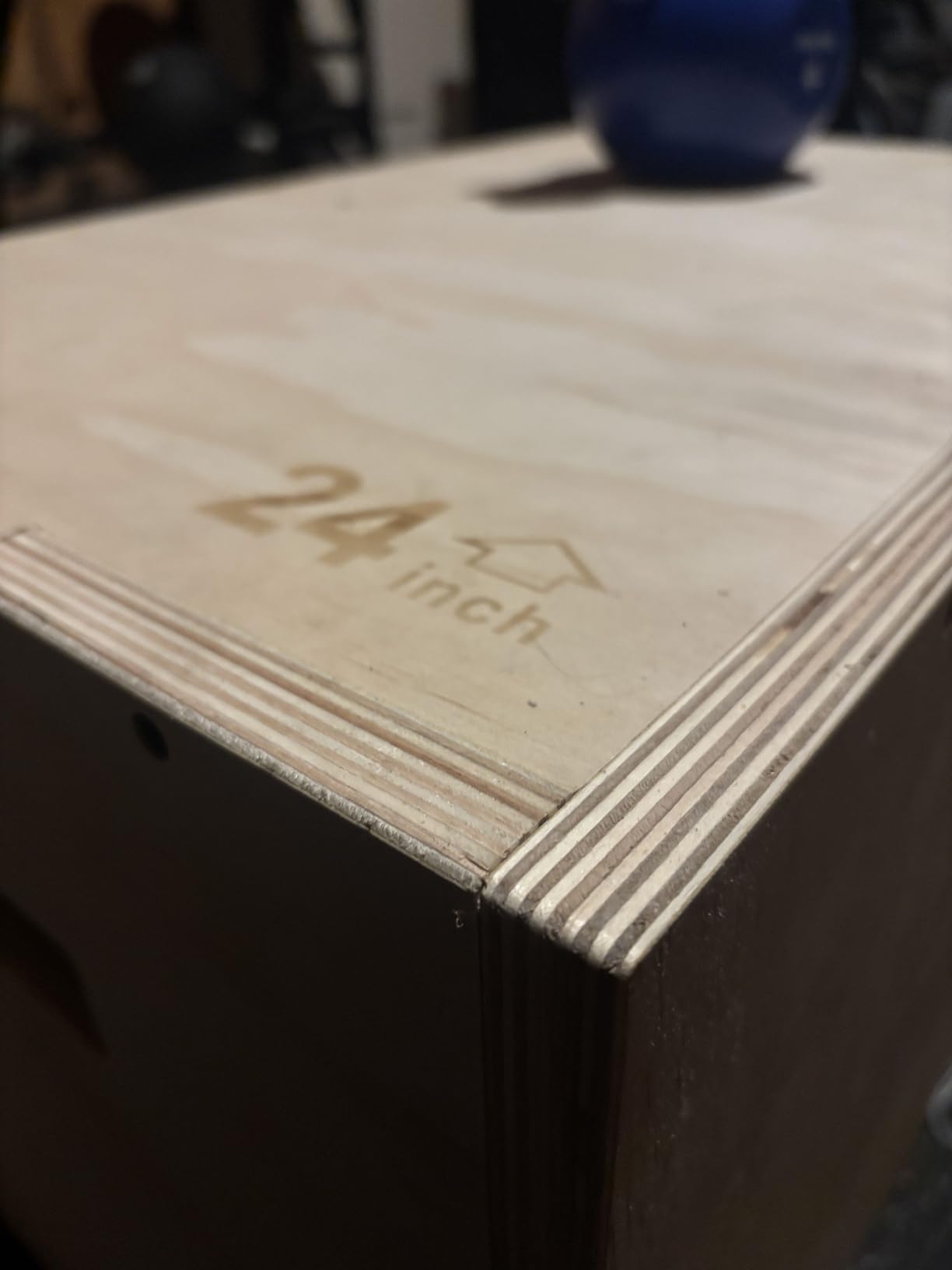
There is no padding or grip surface, so the box can feel unforgiving and may slip on hard floors. I would use it for controlled step-ups and carefully progressed jumps, not for sloppy, high-volume work.
At this price, it is difficult to beat for a first home-gym box. The trade-off is straightforward: you are saving money and accepting a harder landing surface.
For whom this box works
This is for budget-conscious beginners, renters who want a compact box, and trainees who already have a floor mat. It also works for step-ups and box squats where a broad, firm platform is useful.
For whom this box is less suitable
Choose foam if the landing surface needs forgiveness or if you expect frequent high-rep plyometric circuits. A soft-core model is also better for athletes worried about catching a shin.
4. Rage Fitness Steel Plyo Box — Best Rigid Steel Build
Rage Fitness 12 inch Steel Plyo Box, Anti-Slip Pre-Assembled, Jump Training
12-inch height
560 lb capacity
Pre-assembled steel
Pros
- Heavy-gauge steel
- Pre-assembled
- Anti-slip top and bottom
- Stackable
Cons
- Initial rubber odor
- Hard landing surface
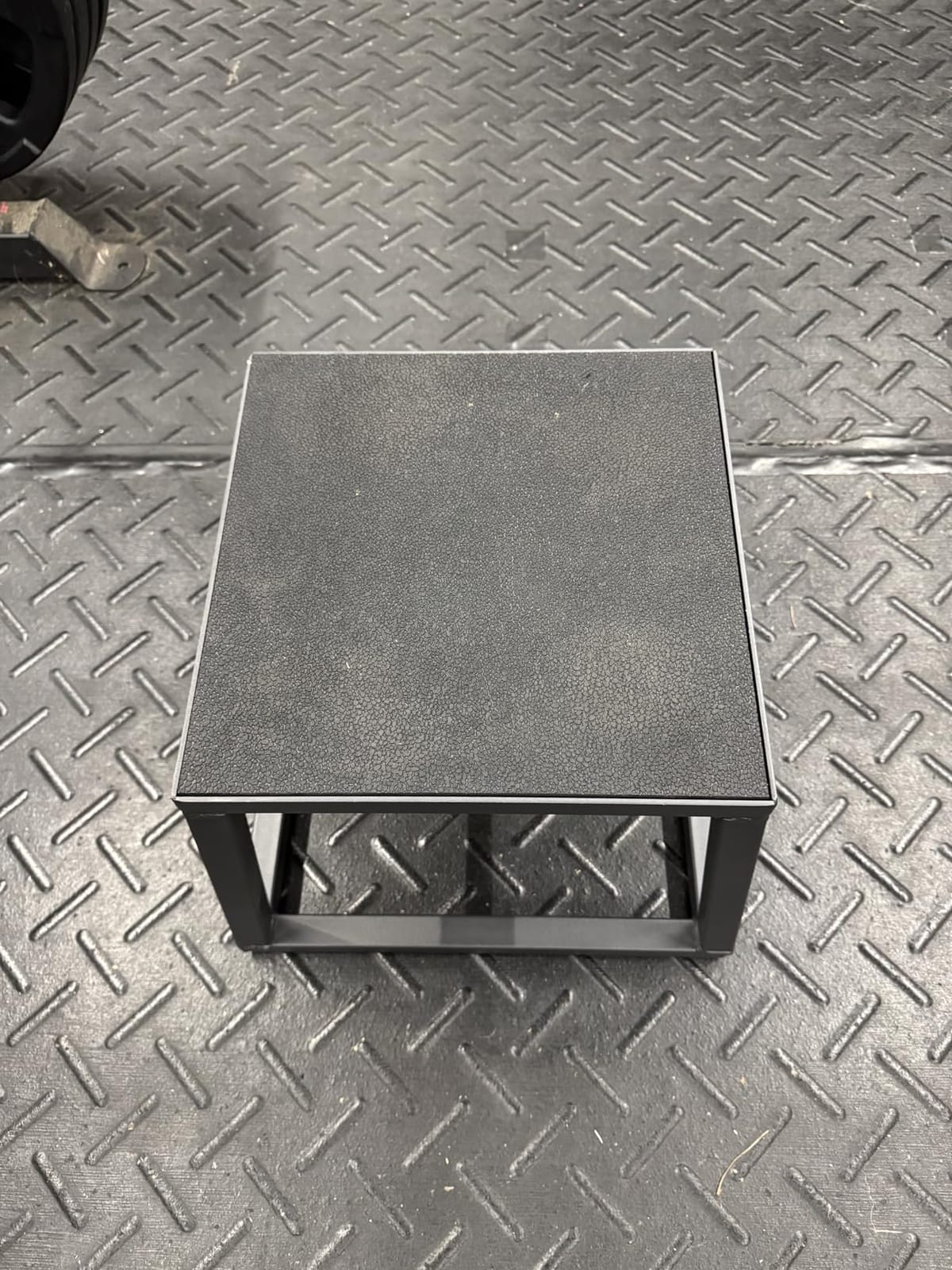
The Rage Fitness steel box is my pick for a firm, space-saving platform that arrives ready to use. Its 15-inch square base supports a 12.5-inch top and a listed 560-pound maximum weight, with a heavy-gauge tubular steel frame.
Anti-slip rubber on the top and bottom helps address the two forces that matter during a jump: traction underfoot and resistance underneath. I also like the stackable form for a garage where several boxes can be stored vertically rather than spread across the floor.
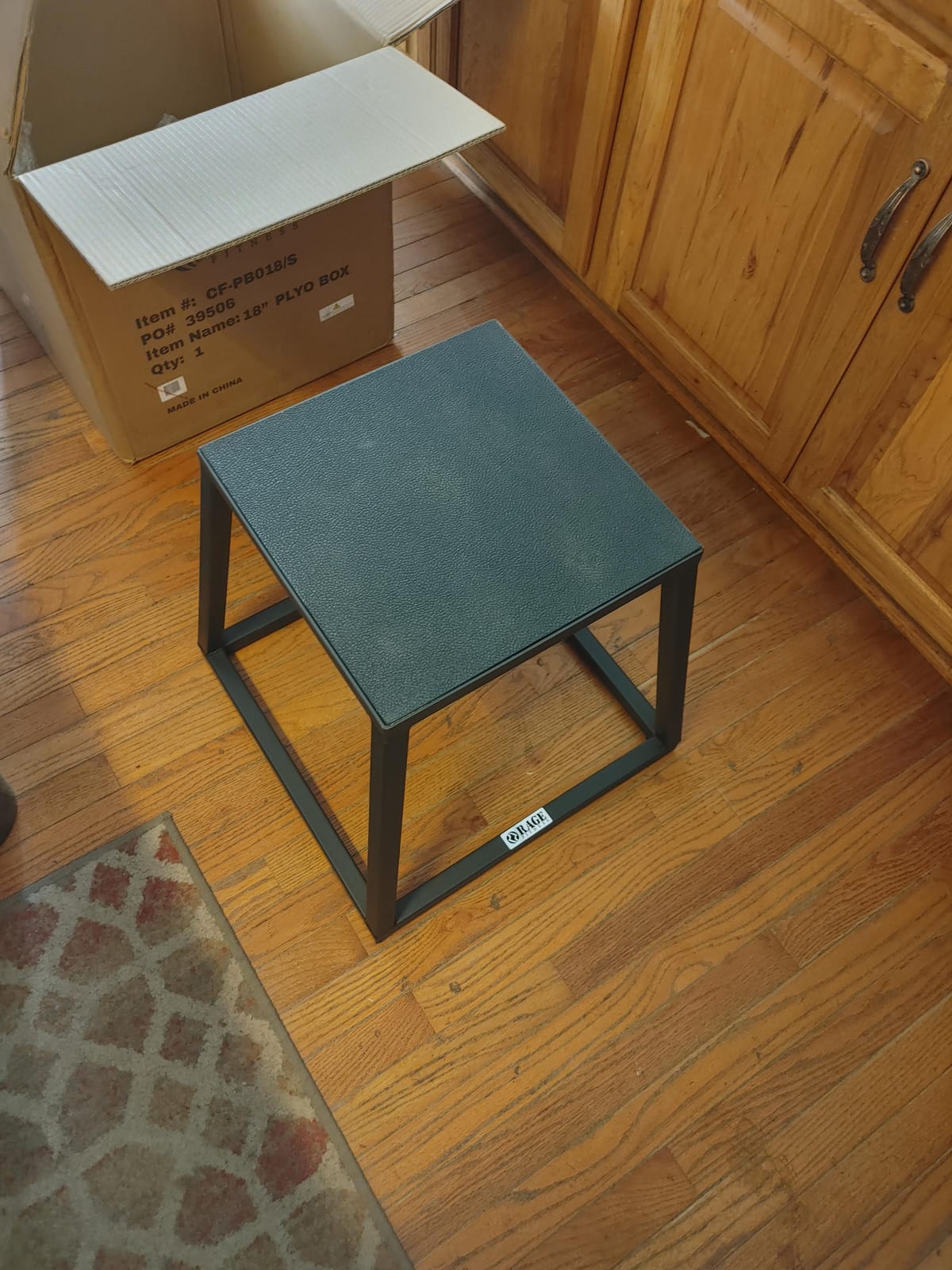
Steel is louder and less forgiving than foam, so this is not my first choice for an apartment or a high-rep class where missed jumps are common. The initial rubber odor reported by some users is another reason to air the box out before training indoors.
It is pre-assembled, so there is no setup compromise between you and the first session. Check the 12-inch height against your ability, and use a mat if the floor is smooth.
For whom this box works
Choose it for a dedicated strength space, garage gym, or coached program where a rigid platform and simple storage matter. It is a good fit for step-ups, box push-ups, dips, and controlled jumps.
For whom this box is less suitable
Pick foam or soft padding for quiet training, shared spaces, and athletes who regularly miss the center. A multi-height wood or foam box is easier if you want several jump levels without buying more units.
5. Yes4All Soft-Padded Plyo Box — Best Balance of Support and Cushioning
Yes4All 3-in-1 Soft-Padded Plyo Box with Wooden Core, Non-Slip Multi-Use Cushioned Plyometric Jump Box with Vinyl Cover for Jumping, Conditioning, Strength Training, Black
Wood core
EVA foam and vinyl
450 lb capacity
Pros
- Firm wood core
- Cushioned EVA layer
- Waterproof cover
- 450 lb capacity
Cons
- Can slip on hard floors
- Assembly needed
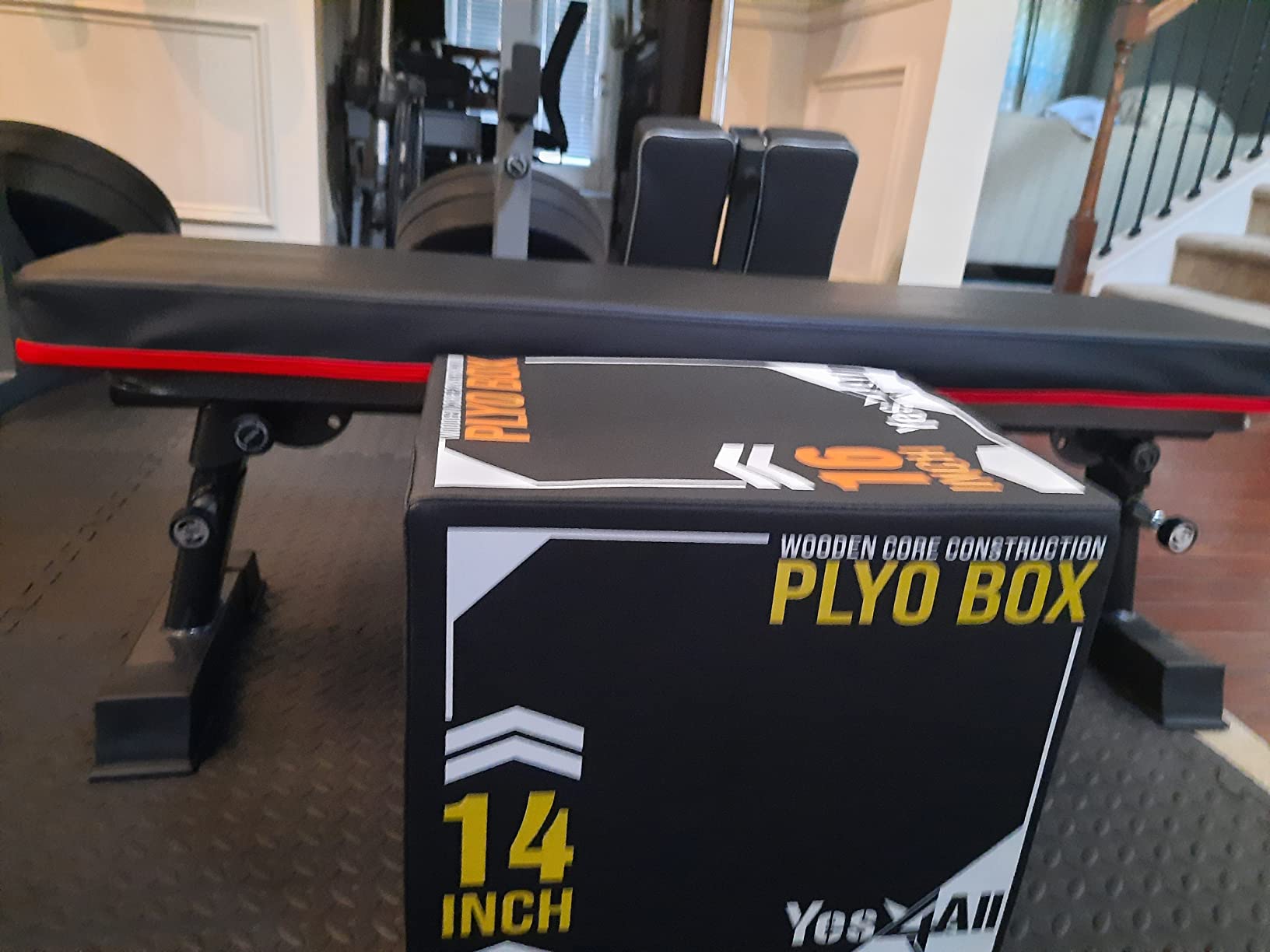
The soft-padded Yes4All is the compromise I would recommend for someone who likes the stability of wood but dislikes the feeling of a bare edge. It uses a three-layer construction: wood core, EVA foam, and a vinyl cover.
The listed capacity reaches 450 pounds, depending on the selected size, while the foam layer absorbs some impact. I see this as a strong fit for a home gym that mixes box jumps with step-ups, Bulgarian split squats, and other strength work.

The trade-off is that padding does not make a box immune to movement. User reports mention possible slipping during heavy movements, so I would add a mat and inspect the base before each session.
Assembly is required, and over-tightening can strip screw heads. A drill set to a sensible torque is safer than forcing every fastener until it stops.
For whom this box works
This is a strong option for athletes who want a supportive wooden platform with more forgiveness around the edges. It can serve both explosive training and lower-impact strength exercises.
For whom this box is less suitable
Buyers who need a pre-assembled product or train on a slick floor without matting should consider a steel model with rubber contact points. All-soft foam remains the better choice for maximum shin protection.
6. JFIT 6-inch Steel Plyo Box — Best Low-Step Option
JFIT Plyometric Jump Box-6″ Height (Single Plyo Box)
6-inch height
550 lb capacity
11 x 11-inch top
Pros
- Fully assembled
- Steel frame
- Non-slip vinyl top
- Rubber feet
Cons
- Low height only
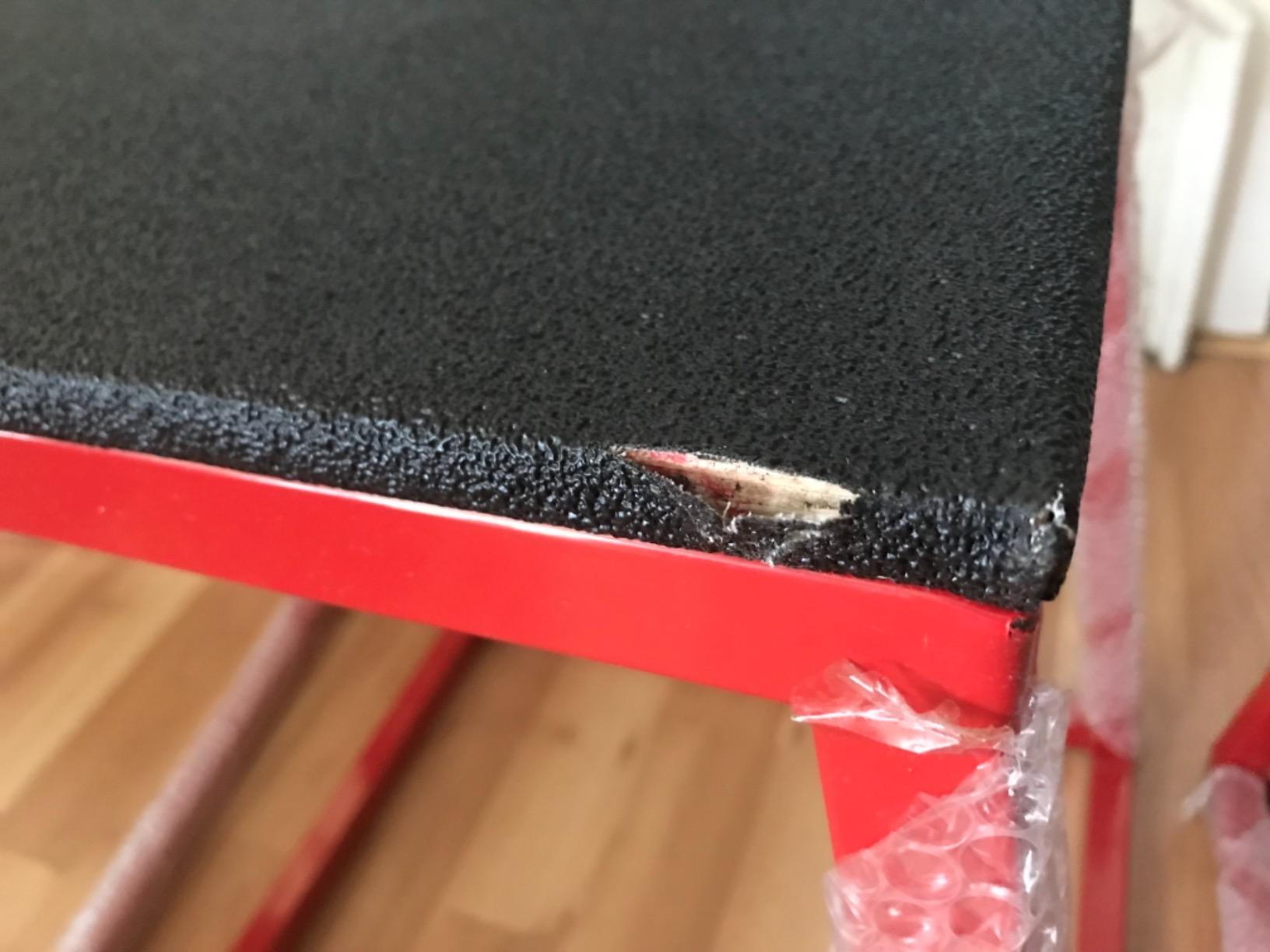
- Occasional shipping damage
JFIT is the right answer when a 6-inch box is enough. The single-height design keeps the platform low, while the 11-inch square top and 13-inch base create a stable target for step-ups and speed drills.
It arrives fully assembled, which is a real advantage for a new trainee. The heavy-duty iron frame, non-slip vinyl landing surface, and rubber pads on all four corners make it more practical than a temporary stack of risers.
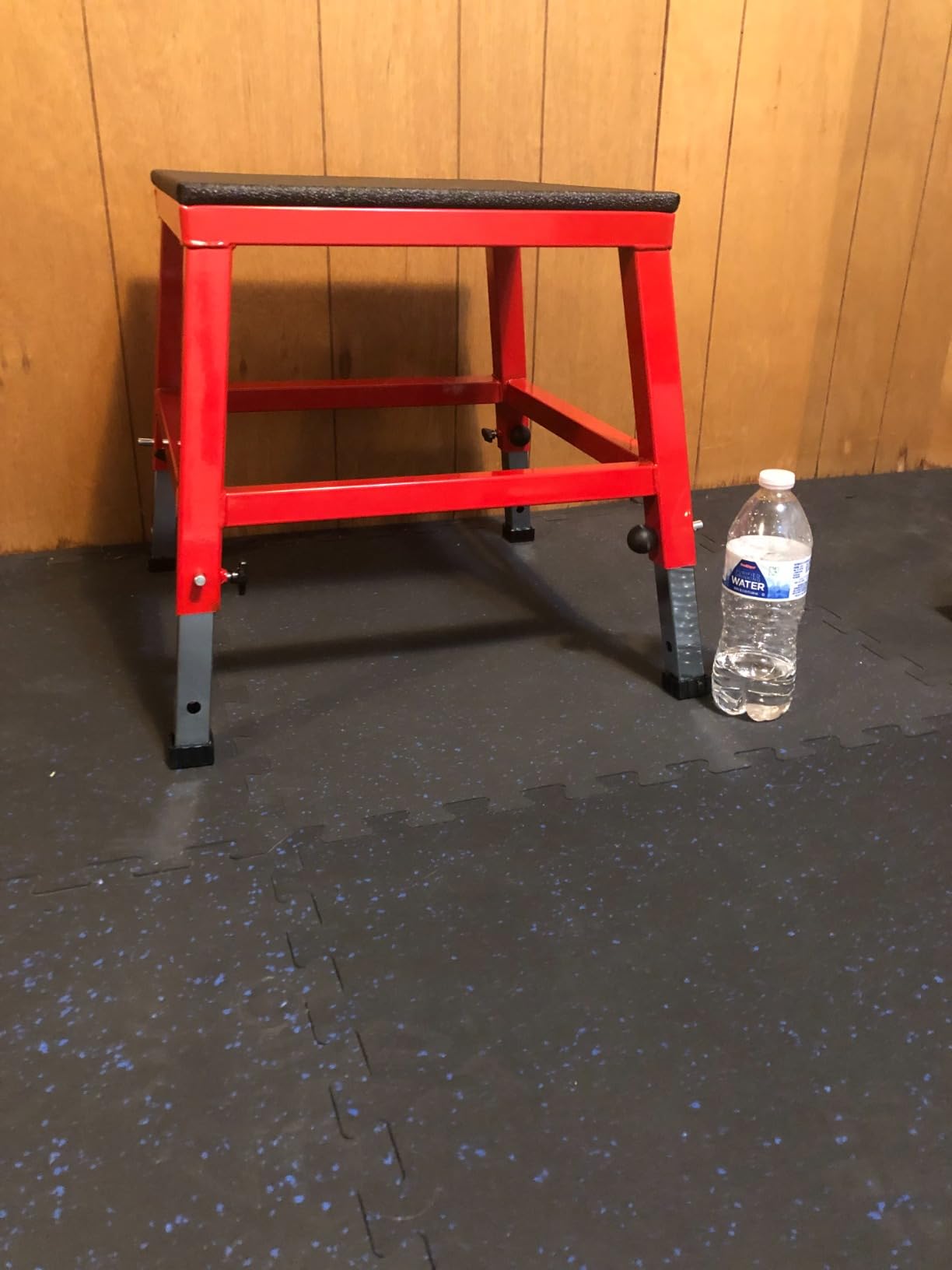
The main limitation is height. If your program needs 12, 20, or 24 inches, this box will not replace a 3-in-1 model. Some reviews also mention missing feet or shipping damage, so inspect the corners and contact pads on arrival.
I would use it for physical-therapy-style step work, beginner training, calf raises, and low-impact conditioning. It is less exciting as a vertical jump target, but that restraint can be a good thing while technique is developing.
For whom this box works
This is ideal for beginners, older trainees, and anyone needing a compact low step. It also suits coaches who want a predictable platform for drills rather than a progression of jump heights.
For whom this box is less suitable
It is not the right pick for advanced jumpers or athletes who want one adjustable unit. Look at the 3-in-1 wood, soft-core, or foam options when height flexibility is a priority.
7. CAP Barbell 3-in-1 Plyo Box — Best for Step-Ups and Strength Work
CAP 3-in-1 Plyometric Jump Box, Non-Slip, 16 x 14 x 12 in
12, 14, and 16 inches
15.4 lb engineered wood
Non-skid base
Pros
- Three heights
- Solid construction
- Handles
- Interlocking design
Cons
- Not recommended for jumping
- Power screwdriver needed
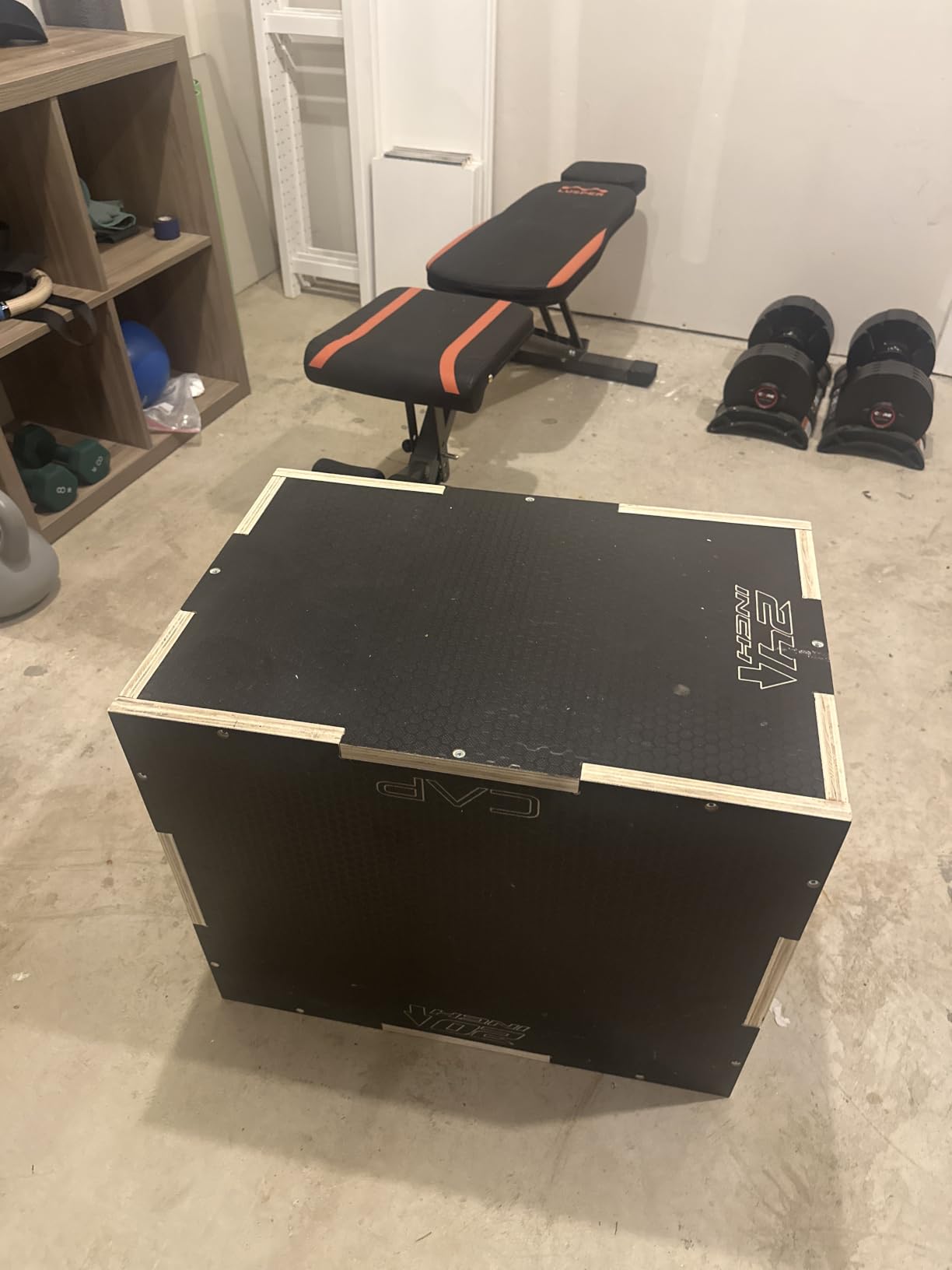
CAP Barbell is more compelling as a sturdy step platform than as a maximal jump box. Its engineered wood build, smooth finished edges, wide handles, and 12-, 14-, and 16-inch options make it useful for step-ups, lunges, and strength circuits.
The listed 300-pound maximum recommendation and 15.4-pound weight suggest a solid, planted platform. The interlocking connection design and countersunk screws also make the assembled box feel more like gym equipment than a lightweight prop.
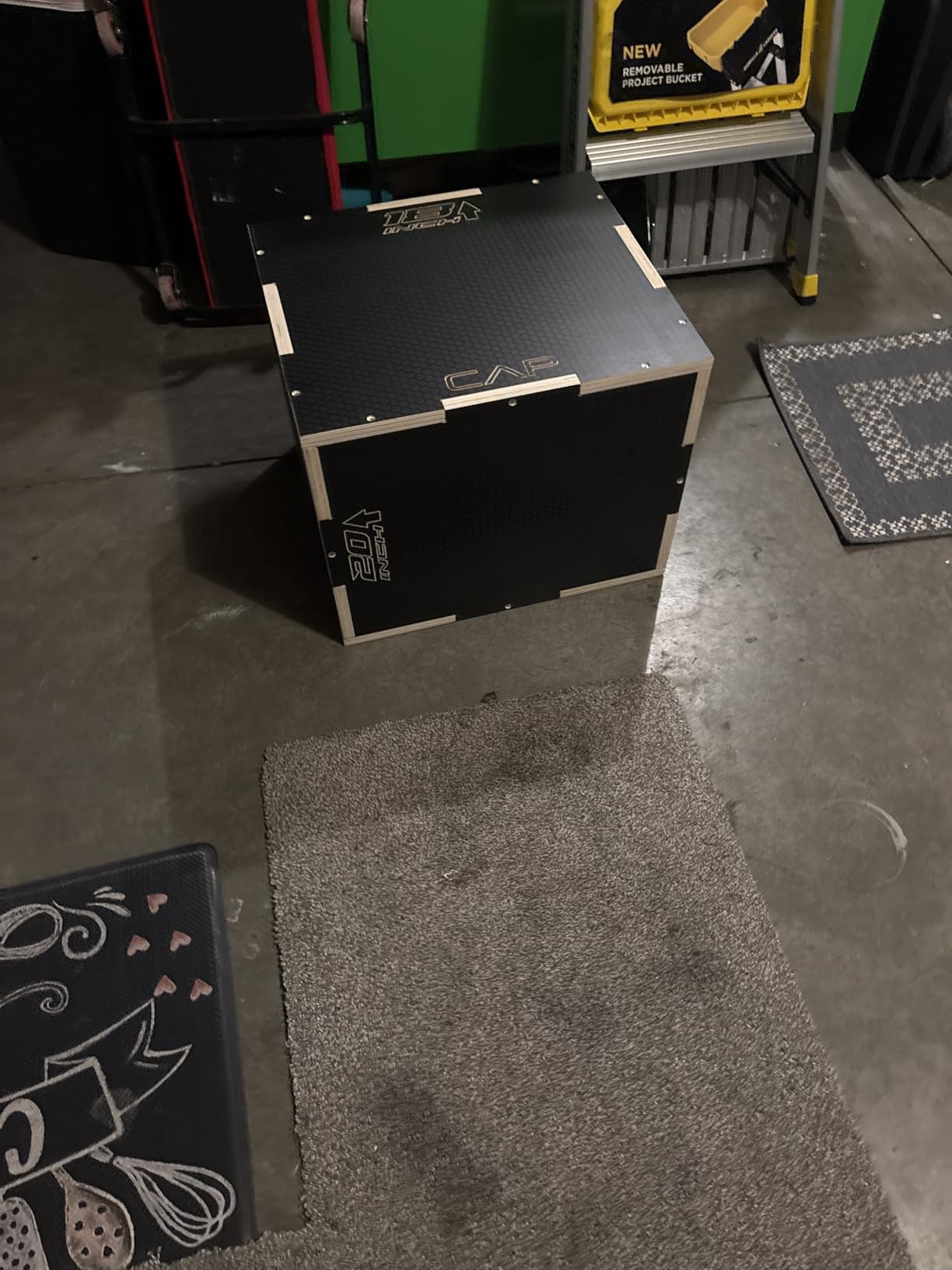
User feedback specifically advises that it is better for stepping than jumping. I agree with that distinction: the right box for box jumps should give you confidence in the landing, while this model’s value is its firm surface for controlled lower-body work.
Assembly requires a power screwdriver. Use the correct bit and avoid stripping the fasteners, then test the box at the lowest level before adding more height.
For whom this box works
This is ideal for home strength programs, step-ups, lunges, and beginners who want a compact wooden platform. It is also a reasonable budget choice when jumping is not the main goal.
For whom this box is less suitable
Do not choose it as your first dedicated jump box if explosive landings are central to your program. A soft or foam model will reduce shin impact, while a steel model offers a more obviously rigid jump surface.
8. Retrospec 18-inch Plyo Box — Best for a Simple Mid-High Target
Retrospec Leap Plyometric Jump Box, Plyo Box, Workout Equipment, Home Gym
18-inch height
350 lb capacity
18-inch platform
Pros
- Large stable base
- Stackable design
- No assembly
- Non-slip surface
Cons
- Lower capacity
- Top material can tear
- Heavy feel
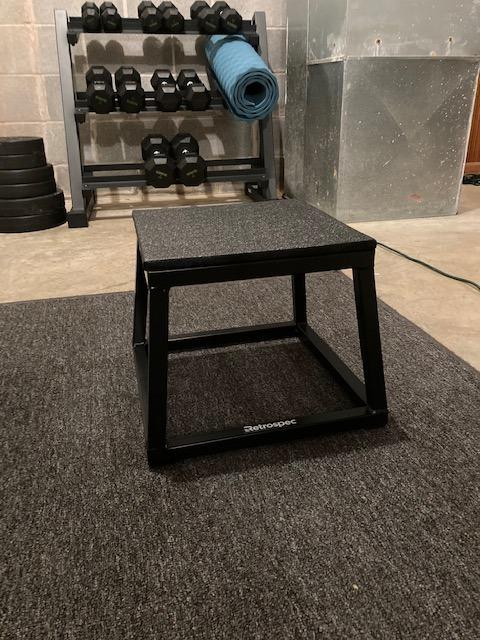
Retrospec keeps the decision simple: this is an 18-inch, no-fuss steel platform. The 18-inch top and tapered base create a wide target, while stackable construction helps when the box is not in use.
Users praise its stable feel and traction, and the lack of assembly is welcome. The listed 350-pound capacity is lower than several wood and soft-core competitors, so I would not select it solely because the top looks generous.
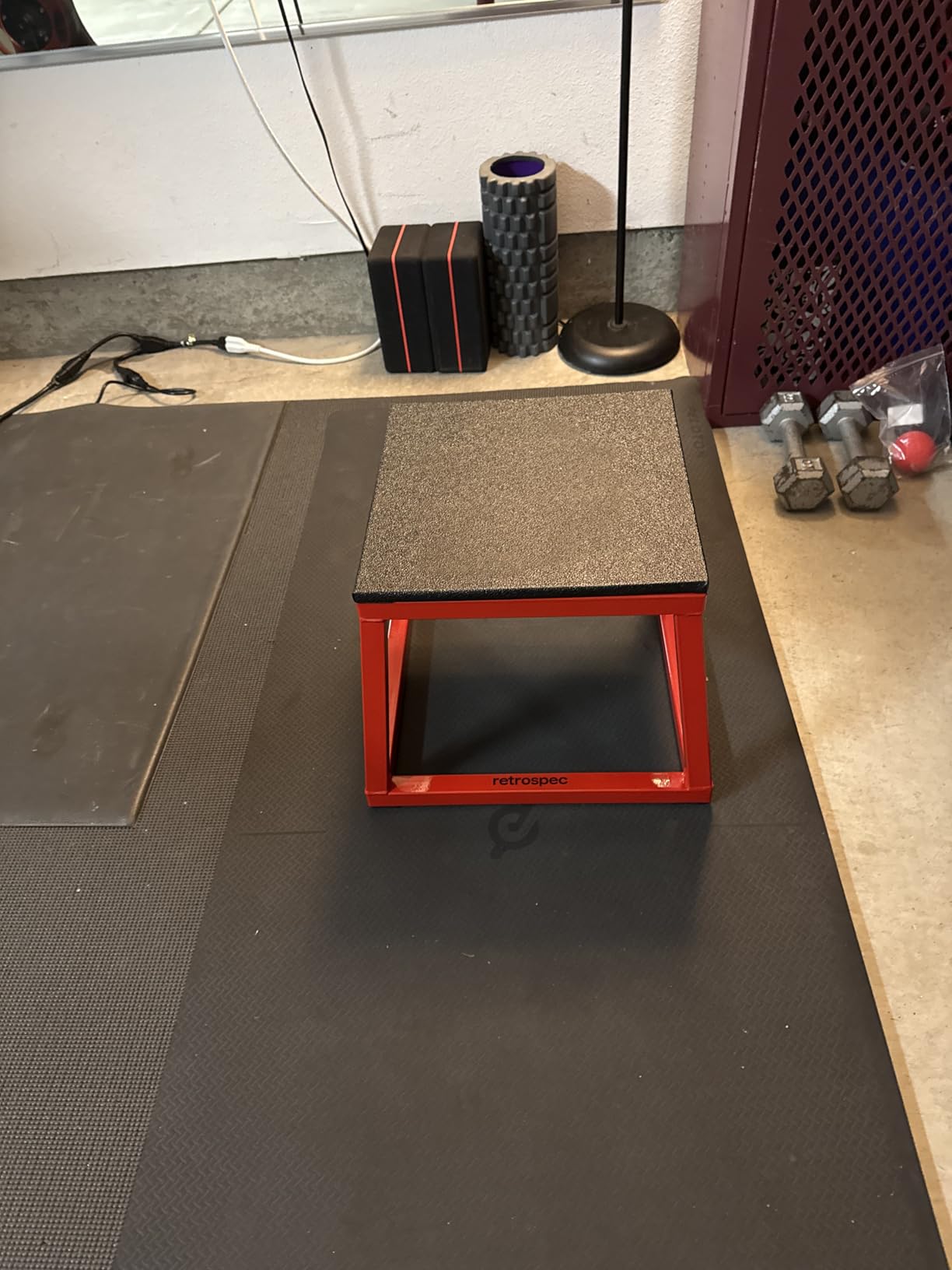
Some reviews report that the top material can tear. Inspect the landing surface frequently if you train often, and keep the box away from sharp equipment or rough storage surfaces.
The box suits a single-height program where 18 inches is the right progression. It is less useful for a household that needs a beginner-to-advanced range because it does not rotate through multiple heights.
For whom this box works
Pick Retrospec for a straightforward home gym, a mid-high target, and users who value a wide stable base. It is also a good choice when stackable storage matters more than adjustable height.
For whom this box is less suitable
A heavier athlete or someone who wants several progression levels should compare a 3-in-1 option. A foam or soft-core box is better when reduced impact is the priority.
9. Fitvids 3-in-1 Wooden Plyo Box — Best Braced Budget Wood Box
Fitvids 16″ x 14″ x 12″, 3 in 1 Non-Slip Wooden Plyo Box Jump Exercise Platform, Plyometric Workout Equipment for Home Gym, Training Step Box, Black
12, 14, and 16 inches
450 lb capacity
Internal bracing
Pros
- Braced plywood build
- Three heights
- Anti-slip surface
- 2-year warranty
Cons
- Drill needed
- No padding
- Heavy for its size
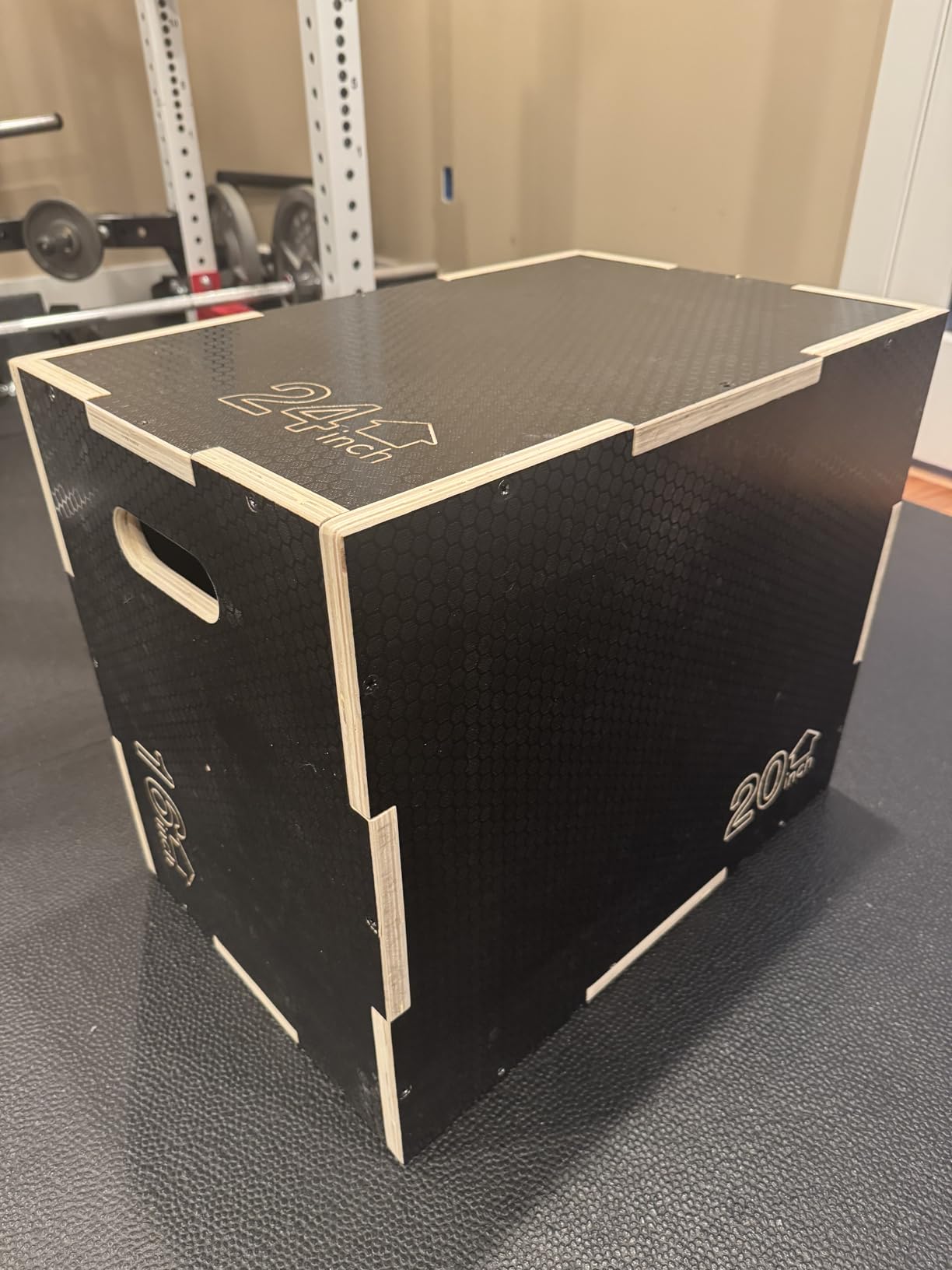
Fitvids is a good budget pick for someone who wants a braced wood construction and a two-year manufacturer warranty. It provides 12-, 14-, and 16-inch settings, a listed 450-pound capacity, and handle cutouts.
Once assembled correctly, the thick plywood and internal bracing create a stable-feeling box. I would take extra care during assembly because the included screws can strip if they are over-tightened.
The surface is textured but not padded, so the landing is firm and a shin strike will still hurt. At about 16.8 pounds, it is also heavier than many foam boxes, though the handles make a short carry manageable.
For controlled home-gym training, it offers more structural detail than the lowest-cost options. For a young athlete or shared space, the added forgiveness of a soft-core model may be worth considering.
For whom this box works
This box is best for budget-focused trainees who want a firm three-height platform and are comfortable using a drill. It is a practical match for step-ups, lunges, and carefully progressed jumps.
For whom this box is less suitable
Choose foam if noise, shin contact, or portability drives your decision. Choose steel if you want a pre-assembled platform with rubber contact surfaces and no assembly step.
How to Choose the Best Plyometric Box for Your Training
Foam, wood, steel, or soft core?
Foam is the safest-feeling option for beginners, high-rep HIIT, and athletes worried about shin scrapes. It is light and quiet relative to wood, but it can slide or compress at the edge, so use a mat and check the cover for wear.
Wood is firm, stable, and usually more affordable, making it a strong home-gym default. It can scrape a shin during a miss, and a smooth floor can create a sliding problem; a non-skid mat solves much of that.
Steel is durable, compact, and often pre-assembled, with rubberized contact points that improve grip. It is the loudest and hardest option, so I would not put a steel box directly on a shared-room floor.
A soft-core box combines a wood support structure with EVA foam and a vinyl cover. It is a sensible compromise for users who want stability around the platform without giving up all impact protection.
How high should your box be?
Start with a height you can step down from cleanly and land with both feet fully supported. Beginners often do well with a 6- to 16-inch box, while experienced athletes may use 20 to 24 inches; a 30-inch jump is impressive but not a sensible starting goal.
Use a lower box for technique and repeatability, then progress only when your hips, knees, and ankles stay aligned. A 3-in-1 box is the most practical purchase when your training level may change.
What capacity and footprint matter?
Check the listed maximum user weight and compare it with your own body weight plus any external load. Also look at the top and base dimensions: a larger base generally helps stability, while a narrow top leaves less margin for a tired or imperfect landing.
Do not treat capacity as a performance target. A box can support a person but still be too high, too slippery, or too unstable for that person’s training.
How do I use a plyo box safely?
Place the box on a level, non-slip surface and leave enough space around it for your approach and exit. Start with step-ups or low jumps, plant both feet, land quietly with the knees tracking over the toes, and step down rather than jumping off repeatedly.
Inspect the platform, base, screws, rubber feet, and cover before each session. Stop if the box shifts, flexes, tears, or develops loose hardware, and get coaching if you cannot control the landing.
How much should you spend?
Basic wood boxes are often the lowest-cost route into box jumps, while foam, soft-core, and steel models can cost more because of materials, padding, portability, or construction. The right budget is the one that leaves room for a proper mat and enough space to train safely.
Value is better judged by stability, usable height, and cover longevity than by the lowest number on a listing. A well-built box that you can store easily and use for years is usually a better purchase than a cheap replacement.
Forum feedback supports a practical middle path: budget options around the lower price bands work for basic use, while users often praise heavier boxes for not tipping and foam for shin protection. The recurring complaints are sliding on hard floors, stretched or torn covers, stripped screws, and boxes that tip when they are too light for explosive movement.
Floor protection is not an afterthought. Rubber tiles or a dense exercise mat can reduce noise, protect the finish, and add grip; a mat does not excuse a damaged box or poor landing technique.
Frequently Asked Questions
Are plyo boxes worth it?
Yes, when used for suitable exercises and at the right height. A plyo box can add box jumps, step-ups, split squats, calf raises, and push-ups to a home gym while improving power, coordination, and athletic performance.
Is foam or wood better for a plyo box?
Foam is softer, lighter, and more forgiving, while wood is firmer, more stable, and often less expensive. Foam is better for high-rep practice and shin protection; wood is better for confident jumpers who want a rigid platform.
What height plyo box should I get?
Begin with 6 to 16 inches or the lowest level of a 3-in-1 box. Choose 20 to 24 inches only after you can land quietly and step down with control; a 30-inch box jump is advanced rather than a beginner target.
How do I use a plyo box safely?
Place it on a level non-slip surface, inspect the box, and start with a low height. Step up or jump with both feet, land quietly with controlled knees, and step down; do not continue if the box shifts or the landing hurts.
What can you expect to pay for a plyo box?
Prices vary by material, size, padding, and construction. Basic wood boxes are generally the most economical, while foam, soft-core, and steel options can cost more because they add padding, impact protection, portability, or durability.
Final Thoughts on the Best Plyometric Boxes
For most people, the Yes4All 3-in-1 wooden box is the strongest starting point because it balances stability, progression, and home-gym practicality. The BalanceFrom foam box is the better pick for a lighter, softer setup, while the Rage Fitness steel box is hard to beat when rigidity and compact storage come first.
Choose by your current ability rather than the highest number in the room. Match the material to your floor and training volume, protect the floor beneath the box, and progress one level at a time; those small decisions make a plyo box safer and more useful in 2026.