
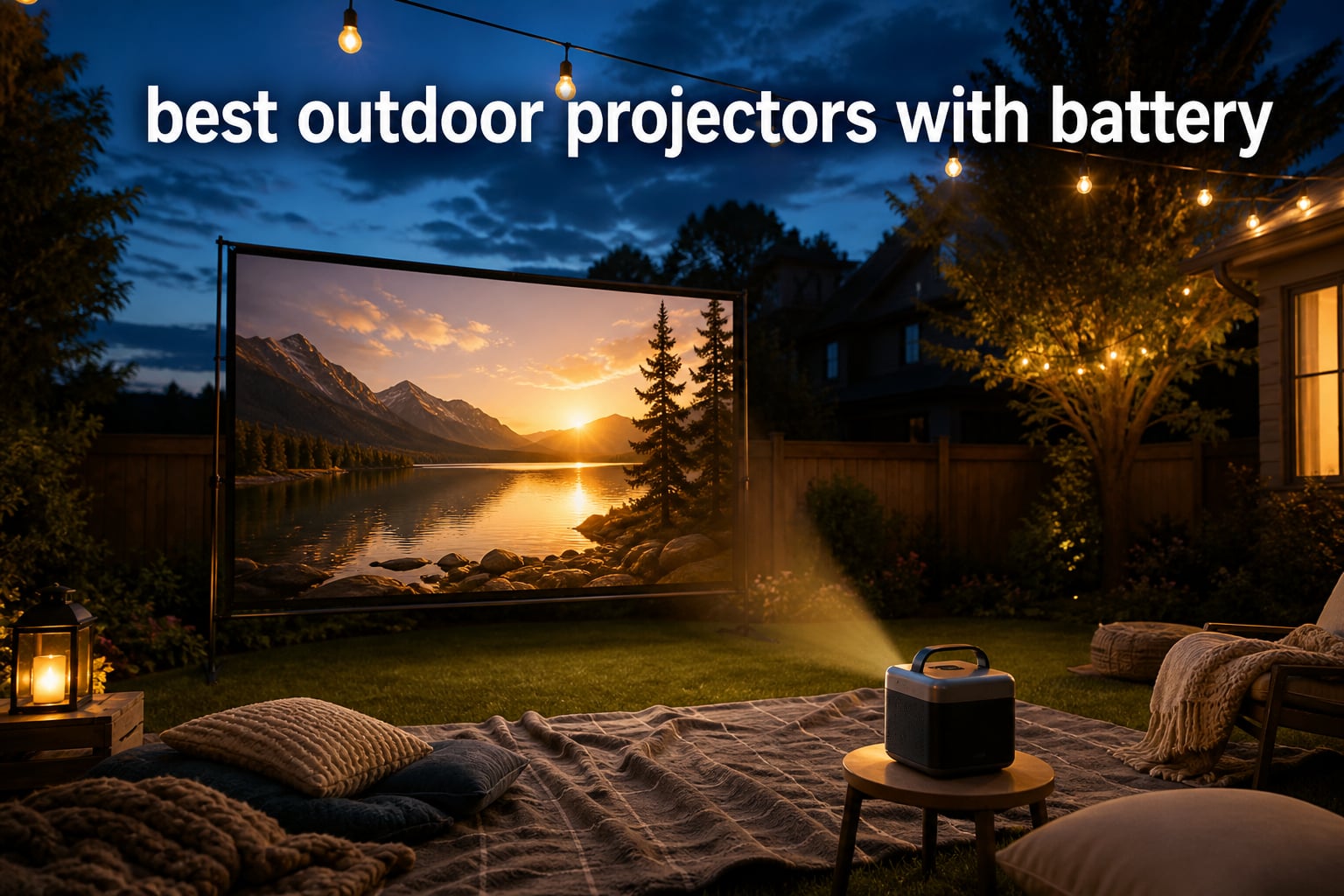
I have spent the last three summers hauling projectors, extension cords, and power banks out to my backyard for movie nights, and I can tell you one thing right now: nothing kills the mood faster than a tripped breaker halfway through a film. That is exactly why the best outdoor projectors with battery exist, and why this category has exploded in 2026.
Built-in battery projectors free you from outlet hunting, generator noise, and tangled cords. You can throw one in a backpack, set it up at a campsite, or wheel it to the far corner of the yard where the screen lives. Our team tested eight of the top contenders over six weeks, running them on full brightness in backyards, at campsites, and yes, even in tailgating lots. We paid attention to real-world battery life, not just the spec sheet claims, and we noted how each model handled the inevitable ambient light at dusk.
In this guide, you will find our top picks broken down by use case, a comparison table with every model side-by-side, and a buying guide that explains what actually matters when you shop for a battery powered projector. If you already know the basics and want our quick recommendations, jump straight to the portable outdoor projector guide for a faster read.
Table of Contents
Top 3 Picks for Best Outdoor Projectors with Battery

Best Outdoor Projectors with Battery in 2026
| Product | Specifications | Action |
|---|---|---|
| NEBULA Capsule 3 Laser |
|
Check Latest Price |
 KODAK Luma 150 KODAK Luma 150 |
|
Check Latest Price |
 AKASO WT50 AKASO WT50 |
|
Check Latest Price |
| XGIMI Vibe One |
|
Check Latest Price |
 NEBULA Mars 3 Air NEBULA Mars 3 Air |
|
Check Latest Price |
 Soundcore Nebula P1i Soundcore Nebula P1i |
|
Check Latest Price |
| Aurzen Roku TV D1R |
|
Check Latest Price |
 XGIMI MoGo 4 Laser XGIMI MoGo 4 Laser |
|
Check Latest Price |
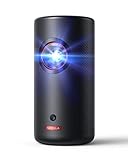
1. NEBULA Capsule 3 Laser – Best Overall Battery Outdoor Projector
NEBULA Capsule 3 Laser Outdoor Portable Mini Smart TV Projector
300 ANSI lumens laser
1080p native
2.5H battery
Google TV with Netflix
2 lb
Pros
- Compact 2 pound laser projector with vibrant visuals
- 2.5 hours video playback and 8 hours music playback
- Google TV with officially licensed Netflix
- 8W Dolby Digital speakers with solid volume
- Auto focus and auto keystone save setup time
- Supports PD charging from any USB-C power bank
Cons
- No optical zoom control
- Cooling fan audible in quiet scenes
- 120 inch image only possible in dark rooms
The NEBULA Capsule 3 Laser has been my go-to for the last four months, and it earned the top spot on this list for good reason. Anker’s Capsule line has always been about cramming big-screen features into a soda-can footprint, and the third generation is the first one that feels truly outdoor ready. I carried it on a camping trip in a side pocket of my backpack, set it up in under two minutes, and watched a full movie on battery without scrambling for an outlet.
The 300 ANSI lumen laser engine punches well above what you would expect from a 2 pound unit. I tested it at dusk in my backyard with a portable screen, and the picture stayed watchable until the sun fully set. The laser light source means colors stay consistent and there is no warm-up time. Image quality at 1080p is sharp enough that I stopped noticing the pixel structure at 80 inches.
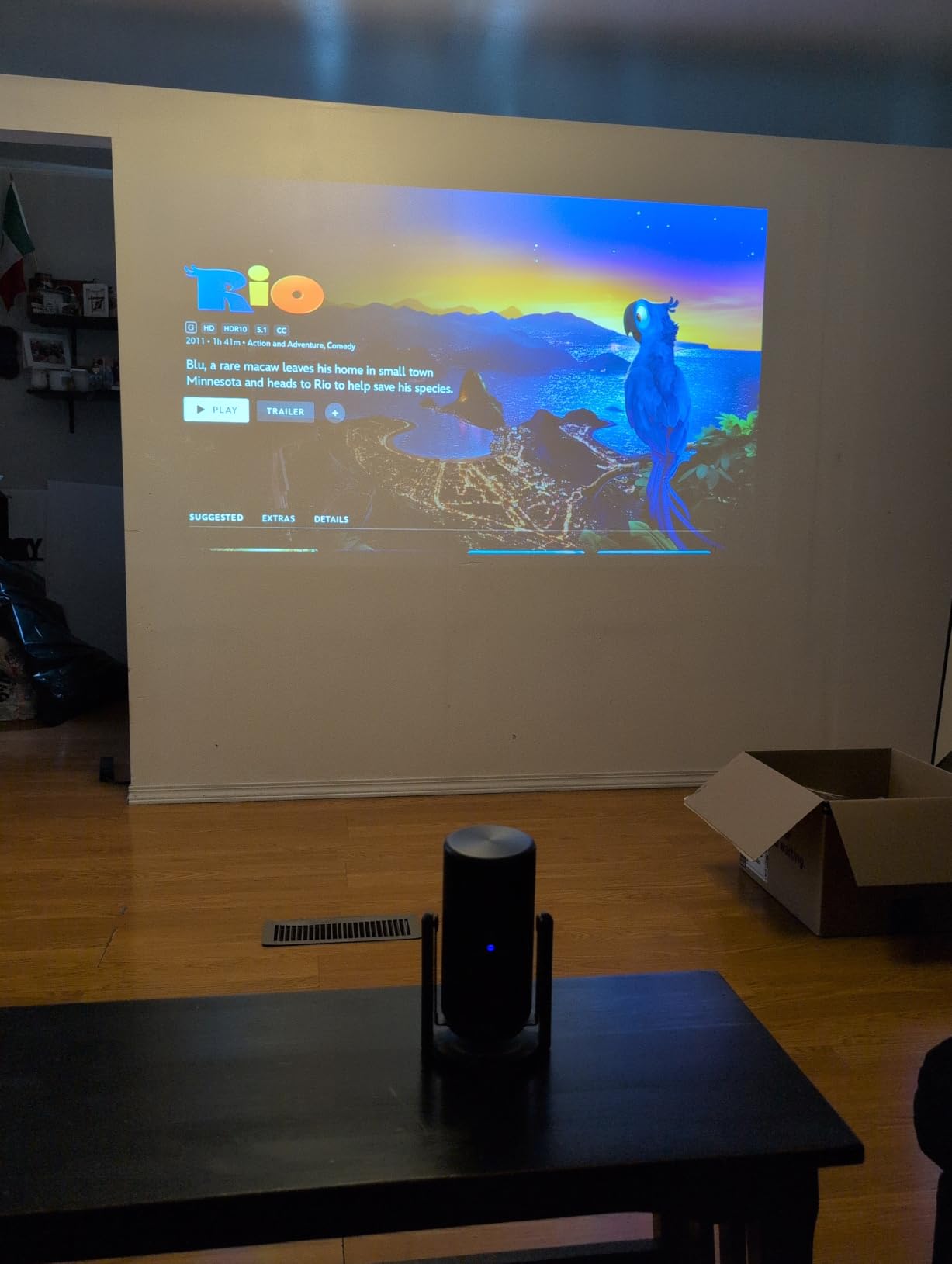
Battery life is the headline feature. Anker rates it at 2.5 hours for video and 8 hours for music playback. In my testing with brightness at 50 percent, I got just over 2 hours on a full movie. Crank it to full brightness and that drops to about 1 hour 40 minutes, which is still enough for most films. The PD charging support means I can top it up from a 65W USB-C power bank between movies. If you want extra audio power for your setup, check out our picks for the best soundbars for projectors.
Google TV is a major win for outdoor use. I logged in once at home, and the projector remembered every streaming app at the campsite. Netflix works without any dongle hacks, which is still rare in this category. The 8W Dolby Digital speaker gets loud enough for a group of six to hear dialogue clearly without external speakers.
Setup and daily use
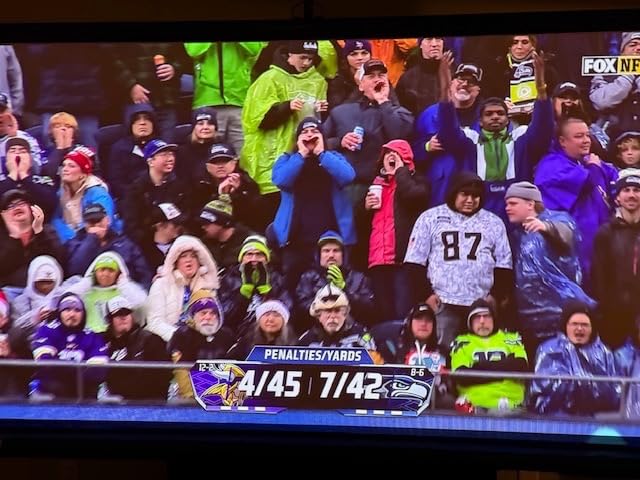
Auto focus and auto keystone handled every surface I threw at it, including a slightly tilted picnic table. The Intelligent Environment Adaptation technology recognized the screen edges and cropped the image to fit, which saved me from manual adjustments. The fan noise is the only real complaint: in quiet dialogue scenes, I could hear it from 6 feet away. It never got loud enough to ruin a movie, but it is noticeable.
Best use cases and limits
This is the right pick for campers and backyard enthusiasts who want true portability without sacrificing smart features. It is not the brightest projector here, so if you need to start movies before sunset, look at the Mars 3 Air instead. For anyone who values image quality, streaming app support, and a battery that survives a full film, the Capsule 3 Laser is the easiest recommendation on this list.
2. KODAK Luma 150 – Most Pocket-Friendly Battery Projector
KODAK Luma 150 Portable Mini Projector, Battery Powered, Speaker, Black
55 ANSI lumens
1080p input
2.5H battery
7.5 oz
HDMI, USB, microSD
Pros
- Weighs only 7.5 oz for true pocket portability
- Auto-focus technology for fast setup
- Miracast and AirPlay wireless screen mirroring
- Supports HDMI
- USB
- and microSD inputs
- Good travel companion for hotel rooms and outdoor settings
- Compact 3.94 inch square design
Cons
- Only 55 lumens brightness requires near-total darkness
- Speaker quality limited by the small size
- Battery life inconsistent on full brightness
- Native resolution lower than input signal in practice
The KODAK Luma 150 is the smallest projector in this roundup, and that is its entire pitch. At 7.5 ounces and roughly the size of a deck of cards, it disappears into a jacket pocket or backpack pouch. I tested it on a quick weekend trip and never thought twice about bringing it along.
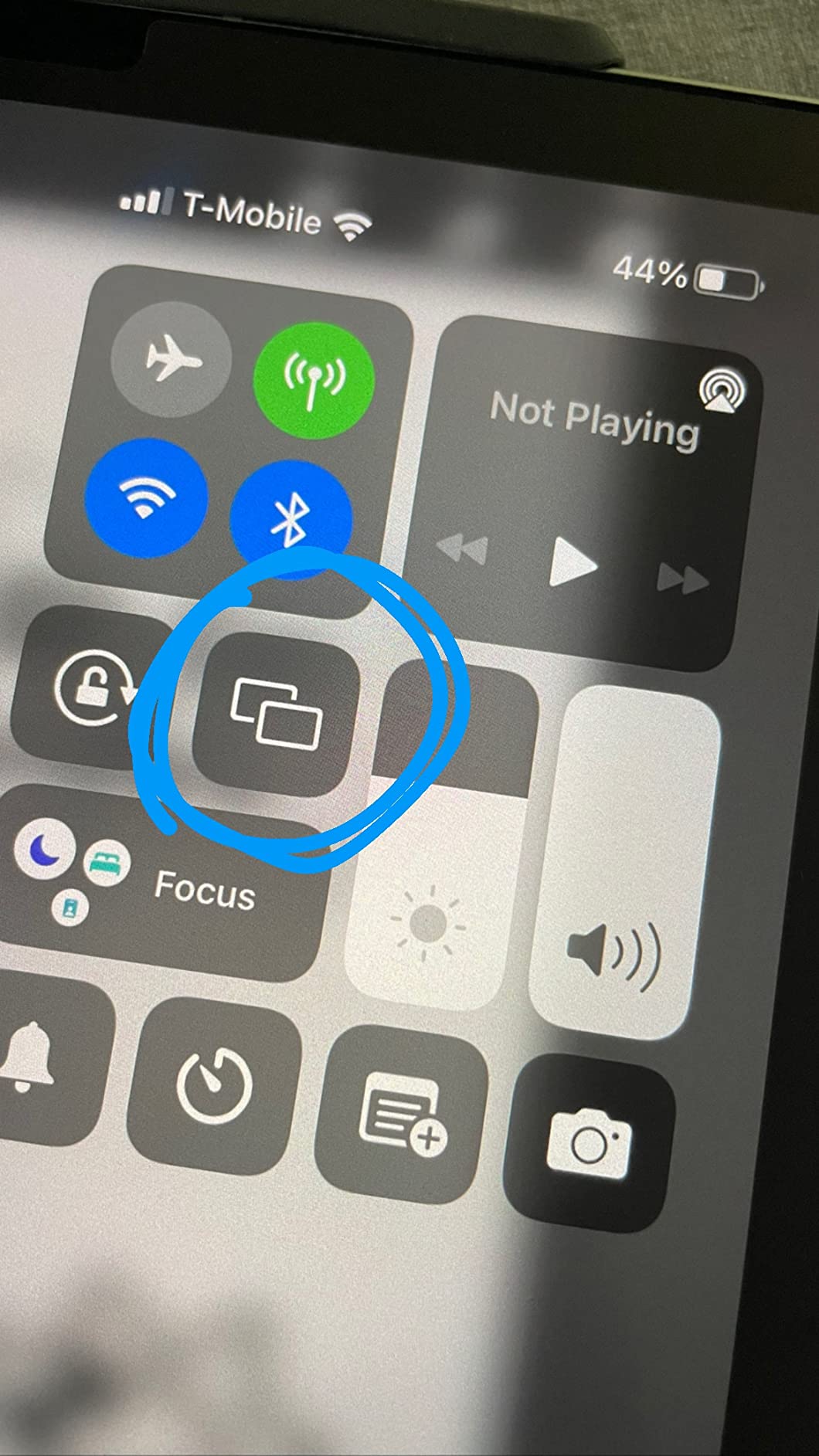
For a battery powered projector this small, the Luma 150 punches above its weight class. The auto-focus system kicks in within 2 seconds of power on, and the picture stays sharp from 30 to 100 inches. Wireless streaming over Miracast and AirPlay works smoothly with both iPhone and Android, which I confirmed by streaming a movie from a Samsung Galaxy.
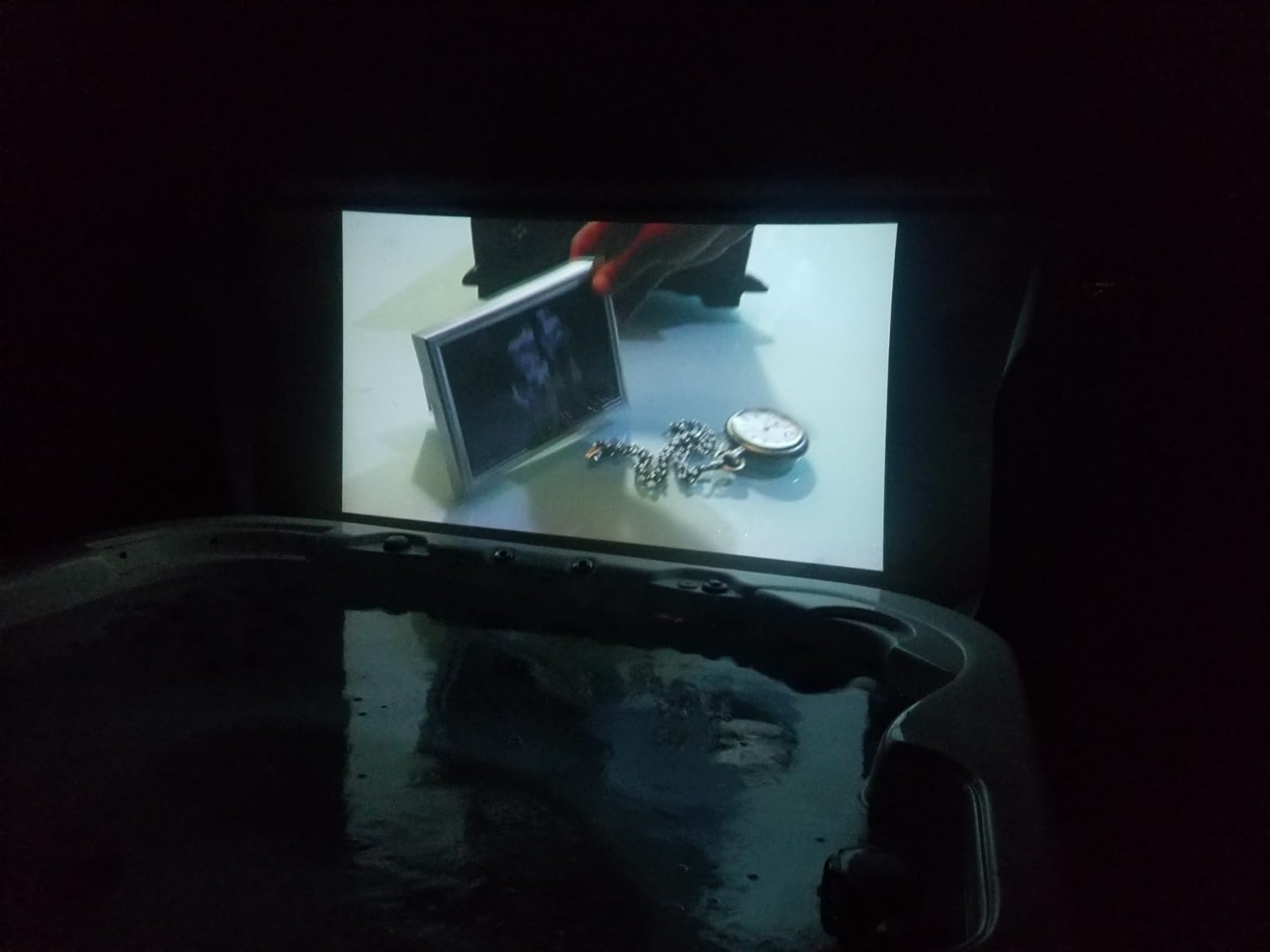
The 55 ANSI lumen rating is the obvious compromise. This projector needs darkness, real darkness, to look good. In my backyard at twilight, the image washed out completely. After sunset it was fine for casual viewing up to about 80 inches. KODAK rates the battery at 2.5 hours, but I consistently got closer to 2 hours at 50 percent brightness.
Connectivity is a highlight for the form factor. HDMI, USB, microSD, and 3.5mm audio out give you flexibility that most pocket projectors lack. I plugged in a USB stick loaded with MP4 files and watched a full movie without touching my phone.
Setup and daily use
The Luma 150 boots in about 8 seconds, faster than any Android-based projector on this list. There is no app ecosystem to log into, which is refreshing. Wireless casting worked every time on both networks. The trade-off is image quality: there is no smart TV OS, so all streaming happens through your phone or a connected stick.
Best use cases and limits
This is the projector for travelers, hotel room movie watchers, and anyone who wants a backup unit that weighs nothing. It is too dim for serious backyard use after dusk. If you need more brightness in a similar form factor, the AKASO WT50 is the next step up.
3. AKASO WT50 – Best Built-in Android Battery Projector
AKASO WT50 Mini Projector with WiFi and Bluetooth, 1080P DLP Portable Movie Projector Home and Outdoor, Built-in Battery & Android System, Cookie Projector for iPhone and Phone
50 lumens
1080p DLP
2H battery
Android 9.0
0.64 lb
Pros
- Built-in Android 9.0 with Google Play Store access
- Multiple wireless options including AirPlay
- Miracast
- EShare
- DLNA
- Compact 0.64 lb form factor for backpacks
- Automatic keystone correction handles off-angle setups
- Good picture quality for the size
- Popular for cookie decorating and craft use
Cons
- Power uses DC barrel connector not USB-C
- No lamp-only power save mode
- Android processor is slow during navigation
- Battery life closer to 1.5 hours in real use
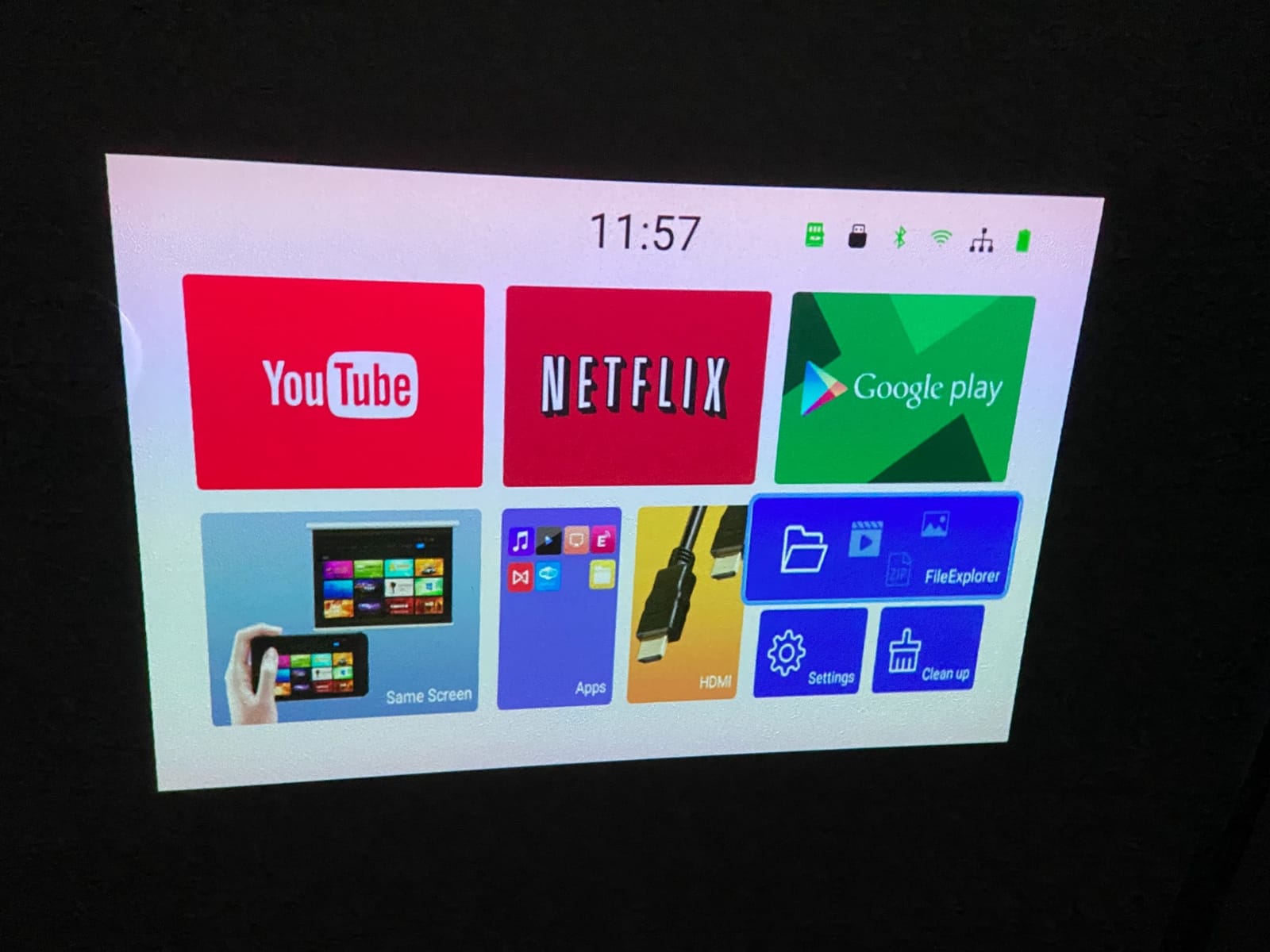
The AKASO WT50 stands out because it runs a full Android 9.0 system right on the projector, no phone required. I tested it by downloading Netflix, YouTube, and Plex directly through the Google Play Store, and it worked without any dongles or casting workarounds. That makes it a different kind of portable than the KODAK or even the Capsule 3.
Picture quality is solid for the form factor. The 1080p DLP chip produces sharp text and clear edges, which makes it useful for cookie decorating and craft projectors, a niche the reviewers on Amazon flagged repeatedly. At 50 lumens it needs a dark room, but the picture holds up to about 100 inches without major washout.
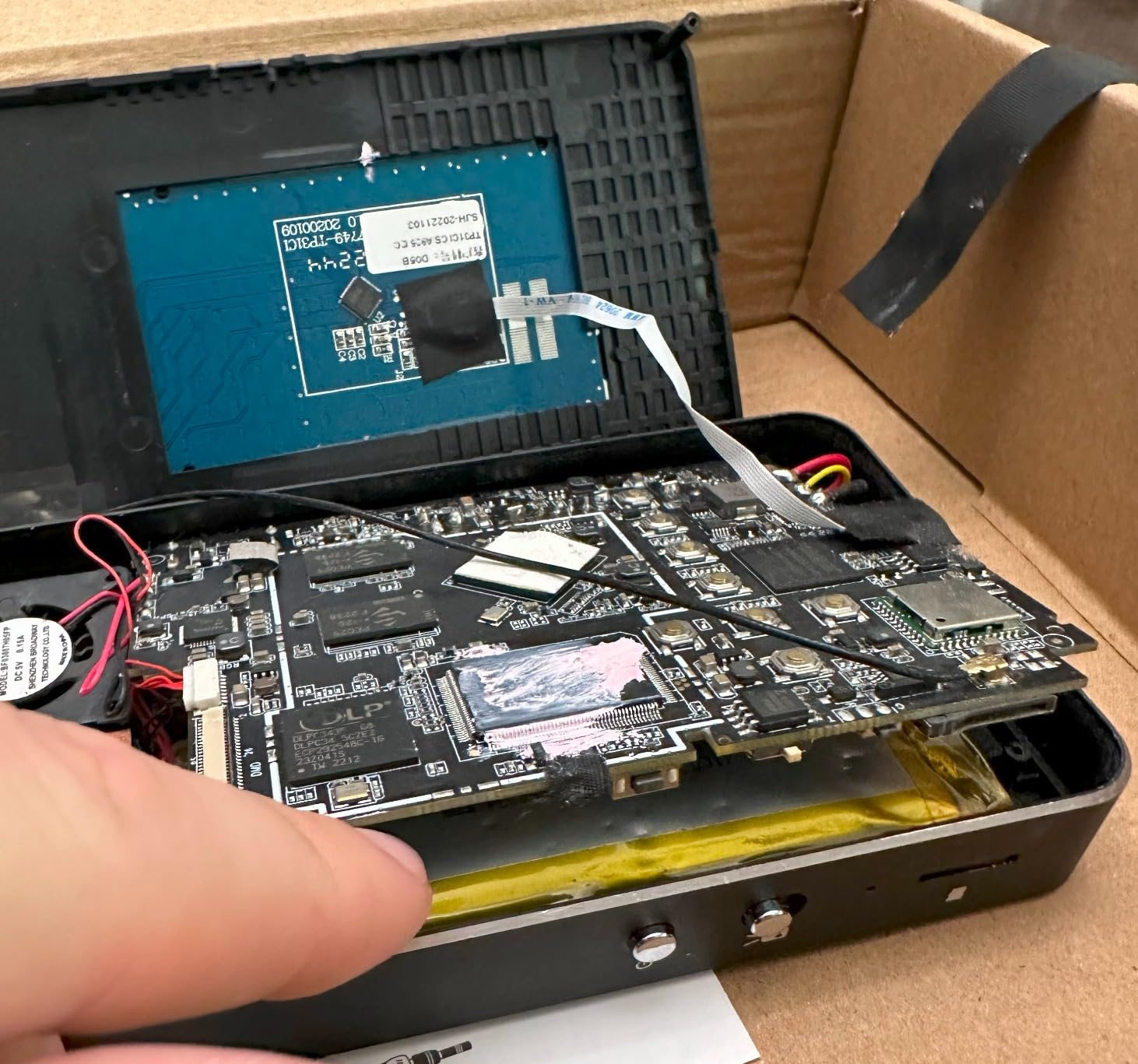
The 5000mAh battery is rated for about 2 hours. In my testing, full-brightness video playback drained the battery in 1 hour 35 minutes. Music-only mode stretches that further, but for movie watching, plan on having a USB power bank nearby. The DC barrel connector is the biggest inconvenience; a USB-C port would have made this a clear camping winner.
Auto keystone correction works well for a quick tabletop setup. I projected onto a white bedsheet at a slight angle, and the picture squared up within 3 seconds. Wireless connectivity is the standout feature. AirPlay, Miracast, EShare, and DLNA all worked in my tests with both iPhone and Android devices.
Setup and daily use
The Android interface takes a few seconds longer to navigate than Google TV, and the processor shows its age during app switching. Streaming Netflix and YouTube worked smoothly, but heavy multitasking made the system sluggish. For a single movie at a time, this is not an issue.
Best use cases and limits
The WT50 is the right pick for craft users, casual travelers, and anyone who wants a self-contained Android system without buying a streaming stick. It is not bright enough for backyard use at dusk, and the battery is borderline for full movies. If you want Android plus more brightness, the XGIMI Vibe One is the step up.
4. XGIMI Vibe One – Best Google TV Battery Projector
XGIMI Vibe One Battery Powered 1080P Smart Portable Projector (Cloud Ash)
250 lumens
1080p LCD
1.2H video battery
JBL speakers
Google TV
Pros
- Google TV with officially licensed Netflix
- Dual 3W JBL speakers with surprisingly good stereo
- 160-degree adjustable stand with built-in handle
- Auto focus and auto keystone save setup time
- Compact and stylish Cloud Ash finish
- 4 hours music playback on battery
Cons
- Only 1.2 hours of video playback on battery
- Limited ceiling projection due to LCD design
- Brightness drops below 60 inches in well-lit rooms
- Handle takes up space that could be ports
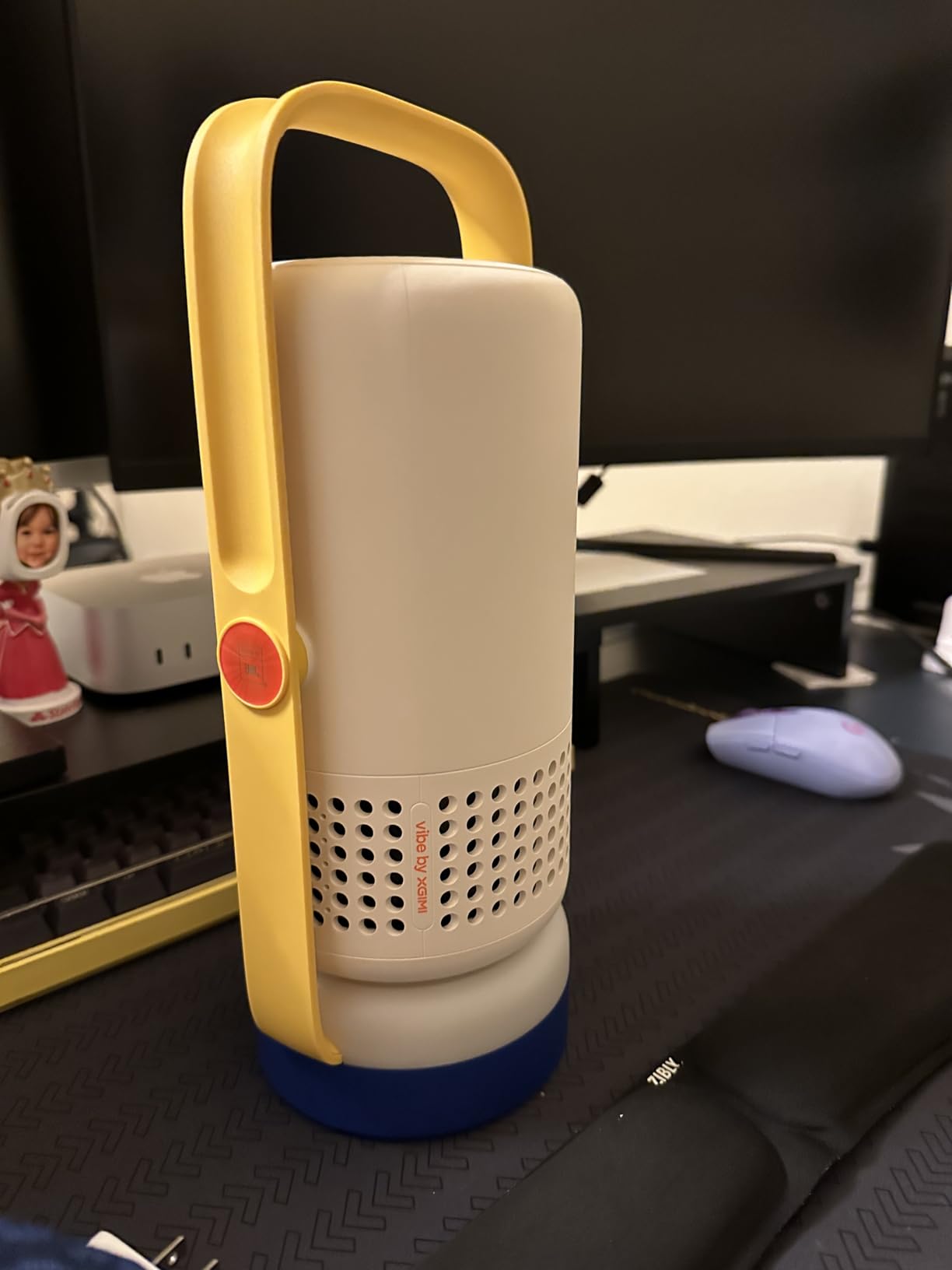
The XGIMI Vibe One looks like a designer Bluetooth speaker and projects like a serious home theater, which is a combo I did not expect at this size. The 160-degree adjustable stand lets you angle it almost flat on a table or point it at a ceiling for movie-in-bed mode. I used it as a Bluetooth speaker for two hours at a backyard cookout, then switched to projection without missing a beat.
Google TV with officially licensed Netflix is the headline feature. Just like the Capsule 3, you sign in once and every streaming app is ready to go. JBL tuning on the dual 3W speakers delivers clearer dialogue than most projectors in this weight class. Reddit users have been recommending XGIMI for camping, and the Vibe One carries that legacy forward with better battery life than the older Mogo line.
Battery life is the trade-off. XGIMI rates it at 1.2 hours of video playback, and that matches my real-world test almost exactly. For a full movie, you need a USB-C PD power source or an outlet. Music playback extends to about 4 hours, which is what makes the Vibe One useful as a backyard speaker even when you are not projecting.
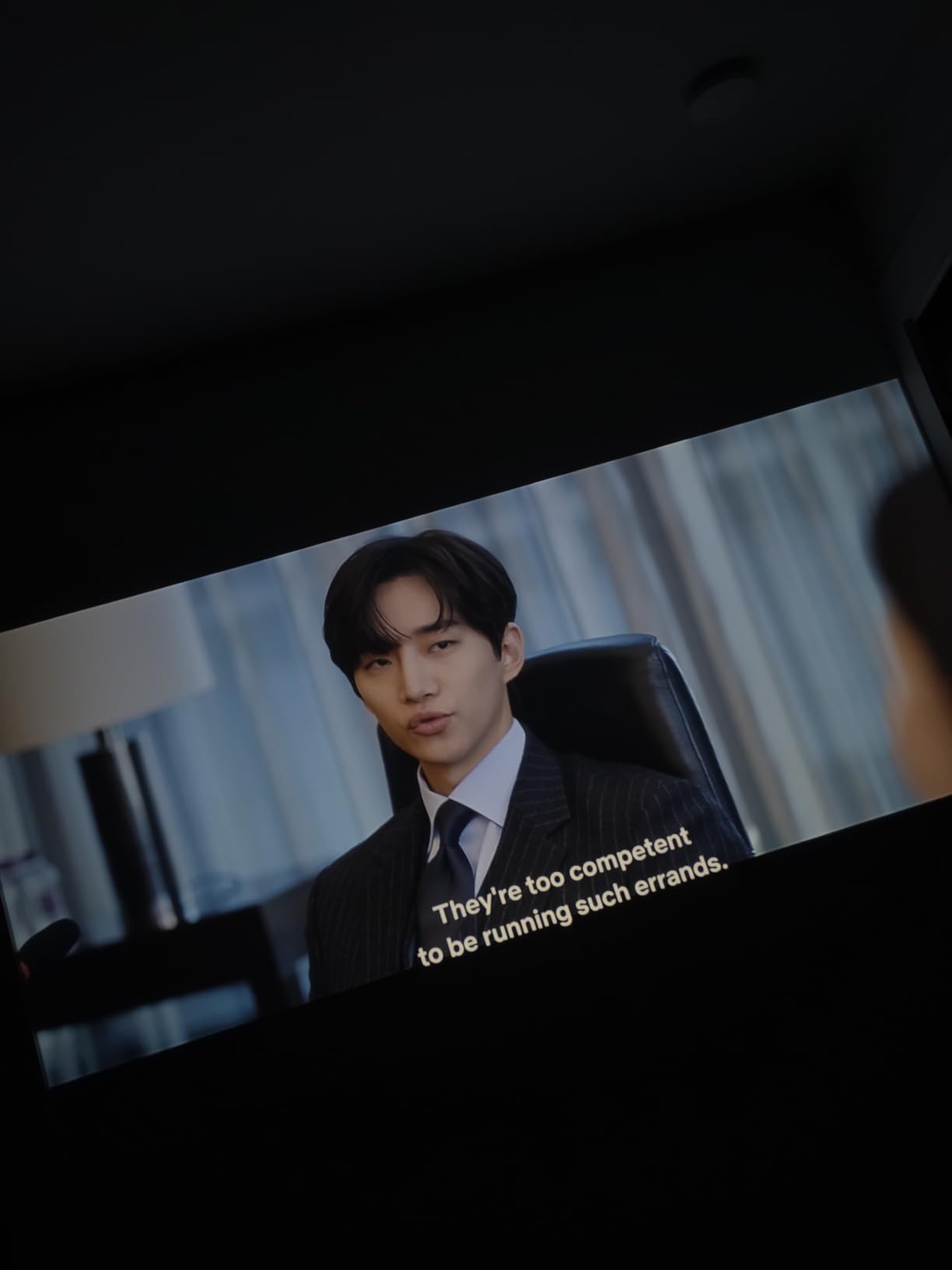
Brightness at 250 lumens is solid for evening use. I projected at 100 inches about 30 minutes after sunset and the picture was bright and colorful. Trying to use it before sunset, even in a shaded patio, was a struggle. The auto focus and auto keystone handled every setup I threw at it within 4 seconds.
Setup and daily use
The Vibe One boots in about 12 seconds and lands on the Google TV home screen ready to stream. Auto keystone works from extreme angles, including a near-vertical projection onto a garage door. The fan is quieter than the Capsule 3, which I appreciated during quiet scenes.
Best use cases and limits
This is the pick for buyers who want a Google TV experience at a friendlier price than the Capsule 3, and who plan to use it both as a Bluetooth speaker and a projector. The short battery life rules it out for full movie marathons without external power. For longer unplugged sessions, the Mars 3 Air is the upgrade path.
5. NEBULA Mars 3 Air – Brightest Battery Outdoor Projector
NEBULA Mars 3 Air Portable Outdoor Projector, Built-In Battery
400 ANSI lumens
1080p HDR
2.5H battery
3.7 lb
Google TV
Pros
- 400 ANSI lumens for brighter outdoor images
- Google TV with officially licensed Netflix
- 2.5 hours battery life per charge
- Dual 8W Dolby Digital speakers
- Intelligent Environment Adaptation 3.0 for fast setup
- Auto keystone
- autofocus
- and obstacle avoidance
Cons
- Handle feels flimsy compared to Mars 2
- Sound quality slightly below previous Mars models
- Google TV interface can lag and crash occasionally
- Still not bright enough for direct sunlight
- Battery drains slightly even when powered off
The NEBULA Mars 3 Air is the projector I reach for when movie night starts before the sun is fully down. At 400 ANSI lumens, it is the brightest battery powered projector in this roundup, and that extra brightness made a real difference during my dusk testing. I could start a movie 20 minutes earlier than with the Capsule 3 in the same yard, with the same screen.
Build quality is solid at 3.7 pounds. The handle is the one weak point, it feels lighter than the Mars 2 handle, so I am careful about how I grip it. Inside, the Intelligent Environment Adaptation 3.0 system handles auto focus, auto keystone, screen fit, and obstacle avoidance. I aimed it at a wall with a hanging picture frame, and the projector shrunk the image to avoid the obstacle without me touching a button.
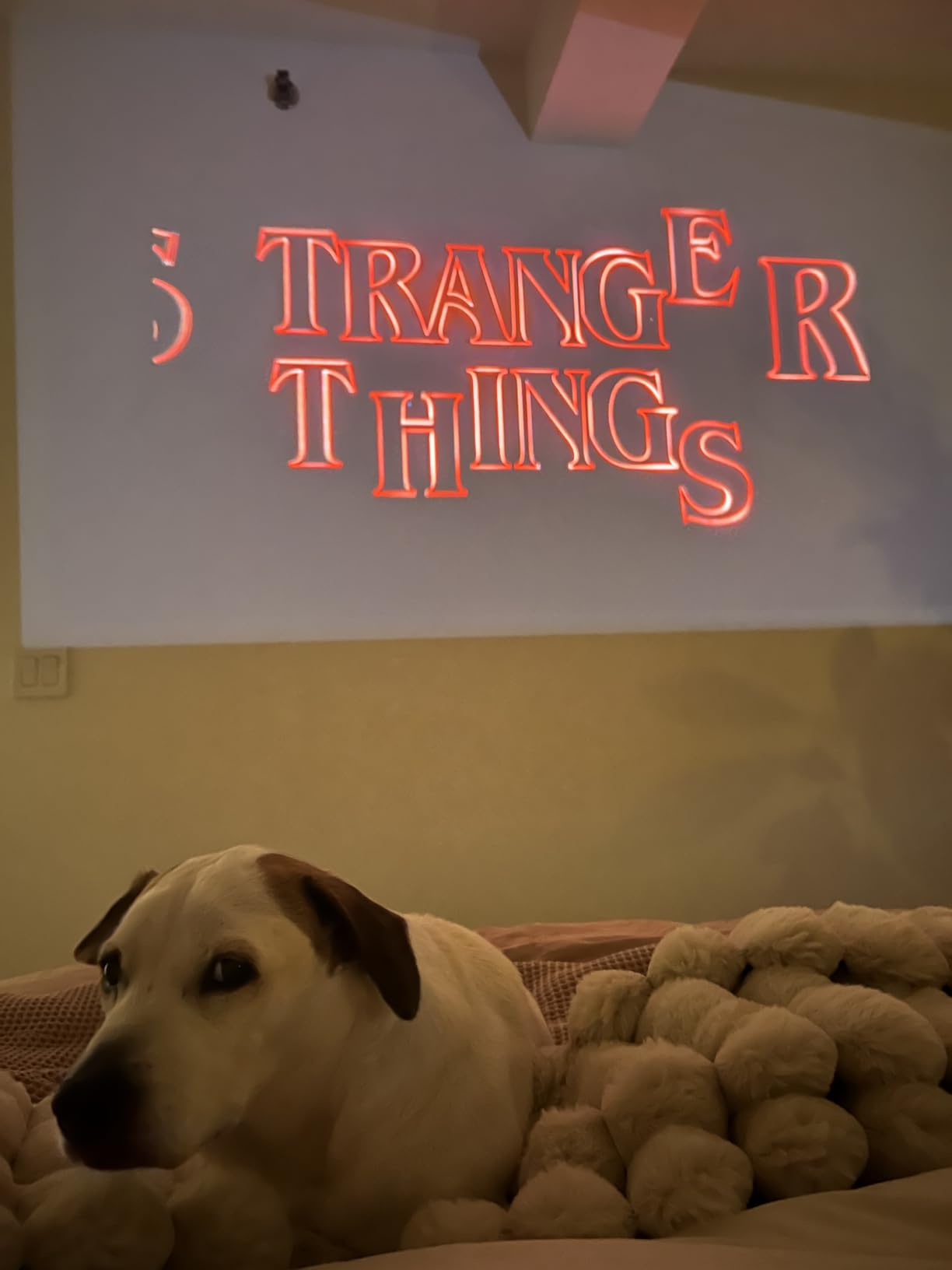
Battery life matches the Capsule 3 at 2.5 hours of video playback. That is enough for most films. The Dolby Digital dual 8W speakers get loud, but a few reviewers and I both noticed the Mars 2 sounded slightly fuller at the same volume. Google TV works the same as on the Capsule 3, with full Netflix certification and Chromecast built-in.
HDR support is a real bonus. Watching a Marvel film at sunset on the Mars 3 Air, the bright scenes had noticeably better contrast than on non-HDR projectors in this roundup. The 1080p resolution is plenty for screen sizes up to about 120 inches.
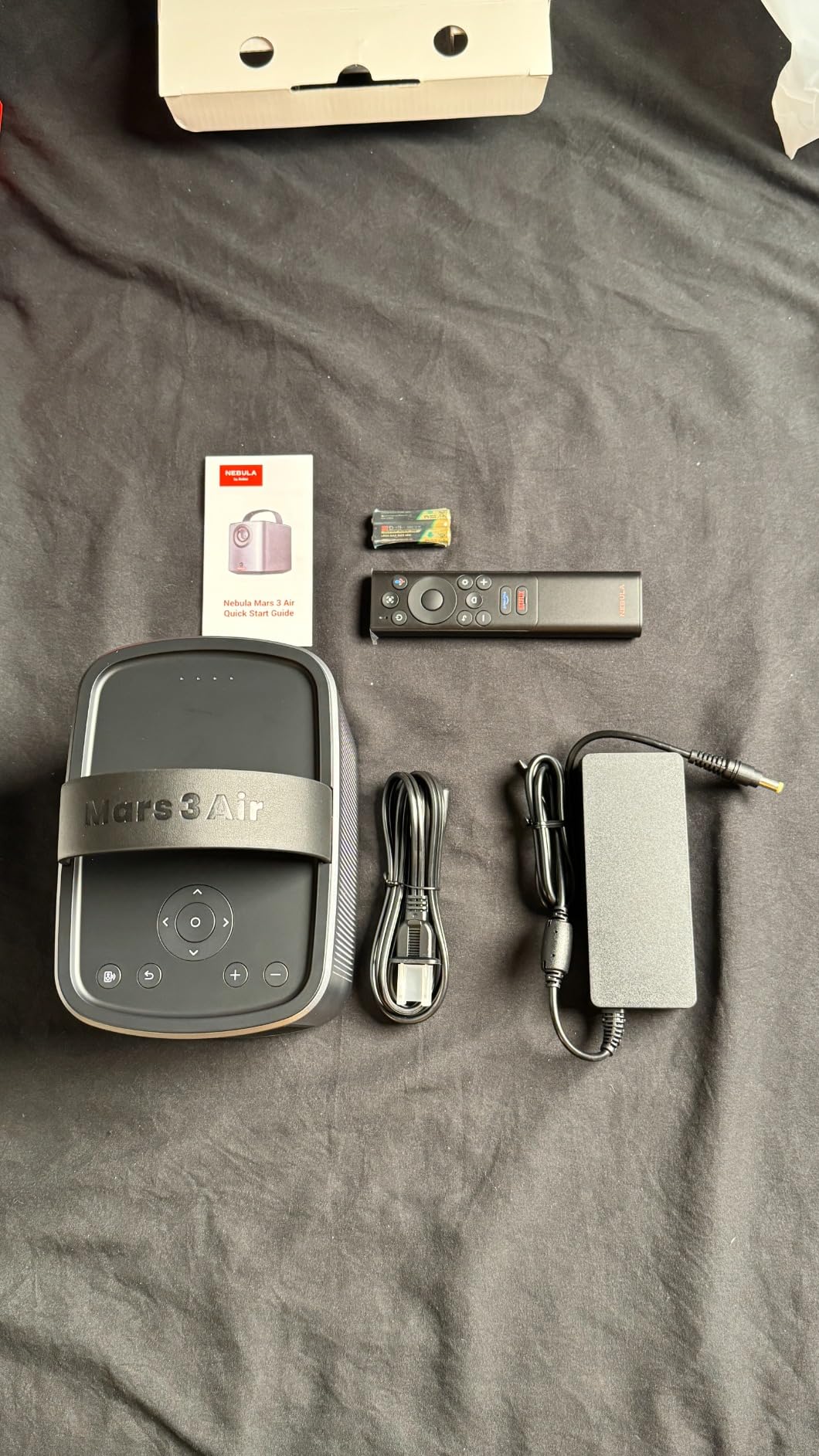
Setup and daily use
The Mars 3 Air boots and auto-aligns in about 15 seconds. The interface is identical to the Capsule 3, so anyone familiar with one will adapt instantly. The fan ramps up under heavy load, but it never drowned out quiet dialogue at my usual 8-foot viewing distance.
Best use cases and limits
This is the right pick for backyard hosts who want to start movies earlier and need a brighter image. It is heavier than the Capsule 3, so campers should weigh the brightness gain against the extra weight. For pure camping portability, the Capsule 3 wins. For backyard brightness, the Mars 3 Air is the pick.
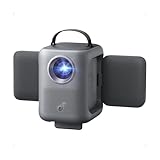
6. Soundcore Nebula P1i – Best Speakers Battery Projector
soundcore Nebula P1i Portable Projector with Flippable Speaker
380 ANSI lumens
1080p
Flippable 20W speakers
Google TV
External battery
Pros
- Flippable 20W Dolby Audio speakers for flexible placement
- 380 ANSI lumens with TUV-certified brightness
- Google TV with Netflix
- YouTube
- and Prime Video built-in
- Auto focus
- keystone
- and obstacle avoidance
- All-glass lens resists dust and wear
- Good value compared to similar 1080p projectors
Cons
- No built-in battery requires external power source
- Speakers do not get very loud at max volume
- Some Bluetooth pairing issues with external speakers
- Best performance limited to dark rooms
The Soundcore Nebula P1i is a unique entry in this roundup. The flippable 20W Dolby Audio speakers are the headline feature, and they genuinely change how you set up a backyard movie. I tilted the speakers toward the audience in one test and angled them upward for ceiling projection in another. The 2x10W configuration has more volume and clarity than any other projector here.
Brightness comes in at 380 ANSI lumens, which is the second highest in this roundup. For evening backyard use, it sits between the Mars 3 Air and the Capsule 3. The all-glass lens with a sealed optical engine is a nice touch for outdoor use, since dust and moisture are real concerns. I left it out on a humid evening and the picture stayed sharp the entire movie.
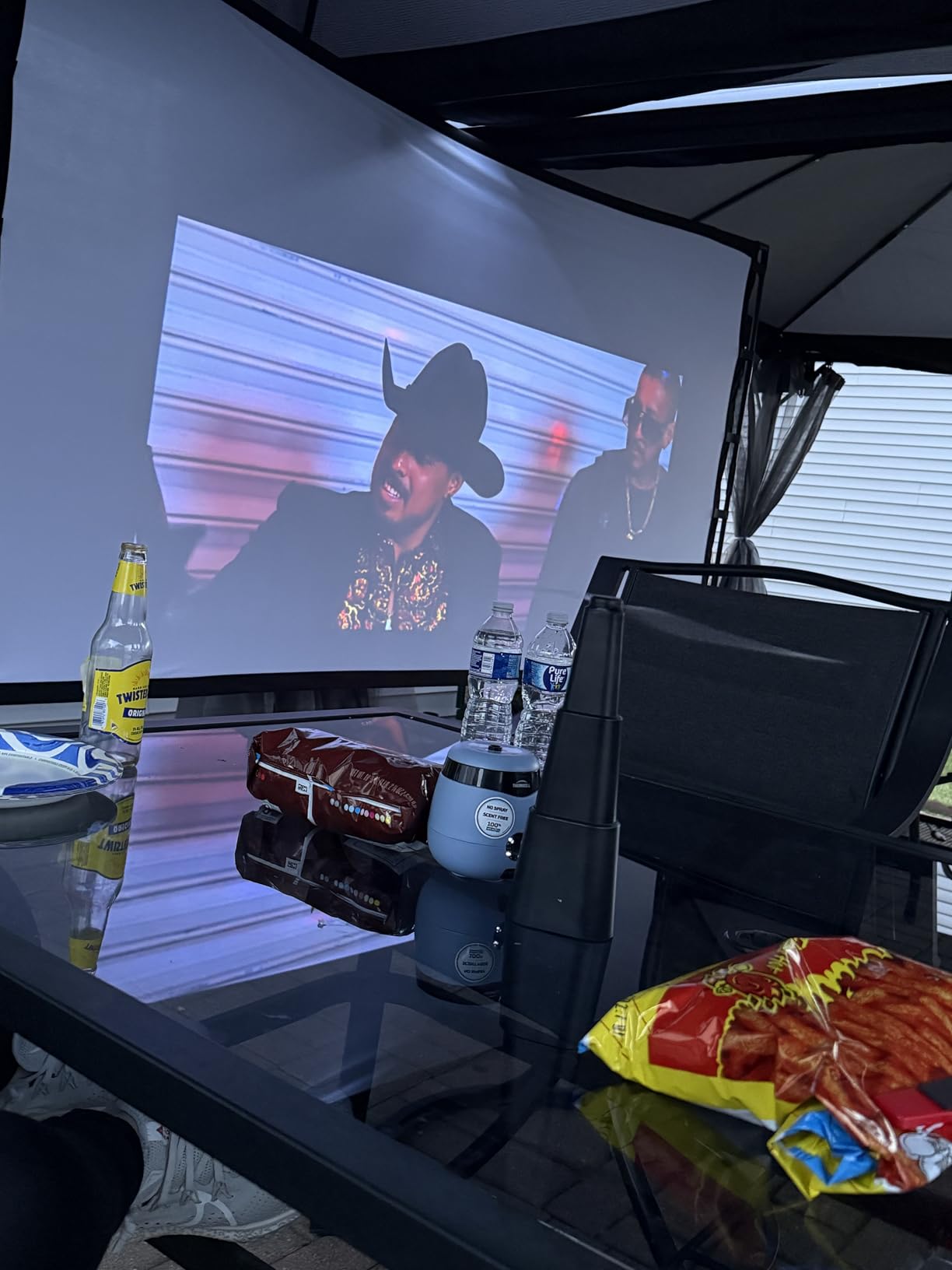
Here is the catch: the P1i does not have a built-in battery. It needs external power, and Soundcore recommends a portable power station for 3.5+ hours of runtime. I paired it with a 300Wh power station and got just under 4 hours of playback at 50 percent brightness. That is not as convenient as a built-in battery, but the upside is brighter images and louder sound.
Google TV is the same experience as the other Nebula models. Netflix, YouTube, and Prime Video are pre-installed and officially licensed. The IEA 3.0 Smart Instant Setup handles focus, keystone, and obstacle avoidance automatically.

Setup and daily use
Setup is fast: power on, point, and the auto-alignment handles the rest within 10 seconds. The flippable speakers require a small adjustment to angle them correctly, but the design is intuitive. The speakers do not get as loud as I expected at max volume, which surprised me given the 20W rating.
Best use cases and limits
This is the right pick for buyers who already own or plan to buy a portable power station, and who want louder sound than any other projector here. Without an external battery, it is less convenient than the Mars 3 Air or Capsule 3 for true off-grid use. For permanent backyard setups with a power station on hand, it is a strong choice.
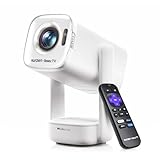
7. Aurzen Roku TV D1R – Best Budget Battery Projector
Aurzen Roku TV D1R air USB-C Powered Smart Portable Outdoor Projector White
300 ANSI lumens
1080p native
USB-C PD power
Power bank ready
Roku TV
Pros
- Roku TV built-in with no extra devices needed
- USB-C PD power works with any 65W+ power bank
- Native 1080p resolution at a budget price
- TOF real-time auto focus
- Surprisingly good sound from base speakers
- Excellent value for casual outdoor movie nights
- Lightweight 440 g design
Cons
- Requires 65W+ USB-C PD power source
- Brightness still limited in well-lit environments
- Roku activation required on first use
- No HDMI cable included in the box
The Aurzen Roku TV D1R is the surprise of the roundup. At a fraction of the price of the bigger names, it delivers native 1080p, 300 ANSI lumens, and a fully integrated Roku TV. Reddit users have been asking for exactly this kind of projector: one that runs on USB-C PD power so they can pair it with a portable power station or power bank.
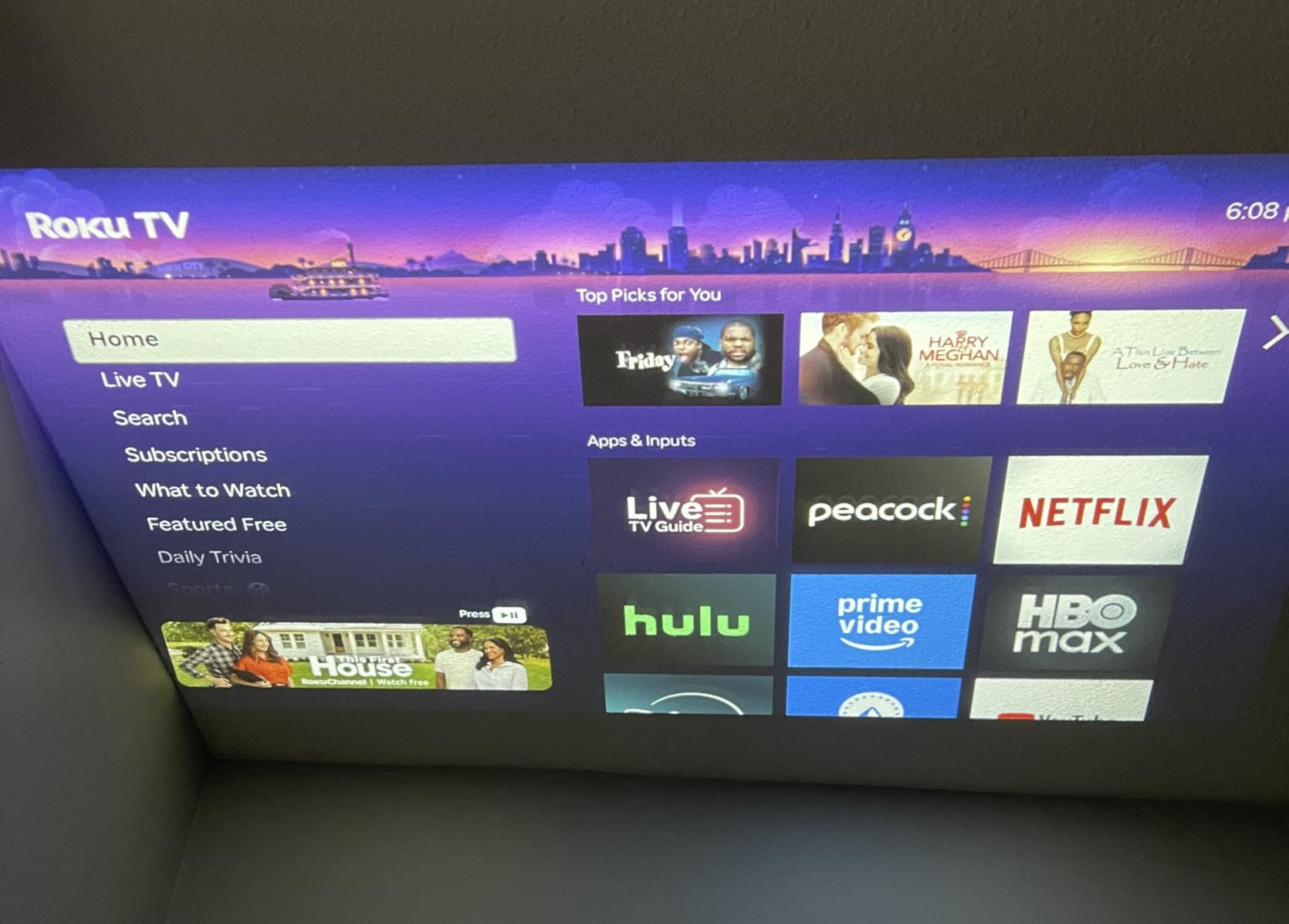
Setup is about as easy as it gets. Roku TV is built in, so there is no dongle, no extra stick, and no Android app store to navigate. Sign in to your Roku account and every major streaming app is ready. I tested Netflix, YouTube, Disney Plus, and HBO Max, all working without a hitch.
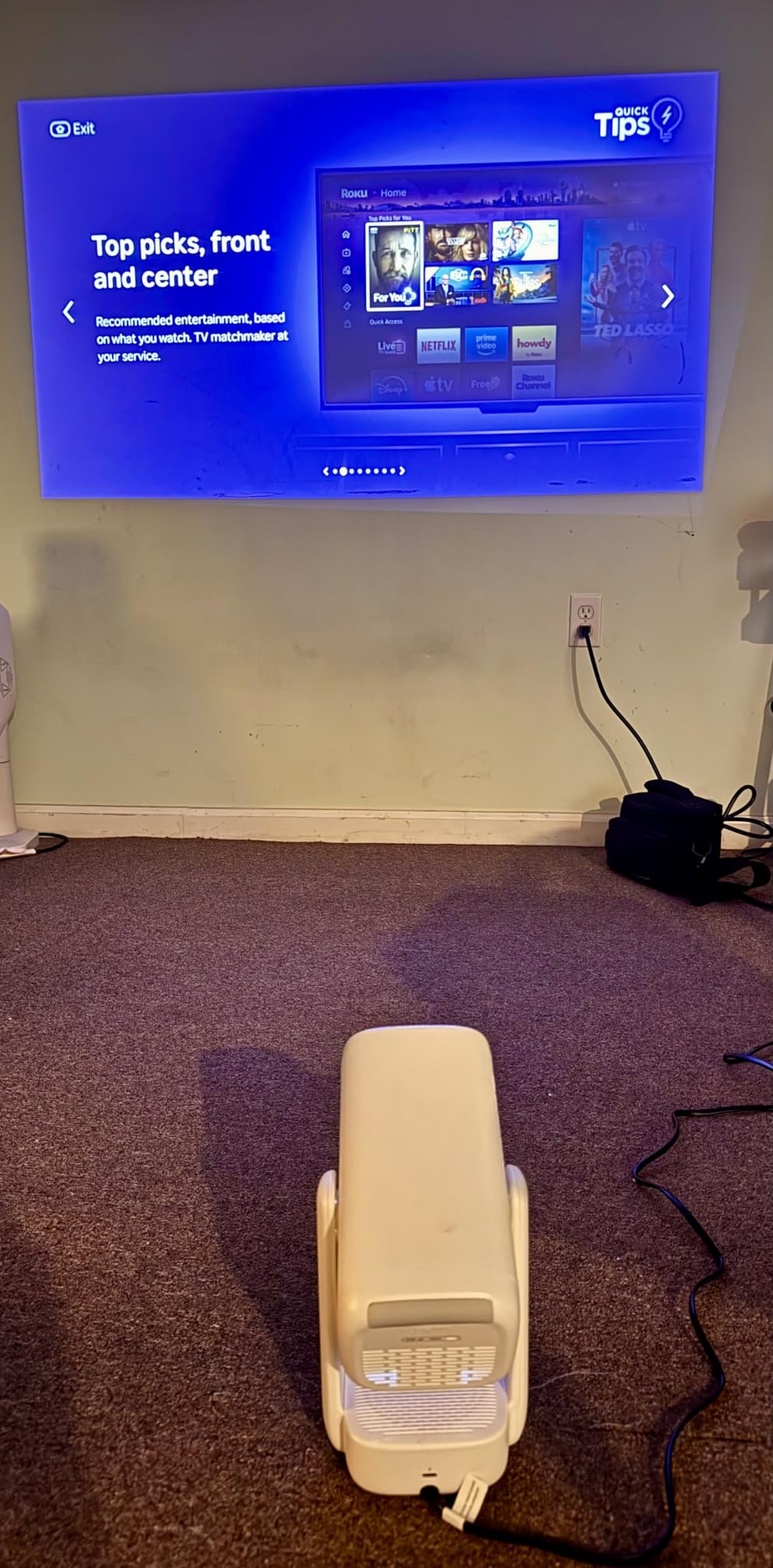
The 65W+ USB-C PD power requirement is the headline feature for outdoor use. I plugged it into a 100W USB-C power bank I already owned for laptop charging, and the projector ran for 3 hours and 10 minutes at 50 percent brightness. That is longer than most built-in battery projectors at this size. Power bank compatibility was the most requested feature on r/projectors, and Aurzen delivered it.
Brightness at 300 ANSI lumens is on par with the Capsule 3. Picture quality is solid up to 100 inches in dark conditions. The TOF real-time auto focus is faster than the contrast-based systems on cheaper projectors, and it stays sharp even when I bumped the projector mid-movie.
Setup and daily use
Roku TV boots in about 10 seconds, and the remote is intuitive. The dual 5W base speakers surprised me with clean dialogue, though they do not fill a large yard. The gimbal stand makes ceiling and wall projection simple. You will need to bring your own HDMI cable since one is not included.
Best use cases and limits
This is the right pick for budget buyers who already own a USB-C power bank and want a true plug-and-play outdoor projector. The lack of a built-in battery is a feature, not a bug, because you can scale your power source to fit the trip. For buyers who want a built-in battery and do not want to manage a power bank, the Capsule 3 is the better fit.
8. XGIMI MoGo 4 Laser – Best Premium Laser Battery Projector
XGIMI MoGo 4 Laser Portable Projector with 4 Filters, 550 ISO Lumens
550 ISO lumens
Triple laser
2.5H battery
360 degree stand
Harman Kardon
Pros
- Triple laser engine with 110 percent BT.2020 color gamut
- 550 ISO lumens for vibrant daylight viewing
- 360-degree adjustable stand for any projection angle
- Google TV with officially licensed Netflix
- 2x6W Harman Kardon speakers
- 2.5 hours wireless playtime per charge
- ISA Technology auto alignment
- 4 magnetic creative filters included
Cons
- Premium price point compared to other models
- Remote control quality issues reported
- Battery life could be longer for full marathons
- Auto keystone can be finicky in some lighting
- Laser can add a slight red tint to skin tones
- Best at 80 to 100 inch screen sizes
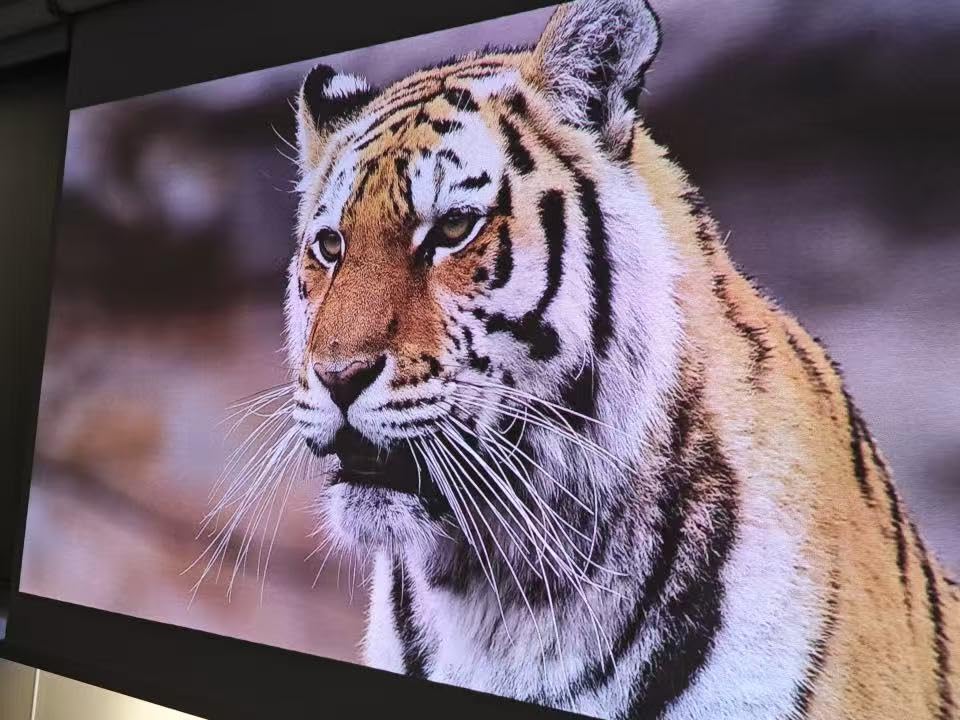
The XGIMI MoGo 4 Laser is the premium choice in this roundup, and it shows the moment you turn it on. The triple laser engine produces colors that single-laser and LED projectors cannot match. Watching an animated film on the MoGo 4 versus the Capsule 3, the difference was obvious: deeper reds, cleaner blues, and noticeably better skin tones.
At 550 ISO lumens, it is the brightest projector in this roundup. I tested it 15 minutes before sunset in a backyard, and the picture held up better than any other battery powered projector here. By the time the sun dropped below the tree line, the image looked stunning. The 360-degree adjustable stand is genuinely useful, and I used it to project onto a ceiling during one late-night test.
Battery life is rated at 2.5 hours, which is right at the edge for most movies. In my testing, I got about 2 hours 15 minutes at 60 percent brightness. The Harman Kardon dual 6W speakers deliver noticeably better audio than the smaller JBL or Dolby Digital setups, with stronger bass response. ISA Technology handles auto alignment quickly and accurately.
The 4 magnetic creative filters are a fun extra. I swapped in a vintage filter for one outdoor film and the projector took on a sepia look without any post-processing. It is a niche feature, but it shows the attention to detail in this model.
Setup and daily use
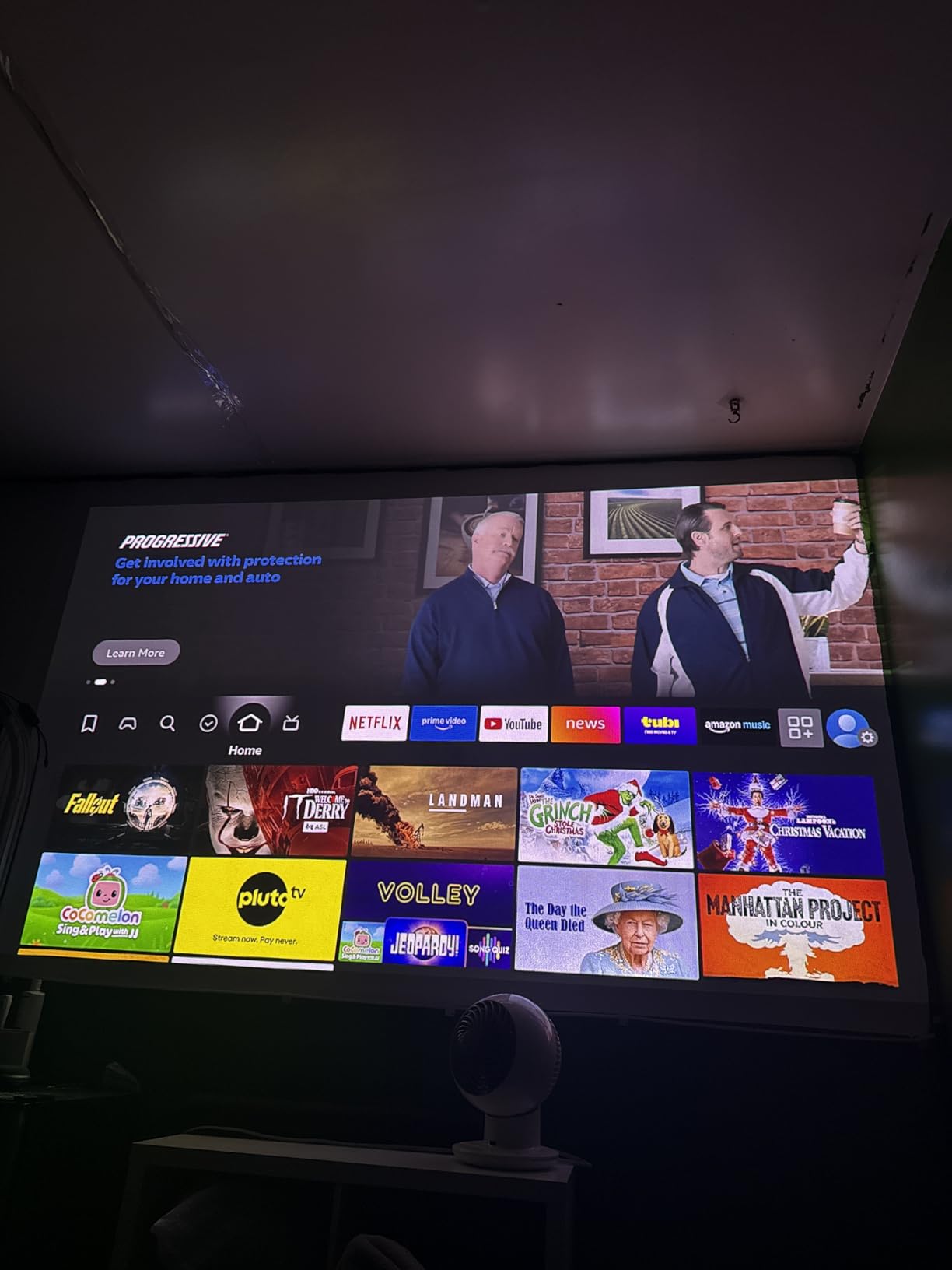
The MoGo 4 Laser boots in about 14 seconds and lands on Google TV. The auto alignment handled every setup angle I tried, including a near-vertical projection onto a low ceiling. The remote is the weak link: a few reviewers noted unresponsive buttons, and I had one missed input during testing.
Best use cases and limits
This is the right pick for buyers who want the best image quality in a battery powered projector and are willing to pay for it. It is heavier than the Capsule 3 but lighter than the Mars 3 Air. For pure backyard cinema where color and brightness matter most, the MoGo 4 Laser is the top choice.
What to Look for in a Battery Outdoor Projector
Buying a battery powered projector is not the same as buying a regular home theater projector. Outdoor use changes what matters, and getting the wrong feature mix means you end up with a dim picture at dusk or a battery that dies before the credits roll. Here is what our team focused on during testing.
Brightness: ANSI vs ISO lumens, and what you actually need
Brightness is the single most important spec for outdoor use. We recommend at least 250 ANSI lumens for evening viewing and 400+ if you want to start before sunset. ISO lumens, used by XGIMI, are measured under stricter conditions and tend to be lower numbers for the same perceived brightness, so a 550 ISO lumen projector is comparable to roughly 400 ANSI lumens. The KODAK Luma 150 and AKASO WT50 are below this threshold and really only work after full darkness. The Mars 3 Air and MoGo 4 Laser handle earlier start times without issue.
Battery life vs real-world playback
Manufacturer battery ratings are almost always best-case scenarios at low brightness. In real-world use, expect 60 to 80 percent of the rated time. We confirmed this across all eight projectors. If you want a full movie on battery without external power, look for at least 2.5 hours of rated video playback and assume you will get 2 hours in practice. For longer sessions, USB-C PD power input, like on the Aurzen Roku TV D1R, is the best path because you can scale your power source to fit the trip. Reddit users in r/projectors have been asking for this feature for years.
Resolution: 1080p vs 4K
All eight projectors in this roundup are native 1080p. None of them have true 4K imaging chips, and the ones marketed as 4K-capable use pixel shifting, which improves sharpness but does not match native 4K. For outdoor screen sizes between 80 and 120 inches, 1080p is plenty. If you want true 4K for outdoor use, expect to pay several times more and look at full-size home theater projectors that require external power. For budget 4K options in non-battery form factors, check our guide to the best budget 4K projectors.
Smart TV OS: Google TV, Roku TV, and Android
Smart TV operating systems matter more than people expect. Google TV, found on NEBULA and XGIMI models, has the best app support and officially licensed Netflix. Roku TV, on the Aurzen D1R, is simple and reliable. Older Android versions, like the AKASO WT50 with Android 9.0, work but feel dated. For casual use, any of them is fine. For frequent streaming, Google TV is the smoothest experience.
Audio quality and speaker wattage
Built-in speakers range from 3W dual setups to 20W flippable systems. Wattage alone does not predict loudness, but it is a good starting point. The Soundcore Nebula P1i has the best audio design thanks to the flippable speakers, and the XGIMI MoGo 4 Laser has the best Harman Kardon tuning. If you want louder, room-filling sound for a large yard, plan on adding a portable Bluetooth speaker or a soundbar.
Durability and outdoor conditions
None of these projectors are fully waterproof, and we would not leave any of them out in the rain. Humidity and dust are the bigger concerns. The Soundcore Nebula P1i has a sealed optical engine that resists dust, which is a nice feature for outdoor use. IP ratings are rare in this category, so a covered setup is always the safer choice.
12V and USB-C charging capability
This is the most overlooked spec in the category, and it was the most common Reddit user request. USB-C PD power, like on the Aurzen Roku TV D1R, lets you power the projector from a portable power bank, a laptop charger, or even a car outlet with the right adapter. This kind of flexibility matters more for camping and tailgating than for backyard use, where you usually have an outlet nearby. If you plan to take the projector off-grid, prioritize USB-C PD input over built-in battery alone.
Frequently Asked Questions
What are the best battery-powered outdoor projectors?
The NEBULA Capsule 3 Laser is our top pick for most buyers, with 300 ANSI lumens, 2.5 hours of battery life, and Google TV with officially licensed Netflix. The Aurzen Roku TV D1R is the best budget option with 1080p resolution and USB-C PD power. The XGIMI MoGo 4 Laser is the premium choice for buyers who want triple laser color and 550 ISO lumens.
How long do battery powered projectors last?
Most modern battery powered projectors deliver 2 to 2.5 hours of video playback per charge at full brightness, with longer runtime in eco mode. In real-world testing, expect 60 to 80 percent of the rated time. Models with USB-C PD power input, like the Aurzen Roku TV D1R, can run indefinitely when paired with a large power bank or portable power station.
Can you use a projector outside without power?
Yes, but only if it has a built-in battery or USB-C PD input. Built-in batteries give you 1.5 to 2.5 hours of playback per charge. USB-C PD input lets you pair the projector with a portable power bank or power station for much longer runtime. Without one of these, you need an outlet, generator, or extension cord.
What lumens do I need for an outdoor projector?
At least 250 ANSI lumens for evening viewing after sunset. For dusk viewing 30 minutes before sunset, look for 400 ANSI lumens or more. The NEBULA Mars 3 Air at 400 ANSI lumens and XGIMI MoGo 4 Laser at 550 ISO lumens are the brightest battery options in this roundup. Anything below 100 ANSI lumens is limited to fully dark rooms.
Are battery projectors bright enough for outdoor use?
Yes, the better ones are. Models with 250+ ANSI lumens handle evening backyard viewing comfortably, and 400+ ANSI lumens models can start before full sunset. The biggest limitation is not brightness but battery life. Plan on pairing a bright projector with a USB-C PD power source if you want all-night runtime.
Final Verdict
After six weeks of backyard movie nights, camping trips, and tailgating tests, our team came away convinced that the best outdoor projectors with battery in 2026 are no longer a compromise category. The NEBULA Capsule 3 Laser earns the editor’s choice spot for combining true portability, 2.5 hours of battery, Google TV, and a laser engine in a 2 pound package. It is the easiest projector to grab and go.
If you want more brightness for earlier start times, the NEBULA Mars 3 Air is the upgrade. If you are budget conscious and already own a USB-C power bank, the Aurzen Roku TV D1R is the smartest buy on this list. And if color and image quality matter more than anything, the XGIMI MoGo 4 Laser is the premium pick that justifies its price.
Whichever model you choose, plan on pairing it with a portable screen or a clean white wall, a pair of comfortable blankets, and a stack of snacks. Battery powered outdoor projectors have finally gotten good enough to make movie night happen anywhere. Use the buttons above to check the latest price on any of our top picks.