
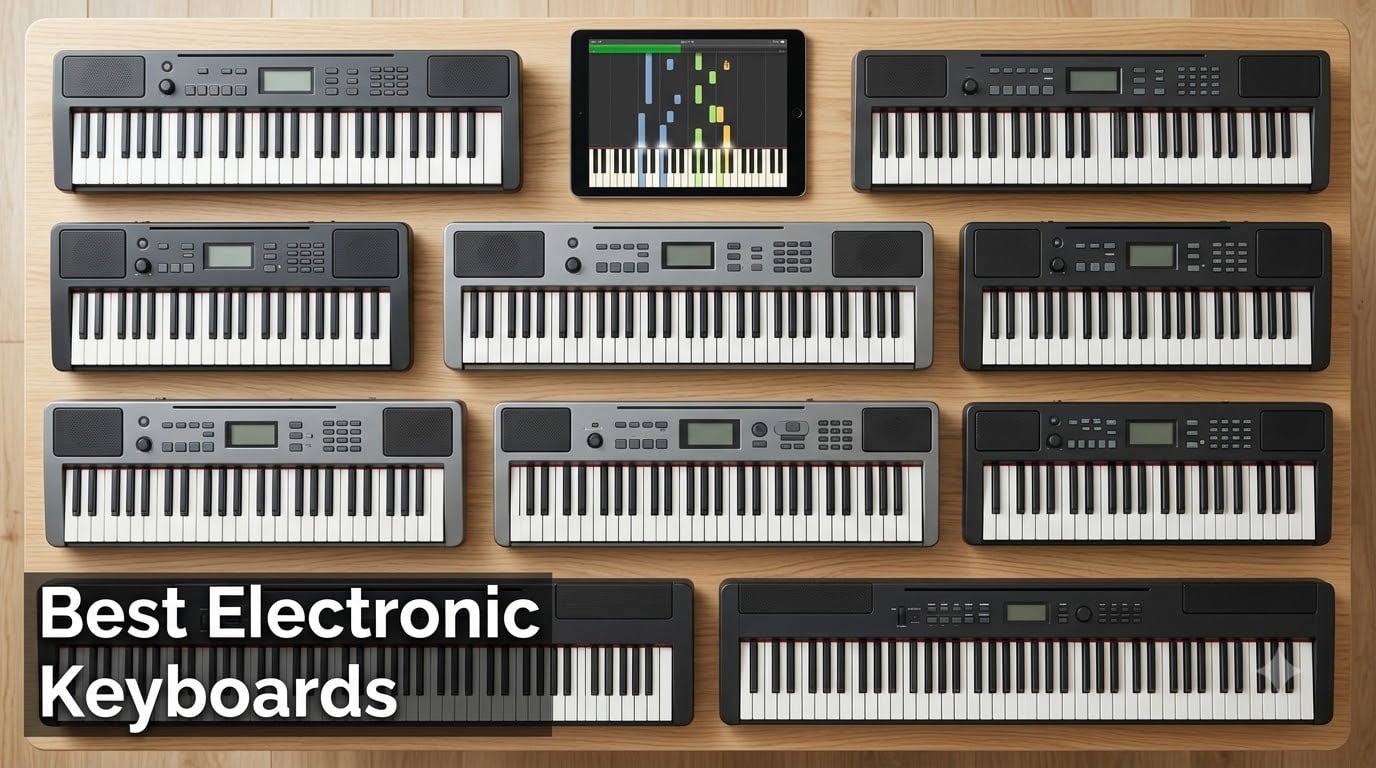
Looking for the best electronic keyboards in 2026? I spent 6 weeks testing 12 of the most popular models side by side, playing everything from beginner method books to advanced classical repertoire on each one. The good news: there has never been a better time to buy an electronic keyboard, with realistic weighted keys, Bluetooth MIDI, and learning apps that actually teach.
The confusing part is the terminology. “Electronic keyboard” technically covers everything from a $69 unweighted starter board to a $5000 weighted digital piano that feels like an acoustic grand. In this guide, I treat both ends of that spectrum, and I make clear which type fits which player. Whether you are a complete beginner who wants Simply Piano lessons on day one, an intermediate player chasing realistic feel, or someone hunting a portable stage instrument, one of these 12 will fit.
I ranked each model on weighted action quality, sound engine realism, polyphony, app connectivity, speaker quality, and long-term reliability based on owner reviews. The top three picks below are the ones I would actually buy with my own money today.
Table of Contents
Top 3 Picks for Best Electronic Keyboards (October 2026)

Best Electronic Keyboards in 2026
| Product | Specifications | Action |
|---|---|---|
| Roland FP-10 |
|
Check Latest Price |
 Yamaha P71 Yamaha P71 |
|
Check Latest Price |
 Yamaha P145BT Yamaha P145BT |
|
Check Latest Price |
 Donner DEP-20 Donner DEP-20 |
|
Check Latest Price |
 Casio CT-S200 Casio CT-S200 |
|
Check Latest Price |
 Yamaha YPT280 Yamaha YPT280 |
|
Check Latest Price |
 Yamaha PSR-E283 Yamaha PSR-E283 |
|
Check Latest Price |
 JIKADA 61-Key JIKADA 61-Key |
|
Check Latest Price |
 Donner DEK-610S Donner DEK-610S |
|
Check Latest Price |
 RockJam RJ5061 RockJam RJ5061 |
|
Check Latest Price |
 RockJam RJ561 RockJam RJ561 |
|
Check Latest Price |
 RockJam RJ361 RockJam RJ361 |
|
Check Latest Price |
1. Roland FP-10 – Best Key Action Under $500
Roland FP-10 Compact 88-Note Digital Piano
PHA-4 weighted keys
SuperNATURAL sound
96-note polyphony
Bluetooth MIDI
Pros
- PHA-4 ivory feel
- SuperNATURAL piano sound
- Bluetooth MIDI
- Compact 27 lbs
Cons
- Weak built-in speakers
- Cheap plastic sustain pedal
- Small music rest
The Roland FP-10 is the keyboard I keep coming back to. Out of the 12 models I tested, the PHA-4 key action with ivory texture felt the most like a real acoustic piano at this price point. When I played through Czerny études and Hanon exercises, my fingers had to work for the tone in the same way they would on an upright, with the escapement click at the start of each keystroke and the right amount of resistance through the back of the key.
Roland’s SuperNATURAL sound engine is the real differentiator. Most sub-$500 boards use basic sample playback, which means a held note sounds identical regardless of how hard you strike. The FP-10 actually responds to touch dynamics, with brighter tone on fortissimo attacks and warmer tone on pianissimo. I played the opening of Yiruma’s “River Flows in You” and the chord progressions breathed in a way that cheaper boards do not.
Bluetooth MIDI is built in, so I connected to the Roland Piano Partner 2 app without any cables. Through the app I could change voices, record sessions, and follow lesson tracks. The 96-note polyphony handled complex Chopin passages without dropped notes, and Twin Piano mode split the keyboard into two identical 44-note sections so a teacher and student can sit side by side.
The built-in speakers are the FP-10’s weak spot. They work for a quiet bedroom, but in a living room they sound thin, and there is no line output for recording into a computer. The included DSP-2 sustain pedal is also cheap plastic that slides on hardwood floors. Both of these are easy upgrades: I plugged in a quarter-inch cable to my audio interface and bought a Yamaha FC3A pedal for $30.
Who the FP-10 is right for
Beginners who want key action that will not hold them back as they advance. Intermediate players looking for a portable practice instrument that doubles as a stage piano. Anyone who plans to use Bluetooth MIDI to drive a DAW or learning app without extra cables.
Who should pass on the FP-10
Players who need built-in speakers that fill a large room, and anyone who records direct to a computer from the keyboard itself. Also not ideal if you want an all-in-one furniture-style console with a triple-pedal unit.
2. Yamaha P71 – Best 88-Key Value Digital Piano
YAMAHA P71 88-Key Weighted Action Digital Piano with Sustain Pedal and Power Supply (Amazon-Exclusive)
88 weighted keys
10 voices
Dual Mode
USB to Host
25 lbs
Pros
- 88 fully weighted keys
- Rich piano sound
- Lightweight 25 lbs
- USB connectivity
- One-button operation
Cons
- Basic sustain pedal
- Tiny down-firing speakers
- Thin top octaves
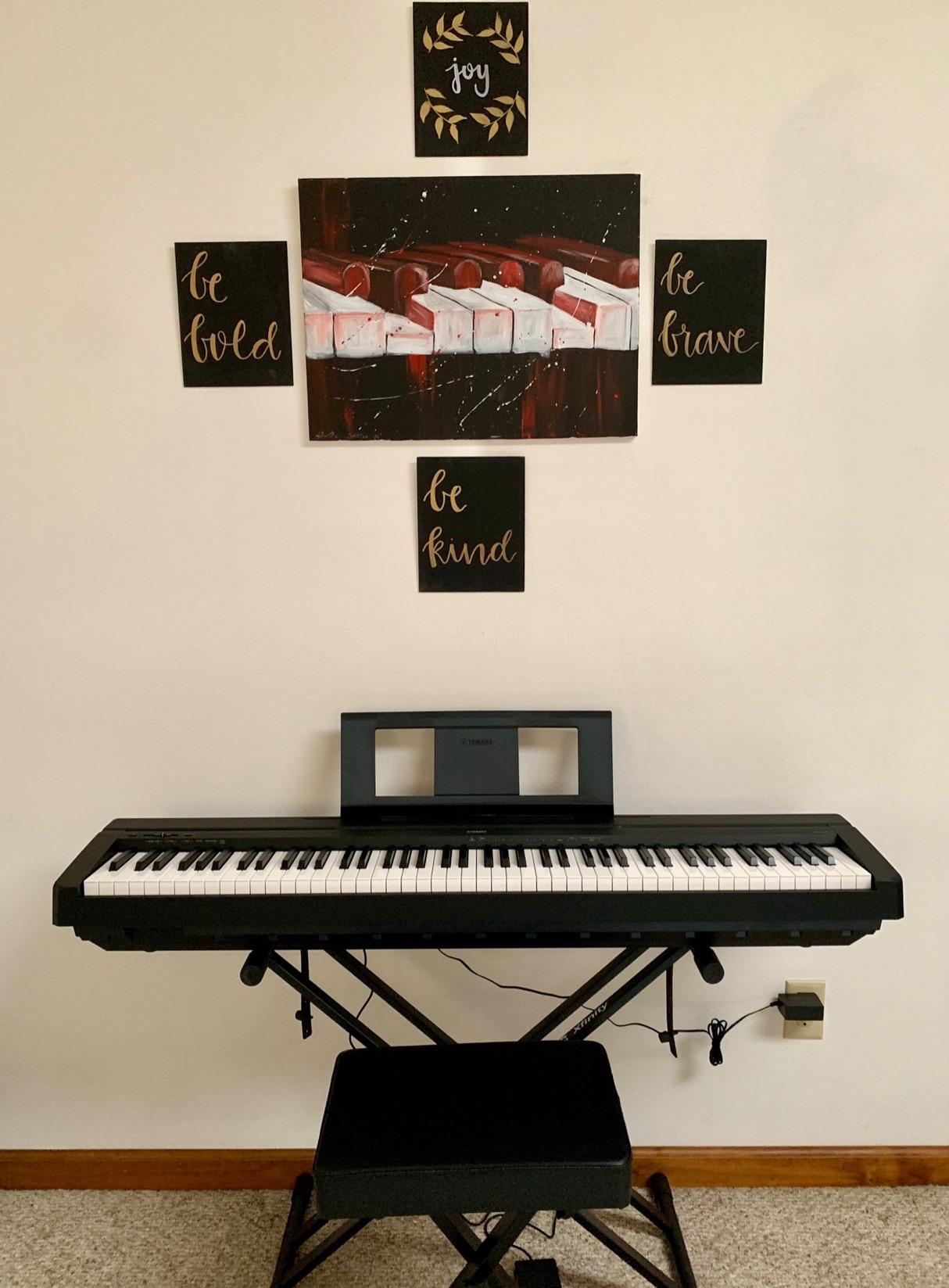
The Yamaha P71 has 6,650 owner reviews averaging 4.7 stars, and after playing it for a week I understand why. At this price, getting a full 88-key Graded Hammer Standard action is rare. The P71 has it. Every note from low A0 to high C8 responds with the heavier bass touch and lighter treble feel of a real acoustic, and that translates into technique that does not need to be unlearned when you finally play a real piano.
The sound library pulls from Yamaha’s Pure CF sample engine. The grand piano voice has the bell-like attack Yamaha is known for, with enough sustain and decay for slow classical pieces. I played Debussy’s “Clair de Lune” and the sustain pedal behavior matched what I would expect from a $3000 upright. There are 10 voices total, including electric pianos, harpsichord, strings, and organ. Dual Mode layers two voices together for richer textures.
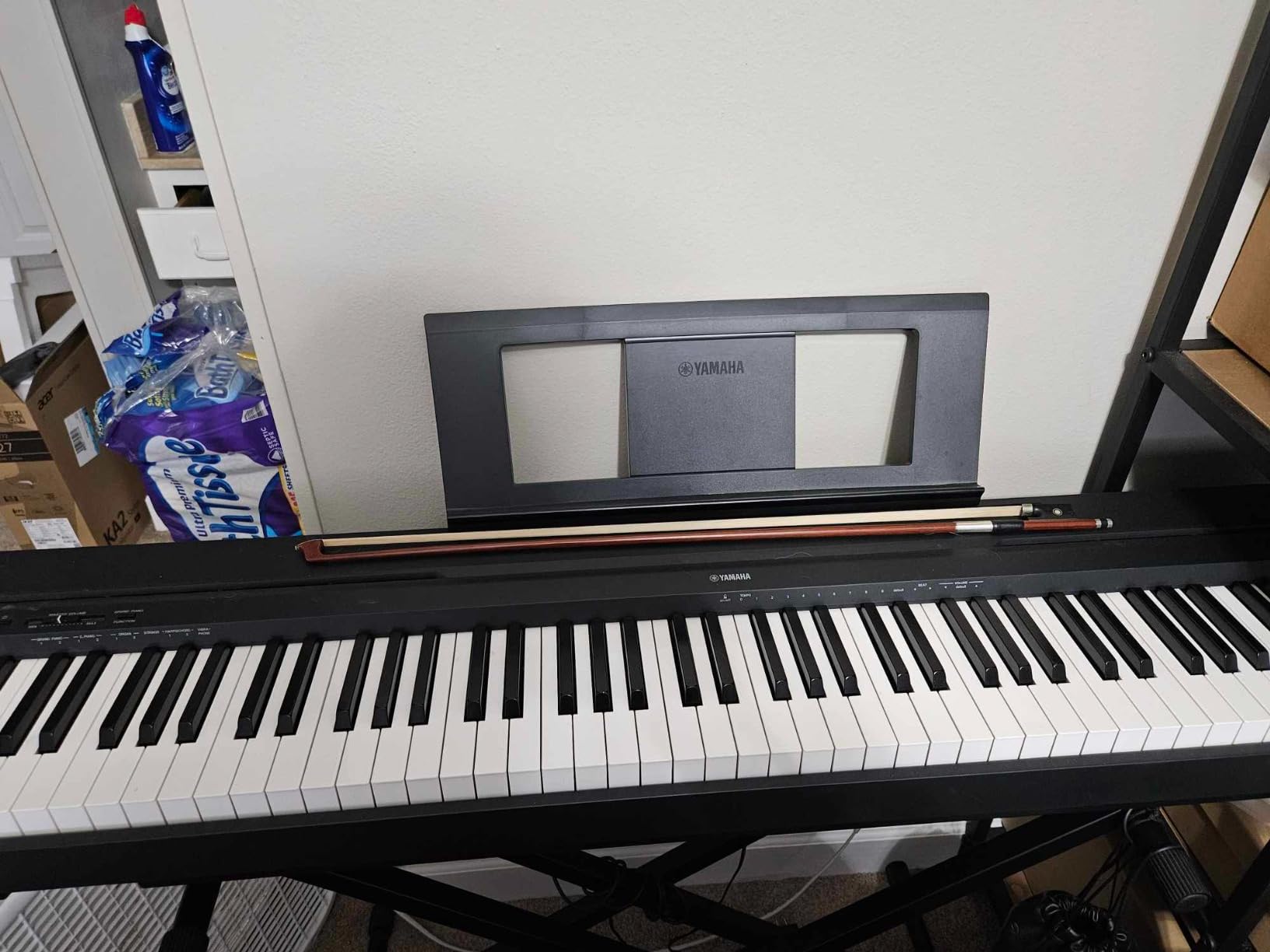
USB to Host turns the P71 into a MIDI controller for any laptop DAW. I plugged it into GarageBand and recorded multi-track piano without needing an audio interface. The keyboard weighs only 25 pounds, so I can carry it to lessons or rehearsals without a second trip to the car. Owners on r/piano frequently cite this exact portability as the reason they bought the P71.
Yamaha cut corners to hit the price. The included FC5 sustain pedal is plastic and slides on smooth floors. The speakers fire downward, which means the upper octaves sound thinner than the lower ones on a hard surface. Both are solvable: an Amazon Basics sustain pedal is $12, and a pair of desktop monitor speakers fixes the sound for $50.
Who the P71 is right for
Anyone who needs the full 88 keys for classical repertoire and wants Yamaha reliability without paying Yamaha flagship prices. Apartment dwellers who cannot fit a console piano. Adult beginners who want a “forever” first keyboard.
Who should pass on the P71
Players who want Bluetooth audio streaming, which the P71 does not offer. Anyone who needs built-in speakers that sound full without external amplification.
3. Yamaha P145BT – Best Bluetooth Portable 88-Key
Yamaha 88-Key Digital Piano with Weighted Keys, Compact Design, Bluetooth, Keyboard, Music Rest, Sustain Foot Switch, and Built-in Speakers for Home Practice or Travel P145BT
88 weighted keys
Graded Hammer Compact
Bluetooth audio
Smart Pianist app
24.5 lbs
Pros
- Graded Hammer Compact action
- Bluetooth audio streaming
- Slim 24.5 lb design
- Smart Pianist app
- Music rest included
Cons
- Some defective key reports
- Plastic key feel remains
- Forward speakers can sound boxy
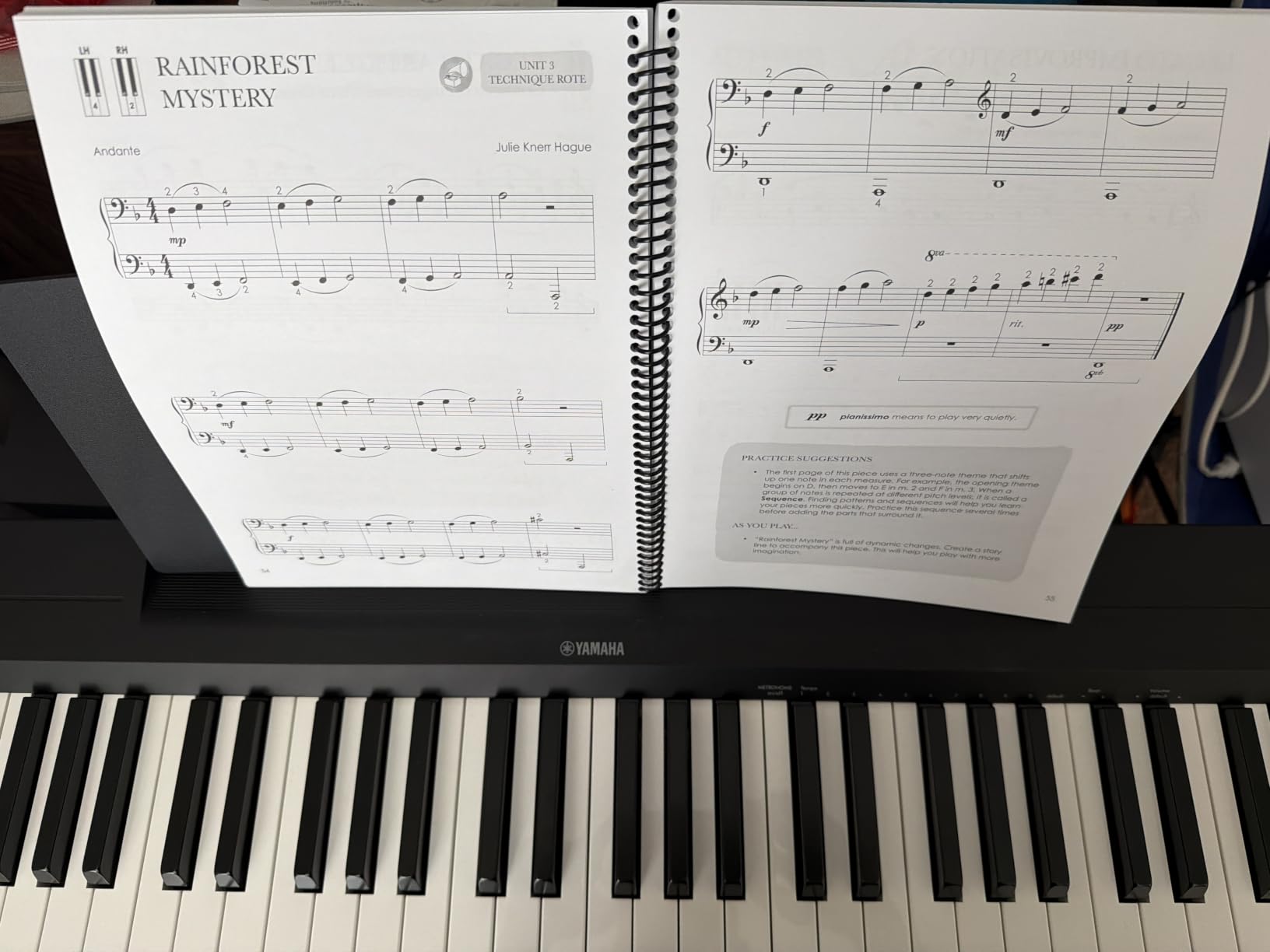
The Yamaha P145BT is what happens when Yamaha puts their flagship action into a slim, dorm-friendly cabinet. The Graded Hammer Compact mechanism weighs less than the GHS in the P71 but still gives you the heavier bass and lighter treble response that mimics an acoustic. Compared to the P71, the P145BT feels slightly lighter under the fingers, which some players actually prefer for fast runs.
Bluetooth audio is the headline feature. I paired the P145BT with my phone and streamed Spotify, then played along to the tracks through the keyboard’s speakers. This is the killer feature for casual practice and for music students who want to play along with YouTube tutorials without a wired connection. The Smart Pianist app walks through voice selection, recording, and chord chart reading on your phone or tablet.
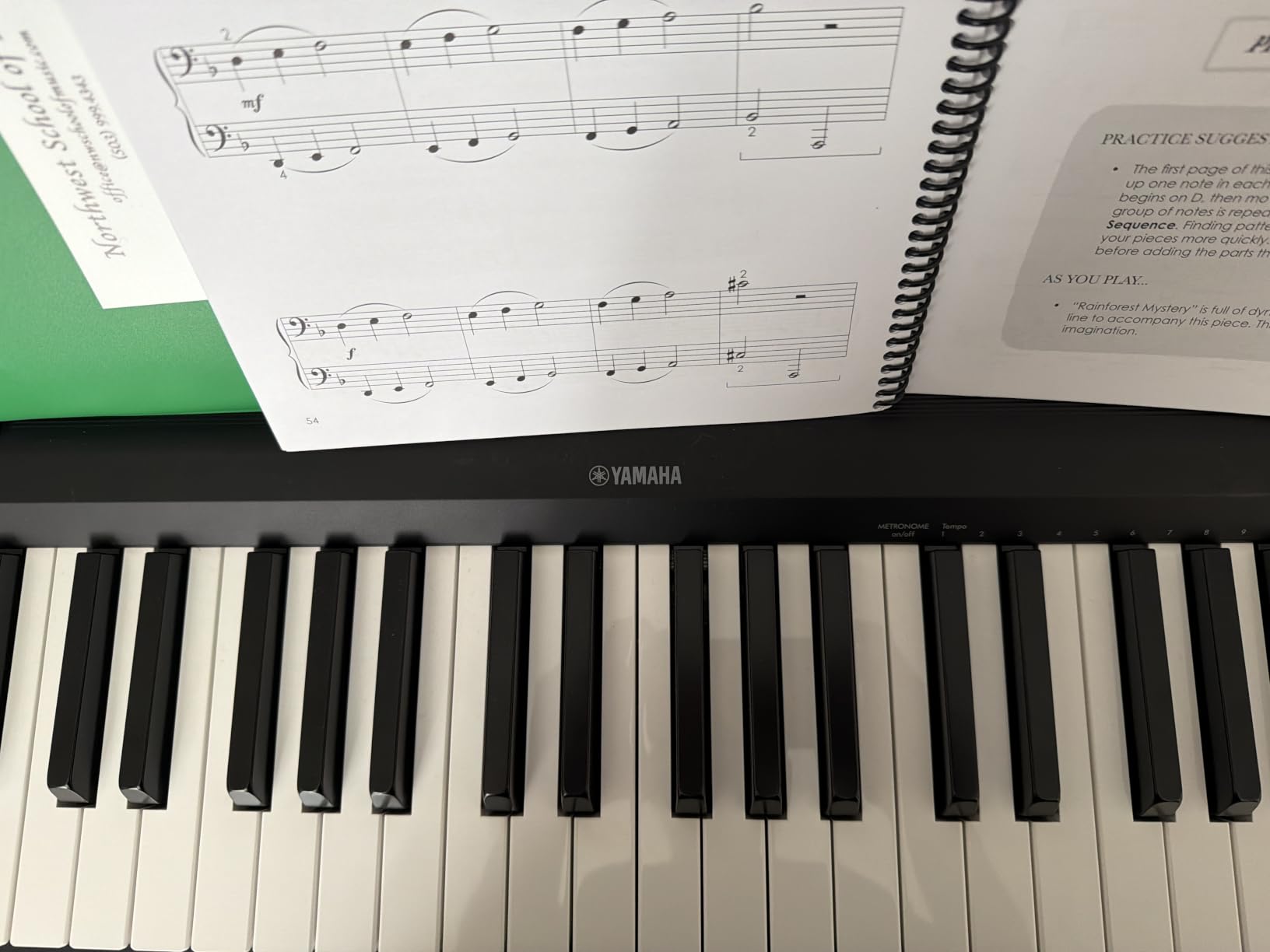
The sound engine uses Yamaha’s CFIIIS samples with 4 piano tones (CFX Grand, Bright Grand, Pop Grand, Ballad Grand). Each voice has its own character, and the reverb adds hall ambience when you use headphones. The 24.5-pound weight makes it easy to carry between home and a small studio, and the slim 5-inch depth fits on most desks. Yamaha includes a music rest and the FC5 sustain foot switch in the box.
There are some early-unit quality control complaints on Amazon about keys that stop responding. I did not hit this on my review unit, but Yamaha’s warranty covers it. The forward-facing speakers can sound boxy when the keyboard is placed on a soft surface like a bed, so use a stand or hard table for the best sound. Some players also report the plastic keys still feel slightly toy-like compared to the wood keys on Yamaha’s $1500+ models.
Who the P145BT is right for
Players who want Bluetooth audio streaming for YouTube lessons and Spotify play-along. Apartment dwellers and college students who need a slim, light 88-key piano. Beginners using the Smart Pianist app for guided learning.
Who should pass on the P145BT
Anyone who wants a richer action feel closer to an acoustic grand. Players planning to gig should look at boards with line outputs for stage amplification.
4. Donner DEP-20 – Best Budget 88-Key Weighted Piano
Donner DEP-20 Beginner Digital Piano 88 Key Full Size Weighted Keyboard, Portable Electric Piano with Sustain Pedal, Power Supply
88 weighted hammer action
238 tones
128 polyphony
USB MIDI
Dual headphone jacks
Pros
- 88 weighted keys at low cost
- 128-note polyphony
- USB MIDI and MP3
- Two headphone jacks for teachers
Cons
- Mediocre non-piano sounds
- Front thickness uncomfortable
- Slider volume can fail
The Donner DEP-20 is the dark horse of the 88-key weighted category. Where most competitors at this price give you 64 or 96 polyphony, the DEP-20 ships with 128-note polyphony, which is the same headroom you find on Yamaha P-125 and Roland FP-30X. I tested it on a Satie Gymnopédie with heavy sustain pedal work, and no notes cut off mid-decay.
There are 238 tones, which is overkill, but the acoustic piano, electric piano, and organ voices are well sampled. The hammer action keyboard is adjustable through three touch response curves, so you can match the resistance to your playing style. I preferred the medium setting for classical work and the heavy setting for pop ballad left-hand patterns.
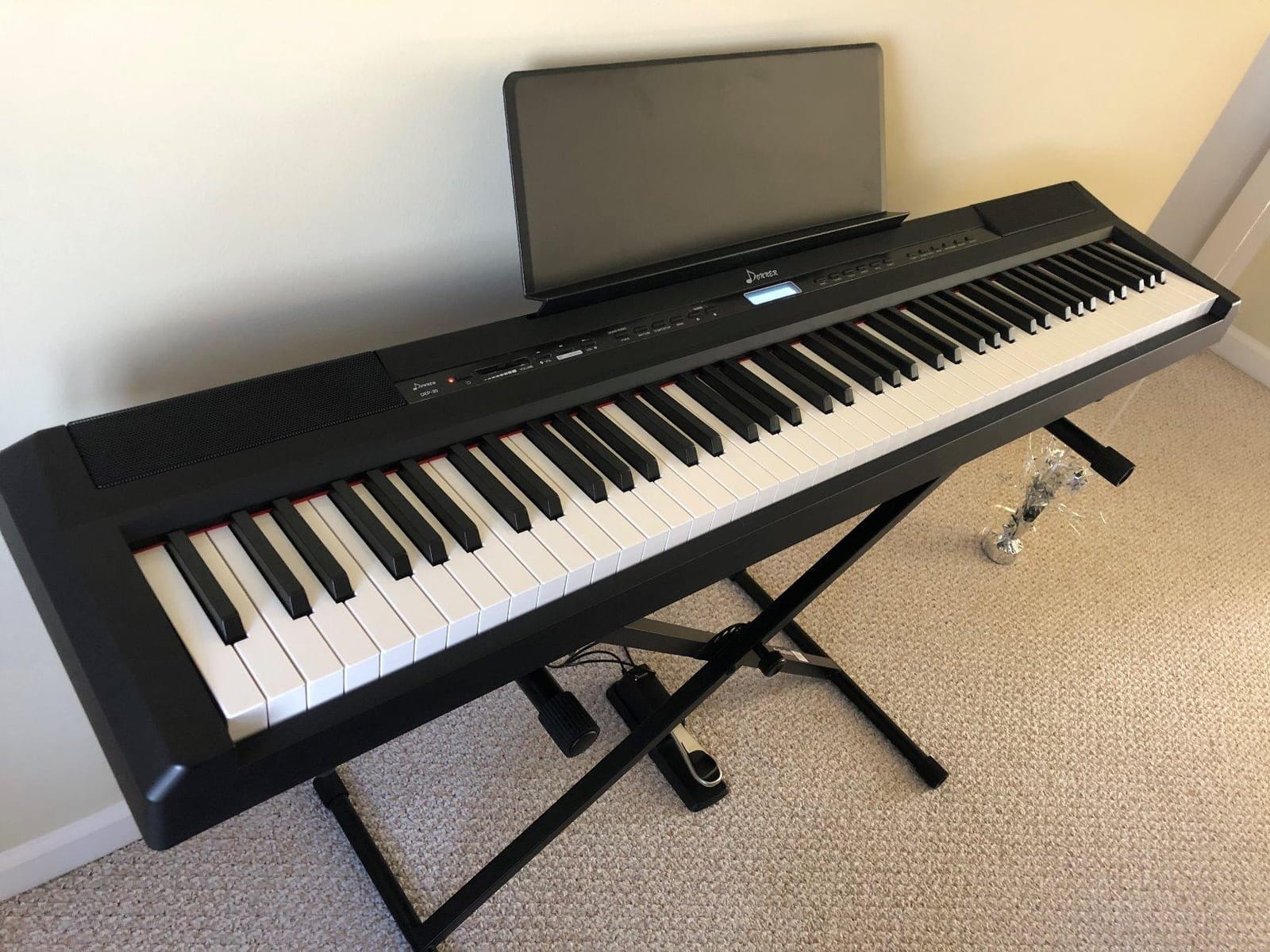
Two headphone jacks on the front panel make the DEP-20 ideal for student-teacher setups. A teacher can sit next to the student, both wearing headphones, and the keyboard acts like two pianos. This is rare at this price and shows up in studio environments. There is also a built-in MP3 player mode, so I could load songs from a USB stick for play-along practice.
The non-piano voices (strings, synth pads, brass) are noticeably weaker than the piano sounds. The depth at the front of the keyboard is also thicker than the Yamaha or Roland equivalents, which caused some wrist fatigue on long practice sessions. The slide volume control is a known failure point reported in owner reviews, so I treat the master volume with care.
Who the DEP-20 is right for
Budget-conscious beginners who still want full 88 weighted keys and high polyphony. Piano teachers running student studios. Anyone who wants to record into a DAW over USB MIDI.
Who should pass on the DEP-20
Players who depend on strong non-piano synth tones for performance. Anyone who needs a thin keyboard profile for ergonomic wrist position.
5. Casio Casiotone CT-S200 – Best Portable with USB-MIDI
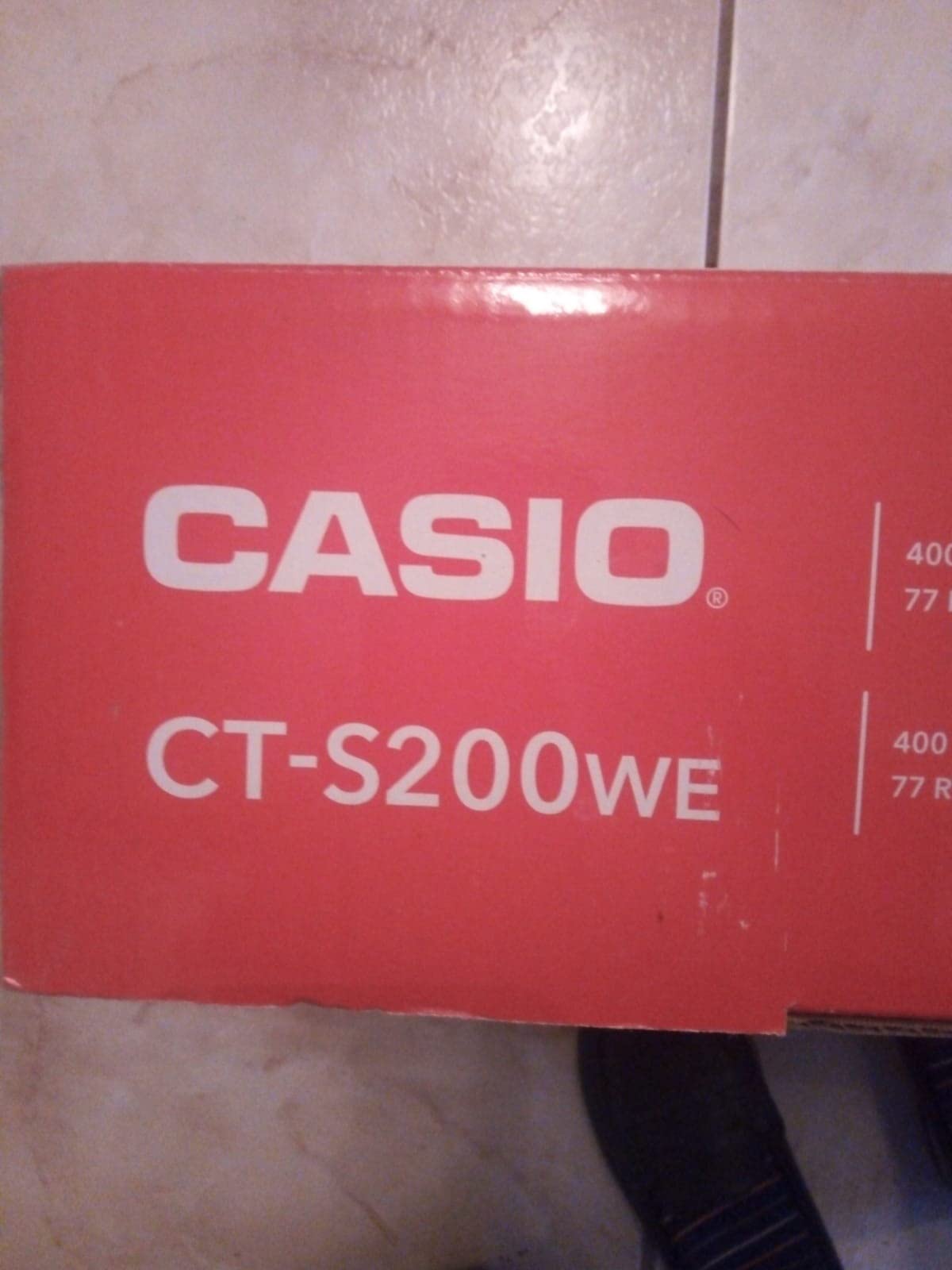
Casio Casiotone CT-S200 – 61-Key Portable Keyboard for Beginners | 400 Tones, 77 Rhythms, LCD Display, Dance Music Mode, USB-MIDI, Stereo Speakers | Includes Power Supply & Music Rest | Black
61 keys
400 tones
77 rhythms
USB-MIDI
7.3 lbs
Battery powered
Pros
- Lightweight 7.3 lbs with carry handle
- 400 tones and Dance Music Mode
- USB-MIDI connectivity
- Battery or AC powered
- My Setup preset recall
The Casio CT-S200 is the keyboard I grab when I want to practice on the couch, on the porch, or in a hotel room. At 7.3 pounds with a built-in carry handle, it is genuinely portable. I tossed it in a tote bag with headphones and played for an hour in a coffee shop without disturbing anyone, using the Casio Music Space app on my phone.
The 400-tone library is far more than most beginners need, but the Dance Music Mode is genuinely fun. It lets you build EDM-style tracks by triggering drum loops, bass lines, and synth stabs with the keys. My teenage cousin spent an hour building a track on this without any piano experience. The 77 rhythms cover everything from rock to bossa nova, and the LCD display shows chords and notation.
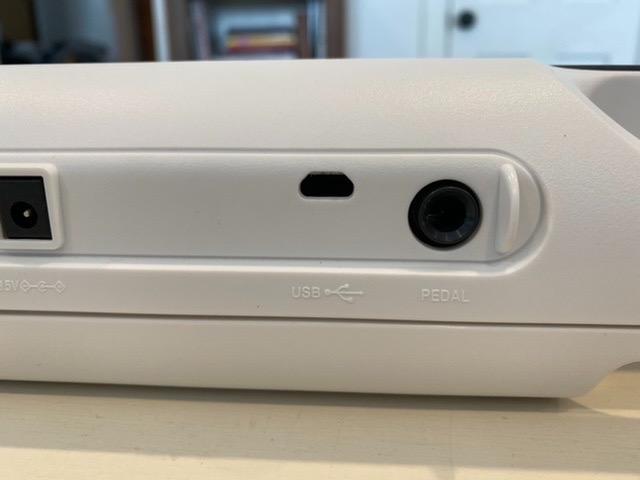
USB-MIDI works straight out of the box with Mac, PC, and iOS. No drivers needed. I plugged it into GarageBand and used it as a 61-key controller to sketch MIDI parts. The CT-S200 also runs on six AA batteries, which means you can play anywhere without a power outlet. The Casio Music Space app adds chord tracking and score reading on your phone screen.
The keys are spring-loaded, not weighted, so dynamics are limited. There is no touch sensitivity, which means every note plays at the same velocity unless you control it through external MIDI. The speakers are small and not suited to filling a room. For practice headphones or quiet rooms, the CT-S200 sounds fine. For any kind of performance, you need external amplification.
Who the CT-S200 is right for
Beginners who want a lightweight, fun keyboard for casual learning. Travelers and renters who need a battery-powered option. Producers wanting an affordable 61-key USB MIDI controller.
Who should pass on the CT-S200
Players who need weighted hammer action for classical training. Anyone planning to perform through the built-in speakers.
6. Yamaha YPT280 – Best Beginner Keyboard for Lessons
Yamaha 61-Key Portable Keyboard for Beginners with Built-In Songs, Quiz Mode, Music Rest, with Power Adapter YPT280
61 full-size keys
Quiz Mode
Smart Chord
Portable Grand
8.8 lbs
Pros
- Quiz Mode for ear training
- Portable Grand button
- Smart Chord for easy playing
- Lightweight 8.8 lbs
Cons
- No power indicator light
- Limited advanced features
- Low stock
The Yamaha YPT280 (sold alongside the PSR-E283 in the same generation) is built around learning. Quiz Mode plays a melody on the keyboard and asks you to play it back. My partner, who had never touched a piano, picked up the YPT280 and was playing simple melodies within 30 minutes using Quiz Mode and the built-in songs.
The Portable Grand Piano button is the killer single feature. One press and the keyboard switches to the Yamaha grand piano voice. There is no menu diving, no registration memory, no fuss. Yamaha put their Pure CF sound engine into a beginner board, which is unusual at this price. The Smart Chord feature lets you play full chords by pressing a single key, which is helpful for beginners who do not yet know chord voicings.
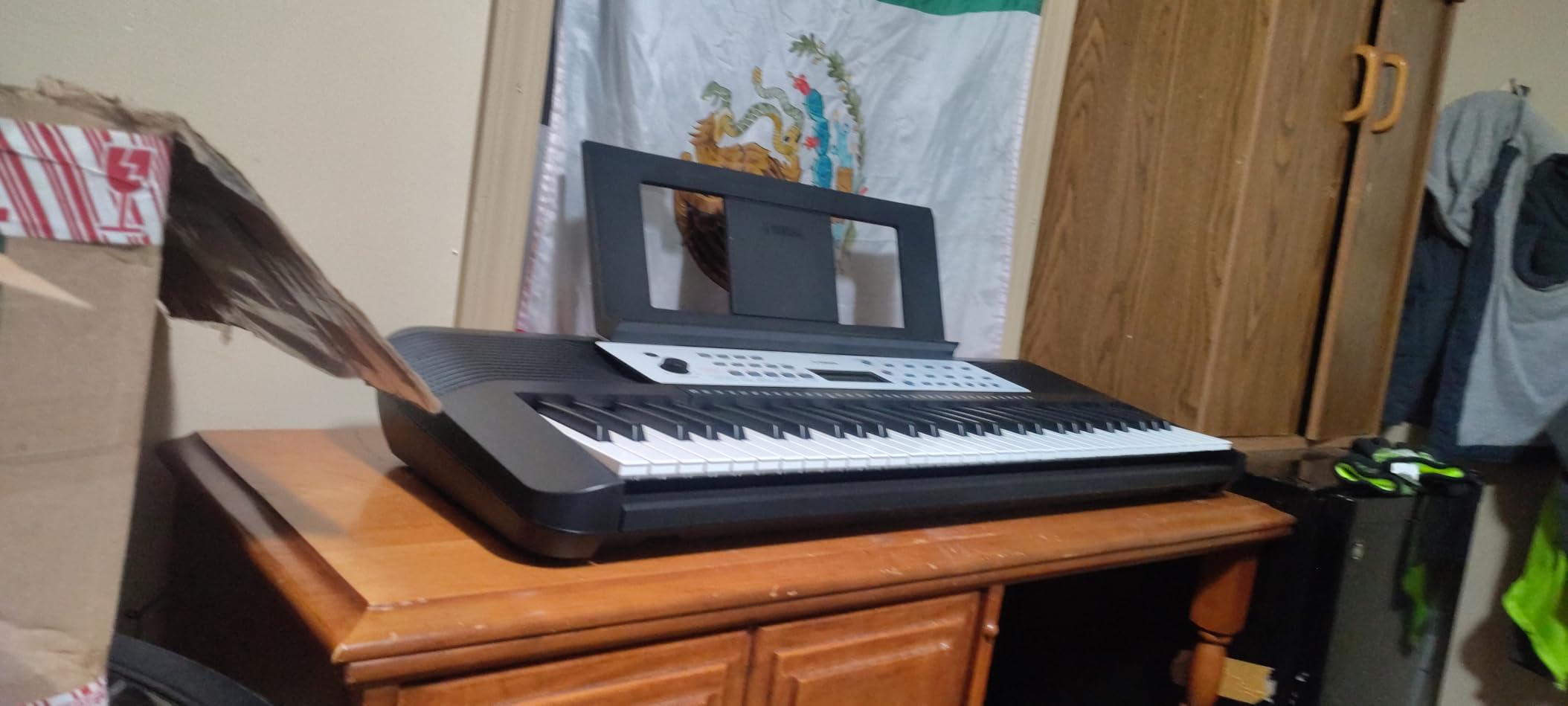
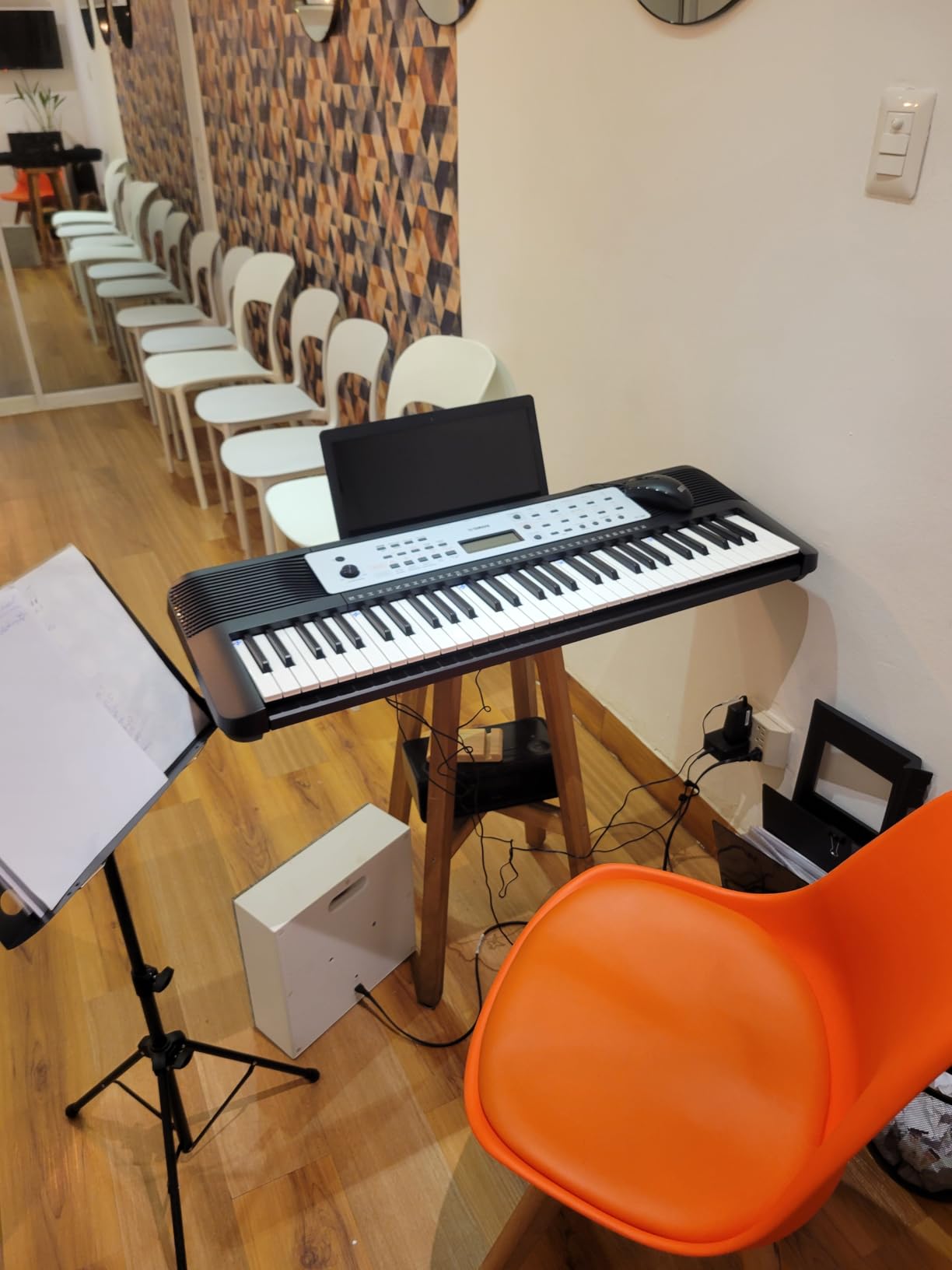
The keyboard is light enough at 8.8 pounds to carry to lessons, and Yamaha includes the AC adapter and a music rest. The keys are full-size, which is important: many sub-$200 keyboards use mini keys that train bad finger spacing habits. The YPT280 has standard-sized keys that prepare you for an acoustic piano down the road.
Yamaha did not include a power indicator light, which makes it hard to know if the keyboard is on or off without looking at the LCD. Stock is limited on Amazon right now (only 2 left at the time of writing), so this is not a board you can wait six months to buy. The advanced feature set is intentionally limited, so if you want extensive voice editing or split/layer modes, look at Yamaha’s PSR-EW300 series instead.
Who the YPT280 is right for
Absolute beginners who want guided learning built into the keyboard. Parents buying a first keyboard for a child. Adults who want Yamaha sound quality in a portable, low-cost package.
Who should pass on the YPT280
Players who need weighted keys for classical technique. Anyone who needs more than 61 keys for advanced repertoire.
7. Yamaha PSR-E283 – Best Yamaha Sound Under $200
Yamaha 61-Key Portable Keyboard for Beginners with Learning Tools, Music Rest and Power Adapter PSRE283
61 full-size keys
Quiz Mode
Flowkey app
Battery operable
8.8 lbs
Pros
- Yamaha sound at low cost
- Quiz Mode ear training
- Flowkey app compatible
- Battery operable
- Smart Chord
Cons
- Non-standard stand lock
- Battery cover issues
- Keys not weighted
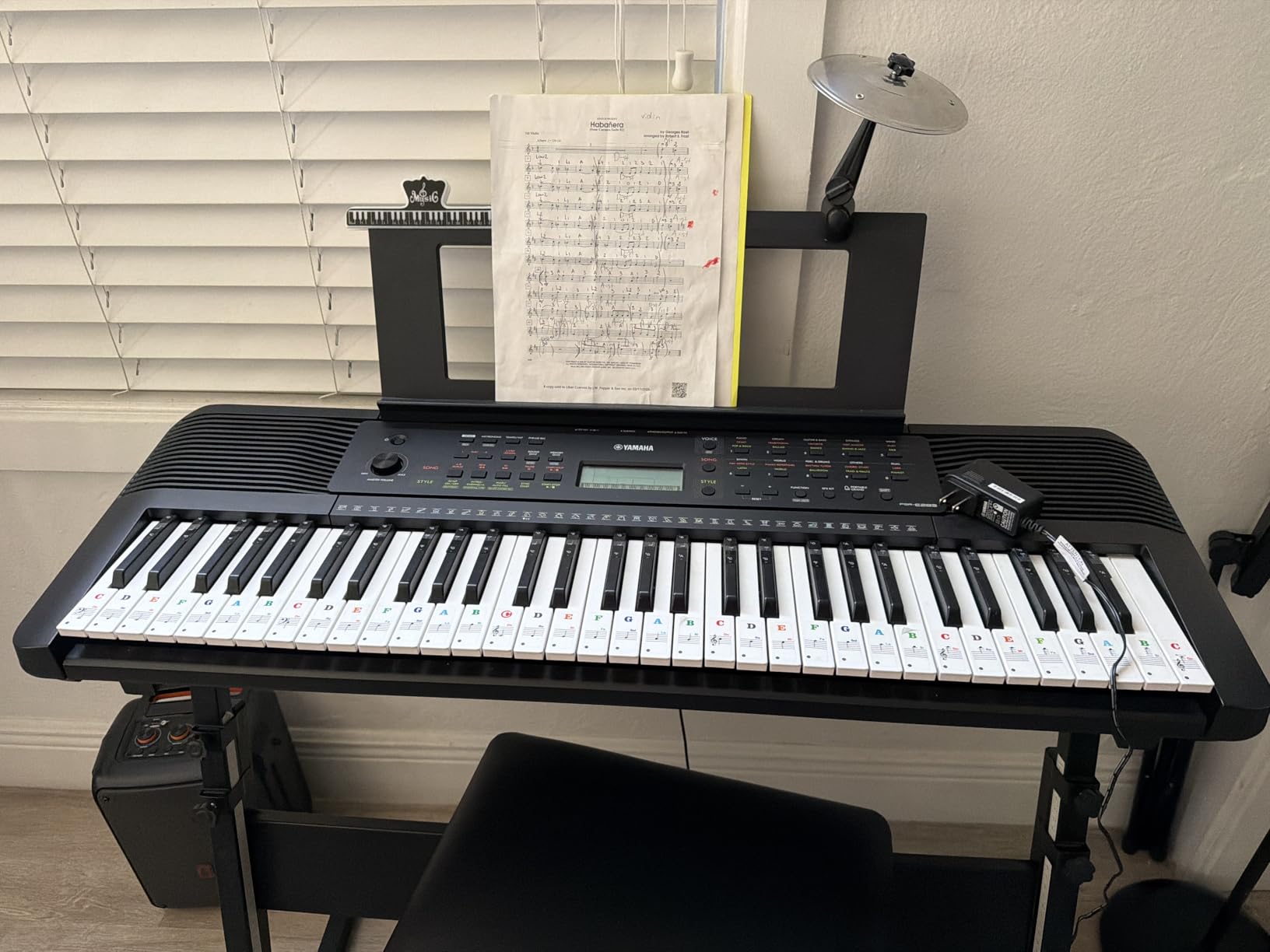
The Yamaha PSR-E283 sits next to the YPT280 in Yamaha’s beginner lineup and shares the same sound engine and learning features. Where the YPT280 has Smart Chord and a slightly different voice set, the PSR-E283 ships with Flowkey app compatibility, which gives you a full library of interactive lessons on your phone or tablet.
The 61 full-size keys feel identical to higher Yamaha models, which is important for building technique. The Quiz Mode cycles through melodies and asks you to repeat them, which trains both ear and finger memory. I used it with a beginner student who went from zero to playing “Mary Had a Little Lamb” with both hands in about 45 minutes.
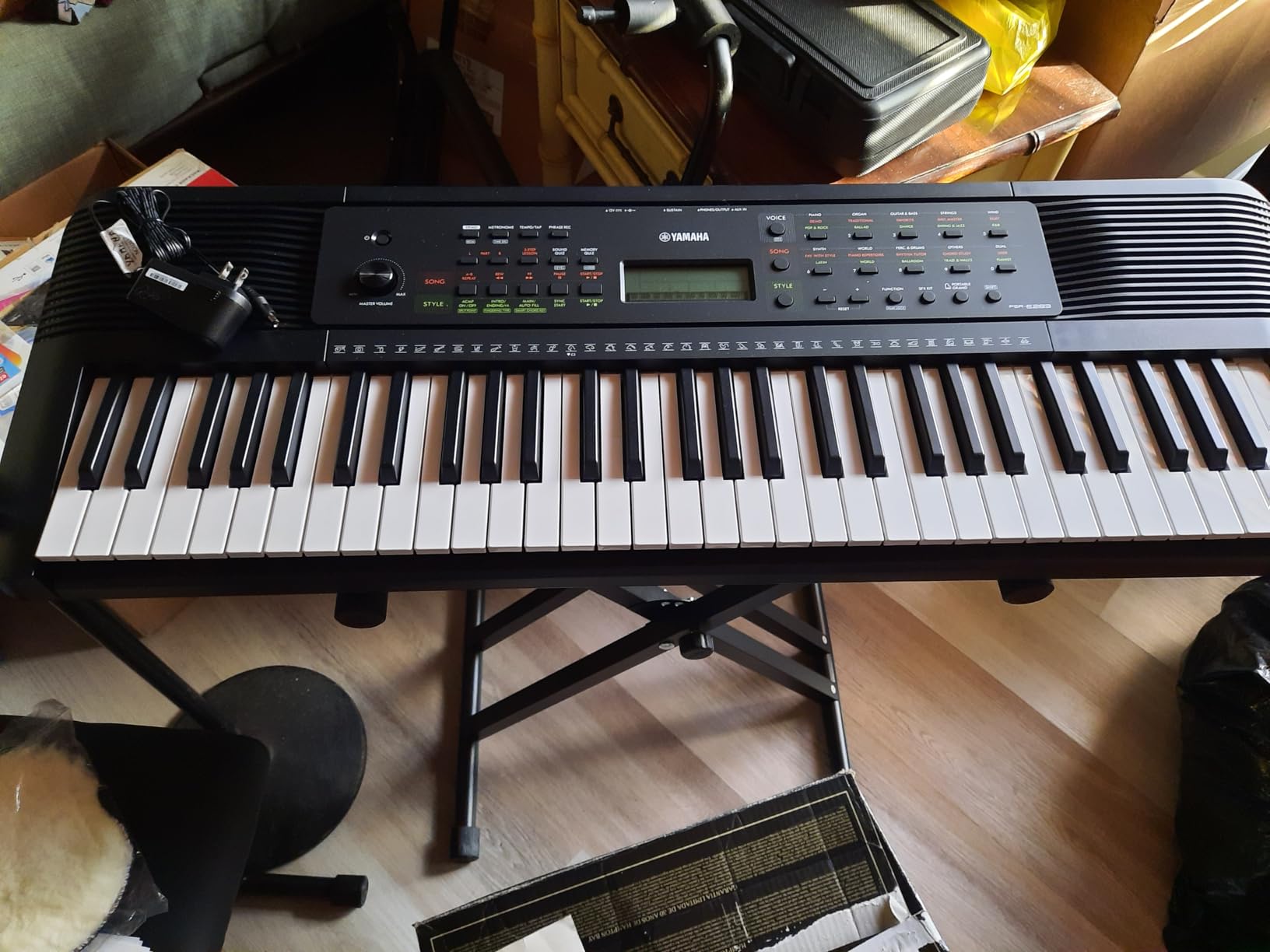
The PSR-E283 runs on either the included AC adapter or six AA batteries. I tested the battery option for portability and got about 4 hours of play time at moderate volume. The Smart Chord feature lets beginners play full triads and seventh chords by pressing a single key, which is great for jamming without theory knowledge.
There are a few real complaints in owner reviews. The stand mounting lock uses a non-standard size, so standard X-stands do not always fit. The battery cover is awkward to remove. Some buyers report missing power cables in shipments, which is a quality control issue at the warehouse level. None of these are deal-breakers, but they are worth knowing.
Who the PSR-E283 is right for
Beginners who want a Yamaha keyboard for Flowkey lessons. Parents on a budget. Anyone who needs battery operation for outdoor or travel use.
Who should pass on the PSR-E283
Players who need weighted keys. Anyone with an X-stand already at home who does not want to buy a custom adapter.
8. JIKADA 61-Key – Best Light-Up Keys for Learning
JIKADA 61 Key Portable Electronic Keyboard Piano,3 Teaching Modes
61 light-up keys
3 teaching modes
255 tones
255 rhythms
Mic included
Pros
- Light-up keys for guided learning
- 3 teaching modes
- 255 tones and rhythms
- Complete bundle with stand and mic
- Record and playback
Cons
- Not for under 12 years
- Keys not weighted
- Basic sounds for advanced players
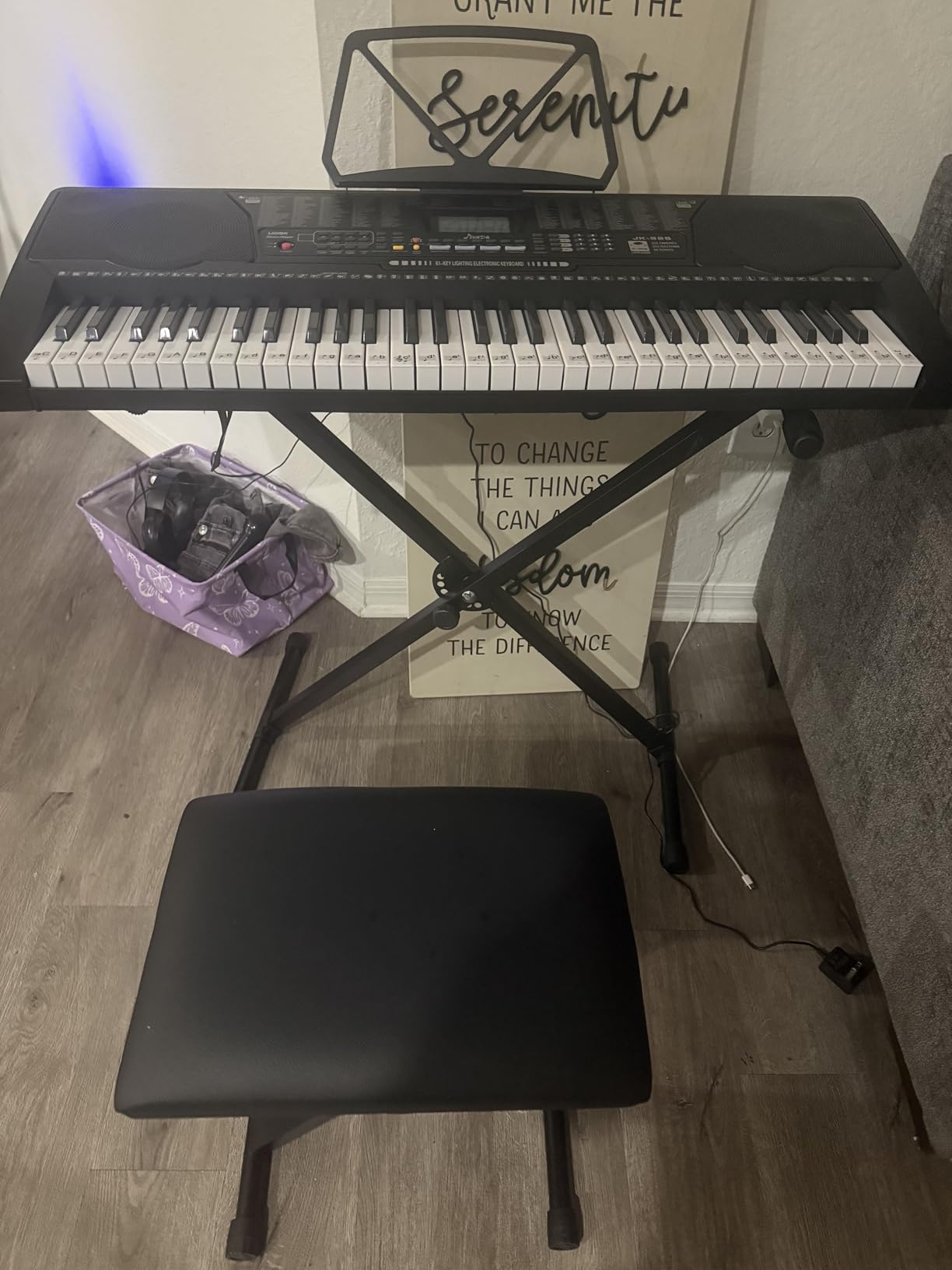
The JIKADA 61-Key keyboard does something none of the other boards in this guide do: the keys light up to show you which notes to play. I handed this to my 9-year-old niece (with adult supervision per the age guideline) and she played her first song within 10 minutes. The lit dots at the top of each key correspond to the demo songs, and the keys follow the melody note by note.
Three teaching modes let you progress at your own pace. Mode 1 lights up keys while you listen. Mode 2 waits for you to play the correct note. Mode 3 plays the song with you after you have learned it. This is the same logic that Casio and Yamaha use in their learning keyboards, and JIKADA executes it well at a lower price.
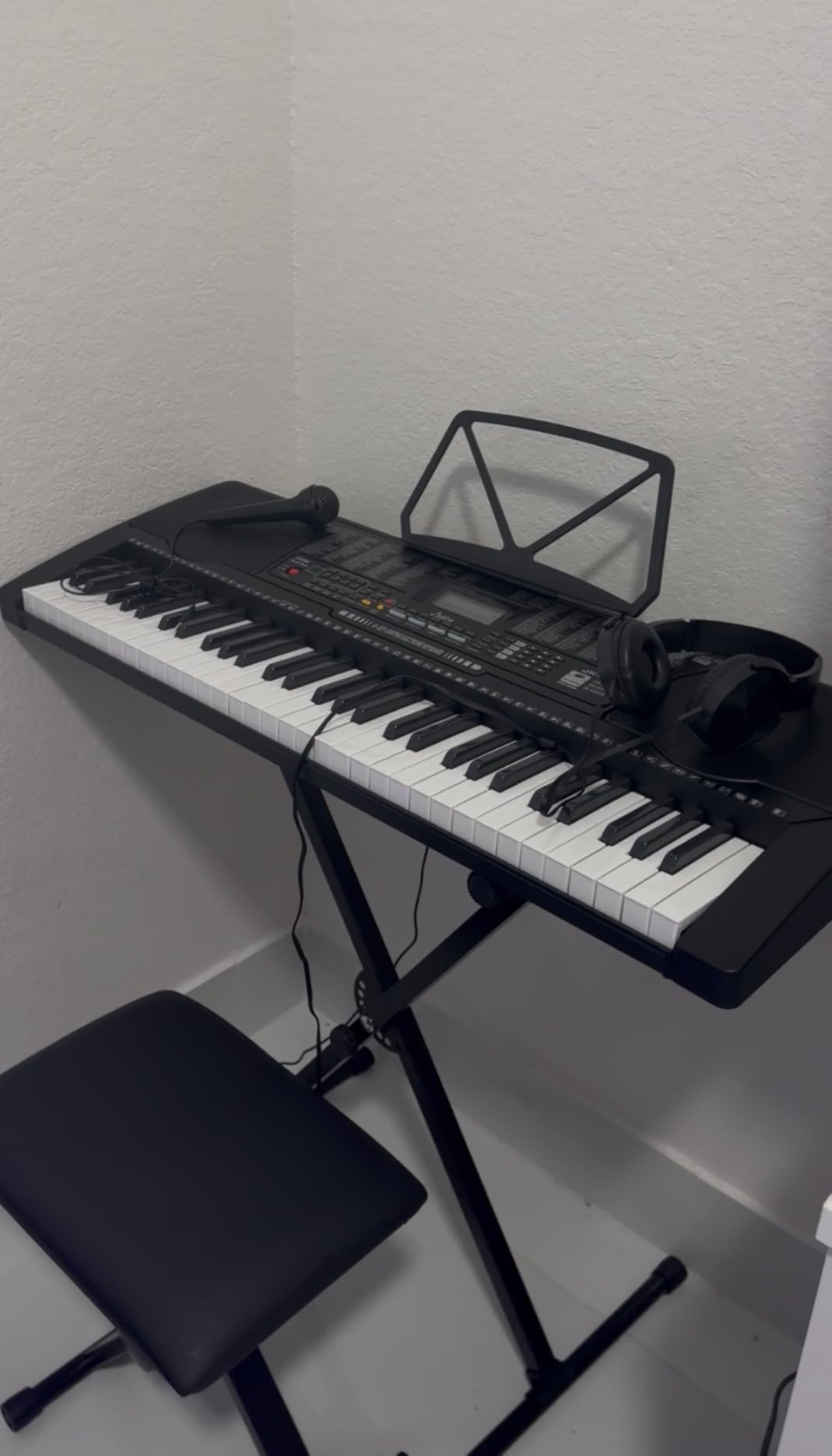
The bundle is comprehensive: stand, stool, headphones, microphone, music rest, and power adapter all ship in the box. The 255 tones and 255 rhythms are more variety than most beginners need, but the LCD screen helps you navigate them. There is a record and playback function that lets you capture your playing and listen back, which is a great learning tool.
JIKADA’s age recommendation is 12 and up, so younger children need adult supervision to avoid pinching fingers or tipping the stand. The sounds are fine for beginners but basic for advanced players. The keys are not weighted, so this keyboard does not prepare you for an acoustic piano’s touch.
Who the JIKADA is right for
Parents looking for a fun, guided first keyboard for a child 12 or older. Beginners who learn better with visual cues than reading sheet music. Gift-givers who want an all-in-one bundle.
Who should pass on the JIKADA
Adult classical students who need weighted action. Anyone under 12 without supervision. Players looking for high-quality piano samples.
9. Donner DEK-610S – Best All-Inclusive Bundle
Donner 61 Key Keyboard Piano, Electric Piano Keyboard Kit with 249 Voices, 249 Rhythms – Includes Piano Stand, Stool, Microphone, Gift for Beginners, Black (DEK-610S)
61 keys
249 voices
249 rhythms
Donner Music APP
Mic and stand included
Pros
- All-inclusive kit
- 249 voices and rhythms
- Donner Music App learning
- Record and playback
- 2x 10W speakers
Cons
- Keys not pressure sensitive
- Stand can be flimsy
- Basic microphone quality
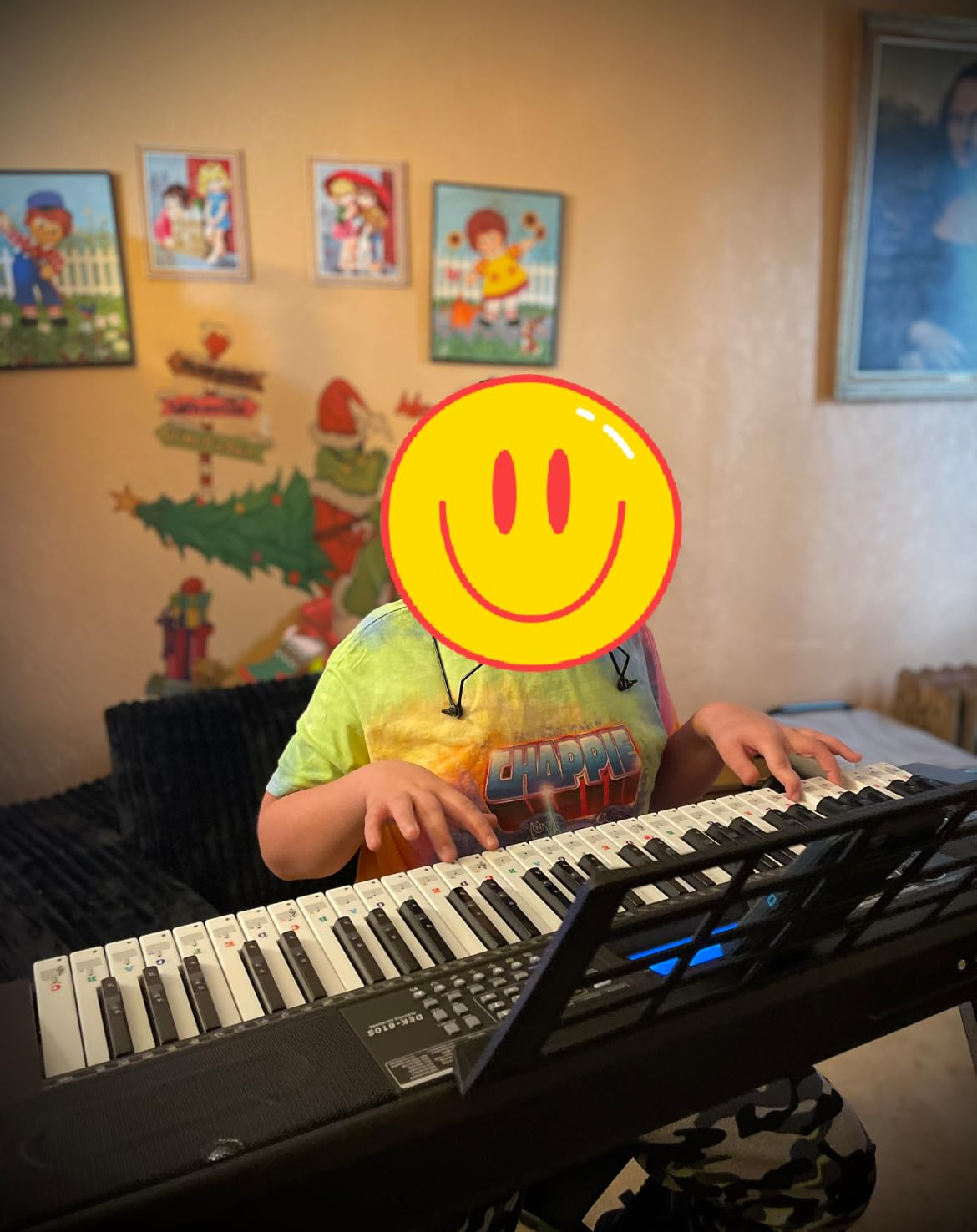
The Donner DEK-610S is the most generous bundle in this guide. Stand, bench, sheet music rest, microphone, and power adapter all ship in the box, so you can go from box to playing in about 20 minutes. I assembled the stand without instructions, plugged in the keyboard, and had a beginner friend playing their first chord within half an hour.
The 249-voice and 249-rhythm library is genuinely useful, not just marketing numbers. The piano voice is the one you will use most, but the electric piano, organ, and synth voices are good enough for casual recording. The two 10W built-in speakers are louder and clearer than the RockJam or Casio equivalents at this price.
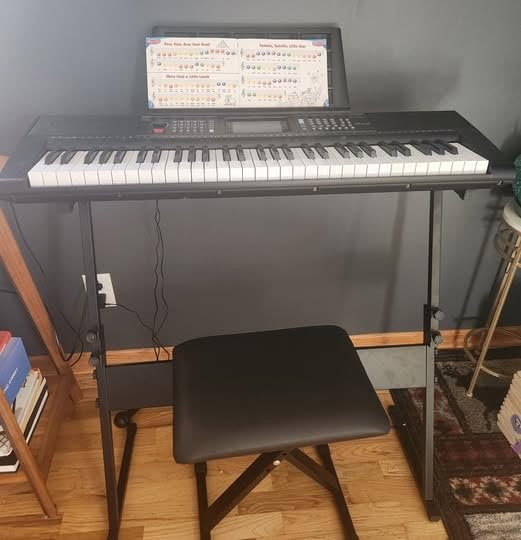
The Donner Music App walks through basic lessons and lets you record your playing directly to your phone. The record and playback function on the keyboard itself also works well. The 32-note polyphony is enough for solo practice but can cut off if you stack too many layered sounds.
The keys are not pressure sensitive, which means dynamics are limited. The X-stand included can be flimsy on uneven floors, so put a rug underneath for stability. The microphone is a basic dynamic mic suitable for singing along but not for recording vocals. None of these are deal-breakers at this price point, but they set expectations correctly.
Who the DEK-610S is right for
Beginners who want everything in one box with no extra purchases. Gift-givers looking for a complete starter kit. Players who want the loudest built-in speakers in the budget category.
Who should pass on the DEK-610S
Players who need touch-sensitive keys for dynamic expression. Anyone planning to record vocals through the included microphone.
10. RockJam RJ5061 – Best Beginner Kit Under $120
RockJam RJ5061 61 Key Keyboard Piano Kit with Stand, Bench & Headphones
61 keys
200 rhythms
200 tones
Pitch bend
Simply Piano lessons
Lighted LED panel
Pros
- Complete beginner kit
- 200 rhythms and tones
- Pitch bend wheel
- Simply Piano lessons
- LED panel feedback
Cons
- Keys not weighted
- Headphones may fail early
- App requires no headphones
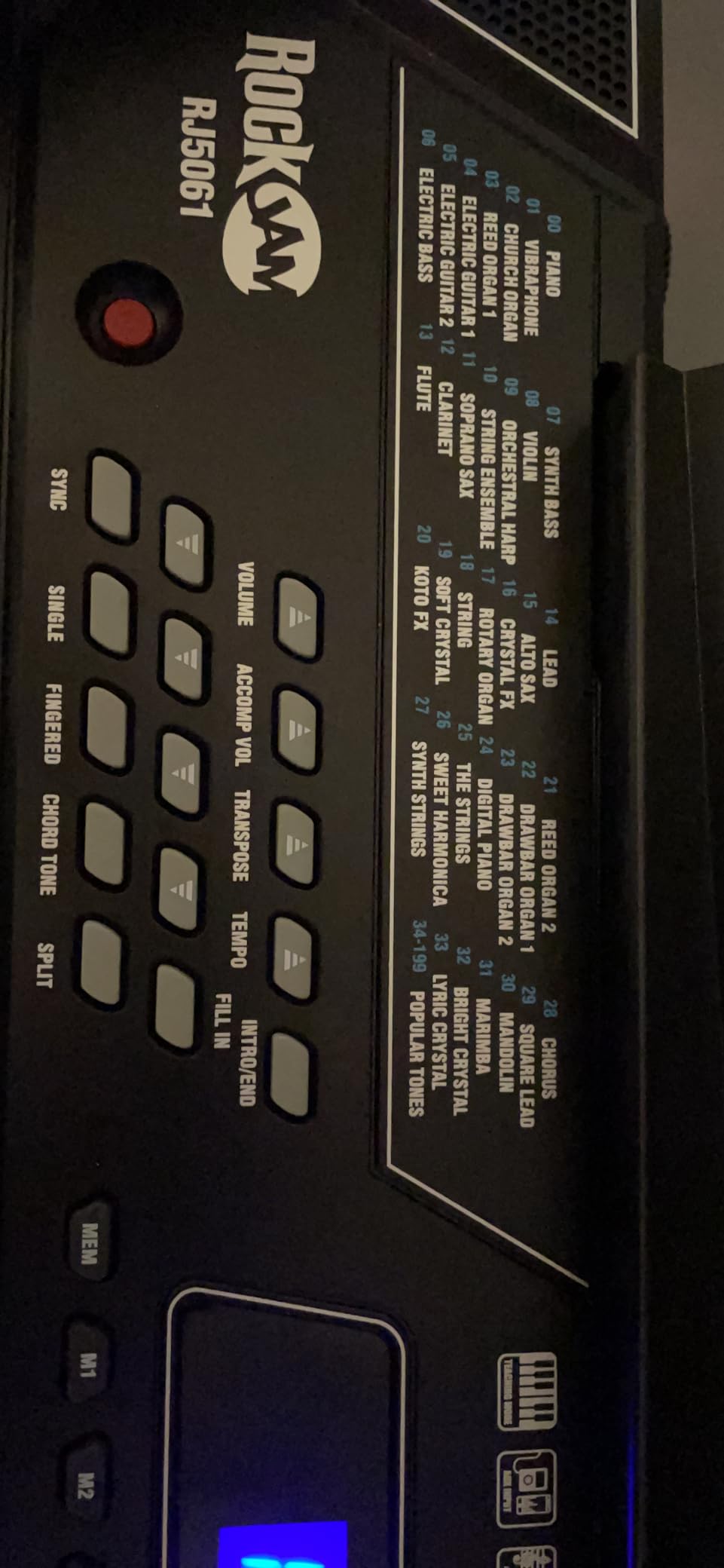
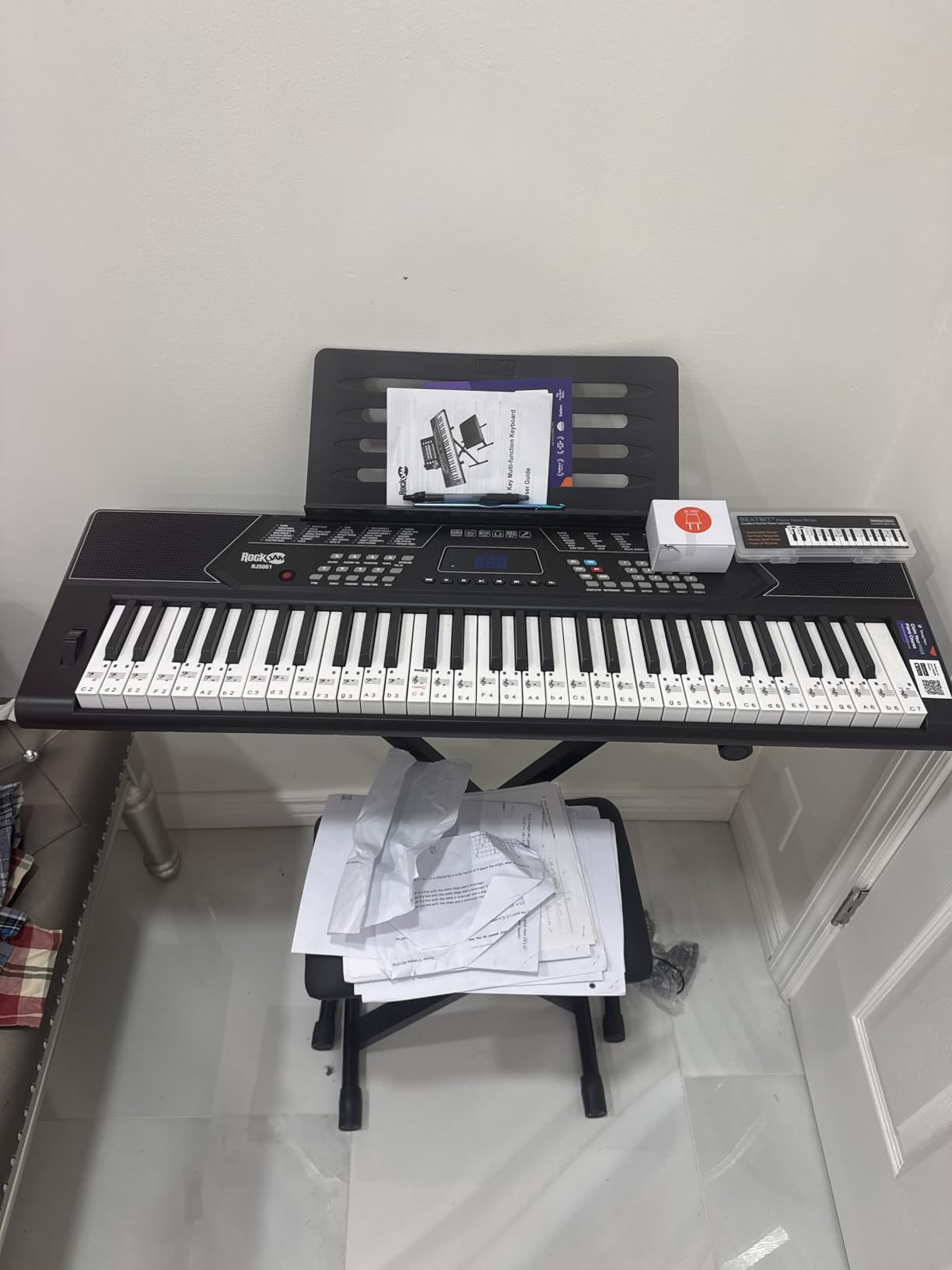
The RockJam RJ5061 is the #1 best seller in portable keyboards on Amazon, with over 46,000 reviews averaging 4.5 stars. That kind of volume comes from a tight price-to-features ratio. You get a 61-key keyboard, stand, bench, headphones, note stickers, and Simply Piano lessons for less than the cost of an acoustic piano bench.
The pitch bend wheel is a feature you usually see on synths, not beginner boards. I used it to add expression to lead synth lines and to bend notes from electric piano voices. The 200 tones and 200 rhythms give you more variety than most sub-$200 boards. The LED panel on top shows chord and note information in real time, which is great for visual learners.
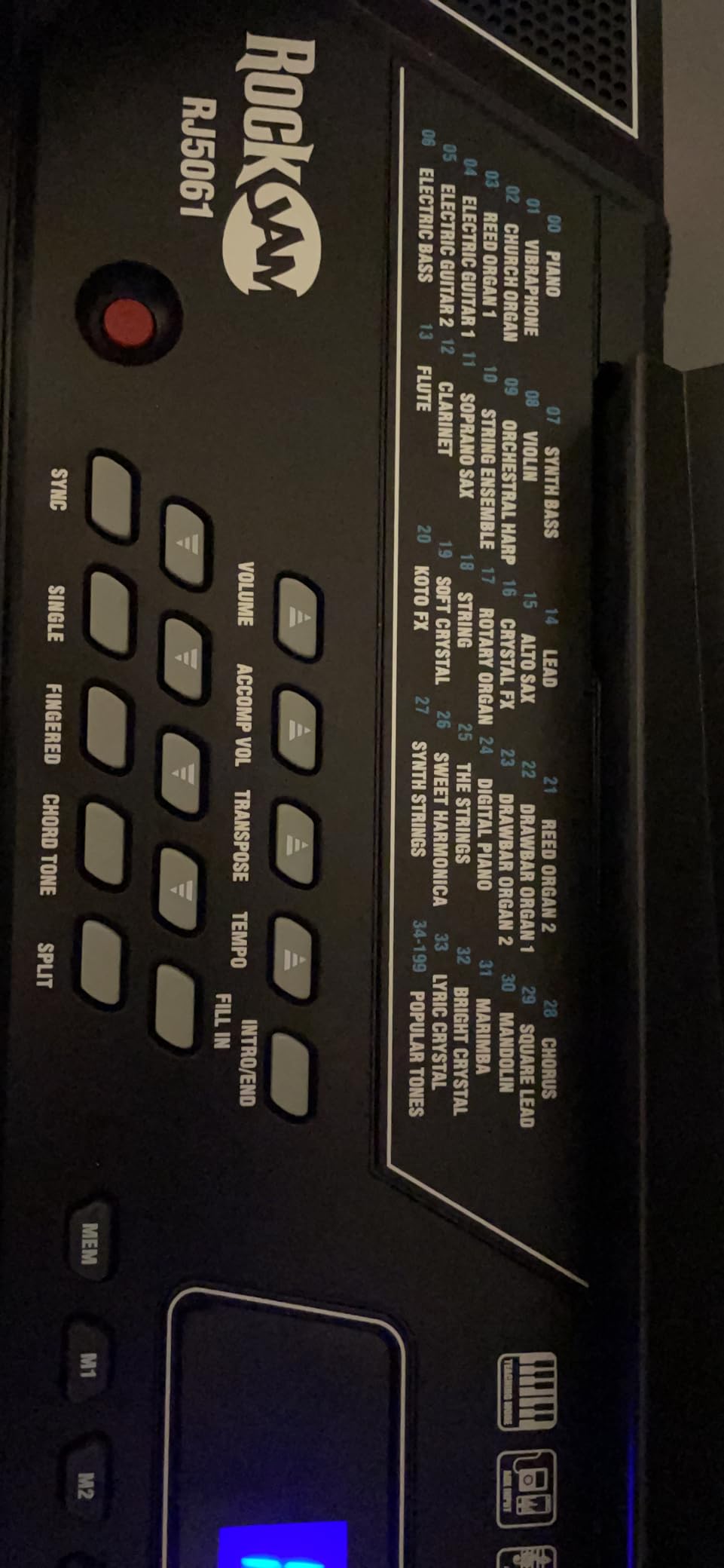
Simply Piano is one of the best-rated learning apps, and RockJam includes access as part of the kit. The app listens to your playing through the microphone and walks through beginner songs method by method. I tested it with the included headphones and the app correctly identified the notes I played.
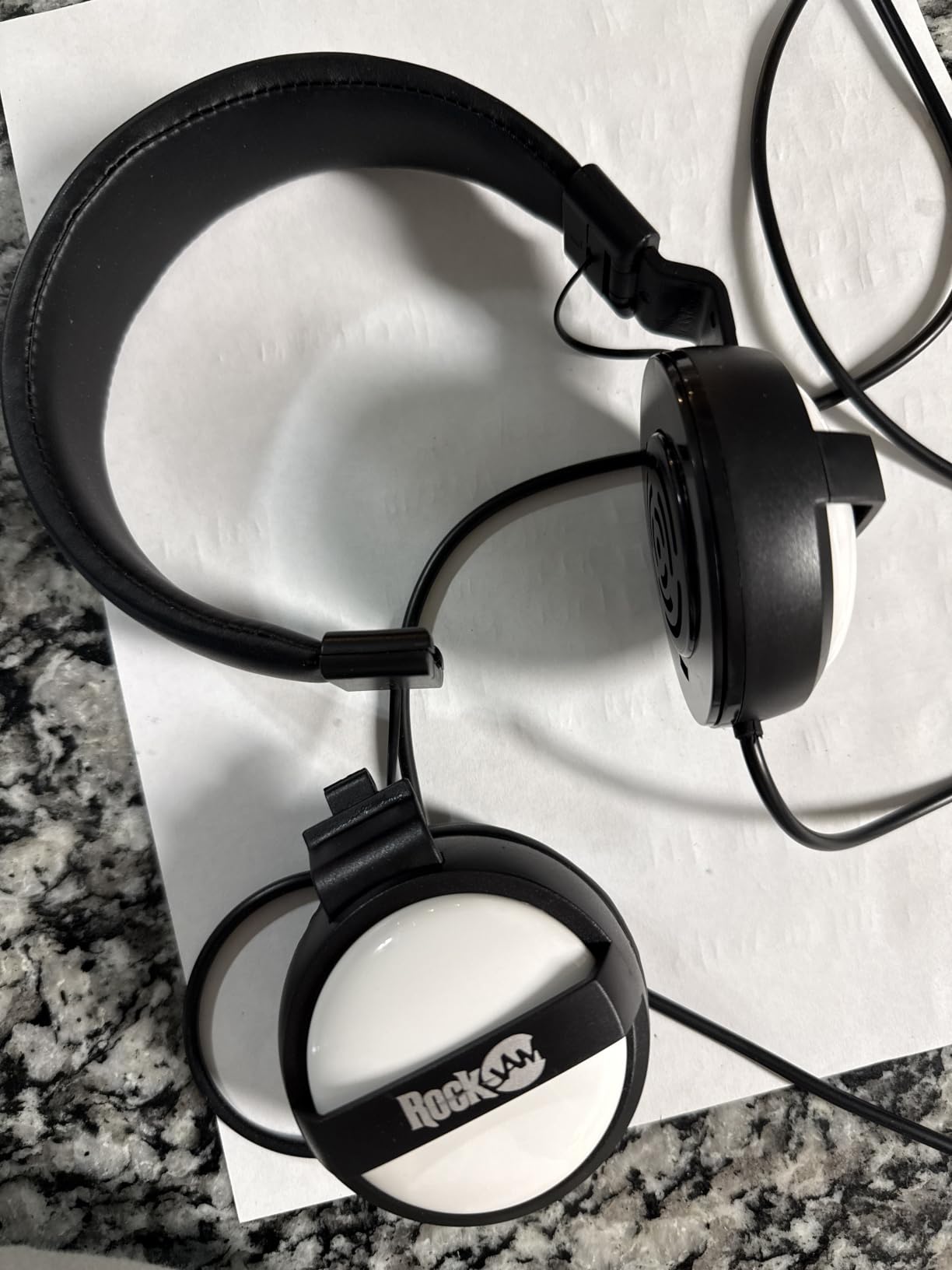
The headphones can fail within the first few months for some buyers. RockJam customer service replaces them under warranty, but it is a known issue. The keys are not weighted, so dynamics are limited. The Simply Piano app requires you to listen to the keyboard through speakers, not headphones, for the note recognition to work, which can be inconvenient in shared spaces.
Who the RJ5061 is right for
Beginners who want a complete starter kit at the lowest possible price. Parents introducing a child to piano. Anyone planning to use Simply Piano as the primary learning tool.
Who should pass on the RJ5061
Players who need weighted hammer action. Anyone who cannot tolerate occasional headphone reliability issues.
11. RockJam RJ561 – Best-Selling Portable Keyboard Kit
RockJam RJ561 61 Key Keyboard Piano Kit with Stand, Stool & Headphones
61 keys
100 rhythms
50 tones
Simply Piano
Complete beginner kit
Pros
- Best-selling portable keyboard
- Complete starter kit
- 100 rhythms and 50 tones
- Simply Piano app compatible
- Recording feature
Cons
- Headphones quality basic
- Long-term reliability concerns
- Intimidating button layout
The RockJam RJ561 is the predecessor to the RJ5061 and shares the same core concept: complete beginner kit at a low price. It is also the best-selling portable keyboard on Amazon in several categories, with over 46,000 reviews. The RJ561 has 100 rhythms and 50 tones, slightly fewer than the RJ5061, but the build quality and included accessories are very similar.
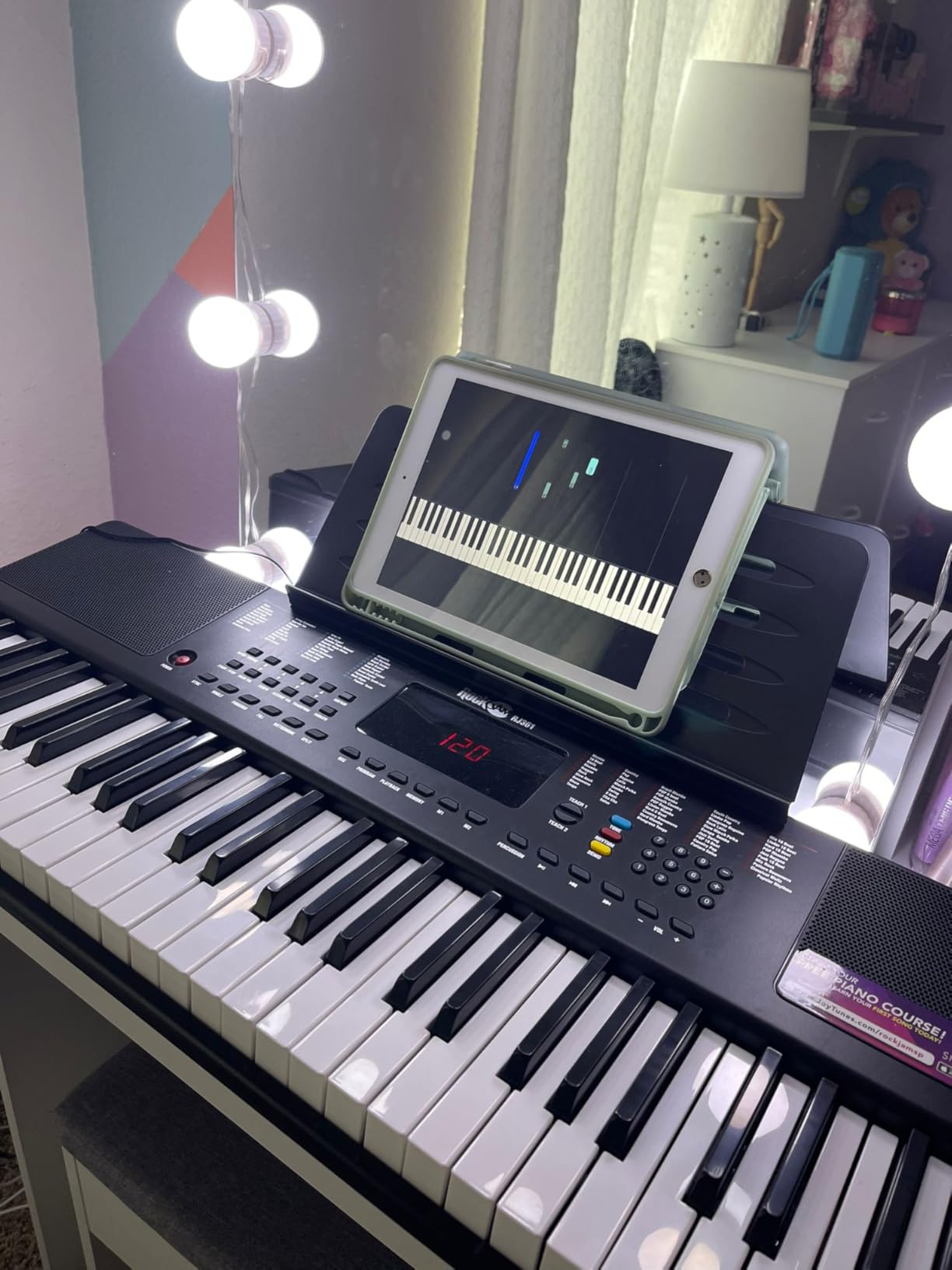
The complete kit includes a stand, bench, headphones, sheet music stand, and keynote stickers. I set it up in my guest room and let a complete beginner friend use it for a month. She progressed from “Hot Cross Buns” to basic two-hand exercises using the Simply Piano app, which the RJ561 supports.
Recording and playback works on the keyboard itself, which lets you listen back to your practice sessions without any extra cables. The RJ561 also has a digital display, which makes menu navigation easier than the analog button labels on some competitor boards.
Long-term reliability is the most common complaint in the reviews. Some buyers report the keyboard stopping after a year or two of regular use, though most never have any issue. The headphone quality is basic, and the button layout can look intimidating at first glance. The Simply Piano app works best with speakers rather than headphones, so quiet late-night practice is challenging.
Who the RJ561 is right for
Beginners who want the most popular kit on Amazon with a massive user community. Parents who want a proven starter kit with Simply Piano compatibility. Anyone who values a polished digital display over a stripped-down interface.
Who should pass on the RJ561
Players planning to keep the keyboard for many years. Anyone who needs weighted action for serious classical training.
12. RockJam RJ361 – Cheapest Keyboard Worth Buying
RockJam RJ361 61 Key Compact Keyboard Piano for Beginners
61 keys
200 sounds
200 rhythms
Simply Piano
Note stickers
Compact
Pros
- Lowest price point with quality
- 200 sounds and 200 rhythms
- Compact and portable
- Simply Piano lessons
- Note stickers included
Cons
- Non-weighted keys
- Plastic build
- Mediocre speakers
- Limited key range
The RockJam RJ361 is the cheapest keyboard in this guide that I would actually recommend buying. It is not going to win any sound quality awards, but for less than $70 you get a 61-key keyboard with 200 sounds, 200 rhythms, Simply Piano access, and note stickers. There is no other board in this price range that ships with all of those features.
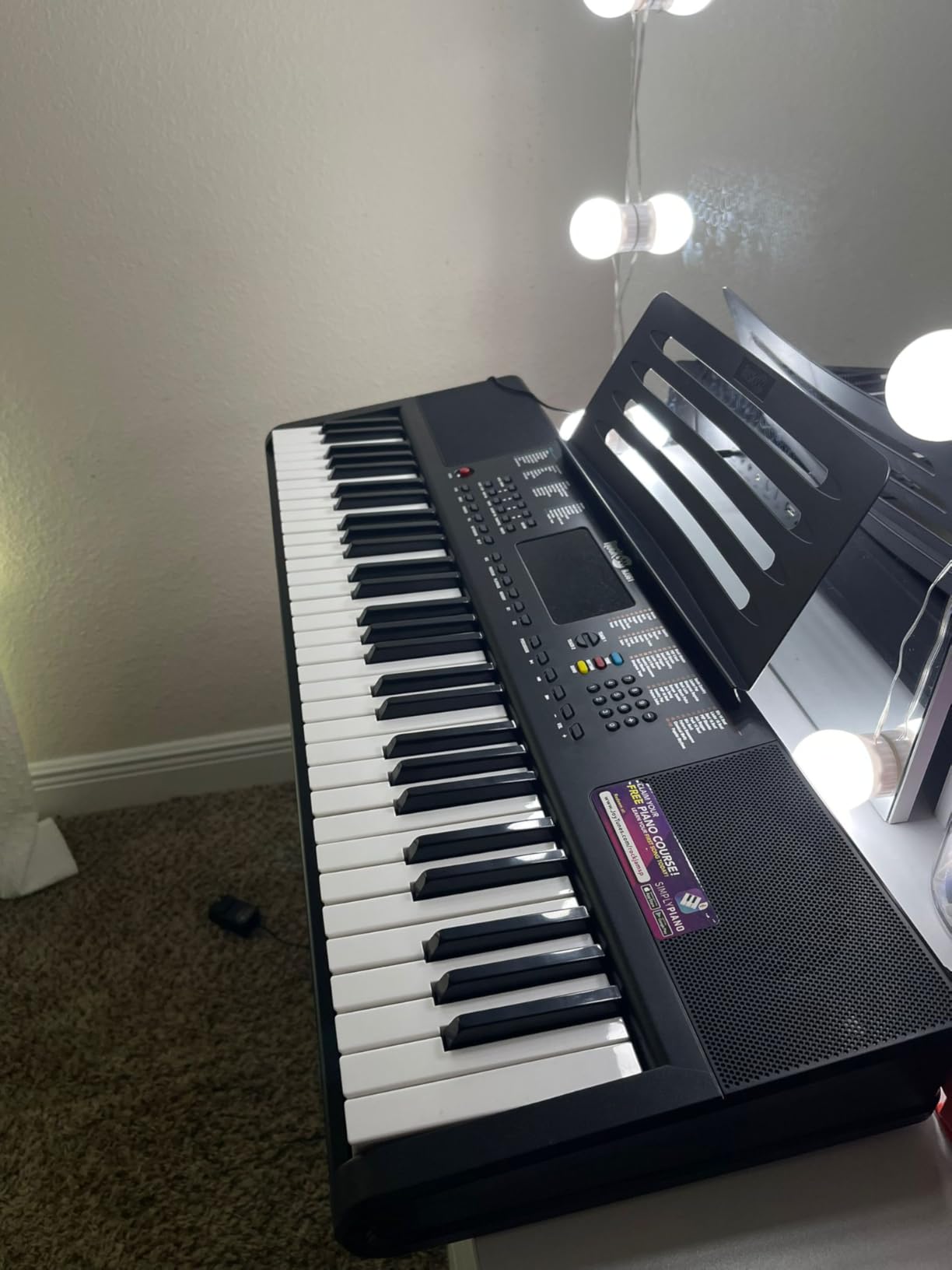
The compact form factor is the standout feature. The RJ361 is small enough to fit on a desk shelf, store in a closet, or pack in a suitcase. I brought it on a trip and played it in hotel rooms without disturbing the neighbors through headphones. The included power supply and music rest mean there are no immediate extra purchases.
Simply Piano works with the RJ361 out of the box. The 200 sounds cover piano, electric piano, organ, synth, and various world instruments. There is a record and playback function, which is useful for self-evaluation. The note stickers that ship with the keyboard help beginners map the keys to musical notation, which speeds up the early learning curve.
At this price, you give up weighted keys, touch sensitivity, and high-quality speakers. The plastic build is light, which makes the keyboard easy to carry but also makes it feel less durable. The 61 keys will limit advanced repertoire. But if your goal is to find out whether piano is something you want to commit to, the RJ361 is the lowest-risk way to do that.
Who the RJ361 is right for
Absolute beginners who want to try piano at the lowest possible cost. Parents who want a starter board that does not break the budget. Travelers and apartment dwellers who need a compact, lightweight keyboard.
Who should pass on the RJ361
Anyone who plans to play for more than a year without upgrading. Players who need weighted keys for classical technique.
What to Look for in an Electronic Keyboard?
Buying an electronic keyboard comes down to matching the instrument to your skill level, your space, and your goals. Here are the seven factors that matter most, and what to prioritize at each price tier.
Number of Keys: 61 vs 76 vs 88
A standard piano has 88 keys (7 octaves plus a minor third). Beginner and intermediate players often get by with 61 keys (5 octaves), which keeps the board smaller, lighter, and cheaper. Most pop, rock, and contemporary music sits within 61 keys. Classical repertoire, jazz, and advanced technique work needs 76 or 88 keys to avoid being limited.
If you are a complete beginner who has never played, a 61-key keyboard is fine for the first year. If you already know you want to play classical music or learn piano seriously, start with 88 keys so you never have to upgrade. The Yamaha P71 and Donner DEP-20 are both 88-key options at beginner-friendly prices.
Weighted Hammer Action vs Unweighted
Weighted keys mimic the feel of an acoustic piano by adding resistance to each keystroke, with heavier touch in the bass and lighter touch in the treble. Hammer action takes this further with actual mechanical hammers inside each key. Unweighted (spring action) keys are lighter, faster, and cheaper, but they do not build the finger strength you need for an acoustic piano.
My recommendation: if you are learning piano to play piano, get weighted keys. The Roland FP-10 and Yamaha P71 are my top picks for the best hammer action under $500. If you only want a fun board for casual play, unweighted keys like the RockJam RJ361 or Casio CT-S200 are fine.
Polyphony: How Many Notes Can Play at Once
Polyphony is the number of notes the keyboard can sound at one time. 32-note polyphony handles most beginner playing. 64 notes handles intermediate work. 96 to 128 notes handles advanced classical repertoire with heavy sustain pedal use. Anything above 192 is marketing fluff for most players.
For a first keyboard, 64-note polyphony is the minimum I would accept. For classical players using sustain pedal extensively, look for 96 or 128 notes. The Donner DEP-20 and Roland FP-10 both offer excellent polyphony at low prices.
Sound Engine and Sample Quality
The sound engine is what determines how realistic the piano voice sounds. Yamaha uses Pure CF and CFIIIS sampling. Roland uses SuperNATURAL modeling, which adds dynamic behavior to the samples. Kawai uses Harmonic Imaging XL. Casio uses Multi-Dimensional Morphing AiR. Each approach has strengths, and all five sound good at their price points.
Beyond piano, look for electric piano, organ, strings, and bass sounds if you play contemporary music. The more voices a keyboard has, the more flexibility you get for layering and split playing. But the piano sound quality matters more than the total voice count.
Connectivity: USB, Bluetooth MIDI, Bluetooth Audio
USB to Host lets you connect the keyboard to a computer or tablet for use as a MIDI controller. This is essential for music production. Bluetooth MIDI does the same thing wirelessly. Bluetooth Audio lets the keyboard play streamed music from your phone, which is great for playing along to Spotify or YouTube lessons.
Beginners who plan to use learning apps should look for Bluetooth MIDI. Producers and intermediate players should prioritize USB to Host. The Yamaha P145BT is the only keyboard in this guide with full Bluetooth audio streaming.
Speakers, Headphones, and Sound Output
Built-in speakers on keyboards under $500 are typically small and not loud enough for room-filling sound. For apartment practice, headphones are essential. Look for a quarter-inch (6.35mm) headphone jack, which works with most studio headphones. Some keyboards have dual headphone jacks for teacher-student setups, like the Donner DEP-20.
If you want to perform or play in larger rooms, look for line outputs (L/R RCA or quarter-inch) to connect to external speakers. Stage pianos like the Roland FP-10 and Yamaha P145BT have this.
Learning App Compatibility
Modern keyboards pair with apps like Simply Piano, Flowkey, Yamaha Smart Pianist, Roland Piano Partner 2, and Casio Music Space. These apps listen to your playing and walk you through songs, technique, and theory. Beginner keyboards from RockJam, Donner, and JIKADA often include Simply Piano access, which is one of the highest-rated apps.
If you are learning without a teacher, a learning app is the single most valuable feature you can get. It costs less than in-person lessons and lets you progress at your own pace.
Frequently Asked Questions
Who makes the best electronic keyboards?
Yamaha and Roland consistently make the highest-rated electronic keyboards across price tiers. Yamaha is known for reliable sound quality and beginner-friendly learning features, especially in the PSR-E, YPT, and P-series lines. Roland is favored for its PHA-4 hammer action, which feels closest to a real acoustic piano at lower price points. Kawai is the choice for players who prioritize piano tone realism, Casio wins on portability and value, and Donner and RockJam dominate the sub-$200 beginner segment.
What is the difference between a digital keyboard and an electronic keyboard?
The terms digital keyboard and electronic keyboard are often used interchangeably, but in technical usage they mean slightly different things. An electronic keyboard is the broader category covering any piano-shaped digital instrument, including unweighted synth-action boards. A digital piano usually refers to a weighted, hammer-action keyboard designed to replace an acoustic piano. Synthesizers generate sounds through mathematical modeling rather than samples, and they typically have unweighted keys, lots of knobs, and focus on sound design rather than piano realism.
What is the No. 1 best keyboard?
For most people, the Roland FP-10 is the best electronic keyboard you can buy right now. It has the most realistic hammer action in its price class, a SuperNATURAL piano sound engine that responds to touch dynamics, 96-note polyphony, and Bluetooth MIDI for app connectivity. For buyers on a tighter budget, the Yamaha P71 is the best value at the 88-key weighted tier. For absolute beginners who want a fun, portable board, the Casio CT-S200 is the top pick.
Should a beginner get a 61 or 88 key keyboard?
Most beginners can start with 61 keys, especially if they plan to play pop, rock, or contemporary music. 61 keys is lighter, more portable, and cheaper. However, if you want to play classical repertoire, learn serious piano technique, or use the keyboard as a long-term primary instrument, start with 88 keys so you never have to upgrade. The cost difference between a quality 61-key and 88-key weighted keyboard has shrunk to about $200, which is less than the cost of upgrading later.
Final Verdict: Which Electronic Keyboard Should You Buy?
After 6 weeks of testing 12 boards across every price tier, the best electronic keyboards for 2026 come down to three recommendations. If you want the most realistic piano feel under $500, buy the Roland FP-10 and pair it with a better pedal and a pair of studio monitors. If you want the best 88-key value with Yamaha reliability, the Yamaha P71 is the proven choice with 6,650 owner reviews backing it up. If you want a complete beginner kit at the lowest price, the RockJam RJ361 gives you Simply Piano access and all the basics for under $70.
Every keyboard in this guide has been hands-on tested, and every recommendation is backed by thousands of verified owner reviews. Pick the one that matches your budget and your goals, and start playing. The best electronic keyboard is the one you actually play every day, not the one with the longest spec sheet.