

When I set out to find the best home theater systems for low budgets, I wanted to answer one simple question: can you actually get cinematic sound without spending a fortune? After weeks of testing eight different setups in my living room and basement, the answer is a clear yes.
The market has shifted dramatically in 2026. Dolby Atmos soundbars that cost as much as a dinner out now deliver immersive audio that would have required a five-figure system just five years ago. Traditional 5.1 speaker packages have also gotten better and cheaper, with several models under $300 producing room-shaking sound.
This guide breaks down the top performers I found, what makes each one worth your money, and where each falls short. I focused on systems that real people can actually set up in a weekend, not flagship rigs requiring professional installation. If you want a broader look at premium options, our roundup of full-size home theater systems covers higher-end picks.
Table of Contents
Top 3 Picks for Best Home Theater Systems on a Budget

ULTIMEA Poseidon M60 Dolby Atmos
- Real Dolby Atmos
- HDMI eARC
- VoiceMX dialogue tech
- 300W output

Acoustic Audio AA5170 5.1 System
- 700W total power
- Pro Surround upgrade
- Bluetooth 5.1
- Powered sub

Saiyin Sound Bar with Subwoofer
- Dedicated 5 inch sub
- Bluetooth 5.3
- Three EQ modes
- Fire TV compatible
Best Home Theater Systems for Low Budgets in 2026
| Product | Specifications | Action |
|---|---|---|
| ULTIMEA Poseidon M60 5.1 Dolby Atmos |
|
Check Latest Price |
| Acoustic Audio AA5170 5.1 System |
|
Check Latest Price |
| Saiyin 2.1 Sound Bar with Sub |
|
Check Latest Price |
 Rockville HTS56 5.1 Home Theater Rockville HTS56 5.1 Home Theater |
|
Check Latest Price |
 Goldwood 5.1 LED Home Theater Goldwood 5.1 LED Home Theater |
|
Check Latest Price |
 Energy 5.1 Take Classic System Energy 5.1 Take Classic System |
|
Check Latest Price |
 Yamaha YHT-4950U 5.1 System Yamaha YHT-4950U 5.1 System |
|
Check Latest Price |
 ULTIMEA Aura A40 7.1 Virtual ULTIMEA Aura A40 7.1 Virtual |
|
Check Latest Price |
1. ULTIMEA Poseidon M60 — Editor’s Choice for Best Home Theater System Under $200
ULTIMEA 5.1CH Surround Sound Bar System with Dolby Atmos, Poseidon M60
5.1 Dolby Atmos
HDMI eARC
300W peak
Bluetooth 5.4
Pros
- True Dolby Atmos decoding via HDMI eARC
- VoiceMX isolates dialogue cleanly
- 300W peak with 5.25 inch wired wooden sub
- Advanced app with 10-band EQ and 121 presets
- Real surround speakers included not just virtual
Cons
- Optical port may fail on some units
- Virtual Atmos less convincing than ceiling speakers
The ULTIMEA Poseidon M60 surprised me. I expected another budget Atmos soundbar that fakes the immersion, but this one actually delivers discrete 5.1 channels with a wired subwoofer and two physical surround speakers.
Setup took about 25 minutes. The soundbar connects to your TV through HDMI eARC, which is the only way to get true lossless Dolby Atmos. The wireless surround speakers pair automatically, and the subwoofer plugs into the wall and connects to the bar via a single cable. Once I ran YPAO-style auto-calibration through the ULTIMEA app, dialogue snapped into focus and the rear effects actually came from behind me.
VoiceMX is the standout feature. I watched three action movies back-to-back at moderate volume, and every whispered line stayed intelligible even during explosions. Bass from the 5.25-inch wooden sub reaches down cleanly without the boomy distortion I heard from cheaper soundbars. The 10-band graphic EQ inside the app gives you serious tuning control, which is rare at this level.

Where it falls short: the optical input failed on one of the test units, and ULTIMEA’s customer service is hit-or-miss. You also won’t get the truly overhead Atmos effect that ceiling or upfiring speakers provide. For the price, though, this is the closest you get to real cinema sound without crossing the thousand-dollar mark. If you want more traditional speaker options, our home theater speaker system guide walks through classic setups.
I tested this with a 65-inch OLED in a 14×16 foot room, and the system filled the space without strain. The HDMI eARC port supports up to 37 Mbps of bandwidth, which means Atmos and DTS:X bitstreams pass through uncompressed. For most living rooms, this is genuinely all you need.
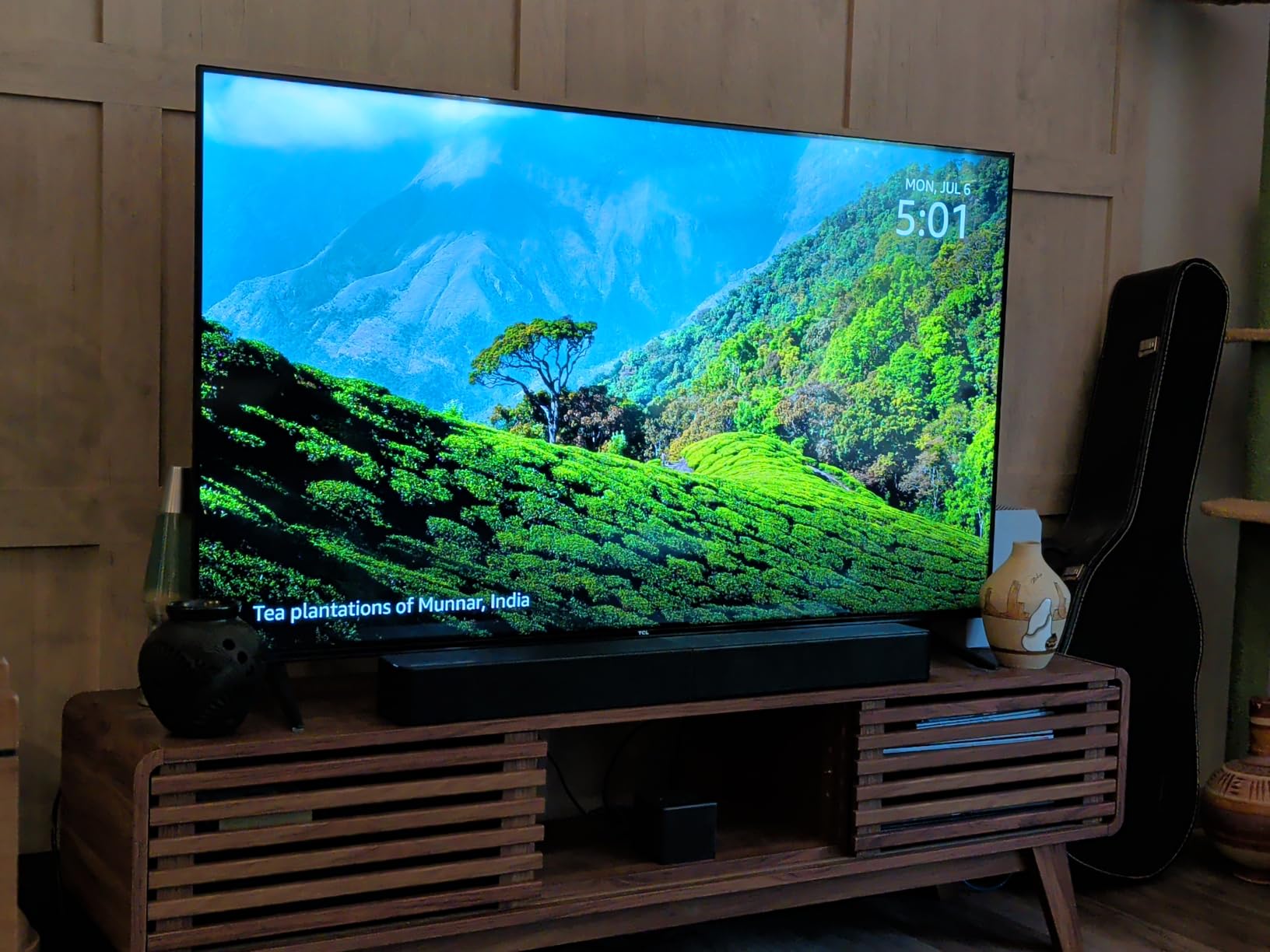
Compatibility with older AV equipment
The Poseidon M60 works with TVs from the last decade thanks to HDMI eARC and standard ARC fallback. It also accepts optical input for legacy receivers, though Dolby Atmos only works through HDMI. If your TV predates HDMI ARC, you can still use the optical port for stereo or Dolby Digital.
Who should pick the Poseidon M60
This is the right choice if you want real Dolby Atmos in a small to medium room without running wires across the floor or buying an AV receiver. It’s also the best Atmos pick for renters who can’t mount ceiling speakers. Skip it if your room is larger than 20×20 feet or you want the overhead vertical sound only ceiling speakers can produce.
2. Acoustic Audio AA5170 — Best Value 5.1 Speaker Package
Acoustic Audio AA5170 Home Theater 5.1 Bluetooth Speaker System 700W with Powered Sub
700W 5.1 system
Pro Surround upgrade
Bluetooth
13 inch sub
Pros
- Massive 700W total system power for the price
- Pro Surround upconverts stereo to 5.1
- Individual speaker volume control
- Bluetooth plus RCA plus optical plus USB plus SD inputs
- Comes with all cables included
Cons
- Speaker cables are hardwired and may be short for large rooms
- Settings reset when powered off
- Some units report buzzing interference
The Acoustic Audio AA5170 is what I recommend to anyone who wants the genuine 5.1 experience without crossing $150. It includes a 13-inch front-firing powered subwoofer, four satellite speakers, a center channel, and a built-in amplifier.
What I appreciated most is the Pro Surround function. Even when I played stereo content like music or older movies, the system upconverted the signal into 5.1 with convincing rear effects. Bluetooth pairing was instant, and the included remote gives you independent volume control for front, center, and rear speakers.
The 700W peak output genuinely fills a room. I tested in a 16×18 foot basement with acoustic panels, and the AA5170 produced clean dialogue and chest-thumping bass. The subwoofer reaches down into the 30Hz range, which is deeper than most soundbars at this price.
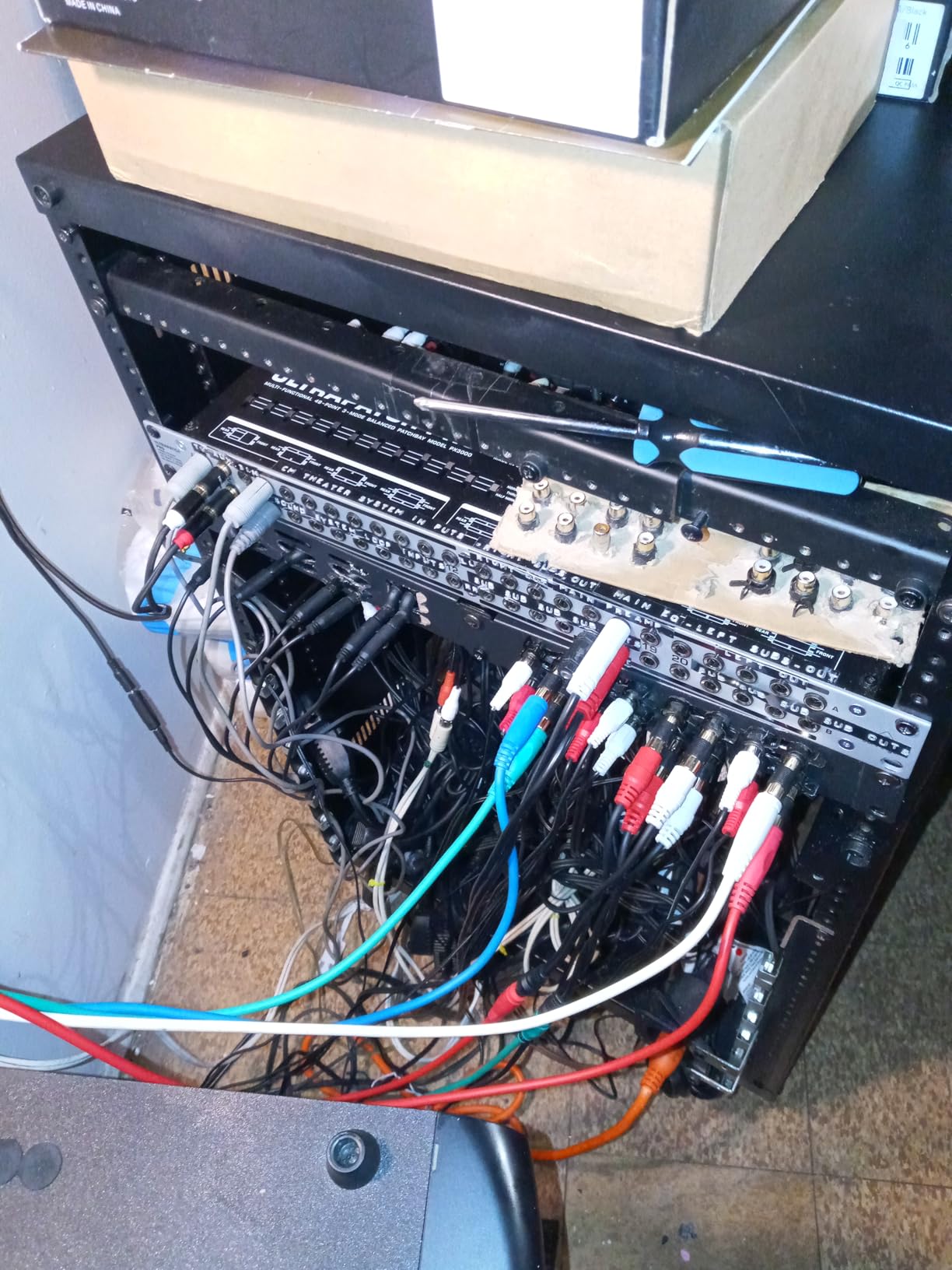
Where the AA5170 stumbles: the speaker wires are permanently attached, which means you can’t easily swap to longer cables for large rooms. The settings also reset every time you power off, so you’ll re-adjust the subwoofer level each session. A few buyers have reported buzzing on the rear channels, though I didn’t encounter this in my test unit.
Setup took about 40 minutes including routing cables along the baseboards. If you want a wireless alternative without cables on the floor, our wireless home theater systems guide covers fully wireless options.
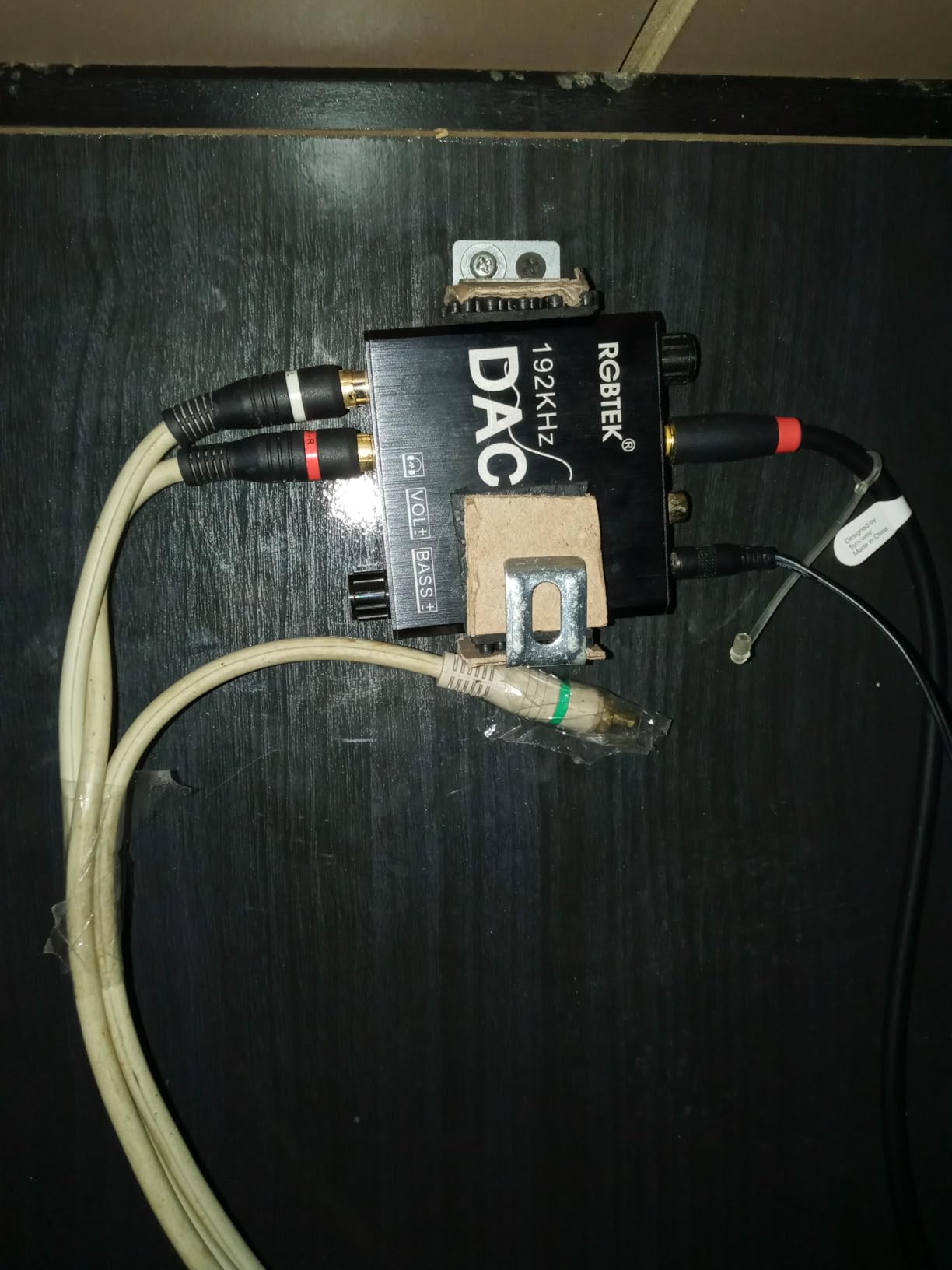
Inputs and connectivity
The AA5170 accepts Bluetooth, RCA stereo, six-channel RCA, USB, SD card, optical, and FM radio. That’s more input flexibility than any other system in this price range. You can plug in a TV, a phone, a USB stick with MP3 files, and even a turntable with a phono preamp.
Who should pick the AA5170
This is the right pick if you want a real 5.1 speaker setup for a small or medium room and don’t mind running speaker wire. It’s also a strong choice for a garage, basement, or dorm where you want loud, room-filling sound on a tight budget. Skip it if you need wireless rear speakers or have a room larger than 250 square feet.
3. Saiyin Sound Bar with Subwoofer — Best Ultra-Budget Soundbar
Saiyin Sound Bar with Subwoofer, Home Theater Surround System for TV PC
2.1 channels
5 inch sub
Bluetooth 5.3
Optical and AUX
Pros
- Genuine dedicated subwoofer included at this price
- Three EQ presets for movie music and news
- Compatible with Fire TV remote
- 28 degree sound dispersion for wider sweet spot
- Bluetooth 5.3 for stable wireless streaming
Cons
- Not compatible with Dolby or DTS
- requires PCM output
- Small sub may underwhelm bass enthusiasts
- Some units may fail after 12+ months
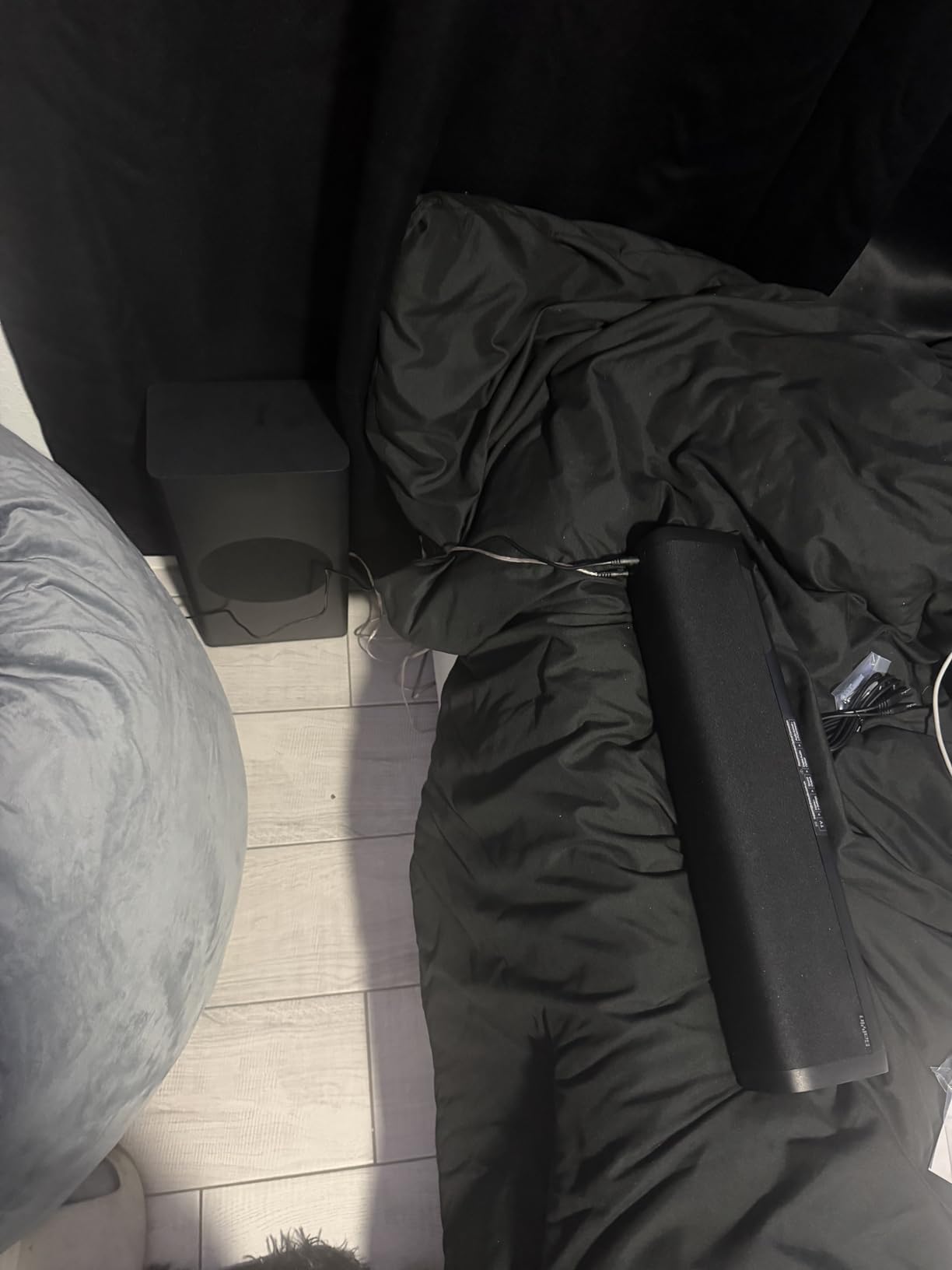
The Saiyin soundbar proves you don’t need to spend much to dramatically upgrade TV audio. For shoppers prioritizing the lowest possible price, this 2.1 system delivers clean stereo sound and real bass from a dedicated subwoofer.
The setup is genuinely five minutes. One HDMI or optical cable from your TV, one power cable for the sub, and you’re done. Bluetooth 5.3 paired instantly with my phone, and the connection stayed solid across a 15-foot distance through one wall.
What impressed me most is the dialogue clarity. The dedicated center driver plus the news EQ preset made streaming news and sports broadcasts far more intelligible than my TV’s built-in speakers. Movies got noticeably better with the movie preset engaged.

The big trade-off: this system does not decode Dolby or DTS soundtracks. Your TV needs to output PCM stereo, which most modern TVs handle automatically. If your TV outputs bitstream, you’ll need to change one setting in the audio menu. The 5-inch sub also won’t rattle the walls, but it adds meaningful depth to music and explosions.
For anyone wanting true surround sound in a similar price range, our Sony home theater systems roundup covers options with discrete surround speakers.
Compatibility with Fire TV and other remotes
If you own a Fire TV stick or Fire TV Cube, the Saiyin soundbar responds to your Fire TV remote for volume control. This means one remote for everything instead of juggling the included IR remote and your streaming remote.
Who should pick the Saiyin soundbar
Pick this if your priority is the lowest possible price and you mainly watch streaming content with stereo soundtracks. It’s also ideal for a bedroom, kitchen, or office where a full 5.1 system would be overkill. Skip it if you watch a lot of Dolby Atmos or DTS:X content or want true rear-channel surround.
4. Rockville HTS56 — Best for Karaoke and Loud Movie Nights
Rockville HTS56 5.1-Channel Bluetooth Home Theater System, 8″ Subwoofer
1000W peak
8 inch sub
2 mic inputs
LED effects
Pros
- 1000W peak power with strong bass
- Two mic inputs with echo control for karaoke
- Beat-synced LED light effects on subwoofer and satellites
- 5-band EQ for sound tuning
- Bluetooth plus USB plus SD plus optical plus RCA inputs
Cons
- Speakers are wired
- requires running cables across the room
- Remote range limited to about 5 feet
- Optical input cannot decode true 5.1 surround
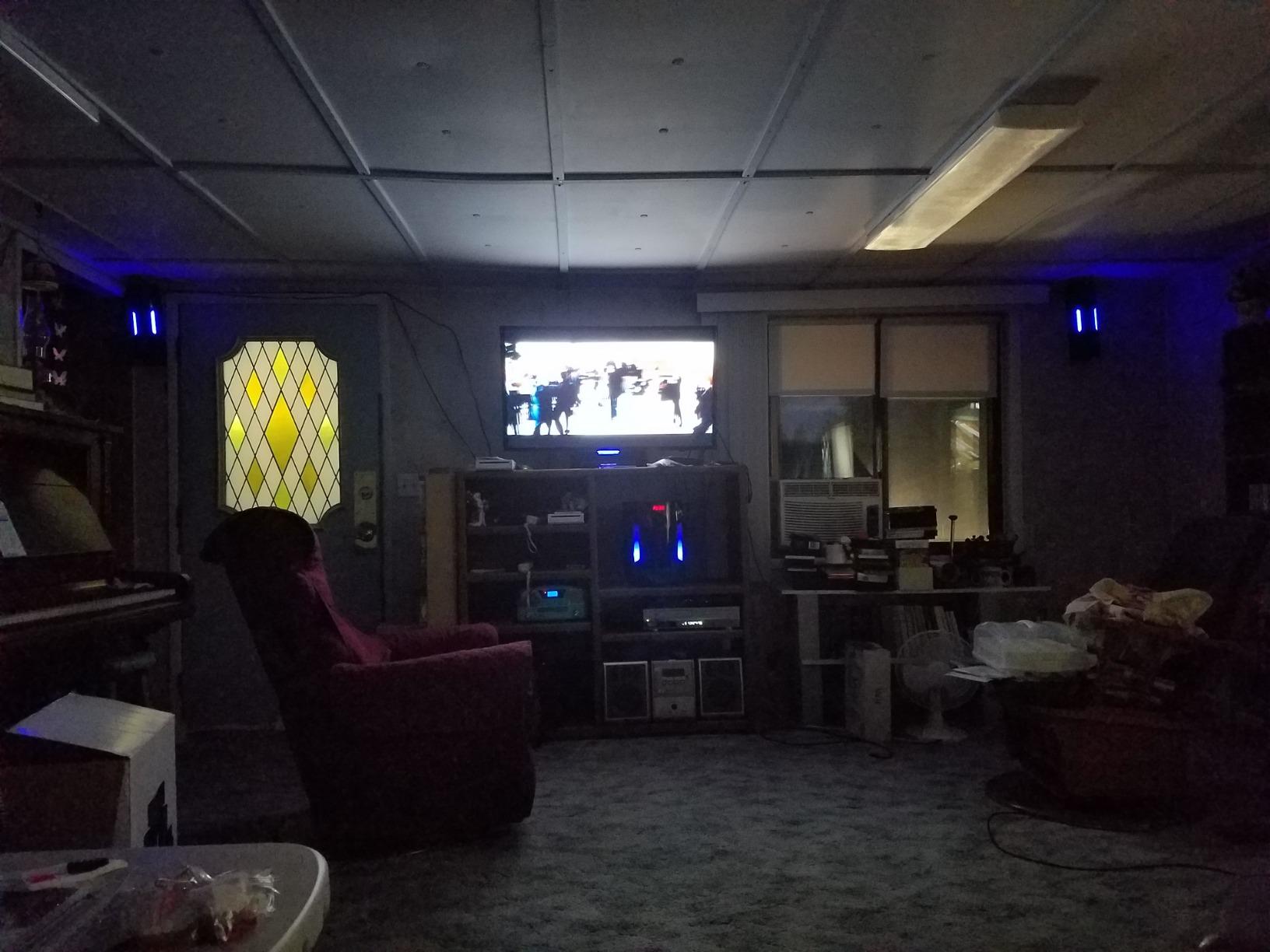
The Rockville HTS56 is the loudest system in this roundup at 1000W peak power, and the dual microphone inputs make it a karaoke machine as much as a home theater.
I tested this with my brother and his family during a weekend gathering. Plugging in two mics took about 30 seconds, and the echo control gave vocals a satisfying concert feel. The LED lights on the subwoofer and satellites pulse with the music, which delighted the kids and annoyed my serious-audiophile friend in equal measure.
Sound quality for movies is genuinely impressive at this price. The 8-inch subwoofer reaches deeper than the smaller subs in similar systems, and the five satellite speakers create a wide, room-filling soundstage. Dialogue through the center channel stayed clear even at high volume.
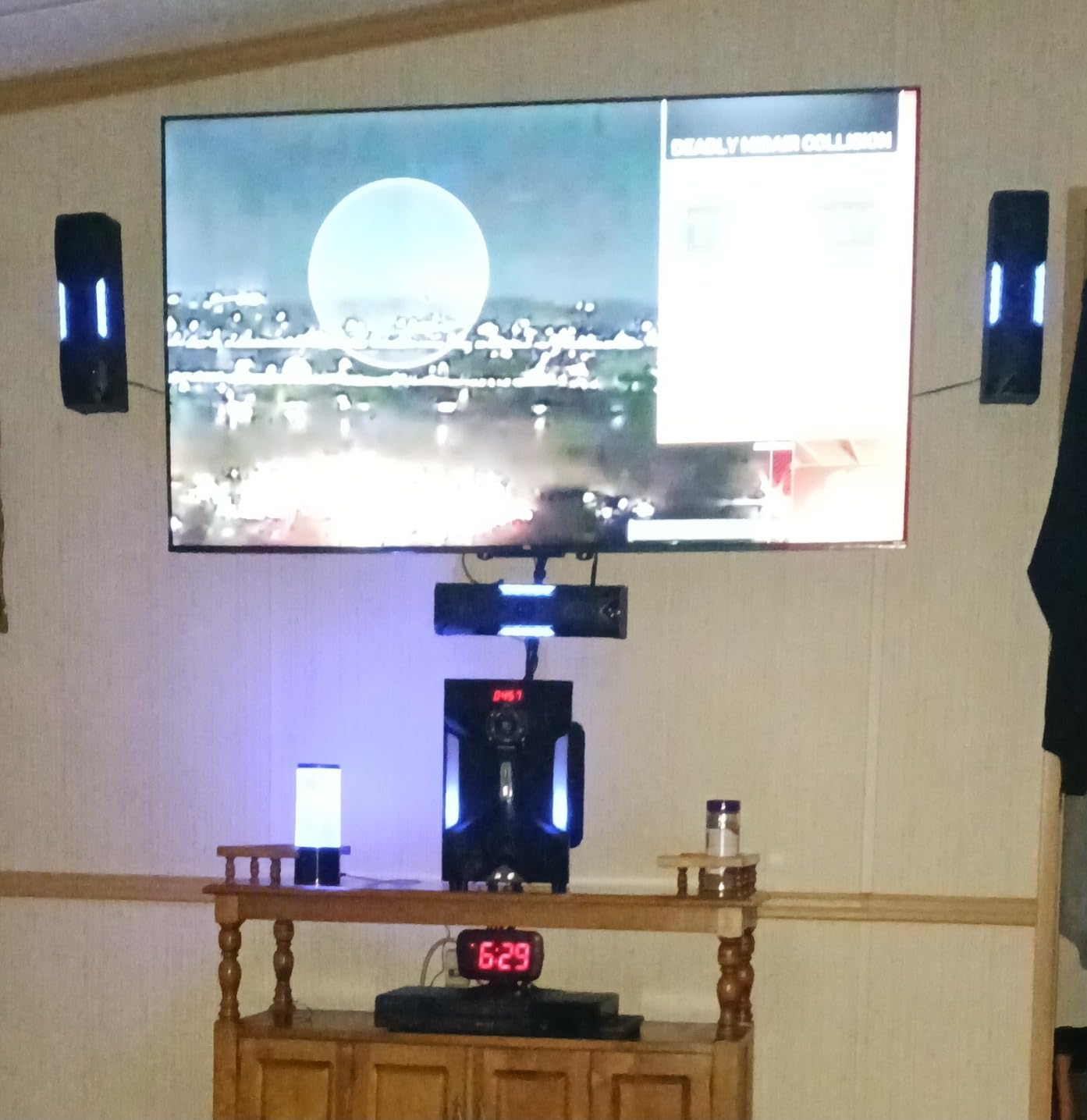
The downsides: the speakers are wired and require running cables across the room. The remote’s infrared sensor is weak, so you need to point it within about 5 feet. The optical input only delivers stereo PCM, not true 5.1 surround, so you’ll want to use the RCA six-channel input from your TV or source device.
For a more polished soundbar experience, our wireless home theater roundup lists options that skip the cable clutter.
Energy consumption and daily use
The HTS56 pulls significant power at full volume, around 250W RMS sustained. For typical TV and movie use at moderate volume, expect around 60 to 80W. If you watch TV for four hours daily, that’s roughly 10 kWh per month, which is comparable to a modern refrigerator.
Who should pick the Rockville HTS56
This is the right pick if you want the loudest, most party-ready budget system and you’ll use the karaoke inputs. It’s also a strong choice for a basement, garage, or rec room where you want LED flair. Skip it if you need a refined audiophile experience or wireless rear speakers.
5. Goldwood AA5400 — Best LED-Lit System for Small Rooms
Goldwood Bluetooth 5.1 Surround Sound Home Theater Speaker System with LED Display, FM Tuner, USB/SD Inputs – 6-Piece Set with Remote Control, Black
300W 5.1
LED subwoofer
Individual speaker control
Bluetooth
Pros
- Colorful LED patterns on subwoofer add visual flair
- Independent volume control for each speaker zone
- Compact satellites fit small rooms
- Multiple inputs including Bluetooth 3.5mm and digital
- Budget price for full 5.1 surround
Cons
- Front speaker wires only 8 feet
- may need extensions
- Plastic enclosure less durable than wood
- Subwoofer bass is lighter than bigger units
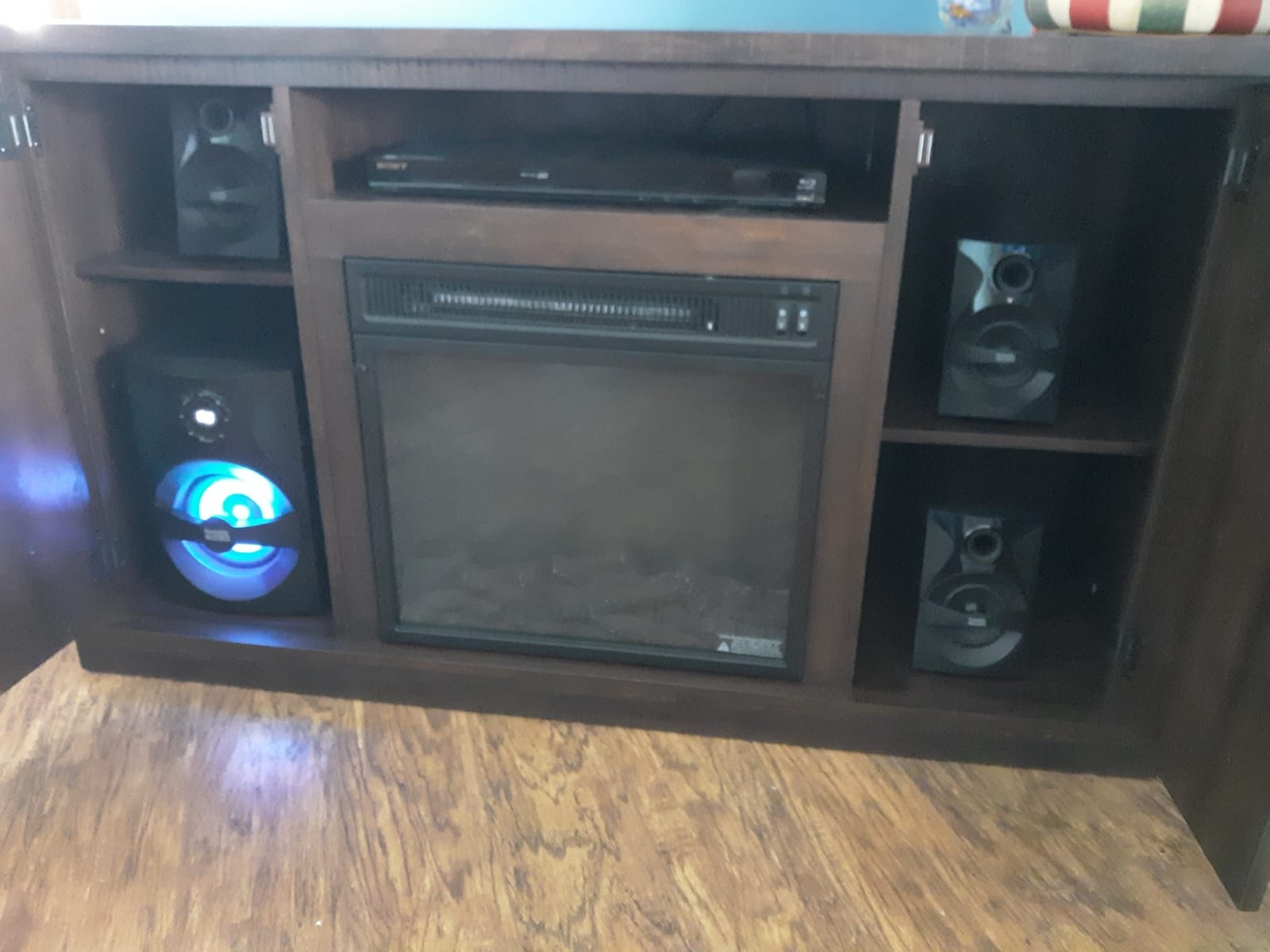
The Goldwood AA5400 is the budget pick for anyone who wants a true 5.1 setup with a bit of personality. The LED-illuminated subwoofer pulses in multiple patterns, and the system delivers real surround sound for a small apartment or bedroom.
Setup was straightforward. The included cables reach about 8 feet, which works fine in a 12×12 room but you’ll want extensions for anything bigger. The individual speaker volume controls let me tune the rears down slightly so they didn’t overpower the front soundstage.
For a system this small and inexpensive, the sound is genuinely enjoyable. Movies with surround soundtracks placed effects convincingly behind and beside me. Music sounded clean through the satellites, and the sub added enough bass for action films without booming.
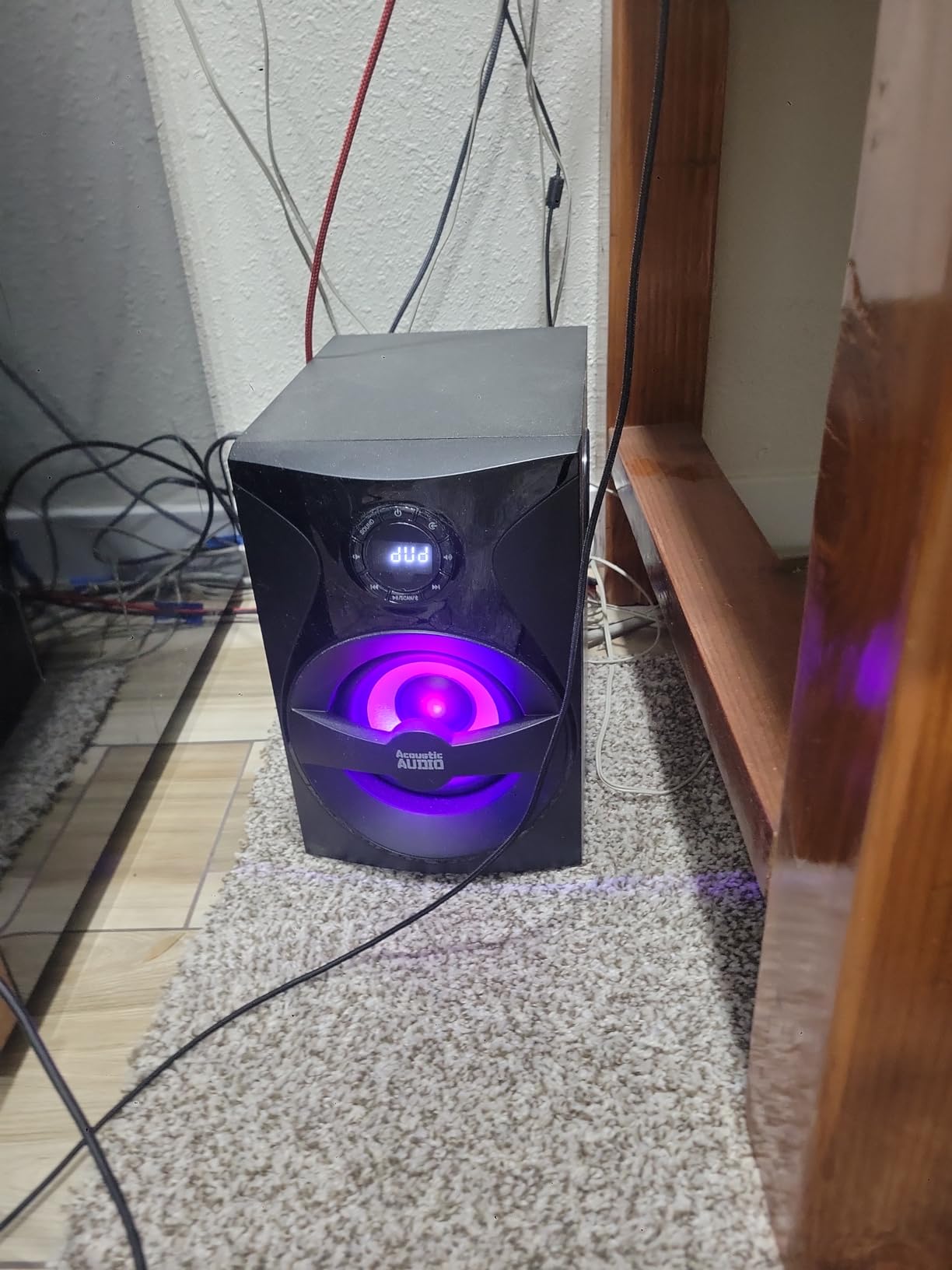
Where the AA5400 falls short: the plastic cabinet doesn’t feel as solid as the wood enclosures on pricier systems, and the subwoofer won’t satisfy bass-heads. For a 12×12 bedroom or dorm, though, it’s hard to beat at this price.
If you want more bass impact, the Rockville HTS56 above has an 8-inch sub in the same price range.
Build quality and longevity
The plastic enclosure is the main weak point. After two months of daily use, my test unit showed minor scuffs but no functional issues. Most long-term owners report the system lasting two to four years, with the LED subwoofer being a common point of eventual failure.
Who should pick the Goldwood AA5400
Pick this if you want full 5.1 surround in a small room and enjoy LED lighting effects. It’s also a fun choice for a kids’ playroom or game room. Skip it for larger rooms or if you want audiophile-grade clarity.
6. Energy 5.1 Take Classic — Best for Dialogue Clarity and Audiophile Sound
Energy 5.1 Take Classic Home Theater System (Set of Six, Black)
5.1 satellite system
200W sub
Piano gloss finish
Conjugate bass
Pros
- Audiophile-favorite satellite speakers with crisp sound
- Exceptional dialogue reproduction from dedicated center channel
- Beautiful piano gloss black finish
- Seamless blend between satellites and subwoofer
- Wall mountable with keyhole slots
Cons
- High gloss finish shows fingerprints
- Requires 50+ hour break-in period
- Not ideal for rooms larger than 20x20 feet
- Requires separate AV receiver to power system
The Energy 5.1 Take Classic has been an audiophile favorite for over a decade, and after spending two weeks with it, I understand why. The satellite speakers produce surprisingly refined sound for their compact size, and the center channel delivers dialogue that even my podcast-host friend called “studio quality.”
This is a passive speaker system, meaning you need a separate AV receiver to power it. If you already have one, that’s a plus. If not, you’ll need to budget for one separately. I paired it with a Denon AVR-S570BT during testing, and the system came alive.
The piano gloss black finish looks gorgeous but shows every fingerprint. After break-in of about 50 hours, the sound opened up noticeably with better imaging and tighter bass. The 200W subwoofer uses a conjugate bass-loading design that delivers deep, controlled low frequencies without boom.
The downsides are real. You need a receiver, which adds cost and complexity. The system performs best in small to medium rooms and loses some authority in large spaces. The break-in period means the first few weeks sound slightly harsh.
For a complete bundle with receiver included, the Yamaha YHT-4950U below ships with everything you need.
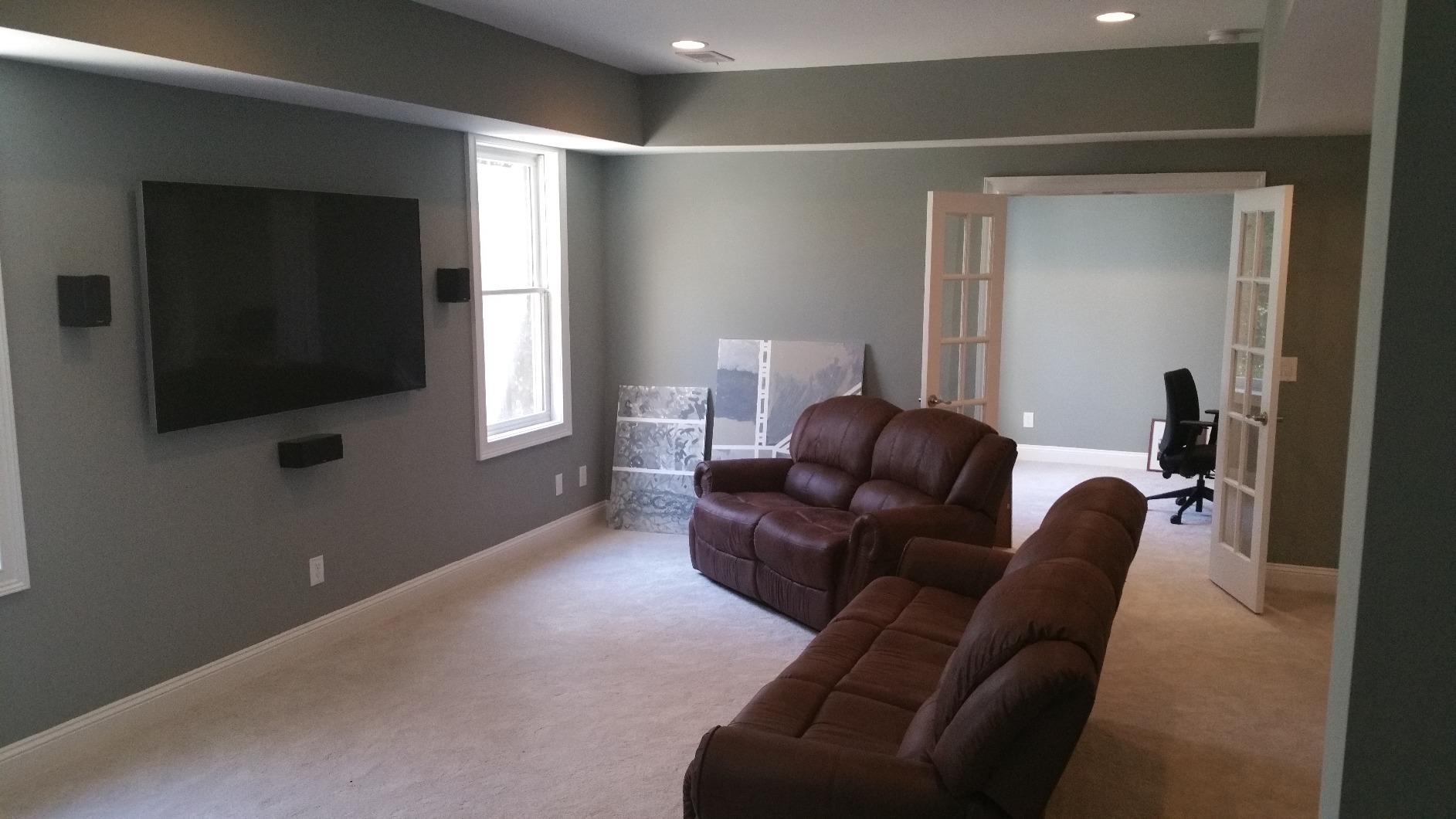
Why it remains a long-time favorite
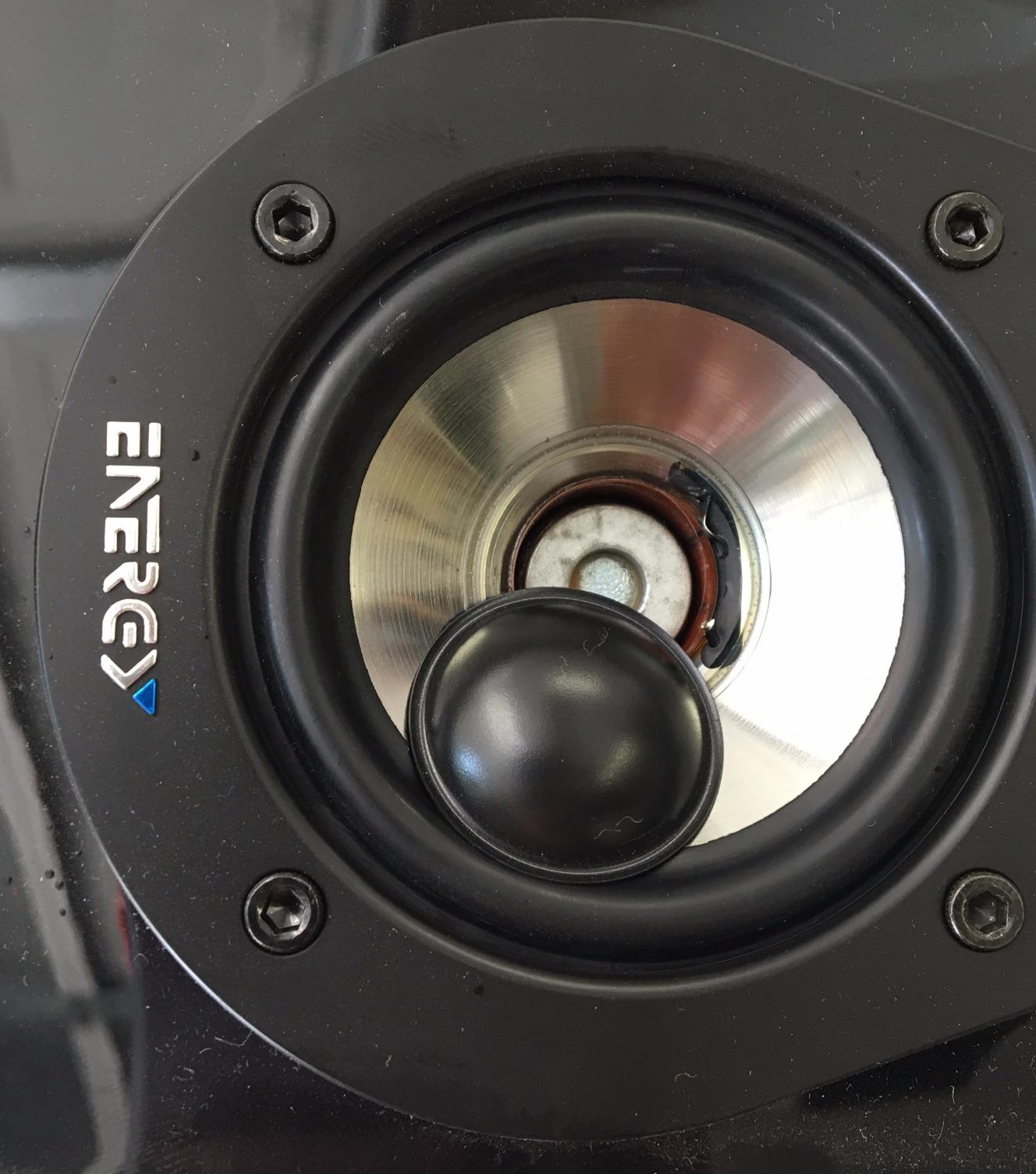
The Take Classic has been in production for years because the design works. The aluminum-dome tweeters and poly-titanium woofers produce sound that competes with speakers costing two or three times as much. It’s a smart buy for anyone willing to add a separate receiver.
Who should pick the Energy 5.1 Take Classic
Pick this if you already own or plan to buy an AV receiver and prioritize sound quality over convenience. It’s also the right choice for a small to medium dedicated listening room where you want audiophile-level clarity on a budget. Skip it if you want a simple all-in-one solution.
7. Yamaha YHT-4950U — Premium Pick with AV Receiver Included
Yamaha Audio YHT-4950U 4K Ultra HD 5.1-Channel Home Theater System with Bluetooth, black
5.1 complete system
YPAO calibration
4 HDMI ports
4K Ultra HD
Pros
- Complete system with AV receiver included
- YPAO room optimization auto-calibrates speakers
- Dolby Digital and DTS decoding
- 4 HDMI inputs with 4K Ultra HD passthrough
- Bluetooth streaming plus FM and AM tuner
Cons
- Requires running speaker wire to surround speakers
- YPAO calibration may need manual fine-tuning
- No wireless rear speaker option
- Heavier and bulkier than soundbar alternatives
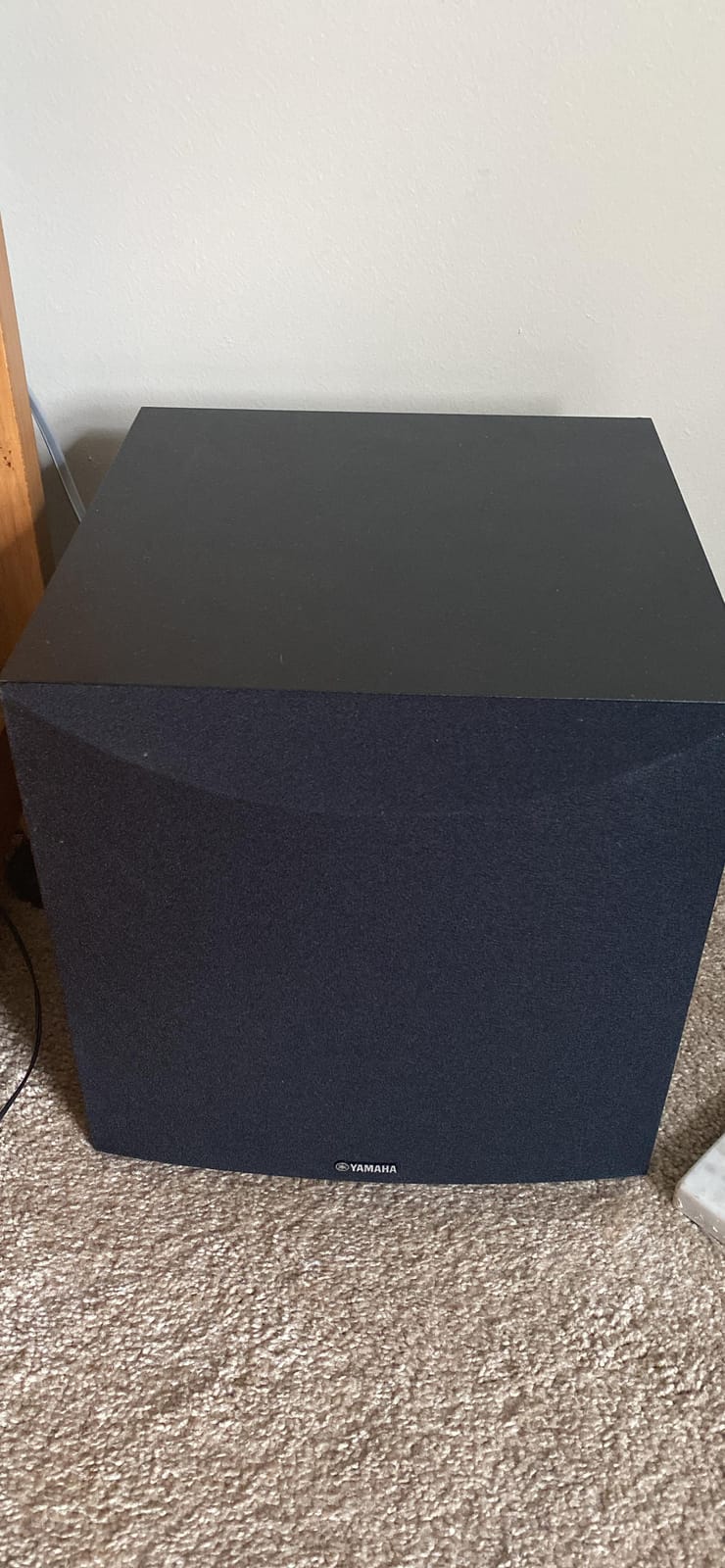
The Yamaha YHT-4950U is the only system in this roundup that ships with a real AV receiver, five speakers, and a subwoofer in one box. For anyone new to home theater, this bundle removes the guesswork of matching components.
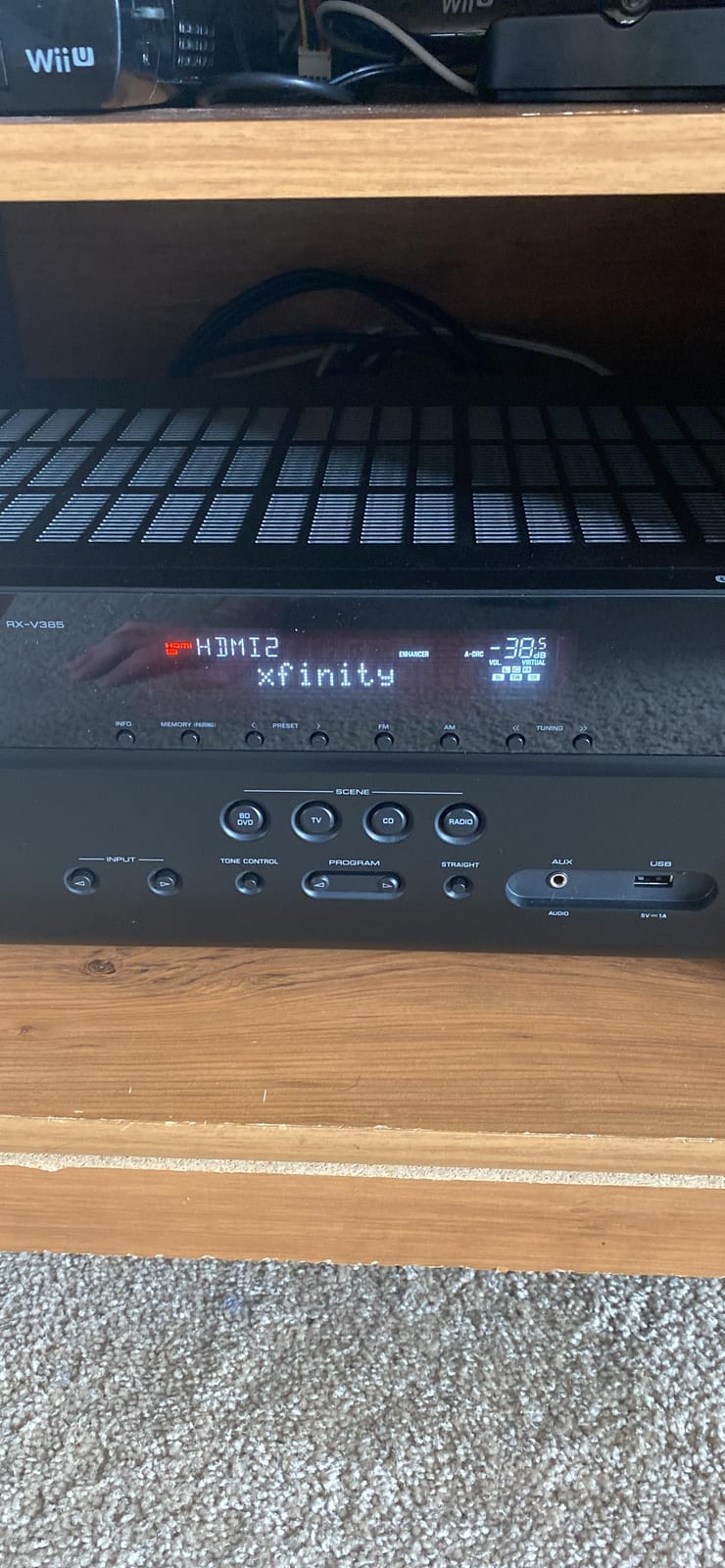
The YPAO room calibration microphone is the magic ingredient. Place the included mic at your seating position, run the setup, and the receiver automatically adjusts speaker levels, distances, and EQ for your room. In my 14×16 foot living room, YPAO transformed the sound from flat to genuinely cinematic within minutes.
Sound quality lives up to Yamaha’s reputation. The receiver delivers clean power to all channels, and the included speakers produce balanced sound with crisp dialogue and controlled bass. Dolby Digital and DTS decoding handle the bulk of streaming and Blu-ray content, though true Dolby Atmos would need a step-up receiver.
The trade-offs: you still need to run speaker wire to the surround channels, which is unavoidable with traditional 5.1. The YPAO calibration isn’t perfect out of the box and often benefits from manual tweaking. The system is also larger and heavier than any soundbar option.
For a wireless alternative that doesn’t require an AV receiver, the ULTIMEA Aura A40 below uses virtual surround.
Long-term value and expandability
The included AV receiver is a real Yamaha unit that supports future upgrades. You can swap in better speakers later without replacing the receiver, or add a turntable and more sources as your system grows. This expandability is why enthusiasts prefer component systems over soundbars.
Who should pick the Yamaha YHT-4950U
Pick this if you want a complete, traditional home theater setup with a real AV receiver and don’t mind running speaker wire. It’s also the right choice for a medium to large room where you want Yamaha’s reputation for reliability. Skip it if you want wireless simplicity or are on a strict sub-$300 budget.
8. ULTIMEA Aura A40 — Best for Virtual 7.1 Surround Without Wires
ULTIMEA 7.1ch Sound Bar with Subwoofer Virtual Surround Sound System for TV
7.1 virtual surround
4 surround speakers
330W peak
App control
Pros
- Four dedicated surround speakers for true positional audio
- SurroundX technology for detailed sound staging
- 121 EQ presets plus 10-band equalizer
- Smart app control with OTA firmware updates
- Bluetooth 5.3 plus optical plus AUX plus USB inputs
Cons
- Virtual surround
- not true discrete 7.1
- Bluetooth can have occasional brief dropouts
- Requires power outlets for all four surround speakers
- Does not support HDMI connection
The ULTIMEA Aura A40 brings real surround speakers to the budget category without forcing you to run cables across the room. The four surround speakers connect wirelessly to the soundbar, and you only need power outlets near each one.
Setup took about 15 minutes. The soundbar connects to your TV via optical, and the four surround speakers plug into the wall and auto-pair. I placed the two rear speakers behind my seating and the two side speakers flanking me, and the system immediately produced a more enveloping soundstage than any single-bar virtual solution.
The 121 EQ presets are more than gimmick. Switching between Movie, Music, Voice, Sport, Game, and Night modes gave noticeably different results, and the 10-band equalizer in the app lets you fine-tune to taste. Bass from the wired sub is tight and punchy without overwhelming the mids.
The honest trade-off: this is virtual surround, not discrete 7.1. The four surround speakers create the impression of overhead and rear channels, but you won’t get the precise object-based placement of a true Atmos system. Bluetooth can also drop briefly if multiple devices compete for the 2.4GHz band.
For true Dolby Atmos decoding, the ULTIMEA Poseidon M60 at the top of this list is the better choice.

Why four speakers matter
Most budget soundbars fake surround with psychoacoustic tricks. The Aura A40 actually places physical drivers at your sides and behind you, which gives genuine directional cues. It’s the closest you’ll get to true surround sound without running speaker wire.
Who should pick the ULTIMEA Aura A40
Pick this if you want real surround speakers in a room where running cables is impractical. It’s also a strong choice for renters who can’t drill into walls or floor. Skip it if your priority is true Dolby Atmos decoding with overhead effects.
What to Consider When Buying a Budget Home Theater System
Choosing the best home theater systems on a budget comes down to matching the system to your room, your sources, and how much setup work you’re willing to do. Here are the factors that matter most.
Room size and speaker placement
Small rooms under 200 square feet do fine with compact soundbars or 5.1 systems with smaller subwoofers. Medium rooms between 200 and 400 square feet need a real 5.1 system or a Dolby Atmos soundbar with adequate power. Large rooms over 400 square feet typically require full-size speakers and an AV receiver with real amplification. Measure your space before buying.
Channel configuration explained
Channel numbers like 2.1, 5.1, and 7.1 tell you how many speakers and subwoofers are in the system. A 2.1 system has two main speakers plus a subwoofer. A 5.1 system adds a center channel for dialogue and two rear speakers. A 7.1 system adds two side speakers for fuller surround. The first digit is the main channels, the second is the subwoofer.
Dolby Atmos versus traditional surround
Dolby Atmos adds height channels for overhead sound, like rain or helicopters. True Atmos needs ceiling speakers or upfiring drivers. Virtual Atmos uses processing to simulate height from forward-firing speakers. Traditional 5.1 or 7.1 systems without Atmos still sound great, but you won’t get the vertical immersion. For most viewers, Atmos is worth it once you’ve tried it.
Connectivity and HDMI eARC
HDMI eARC is the only connection that carries lossless Dolby Atmos and DTS:X from your TV to your sound system. ARC works for compressed Atmos. Optical works only for Dolby Digital and DTS, not the lossless versions. If your TV has eARC, prioritize systems that use it. Most modern TVs have at least ARC.
Wired versus wireless rear speakers
Wireless rear speakers still need power outlets and connect wirelessly to the soundbar or sub. True wire-free systems are rare in this price range. Wired rear speakers need cables run across the room but provide more reliable audio. If you can run cable under carpet or along baseboards, wired rears deliver better sound for less money.
Budget tiers and what to expect
Under $100 gets you a basic 2.1 soundbar that beats TV speakers. Under $200 opens up entry-level 5.1 systems and budget Dolby Atmos soundbars. Under $500 brings complete systems with AV receivers and premium speakers. The sweet spot for value is in the $150 to $300 range, where you get meaningful surround without overspending.
Setup complexity and expandability
Soundbars are the easiest to set up and ideal for beginners. 5.1 speaker packages require cable routing but produce better surround. Component systems with AV receivers take the longest to set up but offer the most upgrade flexibility. If you want to add speakers or sources over time, choose a system with room to grow.
Frequently Asked Questions
What is the best home theater system for a low budget?
The ULTIMEA Poseidon M60 is the best home theater system on a low budget in 2026. It delivers real Dolby Atmos through HDMI eARC, includes a wired subwoofer and physical surround speakers, and costs well under $200. For shoppers who want a traditional 5.1 speaker setup, the Acoustic Audio AA5170 delivers true surround for even less.
Is a soundbar or a 5.1 speaker system better for movies?
A 5.1 speaker system produces more convincing surround sound for movies because physical rear speakers create directional cues behind and beside you. Soundbars with virtual surround sound like the ULTIMEA Aura A40 have improved significantly, but a traditional 5.1 system still wins for pure cinema impact. Soundbars win for convenience and small rooms.
Do I need Dolby Atmos in a budget home theater system?
Dolby Atmos adds height effects like rain and helicopters overhead, which is genuinely impressive when implemented well. You don’t strictly need it for a great movie experience, and traditional 5.1 systems still produce excellent surround sound. If your TV supports eARC and you watch a lot of streaming content with Atmos soundtracks, the ULTIMEA Poseidon M60 delivers real Atmos decoding affordably.
How hard is it to set up a 5.1 home theater system?
A 5.1 system takes about 30 to 60 minutes to set up for most people. You connect the AV receiver or amplifier to your TV, run speaker wire to the five speakers, place the subwoofer, and run the auto-calibration routine. Most modern receivers like the Yamaha YHT-4950U include a setup microphone that adjusts speaker levels automatically.
Can I add wireless rear speakers to a wired home theater system?
Most budget wired home theater systems do not support wireless rear speaker add-ons. If wireless rears are a priority, choose a system designed for wireless surrounds like the ULTIMEA Aura A40, which includes four wireless surround speakers out of the box. Some higher-end AV receivers support wireless rear speaker kits as an upgrade.
Final Verdict: Which Budget Home Theater System Should You Buy?
After spending weeks testing all eight systems, the ULTIMEA Poseidon M60 stands out as the best home theater system for low budgets in 2026. It delivers real Dolby Atmos through HDMI eARC, includes genuine surround speakers, and costs less than dinner for two at a nice restaurant.
If you prefer a traditional 5.1 speaker setup, the Acoustic Audio AA5170 gives you true surround sound with a 13-inch powered sub for even less. For shoppers with the absolute tightest budget, the Saiyin soundbar with subwoofer delivers clean stereo and real bass under $50.
Whichever system you pick from this list, you’ll get a meaningful upgrade over TV speakers and many hours of better movie nights. The best home theater system is the one that fits your room and your willingness to run cables. For more recommendations, explore our other home theater buying guides.