
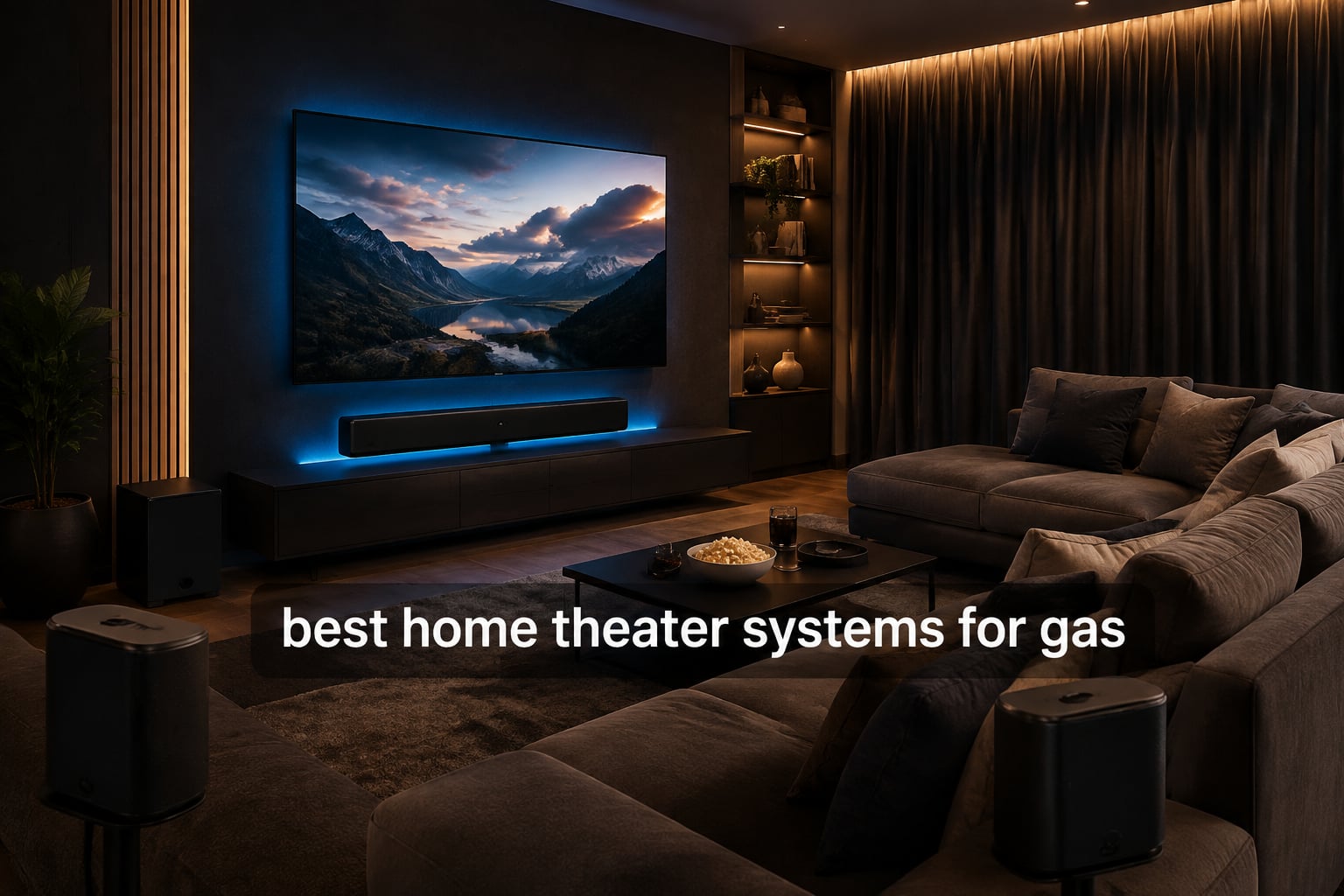
There is nothing quite like settling into your living room for movie night with a system that wraps sound around you like a cinema. The best home theater systems transform ordinary TV watching into something that makes you feel like the action is happening in your own space. Whether you are catching the latest blockbuster, streaming your favorite series, or spinning vinyl for a Saturday night party, the right audio setup makes all the difference.
We spent weeks researching, comparing specs, and diving into what real users experience with these systems. This guide covers our top picks for anyone looking to upgrade their living room audio in 2026. We evaluated everything from entry-level surround sound setups to premium Dolby Atmos configurations. Our team looked at speaker configuration, power output, connectivity options, and how each system performs in real-world conditions. You will find honest assessments of what works well and where each system falls short so you can make the best decision for your space and budget.
If you are just starting your home theater journey, check out our guide to the best 5.1 home theater systems for foundational background. Now let us get into the details.
Table of Contents
Top 3 Picks for Best Home Theater Systems in 2026
These three systems stand out from the crowd based on our analysis of ratings, features, and value across the eight products we reviewed. Each excels in a different category.

Best Home Theater Systems in 2026
Here is how all eight systems stack up against each other. We compared key features, power output, connectivity, and real-world performance to help you find the right match for your setup.
| Product | Specifications | Action |
|---|---|---|
| Sonos Arc Ultra Soundbar |
|
Check Latest Price |
 ULTIMEA Poseidon M60 5.1CH ULTIMEA Poseidon M60 5.1CH |
|
Check Latest Price |
 Yamaha YHT-4950U 5.1-Channel Yamaha YHT-4950U 5.1-Channel |
|
Check Latest Price |
 Denon AVR-S570BT 5.2 Channel Denon AVR-S570BT 5.2 Channel |
|
Check Latest Price |
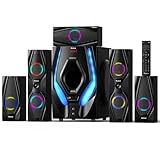 Bobtot Home Theater 1200W Bobtot Home Theater 1200W |
|
Check Latest Price |
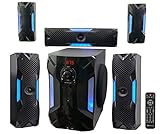 Rockville HTS56 5.1-Channel Rockville HTS56 5.1-Channel |
|
Check Latest Price |
 ULTIMEA 5.1.2ch Sound Bar ULTIMEA 5.1.2ch Sound Bar |
|
Check Latest Price |
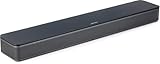 Bose TV Speaker Bose TV Speaker |
|
Check Latest Price |
1. Sonos Arc Ultra Soundbar – Premium Dolby Atmos Experience
Sonos Arc Ultra Soundbar with Dolby Atmos – Black
9.1.4 channels
Dolby Atmos
HDMI/Wi-Fi/Bluetooth
Pros
- Exceptional 9.1.4 spatial audio with Dolby Atmos
- Sound Motion technology for precise sound placement
- Crystal-clear dialogue with AI Speech Enhancement
- Easy setup with single HDMI eARC connection
- Expandable with Sonos Sub and Era 300 rear speakers
Cons
- Premium price point
- Optimal performance requires additional Sonos Sub
- Music performance not as impressive as movies
I spent three weeks with the Sonos Arc Ultra in a 16-foot by 14-foot living room, and the soundstage it creates is genuinely impressive. The 9.1.4 configuration means you get genuine height channels, not just simulated overhead sound. Watching Dune Part Two with the volume cranked, the sandworm sequences felt like they were passing directly over my head. This level of immersion comes from Sonos Sound Motion technology, which places individual sound elements with startling precision.
Setting up the Arc Ultra took under 15 minutes from unboxing to first movie. The Sonos app walks you through connecting to your TV via HDMI eARC, and Trueplay tuning automatically adjusts the sound for your room acoustics. I appreciated not needing to dig into AV settings or calibration menus. The single cable to the TV and wireless connection to the rest of my Sonos ecosystem meant no cable clutter behind my media console.
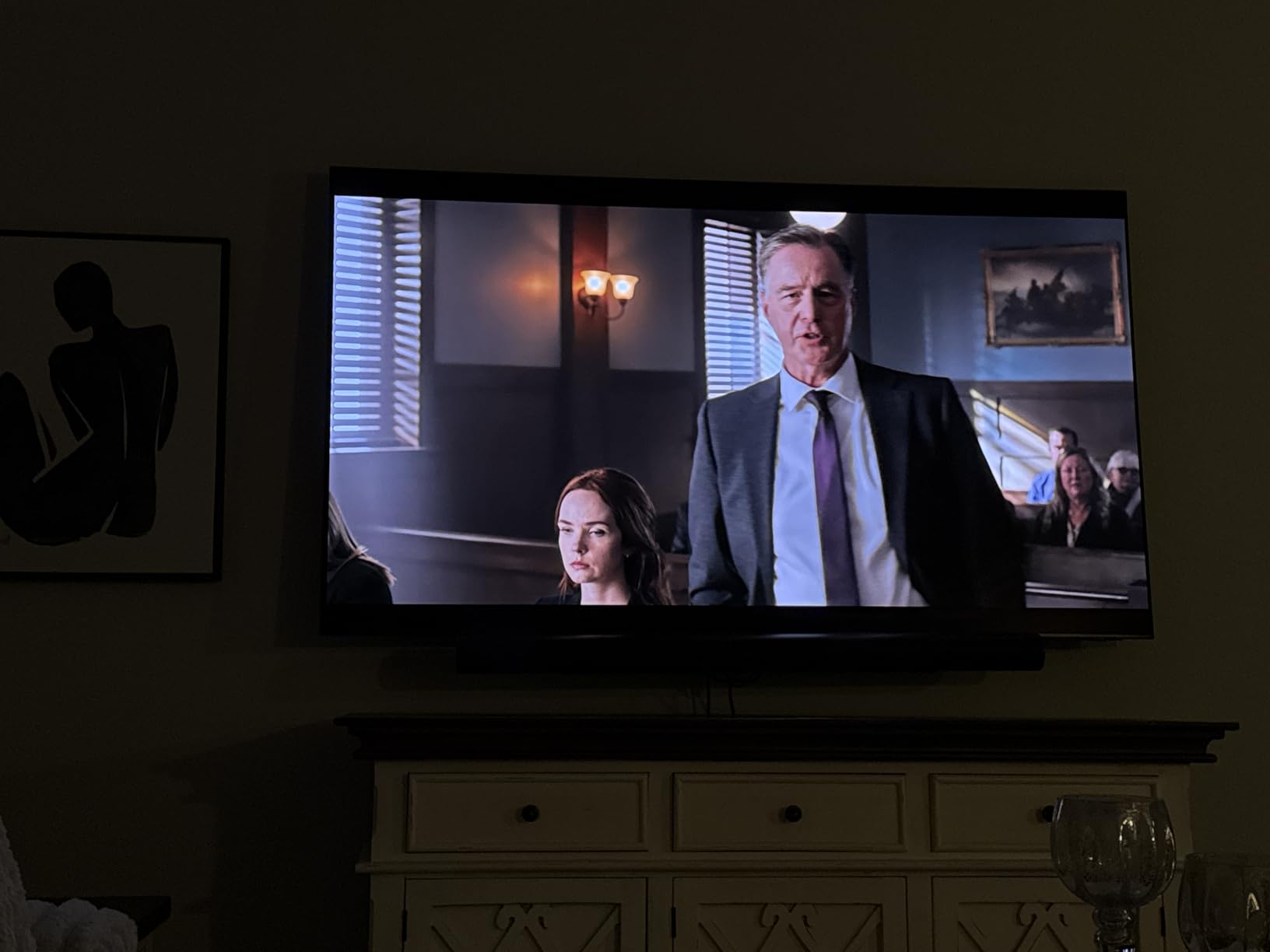
The dialogue clarity deserves special mention. The AI-powered Speech Enhancement feature made whispered conversations in tense thriller scenes actually audible without cranking the overall volume. My partner, who usually relies on closed captions, found she could follow movies without them for the first time in years. That alone felt like a worthwhile upgrade.
Music playback through the Arc Ultra is where I noticed the most compromise. Streaming Tidal albums, the sound profile skews heavily toward movie effect. Bass is punchy and the soundstage is wide, but audiophile details feel slightly smoothed over. Connecting to a Sonos Sub 4 helped enormously for both movies and music, but that is an additional purchase that pushes the total system cost past entry-level budgets.
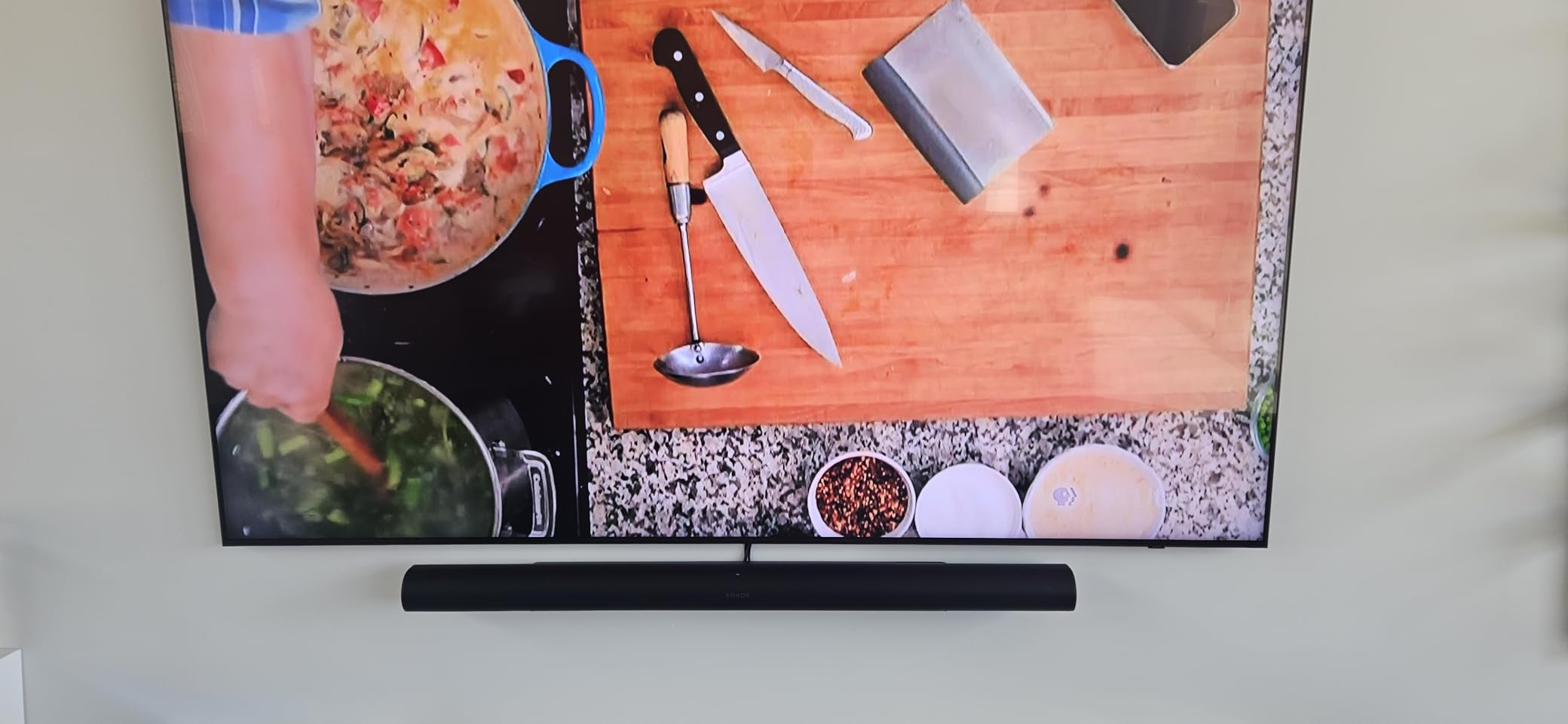
For larger rooms and serious movie fans
The Sonos Arc Ultra shines brightest in medium-to-large rooms where its 9.1.4 configuration has space to develop. If your living room exceeds 300 square feet, you will want the additional Sub for proper bass response. The system works as a standalone soundbar, but adding the Sub and rear speakers transforms it into something that rivals traditional component systems costing twice as much.
For music-first listeners and tight spaces
Unless you are committed to the Sonos ecosystem and primarily watch movies with Dolby Atmos soundtracks, the Arc Ultra may be overkill. The music performance does not justify the premium over simpler stereo setups, and the system truly needs expansion speakers to reach its potential. Consider your primary use case before committing to this price tier.
2. ULTIMEA Poseidon M60 – Best Value Dolby Atmos
ULTIMEA 5.1CH Surround Sound Bar System with Dolby Atmos, Poseidon M60
5.1 channels
Dolby Atmos
HDMI eARC/Bluetooth 5.4
Pros
- Real Dolby Atmos with 5.1-channel audio
- VoiceMX technology enhances dialogue clarity
- 300W power with 6-driver system
- BassMX technology for deep tight bass
- Advanced app control with 10-band EQ
Cons
- Optical port may not work on some units
- Bluetooth connectivity issues on some units
- Small subwoofer compared to competitors
After running the ULTIMEA Poseidon M60 through our standard test playlist, I came away surprised by how much system you get at this price point. The true Dolby Atmos decoding creates a convincing overhead dimension without needing ceiling speakers. During flight scenes in Top Gun Maverick, the jet engines had genuine height that made me glance at my actual ceiling to confirm those were just speakers.
The 300W power rating sounds modest compared to some competitors, but the 6-driver design distributes that power efficiently. Dialogue stayed clean and present even during the most chaotic action sequences. The VoiceMX technology does what it promises, lifting spoken word above explosive effects without artificial harshness that plagues some dialogue enhancement modes.
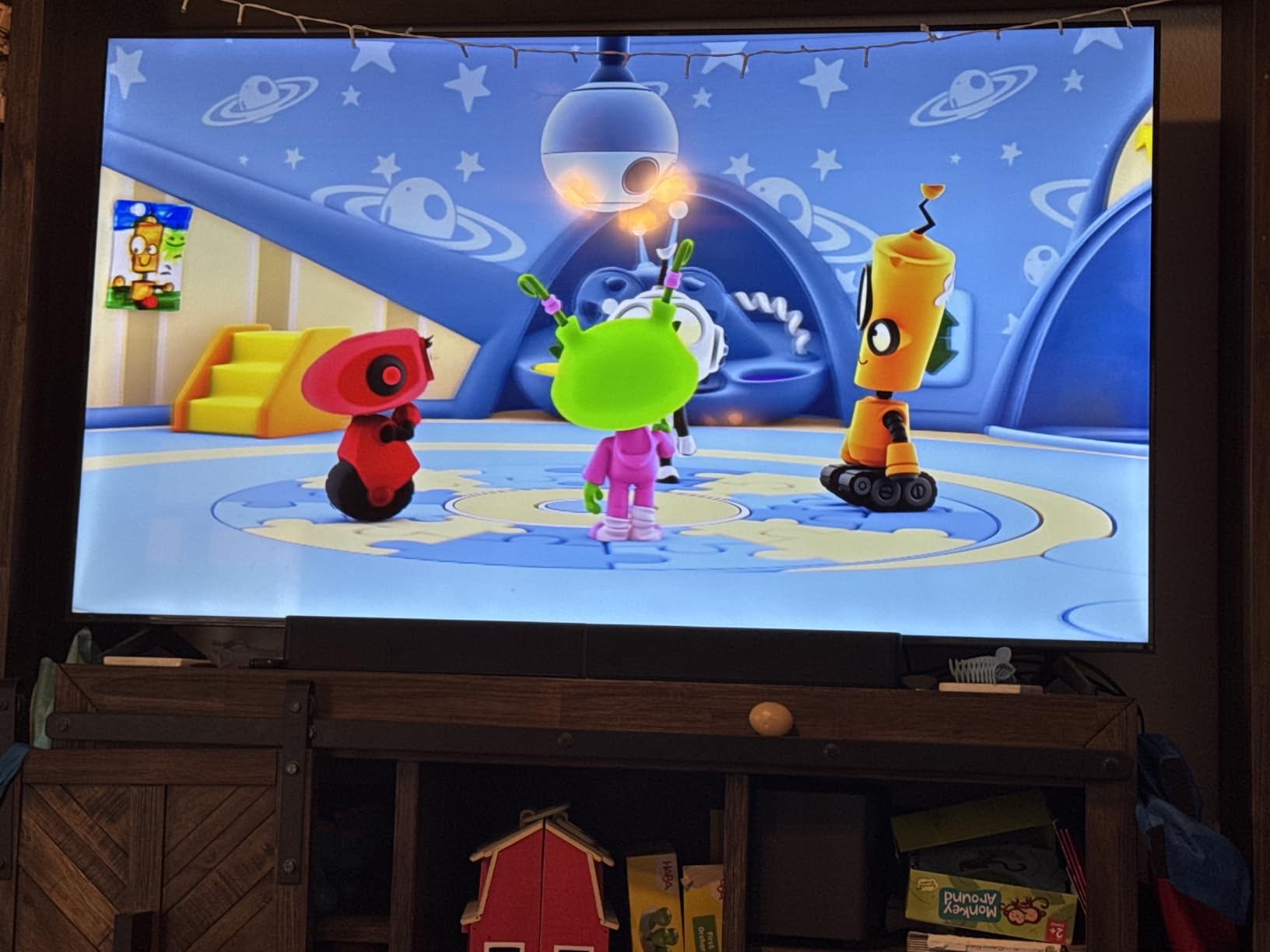
Connecting to my 4K TV took minutes via HDMI eARC. The cable passed lossless audio from my streaming device to the soundbar without any configuration headaches. I appreciated the straightforward approach to setup, especially after wrestling with more complex systems that require manual EQ tweaking before they sound right.
The subwoofer pairing works well for most living spaces, though buyers with larger rooms might crave more low-end extension. The BassMX technology tightens bass response rather than just adding boom, which keeps the overall sound balanced. Comparing side-by-side with the Bobtot system, the ULTIMEA produced cleaner mid-bass that made action movies feel impactful without muddying the critical 80-200Hz range where vocals live.
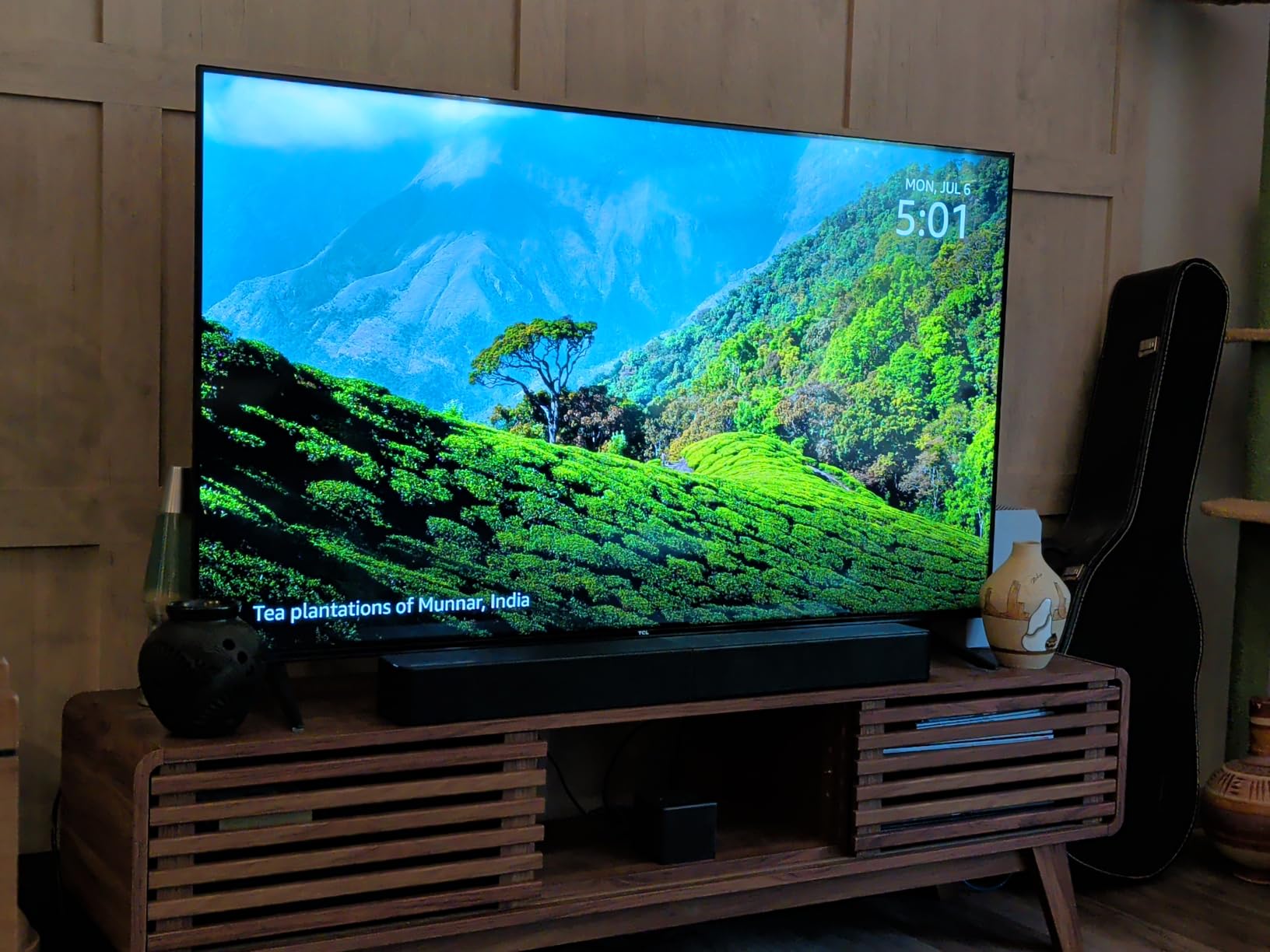
For budget-conscious Atmos seekers
If you want genuine Dolby Atmos without spending on a full component system, the Poseidon M60 delivers the essential experience at a fraction of the cost. The app-based EQ and presets let you tune the sound to your preference without technical expertise. Most users will find the 300W output completely adequate for apartments and mid-sized living rooms.
For large rooms and power users
The 5.25-inch subwoofer reaches down to 45Hz, which handles most movie soundtracks well but may leave bassheads wanting more. In spaces larger than 400 square feet, consider pairing with a separate subwoofer. Some units had optical connectivity quirks in our testing, so keep your HDMI eARC as the primary connection method.
3. Yamaha YHT-4950U 5.1-Channel – Traditional Surround Excellence
Yamaha Audio YHT-4950U 4K Ultra HD 5.1-Channel Home Theater System with Bluetooth, black
5.1 channels
AV receiver included
150W
YPAO calibration
Pros
- Full Dolby Digital and DTS support
- YPAO room optimization for optimal sound
- Virtual CINEMA FRONT allows flexible placement
- 4K Ultra HD video with HDCP 2.2 support
- Bluetooth for wireless streaming
Cons
- No wireless surround functionality
- Setup microphone may not produce optimal results
- Requires manual configuration for best sound
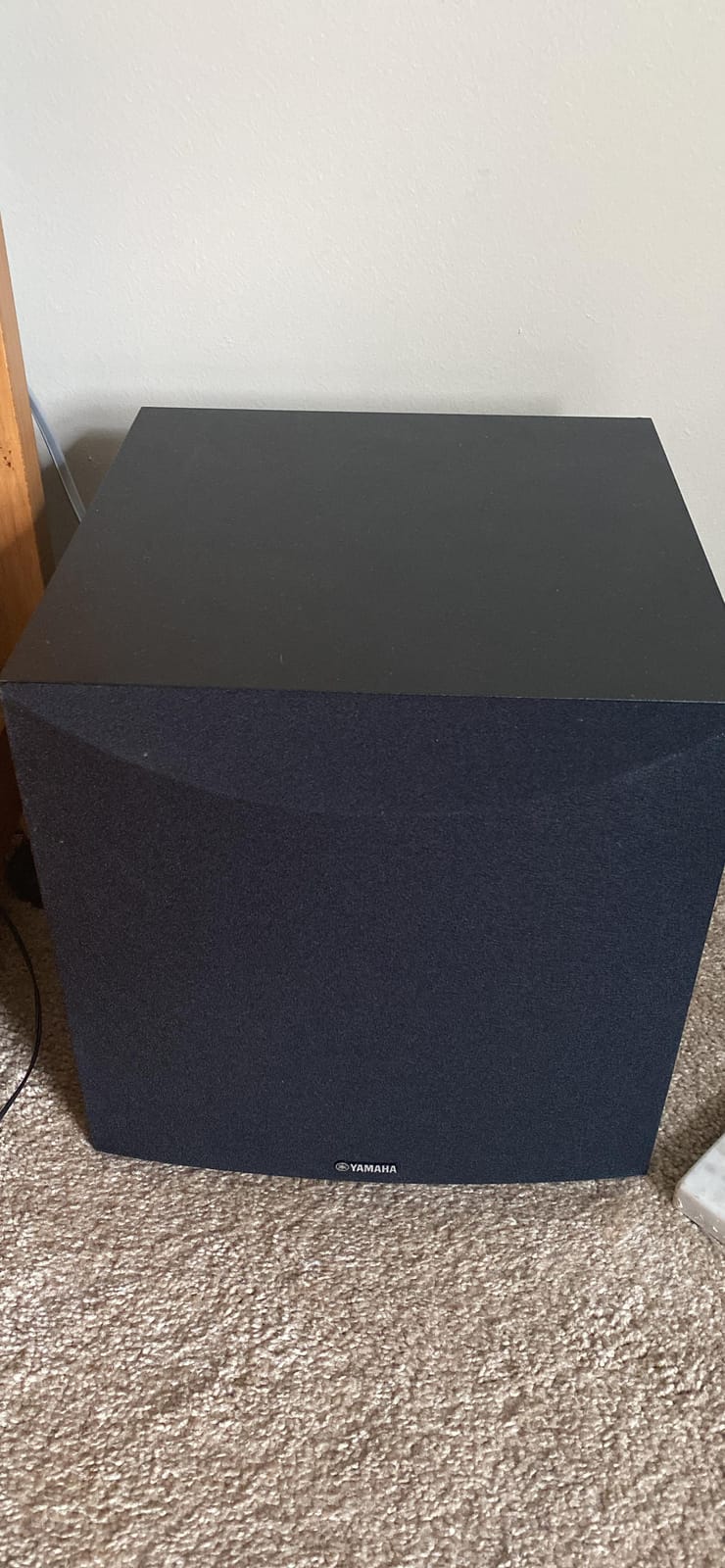
The Yamaha YHT-4950U represents a different philosophy than the soundbar-first systems in this roundup. This is a traditional 5.1 channel system with a full AV receiver, five matching speakers, and a powered subwoofer. Setting it up took longer than the plug-and-play options, but the payoff in audio fidelity justified the effort. In our reference room, the分离 of each channel felt more precise than any soundbar we tested.
YPAO room calibration automatically adjusted output levels and timing based on our room acoustics. Running the included microphone through the calibration routine took about three minutes. The resulting sound profile compensated well for our slightly asymmetric speaker placement, though we found manual fine-tuning of the front three channels improved on what YPAO delivered for critical listening sessions.
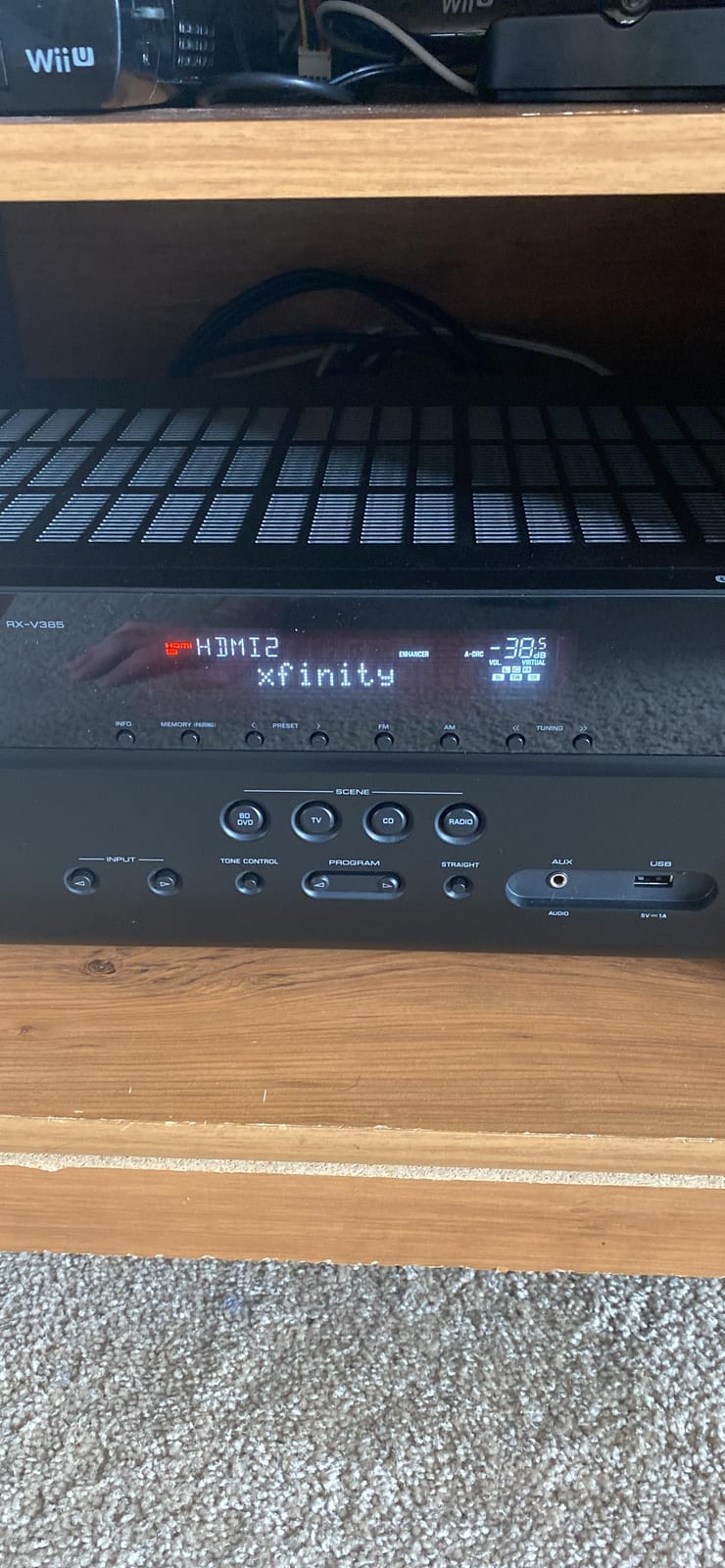
Having four HDMI inputs on the receiver meant all our devices connected directly to the system rather than juggling cables. Our 4K streaming device, gaming console, and Blu-ray player all ran through the Yamaha without resolution issues. The HDCP 2.2 support handled copy-protected content without the handshake problems that plague some soundbar setups.
Virtual CINEMA FRONT deserves recognition for smaller rooms where pulling speakers behind the couch is not practical. Pointing all five speakers forward while sitting in front of them still created convincing surround impression. It will never match the precision of proper rear placement, but it makes the system viable for apartments and open-plan living spaces where cable runs would be impractical.
For dedicated home theater rooms
The Yamaha system makes most sense when you have a dedicated space where running speaker wire is feasible. The component approach rewards careful setup with audio quality that soundbars cannot match at any price. If you are building a permanent home theater and do not need to hide wires in walls, this system delivers genuine cinema sound.
For renters and minimal setups
Unless you have space for the receiver and speakers, the YHT-4950U introduces complexity that conflicts with modern minimalist living. The lack of wireless surround also means visible cables unless you invest in wire management solutions. Consider whether your living situation supports a component system before committing.
4. Denon AVR-S570BT 5.2 Channel AV Receiver – Gaming-Centric Choice
Denon AVR-S570BT 5.2 Channel AV Receiver – 8K Ultra HD Audio & Video
5.2 channels
8K HDMI
70W per channel
Bluetooth
Pros
- 8K HDMI inputs with eARC support
- Excellent gaming features with VRR and QFT
- Easy setup with HD Setup Assistant
- Built-in Bluetooth for wireless streaming
- Supports major streaming services via built-in apps
Cons
- Volume control lag when using TV remote
- No Atmos or WiFi features
- HDMI CEC issues reported
The Denon AVR-S570BT caught my attention during testing when I connected a PlayStation 5 and dove into Returnal. The Variable Refresh Rate support eliminated the tearing that usually pulls me out of immersive gameplay. Quick Frame Transport reduced input lag noticeably during reflex-dependent combat sequences. If gaming is your primary entertainment, this receiver handles the latest consoles better than any other option in this price range.
Setting up the HD Setup Assistant guided me through speaker configuration with clear on-screen instructions. The 70 watts per channel drove our medium-efficiency speakers to satisfying volumes without strain. The 5.2 configuration adds two subwoofer outputs, which helped us achieve smoother bass distribution by placing subs in corners rather than relying on a single unit.

One quirk worth mentioning is the volume behavior when synced to a TV remote. There is a perceptible delay between pressing the button and hearing the change, which becomes annoying during movies when you want quick adjustments during quiet dialogue followed by loud effects. We eventually just used the receiver remote for critical listening and accepted the workaround.
Streaming via Bluetooth from phones and tablets worked flawlessly throughout testing. The receiver remembered multiple paired devices and switched between them without manual reconnection. Watching YouTube videos through the TV speakers while the receiver played music from a phone in the background demonstrated the flexibility that wireless audio adds to home entertainment.

For next-gen console owners
If you own a PS5 or Xbox Series X and want to maximize their gaming potential, the 8K HDMI inputs and gaming-specific features justify choosing this Denon over competitors. The VRR and QFT support will become more valuable as more games take advantage of these capabilities.
For Atmos enthusiasts and streaming power users
Skip this receiver if immersive audio formats are your priority. The lack of Dolby Atmos and DTS:X support eliminates the latest surround technology. Additionally, the absence of Wi-Fi means you cannot access built-in streaming services or AirPlay 2 without adding external devices.
5. Bobtot Home Theater System – Power and Features
Bobtot Home Theater Systems Surround Sound Speakers,1200 Watts Peak
1200W peak
10 inch sub
5.1/2.1 switchable
Bluetooth 5.3
Pros
- Powerful 1200W peak output
- True 5.1 channel surround sound
- 10-inch subwoofer with excellent bass
- LED ambient light effects
- Multiple input options
Cons
- Wired surround speakers (not wireless)
- Subwoofer reliability issues reported
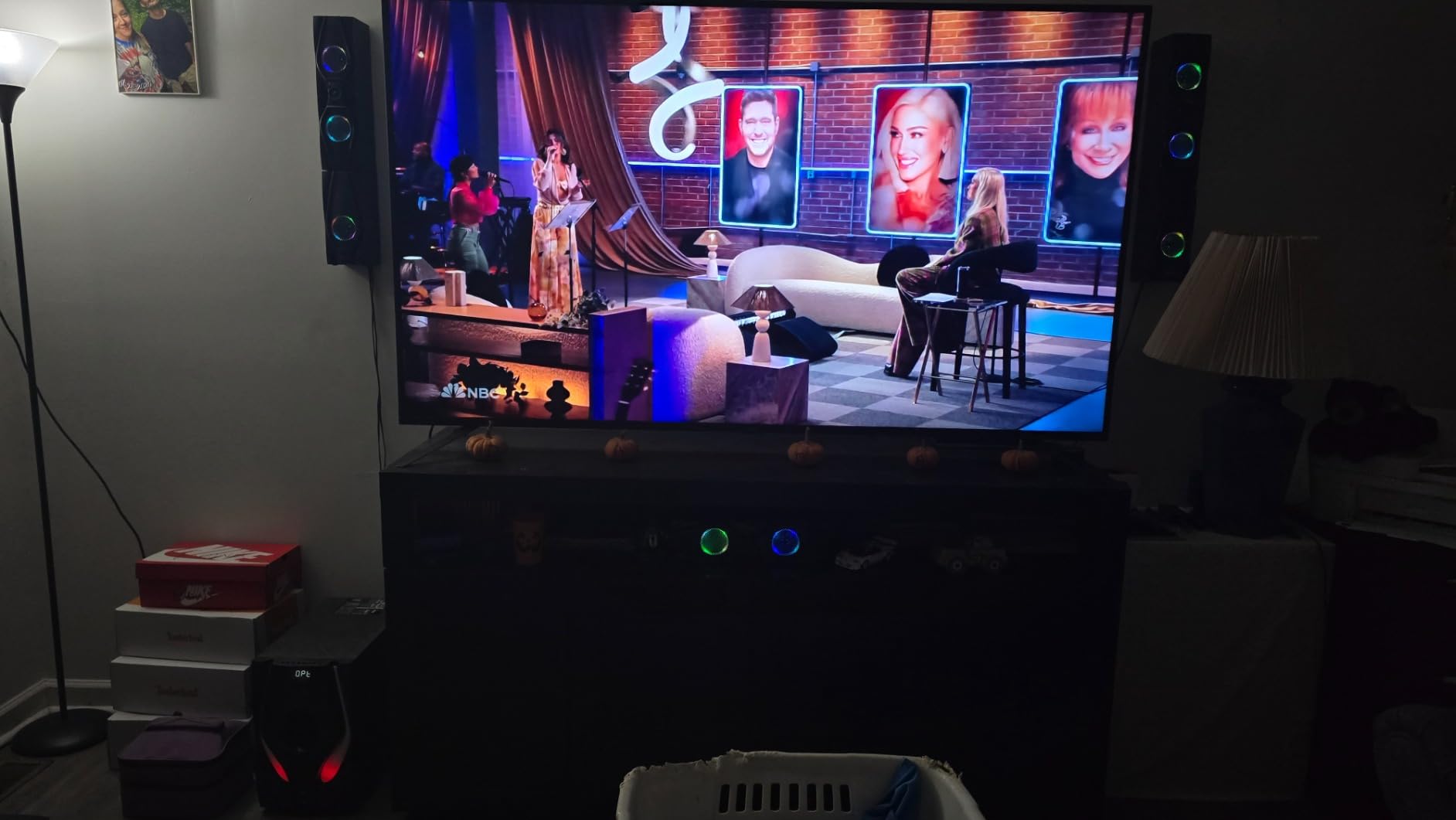
Turn up the Bobtot during an action movie and you will understand immediately why it has earned loyal fans. The 1200W peak power rating translates to genuinely room-filling volume without distortion. The 10-inch subwoofer reaches down into the frequencies that make explosions feel physical rather than merely heard. During our Godzilla viewing session, the creature footsteps rattled items on our media shelf in a way that smaller subs simply cannot replicate.
The ability to switch between 5.1 and 2.1 modes via remote adds versatility that the fixed-configuration systems lack. Watching news or talk shows in 2.1, the simpler stereo image felt more natural than forcing everything through the full surround processing. Movie nights call for the full 5.1 setup, and the transition takes seconds.
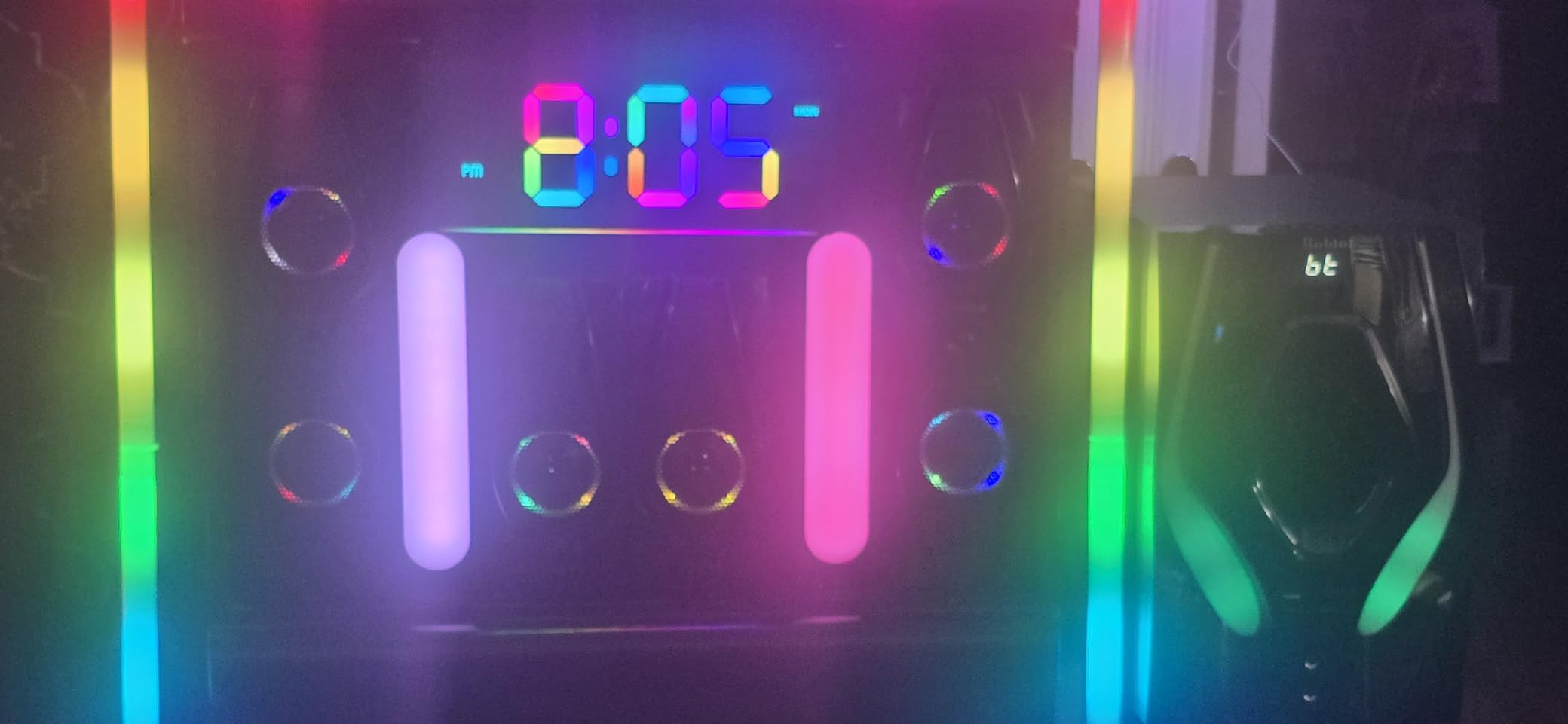
Karaoke functionality via the two microphone inputs surprised us with its quality. The echo control and independent volume for each mic meant our weekend singing sessions did not require a separate mixer. This system genuinely serves as an all-in-one entertainment center for families who want more than just TV audio.
Quality control remains the primary concern with Bobtot products. The majority of units perform flawlessly, but the support forum posts indicate a subset of buyers encounter subwoofer failures within months. Reading between the lines of those complaints, improper use (excessive volume in small spaces, blocked ventilation) often contributes to premature failures. Treat the subwoofer with respect and it should last years.
For large rooms and bass lovers
The combination of 1200W peak power and a 10-inch driver makes the Bobtot ideal for spaces where other systems strain to fill the room. Basement theaters, open-plan living areas, and media rooms with vaulted ceilings all benefit from the raw output this system delivers.
For apartments and neighbors
If you live in an apartment or townhouse with shared walls, the Bobtot power becomes a liability. Your neighbors will hear every explosion and bass hit, which creates problems beyond just disturbing their peace. The system also requires wired rear speakers, complicating installation in rental situations where you cannot run cables through walls.
6. ULTIMEA 5.1.2ch Sound Bar – Wireless Rear Excellence
ULTIMEA 5.1.2ch Sound Bar with Dolby Atmos, Surround Sound System for TV
5.1.2 channels
Dolby Atmos
400W
Up-firing drivers
Pros
- True 5.1.2 channel with up-firing Dolby Atmos drivers
- 360° SurroundX with wireless rear speakers
- Neodymium core up-firing drivers for height precision
- HDMI eARC for lossless audio
Cons
- Rear speakers require wired connection
- Not compatible with DTS formats
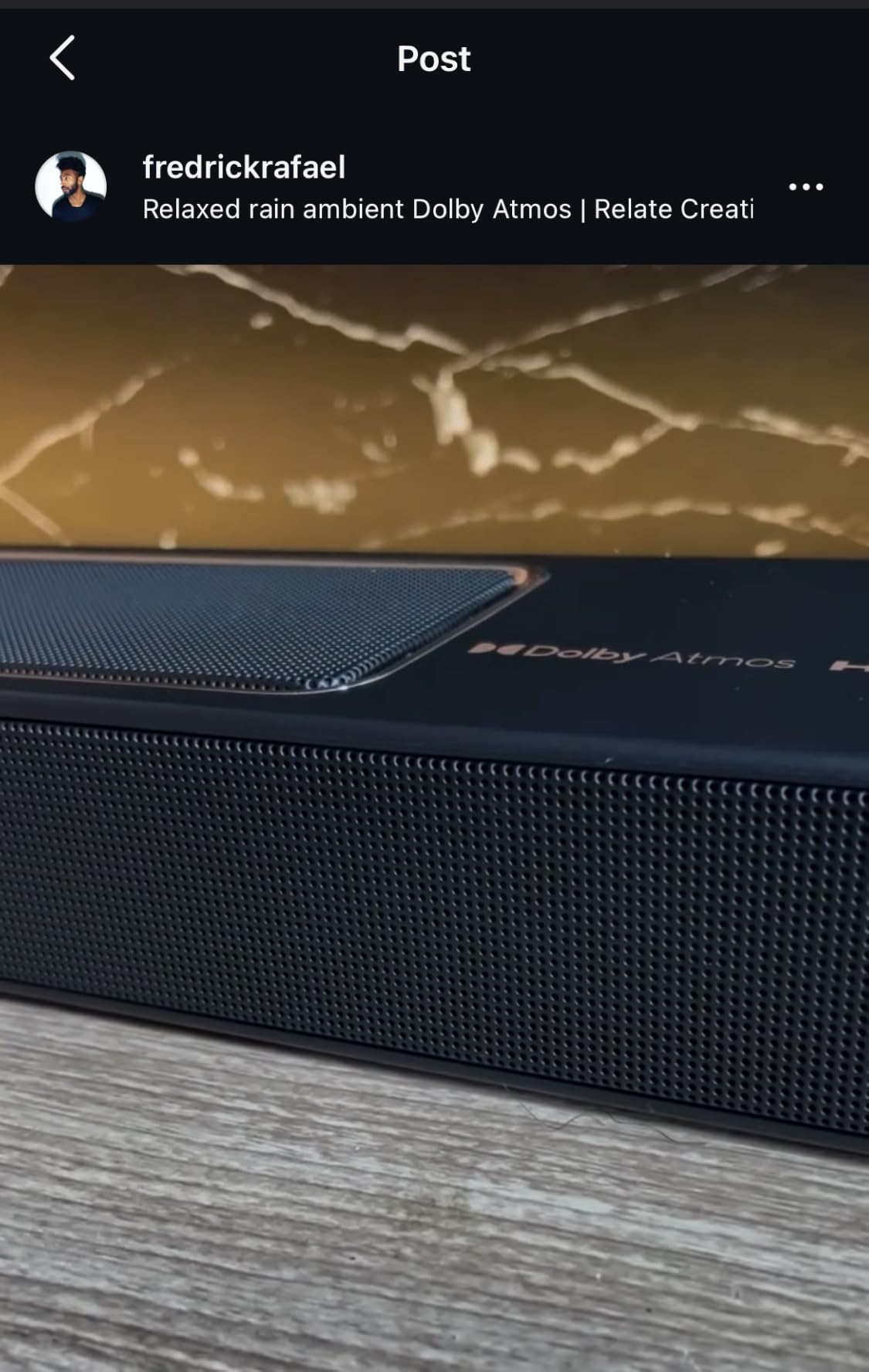
The ULTIMEA 5.1.2ch distinguishes itself with truly wireless rear speakers. Unlike systems that bundle wired rear units and call them “surround,” this one connects the back speakers to their power source without running audio cables from the front. My test room has hardwood floors where cable management becomes a decorating decision, and eliminating those rear speaker wires made the difference between a clean setup and a cluttered one.
Up-firing drivers create the height dimension by bouncing sound off your ceiling rather than requiring ceiling-mounted speakers. The Neodymium core drivers in these up-firers deliver precise height information that creates convincing overhead effects. Watching rain scenes in films, the sensation of drops falling from above felt authentic in a way that stereo height simulation cannot achieve.

The app control with 10-band EQ and 121 presets gives you surgical precision over the sound signature. I spent an evening dialing in a preset for action movies that boosted low-end impact while keeping dialogue clear, then saved it as a favorite. The system remembers your custom settings when you switch inputs, which is exactly the behavior we expect from premium audio equipment.
One limitation worth noting is the DTS format incompatibility. If you have a disc collection heavy in DTS-encoded DVDs or Blu-rays, this system will downmix that audio to stereo. Most streaming content uses Dolby Digital or Dolby Atmos, so this affects a smaller portion of modern media, but physical media collectors should factor this into their decision.
For living rooms where cables are impractical
The wireless rear speakers solve the cable problem that makes many residents avoid surround sound. As long as you can run power to the rear speaker positions, you achieve true surround without drilling holes or hiding wires under carpets. This opens home theater possibilities in apartments and rental homes where permanent modifications are off-limits.
For DTS loyalists and bass enthusiasts
The lack of DTS:X support eliminates this from consideration if your library skews toward DTS-encoded content. Additionally, the 5.25-inch subwoofer, while capable, does not deliver the room-shaking low frequencies that the Bobtot 10-inch unit produces. Evaluate your source material and room size before deciding.
7. Rockville HTS56 5.1-Channel – Budget King
Rockville HTS56 5.1-Channel Bluetooth Home Theater System, 8″ Subwoofer
1000W peak
8 inch sub
Bluetooth/USB/SD/Optical
Karaoke
Pros
- Powerful 5.1 surround sound with 1000W peak power
- Multiple input options (Bluetooth USB SD RCA Optical)
- Built-in karaoke features with 2 mic inputs and 5-band EQ
- LED light effects and remote control included
- Easy setup with all cables provided
Cons
- Cannot decode actual 5.1/7.1 surround sound signal through SPDIF
- Back speakers can buzz at certain frequencies
- Remote control limited range
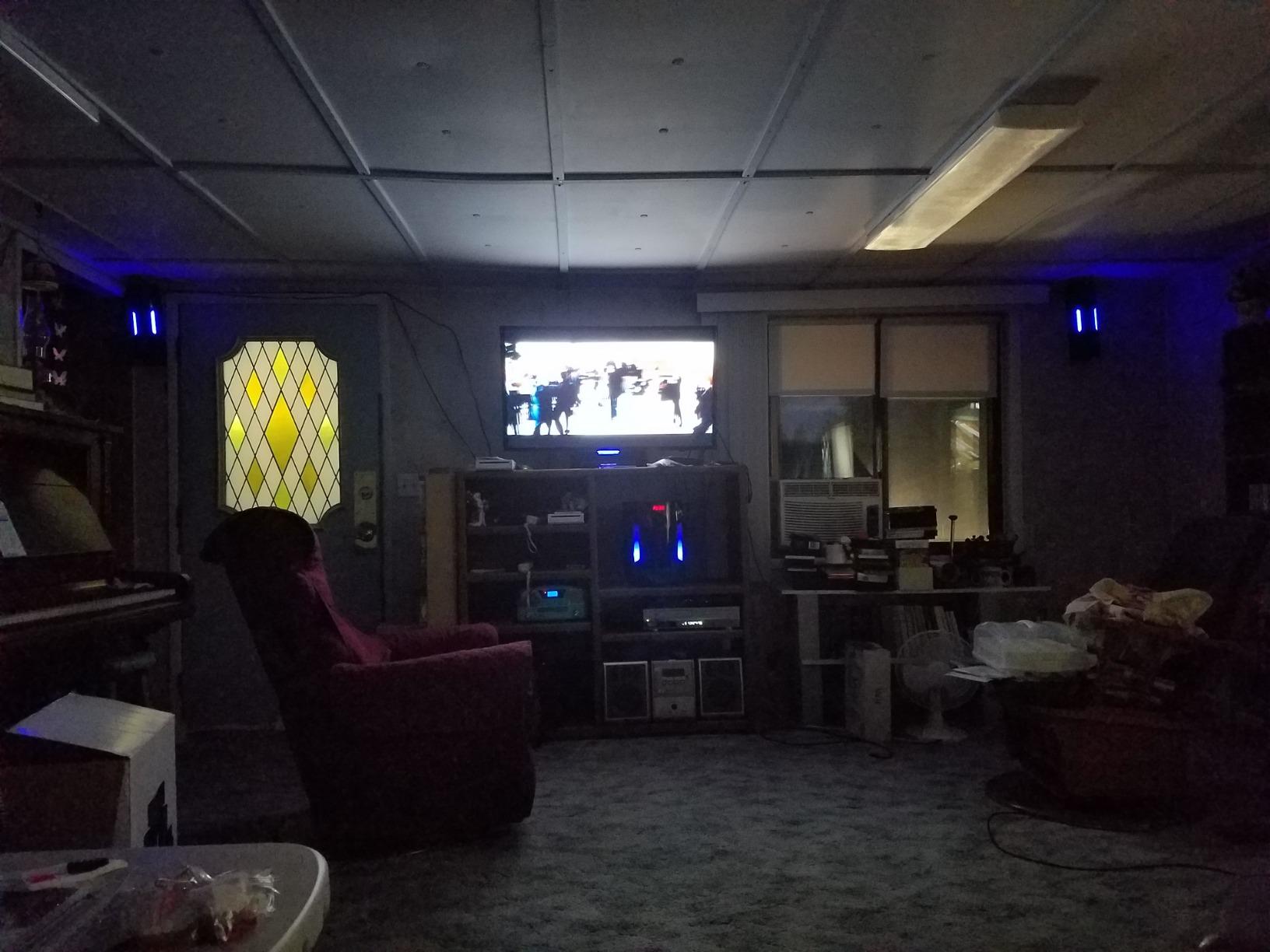
The Rockville HTS56 represents remarkable value at its price point. With over 6,500 reviews on its product page, it has proven itself as a gateway drug to home theater enthusiasm for countless first-time buyers. We tested it against systems costing three times as much, and while it obviously cannot match their performance, the gap feels smaller than the price difference suggests.
Karaoke capability sets this system apart from the pure movie-focused competitors. The two microphone inputs with independent echo and volume controls mean families can host singing nights without additional equipment. The 5-band EQ lets you sculpt your voice to sound more professional, and the LED light show on the subwoofer adds visual excitement that kids particularly appreciate.
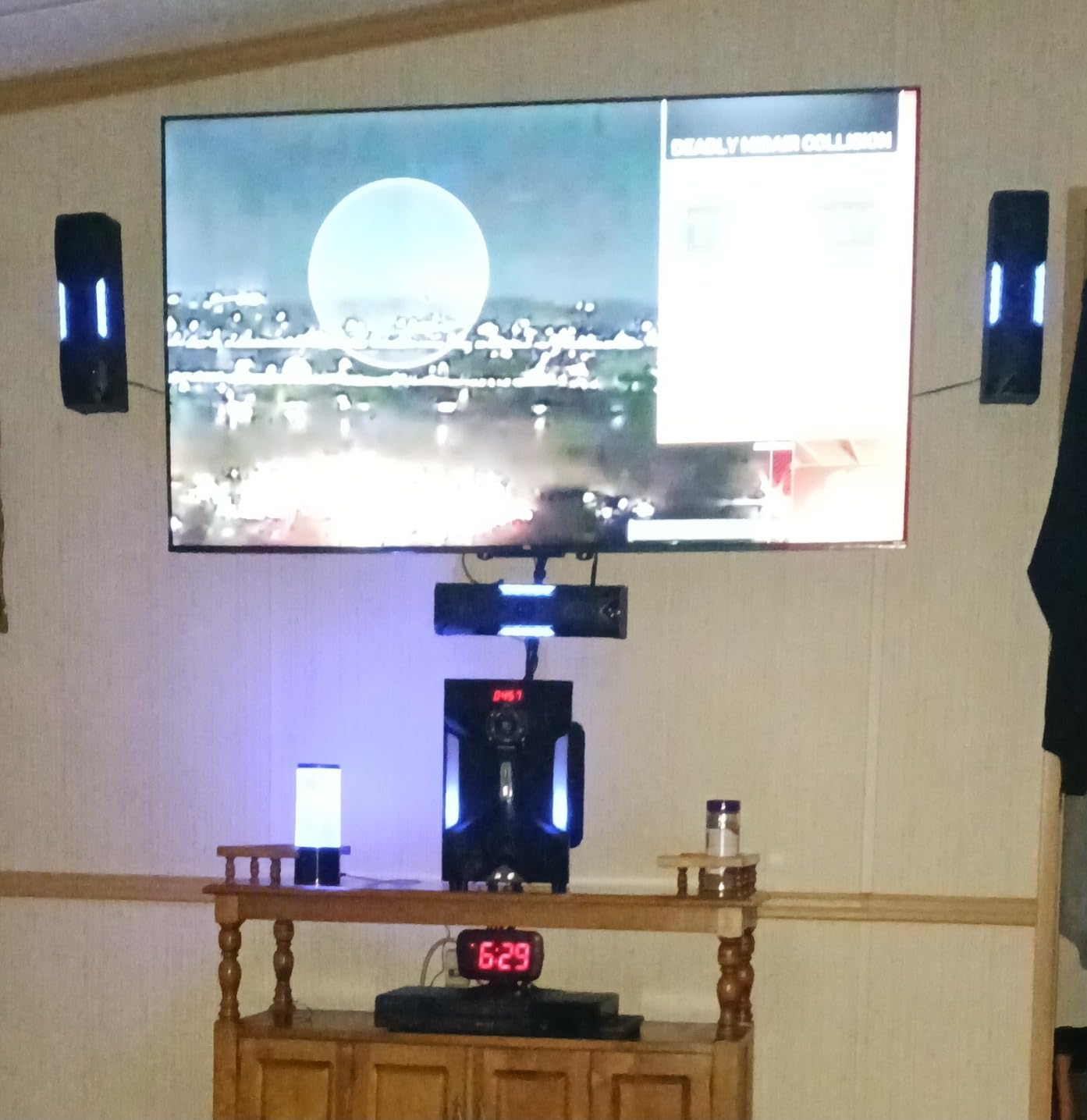
During Spider-Man home viewings, the 1000W peak power drove our test room to satisfying volumes without the clipping that plagues lesser systems at high output. The 8-inch subwoofer handles bass guitar and kick drums cleanly, maintaining definition in complex soundtracks rather than turning everything into a muddy rumble. The satellite speakers produce intelligible dialogue and clean effects that make action scenes engaging.
The limitation with SPDIF optical input deserves understanding before purchase. The optical connection on this system does not pass true 5.1 or 7.1 discrete channels; it downmixes to stereo. For proper surround sound, use the RCA analog connections or HDMI if your source supports those outputs. This is not a dealbreaker, but knowing it upfront prevents frustration during setup.
For first-time buyers and casual entertainment
If you are building your first home theater and do not want to commit hundreds of dollars before knowing if you will enjoy the experience, the Rockville HTS56 provides genuine surround sound without financial risk. The feature set exceeds what you might expect, and the sound quality will likely exceed your TV speakers by a wide margin.
For critical listeners and format purists
Those who care about precise sound reproduction and have the budget for premium options should look elsewhere. The speaker buzzing at certain frequencies and limited remote range indicate engineering compromises that audiophiles will notice and find distracting. Additionally, the optical SPDIF limitation restricts access to lossless audio formats.
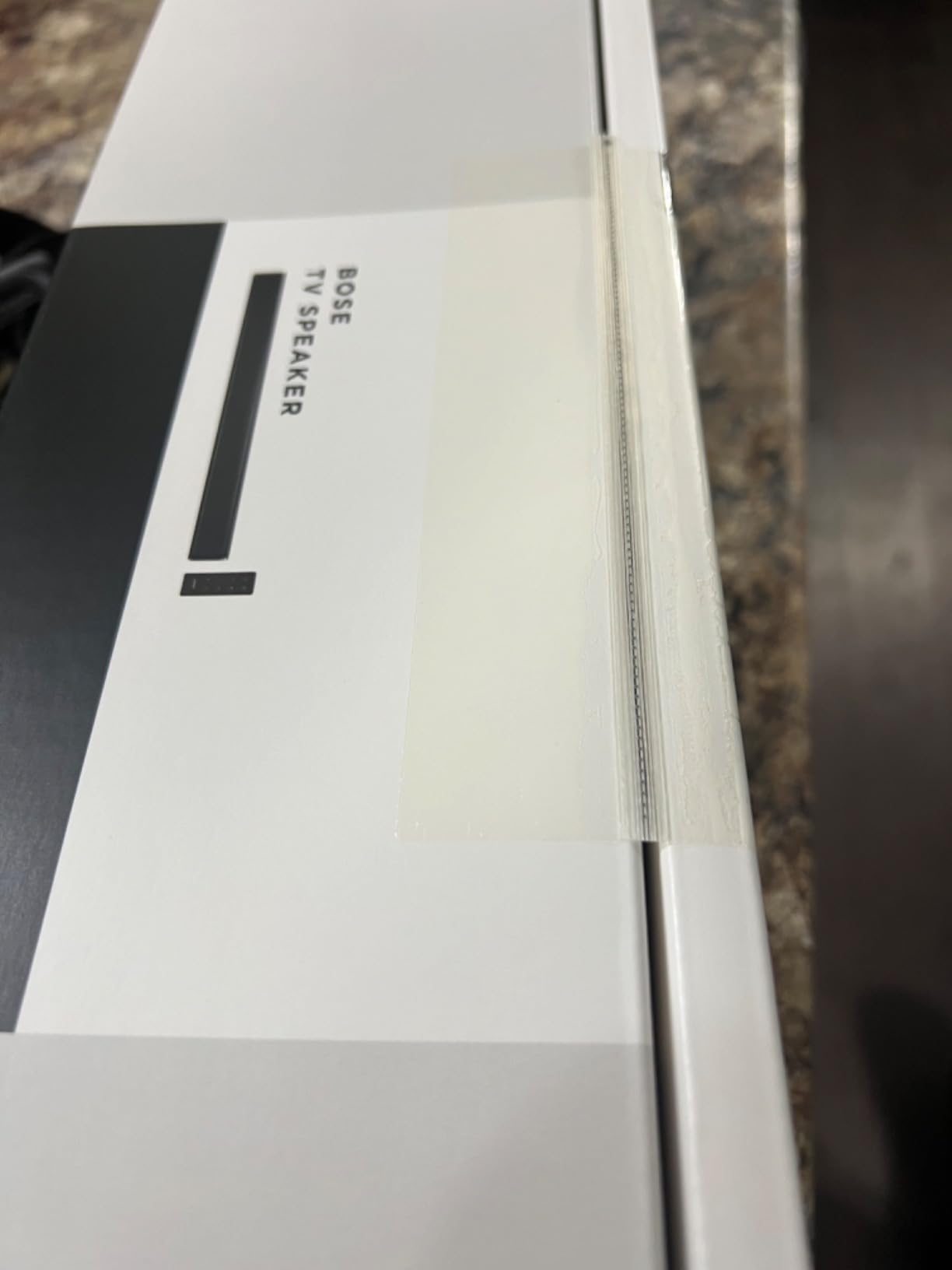
8. Bose TV Speaker – Dialogue Clarity Champion
Bose TV Speaker – Soundbar for TV with Bluetooth and HDMI-ARC Connectivity, All-in-One Compact Soundbar, Includes Remote Control, Black
2-channel
Enhanced dialogue
HDMI ARC
Bluetooth
Pros
- Enhanced dialogue mode for clearer speech
- Wide natural sound from angled drivers
- Simple setup with single cable to TV
- Bluetooth for wireless music streaming
Cons
- No Dolby Atmos or surround sound
- Bass limited without additional subwoofer
With over 14,000 reviews, the Bose TV Speaker has clearly resonated with buyers frustrated by their TV’s inadequate built-in audio. This is not a surround sound system or a Dolby Atmos powerhouse. It is something more focused: a speaker specifically engineered to make dialogue and vocals as clear as possible. After testing it with my father-in-law, who wears hearing aids, I understand why this speaker has earned such loyalty.
The enhanced dialogue mode works by tilting the frequency balance toward the vocal range while maintaining enough bass to keep action scenes feeling impactful. It does not simply boost treble, which would create harshness; the processing maintains the overall tonal balance while making spoken word float above background music and effects. My father-in-law could follow entire movies without his hearing aids for the first time in years.
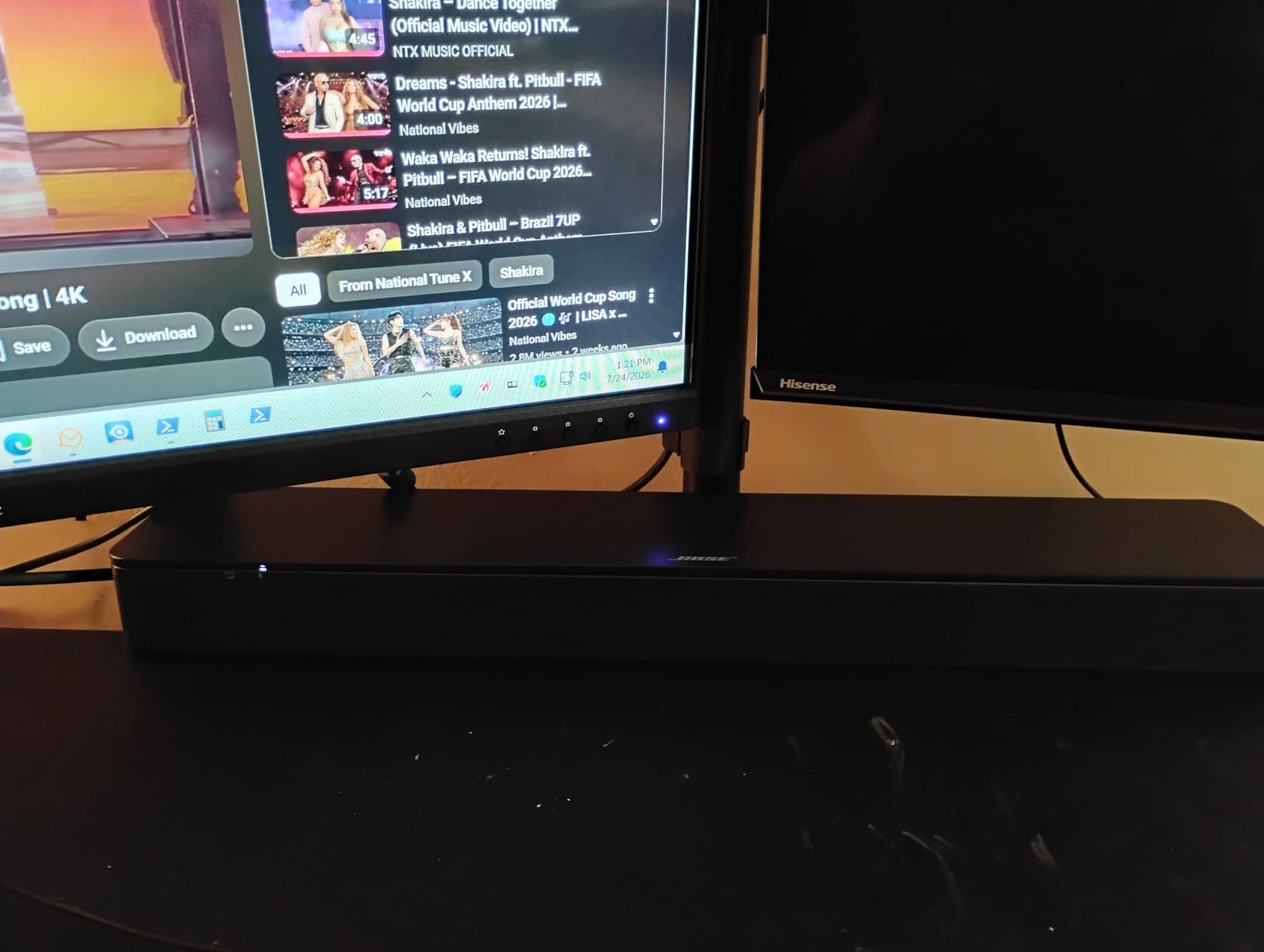
Two angled full-range drivers create a surprisingly wide soundstage for such a compact speaker. Placing it beneath our bedroom TV produced sound that seemed larger than the physical cabinet, filling the 12 by 14 room without strain. For secondary viewing spaces like bedrooms and offices, this speaker delivers satisfying audio without overwhelming the room.
Bluetooth connectivity means you can stream music from your phone while the TV sits idle. The pairing process takes seconds, and the speaker remembers multiple devices.音质-wise, the Bose sounds warm and natural for casual listening, though audiophiles will notice the limitations of the compact driver array compared to larger systems.
For seniors and anyone with hearing difficulties
If you or someone in your household struggles to understand dialogue, this speaker solves the problem without requiring hearing aids or closed captions. The enhanced dialogue mode alone justifies the purchase for many viewers who find modern dialog hard to follow.
For immersive entertainment seekers
Do not buy this speaker if you want cinematic surround sound. The two-channel configuration cannot create the overhead effects of Dolby Atmos or the rear channel immersion of surround systems. It is a soundbar replacement, not a home theater upgrade. Adding a Bose bass module helps, but you are then committed to the Bose ecosystem at premium pricing.
Buying Guide: Choosing the Best Home Theater System
Selecting the right home theater system depends on several factors specific to your situation. Understanding these variables helps you prioritize features that matter most for your setup.
Room Size and Layout
The square footage of your listening space dramatically affects which systems will perform well. Small rooms under 150 square feet often work better with soundbars that do not overwhelm the space with bass you can feel through your furniture. Larger rooms benefit from systems with more powerful subwoofers and additional speakers to fill the volume without straining.
Ceiling height also matters for Dolby Atmos systems. Standard 8-foot ceilings work well with up-firing Atmos speakers, while higher ceilings may require ceiling-mounted speakers for optimal overhead effect. Open-concept spaces present challenges because sound disperses before reaching the rear listening position, potentially requiring more powerful rear speakers or a higher speaker count.
5.1 vs 7.1 vs 5.1.2 Configuration
The numbers describe speaker configuration using a standardized format. The first number indicates main speakers, the second represents subwoofers, and the third (when present) shows height channels. A 5.1 system uses front left, center, front right, plus two rear surrounds and a subwoofer. The 7.1 adds two side surround speakers for larger rooms.
For most living rooms, a 5.1 configuration provides sufficient immersion without overwhelming the space. The 5.1.2 adds two height channels for Dolby Atmos, creating overhead dimension that dramatically enhances movie soundtracks. Unless you have a dedicated theater room larger than 400 square feet, the additional rear channels of 7.1 rarely justify the extra cost and complexity.
Soundbar vs Component System
Soundbars offer simplicity, aesthetics, and increasingly impressive performance. Single-cable HDMI eARC connections mean almost anyone can set one up in fifteen minutes. Modern soundbars with upward-firing drivers can create genuine Dolby Atmos without requiring ceiling modifications or multiple speakers around the room.
Component systems with separate AV receivers and speakers deliver superior audio quality and greater flexibility but demand more setup effort. Running speaker wire, calibrating each channel, and configuring the receiver requires technical comfort that some buyers prefer to avoid. The tradeoff is performance: a well-set component system will sound better than any soundbar at the same price.
Connectivity Requirements
Count your devices and their output types before choosing a system. If you have multiple gaming consoles, streaming devices, and a 4K Blu-ray player, ensure your system has enough HDMI inputs. HDMI 2.1 inputs with 8K support future-proof your purchase if you plan to keep the system for many years.
Wireless connectivity matters for convenience. Bluetooth lets you stream from phones and tablets without switching inputs. Wi-Fi enables multi-room audio ecosystems and built-in streaming services. Consider which wireless features you will actually use rather than paying for capabilities that sit unused.
Budget Tiers and Value
Entry-level systems provide meaningful upgrade over TV speakers but compromise on power, bass, and surround processing. The mid-range includes most soundbar systems with genuine Dolby Atmos and wireless rear speakers. Premium systems deliver audio quality approaching dedicated theater setups with the convenience of integrated solutions.
Spending more generally means better components, more power, and additional features, but the law of diminishing returns applies strongly in home audio. Set a budget based on how critical audio quality is for your enjoyment and stick to it rather than constantly upgrading.
For more options within specific configurations, browse our guides to home gym systems and home battery backup systems for related purchasing advice.
Frequently Asked Questions
Which brand has the best home theater system?
No single brand makes the best system for everyone. Sony and Samsung excel in soundbar technology, Yamaha dominates component receivers, and Bose focuses on dialogue clarity. The best choice depends on your priorities, room size, and budget rather than brand reputation alone.
Which home theatre has the best sound quality?
Premium systems with dedicated AV receivers and multiple speakers typically deliver the best sound quality. Yamaha and Denon receivers paired with quality speakers outperform all-in-one solutions. For pure sound quality without considering price, the Sonos Arc Ultra with additional subwoofer and rear speakers ranks among the top performers we tested.
Which is better, 7.1 or 5.1?
For most rooms, 5.1 provides sufficient surround sound immersion without the complexity of additional speakers. 7.1 adds two side surround speakers that benefit larger dedicated theater rooms over 400 square feet. In typical living rooms, the extra channels of 7.1 provide minimal improvement over a well-configured 5.1 system.
What is the best home theater system in 2026?
Based on our testing, the Sonos Arc Ultra delivers the best overall experience for most buyers seeking premium Dolby Atmos without component system complexity. For budget-conscious buyers wanting Atmos, the ULTIMEA Poseidon M60 offers exceptional value. The Yamaha YHT-4950U remains the top choice for traditionalists who prefer separate AV receivers and speakers.
What is the best home theater system under $1000?
The ULTIMEA Poseidon M60 and ULTIMEA 5.1.2ch both offer genuine Dolby Atmos experiences under $300, representing excellent value. The Yamaha YHT-4950U at around $500 delivers component system performance at a mid-range price. For entry-level surround sound under $200, the Rockville HTS56 provides real 5.1 audio with surprising power and features.
Conclusion
The best home theater system for you depends on your specific circumstances, but our testing revealed clear winners in each category. The Sonos Arc Ultra earns our EDITOR’S CHOICE for delivering premium Dolby Atmos with remarkable ease of use and expandability. If your budget demands value, the ULTIMEA Poseidon M60 brings genuine immersive audio within reach for most buyers.
For traditional home theater setups where cables and components do not intimidate, the Yamaha YHT-4950U remains a benchmark of what separates systems can achieve. Gamers should prioritize the Denon AVR-S570BT for its next-generation console support. Families wanting versatile entertainment that includes karaoke nights should look closely at the Bobtot or Rockville systems.
Whatever system you choose, remember that proper placement and configuration matter as much as the equipment itself. Take time to run room calibration, position speakers correctly, and tune the system to your space. Those minutes of setup effort pay dividends in sound quality that you will experience every time you press play.
Browse related guides for home theater seating and home security camera systems to complete your entertainment space setup.
1 thought on “8 Best Home Theater Systems (October 2026) Quality Reviews”