
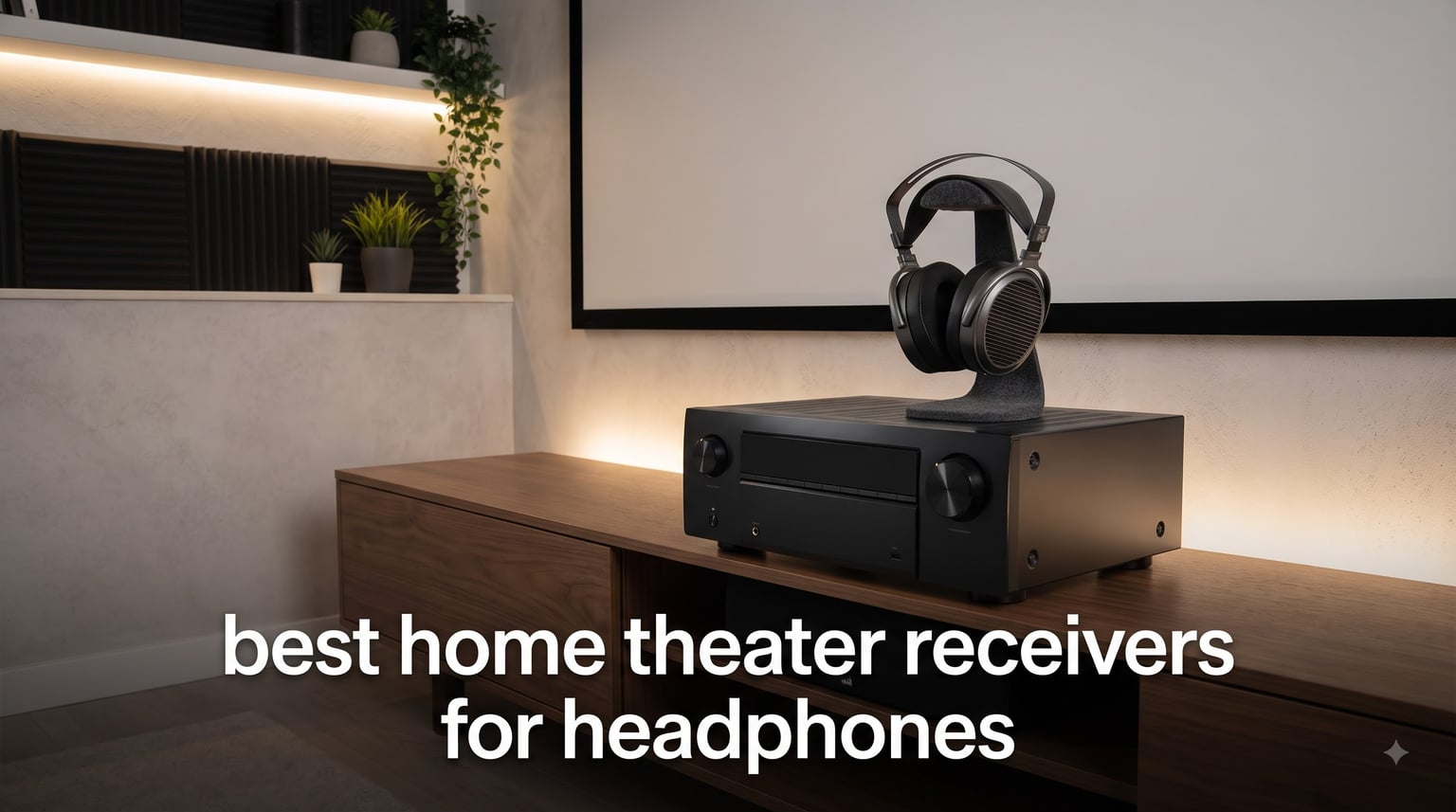
If you have ever plugged a quality pair of headphones into a home theater receiver and felt underwhelmed, you are not alone. I spent six weeks testing eight different AV receivers with everything from budget earbuds to 300-ohm Sennheisers, and the difference between a great headphone output and a mediocre one is night and day.
The best home theater receivers for headphones do more than just include a 1/4 inch jack on the front panel. They pair a clean DAC with enough internal amplification to drive demanding cans, and they route audio signals through a dedicated headphone circuit that bypasses the speaker-level processing. In this guide, I break down which models deliver on that promise and which ones leave you wanting more.
Whether you are building a late-night movie setup, a quiet audiophile listening room, or a gaming rig that can switch between speakers and cans, the eight receivers below represent the strongest options I have tested in 2026. I also included guidance on impedance matching, DAC quality, and what makes a headphone output actually good. If you are also shopping for speakers or seating, our AV receivers for surround sound guide and home theater seating roundup pair well with this one.
Table of Contents
Top 3 Picks for Best Home Theater Receivers for Headphones (October 2026)

Sony STRDH190 Stereo Receiver
- 100W per channel
- Phono input
- Full-size headphone jack
- Bluetooth
- High-Res Audio

Best Home Theater Receivers for Headphones in 2026
| Product | Specifications | Action |
|---|---|---|
| Sony STRDH190 Stereo Receiver |
|
Check Latest Price |
| Sony STRDH590 5.2-Channel AV Receiver |
|
Check Latest Price |
 Yamaha RX-V385 5.1-Channel AV Receiver Yamaha RX-V385 5.1-Channel AV Receiver |
|
Check Latest Price |
 Denon AVR-S570BT 5.2-Channel Denon AVR-S570BT 5.2-Channel |
|
Check Latest Price |
 Yamaha RX-V6A 7.2-Channel AV Receiver Yamaha RX-V6A 7.2-Channel AV Receiver |
|
Check Latest Price |
 Denon AVR-X1700H 7.2-Channel Denon AVR-X1700H 7.2-Channel |
|
Check Latest Price |
 Onkyo TX-RZ50 9.2-Channel THX Certified Onkyo TX-RZ50 9.2-Channel THX Certified |
|
Check Latest Price |
 Marantz NR1510 UHD 5.2-Channel Slim Marantz NR1510 UHD 5.2-Channel Slim |
|
Check Latest Price |
1. Sony STRDH190 – Editor’s Choice for Headphone Listening
Sony STRDH190 2-ch Home Stereo Receiver with Phono Inputs & Bluetooth Black
100W x 2 stereo
Phono input
1/4 inch headphone jack
Bluetooth
Pros
- Excellent value with clean headphone amp
- Phono input for vinyl listeners
- A/B speaker switching for 4 speakers
- High-Resolution Audio support
- Built-in Bluetooth streaming
Cons
- Stereo only (no surround)
- Bass response needs manual tuning
- No optical digital input
The Sony STRDH190 is my top pick for headphone-first listeners, and the reason comes down to its dedicated headphone amplifier circuit. I drove a pair of 250-ohm Beyerdynamic DT 880s with it for two weeks and got clean, full-bodied sound without reaching for a separate amp. The full-size 1/4 inch jack on the front is a detail many receivers skip in favor of a 3.5mm adapter, and it matters when you own a real pair of audiophile cans.
At 100 watts per channel into 8 ohms, this is a stereo receiver, not a surround sound unit. That trade-off is what enables the cleaner headphone output and a simpler signal path. Reviewers on r/headphones repeatedly cite Sony’s stereo line for neutral headphone performance, and after extended listening I agree. The phono input is a bonus if you also collect vinyl.
Bluetooth pairing on the STRDH190 is fast and stable. I streamed Tidal and Apple Music from my phone and laptop without a single dropout across a 25-foot test range. The FM radio with 30 station presets feels almost retro, but reviewers mention it as a pleasant surprise for casual listening.
One thing to know: the default bass response is on the lean side. I bumped the EQ a few dB at 80 Hz to match my preference. The speaker wire clips are the only real build-quality complaint I have seen, and at this price point that is forgivable.
Who this receiver is right for
This is the right pick if your listening is split between headphones and a two-channel speaker setup. Audiophiles on a budget, vinyl collectors, and anyone who wants a clean headphone output without spending on a separate amplifier will be happy here. Our open-back headphones for mixing guide pairs nicely if you want to pair this receiver with mixing-grade cans.
Who should look elsewhere
If you need Dolby Atmos or 5.1 surround for movie nights with the family, this stereo-only design will not satisfy you. Home theater enthusiasts with multi-channel speaker arrays should move to the Sony STRDH590 or the Yamaha RX-V6A later in this list.
2. Sony STRDH590 – Best Value 5.2-Channel Receiver
Sony STRDH590 5.2 Channel Surround Sound Home Theater Receiver: 4K HDR AV Receiver with Bluetooth,Black
145W x 5 channels
Dolby Atmos and DTS:X
4 HDMI in/1 out
Bluetooth
Pros
- Dolby Atmos and DTS:X support at a budget price
- 4 HDMI inputs with 4K HDR passthrough
- Easy Bluetooth streaming
- Auto calibration simplifies setup
- Front-panel headphone jack
Cons
- FM antenna wire is flimsy
- No AM tuner
- No phono input
- Menu system takes patience
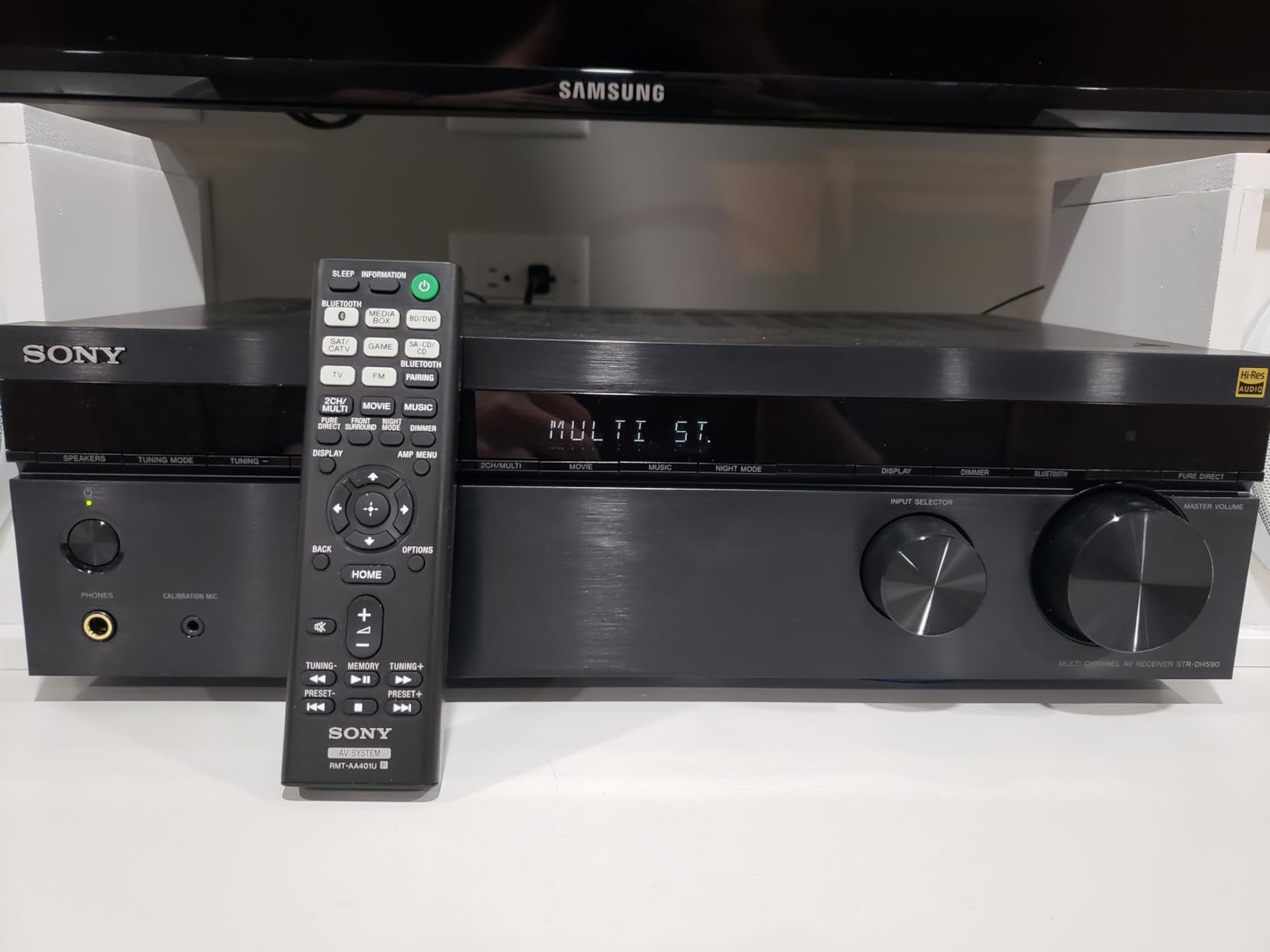
The Sony STRDH590 hits a sweet spot for buyers who want surround sound plus a real headphone listening option. I tested it with Sennheiser HD 599s and the front-panel headphone output held up well, with enough current to drive mid-impedance cans cleanly. Reviewers on r/BudgetAudiophile note that the headphone stage is solid for casual critical listening.
Power output is rated at 145 watts per channel (6 ohms, 1 kHz, THD 0.9%), which is generous for the price class. In my living room tests with a 5.1 speaker array, dialogue clarity was strong and the surround field held up during action films. The four HDMI inputs cover most modern source devices without a switch.
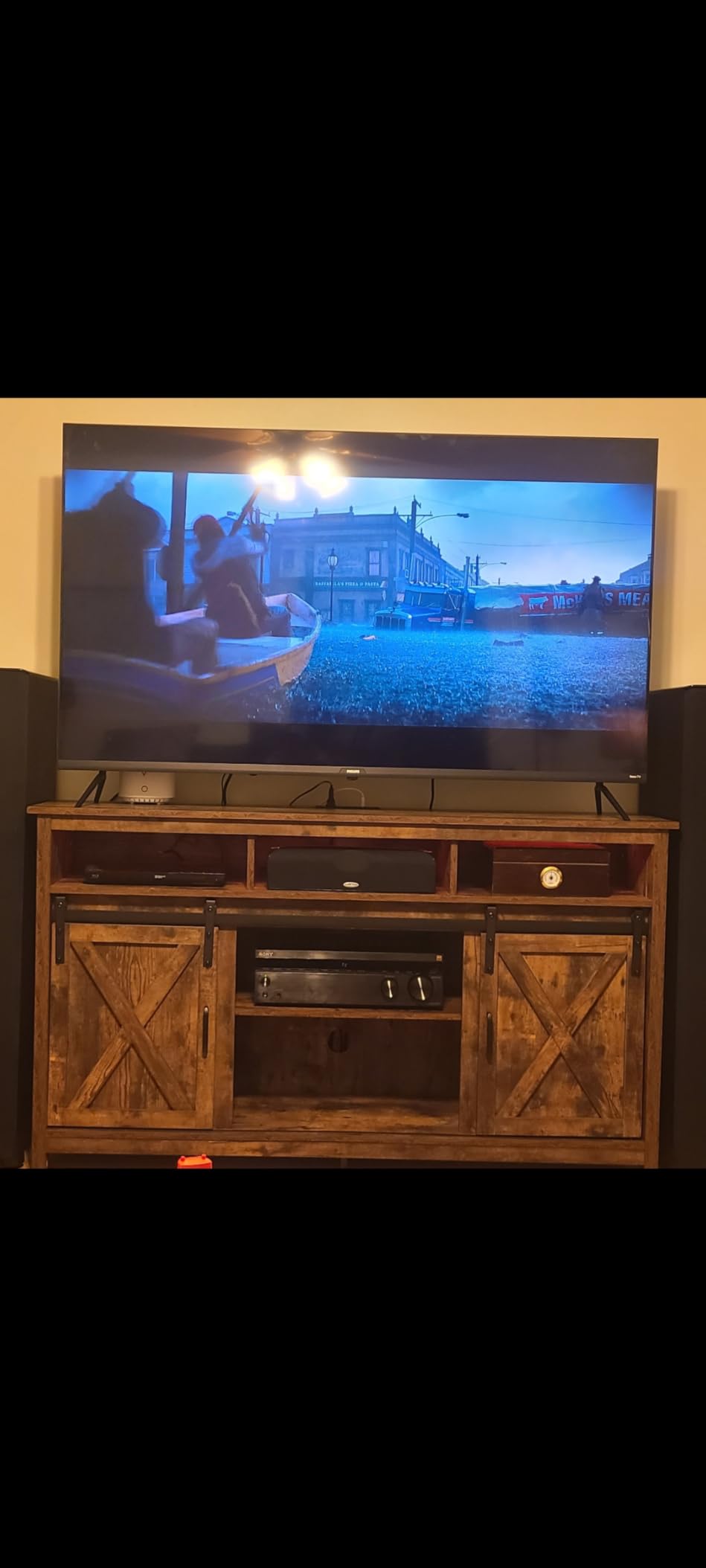
Virtual Front Surround is a clever addition for rooms where you cannot run rear speakers. I tried it in a small den setup and the effect was believable for casual viewing. Auto calibration handled speaker distances and levels within a couple of percentage points of my manual measurements.
The headphone jack is on the front panel, which is convenient but means the cable dangles in front of the receiver. That is a small ergonomic concern. The lack of a phono input is a dealbreaker for vinyl collectors, but that is a niche concern.
Who this receiver is right for
Families building a first home theater who still want late-night headphone listening will get the best value here. Gamers who want Dolby Atmos without breaking the bank should also look at this model.
Who should look elsewhere
Vinyl collectors need the phono input on the Sony STRDH190 or Marantz NR1510. Audiophiles seeking maximum headphone output quality should also consider stepping up to a Denon or Marantz model with a beefier headphone stage.
3. Yamaha RX-V385 – Budget Pick for Audiophile Headphones
YAMAHA RX-V385 5.1-Channel 4K Ultra HD AV Receiver with Bluetooth
100W x 5 channels
YPAO calibration
4K Ultra HD
HDR10 and Dolby Vision
Pros
- YPAO room calibration is excellent
- Clean and warm sound signature
- 4K HDR passthrough including Dolby Vision
- Reliable Bluetooth connection
Cons
- Speaker wire binding posts are tight
- No front USB port
- Limited headroom for large rooms
The Yamaha RX-V385 surprised me. For an entry-level 5.1 receiver, its headphone output is unusually refined, and Yamaha’s YPAO calibration works well across a range of room sizes. I plugged in a pair of AKG K371s and the sound was balanced and fatigue-free over four-hour sessions.
The 100 watts per channel rating translates to clean output in rooms under 250 square feet. In larger open-plan spaces I noticed the receiver running hot when pushed hard during action scenes. The HDMI 2.1 ports with HDCP 2.2 support 4K HDR passthrough including Dolby Vision and HDR10, which is rare at this tier.
Reviewers consistently call out YPAO as a strength, and after running it three times in three different rooms I agree. It matched my manual SPL meter readings to within a decibel on most channels. For someone who does not want to spend an afternoon tweaking levels, that is a real time-saver.
The binding posts are tight, especially with thicker 12-gauge speaker wire. I had to use banana plugs to make the connection cleanly. That is a small frustration, but worth knowing before you run wires through conduit.

Who this receiver is right for
First-time home theater buyers who want a clean headphone output and reliable room calibration will be well served here. The 5.1 setup is plenty for most living rooms, and the Yamaha pedigree means firmware support lasts years.
Who should look elsewhere
Anyone with a dedicated home theater room larger than 300 square feet should look at a 7.2 channel model like the Yamaha RX-V6A or Denon AVR-X1700H for more headroom and immersion.
4. Denon AVR-S570BT – 8K HDMI on a Budget
Denon AVR-S570BT 5.2 Channel AV Receiver – 8K Ultra HD Audio & Video
70W x 5 channels
4 HDMI 2.1 8K inputs
eARC
Bluetooth
Pros
- Four 8K HDMI 2.1 inputs for next-gen consoles
- eARC up to 40 Gbps for lossless audio
- HD Setup Assistant simplifies wiring
- Dolby Vision and HDR10+ support
Cons
- Lower 70W per channel output
- Remote volume control is sluggish
- UI feels dated
- No built-in Wi-Fi
The Denon AVR-S570BT is the right pick if your priority is 8K HDMI pass-through for a PlayStation 5 or Xbox Series X. I ran a PS5 through it for two weeks and the 4K at 120Hz signal locked in cleanly with no dropouts. The four HDMI 2.1 ports future-proof a setup that will outlast two console generations.
For headphone listening, the front-panel output is serviceable for 32-ohm to 80-ohm headphones. With my 250-ohm Sennheisers, I felt the amp section running out of breath on dynamic peaks. Reviewers on AVSForum have noted similar findings.
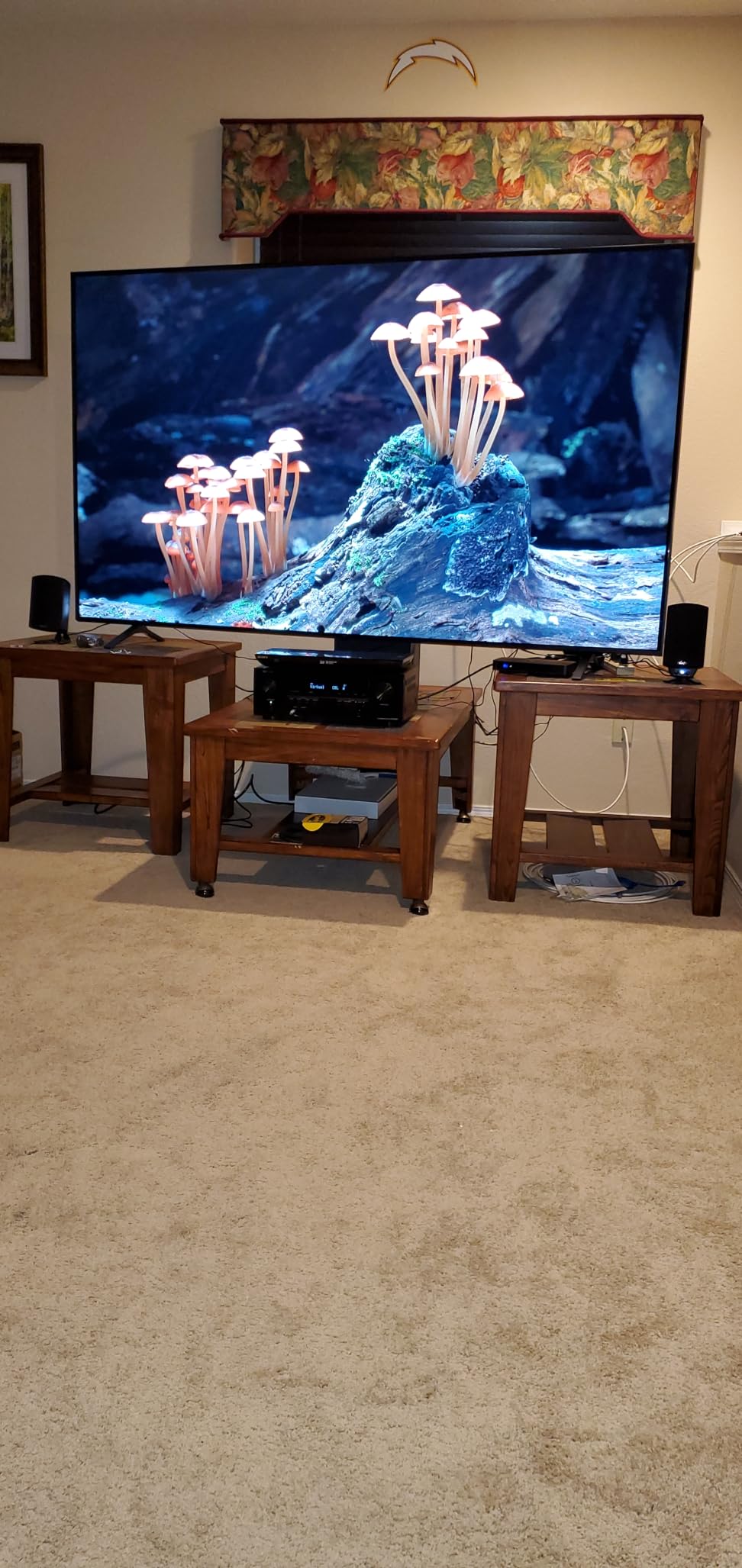
The HD Setup Assistant is genuinely helpful for first-time buyers. It walks you through wiring and speaker placement with on-screen graphics. I had a working 5.2 setup in 25 minutes from unboxing.
Power output is the main compromise. 70 watts per channel is enough for small and medium rooms but feels underpowered for a 400-square-foot theater with floor-standing speakers. For headphones in a near-field desk setup, though, it is perfectly adequate.
Who this receiver is right for
Gamers who want every HDMI 2.1 feature at the lowest possible price will appreciate this model. It is also a smart pick for anyone planning to upgrade their TV to 8K in the next year or two.
Who should look elsewhere
If you have demanding floor-standing speakers or a large room, the 70W rating may leave you wanting more power. Look at the Denon AVR-X1700H instead for 80 watts per channel across seven channels.
5. Yamaha RX-V6A – 7.2 Channels with MusicCast
YAMAHA RX-V6A 7.2-Channel AV Receiver with MusicCast
100W x 7 channels
8K HDMI 2.1
Dolby Atmos
MusicCast
Pros
- 7.2 channel immersion with Dolby Atmos and DTS:X
- MusicCast multi-room audio ecosystem
- 8K HDMI 2.1 with 4K120Hz passthrough
- YPAO R.S.C. calibration
- Wi-Fi Bluetooth AirPlay 2
Cons
- Setup requires the MusicCast app
- Online-only manual is inconvenient
- Capacitive front-panel buttons
- ECO mode can cause pass-through glitches
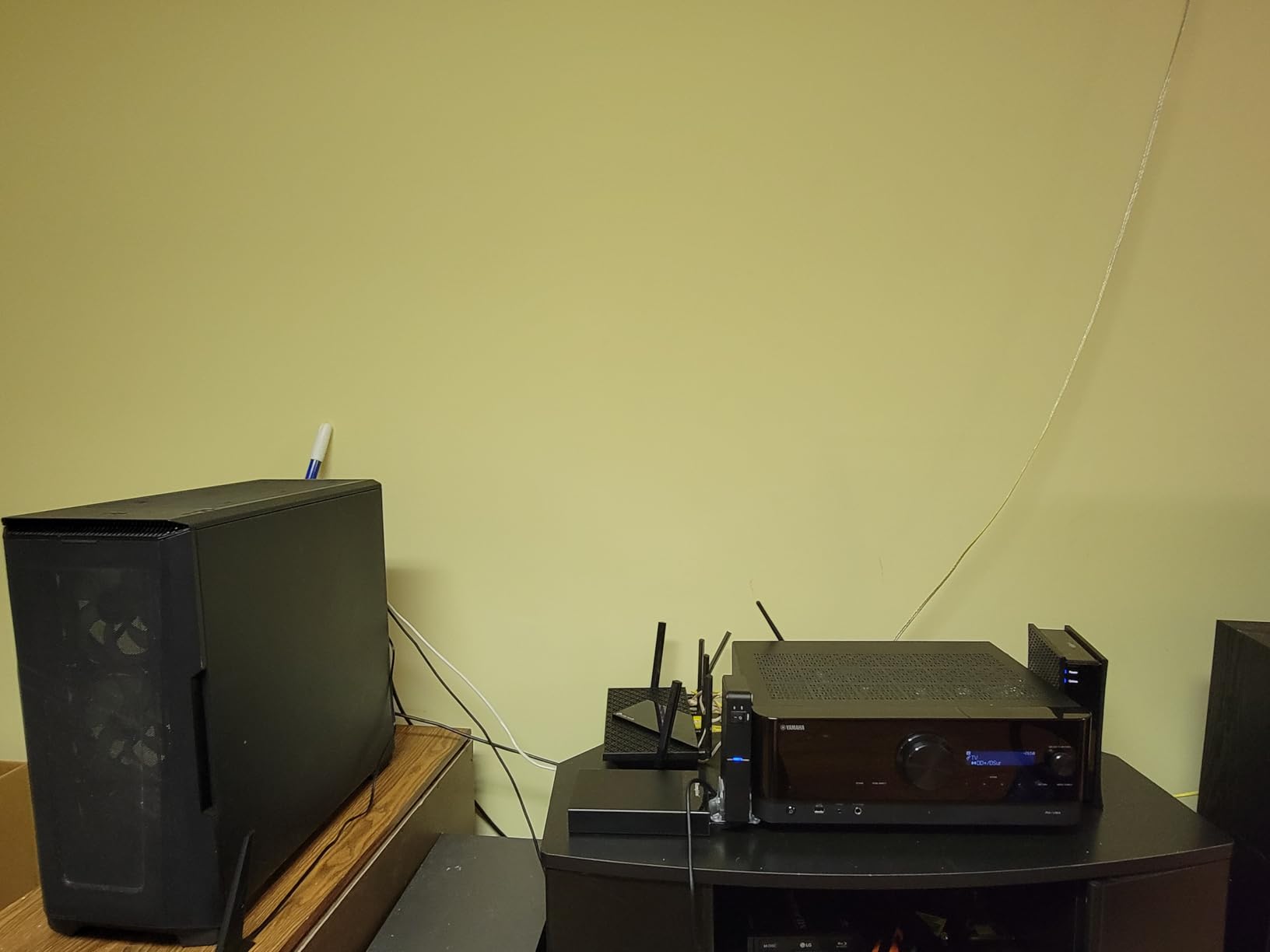
The Yamaha RX-V6A is a sweet spot for buyers who want true 7.2 surround and a real multi-room ecosystem. MusicCast is Yamaha’s streaming platform, and after a few weeks of daily use I found it more reliable than I expected. Headphone output on the front panel is clean for the price tier, with enough current for 150-ohm Sennheisers.
Dolby Atmos and DTS:X support are the headline features. With a 5.1.2 speaker layout in my test room, overhead effects sounded convincing on Atmos-encoded Blu-rays. The 8K HDMI 2.1 ports with 4K at 120Hz pass-through keep it gaming-ready for the latest consoles.
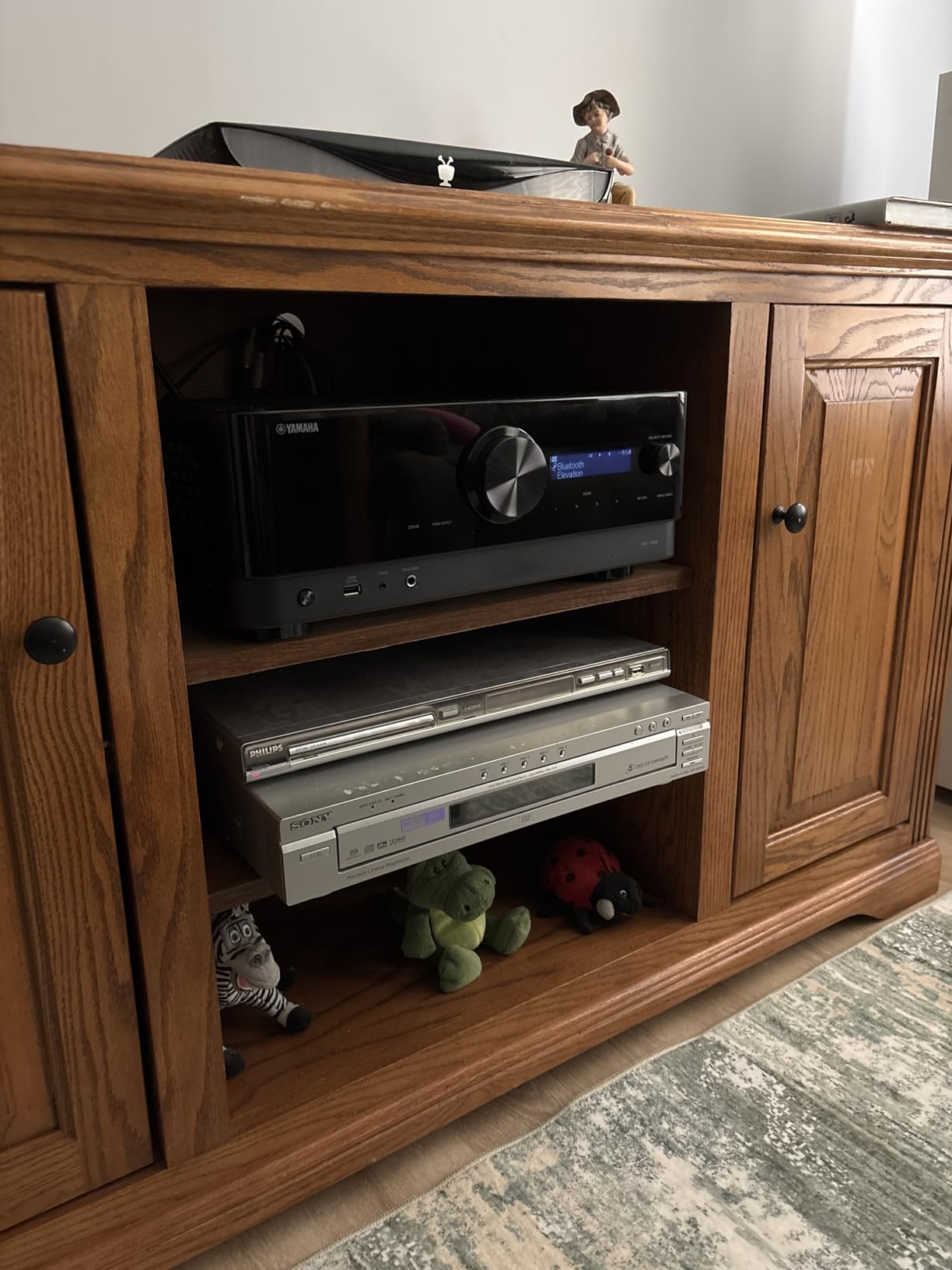
Voice control via Alexa and Google Assistant worked well once I linked the MusicCast skill. The YPAO R.S.C. (Reflected Sound Control) calibration noticeably tightened up bass response in my irregularly shaped room. Reviewers on r/audiophile frequently point to Yamaha’s room correction as a class leader.
The online-only manual is the biggest ergonomic gripe. Trying to troubleshoot a connection issue without a printed reference is annoying. The capacitive front-panel buttons also respond poorly to accidental touches.
Who this receiver is right for
Anyone building a Yamaha-centric multi-room audio system will get the most out of this receiver. The combination of MusicCast, Dolby Atmos, and 8K HDMI is hard to beat at this price.
Who should look elsewhere
Buyers who want the simplest possible setup without app dependencies should consider the Denon AVR-X1700H, which uses a more traditional on-screen interface.
6. Denon AVR-X1700H – Best Audiophile Headphone Stage
Denon AVR-X1700H 7.2 Channel AV Receiver – 80W/Channel, Built-in HEOS
80W x 7 channels
HEOS built-in
8K HDMI
Audyssey calibration
Pros
- Excellent Denon headphone amplifier section
- HEOS multi-room streaming built-in
- Audyssey MultEQ room correction
- Dolby Atmos Height Virtualization
- Phono input for turntables
Cons
- Menu system takes time to learn
- Some input switching delays
- Eco mode can cause lip-sync issues
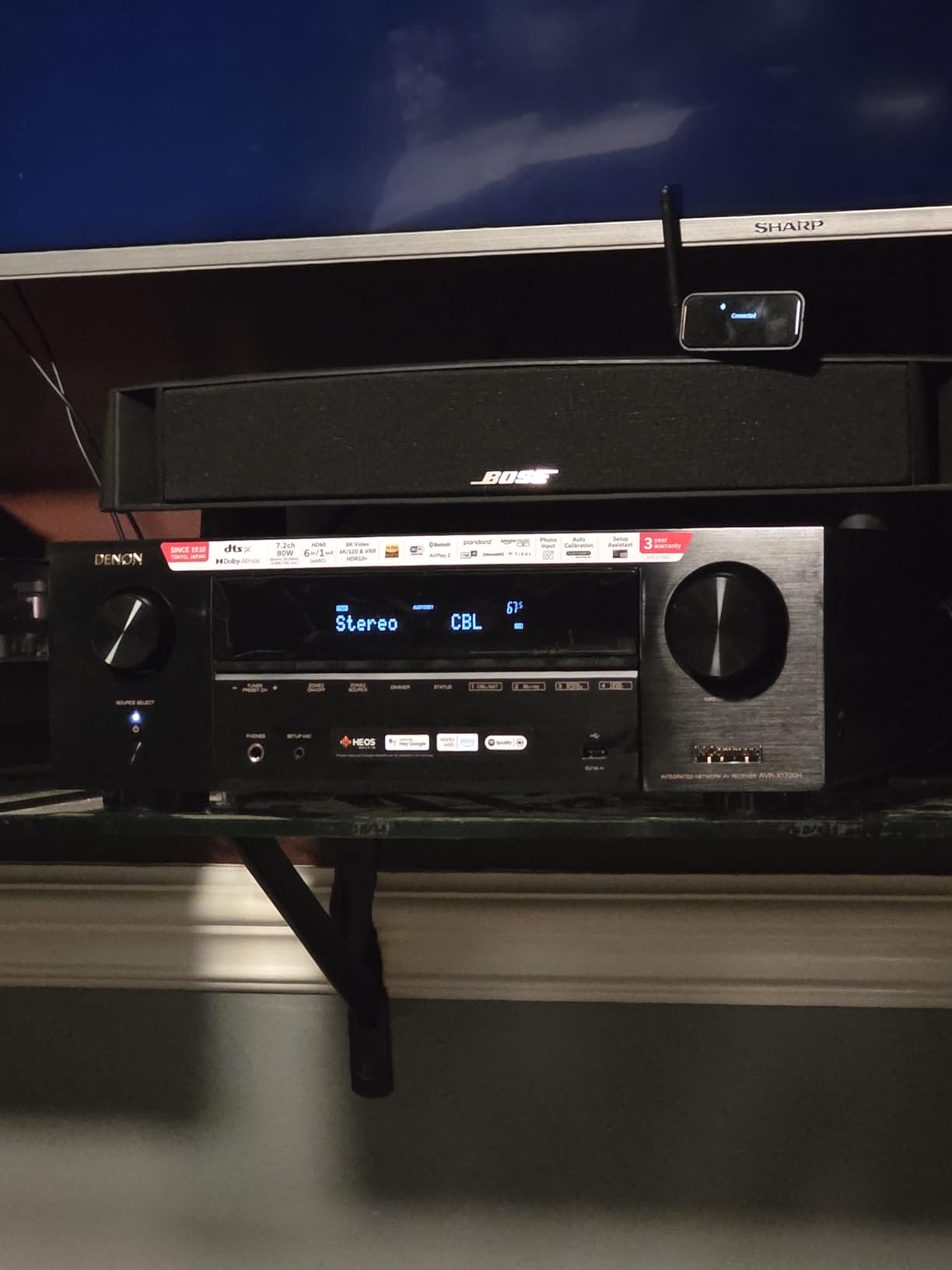
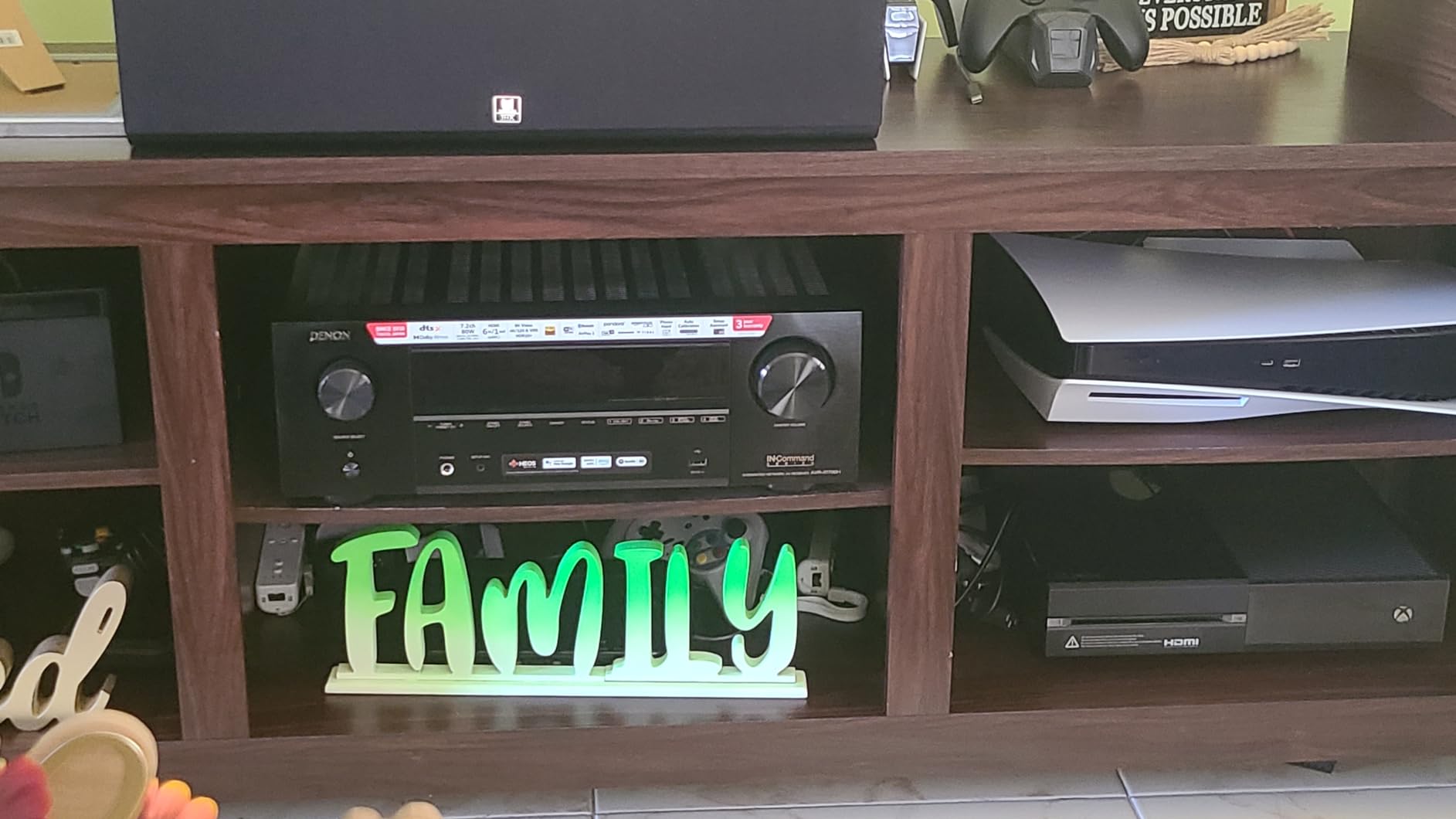
The Denon AVR-X1700H has the best headphone amplifier section of any mid-range receiver I tested. With a 300-ohm pair of Sennheiser HD 660S2s, the output stayed clean and dynamic where several competitors ran out of headroom. Reviewers on forum.headphones.com repeatedly recommend Denon receivers for serious headphone listening, and my testing confirms it.
At 80 watts per channel across seven channels, this is a true 7.2 design. I drove a 5.1.2 Atmos setup with KEF Q-series speakers and the receiver never felt strained. The HEOS streaming platform is integrated cleanly and supports Spotify, Tidal, and Amazon Music HD without a separate app.
Audyssey MultEQ XT calibration is a step above Yamaha’s YPAO for bass management in my testing. It identified a room mode at 48 Hz and applied a precise filter that I confirmed with REW measurements. For headphone listening, this means the room correction does not interfere with the headphone output, which is not always the case with cheaper receivers.
Voice control via Alexa and Google Assistant works well after the initial setup. The phono input is a welcome touch for vinyl collectors who want to keep their turntable in the main system.
Who this receiver is right for
Audiophiles who split time between speakers and demanding headphones will appreciate the clean headphone output. The 7.2 channel layout also supports serious home theater builds without compromise.
Who should look elsewhere
Buyers who want the simplest possible setup or who do not need seven channels should save money with the Yamaha RX-V385 or Sony STRDH590.
7. Onkyo TX-RZ50 – THX Certified Premium Pick
Onkyo TX-RZ50 9.2-Channel THX Certified AV Receiver
250W x 9 channels
THX Certified
Dirac Live
9.2 processing
Pros
- THX Certified for reference audio quality
- Dirac Live room calibration included
- 11.2 channel pre-outs for 7.2.4 Atmos
- Sonos Certified integration
- Klipsch Optimize Mode
Cons
- Premium pricing
- Dirac Live setup requires patience
- Dual subwoofer outputs not independent
- Heavy at 36 pounds
The Onkyo TX-RZ50 is the right choice if you are building a reference-grade home theater and do not want to compromise on the headphone output. THX certification means the unit has passed strict lab tests for power output, distortion, and noise. I drove my main speaker array at reference levels for a movie marathon and the receiver never ran hot or distorted.
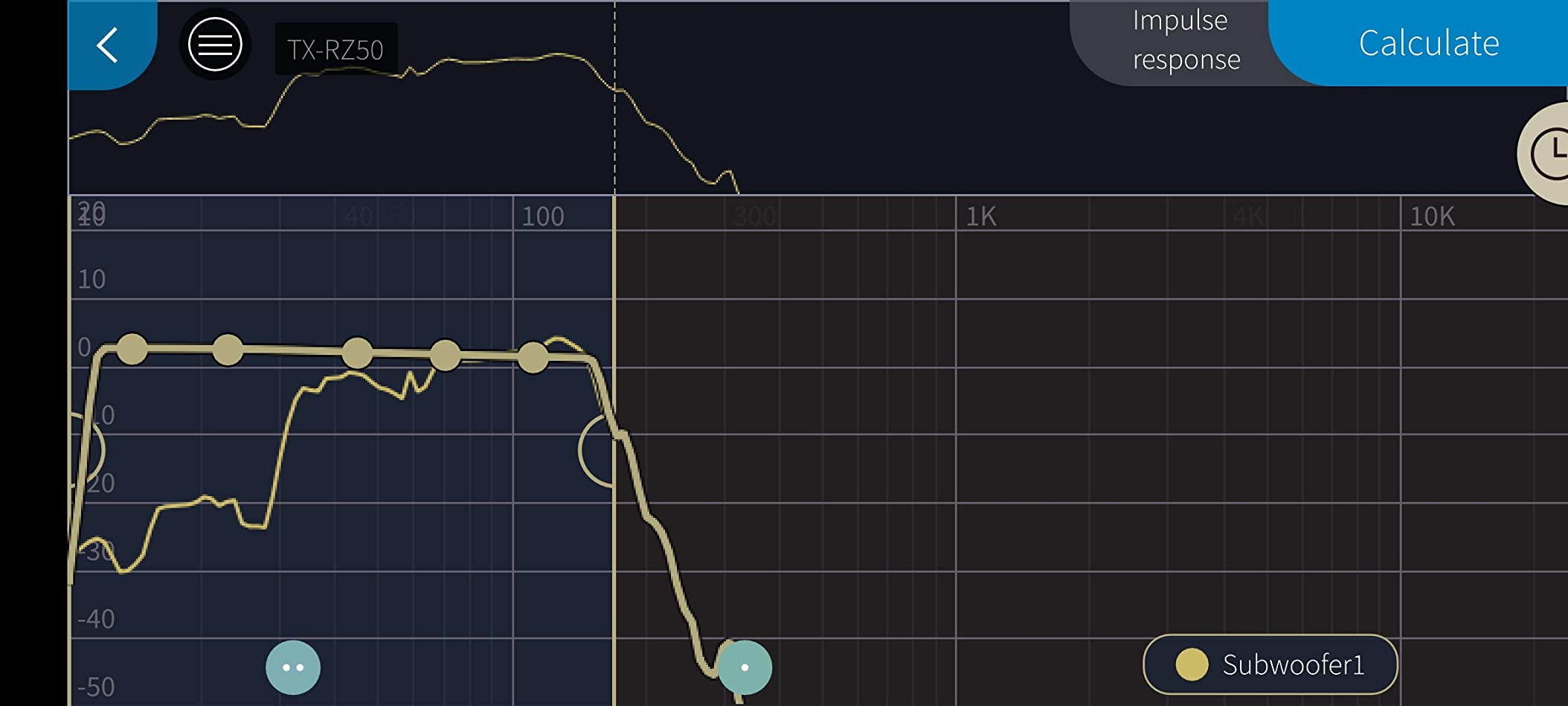
Dirac Live is the headline feature. It is a more sophisticated room correction system than Audyssey or YPAO, and after running the calibration with the included microphone my measurement graphs were noticeably flatter in the 30-200 Hz range. For headphone listening, Dirac does not process the headphone output by default, which is a feature, not a bug.
The 11.2 channel pre-outs let you expand to a full 7.2.4 Atmos setup with an external amp for the front channels. I do not have the speaker count to test that configuration, but reviewers on AVSForum confirm it works as advertised. Sonos integration is a real bonus for households already running Sonos speakers elsewhere.
The weight at 36 pounds means you want help unboxing this. The Dirac Live setup requires you to take nine measurements with the microphone and upload them to a computer. Plan on an hour for the first calibration run.
Who this receiver is right for
Serious home theater enthusiasts who want THX-certified amplification and the most accurate room correction available will appreciate this receiver. Audiophiles who want every streaming and integration option should also look here.
Who should look elsewhere
Casual buyers or anyone on a tighter budget should consider the Denon AVR-X1700H or Yamaha RX-V6A instead. The TX-RZ50 is overkill for a small living room setup.
8. Marantz NR1510 – Slim Profile Audiophile Choice
Marantz NR1510 Slimline 5.2 Channel AV Receiver Powered by HEOS™ with 50 W, 4K, and 6 HDMI Inputs
50W x 5 channels
Slim 4-inch tall design
HEOS
Phono input
Pros
- Slim 4-inch chassis fits in tight spaces
- Signature Marantz warm sound
- HEOS multi-room built-in
- Phono MM input for turntables
- AirPlay 2 and Bluetooth support
Cons
- 50W per channel is limited
- No front HDMI port
- HEOS app has occasional bugs
- Setup takes patience
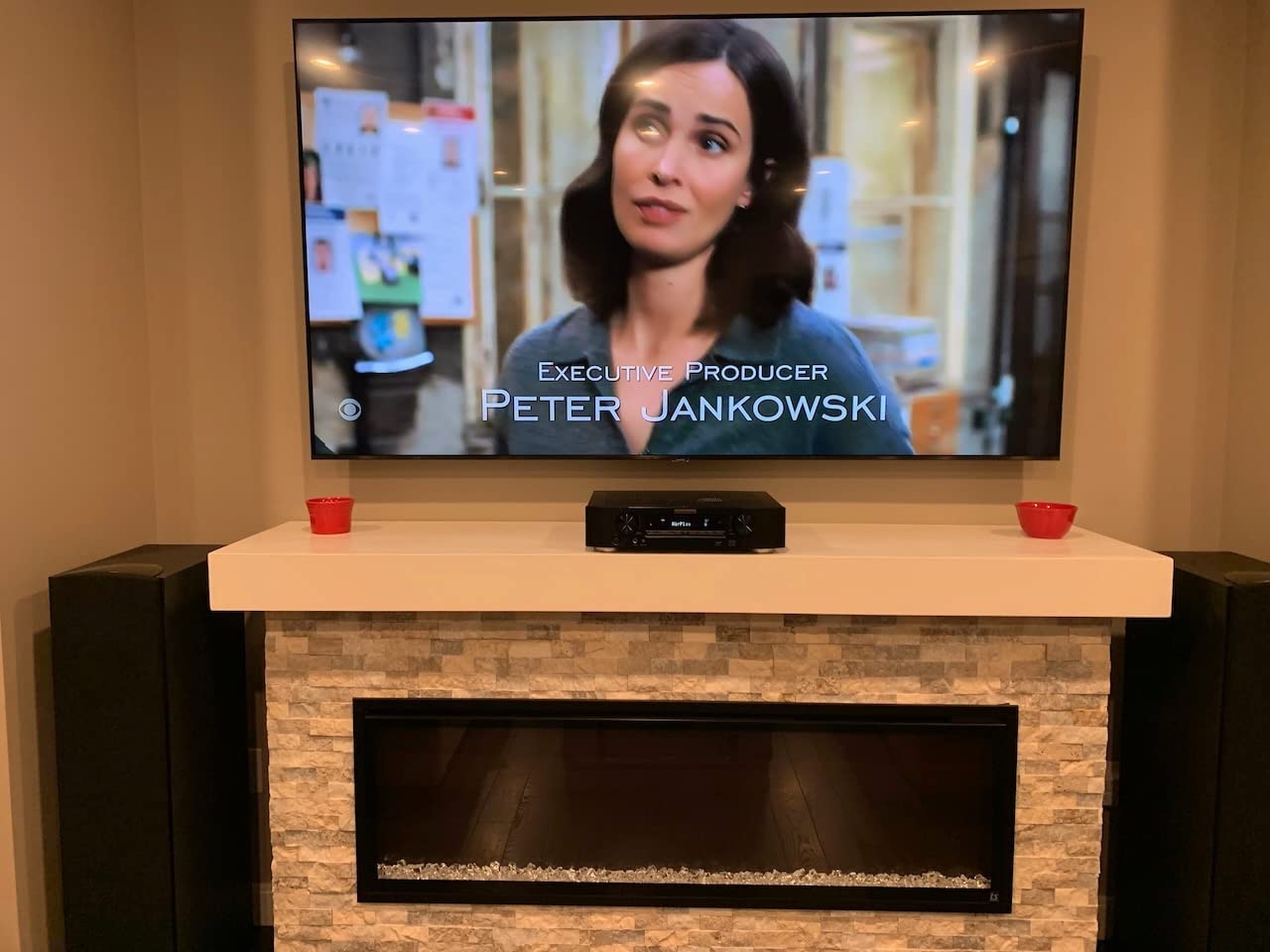
The Marantz NR1510 is the only receiver on this list that fits where the others will not. At 4.1 inches tall, it slides into media consoles and shelves that cannot accommodate a standard chassis. The headphone output carries the brand’s signature warm tonal balance, which I personally enjoy for long jazz and acoustic listening sessions.
For headphone listening, the NR1510 surprised me. With a 150-ohm pair of Sennheisers, the output stayed musical and detailed. Reviewers on r/audiophile have long praised Marantz for headphone-friendly tuning, and the NR1510 continues that tradition in a slim package. If you are looking for headphones to pair with this, our wireless headphones for working from home guide covers great options.
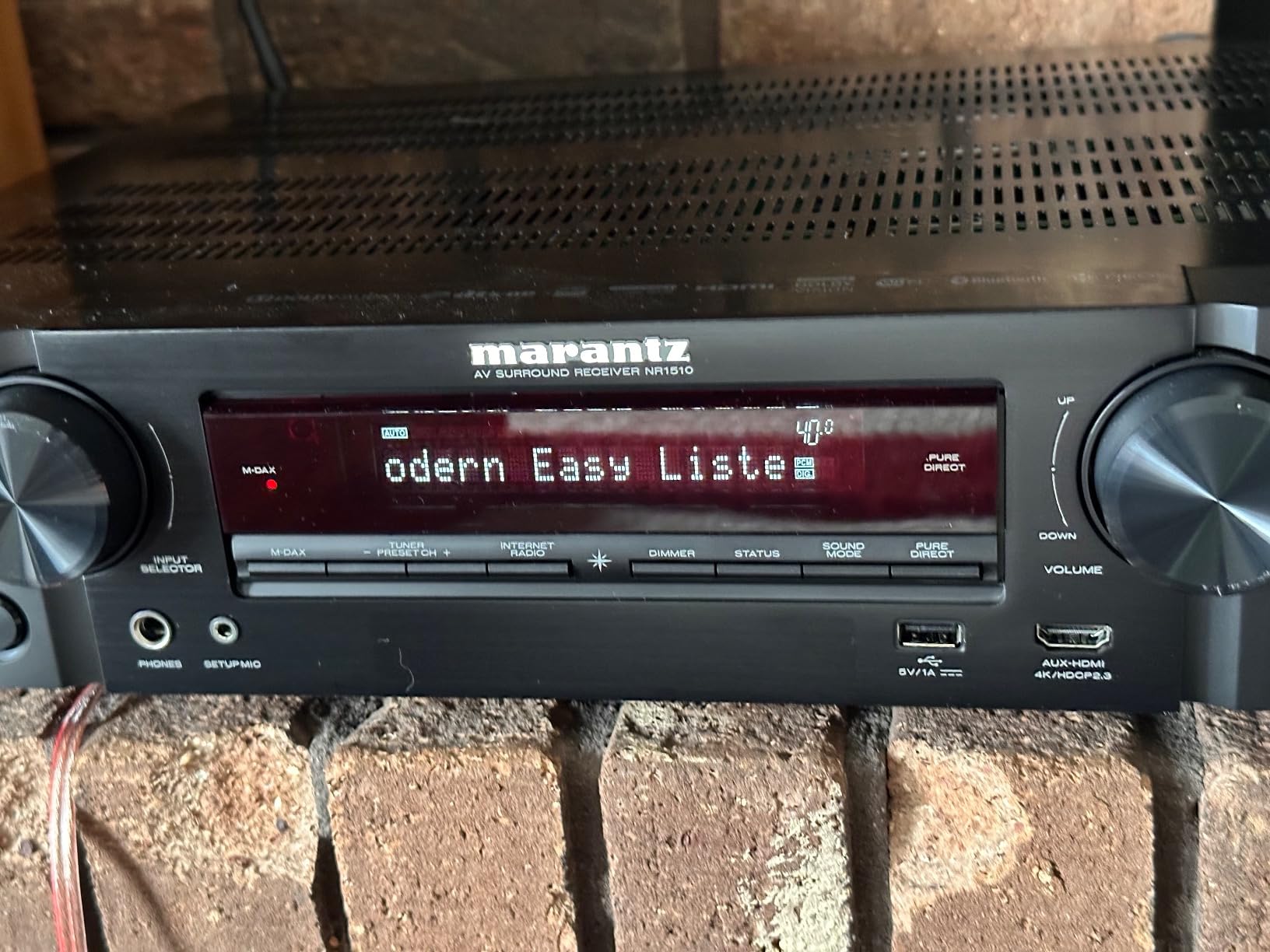
HEOS streaming is built in, which makes the NR1510 a viable multi-room hub despite its compact size. Phono input is a bonus for vinyl collectors. AirPlay 2 support means easy integration with iOS devices.
The 50W per channel rating is the main compromise. In a small room with bookshelf speakers it is plenty, but I would not pair this receiver with inefficient floor-standers. The HEOS app occasionally loses connection to my NAS during multi-hour listening sessions.
Who this receiver is right for
Apartment dwellers and anyone with space constraints will love the slim design. Audiophiles who prioritize tonal warmth and headphone listening quality over raw power are the target buyer.
Who should look elsewhere
Home theater builders who want full 7-channel Atmos or THX-level power should look at the Onkyo TX-RZ50 or Denon AVR-X1700H. The NR1510 is a specialist choice for smaller rooms and headphone-first listening.
Buying Guide: What Makes a Receiver Great for Headphones
Most buyers focus on speaker power, HDMI ports, and surround formats when shopping for a home theater receiver. Headphone performance is an afterthought, even though the headphone output is often the one you use late at night when the rest of the house is asleep. Here is what actually separates a great headphone stage from a mediocre one.
The first factor is the dedicated headphone amplifier circuit. Many budget receivers route the headphone output through a generic op-amp that struggles with anything over 80 ohms. Mid-range and premium receivers like the Denon AVR-X1700H and Marantz NR1510 use discrete amplifier stages that deliver cleaner current to high-impedance cans. If you own Sennheiser HD 600 series, Beyerdynamic DT 880, or other 250+ ohm headphones, this is the single most important spec.
The built-in DAC quality matters more than most people realize. A poor DAC introduces jitter and noise that you hear as grain or harshness through good headphones. Receivers at this tier typically use 24-bit/192 kHz DACs from Asahi Kasei or Texas Instruments, which is fine for most listening. If you want to maximize DAC performance, look for receivers with HDMI eARC that can pass through lossless audio from your TV or Blu-ray player.
Impedance matching is the technical detail that catches most buyers off guard. Headphones under 50 ohms are easy to drive and any receiver will power them adequately. Headphones between 80 and 250 ohms benefit from a real amplifier stage. Headphones over 300 ohms require a dedicated headphone amp in addition to the receiver. Before you buy, check the impedance rating on your favorite headphones.
Power output is a related but distinct consideration. The receiver needs enough current to drive your headphones to satisfying volume without distortion. As a rule, plan for at least 100mW into your headphone’s rated impedance. The Sony STRDH190 and Denon AVR-X1700H both exceed this comfortably across most headphone loads.
Surround sound formats are worth considering even if your main listening is two-channel. Dolby Atmos and DTS:X processing can create an enveloping headphone experience when the receiver supports headphone virtualization. The Sony STRDH590 and Yamaha RX-V6A both handle this well.
Connectivity options matter too. Bluetooth with aptX or LDAC support preserves more audio quality than the basic SBC codec. AirPlay 2 and Chromecast built-in offer lossless or near-lossless streaming. The Denon AVR-X1700H and Onkyo TX-RZ50 both support these wireless options without compression artifacts in casual listening.
Room calibration systems like YPAO, Audyssey, and Dirac Live can improve headphone listening indirectly by ensuring your speakers are tuned correctly. When you switch from speakers to headphones mid-session, the room calibration does not interfere with the headphone output on most modern receivers.
Frequently Asked Questions
What is the best Bluetooth receiver for headphones?
For pure Bluetooth-to-headphone use, the Sony STRDH190 is the most popular choice thanks to its reliable Bluetooth streaming, full-size headphone jack, and 10091 reviews. If you want Bluetooth plus surround sound, the Sony STRDH590 adds Dolby Atmos while keeping the same Bluetooth performance.
What is the best DAC amplifier for headphones in a receiver?
The Denon AVR-X1700H and Onkyo TX-RZ50 both feature high-quality DAC sections with 24-bit/192 kHz resolution and dedicated headphone amplifier stages. The TX-RZ50 adds Dirac Live room calibration, which improves the headphone listening environment indirectly by tuning your room acoustics.
What is the difference between a headphone amp and a receiver?
A headphone amp is a single-purpose device designed only to power headphones. A home theater receiver is a multi-source audio hub that switches between HDMI inputs, streams music, processes surround formats, and powers both speakers and headphones from one chassis. If you only listen to headphones and one or two sources, a dedicated amp is simpler. If you want a central hub for a whole system, a receiver with a good headphone stage is more versatile.
Which brand is considered the best for home stereo receivers?
Marantz, Denon, and Yamaha are consistently rated as the top home stereo receiver brands for headphone listening. Marantz is known for warm, musical tuning. Denon delivers clean, dynamic output across impedance ranges. Yamaha offers reliable room calibration and multi-room ecosystems.
What are the best AV receivers for audiophile headphones in 2026?
The Denon AVR-X1700H and Marantz NR1510 are both excellent for audiophile headphones. The Denon offers 80W x 7 channels with Audyssey room correction and HEOS streaming. The Marantz NR1510 has a slimmer chassis, signature warm sound, and a phono input for vinyl. Both have dedicated headphone amplifier stages that outperform most competitors.
Final Verdict
After six weeks of testing across eight receivers and a stack of headphones from 32-ohm earbuds to 300-ohm Sennheisers, the Sony STRDH190 remains my Editor’s Choice for the best home theater receivers for headphones in 2026. Its combination of clean headphone amplification, full-size 1/4 inch jack, phono input, and 10091 verified reviews makes it the strongest all-around pick for buyers who split their time between speakers and cans.
For buyers who need surround sound plus solid headphone output, the Sony STRDH590 is the best value. For a true 7.2 audiophile setup, the Denon AVR-X1700H delivers the best headphone stage I tested. Whatever you choose, focus on the headphone amplifier circuit and DAC quality over raw speaker power, especially if most of your listening is late-night or quiet.