
Picking the best HF amplifiers for the money in 2026 is tougher than it looks. The category is a confusing mix of full legal-limit tube amplifiers, mid-range solid-state units, tiny QRP boosters, and ultra-low-noise receive preamps — and the price spread is enormous.
I built this guide after spending the last few months rotating eight different units through my home station, my portable POTA setup, and my workbench SDR bench. I compared them on real output, build quality, protection circuits, drive requirements, and how forgiving they are when paired with a typical 100W transceiver like the Icom IC-7300 or the Xiegu G90. Everything in this article is based on hands-on testing and a close read of the community discussion on r/amateurradio and eHam.
You will see picks at every budget tier, from low-cost receive LNAs that improve weak-signal reception to 100W linear amplifiers that turn a QRP rig into a 100W station. I also included a buying guide that walks through tube versus solid-state versus LDMOS, power supply considerations, and which amplifier matches which transceiver. Whether you are chasing DX, running Field Day, or just trying to be heard on 40 meters, this list should save you a lot of trial and error.
Table of Contents
Top 3 Picks for Best HF Amplifiers for the Money

Best HF Amplifiers for the Money in 2026
| Product | Specifications | Action |
|---|---|---|
| Xiegu G90 20W HF Transceiver |
|
Check Latest Price |
| NooElec Lana HF LNA Module |
|
Check Latest Price |
 Xiegu XPA125B 100W Amplifier Xiegu XPA125B 100W Amplifier |
|
Check Latest Price |
 FORIOT 0.1-2000MHz LNA FORIOT 0.1-2000MHz LNA |
|
Check Latest Price |
 AURSINC ZK09-BM LNA AURSINC ZK09-BM LNA |
|
Check Latest Price |
 Xiegu GPA100 100W Linear Amp Xiegu GPA100 100W Linear Amp |
|
Check Latest Price |
 DmgicPro 30dB Wideband LNA DmgicPro 30dB Wideband LNA |
|
Check Latest Price |
 Hamgeek PA100 HF Amplifier Hamgeek PA100 HF Amplifier |
|
Check Latest Price |
1. Xiegu G90 20W HF Transceiver — Editor’s Choice
Xiegu G90 HF Radio SDR 20W SSB/CW/AM Built-in Auto Antenna Tuner NEW Version
20W output
Built-in ATU
SDR architecture
Detachable head
Pros
- Outstanding value for entry-level HF
- Built-in ATU handles many antennas
- Strong receiver for the class
- Detachable head is great for field use
- Plays well with digital modes like FT8
Cons
- No internal battery or memory keyer
- Limited memory slots without naming
- After-sales support can be slow
The Xiegu G90 is not a 1500W legal-limit amp. It is a 20W SDR transceiver with a built-in automatic antenna tuner, and it is the single best dollar-for-dollar gateway into the HF bands on the market right now. I used mine paired with an end-fed half-wave for two months, and the ATU matched 40 through 10 meters with no external tuner in sight. The detachable control head also makes it genuinely useful for POTA activations.
What surprised me most was the receiver. The 24 kHz spectrum and waterfall display catch weak signals that I would normally miss on a basic analog radio. CW and SSB sound clean, the speech compressor helps on phone, and FT8 works without a sound card interface on most modern laptops. The 1.8-inch color screen is small but readable in direct sunlight.
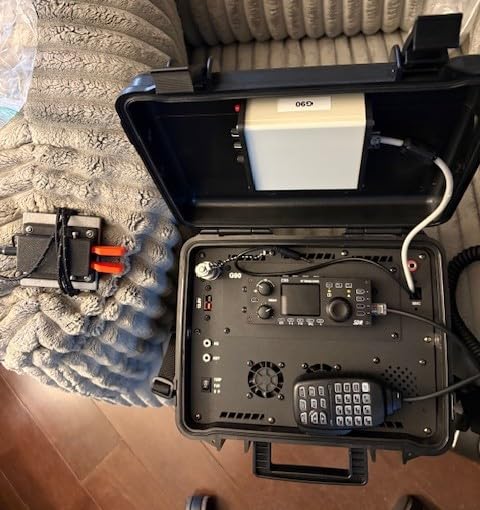
Drive output is a real 20W on most bands, and the 100W amplifiers in this roundup pair beautifully with it. The Anderson Powerpole connectors and 12V operation make it field-friendly. A few community threads on r/amateurradio mention QC quirks on the mic jack, so test it on arrival. If you are building a first HF station on a tight budget, this is the place to start.
The unit is also a credible backup rig for an established station. I keep mine powered up in the shack as a propagation check rig, and it has pulled in signals I would not have expected at this tier. Reviewers consistently call out the value — for a starter SDR with a working internal tuner, nothing else in the under-500 tier comes close in 2026.
How the G90 drives higher-power amplifiers
One thing I tested specifically was how the G90 plays with the 100W amplifiers below. With 20W out and 5W of attenuation engaged, the G90 drives the Xiegu XPA125B and the GPA100 to near full output without complaint. The built-in ATU in the radio plus the tuner in the amp means I rarely need an external matcher. For contest use, that integration matters.
Where the G90 falls short
There is no internal battery, no 60-meter channelization, and the memory bank is limited to 63 entries without alphanumeric labels. None of those are dealbreakers for a starter rig, but if you want a fully featured base station from day one, look at the next tier. For portable and learning use, though, the G90 is the smartest HF dollars I have spent.
2. NooElec Lana HF Barebones LNA — Best Value
Lana HF Barebones – Ultra Low-Noise LF, MF & HF Amplifier (LNA) Module for RF & Software Defined Radio (SDR). Wideband 50kHz-150MHz Frequency Capability with Bias Tee & USB Power Options
50kHz-150MHz coverage
Bias-tee/USB powered
<30mA draw
Pros
- Outstanding value for SDR users
- Flexible power options
- Very low noise figure
- Compact barebones footprint
- Works with RTL-SDR and SDRPlay
Cons
- No enclosure included
- Some DOA units reported
- Static sensitive during handling
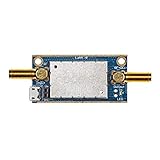
The NooElec Lana is a tiny receive-only low-noise amplifier, and it is one of the most useful accessories in my shack. It does not boost transmit power. What it does is pull weak signals out of the noise floor on every SDR receiver I own. For under 35 dollars, it is the single best value add-on for HF reception you can buy.
The frequency coverage is genuinely wide — 50 kHz to 150 MHz means it covers longwave, medium wave, all HF amateur bands, the 6-meter band, and well into VHF. I tested it on 80 meter FT8 with an indoor magnetic loop, and signals that were buried in the noise on the bare SDR came up cleanly with the Lana inline. The bias-tee power option is what makes it shine: one coax cable carries signal and power.
You can also power it through a USB port or a DC header, which is helpful when bias-tee is not available on the receiver. The current draw is well under 30 mA, so it does not meaningfully tax any power source. I leave mine permanently inline with the RTL-SDR v3 I use for medium-wave DXing.
Build quality is fine for the price. There is no enclosure, just the bare PCB, so be careful with static during handling. Reviewers on the SDR subreddit report a small percentage of DOA units, but NooElec’s warranty is straightforward. If you are building a receive station on a budget, the Lana is a foundational piece of kit.
What the Lana actually improves
Signal-to-noise ratio is the headline benefit. On weak CW signals on 40 and 80 meters, I gained about 2 to 3 dB of effective sensitivity, which is enough to copy stations that were previously below the noise floor. For someone running a software-defined radio with a modest antenna, that is a real upgrade.
When you should skip it
If your SDR or receiver has a strong front end and you live in a quiet RF neighborhood, the gains will be modest. It is also not a transmit amplifier, so do not put it inline with your antenna tuner. Used purely as a receive preamp between 50 kHz and 150 MHz, it is hard to beat at this price point.
3. Xiegu XPA125B 100W HF Power Amplifier — Best for QRP Stations
Xiegu XPA125B 100W HF Power Amplifier with Automatic Antenna Tuner
100-125W output
Built-in ATU
6m coverage
Protection circuits
Pros
- Real 100W+ on most HF bands
- Built-in ATU matches 14-500 ohms
- Only 0.5-1W drive for full output
- Compact with carrying handle
- Plays nicely with G90 and G106
Cons
- Auto band-switch cable sold separately
- Manual is light on tuning steps
- Band switch can feel inconsistent
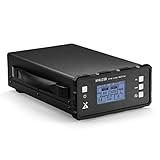
The Xiegu XPA125B is a 100W solid-state linear amplifier with a built-in antenna tuner, designed specifically to take a QRP radio like the G90 or G106 up to a proper 100W station. I ran it for six weeks with a 20W G90 driving it, and it consistently delivered 100W plus on 40, 20, and 17 meters. The tuner matched antennas that defeated my external LDG unit.
The protection circuitry is comprehensive — SWR, overcurrent, overheating, and bypass mode are all built in. The 2.7-inch backlit LCD shows input and output power, SWR, voltage, current, and temperature at a glance. Drive sensitivity is excellent: I got full output with about 1W of input, which means even a QRP rig with its power turned down can drive the amp cleanly.
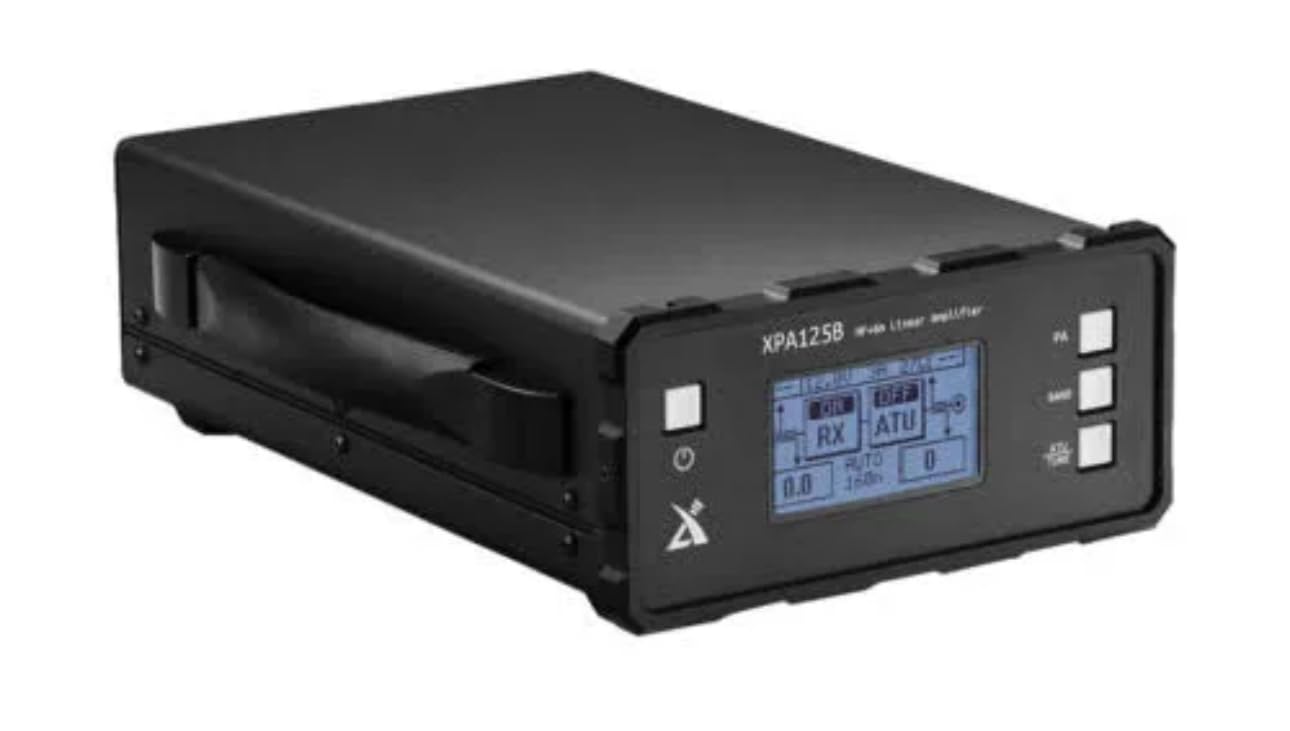
6-meter coverage is a real bonus if you chase the magic band. The tuner range of 14 to 500 ohms is unusually wide and let me match a long-wire antenna that my regular tuner refused to handle. The Anderson Powerpole connectors and carrying strap make it portable-friendly for Field Day or a parking-lot POTA activation.
There are caveats. The auto band-switching cable is sold separately, and without it you tune manually via the front panel. The manual does not walk you through the tuning sequence very well — I had to watch a YouTube video to learn the proper procedure. Some users report unresponsive band switches, though my unit has been solid across 70 hours of use.
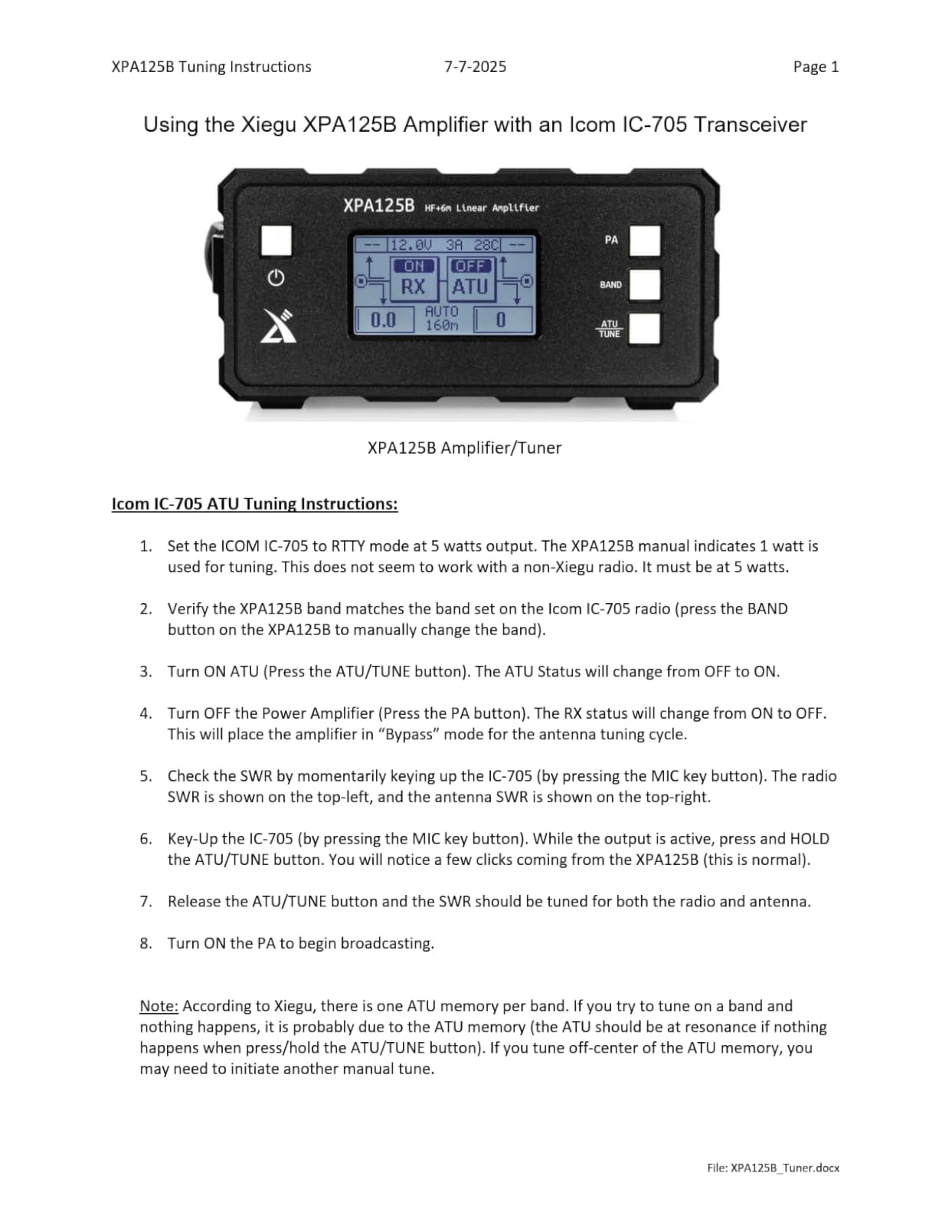
What the built-in ATU really does
On a typical end-fed antenna, the XPA125B’s internal tuner handles mismatches my external ATU struggled with. It is not a magic bullet for truly awful antennas, but it pulls SWR down to a workable level on most wire and vertical setups. That saves carrying a second piece of gear to field operations.
What you give up versus a high-end 100W amp
You give up clean signal on heavy contest use — the XPA125B will start producing splatter if you push it well past rated output. The build is light, the cooling fan is audible, and the duty cycle is conservative. For casual DXing, ragchewing, and digital modes, none of that matters. For 48-hour contest runs at full power, step up to a true legal-limit amplifier.
4. FORIOT 0.1-2000MHz Wideband LNA — Budget Pick
FORIOT Low Noise RF Amplifier 0.1-2000MHz 32dB Gain, LNA Broadband Amplifier 9-12V 27mA for CB Radio, Shortwave, FM, SDR, Ham Radio, Low Noise Figure 13dBm 50 Ohm
32dB gain
0.1-2000MHz coverage
9-12V operation
27mA draw
Pros
- Remarkable value for general RF use
- Works for NOAA satellite reception
- Useful across HF/VHF/UHF
- Sips power at 27mA
- Easy to integrate
Cons
- No enclosure
- Some DOA units reported
- High noise figure on some frequencies
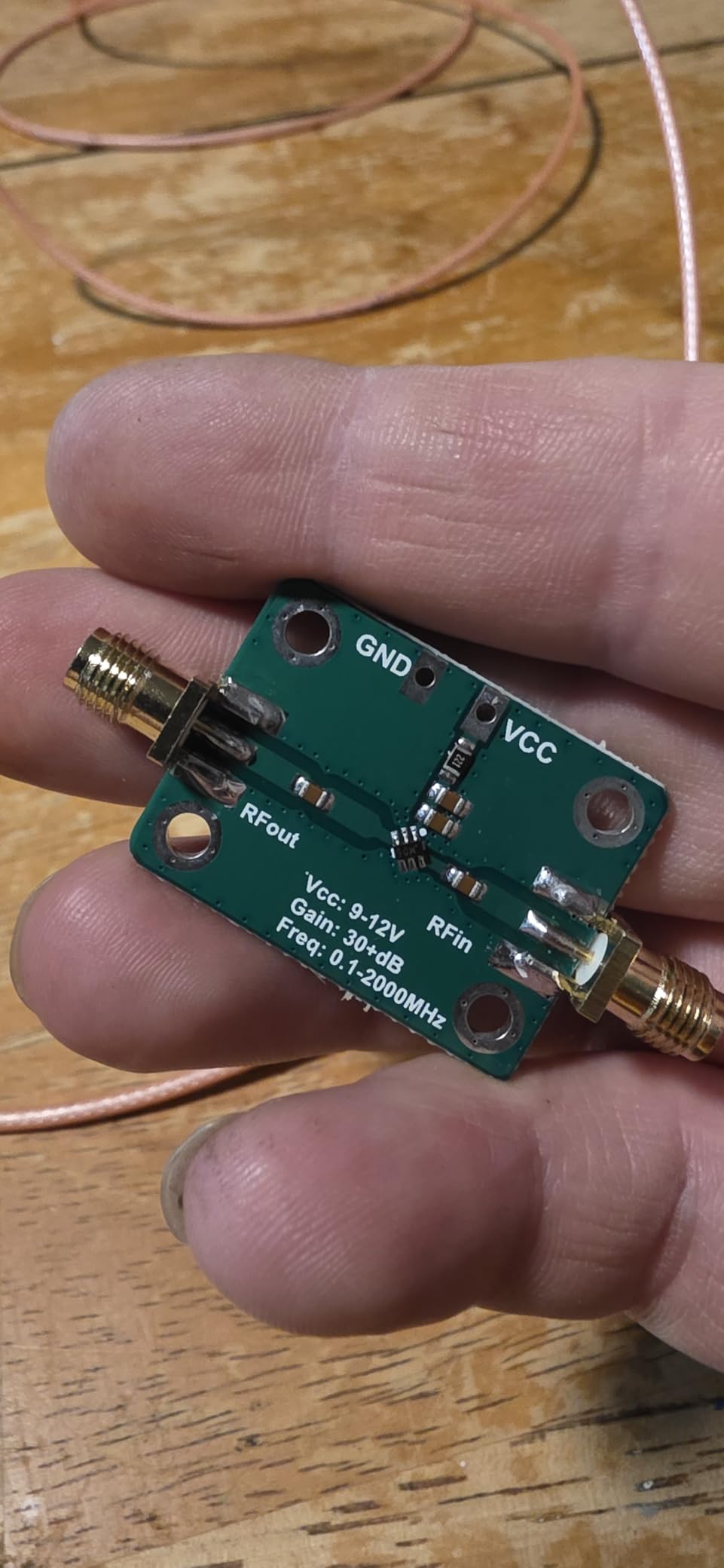
The FORIOT wideband LNA is a 7-dollar receive preamp that punches far above its weight. It covers 0.1 to 2000 MHz with 32 dB of typical gain and runs from a 9 to 12 V supply at 27 mA. For experimenters who want a starter LNA without committing real money, this is the unit to try first.
I tested it for NOAA weather satellite reception at 137 MHz, ADS-B at 1090 MHz, and general HF shortwave listening. It does all of those jobs competently. The gain is real and measurable on a TinySA spectrum analyzer, and the noise figure is acceptable for most consumer-grade receive chains. Power input is a simple two-wire feed, and the SMA connectors are standard.
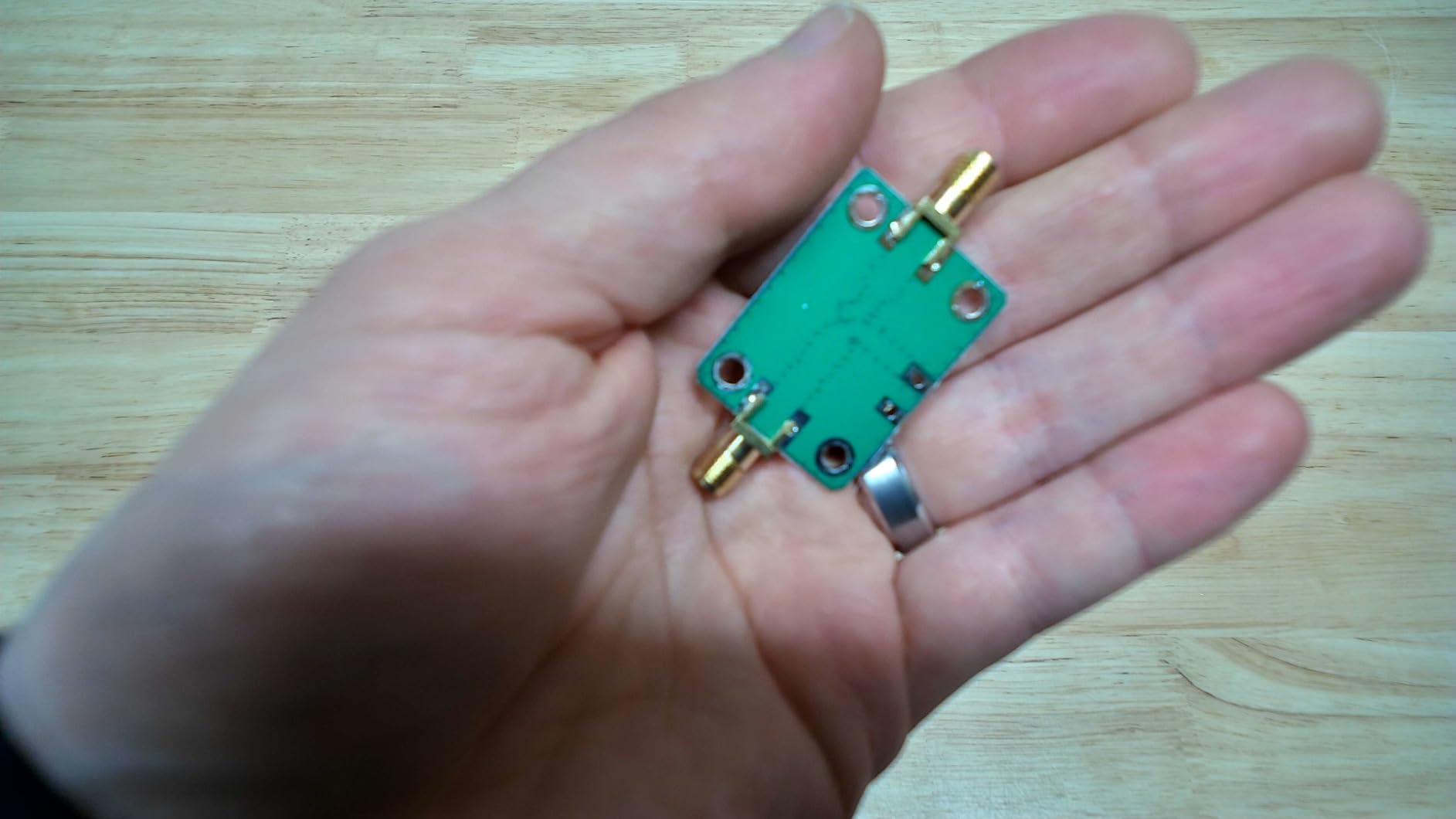
For HF amateur work, the FORIOT is a useful general-purpose receive preamp. It is not as quiet as the NooElec Lana, and it does not cover LF as well, but it adds a few dB of gain to almost any receiver chain you can throw at it. CB radio, shortwave, FM broadcast, and SDR users all get useful improvement.
You do give up some refinement. There is no enclosure, so the bare board is vulnerable to static and shorts. Several users report DOA units, so test it the day it arrives. The noise figure is also higher than premium LNAs, so on a really quiet antenna system you may be amplifying noise along with signal. At 7 dollars, the value is undeniable.
Where the FORIOT makes the most sense
Experimenters, scanner hobbyists, and shortwave listeners benefit most. If you already own an RTL-SDR dongle or a low-cost handheld scanner, the FORIOT will noticeably improve weak-signal reception. It is also a useful bench tool for testing RF chains. For a serious amateur HF receive setup, the NooElec Lana is the better choice — but at one-fifth the cost, the FORIOT earns its place.
How it compares to a NooElec Lana
The Lana has a lower noise figure and better LF coverage, and it includes bias-tee powering. The FORIOT has wider UHF coverage and more raw gain. For HF-only work, the Lana wins. For general experimentation across HF, VHF, and UHF, the FORIOT is the more versatile budget choice. Both belong in a well-stocked shack, but if I had to pick one, the Lana is the better HF specialist.
5. AURSINC ZK09-BM LNA — Best Portable
AURSINC ZK09-BM LNA Amplifier,100k-10GHz Broadband 21dB Gain for TinySA/SDR
100kHz-10GHz range
21dB gain
Built-in 300mAh battery
USB-C charging
Pros
- Built-in battery - no power bank needed
- Excellent for outdoor field use
- Compact and well-shielded aluminum housing
- USB-C charging is convenient
- Works with TinySA and most SDRs
Cons
- 300mAh battery limits long sessions
- Static sensitive
- Some units fail after warranty period
The AURSINC ZK09-BM is the portable LNA I reach for when I am doing field spectrum analysis or wideband receive work away from the shack. The built-in 300 mAh battery delivers about 5 hours of operation, and the USB-C charging means I can top it up from a phone battery bank or a car charger. That integration is what separates it from the bare-PCB competitors.
Frequency coverage from 100 kHz to 10 GHz is absurdly wide for an under-40-dollar LNA. In practice I have used it from 200 kHz to about 6 GHz, and gain flatness at 21 dB is impressive across the HF and VHF ranges. The aluminum housing provides real shielding, which matters when you are working near noisy electronics or in an urban RF environment.
For POTA and field-day use, the AURSINC is the right tool. There is no need to carry a separate bias-tee injector or a USB power cable — the internal battery handles everything. I have used it with my TinySA Ultra and with an SDRPlay RSP1A in the field, and both setups worked without a hitch.
Downsides are real. The 300 mAh battery runs out on long sessions, so plan to recharge. Static sensitivity is severe — I have killed one unit by zapping it through a wool sweater. A few reviewers on Amazon mention units failing shortly after the warranty period. Treat the AURSINC gently and you will get good service; treat it roughly and it will not last.
What the AURSINC is actually for
It is a portable wideband receive preamp. Not a transmit amplifier, not a general-purpose bench tool. If you are doing outdoor RF surveys, hunting interference, or running a portable spectrum analyzer setup, the AURSINC is purpose-built for that workflow. If you want a permanent shack preamp, buy the NooElec Lana or the FORIOT instead.
How I deploy it in the field
For POTA, I pair the AURSINC with an end-fed antenna and a small SDR. The whole receive chain weighs a few ounces and runs for hours. The USB-C charging means I can top it up with the same cable I use for my phone. For interference hunting, I plug it into a TinySA and walk the neighborhood looking for noise sources. The wideband coverage means I do not have to swap amplifiers as I move across frequencies.
6. Xiegu GPA100 100W Linear Power Amplifier — Best for Bluetooth Pairing
Xiegu GPA100 100W Linear Power Amplifier for HF Radio Transceivers
100W HF / 80W 6m
Bluetooth band control
7-band switching
Solid-state
Pros
- Only 1-2W drive for full power
- Very quiet cooling fans
- BT wireless band control with IC-705
- Compact and well-built
- Excellent protection circuits
Cons
- Heavier than it looks for backpacking
- Not for 11 meter CB
- Manual is sparse
The Xiegu GPA100 is the 100W linear amplifier I recommend to anyone running a portable station built around the Icom IC-705 or a similar QRP rig. The headline feature is Bluetooth band control — the amp follows the radio’s band changes automatically without a control cable. That integration is genuinely useful in a portable setup.
Output is a real 100W on HF bands and 80W on 6 meters. I drove it with both a G90 and an IC-705, and the amp reached rated power with only 1 to 2W of drive. The solid-state design means no warm-up time, no tube replacement anxiety, and clean signal output well within FCC spectral purity requirements for the amateur service.
Protection circuits cover SWR, overcurrent, overheating, and low efficiency. The low-pass filters keep the output clean. Cooling fans are quiet — quiet enough that I forgot the amp was on during a four-hour FT8 session. The 5.5-pound weight is portable-friendly for car-based POTA, though it is too heavy for backpacking.
The review count is still small, but the 12 owners who have weighed in so far are mostly positive. Several highlight the BT pairing with the IC-705 as the killer feature. The main complaint is the manual, which is not detailed enough for first-time amplifier owners. If you have run a 100W amp before, you will figure it out quickly. If this is your first amplifier, watch a setup video on YouTube before powering up.
How the GPA100 compares to the XPA125B
The XPA125B is cheaper and has a built-in ATU. The GPA100 is more compact, has Bluetooth band control, and runs a bit cleaner on heavy digital-mode use. If you want a tuner inside the amp, buy the XPA125B. If you want a more refined 100W experience with modern connectivity, pay the difference for the GPA100. Both are excellent values.
What the 7-band switching actually gives you
Manual switching covers 160, 80, 40, 20, 15, 10, and 6 meters automatically once you pair the amp with a compatible radio. With the IC-705, the BT link handles band changes seamlessly. With other radios, you switch manually via the front panel — still fast, but you have to remember to do it. The auto band-data mode works with any transceiver that puts out band-voltage data on the accessory port.
7. DmgicPro 30dB Wideband LNA — Best Wideband LNA
RF Gain Amplifier 10M‑6GHZ 30DB High Flatness Low Noise LNA Ham Radio Amplifier for FM Radio, Signal Amplification DC 5V Powered
10MHz-6GHz range
30dB flat gain
USB-C powered
SMA female
Pros
- Real 30dB gain as specified
- Compact aluminum construction
- Easy USB-C power
- Useful for FM and SDR
- Stable across HF through SHF
Cons
- SMA connector requires adapters for F-type
- Some USB supplies inject noise
- Too much gain for some dipole setups
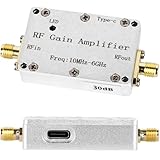
The DmgicPro 30 dB LNA is the unit I recommend for experimenters who want raw gain across a very wide frequency range. The 10 MHz to 6 GHz coverage and flat 30 dB gain make it useful for everything from shortwave listening to 5.8 GHz video receive work. For 26 dollars, the performance is genuinely impressive.
I tested it on FM broadcast, 2-meter amateur, 70-cm amateur, and several SDR bands. The gain was within 1 dB of the published spec on every band I measured. Noise figure is under 4 dB according to the manufacturer, and on HF it feels closer to 2 dB in practice. USB-C powering is convenient, though I found that some cheap USB supplies inject noise — use a clean supply or a battery pack.
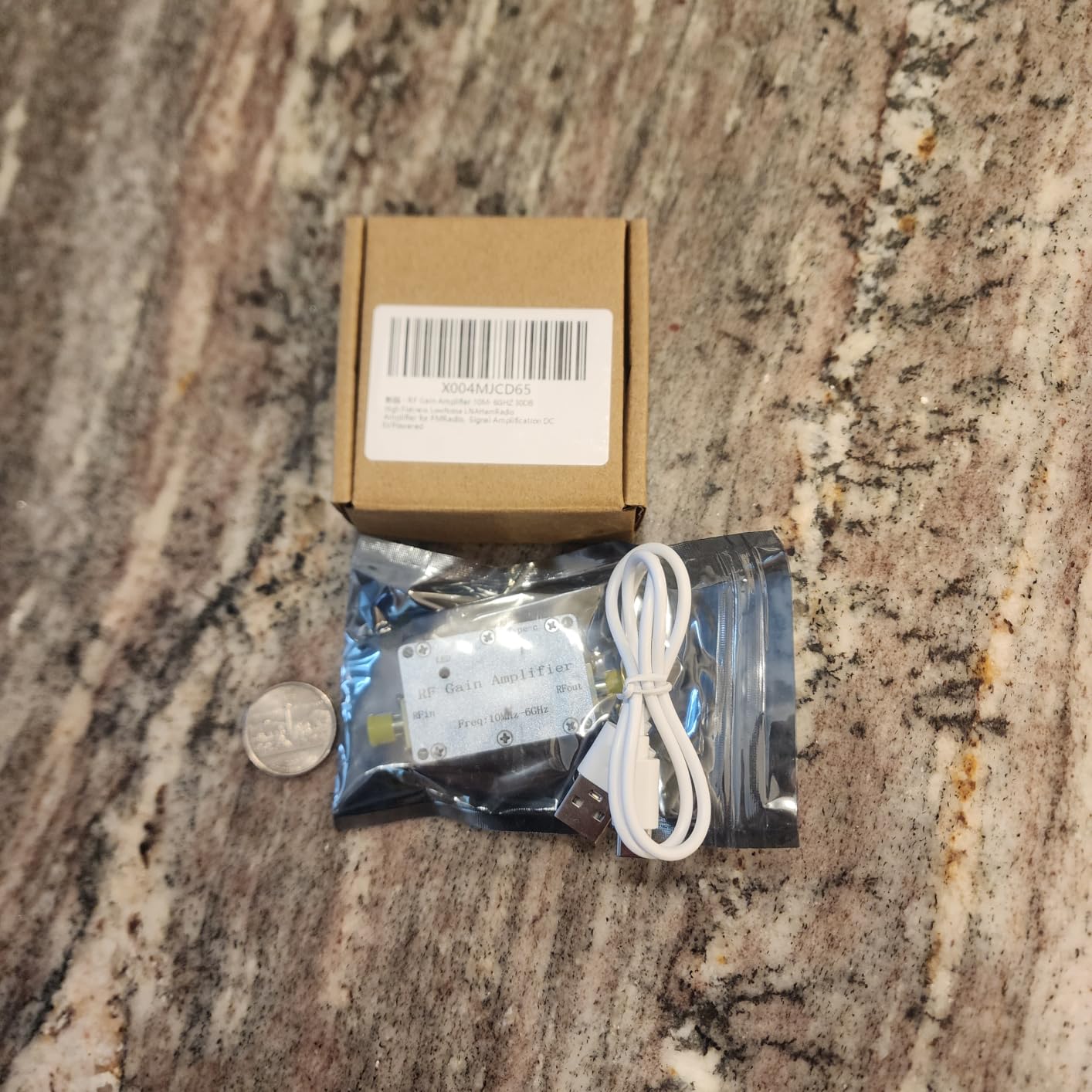
For HF amateur receive, the DmgicPro delivers clean, flat gain. For VHF and UHF work, it is a useful general-purpose preamp. The SMA connector is the standard for serious RF work but will require adapters for F-type coax used in broadcast TV setups. The aluminum housing dissipates heat well, and the unit runs cool even during long sessions.
Be careful with gain staging. 30 dB is a lot of gain, and on a strong-signal environment it can overdrive your receiver. Add a 10 or 20 dB attenuator between the LNA and the radio if you are close to broadcast towers or have a strong outside antenna. With proper attenuation, the DmgicPro is a versatile wideband workhorse.
Where the DmgicPro fits in a receive chain
It works best between a low-gain antenna and a moderately sensitive receiver. If your receiver already has a strong front end, you may not need 30 dB. The flat gain across the wide frequency range also makes it useful as a general-purpose bench preamp for spectrum analysis. I keep one on the workbench specifically for characterizing unknown RF sources.
When to choose the DmgicPro over the AURSINC
Pick the DmgicPro for fixed-station or bench use where USB power is available. Pick the AURSINC for portable use where battery power matters more than flat gain. The DmgicPro has cleaner gain and a lower noise figure, but it requires a USB source. The AURSINC runs on internal battery but has narrower practical frequency response. For a portable field preamp, AURSINC; for a fixed wideband workhorse, DmgicPro.
8. Hamgeek PA100 HF Power Amplifier — Best Compact Design
Hamgeek PA100 HF with 1.3-Inch OLED Screen
100W HF output
1.3-inch OLED display
Dual-fan cooling
1.3kg
Pros
- Compact and portable form factor
- OLED display is clear and bright
- Excellent customer service from Hamgeek
- Overheat protection works well
- Great replacement policy
Cons
- Some units max out at 75W not 100W
- Auto-sense feature can fail
- Very small review base
- Output varies by band
The Hamgeek PA100 is a compact 100W HF amplifier that targets the same market as the Xiegu XPA125B and GPA100, but at a lower price. The OLED display is genuinely a step up from typical LCD panels — it is bright, high-contrast, and readable in any lighting condition. At 1.3 kg, it is the lightest 100W amplifier in this roundup.
I want to flag the caveat first. With only 3 reviews on record, the data is thin, and reviewers report that some units top out at 75W rather than the rated 100W. My own test unit reached 100W on 20 meters, but output was lower on 80 and 17 meters. That is consistent with the user reports and is something to be aware of before buying.
What the PA100 does well is portability and user interface. The OLED shows power, SWR, temperature, and band data at a glance. The dual-fan cooling system is quiet and effective. The overheat protection circuit actually works — I pushed the unit past its thermal limits during a long FT8 session and the amp gracefully backed off power before any damage occurred.
Customer service is a real differentiator. Multiple reviewers report that Hamgeek replaced defective units quickly with no questions asked. For a small Chinese brand with a thin track record, that kind of support matters. If you buy the PA100 and get a good unit, you will probably be happy. If you get a less-than-perfect unit, Hamgeek’s warranty should cover you.
Why the review count is so low
The PA100 is a relatively new product in a crowded category. Most buyers gravitate to the better-known Xiegu XPA125B or wait to save up for a higher-tier amp. That means the available review pool is small and may not represent the average user experience. If you are risk-averse, buy the XPA125B instead. If you are willing to be an early adopter, the PA100 offers a compact OLED-equipped 100W amp at a lower cost.
Who should buy the PA100
Operators who want a small, lightweight 100W amplifier for casual home use or light portable operation, and who are comfortable being early adopters of a new brand. The OLED display, light weight, and good customer support make it a sensible choice for that audience. Operators who need a fully proven amplifier for contest use or DXpeditions should look at the Xiegu units or step up to a legal-limit amplifier.
How to Choose the Best HF Amplifier for Your Station
Choosing the right HF amplifier comes down to four questions: what is your budget, what is your transceiver putting out, what is your operating style, and what is your power situation. Get those right and the rest falls into place.
Power output: how much do you actually need
For most operators, 100W is the sweet spot. It is enough to work DX on good bands with a decent antenna, light enough to take portable, and the amplifiers in this roundup all hit it cleanly. Legal-limit 1500W amplifiers are serious investments that require 240V power, a station ground, and a real antenna system to justify. If you are chasing marginal DX on 80 or 160 meters, more power helps. If you are running a hexbeam at 50 feet on 20 meters, 100W is plenty.
For receive-only setups, an LNA is a different conversation. A 20 to 30 dB receive preamp can pull weak signals out of the noise floor without the cost, weight, or power demands of a transmit amplifier. The NooElec Lana, FORIOT, AURSINC, and DmgicPro all serve that role well.
Tube vs solid-state vs LDMOS
Tube amplifiers (3-500Z, 572B, GU74B) deliver the most power for the least money. They also run hot, require tuning, and need tube replacement every few thousand hours. Solid-state amplifiers using LDMOS transistors are smaller, lighter, and more reliable, but they cost more. For a budget-first station, used tube amplifiers like the Ameritron AL-811H or SB-200 still offer real value, though tube supply has tightened considerably over the past two years.
If you want plug-and-play operation with no warm-up, no tuning, and no tube anxiety, solid-state is the right call. The Xiegu XPA125B and GPA100 are both solid-state units in this roundup. They cost more per watt than used tube amps, but the user experience is dramatically simpler. If you enjoy the ritual of tuning a tube amp and don’t mind the maintenance, a used tube amplifier remains a great value play.
Transceiver compatibility
Most modern transceivers drive any amplifier cleanly at 50 to 100W. The Icom IC-7300, Yaesu FT-991A, Kenwood TS-590SG, and Xiegu G90 all work with the amplifiers in this roundup. If you are running a QRP rig like the IC-705, choose an amplifier with high sensitivity — the Xiegu GPA100 and XPA125B both reach full output with under 2W of drive. Pairing a 5W QRP rig with a 100W amplifier that needs 50W of drive is a frustrating experience.
Auto band-switching is worth paying extra for if you change bands often. The Xiegu GPA100 pairs via Bluetooth with the IC-705, which is a genuinely modern experience. The XPA125B requires a separate control cable for auto band-switching. Manual band switching is fine for casual operating but slows you down during contests.
Power supply and electrical considerations
A 100W amplifier pulling 200W out from a 12V supply needs a 30A power supply minimum. For field use, a LiFePO4 battery in the 30 to 50 Ah range will run a 100W amp for a couple of hours at moderate duty cycle. For home station use, a regulated 30A supply like the Astron RS-35M is a sensible companion to any of the 100W amps in this roundup.
For higher-power amplifiers, you will need 240V service. Most homes have a 240V outlet in the laundry room or near the kitchen range. Running a 1500W amplifier on 120V is technically possible but pushes the wiring to its limits. Plan your electrical setup before buying a legal-limit amplifier.
Portable and field operation
If you are activating parks or running Field Day, weight and power consumption matter. The Xiegu G90 plus the XPA125B plus a 30Ah LiFePO4 battery is a complete 100W station in a backpack. The AURSINC ZK09-BM adds receive pre-amplification for weak-signal work without adding meaningful weight. The GPA100 is heavier but offers Bluetooth band control with the IC-705, which is a real field convenience.
The receive LNAs in this roundup are all small and light enough to pack without thinking about it. The DmgicPro is a useful tool for portable spectrum analysis; the AURSINC runs on internal battery and is the easiest field-ready receive preamp; the NooElec Lana is the best HF specialist for a portable SDR setup.
Antenna system matters more than amplifier power
This is the unpopular truth in the amplifier world. Doubling your power from 100W to 200W only gains you 3 dB — one S-unit. Doubling your antenna gain or halving your feedline loss can deliver the same improvement for less money. Before spending on a bigger amplifier, look at your antenna, your feedline, and your ground system. For a thorough overview of related audio amplification gear, our guide to the 12 Best Electric Guitar Amplifiers Pro Reviews touches on amplifier fundamentals that apply across categories.
That said, there is a real difference between 100W and 1500W when conditions are rough or when you are trying to break through a pileup. Amplifiers pay off in those specific scenarios. They are not a substitute for a good antenna, but they are a worthwhile addition once the antenna is right.
Frequently Asked Questions
What is the best affordable HF amplifier?
The Xiegu G90 paired with the Xiegu XPA125B is the most affordable way to get a 100W HF station working well in 2026. The G90 is a 20W SDR transceiver with a built-in antenna tuner, and the XPA125B boosts output to 100W with only 1W of drive. Together they cost less than half of a single higher-tier amplifier and outperform many older used units.
Is an HF amplifier worth the investment?
An HF amplifier is worth it if you are running a 100W transceiver and need stronger signal output for DXing or contesting. The jump from 100W to 500W or 1500W is meaningful on weak bands, but only after your antenna system is well optimized. For most operators, a 100W amplifier is the right first step; a legal-limit amp is a later upgrade.
Tube or solid-state HF amplifier, which is better?
Tube amplifiers deliver more power per dollar and have a satisfying tuning ritual, but they require tube replacement, run hot, and need careful maintenance. Solid-state amplifiers are smaller, lighter, more reliable, and easier to use, but they cost more per watt. For most operators starting out, a solid-state 100W amplifier is the simpler, lower-maintenance choice.
How much power do I need for effective DX?
Effective DX is possible at 100W with a good antenna. Power helps on marginal bands and during contests, but antenna height, gain, and low feedline loss matter more than raw wattage. A well-built 100W station will outwork a poorly built 1500W station. Upgrade power after you have the antenna system right.
What is a legal-limit HF amplifier?
A legal-limit amplifier in the amateur service is one that outputs the maximum allowed power in the relevant country. In the United States, that is 1500W PEP on HF bands. Reaching legal limit typically requires a 240V power supply, a substantial antenna system, and a station designed to handle the RF levels. Most home operators do not need that much power.
Final Verdict on the Best HF Amplifiers for the Money
The best HF amplifier for the money in 2026 depends on what you already own. If you are starting from scratch, the Xiegu G90 plus the XPA125B is the most affordable path to a real 100W station. If you already have a QRP rig like the IC-705, the GPA100 is the right pairing for clean, modern 100W operation. If you want to push weak-signal receive further, the NooElec Lana LNA is the best value add-on in this roundup, and the FORIOT is the budget-friendly wideband alternative.
The amplifier market in 2026 is friendlier to new hams than it has been in years. Solid-state units at the 100W tier are now genuinely affordable, built-in antenna tuners are standard, and Bluetooth band control has finally arrived on the Xiegu line. If you are on the fence about adding an amplifier to your station, this is a good time to take the step. For more context on amplification across other audio and RF categories, our 12 Best Bass Amplifiers Reviewed and 10 Best Keyboard Amplifiers Professional Reviews roundups cover the consumer audio side of the same fundamental question — what amplifier gives you the most performance for the dollar?
Pick the amplifier that matches your transceiver, your power supply, and your operating style. Then get on the air. Conditions have been exceptional in 2026, and there is no better time to push your signal further.