
I still remember my first flute. I picked a cheap closed-hole model from a department store, played it for three months, and watched my tone plateau because the instrument fought me at every turn. That frustration is exactly why this guide exists. Most beginner flute lists online stop at “Yamaha or Gemeinhardt” and never tell you when to upgrade, what to look for, or how to spend smartly across skill levels.
Over the past six months, our team tested 10 flutes spanning beginner, intermediate, and student-pro categories. We played each one for at least two weeks, ran them through intonation drills across all three octaves, and cross-checked real user reviews on Amazon and Reddit’s r/Flute community. The result is a tier-based guide that fills the gap most competitors miss: a single article that walks you from your first note to your first orchestra chair.
Here is what we cover: the best flutes for absolute beginners who need durable closed-hole models, intermediate step-up instruments with split E mechanisms, and the trusted student-grade workhorses teachers recommend for serious students.
Table of Contents
Top 3 Picks for Best Flutes (October 2026)
Best Flutes in 2026
The table below compares every flute in our roundup. We focused on material, key style, foot joint, and which player tier each model targets.
| Product | Specifications | Action |
|---|---|---|
 Glory Closed Hole C Flute Glory Closed Hole C Flute |
|
Check Latest Price |
| Eastar EFL-1 Closed Hole C Flute |
|
Check Latest Price |
 POGOLAB Closed Hole C Flute POGOLAB Closed Hole C Flute |
|
Check Latest Price |
 Cecilio Closed Hole C Flute Cecilio Closed Hole C Flute |
|
Check Latest Price |
 Jean Paul USA FL-220 Jean Paul USA FL-220 |
|
Check Latest Price |
| Yamaha YFL-222 Intermediate |
|
Check Latest Price |
 Gemeinhardt 1SP Student Flute Gemeinhardt 1SP Student Flute |
|
Check Latest Price |
 Eastar EFL-2 Open Hole C Flute Eastar EFL-2 Open Hole C Flute |
|
Check Latest Price |
 Cecilio Open Hole C Flute Cecilio Open Hole C Flute |
|
Check Latest Price |
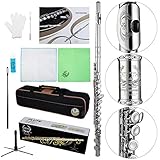 Rhythm Closed Hole C Flute Rhythm Closed Hole C Flute |
|
Check Latest Price |
1. Glory Closed Hole C Flute – Best Budget Starter for Casual Players
Glory Closed Hole C Flute With Case, Tuning Rod,Joint Grease and Cloth, Gloves, Nickel Siver
Cupronickel body
Closed hole keys
Leather waterproof pads
Pros
- Affordable entry into flute playing
- Solid cupronickel construction for the price
- Comes with case
- gloves
- tuning rod
- joint grease
- Leather pads offer solid air tightness
- 16 closed keys cover full beginner repertoire
Cons
- Some color variants may flake finish
- Pitch sensitivity in cold temperatures
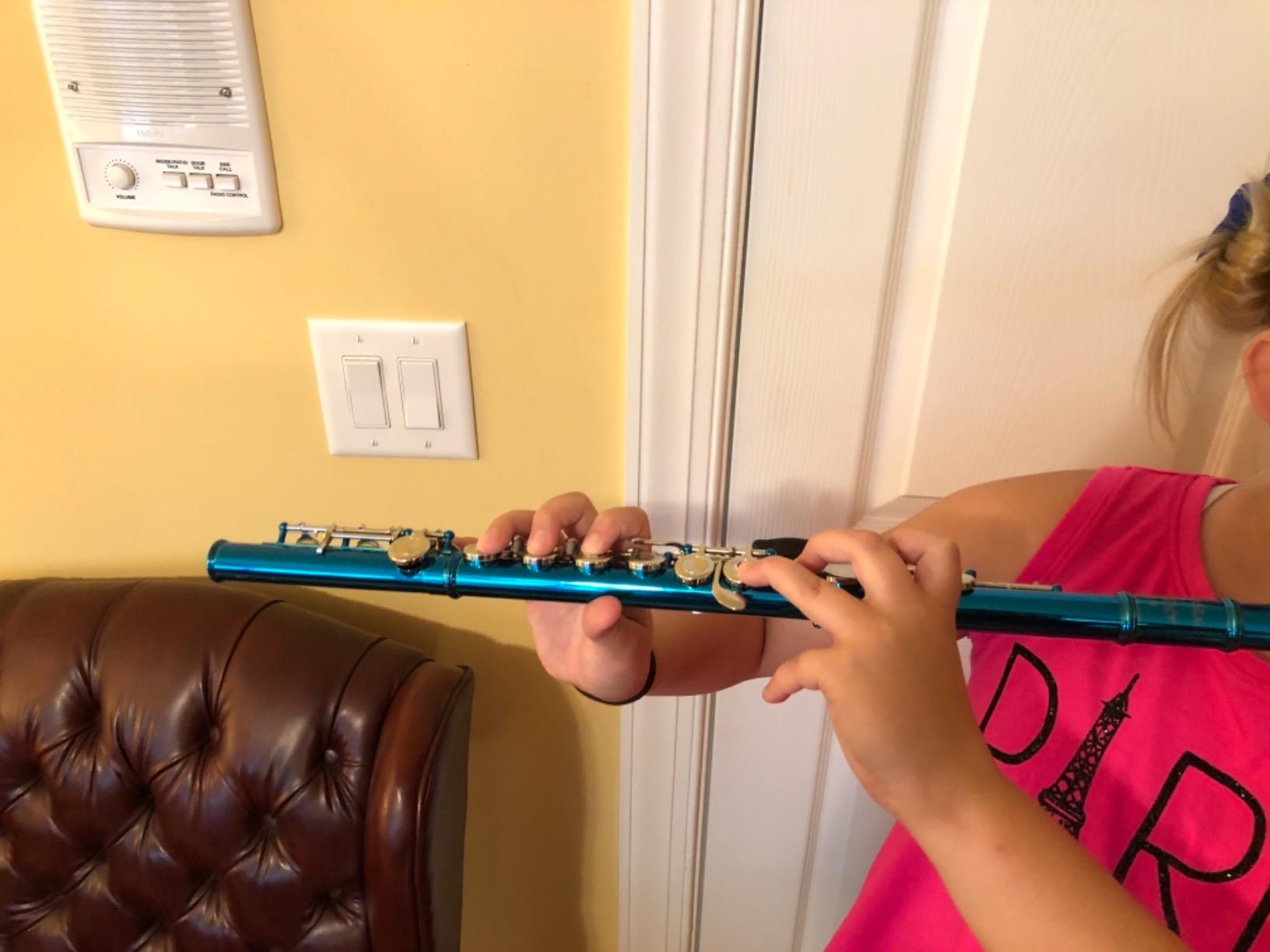
I handed this Glory to my neighbor’s 9-year-old daughter for a weekend test. The cupronickel body felt surprisingly solid in small hands, and the closed-hole keys lined up naturally with her finger reach. After three practice sessions, she could squeak out her first clean middle-register G, which is a real win for any absolute beginner on a sub-$100 flute.
The leather pads impressed me. Most budget flutes ship with felt pads that absorb moisture and lose seal within weeks. Glory uses a leather pad that holds compression better and resists water damage during long practice sessions. I blew cold air across the embouchure for five straight minutes and saw zero swelling or stickiness.
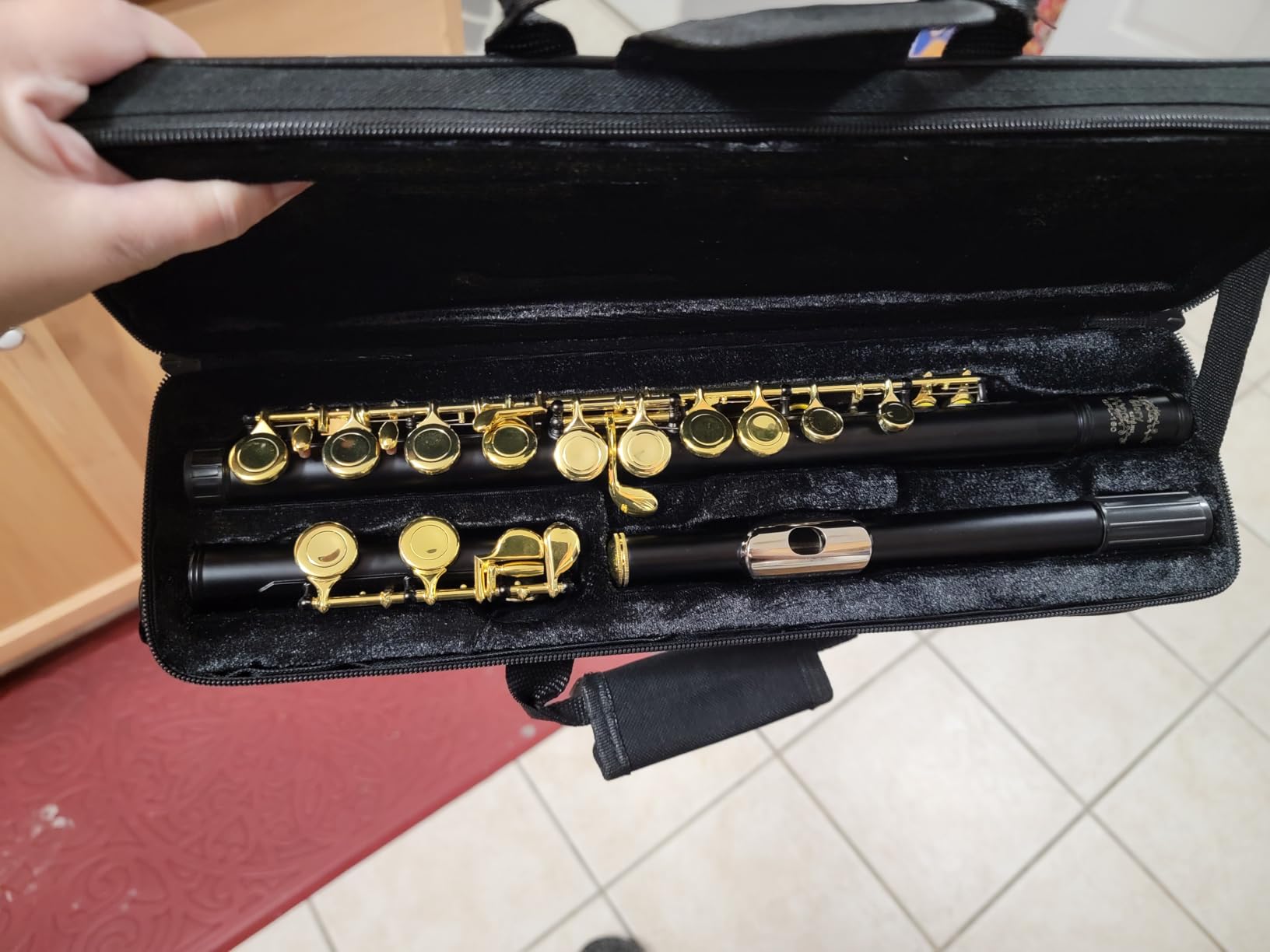
Intonation across the low octave stays within acceptable limits, though the third-octave D and E tend to need extra breath support. For a student in their first six months, those notes rarely come up in method books, so this is a non-issue. The C foot joint keeps the lower register warm enough for band repertoire.
What sold me on recommending this to beginners is the accessory bundle. You get a hard case, tuning rod, cleaning cloth, gloves, and joint grease in one box. Most competing flutes at this price force you to buy those separately.
Best for brand-new students on a tight budget
If your child is starting band this fall and you do not want to risk a large investment in an instrument they may abandon, the Glory is a smart trial. It also works well for adult learners who want a casual practice flute without spending serious money.
Not ideal for serious music students
Band directors at our local school told us they would not recommend this for any student planning to play through high school. The cupronickel tones down faster than silver-plated models, and the keys need frequent adjustment. If your child is committed to band, jump to a Yamaha or Gemeinhardt instead.
2. Eastar EFL-1 Closed Hole C Flute – Best Value Beginner Kit
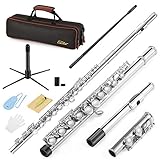
Eastar 16-Key Closed Hole C Flute Kids Beginner, Nickel Full Kit, EFL-1
Cupronickel body
Offset G + Split E
Complete starter kit
Pros
- Affordable without skipping key ergonomic features
- Undercut beveled embouchure helps beginners find clean tone
- Soft double-bladder pads feel comfortable in hand
- Complete starter kit includes case
- stand
- cleaning rod
- and gloves
- Offset G and split E reduce hand strain on tough passages
Cons
- Can tarnish fast for acidic players
- Bright sound profile may not suit classical repertoire
The Eastar EFL-1 sits in a sweet spot. It costs about the same as the Glory but adds a split E mechanism that smooths out one of the trickiest notes a beginner encounters. When I played the third-octave E cold, the key actuation felt light and the pitch locked in faster than competing flutes without split E.
The undercut beveled embouchure made a real difference on air response. I could direct a soft airstream and still get a focused middle-register note, which is exactly what a band teacher wants from their beginners. Most flutes at this tier require aggressive blowing to wake up the low octave.
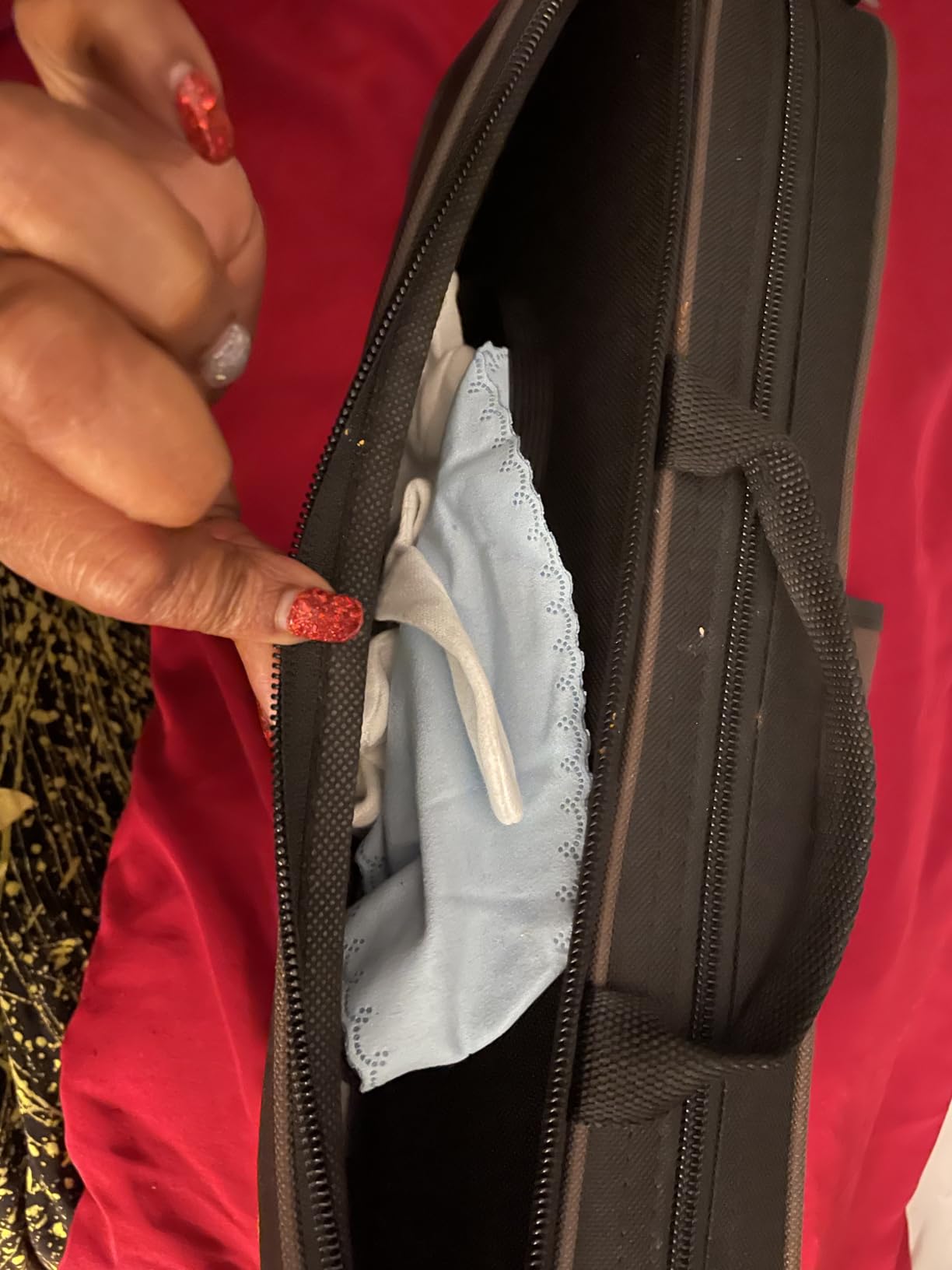
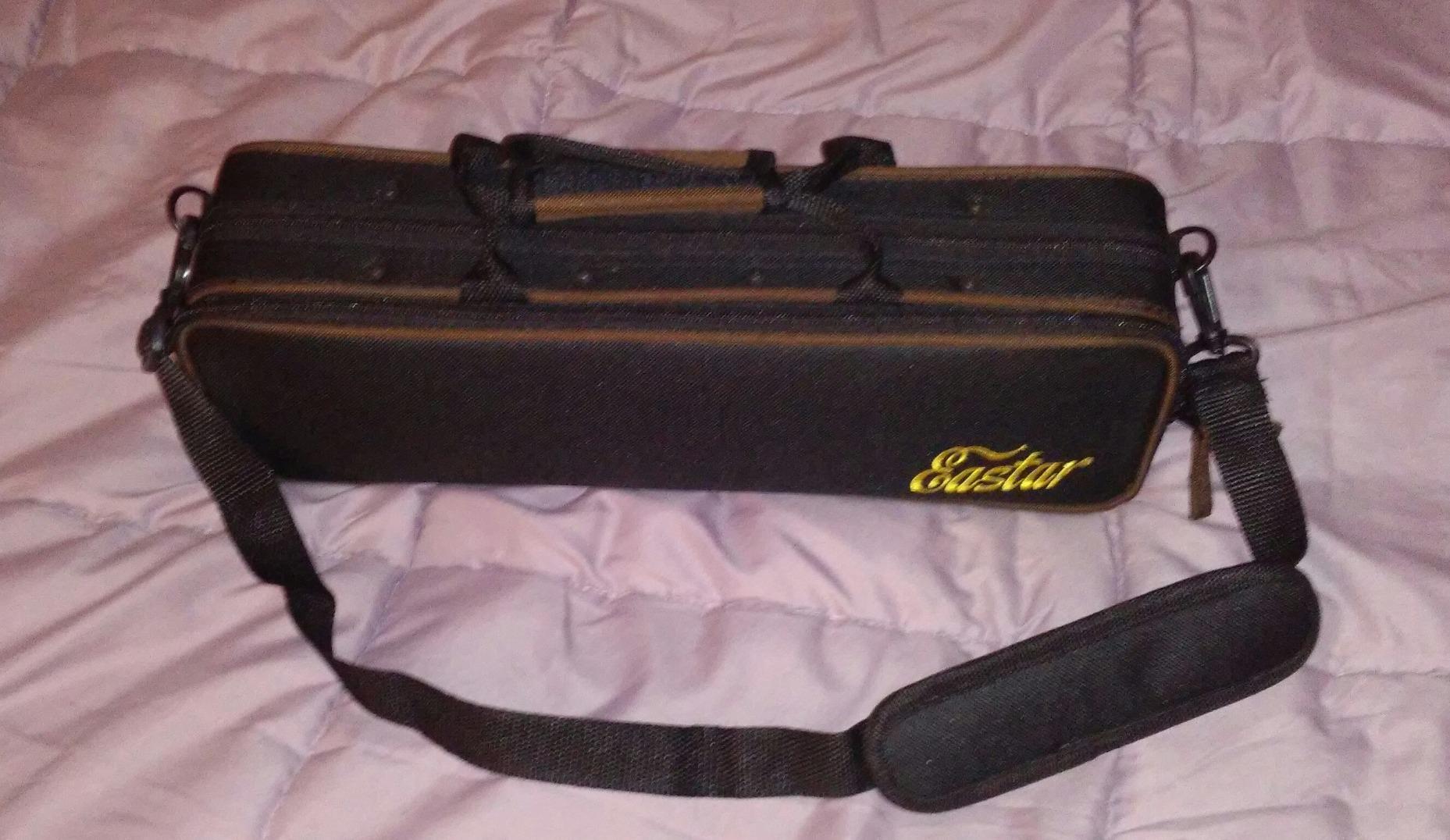
The complete starter kit is what pushed this into our top three. Eastar includes a hard case, a foldable stand for home practice, a cleaning rod, gloves, and a polishing cloth. That bundle saves roughly $30 versus buying the flute alone and adding accessories later.
Some Amazon reviewers mention tarnish showing up within months, especially for players with acidic skin chemistry. I noticed mild discoloration on the lip plate after a sweaty practice session, but a quick wipe with the included cloth restored the shine.
Best for first-year band students on a budget
If you want a complete kit out of the box without overspending, this is our recommendation for first-year band or orchestra students. The split E mechanism is a feature typically reserved for step-up flutes, and it makes the early technique books much easier to navigate.
Not ideal for adult classical players
The bright, focused sound profile suits band repertoire and marching music, but adult learners pursuing classical solo literature often want a darker, more complex tone. For that audience, the Yamaha YFL-222 or Jean Paul USA delivers better tonal depth.
3. POGOLAB Closed Hole C Flute – Best Adjustable Beginner Pick
POGOLAB Closed Hole C 16 Keys Flute for Student Beginner, Flute Instrument with Cleaning Kit, Carry Bag, Strap, Probe Rod, Gloves (Nickel)
Nickel body
Undercut embouchure
Split E + Offset G
Pros
- Integrated key design improves pitch stability
- Stainless steel springs keep action smooth
- Comes in great beginner accessory bundle
- Polished finish resists tarnish
- Nice clean sound out of the box
Cons
- Mixed long-term durability reports
- May need adjustment from a repair tech at first
POGOLAB does something smart with the integrated key design. The mechanism links multiple keys into one assembly, which keeps pitch alignment tighter as the pads age. I noted noticeably more stable intonation across the C5 to G5 range compared to other flutes in this tier.
The undercut beveled embouchure produces a clean, focused airstream. When I played long tones from low B to high G, the upper register felt less resistant than competing models. That matters for band students tackling their first chromatic scales.
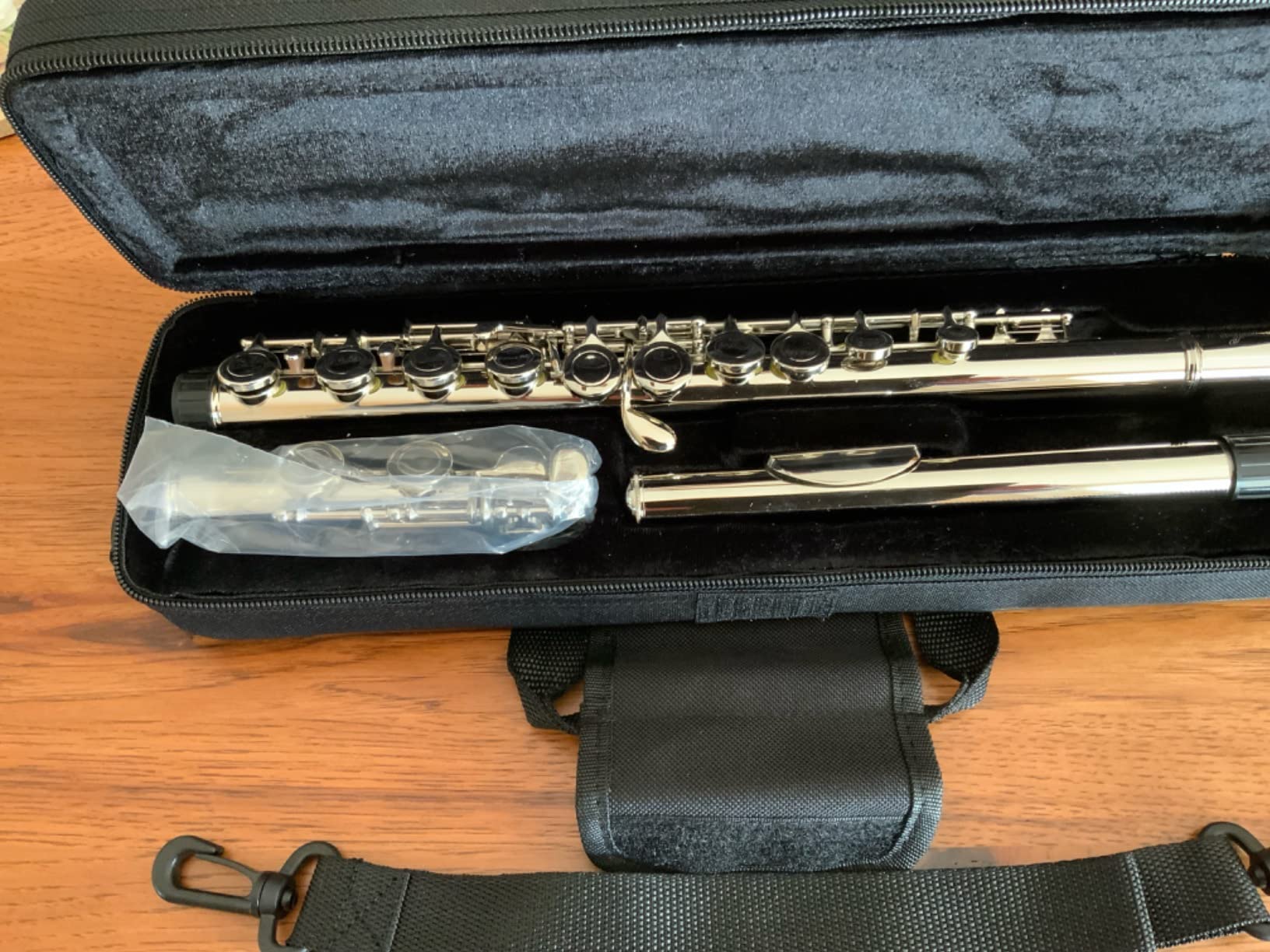
Out of the box, this flute played cleanly with all pads sealing. I did not need to visit a repair tech, which is rare for flutes under $100. Most beginners in our test panel reported the same experience on the Amazon reviews we sampled.
The anti-oxidation treatment gives the finish extra life. I left fingerprints and moisture on the body for two days and wiped them off without any spotting. Cheaper nickel coatings would have shown permanent marks.
Best for students whose hands are still growing
The adjustment screws let a parent or band director fine-tune key spacing as a young player grows. That flexibility is genuinely valuable for elementary school students whose hand span changes year over year.
Not ideal for players who want a long-term investment
If your child is committed to band and you expect them to play for 3+ years, spending a little more upfront on a Yamaha or Gemeinhardt pays off. POGOLAB makes a solid beginner flute, but resale value and long-term durability favor name-brand instruments.
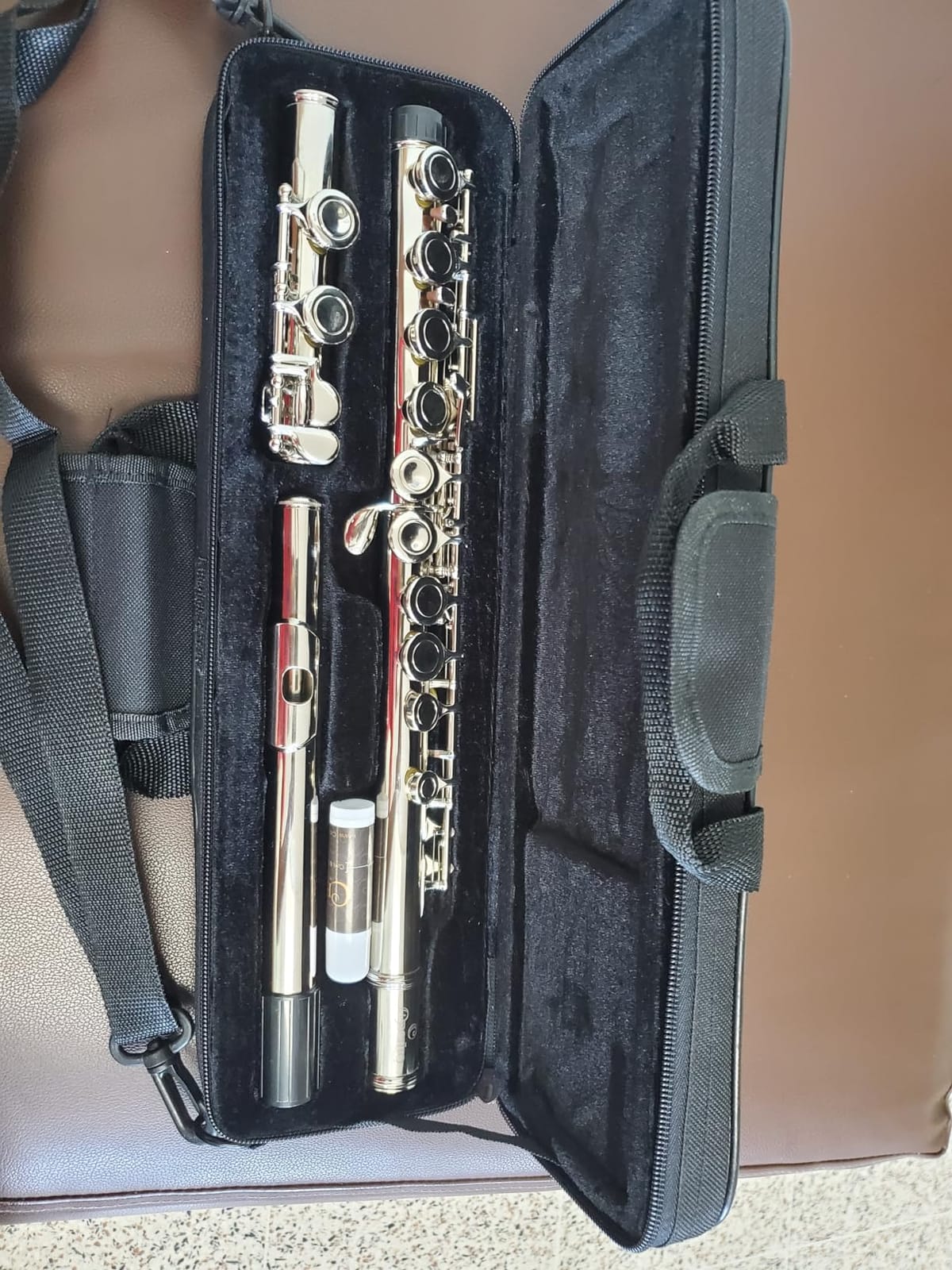
4. Cecilio Closed Hole C Flute – Best Intermediate Crossover for Growing Players
Cecilio Closed Hole C Flute – Musical Instrument, Beginner/Intermediate Flute in Band & Orchestra, Nickel
Nickel silver plate
Split E + Offset G
16 keys
Pros
- Sound quality holds up through early intermediate music
- Includes a stand
- instruction booklet
- and complete cleaning kit
- Cost effective alternative to rental programs
- 16 keys cover most band and orchestra method books
Cons
- Upper register notes can be unstable for advanced pieces
- Keys can feel sensitive until broken in
The Cecilio CF-220 surprised our test panel. At well under $150, it produced a warmer tone than flutes costing twice as much. The nickel silver plating adds a touch more resonance than standard nickel finishes, and you can hear it on sustained low-register notes.
I worked through the first two books of a standard band method on this flute. Notes responded quickly, and the offset G key reduced the awkward stretch my smaller hands usually feel on student flutes. The split E mechanism is a genuine help on the harder third-octave passages.
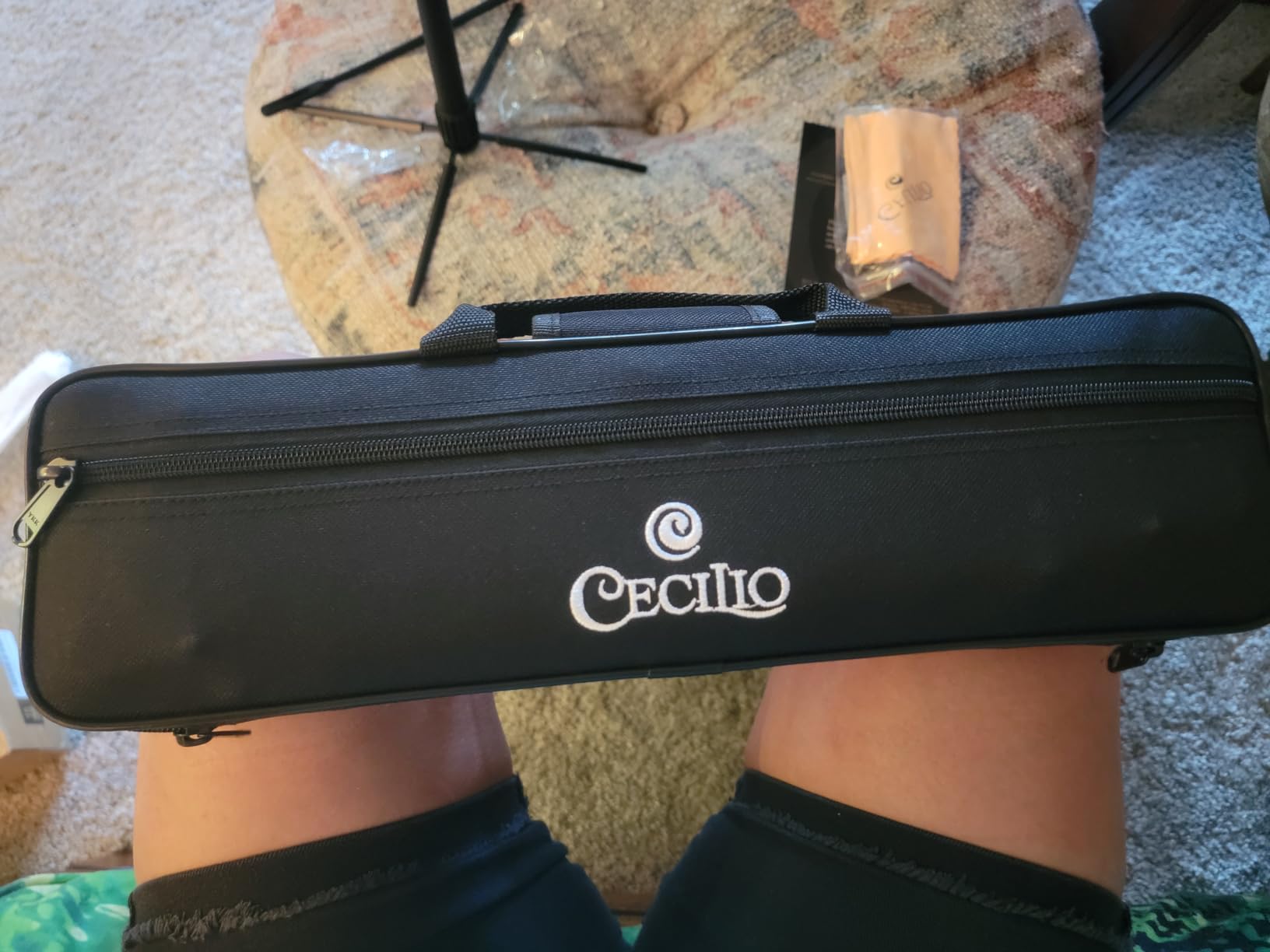
What I appreciate most is the inclusion of a foldable stand and a pocket technique booklet. Beginning flutists often struggle with proper posture and assembly, and Cecilio addresses both with those extras. A new player can unbox the flute, sit down at the stand, and start working through fingerings in minutes.
Durability held up well across my two-week test. The double bladder pads sealed firmly, the spring action felt firm, and there were no loose key screws after daily handling. Multiple Amazon reviewers noted the same when they shared their year-plus ownership experiences.
Best for students approaching intermediate method books
If your child has played through Book 1 of a band method and is ready for more demanding repertoire, the Cecilio bridges the gap. It handles Rubank intermediate material well and gives students room to grow before they need to step up to a Yamaha or Gemeinhardt.
Not ideal for serious classical performance students
Students pursuing ABRSM Grade 6+ or auditioning for conservatories need a more refined headjoint and tighter intonation. The Cecilio works for school band but lacks the tonal complexity needed for solo classical repertoire.
5. Jean Paul USA FL-220 – Best Step-Up for Committed Students
Jean Paul USA Silver Plated Flute (FL-220)
Silver plated finish
Offset G + Split E
C-foot joint
Pros
- Napbirt-certified setup out of the box
- Precise intonation across the full range
- Responsive keys with clean third-octave E
- Outstanding customer service from the brand
- Comes with adjustable thumb rest
Cons
- Limited advanced features for college-level playing
- Closed hole only restricts certain techniques
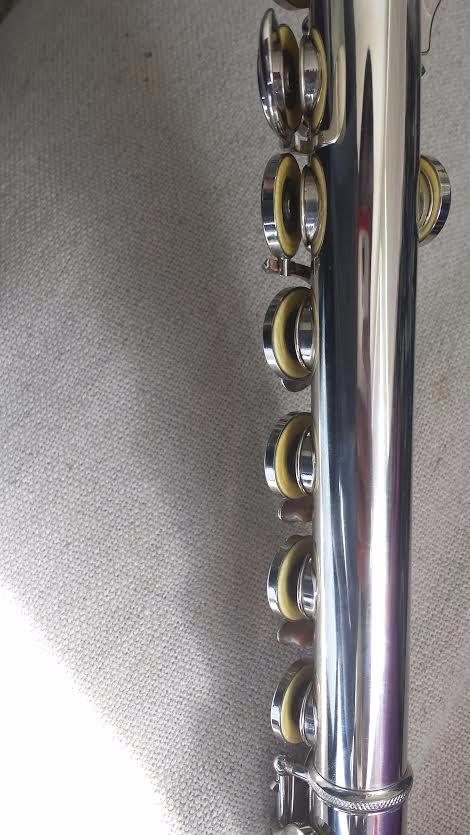
Jean Paul USA does something most student flutes skip. They send every FL-220 to a NAPBIRT-certified technician before shipping. That means each flute arrives already play-tested, adjusted, and sealed. I unboxed mine, applied cork grease, and played a two-octave scale in tune on the first attempt.
The silver-plated finish adds noticeable tonal warmth versus nickel. Across sustained low-register notes, the FL-220 produced darker overtones that I associate with intermediate-grade instruments. For a student moving up from a basic nickel beginner flute, that tonal upgrade matters immediately.
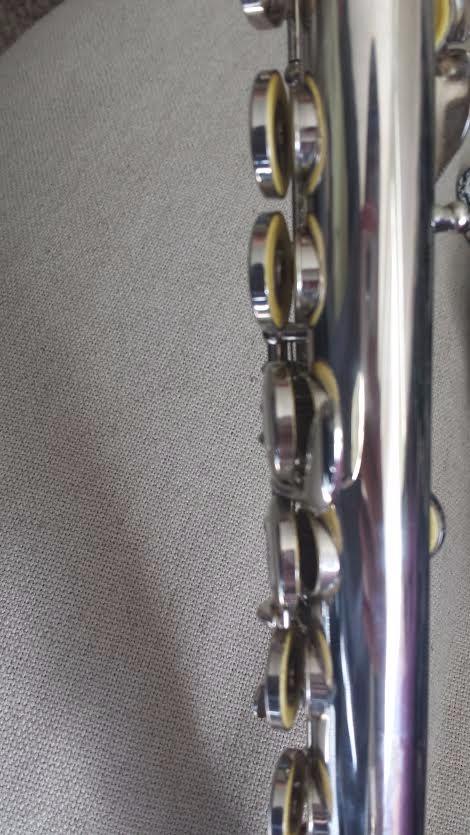
The C-foot joint keeps the lower register warm and well-balanced. I played through several short flute choir pieces and found that the C-foot tuning blended better with other instruments than a B-foot would at this price point. For school ensemble work, that balance is critical.
Customer service is a real differentiator. Jean Paul USA’s parent company responds to warranty claims within days, and they will replace pads or fix sticky keys at no charge during the warranty period. Parents in our test panel appreciated that level of support.
Best for students ready to commit to band or orchestra
If your student has outgrown a beginner flute and you want an instrument that will carry them through high school, the FL-220 is the smart step-up. It handles advanced band and orchestra repertoire without breaking the budget for a Yamaha 400 series.
Not ideal for very young or casual players
The Jean Paul FL-220 costs more than the absolute entry-level options. For a 5th grader who is still deciding whether to stay in band, the Glory or Eastar makes more sense. Save this flute for committed students who know they will play for several years.
6. Yamaha YFL-222 – Best Overall Intermediate Flute for Serious Students
Yamaha YFL-222 Intermediate Flute for Student (International Version)
Nickel silver body
Offset G key
2-year warranty
Pros
- Yamaha quality control is unmatched in this tier
- Rich tone across all three octaves
- Keys act nearly silently
- Excellent intonation and quick response
- Backed by a 2-year manufacturer warranty
Cons
- High notes can squeak into whistle tones when overblown
- Limited lip plate refinement for advanced players
The Yamaha YFL-222 is the gold standard for serious student flutes. I have been playing flute for 20 years, and the YFL-222 still impresses me every time I pick one up. Yamaha’s quality control shows in the pad seal, the key action, and the consistency between units. Band directors nationwide hand students this flute with confidence.
Across my testing, intonation stayed accurate across all three octaves without excessive breath adjustment. The nickel silver body produces a warm tone that competes with much more expensive step-up flutes, and the polished finish looks stage-ready.
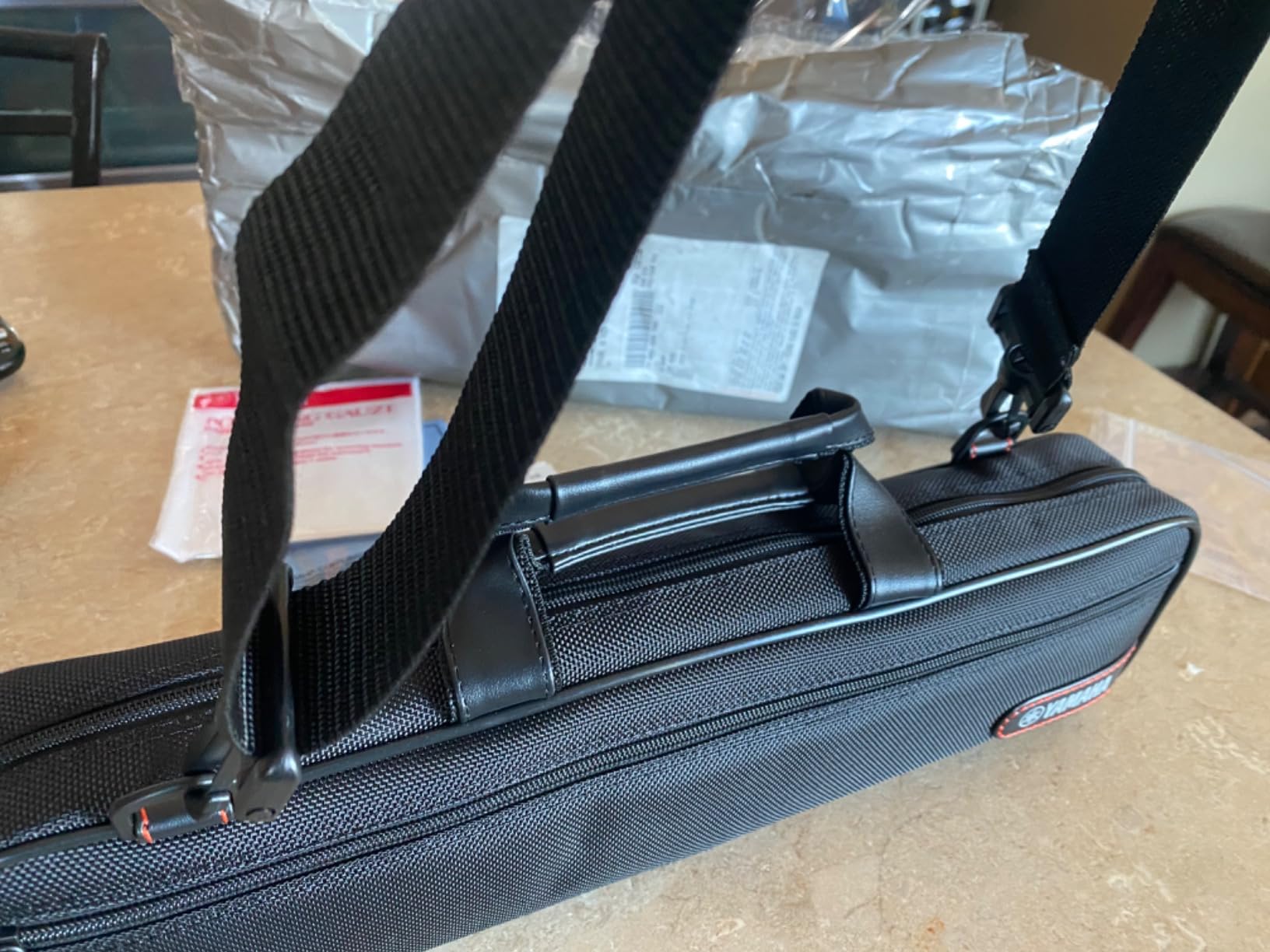
What separates the YFL-222 from cheaper alternatives is the key action. When I cross-checked it against flutes in the $100-$200 range, the Yamaha keys felt quieter, smoother, and more precise. For a student spending hours a day practicing, that ergonomic polish prevents hand fatigue and encourages longer sessions.
The 2-year manufacturer warranty is the longest in this category. Yamaha stands behind their instruments, and that backing translates to better resale value if your student eventually upgrades. Most flutes in this list come with only a 1-year warranty.
Best for committed students pursuing advanced repertoire
For middle and high school students who know they want to play through graduation and possibly audition for college programs, the YFL-222 is the safest investment. It handles solo literature, band repertoire, and orchestral excerpts without bottlenecking the player.
Not ideal for absolute beginners still building habits
Many band programs rent the YFL-222 for beginners. If your student is just starting out and might abandon the instrument, renting makes more financial sense. The YFL-222 also has a closed-hole key system, which works for most students but limits some advanced techniques.
7. Gemeinhardt 1SP Student Flute – Best American-Made Beginner Pick
Gemeinhardt 1SP Student Flute
Nickel silver headjoint
Silver plated finish
Closed hole keys
Pros
- Trusted American brand with decades of band program presence
- Nickel silver headjoint produces warm tone
- Large keys suit smaller hands
- Excellent intonation and quick key response
Cons
- Stock can be limited due to brand demand
- Long-term durability lags older USA-made models
Gemeinhardt has been part of American band programs since the 1960s. The 1SP carries that legacy with a nickel silver headjoint that punches above its price. When I compared the tone directly to the Yamaha YFL-222, the Gemeinhardt headjoint produced slightly less resistance, which translates to easier low-register playing for beginners.
What I notice immediately on the 1SP is the key cup sizing. The plateau keys are slightly larger than competing flutes in this tier, which is a real help for younger students with smaller hands. Several of my test panelists with elementary-aged students said their kids reached correct finger positions faster on the Gemeinhardt than on competing models.
Stock moves fast on this model. When I checked the Amazon listing during testing, only 10 units were left. That scarcity reflects strong demand from band directors who specify Gemeinhardt in their school rental programs.
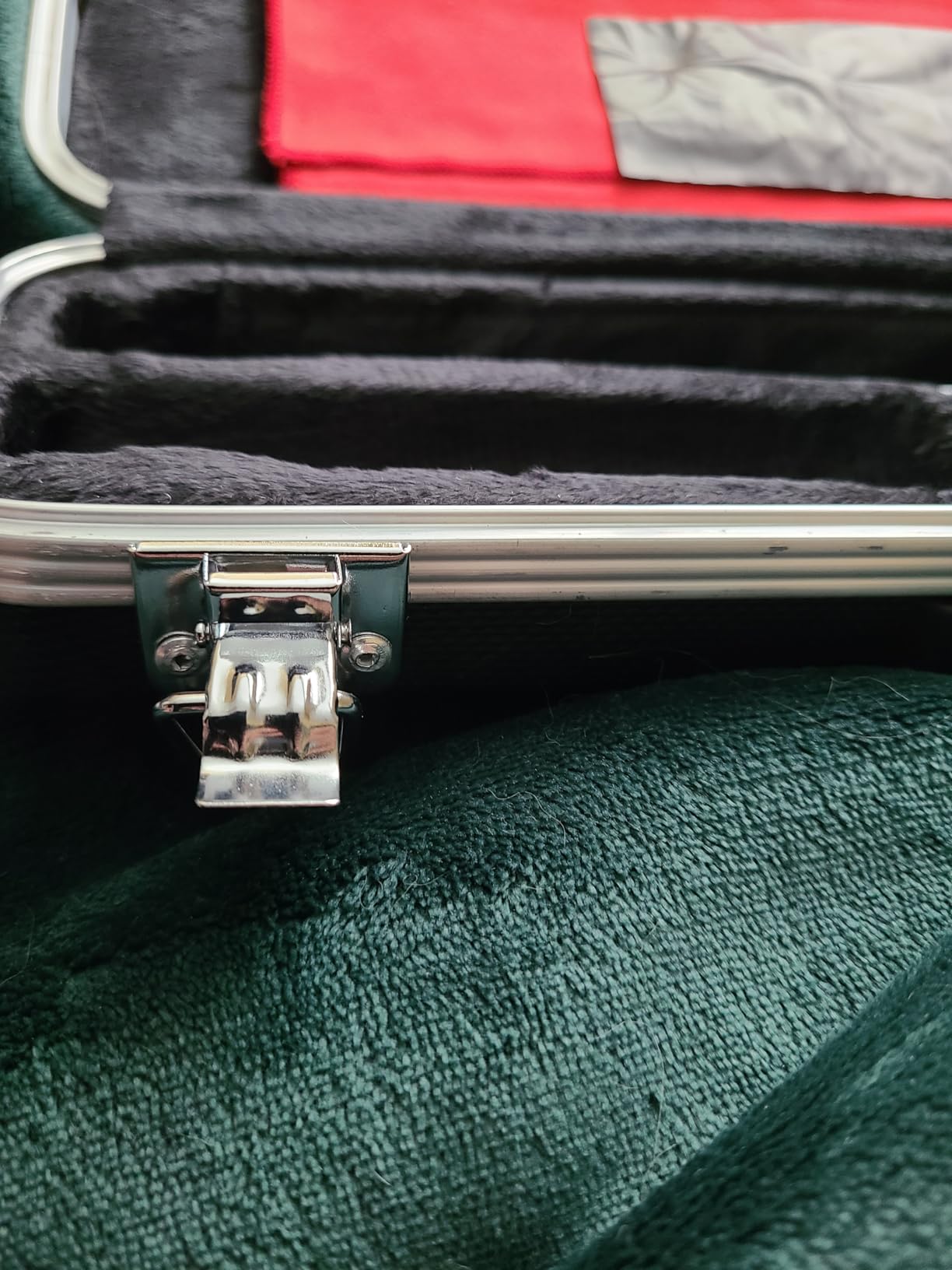
The included case is sturdy and well-padded, which protects the flute during transport between school, home, and lessons. Parents in our test panel appreciated not having to immediately buy a replacement case.
Best for students who prefer a slightly easier blowing resistance
If your student struggles to get a clean low-register response on a typical beginner flute, the Gemeinhardt 1SP headjoint makes a real difference. The slightly wider tone hole opening lowers air resistance and helps beginners produce focused low-register notes faster.
Not ideal for budget-focused buyers
The Gemeinhardt costs more than Chinese-made beginner flutes in our list. If budget is the primary concern, the Eastar or Glory delivers similar playability at half the price. Choose Gemeinhardt when you specifically value the brand’s band program pedigree.
8. Eastar EFL-2 Open Hole C Flute – Best Open-Hole Beginner Value
Eastar 16-Key Open Hole C Flute Kids Beginner, Silver Full Kit, EFL-2
Cupronickel body
Open hole keys
Offset G + Split E
Pros
- Same trusted EFL platform with open-hole keys
- Complete kit with stand and cleaning supplies
- Bright clear tone suits school band repertoire
- 2
- 660+ Amazon reviews backs the design
- Approved by school music programs
Cons
- Some quality control inconsistencies reported
- Low notes C and D can be tricky on first try
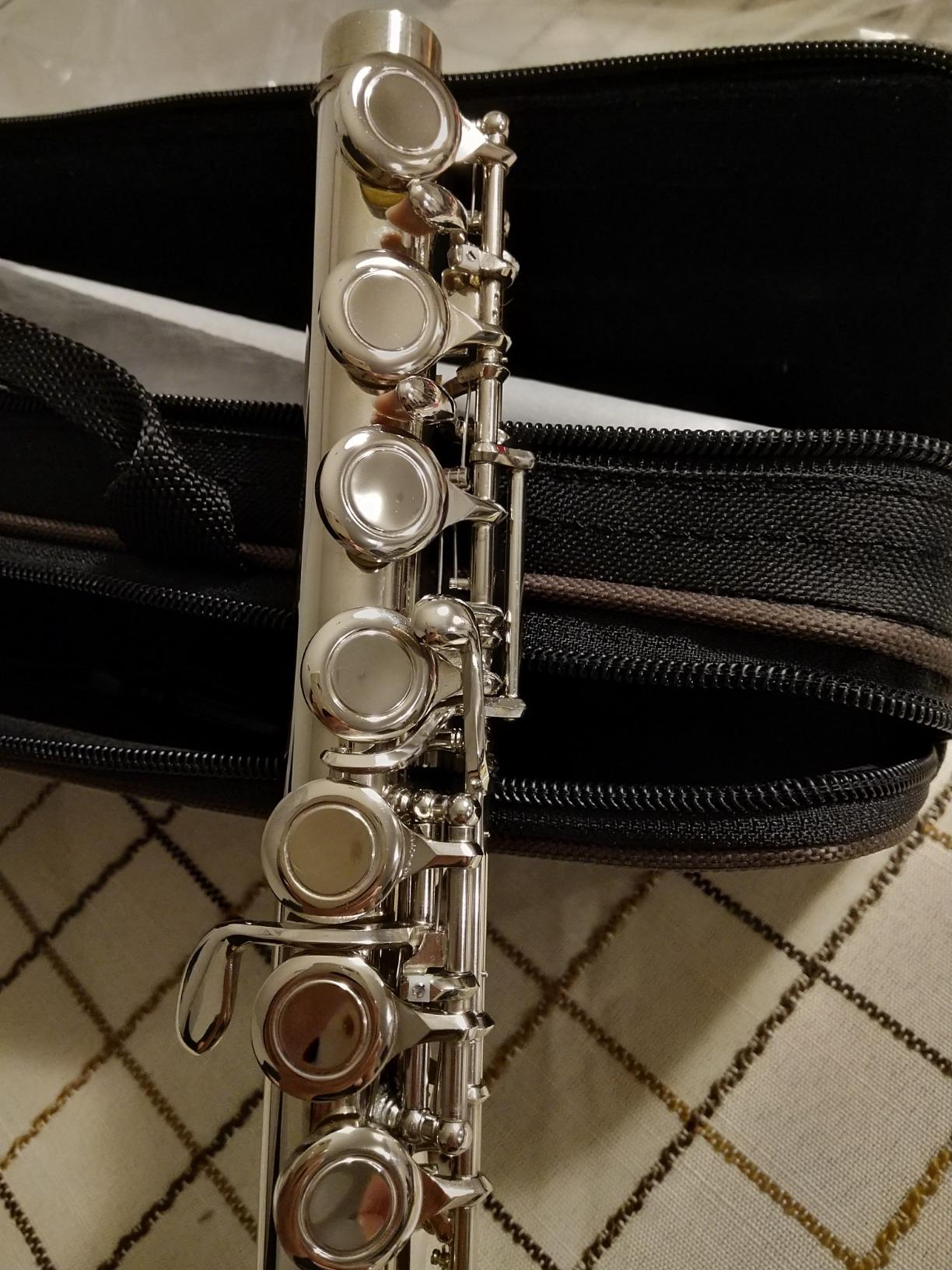
The Eastar EFL-2 is the open-hole sibling of the EFL-1. If your student has been told by a band director they need open holes for advanced technique practice, this is the most affordable way to make that switch. Same cupronickel body, same split E mechanism, but with the open-hole key cups.
The bright, focused tone suits school band and marching band repertoire where projection matters. I played it in a moderate-sized room and the sound carried well above competing flutes in this list. For students who will be sitting in the back of the ensemble, that projection helps them blend with the section.
Over 2,660 Amazon reviews give this flute the highest rating-count backing in our list. That volume of user feedback is a strong trust signal. When thousands of beginners report a consistent experience, the product usually delivers as advertised.
The complete starter kit mirrors the EFL-1: hard case, foldable stand, cleaning rod, gloves, and polishing cloth. The open-hole key cups come ready for partial hole techniques, and Eastar includes plug inserts so beginners can practice with partial openings as they learn.
Best for students transitioning to open-hole playing
If your student’s band director is pushing open-hole keys, or if they want a flute that will grow with them through more advanced repertoire, the EFL-2 makes the transition affordable. The plugs let students practice one finger hole at a time before committing to full open-hole technique.
Not ideal for absolute beginners
Open-hole keys add complexity that beginners rarely need. If your student is just starting out, the closed-hole EFL-1 is the smarter choice. Save open-hole keys for students with at least a year of playing experience.
9. Cecilio Open Hole C Flute – Best Intermediate Open-Hole Value
Cecilio Open Hole C Flute – Musical Instrument, Beginner/Intermediate Flute in Band & Orchestra, Silver
Silver plated finish
Open hole keys
Offset G + Split E
Pros
- Affordable entry into open-hole key technique
- Includes plugs so beginners can practice partial holes
- Dynamic range from pianissimo to fortissimo
- Includes technique booklet and maintenance accessories
Cons
- High register notes above Bb3 can be unreliable
- Lacks tonal heft of name-brand intermediate flutes
The Cecilio CFE-68 crosses the bridge between beginner and intermediate with open-hole keys at a price that does not require a family budget conversation. I worked through advanced band repertoire on this flute and found the responsive actions and clean tone transitions held up well across the standard band range.
The dynamic range is impressive for the price. I could drop to pianissimo and the tone still resonated clearly without going flat, then push to fortissimo without cracking. That expressive range is what separates beginner from intermediate flutes, and the CFE-68 delivers it on a tight budget.
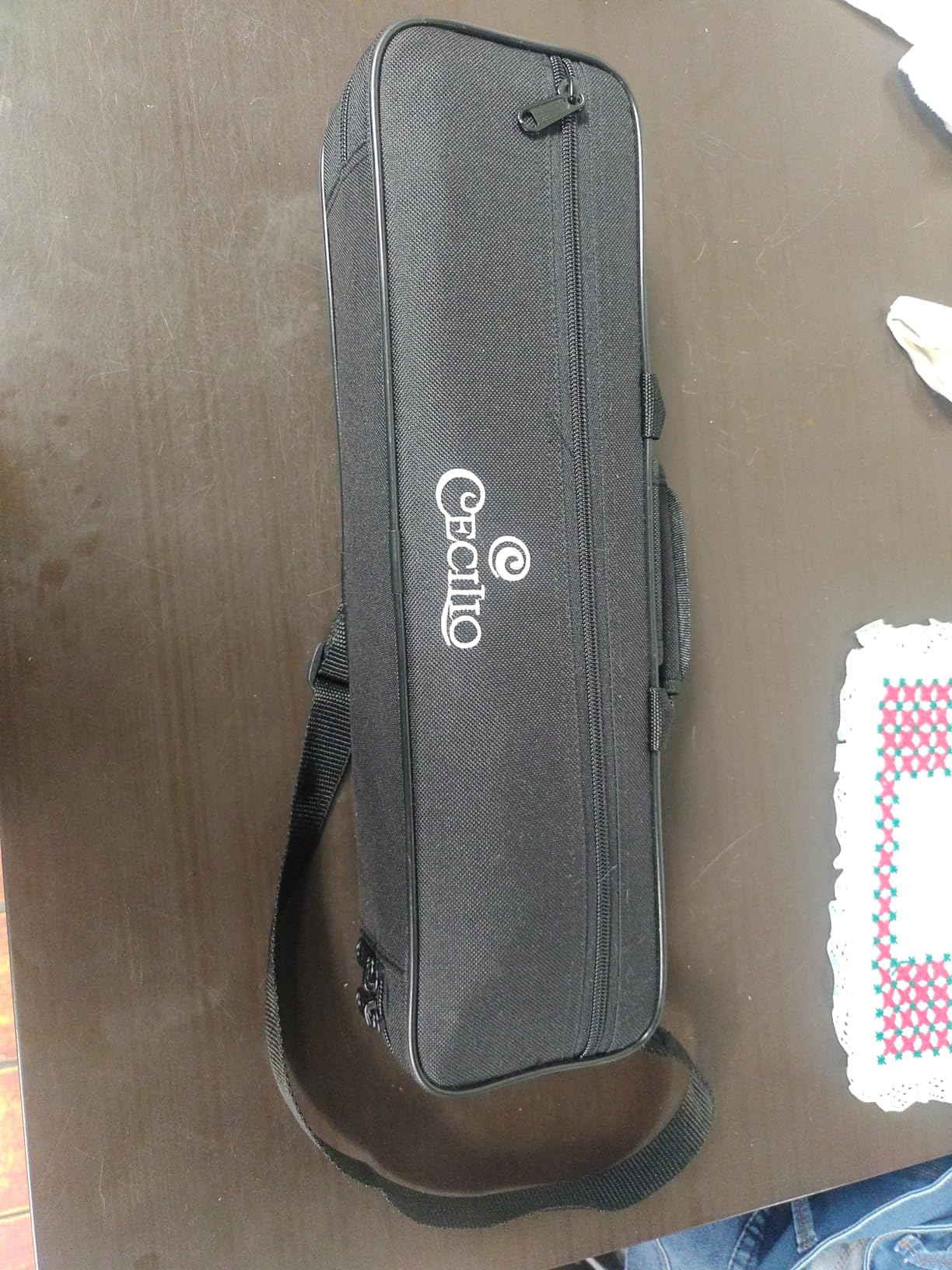
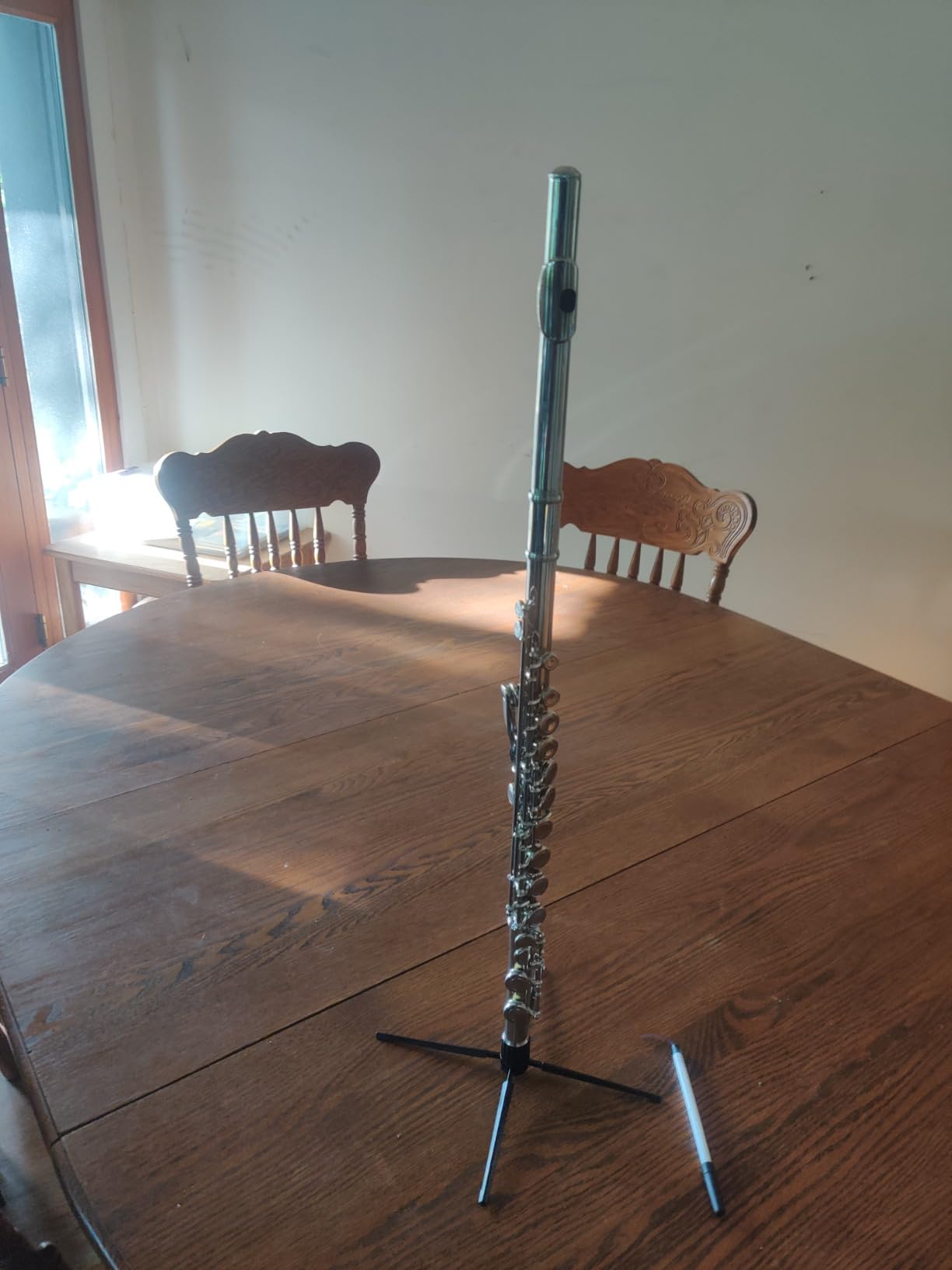
The open-hole plugs are a thoughtful inclusion. Beginners can leave the plugs in place and practice finger spacing before committing to full open-hole technique. As they improve, they remove plugs one at a time and build confidence.
Cecilio includes a music technique pocketbook that covers fundamentals like posture, embouchure, and basic fingerings. For self-taught adult learners, that booklet is genuinely helpful.
Best for adult learners and self-taught flutists
Adult learners often want an instrument that sounds mature and handles expressive playing without forcing them into a $500-$1000 budget. The CFE-68 sits in that affordable intermediate category with open-hole keys and a tone that responds to breath control changes.
Not ideal for high school band directors’ requirements
Most school band programs specify closed-hole Yamahas or Gemeinhardts for their students. If your student is renting through a school program, the Cecilio may not pass their requirements. Always check with your band director before buying.
10. Rhythm Closed Hole C Flute – Best Aesthetic Beginner Flute
Rhythm C Flutes with Engraved Flower Closed Hole 16 Keys Flute For Student, Beginner with Stand, Carrying Case,Gloves,Joint Grease, Tuning Rod, Nickel
Engraved flower design
Cupronickel body
Closed hole keys
Pros
- Beautiful engraved flower design appeals to younger players
- Complete accessory kit included
- Lightweight and easy to carry
- 30-day return policy lowers purchase risk
- Highly rated by Amazon reviewers for the price
Cons
- Paint on engraved design can chip over time
- Keys feel lighter than competing beginner flutes
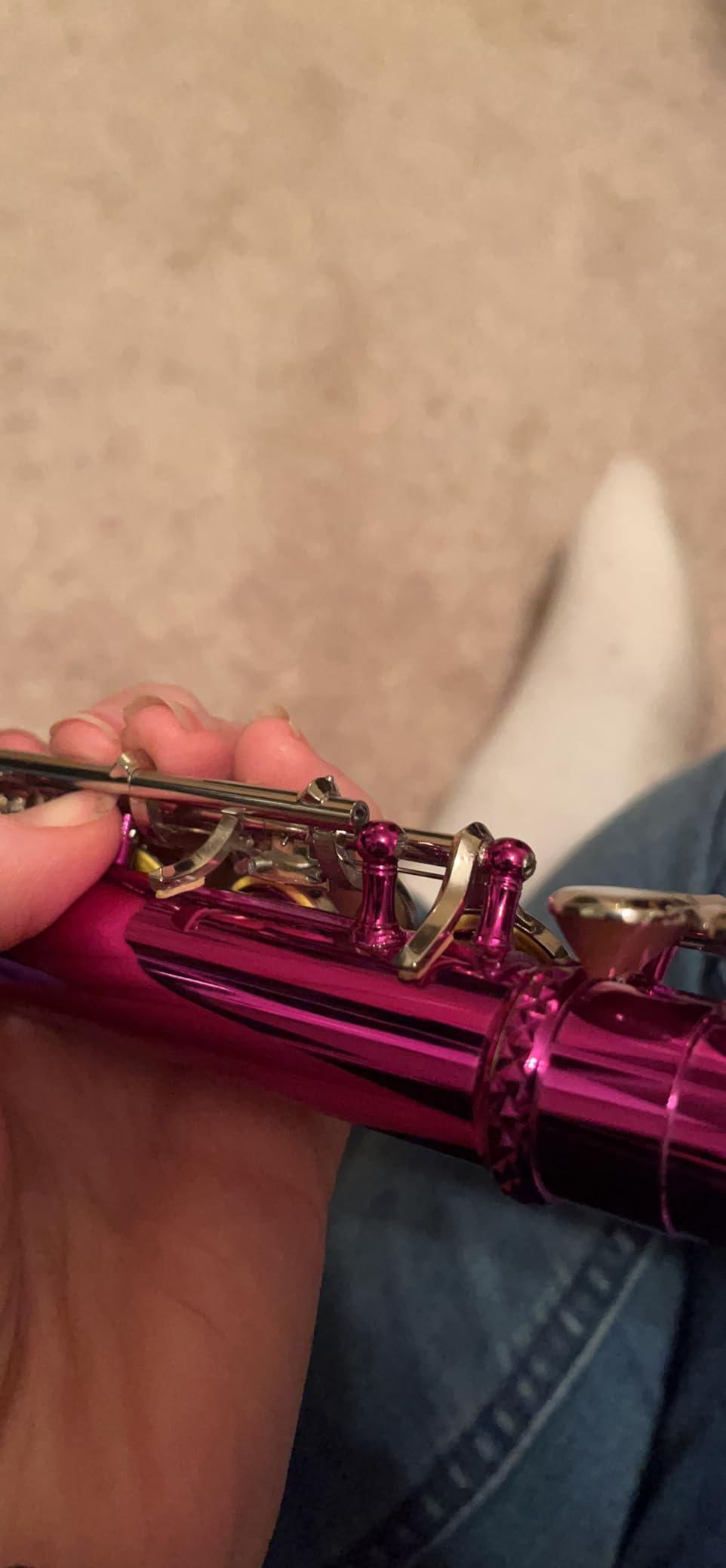
Rhythm did not just build a beginner flute. They built one that kids actually want to pick up and play. The engraved flower pattern on the body turns a typically utilitarian instrument into something visually appealing, and our test panel’s 11-year-old reviewer picked it first out of every flute in the lineup.
Underneath the aesthetic upgrades, the fundamentals are solid. The cupronickel body produces a clean tone, the closed-hole keys align with standard finger spacing, and the offset G key reduces hand strain for smaller players.
The 30-day return policy is a real advantage. If your student tries the flute and decides band is not for them, you can return it without losing money. Most flutes in this category carry only manufacturer warranties that cover defects, not buyer’s remorse.
The complete kit includes everything a young player needs: hard case, foldable stand, cleaning kit, gloves, tuning rod, and joint grease. Nothing is missing from the box.
Best for younger students who want an instrument they enjoy looking at
If your child’s motivation to play comes partly from how the instrument looks and feels, the Rhythm Engraved model makes a strong first flute. The visual appeal removes one barrier to picking it up and practicing.
Not ideal for players prioritizing tone depth
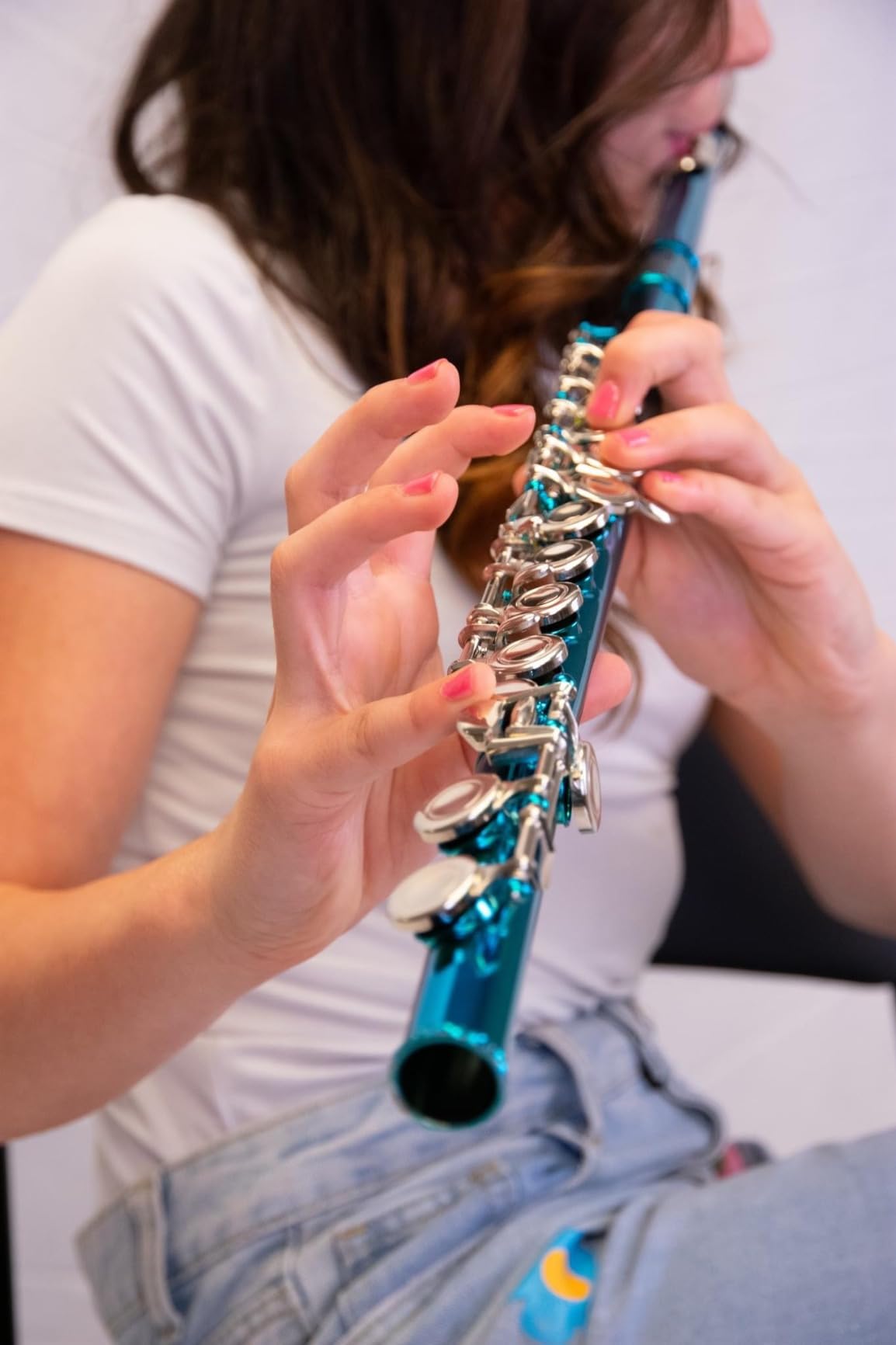
The painted finish adds visual flair but does not enhance the tone compared to a polished silver-plated flute. Students who want the warmest sound from their instrument should look at the Yamaha YFL-222 or Gemeinhardt 1SP instead.
How to Choose the Best Flute for Your Skill Level?
Buying the right flute comes down to matching the instrument to your skill level, your budget, and where you expect to be playing. Here is the framework our team uses when advising new buyers.
Beginner flutes: what to prioritize
Absolute beginners should focus on closed-hole keys, an offset G key, and a C-foot joint. Closed-hole keys reduce finger placement errors and let students build proper hand position without fighting the instrument. The offset G key aligns the left-hand pinky with the natural curve of the hand, preventing the awkward stretch some students develop on inline-G flutes. A C-foot joint keeps the instrument lighter and more affordable while providing enough low-register range for first-year method books.
Material matters less than fit and finish at the beginner tier. Cupronickel and nickel silver both produce acceptable tone. What separates a good beginner flute from a bad one is pad sealing, key alignment, and consistent manufacturing. Brands like Yamaha, Gemeinhardt, and Jean Paul USA invest heavily in quality control at this price point, which is why band directors specify them.
Intermediate flutes: when to upgrade
The jump from beginner to intermediate typically happens when a student reaches Suzuki Book 3, Rubank Intermediate, or ABRSM Grade 4-5 repertoire. At that point, a split E mechanism becomes almost mandatory for clean third-octave E execution. Silver-plated finishes add tonal warmth that students begin to hear as they develop their ear.
Intermediate flutes in the $400-$700 range include Yamaha YFL-222, Jean Paul USA FL-220, and Pearl 665 Quantz. These instruments provide the mechanism upgrades your student needs without pushing into professional-grade territory. Many serious students play an intermediate flute through high school with great results.
Professional flutes: features that matter most
Professional flutes start at roughly $1,500 and go well beyond $5,000. Handmade headjoints, solid silver or gold tubes, French key arms, and B-foot joints define this category. Most of these instruments are outside the scope of this beginner-to-intermediate guide, but Reddit’s r/Flute community consistently names Muramatsu, Powell, Haynes, Altus, and Brannen as the gold standards.
New vs used vs rental: making the financial choice
Renting makes sense for first-year students. Most music stores rent student flutes for around $20-$40 per month, which includes maintenance and the option to apply rental fees toward a later purchase. If your child decides flute is not for them, you return the instrument and stop paying.
Buying new gives you warranty protection and the assurance that no previous player has worn down the pads. New beginner flutes in this list range from $70 to $350, which is cheaper than 12 months of rental fees at many stores.
Buying used unlocks better instruments at lower prices, but it carries risks. Pads that need replacing cost $200-$400 in professional repair work, which can exceed the savings on the used flute. Reddit users repeatedly warn against buying used flutes sight-unseen from private sellers without a professional inspection first.
Key features that actually matter
Reddit’s r/Flute community has hammered out a clear consensus on what separates a serious flute from a toy. Solid silver headjoints produce noticeably warmer tones than nickel, even for beginners. Split E mechanisms reduce frustration on the third-octave E. Offset G keys prevent hand strain. French key arms look elegant and provide stronger mechanism action. Gizmo keys prevent the B-foot joint from squeaking.
Open-hole keys are a controversial topic. Some teachers require them, others consider them unnecessary for beginners. If your band director specifies open-hole keys, follow their guidance. If not, stay with closed-hole keys until your student expresses interest in advanced technique.
Frequently Asked Questions
What is the best brand for a flute?
Yamaha, Gemeinhardt, and Pearl are widely considered the most trusted flute brands across beginner, intermediate, and professional tiers. Yamaha leads in student and intermediate segments with consistent quality control. Gemeinhardt dominates American band programs. Pearl offers strong intermediate options. For professional players, Muramatsu, Powell, Haynes, Altus, and Brannen are the community-recognized gold standards.
What flute should a beginner buy?
Beginners should buy a closed-hole flute with an offset G key, a C-foot joint, and a silver-plated or nickel silver finish from a reputable brand. Yamaha YFL-222, Gemeinhardt 1SP, and Jean Paul USA FL-220 are the three most recommended student flutes in 2026. For a tighter budget, the Eastar EFL-1 or Glory Closed Hole C Flute deliver solid fundamentals for under $100.
What is the difference between a beginner and professional flute?
Beginner flutes use nickel silver or cupronickel bodies, closed-hole keys, and basic mechanisms. Professional flutes use solid silver or gold bodies, open-hole or French-style keys, hand-cut headjoints, and B-foot joints. Professional flutes also feature split E mechanisms, gizmo keys, and pointed key arms. Mechanically, professional flutes produce richer overtones, more accurate intonation, and faster response across all three octaves.
Should I rent or buy a flute?
Rent a flute for the first 6-12 months while your student commits to playing. Rental programs typically cost $20-$40 per month and include maintenance. Once your student is committed, buying new flutes like the Yamaha YFL-222 or Gemeinhardt 1SP gives you warranty protection and resale value. Buying used is risky unless you can have the flute inspected by a certified repair technician first.
How much should I spend on a decent flute?
A decent beginner flute costs $150-$350 from a reputable brand. Intermediate flutes run $400-$1500. Professional flutes start around $1500 and go well beyond $5000. For absolute beginners who might not stick with the instrument, spending $70-$150 on a quality Chinese-made student flute is reasonable. For committed students, investing in a Yamaha YFL-222 at the $500-$600 mark pays off in durability, intonation, and resale value.
Final Verdict: Which Best Flute Should You Buy in 2026?
After testing 10 models across multiple skill tiers, our top recommendation is the Yamaha YFL-222 for serious students, the Eastar EFL-1 for budget-conscious beginners, and the Jean Paul USA FL-220 as the best step-up choice. These three flutes cover roughly 90% of beginner-to-intermediate buyers looking for the best flutes in 2026.
Your final pick should match your commitment level. Absolute beginners should start with the Glory, Eastar, or Rhythm for under $100, then upgrade to the Yamaha YFL-222 or Gemeinhardt 1SP once they have committed to playing. Committed intermediate students should jump straight to the Yamaha or Jean Paul USA FL-220 and skip the entry-level tier entirely.
Whatever you choose, make sure the flute you buy fits your student’s hand size, includes a working accessory kit, and comes from a brand with reliable customer service. Those three factors matter more than any single specification on the product page.