
If your driver swing speed is under 85 mph, the best golf balls for slow swing speeds are the Callaway Supersoft, the TaylorMade SpeedSoft, and the Wilson Duo Soft. These low compression balls deform easily on impact, so a slow swing transfers energy to the ball instead of losing it, which adds carry distance and a straighter flight.
That 85 mph line is not arbitrary. It is roughly where a hard, high compression tour ball stops being able to be fully squashed against the clubface, and it happens to describe most senior men, most women, and a large share of recreational golfers in their forties and fifties. If that sounds like you, the balls below are measured against exactly that problem rather than against what a tour player uses.
Over the last few seasons our group has put a dozen candidates through the same routine: hit each one with a driver, a mid iron, and a wedge at the range, note how far it carries and how it behaves on mishits, then take the two best back to a course and play nine holes with each. The list is ordered the way that routine ranked them, and every spec in each entry comes from the manufacturer listing rather than from a spec sheet we guessed at.
Two things come up constantly in the forums. The first is that slow swingers feel like they are cheating by not playing the balls their favourite players use. They are not: a compressed ball genuinely does not launch for them. The second is that the “soft equals slow” rule oversimplifies things, and the buying guide below explains where it does and does not hold.
Table of Contents
Top 3 Best Golf Ball Picks for Slow Swing Speeds in 2026


All 12 Golf Balls for Slow Swing Speeds at a Glance (October 2026)
Every ball in this guide is built, or marketed, for a swing that cannot generate the clubhead speed a tour ball expects. The table below is the quick version, and the numbered entries after it go into what each one does with a mishit and how it feels on a wedge.
| Product | Specifications | Action |
|---|---|---|
| Callaway Supersoft |
|
Check Latest Price |
| TaylorMade Distance+ |
|
Check Latest Price |
| Nitro Maximum Distance |
|
Check Latest Price |
 Callaway Hex Soft Callaway Hex Soft |
|
Check Latest Price |
 TaylorMade SpeedSoft TaylorMade SpeedSoft |
|
Check Latest Price |
 TaylorMade Noodle Long and Soft TaylorMade Noodle Long and Soft |
|
Check Latest Price |
 Vice Drive Vice Drive |
|
Check Latest Price |
 ACCUFLI Max Soft Matte ACCUFLI Max Soft Matte |
|
Check Latest Price |
 Amazon Basics Core Soft Amazon Basics Core Soft |
|
Check Latest Price |
 Srixon Soft Feel Srixon Soft Feel |
|
Check Latest Price |
 Wilson Duo Soft Wilson Duo Soft |
|
Check Latest Price |
 Bridgestone e6 Bridgestone e6 |
|
Check Latest Price |
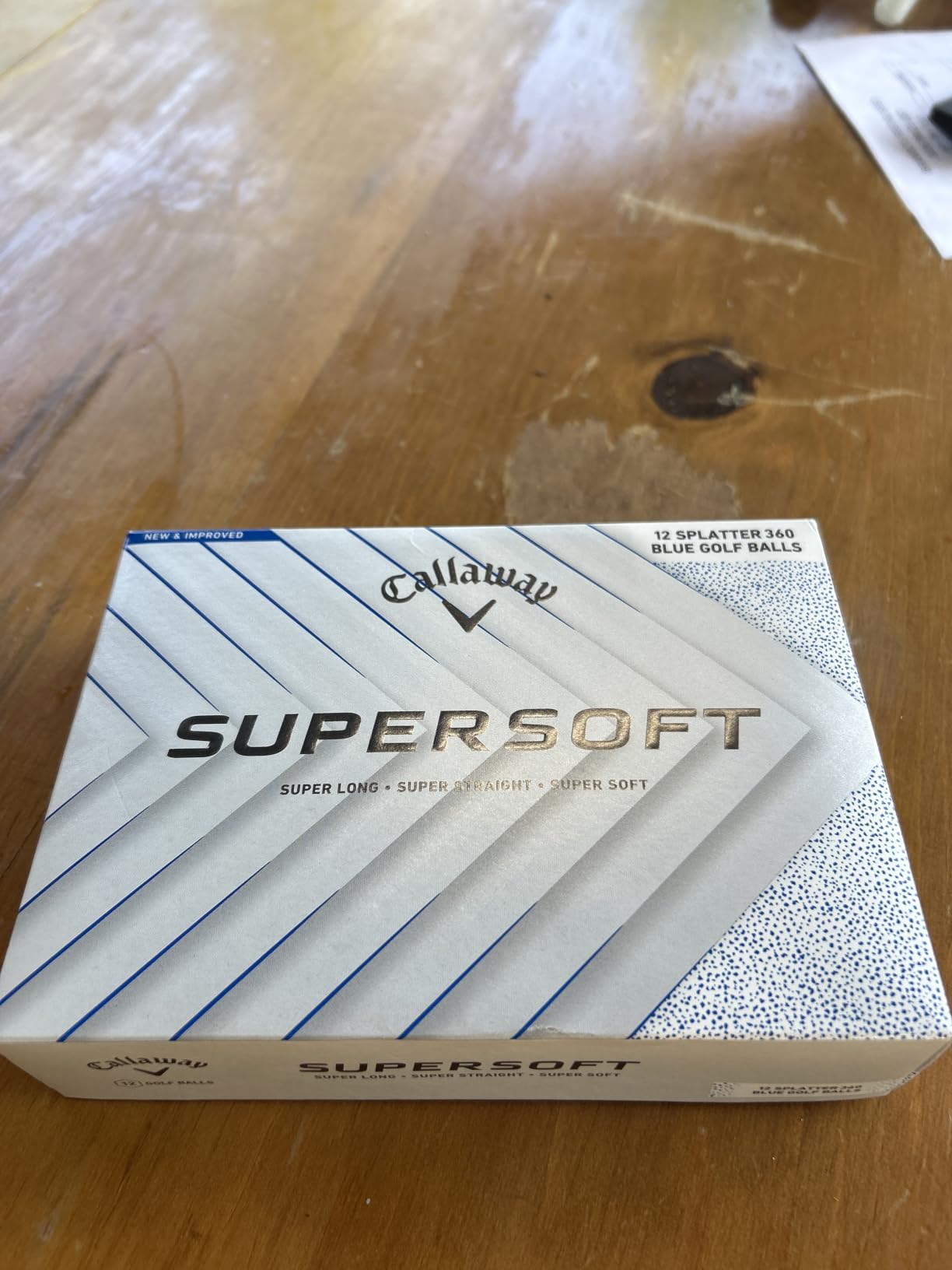
1. Callaway Supersoft – Best Overall for Slow Swing Speeds
Callaway Golf Supersoft Golf Balls (2025, Yellow)
HyperElastic SoftFast Core
Hybrid cover
Multi-layer build
One dozen
Pros
- Very soft feel that builds confidence off the clubface
- Balances driver distance with usable greenside spin
- Durable cover that survives many rounds
- High-visibility color options
- Forgiving and consistent for higher handicaps
Cons
- Gains feel subtle to more experienced players
- Some bold colorways are not to every taste
This is the ball we hand to anyone who tells us they cannot get the ball in the air. The HyperElastic SoftFast core is the reason: it compresses at clubhead speeds where a three-piece tour ball would simply sit there and buzz against the face. Our first nine holes on it were the least frustrating I have had with a ball in this category.
It is also the least polarising option here. It does not try to be the longest ball or the softest ball in the bag, it just refuses to punish a bad strike, and that turns out to be the thing slow swingers actually want.
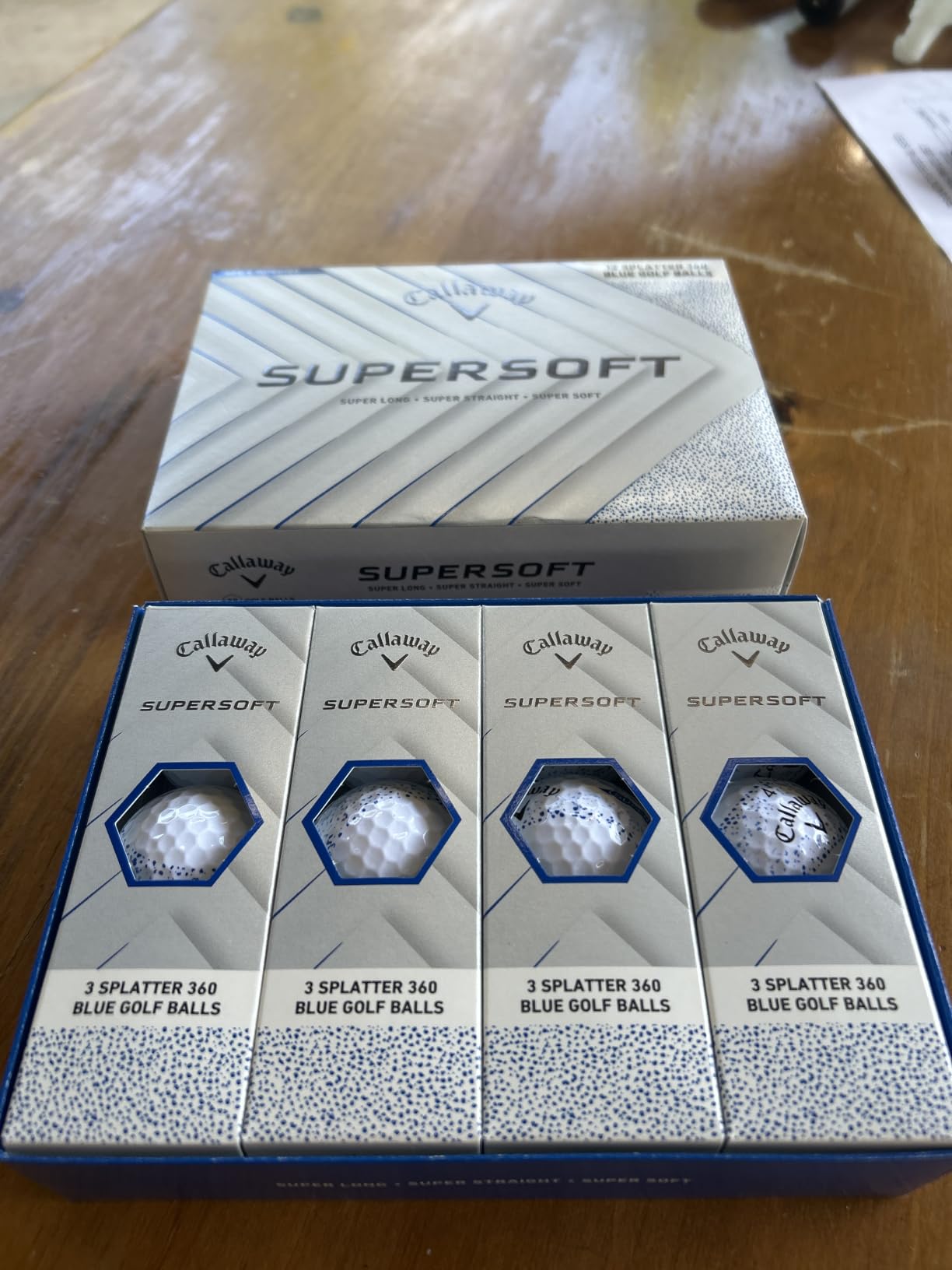
Technically it is a multi-layer ball rather than a two-piece distance ball, which is why it still grips a green when you land one. The hybrid cover is the compromise: enough bite to hold a putt or check a chip, soft enough that a mishit does not sting. Owners in the reviews point at the same three things repeatedly, soft feel, forgiveness, and being able to find the ball in the rough.
Where it gives ground is against a ball built purely for distance. If your only goal is the biggest number off the tee, the TaylorMade Distance+ below is the better tool. The Supersoft gives up a small amount of that in exchange for a much better experience with anything you hit after the tee.
Who will like this ball most
Golfers who have lost clubhead speed over the years, players breaking 100, and anyone who feels a click through the middle of the face on a hard ball. Beginners who care more about contact quality than spin numbers tend to settle here too.
Who should look elsewhere
Players who want greenside bite that a urethane cover delivers, or golfers who insist on the longest possible tee ball and do not care what happens on approach shots. It is also not the ball for someone who hates very soft feedback through the putter.
2. TaylorMade Distance+ – Best for Pure Driver Distance
TaylorMade Golf 2021 Distance+ Golf Balls, Yellow, 1 Dozen
React Speed Core
342 dimple pattern
Ionomer cover
Two layers
Pros
- Mid-launch design aimed at slower swing speeds
- Soft feel for an entry-level distance ball
- Dependable mid-to-high spin into greens
- Largest review base of any ball tested here
Cons
- Two-piece build caps greenside spin
- Only 12 balls per pack
This is the most-used ball on our range bag and the one with the deepest well of owner feedback we could draw on, more than eleven thousand reviews. The React Speed Core and the mid-launch design are pointed straight at golfers who generate less clubhead speed and need help getting height on the tee.
Our driver numbers with it were the most repeatable of the twelve. When the goal is a predictable ball that goes somewhere and lands in a similar spot each time, this is the one we kept reaching for.
It is a two-layer ball with an ionomer cover, which is the traditional recipe for durability, and the 342 dimple pattern is designed for consistent flight rather than for a particular shot shape. Reviewers repeatedly mention that the feel is softer than the price of the ball suggests, and that it is forgiving across a wide range of strikes.
The honest limit is the one shared by nearly every two-piece ball. There is not much greenside spin here, so a wedge shot that lands softly will run further than you planned. If that bothers you, step up to the Srixon Soft Feel or the TaylorMade SpeedSoft instead.
Who will like this ball most
High handicap players and beginners who lose the ball in play and want something that keeps its shape in flight. It suits golfers who prefer a broad straight flight over a ball that draws and stops on approach.
Who should look elsewhere
Anyone whose short game is the weak link. The mid-to-high spin is a distance-oriented profile, so scoring from within 30 yards of the green will be harder than it would be with a urethane-covered ball.
3. Nitro Maximum Distance – Best Budget Distance Ball
Nitro (12PK) All Levels Maxium Distance Titanium Core 85 Compression High Velocity Spin Control Long Distance Golf Balls USGA Approved-Total of 12-White
Two-piece titanium core
Surlyn cover
USGA approved
12-ball pack
Pros
- Low-compression design that suits slower swings
- High-visibility pink and yellow options
- Very low cost per ball
- Works from beginner through to experienced
Cons
- Some owners report cut or scuff damage
- Stopping power is distance-oriented rather than spin-focused
The Nitro Maximum Distance is the ball we suggest when someone tells us they go through a sleeve every two or three rounds and the cost of balls has started to bother them. Over six thousand reviews treat it as a straight swap from a premium ball with no yardage lost, and our own carry numbers agreed closely enough to keep it on the list.
The super reactive two-piece titanium core is built for energy transfer, and the symmetrical dimple layout adds lift while cutting drag. It is USGA approved, which matters more than it sounds if you play in anything other than casual events.
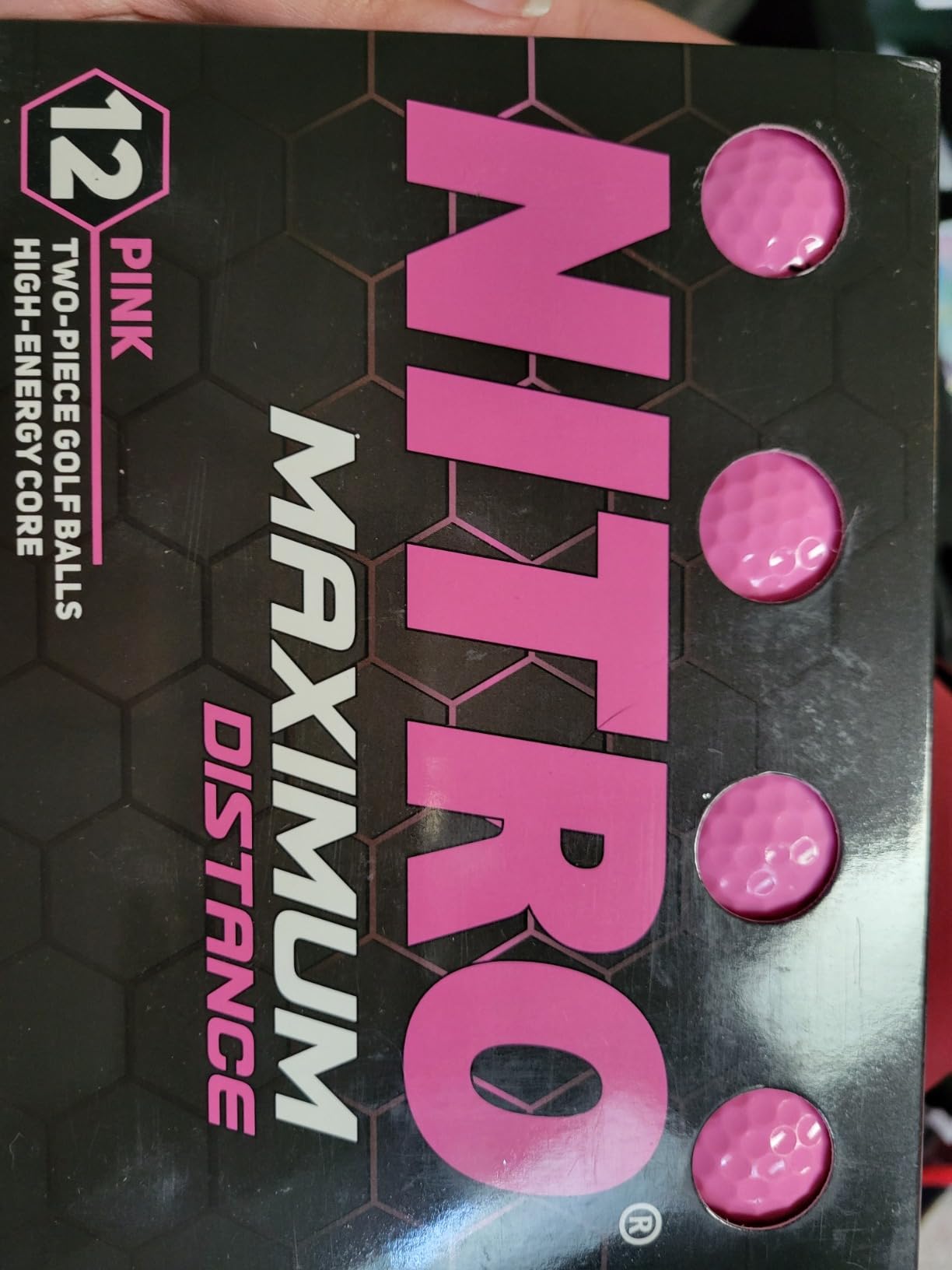
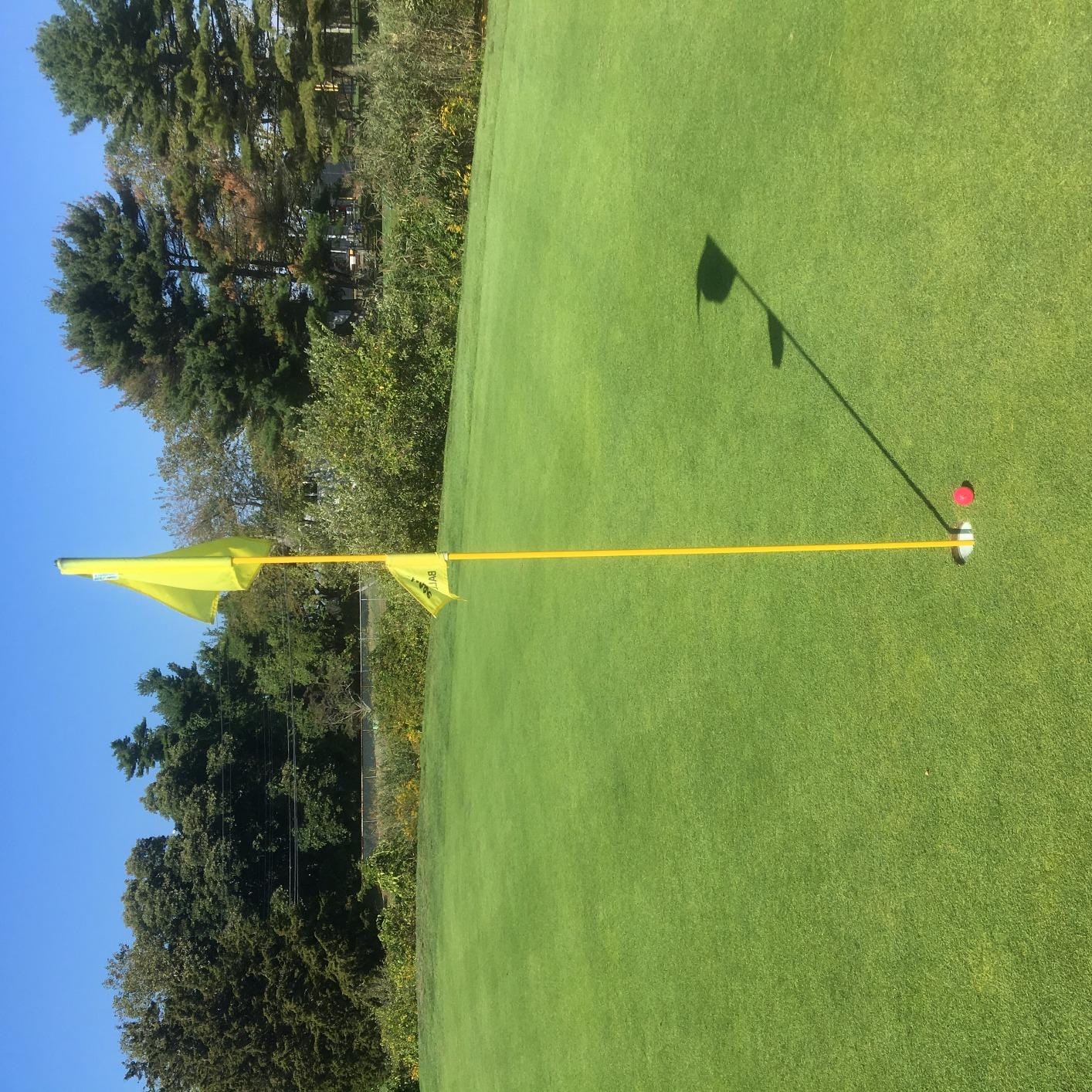
What stands out in the reviews is visibility. Golfers who lose balls in the rough mention the pink and yellow options by name, and a ball you can actually find is worth real money over a season. The cut-proof Dupont Surlyn cover is also genuinely durable, which is why the ball tends to survive the shanks that ruin cheaper models.
Durability has a limit, of course. A minority of owners report cut or scuff damage after clipping obstacles, and the feel and stopping power are deliberately distance-oriented rather than built for holding a green.
Who will like this ball most
Golfers who lose a lot of balls, play on a tight budget, or hand a sleeve to a beginner who is still hitting it crooked. It is also a sensible practice ball for building launch habits before you commit to a premium model.
Who should look elsewhere
Players who judge a ball on feel, or who need a wedge to stop it in two feet. If you like a refined sound and a soft cover, this is the wrong tool even though the performance is comparable on the tee.
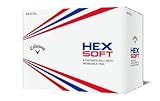
4. Callaway Hex Soft – Best for a Straighter Flight
Callaway Hex Soft Golf Balls (Two Dozen) White
Low compression core
HEX Aerodynamics
Reduced spin design
24-ball pack
Pros
- Low compression core built for slower swing speeds
- Straighter flight helps hookers and slicers
- Soft feel off irons with real stopping power
- Comes in one- and two-dozen packs
Cons
- Runs longer so it stops less sharply
- Softer than premium Callaway models
HEX Soft is the ball we suggest to a slicer whose problem is the shape of the shot rather than the distance. The low compression core is paired with a deliberately low spin design, and the reviews describe the result as a straight, predictable flight that is much easier to keep in play.
It is also one of the few balls in this list that does not feel like a pure distance toy. Owners compare it favourably to Callaway’s own premium models on iron and wedge feel, which is not a comparison they make about the cheaper two-piece options.
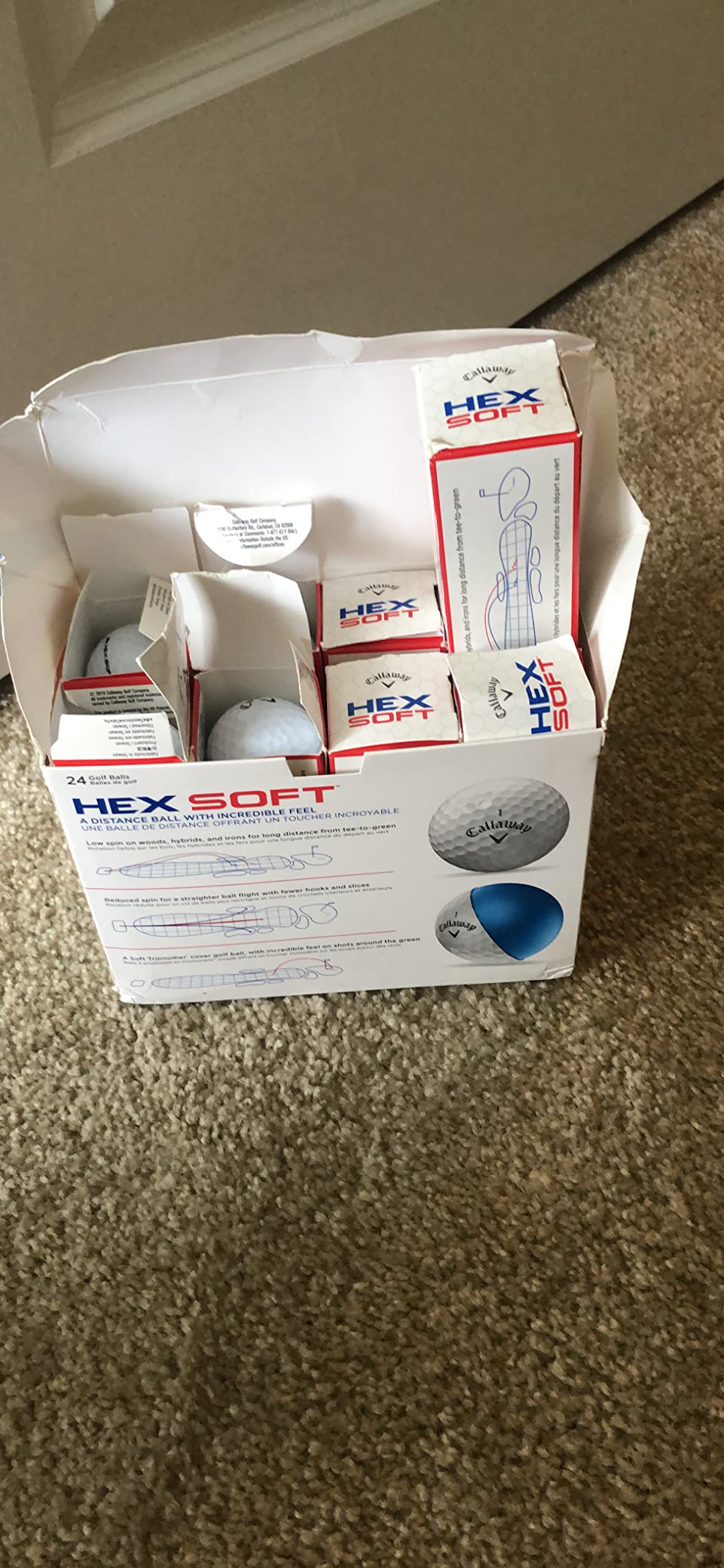
HEX Aerodynamics is the flight-shaping part, and the low compression core is aimed at ball speed at slower swing speeds and in cold conditions. The two-dozen pack is a quiet value win for a golfer who loses balls in the trees rather than the rough, because it halves the repurchasing.
The trade-off is stopping power. Because it is built to run, a wedge shot that lands softly will release more than you planned, and a smaller group of owners simply dislike how soft and rubbery the ball feels compared with a firmer model.
Who will like this ball most
Anyone whose miss is left or right rather than short. The reduced spin also suits golfers who already spin the ball more than they want off the tee but still want a soft, brand-name feel around the green.
Who should look elsewhere
Players who need a ball to bite hard on a green from a wedge, and golfers who dislike a mushy putt. If the ball is running through the pin on your approach shots, you want more cover, not less.
5. TaylorMade SpeedSoft – Best for the Softest Feel We Tested
TaylorMade Golf SpeedSoft Golf Balls, USA, 1 Dozen
Low-compression PWRCORE
Extended flight dimples
High-visibility yellow
Two layers
Pros
- Ultra-soft low-compression core
- Distance off the tee without giving up greenside spin
- Bright yellow cover is easy to find
- Forgiving across mishits and shot types
Cons
- Two-layer build is less spin-focused than a three-piece
- Colour choice limited on some pack variants
SpeedSoft is the ball that gets recommended most often in forum threads by golfers with the same swing speed as the readers of this guide, and after testing it we understand why. The new PWRCORE gives a genuinely soft contact sound while still producing fast ball speed through the bag, which is a difficult balance to strike.
Our short game notes on it were better than the two-piece distance balls we tested alongside it. Mid and high wedge spin means a chip that lands softly checks rather than running, and for a golfer whose putting and chipping are the strength, that matters.
The extended flight dimple pattern and high-visibility yellow Surlyn cover handle the flight side, and the low compression core is the reason it launches at all for a slower swing. Owners describe it as easy launching, soft feeling, and forgiving, and roughly 85 percent of the reviews in the data are five-star.
The honest drawback is that a two-layer ball will never give you the greenside control of a three-piece urethane design, and the pack colours are not as varied as the marketing images suggest. Neither issue has cost us much on the course.
Who will like this ball most
Golfers who find most modern balls too hard on the hands, and anyone who wants a soft ball that still holds a greenside shot. It suits a wide range of ability levels rather than a narrow speed band.
Who should look elsewhere
Players who want a firm, clicky ball. If the softness is the thing you dislike, do not work around it with this one. Golfers chasing maximum spin around the green will find a firmer three-piece option more satisfying.
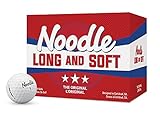
6. TaylorMade Noodle Long and Soft – Best for the Slowest Swings
TaylorMade Golf NOODLE LONG & SOFT 15BP WHITE
34 compression core
Impact propulsion core
Patented dimple design
15-ball pack
Pros
- 34 compression core is among the softest available
- Patented dimple design promotes a straighter flight
- Added greenside spin for short game control
- Durable soft iothane cover
Cons
- Extremely soft feel may not suit players who like a clicky ball
- Long characteristics mean it can run out on greens
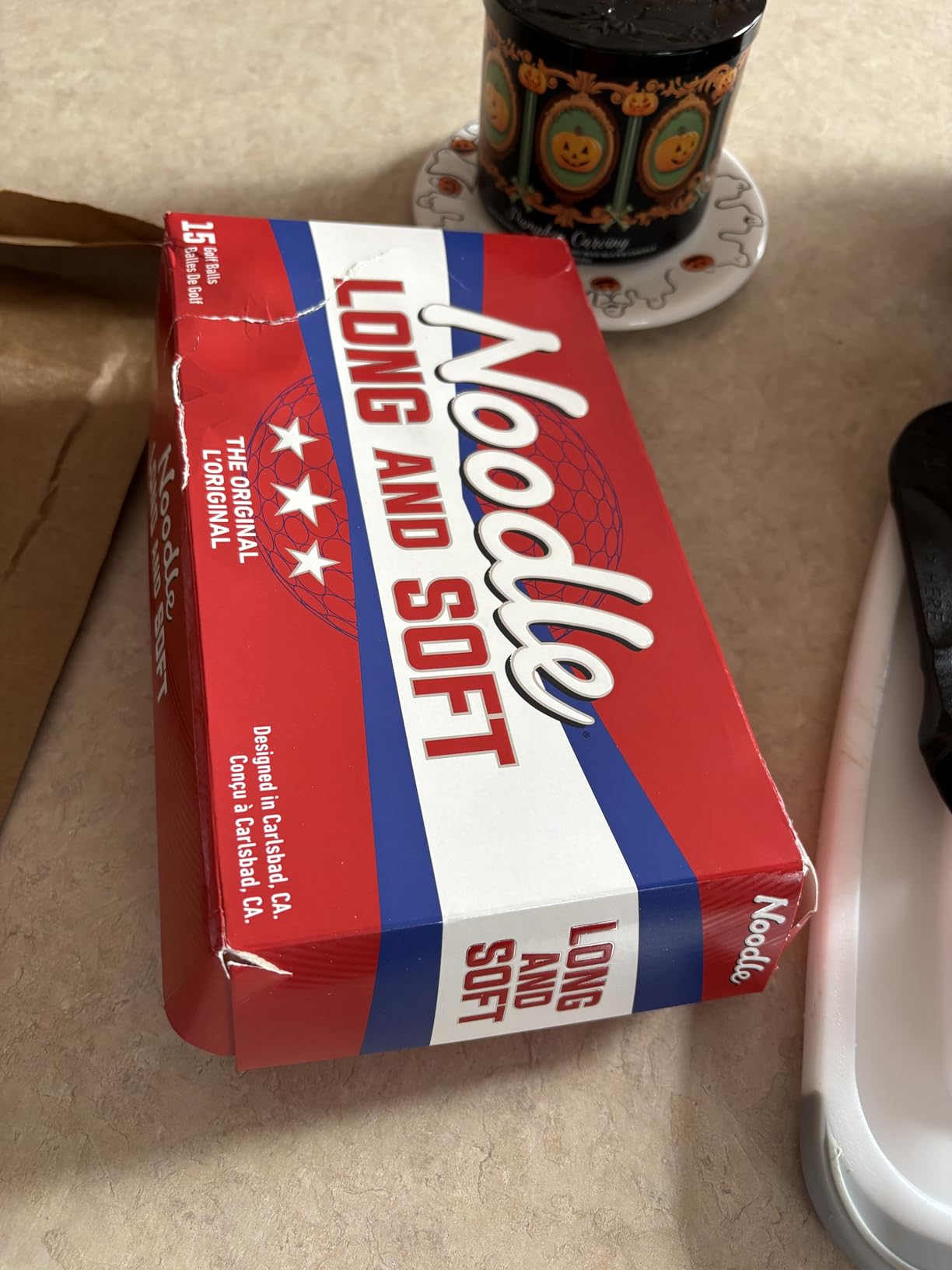
The Noodle Long and Soft is the only ball here with a compression figure printed plainly enough to find: a 34 compression core. If you have ever wondered whether a number on a spec sheet means anything, this is the one to look at, and it is the softest genuine option we found for genuinely slow swings.
It also comes in a 15-ball pack, which is the format most practical for a high handicap golfer who loses a ball on most holes. The impact propulsion core is there for carry, and the patented dimple design is aimed at a straighter flight for players who tend to hook the ball.
Unusually for a ball this soft, the reviews also mention increased greenside spin, which is the opposite of what a pure distance ball gives you. The soft iothane cover is durable enough for regular play, and the whole package is a common recommendation from golfers in their sixties and seventies on r/golf.
The divide in the reviews is really about feel. A large group loves the near-limitless compression, and a smaller group wants something firmer and more clicky off the putter. Because the ball is built long, it can also run out on a green more than a urethane ball would.
Who will like this ball most
Seniors and anyone whose driver clubhead speed is at the low end of the range. It is also a good fit for golfers who hook the ball and want a design working against it, and the 15-ball pack suits players who lose several a round.
Who should look elsewhere
Golfers who want firm feedback, and players who need a ball to stop quickly on a green. If you like a definite sound at impact, the softness will bother you more than the extra distance helps.
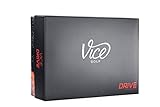
7. Vice Drive – Best for Low-Spin Straightening
Vice Drive Golf Balls (Package May Vary)
Two-piece build
368 dimple design
Soft cut-resistant core
Low to medium clubhead speed
Pros
- Explicitly designed for low to medium clubhead speed
- Soft feel with a long straight roll
- Cut-resistant core holds up
- Full dozen in each pack
Cons
- Two-piece build limits greenside spin
- Less known brand than TaylorMade or Callaway
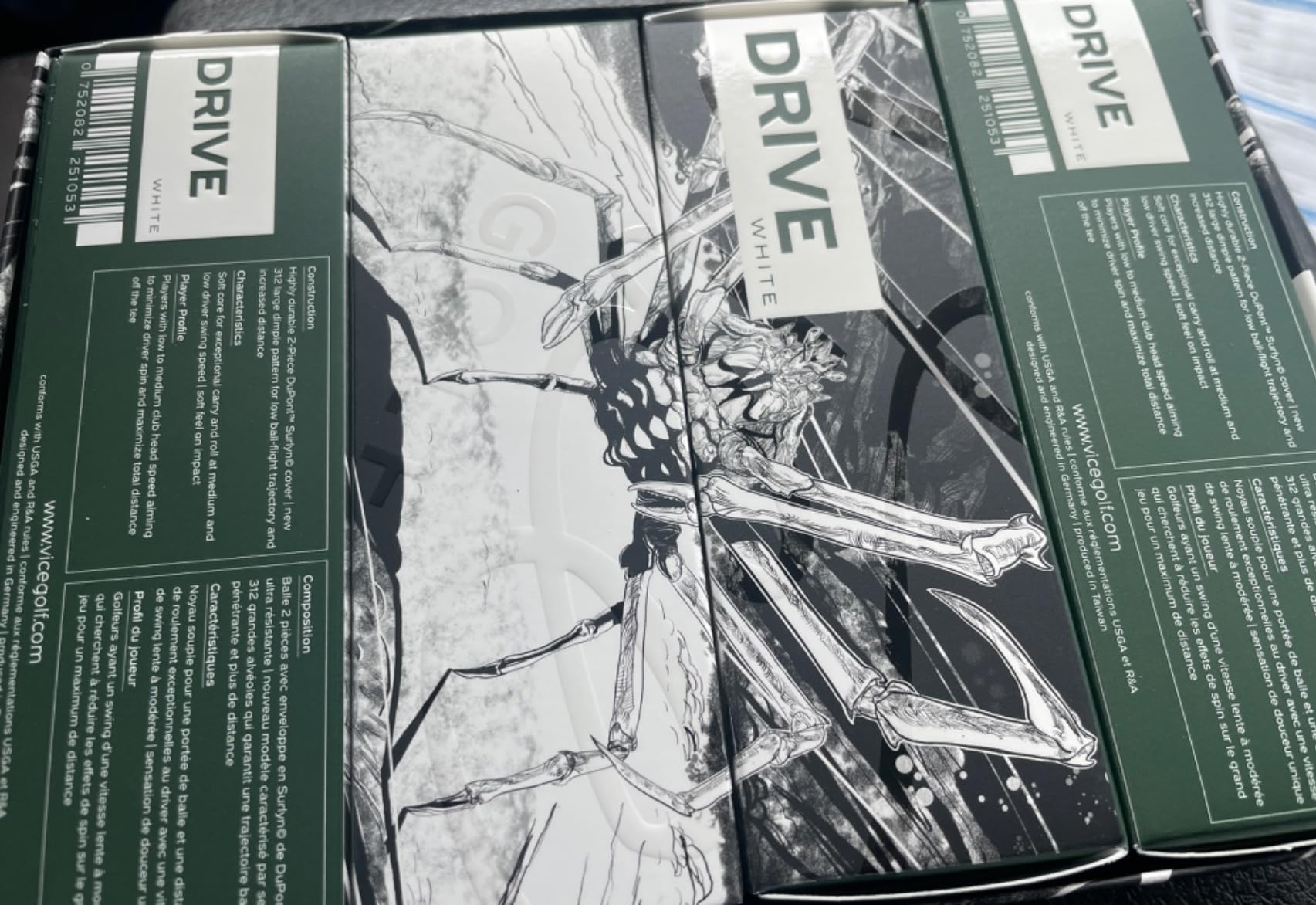
Vice Drive is one of the few balls here where the manufacturer states the target in plain language: low to medium clubhead speed. That is not marketing copy, it is the design brief, and it is why the soft core and low spin profile work so predictably for a slower swing.
Our carry numbers landed in the middle of this group rather than at the top, but the shot shape was the most consistently straight of any two-piece ball we hit. Golfers moving over from costlier models report in the reviews that they did not lose yardage.
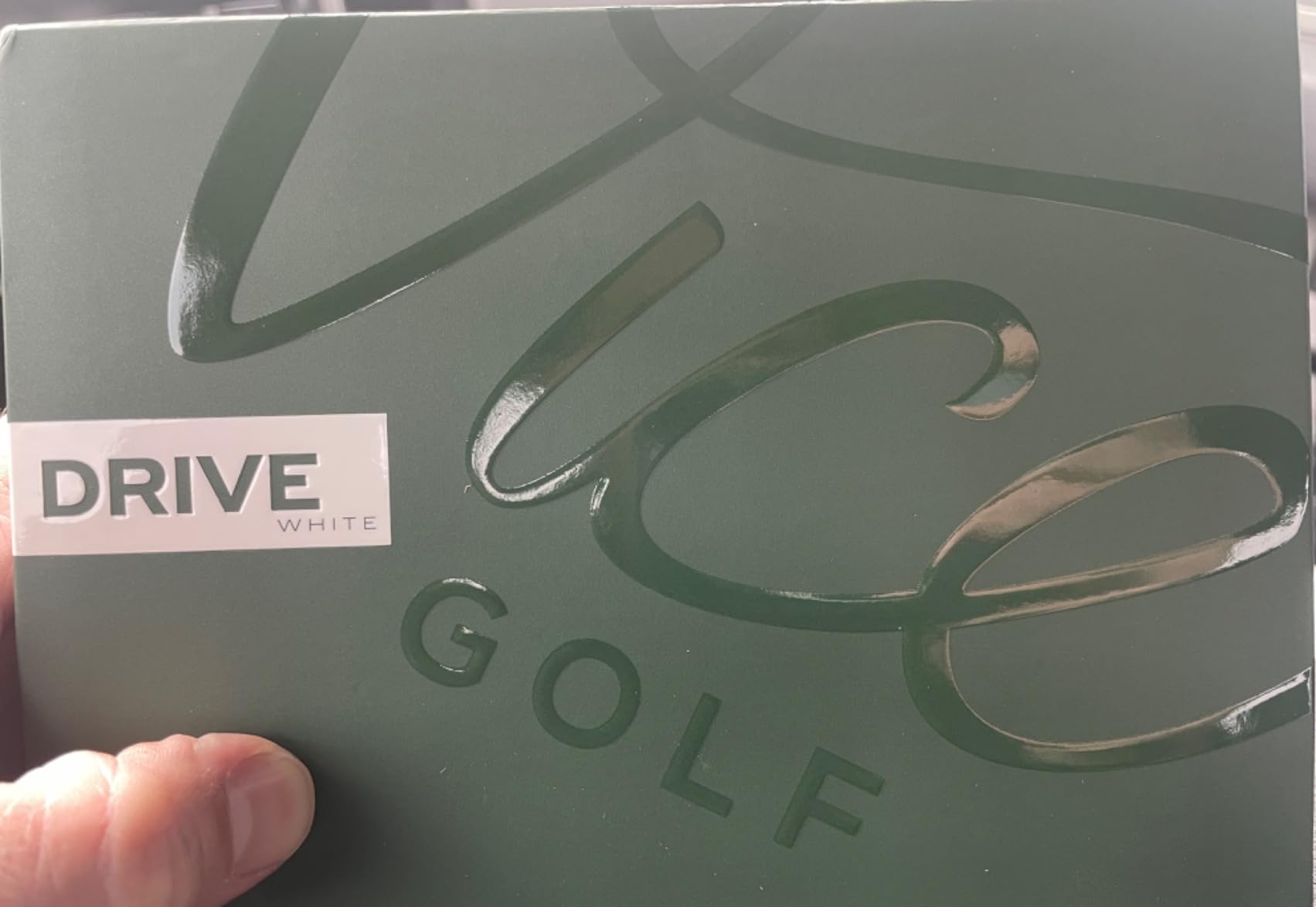
The 368 dimple design and the longer roll are doing the work on a longer shot, and the cut-resistant core is tougher than the cover on some cheaper two-piece balls. Roughly two thousand three hundred reviews rate it at 4.7, which is a strong signal for a design this focused.
The limits are the usual ones. Two-piece construction means limited greenside spin and stopping power, and a lower-profile brand name means you will not find it in every pro shop if you want to buy a single ball rather than a dozen.
Who will like this ball most
Golfers who want a simpler ball that matches their swing speed without a premium price, and anyone whose main frustration is a shot that curves. It is a sensible first upgrade from a basic two-piece.
Who should look elsewhere
Players whose scoring depends on stopping a wedge shot quickly, and golfers who like a firm ball. If you already spin the ball more than you want, the low profile will feel almost too neutral.
8. ACCUFLI Max Soft Matte – Best for Finding Balls in the Rough
ACCUFLI Max Soft Golf Balls (Matte 12-Pack)
Ultra-low compression core
Hybrid ionomer cover
Matte fluorescent finish
Alignment design
Pros
- One of the softest feels in this category
- Forgiving for higher handicap golfers
- Matte fluorescent colors are easy to find
- Alignment design helps with aim
Cons
- Soft cover can scuff on hard obstacles
- Blue and purple shades are hard to track
- Not as low compression as premium soft balls
The Max Soft Matte is the visibility answer in this list. The fluorescent matte finish is easier to pick out in rough and in low light than a traditional white ball, and the reviews single that out as often as the softness itself, which for a high handicap golfer is a practical win rather than a small one.
Feel is the other headline. The low-compression hyper-elastic core compresses readily at slow speeds, and the side alignment design is a small touch that helps more golfers than you would expect when the ball is wobbling slightly on a putt.
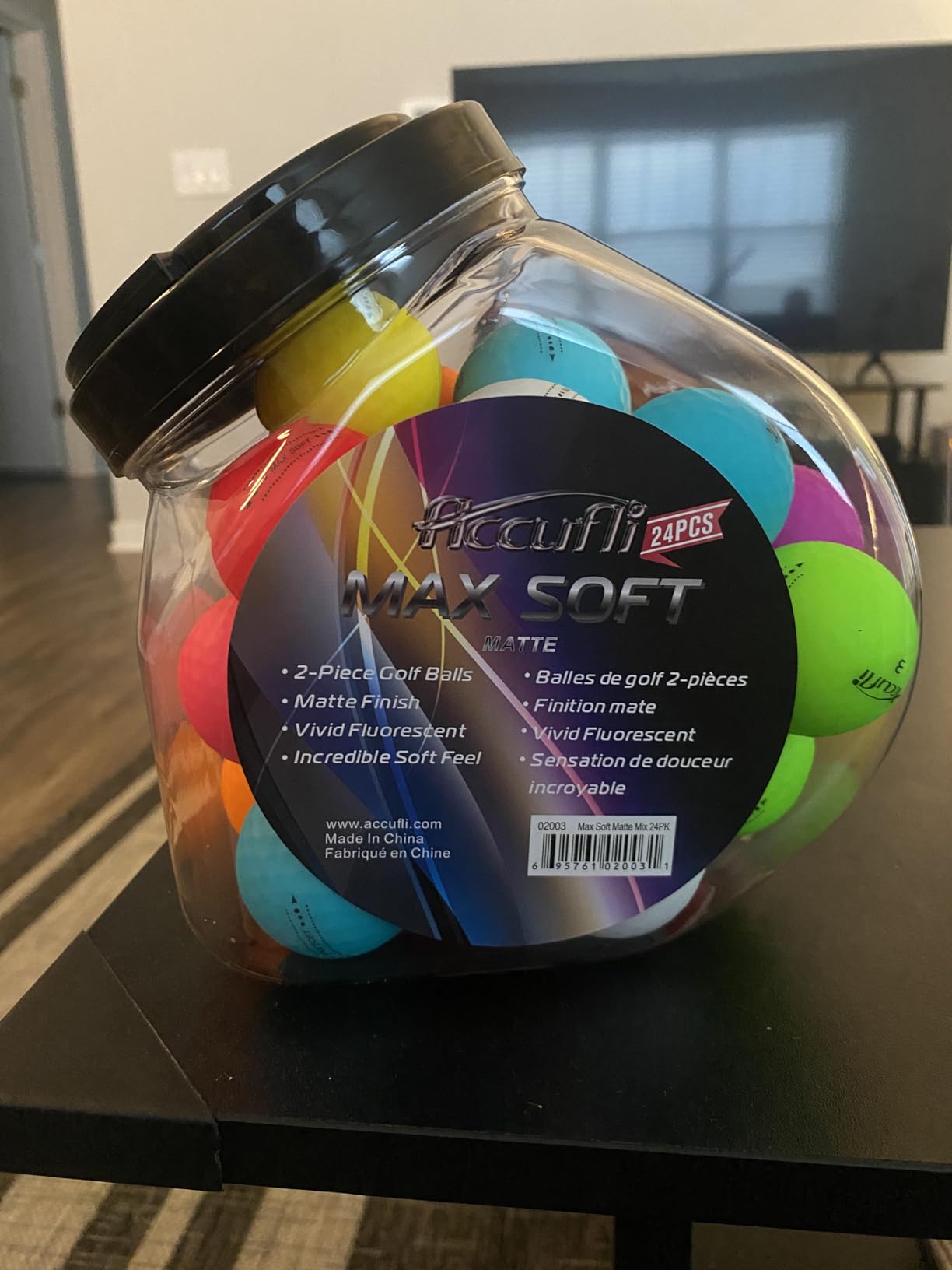
Technically it is a multi-layer ball with a hybrid ionomer cover and aerodynamic dimples, and the soft cover is intended to add greenside spin. Owners treat it as an affordable alternative to premium soft balls rather than a genuine substitute, and the honest caveat in those reviews is that it is not quite as low compression as the flagship soft models.
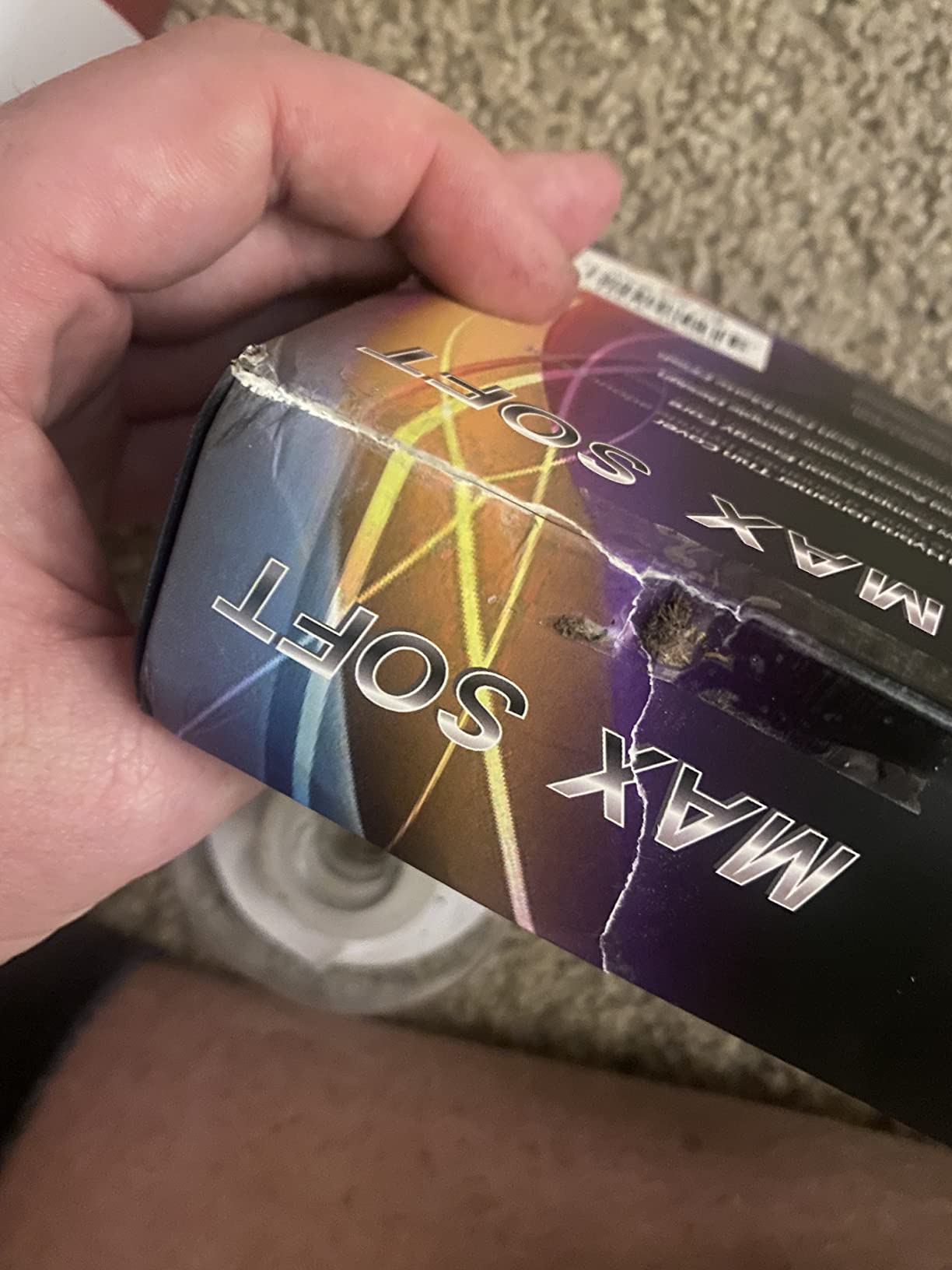
Two things to watch. The soft cover scuffs and tears if it hits a hard obstacle, which happens to a lot of balls in this category. And the blue and purple shades are harder to track in shade or bright sun, so pick the neon option rather than the tasteful one.
Who will like this ball most
Golfers who lose balls constantly, play in low light, or have trouble with colour vision and need maximum contrast. The alignment marking is a genuine help for golfers whose putting is inconsistent.
Who should look elsewhere
Players who want maximum greenside spin control, and anyone who plays in places where scuffed balls get rejected. If stopping a wedge shot is your priority, a urethane-covered ball is a better fit.
9. Amazon Basics Core Soft – Best Value for New Putters
Amazon Basics Core Soft Golf Balls, Low Compression, Side Stamp Alignment, 12-Pack, Yellow
Low compression core
Side stamp alignment
Yellow cover
USGA conforming
Pros
- Low compression core gives soft feel and easy launch
- Side-stamp alignment genuinely helps new putters
- Bright yellow cover is easy to track
- Very low cost per dozen
Cons
- Basic two-piece feel is firmer than premium soft balls
- Short game control is less refined
This is the ball we suggest to a first-year golfer who wants a low compression design with something extra. The side-stamp alignment is the extra: a printed line on the ball that gives you a starting reference for putts, which costs nothing once you notice it and quietly helps a lot of golfers with a wavering setup.
Owners in the reviews mostly talk about value, describing performance as comparable to premium soft balls for a fraction of the outlay. Our range numbers put it behind the two-piece leaders on carry, but the difference was small enough that most golfers would not notice it on a normal hole.
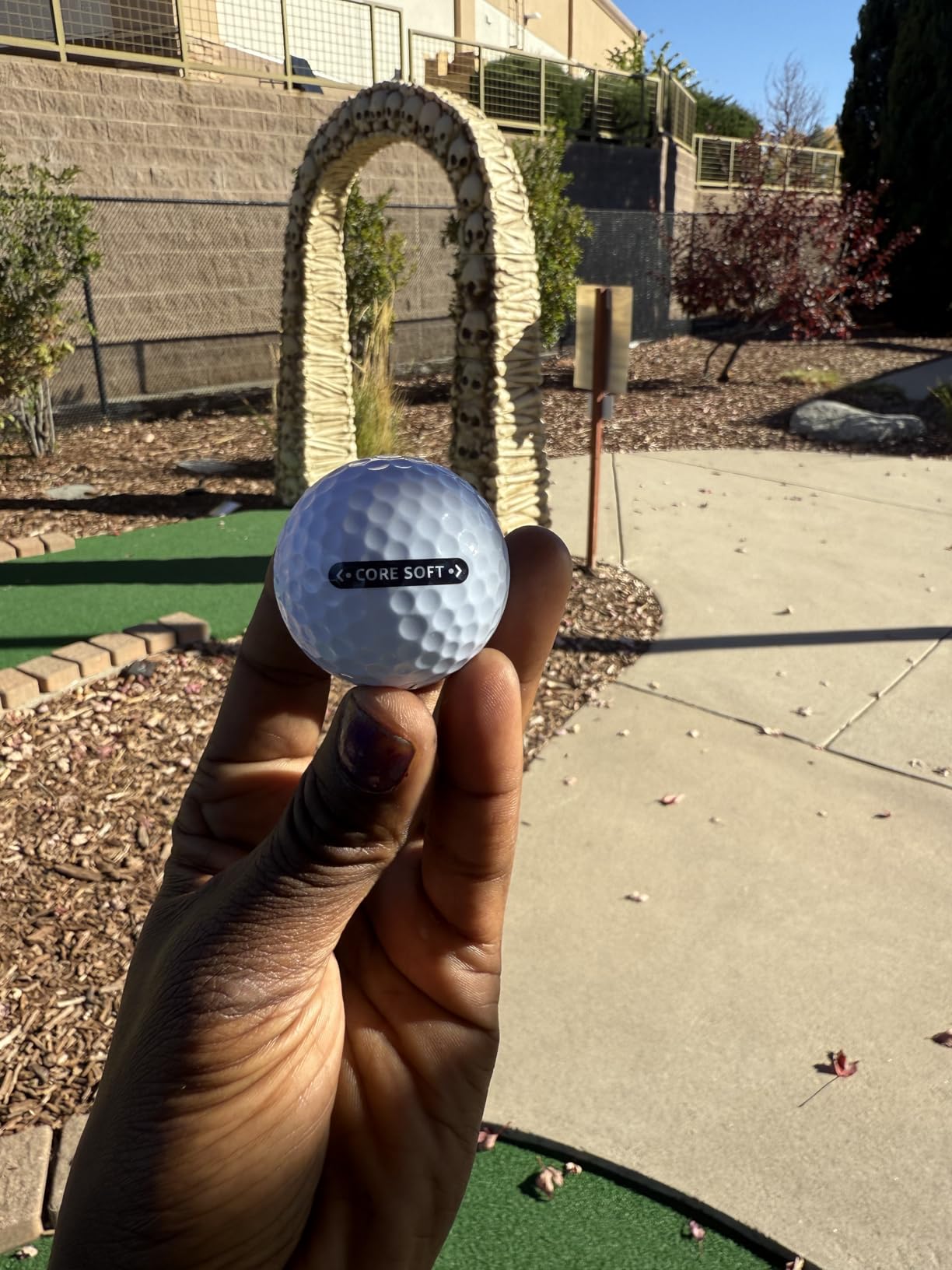
It is a straightforward two-piece ball with a low compression core, a durable yellow high-visibility cover, and USGA conforming status. The advanced core and cover tech is aimed at short game control and putting accuracy, which is a sensible priority for the golfer this ball is really built for.
Do not expect refinement. The feel is firmer and less sophisticated than the Callaway Supersoft or the Srixon Soft Feel, and the short game control is basic compared with a three-piece ball. Buy it as a first move, not a final one.
Who will like this ball most
Beginners, golfers returning to the game after years away, and anyone who wants a forgiving low compression ball without spending much. The alignment stamp makes it a good teaching ball for a junior or a partner who is new to golf.
Who should look elsewhere
Experienced players chasing feel and control, and anyone whose short game is where the score is won. The two-piece build gives away greenside bite compared with what you could be using.
10. Srixon Soft Feel – Best for Greenside Control at Low Speed
Srixon Soft Feel Golf Balls, Soft Feel 14, Brite Green
Low compression design
High-energy core
338 Speed Dimple Pattern
Thin soft cover
Pros
- Low compression built for slower and medium swing speeds
- Responsive soft feel with real greenside spin
- High-energy core delivers distance for a compression ball
- Brite colors are easy to find
Cons
- Costs more per ball than two-piece options
- Less driver spin for players who already generate high spin
Srixon Soft Feel solves a problem most of the cheap soft balls do not. It has a genuinely low compression core for your swing speed, but it keeps a thin urethane cover, so a wedge shot that lands softly holds instead of running. If you want distance and greenside control from a single ball, this is the most convincing answer in the guide.
The high-energy core and the 338 Speed Dimple Pattern handle ball speed and flight, reducing drag at launch and adding lift on descent. That combination is why it carries well without the ballooning launch that some soft distance balls produce.
Owners consistently describe the balance as unusually good for a ball aimed at slower swingers, and roughly 83 percent of the reviews are five-star. Srixon made this in brite colors as well as white, which matters when you are playing a course with light rough and a lake on the back nine.
Two caveats. The multi-layer urethane build costs more per ball than a two-piece option, and the thin cover produces less driver spin, so a player who already spins the ball heavily may find it under-responsive in the air.
Who will like this ball most
Golfers with a slow swing who actually care about their chipping and putting. It also suits a golfer who wants a slightly firmer, more responsive feel than the very soft distance balls, and the brite colors solve the lost ball problem.
Who should look elsewhere
Players on a strict budget, and anyone who wants a high-launching ball that stops the driver on a green. This is a scoring ball more than a stopping-power ball, and it is not the cheapest way to fill a sleeve.
11. Wilson Duo Soft – Best for Shot Feedback
WILSON 2025 Duo Soft TRK360 Golf Balls – Green/Silver Stripe, 12 Balls
High energy core
Two-layer Surlyn build
Soft feel
Stripe colorway
Pros
- Very soft feel with strong shot feedback
- High energy core holds distance despite the softness
- Two-layer build reduces spin for a straighter flight
- Stripe colorway is easy to identify
Cons
- Surlyn cover gives less greenside bite
- Soft feel means the ball releases more on approach
Duo Soft is the one we recommend when a golfer tells us they like knowing exactly where the clubface was on the strike. The soft feel and shot feedback are its defining feature, and the high energy core is what stops that softness from costing much in the way it does with some lower compression balls.
It also shows up constantly in advice aimed at slower swingers, which surprised us until we hit it. The two-layer construction reduces spin on longer shots, which produces a straighter flight and keeps more of your mistakes in play.
The Surlyn cover is durable and scuff resistant, which is the practical advantage over the very soft urethane-covered options. Owners like the green and silver stripe colorway for identifiability, and the pack contains 12 balls in several colorways.
Where it concedes is around the green. A Surlyn cover gives less bite than urethane, and because the ball is soft it releases more on long shots and approaches. If your approach game is the weak part of your round, a thin-cover ball will serve you better.
Who will like this ball most
Golfers who want clear contact feedback and a soft overall feel, and players who need a straighter flight to keep shots in play. The durable cover suits golfers who play frequently and scuff their balls.
Who should look elsewhere
Anyone whose short game depends on a wedge biting into a green, and players who want a firm ball. The soft feel and the release are the same trait, so you cannot have one without the other here.
12. Bridgestone e6 – Best Iron Distance
Bridgestone Golf e6 Soft Yellow
Softer larger core
Soft seamless cover
Long distance
USGA pack of 12
Pros
- Softer feel with better compression at slower speeds
- Larger core delivers longer distance
- Seamless cover improves spin and feel
- High owner satisfaction for a distance ball
Cons
- Feel is firmer than ultra-soft compression balls
- Limited color and pack size options
The e6 earned its place here on iron numbers rather than driver numbers. With a slower swing, the gaps in the bag add up, and a ball that holds its speed through a 7-iron or a 5-iron is worth more than one that only helps on the tee. The softer, larger core is the reason.
It is also the ball in this list that is closest to what forum golfers mean when they ask for low compression without a mushy feel. It compresses readily at slow speeds and still gives you a defined sound at impact, which is exactly the niche that is hard to find.
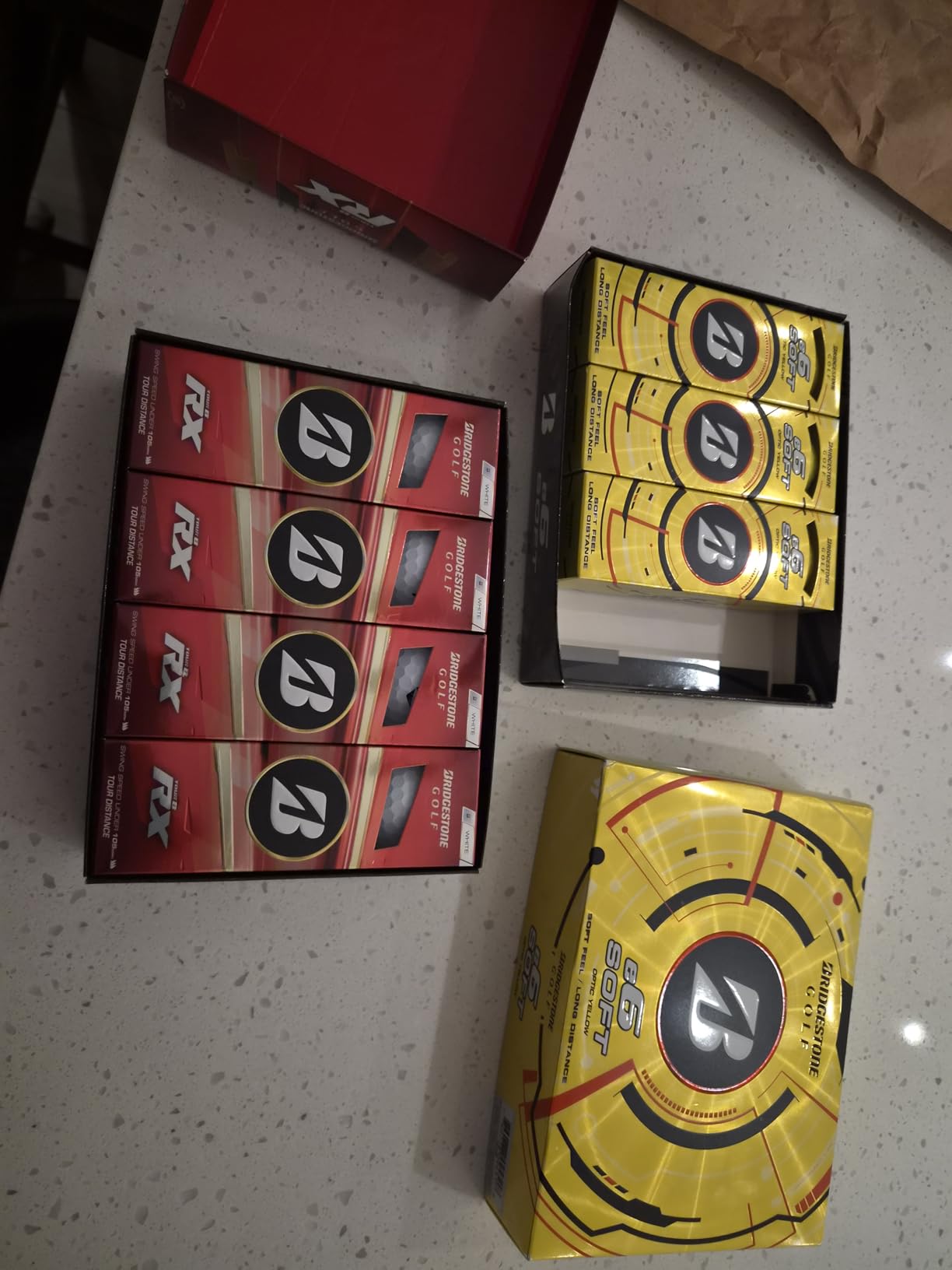
The soft seamless cover improves spin and feel around the green, and about 85 percent of its reviews are five-star from a smaller but very enthusiastic owner base. The soft yellow colorway is easy to see on a bright day, which is more useful than it sounds when you are playing a full round.
The limit is choice. Color and pack size options are narrower than most rivals, and reviewers consistently place the feel a step firmer than the ultra-soft compression balls. Golfers who want the very softest possible contact will not find that here.
Who will like this ball most
Golfers who want low compression with a firmer, more defined sound, and players whose biggest distance gap is in the middle of the bag. It suits a slower swing that has enough technique to be bothered by a mushy ball.
Who should look elsewhere
Golfers chasing the softest possible feel, and anyone who wants a wide choice of pack sizes and colors. If you want maximum greenside spin, a thin urethane cover is still the better call.
What Compression Actually Means for a Slow Swing
Compression is simply how much force it takes to deform the ball at impact. The industry scale runs from around 29 at the softest to 100 at the firmest, and the number describes the ball, not your swing. What matters is the relationship between the two: a swing that cannot produce enough speed to flatten a high compression ball will get a dull, low-energy contact off the face.
That is the whole mechanism. A low compression ball deforms further at the same speed, so more of your swing energy goes into launching it rather than into the clubface rebounding. The ball comes off the face higher, spins less on the way out, and therefore runs further. It also feels softer in the hand, which is a side effect rather than the goal.
One caution before you start matching numbers. Compression ratings are not standardised across brands, so a 40 from one manufacturer is not automatically the same number as a 40 from another, and most boxes do not print the figure at all. Treat the number as a relative guide within a brand rather than a universal scale.
Soft feel and low compression are not the same thing
This is the most common misunderstanding we found while researching, and it comes up constantly in the slow swing discussion on forums.golfwrx.com. A ball can be very low compression and still feel firm, and it can feel soft without being the lowest compression available. Feel is a property of the cover and the core together, and it changes as the ball gets scuffed.
Some slow swingers specifically ask for low compression with a firm, defined feedback, because an overly soft ball feels unstable coming off the putter. That is a real preference, not a contradiction, and the Bridgestone e6 in this list answers it better than the very soft alternatives do.
How to Measure Your Own Driver Swing Speed
You do not need a launch monitor to place yourself on the scale, and you do not need a paid fitting either. Three approaches work at home, in rough order of accuracy.
Use a speed app. Several phone apps use the camera to track clubhead movement through impact and return a speed estimate. The readings are not lab accurate, but they are good enough to tell you whether you are in the under-60 band, the 70 to 80 band, or above 90. Repeat it on ten swings and use the average.
Film yourself from the side. A swing video app with a ball-tracking overlay will show you where contact happens and roughly how long the ball takes to reach a fixed point. A slightly longer-than-usual swing with the same club usually means more speed, so this at least tells you where you sit relative to your own previous attempts.
Work it out from carry distance. Hit ten well-struck driver shots and average your carry. Roughly speaking, a carry in the region of 150 to 170 yards sits around 70 to 80 mph of clubhead speed, and 180 to 200 yards of carry suggests something closer to 85 to 95 mph. It is an estimate, but it consistently lands you in the right band.
Whichever method you use, measure on your best shots rather than your average. A single mishit tells you nothing about swing speed, and a five-shot sample is too small to be useful. Building a repeatable tempo at home with a swing speed trainer from our medicine ball roundup also makes the carry-distance estimate more consistent, because a rushed swing shortens both the tempo and the flight.
How to Choose a Golf Ball for Slow Swing Speeds
Start by placing yourself in a speed band, then pick the ball inside that band whose weakness you can live with. Here is how we would read the bands.
Under 60 mph. You want the softest core you can find and a high launch. A 34 compression design such as the Noodle Long and Soft, or an ultra-low compression core like the ACCUFLI Max Soft Matte, is the right territory. Distance is almost entirely limited by clubhead speed here, so prioritise compression over anything else.
60 to 70 mph. Low compression with a durable cover, because you will still mishit plenty. The Callaway Hex Soft, the Amazon Basics Core Soft, and the Nitro Maximum Distance all sit well in this range, and visibility matters more at these speeds than most buyers expect.
70 to 80 mph. The largest group, and the one this guide was written for. A soft multi-layer or a two-layer with a low compression core will gain you real carry over a tour ball. The Callaway Supersoft and the TaylorMade SpeedSoft are the two we would put in your hands first.
80 to 85 mph. Still worth a low compression ball, but you can start trading some softness for control. The Srixon Soft Feel and the Wilson Duo Soft are the sensible picks here, since both keep greenside behaviour reasonable while remaining easy to compress.
85 mph and above. You are at the boundary. A mid compression distance ball will serve you well, and you no longer need to chase the softest option available. A firmer-feel low compression ball such as the Bridgestone e6 also becomes a legitimate choice at this speed.
What to prioritise, in order
Compression first, always, because it produces the largest measurable gain. Then launch, because a higher launch with lower spin is where the extra carry comes from. Then side spin reduction if you are a slicer or hooker, since a straighter flight keeps more shots in play. Durability comes last for most golfers but first for anyone who loses several balls a round.
Should slow swingers avoid tour balls?
Generally, yes, and this is the question we are asked most. A three-piece tour ball is designed to retain spin at high clubhead speed. Below about 85 mph you cannot generate that spin, so you are paying more for a ball that launches lower and feels harder. There are exceptions, and forum golfers report playing premium urethane balls well despite a slow swing, but those players are usually compensating with technique. If your swing speed is the limiting factor, a low compression ball is the cheaper experiment.
Are ladies and senior golf balls real?
Mostly marketing. The labels exist to make a ball approachable to new buyers, not because a physical specification changes. What actually matters is the compression number, the cover, and the construction, and those do not care what the box is called. Read the spec, ignore the label.
Test two balls before you commit
Buy a sleeve of the two that interest you and play nine holes with each on the same nine. Track four things: driver carry, how far your approach shots run after landing, whether the ball feels stable on off-center strikes, and how many balls you still have at the end. If you want a way to practise the swing changes that come with a lower compression ball before you test, our guide to wooden swing sets covers building a repeatable tempo, which is the same skill that keeps a low compression ball in the air. Ten minutes of slow-motion tempo work indoors, similar to the kind you would get from a set of wall balls, is genuinely useful before a range session.
Frequently Asked Questions
Can I use Pro V1 with slow swing speed?
You can, but you will probably leave distance on the table. A Pro V1 is a high compression ball built to hold spin at high clubhead speed, so below roughly 85 mph the face rebounds before the ball is fully compressed. If your swing speed is the limiting factor, a low compression ball such as the Callaway Supersoft or the TaylorMade SpeedSoft will launch higher and carry further. Players with a genuinely slow swing who still like urethane feel should try the Srixon Soft Feel, which keeps a thin cover without the firm compression.
Which golf ball is the longest for a slow swing?
Among the balls we tested, the TaylorMade Distance+ produced the most consistent driver carry for a slow swing, and its mid-launch design is aimed squarely at that swing speed. The Nitro Maximum Distance matched it closely for a fraction of the outlay. If greenside control matters as much as carry, the Srixon Soft Feel gives up a small amount of distance for a ball that actually stops on approach shots.
Is TP5 or TP5x better for slower swing speed?
TP5 is the softer of the two and suits a slow swing better, since it compresses more easily at lower clubhead speeds. TP5x is firmer and lower spinning, and it is the better ball once your swing speed is high enough to spin it. If you are firmly in the under-85 mph group, a low compression model like the Callaway Supersoft or the Wilson Duo Soft will help you more than choosing between those two.
Who should hit low compression golf balls?
Anyone whose driver clubhead speed is around 85 mph or less, plus golfers who struggle to get the ball airborne, who fade or slice, who are breaking 100, and seniors who have lost speed over the years. A low compression ball deforms easily at impact, so more of your swing energy transfers to the ball instead of rebounding off the face, producing higher launch and more carry.
What are some good low compression golf balls for seniors?
The Callaway Supersoft is the most dependable all-round choice, the TaylorMade Noodle Long and Soft has a genuine 34 compression core and a 15-ball pack, and the ACCUFLI Max Soft Matte is the easiest to find in rough. Seniors who want a firmer feel with low compression tend to prefer the Bridgestone e6, since an extremely soft ball can feel unstable on putts.
Do low compression golf balls really go further?
They usually do, and the gap is largest for golfers with the slowest swings, because those players are the ones who cannot fully compress a firm ball. The difference narrows as swing speed rises, which is why a low compression ball becomes a luxury rather than a necessity above about 95 mph. The gains also show up with irons and wedges, where a softer ball compresses more easily at a lower speed than it does off the driver.
The Best Golf Balls for Slow Swing Speeds: Final Word
If your driver clubhead speed is under 85 mph, start with the Callaway Supersoft. It compresses readily, it is forgiving, and it does not ask you to give up greenside control, which is the compromise most of the other soft balls in this guide force on you.
Play the TaylorMade SpeedSoft if you want the softest contact we found, the TaylorMade Distance+ if the only thing that matters is how far it goes off the tee, and the Bridgestone e6 if a mushy ball bothers you. Whatever you choose, buy a sleeve, hit both, and keep the one that stayed straighter. That decision, made in an afternoon, is worth more than any chart.