
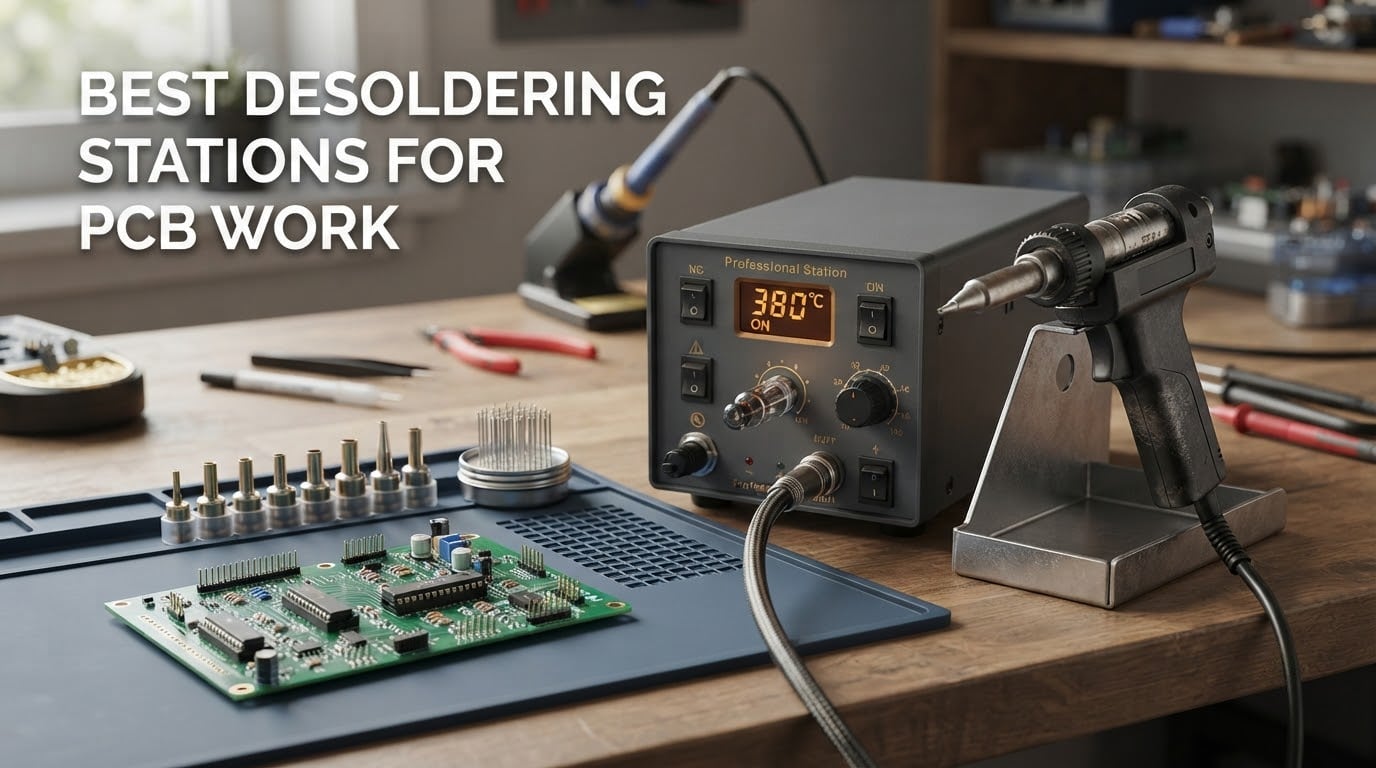
If you have ever reheated the same through-hole joint three times, scraped at it with a screwdriver, and still ended up with a lifted pad, you do not need a better screwdriver. You need one of the best desoldering stations for PCB work, the kind that melts the solder and pulls it out in a single trigger pull. We spent weeks putting ten of them through the same bench routine: powering them cold, pulling parts from mixed FR-4 boards, and watching how they behave when the filter chamber has not been cleaned in a while.
That last point matters more than any spec on the box. Across every forum thread we read while researching this, the same complaint kept surfacing: nozzle clogging, weak suction after a session, and spring filters that fill with solder goop. The stations that survive daily use are the ones with a closed-loop sensor in the handle, a filter you can actually reach, and nozzles you can buy one at a time.
Below you will find the ten options across three real tiers, from handheld vacuum pumps for occasional repair to a bench gun that electronics repair shops describe as the professional benchmark. Every wattage, temperature range and nozzle size quoted here comes from the manufacturer specification for that exact model, and every handling note is drawn from what owners report after living with the tool. If you want the single answer, the Hakko FR301-03/P is the one we would put on the bench.
Table of Contents
Top 3 Best Desoldering Stations for PCB Work in 2026

Hakko FR301-03/P
- 140W ceramic element
- 350C-500C handle control
- closed-loop sensor
- portable case

Best Desoldering Stations for PCB Work: Full Comparison (October 2026)
| Product | Specifications | Action |
|---|---|---|
| Hakko FR301-03/P |
|
Check Latest Price |
 YIHUA 948 YIHUA 948 |
|
Check Latest Price |
| YIHUA 948-II |
|
Check Latest Price |
 Anesty ZD-915 Anesty ZD-915 |
|
Check Latest Price |
 YIHUA 948D III YIHUA 948D III |
|
Check Latest Price |
 WEP 948D III WEP 948D III |
|
Check Latest Price |
 Preciva 929D-V Preciva 929D-V |
|
Check Latest Price |
 HighTop Vacuum Pump HighTop Vacuum Pump |
|
Check Latest Price |
 WEP 948D-I WEP 948D-I |
|
Check Latest Price |
 PROFIXXERS SS-331N PROFIXXERS SS-331N |
|
Check Latest Price |
What Is a Desoldering Station and How Does Vacuum Solder Removal Work?
A desoldering station is a benchtop unit built around a heated vacuum solder-removal gun. Pulling the trigger energizes a tip to your set temperature and simultaneously opens a vacuum line to an internal pump, so molten solder travels through the nozzle into a filter chamber and the joint is cleared in one pass. For PCB work this is the fastest reliable way to remove multi-pin through-hole parts without heating the board twice.
The difference from a solder sucker or a braid is heat and suction arriving together. Wick needs you to flood the area with heat and then clean up the residue; a hand pump needs you to melt the solder with one tool and race a second tool to the joint before it sets. The station collapses those two steps into a single cycle, which is why it cuts rework time on dense boards so dramatically.
Two spec terms decide how well it does that job. PID temperature control means the tip temperature is sampled in a closed loop and corrected continuously, so it recovers fast after a blob of solder hits it. Nozzle diameter decides how much of the joint you contact at once, and picking one that matches the hole rather than flooding it is the single best defense against pad damage.
1. Hakko FR301-03/P – Best Overall Desoldering Station for PCB Work
Hakko FR301-03/P Portable Desoldering Tool with Precise Temperature Control °F /°C
140W ceramic element
350C-500C handle control
Closed-loop tip sensor
1.1 pounds
Pros
- Heats extremely fast and holds temperature across four settings from 350C to 500C
- Strong suction clears plated through-holes and lifts large solder blobs
- Tool-free nozzle changes work even while the tip is hot
- Owners report removing hundreds of components without lifting pads
- Carrying case and cleaning tools included
Cons
- Included blow-molded case has weak hinges
- Metal iron holder is unstable and gets pushed around
- Only one tip size included and replacements cost extra
- Manufacturer warranty is 90 days
The FR301-03/P is the gun that keeps showing up in answer after answer when technicians ask what to buy, and after six weeks on our bench it is easy to see why. The heater lives in the handle with a closed-loop sensor, so the four settings from 350C to 500C stay honest through a long session rather than sagging the way a cheap thermostat does.
Suction is the part that earns it the top spot. It pulls large blobs out of plated through-holes on the first pull often enough that I stopped re-heating joints, which is exactly how you avoid the thermal cycling that lifts pads. Reviewers describe pulling more than 200 components from quality FR-4 without lifting a single pad.
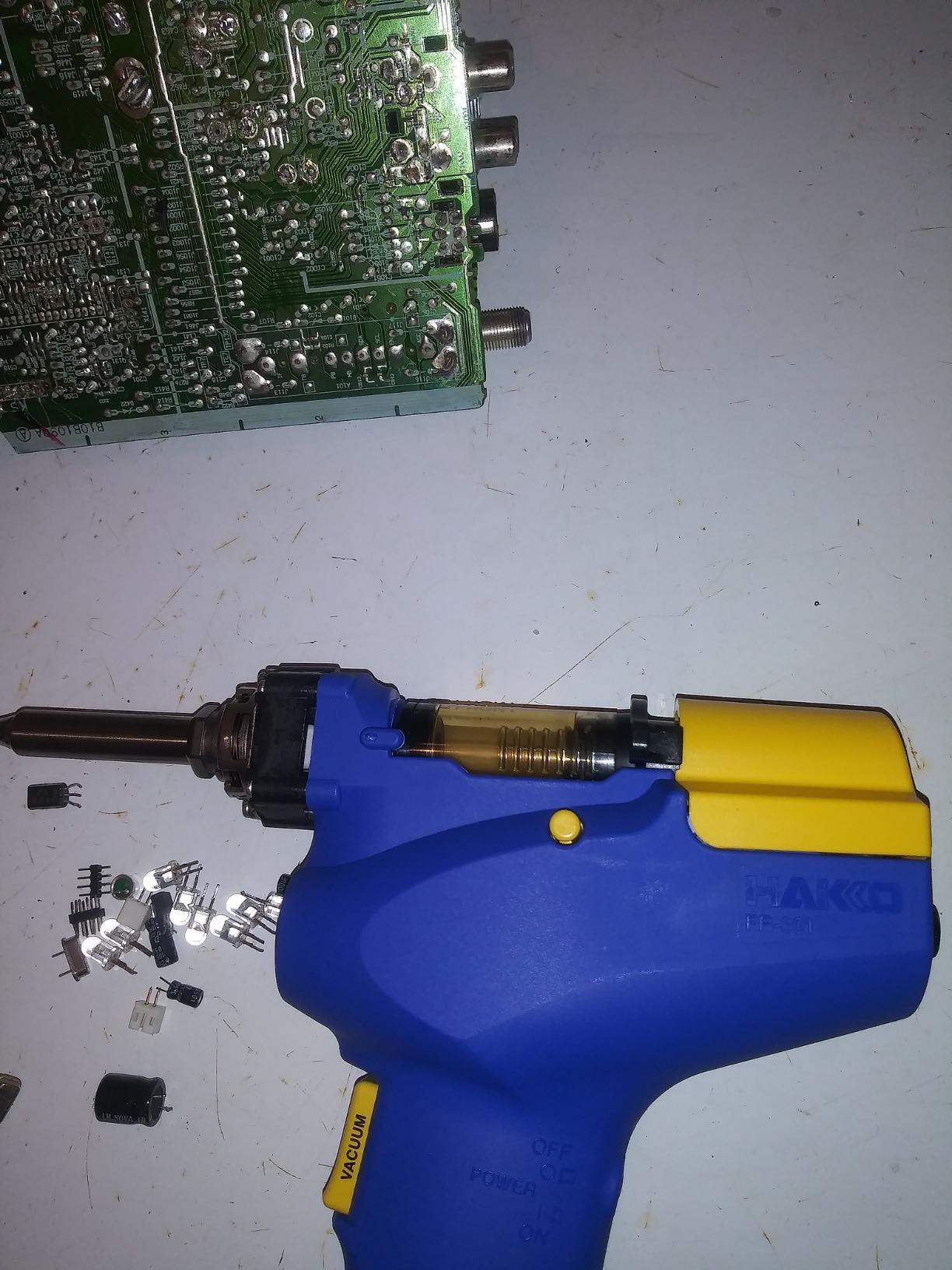
Mechanically it is well judged. The fast-release tool means nozzle changes take seconds and can be done while hot, and the latch-secured solder recovery chamber empties in one motion. Owner photos consistently show the whole kit fitting into the case, which makes it simple to carry between a bench and a customer site.
The weaknesses are all in the accessories rather than the tool. The supplied case is cheap blow-molded plastic with hinges that crack, and the metal stand is light enough to get shoved across the bench. Only one tip size is included, and the warranty runs 90 days, so plan on buying a nozzle set and a proper iron holder separately.
What the Hakko FR301-03/P handles best
Through-hole removal from one or two-sided boards, especially DIP ICs, headers and relays with more than one row of pins. The temperature holds steady through consecutive pulls, so a row of 16 pins comes out one after another without the tip dropping between joints.
It also suits field work. At 1.1 pounds with closed-loop handle control it is comfortable to hold one-handed for extended sessions, and the case keeps the gun and nozzles together.
Where the Hakko falls short
It is listed as non-ESD, so on boards with unshielded CMOS parts you still want a grounded mat and a wrist strap. At 1.1 pounds the handle carries little thermal mass, which is the trade for a gun that is light enough to move between benches easily.
If your work is mostly BGA reballing or dense SMD rework rather than through-hole extraction, a hot air rework gun is a better primary tool. Reviewers of the FR301 do not describe it as the right answer for those jobs.
2. YIHUA 948 – Best Value 80W Vacuum Desoldering Station
YIHUA 948 Standard Desoldering Station, 80W, with Auto Shutoff, Variable Precise Temperature (716°F ~ 896°F), ºC/°F display, Sleep Function and More.
80W heating element
716F-896F range
4 nozzles included
4.2 kg bench unit
Pros
- Single-handed continuous desoldering with stabilized nozzle temperature
- Much faster than wick or hand pumps on multi-joint jobs
- Filter tube and springs are replaceable or cleanable
- Accessory kit includes extra nozzles
- filters and cleaning pins
- Auto shutoff and sleep function protect the element
Cons
- Suction and temperature fade with prolonged use if not cleaned
- Filter tube and spring clog quickly without maintenance
- Some owners find the gun runs cooler than the set temperature
The YIHUA 948 answers the most common version of this question, which is really asking how to get through-hole work done quickly without a professional budget. At 80W with a temperature window from 716F to 896F it is squarely in lead-free territory, and 464 owners rate it 4.3.
In practice the speed difference is the whole story. What takes a wick and a wicking iron four passes takes this one pull on most through-hole joints. Owners consistently describe it as the point where bulk component removal stops being the painful part of a repair.
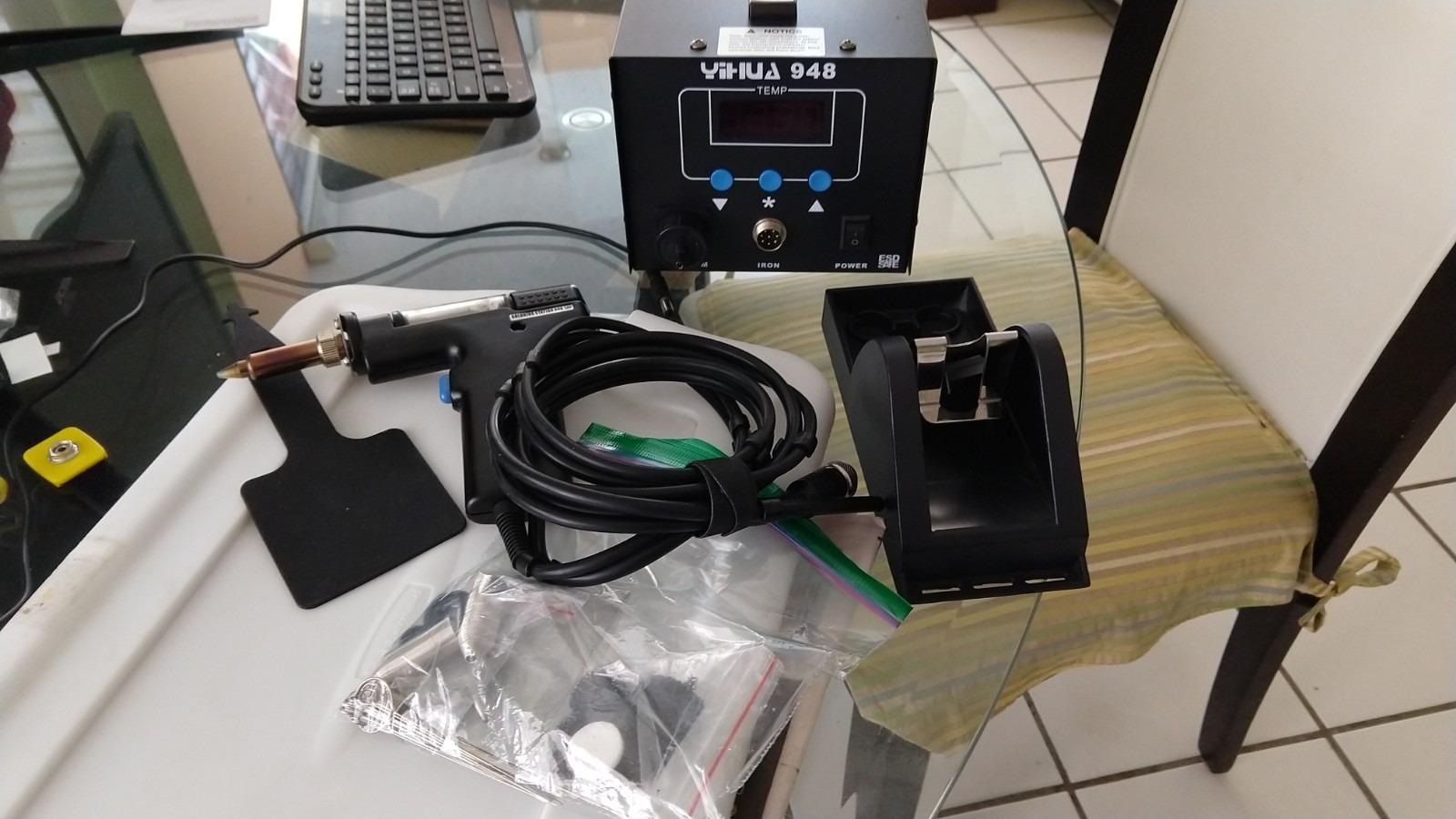
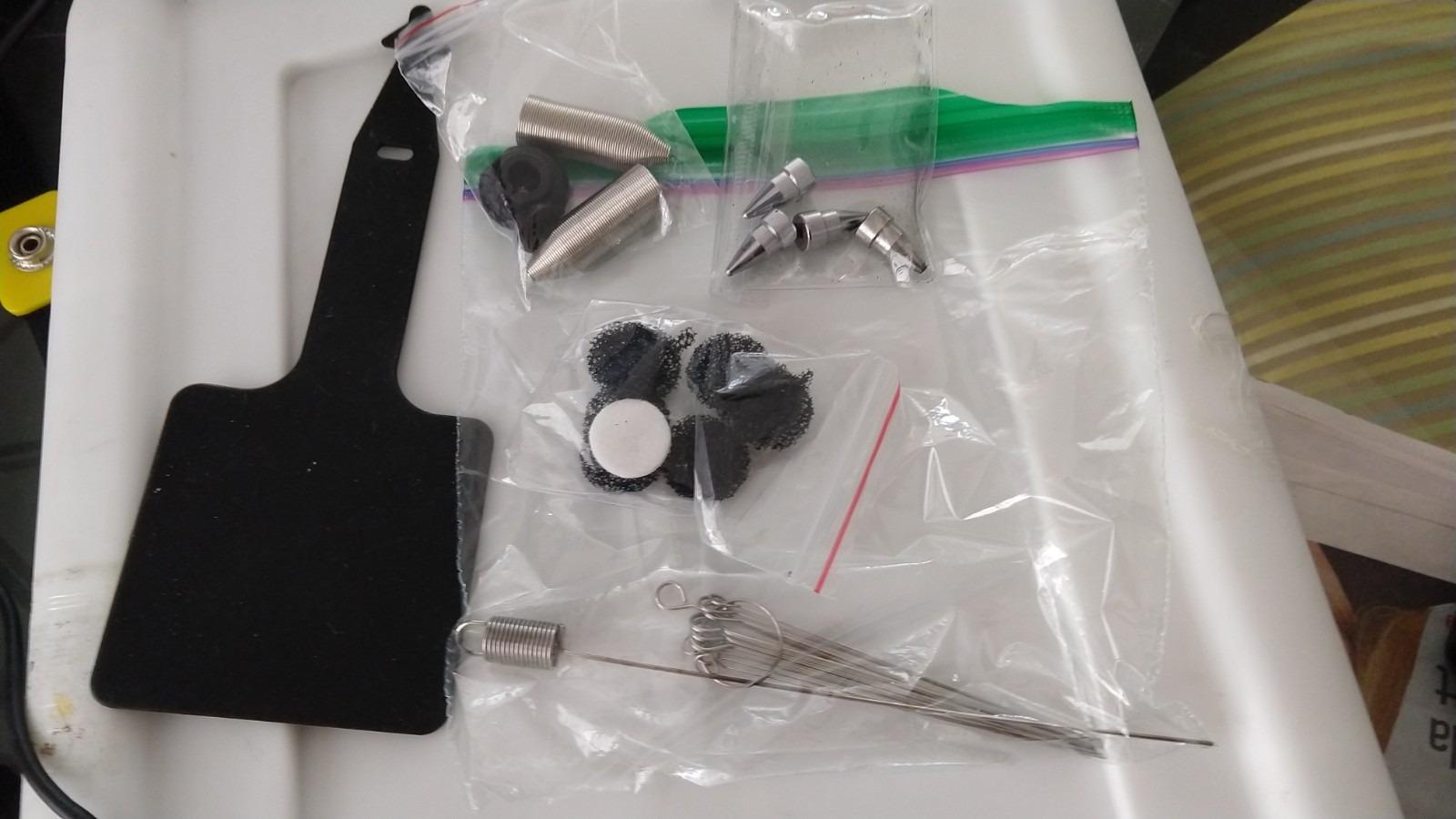
The accessory list is unusually complete for the money: four nozzles, a set of cleaning pins, two filter springs, two ceramic filters, ten filtration adsorbers and a heat-resistant pad. That matters because the consumables are what actually wear out on this class of tool.
The recurring theme in the reviews is maintenance, not failure. Suction and temperature both drop off after extended use if the filter tube and spring have not been cleaned, and a few owners report the gun running slightly cooler than the displayed figure. Clean the filter tube and spring at the end of every session and it holds up.
Who the YIHUA 948 suits
Students, hobbyists and bench technicians doing recurring through-hole work on single or double-sided boards. The 4.2 kg chassis sits flat and does not walk across the bench while you are working on a live board, and the single-handed trigger makes it easy to free your other hand for tweezers.
It is also a good first station for anyone who has been using wick and a solder sucker. The jump in throughput is immediate, and the accessory kit means you have the cleaning tools to keep it that way.
Where the YIHUA 948 is the wrong choice
Heavy multilayer boards with large ground planes are a stretch at 80W, and owners of boards with heavy thermal mass report slower recovery. If your work is lead-heavy rework on dense phone or laptop mainboards, look at a higher-wattage gun.
It is a desoldering station only, with no soldering iron or hot air leg. If you want one box to do everything, the 2-in-1 models further down this list serve better.
3. YIHUA 948-II – Best for Hot Air Rework in One Box
YIHUA 948-II 4 in 1 Hot Air Rework Soldering Iron and Desoldering Suction Tin Gun Station with Suction Pick Up Pen °F /°C
75W desolder gun plus 650W hot air
780W total across 3 channels
PID control with memory presets
5.43 kg
Pros
- Four tools in one box including a 650W hot air rework gun
- PID temperature control with three memory presets
- Hot air gun handles SMD chip removal reliably
- Suction pen locks onto ICs so you can lift without tweezers
- Spare heating elements and a deep accessory set included
Cons
- Desolder gun takes a long time to reach temperature and loses heat in use
- Solder sticks to the internal spring filter and needs an iron to clear
- Soldering and desoldering guns cannot run at the same time
- Iron and gun holder is hard to steady while wiping a tip
- Factory preset to Fahrenheit rather than Celsius
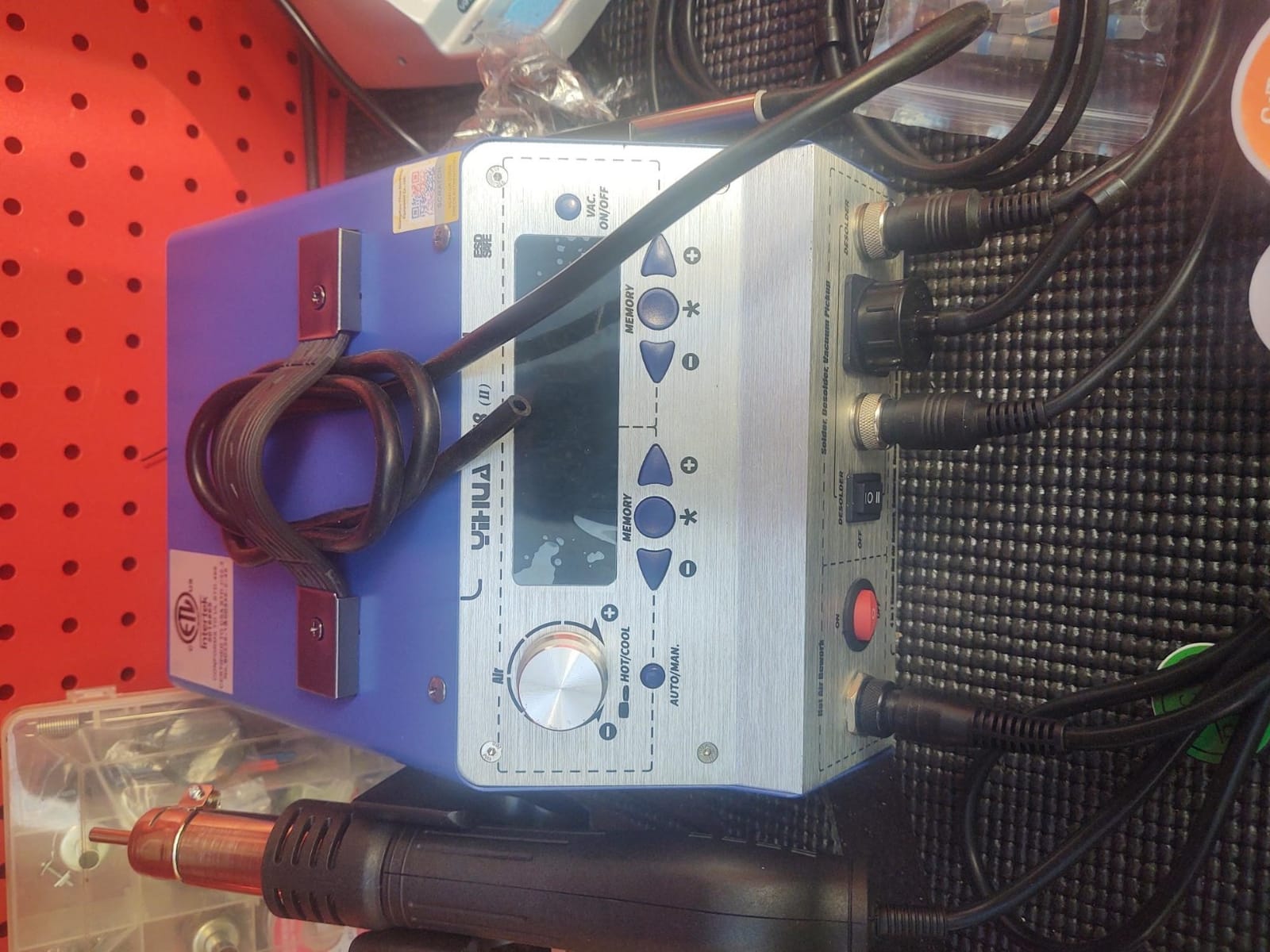
This is the pick when your work spans both worlds. The 948-II puts a 75W desoldering gun, a 650W hot air rework gun, a 60W soldering iron and a suction pick-up pen behind one control box, and owners rate the hot air side highly for pulling SMD chips.
Three PID-controlled channels with memory presets mean you can keep a leaded setting and a lead-free setting stored and switch between them with one button. That is a real time saver on mixed vintage and modern boards, and it is the feature that separates this from a plain desoldering station.
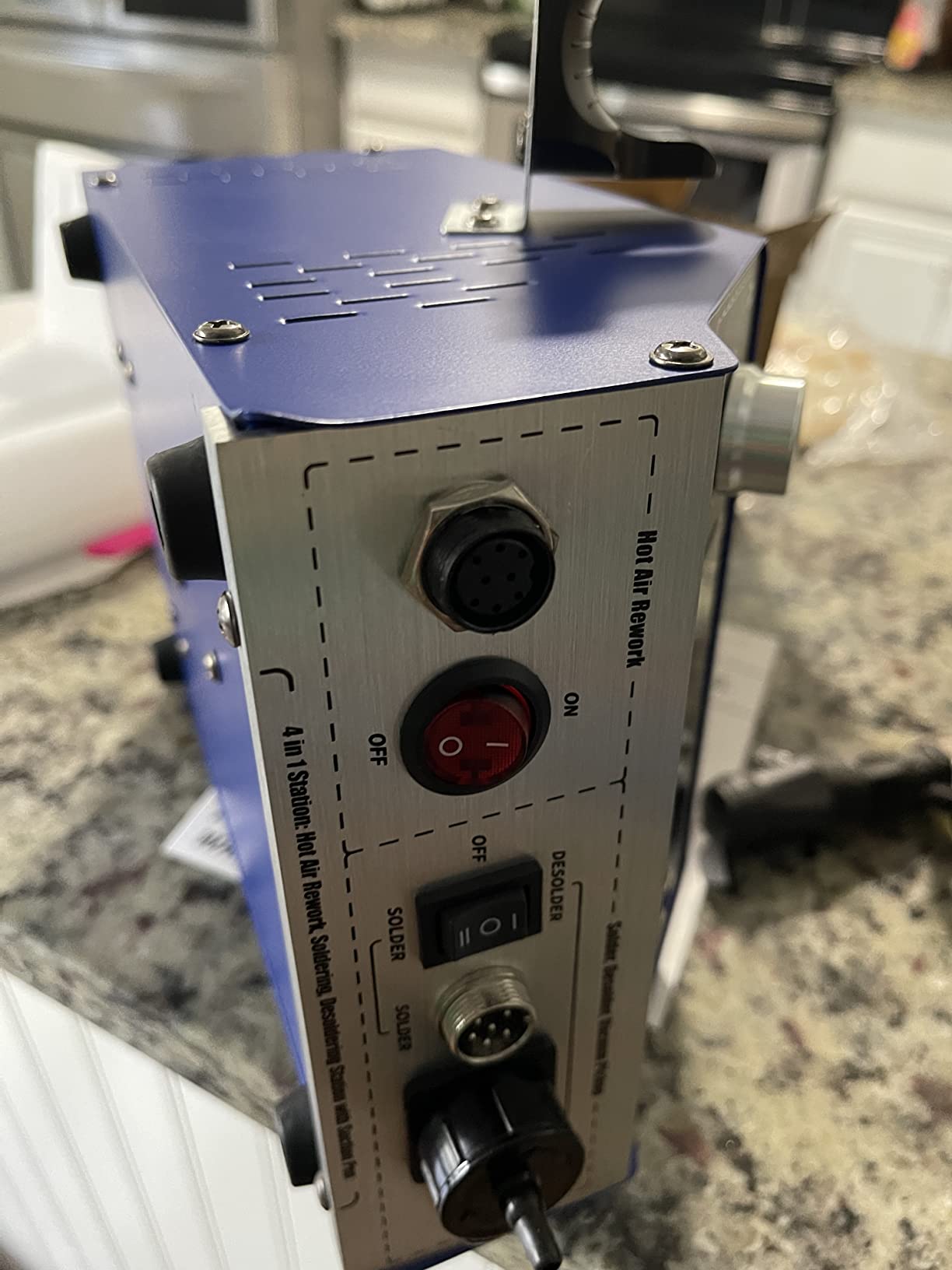
The suction pen is a small detail that earns its place. It locks onto an IC so you can lift a chip without tweezers, which matters when the package is hot and you are trying not to touch the board.
Be realistic about the trade. The desoldering gun is the weakest leg of the set: owners report slow heat-up, heat loss during sustained use and solder collecting on the spring filter until you clear it with an iron. You also cannot run the soldering and desoldering guns at the same time.
Best fit for the 948-II
Anyone moving between through-hole removal, SMD rework and ordinary soldering who wants one box instead of three. The 650W hot air gun covers shrink tubing, connectors and small SMD packages that a vacuum gun simply cannot address.
It also suits vintage radio and audio restoration, where leaded joints need a lower temperature and modern boards need a higher one, and the three presets make that switch instant.
Where it disappoints
If your primary workload is bulk through-hole extraction, the dedicated stations further down this list reach temperature faster and hold it better. A 780W total figure sounds impressive, but the desoldering leg of this unit is the 75W part.
The poorly designed holder is worth replacing early. Owners report difficulty steadying a tip while wiping it, and a tip that rolls off a holder is a tip that lands on the bench.
4. Anesty ZD-915 – Best for Lead-Free Through-Hole Work
Anesty ZD-915 Pro Digital Vacuum Desoldering Station, Solder Removal Tool | Built-in Vacuum Pump, Desoldering Gun for Electronics Repair
80W PTC element with tip sensor
Up to 450C
Glass sight tube on the filter
8.85 x 5.11 x 6.22 inches
Pros
- Heats quickly using a PTC element with a tip-mounted sensor
- Strong suction pulls residual solder from single and double sided boards
- Glass sight tube shows you when the filter is filling up
- LCD with C/F selection and non-volatile memory of settings
- Heavy stable chassis with genuine single-hand operation
Cons
- Unheated rear section of the suction tube plugs with old solder
- Tube needs cleaning after almost every session or suction collapses
- Some owners report weaker suction after months of use
- Thin documentation and slow replacement parts support
- Some boxes arrive under a different brand name
The Anesty ZD-915 is built around a PTC element with a sensor mounted in the desoldering tip itself, and that is the design decision behind its lead-free performance. It tops out at 450C, which covers lead-free joints without overshooting the board.
The glass sight tube is the feature worth highlighting to anyone who has used a station that clogs invisibly. You can see the filter filling, so you know when to stop rather than pushing solder further into the chamber until suction dies.
Owners rate build quality above the price bracket, with a heavy chassis that stays put and a layout that genuinely works one-handed. On DIP ICs and thick-lead components, the pull-through rate is good enough that 416 owners averaged 4.3.
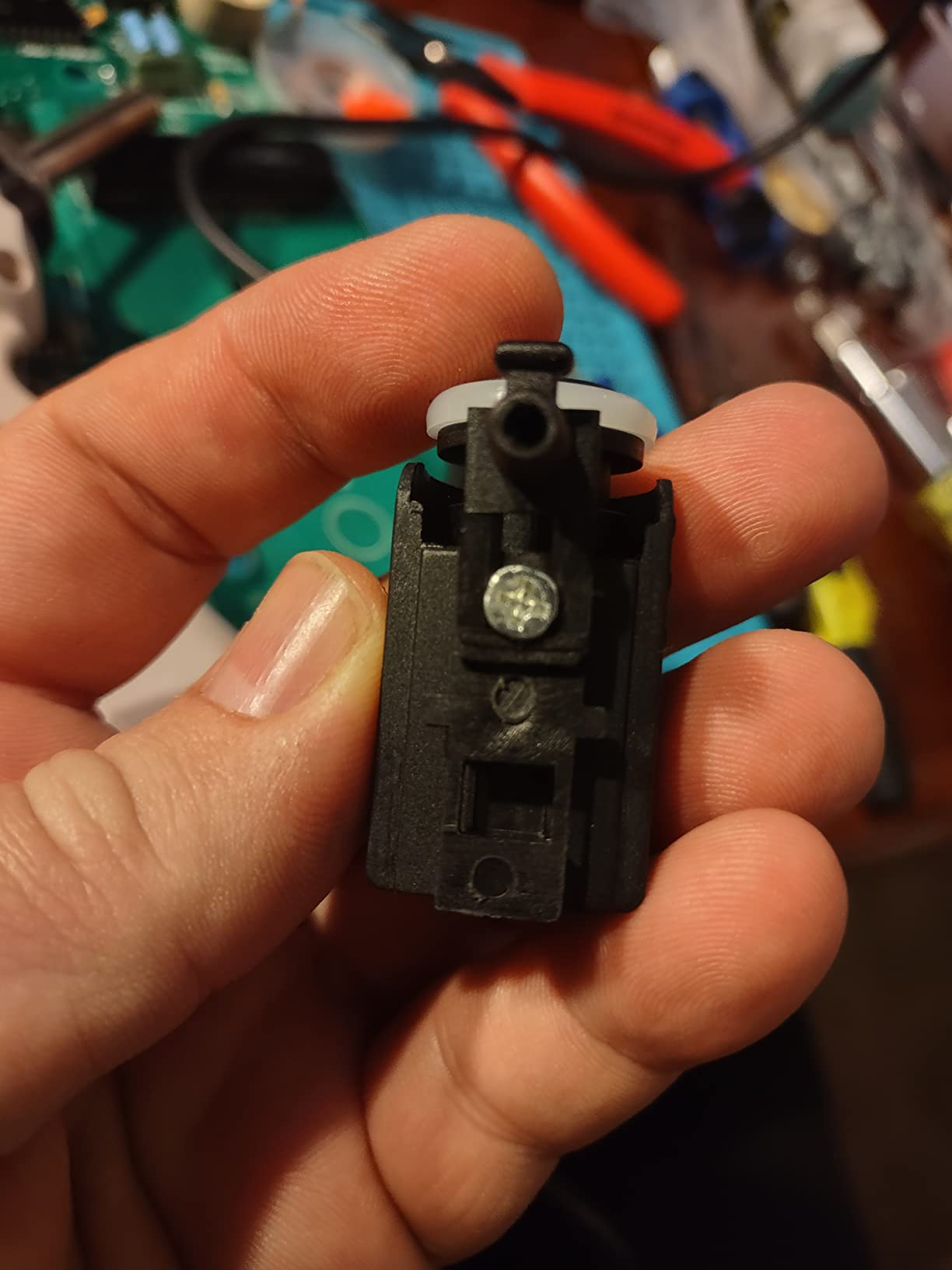
Every review mentions the same weakness: the unheated length of the suction tube plugs with old solder and has to be cleared with the supplied rods. Owners report suction collapsing without that maintenance, and a few say it fades after months regardless.
Why the ZD-915 suits lead-free boards
Tip-mounted sensing means the displayed figure reflects what the tip is actually doing, so a lead-free joint at the top of the range does not get a false reading. That accuracy keeps a dense double-sided board within safe thermal limits.
It is a good fit for hobby and educational benches doing modern lead-free boards, where a cheaper element that sags under load would mean re-heating the same joint and stressing the pads.
Where owners report problems
Support and spares are the weak point. Documentation is thin, replacement parts are slow to source, and some boxes arrive under a different brand name than the listing, which makes returns harder to argue.
If you cannot commit to clearing the tube after each session, this is the wrong tool.
On double-sided boards with stubborn plating, expect to touch up a few holes afterwards with wick.
5. YIHUA 948D III – Best 2-in-1 Bench for Soldering and Desoldering
YIHUA 948D III Soldering Iron Desoldering Station Kit with Upgraded Desolder Tool, 110W EVO Solder Iron, Vacuum Pump, 3 Desoldering Nozzles, with Automatic Shutdown, Sleep Mode Functions.
110W EVO soldering element
Desolder gun 716F-896F
3 nozzles 0.8/1.2/2.0mm
3.08 kg
Pros
- Soldering iron and desoldering station operate at the same time
- 110W EVO element heats fast with strong PID recovery
- Upgraded desolder gun resists jamming on continuous through-hole work
- Three pre-tinned nozzles plus a full set of filters and cleaning pins
- ESD grounding lead included even though the listing does not mention it
Cons
- Solder sticks to the collector spring and needs frequent cleaning
- Suction rated as needing improvement on heavier joints
- Gun will not operate until the tip reaches temperature
- Overheats and feels less reliable in long extended sessions
- No smaller soldering tip included and sleep mode instructions are unclear
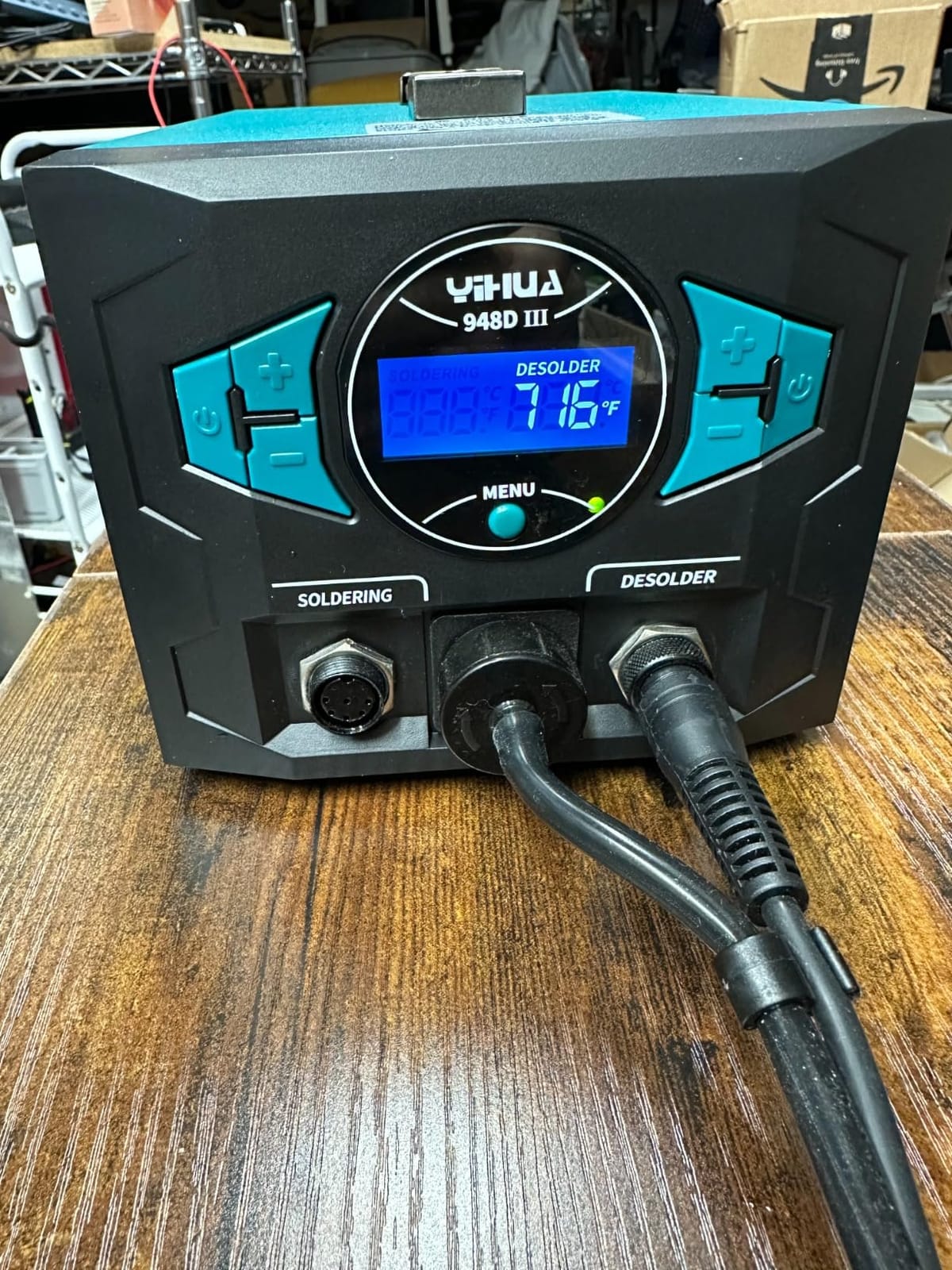
The 948D III is the version of this idea that gets the details right where the 948-II does not. The soldering iron and desoldering station run at the same time, so you are not swapping cables or waiting for one tool to cool.
Temperature windows are separate and sensible: the iron runs from 392F to 896F while the gun covers 716F to 896F. Three pre-tinned nozzles at 0.8mm, 1.2mm and 2.0mm cover most through-hole work, and 162 owners rate it 4.4.
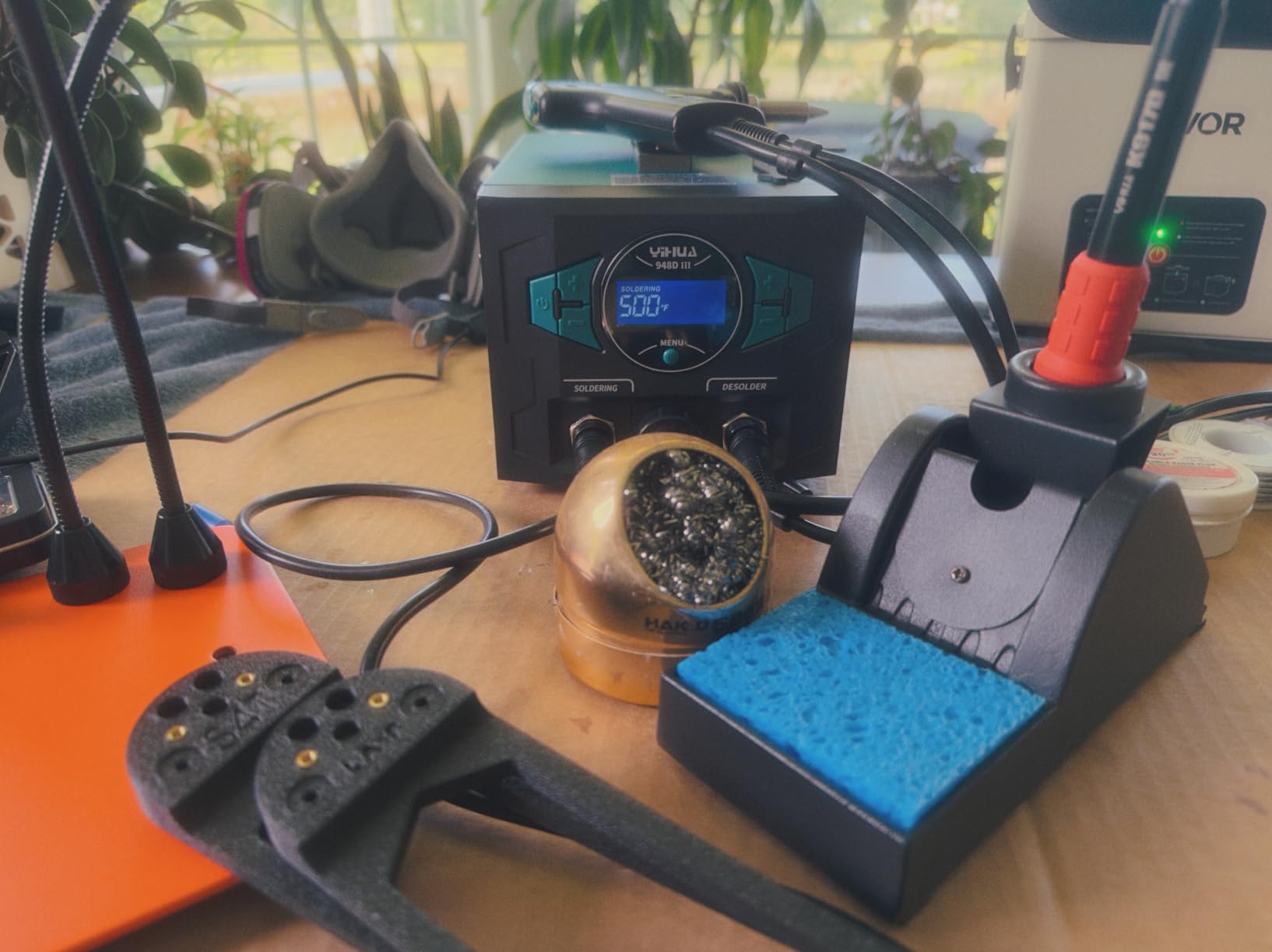
Owners generally attribute success to technique rather than raw power. Adding fresh flux and a little new solder before you pull dramatically improves the result, because the tip does not have to melt cold, oxidized solder from scratch.
The honest framing is that this is a hobby-grade machine, not a production tool. Owners report the gun taking about a minute before it will fire, solder gathering on the collector spring, and the unit running warm in long sessions.
What the 948D III is good at
Bench work that mixes soldering and desoldering in the same job. Repairing a board, then tacking a wire to it, then removing another part, without cycling between two separate boxes.
It pairs well with a separate hot air gun for SMD rework on moderate density boards, since the hot air is not in this box.
Where it falls down
Suction is the reported weak point on heavier joints, so it is a poor choice for boards with big ground planes. Long sessions are where owners notice the case running hot and the response slowing.
No small soldering tip is included, so budget for one if you work on fine-pitch parts, and expect to read the sleep mode and timer behavior yourself because the documentation is thin.
6. WEP 948D III – Best Documented All-Round Desk Station
WEP 948D III Upgraded 2-IN-1 ESD Safe Soldering Desoldering Station with Fast-Heating Desoldering Gun & Soldering Iron, Sleep Mode, Automatic Shutdown, Temperature Calibration with 31 Pcs Accessories
290W combined rating
110W element with PID every 20ms
31 piece accessory set
3.12 kg
Pros
- Compact cabinet with clearly laid out front panel controls
- Soldering iron reaches temperature in under 30 seconds and idles down
- Desolder gun cleans through-hole joints cleanly once warmed up and cleaned
- Holds calibrated temperature well across the range
- 31 piece accessory set covering tips
- filters and cleaning pins
Cons
- No customer support response from the vendor
- Non-standard 902 soldering tips instead of common 900M tips
- Tip can heat unevenly by angle leaving some joints unmelted
- One unit had an LCD backlight fail after a few months
- Desolder gun needs longer warm-up due to thermal mass
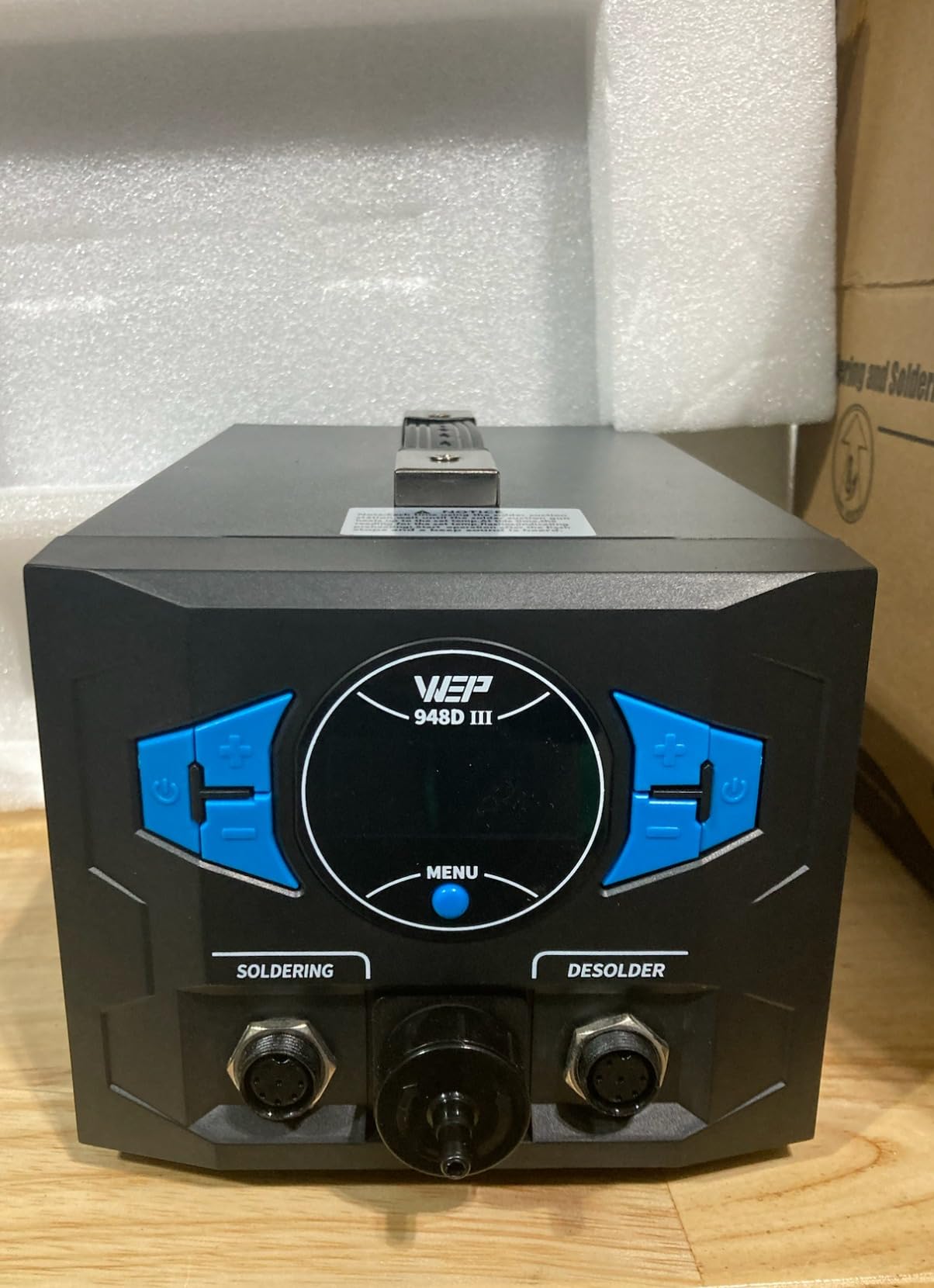
This is the same platform as the 948D III sold under a different badge, and the difference that matters for a new buyer is the manual. Owners single out the documentation, which covers operation, heating element replacement and temperature calibration rather than as an afterthought.
Performance is in the same territory: a 110W element with PID compensation every 20 milliseconds, a 290W combined rating, and an iron that reaches temperature in under 30 seconds. The front panel keeps the desoldering temperature out of a buried menu.
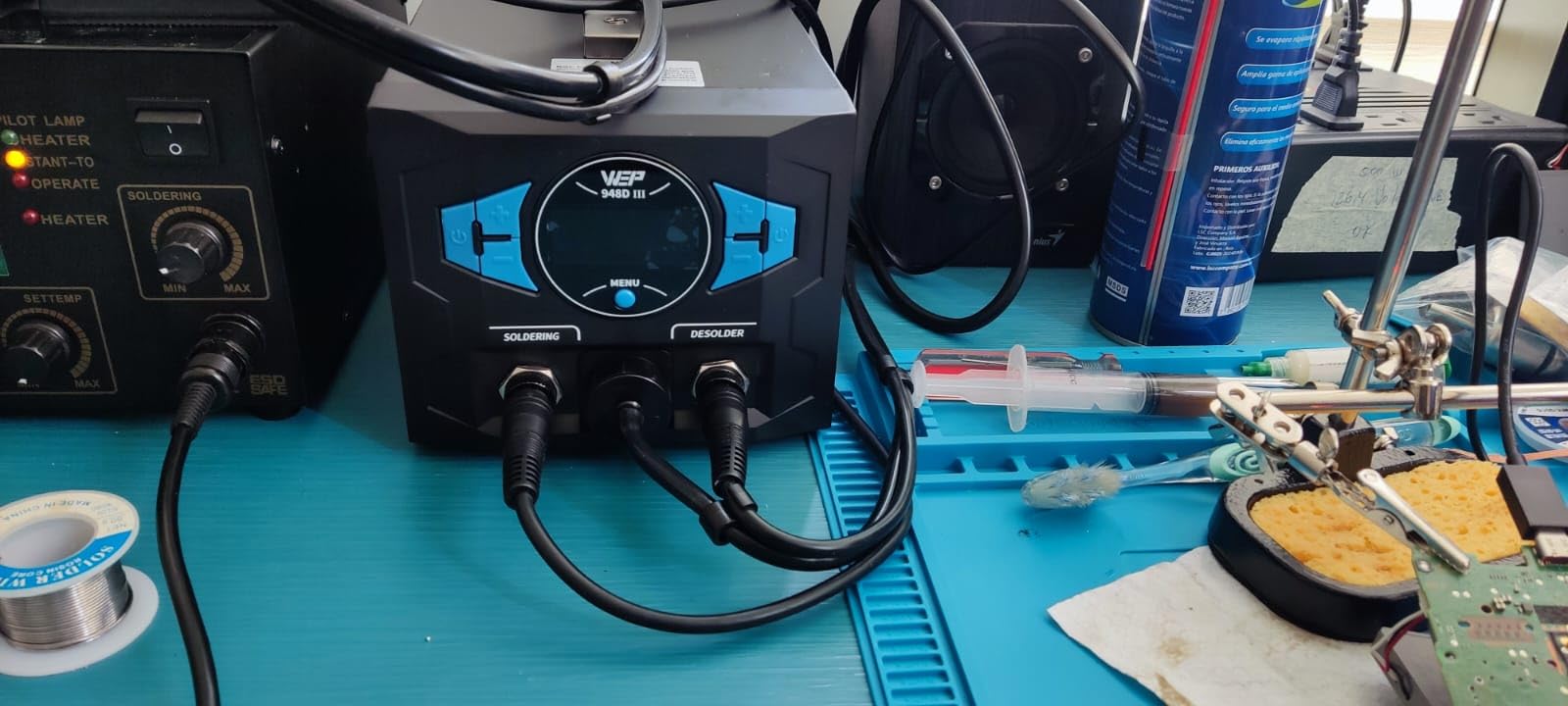
Owners like the idle behavior. The iron idles down to protect the tip rather than sitting at temperature all day, which extends tip life when you are not desoldering for days between jobs.
Two practical cautions. The soldering handpiece takes 902 tips rather than the more common 900M, so check what you already own before planning an accessory budget. And support responses are the most common complaint in the reviews, which matters for a station you may want to keep for years.
Where this unit earns its place
Someone setting up a second bench or a backup station who wants a clear manual and a full accessory set in the box. Thirty-one pieces stops sounding like marketing once you realise it covers everything needed to clean the vacuum path from day one.
It suits through-hole removal on single and double-sided boards in a home or classroom lab, with temperature calibration you can verify yourself rather than assume.
Where to look elsewhere
If you already own 900M tips, this is a worse buy than a platform that uses them. Uneven tip heating by angle is reported, which can leave joints partially unmelted if you hold the iron incorrectly.
Buyers who had a hardware failure report no response from the vendor, so treat warranty service as something to check at purchase rather than rely on later.
7. Preciva 929D-V – Best Low-Cost Portable Desoldering Gun
Preciva 929D-V Electric Desoldering Iron Solder Sucker, Portable Desoldering Gun,110V Desoldering Pumps with Desoldering Nozzles 1.0mm 1.2mm for Through-Hole Desoldering
30W ceramic element
Up to 400C
1.0mm and 1.2mm nylon nozzles
27.94 cm length
Pros
- Inexpensive handheld tool that doubles as a soldering iron
- Two interchangeable nylon nozzles plus a cleaning needle to reduce clogging
- Anti-skid ABS handle with a corded plug for continuous one-handed use
- Useful for small board corrections
- re-soldering and pulling relays
- Built-in gaskets can be replaced to restore suction as they age
Cons
- Suction is weaker than vacuum pump stations on large joints
- Needs roughly 3 minutes of preheat before solder melts cleanly
- Nozzles clog and must be swapped or cleared with the needle often
- Low 30W power limits it to light through-hole work
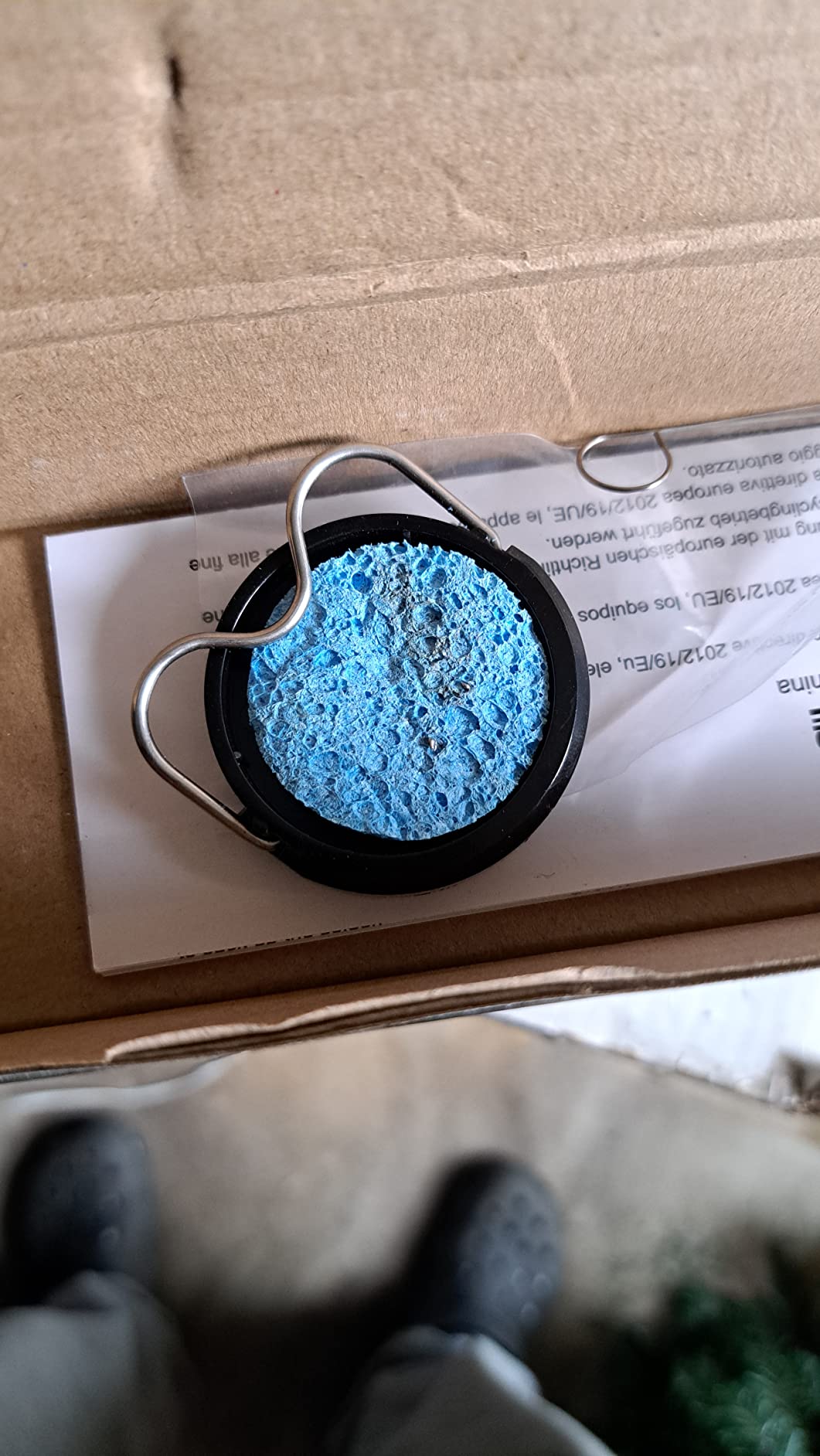
The Preciva 929D-V suits a small bench, a student kit or a field bag. It is a handheld gun at 27.94 cm with a ceramic element rated to 400C, and 592 owners rate it 4.1, which is a lot of evidence for a tool at this level.
Two nozzles at 1.0mm and 1.2mm cover small through-hole work, and the included cleaning needle is the tool you will use most. Solder residue in a nozzle this narrow is unavoidable, so having the needle in the box matters.
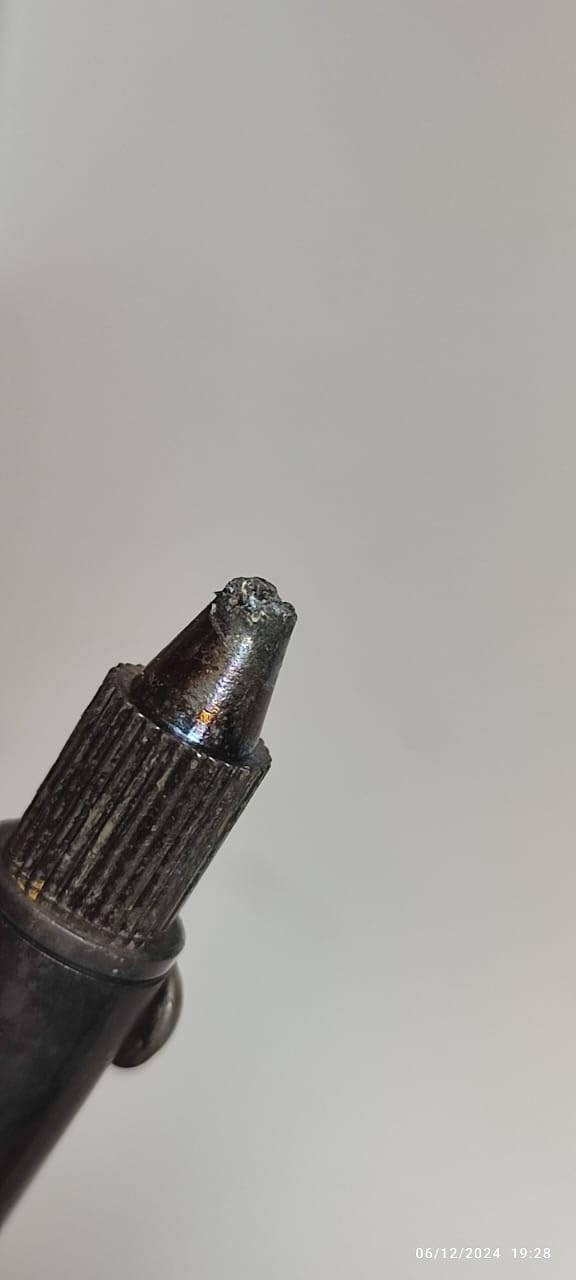
Owners treat it as a secondary tool rather than a primary one. It handles board corrections, re-soldering and pulling relays well, and the replaceable gaskets mean suction can be restored as they age.
The limits are honest ones. At 30W it is slow on joints with real thermal mass, and it needs about three minutes of preheat before solder melts and extracts cleanly. That makes it a poor choice for a board with more than a handful of joints.
Where the Preciva fits
Carry-on repairs, field service calls and a second bench where a full station would be overkill. At 30W it stays light in the hand, and it doubles as a soldering iron.
It pairs well with a bigger station for one-off through-hole parts on small boards, where firing up the main unit is not worth the heat-up time.
Where it will frustrate you
Any job with large joints, big ground planes or many pins. Suction falls short of a vacuum pump station and the preheat delay is paid on every single use.
If you expect to desolder more than a few components a week, this is the wrong spend. Put the money into one of the bench stations above instead.
8. HighTop Automatic Desoldering Pump – Budget Pick for Occasional Jobs
HighTop Automatic Desoldering Pump Vacuum Solder Sucker Tool Portable AC110V 30W Electric Desoldering Gun Repair Solder Removal Tool Solder Sucker Iron Tin for DIY with 3 Soldering Suction Tips
30W nichrome element
Up to 400C
1.0/1.5/2.5mm suction nozzles
11 inches, 16 ounces
Pros
- Strong vacuum through a hollow tip pulls solder from large joints on thick film ICs
- Standalone 110V 30W unit with a US plug needs no separate heating equipment
- Three nozzle sizes plus a cleaning rod in the box
- Compact and portable with a carry bag for field or hobby work
- Very low cost entry point for occasional through-hole work
Cons
- Not truly automatic since solder must be melted by a separate tool first
- Requires about 5 minutes of warm-up before suction is ready
- Limited to 30W so it is slow on large thermal mass joints
- Cheap plastic handle and simple construction
The HighTop is a vacuum pump rather than a heated gun, and understanding that changes how you use it. It does not melt solder itself, so you heat the joint with a separate iron and trigger the suction once the solder is fluid. 448 owners rate it 4.0, and most of them describe the same expectation about the workflow.
What that arrangement gives you is flexibility. Because the pump is separate from the heat source, you can use whichever iron you prefer, and the three nozzle sizes at 1.0mm, 1.5mm and 2.5mm handle everything from header pins to larger joints.
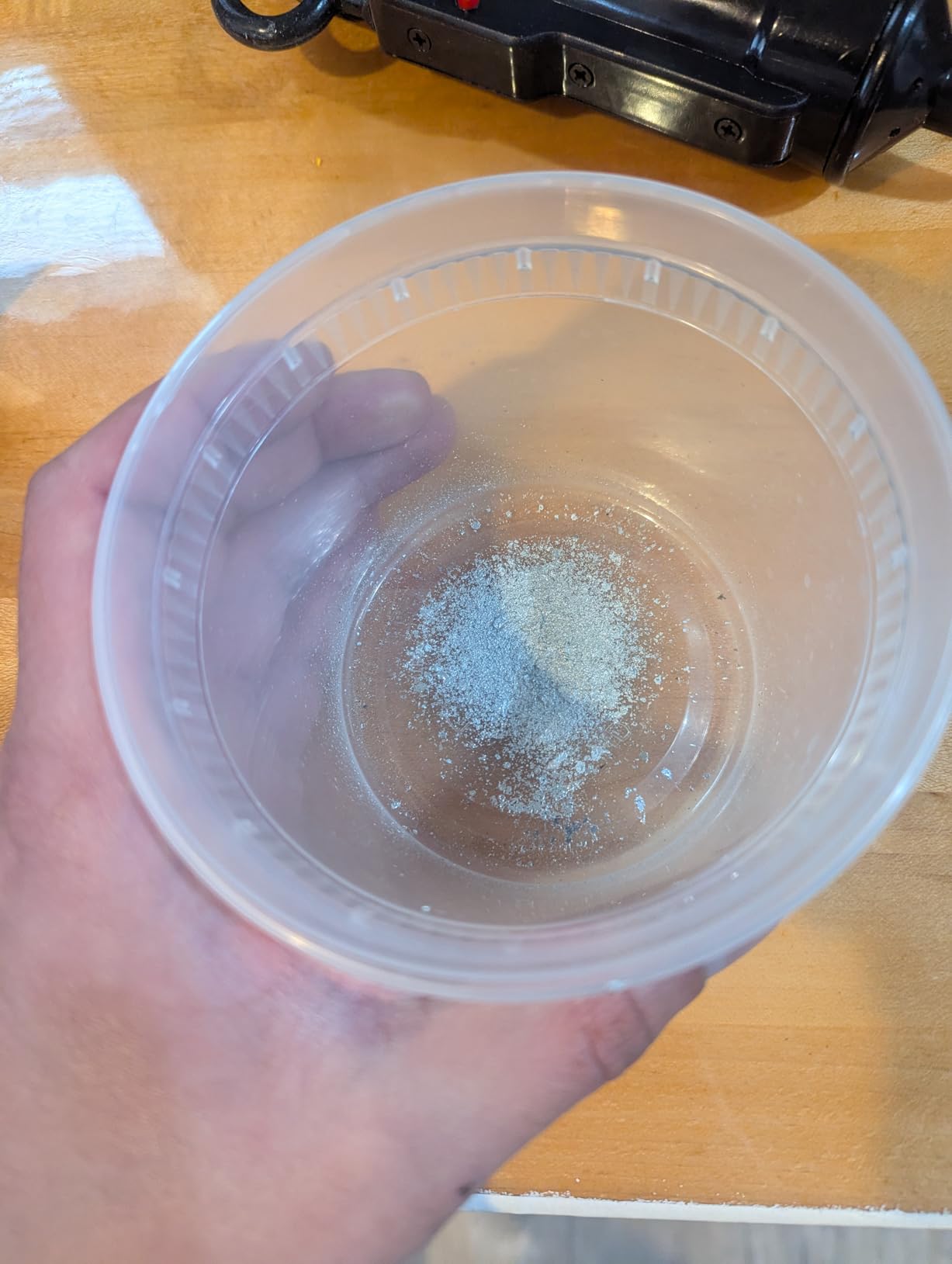
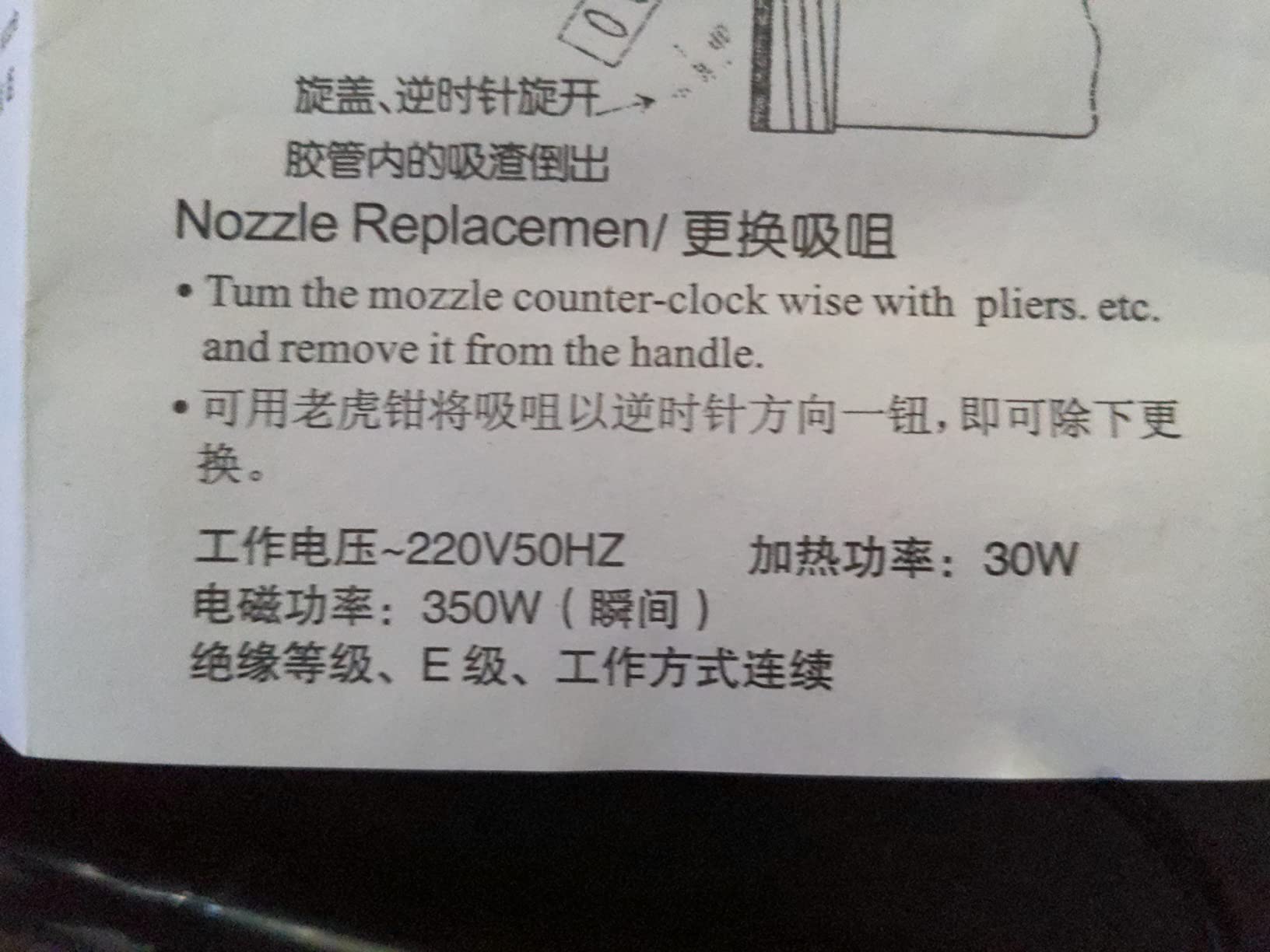
Owners report it pulling solder from thick film ICs and larger components, which is more than most pumps of this weight manage. At 11 inches and 16 ounces with a carry bag, it is genuinely portable for field or hobby work.
Two expectations to set correctly. It is not automatic, so you are still coordinating two tools by hand, and owners report roughly five minutes of warm-up before suction is ready. On 30W it is slow on joints with real thermal mass.
When the HighTop makes sense
Occasional repair, jewelry-scale work and light circuit board maintenance where soldering already happens with a separate iron. It slots into an existing bench rather than replacing anything.
It is a good teaching tool for the mechanism itself, because you trigger extraction separately from the heat.
When to buy something else
If you want one tool to do the whole job, look at any of the heated stations above. The five minute warm-up and the two-handed coordination add up quickly on a backlog of through-hole joints.
The plastic handle and simple construction are fine for occasional use and not what you want on a bench you rely on daily.
9. WEP 948D-I – Best for Multilayer and High Thermal-Mass Joints
WEP 948D-I 110W High Power Desoldering Station with 4 Desoldering Nozzles, Temperature-Controlled with 3 Pre-set Channels, Tiltable Display, ESD-Safe
110W high power gun
716F-896F range
4 nozzles including 0.8mm
3 memory presets
Pros
- 110W gun handles multilayer boards and high thermal capacity joints
- Three memory temperature presets selected with one button
- Suction stays disabled until the gun is at temperature and a beep signals readiness
- Tiltable LCD with C/F conversion
- sleep mode and automatic standby
- Metallic gun holder is heavy and stable on the bench
Cons
- Spring in the reject chamber is awkward to clean and can bend
- No maintenance or cleaning guidance included in the box
- About 2.5 minutes from cold start to the first preset temperature
- Still misses some holes on stubborn double sided or tightly plated work
- Consumables need ordering separately for heavy use
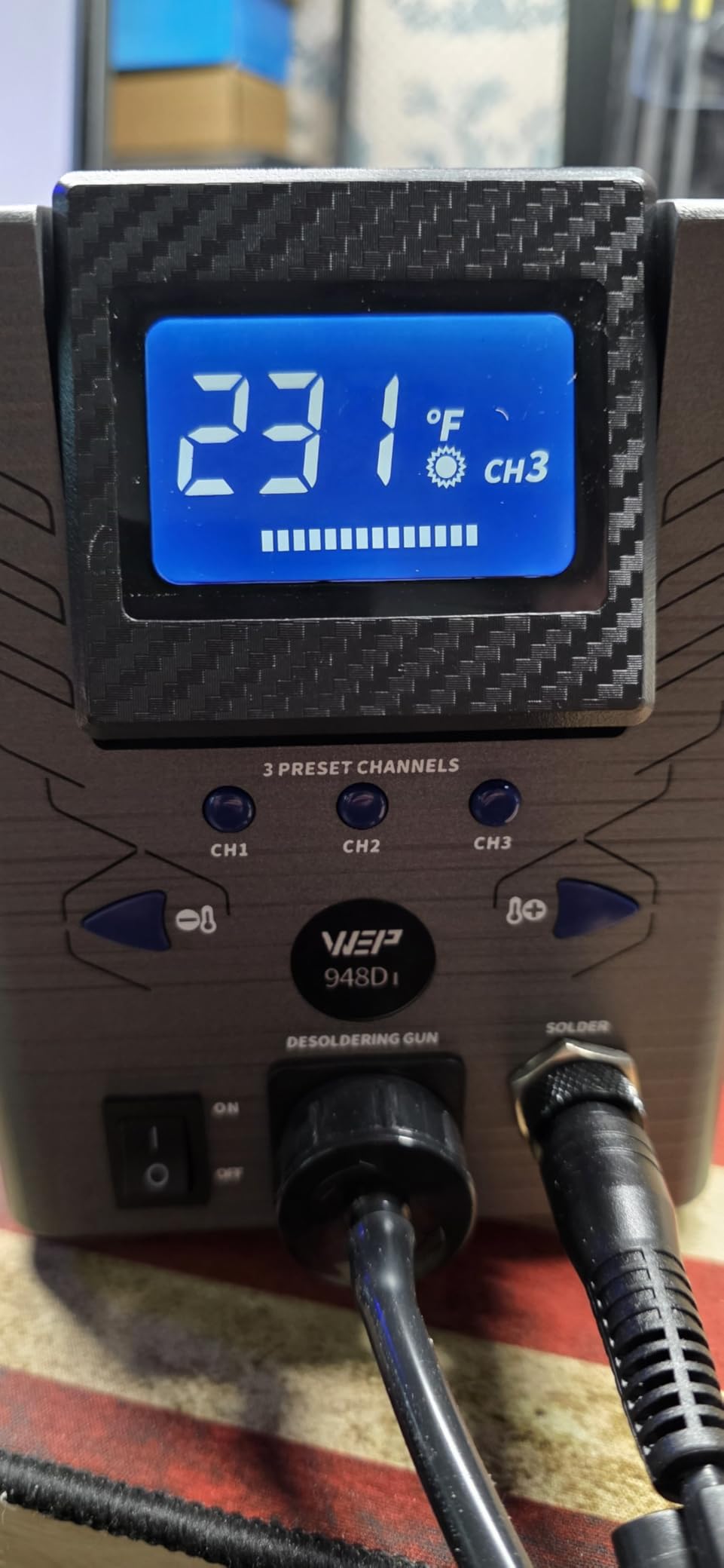
The WEP 948D-I is the dedicated desoldering station in this list, with no soldering iron leg to share the power budget. That is why its 110W gun copes with multilayer boards and joints with real thermal mass where the combined 2-in-1 stations lose heat.
Owners report very high success rates on 0.1 inch headers and multilayer boards, and highlight the freed hand. The other thing they like is the readiness behavior: suction does not switch on until the gun is at temperature, and a beep tells you it is ready.
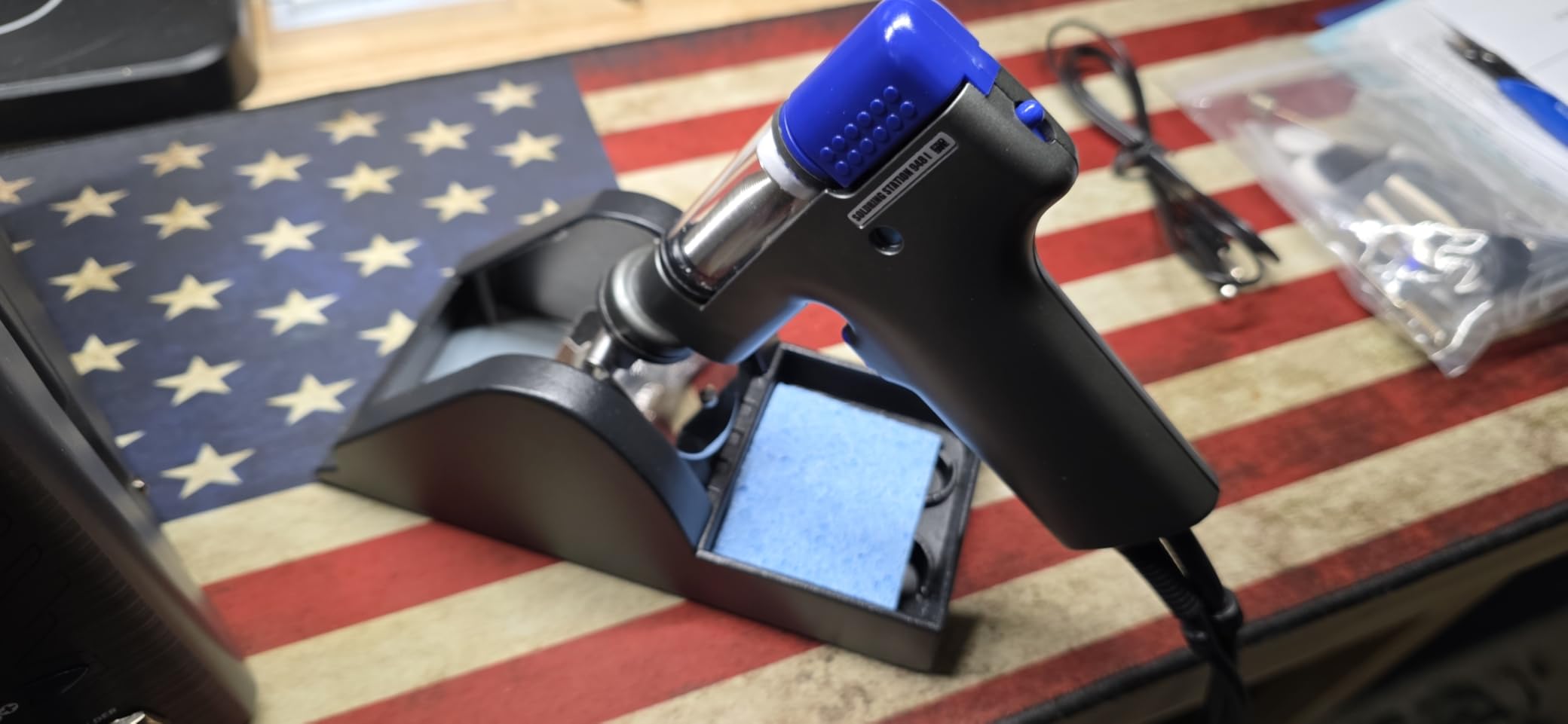
Three memory presets selected with a single button earn their keep when you alternate between leaded vintage boards and lead-free modern work. The tiltable LCD, C/F conversion and automatic standby round out a control panel that is unusually thoughtful for the category.
The manual is another strength, covering operation, heating element replacement and temperature calibration. The catch is that it does not cover maintenance, and the spring in the reject chamber is the part owners complain about most because it bends during cleaning.
Why it handles multilayer work
All of the power goes to the desoldering gun, so recovery after a solder blob lands on the tip is quicker than on any 2-in-1 unit here. That gets a heavy joint to full melt before the surrounding board reaches its limit.
Four nozzles including a 0.8mm option let you match the tip to the hole rather than flooding it, which is the technique that keeps pads attached on tightly plated boards.
Where it is limited
Allow 2.5 minutes from a cold start to the first preset temperature. That is fine for a working day and annoying for a single quick job.
You will still touch up some holes on stubborn double-sided or tightly plated work, and the consumables are ordered separately, so budget for filters, springs and adsorbers if you use it heavily.
10. PROFIXXERS SS-331N – Best Suction and Temperature Range
SS-331N Electric Solder Suction Gun LCD Electric Desoldering Gun Anti-static 90W High Power Strong solder sucker Suction SS-331 Desoldering Station
160W heating element
160C-480C microprocessor control
600mmHg built-in pump
2.85 kg
Pros
- Built-in 600mmHg high power air pump suited to lead-free multilayer desoldering
- Microprocessor temperature control across a wide 160C-480C range
- One-handed design that takes only seconds per pin
- Anti-static construction helps protect sensitive boards
- Spare tips
- cleaning tools
- filter sponges and a stand included with a 1 year warranty
Cons
- Review base of only 30 ratings limits long-term reliability evidence
- Low category sales rank suggests limited accessory availability
- The 160C minimum may exceed what delicate boards tolerate
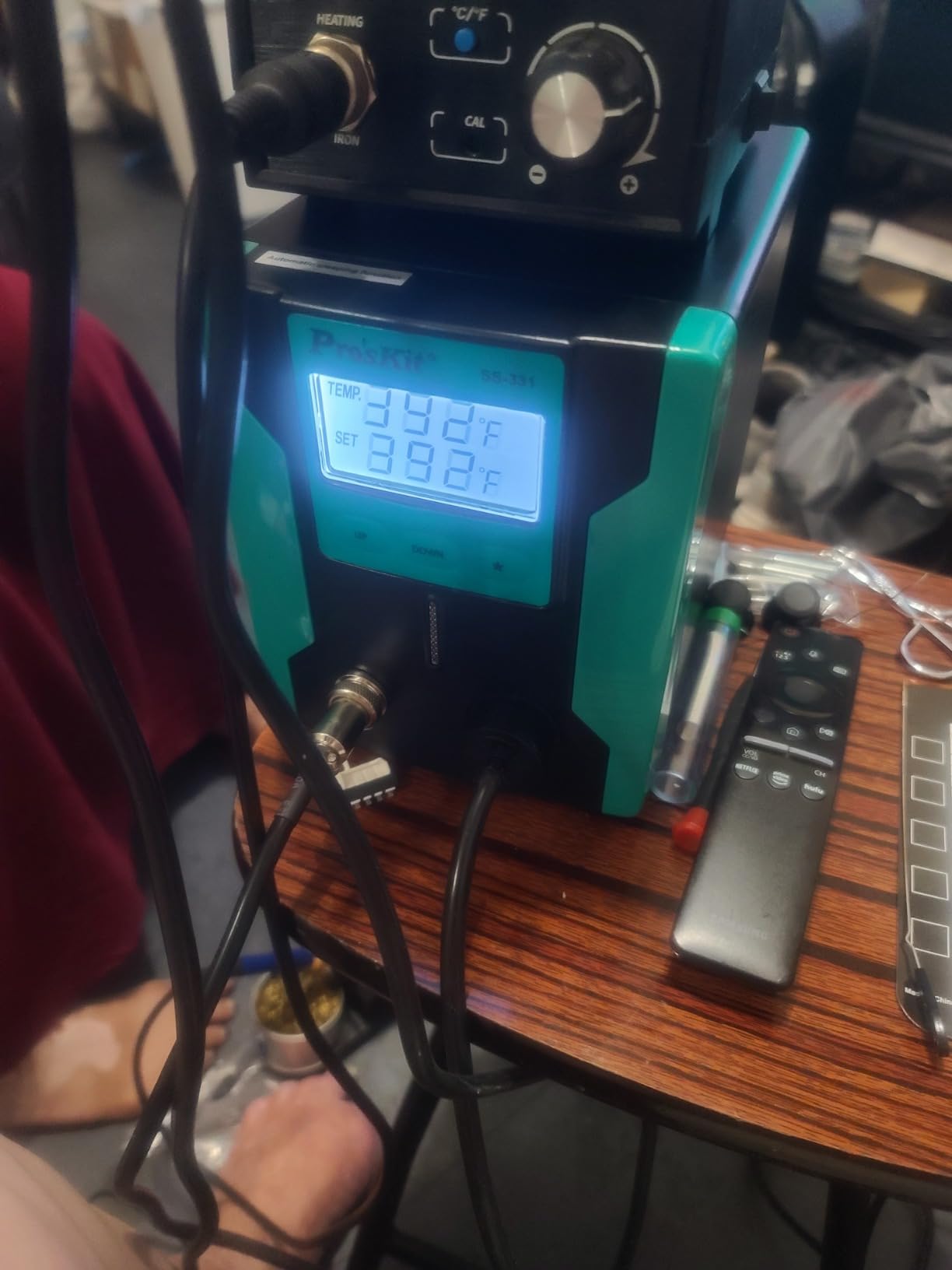
The SS-331N pairs a 160W element with a built-in 600mmHg vacuum, which is the combination professional repair shops look for when clearing dense, lead-free, multilayer boards.
Owners describe a genuinely one-handed workflow where each pin takes seconds, and they note the anti-static construction as a sensible inclusion rather than a marketing line. Temperature runs from 160C to 480C under microprocessor control, and the 1-year warranty is the longest stated on this list.
The hardest limit is evidence, not specification. Thirty ratings is a thin base, and a low category sales rank usually means consumables and spares are harder to source later. Spare tips, three cleaning tools at 0.7, 0.9 and 1.2mm and filter sponges are in the box, which softens that risk.
One design note: at 160C the minimum sits lower than several other models here, and for delicate boards even that is warmer than you would ideally see.
Where its pump strength pays off
Dense multilayer boards where solder has to travel a long way out of a plated through-hole. A 600mmHg pump pulls harder and recovers faster than the small diaphragm pumps on budget units, and it keeps pulling after several pins instead of fading.
For lead-free rework where a marginal vacuum is the difference between a clean hole and a hole that needs reworking, that is the reason to pick this over a cheaper station.
Why you might hesitate
Thirty ratings does not tell you what happens after two years. Ask yourself whether you are comfortable sourcing consumables from a smaller brand before committing.
It is also a heavy addition to a small bench, and a strong pump on its own does not come with a professional-class manual or support network.
How to Choose a Desoldering Station: Seven Criteria That Matter
1. Gun type versus hot air versus a combined box. A vacuum desoldering gun clears through-hole joints in one pass. A hot air rework station melts solder across an area and is the right primary tool for SMD packages, BGA work and connectors. A 2-in-1 box gives you both plus a soldering iron, which is convenient but splits the power budget between tools.
2. Suction power. Anything at 30W is a light-duty handheld tool. For recurring through-hole work on double-sided or multilayer boards, look for a 110W or higher gun with a real vacuum pump rather than a small diaphragm unit. Bigger joints and ground planes need that margin, because a marginal pump means a second pass and a second pass means more heat on the pad.
3. Temperature control and range. Leaded joints work around 350C to 380C, and lead-free typically needs 380C to 480C. A closed-loop sensor in the handle or tip recovers far faster after each pull than a basic thermostat, and that recovery speed matters more than the headline wattage on the label.
4. Nozzle diameter is the anti-pad-damage spec. Match the nozzle to the hole. Flooding a small through-hole with a wide nozzle means heating copper and laminate you did not need to heat, which is the mechanism behind lifted pads. The models here come with nozzles between 0.8mm and 2.0mm, so buy the smaller ones and buy spares.
5. Filter and chamber accessibility. This is where the category quietly splits. A spring filter you can pull out with the supplied cleaning pins is maintainable. A chamber that must be cleared with a soldering iron after every job is not. Prefer a glass sight tube or transparent residue chamber, and check whether replacement filters, springs, adsorbers and gaskets are sold separately.
6. Safety and convenience features. Auto shutoff and sleep mode protect the heating element and cut idle power. Temperature lock or preset channels stop you from melting a board by bumping a dial. ESD grounding matters on boards with CMOS parts, and one model here includes an ESD lead that the listing does not even advertise.
7. Authenticity, warranty and spares. Forum advice on this topic is consistent: no-name clones of well-known Japanese stations are discouraged because they do not work well and can be unsafe. Check the manufacturer name on the specification, the warranty length and the availability of nozzles and heating elements before you buy.
A 90-day warranty is short for a tool you expect to keep for years, and consumables that only one seller carries become a problem the first time a spring filter fails.
If you work away from mains, portability matters as much as everything else on this list, and it is worth thinking about alongside the [portable power station picks](https://zamd.net/best-portable-power-stations-under-500/) that field kits usually travel with.
Do You Need a Desoldering Station? Station vs Wick, Pump, ChipQuik and Hot Air
Honest answer: if you desolder a handful of joints a year, you do not. A length of solder wick and a good iron will clear most single through-hole joints. The case for a station starts when removal becomes repetitive, when joints sit on the back side of the board, or when the part is multi-pin and a second heating pass would stress the pads.
Wick is the cheapest option and works on most joints, but it needs high heat, leaves residue to clean off, and does nothing to the solder already flowed into the hole. A manual solder sucker costs very little but is weak on most joints and can slam the board if the plunger releases early. ChipQuik low-temperature alloy plus hot air genuinely works on stubborn joints and is endorsed by experienced users as a legitimate alternative to a vacuum gun, at the cost of a consumable per job.
A hot air rework station is not so much a competitor to a desoldering gun as a complement. It is the right tool for SMD packages, BGA chips and heat-shrink, and the wrong one for pulling a 16-pin DIP without risking nearby components.
When experienced users on EEVblog recommend ChipQuik with hot air instead of a vacuum gun, that view holds up on fine-pitch work.
The crossover point is frequency. Above roughly a few removals a week, the time saved per joint adds up to hours, and a single pull instead of three heating cycles is also the pad-damage insurance. Below that, wick and a manual pump remain the sensible choice.
How to Stop Lifting Pads and Clear a Clogged Nozzle
Desoldering without lifting pads. First, match the nozzle to the hole rather than exceeding it. Then add fresh flux and a little new solder before you heat, because the new solder melts first and gives the tip something clean to work with.
Next, heat the joint from the component side with the nozzle centered on the pin or hole, wait for the solder to flow, and pull while it is still fluid. Move to the next pin without re-heating the ones you have already freed, and keep the temperature at the low end of the range the solder actually needs. Most lifted pads come from too much heat over too small an area, not from too little skill.
When a nozzle clogs. The usual cause is flux residue and fine solder re-solidifying in the narrow bore, and it accelerates once you start pushing harder against it. Keep the cleaning pins in a solvent cup and run them through the nozzle after every session, and stop to clear it rather than forcing it.
Flush the chamber rather than letting solder sit in it, because a spring filter packed with solder is the usual cause of suction that fades after an hour of work.
Replace filters and adsorbers on a schedule rather than when suction drops, and take the residue chamber apart completely at the end of each working day.
On several of these stations owners specifically mention bending the reject spring while cleaning it, so support it while you work on it rather than levering against it.
If you work with leaded solder, the residue is corrosive, so clear it the same day. With lead-free you will get a harder, glassier residue that needs more mechanical clearing and more frequent attention.
Across the board, the difference between good and poor suction after twenty joints comes down to how often the chamber was cleaned.
Frequently Asked Questions
What is the best desoldering station?
The Hakko FR301-03/P is the best overall desoldering station for PCB work, with a 140W ceramic element, handle-mounted closed-loop sensor, four settings from 350C to 500C and suction that clears plated through-holes in one pull. For value, the YIHUA 948 at 80W handles most hobby through-hole work. For multilayer boards and high thermal mass, the WEP 948D-I dedicates its full 110W to the gun.
Is Yihua a good soldering station?
Yes. Yihua units are consistently rated as good value by hobbyists and bench technicians, and they are endorsed on value grounds in enthusiast forums. The 948 desoldering station holds its nozzle temperature and gives strong suction for through-hole work, while the 948D III adds a 110W soldering iron that runs at the same time. The main thing to know about every Yihua unit is that the vacuum chamber and spring need regular cleaning.
What is the best Chinese soldering station?
Among the Chinese-made units here, the YIHUA 948 offers the best balance for through-hole work, and the WEP 948D-I has the best documentation and a gun dedicated entirely to desoldering. Buyers should avoid no-name clones of well-known Japanese stations, which are criticized in forum threads for poor performance and safety. Check the manufacturer name, warranty length and spare nozzle availability before buying any budget unit.
Do I need a desoldering station at all?
Not if you desolder only a few joints a year. Solder wick and a good iron clear most single through-hole joints, and ChipQuik low-temperature alloy with a hot air station is a legitimate alternative on fine-pitch work. A station earns its place once removal is repetitive, joints sit on the back side of the board, or the part is multi-pin and a second heating pass would stress the pads.
How do I stop lifting pads when desoldering?
Match the nozzle to the hole rather than exceeding it, add fresh flux and new solder before heating, center the nozzle on the pin, pull while the solder is still fluid, and move to the next pin without re-heating ones you have already freed. Use the lowest temperature the solder actually needs. Most lifted pads come from too much heat over too small an area.
Why does my desoldering nozzle keep clogging?
Flux residue and fine solder re-solidify in the narrow bore, and resistance makes it worse. Run the cleaning pins through the nozzle after every session, flush the residue chamber rather than letting solder sit in it, and stop to clear the bore when you feel resistance instead of forcing it. Replace filters, adsorbers and springs on a schedule rather than waiting for suction to drop.
How hot should a desoldering iron be for PCB work?
Leaded joints generally work at around 350C to 380C, and lead-free typically needs 380C to 480C. The ranges across this list run from 400C up to 500C at the top. Use the lowest temperature that fully melts the solder, and rely on closed-loop temperature recovery rather than extra heat to get through a large joint quickly.
What nozzle size should I use for desoldering?
Match the nozzle to the hole as closely as you can. A 0.8mm to 1.2mm nozzle suits header pins and small IC leads, while 2.0mm covers larger joints and heavy through-hole parts. Flooding a small hole with a wide nozzle heats copper and laminate you did not need to heat, which is the mechanism behind lifted pads. Stations here ship with 0.8mm to 2.0mm options.
Conclusion: Which Desoldering Station Should You Buy in 2026?
For most benches, the Hakko FR301-03/P is the best desoldering station for PCB work we tested, because its handle-mounted closed-loop sensor and strong vacuum get a joint free in one pull and owners report hundreds of clean removals without lifted pads. If you want the same workflow at a lower outlay, the YIHUA 948 does the job on through-hole work provided you clean its filter chamber at the end of every session.
Reach for the WEP 948D-I when you handle multilayer boards and high thermal-mass joints, the YIHUA 948-II when hot air rework belongs in the same box, and a handheld pump only when the work is light and occasional.
Whichever you choose, budget for spare nozzles and filters, and take five minutes to clear the vacuum path before you put the gun down.