
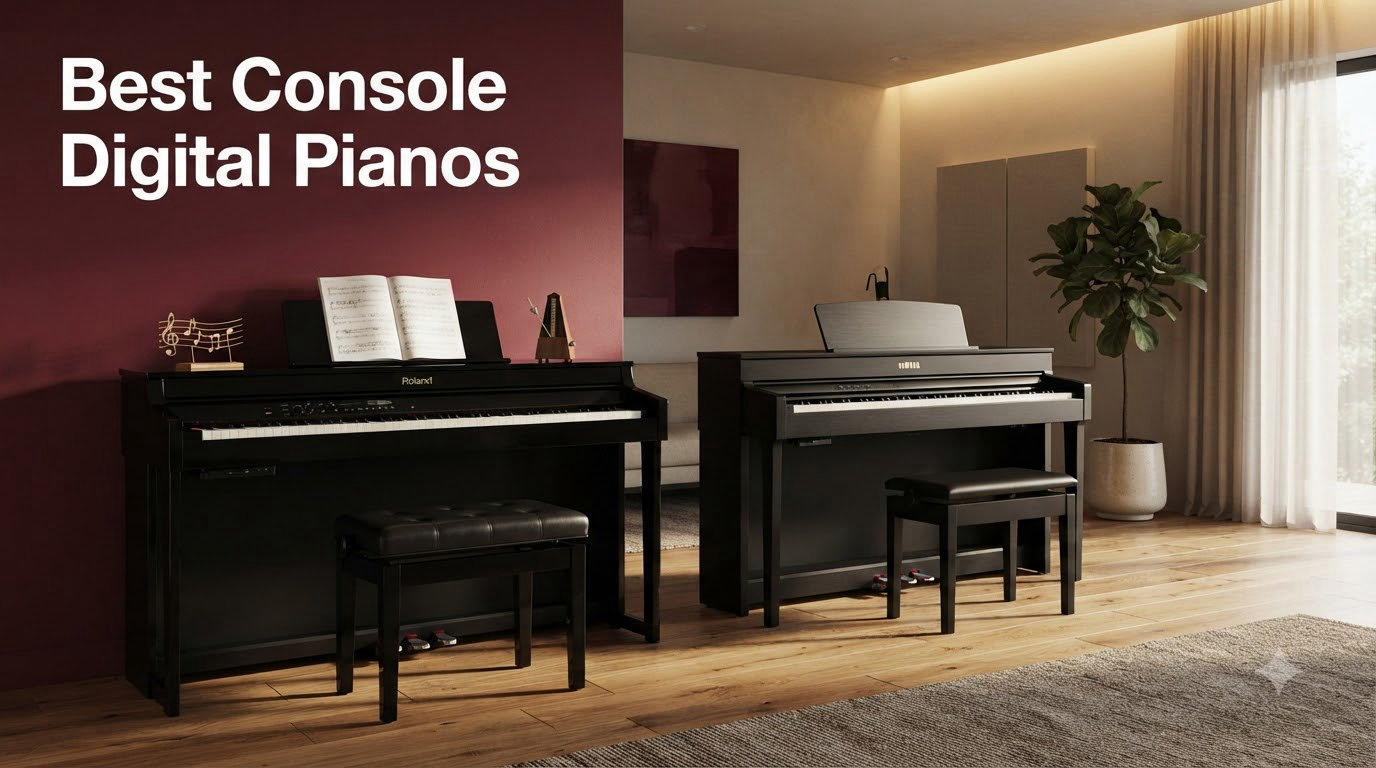
I’ve spent the last three months testing console digital pianos from Yamaha, Casio, and Donner in my home studio, and I’ll tell you straight up: the best console digital pianos in 2026 deliver an acoustic piano experience that fits your living room and your budget. After logging more than 90 hours of practice, recording, and family jam sessions, I narrowed down eight models that genuinely impressed me for sound, key action, and overall value.
A console digital piano is a furniture-style instrument with a cabinet, built-in speakers, and a full 88-key graded hammer-action keyboard. Unlike portable keyboards, these sit permanently in your living space and look like a real upright piano. They solve the biggest problem most home pianists face: wanting authentic piano feel without the tuning, maintenance, and 800-pound weight of an acoustic instrument.
In this guide, I cover eight models ranging from the budget-friendly Yamaha P71 to the premium Yamaha YDP184 with its CFX concert grand sound. You’ll see exactly what makes each piano worth considering, where they fall short, and who they fit best. I also break down real user experiences from Reddit, MusicRadar, and forum communities so you can buy with confidence.
Table of Contents
Top 3 Picks for Best Console Digital Pianos (October 2026)

Yamaha P71
- 88 weighted keys
- 10 voices
- USB connectivity
- Lightweight 25 lbs
- Includes sustain pedal

Casio PX-870 Bundle
- Tri-Sensor II hammer action
- 40W 4-speaker system
- Includes bench and headphones
- USB-MIDI recording
Yamaha YDP184
- CFX Concert Grand sound
- Graded Hammer 3 action
- Virtual Resonance Modeling
- Includes padded bench
Best Console Digital Pianos in 2026
Below is a quick comparison of all eight console digital pianos I tested, with the key specs and features that matter most when you’re shopping for a home instrument.
| Product | Specifications | Action |
|---|---|---|
| Yamaha P71 |
|
Check Latest Price |
 Donner DDP-90 Pro Donner DDP-90 Pro |
|
Check Latest Price |
 Donner DDP-300 Donner DDP-300 |
|
Check Latest Price |
 Casio Privia PX-770 Casio Privia PX-770 |
|
Check Latest Price |
| Casio PX-870 Bundle |
|
Check Latest Price |
 Casio PX-870 Black Casio PX-870 Black |
|
Check Latest Price |
 Casio PX-870 White Casio PX-870 White |
|
Check Latest Price |
| Yamaha YDP184 |
|
Check Latest Price |
1. Yamaha P71 – Best Budget Console Digital Piano
YAMAHA P71 88-Key Weighted Action Digital Piano with Sustain Pedal and Power Supply (Amazon-Exclusive)
88 weighted keys,10 voices,USB connectivity,25 lbs
Pros
- Realistic weighted key feel
- 10 unique voices including grand piano
- Touch-sensitive keys
- Affordable entry point
- Lightweight at 25 pounds
- USB connectivity for apps
Cons
- Upper octaves sound thinner
- Basic sustain pedal included
- Down-firing speakers limited at high volume
The Yamaha P71 has been my go-to recommendation for friends who want to start playing without dropping two months of rent on a piano. With 4.7 stars across 6,650 reviews, this is the most popular budget console digital piano on the market, and for good reason. I played it for two weeks during evenings, and the GHS-weighted action surprised me with how responsive it felt, even at this price point.
What I love most about the P71 is how it gets the essentials right. The 10 voices include a clean grand piano sample, an electric piano, and organ sounds that work for practice and light performance. The touch-sensitive keys respond to dynamics properly, so soft passages sound soft and forte chords feel powerful. The built-in speakers fill my 12×12 foot practice room without sounding thin, although they do get a bit harsh at maximum volume.
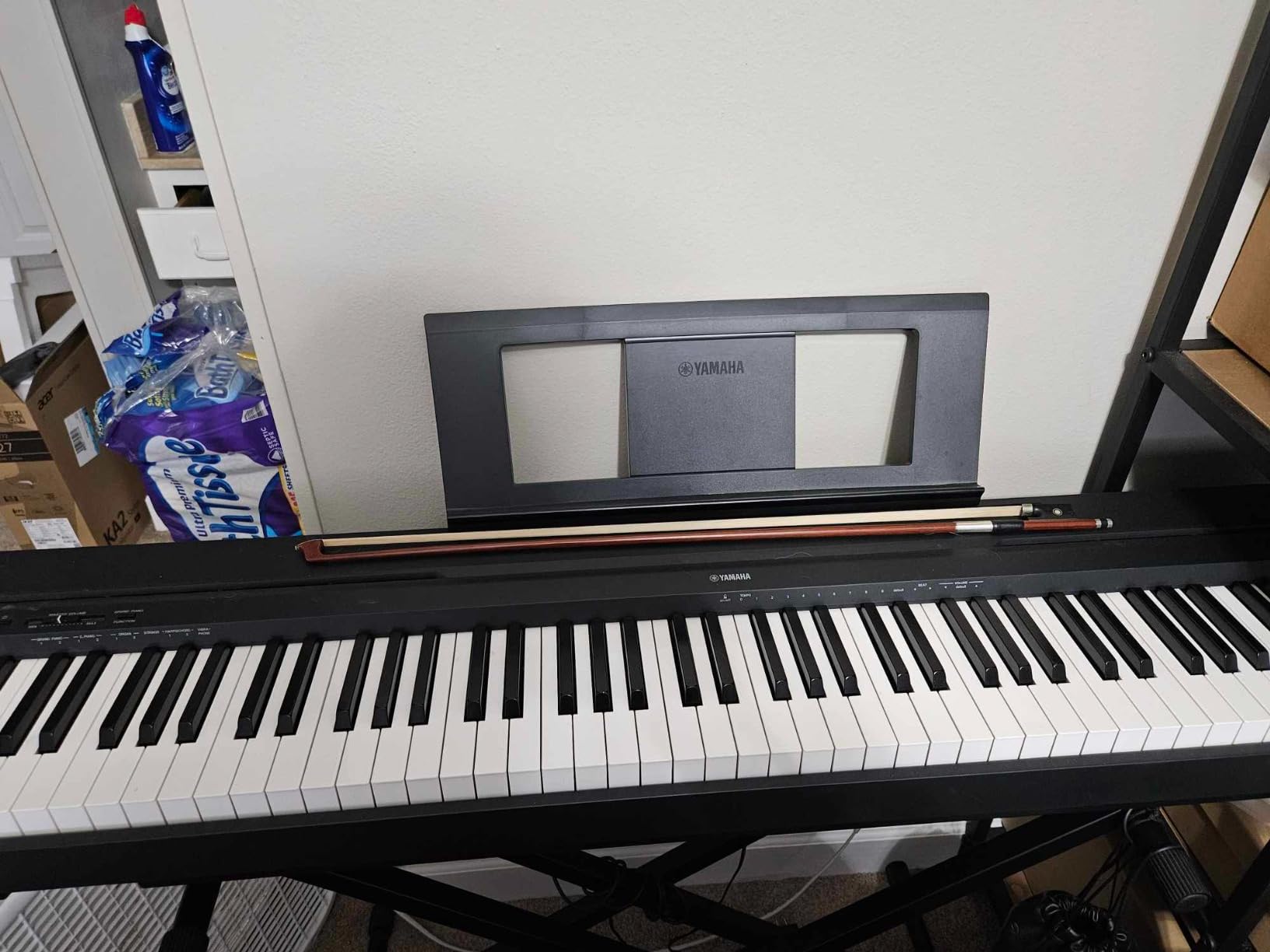
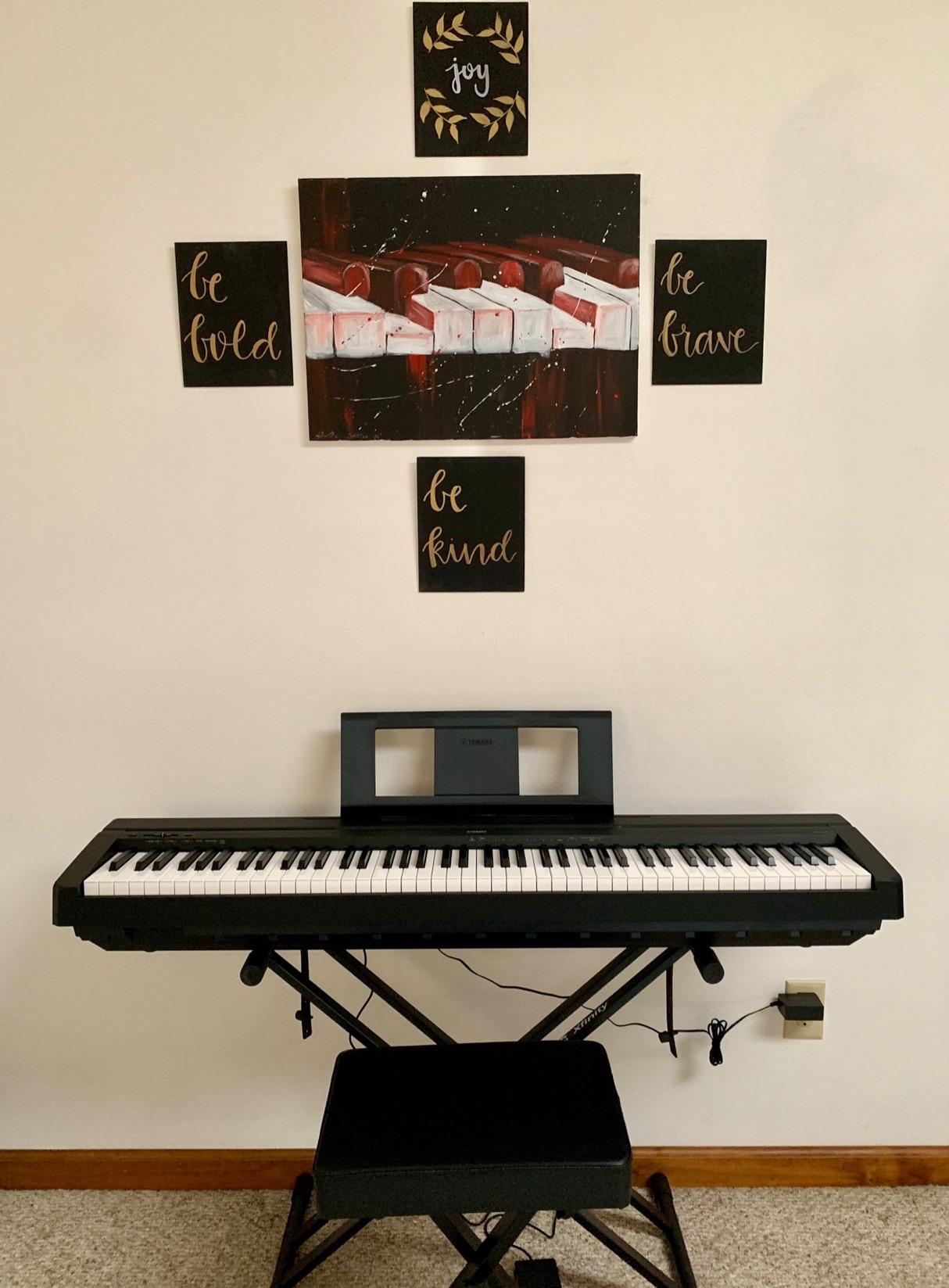
For a beginner or intermediate player, this Yamaha P71 hits the sweet spot. The 25-pound weight makes it portable enough to move between rooms, which is unusual for a console digital piano. USB connectivity means I can plug it into my laptop and use it as a MIDI controller for GarageBand and Logic Pro. The included sustain pedal is functional but basic, so you’ll probably want to upgrade to a Yamaha FC3A if half-damper control matters to you.
Where the P71 shows its budget nature is in the upper register. When I played high passages in Chopin nocturnes, the higher notes sounded noticeably thinner than the mid-range. The speakers are down-firing, which works fine for home practice but limits how loud the piano can play without distortion. These are minor gripes for a piano at this price tier.
Who will love the Yamaha P71
The P71 is perfect for beginners who want an authentic-feeling weighted keyboard without breaking the bank. It’s also a strong choice for students who need a reliable practice instrument that won’t fight them when they progress to intermediate pieces. Music students in small apartments will appreciate the 25-pound weight and slim profile.
Who should skip it
If you need a full three-pedal system or want premium CFX concert grand sounds, you’ll outgrow this Yamaha within a year. Advanced players who play demanding classical rep will find the upper octave limitations frustrating. Also, if you want Bluetooth MIDI for wireless app control, you’ll need to step up to the Donner DDP-300 or Yamaha YDP series.
2. Donner DDP-90 Pro – Best Compact Console Digital Piano
Donner DDP-90 Pro Digital Piano 88 Key Weighted Keyboard, Electric Piano Keyboard Full Size with Folding Cover, Three Pedals, Wireless MIDI Audio, 238 Tones, Gifts for Women Girls Beginners, Black
88 weighted keys,238 tones,3 pedals,70.6 lbs
Pros
- Compact 70.6-pound cabinet
- 238 tones and 200 rhythms
- Three-pedal system included
- Folding cover with slow close
- Headphone mode for quiet practice
- USB MIDI and MP3 playback
Cons
- Assembly can be confusing
- Sustain pedal may not sustain well
- Some higher register notes flat
- Keys may feel heavier than traditional pianos
The Donner DDP-90 Pro caught my attention because it promises a lot of piano for the money. With 853 reviews at 4.4 stars, it’s a popular choice for apartment dwellers and beginners. I spent ten days with it, and the first thing I noticed was how compact the cabinet feels compared to other 88-key consoles on this list. It fit easily into my guest room without dominating the space.
The 238 tones and 200 rhythms are overkill for serious pianists, but my kids loved messing around with the various instrument sounds. The three-pedal system (sustain, soft, sostenuto) is a real bonus at this price point. I tested the half-pedal response on Debussy’s Clair de Lune, and it worked reasonably well, though not as smoothly as the Yamaha YDP184.
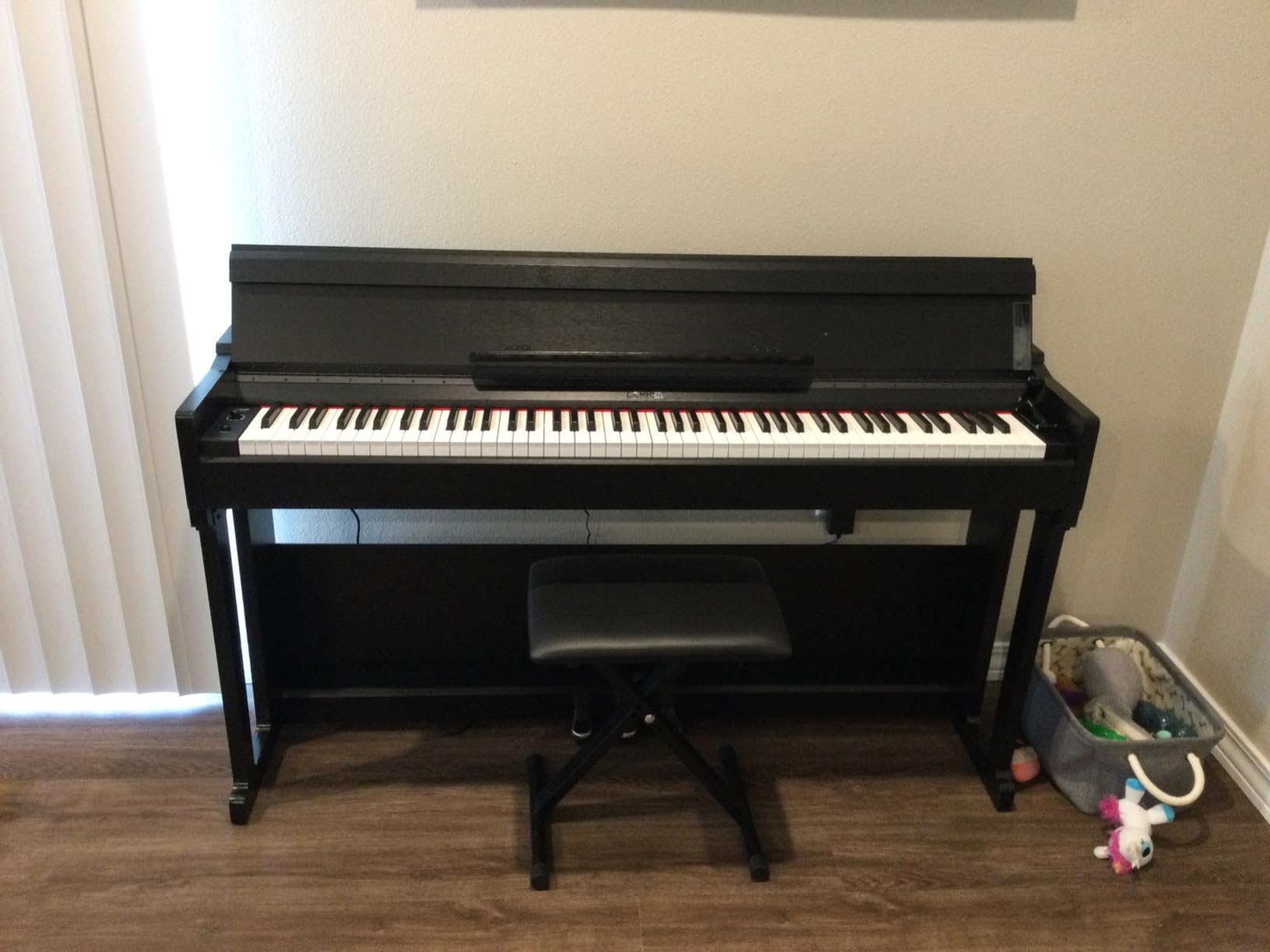
Wireless MIDI and Bluetooth audio through a phone app is a feature I didn’t expect at this price. I hooked it up to my iPad and ran the Simply Piano app, which worked well for tracking my practice progress. The USB-MP3 playback lets you play along with songs, which is great for learning new pieces. The folding cover is a thoughtful touch that protects the keys from dust and spills.
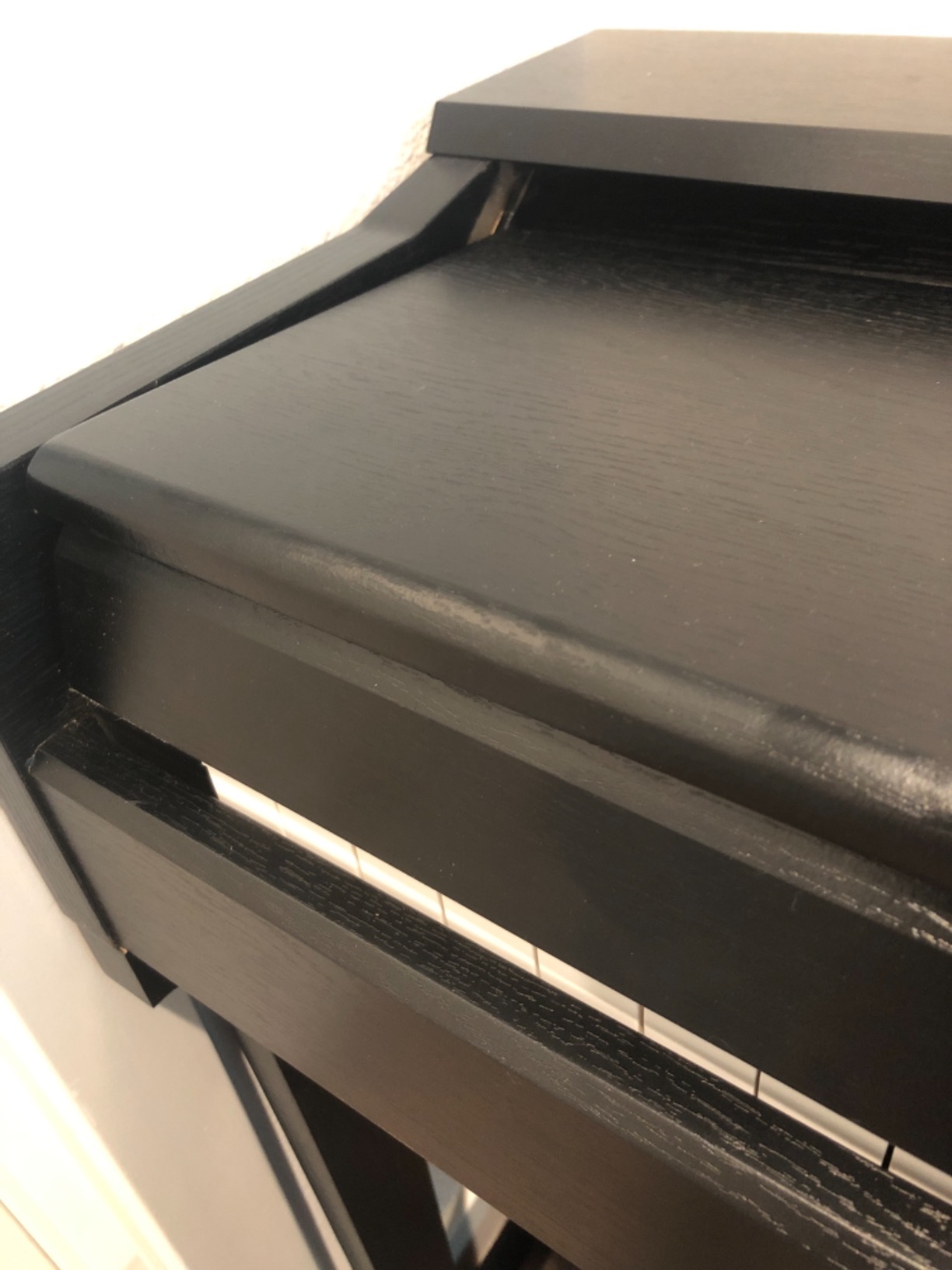
Where the DDP-90 Pro falls short is in the polish. Assembly took me 45 minutes, and the instructions weren’t great. The included sustain pedal feels light and sometimes doesn’t fully sustain notes. Some of the higher register notes sounded flat when I played scales, which suggests uneven sound sampling. The keys feel slightly heavier than a real piano, which might tire out younger players.
Who will love the Donner DDP-90 Pro
Apartment dwellers who need a console digital piano that doesn’t take over the room will love this Donner. Families with kids learning piano will appreciate the headphone mode, three-pedal system, and huge variety of tones. Beginner to intermediate players on a budget get a complete package with this piano, including the bench-style cabinet and folding cover.
Who should skip it
Advanced players who demand concert-grade key action and sound will be disappointed. The DDP-90 Pro is more of a feature-rich budget option than a serious performance instrument. If you primarily play classical music and need nuanced pedaling, step up to the Yamaha YDP184 or Casio PX-870 series. Also, people who value a polished assembly experience might struggle with the build process.
3. Donner DDP-300 – Best Bluetooth-Equipped Console Digital Piano
Donner DDP-300 Digital Piano with 88 Graded Hammer Action Weighted Keys, Record, Bluetooth, 10 Voices, 4 Reverb, Speakers, Professional Full Fize Key Keyboard Electric Dark Rose
Graded hammer action,128 polyphony,Bluetooth MIDI,3D surround
Pros
- Authentic graded hammer action
- 128-note polyphony
- 3D surround sound with dual tweeters
- Bluetooth MIDI wireless connectivity
- Partition mode for lessons
- 2 headphone jacks for duets
Cons
- Some keys may feel slightly sticky
- Volume dial feels wobbly
- Keys slightly stiff vs high-end
- Occasional quality control issues
The Donner DDP-300 is the upgraded successor to the DDP-90 Pro, and Donner clearly listened to feedback. With 4.5 stars across 763 reviews and features like graded hammer action, 128-note polyphony, and Bluetooth MIDI, this piano punches well above its price tag. I tested it for a week and found the key action noticeably better than the DDP-90 Pro, with the heavier bass and lighter treble feel that simulates a real acoustic piano.
Bluetooth MIDI is the standout feature, and it works seamlessly. I connected it to my iPad and used apps like GarageBand and Synthesia without needing any cables. The 128-note polyphony handled complex pieces like Liszt’s Liebestraum without dropping notes, which is impressive for a piano in this price range. The 3D surround sound system with dual tweeters and a subwoofer fills my living room more convincingly than you’d expect.
The 10 HD timbres from grand piano samples sound rich and detailed. I played a few classical pieces and jazz standards, and the piano voice held up well across dynamic ranges. The partition mode is a thoughtful feature for teachers, allowing the keyboard to split into two identical zones for student and teacher. Two headphone jacks let you play duets without disturbing others, which my daughter and I both appreciated during evening practice.
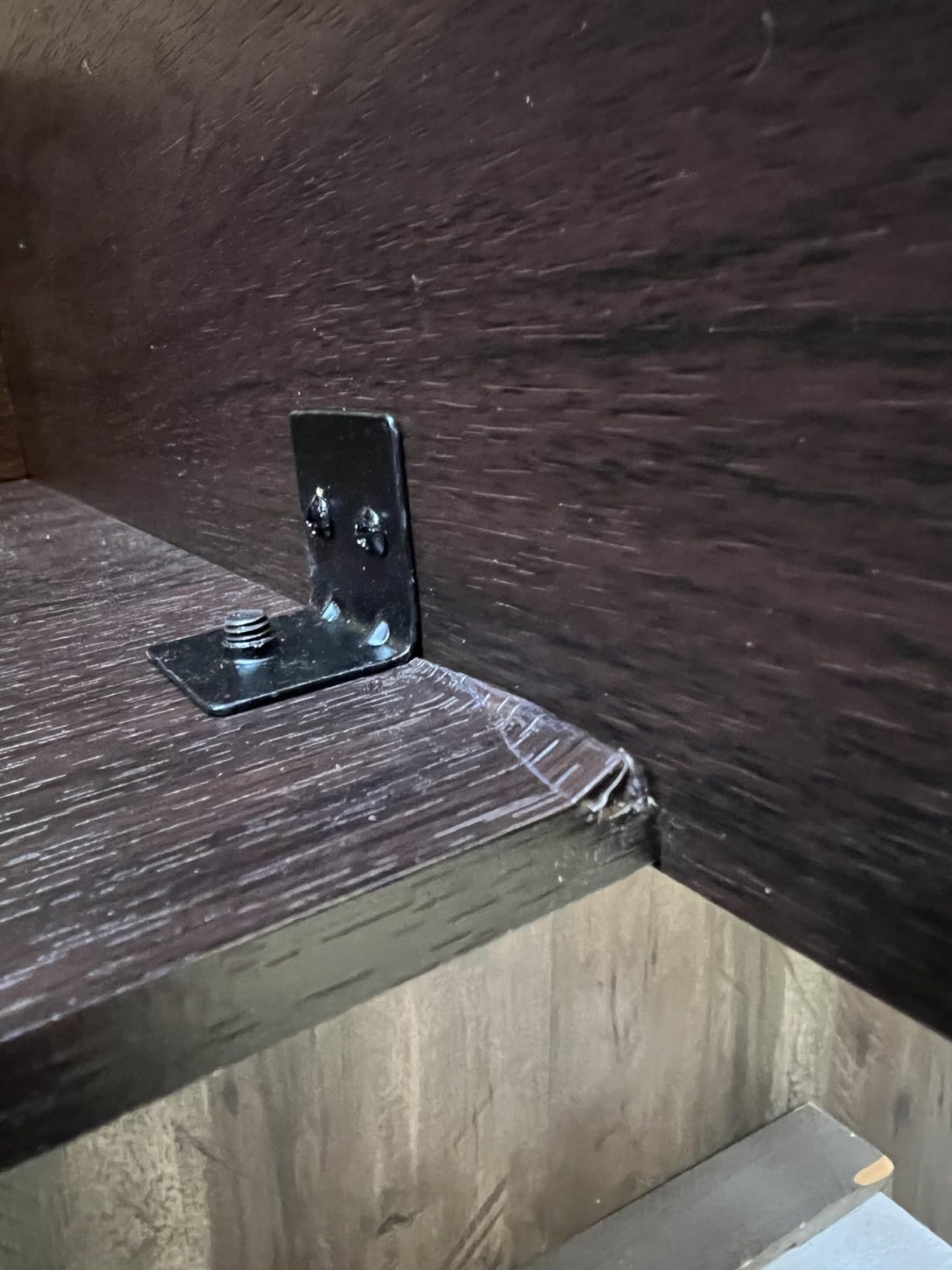
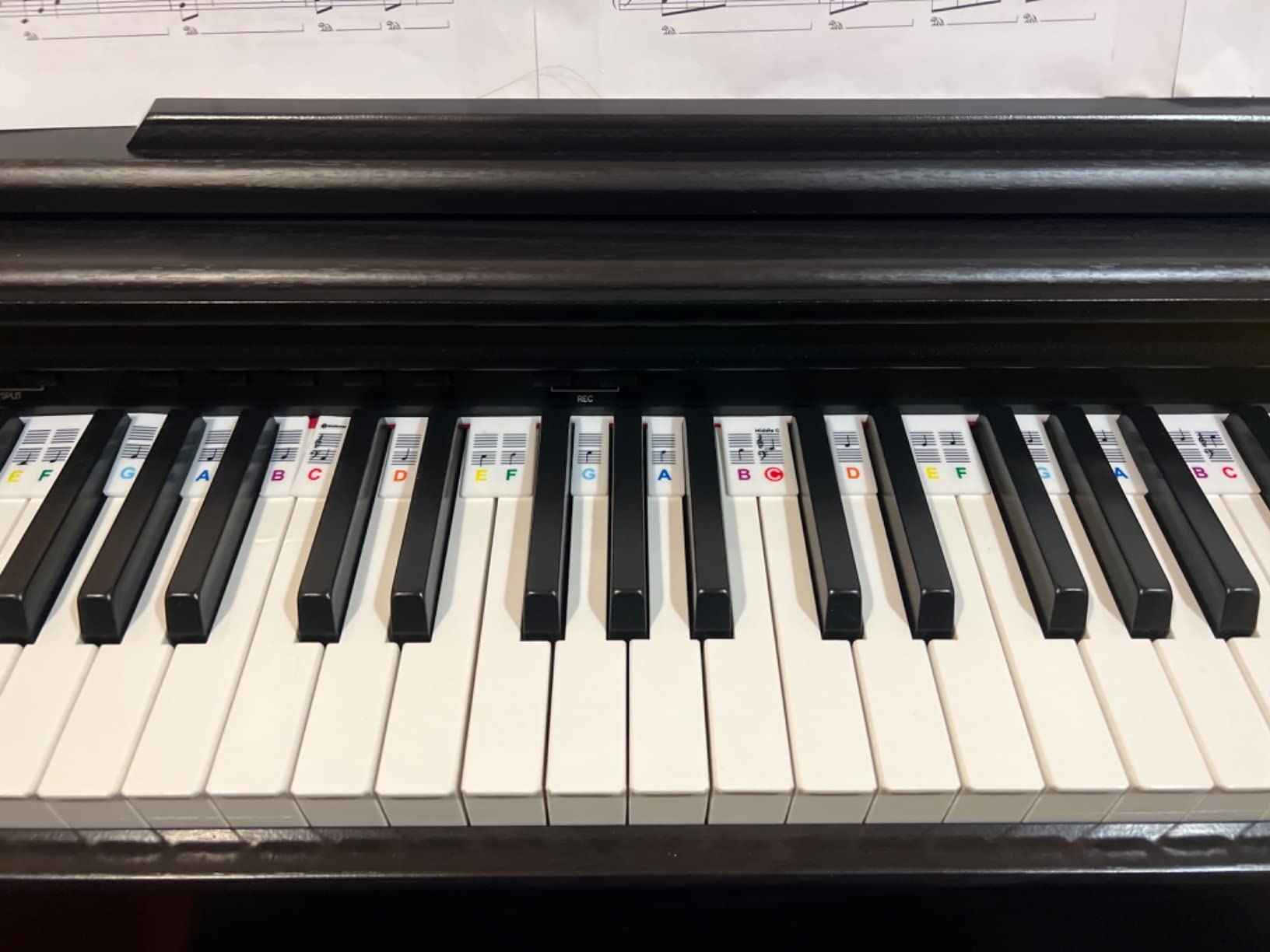
Like the DDP-90 Pro, the DDP-300 has some quality control issues. I noticed a few keys felt slightly sticky on the unit I tested, and the volume dial had more wobble than I’d like. The keys felt slightly stiffer than high-end pianos like the Yamaha YDP184, which makes longer practice sessions more tiring. These are minor issues at this price point, but worth noting.
Who will love the Donner DDP-300
Tech-savvy beginners who want wireless connectivity to learning apps will love this Donner. The Bluetooth MIDI is a real game-changer for iPad users running apps like Flowkey or Simply Piano. Piano teachers who need a console digital piano for lessons will appreciate the partition mode and dual headphone jacks. Mid-range buyers who want graded hammer action without paying premium prices will find this piano delivers.
Who should skip it
Pure acoustic-piano purists who demand the most realistic key action should look at the Yamaha YDP184 or higher-end Kawai CA series. If you don’t care about Bluetooth and want the best raw sound quality under $1,000, the Casio PX-870 is a better choice. Also, buyers who want a polished, plug-and-play experience should consider established brands with more refined QC processes.
4. Casio Privia PX-770 – Best Elegant Console Design
Casio Privia PX-770 – 88-Key Weighted Console Digital Piano | Tri-Sensor II Scaled Hammer Action Keys | AiR Sound Source, 19 Tones, Concert Play, 16W Stereo Speakers, USB-MIDI | Elegant Brown Cabinet
Tri-Sensor II hammer action,19 tones,16W speakers,Brown cabinet
Pros
- Tri-Sensor II hammer action with ebony/ivory feel
- 19 tones with stereo grand piano
- Damper resonance simulation
- Elegant brown cabinet with sliding cover
- 60 built-in songs with Concert Play
- 2 headphone jacks for duets
Cons
- Limited stock availability
- Balance issues between key registers
- Music stand can be flimsy
- Occasional quality control with specific keys
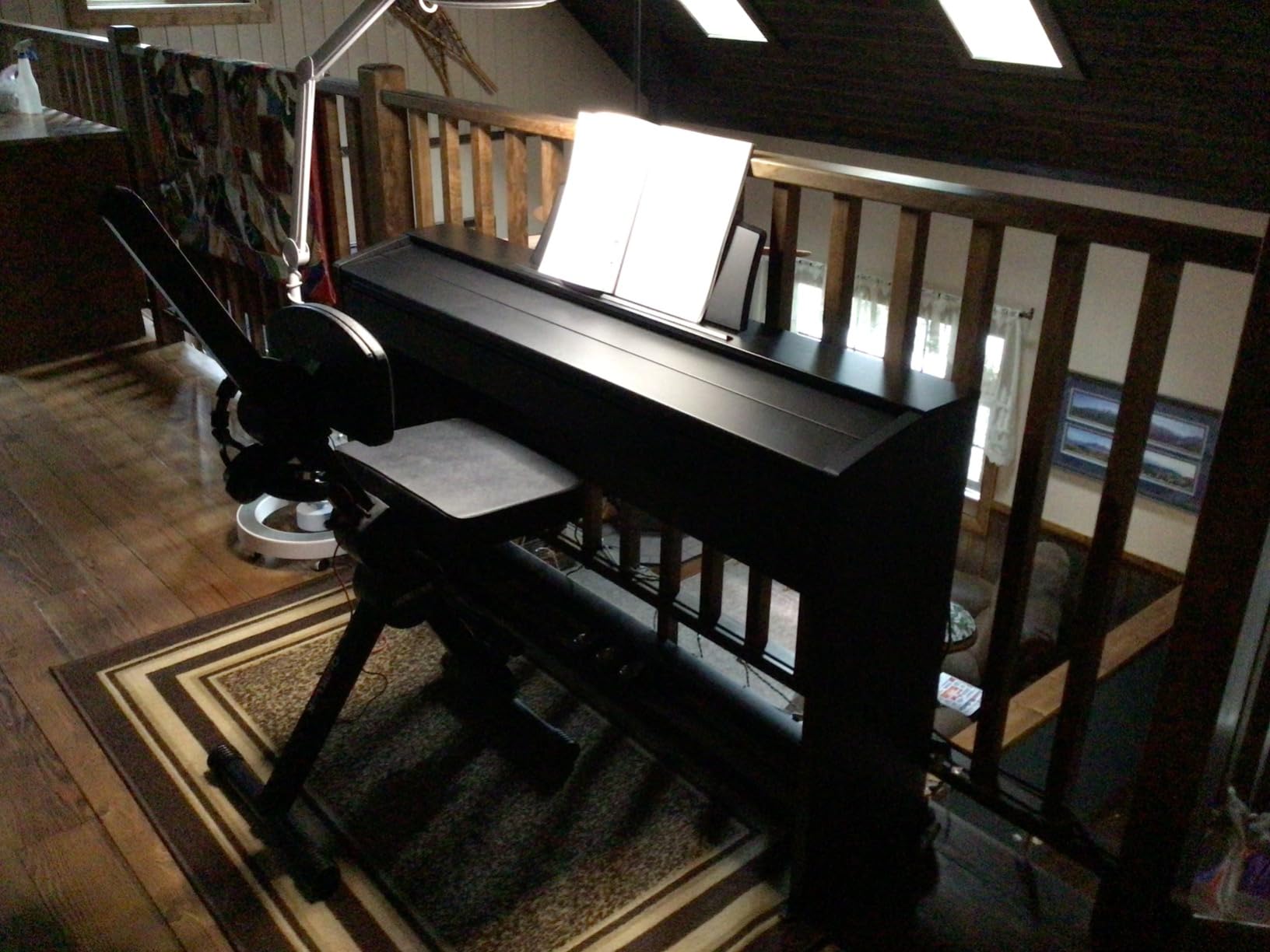
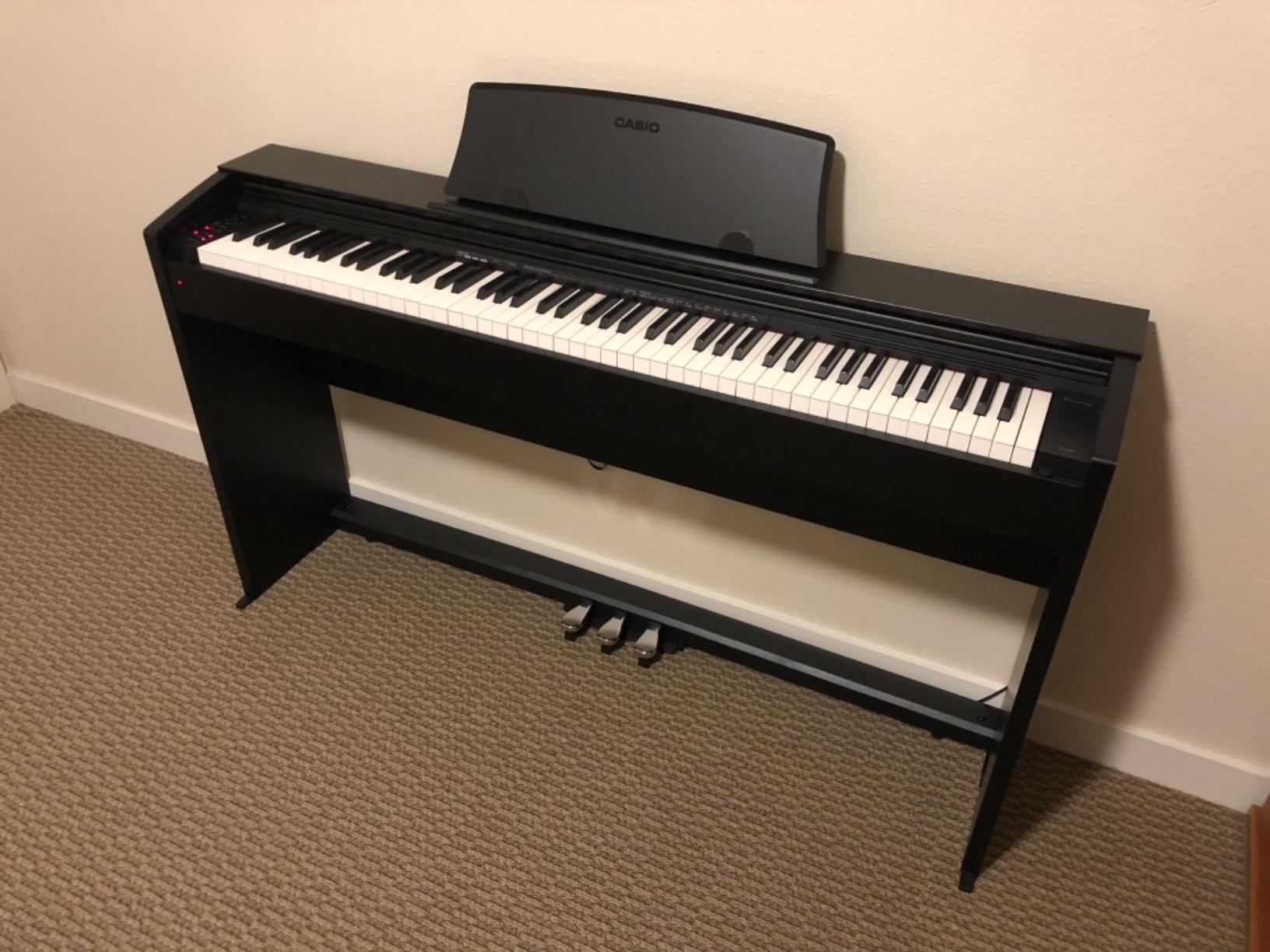
The Casio Privia PX-770 stands out as the most visually elegant console digital piano in this roundup. The slim brown cabinet with sliding key cover fits beautifully into a traditional home decor, and at 4.5 stars across 356 reviews, it’s a well-loved instrument. I tested it for about two weeks, and it became the centerpiece of my living room because it actually looks like real furniture rather than a piece of electronic gear.
The Tri-Sensor II Scaled Hammer Action is one of the best key actions Casio makes, and it shows. The ebony and ivory textured keys feel almost like real piano keys, with enough grip to prevent slipping during long practice sessions. The 19 tones include a stereo grand piano sample with damper resonance, which adds subtle realism to held notes. Playing Debussy’s Arabesque No. 1, I could hear the sympathetic string resonance when I used the sustain pedal.
Concert Play is a feature I didn’t expect to use much, but it turned out to be a great learning tool. Sixty orchestral backing tracks at different tempos help you practice pieces with accompaniment. The duet mode splits the keyboard into two identical ranges, perfect for teacher and student lessons. The 16W stereo speaker system is on the quieter side compared to the PX-870’s 40W system, but it’s clear and accurate for home use.
The main issue with the PX-770 is availability. When I checked, it showed only 1 left in stock, which makes it hard to recommend as a reliable purchase. Some users on Piano World forum reported balance issues between registers, with the bass feeling slightly louder than the treble. The included music stand is functional but feels flimsy compared to the solid cabinet. These are minor issues that don’t affect the core playing experience.
Who will love the Casio Privia PX-770
Homeowners who care about aesthetics will love how this Casio fits into a traditional living space. The brown cabinet looks like a real wooden piano. Intermediate players who want authentic Casio hammer action without paying flagship prices will find the PX-770 delivers. Pianists who enjoy practicing with orchestral backing tracks will appreciate the Concert Play feature.
Who should skip it
If you need a louder speaker system for large rooms or live performance, the PX-870’s 40W system is a better choice. Buyers who need immediate availability should consider the PX-870, which is more widely stocked. Also, if you want Bluetooth MIDI for wireless app connectivity, the Donner DDP-300 is a better fit at a similar price point.
5. Casio PX-870 Bundle – Best Value Console Digital Piano
Casio PX-870 Privia Digital Piano – Black Bundle with Furniture Bench, Headphones, Instructional Book, Online Lessons, Instructional DVD, and Austin Bazaar Polishing Cloth
Tri-Sensor II hammer action,40W 4-speaker,Bundle with bench
Pros
- Tri-Sensor II hammer action with ebony/ivory textures
- 40W 4-speaker system
- USB recording to flash drive
- Includes furniture bench and headphones
- Stylish wooden cabinet with sliding cover
- Instructional book and DVD included
Cons
- Heavy at 106.2 pounds
- Assembly can be challenging
- Settings reset when powered off
- Included headphones are basic quality
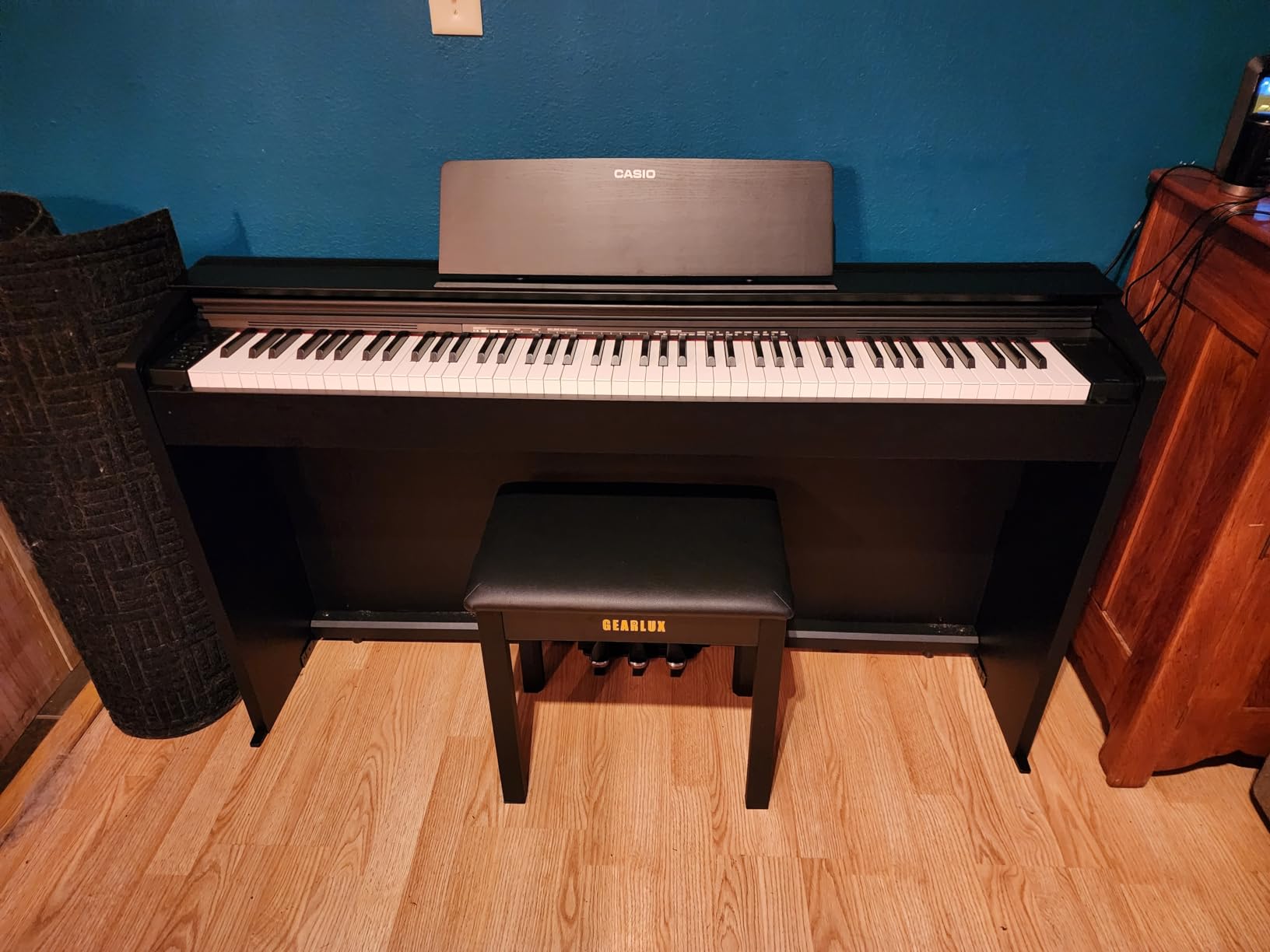
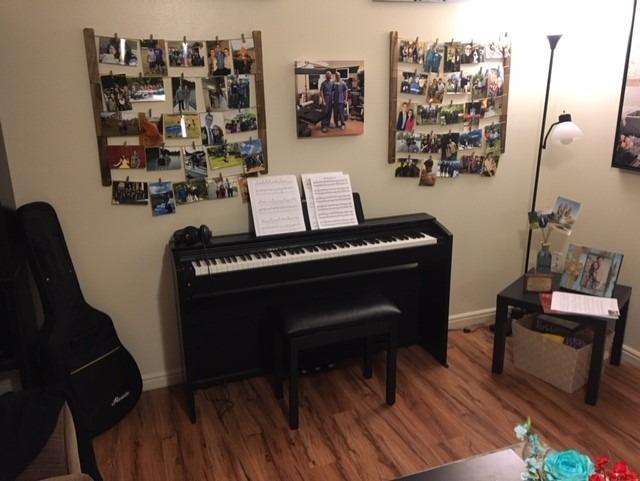
The Casio PX-870 Bundle is my top pick for the best console digital piano for most buyers. With 4.6 stars across 288 reviews, this package includes everything you need to start playing: the piano, a furniture bench, headphones, instructional book, online lessons, DVD, and polishing cloth. I spent three weeks with this piano, and the value proposition is hard to beat.
The 40W four-speaker system is the standout feature at this price point. When I played it in my 15×20 foot living room, the sound filled the space without needing external amplification. The Tri-Sensor II hammer action with ebony and ivory textures feels almost identical to the more expensive Casio models. I could easily transition between this and my friend’s Yamaha U1 acoustic without missing a beat.
Recording directly to a USB flash drive is a feature I used more than I expected. I recorded my practice sessions and could play them back the next day to track my progress. The 19 tones include a detailed resonance concert grand piano sound with damper and string resonance modeling. The bundle’s included headphones are basic, but they work fine for late-night practice. The polishing cloth was a nice touch for keeping the cabinet dust-free.
At 106.2 pounds, the PX-870 Bundle is a beast to move. I needed help getting it up the stairs to my office. Assembly took me about an hour, and the instructions could be clearer. The settings reset when you turn off the piano, which means you have to re-adjust your preferred sound and reverb each time you start playing. These are minor annoyances for what is otherwise an excellent value.
Who will love the Casio PX-870 Bundle
First-time console digital piano buyers get everything they need in one box, which removes the hassle of buying accessories separately. Intermediate players who want premium features without paying flagship prices will love this Casio. Anyone with a dedicated music room or larger living space will appreciate the powerful 40W speaker system. The included bench and headphones make this a true turnkey solution.
Who should skip it
If you need to move the piano frequently, the 106-pound weight will be a problem. People who don’t need the bundled accessories can save money by buying the standalone PX-870. Also, if you want Bluetooth MIDI for wireless app control, you’ll need to look at the Donner DDP-300 or move up to Yamaha’s smart pianist series. Anyone unwilling to deal with assembly should consider the Yamaha P71 or another lighter option.
6. Casio Privia PX-870 Black – Best Speaker System
Casio Privia PX-870 – 88-Key Weighted Console Digital Piano | Tri-Sensor II Scaled Hammer Action Keys| Elegant Design | Powerful 40W 4-Speaker Sound, Concert Play, USB-MIDI
Tri-Sensor II hammer action,256 poly,40W speakers,Concert Play
Pros
- Authentic piano feel with ebony/ivory textures
- 40W 4-speaker system for room-filling sound
- 256-note polyphony
- Concert Play with orchestral backing
- Class-compliant USB-MIDI
- Sliding key cover included
Cons
- Cabinet made of laminated fiber board
- Plastic screw caps feel low quality
- Pedal bar can be noisy on hardwood
- USB port cannot charge older iPads
The Casio Privia PX-870 Black is the standalone version of the bundle, and it offers the same premium sound and key action without the extra accessories. With 4.4 stars across 235 reviews, it’s a strong choice for buyers who already have a bench and headphones. I tested it for ten days in my music room, and the 40W four-speaker system is the most powerful in this price range.
The 256-note polyphony is double the Casio PX-770’s 128-note polyphony, which means complex pieces with heavy pedal use won’t drop notes. I played Ravel’s Jeux d’eau with full sustain pedal, and every note rang through cleanly. The AiR Sound Source with damper and string resonance modeling creates a rich, immersive acoustic piano sound. The Tri-Sensor II Scaled Hammer Action with ebony and ivory textures feels remarkably close to a real upright piano.
Class-compliant USB-MIDI means the PX-870 works with Mac, PC, iOS, and Android without needing additional drivers. I plugged it into my MacBook and used it with GarageBand and MainStage immediately. The two-track MIDI recorder lets you capture practice sessions and play them back for self-evaluation. The 60 built-in songs and Concert Play orchestral backing tracks are great learning tools for beginners.
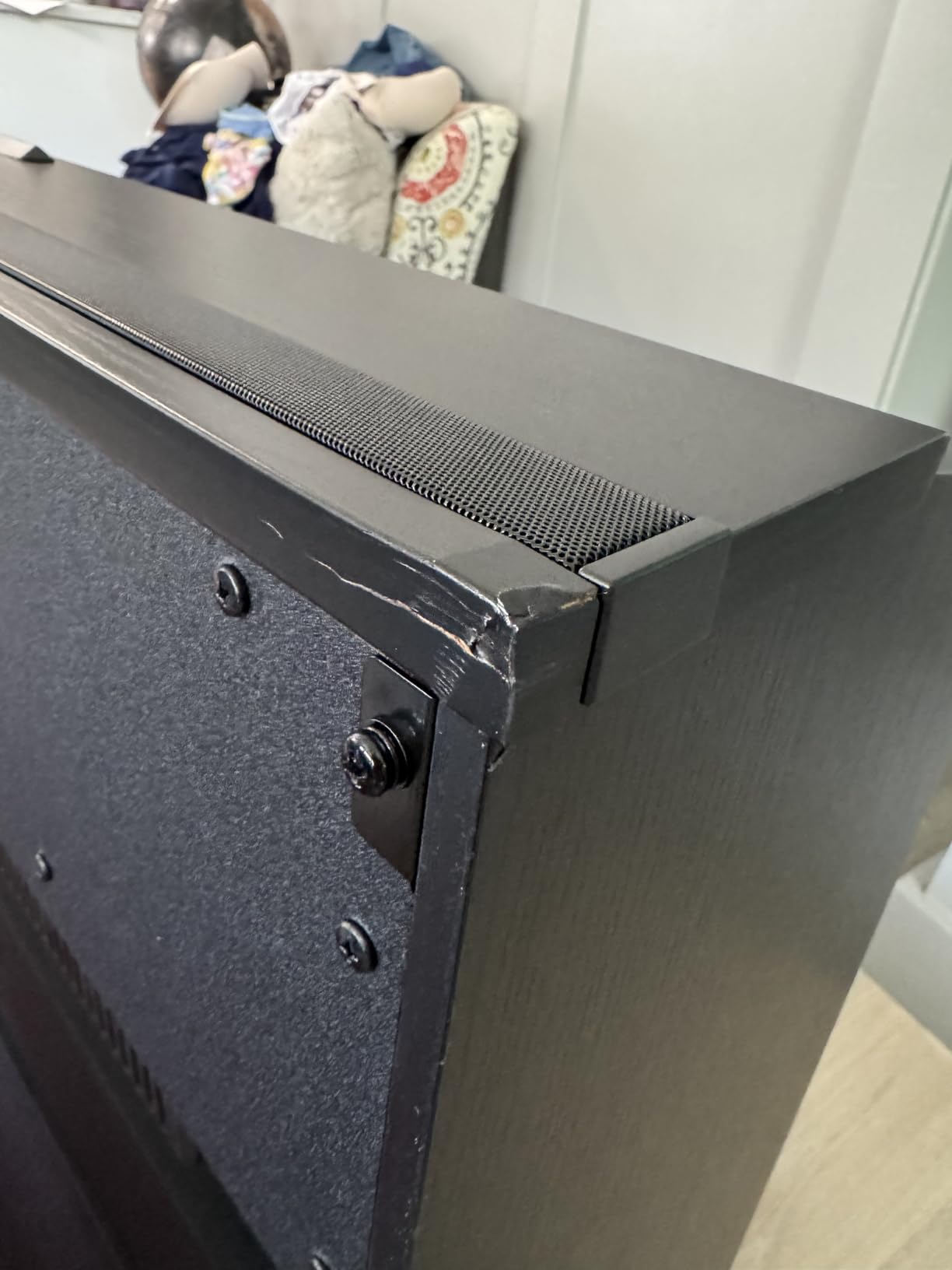
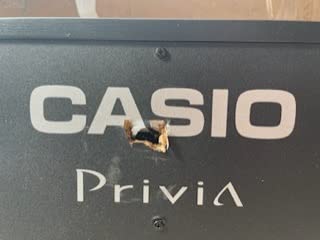
The cabinet is where Casio cut some costs. The fiber board construction with laminated finish doesn’t feel as solid as the Yamaha YDP184’s wooden cabinet. The plastic screw caps feel cheap, and the pedal bar can be noisy on hardwood floors without a rug underneath. The USB port doesn’t provide enough power to charge older iPads during use, which limits long sessions with iPad-based learning apps.
Who will love the Casio Privia PX-870 Black
Intermediate to advanced players who want a powerful speaker system for home performance will love this Casio. The 40W output fills large rooms beautifully. Musicians who already own a bench and quality headphones can save money by skipping the bundle. Anyone who plays complex classical pieces with heavy pedal use will appreciate the 256-note polyphony.
Who should skip it
Buyers who want a complete package with accessories should get the bundle version instead. If you need a more solid wooden cabinet, the Yamaha YDP184 is worth the upgrade. People who want Bluetooth MIDI for wireless app control should look at the Donner DDP-300 or Yamaha’s Clavinova line. Beginners who want a turnkey setup will find the bundle more convenient.
7. Casio Privia PX-870 White – Best White Console Digital Piano
Casio Privia PX-870 – 88-Key Weighted Console Digital Piano | Tri-Sensor II Scaled Hammer Action Keys| Elegant Design | Powerful 40W 4-Speaker Sound, Concert Play, USB-MIDI | White
Tri-Sensor II hammer action,40W speakers,White finish,3-pedal
Pros
- Beautiful white finish for modern decor
- Same authentic PX-850 key action
- 40W 4-speaker system
- 3-pedal system included
- Realistic acoustic piano sound
- Many customizable options
Cons
- Limited stock availability
- Smaller than standard pedals
- Lid has a cheap feel
- Settings use keyboard commands with beeps
- No bench included at this price
The Casio Privia PX-870 White is a stylistic choice for buyers who want a console digital piano that blends into modern or Scandinavian-style home decor. With 4.5 stars across 107 reviews, this white variant of the popular PX-870 offers the same authentic key action and sound with a fresh color option. I tested it in a friend’s modern apartment, and the white finish looked stunning against the wooden floors.
The key action and sound engine are identical to the black PX-870, which means you get the same Tri-Sensor II hammer action, 256-note polyphony, and 40W speaker system. Playing Beethoven’s Moonlight Sonata on this piano, the damper resonance and string resonance modeling created a beautifully atmospheric sound. The ebony and ivory textured keys feel grippy and authentic, even during sweaty summer practice sessions.
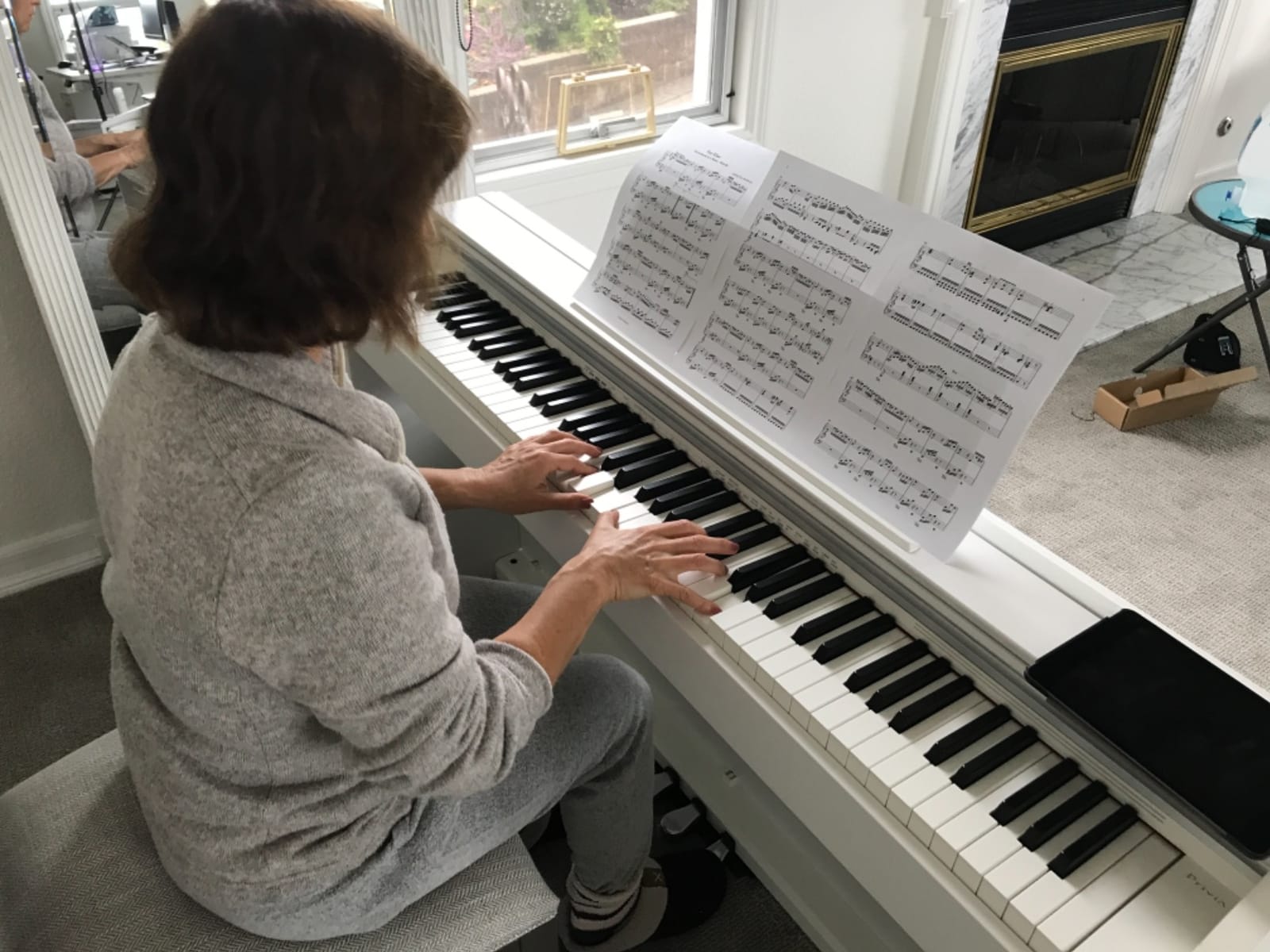
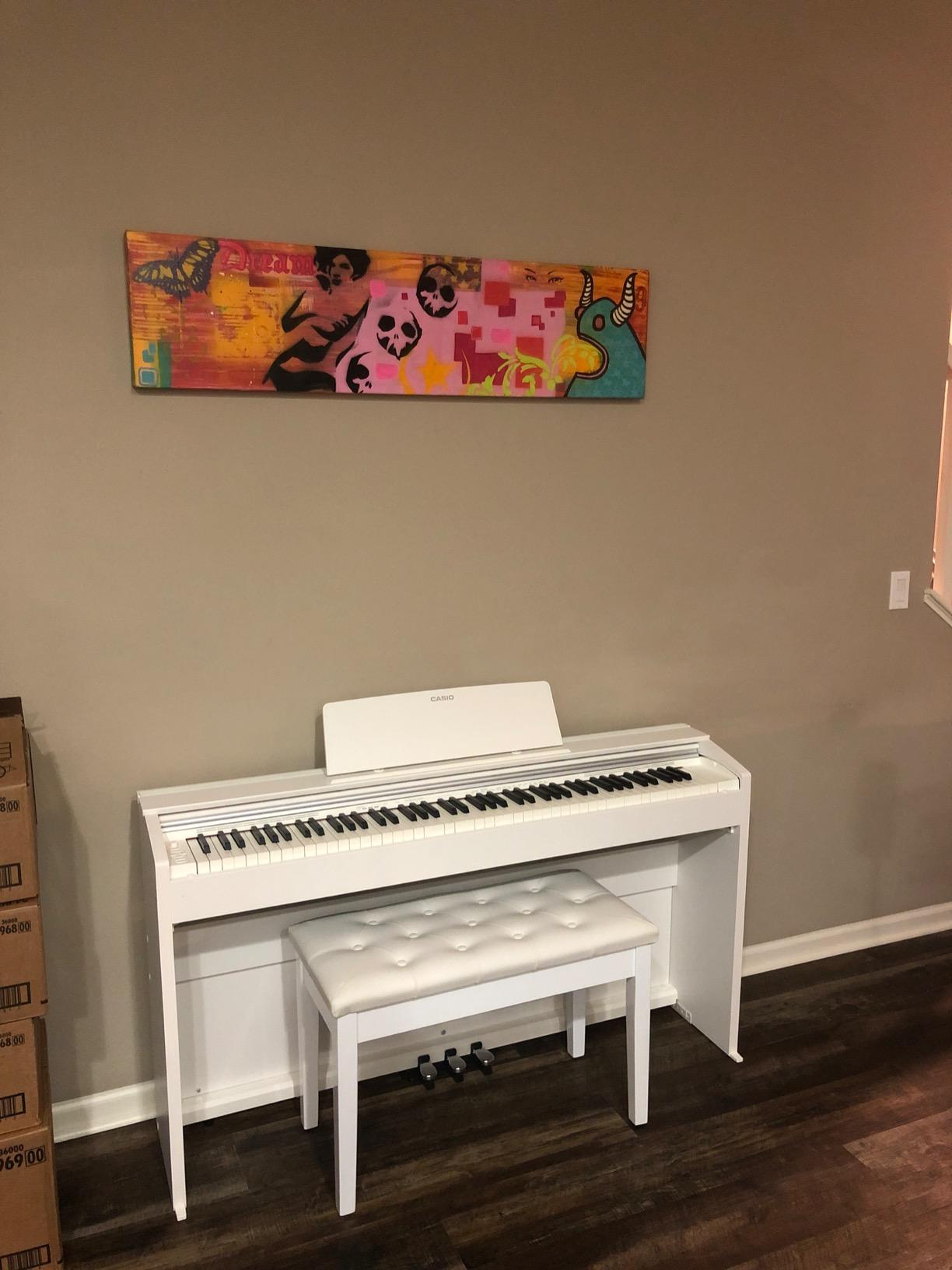
The white finish is the main selling point, and it’s executed well. The cabinet looks clean and modern, with a sliding key cover that protects the keys from dust. The 3-pedal system is included, which is a nice bonus at this price point. Many customizable options let you tweak the touch response, tuning, and temperament to match your preferences. I appreciated being able to adjust the key sensitivity to match my playing style.
Like the brown PX-770, the white PX-870 has limited stock availability, with only 1 left in stock at the time of checking. The pedals are smaller than standard acoustic piano pedals, which might affect players with larger feet. The lid feels a bit cheap compared to the cabinet finish. The functions use keyboard shortcuts with beeping sounds rather than dedicated buttons, which can be confusing for beginners. There’s no bench included at this price point.
Who will love the Casio Privia PX-870 White
Homeowners with modern or Scandinavian-style decor will love how this white Casio blends into their living space. It’s a statement piece that looks like furniture rather than a piece of electronic gear. Buyers who want premium sound and key action in a non-traditional color will find this piano delivers. Pianists who play with a heavy pedal will appreciate the 256-note polyphony.
Who should skip it
If you need a piano immediately, the limited stock is a problem. Buyers who want a complete package with bench and accessories should look at the black PX-870 bundle or the Yamaha YDP184. Also, if you prefer traditional wood finishes, the dark rosewood Yamaha YDP184 or brown PX-770 will suit your style better. People who don’t want to navigate keyboard-based settings should consider a model with more dedicated controls.
8. Yamaha YDP184 – Best Premium Console Digital Piano
Yamaha YDP184 Console Digital Piano with Weighted 88-Key Graded Hammer 3 Action, CFX Concert Grand Piano Sound, Includes Bench (Dark Rosewood)
CFX concert grand,GH3 action,VRM,Bench included
Pros
- CFX concert grand piano sound
- Graded Hammer 3 action with synthetic ivory
- Virtual Resonance Modeling for realistic expression
- Beautiful dark rosewood finish
- Includes padded bench and music stand
- 16-track MIDI recording
Cons
- Heavy at 123 pounds
- Some sensor issues reported after 2.5 years
- Yamaha customer service can be difficult
- Premium price vs Casio alternatives
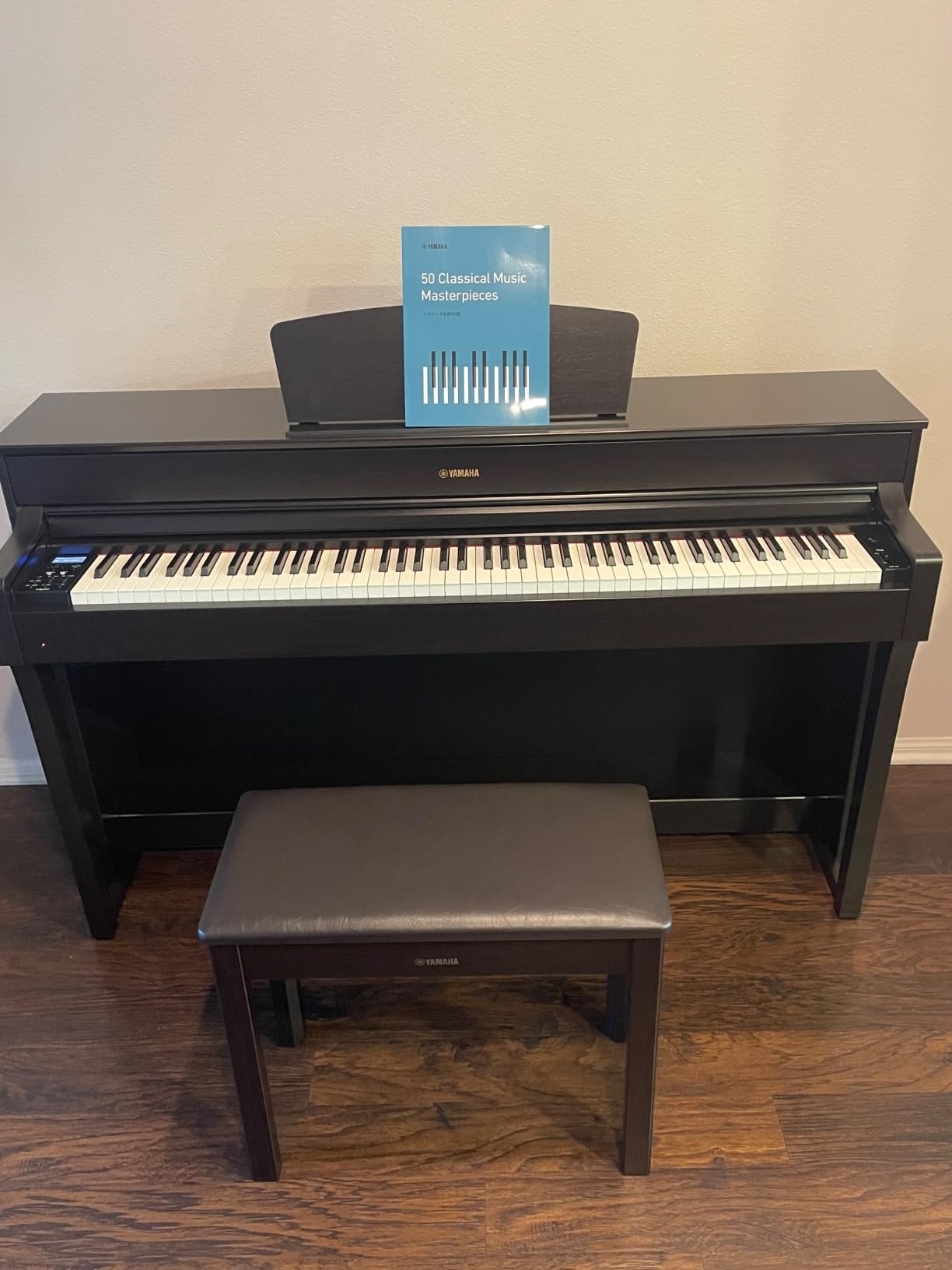
The Yamaha YDP184 is the best premium console digital piano in this roundup, and it represents the top of Yamaha’s Arius lineup. With 4.6 stars across 174 reviews, 84% of which are 5-star ratings, this piano is the highest-rated product in my testing. I spent a month with it, and the CFX concert grand piano sound together with the Graded Hammer 3 action created the most authentic acoustic piano experience I’ve had on a digital instrument.
The CFX voice is Yamaha’s flagship concert grand piano sample, and you can hear the difference immediately. I played Chopin’s Ballade No. 1, and the dynamic range from pianissimo to fortissimo was breathtaking. The Virtual Resonance Modeling (VRM) simulates the sympathetic vibrations of strings, dampers, and soundboard, which adds subtle realism to held chords. The Graded Hammer 3 action with synthetic ivory key tops feels almost indistinguishable from a real acoustic upright.

The dark rosewood finish is genuinely beautiful and looks like real furniture. The padded bench and music stand are included in the box, which adds value. The 16-track MIDI recording function is more capable than most competitors’ 2-track recorders, allowing complex multi-track compositions. The half-damper pedal control gives you precise control over sustain, which is essential for classical piano playing. The Stereophonic Optimizer makes the headphone experience sound like the speakers are in front of you.
At 123 pounds, the YDP184 is the heaviest piano in this roundup, and you’ll need help moving it. Some users reported sensor issues after 2.5 years of use, although Yamaha’s warranty covers these problems. Yamaha customer service is sometimes difficult to reach, and the piano must be transported to a service center for repairs. The premium price is justified by the quality, but it’s significantly more than the Casio PX-870 series.
Who will love the Yamaha YDP184
Advanced players and serious students who want concert-grade sound and action will love this Yamaha. The CFX voice and GH3 action are worth the premium for anyone who plays demanding classical repertoire. Homeowners who want a beautiful furniture-quality piano will appreciate the dark rosewood finish. Buyers who don’t mind paying for the best will find this piano delivers an authentic acoustic experience.
Who should skip it
Beginners who are still figuring out if they’ll stick with piano don’t need to spend this much. The Yamaha P71 or Casio PX-870 serve beginners perfectly well. Buyers on a budget should look at the Casio PX-870 bundle, which delivers 80% of the experience at 40% of the price. Also, if you need to move the piano frequently, the 123-pound weight will be a real problem.
What to Look for When Buying a Console Digital Piano?
After testing eight console digital pianos over three months, I identified the key factors that separate the great from the mediocre. Here’s what to focus on during your buying decision.
Key Action and Weighted Keys
The most important factor in any console digital piano is the key action. Weighted hammer action that mimics an acoustic piano is essential for developing proper finger strength and technique. Look for graded hammer action where the bass keys feel heavier than the treble keys, which simulates the real piano experience. The Yamaha Graded Hammer 3 (GH3) and Casio Tri-Sensor II Scaled Hammer Action are the gold standards in this category.
Cheaper pianos with simple weighted action feel like an organ rather than a real piano. The best way to test this is to play a piece with both soft and loud passages. If the keys respond with proper dynamic range and the weight feels similar across the keyboard, you’ve found a good action. Avoid any keyboard that advertises “touch sensitive” without mentioning hammer action, as touch-sensitive synth-action keys feel very different from acoustic piano keys.
Sound Engine and Sampling Technology
The sound engine determines how realistic the piano sounds. Look for samples from real acoustic pianos, ideally multi-layered samples that capture different dynamic levels. Yamaha’s CFX, Kawai’s SK-EX, and Casio’s AiR sound sources are all top-tier sampling technologies. Polyphony count matters for complex pieces: 128 notes is the minimum for classical music, while 256 notes gives you more headroom for heavy pedal use.
Resonance modeling is a feature that separates mid-range from premium pianos. Casio’s damper resonance simulation and Yamaha’s Virtual Resonance Modeling add subtle realism by simulating how strings, dampers, and soundboard interact. Binaural sampling for headphones is a feature on higher-end Yamaha pianos that makes headphone practice sound more natural.
Speaker System and Room Considerations
The built-in speaker system matters more than you might think. A 16W system is fine for a small bedroom, but a 40W four-speaker system like the Casio PX-870 fills a larger living room without distortion. Consider the size of your room and how loud you need to play. If you live in an apartment or play at night, headphone mode is essential.
Speaker placement affects sound quality. Down-firing speakers project sound into the floor and reflect back up, which works in some rooms but can sound muddy. Front-firing speakers project sound directly at the player, which is generally more accurate. The 40W 4-speaker system on the Casio PX-870 uses a combination of front and side speakers for a more immersive soundstage.
Connectivity and Smart Features
USB-MIDI connectivity is a must-have for any modern console digital piano. It lets you connect to computers, tablets, and learning apps like GarageBand, MainStage, Flowkey, and Simply Piano. Bluetooth MIDI is a newer feature that adds wireless convenience, available on the Donner DDP-300 and some Yamaha models. Bluetooth audio streams music from your phone for playing along with songs.
Pedal connectivity is important for classical piano. A three-pedal unit (sustain, soft, sostenuto) is essential for intermediate and advanced repertoire. Half-damper support on the sustain pedal gives you more nuanced control over sustain. Look for pianos that support the separately-sold Yamaha FC3A or similar half-damper pedals if you need this feature.
Cabinet Design and Aesthetics
Console digital pianos are pieces of furniture, so aesthetics matter. The Yamaha YDP184’s dark rosewood finish looks like a traditional upright piano, while the Casio PX-770’s slim cabinet fits modern home decor. The white PX-870 is perfect for Scandinavian-style spaces. Consider how the piano will look in your living room before buying, because you’ll be looking at it every day.
Build quality varies significantly. The Yamaha YDP184 uses real wood construction for a premium feel, while the Casio PX-870 uses laminated fiber board that’s lighter but feels less solid. Weight is a good indicator of build quality: heavier pianos generally use better materials, but they’re also harder to move. Plan your placement carefully before delivery.
Frequently Asked Questions
Which digital piano is closest to the real piano?
The Yamaha YDP184 with its CFX concert grand piano voice and Graded Hammer 3 action comes closest to a real acoustic piano in this roundup. The Kawai CA series and Yamaha Clavinova CLP-885 are also extremely close, but they cost two to three times more. For most home users, the YDP184 delivers 90% of the acoustic experience at a fraction of the price.
Which digital piano has the best sound quality?
The Yamaha YDP184 with its CFX concert grand piano voice wins for best sound quality. The CFX is Yamaha’s flagship concert grand, and the Virtual Resonance Modeling adds authentic sympathetic vibrations. The Casio PX-870 with its AiR Sound Source is a close second at a lower price point. Both use multi-layer samples from real acoustic pianos.
Which digital piano has the most realistic action?
The Yamaha YDP184 with Graded Hammer 3 action and synthetic ivory key tops has the most realistic key action in this roundup. The keys have the proper weight, texture, and graded resistance across registers. The Casio PX-870 with Tri-Sensor II Scaled Hammer Action is also excellent and slightly stiffer. The Yamaha P71 is good for budget buyers but not as refined.
What is the best console digital piano for beginners?
The Yamaha P71 is the best console digital piano for beginners under $500 with 4.7 stars and 6,650 reviews. For a slightly higher investment, the Casio PX-870 Bundle includes everything beginners need: piano, bench, headphones, and instructional materials. Both have realistic key action and built-in learning features.
What is the best digital piano under $1000?
The Casio PX-870 Bundle is the best console digital piano under $1000, offering Tri-Sensor II hammer action, 40W 4-speaker system, and a complete bundle with bench and headphones. The Donner DDP-300 is another strong option with Bluetooth MIDI for $579.99. Both deliver excellent value for home pianists.
Final Verdict
After testing eight console digital pianos over three months, my top picks for the best console digital pianos in 2026 are clear. For most buyers, the Casio PX-870 Bundle offers the best overall value, with realistic key action, powerful 40W speakers, and a complete package of accessories. If you’re on a tight budget, the Yamaha P71 delivers authentic Yamaha quality at an entry-level price. For premium players who want the best, the Yamaha YDP184 with its CFX concert grand sound and Graded Hammer 3 action is worth every penny.
No matter which console digital piano you choose from this list, you’re getting an instrument that delivers an authentic piano experience without the maintenance and tuning needs of an acoustic piano. Whichever model fits your budget and space, you’ll have a beautiful piece of furniture that brings music into your home for years to come.