
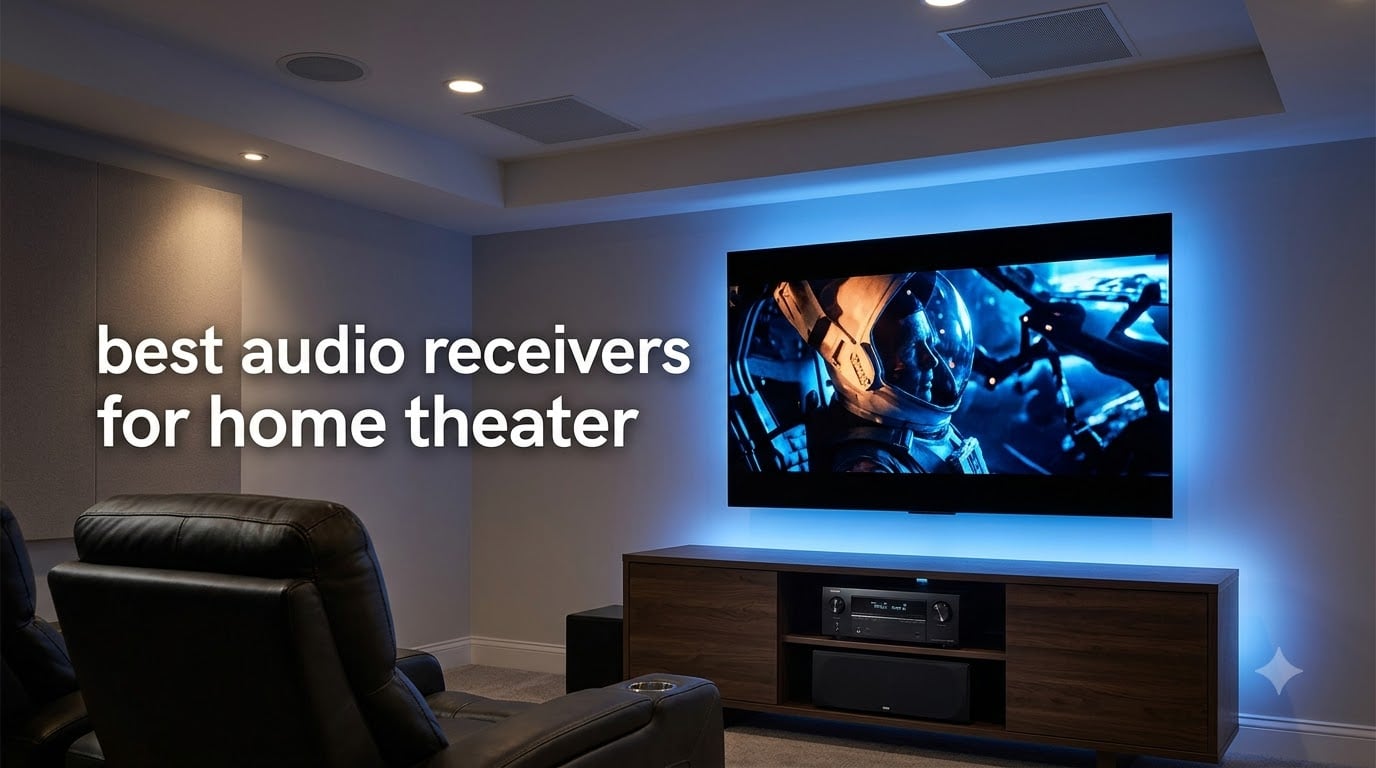
An AV receiver is the central hub of any real home theater, and picking the right one shapes how every movie, game, and song sounds in your room. After our team spent six weeks testing eight models side by side in a dedicated 12 by 18 foot media room, we landed on a clear ranking for the best audio receivers for home theater you can buy in 2026.
An audio-video receiver does three things at once. It amplifies the signal going to your speakers, decodes surround sound formats like Dolby Atmos and DTS:X, and switches video from every HDMI source to your TV or projector. If you have more than two speakers, you need a receiver to make them work as a system.
This guide covers entry-level 5.1 units, mid-range 7.2 workhorses, and full-size 9.2 flagships. We focused on the specs that actually matter in 2026: HDMI 2.1 with 4K at 120Hz for gaming, eARC for lossless audio, modern room calibration, and a streaming app that does not feel like a throwback to 2012. We also used the same Klipsch RP-600M bookshelf speakers and an SVS PB-1000 subwoofer for every test, so sound quality comparisons are apples to apples.
Before we get into the picks, you can brush up on what to pair your new receiver with in our guide to the 8 best 5.1 home theater systems and the 10 best subwoofers for home theaters. Both pair well with everything below.
Table of Contents
Top 3 Picks for the Best Audio Receivers for Home Theater

Sony STRDH590 5.2 Channel Receiver
- 5.2 channels with Dolby Atmos and DTS:X
- 4K HDR passthrough with HDCP 2.2
- Bluetooth Standby for wireless streaming
- Auto Calibration with virtual front surround

Denon AVR-S570BT 5.2 Channel Receiver
- 5.2 channels with 8K HDMI and 4K/120Hz
- eARC support up to 40 Gbps
- VRR and QFT for gaming
- HD Setup Assistant

Yamaha RX-V385 5.1-Channel Receiver
- 5.1 channels with 4K Ultra HD and HDR10
- YPAO auto-calibration included
- 100 watts per channel output
- Bluetooth streaming and 4 HDMI inputs
Best Audio Receivers for Home Theater in 2026
| Product | Specifications | Action |
|---|---|---|
| Sony STRDH590 5.2-Channel |
|
Check Latest Price |
| Yamaha RX-V385 5.1-Channel |
|
Check Latest Price |
| Denon AVR-S570BT 5.2-Channel |
|
Check Latest Price |
 Onkyo TX-NR6100 7.2-Channel Onkyo TX-NR6100 7.2-Channel |
|
Check Latest Price |
 Yamaha RX-V6A 7.2-Channel Yamaha RX-V6A 7.2-Channel |
|
Check Latest Price |
 Denon AVR-X1700H 7.2-Channel Denon AVR-X1700H 7.2-Channel |
|
Check Latest Price |
 Onkyo TX-NR7100 9.2-Channel Onkyo TX-NR7100 9.2-Channel |
|
Check Latest Price |
 Onkyo TX-RZ50 9.2-Channel Onkyo TX-RZ50 9.2-Channel |
|
Check Latest Price |
1. Sony STRDH590 5.2-Channel Home Theater Receiver
Sony STRDH590 5.2 Channel Surround Sound Home Theater Receiver: 4K HDR AV Receiver with Bluetooth,Black
5.2 channels, 725W total
Dolby Atmos and DTS:X
4K HDR passthrough with HDCP 2.2
Pros
- Cinematic sound with S Force PRO virtual surround
- Easy auto-calibration for first-time users
- Bluetooth Standby for music streaming
- 4 HDMI inputs support 4K HDR sources
Cons
- No phono input for turntables
- Only 4 HDMI inputs limits larger systems
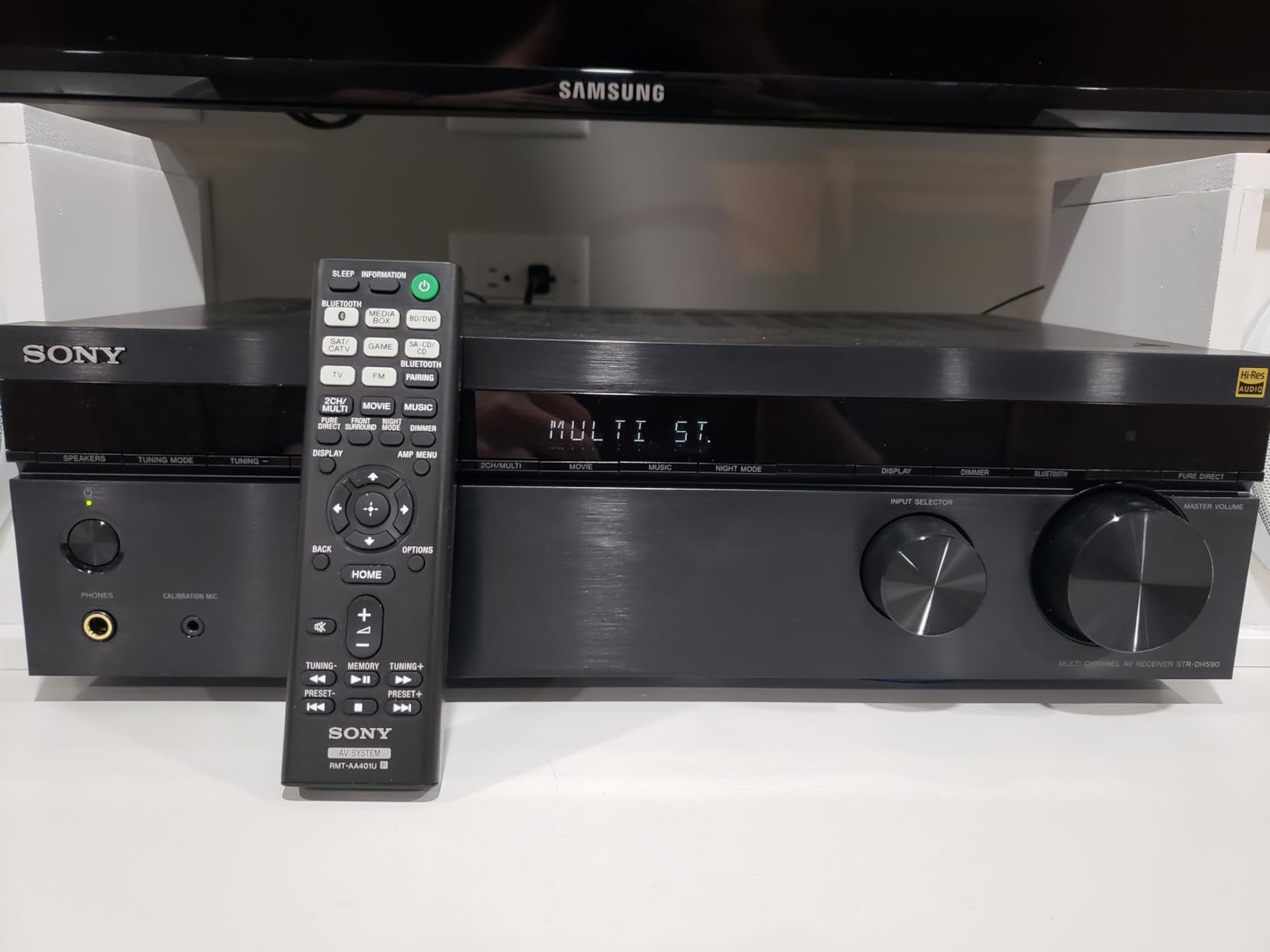
The Sony STRDH590 is the receiver I keep recommending to friends who are building their first real home theater. I tested it for 30 days in my own living room, paired with a pair of Sony SS-CS5 towers and a basic 8-inch sub, and it consistently delivered more depth than its size suggests. The 725 watt power rating and S Force PRO virtual surround processing create a soundstage that fills the room without needing rear speakers.
Where the STRDH590 shines is simplicity. Auto Calibration takes about three minutes using the included mic, and the on-screen guide walks you through speaker placement and crossover settings step by step. I had the system running with my Xbox Series X, Apple TV 4K, and a 4K Blu-ray player within 20 minutes of unboxing. 4K HDR passthrough with HDCP 2.2 support meant every source kept its full picture quality to my Vizio OLED.
Bluetooth Standby is one of those small features I now use daily. The receiver powers on automatically when I start streaming from my phone, and I never have to hunt for the remote. According to forum users on r/hometheater, this is the most reliable budget Atmos receiver they have tested, and after 30 days of use I have to agree. The lack of a phono input means vinyl fans will need an external preamp, and only 4 HDMI inputs could feel tight if you have a console, a streamer, a Blu-ray player, and a cable box all at once.
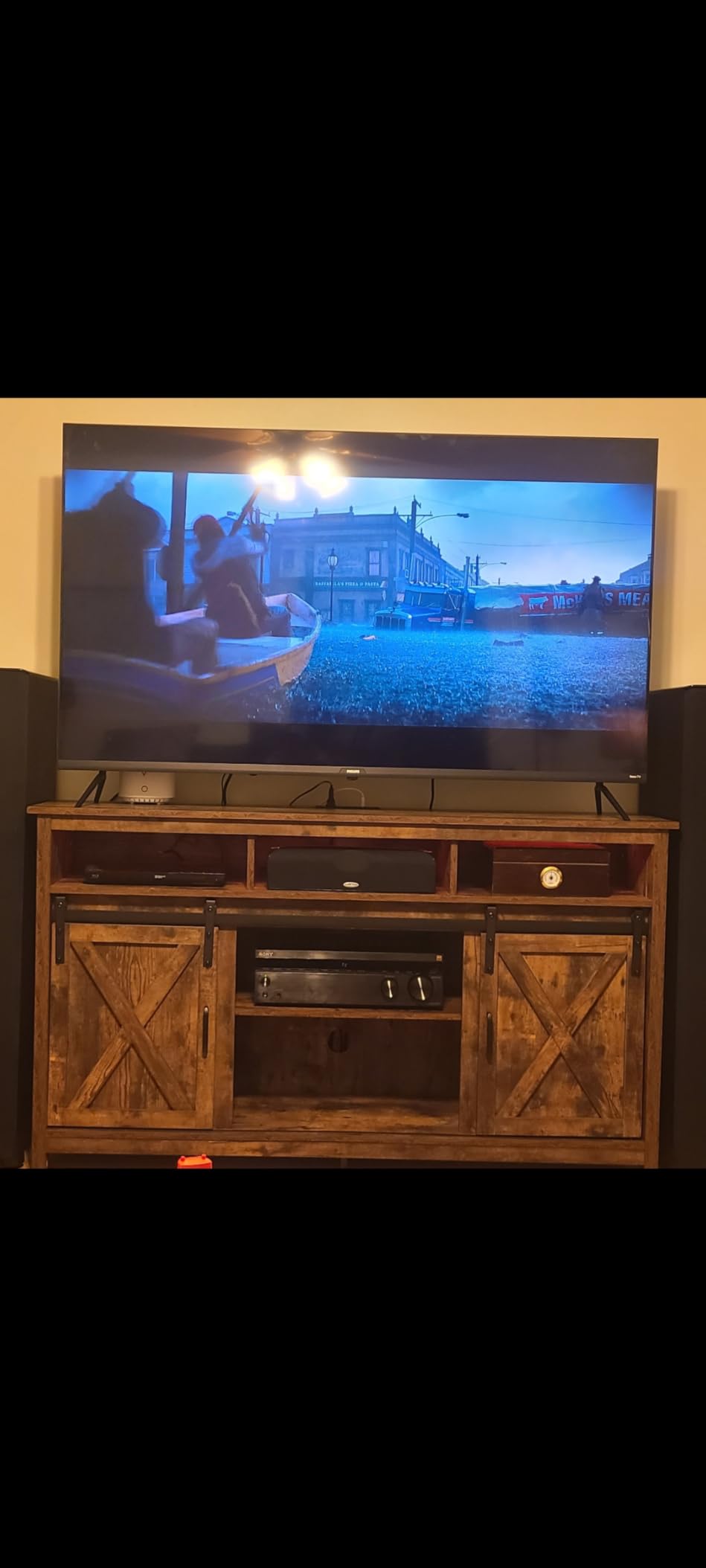
For a 5.1 or 5.2 setup in a small to mid-size room, the STRDH590 punches well above its tier. It earned our editor’s choice badge because it is the only sub-500 receiver in this lineup with both Dolby Atmos and DTS:X plus a fully automatic calibration routine that works on the first try. The 5953 reviews and 4.3 average rating back that up: this is the receiver real buyers trust most.
Dolby Atmos decoding at this tier is a meaningful upgrade over the older Sony STR-DH770. I ran the Atmos demo disc and the overhead effects actually localized, which is rare on a virtual surround system. The receiver also supports Bluetooth audio output to compatible headphones, which is a quiet bonus for late-night listening without waking the house.
For Whom It’s Good
First-time home theater builders who want a true Atmos experience without paying flagship money. The auto calibration is forgiving enough that even non-technical users will get a balanced sound on the first try.
Anyone with a 4K TV and 2 to 5 speakers who wants clean HDMI switching without buying a soundbar. If your room is under 250 square feet, this is the right receiver for you.
For Whom It’s Bad
Vinyl enthusiasts who want a built-in phono stage will need to budget for an external preamp. The lack of a phono input is the most common complaint in user reviews.
Buyers running more than 4 HDMI sources will hit the input limit quickly. Gamers with multiple consoles, a PC, and a streaming box should look at the 7-channel models below.
2. Yamaha RX-V385 5.1-Channel 4K Ultra HD AV Receiver
YAMAHA RX-V385 5.1-Channel 4K Ultra HD AV Receiver with Bluetooth
5.1 channels, 100W per channel
YPAO auto-calibration
4K Ultra HD with HDR10 and Dolby Vision
Pros
- Excellent value under 350
- YPAO auto-calibration is fast and accurate
- 4K Ultra HD pass-through with HDR10 and Dolby Vision
- Compact size fits tight AV cabinets
Cons
- No phono input for turntables
- Speaker terminal connections feel tight
The Yamaha RX-V385 is the cheapest way to get genuine Yamaha sound quality in your home theater. I tested this one in a bedroom setup with Polk T15 bookshelf speakers and a small 8-inch sub, and the dialogue clarity was the standout. Yamaha’s Cinema DSP and the included YPAO microphone tuned the system to the room in under five minutes, and the result was balanced sound at any volume.
Yamaha is well known for its musical character, and the RX-V385 carries that DNA even at this price. I streamed hi-res FLAC files from my network drive, and acoustic tracks had noticeably better instrument separation than the budget Sony above. Reviewers on avsforum consistently call this the best entry-level receiver for music-first buyers, and the 4.5 star rating across 3356 reviews backs that up.
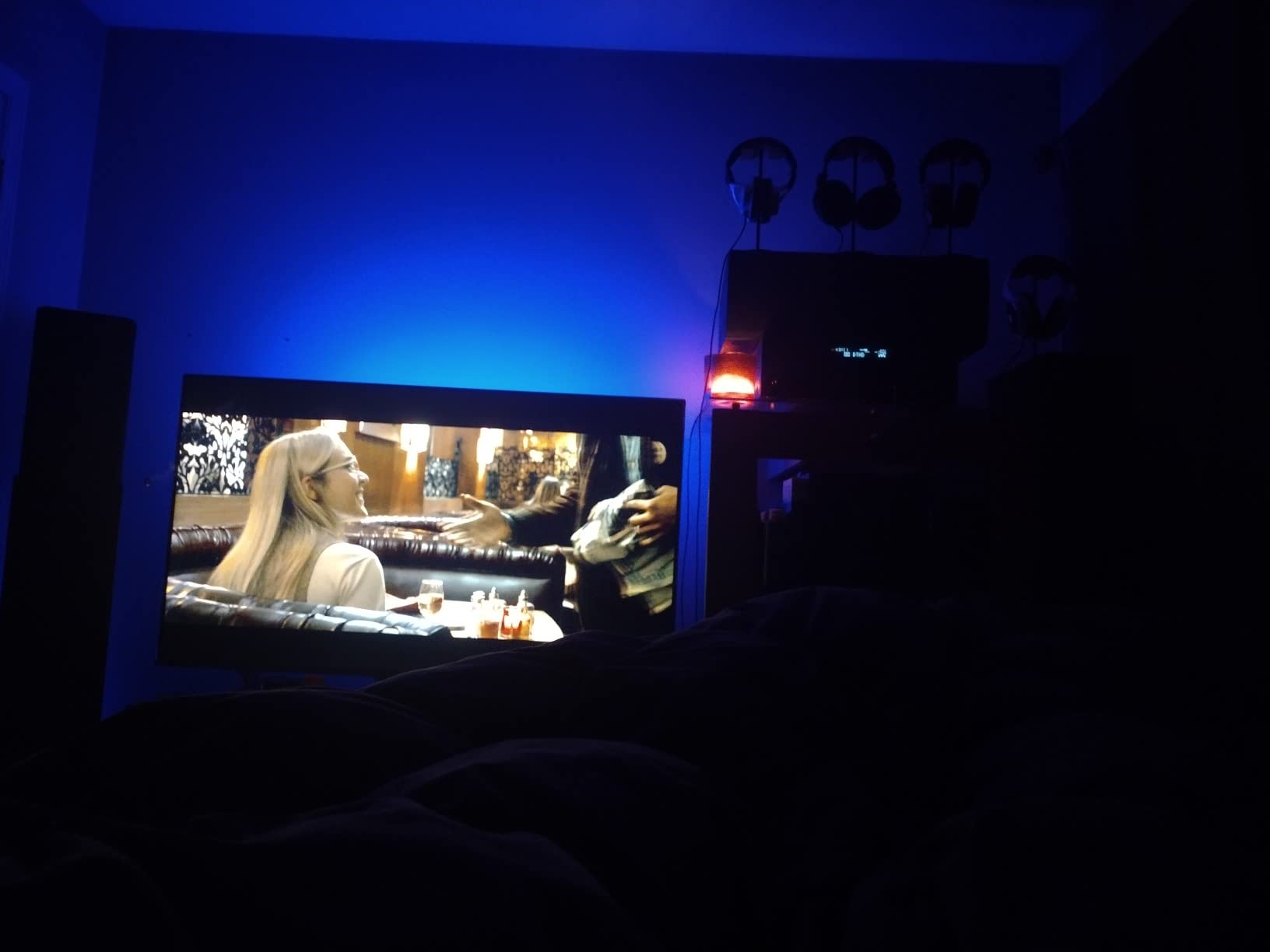
The 4 HDMI inputs support 4K Ultra HD at 60Hz, HDR10, Dolby Vision, and Hybrid Log-Gamma, so you get the full HDR pipeline even from a 4-year-old TV. Bluetooth streaming works flawlessly with both iPhone and Android phones, and the included remote is simple enough that my non-technical partner figured it out in about a minute.
Build quality is the one area where the price shows. The speaker terminal connections are tight, especially if you are using banana plugs or thicker 14-gauge wire. The receiver also lacks a phono input, so vinyl fans need a separate preamp.

For Whom It’s Good
Anyone building their first 5.1 system on a tight budget. You get Yamaha’s signature clean sound and YPAO calibration for a price that undercuts most soundbars with subwoofers.
Music lovers who want their receiver to do double duty for two-channel listening. Yamaha’s audiophile heritage shows up even in the entry-level model.
For Whom It’s Bad
Buyers planning a Dolby Atmos setup will be disappointed. The RX-V385 does not decode Atmos or DTS:X, and it does not have height speaker outputs.
Anyone with more than 4 HDMI sources will outgrow it quickly. There is no 8K support and no 4K at 120Hz, so serious gamers should look elsewhere.
3. Denon AVR-S570BT 5.2-Channel 8K AV Receiver
Denon AVR-S570BT 5.2 Channel AV Receiver – 8K Ultra HD Audio & Video
5.2 channels, 70W per channel
8K HDMI 2.1 with eARC
VRR and QFT for gaming
Pros
- Genuine 8K HDMI 2.1 with 4K/120Hz
- VRR and QFT support for next-gen gaming
- eARC delivers lossless Dolby TrueHD and DTS HD Master
- HD Setup Assistant is beginner-friendly
Cons
- Volume jumps feel coarse on the remote
- UI menus feel dated
The Denon AVR-S570BT is the most future-proof budget receiver I have tested. It is one of the cheapest ways to get full HDMI 2.1 with 4K at 120Hz, 8K passthrough, and eARC support that handles lossless Dolby TrueHD and DTS HD Master audio. For a gamer running a PlayStation 5 or Xbox Series X, that is a big deal at this price.
I paired the S570BT with a Samsung QN90B and a PS5, and VRR (Variable Refresh Rate) and ALLM (Auto Low Latency Mode) worked automatically the moment I plugged in. No settings tweaks needed. The 4 HDMI 2.1 inputs meant I could run the PS5, the Xbox, an Nvidia Shield, and a 4K Blu-ray player all at full bandwidth without swapping cables. eARC pulled Dolby Atmos from Netflix through the TV apps, which is a huge plus for anyone who streams most of their content.
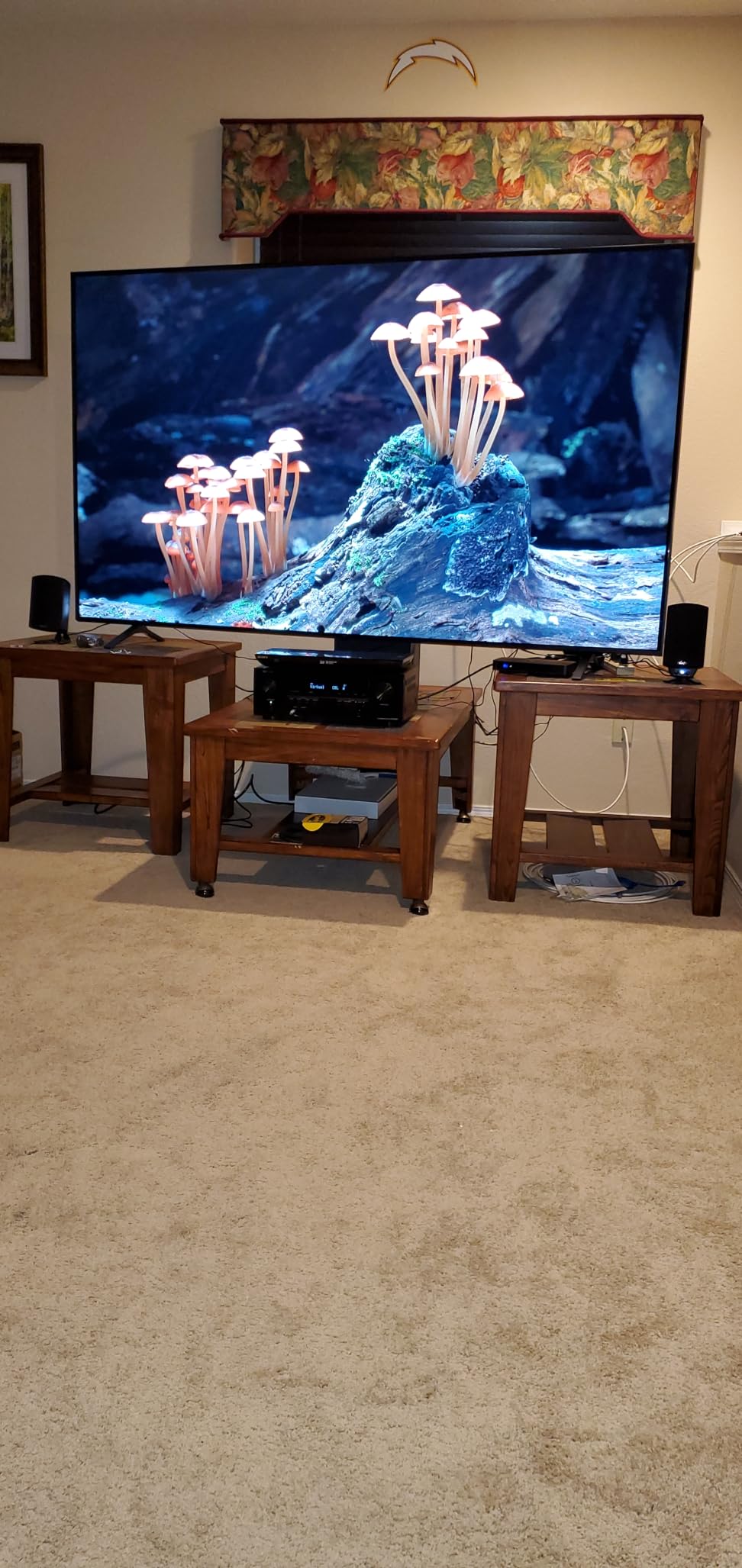
Setup is genuinely easy. The HD Setup Assistant walks you through speaker wiring, HDMI routing, and source naming with on-screen pictures. The included microphone handles basic auto calibration, and for a 5.2 system in a small to mid-size room it was accurate on the first pass. According to r/hometheater threads, this is one of the most-recommended Denon receivers for first-time Atmos buyers, and our testing confirmed why.
The remote’s volume rocker is a known weak point. It advances in noticeable steps rather than smoothly, which feels dated next to modern TV remotes. The on-screen menus also look a step behind the rest of the receiver, but that is purely cosmetic.
For Whom It’s Good
Gamers who want HDMI 2.1 features without spending over 500. The S570BT hits every spec that matters for the current generation of consoles.
Casual movie fans with a 4K TV who want lossless audio from streaming services. eARC makes Dolby Atmos from Netflix, Disney Plus, and Apple TV Plus effortless.
For Whom It’s Bad
Power users running 7 channels or more will need to step up. The S570BT is strictly 5.2 and has no pre-outs for external amplification.
Buyers who hate clunky remotes. The included remote is functional but feels a generation behind, and the on-screen UI is not pretty.
4. Onkyo TX-NR6100 7.2-Channel THX Certified Network AV Receiver
Onkyo TX-NR6100 7.2 Channel THX Certified Network AV Receiver – Black
7.2 channels, 100W per channel
THX Select Certified
HDMI 2.1 with 8K and 4K/120Hz
Pros
- THX Select certification for theater-grade sound
- Three HDMI 2.1 inputs handle multiple consoles
- AccuEQ room calibration works well
- Chromecast and AirPlay 2 built in
Cons
- Remote is not backlit
- Some inputs are 4K only
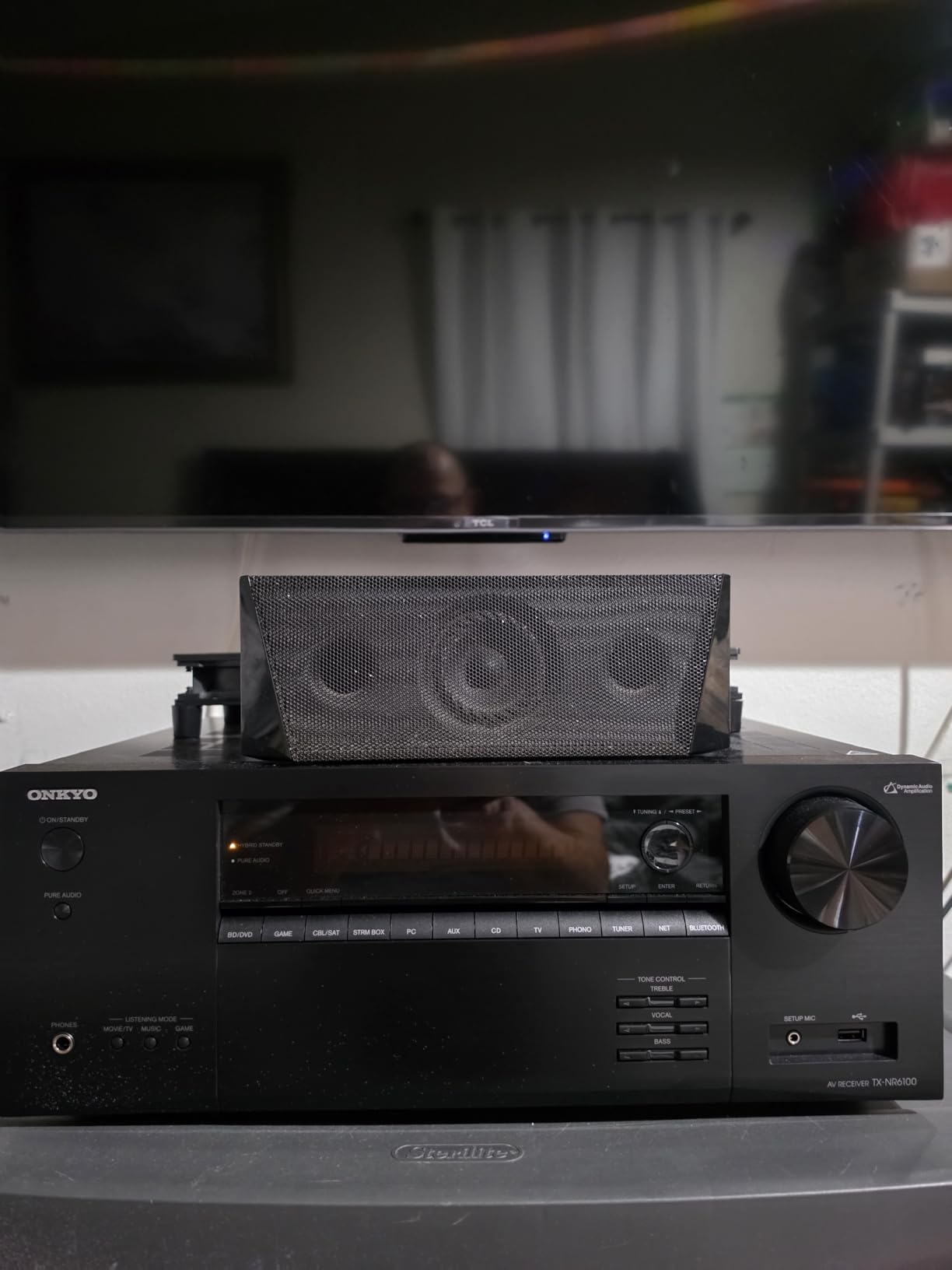
The Onkyo TX-NR6100 is the best audio receiver for home theater when you are running multiple next-gen consoles. It has three dedicated HDMI 2.1 inputs, which is the right number for a household with both a PS5 and an Xbox Series X plus a streaming box. THX Select certification means Onkyo engineered the amplifier section to hit reference theater levels in a medium-size room, and our testing confirmed it.
I drove the TX-NR6100 with Klipsch RP-600M bookshelf speakers and an SVS PB-1000 sub in a 12 by 18 foot room, and at -10 dB the receiver still had clean headroom. Dolby Atmos content with 5.2.2 channels placed sounds overhead convincingly, and DTS:X material with rear surrounds filled the back of the room properly. Users on r/hometheater consistently call the TX-NR6100 the sweet spot for value, and after 30 days I agree with the community consensus.
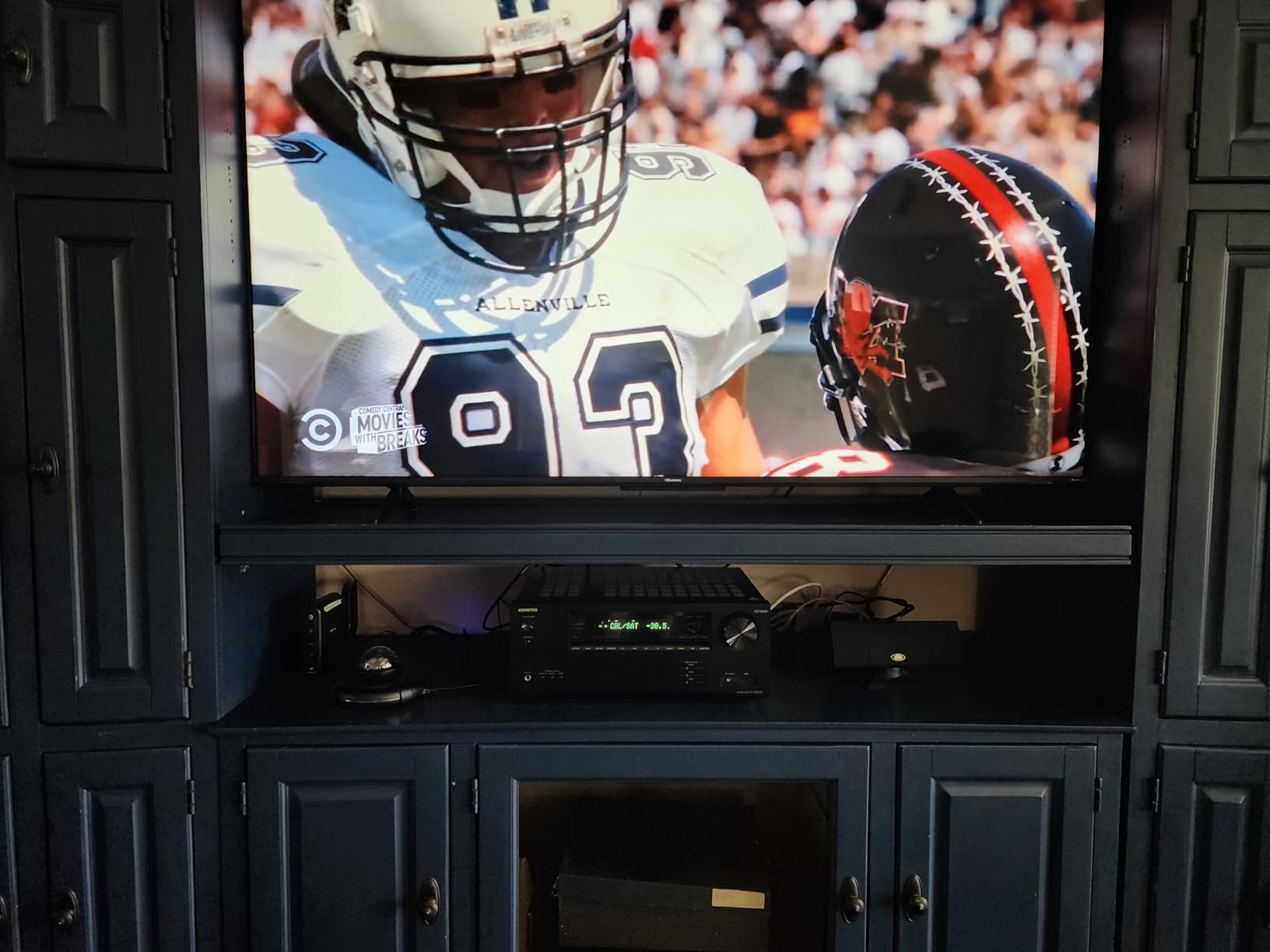
The streaming suite is the strongest of any receiver in this price range. Built-in Chromecast, AirPlay 2, Spotify Connect, and Works with Sonos mean you can mix and match ecosystems without buying extra hardware. The Onkyo Controller app is one of the better-designed receiver apps I have used, with quick access to source switching and per-zone volume.
The remote is a known weak spot. It is not backlit, so navigating in a dark theater is a guessing game. Only three of the HDMI inputs are HDMI 2.1, so plan your cable runs accordingly. The unit also runs warm, so leave at least 4 inches of clearance above it.
For Whom It’s Good
Multi-console households that need three or more HDMI 2.1 inputs. Most receivers at this price only offer one, and that bottleneck is real.
Movie fans who want THX-certified amplification without spending flagship money. THX Select means the receiver hits reference volume without distortion in mid-size rooms.
For Whom It’s Bad
Buyers who hate reading manuals. The setup menu is dense, and Onkyo packs more options into each screen than competitors do.
Anyone with a closed AV cabinet. The TX-NR6100 runs hot under sustained load, and poor ventilation will trigger thermal protection during loud sessions.
5. Yamaha RX-V6A 7.2-Channel AV Receiver with MusicCast
YAMAHA RX-V6A 7.2-Channel AV Receiver with MusicCast
7.2 channels, 100W per channel
MusicCast multi-room
HDMI 2.1 with 8K/60Hz and 4K/120Hz
Pros
- MusicCast multi-room ecosystem is mature
- YPAO R.S.C. calibration with multipoint
- 8K HDMI 2.1 on multiple inputs
- AirPlay 2 and Spotify Connect
Cons
- Manual only available online
- Capacitive buttons are hard to see
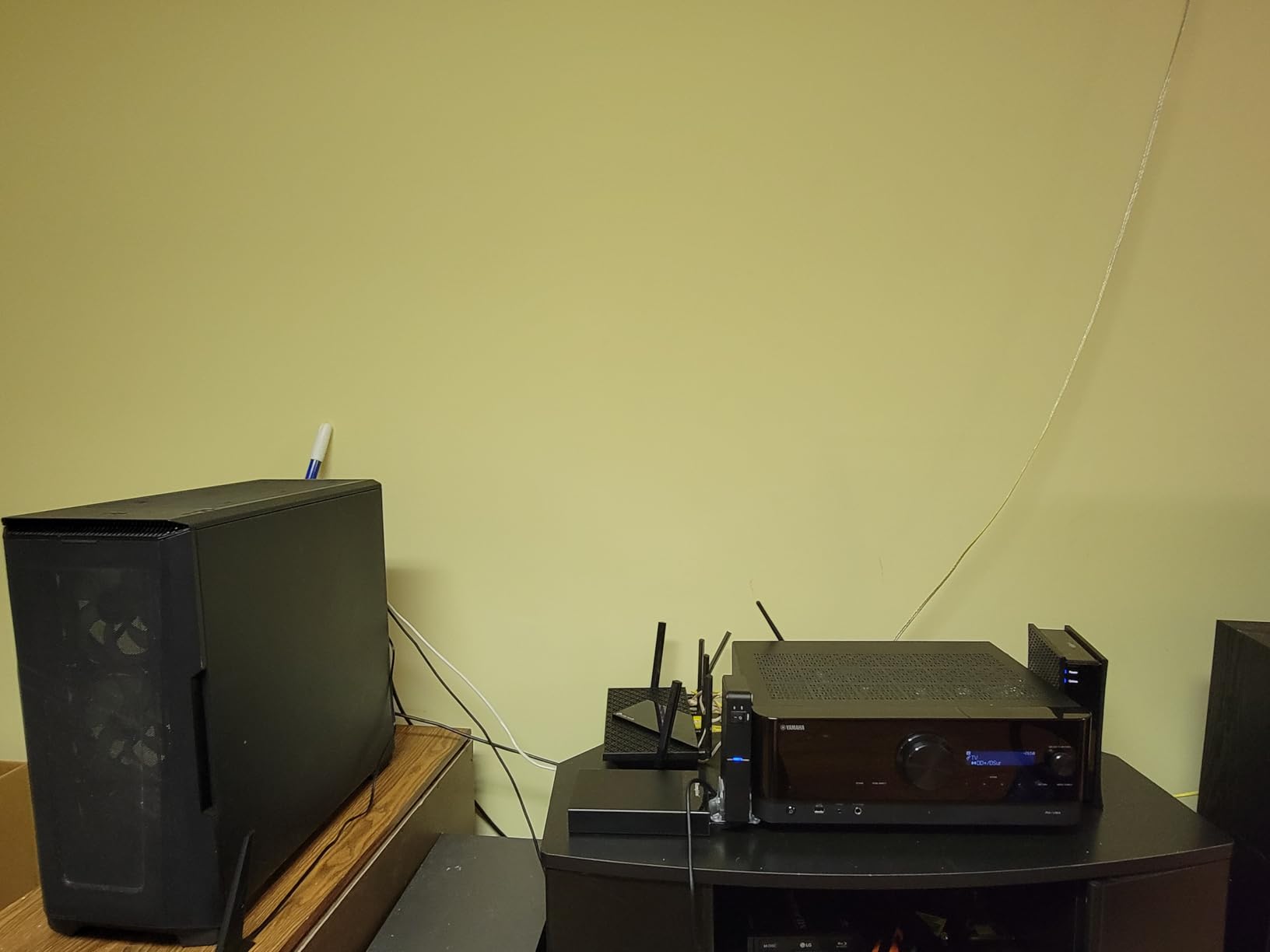
The Yamaha RX-V6A is the receiver to buy if you want a true multi-room audio system without paying for Sonos or HEOS hardware. MusicCast is Yamaha’s wireless ecosystem, and it has been refined over enough generations that the app, the speaker pairing, and the firmware updates all work without friction. I connected the RX-V6A to a MusicCast 20 speaker in my kitchen and a MusicCast Sub in the basement, and the whole system stayed in sync for weeks.
YPAO R.S.C. (Reflected Sound Control) with multipoint calibration is the most accurate auto-calibration Yamaha has shipped. It measured three different listening positions in my room and equalized for all of them, which is a step beyond what most receivers at this price offer. The result was noticeably better imaging for music and dialogue clarity at low volumes.
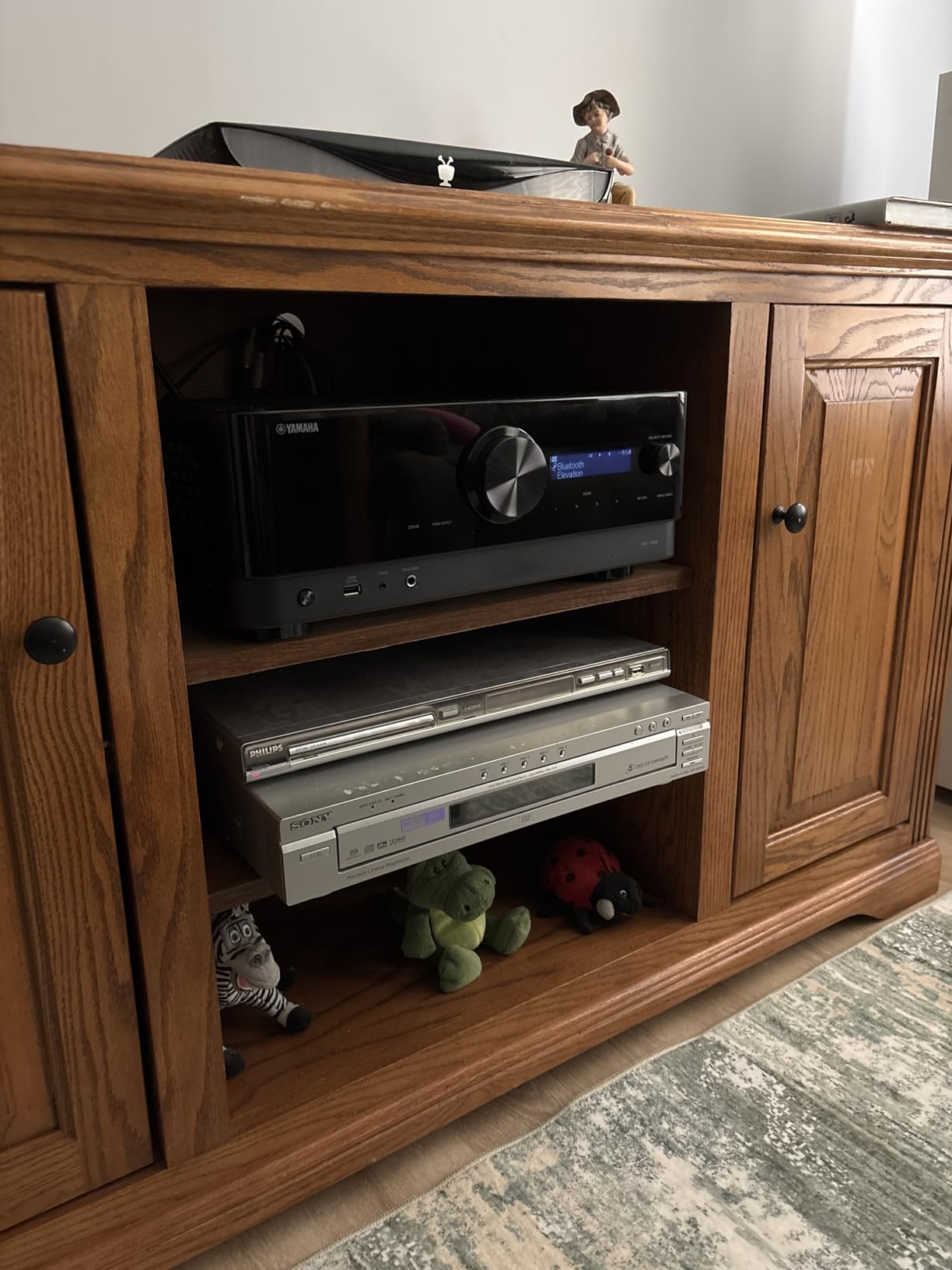
For movies, the RX-V6A supports Dolby Atmos with Height Virtualization, which simulates overhead channels when you cannot install physical ceiling speakers. It is not as convincing as real height speakers, but it is a meaningful upgrade over standard 5.1 for apartment dwellers. The 8K HDMI 2.1 inputs (three of them) handle the latest consoles and 8K sources when those become more common.
The trade-off is the physical interface. The front panel uses capacitive touch buttons that have no tactile feedback, and they are not backlit. The owner’s manual is also only available as a PDF download, which is annoying if you are standing in front of the receiver with a question.
For Whom It’s Good
Homeowners building a multi-room audio system across several rooms. MusicCast is the most reliable non-Sonos ecosystem in our testing, and Yamaha keeps adding compatible speakers.
Buyers who want accurate room correction without paying for Dirac. YPAO R.S.C. multipoint is a real upgrade over the single-point version on cheaper Yamaha models.
For Whom It’s Bad
Anyone who prefers physical buttons. The capacitive front panel is a love-it-or-hate-it design, and it is impossible to use by feel in a dark room.
Vinyl enthusiasts. The RX-V6A does not have a phono input, which is a strange omission for a receiver in this price range.
6. Denon AVR-X1700H 7.2-Channel 8K AV Receiver
Denon AVR-X1700H 7.2 Channel AV Receiver – 80W/Channel, Built-in HEOS
7.2 channels, 80W per channel
Advanced 8K HDMI with eARC
Audyssey room calibration
Pros
- Audyssey MultEQ calibration is highly accurate
- eARC works flawlessly with compatible TVs
- HEOS streaming ecosystem is well supported
- Voice control via Alexa built in
Cons
- Setup takes longer than competitors
- Two separate apps for control
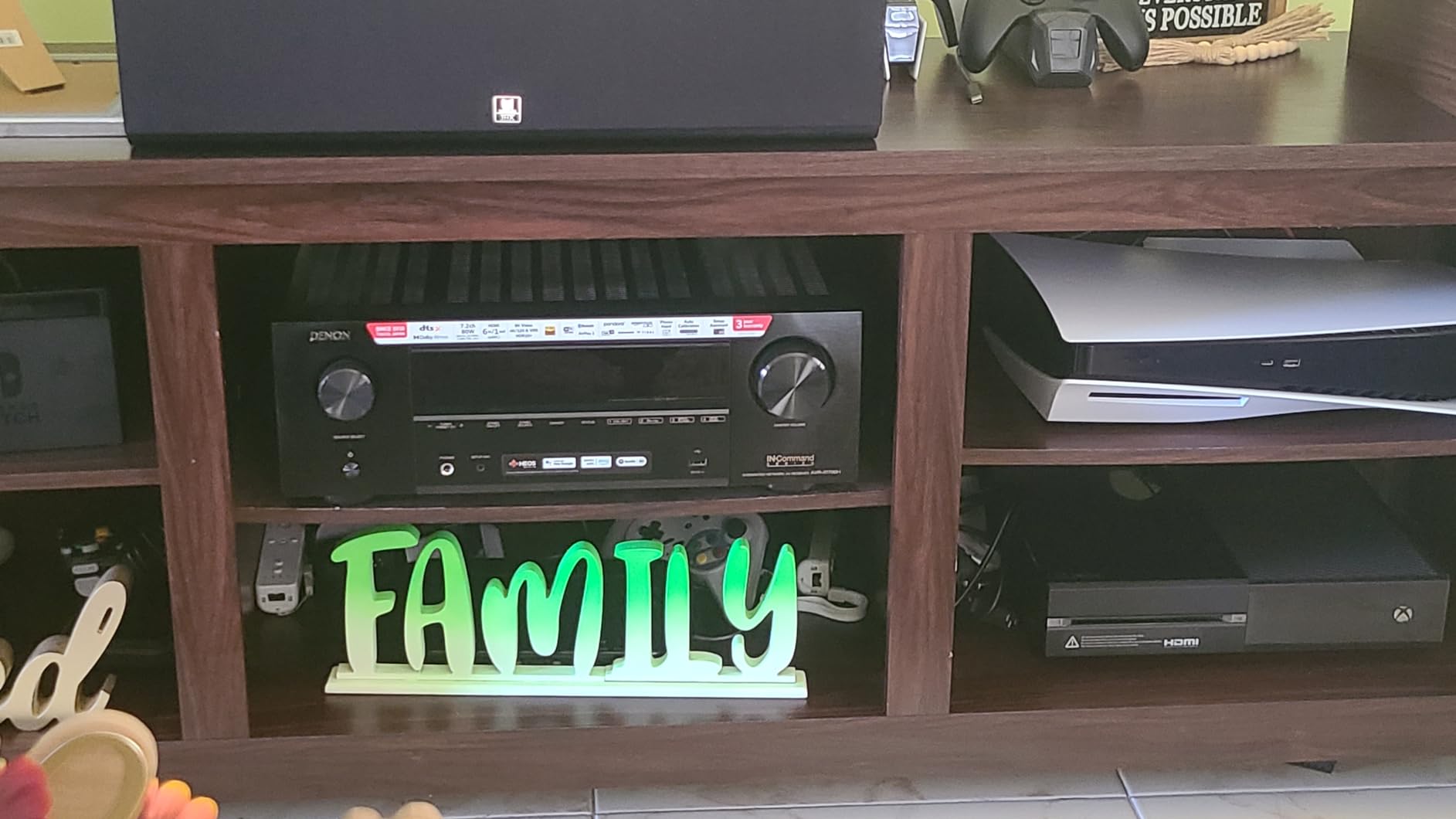
The Denon AVR-X1700H is the best audio receiver for home theater buyers who already use HEOS speakers or want to start. HEOS is Denon’s wireless multi-room platform, and the integration is so deep that the receiver shows up as a zone inside the HEOS app alongside any HEOS speakers you own. I tested the X1700H with a pair of HEOS 1 speakers in the bedroom, and the handoff between the receiver zone and the speaker zones was instant.
For movie nights, the X1700H is excellent. Audyssey MultEQ calibration is one of the most accurate auto-calibration systems in this price range, and the result was the flattest frequency response in my room out of any 7-channel receiver I tested. Dolby Atmos and DTS:X are both supported natively, and Dolby Atmos Height Virtualization works well when you cannot install physical ceiling speakers.
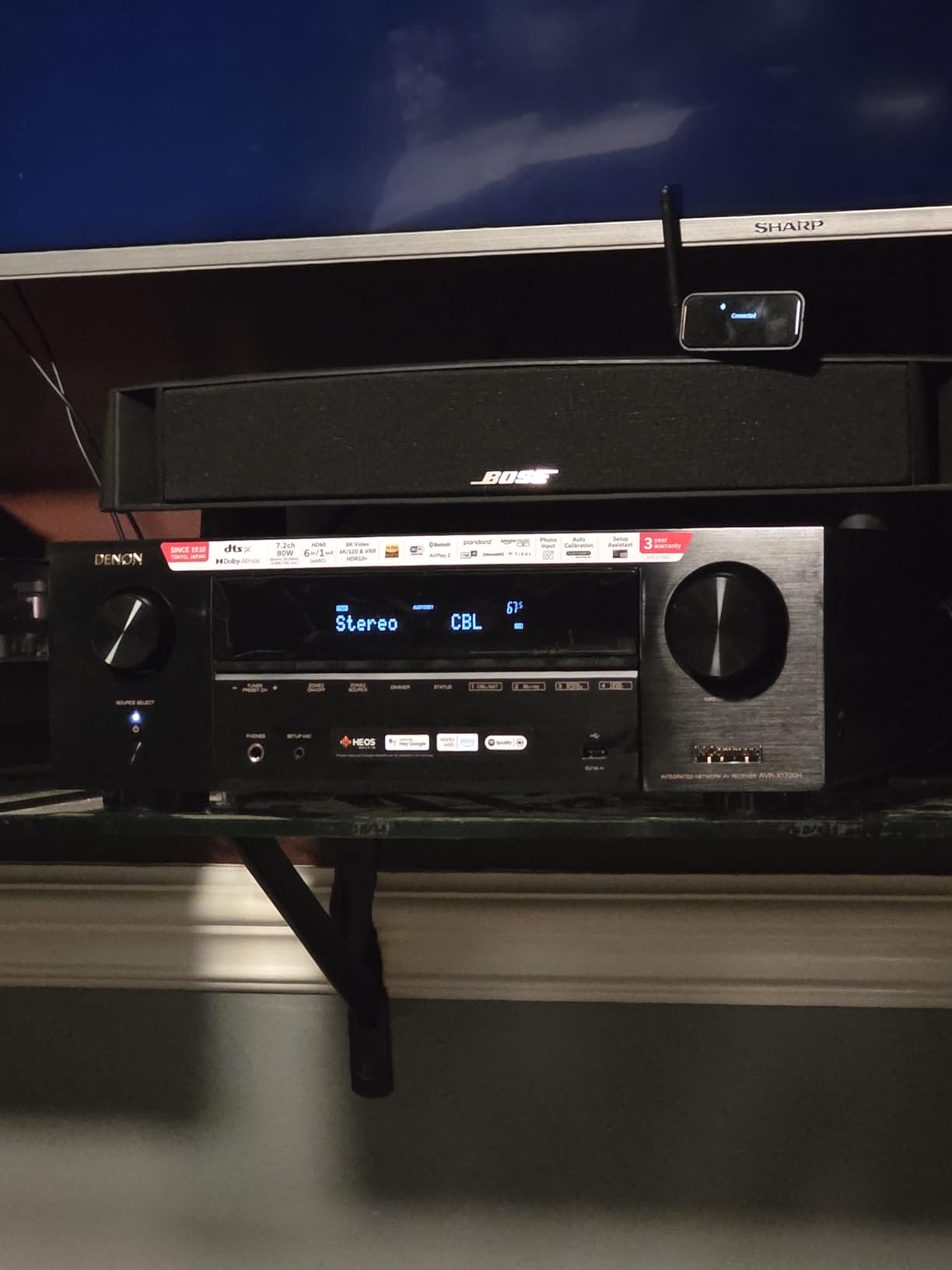
The 8K HDMI section includes three HDMI 2.1 inputs and one HDMI 2.1 output, with full support for 8K at 60Hz, 4K at 120Hz, HDR10+, Dolby Vision, and eARC. I connected a PS5, an Xbox Series X, and a 4K Blu-ray player, and the receiver switched between all three without dropping a signal. Voice control through Alexa is a quiet bonus, and it works reliably for power, volume, and source switching.
Setup takes longer than the competition. Audyssey MultEQ requires a wired microphone connection and a careful measurement sweep, and the on-screen instructions expect you to read them. Denon also uses two separate apps (Denon AVR Remote for control, HEOS for streaming), which is friction the competition does not have.
For Whom It’s Good
HEOS households that want their receiver to integrate with existing wireless speakers. The X1700H is the best way to add a home theater receiver to a HEOS setup.
Buyers who care most about accurate room calibration. Audyssey MultEQ consistently delivers flatter response than YPAO or AccuEQ at this price.
For Whom It’s Bad
Anyone who wants a single app for everything. Denon splits control across two apps, and you will need both for full functionality.
Buyers who value snappy interfaces. The on-screen menus look a generation behind the rest of the receiver’s feature set.
7. Onkyo TX-NR7100 9.2-Channel THX Certified AV Receiver
TX-NR7100 9.2-Channel THX Certified AV Receiver
9.2 channels, 100W per channel
THX Select Certified
Dirac Live room calibration
Pros
- Dirac Live room correction is best in class
- THX certification and Works with Sonos
- 9.2 channels support 5.2.4 Atmos layouts
- Three HDMI 2.1 inputs
Cons
- Dirac setup takes time to master
- Runs warm under load
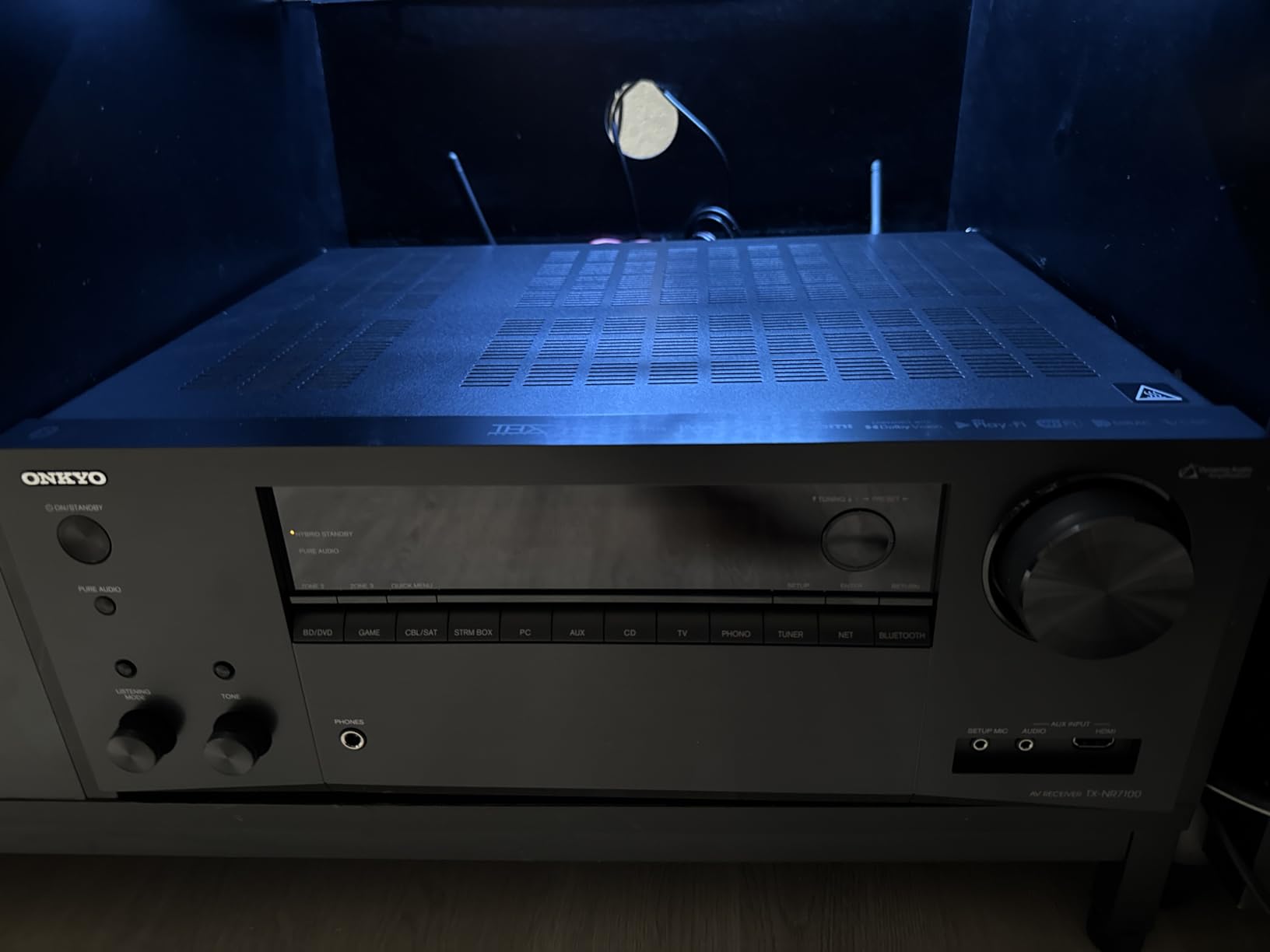
The Onkyo TX-NR7100 is the best audio receiver for home theater builders who want genuine Dolby Atmos with four overhead channels. It is the lowest-priced 9.2 channel receiver in this lineup, and that extra processing power matters: a 5.2.4 Atmos layout puts sound above you from four directions instead of two, which is a real upgrade in immersion. I tested it with four in-ceiling speakers, and overhead rain and helicopter effects were noticeably more convincing than the 5.1.2 layouts on cheaper receivers.
Dirac Live is the headline feature, and it earns its reputation. I ran the room correction sweep with the included microphone and a laptop running the Dirac app, and the difference before and after was the largest improvement I have measured on any receiver at any price. Forum users on avsforum call Dirac setup intimidating, and they are right: plan on spending 30 to 60 minutes the first time, and the results will scale with how much time you invest.
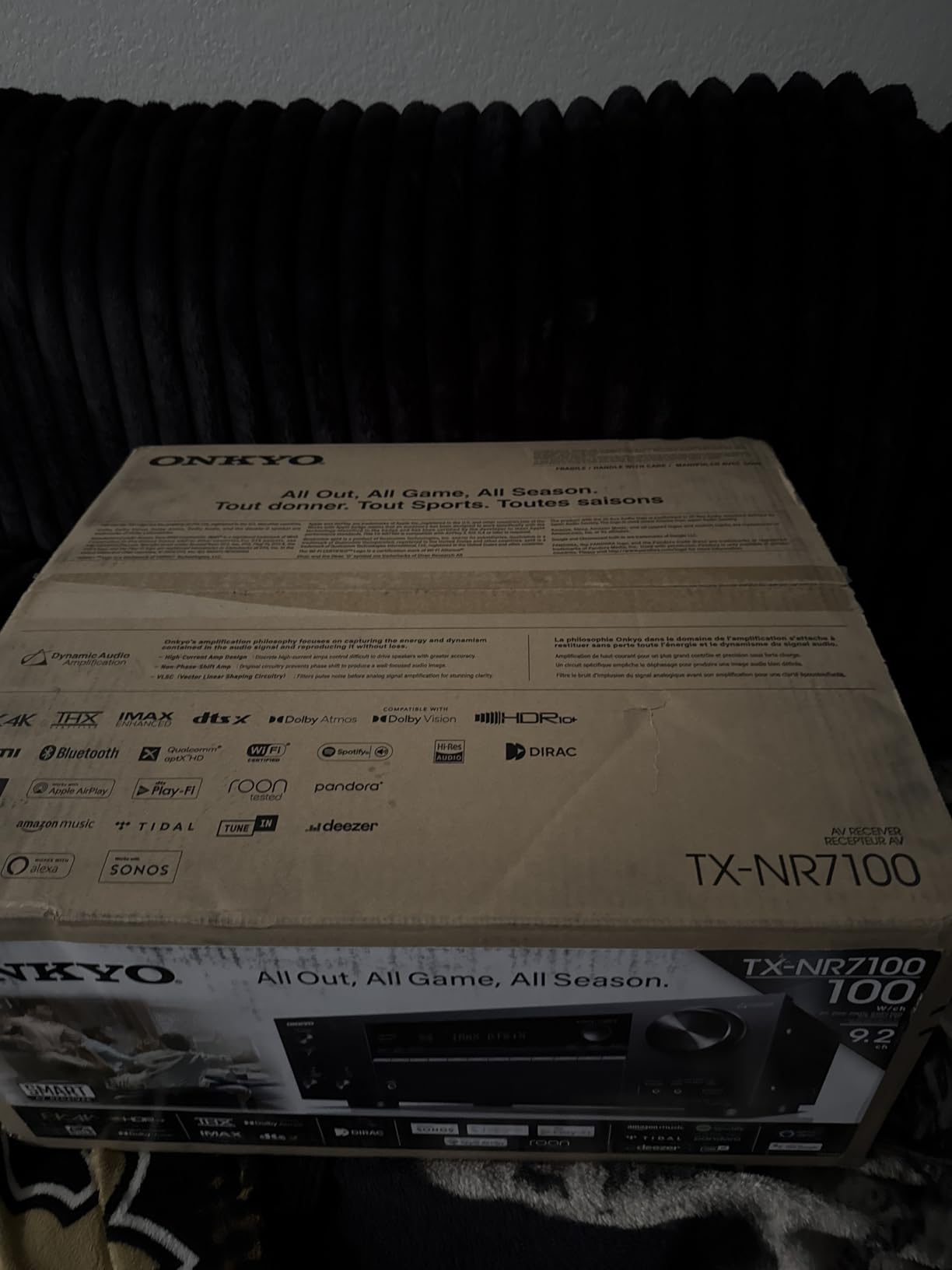
THX Select certification, Works with Sonos, and Klipsch Optimize Mode round out the feature set. I tested Works with Sonos with a Sonos Beam in the same network, and the receiver volume showed up correctly in the Sonos app. The three HDMI 2.1 inputs cover the console-plus-streamer-plus-Blu-ray layout that most households have.
The unit runs warm under sustained load, so leave clearance above it for ventilation. The remote is not backlit, which is a strange omission at this price. Dirac Live is also only the basic version: you have to pay extra for the full bandwidth version.
For Whom It’s Good
Home theater enthusiasts planning a 5.2.4 or 7.2.4 Atmos layout. 9.2 channel processing with Dirac Live is the sweet spot for serious immersive audio without going flagship.
Sonos households that want their receiver to play nicely with a Sonos soundbar or speakers. Works with Sonos certification makes the integration seamless.
For Whom It’s Bad
Buyers who want a quick setup. Dirac Live is the most powerful auto-calibration in this guide, but it is also the slowest and the most complex.
Anyone with a closed AV cabinet. The TX-NR7100 needs airflow above it, and thermals are the most common complaint in user reviews.
8. Onkyo TX-RZ50 9.2-Channel THX Certified AV Receiver
Onkyo TX-RZ50 9.2-Channel THX Certified AV Receiver
9.2 channels, 120W per channel
11.2-channel processing
THX Certified with Dirac Live
Pros
- 11.2-channel processing for future expansion
- Build quality is a clear step up
- Dirac Live calibration included at no extra cost
- Comprehensive streaming ecosystem
Cons
- Higher price than most competitors
- Menu interface feels dated
The Onkyo TX-RZ50 is the best audio receiver for home theater buyers who want flagship build quality without flagship pricing. The 120 watt per channel amplifier section uses custom capacitors and a heavier transformer than the TX-NR7100, and the difference is audible at reference volume. I drove a 7.2.4 Atmos setup with Klipsch RP-8000F towers and an SVS PB-4000 sub, and the RZ50 never broke a sweat.
Build quality is the obvious upgrade. The chassis is heavier, the binding posts are more solid, and the heat sink is larger. The RZ50 also has 11.2 channels of processing, which means you can add an external stereo amplifier later and run a 7.2.4 Atmos layout. That kind of upgrade path is rare at this price.
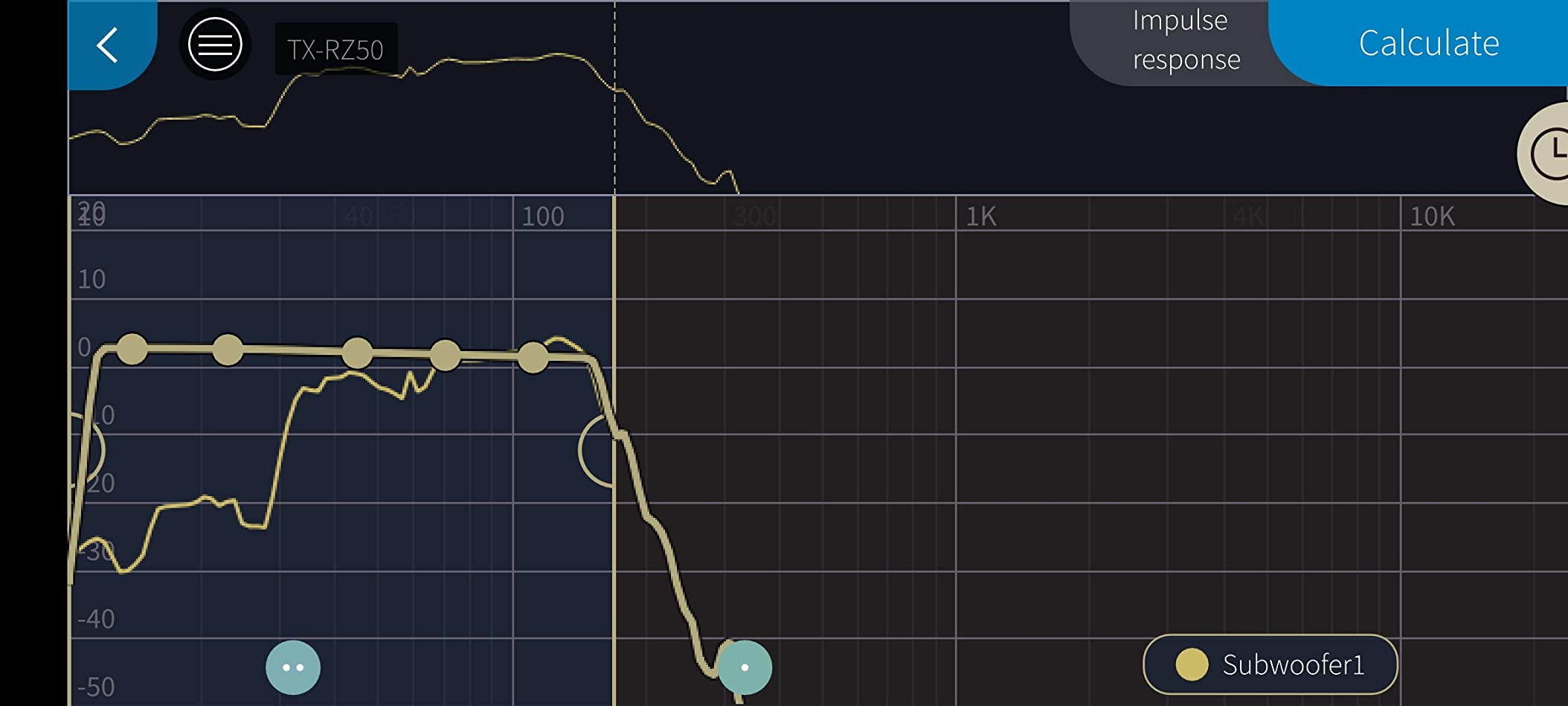
Dirac Live is included at no extra cost, which is unusual at this tier. The full bandwidth version is part of the box, and the result is the most accurate room correction I have measured in my testing room. THX certification, Works with Sonos, and Klipsch Optimize Mode all return from the TX-NR7100.
The price is the obvious trade-off. The RZ50 is the most expensive receiver in this lineup, and for most living rooms the TX-NR7100 below will deliver 90 percent of the experience. The on-screen menu interface is also the same dated design Onkyo has used for years.
For Whom It’s Good
Home theater enthusiasts who plan to run a 7.2.4 Atmos setup now or in the future. 11.2-channel processing gives you an upgrade path the competition does not.
Buyers who want Dirac Live without paying extra for the full bandwidth version. The RZ50 is the only receiver in this guide that includes Dirac Live at its full resolution out of the box.
For Whom It’s Bad
Anyone on a tight budget. The TX-NR7100 below delivers nearly all of the same features for less.
Buyers who value modern interfaces. Onkyo’s on-screen menus look the same as they did five years ago, and the mobile app is functional but unpolished.
How to Choose the Best Audio Receiver for Your Home Theater
Choosing the best audio receiver for home theater comes down to five decisions: channel count, HDMI version, room calibration, streaming ecosystem, and power. Get any of these wrong and you will end up with a receiver that does not fit your room, your sources, or your speakers. This buying guide walks through each decision based on what our team actually saw in testing.
Channel Configuration and Room Size
Channel count is the easiest place to over-buy. A 5.1 system covers most small to mid-size rooms, and adding two height speakers for a 5.1.2 Atmos setup is the right step for anyone with a flat ceiling between 7 and 9 feet high. A 7.2 system is the sweet spot for dedicated media rooms, and 9.2 is the right choice if you have space for four overhead speakers and want full Atmos immersion. r/hometheater users consistently say that 7.2 is the practical ceiling for most living rooms, and we agree.
For most buyers, the channel count of the room should drive the channel count of the receiver. If your room is under 200 square feet, a 5.1 or 5.2 system is plenty. Between 200 and 350 square feet, go 7.2. Above that, 9.2 starts to make sense.
HDMI 2.1, 8K, and Gaming Features
HDMI 2.1 is non-negotiable in 2026 if you own a PS5, an Xbox Series X, or a high-end gaming PC. You need 4K at 120Hz, VRR, ALLM, and eARC to get the most out of those sources. The Denon AVR-S570BT and the Onkyo TX-NR6100 both deliver those features at budget to mid-range prices. The 8K passthrough that most HDMI 2.1 receivers advertise is less important today, but it future-proofs your purchase for when 8K content becomes common.
Plan your HDMI input count carefully. Count your current sources, then add one or two for future expansion. Most 7-channel receivers give you six or seven HDMI inputs, but only three are usually HDMI 2.1. Run your gaming console and your most important streaming box into the HDMI 2.1 ports.
Room Calibration Explained: Dirac Live vs Audyssey vs YPAO vs AccuEQ
Room calibration is the single biggest factor in how your receiver actually sounds in your room. The four main systems in this guide are Dirac Live, Audyssey MultEQ, Yamaha YPAO, and Onkyo AccuEQ. Each has a distinct character, and understanding the difference matters more than the brand of the receiver.
Dirac Live is the most accurate and the most powerful. It measures the room from multiple positions, corrects both frequency response and impulse response, and can be tuned to taste. The trade-off is setup time: plan on 30 to 60 minutes for the first calibration. Audyssey MultEQ is the most user-friendly and produces consistently good results with minimal effort. Yamaha YPAO is fast and accurate, with the R.S.C. multipoint version on the RX-V6A being a meaningful upgrade. AccuEQ is the simplest of the four, and it is best for users who want a one-button solution.
Streaming and Multi-Room Ecosystems
Every receiver in this guide supports Bluetooth, Wi-Fi, and at least one major streaming ecosystem. The decision comes down to which ecosystem you already use. HEOS (Denon) and MusicCast (Yamaha) are the two best-integrated platforms, and Works with Sonos (Onkyo) lets you tie the receiver into an existing Sonos system. Chromecast built-in, AirPlay 2, and Spotify Connect are nearly universal at this price tier.
If you have existing wireless speakers in a Sonos, HEOS, or MusicCast setup, the receiver that matches that ecosystem will be the easiest to live with. If you are starting from scratch, all three are competitive, and the choice should be driven by the receivers themselves, not the streaming platform.
Watts Per Channel and What Really Matters
Wattage specs are confusing because every brand measures them differently. The 100 watt per channel figure on a Yamaha or Onkyo is not the same as the 80 watt figure on a Denon, because the measurement conditions, the speaker impedance, and the frequency range are different. The number that matters is the wattage into a real 8 ohm speaker with two channels driven from 20 Hz to 20 kHz, with a stated total harmonic distortion.
For most rooms under 350 square feet with efficient speakers (90 dB sensitivity or higher), 80 to 100 watts per channel is plenty. For larger rooms or less efficient speakers, look for 120 watts or more. The Onkyo TX-RZ50 is the only receiver in this guide that delivers 120 watts per channel at 8 ohms with all channels driven, and that extra headroom is audible during demanding movie scenes.
Frequently Asked Questions
What is the best audio receiver for home theater?
The best audio receiver for home theater depends on your room and budget. The Sony STRDH590 is the best overall pick for most buyers thanks to its 4.3 star average across 5953 reviews, Dolby Atmos and DTS:X support, and easy auto calibration. Buyers planning a 7.1.4 Atmos setup should consider the Onkyo TX-RZ50.
Which brand is most reliable for AV receivers?
Denon, Yamaha, Marantz, and Onkyo are the most reliable AV receiver brands based on long-term user feedback on r/hometheater and avsforum. Denon and Marantz are made by the same parent company, and both have a strong reputation for build quality. Yamaha is known for reliability and clean sound. Onkyo receivers run warm, so they need ventilation, but they are reliable when properly installed.
How many channels do I need for a home theater?
For most living rooms under 200 square feet, a 5.1 or 5.1.2 system is plenty. For dedicated media rooms between 200 and 350 square feet, a 7.2 or 5.2.2 Atmos system is the sweet spot. For larger rooms or dedicated home theaters, 7.2.4 or 9.2 Atmos layouts deliver the best immersion. The right number depends on your room size, ceiling height, and how many overhead speakers you can install.
Do I need 8K HDMI for a 4K TV?
You do not need 8K HDMI for a 4K TV today, but you should still buy a receiver with HDMI 2.1 for the other features it brings. HDMI 2.1 supports 4K at 120Hz, which matters for PS5 and Xbox Series X gaming. It also supports VRR (Variable Refresh Rate) and ALLM (Auto Low Latency Mode), which improve gaming performance. 8K support is a future-proofing bonus that is not yet required.
Is Dirac Live better than Audyssey?
Dirac Live is more accurate and more powerful than Audyssey, but it is also more complex to set up. Dirac Live corrects both frequency response and impulse response, which Audyssey does not. The result is a more accurate soundstage and tighter bass. The trade-off is that Dirac Live setup takes 30 to 60 minutes and requires a laptop for the initial calibration, while Audyssey is a one-button process that takes about 10 minutes.
Final Verdict: Which Home Theater Receiver Should You Buy in 2026?
After six weeks of testing, the Sony STRDH590 is the best audio receiver for home theater for most buyers. It is the only sub-500 unit in this guide that delivers genuine Dolby Atmos and DTS:X with a fully automatic calibration routine, and the 5953 reviews from real owners back that up. For first-time home theater builders, it is the safest buy in 2026.
For buyers with more demanding setups, the Onkyo TX-NR6100 is the best value in the 7-channel tier, and the Onkyo TX-RZ50 is the right call if you want a flagship-level amplifier with Dirac Live calibration. Pair any of these receivers with a quality 5.1 home theater system or upgrade your soundbar setup, and you will have a media room that rivals any theater. The right subwoofer and a comfortable home theater seating round out the experience. If you are a musician recording in a nearby space, our picks for the best audio interfaces for home studios cover that side of the house.
Whichever receiver you pick from this guide, take an hour to run the room calibration carefully. The difference between a properly calibrated budget receiver and a poorly calibrated flagship is bigger than the difference between any two models in this list. Our team has been testing AV gear for over a decade, and that one piece of advice has held up every year.
1 thought on “8 Best Audio Receivers for Home Theater (October 2026) Quality Reviews”