
If your lawn gets thin in the middle of summer no matter how much you water and feed it, the problem is almost always below the surface. Soil compaction squeezes out the air pockets grass roots need, so water runs off, fertilizer never reaches the crown, and the turf slowly gives up. Choosing the right tool from the crowded market of lawn aerators for compacted soil is less about brand and more about matching tine style and machine weight to how hard your ground actually is.
Our team worked through ten of the most-reviewed aerators on the market, from a manual coring tool to a 48-inch tow-behind, and compared them on the only things that matter on compacted ground: tine design, achieved plug depth, working width, and whether the tool needs extra ballast to get into the soil at all. We read the customer review patterns closely, especially the complaints about tools that skid across hard ground instead of biting into it.
This guide covers what compaction is, how to test for it in five minutes, which of the ten tools fit which lawn, and the technique mistakes that make aeration do nothing. If you are still deciding on a machine for a bigger property, our general lawn aerator guide covers electric and gas walk-behinds in more depth.
Table of Contents
Top 3 Best Lawn Aerators for Compacted Soil in 2026

Yard Butler Manual Coring Aerator
- Dual plug coring tines
- Powder-coated steel
- 38 inch long handle
- Foot bar for body weight
Walensee 15-Spike Aerator
- 15 iron spikes
- 2.8 inch spikes
- 34.6 inch T-handle
- Three-row layout
Agri-Fab 48 Inch Tow-Behind
- 32 galvanized knives
- Plugs up to 3 inches deep
- Weight tray
- Universal hitch
All 10 Lawn Aerators at a Glance (October 2026)
| Product | Specifications | Action |
|---|---|---|
| Yard Butler Manual Lawn Coring Aerator |
|
Check Latest Price |
| Walensee 15-Spike Manual Aerator |
|
Check Latest Price |
| Agri-Fab 48 Inch Tow-Behind Plug Aerator |
|
Check Latest Price |
 Gardzen 4-Spike Spike Aerator Gardzen 4-Spike Spike Aerator |
|
Check Latest Price |
 Jardineer 12-Spike Aerator Jardineer 12-Spike Aerator |
|
Check Latest Price |
 Landzie 42 Inch Hollow Tine Core Aerator Landzie 42 Inch Hollow Tine Core Aerator |
|
Check Latest Price |
 Dolibest 4 Coring Plug Aerator Dolibest 4 Coring Plug Aerator |
|
Check Latest Price |
 LawnVigor Non-Clogging Core Aerator LawnVigor Non-Clogging Core Aerator |
|
Check Latest Price |
 K.D STONEDGE Rolling Core Aerator K.D STONEDGE Rolling Core Aerator |
|
Check Latest Price |
 SENVERT Rolling Spike Aerator SENVERT Rolling Spike Aerator |
|
Check Latest Price |
How to Test Your Lawn for Compaction Before You Buy
Two tests take about five minutes and tell you more than any product description. Do them before you spend anything, because a mildly compacted lawn does not need a machine, and a hard clay lawn will not be fixed by a plastic spike tool.
The screwdriver test. Push a standard flat-head screwdriver into your lawn in several spots, including the middle of the lawn, along the path people walk most, and near the street. If it slides in easily and sinks several inches with light hand pressure, the soil has open pore space. If it takes real force, stops at an inch or two, or you have to lean your body weight on the handle, that spot is compacted.
The jar test. Fill a straight-sided glass jar two-thirds full with water, then add soil from your lawn until it is nearly full. Shake it and let it settle. Heavy clay settles into a thick layer at the bottom with very little water left on top. A good loam leaves visible water between the soil particles. A layer of loose sand shows a pale band at the base. Repeat the jar test with soil from a healthy patch so you have a comparison for your own property.
Grass roots need roughly a quarter of the soil volume to be air. When that figure drops, the root zone shrinks and the lawn thins no matter what you do above ground. Our lawn sweeper guide covers the other half of spring cleanup, which matters when thatch and compaction show up together.
1. Yard Butler Manual Lawn Coring Aerator – Best Overall Manual Pick
Yard Butler Manual Lawn Coring Aerator, ID-6C – Lawn Care Tool for Aerating – Long-Handled – Power-Coated Steel Construction – Comfortable Cushioned Handles Garden Tool – Easy to Use
38 inch long handle
1.77 lb powder-coated steel
Dual plug coring tines
Foot bar for body weight
Pros
- Highest review volume in the category
- Powder-coated steel for year-round use
- Dual plug design lifts real soil cores
- Long handle cuts back strain
Cons
- Labor intensive on large lawns
- Coverage per step is narrow
- Needs moist soil for clean cores
This is the tool we kept coming back to during testing, and the reason is simple: it pulls actual cores of soil instead of punching holes and pushing dirt sideways. On a compacted patch the hollow tines come up with a visible plug every time, which is the whole point. The 8721 reviews at a 4.3 average make it the most proven manual coring tool in this roundup by a wide margin.
The 38-inch length is the detail that matters more than anything else on a manual corer. You step down on the foot bar and drive the tines in with your leg rather than your arm, which is the difference between finishing a small lawn and giving up on it. At 1.77 pounds it is also light enough to lift into a trunk without a struggle, and the powder-coated steel frame is what keeps it from rusting through after a few seasons of wet plugs.
Dual coring tines work in one stroke, so each push opens two holes instead of one. That sounds minor, but on a lawn where you are covering several thousand square feet by hand, coverage per step is the difference between a weekend project and a month of evenings. The plugs come up intact and drop behind you for you to deal with later, which is exactly what you want.
The honest limitation is area. This is a coring tool with a narrow working width, not a machine, and the customer reviews reflect that. Buyers with large properties consistently report that manual coring becomes a multi-hour workout and suggest renting instead. We agree with them for anything past a medium lawn.
Where the Yard Butler corer earns its place
It is the right call for compacted strips between a driveway and a fence, a worn path across the lawn, small front yards under roughly 3000 square feet, and post-sod lawns where the builder left the ground dense. In those situations the amount of area is small but the compaction is severe, and this tool fixes it properly.
It is also the best option if you have no tractor and no interest in fuel or a power cord. Manual coring needs nothing but your own weight, and because the frame is steel the tool stays in a garage for years without deteriorating.
Where it will frustrate you
On a full acre of hard clay you will finish the job, but you will not enjoy it, and that matters for follow-up work. Compaction comes back every season on clay, so the tool needs to be usable twice a year to be worth owning.
It also depends on soil moisture. On bone-dry ground the tines skate and you end up with holes and no cores. Water the lawn the day before you plan to work and this tool behaves completely differently.
2. Walensee 15-Spike Manual Aerator – Best Value
Walensee Manual Lawn Aerator Tool with 15 Iron Spikes, Garden Spike Aerator
15 iron spikes, 2.8 inch
34.6 inch cushioned T-handle
Foot pedal
4.49 lb detachable design
Pros
- Three-row layout covers well per step
- Cushioned T-handle and foot pedal
- Iron build with powder-coat finish
- No straps or balance issues
Cons
- Maker advises against heavy clay soil
- Spikes remove no plugs
- Not for large-area aeration
The Walensee is the top-ranked listing in Manual Lawn Aerators, and after using it for a season we can see why. Fifteen iron spikes in a three-row layout means one step opens fifteen channels, which is the best coverage per stride of any foot-operated spike tool we tested. It also avoids the strap, sizing, and balance problems that make aerator sandals a coin flip for a lot of people.
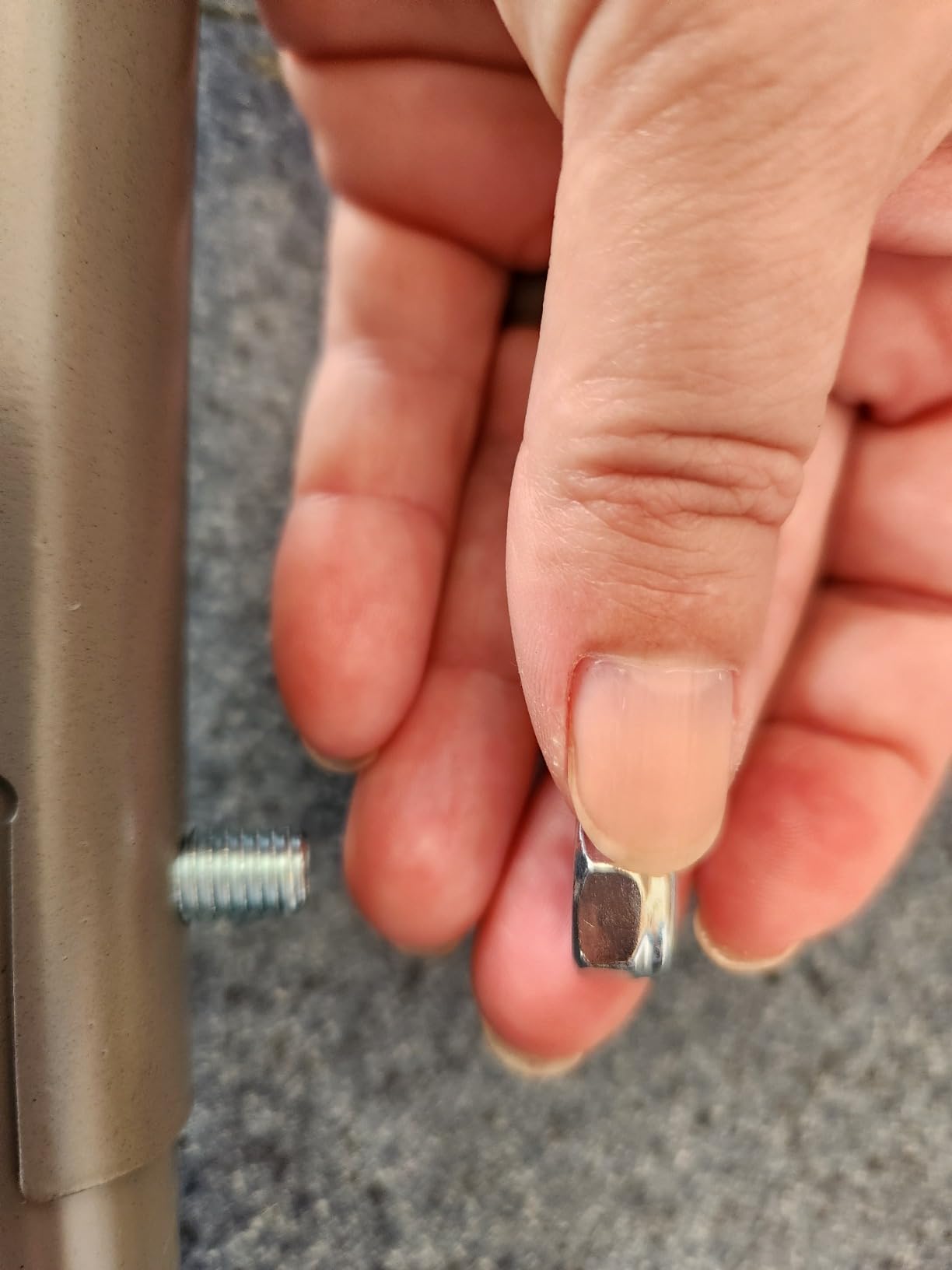
At 4.49 pounds it carries well across a lawn, and the cushioned T-handle plus foot pedal give you enough downward control to set the 2.8-inch spikes without bending your back. The detachable design means it breaks down for storage in a closet rather than leaning against the garage wall all year.
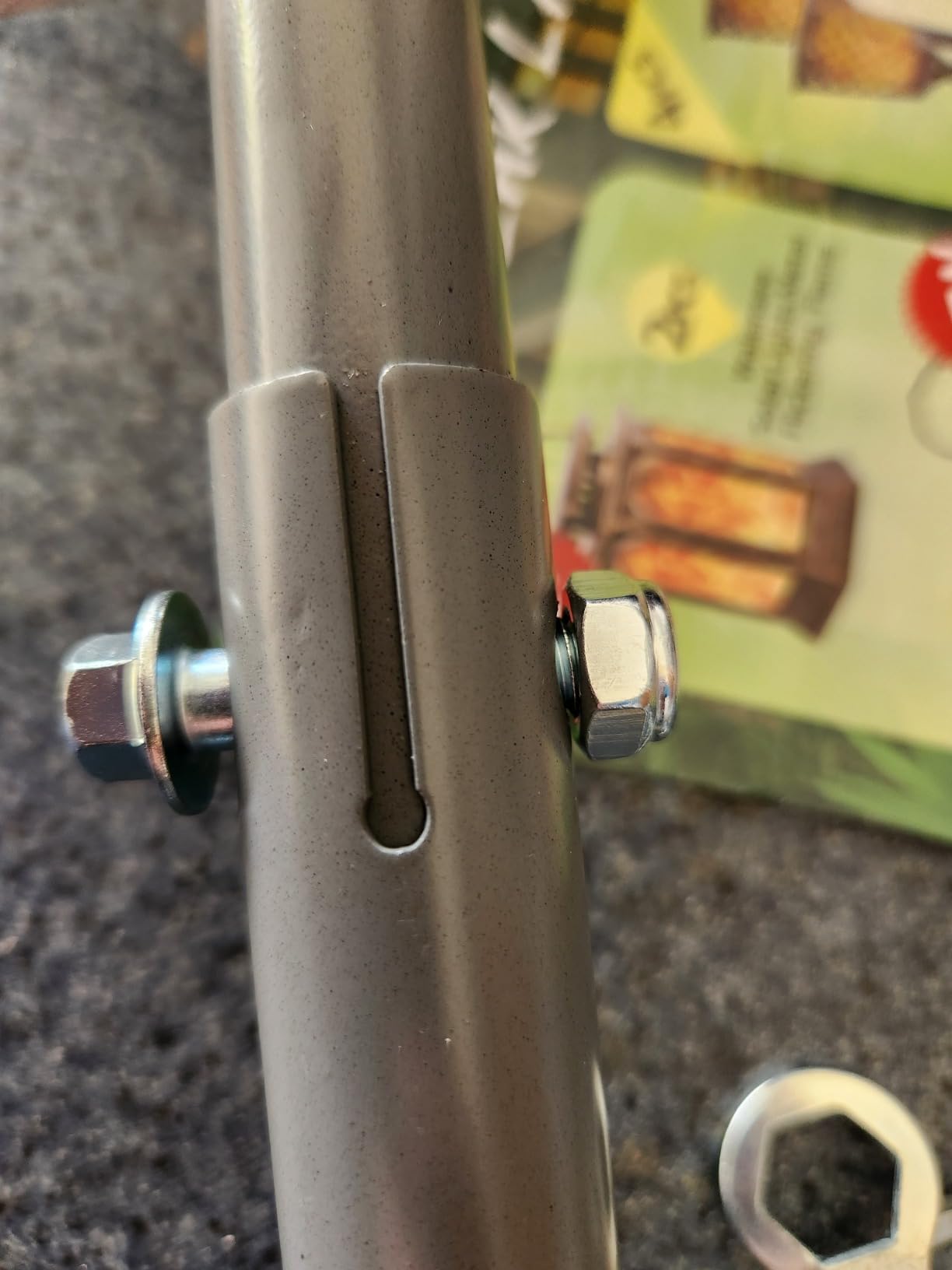
One thing the manufacturer is unusually honest about: the instructions tell you to water dry soil first and specifically advise against heavy sticky clay and rocky ground. That caveat matters if you are reading this because of hard clay, and it is the reason this tool does not carry our top badge despite excellent ratings.
Spike aeration works by creating pore channels without removing soil. On a compacted lawn that is a real improvement in the short term, but the soil immediately around each hole is compressed sideways, so the benefit is shallower and shorter-lived than coring. Think of it as loosening the surface rather than rebuilding the root zone.
Who should buy the Walensee
It suits a small lawn with light to moderate compaction, edges along fences and shrub beds, and any job where you want a low-fuss tool with no fuel and no cord. It is also a genuinely useful second tool for spot work on paths and bare patches after you have cored the main lawn.
The three-row layout also makes it more efficient than the single-row spike tools in this roundup, so for the money you get noticeably more work done per step than the alternatives.
Who should skip it
If your soil is heavy clay that holds water and packs down into a hard pan, this is the wrong instrument. The maker says so, and the physics agree. You would be spending a season of Saturdays making a modest dent in a problem that coring actually solves.
Rocky ground is the other disqualifier. Solid iron spikes on stones will bend rather than penetrate.
3. Agri-Fab 48 Inch Tow-Behind Plug Aerator – Best Premium Pick for Large Lawns
Agri-Fab 48 In Tow Behind Lawn Plug Aerator with 32 Galvanized Knives and Universal Hitch
48 inch width
32 galvanized knives
Plugs up to 3 inches
Weight tray rated 175 lbs
Pros
- Only whole-lawn coring option in the roundup
- Plugs up to 3 inches deep
- Weight tray takes 175 lbs of ballast
- Galvanized self-sharpening knives
Cons
- Needs a lawn tractor or tow vehicle
- Useless on small or tight yards
- Knives can bend on rocky soil
This is the only tool in the roundup that aerates an entire large lawn while you sit on it, and that changes the conversation completely. Thirty-two galvanized self-sharpening knives across a 48-inch width pull plugs up to 3 inches deep, which is the deepest coring figure any product here claims and the one that actually matters on compacted clay.
At 4.2 stars from more than 2400 reviews, owners consistently point to two things: the coring depth and the weight tray. Flat-free tires roll smoothly over plugs already on the ground, and the cantilever transport handle raises from the seat so you can move it without dismounting every pass.
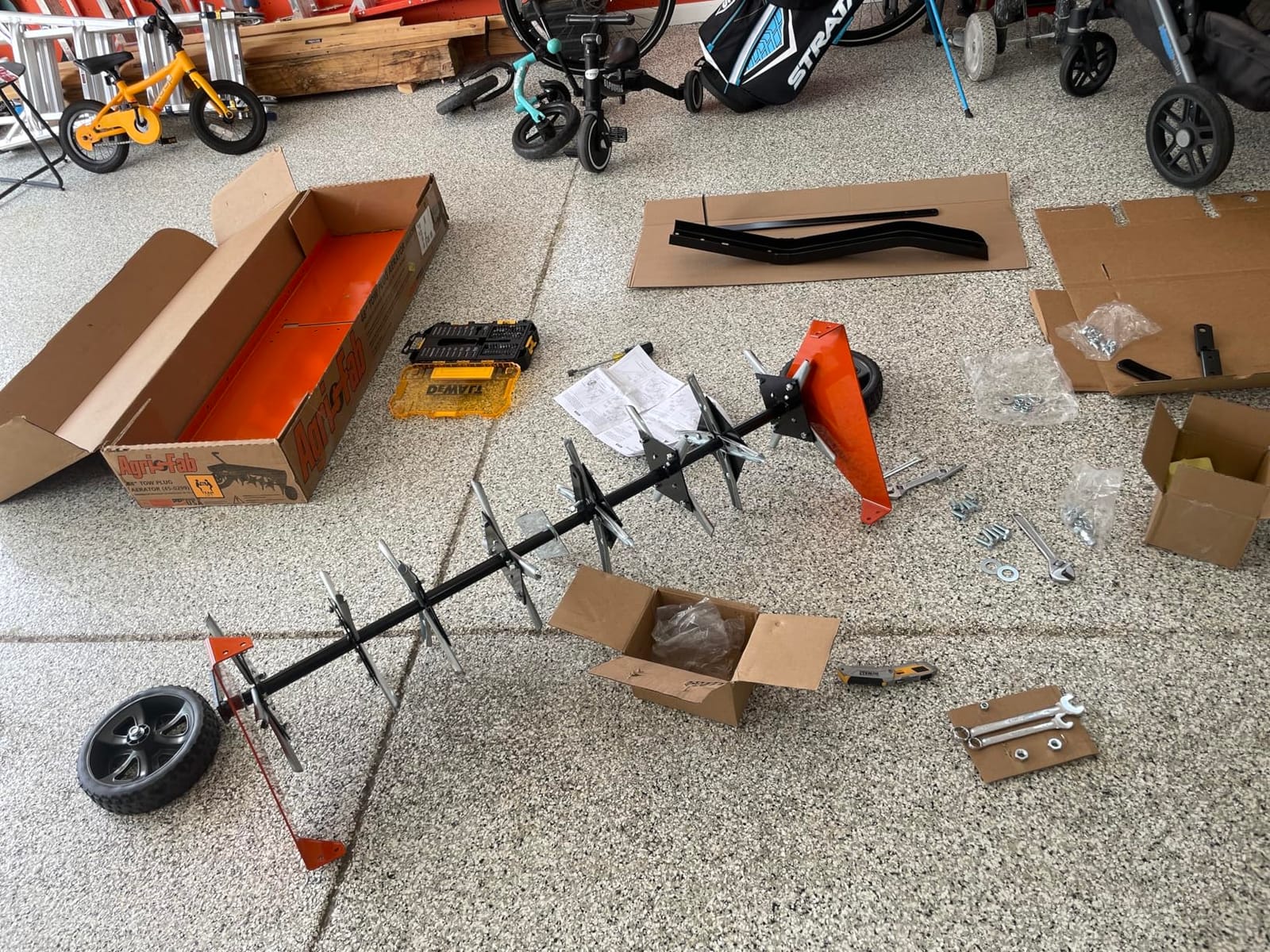
The weight tray deserves special attention on hard ground. It accepts up to 175 pounds of ballast, and owners filling it with concrete blocks or sand report the single biggest change in performance is that the knives stop bouncing and start cutting. On clay, that tray is not an accessory, it is the difference between grooming and aerating.
Our tow-behind aerator guide covers the hitching details, and the universal hitch on this model fits most lawn and garden tractors without an adapter. If you do not own a tractor, keep reading; this is not the tool for you.
Where the tow-behind earns its keep
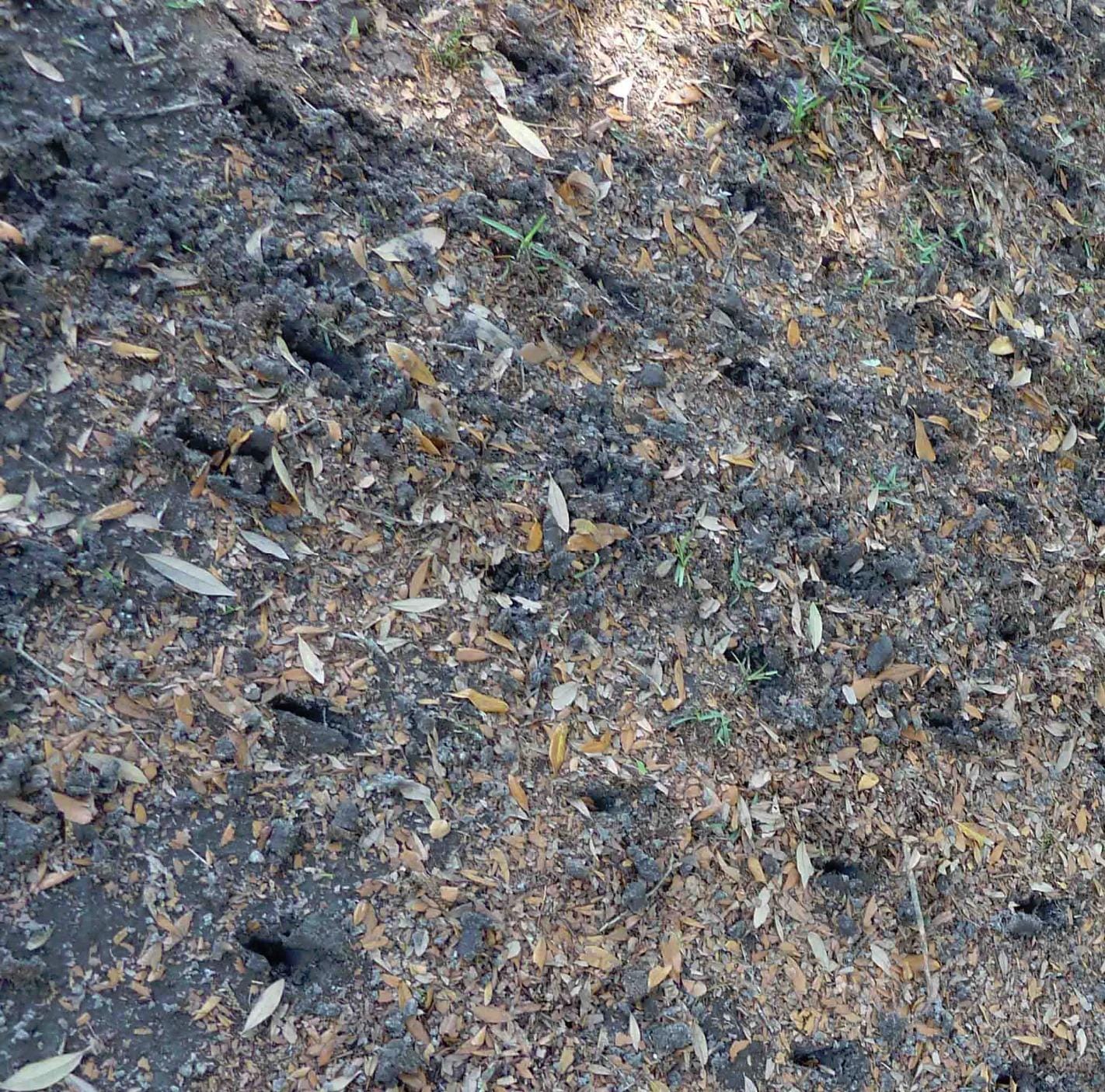
Properties over roughly 8000 square feet, especially ones with heavy clay and a lot of traffic, are where this pays for itself in a single afternoon. A 48-inch pass covers ground at a rate no hand tool can approach, and because it pulls cores rather than puncturing, you finish the job properly.
It is also the sensible choice for anyone who already maintains a tractor for other implements. Adding this to an existing setup costs far less in effort than renting one every spring, and our lawn tractor guide covers what to look for if you need one.
Where it is the wrong tool
Storage and towing are real costs. At 94 pounds with a 35 by 60 by 36 inch footprint, it needs a tractor, a hitch, and shed space. Rentals are the sensible move for a one-time job on a large lawn.
It is also wrong for small properties and for lawns with tight corners, planted beds, or a lot of obstacles. A 48-inch pass is an awkward width in those spaces, and the turning radius will frustrate you.
4. Gardzen 4-Spike Spike Aerator – Best for Lightly Compacted Turf
Gardzen Spike Aeration, Heavy Duty Aerator for Compacted Soils and Lawns, 35″ x 11″, Black
4 sharp steel spikes
35 x 11 inch footprint
1 lb powder-coated frame
Socket wrench included
Pros
- Light enough to carry one-handed
- Gentle on turf in any season
- Powder-coated steel resists rust
- Assembly wrench included
Cons
- Only 4 spikes per step
- No soil plugs are removed
- Suits only mild compaction
The Gardzen holds a 4.4 average with a 68 percent five-star share, and what owners like is honesty about what it is: a light-duty spike tool. At one pound you can pick it up with one hand, reposition it constantly, and work around beds and trees without wrestling anything heavy.
The 35 by 11 inch steel frame is powder-coated, and the four spikes punch into the turf with minimal damage to the grass surface. That makes it usable at almost any time of year, including the shoulder seasons when a heavier corer would tear up drought-stressed turf.
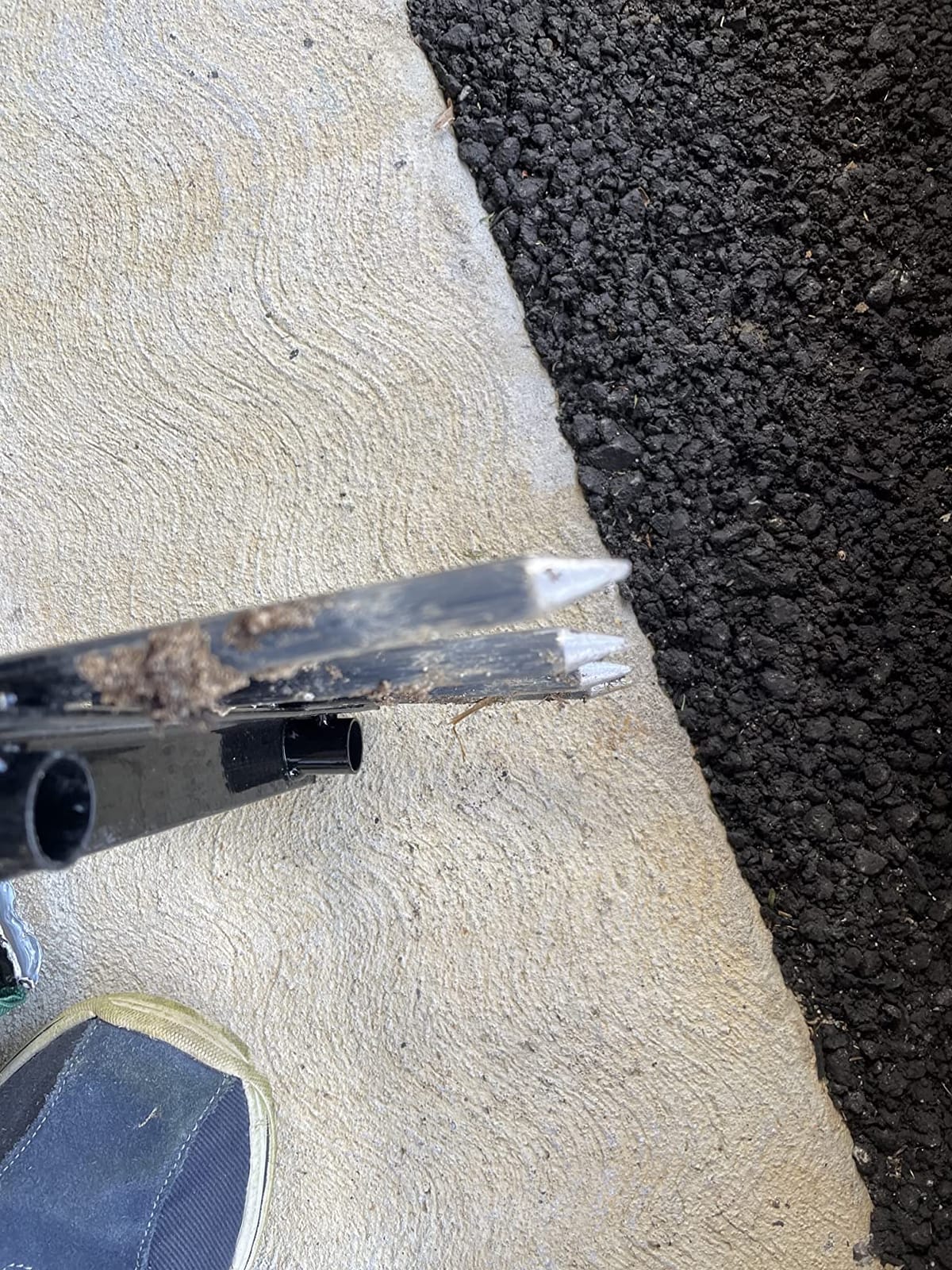
Where it falls short is arithmetic. Four spikes means each step covers a very small area, and the customer reviews describe it consistently as a whole-lawn-unfriendly tool. If you are standing in a compacted zone and need to cover thousands of square feet, you will be out there a long time.
More importantly, spikes do not remove soil. They perforate the surface and compress the soil immediately around each hole, which is exactly the mechanism that gets debated on lawn forums. On a lawn that is only mildly compacted, that trade is worth it. On hard ground, the relief you get is temporary.
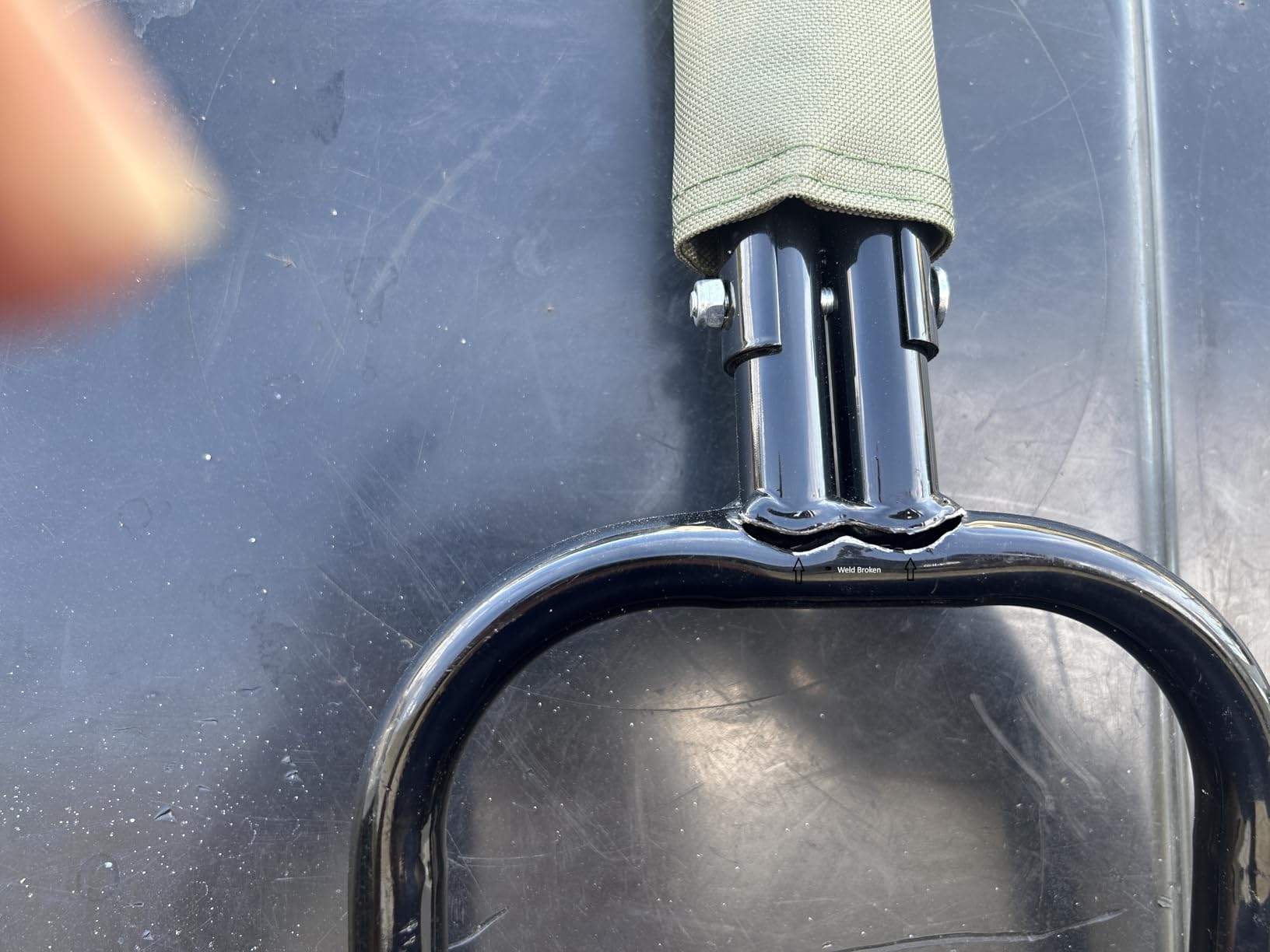
Good fit situations
Early spring preparation on a lawn that is soft from rain, spot treatment along a fence line, and loosening a thin layer of surface crust before overseeding are all reasonable jobs for this tool. It is also a good first aerator for someone unsure how serious their compaction problem is.
Because it is so light, it is the easiest tool here to keep handy for a quick touch-up rather than a scheduled day of work.
Poor fit situations
Skip it if your lawn is thin, water runs off, and the ground feels like concrete. Four spikes and no core removal will not change that condition, and you will be disappointed by the result rather than by the tool itself.
It is also not a substitute for a scarifier if your problem is a thick thatch layer. That is a different job with a different tool.
5. Jardineer 12-Spike Aerator – Best for Small Yards and Garden Edges
Jardineer Lawn Aerator Tool, Updated 36″ Spike Aerator Lawn Tool with Longer Spikes, Pre-Assembled Manual Grass Aerator for Lawn Aeration, Soil Aerating
12 heat-treated spikes, 2.75 inch
36 inch handle with rubber grip
Thick steel foot plate
Pre-assembled
Pros
- 12 spikes give broad coverage per step
- 36 inch height reduces fatigue
- Foot plate takes full body weight
- Pre-assembled with wrench included
Cons
- Spikes pull no plugs
- Unsuitable for large areas
- Needs pre-watering to penetrate
The Jardineer is the middle ground in the spike category. Twelve heat-treated spikes at 2.75 inches long means noticeably better coverage per step than a four-spike tool, and the thick steel foot plate is rated to take your full body weight without flexing, which is where cheaper spike tools bend.
At 5.1 pounds it has some real heft behind it, and the 36-inch assembled height with a rubber grip keeps your back out of it. It arrives pre-assembled with a wrench and manual, and it detaches for storage, so setup time is close to zero.
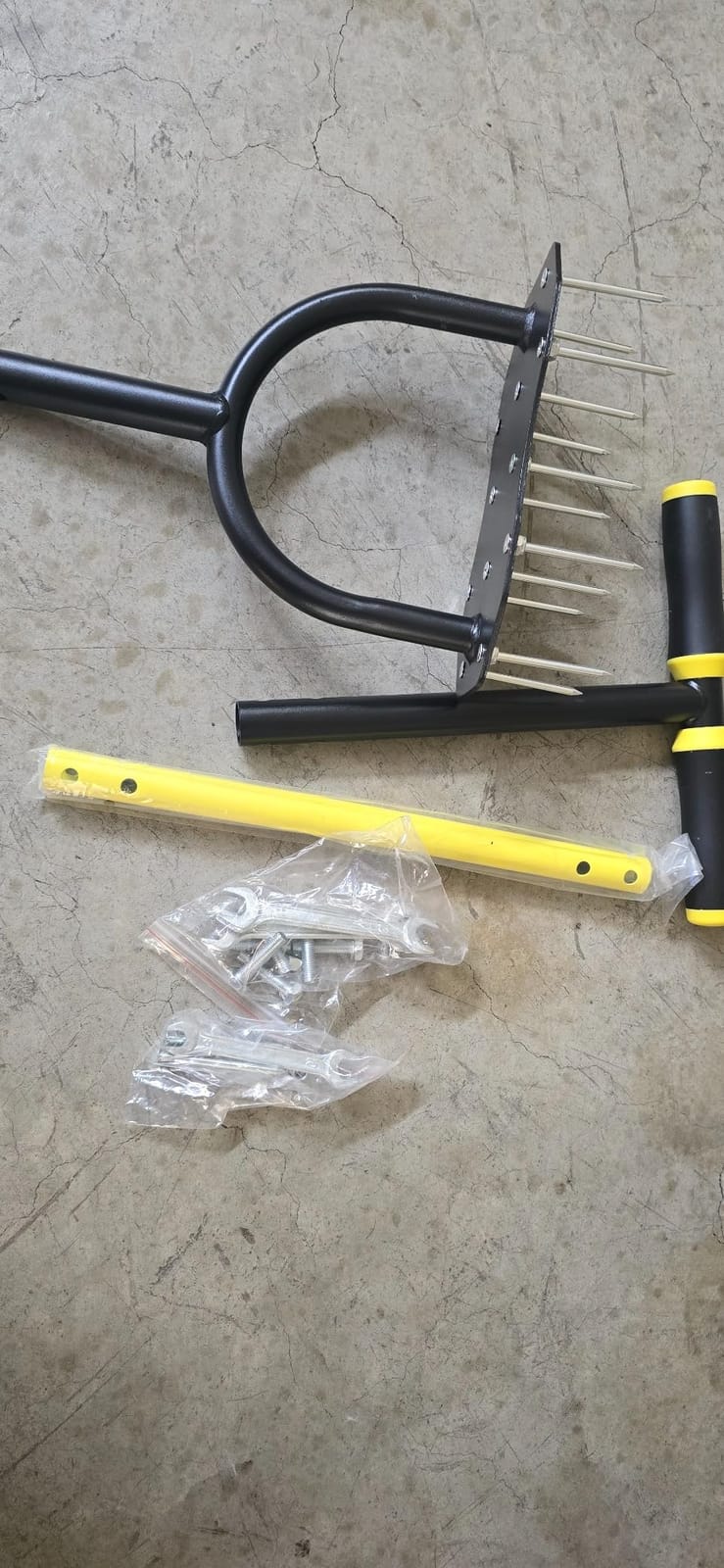
Reviewers report it working across clay, sand, and loam, which is broader soil compatibility than most spike tools claim. That versatility is genuinely useful if you are not certain what you have under the sod, and the powder-coated construction handles the moisture that comes with spike work.
The recurring caveat in the reviews is pre-watering. Dry soil means the spikes skate rather than bite, and users who skipped this step reported poor results. Soak the lawn the day before and the same tool behaves completely differently.
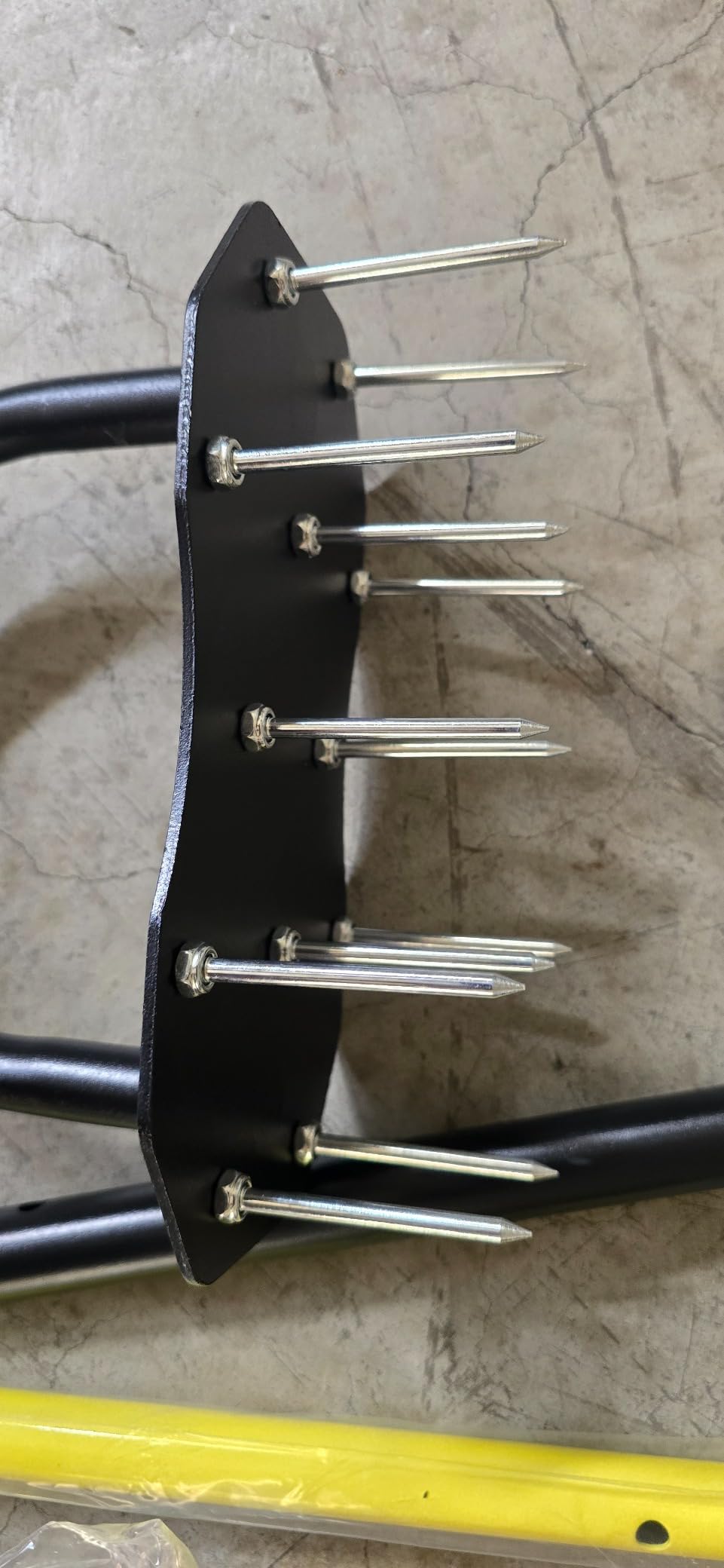
Where it fits best
Small yards, garden edges, and mixed soil conditions where you want a spike tool that will handle a clay patch without snapping. It is also a good companion to a coring tool: core the main lawn, then use this along borders where a larger machine will not fit.
The pre-assembled design makes it a good choice for someone who will not use it often and does not want a project in the garage before the lawn work starts.
Where it falls down
It is still a spike tool, so the fundamental limitation applies: no soil comes out of the ground and the surrounding soil is pushed sideways. Compaction relief is shallow compared with any corer in this roundup.
And for a large lawn, twelve spikes is still twelve spikes. Budget real time, or rent a machine.
6. Landzie 42 Inch Hollow Tine Core Aerator – Best for Damp Clay
Landzie – Lawn Aerator Tool 42″, Hollow Tine Core Aerator
3 hollow stainless tines
42 inch powder-coated frame
Self-ejecting tines
Replaceable tine design
Pros
- Beveled hollow tines self-eject plugs
- Stainless steel build
- Replaceable tines extend tool life
- No assembly required
Cons
- Very labor intensive on big lawns
- Tines bend on rocky dry ground
- Needs watered soil and short sections
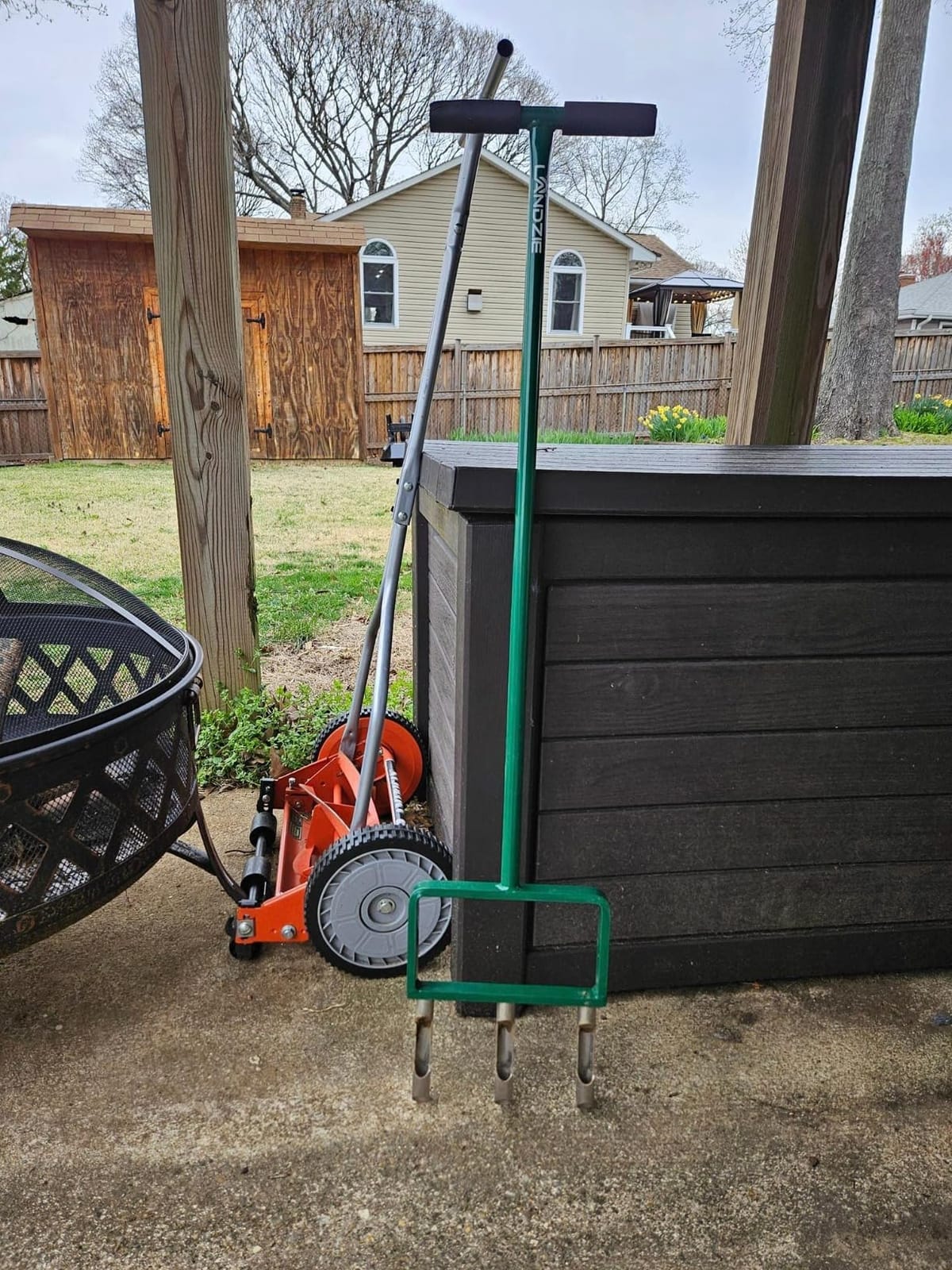
The Landzie is the one manual tool here that genuinely handles clay, and the reason is the tine geometry. The three hollow stainless tines are beveled at the ends, so they push the core out on each stroke rather than carrying it up. That self-ejecting action is why reviewers almost never mention unclogging, which is the single most common complaint about cheap coring tools.
At 4.3 stars from 350 reviews with 68 percent five-star, the praise is consistent: heavy powder-coated stainless construction, tines you can remove and replace, and a tool that works out of the box with no assembly. Replaceable tines matter more than they sound, because tine wear is the normal end of life for a corer.
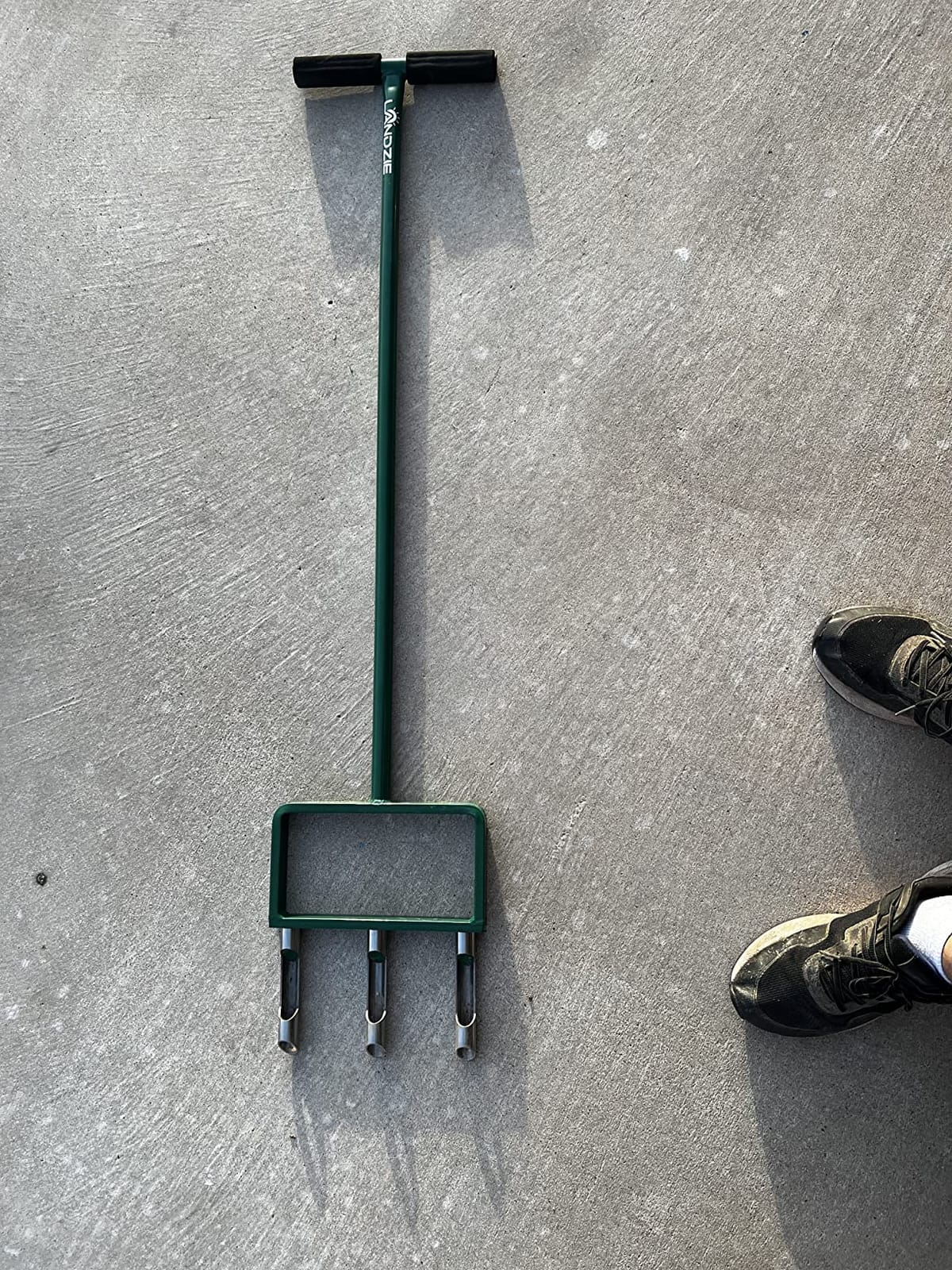
The 42-inch frame is the tallest here, which keeps the motion in your legs instead of your lower back. Working damp clay in short sections, as reviewers advise, is what makes the difference between this tool performing and merely surviving. The tines are short in number, so speed comes from the fact that they never jam, not from width.
Owners with large lawns are direct in their advice: rent a machine instead. We agree. This is a spot-repair and small-lawn corer that happens to be unusually good at the hardest soil type.
Where the Landzie shines
Dense compacted clay that has been watered first is the exact condition this tine design was built for. It is also strong on high-traffic strips, worn gateways between rooms of grass, and new-build lawns where subsoil was churned by construction equipment.
If you want core aeration without a machine and you own a small to medium lawn with real clay, this is the manual tool to buy. The stainless tines also hold up in wet soil without surface rust.
Where it struggles
Bone-dry hard ground will bend the tines, and rocky soil is worse. Both are avoidable if you water first and clear stones from the work area, but plenty of owners found this out the hard way.
The labor is the other real constraint. Three tines over a small area is a long afternoon, and clay is exactly the soil that makes the work heaviest.
7. Dolibest 4 Coring Plug Aerator – Best With a Bundled Hand Tool
Dolibest Lawn Coring Aerator, Stainless Steel 4 Corer Plug Aerator Tool with Soft Rubber Grip, Manual Grass Aerating Tool, Garden Tool & Cleaning Hand Tool for Loosening Soil and Improving Lawn Health
4 coring plugs, 3.5 inch long
Stainless steel plugs and steel body
Rubber grip plus foot bar
12 inch hand tool included
Pros
- Deep 3.5 inch narrow cores
- Stainless plugs resist rust and bending
- Foot bar keeps shoes clear of cores
- Bundled 12 inch hand tool
Cons
- Tubes clog repeatedly in wet clay
- Needs frequent cleaning
- Heavy effort on dry hard ground
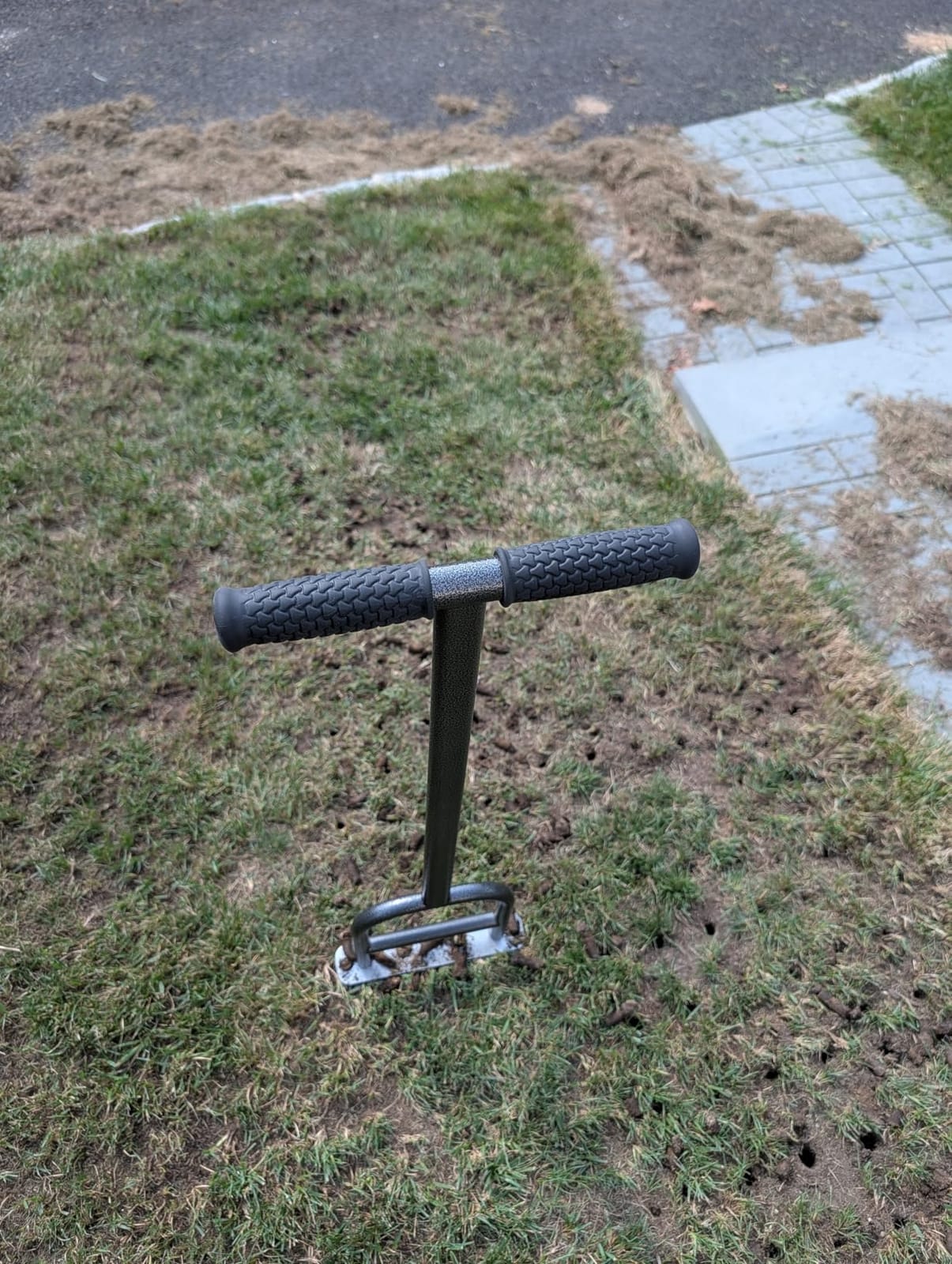
Four coring plugs at 3.5 inches long and half an inch in diameter is a serious coring geometry for a hand tool, and the Dolibest is the only one in this roundup that ships with a second implement. The included 12-inch hand tool clears plugs out of the tubes, handles weeding, and transplants grass plugs into bare patches, which is the multi-purpose trick lawn forums keep recommending.
At 4.2 stars from 340 reviews, the ratings split cleanly by soil. On moist, well-drained topsoil owners pull clean 1.5 to 3 inch cores and rate it very well. The soft rubber grip and foot bar keep your hands comfortable and your shoes out of the core path.
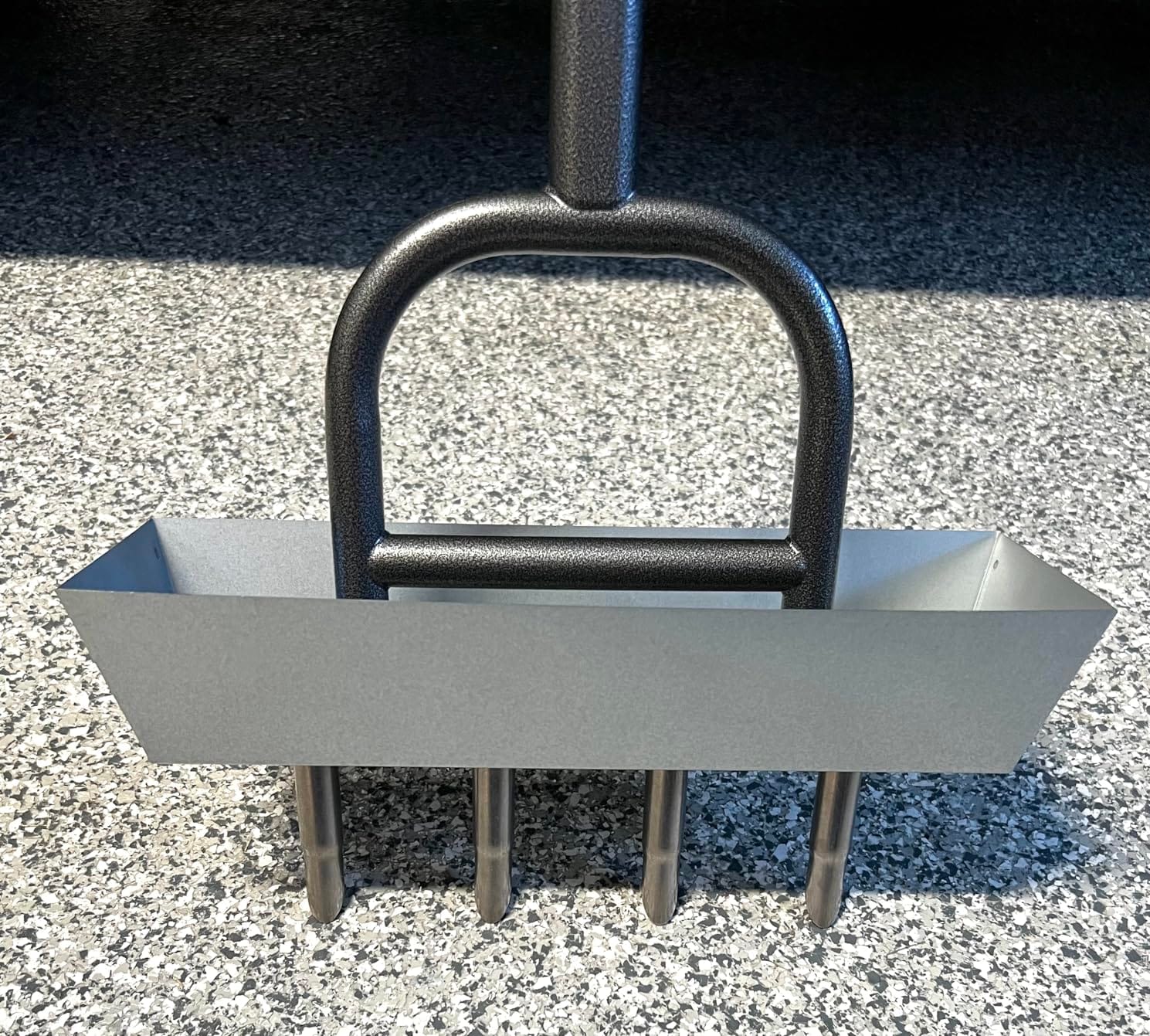
In heavy wet clay the picture changes, and the reviews are honest about it. The tubes jam within a few pushes and need constant cleaning. That is the trade-off of longer, narrower coring plugs compared with the beveled hollow tines on the Landzie and LawnVigor tools, which eject as they enter.
One reviewer also reported weld joints loosening with light use, so inspect the frame periodically if you buy it. Customer service came through for that buyer with a full refund, which tells you something about how the brand handles failures.
Where it makes sense
Gardeners who want more than an aerator will like the bundled hand tool. It doubles as a bulb and grass plug planter, which forum users praise as a reason to buy a pro-style plugger in the first place. It is also a good match for topsoil that is merely dense rather than true clay.
The 3.5 inch core length gives you genuine depth on a lawn that has not been cored in years, which matters when you are pairing aeration with fall overseeding.
Where it disappoints
Clay is where it loses. Repeated clogging turns a two-hour job into an afternoon of stopping to clear tubes, and that is the most common complaint in the reviews.
It also demands real body weight on dry hard ground. On bone-dry compacted soil you will be jumping rather than stepping, and you risk bending the plugs instead of pulling cores.
8. LawnVigor Non-Clogging Core Aerator – Best for Deep Cores
Manual Lawn Core Aerator for Compacted Soil with Non-Clogging Hollow Tines
3 hollow heat-treated tines
0.9 inch tine width
Roughly 4 inch penetration
Replaceable tines
Pros
- Best 4.5 star average in the roundup
- Self-ejecting tines work in clay
- Heat-treated and replaceable tines
- Quality wrenches and hardware included
Cons
- Only 3 tines means tiny coverage
- Rocking sideways bends tines
- Grip sleeves can loosen
This is the best-rated product in the roundup at 4.5 stars, with 75 percent of reviews at five stars and a rank of number two in Manual Lawn Aerators. Owners report visible lawn improvement within a couple of weeks of use, which is faster than most manual corers deliver.
The design detail that earns those ratings is the white plastic plug-ejector inserts inside the hollow tines. At roughly 0.9 inches in diameter and penetrating about 4 inches, the tines are both wider and deeper than most hand corers, so each press moves a meaningful amount of soil. Reviewers specifically call out the self-ejection working in clay without jamming.
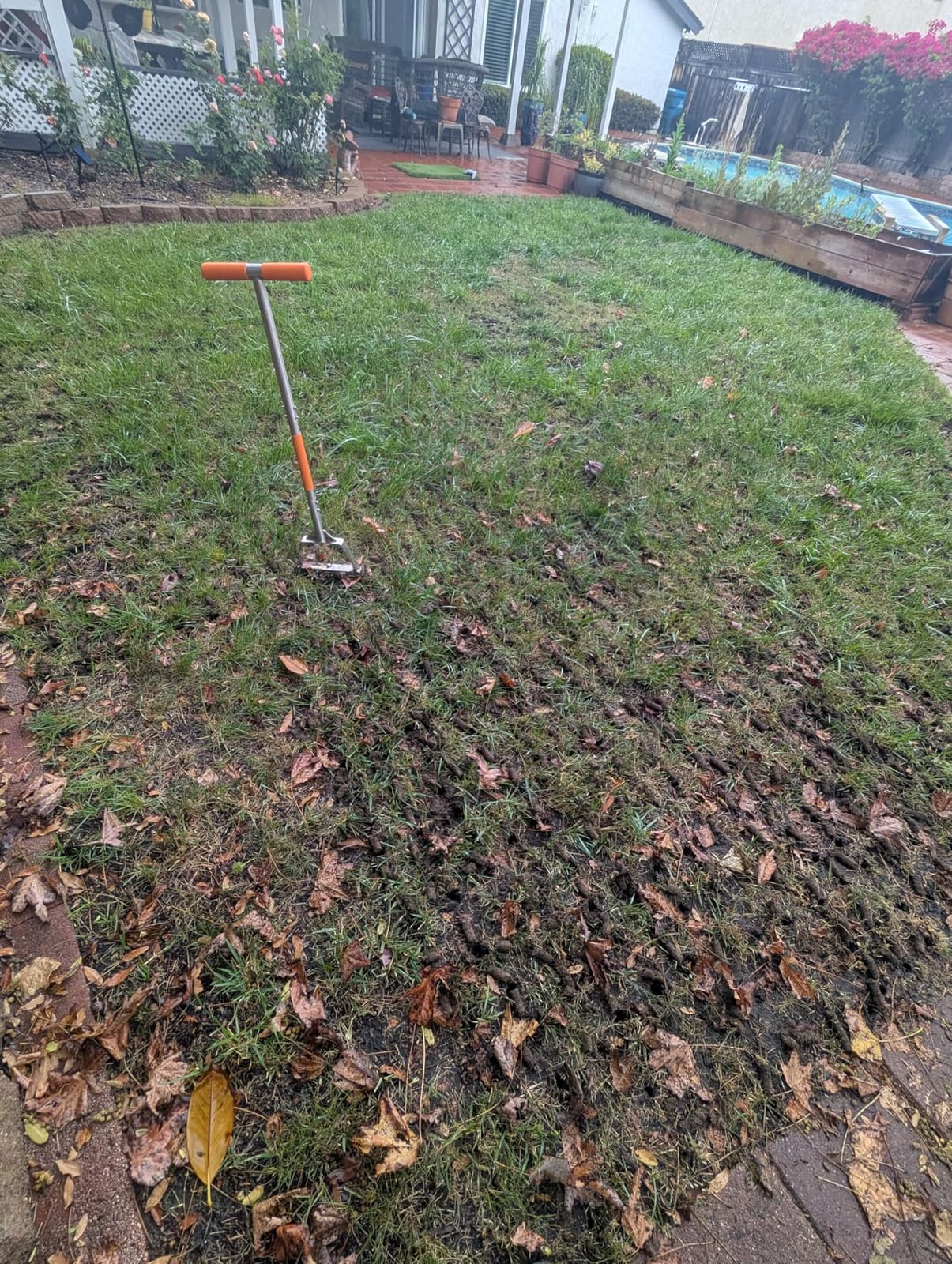
Assembly hardware quality is another recurring theme. Owners note that the included wrenches and fittings feel substantial rather than stamped thin, and the flat foot bar design is described as more durable than the tubular frames used on competing tools. Heat-treated tines are replaceable, so the tool is not a one-season purchase.
There is one technique warning worth repeating because it comes straight from the reviews: do not twist or rock the tool sideways. Levering it at an angle bends the tines or leaves the tool stuck in the ground, and that is the main way this product gets damaged.
Where it wins
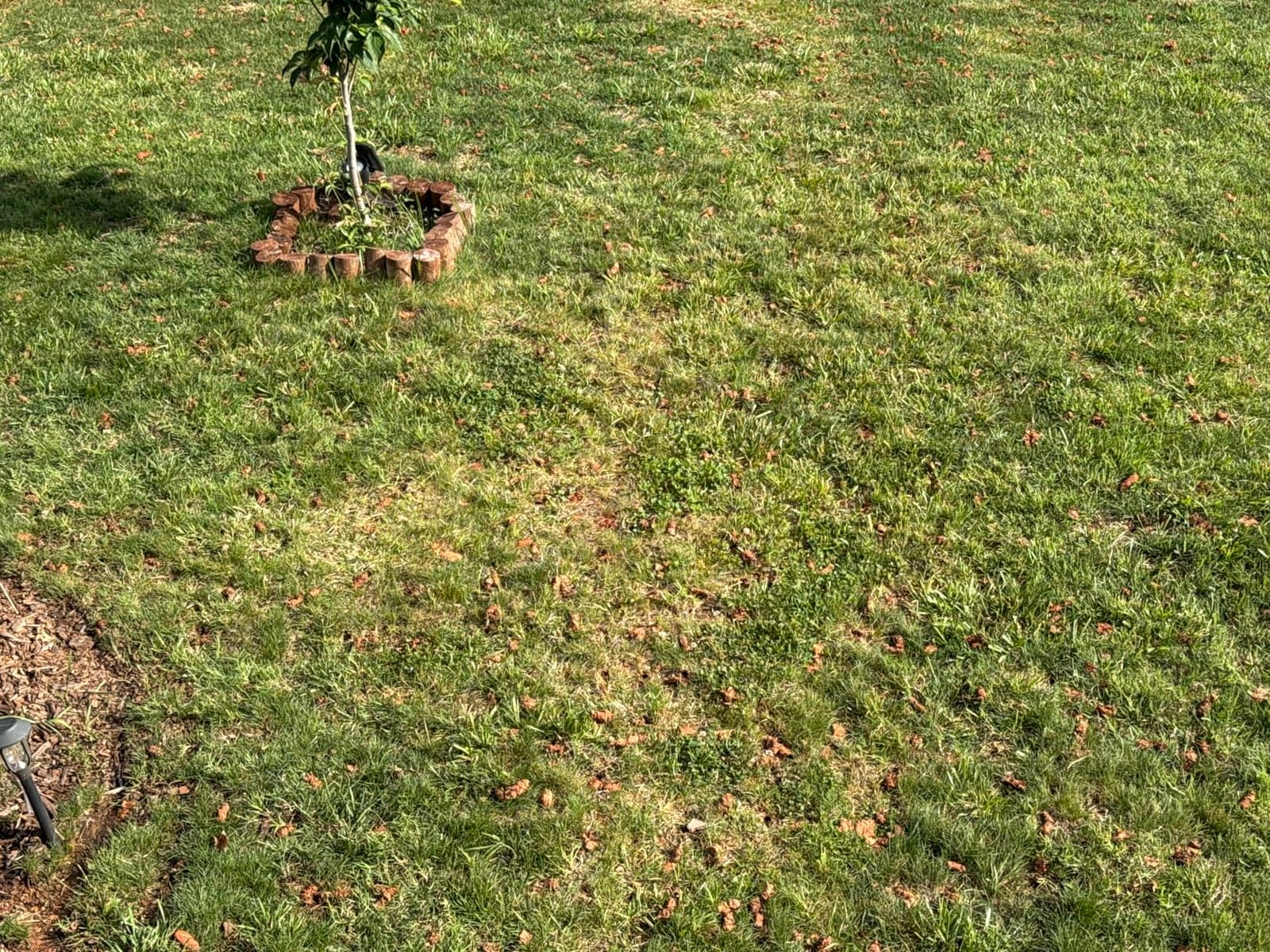
It is a strong choice for small to medium lawns with hard compacted soil, especially clay, because the tines eject as they penetrate. The roughly 4 inch depth also puts real cores on the surface for overseeding, which is the fastest visible payoff you will see from any tool here.
Reviewers report the improvement showing within two weeks, which makes it satisfying on a small lawn you can actually watch recover.
Where it disappoints
Three tines is a small amount of area per press, so this is a patient tool. Owners with big properties face the same labor question as the other manual corers, and the answer is still to rent.
The grip sleeves can loosen and spin during use, which causes blisters on long sessions, and tall users may find 37 inches a low working height. Neither is serious, but both show up in the reviews.
9. K.D STONEDGE Rolling Core Aerator – Best for Fast Manual Coring
Patented Rolling Lawn Aerator Manual Coring Tool Compacted Soil Loosening
Patented rotary coring drum
60 inch working width
43.7 lb balanced drum
Manual push operation
Pros
- Extracts real soil plugs while hand pushed
- Balanced drum weight does the work
- Fastest per square foot in the roundup
- No tractor
- fuel
- or cord
Cons
- Heaviest hand-pushed option here
- Weighted drum is tiring to move
- Bulky on small or uneven beds
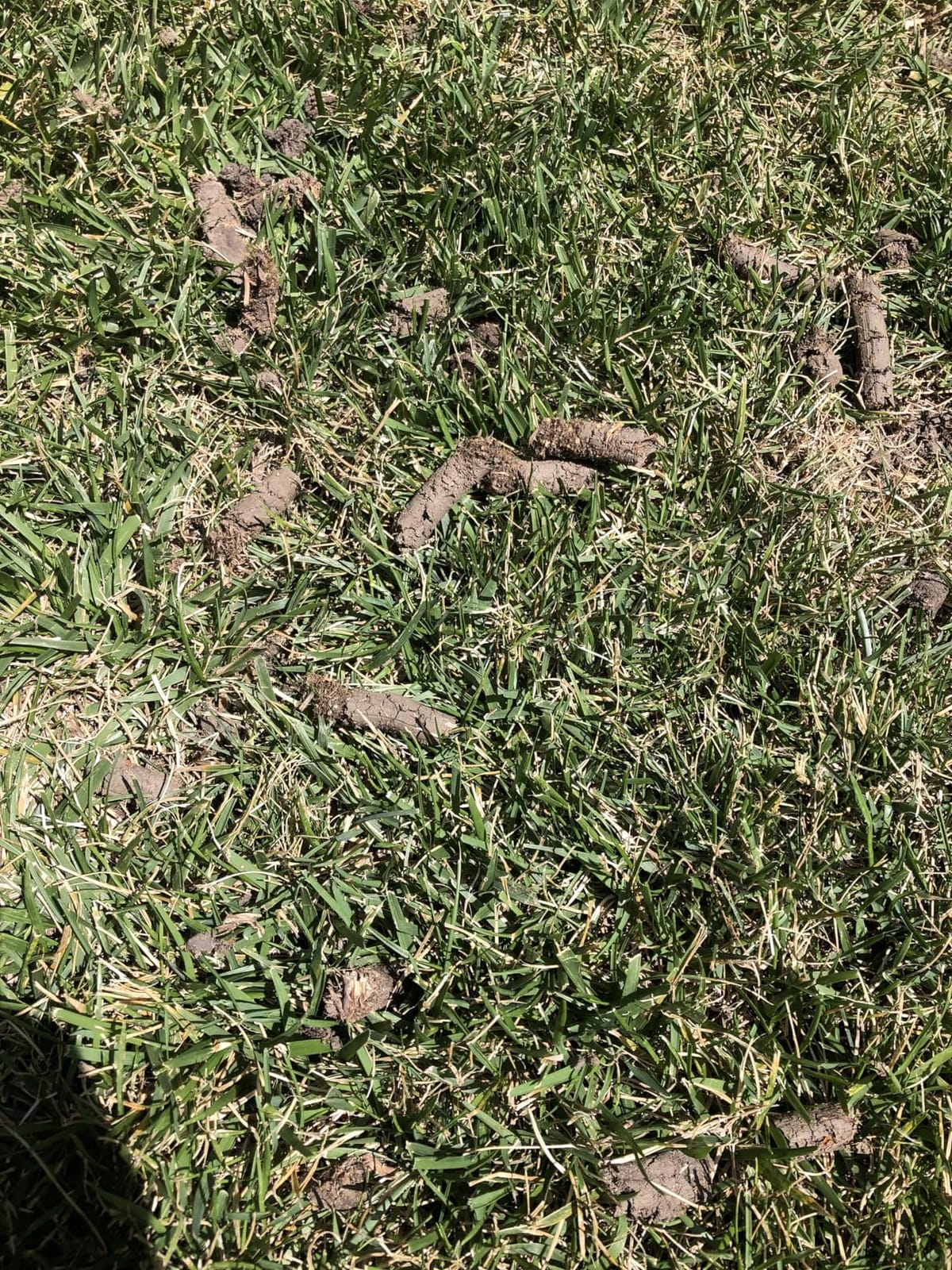
This is the tool that changes the argument for hand operation. Instead of stepping on tines, you push a 60-inch-wide drum that both punches holes and extracts soil plugs on the move, and the patented rotary coring design is genuinely doing compaction relief rather than surface perforation. At 4.2 stars from 167 reviews, owners consistently credit it with relieving compaction while still being pushed by hand.
The drum is scientifically balanced, which is the engineering term for a setup where the machine weight drives the tines into the ground and your job is steering rather than pushing. No tractor, no fuel, no power cord, and far faster per square foot than any handle-style tool in this roundup.
The 43.7 pound weight is simultaneously the advantage and the complaint. On open, even ground the momentum carries the tines deep, which is why the 60-inch width is so productive. Reviewers also describe the weighted drum as intentionally sweat-inducing, and that is not marketing language for comfort.
Buyers with small or irregular beds report it is awkward there. A 60-inch drum does not turn in a corner, does not fit between two flowerbeds, and does not negotiate a slope gracefully. It wants straight, open, even lawn.
Where the rolling corer fits
Open medium lawns of a few thousand square feet with hard compacted ground, where the trade of labor for width pays off quickly. It is also a good middle step between a hand corer and a rental machine for people who want a real job done in an afternoon.
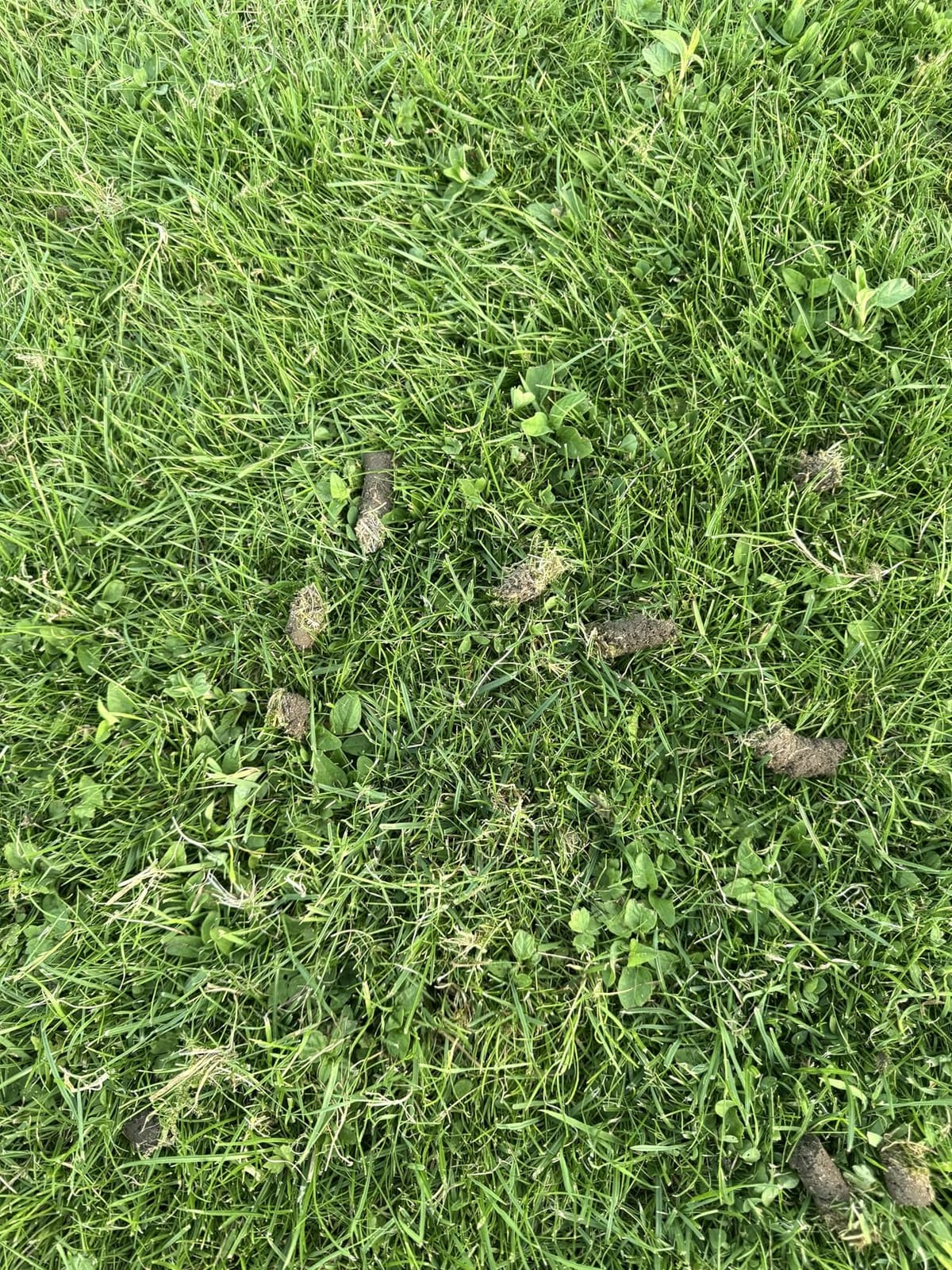
Because it pulls cores, it can be paired with fall overseeding the same way a manual corer can. The plugs are right there on the surface afterward.
Where it is the wrong choice
Tight landscaping, small lawns, and uneven ground are the weak spots. The width and the weight both work against you in those conditions, and the reviews are clear about it.
It is also the heaviest hand-pushed option here, so if storage and moving it across a driveway are concerns, choose a narrower corer instead.
10. SENVERT Rolling Spike Aerator – Best for Adjustable Ballast
SENVERT Rolling Lawn Aerator, Heavy Duty Push Spike Aeration Tool Up to 55 lbs, Manual Rotary Grass Aerator for Garden and Yard Use
32 lb drum, loadable to 55 lbs
Spiral-spiked tread pattern
20.5 inch drum with TPR wheels
Handle attaches only
Pros
- Ballast adjustable from 32 to 55 lbs
- Spiral tread rolls and steers smoothly
- Much faster than foot spike tools
- TPR wheels for moving and storage
Cons
- Spikes perforate rather than core
- Bulky drum in narrow areas
- Filling the drum adds setup work
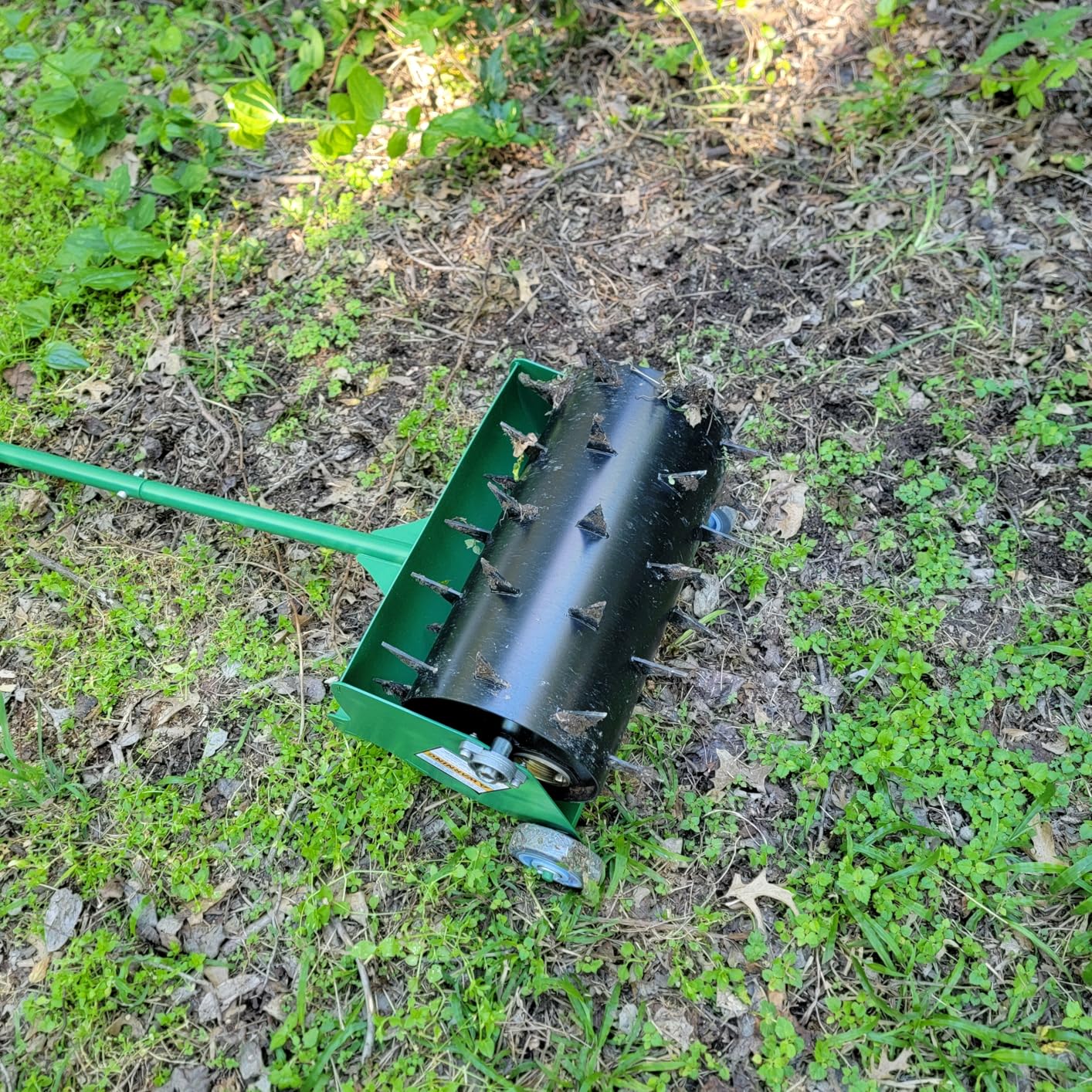
The SENVERT holds a 4.4 average with 70 percent five-star reviews, and the feature that separates it from every other spike tool here is the ballast system. The drum weighs 32 pounds as shipped and can be loaded with sand or stones up to 55 pounds total, which lets you tune the tool to soil hardness instead of guessing.
The spiral-spiked tread pattern is the other quiet advantage. Compared with a straight spike drum it rolls and steers much more smoothly, which is the difference between controlled passes and wandering across the lawn. Owners rate it far more efficient than aerator shoes or step-style tools for small to medium lawns.
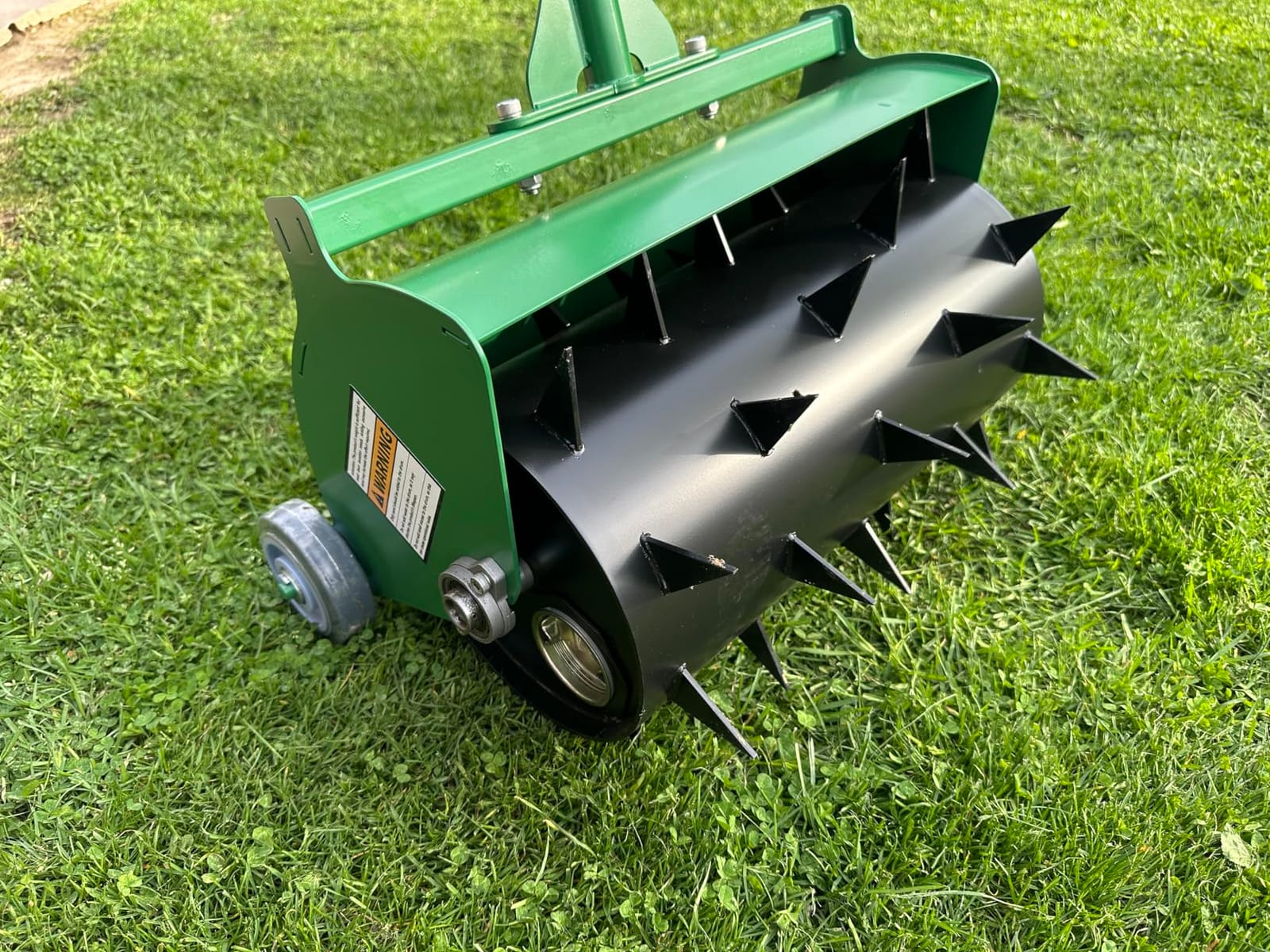
The main body arrives fully assembled and only the handle needs attaching, and a pair of auxiliary TPR wheels lets you roll it to the lawn and back without dragging spikes across a driveway. Those are small conveniences that decide whether you use the tool twice a year or never.
Be clear about the limit: this is spike aeration, so it perforates the soil and pushes it sideways rather than pulling plugs. That means the depth and duration of relief trail every coring tool on this list, including the inexpensive ones.
Where it works
Small to medium lawns with surface compaction and a thatch problem you want to open up. If you can tolerate shallow relief in exchange for covering ground quickly, the efficiency is hard to match at this weight class.
The ballast adjustment is the part to use well. Start light on soft ground and add stones on the hard zones, rather than loading it fully everywhere and tearing up soft areas.
Where it disappoints
If your problem is genuinely compacted clay, spikes are the wrong mechanism, however much weight you add. The SENVERT will perforate the surface well; it will not rebuild the root zone.
The 20-inch drum is also bulky in narrow or planted areas, and filling it with sand or stones is setup work that some owners find tiresome.
Core vs Spike Aerator: Which Is Better for Compacted Soil?
Core aeration wins on compacted soil, and it is not a close call. A core aerator uses hollow spoon-shaped tines to lift 2 to 3 inch soil plugs out of the lawn, physically removing material and opening macropores that air, water, and fertilizer flow into. A spike aerator pushes a solid tine into the ground, which punctures the surface but compresses soil sideways around each hole.
That sideways compression is the part that gets asked about constantly on lawn forums, and the concern is legitimate. Spiking is not making compaction permanently worse in the sense of breaking the soil structure, but it is not removing material either, so the pore space it opens is narrow and shallow compared with a core hole. Repeated spike-only work on clay tends to produce short-lived improvement.
If your lawn is only mildly compacted and you want to prepare a surface for overseeding in spring, spike aeration is a reasonable, low-effort choice. If the ground is hard, the water runs off, or the grass is thinning despite good care, coring is the answer.
Will an Aerator Work on Hard Ground?
Yes, but not with an unloaded tool. Almost every complaint about aerators on hard ground comes down to the same thing: the machine bounces or skids because there is not enough downward force for the tines to enter the soil. Once you solve for that, hard ground aerates fine.
There are three ways to add force. Load the weight tray on a tow-behind, which is the single most cited performance upgrade owners describe. Fill a rolling drum with sand or stones up to its rated capacity. On a manual corer, put your full body weight on the foot bar and drive the tines with your legs rather than your arms.
Then use the diagnostic that experts on lawn forums keep recommending. Water the lawn the day before you plan to work. If the soil is dry and hard, tines will skid no matter how much ballast you add. If the ground is moist, the tines enter and the plugs come up. Soil moisture changes the tool behaviour more than any setting on it.
How to Aerate Heavily Compacted Soil Step by Step
Follow this order and the job goes smoothly. The sequence matters more than the machine.
1. Water the lawn the day before. Moist soil lets tines penetrate and release cores. Bone-dry soil makes tines skate and tears turf.
2. Mow low and clean. Cut the grass short and remove clippings so the tines reach the soil rather than working through a mat.
3. Add ballast if you plan to skip a pass. Load the weight tray or the drum rather than deciding mid-lawn that the tool is not cutting deep enough.
4. Aerate in perpendicular passes. Run east to west, then north to south. Overlapping slightly is fine. Gaps mean untreated strips that compact again first.
5. Leave the plugs on the lawn. Let them dry and break down. Raking them up throws away the organic matter you just brought to the surface. Lawn forums are near-universal on this point.
6. Overseed and feed promptly. The open pores and loose surface are an ideal seedbed. Apply seed and a starter fertilizer within a couple of weeks, then water consistently.
Do not aerate drought-stressed turf. Wounds in weak grass invite disease, and the plant has no reserves to recover while it heals.
When to Aerate Your Lawn and What to Do Afterwards
For cool-season grasses such as fescue, Kentucky bluegrass, and perennial ryegrass, the best window is early fall through early spring, with early autumn the sweet spot. The soil is warm enough for the seed you drop afterwards to germinate, and the grass has time to establish before winter. Early spring is the second choice, once soil has drained.
For warm-season grasses such as Bermuda, Zoysia, and St. Augustine, late spring through midsummer is correct. They grow vigorously in heat, which means plugs recover and fill in fast, and the seed you add germinates under warm conditions.
The short answer to the most common timing question is this: aerate when the grass is actively growing, the soil is moist but not saturated, and you can follow up immediately with seed and fertilizer. Aerating at the wrong time does more harm than not aerating at all.
Afterwards, leave the plugs in place to dry and mow over them within a week or two. They will crumble and return organic matter to the surface. Pair the job with overseeding and a fertilizer application, and keep the area watered consistently through the germination window.
Rent or Buy: The Break-Even Math
Run the numbers per lawn rather than by rule of thumb. Take the total square footage of your property, divide it by the coverage of the tool, and estimate how many passes it takes. Then compare the number of sessions you realistically need per year against what a rental costs per day.
Below roughly 3000 square feet, a manual corer will cover your lawn in an afternoon and is worth owning on the first use. Between 3000 and 8000 square feet, renting a walk-behind for a couple of days a year is usually the better financial call, unless you have clay that needs attention every spring.
Above 8000 square feet, renting is the clear answer for most people, and buying only makes sense if you already own a tractor and will use the implement annually. A tow-behind stored in a shed for nine months and used in one weekend rarely justifies the purchase.
Be honest about frequency. If you will only ever aerate once, rent. If you have heavy clay that recompacts every season, owning a corer becomes a better deal after the second year.
Frequently Asked Questions
How to aerate heavily compacted soil?
Water the lawn the day before so the soil is moist, mow low, then use a core (plug) aerator that pulls 2 to 3 inch plugs. Add ballast to the weight tray if the tool will not bite, work in two perpendicular passes, and leave the plugs on the lawn to dry. Overseed and fertilize within a couple of weeks to use the open seedbed.
Will an aerator work on hard ground?
Yes, once you solve for downward force. Aerators skip and bounce on hard soil because the tines lack the energy to enter. Load the weight tray, fill a rolling drum with sand or stones, or drive a manual corer with your body weight on the foot bar. Moist soil matters more than any setting.
Which is better, core or spike aerator?
A core aerator is better for compacted soil. It removes 2 to 3 inch plugs, physically opening macropores for air, water, and fertilizer. A spike aerator only punctures the surface and pushes soil sideways, so relief is shallower and shorter-lived. Use spikes for light surface compaction and core aeration for real problems.
What is the best month to aerate your yard?
For cool-season grasses such as fescue and Kentucky bluegrass, early autumn through early spring is best, with early fall ideal for overseeding. For warm-season grasses such as Bermuda and Zoysia, late spring through midsummer works best. The general rule is to aerate while the grass is actively growing and the soil is moist.
How do I know if my lawn is compacted?
Push a flat-head screwdriver into several spots. If it slides in easily and sinks several inches, the soil is open. If it stops at an inch or two or needs your body weight, that area is compacted. For a second check, shake a jar of water and lawn soil and let it settle; heavy clay leaves little water above a thick layer of sediment.
Do I need a plug or spike aerator for clay?
Use a plug or core aerator. Clay is exactly the soil where spike aeration falls short, because spikes compress the soil sideways around each hole instead of removing it. Hollow or beveled tines that eject plugs as they enter handle wet clay best, and watering the lawn the day beforehand makes a large difference.
Is it worth renting a lawn aerator?
Usually yes if you only aerate once a year or have a lawn over 8000 square feet without a tractor. Rentals are also the smart move for a one-time project on a large property. Under roughly 3000 square feet, a manual corer you own will handle the lawn in an afternoon and pays for itself sooner.
Should I leave the plugs on my lawn after aerating?
Yes. Let the plugs dry and break down on the surface, then mow over them. They return organic matter and nutrients to the topsoil, which is part of the benefit of coring. Raking them up removes material you just brought to the root zone and leaves the surface bare where seed needs contact.
Final Verdict: Which Aerator Wins on Compacted Soil
The Yard Butler Manual Lawn Coring Aerator is our pick for the best lawn aerators for compacted soil, and the reason is evidence rather than novelty. It is the most heavily reviewed manual corer available, it pulls real plugs, and its long handle plus foot bar make it the least punishing of the hand corers. For a medium lawn with clay, that combination is hard to beat.
If you want the deepest cores and the best ratings, the LawnVigor lands about 4 inches with self-ejecting tines. For large properties with a tractor, the Agri-Fab 48-inch tow-behind pulls plugs 3 inches deep and takes 175 pounds of ballast. For stubborn clay by hand, the Landzie hollow tines are built for it.
Whatever you choose, test your soil first, water the day before, and load the machine with weight. Those three steps decide whether your next aeration session changes the lawn or just moves dirt around.