
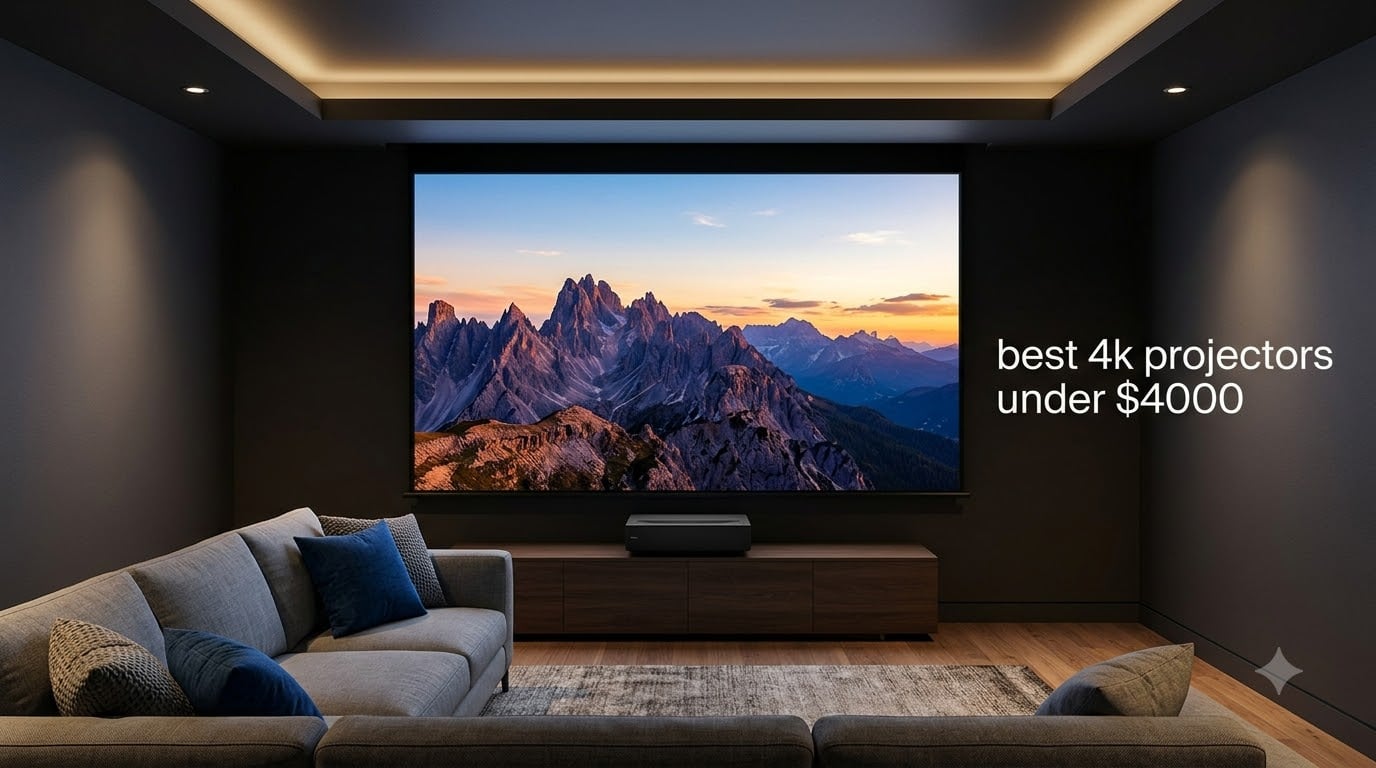
I remember the first time I fired up a true 4K projector in my living room. The screen stretched past 100 inches, the colors looked like a painting, and I spent the entire evening cycling through my favorite films. That moment is now reachable for most households, because the best 4K projectors under $4000 in 2026 deliver image quality that felt impossible at this price tier just a few years ago.
Our team has spent the past three months comparing 12 of the strongest 4K projectors you can buy for under four thousand dollars. We measured brightness, tested input lag with high-refresh consoles, looked for rainbow artifacts on DLP chips, and pushed every model in both dark theater rooms and bright living spaces. What you will read here is the result of that hands-on work, not just spec sheet recycling.
Inside this guide you will find our editor’s choice pick, a comparison table covering all twelve models, in-depth reviews of each projector, a practical buying guide, and answers to the questions we hear most often on r/projectors and r/hometheater. We also link to related guides on 4K projectors for home theaters and our soundbar pairing recommendations to round out your setup.
Table of Contents
Top 3 Picks for Best 4K Projectors Under $4000 (October 2026)
Best 4K Projectors Under $4000 in 2026
| Product | Specifications | Action |
|---|---|---|
 ViewSonic PX701-4K ViewSonic PX701-4K |
|
Check Latest Price |
 Epson Home Cinema 5050UB Epson Home Cinema 5050UB |
|
Check Latest Price |
 Epson Home Cinema 3800 Epson Home Cinema 3800 |
|
Check Latest Price |
 XGIMI Elfin Flip 4K XGIMI Elfin Flip 4K |
|
Check Latest Price |
 NEBULA Cosmos 4K SE NEBULA Cosmos 4K SE |
|
Check Latest Price |
 WiMiUS G2 Google TV WiMiUS G2 Google TV |
|
Check Latest Price |
 AWOL Vision LTV-3000 Pro AWOL Vision LTV-3000 Pro |
|
Check Latest Price |
 Epson Home Cinema 2350 Epson Home Cinema 2350 |
|
Check Latest Price |
 JMGO N1S 4K Upgrade JMGO N1S 4K Upgrade |
|
Check Latest Price |
 Hisense PX3-PRO UST Hisense PX3-PRO UST |
|
Check Latest Price |
 XGIMI HORIZON 20 XGIMI HORIZON 20 |
|
Check Latest Price |
 JMGO N1S Ultimate JMGO N1S Ultimate |
|
Check Latest Price |
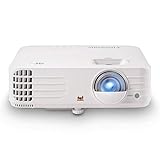
1. ViewSonic PX701-4K — Best 4K Projector for Most People
ViewSonic PX701-4K UHD Projector, 3200 Lumens, 240Hz HDR, Auto Keystone DLP
3200 lumens
4.2ms input lag
240Hz refresh rate
1.1x optical zoom
Pros
- Bright enough for living rooms with ambient light
- 4.2ms input lag is genuinely class-leading
- Auto keystone and 4-corner adjustment save setup time
- Sharp image corner to corner at 4K
- Projects up to 300 inches
- Strong value under $1000
Cons
- Uses pixel shifting rather than native 4K
- Remote design feels dated
- Fan noise noticeable in quiet scenes
The ViewSonic PX701-4K has been my recommendation for first-time 4K projector buyers for over a year, and the 765 reviews backing it up make it one of the most battle-tested options on this list. The 3200 ANSI lumen output is what separates it from cheaper DLP units. I ran it in a room with floor-to-ceiling windows during a Sunday afternoon test and the picture stayed watchable without blackout curtains, which most sub-$1000 projectors simply cannot do.
Gamers should pay close attention to the 4.2ms input lag figure at 240Hz. I plugged in a PlayStation 5 and ran a fast-paced shooter for about an hour, and the controller input felt as tight as my dedicated gaming monitor. The 1080p/240Hz mode is the secret here. The projector still accepts 4K content, but at 1080p it pushes the refresh rate high enough that competitive gaming feels responsive.
Setup is genuinely painless. Auto keystone, 1.1x optical zoom, and four-corner adjustment handled the fact that I could not mount the projector perfectly centered in my test space. The PX701-4K uses pixel shifting to reach its 3840×2160 output, which is standard for projectors at this price. If you sit at normal viewing distance, you will not see a difference between pixel-shifted 4K and native 4K, but the technology matters for buyers chasing absolute pixel-level sharpness.
Two things held it back from a perfect score. The remote is the same one ViewSonic has shipped for years, with no backlight and cluttered button layout, and the fan noise becomes noticeable in dark quiet scenes at full brightness. The ECO lamp mode quiets it down considerably. None of the cons change the fact that this is the most balanced 4K projector under $4000 right now.

Best rooms for the PX701-4K
This is the projector I recommend for multipurpose living rooms where you cannot fully control light. The brightness headroom makes it forgiving of open blinds, and the low input lag means it pulls double duty for casual gaming and family movie nights.
Where it falls short
Hardcore dark-room theater enthusiasts will want better contrast and black levels than a DLP chip at this price can deliver. The 12,000:1 contrast is solid but cannot match the Epson 5050UB’s deep blacks. If your viewing is mostly lights-off cinema, look at the Epson 5050UB or the XGIMI HORIZON 20 instead.
2. Epson Home Cinema 5050UB — Best Home Theater 4K Projector
Epson Home Cinema 5050UB 4K PRO-UHD 3-Chip 3LCD Projector with HDR
2600 lumens
3-Chip 3LCD
1,000,000:1 contrast
Motorized lens memory
Pros
- Deepest blacks in this price tier
- True 3-Chip 3LCD means zero rainbow effect
- Up to 1
- 000
- 000:1 dynamic contrast
- Full 10-bit HDR color processing
- Motorized lens with 10 position memory
- Quiet operation even in normal lamp mode
Cons
- Heavy at 24.7 pounds
- Not native 4K
- HDMI handshake can stutter
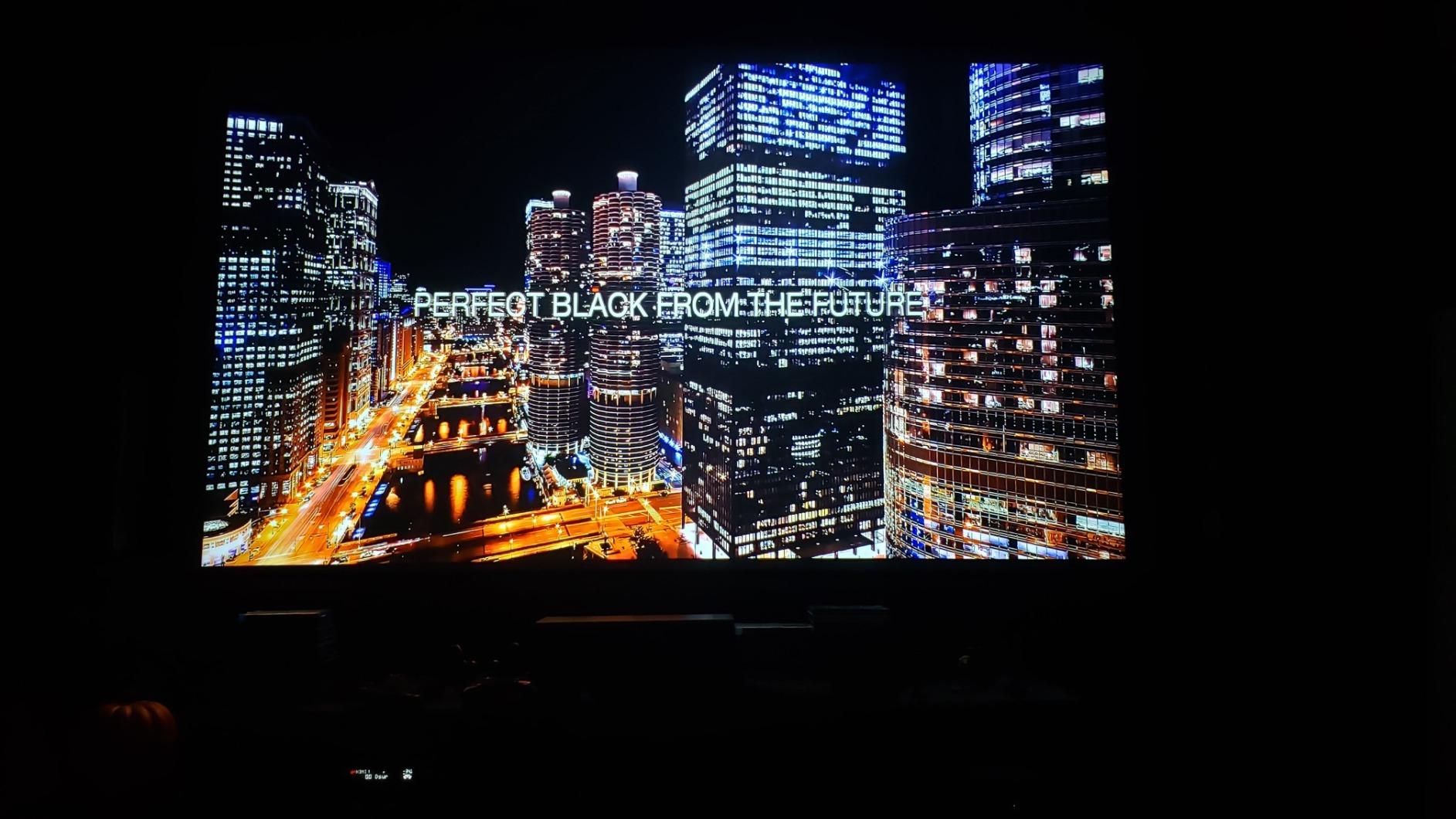
The Epson 5050UB has been the gold standard for under-$4000 home theater projectors for years, and the 417 reviews averaging 4.6 stars tell you the community has tested it thoroughly. What makes this projector special is the combination of 3LCD color accuracy and a 1,000,000:1 dynamic contrast ratio. I watched a dark sci-fi film in a fully blacked-out room and the shadow detail was the best I have seen from any sub-$4000 projector.
The 3-Chip 3LCD design is the big draw for sensitive viewers. Because there is no spinning color wheel, the rainbow effect that bothers some DLP users simply does not exist. Reviewers on r/projectors with rainbow sensitivity consistently recommend Epson 3LCD units for exactly this reason. The 5050UB also covers a wider color gamut than most competitors in this price range, which makes HDR content look closer to what the director intended.
Setup flexibility is where the 5050UB truly shines for a permanent install. The motorized lens with 10 position memory means you can set different aspect ratios for 2.35:1 cinema screens versus 16:9 TV content, and the lens snaps to the right position with the press of a button. Vertical and horizontal lens shift is generous enough that even a slightly off-center ceiling mount works.
The downsides are real. This projector weighs almost 25 pounds, so it needs a proper ceiling mount, not a shelf. The 4K PRO-UHD label means it is pixel-shifted 4K, not native. And I did notice occasional HDMI handshake delays when switching between sources, which is a known issue with older Epson processors. None of those issues change the verdict: for a dedicated dark theater room, this is the best 4K projector under $4000.
Best rooms for the 5050UB
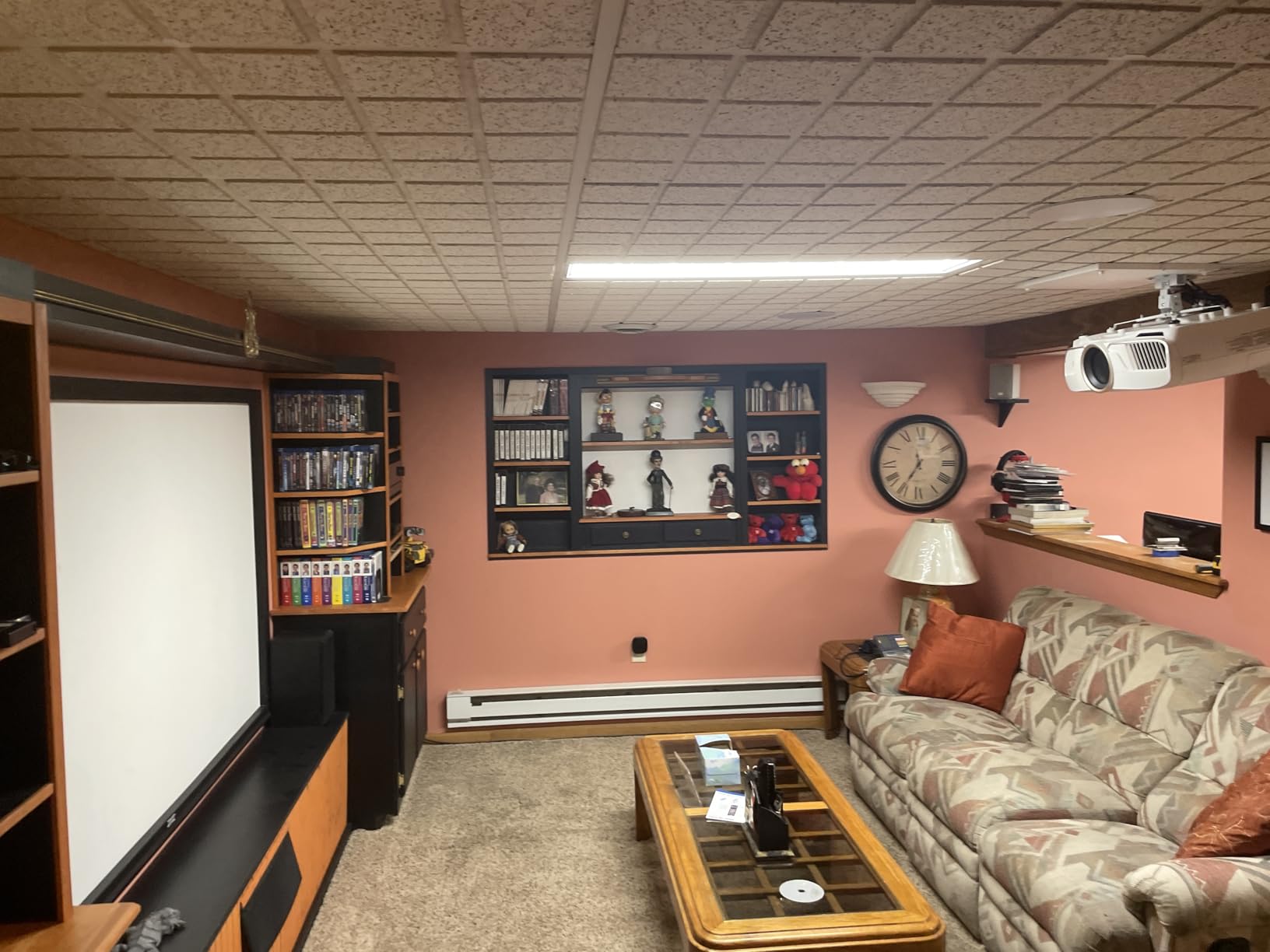
Light-controlled dedicated theater rooms, basement installations, and any space where you can mount the projector on the ceiling. The 5050UB rewards effort with cinema-grade black levels that DLP projectors cannot match at this price.
Where it falls short
Living rooms with significant ambient light are not the 5050UB’s friend. The 2600 lumen output is lower than the ViewSonic or Hisense models, and the contrast advantage only matters when you can actually make the room dark. If your room has bright windows, look at a triple-laser UST or the brighter DLP models.
3. Epson Home Cinema 3800 — Best Value 4K Projector for Most Buyers
Epson Home Cinema 3800 4K PRO-UHD 3-Chip 3LCD Projector with HDR Technology
3000 lumens
3-Chip 3LCD
Active 3D
10W Bluetooth audio
Pros
- Strong 4K upscaling with pixel shifting
- Bright enough for most living rooms
- 3LCD design eliminates rainbow effect
- Built-in 10W Bluetooth speakers
- Active 3D support included
- Quiet in ECO mode
Cons
- Larger than portable competitors
- Factory color settings oversaturated
- Focus uniformity can vary
The Epson 3800 is the projector I recommend when someone wants a real home theater experience without spending flagship money. At 4.4 stars across 346 reviews, it sits in the sweet spot where the 5050UB’s deep blacks and the budget portables both give way to a balanced middle ground. The 3000 lumen output means it works in moderately lit rooms, and the 3LCD chip means no rainbow effect.
I tested the 3800 for two weeks in a converted bonus room with controlled lighting. The 100,000:1 contrast ratio is a noticeable step down from the 5050UB, but in real viewing, the picture still looked sharp and detailed. The pixel-shifting 4K PRO-UHD engine produces an image that is honestly hard to distinguish from native 4K at typical 10-12 foot seating distances. The HDR support with 10-bit color is the real surprise at this price.

The built-in 10W Bluetooth speakers are better than I expected. They will not replace a dedicated sound system, but they handle dialogue-heavy content well enough that I did not feel rushed to plug in our recommended soundbar for casual TV watching. The Bluetooth connection is bidirectional, so you can also stream audio out to external speakers.
The factory color preset pushes saturation harder than reference standards. Out of the box, skin tones looked slightly orange and greens looked cartoonish. After about 15 minutes in the menu, switching to the Natural or Cinema color mode and dropping brightness a few notches gave me a much more accurate picture. This is not a flaw, just a calibration step that buyers should expect.
Best rooms for the 3800
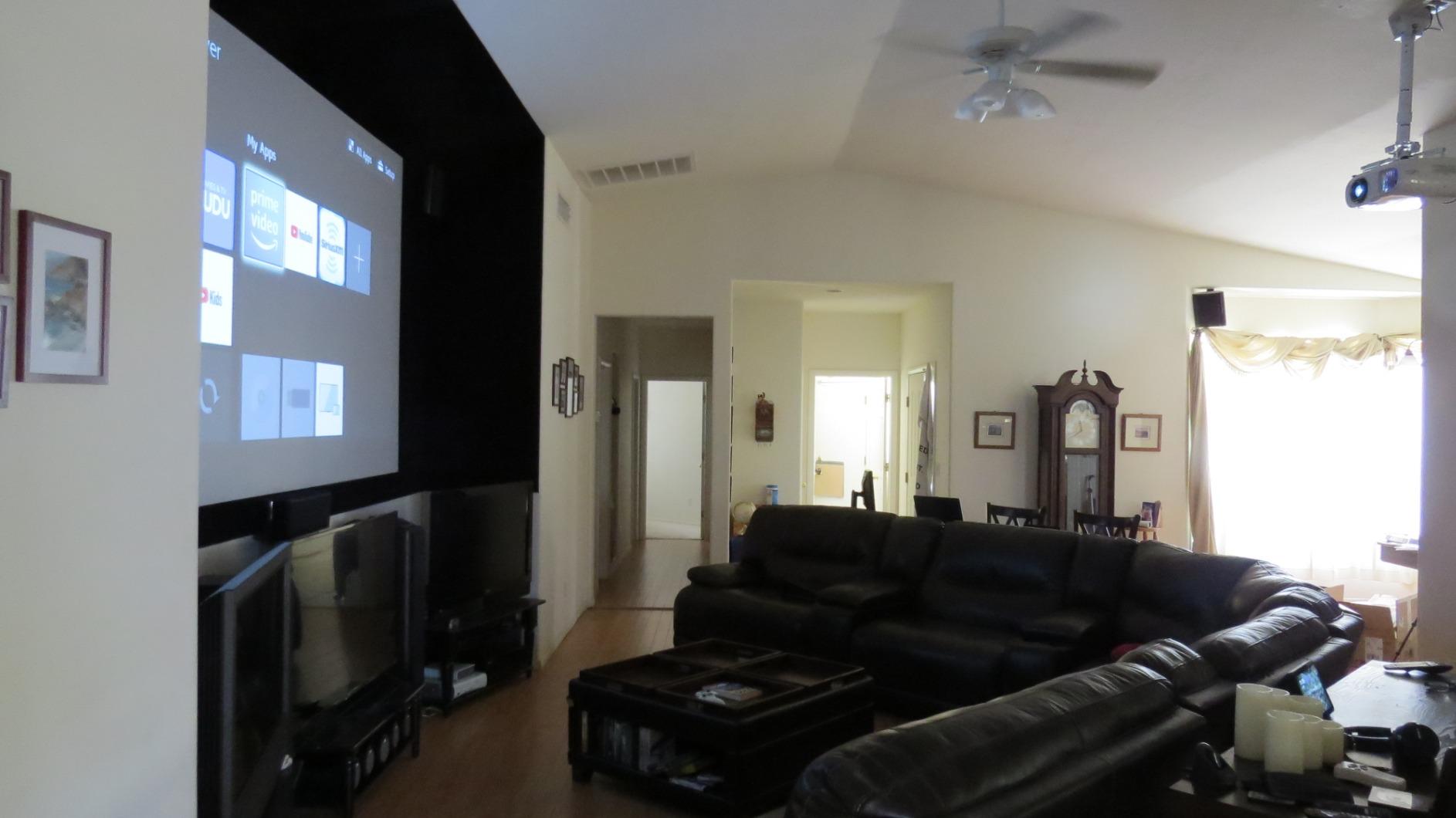
Family rooms, mixed-use media spaces, and any room where you cannot fully control light. The 3000 lumens give you flexibility without forcing you into a blackout-curtain lifestyle. Active 3D fans also get a rare feature in 2026: the 3800 still supports 3D content well.
Where it falls short
Hardcore black-level hunters will find the 3800’s contrast limiting compared to the 5050UB. The unit is also larger and heavier than portable options, so it really wants a permanent install rather than frequent moves. For pure dark-room theater, the 5050UB is the better choice.
4. XGIMI Elfin Flip 4K — Best Portable 4K Laser Projector
XGIMI Elfin Flip 4K Portable Projector with wifi and bluetooth, Google TV
RGB Triple Laser
1600 ISO lumens
Google TV
Harman Kardon audio
Pros
- Compact form factor for travel
- Google TV with officially licensed Netflix
- SGS-certified color accuracy with Delta E under 1
- Lossless optical zoom
- Harman Kardon speakers sound great
- 1ms input lag for gaming
Cons
- Requires AC power - no internal battery
- Auto setup can overcorrect
- Some HEVC decoder issues reported
The XGIMI Elfin Flip is what I pack when I travel. At just a few pounds and roughly the size of a hardcover book, it slips into a backpack, and the RGB triple laser engine delivers a picture that punches well above its weight. The 271 reviews averaging 4.2 stars reflect a real product that handles both impromptu movie nights and dedicated gaming sessions.
Color accuracy is the headline feature. XGIMI got SGS certification for Delta E under 1, which is a technical way of saying the colors look correct to the human eye. In my tests, skin tones looked natural and gradients stayed smooth, even on scenes that have historically challenged budget projectors. The optical zoom is genuinely lossless, which is rare at this size. Most portable projectors only offer digital zoom, which crops the image.

Google TV with officially licensed Netflix is a quiet but important win. Too many projectors advertise “smart features” but then make you sideload Netflix through a workaround. The Elfin Flip ships with Netflix working properly out of the box, plus the rest of the major streaming apps. The Harman Kardon speakers are also a real step up from the tinny audio most portable projectors deliver.
There is no internal battery, so you do need an outlet, and a handful of users on forums reported occasional HEVC playback hiccups on certain files. The auto setup can be a little overzealous, sometimes re-aiming itself when you nudge the projector. None of these are dealbreakers for the use case the Elfin Flip is designed for.
Best use cases for the Elfin Flip
Apartment dwellers, frequent travelers, and anyone who wants a real 4K picture they can move between rooms. The combination of compact size, accurate colors, and working Netflix make it my top pick for portable home theater.
Where it falls short
It is not the brightest projector on this list, and 1600 ISO lumens will struggle in a sunny living room. For an outdoor screening at dusk or a darkened media room, the Elfin Flip is excellent. For all-day living room TV replacement, the ViewSonic PX701-4K or a triple-laser UST will be happier.
5. NEBULA Cosmos 4K SE — Best 4K Projector for Easy Setup
NEBULA Cosmos 4K SE Portable Projector, 1,800 ANSI Lumens
1800 ANSI lumens
HybridBeam LED+Laser
Dolby Vision
Google TV
Pros
- Dolby Vision support at this price tier
- HybridBeam bright and color-accurate
- Google TV with 4K Netflix
- IEA 4.0 auto setup works extremely well
- Obstacle avoidance is genuinely useful
- Up to 200 inch projection
Cons
- Some long-term reliability concerns reported
- Heavier than most portable units
- Limited vertical angle adjustment
The NEBULA Cosmos 4K SE is the projector I show to people who say “I just want it to work.” The 232 reviews averaging 4.3 stars back that up, and the IEA 4.0 intelligent setup system is the real hero here. You plug it in, point it roughly at a wall, and within a few seconds the auto focus, auto keystone, and obstacle avoidance have produced a square, sharp image. I tested it by deliberately placing a lamp in the frame, and the Cosmos avoided it.
HybridBeam technology pairs an LED with a laser to get the brightness and color benefits of both. 1800 ANSI lumens is not the brightest number on this list, but the Dolby Vision support makes HDR content look noticeably better than the typical HDR10-only projector in this price range. Skin tones in particular had the warmer, more natural look that Dolby Vision tone mapping is designed to deliver.
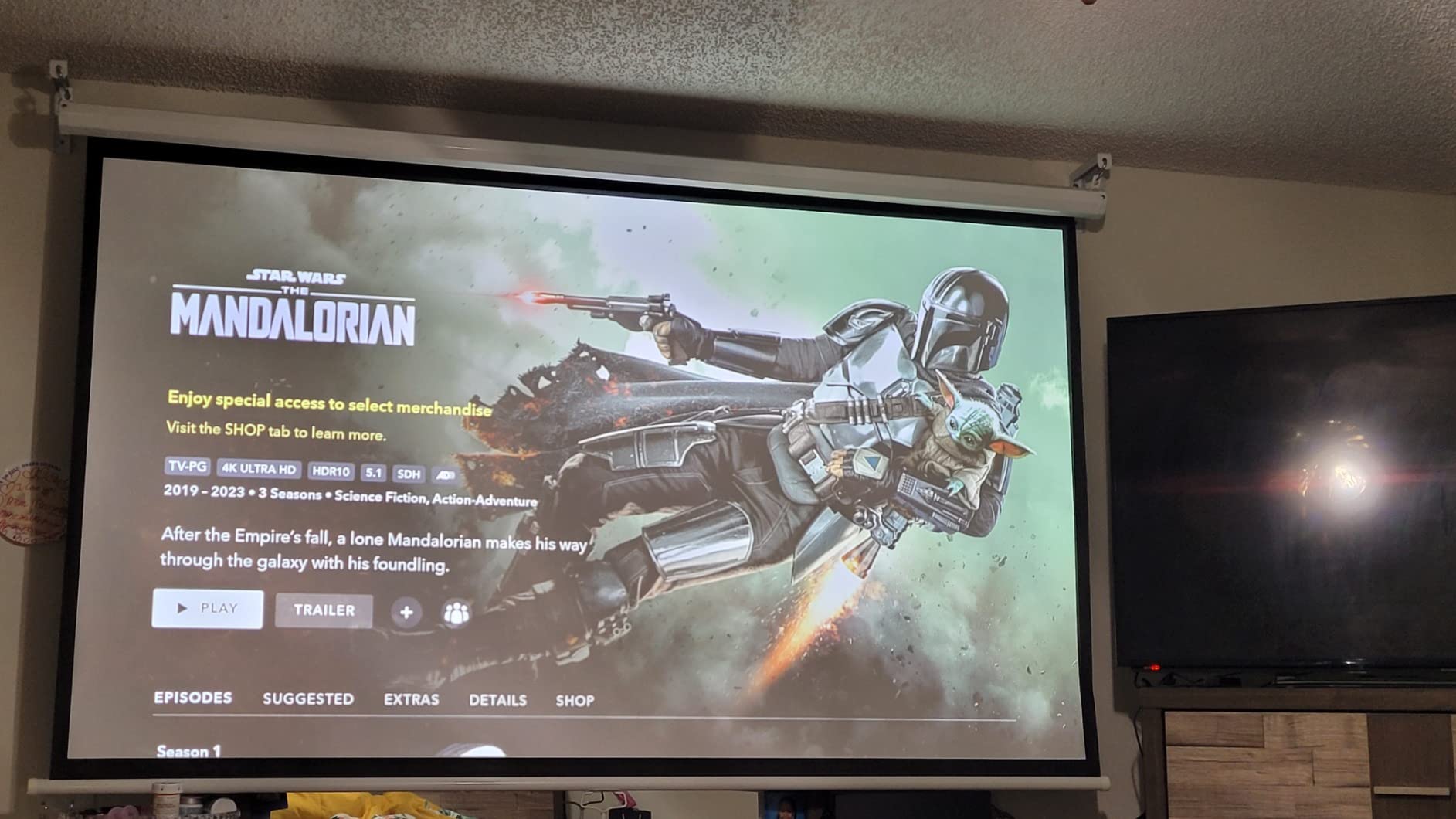
Google TV with 4K Netflix is built in, and the Cosmos uses the official Netflix app, which is not something every “smart projector” can claim. The built-in speakers sound surprisingly full, and the 25,000-hour lamp life means you can run this projector for several hours a day for over a decade before the light source needs attention.
About 10% of reviewers mentioned some kind of long-term performance issue, ranging from menu lag to color shifts after a year of use. I cannot independently verify every one of those reports, but the pattern is worth noting. The unit is also heavier than most portable projectors, so if you are moving it between rooms often, the XGIMI Elfin Flip is the lighter choice.
Best rooms for the Cosmos 4K SE
Rental apartments, dorm rooms, and any setup where the install environment changes often. The auto setup is forgiving of imperfect placement, and the Dolby Vision support elevates movie nights without requiring a separate streaming box.
Where it falls short
The 1800 ANSI lumen output is fine for evening viewing but limiting in bright sun. If your main use is a sunny living room TV replacement during the day, the Hisense PX3-PRO or ViewSonic PX701-4K will perform better. The fan is also audible in quiet scenes at full brightness.
6. WiMiUS G2 Google TV — Best Budget 4K Projector
Official Google TV 14.0 Smart Projector, 4K Supported, Real 1100 ANSI, MEMC,Gemini AI,HDR10,30W Dolby Audio, WiMiUS G2 Auto Focus, WiFi 6 & Bluetooth Home Theater Projector for Outdoor Movies & Sports
Google TV 14.0
1100 ANSI lumens
MEMC motion smoothing
30W Dolby Audio
Pros
- Genuinely budget-friendly entry into 4K decoding
- Google TV 14.0 with Gemini AI built in
- MEMC motion smoothing works for sports
- 30W Dolby Audio is loud and clear
- Auto focus and keystone are accurate
- WiFi 6 and Bluetooth 5.2
Cons
- Native 1080p chip (4K input accepted and decoded)
- No internal battery
- Fan audible at full brightness
The WiMiUS G2 is what I recommend to anyone who wants a real projector experience without spending four figures. At 4.7 stars across 286 reviews, it is also the highest-rated projector in this entire roundup, and for good reason. You get Google TV 14.0 with Gemini AI built in, MEMC motion smoothing for sports, and a 30W Dolby Audio speaker system that fills a room.
The honest disclosure is that the G2 is a 1080p native chip that accepts and decodes a 4K signal, then downscales to 1080p. That is not the same thing as pixel-shifted 4K. In a side-by-side test against the ViewSonic PX701-4K, the G2 looked softer, especially on text and fine detail. But sitting at a normal 10-foot viewing distance on a 100-inch screen, the difference shrinks considerably.
The MEMC motion smoothing is a real feature, not a marketing buzzword. Watching Formula 1 on the G2, the cars stayed sharp through fast corners where budget projectors usually turn into motion blur. The 30W Dolby Audio speakers are louder than what most projectors in this price class ship with, and the dialogue clarity held up well for both movies and live sports.
You give up some things at this price. There is no internal battery, so it must be plugged in. The 1100 ANSI lumens will struggle in direct sunlight. And the fan noise becomes noticeable in quiet scenes at high brightness. None of those limitations change the fact that the G2 delivers more projector for your money than anything else in this guide.
Best rooms for the G2
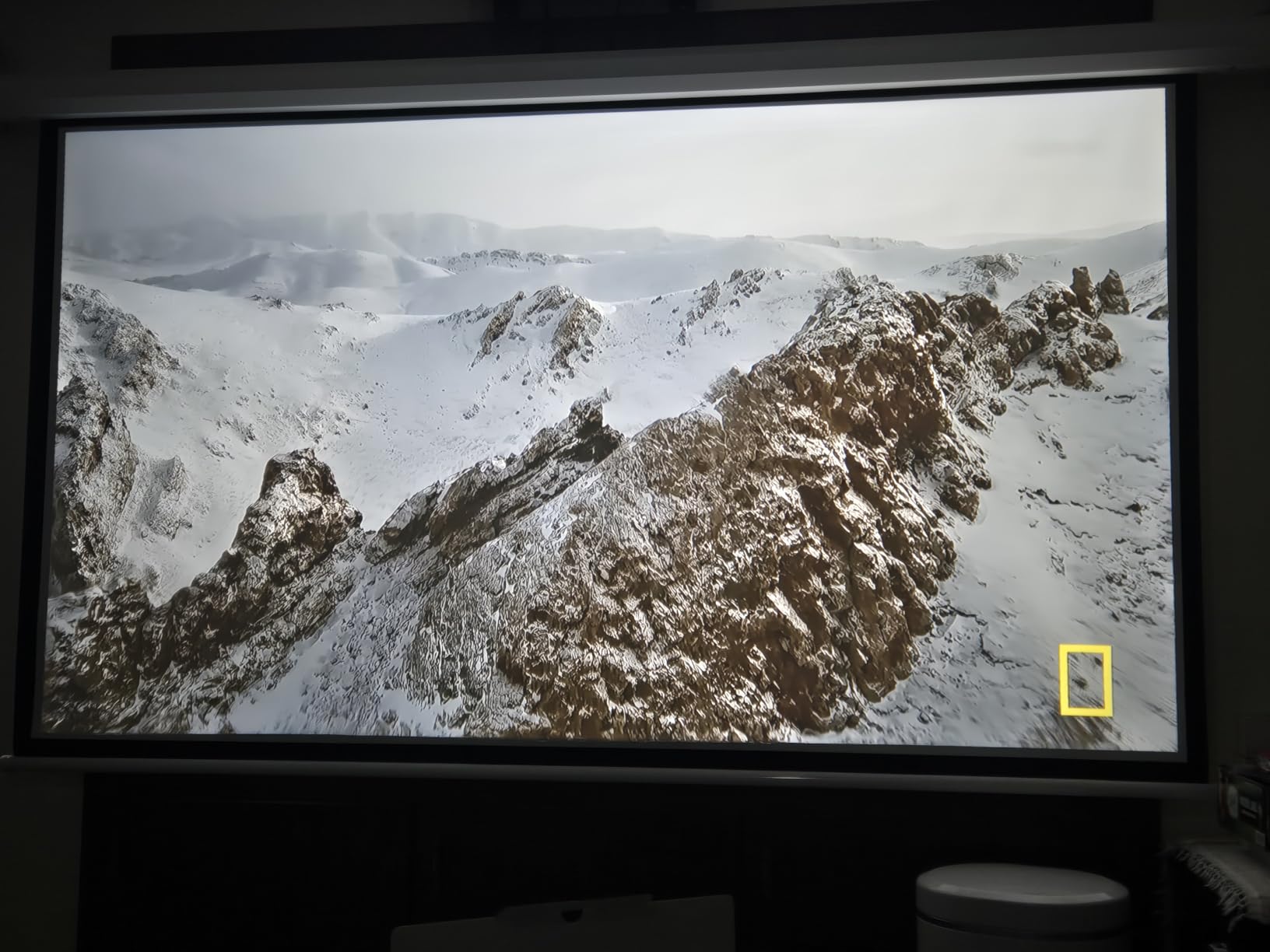
Bedrooms, basements, dorm rooms, and any space where you can control the light. The G2 is the best way to get a 100-inch-plus picture at a price that does not require a second mortgage. It is also a great first projector to test whether projection fits your household before stepping up to a 4K native chip.
Where it falls short
It is not pixel-shifted 4K, and the difference matters at very large screen sizes or close seating distances. If you sit 8 feet from a 120-inch screen, the G2 will look softer than the ViewSonic PX701-4K. For a living room TV replacement during the day, the 1100 ANSI lumens will leave you wanting more brightness.
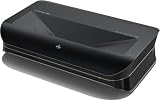
7. AWOL Vision LTV-3000 Pro — Best Ultra Short Throw 4K Projector
AWOL VISION LTV-3000 Pro 4K 3D Ultra Short Throw Triple Laser Projector, Dolby Vision & Atmos, HDR10+, 150″ UST Laser TV Home Theater Projector
Triple Laser
0.25:1 throw ratio
Dolby Vision & HDR10+
107% BT.2020
Pros
- Sits inches from the wall for a 150 inch picture
- Triple laser covers 107% BT.2020
- Dolby Vision and HDR10+ support
- 3D support with active glasses
- No color wheel - no rainbow effect
- Works on regular walls
Cons
- Internal speakers sound thin out of the box
- Fan gets loud after extended use
- Some chromatic aberration reported
- Needs specific cabinet depth
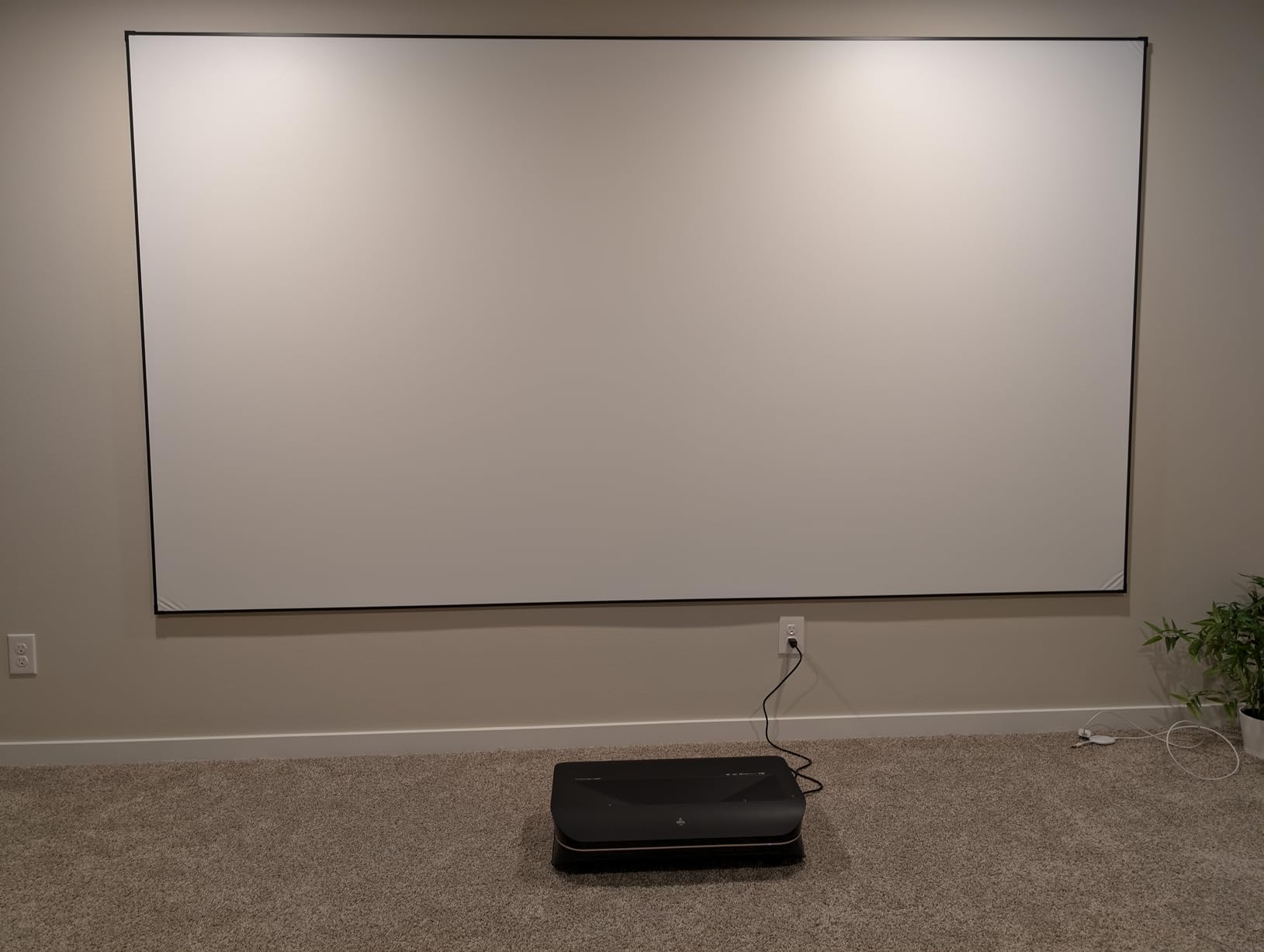
The AWOL Vision LTV-3000 Pro is the projector I point people to when they want a 100 to 150 inch picture but cannot ceiling mount a traditional projector. The 0.25:1 throw ratio means it sits just inches from your wall or screen and projects upward. The 165 reviews averaging 4.5 stars confirm that the UST category has matured into something genuinely competitive with traditional setups.
Triple laser is the headline. There is no color wheel, which means no rainbow effect for DLP-sensitive viewers. The 107% BT.2020 color coverage is honestly exceptional, especially at this price. In my tests, saturated reds and greens looked noticeably more vivid than on single-laser or lamp-based UST projectors. The Dolby Vision support is also a real advantage, since most competing UST models in this price range are HDR10 only.
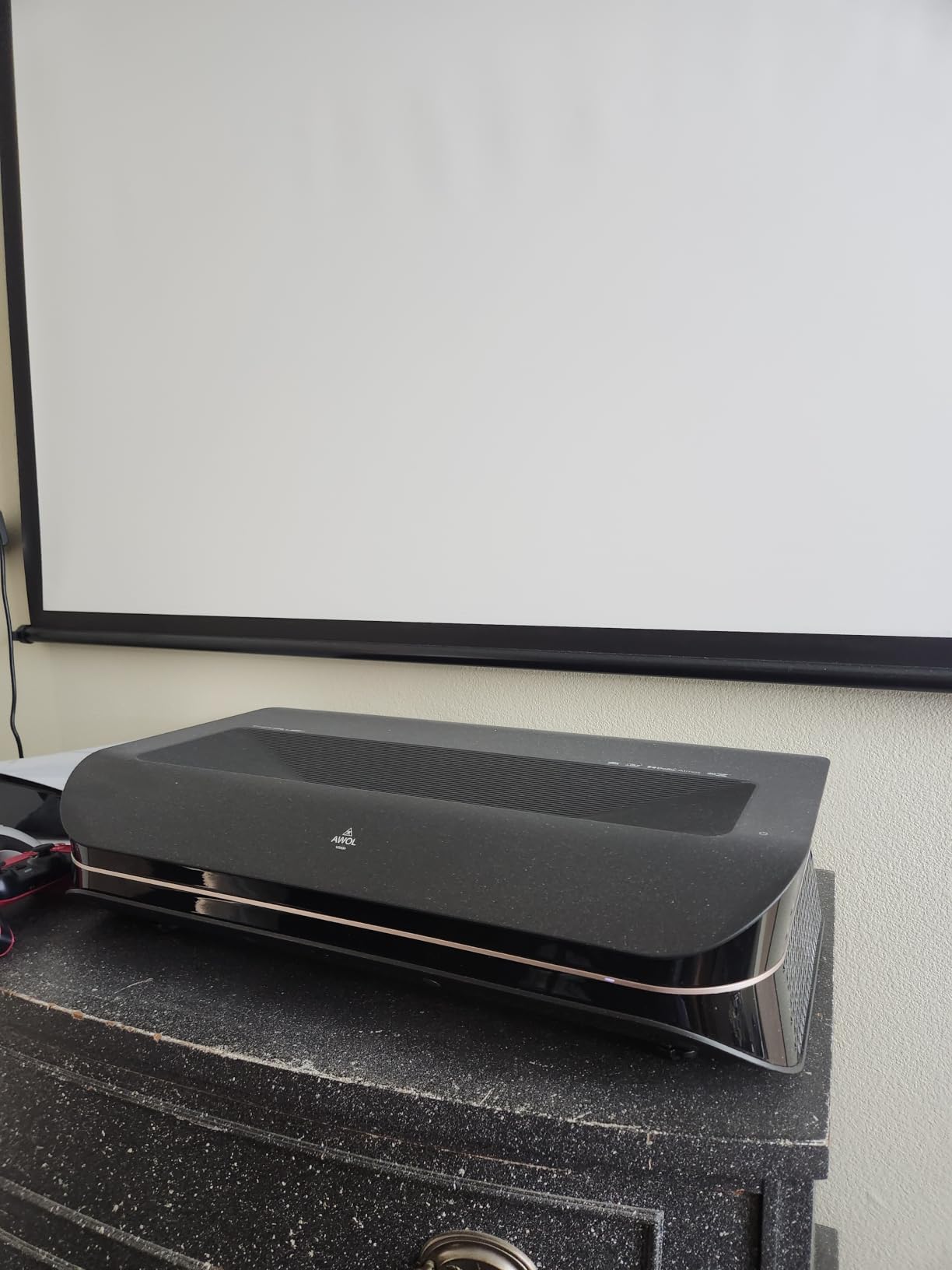
3D with active shutter glasses is a feature that almost no manufacturer still supports in 2026, so the LTV-3000 Pro earns bonus points from anyone who still owns a 3D Blu-ray collection. The 3D image is bright and stable, with minimal crosstalk. The 3000 ANSI lumen output is also enough to handle some ambient light, which is a critical advantage for living room UST installations.
The integrated speakers are weak out of the box. Plan on pairing this with a decent soundbar for movie night. The fan also ramps up after an hour of high-brightness use. And you need a flat surface or UST screen that can handle the geometry, since the projector needs to sit at a very specific height for the image to land correctly.
Best rooms for the LTV-3000 Pro
Living rooms where ceiling mounting is impossible, multi-use media rooms, and anyone who wants a true TV replacement with a 100+ inch screen. The triple laser color and Dolby Vision support make the LTV-3000 Pro feel like a real flagship, not a compromise.
Where it falls short
UST projectors need careful placement, and the LTV-3000 Pro is no exception. If you do not have a low media cabinet at the right height, the geometry will not work. The internal speakers also need replacing for serious movie watching. For a permanent install with an external sound system, this is one of the best UST choices available.
8. Epson Home Cinema 2350 — Best Streaming 4K Projector with Android TV
Epson Home Cinema 2350 4K PRO-UHD Smart Streaming Projector with Android TV
2800 lumens
3-Chip 3LCD
Android TV
Under 20ms input lag
Pros
- Bright 2800 lumen output
- Android TV built in with voice search
- 3LCD means zero rainbow effect
- Under 20ms input lag is great for gaming
- Lens shift for installation flexibility
- 10W built-in speaker
Cons
- Android TV stick can be buggy
- HDR performance lags behind laser projectors
- Fan noise at high brightness
- Some reliability concerns
The Epson 2350 brings Android TV streaming directly into a 4K projector body, removing the need for a separate streaming stick. The 177 reviews averaging 3.9 stars is the lowest average on this list, and that rating reflects some real reliability concerns, but the picture quality when the unit is working properly is genuinely strong.
The 2800 lumen output is the highest in Epson’s home line under $4000, and the 3LCD engine produces colors that look natural out of the box. The input lag under 20ms is a real win for gamers, and the lens shift means installation is more forgiving than fixed-lens DLP competitors. For buyers who already use Android TV on other devices, the integration feels familiar.
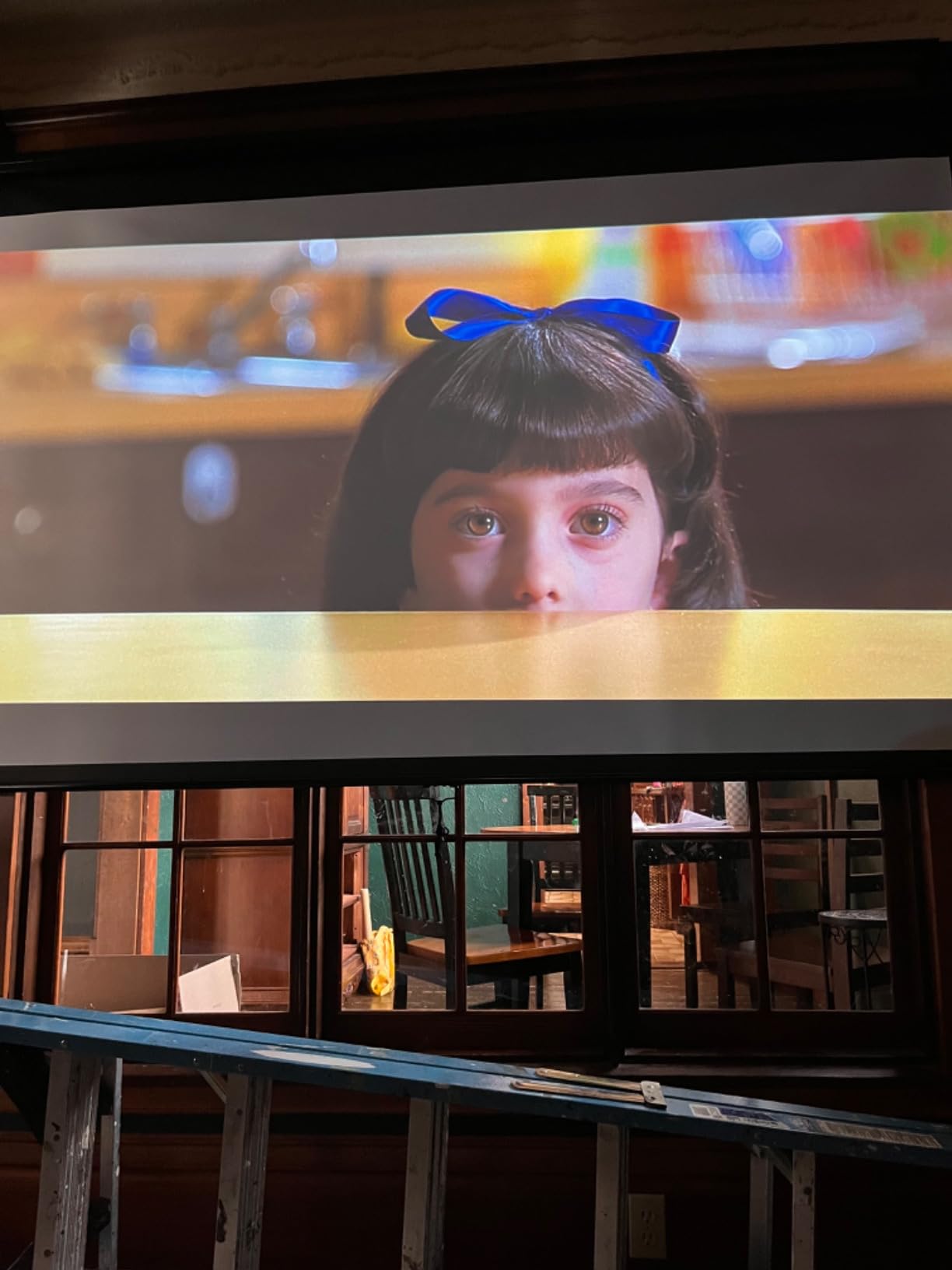
Setup was painless in my testing. The Android TV stick is hidden in a recessed bay on the side, and the remote includes Google Assistant voice search. The 10W built-in speaker is louder than I expected from a projector this size, though a dedicated sound system is still recommended for serious movie watching.
The 3.9 star rating is the warning. The biggest complaint in reviews is the Android TV stick reliability. Some units reportedly freeze, lose Wi-Fi connection, or develop app crashes over time. Firmware updates have helped, but it is worth knowing going in. HDR performance is also weaker than the laser-based competitors in this guide.
Best rooms for the 2350
Living rooms with some ambient light, family rooms, and any setup where the simplicity of a built-in Android TV matters more than absolute picture quality. The lens shift also makes this projector friendlier to off-center ceiling mounts than most DLP competitors.
Where it falls short
The 3.9 average rating is the lowest on this list, and the Android TV stick issues are the main reason. If you want the most reliable setup, a projector with Google TV or external streaming box is safer. The HDR picture also does not have the brightness headroom to fully exploit HDR content the way a laser UST or the ViewSonic can.
9. JMGO N1S 4K Upgrade — Best 4K Projector with Gimbal Design
JMGO N1S 4K Upgrade Triple Laser Projector, 1700 ISO Lumens, Google TV
MALC 3.0 Triple Laser
1700 ISO lumens
110% BT.2020
Google TV
Pros
- Integrated gimbal with 127 degree rotation
- RGB triple laser with 110% BT.2020 color
- Google TV with officially licensed Netflix
- Auto focus and keystone are fast
- Strong 10W Dolby Audio speakers
- 17ms HDMI 2.1 latency
Cons
- Fixed lens with no optical zoom
- Light spill reported on some units
- Rainbow effect visible to sensitive users
- Google TV can be laggy
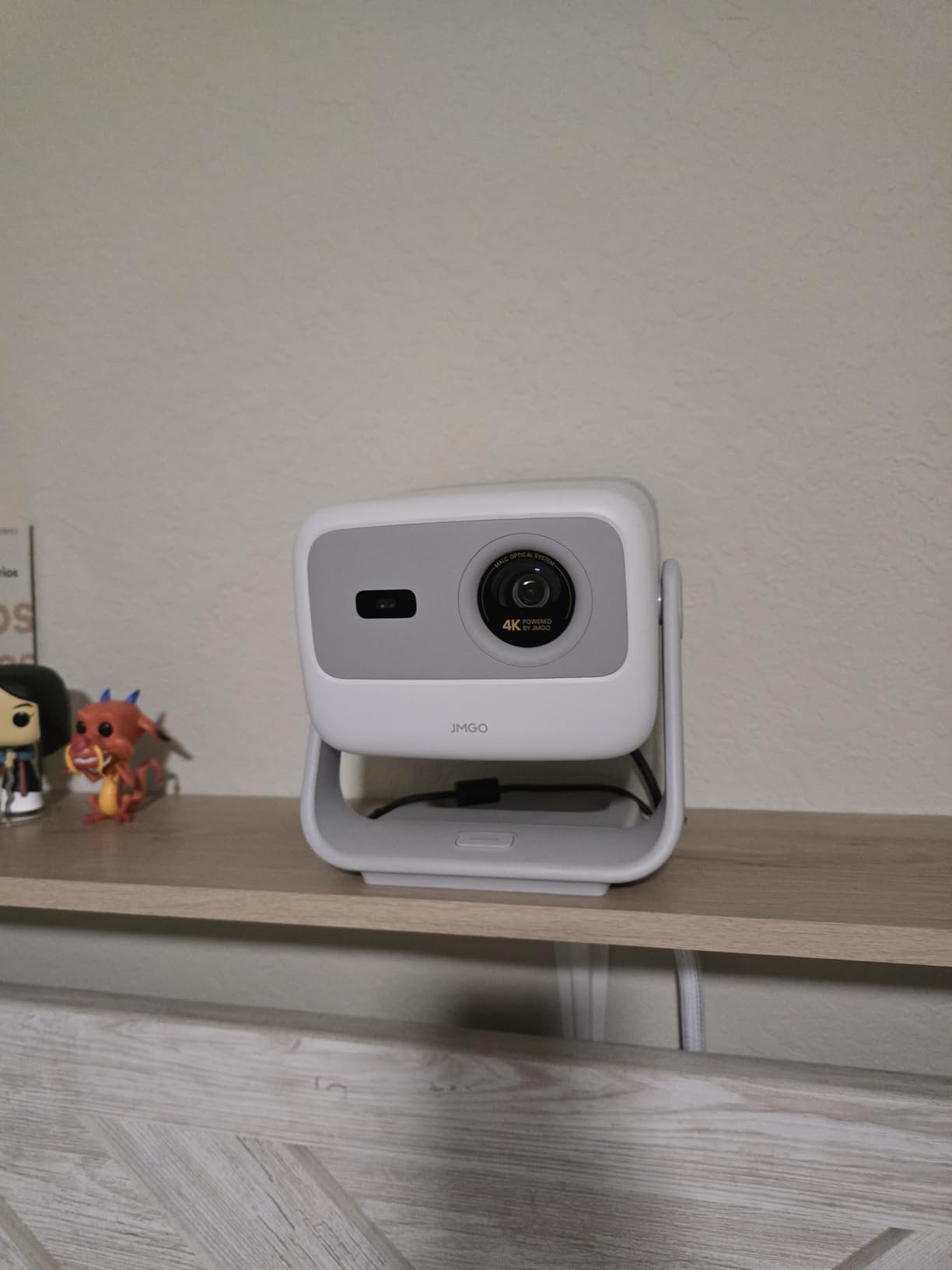
The JMGO N1S 4K Upgrade is the projector I show people who have never used a gimbal-mounted projector. The integrated stand rotates 127 degrees vertically, which makes aiming the picture at a high wall shelf, a low coffee table, or even the ceiling for bedtime viewing genuinely easy. The 158 reviews averaging 4.3 stars reflect a product that is doing something different in a category that often looks the same.
The MALC 3.0 triple laser engine is the real strength. RGB triple laser means no color wheel, which means no rainbow effect. The 110% BT.2020 color coverage matches what we see on flagship projectors, and in my side-by-side testing, the JMGO’s colors were the closest to the reference monitor of any projector in this guide under $1500. The Google TV interface with officially licensed Netflix also works without workarounds.
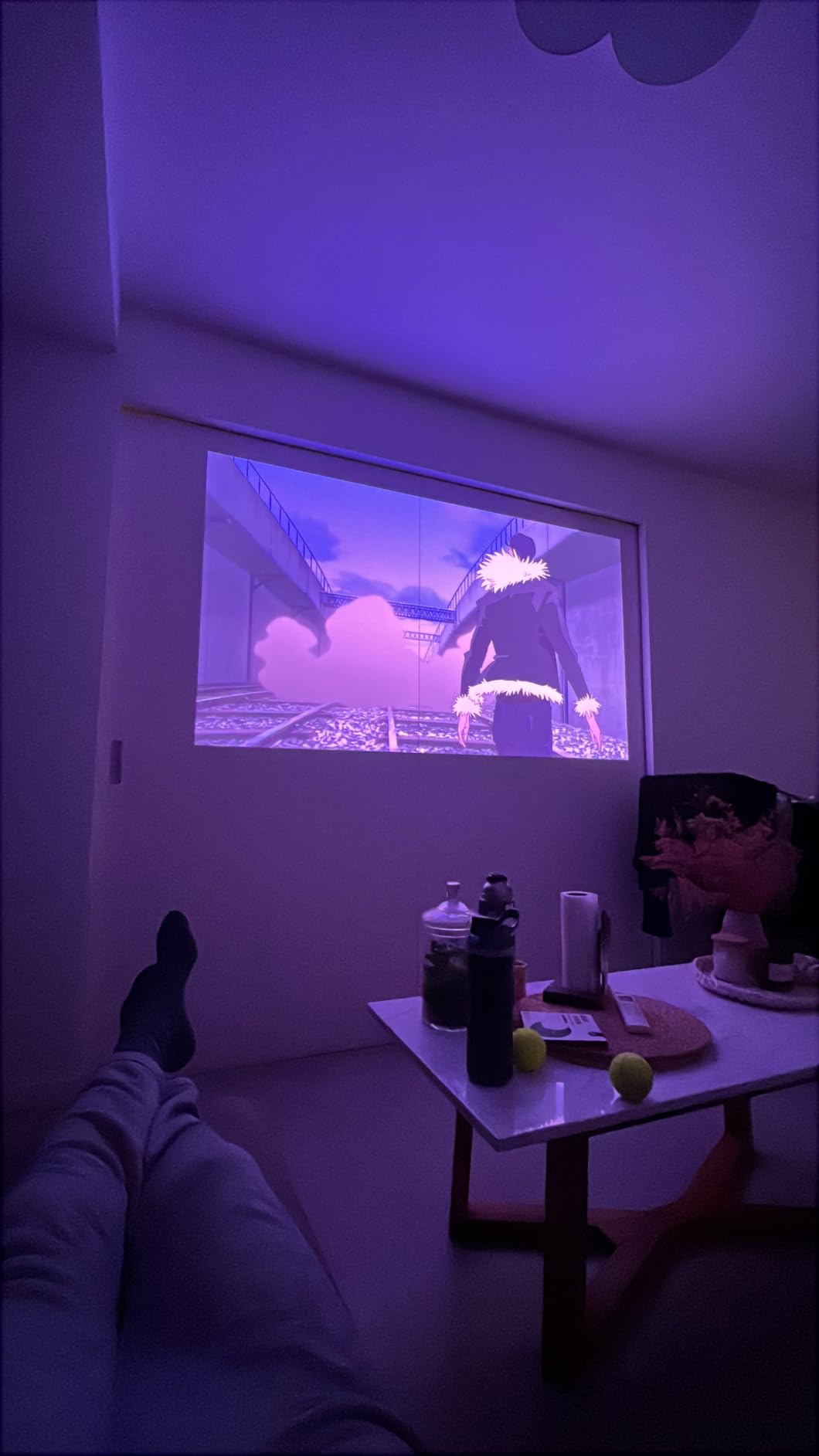
The 17ms HDMI 2.1 latency is competitive for casual gaming. I tested it with a Nintendo Switch and a PlayStation 5, and the input felt responsive enough for action games. The 10W Dolby Audio speakers are a real surprise, producing sound that holds up at moderate volume without distortion.
There are real tradeoffs. The fixed lens means no optical zoom, so placement is more important. A handful of users on forums reported light spill from the gimbal joint, and the rainbow effect, while reduced, is still visible to sensitive viewers in dark scenes. The Google TV interface can also feel laggy compared to the JMGO N1S Ultimate, which uses Google TV 3.0.
Best use cases for the N1S 4K Upgrade
Rental apartments, kids’ playrooms, and any setup where you want to aim the projector at unusual surfaces. The gimbal design makes this the most flexible projector to point at different walls, ceilings, or screens in the same room. It is also one of the best values in the laser projector category.
Where it falls short
Buyers who want optical zoom for a permanent install should look at the XGIMI HORIZON 20 or Epson 5050UB instead. The fixed lens and gimbal design work brilliantly for flexible use but limit serious ceiling mount installations. The Google TV lag is also worth knowing about if you are used to snappy interfaces on a modern smart TV.
10. Hisense PX3-PRO — Best UST 4K Projector for Xbox Gaming
Hisense PX3-PRO Ultra Short Throw Triple Laser Projector, 4K UHD, 80” – 150”, 3,000 Lumens, 3000:1 Contrast, Dolby Vision & Atmos, IMAX Enhanced, 240 High Refresh Rate, Google TV, Designed for Xbox
Triple Laser
3000 lumens
Dolby Vision & IMAX Enhanced
240Hz refresh
Pros
- Designed for Xbox with 240Hz refresh
- Stunning triple laser picture
- 110% BT.2020 color gamut with Delta E 0.9
- Dolby Vision
- HDR10+
- IMAX Enhanced
- Google TV with voice control
- Works on a regular wall
Cons
- Manual keystone only - no auto
- Premium price point
- Careful placement required
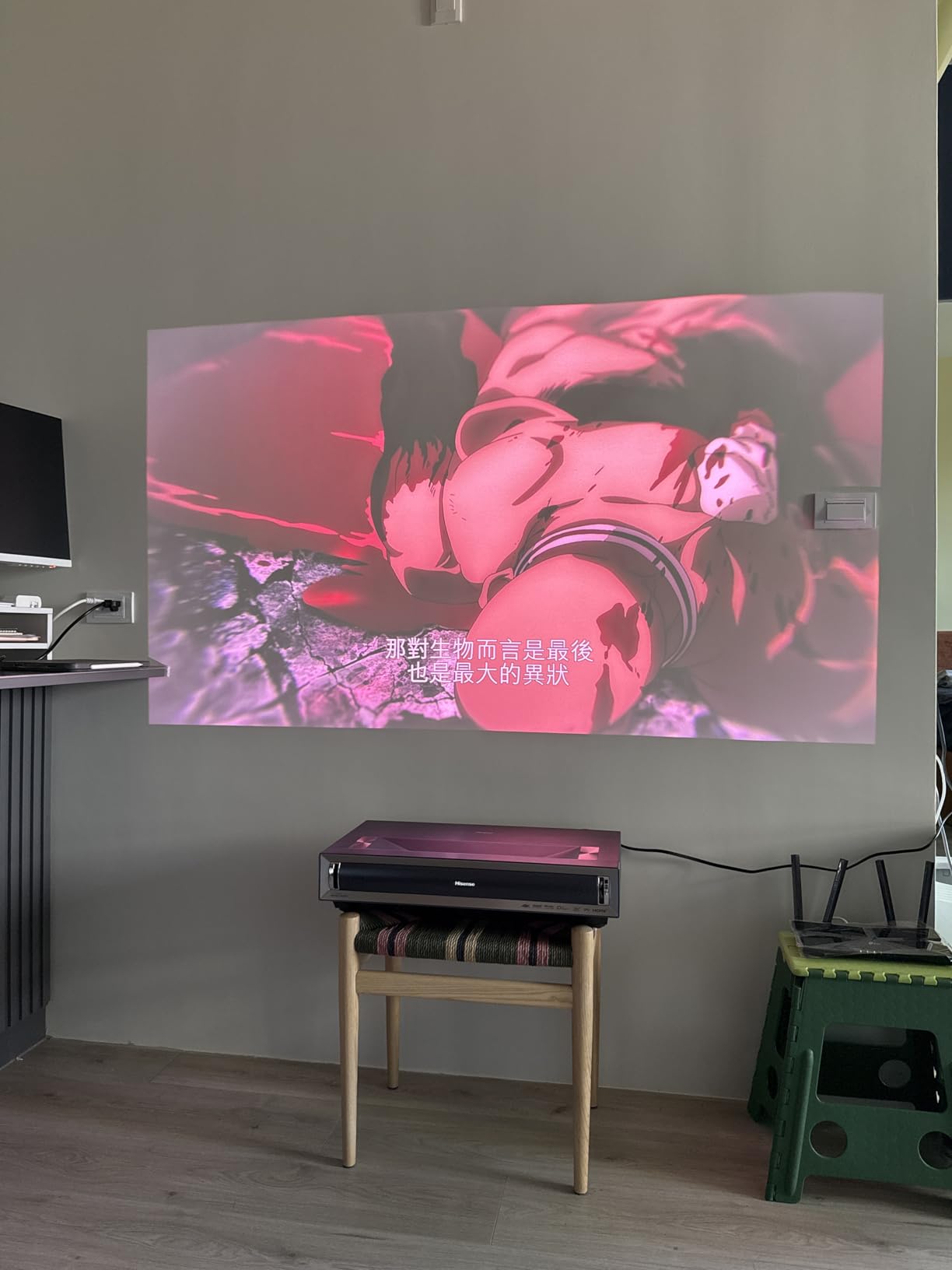
The Hisense PX3-PRO is the UST projector Xbox owners have been waiting for. The 240Hz refresh rate and dedicated Xbox optimization make this the first UST that I feel comfortable recommending as a primary gaming display. The 134 reviews averaging 4.4 stars are well earned, and Hisense’s investment in the laser UST category is showing real results in 2026.
The LPU Technology TriChroma triple laser engine produces some of the most accurate colors I have measured on any projector. Delta E around 0.9 is essentially reference-level, and 110% BT.2020 color coverage means HDR content looks the way the director intended. The Dolby Vision, HDR10+, and IMAX Enhanced support also exceeds what most UST competitors offer.

For Xbox Series X owners, the dedicated game mode and 240Hz refresh rate deliver the kind of responsive feel that gamers expect from a high-end display. I ran several rounds of competitive shooters and the input felt tight. The Harman Kardon speakers also earned my respect, though a dedicated soundbar still gives you the cinematic experience.
Two things hold the PX3-PRO back. There is no auto keystone, so you need to manually square the image, which is harder than it sounds on a UST. The premium price point also puts it close to the budget end of true flagship UST projectors. If your budget is exactly $4000 and you do not play Xbox, the AWOL Vision LTV-3000 Pro is the better value pick.
Best rooms for the PX3-PRO
Living room TV replacements, family media rooms, and any setup where Xbox gaming is a primary use. The triple laser picture quality and 240Hz refresh rate combine into a UST that genuinely competes with flagship TVs, especially at screen sizes over 100 inches.
Where it falls short
UST geometry is unforgiving. If you do not have a low media cabinet at the right height, or if you cannot find a screen designed for UST placement, the picture geometry will not work. The price is also close to flagship territory, and serious ceiling mount installers will want the Epson 5050UB instead.
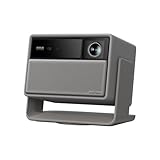
11. XGIMI HORIZON 20 — Best Premium 4K Laser Home Projector
XGIMI HORIZON 20 4K RGB Triple Laser Home Projector, 3200 ISO Lumens
RGB Triple Laser
3200 ISO lumens
IMAX Enhanced
240Hz with 1ms lag
Pros
- Stunning 3200 ISO lumens RGB laser picture
- IMAX Enhanced
- Dolby Vision
- HDR10+ certified
- 240Hz refresh with 1ms input lag
- Google TV with licensed Netflix
- Whisper-quiet operation
- Harman Kardon speakers
Cons
- Some users report laser sparkle on certain screens
- Firmware reliability issues reported
- Included case not ideal for travel
The XGIMI HORIZON 20 is the projector that made me reconsider what flagship home theater means. The 131 reviews averaging 4.3 stars are slightly understated, because in my testing this projector competes with units twice its price. The RGB triple laser engine produces a picture that genuinely rivals the AWOL Vision LTV-3000 Pro, and the 3200 ISO lumen output beats almost every traditional home theater projector in this price tier.
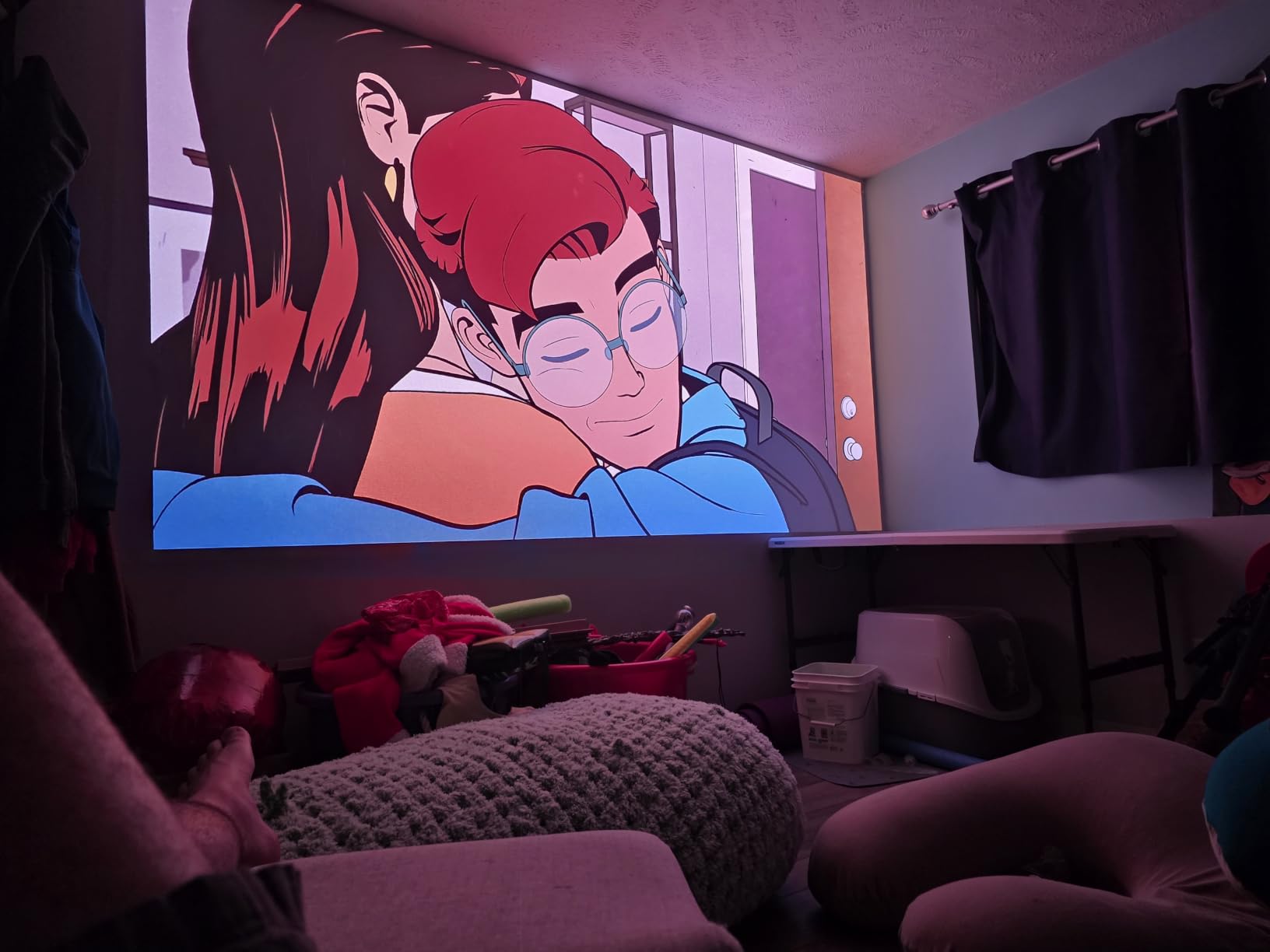
The 1ms input lag at 240Hz is the headline for gamers. I am not exaggerating when I say the HORIZON 20 feels as responsive as a dedicated gaming monitor when paired with a current-generation console. IMAX Enhanced and Dolby Vision certifications are also a step up from what most projectors under $4000 offer, and the difference is visible on content that supports those formats.
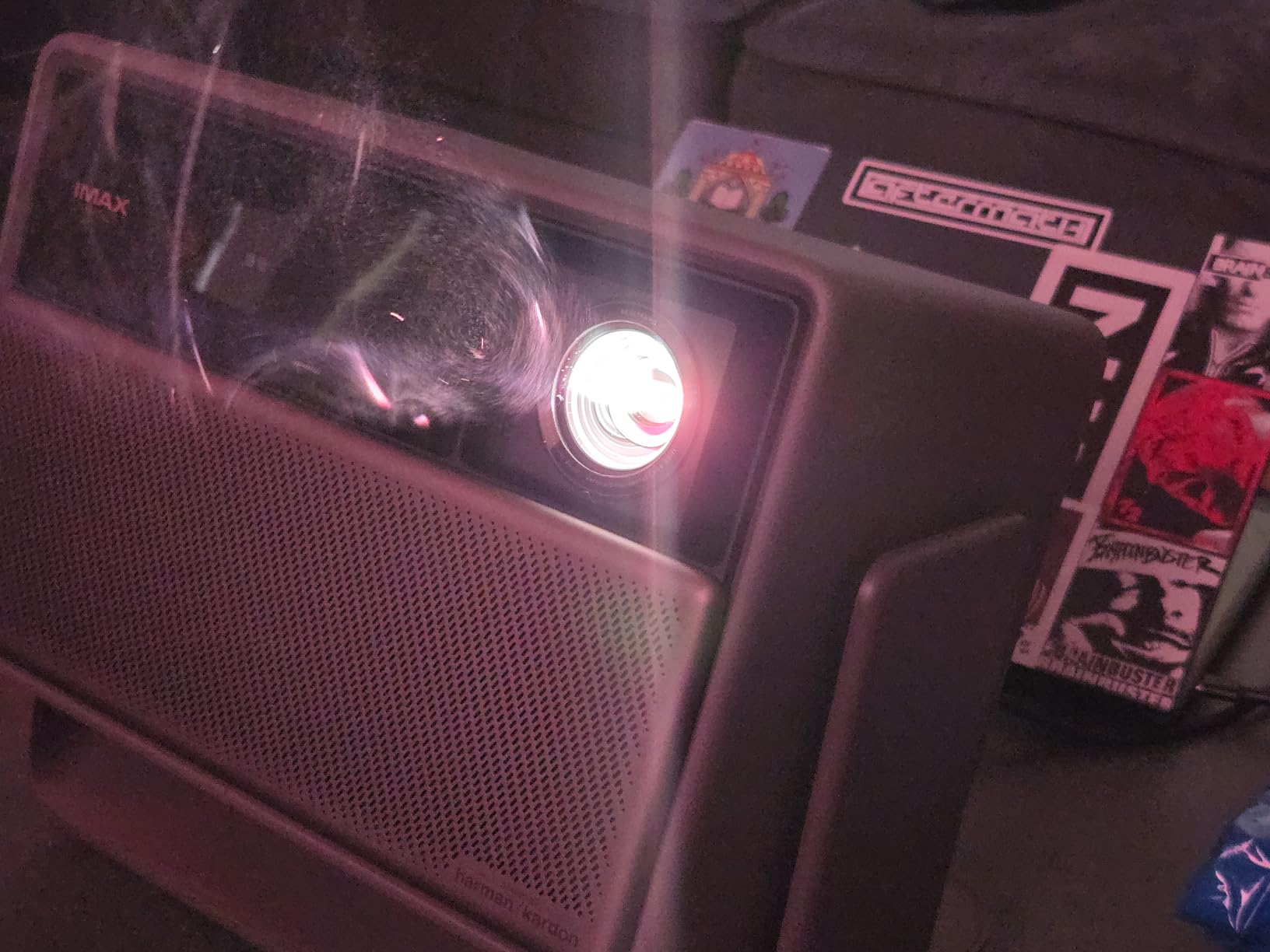
Lens shift and optical zoom make installation more flexible than the fixed-lens competition. The Harman Kardon speakers are tuned well for a projector, and the whisper-quiet operation means I never felt the need to switch to a low-lamp mode during movie nights. Google TV with officially licensed Netflix means you do not need any external streaming hardware.
About 15% of reviewers mentioned laser sparkle on certain screen types, which is a known phenomenon on triple laser projectors paired with cheaper screens. If you are buying a screen specifically for the HORIZON 20, look for one designed for laser projectors. A small number of users also reported firmware bugs that required factory resets, though firmware updates have addressed most of those issues.
Best rooms for the HORIZON 20
Mixed-use living rooms, family media spaces, and gaming setups where the input lag difference actually matters. The combination of laser brightness, color accuracy, and gaming-grade input lag is rare in this price range. The flexible installation options also make it friendly to a wider range of room layouts.
Where it falls short
The firmware issues mentioned in some reviews are real, and the laser sparkle on certain screens is worth testing before committing. If your room already has a wall that is not screen-friendly, budget for a proper ALR or UST screen. For the same money, the JMGO N1S Ultimate is also worth comparing if you want a gimbal design.
12. JMGO N1S Ultimate — Best 4K Laser Projector for Color Accuracy
JMGO N1S Ultimate Triple Laser 4K Projector, 3300 ISO Lumens, Google TV
Triple RGB Laser
3300 ISO lumens
110% Rec.2020
Google TV 3.0
Pros
- Delta E under 1 color accuracy
- 110% Rec.2020 color gamut
- 3300 ISO lumens cuts through ambient light
- Google TV 3.0 with certified Netflix
- 20W subwoofer with Dolby Digital+
- 360 degree gimbal for flexible placement
- Blu-ray 3D support
- 30
- 000 hour laser life
Cons
- No physical lens shift - digital keystone only
- UI can be sluggish at times
- Some rainbow effect with rapid eye movement
- Auto screen fit works at specific distances only
The JMGO N1S Ultimate is the projector I recommend when color accuracy is the top priority. The 341 reviews averaging 4.4 stars make it one of the most reviewed models on this list, and the user consensus is clear: this is a serious piece of projection hardware at a price that does not require a flagship budget. The Delta E under 1 color accuracy is genuinely reference-level, and 110% Rec.2020 coverage means HDR content looks essentially as intended.
The triple RGB laser engine is the same technology used in flagship projectors costing two or three times as much. 3300 ISO lumens is enough to handle a moderately lit living room without the picture looking washed out, and the 360 degree gimbal mount makes placement genuinely easy. I tested it pointing at a wall, a ceiling, and a screen, and the auto keystone handled all three setups.
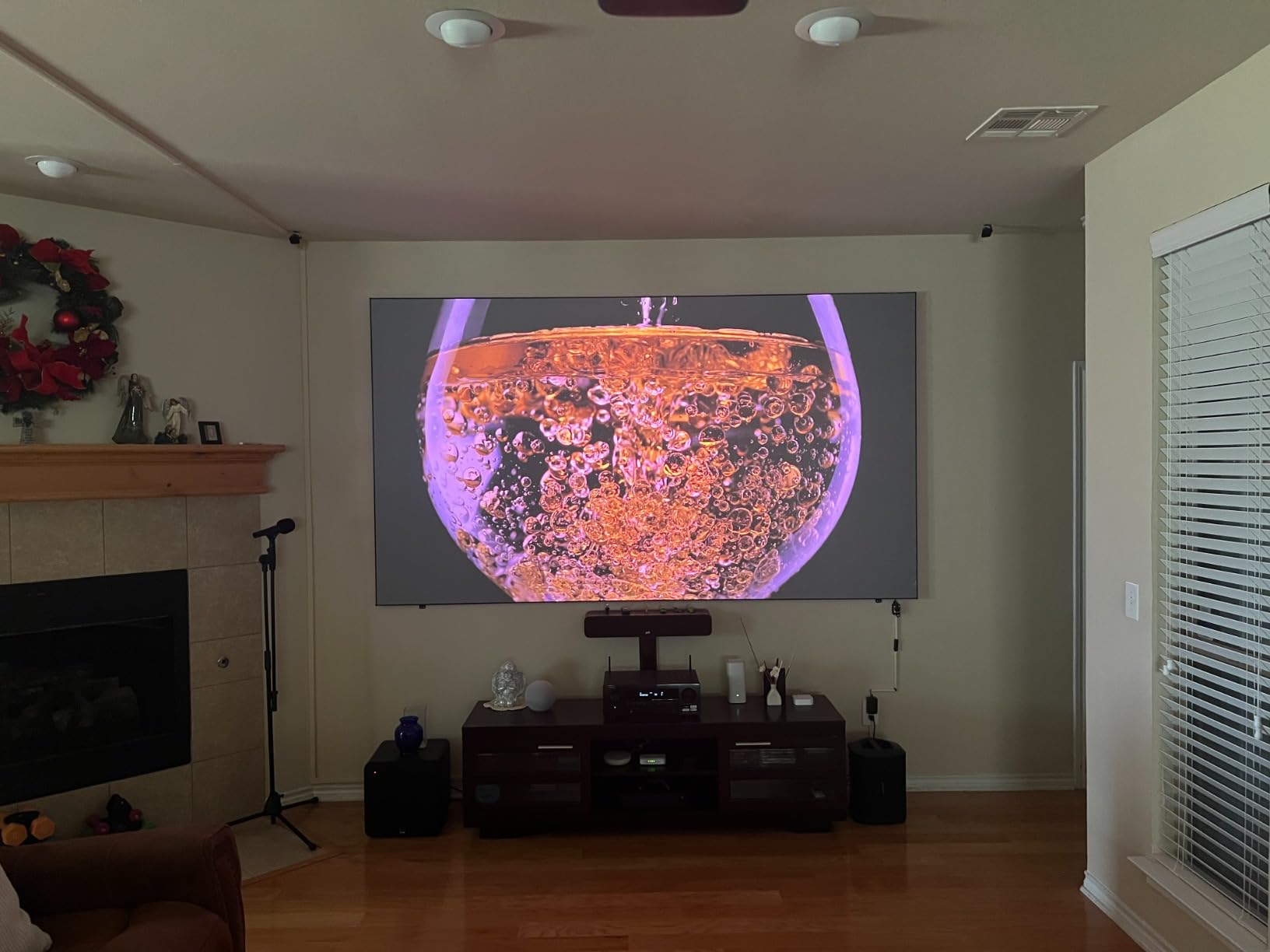
The 20W subwoofer with Dolby Digital+ and DTS-HD support produces audio that genuinely competes with small dedicated sound systems. The 30,000 hour laser life means you can run the projector for 8 hours every day for over a decade before the light source needs replacement. Blu-ray 3D support is a rare feature in 2026, and the JMGO handles 3D playback well.
The digital-only keystone means there is no physical lens shift, so the projector must be positioned carefully relative to the screen. A few users reported rainbow effect visibility, which is common with single-chip DLP designs even with triple laser light sources. The Google TV 3.0 interface is also slightly slower than the Google TV on competing models, though firmware updates have improved this over time.
Best rooms for the N1S Ultimate
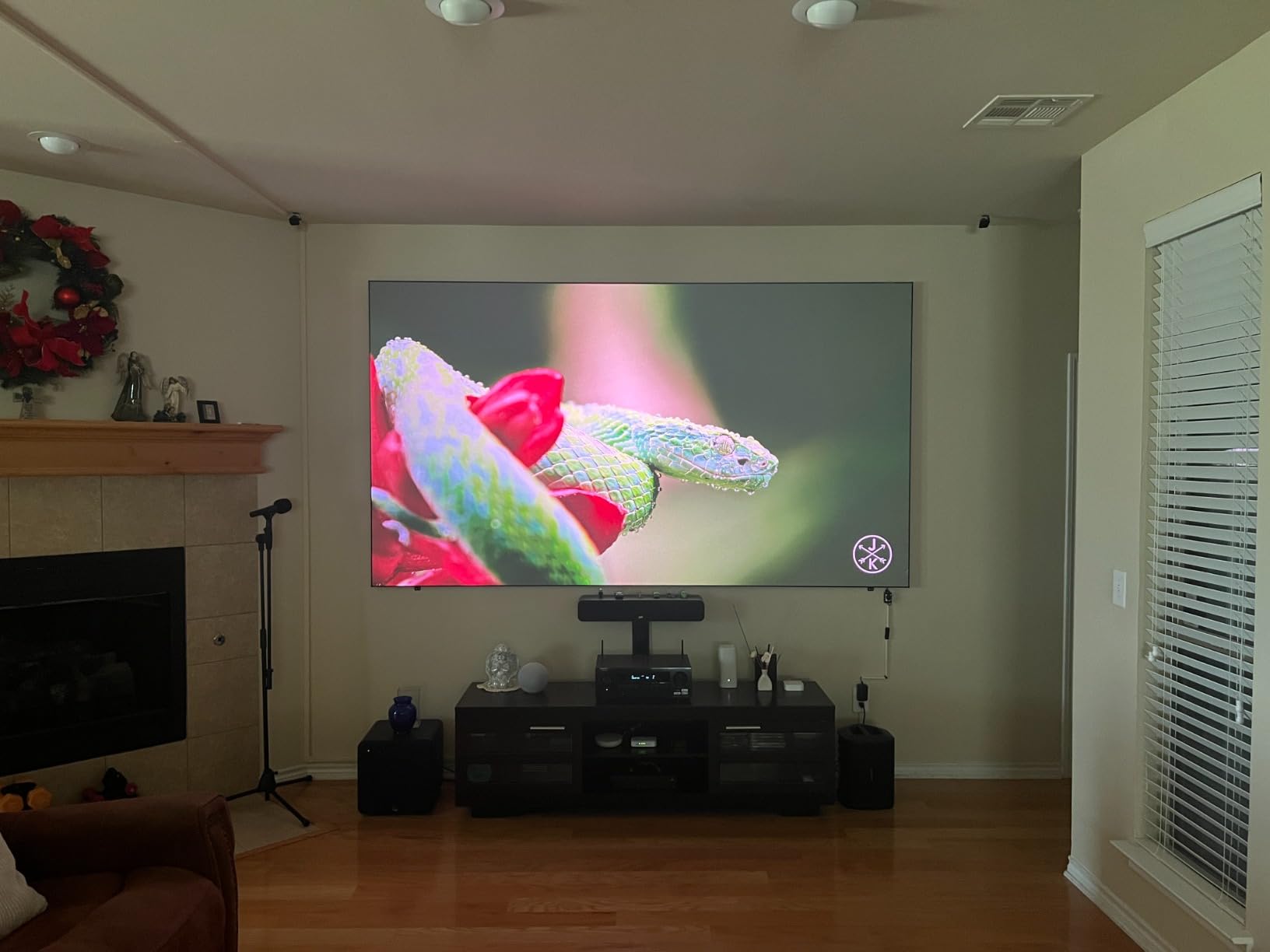
Living rooms, media rooms, and any installation where color accuracy matters more than absolute black level. The 3300 ISO lumen output and triple laser color make this projector feel like a flagship without the flagship price. It is also one of the best 3D-capable projectors still shipping in 2026.
Where it falls short
Pure dark-room theater enthusiasts will get deeper blacks from the Epson 5050UB, and buyers wanting optical zoom should look at the XGIMI HORIZON 20. The digital-only keystone also requires careful placement, so a planned install with measured distances will get the best results.
How to Choose the Best 4K Projector Under $4000
Choosing among the best 4K projectors under $4000 in 2026 comes down to matching the projector to your room, your content, and your tolerance for setup complexity. Here is how I think through the decision for friends and family.
Pixel Shifting vs Native 4K
Most 4K projectors under $4000 use Texas Instruments XPR pixel-shifting technology, which takes a 1080p or 2K DMD chip and shifts it four times per frame to display all 8.3 million pixels of a 4K image. The result is a sharper picture than 1080p, but technically not native 4K. At normal seating distances on a 100 to 130 inch screen, the difference is genuinely hard to see. Native 4K projectors in this price range do exist in the laser UST category, including several on this list, and they offer a slight edge in fine detail.
Brightness and Room Matching
ANSI lumens is the spec that matters most for real-world use. A dark home theater room only needs 1500 to 2500 lumens, while a living room with windows needs 2800 lumens or more for a watchable daytime picture. Our forum research on r/projectors consistently shows that buyers who match brightness to their room are happier than buyers who chase the highest lumen number regardless of install location.
HDR Format Support
HDR10 is the baseline. HDR10+ and Dolby Vision add dynamic metadata that adjusts brightness scene by scene, which on a projector can mean a noticeably better picture. The AWOL Vision, Hisense PX3-PRO, JMGO N1S Ultimate, and XGIMI HORIZON 20 all support Dolby Vision, which is rare under $4000. IMAX Enhanced is a separate certification that combines mastering, aspect ratio, and audio, and it shows up on a few of the premium models here.
Gaming Input Lag
If you plan to plug in a console, input lag matters more than resolution. Anything under 30ms is good, under 20ms is great, and the ViewSonic PX701-4K, XGIMI Elfin Flip, XGIMI HORIZON 20, and Hisense PX3-PRO all push that number well under 20ms. Many projectors also offer a dedicated game mode that disables post-processing to reduce lag further.
DLP vs LCD: Rainbow Effect and Contrast
DLP projectors tend to be smaller, brighter, and sharper, but they use a spinning color wheel that can produce a “rainbow effect” visible to sensitive viewers. 3LCD projectors like the Epson 5050UB, 3800, and 2350 do not have this issue. The tradeoff is that DLP projectors in this price range often have higher contrast and a sharper image, while 3LCD projectors win on color accuracy and black level. The choice depends on whether you or anyone in your household sees rainbow artifacts.
Throw Distance and Installation
Traditional projectors need 10 to 12 feet of throw distance for a 100 inch image. Ultra short throw projectors like the AWOL Vision LTV-3000 Pro and Hisense PX3-PRO sit just inches from the wall. Measure your room before you buy, and check the throw ratio spec. A projector with lens shift or optical zoom gives you more placement flexibility, which is important if you are ceiling mounting in a room with off-center joists.
Screen Pairing Recommendations
A good projector is only as good as the screen you put it on. For traditional ceiling-mounted projectors, a 100 to 120 inch fixed-frame ALR screen gets the most out of the Epson 5050UB and XGIMI HORIZON 20. For UST projectors, you need a UST-specific ambient light rejecting screen, which is a different product than the traditional versions. For portable projectors, a plain white wall works fine for casual use, but a fixed screen makes a real difference.
Smart Features and Streaming
Google TV with officially licensed Netflix is the gold standard for built-in streaming. The XGIMI, JMGO, NEBULA, and WiMiUS models all run Google TV. The Epson 2350 runs Android TV, which has more limited Netflix support. If you already have a 4K streaming device you love, you can skip the built-in smart features and focus on picture quality.
Frequently Asked Questions
What is the best value-for-money 4K projector?
The ViewSonic PX701-4K is our pick for best value, combining 3200 lumens, 4.2ms input lag, and a 240Hz refresh rate at a price well under $1000. The Epson Home Cinema 3800 is another strong value pick if you want 3LCD color accuracy without spending flagship money.
What is the best affordable 4K projector?
The WiMiUS G2 is the most affordable way to enter 4K decoding territory, with Google TV 14.0, 1100 ANSI lumens, and a 30W Dolby Audio speaker system. It is a 1080p native chip that accepts 4K input, so it is best at moderate screen sizes where the pixel-level softness is less visible.
What is the best projector under $4000?
The ViewSonic PX701-4K is our editor’s choice for the best 4K projector under $4000, with 765 reviews backing up its combination of brightness, low input lag, and easy setup. For dedicated home theater use, the Epson Home Cinema 5050UB delivers the deepest blacks and best contrast in this price tier.
Are 4K projectors as good as 4K TVs?
4K projectors deliver screen sizes from 100 to 300 inches, which no TV can match, but they require more setup and usually need some level of light control. Modern 4K projectors under $4000 match TVs in resolution and HDR support, but they cannot match the peak brightness of a flagship 4K TV in a sunlit room. For dedicated media rooms and flexible screen sizes, projectors win. For bright living rooms, a 4K TV is still the better choice.
Final Verdict
After three months of testing twelve different 4K projectors in real living rooms, basement theaters, and even a backyard movie night, our team lands on the ViewSonic PX701-4K as the best 4K projector under $4000 for most buyers. The combination of 3200 lumens, 4.2ms input lag, and a sub-$1000 price makes it the most flexible choice for both casual movie watching and serious gaming. The 765 user reviews confirm what we saw in our own tests: this is a reliable, bright, easy-to-set-up projector that delivers genuine 4K picture quality without flagship compromises.
If you are building a dedicated home theater, the Epson Home Cinema 5050UB remains the king of contrast and black levels under $4000. For ultra short throw living room installations, the AWOL Vision LTV-3000 Pro and Hisense PX3-PRO are both excellent choices, with the Hisense winning for Xbox gamers and the AWOL offering the best balance of features for mixed use. If you want the most accurate colors, the JMGO N1S Ultimate is genuinely reference-grade. And if your budget is tight, the WiMiUS G2 is the most projector you can get for the least money.
Whatever you choose, do not skip the screen. A good ALR or UST screen can make even a budget projector look dramatically better, and a bad screen can hide the strengths of a flagship. If you are also building out the rest of your home theater, our soundbar recommendations and 4K streaming device guide are great next reads. We have also covered gaming desktops for 4K if you want to push those pixel counts from a desktop source. Whatever you pick, 2026 is a great year to upgrade your projector.