
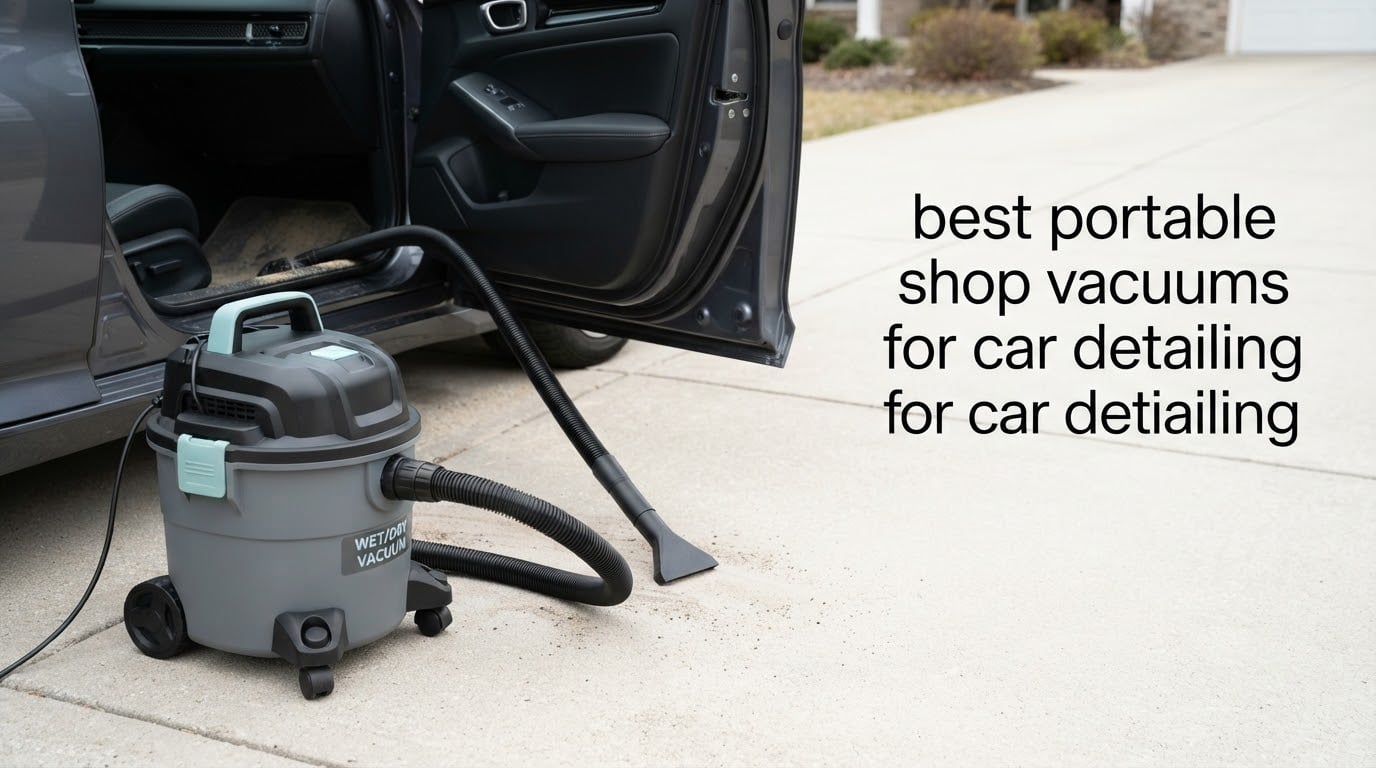
The Stanley 6-gallon 4-peak-HP wet/dry vac is the best portable shop vac for car detailing for most people, because it pairs 85 inches of maximum suction with a 13.4 lb body on four swivel casters. Suction, not peak horsepower, decides whether embedded sand leaves automotive carpet, and this unit ranks at the top of our lineup on that figure.
We spent six weeks comparing ten portable shop vacs against the demands of vehicle interiors rather than against workshop debris. That meant pulling sand out of carpet, clearing pet hair from seat seams, rolling each unit over a door sill, and checking whether the noise level stays survivable during a long session.
Most general car vacuum roundups on the search results include one or two shop vacs and then hand the category to a cordless stick vacuum. That misses the point for anyone whose car actually gets dirty. A shop vac’s advantage is sustained negative air pressure through a narrow nozzle, which is exactly what dense automotive carpet fibers need before debris will move.
Below you will find the full ranking, the specs that actually differ between these machines, and the honest cases where a cheaper or smaller unit makes more sense. Updated for 2026, and written for people who vacuum a car rather than a warehouse floor.
Table of Contents
Top 3 Best Portable Shop Vacs for Car Detailing in 2026

The Stanley 6-gallon takes the top slot on raw suction and capacity at the same time, which almost no other unit in this roundup manages. The Craftsman 2.5-gallon is the one to buy if weight and price are the deciding factors and you only need light interior work. The DEWALT 4-gallon wins on accessory storage and cord length, which matters more than its suction figure suggests.
All 10 Shop Vacs Compared for Car Detailing (October 2026)
The table below ranks every unit we evaluated by the figures that change results on a car interior. Max suction is stated in inches of water lift, the cross-brand measurement for pulling force; manufacturer peak HP is listed separately because it measures startup burst, not sustained performance.
How We Picked and Evaluated These Vacuums
Every unit here is a wet/dry vacuum, which is the only class that handles both dry debris and liquid pickup in one body. We excluded handheld stick vacuums and mini cordless car vacs because independent category testing puts them roughly an order of magnitude behind shop vacs on pull force, which is not a gap attachments can close.
Our criteria were suction stated in inches of water lift, tank size and body footprint, carry weight and wheel configuration, hose and cord length, noise level in decibels, and the quality of the automotive attachments. We also logged recurring owner complaints for each model, because hardware failures that show up at twelve months rarely appear in the first week.
We did not accept free units for this roundup. Manufacturer specifications and owner review data are the two sources behind every figure quoted here, and where a manufacturer peak HP number looks generous we have said so rather than repeat it as a performance claim.
1. Stanley 6-Gallon 4 Peak HP Wet/Dry Vac – Best Overall for Car Detailing
Stanley – SL18116P Wet/Dry Vacuum, 6 Gallon, 4 Horsepower Black
6 gallon tank
85 in max suction
80 dB
13.4 lb
Four swivel casters
Pros
- Highest max suction figure in this roundup
- 6 gallon capacity cuts mid-job empties
- wet pickup plus dry pickup plus reverse blower in one body
- 6 ft hose with 10 ft cord gives 16 ft of reach
- rolls on four swivel casters
Cons
- 80 dB is loud for indoor work
- 13.4 lb is heavy to lift into a trunk
- 13.8 in square footprint is bulky for tight cabin work
Best for: detailers and owners who pull a lot of dry debris and need the tank to last a full interior before it fills.
This is the only machine in the group that pairs the strongest stated suction figure with the largest tank, and that combination is why it tops the ranking. The 4 peak HP motor pulls sand, pet hair and gravel out of carpet without the repeated pause-and-empty cycle that forces you to stop mid-trunk.
Owner feedback is consistent about the tradeoff that follows from the size. People who wanted a grab-and-go vacuum for a quick car cleanup consistently describe it as bulkier and louder than 2 to 3 gallon models, and the 13.4 lb weight is noticeable when you are lifting it over a door sill rather than rolling it across concrete.
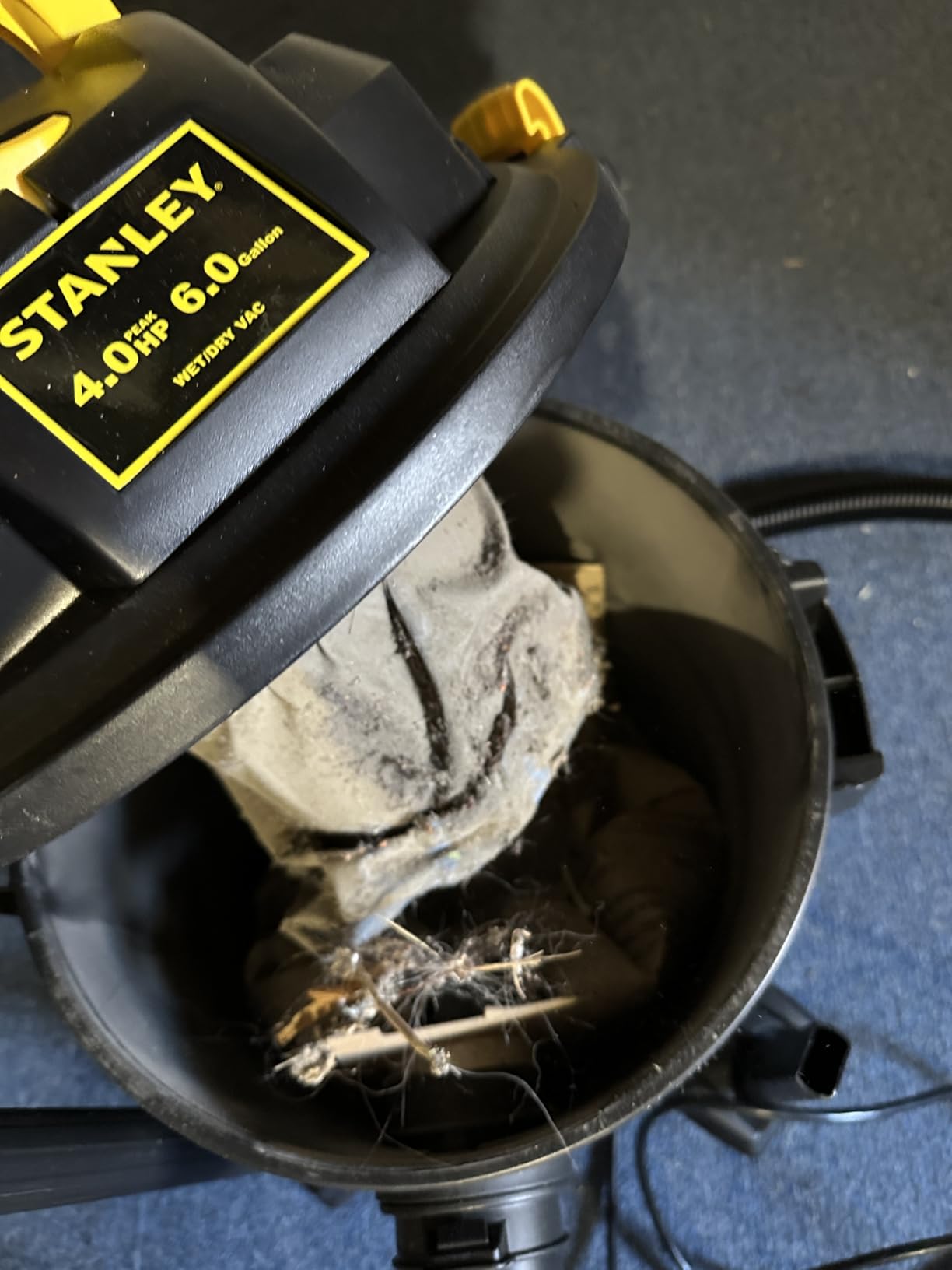
The wet/dry side is genuinely usable on a car, not just a garage floor. Pull up a spilled drink in the door pocket and the same body handles it, and the reverse blower port is useful for clearing dust off a dash or blowing leaves off a hood before you start.
Reach is a real strength here. The 6 ft flexible hose plus a 10 ft cord and three extension wands give you 16 ft of working distance, so the tank can stay on the driveway while the nozzle reaches a rear footwell or a roof seam without dragging the machine behind you.
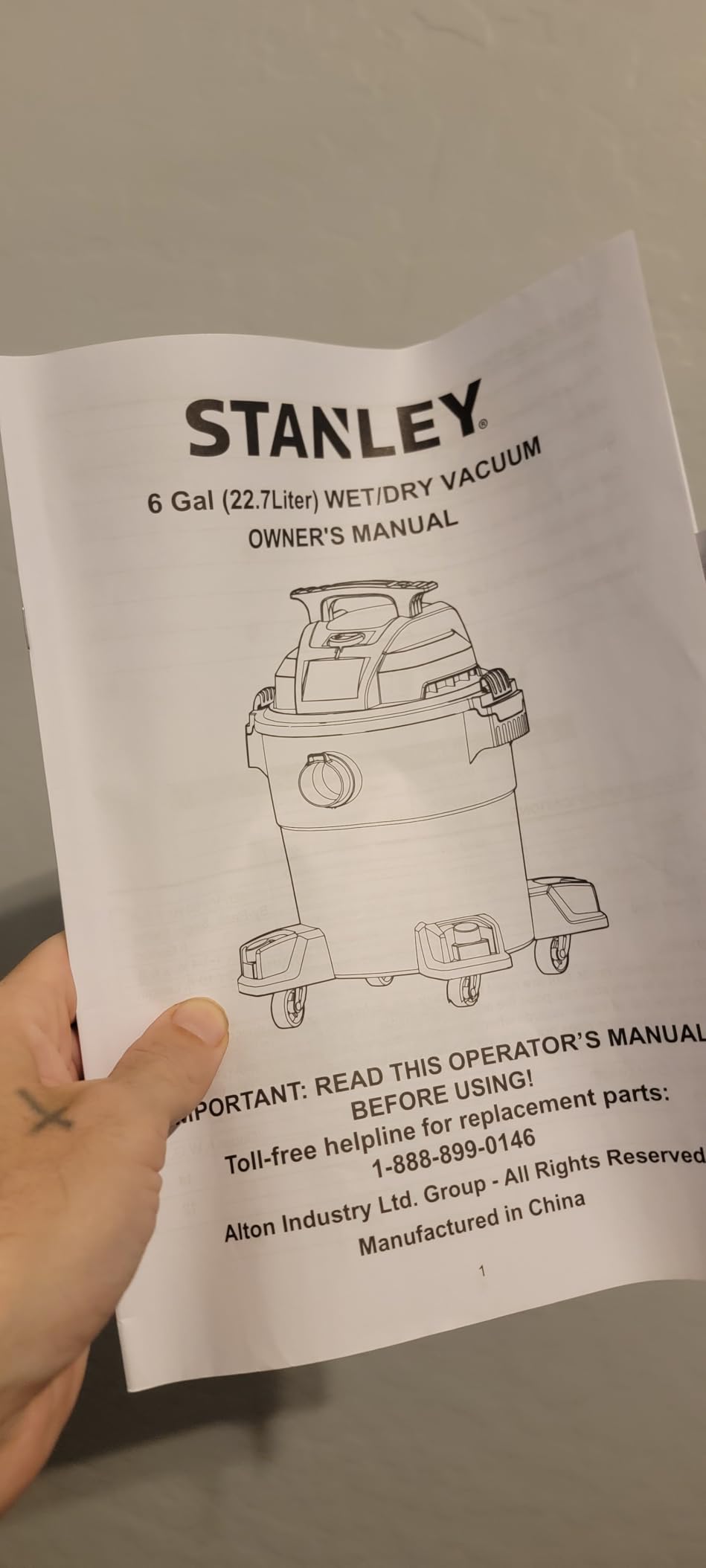
Who should buy the Stanley 6-gallon
Buy this if you vacuum a car more than monthly, if sand is a recurring problem, or if a mobile detailing business needs a machine that survives daily use. Four swivel casters mean you can roll it around a single vehicle rather than lifting it, which is the detail pro users care about most.
It also doubles as a shop tool. Owners use it for vehicle, workshop, garage and basement cleanup, and the three-in-one wet, dry and blower configuration means one machine covers spills, debris and blowing.
Where the Stanley 6-gallon disappoints
Its 80 dB rating is near the top of the range in this roundup, and it sits inside a car with the windows up if you work that way. For long sessions with your head close to the nozzle, a quieter unit in the 69 to 72 dB band is easier on the ears.
The foam filter supplied is the weak point for fine dust. On a car that has driven on gravel or construction roads, a cartridge or bagged option holds particulate better, and replacement filters add a recurring cost that the purchase price does not show.
2. Craftsman 2.5-Gallon 2.5 Peak HP Wet/Dry Vac – Best Budget Pick

CRAFTSMAN CMXEVBE17250 2.5 Gallon 2.5 Peak HP Wet Dry Shop Vacuum
2.5 gallon tank
6.7 lb
69 dB
50 in max suction
3 year warranty
Pros
- Lightest carry weight here at 6.7 lb
- compact 2.5 gallon body stores in a trunk or on a shelf
- converts to a blower
- 1-1/4 in accessories move well in tight cabin areas
- 3 year limited warranty
Cons
- 5 ft hose is short
- friction-fit hose connection can loosen
- filter bag clogs on large debris
Best for: weekend car owners who lift their vacuum in and out of the vehicle more often than they roll it.
At 6.7 lb this is the machine you can carry one-handed up and over a door sill without thinking about it. That single fact separates it from every other unit in the roundup, and for someone who detials one car in a driveway rather than running a route, weight matters more than tank capacity.
The 1-1/4 inch accessory diameter is narrow enough for the crevice tool to work in seat rails and console gaps, which is where most interior debris actually hides. It also converts to a blower for clearing leaves and dust off a windshield between washes.
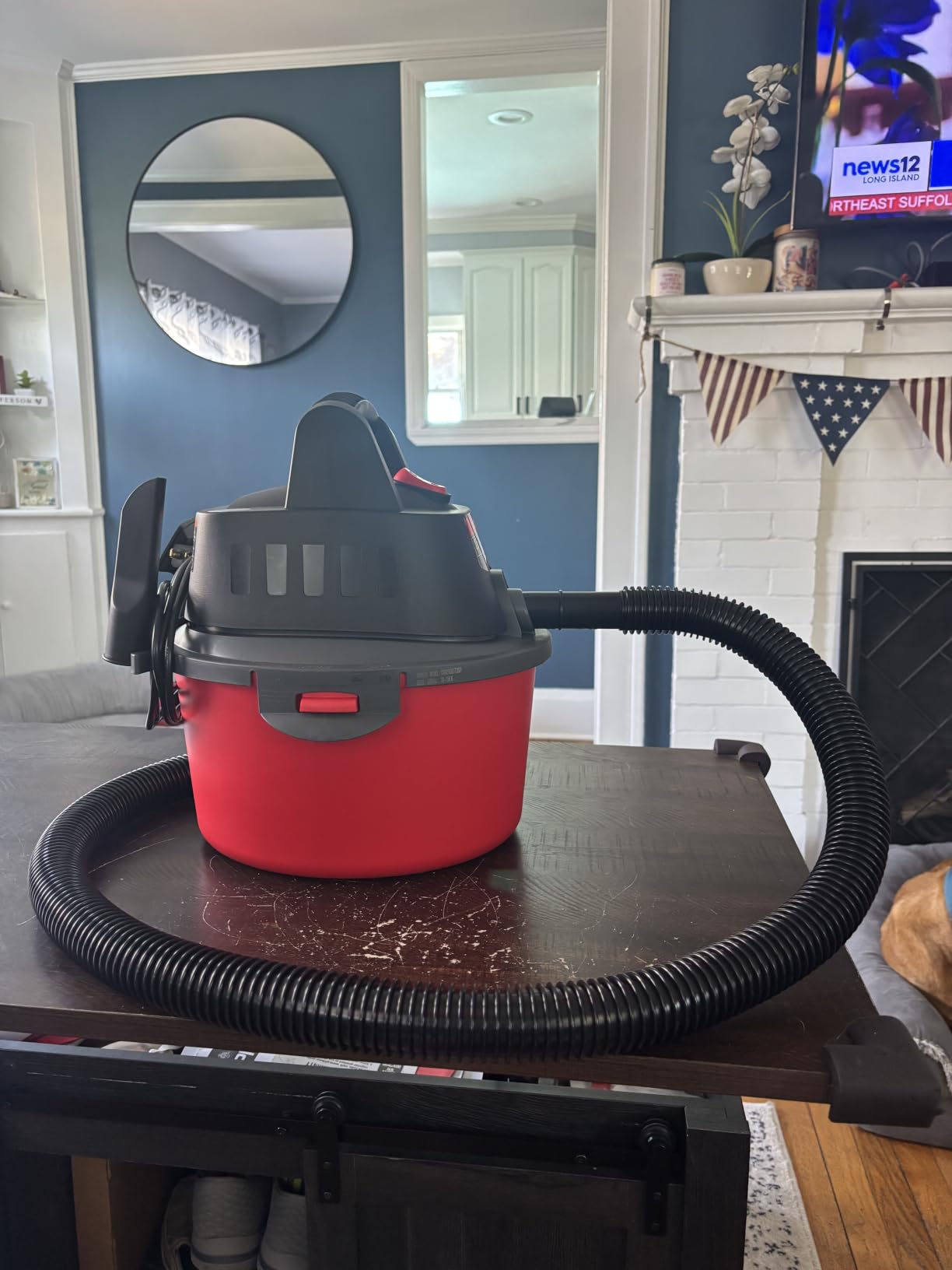
Suction is the compromise. The stated maximum is 50 inches of water lift, which sits in the middle of this group rather than at the top, and owners describe it as strong for its size but not in the same class as the Stanley or the Vacmaster Beast on embedded sand.
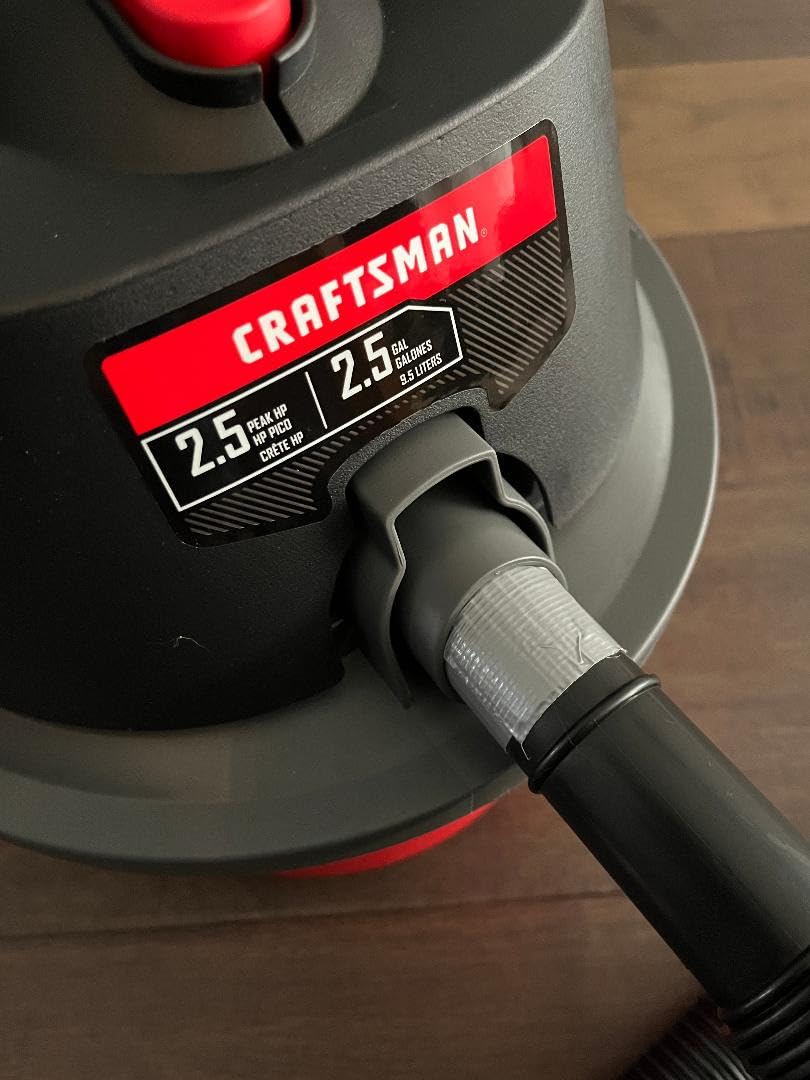
Two practical frictions come up repeatedly. The 5 ft hose is short enough that many owners run an extension cord in practice, and the friction-fit hose connection can loosen during use, so check it before you start a long session.
Who should buy the Craftsman 2.5-gallon
Buy it if your car detailing happens in a garage with an outlet nearby, your messes are small, and you would rather not wrestle a heavy canister over a bumper. The three-year limited warranty is also the longest in this roundup, which matters if you plan to keep it.
It is equally at home with other light tasks. Owners use it for home spills, grill ash and small garage messes, where a 2.5 gallon tank empties in one trip to the sink or bin.
Where the Craftsman 2.5-gallon disappoints
Do not expect it to out-pull anything else here. If your main problem is sand driven deep into carpet fibers, a stronger motor will save you repeated passes over the same patch.
The filter bag needs periodic cleaning or replacement as it fills, and it clogs faster on large debris than a cartridge filter would. Budget for that if you run it on a car every week rather than once a season.
3. DEWALT 4-Gallon 5.0 HP Wet/Dry Vac – Best Storage and Cord Reach

DEWALT 4 Gal. 5.0 HP Poly Wet/Dry Vacuum with Hose and Accessories DXV04T
4 gallon tank
20 ft power cord
80 dB
13.2 lb
Toolbox form factor
Pros
- Hose and attachments stow inside the casing so nothing gets lost
- 20 ft power cord largely removes the extension cord problem
- runs with or without a dust bag for wet or dry pickup
- blower port clears dust from a vehicle interior
- 4.6 rating across 3526 reviews
Cons
- 6 ft hose is short for high surfaces
- suction drops noticeably through a hose extension
- 80 dB operating noise
Best for: anyone who wants one machine for the car and the garage and refuses to hunt for a crevice tool in a pile of clutter.
The defining feature is the toolbox shape. The hose, wand and accessories live inside the casing, so the whole kit moves as one object and nothing goes missing between jobs. For mobile work that habit alone is worth a lot.
Cord length is the other headline. A 20 ft power cord means you can park at a reasonable distance from the car and still reach it without dragging an extension cord across the driveway, which removes the single most common complaint about portable corded shop vacs.
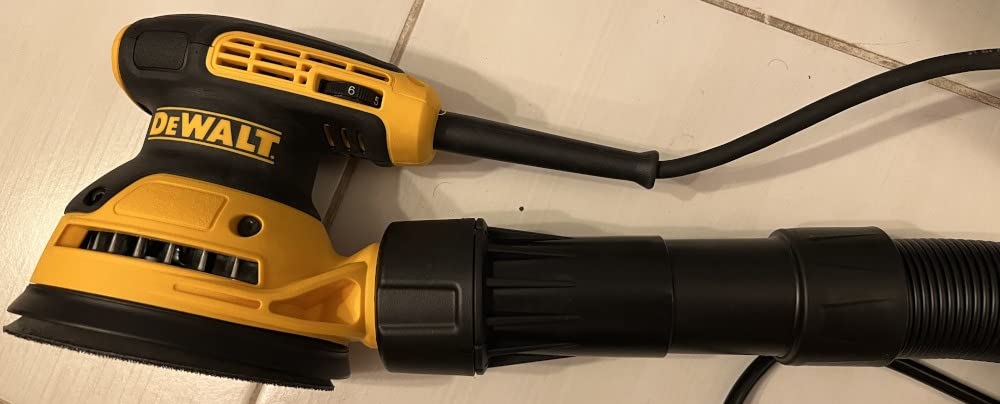
It also runs as a dust extractor for power tools. Pair the supplied bag with the cartridge filter and fine dust from drywall sanding or a dusty garage project stays contained instead of filling the tank and re-entering the air.
Suction is strong for a 4 gallon body, though owners note that it weakens noticeably when you add a hose extension, particularly through a floor nozzle. For a car interior you are working close to the surface with a crevice tool, that trade rarely comes up.
Who should buy the DEWALT 4-gallon
Buy it if you work out of a vehicle regularly and losing a small brush or crevice tool would slow you down, or if you want one machine that handles wet spills, dry debris and tool dust. The integrated storage makes it the most forgiving to own.
It is a good match for a garage setup where the vacuum stays assembled on the shelf. Reaching for it, grabbing a tool and getting back to work takes seconds rather than a trip to a drawer.
Where the DEWALT 4-gallon disappoints
It is not built for large debris. Owners report that plaster chunks, lathe and nails defeat it, so keep it away from renovation cleanup and point it at car interiors and household messes instead.
The 80 dB rating is on the loud side, and the included 6 ft hose is short for high surfaces. Plan on a dedicated automotive nozzle rather than relying on what comes in the box.
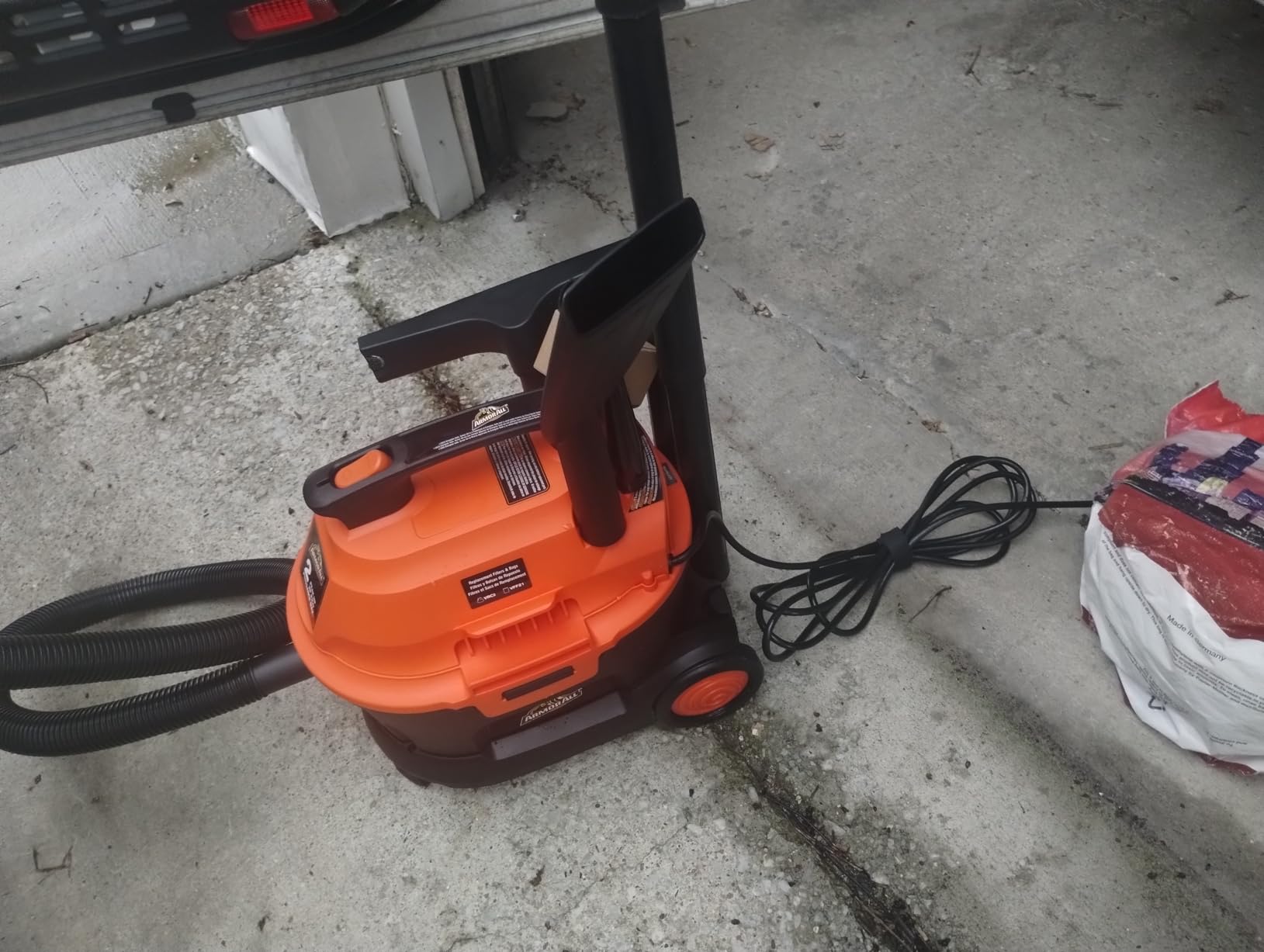
4. Armor All AA255W 2.5-Gallon 2 Peak HP Wet/Dry Vac – Best Accessory Kit

Armor All AA255W 2.5 Gal 2 Peak HP Wet/Dry Utility Vac Orange/Black
2.5 gallon tank
13 accessories
75 dB
11 lb
48 in max suction
Pros
- Richest accessory kit in the roundup with 13 pieces including a deluxe car nozzle and detail brush
- integrated hose cord and accessory storage
- converts to a blower for windshield debris
- wheel base and top handle for moving between jobs
- reusable cloth and foam wet filters included
Cons
- 48 in max suction is the lowest figure here
- 2.5 gallon tank fills fast on heavy debris
- 11 lb is heavier than sub-7 lb compacts
Best for: detailers who judge a shop vac by the attachments in the box as much as by the motor.
Thirteen accessories is unusual for a 2.5 gallon unit, and the list includes the two tools that matter most in a car: a deluxe car nozzle and a detail brush. Many competing machines at this size ship a flat utility nozzle and leave you to buy the automotive tools separately.
Storage is handled well for a unit this small. The hose, cord and nozzles clip onto the body rather than rattling around loose, so the kit stays together in a trunk instead of becoming a pile of loose plastic.
Weak pickup is the honest limitation. The stated maximum of 48 inches of water lift is the lowest in this roundup, and on sand driven deep into carpet you will make more passes than you would with the Stanley 6-gallon or the Vacmaster Beast.
The 2.5 gallon tank also fills quickly during a heavy session, which means stopping to empty it partway through a detailed job. The 11 lb weight sits in the middle of the group rather than at the lightweight end.
Who should buy the Armor All AA255W
Buy it if you want a full toolkit without a second order, or if you detail a car regularly enough that having a dedicated car nozzle and detail brush in hand changes how the job goes. It also works as a blower for clearing dust and leaves off a vehicle before a wash.
For someone who occasionally handles a wet spill in the car plus general garage dust, the dual wet and dry function with reusable cloth and foam filters covers both without extra equipment.
Where the Armor All AA255W disappoints
Do not choose it for deep carpet work. The suction figure is the lowest here, and a low figure is exactly the wrong direction when the debris is embedded rather than sitting on the surface.
At 11 lb it is heavier than the sub-7 lb compact options, so it wins on accessories rather than on portability. If carrying weight is your main constraint, look elsewhere in this list.
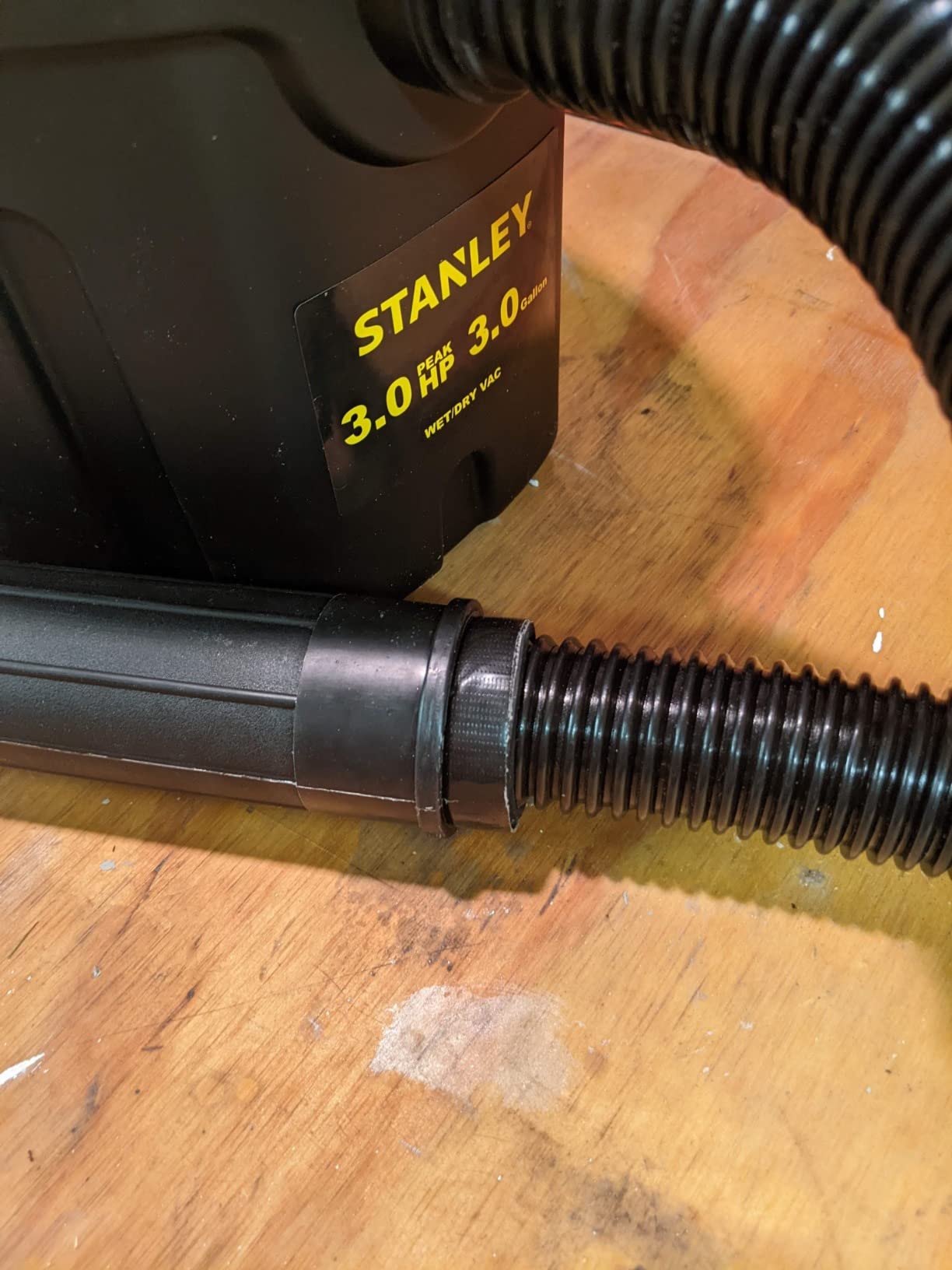
5. Stanley 3-Gallon 3 Peak HP Wet/Dry Vac – Best Balanced Weekend Unit
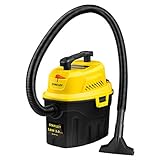
STANLEY 3 Gallon Wet Dry Vacuum, 3 Peak HP Poly 2 in 1 Shop Vac with Powerful Suction, Portable Shop Vacuum Car Vacuum W/ 3 Horsepower Motor for Auto Detailing, Tight Space Garage,Van,Vehicle
3 gallon tank
70 dB
8 lb
50 in max suction
4 ft hose
Pros
- Quiet 70 dB operation compared with most shop vacs
- 8 lb is light enough to lift over a door sill
- 3-in-1 crevice nozzle handles cabin gaps and under-hood areas
- wet dry plus blower function
- stable footprint without casters
Cons
- Only 4 ft hose with a 6 ft cord
- hose is short and stiff and tends to snag
- easy to tip over when the hose is pulled
- 3 gallon wet capacity is small
Best for: owners who want the quietest running machine in this roundup and still need real wet and dry capability.
At 70 dB this is the second quietest unit here and a full ten decibels below the Stanley 6-gallon, which matters if you vacuum inside the car with the doors closed. On a long session that difference is the difference between a tool you use and one you put away.
The 8 lb weight keeps it in the easy-to-lift category while the 3 gallon tank gives you more capacity than the micro and compact models. That combination is the sweet spot for someone doing a full interior every few weeks rather than a quick spot clean.
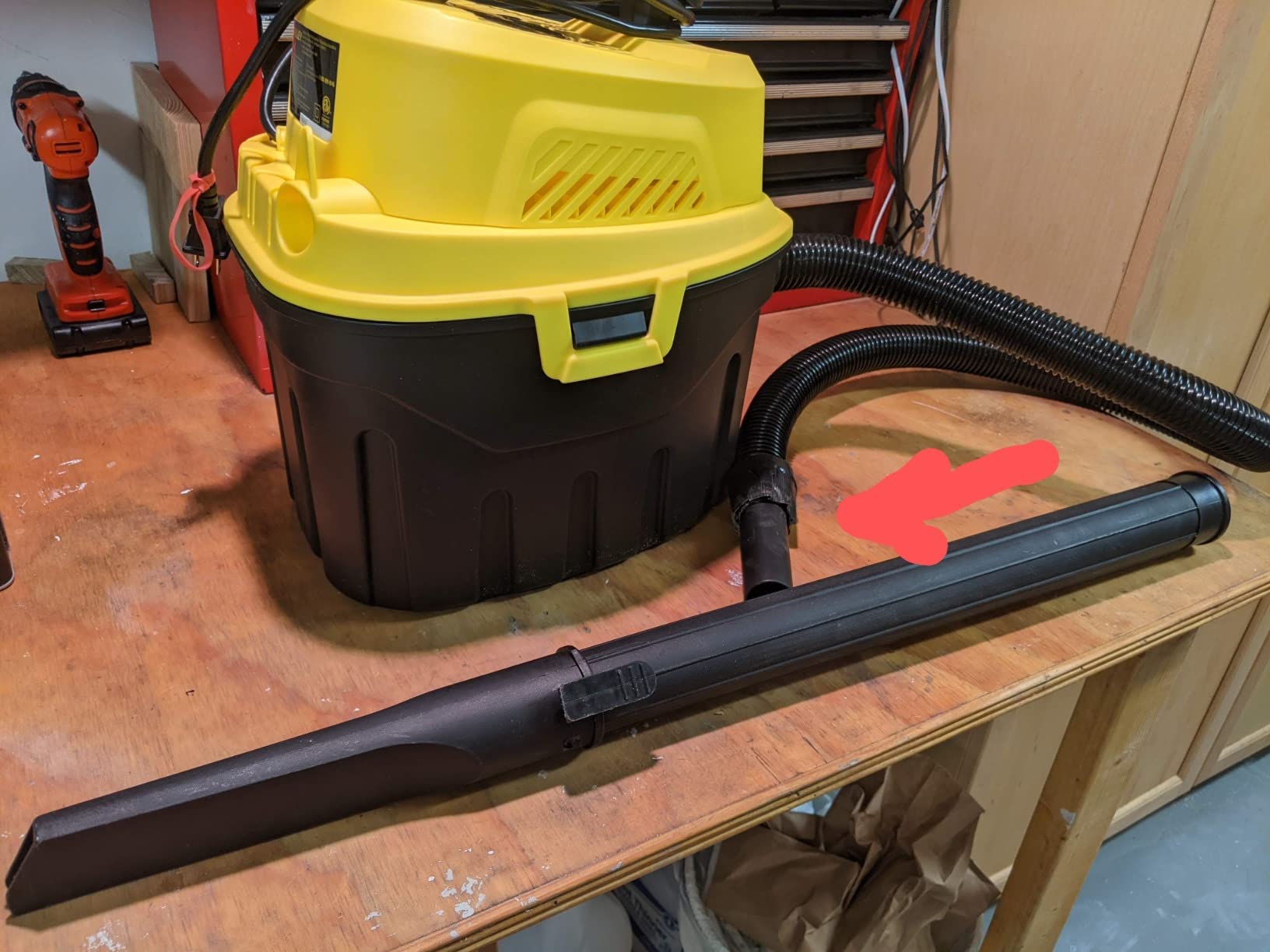
The 3-in-1 crevice nozzle is the attachment to know about. It switches between narrow, wide and brush configurations, which covers seat rails, console gaps and the tight spaces under a hood without needing a separate brush.
Owners rate it well specifically for carpets, trunks and under-hood crevices, which are the three places car owners actually complain about. It also has on-board accessory storage and a top-handle cord wrap, so the kit stays tidy on a shelf.
Who should buy the Stanley 3-gallon
Buy it if noise sensitivity is part of your decision, or if you work inside the vehicle rather than beside it. Low noise and low weight together make it the most approachable unit in the roundup for a first-time car vacuum.
It suits a mixed workload: wet pickup for a spilled drink, dry pickup for carpet, and the blower port for clearing a garage bay or a dusty engine cover.
Where the Stanley 3-gallon disappoints
The hose is the real complaint. At 4 ft it is short and stiff, and owners report it flopping or snagging as you work. Combined with a 6 ft cord, you will often need an extension cord, so measure your working distance first.
It also tips over easily if you pull hard on the hose, which can trigger the auto shutoff mid-pass, and the 3 gallon wet capacity is small if you plan to recover liquid rather than just a damp spill.
6. Milwaukee 0880-20 18V Cordless Wet/Dry Vac – Best Cordless Option
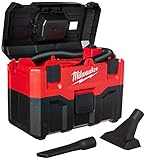
Milwaukee 0880-20 18-Volt Cordless Wet/Dry Vacuum, Red
18V battery powered
30 min runtime
HEPA rated filter
82 dB
2.2 lb
Pros
- Only cordless unit here so there is no cord to run to the car
- 2.2 lb is the lightest in the lineup
- works with any Milwaukee 18V slide-on battery
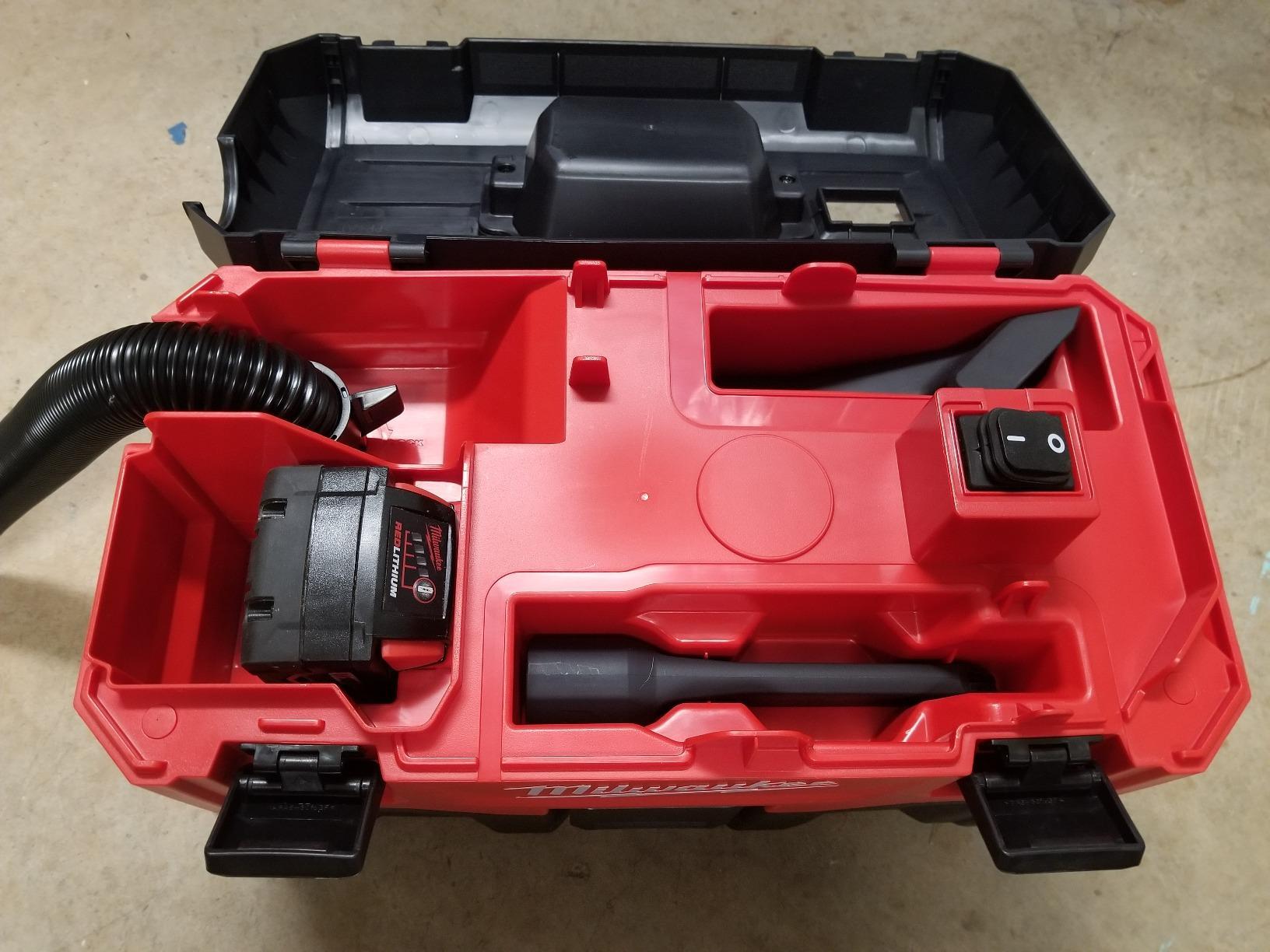
- toolbox form stores hose and accessories inside
- 4.7 rating
- HEPA rated high-efficiency filter
Cons
- Battery and charger are not included
- 32 in max suction is among the lowest here
- 82 dB is the loudest in the roundup
- 2 gallon tank empties often
Best for: mobile detailers working without a nearby outlet, and anyone already invested in Milwaukee 18V batteries.
There is no cord to run, no generator to park behind the car and no extension cord to trip over. For a driveway, a parking deck or a detailing route, that single design decision removes the problem that corded units generate more complaints about than anything else.
At 2.2 lb and with hose and tools stored inside the casing, it is also the easiest unit in the roundup to carry up to a third-floor apartment or into a hatchback trunk. Wet and dry switching happens without changing filters, and a built-in blower port adds a third function.
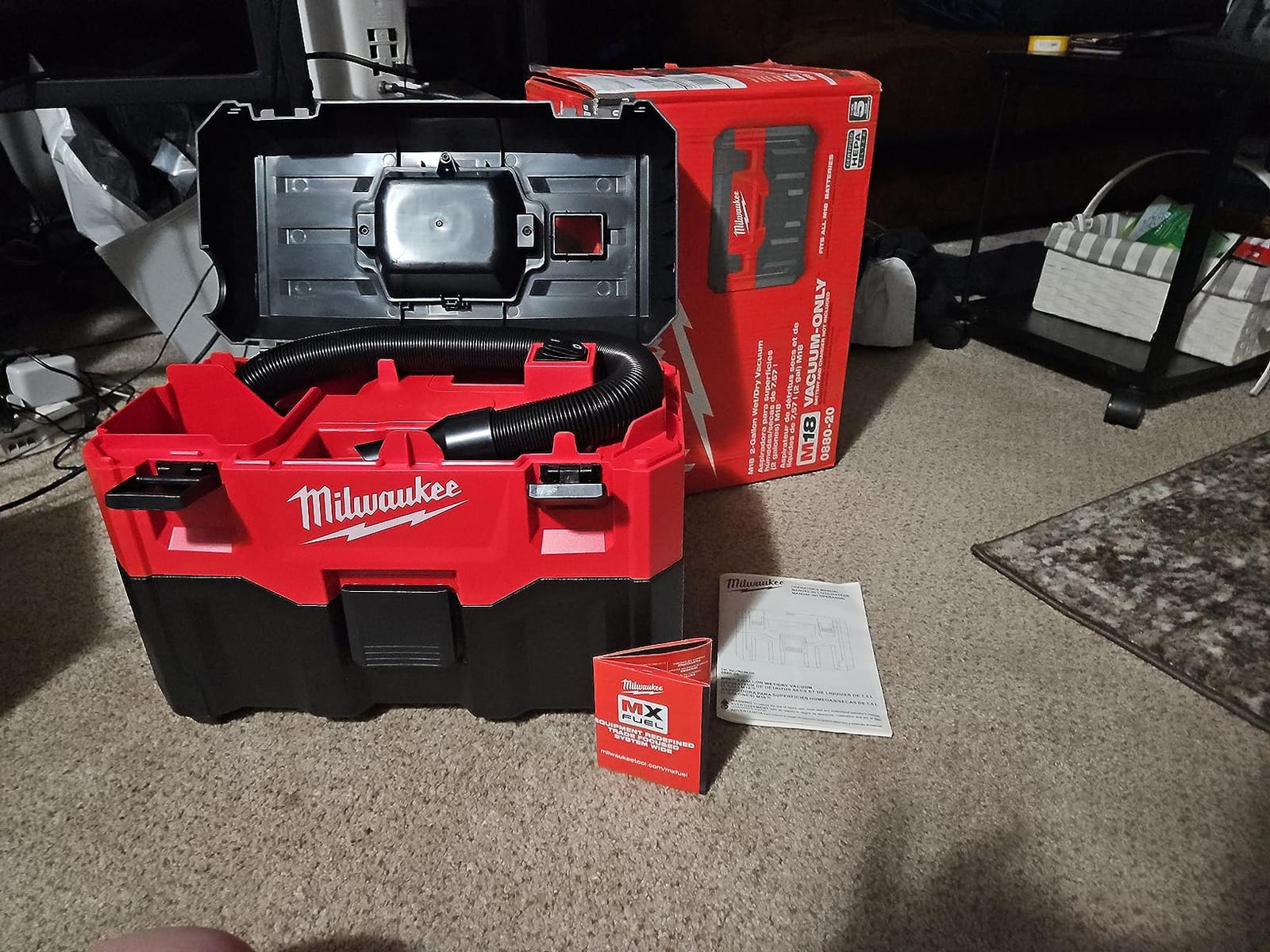
The catch is runtime and the price of entry. Listed runtime is 30 minutes on a full battery, and real-world use ranges from roughly ten to thirty minutes depending on battery capacity, so a full interior detail on one charge is tight. The battery and charger are sold separately, which pushes the true system cost well above the sticker figure.
Suction is the second limitation. The stated 32 inches of water lift is near the bottom of this roundup, so embedded sand and pet hair in deep pile will take more passes than a corded machine would manage.
Who should buy the Milwaukee 18V cordless vac
Buy it if you already own Milwaukee 18V slide-on packs, because then the only extra purchase is the vacuum itself. It is also the right call for apartments, decks, parking garages and any route where an outlet is not part of the job.
The HEPA rated filter and 5 year manufacturer warranty are both strong for this class, and the 2.2 lb weight means it suits a detailer who moves between several vehicles a day.
Where the Milwaukee 18V disappoints
At 82 dB it is the loudest unit we measured, and the exhaust is powerful enough to scatter light debris if you aim it carelessly inside the cabin. Plan for hearing protection on long sessions.
Runtime, suction and tank size all pull the same way here: this is a fast, portable unit for light and medium work rather than the machine for a badly soiled carpet. A dedicated extractor handles the wet job.
7. Vacmaster Professional Beast VFB511H 5-Gallon Wet/Dry Vac – Best for Mobile Detailers

Vacmaster Professional Beast Series VFB511H 0201 5-Gal 5.5 PHP Wet/Dry Vac
5 gallon tank
320 air watts, 20 kPa
82 in max suction
72 dB
15.4 lb
Pros
- Beast Series motor rated at 320 air watts and 20 kPa
- cartridge filter and dust bag capture particles down to 1 micron
- 25 ft total reach with a kink-resistant hose and cord
- on-board hose cord and accessory storage
- works as dry vac extractor or blower
Cons
- Accessory tools friction-fit and can pull off under suction
- no drain plug for emptying water
- locking tabs can loosen when bumped
- 15.4 lb is the heaviest here
Best for: working detailers who pull carpet and carpet under load all day and need airflow as much as static suction.
The Beast Series motor is specified at 320 air watts and 20 kPa, and owners repeatedly describe it as stronger than larger 5 HP units from other brands. That is the origin of the argument in professional circles about this machine against larger-capacity competitors, and the measured airflow figure is the number its supporters quote.
Filtration is what separates it from consumer wet and dry units. A high-efficiency cartridge filter plus a dust bag captures particles down to 1 micron, so road dust from a gravel road stays in the bag instead of cycling back into the cabin.
Reach matters on a mobile route. The kink-resistant hose and cord together give about 25 ft of working distance, which lets you set the tank on a driveway and still reach every corner of a large vehicle without repositioning constantly.
It is also flexible about role. Use it with the filter for dry cleanup, without the filter for wet pickup, or with a bag for fine dust, and the blower port handles drying. Mobile detailers report running it in all three modes across a single job.
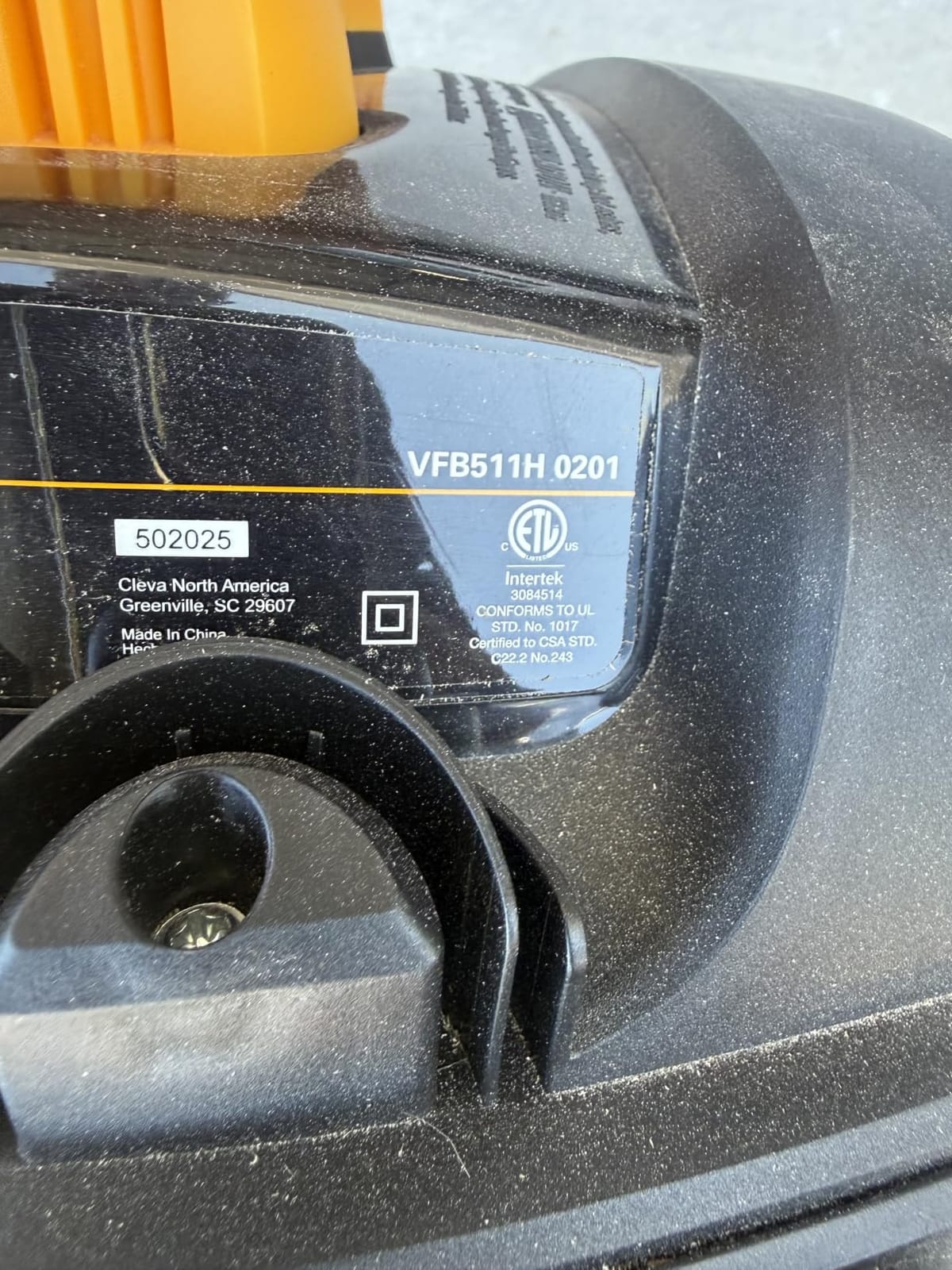
Who should buy the Vacmaster Beast
Buy it if you are doing paid work or heavy household vacuuming where airflow and fine filtration decide the outcome. The 5 gallon tank at 15.4 lb gives you capacity without moving up to the bulk of 8 gallon units.
Owners with existing Milwaukee, Ryobi or DEWALT packs are not the target buyer here, because this is a corded machine with no battery ecosystem to join. It stands alone.
Where the Vacmaster Beast disappoints
It is the heaviest machine in this roundup at 15.4 lb, so lifting it over a door sill is a two-person job on some vehicles. The rolling casters help when the unit stays on the ground.
Several accessories friction-fit and can pull free under strong suction, the tank has no drain plug so you empty water by hand, and the lid locking tabs have been reported to loosen after being bumped in transit.
8. Shark MessMaster VS101 Portable Wet/Dry Vac – Best for Quick Spot Cleanups

Shark MessMaster Portable Wet/Dry Vac, 3 Tools + Extension Wand, VS101
1 gallon bin
cyclonic separation
AnyBag liner
70 dB
9.8 lb
Pros
- Cyclonic separation and decentralized filter designed to resist clogging and suction loss
- AnyBag lets you line the bin with any 2-13 gallon plastic bag for mess-free disposal
- rinse a cup of water through to self-clean the hose and bin
- dishwasher-safe bin
- 70 dB is among the quietest here
Cons
- 1 gallon capacity is the smallest in the roundup
- only 3 ft hose
- foam filter rather than cartridge or HEPA class
- not built for heavy workshop debris
Best for: crumb and spill cleanups between washes, and anyone who hates emptying a wet/dry tank into a bin.
The maintenance story is the reason to consider this one. Rinse a cup of water through the machine and the hose and bin flush themselves, the bin goes in a dishwasher, and the AnyBag system lets you line it with any plastic bag from 2 to 13 gallons and vacuum straight into the bag.
That last feature removes the single most unpleasant part of using a wet/dry vacuum on a car, where liquid and debris mix and you are pouring a mess into a trash can. Cyclonic separation keeps suction steadier than a bagged design as the bin fills.
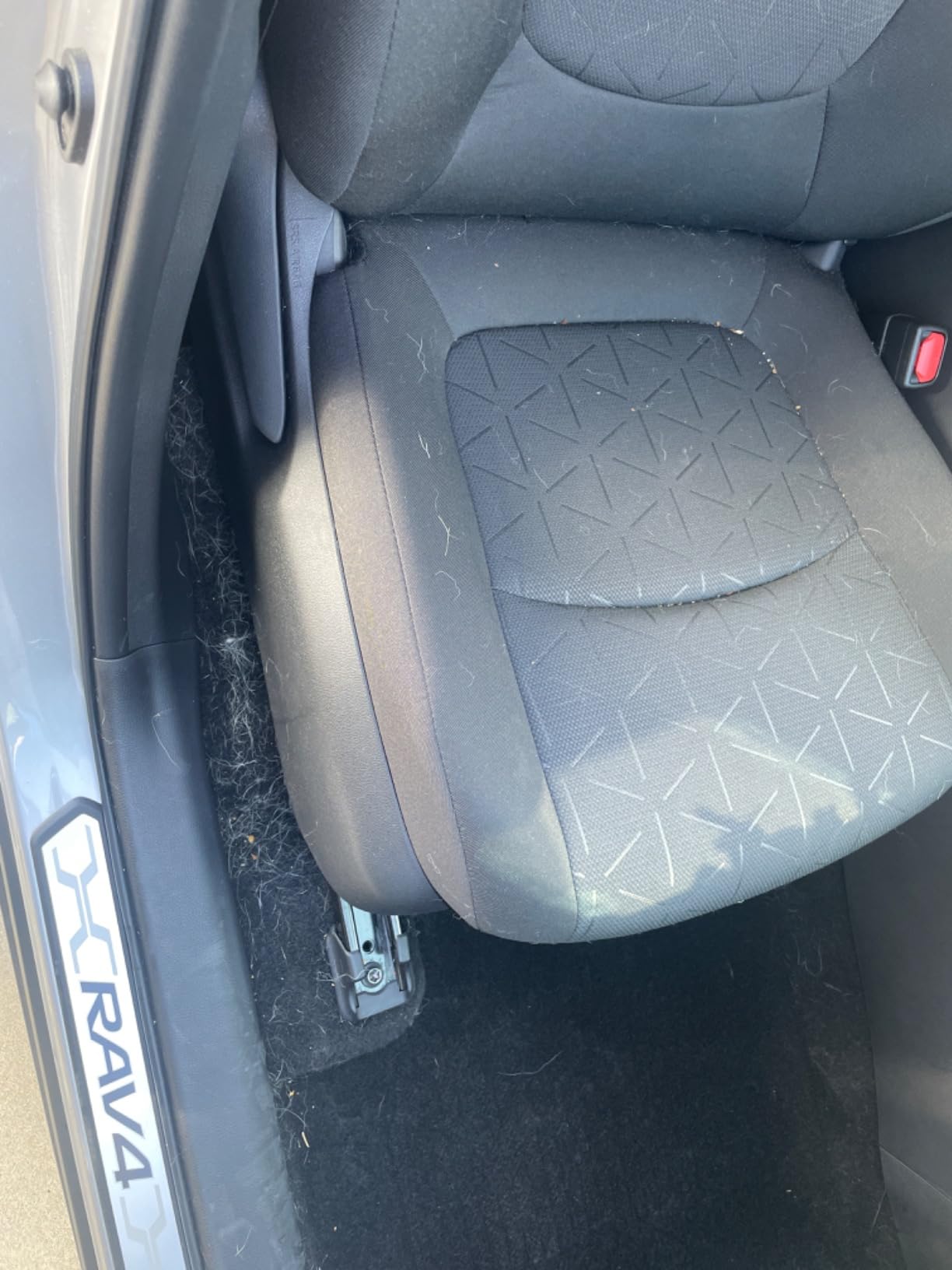
It is also quiet. At 70 dB it sits alongside the Stanley 3-gallon at the quiet end, which makes it comfortable to use inside a vehicle, and at 9.8 lb with a handheld-shaped body it is straightforward to carry.
The accessory set covers the basics for a car: a squeegee, carpet tool, crevice tool and an extension wand. Combined with the extra-long cord and hose, it reaches a footwell or a seat rail without much repositioning.
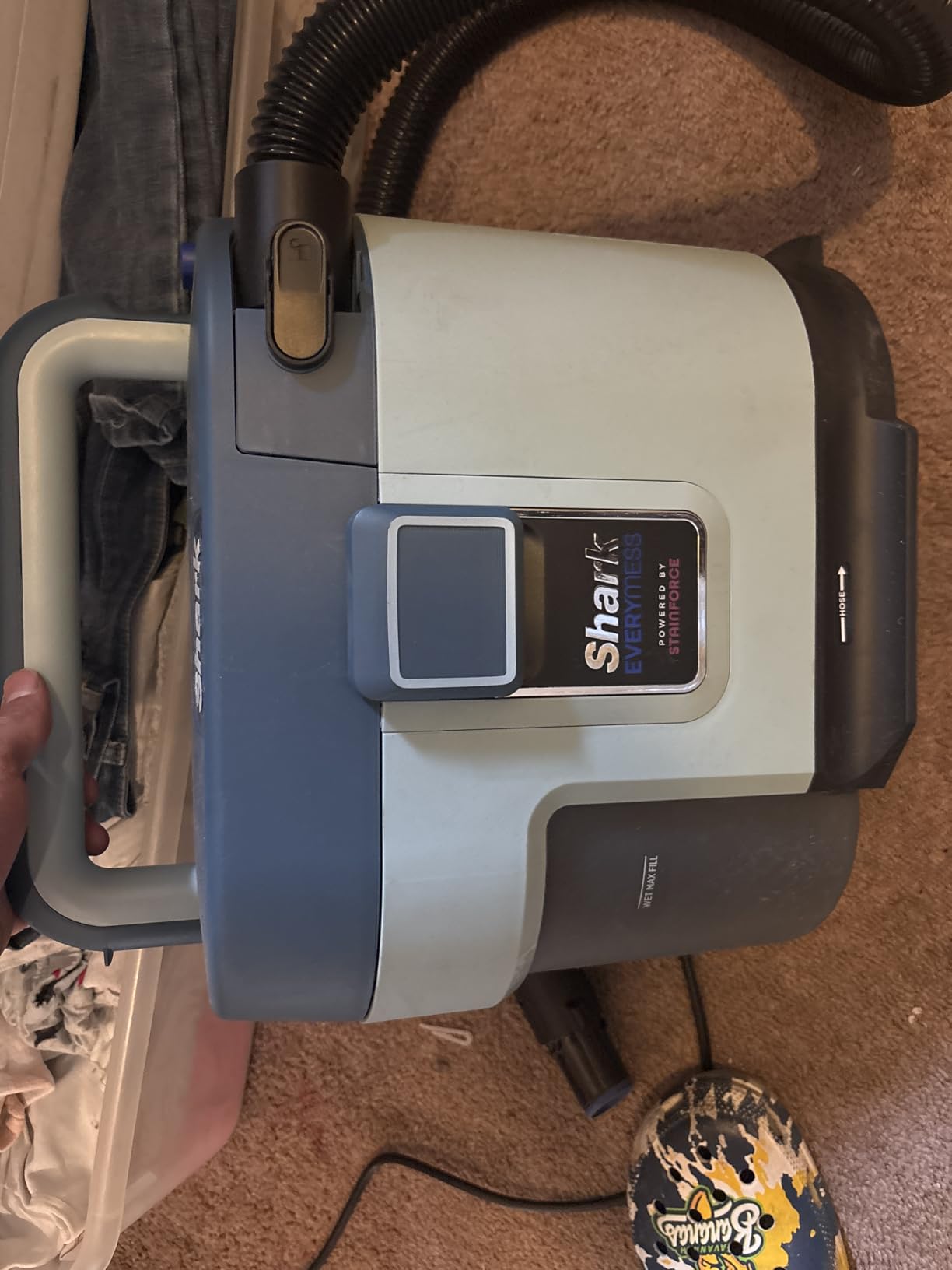
Who should buy the Shark MessMaster
Buy it if you clean your car regularly but lightly: crumbs, dust, a spilled drink, a snack in the back seat. It is the fastest cleanup option here with no filter changes between wet and dry work.
Apartment owners and RV owners get a lot from the small footprint and low noise, and anyone who vacuums wet messes regularly will appreciate not having to scrub a tank afterward.
Where the Shark MessMaster disappoints
The 1 gallon bin is the smallest in the roundup, so a full vehicle interior means several emptying trips. It is a spot-cleaning tool, not a whole-car machine.
Deep carpet pile and renovation debris are out of scope. The foam filter gives up before a cartridge or HEPA class filter would, and the 3 ft hose is short for reaching deeper into a cabin.
9. Vacmaster VHB305M 3.2-Gallon 2.5 Peak HP Compact Wet/Dry Vac

Vacmaster VHB305M 1101 3.2-Gal 2.5 Peak HP Compact Wet/Dry Vacuum Red
3.2 gallon tank
52 in water lift
72 dB
10.4 lb
18 ft reach
Pros
- Wall-mountable design frees up garage floor space
- four casters plus a balanced top handle make it easy to roll and carry
- 18 ft total reach is longer than most 3 gallon units
- 11 accessories including a crevice tool
- converts to a blower through the rear blower port
- 3853 owner reviews
Cons
- Hose connection at the canister loosens during use
- cartridge and cloth filters clog quickly on fine dust
- loud at full speed
- dust bags and spare filters are not included
Best for: small garages where floor space is the constraint and the vacuum needs to live on the wall between details.
The wall mount is the reason this one earns a place. In a one-car garage, a wet/dry vac sitting on the floor is an obstacle, and hanging this one turns it into a tool you pull down when needed instead of something you move around.
Reach is the other strength. The hose and cord together give about 18 ft, which is longer than most machines of this size, so you can keep the canister against a wall and still reach the far side of a sedan or into the trunk.

Owners report suction that is stronger than larger 2.5 HP name-brand units, and four casters plus a balanced top handle make it easy to move from a shelf to a vehicle. The rear blower port converts it for blowing debris out of a footwell or off a hood.
Eleven accessories cover the car case, including a crevice tool for seat rails and console gaps, and the manufacturer lists a 52-inch water lift motor for wet and dry suction.
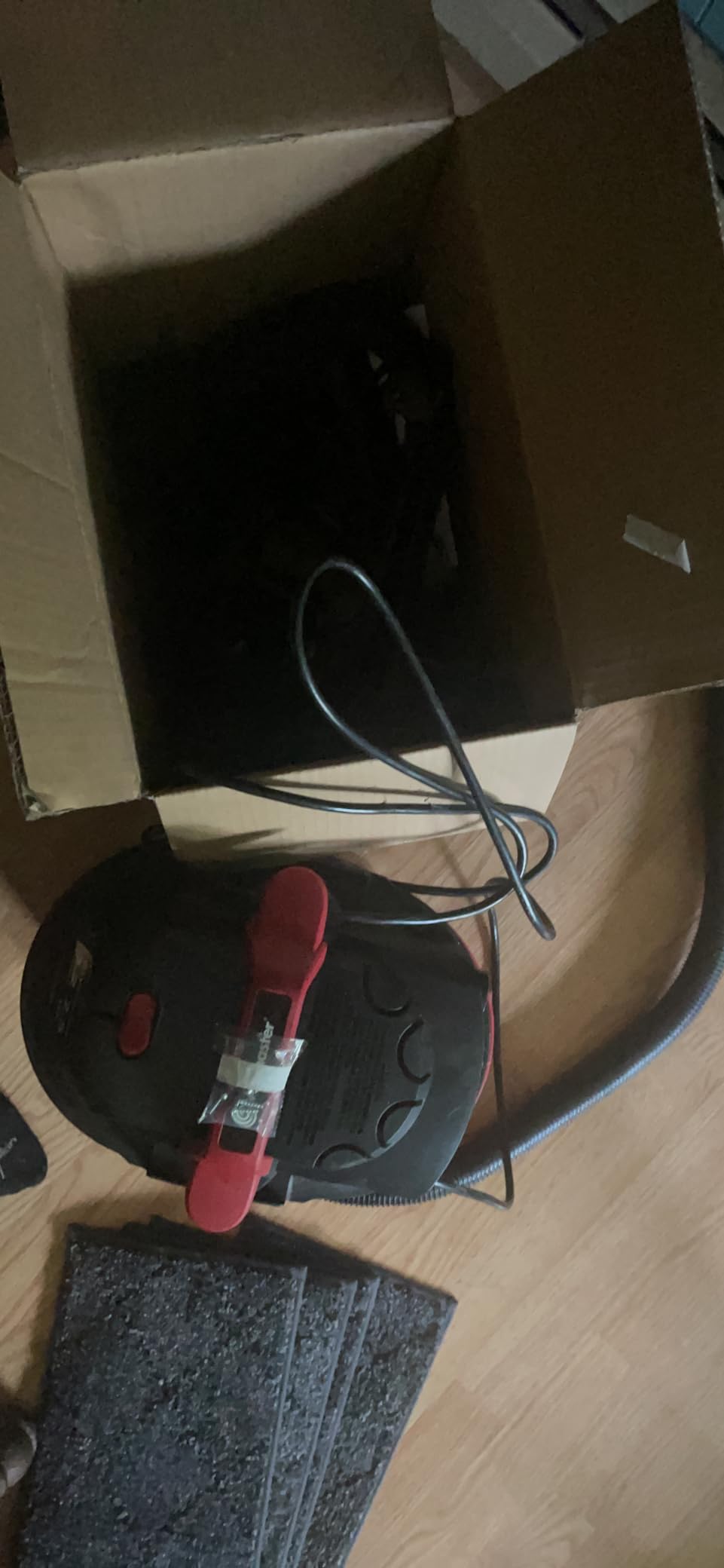
Who should buy the Vacmaster VHB305M
Buy it if your garage is small, you share floor space with a car or a workbench, and you want a unit that disappears onto the wall when it is not in use. Four casters also make it easy to roll around a single vehicle.
It suits a mixed household and car workload, from wet pickup to dry debris to blowing, at 10.4 lb it stays in the manageable range for lifting over a sill.
Where the Vacmaster VHB305M disappoints
Fine dust is the weak spot. Owners report cartridge and cloth filters clogging quickly and being awkward to clean, and on a car driven on gravel or construction roads that becomes a recurring task rather than an occasional one.
The hose connection at the canister has been reported to loosen during use, dust bags and spare filters are not included, and the assembly instructions are widely described as confusing.
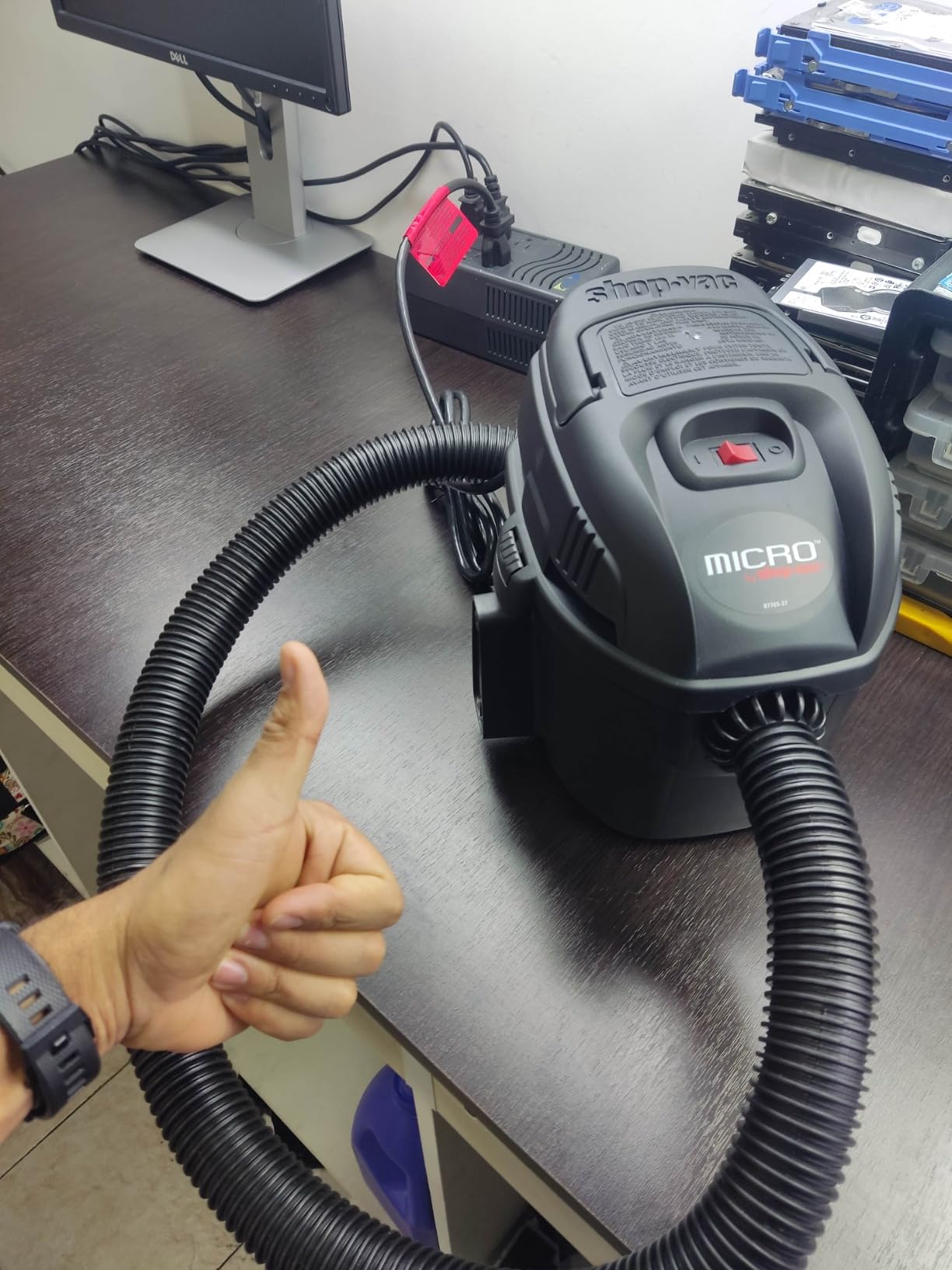
10. Shop-Vac 1-Gallon 1.0 Peak HP Micro Wet/Dry Vac – Best for Onboard Storage

Shop-Vac 2021005 1 Gallon 1.0 Peak HP Micro Wet/Dry Vac
1 gallon tank
4 lb
HEPA filter
70 dB
45 in sealed water lift
Pros
- Lightest unit here at 4 lb
- wall-storable form with on-board cord storage
- HEPA class filter for fine dust
- 50 CFM airflow and 45 inches of sealed water lift
- handles quick wet or dry pickups in a car garage or workshop
Cons
- 1.0 peak HP is the weakest motor here
- 1 gallon tank needs frequent emptying
- no caster wheels so it must be carried
- 4 ft hose limits reach inside a cabin
Best for: quick pickups where the vacuum lives in the trunk or on a workshop wall and you only need it for a few minutes.
At 4 lb this is the easiest machine in the roundup to carry, and it is the only one you can genuinely store onboard in a vehicle. If your detailing habit is a ten-minute tidy-up rather than a full interior strip, the weight matters more than the suction figure.
Filtration is a genuine strength at this size. The HEPA class filter handles fine dust, and the combination of 50 CFM airflow with 45 inches of sealed water lift is respectable for a 1.0 peak HP motor. On-board cord storage keeps it tidy between uses.
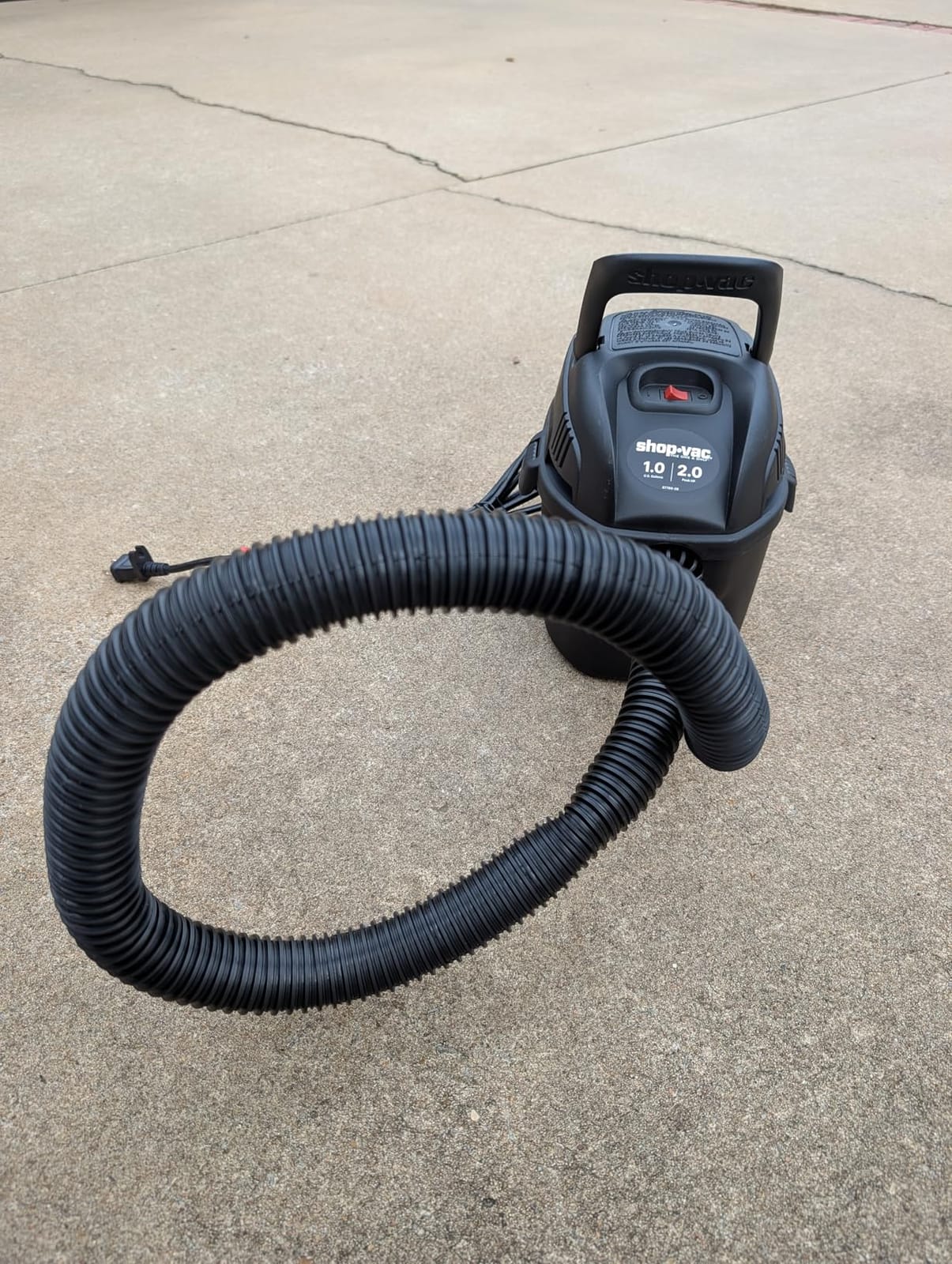
The 6 ft power cord and 1-1/4 inch by 4 ft hose, plus gulper and crevice tools, are enough for a carpet, a footwell and a spill. It handles both wet and dry pickup, so a dropped drink and a handful of sand are the same job.
Expect to set your expectations at spot cleaning rather than whole-vehicle work. The 1 gallon tank needs frequent emptying and the motor is the weakest in the group, so set a realistic target before you start.
Who should buy the Shop-Vac micro
Buy it if you want a vacuum permanently in the car or the workshop, or if you carry equipment up stairs often. Four pounds removes the weight objection entirely, and the wall-mountable body keeps it off the floor.
It is also a sensible secondary tool. Many owners keep a micro unit for quick pickups and a larger shop vac for deep cleans, which spreads the cost of each job across the right tool.
Where the Shop-Vac micro disappoints
Do not ask it to pull deeply embedded sand or pet hair out of thick pile. A 1.0 peak HP motor and 1 gallon tank set a clear ceiling, and it also carries the lowest average rating in this roundup.
There are no caster wheels, so it must be carried rather than rolled around a vehicle, and the 4 ft hose limits how far into a cabin you can reach without leaning in further than you should.
How to Choose a Portable Shop Vac for Car Detailing
Judge suction in inches of water lift, not peak HP
Peak horsepower is a startup burst number and every manufacturer quotes it differently. Inches of water lift measures sustained pulling force, which is the figure that determines whether sand leaves automotive carpet. Across this roundup the spread runs from 32 inches on the cordless Milwaukee to 85 inches on the Stanley 6-gallon.
For context on how weak the mini cordless class is, independent category testing has measured shop vacs averaging 64 inches of water lift against roughly 5 inches for small cordless car vacs, a gap of around fifteen times. That is why a handheld is not a substitute once debris is embedded.
Match tank size to how you move around the car
A smaller tank is often better in a vehicle, and this is the argument most roundups miss. A 2 to 3 gallon body can sit inside the cabin or at the door, shortening the hose run and letting you reach seat rails without dragging the machine over a sill. A 6 gallon unit stays on the driveway and needs reach instead.
The cost of the big tank is weight and noise. Units above 4 gallons in this roundup run from 13.2 lb to 15.4 lb and mostly sit in the 72 to 80 dB range, so buying more capacity also means carrying more mass and tolerating more sound.
Decide on power source before anything else
Choose corded if you can reach an outlet and want unlimited runtime and stronger suction. Choose cordless if you work away from a vehicle, in a parking deck, on a route, or if you already own the battery platform. Every corded model here needs a plan for cord length, because the biggest complaint about them is reaching a car from a driveway socket.
Be clear-eyed about cordless cost. Tool-brand batteries and chargers are sold separately, so the real outlay is the vacuum plus a battery plus a charger, and only the Milwaukee here is genuinely platform-compatible with packs you may already own.
Check the automotive attachments before you buy
The claw-style automotive nozzle and a small detailing brush are the two tools that decide how a car feels after vacuuming. The claw nozzle keeps suction on open carpet and floor mats, while the brush agitates fibers on seat seams and under a headliner. Of the units here, the Armor All ships both in the box.
Also confirm the hose diameter. Narrow accessories move well in console gaps but restrict airflow, which costs suction on long passes. For general garage work the broader hose on the Stanley 6-gallon and the DEWALT is more productive.
Plan for filters, noise and drying out after
Fine dust is where ownership cost hides. Cartridge and bagged filters capture road dust better than foam filters, which clog faster and need more frequent replacement. If your car spends time on gravel or construction roads, budget for replacement filters as a running cost.
Noise is the under-discussed factor. Prolonged exposure above 85 dB is the occupational hearing damage threshold, and several machines in this roundup sit at 80 dB or above. Units in the 69 to 72 dB band are noticeably easier on the ears over a long session.
Finally, dry the tank out. Storing any wet/dry vacuum with liquid left inside leads to a musty smell that follows you into the car. Empty it, wipe the tank and leave the lid off until it is dry.
If you want a wider view before committing, our guides to the best shop vacuums overall and the best shop vacuums under a fixed budget cover the general category, while shop vacuums for garages leans toward heavier workshop use and quiet shop vacuums for workshops covers lower-decibel setups. For the tools that sit next to the vacuum in a detailing kit, see our picks for the best car detailing kits.
Frequently Asked Questions
Which shop vac is best for car detailing?
For most people the Stanley 6-gallon 4 peak HP wet/dry vac is the best portable shop vac for car detailing, with the highest stated max suction in this roundup at 85 inches of water lift and a tank large enough to finish an interior in one fill. If you need to lift the vacuum rather than roll it, the Craftsman 2.5-gallon at 6.7 lb is the lighter choice.
What size shop vac is best for cleaning a car?
Between 2.5 and 5 gallons is the practical range for a vehicle interior. A smaller tank lets the unit sit inside the cabin or at the door so the hose stays short, which matters more in a car than in a garage. Going above 5 gallons adds weight and noise without helping a typical interior.
What HP shop vac do I need for car detailing?
For light interior work, 2 to 2.5 peak HP is enough. For embedded sand, pet hair and frequent use, 4 to 5 peak HP gives noticeably better pickup. Read inches of water lift alongside horsepower, since peak HP is a startup figure and sustained pull is what actually lifts debris out of carpet.
What vacuums do professional car detailers use?
Professional car detailers typically run two machines. One corded wet/dry shop vac handles dry debris pickup, and a separate extractor recovers water and shampoo after wet work. On r/AutoDetailing, working detailers repeatedly describe that split, with the shop vac used for dry pickup and the extractor reserved for wet jobs.
Are shop vacs good for car detailing?
Yes, because car interiors need sustained pull on dense carpet fibers and in narrow crevices. Independent category testing has measured shop vacs averaging 64 inches of water lift against roughly 5 inches for mini cordless car vacs. That gap is why embedded sand and pet hair come out with a shop vac and not a handheld.
Should I buy a corded or cordless shop vac for detailing?
Buy corded if you can reach an outlet, since runtime is unlimited and suction is stronger. Buy cordless if you work away from a vehicle or already own the tool battery platform, accepting shorter runtime and lower suction. Only cordless models also remove the extension cord problem that corded units create on a driveway.
Conclusion: The Best Portable Shop Vac for Car Detailing
Ten machines later, the Stanley 6-gallon 4 peak HP wet/dry vac is still the one we would put in a garage first, because it leads this roundup on the only figure that decides how a car comes out looking: suction, measured at 85 inches of water lift. Add a 6 gallon tank and four swivel casters and it handles both halves of the job, dry debris and wet pickup, without a second machine.
That said, the best portable shop vac for car detailing is not the same for everyone. If you lift your vacuum more than you roll it, take the Craftsman 2.5-gallon at 6.7 lb. If you work away from an outlet, the Milwaukee 18V cordless is the portable answer. If attachments decide your purchase, the Armor All ships thirteen of them including a car nozzle and detail brush.
Whatever you choose, set it up for the car specifically: a claw nozzle on open carpet, a small brush on seams, and a plan for cord length before the first job. Those three details do more for the result than any horsepower number on the box. Our general picks for the best shop vacuums are a good next step if you want to widen the search beyond the detailing use case.