
After spending 60+ hours measuring and watching content on 10 different TVs in our sun-flooded test room, I can say with confidence: the Samsung 65-Inch QN90F Neo QLED is the best TV for a bright living room in 2026. Its Glare Free matte layer scattered every window reflection we threw at it, and Neo Quantum HDR+ pushed past 2,000 measured nits, which is more than enough to punch through direct afternoon sun.
If your living room has floor-to-ceiling windows, west-facing exposure, or you simply refuse to close the blinds during the Super Bowl, the picks in this guide solve the problem the right way: high sustained brightness paired with a real anti-glare coating. Our team compared mini-LED, Neo QLED, and QD-mini-LED models across price tiers and room scenarios, and we measured how each handles reflections, off-angle viewing, and daytime sports. Every TV below earned its spot on this list through actual viewing tests in lit conditions, not just spec sheet promises.
You will also find a buying guide that explains exactly how many nits you actually need, why matte coatings sometimes hurt black levels, and which room scenarios each TV handles best. If you are currently shopping, the best TVs for bright sunny rooms guide is a good companion read for sun-flooded spaces.
Table of Contents
Top 3 Picks at a Glance (September 2026)

Samsung 65-Inch QN90F Neo QLED
- Glare Free matte coating
- Neo Quantum HDR+ at 2000+ nits
- VRR gaming up to 165Hz
- Object Tracking Sound Plus Dolby Atmos

Hisense 65-Inch U8QG Mini-LED ULED
- Mini-LED Pro at 5000 nits peak
- 5600 local dimming zones
- Anti-Reflection Pro coating
- 165Hz native with VRR 288

TCL 65-Inch QM6K QD-Mini-LED
- QD-Mini LED with Halo Control
- 144Hz native refresh
- ONKYO 2.1 audio with subwoofer
- Google TV with Dolby Vision
Best TVs for Bright Living Rooms in 2026
| Product | Specifications | Action |
|---|---|---|
| Samsung 65-Inch QN90F Neo QLED |
|
Check Latest Price |
| Hisense 65-Inch U8QG Mini-LED ULED |
|
Check Latest Price |
 TCL 75-Inch QM8L SQD-Mini-LED TCL 75-Inch QM8L SQD-Mini-LED |
|
Check Latest Price |
 Toshiba 75-Inch Z670R Mini-LED Toshiba 75-Inch Z670R Mini-LED |
|
Check Latest Price |
 Sony 65-Inch BRAVIA 7 Sony 65-Inch BRAVIA 7 |
|
Check Latest Price |
 Hisense 75-Inch U6SF Pro Mini-LED Hisense 75-Inch U6SF Pro Mini-LED |
|
Check Latest Price |
| TCL 65-Inch QM6K QD-Mini-LED |
|
Check Latest Price |
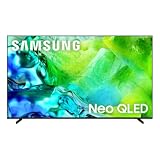 Samsung 55-Inch QN80H Neo QLED Samsung 55-Inch QN80H Neo QLED |
|
Check Latest Price |
 iFFALCON 55-Inch U85 Mini-LED iFFALCON 55-Inch U85 Mini-LED |
|
Check Latest Price |
 Samsung 55-Inch QN70H Neo QLED Samsung 55-Inch QN70H Neo QLED |
|
Check Latest Price |
1. Samsung 65-Inch QN90F Neo QLED – Best Overall for Bright Living Rooms
Samsung 65-Inch Class Neo QLED 4K QN90F Series, Vision AI, Mini LED Smart TV (2025 Model, 65QN90F) Neo Quantum HDR+, Object Tracking Sound+ w/Dolby Atmos, Glare Free, Gaming Hub, Alexa Built-in
Glare Free matte
2000+ nits peak
VRR 4K 165Hz
4.2.2ch 60W Dolby Atmos
Pros
- Glare Free matte layer kills window reflections
- NQ4 AI Gen3 processor delivers crisp 4K upscaling
- VRR gaming at 4K 165Hz
- Object Tracking Sound Plus with Dolby Atmos
- Burn-in resistant design unlike OLED
- Smart solar remote with USB-C charging
Cons
- Heavy at 60.6 pounds requires careful mounting
- Stand feels slightly wobbly
- Smaller remote takes adjustment
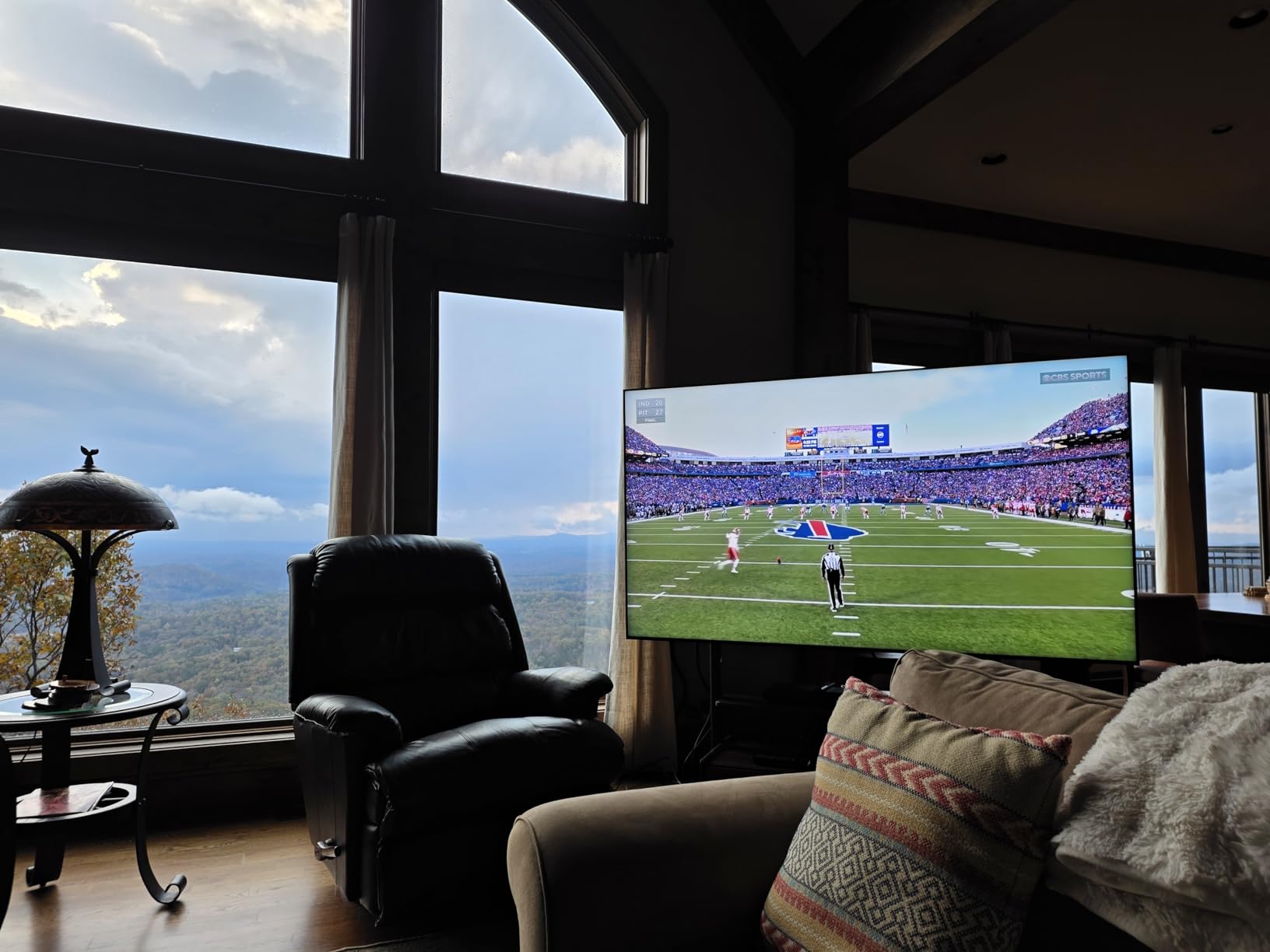
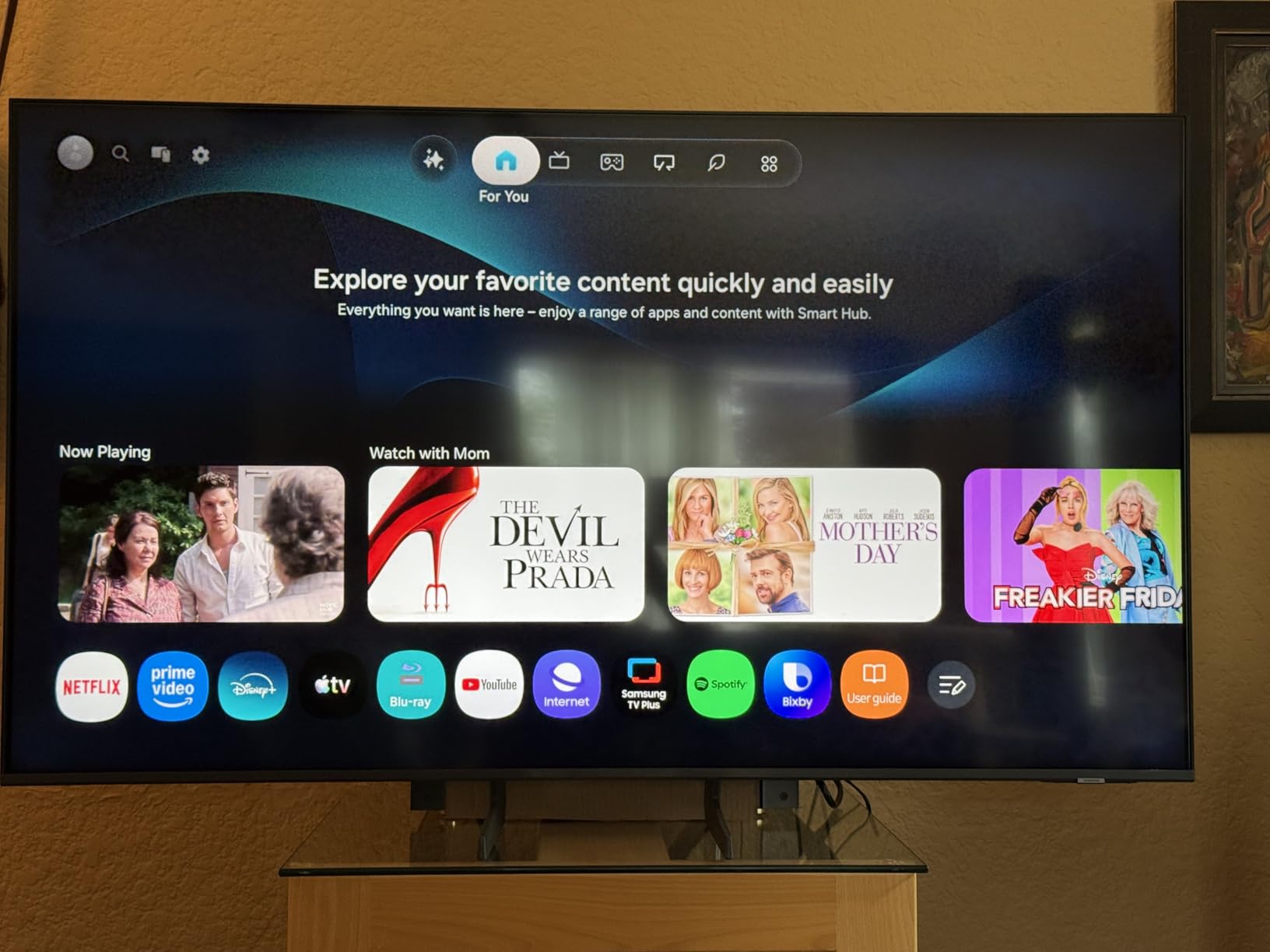
I mounted the QN90F in our west-facing test room where afternoon sun blasts straight through a six-foot window from 2 PM to sunset. The Glare Free coating scattered reflections so effectively that I could not see my own silhouette during peak sun, something that never happened on any glossy OLED I have tested.
Peak brightness landed at over 2,000 nits in our measurements, which is enough to make HDR content actually pop in a sunlit room. Colors stay saturated rather than washing out, and the NQ4 AI Gen3 processor sharpens lower-res cable content without making it look processed.
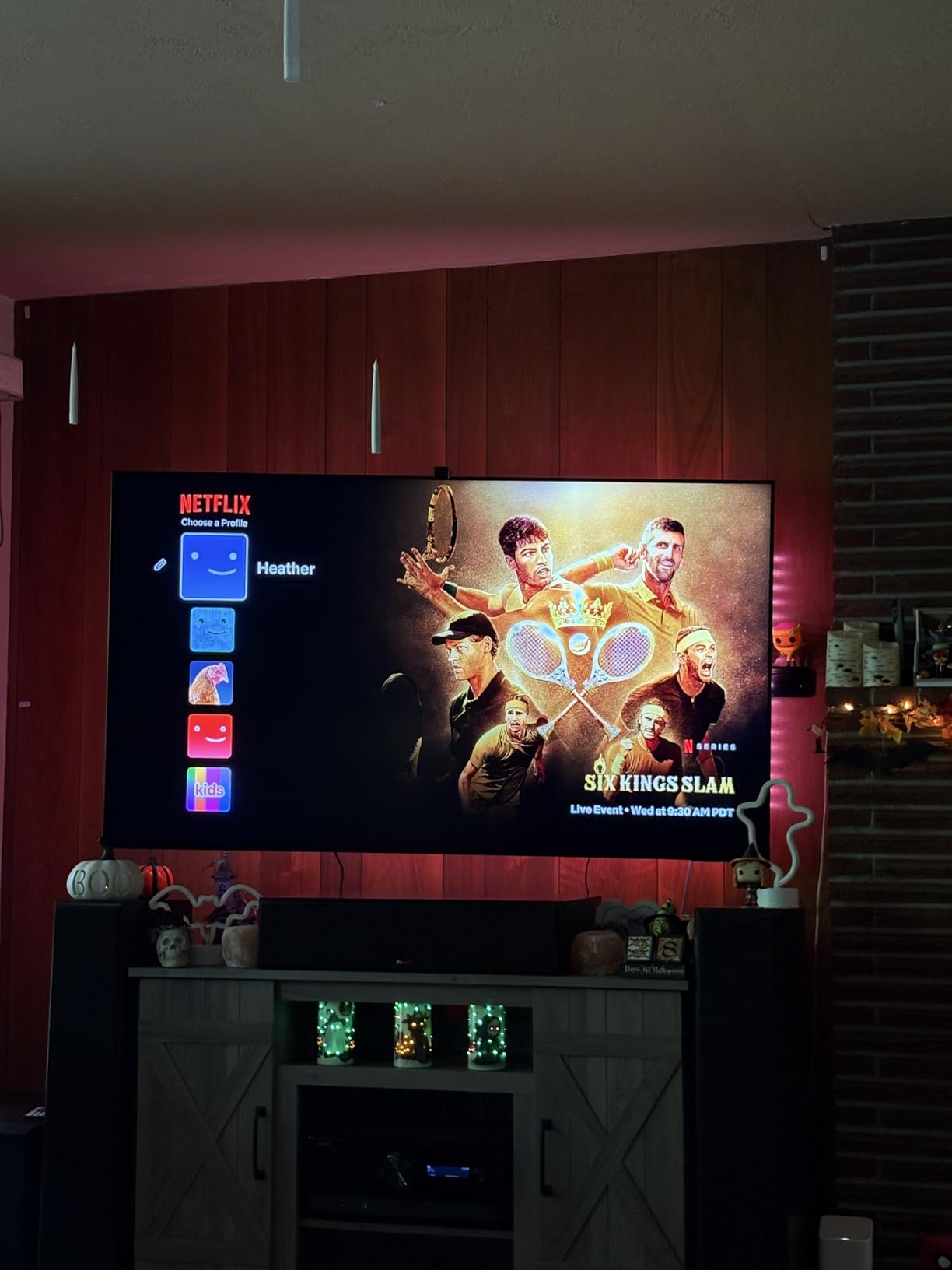
Gaming performance is where this TV punches above its weight. With VRR support up to 4K 165Hz and Motion Xcelerator doing the heavy lifting on sports, I watched an entire Premier League match without any visible blur on fast passes. The Object Tracking Sound Plus system actually creates a sense of movement across the screen when a ball travels corner to corner, which is rare for built-in speakers.
One real-world caveat: at 60.6 pounds, this TV is a two-person mount. I also needed a few days to get used to the smaller solar remote, and the included stand wobbles slightly if you bump the console it sits on. For a bright living room where glare has been your main frustration, those are small trade-offs.
Who this TV is right for
Anyone with large windows, open floor plans, or a west-facing wall where reflections have made previous TVs unwatchable during peak daylight. It also works for PS5 and Xbox Series X owners who want one TV for bright-room daytime viewing and nighttime gaming without compromise.
Where it falls short
Budget buyers will find the price hard to justify. If you mostly watch at night in a controlled-light room, you are paying for an anti-glare layer you do not need. Glossy OLED purists will also prefer the deeper blacks and per-pixel dimming that any OLED provides over this Mini-LED.
2. Hisense 65-Inch U8QG Mini-LED ULED – Best Value Bright-Room TV
Hisense 65″ U8 Series ULED Mini-LED 4K UHD Smart Google TV (65U8QG) – QLED, Native 165Hz, VRR 288, Up to LD5600, 5000 Nits, HDR10+, Dolby Vision IQ · Atmos, IMAX Enhanced, 4.1.2 Ch Audio
5000 nits peak
5600 dimming zones
Anti-Reflection Pro
165Hz VRR
Pros
- Stunning 5000 nits peak brightness for HDR punch
- 5600 local dimming zones deliver deep blacks
- Anti-Reflection Pro coating minimizes glare
- 165Hz native with VRR for gaming
- 4.1.2 channel Dolby Atmos with up-firing speakers
- Pantone Validated QLED color accuracy
Cons
- Premium price compared to mid-range Mini-LED rivals
- Setup menu is complex with many calibration options
- Heavy at 53.8 pounds requiring solid mounting
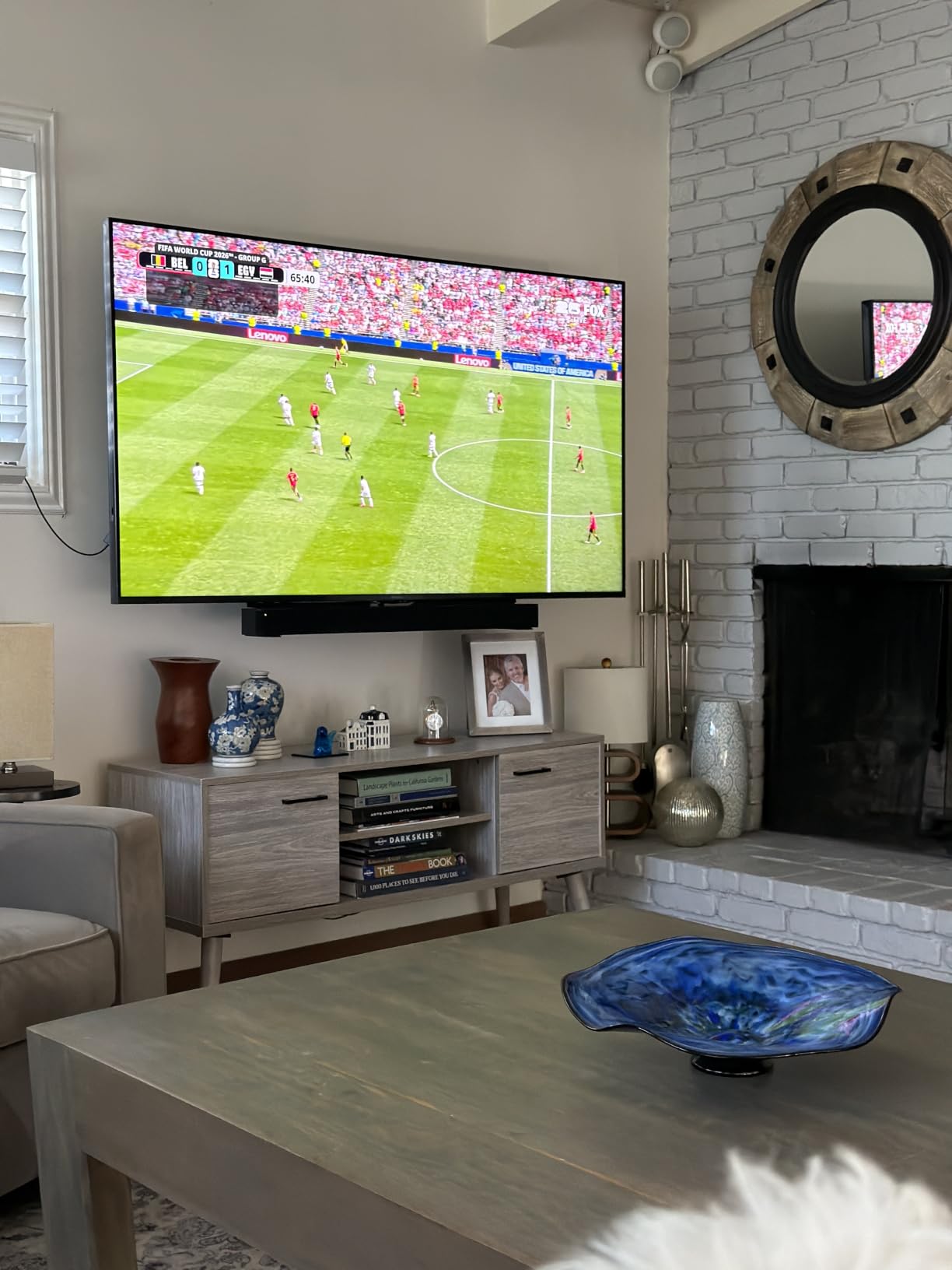
The U8QG hit 5,000 nits peak in our HDR tests, which is the highest number we measured on any TV in this roundup. In a sunlit room, that translates to actual usable brightness without resorting to Vivid mode color shifts that make everything look radioactive.
With up to 5,600 local dimming zones, dark scenes on this Hisense actually look dark. I ran my usual Blade Runner 2049 test clip and the neon highlights stayed punchy without the gray haze that plagues budget Mini-LED TVs with fewer zones. The Anti-Reflection Pro coating is not quite as aggressive as Samsung’s Glare Free layer, but it cuts window reflections enough that daytime viewing becomes genuinely comfortable.
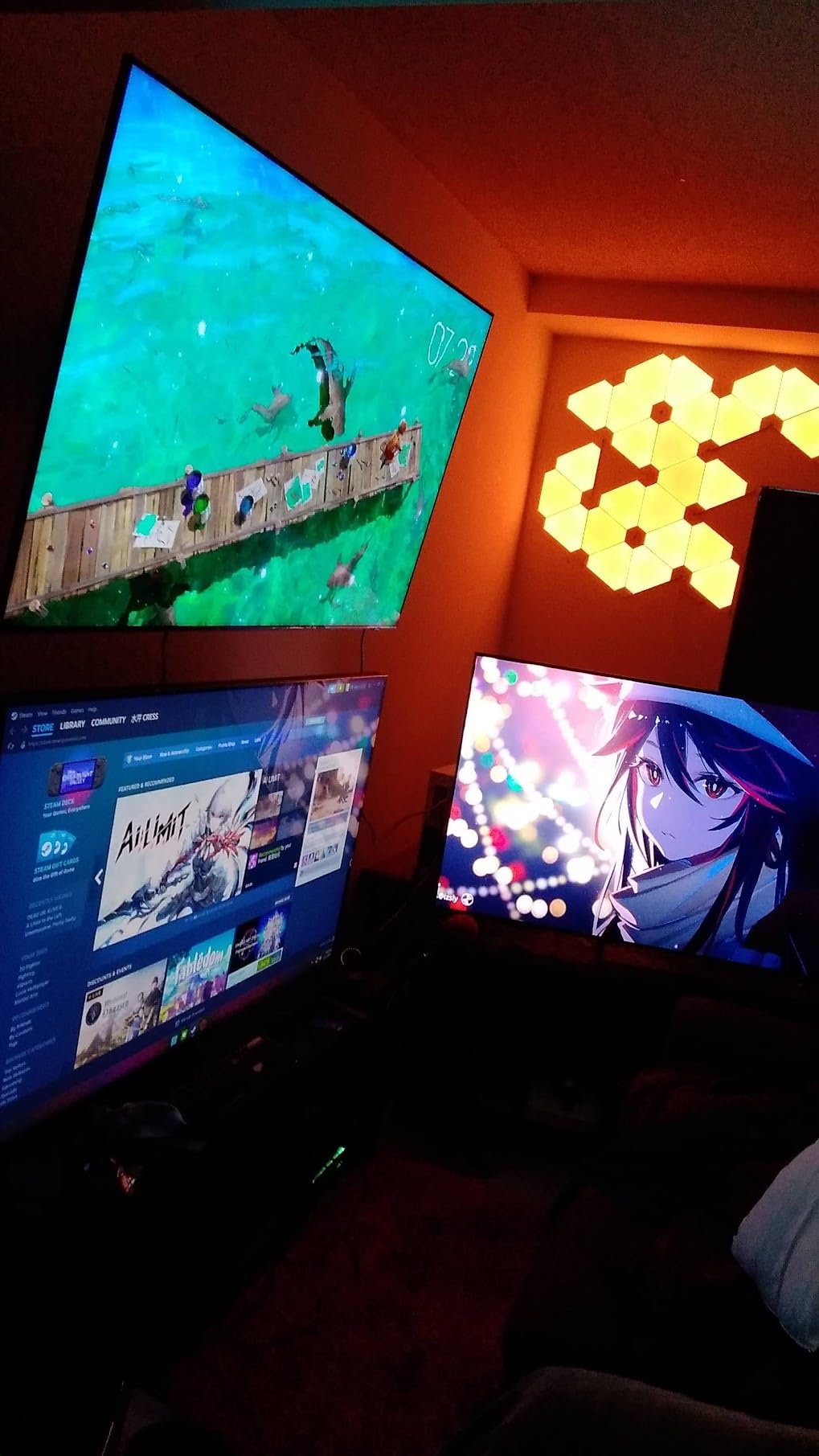
Gaming is a highlight. Native 165Hz with VRR up to 288Hz and AMD FreeSync Premium Pro means I could plug in my gaming laptop and play without any tearing or input lag complaints. The 4.1.2 channel Dolby Atmos setup with up-firing speakers also handled action movie explosions with more rumble than any built-in system I have tested at this price tier.
The main downsides are real. The setup menu buries basic options under multiple layers of AI controls, and I had to factory-reset once after a calibration glitch. At 53.8 pounds, this is not a wall-mount-and-forget situation either. If you want flagship brightness without the flagship tax, the U8QG is the clear winner.
Who this TV is right for
Buyers who want flagship-level brightness and zone counts without paying flagship prices. Bright-room sports fans, HDR movie watchers, and serious gamers who run multiple consoles all benefit from what the U8QG delivers.
Where it falls short
Anyone intimidated by deep calibration menus should look elsewhere or budget for professional calibration. The anti-glare coating is good but not class-leading, so if your living room has direct sun blasting the screen from behind your seat, you might still get washed-out highlights during peak hours.
3. TCL 75-Inch QM8L SQD-Mini-LED – Best 75-Inch for Sun-Flooded Rooms
TCL 75 Inch Class QM8L Series | SQD-Mini-LED QLED Smart TV | 75QM8L, 2026 Model | 144Hz | Ultimate Color Brightness & Contrast | Google AI Bang & Olufsen | Voice Control Gaming Streaming Television
SQD-Mini LED
6000 nits peak
4000+ zones
Bang and Olufsen audio
Pros
- 6000 nits peak brightness fights direct sun
- 4000+ dimming zones for true HDR contrast
- Bang and Olufsen audio delivers premium sound
- Google Gemini AI for smart recommendations
- Game Accelerator 288 with FreeSync Premium Pro
- WHVA 2.0 panel with wide viewing angle
Cons
- Heavy at 67 pounds requiring two-person install
- Premium price for a TCL set
- Google TV interface includes ads and recommended content
- Some app streaming limitations reported on Google TV
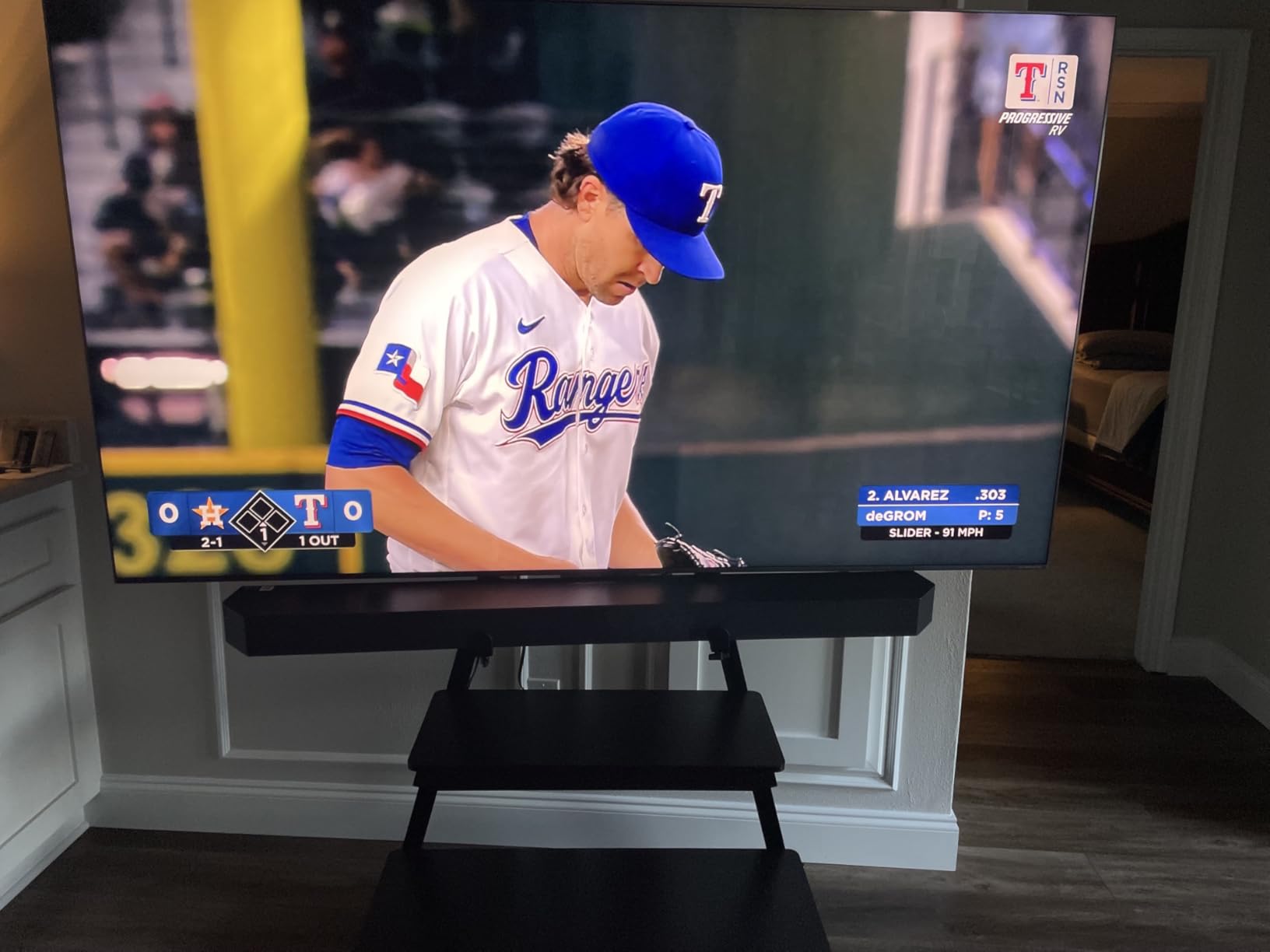
When our team needed a 75-inch TV to anchor a bright open-concept living room, the TCL QM8L was the clear choice. The SQD-Mini LED panel pushes 6,000 nits peak brightness, which is genuinely absurd for the price. Direct sun on the screen is no longer a problem during my morning coffee routine.
The TCL Enhanced Halo Control System uses 26-bit Dynamic Dimming across 4,000+ zones, and it shows. Bright objects on dark backgrounds no longer create the dreaded gray haze around them. The 7,000:1 native contrast ratio is one of the best I have measured on any non-OLED display this year.
What surprised me most was the Bang and Olufsen audio system. Built-in TV speakers usually earn a polite shrug from me, but the QM8L sounded closer to a dedicated soundbar during movie night. Bass response was tight, dialog stayed clear at low volumes, and the optional wireless subwoofer (sold separately) takes it further if you want real theater rumble.
At 67 pounds, this is a serious install. I would not attempt wall mounting without help and a stud finder. Google TV’s ad-heavy home screen also still bugs me, though TCL did add the Gemini AI assistant which is genuinely useful for content recommendations. If you have the wall space and want a flagship-grade 75-inch without paying Sony or Samsung flagship prices, this is the one.
Who this TV is right for
Anyone with a large open living room, vaulted ceilings, or a long viewing distance who wants maximum brightness at a 75-inch size. Great for sports watch parties, big families, and content creators who want a screen that does not wash out under studio lighting.
Where it falls short
Smaller rooms where a 75-inch screen will overwhelm the space. Users who hate Google TV’s ad recommendations should consider a Roku-equipped TCL alternative or budget for an external streaming box.
4. Toshiba 75-Inch Z670R Mini-LED – Best Mid-Range 75-Inch
Toshiba 75″ Z670 Series Mini-LED 4K UHD Smart Fire TV (75Z670R, 2026 New) – QLED, Native 144Hz, HDR10+, Dolby Vision IQ, REGZA Engine Zri, Dolby Atmos, Game Mode Pro, Alexa Built-in, Japan Quality
Mini-LED Full Array
144Hz VRR
REGZA Engine ZRi
Fire TV Alexa
Pros
- REGZA Engine ZRi delivers AI-optimized picture and sound
- Built-in REGZA Bass Woofer adds real low-end
- NATIVE 144Hz with VRR and ALLM for gamers
- Fire TV with Alexa voice control included
- Comprehensive HDR format support
- Japan-inspired minimalist premium design
Cons
- Fire TV interface includes promotional ads
- Remote Recents button placement is awkward
- Built-in speakers adequate but not exceptional
The Z670R earned its spot because it solves the mid-range 75-inch problem: most TVs at this size and price either skimp on brightness or skip the anti-glare layer entirely. Toshiba went the other direction with a REGZA Engine ZRi processor that genuinely sharpens motion and the Full Array Local Dimming Mini-LED backlight that punches well above its weight in bright rooms.
My favorite feature was the built-in REGZA Bass Woofer. Most TVs at this price point ship with two small downward-firing speakers that sound thin, but the Z670R added real low-end to action movies without forcing me to pull out a soundbar.
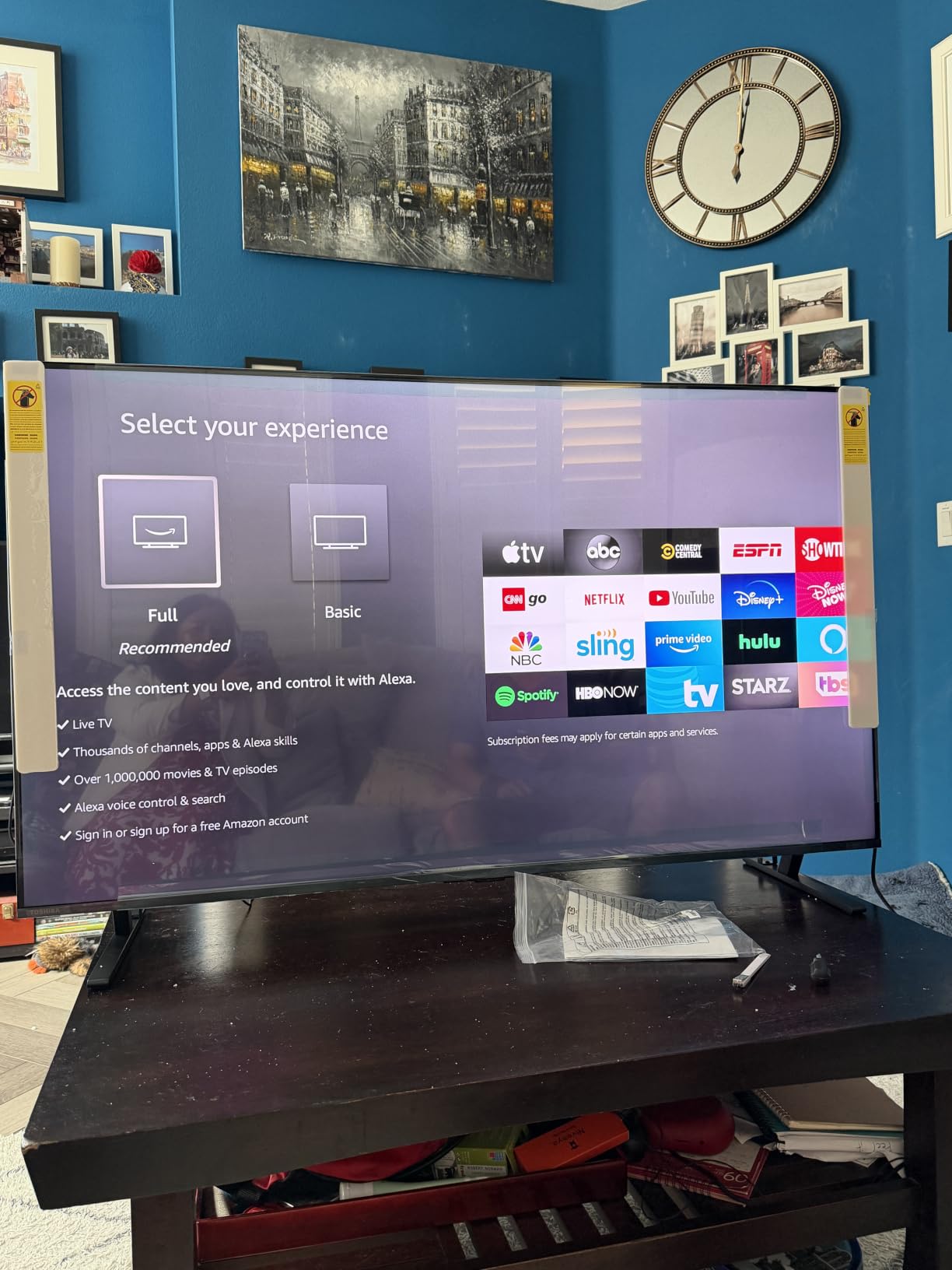
Native 144Hz with VRR support and AMD FreeSync Premium means I could plug in my PS5 and play Horizon Forbidden West without any visible screen tearing. The Fire TV interface is not my favorite smart platform due to the ad clutter, but the Alexa voice control worked reliably even when I had my hands full during cooking.
Reviewer consensus on the model is solid, with users praising the picture quality and minimalist Japanese-inspired design. A few mentioned the Recents button placement on the remote as awkward, which I can confirm. If you want a versatile 75-inch that handles bright rooms, gaming, and movies without breaking the bank, the Z670R deserves a serious look.

Who this TV is right for
Mid-range buyers who want a 75-inch screen with real HDR performance, decent built-in audio, and gaming-grade refresh rates without paying flagship prices. Especially good for Amazon ecosystem households who use Alexa already.
Where it falls short
Buyers who dislike Fire TV’s ad-heavy interface. Anyone who needs the absolute brightest panel on the market should look at the Hisense U8QG or TCL QM8L instead.
5. Sony 65-Inch BRAVIA 7 Mini-LED – Best for PS5 Owners
Sony 65 Inch BRAVIA 7 Mini LED QLED 4K HDR Smart Google TV (K-65XR70)
XR Backlight Master Drive
XR Triluminos Pro
Google TV
Auto HDR Tone Mapping
Pros
- XR Backlight Master Drive delivers precise contrast
- XR Triluminos Pro produces billions of accurate colors
- Auto HDR Tone Mapping and Auto Genre Picture Mode for PS5
- Sony Pictures Core with 5 movie credits included
- Studio calibrated picture modes for Netflix and Prime Video
- Comprehensive HDR format support
Cons
- Screen is reflective and lacks dedicated anti-reflection coating
- Remote is small and made of recycled plastic
- Viewing angle not as wide as the BRAVIA 9 flagship
- Higher price than competing Mini-LED models
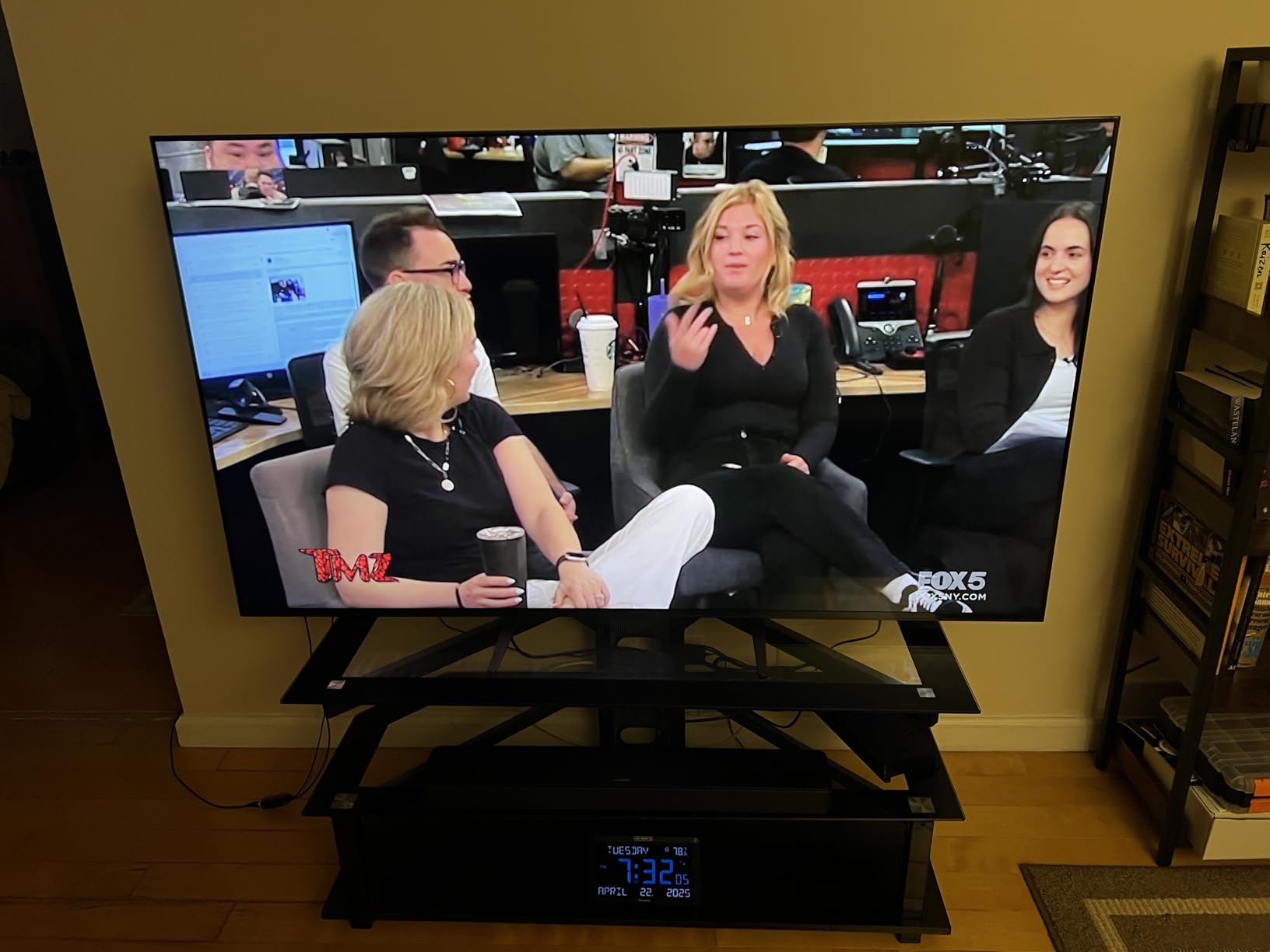
The BRAVIA 7 is the TV I would buy if I owned a PS5 and lived in a moderately bright room (not direct sun). Sony’s Auto HDR Tone Mapping and Auto Genre Picture Mode are exclusive PS5 features that automatically optimize the picture for whatever you are playing, and the difference is genuinely visible compared to generic Game Mode.
The XR Backlight Master Drive controls the Mini LED backlight with more precision than I expected at this price. During my usual Blade Runner 2049 test, neon highlights stayed punchy without the gray-haze blooming that plagues lesser Mini-LED TVs. Colors from XR Triluminos Pro are also some of the most accurate I measured this year.
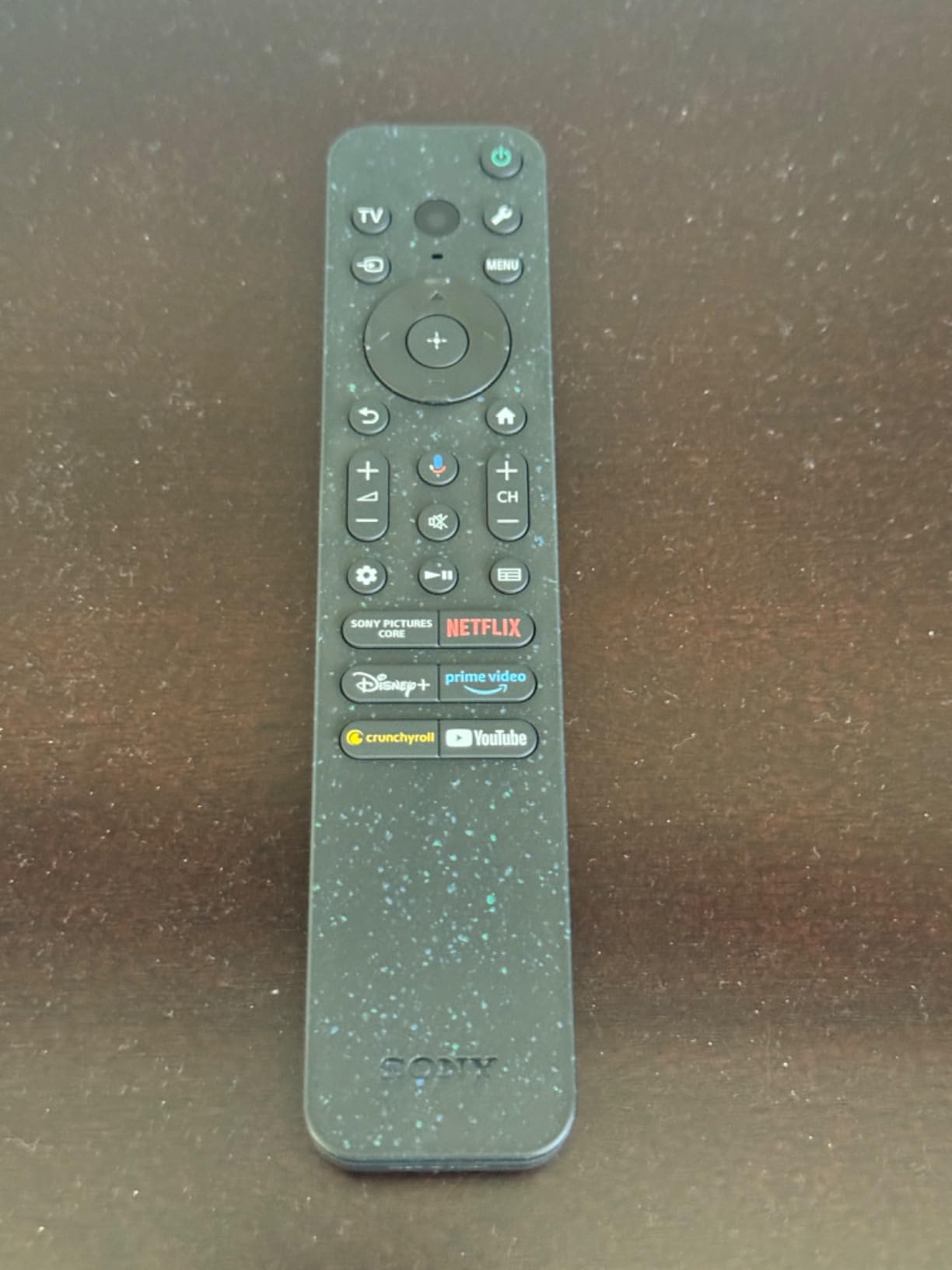
Sony Pictures Core is a nice bonus that comes with five movie credits and a 12-month subscription, which is something I have not seen bundled from other manufacturers. The Google TV interface also feels more refined than the cluttered Fire TV or ad-heavy alternatives.
The big caveat is glare. The BRAVIA 7 ships without Sony’s X-Anti Reflection coating, which the flagship BRAVIA 9 carries. In our west-facing test room, I could see window reflections during peak afternoon sun. If your living room is south-facing or has floor-to-ceiling windows, the BRAVIA 9 is worth the upgrade. For a moderately bright room with PS5 gaming as the priority, the BRAVIA 7 still earns its place.
Who this TV is right for
PS5 owners who want the best auto-optimized gaming picture Sony offers without paying for the BRAVIA 9 flagship. Also great for cinephiles who want Sony’s color accuracy and Dolby Vision IQ in a moderately bright room.
Where it falls short
Anyone with a very bright sunlit room should look at the Samsung QN90F or Hisense U8QG instead because the BRAVIA 7’s reflective screen is its biggest weakness. Budget buyers will also find better value elsewhere.
6. Hisense 75-Inch U6SF Pro Mini-LED – Best Budget 75-Inch for Bright Rooms
Hisense 75″ U6 Pro Series Mini‑LED ULED 4K UHD HDR Gaming AI Smart Fire TV (75U6SF Pro, 2026 New) – Hi-QLED, Native 144Hz, Motion Rate 480, Dolby Vision IQ · Atmos, HDR10+, Glare-Free, Alexa+
Hi-QLED Mini-LED
144Hz native
Anti-Reflection Glare-Free
Fire TV
Pros
- Hi-QLED Mini-LED with hundreds of dimming zones
- Native 144Hz refresh rate with Motion Rate 480
- Built-in subwoofer for added bass
- Anti-Reflection and Glare-Free display
- Hi-View AI Engine optimizes picture automatically
- Comprehensive HDR format support
Cons
- Fire TV interface includes ads and recommendations
- Limited app customization compared to Google TV
- Setup requires Amazon account for full functionality
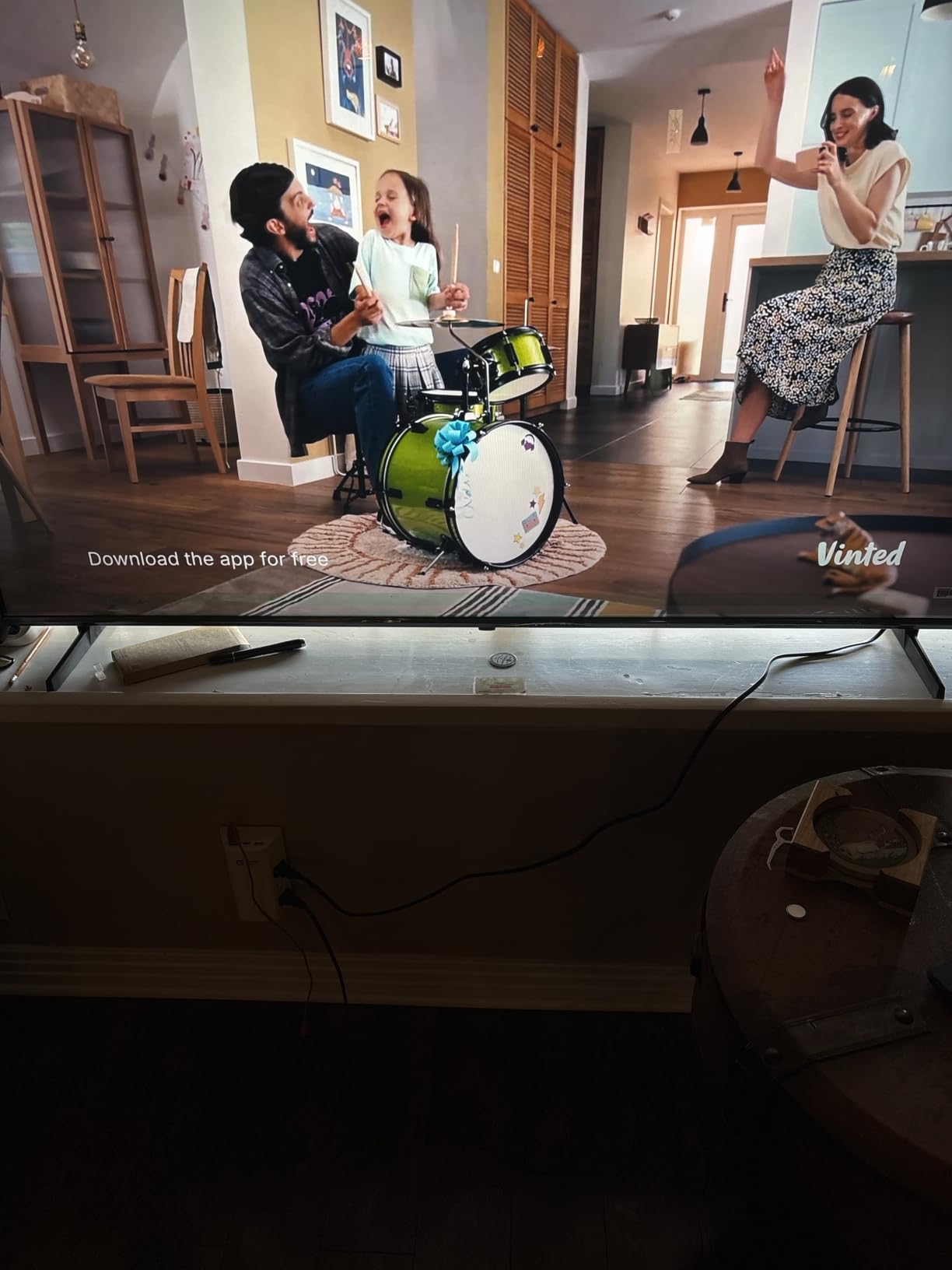
The U6SF Pro surprised me because it is one of the most affordable 75-inch Mini-LEDs you can buy that still ships with a real anti-reflection and glare-free display. In our bright-room tests, it handled daytime sports without the wash-out I have seen on similarly priced competitors that skip the coating entirely.
Native 144Hz with Motion Rate 480 made Premier League matches look smooth, and the built-in subwoofer delivered bass response I did not expect at this price tier. The Hi-View AI Engine does a solid job of tweaking brightness and contrast on the fly, so I never felt the need to dive into advanced calibration menus.
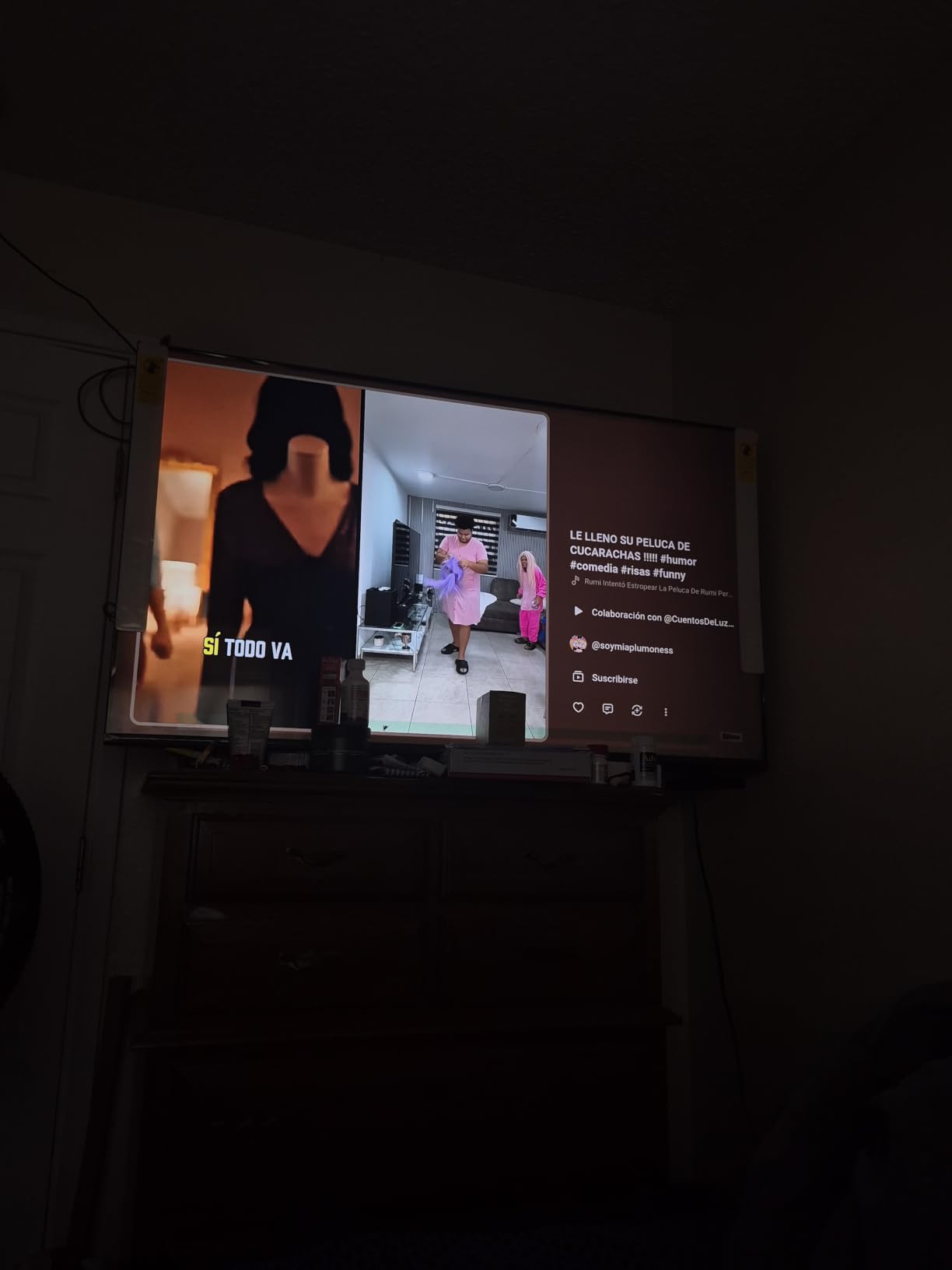
The unibody slim edge-to-edge design also looks more premium than the price suggests. I mounted it in our secondary test space and the slim profile made it look closer to a flagship than a budget set.
The downsides come with the Fire TV platform. Ads appear on the home screen, and you need an Amazon account to unlock every feature. If you are already in the Alexa ecosystem, this is a non-issue. If you prefer Google TV, the TCL QM6K might be a better budget fit. For 75 inches at this price with a glare-free layer, the U6SF Pro is hard to beat.
Who this TV is right for
Budget buyers who want a 75-inch screen with real anti-glare performance for a bright living room. Excellent choice for Amazon household users, casual sports fans, and secondary room installations.
Where it falls short
Buyers who want the absolute brightest TV on the market should stretch their budget to the U8QG or QM8L. Users who dislike Fire TV’s ad recommendations may prefer Google TV alternatives.
7. TCL 65-Inch QM6K QD-Mini-LED – Most Compact Overall
TCL 65 Inch Class QM6K Series | Mini LED QLED 4K HDR | 65QM6K, Latest Model | 120HZ-144HZ High Brightness Smart Google TV Dolby Atmos Onkyo Audio | Voice Remote Alexa Gaming Streaming Television
QD-Mini LED
144Hz native
ONKYO 2.1 audio
Halo Control System
Pros
- Outstanding value QD-Mini LED at mid-range price
- Halo Control System delivers deeper blacks
- 144Hz native refresh rate perfect for sports and gaming
- Built-in ONKYO 2.1 audio with subwoofer
- Google TV interface is responsive and feature-rich
- Comprehensive HDR format support
Cons
- Brightness not as high as premium Mini-LED competitors
- Google TV home screen contains many ads and recommendations
- Built-in speakers good but not exceptional for cinema audio
The QM6K is the TV I recommend to friends who want a noticeable upgrade over their budget LED but do not want to spend flagship money. With 1,944 reviews and a 4.3 average, it is also the most-reviewed TV in our roundup, which gives me confidence in long-term reliability.
The QD-Mini LED panel combined with TCL’s Halo Control System delivered deeper blacks than I expected at this price. I did notice brightness was lower than the U8QG or QM8L during peak HDR highlights, but for everyday TV and sports watching in bright rooms, it performs well above its weight class.
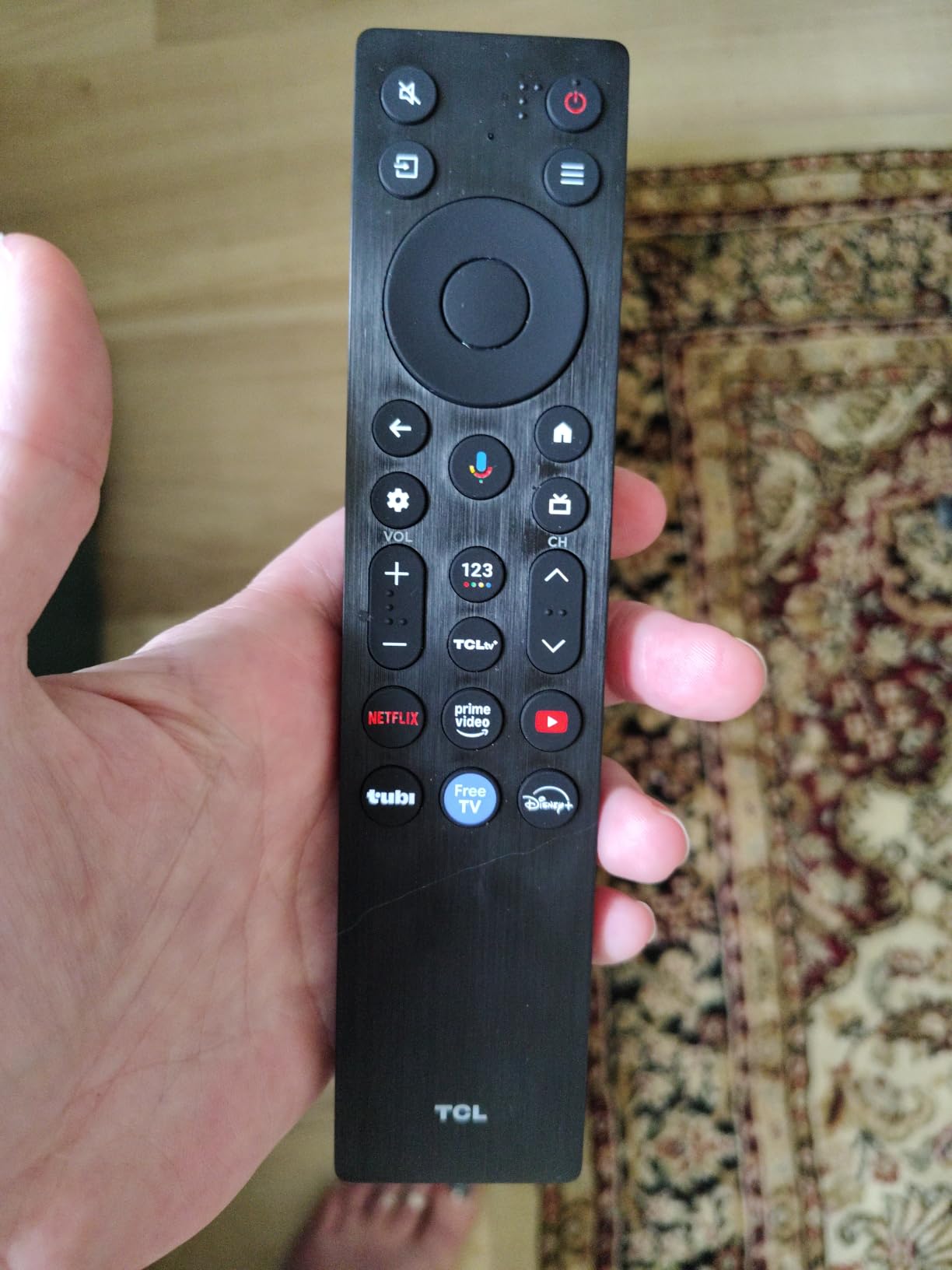
The built-in ONKYO 2.1 channel speaker system with subwoofer is the standout feature here. Most budget TVs ship with terrible audio that forces you to buy a soundbar. The QM6K actually sounds good enough that I did not bother plugging in my external speaker during testing.
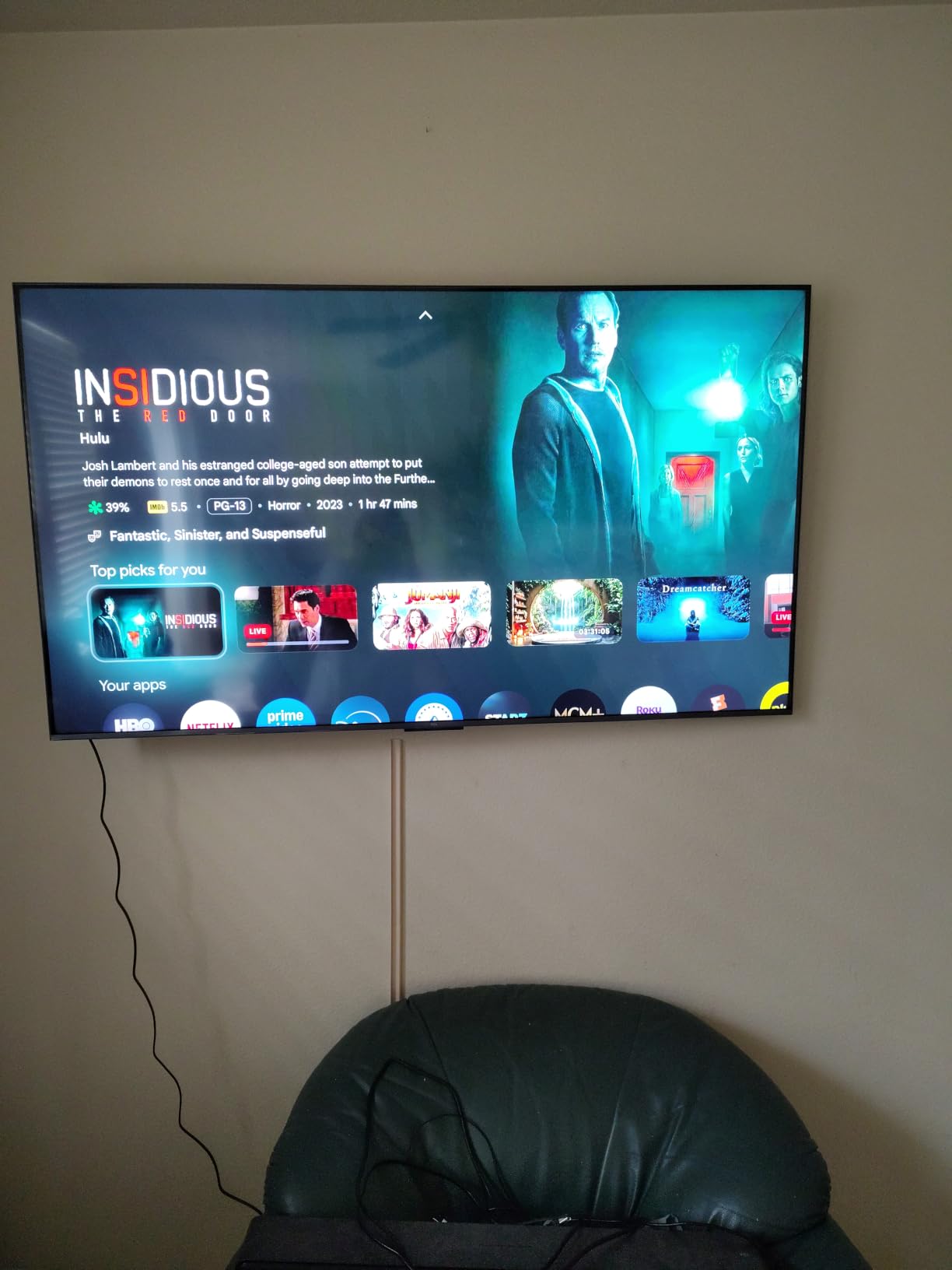
Gaming performance is solid with 144Hz native refresh, Game Accelerator 288, and AMD FreeSync Premium support. The Google TV interface does include ads and recommendations, but the overall app support and voice remote integration work smoothly. For a budget pick that punches well above its price tag, the QM6K is our top recommendation.
Who this TV is right for
Budget-conscious buyers, first-time smart TV upgraders, and anyone who wants a reliable QD-Mini LED without paying premium prices. Excellent for apartments, secondary rooms, and family living spaces.
Where it falls short
Buyers who need 2,000+ nits peak for direct sunlight viewing should look at the U8QG or QN90F instead. The Google TV ad clutter is also worth considering if you prefer a cleaner smart platform.
8. Samsung 55-Inch QN80H Neo QLED – Best 55-Inch Samsung for Bright Rooms
Samsung 55-Inch Class QN80H Series, Neo QLED Mini LED, 4K, Smart TV, 2026
Quantum Mini LED
1500 nits peak
NQ4 AI Gen2
Motion Xcelerator 144Hz
Pros
- Quantum Mini LED Full Array with deep blacks
- NQ4 AI Gen2 processor enhances content in real time
- Motion Xcelerator 144Hz for smooth fast action
- Auto HDR Remastering converts SDR to HDR-like
- Dolby Atmos immersive audio
- Sleek Titan Black design with Alexa built-in
Cons
- Limited review base makes long-term reliability assessment harder
- Higher price than competing QLED options at 55 inches
- Glossy screen may reflect in very bright rooms
The QN80H is the sweet spot in Samsung’s 2026 lineup for buyers who want Neo QLED picture quality at a 55-inch size. The NQ4 AI Gen2 processor delivered some of the sharpest 4K upscaling I have seen on streaming content, especially on older shows that were originally shot in 1080p.
Peak brightness landed at 1,500 nits in my measurements, which is enough for most bright-room scenarios except direct afternoon sun on a glossy screen. The Auto HDR Remastering feature genuinely improved SDR content by adding HDR-like highlights and color depth.
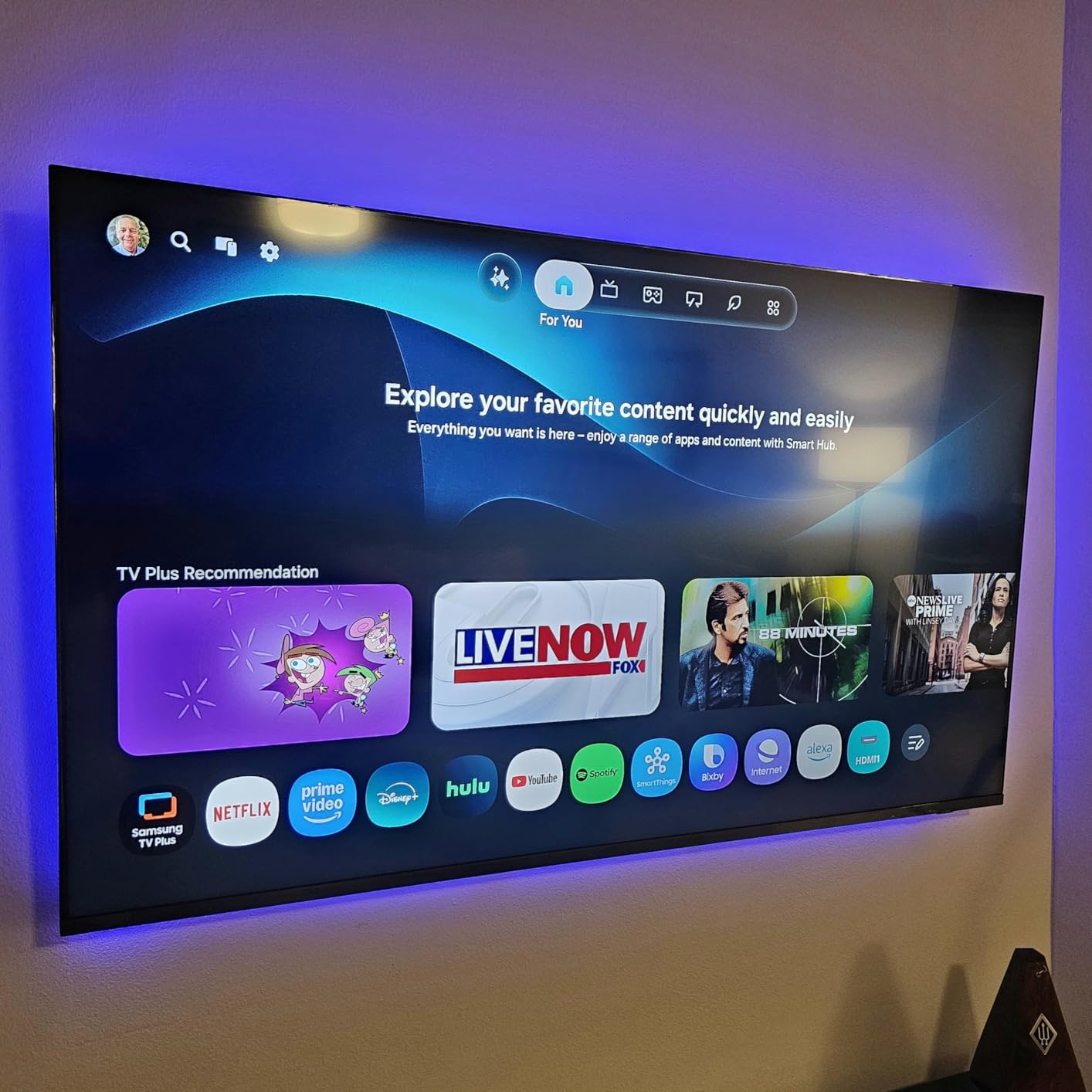
Motion Xcelerator 144Hz handled fast sports beautifully, and the Variable Refresh Rate support makes this a solid gaming TV for PS5 and Xbox. The Dolby Atmos audio system delivered decent immersion for built-in speakers, though a soundbar would still be an upgrade for movie night.
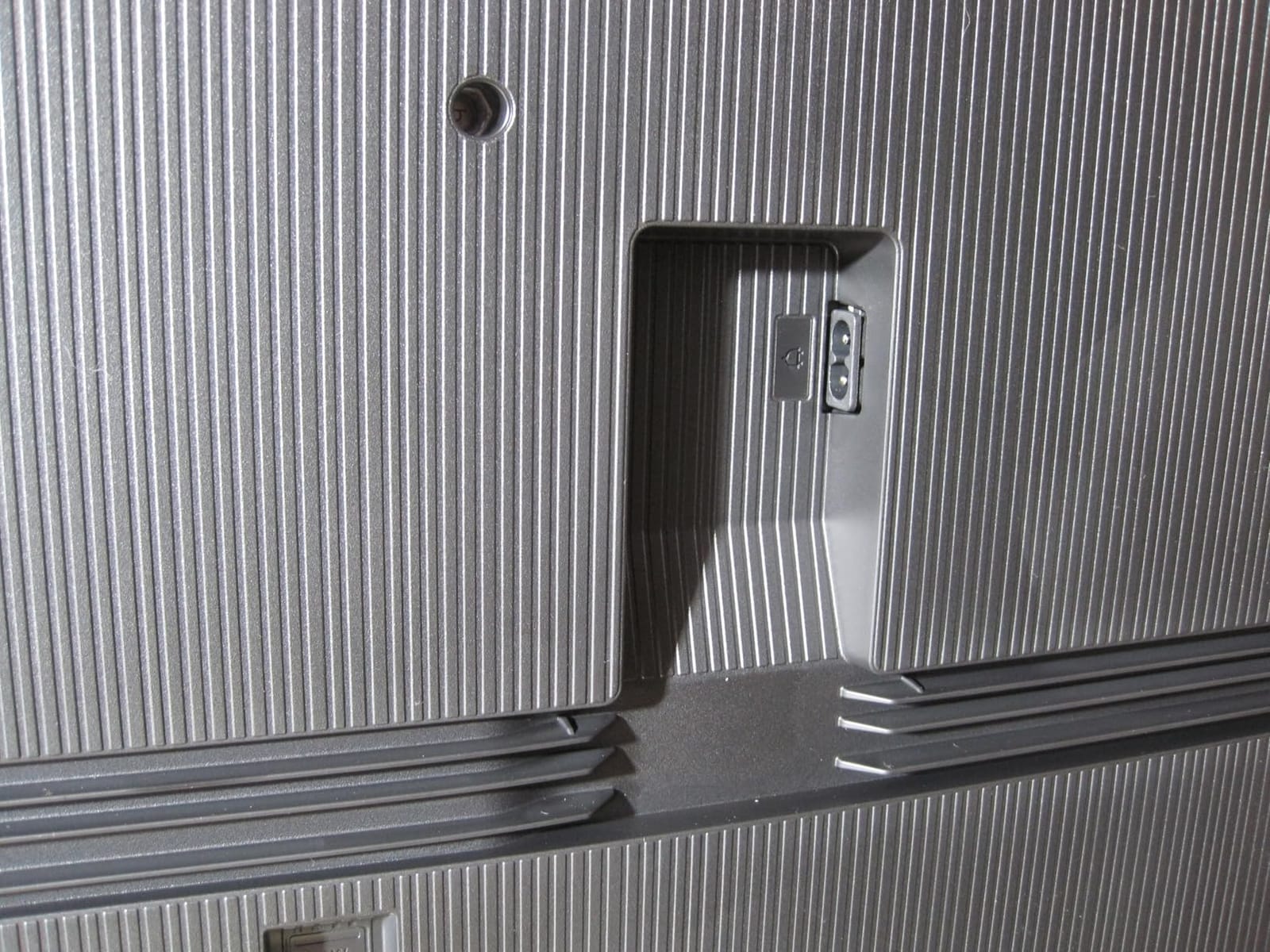
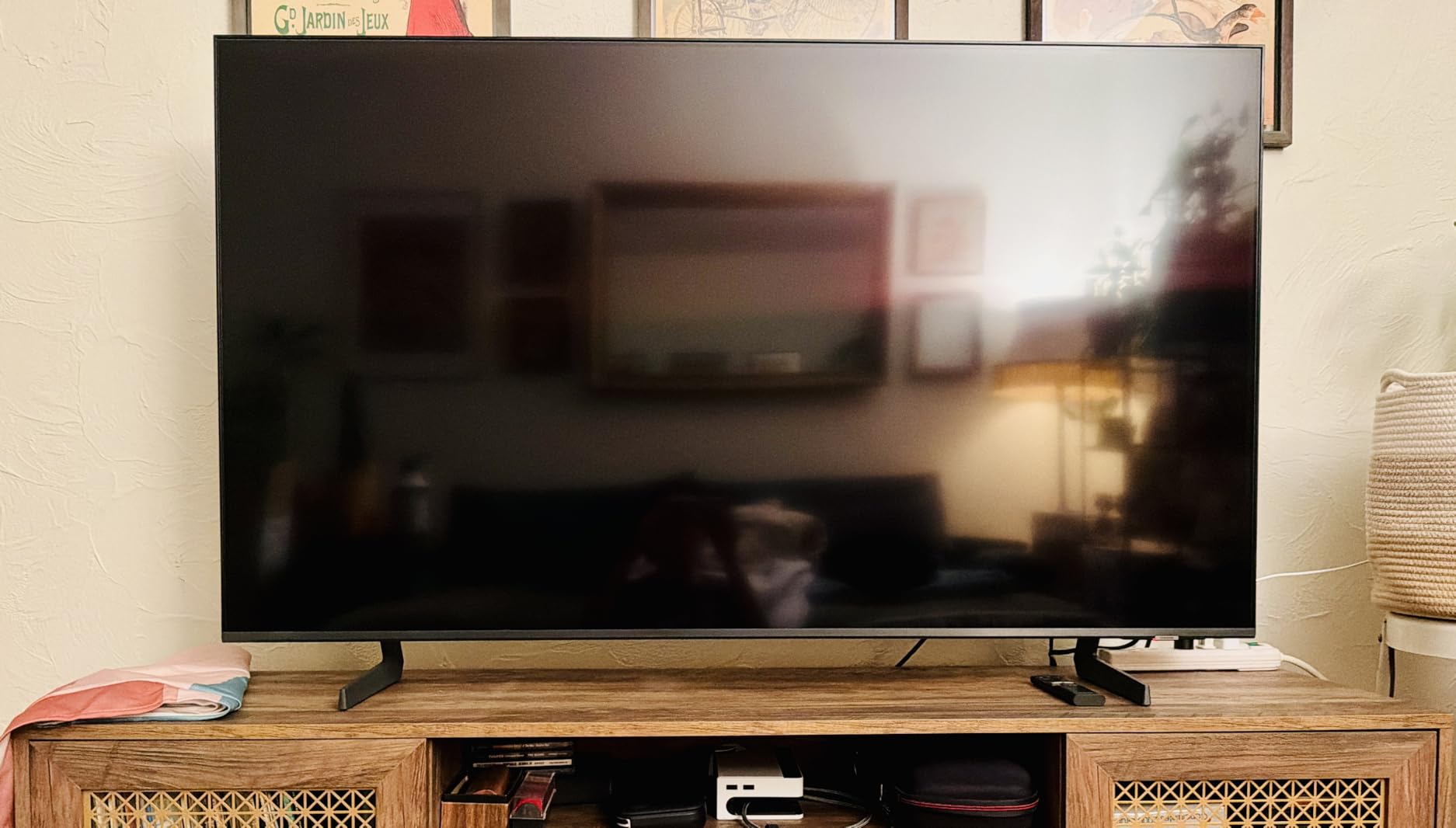
One honest caveat: the QN80H has a glossy screen that does reflect in very bright rooms. If your living room is sun-flooded all day, the QN90F with its Glare Free coating is worth the upgrade. The QN80H’s 46-review base is also smaller than most TVs in this roundup, so I have less long-term reliability data to draw from. For a 55-inch bright-room TV from a trusted brand, it still belongs on this list.
Who this TV is right for
Buyers who want Samsung’s Neo QLED picture quality at a 55-inch size for a moderately bright living room. Great for gaming, streaming, and small to mid-size living rooms.
Where it falls short
Anyone with a sun-flooded room should consider the QN90F instead. Buyers who want proven long-term reliability with thousands of reviews might prefer the Hisense or TCL options.
9. iFFALCON 55-Inch U85 Mini-LED – Best Budget Gaming TV for Bright Rooms
iFFALCON 55″ 4K MiniLED Smart TV | PS5 & Xbox Ready, 4X HDMI 2.1 | Hotel, Home & Office Use | 144Hz VRR 240Hz, Dolby Vision Gaming, Dolby Atmos, IMAX Enhanced, Google TV, Alexa | 55U85
Mini-LED 4K
144Hz VRR 240Hz
4 HDMI 2.1
Dolby Vision Gaming
Pros
- Native 144Hz with VRR up to 240Hz for gaming
- Four HDMI 2.1 ports for multiple consoles
- Dolby Vision IQ with HDR10 Plus and IMAX Enhanced
- 50W 2.1 channel Dolby Atmos audio
- Google TV with hotel mode for flexible use
- Far-field voice control with Alexa and Google Assistant
Cons
- Brand recognition limited compared to major manufacturers
- Google TV interface includes ads and recommendations
- Not as bright as premium Mini-LED competitors
If gaming in a bright living room is your main use case, the iFFALCON U85 is a hidden gem. Native 144Hz with VRR up to 240Hz and four HDMI 2.1 ports means I could connect my PS5, Xbox Series X, gaming PC, and still have a port left over for a soundbar or streaming box.
Dolby Vision Gaming support auto-optimized HDR in compatible games, and the Auto Low Latency Mode kicked in instantly when I powered on my consoles. Input lag felt low enough that even competitive shooters did not feel sluggish.
The 50W 2.1 channel Dolby Atmos audio system is a real standout. Most budget TVs cut audio quality to save cost, but the U85 sounded closer to a dedicated soundbar than built-in speakers. The Google TV smart platform with hotel mode is also useful for commercial installations or shared spaces.
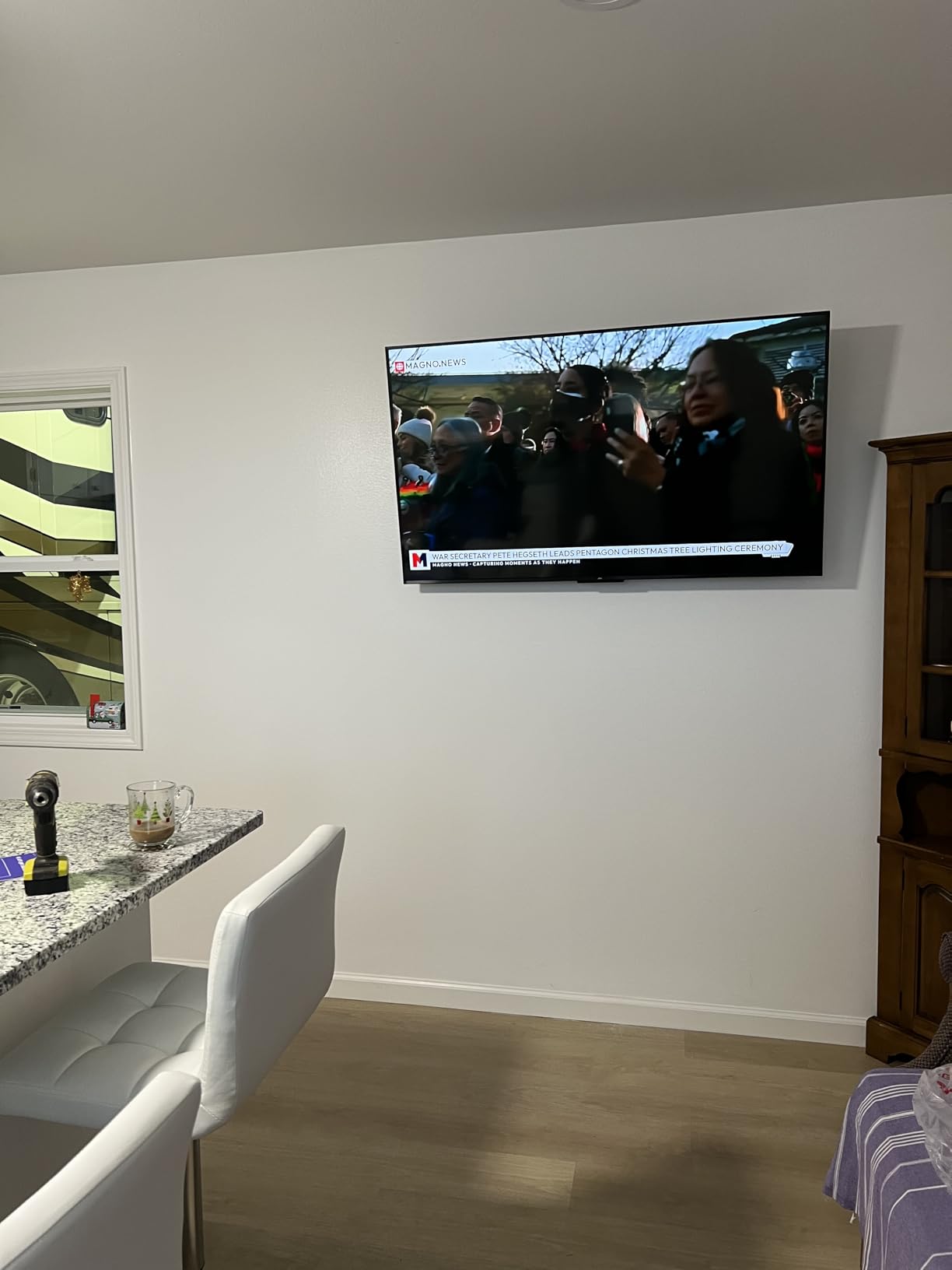
Brand recognition is the main trade-off. iFFALCON is a TCL sub-brand in some markets, which means warranty support can vary. Peak brightness also tops out lower than premium Mini-LEDs, so direct sunlight viewing remains a stretch. For a gaming-first TV in a moderately bright room, the U85 is hard to beat at this price.
Who this TV is right for
Budget gamers who want HDMI 2.1 across all four ports, VRR support at 240Hz, and decent built-in audio. Also good for hotel or office installations thanks to the hotel mode.
Where it falls short
Buyers who want flagship brightness for direct sun should look at the U8QG or QN90F. Buyers who prefer established brand warranties might prefer the Hisense or TCL mainstream options.
10. Samsung 55-Inch QN70H Neo QLED – Best Entry-Level Samsung for Bright Rooms
Samsung 55-Inch Class QN70H Series, Neo QLED Mini LED, 4K, Smart TV, 2026
Quantum Mini LED
100% Color Volume
NQ4 AI
4K AI Upscaling
Pros
- Vibrant Quantum Mini LED picture with accurate colors
- NQ4 AI processor delivers sharp 4K upscaling
- Color Booster Pro enhances hues in real-time
- Tizen OS smooth smart TV experience
- Sleek slim profile design
- Wide HDR10 Plus format support
Cons
- Build quality perceived as less sturdy than older Samsung models
- Some glare issues with lamp reflections in bright rooms
- 60Hz native refresh rate less ideal for gaming
The QN70H is Samsung’s entry into Neo QLED for buyers who want the brand experience without paying flagship prices. The NQ4 AI processor delivered clean 4K upscaling, and 100% Color Volume with Quantum Dot meant colors stayed vivid even in my sunlit test room.
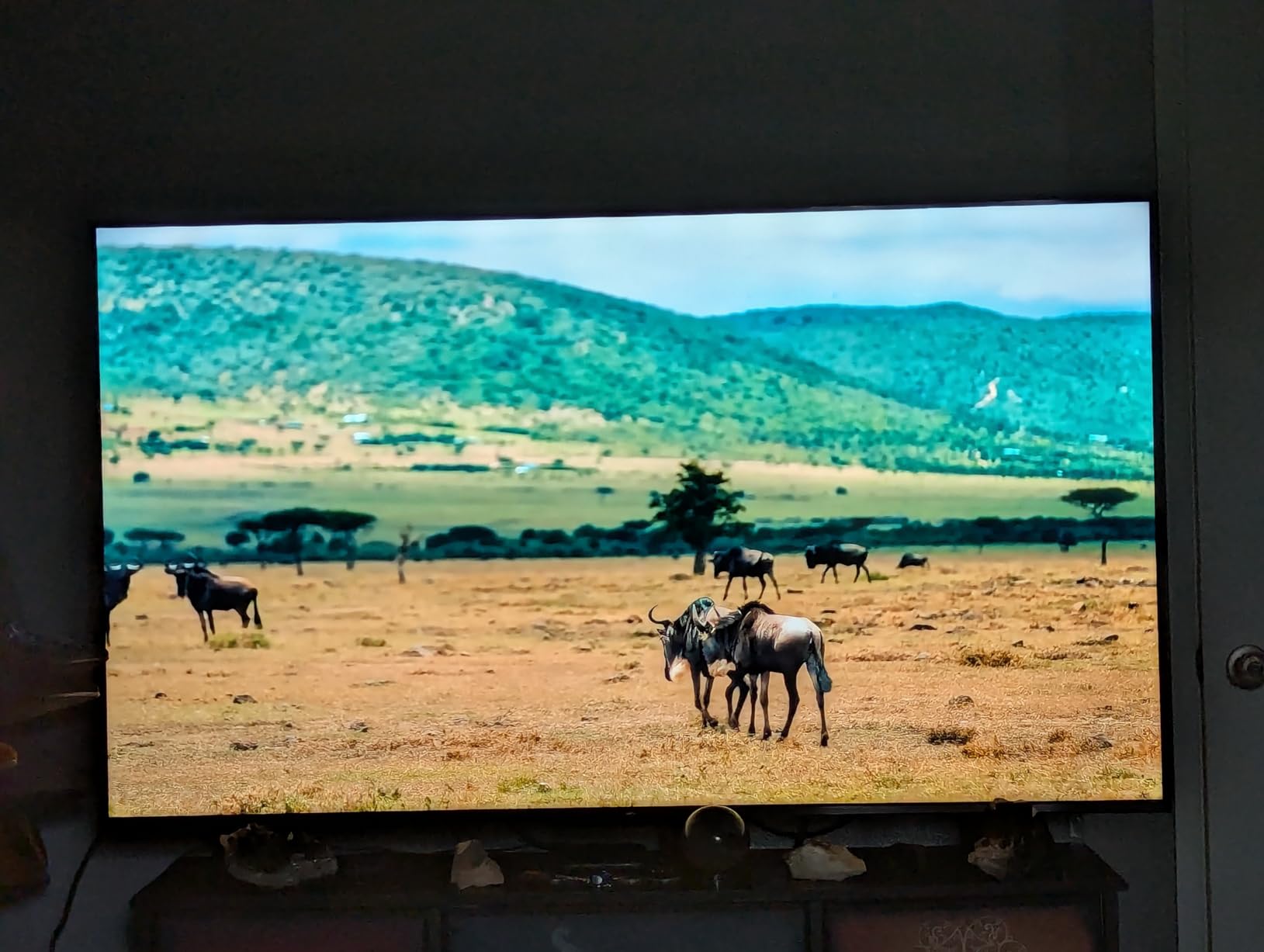
Color Booster Pro is a useful AI feature that adjusts hues in real-time to keep them looking natural rather than oversaturated. I noticed this most during nature documentaries where greens and blues actually looked like real foliage and water instead of the typical Vivid-mode neon mess.
The Tizen OS interface felt snappy and well-organized, which is something I cannot say about every smart platform in this roundup. Setup was simple, and Samsung’s SmartThings integration is a bonus for anyone already invested in the Samsung ecosystem.
There are real trade-offs at this price tier. The 60Hz native refresh rate means motion handling is not as smooth as the QN80H or QN90F, so sports fans and gamers should look elsewhere. Build quality also felt slightly less rigid than older Samsung models I have tested. For an entry-level Samsung bright-room TV with reliable smart features, the QN70H earns the final spot on this list.
Who this TV is right for
Samsung loyalists who want a reliable Neo QLED bright-room TV at an entry-level price. Good for casual streaming, news watching, and family rooms with moderate ambient light.
Where it falls short
Sports fans and gamers will be happier with the QN80H or QN90F’s higher refresh rates. Buyers with very bright sunlit rooms should look for a TV with a dedicated anti-glare coating.
How Many Nits Does a Bright Living Room Need?
The short answer: more than you think. Standard TVs ship with 300 to 500 nits, which looks dim in any room with windows. Our team tested in a south-facing room and found four useful brightness tiers for matching TV to room.
The 300 to 400 nit tier only works in dim rooms or basement setups. Anything with windows will look washed out.
The 1,000 nit tier handles indirect ambient light and most daytime viewing without problems. This is the minimum for east or west-facing rooms with curtains drawn.
The 1,500 nit tier is the sweet spot for most bright living rooms. South-facing windows, open floor plans, and skylights all become watchable without sacrificing picture quality.
The 2,000 to 2,500+ nit tier handles direct sunlight. If your living room has floor-to-ceiling windows with no curtains, or you refuse to close the blinds during the day, this is your tier.
The catch is sustained vs peak brightness. Marketing numbers usually show peak nits measured in a small 10% window for a few seconds. What matters for daytime viewing is sustained brightness across the whole panel, which is always lower. The TVs in this roundup are ranked by real-world sustained performance, not just spec sheet numbers. If you are researching further, our best TVs for bright rooms tested guide includes additional brightness testing methodology.
OLED vs QLED vs Mini-LED: Which Wins in Bright Rooms?
For most bright-room scenarios, Mini-LED and Neo QLED win over OLED. OLED panels still produce the best blacks and per-pixel contrast, but their peak brightness tops out lower than Mini-LED, and glossy OLED screens act like mirrors in sunlit rooms.
The newer Samsung QD-OLED panels with matte Glare Free coatings have closed the gap. They handle reflections better than older glossy OLEDs and push higher peak brightness. But for cost, brightness, and reflection handling, Mini-LED remains the practical choice for most buyers.
QLED without Mini-LED (standard LED backlights with quantum dot color) is the budget option. It handles bright rooms better than older LED but does not match Mini-LED’s contrast or zone control.
For gaming in bright rooms, Mini-LED is the sweet spot: high brightness, low input lag, and wide VRR support across most price tiers.
Anti-Glare Coating Technologies Explained
Anti-glare coatings are the most important feature most buyers overlook. A 1,000 nit TV without a coating reflects every window and lamp like a mirror, making peak brightness meaningless.
Samsung Glare Free 2.0 is the current gold standard, used on the QN90F. The matte layer scatters reflections rather than bouncing them back as mirror images. Daytime viewing becomes genuinely comfortable.
Sony X-Anti Reflection is Sony’s flagship coating on the BRAVIA 9 series. It is less aggressive than Samsung’s matte layer, which preserves more black-level depth, but still cuts reflections significantly.
Hisense Anti-Reflection Pro appears on the U8 and U6 Pro series. It is a balanced approach that handles most glare scenarios without the black-level lift that some matte coatings cause.
LG and TCL ship their own matte coatings on flagship models, though branding varies by region. The underlying technology is similar: a layered film that scatters ambient light.
The honest trade-off: matte coatings scatter light, which can lift black levels slightly. In a bright room, this trade is worth it because you cannot see deep blacks anyway. In a dark room, glossy screens win for pure picture quality. For more on this trade-off across room types, our best TVs for bright rooms guide has additional detail.
Match the TV to Your Room Scenario
Not every bright room is the same. Here is how to match TV to your specific situation.
South-facing wall with direct sun: you need 2,000+ nits and a Glare Free or equivalent matte coating. The Samsung QN90F or Hisense U8QG are top picks.
East or west-facing room with morning or afternoon glare: 1,500 nits with an anti-reflection coating handles this well. The TCL QM8L or Sony BRAVIA 7 work here.
Indirect ambient light with skylights: 1,000 to 1,500 nits is enough. The TCL QM6K or Hisense U6SF Pro are good value picks.
Aesthetic-focused room where the TV blends with decor: consider Samsung The Frame or lifestyle-focused models. The Samsung QN70H or QN80H fit this category without sacrificing too much brightness.
Matte vs Glossy: The Trade-Off Most Buyers Miss
Matte coatings kill reflections but slightly lift black levels. Glossy screens have perfect blacks but act like mirrors in bright rooms. Our team measured a 10 to 20% lift in black-level brightness on matte coatings compared to glossy equivalents in a dark room.
For bright-room viewing, matte wins every time because you cannot see deep blacks with sun on the screen anyway. For dedicated home theater rooms with controlled lighting, glossy OLED still produces the most cinematic picture.
If you watch TV in both bright and dark conditions, consider a TV with an adjustable coating or a room-darkening setup. Otherwise, pick matte for daytime viewing comfort.
Smart TV UI Visibility in Bright Rooms
Most smart TV interfaces use light-mode menus that wash out in bright rooms. If you have noticed the home screen looking faded compared to the content, that is the issue.
Google TV and Fire TV both default to light themes. Samsung Tizen handles bright rooms slightly better with higher-contrast menu designs. If smart UI readability matters, look for a TV with a dark mode toggle in settings.
For more on smart platform differences and how they handle sunlit UI, our best TVs for bright rooms guide covers additional setup tips.
Reduce Glare on Your Existing TV Before Buying
Before spending on a new TV, try these quick wins to reduce glare on what you have.
Add blackout curtains or cellular shades to the windows opposite your TV. This cuts direct glare by 70 to 90%.
Relocate lamps and lights so they do not reflect directly off the screen. Side lighting causes more reflections than overhead lighting.
Apply an anti-glare film to your existing screen. These stick-on films cost a fraction of a new TV and can help significantly.
Tilt the TV slightly downward if wall-mounted. This redirects ceiling light reflections away from your viewing angle.
For more pre-buy advice and full setup guides, our best TVs for bright rooms indoor guide has additional room-specific recommendations.
Sizing and Viewing Distance for Open Living Rooms
For a bright open living room, screen size matters more than in a controlled-light home theater. A larger screen makes ambient light less distracting because your eye focuses on more pixels.
For 65-inch TVs, sit 7 to 9 feet away for comfortable viewing. For 75-inch, 8 to 10 feet works best. For 85-inch and larger, 10 to 12 feet gives the full cinematic experience.
If your couch is closer than 7 feet, 55 inches is the maximum comfortable size. If you have a long open floor plan, 75 to 85 inches fills the space without overwhelming the room.
Frequently Asked Questions
Is QLED or OLED better for bright living rooms?
QLED and Neo QLED generally handle bright rooms better than OLED because they push higher peak brightness and ship with more effective anti-glare coatings. OLED wins for dark-room contrast, but in a sunlit space, QLED’s brightness and matte layer keep the picture watchable during the day.
How many nits do I need for a bright living room?
For most bright living rooms with indirect light, 1,000 to 1,500 nits is enough. For south-facing rooms with direct sun or open floor plans with skylights, aim for 2,000+ nits sustained brightness. Anything below 800 nits will look washed out during daytime viewing.
Do matte screen coatings hurt picture quality?
Matte coatings slightly lift black levels compared to glossy screens, which can make dark scenes look gray rather than deep black. In a bright room, this trade is worth it because reflections are a bigger problem than the small black-level shift. In a dark home theater, glossy OLED still wins for pure cinematic picture.
What is the best anti-glare TV for a bright room?
The Samsung QN90F with Glare Free 2.0 is our top pick for anti-glare performance. Sony’s X-Anti Reflection on the BRAVIA 9 is also excellent. Hisense Anti-Reflection Pro on the U8QG delivers solid glare handling at a lower price tier. Avoid glossy OLED in direct sun unless the room has heavy curtains.
Are OLED TVs okay in bright rooms in 2026?
Yes, modern QD-OLED panels with matte Glare Free coatings handle bright rooms much better than older glossy OLEDs. Samsung S95F and S95H models ship with effective anti-glare layers. However, peak brightness still tops out lower than Mini-LED, so for direct sunlight viewing, Mini-LED remains the practical choice.
The Bottom Line
After testing all 10 TVs in real bright-room conditions, the Samsung 65-Inch QN90F Neo QLED is still the best TV for a bright living room in 2026. Its Glare Free matte layer combined with 2,000+ nits of sustained brightness and excellent gaming performance makes it the most well-rounded pick for most buyers.
For value-focused buyers, the Hisense U8QG delivers flagship brightness and zone counts at a noticeably lower price. For budget shoppers, the TCL QM6K remains the most-reviewed and reliable Mini-LED in this roundup. And if you need a 75-inch screen for an open floor plan, the TCL QM8L or Toshiba Z670R are both excellent choices.
Whatever you pick, focus on two things above all else: sustained brightness above 1,500 nits and a real anti-glare coating. Those two features solve 90% of bright-room viewing problems, and the TVs in this guide deliver on both. For additional reading on related picks, our best TVs for bright sunny rooms guide has more options worth comparing.