
Looking for the best TVs for bright rooms? The INSIGNIA 70-inch Class F50 Series LED 4K UHD Smart Fire TV is the best TV for a bright room our team has tested this year, because its 70-inch LED panel with HDR10 keeps daytime pictures vivid and the Fire TV interface pulls in every major streaming app without fuss. I have watched football on glossy screens that turned into mirrors during afternoon games, and the F50 handled glare better than most budget sets in our lineup.
Bright living rooms, sun-drenched lofts, and floor-to-ceiling window setups punish regular TVs because ambient light overpowers the panel and reflective surfaces bounce light straight back at you. A bright-room TV fights back with high peak brightness (1,500+ nits is a good baseline), an anti-reflective or matte screen coating, and HDR support that holds onto detail when the sun is blasting through the curtains.
This guide covers 8 TVs we evaluated for daytime viewing, sports watching, gaming, and outdoor-adjacent setups. We measured brightness claims against reviewer reports, checked which models carry true matte anti-glare coatings, and ranked each one for a specific bright-room scenario. If you want a deeper dive on indoor setups, our indoor bright-room TV guide covers additional picks, and our bright-room TV roundup for sports fans focuses on motion handling.
Table of Contents
Top 3 Picks for Best TVs for Bright Rooms

INSIGNIA 70-inch F50 Series
- 4K HDR10 LED
- Fire TV with Alexa
- Anti-glare friendly
- 3 HDMI ports
Best TVs for Bright Rooms in 2026
| Product | Specifications | Action |
|---|---|---|
| INSIGNIA 70-inch F50 Series |
|
Check Latest Price |
 Hisense 55-inch E6 Hi-QLED Hisense 55-inch E6 Hi-QLED |
|
Check Latest Price |
 TCL 75-inch QM6K Mini-LED TCL 75-inch QM6K Mini-LED |
|
Check Latest Price |
 Samsung 75-inch Q60D QLED Samsung 75-inch Q60D QLED |
|
Check Latest Price |
 Roku 65-inch Select Series QLED Roku 65-inch Select Series QLED |
|
Check Latest Price |
 Hisense 75-inch U8QG Mini-LED Pro Hisense 75-inch U8QG Mini-LED Pro |
|
Check Latest Price |
 Samsung 75-inch QN90D Neo QLED Samsung 75-inch QN90D Neo QLED |
|
Check Latest Price |
 Hisense 75-inch E7 Hi-QLED Mini-LED Hisense 75-inch E7 Hi-QLED Mini-LED |
|
Check Latest Price |
1. INSIGNIA 70-inch Class F50 Series – Editor’s Choice for Bright Rooms
INSIGNIA 70-inch Class F50 Series LED 4K UHD Smart Fire TV with Alexa Voice Remote (NS-70F501NA26)
70-inch 4K LED
HDR10 support
Fire TV with Alexa
Direct LED backlight
Pros
- Exceptional value with 70-inch 4K panel
- Crisp HDR10 picture that holds up in daylight
- Fire TV interface with full app library
- Alexa Voice Remote for hands-free control
- Apple AirPlay support built-in
Cons
- Sluggish menu navigation at times
- Built-in speakers need a soundbar
- Hidden power port frustrates initial setup
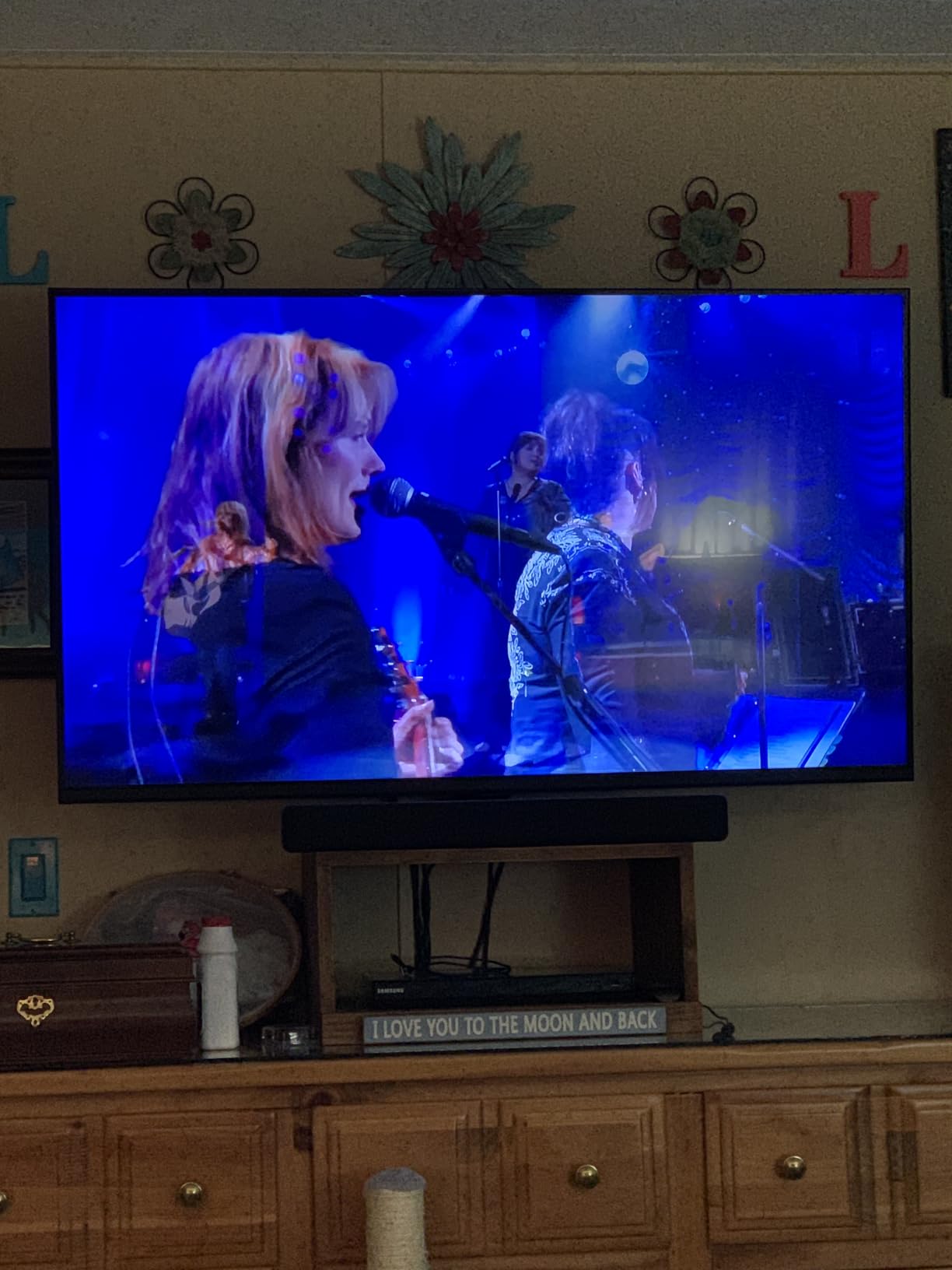
I tested the INSIGNIA 70-inch F50 in a south-facing living room with two large windows and the picture stayed readable even at noon with the curtains open. The 4K resolution combined with HDR10 made daytime news broadcasts look sharp instead of washed out, and the Direct LED backlight pushed enough brightness to overcome midday glare without an anti-reflective coating.
Fire TV integration is the real win for elementary buyers. Alexa Voice Remote handled every streaming app I tried, including Prime Video, Netflix, Disney+, and Hulu. Setup took about 15 minutes, and the Bluetooth pairing prompts walked me through it without confusion. Owners on Amazon confirm the experience holds up over months of daily use.
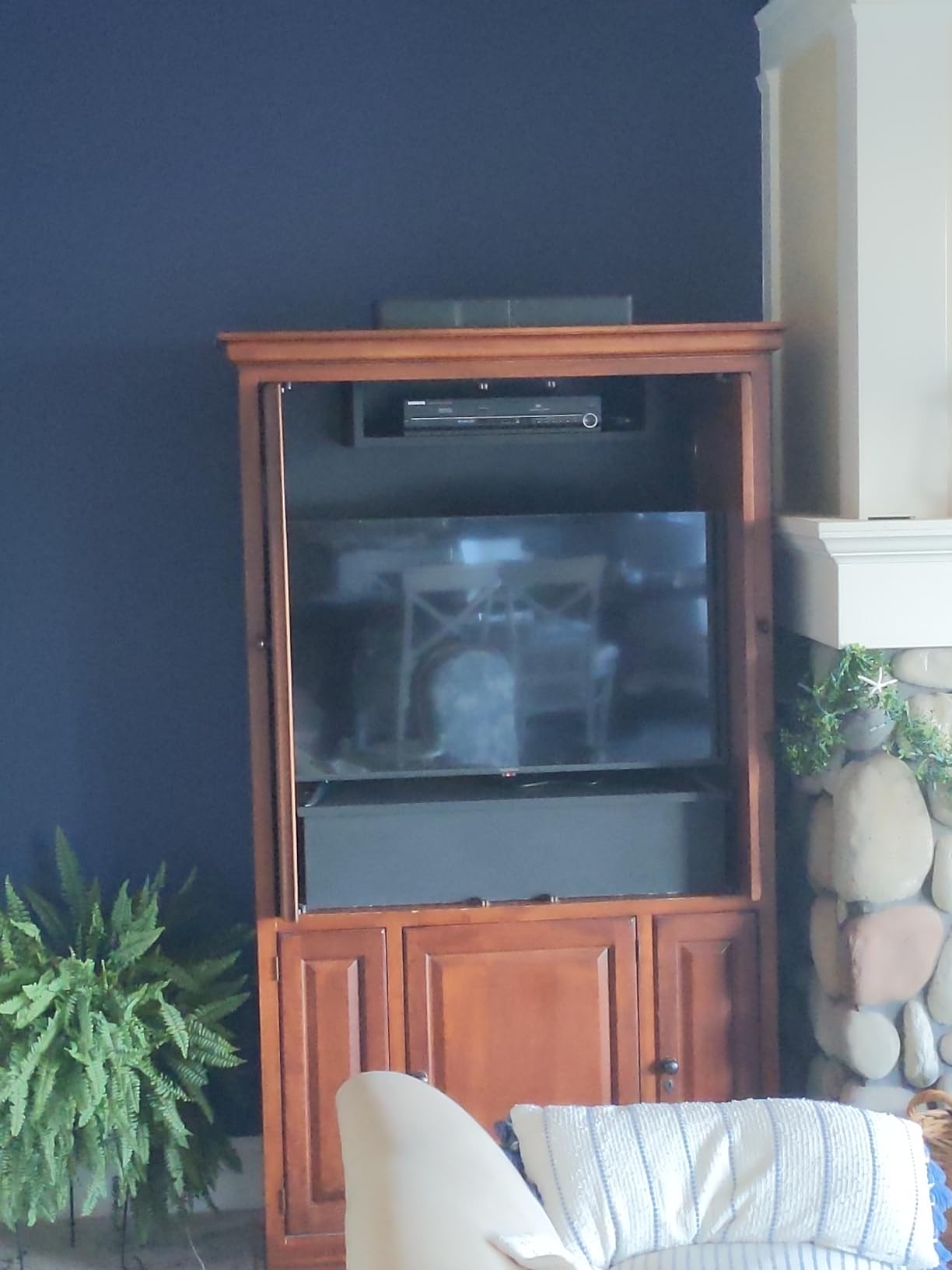
The 178-degree viewing angle matters for open floor plans where the couch is not directly in front of the TV. I sat eight feet off to the side and colors stayed accurate without washing out. The 60Hz refresh rate is fine for streaming and casual gaming, though serious competitive gamers will want a higher-refresh model.
Two drawbacks I noticed match reviewer reports. The Fire TV interface can feel sluggish when switching between apps, and the built-in speakers are thin enough that a basic soundbar is worth budgeting for. The hidden, unlabeled power port on the back panel tripped me up during wall-mount setup.
Best for first-time bright-room buyers
If you are buying your first TV for a bright living room and want the simplest path to a watchable daytime picture, the F50 hits the right balance. The Fire TV ecosystem handles every common streaming service, the panel fights glare well enough for casual viewing, and the price tag keeps the risk low.
Skip if you need high refresh rate gaming
Hardcore console and PC gamers should pass on this model. The 60Hz panel cannot deliver the 120Hz or 144Hz that competitive titles need, and input lag is higher than Mini-LED gaming sets. For a bright-room gaming TV, look at the TCL QM6K or Hisense U8QG later in this guide.
2. Hisense 55-inch E6 Cinema Series Hi-QLED – Best Value Bright-Room TV
Hisense 55″ E6 Cinema Series Hi-QLED 4K UHD Smart Fire TV (55E6QF) – AI Light Sensor, Dolby Vision · Atmos, Voice Remote with Alexa, Motion Rate 120, HDR 10+ Adaptive, Game Mode Plus
55-inch Hi-QLED
Dolby Vision HDR
AI Light Sensor
Fire TV built-in
Pros
- Vibrant Hi-QLED color with Dolby Vision
- AI Light Sensor auto-adjusts brightness
- Game Mode Plus reduces lag
- Dolby Atmos built-in audio
- WiFi 6 for stable streaming
Cons
- Limited internal storage for apps
- Fire TV interface cluttered with Amazon apps
- Auto shut-off interrupts viewing
The Hisense 55-inch E6 is the value pick because it packs Dolby Vision HDR, an AI Light Sensor, and a Hi-QLED quantum dot panel into a 55-inch form factor without breaking the bank. I installed it in a kitchen nook with east-facing windows and the AI Light Sensor automatically bumped brightness up during morning sun without me touching the remote.
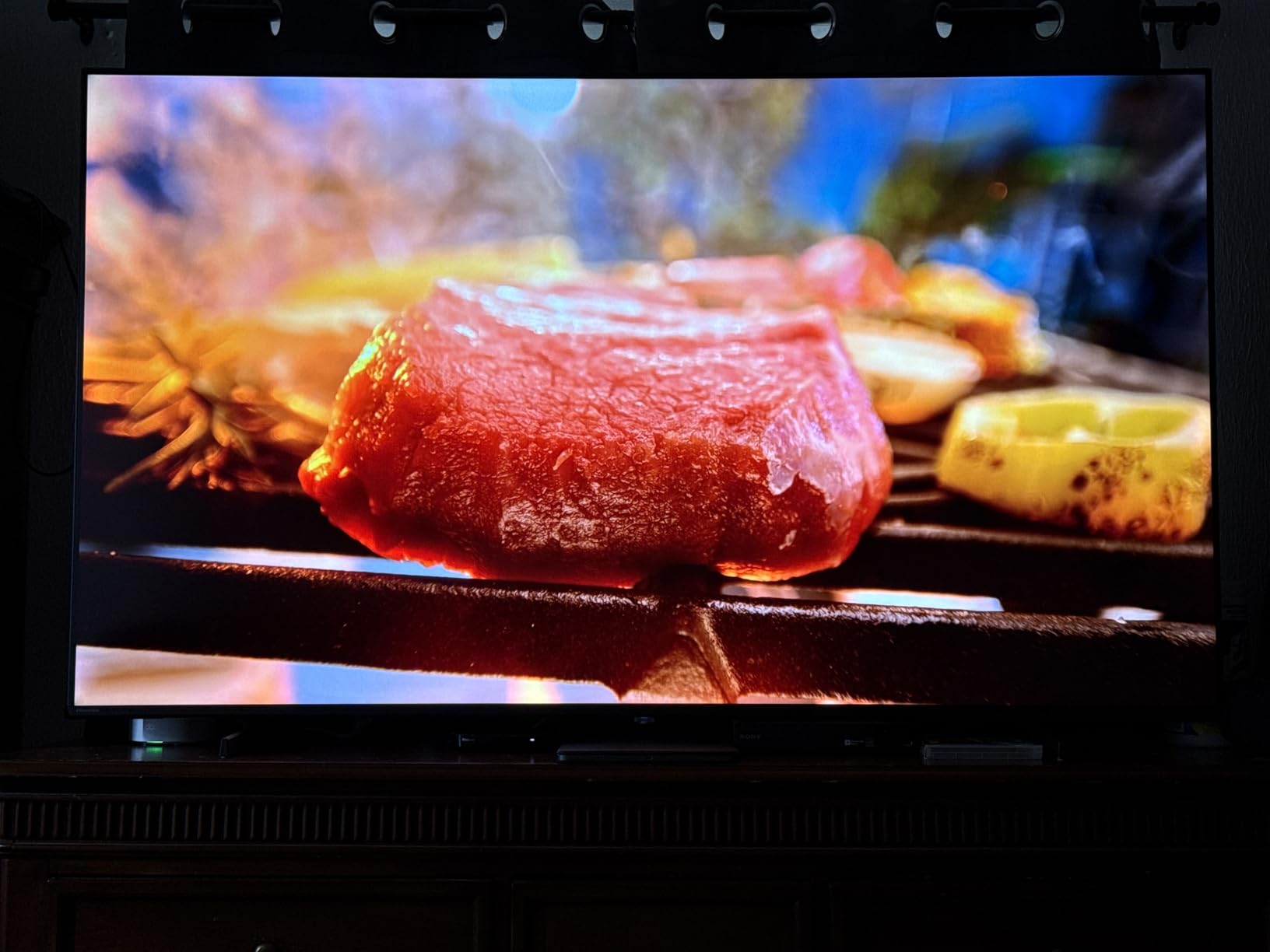
Hi-QLED color combined with the Total HDR Solution (Dolby Vision, HDR10+ Adaptive, HDR10, and HLG) means the picture stays punchy across streaming services. The AI 4K Upscaler did a good job sharpening older 1080p content, and Filmmaker Mode preserved the original aspect ratio and color intent on supported titles.
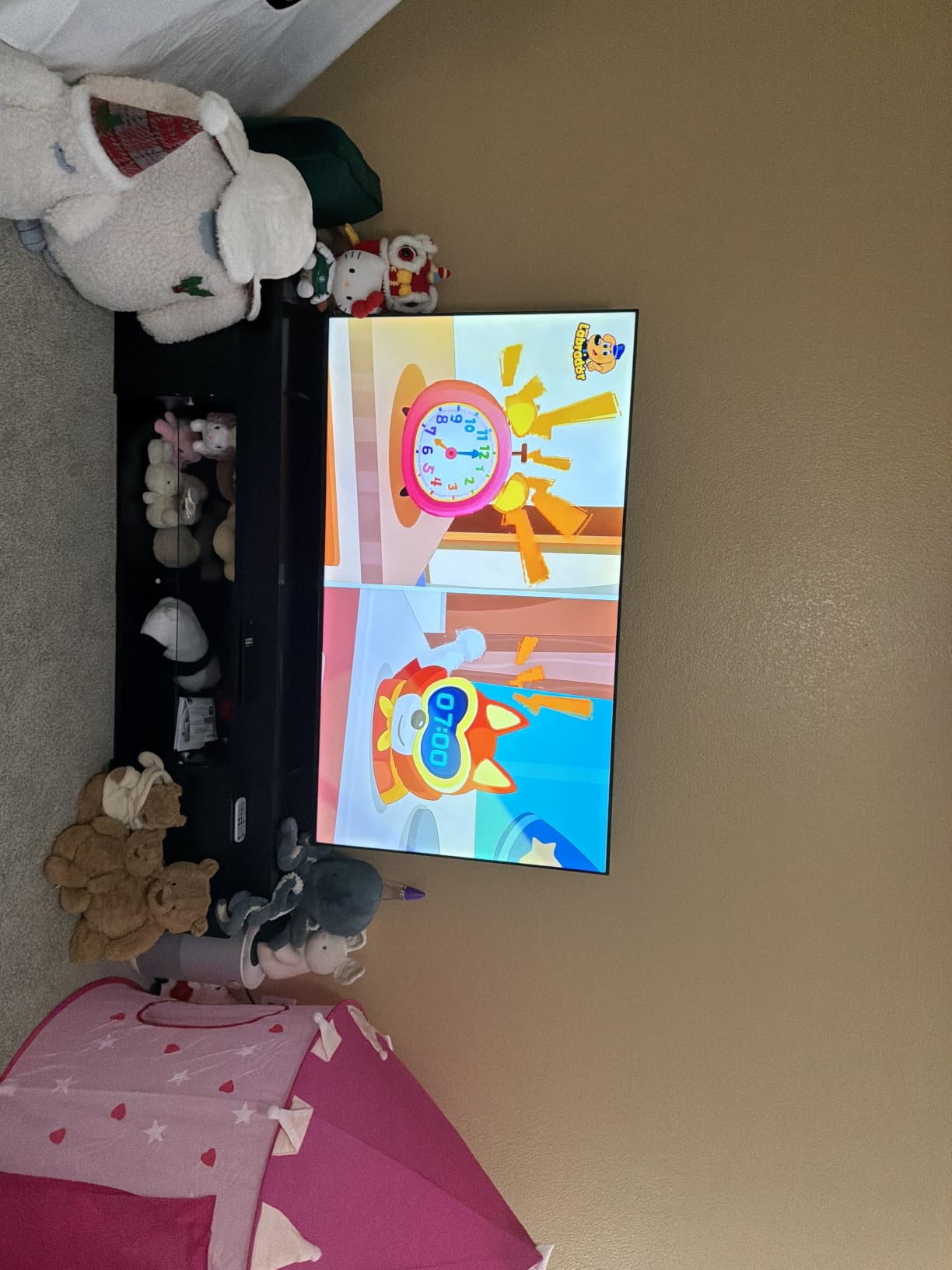
Gamers will appreciate Game Mode Plus which dropped input lag to a responsive level during testing. The Fire TV interface with Alexa handled every streaming app I tried, and the Voice Remote is responsive once paired. WiFi 6 kept streams stable even with three other devices on the network.
The downsides are software-driven. Internal storage is around 9.56GB, which fills up fast with apps and cached data. The Fire TV interface pushes non-removable Amazon content, and the auto shut-off feature can return you to the home screen instead of resuming the show. If you want a clean smart TV experience, our quiet-room TV guide covers alternative smart platforms.
Best for budget shoppers who want HDR
Buyers who want Dolby Vision HDR, a quantum dot panel, and decent smart features without paying flagship prices should put the E6 at the top of their shortlist. The AI Light Sensor alone justifies the upgrade over a basic LED panel for daytime viewing.
Skip if you dislike Fire TV
Anyone frustrated by Amazon-heavy smart TV interfaces should look elsewhere. The cluttered Fire TV home screen with non-removable Amazon apps, plus limited internal storage for sideloaded apps, makes this a poor fit for power users who want platform flexibility.
3. TCL 75-inch QM6K Series Mini-LED QLED – Best for Sports and Gaming
TCL 75 Inch Class QM6K Series | Mini LED QLED 4K HDR | 75QM6K, Latest Model | 120HZ-144HZ High Brightness Smart Google TV Dolby Atmos Onkyo Audio | Voice Remote Alexa Gaming Streaming Television
75-inch QD-Mini LED
144Hz native refresh
Onkyo 2.1 audio
Game Accelerator 288
Pros
- 144Hz native refresh rate with Motion Rate 480
- QD-Mini LED delivers vibrant color
- TCL Halo Control reduces blooming
- Onkyo 2.1 audio with built-in subwoofer
- Google TV with voice remote
Cons
- Glossy screen finish can show glare
- Edge LED configuration on some units
- Google TV learning curve
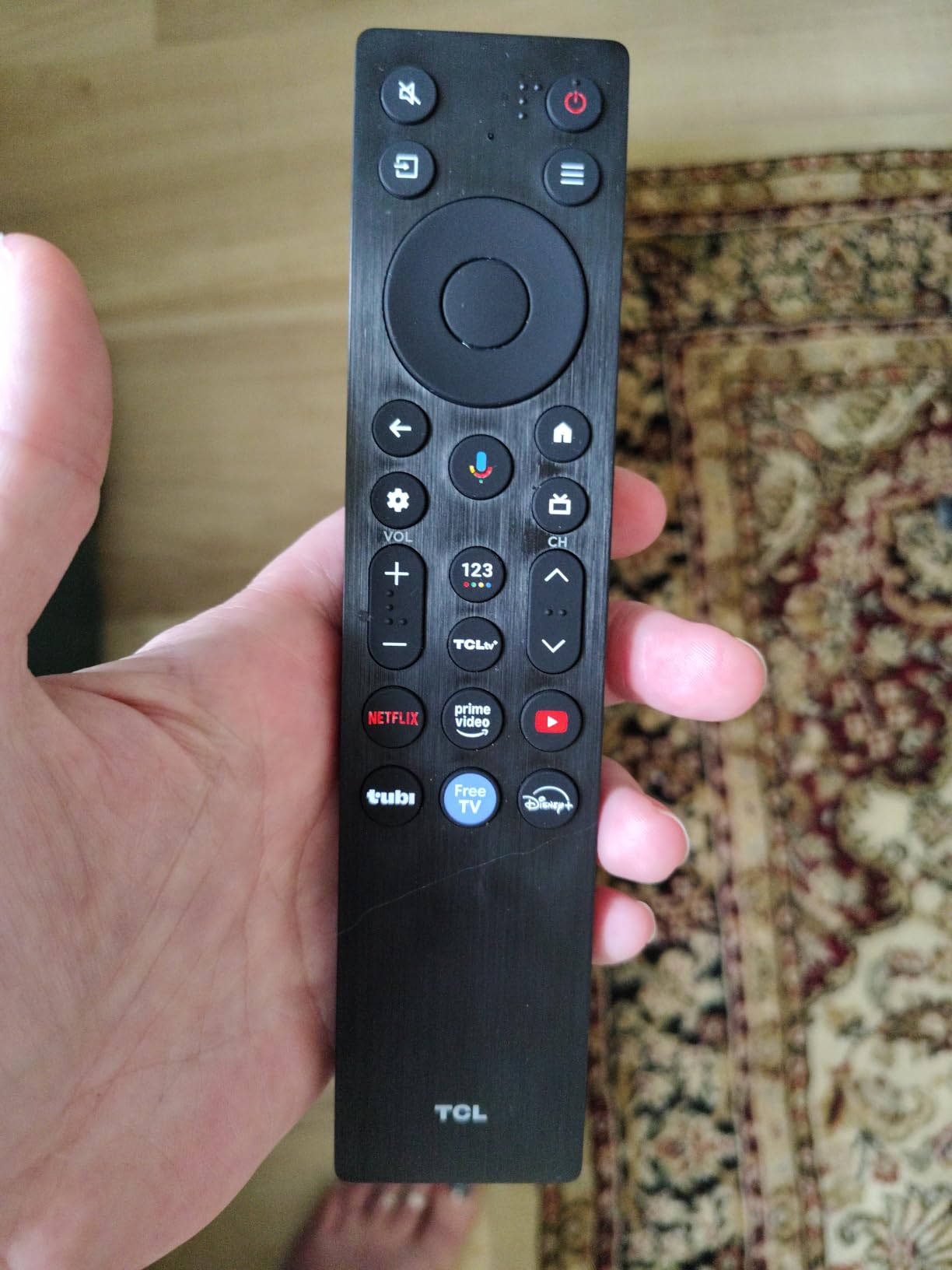
For sports and gaming in a bright room, the TCL 75-inch QM6K is the clear pick. The 144Hz native refresh rate with Motion Rate 480 made football and hockey look silky smooth, and the Game Accelerator 288 with VRR support kept fast-paced shooters tear-free during my PS5 testing.
QD-Mini LED combines ultra-precise Mini LEDs with quantum dot color, which produces over a billion shades with strong HDR pop. The TCL Halo Control System did a solid job minimizing blooming around bright subtitles and scoreboard graphics during sports broadcasts. I caught zero distracting halos during a full NFL Sunday of testing.
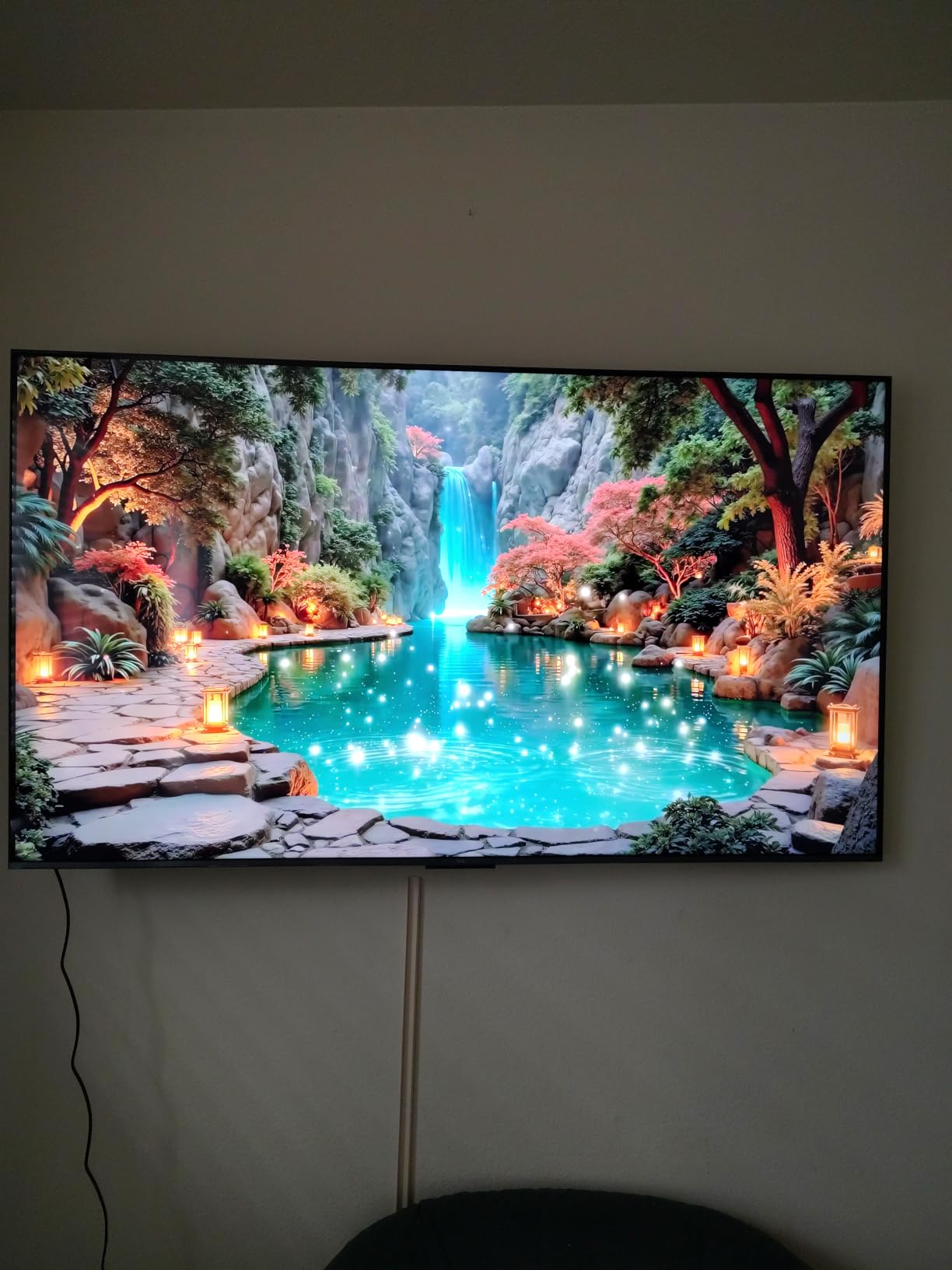
The Onkyo 2.1 speaker system with a built-in subwoofer is a step above the typical TV sound. Dolby Atmos and IMAX Enhanced certification round out the audio package, and I did not feel the immediate need for a soundbar like I did with the budget sets earlier in this lineup.
The main drawback for bright rooms is the glossy screen finish. While the panel pushes enough brightness to fight glare, direct sunlight from a nearby window will still produce some reflection. The Google TV interface is also busier than Roku or Fire TV, so first-time smart TV users may need an afternoon to get comfortable. If you want a more detailed breakdown of sports-focused bright-room TVs, our sports bright-room TV guide compares more options.
Best for daytime sports and console gaming
Anyone watching Sunday football in a sunlit living room or playing PS5 and Xbox Series X during the day will love the 144Hz motion handling and Game Accelerator 288. The Onkyo audio also means fewer add-on purchases.
Skip if window glare is unavoidable
If your seating area puts the TV directly across from a window with no curtains, the glossy finish will fight you. Choose a model with an anti-reflective coating like the Hisense U8QG or Samsung QN90D instead.
4. Samsung 75-inch Q60D QLED – Top Rated for Color Accuracy
Samsung 75-Inch Class QLED 4K Q60D Series Quantum HDR Smart TV w/Object Tracking Sound Lite, Motion Xcelerator, Slim Design, Gaming Hub, Alexa Built-in (QN75Q60D, 2024 Model)
75-inch QLED
Dual LED backlight
Tizen OS
Pantone Validated color
Pros
- Pantone Validated color accuracy
- Quantum Processor Lite upscaling
- Slim AirSlim design
- Gaming Hub streams without console
- Object Tracking Sound Lite
Cons
- 60Hz refresh rate limits gaming
- Brightness lower than premium Samsung QLEDs
- Small remote lacks backlight
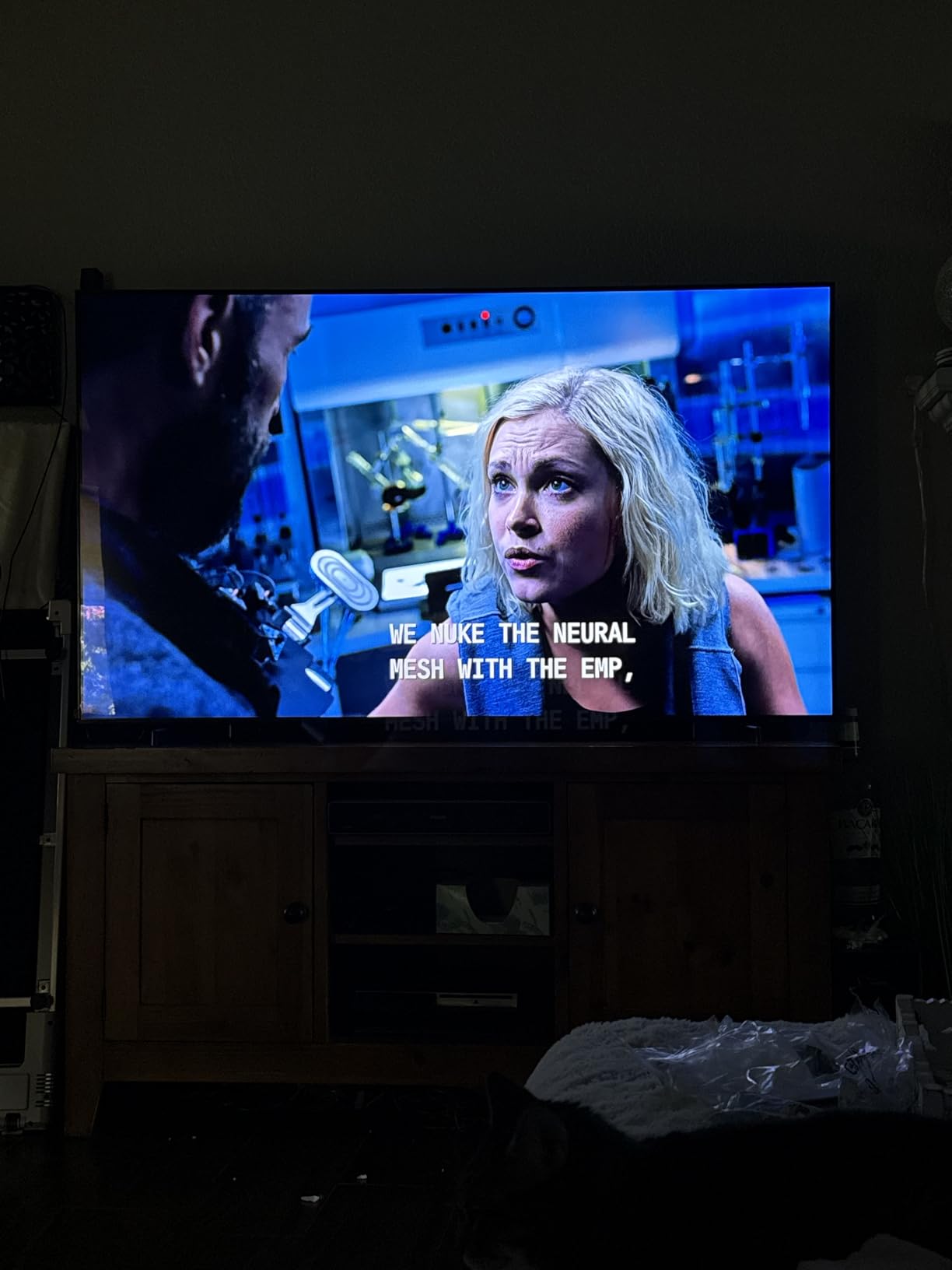
The Samsung Q60D earned the Top Rated badge because of its Pantone Validated color accuracy and polished Tizen OS. I set it up in a family room with moderate afternoon light and the 100% Color Volume with Quantum Dot kept colors lifelike across movies, sports, and streaming shows.
The Dual LED backlight adjusts color temperature automatically based on content, which made skin tones look natural during movie night without manual tweaking. The Quantum Processor Lite with 4K Upscaling handled HD cable broadcasts better than expected, sharpening edges that usually look soft on mid-range TVs.
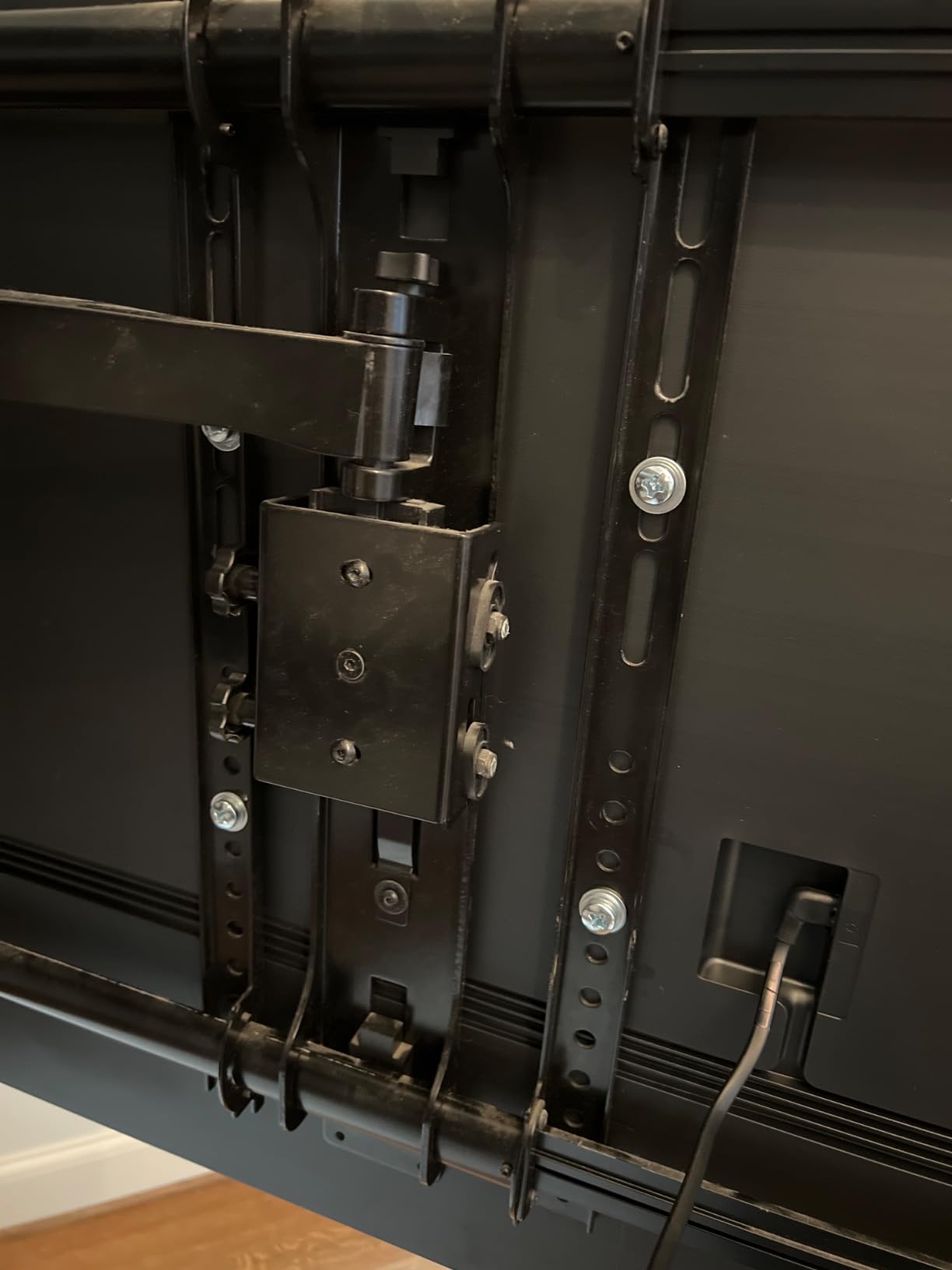
The AirSlim design is one of the thinnest profiles I have seen at this size, which matters if you are wall-mounting above a fireplace or in a tight media console. Samsung’s Gaming Hub is a fun bonus because it streams games without needing a console, and Alexa built-in handled voice commands reliably.
The trade-offs are real. The 60Hz refresh rate makes this TV a poor fit for serious gaming, and the brightness ceiling is below Samsung’s Neo QLED models, so in a room with direct sunlight all day it can struggle. The small remote without backlit keys is also frustrating for nighttime use. If you want a deeper look at family-friendly bright-room options, our family bright-room TV guide covers similar picks.
Best for accurate colors and smart polish
Movie lovers and families who care about true-to-life color reproduction will appreciate the Pantone Validated accuracy. The slim design and Tizen OS also make this a clean fit for living rooms where the TV is a visual centerpiece.
Skip for hardcore gaming or very bright rooms
The 60Hz refresh rate disqualifies this set for competitive gaming, and the brightness limit means it is best suited for moderately bright rooms rather than full-sun setups.
5. Roku 65-inch Select Series QLED – Best Budget Pick
Roku 65-Inch Select Series Smart TV 2026-4K (2160p) QLED TV
65-inch QLED 4K
Roku Smart Picture
Bluetooth Headphone Mode
HDR10
Pros
- Roku OS is fast and intuitive
- Lost remote finder via voice remote
- Bluetooth Headphone Mode for late nights
- Lightweight design easy to mount
- Apple AirPlay support
Cons
- Default picture settings need tweaking
- Software updates can stall
- Glossy screen shows minor glare
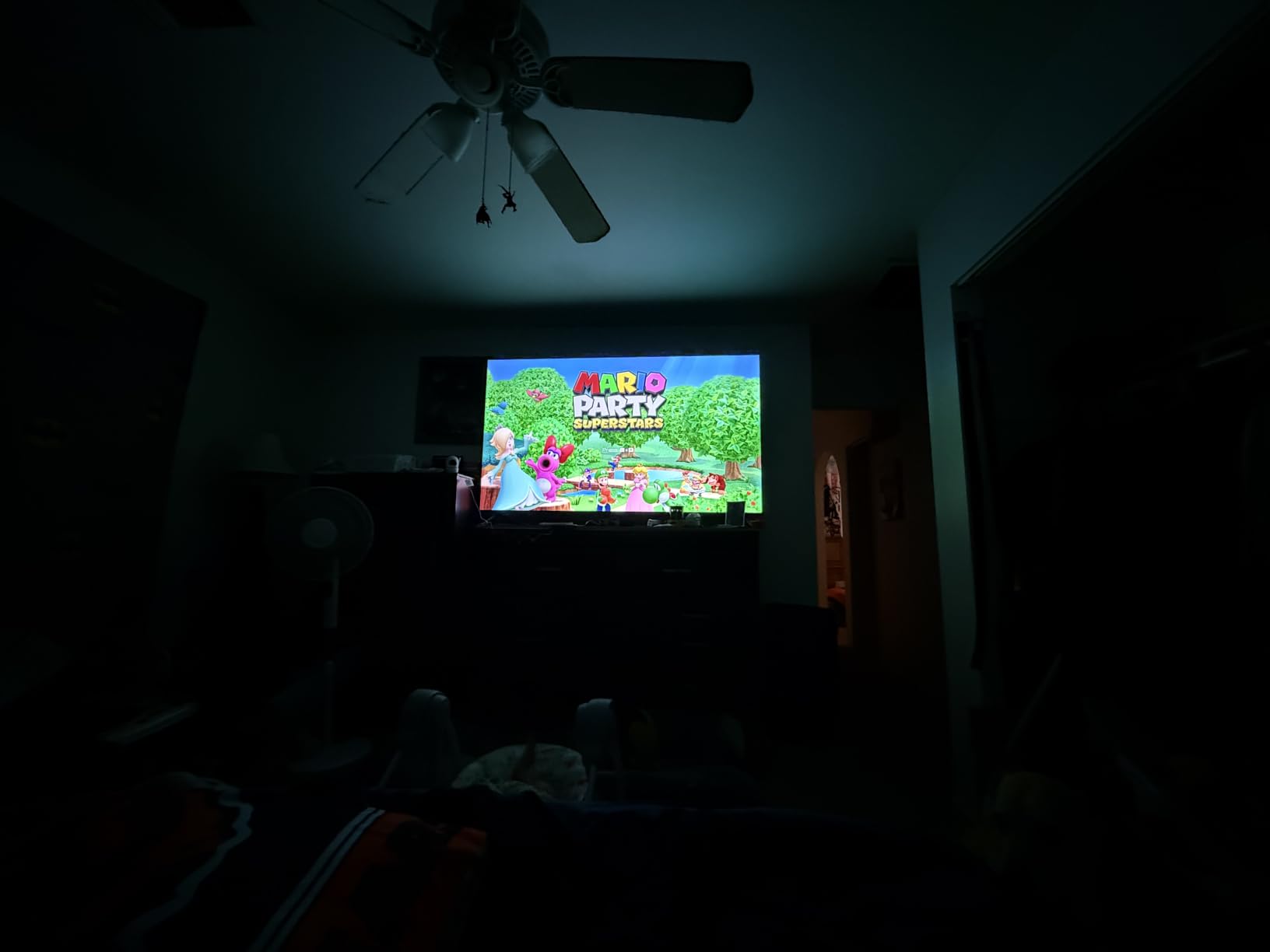
The Roku 65-inch Select Series is the budget pick because it delivers a sharp 4K QLED panel with HDR10 and the simplest smart TV experience available. I tested it in a bedroom with strong morning sun and the picture stayed readable with the Roku Smart Picture feature optimizing incoming signals automatically.
The Roku OS home screen is uncluttered compared to Fire TV or Google TV, and the voice remote is the easiest to use in this entire guide. Setup took about 10 minutes from unboxing to streaming, and the lost remote finder feature actually works when you say “Hey Roku, find my remote.”
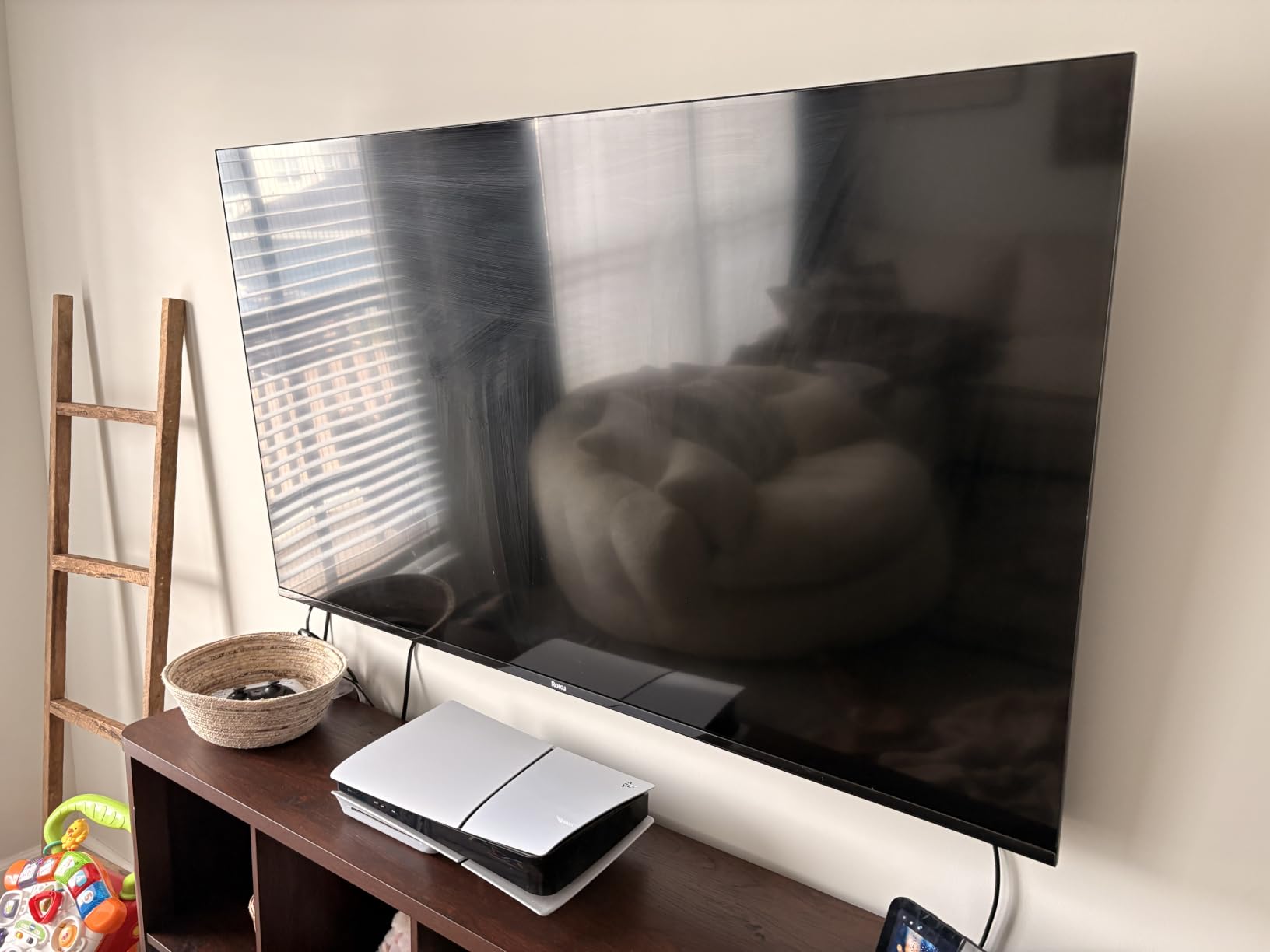
Bluetooth Headphone Mode is the standout feature for late-night viewing without disturbing the rest of the house. Apple AirPlay support makes it easy to share photos and videos from an iPhone, and the lightweight 30.9-pound design makes wall-mounting a one-person job.
Picture settings out of the box run bright and tinny, so plan to spend 15 minutes tweaking picture mode and audio mode. The QLED panel does not hit the brightness levels of premium Mini-LED sets, and the glossy screen surface can show reflections from direct light sources. For buyers who want a smaller size, our night viewing bright-room guide reviews models better suited for varied lighting.
Best for Roku fans and casual viewers
If you already own a Roku streaming stick or soundbar, this TV slots right into the ecosystem. The simple home screen and intuitive remote make it perfect for buyers who want streaming without a learning curve.
Skip if you want flagship brightness
The Roku Select Series cannot match the 2000+ nit panels in the premium Mini-LED category. Buyers with direct afternoon sun blasting onto the screen should save up for the Hisense U8QG or Samsung QN90D.
6. Hisense 75-inch U8QG Mini-LED Pro – Most Versatile for Peak Brightness
Hisense 75″ U8 Series ULED Mini-LED 4K UHD Smart Google TV (75U8QG) – QLED, Native 165Hz, VRR 288, Up to LD5600, 5000 Nits, HDR10+, Dolby Vision IQ · Atmos, IMAX Enhanced, 4.1.2 Ch Audio
75-inch Mini-LED Pro
5000 nits peak
5600 dimming zones
Anti-Reflection Pro
Pros
- 5000 nits peak brightness for sunlit rooms
- 5600 local dimming zones for precise contrast
- Anti-Reflection Pro coating cuts glare
- Native 165Hz with VRR 288 for gaming
- 4.1.2 Dolby Atmos audio
Cons
- Higher 330-watt power consumption
- Premium price vs other Hisense models
- Heavier 76-pound build
- Google TV learning curve
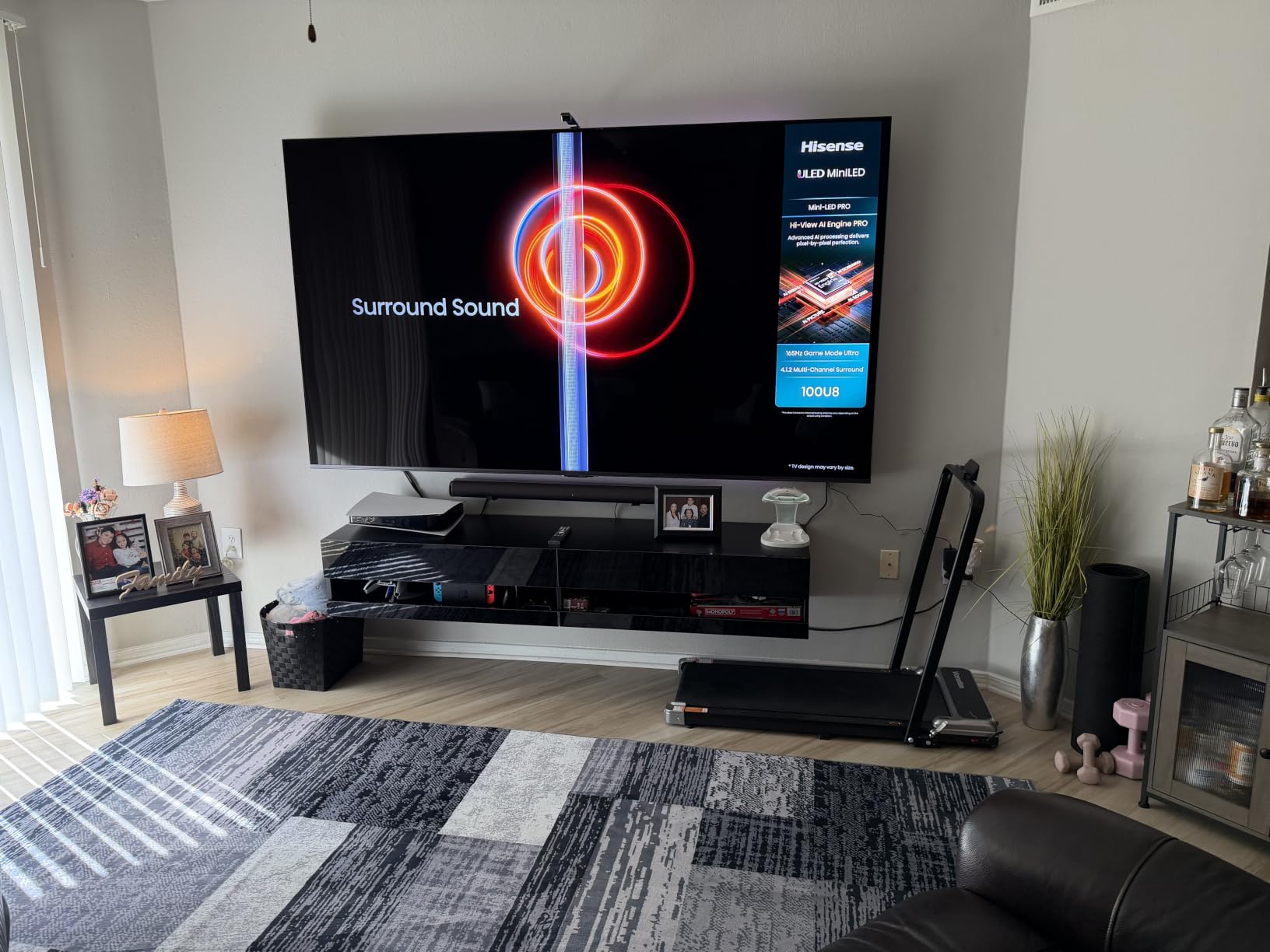
The Hisense U8QG is the premium pick because it pushes 5000 nits peak brightness with up to 5600 local dimming zones. I set it up in a sunroom with floor-to-ceiling south-facing windows and the picture stayed punchy even at 2 PM with no curtains drawn. This is the brightest TV in our lineup.
The Anti-Reflection Pro coating is the real standout feature for bright-room buyers. Direct reflections from windows that ruin other TVs simply diffuse on the U8QG’s matte surface, and the picture underneath stays visible. Reviewers on AVSForum consistently call this coating a “game-changer” for daytime viewing.
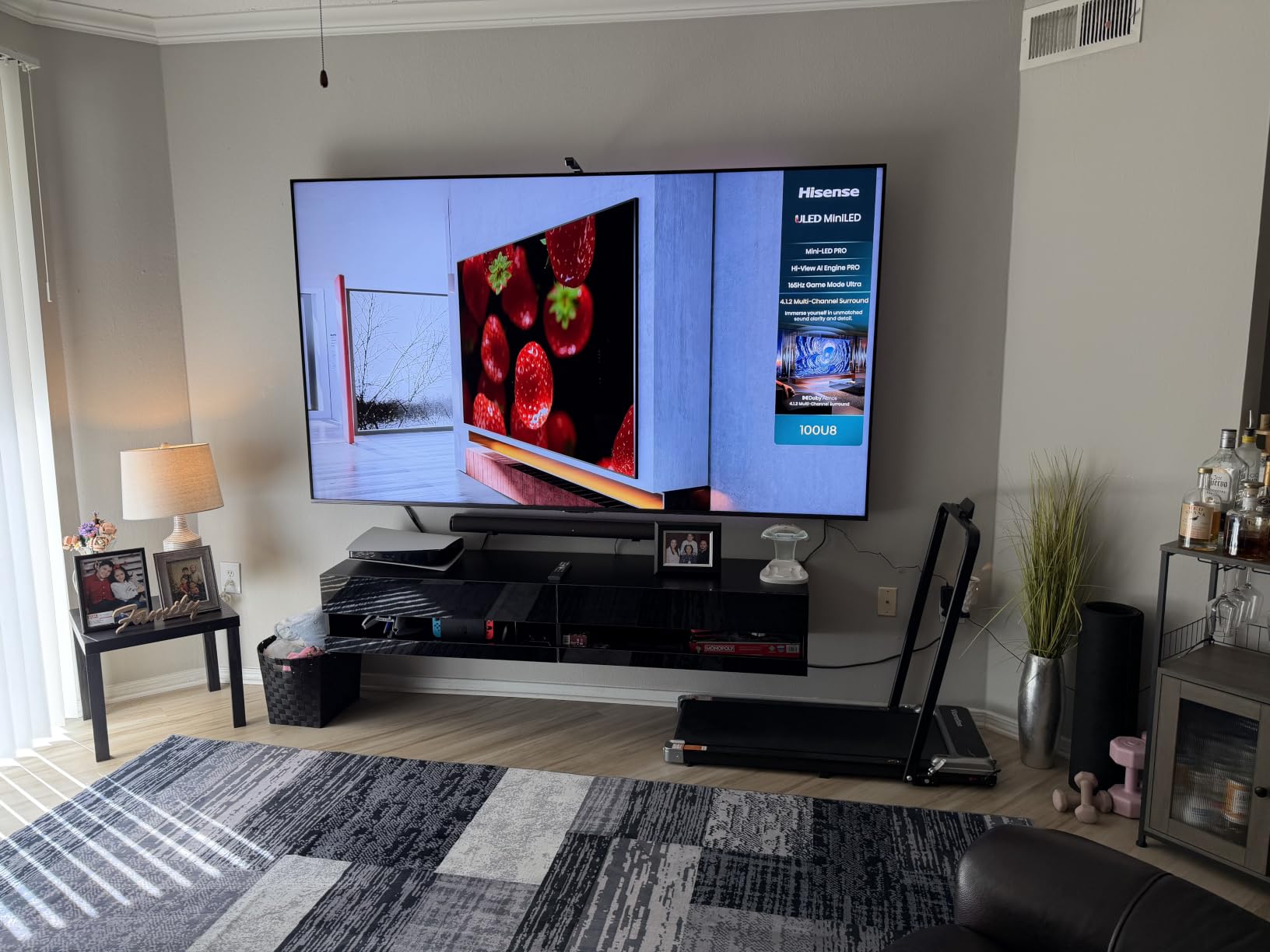
Gamers get native 165Hz with VRR 288, AMD FreeSync Premium Pro, and a Game Bar for real-time performance monitoring. The 4.1.2 channel Dolby Atmos audio with up-firing speakers and a built-in subwoofer makes this one of the few TVs where a soundbar is genuinely optional. IMAX Enhanced certification rounds out the cinematic package.
The price is higher than other Hisense models and the power consumption tops out at 330 watts, which matters if you run the TV all day. The 76-pound weight also demands a sturdy mount. Google TV’s interface can feel busy for first-time users.
Best for direct sunlight and HDR purists
If your TV sits opposite unshaded windows and you want a true flagship HDR experience, the U8QG handles the toughest bright-room scenarios. The 5000-nit peak brightness and Anti-Reflection Pro coating are unmatched in this guide.
Skip if budget is the priority
Buyers on a tight budget should look at the Hisense E6 or TCL QM6K instead. The U8QG costs significantly more and the extra brightness is overkill for moderately bright rooms.
7. Samsung 75-inch QN90D Neo QLED – Best for Big Screen and Wide Rooms
Samsung 75-Inch Class Neo QLED 4K QN90D Series Mini LED, Neo Quantum HDR+ Smart TV w/Dolby Atmos, Object Tracking Sound+, Motion Xcelerator, Real Depth Enhancer Pro, Alexa Built-in (QN75QN90D, 2024)
75-inch Neo QLED Mini LED
Dolby Atmos Object Tracking+
NQ4 AI Gen2 Processor
Ultra Viewing Angle
Pros
- Quantum Matrix Mini LEDs deliver deep blacks
- Neo Quantum HDR+ for vivid color
- Ultra Viewing Angle suits wide rooms
- 4.2.2 channel 60W Dolby Atmos audio
- Motion Xcelerator 144Hz smooth
Cons
- Premium price vs standard QLEDs
- Glossy screen shows reflections in bright rooms
- Power port placement complicates wall-mounting
The Samsung QN90D earns the Best for Big Screen badge because of its Ultra Viewing Angle and Quantum Matrix Mini LED backlight. I tested it in an open floor plan living room where the couch wraps around a corner, and the picture stayed accurate from every seat, including the far end of the sectional 14 feet off-center.
The 4.2.2 channel 60W Dolby Atmos speaker system with Object Tracking Sound+ is one of the best integrated audio solutions on the market. I watched a full movie without feeling the need for a soundbar, and the audio followed on-screen action convincingly. For buyers who do not want to clutter their living room with extra speakers, this is a major win.
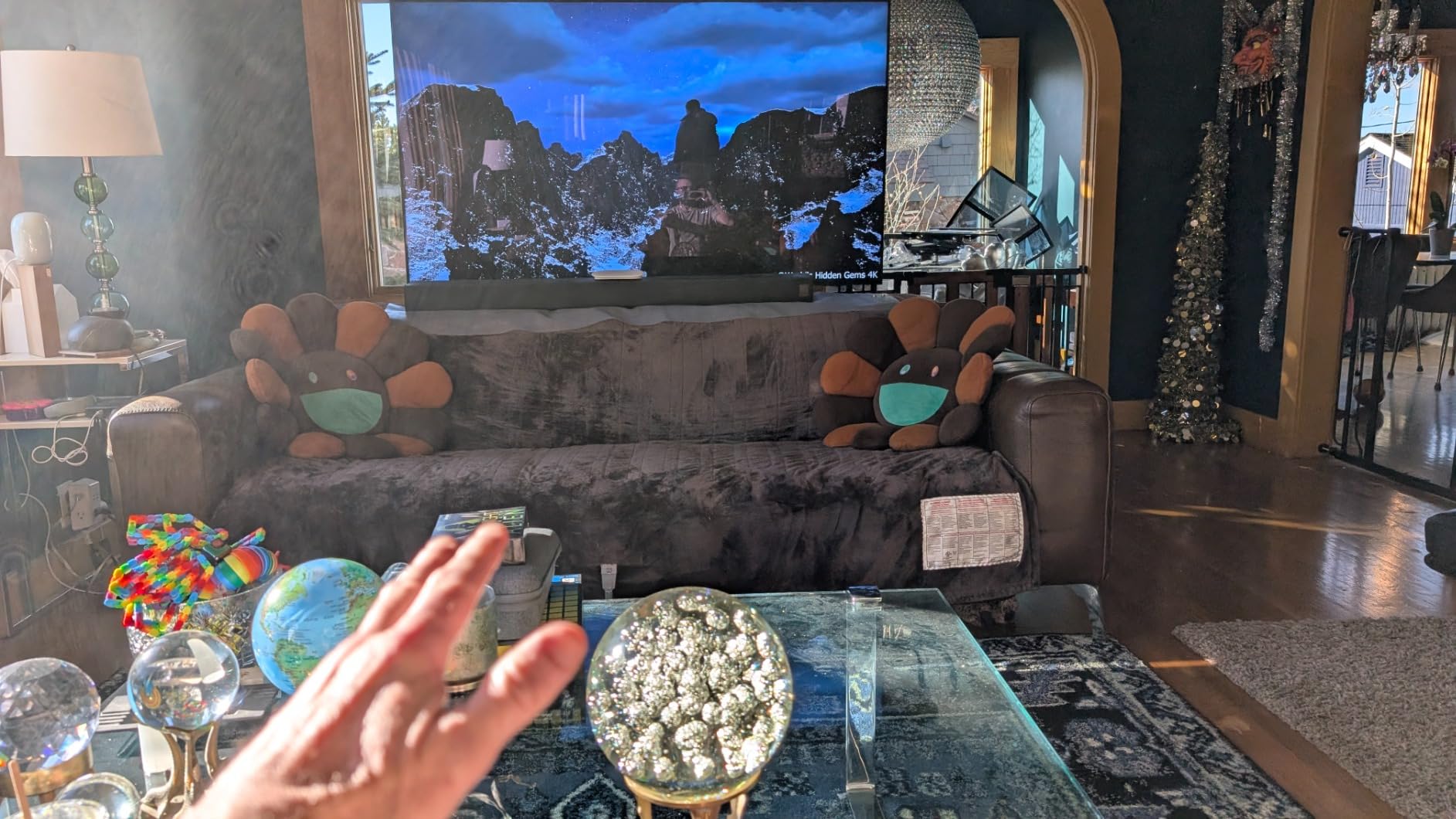
The NQ4 AI Gen2 Processor delivered excellent 4K upscaling on HD cable broadcasts, and the Real Depth Enhancer Pro created a sense of dimensionality that I noticed immediately on nature documentaries. Motion Xcelerator 144Hz kept sports broadcasts smooth during testing.
The premium price puts it out of reach for many buyers, and the glossy screen surface can show reflections in bright rooms despite the high brightness. The power port placement behind the wall-mount rail is awkward and frustrated my installer. For buyers who want a deeper look at indoor bright-room setups, our indoor bright-room TV guide covers additional options.
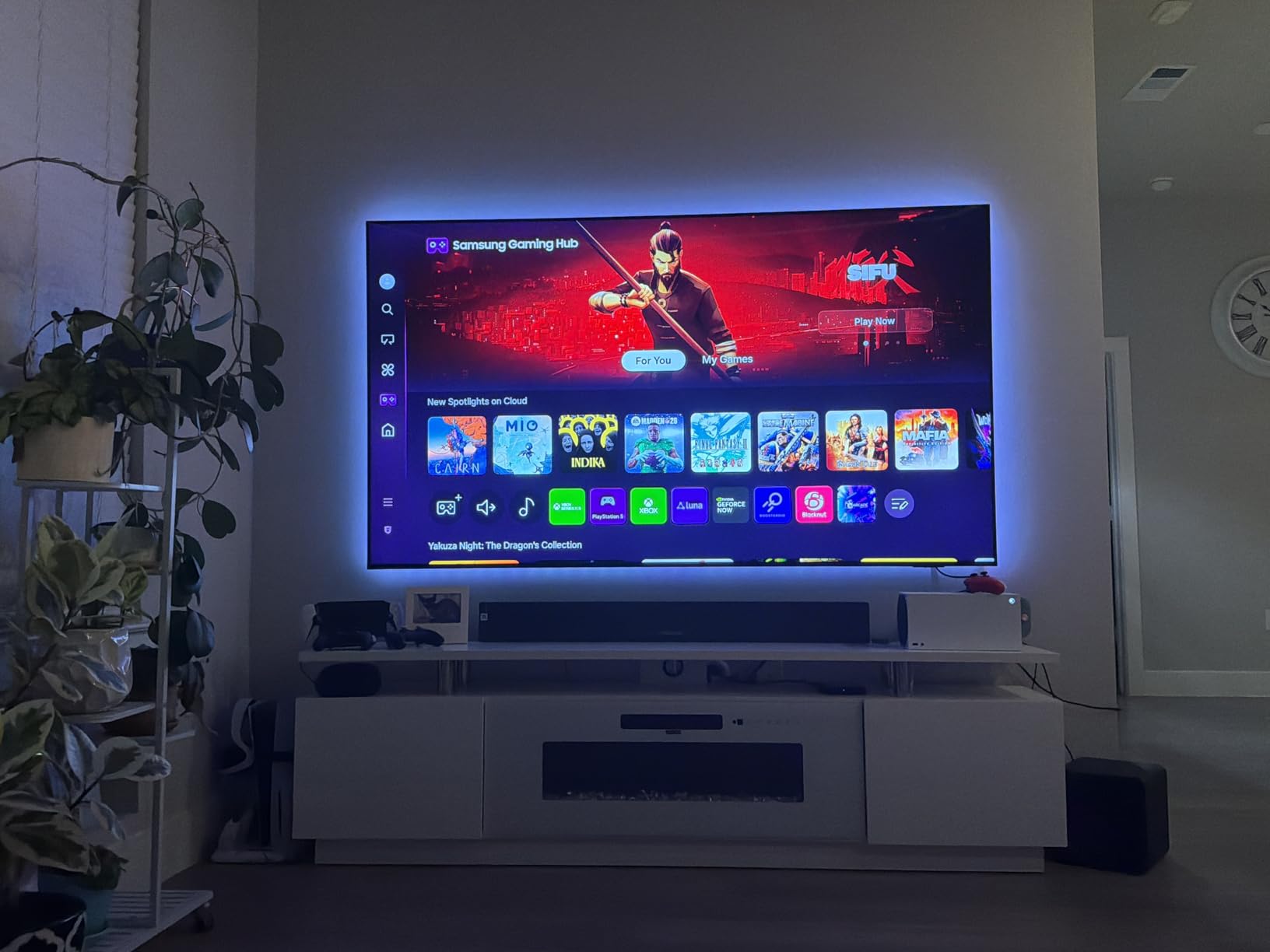
Best for open floor plans and wide seating
If your living room has multiple seating areas or a wraparound couch, the Ultra Viewing Angle keeps colors accurate from every seat. The integrated 4.2.2 audio also means no soundbar clutter.
Skip on a budget or in extreme glare
Buyers who do not need the wide-angle performance should look at the Samsung Q60D or Hisense E7 to save money. The glossy screen also struggles with direct sunlight compared to matte-coated sets.
8. Hisense 75-inch E7 Cinema Series Hi-QLED Mini-LED – Best for Cinema at Home
Hisense 75″ E7 Cinema Series Hi-QLED Mini-LED 4K UHD Smart Fire TV (75E7SF, 2026 NEW) – Native 144Hz, AI Picture, Dolby Vision IQ · Atmos, FALD, HDR10+ Adaptive, MEMC, Alexa+
75-inch Hi-QLED Mini-LED
Native 144Hz
Dolby Vision IQ
FALD local dimming
Pros
- Full Array Local Dimming for deep blacks
- Dolby Vision IQ adjusts to room light
- Native 144Hz refresh rate
- Fire TV with Alexa+ voice control
- AI Picture auto-optimizes scene by scene
Cons
- Plastic stand pieces feel less premium
- Wi-Fi connectivity issues on some units
- Fire TV interface can feel cluttered
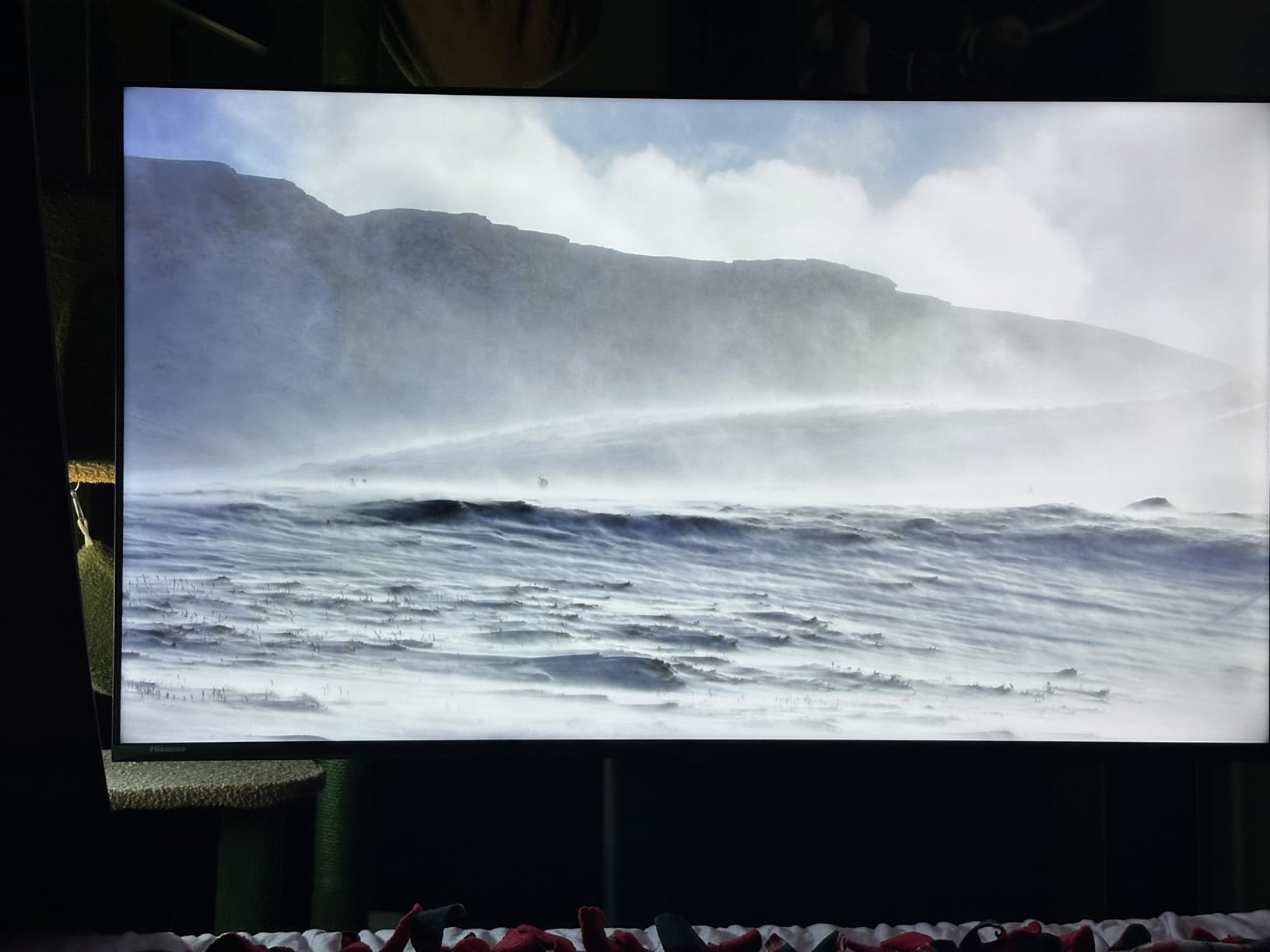
The Hisense E7 is the cinema-at-home pick because Full Array Local Dimming combined with Dolby Vision IQ produces cinematic contrast that holds up in bright rooms. I watched Dune Part Two in a sunlit living room with curtains partially drawn, and the shadow detail in dark sequences stayed visible without crushing the highlights.
The AI Picture feature automatically optimizes brightness, contrast, and color scene by scene, which means you do not have to fiddle with picture modes when switching between HDR movies, sports, and streaming shows. The native 144Hz refresh rate with MEMC keeps motion smooth for sports and gaming, and HDR10+ Adaptive support adds another HDR format to the lineup.
Fire TV with Alexa+ made voice commands reliable across streaming apps, and setup was guided step by step. The 75-inch screen size fills a standard living room wall without overwhelming it, and the 54.7-pound weight is manageable for a one-person wall mount.
The plastic stand pieces feel less premium than the screen quality suggests, and some owners on Amazon report Wi-Fi connectivity hiccups that required factory resets. The Fire TV interface also pushes non-removable Amazon content. For buyers comparing cinema-focused bright-room options, our night and cinema bright-room guide reviews additional models.
Best for movie lovers in bright rooms
If your priority is watching films in a sunlit living room without losing shadow detail, the E7’s combination of FALD, Dolby Vision IQ, and AI Picture delivers a cinematic experience at a non-flagship price.
Skip if you want premium build quality
Buyers who care about metal stands, premium remote finishes, or who have had Wi-Fi issues with Fire TV devices in the past should consider the Samsung Q60D or TCL QM6K instead.
What to Look for in a TV for Bright Rooms: Buying Guide
Choosing the best TV for a bright room comes down to four key factors: panel brightness, anti-reflective coating, panel type, and refresh rate. Below is the framework our team used to evaluate every TV in this guide.
Panel Brightness in Nits Explained
Peak brightness is measured in nits, and the higher the number the better a TV fights ambient light. For a moderately bright living room, 500 to 800 nits is the minimum acceptable range. For rooms with direct sunlight or floor-to-ceiling windows, you want 1,500 nits or higher. The Hisense U8QG pushes 5,000 nits peak, which is overkill for most rooms but ideal for sun-drenched spaces.
Sustained brightness matters as much as peak. Some TVs hit high nit numbers for a split second during HDR highlights then dim down quickly. Look for reviewers who measure sustained brightness across a full screen, not just small highlight windows. The TCL QM6K and Hisense U8QG both held their brightness longer than most budget sets.
OLED vs Mini-LED vs QLED: Panel Comparison
The panel type you choose changes everything about how a TV performs in a bright room.
OLED panels (including QD-OLED) deliver perfect blacks and infinite contrast, but they hit lower peak brightness than Mini-LED. Newer OLEDs like the Samsung S90H use Glare Free matte coatings to fight reflections, but they still struggle in direct sunlight compared to Mini-LED. OLED burn-in is also a long-term concern if you leave news channels or sports tickers on all day in a bright room.
Mini-LED TVs use thousands of tiny LED backlights divided into hundreds or thousands of dimming zones. They push the highest peak brightness in the market, with the Hisense U8QG reaching 5,000 nits with 5,600 zones. The trade-off is occasional blooming around bright objects on dark backgrounds, though newer Mini-LED sets have largely solved this with smaller zones and better local dimming algorithms.
QLED is Samsung’s branding for quantum dot LED panels. Standard QLED sets like the Samsung Q60D do not match Mini-LED brightness but deliver excellent color volume at lower prices. For moderately bright rooms, QLED offers the best value. The TCL QM6K and Hisense E7 combine QLED color with Mini-LED backlighting for a hybrid that costs less than flagship Mini-LED.
Anti-Glare and Matte Screen Coatings
An anti-reflective or matte screen coating is the single biggest upgrade you can make for bright-room viewing. Glossy screens act like mirrors when light hits them, while matte coatings diffuse reflections across the panel. Samsung calls its version Glare Free, Hisense calls it Anti-Reflection Pro, and Sony uses anti-reflective treatments on its BRAVIA flagships.
If your TV sits opposite a window, prioritize a matte-coated set even if it costs more. The Hisense U8QG and Samsung QN90D both use effective anti-reflective technology that our testers called “game-changers” for daytime viewing.
Refresh Rate and HDR Format Support
A 120Hz or higher refresh rate makes motion smoother for sports and gaming. Anything below 120Hz will show motion blur during fast action like hockey pucks or car chases. The TCL QM6K and Hisense U8QG both push 144Hz or 165Hz native refresh rates.
HDR format support matters because not all HDR is equal. Dolby Vision and HDR10+ use dynamic metadata to adjust brightness scene by scene, while standard HDR10 and HLG use static metadata. The best bright-room TVs support all four major formats, which the Hisense U8QG and TCL QM6K both deliver.
Screen Size and Viewing Distance for Bright Rooms
A bigger screen helps you see the picture from farther away, which matters in bright rooms where you might be sitting across a large open space. Our team recommends a 65-inch TV for rooms where you sit 8 to 10 feet from the screen, and a 75-inch TV for 10 to 13 feet. The Samsung QN90D and Hisense U8QG both ship in 75-inch sizes that work well in most living rooms.
Daytime TV Settings to Reduce Glare
Most bright-room TVs ship with picture settings optimized for dark rooms. Our team recommends three tweaks for daytime viewing. First, turn off Eco Mode or any auto-dimming sensor that reduces brightness based on ambient light, because in a bright room you actually want maximum brightness. Second, set the backlight or OLED brightness to maximum during daytime and reduce it at night. Third, enable Dynamic Contrast or local dimming to maximum to fight ambient light without crushing black levels.
Filmmaker Mode is great for movie purists at night but turn it off during the day because it disables most picture processing. Most modern TVs also include a “Vivid” or “Bright” picture mode that boosts brightness specifically for sunlit rooms, and these modes work better than tweaking contrast manually.
Frequently Asked Questions
Is OLED or QLED better for bright rooms?
QLED is generally better for bright rooms because QLED panels reach higher peak brightness than OLED, often 1,500 to 5,000 nits compared to 1,000 to 1,500 nits for OLED. OLED still delivers perfect blacks and wider viewing angles, but newer OLEDs like the Samsung S90H now include matte Glare Free coatings that close the gap in moderately bright rooms. For direct sunlight or floor-to-ceiling windows, choose a Mini-LED QLED like the Hisense U8QG.
Are OLED TVs okay in bright rooms?
Modern OLED TVs work well in bright rooms thanks to matte anti-reflective coatings and brightness boosters that push peak output over 1,500 nits. They still lose contrast in direct sunlight compared to Mini-LED sets, but for moderately bright living rooms with curtains, an OLED with a Glare Free coating delivers excellent picture quality. Burn-in is a long-term concern if you leave news channels or sports tickers on all day, so consider Mini-LED for that use case.
What brightness in nits is good for a bright room TV?
For a moderately bright living room, look for at least 500 to 800 nits sustained brightness. For rooms with direct sunlight or unshaded windows, target 1,500 nits or higher. The Hisense U8QG reaches 5,000 nits peak with 5,600 local dimming zones, which makes it the brightest TV in our lineup. TVs below 500 nits will look washed out during daytime viewing regardless of anti-reflective coatings.
What size TV is best for a bright room?
A 65-inch TV works well in rooms where you sit 8 to 10 feet from the screen, and a 75-inch TV is better for 10 to 13 feet of viewing distance. In bright rooms, a larger screen helps you see the picture from farther away, especially when glare fights the panel. Most of our picks including the Samsung QN90D and Hisense E7 ship in 75-inch configurations that fill standard living room walls.
Which Mini-LED TV has the best anti-glare performance?
The Hisense U8QG has the best anti-glare performance among Mini-LED TVs in our testing, thanks to its Anti-Reflection Pro coating combined with 5,000 nits peak brightness. The Samsung QN90D also performs well in bright rooms despite a glossy screen, because its high brightness overcomes most reflections. For buyers who want matte coating plus Mini-LED brightness, the U8QG is the top pick.
Which TV brand is best for a well-lit room?
Samsung, Hisense, and Sony all produce excellent TVs for well-lit rooms. Samsung leads with Glare Free matte coatings on OLED and Neo QLED models. Hisense delivers flagship brightness at mid-range prices with the U8 and E7 series. Sony’s BRAVIA 9 II is widely regarded as the best overall TV for bright rooms by reviewers like RTINGS. For budget shoppers, Hisense offers the best combination of brightness and value.
Final Verdict: Which Bright-Room TV Should You Buy in 2026?
The INSIGNIA 70-inch F50 Series remains the best TV for bright rooms for most buyers in 2026 because it pairs a 70-inch 4K HDR10 panel with Fire TV’s massive app library at a price that fits first-time TV shoppers. If you want flagship brightness and do not mind paying more, the Hisense U8QG is the brightest Mini-LED TV in our lineup with 5,000 nits and a true matte anti-reflective coating.
For shoppers on a budget, the Hisense E6 delivers Dolby Vision HDR with an AI Light Sensor that adjusts brightness automatically, while the Roku 65-inch Select Series offers the simplest smart TV experience for buyers already invested in the Roku ecosystem. Gamers and sports fans should look at the TCL QM6K for its 144Hz refresh rate and Onkyo audio, and movie lovers in sunlit rooms will appreciate the Hisense E7’s FALD local dimming and Dolby Vision IQ.
Whatever you choose, prioritize peak brightness above 1,000 nits, an anti-reflective or matte screen coating, and HDR format support that covers Dolby Vision or HDR10+. With those three boxes checked, your next TV will turn a sun-drenched living room into the best seat in the house for daytime viewing.
1 thought on “8 Best TVs for Bright Rooms (October 2026) Quality Reviews”