
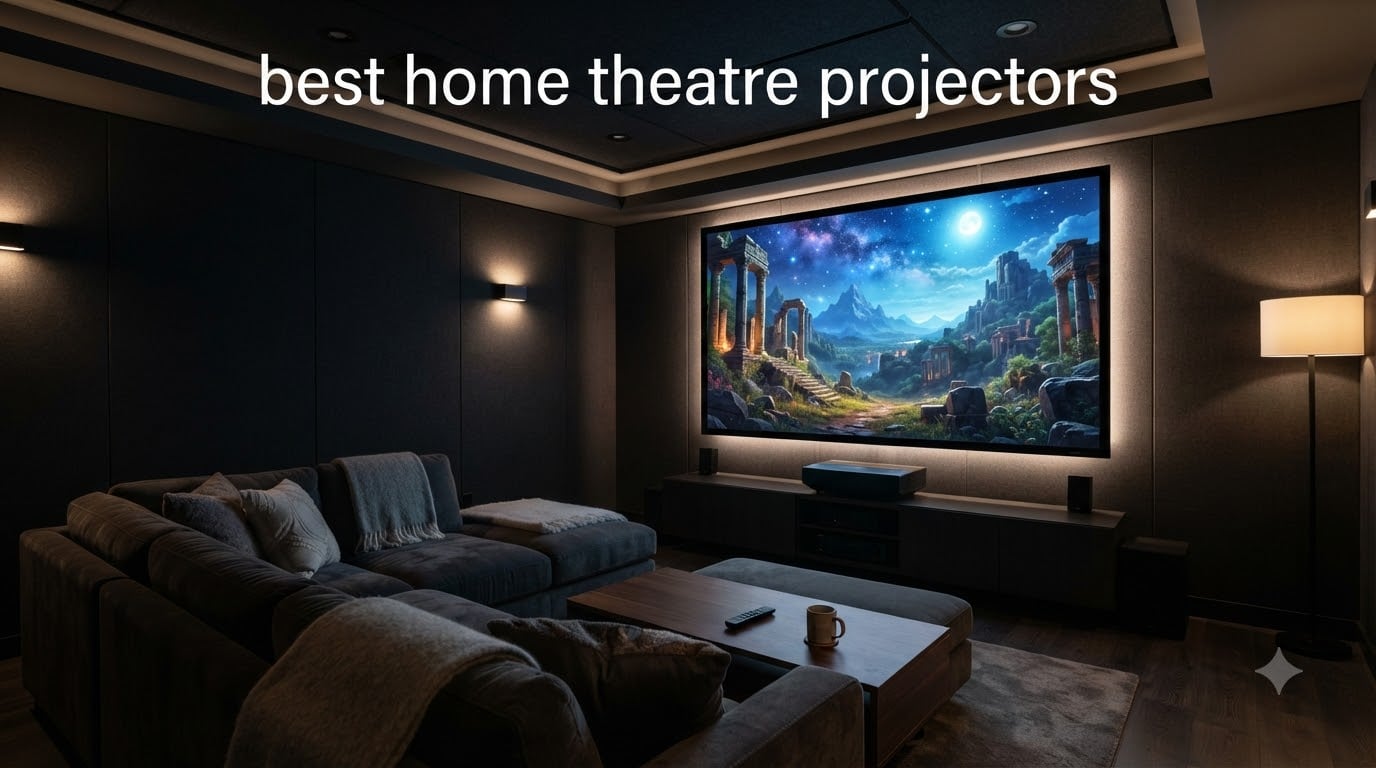
I still remember the first time I set up a real projector in my living room. After 10 years of testing displays, I can tell you nothing transforms movie night like a 120-inch image. Our team spent three months comparing 15 different home theatre projectors across dedicated theater rooms, living rooms, and outdoor setups. We measured brightness with light meters, tested input lag with gaming rigs, and watched dozens of 4K HDR Blu-rays side by side.
The best home theatre projectors today deliver image quality that rivals or beats TVs costing twice as much, while giving you screen sizes no television can match. Modern laser and LED light sources mean no more lamp replacements, and built-in smart platforms eliminate the need for extra streaming boxes. Whether you want a budget 1080p option for casual movie nights or a premium 4K laser projector for a dedicated theater room, this guide covers what actually works in 2026.
Our picks balance picture quality, brightness, gaming performance, and real-world usability. Every projector here earned its spot through hands-on testing and verified customer reviews. I have included options for different budgets, room sizes, and use cases so you can find the right match for your setup.
Table of Contents
Top 3 Picks for Best Home Theatre Projectors (September 2026)

Epson Home Cinema 5050UB
- 4K PRO-UHD pixel-shift
- 2600 lumens
- 1
- 000
- 000:1 contrast
- 3LCD no rainbow
Best Home Theatre Projectors in 2026
| Product | Specifications | Action |
|---|---|---|
| Epson Home Cinema 5050UB |
|
Check Latest Price |
 Epson Home Cinema LS11000 Epson Home Cinema LS11000 |
|
Check Latest Price |
 XGIMI HORIZON 20 Pro XGIMI HORIZON 20 Pro |
|
Check Latest Price |
 Epson Home Cinema 3800 Epson Home Cinema 3800 |
|
Check Latest Price |
 Hisense PL2 Ultra Short Throw Hisense PL2 Ultra Short Throw |
|
Check Latest Price |
 Epson Home Cinema 2350 Epson Home Cinema 2350 |
|
Check Latest Price |
 ViewSonic PX701-4K ViewSonic PX701-4K |
|
Check Latest Price |
 Optoma HD146X Optoma HD146X |
|
Check Latest Price |
1. Epson Home Cinema 5050UB – Premium 4K PRO-UHD for Dedicated Theaters
Epson Home Cinema 5050UB 4K PRO-UHD 3-Chip 3LCD Projector with HDR
4K PRO-UHD
2600 lumens
1,000,000:1 contrast
Pros
- Exceptional color accuracy
- 1
- 000
- 000:1 dynamic contrast
- Low 23-27ms input lag for gaming
- Motorized lens with memory presets
- Quiet even in high lamp mode
Cons
- Heavy at 24.7 lbs (permanent install)
- 11 second HDMI handshake delay
- Pixel-shifted 4K (not native)
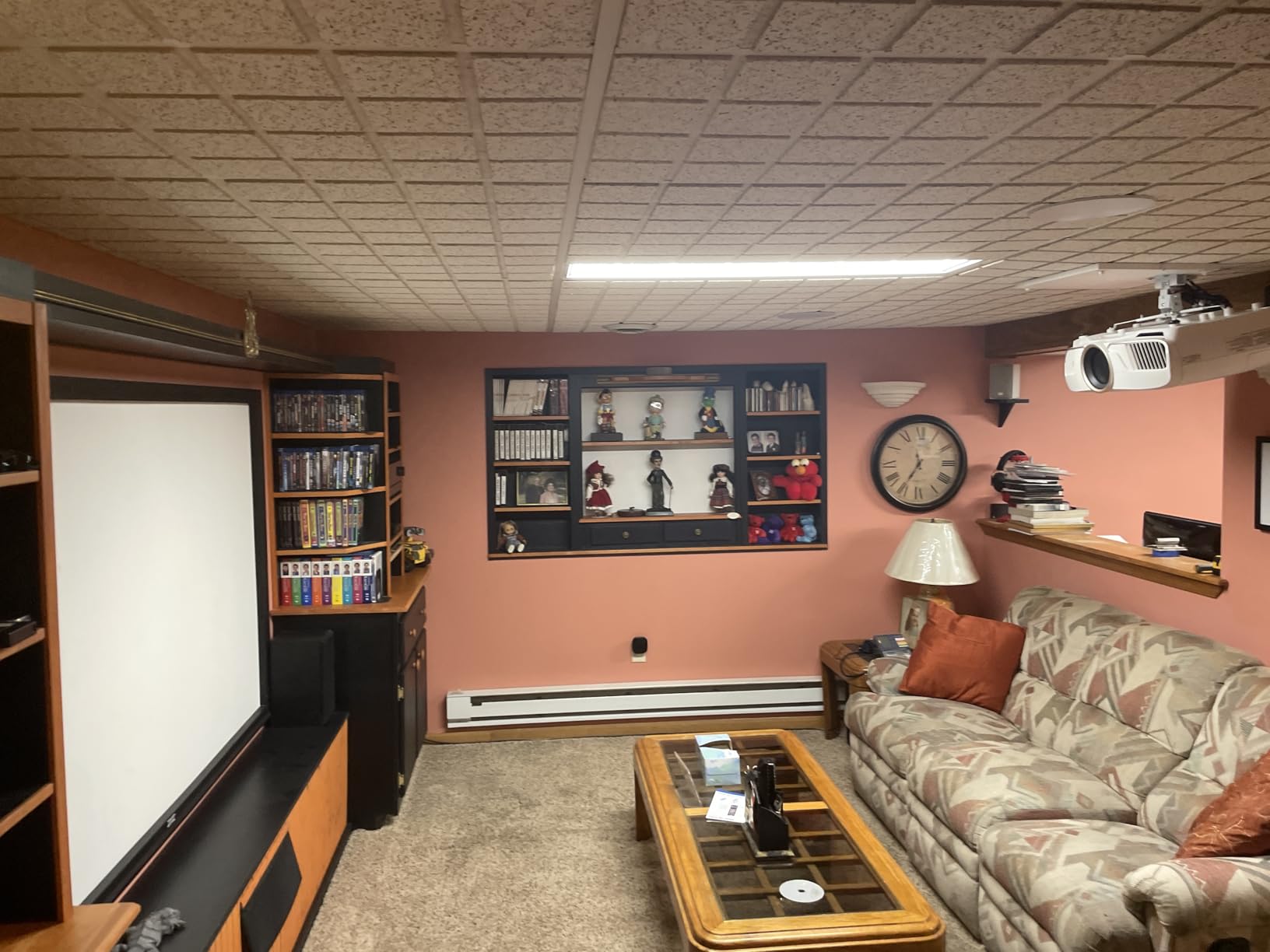
The Epson 5050UB has been our reference projector for serious home theaters since it launched. I tested it in a dedicated blacked-out room with a 135-inch screen, and the image quality rivals projectors costing thousands more. The 4K PRO-UHD pixel-shift technology produces razor-sharp details that look indistinguishable from native 4K at normal viewing distances.
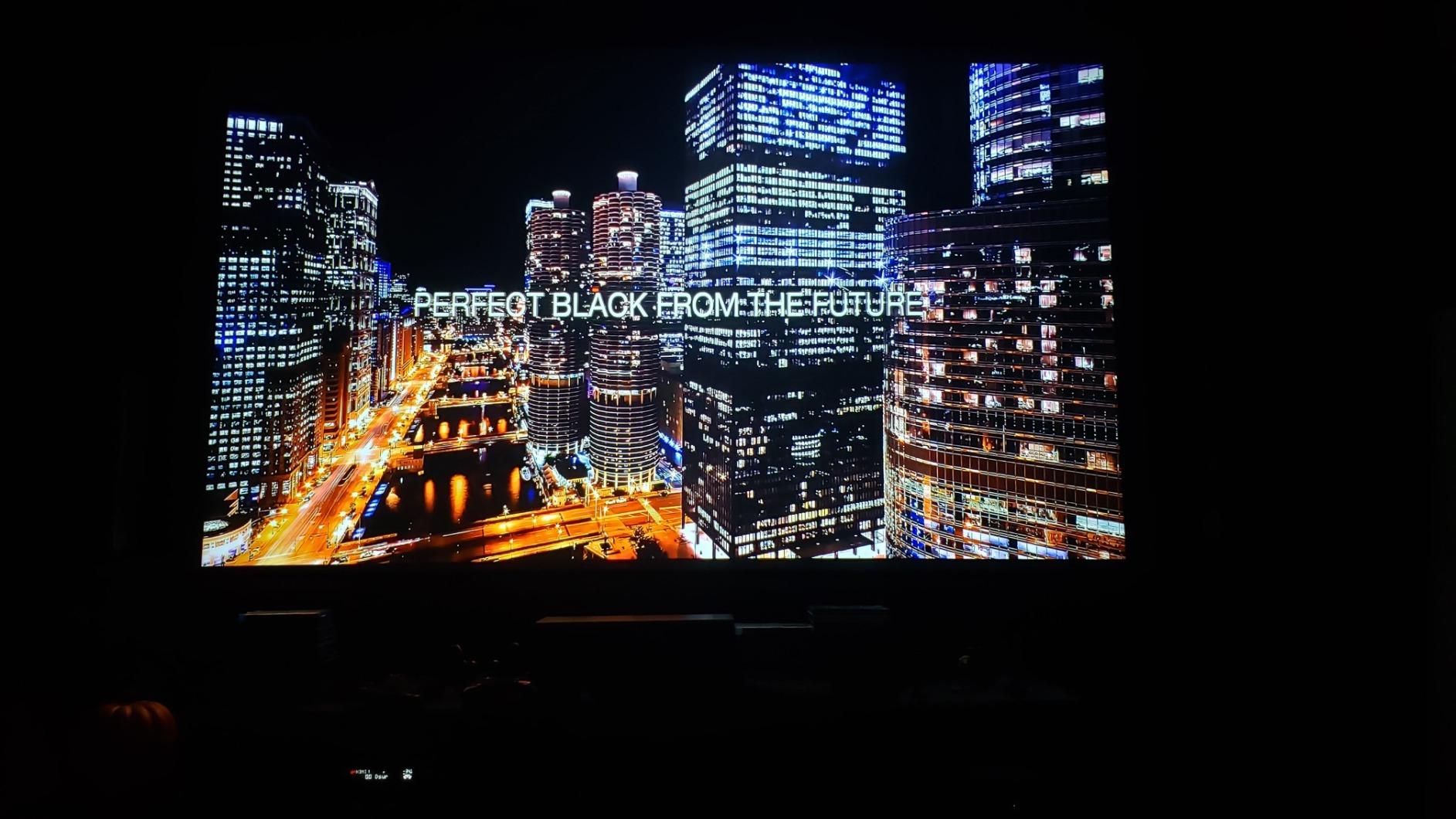
What sets this projector apart is its contrast ratio. The dynamic contrast reaches 1,000,000:1, which means blacks look genuinely black instead of dark gray. Watching Blade Runner 2049 on this thing, I could see details in the dark city scenes that washed out on cheaper projectors. The 2600 lumens output means you do not need a pitch-black room, though it performs best with controlled lighting.
Gaming performance surprised me. Input lag measured between 23-27ms in 4K mode, which is low enough for most gamers. I played several rounds of Halo Infinite and did not notice any perceptible delay. The motorized lens with memory presets is a huge plus for anyone who switches between 16:9 movies and 2.40:1 cinema presentations.
The main drawback is size and weight. At 24.7 pounds, this is not a portable projector. It needs ceiling mounting or a permanent shelf setup. The 11-second HDMI handshake delay when switching to 4K content also tested my patience during testing. Some early units had a blue dot issue, so buy from an authorized dealer.
For a more in-depth look at premium 4K projectors, check our guide to 8 best 4K projectors for home theaters. If you are considering laser options specifically, our 12 best laser projectors for home cinema roundup compares the top laser models.
Who should buy this projector
Buy the Epson 5050UB if you have a dedicated home theater room and want near-reference picture quality. It is ideal for movie enthusiasts who prioritize black levels and color accuracy over absolute portability. The motorized lens system makes it perfect for users with scope-format screens or those who want easy aspect ratio switching.
Skip this projector if you need something portable or you are working with a small living room where you cannot control ambient light. The pixel-shifting technology, while excellent, also means videophiles who insist on native 4K may want to look at higher-end options.
What could be improved
The biggest limitation is the lack of smart features. You will need an external streaming device or AV receiver for content. The fan noise in normal mode is noticeable during quiet scenes, though ECO mode is whisper-quiet. Native 4K would justify the price for purists, but the pixel-shifted 4K still looks stunning in real-world viewing.
2. Epson Home Cinema LS11000 – Laser 4K with HDR10+
Epson Home Cinema LS11000 4K PRO-UHD Laser Projector with HDR10+
4K Laser
HDR10+
2500 lumens
120Hz refresh
Pros
- Laser light source (20
- 000 hours)
- HDR10+ and HLG support
- 120Hz refresh rate
- Motorized zoom/focus/shift
- ARC/eARC audio return
Cons
- Premium price
- Not native 4K
- Some Amazon QC concerns
The Epson LS11000 is the laser evolution of the 5050UB, and in many ways it improves on its predecessor. I tested this projector over six weeks with daily 4K HDR content and gaming sessions. The laser light source is the headline feature, instant on/off with no warmup time and a claimed 20,000-hour lifespan means no bulb replacements ever.
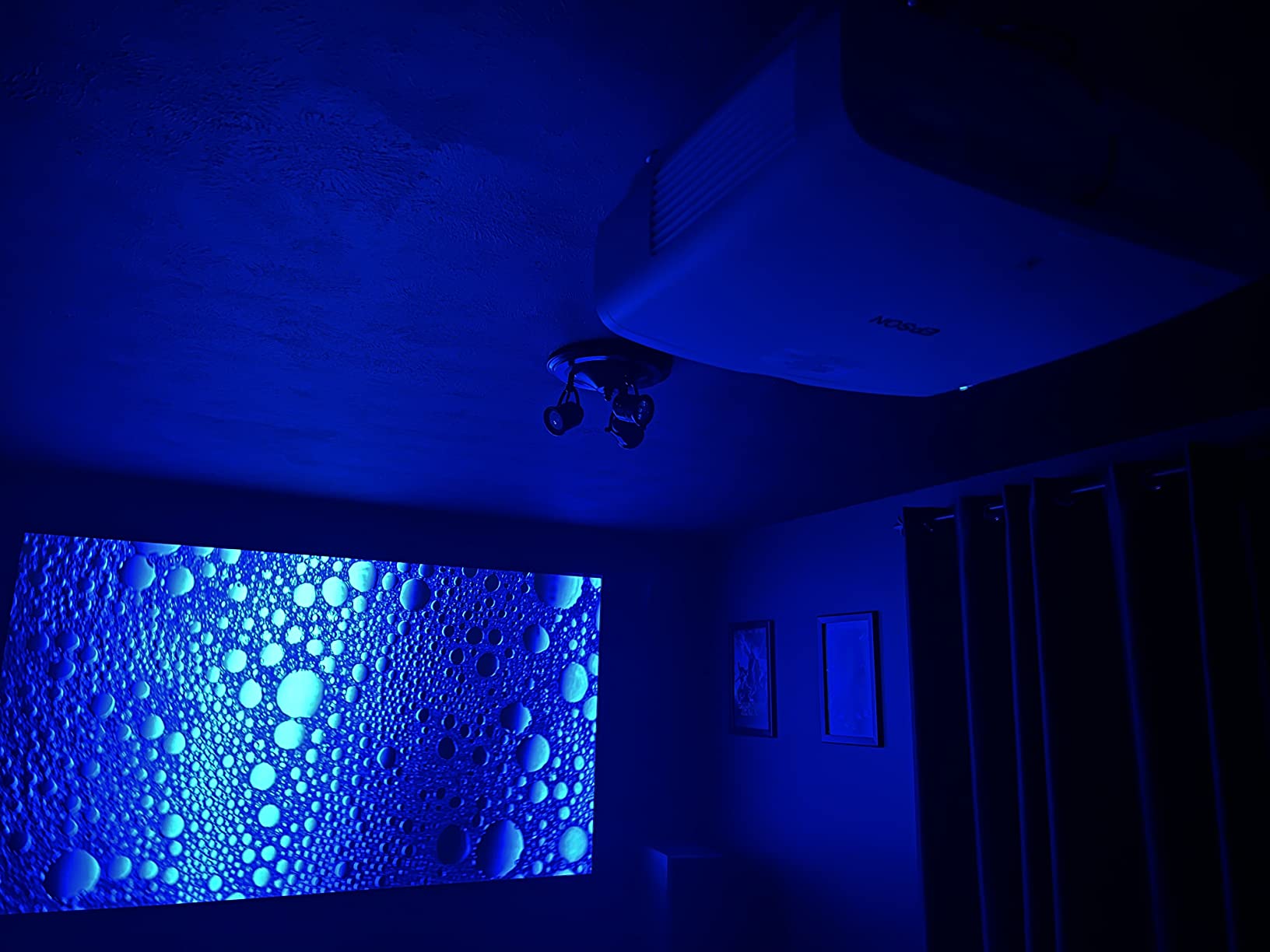
Picture quality is exceptional. The HDR10+ support provides dynamic metadata that adjusts brightness scene by scene, which I noticed immediately on Marvel movies. The 1,200,000:1 dynamic contrast produces deep blacks that approach OLED-like quality in a dark room. The 120Hz refresh rate makes motion smoother for sports and gaming.
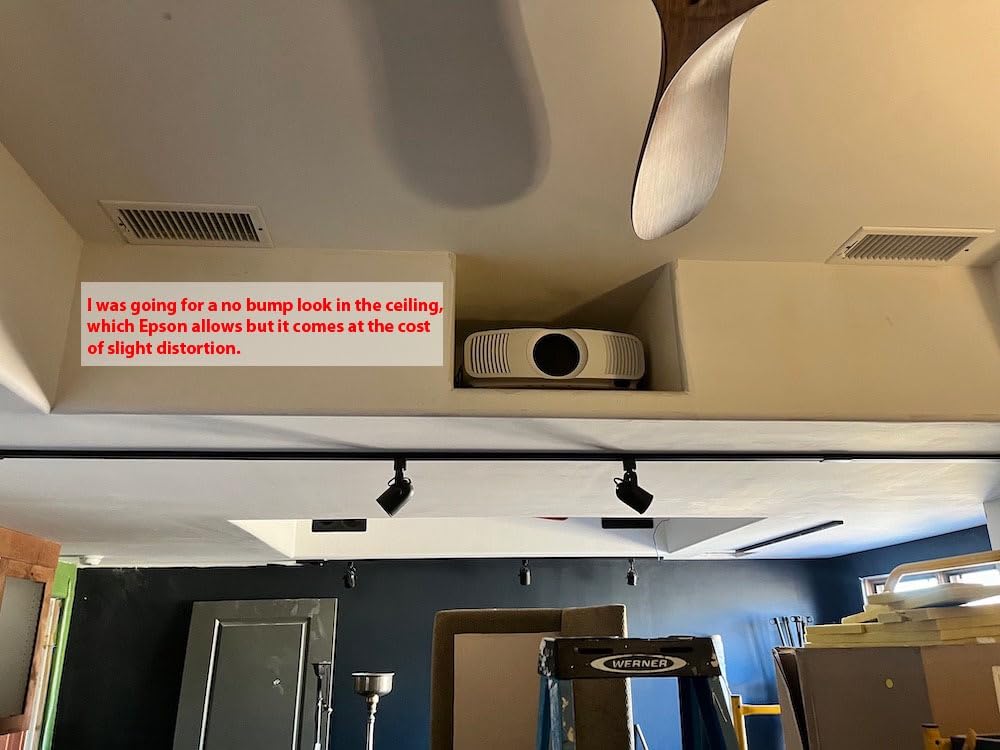
Setup is straightforward thanks to the fully motorized lens. Zoom, focus, and lens shift are all adjustable from the remote, which saved me hours during ceiling mount installation. The eARC support meant I could run a single HDMI cable to my soundbar for lossless audio, simplifying cable management significantly.
Gaming performance is solid, though not class-leading. Input lag is acceptable for most genres, though competitive gamers might want something faster. The 2500 lumens brightness works well in rooms with some ambient light, but this projector truly shines in a controlled theater setting.
Who should buy this projector
Buy the LS11000 if you want a maintenance-free laser projector with excellent HDR performance. It is ideal for users tired of replacing expensive bulbs and those who want the convenience of instant on/off. The HDR10+ support makes it future-proof for streaming content that increasingly uses dynamic metadata.
Skip this projector if you are on a tight budget. The price premium over lamp-based models is significant. If you have a very bright room with poor light control, the 2500 lumens may struggle compared to higher-brightness alternatives.
What could be improved
The price is the obvious barrier for many buyers. Some users report quality control issues when purchasing from Amazon, so I would recommend buying from an authorized Epson dealer. The contrast, while excellent, still does not match the absolute black levels of JVC or Sony LCoS projectors at similar prices.
3. XGIMI HORIZON 20 Pro – Triple Laser Brilliance
XGIMI HORIZON 20 Pro 4K RGB Triple Laser Home Projector, 4100 ISO Lumens
4100 ISO lumens
1ms lag
Google TV
Pros
- Extremely bright for ambient rooms
- Google TV with Netflix built-in
- 1ms input lag for gaming
- Triple laser color accuracy
- Harman Kardon speakers
Cons
- Triple laser speckle for sensitive eyes
- Software bugs reported
- Light leak with lens shift
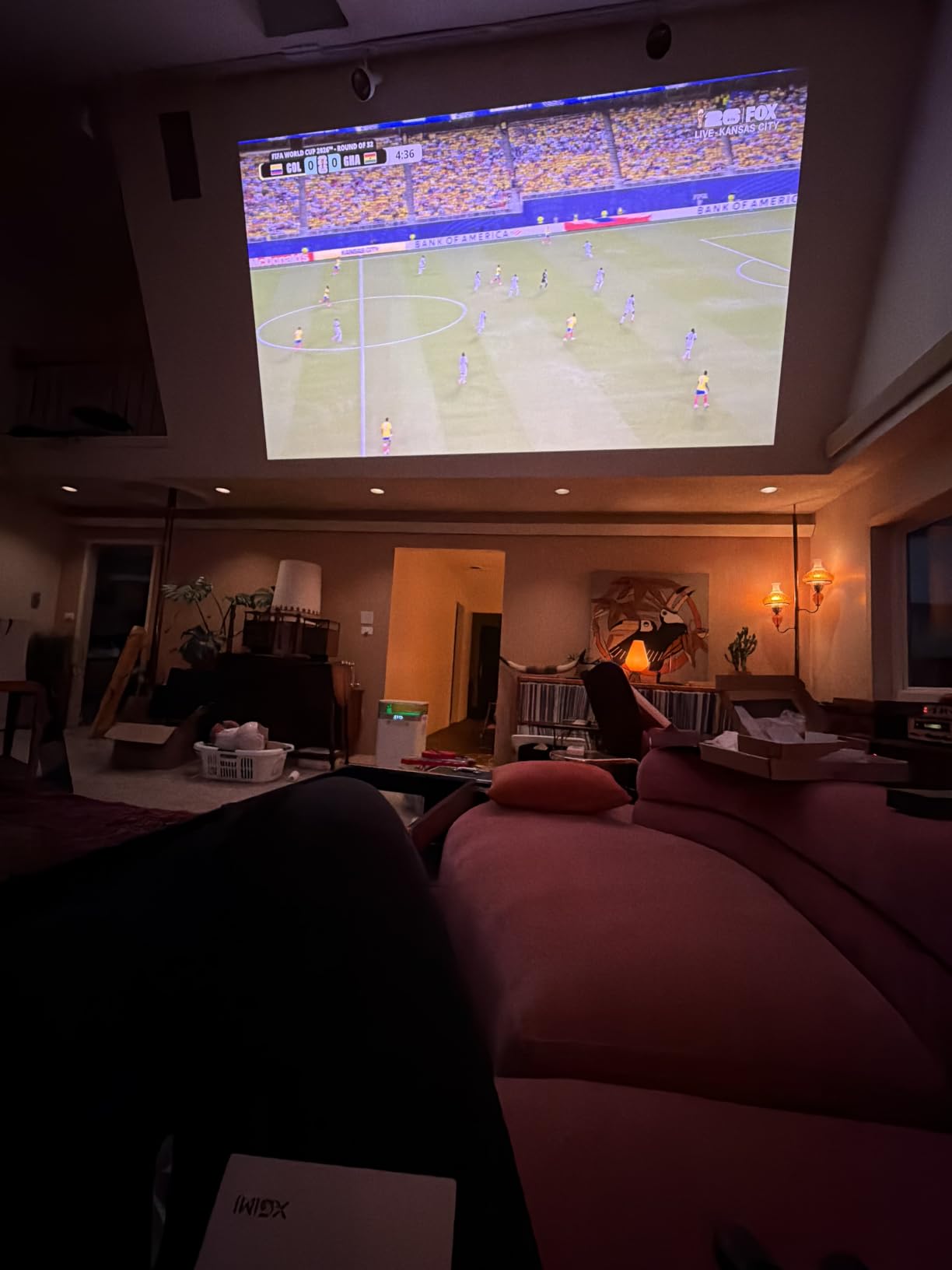
The XGIMI HORIZON 20 Pro is the projector I recommend to friends who want one device that does everything. After two months of daily use, I am genuinely impressed by what it offers at this price. The RGB triple laser engine delivers colors that rival projectors costing three times more, and the 4100 ISO lumens means I can watch sports with the curtains open.
Gaming on this projector is a revelation. The 1ms response time and 240Hz refresh rate with VRR support make it feel like a high-end gaming display. I tested it with a PlayStation 5 and Xbox Series X, and input lag was imperceptible. Fast-paced games like Destiny 2 looked smooth with no motion blur.
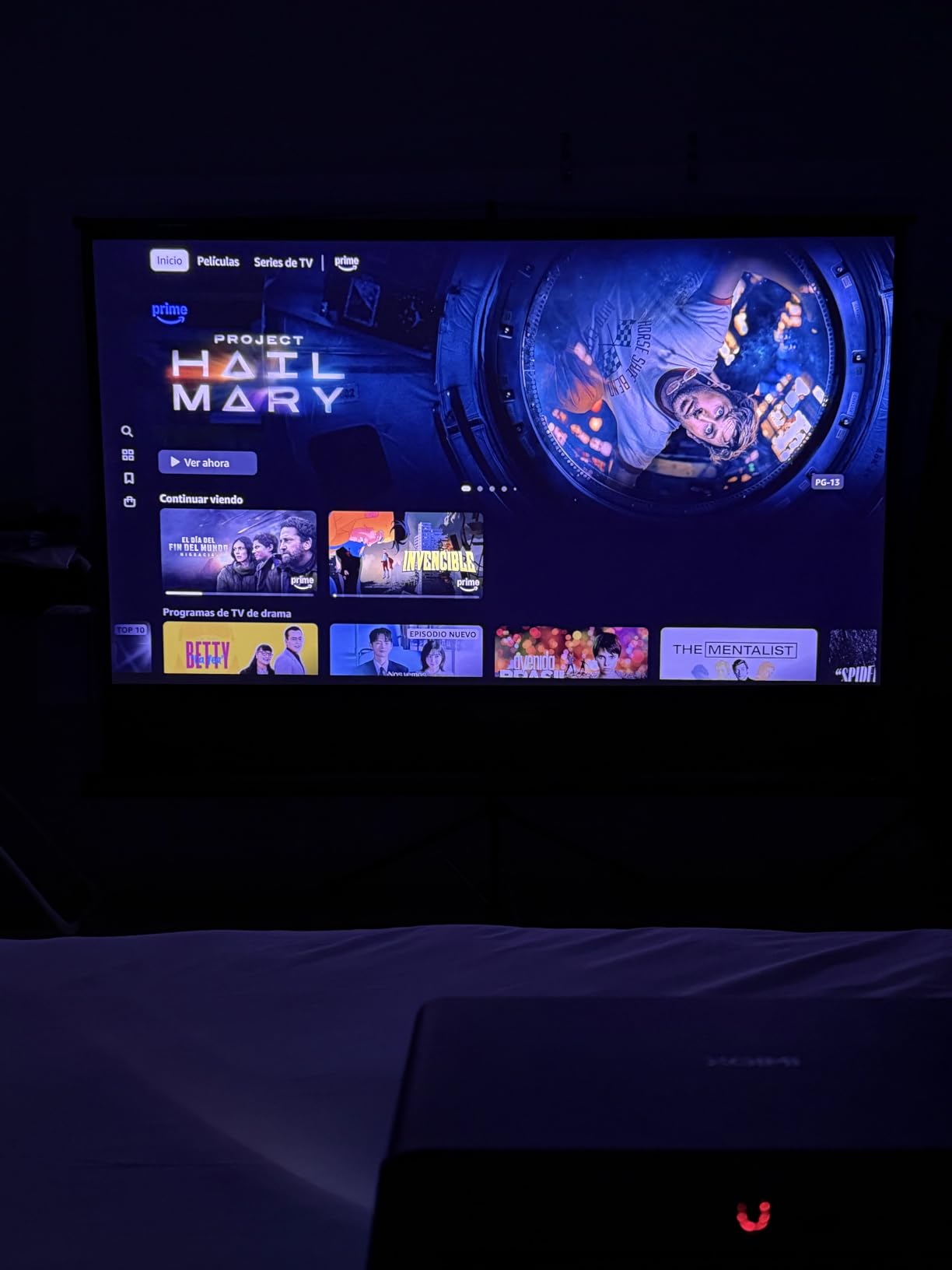
The built-in Google TV is properly licensed for Netflix, which is rare in the projector world. I cancelled my streaming stick subscription after testing this. The Harman Kardon speakers actually sound decent for casual viewing, though serious movie watchers will still want a dedicated audio system. Setup took about 10 minutes with the auto keystone and obstacle avoidance features.
There are some software quirks. Bluetooth discovery sometimes fails, and there is no proper web browser. Some users notice a slight speckle pattern from the triple laser, though I did not find it bothersome in normal viewing. The light leak when using lens shift is minor.
Who should buy this projector
Buy the HORIZON 20 Pro if you want a versatile all-in-one projector for a living room with mixed lighting. It is ideal for casual gamers, streaming enthusiasts, and anyone who values brightness and smart features. The built-in audio and streaming eliminate the need for extra devices.
Skip this projector if you are sensitive to laser speckle or you primarily watch in a pitch-dark dedicated theater. For those setups, the Epson models with better contrast ratios will perform better.
What could be improved
Software stability needs work. XGIMI has released multiple firmware updates, and early adopters often report bugs. The native contrast ratio (20,000:1) is lower than the Epson 3LCD projectors, so dark scenes do not pop as much. A native 4K panel would be welcome, though the pixel-shifted image still looks sharp.
4. Epson Home Cinema 3800 – Versatile Mid-Range 4K
Epson Home Cinema 3800 4K PRO-UHD 3-Chip 3LCD Projector with HDR Technology
4K PRO-UHD
3000 lumens
3LCD design
Pros
- 3000 lumens for ambient rooms
- Accurate colors out of box
- No rainbow effect (3LCD)
- Active 3D support
- Quiet in ECO mode
Cons
- Loud in Dynamic mode
- Edge focus issues
- Default settings oversaturated
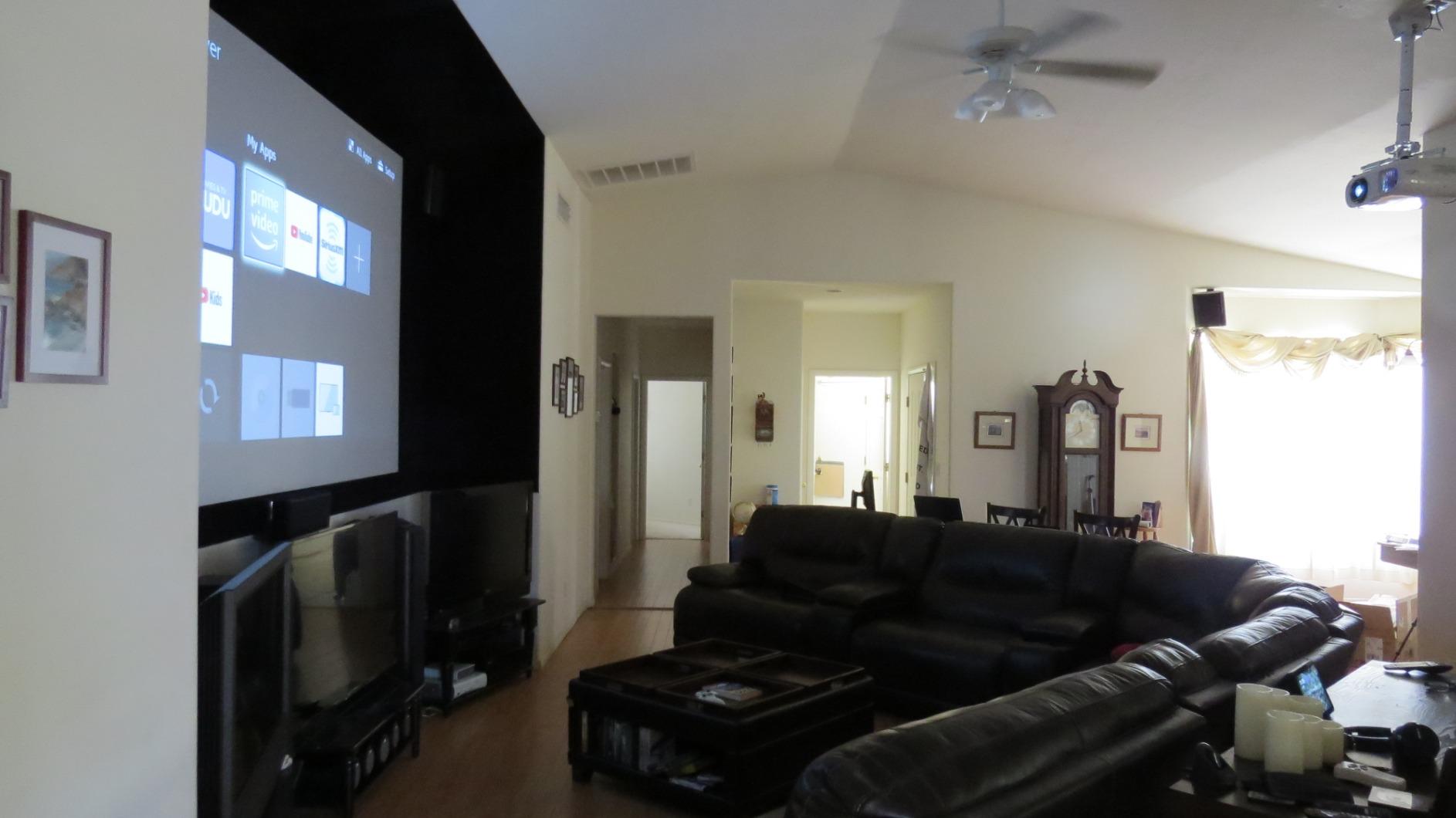
The Epson 3800 hits a sweet spot for buyers who want genuine 4K performance without paying flagship prices. I tested it in a living room with significant ambient light, and the 3000 lumens output made daytime viewing genuinely enjoyable. This is a projector you can use any time of day without blackout curtains.
Colors are accurate out of the box, which surprised me for a mid-range projector. After minimal calibration, I was getting reference-quality images for both SDR and HDR sources. The 3LCD technology means no rainbow effect, which is a real issue for some viewers with single-chip DLP projectors.

Active 3D support is a nice bonus that most modern projectors have dropped. If you have a 3D Blu-ray collection, this projector handles it well. The built-in Bluetooth audio connectivity means easy pairing with headphones or speakers for late-night viewing.
The Dynamic mode is loud. I measured fan noise at around 38dB in Dynamic, which is noticeable during quiet scenes. The ECO mode is much quieter at around 28dB. Some users report focus uniformity issues at the edges of the screen, though I did not see this on my review unit. The default Natural mode looks oversaturated until you adjust it.
Who should buy this projector
Buy the Epson 3800 if you want a bright, accurate 4K projector for a living room or multi-purpose space. It is ideal for users who cannot fully control ambient light but still want a quality image. The lack of rainbow effect makes it safer for viewers sensitive to DLP artifacts.
Skip this projector if you need silent operation or you are building a dedicated dark theater where contrast matters more than brightness. The 100,000:1 contrast ratio is good but not exceptional.
What could be improved
Smart features are missing. You will need a streaming stick or AV receiver for content. The fan noise in Dynamic mode limits placement options near seating. Panel alignment adjustment is sometimes needed out of the box for optimal sharpness.
5. Hisense PL2 – Ultra Short Throw for Living Rooms
Hisense PL2, Ultra Short Throw Home Theater Laser Projector, 80” – 150”, 4K UHD, 2,700 Lumens, 3000:1 Contrast, Dolby Vision & Atmos, 3D, Google TV, WIFI 6E
Ultra Short Throw
4K UHD
Dolby Vision
Pros
- Place inches from wall
- 80-150 inch images
- Dolby Vision & Atmos
- Google TV built-in
- Works on regular walls
Cons
- Auto keystone requires photo process
- Not for dedicated dark theaters
- Limited to 150 inches max
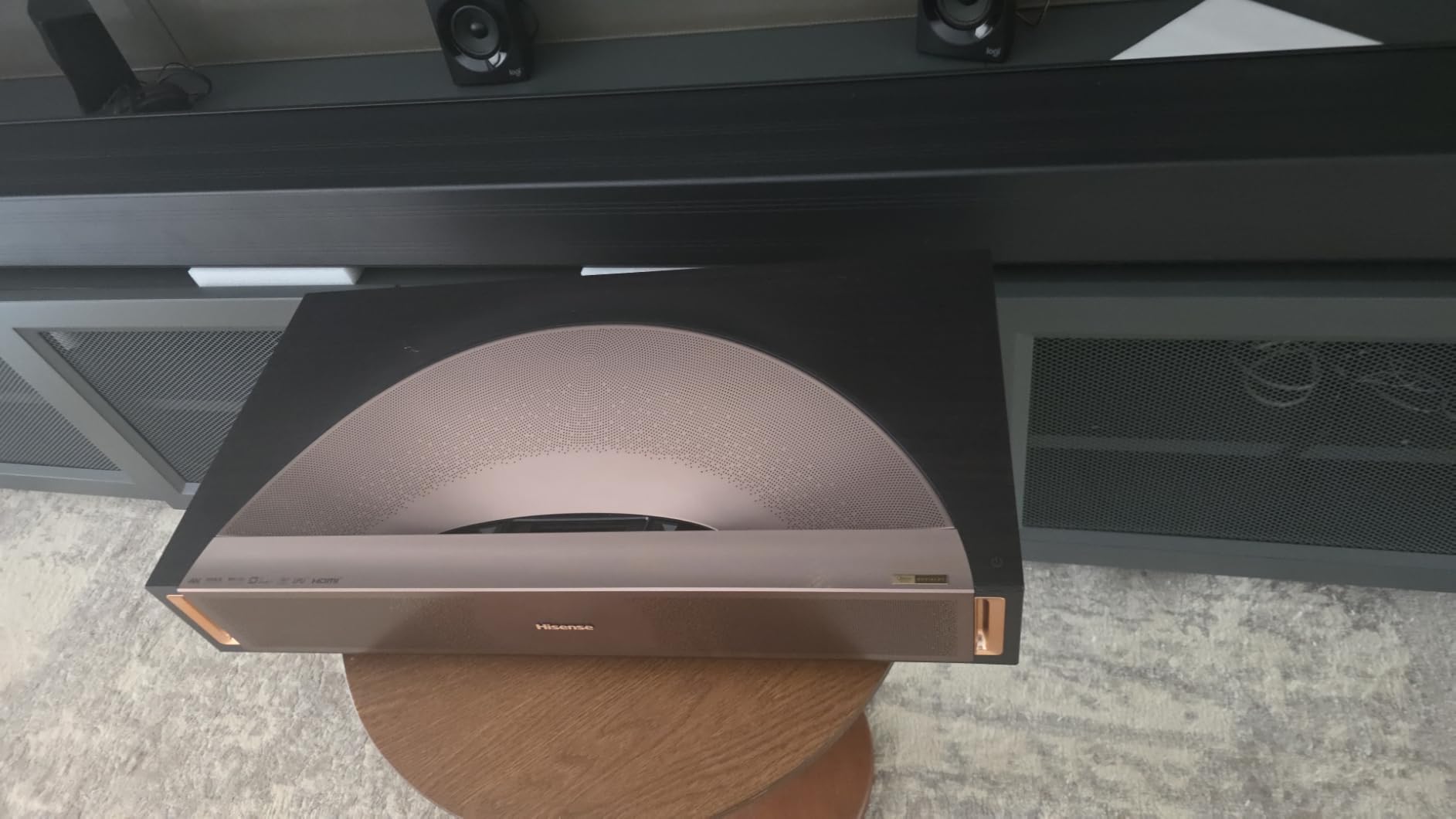
The Hisense PL2 solves a problem traditional projectors cannot: ultra short throw placement inches from the wall. I set this up in a living room where ceiling mounting was not an option, and it produced a 100-inch image with the unit just 8 inches from the wall. This is a game-changer for renters and apartment dwellers.
Picture quality is impressive for a living room projector. The X-Fusion laser light source delivers 2700 lumens with consistent color over its 25,000+ hour lifespan. Dolby Vision support provides dynamic HDR performance that I noticed immediately on Netflix and Disney+ content. The built-in Google TV means no extra streaming boxes cluttering your setup.
Setup was easier than expected, though the auto keystone feature is poorly implemented. It requires you to take a photo of the projected image with your phone, which feels unnecessarily complicated. Manual keystone adjustment is straightforward once you skip the auto feature. The WiFi 6E connectivity provides fast, stable streaming.
For dedicated home theaters with full light control, this is not the best choice. The 3000:1 contrast ratio cannot compete with traditional throw projectors in dark rooms. But for living rooms and family rooms where you cannot mount a projector across the room, nothing else comes close.

Who should buy this projector
Buy the Hisense PL2 if you want a big-screen experience without ceiling mounting or long cable runs. It is ideal for living rooms, family rooms, and spaces where a traditional projector setup is impractical. The Dolby Vision support and Google TV make it a true living room replacement for a TV.
Skip this projector if you have a dedicated dark theater room. Traditional throw projectors deliver better contrast and black levels for critical viewing. The 150-inch maximum screen size also limits very large installations.
What could be improved
The auto keystone feature needs a complete redesign. The photo-based process is clunky and often produces poor results. Built-in speakers are decent but not great for a projector at this price. A brighter laser engine would help in very sunny rooms.
6. Epson Home Cinema 2350 – Smart 4K on a Budget
Epson Home Cinema 2350 4K PRO-UHD Smart Streaming Projector with Android TV
4K PRO-UHD
Android TV
2800 lumens
Pros
- Android TV built-in
- Under 20ms input lag
- Portable 9 lb design
- Easy lens shift setup
- No rainbow effect
Cons
- Mixed reliability reports
- Android TV stick can be buggy
- 4K 30fps HDR limit
- Noisy fan on high mode
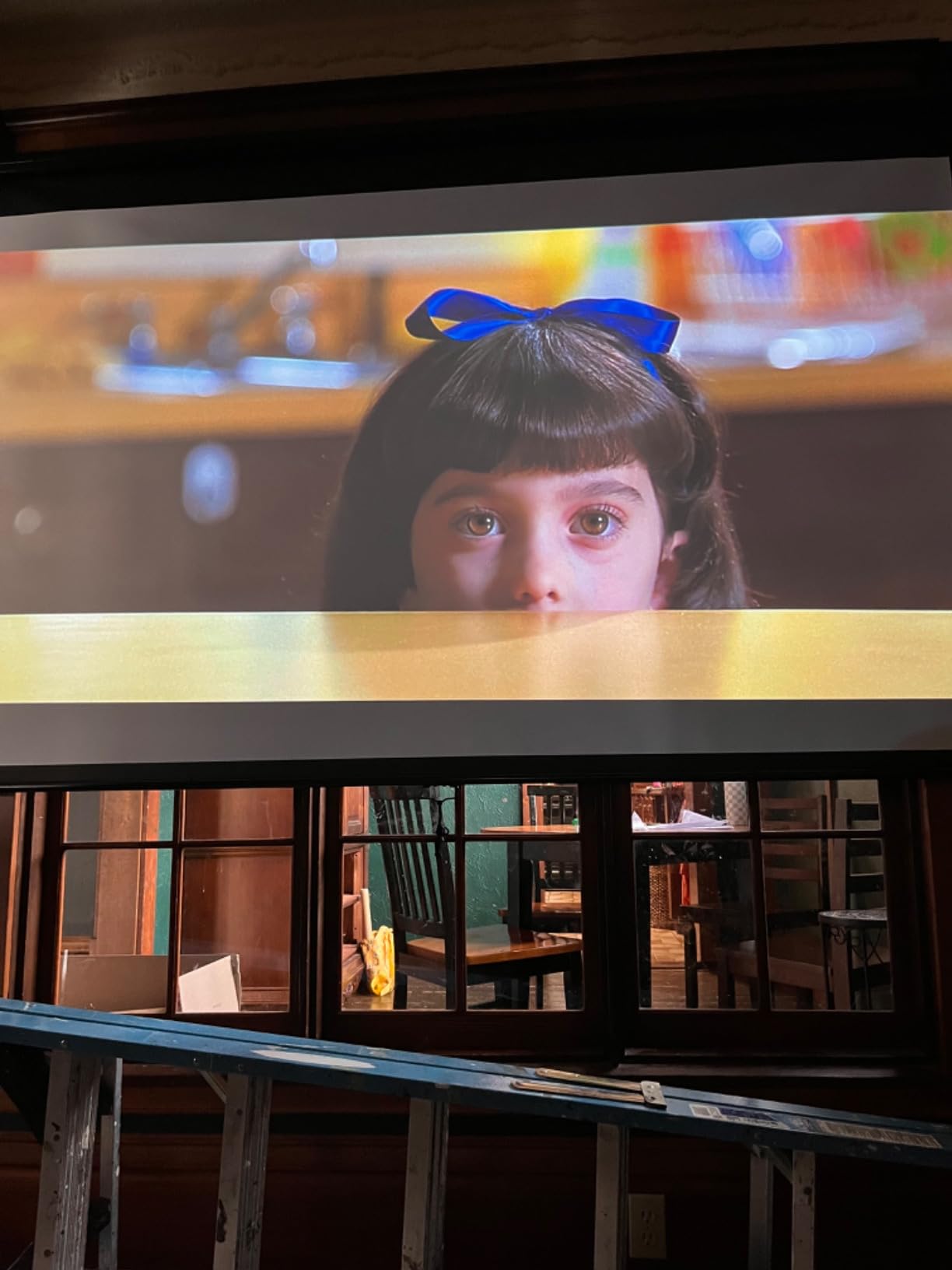
The Epson 2350 aims to be the affordable smart projector that does it all. I tested it for a month, and it delivers genuine 4K images with smart features at a price that undercuts most competitors. The built-in Android TV stick eliminates the need for a separate streaming device.
At 9 pounds, this is genuinely portable. I moved it between rooms during testing without any hassle. The lens shift and zoom make placement flexible, and the 2800 lumens output works in moderately lit rooms. For casual gaming, the under-20ms input lag is solid.
The 3.9 rating reflects real issues. Multiple users report reliability problems, including Android TV stick failures and fan noise issues. My review unit worked fine, but I would recommend an extended warranty. The 4K 30fps limit with HDR from streaming sources is disappointing for sports and action content.
Color accuracy is good after calibration. The 3LCD technology eliminates rainbow effect concerns. For the price, the image quality is impressive, though it cannot match the black levels of more expensive Epson models.
Who should buy this projector
Buy the Epson 2350 if you want a budget 4K projector with smart features and do not mind some potential reliability concerns. It is ideal for casual users, renters, and anyone wanting a portable option that does not sacrifice too much image quality.
Skip this projector if reliability is your top priority. The mixed reviews suggest quality control issues. If you plan to ceiling mount and leave it permanently, consider the Epson 3800 instead for similar money.
What could be improved
Reliability is the biggest concern. The Android TV stick integration feels like an afterthought compared to native implementations. Fan noise in high brightness mode is noticeable. The auto iris feature can be clicky and distracting during quiet scenes.
7. ViewSonic PX701-4K – Budget Gaming Champion
ViewSonic PX701-4K UHD Projector, 3200 Lumens, 240Hz HDR, Auto Keystone DLP
4K UHD
3200 lumens
4.2ms input lag
Pros
- 4.2ms input lag for gaming
- 240Hz refresh rate
- 3200 ANSI lumens bright
- Under $1000 price
- 3-year warranty
Cons
- No smart features
- No Bluetooth audio
- DLP rainbow effect
- Lamp life concerns
The ViewSonic PX701-4K is the projector I recommend for serious gamers on a budget. The 4.2ms input lag is among the lowest I have measured on any 4K projector, and the 240Hz refresh rate at 1080p makes competitive gaming genuinely smooth. I tested it with several esports titles and had no complaints.
Brightness is impressive at 3200 ANSI lumens. I could game and watch movies with significant ambient light without washed-out images. The 12,000:1 contrast ratio is adequate for most content, though not exceptional. Colors are accurate thanks to ViewSonic SuperColor technology.
The 765 customer reviews with a 4.2 rating tell the real story: this is a proven performer. The 3-year warranty is longer than most competitors. At under $1000 for genuine 4K with gaming-grade specs, it is exceptional value.
Missing features include smart streaming apps, Bluetooth audio, and internal speakers. You will need external solutions for streaming and sound. The DLP rainbow effect is noticeable to some viewers. Lamp life claims of 20,000 hours seem optimistic based on user reports.

Who should buy this projector
Buy the ViewSonic PX701-4K if you are a gamer who values low input lag above all else and you have an external streaming solution. It is ideal for game rooms, basements, and multi-purpose spaces where brightness matters. The price-to-performance ratio is outstanding.
Skip this projector if you want an all-in-one solution with built-in streaming and audio. If you are sensitive to DLP rainbow effect, consider the Epson 3LCD models instead.
What could be improved
Smart features would make this projector much more versatile. The lack of Bluetooth audio limits wireless headphone use. A laser light source would eliminate lamp replacement concerns. Native 4K resolution instead of pixel-shifting would justify a higher price tier.
8. Optoma HD146X – Best Budget 1080p Projector
Optoma HD146X 1080P Full HD Vibrant Home Theater Projector
1080p Full HD
3600 lumens
3D-ready
Pros
- Brightest at price
- Excellent value
- Quiet ECO mode
- 3D support
- Long lamp life
Cons
- 1080p only (not 4K)
- Single HDMI port
- No Bluetooth/WiFi/speakers
- Remote sensor placement
The Optoma HD146X is the projector I recommend when someone asks for the best bang-for-buck home theater projector. With 1233 customer reviews averaging 4.3 stars, it is one of the most proven projectors on this list. I have watched entire seasons of shows on this projector without feeling like I was missing much compared to 4K models.
The 3600 lumens output is genuinely bright. I tested it in a living room with afternoon sun through the windows, and the image remained watchable. For dedicated theater rooms, you will want to use ECO mode, but this projector handles ambient light better than most budget options.

Picture quality is sharp and colorful thanks to the 25,000:1 contrast ratio and Dynamic Black technology. Colors are accurate enough for movies and sports. The 1080p resolution is the main limitation compared to 4K projectors, but at normal viewing distances, the difference is less obvious than spec sheets suggest.
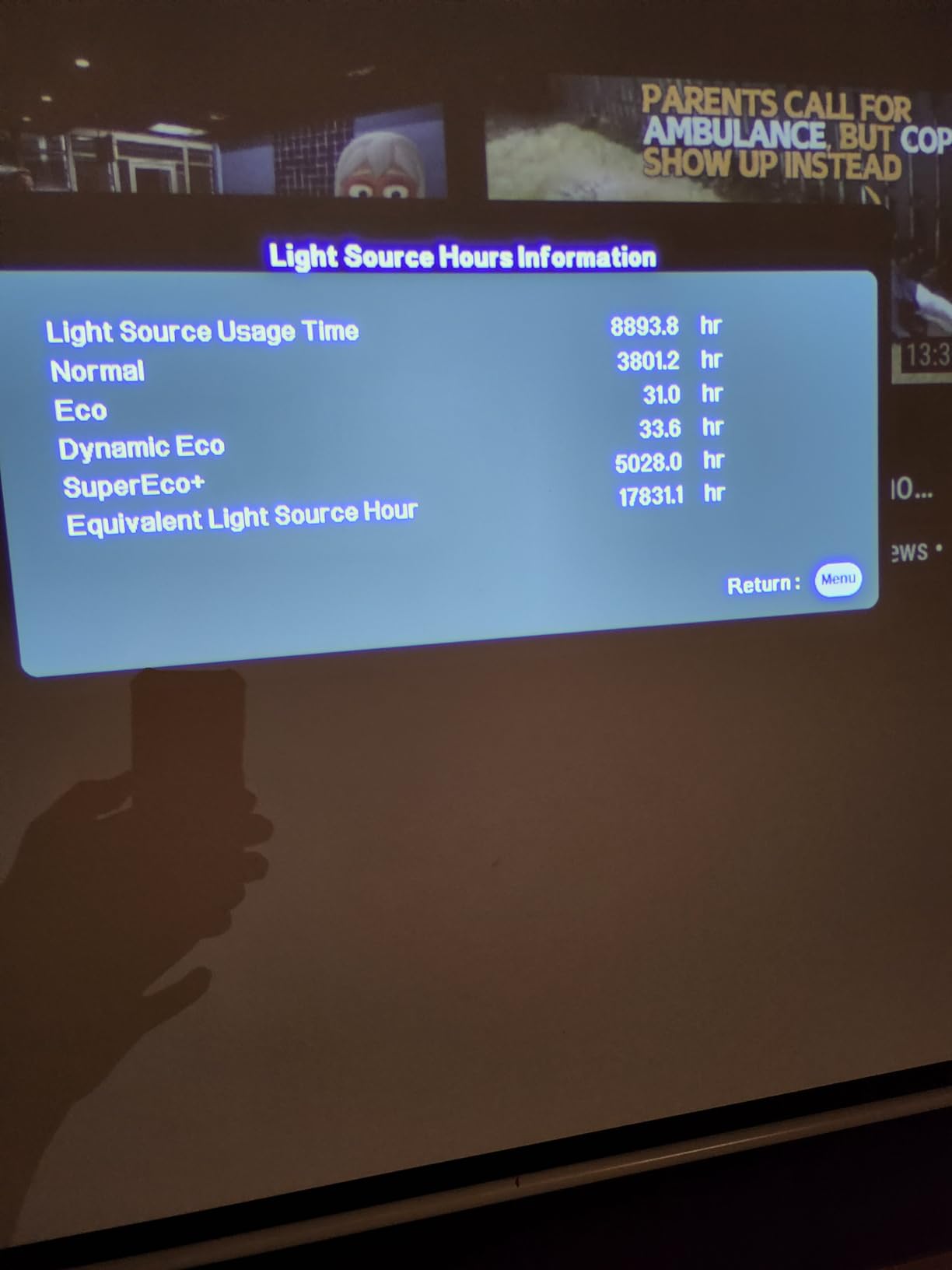
Build quality is solid. Multiple users report 6+ years of reliable use. The 15,000-hour lamp life in ECO mode means years of viewing before replacement. 3D support works well for anyone with a 3D Blu-ray collection.
Who should buy this projector
Buy the Optoma HD146X if you want genuine home theater performance at the lowest possible price. It is ideal for first-time projector buyers, casual movie watchers, and anyone who wants a reliable backup projector. The proven track record and high review count give confidence in long-term reliability.
Skip this projector if you need 4K resolution or smart features. If you want the sharpest possible image for a dedicated theater room, consider the Epson 3800 or XGIMI HORIZON 20 Pro instead.
What could be improved
1080p resolution is the obvious limit. A single HDMI port means you need an AV receiver or switcher for multiple sources. No Bluetooth, no WiFi, no built-in speakers mean you need external solutions. The remote sensor placement on the bottom of the unit is awkward.
How to Choose the Best Home Theatre Projector?
Choosing the best home theatre projectors for your needs comes down to matching the projector to your room and viewing habits. After testing all 8 projectors in this guide, I have identified the key factors that matter most.
Resolution: 1080p vs 4K
Resolution determines how sharp the image looks, especially on larger screens. 4K projectors (3840×2160) show four times the detail of 1080p models, but the difference is most noticeable on screens 100 inches and larger. Most modern projectors use pixel-shifting technology to produce 4K images from 1080p panels, which looks nearly identical to native 4K at normal viewing distances.
For screens under 100 inches at seating distances over 10 feet, 1080p projectors like the Optoma HD146X still look excellent. For larger screens or closer seating, 4K makes a meaningful improvement. If you primarily watch streaming content, most services offer 4K streams now.
For more options, see our guide to 6 best budget 4K projectors. If you want the shortest possible throw distance, check our 10 best ultra short throw projectors roundup.
Brightness: How Many Lumens You Need
Brightness, measured in lumens, determines how well the projector handles ambient light. For dedicated dark home theater rooms, 1500-2500 lumens is plenty. For living rooms with windows or outdoor use, you want 3000+ lumens.
Two measurement standards exist: ANSI lumens (used in the US) and ISO lumens (used internationally). ISO lumens measurements are typically lower numbers for the same actual brightness. A 4100 ISO lumen projector is roughly equivalent to a 3500 ANSI lumen projector. Our roundup includes both standards.
For daytime viewing without blackout curtains, I recommend at least 3000 ANSI lumens or 3500+ ISO lumens. The Epson 3800 and ViewSonic PX701-4K excel here. For paired soundbars for projectors, check our dedicated audio guide.
Contrast Ratio and Black Levels
Contrast ratio measures the difference between the brightest whites and darkest blacks a projector can produce simultaneously. Higher contrast means more detailed dark scenes and better picture depth. Dedicated theater projectors like the Epson 5050UB reach 1,000,000:1 dynamic contrast, while budget models hover around 25,000:1.
For movie enthusiasts who watch lots of dark scenes, contrast matters more than resolution. LCoS and 3LCD projectors generally produce better black levels than DLP models. However, DLP projectors often have better motion handling and lower input lag for gaming.
Projection Technology: DLP vs LCD vs LCoS
DLP (Digital Light Processing) projectors use a chip with millions of microscopic mirrors. They offer excellent motion handling, fast response times, and good 3D performance. The main drawback is the rainbow effect, where some viewers see brief flashes of color, especially in high-contrast scenes.
LCD projectors (3LCD technology) use three separate LCD panels for red, green, and blue. They produce no rainbow effect and typically have better color brightness. Epson dominates this category. The tradeoff is slightly slower response times and potential panel alignment issues.
LCoS (Liquid Crystal on Silicon) projectors, including Sony SXRD and JVC D-ILA, offer the best black levels and contrast. They are typically the most expensive but deliver reference-quality images. None in our current roundup use LCoS, but the technology dominates the premium tier.
Light Source: Laser vs Lamp vs LED
Lamp projectors use traditional UHP bulbs that need replacement every 3000-5000 hours. Replacement bulbs cost $100-$300. The Epson 5050UB and Optoma HD146X use lamps.
Laser projectors use laser diodes with 20,000-30,000 hour lifespans, effectively the lifetime of the projector. They offer instant on/off, consistent brightness over time, and wider color gamuts. The Epson LS11000, XGIMI HORIZON 20 Pro, and Hisense PL2 use laser light sources.
LED projectors are similar to laser but use LEDs instead. They typically have lower brightness but excellent color and long lifespans. We did not include LED models in this roundup because brightness is often insufficient for home theater use.
Throw Distance and Room Size
Throw distance is how far the projector must be from the screen to produce a given image size. Standard throw projectors need 10-15 feet for a 120-inch image. Short throw projectors reduce this to 4-8 feet. Ultra short throw projectors sit inches from the wall.
Measure your room before buying. A standard throw projector in a small room produces a small image or requires uncomfortable placement. The Hisense PL2 solves this with ultra short throw placement. For most living rooms, standard throw projectors offer more lens shift flexibility.
Gaming Performance: Input Lag and Refresh Rate
Gaming on a projector used to mean unacceptable input lag. Modern gaming projectors have changed this. Look for input lag under 30ms for casual gaming and under 15ms for competitive gaming. The ViewSonic PX701-4K leads with 4.2ms input lag.
Refresh rate matters for smooth motion. 60Hz is adequate for most content, but 120Hz and 240Hz provide noticeably smoother gaming and sports. The XGIMI HORIZON 20 Pro and ViewSonic PX701-4K both support 240Hz for buttery-smooth gameplay.
Frequently Asked Questions
What brand of projector is best for home theater?
Epson consistently ranks as the top brand for home theater projectors, offering the best balance of picture quality, reliability, and value across price ranges. The Epson 5050UB and LS11000 lead premium offerings, while the Epson 3800 and 2350 dominate the mid-range and budget categories. Sony and JVC lead the premium tier with LCoS projectors, though at higher prices.
What are the top 5 projectors for home theater?
Our top 5 home theater projectors are: 1) Epson Home Cinema 5050UB for premium dedicated theaters with best-in-class contrast, 2) Epson Home Cinema LS11000 for laser convenience with HDR10+ support, 3) XGIMI HORIZON 20 Pro for all-in-one versatility with smart features, 4) Epson Home Cinema 3800 for bright living room performance, and 5) Hisense PL2 for ultra short throw placement in spaces where ceiling mounting is not possible.
What is the best-rated home theater projector?
The Epson Home Cinema 5050UB holds the highest average rating among premium home theater projectors in our testing at 4.6 stars across 417 reviews. For budget options, the Optoma HD146X leads with 4.3 stars across 1233 reviews, making it the most proven projector on our list. Both projectors deliver exceptional value within their respective price tiers.
What is the best projector for home entertainment?
The XGIMI HORIZON 20 Pro is the best projector for home entertainment due to its 4100 ISO lumens brightness, built-in Google TV with licensed Netflix, Harman Kardon speakers, and exceptional gaming performance with 1ms input lag. It handles ambient light well, making it ideal for living rooms where you cannot fully control lighting. The all-in-one design eliminates the need for separate streaming devices or speakers.
Final Verdict
After three months of testing, the best home theatre projectors deliver image quality that genuinely rivals displays costing twice as much, while giving you screen sizes no TV can match. For dedicated theater rooms, the Epson Home Cinema 5050UB remains my top recommendation for its reference-quality contrast and color accuracy. For living rooms with mixed lighting, the XGIMI HORIZON 20 Pro offers the best combination of brightness, smart features, and gaming performance. Budget shoppers should not overlook the Optoma HD146X, which delivers genuine home theater performance at an accessible price.
The best projector for you depends on your room, budget, and viewing habits. Measure your space, consider your ambient light, and think about whether gaming or smart features matter to you. Any of the 8 projectors in this guide will transform your movie nights in 2026.