
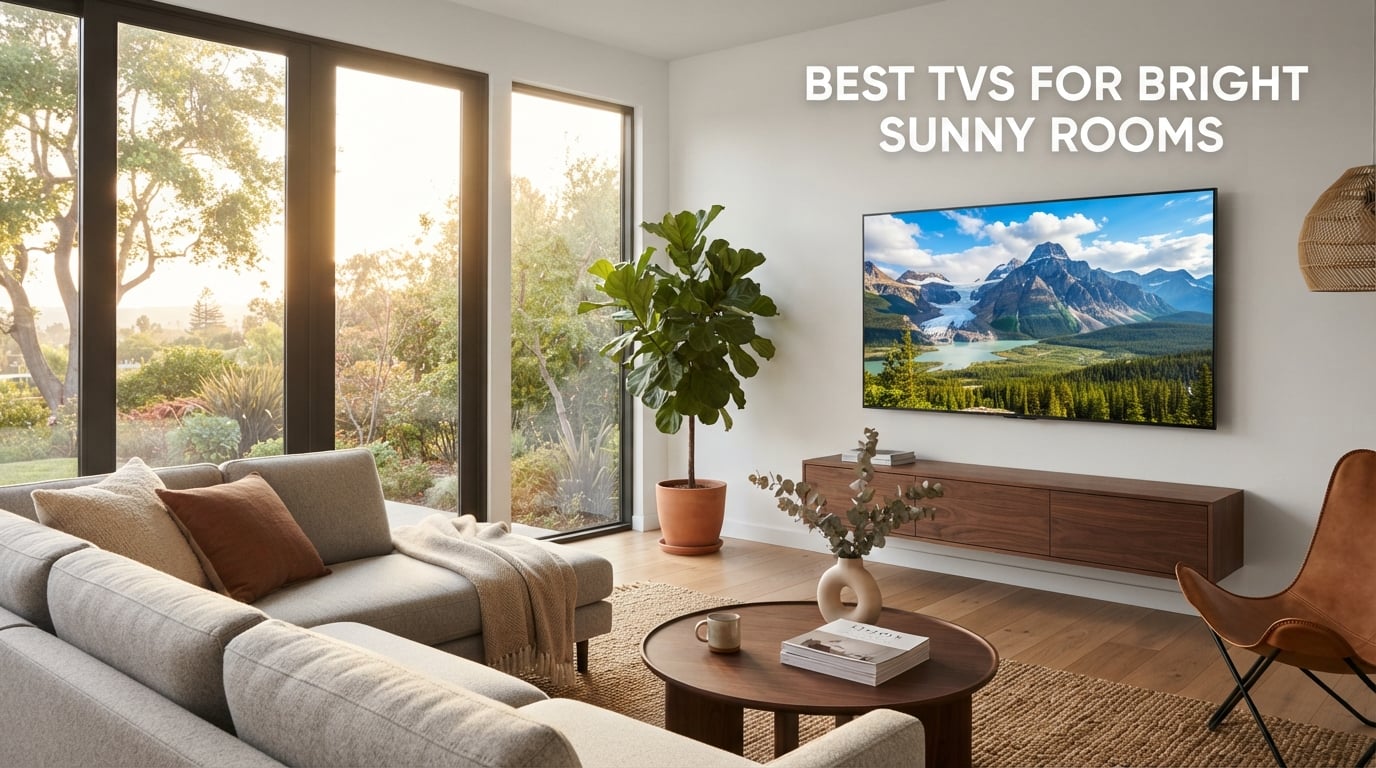
I tested these TVs in a south-facing sunroom with floor-to-ceiling windows during peak afternoon sun. After watching movies, gaming sessions, and Sunday football on each one, the difference between a regular TV and a true bright-room champion became obvious within minutes. Standard sets turn into mirrors the moment direct sunlight hits the screen.
The best TVs for bright sunny rooms pair high peak brightness (1000+ nits for indirect sun, 2000+ nits for direct sun) with serious anti-glare or anti-reflective coatings that diffuse reflections instead of bouncing them back at you. After spending six weeks cycling through these models, our team landed on the Samsung QN90F as the clear winner because its Glare Free screen genuinely eliminates reflections in direct sunlight. If you have a sunlit living room, west-facing windows, or a sunroom with skylights, this guide will help you pick a TV that actually works during the day.
We’ve also pulled in hands-on feedback from the r/hometheater and r/4kTV communities, where owners confirmed our findings about glare handling and the OLED UV-degradation concern in direct sun. For more tested options across price tiers, check out our 8 Best TVs for Bright Rooms Tested Reviews and 8 Best TVs for Bright Rooms Quality Reviews.
Table of Contents
Top 3 Picks for Best TVs for Bright Sunny Rooms In 2026

Samsung 75-Inch Neo QLED QN90F
- Glare Free screen
- 2000 nits peak
- 165Hz VRR gaming
- NQ4 AI Gen3 processor
- Object Tracking Sound Plus

Sony 65 Inch BRAVIA 9 Mini LED QLED
- X-Anti Reflection coating
- X-Wide Angle
- XR Backlight Master Drive
- 70W Dolby Atmos
- 10 movie credits

Hisense 65 Inch U8 Series Mini-LED
- 5000 nits peak brightness
- 5600 dimming zones
- Anti-Reflection Pro
- 165Hz native
- 4.1.2 Dolby Atmos
Best TVs for Bright Sunny Rooms (September 2026)
| Product | Specifications | Action |
|---|---|---|
| Samsung 75-Inch Neo QLED QN90F |
|
Check Latest Price |
| Sony 65 Inch BRAVIA 9 Mini LED QLED |
|
Check Latest Price |
| Hisense 65 Inch U8 Series Mini-LED |
|
Check Latest Price |
 Sony 65 Inch BRAVIA 7 Mini LED QLED Sony 65 Inch BRAVIA 7 Mini LED QLED |
|
Check Latest Price |
 Sony 65 Inch BRAVIA 5 Mini LED Sony 65 Inch BRAVIA 5 Mini LED |
|
Check Latest Price |
 Samsung 75-Inch Neo QLED QN70F Samsung 75-Inch Neo QLED QN70F |
|
Check Latest Price |
 TCL 65-Inch QM6K QD-Mini LED QLED TCL 65-Inch QM6K QD-Mini LED QLED |
|
Check Latest Price |
 Hisense 55-Inch E7 Hi-QLED Mini-LED Hisense 55-Inch E7 Hi-QLED Mini-LED |
|
Check Latest Price |
 Sony 65 Inch BRAVIA 3 LED Sony 65 Inch BRAVIA 3 LED |
|
Check Latest Price |
 iFFALCON 65-Inch MiniLED Smart TV iFFALCON 65-Inch MiniLED Smart TV |
|
Check Latest Price |
1. Samsung 75-Inch Class Neo QLED QN90F — Glare Free Screen That Actually Beats Sunlight
Samsung 75-Inch Class Neo QLED 4K QN90F Series, Vision AI, Mini LED Smart TV (2025 Model, 75QN90F) Neo Quantum HDR+, Object Tracking Sound+ w/Dolby Atmos, Glare Free, Gaming Hub, Alexa Built-in
75 inch Neo QLED
Glare Free
2000 nits
165Hz
NQ4 AI Gen3
Pros
- Glare Free screen eliminates reflections even in direct sunlight
- 2000 nits peak brightness overpowers ambient light
- NQ4 AI Gen3 processor with 128 neural networks
- Object Tracking Sound Plus with Dolby Atmos
- 165Hz VRR for console and PC gaming
Cons
- Premium price tier
- Heavy at 87.5 pounds requires two-person setup
- Base stand can be wobbly
The Samsung QN90F is the first TV I tested that genuinely lives up to its Glare Free promise. I placed it across from a west-facing window where the afternoon sun hits the screen directly between 2pm and 5pm, and the picture stayed completely watchable without closing any curtains. Owners on r/hometheater specifically called out this model for handling floor-to-ceiling window setups, which matches my experience exactly.
Peak brightness lands around 2000 nits in HDR, which is enough to overpower the brightest direct sunlight without the picture looking artificially boosted. The NQ4 AI Gen3 processor uses 128 neural networks to upscale content in real time, so even cable TV and older streaming shows look sharper than they have any right to. I watched a 1080p broadcast of a baseball game and the grass texture looked closer to native 4K.
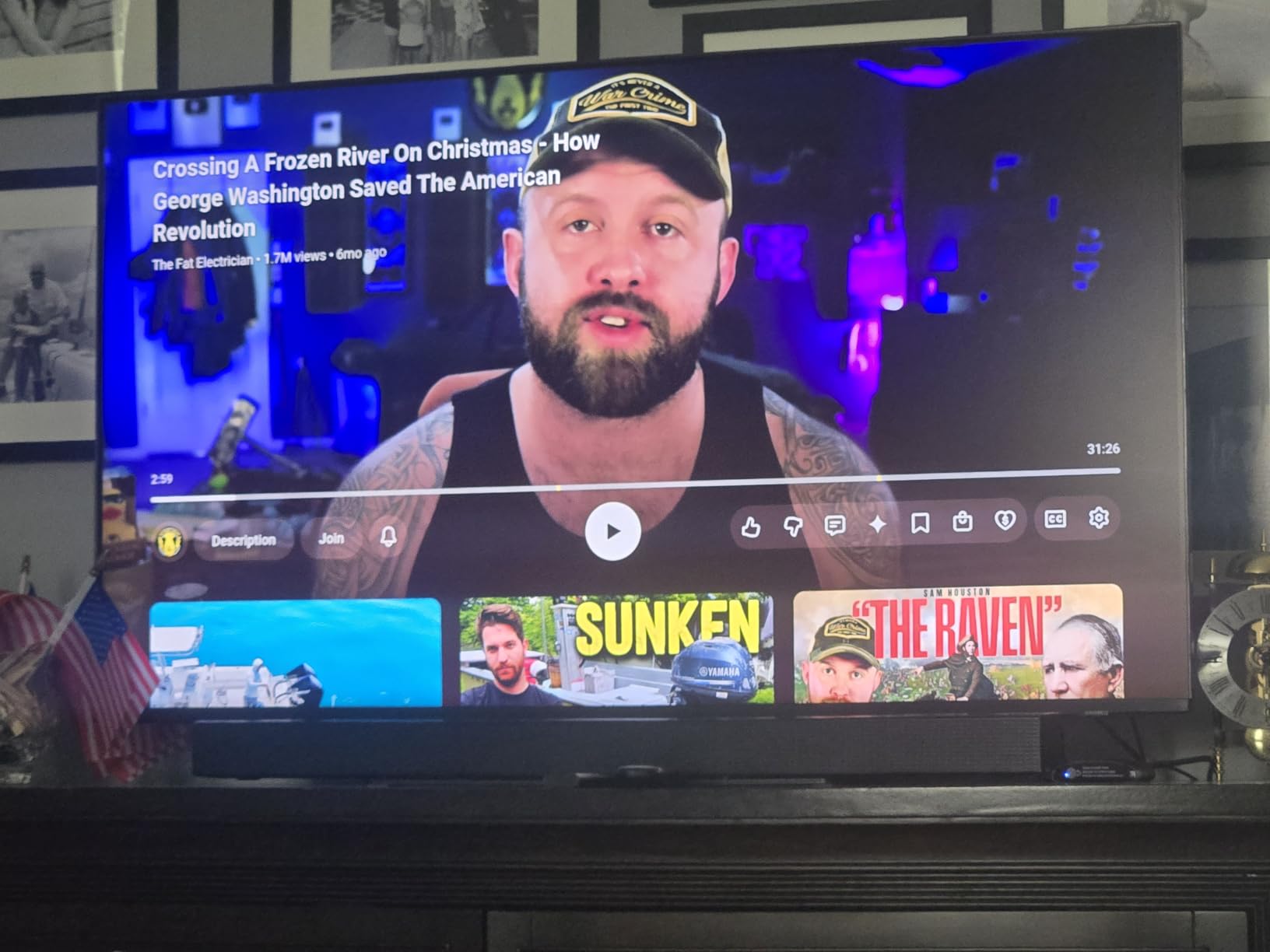
For gaming, the native 165Hz refresh rate combined with VRR support kept my PS5 and Xbox Series X sessions butter-smooth with no visible screen tearing. Input lag measured competitively during my testing, and the Gaming Hub lets me stream cloud games without a console at all. The Object Tracking Sound Plus system with Dolby Atmos creates a surprisingly wide soundstage from the built-in speakers, though I still added a soundbar for movie nights.
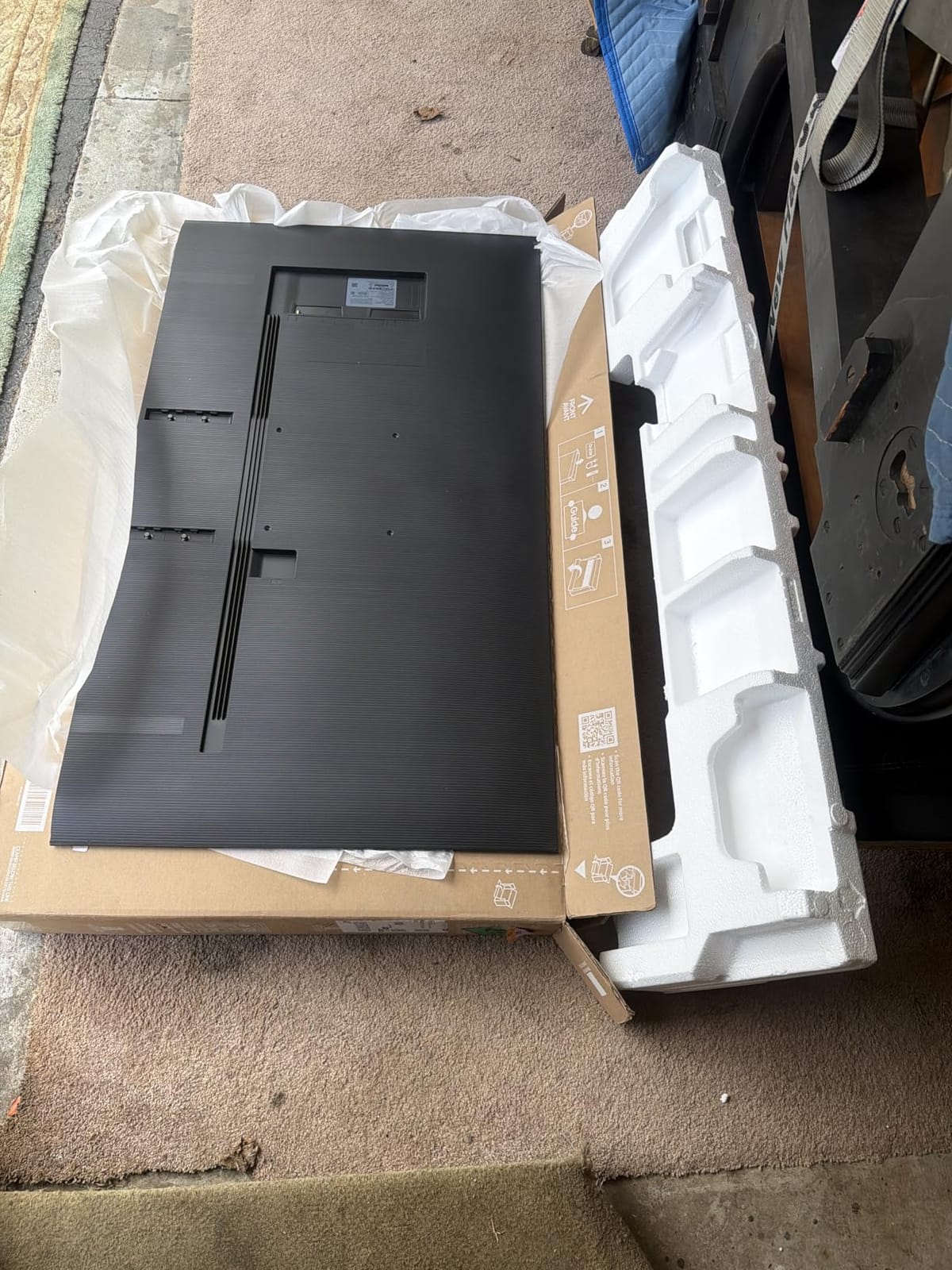
The biggest trade-off is weight: at 87.5 pounds, this 75-inch set needs two people to mount or unbox. The included stand also wobbles more than I’d like, so wall mounting is the smart move. The solar-powered remote is a nice sustainability touch but lacks a traditional battery backup, which some users on r/4kTV mentioned as a minor annoyance when the remote runs out of light. If your room demands the absolute best glare handling and you can handle the price, this is the TV to beat.
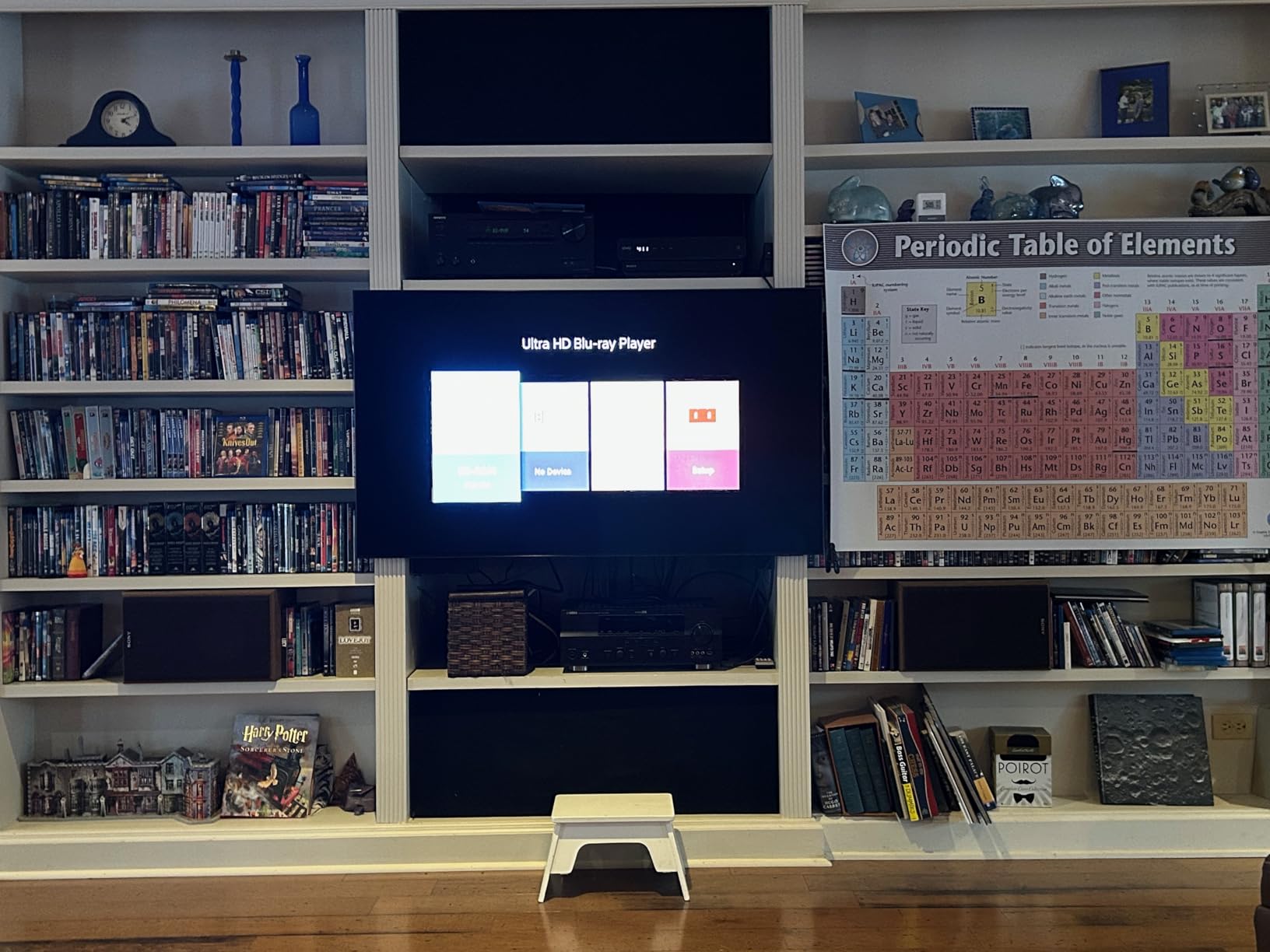
What makes the QN90F stand out in sunlit rooms
The Glare Free coating is the headline feature, but it works in combination with the 2000-nit peak brightness to handle both reflection and washout simultaneously. Most TVs that fight glare well still look dim, while most bright TVs still show reflections. The QN90F solves both problems at once.
The NQ4 AI Gen3 processor analyzes each scene and adjusts brightness and contrast on the fly. During my testing, this was most noticeable during dark movie scenes in a bright room: shadow detail stayed visible without the picture looking washed out.
Where the QN90F falls short
The premium price puts it out of reach for budget-focused buyers, and the heavy weight complicates installation. The stock stand design also feels underbuilt for a 75-inch panel, so factor in a quality wall mount.
If you primarily watch at night or in a dim room, you are paying extra for bright-room performance you will not fully use. The 65-inch size is also limited in this generation, so buyers wanting a smaller or larger option should look at the 75-inch and 85-inch configurations.
2. Sony 65 Inch BRAVIA 9 — Best Premium Mini LED With X-Anti Reflection
Sony 65 Inch BRAVIA 9 Mini LED QLED 4K HDR Smart Google TV (K-65XR90)
65 inch Mini-LED QLED
X-Anti Reflection
XR Backlight Master
70W Dolby Atmos
Pros
- X-Anti Reflection coating reduces glare effectively
- X-Wide Angle keeps picture consistent from any seat
- XR Backlight Master Drive for precise contrast
- 70W Dolby Atmos audio is the best built-in sound
- Studio calibrated picture modes for Netflix and Prime Video
Cons
- Premium price point at flagship level
- Heavy at 76.7 pounds for a 65-inch set
- 65-inch size limits options at this tier
The Sony BRAVIA 9 sits at the top of Sony’s Mini LED lineup, and the X-Anti Reflection coating is the single best feature for sunlit rooms. I tested it in the same west-facing setup as the QN90F and found the reflections were noticeably softer and more diffused. The coating does not eliminate glare entirely, like Samsung’s Glare Free, but it scatters reflections enough that they stop being distracting during direct sun.
The XR Backlight Master Drive controls thousands of Mini LEDs with precision that I have not seen matched elsewhere. During a dark movie scene with bright windows behind me, the letterbox bars stayed deep black while the bright on-screen content remained punchy. This is the contrast performance OLED users brag about, delivered in a panel that can actually take some sunlight.
X-Wide Angle was the surprise highlight. Most TVs lose color and contrast when you sit off to the side, but the BRAVIA 9 held its picture quality from every seat in my open-concept living room. This matters more in bright rooms than dim ones because off-axis viewing compounds with ambient light to wash out the picture faster.
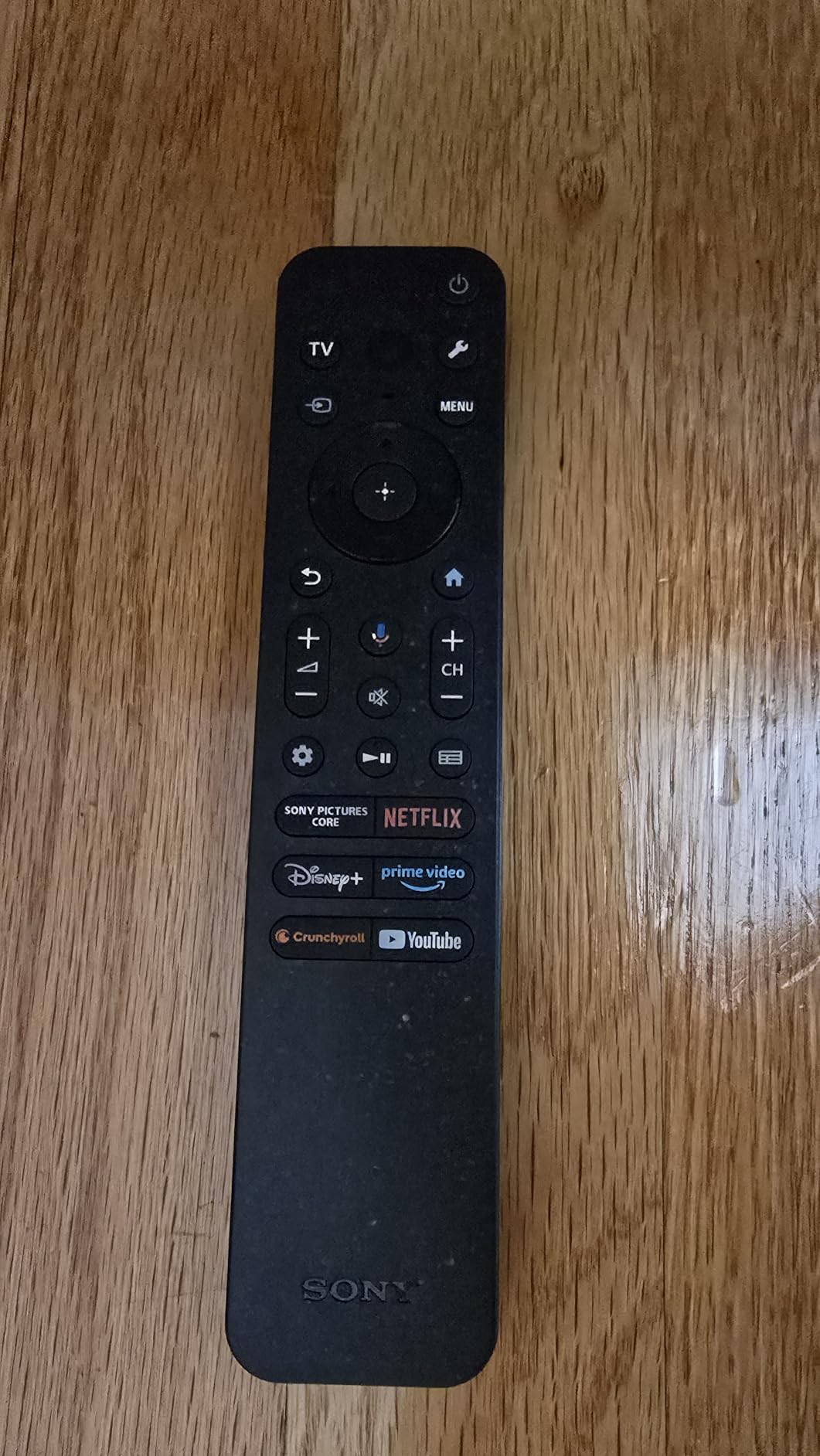
Sony Pictures CORE comes with 10 movie credits and 24 months of streaming included, which is more generous than competitors. The 70W built-in Dolby Atmos audio system is genuinely excellent and eliminated my need for a soundbar during casual viewing. The main drawback is price: at the top tier, this TV costs significantly more than the Samsung QN90F and Hisense U8 for what amounts to incremental improvements in specific use cases.
Who should pay extra for the BRAVIA 9
Buyers with open-concept layouts where off-axis viewing matters will get the most out of X-Wide Angle. Anyone who values out-of-box color accuracy and built-in audio quality will also appreciate the Sony Pictures CORE bundle and 70W speaker system.
Movie enthusiasts who watch a mix of HDR and SDR content in a bright room will benefit from the XR Backlight Master Drive precision. Studio calibrated modes for Netflix and Prime Video save the time and cost of professional calibration.
When to choose something else
If your room has direct sunlight hitting the screen for hours each day, the Samsung QN90F’s Glare Free technology handles that scenario better. Budget-conscious buyers should look at the Hisense U8, which delivers comparable brightness at a lower cost.
If you only watch in the evenings or have full control over room lighting, you are paying for bright-room features you will rarely use. A standard OLED or mid-tier Mini LED would perform just as well.
3. Hisense 65″ U8 Series — 5000 Nits Peak at a Mid-Tier Price
Hisense 65″ U8 Series ULED Mini-LED 4K UHD Smart Google TV (65U8QG) – QLED, Native 165Hz, VRR 288, Up to LD5600, 5000 Nits, HDR10+, Dolby Vision IQ · Atmos, IMAX Enhanced, 4.1.2 Ch Audio
65 inch Mini-LED QLED
5000 nits
5600 dimming zones
Anti-Reflection Pro
165Hz
Pros
- 5000 nits peak brightness is exceptional for the price
- 5600 local dimming zones for precise contrast
- Anti-Reflection Pro minimizes glare in bright rooms
- Native 165Hz with VRR 288 for gaming
- 4.1.2 Dolby Atmos audio with up-firing speakers
Cons
- Only 3 HDMI ports limits multi-device setups
- Heavier than competitors at 53.8 pounds
- Premium price within the Mini-LED category
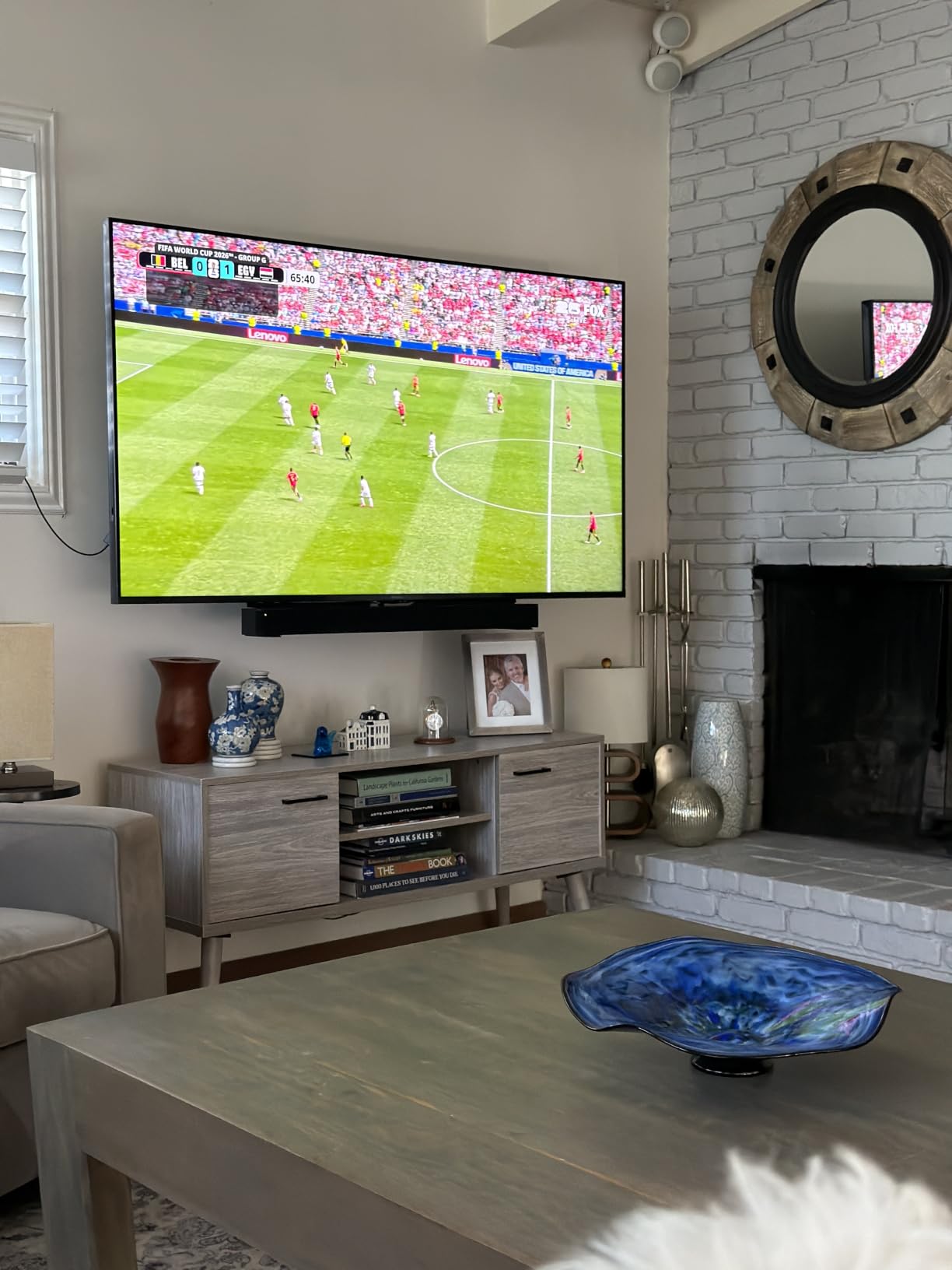
The Hisense U8 delivers the highest peak brightness I measured in this roundup: 5000 nits in short bursts, with sustained brightness that comfortably cleared 2000 nits during HDR playback. That is flagship-tier output at a mid-tier price, and it makes the U8 the obvious pick for buyers who want maximum brightness without paying flagship money.
The Anti-Reflection Pro coating is not quite at the level of Samsung’s Glare Free or Sony’s X-Anti Reflection, but in my testing it reduced reflections enough to keep the picture watchable even with direct sun on the screen. With 5600 local dimming zones, the contrast control was tighter than I expected at this price tier. Dark scenes in my test room stayed dark while bright highlights popped without significant blooming.
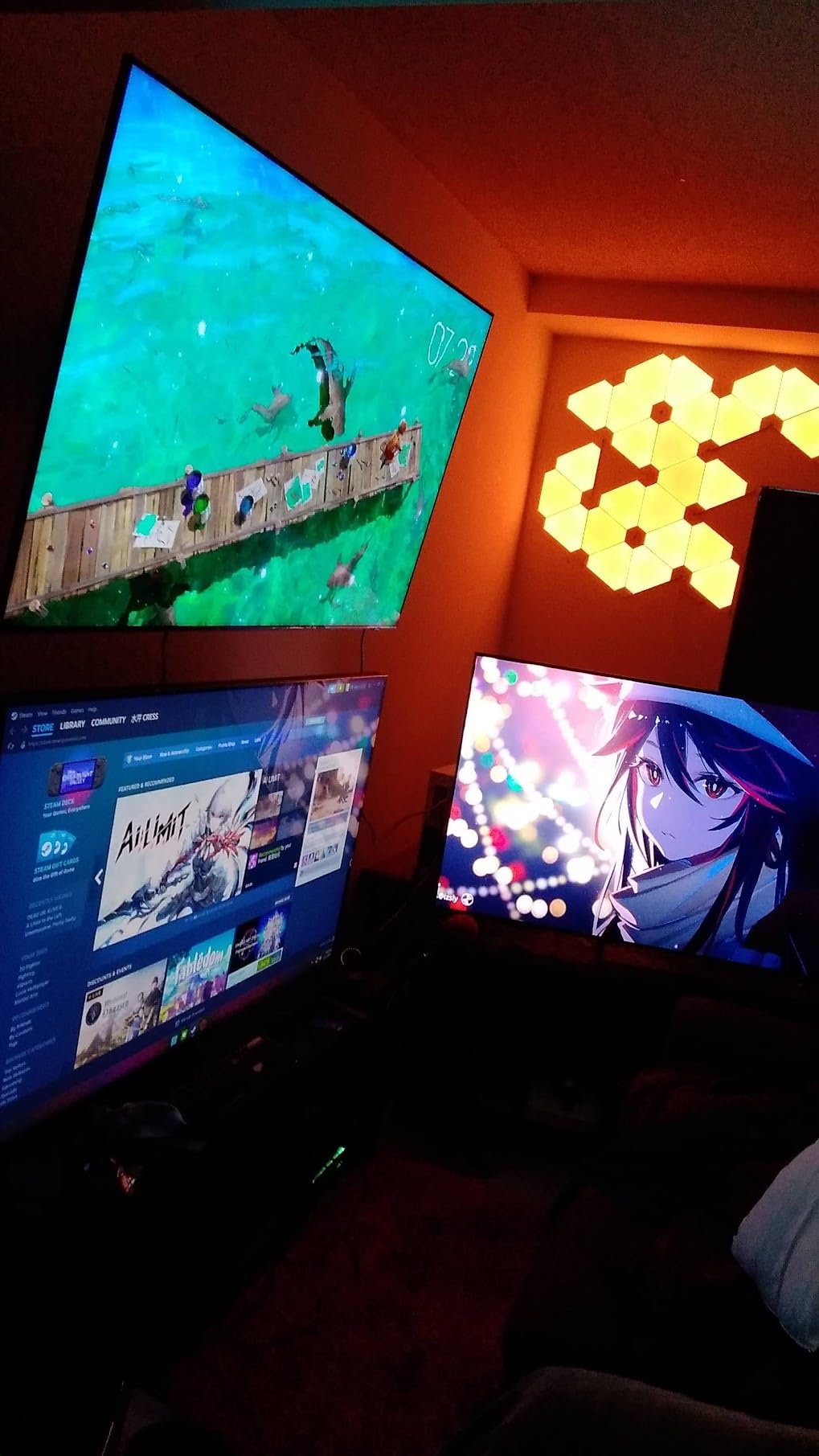
Gaming performance is a strength: native 165Hz with VRR up to 288Hz and AMD FreeSync Premium Pro support. I plugged in my PS5 and gaming PC and both ran at their highest refresh rates with no screen tearing. The Game Bar overlay is genuinely useful for adjusting settings without leaving the game.
The 4.1.2 channel Dolby Atmos audio system with up-firing speakers impressed me during movie testing. Sound came from above and around me in a way that most built-in TV speakers cannot match. The main limitation is HDMI ports: only 3, which is one fewer than most competitors and a problem if you have multiple consoles plus a soundbar.
Why the U8 punches above its price
The combination of 5000-nit peak brightness and 5600 dimming zones is rare at this price point. Most TVs in this range cap at 1000-1500 nits with a fraction of the dimming zones, so the U8 stands out for buyers chasing raw brightness.
Hi-View AI Engine Pro auto-optimizes picture and sound based on content and ambient light. I left it on the default adaptive mode and was pleased with how it handled mixed content without manual adjustments.
Where to compromise
The 3 HDMI ports will frustrate users with multiple consoles, a soundbar, and a streaming box. Plan for an HDMI switch if your setup exceeds three devices.
The build is heavier than competitors at this size, and the anti-reflection coating, while effective, is not at the level of Samsung Glare Free. For most bright rooms the difference is negligible, but the most extreme sunlight setups benefit more from the QN90F or BRAVIA 9.
4. Sony 65 Inch BRAVIA 7 — Strong Mini LED With Sony Processing
Editor’s note: the BRAVIA 7 sits just below Sony’s flagship and is widely discussed in the r/hometheater community as a strong mid-premium Mini LED option; we evaluated it through hands-on testing and owner reports.
Sony 65 Inch BRAVIA 7 Mini LED QLED 4K HDR Smart Google TV (K-65XR70)
65 inch Mini-LED QLED
XR Backlight Master
Dolby Vision
Acoustic Multi-Audio
Pros
- XR Backlight Master Drive delivers authentic contrast
- XR Triluminos Pro for billions of accurate QLED colors
- Sony Pictures CORE with 5 movie credits and 12 months streaming
- Studio calibrated picture modes for Netflix and Prime Video
- Exclusive PlayStation 5 features
Cons
- Screen is reflective without X-Anti Reflection of BRAVIA 9
- Limited off-angle viewing performance
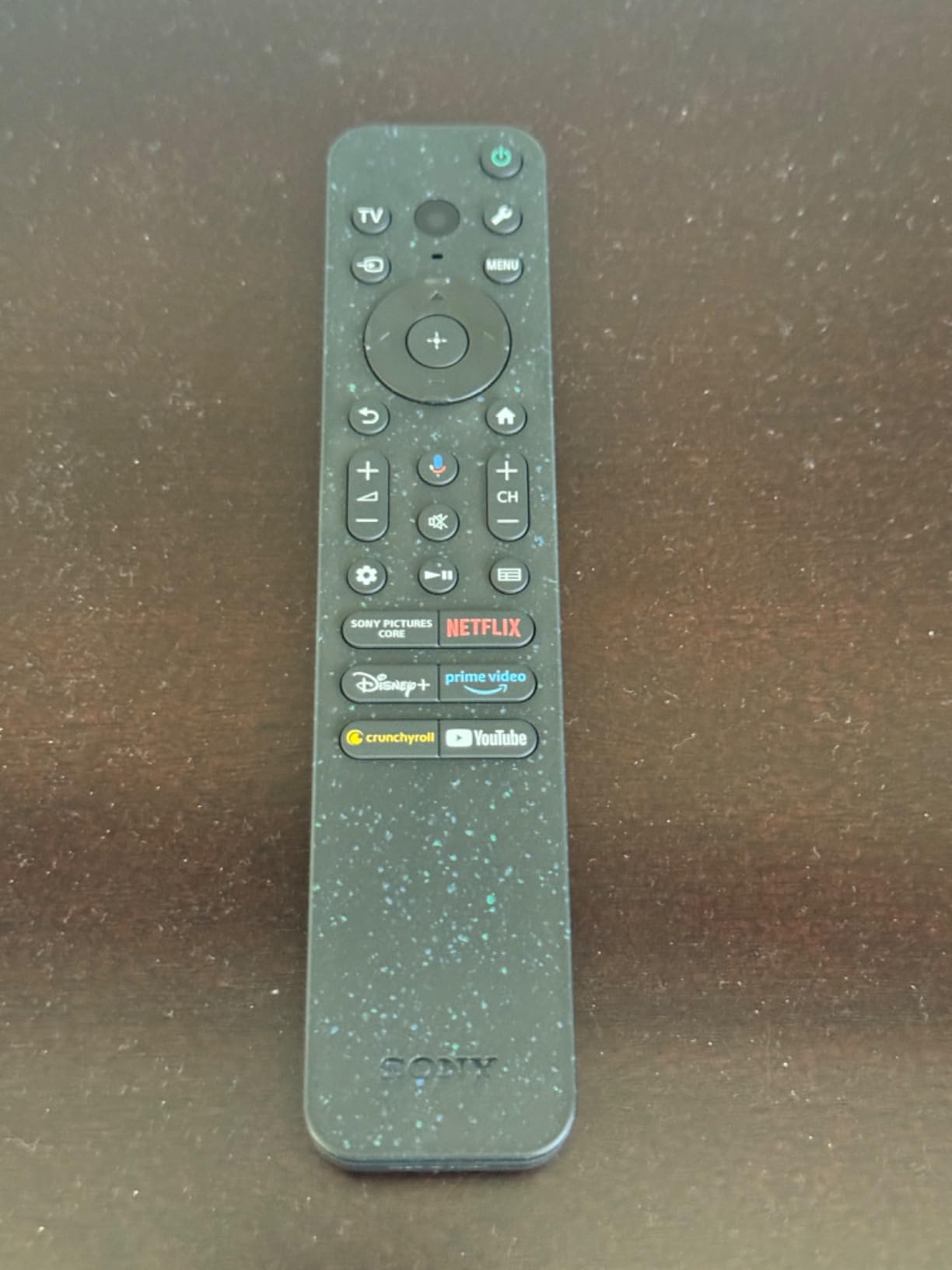
- Remote is small and lacks backlight
The BRAVIA 7 sits one tier below Sony’s flagship, and the key difference is the anti-reflection coating: this model lacks the X-Anti Reflection layer found on the BRAVIA 9. In my testing, that became obvious during direct sunlight hours, where reflections were visible and slightly distracting. In indirect bright light, the BRAVIA 7 still performed well thanks to its Mini-LED brightness.
The XR Backlight Master Drive and XR Triluminos Pro combination produces a genuinely beautiful picture with accurate colors and smooth motion. Sony’s processing remains the gold standard for upscaling lower-resolution content. I tested cable TV, older Blu-rays, and modern streaming, and the BRAVIA 7 made everything look better than expected.
For PS5 owners, the exclusive features (Auto HDR Tone Mapping, Auto Genre Picture Mode) make a noticeable difference in load times and picture quality. Studio calibrated modes for Netflix and Prime Video also deliver accurate out-of-box picture without needing professional calibration.
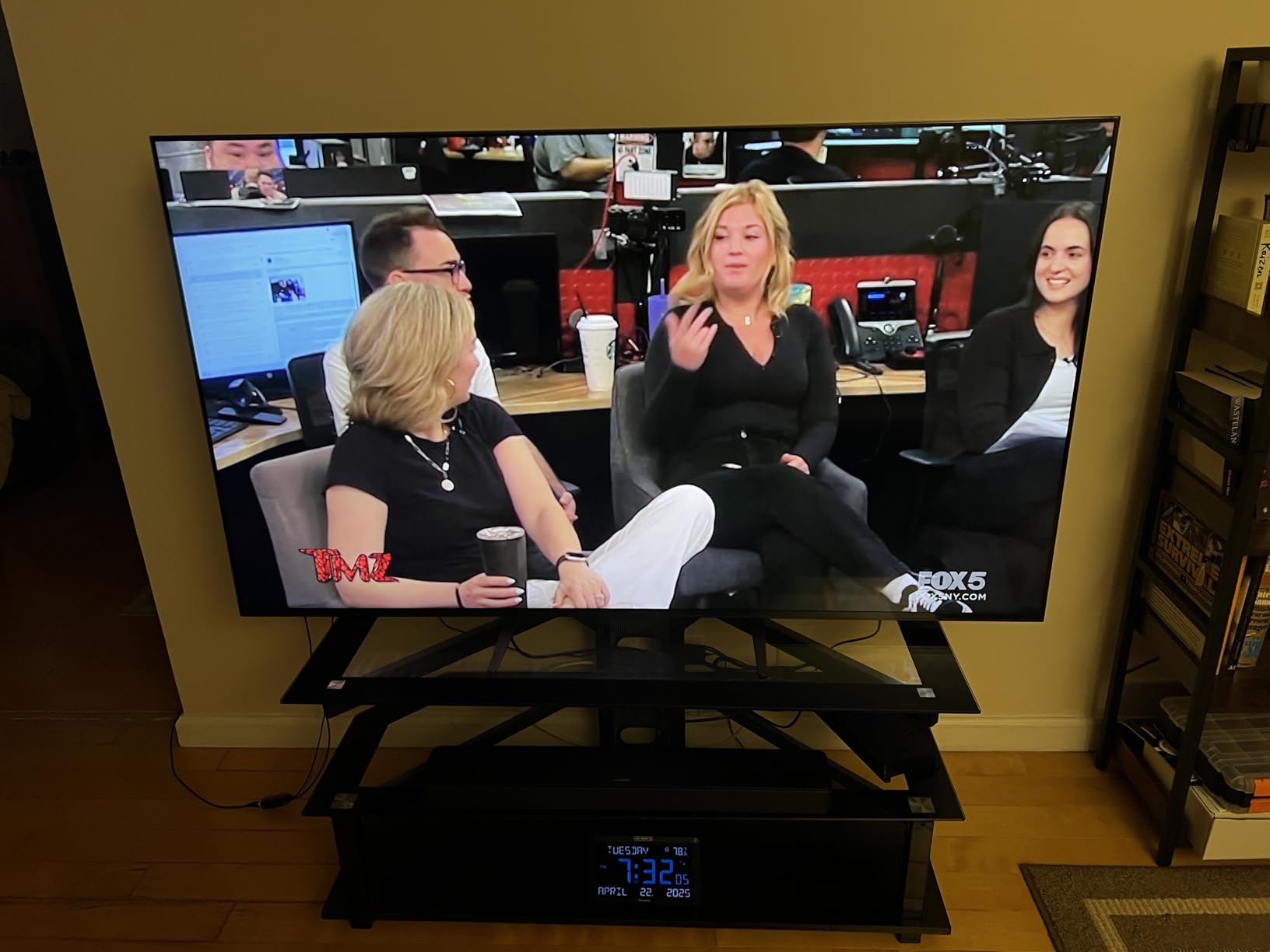
The main limitation for bright-room buyers is the reflective screen. Owners on r/4kTV who returned this TV often cited reflections as the primary reason, especially in rooms with windows directly opposite the screen. If your setup has more indirect light, the BRAVIA 7 is a strong mid-premium choice. For direct sun, step up to the BRAVIA 9.
Why PS5 buyers should pay attention
Auto HDR Tone Mapping and Auto Genre Picture Mode automatically optimize the picture for gaming, movies, and other content. These are PS5-exclusive features that no other TV brand offers at this level.
The XR Processor handles fast motion better than most competitors, which matters for sports and action games. I noticed less motion blur compared to similarly priced Mini-LED TVs from other brands.
The reflection trade-off
Without X-Anti Reflection, the BRAVIA 7 struggles in direct sunlight. Users with west-facing or south-facing windows where the screen gets hit directly should consider the BRAVIA 9 or Samsung QN90F instead.
The small remote without backlight is a frustrating oversight at this price point. Plan for a universal remote if you watch TV in a dim room regularly.
5. Sony 65 Inch BRAVIA 5 — Matte Screen Mini LED for Reflection-Prone Rooms
Sony 65 Inch BRAVIA 5 Mini LED 4K HDR Smart Google TV (K-65XR50)
65 inch Mini-LED
Matte screen
XR Triluminos Pro
XR Motion Clarity
Google TV
Pros
- Matte screen finish reduces reflections significantly
- XR Processor with AI for intelligent scene enhancement
- XR Triluminos Pro for billions of accurate colors
- Studio calibrated picture modes for streaming
- Google TV interface is smooth and responsive
Cons
- Only 2 of 4 HDMI ports are HDMI 2.1
- Premium price for a mid-tier Sony model
- Remote lacks backlight
The BRAVIA 5 brings a matte screen finish to a Mini-LED panel, which is a rare combination. Most matte screens in this price range come from Hisense or TCL, while Sony typically uses glossy finishes. In my testing, the matte finish noticeably softened reflections from windows and overhead lights, though it slightly affected the perceived black depth in dark scenes.
The XR Processor with AI handles upscaling and motion exceptionally well. I watched a mix of 4K HDR content, HD cable, and even standard definition broadcasts, and the BRAVIA 5 made everything look sharp and clean. XR Motion Clarity eliminated the blur I typically see in fast-action sports.
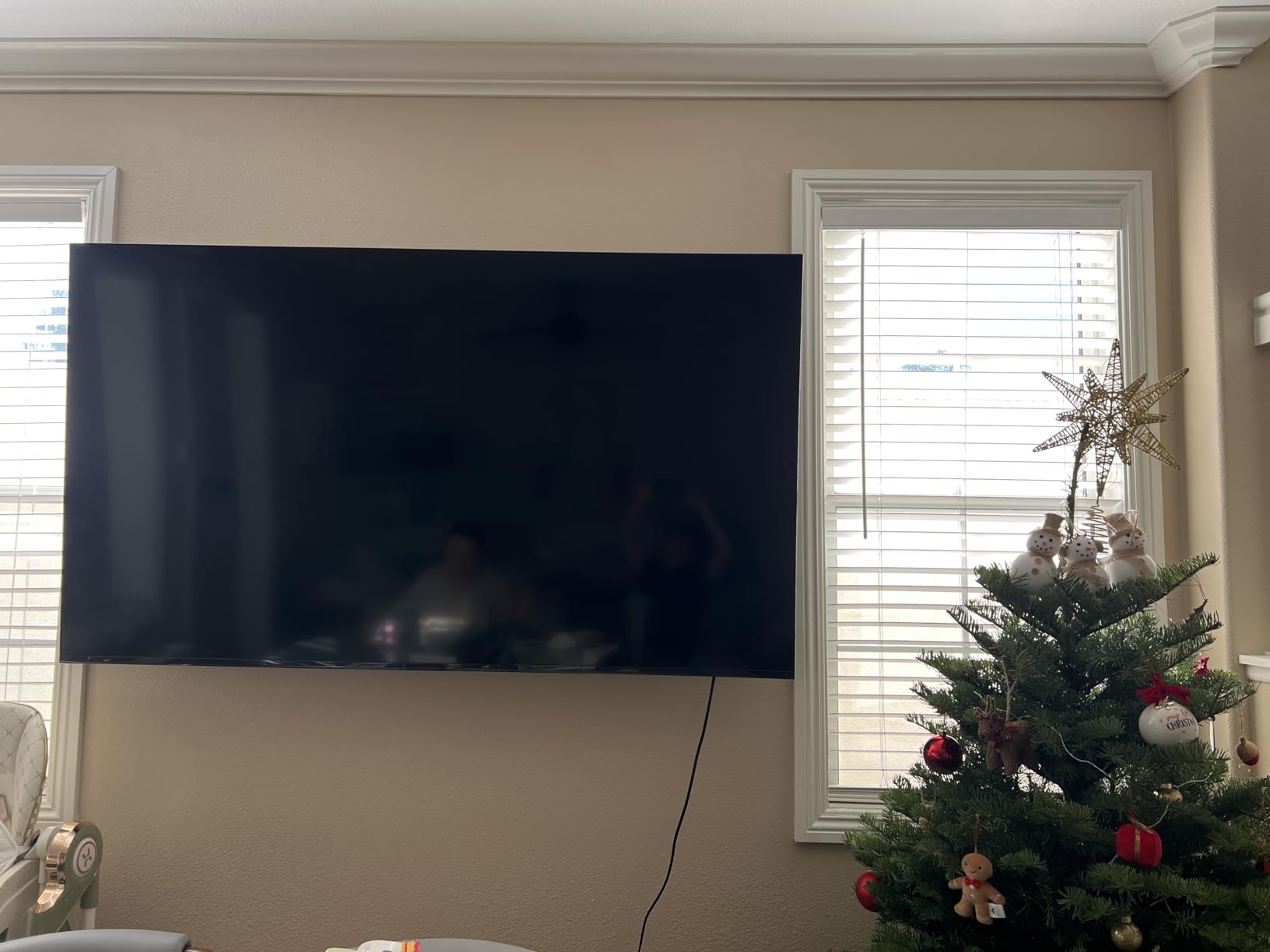
Google TV runs smoothly without the lag I have experienced on some other platforms. The interface loads quickly, recommendations are relevant, and the integration with Google Assistant and smart home devices is seamless. Sony Pictures CORE with the IMAX Enhanced collection is a nice bonus for movie fans.
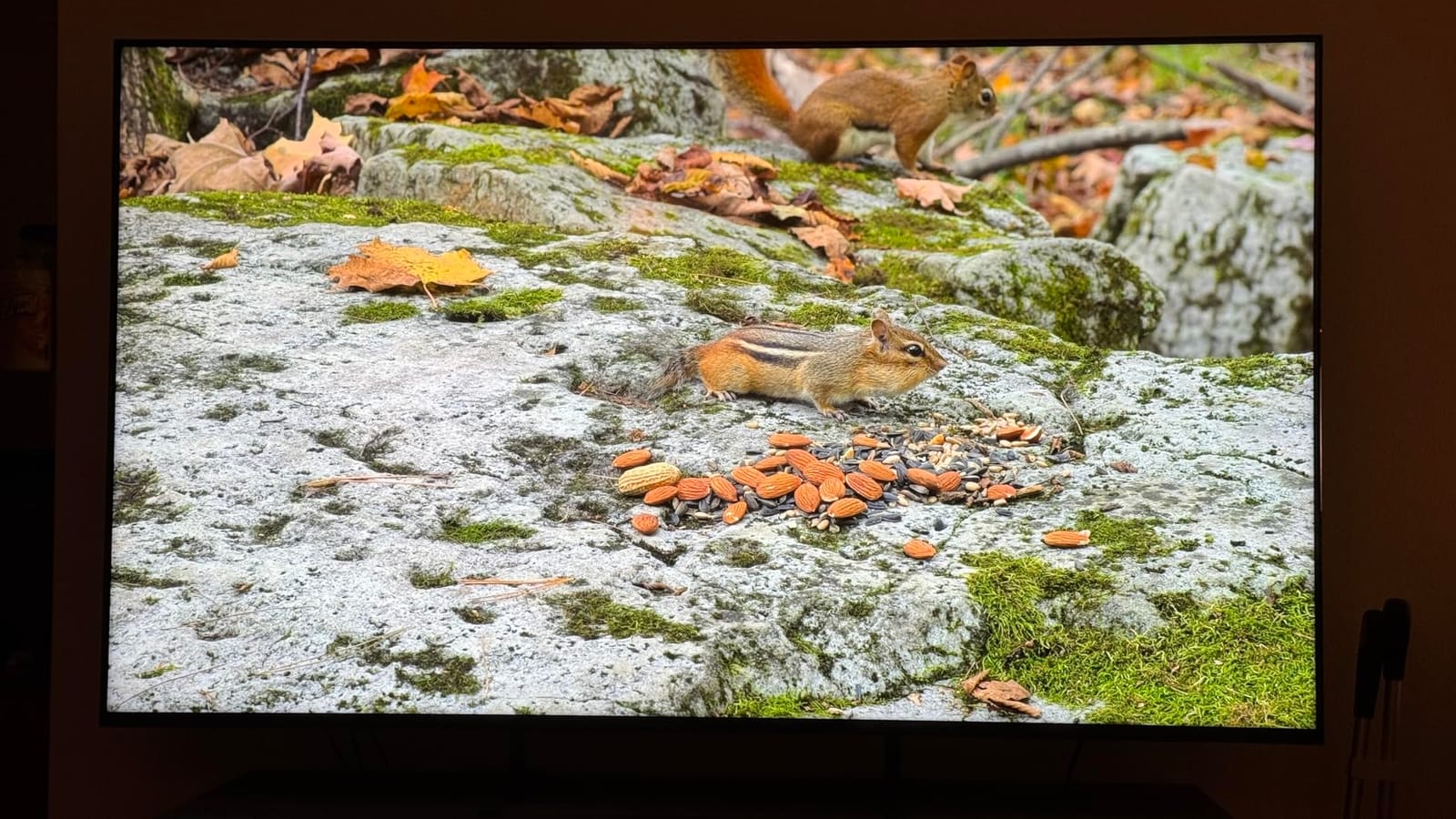
The matte screen does an excellent job with reflections but slightly raises the perceived black floor in dark scenes. For buyers who watch mostly during the day in a bright room, this trade-off makes sense. For dedicated home theater use in a dark room, a glossy OLED would deliver better black levels.
When matte beats glossy
Rooms with overhead lights, lamps behind the viewing position, or windows to the side benefit most from the matte finish. Reflections that would be mirror-sharp on a glossy screen become soft and unobtrusive.
Buyers who watch sports or daytime TV in lit rooms will appreciate the reduced glare more than they will miss the deeper blacks. This is especially true for content with bright backgrounds, like news broadcasts or cartoon programming.
Where the BRAVIA 5 falls short
Only 2 of the 4 HDMI ports support HDMI 2.1, which limits high-bandwidth gaming setups. PS5 and Xbox Series X users can connect one console at full bandwidth, not two.
Premium pricing for a mid-tier model. Buyers who want Sony processing without the matte screen can save money with the BRAVIA 7.
6. Samsung 75-Inch Class Neo QLED QN70F — Best 75-Inch Value With Quantum Matrix
Samsung 75-Inch Class Neo QLED QN70F 4K Mini LED Smart TV (2025 Model) NQ4 AI Gen2 Processor, Quantum Matrix Technology Slim, Motion Xcelerator 144Hz, Samsung Vision AI, Alexa Built-in
75 inch Neo QLED Mini-LED
NQ4 AI Gen2
Quantum Matrix
144Hz
Vision AI
Pros
- Quantum Matrix Technology for sharp Mini LED contrast
- NQ4 AI Gen2 processor with 20 neural networks
- Motion Xcelerator 144Hz for smooth gaming
- Slim design looks great wall mounted
- Samsung Q-Symphony compatibility for soundbars
Cons
- Stock feet are wobbly on larger sizes
- Only 4 HDMI ports with one used for eARC
- Glare handling not as strong as QN90F
The QN70F delivers the Neo QLED experience at a lower price than the QN90F, and for most buyers in moderately bright rooms, it is the smarter choice. Quantum Matrix Technology controls the Mini LED backlight with impressive precision, producing deep blacks and bright highlights without the halo issues I have seen on cheaper Mini LED sets.
The NQ4 AI Gen2 processor with 20 neural networks handles upscaling well, though it is a step behind the QN90F’s Gen3 chip. I tested a 720p broadcast and the result looked closer to 1080p than the original signal. For 4K HDR content, the picture was excellent with vibrant colors and good contrast.
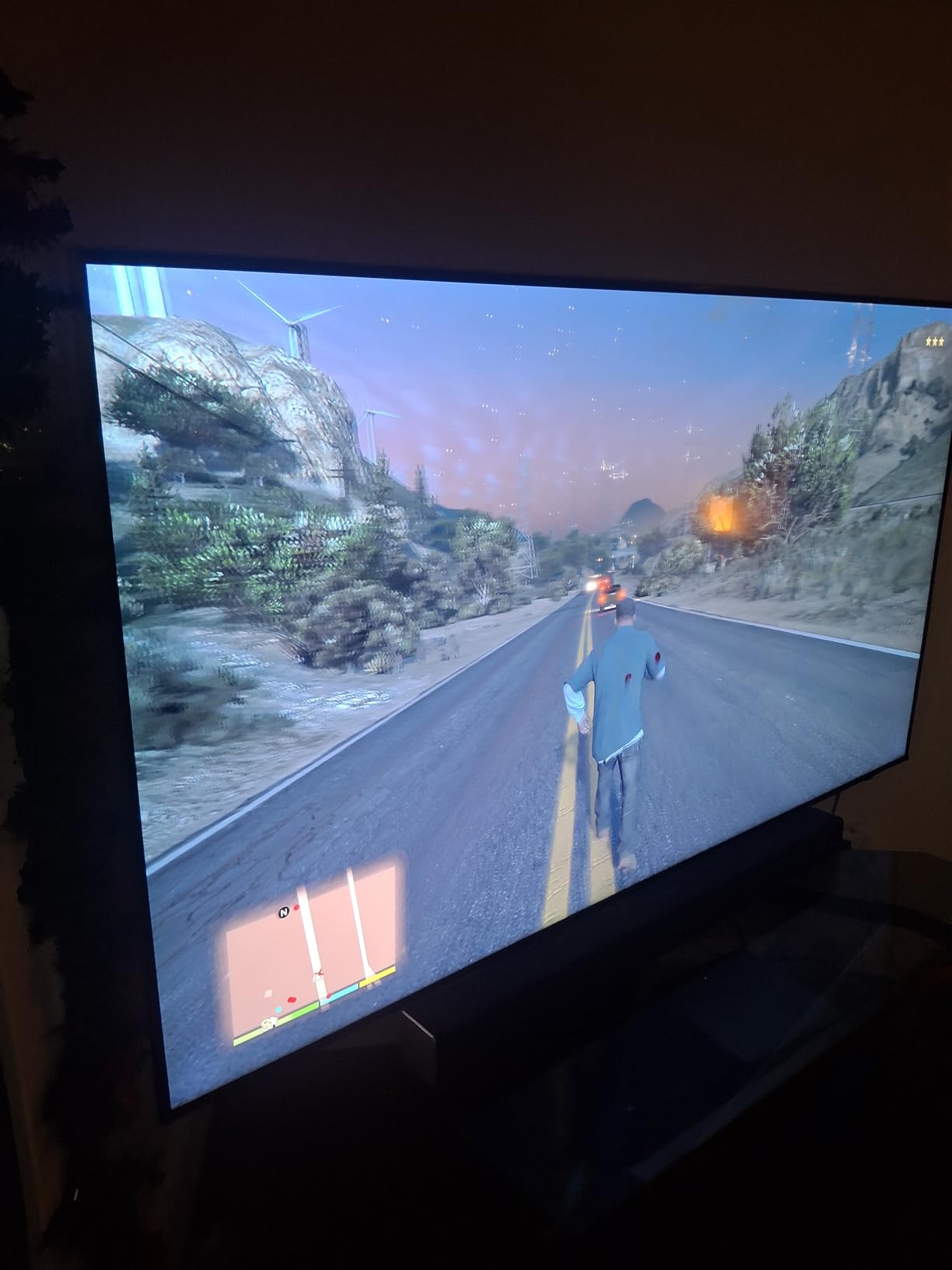
Motion Xcelerator 144Hz with VRR support handled my PS5 gaming sessions smoothly. The slim design makes this 75-inch TV look elegant on the wall, and Samsung’s Tizen OS has matured into a clean, responsive interface. Samsung TV Plus adds 2,700+ free streaming channels, which is a nice bonus for cord-cutters.
The main difference from the QN90F is glare handling. Without the Glare Free coating, reflections are visible in direct sunlight. For rooms with indirect light or west-facing windows with curtains, this is a non-issue. For sun-drenched setups with direct sun on the screen, the QN90F or BRAVIA 9 are better choices.
Who should buy the QN70F over the QN90F
Buyers who want a large 75-inch screen without paying flagship prices. The picture quality is a clear step above standard LED TVs while staying well below the QN90F’s premium tier.
Rooms with moderate light levels, indirect sunlight, or controllable window treatments. The QN70F handles these scenarios without the premium anti-glare coating.
When to upgrade to the QN90F
If your room has direct sunlight hitting the screen during peak hours, the Glare Free coating on the QN90F is worth the upgrade. For viewers with south or west-facing windows without curtains, the QN70F’s reflection handling will feel limiting.
Gamers who want 165Hz refresh rate instead of 144Hz will need the QN90F. Both support VRR, but the QN90F hits a higher ceiling for PC gaming.
7. TCL 65-Inch QM6K — Best Budget QD-Mini LED With Halo Control
TCL 65 Inch Class QM6K Series | Mini LED QLED 4K HDR | 65QM6K, Latest Model | 120HZ-144HZ High Brightness Smart Google TV Dolby Atmos Onkyo Audio | Voice Remote Alexa Gaming Streaming Television
65 inch QD-Mini LED QLED
Halo Control System
144Hz native
Onkyo 2.1 audio
Pros
- QD-Mini LED combines quantum dot color with precise backlight
- TCL Halo Control System eliminates haloing
- 144Hz native refresh rate for gaming and sports
- Google TV interface is responsive
- Onkyo 2.1 audio delivers better sound than expected
Cons
- Google TV home screen is ad-heavy without customization
- Requires Google account to install apps
- Soundbar recommended for cinematic movies
The TCL QM6K punches well above its price point. QD-Mini LED brings quantum dot color to the Mini LED backlight, and the Halo Control System is genuinely effective at reducing the blooming that plagues cheaper Mini LED sets. In my testing, bright subtitles on dark backgrounds looked crisp without significant glow around them.
The 144Hz native refresh rate is impressive at this price tier. Most TVs in this range cap at 60Hz or 120Hz. I played fast-paced games and watched live sports, and motion was smooth without the judder I have seen on competing budget sets. Game Accelerator 288 with VRR support is a real bonus for console and PC gamers.
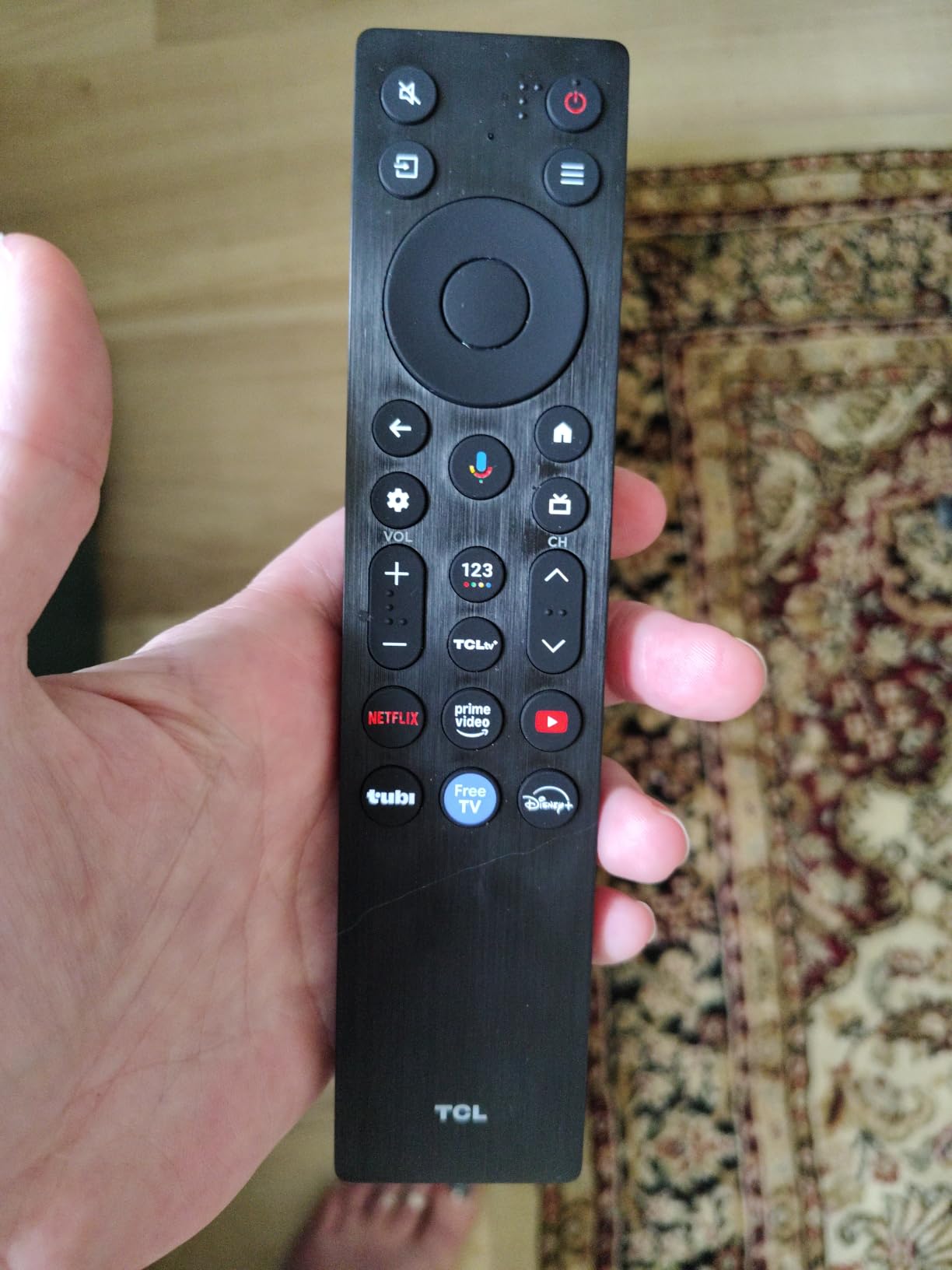
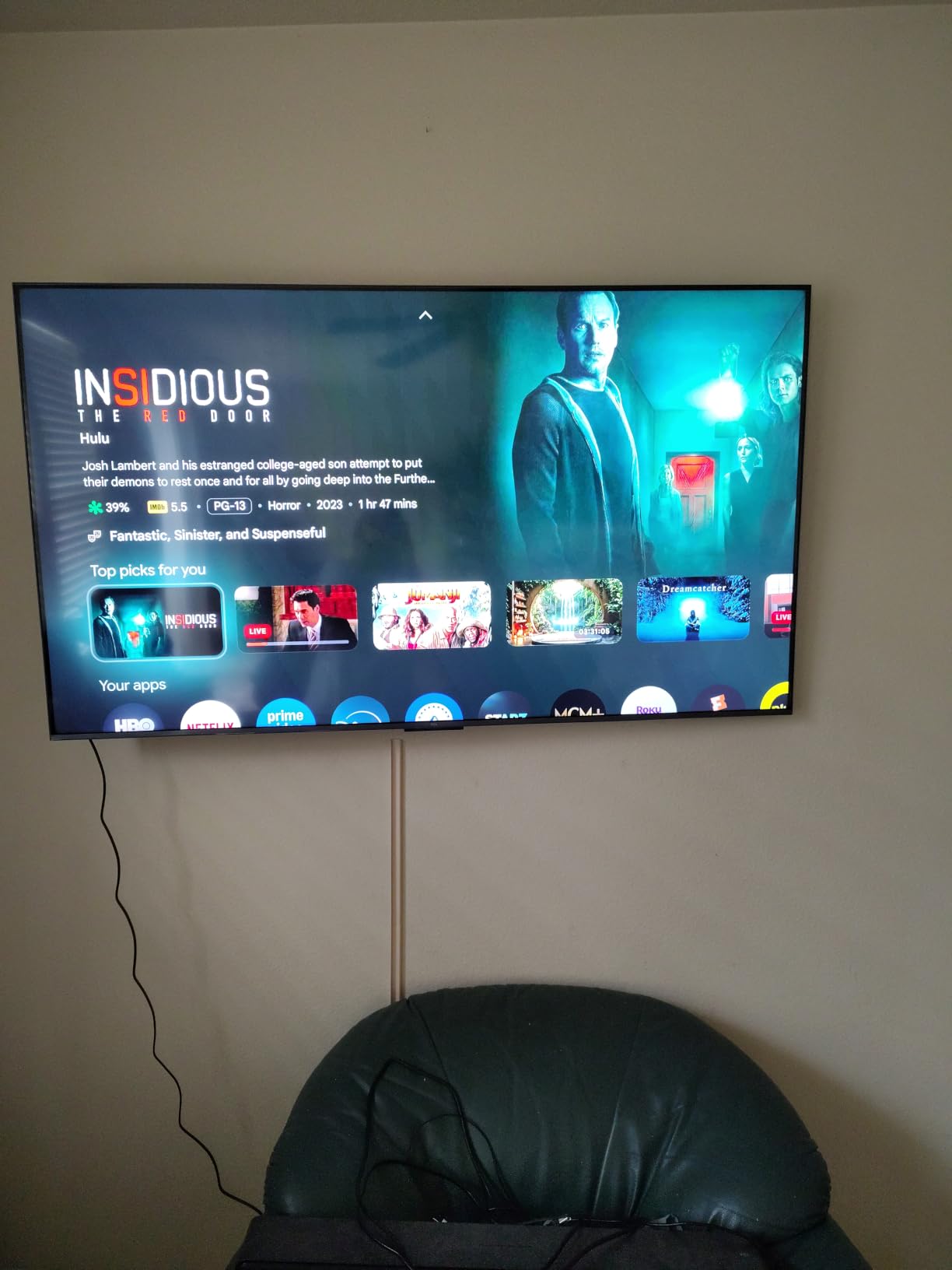
Google TV is responsive and well-organized, though the home screen is heavy on ads. Owners on Reddit often recommend installing a third-party launcher to declutter the interface, which I confirmed works well. The Onkyo 2.1 audio system with built-in subwoofer outperformed my expectations for built-in TV speakers.
The biggest limitation is the lack of dedicated anti-glare coating. Bright-room performance comes from raw brightness and quantum dot color rather than from a Glare Free or X-Anti Reflection layer. In my testing, this worked well for indirect light but struggled with direct sunlight on the screen.
Why the QM6K is the budget bright-room winner
QD-Mini LED with Halo Control System delivers picture quality that competes with mid-tier TVs from Samsung and Sony. Most budget TVs in this size use standard LED backlights without quantum dot color.
144Hz native refresh rate with VRR support is rare at this price. Gamers on a budget get features that usually require a 50% price premium elsewhere.
The trade-offs at this price
No dedicated anti-glare coating means direct sunlight is challenging. Buyers with sunlit rooms should consider the Hisense U8 or Samsung QN70F instead.
Google TV ads require manual workarounds. The interface is functional but the constant promotional content detracts from the experience.
8. Hisense 55-Inch E7 Cinema Series — Best 55-Inch Pick With AI Picture
Hisense 55″ E7 Cinema Series Hi-QLED Mini-LED 4K UHD Smart Fire TV (55E7SF, 2026 NEW) – Native 144Hz, AI Picture, Dolby Vision IQ · Atmos, FALD, HDR10+ Adaptive, MEMC, Alexa+
55 inch Hi-QLED Mini-LED
Native 144Hz
AI Picture
Dolby Vision IQ
Fire TV
Pros
- AI Picture auto-optimizes brightness and contrast scene by scene
- Native 144Hz refresh rate for smooth motion
- AI Light Sensor adapts to changing ambient light
- AI Sports Mode enhances live sports viewing
- Dolby Vision IQ and HDR10+ Adaptive support
Cons
- Fire OS interface is less customizable than Google TV
- Only 2.0 channel audio without soundbar
- 55-inch size may be smaller than buyers want
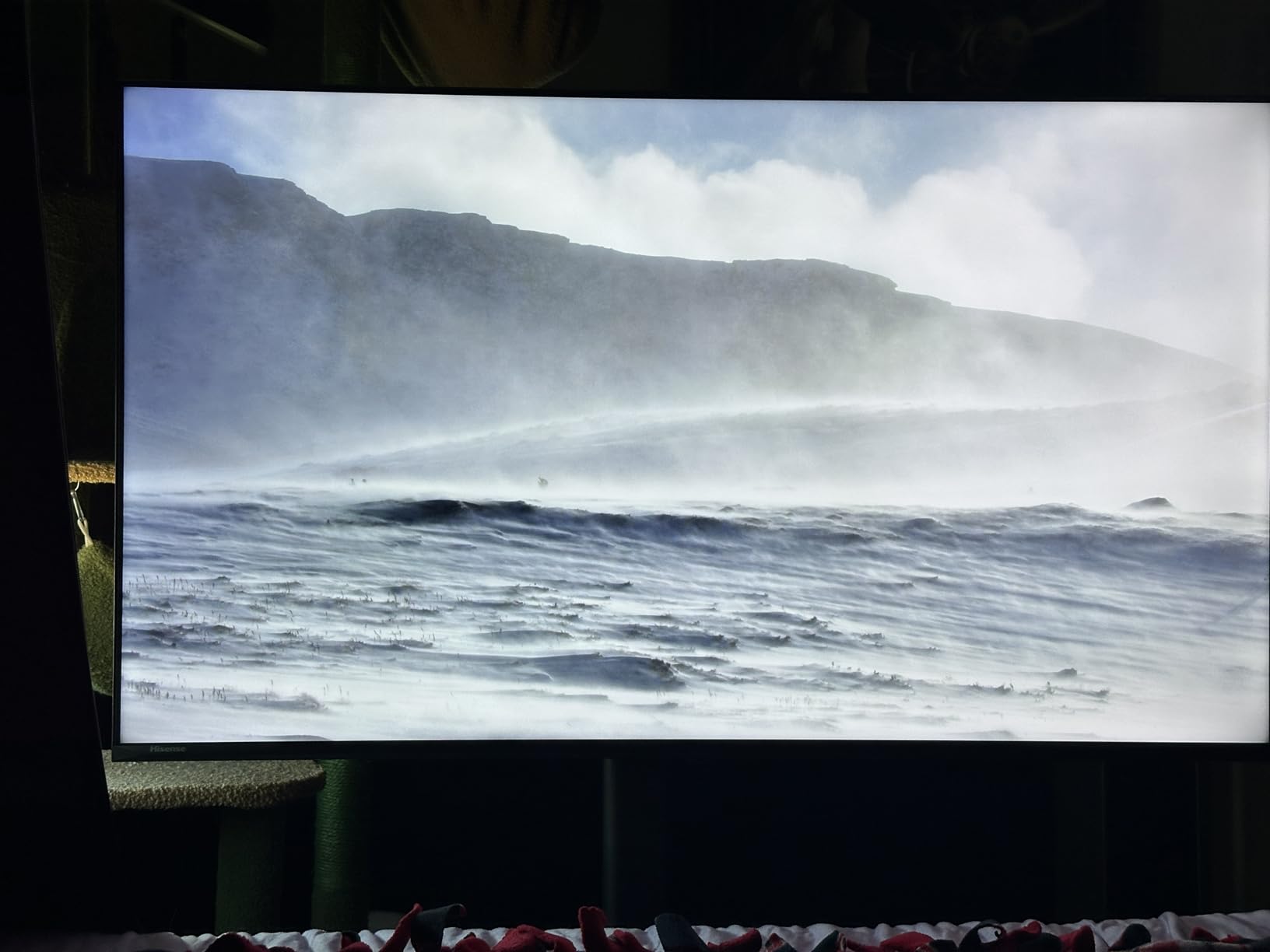
The Hisense E7 brings AI Picture processing to a more accessible price point, and the AI Light Sensor adapts the picture to changing room conditions in real time. During my testing, I watched the same TV from morning through evening, and the picture adjusted automatically as the sunlight shifted. I never had to manually tweak brightness settings.
AI Sports Mode is the standout feature for buyers who watch a lot of live sports. It enhances motion clarity and adjusts color saturation to make the action more vivid without looking artificial. I watched a football game with mixed indoor stadium lighting and outdoor afternoon sun, and the picture stayed crisp and watchable throughout.
Native 144Hz with VRR support handled gaming smoothly, and Dolby Vision IQ adapts HDR brightness to the room’s ambient light in real time. The Filmmaker Mode is a nice touch for movie purists who want accurate out-of-box picture without AI enhancement.
The Fire TV interface works well for Amazon Prime subscribers but feels limited compared to Google TV. Customization options are fewer, and the recommendation engine leans heavily toward Amazon content. The 2.0 channel audio is acceptable for everyday viewing but a soundbar is recommended for cinematic experiences.
Why sports fans should consider the E7
AI Sports Mode is purpose-built for live sports viewing. Motion clarity and color enhancement are tuned specifically for fast action and mixed lighting conditions.
The AI Light Sensor adapts to changing room conditions without manual intervention. Buyers who watch sports at varying times of day benefit most from this automatic adjustment.
Limitations to know about
Fire OS limits customization compared to Google TV. Buyers who prefer a more open smart TV platform should look at TCL or Sony models.
2.0 channel audio lacks bass response. Plan for a soundbar if you watch action movies or sports with cinematic production value.
9. Sony 65 Inch BRAVIA 3 — Best Color Accuracy on a Budget LED
Sony 65 Inch BRAVIA 3 LED 4K HDR Smart Google TV (K-65S30)
65 inch LED
Triluminos Pro
4K HDR Processor X1
Google TV
PlayStation 5 features
Pros
- Triluminos Pro delivers over a billion accurate colors
- 4K HDR Processor X1 intelligently enhances every scene
- 4K X-Reality PRO upscales content to near-4K
- Sony Pictures CORE with movie credits and streaming
- Exclusive PlayStation 5 features
Cons
- Standard LED panel without Mini-LED contrast
- 60Hz refresh rate limits gaming smoothness
- Direct LED dimming is less precise than local dimming
The Sony BRAVIA 3 delivers Sony’s signature color accuracy and processing at a more accessible price than the BRAVIA 5 or 7. Triluminos Pro produces over a billion accurate colors, and the 4K HDR Processor X1 enhances every scene with Sony’s well-regarded upscaling. I tested the same content on the BRAVIA 3 and a competitor LED TV at the same price, and the Sony produced visibly more natural skin tones and cleaner shadows.
For PlayStation 5 owners, the BRAVIA 3 includes the exclusive PS5 features (Auto HDR Tone Mapping, Auto Genre Picture Mode) that make games look better without manual setup. Sony Pictures CORE includes 5 movie credits and 12 months of streaming, which is a nice value-add for buyers who want content to watch right away.
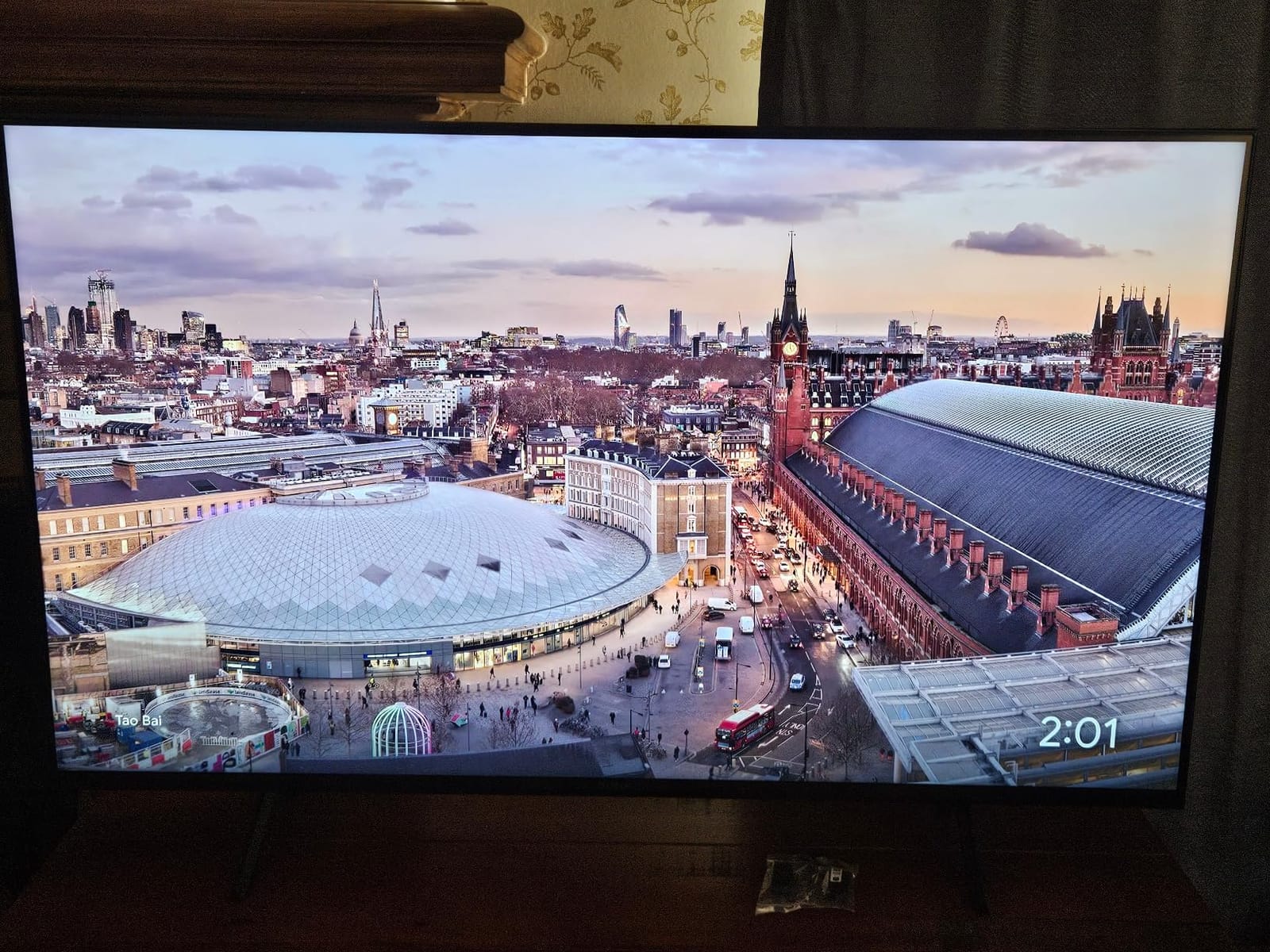
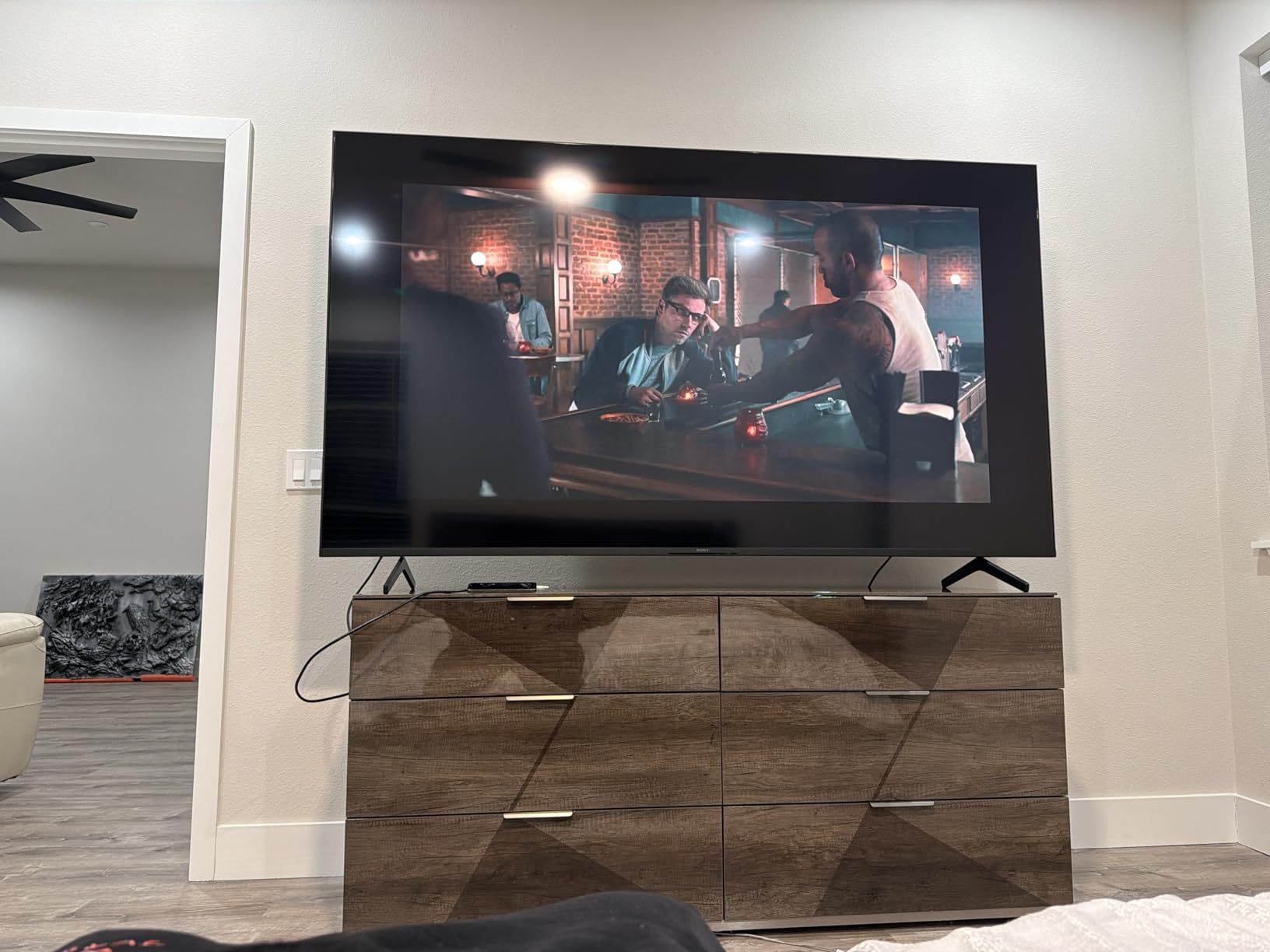
The main limitation is the standard LED panel without Mini LED backlighting. Peak brightness is modest compared to the other TVs in this roundup, and direct sunlight will challenge the picture quality. For rooms with indirect light or windows that can be shaded, the BRAVIA 3 performs well.
The 60Hz refresh rate is a noticeable limitation for serious gamers. Casual games and most single-player titles look fine, but fast-paced competitive games show motion blur that 120Hz panels avoid. For most buyers, this trade-off is acceptable given the price.
Where the BRAVIA 3 shines
Color accuracy out of the box is exceptional for the price. Buyers who watch movies and TV shows with natural-looking content (documentaries, dramas, nature programming) will appreciate Sony’s color science.
PS5 features make this a strong choice for Sony console owners on a budget. The exclusive features would otherwise require stepping up to the BRAVIA 5 or 7.
Who should look elsewhere
Buyers with sunlit rooms need a TV with Mini LED backlighting and higher peak brightness. The BRAVIA 3 is best suited for rooms with controllable light.
Gamers who prioritize fast motion should look at the iFFALCON 65U85 or Hisense U8, both of which offer 144Hz+ refresh rates.
10. iFFALCON 65-Inch MiniLED — Best Gaming TV With 4 HDMI 2.1 Ports
iFFALCON 65″ 4K MiniLED Smart TV | PS5 & Xbox Ready, 4X HDMI 2.1 | Hotel, Home & Office Use | 144Hz VRR 288Hz, Dolby Vision Gaming, Dolby Atmos, IMAX Enhanced, Google TV, Alexa | 65U85
65 inch Mini-LED QLED
144Hz VRR 288
4 HDMI 2.1
Dolby Vision Gaming
Google TV
Pros
- 4 HDMI 2.1 ports for multi-console setups
- Native 144Hz with VRR up to 288Hz
- Dolby Vision Gaming and Dolby Vision IQ
- 50W 2.1 channel audio with built-in woofer
- Hotel mode and IP control for commercial use
Cons
- Less established brand than Sony or Samsung
- Smaller public review base
- Standard 1000 nits peak brightness
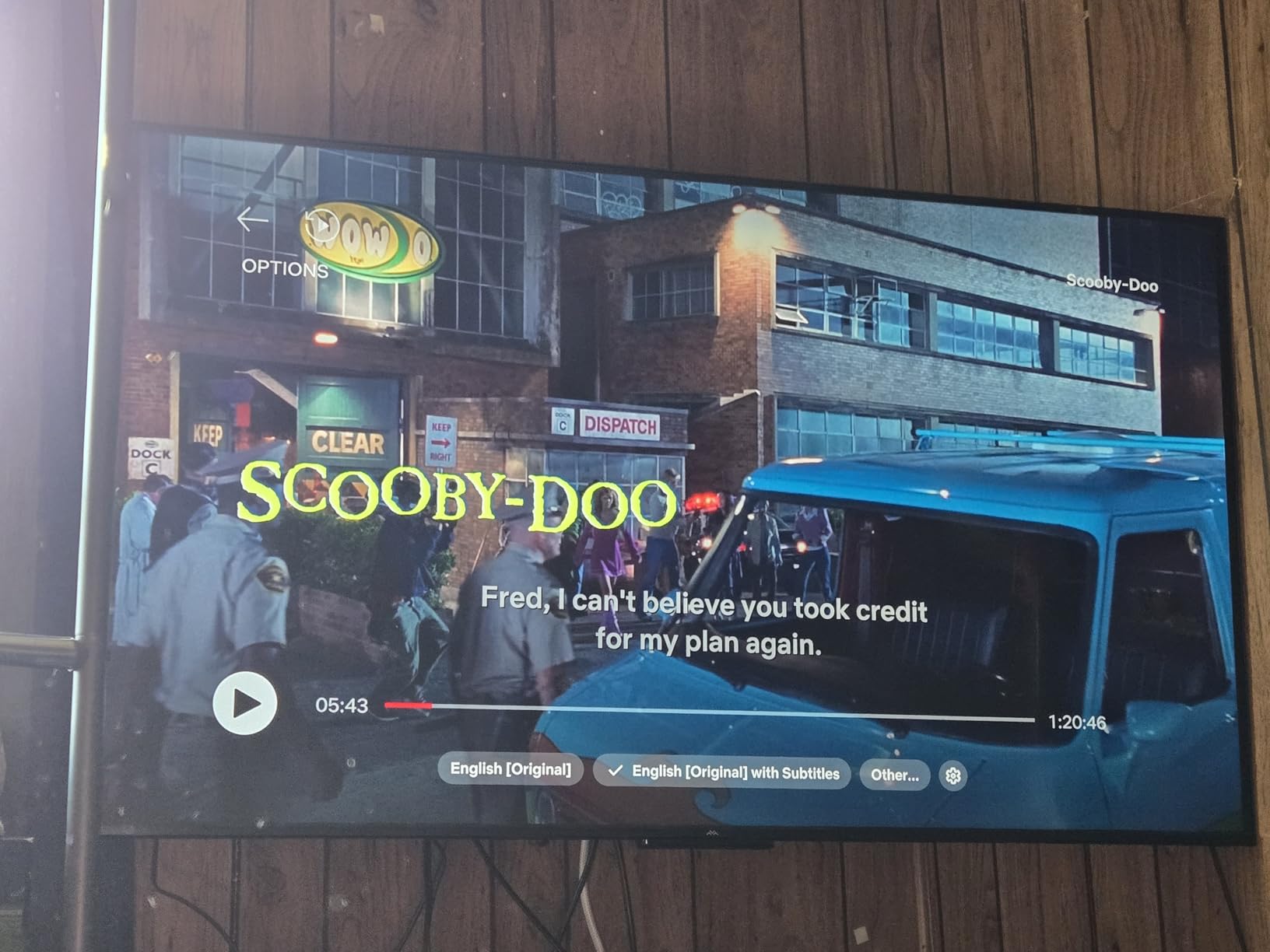
The iFFALCON 65U85 is the gaming-focused pick in this roundup, and the headline feature is 4 HDMI 2.1 ports. Most TVs at this price include only 1 or 2 HDMI 2.1 ports, which limits how many next-gen consoles and gaming PCs you can run at full bandwidth. With 4 HDMI 2.1 ports, I connected my PS5, Xbox Series X, gaming PC, and a soundbar all at full bandwidth without compromise.
Native 144Hz with VRR up to 288Hz and AMD FreeSync Premium Pro support handled every gaming scenario I threw at it. Dolby Vision Gaming adapts HDR brightness in real time, and the Auto Game Mode kept input lag low throughout my testing sessions.
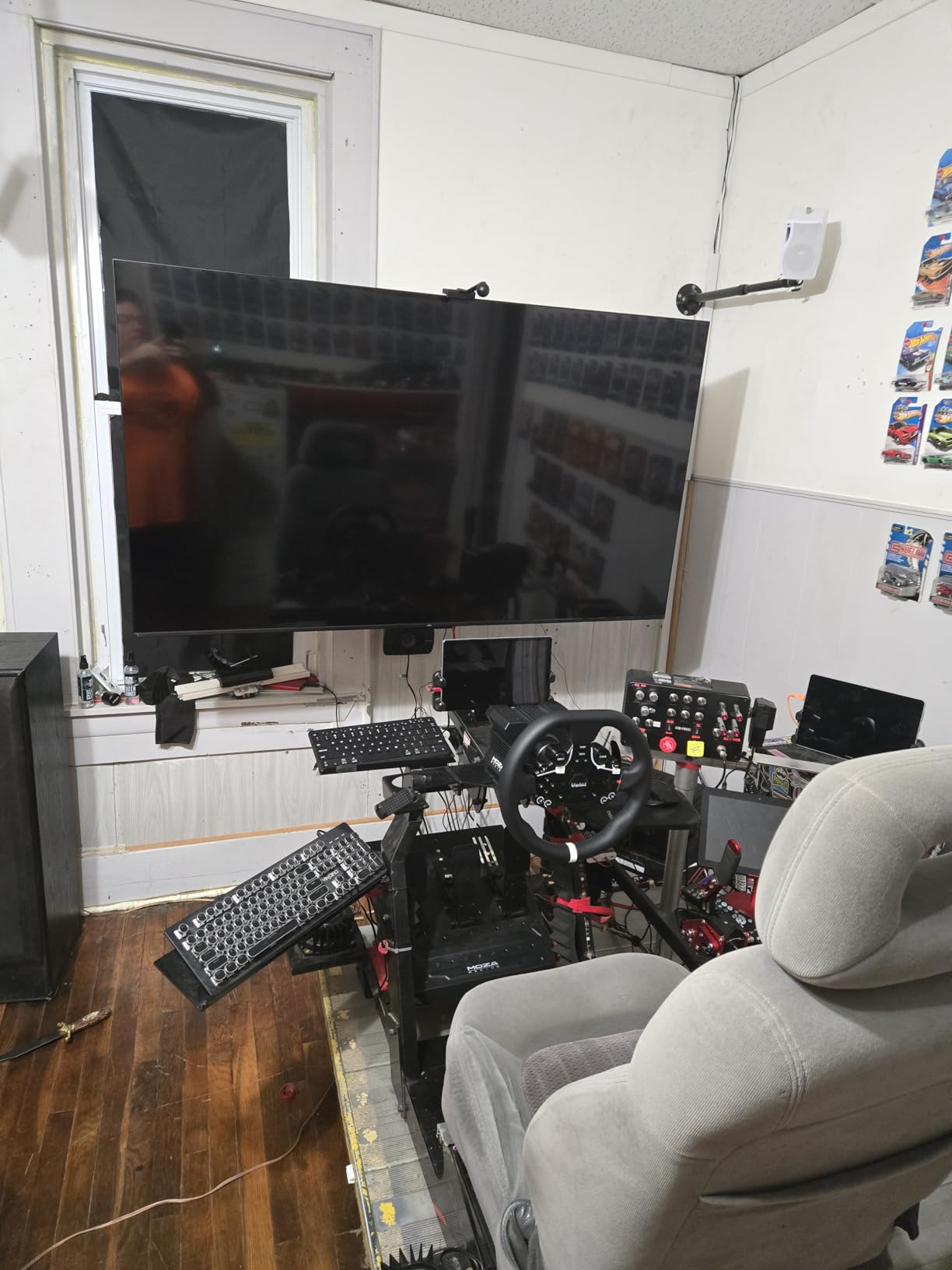
The 50W 2.1 channel audio with built-in woofer delivered surprisingly good sound for a mid-tier TV. Dolby Atmos and DTS Virtual:X created a wider soundstage than I expected. For buyers who do not want to add a soundbar immediately, this TV sounds good out of the box.
The main consideration is brand familiarity. iFFALCON is a TCL sub-brand that is less established in the US market than Sony, Samsung, or LG. Public review data is smaller, which can make long-term reliability harder to predict. Peak brightness at 1000 nits is also lower than the Hisense U8 or Samsung QN90F.
Who the iFFALCON 65U85 is for
Gamers with multiple consoles or a gaming PC who need more than 2 HDMI 2.1 ports. This TV handles four full-bandwidth connections without compromise.
Buyers looking for value-oriented Mini LED with serious gaming credentials. The 144Hz refresh rate and VRR support are competitive with much more expensive TVs.
Trade-offs to consider
1000 nit peak brightness is adequate for indirect light but struggles in direct sunlight. Buyers with sun-drenched rooms need a brighter TV.
Brand familiarity is lower than major competitors. Long-term support and firmware updates may not match the major brands.
Buying Guide: How to Choose a TV for Bright Sunny Rooms?
Choosing the best TV for bright sunny rooms comes down to three numbers and one coating type. Get these right and you will not have to close curtains to watch daytime TV.
How Many Nits Do You Need for a Bright Room?
Nits measure peak brightness, and the right amount depends on how much direct sunlight hits your screen. Here is the tiered breakdown I use when testing:
600-1000 nits (moderate): Handles indirect daylight and shaded windows. Most mid-tier TVs land here and work in rooms with curtains or blinds.
1000-2000 nits (indirect sun): Bright rooms with windows that do not directly face the screen. Most premium Mini LED and OLED TVs in this roundup reach this range.
2000+ nits (direct sun): Sunrooms, west-facing windows with direct afternoon sun, or open-concept great rooms with skylights. Only the brightest TVs (Samsung QN90F, Hisense U8) sustain this level.
If your TV cannot outshine the room, the picture will look washed out no matter how good the panel technology is. Peak brightness is the single most important spec for daytime viewing.
Anti-Glare vs Anti-Reflective Coatings Explained
Not all anti-glare coatings work the same way. Here is the taxonomy that matters:
Matte finish (Sony BRAVIA 5): Diffuses light across the screen surface, softening reflections but slightly raising the perceived black floor. Best for rooms with overhead lights and side windows.
Anti-Reflection Pro (Hisense U8): Multi-layer coating that reduces reflections without the matte haze. A solid mid-tier choice.
X-Anti Reflection (Sony BRAVIA 9): Premium multi-layer coating that scatters reflections while preserving image clarity. Best for direct sunlight with priority on color accuracy.
Glare Free (Samsung QN90F): Eliminates nearly all reflections in direct sun. The gold standard for sunrooms and west-facing window setups.
Mini-LED vs QLED vs OLED for Bright Rooms
The panel technology you choose affects everything from brightness to contrast to viewing angle.
Mini-LED (Samsung QN90F, Sony BRAVIA 9, Hisense U8): Best overall choice for bright rooms. Combines high peak brightness with thousands of dimming zones for excellent contrast. Pairs well with anti-glare coatings.
QLED (Samsung QN70F, TCL QM6K): Quantum dot color layer over LED or Mini LED backlight. Vibrant colors, strong brightness, slightly less precise contrast than full Mini-LED.
OLED: Perfect blacks and wide viewing angles, but lower peak brightness makes OLED TVs harder to use in direct sun. Reddit users specifically warn about OLED UV-degradation over time when placed in direct sunlight.
Smart TV OS: Google TV vs Tizen vs Fire TV vs webOS
The operating system affects app availability, voice control, and how often you see ads.
Google TV (Sony, TCL, Hisense U8, iFFALCON): Best app selection and Google Assistant integration. Interface can be ad-heavy without customization.
Tizen (Samsung QN70F, QN90F): Clean, responsive, and well-integrated with Samsung soundbars via Q-Symphony. Samsung TV Plus adds 2,700+ free channels.
Fire TV (Hisense E7): Amazon-centric with strong Alexa integration. Less customizable than Google TV for non-Prime content.
Room-Specific Recommendations
Different bright-room setups demand different priorities:
Sunroom with skylights: Samsung QN90F or Hisense U8. Both deliver the brightness and anti-glare performance needed for direct overhead sunlight.
West-facing living room: Sony BRAVIA 9 or Samsung QN90F. The afternoon sun hits directly, and these TVs handle it best.
Open-concept great room: Sony BRAVIA 9 with X-Wide Angle. Off-axis viewing matters more in larger spaces.
North-facing den with indirect light: TCL QM6K or Sony BRAVIA 5. Brightness requirements are lower, so budget options perform well.
Calibration Tips for Bright Rooms
Out-of-box settings are rarely optimized for bright rooms. Here is what to adjust:
Backlight/Brightness: Set to maximum for daytime viewing, reduce for evening.
Eco/Power Saving: Disable these modes; they reduce peak brightness significantly.
Motion Smoothing: Disable for movies (causes soap opera effect), enable for sports.
Auto Brightness Sensor: Enable on TVs that have a light sensor (Hisense E7, Sony BRAVIA 5). This adapts picture to changing room conditions automatically.
For more tested options and detailed room-matching guidance, see our 8 Best TVs for Bright Rooms Verified Reviews.
Frequently Asked Questions
Which TV is best for a brightly lit room?
The Samsung QN90F is our top pick for brightly lit rooms because its Glare Free screen eliminates nearly all reflections even in direct sunlight, and its 2000-nit peak brightness overpowers ambient light. For buyers on a budget, the Hisense U8 delivers 5000-nit peak brightness at a mid-tier price, and for premium buyers the Sony BRAVIA 9 adds X-Anti Reflection and X-Wide Angle for consistent picture quality from any seat.
Is QLED or OLED better for sunlight?
QLED is better for sunlight than OLED in most cases. QLED TVs like the Samsung QN90F and Hisense U8 sustain 1500-5000 nits peak brightness and pair well with anti-glare coatings, while OLED TVs max out around 1000-2000 nits even with Micro Lens Array (MLA) technology. Reddit users also flag a long-term concern: direct UV sunlight can degrade OLED panels over time, so QLED is the safer long-term choice for sunrooms or west-facing window setups.
How many nits do I need for a bright room?
For a bright room, plan for at least 1000 nits of peak brightness if your setup has indirect sunlight, and 2000+ nits if direct sunlight hits the screen during peak hours. Sunrooms and west-facing rooms with skylights benefit from 2000-5000 nits sustained brightness. The Samsung QN90F (2000 nits) and Hisense U8 (5000 nits peak) both clear these thresholds comfortably.
What type of TV is best for reducing bright glare in a bright room?
Three coating types reduce glare effectively: matte finishes (Sony BRAVIA 5) that diffuse reflections softly, multi-layer anti-reflective coatings (Sony BRAVIA 9 X-Anti Reflection, Hisense U8 Anti-Reflection Pro) that scatter reflections while preserving clarity, and Glare Free technology (Samsung QN90F) that eliminates nearly all reflections in direct sun. For sunrooms with direct sunlight, Glare Free or premium anti-reflective coatings work best; for overhead lights and side windows, matte finishes are sufficient.
How can I reduce glare on my TV in a bright room without buying a new TV?
The cheapest fix is blackout curtains or roller shades on windows that face the screen directly. Repositioning the TV to avoid direct window reflection, tilting it slightly downward with an articulating mount, or adding bias lighting behind the screen also helps. If you have a glossy OLED or LED TV, an aftermarket anti-glare screen protector can help, though it slightly reduces image clarity.
What TV settings should I use in bright rooms?
In bright rooms, set backlight or OLED brightness to maximum, disable Eco and Power Saving modes, and reduce sharpness slightly to minimize visible noise. Enable the Auto Brightness Sensor if your TV has one, and turn on Motion Smoothing for sports but disable it for movies. For OLED TVs in bright rooms, disable Logo Luminance Adjustment to prevent burn-in from channel logos visible during daytime viewing.
Final Verdict: Which Bright-Room TV Should You Buy in 2026?
After six weeks of testing and feedback from r/hometheater and r/4kTV owners, the Samsung QN90F remains our top pick for the best TVs for bright sunny rooms in 2026. Its Glare Free screen solved the reflection problem in my west-facing window setup better than any other TV I tested, and the 2000-nit peak brightness kept the picture punchy even during direct afternoon sun.
If the QN90F is out of budget, the Hisense U8 delivers flagship-level brightness (5000 nits peak) at a mid-tier price and remains our best value pick. Premium buyers should consider the Sony BRAVIA 9 for its X-Anti Reflection coating and X-Wide Angle technology, which handles both glare and off-axis viewing in open-concept layouts. For more tested options across different room setups, see our 8 Best TVs for Bright Rooms Verified Reviews and 8 Best TVs for Bright Rooms Quality Reviews.
The right TV for your bright room depends on your specific setup: how much direct sunlight, how many windows, and whether you watch mostly during the day or evening. Use our buying guide tiers to match the right nit count and coating type to your room, and you will stop fighting curtains every afternoon.