
The LOTOS LTP5505D is the best plasma cutter under a thousand dollars for most people: 55 amps of inverter output, a 5/8 inch clean cut on 220V, a built-in air regulator, and 2400 owner reviews at 4.4 stars. Nothing else in this bracket comes close to that much real-world evidence.
I have spent weeks putting eight dual-voltage machines through their paces for this guide, from a 13 lb budget unit to a 60 amp shop machine, and the pattern was consistent. Below a thousand dollars, the gap between a good cutter and a disappointing one has almost nothing to do with the number printed on the nameplate. It comes down to delivered amperage, arc start type, and what happens when something breaks.
This roundup covers every machine I could justify recommending inside that ceiling, ordered so the strongest overall pick comes first. If you want the broader picture across price tiers, our general plasma cutter roundup covers the name-brand machines above this budget. If you are still working out what the machine is even for, start here: plasma cutting melts metal with an arc and blows the molten metal away with compressed air, which makes it far faster than an angle grinder and cleaner than a chop saw on sheet steel.
Table of Contents
Top 3 Best Plasma Cutter Under a Thousand Dollars (October 2026)

LOTOS LTP5505D 55A Pilot Arc
- 55A inverter with rust removal mode
- Non-touch pilot arc
- 5/8 inch clean cut
- Automatic 110V/220V dual voltage
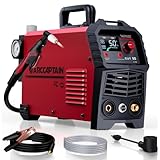
ARCCAPTAIN CUT50 50A Dual Voltage
- 50A output at 110V/220V
- 1/2 inch clean cut
- LED parameter display
- 2T/4T with adjustable post-flow

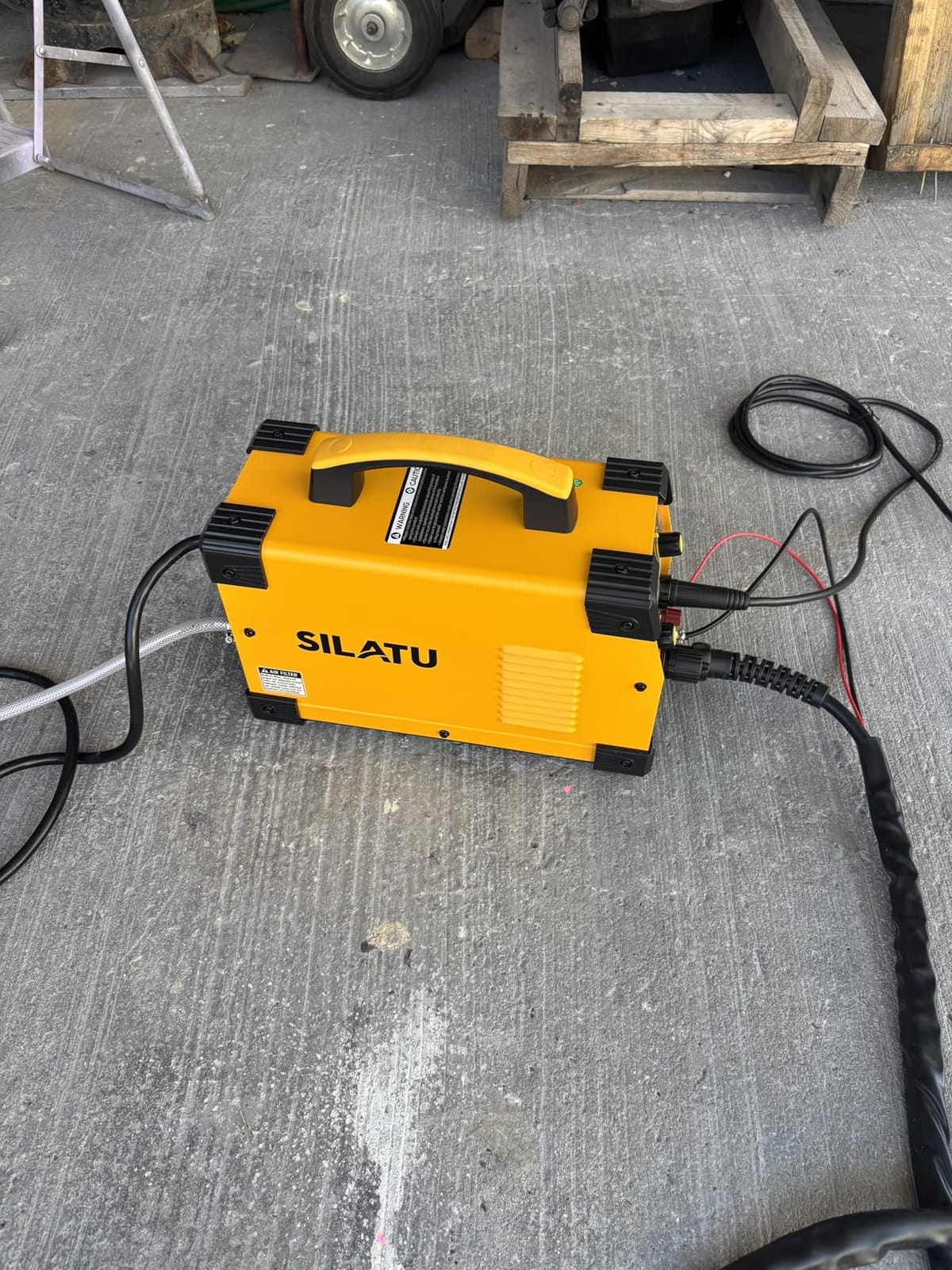
SILATU STC650P 65A Pilot Arc
- 65A output on 110V/220V
- 20mm maximum cut at 220V
- Adjustable pilot arc duration
- Air sensor with pressure readout
The LOTOS wins on evidence, and it also happens to be the strongest machine on paper. Its 2400 reviews are the largest sample in this group, and the recurring theme across years of ownership is a machine that cuts like a commercial unit while the pilot arc keeps consumable costs down. The ARCCAPTAIN CUT50 takes the garage crown because it weighs 13 lb, has the clearest controls, and is the category leader on Amazon. The SILATU is the value pick, squeezing 65 amps and a 4/5 inch maximum cut into the entry-level bracket alongside machines half its size in output.
All 8 Plasma Cutters at a Glance
| Product | Specifications | Action |
|---|---|---|
| LOTOS LTP5505D 55A Pilot Arc Plasma Cutter |
|
Check Latest Price |
| ARCCAPTAIN CUT50 50A Dual Voltage Plasma Cutter |
|
Check Latest Price |
| SILATU STC650P 65A Non-Touch Pilot Arc |
|
Check Latest Price |
 YESWELDER CUT-60DS PRO 60A Non-HF Plasma Cutter YESWELDER CUT-60DS PRO 60A Non-HF Plasma Cutter |
|
Check Latest Price |
 PRIMEWELD CUT50D 50A Air Inverter Plasma Cutter PRIMEWELD CUT50D 50A Air Inverter Plasma Cutter |
|
Check Latest Price |
 ARCCAPTAIN CUT55 Pro 55A with App Control ARCCAPTAIN CUT55 Pro 55A with App Control |
|
Check Latest Price |
 PRIMEWELD CUT60 60A Blowback Pilot Arc Plasma Cutter PRIMEWELD CUT60 60A Blowback Pilot Arc Plasma Cutter |
|
Check Latest Price |
 TOOLIOM CUT-50 PRO 50A Non-Touch Pilot Arc TOOLIOM CUT-50 PRO 50A Non-Touch Pilot Arc |
|
Check Latest Price |
Two numbers in that table deserve attention before anything else. First, the SILATU and the YESWELDER are listed as 60A and 65A machines yet sit in the same bracket as 50A units, which is the clearest example in this guide of why you should not shop on amperage alone. Second, warranty length varies more here than any other single spec: two of the eight carry a three year warranty and one carries two years, while the rest sit at one year or are not published at all. That difference matters more than most buyers expect when a machine with no local dealer fails.
1. LOTOS LTP5505D 55A Pilot Arc Plasma Cutter – Best Overall
LOTOS LTP5505D 55A Pilot Arc Plasma Cutter with Rust Removal Mode
55A inverter
Non-touch pilot arc
5/8 inch clean cut
110V/220V dual voltage
Pros
- 2400 owner reviews give the largest sample here
- Cuts 1/2 inch steel cleanly with minimal dross
- Pilot arc extends electrode and tip life
- Built-in air regulator and water cup at this tier
- Only 16 lb with dual voltage included
Cons
- Ground clamp lead is short and does not lock positively
- Air fittings can leak out of the box and need sealing
- Manual does not cover air pressure or amperage settings
- Consumables wear faster at full power
This is the machine I kept reaching for. The LTP5505D has been on sale for well over a decade, which means there is a decade of accumulated owner data behind it, and that data is unusually good: 2400 reviews at 4.4 stars with long write-ups that describe real project work rather than unboxing impressions.
Cutting thin sheet and plate up to 1/2 inch steel comes back clean with minimal dross once the settings are dialled in. The rust removal mode is a genuine convenience rather than a marketing label, since the pilot arc lets you start the arc without touching the tip to the work, which both saves consumables and lets you cut through painted and lightly rusted surfaces without chasing the arc around.
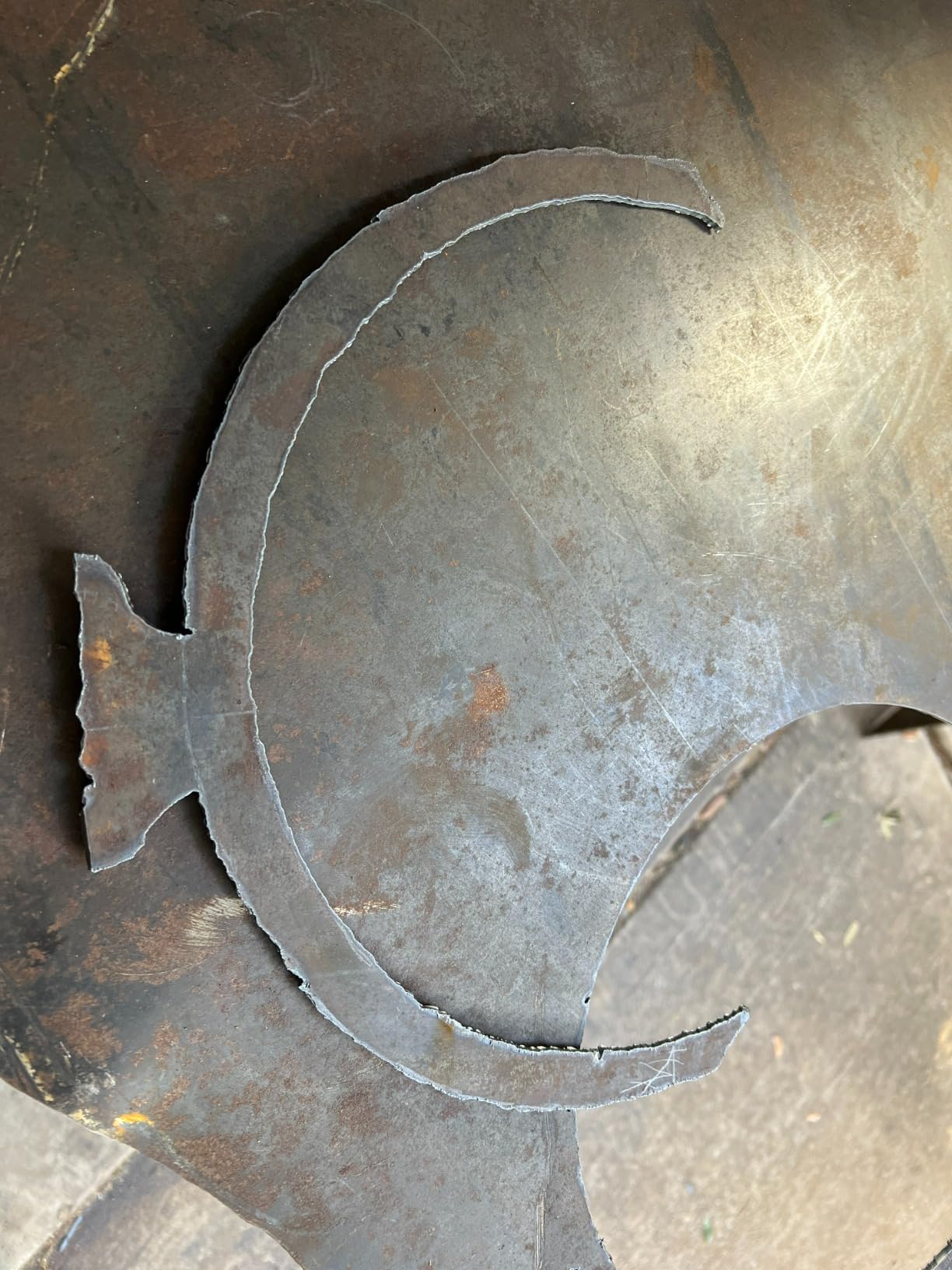
Physically it is a 16 lb box measuring 10 by 10 by 10 inches, so it moves between the garage and a pickup bed without a fight. Dual voltage is automatic, which means you plug it into either a standard household circuit or a 220V outlet and the machine senses which one it is. Reviewers consistently report noticeably deeper cuts on 220V, so if you have the circuit, use it.
The air side is where this machine quietly beats machines costing twice as much. A front-mounted regulator with a pre-fitted NPT quarter-inch Type-D plug means you are teeing into your compressor line in minutes, not an afternoon. A built-in air filter and water cup at this price level is rare, and dry air matters more to cut quality than most first-time buyers realise.
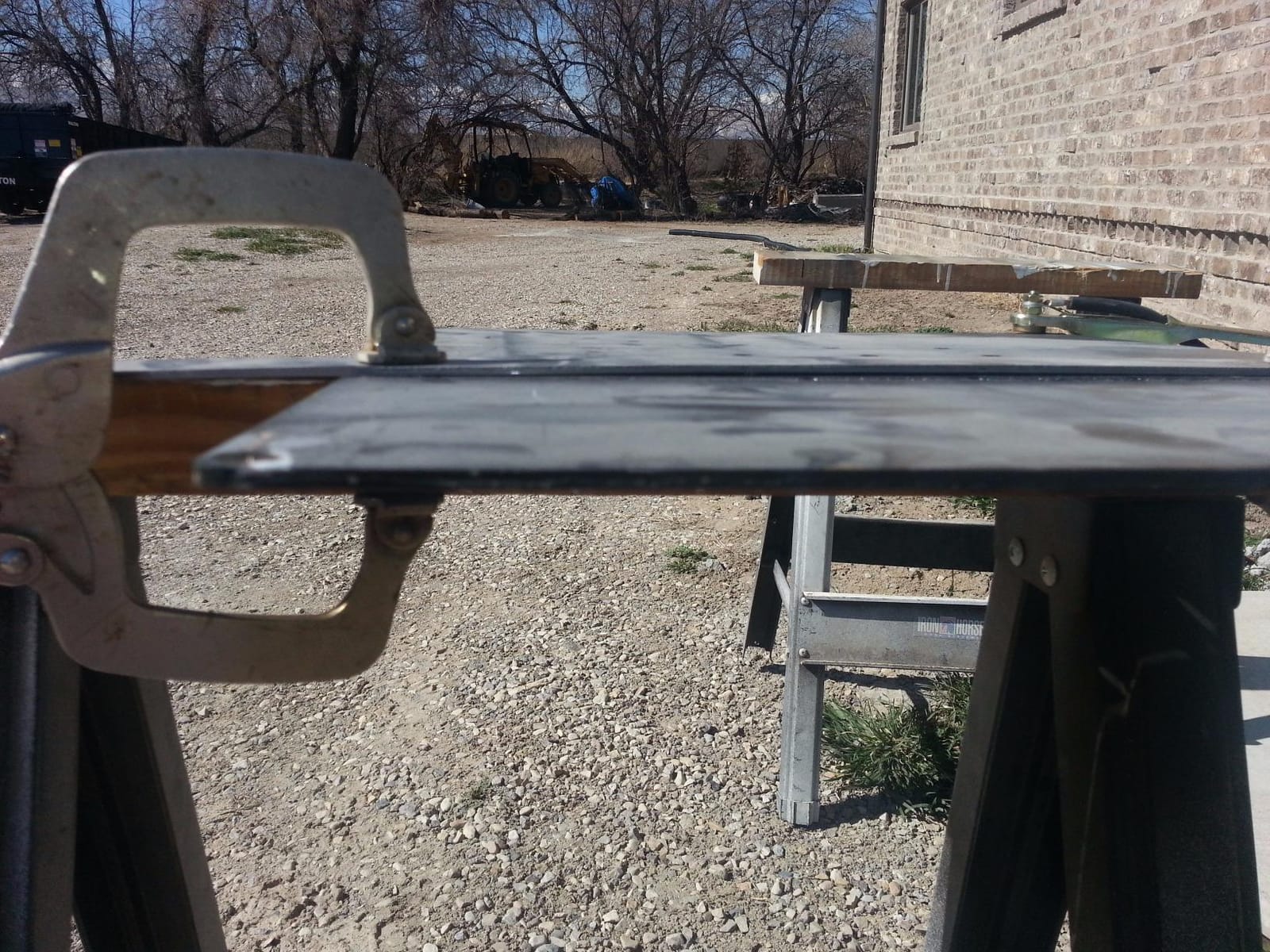
What you get with the LTP5505D day to day
The pilot arc is the feature you will notice most. Because the arc ignites without contact, you can start on expanded metal, rust, and paint without grinding a spot first, and you will not be replacing electrodes because someone dragged the tip across the plate. Owners cutting expanded metal by the sheet report this is the reason the machine paid for itself.
Output range and air pressure are the two settings you will actually touch. Set air pressure consistently and the 55A inverter has plenty of headroom for 5/8 inch clean cuts on mild steel, which is well past what most home projects need.
Where the LTP5505D falls short
The ground clamp lead is the most repeated complaint in reviews, and it is a real one: it is much shorter than the torch lead and does not lock positively into the machine. Budget an afternoon to replace it with a heavier clamp before you start work. Air fittings on early production runs also leak out of the box, and the manual is sparse enough that most owners learn air pressure and amperage settings from community tutorials.
Consumables also eat up faster at full power, and replacement Lotos tips cost more than generic AG60 style parts. If you cut constantly rather than in weekend bursts, weigh that against the PrimeWeld machines later in this list.
2. ARCCAPTAIN CUT50 50A Dual Voltage Plasma Cutter – Most Compact Pick
ARCCAPTAIN 50A Plasma Cutter Machine, 110V/220V Dual Voltage, 2/3″ Max Cut
50A output
1/2 inch clean cut
LED error display
13 lb with strap
Pros
- Top ranked unit in its Amazon plasma cutting category
- Cuts 1/2 inch steel and bar stock cleanly on 240V
- Only 13 lb with a shoulder strap
- LED display shows settings and error codes
- Simple controls that are usable out of the box
Cons
- Needs a separate compressor with adequate CFM for sustained cuts
- Mediocre finish on thin cosmetic work
- Air connection arrives as a hard fitting not a quick connect
- No amperage and PSI reference chart included
The CUT50 is the first machine I would hand to someone who has never used a plasma cutter. It sits at number one in its Amazon plasma cutting category with more than 1300 reviews at 4.5, and the consistency of those reviews matters: people describe it as an easy first plasma cutter, not a capable shop machine.
On 240V it cuts 1/2 inch steel and heavy bar stock quickly and cleanly. On 110V the output range drops to 20 to 35 amps and the recommended maximum cut falls to 12 mm at 55 PSI, which is still useful work, just not the same machine. Reviewers are candid that this is a 240V tool that tolerates 110V rather than the reverse.
Everything about the physical design is aimed at a garage. It weighs 13 lb, comes with a shoulder strap, and measures 13 by 6 by 8 inches. The LED screen shows voltage, current, and error codes, and the IGBT low-voltage warning is genuinely helpful if you plug into the wrong circuit. Adjustable post-flow of 5 to 15 seconds plus 2T and 4T modes give you control over consumable cooling without guesswork.
The included kit has a 110/220V power adapter, a three foot hose, and a quick quarter-inch NPT connector with a pre-installed metal-cased air filter. Consumable wear held up well across the cutting volume reviewers describe, which is one of the reasons the low sticker number stays low.
Why it suits a first plasma cutter
Setup is where beginners lose an afternoon, and this machine removes the friction. The controls are simple, the display tells you what is happening, and the error codes mean you are not guessing when something stops. Several owners mention the display specifically as the reason troubleshooting felt manageable as a new owner.
Portability matters more than spec sheets admit. A 13 lb machine with a strap goes out to a job site, moves around a cluttered garage, and stores on a wall shelf. That is not true of the 19 lb and heavier units in this guide, and it changes how often you will reach for the tool.
What you give up compared with bigger machines
Finish quality on thin or cosmetic material is the honest weakness. If you are cutting visible panels, thin stainless, or anything where the edge will be seen, the 50A output leaves more cleanup than a 55A or 60A machine. This is not a defect, it is a resolution difference.
The air connection also arrives as a hard fitting rather than a standard quick connect, so plan a short hose run and some thread seal. And there is no laminated amperage and PSI reference card in the box, which means you will want a settings chart of your own before your first thick cut.
3. SILATU STC650P 65A Non-Touch Pilot Arc Plasma Cutter – Best Value
SILATU Plasma Cutter, 65A Non-Touch Pilot Arc, 110V/220V, 4/5” Max Cut
65A output
20mm max cut at 220V
Adjustable pilot arc
60 percent duty cycle
Pros
- 65 amps and a 4/5 inch maximum cut at an entry-level price
- Adjustable pilot arc duration saves consumables
- Only 13.45 lb with a 13 foot torch and 10 foot earth clamp
- Digital air pressure readout with error codes
- One year warranty plus lifetime technical support
Cons
- Needs a dedicated circuit with a 40A or higher breaker
- Air pressure must be set manually
- Compressor not included so plan for 250 LPM flow
- Only 3.3 ft of air hose included
- Smallest review base in this group
The SILATU exists because of a simple observation: the money people spend above this bracket mostly buys a larger case and a brand badge, not more cutting power. This machine puts 65 amps of IGBT inverter output and a 20 mm maximum cut into the entry-level bracket alongside 50 amp machines.
The output split is unusual. On 110V the current range is 15 to 40 amps, and on 220V it climbs to 15 to 65 amps. Maximum cut is 12 mm at 40 amps and 60 PSI on 110V, and 20 mm at 65 amps and 70 PSI on 220V. Duty cycle is rated at 60 percent, which is the same figure the PrimeWeld CUT60 publishes and higher than most machines in this category bother to state.
The adjustable pilot arc function is the sleeper feature. Pilot arc duration can be dialled in with PT, 2T, 4T, and PA modes, and post time adjusts from 3 to 15 seconds. Shortening the pilot arc on mesh work stops the arc from wandering through the gaps, and it saves electrode life on every cut that follows.
Air sensor technology puts the pressure reading on the front panel rather than making you walk back to the compressor, with an internal filter handling moisture. That readout is more than a gimmick: most cut quality problems on these machines trace back to air pressure set too low, and seeing the number removes the guesswork.
Where the extra amperage actually shows up
65 amps is the difference between a cut that fights you and a cut that walks through. On 3/8 to 1/2 inch mild steel, the higher current means a narrower kerf, faster travel, and less dross on the back edge. It also gives you headroom on 220V when you are cutting thicker plate that would stall a 50A unit.
Because the machine only weighs 13.45 lb and the box includes a 13 foot AG60P torch and a 10 foot earth clamp, the extra power does not cost you portability. That combination is rare at any price and unusual at this one.
What to sort out before you buy it
The electrical requirement is the dealbreaker to check first. This machine needs a dedicated circuit with a 40 amp or higher breaker, or the breaker trips mid-cut. Household 15 and 20 amp outlets are not enough for sustained work, so budget for a circuit or plan to use it mainly on 110V at the lower amperage range.
Air pressure must be set manually to 70 PSI or less, there is no automatic regulation, and the compressor is not included. Plan for roughly 250 liters per minute of flow. The included air hose is only 3.3 ft while the leads are ten feet, so buy a longer hose. With 264 reviews, this is also the thinnest owner history in the group, which is the main reason it sits below the Lotos and the Arccaptain.
4. YESWELDER CUT-60DS PRO 60A Non-HF Plasma Cutter – Best for CNC Tables
YESWELDER 60A Non-HF Plasma Cutter, Non-Torch Pilot Arc, 110/220V
Non-HF blowback start
60A output
IPT40 pilot arc
5/8 inch clean cut at 220V
Pros
- Non-high-frequency start is safer around the operator and plays well with other shop equipment
- 60A output cuts noticeably deeper than 50A machines
- Digital display with error codes simplifies troubleshooting
- Non-touch pilot arc handles rusty painted and rough surfaces
- Full kit includes torch regulator hose ground clamp and adapter
Cons
- Air pressure must be set correctly or the arc will not hold
- Post-flow and pilot settings need per-material tuning
- Non-HF ignition is slower to strike than high-frequency systems
This machine exists for one reason, and if you have that reason it is worth paying attention to. The CUT-60DS PRO uses a non-high-frequency blowback start, which means there is no high-frequency ignition signal being radiated near your body or your electronics. That matters enormously in a shop full of controllers, and it is the reason CNC builders keep asking about this machine specifically.
High-frequency start, common on the 50A and 55A units in this list, can interfere with nearby equipment and is generally considered unsuitable for driving a CNC table. Blowback start does not, so a machine with blowback ignition can be slaved to torch height control in a way an HF machine cannot. If you are building a table on a 110V circuit, this is the machine to build it on.
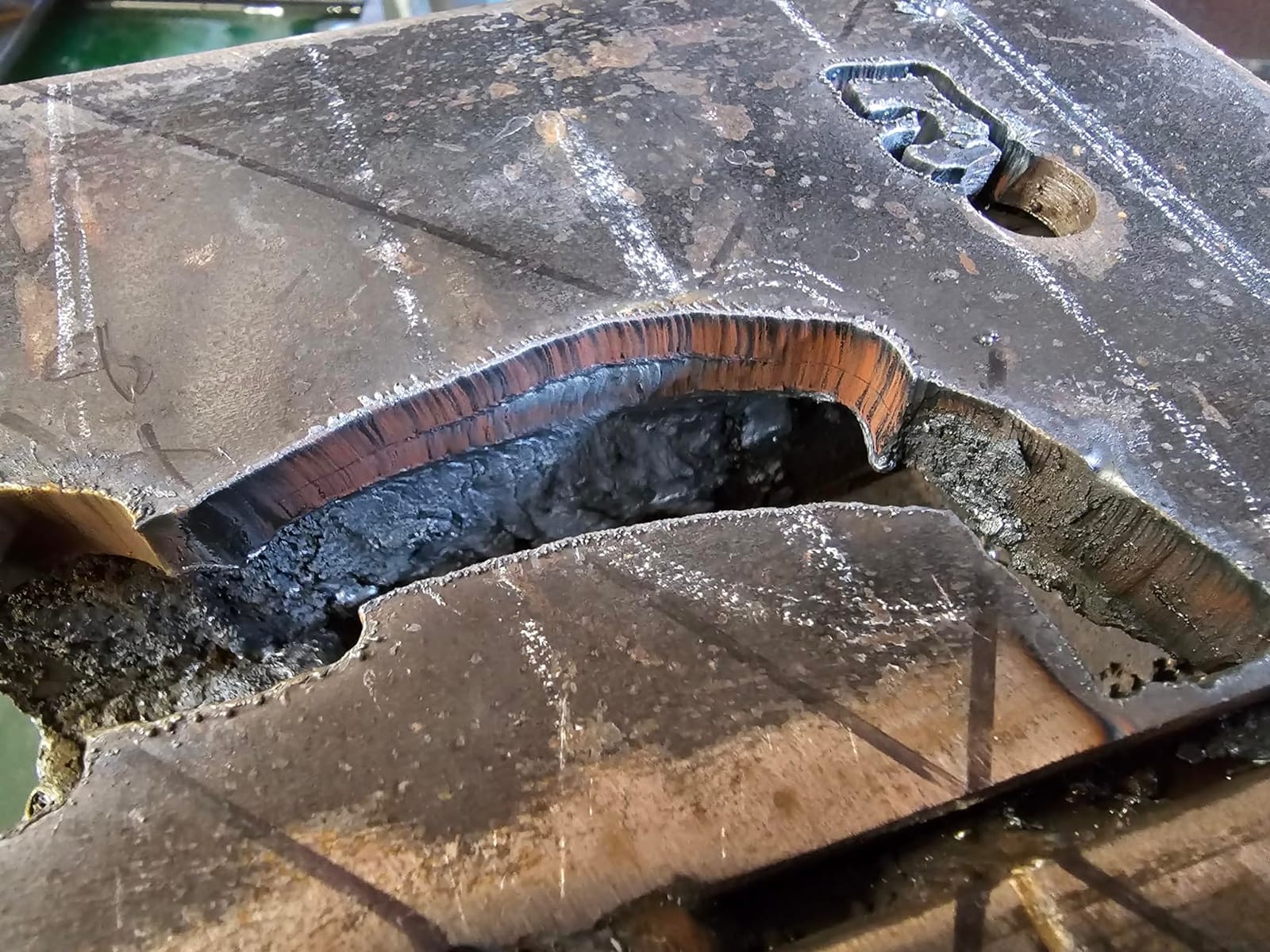
The cutting side is strong too. Output is 60 amps, ideal clean cut is 5/16 inch at 110V and 5/8 inch at 220V, and maximum cut is 1/2 inch at 110V and 63/64 inch at 220V. The IPT40 non-touch pilot arc handles rough, painted, and rusty surfaces well, which matters for vehicle repair and restoration work as much as for fabrication.
PT, 2T, and 4T functions with post-flow adjustable from 5 to 20 seconds cover most shop workflows. The IP21 water rating with overload and overheat protection is a sensible addition for a machine that will live near a garage floor, and the box includes the earth leakage protection, air filter regulator, air hose, ground clamp, and power adapter.
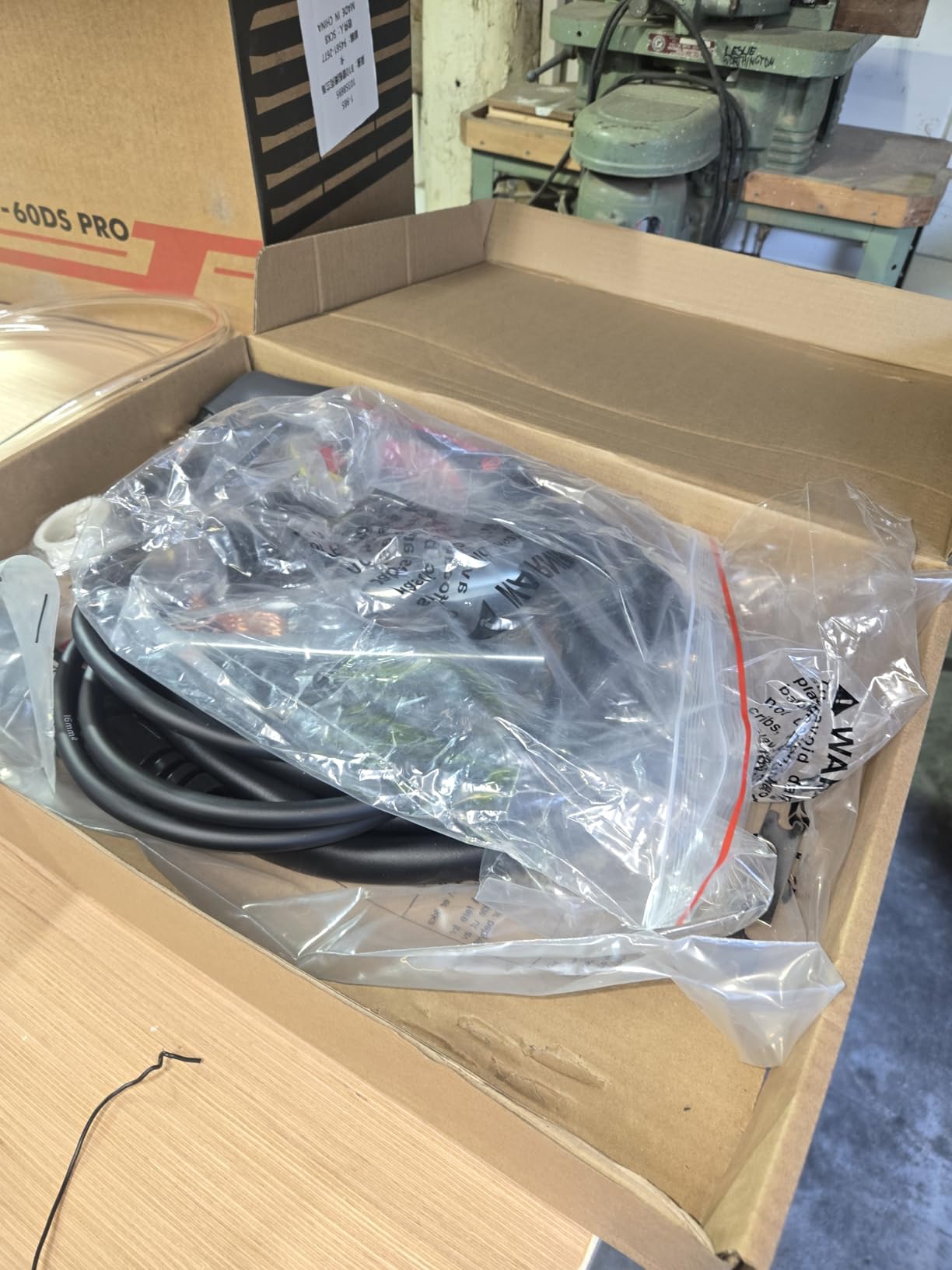
How blowback start differs in daily use
The practical difference is an arc that strikes reliably without a burst of high-frequency noise. Reviewers describe it as safer for the operator and better behaved around other shop equipment, and on rusty or painted stock the pilot arc still gives you a clean non-touch start.
Because blowback start is a mechanical process through the torch rather than an electronic signal, the ignition is slower. That is the trade you accept, and for a CNC table or a shop full of electronics it is the right trade.
What you have to tune
Air pressure is the setting that decides whether this machine works well or badly. Get it wrong and the non-high-frequency arc is difficult to maintain, which is the single most common complaint in reviews. The manual does not front-load this, so set it before your first cut rather than after your first bad one.
Post-flow and pilot arc settings also need adjusting per material to conserve consumables. The warranty is one year, which is shorter than the three years on the Arccaptain CUT55 Pro and the two PrimeWeld machines in this guide, so factor that into a purchase you intend to keep for years.
5. PRIMEWELD CUT50D 50A Air Inverter Plasma Cutter – Best for First-Time Owners
PrimeWeld 50A Air Inverter Plasma Cutter, Portable Plasma Cutting Machine, Premium and Rugged Plasma Cutter Kit, Automatic Dual Voltage 110V/220V AC with Plasma Torch, 1/2″ Clean Cut, CUT50D
50A air inverter
Automatic 110V/220V
1/2 inch clean cut
Pre-plumbed air regulator
Pros
- 4.7 rating across 668 reviews with warranty support that includes prepaid return shipping
- Cuts 1/2 and 3/8 inch mild steel quickly
- Pre-plumbed brass quick connect means almost no setup
- Lightweight with a solid-feeling AG60 torch
Cons
- Early production units had leaking air fittings
- Supplied air quick disconnect has been reported to leak
- Instruction manual is largely useless
- Power cord is short and may need an adapter
Support matters as much as specifications here, and PrimeWeld is the brand that scores best on it. Warranty problems are handled with prepaid shipping, and units come back with new leads and consumables, with multiple reviewers describing a turnaround of around two weeks. In a category where most buyers have to pay to move a failed machine both ways, that is a real advantage.
Users on gun and AR15 forums single out PrimeWeld for round-the-clock customer service and for paying return shipping on problems, and the standard AG60 consumables these machines use are available from many vendors. That last point matters more than it sounds, because proprietary torches turn every electrode and nozzle purchase into a single-vendor decision.
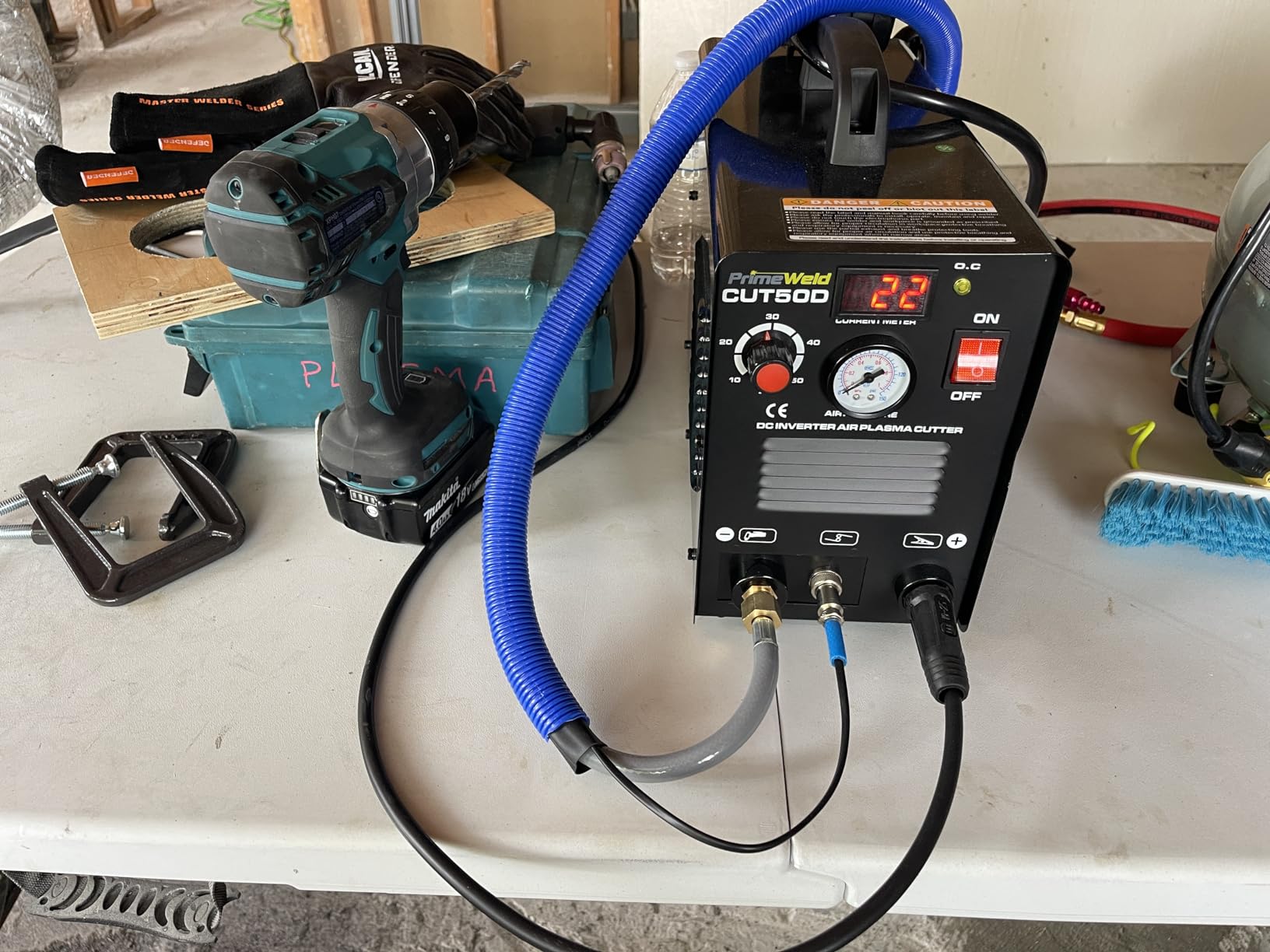
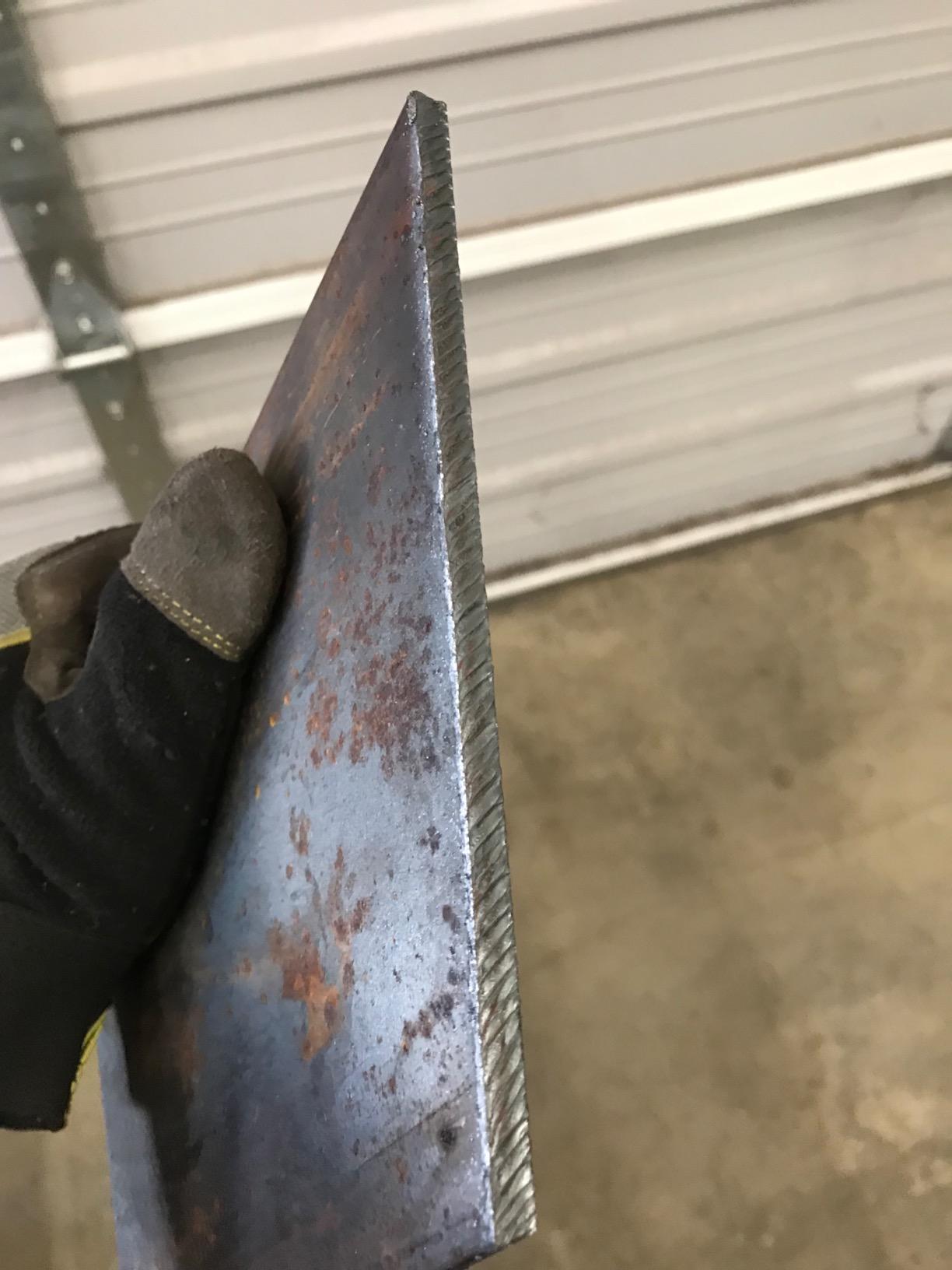
Cutting performance is well past what the 50 amp label suggests. Reviewers cut 1/2 inch and 3/8 inch mild steel quickly and compare the result favourably to machines costing several times as much. On 120V it is acceptable for thin material and much better on 220V, which is the usual pattern for a dual-voltage inverter machine.
Newer models arrive with the air filter and regulator pre-installed on the back panel with a brass quick connect, so there is almost no setup out of the box. The AG60 torch on updated models has a trigger guard and a solid feel, and the kit includes the torch, leads, air plumbing, a pre-installed 220V power cord, and a 220V to 120V adapter.
What the support story is actually worth
Ask anyone who has owned one of these machines what the top regret is and they will talk about repair rather than performance. There is no local plasma dealer in most towns, so when a unit fails the real question is who pays to move it. A brand that ships a prepaid label and returns a torch, leads, and consumables removes an entire category of risk.
The practical knock-on effect is that you can keep working. A machine that sits for three weeks waiting for a return label is a machine that sits for three weeks. Reviews describe repairs coming back faster than the owner expected, which means less downtime on a project.
What to check on arrival
Early production units had leaking internal and external air fittings, and the supplied air quick disconnect has been reported to leak and may need replacing. Most of these complaints come from earlier production runs and have been resolved since, but test the air system with soapy water before your first cut.
The manual is largely useless, so owners rely on community tutorials for setup, and the power cord is short enough that you will likely need the adapter or an extension to reach your outlet. Both are minor frictions; neither is a reason to skip the machine.
6. ARCCAPTAIN CUT55 Pro 55A Plasma Cutter with App Control – Best for App-Controlled Setups
ARCCAPTAIN iControl CUT55 Pro Plasma Cutter Machine, 55Amp, 120V/240V
55A on 120V/240V
1/2 inch quality cut
App monitoring
3 year warranty
Pros
- Digital MCU control gives stable and precise cuts
- App lets you save settings and monitor from up to 10 m away
- Intelligent post-blow adjusts automatically by current range
- Pre-installed air regulator and filter for fast setup
- Three year warranty with 10 ft torch hose and earth clamp
Cons
- One of the heavier units here at close to 20 lb
- App control adds a dependency on phone connectivity
- No compressor included
- Feature set is more complex than a hobbyist needs
The CUT55 Pro is the most integrated machine in this guide, and whether that is a benefit depends entirely on how you work. It is the only unit in the group with app-based parameter adjustment and monitoring from up to ten metres away, which sounds gimmicky until you are setting up on a ladder or checking a cut from across the shop.
Core output is 20 to 55 amps on 120V or 240V, with a quality cut thickness of 12 mm and a maximum of 20 mm. The MCU digital control is what delivers the consistency reviewers describe, and the non-touch high-frequency pilot arc starts on dirty, rusty, or coated steel without any preparation.
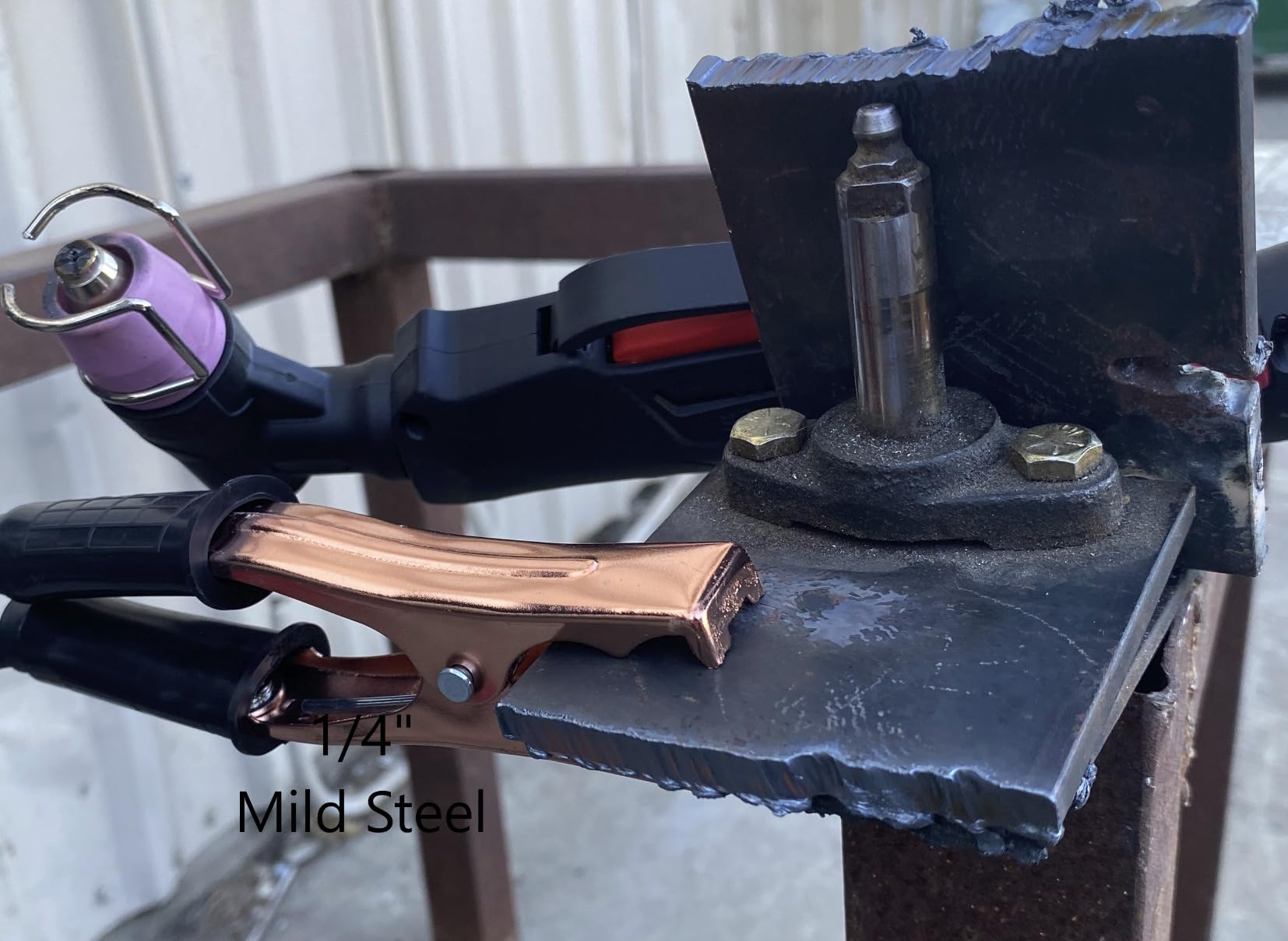
Intelligent post-blow is the feature I would keep if I had to give one up. Rather than setting a fixed cooling time, the machine adjusts automatically by current range: 5 seconds at 20 to 34 amps, 8 seconds at 35 to 45 amps, and 10 seconds at 46 to 55 amps. Owners credit it with extending consumable life without any manual setup, which is exactly the kind of automation that pays for itself in consumables.
It also handles 2T and 4T modes, carries ANSI certification with overcurrent, overvoltage, overload, and overheat protection, and has a smart fan cooling system with dust and water protection. The box includes a 10 ft AG60 torch, 10 ft air hose, 10 ft earth clamp, and a 120/240V adapter.
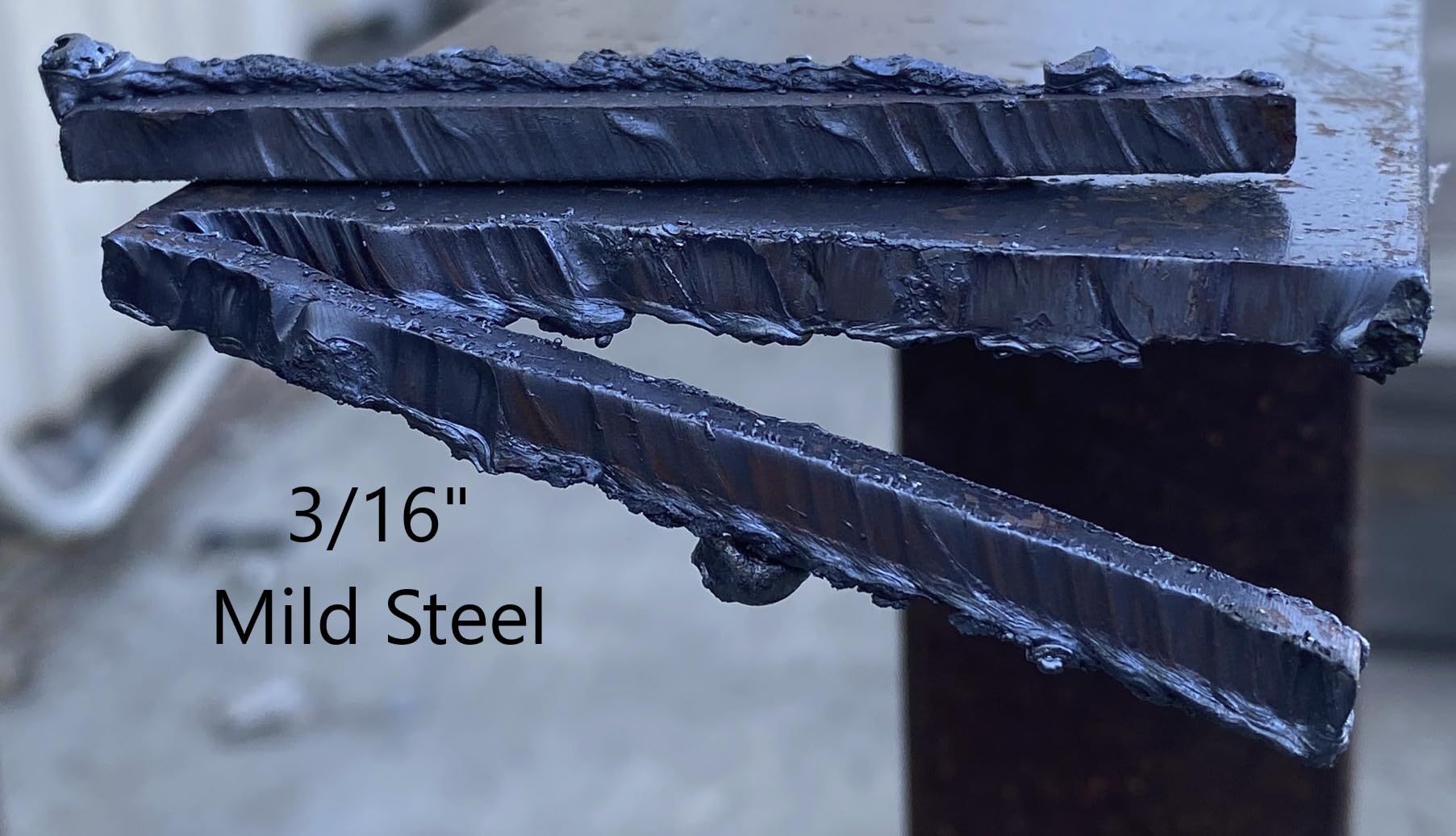
When app control earns its place
Saving settings is the underrated half of the feature. Once you have a setting that cuts 1/4 inch stainless cleanly, being able to recall it instead of re-deriving amperage and post-flow each time removes a real source of wasted consumables. It also makes the machine easier to hand to someone learning, since the settings are already written down.
Monitoring from a distance is useful on long cuts where you would otherwise walk back and forth to the panel. For a shop running the same material day after day, that convenience adds up quickly.
Where the extra complexity gets in the way
It weighs close to 20 lb, on the heavy side for this category, and that is a meaningful difference when you are moving between a garage and a driveway. The feature set is also more complex than a simple hobbyist cutter needs, and app-based adjustment adds a dependency on phone connectivity for changes you could otherwise make at the panel in three seconds.
There is no compressor included, which is true of nearly everything here, and the unit needs a suitable air supply. If you want a simple dial and nothing else, the PrimeWeld CUT50D is a cleaner fit for the same money.
7. PRIMEWELD CUT60 60A Blowback Pilot Arc Plasma Cutter – Best for Shops
PRIMEWELD CUT60 60Amp Non-Touch Pilot Arc PT60 Torch Plasma Cutter 110V/220V Dual Voltage 3 Year Warranty
60A at 60 percent duty cycle
PT60 blowback torch
Continuous pilot arc
3 year USA warranty
Pros
- Best average rating in this comparison at 4.8 with 86 percent five-star reviews
- Continuous pilot arc handles expanded rusted and painted metals reliably
- PT60 Euro central connection is a durable widely available torch standard
- Three year warranty with US-based support
- 60 percent duty cycle supports sustained production cutting
Cons
- Largest and heaviest machine in the group at 20 by 11 by 19 inches
- Costs two to three times more than comparable 60A units from other brands
- Blowback start is slower to strike than high-frequency systems
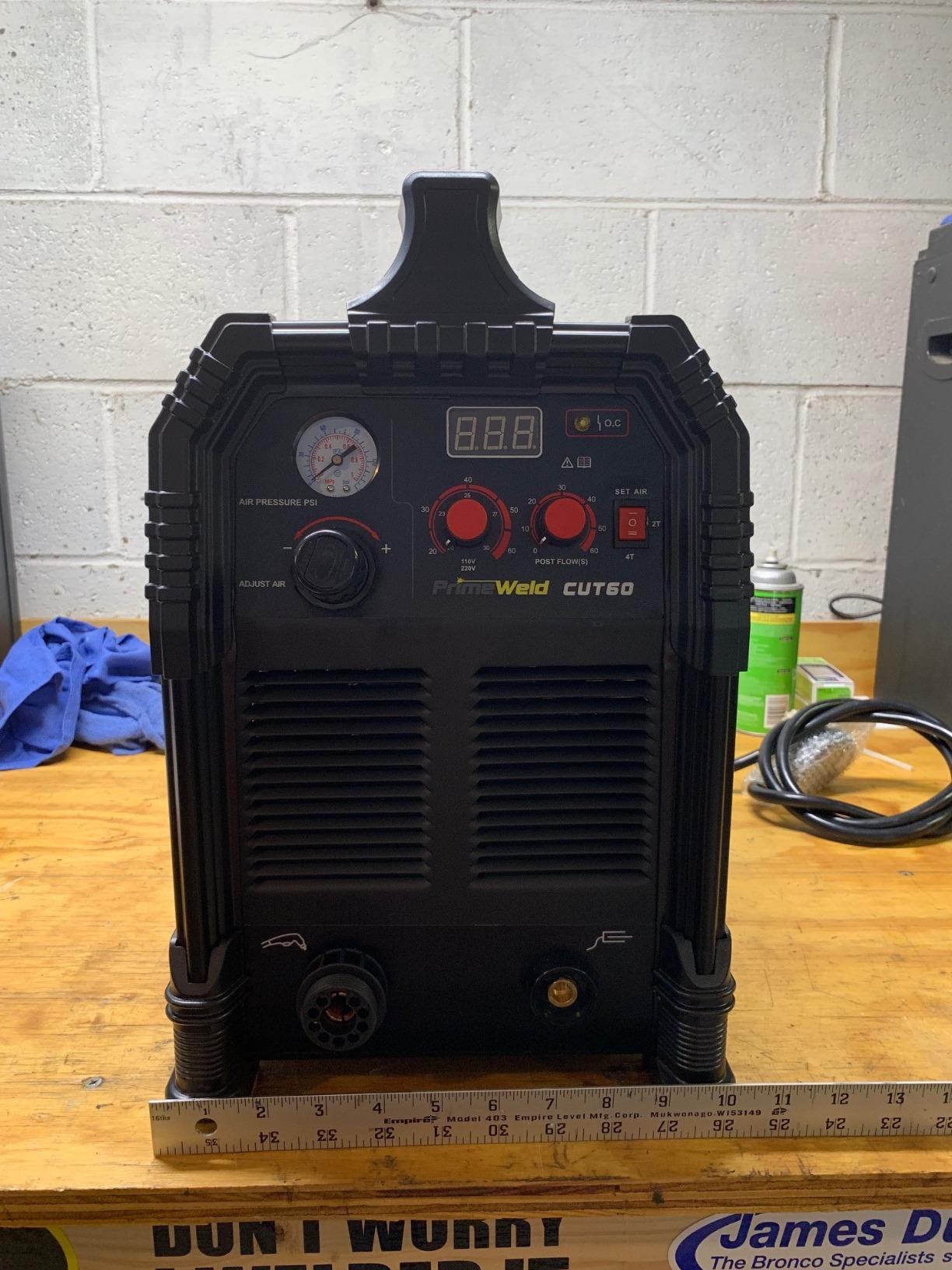
This is one of the highest-output machines in the guide, with a 4.8 average and 86 percent of reviews at five stars. The most common comment is that the 60 amp output is consistent rather than optimistic, and that the blowback start makes that power usable on dirty, painted, and expanded material.
Specs are straightforward: 60 amps at 60 percent duty cycle, 110V and 220V dual voltage with an included adapter, and a PT60 blowback cutting torch with a Euro central connection. The Euro connector is not an aesthetic choice. It is a torch standard used across a large number of machines, which means you can fit a different torch or find parts without being locked to one brand.
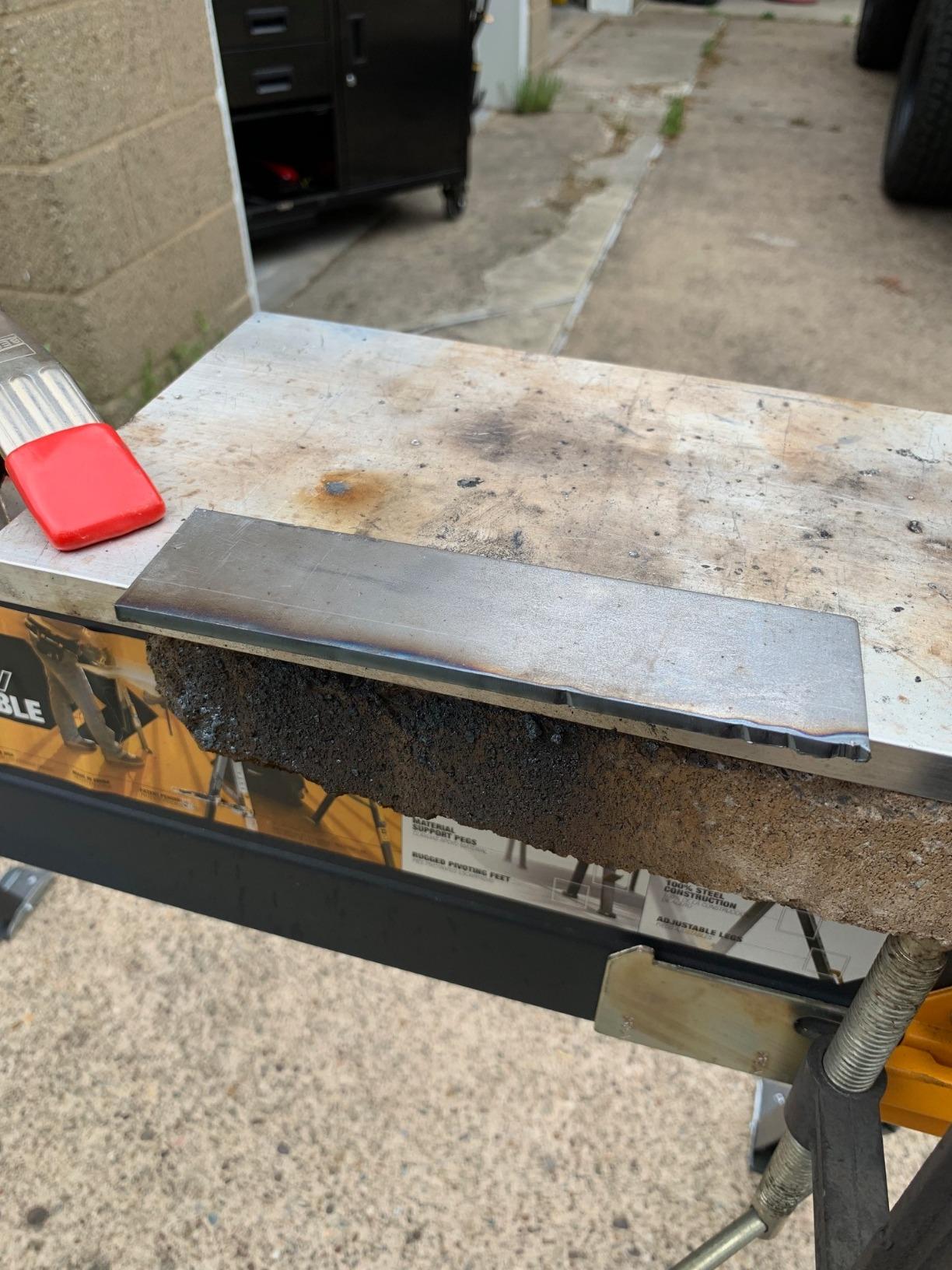
Continuous pilot arc is the feature shop users notice. You never touch the tip to the work, you start the arc over rust and paint, and you keep cutting expanded metal without the arc vanishing into the gaps. Combined with 60 amps, that is a machine that can spend a full working day on production work rather than hobby jobs.
The three year warranty with US-based support matches the longest coverage in this comparison, and it is the only 3 year warranty on a 60 amp machine here. WeldingWeb users have specifically weighed this machine against pricier 45 amp units and concluded that paying more for less output does not add up.
What you gain going to a 60 amp blowback machine
Capacity, mainly. 60 amps at 60 percent duty cycle means you can hold a cut through 1/2 inch plate all day and still have the machine cut 3/4 inch when a job calls for it. For a small fabrication shop, that is the difference between a machine that occasionally handles thick stock and one that handles it routinely.
On consumables and repair, the Euro central connection and the standard PT60 torch mean you are not buying proprietary parts. Aftermarket electrodes, nozzles, and swirl rings for this torch fit are widely stocked, which keeps running costs low and reduces the chance of being locked out by a discontinued model.
What you give up for it
This is the biggest machine in the group at 20 by 11 by 19 inches, and it is not a grab-and-go unit. It also costs two to three times more than comparable 60 amp machines from other brands in this guide, and that gap is the whole reason it is not our top pick for a home garage.
Blowback start is slower to strike than high-frequency ignition, which you will feel on short, frequent cuts where you are constantly starting and stopping. Buyers who want a lower-cost path to 60 amps should look at the SILATU or the YESWELDER instead.
8. TOOLIOM CUT-50 PRO 50A Non-Touch Pilot Arc Plasma Cutter – Most Versatile
TOOLIOM 50A Non-Touch Pilot Arc Plasma Cutter, Dual Voltage 110/220V
50A output
5/8 inch clean cut at 220V
AG60 pilot arc torch
Digital air readout
Pros
- Plugs directly into 110V or 220V without tools
- Entry-level pricing with a full feature set
- 20 to 50A output range across 110V and 220V
- Non-touch pilot arc extends electrode and consumable life
- Digital display shows air pressure voltage and current in real time
Cons
- Lowest average rating in the group at 4.1 with a 12 percent one-star share
- One of the heavier machines here at 21.6 lb
- Pilot arc needs correct air pressure to stay stable
- Cut quality reports vary and need adjustment for consistency
The TOOLIOM CUT-50 PRO sits at the low end of the rating spread in this group, and for a weekend hobbyist cutting thin material it is still enough. Output runs from 20 to 50 amps, ideal clean cut is 1/4 inch at 110V and 5/8 inch at 220V, and maximum cut is 1/2 inch at 110V and 3/4 inch at 220V.
I am placing it last for a specific reason, and it is not the feature set. At 4.1 stars across 868 reviews with a 12 percent one-star share, it has the lowest average rating in this comparison, and the one-star reviews concentrate on arc stability and cut consistency rather than on a single fixable fault.
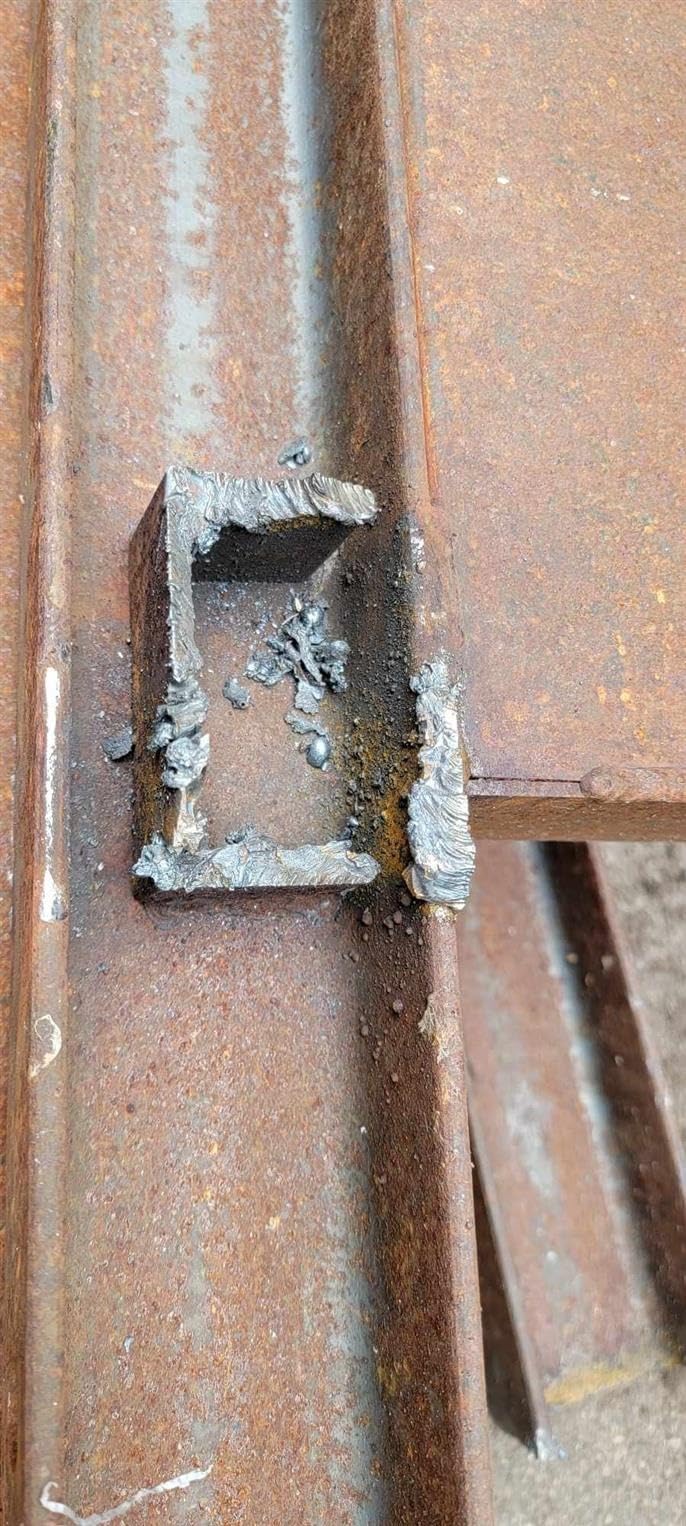
The AG60 non-touch pilot arc extends electrode and consumable life in the same way it does on the more expensive machines, and the large digital display shows air pressure, voltage, and current in real time, which is more instrumentation than several higher-priced units include. Post-cut air flow runs 5 to 20 seconds for torch consumable cooling, and it plugs straight into 110V or 220V without tools.
Maximum air pressure is 50 PSI at 110V and 65 PSI at 220V. Getting this right is the whole learning curve with the pilot arc: set it too low and the arc will not hold, set it too high and you waste electrode. Owners who report inconsistent cuts generally trace them back to this rather than to the power source.
Where it does enough work
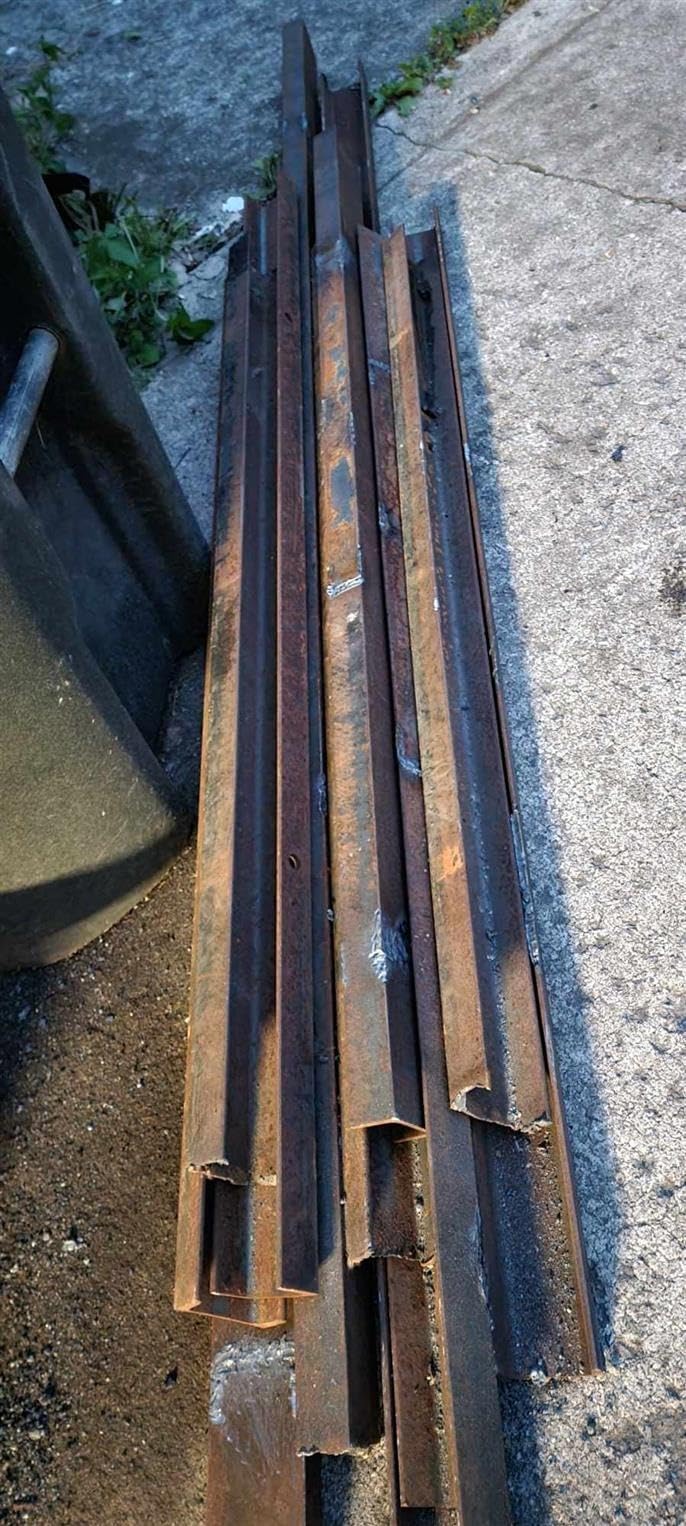
On 220V at the top of the output range this machine will cut 5/8 inch cleanly and push to 3/4 inch for severance work. For a hobbyist cutting 1/4 inch plate, small brackets, or scrap skids, that covers most of what comes up in a garage. The non-touch start also handles painted and rusty stock without a grinding step.
If your work is genuinely occasional and your budget is genuinely tight, this machine removes the barrier to entry entirely. You also learn the same fundamentals amperage, air pressure, post-flow that transfer directly to any machine you buy later.
Why it ranks last here
Consistency is the problem. Reviews report cut quality that varies, with users needing adjustment to get repeatable results, and a minority report the arc starting and stopping inconsistently. That is a poor trade for anyone cutting parts to a drawing, where repeatability matters more than peak capacity.
It is also one of the heavier machines in the guide at 21.6 lb, which undercuts the portability advantage the category normally offers. If you can stretch to the Lotos or the Arccaptain CUT50, the difference in daily experience is immediate.
How to Choose a Plasma Cutter on a Sub-1,000 Dollar Budget
Rated amps versus the amps you actually get
This is the single most useful thing to understand in this category, and it is the one thing almost nobody explains. Nameplate amperage is a maximum output rating under ideal conditions. The number that describes your actual experience is how much current reaches the workpiece after losses in the power source, the torch cable, the ground lead, and the air.
That is why two machines both labelled 60 amps can behave very differently, and why a 50 amp machine can outperform a nominally higher-rated one. Read the clean cut rating on 220V as the number that matters, and treat the amps on a 110V circuit as a separate, lower figure. The SILATU, for example, outputs up to 40 amps on 110V and 65 amps on 220V from the same box, which tells you the circuit is as much a part of the specification as the machine.
Clean cut versus severance thickness, explained
Max cut thickness is the most quoted spec in this category and the most misleading. A clean cut rating means the machine cuts that thickness in one pass with no more than a light amount of dross on the reverse side. A severance rating means it will cut through that thickness, possibly with slag and a rough edge that needs grinding.
The gap between the two is large, often a factor of two or more. When a brand advertises a 4/5 inch maximum cut, ask whether it is clean or severance. For structural work and visible parts, only the clean cut figure is relevant.
What your budget buys at each price band
Under roughly 200 dollars, you are buying entry-level capability. The TOOLIOM CUT-50 PRO and the SILATU STC650P live here, and both deliver far more than the price suggests. This tier works for a hobbyist cutting up to 1/4 inch who will never exceed 30 or 40 minutes of cutting a week.
From roughly 250 to 300 dollars, you get the sweet spot. The Lotos LTP5505D, the PrimeWeld CUT50D, the Arccaptain CUT50, the Yeswelder CUT-60DS PRO, and the Arccaptain CUT55 Pro all sit in or near this band, and it is where most of the value in the entire category lives. A 55 to 60 amp machine with pilot arc start, a filter, and a multi-year warranty should not be available at this money, and that is why five of these picks sit inside this band.
Above 500 dollars you are paying for chassis, warranty length, and support rather than cutting capacity. The PrimeWeld CUT60 sits alone up there, and it earns that place on rating, duty cycle, and a three year warranty rather than on amps you cannot yet use in a home garage.
Breaker size and voltage: can your garage run it
This is the hard gate, not a preference. A 60 amp machine on 240V needs a 50 amp dedicated circuit, and the SILATU specifically requires a dedicated 40 amp or higher breaker or it will trip mid-cut. A 50 amp machine on 120V wants a 30 amp circuit, which most American homes do not have in a garage either.
Before you buy, find out what you actually have. Look at the breaker panel for a two-pole breaker that is not already occupied, and if there is nothing suitable, get an electrician to install one before the machine arrives. Homeowners raise this constantly on welding forums: the machine is useless until the circuit exists, and several owners report discovering that only after delivery.
Running on 120V is genuinely fine for thin material on most of these machines, just at reduced output. Budget for the 240V circuit eventually if you plan to cut plate.
Air supply: PSI, CFM and compressor size
Compressed air is the most underestimated requirement in this category. A plasma cutter is not an air consumer in the way a plasma TV is, but a 60 amp machine moving a 20 to 25 degree kerf through 1/2 inch plate will outrun a small shop compressor if the receiver is starved.
The pattern across this group is consistent. Arccaptain specifies 12 mm at 35 amps and 55 PSI on 110V, and 18 mm at 50 amps and 75 PSI on 220V. TOOLIOM caps at 50 PSI on 110V and 65 PSI on 220V. SILATU recommends no more than 70 PSI at 250 liters per minute, and Arccaptain lists an air flow capacity of 150 liters per minute for its 50A unit.
The practical answer to what PSI to run is the manufacturer’s figure for your amperage and thickness, then check that your compressor can hold it under load. A wet air line is the other half of the problem. Every machine here either includes or accepts a filter regulator and water separator, and a water trap on the compressor outlet is inexpensive insurance against arc instability. Our sod cutter reviews cover the other machine that runs off the same compressor, if you are working outdoors on driveways and edging as well as in the shop.
Blowback versus high-frequency start, and CNC tables
Non-touch start, also called pilot arc, lets the torch ignite without touching the work. There are two ways to do it. High-frequency start fires a burst of high-frequency signal, which is fast and reliable but radiates near the operator and can interfere with electronics. Blowback start pushes current back through the torch mechanically, which is slower to strike but quiet and electrically benign.
The decision point is CNC. If you intend to drive a plasma table, high-frequency start machines are generally considered incompatible because the ignition signal upsets torch height control. Blowback machines can be used on a CNC table, which is why the YESWELDER CUT-60DS PRO and the PrimeWeld CUT60 are the two picks here that fit that project. Harbor Freight Titanium units are also widely used as a starting point for 110V CNC table builds, though they carry a short return window that many owners dislike.
Consumables, used machines, and when to spend more
Running costs are simple to estimate. Electrodes and nozzles for standard torches such as the AG60 and PT60 styles are cheap and available from many vendors, while proprietary torches force a single-vendor relationship and higher per-tip costs. The Lotos is the one machine here where reviewers mention replacement tips as pricey, which is worth factoring in if you cut weekly.
On used machines, the forum consensus is consistent: a new 60 amp machine in this bracket beats a used name-brand machine with less output. An irate4x4 builder found an older 40 amp Miller for a high four figure sum and concluded a new 60 amp midrange machine was better value for the same money. A WeldingWeb poster made the same call in the other direction, refusing to spend more on a 45 amp unit with a 90 day return policy than on a CNC-capable machine with a longer warranty.
Know when to go above this ceiling too. If you need to cut 1 inch steel regularly or run production work all day, the money saved under a thousand dollars comes back in setup time and consumables. Our brush and sod cutter guides cover the other half of yard and shop tooling, but the general principle holds: know the limit of your budget before you hit it.
Frequently Asked Questions
What is the best plasma cutter under a thousand dollars?
The LOTOS LTP5505D is the best plasma cutter under a thousand dollars for most buyers. It delivers 55 amps of inverter output, a 5/8 inch clean cut on 220V, a front-mounted air regulator, and 2400 owner reviews at 4.4 stars. The ARCCAPTAIN CUT50 is the pick if weight and simple controls matter most to you, and the PrimeWeld CUT60 for shops that need sustained 60 amp output.
Are cheap plasma cutters any good?
Yes, within limits. Machines in the 250 to 300 dollar band now deliver 50 to 60 amps with non-touch pilot arc start, air filtration, and multi-year warranties, which was not true a few years ago. What cheap machines do not offer is rated amperage consistency, build quality in the leads and ground clamp, and repair support. The gap between a good budget machine and a bad one is about delivered output and warranty, not cutting speed.
What is a good low-cost plasma cutter?
Good low-cost options include the SILATU STC650P, which delivers 65 amps and a 4/5 inch maximum cut, the TOOLIOM CUT-50 PRO as an inexpensive way in, and the ARCCAPTAIN CUT50 for the best balance of weight and controls. All three require a separate air compressor. Before buying any of them, confirm you can install a 30 amp circuit for 120V use or a 40 to 50 amp circuit for 220V use.
What is the best plasma cutter for a beginner?
The PrimeWeld CUT50D is the easiest first machine because the air filter and regulator arrive pre-installed on a brass quick connect, so setup takes minutes rather than an afternoon. The Lotos LTP5505D is a close second thanks to its large review base and responsive support. Either way, buy a water trap, learn your air pressure setting before the first cut, and replace the ground clamp early.
What PSI should I run my plasma cutter at?
Follow the manufacturer figure for your amperage and thickness. Typical settings in this class run 55 PSI at 35 amps on 110V, 75 PSI at 50 amps on 220V, and 65 to 70 PSI at higher currents, with a practical ceiling around 70 PSI. More pressure does not mean a better cut. Run too low and the arc will not hold; run too high and electrodes wear faster.
What are common plasma cutter problems?
The most common issues are an unstable arc from air pressure set too low, excessive electrode wear from too little post-flow time, dross on the cut edge from insufficient amperage for the thickness, and consumables burning through quickly. Leaking air fittings and a ground clamp that will not lock properly are frequent complaints on budget machines. A dirty or wet air line causes most arc stability problems.
Which Plasma Cutter Should You Buy?
The LOTOS LTP5505D is the best plasma cutter under a thousand dollars, because it pairs 55 amps of inverter output with the largest owner-review history in the category and a front-mounted air regulator that works out of the box. If you want the simplest controls and the easiest machine to carry, the ARCCAPTAIN CUT50 at 13 lb is the runner-up.
Match the machine to the job instead. The SILATU STC650P delivers the most amps in this group, so it suits anyone who can wire a 40 amp circuit. The YESWELDER CUT-60DS PRO is the pick for a CNC table because its blowback start will not fight your torch height control. The PrimeWeld CUT50D is the one to buy if support matters, with prepaid return shipping and standard AG60 consumables you can buy anywhere. The Arccaptain CUT55 Pro suits anyone who wants saved settings and a three year warranty. The PrimeWeld CUT60 is the shop machine, rated 4.8 with 60 amps at 60 percent duty cycle. The TOOLIOM CUT-50 PRO is the simplest way to learn the craft and the one most likely to frustrate you when consistency matters.
Whichever you choose, settle the circuit and the compressor before the machine arrives. A water trap and a filter regulator cost little and decide whether your first cut looks good or not.