
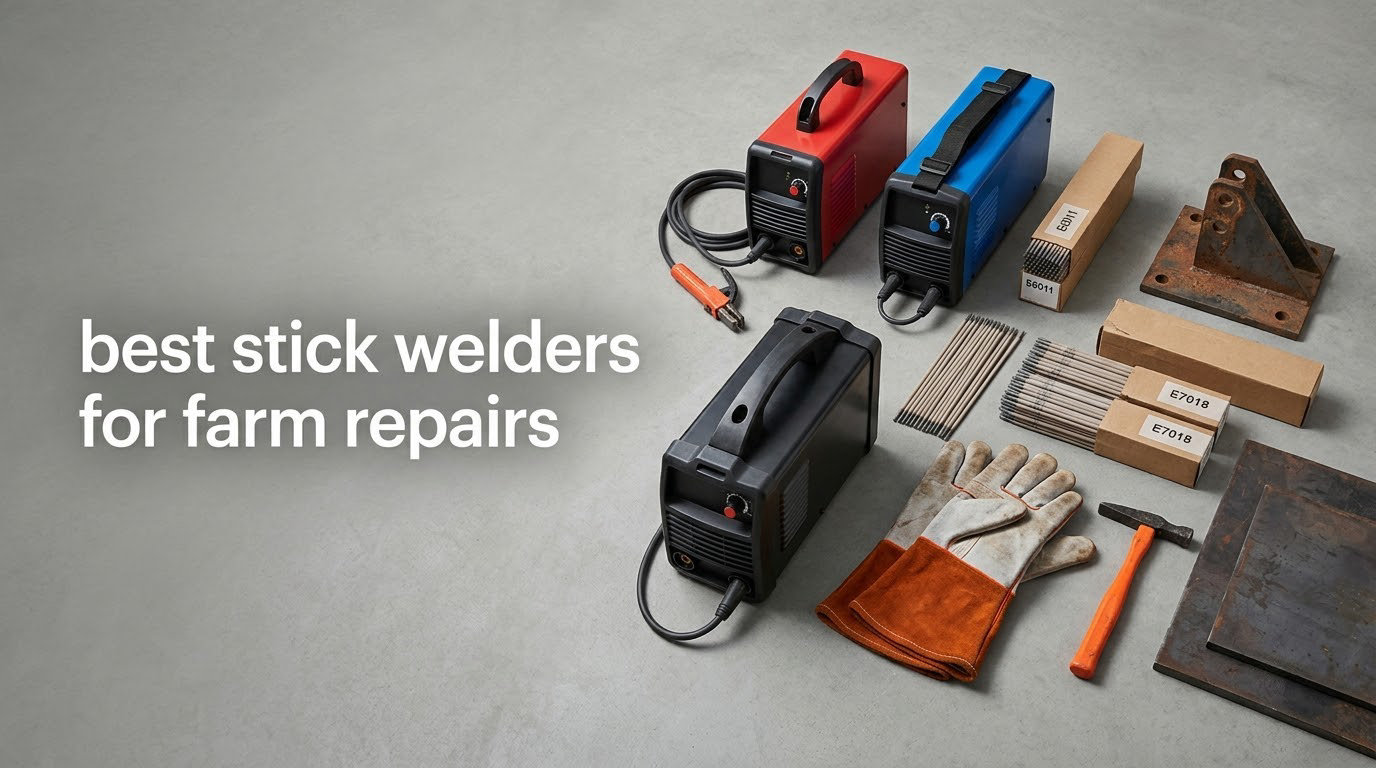
Ask any farmer what breaks at 6 p.m. on a Saturday and the list is short: a skid loader bucket with a worn edge, a trailer A-frame, an auger flight with a cracked rib, a gate hinge that finally gave up. Most of those repairs happen in a field or a barnyard on steel that has been sitting in weather for a decade, sometimes with no outlet within a quarter mile. That is the whole argument for stick welding, and it is why I ranked these best stick welders for farm repairs around one question owners ask constantly: which machine survives dirty metal, a wind gust, and fifteen years of hard use.
My short answer: a dual-voltage 110V/220V inverter stick welder with DC output, hot start, and anti-stick is the right farm-shop machine for most people. It runs from a household circuit in the barn, steps up to 220V in the shop, and a self-shielded rod means nothing to carry but the machine and a rod box.
One piece of honesty first. Most serious farm operations end up owning two machines: a wire welder for thin sheet and general fabrication, plus a 175-200 amp stick machine for hardfacing and heavy implements. Nothing on this list will burn through worn 3/16 inch sheet metal cleanly, no matter what the amp number on the box claims.
If your shop is already set up for wire, read our MIG welder comparison and TIG welder picks first, then come back for the stick side of the bench.
Table of Contents
Top 3 Best Stick Welders for Farm Repairs in 2026

DEKOPRO 160A 110/220V IGBT
- 160A dual voltage
- IGBT inverter
- ETL certified
- Hot start and anti-stick

YESWELDER ARC-205DS PRO 205A
- 205A output
- 110V and 220V input
- Four rod types
- Hot start and arc force 1-10
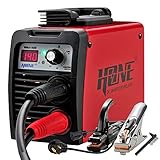
HONE MMA140D 140A Inverter
- 140A at 220V and 120A at 110V
- 40 percent duty cycle at rated output
- Digital fault indicator
- Four rod types
Quick Picks: Best Stick Welder for Farm Use (October 2026)
Every machine below is a real stick (SMAW) welder, listed in the same order as the full reviews. Read the output column against the steel you actually weld, not the headline amperage.
| Product | Specifications | Action |
|---|---|---|
| DEKOPRO 160A 110/220V IGBT |
|
Check Latest Price |
| YESWELDER ARC-205DS PRO |
|
Check Latest Price |
| HONE MMA140D 140A |
|
Check Latest Price |
 Hpoouo ARC-200 Mini 200A Hpoouo ARC-200 Mini 200A |
|
Check Latest Price |
 HGNVGZ MMA-250 250A HGNVGZ MMA-250 250A |
|
Check Latest Price |
 HITBOX AT2000 200A HITBOX AT2000 200A |
|
Check Latest Price |
 S7 250A Dual Voltage S7 250A Dual Voltage |
|
Check Latest Price |
 FEIFANKE 250A Mini Kit FEIFANKE 250A Mini Kit |
|
Check Latest Price |
 Siasky MMA-250A 3.3 lb Siasky MMA-250A 3.3 lb |
|
Check Latest Price |
 Sefaspe ARC 200Pro 200A Sefaspe ARC 200Pro 200A |
|
Check Latest Price |
 TOOLIOM ARC-195 PRO 195A TOOLIOM ARC-195 PRO 195A |
|
Check Latest Price |
 Eioehtl 250A Dual Voltage Eioehtl 250A Dual Voltage |
|
Check Latest Price |
1. DEKOPRO 160A 110/220V IGBT – the most proven dual-voltage farm welder in this roundup
DEKOPRO 110/220V MMA Welder,160A ARC Welder Machine IGBT Digital Display LCD Hot Start Welder with Electrode Holder,Work Clamp, Input Power Adapter Cable and Brush
160A output
110V and 220V input
IGBT inverter
11.11 lb
ETL certified
Pros
- Highest review volume in the group with a 4.6 average
- ETL certified with anti-stick and hot start
- IGBT inverter handles mild steel stainless and cast iron
- Compact body with a carrying handle
Cons
- Heavier than most compact machines here
- Documentation is thin compared with established welding brands
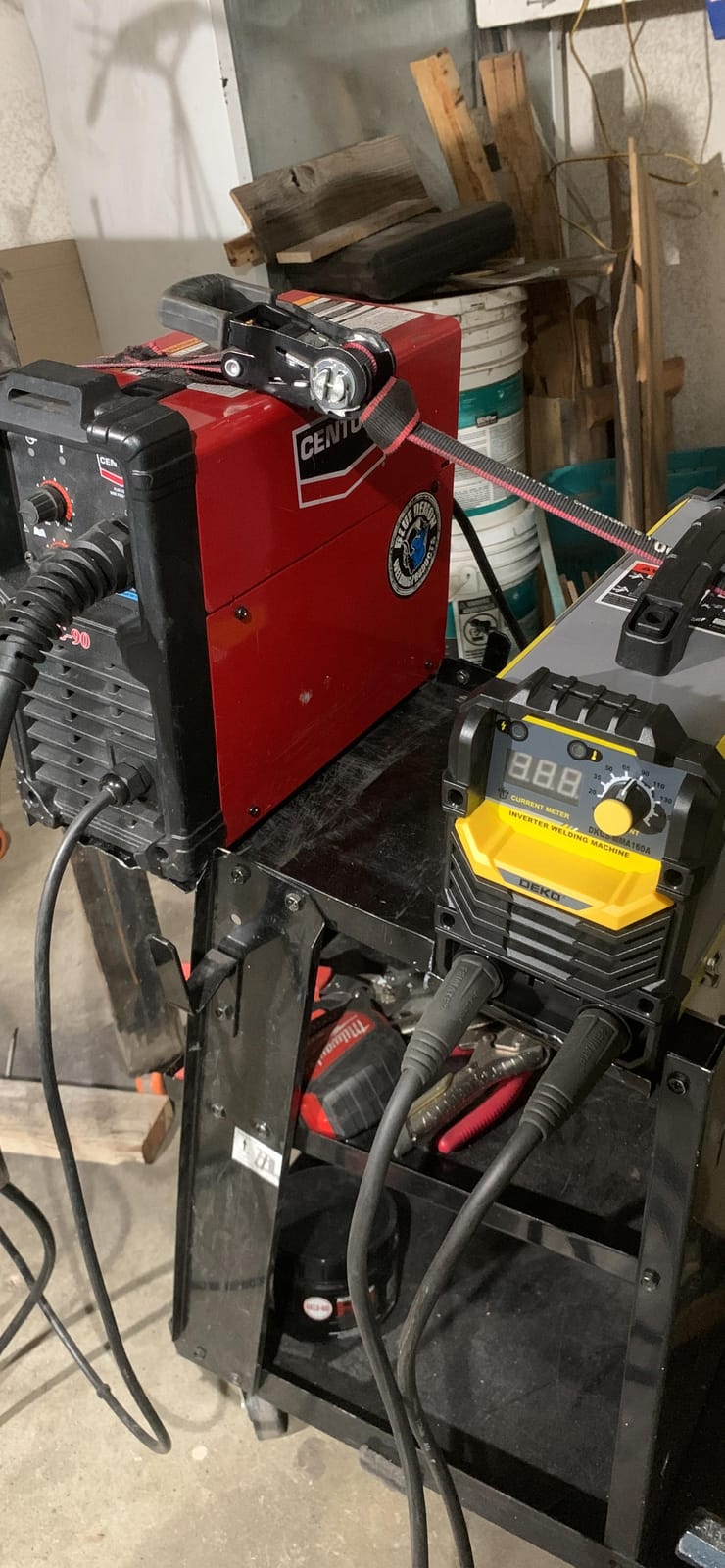
I keep coming back to this machine because of the review volume rather than the spec sheet. A 4.6 average across more than six thousand owner reports is a better durability signal for a tool you might own for fifteen years than any single measurement on a listing page.
It has been available since early 2019, which means any failure modes would already be visible in the reviews. Owners weld mild steel, stainless, and cast iron with it.
Hot start and anti-stick are built in, and ETL certification means each unit was inspected rather than spot-checked. Those two features matter more outdoors than the marketing suggests, because a machine that will not re-ignite when the arc breaks in a crosswind costs you the whole repair.
The 11.11 lb weight is the one thing I would flag. It is not a backpack unit, but it is one hand-carryable and shaped to sit in a truck bed behind the seat.
What to check before you buy
Match the output to your steel. 160 amps suits 1/8 inch mild steel and 3/16 inch plate; for plow frames or thick implement brackets, the 205A machine at number 2 has more headroom. Also confirm you have a dedicated 20A outlet, since voltage drop on a loaded rural circuit is the most common cause of a disappointing first weld.
Who should skip it
Skip it if your only repairs are thin sheet metal or non-ferrous work, and skip it if you want lift TIG in the same box, because this is a straight stick-only unit. It is also not the machine for heavy E6010 cellulose hardfacing work.
2. YESWELDER ARC-205DS PRO – the most power and the most rod compatibility for the money
YESWELDER 205Amp Stick Welder Digital Inverter IGBT ARC Welding Machine
Up to 205A
110V and 220V
8.8 lb
LED display
Hot start and arc force 1-10
Pros
- Most output amperage in a body this light
- Adjustable hot start and arc force from level 1 to 10
- Voltage fluctuation compensation for rural power
- LED display and precision knob
- Runs 3/32 to 3/8 inch mild steel on 220V
Cons
- Displayed amperage reads higher than measured output on some units
- Included ground clamp feels flimsy
- Lift TIG needs a separately sold torch
This is the machine I recommend when somebody asks for one welder that will not be the limiting factor on a heavy implement. Two hundred and five amps from an 8.8 lb body is a combination I rarely see, and owners report running rod and plate from 3/32 up to 3/8 inch mild steel on 220V.
Rod compatibility is the standout spec: 6010, 6011, 6013, and 7018 all run on it. On a farm that means you are not choosing your process based on what the machine happens to like.
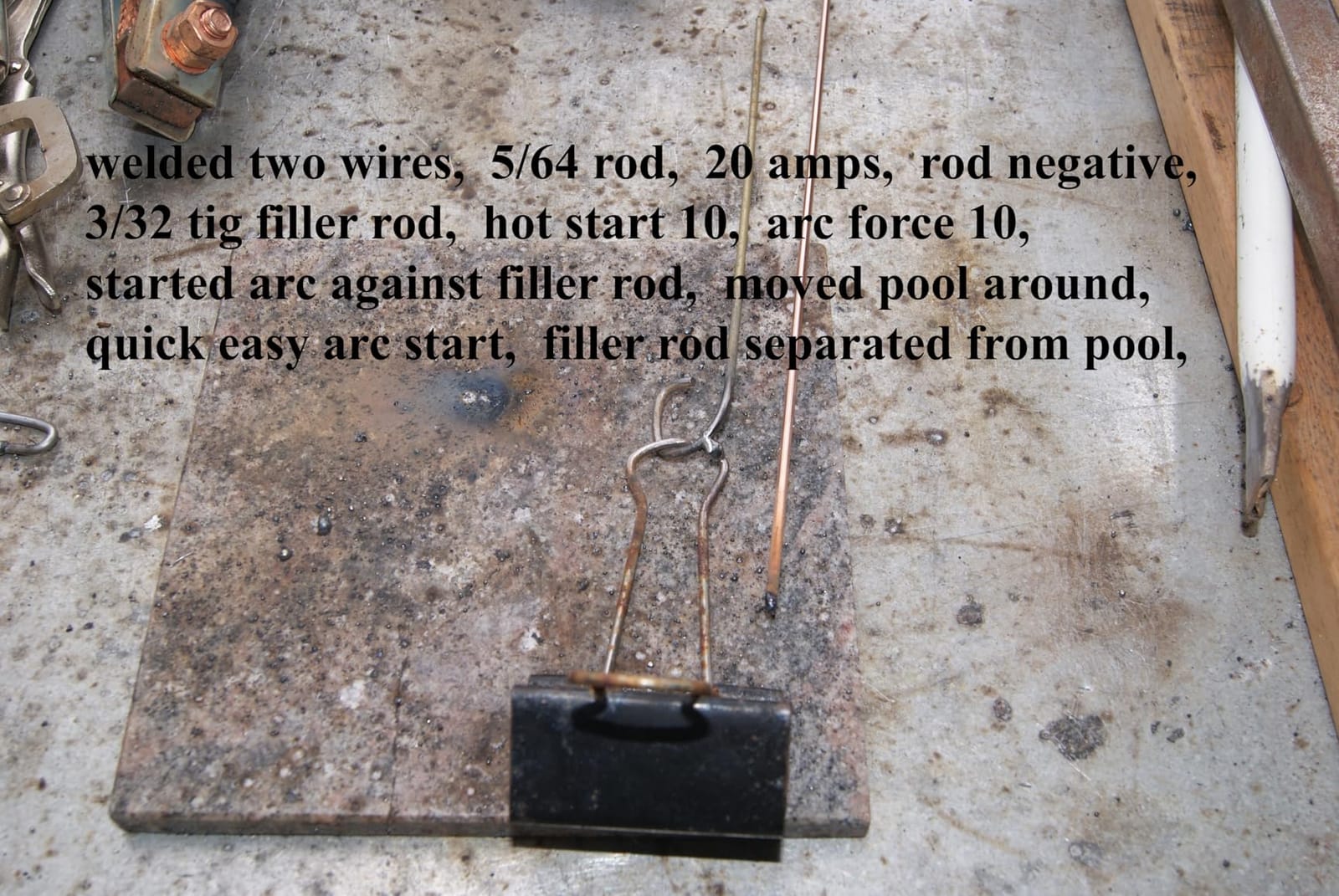
Hot start and arc force both adjust from level 1 to 10, and automatic voltage fluctuation compensation is a genuine advantage on a farm where long extension cords and a weak transformer are common. A rough line is exactly where a naive machine stalls mid-bead.
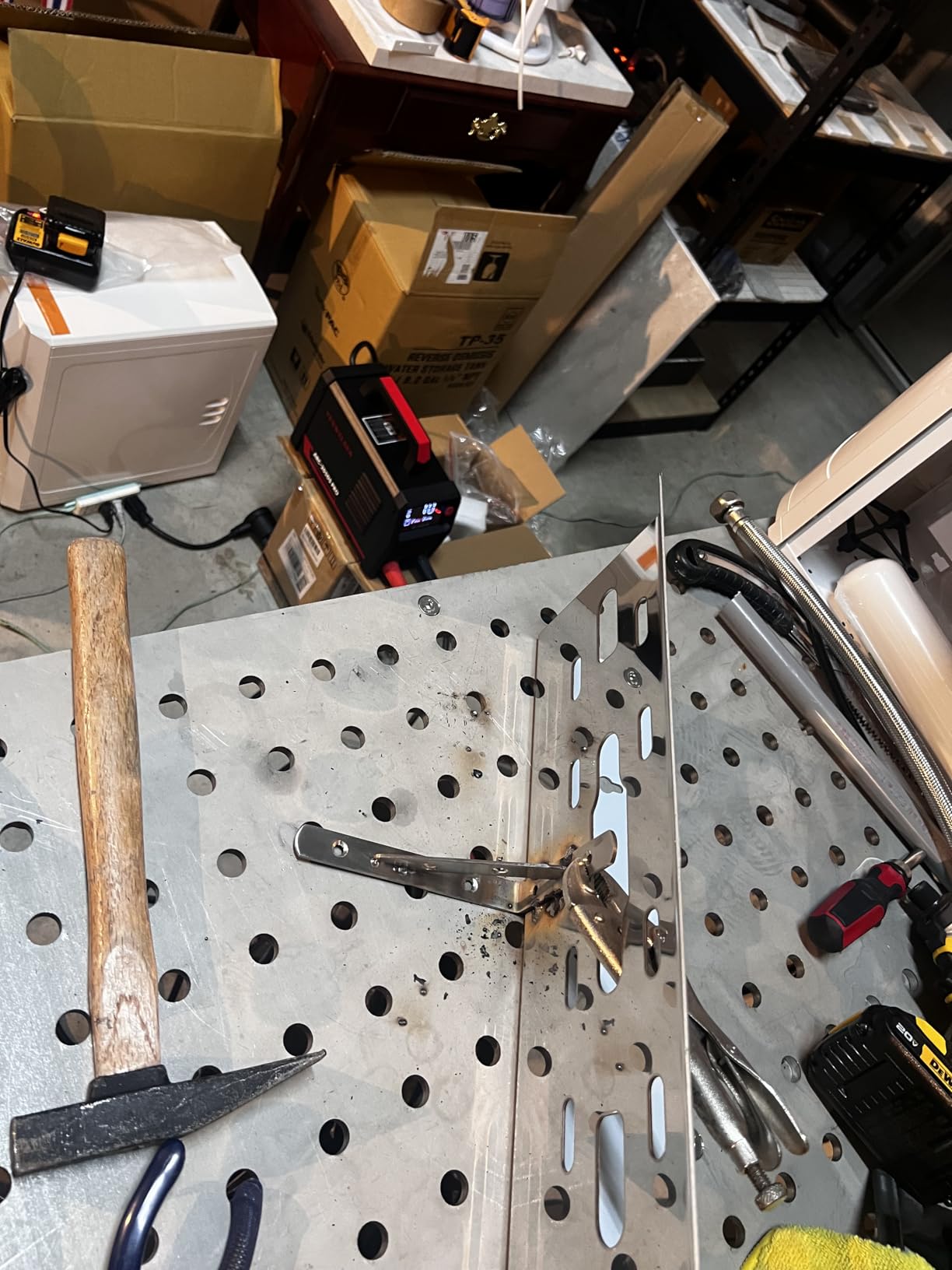
Two honest caveats. The displayed amperage runs noticeably higher than measured output on some units, and owners of 6013 rods find it finicky because that rod starts cold and wants constant puddle control.
What to check before you buy
Check the 220V branch circuit, since 205 amps is a real load and this class of output expects a properly broken 30A or 50A circuit. Plan to replace the included ground clamp, because a marginal clamp is a real cause of a lost arc and a wandering bead.
Who should skip it
Skip it if accuracy at low amperage matters more than headline output, and skip it if you want a box that includes rods, gloves, and a chipping hammer. Skip it if you plan to use lift TIG often and do not want to source a torch and regulator separately.
3. HONE MMA140D – the most honest 40 percent duty cycle in a small inverter
HONE Stick Welder, 110V/220V Actual 140Amp ARC Welder Machine, IGBT Inverter Digital Display LCD Welding Machines with Hot Start Arc Force Anti-Stick, High Efficiency for 1/16″-1/8″ Welding Rod.
120A at 110V and 140A at 220V
40 percent duty cycle
9.44 lb
Digital fault indicator
Pros
- Runs 7018 on 120V through a standard 20A breaker
- Owners used it on a skid steer bucket and a zero-turn mower frame
- 40 percent duty cycle at rated output cuts cooldowns
- Compact enough to carry to outlying jobs
- Responsive customer service
Cons
- Display and knob sticker are inaccurate away from a couple of settings
- Cannot run E6010 cellulose reliably
- Readout differs between 110V and 220V modes
A 40 percent duty cycle means the machine runs 4 minutes and cools 6 minutes in every 10-minute cycle. Most budget inverters advertise something similar, but this one publishes the number against a rated output of 120 amps at 110V and 140 amps at 220V, which is the honest way to do it.
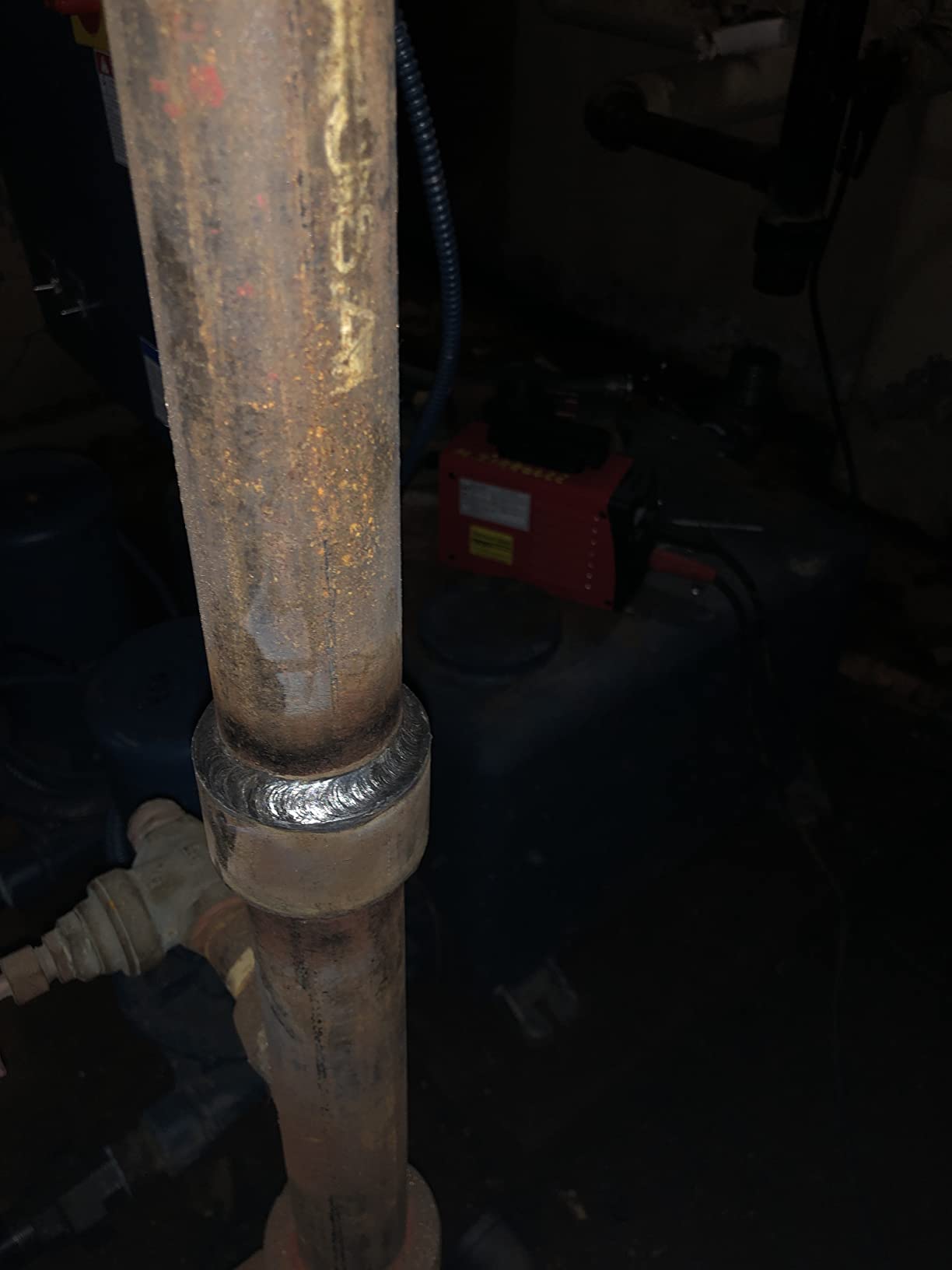
That rating suits real farm work. Owners report using it on a skid steer bucket and a zero-turn mower frame, and running 7018 rods on 120V without tripping a breaker.
Rod support covers AWS E6013, E7018, E6011, and E6010 in 1/16 to 1/8 inch diameters, with hot start, anti-stick, and protection against overheat, over-current, over-voltage, and short circuit. A digital display with a fault indicator shows real-time current.
The honest limitation is E6010: owners report the arc keeps dropping on cellulose rods. The amperage readout and the knob sticker are also inaccurate away from a couple of points.
What to check before you buy
Check your steel against 140 amps at 220V. That is fine for 1/8 inch and light 3/16 inch plate, but heat input has to come down or you will burn through anything thicker. At 9 by 3.9 by 5.6 inches it is also genuinely compact, which matters if repairs are scattered across a large property.
Who should skip it
Skip it if you run cellulose E6010 for hardfacing or pipe, since that is a machine limit rather than a settings problem. Skip it if you weld large stainless castings or aluminum, as those need stronger DC arc performance and a TIG route.
4. Hpoouo ARC-200 – the smallest machine that still handles 0.06 to 0.2 inch material
Hpoouo 200Amp 20PCS Rods Stick Welder, Super MINI Portable Welding Machine
20 to 200A adjustable
110V operation
3.7 lb body
0.06 to 0.2 inch material
Pros
- 3.7 lb body fits a backpack or toolbox
- 20 rods two chip hammers and gloves included
- Handles cast iron and mild steel from 0.06 to 0.2 inch
- Digital IGBT control keeps the arc stable on thin plate
Cons
- Single 110V operation limits heavier structural work
- Electrode holder and work clamp must be reconnected for alkaline rods
- Included accessories are basic consumables
The pitch is simple: a 3.7 lb machine rated from 20 to 200 amps that measures 7.8 by 3.9 by 5.3 inches. That footprint is the reason to buy it, because the weight of the machine decides whether you make the call to a far field at all.
Adjustable current covers material from 0.06 to 0.2 inch, spanning mower brackets, gate hinges, exhaust pieces, and light auger work. The rod list covers E6013, E6011, E6010, E7018, and E308.
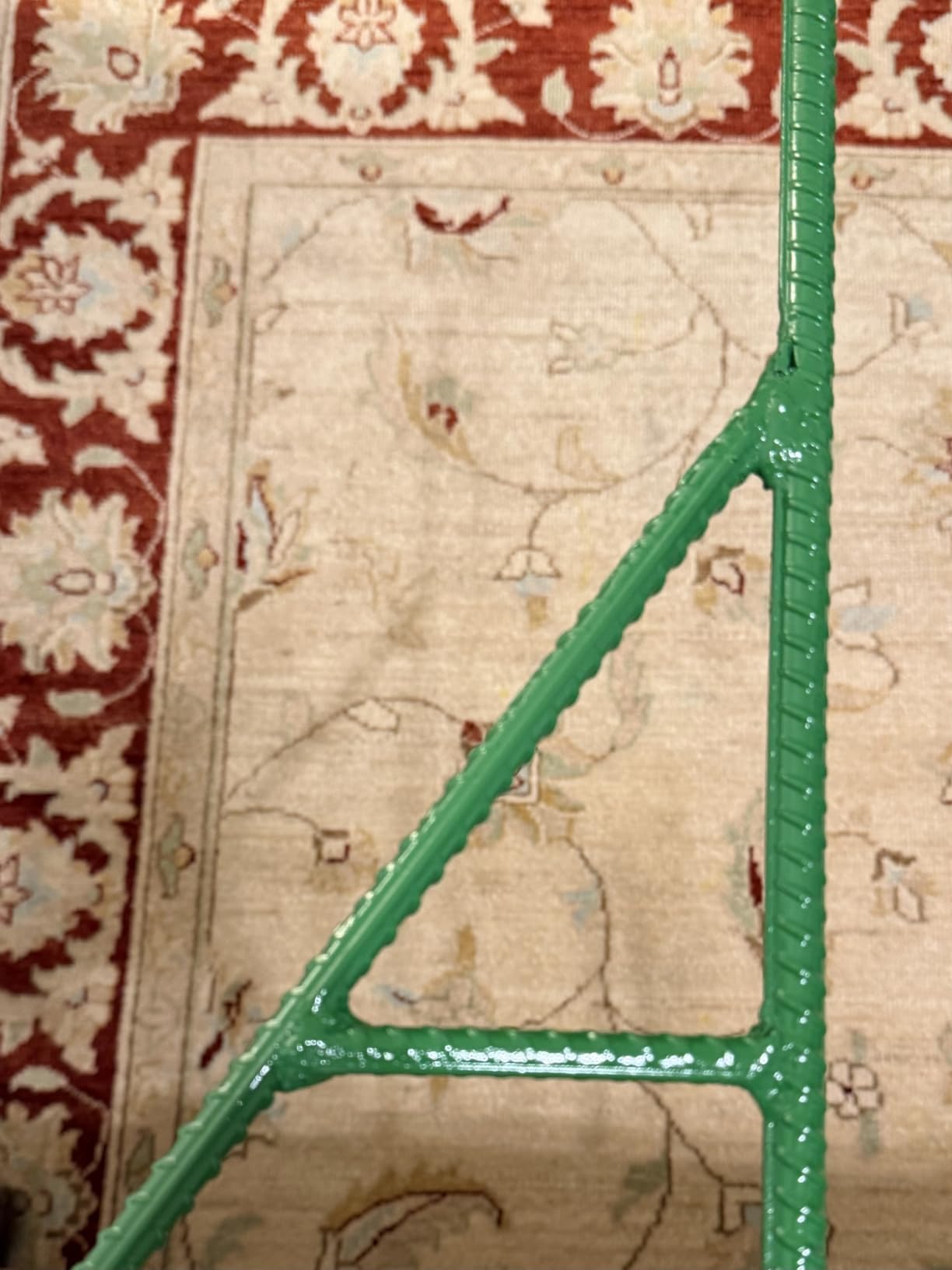
It arrives ready to weld, with 20 rods, two chipping hammers, and gloves in the box, which saves a first trip to the farm supply store. Owners single out the kit as a main reason for their satisfaction.
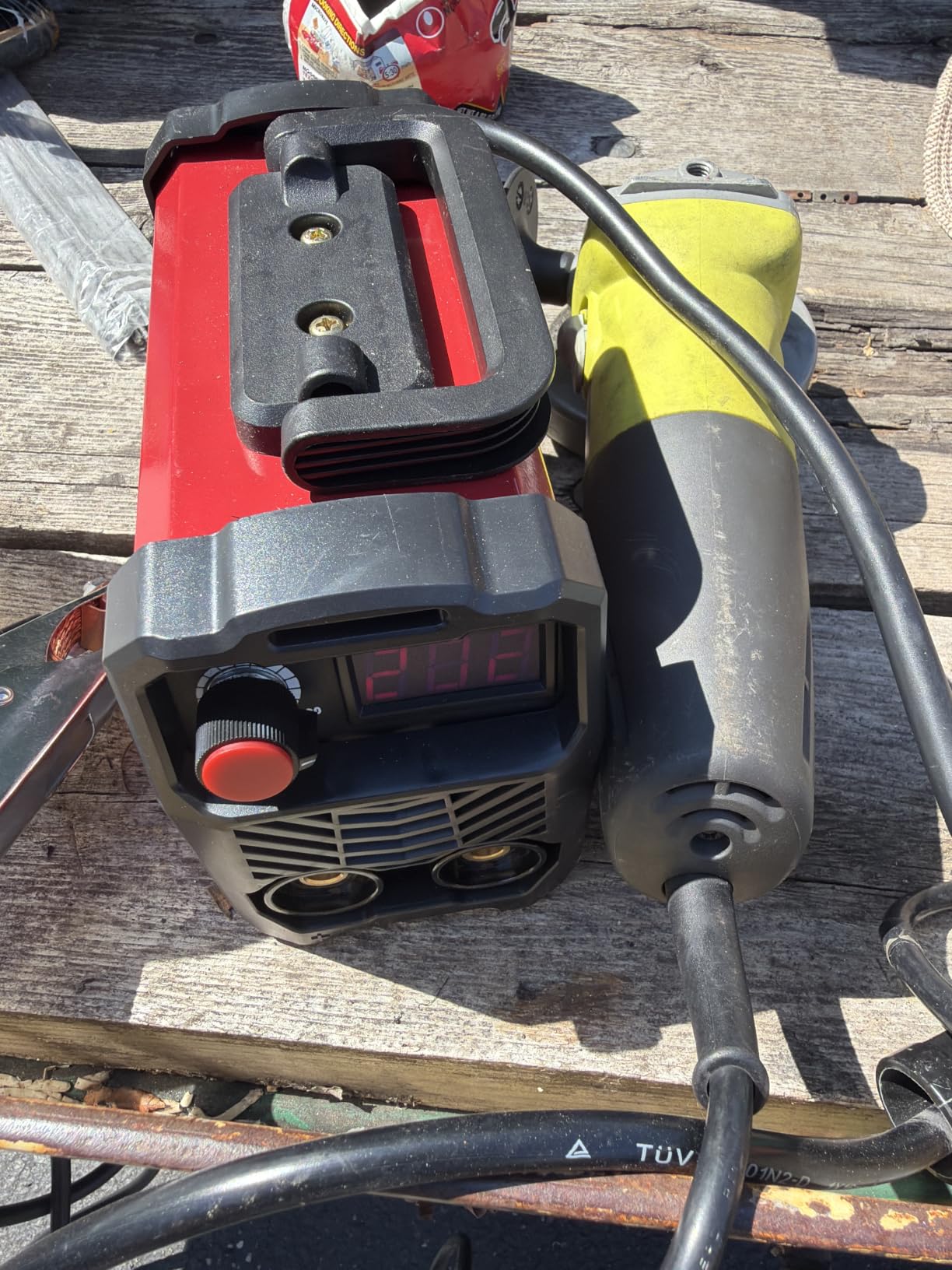
Two limits are worth stating plainly. It is 110V only, and you must rewire the electrode holder and work clamp to run alkaline rods, meaning a polarity swap every time you change rod type.
What to check before you buy
Check that your typical repair fits under 0.2 inch, because past that a 110V machine asks you to accept bead quality you would not tolerate on a hitch or a loader arm. Check your rod habits too, since frequent acid-to-alkaline switching will get old fast.
Who should skip it
Skip it if you do any hardfacing or weld 1/4 inch or thicker steel; the single-voltage design is the reason. Skip it if you want to leave it running through a long bead, because cooling breaks will interrupt you sooner than a shop machine would.
5. HGNVGZ MMA-250 – the highest published duty cycle for 110V work
HGNVGZ 250A MMA Stick Welder 110V, Portable IGBT Inverter Arc Welder
20 to 250A on 110V
60 percent duty cycle at 250A
3.7 lb with strap
ABS shell
Pros
- 60 percent duty cycle at 250A is the highest published here
- Adjustable shoulder strap for carrying to job sites
- One owner reports three years and about 160 lb of rod burned
- Enough power for mower decks at 80 amps
- ABS housing resists overheating shutdowns
Cons
- One owner reports an early failure and a poorly translated manual
- Needs a dedicated 20A breaker to run well
- Manual lacks a usable troubleshooting section
A 60 percent duty cycle means 6 minutes on and 4 minutes off in every 10-minute cycle at the full 250A rating. No other machine here publishes that number, and it changes how you plan a long day of bead work.
Output is 20 to 250 amps on standard 110V household power, so it needs a proper 20A circuit rather than an extension into a barn socket. The body is 3.7 lb with an adjustable shoulder strap.
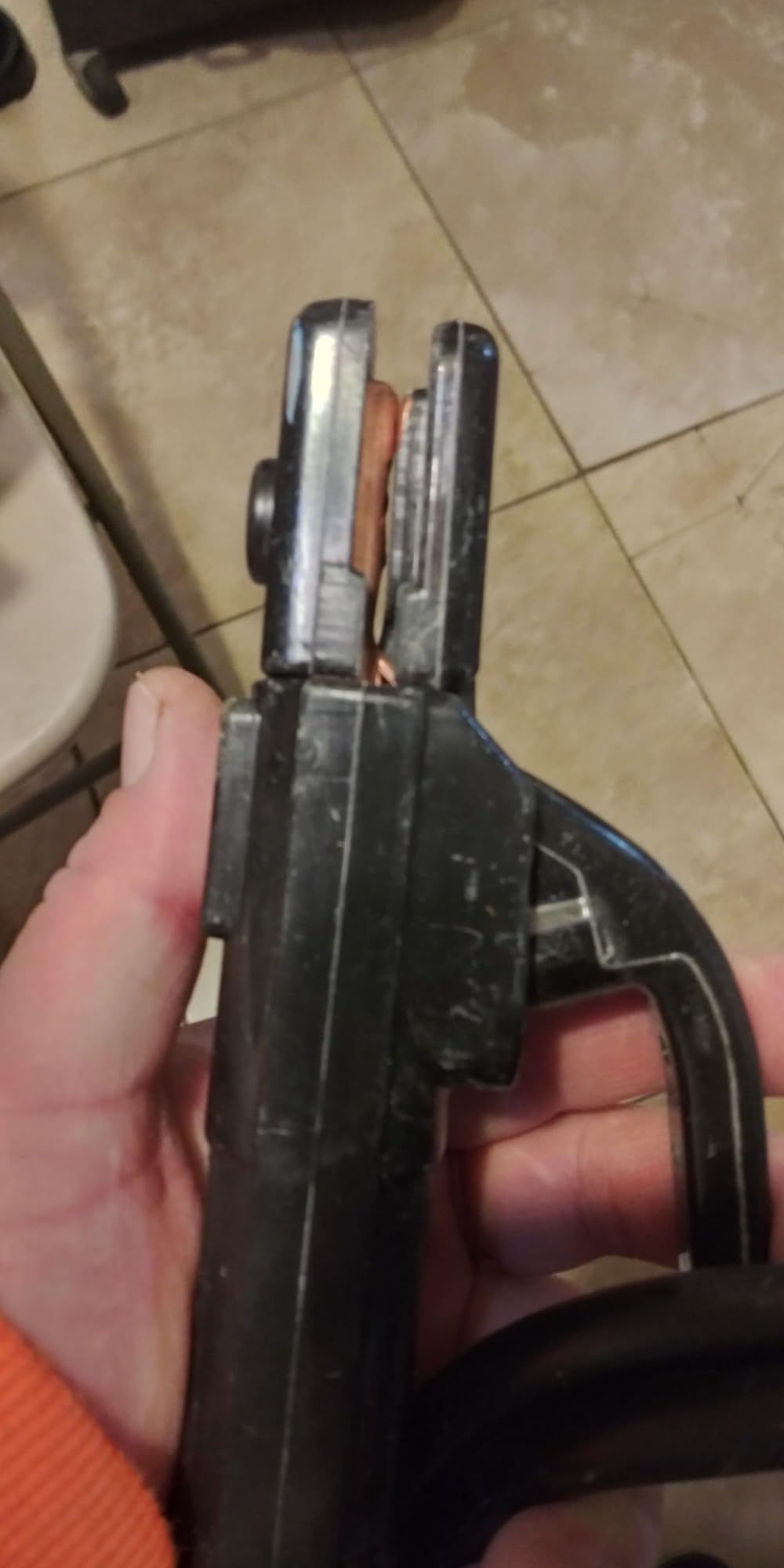
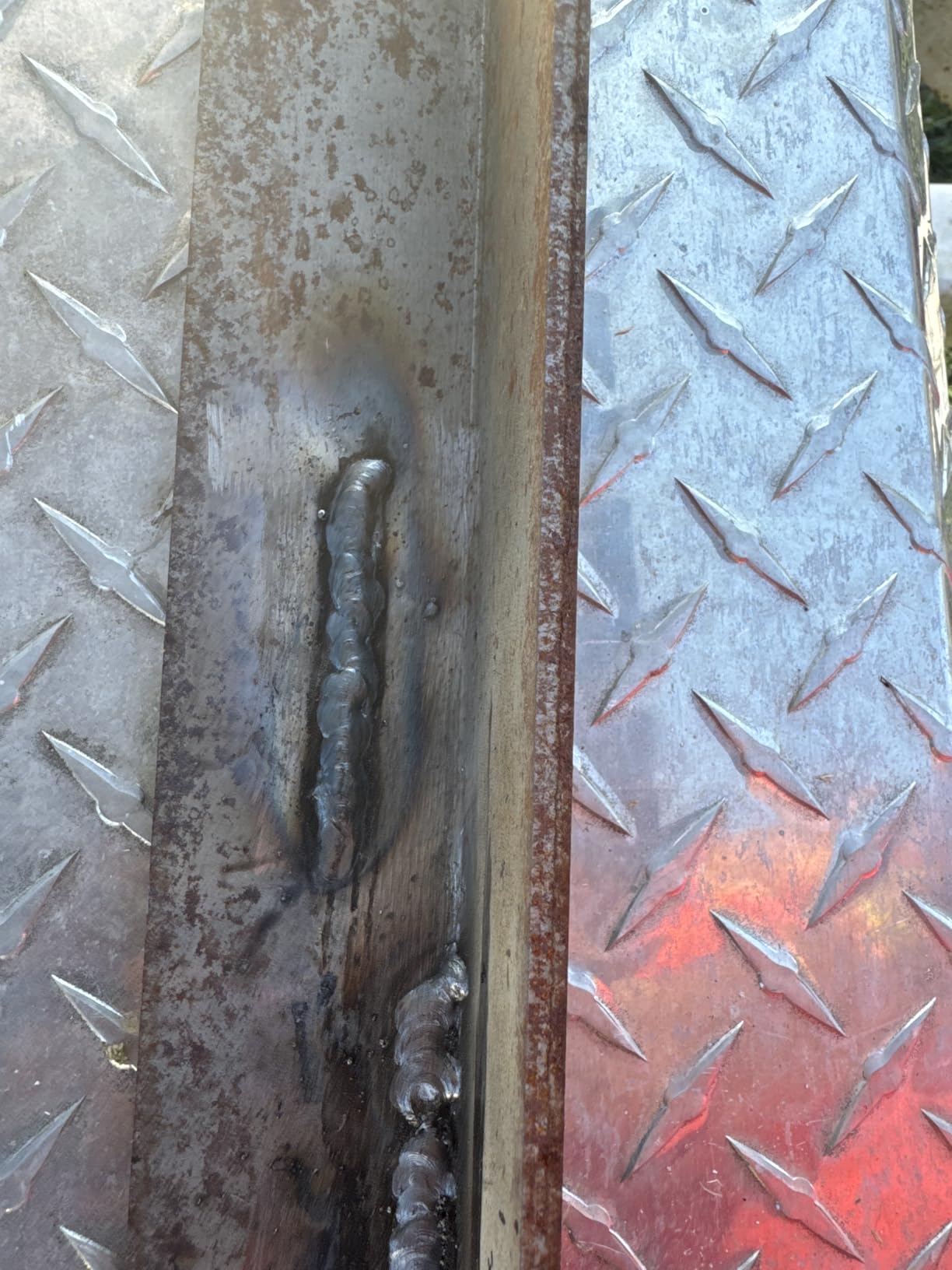
Owners use it at the low end of the dial, around 80 amps, for mower decks and small repairs, and one reports three years and roughly 160 lb of rod consumed without trouble. That claim matches how these machines actually get used.
Be clear-eyed about the limit: this is a light-duty maintenance tool, not a production welder. One owner reports a unit that stopped welding almost immediately, and the manual has no usable troubleshooting section.
What to check before you buy
Check your 110V circuit and commit to a dedicated 20A breaker, since running on a shared circuit is the likeliest reason a first impression goes badly. Also check your electrode diameter, because at 1/8 inch rod you are near the machine’s practical ceiling.
Who should skip it
Skip it if you need 220V for thick structural work, as there is no second voltage here. Skip it if you are not comfortable troubleshooting without a manual, because when something goes wrong you will be doing it from experience rather than from a diagram.
6. HITBOX AT2000 – stick plus lift TIG in a 5.9 lb body
HITBOX 200Amp Stick Welder, 110V/220V ARC/Lift TIG Welding Machine
20 to 200A adjustable
110V and 220V input
Stick and lift TIG modes
5.9 lb with handle
Pros
- Dual voltage covers household and shop circuits
- Two processes in one body
- 5.9 lb body with a carrying handle moves easily
- Works with E7018 and E308-16 stainless among others
- Listing history back to 2018 with a stable 4.5 average
Cons
- TIG torch is not included and must be bought separately
- Listed size of 140A conflicts with the 200A headline claim
- Compact body limits sustained heavy fabrication
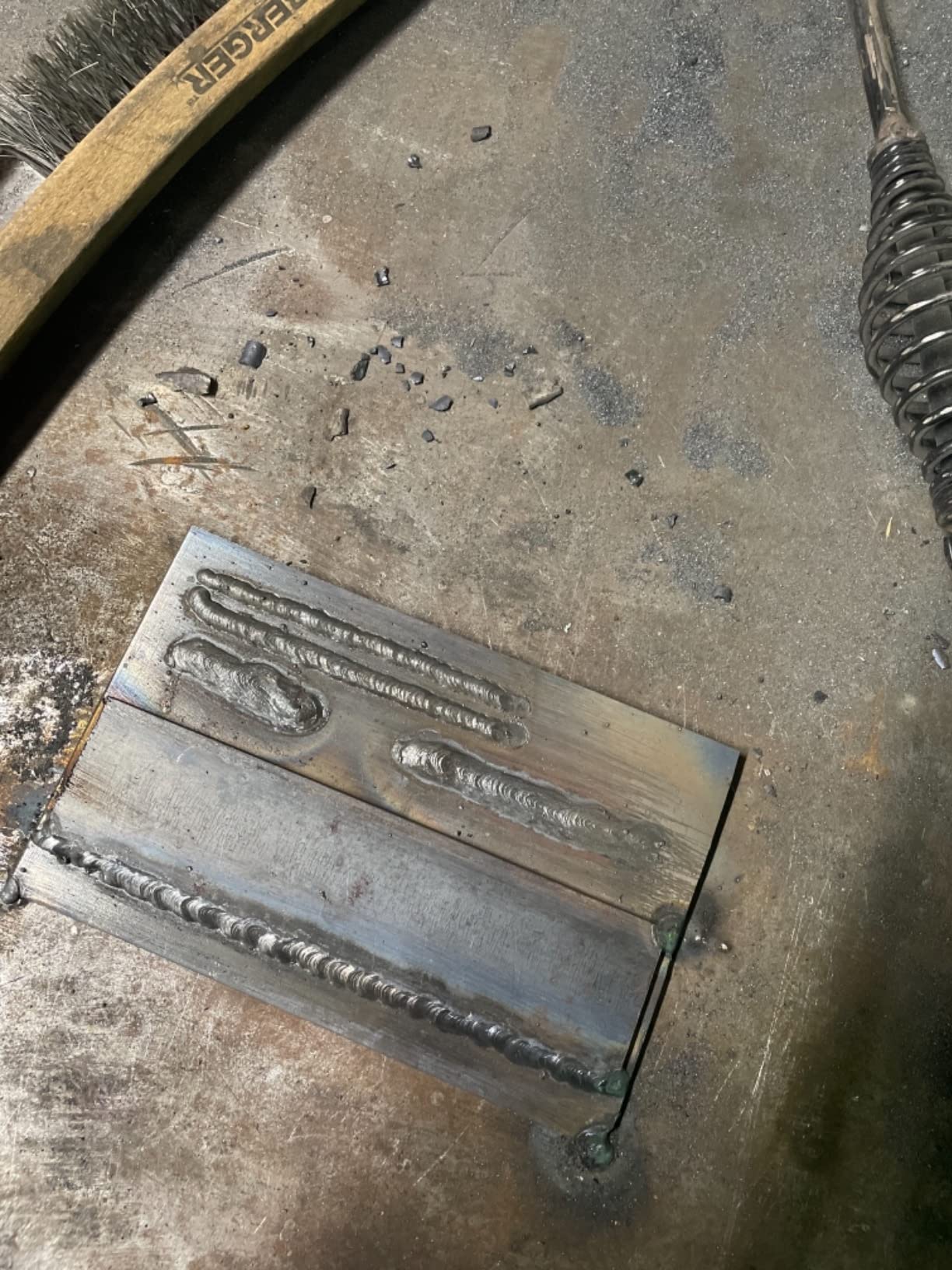
The reason to look at this machine is the second process. Switchable MMA and lift TIG modes let you finish a stainless sprayer tank without buying another machine, and lift TIG is the realistic TIG upgrade for someone who already owns a stick welder.
Dual 110V/220V input with adjustable 20 to 200A output covers both circuits you are likely to have, and electrode compatibility is broad, including E6013, E6014, E7016, E7018, E7028, E8018, and E308-16.
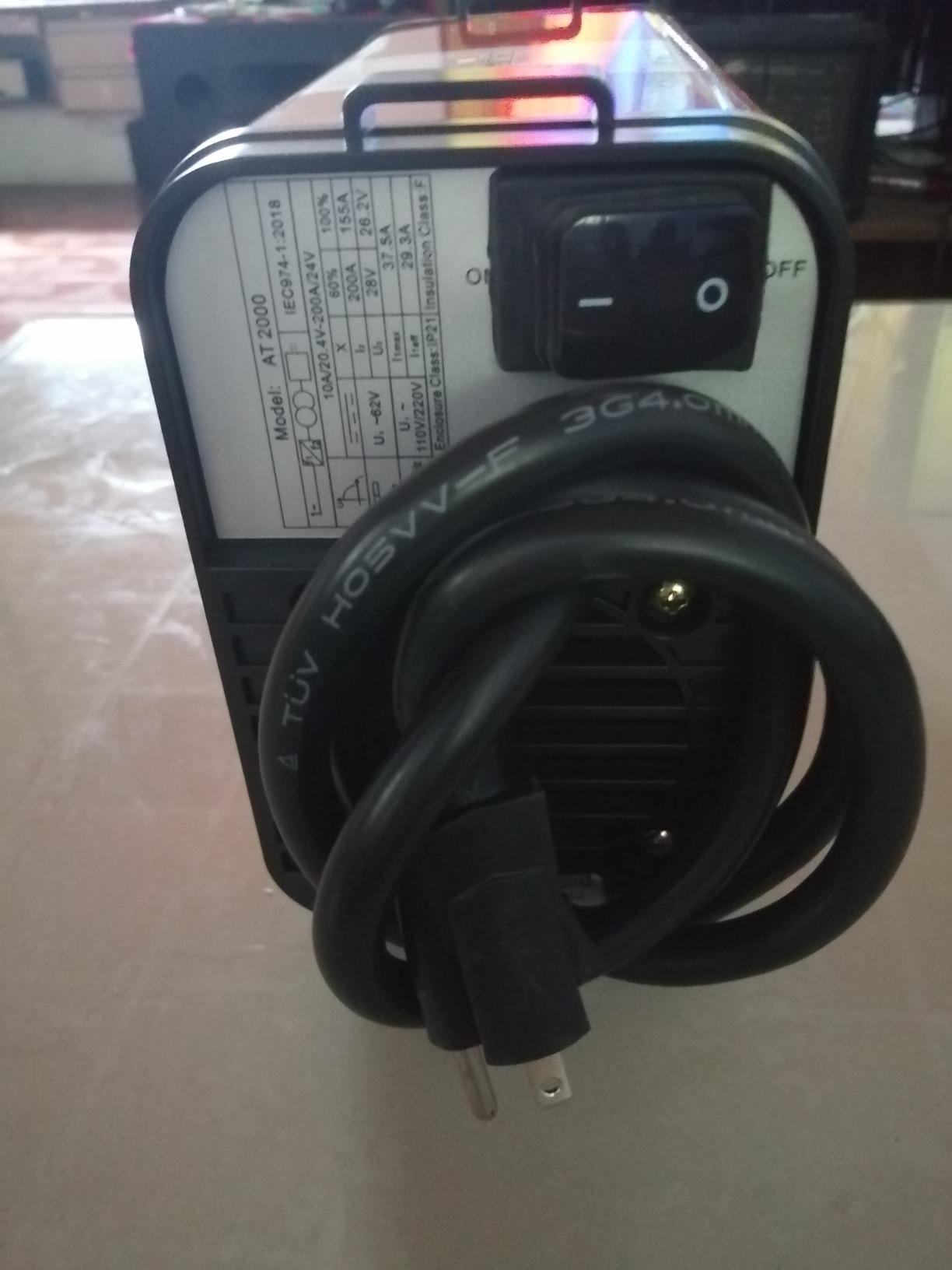
At 5.9 lb it moves around a farm without ceremony, and adjustable hot start, arc force, anti-stick, and VRD safety are all present. The long listing history gives you more reliability data than most machines in this band.
Two cautions. The TIG torch is not in the box, and the published size field says 140A while the headline claims 200A, so resolve that inconsistency yourself before sizing it for a job.
What to check before you buy
Check whether you will actually use lift TIG; the mode is a real differentiator on thin stainless and dead weight if you never leave stick. Also treat the 200A claim as a maximum rather than a sustained heavy-plate rating.
Who should skip it
Skip it if you plan sustained heavy fabrication in one sitting, because the compact body is built for repair work rather than production throughput. Skip it if you want pulsed or DC TIG, since lift TIG borrows the stick circuit.
7. S7 250A dual voltage – the most output amperage on a dual-voltage budget
250A Stick Welder, 110V/220V Portable IGBT Inverter ARC Welder
250A output
110V and 220V input
9.13 lb
Hot start and arc force
Pros
- Dual voltage for light repairs and heavier shop work
- IGBT inverter runs cooler and lighter than transformer units
- Fits gates fences trailer parts and mower decks
- Hot start and arc force help beginners
- 4.6 average across more than a thousand reviews
Cons
- Needs a suitable circuit and cooling time for longer welds
- Generic branding and limited documentation
- Accessories are minimal compared with kits
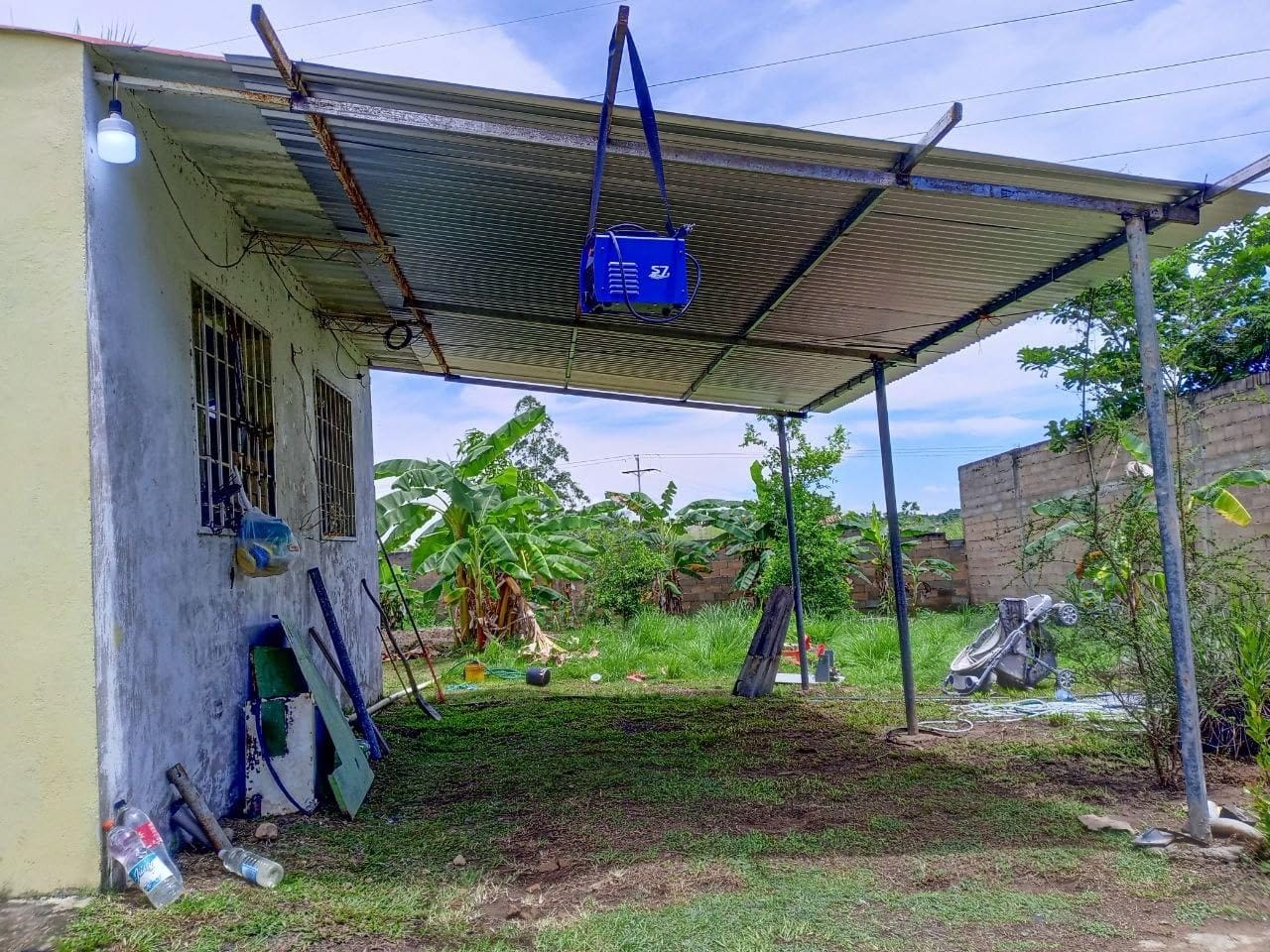
Two hundred and fifty amps with 110V/220V flexibility in a 9.13 lb body is a straightforward bargain, and a 4.6 average across more than a thousand owners puts it among the better-proven machines here. Owners place it against the work a farm generates constantly: gates, fences, trailer parts, and mower decks.
Electrode compatibility covers E6010, E6011, E6013, and E7018, so both common farm rods are available to you, with hot start, arc force, anti-stick, and a digital display.
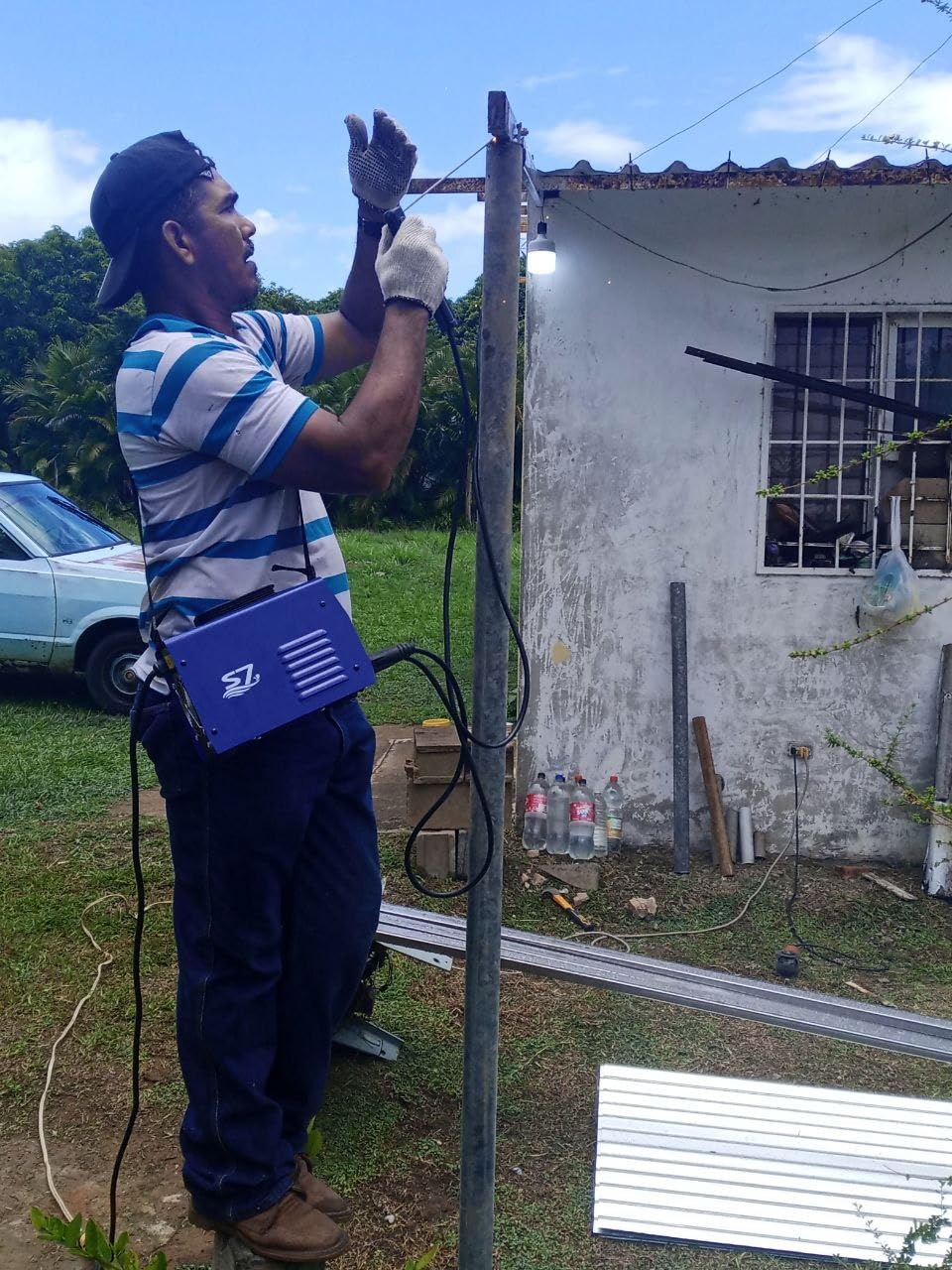
The IGBT inverter design is why it weighs 9.13 lb instead of what a transformer machine of the same rating would, and it also runs cooler on a hot afternoon with the shop door open.
The trade-off is documentation and accessories. The branding is generic, the paperwork is thin, and the box does not include rods, gloves, or a chipping hammer, so plan a second order for consumables.
What to check before you buy
Check your 220V branch circuit, because a 250A claim is only useful if the circuit behind it can carry it. Check your electrode supply too, and decide on E6011 and E7018 before the machine arrives so you are not improvising on the first repair.
Who should skip it
Skip it if you need a serviceable brand name and a real parts network behind it, because if something fails in year three, generic branding makes the search harder. Skip it if you weld stainless regularly, as no E308-class rod is listed.
8. FEIFANKE 250A mini – a full kit that fits in a toolbox
FEIFANKE 250A Stick Welder Machine, 20Pcs Welding Rod Mini Welding Machine
20 to 250A current
8.5 by 3.7 by 5.9 inch body
0.05 to 0.22 inch material
AC/DC polarity switching
Pros
- 250A adjustable output in a mini body
- Fits a backpack or toolbox for remote jobs
- Box includes 20 rods brush chipping hammer gloves and holder
- Digital IGBT control gives smooth arc and deeper penetration
- Works with E6013 E6011 E6010 and E7018 rods
Cons
- 110V only so heavy structural work is limited
- Includes only 1/16 inch E6013 rods
- Polarity leads must be changed for alkaline rods
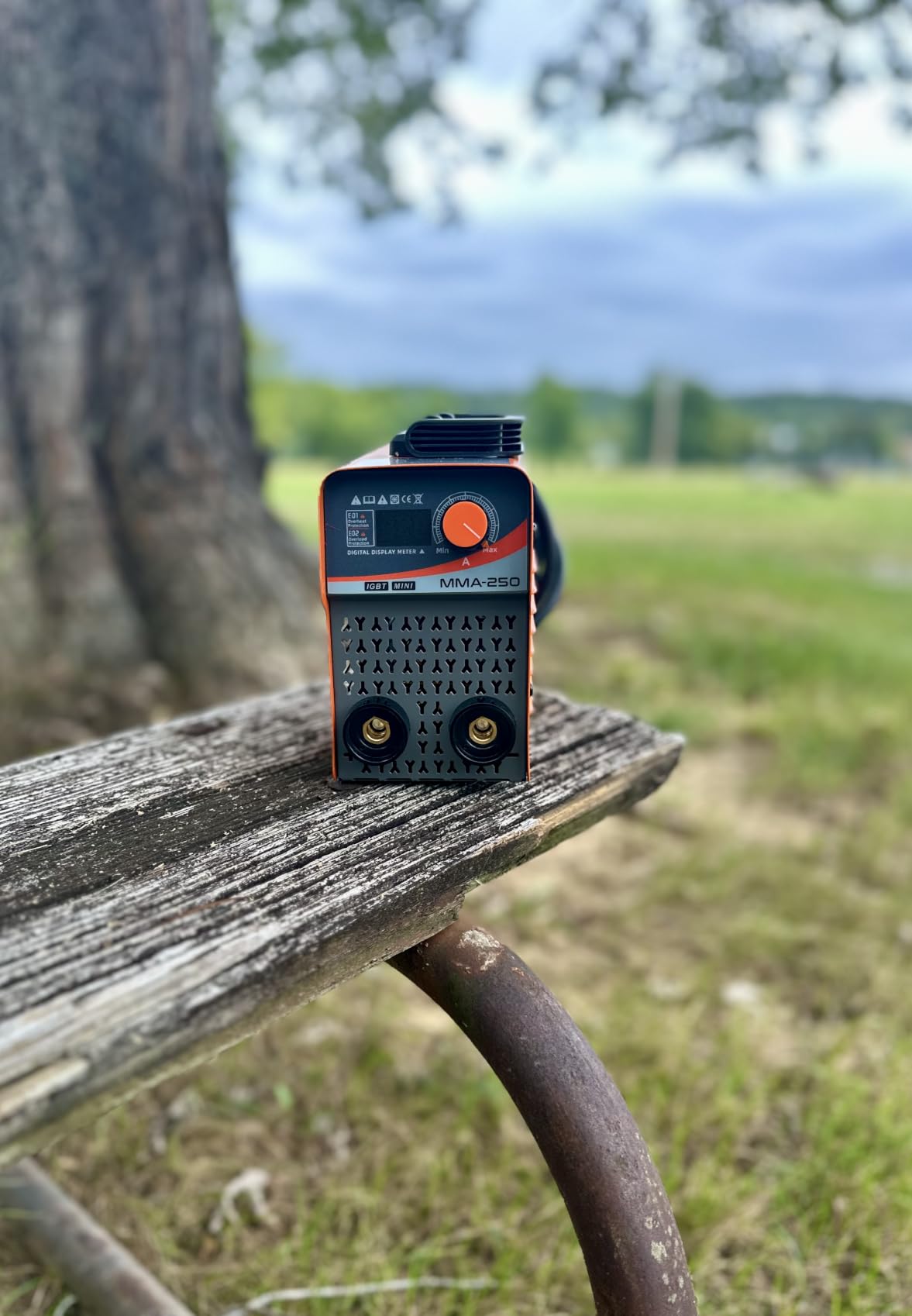
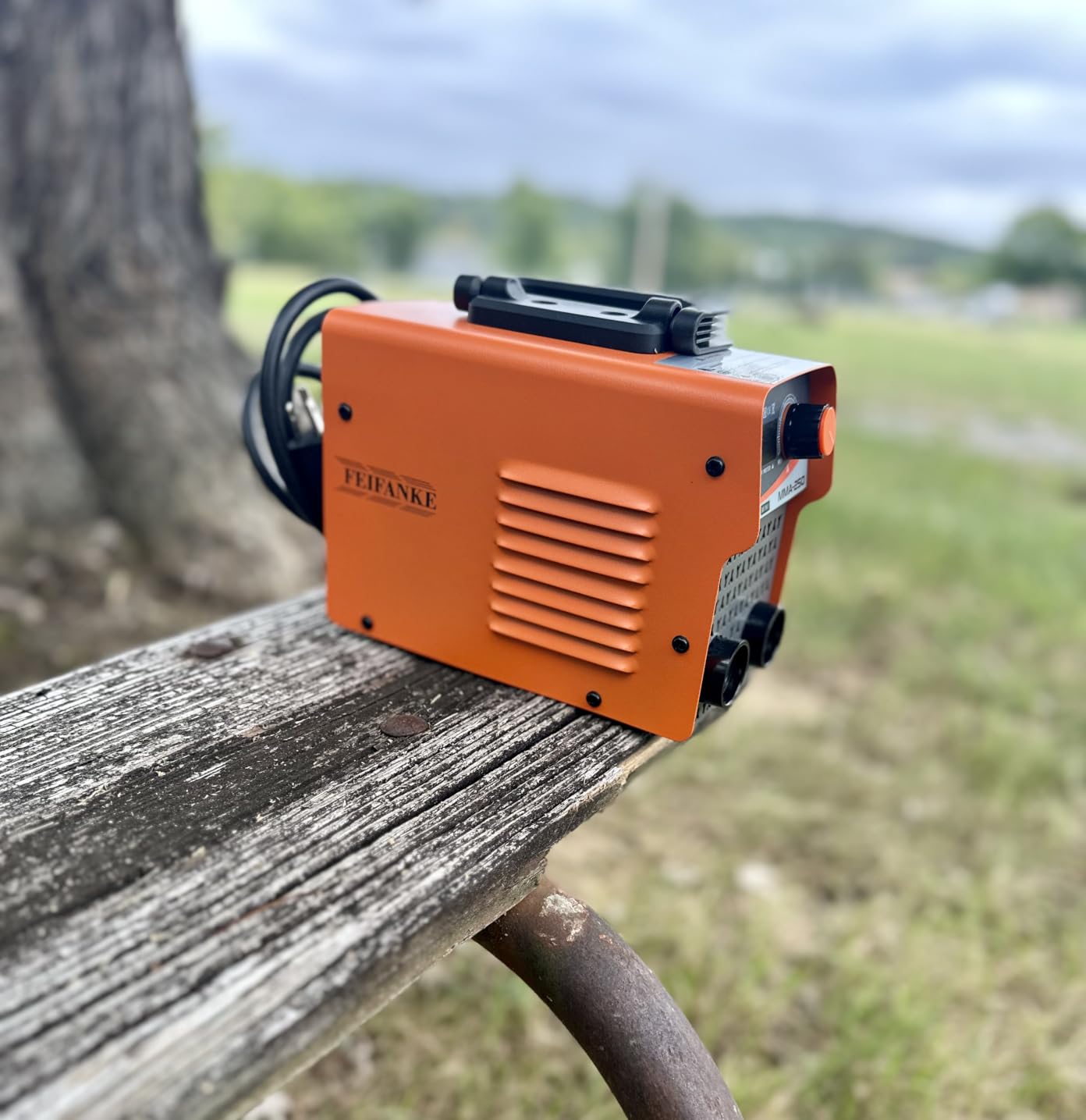
This is the kit to buy if you want something that works the day it arrives. The box contains 20 welding rods, a 1.2M ground clamp, a 1.8M electrode holder, a chipping hammer, a brush, and gloves.
Adjustable current runs from 20 to 250 amps for workpiece thickness from 0.05 to 0.22 inch, and the body measures 8.5 by 3.7 by 5.9 inches, which is one of the more compact 250A machines available.
Unlike several machines here it supports both polarities explicitly, DCEP for acidic rods and DCEN for alkaline rods, which is convenient if you alternate between E6013 and E7018. You will still need to swap the lead connections.
Only 1/16 inch E6013 rods are included, so plan to order other diameters separately. At 110V only, the 250A headline is a maximum rather than a working range for structural steel.
What to check before you buy
Check that the accessory list covers your first month, because 1/16 inch E6013-only rod supply means a second order is likely and adding 1/8 inch E7018 early is the sensible move. If you only run one rod type, the dual polarity feature is nice but not essential.
Who should skip it
Skip it if your work is heavy 220V fabrication, since there is no second voltage. Skip it if your shop already has a full kit of rods, gloves, and a hammer, because much of what makes this one attractive will not apply to you.
9. Siasky MMA-250A – the lightest machine here at 3.3 lb
Siasky Mini Welding Machine, Upgraded Welder Machine 110V, Portable Stick Welder MMA-250A, IGBT Inverter Welder with Hot Start, Arc Force, Anti-Stick (20 welding rods)
3.3 lb body
110V operation
21 to 156A dial range
20 rods included
Pros
- Lightest machine in the roundup at 3.3 lb
- Entry-level machine that still welds 1/8 inch angle iron solidly
- Users report handling 5/16 inch angle iron on a first attempt
- Amp dial from 21 to 156A responded as expected in testing
- Automatic current matching with a manual override
Cons
- Included helmet and gloves are not adequate for safe work
- Power cord and leads are short compared with MIG machines
- One owner had the ground clamp fail within a week
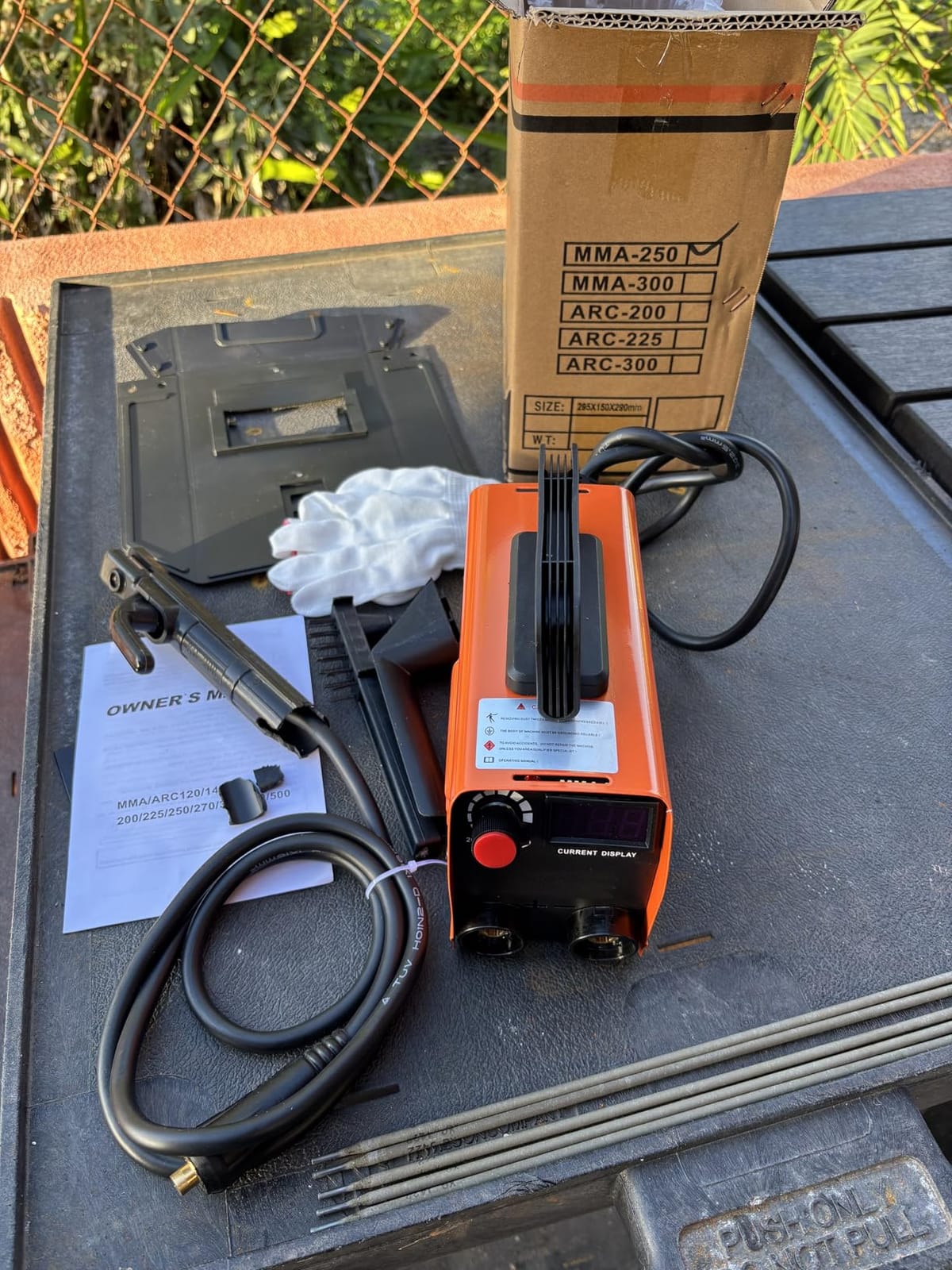
At 3.3 lb with an ergonomic carry handle, this is the machine I would load in a truck for a day of scattered repairs. No other machine in this roundup is lighter.
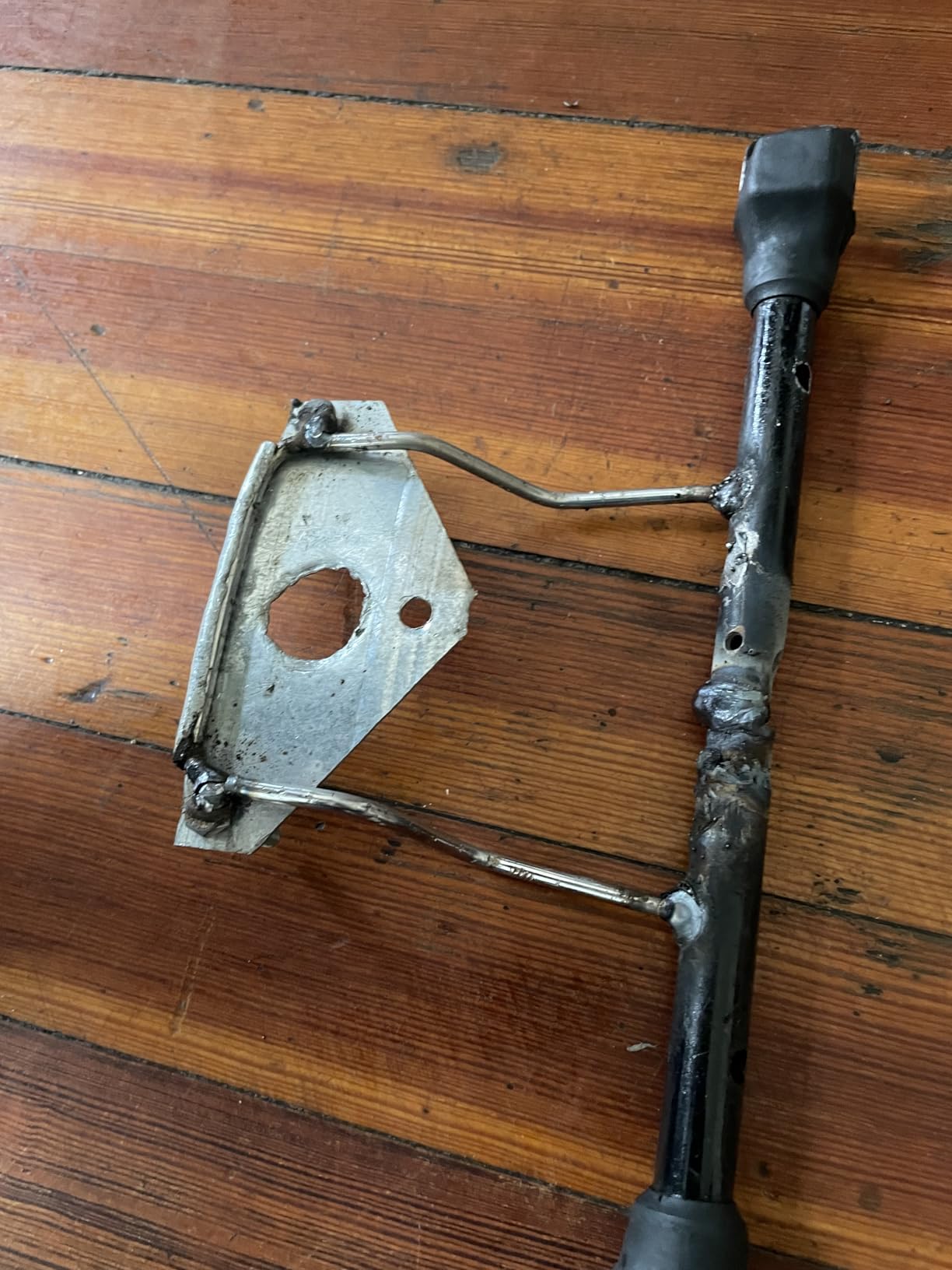
The arc capability is better than the weight class suggests. Owners report welding 1/8 inch angle iron solidly and handling 5/16 inch angle iron on a first attempt, with a dial spanning 21 to 156 amps.
Automatic current matching is aimed at beginners with a manual override for anyone who knows what they are doing, and fan cooling handles dust on a farm floor better than you would expect from a body this size.
Do not weld with the included safety gear. Owners consistently call the face shield and gloves low quality, and the leads are short, which forces the machine close to the work.
What to check before you buy
Check lead length against your typical work position, since short leads mean crouching over a weld in awkward spots. Also check your real material range, because a dial topping out at 156 amps puts heavy structural work outside its comfort.
Who should skip it
Skip it if you do 1/4 inch work or hardfacing, since the output ceiling is real. Skip it if you have not bought a proper helmet, gloves, and respirator, because you will need them regardless of what comes in the box.
10. Sefaspe ARC 200Pro – the only machine here with a 2-year warranty
Sefaspe Stick Welder, 2026 Newest [Large LED Display] ARC 200Pro Welding Machine 110V/220V 200A with Synergic Control, IGBT Inverter Portable Welder Machine with Hot Start, Arc force and Anti-Stick
Stick 40 to 200A and lift TIG 10 to 200A
110V and 220V
13.79 lb
2-year warranty
Pros
- Synergistic control displays matching electrode specifications
- Handles 2.5 to 4.0mm electrodes with multi-pass up to 12mm
- Large LED display readable through a helmet
- Only machine here listing a 2-year warranty with 24/7 support
- Dual 110V and 220V plus lift TIG
Cons
- One of the larger bodies here at 13.79 lb
- Carries a premium over the mini units
- Newer listing with a shorter review history
The 2-year warranty with 24/7 technical support is what sets this machine apart. For a farm tool that may sit in a shed for a winter between repairs, warranty length matters more than most buyers weight it.
Synergistic control is the feature that will help a first-time stick welder most, because the screen shows the matching electrode specifications for the dial setting instead of leaving you to guess.
![Stick Welder, 2026 Newest [Large LED Display] ARC 200Pro Welding Machine 110V/220V 200A with Synergic Control, IGBT Inverter Portable Welder Machine with Hot Start, Arc force and Anti-Stick customer photo 1](https://zamd.net/wp-content/uploads/2026/09/B0FSJMRTH2_customer_1.jpg)
Output is 40 to 200 amps for stick and 10 to 200 amps for lift TIG, with electrodes from 2.5 to 4.0mm and multi-pass capability up to 12mm. Hot start timing adjusts from 0 to 1 second and arc force from 1 to 10 percent.
Two real drawbacks. At 13.79 lb it is one of the larger bodies in this group and less convenient to carry to remote work, and the listing is newer, so long-term reliability data is thinner than the 2019-vintage machines here.
![Stick Welder, 2026 Newest [Large LED Display] ARC 200Pro Welding Machine 110V/220V 200A with Synergic Control, IGBT Inverter Portable Welder Machine with Hot Start, Arc force and Anti-Stick customer photo 2](https://zamd.net/wp-content/uploads/2026/09/B0FSJMRTH2_customer_2.jpg)
What to check before you buy
Check the 13.79 lb weight if you plan field repairs, because this is a shop machine that can go to a job rather than a backpack machine that goes anywhere. Check the electrode range too, since 2.5 to 4.0mm covers 3/32 and 1/8 inch but excludes thinner 2.0mm rod.
Who should skip it
Skip it if your repairs are far from a vehicle, since the weight difference against a mini unit is felt immediately on a walk to a downed implement. Skip it if you want the longest proven track record, because it is the newest machine here.
11. TOOLIOM ARC-195 PRO – a 195A all-rounder with a useful VRD toggle
TOOLIOM 195A 110/220V Stick Welder, LCD Display IGBT MMA Machine
195A output
110V and 220V
14.5 lb
Handles rods to 5/32 inch
VRD toggle
Pros
- Burns 1/8 inch rods easily on 240V
- Automatically limits to 140A on a 20A 120V circuit
- Handles 1/4 inch angle iron with 1/8 inch rod in owner testing
- Compact for its output
- Stick and lift TIG in one body
Cons
- One certified welder reports it will not hold an arc beyond half a second on clean metal
- Amperage setting reported as inaccurate
- 120V performance marginal with 7018 rod and breakers trip often
Owners report that it burns 1/8 inch rods easily on 240V and outclasses older AC buzz boxes, and one owner tested it on 1/4 inch angle iron with 1/8 inch rod. The 195A rating is honest rather than inflated.
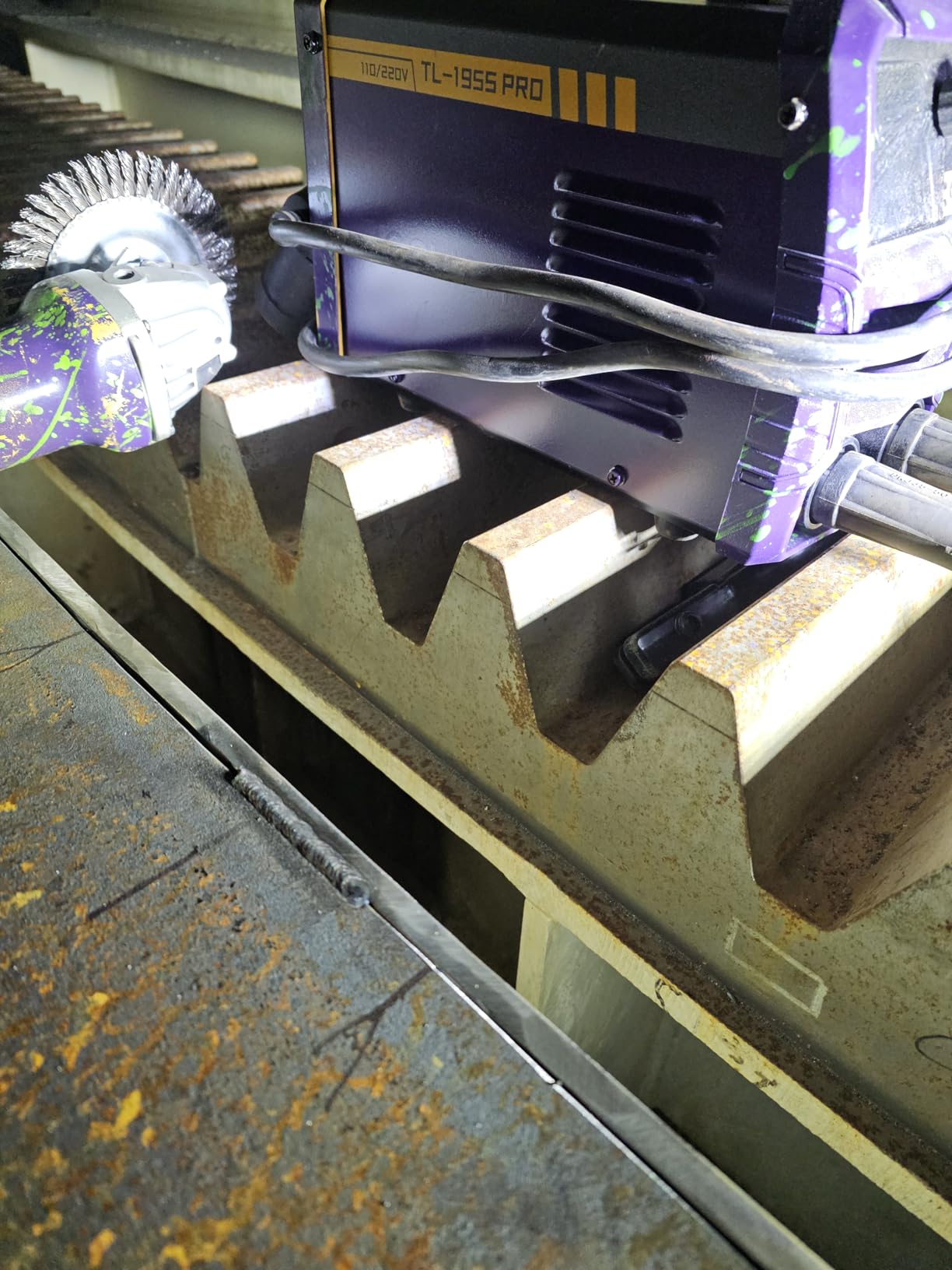
The VRD toggle has a real use. Turned on, voltage reduction mode gives anti-shock protection in damp conditions like a wash bay or an outdoor repair in wet grass; turned off, it strikes more easily on clean metal.
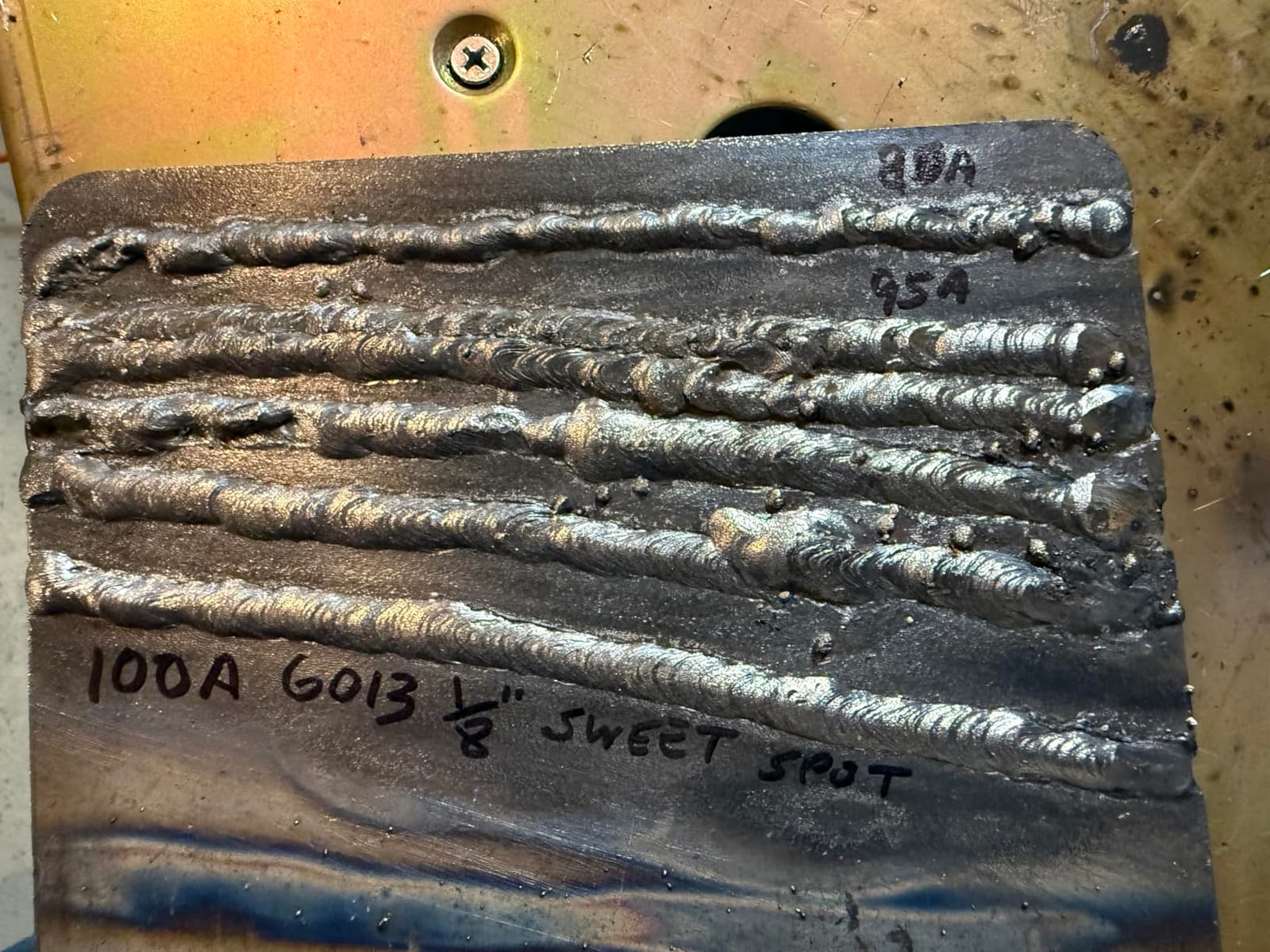
Automatically limiting itself to 140 amps on a 20A 120V circuit helps on a farm, because the machine adapts to a household outlet instead of tripping the breaker. It runs E6010, E6013, and E7018, and it is part of the Amazon Global Recycled Standard.
Do not skip the critical reviews. One certified welder reports the machine will not hold an arc beyond half a second on clean metal, the amperage setting is reported as inaccurate, and the lift TIG torch is not included.
What to check before you buy
Check the 14.5 lb weight, the heaviest body in the group, and treat it as a shop machine first. If you plan to run 7018 on 120V, note that owners report marginal performance and frequent breaker trips, which makes 240V the effective operating mode.
Who should skip it
Skip it if you weld thin material where a brief arc hold matters, because that complaint shows up on sheet metal. If you already own a solid wire machine for thin work the pairing works; otherwise look elsewhere.
12. Eioehtl 250A dual voltage – built for rural power that sags
250Amp Stick Welder 110V/220V Dual Voltage, with LED Display ARC Welding Machine w/Hot Start, IGBT Inverter, Portable Welder with Complete Kit (10 Rods, Clamps, Gloves), Anti-Stick for Home/Diy/Farm
250A output
110V and 220V auto-detection
8.56 lb
3/32 to 1/8 inch electrodes
Pros
- Auto-detects 110V or 220V without manual switching
- Voltage compensation holds a steady arc on rural lines
- Complete kit with holder 10 rods ground clamp and brush
- 8.56 lb with a built-in handle
Cons
- Lowest average rating here at 4.2 with 12 percent one-star reviews
- 220V adapter is not included
- Electrode range tops out at 1/8 inch
- Small review base leaves less long-term history
Intelligent voltage compensation is the reason to consider this machine, and sagging rural power is a problem farm shops genuinely have. Long extension cords, a well pump starting, and a weak transformer all cause the flicker that stops a stick arc mid-bead on an ordinary machine.
Auto-detection of 110V or 220V removes a real annoyance, because you plug it in and it works rather than hunting for a switch. The body is 8.56 lb with a built-in handle.
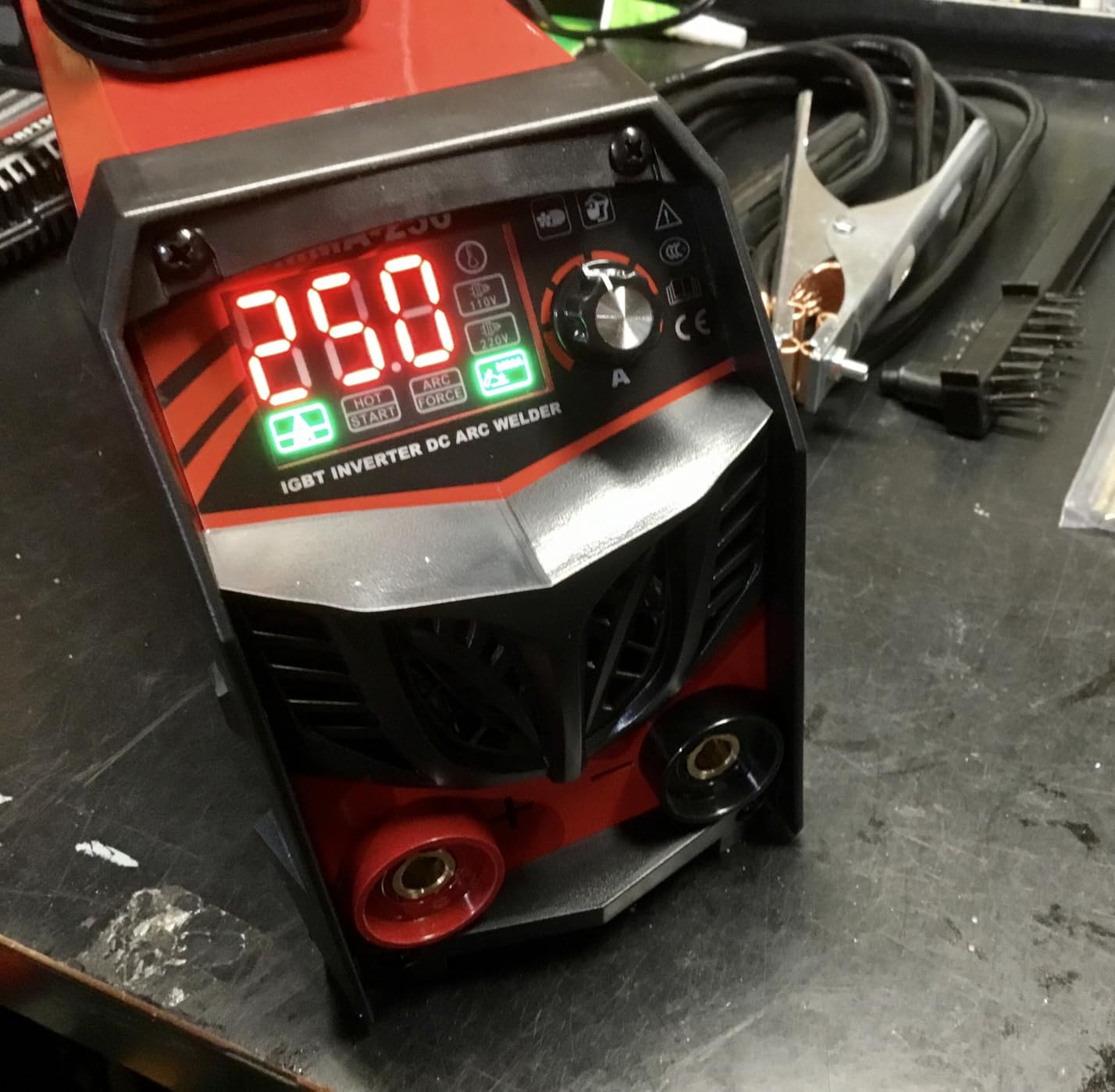
The kit covers electrode holder, 10 welding rods, ground clamp, and brush, which is enough to start a repair without a second order. Electrodes covered include E6010, E6013, E7018, and E308-16, with hot start, arc force, and anti-stick.
Be careful with expectations. This is the newest and least proven listing in the group, and its 4.2 average comes with 12 percent one-star reviews, which points to early-model inconsistency.
What to check before you buy
Check whether the 220V adapter is something you will need to source separately, since that is an extra step before your first shop weld. Check the electrode ceiling at 1/8 inch, which rules out anything thicker.
Who should skip it
Skip it if you need a proven track record, because 130 reviews is not enough long-term ownership data to judge a decade of use. Skip it if you weld material thicker than 1/8 inch, and save it for gate hardware, mower brackets, and light trailer work.
How to Size a Stick Welder for Farm Repairs
Sizing a stick welder comes down to the thickest steel you expect to weld and the circuit you can plug into. Get those two right and the brand barely matters, because the whole category is now IGBT inverters with hot start and anti-stick. If your repair bench also covers electronics, our hot air rework station picks cover a very different set of tools.
What amperage you need for the steel you actually weld
Amperage is the current the machine delivers, and current is what creates heat and penetration. A rule of thumb that holds up in practice is roughly 1 amp per 0.001 inch of thickness for a single pass.
That puts 16-gauge sheet at 20 to 40 amps, 1/8 inch mild steel at 100 to 125 amps, 3/16 inch plate at 125 to 175 amps, and 1/4 inch structural steel at 175 amps and above. Those numbers are why a 140A machine handles gates comfortably but struggles on a plow frame.
Reading a duty cycle rating in plain English
A duty cycle is the number of minutes the machine can weld in every 10-minute cycle, with the rest for cooling. A 40 percent duty cycle means 4 minutes on and 6 off; a 60 percent rating means 6 on and 4 off.
Always read the duty cycle attached to the amperage you intend to use, not the number printed on the box. A machine rated 60 percent at 250A may be only 20 percent at its peak, and that gap is where disappointment comes from on a long hardfacing job.
AC-only or AC/DC: why DC matters on rusty farm metal
An AC-only machine alternates current direction fifty times a second. A DC machine welds with constant polarity, which gives a tighter arc with better penetration and far less spatter on dirty or oxidized steel. Farm metal is frequently rusty and painted, so DC output is a real advantage rather than a spec-sheet nicety.
AC machines are not useless: they handle 6011 well, they are simpler to repair in the field, and they cost less. But if you will weld 7018 on structural work or want stainless and cast iron, look for DC output and confirm reverse polarity, since 6010, 6011, and 7018 all want DC electrode positive.
Which welding rods to stock first
Buy two rods to begin and you cover most farm work. E6011 is the forgiving general-purpose rod: easy starts, tolerant of rusty metal, but more spatter and a crack-prone bead that will not restart easily if the arc breaks. E7018 is the strength rod: deeper penetration, a quiet smooth arc, and a bead that bends before it breaks, which makes it right for hitches and loader arms.
Add E6013 for general work and light stainless, and E7014 if you do a lot of vertical and overhead passes where you want faster travel speed. For hardfacing a bucket, use a hardfacing electrode rather than a structural rod, and wear a respirator.
120V vs 240V for a farm shop
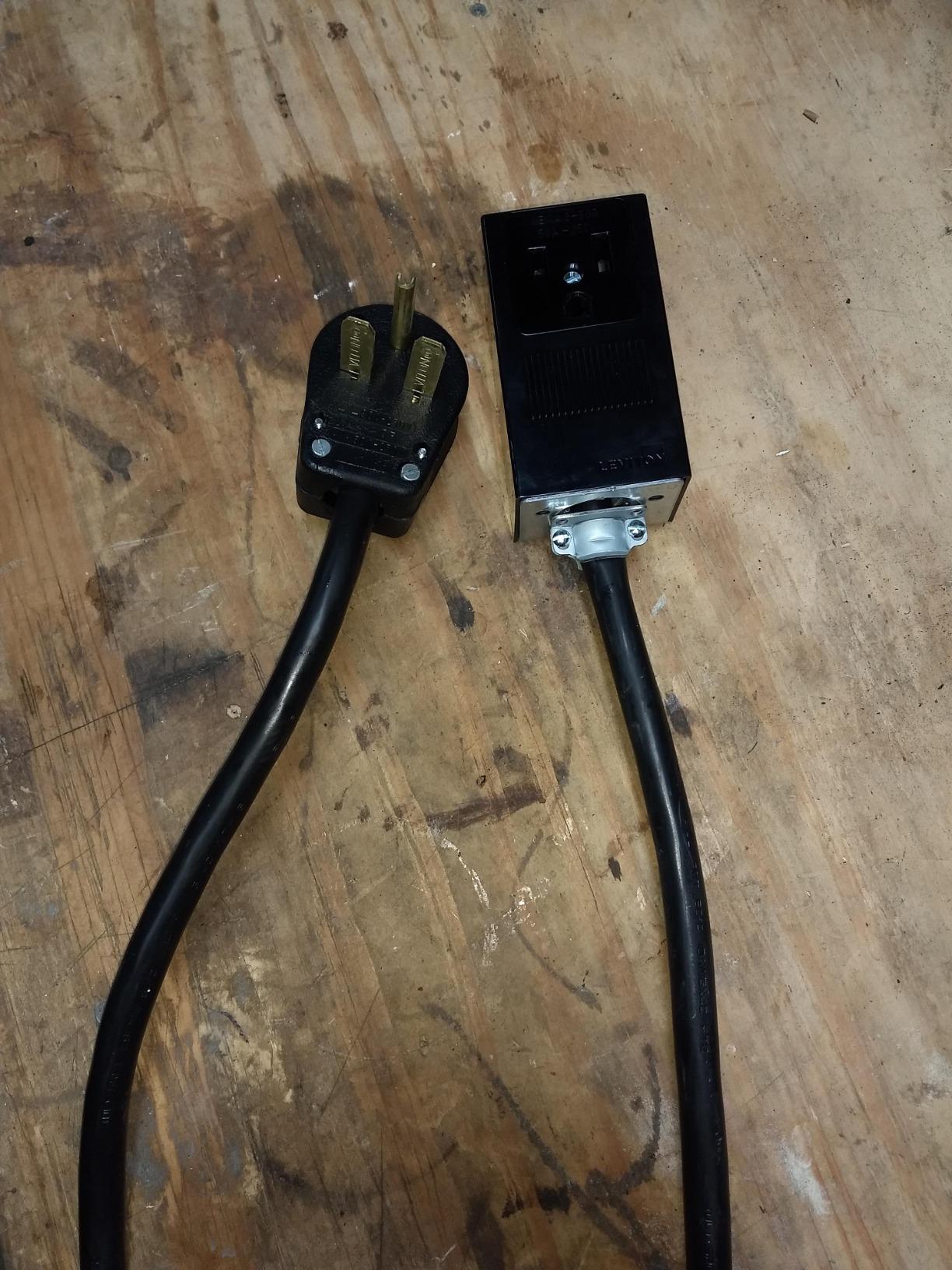
A 120V circuit in a US home delivers about 15 amps of continuous draw, which caps most machines at 100 to 140 amps of output. A 240V dedicated circuit with a 30A or 50A breaker roughly doubles that, which is how you reach 200 amps and useful duty cycle.
The trade-off is simple: a 120V machine works on almost any outlet, a 60A generator, or a barn socket, while a 240V machine needs a real install. Choose 120V if repairs happen wherever there is an outlet, and dual voltage if you have a shop with heavy implements to weld.
Safety gear every farm welder needs
None of this is optional, and none of it should come from the box a budget machine includes. You need an auto-darkening helmet of the correct shade for your amperage, leather gloves, flame-resistant clothing instead of a cotton shirt, and leather footwear.
Add a fume respirator, because the electrode coating is what makes the shielding and also what makes the smoke. Keep a chipping hammer and wire brush within reach, replace a marginal ground clamp early rather than mid-job, and make sure anyone nearby understands the arc light is dangerous well beyond the pool of the weld.
Frequently Asked Questions
What is the best stick welder for farm use?
A dual-voltage 110V/220V inverter stick welder with DC output, hot start, and anti-stick is the best all-round choice for a farm shop. It runs from a household outlet in the barn and steps up to 220V in the shop, and it needs nothing but a rod box to operate. For hardfacing and heavy implements, look for 200 amps or more of output and a 40 percent or better duty cycle at that amperage.
Which welding rod is better, 6011 or 7018?
E7018 is the better rod for strength: it penetrates deeper, lays a smoother bead, and bends before it breaks, so it suits hitches, loader arms, and anything load-bearing. E6011 starts more easily and tolerates rusty or dirty metal, which makes it easier for general repair work, but it is crack-prone and will not restart easily once the arc breaks.
Do I need a stick welder if I already have a MIG welder?
If your work is mostly thin sheet metal, general fabrication, and anything needing a shielding gas bottle, a MIG machine covers it. A stick machine earns its place when you hardface a bucket, weld thick implements, work outdoors where wind kills shielding gas, or break down with no power. Most operations that weld seriously end up running both.
What type of welding rod is best for farm equipment?
For most farm equipment, E7018 is the best all-round answer because of its penetration and strength on mild steel. Keep E6011 on hand for dirty or unprepared metal, E6013 for general work and light stainless, and a hardfacing electrode for bucket edges and wear surfaces. Buy 1/8 inch diameter first if you are unsure, since it covers the widest range of farm thicknesses.
Can you use 7018 for hardfacing?
You can weld with 7018 on a hardfacing job, but it is not what you want, because 7018 is a structural rod and a hardfaced area built with it will wear through quickly. Use a hardfacing electrode matched to the base material and the abrasion you are dealing with, and wear a proper respirator, since hardfacing electrodes produce metal fumes.
Is a Hobart or Lincoln better than a budget inverter for a farm?
The major brands win on parts availability, service networks, and a warranty you can actually use, which matters over a ten to twenty year ownership period. Modern budget inverters have closed most of the arc quality gap. The practical difference shows up when something fails: a major brand is a service call, while a generic machine is often a replacement.
The Verdict for Farm Repairs in 2026
After putting these twelve machines side by side, the DEKOPRO 160A is my pick among the best stick welders for farm repairs, because a 4.6 average across more than six thousand owner reports on a dual-voltage IGBT machine is a durability signal nothing else here matches. If you need more power for implements and hardfacing, take the YESWELDER 205A, which also runs the widest range of rods. For the thinnest budget and the clearest published duty cycle, the HONE MMA140D is hard to argue with.
Whatever you choose, buy a proper helmet, gloves, a respirator, and a ground clamp worth using, and plan on a dedicated 20A circuit. Those four things affect your welds and your safety more than the last 20 amps on a spec sheet.