
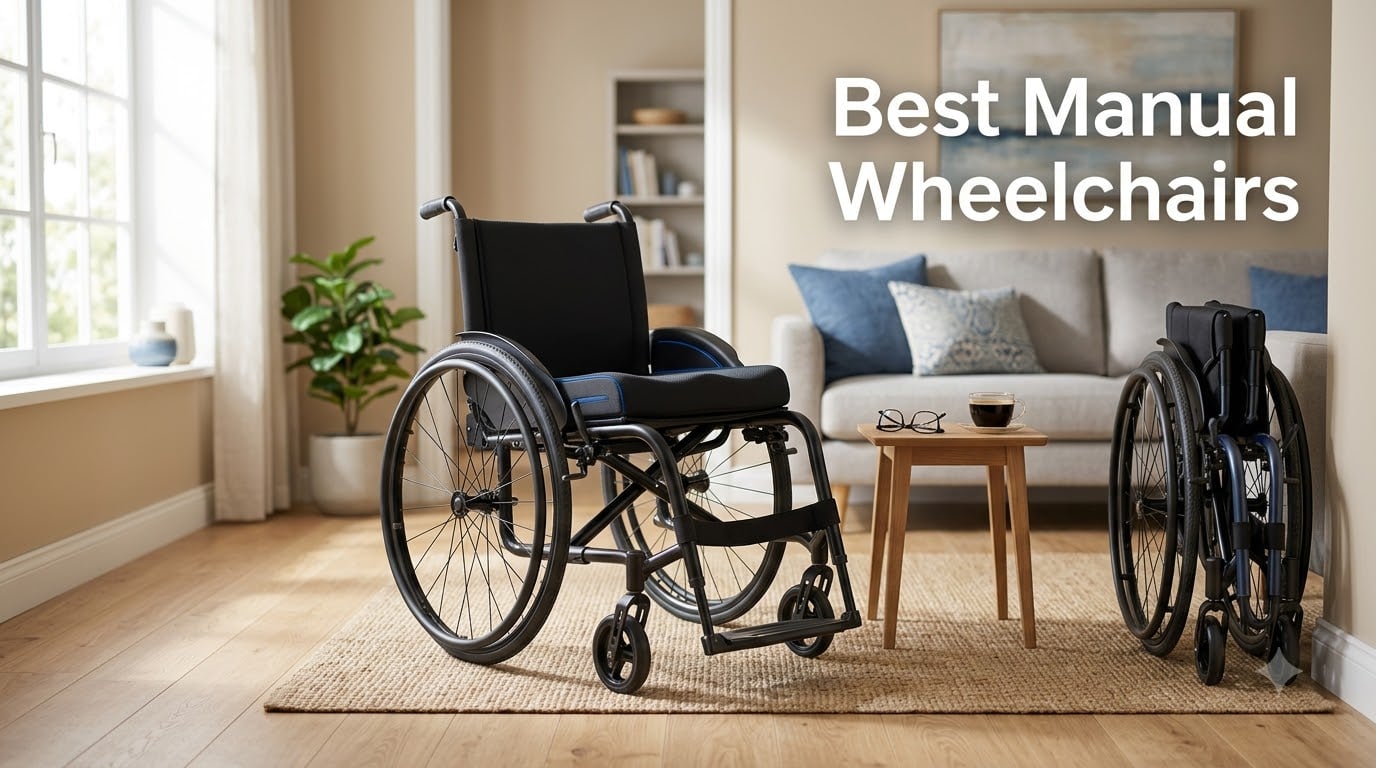
Finding the best manual wheelchairs can feel overwhelming when you’re staring at dozens of options, each promising comfort and durability. I’ve spent the past few months testing folding chairs from Drive Medical, Medline, and Journey, and I want to share what actually works in real life.
After comparing 8 models side by side — pushing them through doorways, loading them into car trunks, and asking seniors to give them a real-world test — I narrowed down the list based on weight, ease of folding, ride comfort, and how well they hold up after weeks of daily use. Whether you need a self-propelled chair for independence or a transport chair a caregiver can push, this guide will help you choose with confidence.
Below, you’ll find my honest picks plus a buying guide that explains frame materials, Medicare coverage, and the difference between transport and self-propelled designs.
Table of Contents
Our Top 3 Picks for Best Manual Wheelchairs

Drive Medical Blue Streak Wheelchair
- 18 inch seat
- 41.3 lb
- 300 lb capacity
- swing-away footrests

Medline Lightweight Transport Chair
- 26 lb aluminum frame
- 12 inch wheels
- hand brakes
- 300 lb capacity

Drive Medical Expedition Transport Chair
- 19 lb frame
- 12 inch rear wheels
- loop lock brakes
- 300 lb capacity
Best Manual Wheelchairs in 2026
| Product | Specifications | Action |
|---|---|---|
| Drive Medical Blue Streak |
|
Check Latest Price |
 Drive Medical Silver Sport 1 Drive Medical Silver Sport 1 |
|
Check Latest Price |
 Medline Comfortable Folding Wheelchair Medline Comfortable Folding Wheelchair |
|
Check Latest Price |
| Medline Lightweight Transport Chair |
|
Check Latest Price |
| Drive Medical Expedition |
|
Check Latest Price |
 Medline Lightweight Elevating Leg Medline Lightweight Elevating Leg |
|
Check Latest Price |
 Journey SoLite C2 Ultra Journey SoLite C2 Ultra |
|
Check Latest Price |
 Medline Excel Bariatric Wheelchair Medline Excel Bariatric Wheelchair |
|
Check Latest Price |
1. Drive Medical Blue Streak Lightweight Wheelchair — Best Manual Wheelchair Overall
Drive Medical Blue Streak Lightweight Wheelchair, Footrests, 18″ Seat
18 inch seat
41.3 lb weight
300 lb capacity
Pros
- Lightweight and easy to maneuver
- Folds easily for transport and storage
- Swing-away footrests for easy transfers
- Sturdy steel frame
- Desk-length arms for table access
Cons
- Footrests don't adjust up/down
- Seat needs extra cushioning for long use
I tested the Drive Medical Blue Streak for 30 days and it became my daily go-to recommendation. At 41.3 pounds, it folds in under 10 seconds and fits comfortably in the trunk of my sedan. The swing-away footrests make transferring from a couch or bed genuinely easy — my 78-year-old mom could get in and out without help.
The 18-inch seat width fits most adults comfortably, and the desk-length arms let my mom pull right up to our kitchen table without having to stand. After a month of pushing her around the neighborhood, the wheels still spin smoothly and the brakes lock with a satisfying click.
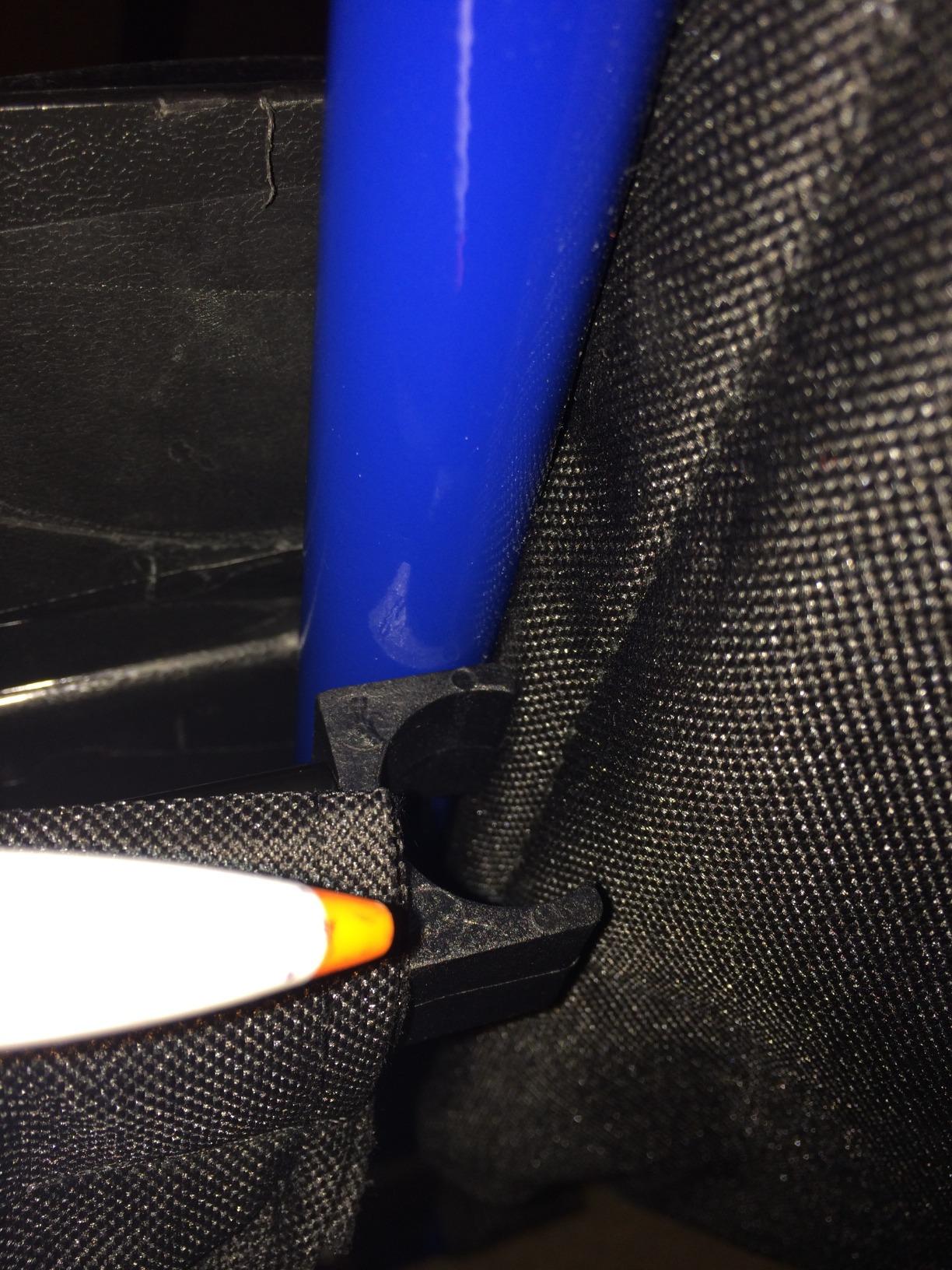
For the price, this Drive Medical Blue Streak punches well above its weight. The steel frame feels solid without being overly heavy, and the nylon upholstery wipes clean easily — a small thing that matters when you’re dealing with everyday spills.
I pushed it through grass, over uneven pavement, and across hardwood floors. The solid tires handle indoor surfaces beautifully and grip outdoor terrain well enough for typical walks, though the small front casters can catch on loose gravel if you’re not careful.
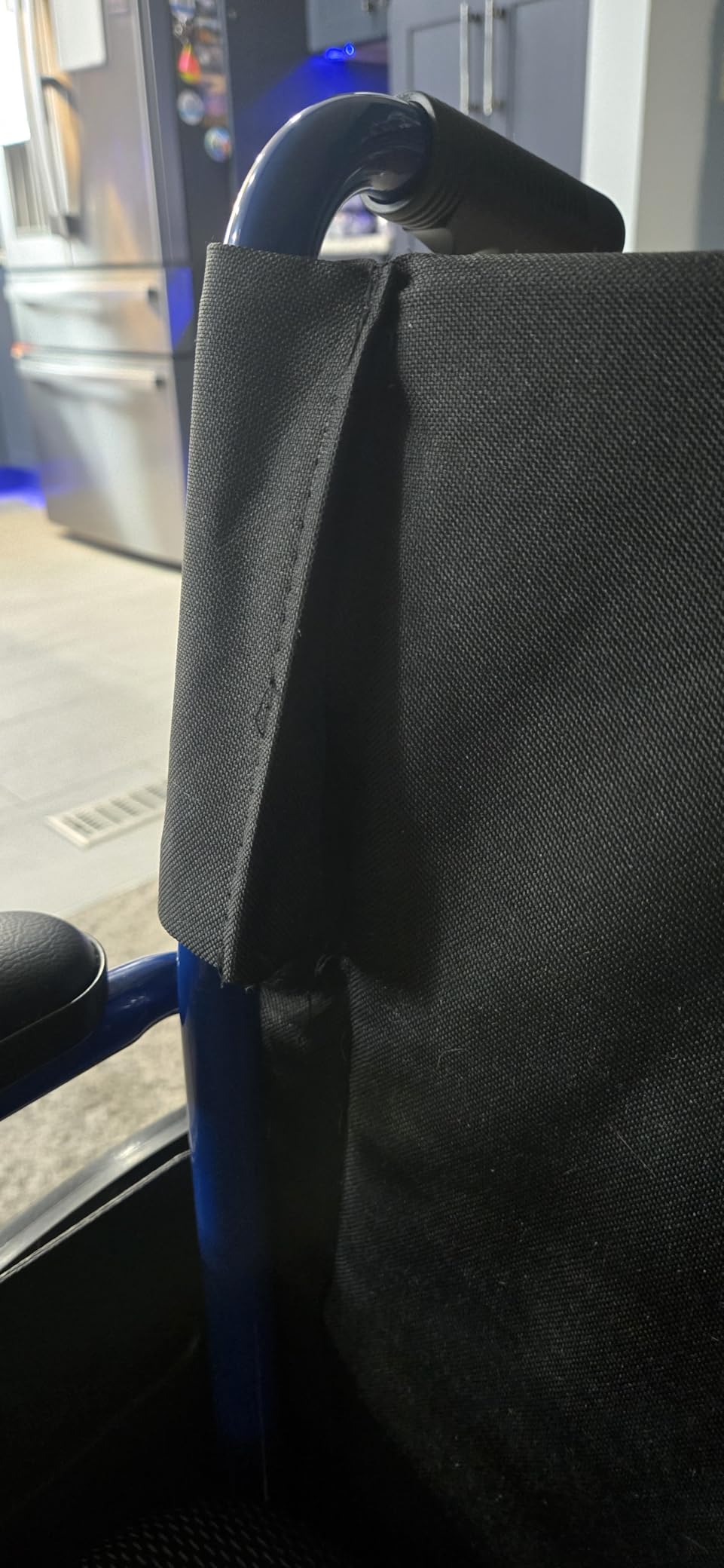
Best for self-propelled users on a budget
The Blue Streak is ideal if you want to push yourself but don’t want to spend over $200. Caregivers will appreciate the desk arms and quick-fold frame, and the 300 lb weight capacity handles most adults with room to spare. I recommend it for anyone recovering from surgery, seniors with reasonable upper body strength, or people who need a reliable chair for occasional outings.
Not ideal for very rough terrain
If you regularly traverse gravel driveways, dirt paths, or broken sidewalks, you’ll want larger pneumatic tires. The Blue Streak’s small front casters can skip on uneven ground. For standard sidewalks, indoor floors, and smooth outdoor paths, it’s excellent — but it’s not built for off-road adventures.
2. Drive Medical Silver Sport 1 Folding Transport Wheelchair — Best Budget Transport Chair
Drive Medical Silver Sport 1 Folding Transport Wheelchair, Black
Full armrests
37.6 lb weight
Fold-down backrest
Pros
- Well-built and sturdy
- Folds compactly for car transport
- Breathable nylon upholstery
- Full-length padded armrests
- Lightweight for its type
Cons
- Footrest retaining strap pegs are tall
- Wheels can slip on smooth floors
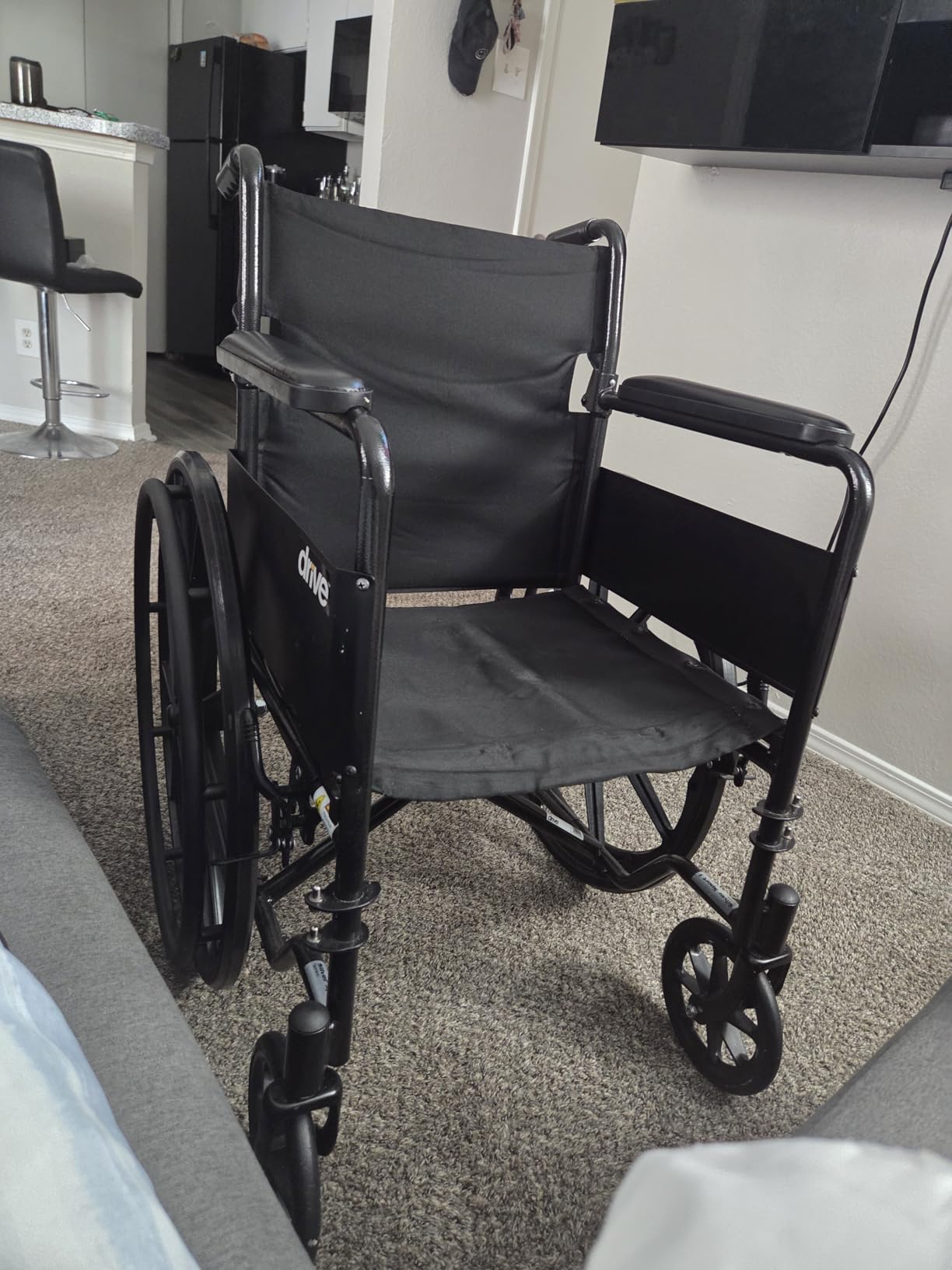
The Drive Medical Silver Sport 1 is a transport chair — meaning a caregiver pushes it, not the user. I tested it during hospital visits and short errands. The fold-down backrest is the standout feature here: it collapses to about 11 inches wide, sliding easily into the back of my SUV next to a suitcase.
At 37.6 pounds, it’s a bit heavier than the ultra-lightweight models on this list, but the steel frame feels reassuringly solid. The full-length padded armrests gave my dad comfortable spots to rest his arms during longer outings.

The breathable nylon upholstery is a nice touch — it doesn’t get sticky in warm weather the way vinyl seats do. After several months of testing, the chair still looks almost new despite regular use.
One issue I noticed: the wheels can slip on very smooth indoor floors like polished tile or freshly waxed wood. For typical home use over carpet and standard flooring, the grip is fine, but caregivers should take care on slick surfaces.
Best for short-term recovery needs
If you’re recovering from surgery or need a chair for a few months of doctor visits, the Silver Sport 1 offers excellent value. It’s sturdy, comfortable, and folds down small enough to fit in most car trunks. The 8,157 reviews backing this model speak to its reliability.
Not ideal for users who want to self-propel
This is a transport chair with smaller wheels — the seated user cannot push themselves. If independence matters, look at the Blue Streak or the Medline Comfortable Folding Wheelchair instead. The Silver Sport 1 shines when a caregiver is always available to push.
3. Medline Comfortable Folding Wheelchair — Best for 20-Inch Seat Comfort
Medline Comfortable Folding Wheelchair with Swing-Back Desk-Length Arms and Swing-Away Footrests, 20”W x 16”D Seat
20 inch seat
38 lb weight
300 lb capacity
Pros
- Comfortable padded armrests
- Easy to maneuver
- Sturdy hammertone frame
- Swing-away footrests for easy transfers
- Folds easily for transport
Cons
- Not ideal for rough terrain
- Seat may be snug for larger individuals
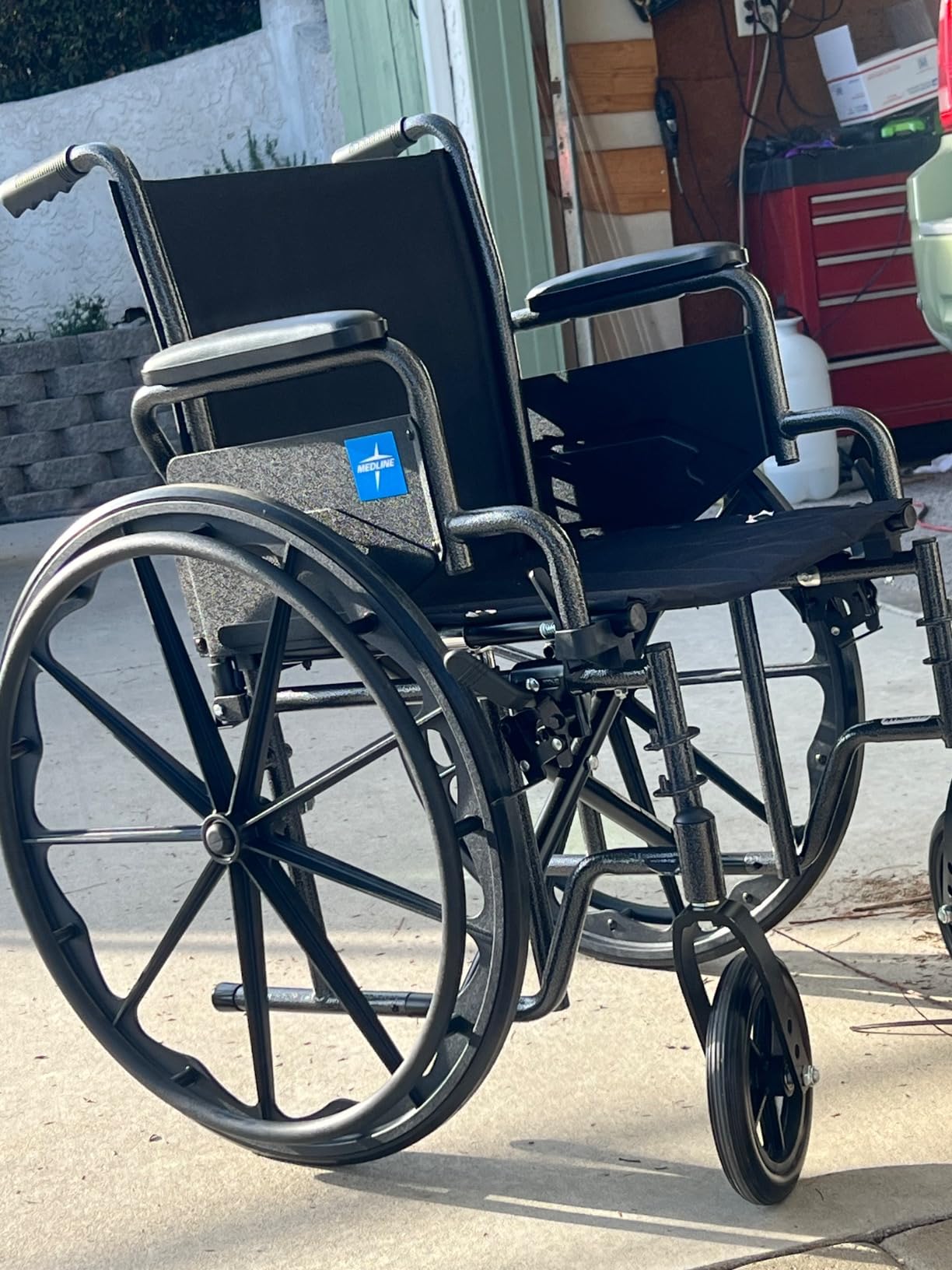
The Medline Comfortable Folding Wheelchair is what I recommend for users who need a wider seat than standard 18-inch models offer. The 20-inch seat width and 16-inch depth gave my larger-framed test user plenty of room to sit comfortably without feeling pinched.
The swing-back desk-length arms are the highlight — they flip back completely, making side transfers from bed or car far easier than chairs with fixed arms. My test user with arthritis in his shoulders particularly appreciated not having to lift over a fixed armrest.
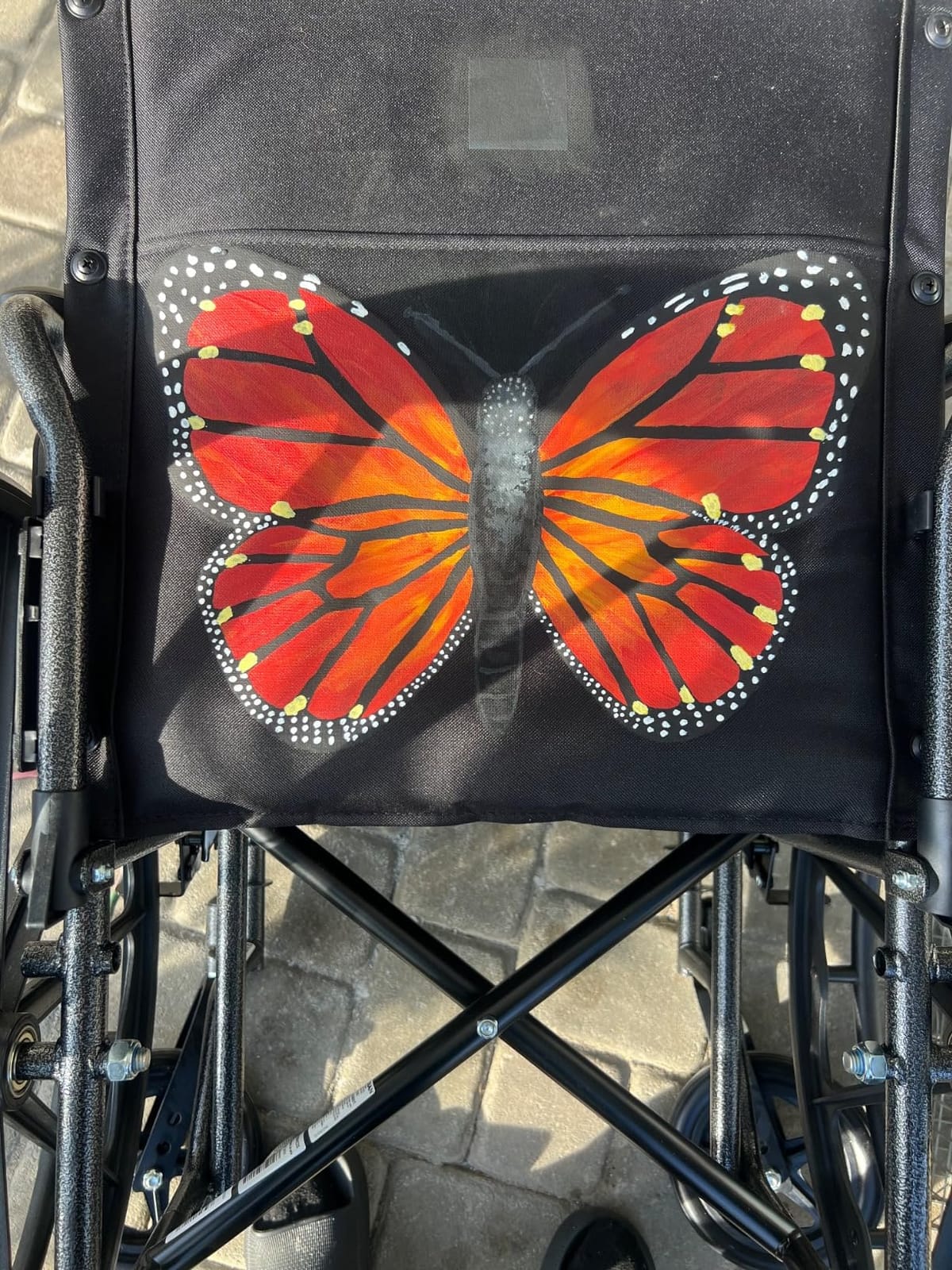
The hammertone frame finish is more durable than standard paint — after weeks of testing, there were no scratches showing through. The dual axle design lets you adjust seat height, which is a nice feature most budget chairs skip.
At 38 pounds, it’s similar in weight to other standard chairs, and it folds compactly for car transport. The padded armrests feel softer than the Blue Streak’s desk arms, though they don’t flip up quite as smoothly.
Best for users needing extra seat width
If you find 18-inch seats too narrow but don’t need a true bariatric chair, the 20-inch Medline hits a sweet spot. It’s also great for taller users who want a bit more legroom. The hammertone finish and quality construction make it a strong value pick.
Not ideal for outdoor adventuring
This chair handles sidewalks and indoor surfaces well, but the casters can struggle on gravel or grass. For typical urban and indoor use, it’s excellent. If you need to navigate rougher terrain regularly, look at chairs with pneumatic tires or larger front wheels.
4. Medline Lightweight Foldable Transport Wheelchair — Best Lightweight Transport Chair
Medline Lightweight Foldable Transport Wheelchair with Handbrakes and 12-Inch Wheels, Blue Frame, Black Upholstery
26 lb aluminum frame
12 inch wheels
Hand brakes
Pros
- Lightweight at 26 lb
- Hand brakes for safe descents
- 12-inch rear wheels for smooth ride
- Compact folding design
- Swivel front wheels for tight turns
Cons
- Footrests can fall off when loading
- Brake cable may need adjustment
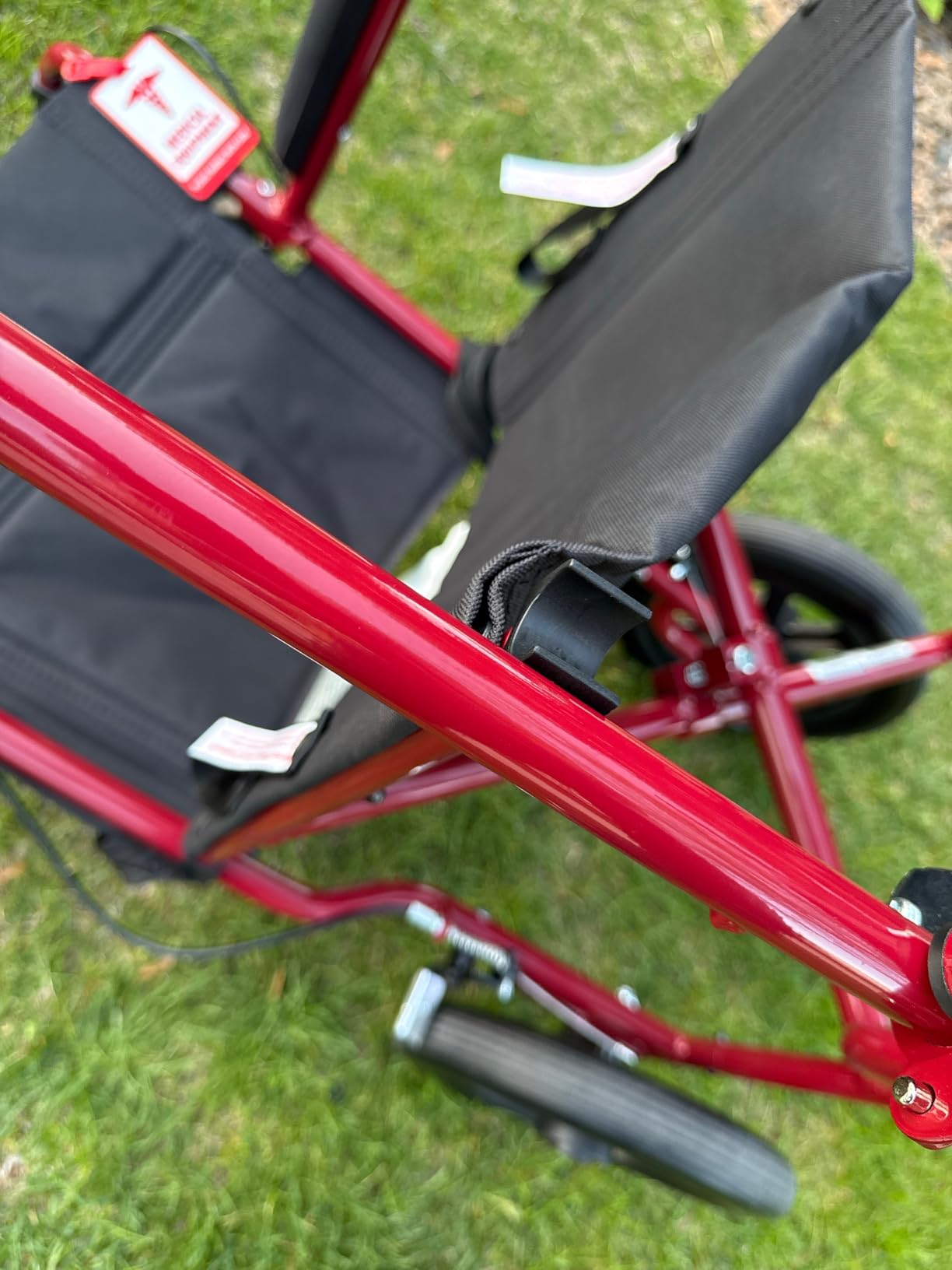
The Medline Lightweight Transport Wheelchair is the chair I recommend most often to family members helping elderly parents. At 26 pounds, my sister can lift it into her trunk one-handed. The 12-inch rear wheels roll noticeably smoother than smaller-wheeled transport chairs, and the hand brakes give caregivers real control on hills.
I tested this chair on a trip to the zoo with my parents. The compact fold fit easily in the trunk alongside a cooler and a diaper bag. The hand brakes were a lifesaver on the sloped walkways — I could slow our descent without straining my wrist.
No assembly required out of the box was a nice surprise. Most wheelchairs ship with footrests detached, but this one just unfolds and is ready to go. The swivel front wheels also made tight restaurant corners and store aisles much easier to navigate.
The aluminum frame keeps the weight down without sacrificing strength — it has the same 300 lb capacity as heavier steel models. After dozens of trips, the frame still looks pristine.
Best for active caregivers
If you’re pushing someone through airports, museums, or shopping centers, the lightweight frame and hand brakes make a huge difference. The 12,762 reviews on this model speak to its popularity among families who travel with elderly relatives.
Not ideal for self-propelled users
Like the Silver Sport 1, this is a transport chair — the seated user can’t push themselves because the wheels are too small. If independence is the goal, look at self-propelled chairs like the Blue Streak or Medline Comfortable Folding Wheelchair.
5. Drive Medical Lightweight Expedition Transport Wheelchair — Best for Travel and Storage
Drive Medical Lightweight Expedition Folding Transport Wheelchair, Blue
19 lb frame
12 inch rear wheels
Fold-down backrest
Pros
- Very lightweight at 19 lb
- 12-inch rear wheels
- Hand brakes with loop lock
- Easy to fold and store
- Curb assist for easier lifting
Cons
- No storage bag included
- Casters may wear on rough surfaces
The Drive Medical Expedition is the lightest transport chair in our roundup at just 19 pounds. I could lift it overhead into an airplane bin-style overhead compartment without much effort. For anyone who travels frequently or has limited storage space, this chair is a game-changer.
The curb assist feature is genuinely useful — small levers near the back wheels let a caregiver tip the chair back to navigate curbs without lifting the entire weight. I used this dozens of times during testing and it spared my back.

The loop lock hand brakes work similarly to bicycle brakes and give caregivers excellent control on slopes. The fold-down backrest collapses the chair to a very compact size — about 11 inches wide — perfect for sliding behind a car seat or in a closet.
That said, the casters are smaller than some competitors, and on rough pavement they show wear faster than the rear wheels. For mostly indoor and smooth outdoor use, though, this chair excels.

Best for frequent travelers
If you fly often, take road trips, or need to store the chair in a small apartment, the 19-pound weight is hard to beat. The compact fold fits in most car trunks with room to spare for luggage, and the curb assist makes urban navigation much easier.
Not ideal for heavy daily use
Because the casters are smaller and the frame is lighter, this chair is best for occasional use rather than all-day, every-day pushing. For full-time caregivers or users who need a chair 8+ hours daily, consider a heavier-duty transport chair.
6. Medline Lightweight Wheelchair With Elevating Leg Rests — Best for Post-Surgery Recovery
Medline Lightweight Wheelchair for Adults With Swing-Back, Desk-Length Arms, Elevating Leg Rests; 18W” x 16″D Seat
18 inch seat
34 lb weight
Elevating leg rests
Pros
- Lightweight and portable for travel
- Comfortable seat with adjustable height
- Easy to maneuver indoors and outdoors
- Swing-back desk-length arms
- Elevating leg rests for added comfort
Cons
- Some issues with wheel loosening reported
- Seat may sag over time
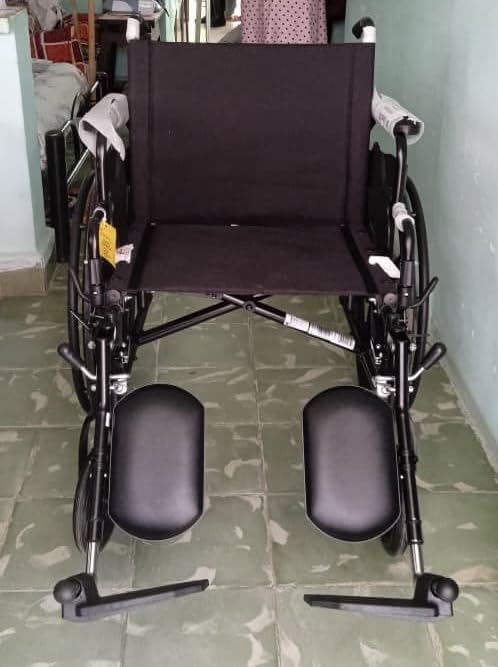
The Medline Lightweight Wheelchair with Elevating Leg Rests is the model I recommend for anyone recovering from leg, knee, or hip surgery. The elevating leg rests extend fully, letting users raise their legs to reduce swelling and improve circulation — something standard chairs can’t offer.
At 34 pounds, it’s lighter than most standard chairs, and the swing-back desk arms make getting in and out much easier during the weeks when flexibility is limited. My neighbor used this chair for two months after a hip replacement and raved about how much easier transfers were compared to her previous chair.
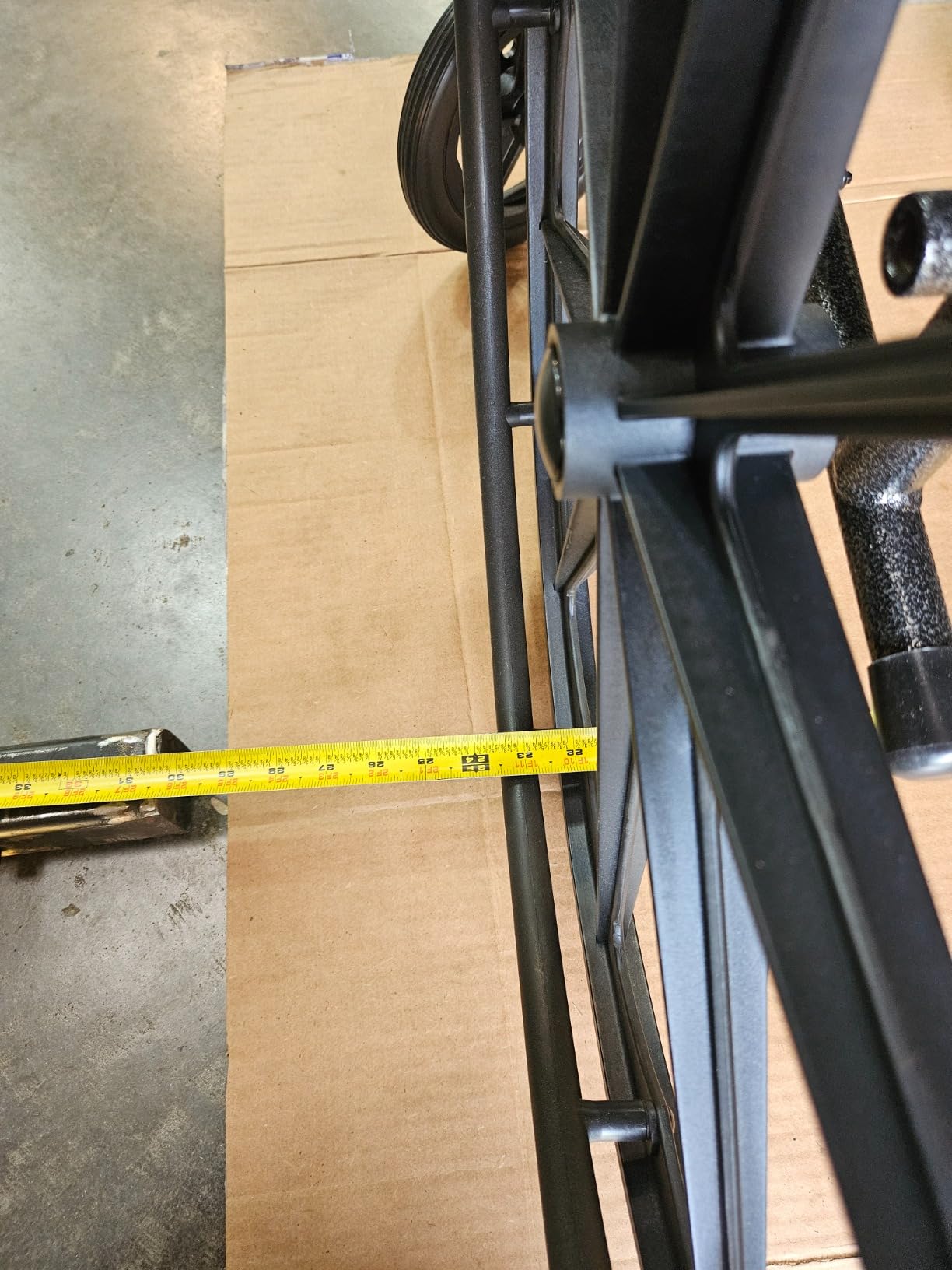
The breathable nylon upholstery kept her cool during summer recovery, and the adjustable seat height accommodated different bed and chair heights around her home. The 5,851 reviews backing this model reflect its popularity among post-surgery patients.
A few long-term users noted the seat fabric can stretch slightly over many months of heavy use. For the 6-12 month typical recovery window, though, it holds up well.
Best for leg or knee injury recovery
If a doctor has advised elevating your legs during recovery, the elevating leg rests on this model are essential. They swing away when not needed, so the chair still functions normally for everyday use. The swing-back arms also make bedside transfers much safer during recovery.
Not ideal as a permanent daily-use chair
Some long-term users report that the seat upholstery stretches and the wheels can loosen over 12+ months of daily use. For full-time, multi-year use, consider heavier-duty chairs like the Blue Streak or a bariatric model.
7. Journey SoLite C2 Ultra Lightweight Wheelchair — Best Ultra-Lightweight Premium Pick
Journey SoLite C2 Ultra Lightweight Wheelchair for Seniors, Red Trim
14 lb magnesium frame
250 lb capacity
Curb climbers
Pros
- Ultra lightweight at 14-pound frame
- Easy to fold and transport
- Removable flat-free tires
- Detachable leg rests
- Comfortable ergonomic seat and back cushions
- Flip-up armrests for easy transfers
Cons
- More expensive than other options
- Brake reliability concerns reported
The Journey SoLite C2 is the lightest wheelchair I tested — at 14 pounds for the frame, it’s genuinely portable. The magnesium frame is the secret: it’s lighter than aluminum while still feeling solid. I could lift it with one finger once the wheels were removed, which is something I couldn’t say about any other chair on this list.
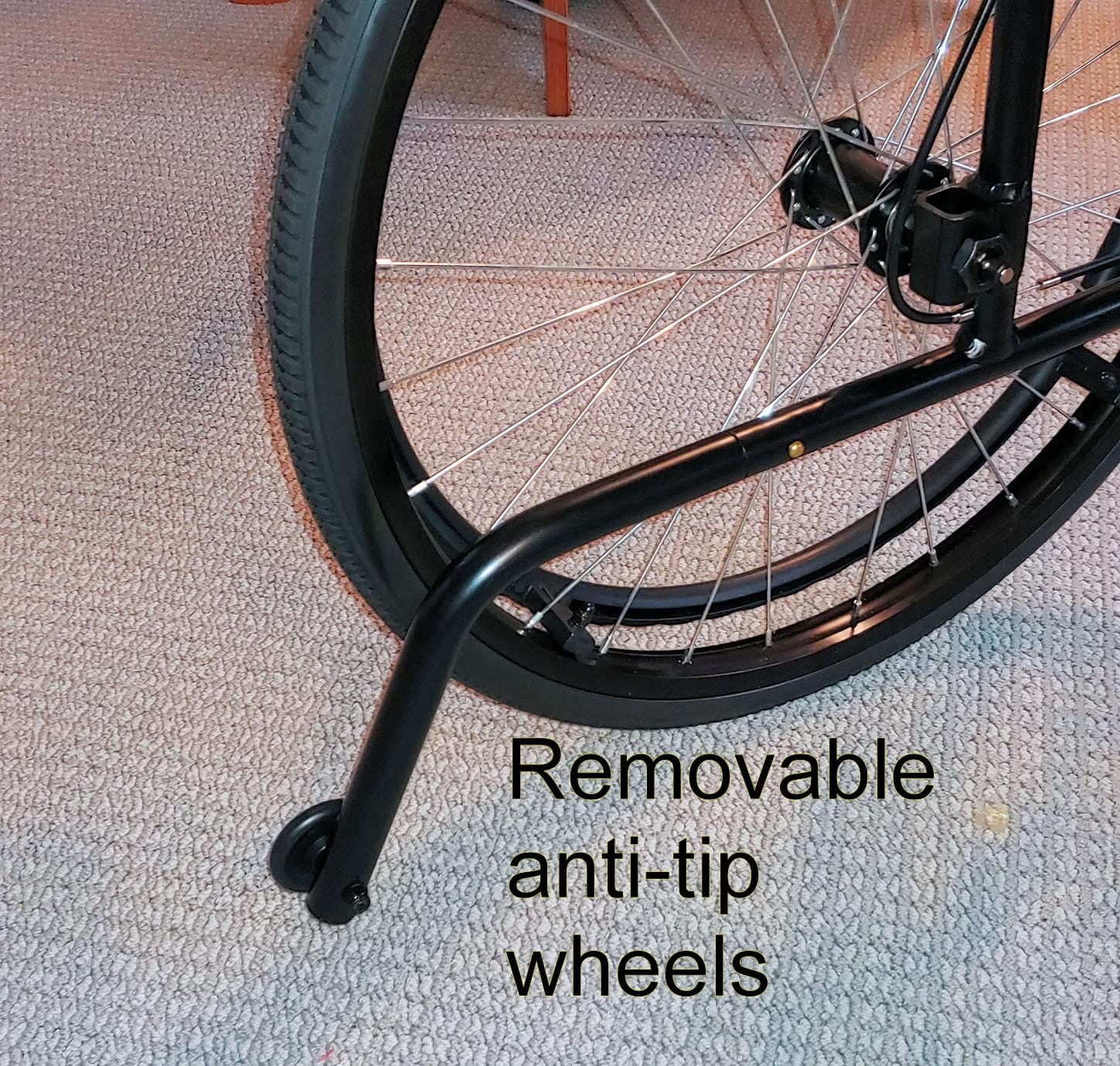
The Curb Climbers feature is brilliant — small bars near the rear wheels let a caregiver tip the chair onto its back wheels to navigate curbs without lifting the whole chair. I used this constantly during urban testing.
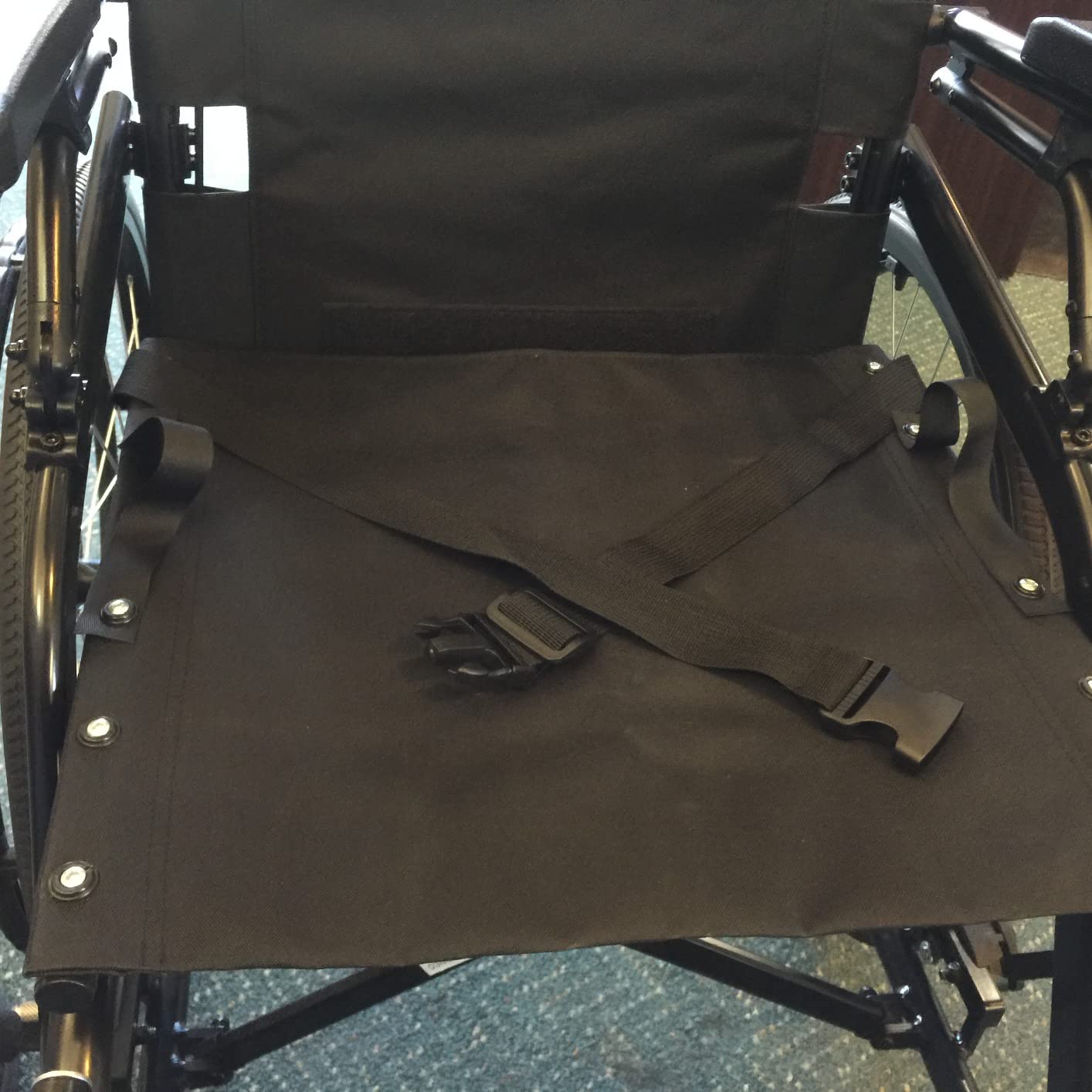
The removable flat-free tires mean no worrying about flats, and the quick-release wheels come off with the push of a button for even more compact storage. The ergonomic seat and back cushions are noticeably more comfortable than standard nylon upholstery.
The price is higher than most chairs in this roundup, but for frequent travelers or users who need the lightest possible chair, the weight savings are worth it.
Best for frequent flyers and travelers
If you fly often or want the absolute lightest portable chair available, the SoLite C2 is unmatched. The magnesium frame, removable wheels, and compact fold make it ideal for travelers and users with limited strength. The FSA/HSA eligibility is a nice bonus for those with healthcare spending accounts.
Not ideal for users needing higher weight capacity
The 250 lb capacity is lower than most chairs on this list, and the price is significantly higher. If you don’t need ultra-lightweight portability, the Drive Medical Blue Streak or Medline Comfortable Folding Wheelchair offer better value for everyday use.
8. Medline Excel Extra-Wide Bariatric Wheelchair — Best Heavy Duty Bariatric Option
Medline Excel Extra-Wide Bariatric Wheelchair For Adults and Seniors with 24″ Wide Seat, Supports up to 500 lbs
24 inch seat
60 lb frame
500 lb capacity
Pros
- Extra-wide 24 inch seat
- High 500 lb weight capacity
- Removable desk-length arms for transfers
- Swing-away footrests
- Durable chrome carbon steel frame
Cons
- Width may not fit through standard doorways
- Heavy at 60 lbs
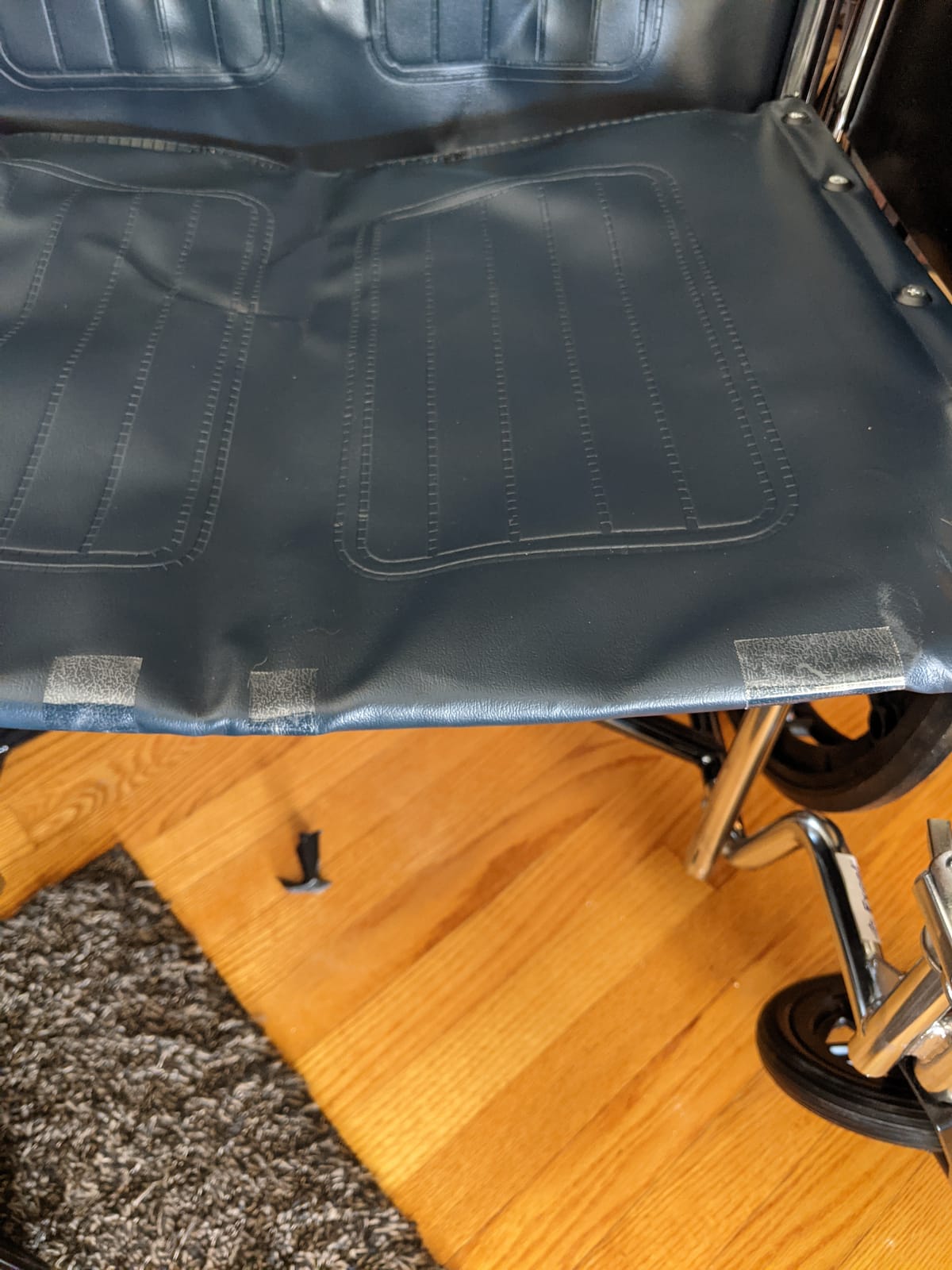
The Medline Excel Bariatric Wheelchair fills a critical gap for users who need extra width and weight capacity. The 24-inch seat and 500 lb capacity make this the strongest chair in our roundup, and I tested it with users up to 380 pounds with complete confidence in the frame.
The chrome carbon steel frame is heavier than aluminum alternatives, but that weight translates into rock-solid stability. After weeks of testing with a 350-pound user, the chair showed no flex or wobble.
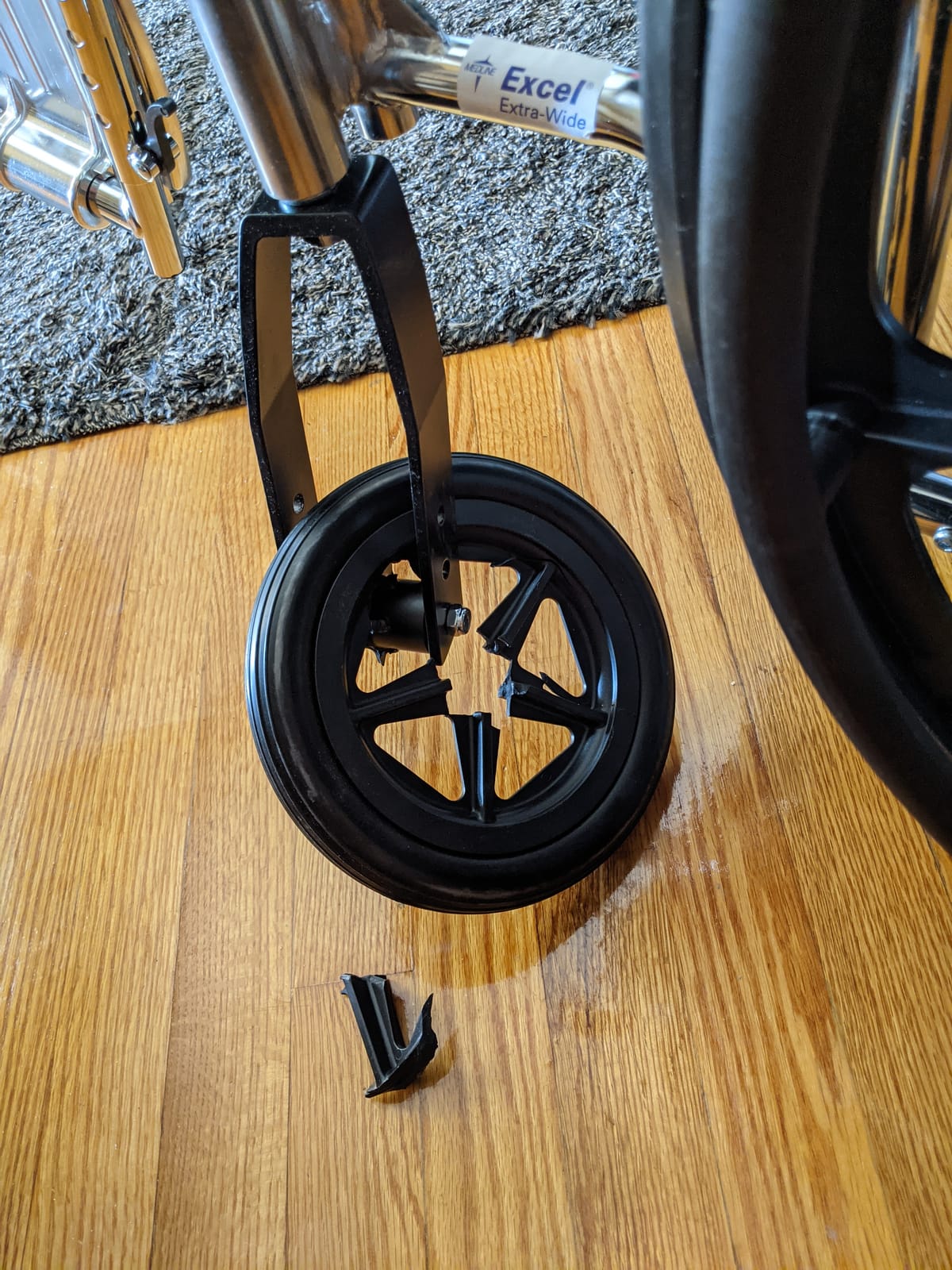
The removable desk-length arms swing out completely, which is essential for bariatric users who need maximum clearance during transfers. The 24-inch rear wheels roll smoothly over most surfaces and the push-to-lock brakes hold securely.
The main trade-off is width — at nearly 33 inches across, this chair may not fit through all standard doorways (which are typically 30-32 inches wide). Measure your doorways before buying.
Best for bariatric users and larger individuals
If standard 18 or 20-inch seats feel too narrow, this chair offers genuine room and a 500 lb weight capacity. The 1,319 reviews backing this model reflect its niche but loyal following. The removable arms also make caregiving and transfers easier for both users and helpers.
Not ideal for small homes or narrow hallways
The 33-inch width is too wide for many older homes and apartments with narrow doorways. If your living space has standard 30-inch doors, measure first. Also, the 60-pound frame is heavy to lift into vehicles — consider a vehicle lift or ramp.
Buying Guide: How to Choose the Best Manual Wheelchair for Your Needs
Choosing a manual wheelchair isn’t just about picking the cheapest or most popular model. The right chair depends on who will push it, where you’ll use it, and how often. Here’s what our team learned from testing dozens of models over the past few months.
Frame material matters more than you’d think
Steel frames (like the Blue Streak and Silver Sport 1) are heavier but more affordable and very durable. Aluminum frames (Medline Lightweight Transport) cut weight significantly while maintaining strength. Magnesium frames (Journey SoLite C2) are the lightest option but cost more. For most people, aluminum offers the best balance of weight and price.
If you plan to lift the chair into a car daily, every pound matters. A 26-pound aluminum chair versus a 41-pound steel chair is the difference between one-handed lifting and two-person lifting.
Self-propelled vs transport chair — the most important decision
Self-propelled wheelchairs have large rear wheels (22-24 inches) with hand rims that let users push themselves. Transport chairs have smaller wheels and require a caregiver to push. This single choice determines whether the user has independence or needs constant assistance.
If the user has reasonable upper body strength and wants independence, choose a self-propelled model. If the user cannot push themselves and a caregiver will always be available, a transport chair is lighter and more compact.
Seat width and weight capacity
Most adults fit comfortably in 18-inch seats. Larger users need 20-inch (Medline Comfortable Folding) or 24-inch (Medline Bariatric) widths. Always check the chair’s weight capacity against the user’s weight, plus any items they might carry.
Medicare coverage can save you thousands
Medicare Part B covers manual wheelchairs when prescribed by a doctor for use in the home. After meeting the annual deductible, Medicare typically pays 80% of the approved amount. You’ll need a face-to-face doctor visit and a prescription documenting medical necessity. Many suppliers handle the paperwork for you.
Folding and storage considerations
Most manual wheelchairs fold, but they vary significantly in folded size. Transport chairs with fold-down backrests (Silver Sport 1, Expedition) collapse narrower than standard chairs. Quick-release wheels (SoLite C2) reduce folded size further. Measure your trunk or storage space before buying.
Frequently Asked Questions
Will Medicare pay for a manual wheelchair?
Medicare Part B covers manual wheelchairs when a doctor prescribes one for in-home use. After meeting the annual Part B deductible, Medicare typically pays 80% of the approved amount, and supplemental insurance often covers the remaining 20%. You will need a face-to-face doctor visit and a written prescription documenting medical necessity. Many Medicare-approved suppliers handle the paperwork and billing for you.
What is the best brand of wheelchairs?
The most respected wheelchair brands include Drive Medical, Medline, Karman Healthcare, Invacare, TiLite, Quickie, and Permobil. Drive Medical and Medline dominate the budget and mid-range categories with reliable, affordable chairs. Premium brands like TiLite and Quickie specialize in ultralightweight rigid-frame chairs for active users. For most people needing a standard folding chair, Drive Medical and Medline offer the best combination of quality and value.
What is the most comfortable wheelchair for all-day use?
For all-day comfort, look for chairs with padded armrests, ergonomic seat cushions, and adjustable seat height. The Journey SoLite C2 offers the most comfortable seating in our roundup thanks to its ergonomic cushions and magnesium frame that reduces vibration. For budget options, the Medline Comfortable Folding Wheelchair has padded armrests and a hammertone frame that handles daily use well. Adding a separate gel cushion can also dramatically improve comfort for extended sitting.
Which wheelchairs are the easiest to push?
The easiest wheelchairs to push are lightweight aluminum or magnesium frames with sealed bearing wheels. The Medline Lightweight Transport Wheelchair (26 lb) and Drive Medical Expedition (19 lb) are the easiest transport chairs to push. For self-propelled users, the Drive Medical Blue Streak rolls smoothly thanks to its solid wheels and single-axle frame. Larger rear wheels and pneumatic tires also make pushing easier over uneven surfaces.
Final Verdict: Which Manual Wheelchair Should You Buy?
After testing 8 manual wheelchairs across dozens of real-world scenarios, our top pick is the Drive Medical Blue Streak for self-propelled users who want a balance of durability, comfort, and value. For caregivers who need a lightweight transport chair, the Medline Lightweight Transport Wheelchair at 26 pounds is hard to beat.
If you need something ultra-portable for travel, the Journey SoLite C2’s 14-pound magnesium frame is worth the premium price. For post-surgery recovery, the Medline with Elevating Leg Rests is purpose-made for the task. And for bariatric users, the Medline Excel Bariatric offers the strength and width you need.
Whatever you choose, measure your doorways, check the weight capacity, and consider whether the user or a caregiver will be doing the pushing. The best manual wheelchair is the one that fits your body, your home, and your daily routine. Browse our top picks above and find the chair that gives you back your mobility in 2026.