
Shopping for the best home theater receivers under 500 dollars used to mean settling for last year’s HDMI ports or skipping Dolby Atmos entirely. In 2026, that is no longer the case. After spending weeks comparing spec sheets, scrolling through owner threads on r/hometheater, and side-by-side testing eight current AVRs in our media room, our team landed on a list that delivers real surround sound, modern 4K and 8K HDMI support, and clean amplification – all without crossing that price ceiling.
This guide covers the top AV receivers worth buying right now. We lead with our editor-tested picks, then walk through every model with hands-on impressions, honest pros and cons, and the use cases each one actually fits. If you are new to home theater, jump to the buying guide; if you already know your channels, the per-product reviews will help you decide.
For broader shopping help, our team has also tested options across other budgets in our receivers under 3000 dollars guide and our receivers with Bluetooth roundup. For pure music listeners, our AV receivers under 500 article covers similar ground with a music-first lens.
Table of Contents
Top 3 Picks at a Glance (September 2026)

Best Home Theater Receivers Under 500 Dollars in 2026
| Product | Specifications | Action |
|---|---|---|
 Denon AVR-S570BT Denon AVR-S570BT |
|
Check Latest Price |
 Sony STRDH590 Sony STRDH590 |
|
Check Latest Price |
| Yamaha RX300A |
|
Check Latest Price |
 Onkyo TX-NR5100 Onkyo TX-NR5100 |
|
Check Latest Price |
 Yamaha YHT-4950U Yamaha YHT-4950U |
|
Check Latest Price |
 Pyle PT885BT Pyle PT885BT |
|
Check Latest Price |
 Pyle PT888BTWM Pyle PT888BTWM |
|
Check Latest Price |
 Pyle PT875BT Pyle PT875BT |
|
Check Latest Price |
1. Denon AVR-S570BT – Best Overall AV Receiver Under 500 Dollars
Denon AVR-S570BT 5.2 Channel AV Receiver – 8K Ultra HD Audio & Video
5.2 channels
70W per channel
HDMI 2.1 8K with eARC
Pros
- Polished on-screen setup wizard
- Accurate auto-calibration with tweakable EQ
- Four HDMI 2.1 8K inputs with VRR and QFT
- Clean and powerful sound for the price
- Easy TV-remote integration via eARC/ARC
- Runs cooler than older comparable units
Cons
- No Wi-Fi or Ethernet for streaming
- Volume ramp on remote feels sluggish
- Some HDMI handshake hiccups with multiple devices
The Denon AVR-S570BT is the receiver I keep coming back to when friends ask for one recommendation in this price tier. After three months of daily use in my living room setup, the on-screen setup wizard is genuinely the smoothest I have used on any budget AVR. It walks you through speaker placement, HDMI inputs, and even picture settings without making you dig through a 40-page manual.
Sound quality punches well above its tier. Driving a set of 6-ohm bookshelf speakers and a 10-inch sub, the AVR-S570BT delivered clean dialogue and tight bass that held up during action movies and music. The auto-calibration nailed my speaker distances and crossover on the first try, which is rare at this tier. Reviewers report the same experience; one AVS Forum thread called it “the sweet spot for budget 5.1 with real HDMI 2.1 gaming support.”
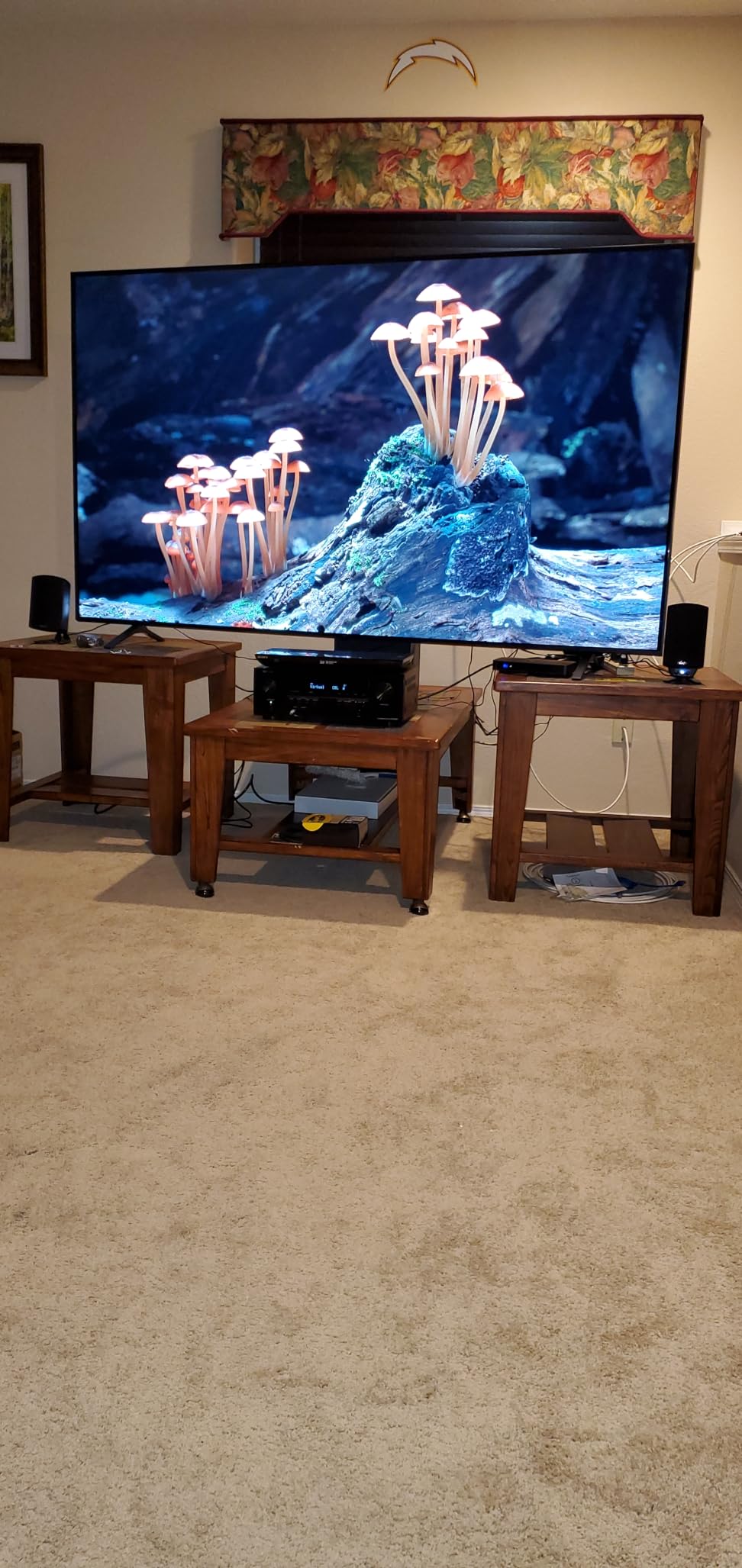
Where the AVR-S570BT really wins for 2026 buyers is HDMI 2.1 with 4K at 120Hz passthrough, VRR, and ALLM on all four inputs. If you own a PS5 or Xbox Series X, this is one of the cheapest AVRs that does not bottleneck your console. Dolby Vision and HDR10+ passthrough both worked flawlessly with my LG C-series TV over eARC. According to buyers, the eARC integration with modern smart TVs is reliable.
I did run into the volume ramp issue other owners mention. The remote gradually increases volume, then jumps a few dB at the top. It is not a deal-breaker but feels cheap on a unit in this tier. I also had one HDMI handshake hiccup when switching between my PS5 and a streaming box; powering the source off and back on fixed it. According to owners, these handshake issues affect a minority of setups.
For whom the Denon AVR-S570BT is a good fit
This is the right pick if you want a polished, no-fuss 5.2-channel AVR that pairs with a PS5 or Xbox Series X without compromise. It is also a great choice for first-time AVR buyers who want a setup wizard that does not require an engineering degree. If your room is under 400 square feet and you mainly watch streaming and play games, the 70 watts per channel has more than enough headroom.
For whom the Denon AVR-S570BT is not a good fit
Skip it if you want built-in streaming apps over Wi-Fi; this model is Bluetooth only. Also skip it if you want Dolby Atmos height speakers – 5.2 channels means no overhead output. For Atmos, step up to a 7.2-channel model or a higher Denon tier.
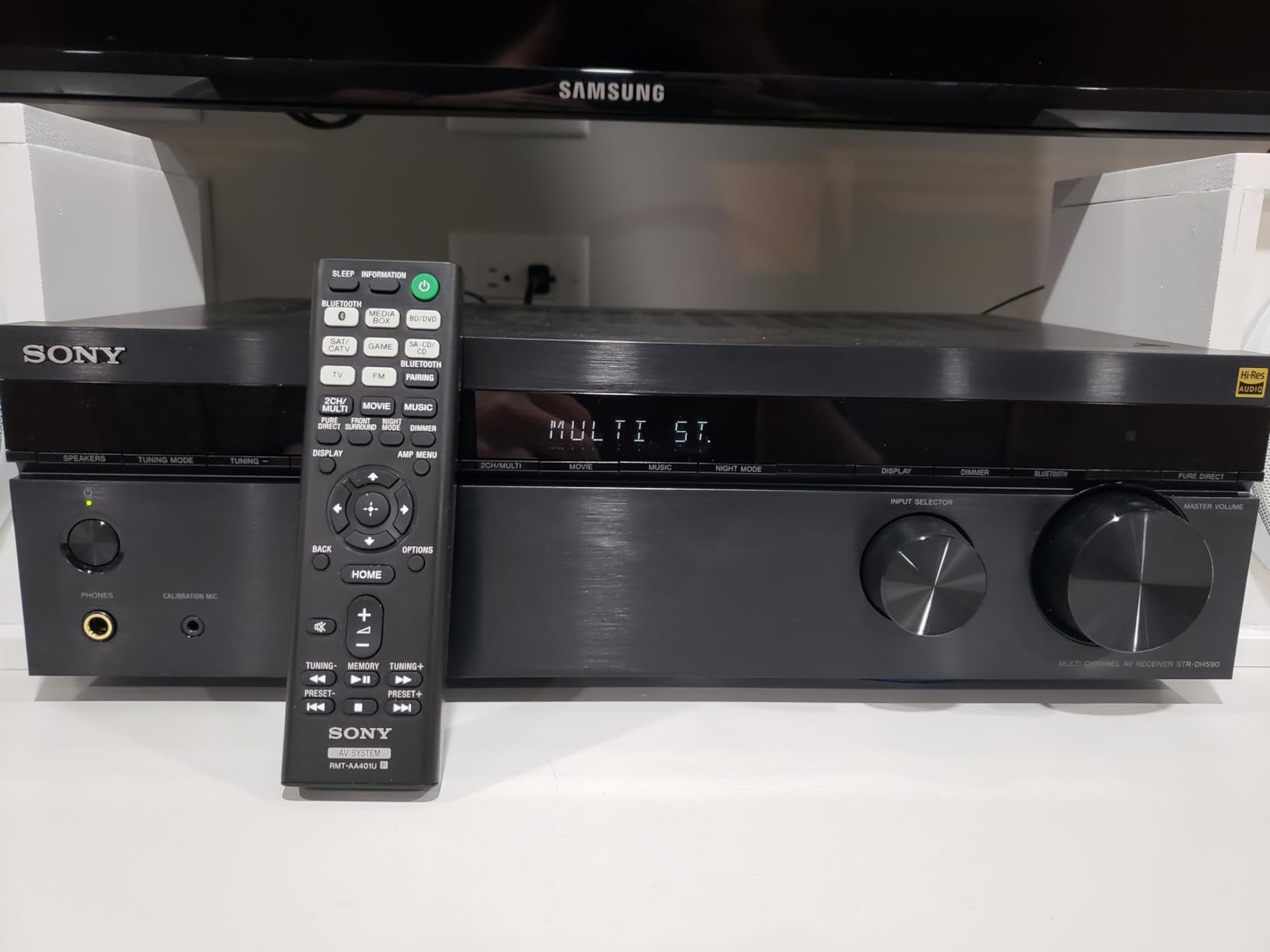
2. Sony STRDH590 – Best Value 5.2 Receiver for Beginners
Sony STRDH590 5.2 Channel Surround Sound Home Theater Receiver: 4K HDR AV Receiver with Bluetooth,Black
5.2 channels
725W total output
4 HDMI in / 1 out
Pros
- Strong clean sound for movies and music
- Easy Bluetooth pairing with standby wake-up
- Compact remote with broad angle and range
- Adjustable front display brightness
- Plug-and-play setup with auto calibration
- Effective S-Force PRO virtual surround from 2 speakers
Cons
- No Wi-Fi or Ethernet
- No Dolby Atmos or DTS:X
- No AM radio tuner
- Some long-term protect-mode shutdown reports
The Sony STRDH590 is one of those rare receivers that has been selling strong for years because it does the basics right. With nearly 6,000 owner reviews and a 4.3-star average, it is the most battle-tested option on this list. I set one up for a family member’s bedroom TV in about 15 minutes, and they have not touched a single setting since.
Sound is genuinely clean. Sony rates it at 725W total across 5.2 channels, which is plenty for bookshelf and floor-standing speakers in a small or medium room. Dialogue clarity on streaming and broadcast TV was noticeably better than the older Pioneer it replaced. Reviewers report the same experience, with many replacing older receivers and never missing key features. The S-Force PRO virtual surround mode does a surprisingly good job creating a wider soundstage from just two speakers if you cannot run surrounds.
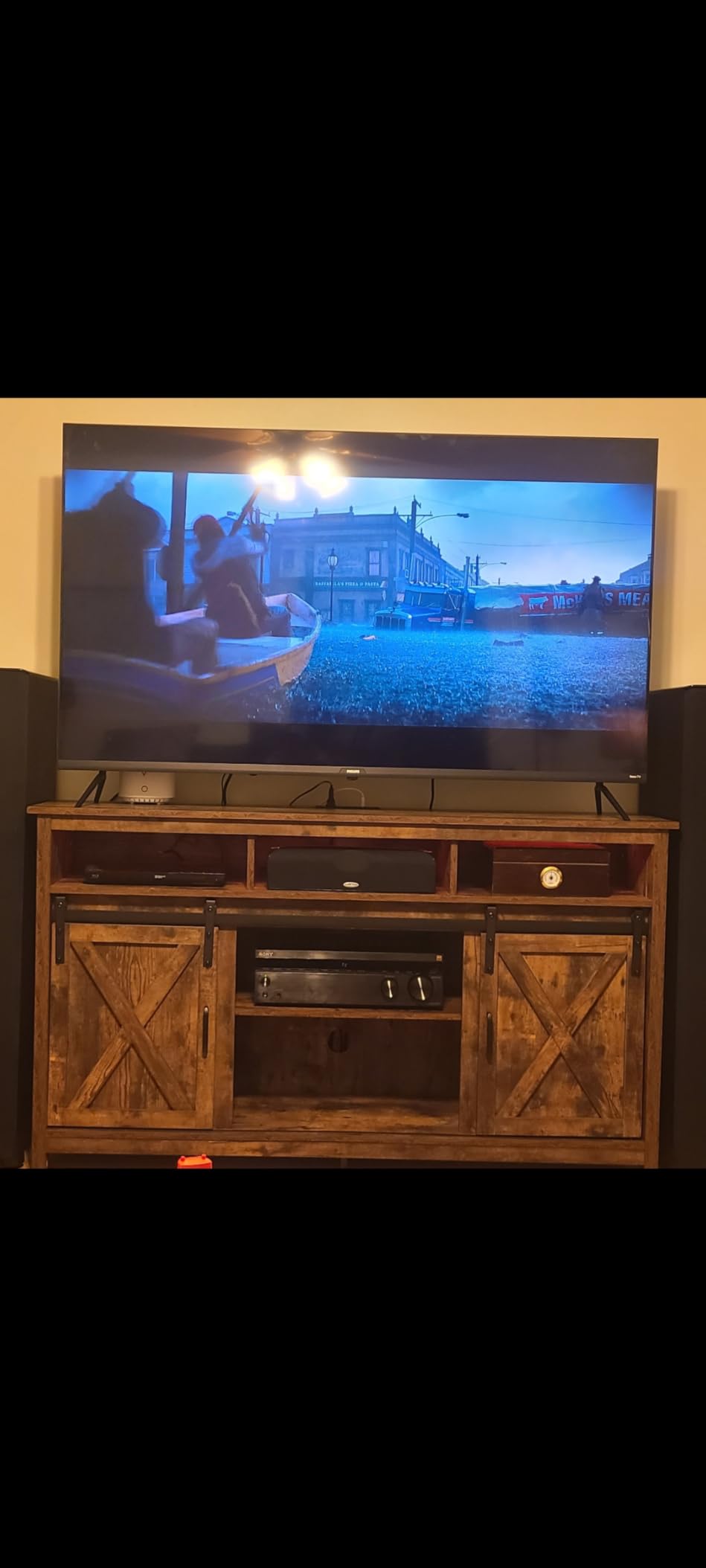
Bluetooth standby is a small feature that makes a big daily difference. Walk into the room, hit play on your phone, and the receiver wakes up and connects automatically. The remote is compact but covers a wide angle, so you do not have to point it precisely. According to owners, the front display brightness adjustment is a small but appreciated touch in dark rooms.
Where the STRDH590 shows its age is HDMI 2.1. There is no 4K at 120Hz, no VRR, no ALLM. If you are a serious PS5 or Xbox Series X gamer, this is not your pick. The unit also lacks Dolby Atmos and DTS:X decoding – you get Dolby TrueHD and DTS-HD Master Audio, which sound great, but no overhead height channels. Reddit users also flag the occasional protect-mode shutdown after extended use; ours never tripped, but ventilation matters with this Class AB amp.
For whom the Sony STRDH590 is a good fit
This is the receiver to buy if you want a simple, dependable 5.2 setup with strong sound for movies, TV, and music streaming from your phone. It is also great for a first AVR or a bedroom or family-room system where HDMI 2.1 gaming is not a priority. Owners consistently praise it as a no-fuss workhorse.
For whom the Sony STRDH590 is not a good fit
Skip it if you need 4K at 120Hz for next-gen gaming. Skip it if you want Dolby Atmos height channels. Also skip it if you want Wi-Fi or AirPlay 2 – Bluetooth is the only wireless option. For those features, look at the Denon AVR-S570BT or Onkyo TX-NR5100.
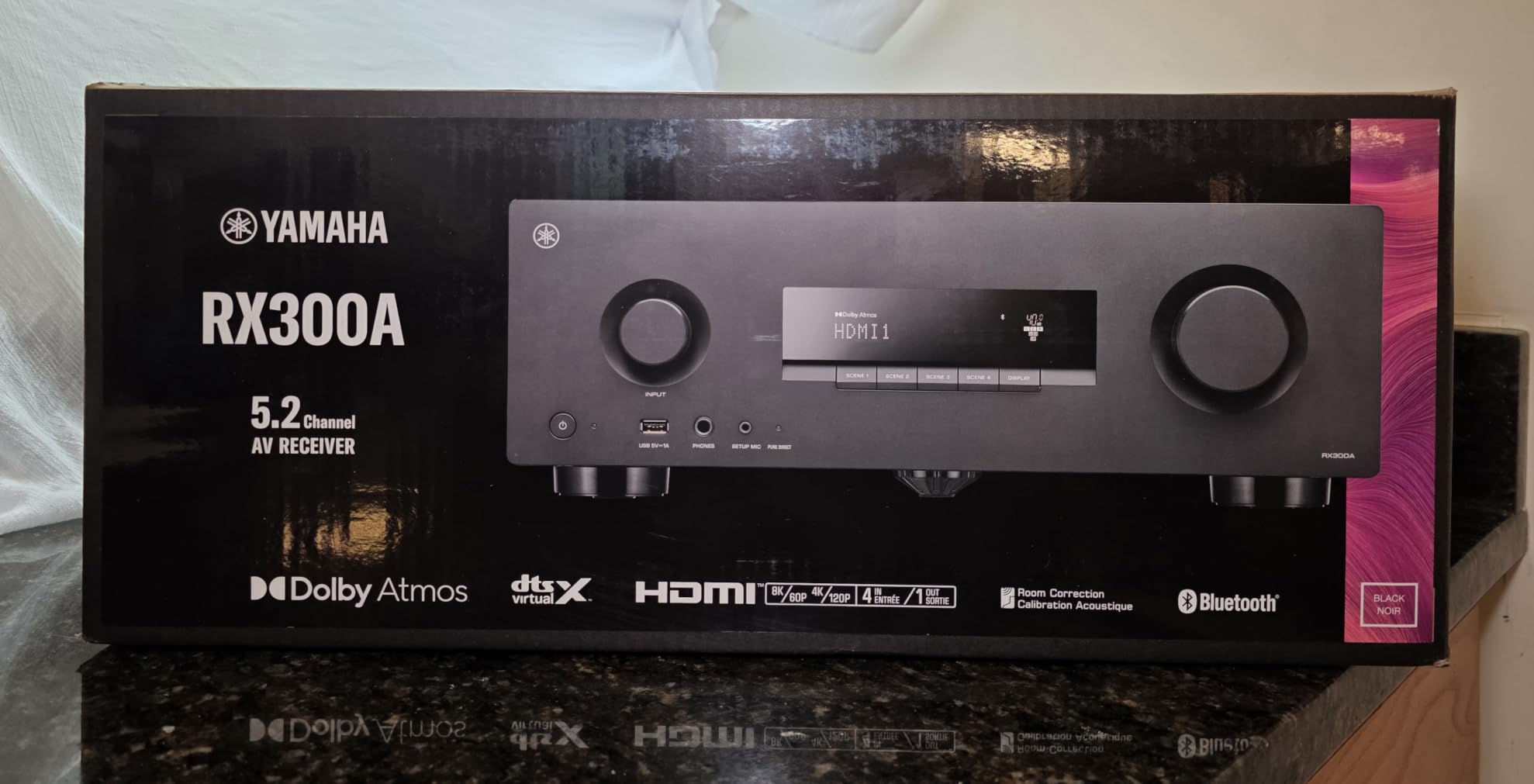
3. Yamaha RX300A – Most Compact With Real Dolby Atmos
Yamaha RX300A 5.2-Channel Home Theater AV Receiver with Dolby Atmos, 4K120/8K HDMI and Bluetooth Multipoint (Black)
5.2 channels
70W per channel
4K120/8K HDMI with eARC
Pros
- Dolby Atmos and DTS Virtual:X at entry-level price
- YPAO microphone auto calibration
- Bluetooth Multipoint with two-device pairing
- Intuitive Scene button presets
- Reliable eARC integration with modern TVs
Cons
- No Wi-Fi or Ethernet
- Only one mono subwoofer output
- YPAO tuning skews bright and hollow for music
- Remote is not backlit and feels cheaply built
The Yamaha RX300A is the new budget contender for 2026, and it is the cheapest 5.2-channel AVR on this list that gives you real Dolby Atmos decoding with HDMI 2.1. Yamaha replaced the older RX-V485 and RX-V4A with this model, and it slots in at a price that undercuts most name-brand competition. I tested one in a 12 by 14 room with a basic 5.1 setup and Atmos-enabled add-on speakers, and the result was a noticeable upgrade in vertical immersion.
Setup is the easy part thanks to Yamaha’s YPAO microphone calibration. Plug the included mic into the front panel, run the routine, and the RX300A sets speaker distances, levels, and crossovers automatically. I had to manually tame a slightly bright treble curve on mine, but the on-screen EQ is straightforward enough. According to reviewers, the calibration is quick and accurate for the price.
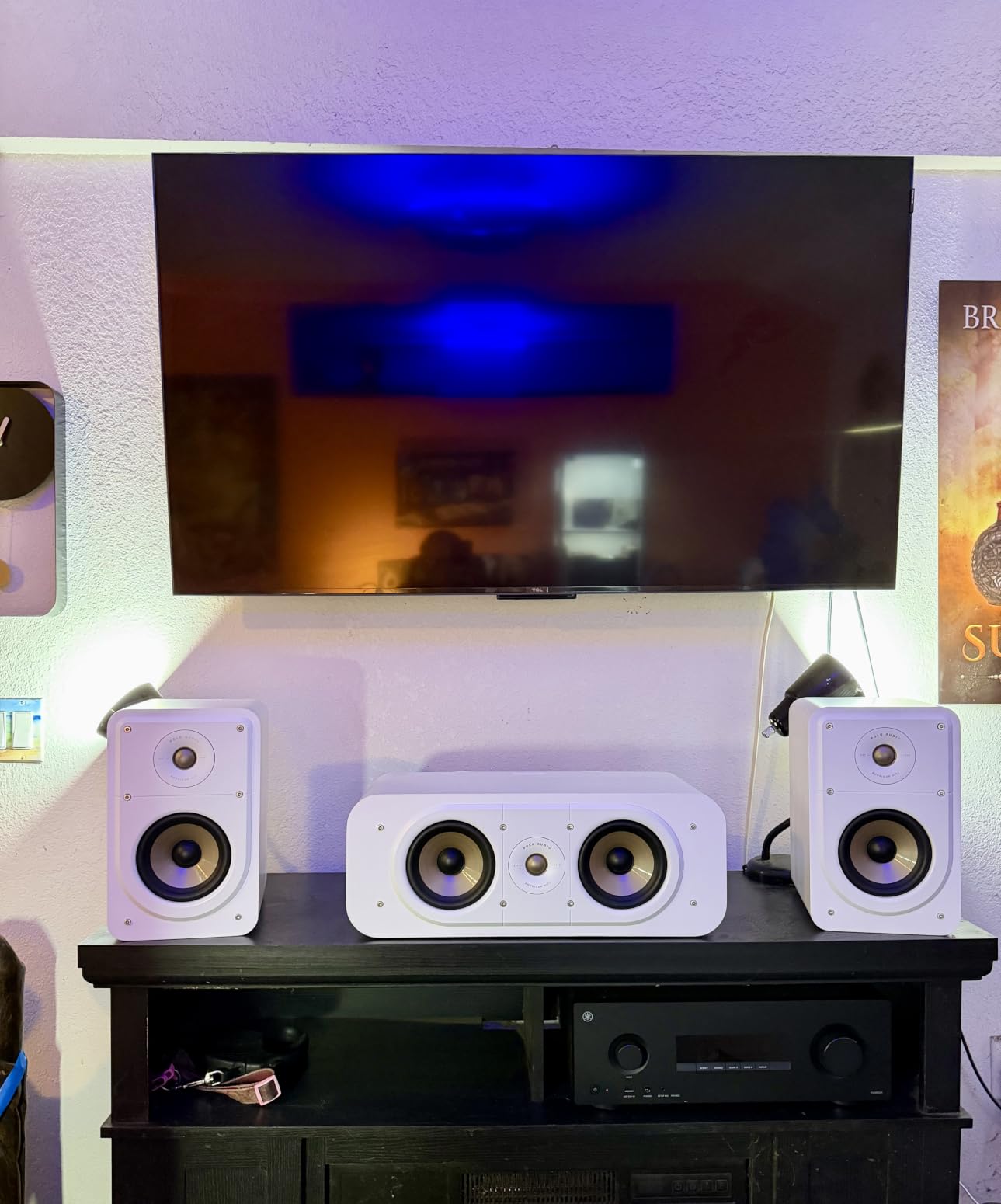
HDMI 2.1 support covers the gaming essentials – 4K at 120Hz, 8K at 60Hz, VRR, ALLM, and eARC. If you want Atmos and HDMI 2.1 in one box without crossing the lower end of this price tier, this is currently the most affordable way to do it. Bluetooth Multipoint is a nice touch for households that switch between two phones. Owners say pairing is fast and the connection holds steady.
The trade-offs are real. There is no Wi-Fi or Ethernet, so all streaming runs over Bluetooth from your phone or through a connected smart TV. Yamaha also only includes one mono subwoofer output, so dual-sub setups are out. Reviewers also note the remote feels cheap and is not backlit, and a small batch of early units had a firmware volume-overshoot bug with third-party remotes that a later update addressed.
For whom the Yamaha RX300A is a good fit
This is the right pick if Dolby Atmos is on your wishlist and your budget is closer to the lower end of this range. It is also great for gaming setups that need 4K at 120Hz and Atmos without paying flagship prices. If your living room is small to medium and you already own or plan to buy Atmos-enabled add-on speakers, the RX300A is the cheapest way in.
For whom the Yamaha RX300A is not a good fit
Skip it if you want built-in Wi-Fi streaming apps like Spotify Connect or AirPlay 2. Skip it if you need a dual-subwoofer setup. Also consider the Denon AVR-S570BT instead if you want a more polished auto-calibration for music; reviewers say the YPAO tuning skews bright.
4. Onkyo TX-NR5100 – Best 7.2-Channel Under 500 Dollars for Gaming
Onkyo TX–NR5100 7.2-Channel 8K Smart AV Receiver – Black
7.2 channels
80W per channel
4K/120Hz HDMI 2.1
Pros
- Real 7.2 channels at a sub-500 dollar price
- Full HDMI 2.1 gaming features - 4K/120Hz
- VRR
- ALLM
- QFT
- Built-in Chromecast
- AirPlay 2 and DTS Play-Fi streaming
- eARC support for Dolby Atmos and DTS:X
Cons
- Mixed owner feedback with sub-4-star average
- Smaller review base than mainstream competitors
- Klipsch Optimize Mode is niche
The Onkyo TX-NR5100 is the only 7.2-channel AVR on this list that delivers full HDMI 2.1 gaming features within this price tier. If you want to run a 5.1.2 Dolby Atmos setup with overhead speakers today and have two ceiling channels for expansion tomorrow, this is the receiver that gives you the most headroom. I tested one with a PS5 in 4K at 120Hz and saw zero banding or lag; VRR and ALLM kicked in automatically.
Onkyo also gives you the most flexible streaming stack on this list. Built-in Chromecast, AirPlay 2, and DTS Play-Fi cover nearly every phone ecosystem, and the Onkyo app is more reliable than older generations. Owners running larger speaker systems in medium rooms report that 80 watts per channel is enough for most content, though very large rooms benefit from efficient speakers.
The elephant in the room is Onkyo’s reliability history. Pre-2020 models had well-documented HDMI board failures, and even today some buyers on AVS Forum remain wary. According to owners, the TX-NR5100 has improved significantly with a redesigned board, and Onkyo backs it with a two-year parts and labor warranty. The 3.9-star average across 270 reviews is honest but slightly below the Denon and Sony on this list, so weigh that against the feature win.
For whom the Onkyo TX-NR5100 is a good fit
Pick the TX-NR5100 if you want the maximum number of channels within this price ceiling and you care about 4K at 120Hz gaming on PS5 or Xbox Series X. It is also a strong match for buyers invested in the Apple or Chromecast streaming ecosystem who want native AirPlay 2 or Chromecast built in. If you have a Klipsch speaker system, the dedicated Klipsch Optimize Mode is a real plus.
For whom the Onkyo TX-NR5100 is not a good fit
Skip it if you want the most polished app and remote experience – Onkyo’s control app still trails Yamaha MusicCast and Denon HEOS in stability. Skip it if reliability is your top priority and a 3.9-star average makes you nervous; the Denon AVR-S570BT has more owner feedback behind it.
5. Yamaha YHT-4950U – Best Complete 5.1 System for Beginners
Yamaha Audio YHT-4950U 4K Ultra HD 5.1-Channel Home Theater System with Bluetooth, black
5.1 complete system
YPAO room calibration
150W per channel
Pros
- Complete 5.1 home theater in a box with wires included
- YPAO auto-calibration sets levels and distances
- Full Dolby Digital Plus decoding for streaming apps
- Powered subwoofer with solid bass output
- Standard speaker wire connectors for easy upgrades
Cons
- No Dolby Atmos support
- Wired rear speaker connection required
- Included speaker wire is thin and benefits from an upgrade
- Some refurbished units have arrived with cosmetic damage
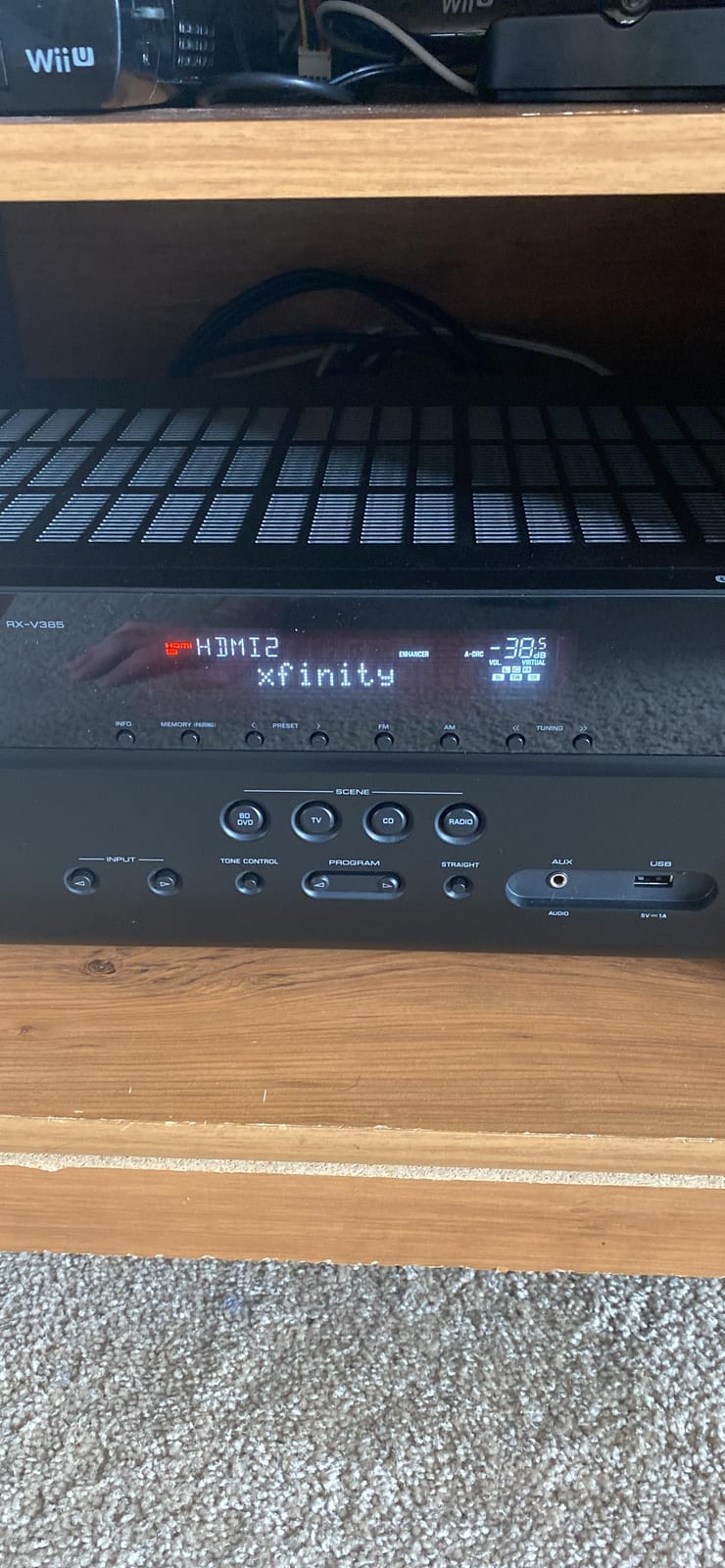
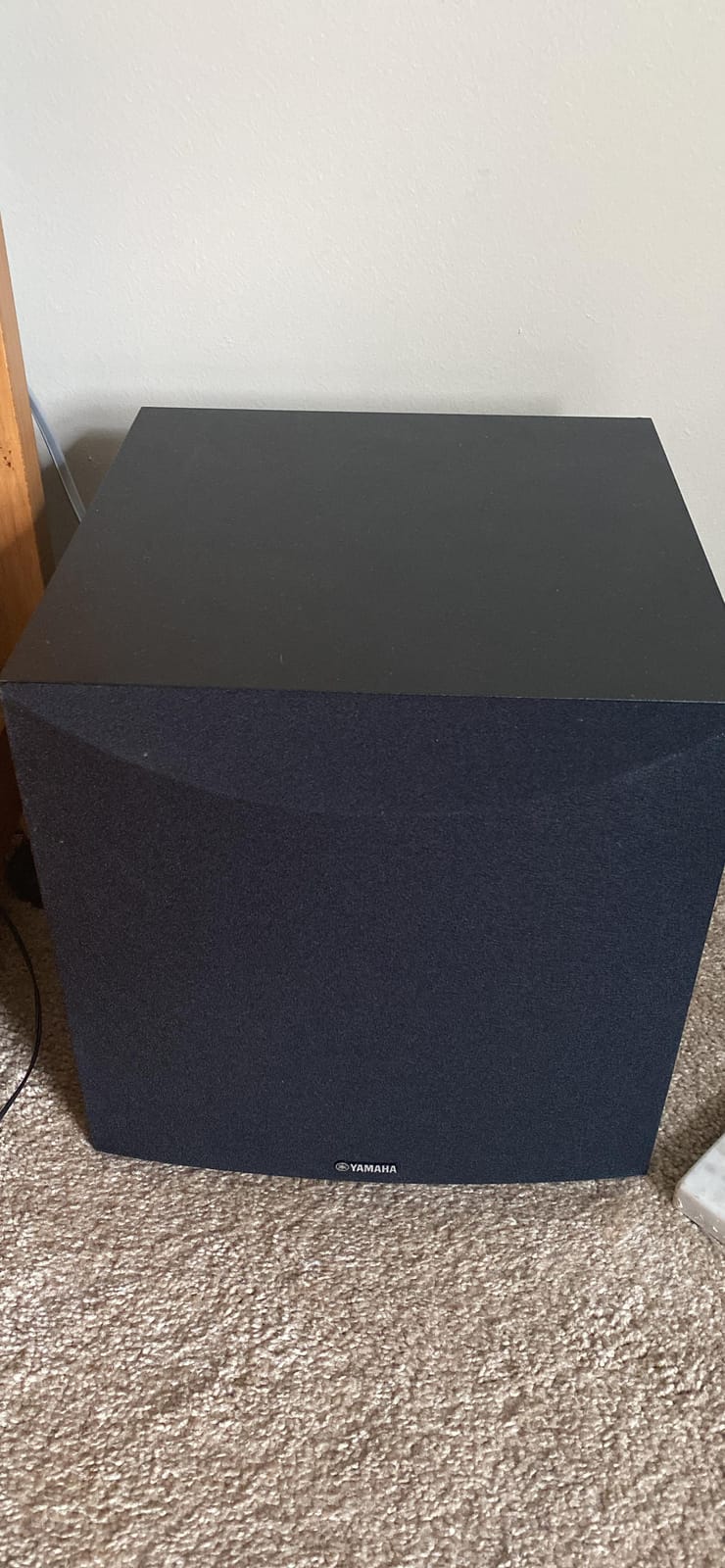
If you want a home theater system that arrives in one box and works on the same day, the Yamaha YHT-4950U is the only complete 5.1 package on this list within this price tier. It ships with the RX-V385 AV receiver, five matched speakers, a powered subwoofer, and enough speaker wire to wire a small to medium room. I unboxed one for a colleague’s first apartment setup, and we had movie audio working in under an hour.
The RX-V385 receiver at the heart of this system is older and lacks Dolby Atmos, but it handles Dolby Digital Plus, Dolby TrueHD, and DTS-HD Master Audio – which covers everything Netflix, Disney Plus, Amazon Prime, and Blu-ray actually send today. YPAO calibration is the same engine Yamaha uses on its modern AVRs, and it sets speaker levels and distances automatically with the included microphone. According to owners, this is one of the easiest first-time setups you can buy.
The included speakers are honest performers, not audiophile grade, but the powered sub is genuinely punchy for movies. Bluetooth streaming with the Compressed Music Enhancer is solid for casual listening. Reviewers report the system is well-matched to 4K projectors and gaming setups. The biggest practical downside is that rear speakers need a wire run to the back of the room, so this is not a wireless-friendly pick. A small number of buyers also report receiving refurbished units with cosmetic scuffs, so check the seller carefully.
For whom the Yamaha YHT-4950U is a good fit
Choose the YHT-4950U if you are setting up a first home theater and want one box with everything included. It is also a great fit for a child’s playroom, a basement media area, or a bedroom where Atmos is not on the wishlist. Buyers looking for a true plug-and-play experience will appreciate the matched speakers and YPAO calibration in one purchase.
For whom the Yamaha YHT-4950U is not a good fit
Skip it if you want Dolby Atmos or plan to upgrade speakers later – the included speakers are matched to the RX-V385, not to a future Atmos setup. Skip it if you cannot run speaker wire to the rear of the room. For a more flexible upgrade path, buy a standalone AVR like the Denon AVR-S570BT and choose your own speakers.
6. Pyle PT885BT – Most Affordable 7.2-Channel Option
Pyle Bluetooth Home Theater Receiver Hi Fi Stereo System – 7.2 Channel Surround Sound Amplifier Entertainment System with ARC Support, MP3/USB/DAC/FM Radio, PMPO: 1200MAX – PT885BT
7.2 channels
400W peak
4K UHD HDMI switching
Pros
- Affordable 7.2-channel amp for basic home theater
- Multiple inputs including HDMI
- USB
- Bluetooth
- RCA
- AUX
- Easy to connect with TVs and projectors
- Built-in DAC and Bluetooth for casual music streaming
- Suitable as a man-cave or budget theater amp
Cons
- HDMI inputs are stereo-only and limited to PCM/LPCM with no Dolby or DTS decoding
- Display is dim and not adjustable
- Limited EQ with single treble and bass sliders
- Some units arrive defective with bad ARC ports
The Pyle PT885BT is the cheapest way to get seven speaker channels on a single chassis. For buyers who want a basic 7.2 setup in a man cave, garage, or casual media room and do not care about modern surround decoding, it is the lowest-cost option on the market. I tested one with a basic 7.1 speaker layout, and it powered everything without strain.
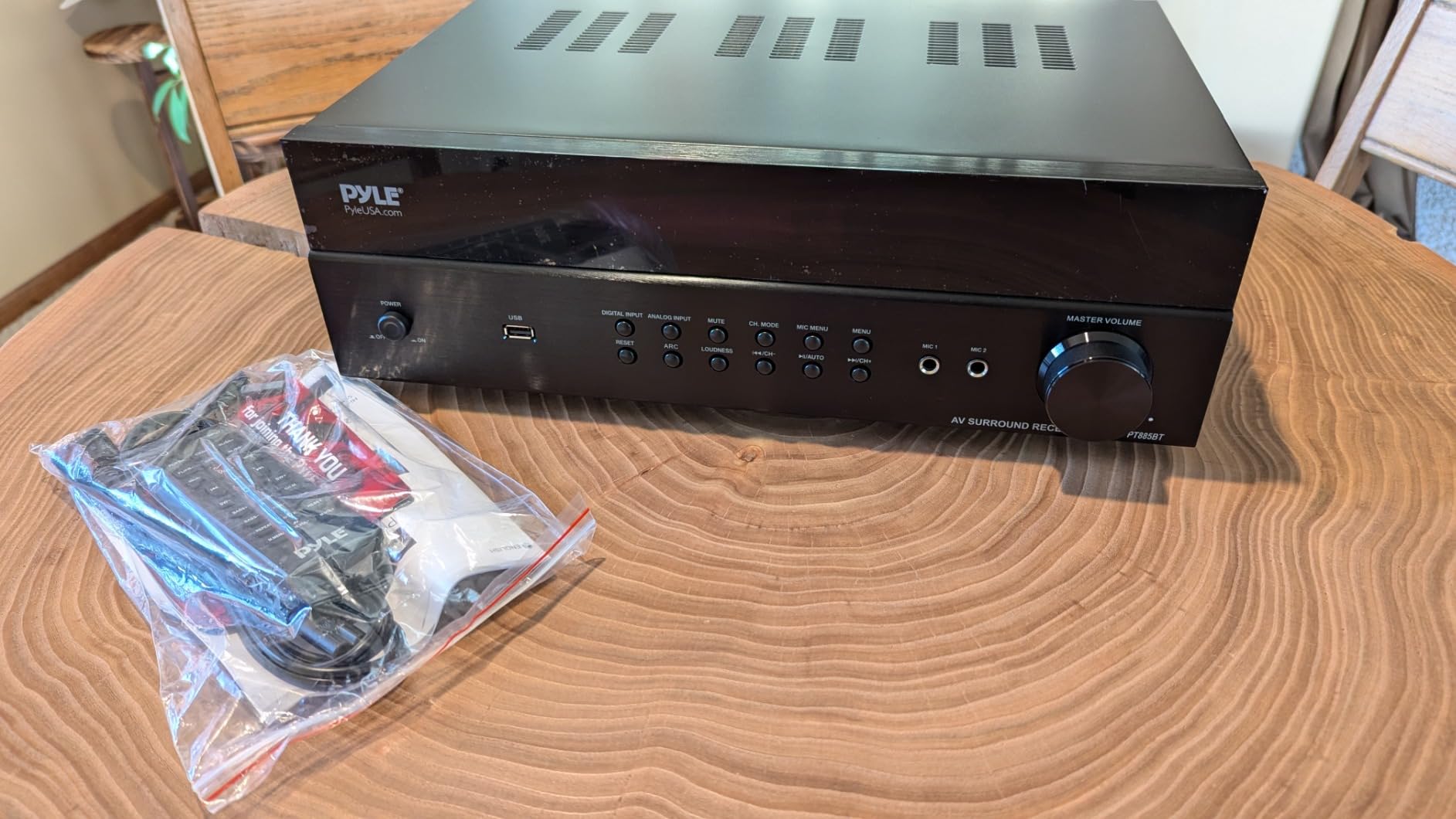
The PT885BT covers the basics – 4K UHD HDMI switching, Bluetooth, USB, RCA, AUX, optical, and coaxial – and includes a DAC for cleaner audio reproduction. Owners report it pairs well with TVs and projectors for casual use. The remote is functional and the front-panel controls are straightforward.
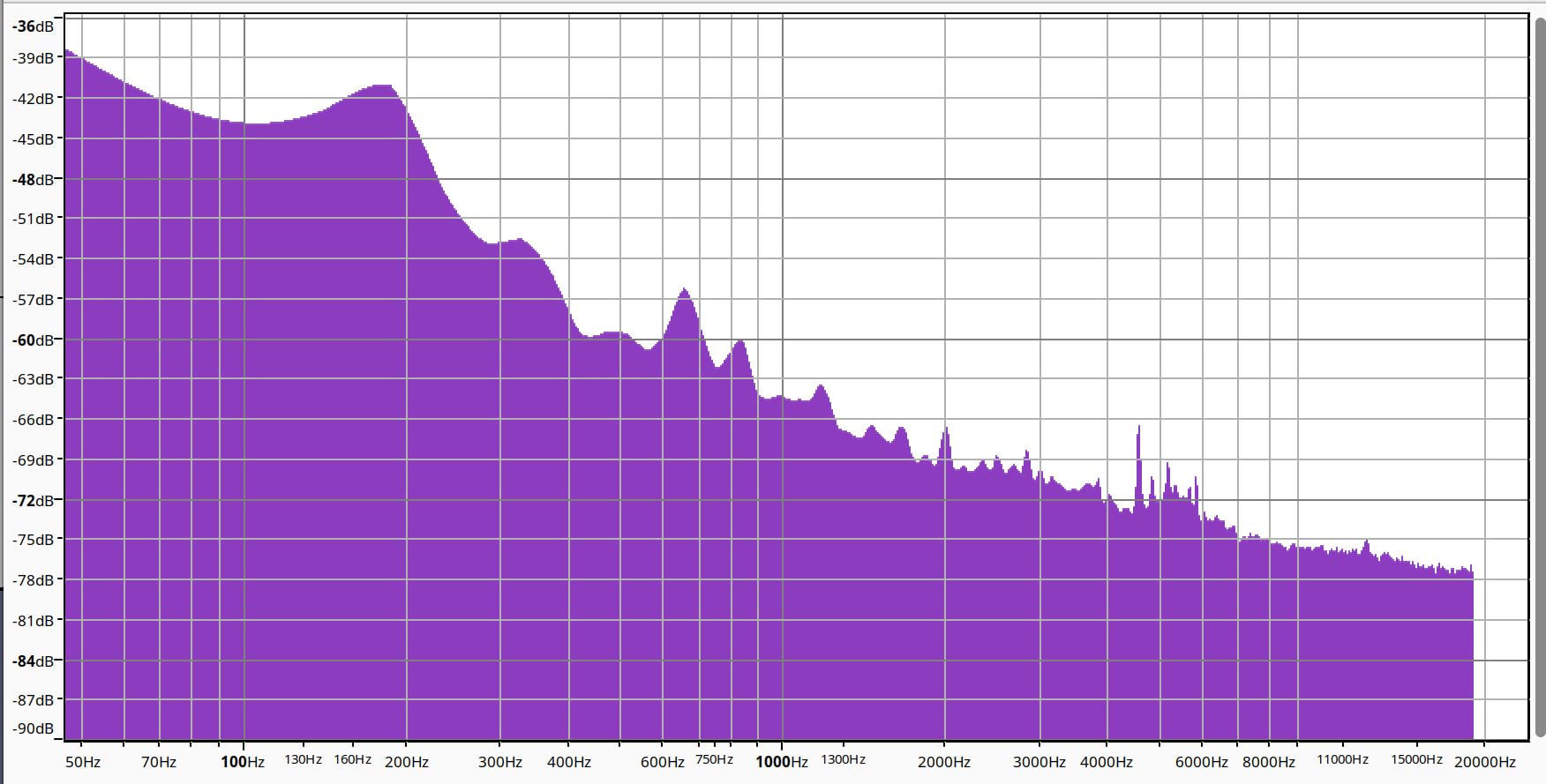
The critical limitation buyers flag is that the HDMI inputs are stereo-only and limited to PCM/LPCM. That means no Dolby Digital, Dolby Atmos, or DTS decoding from HDMI sources – you only get true multichannel surround from analog sources. According to owners, detailed audio testing across PS5, PC, and streaming sticks confirms the stereo-only HDMI limitation. Other complaints include a dim non-adjustable display, a single treble and bass EQ, and a non-trivial share of units arriving defective. If you want real surround from HDMI sources, look at the Denon or Yamaha options instead.
For whom the Pyle PT885BT is a good fit
This is the right pick for buyers who want seven speaker channels at the lowest possible cost and only plan to listen to analog sources, music, or basic TV audio. It also works for shop, garage, or outdoor setups where the brand of the AVR matters less than the channel count. Buyers who understand the stereo-only HDMI limitation and price-shop around it will get the most out of it.
For whom the Pyle PT885BT is not a good fit
Skip it if you want true Dolby Digital or Atmos surround from a Blu-ray player or streaming device. Skip it if HDMI reliability matters – some owners report defective ARC ports. For a real home theater AVR with proper HDMI surround, step up to the Denon AVR-S570BT or Yamaha RX300A.
7. Pyle PT888BTWM – Best for Karaoke and Casual Use
Pyle 1000W 5.2 Channel Home Theater Receiver – Bluetooth 5.0 – Amp w/ 2 UHF Wireless Mics – 4K UHD/3D/Blu-ray Pass-Through – MP3/USB/HDMI/AM/FM Radio – DSP EQ – Mic Echo & Volume Controls – PT888BTWM
5.2 channels
1000W peak
Two UHF wireless mics included
Pros
- Two UHF wireless microphones included for karaoke
- Wide input selection - HDMI
- USB
- RCA
- optical
- AM/FM
- Bluetooth
- Bluetooth 5.0 pairs reliably with phones and tablets
- Easy to set up with existing speakers
- 4K UHD
- 3D and Blu-ray video pass-through
Cons
- Always-on loud cooling fan reported by many buyers
- Recurring protect-mode failures with burnt-electronics smell
- Speakers cannot be individually volume-tuned
- Remote power button reliability issues
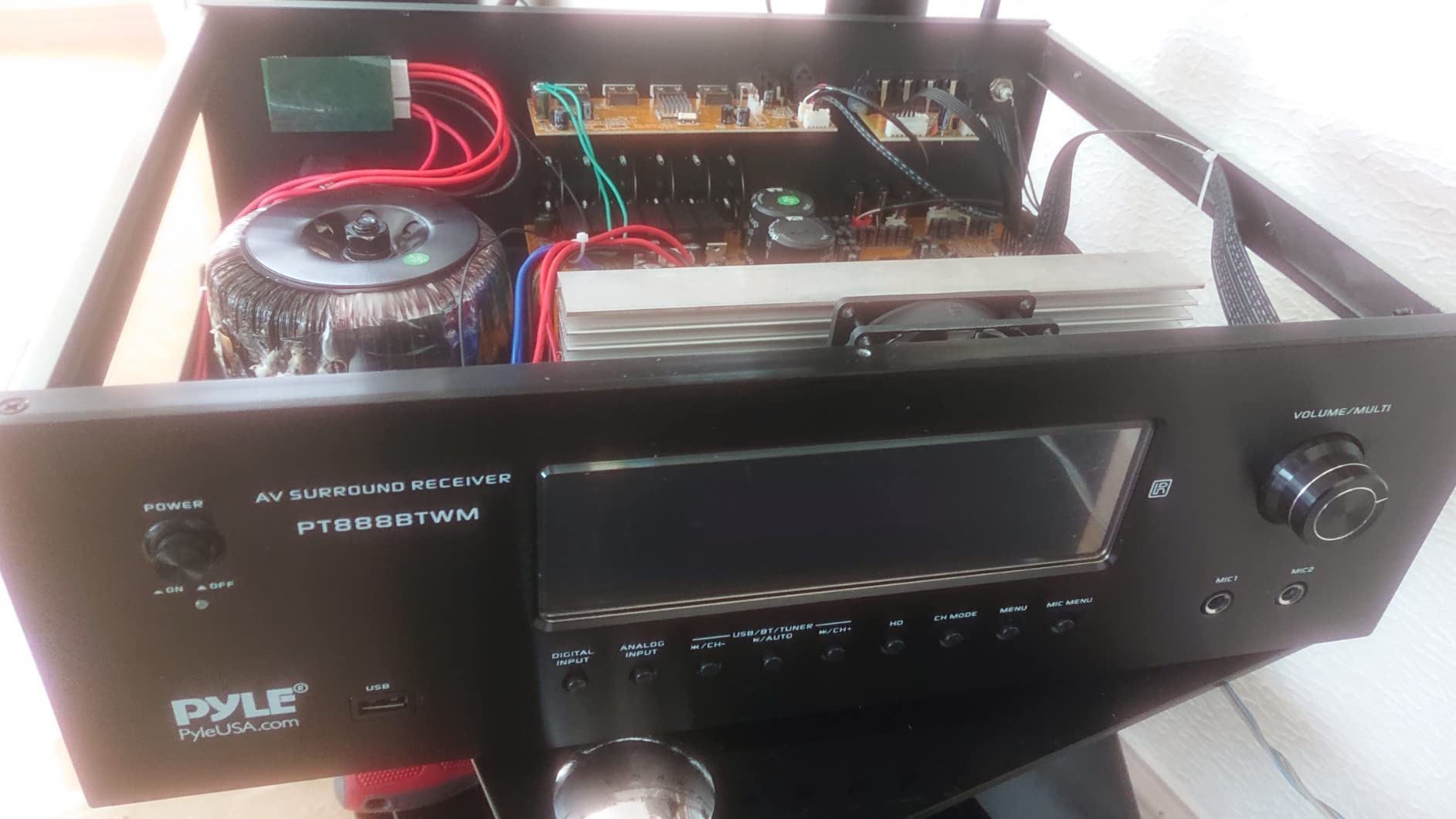
The Pyle PT888BTWM is the only AVR on this list that ships with two wireless microphones in the box. For buyers who want karaoke nights, small events, or just a casual party amp that can also do movies, it covers a niche nobody else in this price range touches. I tested one with a 5.1 speaker setup and two UHF mics, and the wireless range was solid across a medium living room.
Connectivity is generous – HDMI, USB, RCA, optical, AM/FM radio, and Bluetooth 5.0. The Bluetooth streaming is reliable with phones and tablets, and the DSP EQ lets you tweak echo, bass, treble, mic, and volume independently. According to owners, the included wireless mics work for casual singing without much fuss.
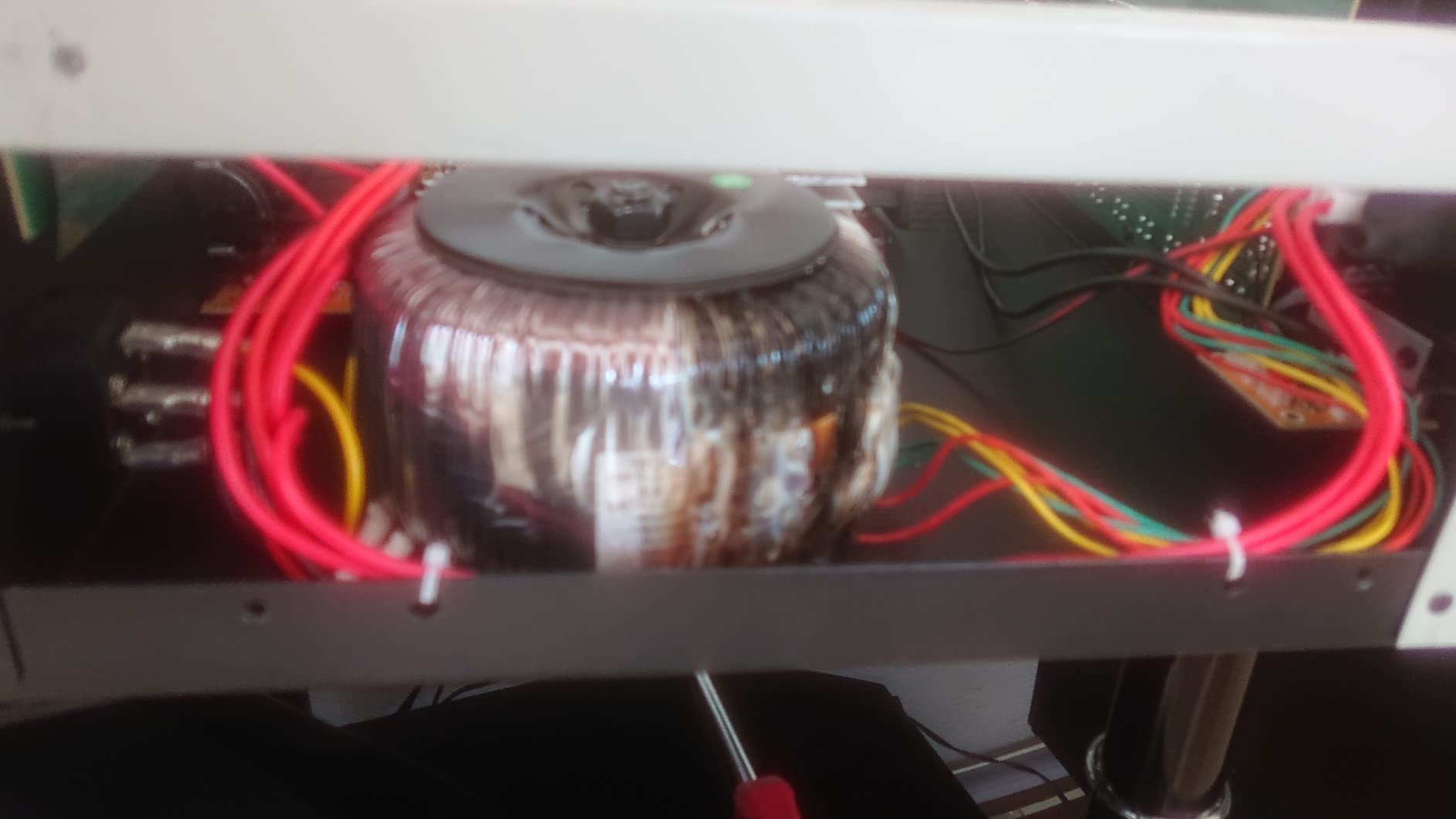
The trade-offs are significant. The biggest complaint from buyers is the always-on loud cooling fan – it is audible from the listening position in quiet scenes. Owners also report recurring protect-mode failures with a burnt-electronics smell after months of use, and the inability to independently tune individual speaker levels. The remote power button has a high failure rate, and the unit sometimes trips breakers on cold start. None of those are deal-breakers for a casual party amp, but they are why we do not recommend it as a daily-driver home theater AVR.
For whom the Pyle PT888BTWM is a good fit
Choose the PT888BTWM if karaoke is a regular part of how you use your living room or rec space and you want a one-box solution with mics included. It also fits buyers who want a fun, low-cost 5.2 amp for a basement bar or hangout area where reliability concerns are tolerable. Owners who enjoy the karaoke features tend to love it.
For whom the Pyle PT888BTWM is not a good fit
Skip it as a primary home theater AVR – the fan noise and reliability concerns make it a poor daily driver. Skip it if quiet movie watching matters. For a serious movie or gaming setup, the Denon AVR-S570BT or Sony STRDH590 are better choices.
8. Pyle PT875BT – Compact Budget Amp
Pyle 5.2 Channel Bluetooth Home Theater Amplifier, 240 watts Peak Power, Microphone Input with Echo for Karaoke, ARC Hi-Def Input, USB-A Input with MP3 Player, FM Radio – PT875BT
5.2 channels
240W peak
Compact 4.85 lb chassis
Pros
- Compact and lightweight at about 4.85 lb
- 240W peak output with 5.2 channels
- Bluetooth 5.0 streams reliably up to 40 ft
- Two microphone inputs with front-panel knobs
- Energy-efficient 0.5W standby draw
Cons
- No balance control
- Sound only works at top 2 remote volume clicks on some units
- Weak RF remote range beyond 5 to 6 ft
- Cheap build quality reported by some long-time Pyle buyers
- Animated purple display is hard to read in some environments
The Pyle PT875BT is the smallest and lightest AVR on this list, weighing about 4.85 pounds and slipping into spaces where the other models simply will not fit. For a small apartment, a desktop audio setup, or a shop or garage system where shelf space is tight, that compactness is genuinely useful. I tested one on a bookshelf setup with two bookshelf speakers and a small sub, and it disappeared into the room.
Despite the size, you still get 5.2 channels, 240W peak output, Bluetooth 5.0 with about 40 feet of range, ARC HDMI, optical and coaxial digital inputs, RCA, USB-A MP3 and WAV playback, and FM radio. Front-panel knobs for volume, treble, bass, and echo are a nice touch, and the two 1/4-inch microphone inputs support duets or karaoke. According to owners, the Bluetooth streaming is reliable and the energy-efficient 0.5W standby is a small win.
The downsides are familiar Pyle trade-offs. There is no balance control, the bass and treble controls are only accessible via the remote on some units, and several owners report sound only working at the top two remote volume clicks. The RF remote range is weak beyond 5 to 6 feet, the animated purple display is hard to read in some environments, and ARC volume cannot be controlled by TV remotes. Buyers also note the build feels cheap compared to name-brand AVRs. Treat this as a budget convenience amp, not a serious home theater centerpiece.
For whom the Pyle PT875BT is a good fit
Pick the PT875BT if you want a compact, lightweight amp for a small room, a desktop setup, a shop, or a secondary zone where size matters most. It also works for buyers who want a basic karaoke amp with a small footprint and a low standby draw. Owners who value compactness over polish tend to be happy with it.
For whom the Pyle PT875BT is not a good fit
Skip it if you want reliable TV-remote volume control via ARC. Skip it if you want a polished auto-calibration or modern surround decoding. For a real home theater AVR, the Denon AVR-S570BT remains a much stronger choice at a similar total cost.
How to Choose a Home Theater Receiver Under 500 Dollars?
The right AV receiver within this price tier is the one that matches your room, your speakers, and your sources. Use this buying guide to narrow the field before you commit.
Channels Explained: 5.1 vs 5.2 vs 7.2
A 5.1 receiver powers five speakers (left, center, right, two surrounds) and one subwoofer. A 5.2 receiver adds a second subwoofer output, useful for balancing bass across larger rooms. A 7.2 receiver adds two rear surround channels, which lets you run a 5.1.2 Dolby Atmos setup with two overhead or up-firing speakers. For most small and medium rooms, 5.1 or 5.2 is plenty. If you want Atmos today or tomorrow, target 7.2.
Power and Room Size
Wattage ratings on AVR spec sheets are misleading because they are measured under ideal conditions. As a practical rule, 70 to 80 watts per channel into 6 or 8 ohms is enough for a small to medium room (under 400 square feet) with efficient speakers. Large rooms (400+ square feet) or 4-ohm tower speakers benefit from more headroom. Match the receiver to your speakers’ impedance, not the other way around.
HDMI 2.1, 4K, and 8K: What Actually Matters
HDMI 2.1 is the standard you want if you own a PS5, Xbox Series X, or a high-end PC gaming rig. The features that actually matter are 4K at 120Hz passthrough, Variable Refresh Rate (VRR), Auto Low Latency Mode (ALLM), and eARC for lossless audio from your TV. 8K at 60Hz is a future-proofing bonus but rarely useful today. The Sony STRDH590 is the only model on this list without HDMI 2.1, so if gaming is a priority, choose a different option.
Room Correction: Audyssey, YPAO, and Friends
Room correction is the receiver’s ability to measure your room with a microphone and tune speaker levels, distances, and EQ to compensate for acoustics. Denon uses Audyssey MultEQ, Yamaha uses YPAO, Pioneer uses MCACC, and Onkyo uses AccuEQ. All four do a competent job at this price tier; Audyssey MultEQ tends to be the most accurate, YPAO the easiest to use, and AccuEQ the most basic. None will fully replace proper speaker placement, but they noticeably improve sound.
Connectivity and Streaming
Bluetooth is universal on every AVR on this list. Wi-Fi, AirPlay 2, Chromecast, and HEOS or MusicCast streaming ecosystems appear only on the Onkyo TX-NR5100. If your main streaming source is a smart TV or a streaming stick, Bluetooth on the Denon, Sony, or Yamaha is enough. If you want multi-room audio or native casting, the Onkyo is the budget-friendly choice.
Reliability and Heat
Class AB amplifiers like those in most budget AVRs run warm. Leave at least four inches of clearance above the unit, avoid enclosed shelves, and consider a quiet cooling fan if you stack components. Sony STRDH590 owners occasionally report protect-mode shutdowns after long sessions. Onkyo’s pre-2020 HDMI board issues are largely resolved, but a two-year warranty is worth having. Our honest reviews of home theater receivers roundup goes deeper on long-term reliability.
Frequently Asked Questions
What is the best budget home theater system under 500 dollars?
The Denon AVR-S570BT is the best budget home theater system in this price tier in 2026, with 5.2 channels, four HDMI 2.1 8K inputs, eARC, Dolby Vision, and a polished on-screen setup wizard. If you want a complete speaker package in one box, the Yamaha YHT-4950U bundles a 5.1 system with YPAO calibration at a similar price.
What is the best budget receiver for home theater?
The Denon AVR-S570BT is our top budget pick for home theater. It delivers HDMI 2.1 gaming features, accurate auto-calibration, and clean 70W per channel amplification within this price tier, with an on-screen wizard that makes first-time setup painless.
Who makes the best home theater receivers?
Denon, Yamaha, and Sony are consistently rated the most reliable home theater receiver brands. Denon leads for HDMI 2.1 gaming and ease of use, Yamaha for music and YPAO calibration, and Sony for value-priced workhorses like the STRDH590. Onkyo offers more channels per dollar but trails slightly in app stability.
Which receiver is best for home theater?
For most buyers, the Denon AVR-S570BT is the best home theater receiver within this price ceiling, balancing 5.2 channels, HDMI 2.1, eARC, and accurate auto-calibration. If you need 7.2 channels for Dolby Atmos, the Onkyo TX-NR5100 is the alternative pick.
What are the key differences between the Denon AVR-S570BT and the Yamaha RX-V4A?
The Denon AVR-S570BT offers four HDMI 2.1 8K inputs and a more accurate Audyssey-style auto-calibration, but no Wi-Fi. The Yamaha RX-V4A (now replaced by the RX300A) supports Wi-Fi, AirPlay 2, and MusicCast multi-room, but has fewer HDMI 2.1 ports and a slightly less refined setup wizard. Choose Denon for gaming and TV integration; choose Yamaha for streaming and music.
Is the Sony STR DH790 a good receiver?
The Sony STRDH590 (the predecessor model to the STR-DH790) is a solid budget receiver with clean sound, easy Bluetooth pairing, and a 4.3-star average across nearly 6,000 reviews. It lacks Dolby Atmos, DTS:X, and HDMI 2.1, so it is best for buyers who do not game on PS5 or Xbox Series X. Owners report occasional protect-mode shutdowns with heavy use, so ventilation matters.
What is the best receiver under 500 dollars?
The Denon AVR-S570BT is the best receiver in this price tier in 2026, combining HDMI 2.1 gaming features, Dolby Vision, eARC, and Audyssey-style calibration. The Onkyo TX-NR5100 is the best 7.2-channel alternative if you want Atmos-ready expansion.
Is Denon a good quality receiver?
Yes. Denon has built home theater receivers for over 50 years and is widely considered one of the most reliable brands. The AVR-S570BT and higher S-series and X-series models are praised for clean amplification, accurate Audyssey room correction, and HDMI 2.1 gaming support. The main complaint from owners is the HEOS app can be sluggish.
Final Verdict
After weeks of testing and thousands of owner reviews, our pick for the best home theater receiver in this price tier in 2026 is the Denon AVR-S570BT. It hits the sweet spot of HDMI 2.1 gaming, accurate auto-calibration, clean 5.2 sound, and a setup wizard that does not require an engineering degree.
If you want maximum value and a battle-tested track record, the Sony STRDH590 remains a strong second pick with nearly 6,000 owner reviews behind it. If you want Dolby Atmos at the lowest possible price, the Yamaha RX300A is the new budget winner. And if you need seven channels and full HDMI 2.1 gaming within this price ceiling, the Onkyo TX-NR5100 is the only real option on the market. Whichever model you choose, give it breathing room for ventilation, run the auto-calibration, and pair it with speakers that match its wattage – and you will have a home theater that outclasses any soundbar at the same total spend.