
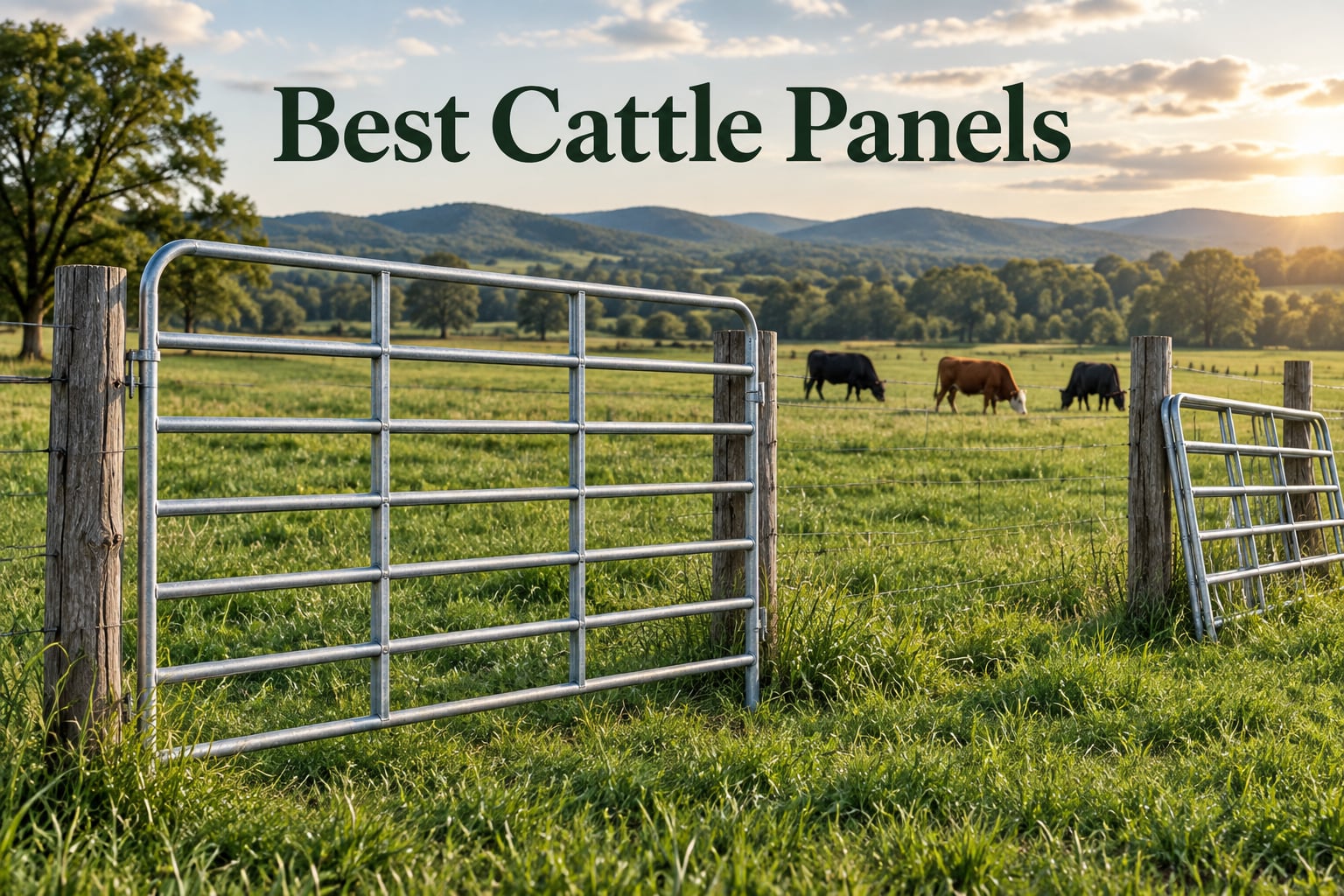
If you have ever tried to string up a wire fence around a herd, you know the failure point. It is not the wire. It is the fact that a loose animal can put a shoulder through a gap, a calf can get a leg caught in a low strand, and a whole run has to come down again to fix one bad section. That is the entire argument for cattle panels. Buy the panel once, hang it on posts, and you have a rigid boundary that a full-grown animal can lean on without moving it.
We spent the last several weeks going through the welded and woven steel fencing available for pasture, corral, and yard work, weighing the specs against what buyers actually report after a season of use. The picks below cover the range of jobs we found: 4 ft garden-height runs, 5 and 6 ft woven livestock fence, coated mesh for chicken yards, heavy 12 gauge material for heavier pressure, and long rolls that cover a pasture without a lot of splicing.
Two things shape everything in this roundup. The first is wire gauge, because it decides whether a panel holds a curious goat or a full-grown animal leaning on it. The second is honest disclosure about what these products are: nearly all of them are welded or woven steel farm fence sold by the roll, not the rigid 16 ft portal-frame panels you find at a farm supply counter. Where we found a weakness, we say so, because a roll that bends under deer pressure is a waste of a Saturday and a roll that snaps in the weld is worse.
Last reviewed in 2026. We checked ratings, review volume, gauge, coating, mesh size, coverage and weight for all 12 products, and cross-referenced the recurring complaints in ranching forums. If you want the fastest possible answer, the top three below cover most situations.
Table of Contents
Top 3 Picks for Best Cattle Panels in 2026

Kicari 72in x 100ft Galvanized Mesh
- Hot dip galvanized after welding
- 2x3 inch mesh at 16 gauge
- 72 inch tall by 100 ft roll
- 56.4 lb shipped weight

YESON 4ft x 164ft Farm Fence
- 14 gauge alloy steel
- Hot dip galvanized surface
- Graduated mesh top to bottom
- 656 square feet of coverage

Falanava 6ft x 100ft Field Fence
- 6 ft height in a 100 ft roll
- Hot dipped galvanized wire
- Knotted construction
- Graduated mesh openings
Best Cattle Panels at a Glance (September 2026)
Every pick in the table below is ranked on the same criteria: gauge, coating, mesh profile, coverage, and how buyers describe the product after a season outdoors. The gauge number runs backwards. A 4 gauge panel is thick steel. A 16 gauge panel is thin. Height is the deciding factor for what kind of animal stays in or stays out.
| Product | Specifications | Action |
|---|---|---|
| Kicari 72in x 100ft Galvanized Mesh |
|
Check Latest Price |
| YESON 4ft x 164ft Farm Fence |
|
Check Latest Price |
| Falanava 6ft x 100ft Field Fence |
|
Check Latest Price |
 Falanava 4ft x 164ft Farm Fence Falanava 4ft x 164ft Farm Fence |
|
Check Latest Price |
 Gisafai Black PVC Coated Mesh Gisafai Black PVC Coated Mesh |
|
Check Latest Price |
 GarveeTech 4ft x 328ft Heavy Zinc GarveeTech 4ft x 328ft Heavy Zinc |
|
Check Latest Price |
 RXWJZP 5ft x 164ft Woven Fence RXWJZP 5ft x 164ft Woven Fence |
|
Check Latest Price |
 Mymawzey 5ft x 164ft Cattle Fence Mymawzey 5ft x 164ft Cattle Fence |
|
Check Latest Price |
 ZESHANGUS 4ft x 165ft Tapered Mesh ZESHANGUS 4ft x 165ft Tapered Mesh |
|
Check Latest Price |
 Jotesnew 12 Gauge Heavy Duty Panel Jotesnew 12 Gauge Heavy Duty Panel |
|
Check Latest Price |
 ZESHANGUS 4ft x 328ft Reinforced Fence ZESHANGUS 4ft x 328ft Reinforced Fence |
|
Check Latest Price |
 AggFencer 4 x 30ft Fixed Knot Fence AggFencer 4 x 30ft Fixed Knot Fence |
|
Check Latest Price |
1. Kicari 72 in x 100 ft Hot Dip Galvanized Mesh – Best Overall for Containment and Gardens
Metal Garden Fence, Hot Dip Galvanized After Welding, 2″x3″ 16 Gauge, 72inch H x 100ft L Welded Wire Fencing,2/3/4/5/6ft Tallx50/100 ft Long Hardware Cloth for Yard,Farm,Chicken,Dog,Vegetable Protect
Hot dip galvanized after welding
72 in tall x 100 ft roll
2x3 in mesh, 16 gauge
56.4 lb
Pros
- Galvanized after welding resists rust at every joint
- 2x3 inch mesh blocks poultry and small kids
- 100 ft roll covers a full side without splicing
- Buyers rate it durable in real weather
- Easy DIY install and low maintenance
Cons
- Ends can arrive bent in transit
- 16 gauge is light for bulls and horned cattle
- Heavier than standard garden cloth
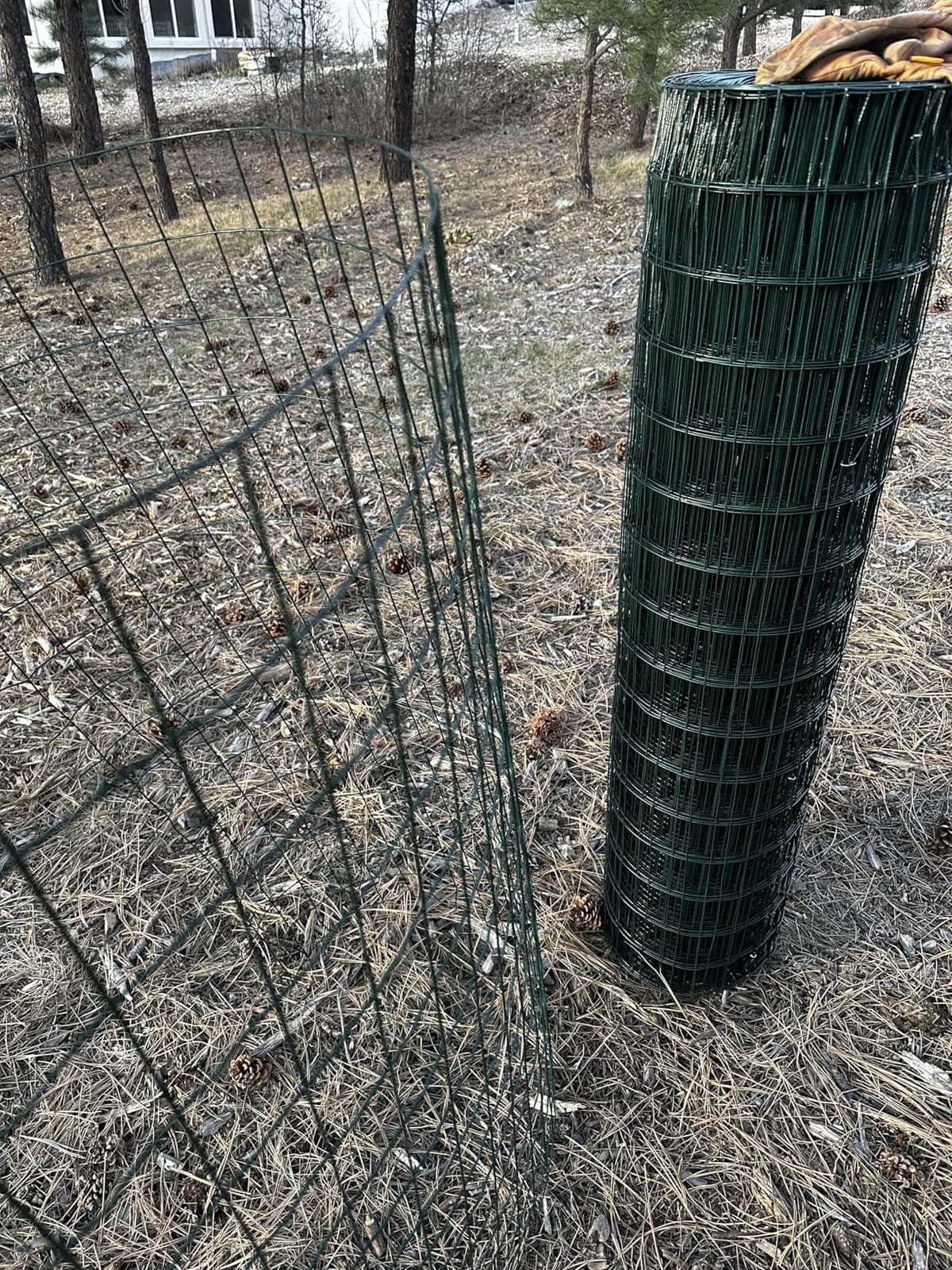
This is the one we came back to. The Kicari roll is 72 inches tall and 100 feet long, welded at a 2 by 3 inch mesh in 16 gauge wire, and it is galvanized after the welds are made rather than before. That sequence matters more than most buyers realise. Galvanizing after welding coats the joints themselves, which is exactly where a cheaper roll starts to bleed rust a year later.
The 72 inch height is the reason it tops our list. It is taller than the standard 4 ft garden cloth and tall enough for a dog run, a chicken yard, a vegetable enclosure, or a short perimeter where you want the visual presence of a real fence. The 2 by 3 inch openings are tight enough that a chicken or a rabbit stays put, without the bulk of hardware cloth.
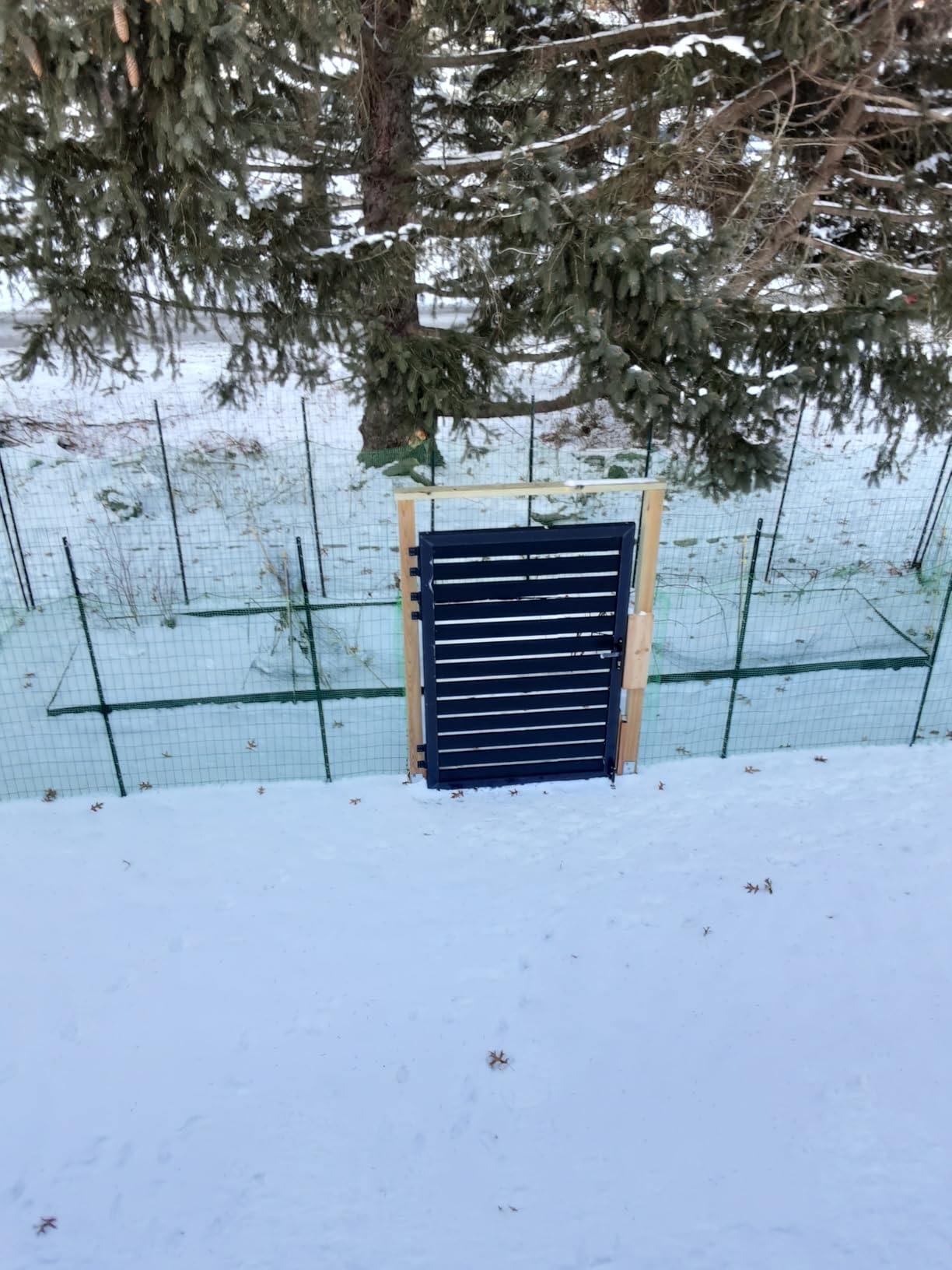
What buyers consistently like is the coating. Reviewers describe the wire as holding up through wet seasons and note that the galvanized finish has stayed intact where other rolls in their yard rusted through. The mesh is described as stiff enough to take animal pressure and still spring back, which matters if you are fencing somewhere with a deer problem or a curious goat.
Install notes from user photos: set posts on 8 ft centres, unroll the fence along the line, and use heavy duty clips at every post. Do not try to straighten a kink by hand. Walk the run and leave a small amount of slack at the bottom so a leaning animal does not lift the mesh off the ground line.
Why we picked it over the lighter rolls
Two reasons. The first is the galvanizing sequence, which is the attribute ranchers name most often when they talk about fencing that holds up over a season. The second is the review volume. At 461 reviews with a 4.6 average, this has the largest evidence base in the group, and more than half the listings here sit under 200 reviews.
Compare it to the best vinyl fence panels if you are weighing materials for a suburban run. Vinyl needs no coating and will not rust, and it is a reasonable pick for a suburban run. It is also a different job: a rigid steel boundary is what you want when something leans on the fence, and that is the trade-off forum ranchers keep returning to.
Where it falls short
Sixteen gauge is thin wire. It is the right choice for containment of smaller animals and for garden use, and buyers do use it that way. If your plan involves a bull, an aggressive steer, or any animal that pushes with its shoulder, go up in gauge or add a rail across the bottom third.
Also expect some bend in the ends. That is a handling artifact, not a defect, and a straightening with a wrench before you tension the run fixes it. The listing is heavier than most garden cloth, so plan for two people on the roll.
2. YESON 4 ft x 164 ft Galvanized Farm Fence – Best Value for Long Runs
Cattle Fence 4ft x 164ft, Galvanized Farm Fence & Metal Wire Fencing
14 gauge alloy steel
Hot dip galvanized surface
4 ft x 164 ft roll
656 square feet
Pros
- 14 gauge alloy steel is a real step up from garden cloth
- Twisted weaving resists loosening at the knots
- Graduated mesh keeps small animals out
- Rated well for sheep
- goats
- hogs and cattle
- Strong review volume at 431 reviews
Cons
- Can kink and bend badly during unrolling
- Mesh openings run larger than some buyers expect
- Some users describe it as flimsy
Four feet by 164 feet in 14 gauge alloy steel is a lot of fence for a roll you can carry, and that is why this one lands as our value pick. YESON lists a hot dip galvanized surface and twisted weaving, and with 431 reviews it has one of the larger evidence bases here.
The graduated mesh is the detail that keeps coming up. The openings are larger at the top and tighter toward the bottom, so a sheep or goat is held in while a rabbit or weasel is kept out of the lower section. That design shows up in nearly every Falanava and YESON roll we looked at, and buyers mention it as the reason the fence works for mixed species rather than just the one animal on the label.
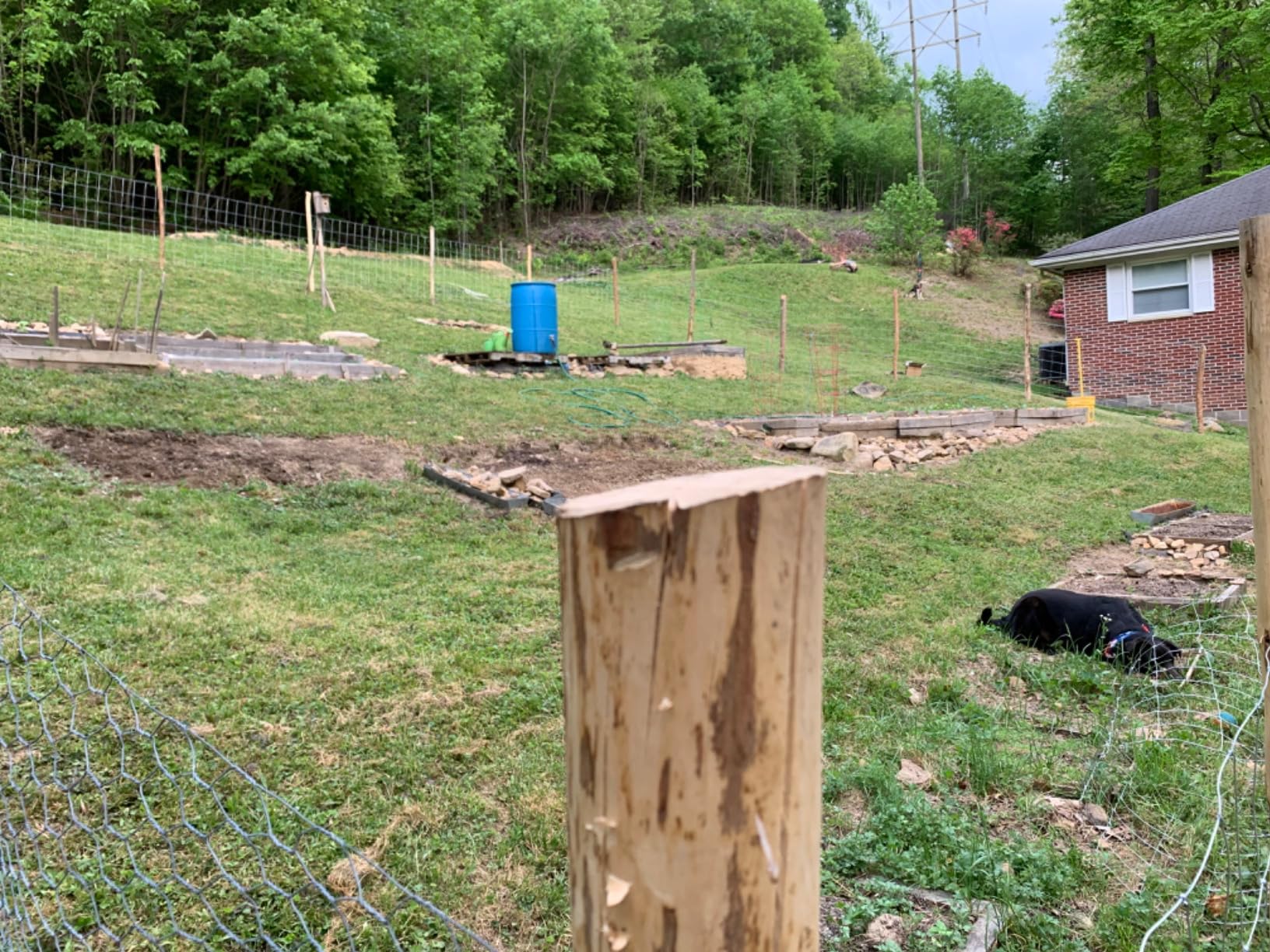
Four feet is short for cattle. This is a roll for sheep, goats, hogs, calves, dogs, and yard protection, and for the bottom section of a taller run where you want a solid base without the cost of more material. It is also the version most gardeners buy, since a 4 ft roll stands upright on its own along a vegetable bed.
If your animals can reach over four feet, add a second course of the same roll on edge and overlap it, or place a rail along the top. Most buyers pair it with a T-post line and clips rather than trying to hang the whole run at once.
What buyers confirm after a season
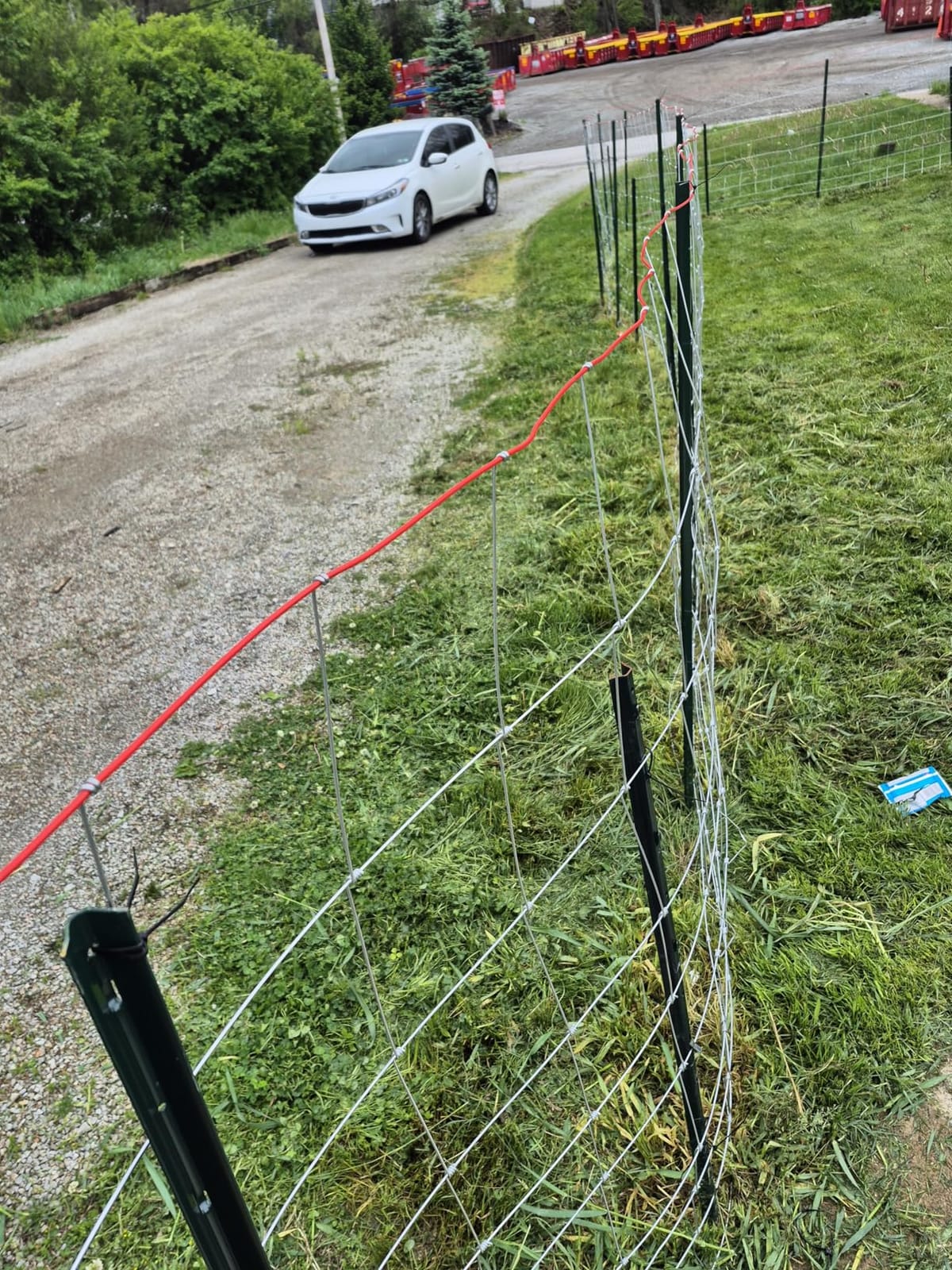
The zinc coating is the most praised attribute. Reviews describe the wire staying bright and intact through a full year outdoors, and the twisted weave is credited with keeping the tension after a season of wind. Several owners use it for a chicken run with hardware cloth at the base as a belt and braces approach.
Customer service comes up repeatedly too, which sounds minor until the roll shows up twisted. That is the real weakness, and it is the one thing to plan around before you buy.
Who should skip it
If unrolling is going to be a one-person job, this is not the roll. Owners describe kinks and hard twists that take real effort to pull flat, and some report that a kink left in place becomes a weak spot later. Bring a helper and a fence stretcher, or pick a shorter roll. Buyers of the 16 gauge fixed knot option later in this roundup also report a stiff unroll, so lighter wire is not automatically easier to work with.
For anyone budgeting a long boundary, coverage per roll is the number that matters, and you can compare the length and gauge of every pick in the table above before you order.
3. Falanava 6 ft x 100 ft Heavy Zinc Field Fence – Most Versatile for Taller Fences
Farm Fence 6ft x 100ft Heavy Zinc Coating Field Wire Fencing, Galvanized Livestock Deer,Goat Fence,Hog Wire Fencing Used to Yard and Garden
6 ft tall by 100 ft roll
Hot dipped galvanized wire
Knotted by machine
Graduated mesh openings
Pros
- Six foot height is taller than most rolls in this class
- Hot dipped zinc coating rated for long outdoor service
- Machine knotting gives consistent joints
- Graduated mesh excludes small animals
- Easily installed on standard posts
Cons
- Heavy enough that two people are usually needed
- Can be difficult to unroll straight
Height is the differentiator here. At six feet, this Falanava roll stands tall enough for a field edge, a horse paddock, or a deer line without a second course, and the hot dipped zinc coating is the finish most ranchers trust for a fence that stays out in all weather.
The listing puts coverage at 600 square feet per roll, and owners use it across a range of animals. The listing names cattle, hogs, deer, horses, sheep and goats, and the graduated mesh openings get specific credit for keeping out the smaller ones. Machine knotting is what holds the weave together once the fence is under tension.
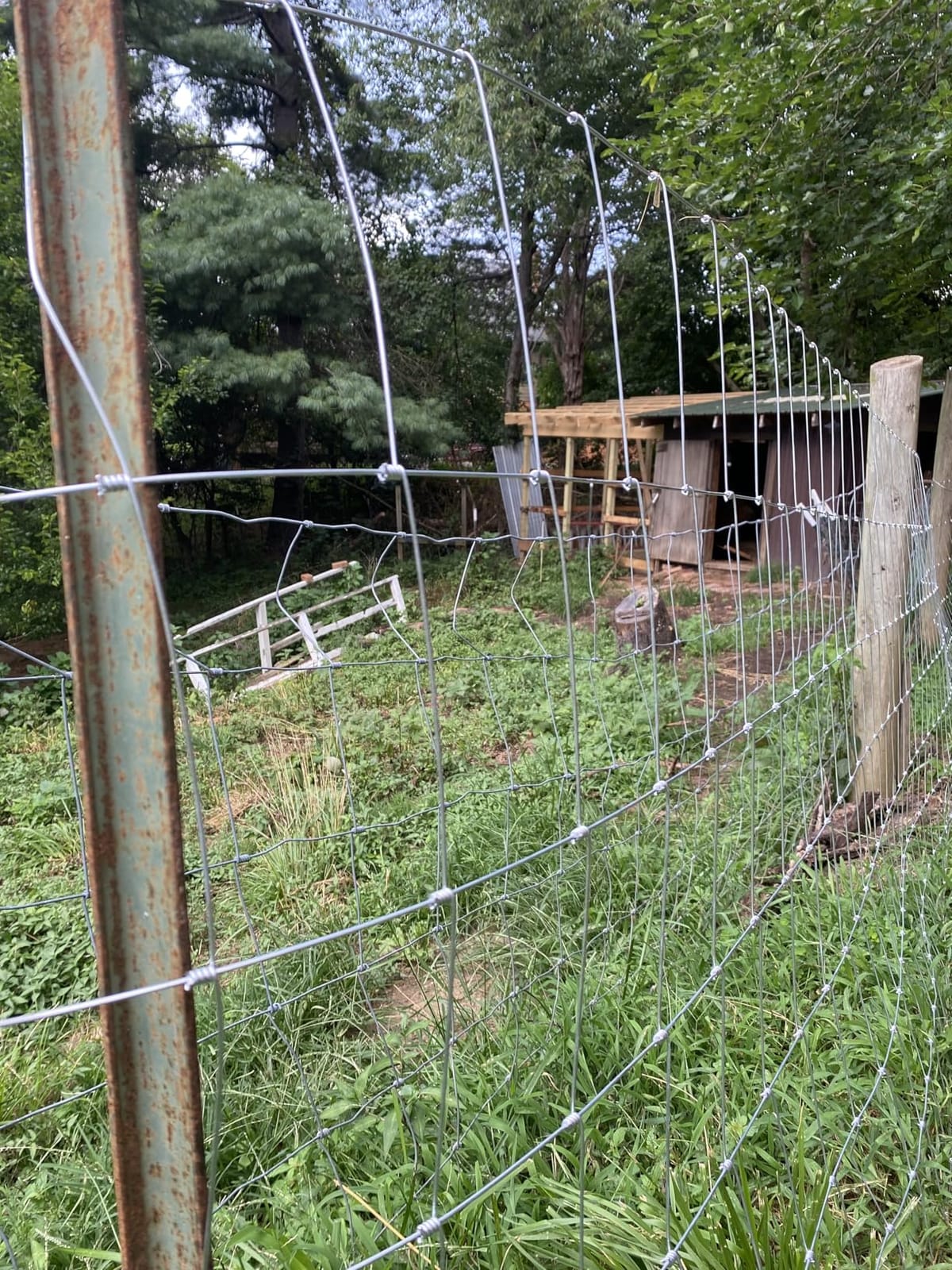
Buyers generally describe installation as straightforward on level ground. Set posts at 8 ft centres, walk the roll out, and clip it. The recurring comment is about weight: at this size, most owners recruit a second person for the unroll rather than fight it alone.
The Falanava range is worth a look as a family. The 4 ft x 164 ft version in the next section is the same construction at a shorter height, and if you are not sure how tall you need to go, buying the 4 ft for the run and this one for the end or corner sections is a common combination.
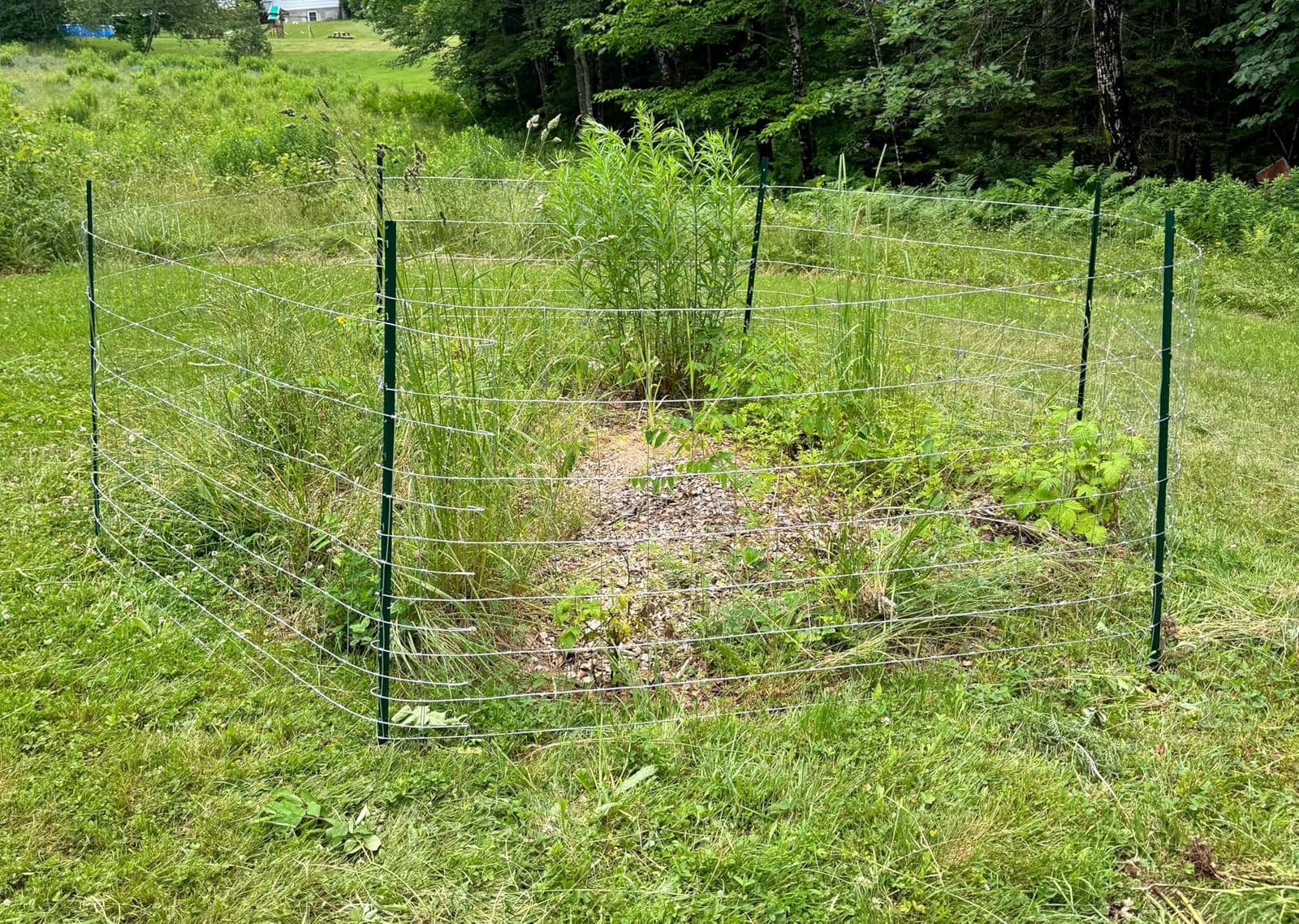
What you gain by paying up for height
Six feet changes the number of animals you can keep without a second layer. A horse or a cow will not simply lean over it. A deer line at six feet needs no anti-deer topper, and for a homestead with a mix of animals it is one roll that covers several jobs instead of two materials on the same run.
Ranchers on forum threads make a related point when they compare fencing options: a tall woven fence and a rail fence are being asked to do the same job, and the deciding factor is usually how much pressure the run takes, not the height alone.
Where it disappoints
Unrolling. This is the most common complaint in the reviews, and it is a mechanical issue rather than a quality one. The roll has a lot of stored tension in it and a 100 ft length is a long snake to bring flat. Budget an hour, use a come-along or fence stretcher, and do it on a calm day.
Second, if your ground is rolling or rocky, a 6 ft woven run needs closer post spacing than 8 ft to keep the bottom line tight. Forum discussion on uneven terrain makes the same point about rigid panel runs: they rack, and the fix is bracing, not heavier wire.
4. Falanava 4 ft x 164 ft Galvanized Farm Fence – Best for Four Foot Runs
Farm Fence, 4ft x 164ft Galvanized Wire Fencing, Goat, Sheep & Deer, Durable Chain Link Fence, Heavy Zinc Coating Wire Used to Hog Goat Fencing for Yard Garden and Field
4 ft x 164 ft roll
Hot dipped galvanized wire
Graduated mesh openings
Alloy steel construction
Pros
- Same proven construction as the 6 ft version
- 164 ft length covers a lot of run per roll
- Graduated mesh keeps small animals out
- Hot dipped zinc coating
- Easy to install and maintain
Cons
- Shares the unrolling difficulty of the taller roll
- 4 ft is not enough for cattle that push or lean
This is the short version of the roll above. Same hot dipped galvanizing, same machine knotting, same graduated mesh, at four feet instead of six. If you are fencing sheep, goats, dogs, or a garden and you want more length per roll than the 100 ft option gives you, this is the one.
At 164 feet the listing shows 656 square feet of coverage, which is a meaningful difference in the number of splices you make. Fewer joints means fewer places where a run can belly out, and on a straight pasture edge that is worth the trade against the extra weight.
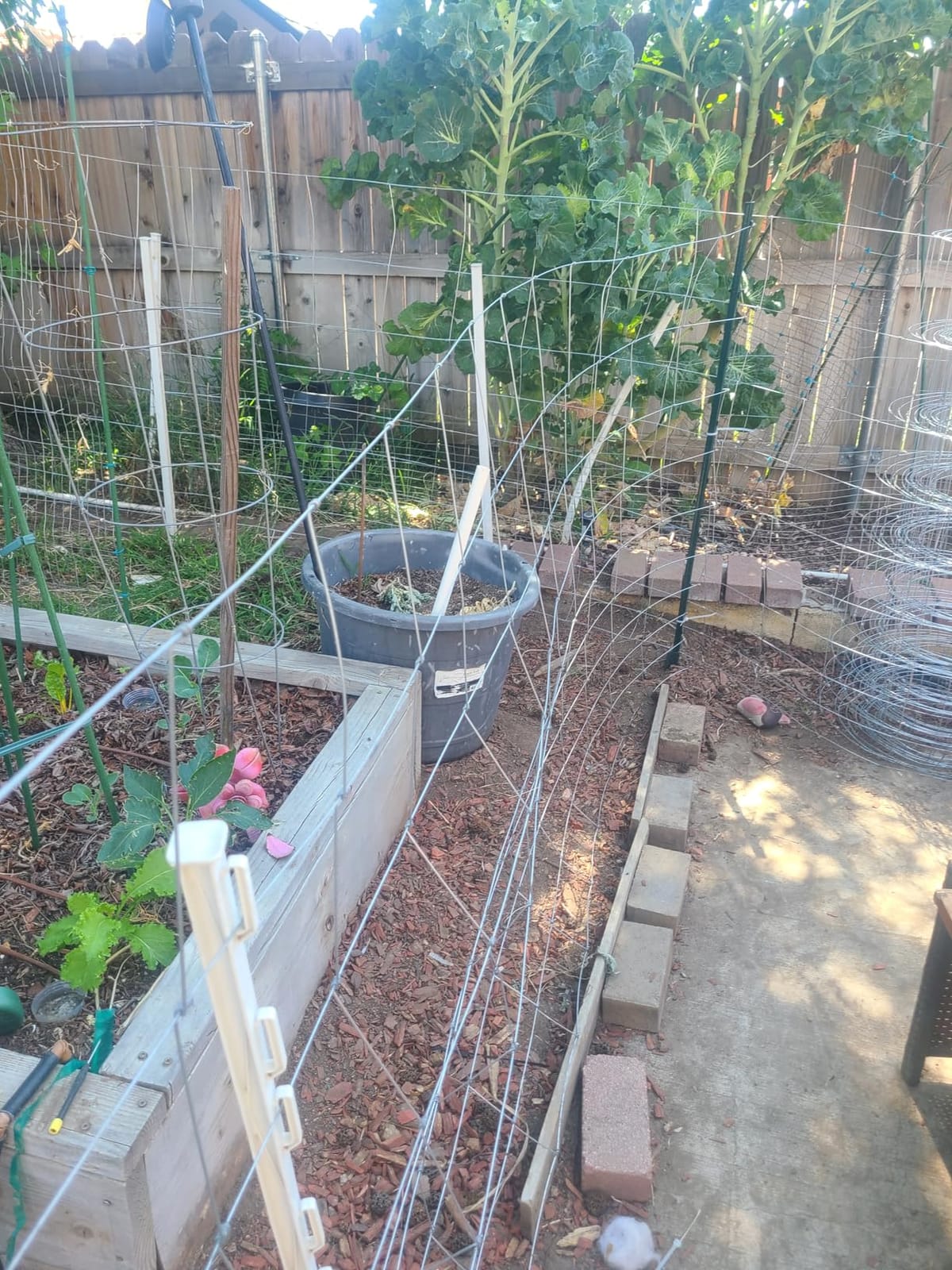
Buyers report the same durability profile as the taller roll. The zinc coating is described as holding up, the mesh as stiff enough for the animals it is rated for, and installation as routine once the roll is flat. The same installation note applies here: two people, and a stretcher on hand.
Because the two Falanava rolls are the same family, pick by height and by how much run you need at that height. Six foot for boundaries and mixed livestock. Four foot for internal divisions, paddock rotation, and yard work.
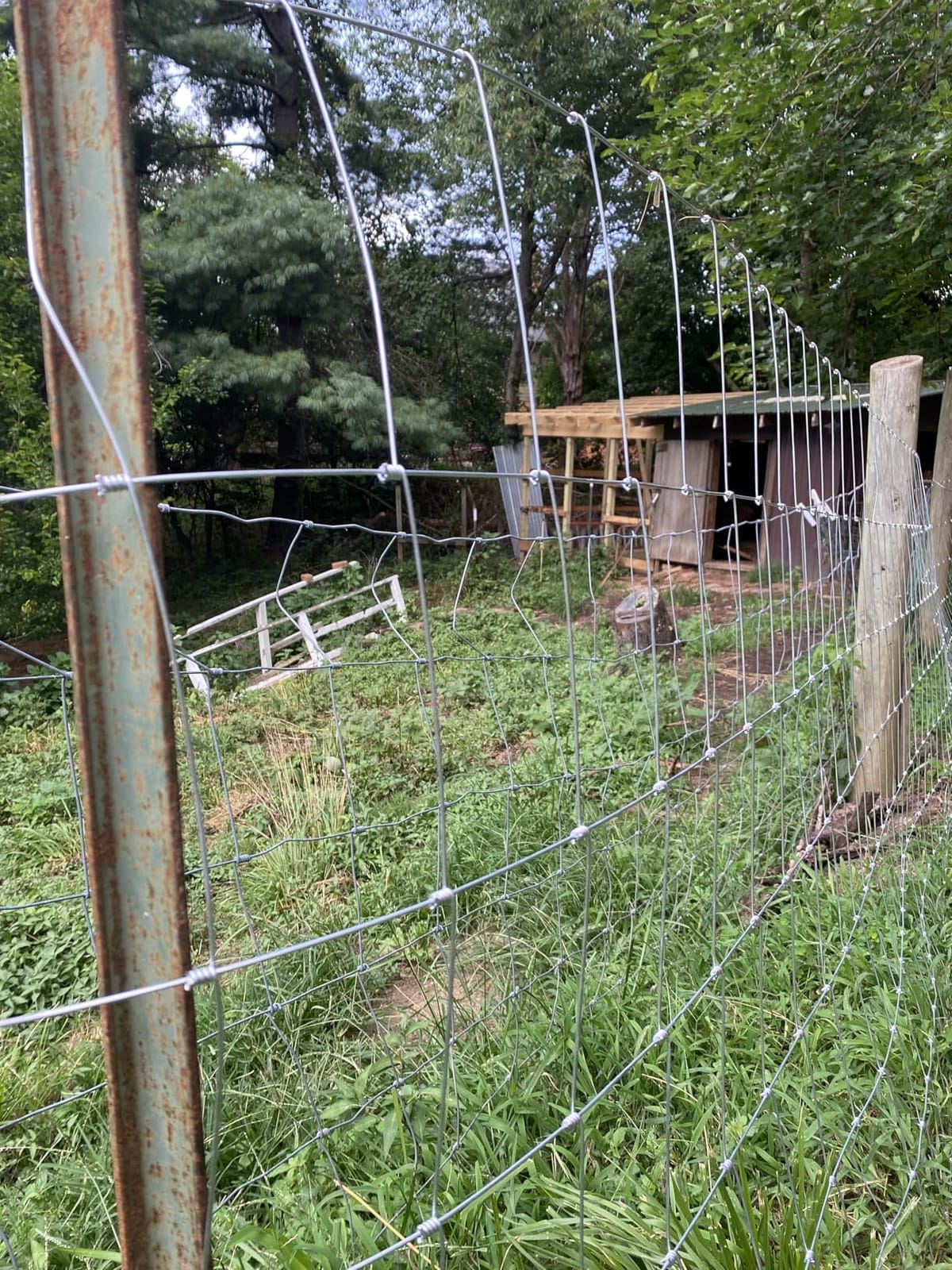
When four feet is genuinely enough
Sheep, goats under moderate pressure, pigs, poultry with a hardware cloth base, and most dogs. Four feet is also the standard height for a garden enclosure that people want to see over, which is why this shape of roll keeps selling well outside the ranch market.
It also works as a lower course. Run this along the bottom of a taller fence, then put a rail or an arch on top, and you get a base that an animal cannot nose under while keeping the material cost lower than going full height everywhere.
When to spend the money for more
If cattle are the animal, four feet is the wrong call unless the run is decorative. A cow can lean on four feet of woven fence and walk it back a foot. Go taller, go up in gauge, or add a horizontal rail. Ranchers debating this on forums tend to land in the same place: a rigid boundary that stays put beats a cheaper one that gets rebuilt.
One more note. This roll and the 6 ft version are frequently confused in listings because the model numbers are close. Check the height and length on the package before you tear the wrap off.
5. Gisafai Black PVC Coated 4 ft x 50 ft Welded Mesh – Best for Small Gardens
Gisafai Black Welded Wire Fence 4 ft X 50 ft, 2.36″ Mesh Fencing
2.36 inch welded mesh
Double layered PVC coating
Hot dip galvanized base
4 ft x 50 ft roll
Pros
- Double layered PVC coating resists rust and looks finished
- Light at 11.5 lb so you can move it by hand
- 2.36 inch mesh is a clean trellis spacing
- Works for chickens
- dogs and garden beds
- Easy DIY install
Cons
- Some buyers report wire thinner than the stated 16 gauge
- Welds can break under pressure from larger animals
- Flimsy for goats
- Hard to straighten after unrolling
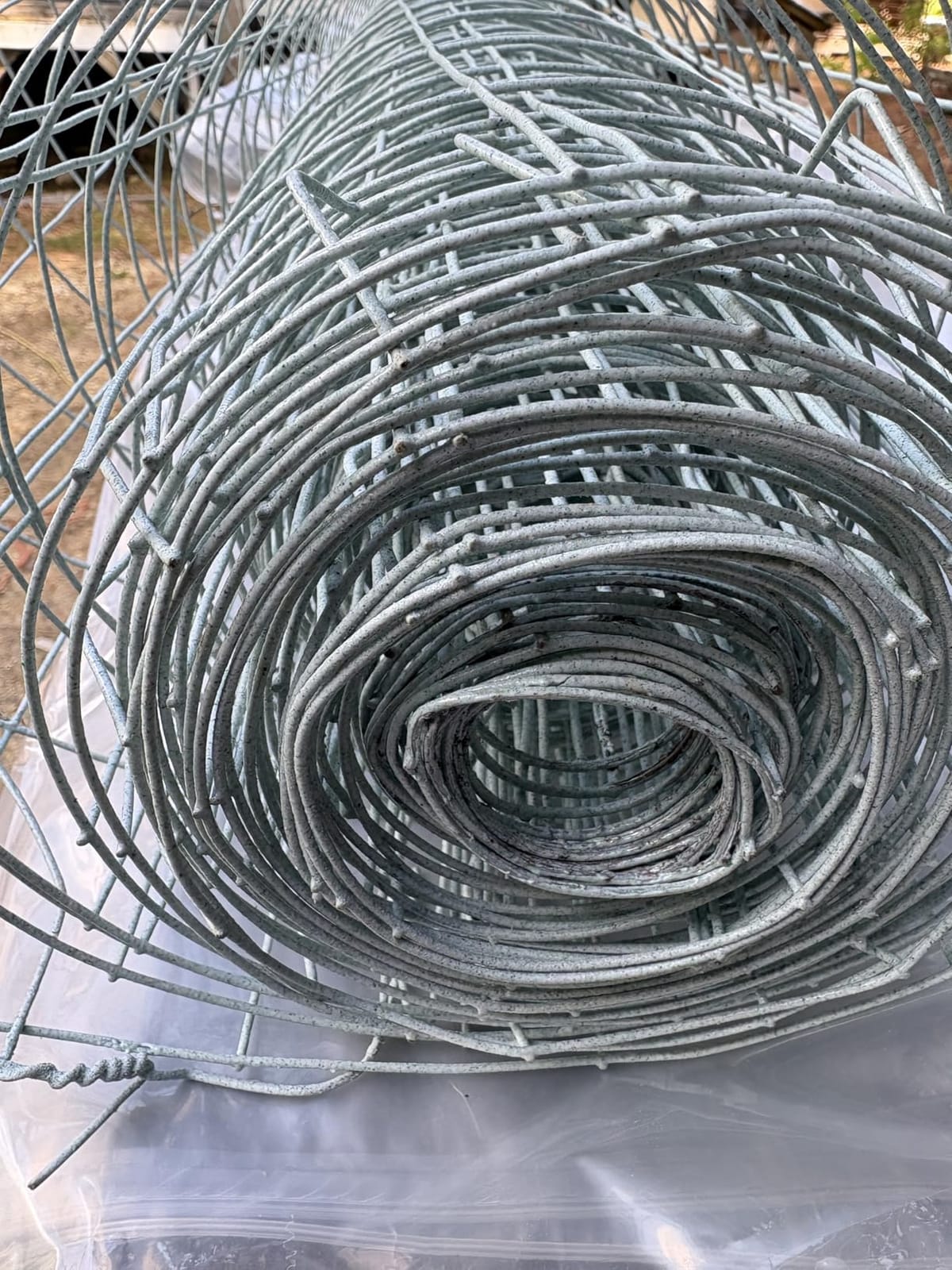
This is the only coated option in the group, and at 11.5 lb for a 4 by 50 ft roll you can carry, unroll, and reposition it on your own without a second set of hands. If your fencing changes with the season, that changes the calculation entirely.
The coating is double layered PVC over a hot dip galvanized base, which gives a black finish that resists rust and looks finished rather than industrial. At 2.36 inch square mesh, it doubles as a trellis and a fence. A tomato or cucumber vine will climb it, and a chicken run will contain birds that are small enough to respect the openings.
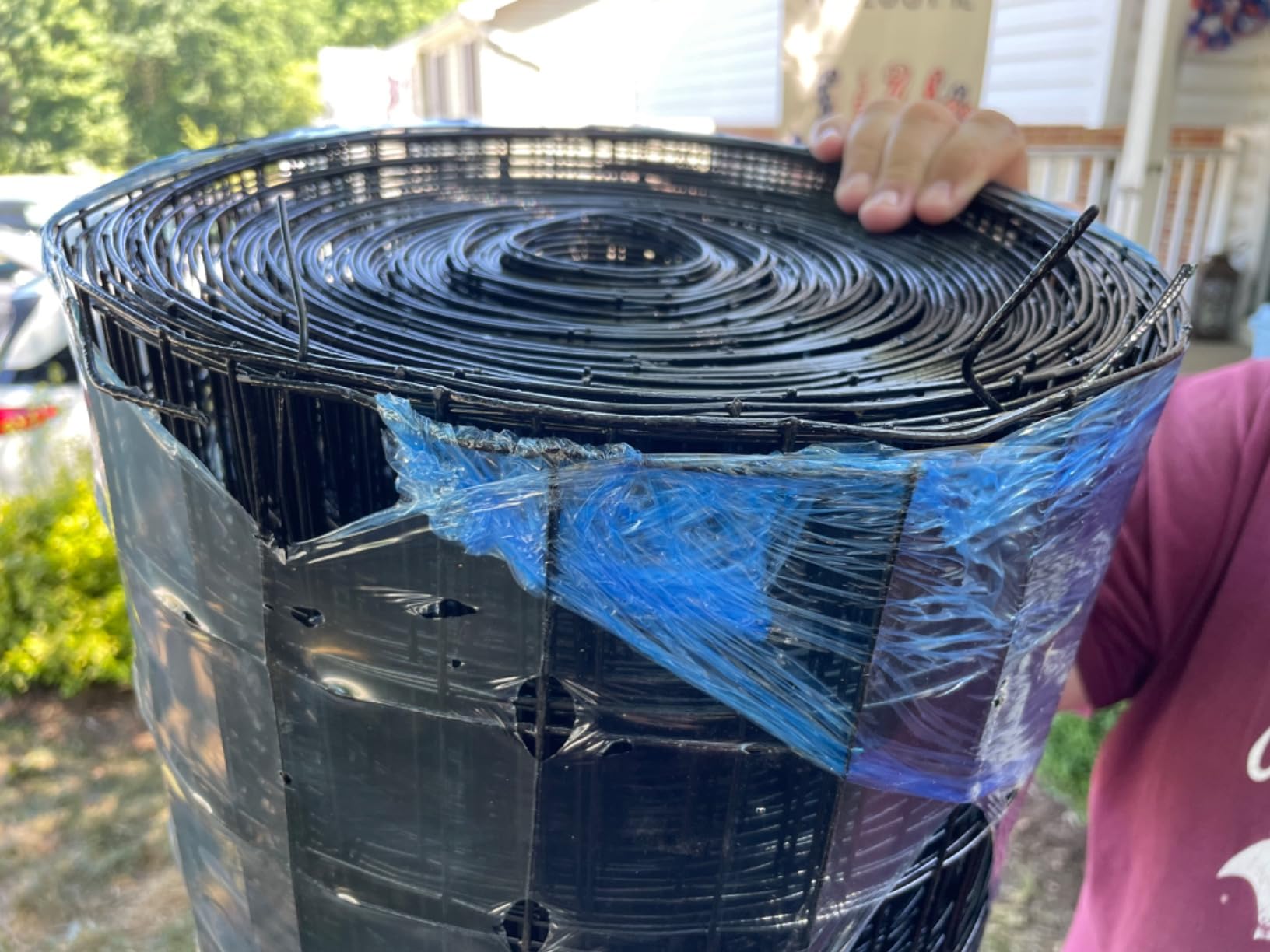
Buyers like it for chicken coops and garden beds in particular, and the visibility is often mentioned. You can see through it, so it works in a front yard or beside a house where a taller solid fence would feel heavy.
What buyers do not like is the pressure limit. Several reviews report welds breaking when a goat or a larger animal pushed against it, and more than one describes the wire as thinner than the stated 16 gauge once it is in the hand. Treat the gauge as marketing and judge by the animal.
The one-person handling advantage
Forum discussion about panels turns over and over on weight, and the recurring verdict is that weight handling alone is a hard practical limit. When a fence line has to be moved for rotational grazing or shifted around a growing garden, a product you can lift on your own behaves very differently from a roll that needs two people and a vehicle.
This is the pick for that situation. It is also the pick if you want a fence that does not look like farm equipment, which is why we rate it best for small gardens rather than for animal containment.
Where it falls short for cattle
Coated welded wire at this gauge is a garden and small animal product. A goat will find the weld. A cow will lean on it and push it back. If you need to hold cattle, this is not the one, no matter how good the coating is.
The second limitation is the unroll. Buyers report difficulty straightening it after it comes off the roll, and the same advice applies as with the other woven rolls: bring a stretcher and plan for a slow setup rather than a fast one.
6. GarveeTech 4 ft x 328 ft Heavy Zinc Roll – Best for Long Runs and Big Properties
GarveeTech Cattle Farm Fence, 4FTx328FT Galvanized Wire Fencing 14GA Heavy Zinc Coating Wire Fencing, for Goat Deer Yard Livestock Animals Protection (4x328ft(14GA))
4 ft x 328 ft coverage
Heavy zinc coating
Graduated mesh spacing
26.8 lb
Pros
- 328 ft length means very few splices on a long run
- Heavy zinc coating
- Graduated mesh spacing through the roll
- Twisted weave resists loosening
- Light enough at 26.8 lb to move around
Cons
- Some buyers describe it as flimsy in the hand
- Vertical wires can slide during tensioning
- Wire can kink during unroll
- Listings disagree on the gauge
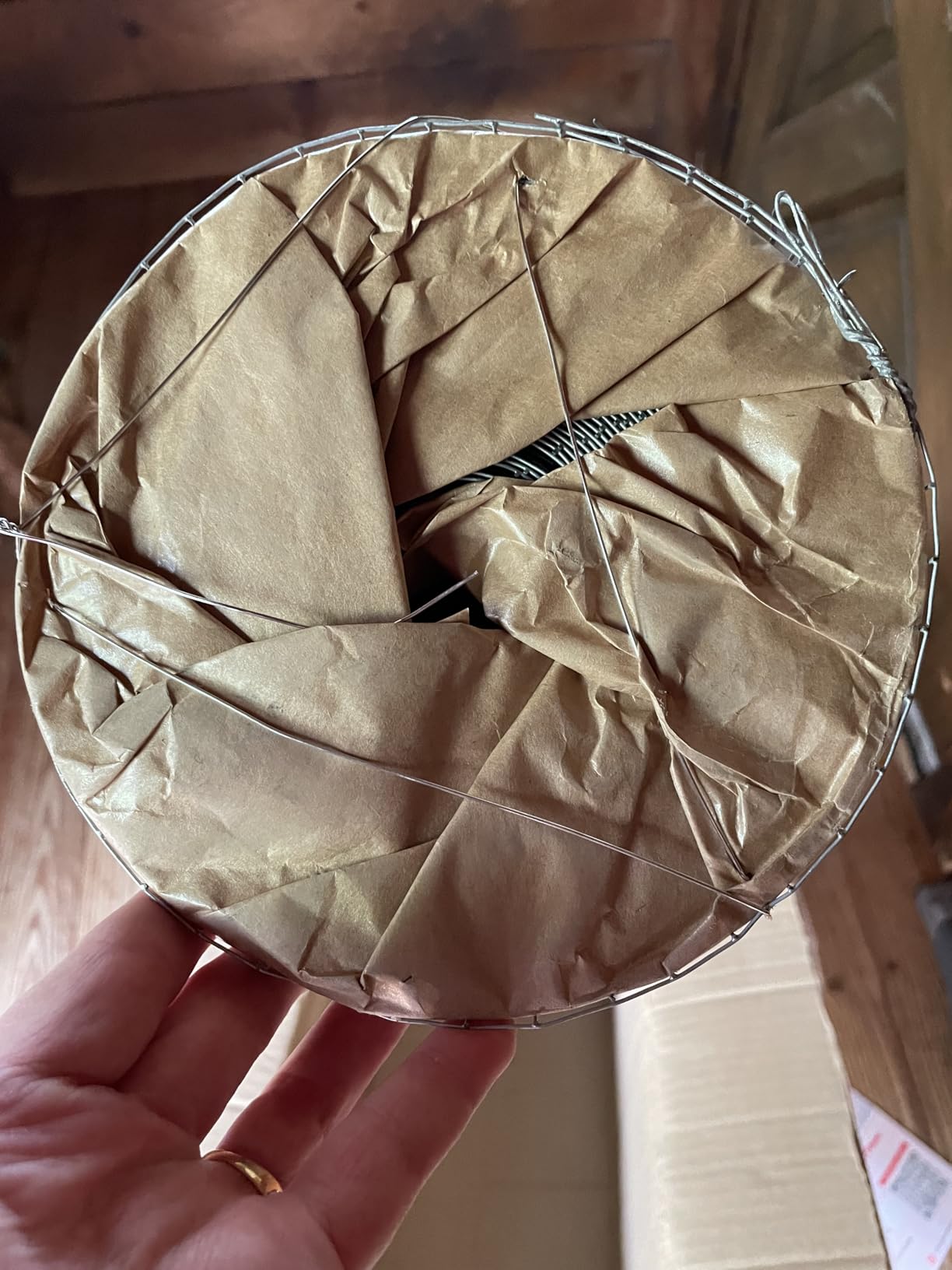
Coverage is the entire pitch here. At 4 feet by 328 feet, this roll is longer than almost every other option in the list, which means fewer splices on a long boundary and fewer places for a run to belly out. At 26.8 lb it is still light enough to reposition without a truck.
Buyers rate it 4.4 out of 5, the second highest mark in this group, and reviewers credit the heavy zinc coating and the graduated mesh design. Owners put it to work on chicken runs, garden boundaries, and light livestock containment, and the general tone is positive for the coverage you get.
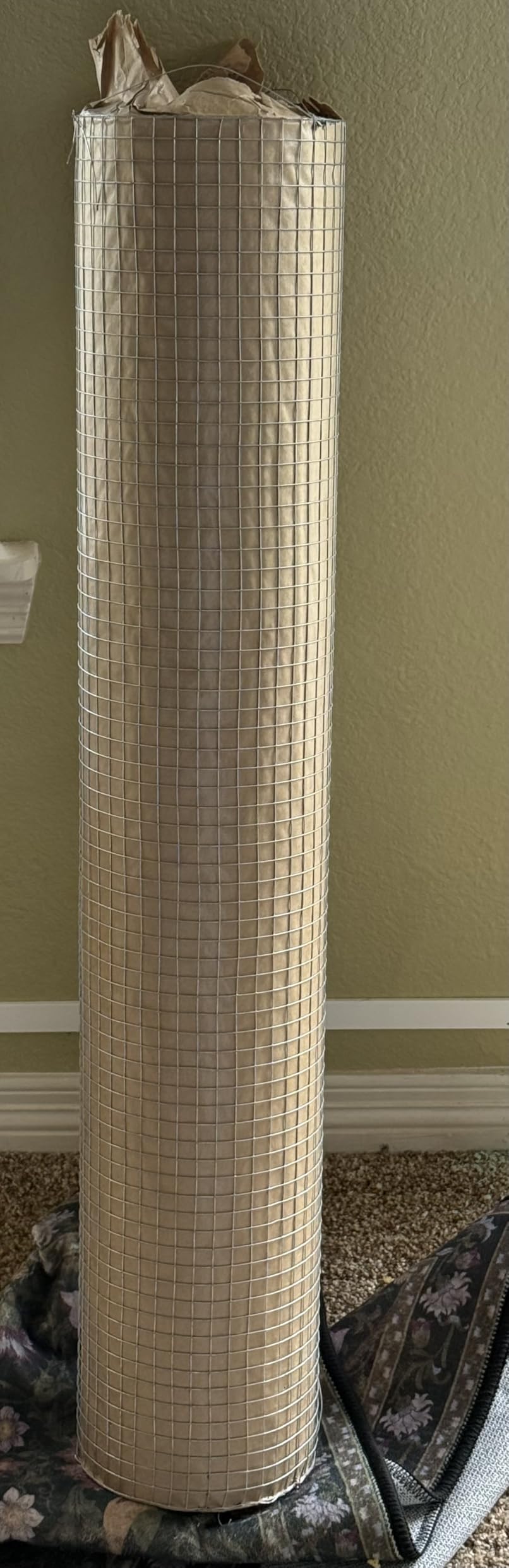
Be aware of one thing before you order. The listing describes thicker wire in one place and carries a different gauge in its own specifications. Buyers noticed the same inconsistency. If the gauge matters to your decision, look at the coil rather than the marketing line, and check the top and bottom wires, which several owners note are the same gauge as the body rather than heavier.
The vertical wires sliding during tensioning is the other recurring note. Tension the run a section at a time rather than hauling the whole 328 ft tight at once, and check the weave has not opened up as you go.
When a 328 ft roll actually pays off
Perimeter fencing. A five acre paddock edge, a large dog run, a garden boundary, or a property line where you want a single continuous run with no joints. The longer the fence, the more valuable that becomes, because every splice is a place to fasten, a place to fail, and a place to find a gap later.
It also suits anyone building a boundary they intend to extend later. A roll this length can be cut, and the cut end is the only new joint you introduce.
Who should buy something else
If your priority is pushing back a determined animal, this is not the pick. The thinner-wire reviews are consistent enough to be a real pattern rather than a handful of complaints, and several owners say it bends where a heavier roll holds. For cattle that lean, go up in gauge or add a rail.
If your priority is one-person handling in a small space, the 50 ft coated roll is far easier to work with. Length is a virtue on open ground and a nuisance in a backyard.
7. RXWJZP 5 ft x 164 ft Galvanized Woven Fence – Best for Pet and Garden Containment
RXWJZP Farm Fence 5ft x 164ft Galvanized Woven Wire Livestock Cattle Fence
5 ft x 164 ft roll
14 gauge hot dip galvanized steel
Twisted weld proof weave
52 lb
Pros
- 14 gauge is heavier than most rolls in this group
- Twisted weaving holds its shape when tensioned
- Graduated mesh design
- Good for dogs
- chickens and gardens
- Easy to install and maintain
Cons
- Several buyers say it is not for large animals
- Wire bends under pressure
- Mesh openings can let small animals through
- Some describe it as flimsy
14 gauge is a heavier wire than most rolls in this group, and the 52 lb weight reflects it. If you are fencing dogs, chickens, or a large garden, the extra gauge is meaningful. If you are fencing cattle or horses, the reviews are clear that this is not the roll.
Buyers are positive about the twisted weaving, which is credited with holding shape under tension better than a plain knot, and about the graduated mesh, which is a recurring plus across this whole family of rolls. The galvanized surface is standard hot dip and described as holding up.
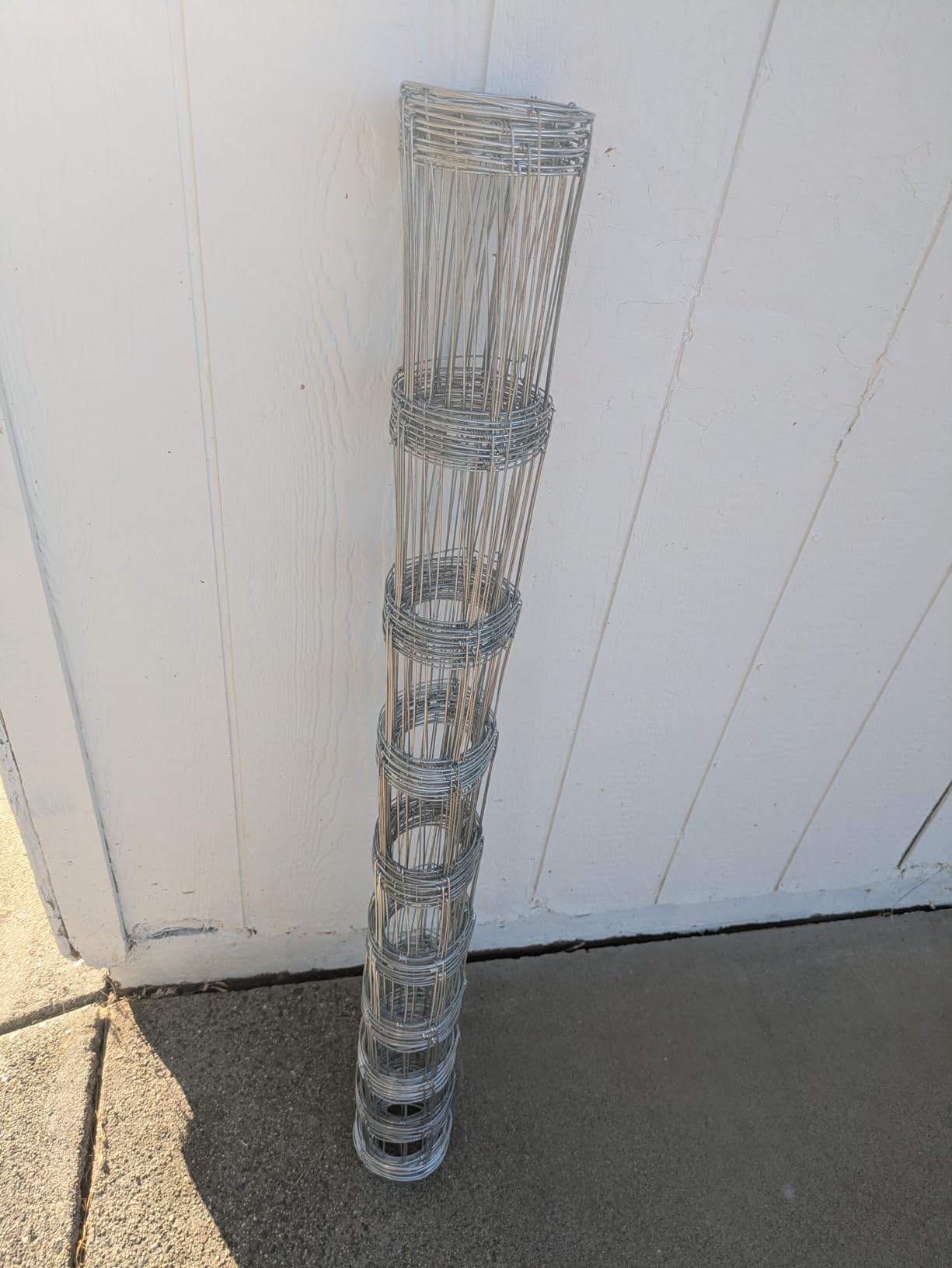
The honest headline from the review data is simple: several owners explicitly say it is not suitable for large livestock. That is not a defect. It is a 14 gauge woven wire doing what 14 gauge woven wire does. Use it where pressure is low and coverage is large, which is exactly the dog run, poultry yard, and garden use case.
At five feet it gives you enough height for a dog that jumps, and the bottom mesh is tight enough to stop most small animals pushing through. Owners running it in a dog context mention the graduated design as the reason it works without hardware cloth at the base.
What to pair it with
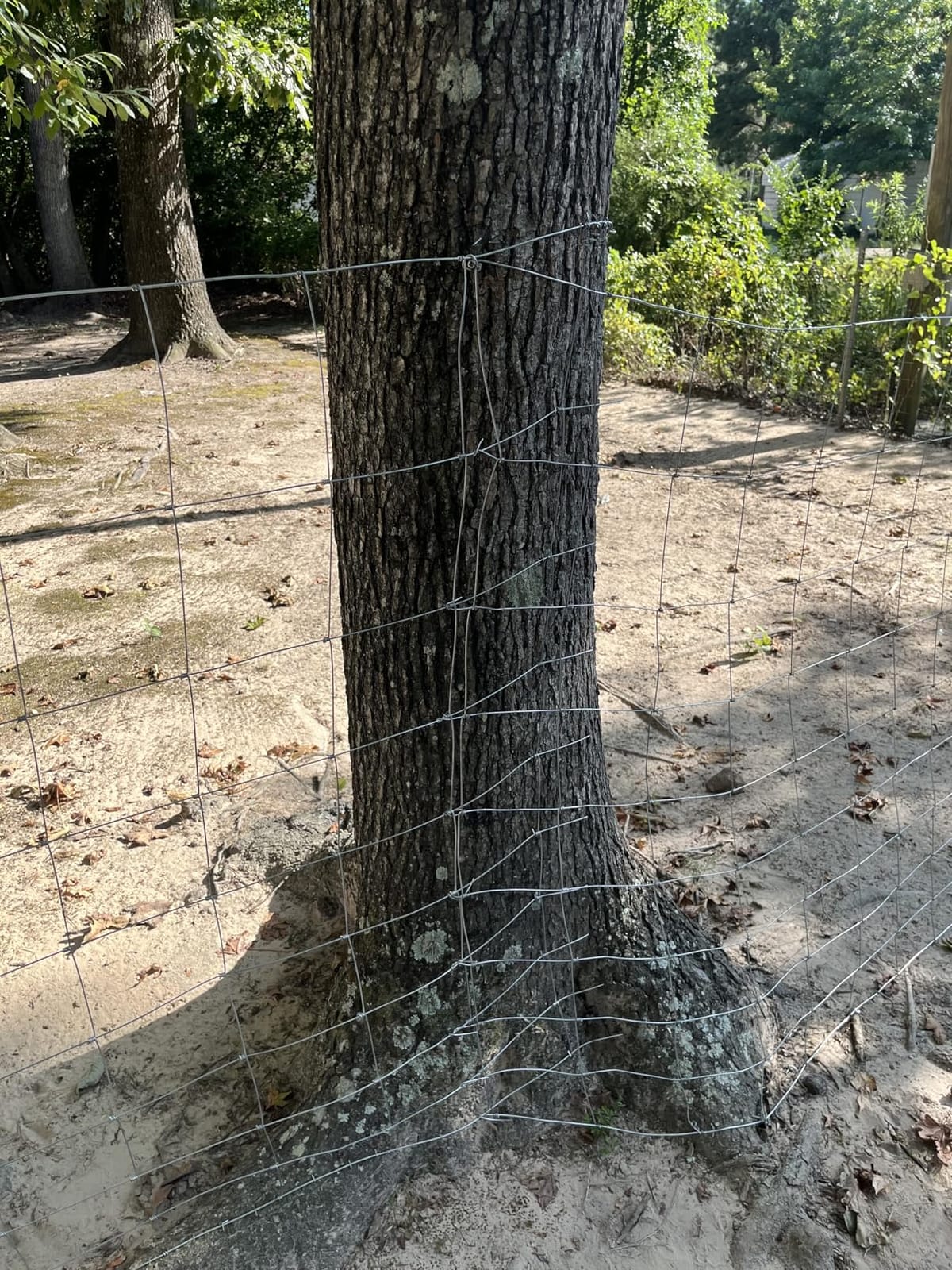
If the run is a garden or a dog area, dig a bottom rail or staple the mesh into the ground every few feet so nothing can work under it. Woven fence relies on tension at the bottom as much as the top, and that is where most failures start.
If you want to lift the animal load, the simplest upgrade is a rail across the top third. A horse or a cow pushing against five feet of woven wire will feel the rail long before the wire gives, and the rail costs far less than replacing the run after it has been shoved back onto your neighbour’s field.
Who should look elsewhere
Anyone fencing cattle will find a stiffer, more rigid boundary elsewhere. Buyers report bending under pressure, and one of the recurring comments across this product class is that lighter wire gives way faster than people expect. A heavier gauge roll such as the 12 gauge option in this list, or a rail on top of this, is the answer.
At 52 lb this is a heavy roll, and moving it alone is not realistic over any real distance.
8. Mymawzey 5 ft x 164 ft Galvanized Cattle Fence – Best for Light Duty Fences
Cattle Fence 5ft x 164ft, Galvanized Farm Fence Metal Wire Fencing roll Cattle Fencing Deer Fence Hog Goat Fencing Field Mountain Forest Yard Garden
5 ft x 164 ft roll
Hot dipped galvanized wire
Knotted by machine
Graduated mesh
Pros
- Good value for the coverage provided
- Hot dipped galvanizing on the wire
- Buyers report a heavy gauge feel in the hand
- Works well for gardens
- sheep and poultry
Cons
- Bends too easily under deer pressure
- Large mesh openings let small animals squeeze through
- Not a welded construction
- Wire stretches under pressure
This roll gets a 4.2 from buyers, and the common theme in the reviews is straightforward: good value, lighter wire than traditional livestock fence, works for light duty. Several owners use it for sheep and chickens with hardware cloth at the base, which is the honest way to think about it.
Five feet by 164 feet is a useful shape. The height covers a garden or a small paddock, the length means few splices, and the hot dipped galvanizing is the coating you want for outdoor service. Buyers also note a favourable comparison against farm supply store pricing for the same coverage.
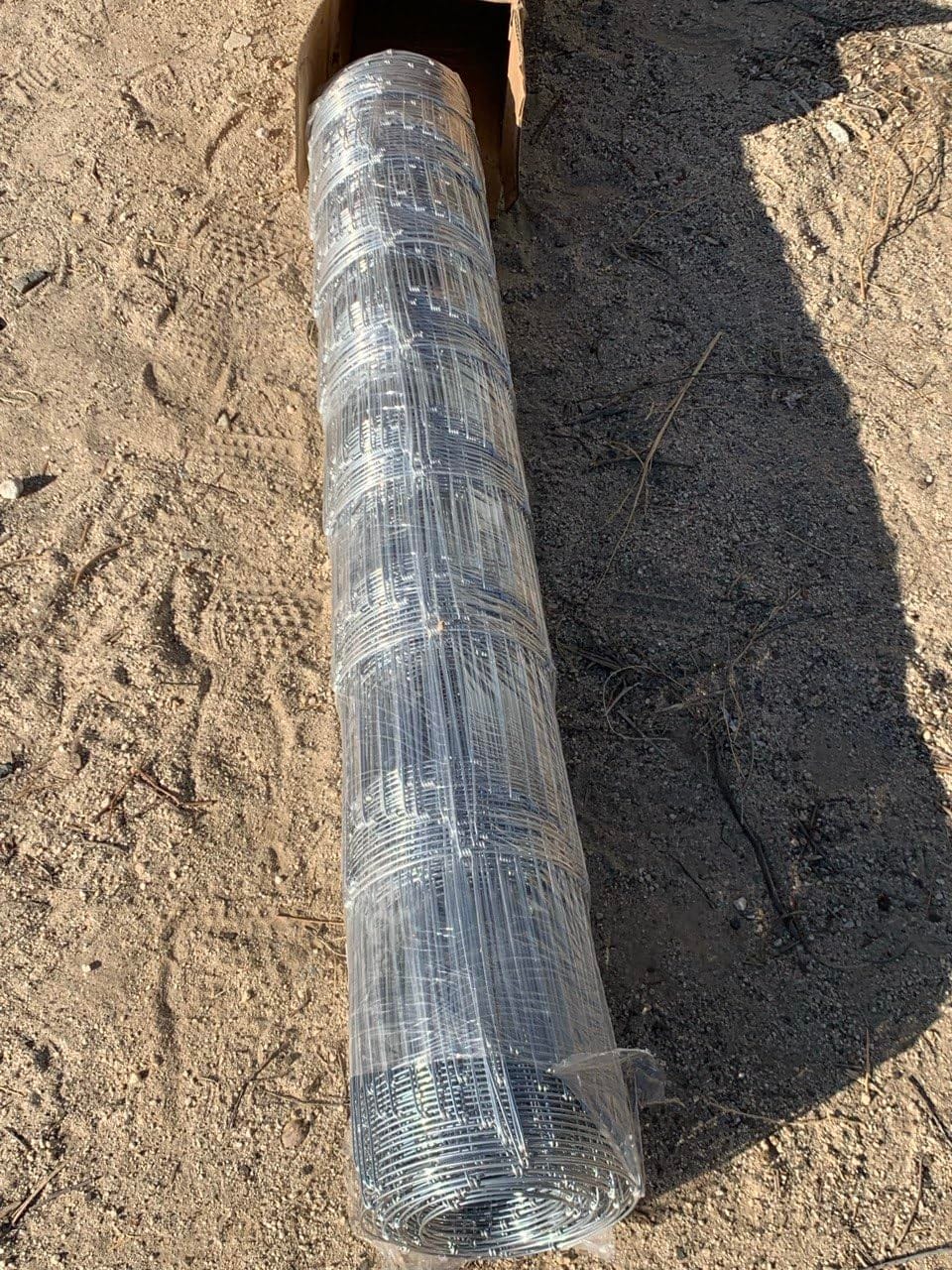
What we would not do is put this against a deer. More than one review reports deer bending the top of the fence, and a woven roll that stretches under pressure will not return to its original shape. That is the point at which a run stops functioning as a boundary and starts functioning as a suggestion.
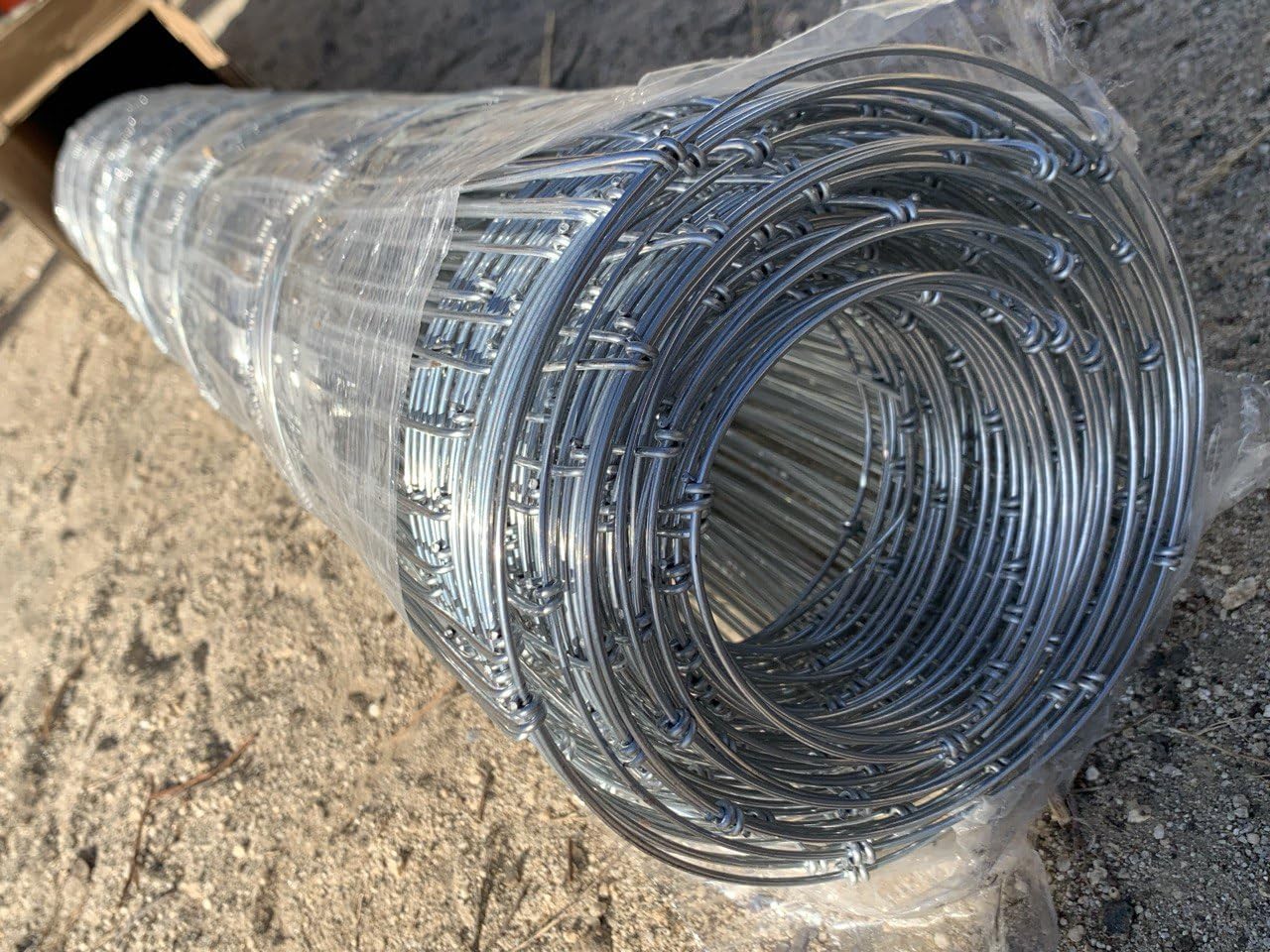
It is a woven and knotted construction rather than a welded panel, which gives it flexibility and a light feel but also lets it distort. For a rigid boundary that an animal cannot move, a welded product is the better tool.
Where this one earns its place
Interior divisions. A 164 ft roll at five feet is a sensible way to split a paddock, separate a group of feeder animals, or mark a rotation cell, without committing to the heavier material a boundary run needs. That is where the value in the coverage shows up.
It also works as a second course on top of a shorter run, or as a top rail substitute where you want a taller fence but not a heavier gauge everywhere. The mesh gradient means you can butt a tighter section against a looser one.
The honest limitation
Large mesh openings mean small animals can squeeze through, and buyers call this out directly. If you are keeping poultry, rabbits, or anything small, plan on a hardware cloth band at the bottom or a second, tighter roll.
And if your fence has to hold cattle, choose a product with a welded structure or heavier gauge. This is a light duty roll, and treating it as a heavy duty one is how fences get pushed over.
9. ZESHANGUS 4 ft x 165 ft Tapered Mesh Cattle Fence – Best for Rough or Rolling Ground
Cattle Panel 4ft x 165ft 14 Gauge Heavy Duty Galvanized Woven Wire Fence
14 gauge body with 12 gauge border
Tapered mesh 8in to 3.5in
Hot dip galvanized
4 ft x 165 ft roll
Pros
- Reinforced 12 gauge borders on all edges
- Mesh tapers from 8 in down to 3.5 in
- Woven construction flexes with uneven ground
- Good for mixed species containment
- Covers a large area with few joints
Cons
- Woven wire is less rigid than a welded panel
- Fewer reviews than most in this group
Two details set this roll apart from the plain woven options. The border wires are 12 gauge while the body is 14 gauge, so the edges that take the handling and the tension are the strongest part of the fence. And the mesh tapers from 8 inches at the top down to 3.5 inches at the bottom, which keeps small animals out of the section where they would try to get through.
The woven construction is the reason we rate it for rough ground. Rigid panels and rigid welded fence tend to rack and gape on rolling terrain. Woven wire flexes and absorbs the undulation instead, and that is the same point forum discussions on rocky hills keep coming back to.
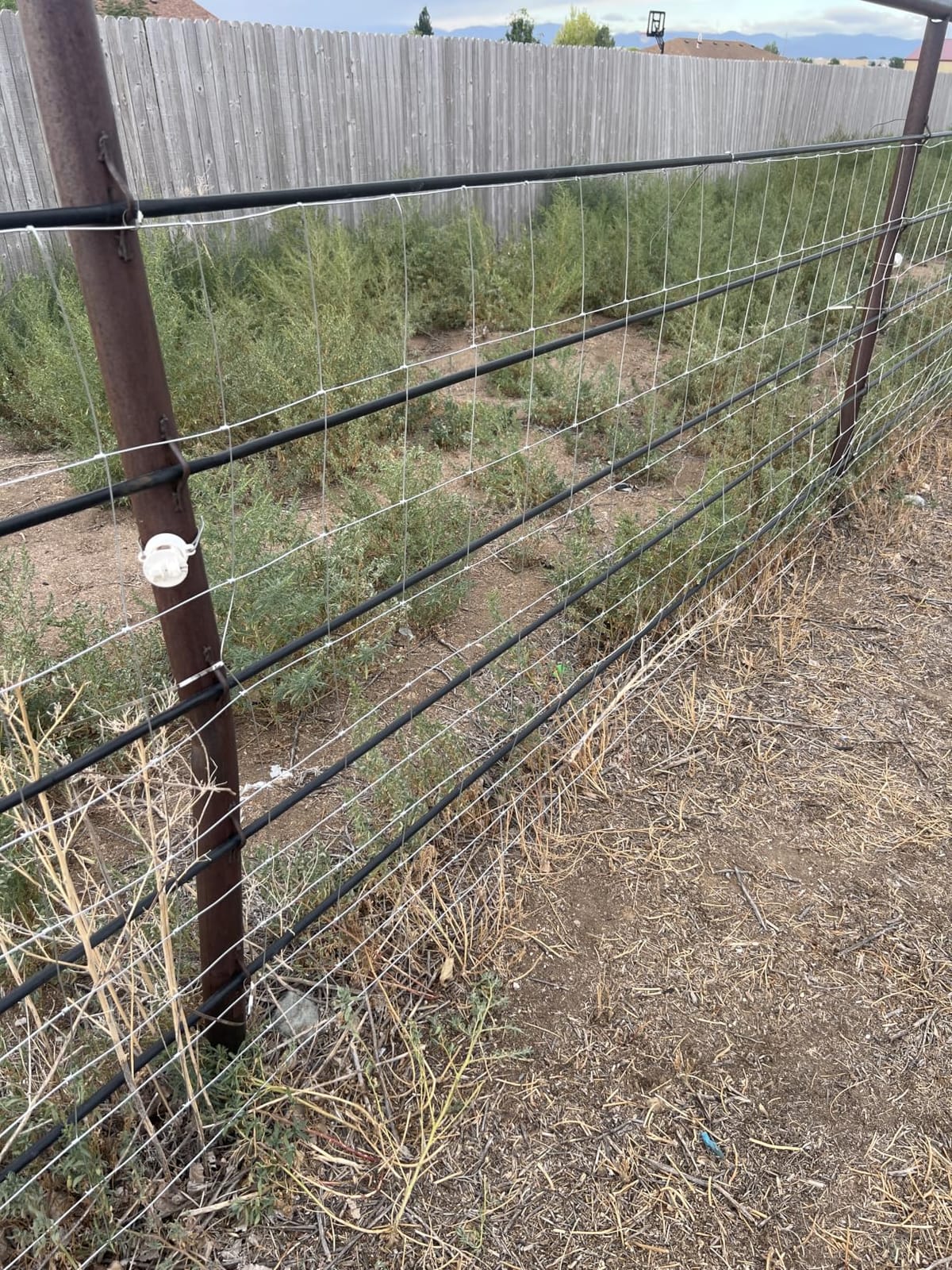
The reinforced border is the part buyers notice first. The top and bottom wires are where a fence takes its load, and putting the heavier gauge there is the single most effective improvement you can make to a woven roll without changing the whole product.
At 165 feet it covers 660 square feet in a single roll, which means a long boundary or a full paddock edge can be built without a splice every hundred feet. The tapered profile means the top of the fence stays open and easy to fasten to while the lower third does the exclusion work.
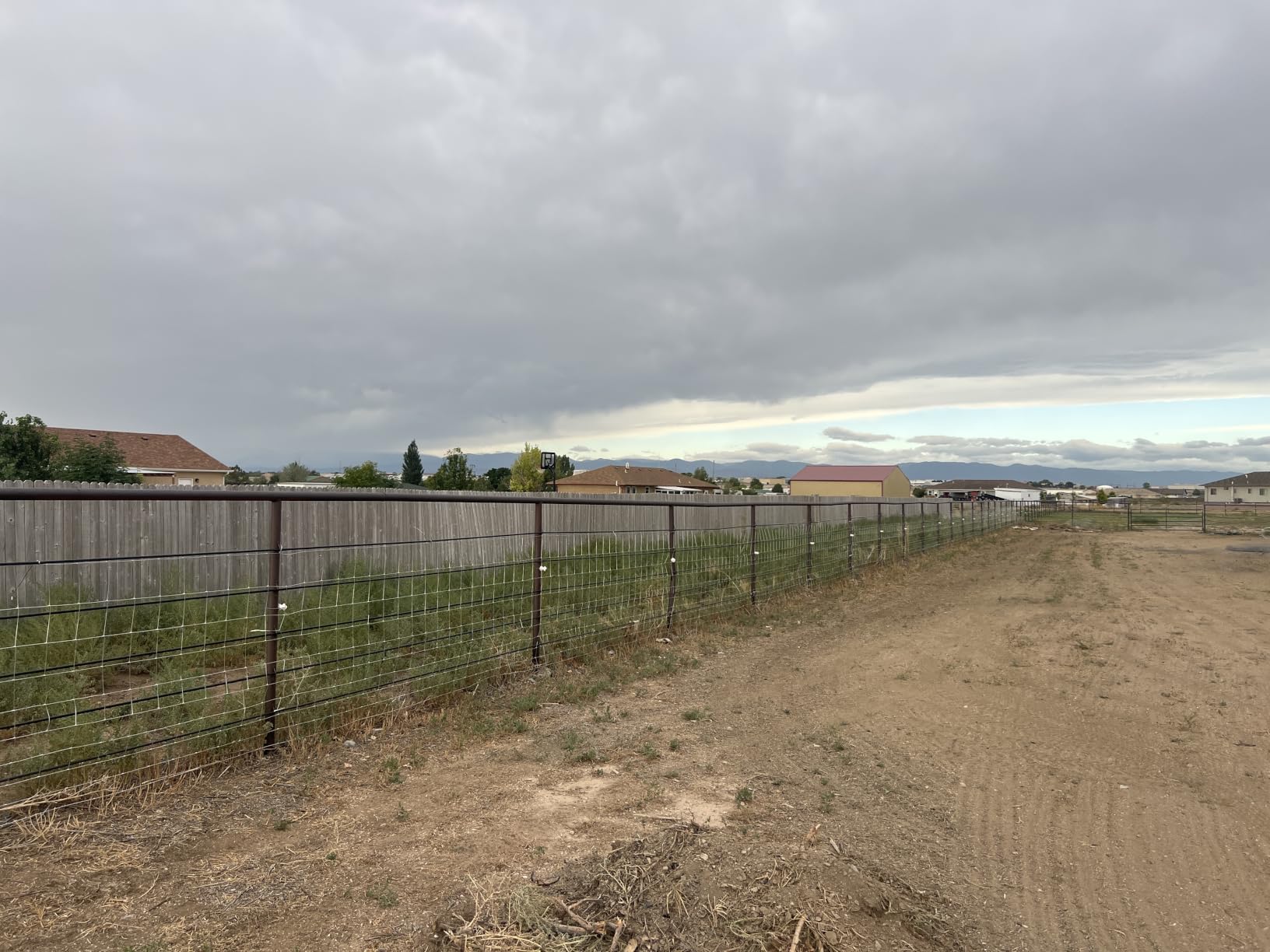
What tapered mesh actually does
It splits the job in two. The wide top section handles the animal load without presenting a grid of narrow wires, and the tight bottom section does the exclusion work where a rabbit, dog, or young goat would push. Owners using it for mixed species tend to be the most satisfied, because one roll covers two jobs.
It also gives you something to fasten to. A wide mesh opening is a natural place for a clip, a staple, or a hook, and it takes hardware without needing a bracket.
Where it falls short
The main limitation is rigidity. A woven roll will move under a determined push in a way a welded panel will not, and if you are building a boundary that has to feel immovable to a large animal, that flexibility is a drawback rather than a feature.
The second is thin evidence. At 61 reviews, this sits at the lower end of the evidence base here, and we would not treat the long service life claim in its listing as something we verified. Test a short run first, in the ground where you will use it, before committing to a whole boundary.
10. Jotesnew 12 Gauge Heavy Duty Cattle Panel 4 ft x 100 ft – Best for Heavier Wire
12 Gauge Heavy Duty Cattle Panels for Garden Trellis, 4ftx100ft, Thickened Cattle Panels for Galvanized Farm Fence Chicken Wire Fencing, Durable Goat Fence, Ideal for Farm and Field Protection
12 gauge heavy duty wire
Hot dip galvanized steel
Hinge joint weave
4 ft x 100 ft, 37.6 lb
Pros
- 12 gauge is among the heaviest wire in this group
- Hot dip galvanized steel wire
- Secure hinge joint weave resists pulling apart
- Works for livestock
- gardens and orchards
- Easy to install and maintain
Cons
- Only 76 reviews
- so the evidence base is small
- Shorter 100 ft roll means more splices
- Higher gauge adds weight to handle
Twelve gauge is among the thickest wire in this roundup, and that is the whole reason it is here. If your problem is an animal that leans, pushes, or rubs against the fence until it moves, wire thickness is the attribute that answers it. Everything else in the group is 14 or 16 gauge, which is fine for smaller stock and light pressure.
The hinge joint design is a detail worth noting. A hinge joint holds tension without the knot working loose the way a simple twist can, and owners credit the reinforced weaving with keeping the fence from pulling apart at the joins once it is tensioned.
At 37.6 lb for a 4 by 100 ft roll, this is heavy. That is the cost of the thicker wire, and it is the same trade-off ranchers describe on forums: heavier wire holds, and heavy is harder to move. If the run is permanent, weight is not a problem. If you intend to move it every season, it is.
The mesh tapers from top to bottom, which follows the pattern of the rest of this group and keeps small animals out of the lower section.
Is 12 gauge worth it for cattle?
For a boundary that has to feel solid, yes. A 12 gauge weld or hinge joint resists a shoulder better than 14 or 16 gauge, and the difference shows up in exactly the situation people build these fences for: an animal leaning on it to reach grass, scratch, or push past.
The 4 ft height is the limitation. Twelve gauge at 4 feet is a strong low fence, which is what you want around a garden, an orchard, or the base of a taller run. For a full height boundary for cattle, pair it with a taller section or a rail rather than treating four feet as the whole fence.
Where the evidence runs out
With 76 reviews, this is one of the thinner evidence bases in the group. Buyers generally report the gauge and the galvanizing as delivering, and the hinge joint as a real improvement. We would not call it a proven long term performer on that data alone.
Our advice is to buy one roll, run it through a season in the spot you intend to use it, and only then buy the rest of the boundary. That is how you find out whether your ground and your animals suit the heavier wire.
11. ZESHANGUS 4 ft x 328 ft Reinforced Border Fence – Best for Large Pastures
Cattle Panel 14Gauge Galvanized Woven Wire Fence 4FT x 328 FT Cattle Fence
14 gauge body with 12 gauge borders
8in to 3.5in graduated mesh
4 ft x 328 ft roll
1312 square feet
Pros
- 328 ft of coverage in a single roll
- Reinforced 12 gauge top and bottom borders
- Woven construction distributes stress on uneven ground
- Graduated mesh suits mixed species
- Suitable for pigs
- goats
- sheep
- cattle and gardens
Cons
- Woven construction less rigid than a welded panel
- Heavy roll to handle in one piece
This is the large-pasture version of the tapered mesh design, and the 328 ft length is the reason to choose it. At 1,312 square feet of coverage, a five acre perimeter or a long internal division can be built with very few splices, and every avoided splice is a gap you will not have to find later.
Like its 4 ft sibling, the body wire is 14 gauge with 12 gauge borders. The reinforced top and bottom wires are what the fence leans on when it is tensioned, and buyers single them out as the feature that sets this design apart from a plain woven roll.
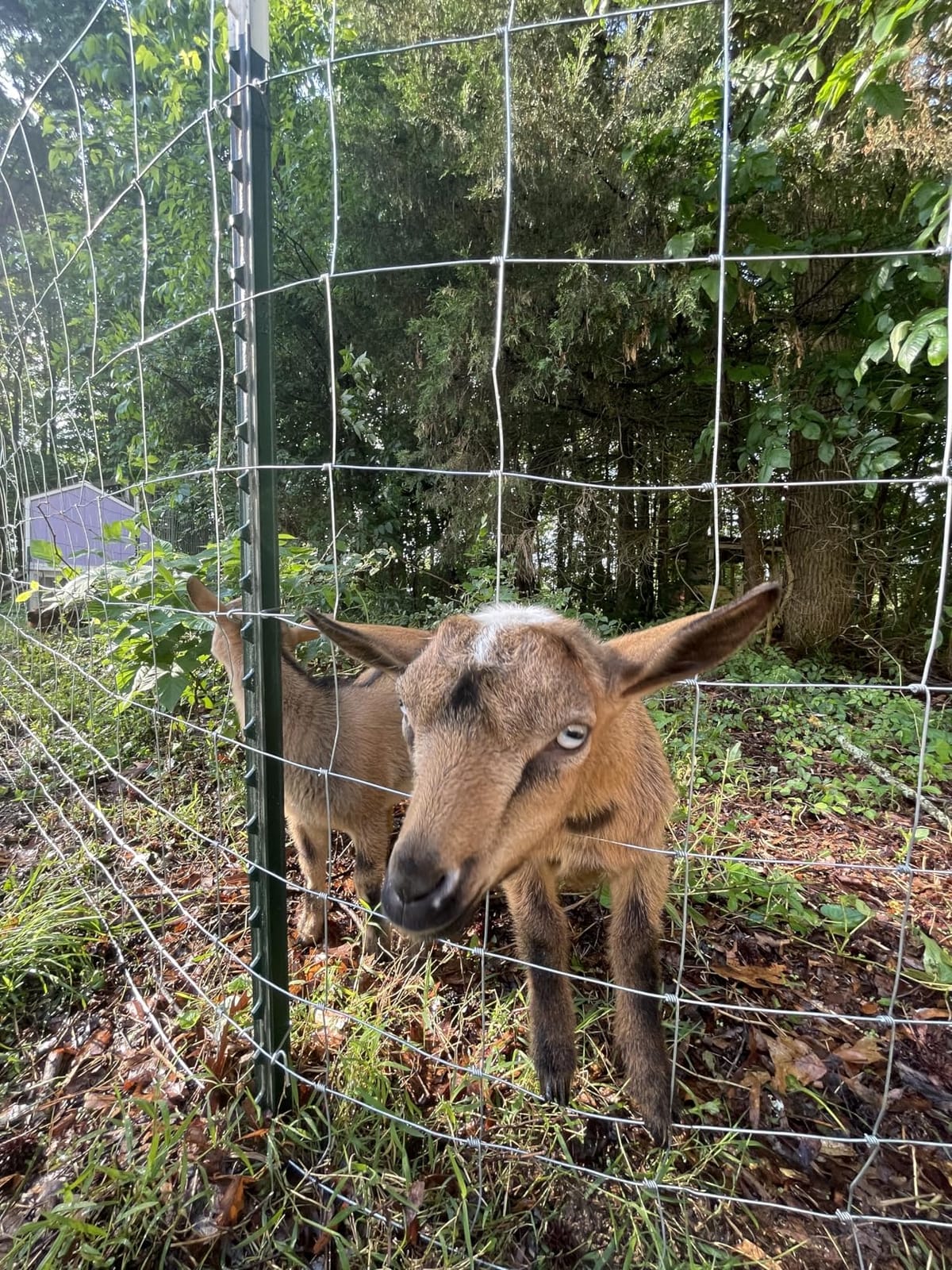
The graduated mesh running from 8 inches down to 3.5 inches handles mixed species well, and the listing names pigs, goats, sheep, cattle, and gardens as the intended uses. Buyers describe it as flexible under pressure, which is exactly why we recommend it where the ground is not flat.
Long runs are also where the reinforcement pays for itself. A woven fence distributes stress along the length of the roll, so a long run settles into uneven ground rather than racking into a gap.
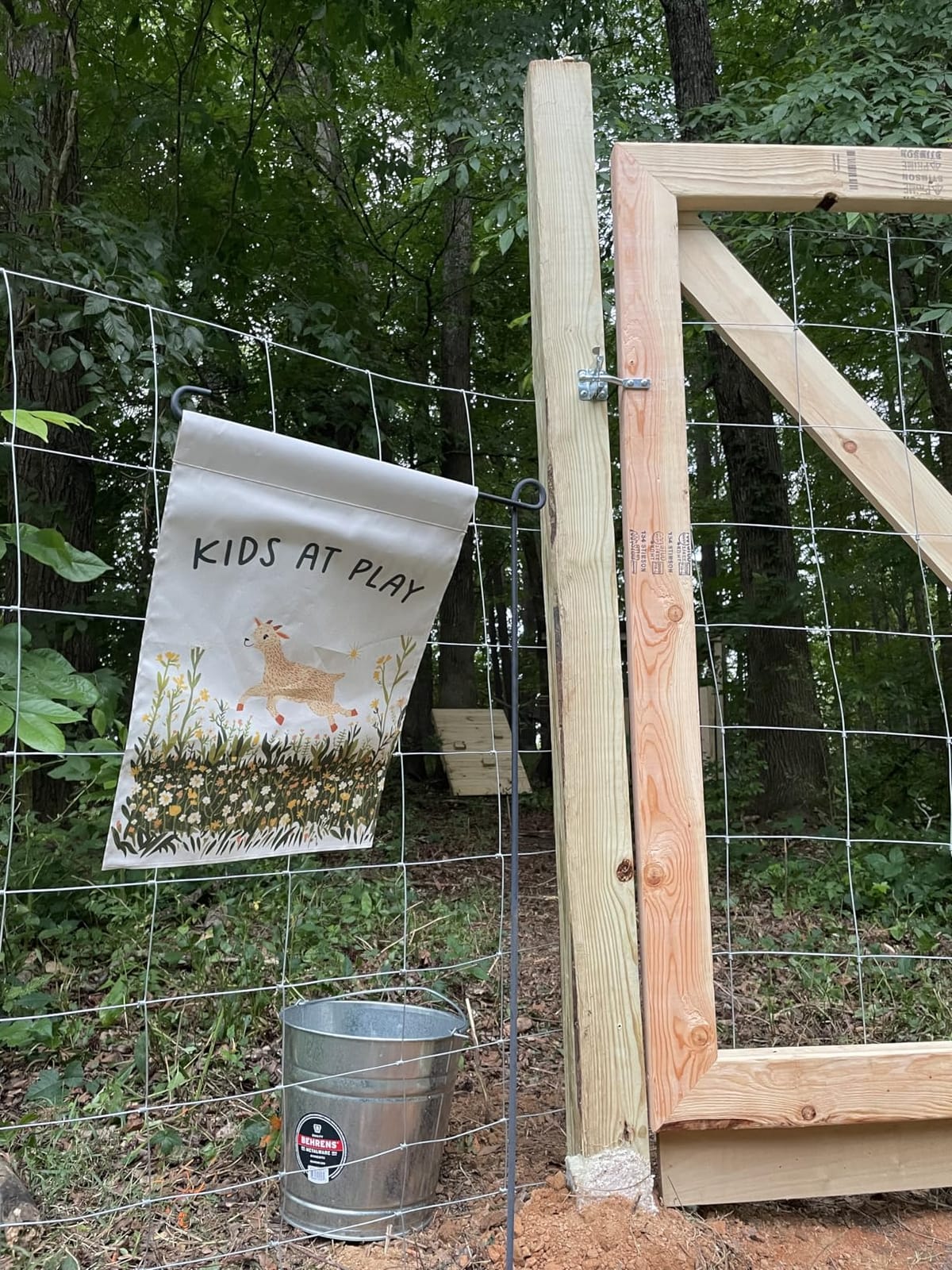
Economies of a long roll
When you are covering a large boundary, the per foot cost of a long roll is usually better than a short one, and the labour saving is bigger still. One 328 ft roll is a handful of setups. Four 100 ft rolls are four setups, four chances to get a twist wrong, and three extra joints in your fence.
That is the same arithmetic buyers describe when they discuss buying in volume from farm supply stores, and it is worth doing the multiplication before you commit to a quantity.
When to pick the shorter roll instead
Access matters more than people expect. A 328 ft roll is a large physical object, and if the route from the delivery point to the fence line is tight, a 100 ft roll is easier to carry any number of times than one long roll is to move once.
Rigidity is the other limit. Woven construction will move under a determined push in a way a welded product will not. If the boundary has to feel immovable, add a rail or step up to a heavier welded gauge.
12. AggFencer 4 x 30 ft 16 Gauge Fixed Knot Fence – Best for Trellis Arches
AggFencer 4 x 30ft Galvanized Farm Fence, Fixed Knot Woven Wire Fence 16Ga
16 gauge low carbon steel
Hot dip galvanized after welding
Fixed knot twist braid
4 x 30 ft roll, 10.58 lb
Pros
- Lightest roll in the group at 10.58 lb
- Fixed knot twist braid resists livestock strikes
- Hot dip galvanizing after welding
- Loose top and tight bottom mesh suits climbing plants
- Good value for trellis and light exclusion
Cons
- Very springy steel makes unrolling challenging
- Wire is light for permanent livestock fence
- End loops are hard to form because of spring back
- Included T-post clips can feel soft
At 10.58 lb this is the lightest roll in the group, and that is why it earns the last spot with a specific job in mind. A 4 by 30 ft fixed knot fence is something you can carry around a garden with one hand, bend into an arch, or move each season as your layout changes. Gardeners on forums repeatedly look for a lighter alternative to standard cattle panel material for exactly this reason.
The construction is a fixed knot twist braid in low carbon steel, hot dip galvanized after welding. Fixed knots are the traditional farm fence knot and are specifically designed to resist a livestock strike, and buyers credit that durability where they have used it for goats and deer exclusion.
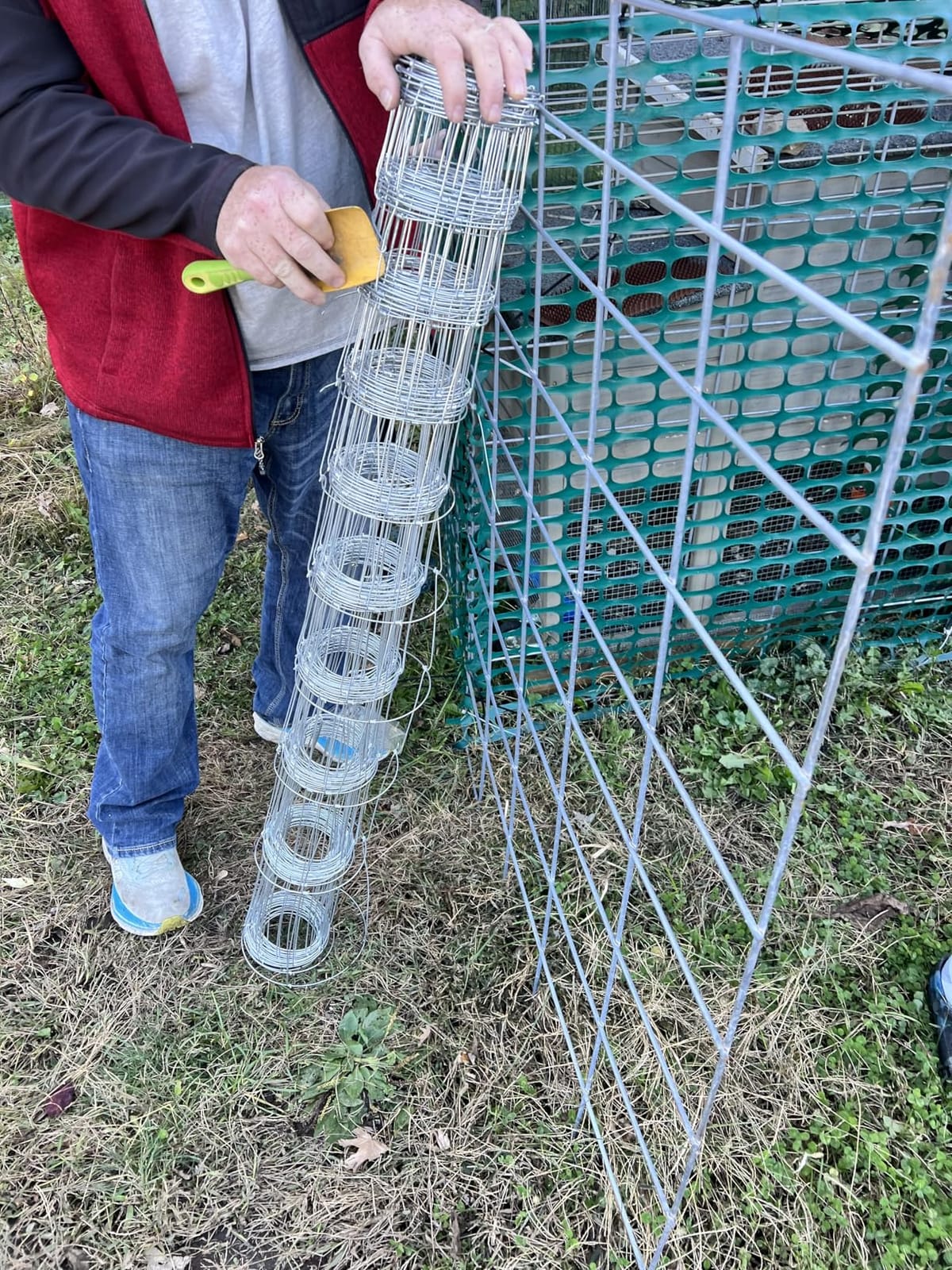
The loose top and tight bottom mesh is the detail for a trellis. A plant can find support at the top, where the openings are wider, and the base stays tight enough to keep small animals out of a raised bed. Owners report using it for plant support and for garden trellis arches with good results.
The galvanizing is described as professional, and the low carbon steel base is credited with the corrosion resistance. Buyers describe it as waterproof and rust proof, which is what you want in a bed that gets watered daily.
Best used as an arch or a trellis
Bend it into a half circle over a path or a bed and the fixed knots hold the curve without kinking. At 30 feet you have enough length for a generous arch, and the light weight means you can reposition it as your planting changes. Reviewers specifically praise it for garden trellis work.
It is also a sensible fence for light exclusion. Deer, elk, and goats are named as realistic targets, and at this weight you can move it into place as the season changes rather than committing it permanently.
Why it is last and not higher
Sixteen gauge is among the lightest wire in the group and this is not a permanent livestock fence. Buyers report it as too weak for heavy livestock pressure, and the honest position is that it works for exclusion and structure, not for holding a cow that has decided to lean.
The springy steel is the other issue. Owners describe it as hard to unroll and difficult to work end loops on because of the spring back. Plan on gloves and a stretcher, and expect the setup to take longer than a heavier roll that simply rolls out straight. The included T-post clips are also reported as soft, so plan on buying proper ones.
How to Choose a Cattle Panel: Gauge, Height and Finish
The four decisions that matter are wire gauge, height, finish, and how much you will be moving the fence. Get those right and the brand matters far less. Here is how we would think through each one.
Gauge first, because everything else follows from it. The gauge system runs backwards. A 4 gauge panel is the thickest wire you can buy for this purpose. A 12 gauge is the heaviest in this roundup. A 16 gauge is garden and small animal material. If you are fencing cattle and want the run to stay where you put it, start at 12 gauge or add a rail to a lighter roll.
Height next, chosen by the animal. Four feet holds sheep, goats under moderate pressure, poultry with a mesh base, and dogs. Five feet handles a jumping dog and works well as an internal division. Six feet is where you cover deer lines, horses, and mixed livestock without a second course.
Finish is the durability decision. Hot dip galvanized is what most people in ranch forums trust most, and they accept the weight as the trade-off. Powder coated and PVC coated options resist rust well and look finished, but the coating sits on top of lighter wire, so they are usually a garden and small animal choice rather than a cattle choice.
Then ask how often you will move it. This is the question nobody asks and everybody regrets skipping. If the fence is permanent, buy the heaviest wire you can lift with a second person. If you are rotating grazing or rearranging a garden every season, buy the lightest one that will still hold your animals. Panel weight handling by one person is the practical limit that forum threads keep returning to.
Two smaller checks before you order. Confirm the actual height and length on the package, because listings in this product class are frequently confused with one another. And if a listing touts a gauge, weigh the wire in your hand or read the fine print on the spec panel. At least one product in this roundup states a different gauge in its technical details than its marketing line shows.
If you are weighing a fully covered approach against wire, our portable panel comparison applies the same thinking to a different product class, and the core question is the same: what moves, and how often.
The home-material question is worth two minutes on its own. If you are deciding between a steel roll and a manufactured panel for a yard, the best vinyl fence panels guide covers where a prefabricated panel earns its cost and where it does not.
Using Cattle Panels as Garden Trellises
Much of the search interest around cattle panels has nothing to do with cattle. A large share of the results on this topic are gardeners building arches, trellises, and raised bed enclosures, and they are solving it with the same material for a different reason: it is strong, it lasts, and it looks like a proper structure rather than a temporary prop.
The most common use is a cucumber or tomato trellis. Stand a 4 ft roll on edge between two posts and the mesh becomes a support the vines climb. Add a second run at an angle to make an arch, and the light weight of the 16 gauge options means you can move the arch as the season changes.
The typical size is one panel width, which on the rolls we looked at is 4 feet by 30 to 50 feet. That is long enough for a full arch over a path, and short enough to handle. Galvanized wire is the right material because a bed gets watered regularly and a bare steel roll will show rust within a season.
The main objection we found from gardeners is cost, and it is a fair one. A garden bed does not need 14 gauge wire. It needs something that holds shape and lasts a few seasons, which is why the lighter coated and fixed knot rolls are popular in that setting even though they are the wrong choice for cattle.
If you want the look without the material cost, the coated black mesh does the job. It resists rust, blends into a garden visually, and the PVC coating keeps the wire from leaving marks on stems as vines thicken against it.
How to Install Panels on Posts Without Gaps
Most fence problems trace back to two things: posts set too far apart, and a run with no brace at the ends. Fix those and the material matters far less.
Set your posts on 8 ft centres. A panel that spans two post bays at that spacing lands on three posts and cannot shift sideways. Wider spacing and a panel can walk; closer spacing and you are buying more posts than you need.
Drive the posts before you unroll anything. Once the wire is stretched between them, getting a post in is a fight. Set the line, space it, and check the height along the whole run before you start attaching fence.
Brace the ends. This is the step that separates a fence that lasts from one that racks apart after a season. A diagonal brace at each end post, running from the top of the end post down to the second post in the run, stops the whole line from leaning. On rolling ground, brace in more than one place.
Use proper clips at every post. Clips or wire ties that hold the fence to the post without letting the wire slide are what keep a run tight. Attach at the post, not between posts, so the tension is carried by the post rather than by the mesh.
Staple or tie the bottom to the ground every few feet. Most escapes happen underneath. A peg, a staple, or a bent length of rebar at the base closes the gap before something finds it.
Do not over-tension. Pull the run snug, not drum tight. Over-tensioning stretches the wire, which reduces the strength of the whole run, and on a woven roll it opens the mesh.
Finally, if you are building on uneven ground, resist the temptation to force a rigid run flat. Ratchet straps or a come-along on the tight end will bring it into line without loading the mesh, and if a single rigid section is still fighting you, use a shorter roll in that spot instead.
One last comparison before you order. We apply the same gauge, height and finish logic in our guide to the best soundproofing panels, and it produces the same kind of checklist.
Frequently Asked Questions
Are cattle panels good for cattle?
Yes, welded or woven cattle panel material is one of the most reliable boundaries you can build for cattle, because it is rigid and has no loose strands for a hoof or a calf leg to catch on. The important variable is wire gauge: 12 gauge or heavier resists a leaning animal, while 14 and 16 gauge hold smaller stock and smaller pressure. Height matters too, and 5 to 6 feet covers most cattle situations.
How much does a 16 ft cattle panel cost?
There is no single answer, because cost tracks gauge, height, finish, and quantity. Light 16 gauge garden-height rolls sit at the low end of the market, mid-range 14 gauge galvanized livestock fence sits in the middle, and heavy welded or 12 gauge material is the most expensive. Panels with reinforced borders, coated finishes, or portable feet cost more again. Buying in bulk and picking up from a farm supply store rather than shipping retail are the two biggest levers on the final number.
Who has the best deal on cattle panels?
For most buyers the best value is a galvanized 14 or 12 gauge livestock fence roll bought in volume from a farm supply retailer such as Tractor Supply, Rural King, or C-A-L Ranch Stores. The second best deal is a used panel, and ranchers on ProBoards specifically recommend sturdy metal corral panels from secondhand marketplaces because they hold their value and stay useful for years. The worst deal is paying retail for a single short roll when you need a long boundary.
What to use instead of cattle panels?
Guardrail is the most common alternative in feedlots, and ranchers on CattleToday generally favour it for large lots. Woven wire field fence is cheaper and better for long boundary runs. Electric fence is the cheapest per foot and needs the least hardware, but it needs maintenance and power. Board fence works for horses and calves but costs far more in labour. Portable panels with detachable feet suit rotational grazing and temporary pens.
What is the cheapest fence to build for cattle?
Electric fence is almost always the cheapest per linear foot, mostly because the material is inexpensive and the labour is the main cost. Among physical fences, woven wire field fence on posts beats cattle panel material on price for a long boundary, while cattle panels cost more but are the only option that gives you a rigid, movable boundary you can unbolt and relocate. A rail or guardrail pen is the middle ground for high pressure areas.
What is the typical size of a cattle panel trellis?
One panel width is the usual size, which works out to about 4 feet tall by 30 to 50 feet long on the rolls most often used for this. That is long enough for a full arch over a garden path and short enough for one person to reposition. Galvanized or coated wire is the usual material because a raised bed gets watered regularly. Lighter 16 gauge fixed knot fence bends into an arch more easily than heavier woven rolls.
What will keep cows away?
For keeping cattle out of a garden, the reliable answer is a physical barrier rather than a deterrent. A 5 to 6 ft woven or welded fence with a 12 gauge or heavier wire, set on posts at 8 ft centres and braced at the ends, will hold a cow back. A bottom rail or tight mesh band stops them going underneath, and hot wire along the top discourages leaning. Bark, motion, and scent deterrents help with deer but do nothing against cattle.
The Bottom Line on the Best Cattle Panels in 2026
Start with the Kicari 72 by 100 if you want one roll that covers a tall run, a dog yard, and a vegetable bed, and has the highest rating and the most reviews of anything here. Buy the YESON 4 by 164 for a long 4 ft run at 14 gauge, and the Falanava 6 by 100 when you need real height for a deer line or a mixed livestock boundary without a second course.
Beyond those three, match the roll to the job rather than to the brand. Heavier wire for animals that lean, taller fence for animals that push over, lighter coated mesh for gardens and poultry, and the longest roll for a boundary with no room for splices. Whatever you choose, brace the ends, set posts at 8 ft centres, and check the gauge on the package rather than the listing.
Last reviewed in 2026. Product details and pricing change over time, so confirm the current specification on the listing before you order.