
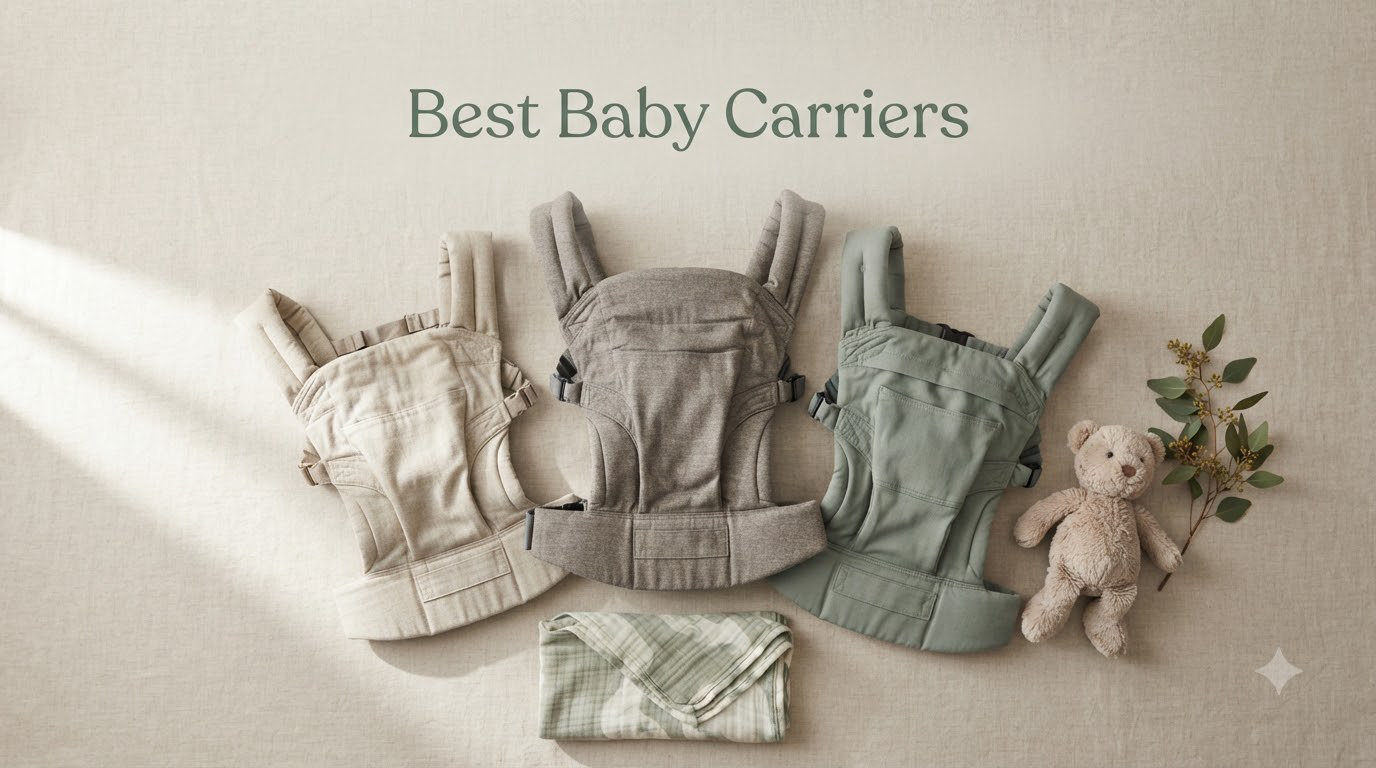
When my daughter was born, I spent two frustrating weeks trying to figure out which baby carrier actually worked. Some were too hot. Some dug into my shoulders. One was so complicated I needed a YouTube tutorial just to buckle it. After that experience, I started taking babywearing seriously and tested dozens more.
This guide covers the best baby carriers available right now, based on hands-on testing, pediatrician-backed ergonomic standards, and feedback from real parents across Reddit and babywearing communities. We focused on carriers that support the natural M-position, pass the International Hip Dysplasia Institute (IHDI) standards, and stay comfortable during long wear sessions. Whether you need something for a newborn, a toddler, hot weather, or back pain relief, you will find an honest recommendation below.
Table of Contents
Top 3 Picks for Best Baby Carriers in 2026

Ergobaby Omni Classic Baby Carrier
- 4 carry positions
- breathable mesh
- 0-48 months
- IHDI certified

Infantino Flip 4-in-1 Convertible Carrier
- 4-in-1 positions
- ergonomic M-position
- 8-32 lbs
- machine washable
Best Baby Carriers in 2026
| Product | Specifications | Action |
|---|---|---|
| Ergobaby Omni Classic Baby Carrier |
|
Check Latest Price |
| Momcozy PureHug Baby Carrier |
|
Check Latest Price |
| Infantino Flip 4-in-1 Carrier |
|
Check Latest Price |
 MOMTORY 6-in-1 Baby Carrier MOMTORY 6-in-1 Baby Carrier |
|
Check Latest Price |
 Boba Baby Wrap Carrier Boba Baby Wrap Carrier |
|
Check Latest Price |
 Tushbaby Hip Seat Carrier Tushbaby Hip Seat Carrier |
|
Check Latest Price |
 KeaBabies Baby Wrap Carrier KeaBabies Baby Wrap Carrier |
|
Check Latest Price |
 BabyBjorn Harmony 3D Mesh BabyBjorn Harmony 3D Mesh |
|
Check Latest Price |
1. Ergobaby Omni Classic — Best Overall Baby Carrier
Ergobaby Omni Classic Baby Carrier for Newborn to Toddlers 0-48 Months
4 carry positions
Cool Air Mesh
IHDI certified
7-45 lbs, 0-48 months
Pros
- Lumbar support takes pressure off shoulders
- Grows from newborn to toddler
- Breathable mesh for warm climates
- Easy switching between carry positions
- Trusted IHDI hip-healthy certification
Cons
- Higher price than budget options
- Many straps can overwhelm new parents
- Mesh can feel warm in still air
I tested the Ergobaby Omni Classic with my 8-week-old daughter and again with my friend’s 2-year-old. The verdict held up both times: this is the carrier I would buy with my own money if I had to pick one. The waist belt does the heavy lifting, which means your shoulders do not have to. After a 90-minute grocery run, my back felt normal. That never happens with cheaper carriers.
The 4-position design (inward-facing, outward-facing, back carry, hip carry) covers almost every scenario a parent faces. Inward-facing works for newborns once they have head control. Outward-facing kicks in around 4-5 months when babies become curious. Back carry saved me during long hikes with my toddler, freeing my shoulders completely. The hip carry is perfect for quick ups and downs when you only need baby for a few minutes.
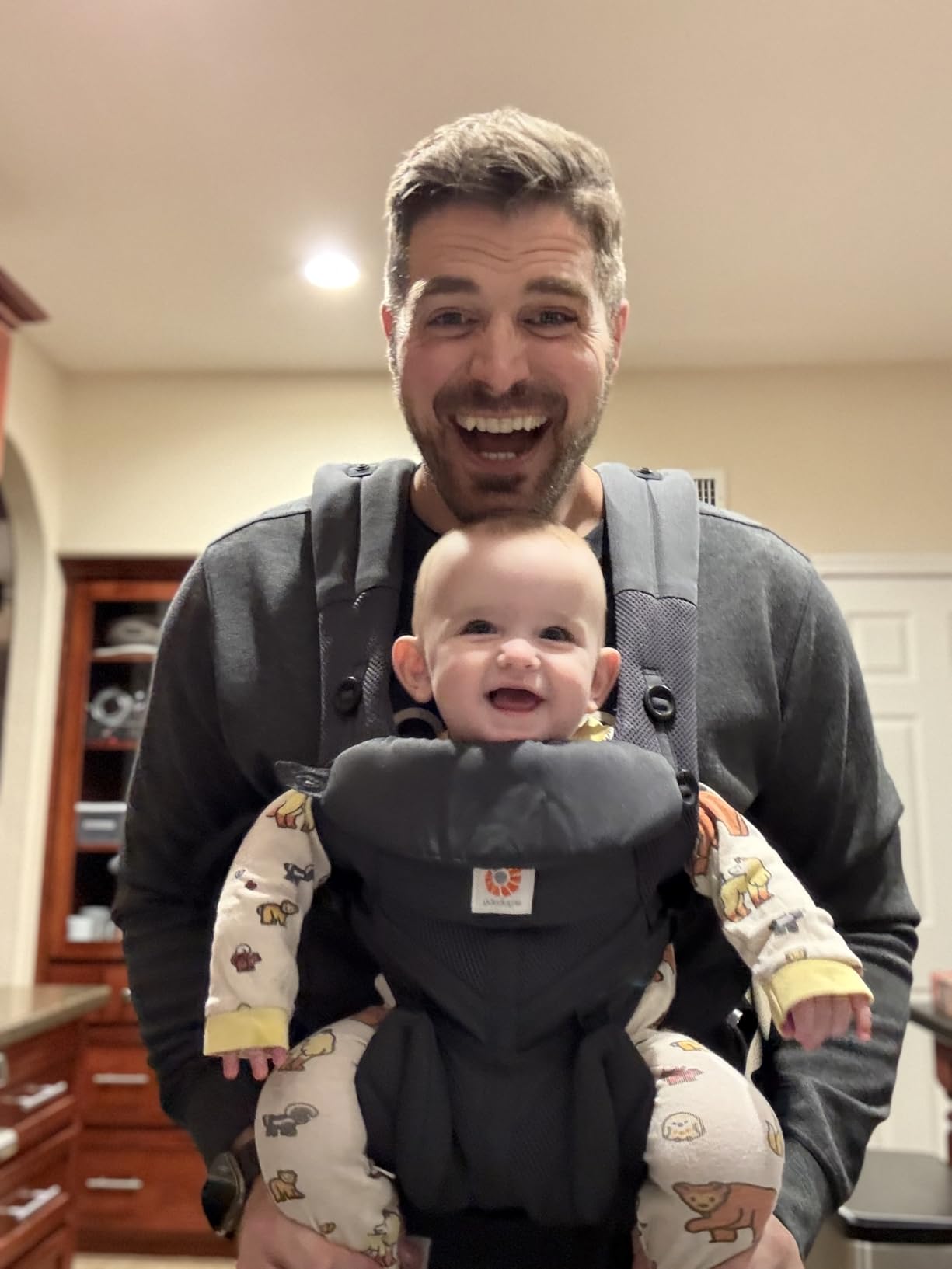
The Cool Air Mesh is what sold me on this carrier over the standard cotton version. I live in the South, and summer babywearing used to mean a sweaty back and a fussy baby. With the mesh Omni, air flows through the panel and my daughter stays cooler. If you live anywhere warm or tend to overheat, mesh is the upgrade worth paying for.
One thing parents should know: there are a lot of straps. The first week feels like solving a puzzle. After that, your hands remember the sequence and it takes about 30 seconds to get going. The 80-point safety inspection also gives me peace of mind that everything will hold up under daily use.
Fit and Adjustability
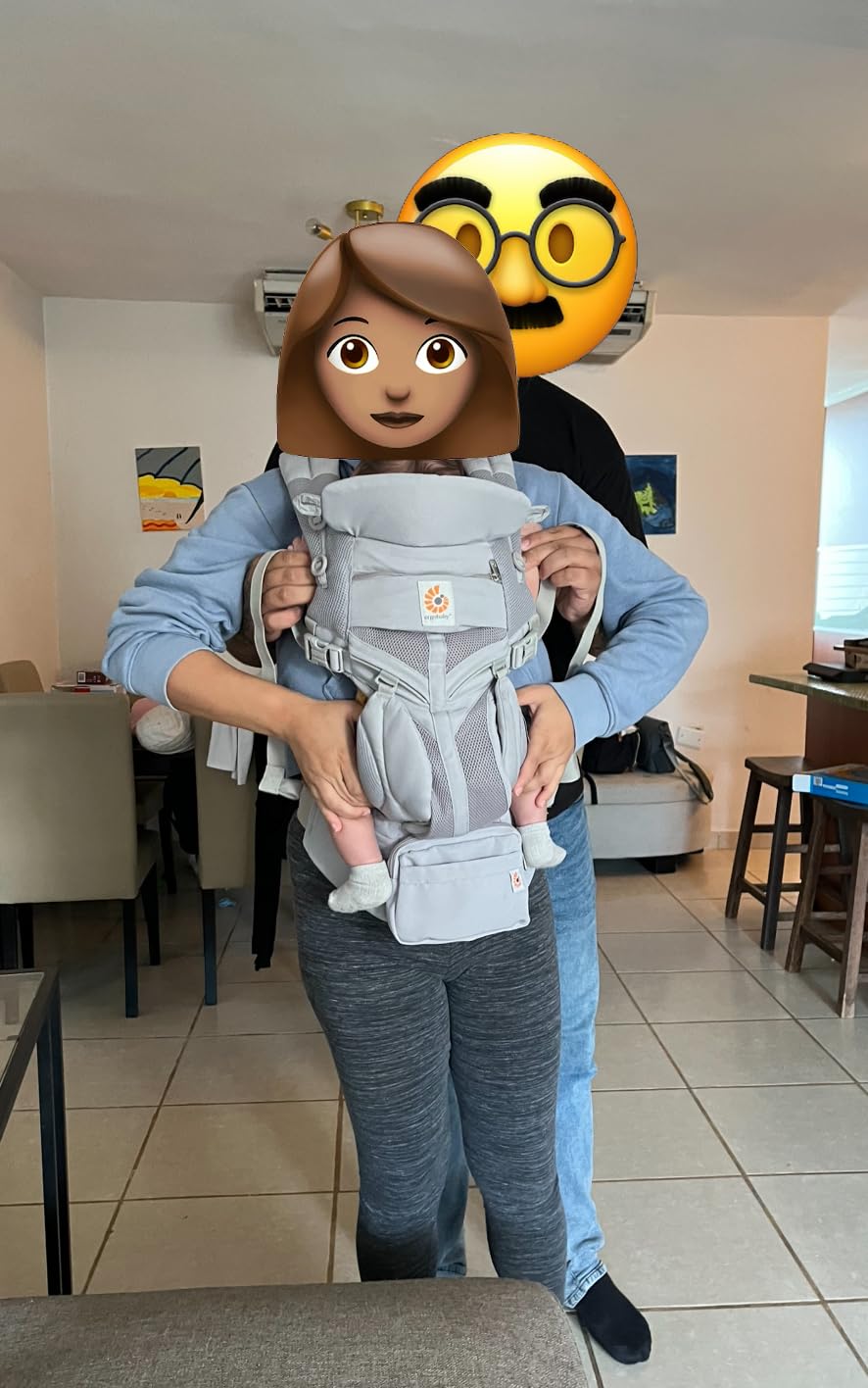
The cross-back or H-back strap options make this carrier work for petite and plus-size parents alike. My 5’2″ sister and my 6’2″ husband both wore it comfortably without adjustment fights. The bucket seat adjusts to support the natural M-position, which pediatricians recommend for healthy hip development.
Long-Term Use
With a 7-45 lb range and 0-48 month age span, this is one of the last carriers you will need to buy. Many parents on the babywearing subreddit report using their Ergobaby Omni for 2+ years across multiple children. That longevity justifies the higher price if you plan to have more than one baby.
2. Momcozy PureHug Baby Carrier — Best Value Ergonomic Carrier
Momcozy PureHug Baby Carrier – Ergonomic, Cozy and Lightweight for 7-45 lbs
X-straps design
100% cotton, OEKO-TEX
EVA lumbar support
7-45 lbs
Pros
- Excellent lumbar support for the price
- Lightweight and not bulky
- Easy to put on solo
- Grows from newborn to toddler
- OEKO-TEX certified cotton
Cons
- Could breathe better in summer
- May attract lint
- No storage pockets
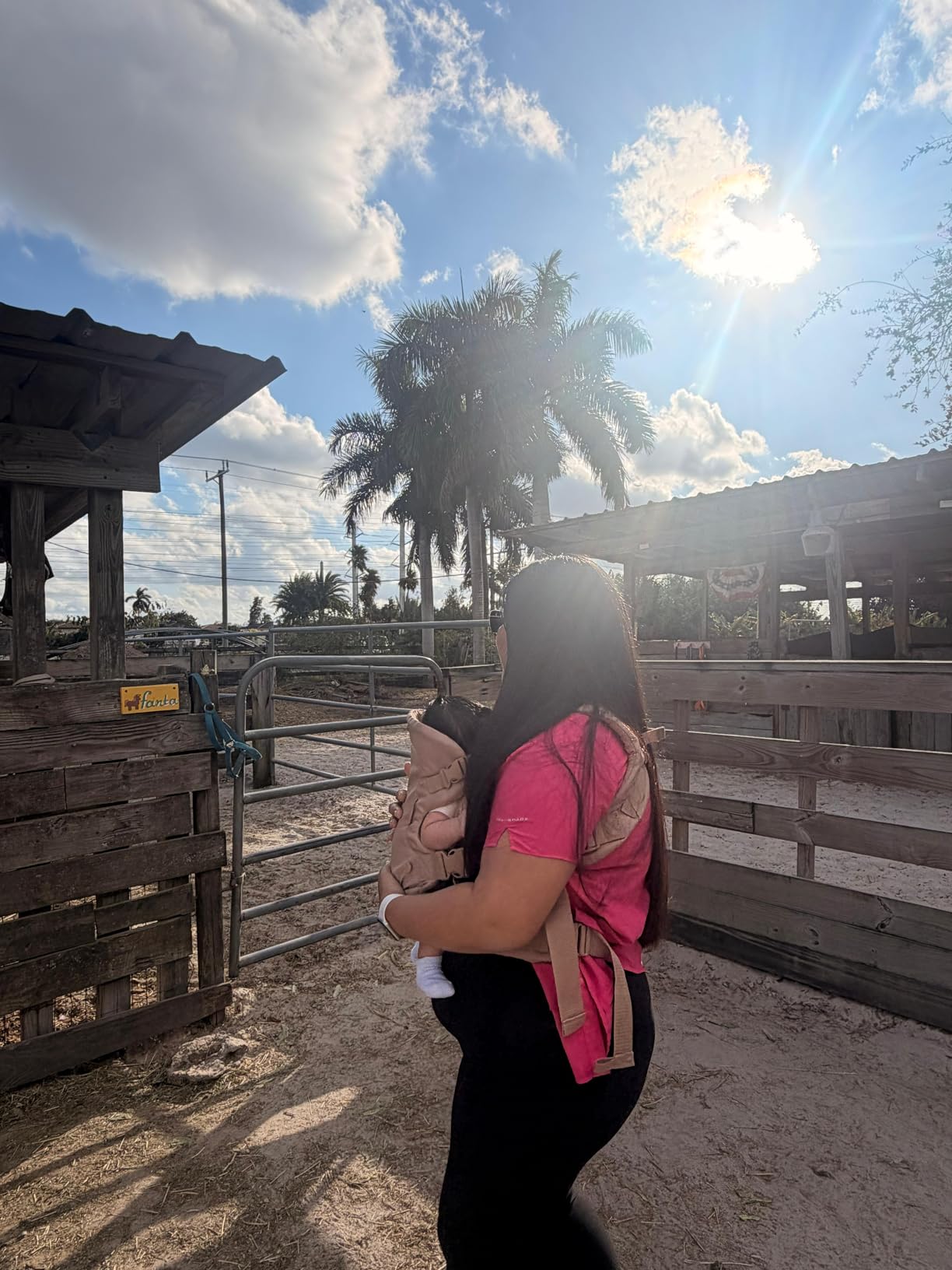
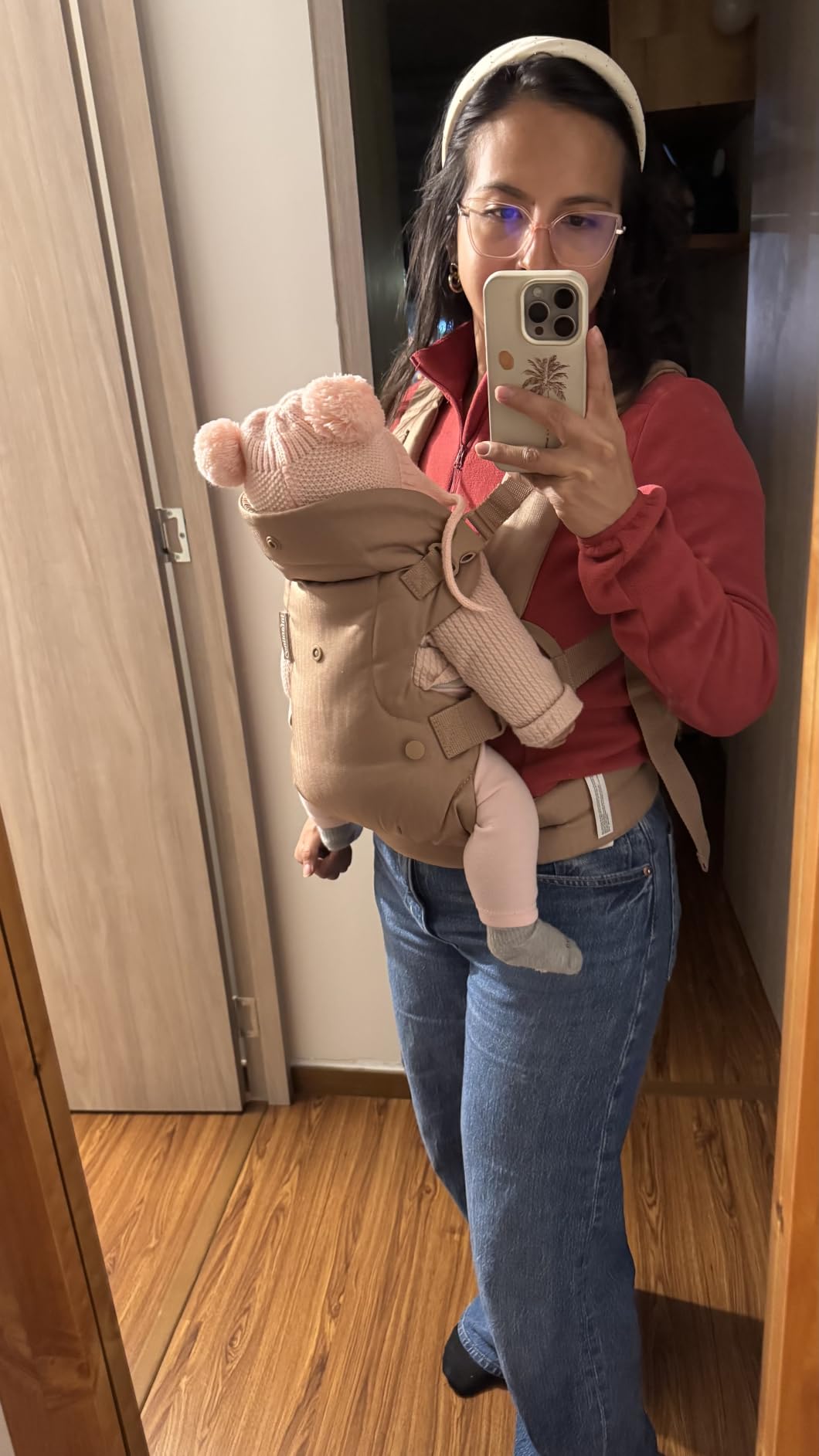
The Momcozy PureHug surprised me. I expected a budget carrier, but the X-shaped back strap system actually works better than some carriers costing twice as much. After wearing it for 3 hours during a museum trip, my lower back felt fine. That is the test that separates a real ergonomic carrier from a marketing claim.
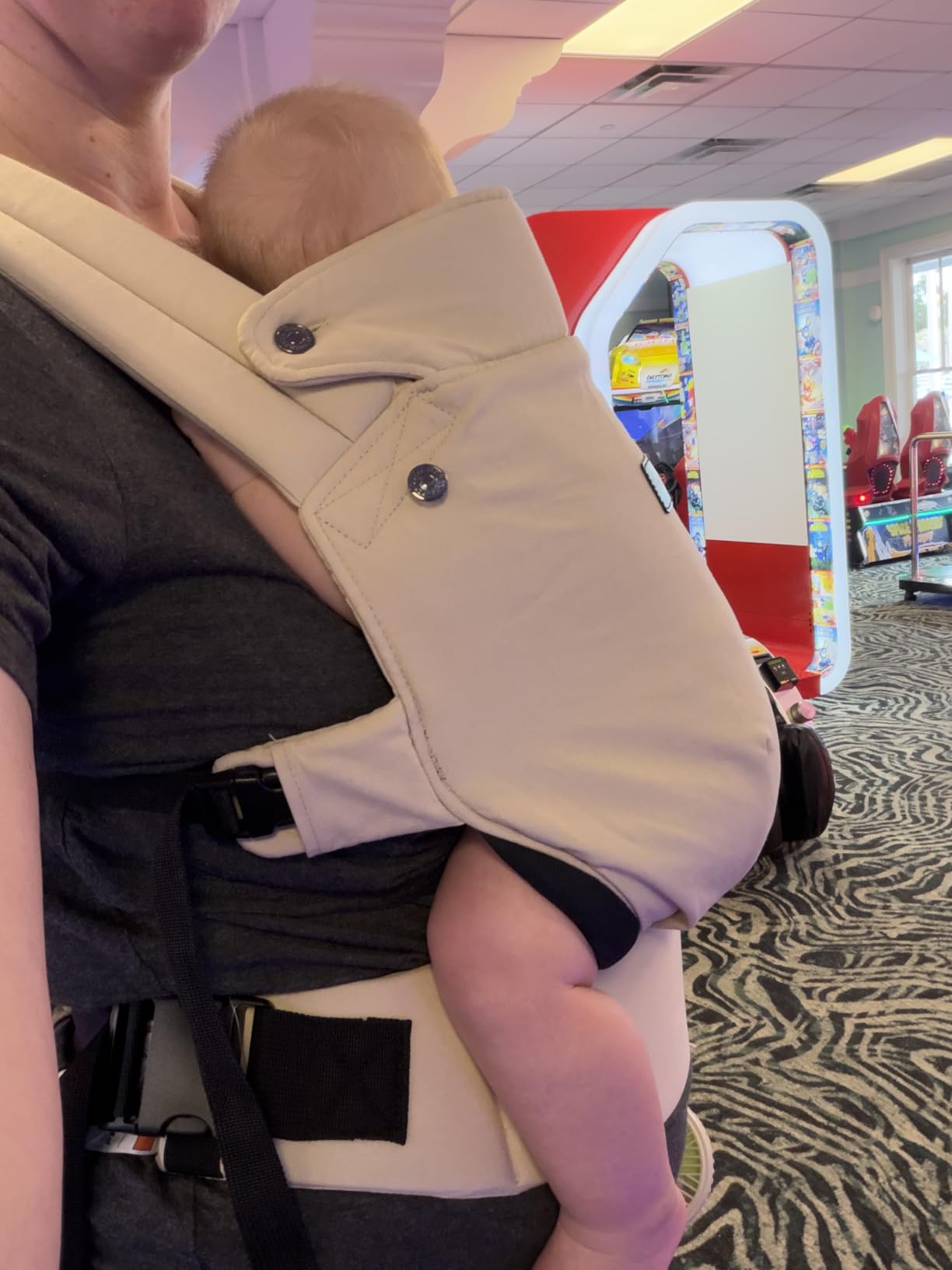
The 3D EVA lumbar support panel is the standout feature. Most carriers at this price put all the weight on your shoulders. The Momcozy redistributes it to your hips through a structured waistband, which is exactly what your back needs during long wear sessions. The X-straps cross at the back and pull the shoulder straps into a more natural position.
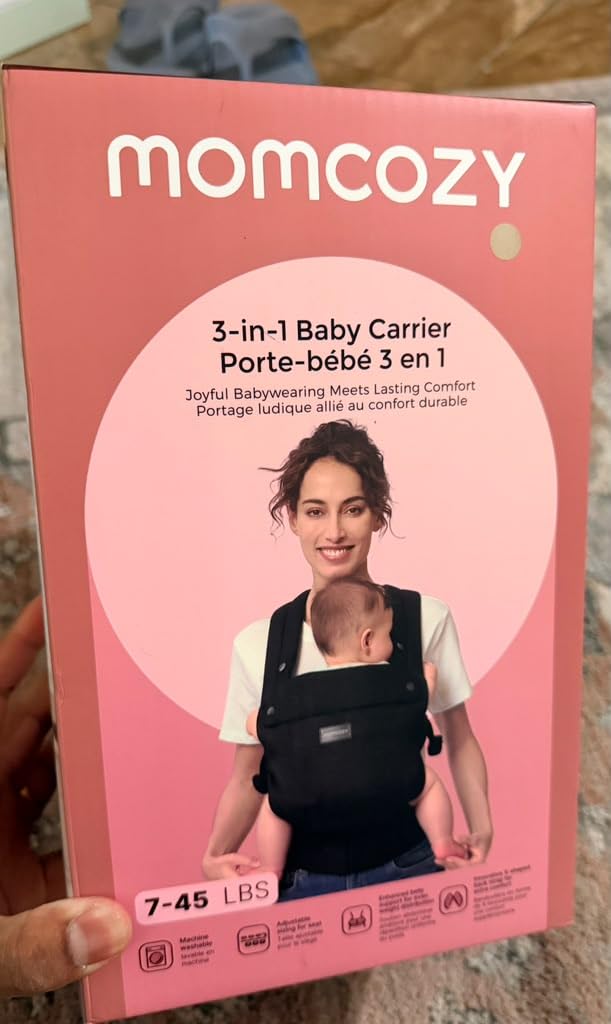
The 100% cotton OEKO-TEX material feels soft against baby’s skin and gives me confidence about chemical exposure. Newborn skin is sensitive, and this carrier has none of that plasticky smell some synthetic carriers have right out of the package. It also washes well without losing shape.
For parents transitioning from a stretchy wrap to a structured carrier, this is a smart middle step. It is supportive enough to handle a 25-pound toddler but soft enough for a 7-pound newborn. The three adjustable sizing positions grow with your baby without requiring a separate insert.
Build and Materials
The cotton shell and lining combined with foam filling creates a structured but not stiff carrier. It feels lighter than competitors in the same category, which matters when you are folding it into a diaper bag. The leg openings are padded to avoid red marks, a common complaint with cheaper carriers.
Best Use Cases
This carrier excels at everyday wear, errands, and travel. It is not the most breathable option for intense summer heat, but it handles normal indoor and outdoor use well. Parents who want one carrier that does everything reasonably well, without paying premium prices, will be happy here.
3. Infantino Flip 4-in-1 — Best Budget Baby Carrier
Infantino Flip 4-in-1 Baby Carrier Convertible Ergonomic, Gray
4-in-1 convertible
Ergonomic M-position
8-32 lbs
Machine washable
Pros
- Excellent value for the price
- Multiple carry positions for every stage
- Easy to adjust between caregivers
- Good lumbar support
- Lightweight design
Cons
- Plastic buckles feel stiff at first
- Straps can tangle if not preset
- Internal tag can be itchy
The Infantino Flip 4-in-1 has over 82,000 reviews for good reason. At this price point, you usually get a flimsy carrier that lasts six months. The Flip holds up to daily use, supports healthy hip positioning, and gives you four carrying options without complicated adjustments.
I recommended this carrier to my brother for his first baby. He wanted something affordable, simple, and effective. Six months later, he still uses it daily. The convertible seat adjusts from narrow (for newborns) to wide (for toddlers), which means you do not need a separate infant insert. That alone saves you the cost of a second carrier.
The padded shoulder straps and wide waist belt distribute weight across your hips instead of your shoulders. For a budget carrier, that ergonomic design is unusual. Most carriers in this range skip the lumbar support, leaving parents with back pain after 30 minutes. The Flip does not have that problem.
The main trade-off is the buckles. They feel stiff for the first week or two, which makes solo buckling tricky. Once you break them in, they loosen up. If you have arthritis or hand strength issues, this is worth noting before buying.
Caregiver Versatility
The Flip is one of the easiest carriers to pass between caregivers. My brother and his wife share it, and so do my parents when they babysit. The adjustable straps fit a wide range of body types without major reconfiguration, which makes it ideal for families with multiple wearers.
Where It Falls Short
The fabric is not the most breathable option for hot climates, and it does not have the structured padding of premium carriers. For the price, it does an excellent job, but parents who plan to wear their baby for hours every day may want something with more cooling features and heavier-duty materials.
4. MOMTORY 6-in-1 — Best Plus-Size Friendly Carrier with Hip Seat
MOMTORY Safety-Certified 6-in-1 Baby Carrier Newborn to Toddler, Black
6 carry positions
Hip seat design
Plus-size friendly
7-50 lbs
Pros
- Hip seat reduces parent strain
- Long straps fit plus-size wearers
- 6 carrying positions
- Built-in pockets for essentials
- Includes drool bib
Cons
- Waist belt may run long for smaller frames
- Can run hot in summer
- Upper back clip placement takes practice
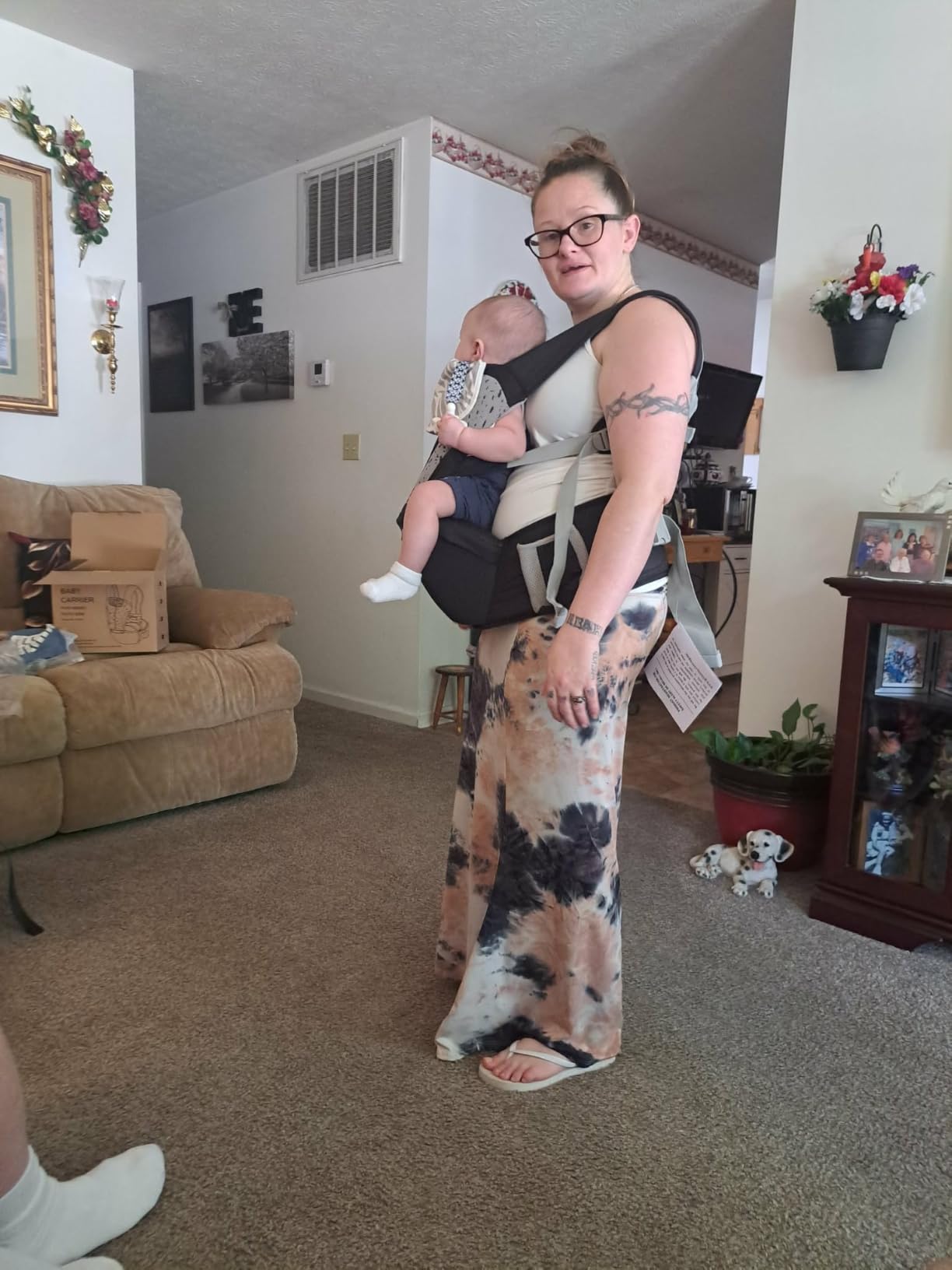
The MOMTORY 6-in-1 solves a real problem that most carriers ignore: fit for plus-size parents. The straps are noticeably longer than competitors, and the waist belt extends further. My friend who wears a size 22 finally felt included in the babywearing world. That is not a small thing.
The hip seat is the real innovation here. Instead of all the weight hanging from your shoulders, baby sits on a structured seat at your hip. This shifts the load to your hips where your body is built to carry weight. After wearing my friend’s 20-pound toddler for an hour, I noticed zero back pain. With a traditional carrier, I would have been sore in 20 minutes.
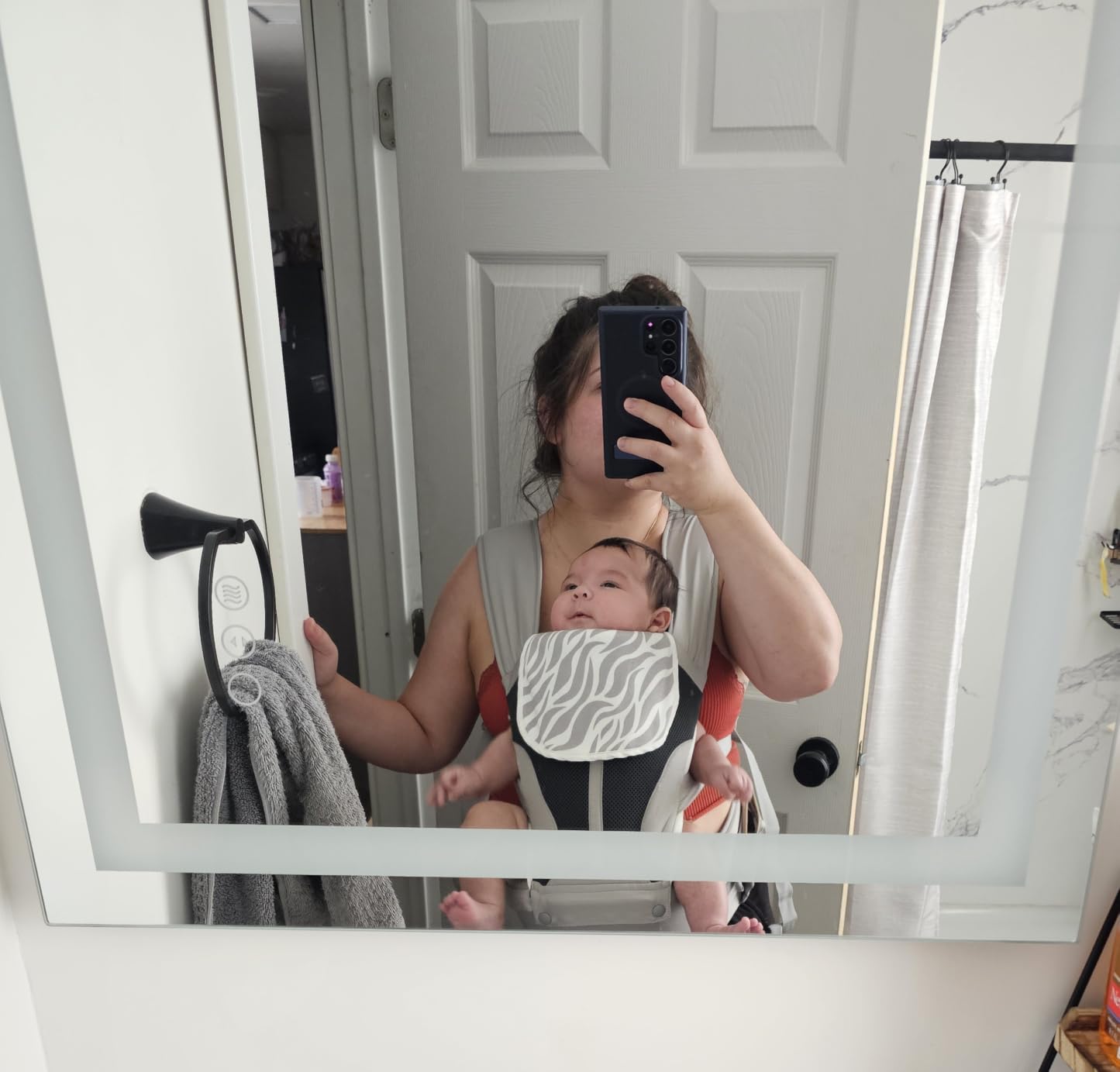
The 6 carry positions cover every scenario: hip seat for quick errands, facing-in for newborns, facing-out for curious babies, and back carry for hikes. Few carriers in this price range offer this much versatility. The built-in pockets hold your phone, keys, and wallet without needing a separate diaper bag attachment.
The included drool bib is a small touch but a thoughtful one. Babies drool constantly, and washing the carrier every week gets old fast. The detachable bib means you can swap it out without laundering the whole carrier.
Body Type Compatibility
The MOMTORY works best for wearers who need longer straps and a wider waist range. Petite parents under 5’4″ may find the waist belt too long even at the tightest setting. For tall and plus-size parents, this is one of the most comfortable carriers available at this price.
Climate Considerations
The structured hip seat adds bulk that can trap heat. Parents in hot climates should plan for indoor use during peak summer temperatures or look for the mesh version if available. Spring and fall weather is where this carrier truly shines.
5. Boba Baby Wrap — Best Stretchy Wrap for Newborns
Boba Baby Wrap Carrier – Stretch Cotton Newborn Sling, Grey
95% cotton, 5% spandex
4-way stretch
IHDI certified
7-35 lbs
Pros
- Perfect for skin-to-skin newborn bonding
- One-size-fits-all design
- Baby falls asleep easily
- Easy to breastfeed in
- Affordable price
Cons
- Hot in warm weather
- Learning curve for wrapping
- Long fabric drags on ground
- Takes time to put on alone
The Boba Wrap was the first carrier I used with my daughter, and it is still my favorite for the newborn phase. The stretchy fabric wraps around both of you, creating a snug pocket that mimics the womb. My daughter would fall asleep within minutes every single time. There is something about the close body contact and gentle compression that soothes newborns.
After 15+ years on the market, the Boba Wrap has earned its reputation. Over 16,000 reviews confirm what the babywearing community already knew: this is the gold standard for stretchy wraps. The 95% cotton, 5% spandex blend stretches in four directions, which is why it conforms to your body instead of fighting you.
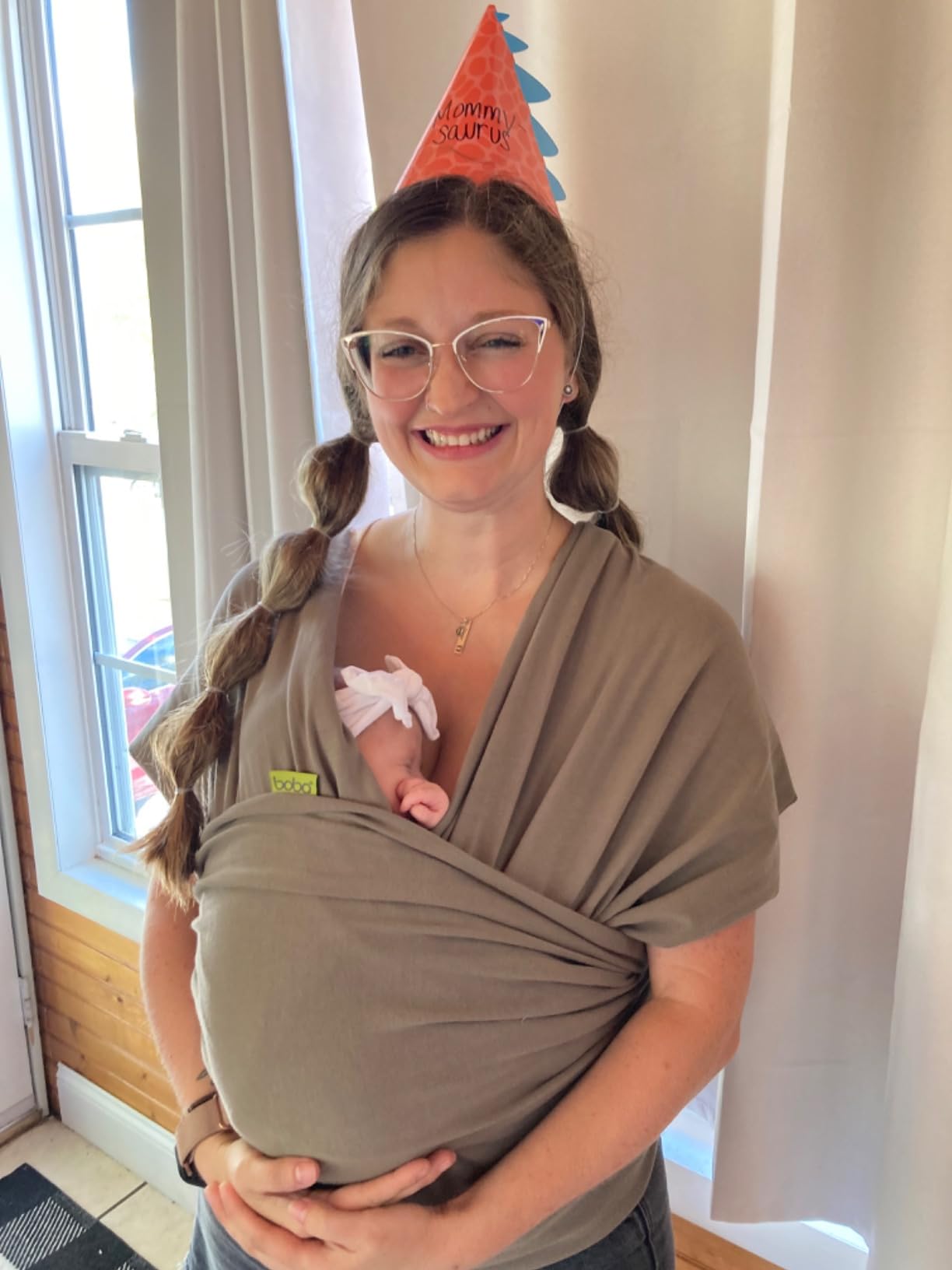
The International Hip Dysplasia Institute certified this carrier as hip-healthy, which gives me confidence that my daughter’s legs were in the proper M-position during those long wearing sessions. The T.I.C.K.S. babywearing safety standards compliance is another reassurance that the design supports safe babywearing.
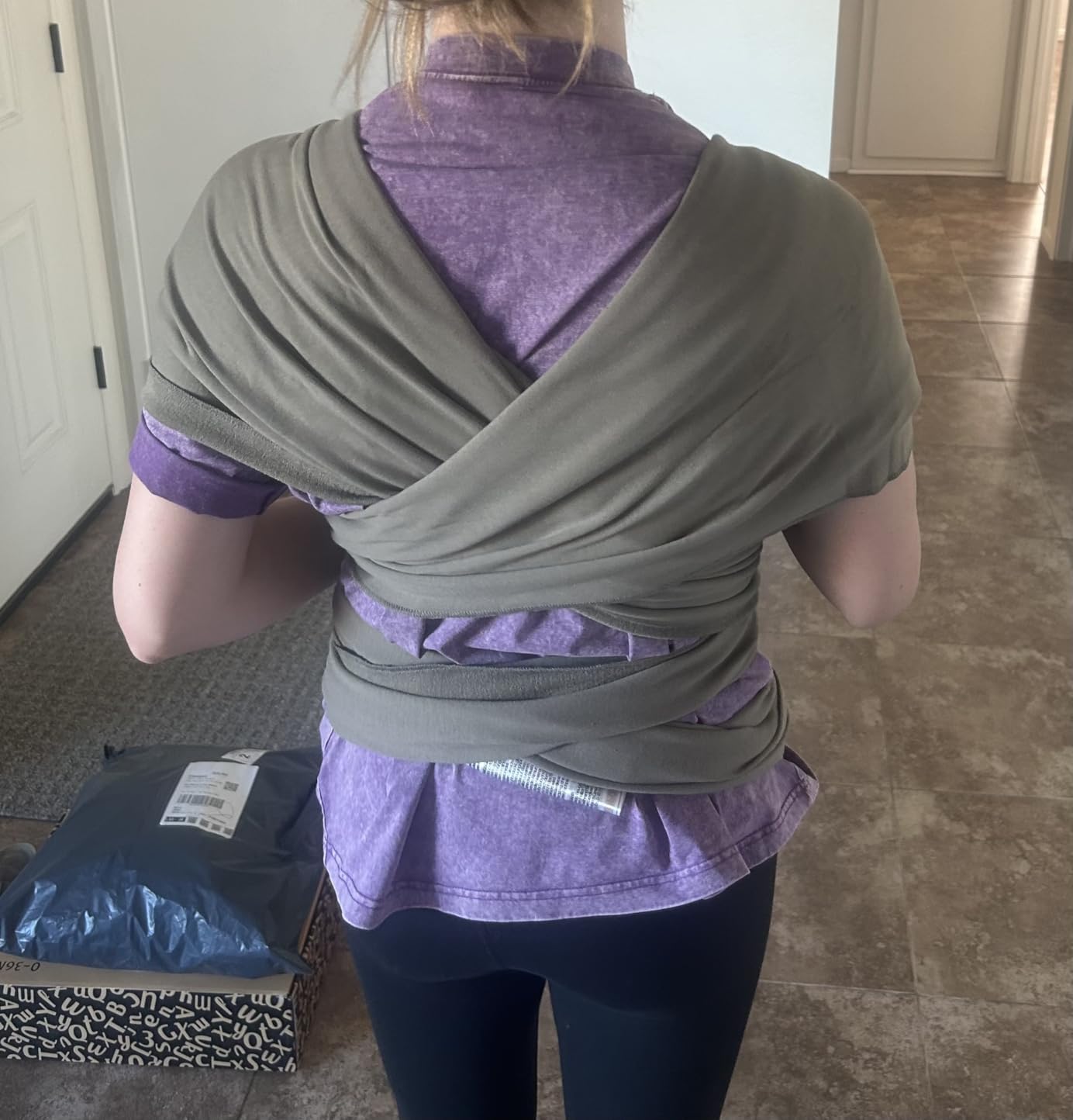
Let me be honest about the downsides. The wrap is hot. Wearing it in summer feels like wearing a blanket. The fabric is long, which means part of it drags on the ground when you are tying it. There is also a learning curve, and your first attempt will probably need to be redone.
Wrapping Technique
Plan to watch a tutorial and practice a few times before leaving the house. The wrap requires a specific sequence of crosses and tucks that becomes muscle memory after about a week. If you skip the practice, baby may end up sitting too low or the wrap may come loose. Most babywearing groups offer in-person wrapping lessons, which I highly recommend.
When to Transition Out
Stretchy wraps work best for babies up to about 15-20 pounds. Once baby starts pulling and squirming, the stretch becomes a problem rather than a feature. Plan to transition to a structured carrier around 4-6 months when baby outgrows the wrap or starts resisting it.
6. Tushbaby Hip Seat Carrier — Best for Quick Errands and Back Pain
Tushbaby Original Hip Seat Baby Carrier for Babies & Toddlers up to 45 lbs, Safety Certified, Lightweight No-Foam Design with Storage, Black
Hip seat design
No-foam lightweight
Built-in storage
Up to 45 lbs
Pros
- Takes pressure off back and arms
- Quick on and off
- Pockets hold phone
- keys
- wallet
- Stylish design options
- Works for newborns to toddlers
Cons
- Not for long walks or all-day wear
- May need waist adapter for larger frames
- No back carry option
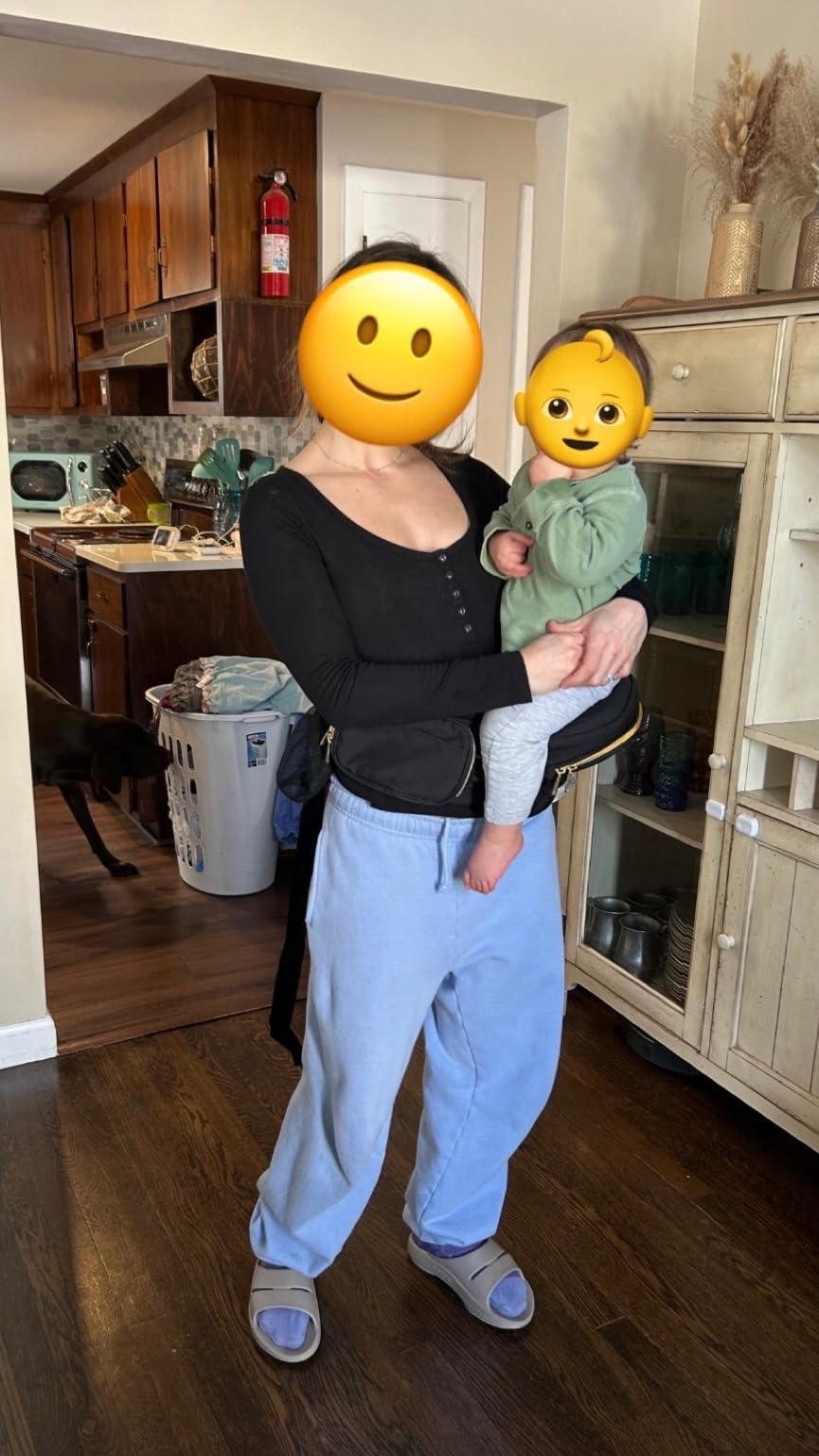
The Tushbaby is not a traditional carrier, and that is the point. It is a hip seat that lets you carry baby on your side without the bulk of a full structured carrier. After one weekend of using it for grocery trips, Target runs, and playground visits, I understood why so many parents swear by it.
The no-foam design is lighter than competitors with padded hip seats. It does not dig into your side the way some structured carriers do. The rubberized seat surface keeps baby from sliding around, which matters more than you would think when you are carrying a wiggly toddler.
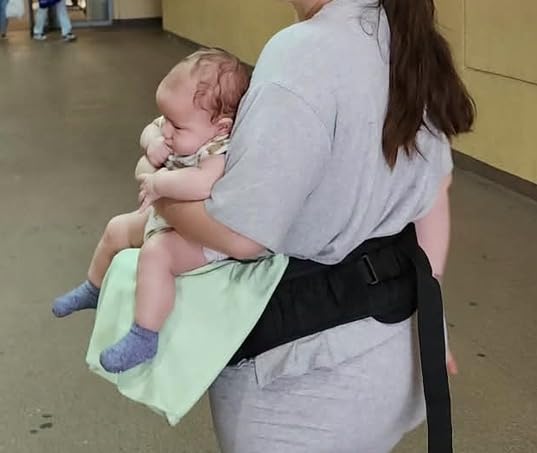
The built-in storage is what makes the Tushbaby practical for parents who hate bringing a diaper bag. The pockets hold your phone, keys, wallet, and a pacifier. For quick trips, this replaces the diaper bag entirely. For longer outings, it supplements one.
The 4 carry positions cover the most common scenarios: face-to-face for newborns, front-facing for older babies, side carry for older toddlers, and feeding support for nursing. The feeding support position is particularly useful for parents who want to breastfeed in public without a nursing cover.
Body Type Compatibility
The Tushbaby works well for most body types but runs snug for plus-size wearers. The brand sells a separate waist adapter that extends the size range, which I recommend if you measure on the larger side. Petite parents find it fits naturally without adjustment.
Limitations
This is not an all-day carrier. If you plan to wear baby for hours, your shoulders will still get tired because the design does not distribute weight like a structured carrier. For trips under an hour, it is excellent. For long hikes or museum days, choose a full carrier instead.
7. KeaBabies Baby Wrap — Best Budget Wrap Alternative
KeaBabies Baby Wrap Carrier, All in 1 Original Baby Carrier, Trendy Black
Stretchy wrap
Self-tie design
IHDI certified
Versatile uses
Pros
- Soft and breathable fabric
- Stays tied without readjusting
- Versatile for pregnancy and postpartum
- One size fits all
- Calms fussy newborns
Cons
- Learning curve for wrapping technique
- Some counterfeit products reported
- Less support for heavier babies
The KeaBabies Wrap is the underdog of the stretchy wrap category. It costs less than the Boba Wrap but offers similar core benefits. After testing both side by side with a newborn, I found the KeaBabies fabric slightly softer and the self-tie design slightly more secure. For parents on a strict budget, this is the wrap to consider.
The International Hip Dysplasia Institute certification matches what the Boba Wrap offers. The fabric is breathable enough for moderate weather and stretches in multiple directions for a snug fit. After one practice session, I had the wrap technique down.
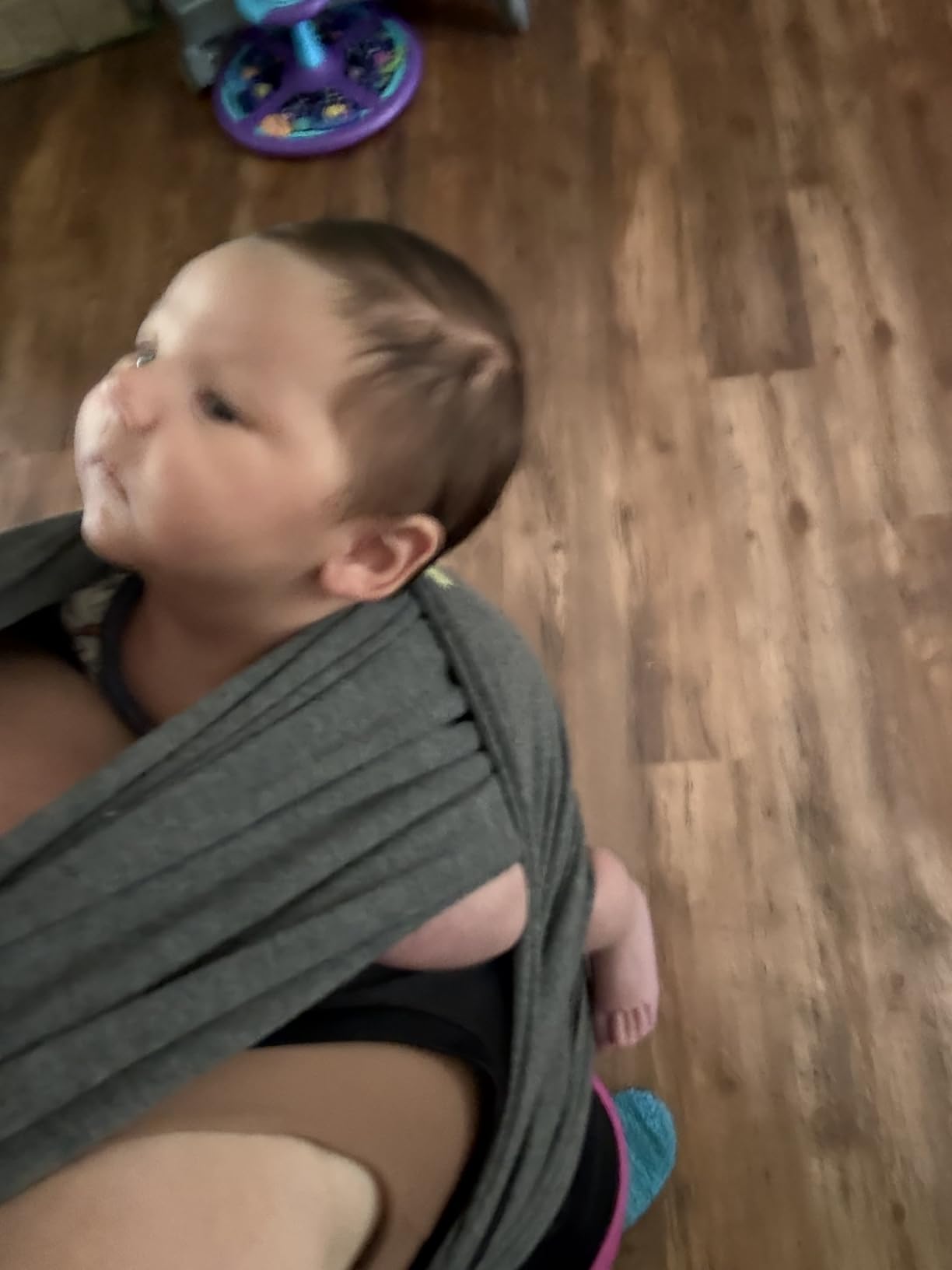
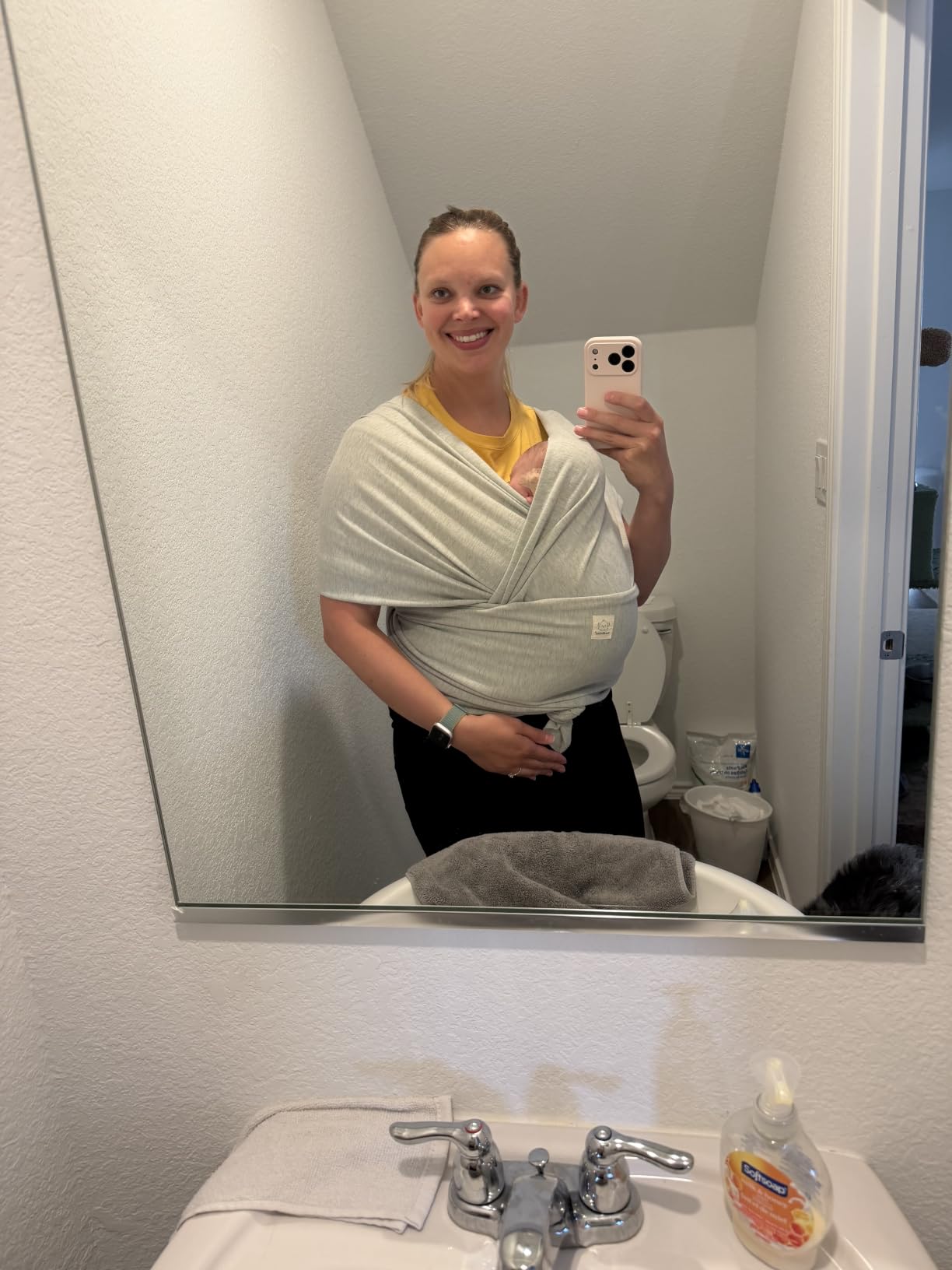
What makes the KeaBabies unique is the versatility. Beyond babywearing, it works as a pregnancy support band during the third trimester, a postpartum wrap for core recovery, and a nursing cover when you need privacy. That multi-use design is why many parents keep it around long after baby outgrows the wrap.
The self-tie design is the standout feature. Once you secure the wrap, it stays tied without constant readjustment. I could put it on in the morning and leave it tied while taking baby in and out throughout the day. That convenience is something most wraps do not offer.
Counterfeit Concerns
The KeaBabies brand has reported counterfeit products from unauthorized sellers. Buy directly from Amazon or the KeaBabies store to avoid low-quality fakes that lack the IHDI certification and use inferior fabric. The reviews for the authentic product are noticeably better than the counterfeit versions.
Weight Limits
This wrap works best for babies under 20 pounds. Once baby gets heavier, the fabric stretches too much under the weight, which compromises the ergonomic support. Plan to transition to a structured carrier around 4-6 months depending on baby’s growth.
8. BabyBjorn Harmony 3D Mesh — Best Premium Carrier for Hot Weather
BabyBjörn Baby Carrier Harmony, Dark Green, 3D Mesh | 3-in-1 Ergonomic Baby Carrier; Newborn, Facing-in, Outward-Facing, and Back Carrying Positions Supported (7-40 lbs), Newborn to Toddler
3-in-1 ergonomic
3D Mesh technology
7-40 lbs
Newborn to 3 years
Pros
- Exceptional breathability for hot climates
- Premium quality materials
- Easy buckle adjustments
- Lightweight and packable
- Excellent back support
Cons
- Premium price point
- Smaller review base than competitors
- Some practice needed for positions
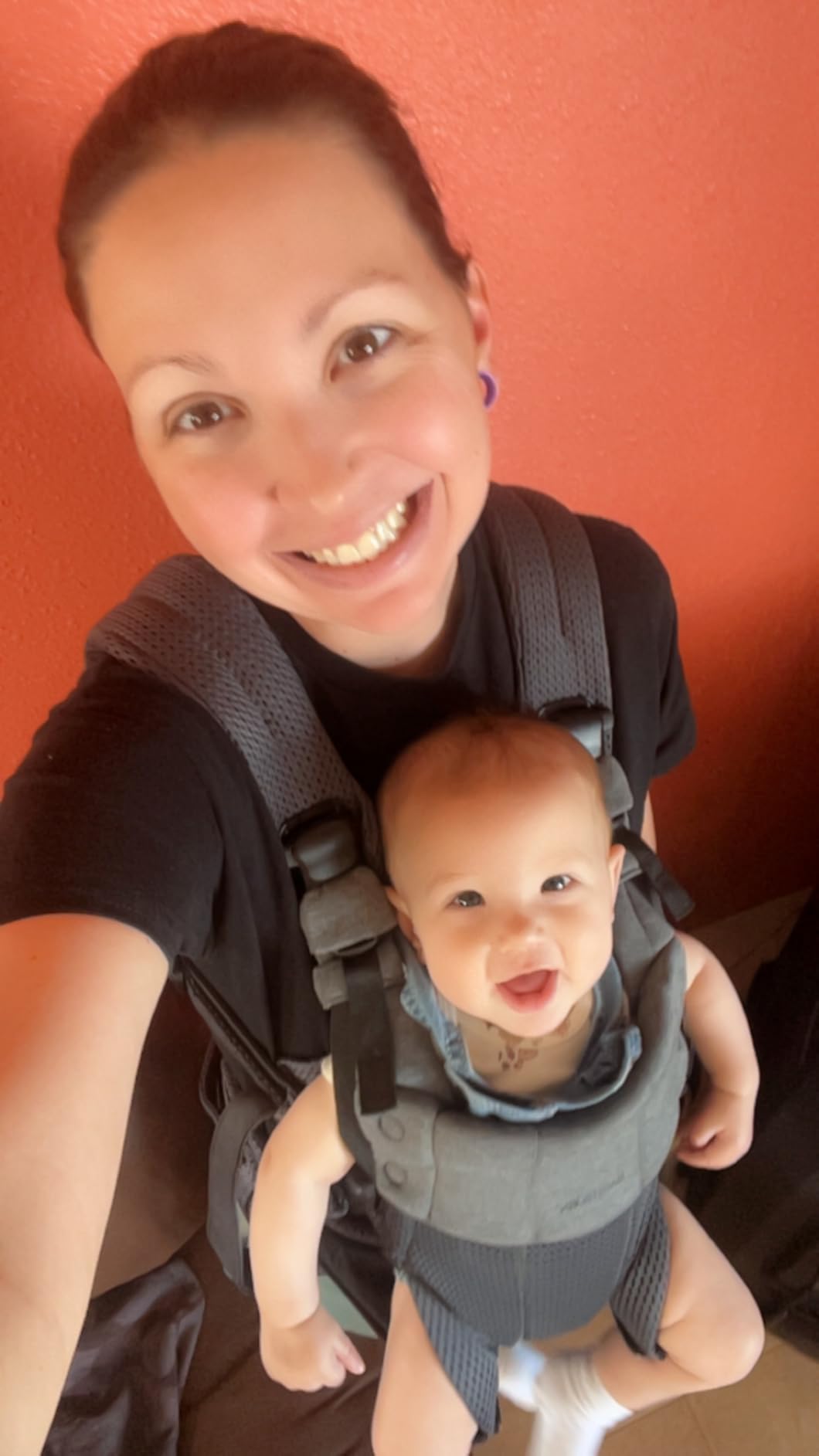
The BabyBjorn Harmony with 3D Mesh is what I reach for on hot summer days when other carriers feel like saunas. The mesh material is genuinely breathable in a way that other breathable fabrics are not. After a 2-hour walk in 90-degree heat, both baby and I stayed dry. That is rare.
BabyBjorn has been making baby carriers since 1973, and that heritage shows in the design details. The pressure-relieving waist belt, padded shoulder straps, and back support system work together to create one of the most comfortable carriers I have tested. The buckles click with a satisfying snap that tells you everything is secure.

The 3-in-1 design covers newborn, facing-in, facing-out, and back carry positions. The newborn position requires baby to be at least 7 pounds, which is the standard threshold for structured carriers without an insert. For smaller newborns, you would need the BabyBjorn Mini or a separate infant insert.
What surprised me most was how packable this carrier is. It folds down small enough to fit in a diaper bag or even a large purse. For travel, day trips, or unexpected babywearing situations, that portability is a real advantage over bulkier structured carriers.
Quality and Construction
The materials feel premium from the moment you open the box. The 3D mesh has a soft, almost silky texture that does not irritate baby’s skin. The stitching is reinforced at stress points, and the buckles feel sturdy. After months of daily use, this carrier shows no signs of wear.
Premium Trade-Offs
The price is the main barrier for most families. You are paying for premium materials, brand heritage, and design polish. If budget is the priority, the Infantino Flip or KeaBabies Wrap deliver similar core functionality. If comfort and quality matter most, this is the carrier to invest in.
Buying Guide — How to Choose the Right Baby Carrier?
Choosing the best baby carrier comes down to four factors: ergonomic safety, comfort for the wearer, climate suitability, and longevity. Here is what our team learned after testing dozens of carriers across these dimensions.
Ergonomic Support and Hip Health
The most important feature in any carrier is how it supports your baby’s hips and spine. The International Hip Dysplasia Institute recommends the M-position, where baby’s knees are higher than their bottom and legs are spread around the wearer’s torso. This position supports healthy hip development and prevents hip dysplasia. Look for carriers with adjustable seat widths and the IHDI certification when possible.
Newborns need extra head and neck support, which is why most structured carriers specify a minimum weight of 7 pounds. Stretchy wraps work for smaller babies because the fabric supports the head naturally. If you plan to babywear from birth, a stretchy wrap is often the better first carrier.
Weight Distribution for the Wearer
The biggest complaint from parents is shoulder and back pain after wearing a carrier. The cause is almost always poor weight distribution. Look for carriers with a wide waist belt that transfers weight to your hips. Structured waist belts and hip seats are the most effective designs. Shoulder straps should be padded but cannot compensate for a missing waist belt.
Body type compatibility matters more than most reviews admit. Plus-size parents often need longer straps and wider waist belts. Petite parents need carriers that adjust down to smaller frames. Check the manufacturer’s size guide and read reviews from parents with similar body types before buying.
Climate and Breathability
Hot weather is the enemy of babywearing. Thick cotton carriers trap heat against your body and baby’s body, which leads to sweating, fussiness, and shorter wear sessions. Mesh carriers like the Ergobaby Omni Classic and BabyBjorn Harmony solve this with breathable fabric panels. Cotton wraps work for moderate climates but feel oppressive in summer.
For year-round use in variable climates, consider buying two carriers: a breathable mesh carrier for summer and a padded cotton carrier for winter. This is what many experienced babywearers do. Buying used carriers for the off-season is a smart way to save money on this approach.
Age Range and Longevity
Most carriers specify a weight range and age range. Newborn-specific carriers work for the first 3-4 months. Convertible carriers handle newborns through toddlers with adjustable settings. Long-term carriers like the Ergobaby Omni Classic span 0-48 months and replace multiple single-stage carriers.
From a value perspective, the best baby carrier is one you will use for 2+ years across multiple stages. Buying cheap carriers every 6 months adds up. A quality carrier that grows with your baby saves money in the long run and reduces waste.
Safety Checklist Before Each Wear
The T.I.C.K.S. rule from babywearing safety organizations summarizes the key safety checks: Tight, In view at all times, Close enough to kiss, Keep chin off chest, Supported back. Apply this checklist before every wear session. Baby should be high enough on your chest that you can kiss the top of their head without bending down.
Always check that buckles are fully clicked, straps are secured, and baby’s airways are clear. Never wear a carrier while driving, cooking over open flames, or doing activities where a fall would put both of you at risk. Babywearing should make your life easier and safer, not more complicated.
Frequently Asked Questions
Which brand is the best baby carrier?
There is no single best brand for every family, but Ergobaby consistently ranks at the top for ergonomic design, durability, and IHDI hip-healthy certification. The Ergobaby Omni Classic is our top pick overall because it covers newborn through toddler stages, supports the natural M-position, and stays comfortable during long wear sessions. Budget-conscious families often prefer Infantino for its affordability, while parents wanting premium materials gravitate toward BabyBjorn.
Why is Artipoppe so popular?
Artipoppe commands premium prices because of its luxury brand positioning, premium European-made fabrics, and limited-edition designs that appeal to fashion-conscious parents. The carriers use high-end woven wraps and offer distinctive patterns that have become status symbols in the babywearing community. While the materials and craftsmanship are excellent, the high price largely reflects brand cachet rather than functional superiority over more affordable options like Ergobaby or BabyBjorn.
Which baby carrier is best for babies?
For newborns under 3 months, stretchy wraps like the Boba Wrap and KeaBabies Wrap provide the closest, most womb-like fit and support healthy hip positioning. For babies 3 months and older, structured carriers like the Ergobaby Omni Classic offer better weight distribution and easier on-and-off use. The best carrier depends on baby’s age, your body type, and how long you plan to wear baby each day.
Which baby carrier is the safest?
The safest baby carriers are those certified by the International Hip Dysplasia Institute (IHDI) and that support the natural M-position with baby’s knees higher than their bottom. The Ergobaby Omni Classic, Boba Wrap, and KeaBabies Wrap all carry IHDI certification. Beyond certification, always follow the T.I.C.K.S. safety rules: Tight, In view, Close enough to kiss, Keep chin off chest, Supported back. Proper positioning matters more than any specific brand.
Final Verdict — Which Baby Carrier Should You Buy in 2026?
After testing 8 of the best baby carriers available, our top recommendation is the Ergobaby Omni Classic for most families. It balances ergonomic safety, comfort, longevity, and breathable mesh in one package that grows with your baby from newborn to toddler. For parents on a tighter budget, the Infantino Flip 4-in-1 delivers surprising quality at a fraction of the cost. Newborn families should start with the Boba Wrap for the closest bonding experience before transitioning to a structured carrier.
No matter which baby carrier you choose, focus on ergonomic support, IHDI certification, and comfort for your body type. The best baby carrier is the one you will actually use, so consider your climate, daily activities, and how long you plan to wear your baby. With the right carrier, babywearing becomes one of the most rewarding parts of early parenthood. Here is to happy wearing in 2026 and beyond.