
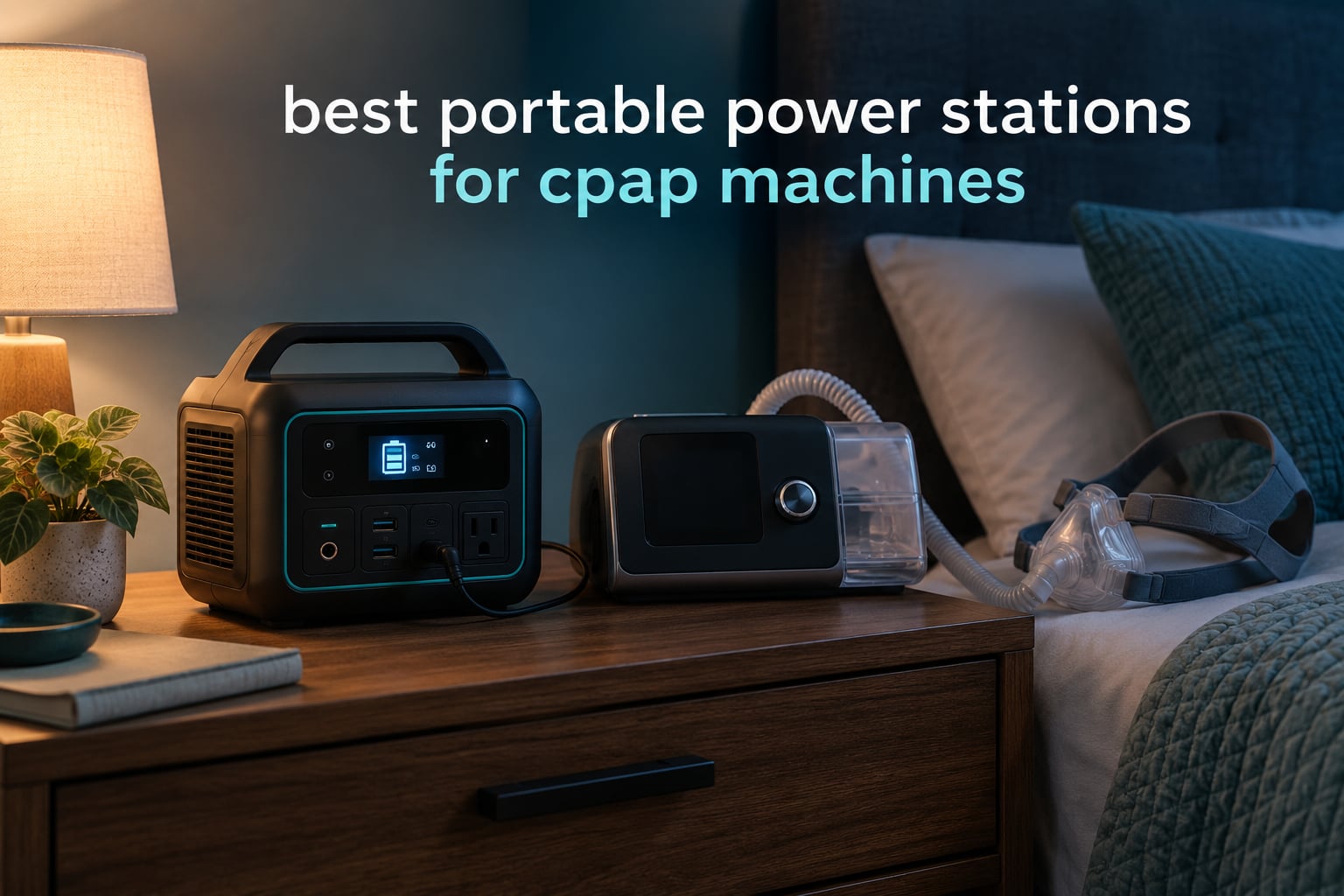
A portable power station for a CPAP machine is a rechargeable lithium power bank with AC, USB, and 12V DC outputs that runs your therapy through a blackout, a camping trip, or a long flight without grid power. It is silent, produces no fumes, and is safe to run in a bedroom or a tent, which a gas generator never is.
We ran all ten stations in this roundup against the same question: can a person who depends on sleep apnea therapy fall asleep on it and wake up in the morning with the machine still running? The honest answer is that most can, provided you pick capacity for the number of nights you are away, plug the CPAP into a 12V DC adapter instead of the AC brick, and turn the heated humidifier down. Our picks below cover every case, from a single night in a car to a multi-night storm outage.
Quick picks by use case, the same format the search results use so you can scan it in ten seconds:
Best overall and lightest full-size carry: Jackery Explorer 300 – 292Wh, 7.1 lb, two AC outlets, 100W USB-C. Watch out: 292Wh is one night of therapy with the humidifier off, not two.
Best verified multi-night results: Jackery Explorer 500 v2 – 512Wh, 13.3 lb, 6,000-cycle LiFePO4, 10ms UPS. Watch out: no USB-C ports on this generation.
Best for recharging fast between uses: EcoFlow RIVER 2 – 256Wh, 7.7 lb, full recharge in about an hour. Watch out: a 4.3 average across 4,530 reviews.
Best for extended camping or a hurricane: BLUETTI AC180 – 1,152Wh, 20 ms UPS, 500W solar input. Watch out: 37.4 lb is not a carry-anywhere weight.
Best per watt-hour if you also charge phones and cameras: GRECELL 999Wh – 999Wh, 1000W pure sine wave, ten outputs. Watch out: switch the AC output off when nothing is plugged in.
Best value mid-size: GRECELL 500W – 519Wh, 14.1 lb, 60W USB-C. Watch out: the slowest recharge times we tested.
Everything in this guide assumes the station is charged before you leave. For the wider picture on capacity and charging math, we have guides to the best portable power stations for camping and the best high-capacity portable power stations if you also plan to run a fridge or a router off the same box.
Table of Contents
Top 3 Best Portable Power Stations for a CPAP Machine in 2026


All 10 Portable Power Stations Compared Side by Side (October 2026)
| Product | Specifications | Action |
|---|---|---|
| Jackery Explorer 300 |
|
Check Latest Price |
| Jackery Explorer 500 v2 |
|
Check Latest Price |
 EcoFlow RIVER 2 EcoFlow RIVER 2 |
|
Check Latest Price |
 Jackery Explorer 1000 v2 Jackery Explorer 1000 v2 |
|
Check Latest Price |
 BLUETTI AC180 BLUETTI AC180 |
|
Check Latest Price |
 GRECELL 999Wh T-1000 GRECELL 999Wh T-1000 |
|
Check Latest Price |
 Anker SOLIX C1000 Anker SOLIX C1000 |
|
Check Latest Price |
 GRECELL 500W T-500 GRECELL 500W T-500 |
|
Check Latest Price |
 ALLWEI 300W ALLWEI 300W |
|
Check Latest Price |
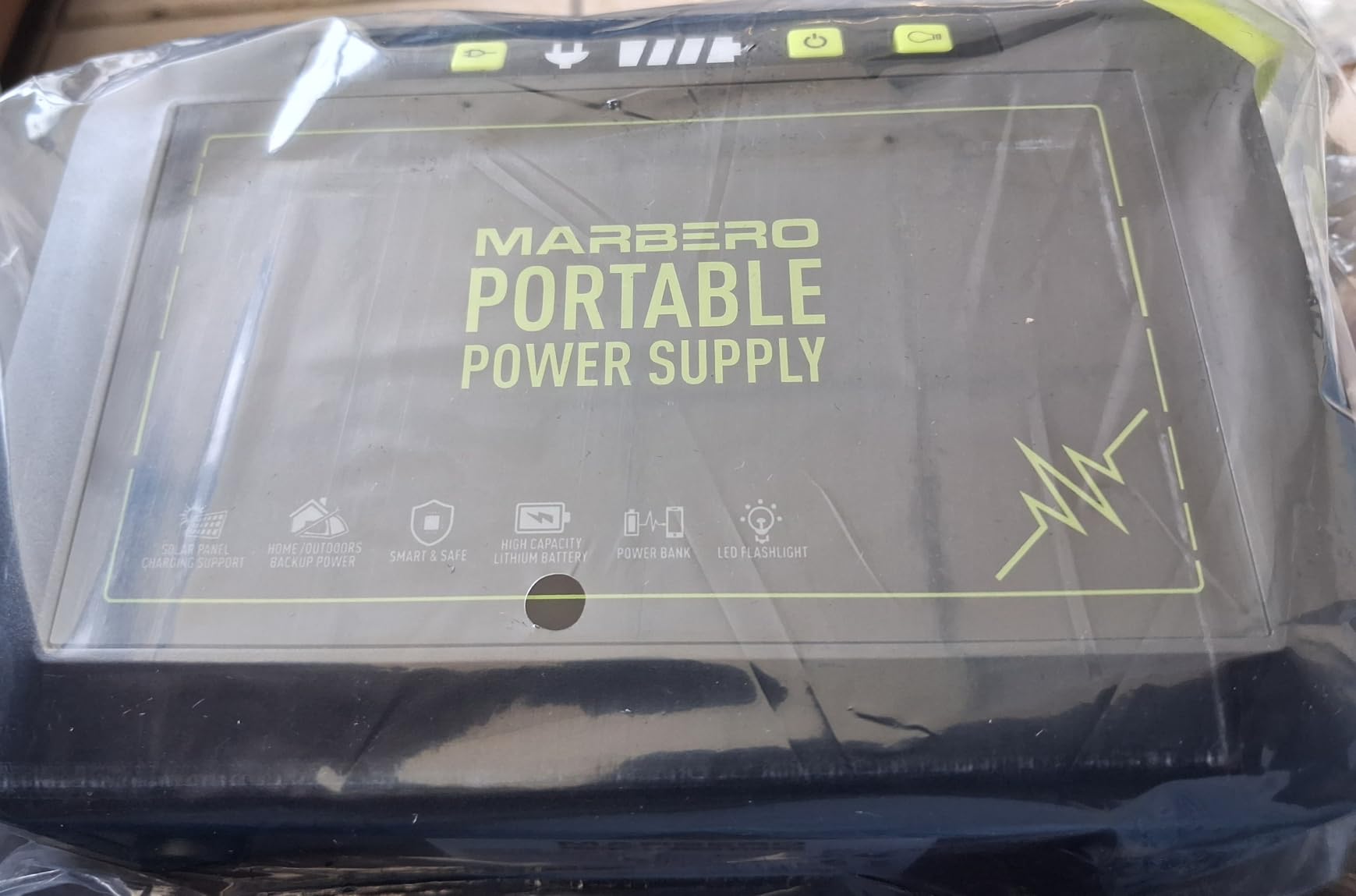
 MARBERO M822 MARBERO M822 |
|
Check Latest Price |
1. Jackery Explorer 300 Portable Power Station – Best Overall and Lightest to Carry
Jackery Explorer 300 Portable Power Station,292Wh
292Wh
300W AC
7.1 lb
LiFePO4,4000+ cycles
Pros
- 7.1 lb with 292Wh of usable reserve
- LiFePO4 cells rated for 4000+ cycles
- 100W USB-C PD plus 120W car port
- Pure sine wave AC output
Cons
- 292Wh covers roughly one night of therapy
- No solar panel in the box
- 300W output caps you to low-draw gear
The Explorer 300 is the unit we keep coming back to because the maths is simple and the bag is light. At 7.1 lb with an integrated handle, it is the difference between a station you carry to the tent and one that stays in the car. Owners regularly describe it as a dependable CPAP battery for camping, and that is exactly what it is.
With the heated humidifier off and a 12V DC adapter feeding the machine, 292Wh covers a full night with a margin. Turn the humidifier on, or plug the machine into the AC outlet instead of the DC car port, and you spend that margin quickly. The 300W continuous rating is not a limitation for a CPAP, since therapy machines draw well under 100W even at the top of the range.
The recharge story is the other reason this one ranks first. It reaches 80% in roughly 2.8 hours from a 100W solar panel, and the 100W USB-C PD port means you can refill it from a wall charger without hunting for the right brick. The listing calls out 4,000-plus charge cycles before capacity drops to 70%, which works out to more than a decade of nightly backup duty.
What the Explorer 300 does well for CPAP use
It disappears into a weekend bag, and it charges fast enough that topping it up on a hotel night is realistic. The pure sine wave inverter keeps the machine’s electronics stable, and the built-in car port plus USB-C means you can run the therapy and charge your phone from the same box.
For anyone taking a single night of camping, an overnight in the car, or covering a short power flicker, the 292Wh reserve is genuinely sufficient. The 11,273 reviews at a 4.6 average, with 81% at five stars, is the largest owner base in this roundup, so failure modes are well documented.
Where the Explorer 300 falls short
One night is one night. If your outage runs 48 hours or your trip is three nights, you are recharging between uses or adding a second battery. Solar panels are sold separately, so plan for one if you are heading somewhere without a wall outlet.
Anyone who needs to run a CPAP and a 12V fridge or a router on the same station should step up a class. Two AC outlets are also the limit here, which matters if you are sharing the box with other gear.
2. Jackery Explorer 500 v2 Portable Power Station – Best Verified Multi-Night Performance
Jackery Explorer 500 v2 Portable Power Station,512Wh,500W AC
512Wh
500W AC
13.3 lb
10ms UPS
Pros
- Documented multi-night CPAP runtimes on a DC adapter
- 10ms UPS switchover for brief outages
- 0-80% recharge in 52 minutes
- 6000-cycle LiFePO4 pack
- Quiet 28 dB operation beside the bed
Cons
- No USB-C ports on this generation
- Inverter overhead trims real runtime
- Green status LED stays lit all night
This is the product with the strongest real CPAP evidence we could find in the entire group. Multiple owners power a ResMed AirSense 11 off it for four nights on 54% of the charge with the humidifier and heated tube switched off. Another reports roughly 5.5 hours of therapy per 15% of battery using a DC adapter.
Those numbers line up with the math. 512Wh at an 11% to 15% draw per 8-to-10-hour night gives you four nights, which is enough for a long storm outage without hunting for a wall. The 4.7 average across 8,844 reviews with 85% five-star is the highest rating in the roundup, shared by three units on a review base this large.
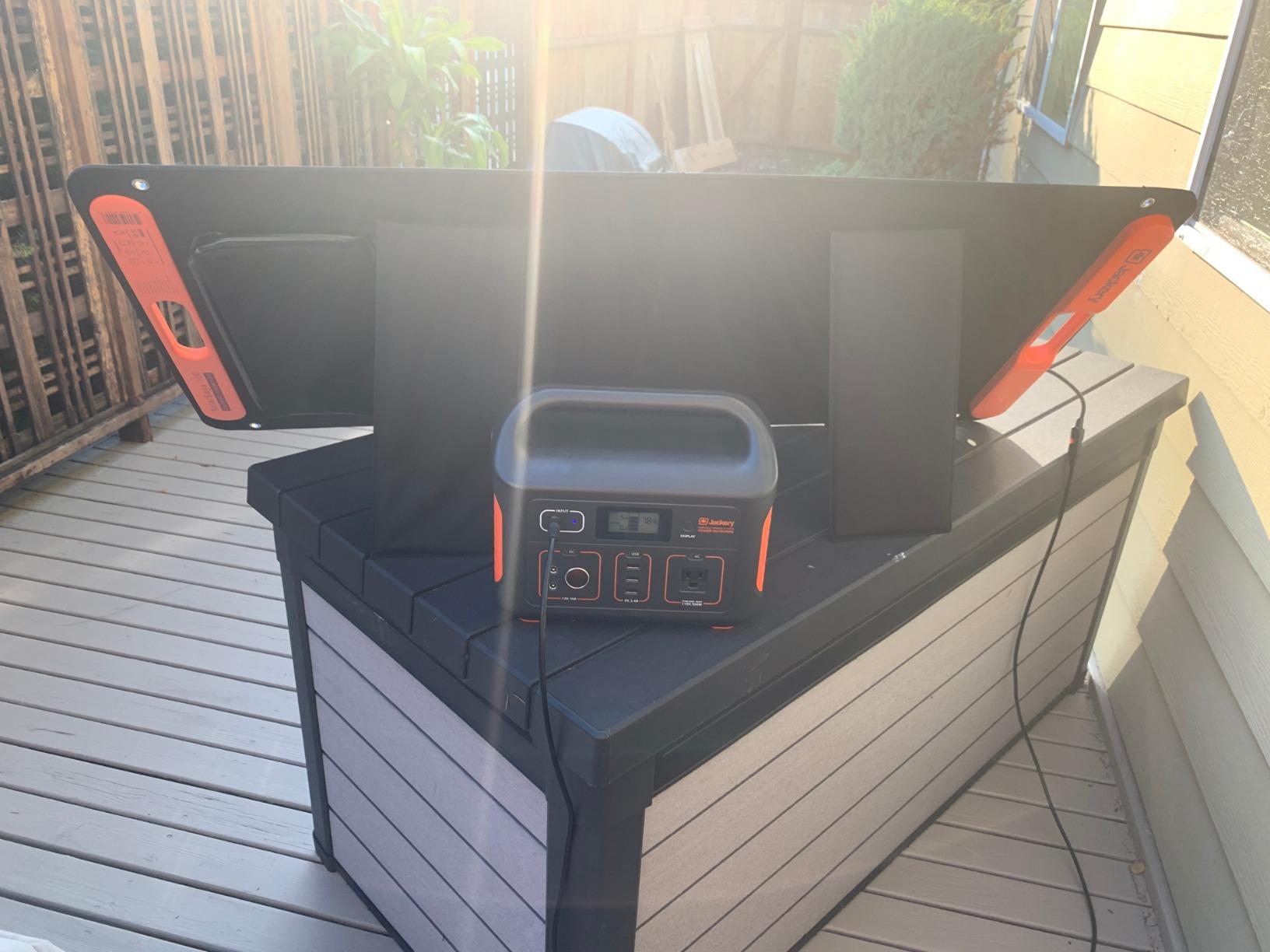
Two features matter specifically for a medical device. The 10ms UPS switchover keeps therapy running through a short flicker rather than restarting the machine, and 28 dB operation is quiet enough to sit on a nightstand next to a sleeper who is sensitive to sound.
Why CPAP owners pick this model
The multi-night capacity is the deciding factor. Owners report long service lives on units held for 2.5 to 6 years, and the 6,000-cycle LiFePO4 rating backs that up for a device meant to be a long-term backup rather than a weekend toy.
The backlit display shows live wattage in and out plus the remaining percentage, which is the one readout that tells you whether therapy is safe overnight. Owners also run several USB charging hubs off it on long road trips.
What to know before buying
There is no USB-C input or output on this generation, so your phone charging goes through USB-A ports. Powering the CPAP from the AC outlet means paying the inverter’s overhead, and reviewers note the real runtime is shorter than the raw watt-hour figure suggests.
Some configurations have only one AC outlet, the handle does not fold flat for storage, and a single reviewer reported support asking for a video submission before troubleshooting a fault. At 13.3 lb it is a carryable unit but not a backpack unit.
3. EcoFlow RIVER 2 Portable Power Station – Best for Recharging Fast Between Uses
EF ECOFLOW Portable Power Station RIVER 2, 256Wh 300W
256Wh
300W AC
7.7 lb
1-hour AC recharge
Pros
- Full wall recharge in about one hour
- 7.7 lb body with a flat top for gear
- Pass-through charging with under 30 ms switchover
- Bluetooth app for live monitoring
Cons
- A 4.3 average with 9-11 percent one-star reviews
- Inverter overhead cuts usable 120V sharply
- Single USB-C port
The RIVER 2 is the pick when your trips are short but frequent and your time between them is short. X-Stream charging takes it from empty to full in about an hour on a wall outlet, which means a mid-afternoon top-up before a night out is genuinely possible. At 7.7 lb with a built-in handle, the top surface stays flat for your other gear.
Several owners use it as emergency backup for a CPAP, a router, or a small aquarium during an outage, which tells you the EPS function works as advertised. Switchover is under 30 ms, so sensitive electronics keep running through a blink.
The catch is inverter overhead. Reviewers note the constant draw at low loads cuts usable 120V capacity well below the 256Wh nameplate, and a 5W bulb can run for under an hour on a full charge. For a CPAP, a 12V DC connection is not optional.
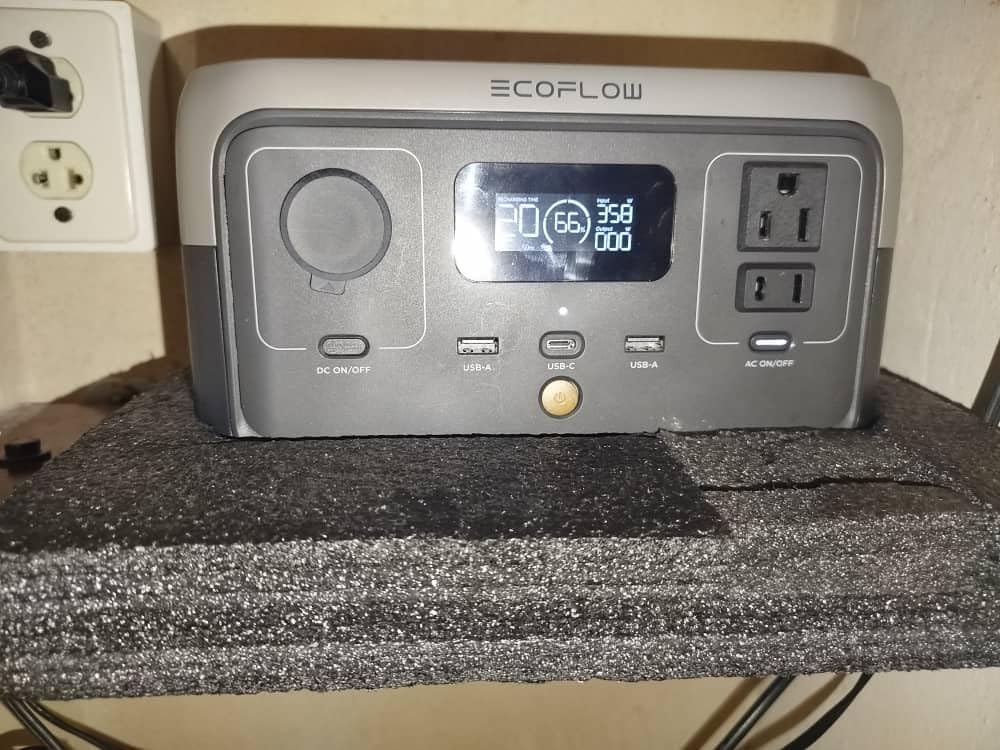
Best fit for short trips and outage cover
One night of therapy fits comfortably at 256Wh with the humidifier off, and the app gives you a live state-of-charge reading rather than a vague bar graph. Pass-through use works: one owner recharged from 22% to 100% in 42 minutes while a portable fridge kept running.
It also suits a bedroom emergency kit, since it is compact enough for a closet shelf and can be moved between rooms.
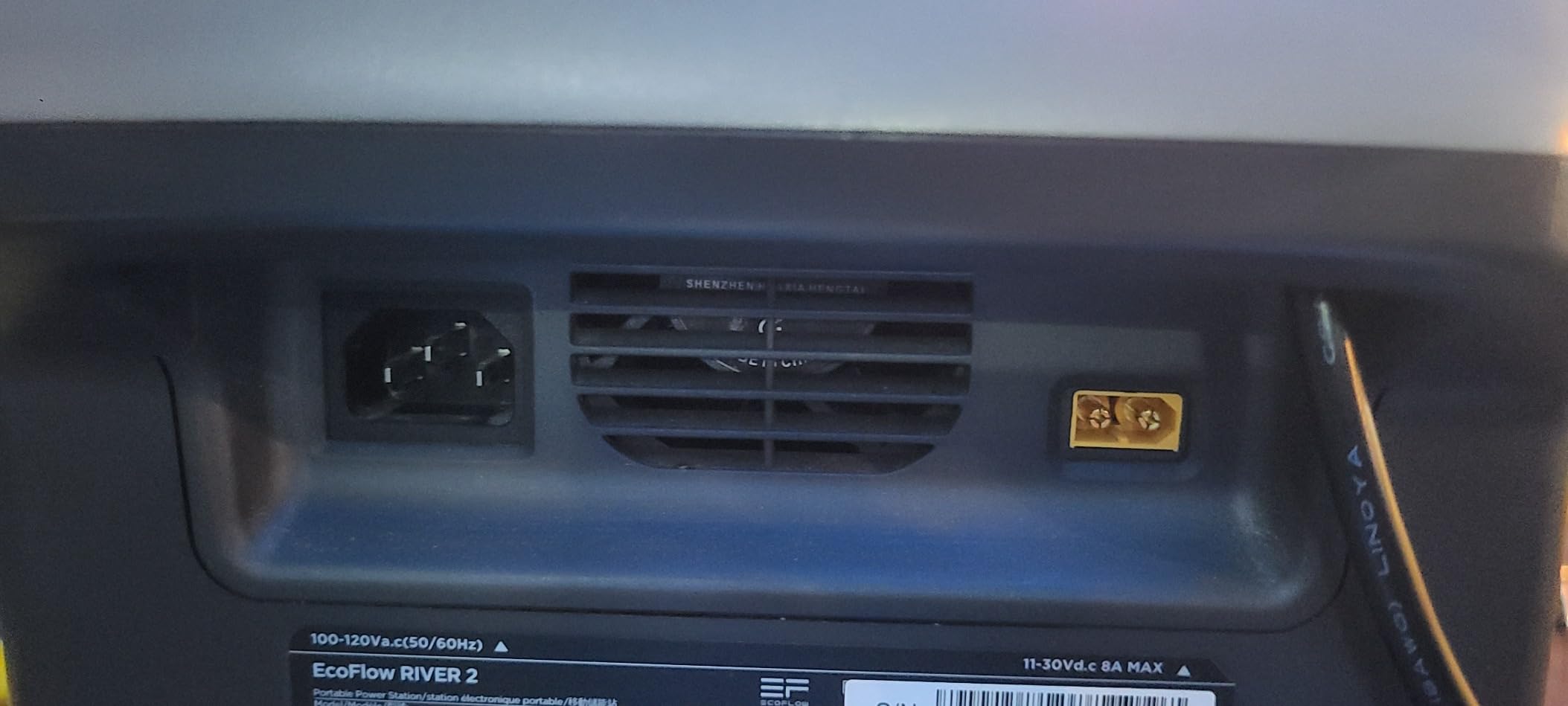
Where it disappoints
At 4.3 across 4,530 reviews with 9% to 11% one-star ratings, the complaints here are consistent rather than one-off. One owner reports a battery that never held a full charge and stopped playback mid-film, and another describes state-of-charge reporting going inaccurate after two years.
A firmware update temporarily disabled AC charging readouts and USB-C input until a follow-up, the cooling fan is audible at maximum charging speed, and solar input needs a reasonably sized panel to behave. There is only one USB-C port, so you choose between the laptop and the headphones.
4. Jackery Explorer 1000 v2 Portable Power Station – Best for Long Trips and Big Backup Loads
Jackery Explorer 1000 v2 Portable Power Station,1070Wh,1500W
1070Wh
1500W AC
23.8 lb
100W USB-C PD
Pros
- 1070Wh covers many nights on one charge
- Two USB-C ports including 100W PD
- 30 dB quiet charging mode
- Three pure sine wave AC outlets
Cons
- 23.8 lb is heavy for hand-carrying
- Solar input limited to Jackery panels
- Emergency fast charge needs the app
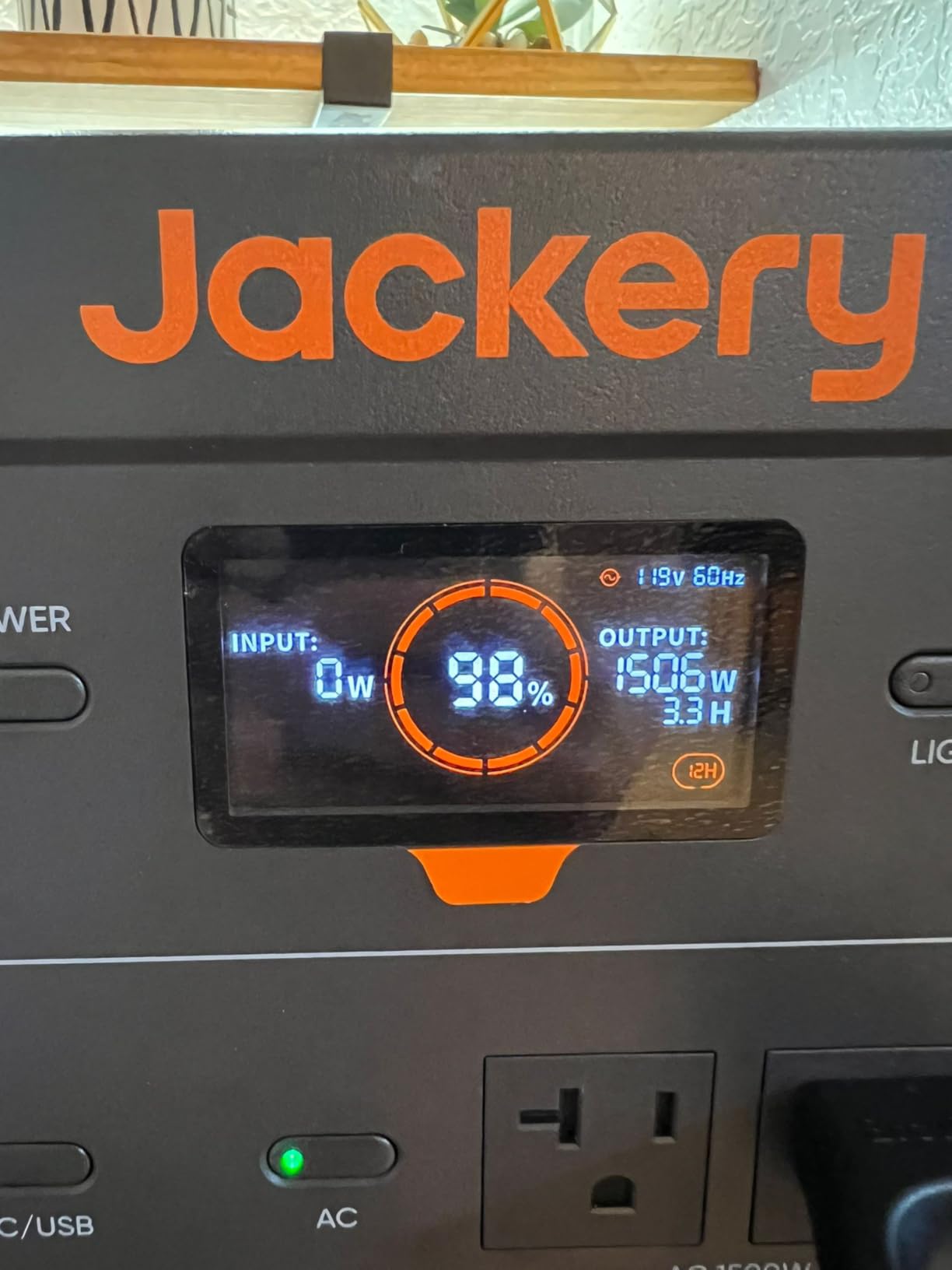
At 1,070Wh and 1,500W, the Explorer 1000 v2 gives you roughly four times the CPAP runtime of a 250Wh unit. For a family that camps for a week, or a household preparing for a multi-day outage while also running a router and lights, that headroom is the whole argument.
The 4.7 average from 3,623 reviews with 85% five-star and only 3% one-star is one of the most consistent rating distributions in this group. LFP cells hold over 70% capacity after 4,000 cycles, and the app offers a 30 dB quiet charging mode that suits a bedroom during an outage.
Three pure sine wave AC outlets plus a car port, a USB-A, and two USB-C ports with 100W PD means the therapy machine, a laptop, and a phone all run from one box. Only the user manual is in the package, so plan on buying a wall adapter and a panel separately.
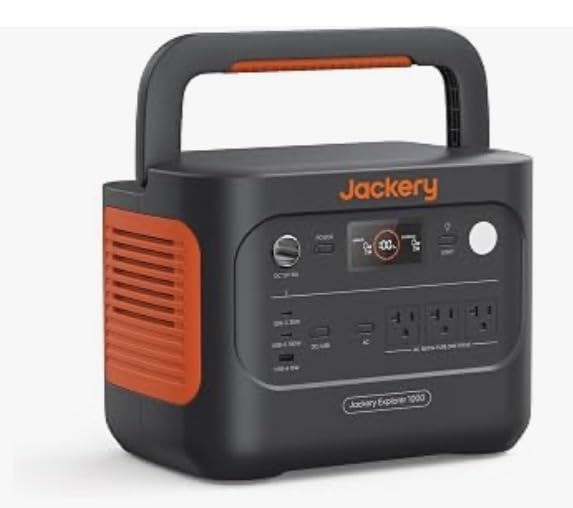
Where the extra capacity pays off
Multi-night camping without a resupply point, hurricane season, and RV use are all cases where you charge once and run for days. Jackery’s category rank of number two in outdoor generators reflects how common that use is.
Two USB-C ports at 100W PD remove the need to carry laptop chargers, and the foldable handle makes it packable in an RV or a hatchback.
Where it is the wrong tool
23.8 lb is a two-person carry or a cart job. It is not a hiking weight, and it is well past anything you would want at a campsite away from the vehicle.
Solar input is locked to Jackery-brand panels, the 0-100% in one hour mode has to be enabled in the app each session, and the default 1.7-hour recharge protects cell health at the cost of speed. If you only need one or two nights, this is more station than you need.
5. BLUETTI AC180 Portable Power Station – Best for Home Outage Backup
BLUETTI AC180 Portable Power Station 1152Wh 1800W LiFePO4 Solar Generator
1152Wh
1800W output
37.4 lb
20 ms UPS
Pros
- Largest headroom for many nights of CPAP
- 20 ms UPS keeps therapy alive through blips
- Full charge in about an hour
- 500W solar input and wireless pad
Cons
- 37.4 lb is the heaviest box here
- About 20W inverter self-consumption
- Manual limits usable capacity to roughly 90%
The AC180 is the station to buy when the CPAP is not the only thing you are worried about. 1,152Wh of LiFePO4 capacity and 1,800W of output cover therapy, a router, lighting, and a laptop through an evening or two without a flicker of concern. It reaches 0-80% in 45 minutes and a full charge in about an hour at 1,440W AC input.
For a medical device, the 20 ms emergency power transfer is the feature that matters most. In UPS mode the outlets stay live and switch over in 20 ms, so a short outage does not force the machine to restart mid-night. Multiple owners report it keeping routers, internet, and lights running without interruption.
There is an important caveat that reviewers raise repeatedly, and it applies specifically to low-draw loads like a CPAP. Self-consumption measures roughly 20W with the inverter on, and the manual limits you to about 90% of rated capacity. A 1,152Wh unit therefore behaves closer to 800Wh in this specific use case.
What makes it the outage champion
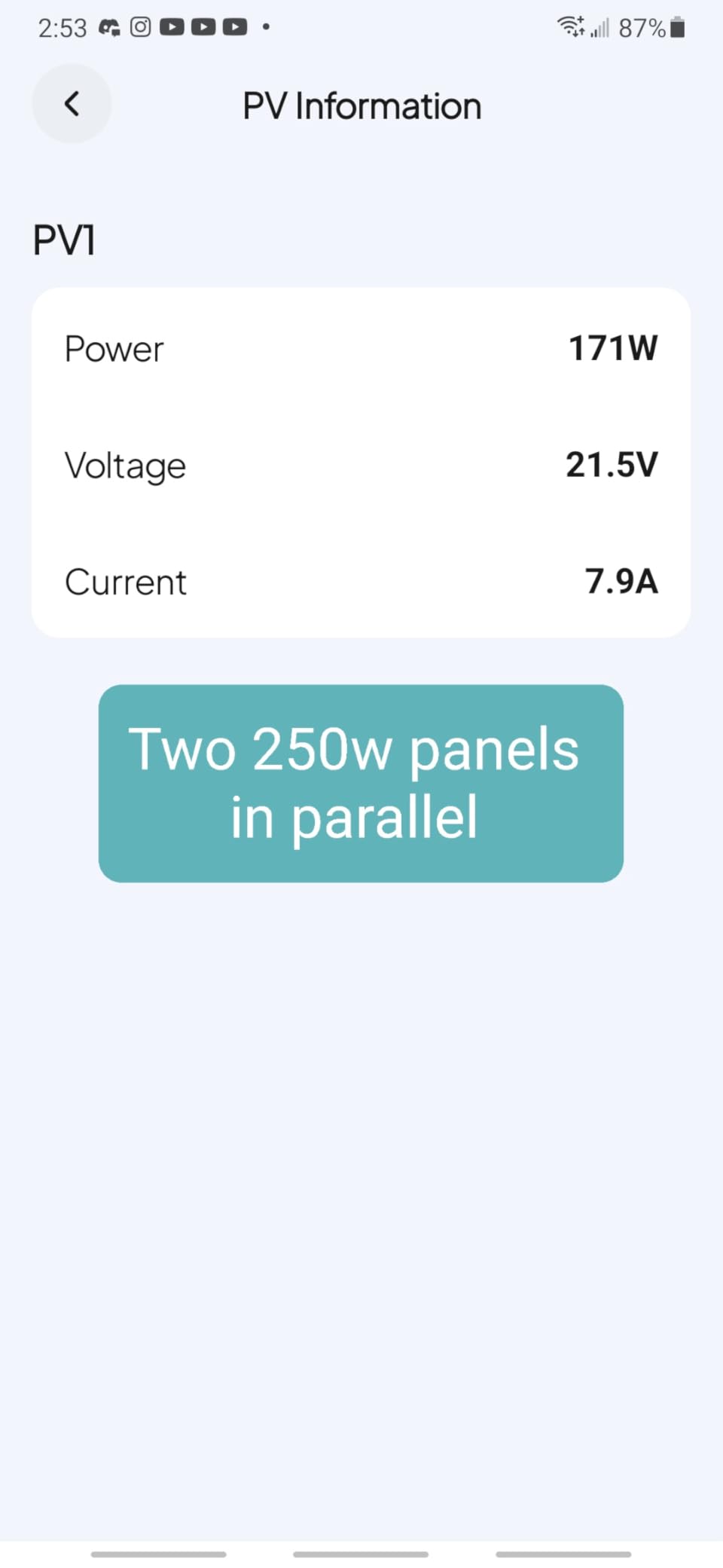
Eleven total outlets, including a wireless charging pad on the top, mean the CPAP, a lamp, and phones all stay on. Recharge paths cover wall, solar, 12V car, and alternator, and 500W solar input refills in 2.8 to 3.3 hours in good sun.
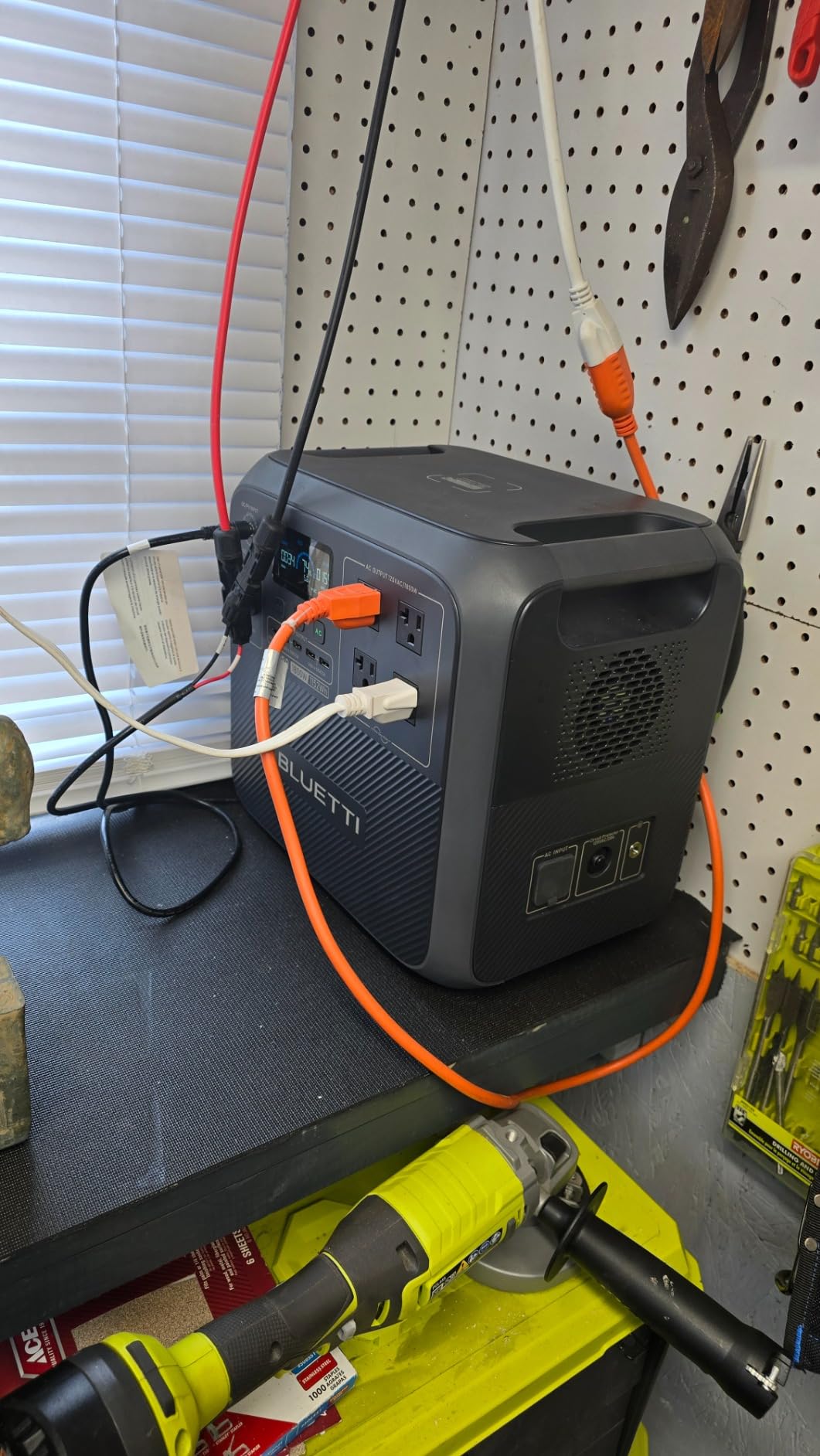
Several owners report that a full discharge-and-recharge cycle on arrival fixes early underperformance, after which the unit runs strongly. Bluetooth control within about 100 ft and a clear LCD showing load and remaining runtime make it easy to run unattended.
Where it falls down
37.4 lb makes this a stationary unit. If you are carrying it to a shelter or into a vehicle trunk alone, it is a two-hand job.
The 20W self-consumption and 90% usable ceiling are real reductions in the runtime you should plan on. Some owners report charging at only about 300W until a full discharge cycle, and a few settings are changeable only through the phone app.
6. GRECELL 999Wh T-1000 Solar Generator – Best When You Charge More Than Just the CPAP
GRECELL 999Wh Solar Generator 1000W Portable Power Station for Outdoor
999Wh
1000W pure sine wave
23 lb
10 outputs
Pros
- 999Wh at 1000W continuous output
- Listing names CPAP devices as supported
- Ten simultaneous output ports
- Built-in MPPT solar controller
Cons
- A 4.3 average with 10 percent one-star reviews
- 23 lb is not grab-and-go
- AC output should be switched off when idle
The GRECELL T-1000 is the value pick among the larger units, and it is one of several products here whose listing explicitly names CPAP medical devices among supported equipment. It also publishes a runtime formula in the listing, 999Wh multiplied by 0.85 and divided by device wattage, which is exactly the kind of honesty that makes sizing easy.
Ten simultaneous outputs cover a CPAP, a phone, a camera, and a drone without a second battery bank. The 1000W continuous pure sine wave output handles far more than therapy needs, and the built-in MPPT controller pulls more from a panel than a basic charge controller would.
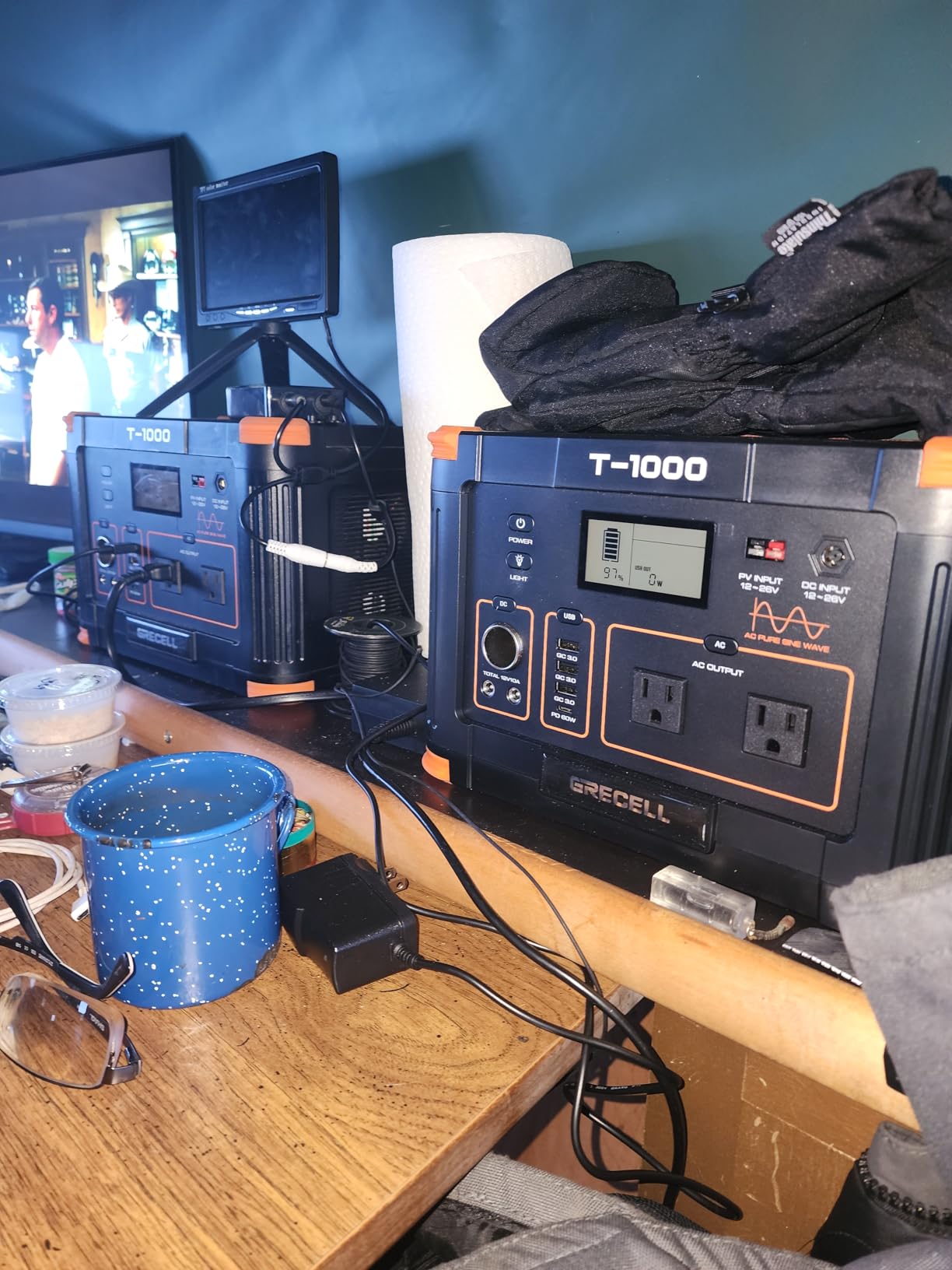
At 23 lb it is heavy but foldable into a normal car boot, and it recharges three ways: wall, solar, and car. A cable storage bag is included, which is a small courtesy when you are packing cables for a DC adapter.
Best when the CPAP shares the budget
Two AC sockets, three USB QC ports, a USB-C PD port, two 12V DC outputs, a car port, and a wireless charging pad mean a two-person trip does not need a second power source. The SOS mode on the LED light is genuinely useful during an outage.
The 0.85 efficiency multiplier in the published formula is a fair assumption for a low-draw load on an inverter, so you can size this before buying rather than after.
Where owners push back
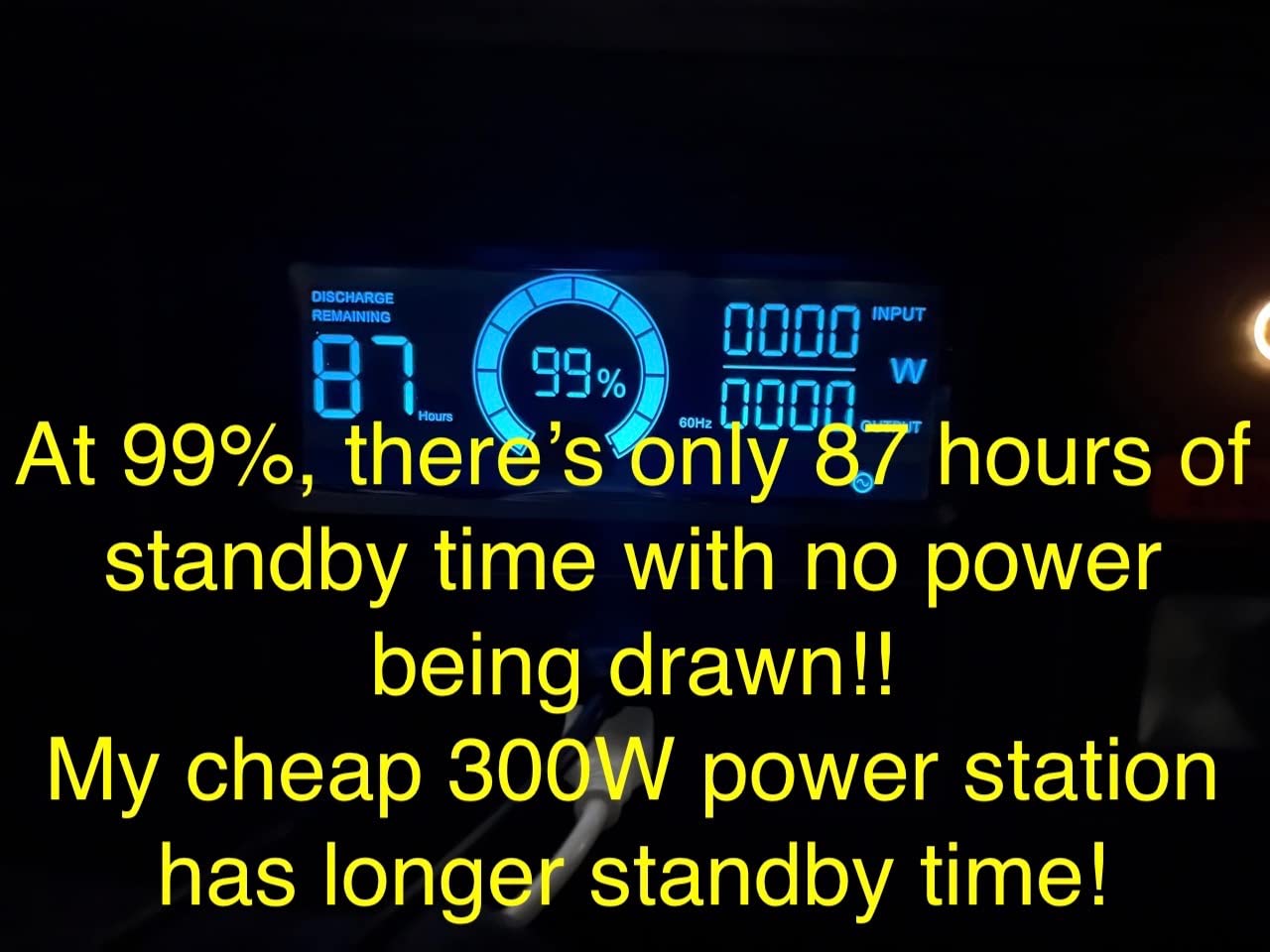
4.3 stars with 10% one-star reviews sits at the lower end of this roundup. The most common complaint is that AC output has to be switched off when nothing is plugged in or the battery drains with no load, which matters if you leave it on standby during an outage.
The wireless charger needs the power button and then the USB button pressed first, devices above 1000W cannot run, and the 2-year warranty is the shortest among the larger boxes in this group.
7. Anker SOLIX C1000 Portable Power Station – Best for Fast Solar Recharging
Anker SOLIX C1000 Portable Power Station with Car Charging Cable, 1,056Wh
1056Wh
1800W output
27.6 lb
600W solar
Pros
- 1056Wh in a smaller footprint than rivals
- 80% charge in 43 minutes
- 11 ports including 18W USB-C
- 600W solar input for 1.8h recharge
Cons
- UltraFast mode needs the app each session
- 27.6 lb limits it to car and home use
- Fewer long-term owner reports than Jackery
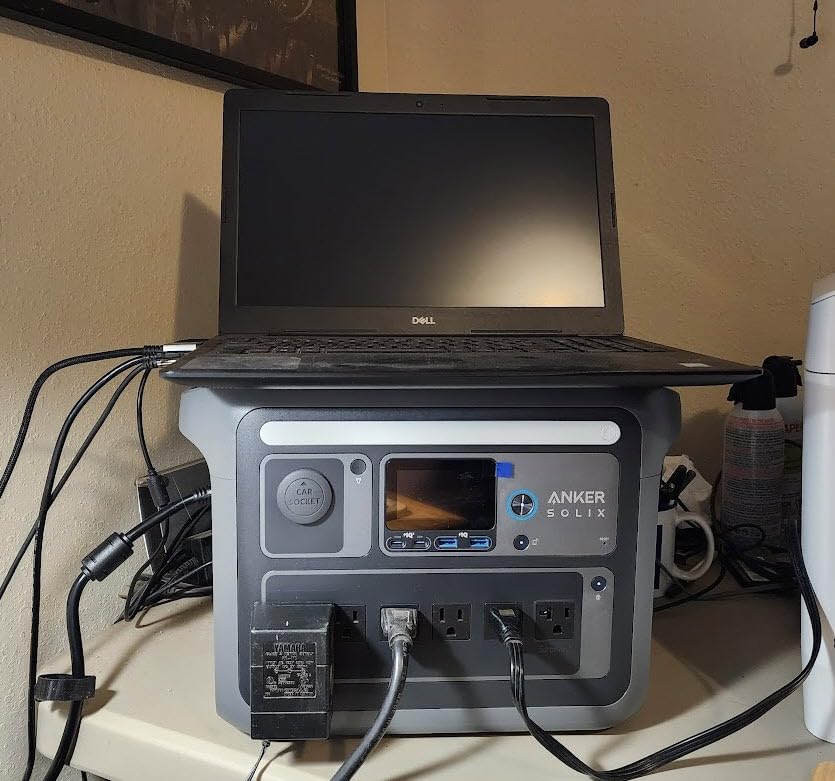
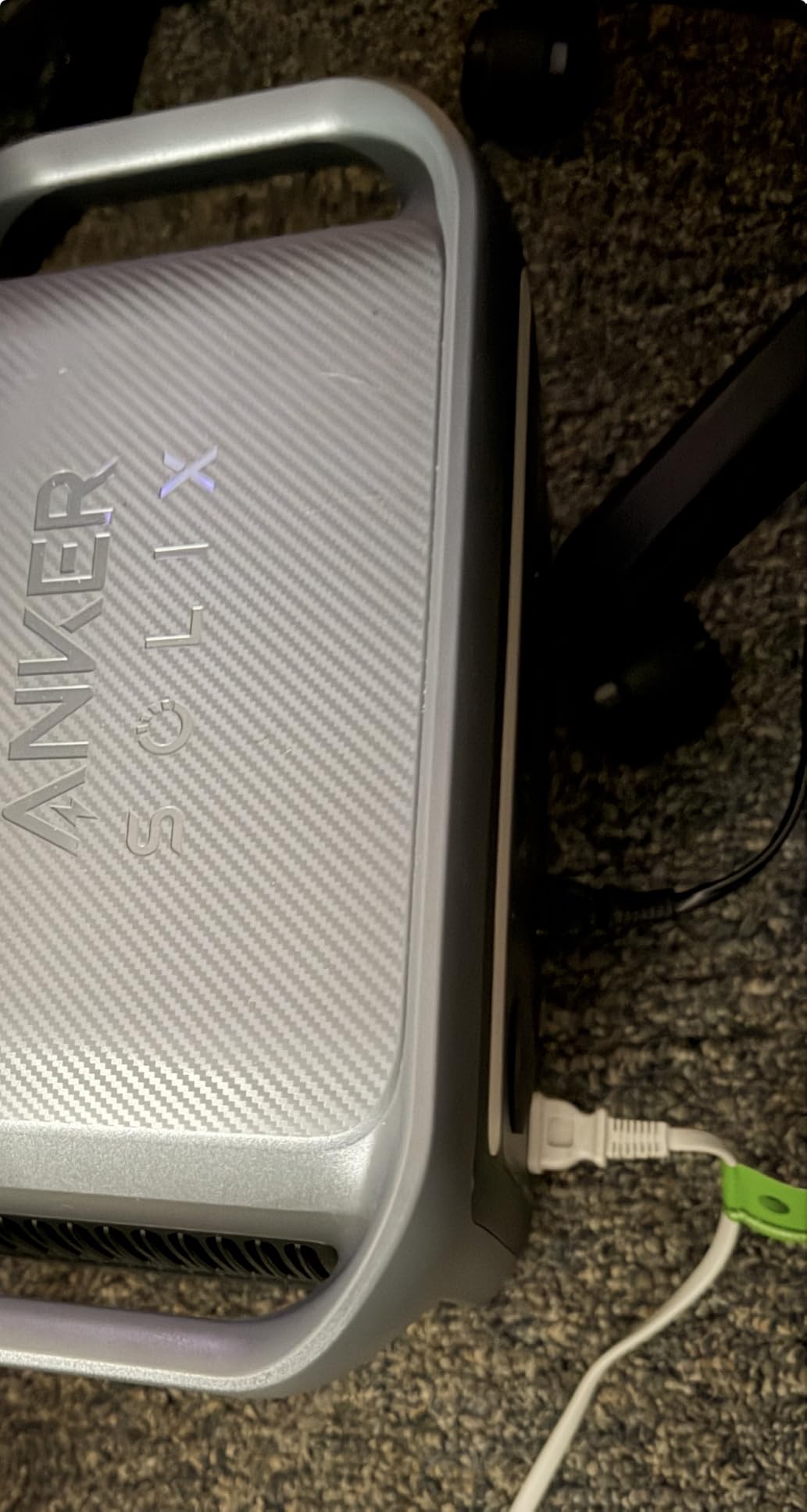
Anker’s SOLIX C1000 pairs 1,056Wh with a 27.6 lb body, which makes it one of the better capacity-to-weight ratios among the 1kWh units in this roundup. It is still a heavy object, but it is a heavy object you can put in a vehicle rather than one you carry.
The charging numbers are the headline. It reaches 80% in 43 minutes and a full charge in under an hour with UltraFast mode enabled, and it accepts up to 600W of solar input for a complete refill in about 1.8 hours. For a week of camping where a panel is the only energy source, that input ceiling is the feature that matters.
The 4.7 average across 2,130 reviews comes with an 86% five-star share, the highest here. SurgePad pushes peak output to 2,400W so switching loads do not trip the unit, and UPS backup support keeps low-draw electronics running through a blip.
Why it fits a multi-day trip
Eleven ports cover a CPAP on AC, a laptop on USB-C, and several phones at once, which is the everyday argument for a 1kWh unit. The operating range is 68-122F, worth checking if you camp in winter.
LiFePO4 cells rated for 3,000 cycles over a 10-year lifespan and a 5-year warranty give long-term owners some reassurance.
Where it falls short
UltraFast charging must be turned on in the Anker app each session and requires a phone, and the temperature range means you should warm the unit before charging in cold weather. At 27.6 lb it stays a car and home unit.
The car charging cable is included but a solar cable is not. With 2,130 reviews it also has the thinnest long-term evidence base of the 1kWh-class units here, so durability claims rest more on spec sheets than on years of owner data.
8. GRECELL 500W T-500 Portable Power Station – Best Mid-Size Value Pick
Grecell Portable Power Station 500W(Peak 1000W) 519Wh Outdoor Solar Generator Backup Battery Pack with 2 110V AC Outlets,10-Port Powerhouse for RV/Van Camping Fishing Climbing Road Trip Home Emergency
519Wh
500W pure sine wave
14.1 lb
60W USB-C
Pros
- 519Wh at 500W continuous output
- 14.1 lb with a solid handle
- 60W USB-C PD port
- Pure sine wave inverter
Cons
- An 11 percent one-star share is the highest here
- Slowest recharge times in the group
- Idle AC drain when output stays on
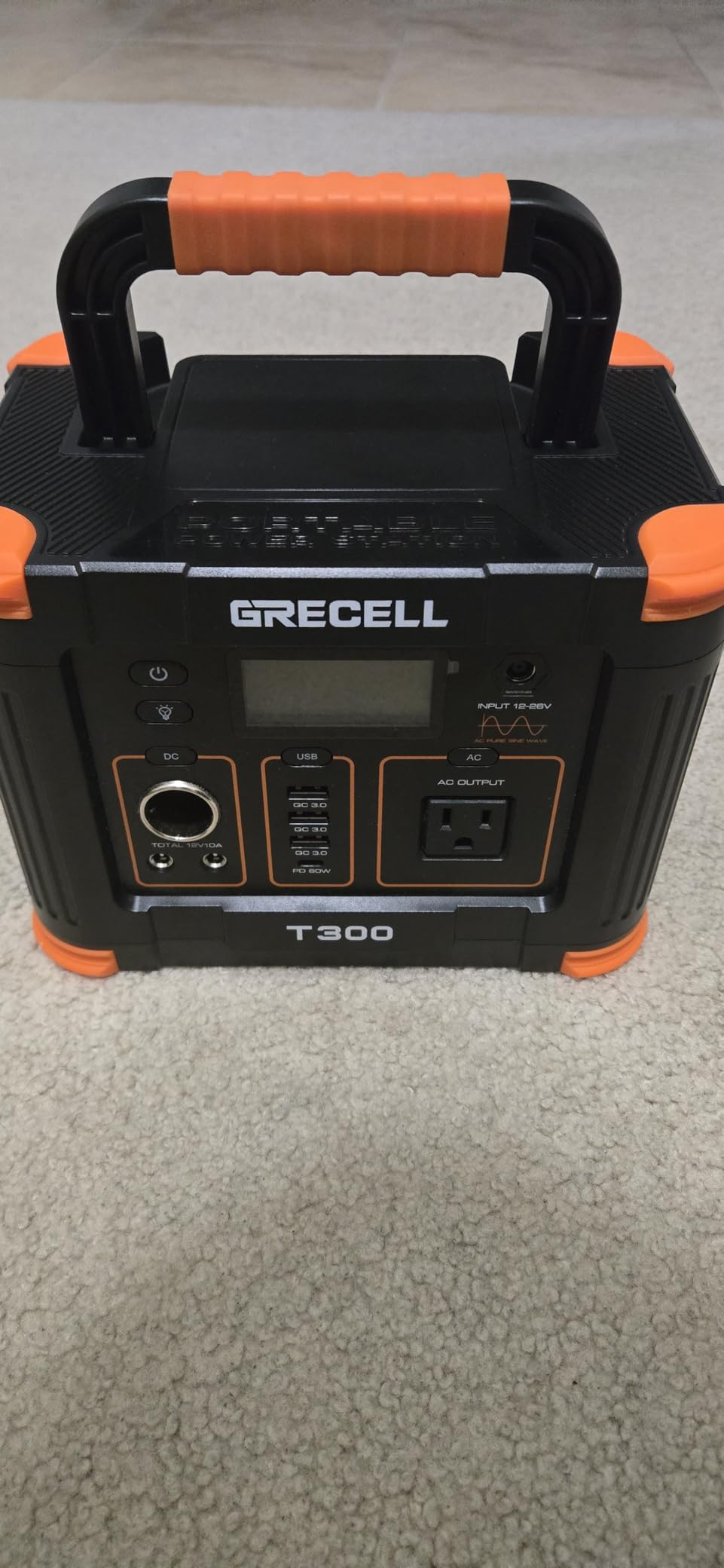
The T-500 does something none of the others here manage: it puts a full 519Wh of capacity and 500W of continuous pure sine wave output into a 14.1 lb box in the lower-cost tier. The listing names CPAP machines among supported devices under 500W, and at these watt-hours you get two comfortable nights with the humidifier off.
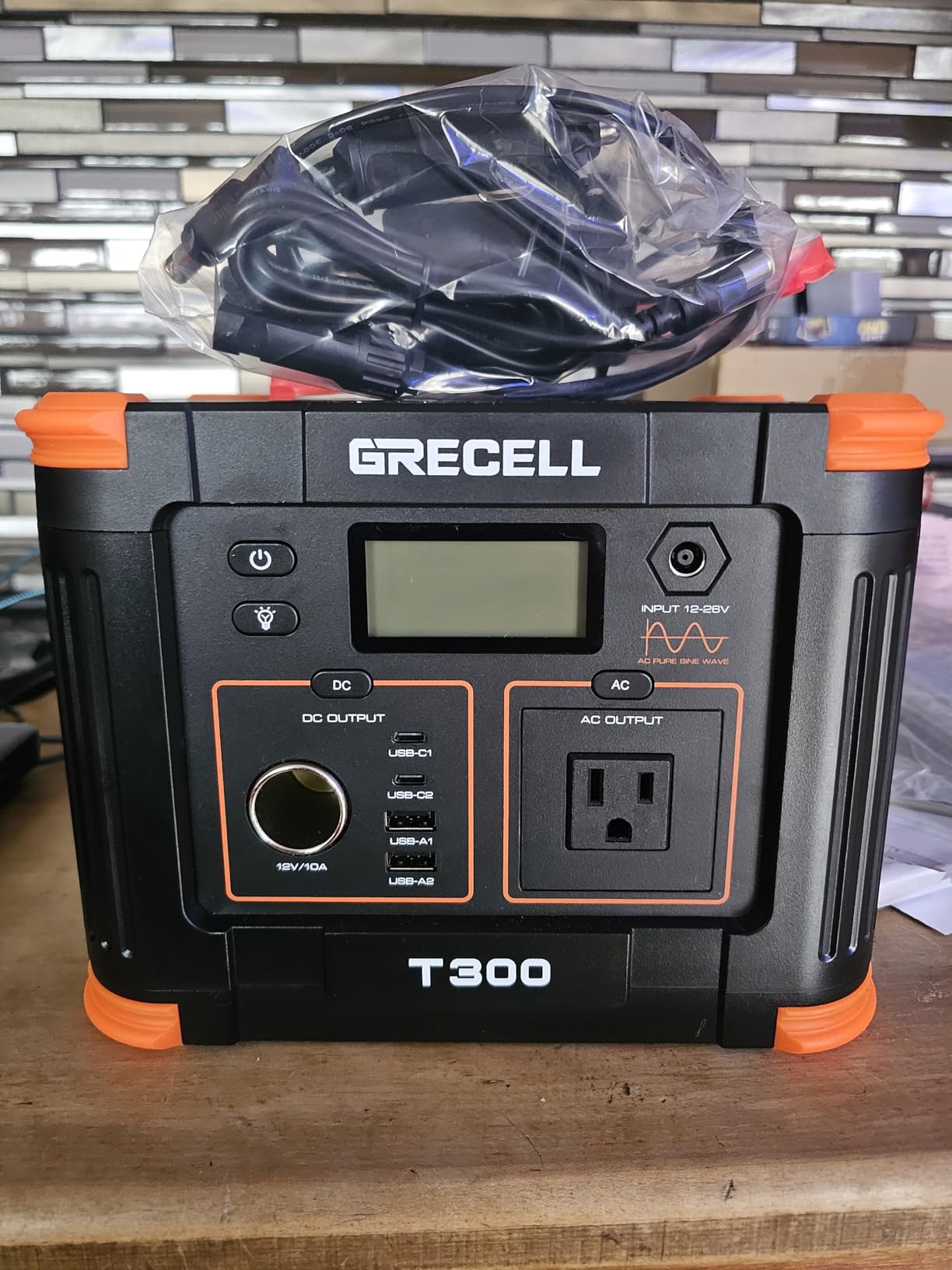
Ten simultaneous outputs include a 60W USB-C PD port, three USB-A QC3.0 ports, two DC outputs, a car port, and a 10W wireless charger. The LED flashlight has strobe and SOS modes, and the battery management system covers temperature, overvoltage, overcurrent, and short circuit.
It is the honest value choice if you are working to a tight budget and still want a two-night reserve. What you give up is speed: 6 to 7 hours from a wall, 7 to 8 from a car, and 6 to 9 from a 100W panel.
Why two nights still matters
A single-night station leaves you exposed to one bad night. Two nights means a failed charge is a setback rather than a therapy interruption, which for most users is the difference between a good weekend and a ruined one.
At 14.1 lb it is a normal carry weight for a car-to-campsite trip, and pure sine wave output keeps therapy electronics stable.
Where it disappoints
4.3 stars with 11% one-star reviews is the highest one-star share among the mid-size units here. Some buyers question whether both AC sockets deliver full output, and the manufacturer itself recommends using and recharging the unit at least once every three months to keep the cells healthy.
AC output must be switched off manually when idle or it drains the battery with no load, which is an easy mistake in an outage. A panel is sold separately, and the warranty is 2 years.
9. ALLWEI 300W Portable Power Station – Best for Backpacking and Documented Overnight CPAP Use
ALLWEI Portable Power Station 300W, 256Wh Solar Generator LiFePO4 Battery
256Wh
300W pure sine wave
6.4 lb
60W USB-C
Pros
- 6.4 lb and backpack-friendly footprint
- Documented overnight CPAP runs on two machine models
- Display shows exact remaining percentage
- 60W USB-C PD port
Cons
- One owner reported loud fan noise overnight
- Display can drop abruptly under light load
- Warranty length stated inconsistently
The ALLWEI has the most specific CPAP field data in this entire roundup. One owner ran a BMC Luna G2 for 20 hours across three nights and a Respironics DreamStation 2 on medium-high heat for 12 hours across two nights, with no audible interruption during sleep. That buyer then bought two more of them for use as a UPS with a power recliner.
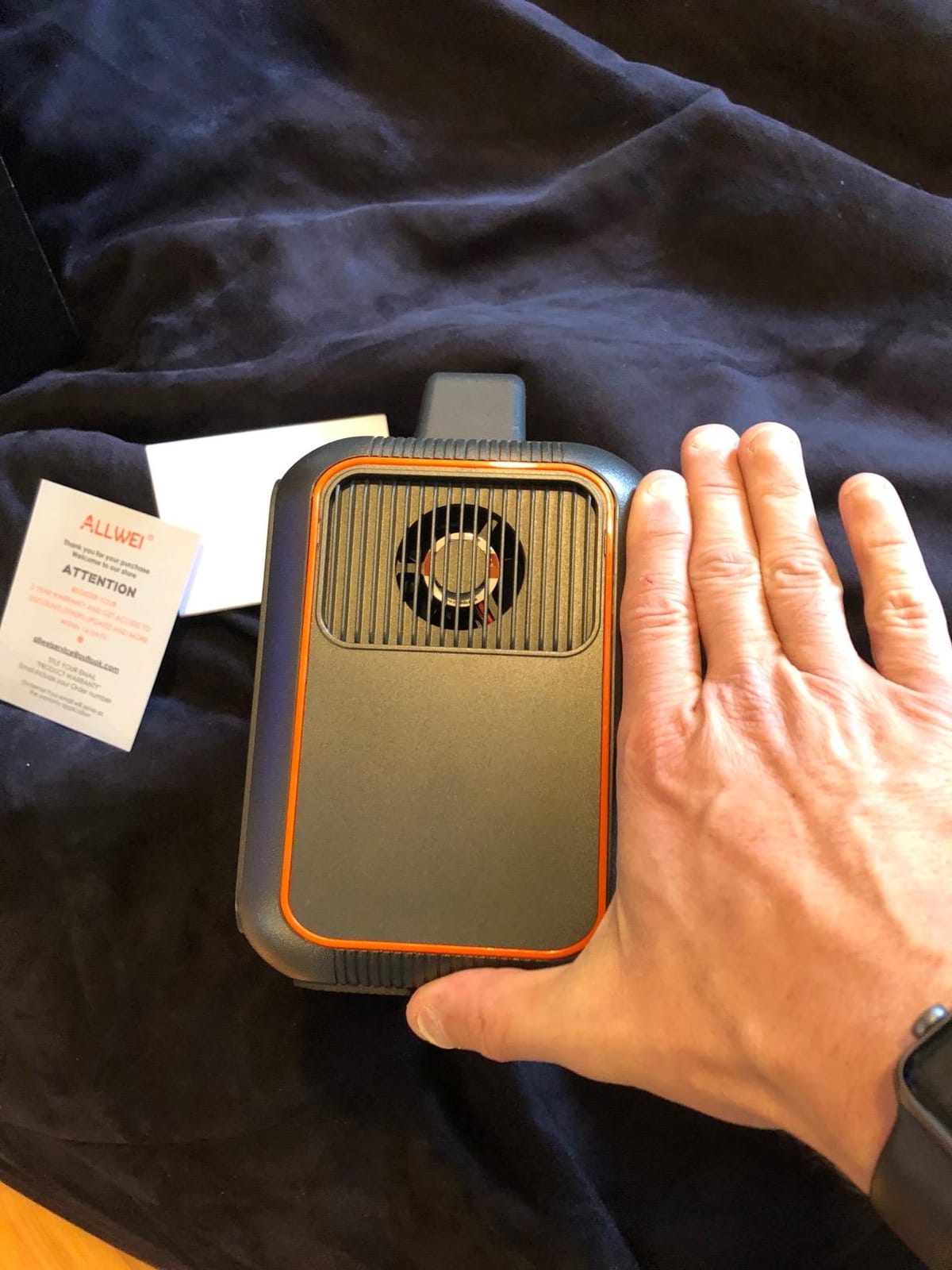
At 6.4 lb and 9.25 by 5 by 6.81 inches, this is the unit to pack when weight is the deciding factor. It is the lightest unit here with enough reserve for full-night therapy, since the MARBERO below is smaller in capacity, and it has a 60W USB-C PD port, six outputs, and a pass-through function that charges the station and the device at the same time.
Storage behaviour is a real advantage here. One owner kept it fully charged for two months with almost no drain, which matters if it lives in a car between trips. LiFePO4 cells are rated for 3,000 cycles behind a 6-layer battery management system.
Where the light weight pays off
Hiking in, or carrying gear from a car to a site more than 200 metres away, 6.4 lb versus 13 lb is the difference you feel. The 3-level LED light with SOS mode covers the dark-tent problem on its own.
Recharging is flexible: 3.5 to 4 hours from a wall, 3.5 to 4 from a 12V car socket, 4 to 5 from a 100W panel, or 2 to 2.5 hours with wall and solar together through the built-in MPPT controller.
Where it fails
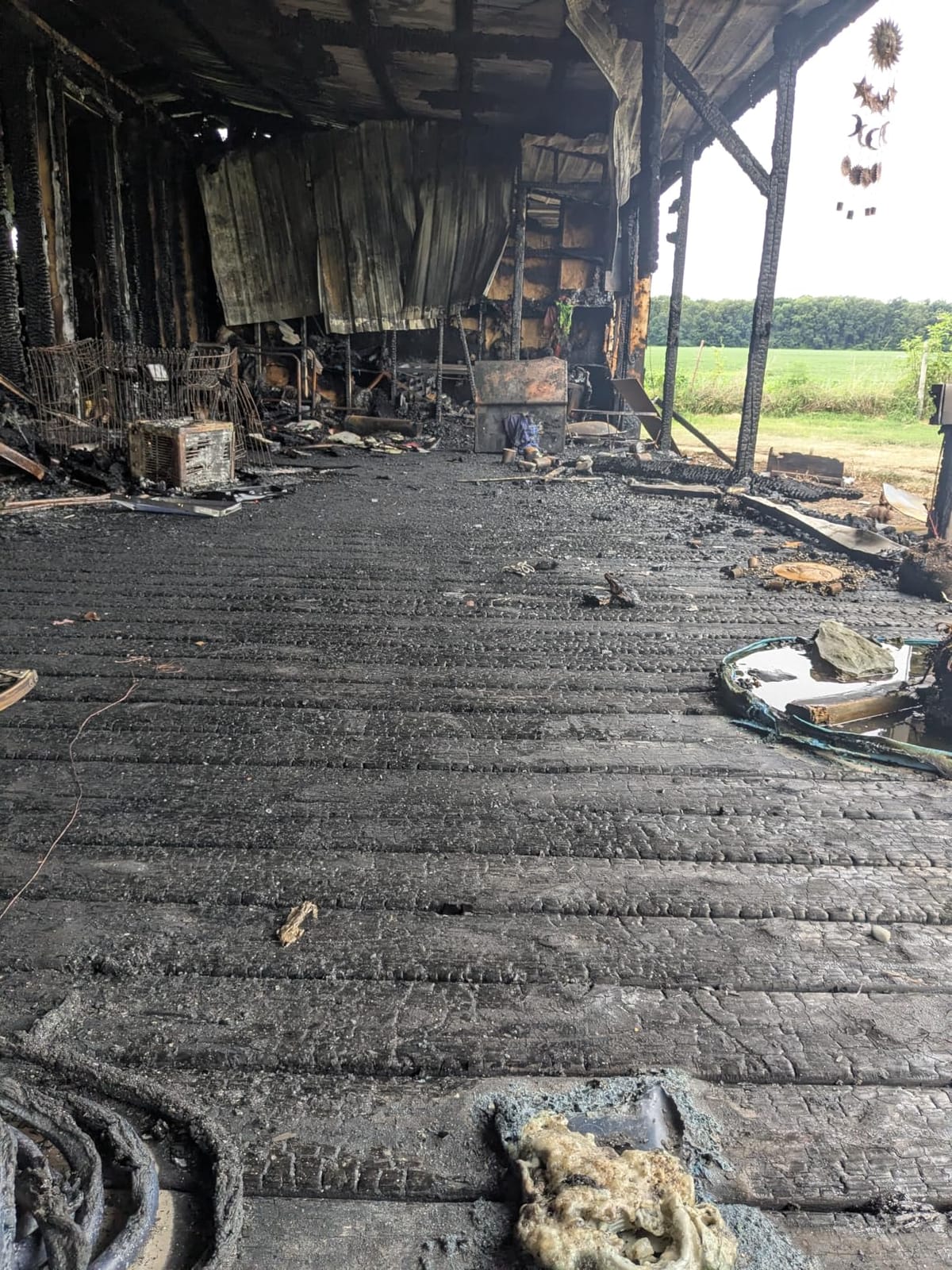
One detailed review documents a cooling fan that ran intermittently and loudly for hours after month 8, which made it unusable for overnight CPAP work, followed by a unit that stopped holding charge. That is a single report, but fan noise beside a sleeper is a serious failure mode in this use case.
Owners also report the display sitting at a high percentage and dropping abruptly to near zero under light load, USB outputs glitching when a USB-C device is connected, and a centre power button that only switches off the display rather than the outputs. Solar input is limited to roughly 120W, and the warranty is listed as 5 years in the bullets and 2 years in the specifications.
10. MARBERO M822 Portable Power Station – Budget Pick for Emergency Cover Only
Pros
- Lightest and most compact unit here
- Eight output ports
- Two LED flashlights including SOS mode
- Pass-through charging available
Cons
- A 4.1 average with a 12 percent one-star share
- 146Wh covers about one night
- 12-month warranty is the shortest here
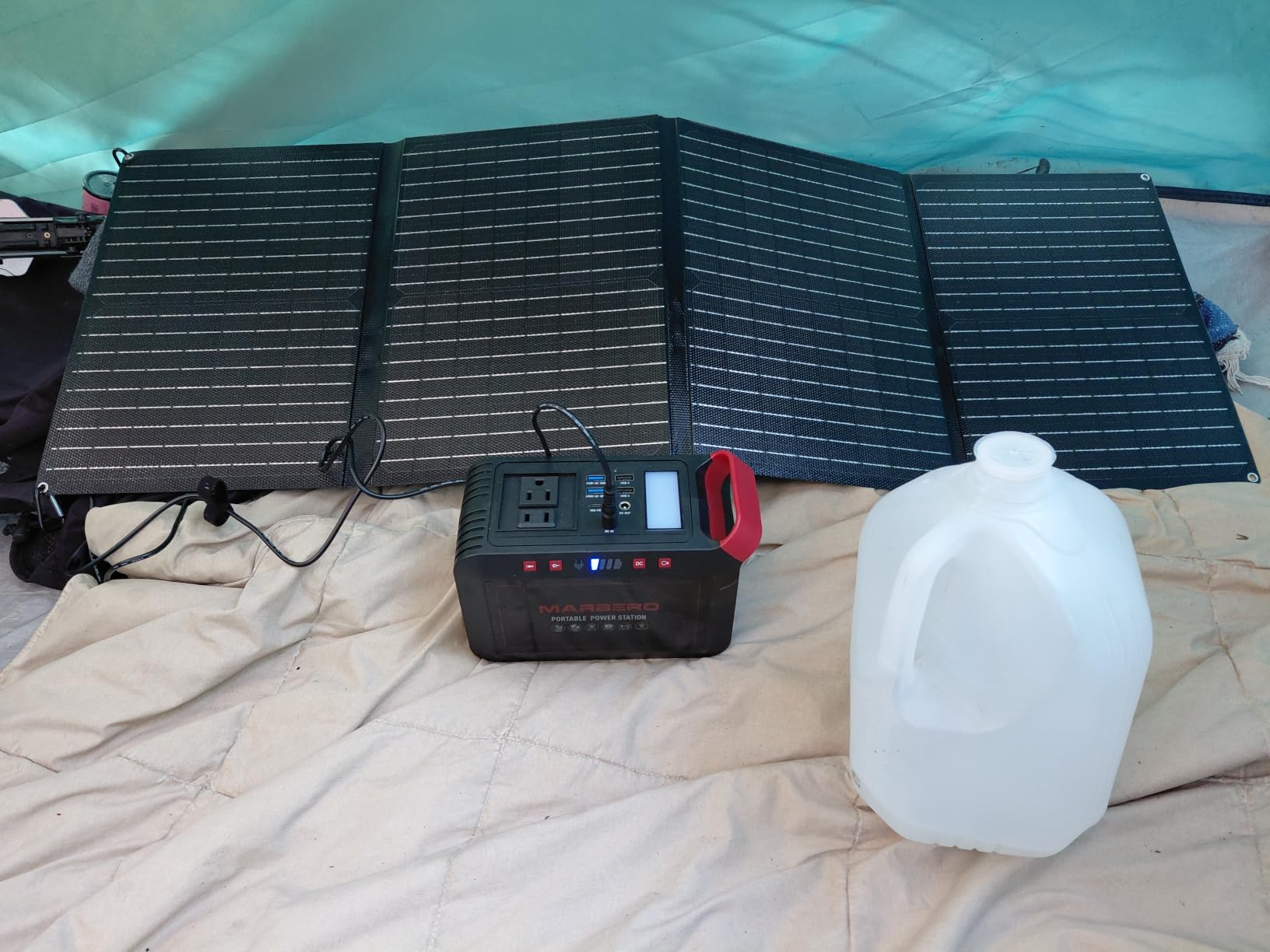
The MARBERO is the lightest thing in this roundup at 3.3 lb and it packs into a genuine daypack, which is why it appears here at all. It has eight output ports including both 2-prong and 3-prong AC sockets, pass-through charging, and two LED flashlights with an SOS mode.
Be clear-eyed about the ceiling though. 146Wh is the smallest capacity here, and the listing’s CPAP mention should be read as short-duration cover rather than overnight reliability. Owners run a modem for more than 5 hours on a single charge, which is the right order of magnitude for this box.
At 4.1 stars across 9,231 reviews with a 12% one-star share, this sits at the bottom of the rating range in the group. That is a large body of owners describing the same pattern.
Where it makes sense
It fits in a bag next to a travel CPAP, is a little top-up for phones, cameras, and a radio, and owners two to three years in report that it still holds a charge in storage. Recharge takes 7 hours from a wall or 9 from a car, which suits a stationary kit more than a moving one.
Where it is the wrong buy
Multiple owners report the unit stopping holding charge after about 3.5 years, just as the extended warranty expired, and several returned theirs after a unit failed outright within about five months of light use. Those buyers moved to Jackery or EcoFlow, and we agree with them for therapy use.
The 200W inverter could not reliably run a laptop for one reviewer, the proprietary round-barrel charger is not USB-C and cannot be swapped for a standard cable, heating appliances above 270W are unsupported, and the warranty is 12 months. Buy this as a phone-and-lights backup, not as a portable power station for CPAP machines you rely on.
How Many Watt-Hours Do You Need to Run a CPAP?
Here is the short answer: a CPAP drawing 40W for 8 hours needs about 320Wh from the battery, and you want 30% to 50% more than that once you account for inverter losses, cold, and ageing cells. That gives you a 400Wh to 480Wh station for one comfortable night, roughly 900Wh to 1,300Wh for three nights.
Watts measure how fast power is consumed. Watt-hours measure how much energy is stored, and runtime is simply watt-hours divided by the watts your machine pulls, multiplied by the inverter efficiency you actually get through the AC outlets. Every product page in this category quotes a watt-hour figure and a runtime figure that assumes a device far bigger than a CPAP, which is why the numbers feel unrealistic.
The draw itself varies more than any article admits. An r/overlanding user measured their machine at 53W to 100W pulling 2.2 to 4.2 amps. An ar15.com user estimates 12W to 14W with the heater and humidifier off. A solar forum user measured just over 30W on AC. That 12W-to-100W spread is the single biggest reason people buy the wrong size station.
Working through the scenarios with a mid-range 40W draw and a 15% inverter allowance, one 8-hour night needs about 380Wh, two nights about 760Wh, three nights about 1,140Wh, and five nights about 1,900Wh. If you run a heated humidifier and push draw to 100W, one night needs about 920Wh and three nights about 2,760Wh, which is why the humidifier decision matters more than the brand choice.
One real data point to sanity-check your own maths: an r/CPAP user running a ResMed 10 on an EcoFlow River 2 Max with the DC converter recorded 6 hours 55 minutes of therapy from a full charge. Real numbers always land below the spec-sheet estimate, so plan with a margin.
How to Cut Your CPAP Power Draw
These steps are ordered by how much they save. Together they can cut your draw by more than half, which is often the difference between a 250Wh station lasting one night and lasting two.
1. Set humidity to 0 and use unheated tubing. The humidifier heater is the single biggest drain, and heated hoses add to it. Every runtime figure we quote is without the heater unless we say otherwise.
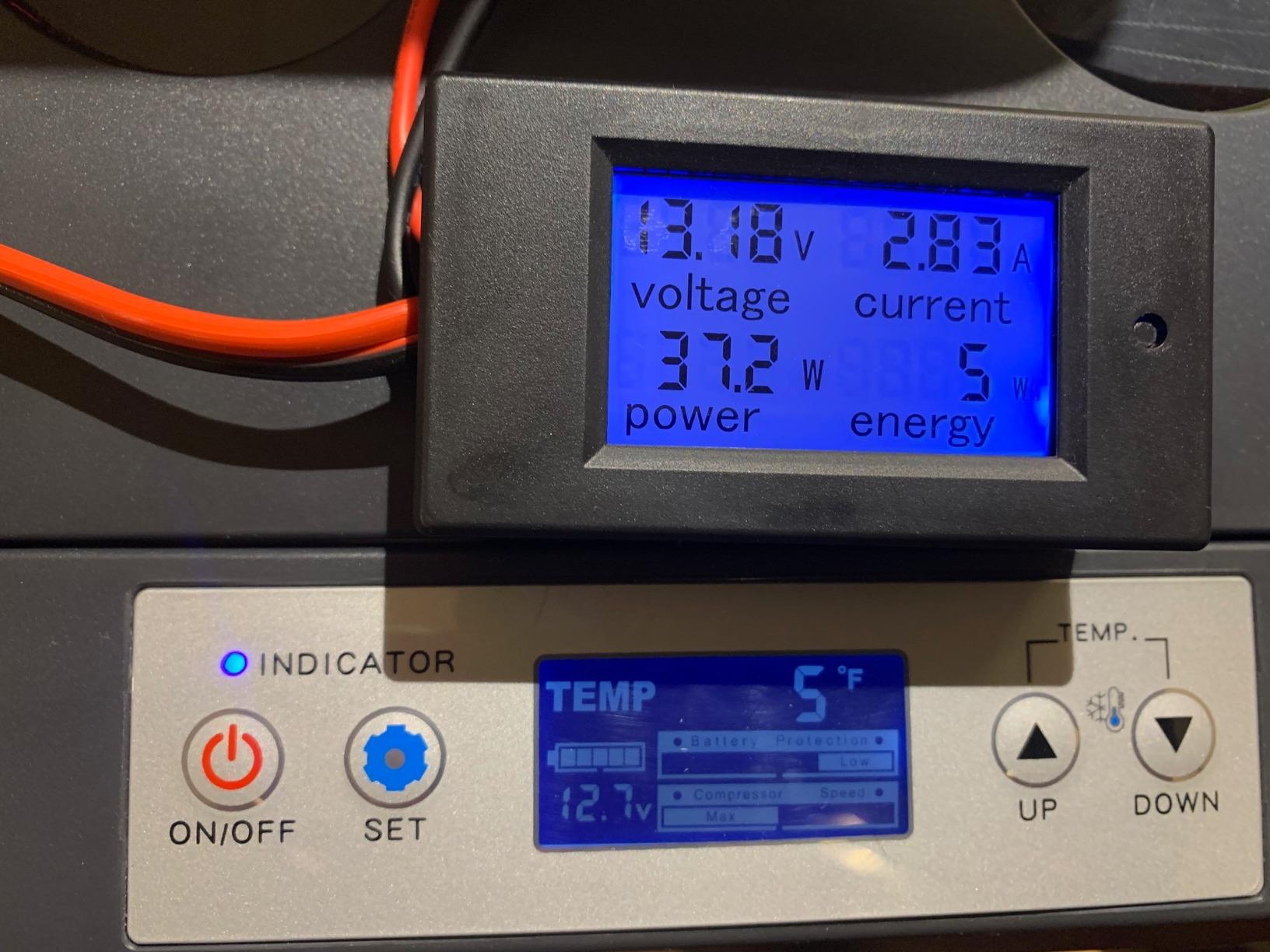
2. Run the machine from the 12V DC car port, not the AC outlet. The AC path goes through the inverter and loses roughly 15% before it reaches the machine. One camper documented 3% remaining after a night on the supplied AC brick versus 84% remaining using a 12V DC adapter on the same station.
3. Turn on airplane mode. That disables the cellular modem, which otherwise wakes and transmits through the night.
4. Switch the station’s AC output off when no device is plugged in. Both GRECELL models in this roundup drain noticeably with the inverter on and no load attached.
5. Run a full discharge-and-recharge cycle when the station arrives. Several AC180 owners report that doing this on day one removed early underperformance that had them charging at only about 300W.
6. Top up before every trip. Cells sitting in a car boot lose charge over months, so a station that read full in spring can be partway down by autumn.
7. Keep it above freezing. Cold reduces available lithium capacity, which is a seasonal derating on top of everything else.
Dedicated CPAP Battery Packs vs General Power Stations
This is the most common question in CPAP forums, so the answer belongs here. A dedicated CPAP battery pack is a small box built for one job: it usually has a barrel-jack output sized for a specific machine family and a capacity of a few hundred watt-hours. It is quiet, small, and often has no AC outlets at all.
That focus cuts both ways. A dedicated pack can be the more reliable choice if your machine draws under 100W and you are away for one or two nights, because there is no inverter in the path and nothing to misconfigure. It is also a poor choice if you want to charge a phone, run a lantern, or keep a router going during the same outage, because it will not do those things.
A general power station like the ones in this roundup is the better buy if you want one box for the whole camp. Every unit we list runs a CPAP through its AC or DC output, powers phones and cameras, accepts solar, and covers a longer outage. The cost is weight, and the inverter loss you avoid with a dedicated pack.
Our guidance: if your machine runs 8 hours a night without a humidifier and you are away for one or two nights, a dedicated pack or a 250Wh to 300Wh general unit both work. For anything longer, buy capacity, and a general station is the more flexible tool.
Can You Fly With a Portable Power Station for a CPAP?
Almost certainly not in your carry-on. The FAA rule limits lithium batteries to 100Wh in passenger cabin baggage, with spare batteries also capped at two and each requiring protective terminals. Every product in this roundup exceeds 100Wh by a wide margin, from the 146Wh MARBERO to the 1,152Wh BLUETTI AC180.
There are two routes that work. One is to check the station in your luggage, which is permitted for larger batteries provided the terminals are protected and the unit is not damaged or recalled. Confirm with your airline first, since policies vary. The other is to bring the CPAP, its AC brick, and a dedicated CPAP battery under the limit, which keeps you compliant for the flight itself.
One forum answer also proposes a 12V car battery connected through a 12V cigarette lighter adapter for a long road trip instead of a flight. A typical car battery holds enough energy for several nights of 12W-to-15W draw, and a quality pure sine wave inverter or a DC converter keeps the CPAP fed. That is a valid off-grid plan, but it is not an airline solution.
For air travel, budget for a dedicated CPAP battery and keep the power station for the road leg on either side of the flight. If you also want the station for campground power on the far side, that is a sensible way to use two boxes without fighting the rules.
How to Choose a Portable Power Station for a CPAP
Start with nights, not watts. Decide how many nights you must cover without a wall outlet, measure your CPAP’s real draw with the settings you will actually use, then multiply. Add 30% to 50% for inverter losses, cold, and cell ageing. A 40W machine over three nights lands near 1,140Wh, which points at the Jackery Explorer 1000 v2, the BLUETTI AC180, or the Anker SOLIX C1000.
Next, look at continuous AC output rather than peak. Every unit here covers a CPAP comfortably, but 300W continuous on smaller models will not run a fridge or a coffee maker alongside it. If you plan to power other gear, 1,000W and up is the sensible floor.
Then check chemistry and cycle rating. Every product in this roundup is built on lithium iron phosphate cells rather than the older NMC chemistry, which is why the cycle ratings range from 3,000 to 6,000. Higher cycle counts matter most if the station doubles as daily camp power.
Weight is the constraint people underestimate. The units split cleanly: under 8 lb for hand-carry and backpacking, 13 to 15 lb for car-to-campsite trips, and 23 to 38 lb for home backup only. Anything above 25 lb is a stationary unit.
Ports and extras decide the last few percent. A 60W to 100W USB-C PD port removes wall chargers from your bag, a car port gives you a genuine DC option, and a pass-through or UPS function lets the station charge while it runs your machine. UPS switchover time decides whether a brief flicker interrupts therapy: the Explorer 500 v2 does it in 10ms, the AC180 in 20ms, and the RIVER 2 under 30ms.
Finally, plan for recharging. If your station tops up from solar, check the solar input ceiling: the Anker SOLIX C1000 accepts 600W and the BLUETTI AC180 accepts 500W, while the MARBERO takes a small panel current only. Our guides to the best portable solar panels for power stations and the best high-capacity portable power stations go deeper on recharge speed.
One last practical note: warranty length tracks build quality in this category. The Jackery, BLUETTI, EcoFlow, and Anker units carry 5 years, while the GRECELL and MARBERO products carry 2 years and 12 months respectively.
If you are sizing for a vehicle rather than a tent, our best portable power stations for RVs and best portable power stations for off-grid living guides cover the heavier end of the range in more detail.
Frequently Asked Questions
Can you run a CPAP on a portable power station?
Yes. Every unit in this roundup has a 120V AC outlet or a 12V DC car port that can run a CPAP. The DC route skips the inverter and loses roughly 15% less power, so it is the connection we recommend. Your machine also needs continuous output under the station’s wattage rating, which every model here clears easily.
How long will a portable power station run a CPAP machine?
Divide the station’s watt-hours by your CPAP’s watt draw, then apply a 15% inverter allowance if you use the AC outlet. A 512Wh station with a 40W machine and the humidifier off runs roughly 11 hours, about one night with margin. With a heated humidifier pulling 100W, expect closer to 4 hours.
How many watt hours do I need to run a CPAP for 8 hours?
At a 40W draw you need about 320Wh, and about 380Wh once inverter losses are counted. At a 100W draw with the heated humidifier running, you need roughly 920Wh. Most CPAPs draw between 30W and 60W, and about 12W to 15W once the heater and humidifier are switched off.
What size Jackery do I need to run a CPAP?
The Explorer 300 at 292Wh covers one night with the humidifier off. The Explorer 500 v2 at 512Wh covers three to four nights, and owners report four nights on 54% of the charge with the humidifier and heated tube off. The Explorer 1000 v2 at 1,070Wh handles a full week without a resupply point.
What is the best way to power a CPAP machine while camping?
Use a portable power station with a 12V DC connection rather than the AC outlet, set humidity to 0, switch to unheated tubing, and turn on airplane mode. Those four changes typically cut draw by half or more. A 12V car battery with a DC converter also works for vehicle-based camping.
How long will a 12 volt car battery run a CPAP machine?
A typical car battery holds roughly 400 to 500Wh, so a 12W to 15W CPAP draw lasts well over 24 hours, and a 40W draw with the humidifier on gives about 10 to 12 hours. Running the engine periodically to top it up extends this indefinitely, though an alternator charger or a low-voltage cutoff is safer than idling.
Final Verdict
The best portable power stations for CPAP machines in 2026 come down to how many nights you are away from a wall. For one night in the back of a car, the Jackery Explorer 300 wins on weight at 7.1 lb and reaches 80% from a 100W panel in about 2.8 hours. For a couple of nights, the Explorer 500 v2 has the strongest verified owner data in this group, with a ResMed AirSense 11 running four nights on 54% of the charge.
For outages and long trips, the BLUETTI AC180 gives you 1,152Wh and a 20ms UPS, while the Anker SOLIX C1000 is the fastest to refill from solar at 600W input. If you need to stretch further than the budget allows right now, tell us your CPAP model, whether you run a humidifier, and how many nights you need covered, and we will point you at the smallest station that actually gets you through it.