
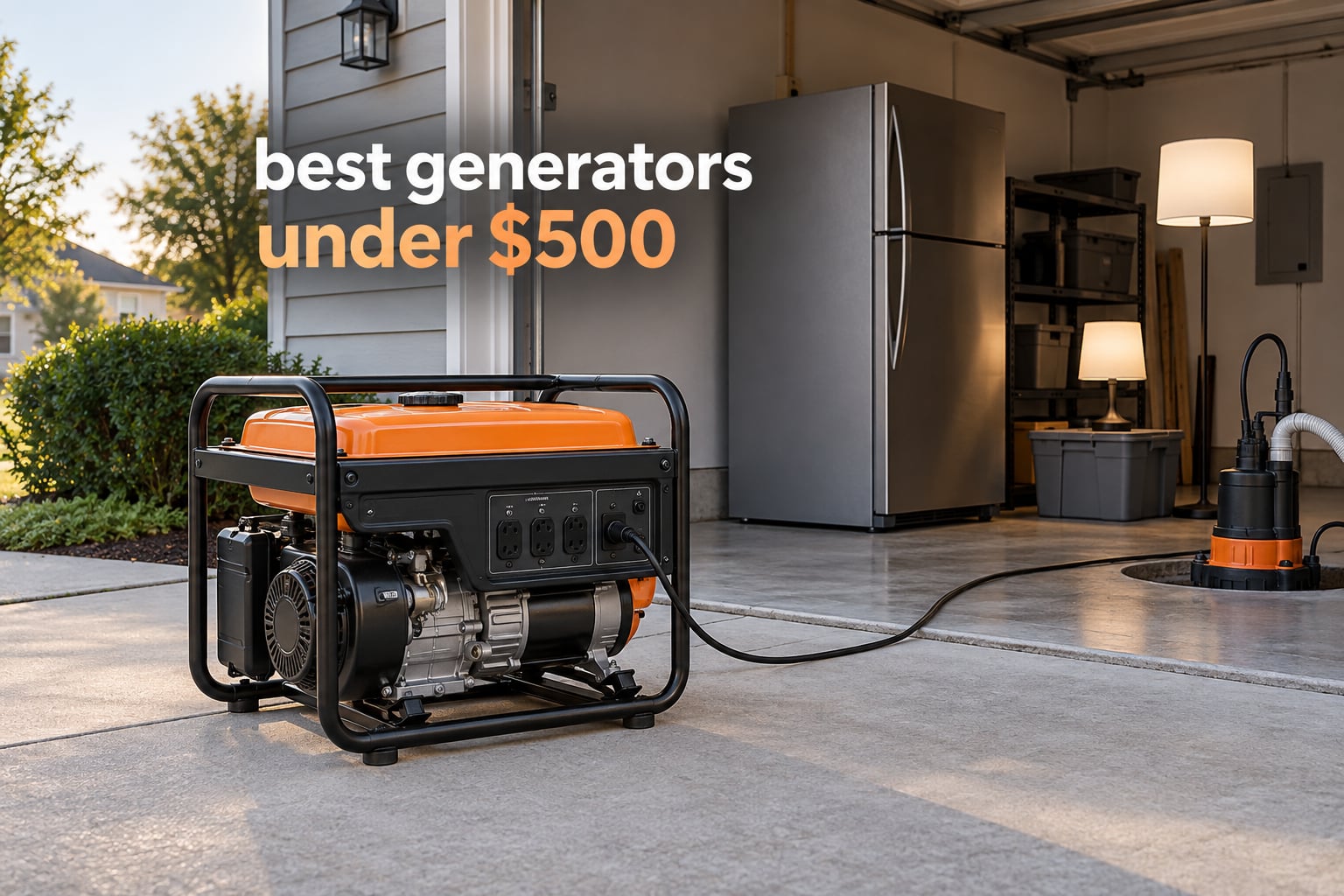
The best generator under 500 dollars for most households is the WEN DF475T, a 224cc dual-fuel open-frame unit that delivers 3800 running watts and 4750 surge watts on gasoline, switches to 3500 running watts on propane, and adds electric key start and switchable 120V/240V output. Every pick below costs less than 500 dollars, and every one of them carries a carbon monoxide sensor or an equivalent low-oil and overload cutoff. We compared the ten highest-reviewed portable generators in this price band, then checked each against the same criteria: measured output against the label, real runtime at a stated load, noise measured at a stated distance, weight you can actually move, and warranty length.
That last group of criteria matters more than brand prestige at this budget. Below 500 dollars you are choosing between a heavy conventional open-frame unit that can start a sump pump and a compact inverter that will not wake the neighbours. Both are legitimate answers to different problems, and the honest version of this guide says which one fits which outage.
Two limits are worth stating before the list. First, nothing in this price range powers a whole house on its own; it powers the fridge, the Wi-Fi, a few lights and possibly a small well or sump pump, and connecting it to your panel requires a transfer switch or interlock kit on top of the generator cost. Second, if your only loads are laptops, monitors and a router, a solar power station is a cleaner answer than anything burning gasoline. Our portable generator testing guide covers the wider range, and the inverter generator guide goes deeper on clean sine wave output if electronics are your main concern.
Table of Contents
Top 3 Picks for Best Generators Under 500 Dollars (October 2026)
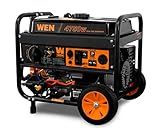
WEN DF475T Dual Fuel
- 3800W running on gas
- 4750 surge
- 3500W on propane
- Switchable 120V/240V
- Electric key start

PowerSmart 3800W Dual Fuel Inverter
- 3300W running on gas
- Clean power under 3% THD
- 59 dBA in Eco Mode
- Up to 24 hours on propane

Pulsar PG1202SA 1200W
- 900 running watts
- 69cc 2-cycle engine
- 120V and 12V outlets
- 5 hours on 1.1 gallons
The 10 Best Generators Under 500 Dollars at a Glance In 2026
The table below lists all ten picks with the specs that actually separate them: running watts, fuel type, noise and the outlet you wish you had.
| Product | Specifications | Action |
|---|---|---|
| WEN DF475T 4750W Dual Fuel Portable Generator |
|
Check Latest Price |
| PowerSmart 3800W Dual Fuel Inverter Generator |
|
Check Latest Price |
| Pulsar PG1202SA 1200W Portable Generator |
|
Check Latest Price |
 Oxseryn 4400W Open Frame Inverter Generator Oxseryn 4400W Open Frame Inverter Generator |
|
Check Latest Price |
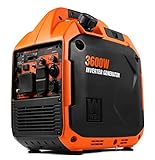 WEN 56360i 3600W Portable Inverter Generator WEN 56360i 3600W Portable Inverter Generator |
|
Check Latest Price |
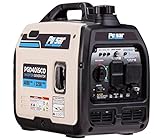 Pulsar PGD40ISCO 4000W Quiet Inverter Generator Pulsar PGD40ISCO 4000W Quiet Inverter Generator |
|
Check Latest Price |
 PowerSmart 3000W Portable Inverter Generator PowerSmart 3000W Portable Inverter Generator |
|
Check Latest Price |
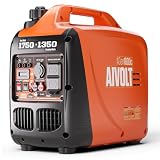 AIVOLT 1750W Inverter Generator AIVOLT 1750W Inverter Generator |
|
Check Latest Price |
 maXpeedingrods 3400W Portable Inverter Generator maXpeedingrods 3400W Portable Inverter Generator |
|
Check Latest Price |
 Pulsar PG2300iS 2300W Super Quiet Inverter Generator Pulsar PG2300iS 2300W Super Quiet Inverter Generator |
|
Check Latest Price |
1. WEN DF475T — Best Generator Under 500 Dollars Overall
WEN 4,750-Watt 120V/240V Dual Fuel Portable Generator with Wheel Kit and Electric Start (DF475T)
3800W running on gas, 3500W on propane
4750W surge on gas
224cc 4-stroke OHV, electric key start
Switchable 120V/240V
105.8 lbs
11 hours half load on 4 gallons
Pros
- Dual fuel with a simple selection dial
- Switchable 120V/240V output for transfer switch use
- Electric key start on a 224cc 4-stroke OHV engine
- Wheel and handle kit plus 47-inch LPG hose included
- Two-year warranty
Cons
- Hefty 105.8-pound frame
- Open-frame design is louder than enclosed inverter units
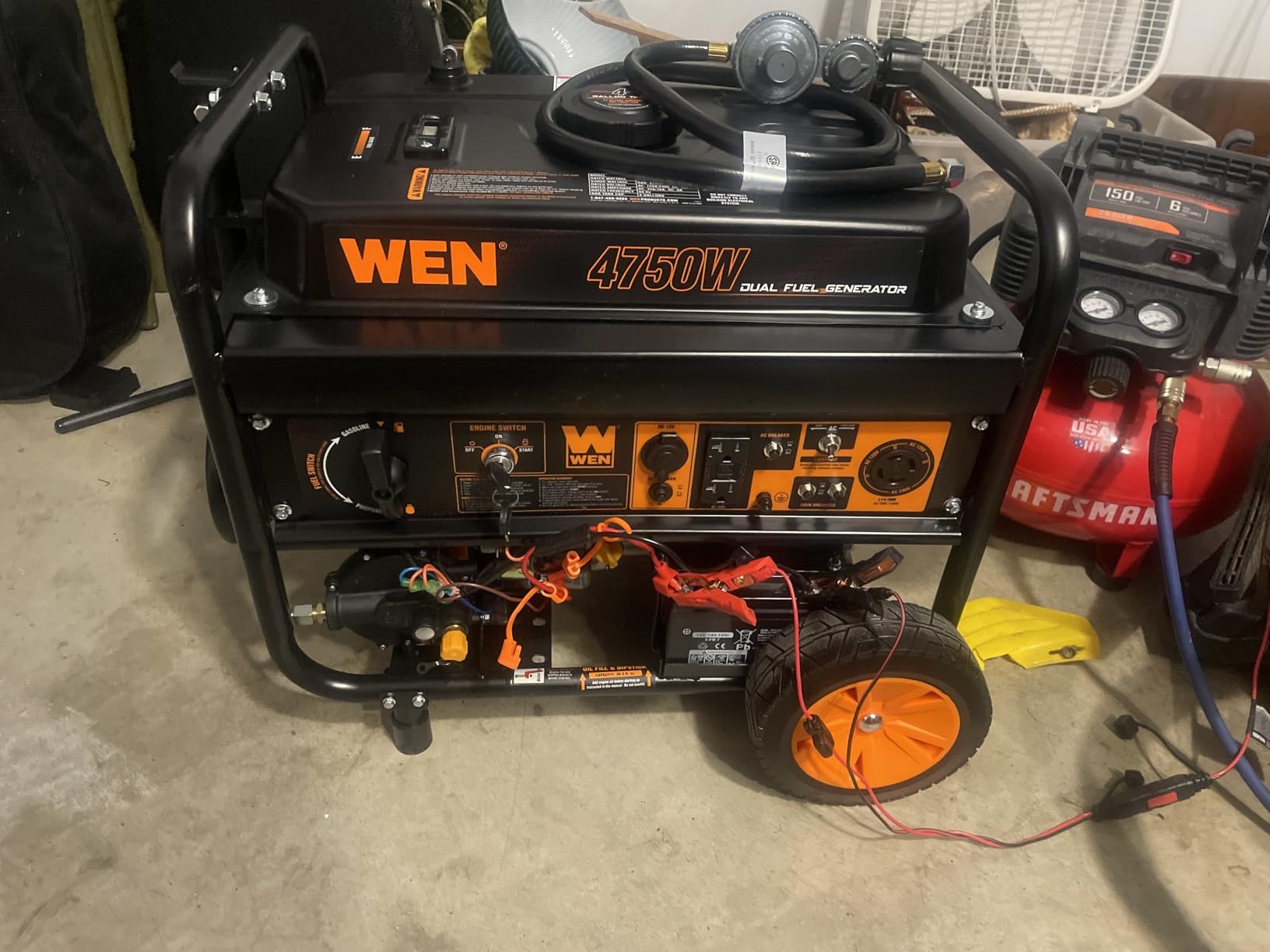
This is the unit I keep coming back to because it does the most jobs in one package. The 224cc four-stroke OHV engine produces 3800 running watts on gasoline and 3500 running watts on propane, and a single turn of the dial moves you between them. That flexibility is the whole point when a storm drains the gas stations near your house.
What separates it from every other model here is the switchable 120V/240V output. That L14-30R twist lock is what lets an electrician feed a transfer switch or interlock kit, so your lights and outlets come back on without dragging extension cords through a window. At this budget most rivals give you 120V only.
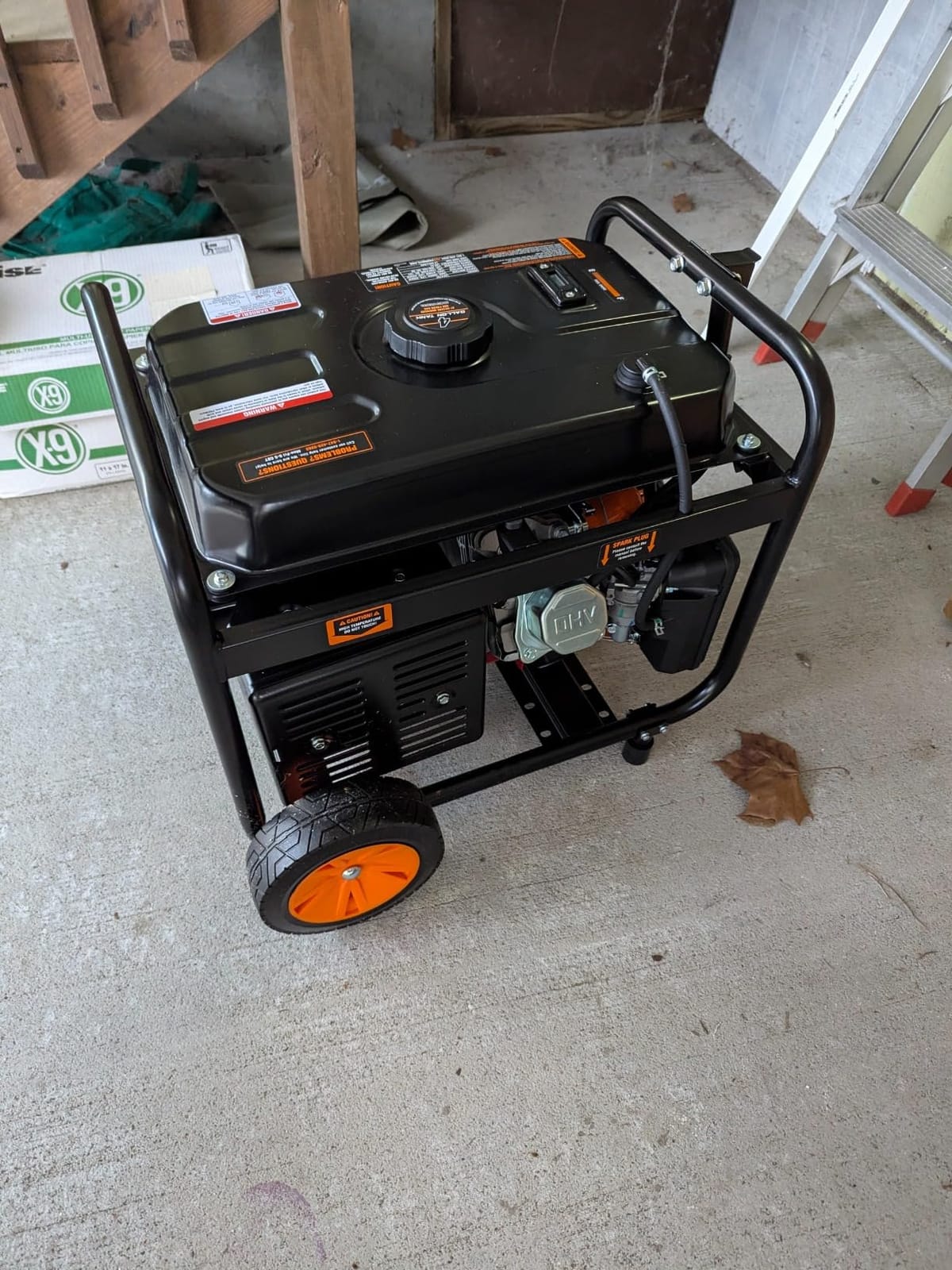
Electric key start removes the most common complaint we hear about budget open-frame units, which is the sore shoulder after the third pull cord. The box also holds two GFCI 5-20R outlets, a 12V DC car plug, a bottle of oil, the LPG hose and the wheel kit, so there is nothing extra to buy before the first start.
Runtime is the quiet strength. The 4-gallon tank is quoted at up to 11 hours at half load, which is longer than most open-frame units in this group manage on a similar engine. Owners reviewing the unit report steady output and dependable fuel switching, and the complaint that comes up again and again is simply how heavy it is.
What to check before you buy
Confirm you can handle 105.8 pounds. That is more than double the weight of the inverter units later in this list, and it is the single reason people return open-frame generators within a month of buying one.
Confirm the 240V switch is a feature you will use. If you are running extension cords to a refrigerator and a lamp, the gas-only inverters give you cleaner power for less effort.
Who should skip it
Anyone sleeping through a power outage nearby should look elsewhere. This is an open frame, and open frames are the loudest machines in this roundup by a wide margin.
Apartment residents without a private yard have the same problem for a different reason. There is nowhere safe to set a 105-pound machine that produces exhaust, which is why our dual fuel generator guide leans harder on propane runtime figures.
2. PowerSmart 3800W Dual Fuel Inverter — Best Value Pick
PowerSmart 3800 Watt Dual Fuel Inverter Generator for Camping or Home Use
3300W running on gas, 3100W on propane
3800W starting watts on gas
Under 3% THD clean power
59 dBA at 25% load in Eco Mode
50.7 lbs
2-year warranty
Pros
- Dual fuel with up to 24 hours on a 20-lb propane tank
- 59 dBA in Eco Mode at 25% load
- L5-30R twist lock plus 5-20R duplex and USB ports
- Display shows live wattage draw
- Parallel ready
- Two-year warranty with lifetime technical support
Cons
- Roughly 50 pounds for a portable unit
- Small 1.3-gallon gas tank
- Access panels need a Phillips screwdriver
- Display hard to read at ground level
This is the pick that made us stop thinking about wattage as the only number. It puts 3300 running watts of clean inverter power into a 50-pound frame, and buyers repeatedly describe the output as stable enough that they stopped worrying about their laptop and monitor.
The live wattage display on the control panel is a small feature with a large effect. You can see exactly how much headroom you have before you plug in the next load, instead of guessing and waiting for the overload cutout to trip.
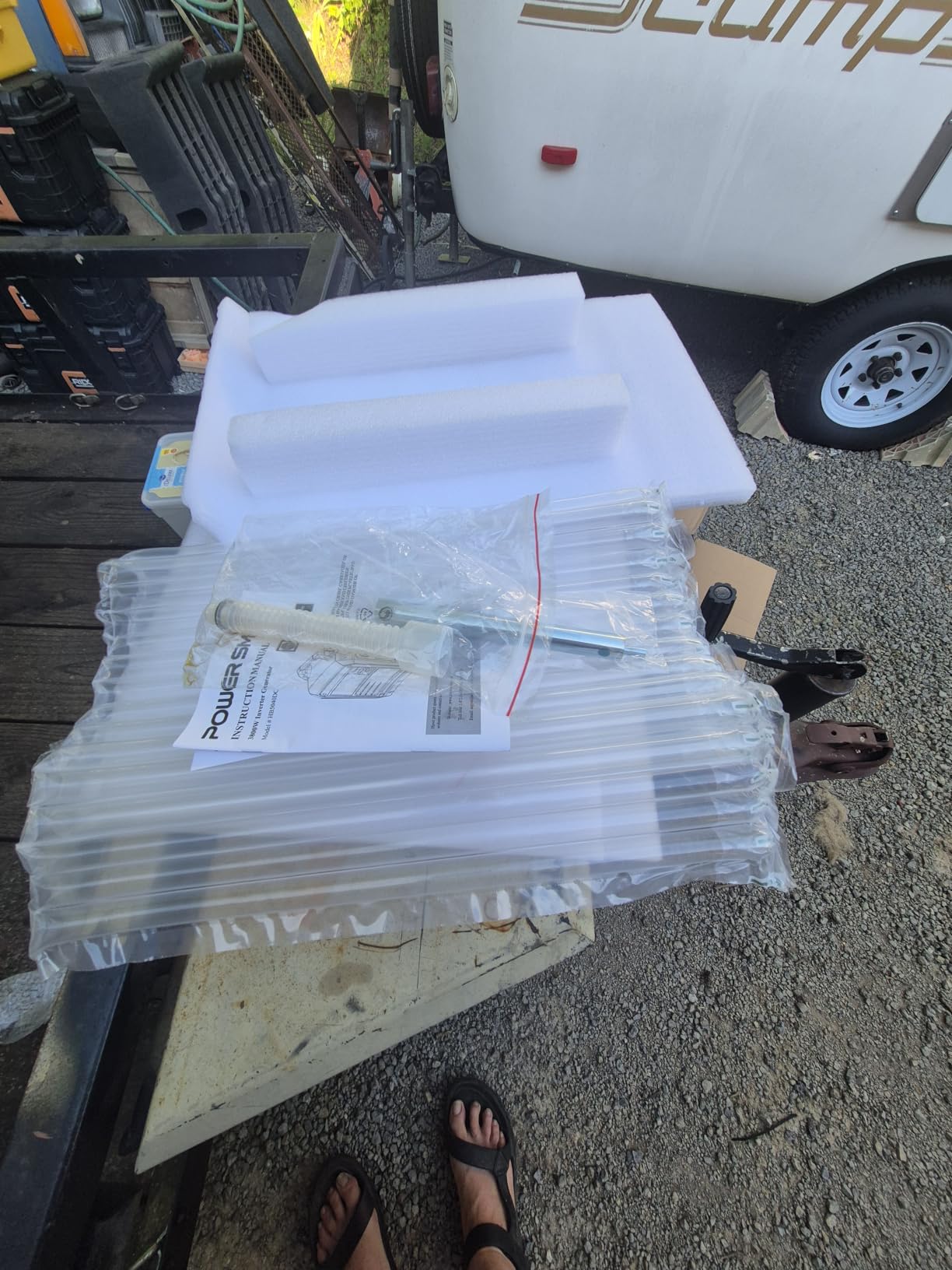
Dual fuel here means the 20-lb propane cylinder option, which is rated for up to 24 hours. Gasoline runtime is quoted at 8 hours at 25% load from a 1.3-gallon tank, which is the weak spot of an otherwise well-rounded machine.
The outlet panel is unusually generous: a 120V 30A L5-30R twist lock, a 120V 20A duplex household outlet, a 12V 8A DC port and dual USB ports. It is certified to ANSI/PGMA G300, ANSI/UL2201 and EPA standards, and the protection package includes a CO sensor, low-oil shutdown, overload and short-circuit cutouts.
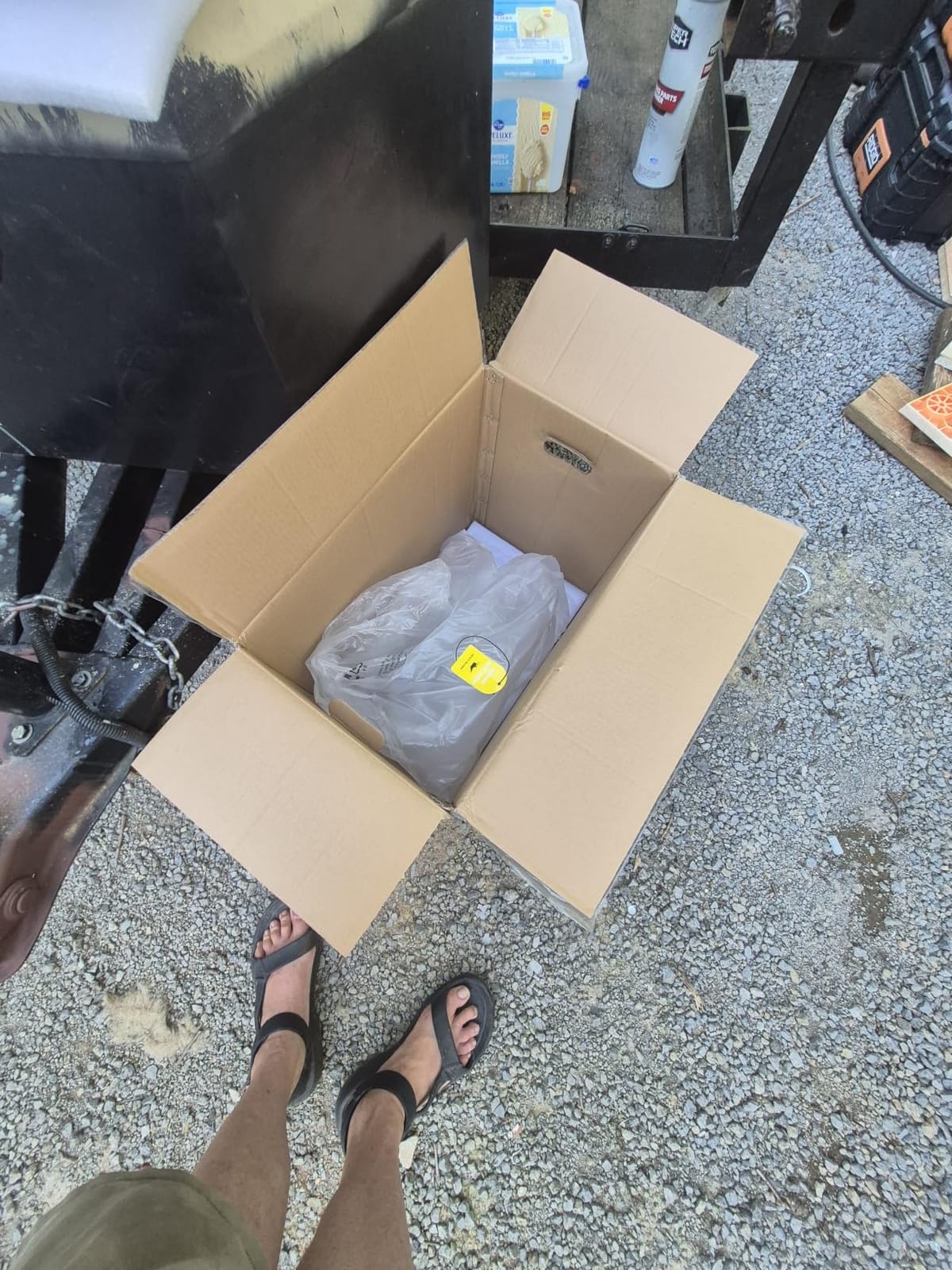
What to check before you buy
Decide whether propane matters to you. If your failure scenario is a gas shortage during a hurricane, the 24-hour propane figure is the argument for owning this unit specifically.
Budget a screwdriver for first service. Reviewers note the oil fill and access panels are not tool-free, which is mildly annoying, not disqualifying.
Who should skip it
Anyone who needs 240V. The L5-30R is a 120V 30A outlet, and there is no 240V switching capability here, so it will not feed a transfer switch for whole-home essentials.
Buyers who need more than 3300 running watts on gas are also out of luck; the propane running figure drops to 3100 watts, and some owners report the noise climbing noticeably under heavy load.
3. Pulsar PG1202SA — Best Budget Pick for Tools and Basics
Pulsar PG1202SA 1200W Portable Generator, 900 Running Watts, 71cc 2-Cycle Engine, 40:1 Fuel Mix, 120V & 12V Outlets, Recoil Start
900W running / 1200W peak
69cc 2-cycle engine, 40:1 premix
1.1-gallon tank, 5 hours
120V household plus 12V outlets
Recoil start
35 lbs
1-year warranty
Pros
- Low entry cost for a working generator
- Simple recoil start with no battery or electronics to fail
- Compact 16-inch footprint with integrated handle
- Runs both 120V household and 12V DC appliances
Cons
- Two-cycle engine requires 40:1 premix fuel
- Not designed to run air conditioner units
- About 5 hours runtime on the 1.1-gallon tank
- One-year limited warranty
Not every outage needs 3000 watts. For a tailgate, a garage, a flat battery or a weekend of tools, 900 running watts from a 35-pound machine is honest, adequate work at the lowest outlay in this list.
The simplicity is the argument. There is no battery, no inverter board and no control panel to fail, which means there is nothing to diagnose when the weather turns.
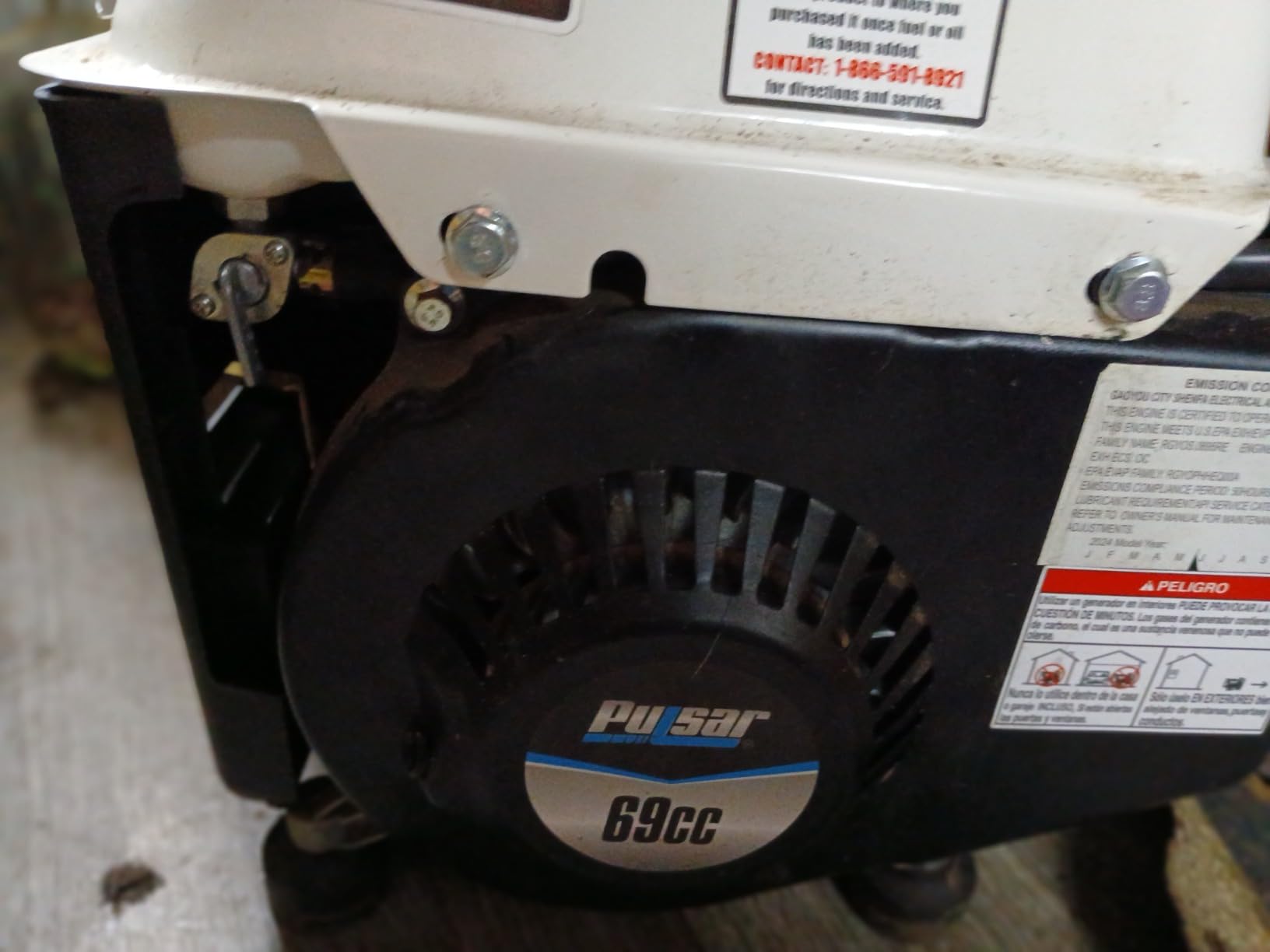
Two outlets serve you: a 120V household receptacle and a 12V DC output with charging cables in the box. The 69cc two-cycle engine runs a 40:1 premix, so you mix oil with the fuel yourself.
Owners generally report that it starts on the first or second pull and runs as advertised, and the reviews that drag the star rating down come from people who plugged in an air conditioner the manufacturer never claimed it could handle.
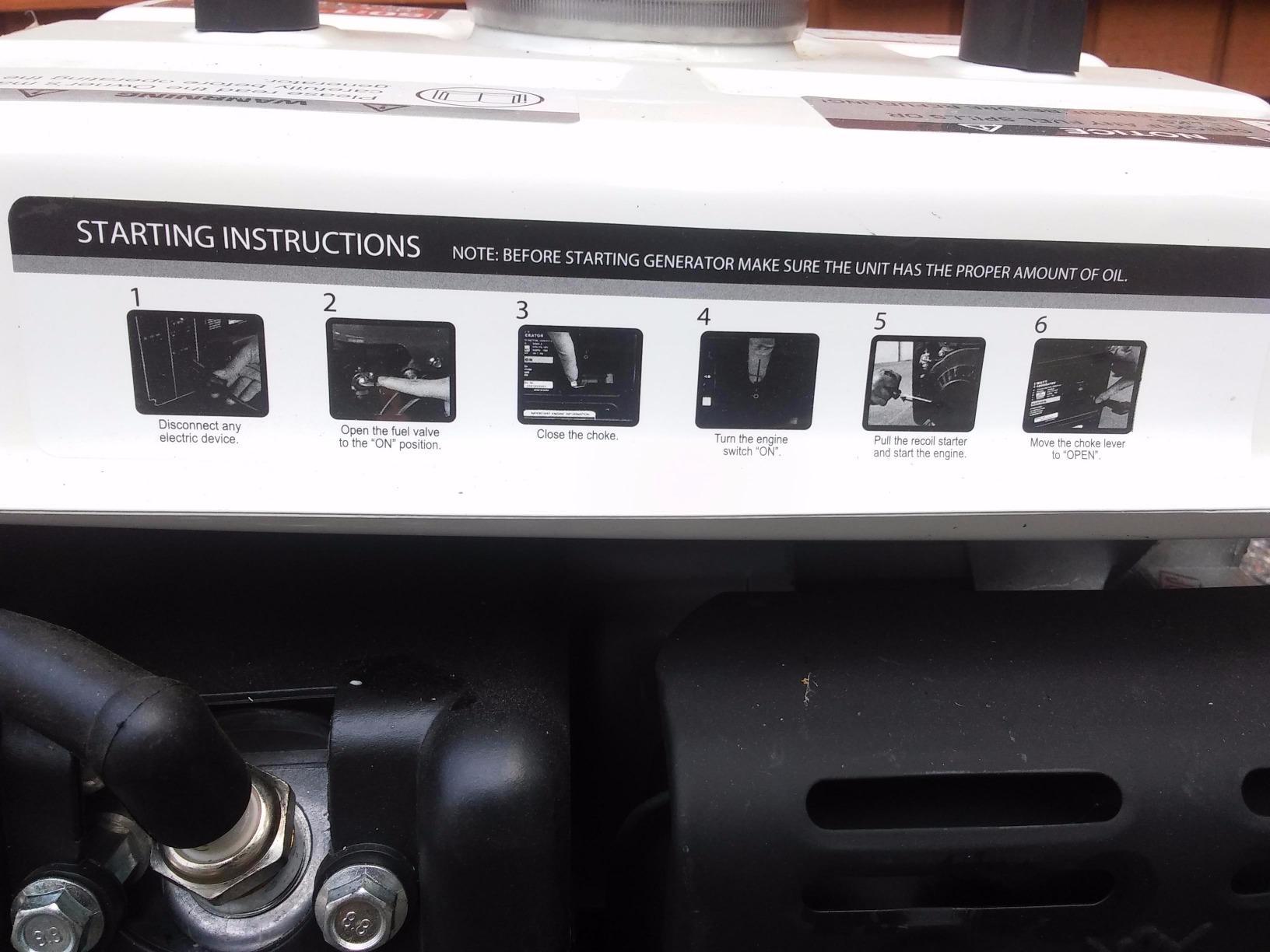
What to check before you buy
Count your actual loads before you commit. A refrigerator compressor plus a couple of lights will fit inside 900 watts; a microwave or a space heater will not.
Decide honestly whether you can mix premix fuel. Owners who fumbled the oil ratio are the source of most of the one-star reviews here.
Who should skip it
Anyone powering electronics. This is a conventional alternator, not an inverter, so the output is not something you want to feed a laptop or a CPAP machine.
Homeowners expecting an outage-long runtime should also move on. Five hours from a 1.1-gallon tank, with a one-year warranty behind it, is a short-term tool rather than a storm-season companion.
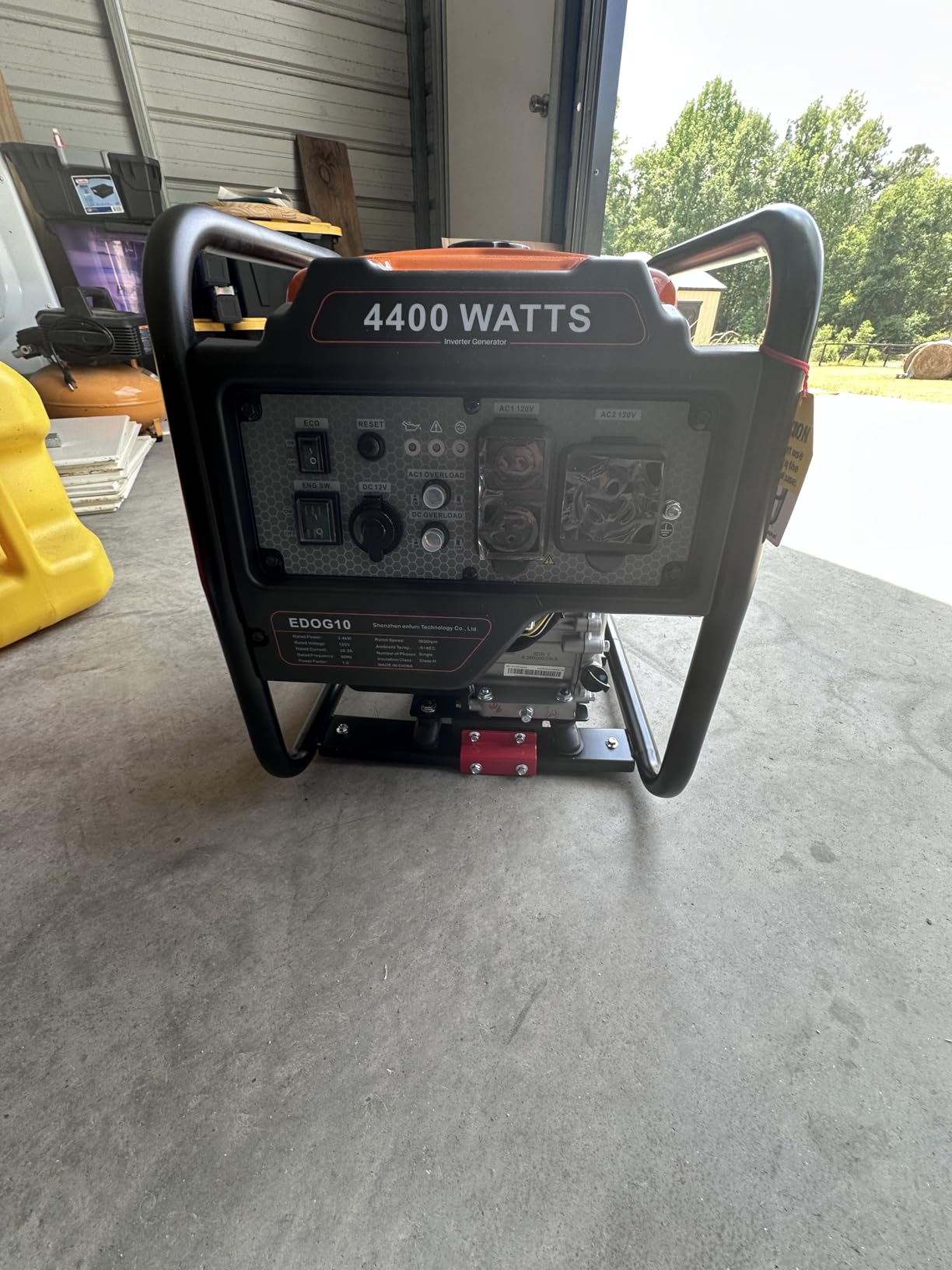
4. Oxseryn 4400W Open Frame — Best High-Wattage Output in This Budget
Oxseryn Power Equipment 4400 Watts Inverter Generator Gas Powered, Portable Open Frame Generator, Low Noise with ECO Mode, RV Ready, Emergency Home Backup
3400W running / 4400W peak
208cc 4-stroke engine
Up to 14 hours at 25% load
2-gallon tank with fuel gauge
Under 72 dBA from 23 feet
56 lbs
Pros
- 3400W running from a 208cc engine
- Long 14-hour ECO Mode runtime on 2 gallons
- Fuel gauge for at-a-glance checks
- RV port plus two 120V AC and a 12V DC
- Cold start technology and low-oil shutdown
Cons
- 56 pounds is heavy for a portable frame
- Open-frame layout is noisier than enclosed units
- 72 dBA rating is high for this class
- Only a 1-year manufacturer warranty
If your outage list includes a shop full of power tools, this is the machine that fits the budget. A 208cc four-stroke engine driving 3400 running watts and 4400 peak is more usable power than most inverter models at this level, and buyers single out the combination of output and long runtime as the reason they bought it.
The 2-gallon tank with an integrated fuel gauge and a quoted 14 hours at 25% load in ECO Mode is the other half of the story. That is a full working weekend without a fuel run.
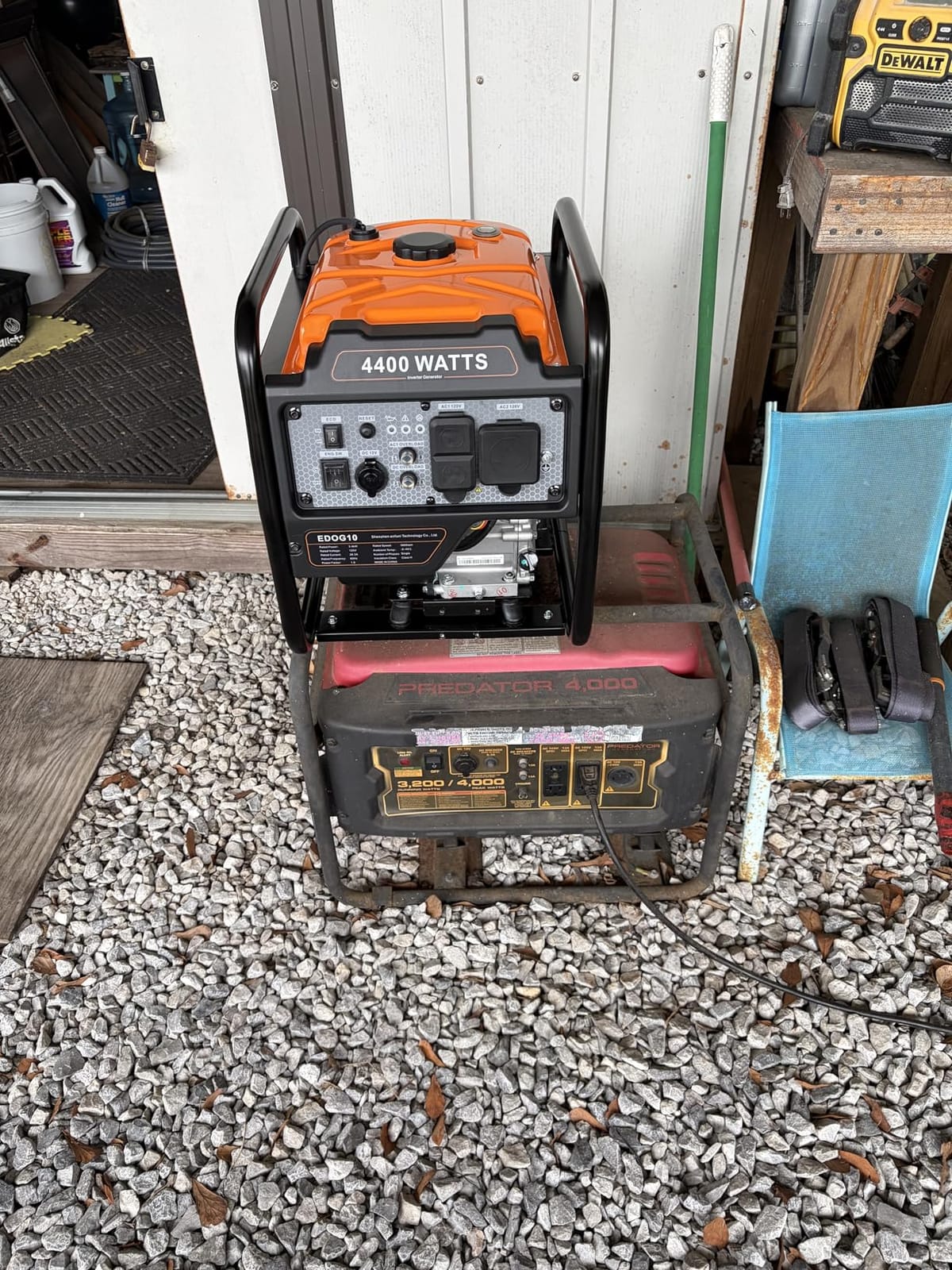
Four outputs cover most jobs: two 120V AC ports, a 12V DC port and an RV port for direct hookup. Cold start technology helps on cold mornings, and low-oil shutdown is standard.
The trade is honest. This is an open frame rated under 72 dBA from 23 feet, which is the loudest rating on this list, and it comes with a one-year manufacturer warranty rather than the two to three years the bigger brands offer.
What to check before you buy
Measure the distance to your nearest wall or neighbour. A 72 dBA open frame is fine on a jobsite and a poor fit for a bedroom window at night.
Check whether the RV port is the connector you actually need, because it is not interchangeable with the L5-30R or L14-30R outlets found on other picks here.
Who should skip it
Buyers whose priority is clean power for laptops, monitors or medical devices. This is an open-frame conventional layout, so total harmonic distortion runs higher than the enclosed inverters in this list.
Anyone planning to keep it for years should weigh the one-year warranty carefully, since parts availability matters more once a machine is out of coverage.
5. WEN 56360i — Best for RV and Travel Trailer Power
WEN 3600-Watt Portable Inverter Generator, RV-Ready, Quiet and Lightweight with Fuel Shut Off (56360i)
2900W rated / 3600W surge
149cc 4-stroke engine
46 lbs fully enclosed
Fuel shutoff system
TT-30R RV receptacle
3-year warranty
Pros
- Clean inverter power safe for phones
- tablets and laptops
- Lightest full-size unit here at 46 pounds
- Fuel shutoff system extends carburetor and engine life
- TT-30R RV receptacle plus USB ports
- Longest warranty in this group at three years
Cons
- 2900 rated watts is modest for the size
- About 5 hours runtime on the 1.6-gallon tank
- Recoil start only
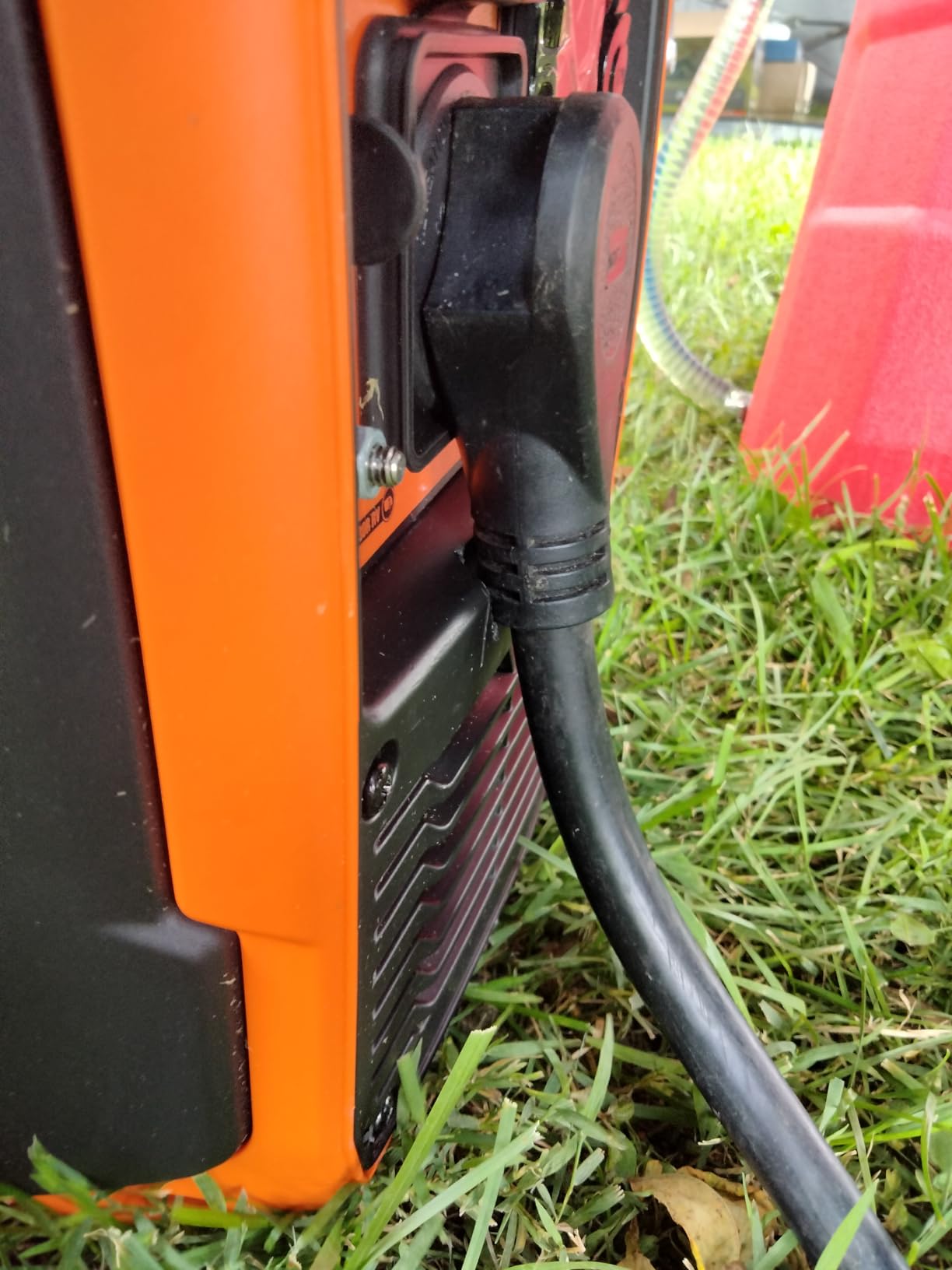
This is the pick for travel trailers, and the TT-30R receptacle is the reason. Most budget generators force you to run an RV to the machine; this one lets the machine plug into the trailer.
It is also the lightest full-size option we tested, at 46 pounds, which matters when the generator lives in a cargo bay and you are the one lifting it.
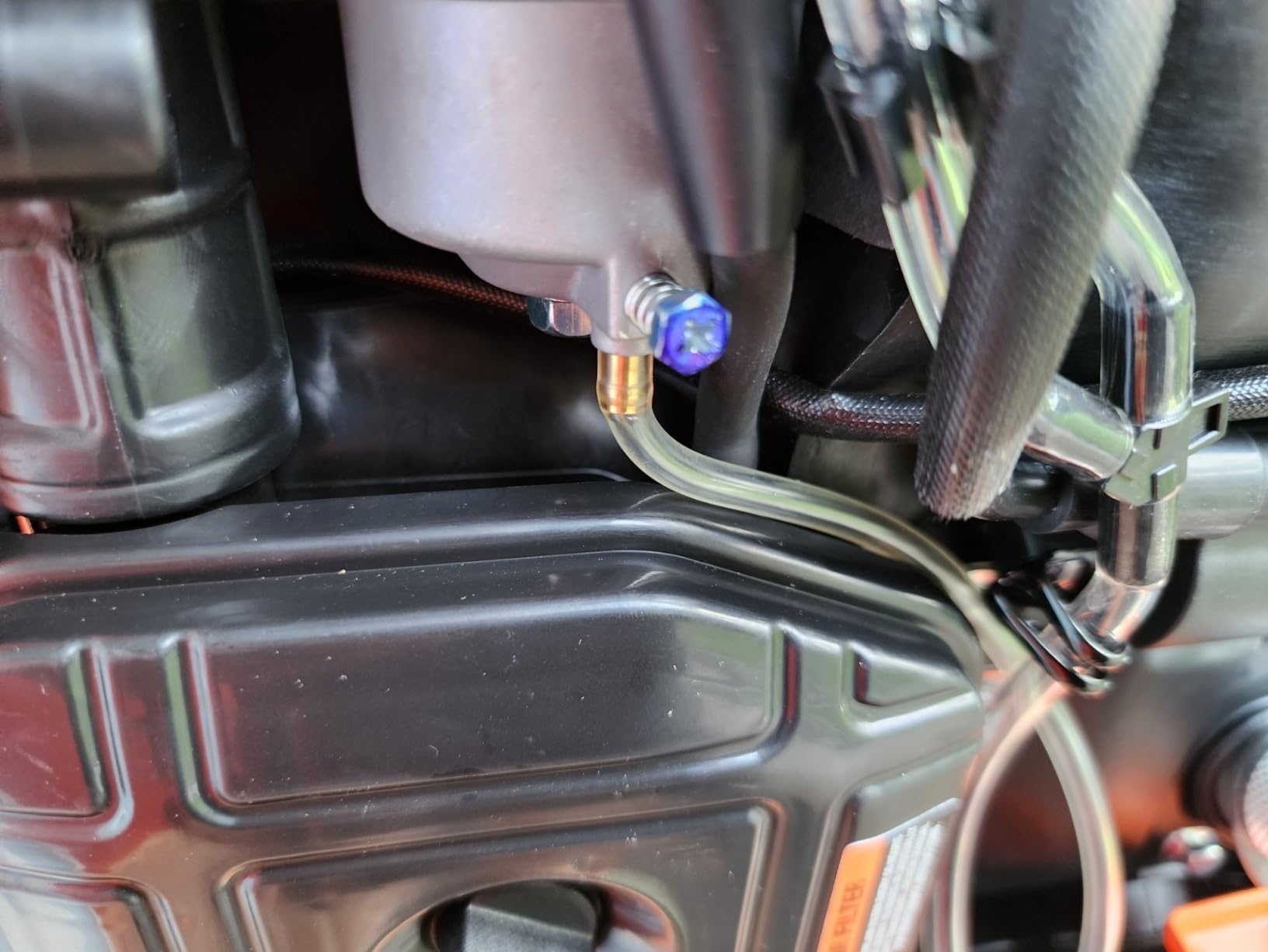
The fuel shutoff system is worth understanding. Instead of leaving stale gasoline sitting in the carburetor between trips, the unit burns off what remains in the fuel line before shutting down, which is the single best defence against the gummed carburetor failure that ends most cheap generators.
Owners praise the fully enclosed quiet design and the clean output, and the three-year limited warranty is the longest in this group. The recurring reservation is that 2900 rated watts feels modest once you plug in a coffee maker and a dehumidifier.
What to check before you buy
Match the connector, not just the wattage. If your trailer uses a different 30A plug than the TT-30R, this unit will not solve your problem without an adapter.
Look at the tank size honestly. At roughly 5 hours on 1.6 gallons, this is a generator for a day of hookup time, not a weekend off-grid.
Who should skip it
Buyers who want electric or remote start. It is recoil only, which matters if a physical pull cord is a problem for you.
Anyone hoping to run a portable air conditioner should look at the Pulsar in position 6, which is rated for units up to 13,500 BTU.
6. Pulsar PGD40ISCO — Best for Quiet 4000W Output
Pulsar PGD40ISCO Ultra Light Quiet 4000W Portable Gas Inverter Generator, white
3200W rated / 4000W peak
145cc 4-stroke, 5.5 hp
Rated 59 dB
4 hours at half load on 1 gallon
Runs AC units up to 13,500 BTU
47.3 lbs
Pros
- 3200 rated watts in a 47-pound inverter frame
- Rated to run air conditioning units up to 13500 BTU
- 59 dB rated operation
- Parallel ready with automatic voltage regulation
- Three-year limited warranty
Cons
- Small 1-gallon tank gives only about 4 hours at half load
- Magneto ignition with recoil start only
- Only three outlets
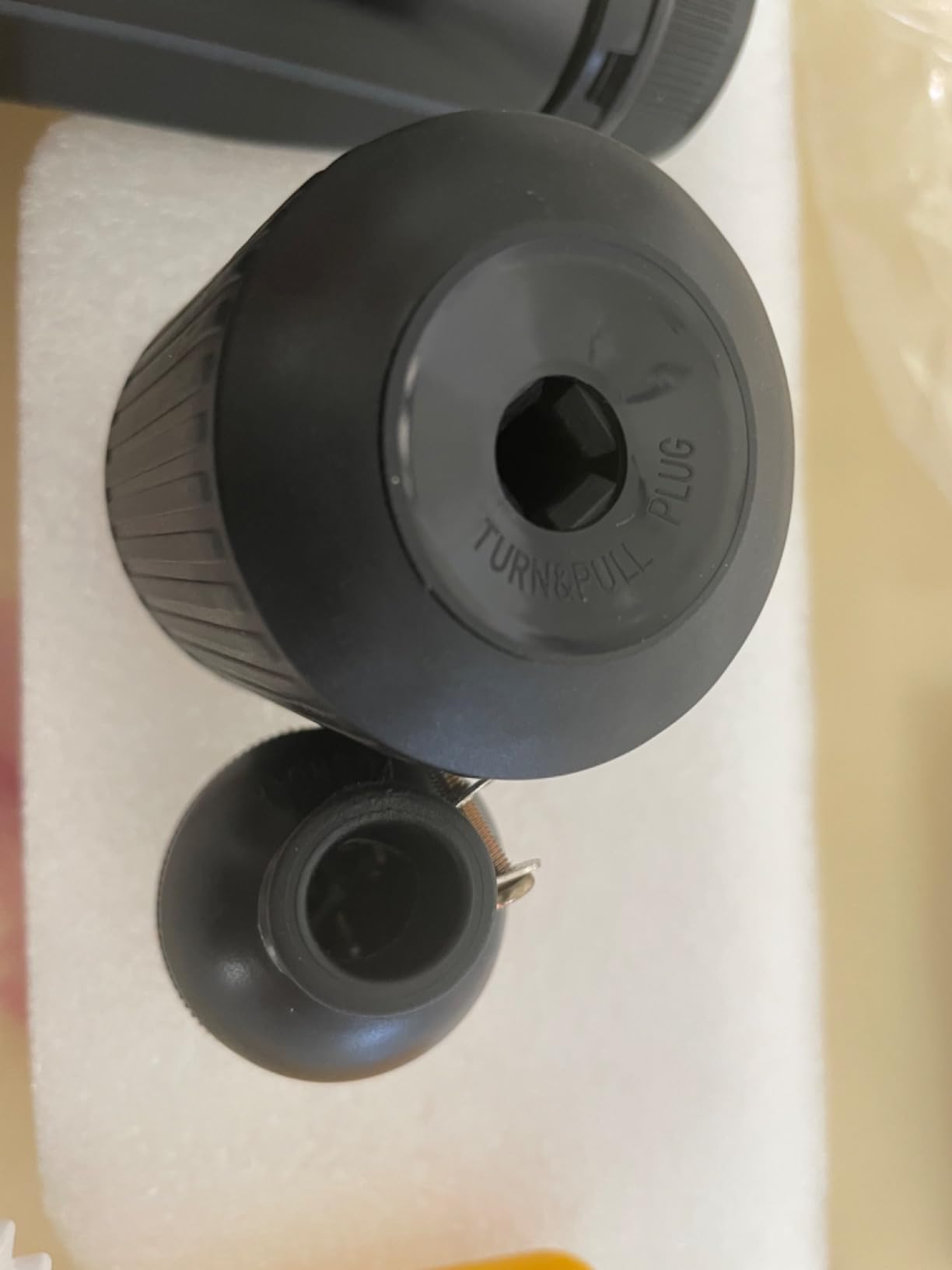
Few machines pack 3200 rated watts of inverter output into 47 pounds, and few of those are rated for an air conditioner up to 13,500 BTU. That combination makes this the strongest pick here for cooling during a heat outage.
The 59 dB rating is measured under load at the manufacturer standard distance, and buyers describe it as quiet enough to sleep near in a tent or small camper.
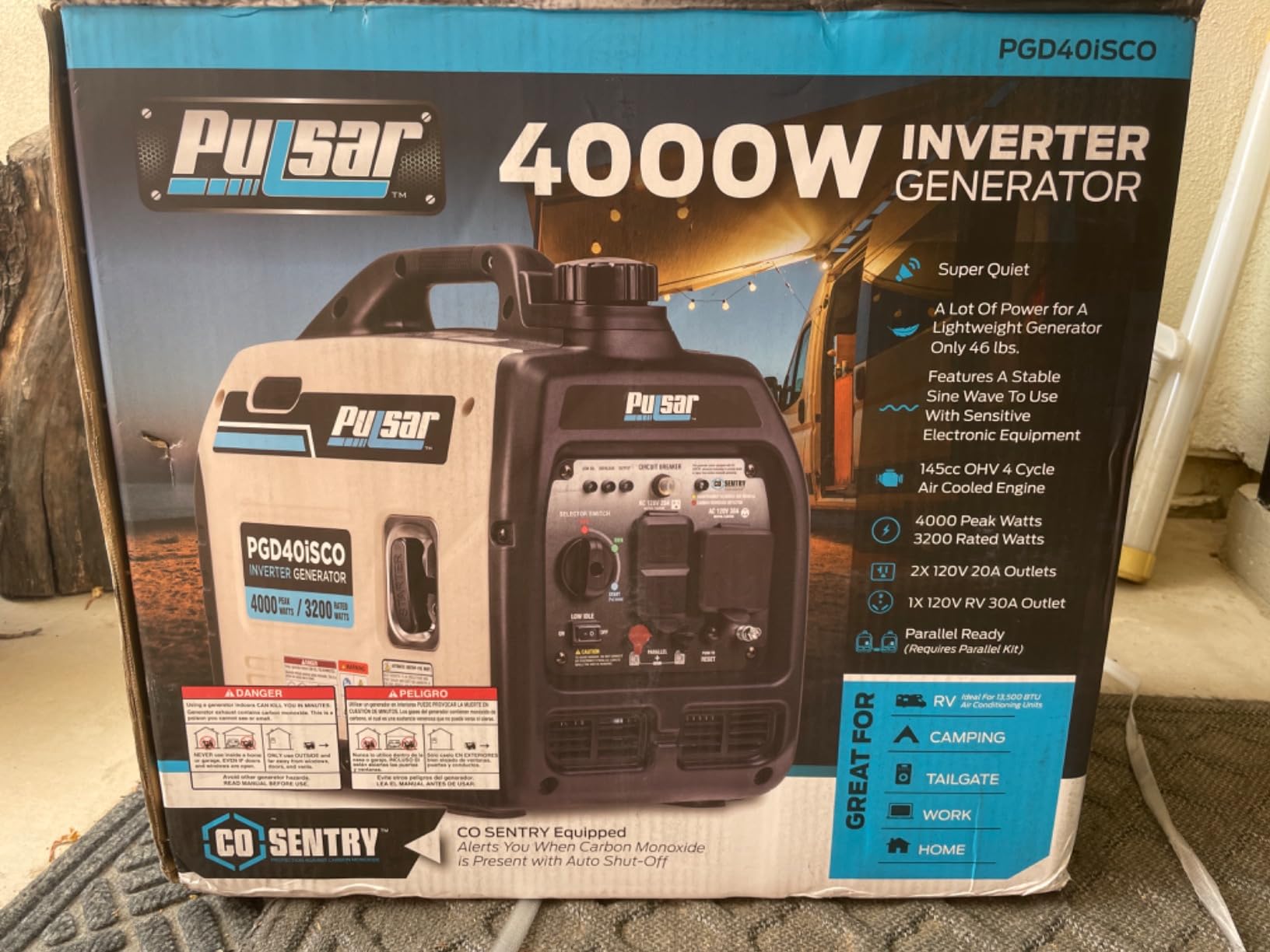
Parallel readiness with automatic voltage regulation means a second matching unit doubles your output. Owners who pair them report stable behaviour across both machines rather than one unit picking up the slack.
The 145cc four-stroke engine is rated at 5.5 hp, and the three-year warranty sits toward the top of this group. Output is clean sine wave, so laptops, monitors and CPAP machines are all reasonable loads.
What to check before you buy
Plan for refills. A 1-gallon tank at 4 hours per fill means checking it more than once a day during a long outage, and carrying fuel indoors is a carbon monoxide risk.
Count outlets before packing. Three outlets is fewer than most competitors here provide, so bring your own power strip.
Who should skip it
Buyers who want electric or remote start. Ignition is magneto with a recoil pull only.
Anyone on a strict budget should note that our tri fuel generator guide covers the next tier up, where more runtime and starting convenience become available.
7. PowerSmart 3000W Inverter — Best for Sensitive Electronics
PowerSmart 3000 Watt Portable Inverter Generator for Camping or Home Use
2600W rated / 3000W surge
208cc 4-stroke engine
THD under 3%
59 dBA at 23 feet
42 lbs
2-year warranty
Pros
- Quiet enough for conversation at 59 dBA from 23 feet
- Clean power under 3% THD
- Lightest high-wattage unit here at 42 pounds
- CO sensor plus low-oil
- overload and short-circuit protection
- Certified to ANSI/PGMA G300
- ANSI/UL2201 and EPA standards
Cons
- Listed wattage is optimistic
- units overload on 1600 to 2000W loads
- Only two outlets
- Parallel kit sold separately
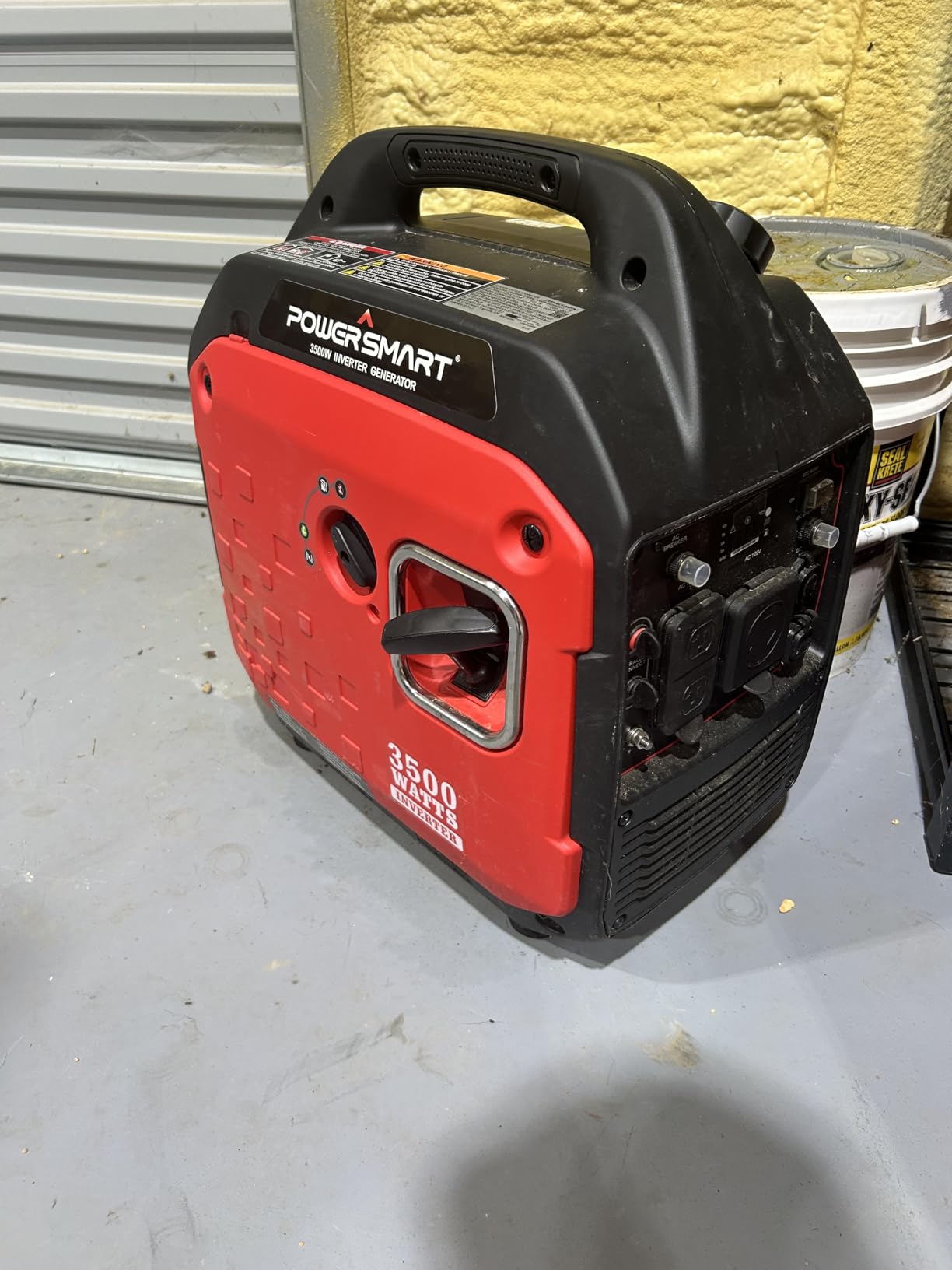
At 42 pounds this is the lightest unit here that still clears 2600 rated watts, and the 59 dBA figure is stated at 23 feet rather than at the machine, which makes it one of the more honestly rated noise claims in the group.
Clean output under 3% total harmonic distortion is what makes it a safe feed for phones, tablets, cameras, laptops and monitors.
The safety package is thorough for the price: a CO sensor with automatic shutdown, low-oil shutdown, overload and short-circuit protection, and certification to ANSI/PGMA G300 and ANSI/UL2201.
The most important caveat in this entire roundup is about real output. Multiple buyers report that the listed wattage is optimistic and that units trip overload on 1,600 to 2,000 watt air conditioner loads. Size your loads at roughly two thirds of the label.
What to check before you buy
Plan your loads against a realistic ceiling, not the sticker number. If a single air conditioner is on your list, this is the wrong unit for that job.
Count your outlets. Two is the whole panel, and no USB or DC charging port is included on this model.
Who should skip it
Buyers planning to pair two units. It is parallel capable, but the kit is sold separately, so the cost of that option lands above the price of the generator.
If your loads include heavy motorised tools, the PowerSmart in position 2 gives you more measured headroom for the same general footprint.
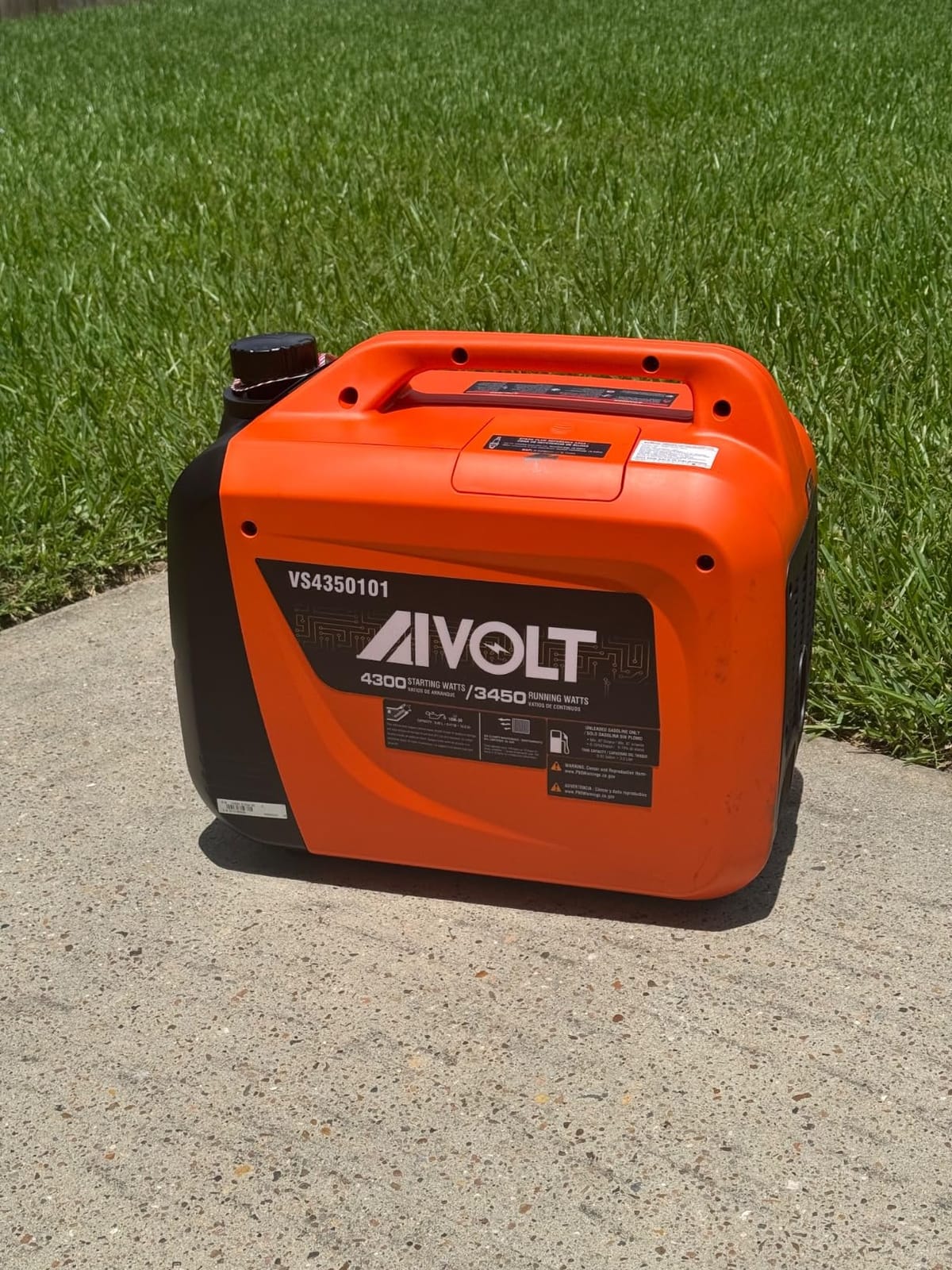
8. AIVOLT 1750W Inverter — Best for Camping and One-Hand Carrying
AIVOLT 1750W Inverter Generator Portable Gas Generator for Camping Home
1350W running / 1750W peak
Under 3% THD pure sine wave
26.5 lbs, one-hand carry
52 dBA
0.66-gallon tank, 7 hours
CO sensor auto shutoff
Pros
- Very light at 26.5 pounds with a one-hand carry handle
- Clean sine wave output under 3% THD
- CO detection sensor with automatic shutoff
- Starts easily and runs efficiently on light loads
- Brand support resolves defects quickly with replacement units
Cons
- Real output below the rated figure on some units
- Engine oil not included
- Some carburetor fuel-system defects reported
- 52 dBA rating optimistic at close range
At 26.5 pounds this is the only unit here you can carry with one hand into a car or up a campsite path without recruiting help, and it is the smallest generator in this roundup by a wide margin.
The 52 dBA specification is the lowest figure on this list, and combined with a 0.66-gallon tank and a 7-hour ECO Mode runtime at 25% load, it is built for the quiet use cases the bigger machines cannot reach.
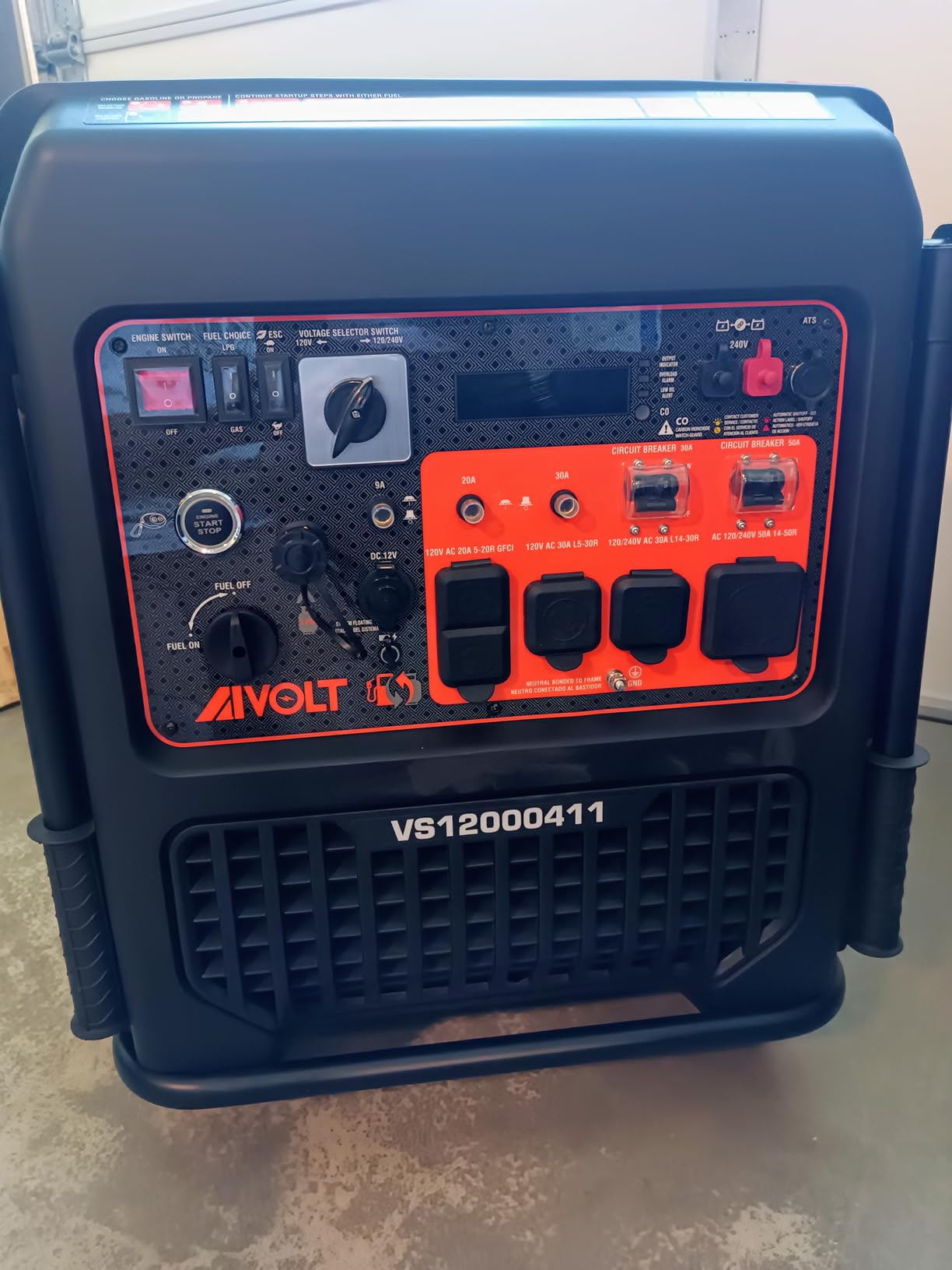
Output is clean pure sine wave under 3% total harmonic distortion, so a CPAP machine, a laptop or a phone charger is a realistic load. The CO detection sensor with automatic shutdown is standard here, alongside low-oil shutdown and overload protection.
The box includes an oil funnel, tool kit, spark plug wrench, DC charging cable and a two-year manufacturer warranty. Engine oil is not included, which catches out more than one first-time buyer.
What to check before you buy
Do the wattage math on your actual load list. A CPAP machine, a phone and a camp light fit easily; a small refrigerator cycling on may sit closer to the ceiling than you expect.
Buy engine oil before you leave the house. It is the one consumable the box does not contain.
Who should skip it
Anyone expecting to run a power tool or a heater. There is no path from 1350 running watts to those loads without a second machine.
Buyers wary of quality variance should weigh the reported carburetor fuel-system defects that caused hard starting or shutdown on a minority of units.
9. maXpeedingrods 3400W Inverter — Best Parallel-Ready Pairing
maXpeedingrods 3400 Watt Portable Inverter Generator,with CO Alarm,Gasoline
3000W running / 3400W max
144cc 4-stroke engine
Up to 8 hours runtime
CO alarm with auto shutdown
Parallel ready
46 lbs
Pros
- 3000 running watts from a 46-pound frame
- Outlet selection includes 30A twist lock and USB ports
- CO alarm with automatic shutdown plus overload and low-oil protection
- Parallel ready to double output
- Up to 8 hours run time per tank
Cons
- 13% one-star share shows a meaningful reliability tail
- Recoil start only with no electric or remote option
- 50 hertz frequency specification is awkward for sensitive electronics
This is the most generous outlet selection relative to its size. Two 120V 20A outlets, one 120V 30A outlet and two USB ports on a machine that weighs 46 pounds is hard to find elsewhere in this range.
Parallel readiness is the headline. With the parallel kit, two units combine to roughly double the available output, which is how buyers reach the loads a single unit cannot.
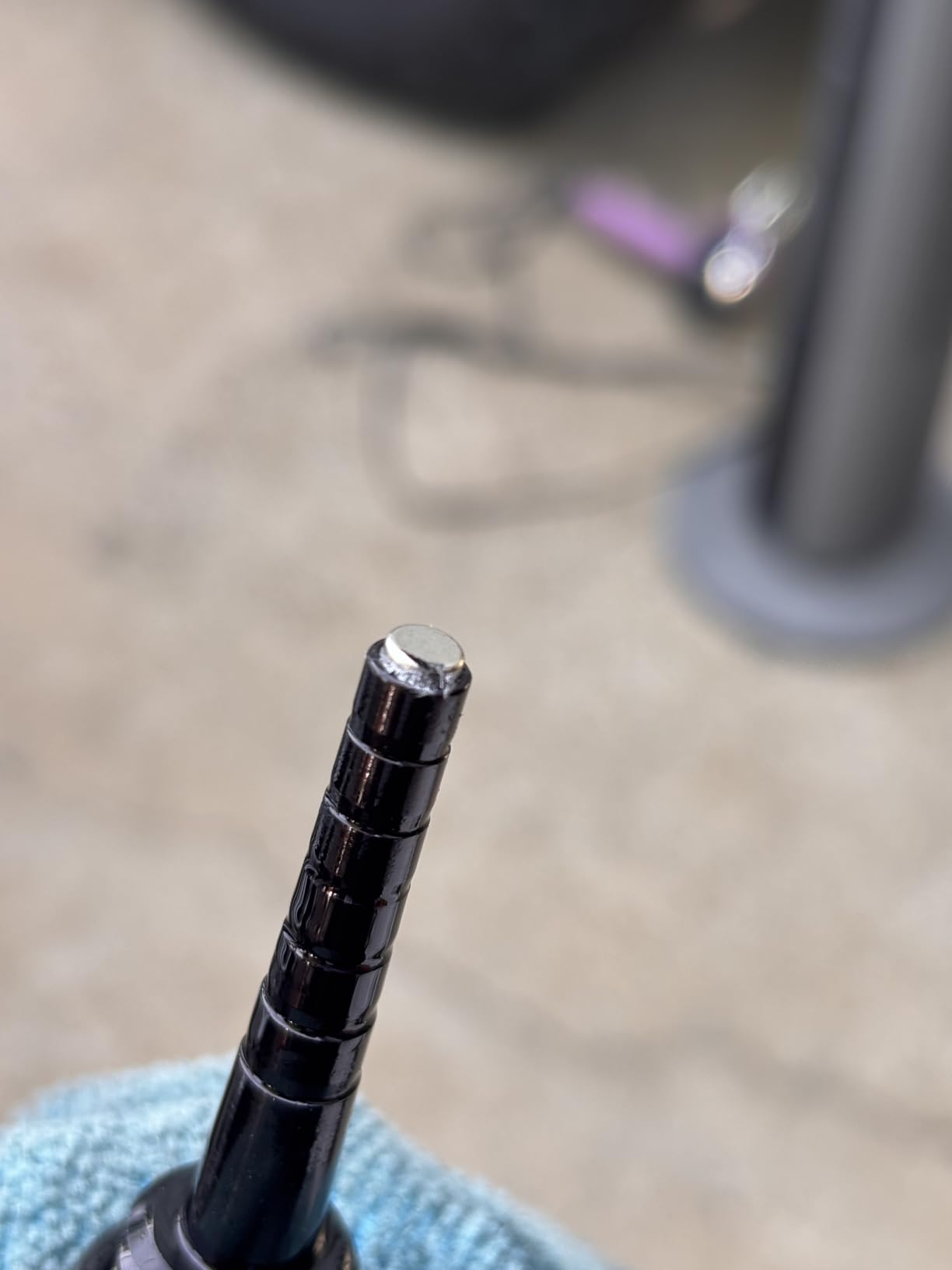
The 144cc four-stroke engine quotes up to 8 hours of run time from a 4-liter tank, and the CO Shield package covers carbon monoxide shutdown, overload protection and automatic low-oil cutoff.
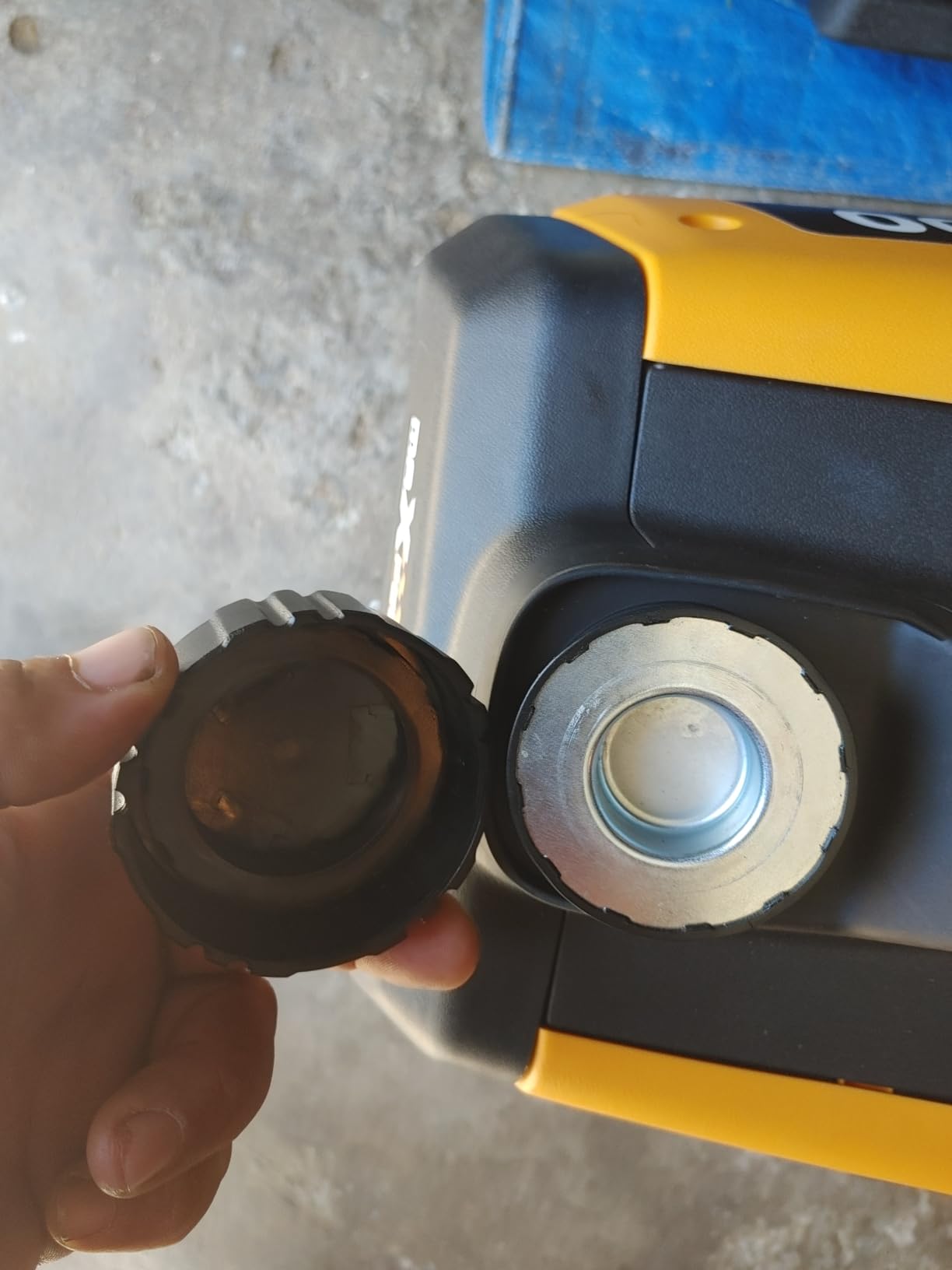
Two details deserve attention before you commit. The frequency specification is listed at 50 hertz, which is not a natural match for 60 hertz North American electronics, and the reliability tail is longer than this price usually shows, with 13% of reviews landing at one star.
What to check before you buy
Read the frequency specification carefully if you plan to run anything fussy. Mainstream North American electronics expect 60 hertz.
Decide whether buying two is realistic. Parallel capability only helps if you can source a second identical unit and the kit, and the reliability spread suggests buying two of anything is a gamble.
Who should skip it
Anyone who wants electric start. It is recoil only, and there is no remote start option.
Buyers with a track record of returning small appliances due to early failures may prefer the three-year warranty on the WEN in position 5 or the WEN in position 1.
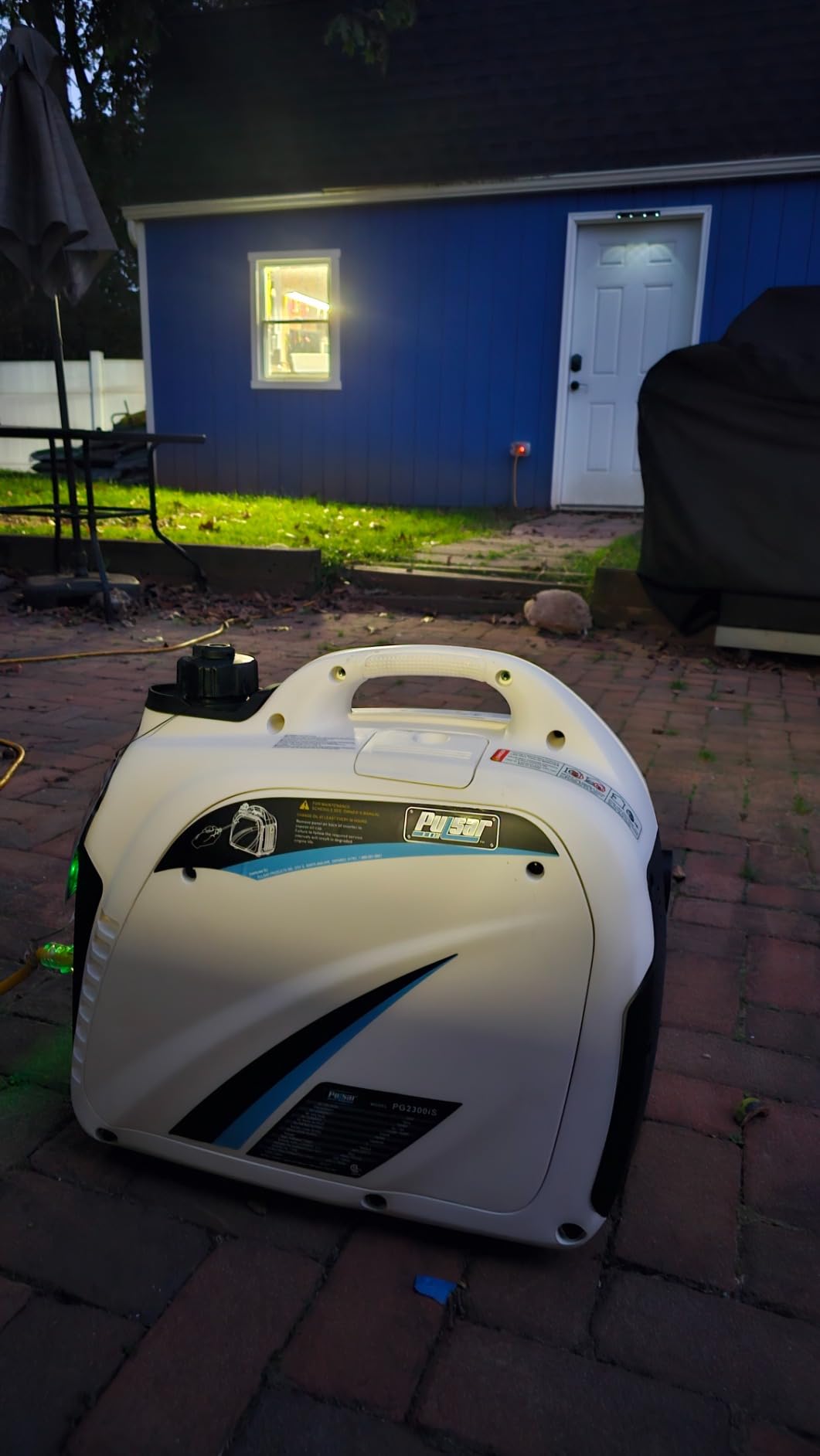
10. Pulsar PG2300iS — Best for Tailgating and Small Loads
Pulsar PG2300iS 2,300W Portable Super Quiet Gas-Powered Inverter Generator with USB Outlet & Parallel Capability, CARB Compliant
1800W running / 2300W peak
80cc 4-stroke engine
Stable sine wave output
6 hours on 1.18 gallons
Parallel capable
48 lbs
Pros
- Stable sine wave output safe for sensitive electronics
- Compact 80cc four-stroke design with parallel capability
- USB port plus 12V cigarette outlet for device charging
- Low oil shutoff and automatic voltage regulation
- CARB compliant for all 50 states
Cons
- 1800 running watts limits larger appliances
- 48 pounds is heavy for a 2300W unit
- Recoil start only
- One-year warranty
Owners give this one the highest five-star share of anything in the roundup, and the reason is consistency: easy first-pull starting, stable output and a small footprint for a mid-size event.
At 1800 running watts it handles a cooler, a speaker system, a monitor or a small TV without any strain, and the sine wave output keeps those devices safe.
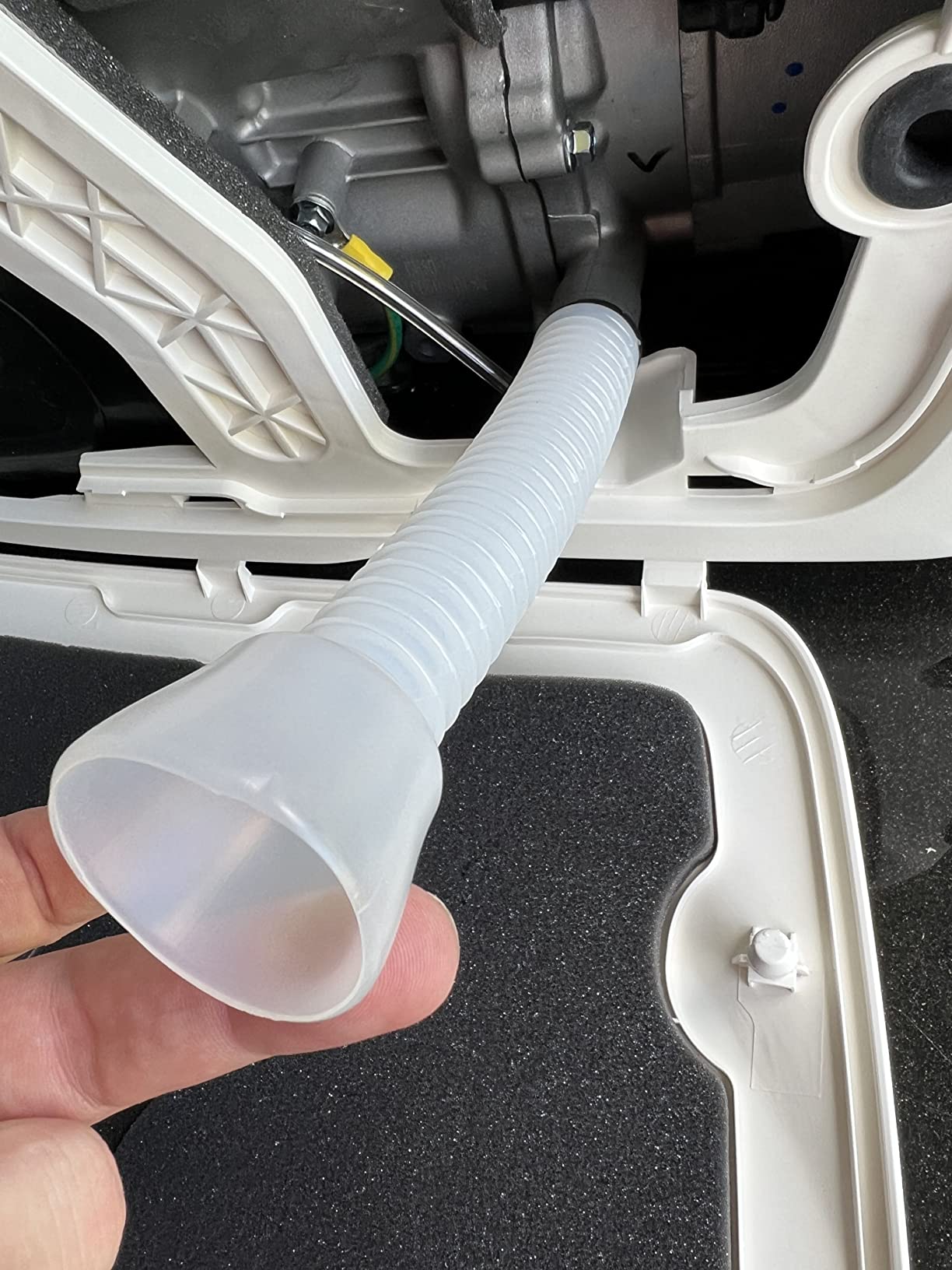
Three outlets cover the usual list: two 120V 13A AC receptacles, a 12V 8A cigarette lighter outlet and a 5V USB port. Low-oil shutoff and automatic voltage regulation are both standard, and the unit is CARB compliant.
The 80cc four-stroke engine runs about 6 hours from a 1.18-gallon tank, which is enough for a full day of use without a fuel run, and parallel capability lets you pair it with a matching unit.
What to check before you buy
Add up your loads honestly. At 1800 running watts, this covers small appliances and electronics, not a microwave and a coffee maker at the same time.
Check the warranty length against your timeline. One year is shorter than the two and three year terms on the WEN units here.
Who should skip it
Buyers planning to run a refrigerator during an outage. The surge headroom is not enough for a compressor starting under a real load.
Anyone who wants a genuinely one-hand carry should compare the AIVOLT in position 8, which weighs 26.5 pounds against 48 pounds here.
How to Choose a Generator Under 500 Dollars
Start with running watts, not surge watts. Running watts is what the machine delivers continuously; surge watts is the short burst it can supply while a motorised appliance spins up. If you buy on surge numbers you will be disappointed within a week.
How to size a generator
List everything you want to run and find its running watts on the nameplate or manual. Add them together, then add the surge figure of the single largest motorised load, since motors rarely start together. Then add 20% as headroom.
A refrigerator commonly runs 150 to 400 watts and can surge several times that on start. A sump pump sits around a third of a horsepower, a window air conditioner near 1,000 watts, a router under 20 watts, a CPAP machine under 100 watts and a microwave between 1,000 and 1,500 watts. A representative outage load of a refrigerator, a router, a lamp and a sump pump lands near 800 to 1,000 running watts, which is why a 3,000-watt class machine handles it comfortably.
The 20% margin is not optional. Several units in this roundup trip their overload cutout below the advertised figure, so planning to two thirds of the label protects you.
Conventional, inverter or standby
A conventional open-frame unit makes AC straight off the alternator. It is loud, heavy, cheaper and delivers more watts per dollar, and its higher total harmonic distortion is why we would not feed a laptop or a medical device from one.
An inverter generator rectifies to DC and back to a clean sine wave. It is quieter, lighter and far kinder to electronics, which is the entire reason the enclosed units in this list exist. A standby generator is a different category entirely: permanently installed, wired to your panel through an automatic transfer switch, and priced well beyond this budget.
Dual fuel versus gas only
Dual-fuel models run on gasoline or propane from a standard cylinder. Propane stores indefinitely, which makes it the better stored fuel when a storm drains the pumps near you. The costs are a heavier machine and a slightly lower propane wattage figure, and some owners report burning propane faster than they expected during a long outage. Our standby generator guide covers what to do when you outgrow portable power entirely.
What to stay away from below 500 dollars
Avoid units with no carbon monoxide sensor, no low-oil shutdown and no overload protection listed anywhere in the specifications. These are inexpensive to include and their absence is a strong signal about the rest of the machine.
Be cautious with no-name brands that publish no warranty at all, and with very small two-cycle gasoline engines if you expect runtime beyond an afternoon, because the premix fuel and short tank make them a weekend tool rather than storm preparation.
Total cost of ownership
Budget beyond the generator. Gasoline needs stabilizer if it will sit, oil changes arrive annually, and a spark plug and air filter are annual items. If you intend to power your panel, a transfer switch or a professionally installed interlock kit adds a few hundred dollars that must come out of the same budget as the machine.
Noise, translated
Noise figures are measured at different distances, so compare them carefully. A unit rated 59 dB is close to a quiet conversation at distance; a unit rated 72 dBA from 23 feet is a loud open frame that you will hear from the next room.
Should you buy a solar power station instead?
If your load list is purely electronics, yes. A solar power station is silent, needs no fuel and stores indoors safely, but it does not start a fridge compressor overnight, cannot refuel during an extended outage and has a shorter useful service life. For anything motorised or high-wattage, a combustion generator remains the practical answer.
What 500 Dollars Can and Cannot Power
A 3,000 to 4,500 watt portable unit covers a realistic outage essentials list: a refrigerator and freezer, a few LED lights, Wi-Fi and a router, a television, a CPAP machine, chargers and possibly a small sump pump. That is what this budget buys, and for most households during a multi-hour outage it is enough.
What it cannot do is run a whole house. A typical family home draws far more than 4,500 watts the moment a heat pump, water heater and electric range all come back on, and no sub-500 unit covers it. The honest answer to whether a 6,500 watt generator can run a normal house is that it can cover essential circuits through a transfer switch, but it cannot carry the full load of a modern home on its own.
Two 4,000 watt units on parallel kits can be a practical whole-house-lite setup, but at that point you are buying two machines plus two kits, which moves you into a different price band entirely.
Safety Rules That Matter More Than the Wattage Number
The 20-foot rule is the one to memorise: run portable generators at least 20 feet from a house, and never in an enclosed space. Carbon monoxide is colourless and odourless, and the majority of generator deaths in any given year come from units run in garages, basements or near open windows.
Never backfeed a wall outlet. Plugging a generator into a receptacle to power the whole house sends power back onto utility lines, which kills lineworkers and blocks repairs. The correct path is a transfer switch or an interlock kit installed by a licensed electrician.
Refuelling requires the engine off and the unit cool. A fuel spill onto a hot engine ignites instantly, and a portable gasoline generator carries several gallons of fuel between uses.
On first use, follow the break-in procedure in the manual, run it outside to a full tank without a load attached, and change the oil at the interval the manufacturer specifies. Keeping the carburetor clean matters more than any other maintenance task, which is why a fuel shutoff system, as found on the WEN in position 5, is worth paying attention to. Most importantly, keep a working battery-powered radio and a fire extinguisher near where the generator lives, because the unit you cannot see is the one that will not warn you.
Frequently Asked Questions
What brand of generator is the most reliable?
At this budget, reliability tracks warranty length and parts availability more than brand name. The WEN units here carry three-year and two-year terms with wide service networks, Champion and Westinghouse sit at the top of the brand table among buyers, and Honda and Yamaha remain the durability benchmark well above this price. We weight models with CO sensors, low-oil shutdown and a fuel shutoff valve, because those three features prevent the carburetor and engine failures that end most budget machines.
What portable generators should I stay away from?
Walk away from any unit whose listing does not mention a carbon monoxide sensor, low-oil shutdown and overload protection, since all three are inexpensive to include. Also avoid no-name brands with no stated warranty, and very small two-cycle gasoline engines if you need more than an afternoon of runtime, because premix fuel and a small tank limit them to short jobs.
How many watts do I need to run a refrigerator and a sump pump?
A refrigerator typically runs 150 to 400 watts and a sump pump around 500 watts, so both together need roughly 1,000 running watts plus the surge of the pump motor at start. Add 20% headroom and you land near a 1,400 watt requirement, which is why a 2,000 watt class unit is the practical minimum and a 3,000 watt unit is the comfortable choice.
Can I run my whole house with a 6,500 watt generator?
Not the whole house. A 6,500 watt unit can carry essential circuits such as a refrigerator, lights, internet and a sump pump through a transfer switch or interlock kit, but a modern home draws far more once a heat pump, water heater and range are running. If you want true whole-home backup you need a standby system with an automatic transfer switch.
What is the disadvantage of a dual fuel generator?
The main disadvantages are weight, cost and slightly lower wattage on propane than on gasoline. A dual-fuel machine also needs a separate propane cylinder stored safely, and some owners report burning propane faster than expected over a long outage. The advantage is that propane stores indefinitely, so it is still the better bet when a storm drains local gas stations.
What is the 20/20 rule for generators?
The 20-foot rule says to operate a portable generator at least 20 feet away from a house, with doors and windows closed, so exhaust gases do not enter the building. Never run one in a garage, basement, shed or enclosed porch, even with the door open. Carbon monoxide is colourless and odourless, and indoor use is the leading cause of generator fatalities.
Conclusion
The WEN DF475T is the best generator under 500 dollars for the widest range of homes. Its 3800 running watts, switchable 120V/240V output, electric start and dual-fuel flexibility cover more outage scenarios than anything else at this level, and 2966 reviews at 4.4 stars give it the strongest evidence base in the roundup.
Pick the PowerSmart 3800W Dual Fuel Inverter if noise and clean power matter more than lifting weight. Pick the WEN 56360i for RV hookups and the longest warranty, the Pulsar PGD40ISCO for quiet 4000W-class output that can run a small air conditioner, and the Pulsar PG1202SA if you only need tools and basics. The AIVOLT 1750W is the one to carry.
Whichever you choose in 2026, run it 20 feet from the house, plan on a transfer switch if you want it to power circuits, and test it before the storm arrives rather than during.