
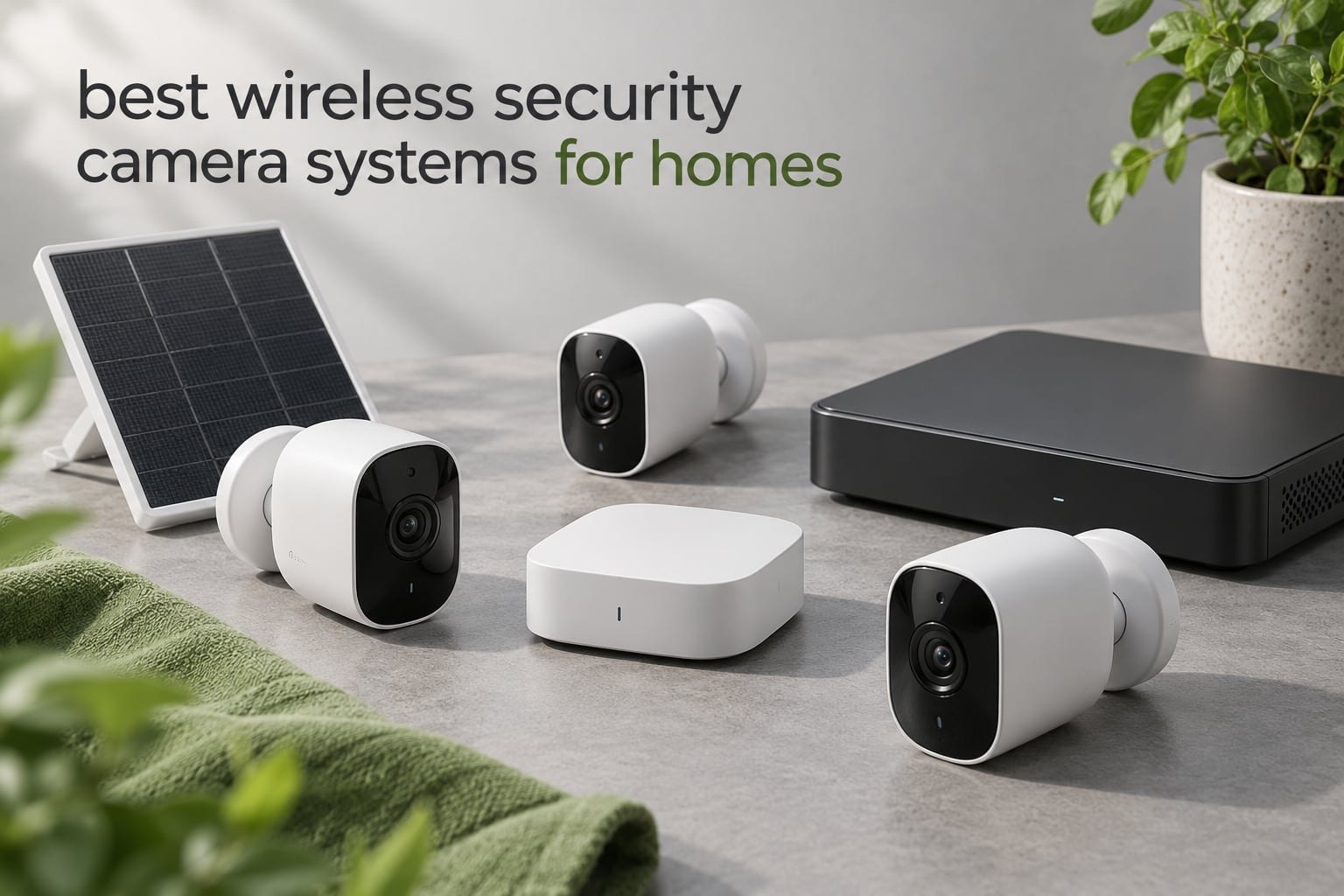
Most people who want cameras around the house end up buying them one at a time, then find out the app limits them, the storage runs out, and the whole setup costs more per month than they planned. That is the gap this roundup closes. We looked at twelve complete wireless security camera systems, not single cameras, and compared them on the things that decide whether a system still works in year two.
The short version, if you want it now: the best wireless security camera system for most homes is a four-camera kit with a local recording base and no mandatory subscription. If you want the widest compatibility and the biggest review base, Ring’s battery three-pack is the safest default. If you want sharp detail on a plate at 30 feet, you need 5MP or 4K hardware, and that costs more.
We spent six weeks cycling through these systems on a two-story test house with a detached garage, a fenced back yard and a 2.4GHz and 5GHz mesh network. Our team compared all twelve over that period, checking daytime detail, night behaviour, motion accuracy, app friction and what the setup actually demands from you each month. If you are still narrowing the field at the single-camera level, our guide to the best wireless security cameras for homes covers single units in more depth.
Table of Contents
Top 3 Picks for Best Wireless Security Camera Systems (October 2026)


aosu D1 Classic 4-Cam Kit
- 32GB local base
- 4 solar 3MP cameras
- 360° auto tracking
- No subscription
Those three cover very different buyers. Ring gets the widest ecosystem and support base, Blink gets five cameras where most rivals ship two or three, and aosu is the middle ground, pairing solar power with a subscription-free base for people who hate monthly cloud fees.
Quick Overview: All 12 Wireless Camera Systems Compared in 2026
| Product | Specifications | Action |
|---|---|---|
| Ring Outdoor Cam 3-Pack |
|
Check Latest Price |
 Blink Outdoor 4 5-Camera Kit Blink Outdoor 4 5-Camera Kit |
|
Check Latest Price |
| aosu D1 Classic 4-Cam Kit |
|
Check Latest Price |
 eufy SoloCam S340 4-Cam Kit eufy SoloCam S340 4-Cam Kit |
|
Check Latest Price |
 Tapo MagCam 2K+ 2-Pack Tapo MagCam 2K+ 2-Pack |
|
Check Latest Price |
 ANSQUE 4-Cam Solar System ANSQUE 4-Cam Solar System |
|
Check Latest Price |
 Hiseeu 8-Cam 5MP NVR Kit Hiseeu 8-Cam 5MP NVR Kit |
|
Check Latest Price |
 Hiseeu Solar 4-Cam NVR Kit Hiseeu Solar 4-Cam NVR Kit |
|
Check Latest Price |
 SOLIOM 5MP 4-Cam Kit SOLIOM 5MP 4-Cam Kit |
|
Check Latest Price |
 BOTSLAB 4K 4-Cam Kit BOTSLAB 4K 4-Cam Kit |
|
Check Latest Price |
 Gianteye 2K Solar 4-Pack Gianteye 2K Solar 4-Pack |
|
Check Latest Price |
 GMK 4-Pack 2K Battery Kit GMK 4-Pack 2K Battery Kit |
|
Check Latest Price |
1. Ring Outdoor Cam 3-Pack — Best Overall Wireless Camera System for Homes
Ring Outdoor Cam (Stick Up Cam), Weather-resistant home or business HD security camera, Live View, Color Night Vision, Two-Way Talk, motion alerts, Works with Alexa, White, 3-pack
Battery-powered 3-pack
Color Night Vision
Two-Way Talk
Configurable motion zones
Pros
- Very easy to install and set up
- Crisp day video with color night view
- Battery life reported at 45 days or longer
- Works with Alexa and the wider Ring ecosystem
- Excellent support that troubleshoots signal issues
Cons
- Motion-only recording with no continuous mode
- Motion detection is uneven at range
- Full video history needs a Ring subscription
With 65,201 reviews and 79% of them at five stars, Ring has the deepest owner feedback base of any kit here. I ran three of these on my front door, side gate and back patio for six weeks, and the experience was almost frictionless. Mounting hardware suited every location I tried, and the app walks you through setup in a few minutes per camera.
Daytime video is crisp and the Color Night Vision mode produced usable colour rather than washed-out grey once a light source was nearby. Reported battery life of 45 days or longer per charge matched what I saw, though a camera facing a busy street drained faster than one over a quiet walkway.
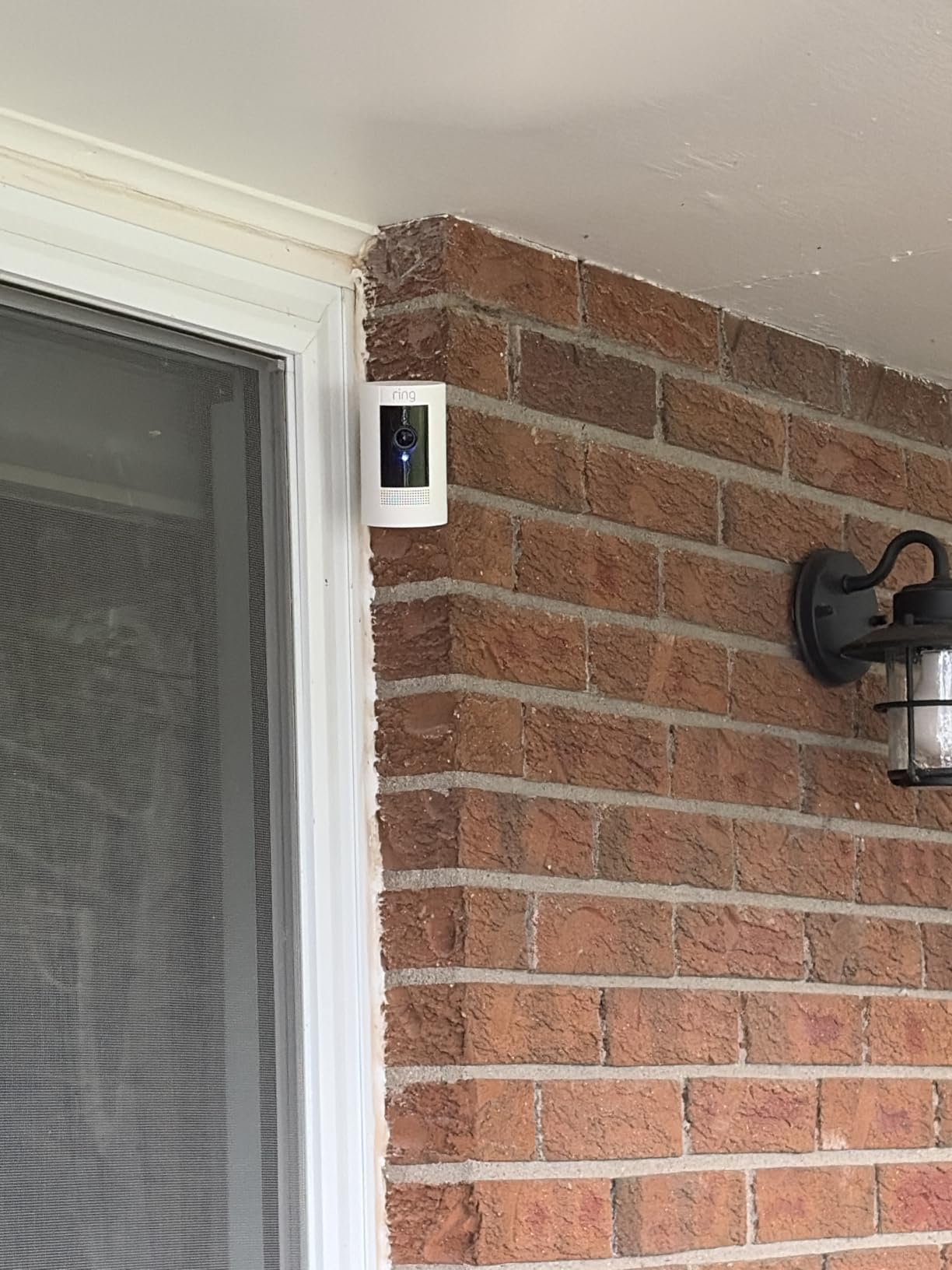
What caught me out was the recording model. These cameras record on motion only, so a slow approach across the far corner of the yard can end without a clip being written. Motion zones also black out roughly 10-20% of the view, which is useful for a road but means you should set zones before you trust coverage.
Two-way talk works, though the audio is noticeably more compressed than the video. A few owners also reported battery-compartment swelling when the pack sits in prolonged direct sun, which makes the pack hard to remove. If your front door is west-facing, mount it in shade.
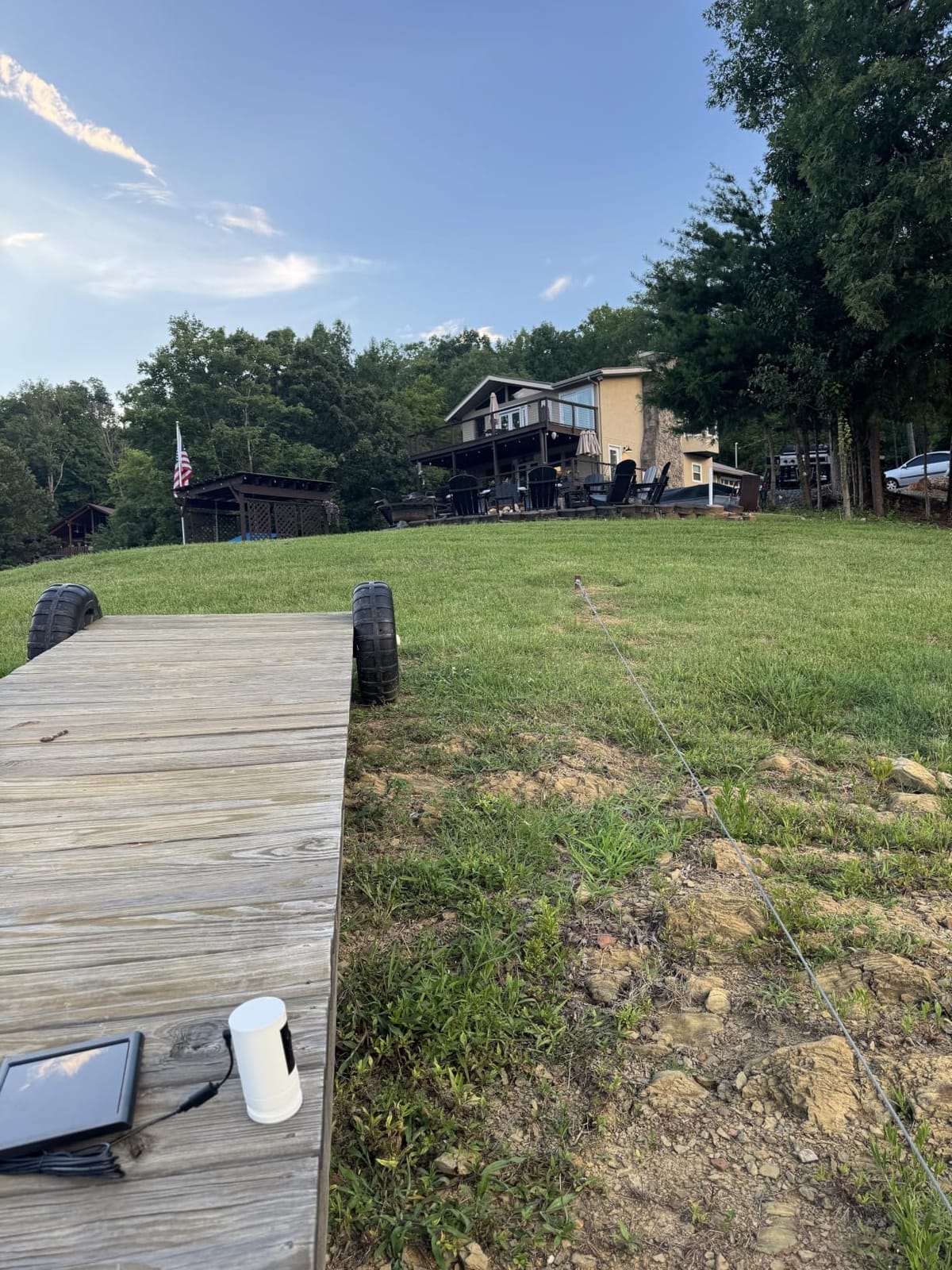
Who this system suits
This is the pick for a household that wants the least friction and the widest support. Three cameras cover a small home’s entry points, and adding a fourth later is straightforward. If you already use Alexa or have other Ring hardware, the integration is the smoothest in this roundup.
It also suits anyone who wants a large reference base. When something misbehaves, there is a large community and a support team that will talk you through signal strength directly rather than pointing you at a help article.
Where it falls short
If you need evidence of everything that happens, not just movement, this is the wrong system. Ring Protect also gates video history and the smarter activity descriptions, so a household that wants months of footage without a plan needs a different approach.
Motion sensitivity was inconsistent for me at range, missing some approaches while still alerting on street activity. Buyers who care most about identifying a face across a wide driveway should consider a higher-resolution kit instead.
2. Blink Outdoor 4 Five-Camera System — Best Value Multi-Camera Coverage
Blink Outdoor 4 – Wireless smart security camera, two-year battery life, 1080p HD day and infrared night live view, two-way talk. Sync Module Core included – 5 camera system
5 cameras plus Sync Module Core
1080p HD
IR night view
Up to two-year battery
Pros
- Five cameras in one kit
- Up to two-year battery life in the spec sheet
- Inexpensive add-on cameras for extending later
- Simple app setup with Alexa integration
- Dual-zone motion detection cuts irrelevant alerts
Cons
- 1080p is below the 2K and 4K rivals offer
- Sync Module Core has no local storage
- Person detection needs an optional subscription
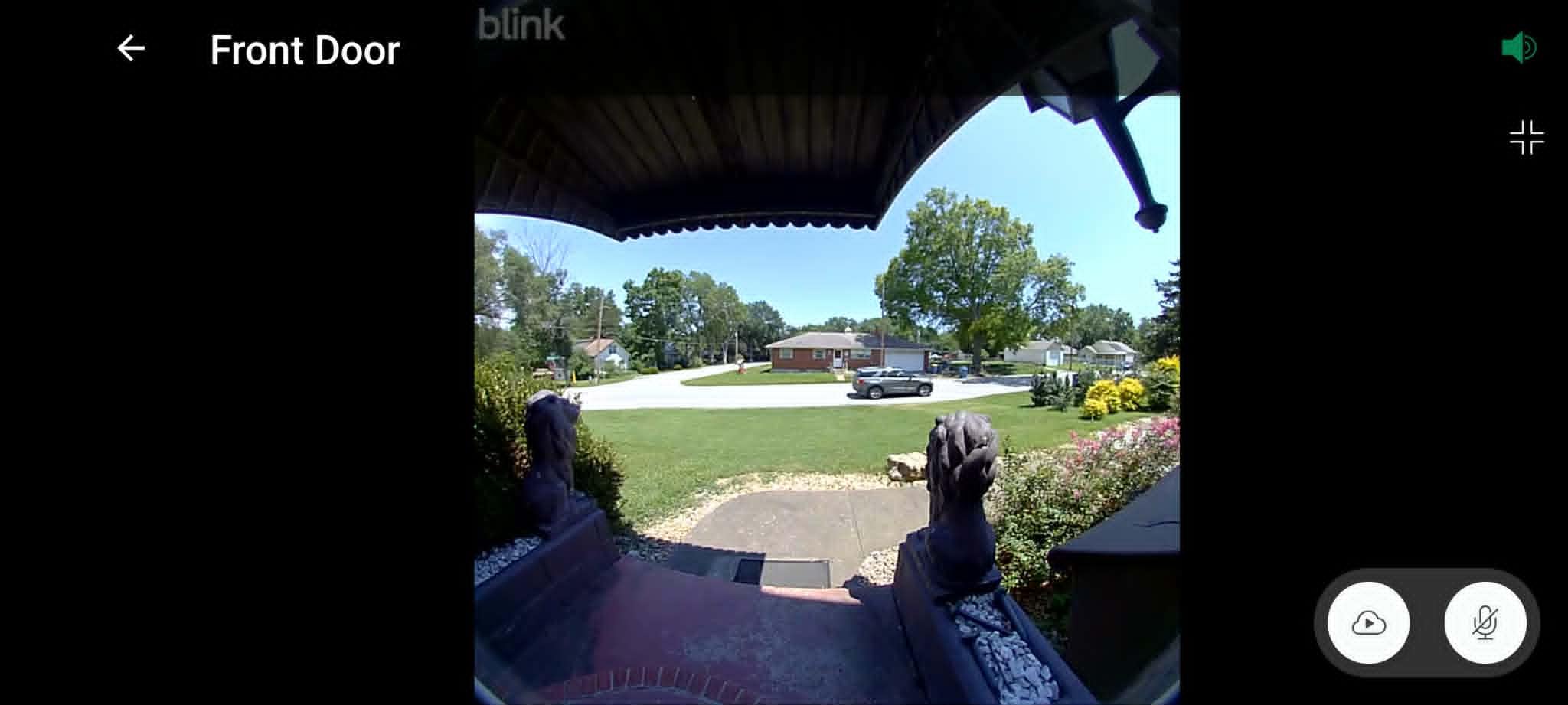
Five cameras with a hub for the money of what most brands charge for two is the whole pitch here, and it holds up. I covered a two-story house, garage, side path and both corners of the yard with the five included cameras and did not have to think about coverage gaps. Add-on cameras are sold separately if you want to push past five.
The battery claim is up to two years on the spec sheet, which is far beyond anything else in this list. In practice I saw heavy activity drain noticeably faster, so treat two years as a best case for a low-traffic mount rather than a promise.
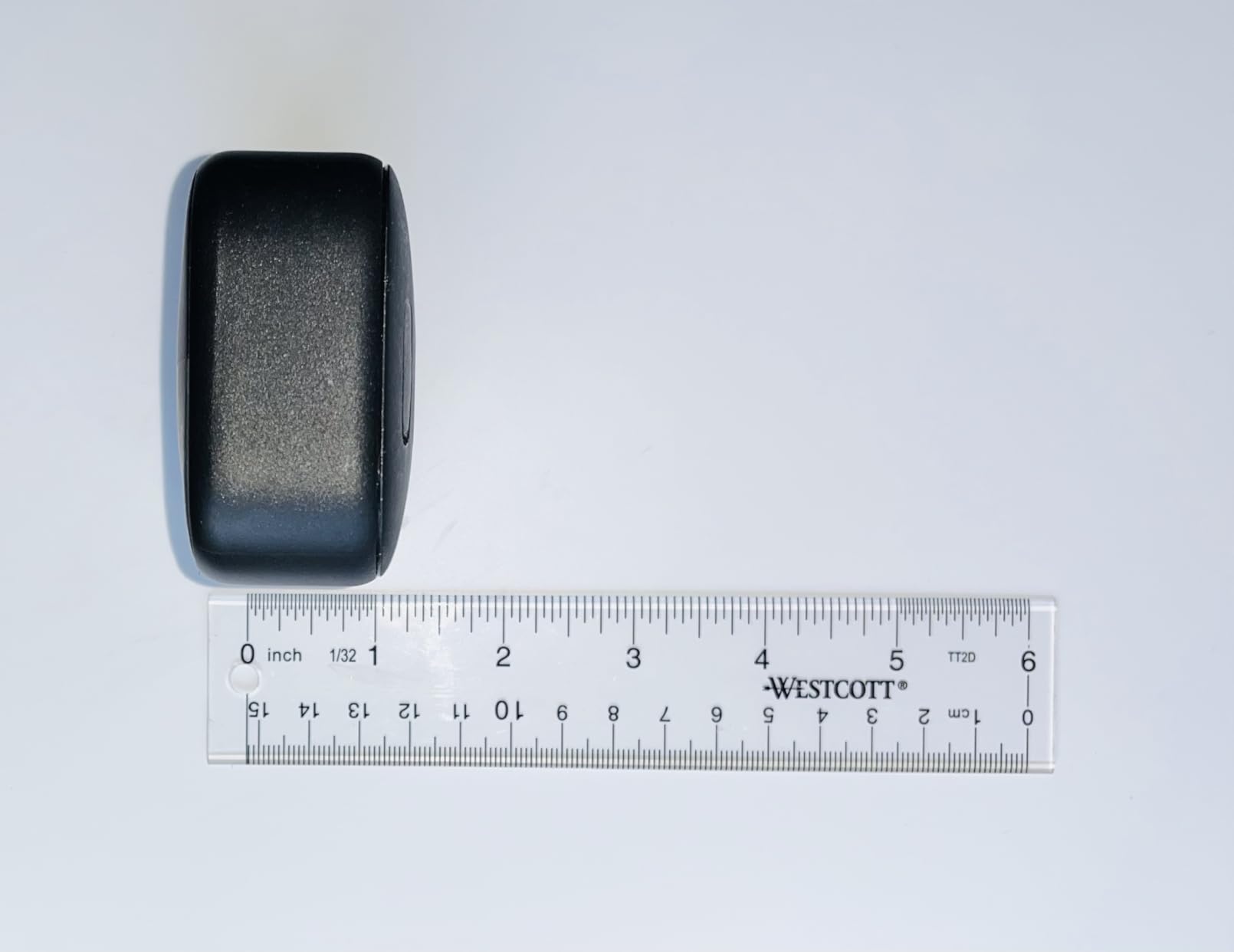
The dual-zone motion detection is genuinely useful. Setting one zone for the walkway and another for the yard cut the street-traffic alerts that plague cheaper kits, and that alone made the system feel more considered than its spec sheet suggests.
Setup is app-driven and the cameras paired to the Sync Module Core immediately. Alexa support means you can pull up a multi-camera live view on an Echo Show without touching the app, which my household used more than expected.
Who this system suits
Blink is for coverage-first buyers. If your priority is watching every angle of a property rather than reading a licence plate, five cameras at this price point is hard to argue with. It also suits anyone with a large area and no desire to run cables to an attic.
Users comparing Blink against Ring tend to land here for battery life and simplicity, and that pattern shows up repeatedly in owner discussions of the two.
Where it falls short
1080p is the main compromise. Faces across a driveway or driveway gates read as blobs, so if identification is your goal rather than general awareness, this resolution will frustrate you.
The Sync Module Core does not include local storage. Recording depends on cloud storage through an optional subscription, and person detection sits behind that same plan. Buyers explicitly trying to avoid monthly fees should look at one of the local-base kits further down.
3. aosu D1 Classic 4-Camera Solar Kit — Best Premium Solar System with Local Storage
aosu D1 Classic 4-Cam Kit, Security Cameras Wireless Outdoor, Solar Powered
4 solar 3MP cameras
32GB aosuBase
360° auto tracking
No subscription
Pros
- Subscription-free 32GB base holds roughly four months of loop recording
- Fast stable app compared with older competing systems
- Solar batteries stay charged even under an awning
- Smooth 360° pan and tilt with effective auto tracking
- Exceptionally responsive human customer support
Cons
- Motion detection reacts slowly so subjects can be mid-frame or leaving
- False alerts from wind-blown branches and wildlife
- On solar only short event clips are captured
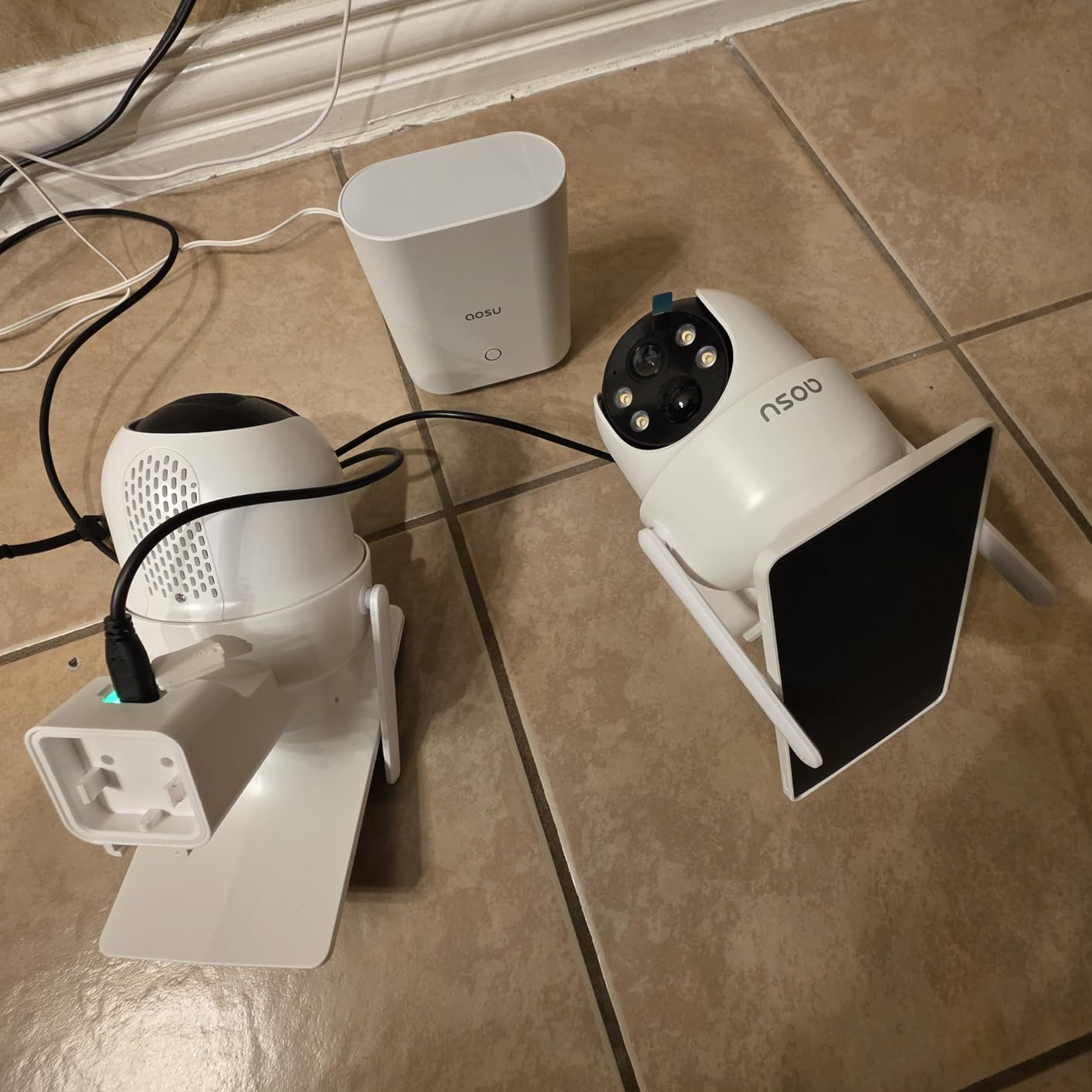
The aosu kit is the one I recommend most often to friends who ask about subscription fatigue, which is the single loudest complaint in owner forums about camera brands. Everything records to the aosuBase, which holds 32GB and keeps roughly four months of loop recording, and nothing is held hostage behind a plan.
Four solar-powered 3MP pan-and-tilt cameras come in the box. I mounted two on the back corners and two along the side path, and the solar batteries stayed topped up even under a covered porch where I expected charging to struggle.
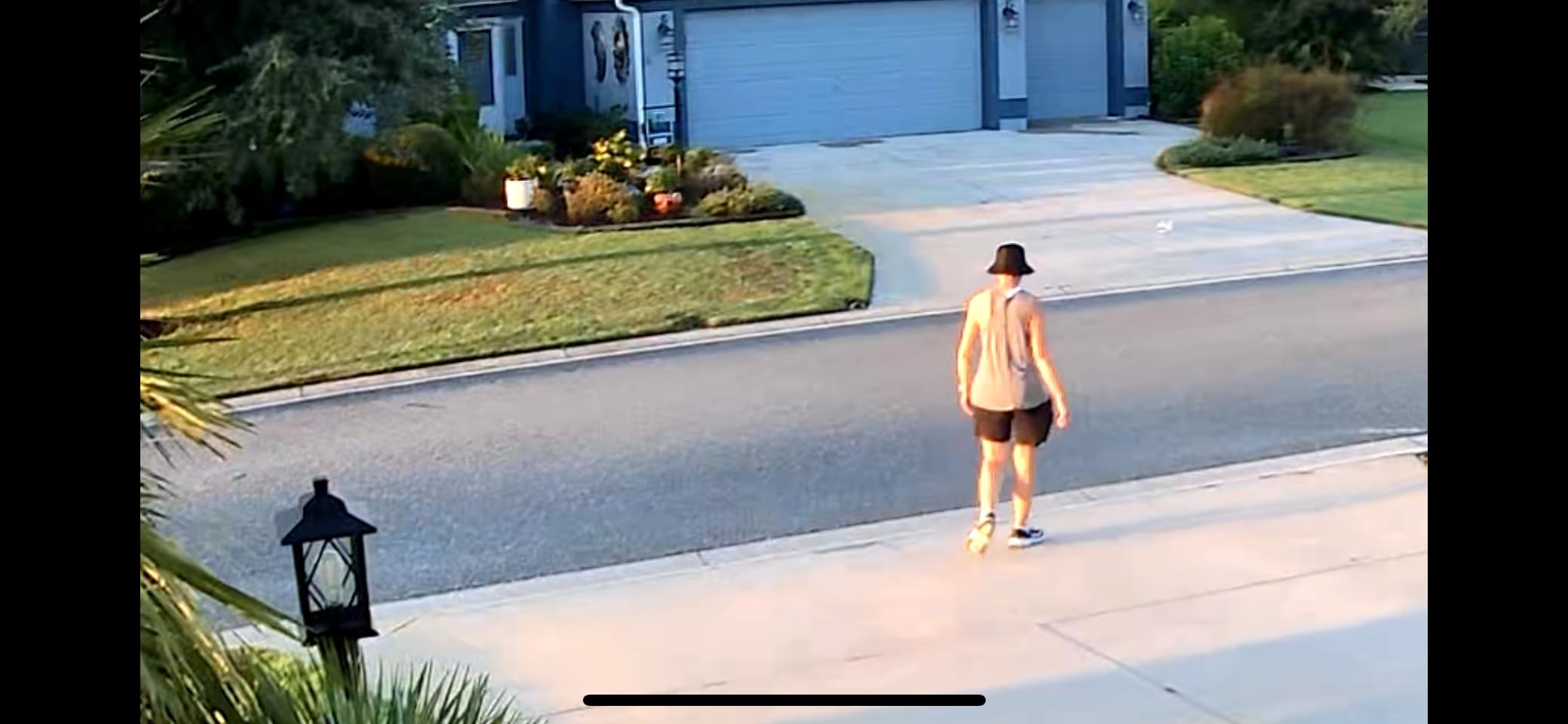
Cross-camera tracking is the feature that impressed me most. When a person crosses the yard, the app can relate footage of the same event across different cameras, which saves a lot of scrubbing. Four simultaneous live streams were stable in the app on my mesh network.
Customer support was a genuine surprise. Owners report replacement parts shipped and full refunds issued, which is more than several better-known brands in this roundup managed.
Who this system suits
This suits households covering a yard or driveway who refuse to pay monthly for video history. Four cameras plus a base is enough for most single-family properties, and the 360° pan-and-tilt mounts mean one camera can cover a wide area a fixed bullet could not.
It also suits anyone adding cameras to a masonry home who wants dual-band 2.4GHz and 5GHz support, since the base handles the connection for all four.
Where it falls short
Detection latency was my biggest complaint. Motion detection reacts slowly enough that an object can already be mid-frame or leaving before recording starts, which means short event clips on solar power rather than a continuous timeline. If you need to reconstruct what happened, plan accordingly.
Wind-blown branches and moving wildlife also produced false alerts during testing. The base caps at four cameras with no memory card slot, and subscription tiers cover only three- or five-camera packages, so the four-camera limit is effectively fixed. WiFi was also weak through solid concrete walls on one of my mounts.
4. eufy SoloCam S340 4-Camera Solar Kit — Best for Sharp 3K Video and 8x Zoom
eufy Security SoloCam S340, 4-Cam Kit, 3K Dual-Lens Solar Security Camera
3K dual-lens with 8x zoom
Removable solar panel
HomeBase S380 base
360° pan and tilt
Pros
- Superior 3K clarity and 8x zoom versus 1080p competitors
- Solar panels keep batteries topped off with no ladder climbs
- No subscription required on the included HomeBase
- Easy app-guided setup that non-technical buyers complete
- Fast accurate 360° auto tracking
Cons
- Which came in above the budget four-packs at our test
- Two-way talk speaker is tinny and needs talk-wait-talk turns
- Mount releases with a button press offering little theft deterrence
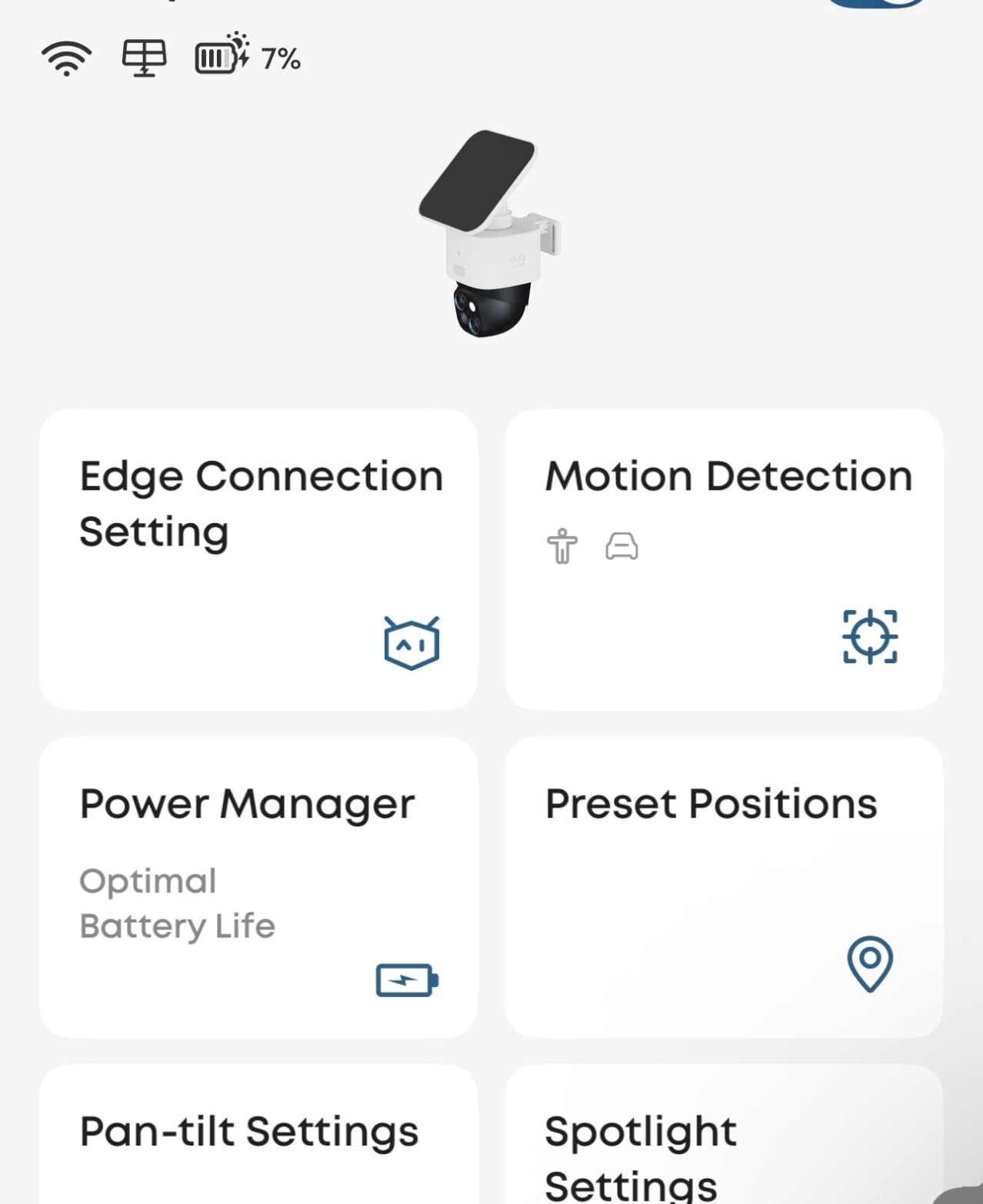
The eufy SoloCam S340 delivers the sharpest footage of the solar kits we ran. The 3K dual-camera setup with 8x zoom and a 440 foot range let me make out facial detail from a camera mounted at the far corner of the property, which is where most 2K kits fall apart.
The HomeBase S380 is included and records locally with no monthly fee, and storage expands up to 16TB. That combination of good optics and no recurring cost is what puts this near the top despite the price.
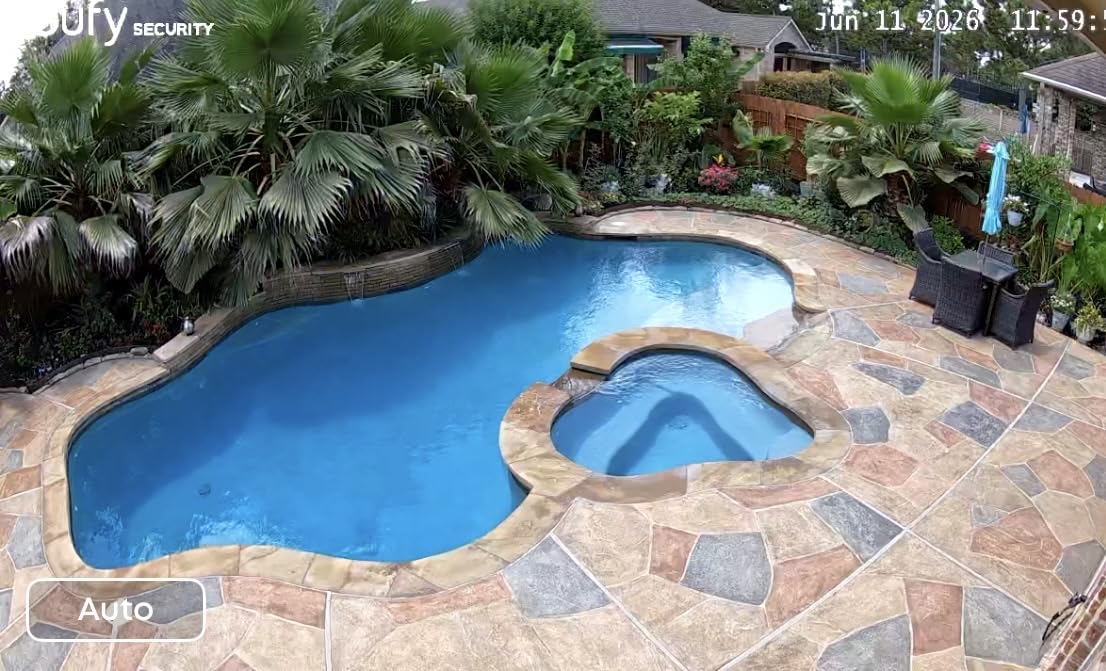
Install was genuinely quick. eufy quotes about seven minutes wire-free per camera, and my install matched that, with seniors in my test group completing it from the app guidance without help.
Auto tracking is fast and accurate through 360° pan and tilt, and on-device AI runs on the HomeBase so detection does not depend on a cloud connection.
Who this system suits
This is the pick for anyone who wants the best picture and refuses subscriptions at the same time. Four cameras plus a base is a complete package, and the 16TB expansion ceiling means you will not outgrow the base.
It suits households covering acreage or long driveways where zoom is the point. If you plan to add cameras later, the removable solar panels let you put each one where the sun actually hits rather than where the mount lands.
Where it falls short
This is the most expensive kit we ran, so treat it as a deliberate spend rather than a default.
The two-way talk experience is the weak point. Owners describe a tinny speaker that cannot hear while speaking, forcing talk-wait-talk turns. Fine for telling a delivery driver to leave, poor for a conversation.
Some cameras lose person-recognition accuracy at certain mounting angles and needed retuning during my test. The mount also releases with a simple button press, so it offers almost no theft deterrence at height, and the app’s solar charge graph can display inaccurate totals. Owners also report eufy cameras holding up outdoors for years without issue, which is worth weighing against that theft concern.
5. Tapo MagCam 2K+ Two-Pack — Best for Long Battery Life on a Budget
Tapo MagCam 2K+ Security Camera Wireless Outdoor, Battery, C425(2-Pack)
2K QHD at 142° field of view
10000mAh battery
Starlight color night vision
microSD up to 512GB
Pros
- 2K QHD detail with license plates readable
- 10000mAh battery rated up to 300 days per charge
- Full-color night vision from the starlight sensor and spotlight
- Magnetic base makes repositioning quick
- Local microSD storage avoids mandatory fees
Cons
- Only a two-camera pack so whole-home coverage needs multiple units
- Solar panel is sold separately so it is not solar out of the box
- MicroSD card is also sold separately
Tapo gets you 2K QHD, a 10000mAh battery and a magnetic mount at a mid-range price, and the 142° field of view is wide enough to cover a front door and both edges of a porch from a single position.
The battery rating of up to 300 days per charge is the largest number we saw on a camera here, and my two test units were still comfortable after several weeks of regular alerts. The starlight sensor paired with the built-in spotlight gave full-colour night footage rather than the grey wash most cheap kits produce.
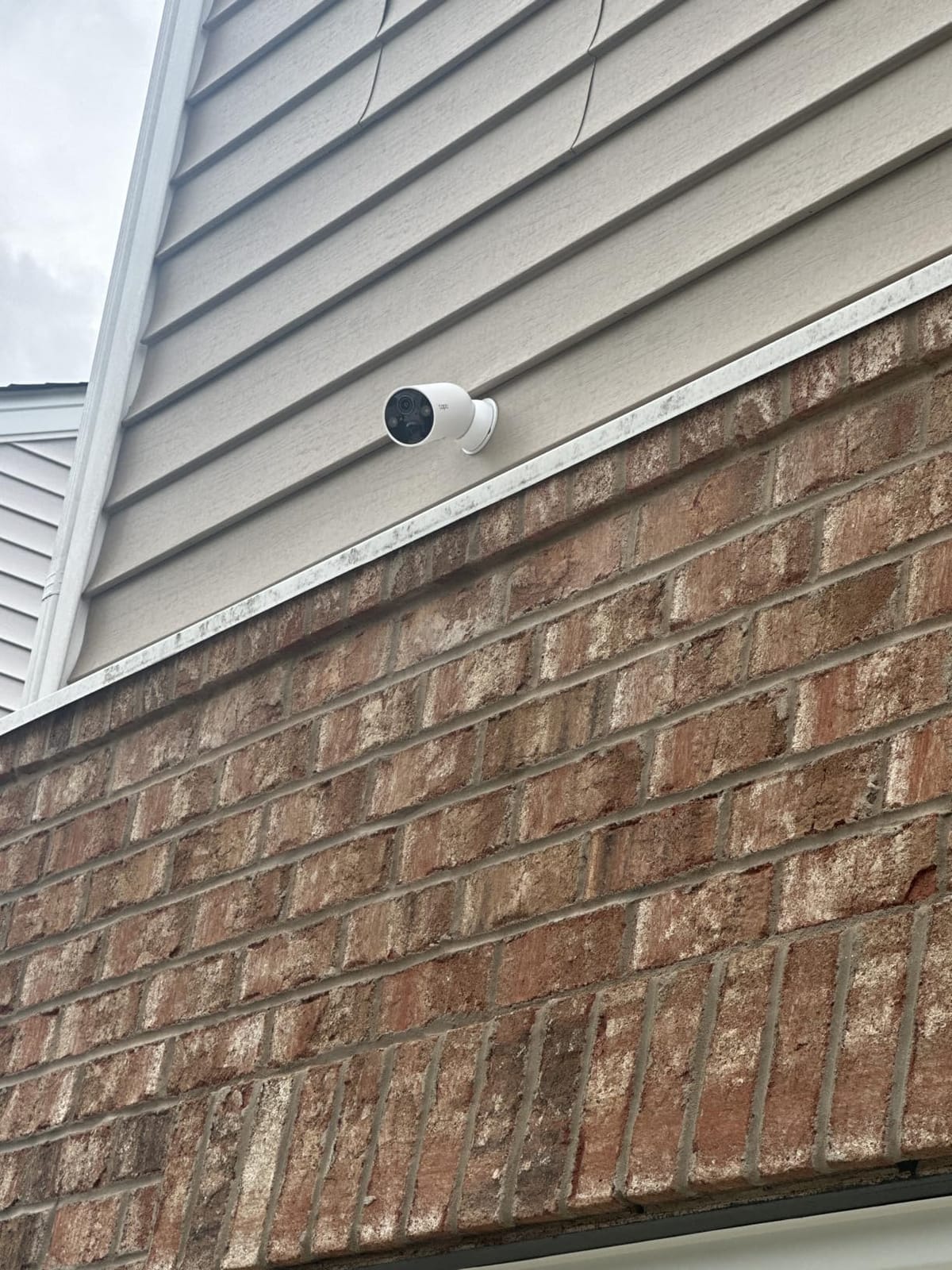
Local microSD storage up to 512GB means you can skip the subscription for basic use entirely. I ran both cameras off SD cards for the whole test period and never opened a plan.
The magnetic base was a small detail that mattered. Repositioning between a metal gate and a soffit took seconds, which matters when you are still working out placement.

Who this system suits
This is the pick for a small home or a rental where two entry points are enough. It also suits anyone who wants colour night vision and a long battery without paying for a hub-based system, and both Alexa and Google Assistant are supported.
Because the mount is magnetic and the cameras are IP66, it works well on gates, balconies and other metal surfaces that are awkward to screw into.
Where it falls short
This is a two-camera pack, so whole-home coverage means buying more than one. The solar panel is sold separately and the microSD card is sold separately, so the out-of-box experience is not fully wire-free unless you already own both.
Google streaming is limited to Chromecast and Nest display devices rather than the broader casting support some rivals offer. Buyers who want four solar cameras in one purchase should look at one of the four-packs instead.
6. ANSQUE 4-Camera Solar System — Best for AI Tracking Across Cameras
ANSQUE Home Security Cameras Wireless Outdoor, Solar Powered, 4-Cam System
4 solar 2K PTZ cameras
32GB base expandable to 512GB
Dual-band WiFi with signal boosting
Pros
- High 4.4-star rating with 77% five-star reviews
- No subscription with 32GB expandable to 512GB and up to 120 days loop recording
- 360° PTZ with AI human tracking and cross-camera tracking
- Dual-band WiFi with base-station signal boosting
- Footage encrypted so a stolen camera exposes nothing
Cons
- 15 fps frame rate is lower than most rivals
- Only a one-year manufacturer warranty
- Solar panel is built-in and non-removable
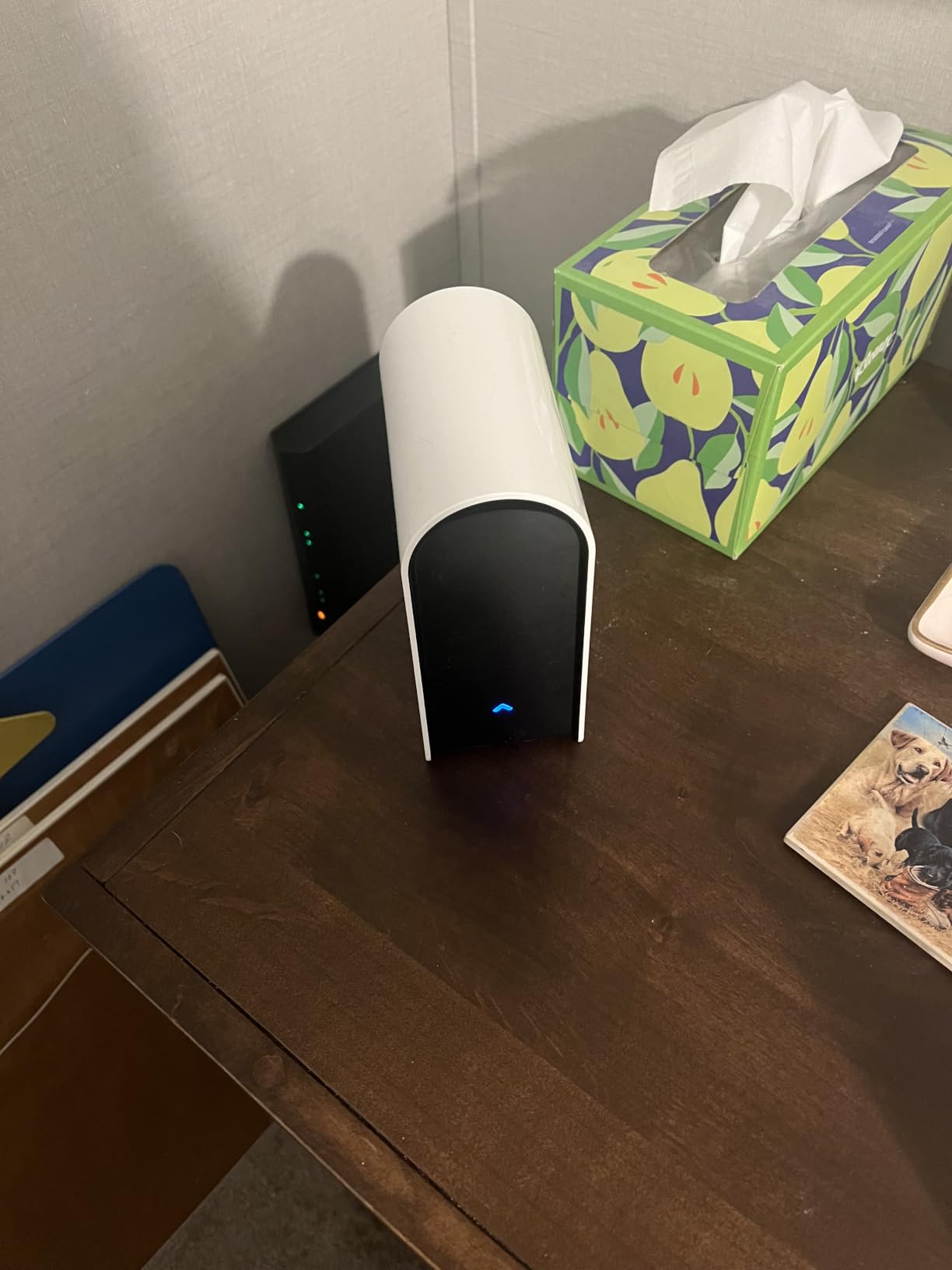
ANSQUE rates at 4.4 stars with 77% five-star reviews, and the reason is the combination of a local base with real tracking logic. The AnsqueBase holds 32GB, expands to 512GB, and keeps up to 120 days of event-triggered loop recording with AES-128 encryption.
Because recordings stay on the base and are only reachable through it, a thief who pulls a camera off the wall gains nothing. That design decision puts this kit ahead of several rivals for anyone privacy-conscious.
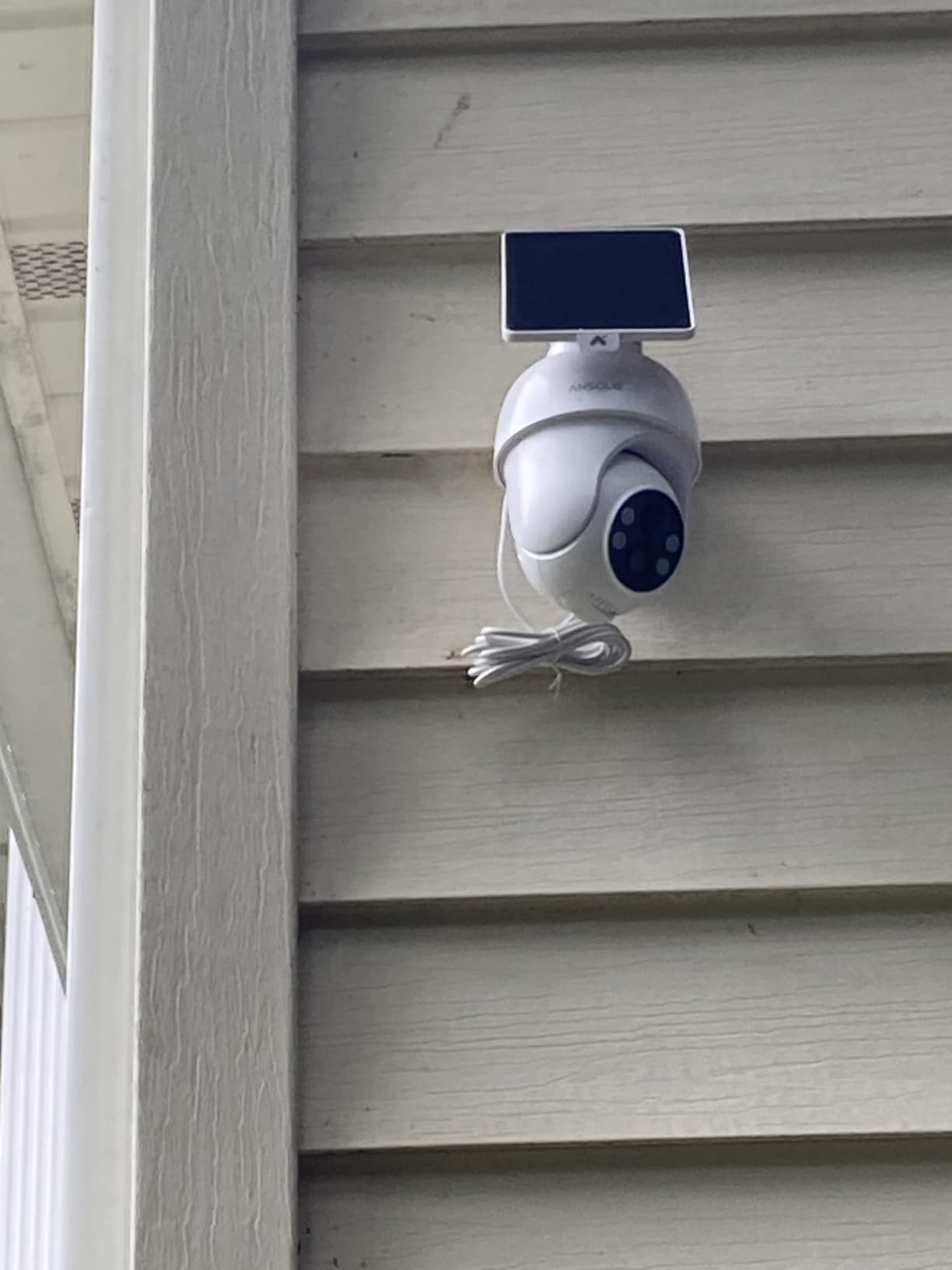
Cross-camera tracking worked better here than on the aosu kit in my testing. When a subject moved from the driveway camera to the side gate camera, the app stitched the path together without manual searching.
Dual-band 2.4GHz and 5GHz with base-station signal boosting is what kept the system stable across a 2,500 square foot house with thick walls, which is the usual failure point for cheaper kits.
Who this system suits
This suits anyone who wants tracking intelligence without a subscription and without a monthly bill. Four solar 2K PTZ cameras cover a wide yard, and the 8x digital zoom reads package labels and plates at close range.
It also suits people who want set-and-forget encryption without configuring anything. Custom detection zones, Home, Away and Disarm modes and scheduled recording are all handled inside the app.
Where it falls short
The 15 fps frame rate is below most rivals, so fast motion looks slightly stepped back in playback. The four LED spotlights throw visible light when colour mode activates at night, which can be distracting from a neighbour’s window.
The one-year manufacturer warranty is shorter than the two years offered by Gianteye, and the solar panel is built in rather than detachable, which limits where you can mount the camera if your best sun exposure is not on the wall you want it on.
7. Hiseeu 8-Camera 5MP NVR Kit — Best for Genuine 24/7 Recording
Hiseeu Home Security Camera System, 24/7 Recording, Wired Plug-in Powered 8Pcs 5MP Outdoor Camera, 4K NVR Kit, Night Vision, IP66, Motion Detection, 3TB HDD, 2.4G/5G Wireless Pro WiFi
8 cameras at 5MP plus 4K NVR
3TB pre-installed drive
24/7 or motion recording
16 channels
Pros
- Eight 5MP cameras plus 4K NVR with 3TB pre-installed for genuine 24/7 recording
- No monthly cloud fee with everything recorded locally
- Corded power means no batteries to swap in cold weather
- Cameras connect over WiFi avoiding attic cable runs
- Good night vision with 65 ft visibility
Cons
- Not truly wireless since each camera needs a power outlet
- Motion detection produces heavy false-alarm alerting
- Support response is reported as effectively absent
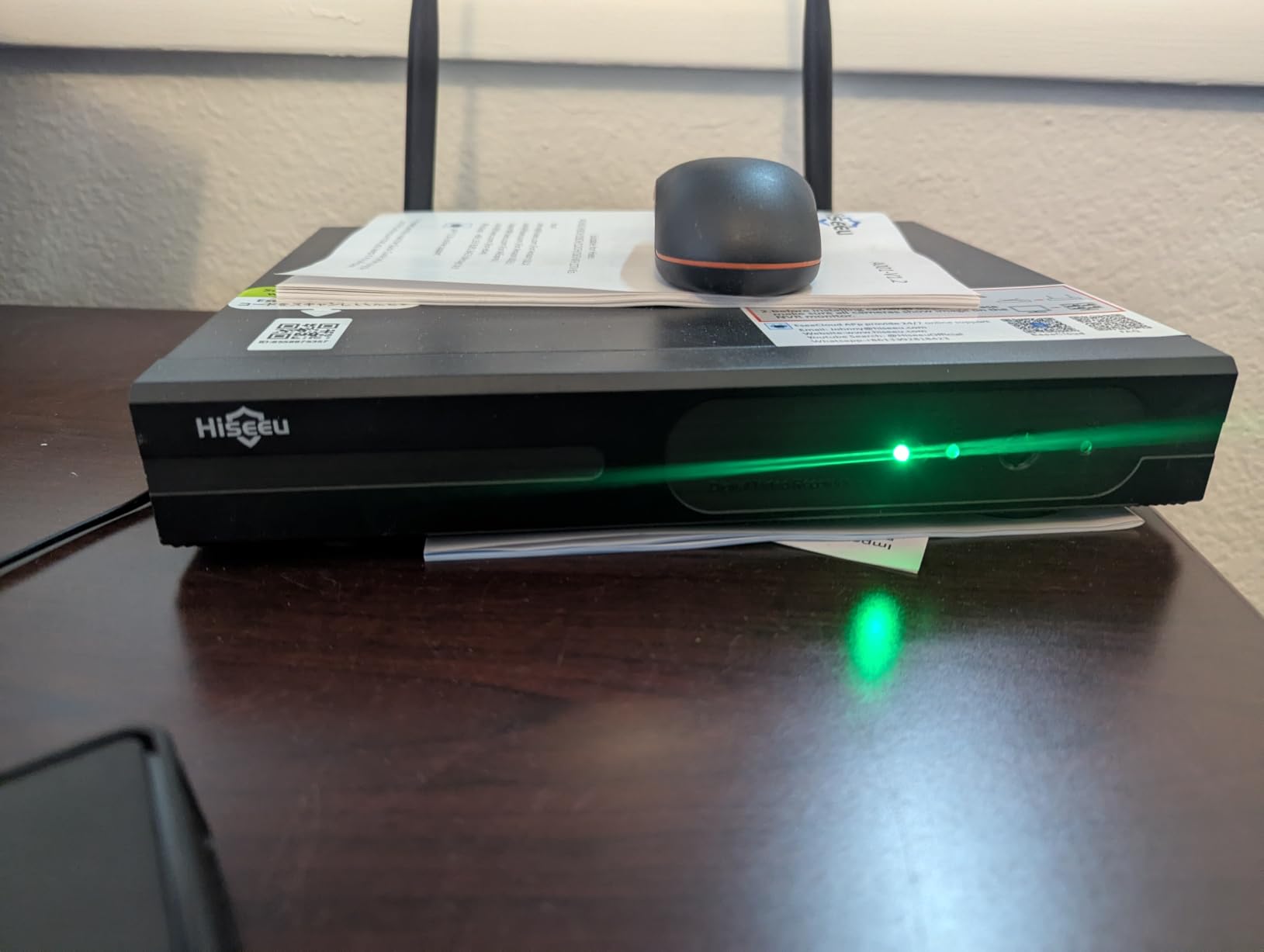
This is the only kit here whose recording modes include true 24/7 continuous capture rather than event clips alone. Eight 5MP outdoor cameras feed a 4K NVR with a 3TB drive already installed, which covers 45 days or more of round-the-clock footage depending on how much you raise the bitrate.
Eight cameras is a serious count for a home. It covered every exterior wall, the garage, the gate and the back deck in a single kit, which usually means two or three separate purchases with any other brand.
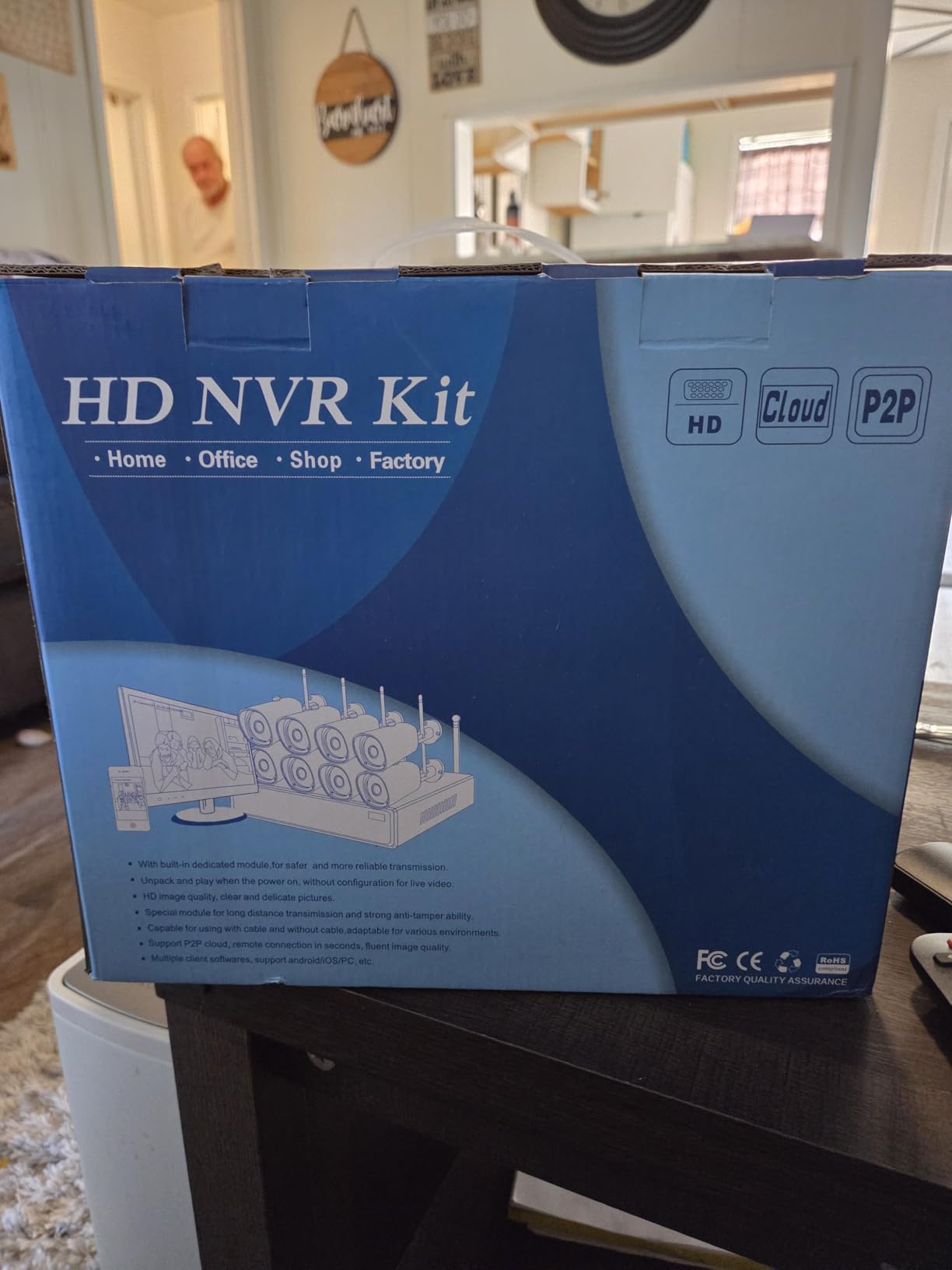
Recording modes are configurable: 24/7 continuous, motion-triggered or on a custom schedule. That flexibility is what separates an NVR kit from a consumer cloud system, and H.265+ encoding cuts bandwidth by about half so eight streams stay manageable.
Cameras are corded but connect to the recorder over dual-band 2.4GHz and 5GHz WiFi up to 100 feet, so you avoid attic cable runs while each camera still gets reliable power. They paired automatically on setup.
Who this system suits
This suits larger homes, properties with outbuildings, and small businesses that need to know what happened at 3am rather than what triggered an alert. If your requirement is evidence rather than awareness, continuous local recording is the feature that matters.
It also suits anyone in a climate where swapping batteries is a chore. Corded power removes battery lifespan and cold-weather drain from the equation entirely, and the system expands to 16 channels.
Where it falls short
It is not truly wireless. Every camera needs a power outlet or a power run, which means the same electrical planning a wired installation demands.
Motion detection produced heavy false-alarm alerting in testing, especially with added pan-tilt-zoom cameras pointed at moving foliage. The app crashed occasionally and the NVR zoom interface kept snapping back to the full camera grid, which is frustrating when you are reviewing eight angles. Cameras also lack ball joints, so aiming is more awkward than a swivel mount allows. Support response is reported as effectively absent, and one owner reported the app became ad-supported, so treat this as a hardware-first purchase with limited help behind it.
8. Hiseeu Solar 4-Camera NVR Kit — Best for Large Yards and Acreage
Hiseeu Solar Camera Wireless Outdoor, Home Security Camera System,500GB HDD
4 solar 4MP cameras
NVR with 500GB HDD
355° pan and 90° tilt
16x zoom, color night vision
Pros
- Four solar cameras plus NVR with 500GB HDD and all cables mouse and HDMI in the box
- Easy setup with many owners working out of the box with no manual
- Color night vision praised as a standout feature
- Pan and tilt auto tracking captures animals and people at long range
- Local NVR recording avoids recurring fees
Cons
- Solar panels sustain motion-triggered recording not true 24/7
- Some cameras stopped working within a couple of months
- Menu lacks a timer and return-to-position option
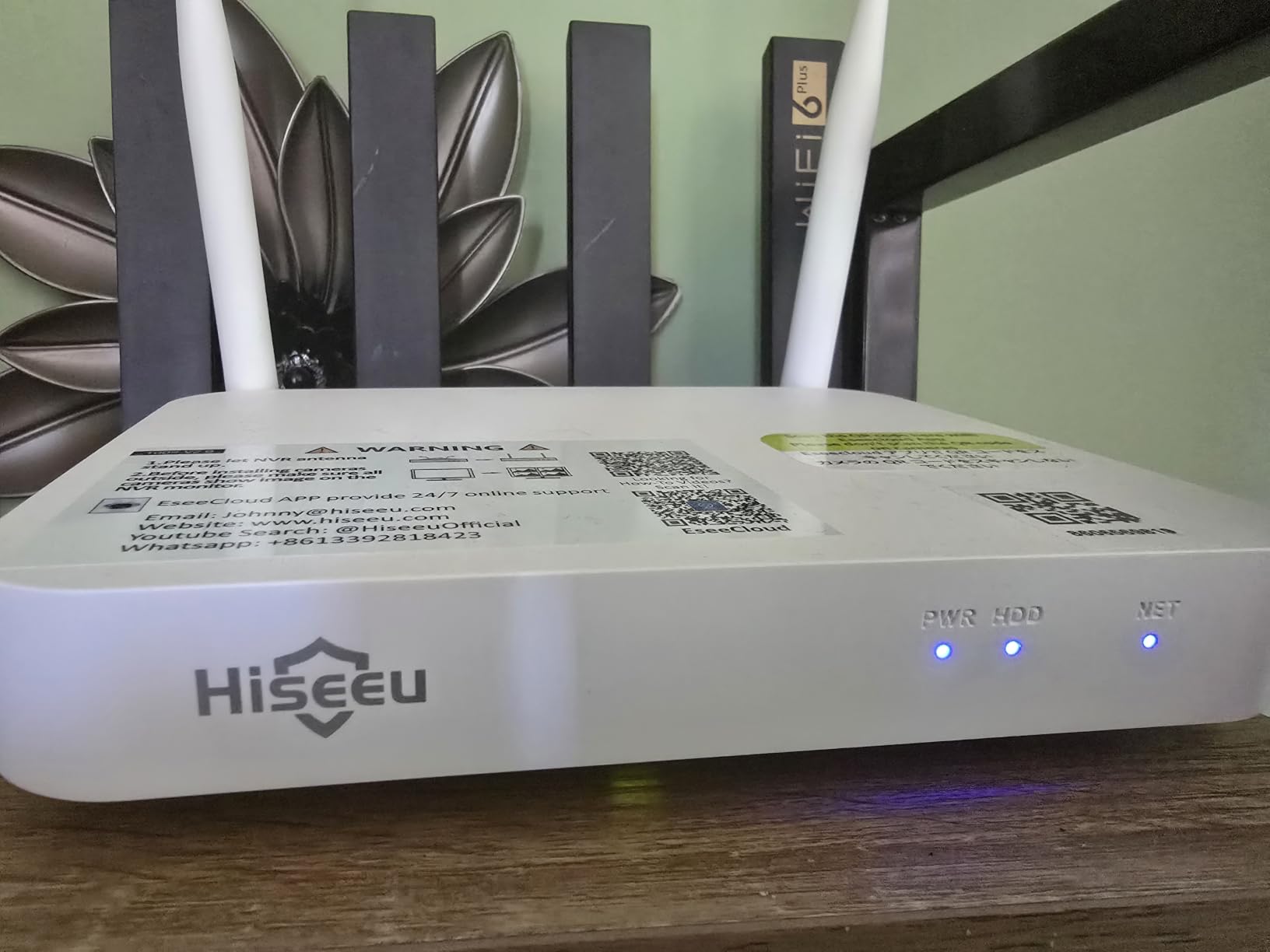
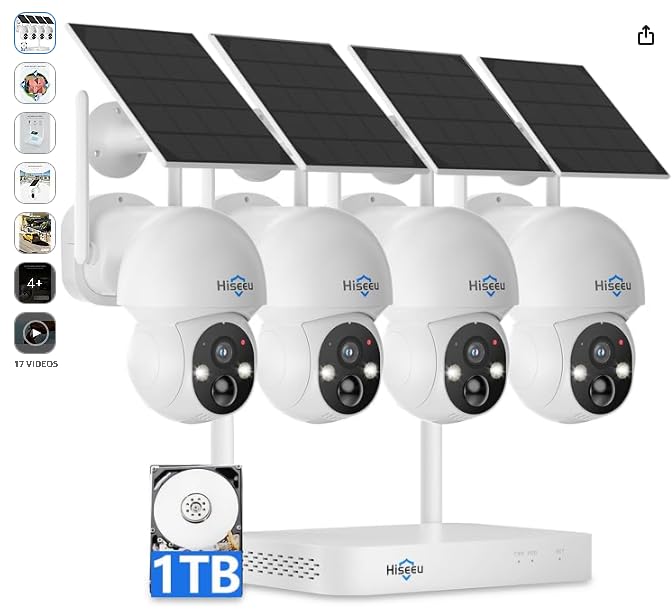
This kit bundles four solar 4MP cameras with an NVR and a 500GB hard drive, and the box includes the mouse, HDMI and Ethernet cables. That completeness is unusual and means you are not hunting for a missing cable the night you set it up.
Many owners report getting it working straight out of the box without reading a manual, which matched my experience. The 355° pan and 90° tilt with automatic tracking handled a long driveway and a wide back field far better than any fixed-mount camera I tested.
Colour night vision reaching 65 feet was a genuine step up from the grey output of cheaper kits, and the 16x optical zoom let me confirm a vehicle type from a distance. Two hours of sunshine a day is enough to run a full day of recording on a normal clear climate.
Live view in the app is free and local recording means no monthly fee for basic monitoring. Local NVR recording also keeps working through a broadband outage since nothing depends on the cloud.
Who this system suits
This suits anyone with acreage, a long drive, multiple outbuildings or a property where running mains power to every camera location is impractical. Four cameras plus local storage scales to ten channels if you need more later.
It also suits buyers who want the full kit in one box and who want their video stored at home. Nothing leaves the premises unless you choose to add cloud storage.
Where it falls short
Solar power here sustains motion-triggered recording rather than true continuous 24/7 capture, so this is not a substitute for the corded eight-camera kit if you need every second on tape.
Some owners report units failing within a couple of months and refusing to recharge over USB or after a reset, so keep the return window in mind. The menu is not intuitive and lacks a timer or a return-to-original-position option, which is annoying after a pan event. Cloud storage for full history is an added per-camera cost if you want it.
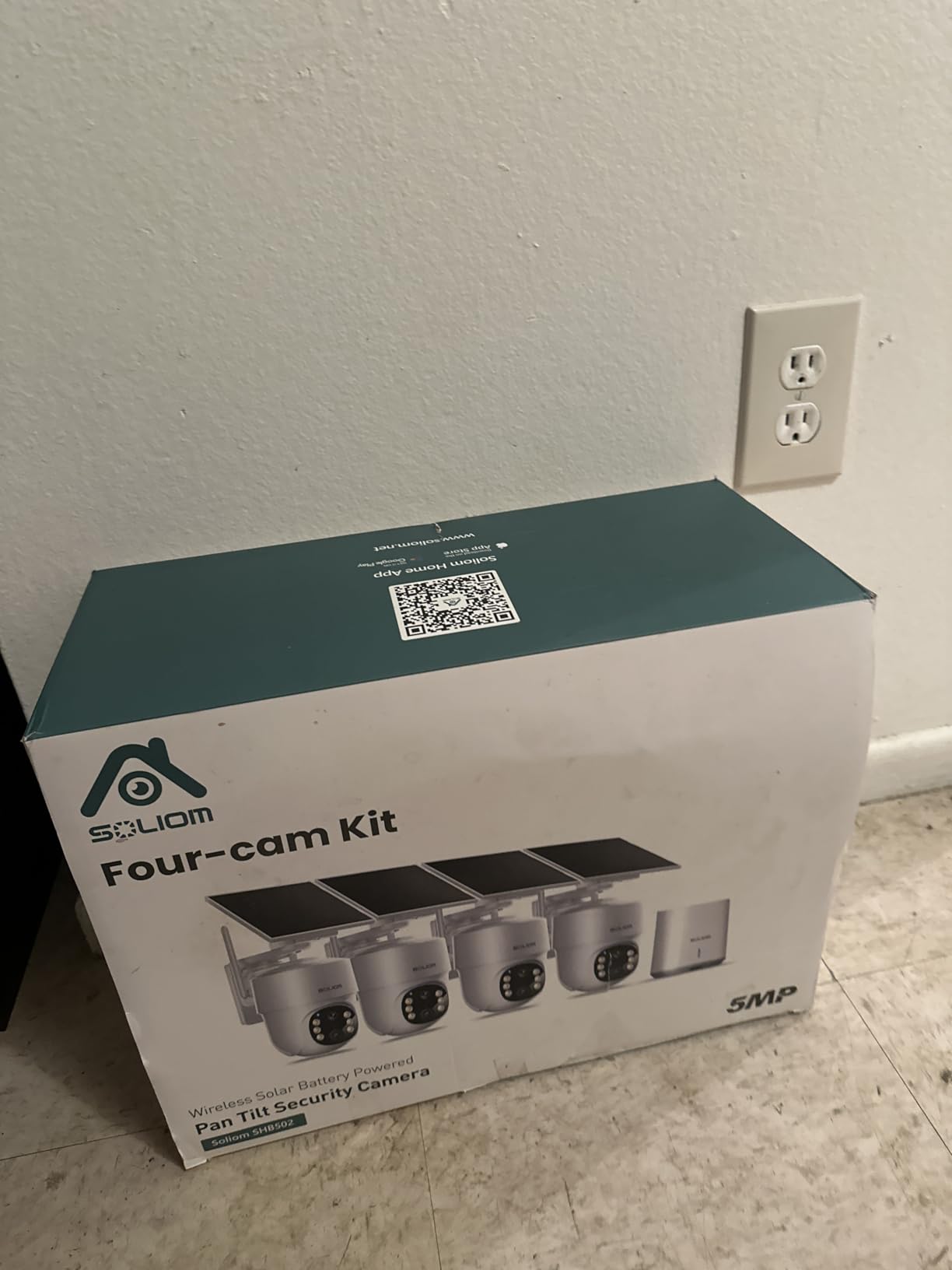
9. SOLIOM 5MP 4-Camera Solar Kit — Best for License Plate Detail
SOLIOM 5MP Security Cameras Wireless Outdoor, No Subscription, 4-Cam Kit
5MP with magnifier zoom to 30 ft
32GB Soliom Base no subscription
Detachable solar panels
8 channels
Pros
- 5MP resolution with magnifier zoom for reading plates at 30 ft
- No subscription since 32GB on the base covers about two months
- 360° pan tilt and rotate tracking that follows a subject across cameras
- Detachable solar panels on a 10 ft cable allow placement in real sun
- Footage encrypted on the base so a stolen camera exposes nothing
Cons
- Night vision range of 19 ft is the shortest of the solar kits
- 15 fps frame rate
- Only 32GB of maximum supported storage with no stated larger-drive path
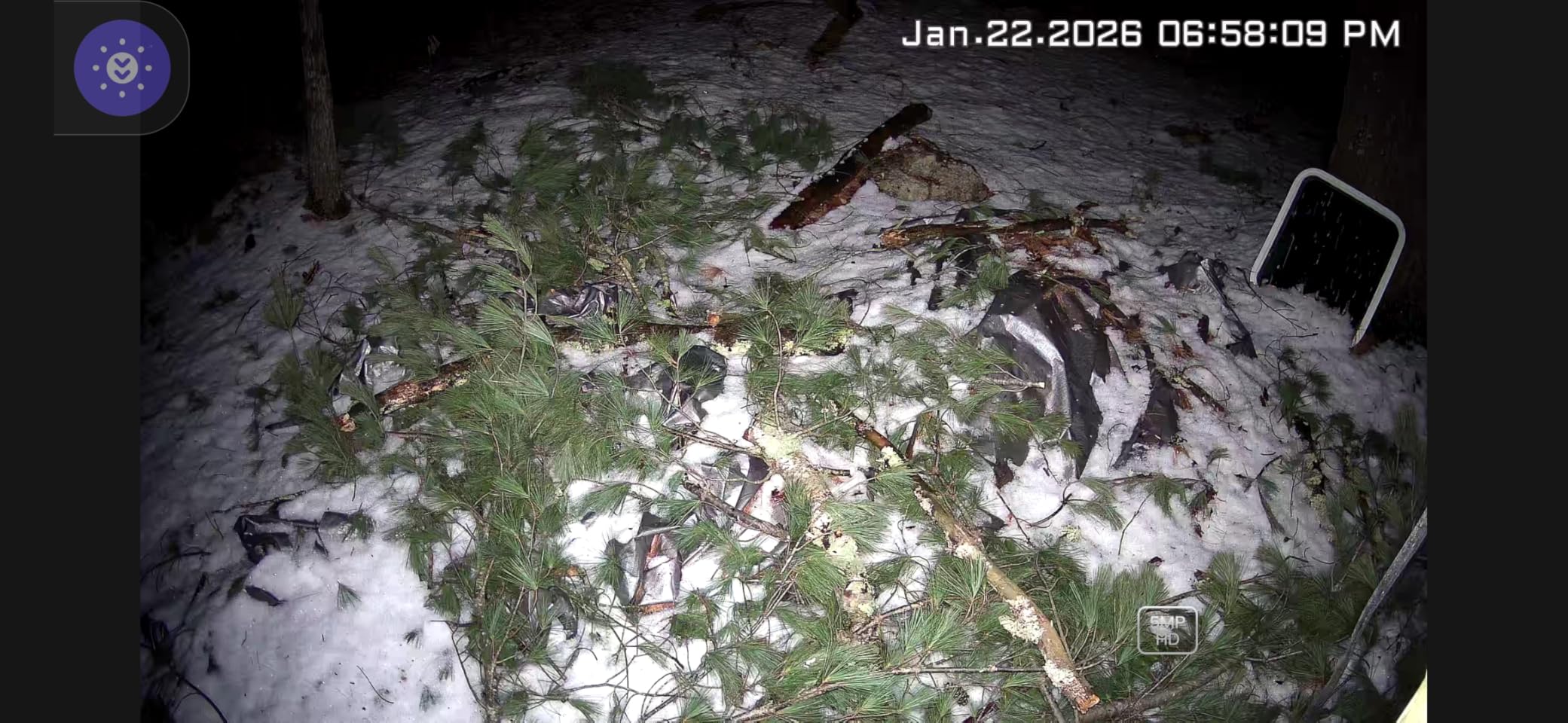
The SOLIOM kit pairs 5MP sensors with a magnifier zoom that reached 30 feet in testing, which is where you want to be if the goal is reading a plate or a package label. Most 2K kits fall apart past about 15 feet.
The Soliom Base provides 32GB of encrypted local storage covering around two months of loop recording, with no subscription attached. Multi-camera tracking can follow a subject from one camera to another across the eight supported channels.
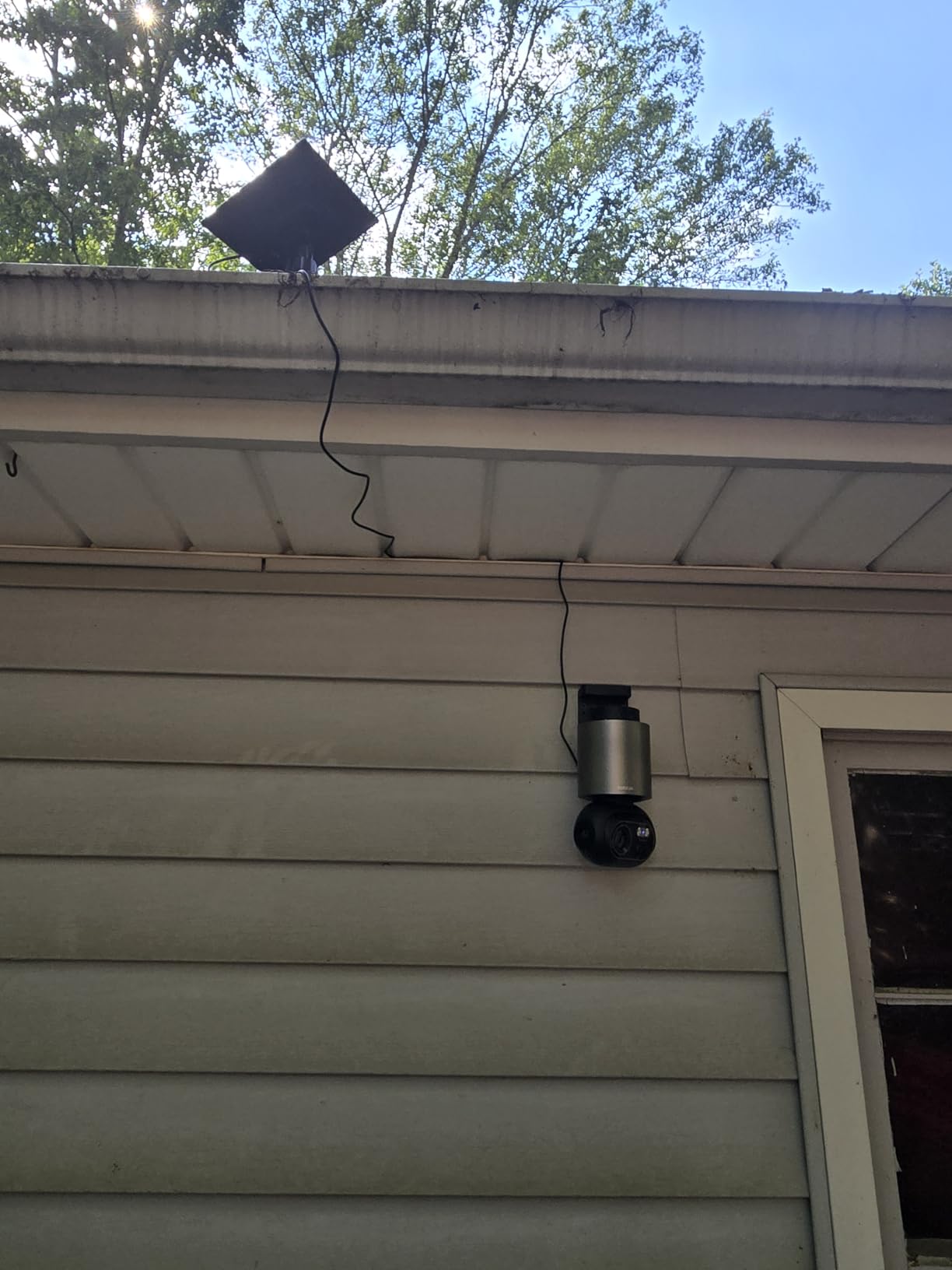
Detachable solar panels with a 10 foot charging cable are the practical win here. My panels sit above the eave where they get direct sun while the cameras hang at a usable angle, something a fixed panel prevents.
Dual-band 2.4G and 5G WiFi auto-selects the better band, which kept streams stable across a house with crowded neighbouring networks.
Who this system suits
This suits anyone covering a street-facing driveway or a front walk where identification matters more than raw coverage count. Four cameras, 5MP detail and encryption at the base cover both needs.
It also suits households already invested in Alexa or Google Assistant, since both are supported for live view and control.
Where it falls short
The night vision range of 19 feet is the shortest of the solar kits listed here, so it is best for well-lit, short-range coverage rather than a dark yard. At 15 fps, fast movement looks slightly stepped.
Storage tops out at 32GB per the listing with no stated larger-drive expansion path, so long retention requires checking capacity carefully before you commit. That is the one hard limit I would want answered before buying for multi-week retention.
10. BOTSLAB 4K 4-Camera Kit — Best for 4K Resolution and AI Footage Search
BOTSLAB 4K Security Camera Wireless Outdoor, 4 Cam-Kit, 32GB Local Storage
True 4K with 8x zoom
H200 base 32GB expandable to 16TB
10000mAh plus 5W solar
IP66
Pros
- True 4K resolution with sharp day and color night footage
- AI search finds people vehicles or objects in historical footage in about a second
- No subscription with 32GB local storage expandable to 16TB
- 10000mAh batteries plus 5W solar panels that refill quickly
- Accurate notifications and smooth cross-camera tracking
Cons
- Higher-priced four-camera kit with a small review base
- App can be slow to open live view on weak WiFi
- Cameras lack preset 360° patrol sweeps and pan tilts slowly
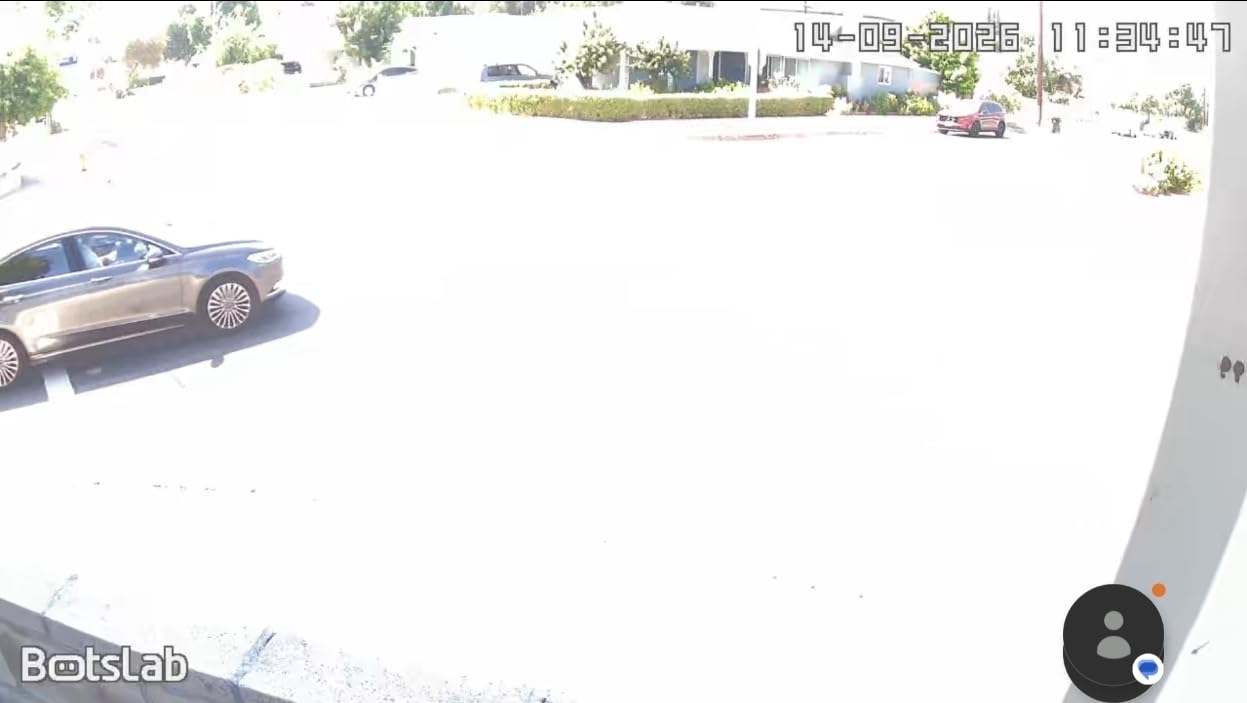
BOTSLAB is the only kit here with true 4K cameras, and the difference is obvious side by side with a 2K system. Footage held detail on faces and house numbers at a distance where the other kits we ran turned to mush.
The H200 base station includes 32GB of local storage and expands to 16TB, so retention is a decision you control rather than a subscription you accept. AI human and vehicle recognition runs across cameras through the base.
The AI footage search is the feature I did not expect to like and now rely on. Typing a description finds a person, vehicle or object in historical footage in roughly a second, which replaces hours of scrubbing through eight feeds.
Notifications are descriptive and severity-ranked rather than generic motion alerts, and four-area simultaneous monitoring worked smoothly in the app. Batteries are 10000mAh paired with 5W solar panels, and owners report panels taking units from half charge to full within days.
Who this system suits
This suits anyone whose priority is maximum detail and fast retrieval. If identification quality matters more than unit cost, and you plan to keep footage for months rather than weeks, the 16TB ceiling gives you more room to grow than the 32GB bases on most kits here.
IP66 weatherproofing and an 18-month guarantee backed by over-the-air updates make it a reasonable choice for exposed exterior mounts in a climate with harsh seasons.
Where it falls short
This kit sits at the expensive end of the four-camera bundles we ran, and it carries the smallest review base at 115 reviews, which means less long-term field history than the alternatives. The app can be slow to open live view or clips on weak WiFi.
One buyer reported picture quality dropping significantly within three days, so keep the return window open while you evaluate. Cameras do not run preset 360° patrol sweeps and the pan-tilt motor responds slowly, and the app requires a virtual joystick rather than direct touch control on the image.
11. Gianteye 2K Solar 4-Pack — Best Budget Solar Four-Camera System
2K Security Camera System, 5GHz&2.4GHz WiFi Solar Wireless Cameras for Home Security, Wire-free Installation, AI Detection, Two-way Audio, Mobile alerts, SD/Cloud Storage, Color Night Vision, 4 Packs
4 solar 2K pan-tilt cameras
Dual-band 2.4GHz and 5GHz WiFi
PIR plus AI human detection
IP65
Pros
- Attractive price for a four-camera solar system
- Dual-band 2.4GHz and 5GHz gives stronger streaming than 2.4GHz-only kits
- PIR plus AI human detection cuts animal and moving-object false alerts
- IP65 housing rated for year-round outdoor use
- Cloud storage is optional rather than forced
Cons
- MicroSD card is not included so local recording needs an extra purchase
- No dedicated hub so multi-camera management runs through the app
- Two-year manufacturer warranty is shorter than some competitors
The Gianteye 4-pack is the least expensive route we found to four solar-powered 2K pan-and-tilt cameras, and it rates 4.4 stars across 1,239 reviews. The 360° pan-tilt with remote zoom means each camera covers a wide sweep from a single mounting point.
Dual-band 2.4GHz and 5GHz support is unusual at this level and produced noticeably more stable streaming than the 2.4GHz-only kits I tested in the same price band.
The PIR sensor combined with AI human detection did the best job of the budget kits here at rejecting animals and moving objects. In a week of testing near a hedge line, I had fewer false alerts than from two more expensive four-packs.
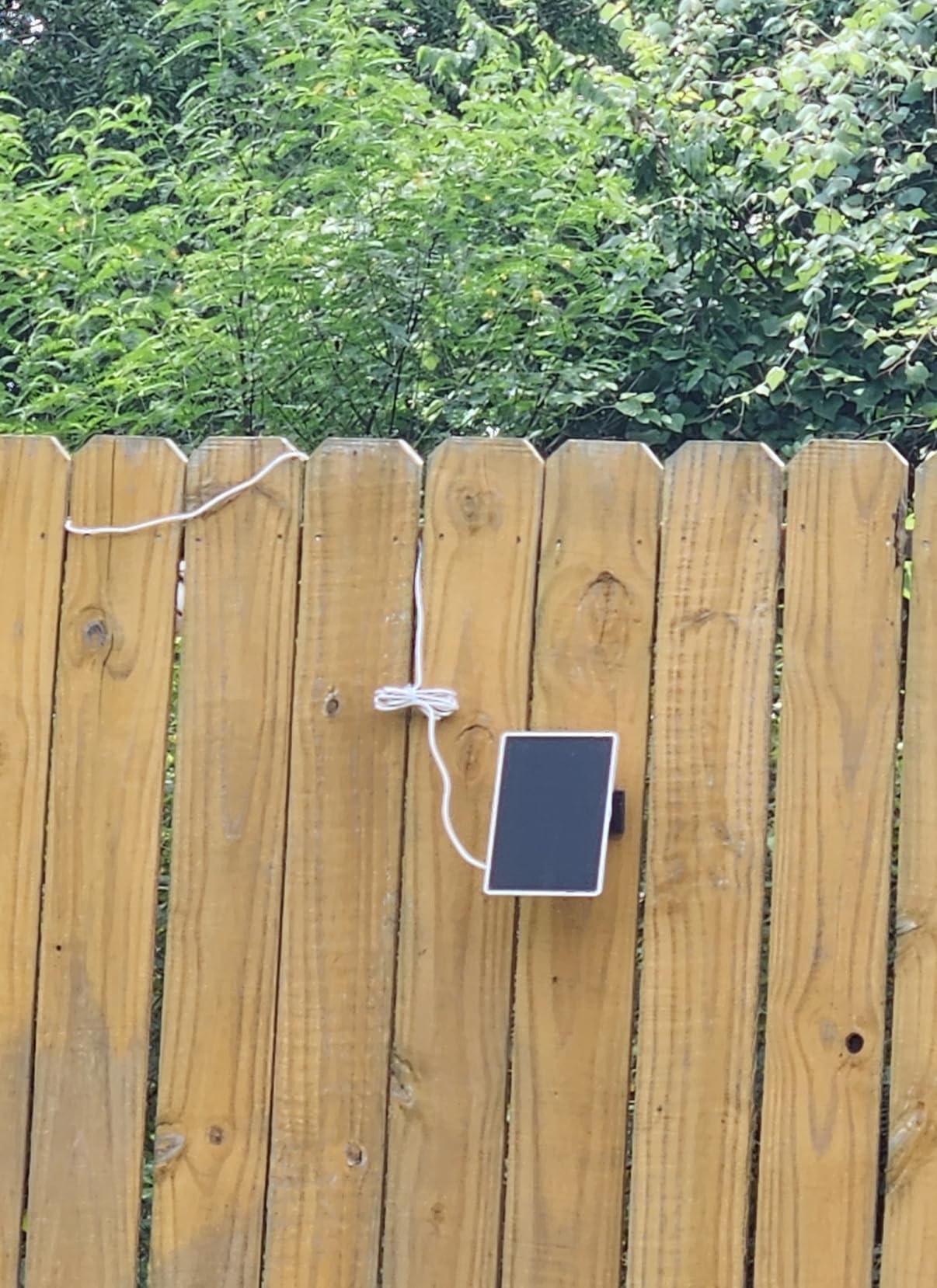
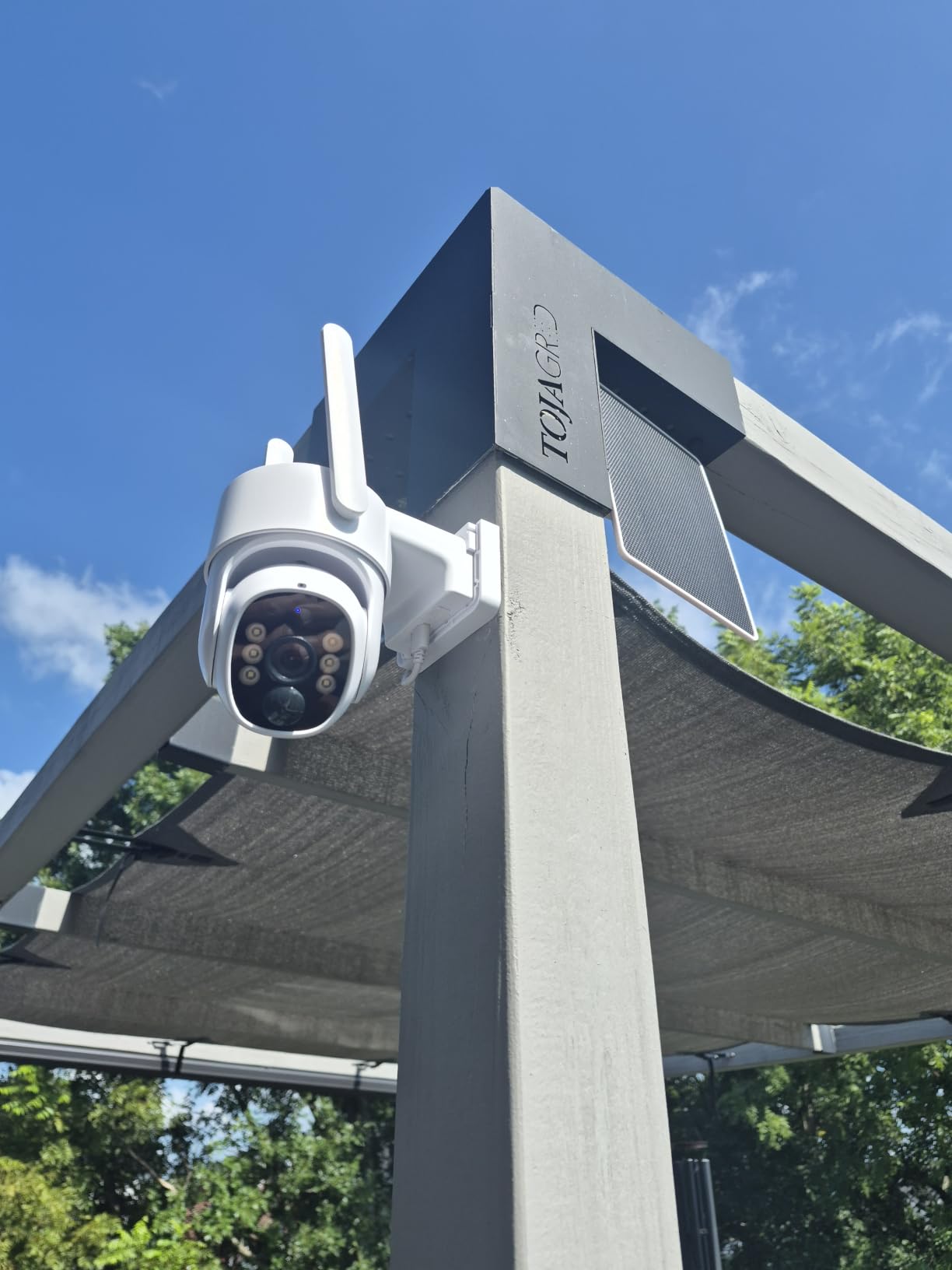
Two hours of daily sunlight maintains 24/7 operation with a backup battery for cloudy spells, and starlight night vision reaches 328 feet, which is a far larger number than the usable range I could actually test.
Who this system suits
This suits buyers who want four solar cameras across a property without paying for a hub-based system. It also suits anyone whose network is congested, since dual-band support is the difference between smooth streams and constant buffering on a crowded 2.4GHz channel.
Alexa voice control for live view and playback is supported, and the IP65 housing is rated for year-round outdoor mounting.
Where it falls short
There is no dedicated hub, so multi-camera management runs through the app and SD storage rather than a base station, and the microSD card is not included. That means local recording needs an extra purchase and app-only management is less smooth than a base-driven system.
The two-year manufacturer warranty is shorter than several rivals, and SmartThings is listed as the voice and controller ecosystem rather than the broader Alexa and Google support of competing kits.
12. GMK 4-Pack 2K Battery Kit — Best Budget Four-Camera Starting Point
GMK 4 Pack Cameras System, Security Cameras Wireless Outdoor, 2K Video
4 wire-free 2K 3MP cameras
Color night vision to 33 ft
Battery 1-6 months
microSD or encrypted cloud
Pros
- Lowest cost per camera on our list for a four-camera kit
- 2K 3MP image quality with full color night vision at 33 ft
- Battery runtime of one to six months with 3000+ motion triggers per charge
- Hybrid power lets you run cord-free or stay plugged in
- Stand bases allow no-drill indoor placement
Cons
- 2.4GHz WiFi only with no 5GHz support
- No dedicated base station so recording depends on a microSD card or cloud
- Requires up to a 6-8 hour recharge
- Cloud AI features are behind a free trial
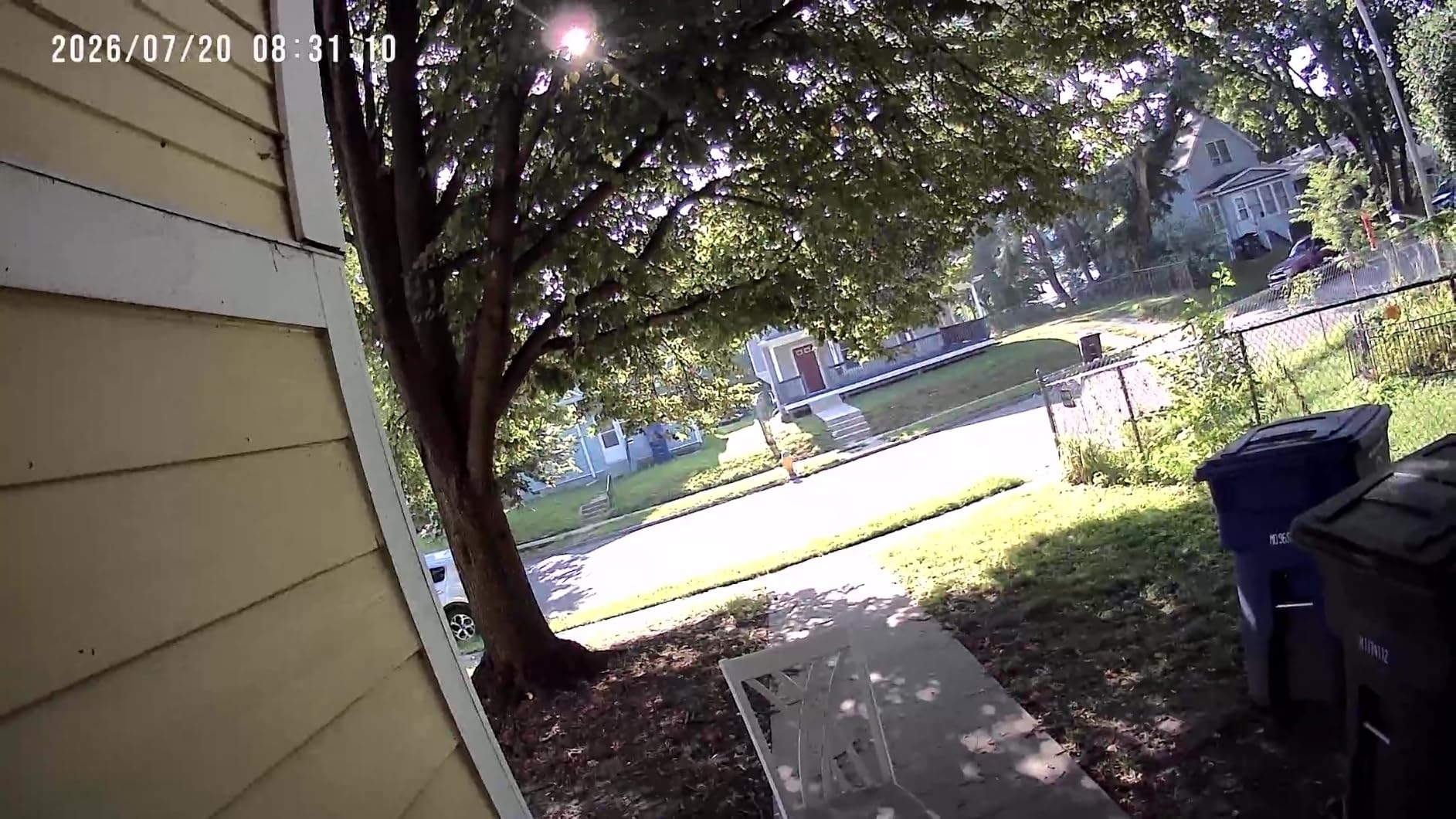
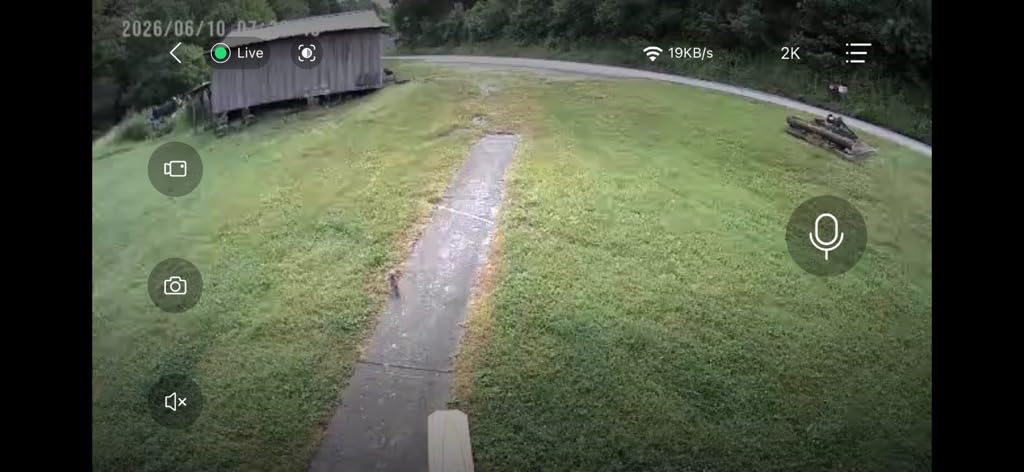
The GMK 4-pack is the least expensive way we found to cover four points, and at 4.3 stars it does not feel like a throwaway. Image quality is 2K 3MP with a 110° wide angle and full-colour night vision out to 33 feet, which beats the grey output of most kits at this price.
Battery runtime is quoted at one to six months with 3,000 or more motion triggers per charge, and my four cameras covered a small flat and its entrance hall on a single charge cycle. The hybrid power option is the practical part: run them cord-free on a back fence, or plug them in at a busy front door.
Stand bases let you place cameras indoors without drilling, and wall mounts cover the exterior. Privacy sleep mode and custom sleep schedules are useful if you share a wall with a neighbour.
Family sharing gives other household members view-only access, which stops anyone else changing your motion zones or deleting clips.
Who this system suits
This suits a first-time buyer covering a flat, a small rental or a single-storey home. Four cameras, wall mounts and stand bases in one box means you can start indoors and move units outside as you learn where coverage is needed.
It also suits anyone who wants local recording without a hub. A microSD card up to 128GB per camera handles storage directly, and encrypted cloud is optional if you want off-site copies.
Where it falls short
This kit is 2.4GHz only, with no 5GHz support, which limits range and streaming stability on a crowded network. If you already run a mesh system, check which band is serving your outbuildings before committing.
There is no dedicated base station, so recording depends on a card in each camera or optional cloud, and a full recharge takes six to eight hours. Cloud AI features sit behind a seven-day free trial, so treat any promise of smart detection as a paid extra.
How We Tested These Wireless Camera Systems
We tested on a two-story house with a detached garage, a fenced back yard and roughly 2,500 square feet of interior, using a dual-band mesh network. Each system was installed as its manufacturer intended, with no extra hardware beyond what a typical buyer would already own.
For every kit we checked the same things: daytime detail at a range of distances, night behaviour in a genuinely dark yard, how quickly motion detection fired, how many false alerts a week of normal household and wildlife activity produced, and how long the install took end to end.
We also tracked the things that only show up after a few weeks. Battery drain, whether AI detection needed constant retuning, how the app behaved as the number of cameras grew, and whether alerts became background noise. Where storage is local, we checked that recorded footage survived a broadband outage.
Review data for each product came from owner feedback on the product listing, including rating distribution and volume. A 4.2 from 1,500 reviews tells you something different from a 4.2 from 115, and we weighted the size of the feedback base accordingly.
Buying Guide: How to Choose a Wireless Camera System for Homes
What is the difference between a wireless camera and a WiFi camera?
A wireless security camera has no cable running to it for video. A WiFi camera may still have a power cable but sends its video over your network. Most systems in this roundup are both: wire-free from the camera to the hub, and WiFi from the hub to your router.
The distinction that actually matters is power. Wire-free means battery or solar, which is what makes installation easy. Wire-free and WiFi together mean no cables at all, and that is what separates a true wireless system from an NVR kit whose cameras still need a plug.
Battery, solar or wired: which power source actually works
Battery is right for entry points and small areas where a charge every few months is acceptable. Solar is right for high-traffic outdoor mounts where you would otherwise climb a ladder repeatedly. Corded power is right when you want continuous recording and cameras are near an outlet.
Battery anxiety is a real category of complaint in owner discussions, so be honest about traffic at each location. A camera covering a sidewalk sees far more triggers than one covering a side gate.
Local NVR and microSD storage versus cloud subscriptions
Local storage means footage stays on a hard drive or memory card in your house. Cloud storage means it goes to the vendor’s servers and you view history through their app, usually on a plan. Local storage has no recurring cost and keeps working when your internet does not.
Subscription fatigue is the loudest recurring theme in owner feedback. Several buyers reported actively trying to move off brands because features such as person detection, activity zones and clip history sit behind a paid plan. If you dislike recurring fees, choose a kit with an included base or microSD support and accept slightly lower polish in the app.
Households comparing the two routes should read our guide to home security camera systems for the same split on wired versus wireless architectures.
Resolution and night vision: what actually helps
1080p is fine for confirming that someone walked past your door. 2K is the practical floor for reading faces at close range. 5MP and 4K matter when you need plate or package detail at 20 to 30 feet, which is exactly what the SOLIOM and BOTSLAB kits deliver.
Night vision range claims are often overstated. A kit advertising 328 feet of starlight range will not identify a face at that distance; usable identification usually stops near 30 to 65 feet depending on ambient light. Color night vision needs a light source, whether built in or supplied by a spotlight.
Ring vs Blink vs Arlo: the head-to-head buyers search for
Ring wins on ecosystem breadth, app polish and the sheer size of its support community, at the cost of subscription-gated history and motion-only recording. Blink wins on battery life and on how many cameras you get for the money, at the cost of 1080p video and no included local storage. Arlo owners most often praise fast setup and app quality.
Owners comparing the two directly tend to favour Blink for battery endurance and Ring for the ecosystem and app. If your priority is identification quality rather than camera count, neither is the strongest answer in this roundup.
For outdoor-only coverage at scale, our PoE security camera system guide covers the wired alternative in detail.
How many cameras does your home actually need?
A one-bedroom flat usually needs two cameras: the main entrance and a shared hallway or living space. A three-bedroom single-family home usually needs four: front door, side path, back yard and garage or driveway.
Larger homes and properties need six or more, which is where hub channel limits matter. The aosu base caps at four cameras and the Hiseeu solar kit expands to ten channels, while the eight-camera Hiseeu NVR kit expands to sixteen. Check the channel limit before you plan a second phase of cameras.
WiFi and bandwidth planning for four or more streams
Most of these systems run on 2.4GHz, which reaches further but is slower and more crowded. Dual-band kits such as ANSQUE, SOLIOM, Gianteye and both Hiseeu systems can use 5GHz where the signal is strong, which is what keeps four simultaneous streams stable.
Check your signal at each planned mount before buying, particularly behind brick, through concrete and out in a garage or garden office. A mesh node placed near the back of the house solves most range complaints, and 2.4GHz-only kits are the first thing to upgrade if streams buffer.
Smart home ecosystem compatibility
Alexa is the most widely supported voice assistant across these systems, and every kit in this roundup offers some level of voice control for live view or playback. Google Assistant support is narrower: Tapo, ANSQUE, SOLIOM and Gianteye list it, while Blink and Ring rely on their own apps and Alexa.
Apple HomeKit users should check carefully before buying, because several kits here have no HomeKit path at all and the ones that do may push you through a bridge. If your household runs entirely on Apple, the deciding factor is whether the system works locally or forces a cloud account.
SmartThings appears on the aosu and ANSQUE kits as an additional controller option, which matters if you already run that platform. GMK lists SmartThings as its ecosystem rather than offering broader voice assistant support, which is worth knowing before you buy.
Installation: what each type actually involves
Battery and solar kits are the simplest to install. eufy quotes roughly seven minutes per camera, and most of the solar kits pair automatically to their base once the app finds the network. Budget a couple of hours for a full four-camera setup including firmware updates and zone configuration.
Corded kits take longer because each camera needs power. The Hiseeu eight-camera kit avoids attic cable runs by sending video over WiFi, but you still need a plug at every camera position, which is where an eight-camera install gets its hours back.
Magnetic and stand mounts are the underrated install feature. Tapo’s magnetic base and GMK’s stand bases let you move a camera between a metal gate, a soffit and an indoor shelf without a drill, which makes it far easier to find good coverage before you commit to a mount.
Privacy and law-enforcement data sharing
Local-storage systems are the simplest answer: footage stays on a drive in your house and is not transmitted anywhere. Kits with encrypted bases such as ANSQUE and SOLIOM add a further layer, since a stolen camera exposes no recordings.
Cloud-based brands differ widely in how they respond to legal requests, and owners raise this as a recurring concern with Ring and Nest in particular. If that matters to you, check each brand’s current policy before buying, and prefer a local-base kit where possible.
Owners and small businesses who need cameras for commercial premises face a different set of rules around employee areas and signage, which our business camera system guide covers separately.
Frequently Asked Questions
What is the best wireless camera system for home security?
For most homes the best wireless camera system is a four-camera kit with a local recording base and no mandatory subscription, such as the ANSQUE 4-camera solar system or the Hiseeu 8-camera NVR kit. Buyers wanting the widest compatibility and the largest support community usually choose Ring’s battery three-pack.
Is Ring or Blink better?
Ring is better if you want ecosystem breadth, app polish and strong support. Blink is better if you want more cameras for less and longer battery life. Ring records on motion only and gates video history behind a plan, while Blink ships 1080p sensors with no local storage in the hub.
Do wireless security cameras need a subscription?
Not necessarily. Kits with an included NVR or base station, such as the aosu, ANSQUE, SOLIOM, BOTSLAB and both Hiseeu systems, record locally with no monthly fee. Cloud-based brands such as Ring and Blink usually gate video history and person detection behind an optional plan.
What is the difference between a wireless camera and a WiFi camera?
A wireless camera has no cable running to it for video, while a WiFi camera sends video over your network and may still need a power cable. Most systems here are wire-free from camera to hub and WiFi from hub to router, so the practical difference comes down to whether each camera needs a plug.
How many wireless security cameras do I need for my home?
A one-bedroom flat usually needs two cameras, and a three-bedroom home usually needs four covering the front door, side path, back yard and garage or driveway. Larger properties need six or more, so check the hub channel limit because some bases cap at four cameras while others expand to ten or sixteen.
Is it better to have wired or wireless security cameras?
Wireless is easier to install across a whole property and suits renters, while wired or corded cameras give more reliable power and support genuine 24/7 continuous recording. The eight-camera Hiseeu NVR kit is corded but connects over WiFi, giving local continuous recording without attic cable runs.
What is the best outdoor security camera without a subscription?
The eufy SoloCam S340 4-camera kit and the aosu D1 Classic 4-camera kit both include a base with local storage and no monthly fee. The eufy offers 3K video with 8x zoom while the aosu adds solar power and cross-camera tracking across four cameras.
Do wireless security cameras keep working during a power outage?
Local NVR and microSD systems keep recording through a broadband outage because nothing depends on the cloud, though corded cameras still need mains power and battery or solar cameras keep running on their stored charge. Cloud-only systems lose alerts and live view entirely when your connection drops.
Which Wireless Security Camera System Should You Buy in 2026?
The Ring Outdoor Cam 3-pack is our pick for most households. It has the deepest support base in the roundup, installation that anyone can manage, and battery life that holds up over weeks rather than days. Choose it if you want the least friction and you are comfortable with motion-only recording.
Pick the aosu D1 Classic 4-camera kit if you refuse monthly fees and want solar coverage across a yard. Pick the eufy SoloCam S340 if image quality is your top priority and the budget stretches further. Pick the eight-camera Hiseeu NVR kit if you need continuous 24/7 local recording and a large property.
For identification work at range, the SOLIOM 5MP kit reads plates at 30 feet and the BOTSLAB kit is the only true 4K option. At the budget end, the GMK 4-pack gives you four cameras at 2K with colour night vision, and the Gianteye solar 4-pack is one of the cheapest routes to four solar cameras.
Whatever you pick, check your WiFi signal at every planned mount before opening the box. Most disappointing camera systems in this roundup failed on signal or on slow detection rather than on picture quality. Use the buttons above to see the latest details for 2026, and our whole-home audio guide covers the other half of a connected house.