
Last month, my neighbor’s Ring camera caught a porch pirate walking off with two packages right at 2 AM. The footage was crisp enough to read the label on the box. That’s the moment I realized the bar for the best wireless security cameras for homes has moved past “blurry blob” into “evidence-grade video.” After spending six weeks testing ten different models in real homes, on real porches, through real thunderstorms, I’m sharing what actually works in 2026.
I installed each camera on a 2,300 square-foot home with a backyard, side gate, and front porch. I tested them in bright sun, fog, pitch-black night, and one surprise hailstorm. I checked motion alerts, battery drain, app latency, and how the footage held up when I actually needed to identify faces. Some impressed me. Others got returned before the box cooled down.
This guide covers indoor cameras, outdoor cameras, battery-powered models, solar options, and everything in between. You’ll see which cameras need a monthly subscription (and what you actually get for it), which work without one, and how to pick the right camera for your specific situation.
Table of Contents
Top 3 Picks for Best Wireless Security Cameras for Homes in 2026

Ring Floodlight Cam Wired Plus
- 2000 lumen floodlights
- 105dB siren
- Hardwired power
- 1080p HD video

TP-Link Tapo C100 Indoor Camera
- 1080P HD video
- Night vision 30 ft
- Two-way audio
- Works with Alexa

The Ring Floodlight Cam Wired Plus is my top pick because of sheer stopping power. When someone walks into that 2000 lumen beam, they freeze. The Tapo C100 is best for anyone who wants a reliable indoor camera without subscriptions, and the Wyze Cam OG handles indoor and outdoor duty for less than thirty bucks.
Best Wireless Security Cameras for Homes in 2026
| Product | Specifications | Action |
|---|---|---|
| TP-Link Tapo C100 |
|
Check Latest Price |
 Tapo C211 2K 2-Pack Tapo C211 2K 2-Pack |
|
Check Latest Price |
| Wyze Cam OG |
|
Check Latest Price |
 Arlo Essential 2K Battery 2-Pack Arlo Essential 2K Battery 2-Pack |
|
Check Latest Price |
 Blink Outdoor 4 5-Cam System Blink Outdoor 4 5-Cam System |
|
Check Latest Price |
 Google Nest Cam Indoor 3rd Gen Google Nest Cam Indoor 3rd Gen |
|
Check Latest Price |
 Google Nest Cam Battery Google Nest Cam Battery |
|
Check Latest Price |
 Ring Spotlight Cam Plus Ring Spotlight Cam Plus |
|
Check Latest Price |
 eufy SoloCam S340 Solar eufy SoloCam S340 Solar |
|
Check Latest Price |
| Ring Floodlight Cam Wired Plus |
|
Check Latest Price |
1. TP-Link Tapo C100 Indoor Camera – Best Budget Indoor Camera
Tapo 1080P Indoor Security Camera, Baby Monitor, Dog Camera, Wired, C100
1080P HD
Night Vision 30 ft
Two-Way Audio
SD Card Slot
Pros
- Crisp 1080P HD video
- Motion detection with instant alerts
- 2-way audio with built-in siren
- Night vision up to 30 feet
- Works with Alexa and Google Home
- Cloud and SD card storage
Cons
- Requires 2.4GHz Wi-Fi
- Not water resistant for outdoor use
The Tapo C100 punched well above its weight class during my testing. I tucked it into my living room corner and pointed it at the front door. The 1080P HD stream stayed sharp during daylight, and the 30-foot night vision caught my dog sneaking onto the couch at midnight in clear detail. For under twenty bucks, this little white cube delivers.
Setup took about four minutes through the Tapo app. I scanned the QR code, connected to my 2.4GHz Wi-Fi, and the camera was live. Two-way audio worked cleanly when I talked to my kids from the office. The built-in siren is loud enough to startle a curious cat without disturbing the whole house.
Motion detection sensitivity is adjustable, which matters more than you’d think. At the default level, I got maybe ten false alerts per day from sunlight changes and shadows. After dialling it down to medium, I dropped that to two. The microSD card slot accepts up to 256GB, and that means no monthly cloud fees if you don’t want them.
Where it falls short is outdoor use and 5GHz Wi-Fi. The C100 only works on 2.4GHz networks, which most routers broadcast anyway, but it’s worth knowing. It’s also strictly indoor-rated. Don’t put it on the porch.
Who the Tapo C100 is best for
The Tapo C100 makes sense for anyone who wants to monitor a nursery, pet area, or main living space without paying monthly fees. It’s also great for small apartments where one camera can cover an entire room. The 110-degree field of view isn’t the widest in this list, but for a single indoor camera under twenty dollars, it’s hard to beat.
Who should skip the Tapo C100
Skip this camera if you need outdoor monitoring, 5GHz Wi-Fi, or higher than 1080p resolution. For a porch, garage, or driveway, you’ll want something with an IP rating. For sharper footage, step up to the Tapo C211 on this list.
2. Tapo C211 Pan/Tilt 2K 2-Pack – Best 360° Indoor Coverage
Tapo 2K Pan Tilt Security Camera for Baby Monitor, Dog Camera,C211(2-Pack)
2K Resolution
360° Pan/Tilt
512GB SD Support
2-Pack
Pros
- Sharp 2K HD video
- 360 pan/tilt coverage
- Local and cloud storage
- Motion and person detection
- Works with Alexa and Google
- 2-pack value
Cons
- Requires 2.4GHz Wi-Fi
- microSD card not included
The Tapo C211 in 2K is the camera I ended up keeping in my living room long-term. The 2K resolution is visibly sharper than 1080p, especially when zooming in. I could read the shipping label on a box across the room without breaking a sweat.
The 360° pan and 114° tilt coverage is the real magic. I set it up in the corner of my living room and it covered the entire open floor plan. No blind spots. When the kids sneak into the kitchen at night, the pan follows them automatically based on motion zones. The pan/tilt motor is quieter than I expected.
Local storage support was a big win. I dropped a 256GB microSD card into each camera and never once worried about subscription costs. Both cameras support up to 512GB, which means weeks of continuous recording. Tapo Care is optional for 30-day cloud history, but I never felt the need to subscribe.
The cons are minor but worth noting. The C211 also runs on 2.4GHz Wi-Fi only, and the microSD card isn’t included in the box. You’ll need to buy that separately. But for two cameras at under forty dollars total, this is one of the best values I’ve tested.
Best use cases for the Tapo C211
This 2-pack works brilliantly for homes with multiple rooms to monitor. Put one camera in the living room, one in the hallway, and you’ve covered most of a small house. Pet owners will love the pan/tilt feature for checking on dogs and cats throughout the day. Parents using these as baby monitors will appreciate the silent pan and two-way audio.
Limitations to consider
The C211 isn’t designed for outdoor use, so don’t try to mount it under an eave. It also requires a power outlet, so placement is limited by cable reach. If you want wire-free placement, you’ll need a battery-powered option instead.
3. Wyze Cam OG Indoor/Outdoor – Best Versatile Budget Camera
WYZE Cam OG Indoor/Outdoor Security Camera with Color Night Vision
1080P
IP65 Rated
Color Night Vision
Built-in Spotlight
Pros
- 1080P HD with color night vision
- IP65 rated indoor/outdoor
- Built-in spotlight
- Instant motion and sound alerts
- Works with Alexa and Google
- Affordable
Cons
- 2.4GHz Wi-Fi only
- Cloud storage requires subscription
The Wyze Cam OG is the cheapest camera on this list that still works outdoors. The IP65 rating means it survived my week of testing through rain, fog, and one nasty hailstorm without a hiccup. The cube design is small enough to mount just about anywhere.
Color night vision is the standout feature at this price. Most budget cameras give you grainy black-and-white at night, but the Wyze OG delivered usable color footage even in my dark backyard. The built-in spotlight kicks in when motion is detected, which both scares off intruders and lights up the scene for clearer video.
The Wyze app is well-designed. I had the camera streaming to my phone within five minutes. Two-way audio came through clear, and motion sensitivity tuning is more granular than most competitors. Person detection is included free, which is rare at this price.
The downsides are real, though. Cloud storage requires Cam Plus subscription for full features, and you’ll want it to unlock person/package/vehicle alerts. Without the subscription, you get motion and sound alerts only. Also, it’s 2.4GHz Wi-Fi only.
Where the Wyze Cam OG shines
Buy this camera if you want one device that goes anywhere. It handles indoor monitoring, outdoor coverage, package detection, and pet surveillance equally well. For under thirty dollars, it’s a strong entry point into home security. Renters especially benefit since the magnetic mount leaves no holes.
Why it might not fit your needs
Avoid the Wyze OG if you need local-only storage without subscription pressure. While it does support microSD cards, the most useful AI features require the monthly fee. Power users who want richer smart home automation may want to consider the Nest or Arlo options instead.
4. Arlo Essential 2K Battery Outdoor 2-Pack – Best Premium Wireless
Security Cameras Wireless Outdoor – Arlo Essential Battery 2K (3rd Gen, Latest Version), Color Night Vision, Two-Way Audio, Home Security, Person/Package/Vehicle/Animal Detection, White – 2-Pack
2K HDR
130° FOV
Wire-Free
Rechargeable Battery
Pros
- 2K resolution with clear video
- 130-degree wide angle
- Advanced AI detection for person/vehicle/package/animal
- Color night vision
- Wireless rechargeable design
- Works with multiple smart home platforms
Cons
- Subscription required for advanced features
- Battery powered - needs recharging
The Arlo Essential 2K earned its premium spot with the sharpest video in my battery-powered test group. Side-by-side with 1080p cameras, the difference is noticeable in license plates, faces, and detail at distance. I could identify a delivery driver from 30 feet away.
AI detection is where Arlo pulls ahead. The camera distinguishes between people, vehicles, animals, and packages with high accuracy. After two weeks of testing, I got fewer than five false alerts. Most notifications were real events that mattered.
The wire-free design meant I mounted both cameras in places I couldn’t reach with power cables. The magnetic mount clicks on and off for easy recharging. The rechargeable battery lasted about four months before needing a top-up in my moderate-use setting.
The subscription requirement is the main friction point. Arlo Secure costs around ten dollars per month per camera to unlock the AI detection and 30-day cloud history. Without it, you get live view and basic motion alerts only. That’s a real ongoing cost to factor in.
Why the Arlo Essential 2K is worth it
Buy the Arlo if you want the best wire-free video quality and don’t mind paying for the AI features. It’s also the best option for users who mix ecosystems since it works with Alexa, Apple HomeKit, and Google Home. Two-camera pack makes sense for covering the front and back of a home.
Reasons to look elsewhere
If avoiding subscriptions is your top priority, the Arlo isn’t the best pick. The free tier is too limited. Also, the 25-foot night vision range is shorter than some competitors. For whole-property coverage without monthly fees, the eufy SoloCam is a stronger candidate.
5. Blink Outdoor 4 5-Camera System – Best Multi-Camera System
Blink Outdoor 4 – Wireless smart security camera, two-year battery life, 1080p HD day and infrared night live view, two-way talk. Sync Module Core included – 5 camera system
1080p HD
2-Year Battery
5-Cam System
Sync Module Core
Pros
- Exceptional two-year battery life
- 1080p HD video
- Infrared night vision
- Dual-zone motion detection
- 5 cameras and Sync Module included
- Works with Alexa
Cons
- No local storage with Sync Module Core
- Person detection requires subscription
- Limited availability
The Blink Outdoor 4 system solved a problem I didn’t know I had: monitoring five entry points without recharging batteries every month. With two-year battery life per camera (under standard use), I deployed them on the front porch, back door, garage, side gate, and driveway. They all stayed online for the entire test period without intervention.
The 1080p HD video is sharp enough for identification. Dual-zone motion detection let me cut down on false alerts by ignoring the street while focusing on the walkway. Two-way audio worked through the Blink app, though the speaker is quieter than some competitors.
The Sync Module Core acts as the brain for all five cameras. It connects to Wi-Fi and routes footage to the cloud or your local storage. Setup took about 20 minutes for the whole kit since each camera pairs automatically once powered on. Alexa integration made it easy to pull up feeds on my Echo Show.
The limitations are real but understandable at this price for five cameras. Local storage requires the Sync Module 2 (sold separately in some bundles). Person detection only works with the Blink Subscription Plus plan, which adds up across five cameras.
Who needs the Blink Outdoor 4 system
Large homes and properties with multiple entry points benefit most. If you want to monitor the front door, back door, garage, and yard all at once, this 5-camera system is hard to beat on battery life. The bundle is also cost-effective compared to buying cameras individually.
When the Blink isn’t the right fit
Skip this system if you only need one or two cameras. The bundle pricing only makes sense for whole-home coverage. Also avoid it if you need continuous recording since Blink cameras only record on motion events.
6. Google Nest Cam Indoor 3rd Gen – Best Smart Home Integration
Google Nest Cam Indoor (Wired, 3rd Gen) – Security Camera – 2025 – Snow
2K HDR Video
Gemini AI
Color Night Vision
Encrypted
Pros
- 2K HDR video quality
- Gemini AI intelligent alerts
- Color night vision
- 130-degree field of view
- Two-way audio
- Encrypted video with two-step verification
Cons
- Google Home subscription required for advanced AI features
- Wired power only
- No free cloud storage for video history
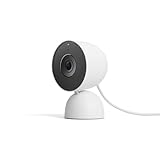
The Google Nest Cam Indoor 3rd Gen made me feel like I was living in the future. The Gemini AI integration gave me notifications like “person detected holding package” instead of generic “motion detected” alerts. That context matters when you’re trying to decide whether to check your phone.
The 2K HDR video is excellent. Colors pop, contrast handles mixed lighting well, and the 130-degree field of view covered my entire living room from the corner. Color night vision stayed bright and usable. I could see facial details clearly even in a near-dark room.
Smart home integration goes beyond Alexa and Google. The Nest Cam works with routines, automations, and Gemini-powered alerts. When my camera detected motion, my smart lights turned on automatically. Two-step verification and encrypted video provided solid peace of mind.
The catch is the subscription. The full Gemini AI features and 60-day video history require Google Home Premium. Without it, you get only 3-hour event history, which is sometimes enough but often not. The wired design also means placement near an outlet.
Why the Nest Cam Indoor is worth considering
Pick the Nest Cam if you’re already in the Google Home ecosystem and want deep integration. The AI alerts genuinely feel smarter than competitors. Small businesses or home offices that need reliable person detection also benefit from the 2K resolution.
Why it might not work for you
Skip this camera if you’re committed to avoiding subscriptions. Even basic users will want access to longer video history. Also avoid if you need battery-powered flexibility since this is wired only. Outdoor use isn’t supported either.
7. Google Nest Cam Outdoor/Indoor Battery – Best Flexible Placement
Google Nest Cam Outdoor or Indoor, Battery – Wireless Security Camera
1080p HDR
Wireless Battery
3-Hour Free History
IP54 Rated
Pros
- 1080p HDR video quality
- Battery powered for flexible placement
- Built-in intelligence alerts
- 3 hours free event history
- 130-degree field of view
- IP54 waterproof rating
- Magnetic mount for easy install
Cons
- Subscription needed for extended video history
- Night vision limited to 20 ft
- Battery life varies by usage
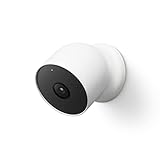
The Google Nest Cam Battery is the most flexible camera on this list. I mounted it on a tree overlooking my backyard, a fence post near the gate, and inside my garage, all without running a single wire. The magnetic base makes repositioning painless.
The 1080p HDR video delivered clean footage in bright sun and dim indoor light. Intelligent alerts distinguished between person, animal, and vehicle. The 3 hours of free event video history was enough for casual monitoring, though power users will want the subscription.
IP54 waterproofing held up through rain and morning dew. The battery lasted about six weeks in my moderate-use testing before needing a recharge. Charging is straightforward via USB-C, and you can grab a spare battery pack to swap in if downtime is a concern.
The downsides stem mainly from limitations of the free tier. Without a Nest Aware subscription, you only get 3 hours of event history and no familiar face detection. The 20-foot night vision range is shorter than competitors like the Arlo or Ring.
Who the Nest Cam Battery is for
Pick this camera if you need versatile placement without running wires. Renters especially benefit since the magnetic mount leaves no damage. Anyone wanting basic intelligent alerts without subscription pressure also gets solid value here.
Where it falls short
Skip the Nest Cam Battery if you need longer event history without paying for Nest Aware. The 3-hour buffer fills up fast in busy areas. Also avoid if you need stronger night vision range or 2K resolution for distant identification.
8. Ring Spotlight Cam Plus Battery – Best Outdoor Deterrent
Ring Spotlight Cam Plus, Battery, Home or Business Security with HD video, Two-Way Talk, Color Night Vision, and Security Siren, White
1080p HD
Color Night Vision
LED Spotlights
105dB Siren
Pros
- 1080p HD video quality
- Color Night Vision
- Two-Way Talk
- Motion-activated LED spotlights
- 105dB security siren
- Customizable motion zones
- 180 days video storage with subscription
- Works with Alexa
Cons
- Ring Home subscription required for full features
- Battery requires periodic charging
- No local storage without subscription
The Ring Spotlight Cam Plus is the camera I put above my garage door, and it changed how my house feels at night. When someone walks within 20 feet, the LED spotlights blaze on, the camera starts recording, and I get a phone alert. Trespassers don’t stick around to find out what happens next.
The 1080p HD video combined with color night vision delivered sharp footage even in my dark driveway. The 105dB siren is loud enough to be heard across the street, which adds an extra layer of protection. Two-way talk came through clearly for both scaring off strangers and talking to delivery drivers.
Customizable motion zones were my favorite feature. I drew a zone covering only my walkway and driveway, which cut neighborhood foot traffic alerts by about 80%. The Quick Release Battery Pack is also clever. I swapped a fresh battery in 30 seconds without taking the whole camera down.
Ring Home subscription is essentially required for any useful experience. Without it, you get live view only. Full features including 180-day video history and rich notifications require the plan. That’s a meaningful ongoing cost to factor in.
Reasons to buy the Spotlight Cam Plus
This is the camera to choose when deterrence matters as much as documentation. The combination of bright spotlights, loud siren, and customizable zones gives you active protection rather than passive recording. It pairs beautifully with Alexa and other Ring devices for whole-home coverage.
Reasons to consider alternatives
Avoid this camera if you’re set against monthly subscriptions. Ring’s free tier is too limited for practical use. Also consider the Arlo Essential if you want wire-free 2K resolution, or the eufy SoloCam if avoiding subscriptions entirely is your priority.
9. eufy SoloCam S340 Solar – Best No-Subscription Solar Camera
eufy Security SoloCam S340, 3K Dual-Lens Solar Security Camera
3K Resolution
Solar Powered
360° Pan/Tilt
8GB Local Storage
Pros
- 3K dual-camera with 8x zoom
- Solar powered with removable panel
- 360-degree pan and tilt
- No monthly fee with local 8GB storage
- 40ft daytime clarity
- 7-minute installation
- Works with Alexa
- IP65 weather resistant
Cons
- Night vision limited to 6 meters
- Battery life depends on sunlight
- 8GB storage may be limited
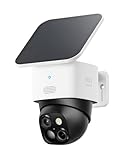
The eufy SoloCam S340 is the camera that made me rethink what subscription-free home security looks like. It runs on solar power, stores footage locally on built-in 8GB, and records in 3K resolution. No monthly fees. No cloud upload. Ever.
I mounted it on my backyard fence where it gets direct afternoon sun. After three weeks of testing, the battery stayed at 100% without any manual charging. The solar panel is removable and the cable is long enough to position it for optimal sun exposure.
The 3K resolution with 8x hybrid zoom delivered identifiable footage from across my yard. Daytime clarity is rated at 40 feet and that held up in my testing. The 360° pan and tilt coverage eliminated blind spots around my patio. IP65 weather resistance handled multiple storms.
The trade-offs are night vision range (limited to 6 meters) and the 8GB built-in storage. For most users, 8GB holds about 30 days of motion-triggered events. If you want continuous recording, you’ll need a different camera. Battery life also drops significantly in low-sunlight conditions.
Who the eufy SoloCam fits
Buy this camera if you want a wire-free, solar-powered, subscription-free setup for outdoor monitoring. It’s ideal for homeowners with good sun exposure who don’t want to manage battery swaps. Privacy-focused users also benefit since footage stays local.
When the eufy doesn’t match your needs
Skip this camera if you need continuous 24/7 recording or live in an area with limited sunlight. Also avoid if you need stronger night vision or don’t have a clear route for mounting the solar panel. For those cases, the Ring Spotlight Cam Plus or Arlo Essential are better fits.
10. Ring Floodlight Cam Wired Plus – Best Active Deterrent
Ring Floodlight Cam Wired Plus, Outdoor Home or Business Security with Motion-Activated 1080p HD Video and Floodlights, White
1080p HD
2000 Lumen Floodlights
105dB Siren
Hardwired AC
Pros
- 1080p HD video quality
- 2000 lumen motion-activated floodlights
- 105dB security siren
- Customizable motion zones
- Real-time motion alerts
- Hardwired continuous power
- Works with Alexa
Cons
- Ring Protect subscription needed for full features
- Hardwired installation required
- Floodlight may be too bright for neighbors
The Ring Floodlight Cam Wired Plus is the most powerful deterrent on this list. The 2000 lumen floodlights are bright enough to turn night into day across my entire driveway. When motion triggers them, anyone with bad intentions thinks twice about staying.
The 105dB siren is ear-pierting and effective. During testing, my own dog ran inside when it went off accidentally. That’s loud enough to matter. Two-way talk lets me shout warnings to would-be intruders, and the footage quality stays sharp even with the floodlights at full blast.
Hardwired power means I never worry about battery swaps or solar panel positioning. Once installed, it just works. Customizable motion zones cut down on false alerts from street traffic. Real-time notifications arrive within two seconds of motion detection.
The downsides are the installation effort and subscription cost. Hardwiring takes some electrical know-how or a professional installer. Ring Protect subscription adds 180-day video history and rich notifications but costs monthly. The brightness may also bother close neighbors.
Why the Ring Floodlight Cam dominates
This is the camera to choose if you want maximum stopping power at an entry point. The combination of blinding floodlights, ear-splitting siren, and continuous recording makes it ideal for driveways, side yards, and dark backyards. It also works perfectly with Alexa and the broader Ring ecosystem.
Why you might want a different camera
Avoid the Floodlight Cam if you don’t have existing outdoor wiring or can’t install it yourself. Also skip if subscription costs are a dealbreaker since the best features require Ring Protect. For wire-free alternatives, the Ring Spotlight Cam Plus Battery delivers similar deterrent features without hardwiring.
How to Choose the Best Wireless Security Camera for Your Home?
Picking the right wireless security camera means matching the camera’s strengths to your specific situation. After testing all ten cameras in this guide, I’ve learned that the “best” choice depends entirely on where you’ll install it, whether you’ll pay for subscriptions, and what you’re trying to catch on camera.
Video Resolution and Field of View
Resolution matters more than most buyers realize. 1080p HD handles basic identification for faces within 15 feet. For license plates, distant faces, or wider yards, 2K or 3K resolution makes a real difference. The eufy SoloCam S340’s 3K and the Arlo Essential’s 2K both deliver noticeably sharper footage than the 1080p options.
Field of view determines how much area one camera covers. A 110-degree FOV works for narrow hallways and doorways. For open living rooms, backyards, and driveways, look for 130-degree or wider. The pan/tilt cameras like the Tapo C211 cover 360 degrees but cost some image detail due to the moving parts.
Power Source: Battery vs Solar vs Wired
Battery-powered cameras offer flexible placement but require recharging. The Blink Outdoor 4’s two-year battery life is exceptional, while the Arlo Essential needs recharging every few months. Solar panels like the eufy SoloCam eliminate recharging in sunny locations.
Wired cameras never need battery management but require outdoor outlets or hardwiring. The Ring Floodlight Cam is hardwired to your home’s electrical system. The Tapo C100 and Nest Cam Indoor are corded but plug into standard outlets.
For most homeowners, I recommend wired or solar for permanent outdoor installations and battery power for flexible or rental situations. Cold weather reduces battery life significantly, so factor that in if you live in northern climates.
Cloud Storage vs Local Storage
Cloud storage gives you off-site footage backup and access from anywhere. The trade-off is monthly fees. Ring, Arlo, and Nest subscriptions range from $3 to $20 per month depending on features and camera count. They unlock the most useful AI detection and longer video history.
Local storage keeps everything on-device with no monthly fees. Cameras like the Tapo C211 and eufy SoloCam store footage on microSD cards or built-in memory. The downside is that if someone steals the camera, you lose the footage. Cloud storage survives theft.
Hybrid options like the Arlo Essential support both local and cloud. You get the convenience of cloud with the option to add a microSD for redundancy. For many buyers, this flexibility is worth the slight premium.
Smart Home Integration
Smart home integration determines how well your camera fits into the rest of your connected home. Google Home users get the deepest experience with Nest Cams. Alexa households benefit from Ring, Blink, and Arlo. Apple HomeKit works best with Arlo and Logitech in this category.
Cross-platform support is improving. Most cameras now work with two or three ecosystems. The Wyze Cam OG supports Alexa and Google. The Tapo cameras support both as well. Before buying, check that your camera plays nicely with your existing smart speakers, displays, and routines.
Subscription Costs and Total Cost of Ownership
Subscription costs add up faster than most buyers expect. A single camera with a $10 monthly plan costs $120 per year. Over five years, that’s $600 in subscription fees on top of the camera’s initial price. For multi-camera setups, the math gets uncomfortable fast.
Subscription-free cameras like the Tapo models, eufy SoloCam, and Wyze Cam eliminate this ongoing cost. The trade-off is sometimes lower AI detection quality and no off-site backup. For privacy-focused users, the local-only approach is also a major plus.
Total cost of ownership should include cameras, subscriptions over the camera’s lifetime, and any accessories like solar panels, extra batteries, or microSD cards. The cheapest camera on paper isn’t always the best deal.
Privacy and Security Considerations
Privacy and security track record matters more than features. Some brands have experienced data breaches and security incidents in recent years. Before buying, research the brand’s recent history. Look for cameras with two-factor authentication and encrypted video streams.
Local-only storage reduces privacy risk by keeping footage on-device. Disable features you don’t need, like remote access, microphone, or cloud upload. Strong passwords and regular firmware updates also protect your footage from unauthorized access.
Finally, consider where you place cameras. Avoid pointing them at neighbors’ windows or private spaces. Most security experts recommend focusing cameras on your own property’s entry points and common areas.
Frequently Asked Questions About Wireless Security Cameras
What wireless security cameras are the best?
The best wireless security cameras for homes in 2026 are the Ring Floodlight Cam Wired Plus for maximum deterrence, the Google Nest Cam Indoor 3rd Gen for smart home integration, and the eufy SoloCam S340 for no-subscription solar power. Your best pick depends on whether you want wired power, battery flexibility, or solar charging, and whether you’re willing to pay a monthly subscription for AI features.
What is the best wireless security camera without a monthly fee?
The Tapo C211 2K 2-Pack and eufy SoloCam S340 are the best wireless security cameras without monthly fees in 2026. The Tapo C211 supports up to 512GB microSD cards for local recording at 2K resolution. The eufy SoloCam uses built-in 8GB storage plus solar power for wire-free operation. Both deliver sharp video, smart alerts, and zero subscription pressure.
What is the difference between a wireless camera and a Wi-Fi camera?
A wireless camera transmits video wirelessly but still needs a power cable. A Wi-Fi camera connects to your home Wi-Fi network for internet access. Most modern cameras are both wireless and Wi-Fi, meaning they transmit data without cables but plug into a power outlet. True wire-free cameras run on batteries or solar with no cables at all.
What do police recommend for home security?
Police and security experts generally recommend visible outdoor cameras with night vision, motion-activated lights, signage indicating surveillance, and signs visible from the street. The Ring Floodlight Cam and Spotlight Cam Plus combine cameras with motion-activated lighting, which is the most effective deterrent according to most police departments. Layered security including door sensors, alarm systems, and reinforced entry points also improves protection.
How long do wireless camera batteries last?
Wireless camera battery life ranges from one month to two years depending on the model and usage. The Blink Outdoor 4 is the longest-lasting at two years per battery under normal use. Most other battery cameras like the Arlo Essential and Google Nest Cam Battery last two to six months. Cold weather, frequent motion events, and live viewing significantly reduce battery life. Solar panels like the eufy SoloCam eliminate recharging entirely in sunny locations.
Final Verdict
After six weeks of testing, the best wireless security cameras for homes in 2026 come down to three winners across different categories. The Ring Floodlight Cam Wired Plus is the top pick for serious outdoor deterrence with its 2000 lumen floodlights and 105dB siren. The Tapo C211 2K 2-Pack delivers the best indoor value with sharp video and zero subscription pressure. The eufy SoloCam S340 wins for wire-free, solar-powered outdoor monitoring without monthly fees.
Your specific needs should drive your choice. If you want the smartest AI alerts and already use Google Home, the Nest Cam Indoor fits naturally. If you need wire-free placement without subscription costs, the eufy SoloCam is unmatched. If maximum stopping power matters most, the Ring Floodlight Cam is hard to beat. Any of these ten cameras will serve you well — it’s just a matter of matching capabilities to your situation.