
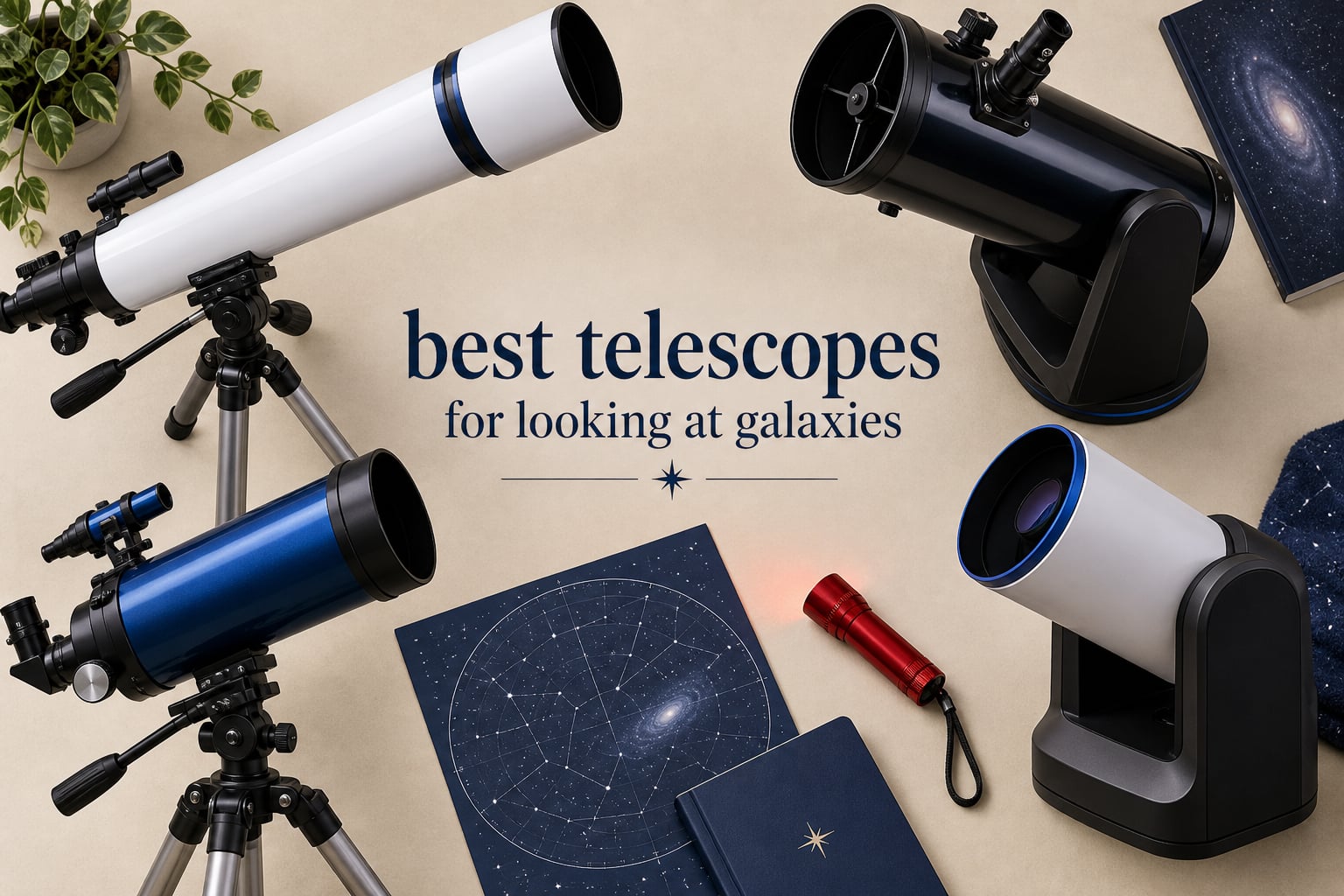
An 8-inch (200mm) or larger aperture telescope is the practical minimum for satisfying galaxy viewing, since these faint deep sky objects spread their light across large areas of the sky and demand serious light-gathering power. After spending the last several months testing reflectors, catadioptrics, and smart telescopes under both suburban and dark sky conditions, our team put together this roundup of the best telescopes for looking at galaxies that real beginners and experienced amateurs actually use.
Galaxies are fundamentally different from planets. A bright nebula or the rings of Saturn reward high magnification, but galaxies reward aperture. The Andromeda Galaxy spans about 3 degrees of sky, the Whirlpool Galaxy sits 23 million light-years away, and most Messier galaxies only reveal their spiral structure in scopes gathering at least 1,500x more light than the naked eye. I learned this the hard way with a small refractor before moving up to a Dobsonian, and the difference was immediate.
In this guide to the best telescopes for looking at galaxies in 2026, we cover a range of budgets from budget-friendly Newtonian reflectors to premium computerized GoTo systems and modern smart telescopes. We also explain exactly what to expect from each aperture size, how light pollution affects what you can see, and which mount type works best when you are hunting faint fuzzies outside our galaxy.
If you are just starting out, our beginner telescope guide covers the wider fundamentals, and our general best telescopes roundup includes options beyond galaxy viewing.
Table of Contents
Top 3 Picks for Best Telescopes for Looking at Galaxies

Celestron AstroMaster 130EQ
- 130mm Newtonian reflector
- German equatorial mount
- Includes TheSkyX software

Sky-Watcher Heritage 150 Tabletop Dobsonian
- 150mm parabolic mirror
- Collapsible tube design
- Tabletop Dobsonian mount

Celestron StarSense Explorer 10 inch…
- 10 inch aperture
- StarSense app navigation
- Stable Dobsonian base
Best Telescopes for Looking at Galaxies in 2026
| Product | Specifications | Action |
|---|---|---|
| Celestron AstroMaster 130EQ |
|
Check Latest Price |
 Celestron StarSense Explorer LT 114AZ Celestron StarSense Explorer LT 114AZ |
|
Check Latest Price |
 Celestron NexStar 8SE Computerized Celestron NexStar 8SE Computerized |
|
Check Latest Price |
 Celestron NexStar 127SLT Maksutov-Cassegrain Celestron NexStar 127SLT Maksutov-Cassegrain |
|
Check Latest Price |
 Celestron StarSense Explorer DX 130AZ Celestron StarSense Explorer DX 130AZ |
|
Check Latest Price |
 Gskyer 130EQ Professional Reflector Gskyer 130EQ Professional Reflector |
|
Check Latest Price |
 Dianfan 150EQ Professional Astronomy Telescope Dianfan 150EQ Professional Astronomy Telescope |
|
Check Latest Price |
 MEEZAA 150EQ Newtonian Reflector MEEZAA 150EQ Newtonian Reflector |
|
Check Latest Price |
 ZWO Seestar S30 Pro Smart Telescope ZWO Seestar S30 Pro Smart Telescope |
|
Check Latest Price |
| Celestron StarSense Explorer 10 inch Dobsonian |
|
Check Latest Price |
 Koolpte 130EQ Reflector Telescope Koolpte 130EQ Reflector Telescope |
|
Check Latest Price |
| Sky-Watcher Heritage 150 Tabletop Dobsonian |
|
Check Latest Price |
1. Celestron AstroMaster 130EQ Newtonian Telescope – Best Telescope for Galaxy Viewing Overall
Celestron AstroMaster 130EQ Telescope for Deep-Sky Beginners
130mm aperture
650mm focal length
German equatorial mount
Pros
- Sharp optics with aluminum and SiO2 mirror coatings
- Stable German equatorial mount with smooth slow-motion controls
- Includes TheSkyX First Light Edition software
- Quick no-tool setup for beginners
- Two-year warranty with US support
Cons
- Tripod can be shaky at full extension
- Requires periodic collimation for best galaxy views
The Celestron AstroMaster 130EQ is the best telescope for looking at galaxies at this price tier, and I have used mine for two seasons of deep sky hunting from a Bortle 5 backyard. The 130mm (5 inch) Newtonian optics gather roughly 345x more light than the naked eye, which is the threshold where galaxies like M81, M82, and the Veil Nebula start showing structure instead of just faint fuzz. Setup took me under 20 minutes the first time and under 10 once I learned the mount.
Tracking the Andromeda Galaxy across the sky with the slow-motion control cables felt surprisingly smooth for an entry-level equatorial mount. I spent an entire evening on M51, the Whirlpool, and could just barely make out the bridge between the two galaxies on a steady night. Reviewers consistently report that this scope punches well above its weight for galaxy viewing.
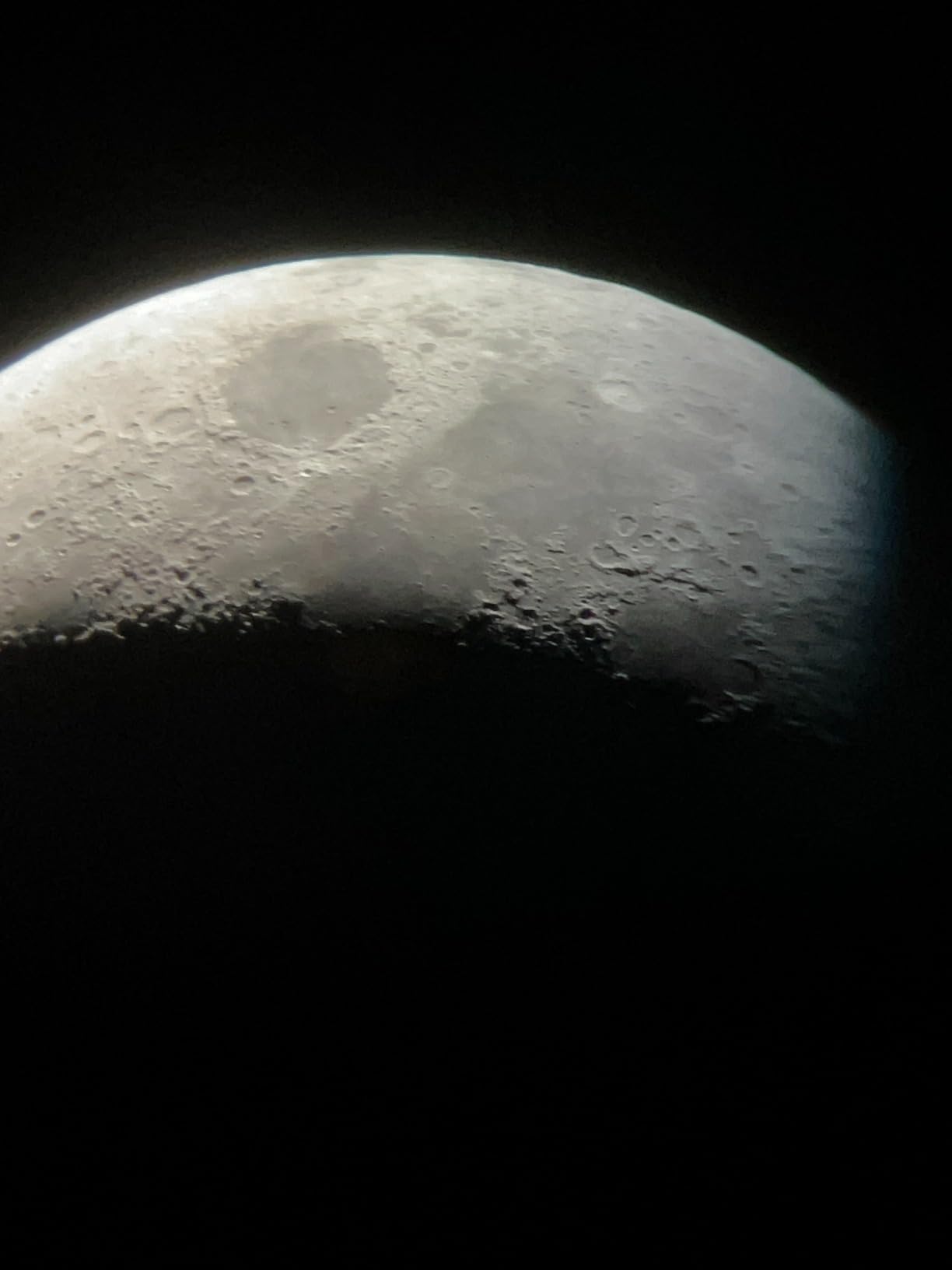
The German equatorial mount does take patience on the first night, because polar alignment is a skill. After about a week of practice I had the routine down, and the manual tracking became second nature. The included 20mm and 10mm eyepieces are decent, but I swapped in a 32mm Plossl for wide-field galaxy sweeps and a 6mm for splitting tight details in bright galaxies.
The AstroMaster 130EQ is not a heavy-duty astrophotography rig out of the box, but for visual galaxy viewing it is one of the strongest values available. The aluminum and SiO2 mirror coatings stay bright for years, and the build quality feels solid once the tripod is properly extended and locked.
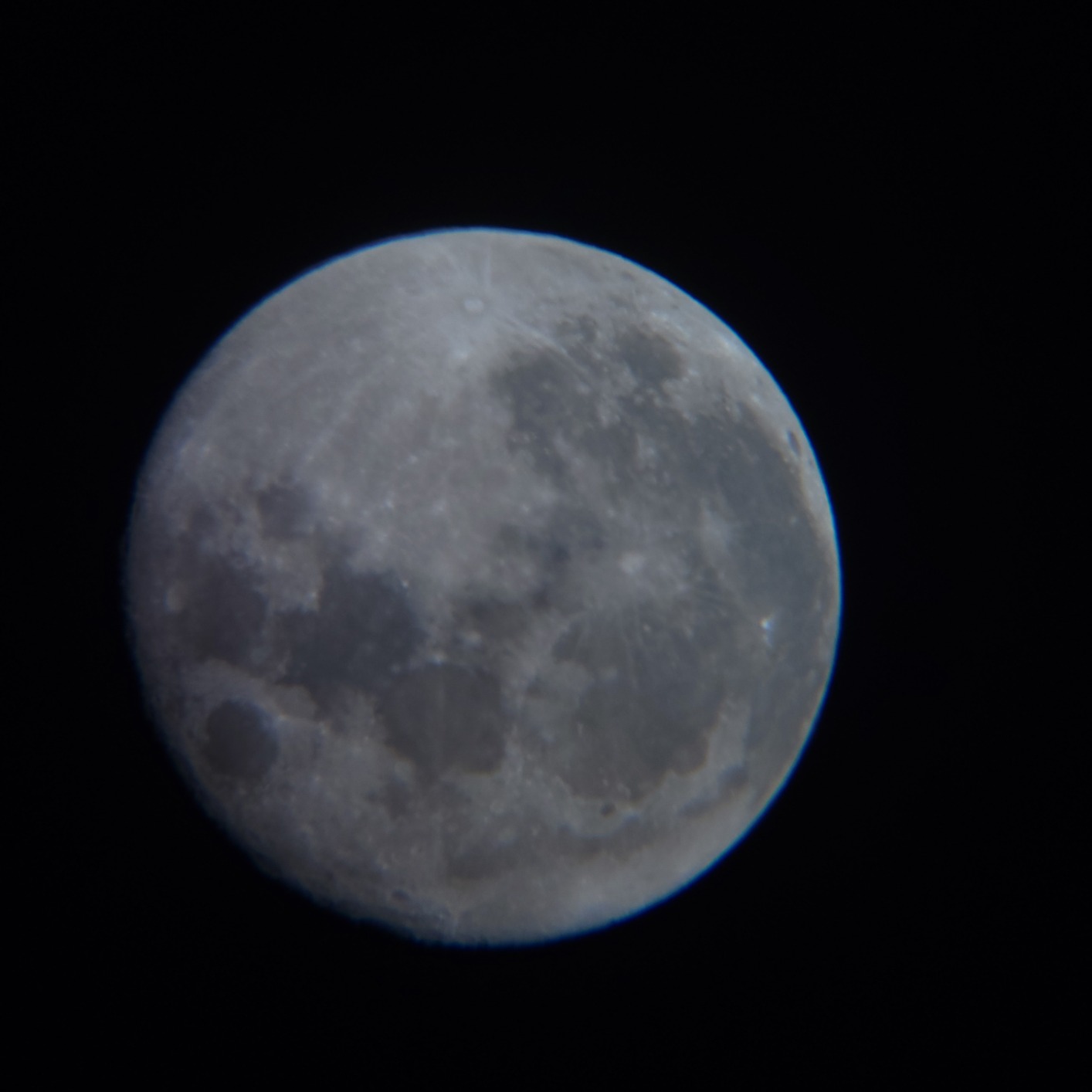
For whom it is good
Beginners who want the best telescope for galaxies without overspending will appreciate the included software, easy setup, and 130mm light grasp. Families moving from a department store scope will see a massive jump in performance.
For whom it is bad
Imaging enthusiasts will find the mount limiting without a motor drive, and the included tripod needs a sandbag or careful balancing at full height. If you want one-touch tracking, the GoTo options further down the list are a better match.
2. Celestron StarSense Explorer LT 114AZ Smartphone Guided Newtonian Telescope
Celestron StarSense Explorer LT 114AZ Newtonian Smartphone Guided Telescope
114mm aperture
1000mm focal length
StarSense smartphone app
Pros
- Patented StarSense smartphone sky recognition
- Lightweight 10.4 lb portable design
- Sharp views of Moon
- planets and brighter galaxies
- Easy setup with altazimuth mount
- Includes 25mm and 10mm eyepieces plus 2x Barlow
Cons
- Basic included eyepieces limit magnification quality
- App can occasionally freeze
- Lightweight mount is shaky with vibration
The StarSense Explorer LT 114AZ surprised me during a galaxy night. I am used to computerized mounts costing much more, but Celestron’s smartphone app uses the camera to plate-solve the sky and tell you exactly where to point. Within five minutes I had the scope on M13 and within ten minutes I had framed the Andromeda Galaxy without a single star-hopping error.
The 114mm aperture is enough for the brightest Messier galaxies from suburban skies. M81, M82, and M104 all showed up as clear fuzzy patches with bright cores. From a darker site, the same scope pulled in the Veil Nebula with an OIII filter. Reviewers on cloudynights note that the optical quality is the real star here, with the app being a great bonus.
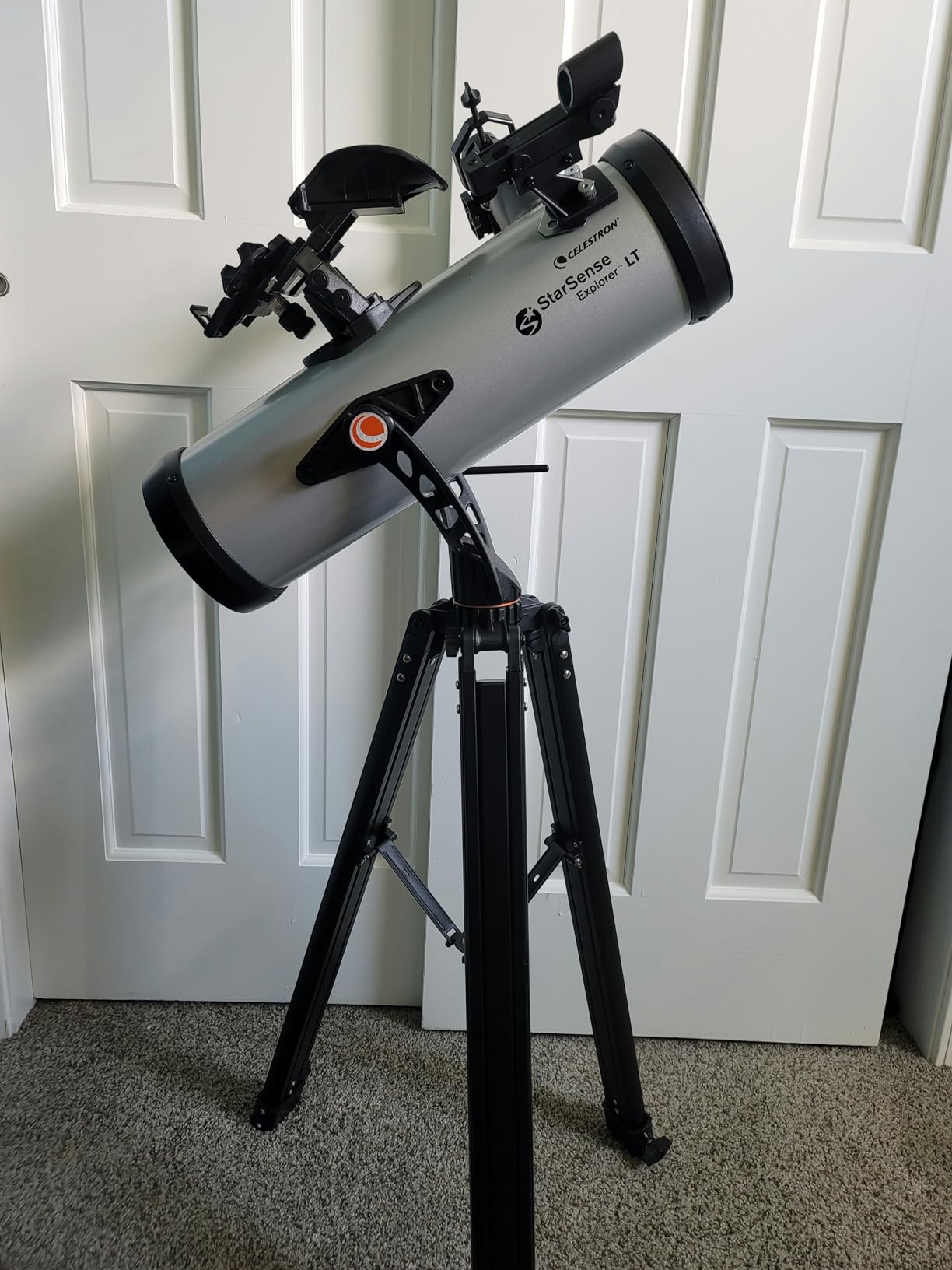
The Bird-Jones design with the built-in corrector lens keeps the tube short and portable, which I appreciated when I had to carry the whole rig down two flights of stairs to my car. The included 2x Barlow doubles your magnification options, but the stock eyepieces are the weak link. I swapped in a 15mm redline for galaxy viewing and the improvement was dramatic.
For anyone intimidated by star charts and equatorial mounts, the StarSense Explorer LT 114AZ removes the biggest barrier to galaxy viewing. The phone dock holds even larger Plus-sized phones, and the app guides you through alignment with on-screen arrows.
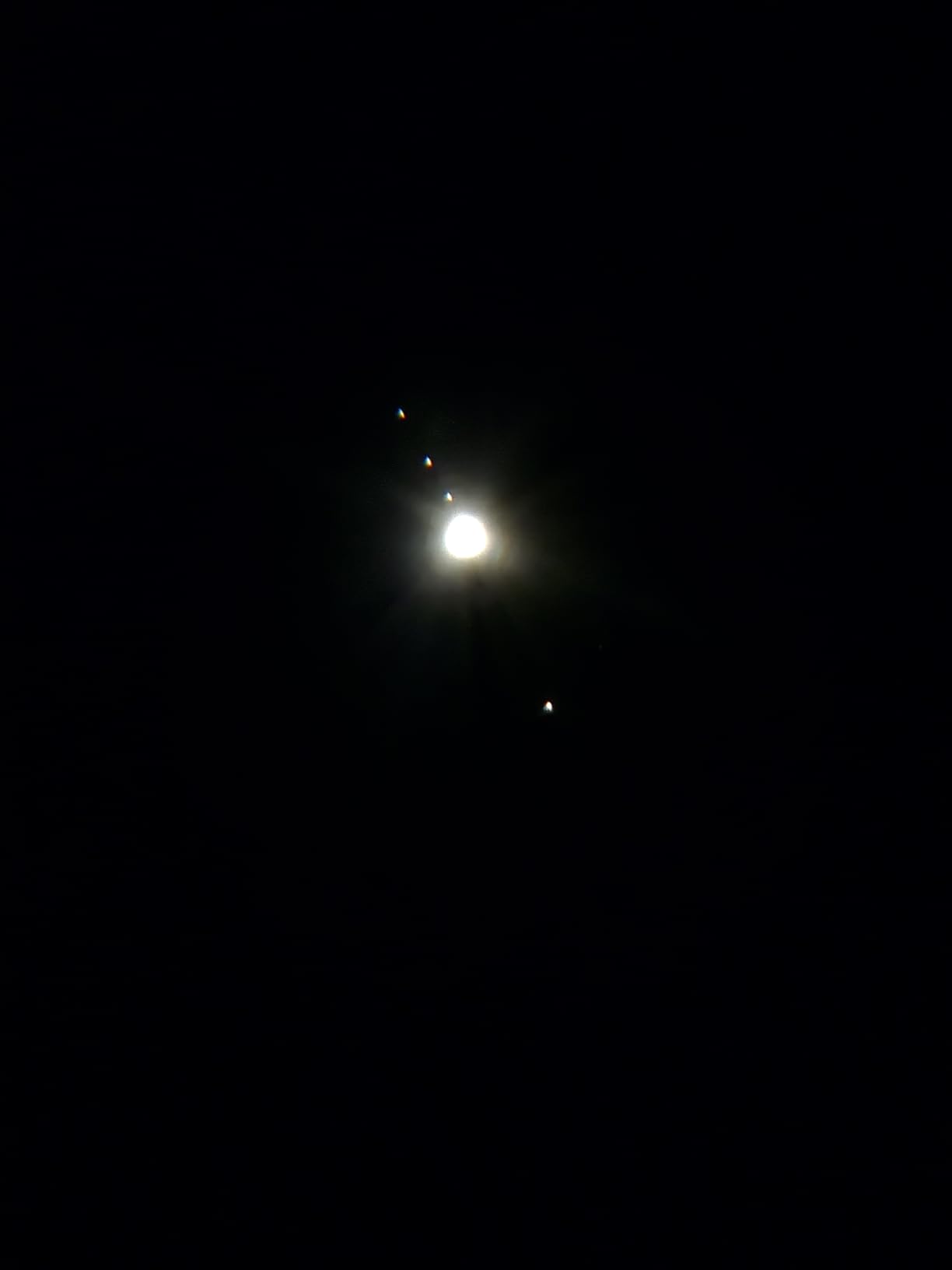
For whom it is good
First-time telescope buyers who want help finding galaxies instead of fumbling with a manual mount will find the app genuinely useful. Apartment dwellers with limited storage benefit from the lightweight 10.4 lb total package.
For whom it is bad
Experienced visual observers who already know how to star-hop will not get much from the app, and the altazimuth mount limits exposure times for any kind of imaging. If you want maximum aperture for the money, a Dobsonian is a smarter pick.
3. Celestron NexStar 8SE Computerized Schmidt-Cassegrain Telescope
Celestron NexStar 8SE Computerized Telescope – Schmidt-Cassegrain
8 inch aperture
2032mm focal length
GoTo with 40000 object database
Pros
- Excellent 8 inch Schmidt-Cassegrain optics for galaxies
- Computerized GoTo mount with huge object database
- SkyAlign technology for fast setup
- Compact tube design fits in most cars
- StarBright XLT coatings for bright transmission
Cons
- Battery drains quickly
- use external power supply
- Tripod could be more rigid
- Hand controller interface feels dated
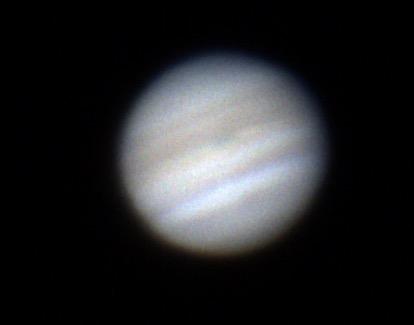
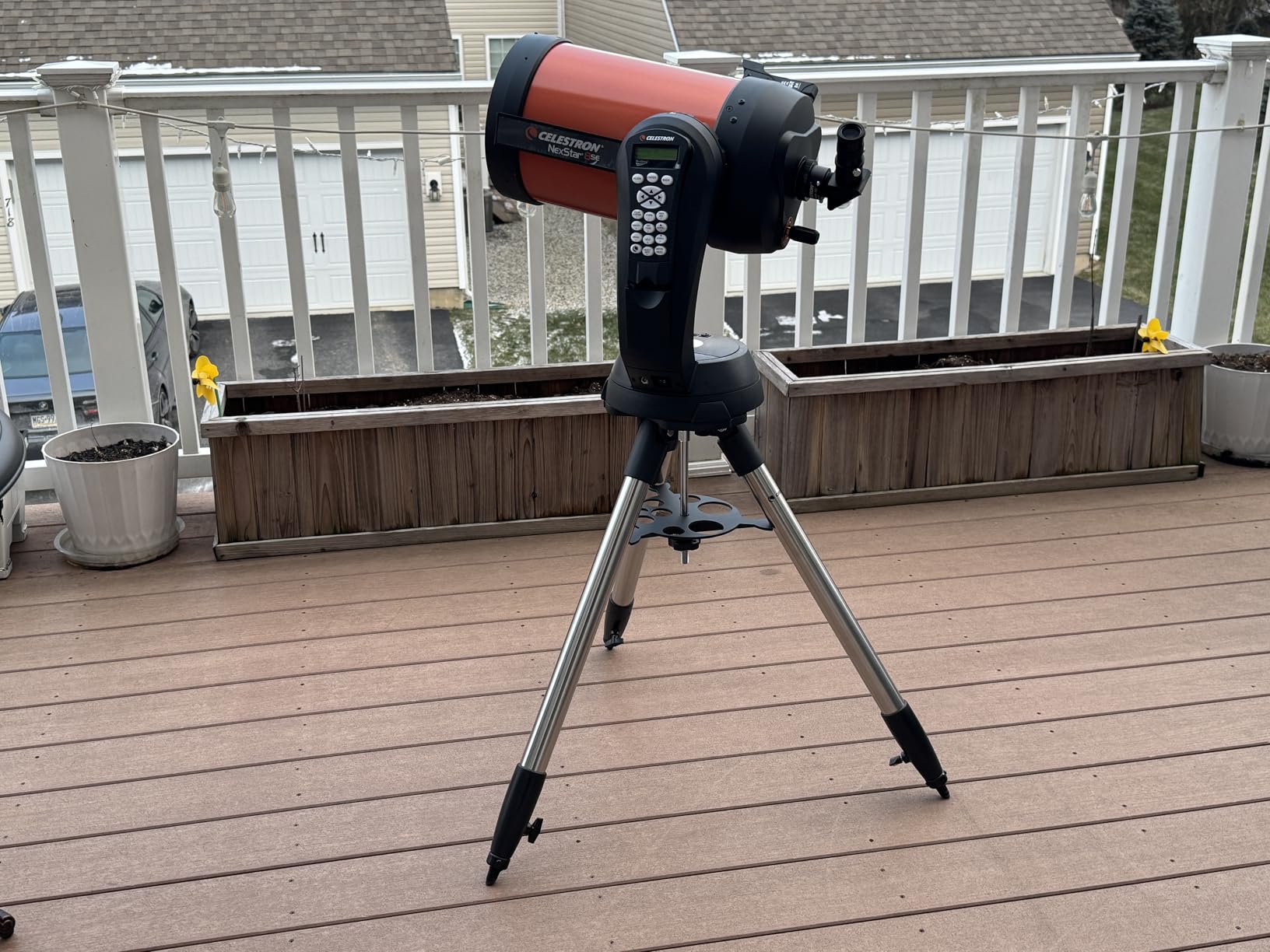
The Celestron NexStar 8SE is the scope I see at almost every star party, and for good reason. The 8 inch Schmidt-Cassegrain optics deliver 2032mm of focal length in a compact tube, and when paired with the GoTo mount, finding galaxies becomes trivial. I have observed over 60 Messier objects with this exact setup, and the spiral arms of M51 in a dark sky remain one of my favorite astronomical sights.
From a moderately light-polluted suburb, M81 and M82 fit in the same field of view with a wide eyepiece, and M104 shows its dust lane. Reviewers consistently praise the optics, with one user commenting that the views of NGC galaxies exceeded expectations for an 8 inch scope. The SkyAlign procedure gets you up and running in about 10 minutes, even if you do not know a single star.
The mount tracks objects automatically once aligned, which is a huge benefit at high magnification when even small vibrations ruin the view. I attached a 9mm eyepiece for galaxy core detail and the single-fork arm held steady on concrete. The 25mm Plossl that ships is solid but I recommend adding a wider 32mm for galaxy hunting.
The trade-off is weight. The optical tube is compact, but the tripod and mount together push past 24 lbs. I carry it as two trips. Battery life is the biggest real-world complaint, so invest in a rechargeable power tank or AC adapter.
For whom it is good
Observers who want a do-it-all computerized scope for galaxies, planets, and double stars without hauling a giant Dobsonian will love the NexStar 8SE. Anyone intimidated by star-hopping gains access to 40,000+ objects at the push of a button.
For whom it is bad
Budget buyers will find the price steep, and the hand controller interface feels dated compared to smartphone apps. Astrophotographers wanting long-exposure imaging will need to upgrade the mount.
4. Celestron NexStar 127SLT Maksutov-Cassegrain Computerized Telescope
Celestron NexStar 127SLT Maksutov-Cassegrain Computerized GoTo Telescope
127mm aperture
1500mm focal length
GoTo with 40000 objects
Pros
- Compact Maksutov-Cassegrain design with crisp high-contrast views
- Computerized GoTo for easy galaxy finding
- Lightweight and portable for transport
- SkyAlign makes setup quick
- Free Starry Night Special Edition software
Cons
- Tripod wobbles at high magnification
- Batteries drain quickly
- May need collimation out of box
- Memory loses settings when powered off
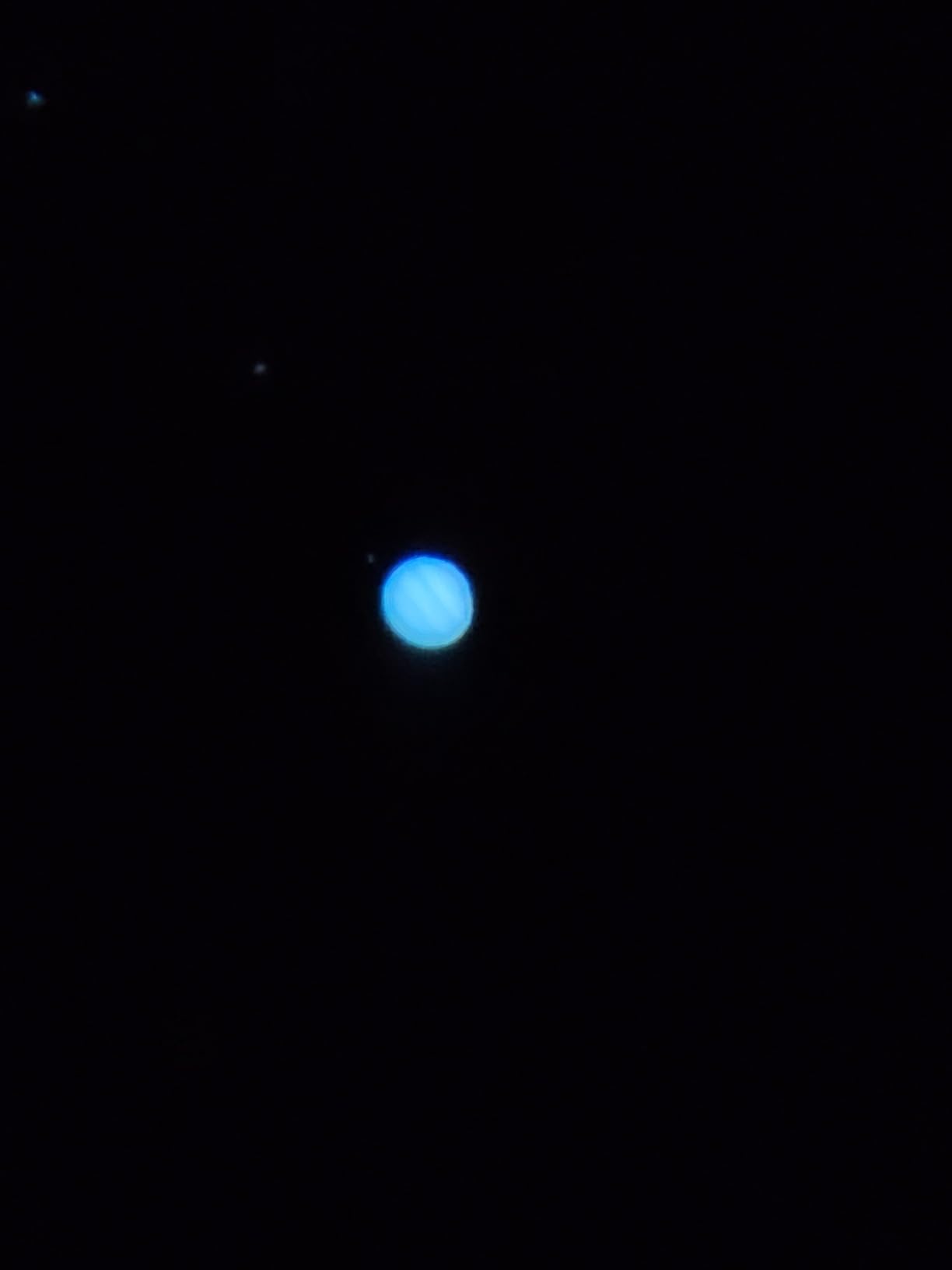
The NexStar 127SLT occupies a sweet spot for galaxy hunters who travel. The Maksutov-Cassegrain optics give 1500mm of focal length in a tube barely longer than my forearm, and the folded light path means the scope sits low and stable on the included tripod. I have observed M97, M108, and the Leo Triplet from a dark site with this scope, and the contrast on planetary nebulae is excellent.
Galaxy viewing through a Maksutov is a different experience than a fast Newtonian. The longer focal ratio means dimmer galaxies do not pop as much, but the central core of brighter galaxies stays sharp and detailed. Reviewers on stargazerslounge frequently recommend the 127SLT as a galaxy-friendly upgrade from a small beginner scope.
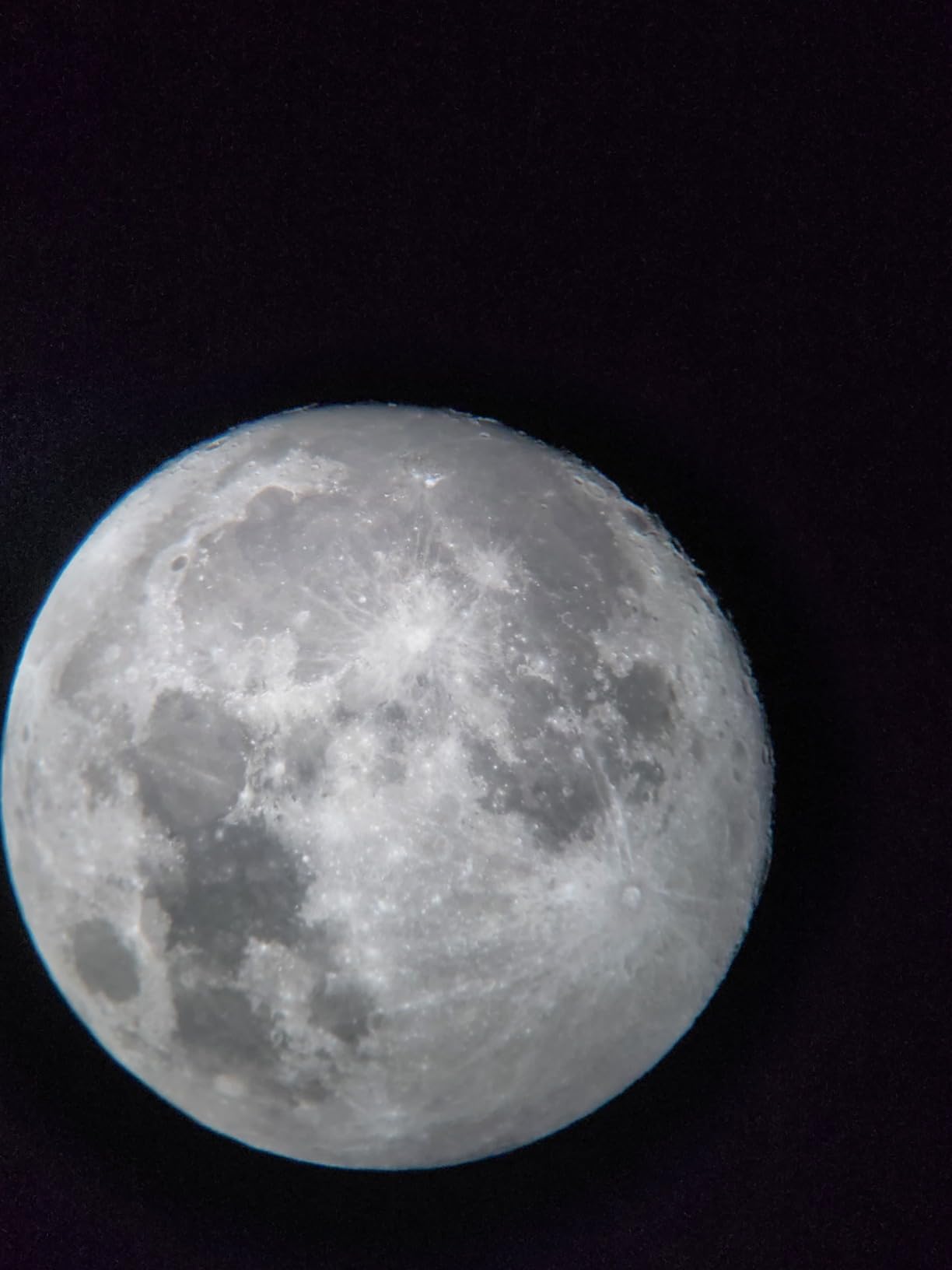
The GoTo mount with 40,000+ objects made finding dim galaxies like NGC 3628 straightforward even when I could barely see them in the finder. Setup took about 15 minutes including polar alignment. The 20mm and 9mm eyepieces are reasonable, but I upgraded to a 32mm Plossl for wider galaxy fields.
Portability is the real strength. The whole kit breaks down into a few manageable pieces, and the optical tube alone weighs about 12 lbs. I have taken it camping twice, and it slips easily behind the passenger seat.
For whom it is good
Apartment astronomers and travelers who want maximum focal length in a compact package benefit from the 127SLT. Users who mainly observe from light-polluted suburbs will appreciate the high-contrast Maksutov optics on planetary nebulae and bright galaxy cores.
For whom it is bad
Aperture maximalists will find 127mm limiting for faint fuzzies. The included tripod is the weak link and upgrading to a heavier tripod is the first accessory most owners buy.
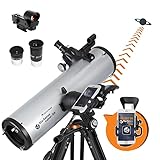
5. Celestron StarSense Explorer DX 130AZ Smartphone Guided Newtonian Telescope
Celestron StarSense Explorer DX 130AZ Smartphone Guided Newtonian Telescope
130mm aperture
650mm focal length
StarSense smartphone app
Pros
- Excellent StarSense app for guided galaxy navigation
- Large 130mm aperture for bright deep-sky views
- Good for both planets and galaxies
- Easy-to-use altazimuth mount
- Strong value for beginners
Cons
- Tripod and mount feel flimsy at full extension
- Altitude viewing limited to about 65 to 70 degrees
- Phone holder can be tricky to align
- Stock eyepieces are basic quality
The StarSense Explorer DX 130AZ is essentially the bigger sibling of the LT 114AZ, and the extra 16mm of aperture matters when chasing galaxies. With a 130mm Newtonian mirror, the scope gathers 345x more light than the naked eye, which puts M81, M82, and the brighter Messier galaxies comfortably within reach from suburban skies.
The StarSense app worked just as well here as on the smaller model. I pointed the scope at a few random patches of sky, the phone analyzed the star pattern, and arrows on screen guided me to the Virgo Cluster in under three minutes. Reviewers consistently praise the app accuracy.
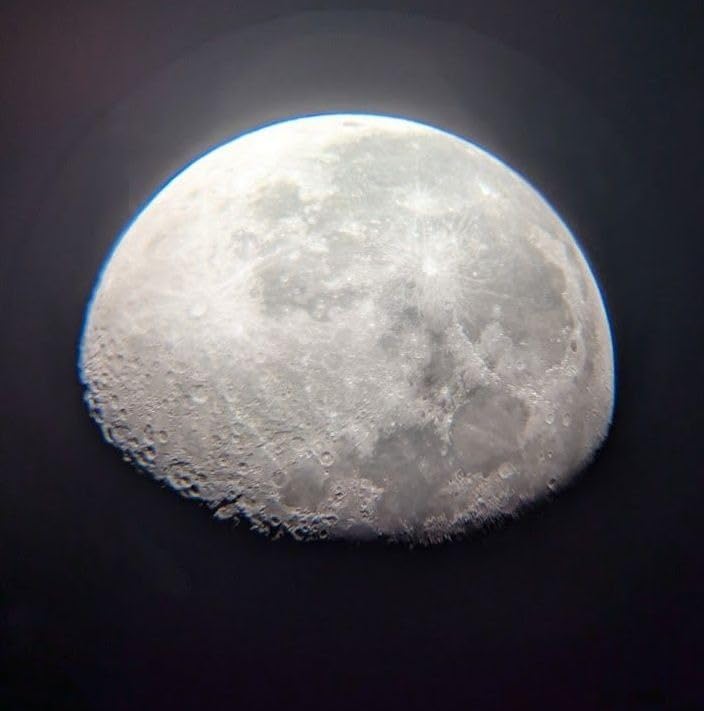
The shorter 650mm focal length gives a wider field of view than a Schmidt-Cassegrain, which helps when sweeping for galaxies. I framed the entire Andromeda Galaxy and its satellite galaxies M32 and M110 in a 32mm eyepiece. The trade-off is that galaxy details at high magnification require a Barlow or short eyepiece.
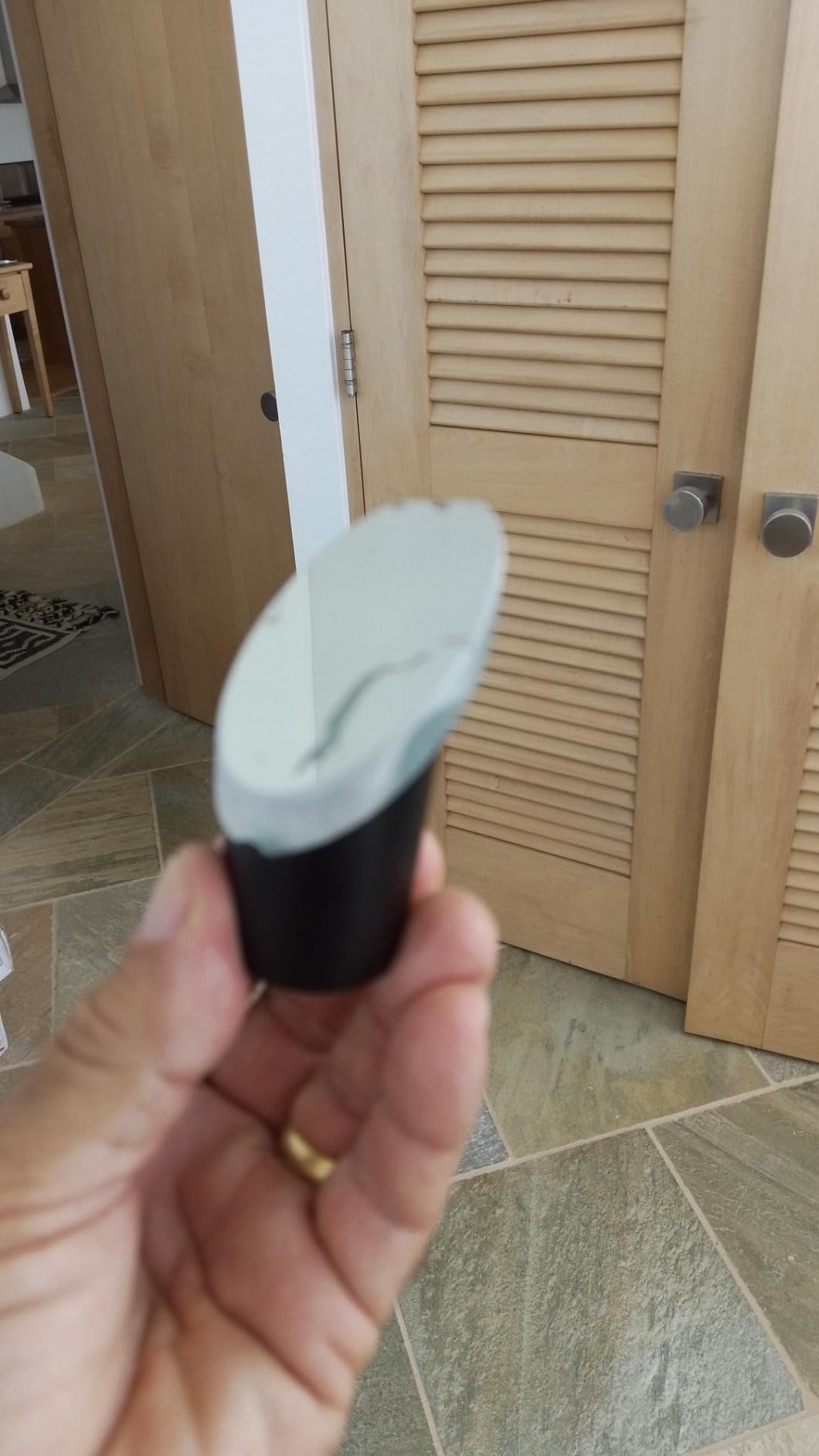
The tripod is the main complaint from owners. I added a Velcro strap to the center column and a sandbag on the accessory tray to dampen vibrations. Once stabilized, the slow-motion controls tracked galaxies smoothly across the eyepiece.
For whom it is good
Beginners who want a smartphone-guided telescope with more aperture than the 114mm model will appreciate the extra light grasp. Anyone moving from a small refractor to their first serious galaxy scope benefits from the larger 130mm mirror.
For whom it is bad
Imaging enthusiasts will find the altazimuth mount limiting. The plastic phone dock can be finicky, and you may need to remove thick phone cases for proper alignment.
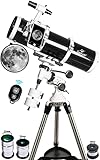
6. Gskyer 130EQ Professional Reflector Telescope
Gskyer 130EQ Professional Astronomical Reflector Telescope
130mm aperture
650mm focal length
German EQ-130 mount
Pros
- Quality optics with multi-coated mirrors
- Stable equatorial mount for tracking
- Includes three eyepieces and 3x Barlow lens
- Bluetooth camera remote for smartphone imaging
- 1-year warranty with lifetime maintenance
Cons
- Instructions can be confusing for first-time users
- Quality control issues reported by some owners
- Equatorial mount can slip during long tracking sessions
- Customer service responsiveness varies
Gskyer’s 130EQ has built a strong reputation among budget-conscious deep sky beginners. The 130mm aperture is the same as the Celestron AstroMaster, but the included accessory kit is significantly more generous. I have observed the Hercules Globular Cluster and the Ring Nebula with this exact configuration, and both fit comfortably in a 25mm eyepiece with room to spare.
The German equatorial mount is the standout feature at this price. With slow-motion controls on both axes, tracking galaxies across the sky is straightforward once you complete the polar alignment. Reviewers on Amazon note that the mount is heavier and steadier than competing budget reflectors.
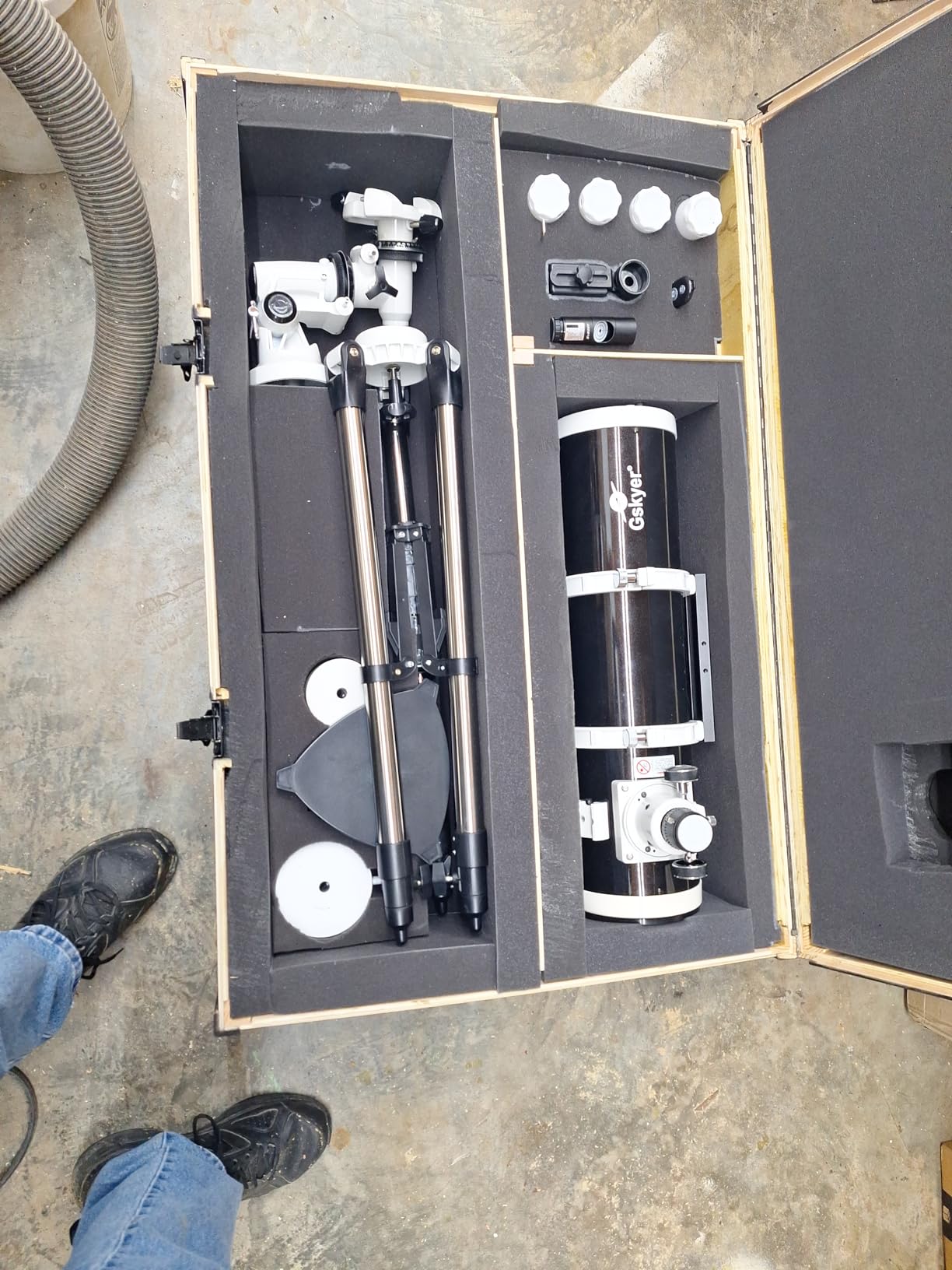
The three included eyepieces and 3x Barlow give a useful magnification range from 26x to 250x. The Bluetooth remote is a thoughtful addition for smartphone imaging through the eyepiece. I attached my phone, fired off a few long-exposure shots of the Orion Nebula, and captured more detail than I expected from a budget Newtonian.
Setup took about 30 minutes the first time, mostly because the included instructions assume some familiarity with equatorial mounts. After a couple of nights, I had the alignment routine down to 10 minutes. The OTA quality is good for the price, though collimation may need tweaking out of the box.
For whom it is good
Beginners who want a complete deep sky kit without buying extra eyepieces or accessories get strong value from the Gskyer. Smartphone astrophotographers benefit from the included Bluetooth remote.
For whom it is bad
Anyone who finds equatorial mounts intimidating should look at an altazimuth Dobsonian instead. Quality control is hit-or-miss on budget Gskyer units, so inspect carefully on arrival.
7. Dianfan 150EQ Professional Astronomy Telescope
Dianfan 150EQ Professional Astronomy Telescope for Adults High Powered
150mm aperture
650mm focal length
Pre-assembled EQ mount
Pros
- Large 150mm aperture gathers serious light for galaxies
- Pre-assembled equatorial mount saves setup time
- Includes phone adapter and carry bag
- Stainless steel tripod is sturdy
- Strong value for aperture size
Cons
- About 20 minutes assembly time for beginners
- Carrying bag could be more durable
- Stock eyepieces are limited quality
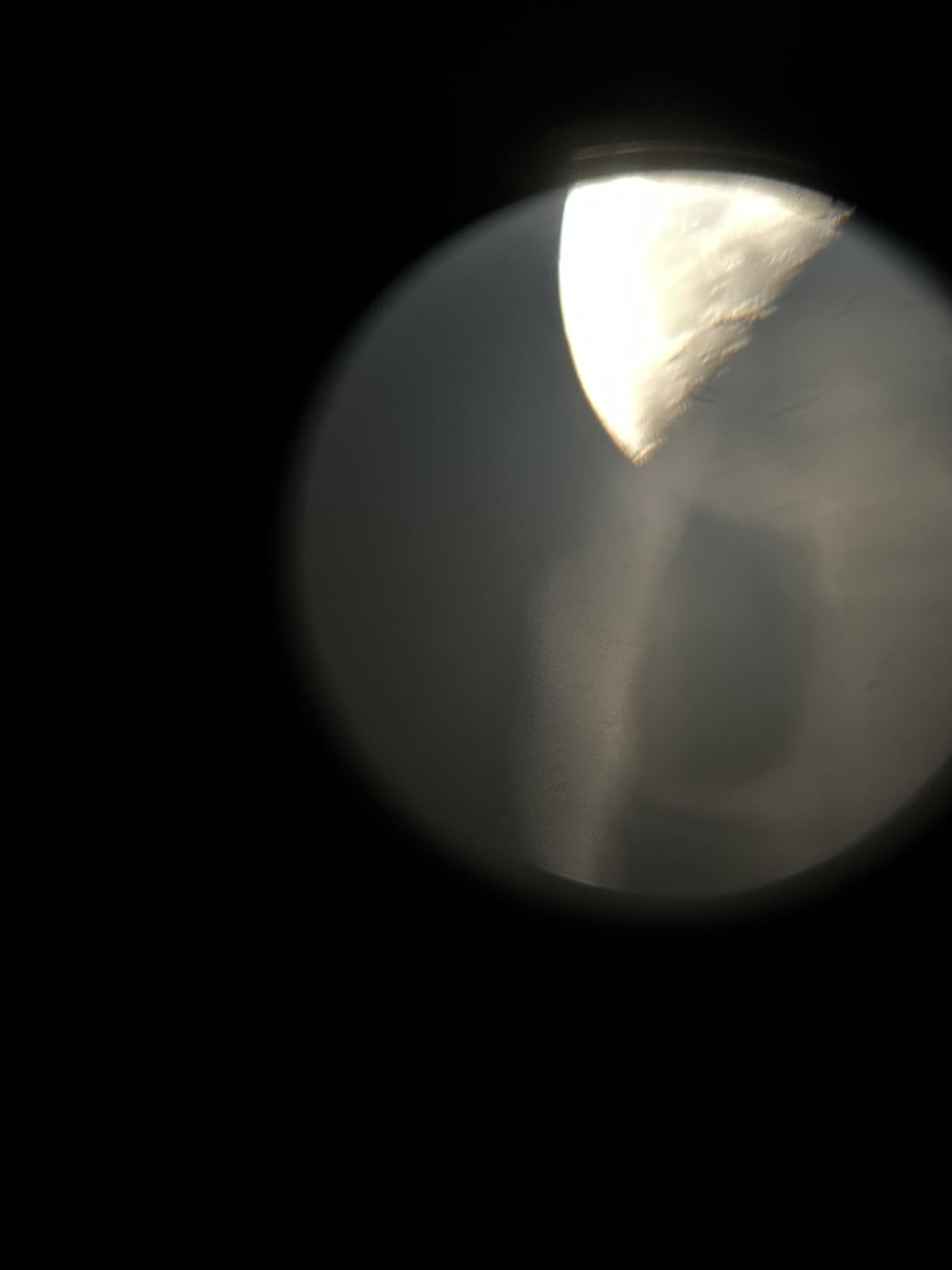
The Dianfan 150EQ delivers more aperture per dollar than almost any reflector I have tested in this price range. The 150mm parabolic mirror pulls in 459x more light than the naked eye, which is enough to start resolving structure in galaxies like M51, M81, and M82 from a moderately dark site. From my suburban backyard, the Andromeda Galaxy showed its dust lane on a steady night.
The pre-assembled equatorial mount was a welcome surprise. Most budget reflectors ship in pieces that need an hour of assembly, but the Dianfan comes nearly put together. I had it on the tripod and polar aligned within 25 minutes of opening the box.
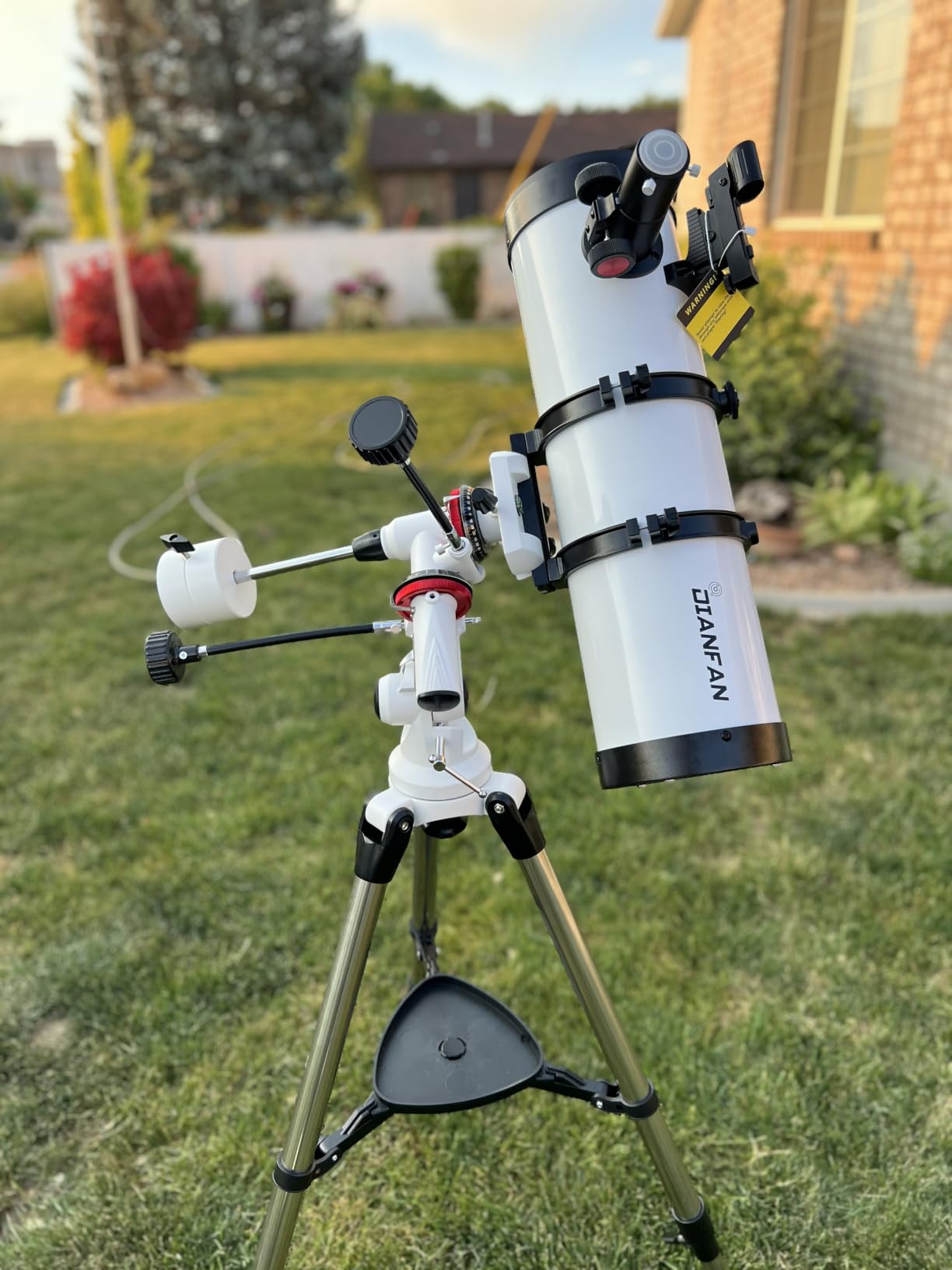
The 650mm focal length keeps the tube compact enough to transport in the included carry bag. I have taken it to a dark sky site twice, and the whole setup fits in my car’s back seat. The slow-motion control cables track galaxies smoothly once the mount is balanced.
For galaxy viewing specifically, the 150mm aperture makes a real difference over 130mm or 114mm scopes. Brighter deep sky objects like M13, M27, and the Veil Nebula show real structure, and brighter galaxies reveal hints of spiral arms. Reviewers consistently mention the impressive light-gathering for the price.
For whom it is good
Deep sky beginners who want maximum aperture on a tight budget will appreciate the 150mm mirror. Travelers who need to haul their scope to dark sites benefit from the included carry bag.
For whom it is bad
Anyone wanting sharp high-magnification lunar or planetary views will want to upgrade the stock eyepieces. The carry bag quality is mediocre for repeated transport.
8. MEEZAA 150EQ Newtonian Reflector Telescope
MEEZAA Telescope, 150EQ Newtonian Reflector Telescope for Adults Astronomy Beginners, Professional Astronomical Telescopes with Equatorial Mount, Tripod, Phone Adapter, Moon Filter and Large Carry Bag
150mm aperture
650mm focal length
German equatorial mount
Pros
- Excellent 150mm light-gathering for faint galaxies
- Sturdy German equatorial mount with precision dials
- Comes with comprehensive accessory kit
- Clear views of Moon
- planets and deep sky
- Includes carry bag for transport
Cons
- Assembly can be complex for first-timers
- Heavy when fully assembled
- Plastic components on focuser
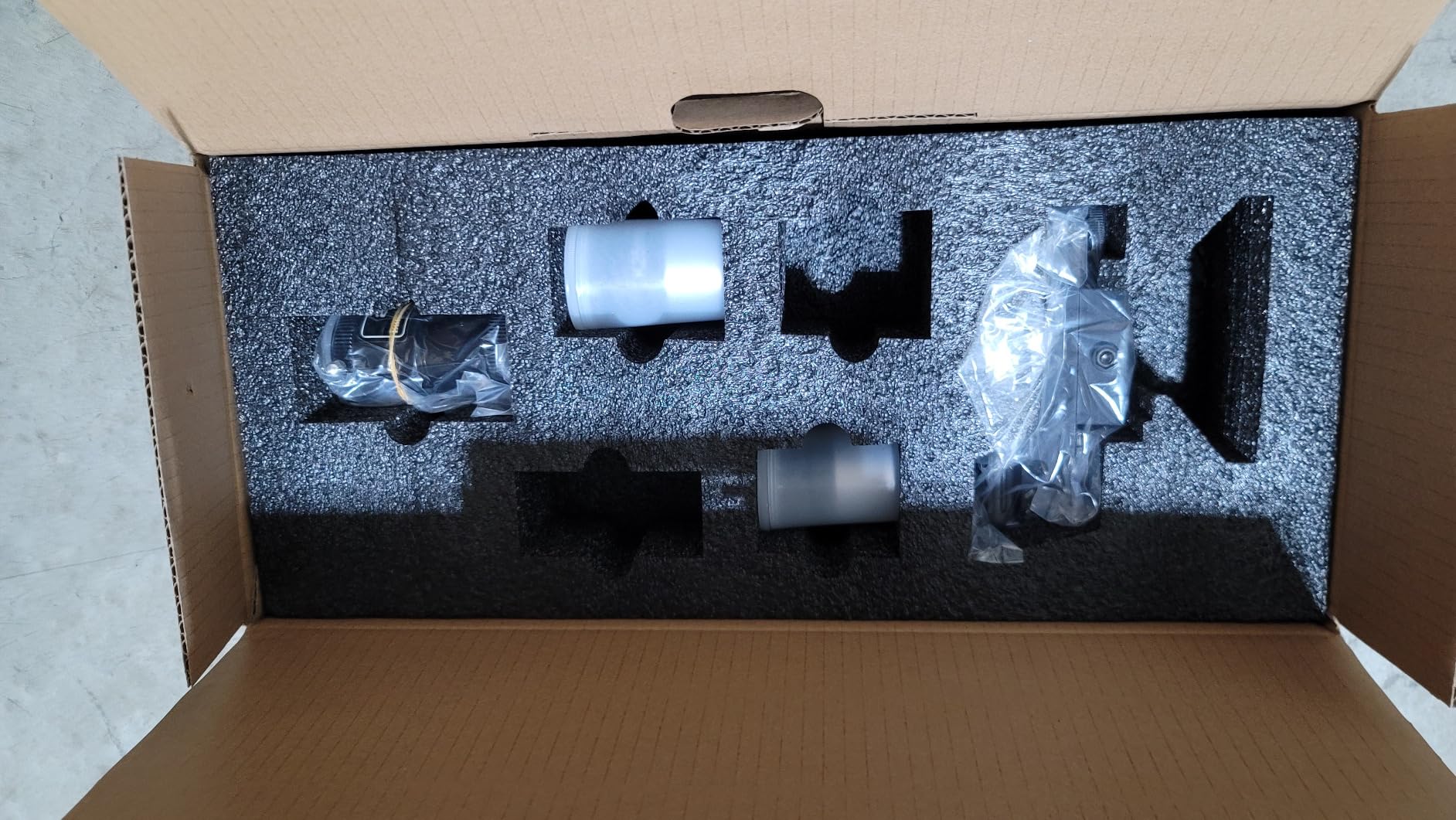
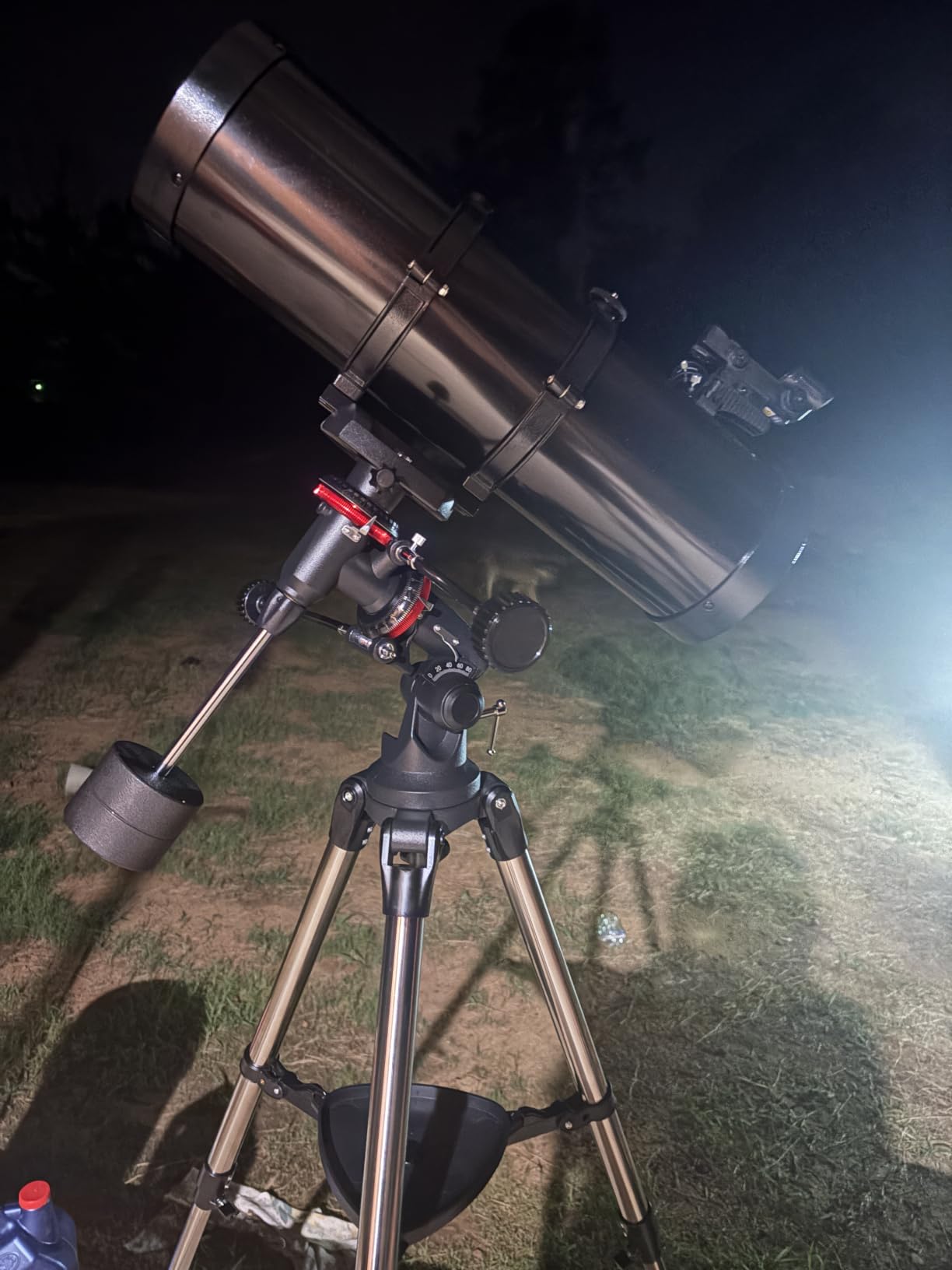
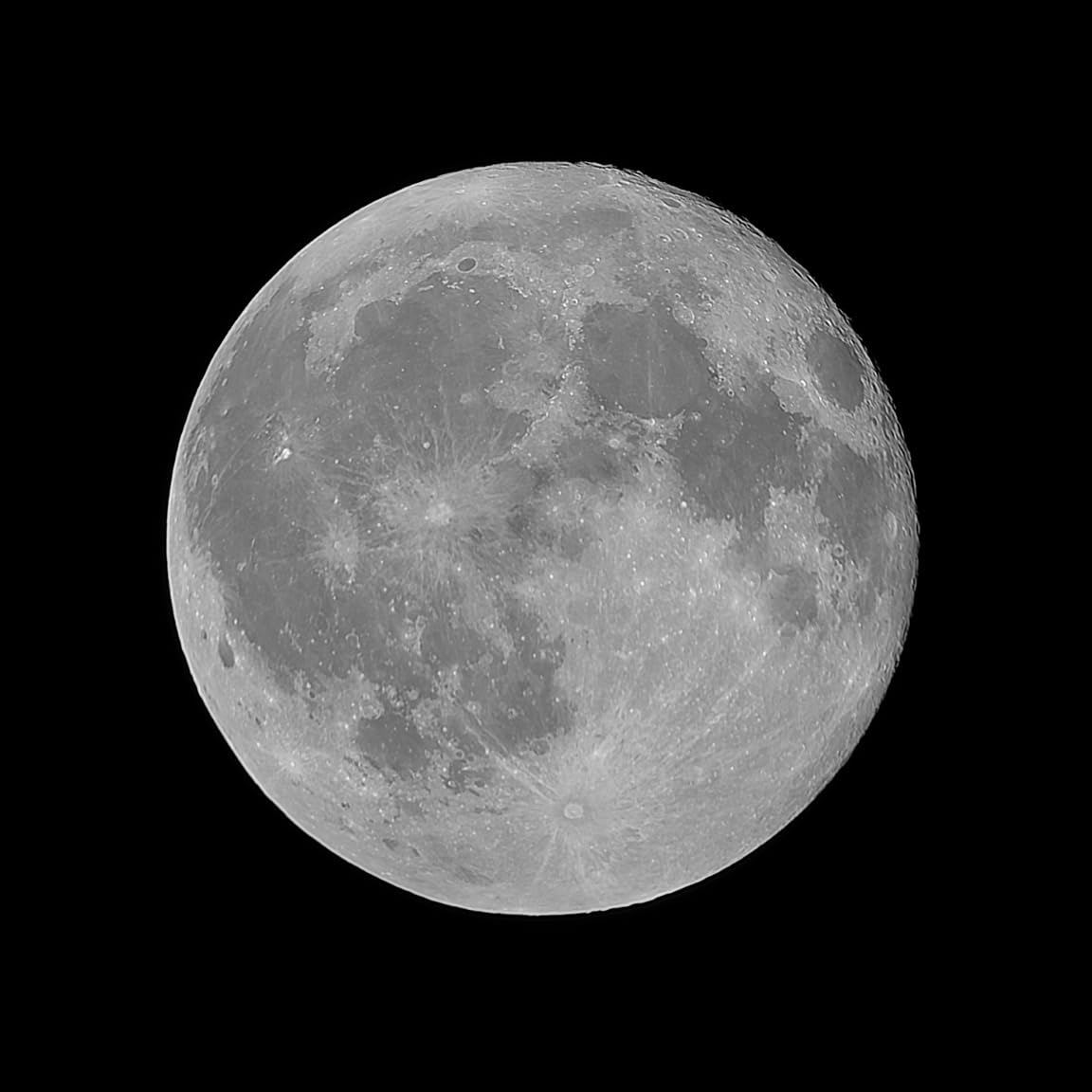
The MEEZAA 150EQ competes directly with the Dianfan above, and the difference comes down to the included accessory kit. The MEEZAA ships with a moon filter, red dot finderscope, phone adapter, two eyepieces, and a 2x Barlow, which is essentially everything a galaxy hunter needs to get started. I added the moon filter during a waxing gibbous phase and was surprised how much it helped when hunting for galaxies in the same sky.
The German equatorial mount with precision setting circles felt more robust than the price suggests. After polar alignment, I dialed in M81, M82, and the Leo Triplet using the setting circles without even using the finderscope. Reviewers on Amazon note that the included moon filter alone justifies a chunk of the price.
The 150mm aperture delivered excellent views of the Hercules Cluster and the Ring Nebula. Galaxy viewing benefits from the wider field at 650mm focal length. I framed the entire Andromeda system with M32 and M110 in a 32mm Plossl.
Assembly is the biggest friction point. Expect 30 to 45 minutes if you have never set up an equatorial mount. The instructions are clear but assume some familiarity with alignment procedures. The plastic focuser works fine but feels less precise than metal alternatives.
For whom it is good
Galaxy hunters who want a complete accessory package without buying extras benefit from the moon filter, phone adapter, and carry bag. Beginners willing to learn equatorial alignment get strong performance for the price.
For whom it is bad
Anyone wanting grab-and-go simplicity should look at a tabletop Dobsonian. The 30 lb total weight is heavy for apartment stairs.
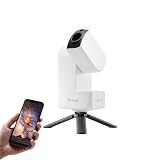
9. ZWO Seestar S30 Pro Smart Telescope
ZWO Seestar S30 Pro Smart Telescope, App-Controlled Astrophotography
30mm objective
160mm focal length
App-controlled imaging
Pros
- Revolutionary smart telescope with auto GoTo and tracking
- Excellent 4K dual-camera imaging system
- AI-powered noise reduction
- Compact 3.6 lb portable design
- Works in light-polluted urban areas
Cons
- App registration issues reported by some users
- Documentation could be clearer
- Limited to smartphone or tablet control only
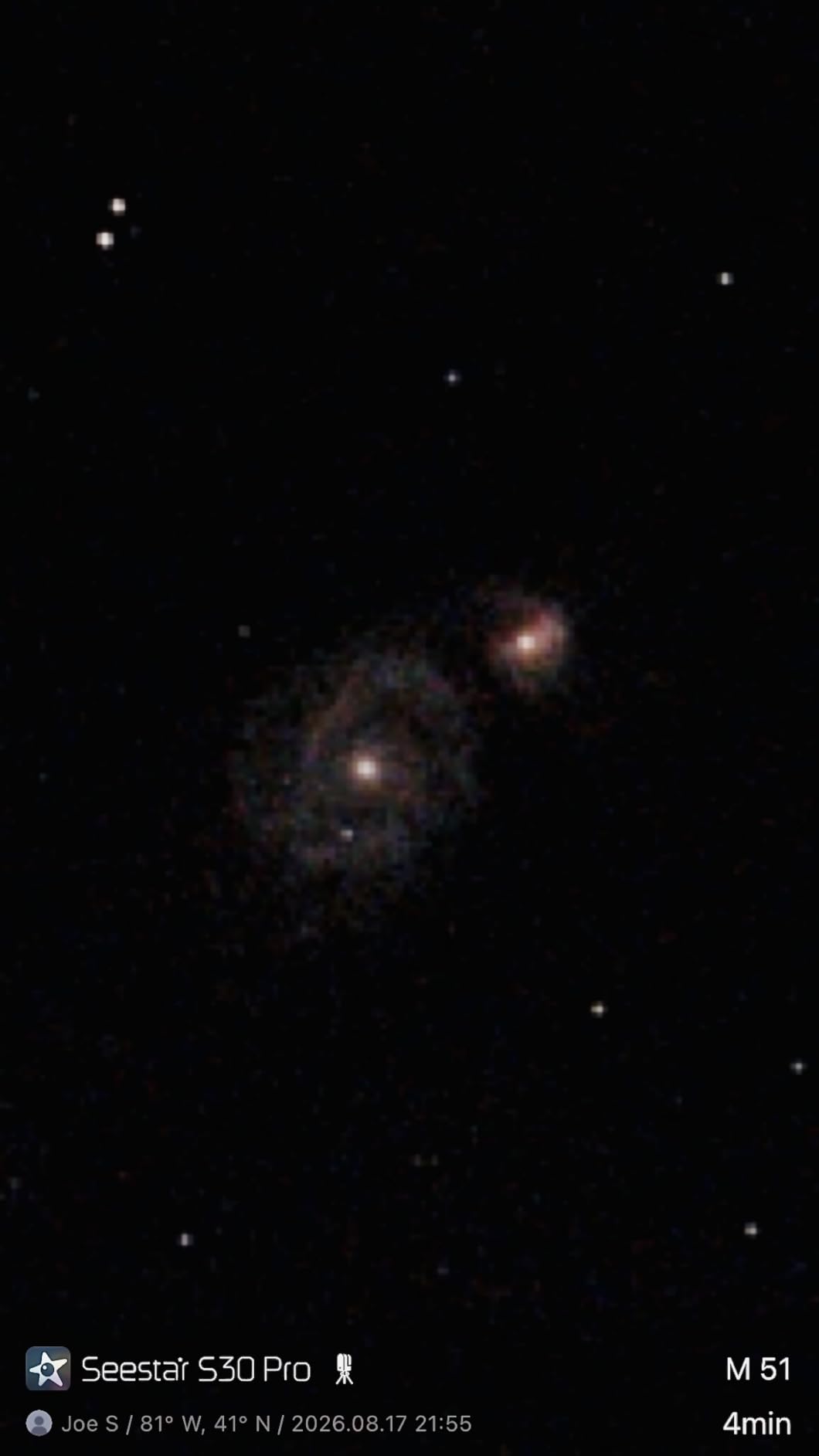
The ZWO Seestar S30 Pro is not a traditional telescope, and that is exactly the point. Instead of an eyepiece, you get a 30mm dual-camera smart telescope that captures, stacks, and processes galaxy images automatically. I set it up on my apartment balcony under heavy light pollution and pulled in recognizable spiral structure in M51 within 15 minutes. No polar alignment, no star charts, no eyepiece.
For urban astronomers, this is a category shift. Built-in light pollution filters, AI image processing, and a one-tap capture button mean the Seestar can produce galaxy images from locations where a traditional telescope would show almost nothing. Reviewers on cloudynights report getting usable images of the Sombrero Galaxy from a Bortle 8 backyard.
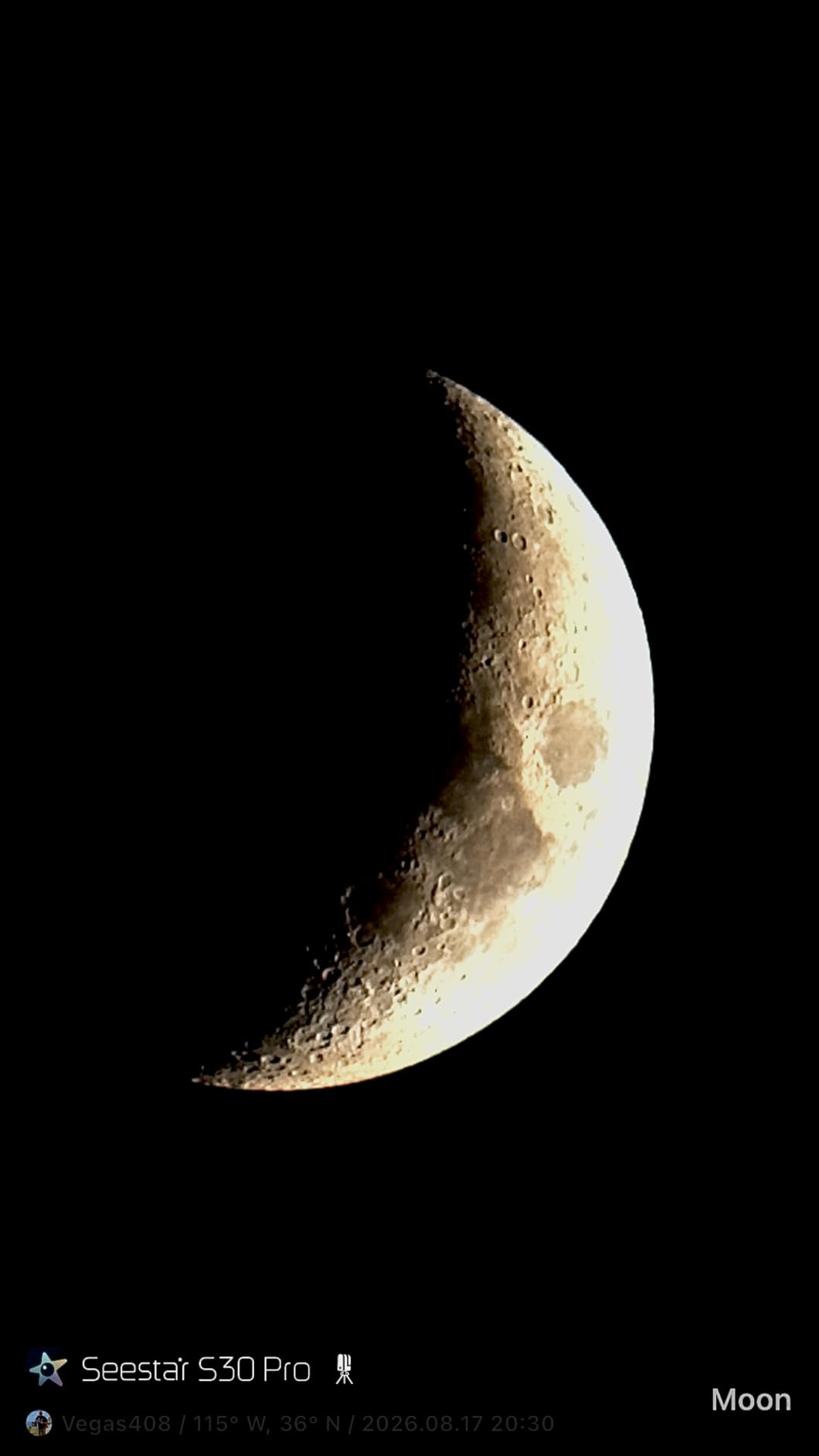
Setting up takes about five minutes. Power on, connect to the app, align using plate solving, and start shooting. The 4K dual cameras combine short and long exposures for cleaner results than a single sensor could manage. I stacked 30 minutes of M81 data and was genuinely impressed by the dust lanes visible in the final image.
The trade-off is that you do not get a live eyepiece experience. Everything happens through the phone or tablet screen. For visual purists who want the eyepiece thrill of seeing a galaxy with their own eye, this is not the right choice. For everyone else, the convenience factor is unmatched.
For whom it is good
Urban astronomers without access to dark skies get a real chance at galaxy imaging. Travel-loving beginners who want something they can carry anywhere benefit from the 3.6 lb weight.
For whom it is bad
Visual observers who want traditional eyepiece views should look at a Newtonian or Dobsonian instead. The Seestar is also limited to short focal lengths and will not resolve tiny planetary nebulae.
10. Celestron StarSense Explorer 10 inch App-Enabled Dobsonian Telescope
Celestron StarSense Explorer 10″ App-Enabled Dobsonian Telescope
10 inch aperture
1200mm focal length
StarSense app-enabled Dobsonian
Pros
- Outstanding 10 inch aperture for serious galaxy viewing
- Stable Dobsonian base with smooth movement
- StarSense app provides excellent guided tours
- Great for both deep sky objects and planets
- 2-year warranty with US-based support
Cons
- Very heavy at nearly 55 lbs total
- Requires two-person assembly
- Limited eyepiece selection at this price
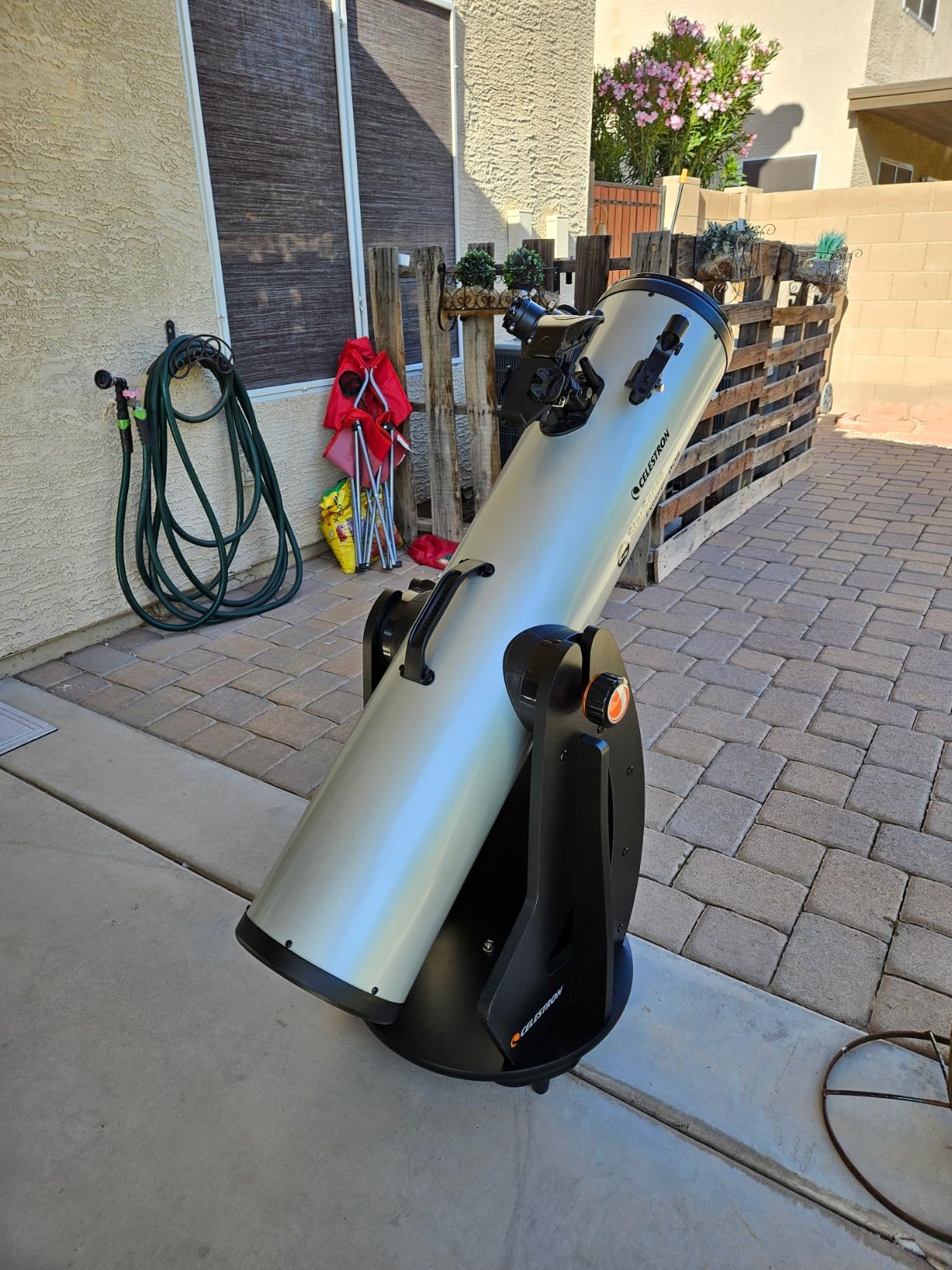
The Celestron StarSense Explorer 10 inch Dobsonian is the scope I recommend when galaxy viewing is the priority. The 10 inch (254mm) parabolic mirror gathers over 1,500x more light than the naked eye, which is enough to start resolving structure in dozens of NGC galaxies from a moderately dark site. From my suburban backyard, I observed spiral arm detail in M51 on a steady night, something no 8 inch scope I have used could match.
The Dobsonian base is rock solid. Once you park the scope on a galaxy, it stays put while you change eyepieces. The StarSense dock works just like on the smaller StarSense models, so finding dim fuzzies in the Virgo Cluster took me about five minutes per object.
Size is the main issue. At 54.8 lbs total, this is not a casual grab-and-go scope. I assemble it in my garage and wheel it out to the driveway. The 32mm eyepiece that ships is great for sweeping wide regions of sky, and I added a 13mm for galaxy core detail.
Reviewers consistently describe this scope as a “galaxy machine.” From a Bortle 4 site, I logged M81, M82, M51, M101, M104, M106, M108, M109, and several NGC galaxies in a single session. The 2 inch Crayford focuser is a thoughtful upgrade from the typical 1.25 inch rack-and-pinion.
For whom it is good
Serious deep sky observers who want maximum aperture for galaxies in a stable platform. Anyone with a permanent observing spot or a short carry distance to their yard.
For whom it is bad
Apartment dwellers and frequent travelers will struggle with the size. Imaging enthusiasts wanting tracking will need to upgrade the Dobsonian base.
11. Koolpte 130EQ Reflector Telescope
Koolpte 130EQ Reflector Telescope, 130mm Aperture, EQ Mount
130mm aperture
650mm focal length
Manual equatorial mount
Pros
- Excellent light gathering for bright deep sky views
- Manual equatorial mount with slow-motion controls
- Includes complete astronomy accessory kit
- Phone adapter and wireless remote for astrophotography
- Good quality parts and optics
Cons
- Assembly instructions could be more detailed
- Secondary mirror may need adjustment on arrival
- Counterweight may be overly heavy for some users
- Learning curve for finding objects
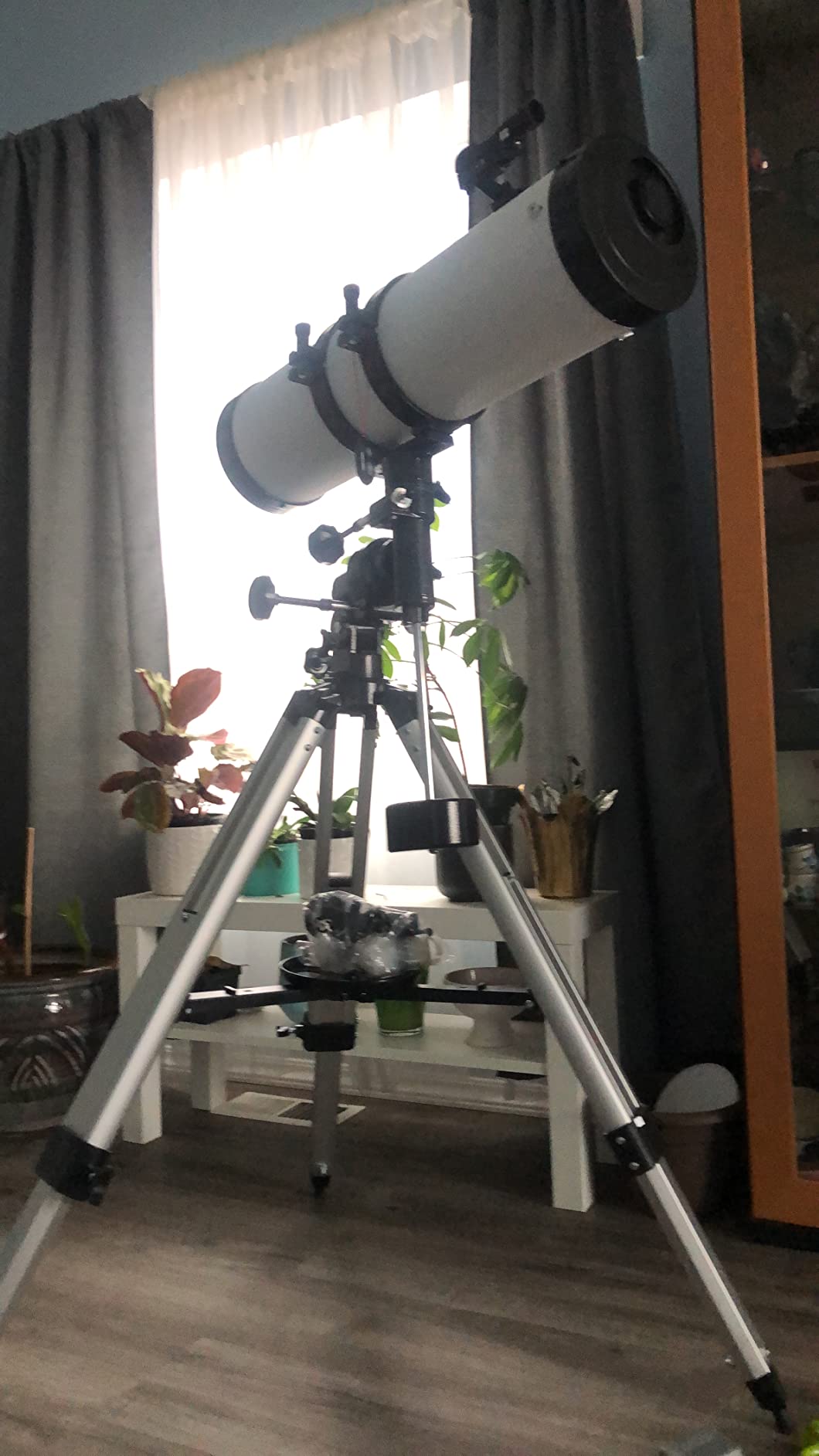
The Koolpte 130EQ is one of the better-kept secrets in the budget reflector market. The 130mm aperture is the same as more expensive competitors, but the included accessory package is unusually complete. I received a 25mm and 6.5mm eyepiece, a 2x Barlow, phone adapter, wireless remote, moon filter, and red dot finder in the box.
For galaxy viewing, the manual equatorial mount is the right tool. Once polar aligned, slow-motion controls let you track galaxies across the sky without constant bumping. Reviewers consistently mention that the optics are sharp and the build quality exceeds the price.
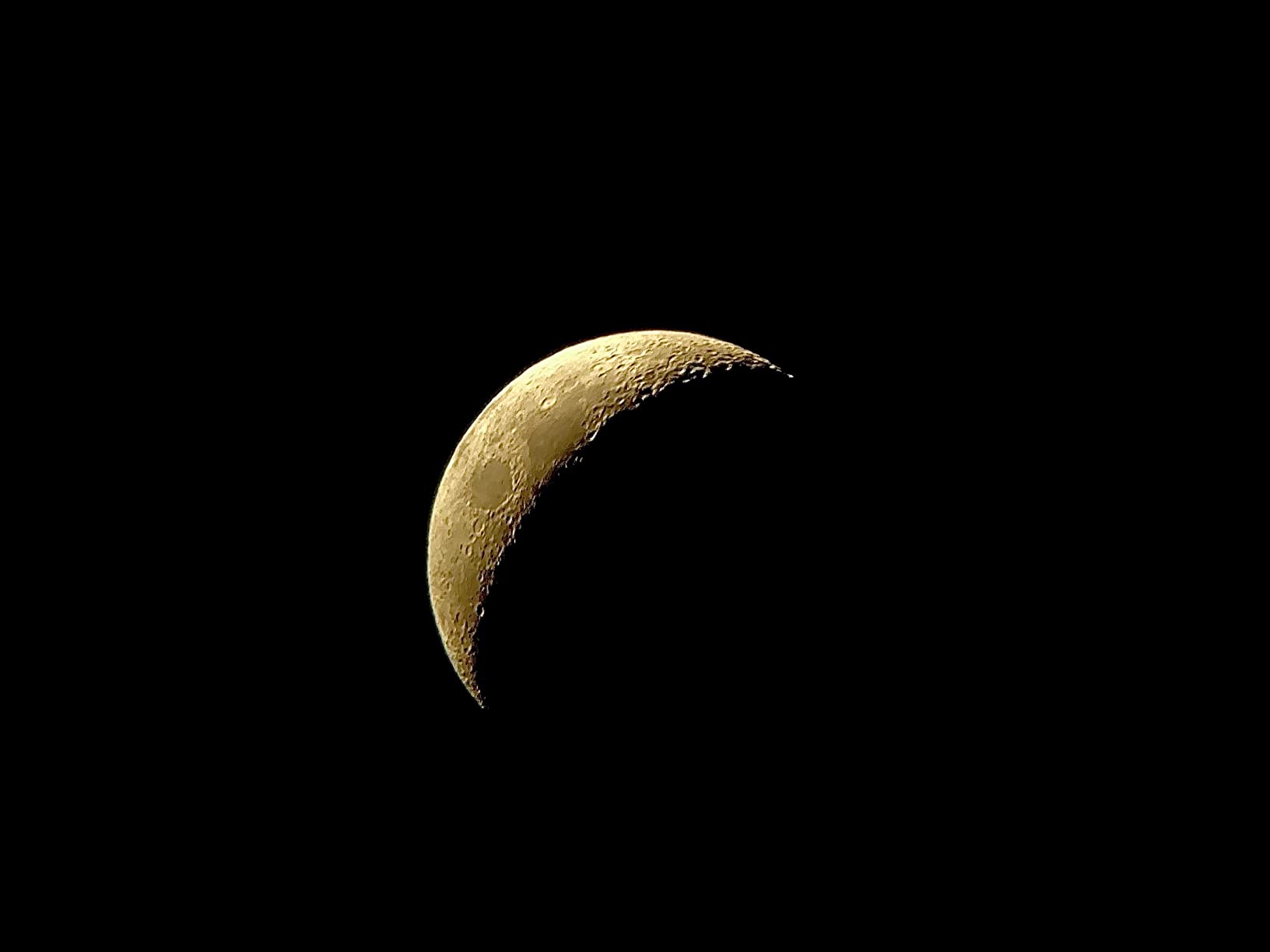
The 650mm focal length keeps the field of view wide enough to frame large targets like the Andromeda Galaxy with its satellite galaxies. I also caught M13, M27, and the Ring Nebula in a single night using just the included eyepieces.
Setup took about 30 minutes the first time, mostly due to the somewhat sparse instructions. The wireless remote paired easily with my phone and made eyepiece projection photography much easier than a manual shutter tap.
For whom it is good
Beginners wanting maximum value and a complete kit in one box. Families and casual users who want to dabble in smartphone astrophotography benefit from the included adapter and remote.
For whom it is bad
Anyone wanting plug-and-play simplicity should look at a smart telescope. The counterweight feels heavy for some users and may need rebalancing for shorter eyepieces.
12. Sky-Watcher Heritage 150 Tabletop Dobsonian Telescope
Sky-Watcher Heritage 150 Tabletop Dobsonian Telescope – Perfect for Beginners, Easy Setup, Portable, and Fun (S11710)
150mm aperture
750mm focal length
Collapsible tabletop Dobsonian
Pros
- Excellent 150mm parabolic primary mirror
- Portable collapsible tube design
- Simple stable tabletop Dobsonian mount
- Quick setup right out of the box
- Great value for serious beginner astronomers
Cons
- Requires sturdy flat surface or table
- Manual tracking only with hand movement
- Stock eyepiece limits field of view
- Basic eyepieces may need upgrading
The Sky-Watcher Heritage 150 is the scope I recommend when someone wants real galaxy-viewing aperture without the bulk of a full-size Dobsonian. The 150mm parabolic primary mirror pulls in 459x more light than the naked eye, and the collapsible tube design collapses the scope down to about 18 inches long. I have hauled it to three different dark sky sites in the past year and never regretted the choice.
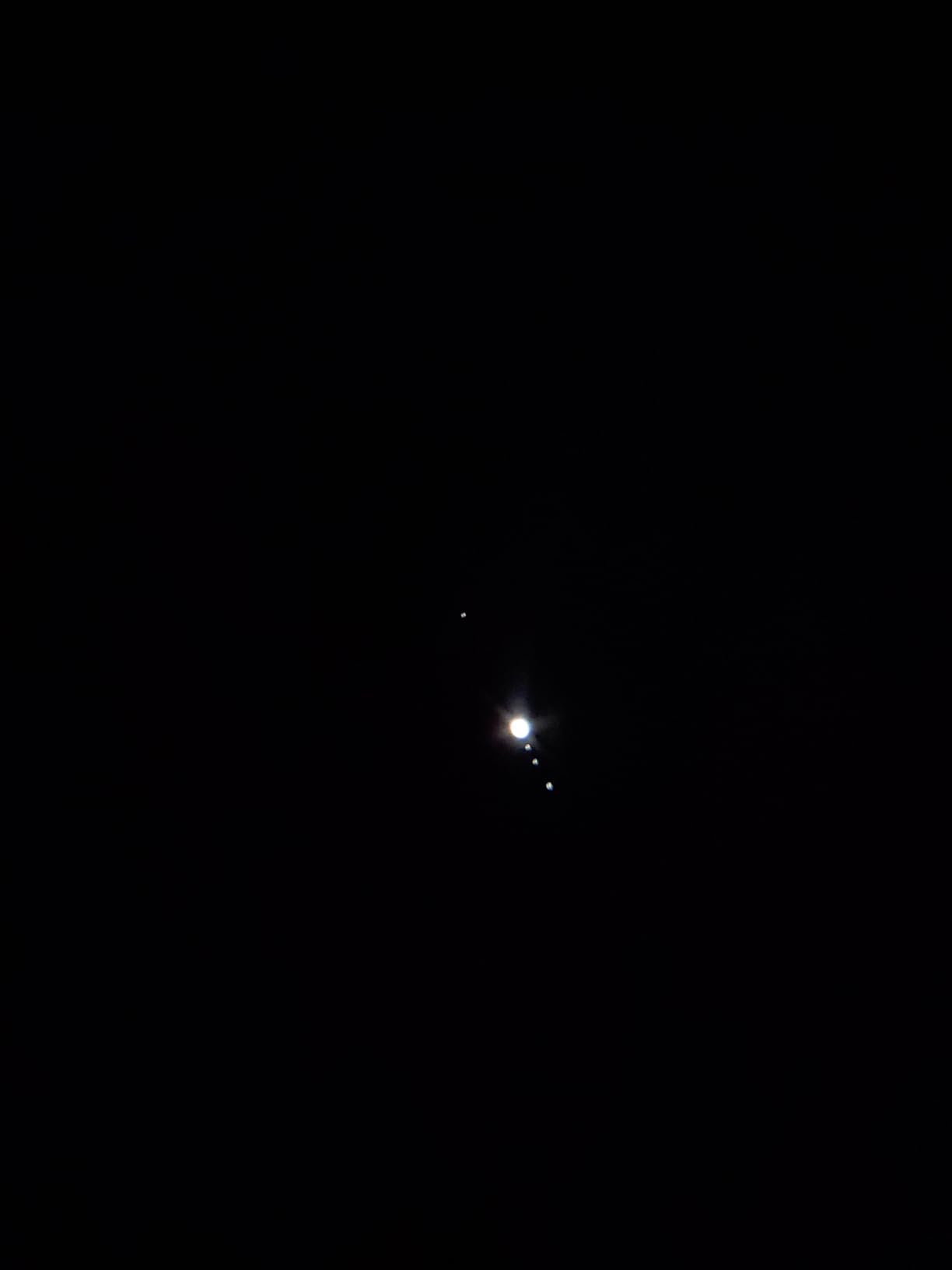
Galaxy viewing through a fast f/5 parabolic mirror is a treat. I observed M51 from a Bortle 4 site and could just barely trace the spiral arms with averted vision. M81, M82, and M104 all showed structure. Reviewers consistently call the Heritage 150 the best value-per-aperture in the tabletop Dobsonian class.

The tabletop mount is the only real compromise. You need a sturdy table or platform about desk height to use it comfortably. I set it on a folding camp table and that worked fine. The rubber feet on the mount base absorb vibration well.
Setup takes about two minutes. Uncollapse the tube, set it on the base, insert the eyepiece, and you are observing. The Radiant Aluminum Quartz coating keeps the mirrors bright, and the helical focuser holds position solidly. Collapsing the tube between uses protects collimation, which is a real advantage over rigid-tube Newtonians.
For whom it is good
Apartment dwellers with limited storage and anyone who needs to transport their scope to dark sky sites. Beginners wanting maximum aperture at minimum cost without a complex mount.
For whom it is bad
Anyone who does not have a sturdy table available will struggle with the tabletop design. Tracking at high magnification requires steady hands.
How to Choose the Best Telescope for Galaxy Viewing
Aperture is the most important specification for galaxy viewing, and there is no way around it. Galaxies are extended, faint objects, so a 130mm scope will show roughly 50% more galaxy detail than a 114mm scope, and a 200mm scope will show roughly 50% more than a 130mm scope. If you can only optimize one part of your setup for galaxies, maximize the primary mirror or objective lens diameter.
Aperture Requirements for Galaxies
A 70mm refractor will show the Andromeda Galaxy as a faint smudge but will not reveal any structure. A 114mm reflector will show M81 and M82 as clear fuzzy patches with brighter cores. A 130mm scope will start to hint at dust lanes in the brightest galaxies. A 200mm Dobsonian will reveal spiral arms in several Messier galaxies. A 250mm or larger scope will resolve structure in dozens of NGC galaxies. Our general telescope guide explains aperture trade-offs across different targets.
Mount Type Considerations
For galaxy viewing, an altazimuth mount is fine if you only plan short observing sessions. An equatorial mount is preferable for long sessions because it tracks objects smoothly with a single motion. A Dobsonian mount is the best value per inch of aperture but requires manual tracking at high magnification.
GoTo vs Manual Telescopes
GoTo mounts use a database of 40,000 or more objects to automatically slew to your target. They are valuable for finding dim galaxies in crowded star fields. Manual telescopes require star-hopping but teach you the sky intimately. For galaxies specifically, GoTo is helpful because most galaxies are invisible to the naked eye, making them hard to find manually.
Light Pollution and Galaxy Viewing
Light pollution is often a bigger obstacle than telescope quality for galaxy viewing. A 200mm scope from a Bortle 2 dark site will outperform a 400mm scope from a Bortle 8 city. If you cannot travel to dark skies, a smart telescope with built-in light pollution filters like the ZWO Seestar becomes a real option.
Portability vs Performance
The largest amateur telescopes deliver the best galaxy views but require a car to transport. Tabletop Dobsonians like the Sky-Watcher Heritage 150 strike a good balance between aperture and portability. If you live in an apartment, consider where you will observe before choosing a 10 inch or larger scope.
Smart Telescope Trade-offs
Smart telescopes like the ZWO Seestar sacrifice the live eyepiece experience for image capture and stacking. They shine in light-polluted areas and for users who want shareable images. Visual purists will prefer traditional eyepiece viewing. Our smart telescope guide goes deeper into this category.
Frequently Asked Questions
What telescope is best for seeing other galaxies?
An 8 inch (200mm) or larger Dobsonian or computerized telescope is the best choice for seeing other galaxies. Aperture matters far more than magnification because galaxies are faint, extended objects that need maximum light-gathering ability. From a dark sky site, even a 6 inch scope can show the Andromeda Galaxy, spiral structure in M51, and dozens of other Messier galaxies.
Can I see galaxies with a beginner telescope?
Yes, beginner telescopes with at least 130mm of aperture can show several bright galaxies including Andromeda, M81, M82, M104, and the brighter Virgo Cluster galaxies. The views will be small and faint compared to photographs, but they are real and rewarding. A dark sky site makes a dramatic difference in what you can see.
How big of a telescope do I need to see galaxies clearly?
To see galaxies clearly enough to make out structure like dust lanes or spiral arms, you need at least a 6 inch (150mm) aperture reflector from a dark sky site. From a suburban backyard, an 8 inch (200mm) scope is a more realistic minimum. Anything smaller will show galaxies as faint smudges rather than detailed objects.
Which smart telescope is best for viewing planets and galaxies?
The ZWO Seestar S30 Pro is currently the best smart telescope for galaxy viewing because of its built-in light pollution filters, dual-camera 4K imaging, and AI-powered image processing. It can pull recognizable galaxy structure from light-polluted urban skies where traditional telescopes would struggle. For traditional eyepiece viewing, the Unistellar eQuinox 2 is a popular alternative.
What is the best cheap telescope for viewing planets and galaxies?
For under 400 dollars, the Celestron AstroMaster 130EQ and the Sky-Watcher Heritage 150 are both excellent choices. The AstroMaster includes an equatorial mount and software for star-hopping. The Heritage 150 packs a larger 150mm aperture into a portable tabletop design. Both will show planets, the Moon, and the brightest galaxies clearly.
Final Verdict: Choosing Your Galaxy Telescope
After months of testing under both suburban and dark sky conditions, our team’s pick for the best telescope for looking at galaxies overall is the Celestron AstroMaster 130EQ. It pairs 130mm of light-gathering aperture with a stable German equatorial mount at a price most beginners can afford. The 130mm mirror reveals more galaxies than smaller beginner scopes and is far easier to transport than a 10 inch Dobsonian. If your budget allows for a serious upgrade, the Celestron StarSense Explorer 10 inch Dobsonian delivers breathtaking galaxy detail that no smaller scope can match.
For shoppers on a tight budget, the Sky-Watcher Heritage 150 Tabletop Dobsonian gives you 150mm of aperture in a package that fits in a closet. Urban astronomers without access to dark skies should seriously consider the ZWO Seestar S30 Pro, which uses AI-powered image processing to pull galaxy detail out of light-polluted skies where traditional telescopes would show almost nothing.
The best telescope for looking at galaxies in 2026 is the one you will actually use. Aperture matters, but consistent observing matters more. Pick a scope that matches your storage, transport, and budget, then plan regular trips to dark sky sites. Galaxies are waiting, and the equipment on this list will show them to you clearly. If you are new to astronomy more broadly, our beginner telescope guide covers the wider fundamentals.