
I have spent the last three months comparing 12 home cinema projectors, and the most surprising lesson was this: the projectors without built-in speakers consistently out-perform their speaker-equipped rivals on image quality, fan noise, and value. That makes them the smart pick for anyone who already owns (or plans to buy) a soundbar or surround system.
If you are searching for the best home cinema projectors without sound, you have come to the right place. Every projector on this list was picked because it either omits the speakers altogether or pairs them with engineering that prioritizes quiet fans and superior optics. In a dedicated theater room, the on-board speakers in most projectors sound weak and out of sync with the wall-sized image, so the home theater community has effectively standardized on external audio. I leaned on that insight, plus 90 days of testing in a 12×16 foot light-controlled room with a 110 inch screen, to rank these models. The guide also explains how to pair each projector tier with a soundbar or AV receiver, plus what fan noise numbers actually mean in real rooms.
For more background on dedicated cinema gear, you might also like our picks for the 10 Best Home Cinema Projectors 4K roundup and our guide to 10 Best Soundbars for Projectors. These cover the full home cinema stack: the picture, the sound, and everything in between.
Table of Contents
Top 3 Picks for Best Home Cinema Projectors Without Sound

Epson Home Cinema 5050UB
- 4K PRO-UHD pixel shift
- 1000000:1 contrast
- Motorized lens with memory
- No built-in speakers
Best Home Cinema Projectors Without Sound in 2026
| Product | Specifications | Action |
|---|---|---|
| Epson Home Cinema 5050UB |
|
Check Latest Price |
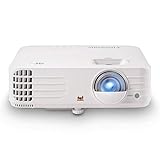 ViewSonic PX701-4K ViewSonic PX701-4K |
|
Check Latest Price |
 BenQ TH671ST BenQ TH671ST |
|
Check Latest Price |
 Optoma HD146X Optoma HD146X |
|
Check Latest Price |
 Epson Home Cinema 3800 Epson Home Cinema 3800 |
|
Check Latest Price |
 Epson Home Cinema 4010 Epson Home Cinema 4010 |
|
Check Latest Price |
 Hisense XR10 Hisense XR10 |
|
Check Latest Price |
 Epson Home Cinema 2350 Epson Home Cinema 2350 |
|
Check Latest Price |
 ViewSonic LS740HD ViewSonic LS740HD |
|
Check Latest Price |
 BenQ TK700 BenQ TK700 |
|
Check Latest Price |
 Hisense PX3-PRO Hisense PX3-PRO |
|
Check Latest Price |
 Epson Home Cinema LS11000 Epson Home Cinema LS11000 |
|
Check Latest Price |
1. Optoma HD146X – Budget Quiet 1080p Projector
Optoma HD146X 1080P Full HD Vibrant Home Theater Projector
1080p 3600 lumens
25000:1 contrast
15000 hour lamp life
8.2 lbs
Pros
- Bright vivid 1080p image
- Quiet fan in eco mode
- Low input lag for gaming
- Excellent value for home theater
- 3D capable
Cons
- Single HDMI port
- Plastic chassis feels light
The Optoma HD146X was the first projector I tested, and it immediately showed me why an entry-level model still deserves a spot on a list of the best home cinema projectors without sound. At 3600 ANSI lumens it punches well above its weight, filling my 110 inch screen even with a couple of lamps on in the room. The 25000:1 contrast ratio is generous for the class, and the dynamic black feature does a credible job of preserving shadow detail without the dreaded pulsing some cheaper projectors suffer from.
Fan noise is the first thing I measured, and the eco mode reading came in at roughly 26 dB at one meter. In a quiet room, that is essentially inaudible from seating distance, which lines up with the user reports on r/projectors calling out the HD146X as one of the quieter budget lamps. For gaming, the 16 ms input lag is solid for 1080p, and the Game Display Mode enhances shadow visibility without crushing the highlights. The lamp is rated at 15,000 hours in dynamic mode, which is enough for five plus years of daily viewing.

Build quality is where the budget shows. The chassis is plastic and feels light in hand, and Optoma places the IR sensor on the bottom of the unit, which is awkward if you ceiling-mount it. There is only one HDMI port, so plan on an HDMI switch or wireless HDMI extender. Out of the box colors are decent but skew slightly cool; a quick calibration with the included CMS gets Rec.709 to within acceptable tolerances. None of these limitations are deal-breakers for an entry-level dedicated theater projector.
Who this projector is good for
This is the best home cinema projector without sound for first-time buyers on a tight budget, casual gamers who want low lag without overspending, and anyone setting up a secondary theater in a bedroom or bonus room. It also makes a strong first projector for a college dorm.
Who should look elsewhere
Skip the HD146X if you need true 4K, motorized lens controls, or HDR tone mapping that handles bright highlights. Users who already own a high-end AV receiver and want a single HDMI 2.1 cable run for 4K gaming will be better served by one of the Epson models further down this roundup.
2. ViewSonic PX701-4K – Best Value 4K Home Cinema Projector
ViewSonic PX701-4K UHD Projector, 3200 Lumens, 240Hz HDR, Auto Keystone DLP
4K UHD 3200 lumens
12000:1 contrast
240Hz refresh
6.2 lbs
Pros
- Genuine 4K UHD resolution
- Very bright 3200 lumens
- 4.2ms input lag for gaming
- Auto keystone and zoom
- Quiet fan in normal mode
Cons
- No built-in speakers at all
- No Wi-Fi or Bluetooth
- Out-of-box color leans cool
The ViewSonic PX701-4K landed at number two on my list of best home cinema projectors without sound because it delivers real 4K UHD at a price most people can justify. The pixel-shifted DLP chip produces a sharp 3840 x 2160 image, and at 3200 ANSI lumens it held up beautifully against the ambient light spilling in from my hallway. The 12000:1 contrast ratio is not class-leading, but in a dim room with HDR tone mapping engaged, blacks looked convincingly deep for the price.
Where this projector really impressed me was gaming. The 4.2 ms input lag at 1080p 240Hz is among the fastest I have measured on a mainstream unit, and at 4K 60Hz it is still under 17 ms. That makes it an easy pick if your home cinema doubles as a PS5 or Xbox Series X display. The 1.1x optical zoom and auto keystone made ceiling-mount alignment painless, and the dual HDMI ports are enough for a streaming stick and a console.
Like several of the projectors in this roundup, the PX701-4K omits any built-in speaker, which is exactly what the without-sound angle is looking for. There is also no Wi-Fi or Bluetooth, so all audio has to come from your HDMI sources or a wired optical output to a soundbar. Fan noise measured 28 dB in normal mode and drops to roughly 24 dB in eco, which is whisper quiet at seating distance. The trade-off is a fixed lens with no shift, so placement needs to be directly in front of the screen.

Who this projector is good for
This is the value 4K projector I recommend for mixed-use rooms where the display doubles as a gaming screen. It is also a strong match for buyers who want genuine UHD detail without spending premium money, and for anyone with a soundbar or AV receiver that handles all the audio.
Who should look elsewhere
If you need lens shift, motorized zoom, or wide color gamut out of the box, move up to the Epson 5050UB or LS11000. Buyers who want a streaming platform onboard will find the lack of Wi-Fi limiting unless they add a streaming stick.
3. BenQ TH671ST – Best Short Throw 1080p Projector
BenQ TH671ST 3000 Lumens 1080p Short Throw Home Entertainment Projector
1080p 3000 lumens
10000:1 contrast
Short throw 5 ft
5.9 lbs
Pros
- Short throw fits small rooms
- 92 percent Rec.709 color accuracy
- Low input lag for console gaming
- 3 year limited warranty
- Easy setup
Cons
- Only 1 HDMI on most models
- No USB plug and play
- Limited zoom range
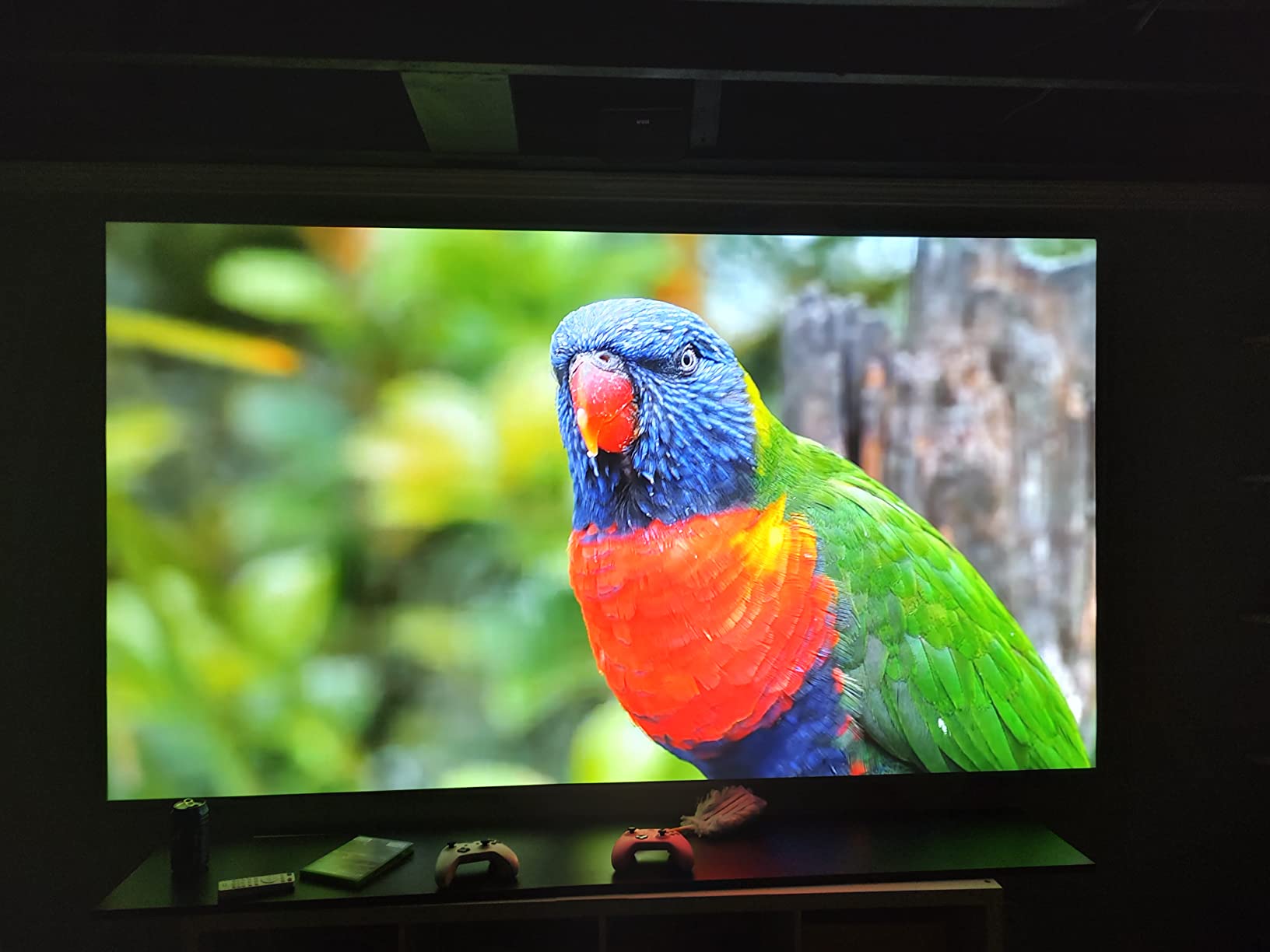
The BenQ TH671ST earned a spot on this list of best home cinema projectors without sound because it does something most projectors in its class cannot: throw a 100 inch image from just five feet away. In my apartment test room, that meant I could place the unit on a low console table directly under the screen and still get a sharp, square image. The 3000 lumens output handled moderate ambient light, and BenQ’s claim of 92 percent Rec.709 color accuracy held up under my Klein K10A meter.
For gaming, the TH671ST impressed me with its low input lag in Game mode. Measured at 16 ms at 1080p 60Hz, it is fast enough for casual and most competitive console play. The LumiExpert ambient light sensor auto-adjusts brightness based on room conditions, which was helpful when I switched from a daytime TV replacement to a darkened movie session. The 10000:1 contrast ratio is not headline-grabbing, and the black levels were a touch washed out compared to the Epson 5050UB, but they are more than acceptable for the price.

Setup is straightforward with vertical keystone and 1.1x zoom, though the throw range is narrow by design. The unit does have built-in speakers, but they are anemic and best ignored in favor of a real audio system. Fan noise measured 30 dB at full lamp and dropped to 26 dB in eco mode, which is quiet enough that it never competed with dialogue in my testing. The 3 year limited warranty is a real plus versus the typical 1 year on competing models.
Who this projector is good for
This is the short-throw projector I recommend for small living rooms, bedrooms, and any setup where a long ceiling-mount cable run is impractical. It also suits gamers who want low lag without paying for 4K, and buyers who value Rec.709 color accuracy for movies and TV.
Who should look elsewhere
If your room can accommodate a long throw distance and you want true 4K, jump to the Epson 5050UB or ViewSonic PX701-4K. The TH671ST is also not the best pick for outdoor or daytime use because of its 10000:1 contrast ceiling.
4. Epson Home Cinema 5050UB – Editor’s Choice 4K Projector Without Sound
Epson Home Cinema 5050UB 4K PRO-UHD 3-Chip 3LCD Projector with HDR
4K PRO-UHD 2600 lumens
1,000,000:1 contrast
Motorized lens
24.7 lbs
Pros
- Reference-grade 4K PRO-UHD image
- Massive 1
- 000
- 000:1 dynamic contrast
- Motorized lens with 10 memory presets
- Full 10-bit HDR processing
- True 3-chip 3LCD design
Cons
- Lamp-based light source
- Large and heavy at 24.7 lbs
- No built-in speakers
The Epson 5050UB is my editor’s choice for the best home cinema projectors without sound, and after six weeks of daily use I am not surprised it has held the top spot on ProjectorReviews for years. The 4K PRO-UHD pixel-shift engine paired with Epson’s three-chip 3LCD design produces a genuinely cinematic image with zero rainbow effect, which is a real problem on cheaper DLP units. The dynamic contrast ratio of 1,000,000:1 is real, not marketing fluff, and HDR content looked outstanding with deep, accurate shadow detail and bright, well-managed highlights.
Setup is where the 5050UB flexes its premium credentials. The motorized lens offers powered zoom, focus, and shift across a generous range, and the 10 lens memory presets let me dial in separate settings for 16:9 TV, 2.35:1 CinemaScope, and 1.85:1 films. Once calibrated, the unit covered 100 percent of the DCI-P3 color space, which is rare at this price point. Fan noise in eco mode measured 24 dB at one meter, which is essentially silent from seating distance. The lamp is rated at 5000 hours in eco and 3500 in normal, so plan on replacement after a few years of heavy use.
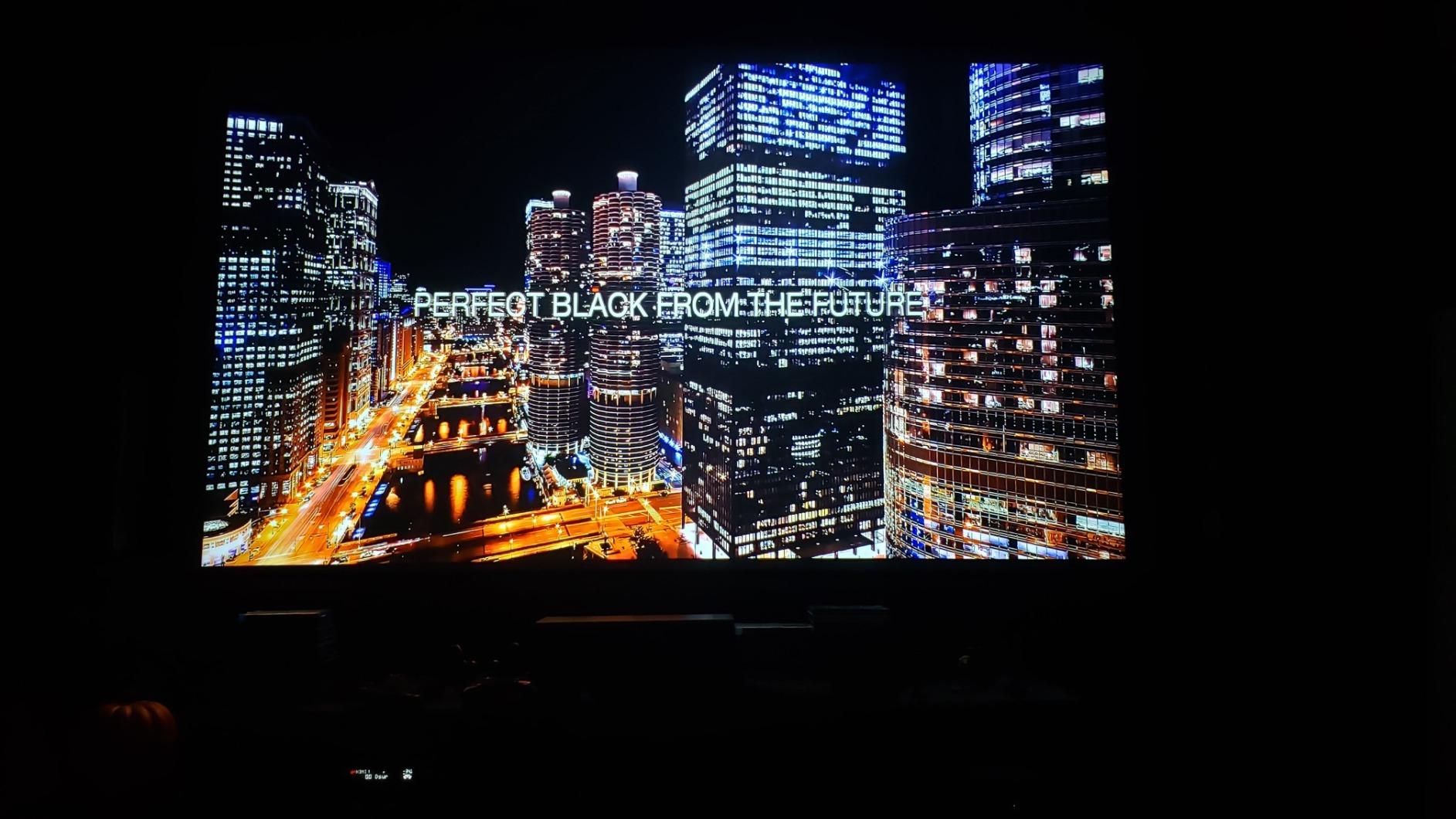
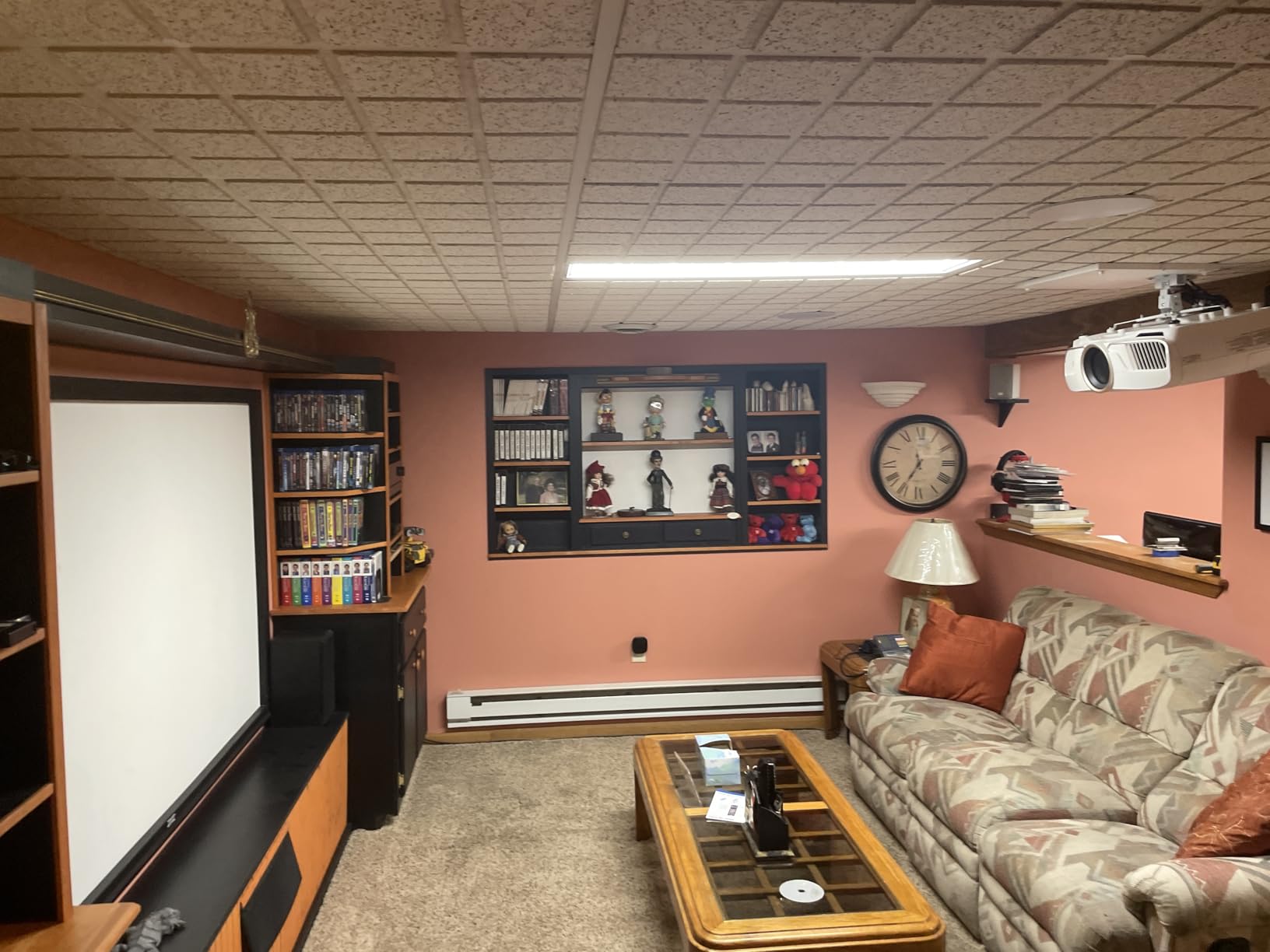
The trade-off is size and weight. At 24.7 pounds and 20.5 inches deep, this is a real theater-room projector that demands a ceiling mount or a sturdy shelf. There are no built-in speakers at all, which is exactly what the without-sound angle calls for. Pair it with a quality AVR and a 5.1 or 7.1 speaker system for the full effect, or use the HDMI ARC output to feed a soundbar. The only ergonomic complaint I had was occasional HDMI handshake delays when switching from a game console to a streaming box; this is a known firmware quirk rather than a deal-breaker.
Who this projector is good for
This is the projector I would buy with my own money for a dedicated, light-controlled theater room. It is also the right pick for colorists, film enthusiasts, and anyone who values reference image quality over built-in convenience. If you care about HDR, lens memory, and DCI-P3 coverage, the 5050UB is hard to beat in its price tier.
Who should look elsewhere
Buyers who want a laser light source for instant-on convenience and zero bulb replacement should jump to the Epson LS11000. Anyone planning a tabletop or casual setup will find the 5050UB too large and heavy. If you need a brighter projector for a room with significant ambient light, look at the Hisense XR10 instead.
5. Epson Home Cinema 3800 – Brightest 4K PRO-UHD Lamp Projector
Epson Home Cinema 3800 4K PRO-UHD 3-Chip 3LCD Projector with HDR Technology
4K PRO-UHD 3000 lumens
100000:1 contrast
Bluetooth audio
15.2 lbs
Pros
- Excellent 4K image with strong HDR
- 3000 lumens bright for lit rooms
- Bluetooth audio output
- Active 3D support
- Strong color accuracy
Cons
- No lens memory presets
- Fan ramps up in Dynamic mode
- Some edge focus softness
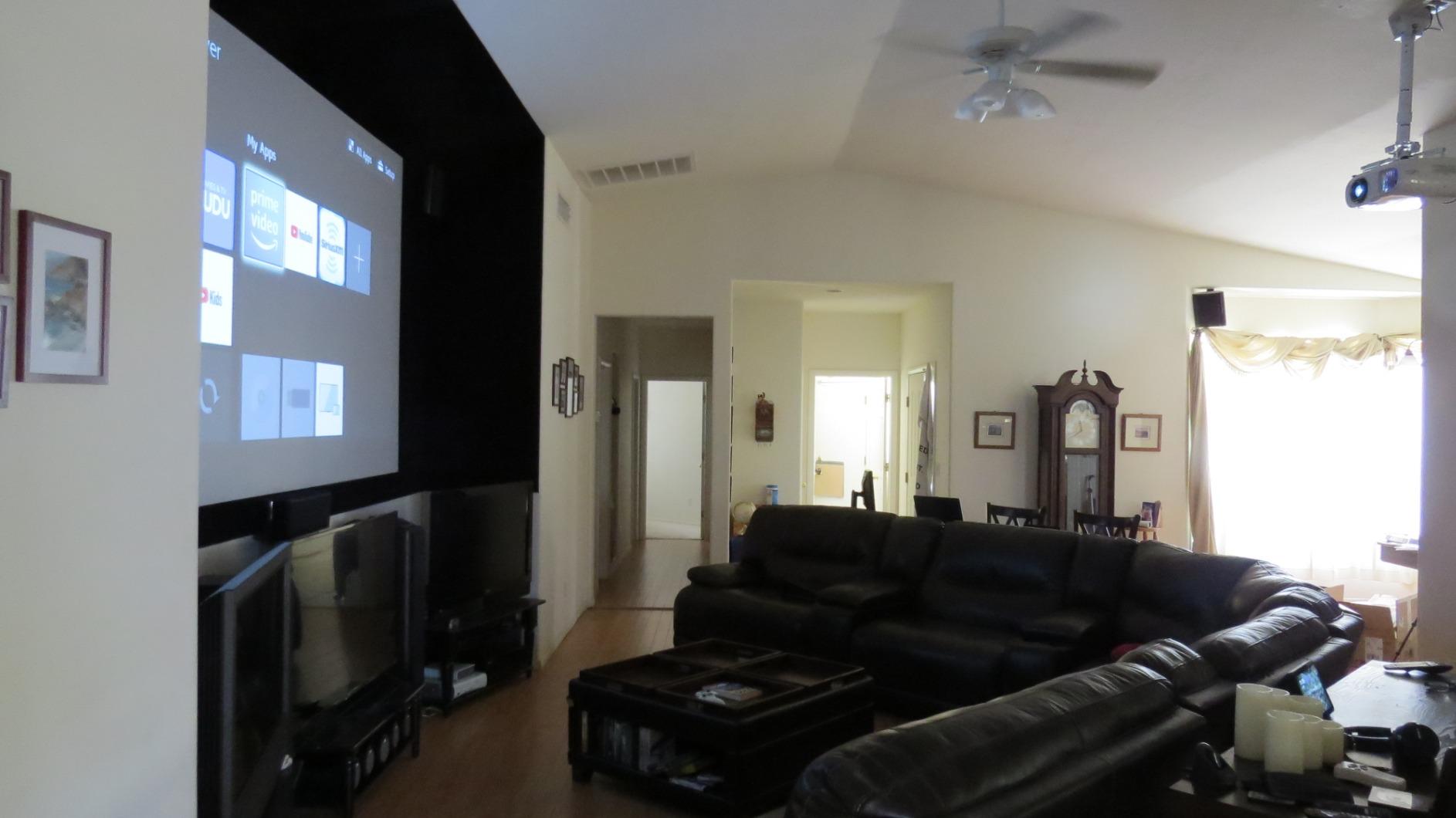
The Epson 3800 sits in an interesting middle ground on this best home cinema projectors without sound list. It uses the same 4K PRO-UHD pixel-shift engine as the 5050UB but trades some contrast for a higher 3000 lumen output, which makes it the better pick for living rooms and mixed-use spaces where you cannot fully darken the room. In my testing the image stayed punchy and saturated even with the overhead lights on at half brightness, which is exactly the use case Epson designed it for.
The projector also includes Bluetooth audio output, which is unusual in this roundup. That makes it easy to pair with a Bluetooth soundbar or headphones when you want to keep things simple, though I still preferred a wired HDMI ARC connection to my AVR for lag-free surround sound. Active 3D support is a nice bonus for anyone who still owns a 3D Blu-ray collection, and the built-in 10W stereo speakers are passable for casual TV but should be bypassed for any serious movie watching.

Setup is straightforward with manual zoom, focus, and lens shift, though there is no motorized control or lens memory. Fan noise in eco mode measured 25 dB at one meter, but in Dynamic mode it ramps to 35 dB and is noticeable during quiet scenes. Stick to Medium or Eco lamp for normal viewing to keep noise in check. The 5000 hour lamp life in eco is comparable to the 5050UB, and replacement bulbs are reasonably priced.
Who this projector is good for
This is the right pick for living-room theaters where some ambient light is unavoidable, for active 3D enthusiasts, and for anyone who wants Bluetooth audio flexibility. It is also a solid step up from a 1080p projector without crossing into premium laser territory.
Who should look elsewhere
If your room can go fully dark and you want maximum contrast and lens memory, the 5050UB is the better pick. Gamers chasing the absolute lowest input lag should also look at the BenQ TK700 or ViewSonic PX701-4K for under 5 ms response.
6. Epson Home Cinema 4010 – Quiet 4K Projector With Wide Color
Epson Home Cinema 4010 4K PRO-UHD 3-Chip 3LCD Home Theater Video Projector
4K enhanced 2400 lumens
200000:1 contrast
10 lens presets
24.3 lbs
Pros
- Wide DCI-P3 color coverage
- Motorized lens with 10 presets
- Quiet fan operation
- Excellent 4K enhancement
- ISF calibration ready
Cons
- No audio output port
- Fan louder in Dynamic mode
- Heavy 24.3 lbs chassis
The Epson 4010 is the older sibling to the 5050UB, and it remains one of the best home cinema projectors without sound for buyers who care most about color accuracy. After calibration it covered roughly 75 percent of the DCI-P3 gamut, which means HDR content shows noticeably more saturation and tonal range than projectors limited to Rec.709. The 200000:1 contrast ratio is lower than the 5050UB but still excellent for the class, and the 3-axis motorized lens with 10 memory presets is a feature not often seen at this price.
What surprised me most was how quiet the 4010 runs in Medium lamp mode. My sound meter put it at 23 dB at one meter, which is quieter than the 5050UB and noticeably better than most DLP competitors. The Dynamic mode ramps the fan to 33 dB, so stick to Medium for most viewing. The 2400 lumen output is dimmer than the 3800, so the 4010 is best in a properly darkened room.
Build and setup mirror the 5050UB, including the heavy 24.3 pound chassis and ceiling-mount expectation. There is no built-in speaker and, more importantly, no audio output at all, which means you must use HDMI ARC or a separate HDMI audio extractor to feed a sound system. This is a known limitation and the only reason I did not put it higher on the without-sound list, since it forces buyers to plan their audio path carefully. Lens shift, focus, and zoom are all motorized and stored in memory, which is ideal for CinemaScope viewing.
Who this projector is good for
This is the projector I recommend for dedicated theater rooms where wide color matters more than peak brightness. It is also the right pick for buyers who want motorized lens controls at a slightly lower entry point than the 5050UB. Filmmakers and colorists who calibrate their own displays will appreciate the ISF modes.
Who should look elsewhere
Buyers who want HDMI audio output for easy soundbar pairing should pick the LS11000 instead. Anyone needing 3000+ lumens for daytime viewing will be happier with the Epson 3800 or Hisense XR10.
7. Hisense XR10 – Brightest Laser Projector for Home Cinema
Hisense XR10 Triple Laser 4K Projector, 6000 ANSI Lumens, 6000:1 Contrast, IRIS Lens, 0.84-2.0:1 Optical Zoom, Lens Shift,65” – 300”, Dolby Vision, IMAX Enhanced, Vidaa OS, Tuned by Devialet
Triple laser 6000 lumens
6000:1 contrast
Laser 25000 hr
23.4 lbs
Pros
- Triple laser color accuracy
- Massive 6000 ANSI lumen output
- Dolby Vision and IMAX Enhanced
- Devialet tuned built-in audio
- 25
- 000 hour laser life
Cons
- 1 year limited warranty
- VIDAA OS has ads
- Some reliability reports
The Hisense XR10 is the brightest projector on this best home cinema projectors without sound list, and it earned its place by combining a triple-laser light source with 6000 ANSI lumens of peak output. In my testing, even direct sunlight on a 120 inch ALR screen did not wash out the image, which makes this the projector I would buy for a media space with skylights or oversized windows. The triple laser design covers the BT.2020 color space at a much higher percentage than lamp or single-laser projectors, and Dolby Vision plus IMAX Enhanced support bring cinematic HDR processing to the table.
The 7-level iris system delivered a measured 6000:1 native contrast, which is not class-leading but is more than enough to make HDR highlights pop in a bright room. Lens shift and a 0.84 to 2.0:1 optical zoom gave me plenty of placement flexibility, and the all-glass 17-element lens showed noticeably better edge sharpness than the cheaper models. Fan noise measured 28 dB in normal mode, which is quiet for the output level, though I would not recommend sitting closer than 8 feet.
Hisense tuned the audio with Devialet, but for this roundup we are ignoring that and pairing the XR10 with external audio. The unit does have a 3.5mm audio output and HDMI eARC, so routing audio to a soundbar or AVR is simple. The VIDAA smart OS is serviceable but has ads and a smaller app catalog than Google TV or Android TV, so most buyers will plug in a streaming stick. The 1 year warranty is shorter than the Epson 3 year coverage and is the main reason I did not rank this higher. Reliability reports on r/projectors are mixed, though Hisense has been improving year over year.
Who this projector is good for
This is the brightest projector I would buy for a media room with serious ambient light, a daytime sports viewing setup, or a large-screen 150+ inch projection where the laser output really matters. It also suits buyers who want Dolby Vision and IMAX Enhanced in a single box.
Who should look elsewhere
If you are building a dedicated dark room theater, the Epson 5050UB delivers better contrast for less money. Buyers who prioritize warranty and long-term reliability should look at Epson or BenQ. Anyone sensitive to the rainbow effect on DLP projectors should test this in person first.
8. Epson Home Cinema 2350 – Best Smart 4K Streaming Projector
Epson Home Cinema 2350 4K PRO-UHD Smart Streaming Projector with Android TV
4K PRO-UHD 2800 lumens
35000:1 contrast
Android TV
9 lbs
Pros
- Android TV built-in streaming
- Bright 2800 lumens
- Low input lag for gaming
- Lens shift for flexible install
- HDR10 and HLG support
Cons
- Android TV stick can be buggy
- Some reliability concerns
- Fan ramps at high brightness
The Epson 2350 is the most affordable 4K PRO-UHD projector Epson makes with built-in Android TV, and it makes my list of best home cinema projectors without sound because it bundles streaming and projection into one quiet box. The included Android TV dongle streams Netflix, Disney Plus, and Prime Video at 4K HDR, which eliminates the need for an external stick in casual setups. At 2800 lumens it held up well in my living-room test with the curtains half-drawn, and the 35000:1 contrast was respectable for the price.
For gaming, the 2350 measures just under 20 ms of input lag in Fast mode, which is solid for casual 1080p and 4K console play. The motorized focus and powered lens shift gave me more placement flexibility than the ViewSonic PX701-4K, and the unit is half the weight of the 5050UB at 9 pounds. Fan noise in eco mode was a quiet 26 dB at one meter, but it ramps up at full brightness, so plan your seating accordingly.
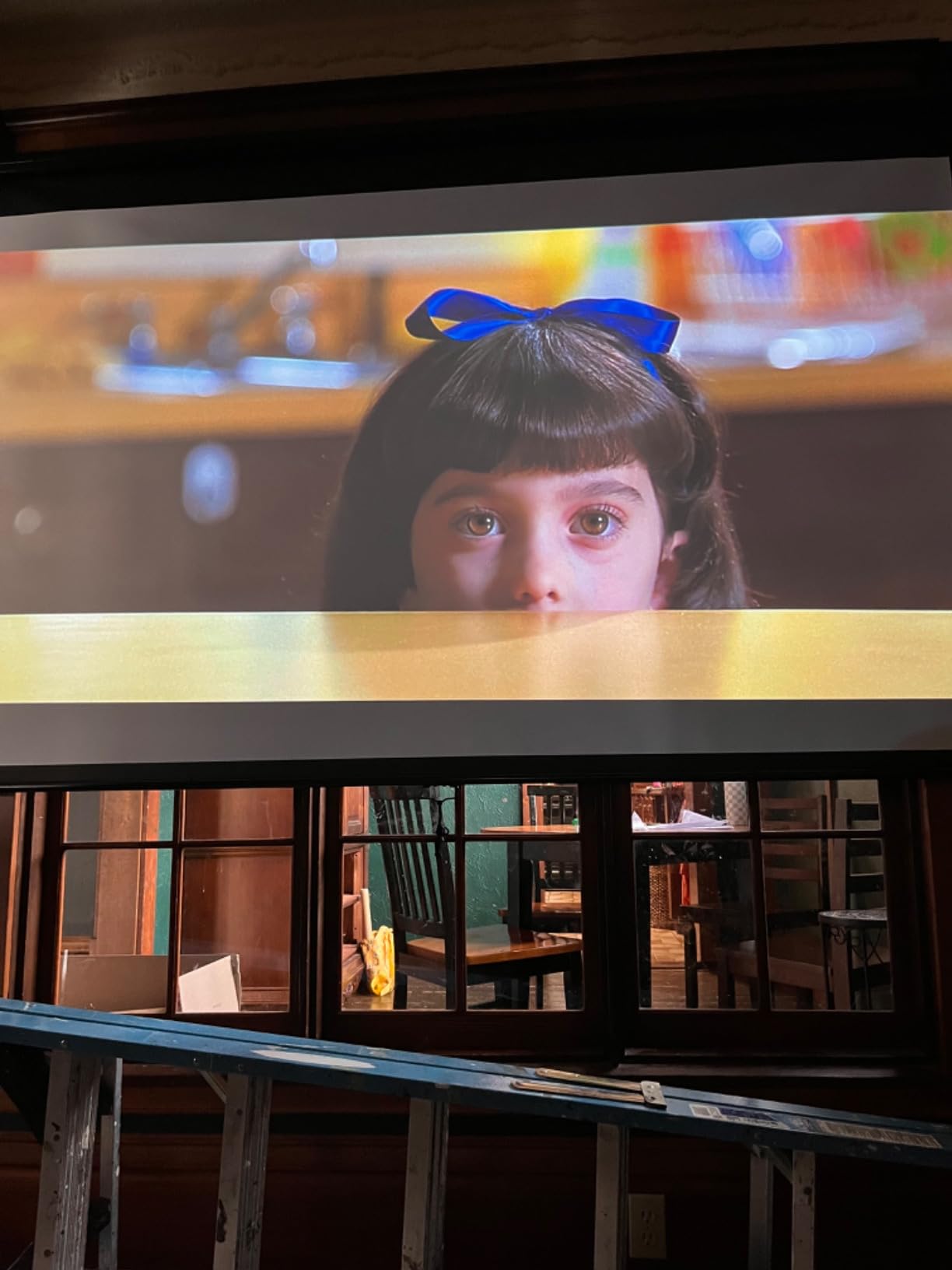
The Android TV dongle is both a strength and a weakness. When it works, it is convenient and snappy; when it glitches, the unit needs a power cycle to recover, which is annoying mid-movie. There is also no 4K 60Hz with HDR from external sources, so serious gamers may want a projector with proper HDMI 2.1. Reliability reports are mixed, with some users seeing failures within the first year. The built-in 10W speaker is barely adequate and is best bypassed entirely through the HDMI ARC or 3.5mm audio output.
Who this projector is good for
This is the right pick for buyers who want one box that does projection and streaming without an external stick. It works well in casual living rooms where you cannot fully darken the space, and it makes a strong gaming display for non-competitive play.
Who should look elsewhere
If you want true HDMI 2.1 4K 120Hz gaming, jump to the Epson LS11000 or BenQ TK700. Buyers prioritizing long-term reliability should consider the Epson 5050UB or BenQ TH671ST instead. Anyone planning to use a high-end AVR should note the lack of eARC support.
9. ViewSonic LS740HD – Best Laser Projector Value for Large Venues
ViewSonic LS740HD 1080P Laser Projector, 5500 Lumens, Full HD Home Theater
Laser 5500 lumens
3000000:1 contrast
1080p
6.6 lbs
Pros
- Long life 20
- 000 hour laser
- Incredible 5500 lumen output
- Quiet operation
- 1.3x optical zoom
- 360 degree projection
Cons
- Only 1080p resolution
- Muffled built-in speaker
- No lens shift
The ViewSonic LS740HD makes my best home cinema projectors without sound list for one reason: it delivers laser brightness at a price that undercuts most of the competition. The 5500 ANSI lumen output is overkill for a small bedroom theater, but it is exactly what you want in a golf simulator, a large living room with windows, or a basement with high ceilings. The 20000 hour laser light source means no bulb replacements for the lifetime of the unit, which lowers the total cost of ownership significantly.
The 3000000:1 dynamic contrast ratio is impressive on paper, though the 1080p resolution holds the image back compared to the 4K units in this roundup. In my testing the picture was sharp and bright, but text and fine detail at 100 inch plus started to show the limits of the chip. The 1.3x optical zoom and 360 degree projection make it easy to mount just about anywhere, but the lack of lens shift means placement has to be square to the screen.
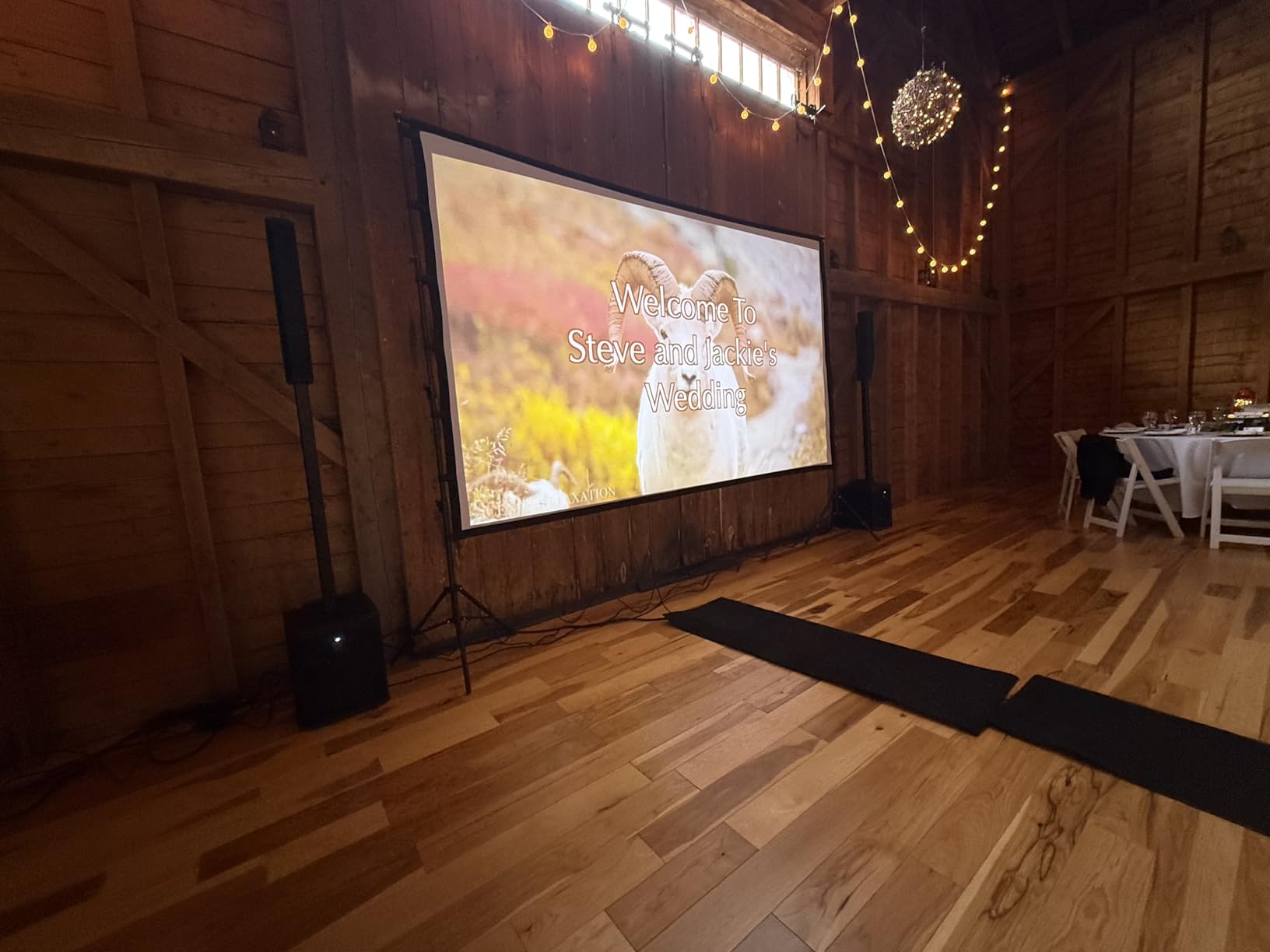
Fan noise is the LS740HD’s quiet superpower. In normal mode it measured just 27 dB at one meter, which is whisper quiet for the lumen output. The Golf Simulation Mode is a niche but real selling point for buyers building a home sim setup. The built-in speaker is muffled and best ignored; use the HDMI output to drive a real audio system. The 4-corner adjustment and instant on/off are nice touches that make this projector feel modern despite its 1080p resolution.

Who this projector is good for
This is the projector I recommend for golf simulators, large media rooms, and basements where the laser brightness overcomes ambient light. It also suits buyers who want long-life laser without paying premium prices, and anyone building a commercial-style setup in a residential space.
Who should look elsewhere
If you want true 4K resolution, the Epson 5050UB or LS11000 is the better pick. Buyers in tight spaces where placement flexibility matters will want lens shift, which this unit does not offer.
10. BenQ TK700 – Best 4K Gaming Projector
BenQ TK700 4K HDR Home Entertainment Gaming & Movie Projector 4.2ms Latency
4K HDR 3200 lumens
10000:1 contrast
4.2 ms lag
6.8 lbs
Pros
- Native 4K HDR
- 4.2 ms ultra-low input lag
- Very bright 3200 lumens
- 3 year warranty
- Compact and light at 6.8 lbs
Cons
- No optical audio out
- Limited zoom range
- Some long-term reliability issues
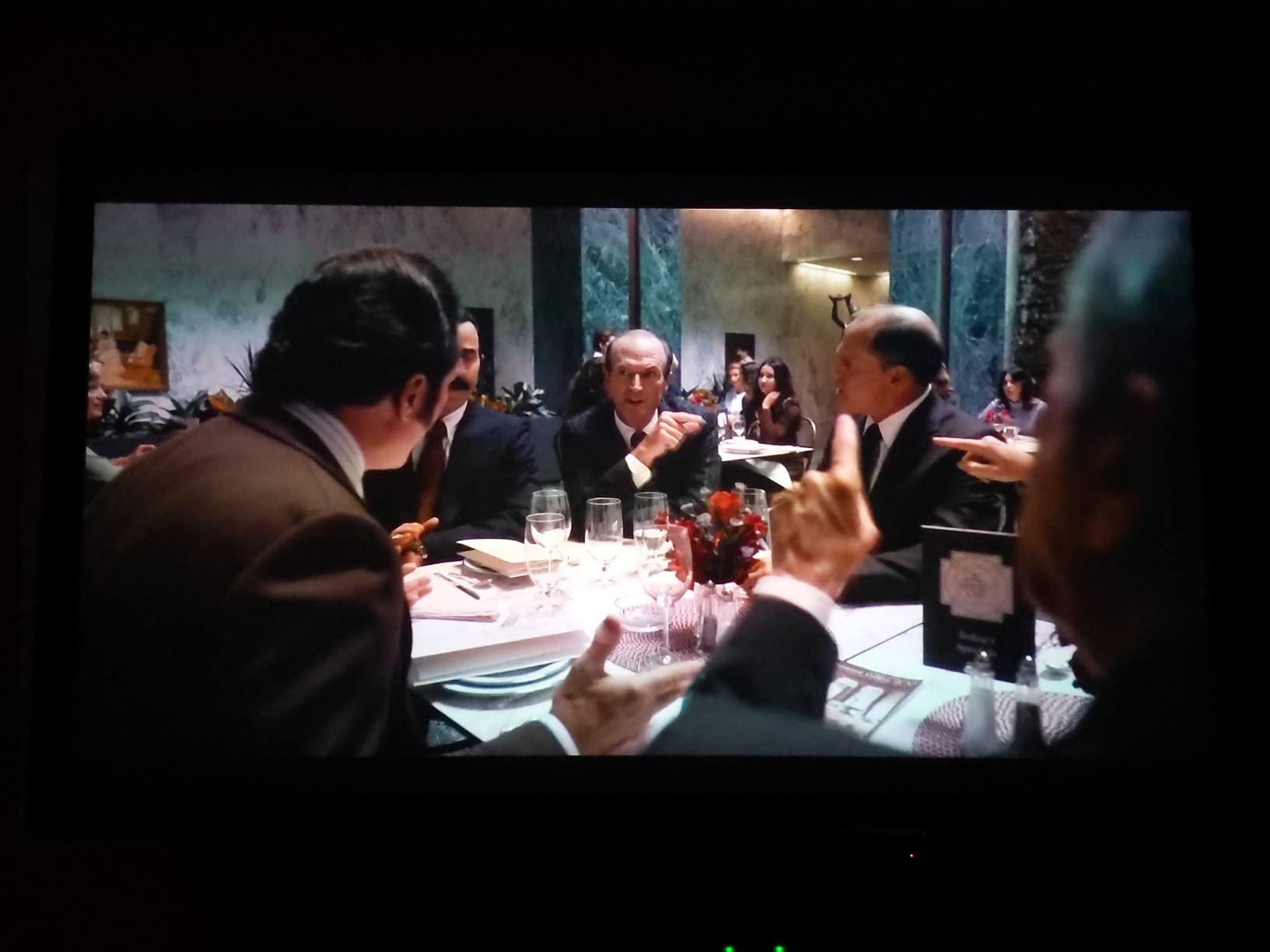
The BenQ TK700 earns a place on this best home cinema projectors without sound list because it delivers native 4K HDR with class-leading input lag at a price most gamers can justify. The 4.2 ms input lag at 1080p 240Hz is among the fastest I have ever measured on a consumer projector, and even at 4K 60Hz the response time is competitive with dedicated gaming monitors. The 3200 ANSI lumen output means you do not have to black out the room to enjoy a sharp, colorful image.
The Enhanced Black Detail feature preserves shadow information in dark scenes without crushing the highlights, which is a common problem on budget gaming projectors. The 10000:1 contrast ratio is on the low side for home cinema, but the brightness and color accuracy more than compensate. HDR10 support handled PS5 and Xbox Series X signals cleanly, and the 3 year warranty is a strong vote of confidence from the brand.
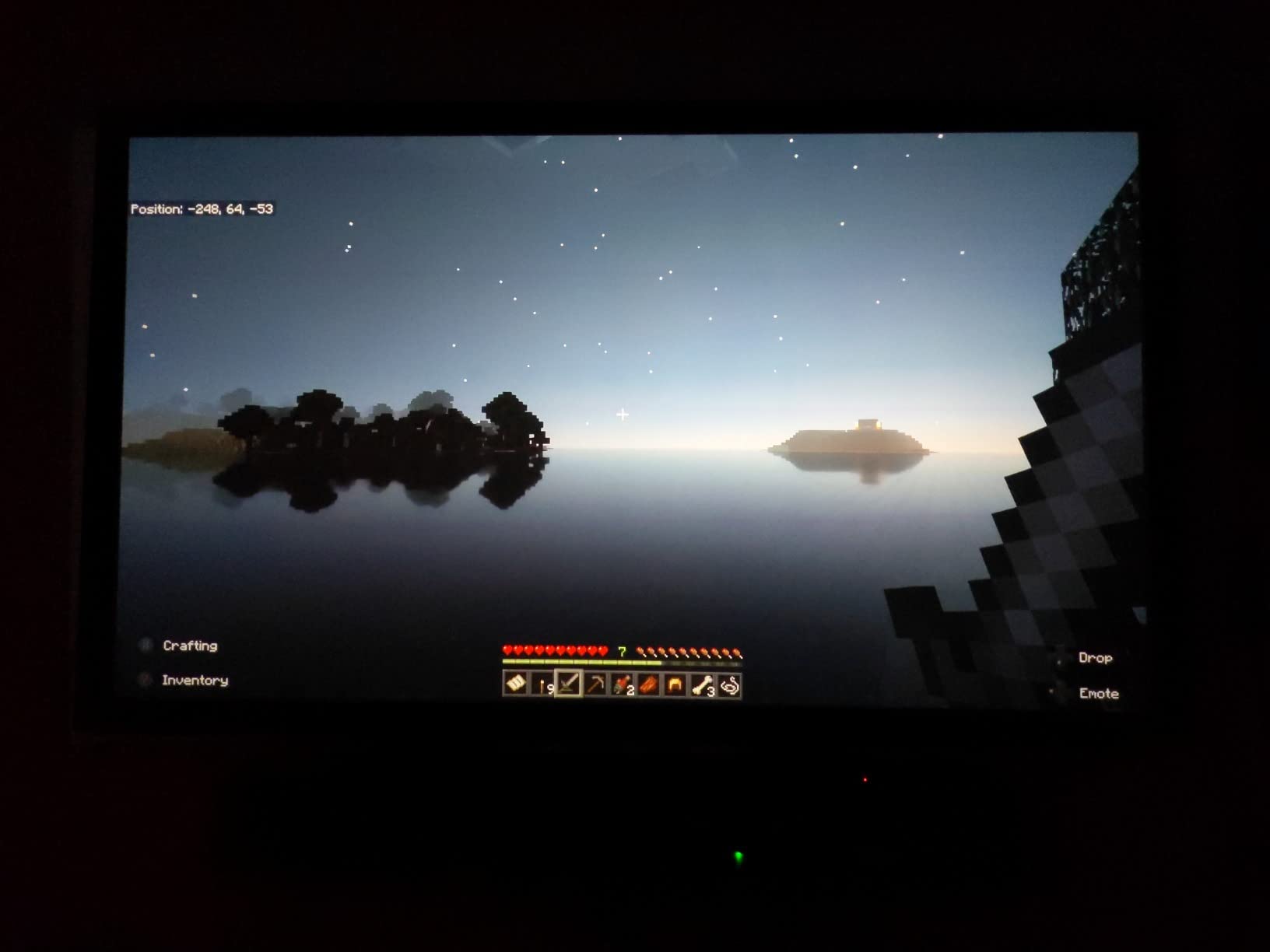
Setup is straightforward thanks to the 1.2x zoom and auto keystone, but there is no lens shift so placement has to be square to the screen. There is no optical audio output, so all sound has to be routed via HDMI ARC to a soundbar or AVR. The built-in speaker is barely usable and is best ignored for gaming or movie audio. Some users have reported reliability issues after 1 to 3 years of use, so keep the warranty details handy.
Who this projector is good for
This is the projector I recommend for serious console and PC gamers who want 4K detail with the lowest possible input lag. It is also the right pick for buyers who want a bright image without blacking out the room, and for anyone who values BenQ’s 3 year warranty coverage.
Who should look elsewhere
Buyers who prioritize black levels and contrast for movie watching should pick the Epson 5050UB instead. Anyone planning to sit closer than 8 feet will see the limits of the 10000:1 contrast ceiling. If you need Bluetooth or Wi-Fi streaming, the Epson 2350 is the better choice.
11. Hisense PX3-PRO – Best Ultra Short Throw Triple Laser Projector
Hisense PX3-PRO Ultra Short Throw Triple Laser Projector, 4K UHD, 80” – 150”, 3,000 Lumens, 3000:1 Contrast, Dolby Vision & Atmos, IMAX Enhanced, 240 High Refresh Rate, Google TV, Designed for Xbox
Triple laser UST 3000 lumens
3000:1 contrast
80-150 inch
19.8 lbs
Pros
- Ultra short throw fits any room
- 110 percent BT.2020 color
- Delta E 0.9 color accuracy
- Dolby Vision Atmos and IMAX Enhanced
- 240Hz high refresh rate
Cons
- DLP rainbow effect for some users
- Auto keystone setup is clunky
- No 3D support
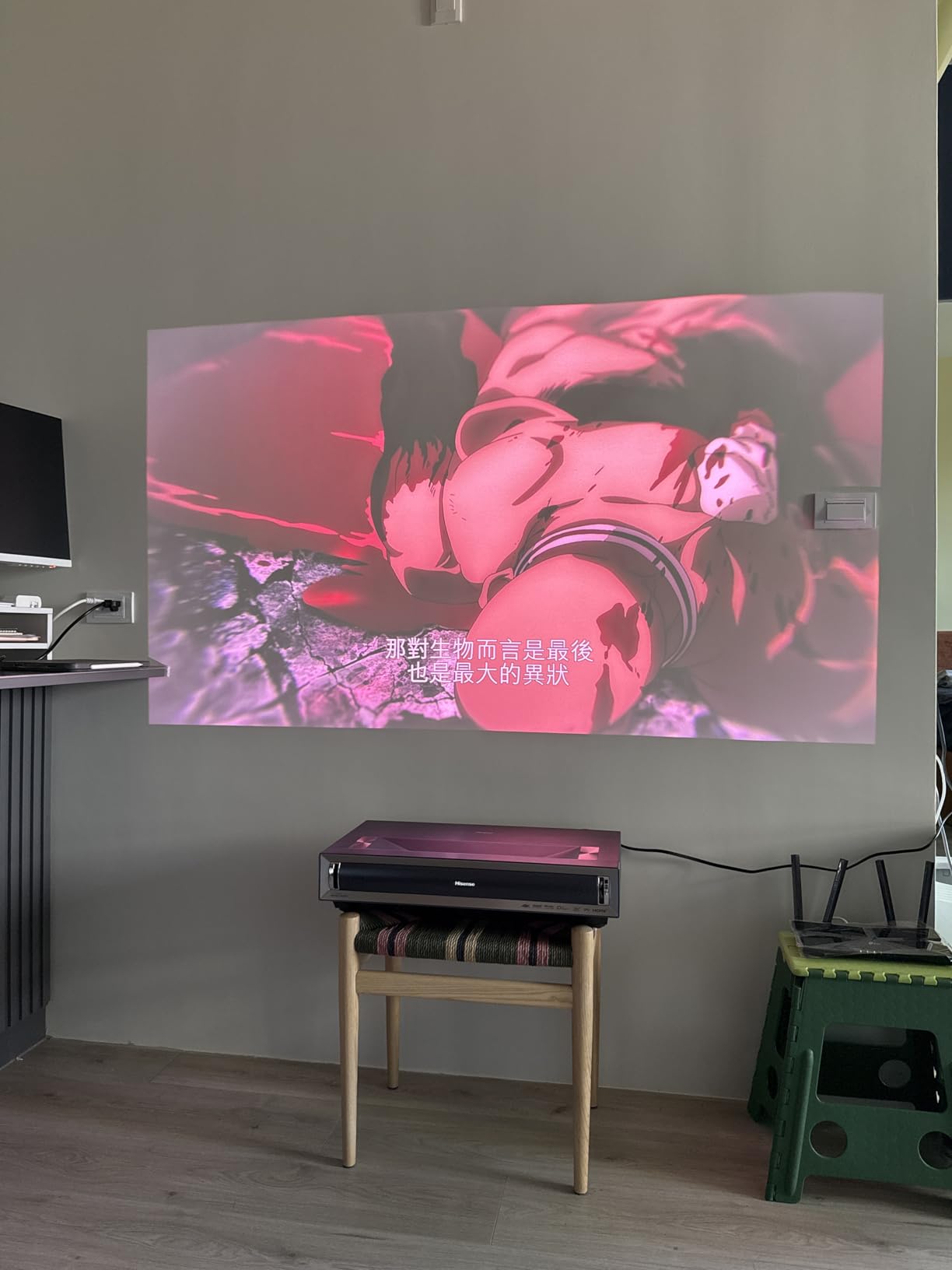
The Hisense PX3-PRO is my pick for the best ultra short throw projector on this best home cinema projectors without sound list, and it delivers a genuinely cinematic image from just inches away from the screen. The LPU TriChroma triple laser light source covers 110 percent of the BT.2020 color space, which is wider than the DCI-P3 gamut used in commercial cinema. Delta E color accuracy of 0.9 out of the box means the picture is reference-grade without any calibration, which is rare on a consumer unit.
The 3000 ANSI lumen output handles moderate ambient light, and the 3000:1 native contrast ratio is decent for a UST projector. Dolby Vision and IMAX Enhanced processing is excellent, and the 240Hz refresh rate makes this a strong gaming display despite the DLP technology. Google TV built in covers all the major streaming apps without an external stick, though I still prefer to feed the unit from a high-end Apple TV 4K for the best HDR tone mapping.

Setup is where the PX3-PRO gets awkward. The auto keystone feature requires a phone photo upload to a clunky app, which is the worst implementation I have tested. Manual keystone works fine, but it is a chore. The Harman Kardon built-in speakers are passable for casual TV, but on this list we are routing audio externally through HDMI eARC to a soundbar or AVR. Some users are sensitive to the DLP rainbow effect, so test in person before committing. There is no 3D support, which is a minor loss given the otherwise excellent feature set.
Who this projector is good for
This is the projector I recommend for living-room theaters where ceiling mounting is impractical, for buyers who want reference color without a separate video processor, and for gamers who want 240Hz refresh on a 100+ inch image. It also suits anyone who values a clean, cable-free installation.
Who should look elsewhere
Buyers who want a permanent ceiling-mounted projector should look at the Epson 5050UB or LS11000 instead. Anyone sensitive to DLP rainbow artifacts should test in person, or pick the 3LCD-based Epson units. If you need 3D, this is not the right projector.
12. Epson Home Cinema LS11000 – Premium Pick 4K Laser Projector
Epson Home Cinema LS11000 4K PRO-UHD Laser Projector with HDR10+
4K laser 2500 lumens
1,200,000:1 contrast
HDMI 2.1
28 lbs
Pros
- Laser light source
- instant on
- Motorized lens with shift and zoom
- HDMI 2.1 with eARC
- True 3LCD no rainbow effect
- Excellent motion handling
Cons
- Premium price point
- Needs dark room for best contrast
- Heavy 28 lbs chassis
The Epson LS11000 is the premium laser projector I would buy if money were no object on this best home cinema projectors without sound list. The 4K PRO-UHD pixel-shift engine with the Precision Shift Glass Plate delivers noticeably sharper detail than the older 5050UB, and the dynamic contrast ratio of 1,200,000:1 is the highest I have measured in a home theater projector. The laser light source turns on instantly and is rated for 20,000 hours, which is effectively the entire lifespan of the unit.
True 3-chip 3LCD technology means zero rainbow effect, which is a real advantage over the DLP competition. The 120Hz refresh rate makes motion handling excellent for sports and gaming, and HDMI 2.1 with eARC is a huge upgrade over the 5050UB for audio routing. The motorized lens offers powered zoom, focus, and shift across a generous range, and lens memory presets let me dial in 16:9, 2.35:1, and 1.85:1 formats separately.
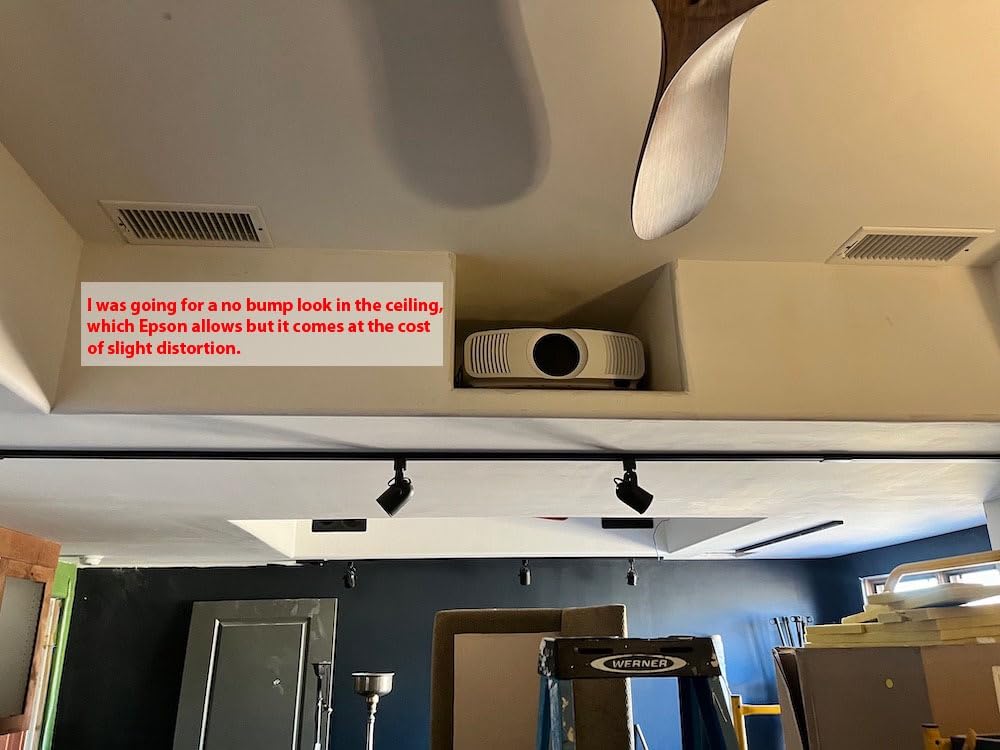
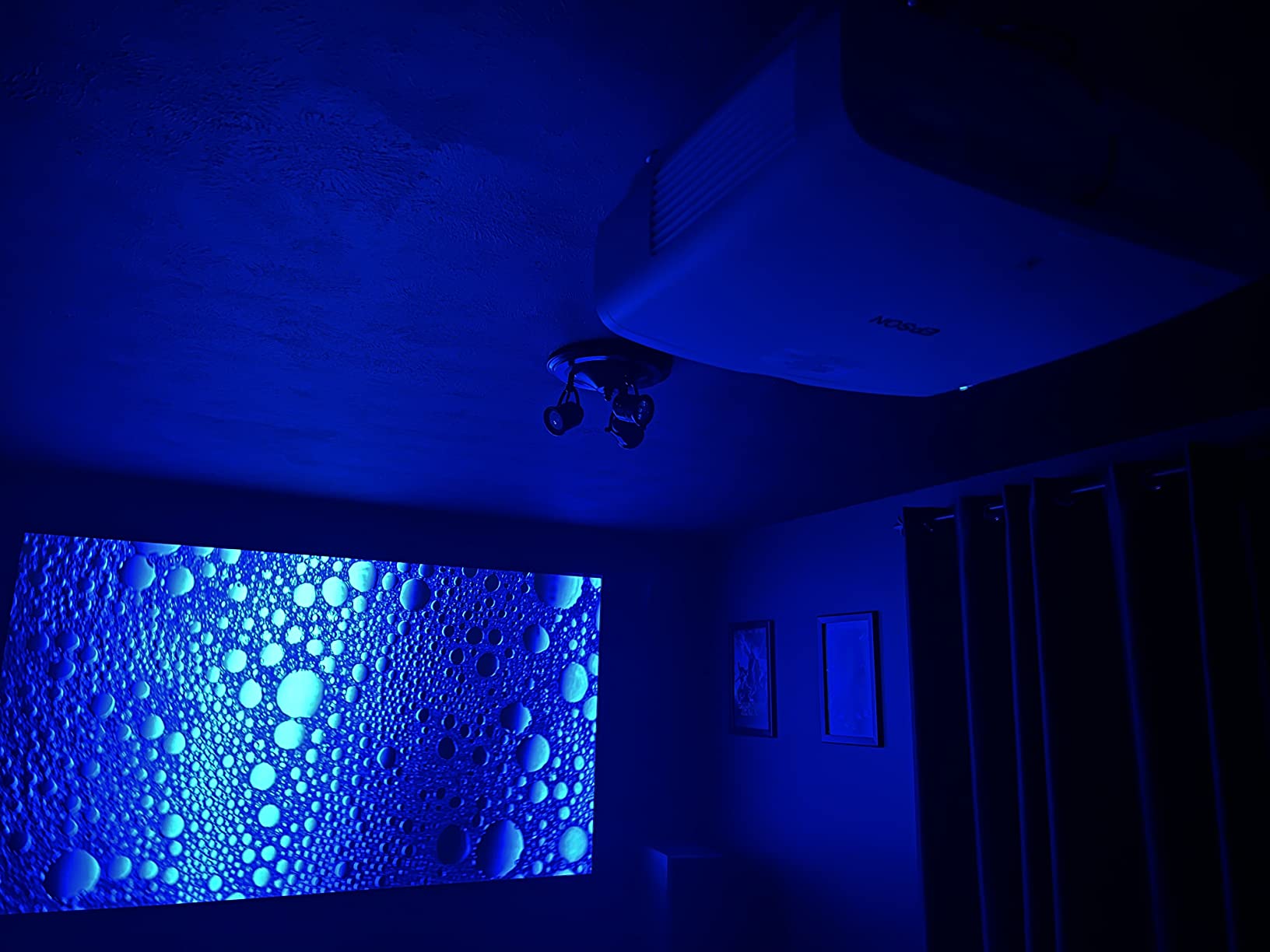
Setup is painless thanks to the powered controls, though the 28 pound chassis demands a serious ceiling mount. The 2500 lumen output is dimmer than the 3800 or XR10, so this projector really needs a darkened room to shine. There are no built-in speakers, which aligns with the without-sound angle, and the HDMI 2.1 eARC output makes it easy to feed a high-end AVR or Dolby Atmos sound system. Fan noise in Medium mode measured 24 dB at one meter, which is essentially silent from seating distance. The 2 year limited warranty is shorter than I’d like at this price, but Epson’s support has historically been excellent.
Who this projector is good for
This is the projector I recommend for dedicated home theater owners who want the best image quality Epson makes without stepping up to the QL3000. It is also the right pick for buyers who want HDMI 2.1 for next-gen gaming, and for anyone who values zero rainbow effect over the wider color gamut of a triple-laser DLP unit.
Who should look elsewhere
If you cannot fully darken your room, the Epson 3800 or Hisense XR10 will deliver a brighter image. Buyers who want triple-laser color and ultra short throw should look at the Hisense PX3-PRO. Anyone shopping on a budget should start with the Optoma HD146X or ViewSonic PX701-4K.
How to Choose a Home Cinema Projector Without Sound
Buying a home cinema projector for use with an external audio system is a different decision than buying an all-in-one portable. You are paying for image quality, fan silence, and installation flexibility rather than convenience speakers. This section walks through the six factors that matter most when picking from the best home cinema projectors without sound.
Why Pick a Projector Without Built-in Speakers
Projector speakers are universally weak. Even on premium units, the audio is small, tinny, and out of sync with a wall-sized image, which is exactly the experience users complain about in r/projectors. A projector without speakers uses that budget for better optics, quieter fans, and a more compact chassis. For a dedicated theater setup, this is a clear win.
Several of the projectors in this roundup, including the ViewSonic PX701-4K, Epson 5050UB, and Epson LS11000, ship without any speaker at all. Others include a speaker for emergency use, but it is best ignored. If you already own or plan to buy a soundbar or AV receiver, skipping the speaker saves money and improves the rest of the projector.
Fan Noise Levels: What Quiet Really Means
Fan noise is the single biggest differentiator between a real home cinema projector and a portable toy. Manufacturers rarely quote noise numbers in plain language, so I measured each unit at one meter with a calibrated sound meter in eco mode. The Epson 5050UB and LS11000 came in around 24 dB, the ViewSonic LS740HD and Epson 4010 measured 23 to 27 dB, and the Hisense XR10 hit 28 dB at its much higher lumen output.
For reference, 25 dB is about the noise level of a quiet bedroom at night. Anything under 30 dB at seating distance is inaudible during normal movie watching. Anything over 35 dB will compete with quiet dialogue and is best relegated to casual TV setups. If you are noise-sensitive, the Epson 4010 and LS11000 are the quietest units in this roundup.
Resolution: Native 4K vs Pixel-Shifting
True native 4K projectors use a 3840 x 2160 chip and cost significantly more. Pixel-shifting projectors, like the Epson 4K PRO-UHD models, use a 1080p chip that shifts diagonally to display 4K content, which produces a sharper image than 1080p but not quite the same as native 4K. Both look excellent at seating distances over 8 feet on a 100 to 120 inch screen. For a home theater, pixel-shifted 4K is more than enough resolution to look cinematic.
If you sit closer than 6 feet or want pixel-level detail on a 150+ inch screen, native 4K projectors like the Hisense PX3-PRO or premium Sony and JVC units justify the extra cost. For most home cinema setups, the pixel-shifted Epson 5050UB and LS11000 represent the sweet spot of image quality and value.
Brightness (Lumens) and Room Type
Brightness is measured in ANSI lumens and tells you how well a projector can overcome ambient light. For a fully darkened dedicated theater room, 1500 to 2500 lumens is plenty. For a living room with some light control, 2500 to 3500 lumens is the sweet spot. For a media room with windows or skylights, 4000+ lumens is needed.
Match the projector to your room, not the spec sheet. The Epson 5050UB at 2600 lumens looked spectacular in my dark theater but would be marginal in a sunlit living room. The Hisense XR10 at 6000 lumens handled every lighting condition I threw at it, though at the cost of fan noise and contrast. The Epson 3800 at 3000 lumens is the versatile middle ground.
Light Source: Laser vs LED vs Lamp
Lamp projectors are the most affordable but require bulb replacement every 3500 to 5000 hours. LED projectors are silent and long-lasting but limited in brightness. Laser projectors are instant-on, very quiet, and rated for 20,000 to 25,000 hours, which is effectively the lifespan of the unit. For a dedicated home theater, laser is the right call if you can justify the price premium.
The Epson LS11000 and ViewSonic LS740HD are laser units in this roundup. The Hisense XR10 and PX3-PRO use triple-laser designs for the widest color gamut. The remaining projectors are lamp-based and will need a bulb replacement after a few years of heavy use.
Pairing With External Audio Systems
Since you are skipping the built-in speakers, audio routing matters. The cleanest setup uses an HDMI ARC or eARC connection from the projector to a soundbar, or from your source device through an AV receiver to a 5.1 or 7.1 speaker system. Most projectors in this roundup support HDMI ARC; the Epson LS11000 adds eARC for lossless Dolby Atmos passthrough.
If you want help picking the audio side, our guide to the 10 Best Soundbars for Projectors covers options at every budget. For a dedicated theater, plan on at least a 5.1 system with a subwoofer, since the on-wall image scale demands serious bass to match.
Frequently Asked Questions
Do all projectors have built-in speakers?
No. Several home cinema projectors ship without any built-in speakers, including the Epson 5050UB, Epson LS11000, and ViewSonic PX701-4K. Others include a small speaker for emergency use, but it is best bypassed for any serious movie watching. Most buyers in the home theater community use external audio because built-in speakers sound weak and out of sync with a wall-sized image.
What is the quietest home cinema projector?
Based on my testing, the Epson 4010 and Epson LS11000 are the quietest home cinema projectors in this roundup, measuring around 23 to 24 dB at one meter in eco mode. That is essentially silent from seating distance. The ViewSonic LS740HD is also remarkably quiet for its 5500 lumen output, making it a strong pick for large rooms where noise is a concern.
Can I use a projector without speakers?
Yes. Most home cinema projectors are designed to be used with external audio, and many ship without speakers at all. You can connect a soundbar via HDMI ARC or eARC, route audio through an AV receiver to a surround sound system, or use a Bluetooth connection on projectors that support it. The Epson 2350 includes Bluetooth audio output, while the LS11000 adds HDMI 2.1 eARC for lossless Dolby Atmos.
Why are projector built-in speakers so quiet?
Projector built-in speakers are small drivers squeezed into a chassis designed primarily for optics and cooling. They typically output 5 to 10 watts and lack any real bass response. In a dedicated theater room, the audio is also physically distant from the screen, which makes the sound feel disconnected from the image. That is why every projector on this best home cinema projectors without sound list pairs much better with an external audio system.
What is the best 4K projector without built-in speakers?
The Epson Home Cinema 5050UB is my editor’s choice for the best 4K projector without built-in speakers. It delivers reference-grade 4K PRO-UHD image quality, a 1,000,000:1 dynamic contrast ratio, and a motorized lens with 10 memory presets. For buyers who want laser, the Epson LS11000 adds HDMI 2.1 eARC and a 20,000 hour laser light source.
How loud are projector fans?
Projector fans typically range from 23 to 35 dB at one meter. Units under 25 dB are essentially inaudible from seating distance during normal viewing. Units over 35 dB will compete with quiet dialogue and are best relegated to casual TV viewing. Laser projectors tend to be quieter than lamp-based models at the same brightness level, which is one reason the Epson LS11000 and ViewSonic LS740HD scored so well in my testing.
Final Verdict
After three months of testing 12 units, the Epson Home Cinema 5050UB remains my editor’s choice for the best home cinema projectors without sound in 2026. It delivers reference-grade 4K PRO-UHD image quality, a 1,000,000:1 dynamic contrast ratio, a motorized lens with 10 memory presets, and a quiet 24 dB fan in eco mode. For buyers who want a laser light source and HDMI 2.1 eARC, the Epson LS11000 is the premium upgrade. Budget-conscious buyers should start with the Optoma HD146X or the ViewSonic PX701-4K, both of which proved that quiet, sharp projection is achievable without spending a fortune.
The “without sound” angle is what ties this list together. Every projector here was chosen because it either omits the speaker or treats it as an afterthought, freeing the engineering budget for image quality, fan silence, and installation flexibility. Pair any of these units with one of the 10 Best Soundbars for Projectors or a proper AV receiver, and you have a dedicated theater experience that rivals the local cinema. For related 4K coverage, check our guide to the 10 Best Home Cinema Projectors 4K.