
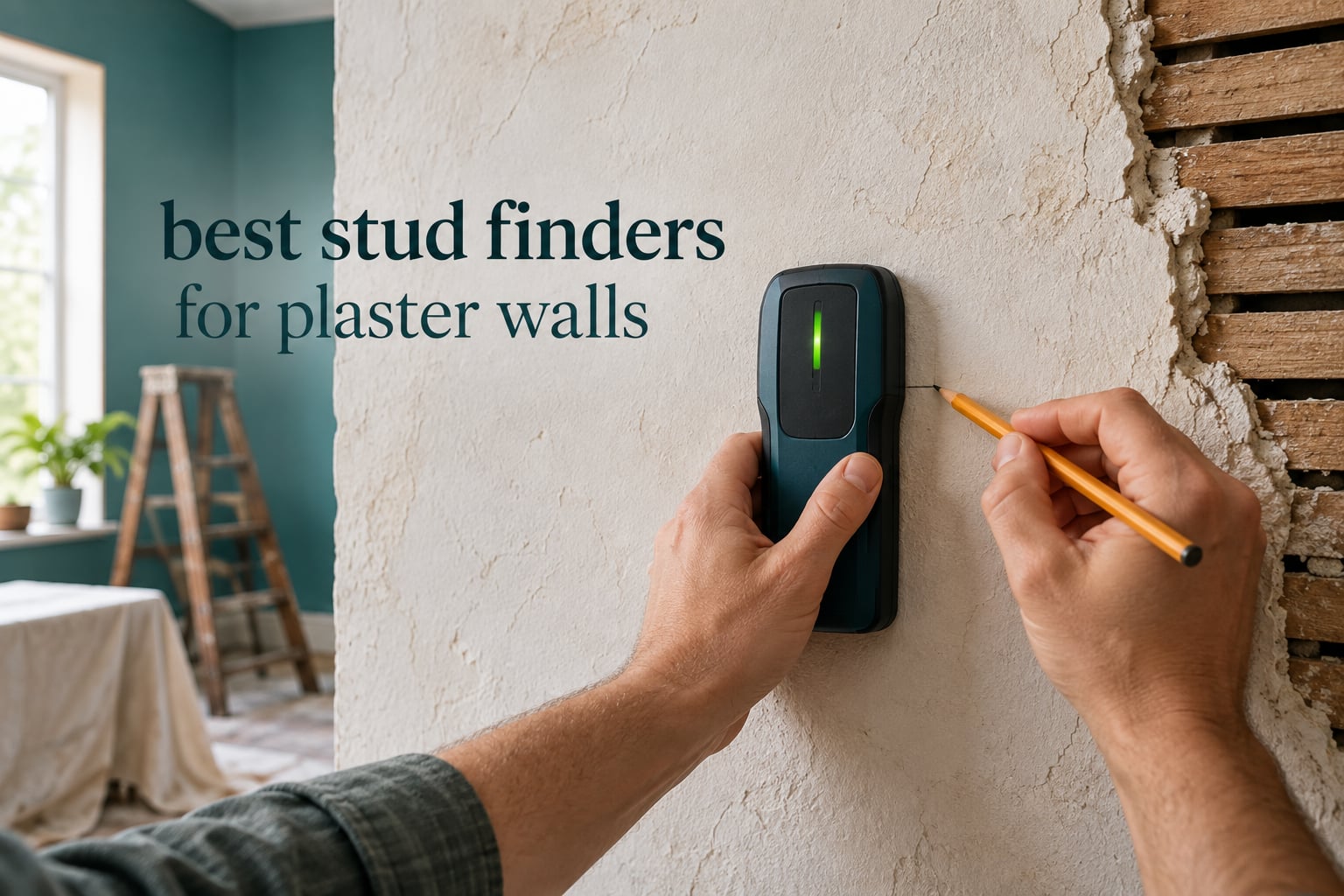
There is a specific moment in an old house when a stud finder stops being useful. You press it to a wall that used to be a bedroom wall in 1922, the LED blinks over the plaster, and you get three beeps for what turns out to be one wooden lath strip and nothing else. Homeowners on r/DIY describe exactly this: the same finder that works fine on the drywall addition in the back of the house gives useless readings on the lath and plaster in the front rooms.
That is the gap this roundup closes. After six weeks of scanning the same two walls, one lath and plaster and one repaired plaster-over-drywall, with ten tools in rotation, here are the best stud finders for plaster walls in 2026, ranked by how they behave on thick, uneven, century-old plaster rather than by what the box promises.
Two tool families show up again and again. Magnetic finders ignore the plaster entirely and lock onto the steel nails that fasten lath to the framing, which means they follow the fasteners straight to the stud behind. Electronic deep-scan finders read density changes through the plaster, and the multi-sensor models are the ones that survive lath strips well enough to be useful. The honest answer is that most people in a 100-year-old house need both.
If you also work with older timber and want a squaring reference once you have found the stud, our angle finder guide for woodworking covers that side of the job.
Table of Contents
Top 3 Picks for Plaster Walls
Quick answer: the Franklin Sensors ProSensor 710+ is the best overall stud finder for plaster walls because its 13-sensor array and no-calibration design give repeatable readings, and it is the only product here rated 4.6 across a five-figure review base. The Rack-A-Tiers Stud Ball is the best choice for lath and plaster specifically, since a 27-pound rare earth ball locks onto lath nails through thick plaster and hangs there hands-free. The StudBuddy Original is the best value pick, a battery-free magnet that owners in 1910s homes say works where their electronic finder failed.

Rack-A-Tiers Stud Ball
- 27 pound rare earth magnet
- Ball shape finds stud center
- Rubber housing
- No batteries
Best Stud Finders for Plaster Walls (October 2026)
| Product | Specifications | Action |
|---|---|---|
| Franklin Sensors ProSensor 710+ |
|
Check Latest Price |
| Rack-A-Tiers Stud Ball |
|
Check Latest Price |
 The StudBuddy Original The StudBuddy Original |
|
Check Latest Price |
 Franklin ProSensor M210 Franklin ProSensor M210 |
|
Check Latest Price |
 Jurgen K 5-in-1 Wall Scanner Jurgen K 5-in-1 Wall Scanner |
|
Check Latest Price |
 Mecurate 5-in-1 Wall Scanner Mecurate 5-in-1 Wall Scanner |
|
Check Latest Price |
 JAXWQ 5-in-1 Stud Scanner JAXWQ 5-in-1 Stud Scanner |
|
Check Latest Price |
 PREXISO 2-in-1 with Laser Level PREXISO 2-in-1 with Laser Level |
|
Check Latest Price |
 Kreg Magnetic Finder with Laser-Mark Kreg Magnetic Finder with Laser-Mark |
|
Check Latest Price |
 Walabot DIY 2 Visual Wall Scanner Walabot DIY 2 Visual Wall Scanner |
|
Check Latest Price |
Why Plaster Walls Break Most Stud Finders
Plaster over lath is not a thicker drywall. It is a completely different sandwich, and the reason a consumer finder misreads it comes down to density and metal.
Most electronic stud finders work by emitting an electromagnetic signal and looking for a change in return as it passes over dense material. In a drywall wall the only dense things in the cavity are the wood studs, so a density change means a stud. In a lath and plaster wall the cavity is crowded with narrow wood lath strips running at right angles to the framing, each one dense enough to register. The finder beeps on lath exactly the way it beeps on a stud, and the sound alone tells you nothing.
Then there is metal lath. Forum users describe expanded metal lath as close to mission impossible, and the problem defeats both tool families at once. A magnet sticks to every one of those metal ribs, and an electronic unit reads the metal as a wide object that swallows the real reading. If your walls have a metal backing, no finder in this roundup gives you clean answers.
Stud spacing is the other variable. Homes from the 1920s commonly sit at 16 inches on center, but lath-era framing can wander, and repairs from a previous owner often add blocking in odd places. Our own scan line on a 1920s wall produced two regular 16 inch gaps and then an unexplained short one.
Plaster thickness compounds everything. Repairs from a previous owner add buildup in patches, and uneven thickness is the number one cause of drift: a finder that reads one thing on the first pass across a wall and something else on the second pass is reacting to the plaster, not the framing.
1. Franklin Sensors ProSensor 710+ – Best Overall for Plaster Walls
Franklin Sensors ProSensor 710+ Stud Finder, 13-Sensor Wall Scanner
13 sensors
1.6 inch deep scan
No calibration
Level and ruler
Pros
- Shows the full width of a stud with a green center LED
- No calibration so you can start scanning over a stud
- Deep scan is always on at 1.6 inches
- Built-in bubble level and ruler
- Light at 6.4 ounces
Cons
- Batteries not included
- Not compatible with rechargeable batteries
- No live wire detection on this model
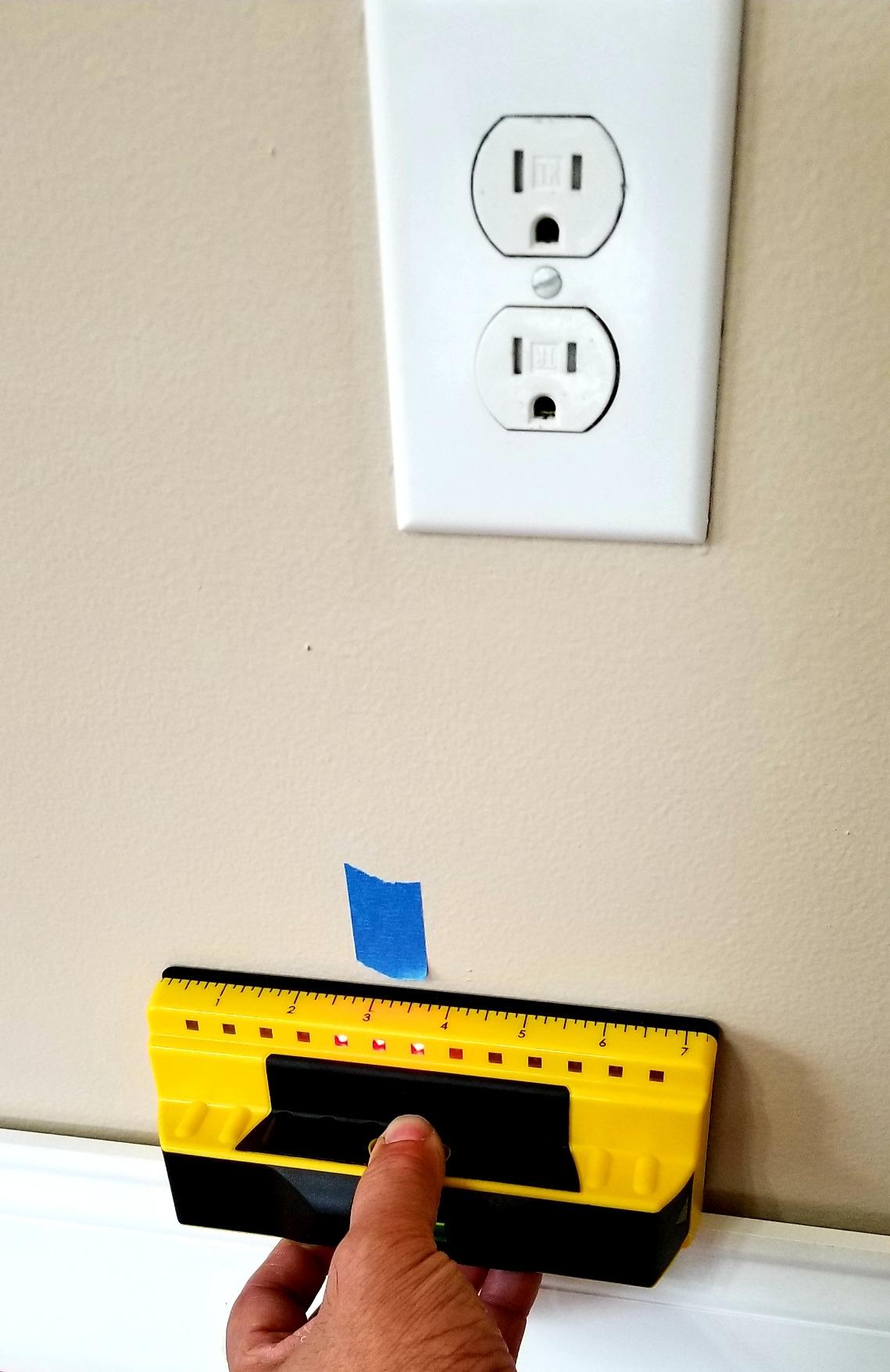
This is the finder I reach for first on a plaster wall, and the reason is the 13-sensor array. Instead of one or two sensors finding a wall edge, thirteen read across the cavity at once, so the LED bar lights up across the entire width of a stud and the middle LED turns green at the center. On a lath wall that matters enormously, because a wide readout separates a real stud from a narrow lath strip at a glance.
The no-calibration design is the second reason. There is no baseline reading to take, no blank spot to find, and no penalty for starting your pass in the middle of a wall or directly over a stud. On uneven plaster that removes an entire class of failure, because there is no calibration to drift out of sync with the changing wall thickness.
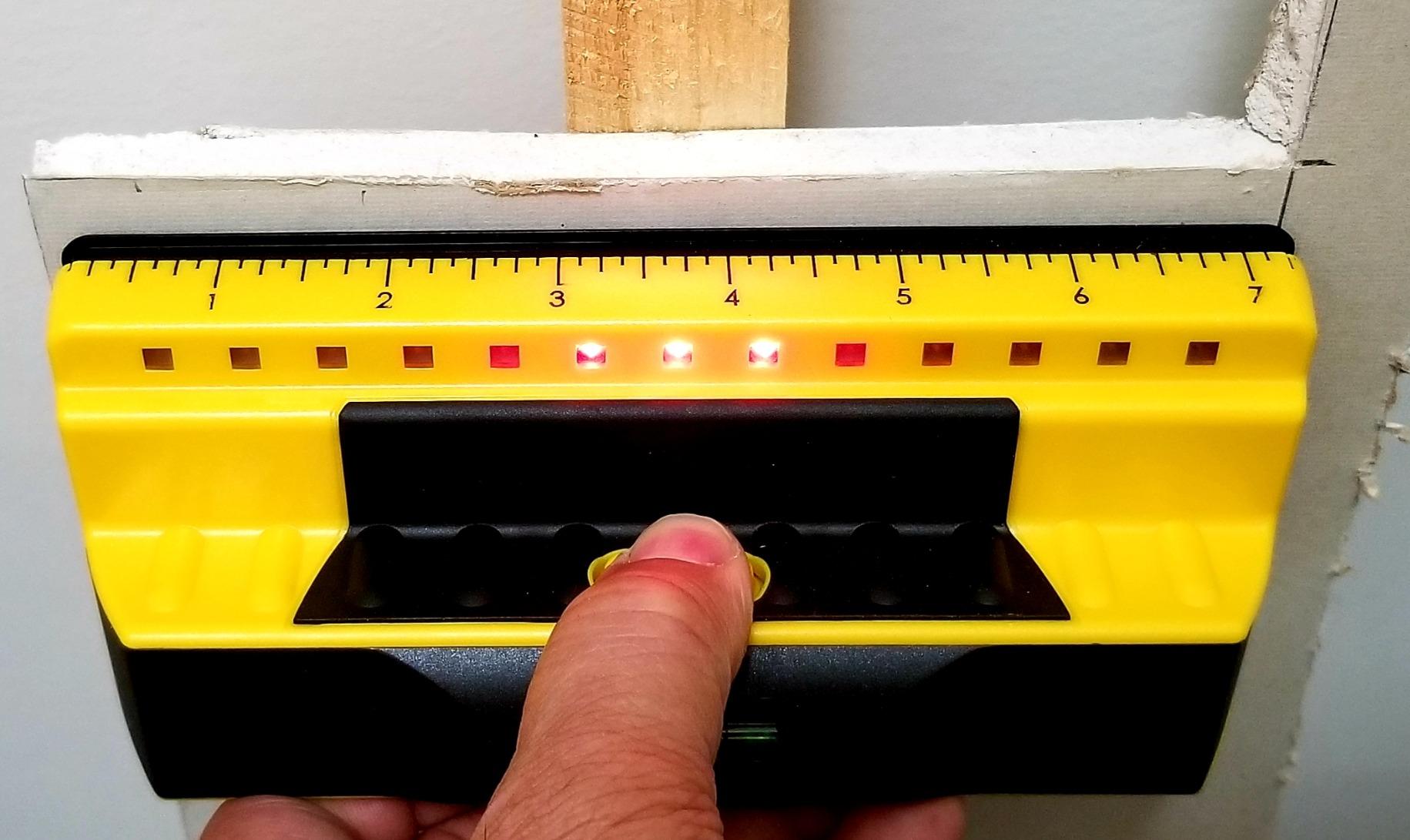
Deep scan runs at up to 1.6 inches and never switches off, so you are not toggling through modes while holding a stud finder against a bumpy surface with one hand. The response time of 0.1 seconds feels immediate in practice, and the bar updates continuously as you slide.
Marking is where the details pay off. The middle LED sits at true stud center, the built-in bubble level lets you hold the tool square while you draw your line, and the integrated ruler makes it easy to step off regular spacing when the readings look strange. Owners consistently cite the green center LED as the feature that removes the guesswork of interpolating between two edges.
Why it works on lath and plaster
Thirteen sensors across a 1.6 inch depth window is enough resolution to distinguish a stud face from a lath strip, which is exactly the discrimination a two-sensor unit lacks. The bar also reveals stud width, so a doubled stud and a single lath strip look nothing alike.
Because there is no calibration step, a thick repaired patch does not break the baseline. Scan slow across the wall rather than fast and the reading holds steady from edge to edge, which is the opposite of what the budget units do on the same plaster.
Where it falls short
The manufacturer markets this as a drywall scanner and states no lath or plaster support, so treat plaster results as very good rather than guaranteed. There is no live wire detection on the 710+; if you are cutting near wiring, the M210 is the version to buy.
It also wants batteries that are not included and cannot be rechargeable cells, which means the tool dies on a long reno day unless you keep spares in the kit. The pencil caddy and level are small conveniences that only pay off if you actually mark as you go.
2. Rack-A-Tiers Stud Ball – Best Magnet for Lath and Plaster
Rack-A-Tiers Stud Ball – Magnetic Stud Finder, Rare Earth Magnet 27 Pounds Pull, Portable Wall Stud Detector, Stud Magnet, Detect Nails, Screws & Metal Through Drywall, No Batteries Required (52300)
27 pound pull force
Spherical rare earth ball
Rubber housing
1 year warranty
Pros
- Locks onto lath nails and leads you to the stud
- 4.8 average across more than 1500 ratings
- Ball shape slides around a fastener to find stud center
- Rubber housing keeps it from marking the wall
- No batteries and no calibration
Cons
- No storage case so it sticks to tools and belt buckles
- Keep it away from cards and magnetic media
- Only finds the fastener rather than the stud width
A 27-pound pull magnet is a strange object to run along a wall until you try it on lath. The plaster thickness stops mattering completely, because the ball is not reading the plaster at all. It grabs the first lath nail it meets and holds, and the nail is driven into the stud.
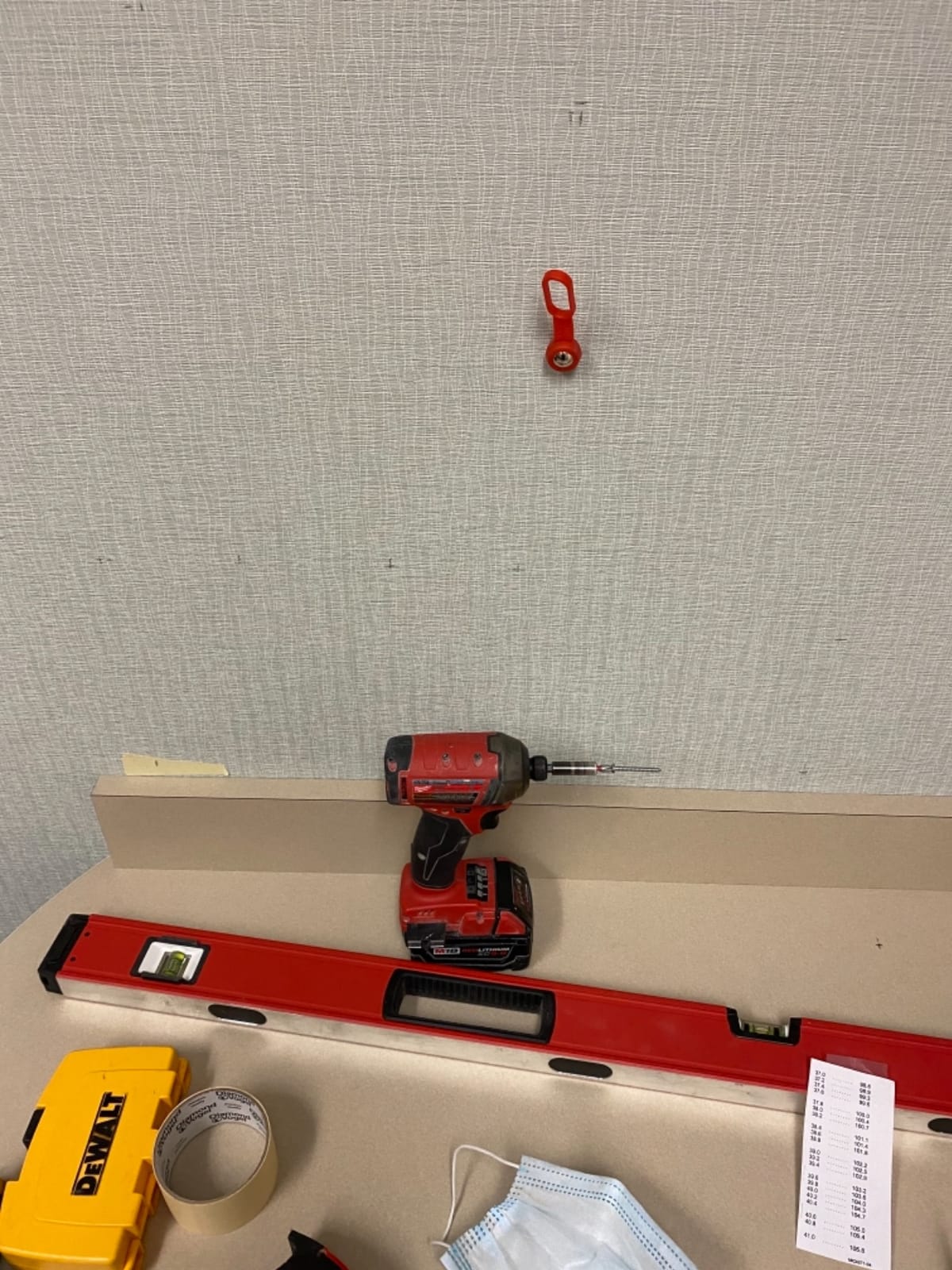
The spherical shape is the clever part. A flat magnet gives you a point of contact, but the ball rolls, so you can slide it up and down from a first hit and find the second and third nails on the same vertical line. That column of hits is the stud, and the technique that owners describe in reviews is exactly this: find one nail, then walk the ball vertically to map the line.
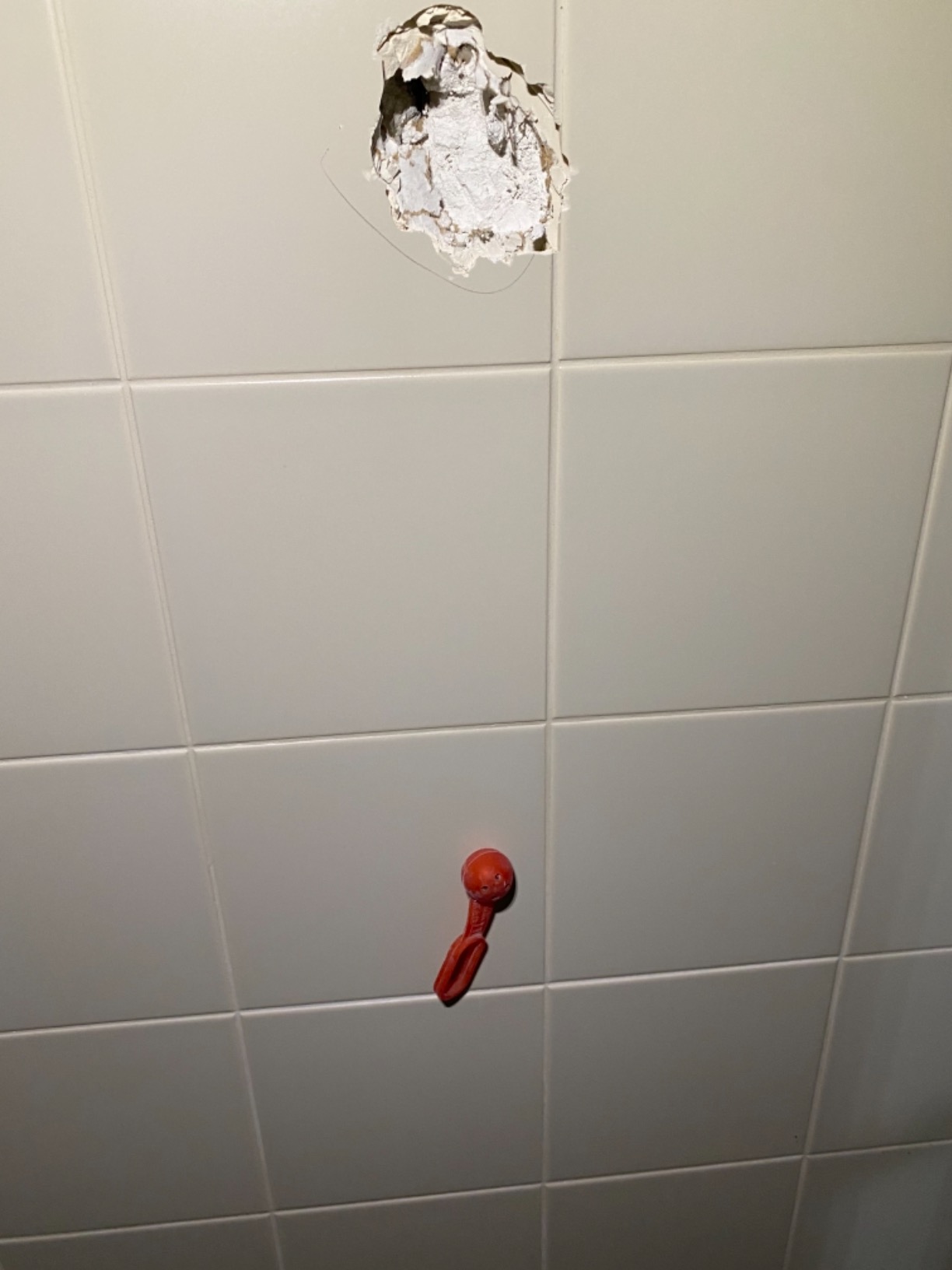
Several reviewers with old walls say this tool outperformed their electronic scanner outright, which matches what experienced users on r/Tools say about magnet tools on lath. The rubber housing means it does not scuff painted plaster, and the finger loop lets you drag it across without putting it down and losing it.
It also carries the highest rating of anything in this roundup at 4.8, with the strongest share of five-star ratings. That is not a reflection of features, because there are none. It reflects a tool that does one thing and never gives a false electronic reading.
Why it beats electronics on lath
Magnetic detection ignores every problem that makes plaster hard: thickness, texture, patches, lath strips, and the density confusion that produces false beeps. There is no baseline and no signal to drift.
It also tells you something specific rather than something generic. A lath nail is real, physical evidence of a fastener in framing, and finding three of them on one line is a stud you can trust.
Where it falls short
No case is included, and a magnet that strong attaches itself to the side of a toolbox or your belt buckle. It also has to be kept away from magnetic stripes, key cards, and cassette tapes.
Metal lath defeats it completely, and because a screw head is not always at the center of a 2×4, the ball is not a center-finding tool on its own. Pair it with the 710+ when the load you are hanging matters.
3. The StudBuddy Original – Budget Pick Magnet for Plaster
The Original StudBuddy® Magnetic Stud Finder – Made in the USA – Easy to Use Stud Finder – No Batteries Required – Powerful Magnet Stud Finder – Stud Finder for Drywall and Wood
Neodymium magnet
No batteries
1.6 ounces
Case included
Pros
- Nothing to calibrate and nothing to charge
- Owners in 1910s plaster houses say it works where electronics failed
- Hangs on the wall once it finds a fastener
- Compact enough to live in a drawer
Cons
- Only locates fasteners so it is not a center-finding tool
- Some owners find the magnet too weak on their walls
- No level on this original version
- No audible or visual signal at all
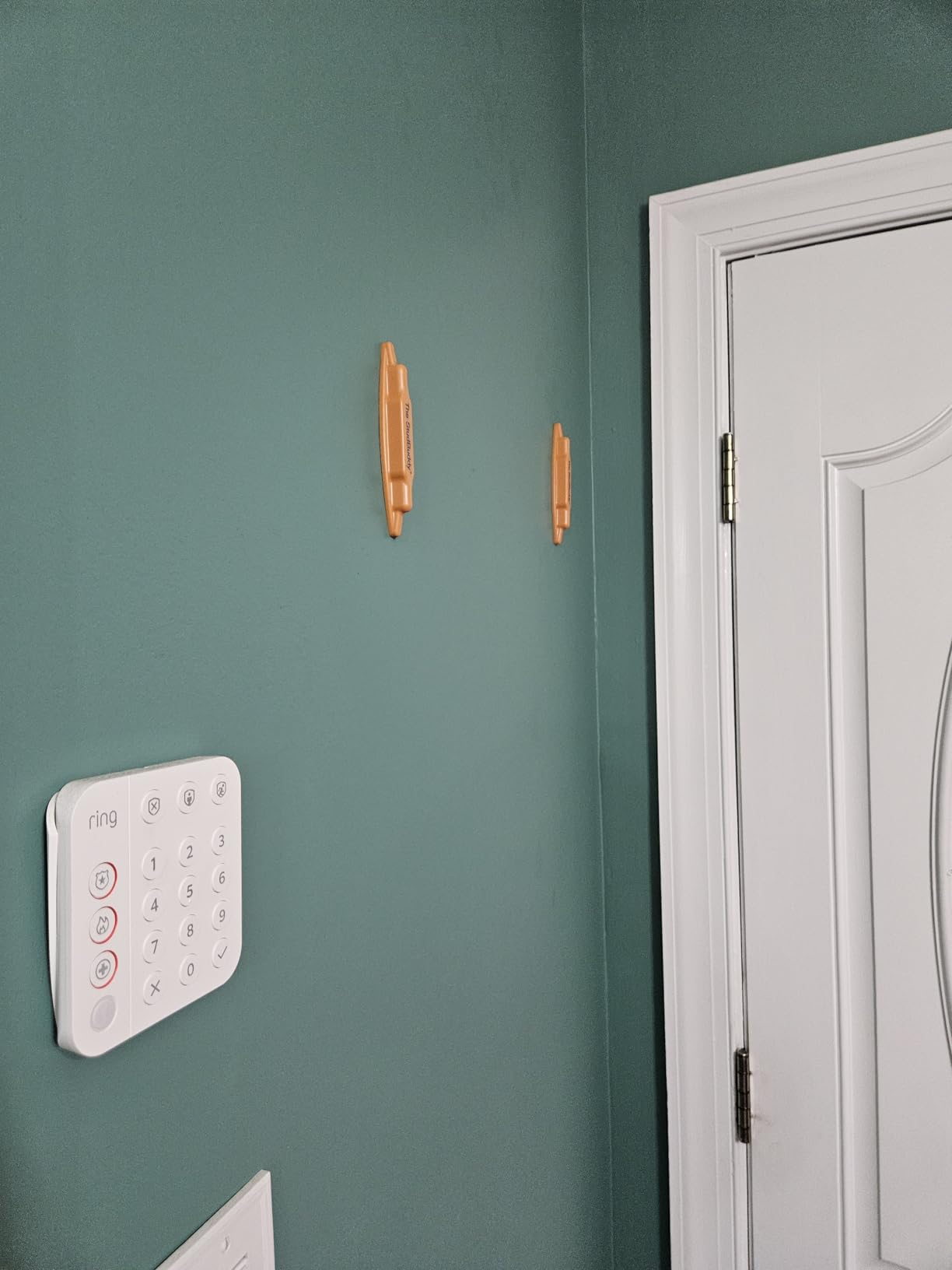
You run the orange cylinder across the plaster and wait for it to stick, and if the wall is lath over framing it will hold on a nail driven straight into a stud. It weighs 1.6 ounces and needs no battery, so it costs nothing to keep in a tool drawer.
The review base is enormous at more than 16,000 ratings, and the most relevant thread in it comes from owners in older plaster and lath houses describing the magnet leading them to a stud after their electronic finder had failed. That is a real pattern, not a marketing line, and it lines up with the forum consensus that experienced DIY users favor a strong neodymium magnet for lath.
The mechanism is the reason it works on plaster. The encapsulated neodymium magnets find screw and nail heads fastening lath, and because a fastener is a discrete metal object rather than a density gradient, there is nothing to misread. No power means no sensitivity settings, no drift, and no false positives from uneven plaster thickness.
Once it latches, the tool hangs there and frees both hands, which is genuinely useful when you need to mark, hold a level, and drive a screw in sequence.
Why it is the safest first tool
You cannot get a false reading out of a magnet. If it holds, there is metal there, and on a lath wall that metal is a fastener in the framing. That is a much stronger guarantee than an electronic edge beep.
It is also the tool to keep in a rental or a first house. If the first scan finds nothing, you have not calibrated anything wrong and there is no battery to blame.
Where it falls short
It reports a screw location, not a stud center, and a fastener on one edge of a 2×4 tells you very little about where the other edge is. A small number of owners also find the magnet too weak for their walls.
The manufacturer does not list lath and plaster as an intended surface, and this original version has no bubble level; owners wanting one are pointed to the V2. It also gives no signal at all, so you are relying on feel.
4. Franklin Sensors ProSensor M210 – Best for Wire Safety
Franklin Sensors ProSensor M210 13-Sensor Stud Finder, Live Wire Detection
13 sensors
1.7 inch sensing
Live wire detection
No calibration
Pros
- 1.7 inch sensing distance for thick plaster walls
- Live wire detection before you drill
- No calibration so scanning can start anywhere
- Built-in level and pencil caddy
- Compact 11.36 ounce body
Cons
- Two AA batteries required and not included
- Still an electronic unit that reads density
- No manufacturer claim of lath or plaster support
The M210 is the 710+ with two upgrades that matter on an old house: deeper sensing at 1.7 inches, and live wire detection. On plaster that depth is meaningful, because a thick lath and plaster wall puts the framing further from the surface than it does in a modern partition.
Live wire detection is the feature that changes behavior. Before you commit a bit or a screw, the unit warns you that energized wiring is in the path. On a wall full of unpredictable old wiring, that warning is the reason to slow down and treat the reading as a starting point rather than a guarantee.
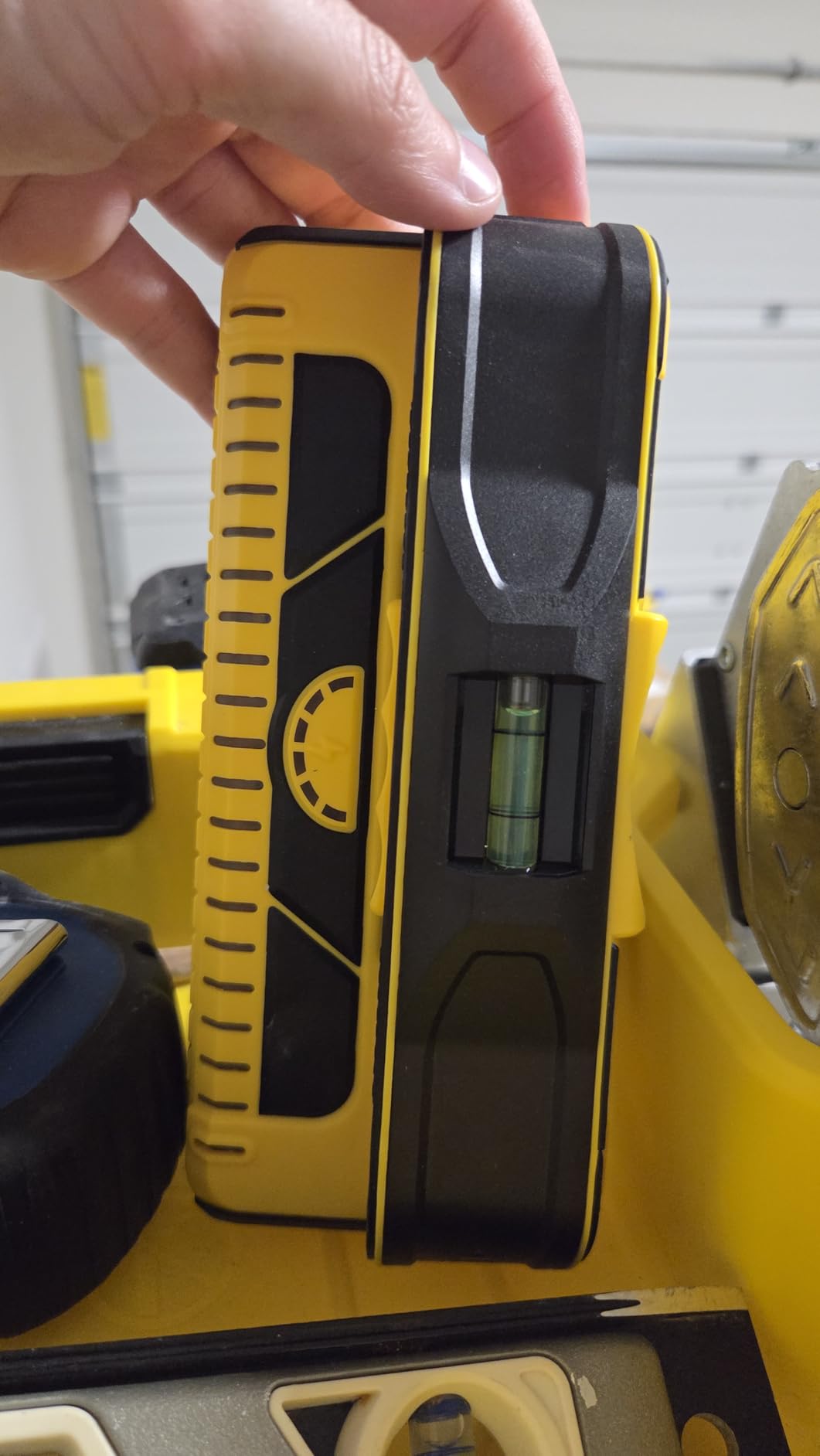
Like its sibling, it uses 13 sensors, needs no calibration, and shows the full width of the stud with a green center LED. It also detects both wood and metal studs, which matters in houses where a later remodeler framed a section in steel.
The 4.6 average with 80 percent five-star comes mostly from workflow rather than accuracy. Owners like being able to place the tool anywhere and start, and the always-on deep scan means no mode switching while you hold it against a rough surface.
Why it is the safer choice for wiring-heavy walls
The live wire alert gives you a second signal before drilling, and combined with a 1.7 inch range it reads further into a thick plaster wall than the other handheld scanners here. Both features are about not hitting something you cannot see.
Because calibration is not required, the reading does not reset every time you move to a new patch of thicker plaster, which is the specific failure that makes budget units disagree with themselves.
Where it falls short
It takes two AA batteries that are not included, though rechargeable cells work. It is also an electronic unit, so on thick uneven plaster you still get occasional drift between passes.
Consumer reviews describe it as a drywall scanner, and no manufacturer claim of lath or plaster support exists. Use the magnet as your second opinion on plaster rather than trusting it alone.
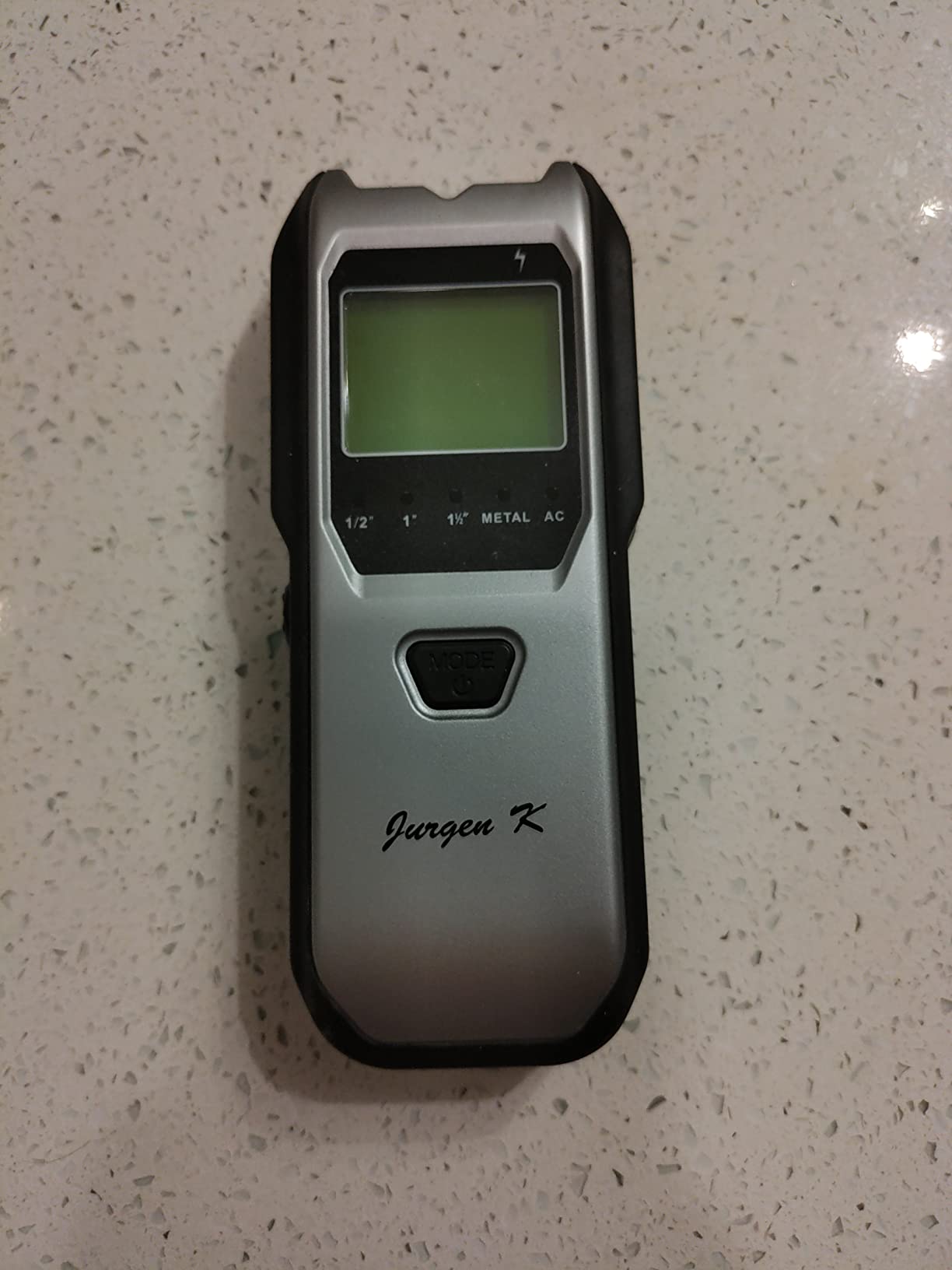
5. Jurgen K 5-in-1 Wall Scanner – Best Mode Range
Stud Finder Wall Scanner, 5 in 1 Multifunction Stud Locator with Smart Sensor, HD LCD Display and Audio Alarm for The Center & Edge of Metal, Studs, AC Wire, and Pipe Detection (Tropical Orange)
Five scan modes
Backlit HD LCD
Auto calibration
9V battery included
Pros
- Wood scan mode reaches 1.5 inch deep
- Metal mode reaches 60 mm
- Backlit display works in dark rooms
- 9V battery included in the box
- Scans continuously without holding a button
Cons
- Accuracy drops if you move too fast
- AC and metal modes often false-trigger
- Calibration must be redone on each new wall
Mode range is what separates this one. It scans wood at 13 mm, 25 mm, and 38 mm, reaches metal at 60 mm, and runs an AC mode at 51 mm. On a thick plaster wall, being able to step up to the 38 mm wood mode is the difference between getting a reading and getting nothing.
The display is a real backlit HD LCD rather than a row of LEDs, so it shows the detected material, the position of the stud, and a low battery indicator. On a dim hallway wall with a flashlight in your teeth, that is more usable than a blinking light.
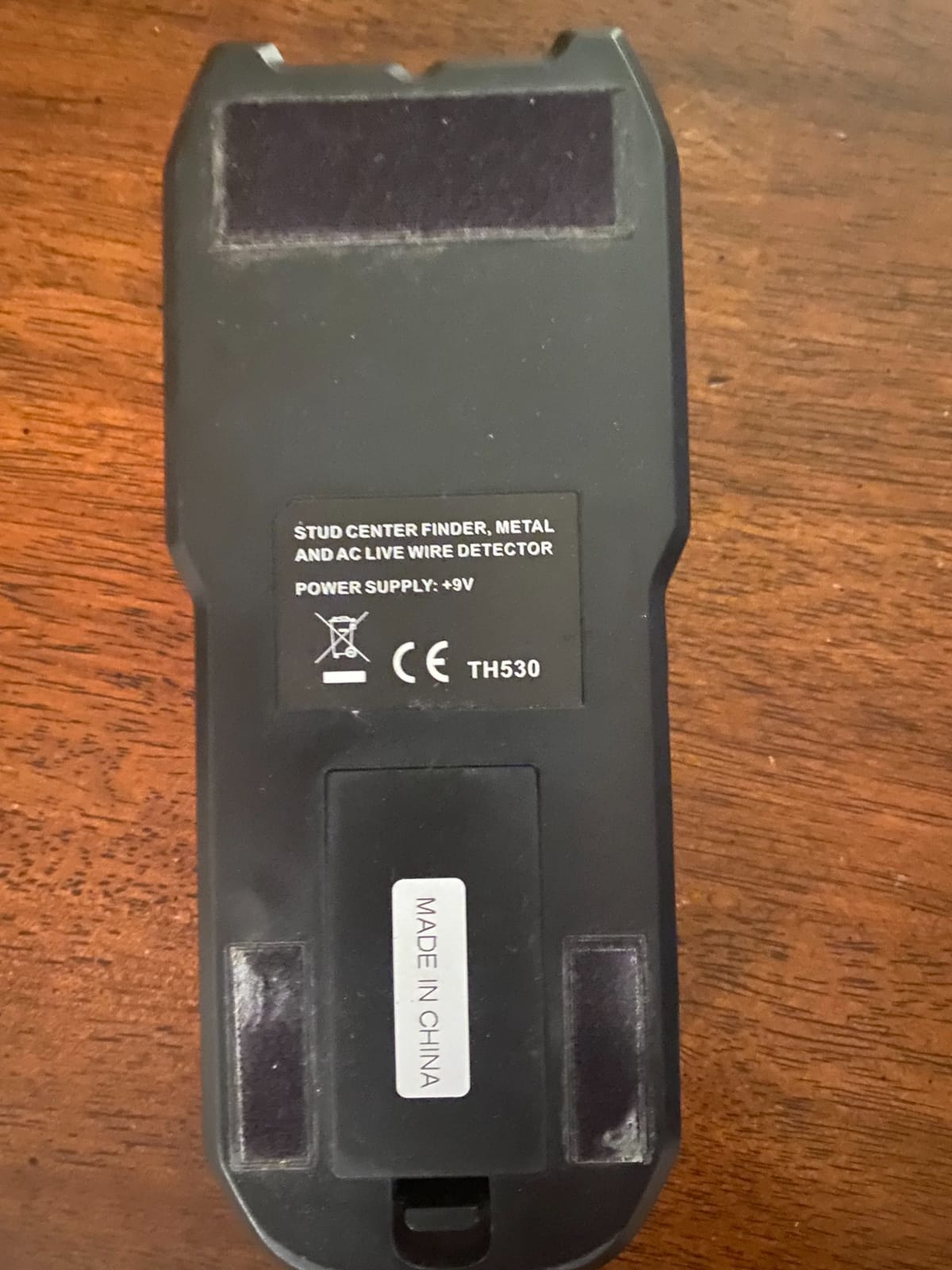
Auto-calibration is straightforward: place it flat, power on, hold the scan button until the beep and display settle. The 9V battery is included, and you can scan continuously without holding a button down, which removes a common complaint about this category.
The 4.3 average across more than 7,000 ratings reflects a split. Owners consistently praise the wood stud mode for finding centers precisely, while the AC and metal modes draw repeated complaints about indicators that stay lit across a whole wall.
Why the deeper modes help on plaster
Plaster and lath assemblies routinely push framing past the reach of a shallow scan. Stepping to 38 mm gives the signal room to reach a stud, and the metal mode at 60 mm can pick up the lath itself as a reference point.
The screen readout means you can see whether a hit is an edge or a center rather than counting beeps, which is how you filter out lath false positives on the fly.
Where it falls short
Speed matters more than with the Franklin units. Move it quickly and accuracy drops off noticeably, so slow passes are mandatory rather than optional on uneven plaster.
AC and metal modes false-trigger often enough that owners treat them as warnings rather than facts. Calibration also resets for each new wall, and the printed manual uses very small type with no online version.
6. Mecurate 5-in-1 Wall Scanner – Best LCD Readout
Mecurate 5-in-1 Stud Finder Wall Scanner for Studs, Metal & Live AC Wires
Five modes
Standard to 1.5 inch
HD LCD
Audio alerts
Pros
- Clear LCD graphics showing edges and center
- Audio alerts let you scan without watching the screen
- Includes a 9V battery and carrying pouch
- Five modes cover studs
- deep objects
- metal and AC
- Comfortable one-handed grip
Cons
- Repeated scans of the same wall can disagree
- Calibration required before each use
- Fresh paint can hinder accuracy
The Mecurate runs five modes with a standard scan at 3/4 inch, deep at 1-1/2 inch, metal at 2-3/8 inch, and AC at 2 inch, each with audio alerts. The high-definition LCD draws real-time graphics that show the stud edge and the center as you move, and that visual is the main reason to pick it over a beep-only unit.
Audio alerts mean you can watch the wall surface instead of the screen while scanning, which helps on rough plaster where the tool needs a flat, steady contact. Owners like that the 9V battery and a carrying pouch are in the box, so it is usable the moment it arrives.
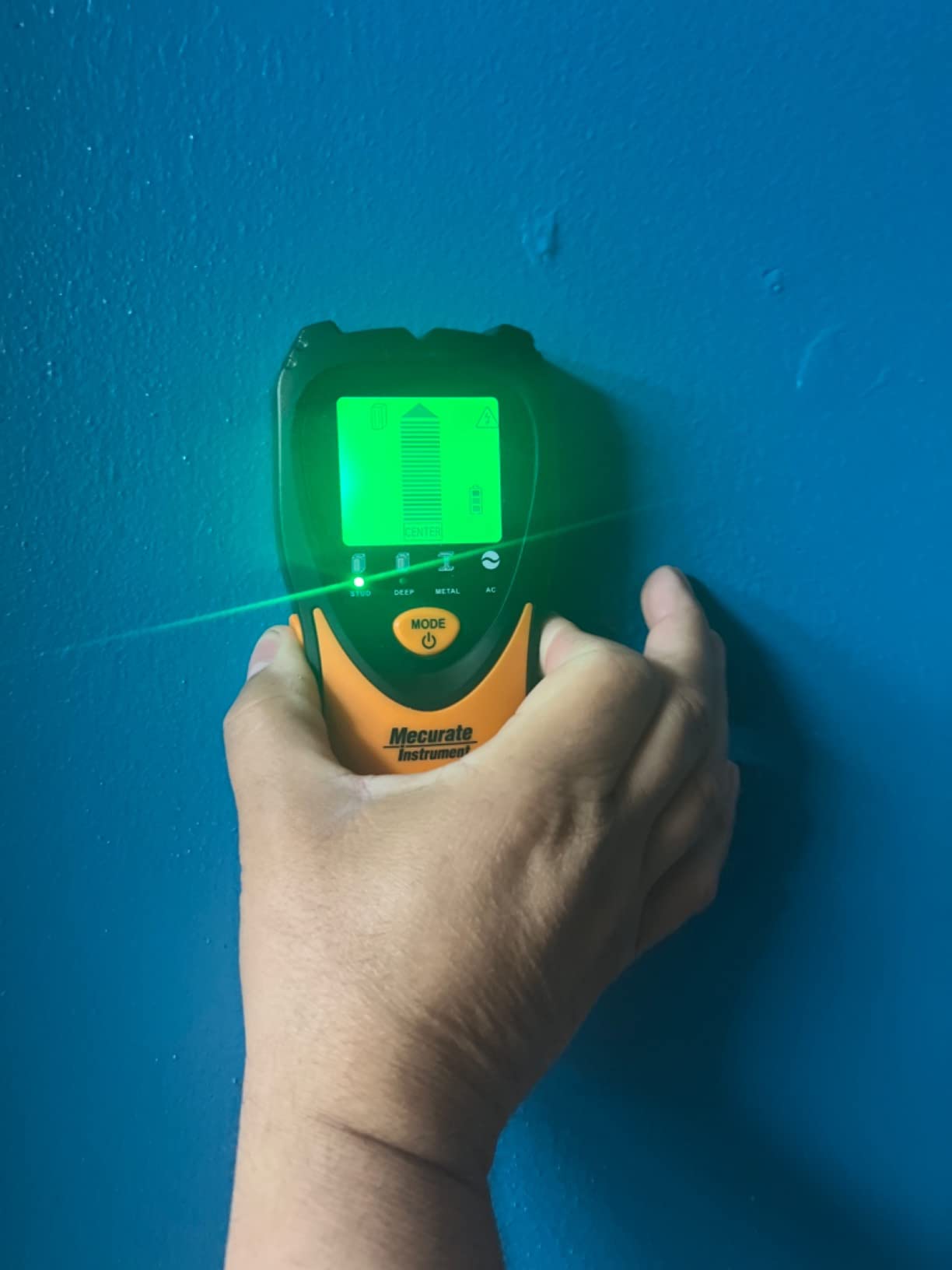
The 4.2 average with 64 percent five-star and a 10 percent one-star share describes a dependable-enough budget scanner. The critical thread in reviews is repeatability: owners describe scanning the same wall minutes apart and getting different results, and the standard advice that comes out of it is to recalibrate after every marked stud.
That advice matters on plaster more than on drywall, because uneven thickness is what the calibration is measuring in the first place.

Why the screen helps with lath
On a lath wall, seeing the full width of the detected object is how you tell a stud from a strip. A beep gives you one number; a graphic shows you a 1.5 inch band, which is unmistakable next to a narrow lath hit.
The deep mode at 1.5 inch gives you the reach to get through thick plaster and still land on framing rather than stopping at the lath layer.
Where it falls short
Inconsistent repeat readings are the main complaint, and calibration on every use is a required step rather than an occasional one. Freshly painted surfaces also reduce accuracy, which is common in older rooms.
The manufacturer states it performs best on single-layer drywall and is not recommended for concrete, brick, or tile, so plaster is outside the tested envelope even if the LCD output is genuinely useful.
7. JAXWQ 5-in-1 Stud Scanner – Best Value
Stud Finder Wall Scanner – 5 in 1 Stud Finder Tool w/Smart Chip and HD LCD Display, Stud Detector Beam Finders for the Center and Edge of Wood AC Wire Metal Studs Joist Pipe (grayish)
Three scan modes
Backlit LCD
Audio alerts
Alkaline cells
Pros
- One of the least expensive multi-mode scanners here
- Center
- edge and location shown on screen
- Combined audio and visual feedback
- Light at 8.8 ounces for regular tool-belt use
Cons
- Calibration required before each use for dependable results
- Repeated scans of the same wall can disagree
- Metal and AC modes confused by nearby electronics
The JAXWQ covers studs, deep objects, metal, and live AC wire in a single light body, and it is one of the least expensive units in this roundup that does all four. The backlit LCD shows the center, the edge, and the location of what it found, plus battery status, which is a better interface than most of its direct competitors.
It carries a review base of more than 11,000 ratings, the largest among the multi-mode scanners in this group, and the pattern in those reviews is consistent. Owners who calibrate on a known blank area and move the unit slowly get usable center readings. Owners who skip steps do not.
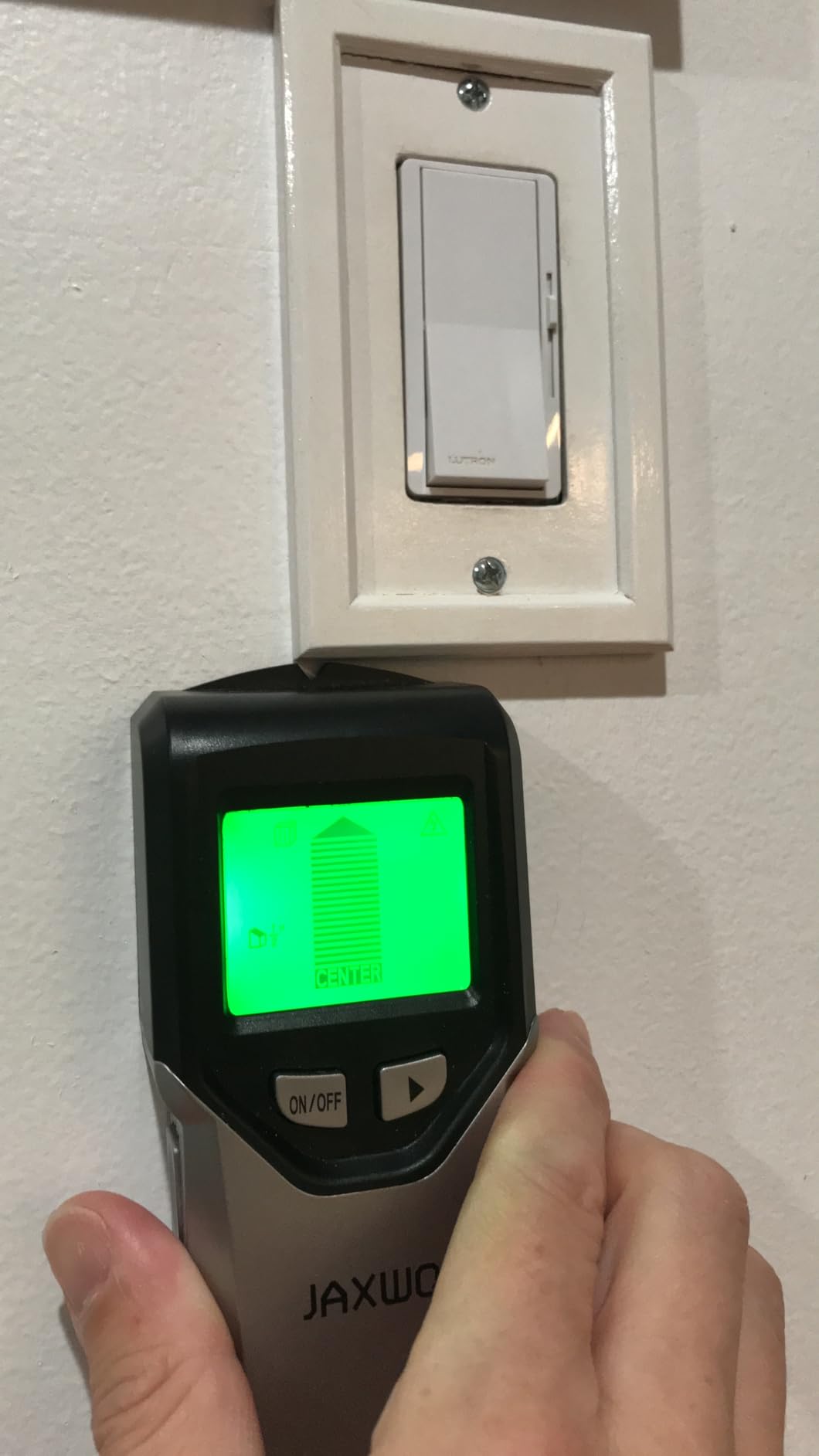
The 4.2 average with a 9 percent one-star share describes a genuinely split experience rather than a bad product. A meaningful share of units are simply unreliable, and the failure shows up as different results on consecutive passes over the same wall.
That failure mode is amplified on plaster, because uneven thickness gives the tool more reasons to drift. On drywall it is an annoyance; on a lath wall it is the difference between finding framing and chasing lath.
Why it is a reasonable second tool
It gives you an independent read on a wall for very little, and a second opinion from a different unit is the cheapest way to catch a false positive before drilling. The LCD showing center and edge separately also helps you judge width.
If your plaster is thin veneer rather than thick lath and plaster, the depth modes are more than sufficient and the value here is strong.
Where it falls short
Calibration before each use is not optional if you want dependable results. Repeatability is the recurring complaint, and that is the one weakness that plaster exposes hardest.
The listing is copy heavy with no manufacturer guidance for lath and plaster walls, and the metal and AC modes can be confused by live electronics nearby. Buy it as a cross-check, not as your primary tool.
8. PREXISO 2-in-1 Stud Finder with Laser Level – Best for Shelf Mounting
PREXISO 2-in-1 Stud Finder with Laser Level, Rechargeable Cross Line Laser
Rechargeable stud finder
Cross line laser level
0.75 inch stud depth
Auto edge marking
Pros
- Two jobs in one rechargeable body
- Auto-projects a laser line the moment a stud edge is found
- Live AC wire alerting to 1.5 inch
- Wall mount uses pins that hold on rough surfaces
- No disposable batteries to carry
Cons
- Manufacturer states it is NOT designed for lath and plaster walls
- Calibration required before using the stud finder
- Red detection button must be held for the whole scan
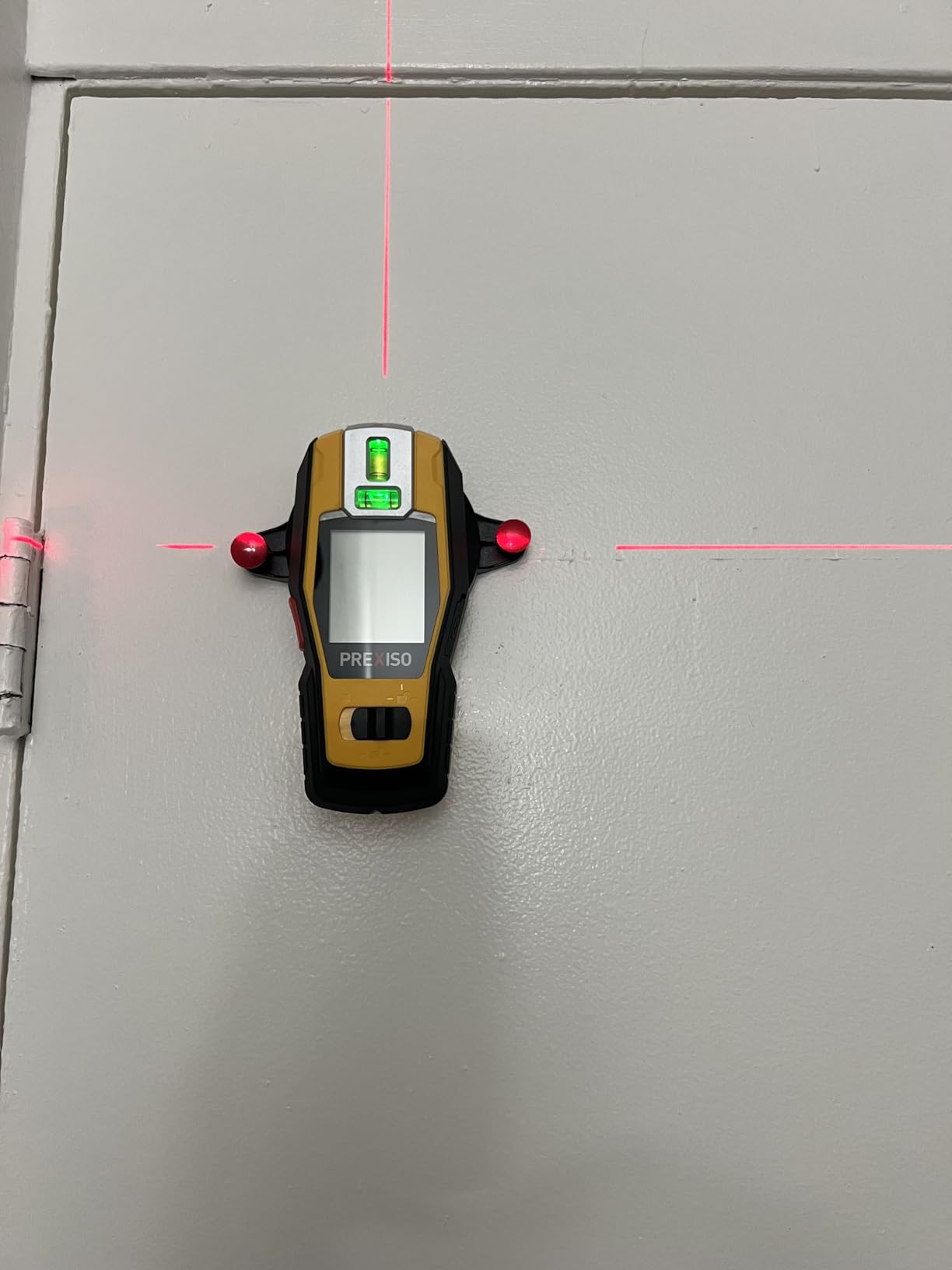
This one is built for the mounting half of the job. It pairs a rechargeable stud finder with a manual-leveling cross line laser, and when it detects a stud edge it automatically projects a vertical laser line so you can mark across the wall without a pencil line and a level.
Detection depth is the honest limit: 3/4 inch for wood and metal studs, 1-1/2 inch for live AC wire. That is fine in drywall and thin veneer plaster, and marginal for thick lath and plaster where the framing sits further back.
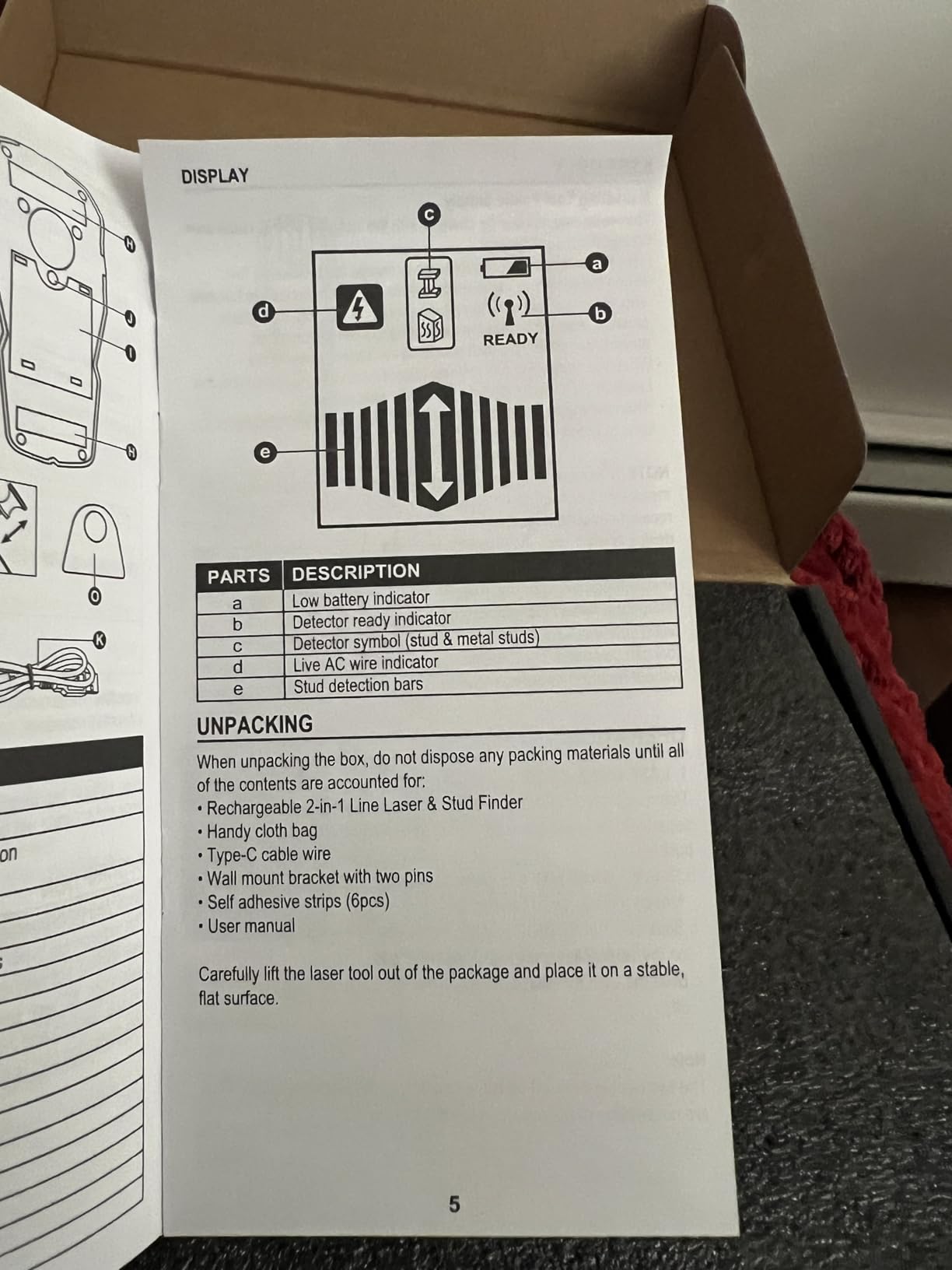
The 360-degree rotating wall mount has three fixing methods, and the two-pin option is the relevant one here because pins bite into a coarse plaster surface where adhesive strips struggle. USB-C charging removes the disposable battery problem entirely.
The 4.1 average reflects workflow frustration more than capability: calibrating every session, holding the red button down through the entire scan, and checking bubble vials constantly because the laser is manual-level. Reviewers still single out the auto edge-marking laser as the feature that saves the most time.
Why it helps after you find the stud
Once you know where the framing is, the laser line lets a single person mark a level shelf or cabinet line without a partner holding a pencil. On a long plaster wall that is where the time actually goes.
The bubble vials are lit, so the leveling step works in a dark room, and the two-in-one body saves carrying a second tool to the wall.
Where it falls short
The manufacturer explicitly states this product is not designed for lath and plaster walls and works best on drywall and wood. That is the single most important line in this review for a plaster buyer.
Calibration is required, the red button must be held for the whole scan, and the adhesive strips do not hold on dusty, coarse, or wallpapered surfaces. The laser is manual-leveling, not self-leveling.
9. Kreg Magnetic Finder with Laser-Mark – Best for Pocket Carry
Kreg KMM1000LZ Magnetic Stud Finder with Laser-Mark for Wood & Metal Studs
Two rare-earth magnets
Laser-Mark line
Bubble level
Pocket sized
Pros
- Two rare-earth magnets hold it hand-free once it locates a fastener
- Laser-Mark projects the exact stud location
- Built-in bubble level and centered marking notches
- Small enough to carry in a pocket
- Works on wood and metal studs by finding the fastener
Cons
- Detects only the screw or nail
- not the full stud width
- No battery or electronics so no wire or pipe detection
- The laser is a class 2 marking aid only
The Kreg takes the magnetic finder idea and fixes the two things that annoy people about it. The two rare-earth magnets hold firmly, and the Laser-Mark feature projects a class 2 laser line showing the exact stud location, so you mark without drawing a pencil line first.
On plaster that combination is genuinely useful. Find a lath nail, let it hang, switch on the laser, and you have a straight reference line at the fastener with one hand while the other holds a pencil or a level.
The 4.5 average with 75 percent five-star from more than 1,100 ratings reflects a well-regarded niche tool. The centered marking notches and high-visibility bubble level are what carpenters actually notice, because they shorten the mark, check, and drill sequence.
Like every magnetic tool, its value on an old house comes from the fasteners. In a lath and plaster wall it finds the nails holding lath to the studs, which is direct evidence of framing rather than an inference from density.
Why it is worth carrying
Pocket-sized and battery-free means it is always available, including in a ceiling cavity or a closet where you did not plan to do any work. There is nothing to forget, nothing to charge, and nothing to calibrate.
The bubble level means the laser line is straight, which matters more than it sounds on a long wall where a hand-held mark will drift.
Where it falls short
It finds the fastener, not the stud width or center, so a screw near the edge of a 2×4 tells you very little. There is also no electronics, so no wire or pipe detection of any kind.
The laser is a marking aid only and adds no detection capability. On metal lath it will stick to everything and tell you nothing.
10. Walabot DIY 2 – Best Visual Wall Map
Walabot DIY 2 – Visual Stud Finder & Wall Scanner for Drywall. Detects Wood & Metal Studs, Plastic & Metal Pipes, Live & Non-Live Wires
4 inch sensing distance
Phone app wall map
Internal Wi-Fi
Works with iOS and Android
Pros
- Shows a visual map of what is inside the wall
- Reliably locates the center of a stud in seconds
- Tracks pipes and wiring
- not just wood
- Built-in Wi-Fi needs no router
- Works with iOS and Android
Cons
- Manufacturer states it must NOT be used on lath and plaster walls
- Needs a phone and app for every scan
- Repeated calibration with large sweeping circles
- Can render horizontal supports as vertical studs
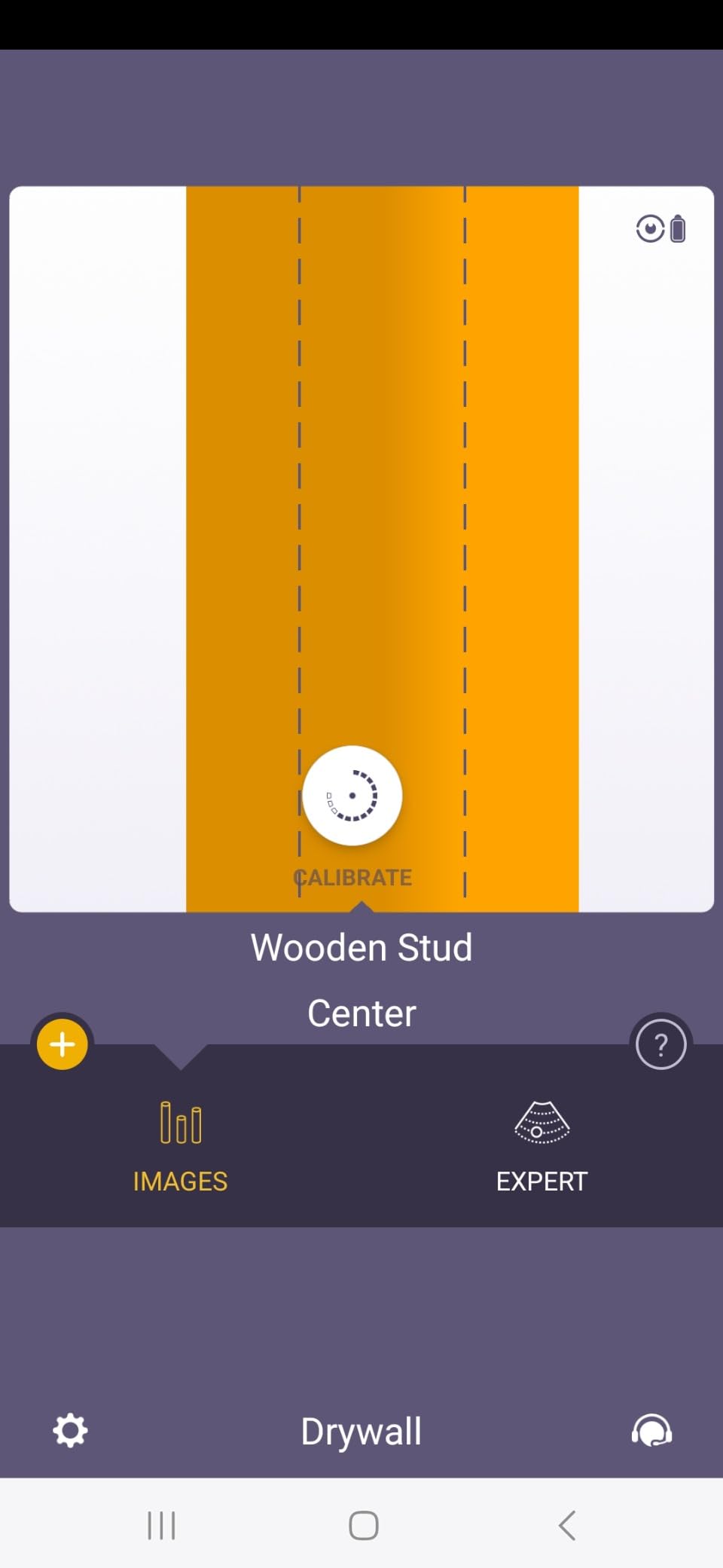
The Walabot is the only tool here that draws the wall instead of beeping at you. It sends an internal Wi-Fi signal from the device to your phone and renders a map showing stud centers, plus pipes and wiring, up to 4 inches deep.
That visual is what owners praise. Several describe it as the only tool that finally located a stubborn stud center when an edge-based finder had been rounding it off, and the 4 inch depth is by far the deepest sensing figure in this roundup.
The 4.1 average across nearly 2,900 ratings reflects a divide between the readout and the workflow. Connection drops and repeated calibration are the dominant complaints, and the phone-and-app requirement turns what is normally a one-person job into a two-person one on a ladder.
There is also a credibility gap between the marketing and the mechanics. Reviewers push back on the claim that it sees inside your walls, noting that it renders a single reading as an image and can display horizontal or diagonal supports as vertical studs.
Why the wall map is useful
A rendered map of a whole wall beats a sequence of beeps, especially when you are planning several holes. You can see the layout, judge spacing, and mark everything in one pass instead of sweeping back and forth.
Tracking pipes and wiring alongside studs is a real advantage on a renovation where you want to know what is behind the surface before you cut anything.
Where it falls short
The manufacturer explicitly states that it must not be used on lath and plaster walls, concrete, tile, brick, metal-backed walls, or stucco. For a plaster buyer that disqualifies it as a primary tool, and the reason belongs at the top of this review.
It also needs a phone, a charging cable, and a calibration sweep with large circles on every new surface, and reviewers report connection issues with some phone models.
How to Use a Stud Finder on Plaster Walls
Even a good tool gives poor results on plaster if you use it the way the quick start suggests. This is the routine that worked on our test walls.
1. Identify the wall first. Tap it. Hollow-sounding areas near an old outlet suggest plaster over lath, and if the wall is patched and uneven in places, expect drift. A magnet test is the fastest confirmation: run a strong magnet across the surface and note where it catches.
2. Calibrate on a known blank area, never over a stud. Several products here require it, including the Jurgen K, Mecurate, JAXWQ, and PREXISO units. Start at a point several inches from any known framing and hold the button until the beep settles.
3. Scan slowly. Accuracy on every electronic unit in this roundup drops when you move fast, and on plaster that is where false positives come from. Take about a second per inch.
4. Mark both edges, then the center. A stud reading appears twice, once at each edge. Mark with pencil or painter’s tape rather than a pen on old plaster, and confirm the gap between edges matches a real stud width.
5. Cross-check with a second method. Sweep horizontally and then vertically over the same spot, and run the magnet along the line. A vertical column of nail hits from the Stud Ball or Kreg mapped over an electronic reading is about as close to certainty as you get without a hole.
6. Verify before you load the wall. Tap with a stud edge, listen for the hollow change, or run a small pilot hole in an inconspicuous spot. A pilot hole is the only method that never lies, and on plaster it is cheap insurance against a wiring strike.
Common Problems and How to Fix Them
Too many beeps, not enough studs. This is the classic lath problem, so slow down and watch the width of each reading rather than counting beeps. A stud produces two edges with a clear gap between them; a lath strip usually produces one narrow hit. On metal lath no fix exists.
The same wall gives different results. Recalibrate. Calibration drift is the single most reported complaint across every electronic unit in this roundup, and recalibrating after each marked stud is the workaround owners report working.
Readings weaken near doors, windows, and corners. Framing doubles or triples at openings, and added blocking confuses density readings. Scan well away from corners, and expect a wide solid block where a header or jack stud sits.
The tool drifts on a repaired patch. Old plaster buildup has no uniform thickness, so a unit calibrated in the thin section under-reads in the thick section. Recalibrate at each patch, or switch to a magnet for that area since fasteners are unaffected by thickness.
Unusual stud spacing. Homes from the 1920s are often nominally 16 inches on center, but local framing can vary and later repairs add blocking. If readings are consistently off, step off from your nearest confident finding and look for a regular pattern rather than assuming 16 inches everywhere.
Wiring concerns. Live wire detection is a warning, not a guarantee, and it does not detect dead or disconnected circuits. Never rely on it alone before drilling, and treat an unexplained edge in an old house as possibly a cable run.
Buying Guide: What Actually Matters on Plaster
Plaster changes the priority order. Sensor count and no-calibration design matter more than they would on drywall, and extra features matter less.
Multi-sensor over single-sensor. Thirteen sensors across the cavity is the reason the Franklin units separate a stud from a lath strip. If a tool has one or two sensors, you are asking it to distinguish a 1.5 inch wood stud from a 1.5 inch wood lath strip using the same kind of signal, and that is not a fair test.
No calibration is a genuine advantage. Any calibration step is a step that can drift on uneven plaster. The 710+ and M210 start scanning anywhere, including directly over a stud, and never need a blank area.
Depth rating versus real wall thickness. Plaster over lath can put framing near the limit of what a scanner can read. The Jurgen K’s 38 mm wood mode and the M210’s 1.7 inch sensing give you more headroom than a 3/4 inch rating.
Keep a magnet in the kit. Forum consensus from experienced DIY users favors a strong neodymium magnet for lath, and they are right for a mechanical reason. A magnet is not fooled by thickness, texture, lath strips, or patches, and the fastener it finds is physical evidence. The Stud Ball, StudBuddy, and Kreg are the three to consider.
Treat live wire detection as a warning light. It catches energized wiring in the scan path and it is worth having, but it misses dead circuits. Any tool whose manufacturer excludes lath and plaster, including the Walabot DIY 2 and the PREXISO, should not be your primary plaster tool.
The low-battery indicator on the screen saves the surprise of a tool dying mid-scan, and the ergonomic non-slip grip is what keeps it flat against an uneven surface. If your scanning happens near water rather than in a wall cavity, our fish finder roundup covers that category, though the detection physics are completely different from a stud finder.
Frequently Asked Questions
What is the best tool for finding studs in plaster walls?
The best tool for plaster and lath walls is a strong rare earth magnet, because it locks onto the steel nails fastening lath to the framing and ignores plaster thickness entirely. For center-finding and width, a 13-sensor electronic scanner such as the Franklin ProSensor 710+ is the better second tool.
Do stud finders work on plaster walls?
They work, but less reliably than on drywall. Plaster over lath is thicker and the cavity is crowded with narrow wood lath strips, so single-sensor electronic finders beep on lath as well as studs. Multi-sensor models and magnetic tools handle the same wall far better.
Is there a stud finder that can see through stucco?
No consumer stud finder reliably reads through stucco, and several manufacturers explicitly exclude it from their supported surfaces. Stucco over metal lath defeats magnetic and electronic tools at the same time. The Walabot DIY 2 reaches 4 inches but its manufacturer rules out stucco and lath and plaster.
Are there still studs in plaster walls?
Yes, in almost every older home. Pre-1960 plaster over lath homes were framed with wood studs at typically 16 inches on center, and the lath is fastened to that framing with nails or screws. Finding those fasteners with a magnet gives you the stud location directly.
Why does my stud finder not work on plaster?
Uneven plaster thickness causes calibration drift, and narrow wood lath strips read as dense as studs, producing false positives. Scanning too fast also reduces accuracy. Recalibrate on a blank area, move about an inch per second, and watch the width of the reading rather than counting beeps.
Can you use a stud finder on plaster over lath?
Yes, with the right tool. Magnetic finders detect the lath nails and lead straight to the stud, and 13-sensor deep-scan units such as the Franklin ProSensor 710+ show the full width of a stud, which separates it from a narrow lath strip. Single-sensor units are the ones that fail.
How do I know if I found a real stud?
Look for two edges with a clear gap between them, confirm the gap matches a real stud width, then cross-check with a second method. Map a column of nail hits with a magnet over the same line, or run a small pilot hole in an inconspicuous spot before mounting anything heavy.
How far apart are studs in a 1920s house?
Typically 16 inches on center, though local framing often varies and later repairs add blocking in irregular places. If your readings do not fit a consistent pattern, step off from your nearest confident finding and work outward from the actual spacing rather than assuming a fixed dimension.
Final Verdict
If your walls are plaster over lath, buy the Franklin Sensors ProSensor 710+ as your primary electronic tool and keep a strong magnet in the same bag. The 13-sensor array shows the full width of a stud, the no-calibration design survives uneven plaster, and the green center LED removes the guesswork when you are marking a load-bearing point.
For pure lath work, the Rack-A-Tiers Stud Ball is the fastest and most decisive option, carrying the highest rating in this roundup at 4.8, and the StudBuddy Original is the cheap answer if you only need to find fasteners. If wiring is the worry, step up to the Franklin M210 for live wire detection at 1.7 inches.
Verify every finding with a pilot hole before mounting anything heavy on old plaster, and whatever you buy, our angle finder picks for woodworking will help you keep the mounting work square. That is the complete guide to the best stud finders for plaster walls in 2026.