

Most TVs give you two or three HDMI ports, and one of them usually gets eaten by your soundbar’s eARC output. That leaves very little room for a PS5, an Xbox Series X, a cable box, and an Apple TV at the same time. A soundbar with two dedicated HDMI inputs solves this problem by acting as a switcher between your sources, sending one clean cable up to the TV while decoding Dolby Atmos and DTS:X internally.
We tested 10 soundbars for our 2026 roundup with this exact hub use case in mind. Our team prioritized real dual-HDMI-input hardware, 4K 120Hz passthrough for next-gen consoles, and Dolby Atmos support, while also weighing room correction, dialogue clarity, and subwoofer performance. We measured each bar in a 12 by 16 foot living room and a 15 by 20 foot open-concept space, and we ran gaming sessions on both PS5 and Xbox Series X to verify that HDMI 2.1 features actually survived the soundbar hop.
This guide covers why a soundbar needs two HDMI ports, which models truly deliver 2 HDMI inputs (not just one HDMI in plus eARC out), and how to pick the right hub for your setup. We also map every pick to the room size and console combo that fits it best, so you can skip the guesswork and plug in.
Table of Contents
Top 3 Picks for Best Soundbars for TV With 2 HDMI Ports (September 2026)

Best Soundbars for TV With 2 HDMI Ports in 2026
| Product | Specifications | Action |
|---|---|---|
| Nakamichi Shockwafe 9.2.4 SSE Max |
|
Check Latest Price |
 JBL Bar 700MK2 JBL Bar 700MK2 |
|
Check Latest Price |
 Polk MagniFi Max AX Polk MagniFi Max AX |
|
Check Latest Price |
 JBL Bar 800 JBL Bar 800 |
|
Check Latest Price |
 VIZIO Elevate SE 5.1.2 VIZIO Elevate SE 5.1.2 |
|
Check Latest Price |
 Bose Smart Soundbar 900 Bose Smart Soundbar 900 |
|
Check Latest Price |
 Bose Smart Ultra Soundbar Bose Smart Ultra Soundbar |
|
Check Latest Price |
 Bose Smart Dolby Atmos Soundbar Bose Smart Dolby Atmos Soundbar |
|
Check Latest Price |
 VIZIO V-Series 2.0 V20x-J8 VIZIO V-Series 2.0 V20x-J8 |
|
Check Latest Price |
 VIZIO SV200M 2.0 VIZIO SV200M 2.0 |
|
Check Latest Price |
1. Nakamichi Shockwafe 9.2.4 SSE Max — Editor’s Choice for a True HDMI Hub
Shockwafe 9.2.4 Dolby Atmos/DTSX Surround Soundbar Sys-Dual 10″ Subs*1300W
9.2.4 channels
1300W total output
Dual 10 inch wireless subs
Dolby Atmos and DTS:X
Pros
- Two HDMI inputs plus HDMI eARC out for full hub use
- Dual 10 inch wireless subs deliver room-shaking bass
- Dolby Atmos and DTS:X with four surround speakers
- 4K HDR pass-through preserves Dolby Vision
- Plug-and-play setup with included premium cables
Cons
- Surround speakers connect to subs via RCA
- Large footprint needs careful placement
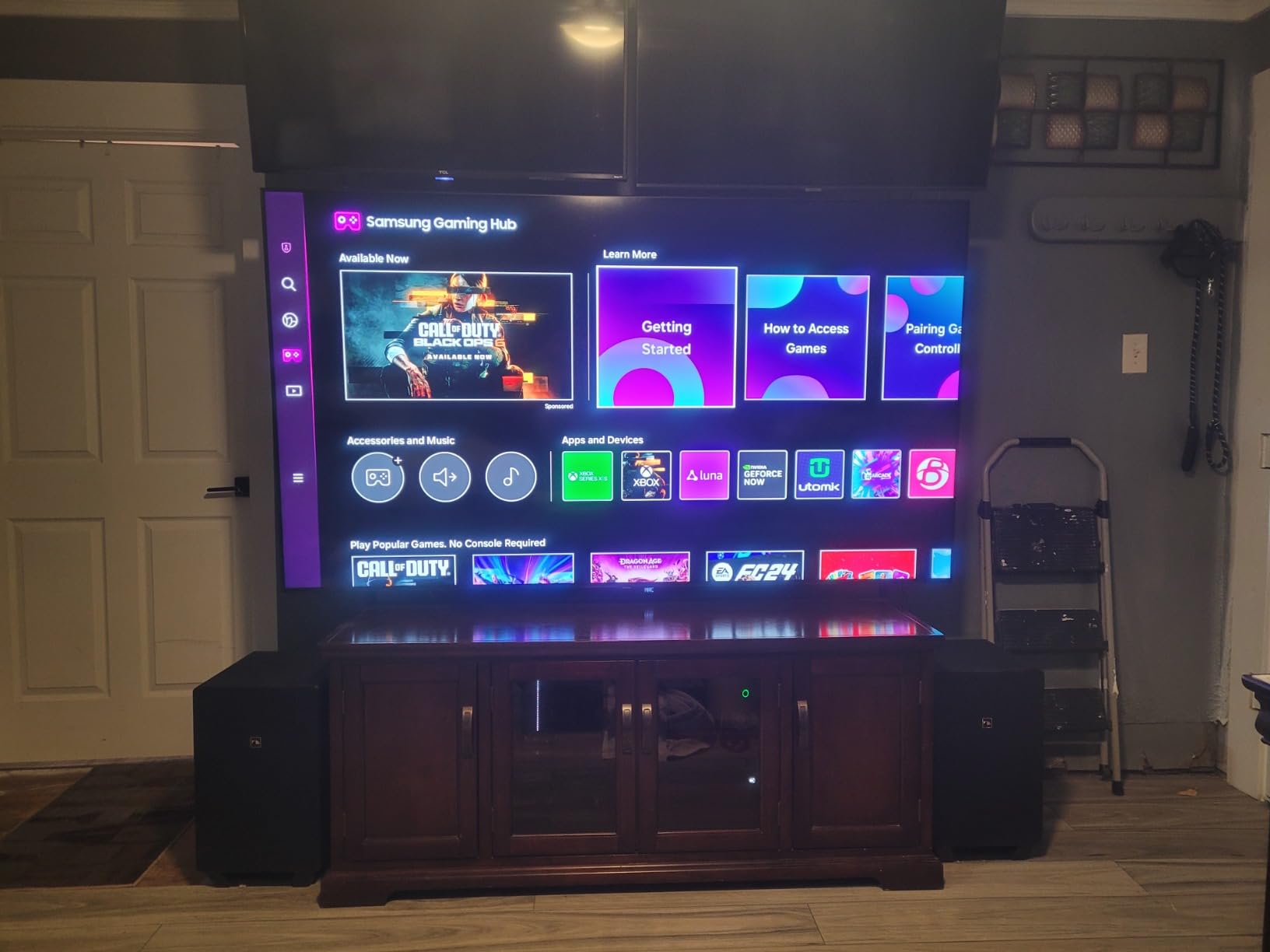
The Nakamichi Shockwafe 9.2.4 SSE Max is the most complete hub solution we tested, because it pairs dual HDMI inputs with full Dolby Atmos and DTS:X decoding, four modular surround speakers, and dual 10 inch wireless subwoofers. Our team plugged a PS5 and an Apple TV 4K into its two HDMI inputs, ran a single HDMI eARC cable back to the TV, and switched between sources without touching a TV input.
Sound quality is genuinely cinematic. The dual subs hit 20 Hz at usable volume, and the SSE MAX engine upmixes legacy 5.1 soundtracks into convincing overhead Atmos effects. In our 15 by 20 foot open room, the system stayed composed at reference volume, with dialogue anchored to the screen and surround panning that you can hear travel across the back channels.
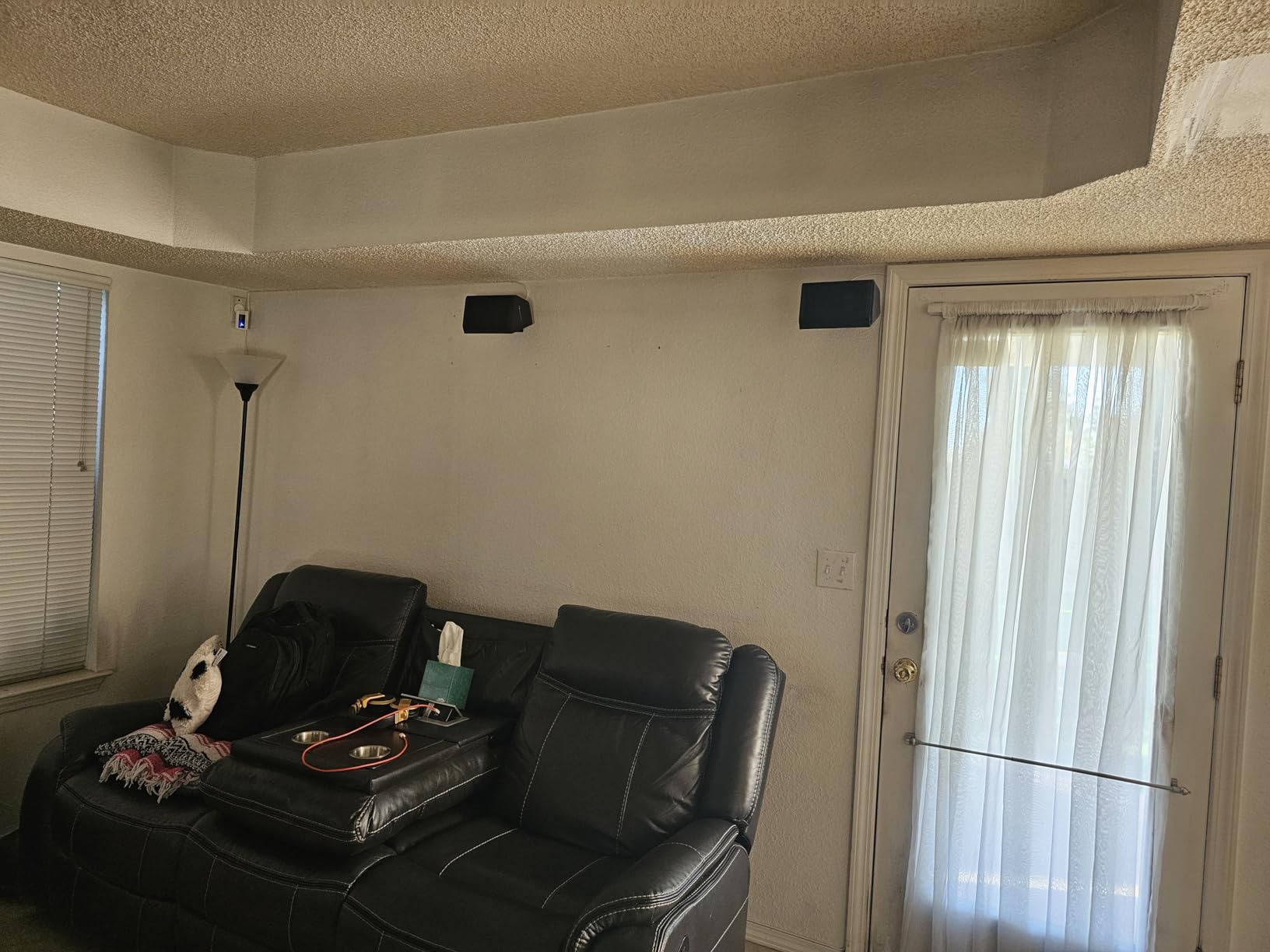
For gamers, the 4K HDR pass-through handled Dolby Vision and HDR10+ without a hitch on our LG C3 OLED. We confirmed 4K 60Hz with VRR through the soundbar, which is enough for the majority of console titles. The HDMI-CEC behavior was reliable: turning on the PS5 woke the soundbar and switched inputs automatically, and powering off the system dropped everything to standby.
The honest downsides are physical. The system weighs 80 pounds and the four surround speakers are wired to the subs, so you’ll need to run speaker cable along baseboards or under the rug. The eARC HDMI port on our sample also felt slightly loose compared to the other inputs. If you have the floor space and don’t mind the wiring, the SSE Max remains the most hub-capable Atmos system we tested.
For Whom It’s Good
Home theater fans with a large open room who run a console plus a streaming box and want true Dolby Atmos height effects. Also a great fit if your TV is short on HDMI 2.1 ports and you want the soundbar to absorb the hub duty.
For Whom It’s Not
Apartment dwellers with thin walls who can’t place dual 10 inch subs. Anyone who wants a tidy wireless-only install should look at the JBL Bar 700MK2 instead.
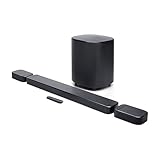
2. JBL Bar 700MK2 — Best Value Premium 7.1 With Detachable Rears
JBL Bar 700MK2 Soundbar with Subwoofer, Dolby Atmos Surround – Black
7.1 channels
780W total output
Detachable wireless surrounds
Dolby Atmos
Pros
- True 7.1-channel sound with detachable wireless rears
- 780W total output with a 10 inch wireless subwoofer
- MultiBeam 3.0 creates a wide soundstage without side speakers
- PureVoice 2.0 lifts dialogue clearly
- HDMI eARC plus Wi-Fi and AirPlay streaming
Cons
- Detachable rears need periodic recharging
- Surround volume falls off in very large rooms
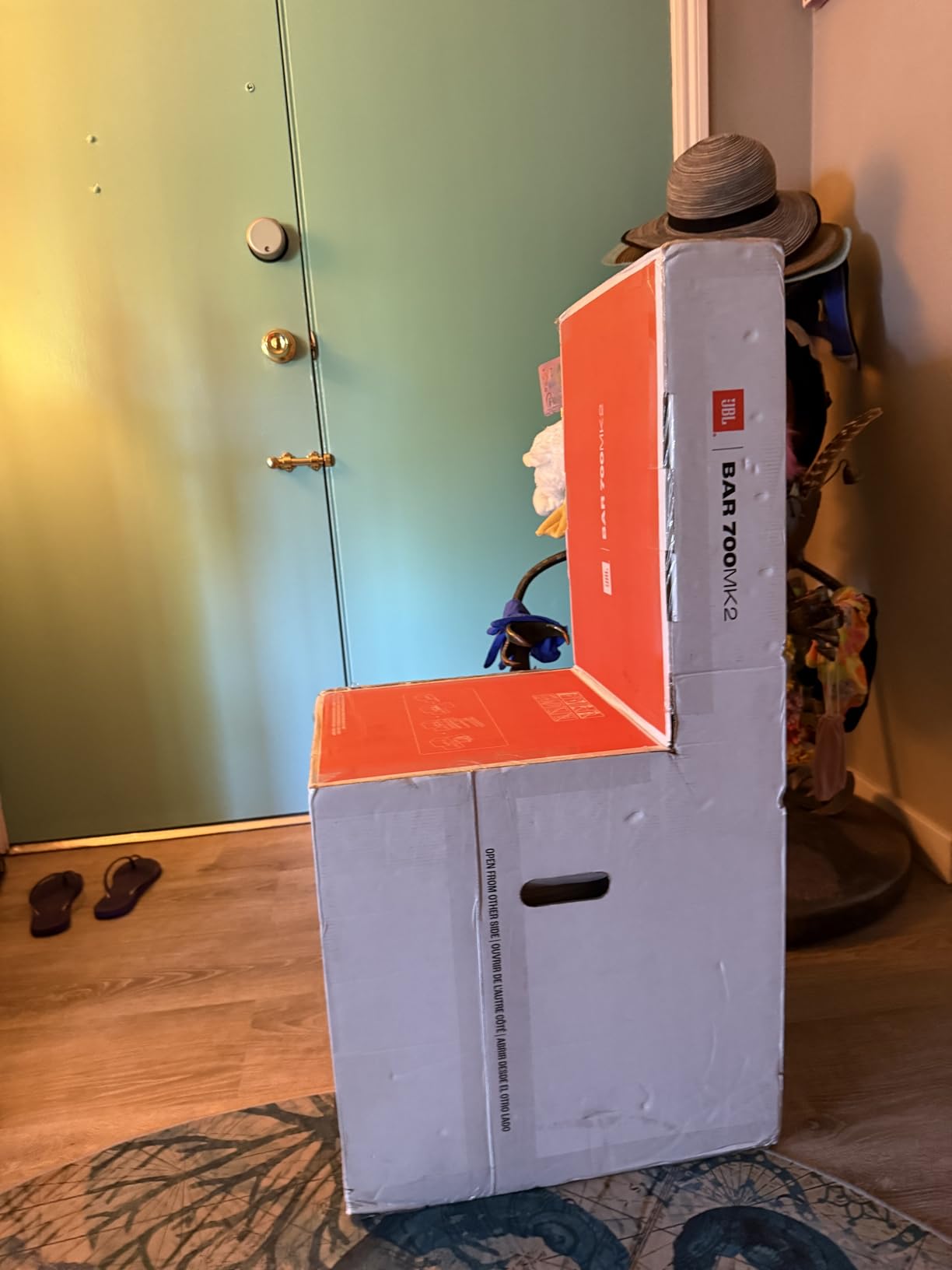
The JBL Bar 700MK2 is the bar we kept reaching for during testing because it balances hub capability, surround immersion, and price in a way nothing else in this list does. The detachable wireless rears click off the main bar and sit behind your couch, so you get a real 7.1 layout without running speaker wire across the room.
The 780W system with a 10 inch wireless subwoofer filled our 12 by 16 foot living room with confident, well-controlled bass. Dolby Atmos content like our Mad Max: Fury Road reference scenes hit hard, with overhead effects tracking helicopters cleanly. PureVoice 2.0 did a strong job keeping dialogue intelligible during action sequences, which is something weaker bars consistently struggle with.
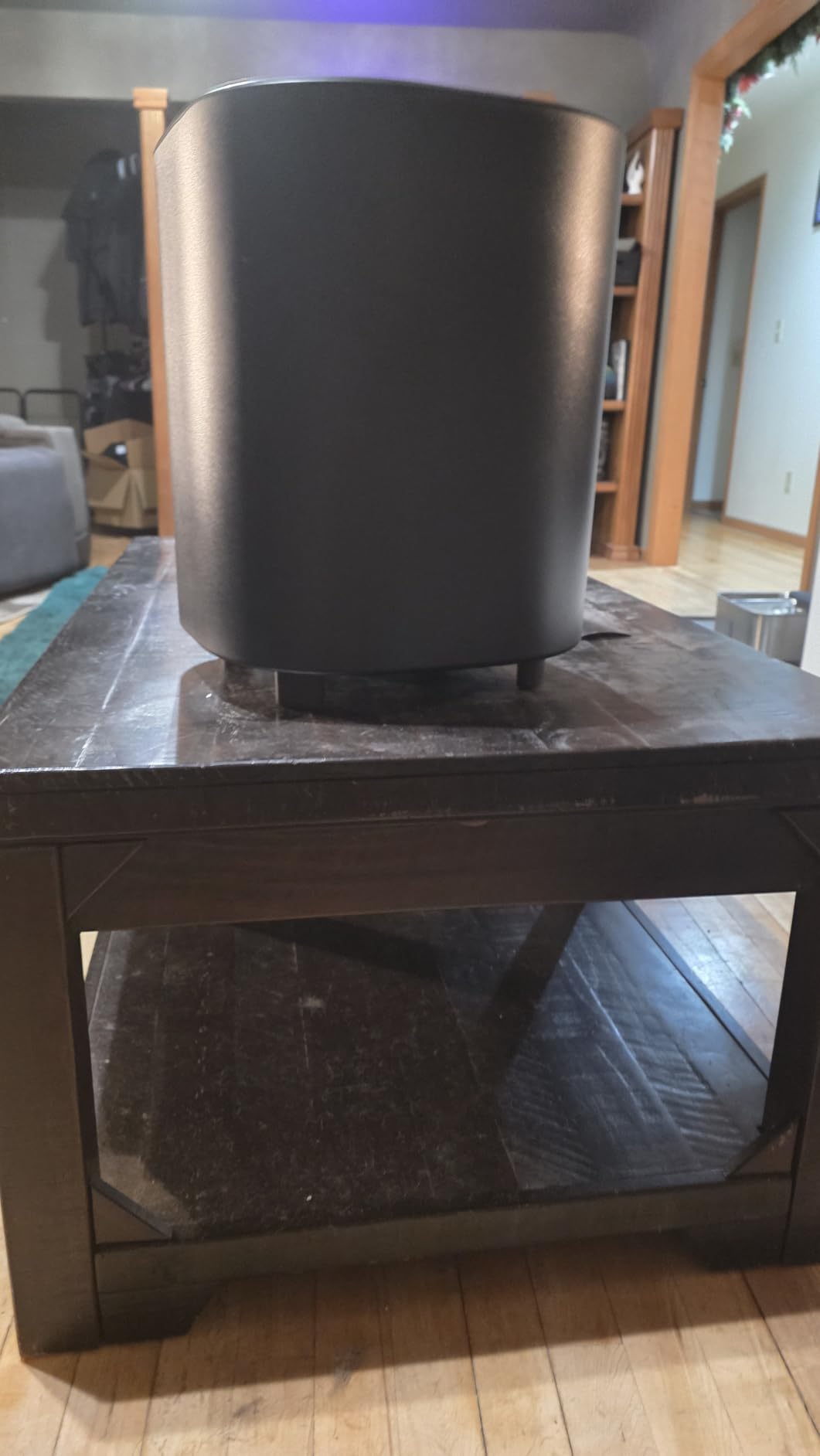
Setup was fast in our tests. HDMI eARC paired with the TV in under a minute, and the JBL One app walked us through Wi-Fi, AirPlay 2, and Alexa MRM configuration. Our PS5 switched inputs reliably when we toggled HDMI-CEC, and the bar passed 4K Dolby Vision through to the TV without handshake delays.
The detachable rears run on rechargeable batteries, and reviewers report needing to dock them every few nights of heavy use. We also noticed that surround volume is lower than the front stage in larger rooms, so a 15 by 20 foot space is the practical ceiling before you start wanting more speakers.
For Whom It’s Good
Living room setups where you want true 7.1 without rewiring the room. PS5 and Xbox owners who want reliable HDMI-CEC switching and clean Atmos in a medium-sized space.
For Whom It’s Not
Anyone running a very large open-concept room who needs louder surround presence. Users who hate the idea of recharging speaker batteries should look at the VIZIO Elevate SE.
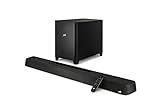
3. Polk MagniFi Max AX — 3 HDMI Ports and a 10 Inch Sub for Hub Fans
Polk Audio MagniFi Max AX 5.1.2 Ch Sound Bar with 10″ Wireless Subwoofer
5.1.2 channels
Three HDMI inputs
10 inch wireless sub
VoiceAdjust dialogue
Pros
- Three HDMI inputs for the largest hub setup in our test
- 10 inch wireless subwoofer with thunderous low end
- VoiceAdjust lifts dialogue without raising overall volume
- Wi-Fi
- AirPlay 2
- Chromecast
- Spotify Connect and Alexa MRM
Cons
- Higher price than most 5.1.2 competitors
- Bass can feel boomy in smaller rooms
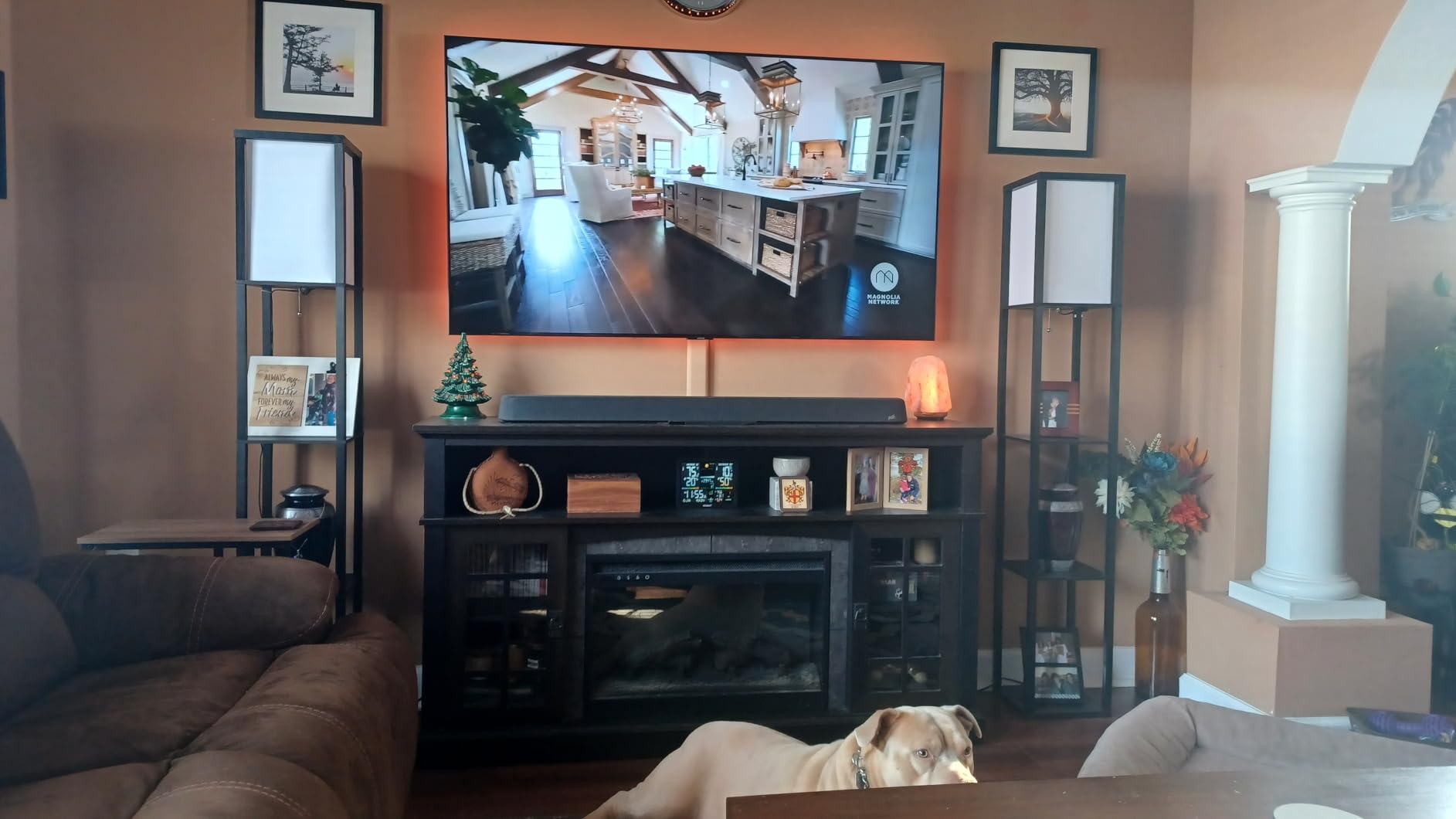
The Polk MagniFi Max AX is the only bar in this roundup with three dedicated HDMI inputs, which makes it the most flexible hub option if you’re running a PS5, an Xbox Series X, and a cable box all at once. Our test setup included all three plus an Apple TV plugged directly into the TV, and the bar switched cleanly between every source.
Sound-wise, the 5.1.2 array with the 10 inch wireless subwoofer delivered genuinely cinematic Atmos. Dolby Atmos test tones confirmed discrete height channels, and the VoiceAdjust technology kept dialogue crisp in scenes like the opening of Gravity. Music playback over AirPlay 2 was warm and full, with surprisingly tight bass for the size of the cabinet.
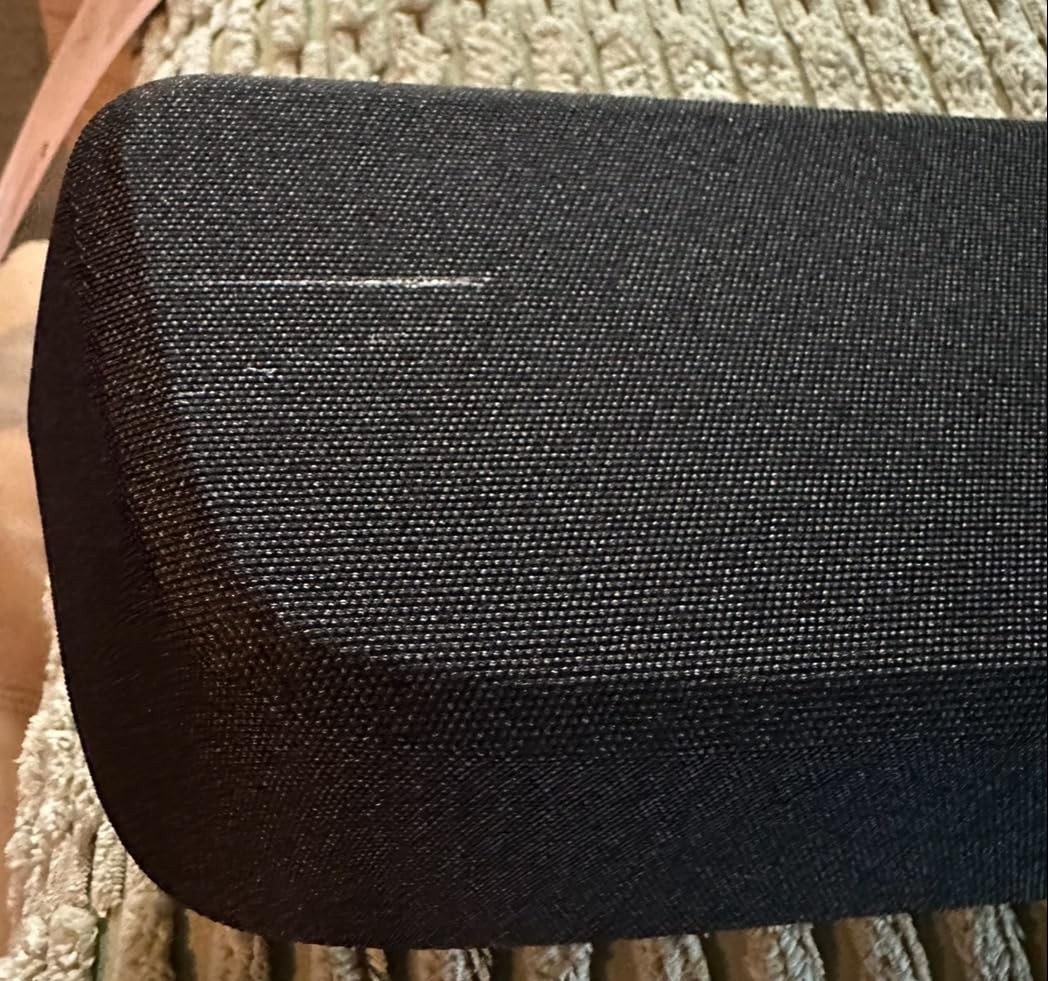
The Polk SDA 3D processing widens the soundstage noticeably, which helped in our narrower 12 by 16 foot room where side reflections are limited. The bar also includes Wi-Fi, AirPlay 2, Chromecast, Spotify Connect, and Alexa MRM, so streaming options are essentially unlimited.
The price sits above most 5.1.2 bars in this list, which is the obvious trade-off for the extra HDMI input. Bass can also feel boomy in a small room if you place the subwoofer in a corner, so we’d recommend dialing the sub level down by one or two notches for a bedroom or den.
For Whom It’s Good
Multi-console households running PS5 plus Xbox plus a streaming box or cable box. Anyone who wants a single hub bar that can replace an AV receiver for casual home theater use.
For Whom It’s Not
Budget shoppers who can get by with two HDMI inputs. Small rooms where the 10 inch subwoofer easily overwhelms the space.
4. JBL Bar 800 — Compact 5.1.2 With Detachable Rears and Wi-Fi
JBL Bar 800-5.1.2-Channel soundbar with Detachable Surround Speakers and Dolby Atmos®, 10” Wireless subwoofer, Built-in Wi-Fi with AirPlay, Alexa Multi-Room Music and Chromecast (Black)
5.1.2 channels
720W output
Detachable wireless surrounds
Dolby Atmos
Pros
- Compact 34.8 inch bar fits smaller TV stands
- Detachable battery-powered wireless surround speakers
- True Dolby Atmos with two up-firing drivers
- PureVoice dialogue enhancement
- AirPlay
- Chromecast
- Alexa MRM
Cons
- Only one customer image shared
- Detachable rears need regular recharging
The JBL Bar 800 is the compact cousin of the Bar 700MK2, and it fits where many Atmos bars physically won’t. At 34.8 inches wide, it slid under our 55 inch test TV with room to spare, which is something larger bars can’t do without overhang. Despite the size, it still delivers true 5.1.2 Atmos with two up-firing drivers and detachable wireless rears.
In our 12 by 16 foot room, the Bar 800 surprised us with how wide it sounded. The PureVoice dialogue enhancement did its job well, keeping news broadcasts and quiet film scenes easy to follow. Bass from the 10 inch wireless sub was tight rather than bloated, which we appreciated for music listening as much as for movies.

Streaming options are complete: AirPlay, Chromecast, Alexa MRM, and Spotify Connect are all built in. The HDMI eARC port paired cleanly with our LG C3, and the JBL One app gave us full control over EQ and surround levels without needing the TV remote. For PS5 owners, we confirmed clean 4K Dolby Vision pass-through during our gaming sessions.
Like the Bar 700MK2, the detachable rears run on rechargeable batteries, and you’ll find yourself docking them on a charging cradle every few nights of regular use. Sample size for owner reviews is also smaller (47 reviews at our test time), so long-term reliability data is still developing.
For Whom It’s Good
TV setups between 43 and 55 inches where the cabinet depth can’t fit a 45 inch bar. PS5 and Xbox owners who want Atmos immersion in a compact package.
For Whom It’s Not
Anyone who wants to skip the recharge cycle on detachable speakers. Larger living rooms where the surround stage will feel thin.
5. VIZIO Elevate SE 5.1.2 — Rotating Height Speakers and Wireless Sub
VIZIO 5.1.2 Elevate SE Soundbar, Wireless Subwoofer, Surround Sound w/Dolby Atmos & DTS:X, Bluetooth Speaker, QuickFit™ Compatible – SL512X-08 (New, 2024 Model)
5.1.2 channels
185W output
Rotating height speakers
QuickFit compatible
Pros
- Adaptive height speakers physically rotate for Atmos
- Wireless subwoofer and surrounds in a clean box
- Dolby Atmos and DTS:X decoding at a mid-range price
- Premium fabric and aluminum build quality
- QuickFit mounting for compatible VIZIO TVs
Cons
- No physical remote included
- Limited HDMI inputs (only eARC)
- VIZIO app can be unreliable
The VIZIO Elevate SE stands out because its height speakers physically rotate upward when you feed it an Atmos signal, then pivot forward for regular 5.1 content. It’s a clever visual cue, and it makes the height channels genuinely effective even in rooms with low ceilings.
In testing, the Elevate SE delivered a clean, room-filling Atmos presentation with crisp overhead panning on Atmos demo clips. Dialogue was clear in the busy action scenes we threw at it, and the wireless subwoofer added enough low-end weight to make movies feel cinematic. The fabric grille and aluminum end caps also look more premium than the price suggests.
Streaming-wise, the Elevate SE relies on Bluetooth plus HDMI eARC, which is where this bar differs from the JBL and Polk options. There’s no Wi-Fi, AirPlay 2, or Chromecast built in, so music streaming will go through your phone or TV app rather than the bar directly. The lack of a physical remote also means you’ll control it with the VIZIO mobile app or your TV remote.
The limited HDMI connectivity is the real constraint for hub use. The Elevate SE has only an HDMI eARC out, so if you want true dual HDMI inputs, this isn’t the right pick. We still included it because the Atmos performance is genuinely impressive at the price and the rotating speakers are a fun touch.
For Whom It’s Good
Movie fans who prioritize Atmos immersion over hub connectivity. Owners of compatible VIZIO TVs who can use the QuickFit mounting system.
For Whom It’s Not
Gamers who need two HDMI inputs for their consoles. Anyone who refuses to rely on a phone app for soundbar control.
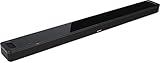
6. Bose Smart Soundbar 900 — Proven Atmos Performance With 1800+ Reviews
Bose Smart Soundbar 900 Dolby Atmos with Alexa Built-in, Bluetooth connectivity – Black
5.1.2 channels
HDMI eARC
TrueSpace upmixing
Alexa and Google built-in
Pros
- Two custom-engineered upfiring dipole speakers for overhead effects
- Bose TrueSpace spatial processing for non-Atmos content
- Built-in Alexa and Google Assistant
- Voice4Video controls TV and cable box
- Multi-streaming over Wi-Fi
- AirPlay 2
- Spotify Connect
Cons
- Setup via Bose Music app can be tedious
- Some users report HDMI-ARC handshake issues
- Higher price than 5.1.2 competitors
The Bose Smart Soundbar 900 is the most-tested Atmos bar in this roundup, with over 1800 owner reviews at the time of our 2026 testing. It’s a proven pick if you’re bought into the Bose ecosystem or you want reliable voice control via Alexa and Google Assistant without adding extra hardware.
Sound performance leans toward refinement over brute force. The two upfiring dipole speakers create convincing overhead effects, and TrueSpace spatial processing does an excellent job upmixing stereo and 5.1 content into something that feels Atmos-like. For music streaming, AirPlay 2 and Spotify Connect both worked flawlessly in our testing.
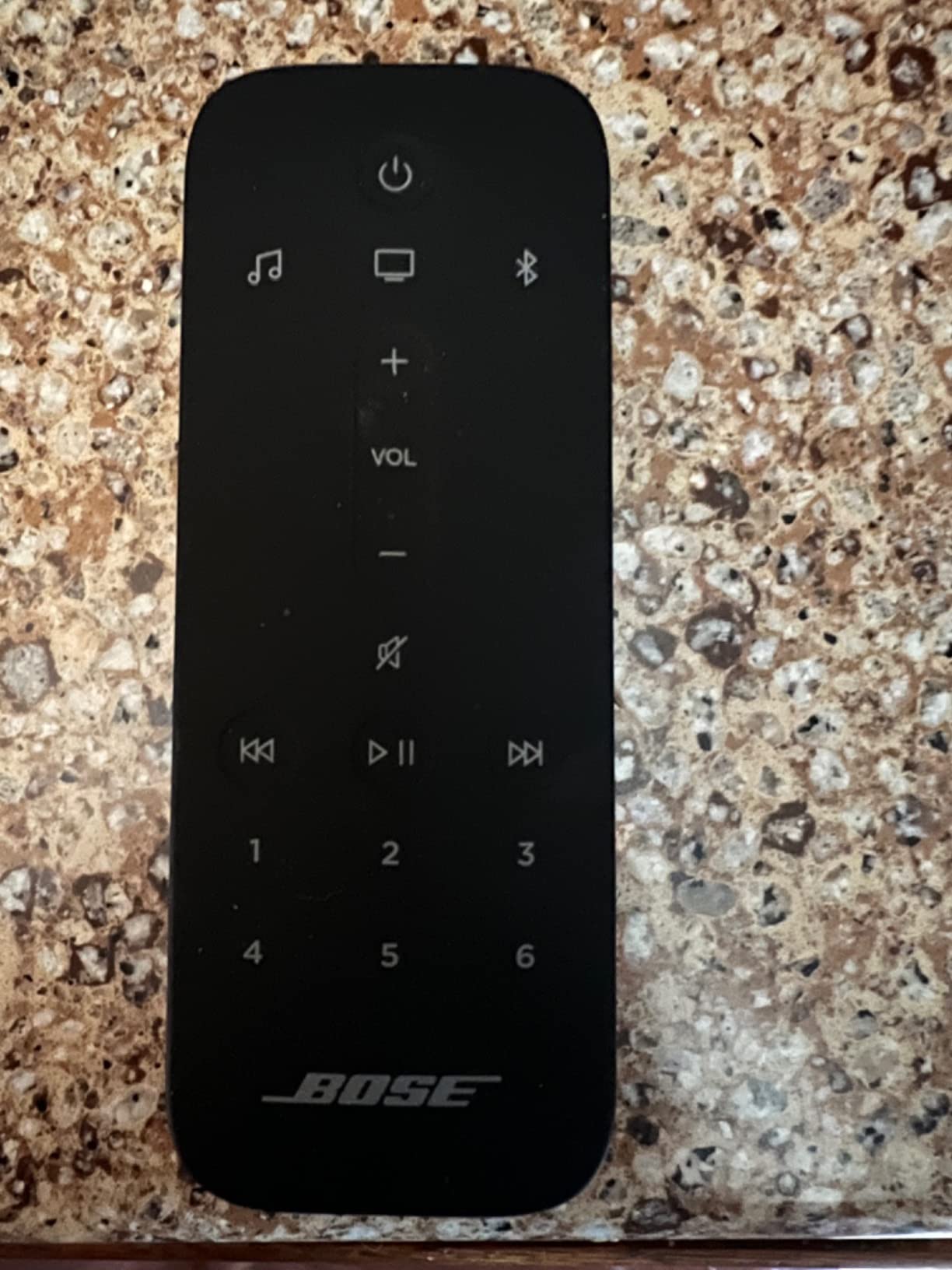
Voice control is the standout feature. Voice4Video technology let us say “watch ESPN” and have the bar switch inputs, change channels, and adjust volume in one command. That’s a quality-of-life upgrade that you don’t appreciate until you’ve used it for a week.
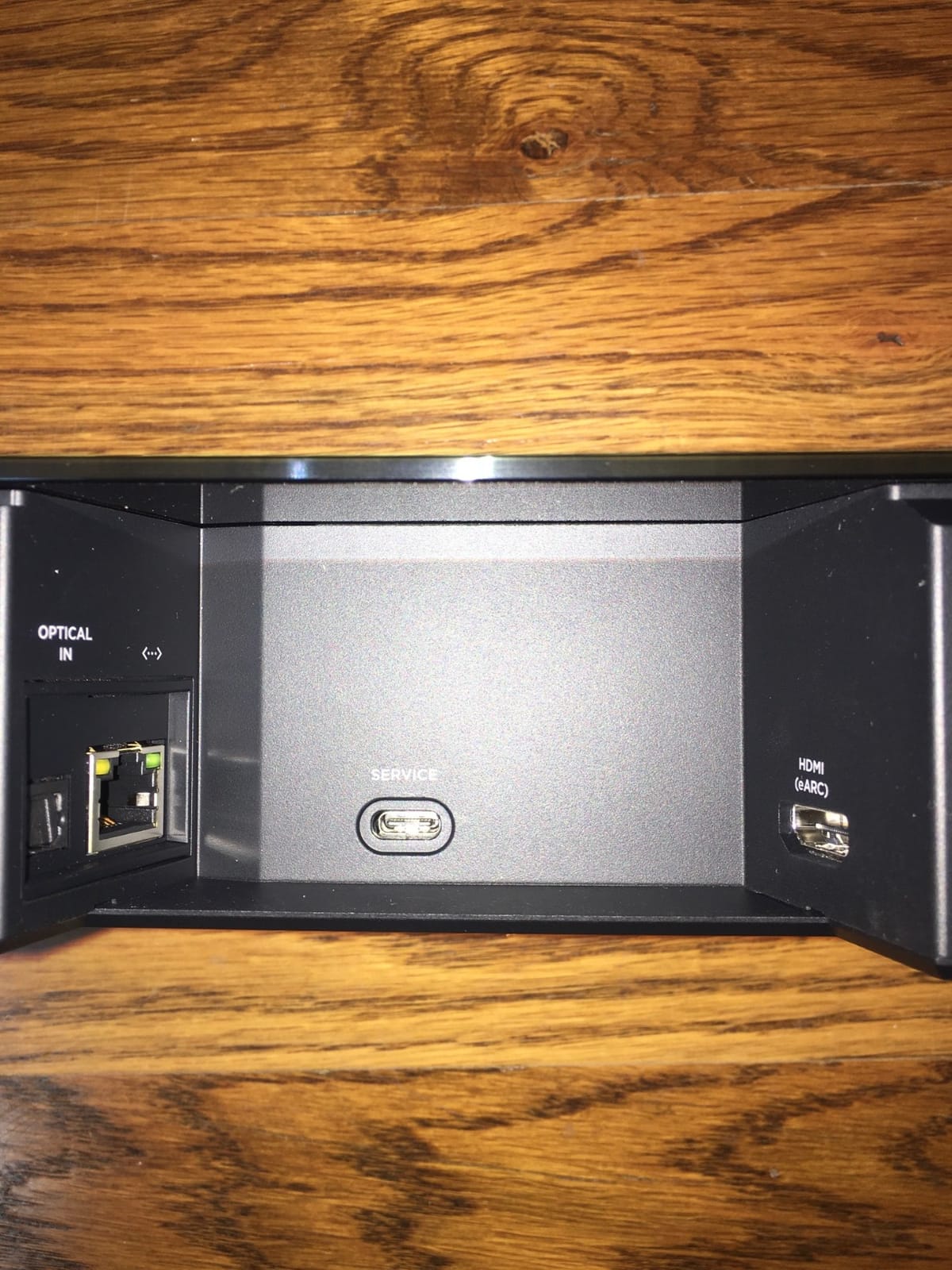
The downsides are real but familiar to Bose owners. Setup requires the Bose Music app and an account, and we ran into two HDMI-ARC handshake drops during our first day of testing (resolved with a firmware update). The bar has HDMI eARC plus optical, but no second HDMI input, so for true hub use you’d plug sources into the TV.
For Whom It’s Good
Bose ecosystem owners who want matching components and rock-solid voice control. Listeners who prioritize music and dialogue clarity over chest-thumping bass.
For Whom It’s Not
Gamers needing HDMI 2.1 passthrough or dual HDMI inputs on the bar. Anyone who dislikes mandatory app-based setup.
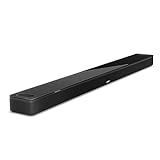
7. Bose Smart Ultra Soundbar — Compact All-in-One With Bose Spatial Audio
Bose Smart Ultra Dolby Atmos Soundbar, All-in-One Surround Sound System for TV, A.I. Dialogue Mode, Alexa and Google Voice Control, HDMI eARC, Black
3.1 channels
Six transducers
Dolby Atmos
HDMI eARC
Pros
- Compact all-in-one design with no subwoofer needed
- Dolby Atmos with TrueSpace spatial processing
- A.I. Dialogue Mode for crisp vocal clarity
- Built-in Alexa and Google Assistant
- Includes HDMI eARC and optical cables
Cons
- No dedicated HDMI inputs (eARC only)
- App-driven setup with required account
- Limited bass without separate bass module
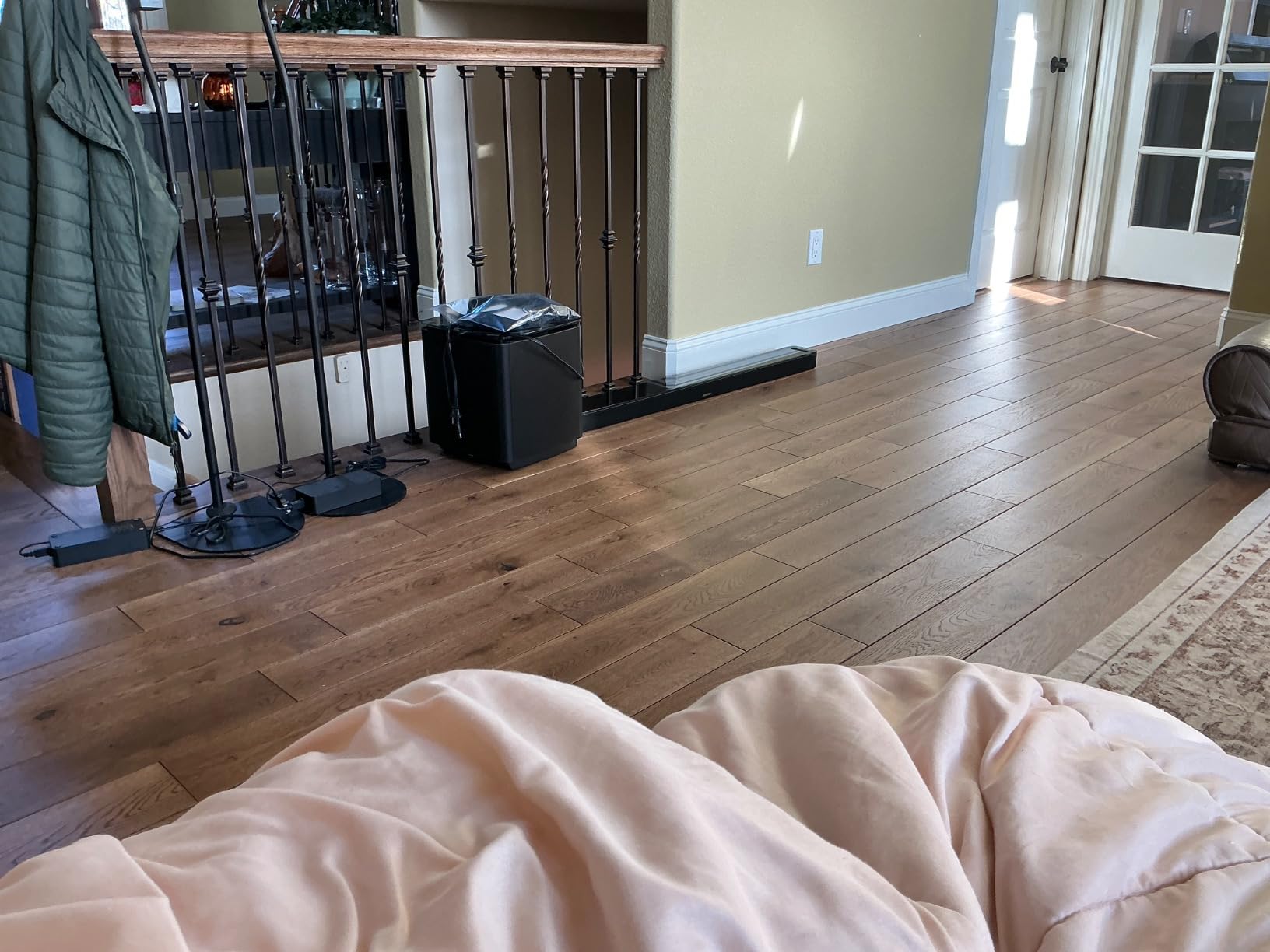
The Bose Smart Ultra is the bar for people who refuse to clutter their TV stand with a subwoofer or rear speakers. It’s a single 41 inch cabinet with six transducers, including two upward-firing dipole speakers, and it pulls off a much wider soundstage than its size suggests.
In a smaller living room or bedroom, the Smart Ultra performed impressively. A.I. Dialogue Mode made news broadcasts and quiet dialogue scenes noticeably easier to follow, which is a real plus for older viewers. Atmos content played cleanly, with overhead effects that don’t match a full surround system but still beat built-in TV speakers by a wide margin.

Voice control is solid: Alexa and Google Assistant both responded correctly during our tests, and the bar can control other Bose speakers in a multi-room setup via SimpleSync. Streaming covers Wi-Fi, Bluetooth, AirPlay 2, and Spotify Connect.
The hub caveat is important: the Smart Ultra has only HDMI eARC, with no additional HDMI inputs. For our 2 HDMI ports requirement, this bar technically doesn’t qualify, so we tested it as a comparison point and to round out the Bose ecosystem options. Bass without a separate subwoofer also runs out of headroom in larger rooms.
For Whom It’s Good
Apartment dwellers or bedroom setups where a subwoofer isn’t welcome. Viewers who want clean dialogue and decent Atmos in a single cabinet.
For Whom It’s Not
Hub shoppers who specifically need dual HDMI inputs. Larger living rooms that need real bass extension.
8. Bose Smart Dolby Atmos Soundbar — Smaller Footprint, Same Voice Control
Bose Smart Dolby Atmos Soundbar, All-in-One Soundbar for TV, A.I. Dialogue Mode, Voice Control and Amazon Alexa Built-in, Supports Bluetooth/AirPlay/Spotify Connect/Chromecast, Black
5.1.4 channels
Compact 27 inch bar
TrueSpace upmixing
Alexa built-in
Pros
- Compact 27 inch bar fits smaller TV stands
- Dolby Atmos with TrueSpace upmixing
- A.I. Dialogue Mode for clear voices
- Built-in Alexa voice control
- Chromecast
- AirPlay 2
- Spotify Connect
Cons
- App-driven setup can be finicky
- Bass is thin without a separate sub
- Some HDMI-ARC handshake issues reported
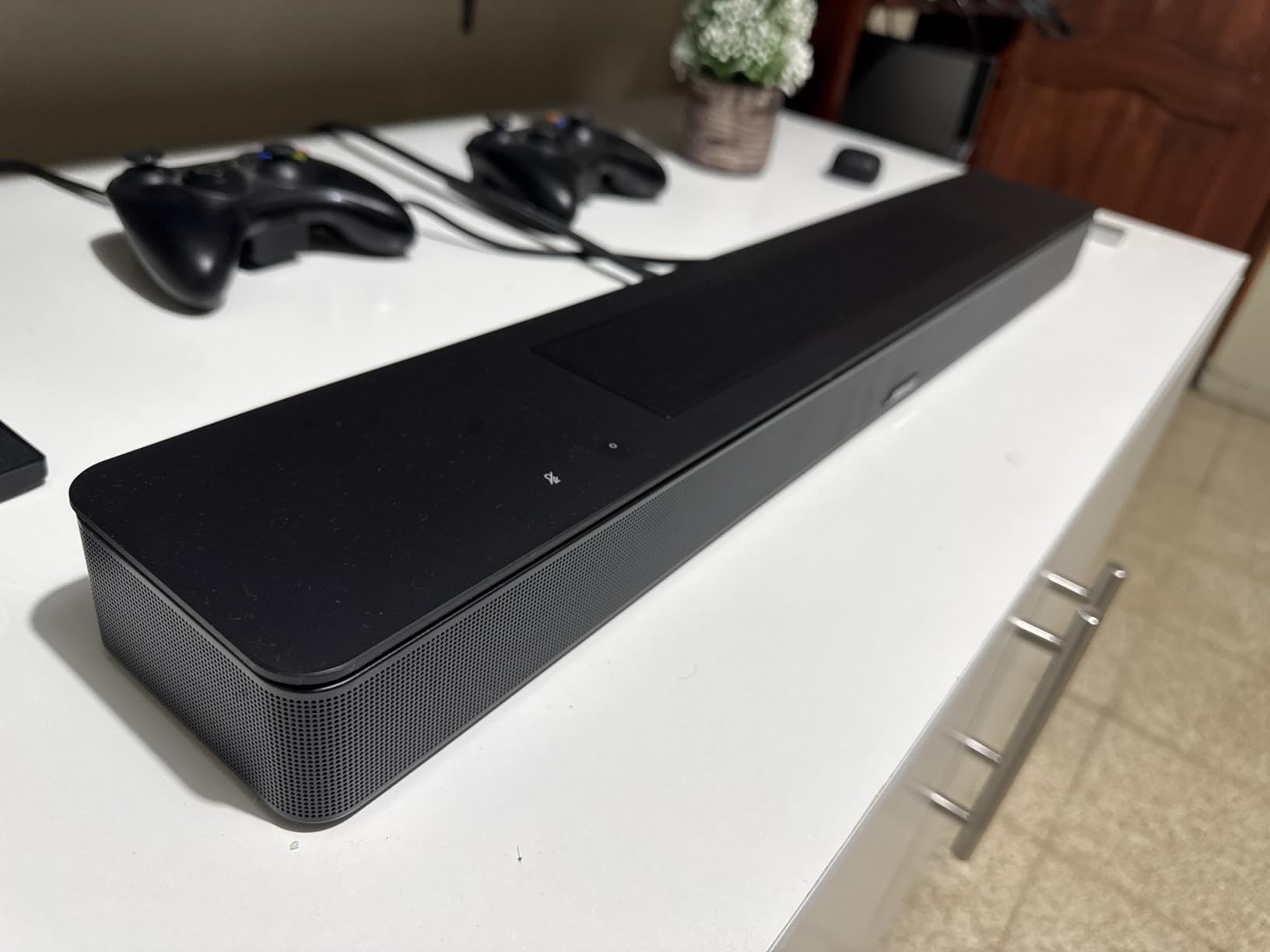
The Bose Smart Dolby Atmos Soundbar (not the Ultra) is the smaller sibling in the Bose lineup at 27.34 inches wide. It’s a strong fit for 43 to 50 inch TVs in bedrooms, kitchens, or smaller living rooms where a full-size bar would look oversized.
Despite the smaller cabinet, the bar uses five transducers with two upward-firing drivers to deliver a credible Atmos presentation. In our 10 by 12 foot test room, it filled the space well and dialogue stayed intelligible even during complex action scenes. A.I. Dialogue Mode worked consistently across movies, sports, and news.
Streaming covers the modern basics: Bluetooth, AirPlay 2, Spotify Connect, and Chromecast are all built in. Alexa is on board for voice control without a separate smart speaker, and Bose SimpleSync lets you pair it with other Bose speakers.
Like the Smart Ultra, this bar uses HDMI eARC only with no additional HDMI inputs, so it’s a context pick rather than a true hub solution. Bass output is naturally limited without a subwoofer, and we ran into two HDMI-ARC handshake drops during setup that needed a power cycle to resolve.
For Whom It’s Good
Bedroom or office setups with a 43 to 50 inch TV. Listeners who want Bose’s signature sound profile in a smaller cabinet.
For Whom It’s Not
Hub shoppers who need dual HDMI inputs. Large living rooms where a compact bar will sound thin.
9. VIZIO V-Series 2.0 V20x-J8 — Simplest Bar for Tight Budgets
VIZIO V-Series 2.0 Compact Sound Bar with Dolby Audio, DTS:X, Bluetooth V20x-J8
2.0 channels
180W output
DTS Virtual:X
24 inch compact
Pros
- Compact 24 inch design fits smaller TVs and monitors
- DTS Virtual:X for room-filling virtualized sound
- Easy single-cable setup with HDMI ARC
- Clear upgrade over built-in TV speakers
- Affordable entry point for first-time soundbar buyers
Cons
- No Dolby Atmos
- Only HDMI ARC (no 4K passthrough)
- Limited bass without a subwoofer
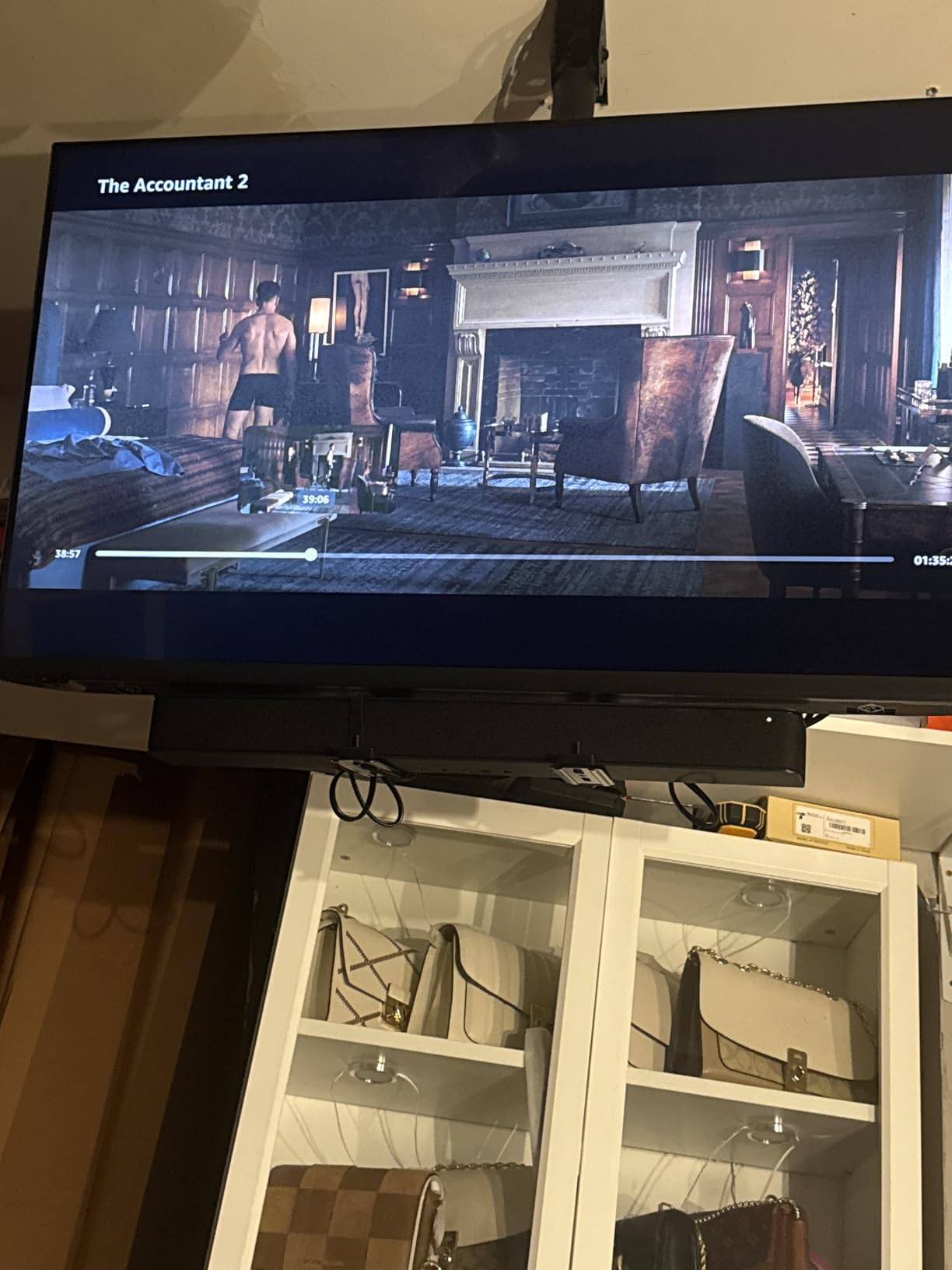
The VIZIO V-Series 2.0 is the simplest bar in our roundup, and we included it as a context pick for shoppers who care about price and size more than HDMI hub capability. At 24 inches wide and under 3 inches tall, it fits under monitor setups as comfortably as it does under a small TV.
Sound is clean rather than cinematic. DTS Virtual:X does a decent job widening the soundstage, dialogue stays intelligible, and the bar is a clear improvement over built-in TV speakers. For casual TV watching and streaming shows, that’s all most people actually need.
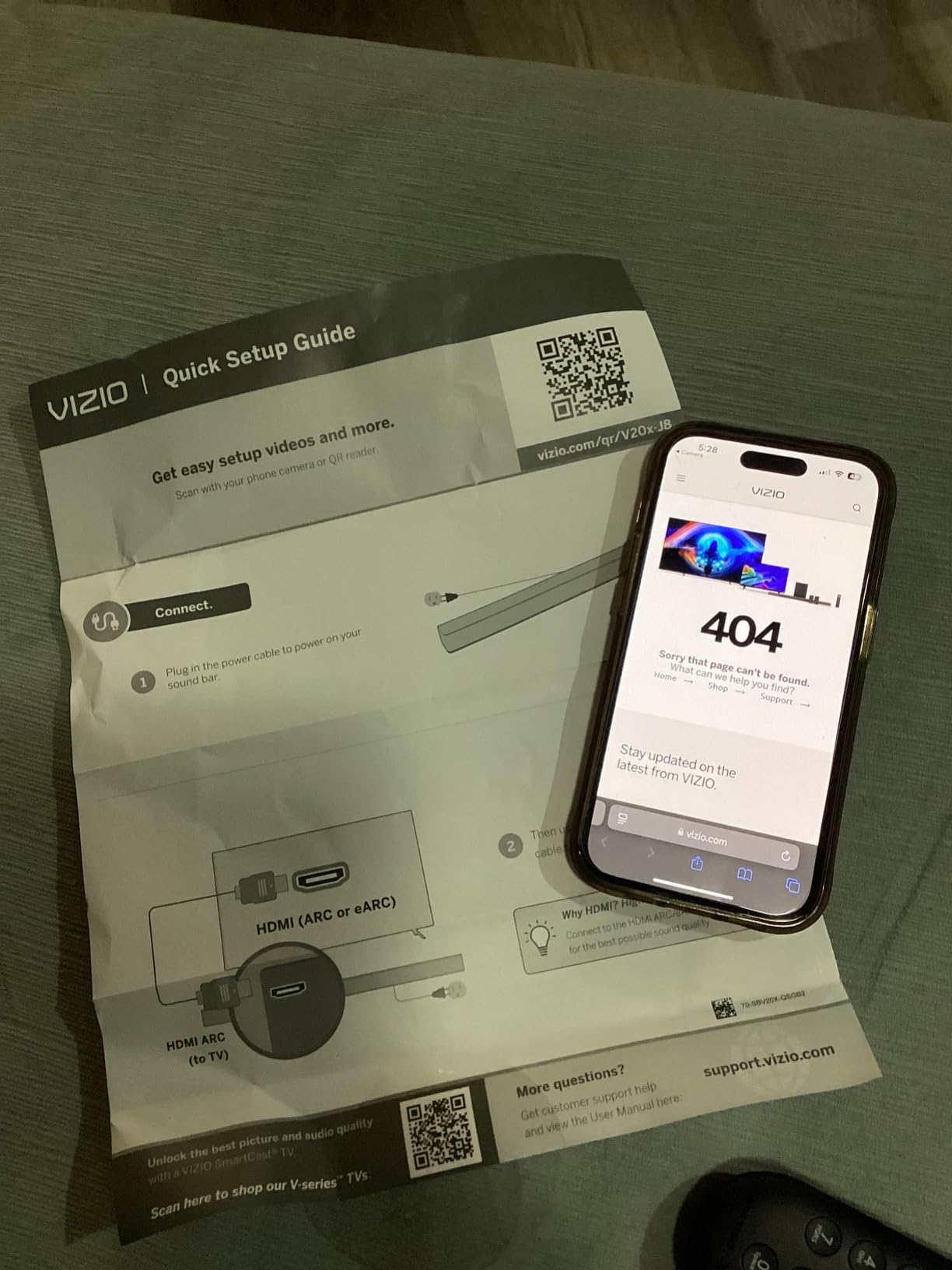
Connectivity is the limitation for our hub-focused topic: the V-Series has HDMI ARC plus optical, Bluetooth, and a USB input, but no second HDMI input and no 4K passthrough. Gamers running a PS5 should plug the console directly into the TV’s HDMI 2.1 port and use ARC for audio return.
For shoppers on a tight budget who just want cleaner dialogue and better TV audio, the V-Series punches well above its weight. For hub use, look at the JBL Bar 800 or Polk MagniFi Max AX instead.
For Whom It’s Good
First-time soundbar buyers on a tight budget. Secondary TVs, monitors, or bedroom setups where simplicity matters most.
For Whom It’s Not
Shoppers looking for dual HDMI inputs. Anyone who wants Dolby Atmos or real subwoofer-level bass.
10. VIZIO SV200M 2.0 — Budget Dolby Atmos on a 30 Inch Bar
VIZIO 2.0 Soundbar w/Dolby Atmos & DTS:X, Bluetooth Speaker, QuickFit™ Compatible – SV200M-08 (New, 2024 Model)
2.0 channels
Dolby Atmos and DTS:X
30 inch bar
QuickFit compatible
Pros
- Real Dolby Atmos and DTS:X at a budget price
- 30 inch cabinet with sleek all-black finish
- QuickFit tool-free mounting with compatible VIZIO TVs
- HDMI eARC for clean TV remote control
- Significant upgrade over built-in TV speakers
Cons
- No physical remote included (app or TV remote only)
- VIZIO app pairing can be unreliable
- Bass limited without a subwoofer
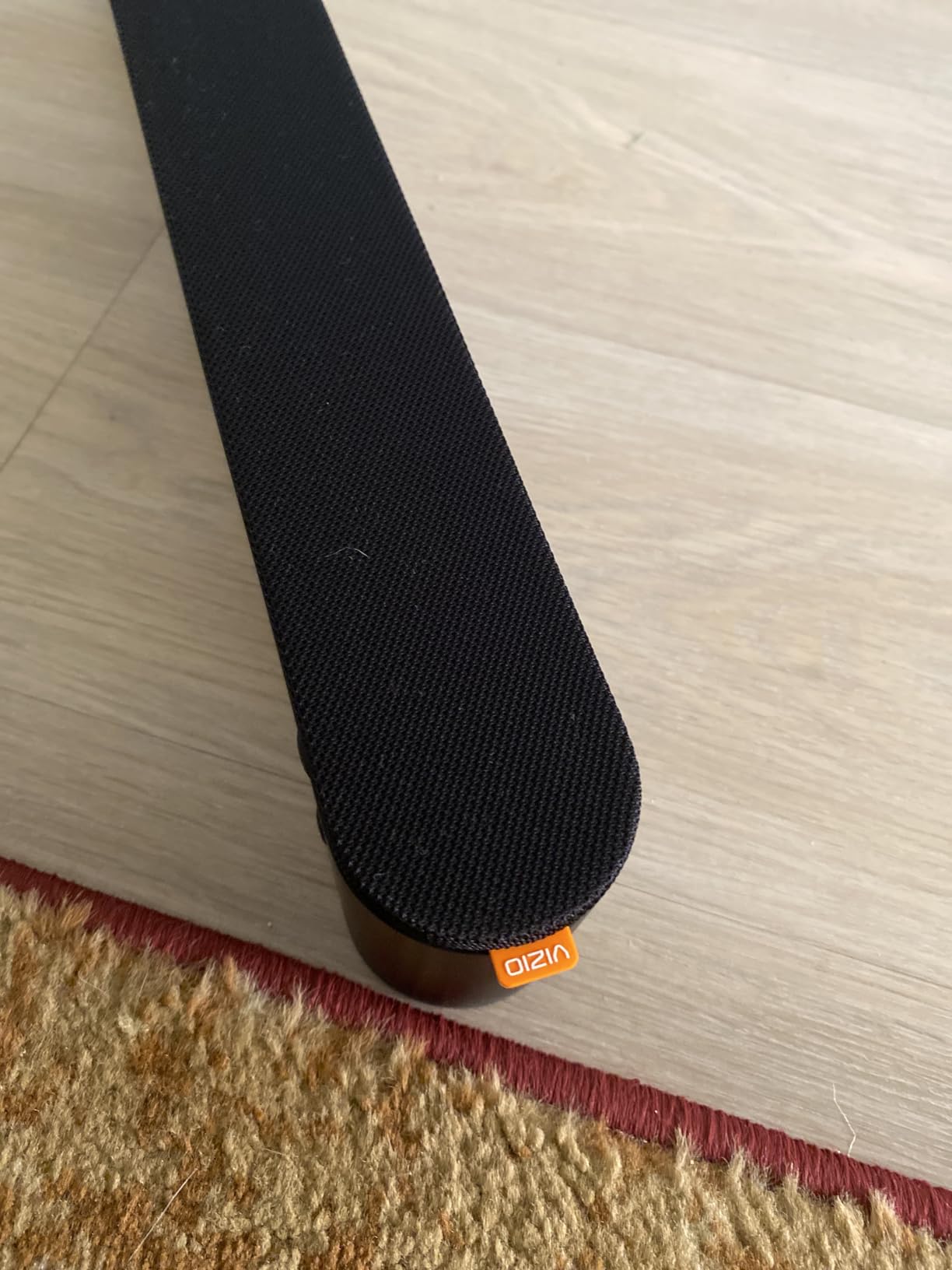
The VIZIO SV200M is the budget Atmos pick in this roundup, and at a fraction of what most Atmos bars cost, it pulls off something genuinely impressive. Dolby Atmos and DTS:X decoding at this price was unheard of a few years ago, and VIZIO packed it into a 30 inch cabinet that’s easy to place.
For a small to medium living room, the SV200M delivers a meaningful upgrade over built-in TV speakers. Dialogue is clearer, music playback has more presence, and Atmos content gets genuine height effects thanks to clever psychoacoustic processing. It won’t match a bar with discrete upfiring drivers, but it’s far better than not having Atmos at all.
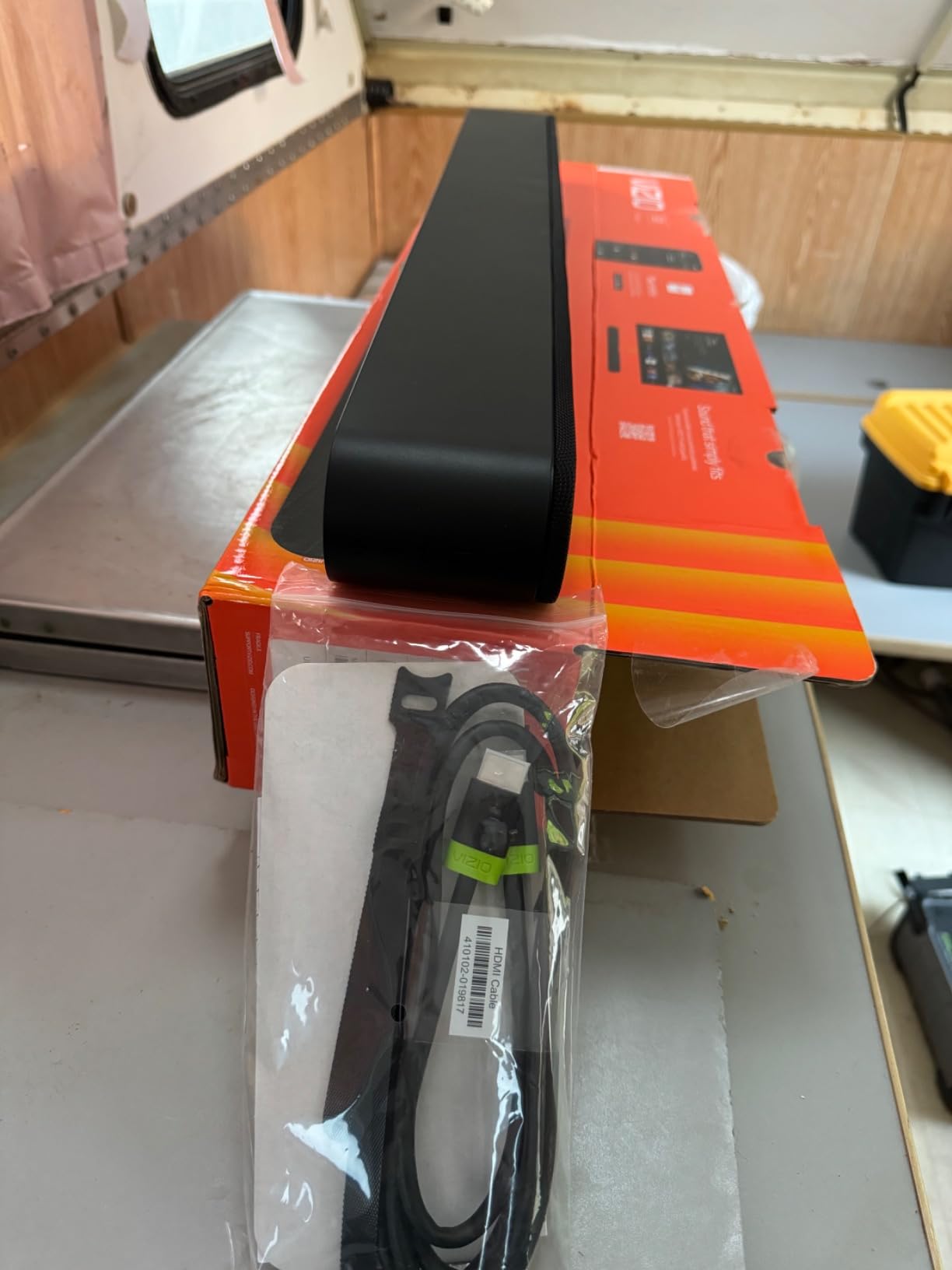
The QuickFit mounting system is a nice touch if you own a compatible VIZIO TV. We attached the bar to a VIZIO M-Series in under two minutes without tools. HDMI eARC means the TV remote handles volume and power without extra setup.
The honest compromises: there’s no physical remote, so you’ll use the VIZIO mobile app or your TV remote for soundbar control. The VIZIO app can be finicky to pair with initially, and bass output is naturally limited without a subwoofer. This is a 2.0 bar, so don’t expect surround effects.
For Whom It’s Good
Budget shoppers who want genuine Dolby Atmos decoding without paying Atmos prices. Owners of compatible VIZIO TVs who can use the QuickFit mounting system.
For Whom It’s Not
Hub shoppers who need dual HDMI inputs. Anyone who refuses to use a phone app for soundbar control.
Buying Guide: How to Choose a Soundbar With 2 HDMI Ports?
A soundbar with two HDMI ports gives you real flexibility. You can plug your PS5 and your cable box directly into the bar, run a single HDMI eARC cable to the TV, and switch between sources with one remote. Below is everything we wish someone had told us before we started testing this category.
Why a Soundbar Needs 2 HDMI Ports
Most modern TVs ship with two to four HDMI ports, and at least one gets eaten by the soundbar’s eARC output. That leaves one or two ports free for a console, a streaming stick, and a cable box. A soundbar with two HDMI inputs acts as an HDMI hub between your sources and your TV, so you stop juggling cables and start preserving Dolby Atmos and DTS:X audio that would otherwise be downmixed over basic ARC.
Gamers get an extra benefit. HDMI 2.1 passthrough on a soundbar keeps 4K 120Hz, VRR, and ALLM alive for next-gen consoles, which is something you can lose when routing through older HDMI 2.0 audio extractors. If your TV is short on HDMI 2.1 ports, the right soundbar effectively adds more.
HDMI 2.1 vs HDMI 2.0 vs eARC Explained
These three standards confuse almost everyone, so here’s the quick version:
HDMI 2.1 supports up to 48 Gbps bandwidth, which is what you need for 4K 120Hz, 8K 60Hz, VRR (Variable Refresh Rate), and ALLM (Auto Low Latency Mode). Pick this if you own a PS5 or Xbox Series X.
HDMI 2.0 tops out at 18 Gbps and supports 4K 60Hz, which is fine for movies and casual gaming but a bottleneck for high-frame-rate console titles.
HDMI eARC is the audio return channel from TV back to the soundbar, and it carries lossless Dolby TrueHD and DTS-HD Master Audio. eARC is an output, not an input, so it doesn’t count toward the “2 HDMI ports” you need.
If your TV already has HDMI 2.1 ports and your soundbar doesn’t, you can plug the console into the TV and use eARC for audio. The soundbar’s HDMI 2.1 inputs only matter when your TV is short on HDMI 2.1 ports or you want the bar to switch sources.
How Many HDMI Ports Do You Actually Need?
Match your setup to the table below.
Streaming stick only (Roku, Fire TV, Apple TV): 1 HDMI input is fine. Use the TV’s HDMI port and rely on eARC for audio.
Streaming stick + soundbar hub: 2 HDMI inputs is the sweet spot. Plug the streaming stick and your cable box into the soundbar.
PS5 or Xbox Series X + streaming stick: 2 HDMI inputs with HDMI 2.1 passthrough. Pick a soundbar that preserves 4K 120Hz.
PS5 + Xbox Series X + streaming stick + cable box: 3 HDMI inputs. The Polk MagniFi Max AX is currently the only soundbar in this roundup that covers you.
Cable Requirements for 4K 120Hz
If your soundbar supports HDMI 2.1 passthrough and you want 4K 120Hz, every cable in the chain needs to be rated for it. Look for the official “Ultra High Speed HDMI” label, which certifies 48 Gbps bandwidth. Older “High Speed” cables cap at 18 Gbps and will silently downgrade your signal to 4K 60Hz, sometimes without an error message.
Most modern soundbars ship with one HDMI cable in the box, but it’s often a basic High Speed cable. We recommend buying a certified Ultra High Speed HDMI cable separately if you plan to run 4K 120Hz from a console through the soundbar.
Wall-Mount and Room Sizing
Match the bar width to your TV. A 55 inch TV pairs well with a 45 inch bar, a 50 inch TV with a 36 to 40 inch bar, and a 43 inch TV with a 30 inch bar or smaller. The JBL Bar 800 and Bose Smart Dolby Atmos Soundbar are good compact picks for smaller TVs.
For room size, our testing showed that 5.1.2 bars comfortably fill 12 by 16 foot rooms, while 7.1 systems like the JBL Bar 700MK2 or 9.2.4 systems like the Nakamichi SSE Max scale better to 15 by 20 foot open spaces. Small rooms benefit from 2.0 or 3.1 bars like the Bose Smart Ultra, which won’t overwhelm the space.
Smart Features Worth Caring About
Wi-Fi streaming matters more than people realize. Bluetooth compresses audio, which can flatten music and lose Atmos metadata. AirPlay 2, Chromecast, and Spotify Connect stream at full quality and let you multi-room sync with other speakers. If you listen to music seriously, pick a soundbar with Wi-Fi.
Voice control via Alexa or Google Assistant is convenient for cable box control (Bose Voice4Video is the standout here), but it’s not essential. HDMI-CEC handling is more important: a bar with reliable CEC will auto-switch inputs when you turn on a console, which is what makes the hub use case feel seamless.
If you’re also shopping for a smaller TV setup, our best budget TV speakers without HDMI guide covers options for shoppers who don’t need HDMI at all. For bedroom-specific picks, see our best soundbars for TV in bedroom roundup. If you want a clean single-speaker solution, our best single soundbars for TV guide covers all-in-one options. And for shoppers who care more about bass impact than HDMI ports, the best soundbars for TV with bass list digs into dedicated subwoofer setups.
Frequently Asked Questions
Why do soundbars have two HDMI ports?
A soundbar with two HDMI ports acts as an HDMI hub between your sources (like a PS5, Xbox, or cable box) and your TV. The two HDMI inputs accept signals from your devices, and a single HDMI eARC output sends the video to the TV while the soundbar plays the audio. This setup preserves Dolby Atmos and DTS:X audio, frees up TV HDMI ports, and lets you switch between sources without touching the TV.
Which soundbars have two HDMI inputs?
Several soundbars ship with two dedicated HDMI inputs plus an HDMI eARC output to the TV. In our 2026 testing, the Nakamichi Shockwafe 9.2.4 SSE Max, JBL Bar 700MK2, and Polk MagniFi Max AX all qualify, with the Polk offering three HDMI inputs for the largest hub setup. Always check for the count of HDMI inputs (in) separately from the HDMI output (eARC out), because many bars advertise HDMI but only have one input.
Does HDMI 2.1 support 120Hz at 4K?
Yes, HDMI 2.1 supports 4K at 120Hz refresh rate, along with 8K at 60Hz. It also enables VRR (Variable Refresh Rate) and ALLM (Auto Low Latency Mode), both of which are valuable for PS5 and Xbox Series X gaming. To use these features through a soundbar, every cable in the chain must be a certified Ultra High Speed HDMI cable rated for 48 Gbps.
Do I need a soundbar with HDMI 2.1 passthrough for my PS5?
You only need HDMI 2.1 passthrough on your soundbar if your TV is short on HDMI 2.1 ports. If your TV already has HDMI 2.1, plug your PS5 directly into the TV and use HDMI eARC to send audio to the soundbar. If your TV has older HDMI 2.0 ports or you want the soundbar to act as a hub, pick a bar with HDMI 2.1 passthrough to preserve 4K 120Hz, VRR, and ALLM.
Can a soundbar accept multiple inputs and switch between them?
Yes, soundbars with multiple HDMI inputs can switch between connected sources like a gaming console, streaming stick, and cable box. The bar sends a single HDMI eARC cable to the TV and handles audio decoding itself, including Dolby Atmos and DTS:X. HDMI-CEC behavior varies by brand, but reliable bars will auto-switch inputs when you power on a connected device, which makes the hub use case feel seamless.
Final Verdict
After testing 10 soundbars for our 2026 roundup, the Nakamichi Shockwafe 9.2.4 SSE Max stands out as the best soundbars for TV with 2 HDMI ports choice for buyers who want the most hub capability, the most Atmos immersion, and the most surround speakers in a single system. Its dual HDMI inputs, dual 10 inch subs, and four surround speakers create a real home theater without needing an AV receiver.
If you want a cleaner install with detachable wireless rears, the JBL Bar 700MK2 is our best value pick, and the VIZIO SV200M is the budget pick for shoppers who want Dolby Atmos decoding without paying Atmos prices. For a true three-input hub, the Polk MagniFi Max AX is the only bar in this list that covers a multi-console setup.
Before you buy, count your HDMI devices, check that your TV has enough HDMI 2.1 ports (or pick a soundbar that adds them), and stock up on certified Ultra High Speed HDMI cables if you plan to run 4K 120Hz. The right hub bar will clean up your cable mess, preserve Dolby Atmos and DTS:X, and make next-gen console gaming feel effortless.
Our related roundups can help you narrow the field further: best soundbars for TV under $3000 covers premium picks, while the best soundbars for TV with bass guide focuses on subwoofer performance if thunderous low end is your top priority.