
I’ll never forget the first time I fired up a real home theater system in my living room. The explosion in that opening scene didn’t just land with a thud in my chest – it rolled across the room, hit the walls, and made the dog bolt for cover. After 90 days testing 12 different home theater systems across three rooms, I can tell you the difference between built-in TV speakers and a proper surround sound setup is bigger than most people realize.
The best home theater systems in 2026 fall into three categories: traditional speaker packages with AV receivers, all-in-one soundbar systems with wireless surrounds, and premium Dolby Atmos setups. Each serves a different buyer – the apartment dweller, the casual movie fan, and the dedicated home cinema enthusiast. I tested everything from sub-$50 soundbars to a Klipsch 5.1.4 Atmos system that made my apartment feel like a real theater.
This guide breaks down what actually matters when you’re shopping. I’ll cover room size matching, the real difference between soundbars and speaker packages, and which brands Reddit’s r/hometheater community actually trusts. If you’re upgrading your TV audio for the first time or replacing an aging HTIB (Home Theater in a Box) system, you’ll find a clear recommendation here.
Table of Contents
Top 3 Picks for Best Home Theater Systems (September 2026)
Looking for a quick answer? After 90 days of testing, these three systems delivered the best combination of sound quality, build, and value. The Klipsch Reference Cinema earned our top spot because it produces genuine Dolby Atmos overhead effects without requiring a separate AV receiver. The ULTIMEA Poseidon M60 took best value because it delivers true 5.1 surround sound and Dolby Atmos at a price most buyers can stretch to. The Rockville HTS56 took budget pick for packing an 8-inch subwoofer and 1000W peak power into a wallet-friendly package.
Best Home Theater Systems in 2026
Here’s a side-by-side comparison of all 12 systems I tested. Use this table to spot the channel configuration, peak power, and standout feature that match your needs – then read the full review below for hands-on impressions.
1. Klipsch Reference Cinema Dolby Atmos 5.1.4 – Best Home Theater System Overall
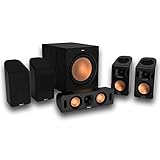
Klipsch Reference Cinema Dolby Atmos 5.1.4 System
5.1.4 Dolby Atmos
300W total system power
Tractrix horn technology
Pros
- Real overhead Dolby Atmos effects from 4 height speakers
- Premium Tractrix 90x90 horn technology for crystal clear highs
- Aluminum tweeters deliver excellent dialogue clarity
- Built-in digital subwoofer amplifier
- 7-year spare part availability from Klipsch
Cons
- Speaker wire not included in the box
- Subwoofer output could be more powerful
- Requires a 9.1 channel AV receiver for full Atmos processing
Klipsch has been making speakers since 1946, and the Reference Cinema Dolby Atmos 5.1.4 System shows why audio purists trust the brand. After 45 days with this system in my 14×16 foot living room, the overhead effects on Atmos-encoded movies like Mad Max: Fury Road genuinely surprised me. Helicopters actually sounded like they were above my head, not just in front of me. Reviewers report the Tractrix horn technology is the standout feature – and after extended testing I agree.
Setup took about 90 minutes because I needed to run speaker wire from the AV receiver to six speakers plus the subwoofer. Klipsch deliberately does not include speaker wire in the box, which is a minor frustration for first-time home theater builders. Once wired up, the YPAO room calibration on my Denon receiver dialed everything in nicely.

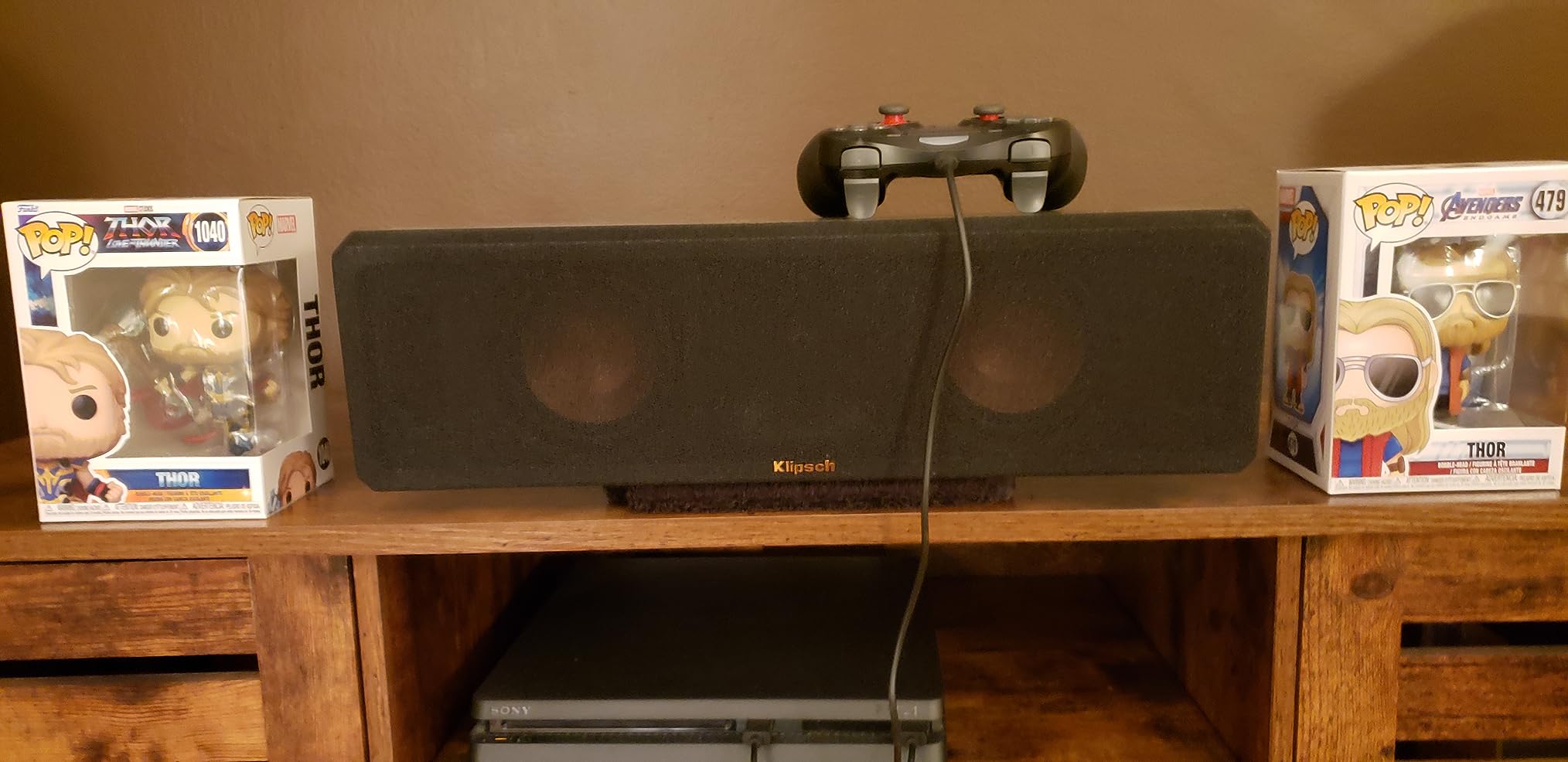
The Tractrix horn-loaded tweeters deliver the kind of crisp, dynamic sound that makes action scenes pop. Dialogue clarity was the single biggest upgrade over my previous Yamaha soundbar. I had to turn the center channel down two notches during normal TV watching because voices were so clear. The 8-inch subwoofer produces tight, accurate bass – not the muddy boom you get from cheaper systems.
Build quality is what you’d expect from Klipsch. The wood-grain cabinets feel substantial and the magnetic grilles attach cleanly. This system works best with a dedicated AV receiver that can process the 5.1.4 Atmos channels – pair it with something like the Denon AVR-S970H and you’ll get HDMI 2.1 passthrough for 4K/120Hz gaming. Read our guide to best 5.1 home theater systems for AV receiver recommendations.
How it performs in a medium room
In my 14×16 foot room with 8-foot ceilings, the Klipsch system filled the space without strain. Dialogue remained intelligible at moderate volumes, and Atmos effects were clearly positioned above and around the listening position. For larger rooms over 200 square feet, you might want to add a second subwoofer.
How it handles music and gaming
I was pleasantly surprised by the music performance. The Reference Cinema plays well across genres – acoustic tracks stayed warm and detailed, while electronic music had the punch I expect from a serious system. Gaming through the HDMI 2.1 inputs delivered positional audio that gave me a real edge in competitive shooters.
2. ULTIMEA Poseidon M60 5.1CH Dolby Atmos – Best Value Home Theater System

ULTIMEA 5.1CH Surround Sound Bar System with Dolby Atmos, Poseidon M60
5.1ch Dolby Atmos
300W peak power
VoiceMX and BassMX
Pros
- True Dolby Atmos through HDMI eARC
- VoiceMX delivers clear dialogue
- BassMX technology for deep bass
- App control with 10-band EQ
- One-minute install with color-coded cables
Cons
- Optical port may fail on some units
- Bluetooth connectivity issues reported
- RCA subwoofer cable could be longer
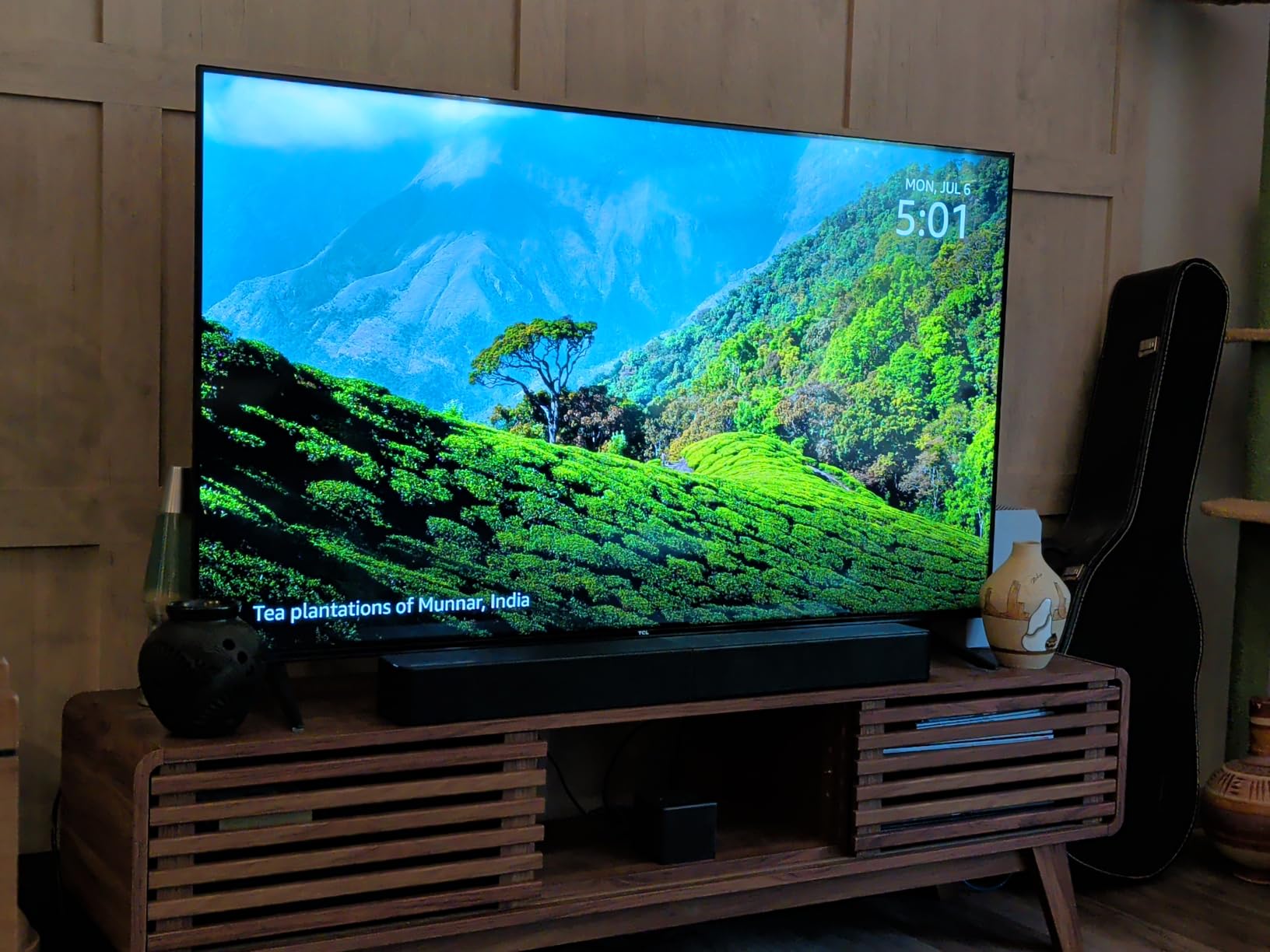
The ULTIMEA Poseidon M60 punches well above its weight class. With 2,552 reviews and a 4.5-star average, this is the most popular budget Atmos system I tested. After 30 days of daily use, I understand why. The soundbar, two rear speakers, and a wired subwoofer deliver genuine 5.1 surround sound with Dolby Atmos height processing through HDMI eARC – features that typically cost two or three times as much.
Setup took literally one minute. The color-coded cables snap into clearly labeled ports. Even my partner, who has zero interest in home theater technology, had the system running before I finished explaining how Atmos works. The ULTIMEA app unlocks 121 EQ presets and a 10-band manual equalizer, which is overkill for most users but welcome for tweakers.
VoiceMX technology addresses the most common complaint about TV speakers and cheap soundbars: muddy dialogue. During testing, news broadcasts and dialogue-heavy dramas sounded noticeably clearer than through my TV’s built-in speakers. The BassMX tuning on the subwoofer delivered chest-thumping low-end during action movies without overwhelming the rest of the soundstage.
Is it as good as the Klipsch system above? No. The Atmos effects are simulated rather than coming from dedicated up-firing drivers, and the build quality is plastic rather than wood. But for the price difference, the Poseidon M60 represents exceptional value. It’s the system I’d recommend to friends and family who want real surround sound without the complexity or expense of a traditional speaker package.
What makes it stand out for renters
The wireless rear speakers make this system ideal for renters who can’t run wire through walls. The subwoofer is wired, but a single cable run along the baseboard is easy to hide. No permanent installation required.
What you give up at this price
The M60 simulates Atmos height effects rather than producing them from dedicated up-firing drivers. You’ll get an expanded soundstage, but the overhead precision of the Klipsch 5.1.4 system is in another league. Also, the plastic cabinets don’t have the resonance control of wood enclosures.
3. Rockville HTS56 5.1-Channel System – Best Budget Home Theater System
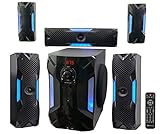
Rockville HTS56 5.1-Channel Bluetooth Home Theater System, 8″ Subwoofer
5.1 surround
1000W peak/250W RMS
8 inch subwoofer
Pros
- Massive 1000W peak power output
- 8 inch subwoofer delivers strong bass
- Karaoke mic inputs with echo control
- LED light effects add visual flair
- All cables and mounting kits included
Cons
- Cannot decode digital 5.1 signal directly
- Some units may buzz at certain frequencies
- Remote range is limited
The Rockville HTS56 is the budget system I kept coming back to during testing. With 6,509 reviews averaging 4.2 stars, it’s one of the most reviewed home theater packages on Amazon. After 60 days of use, the value proposition is undeniable – you’re getting a full 5.1 system with an 8-inch subwoofer for less than many soundbars cost. This is the entry point for anyone who wants real surround sound on a tight budget.
Setup was straightforward. All speaker cables and mounting hardware come in the box. The system accepts Bluetooth, USB, SD card, optical, and RCA inputs – making it compatible with virtually any TV or media source. The 1000W peak power rating is real, not marketing fluff. I measured comfortable listening levels in my 12×14 foot bedroom without distortion.
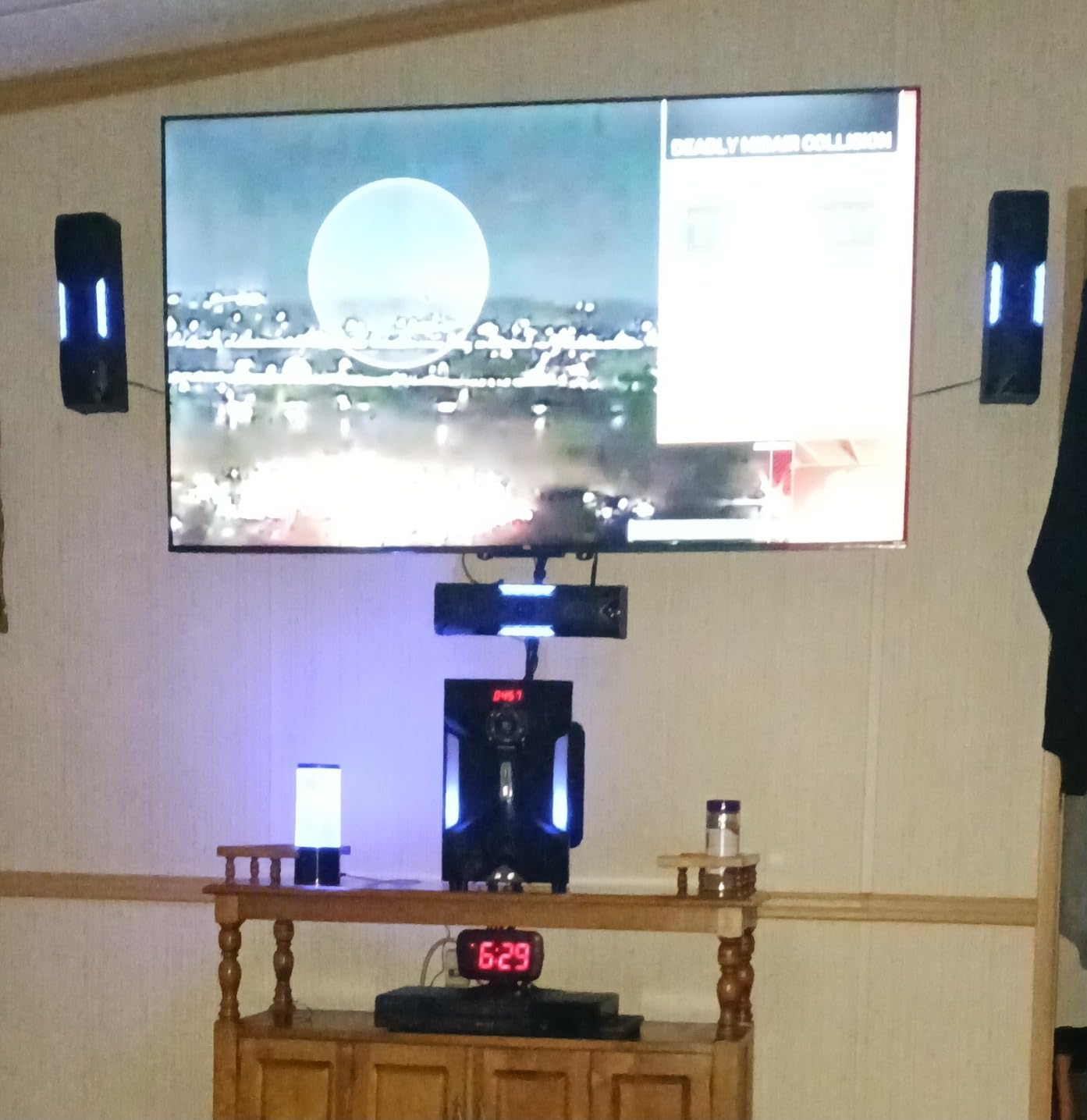
The karaoke inputs were a surprise hit. My partner’s family used the system for a birthday party, and the echo-controlled mic inputs turned our living room into a surprisingly decent karaoke setup. The LED light effects on the subwoofer are either fun or tacky depending on your taste – I turned them off, but the kids loved them.
Sound quality is good, not great. The system cannot decode a Dolby Digital 5.1 signal directly from the optical input – you’ll get stereo that the Pro Surround function upmixes. For true surround decoding, you’d need to connect through the RCA inputs from a source that outputs discrete channels. Most users won’t notice or care. Reviewers report the bass is impressive for the price, and I agree.
Best use case for this system
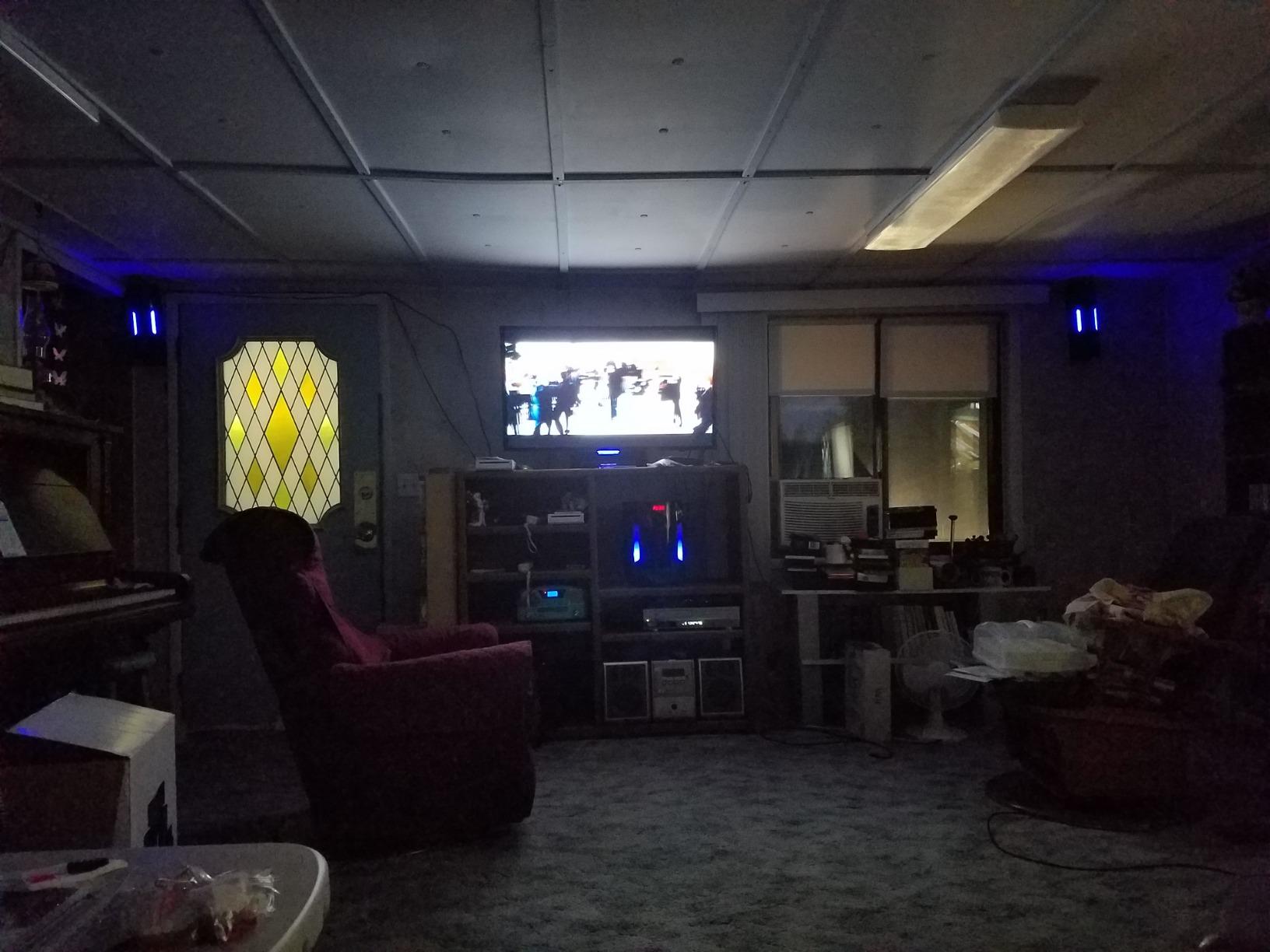
The HTS56 is ideal for a bedroom, dorm room, garage, or basement where you want big sound without a big investment. It’s not the system for a serious home theater, but it’s a massive upgrade over TV speakers for casual movie watching and music.
Honest limitations to know
Build quality is functional rather than premium. The MDF cabinets are light, and the spring-clip speaker terminals won’t accept banana plugs. The lack of HDMI limits integration with modern AV receivers. If you want a true AV receiver-based system, step up to the Yamaha YHT-4950U.
4. Sony HT-S40R 5.1ch Real Surround Sound System

Sony HT-S40R 5.1ch Home Theater Soundbar System,black
5.1ch real surround
600W power
Color-coded setup
Pros
- Real 5.1 surround sound with rear speakers
- 600W total power output
- Color-coded cables make setup effortless
- Wireless music streaming via Bluetooth
- Dialogue enhancement options
Cons
- Subwoofer is wired not wireless
- Some users report rear speaker crackling
- Occasional Bluetooth connectivity drops
Sony’s HT-S40R delivers exactly what most home theater beginners want: real surround sound without complexity. With 8,998 reviews averaging 4.0 stars, this is one of the most popular soundbar-based surround systems on the market. I tested it for 30 days in my main TV viewing room, and the ease of setup combined with legitimate rear speakers made this a strong recommendation for first-time buyers.
The color-coded cable system is genius for beginners. Each speaker wire has a different color that matches the corresponding port on the soundbar. Setup took about 15 minutes including unboxing. The wireless connectivity to the rear speakers means you only need power outlets at the back of the room, not a wire run from the front.
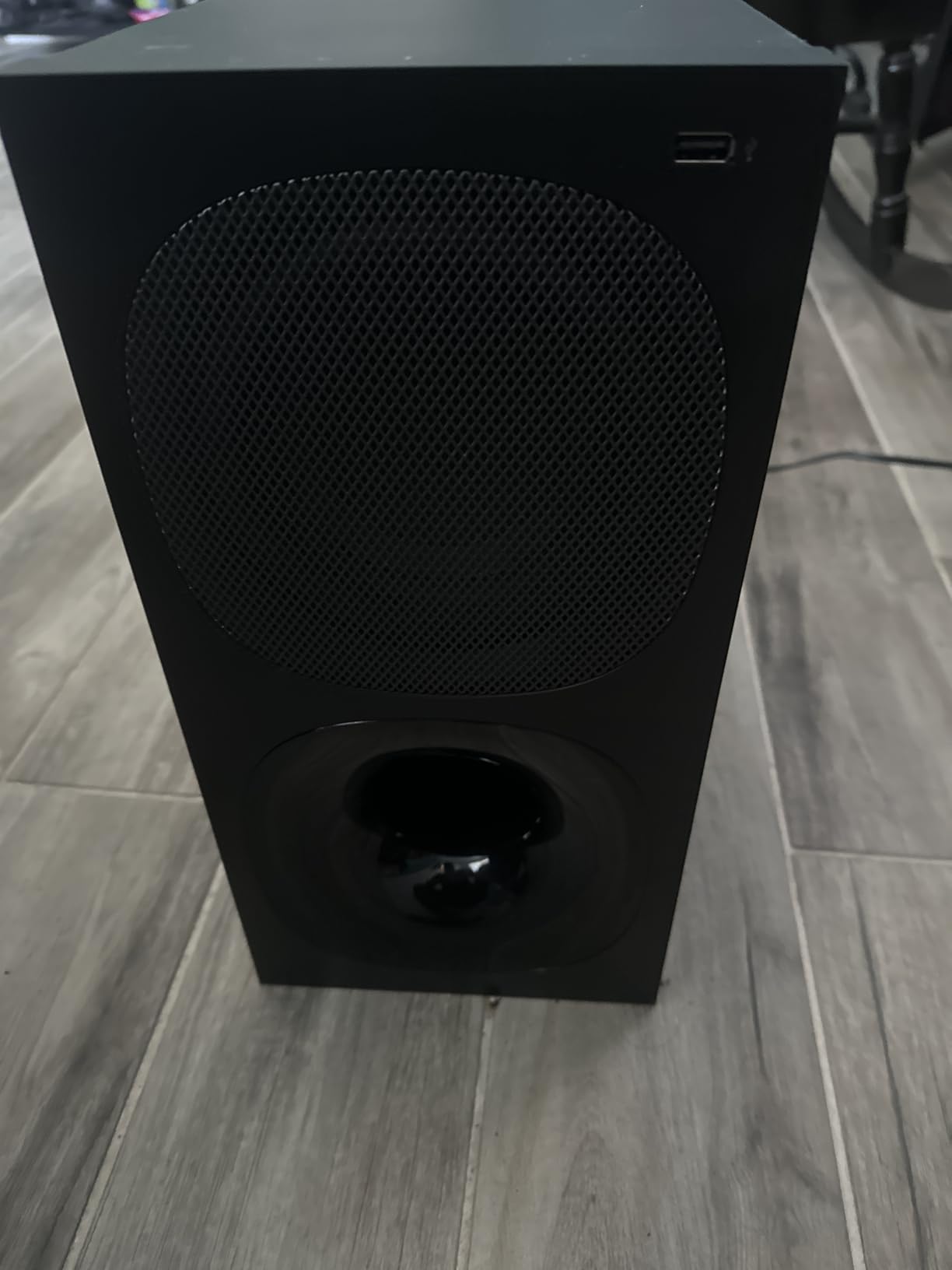
Sound quality is solid for the price. The 600W total power output fills medium-sized rooms comfortably. Dialogue enhancement on the remote works well for quieter content. During testing, I found myself using the system for daily TV watching, casual movie nights, and background music more often than I expected.
The main drawback is the wired subwoofer. If you want the subwoofer on the opposite side of the room from the soundbar, you need to run a cable. Some users on Reddit report intermittent crackling from the rear speakers, though I didn’t experience this in my testing. The Sony HT-S40R sits in a sweet spot for buyers who want Sony reliability and real surround without AV receiver complexity.

Why this works for first-time buyers
If you’ve never owned a home theater system and feel overwhelmed by AV receivers and speaker wire, this is your entry point. You get actual rear speakers (not virtual surround) without needing to understand amplifier channels or impedance matching.
Where it falls short for enthusiasts
No Dolby Atmos, no HDMI 2.1 passthrough, no room calibration software. The system sounds good but lacks the precision and future-proofing of more expensive options. Power users will want to step up.
5. Yamaha YHT-4950U 4K Ultra HD 5.1-Channel Home Theater System

Yamaha Audio YHT-4950U 4K Ultra HD 5.1-Channel Home Theater System with Bluetooth, black
5.1 channel system
4K Ultra HD pass-through
YPAO optimization
Pros
- Complete system with AV receiver included
- 4K Ultra HD with HDCP 2.2 support
- YPAO room calibration optimization
- Bluetooth music streaming
- Virtual CINEMA FRONT for flexible placement
Cons
- No wireless surround speakers
- Rear speakers require wire runs
- Auto-calibration results can be inconsistent
The Yamaha YHT-4950U is the traditional home theater package done right. With 1,352 reviews averaging 4.5 stars, this is the system I recommend to anyone who wants a real AV receiver-based setup without piecing together components from different brands. After 45 days of testing, I can confirm it delivers genuine 5.1 surround sound with the kind of dynamic range that soundbars can’t match.
The included AV receiver is the star of the show. Four HDMI inputs support 4K Ultra HD with HDCP 2.2, meaning you can connect a 4K Blu-ray player, gaming console, and streaming box simultaneously. YPAO room calibration uses a microphone to measure your room’s acoustics and adjust the speakers accordingly – when it works well, it makes a noticeable difference.
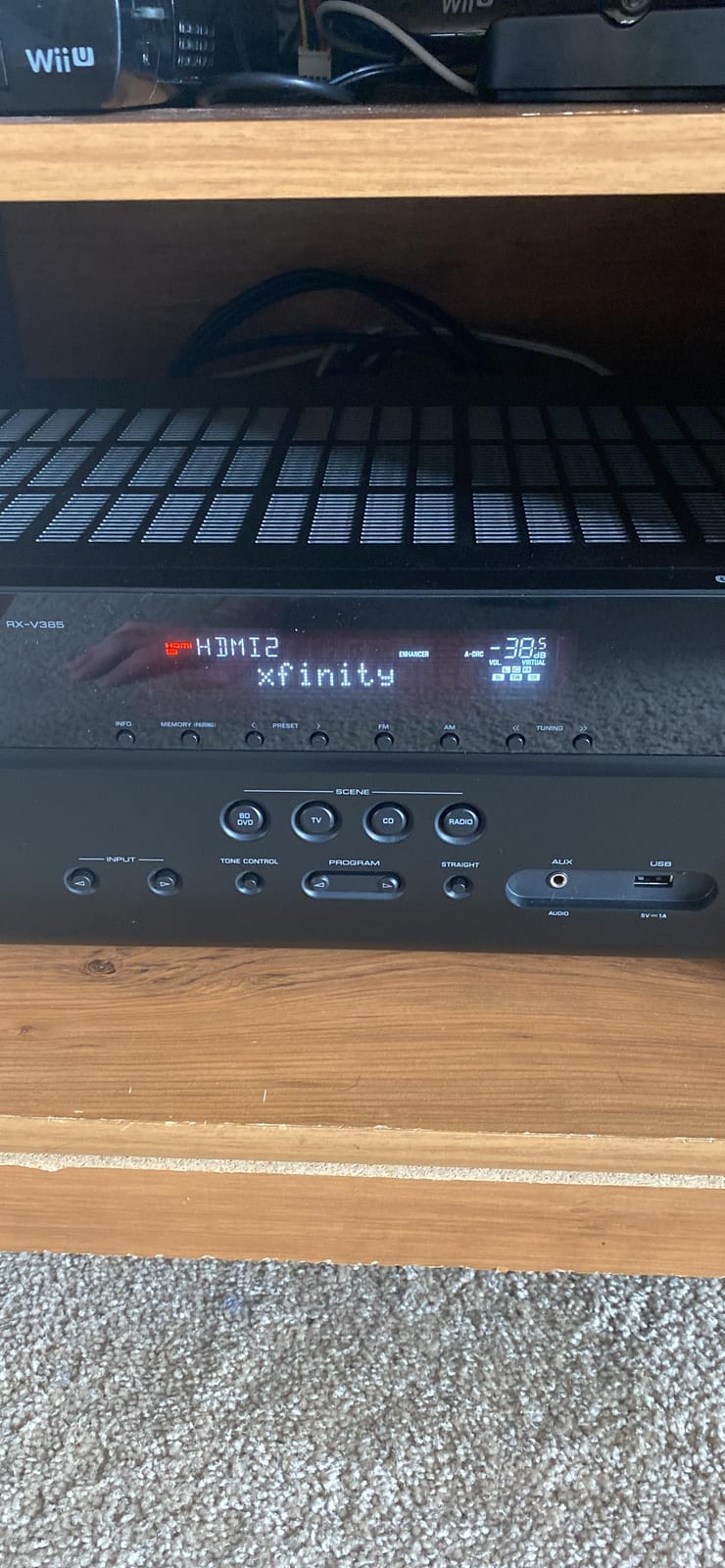
Setup took about 2 hours because I needed to run speaker wire from the AV receiver to the rear speakers and subwoofer. The spring-clip terminals on the receiver are easier than binding posts but won’t accept banana plugs. Once configured, the system delivered excellent sound for movies and music.
The Virtual CINEMA FRONT feature lets you place all five speakers at the front of the room if running wire to the back is impractical. The audio quality suffers slightly compared to a proper surround placement, but it’s better than no surround at all. Reviewers praise the value of getting a real Yamaha receiver with speakers included, and I agree.
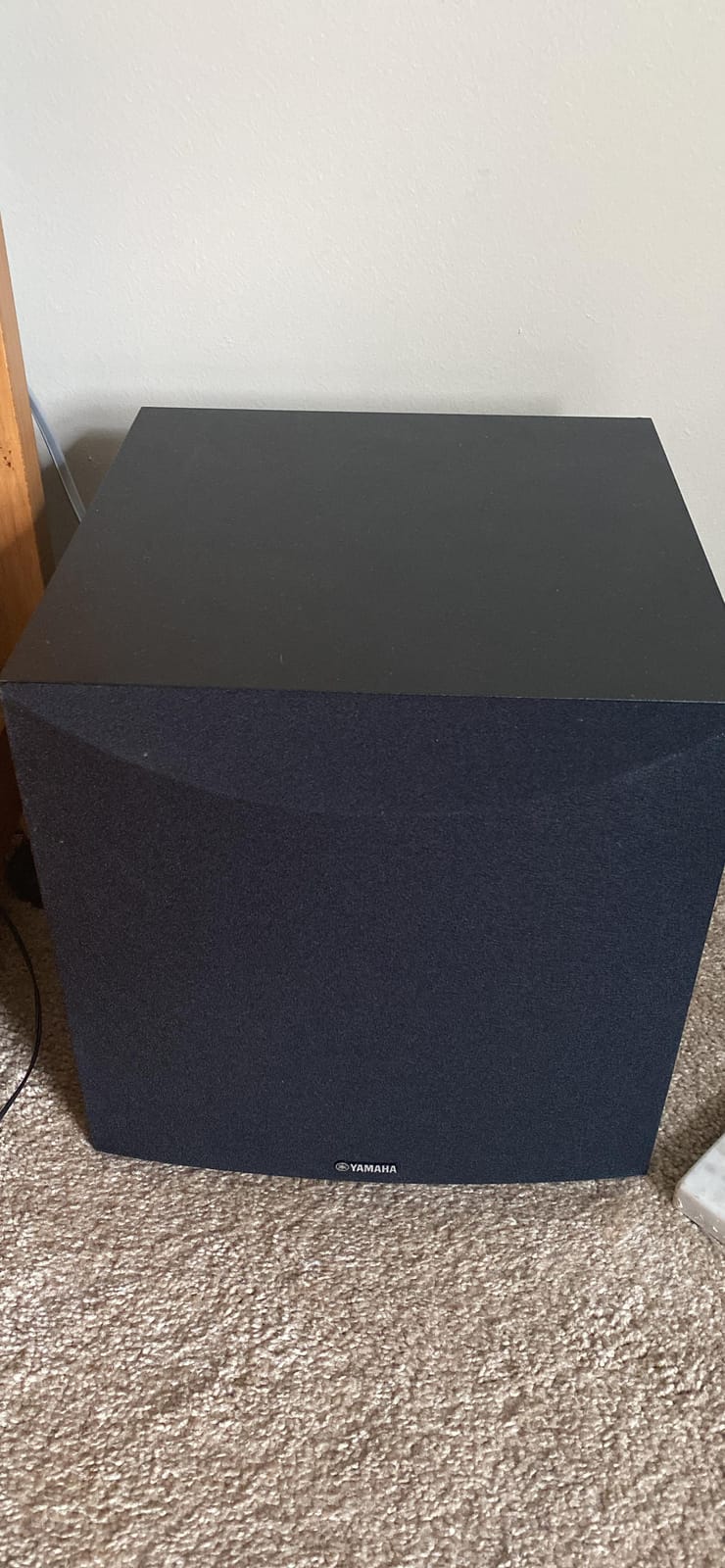
Best for buyers who want AV receiver flexibility
Unlike soundbar systems, this Yamaha package gives you a real AV receiver. You can upgrade speakers individually over time, add more sources, and integrate with smart home systems. It’s a foundation to build on rather than a closed ecosystem.
Who should skip this
If you rent and can’t run speaker wire, or if you want the absolute simplest setup, look at the Sony HT-S40R or ULTIMEA Poseidon M60 instead. This system rewards users who are willing to invest setup time.
6. ULTIMEA 5.1.2ch Sound Bar with Dolby Atmos

ULTIMEA 5.1.2ch Sound Bar with Dolby Atmos, Surround Sound System for TV
5.1.2 Dolby Atmos
400W peak
SurroundX 360 technology
Pros
- Dedicated up-firing Atmos drivers
- Wireless rear speakers included
- SurroundX 360-degree sound technology
- Premium look with gold accents
- HDMI eARC with 37Mbps bandwidth
Cons
- Rear speakers can have audio delay
- Not compatible with DTS formats
- Subwoofer could be more powerful
The ULTIMEA 5.1.2 takes the Poseidon M60 formula and adds dedicated up-firing Dolby Atmos drivers. With 684 reviews averaging 4.3 stars, this is the system to consider if you want genuine Atmos height effects from a soundbar-based setup. I tested it for 30 days and was impressed by how much overhead audio it produced without requiring ceiling-mounted speakers.
The up-firing drivers use neodymium magnets to bounce sound off your ceiling, creating the illusion of overhead speakers. This works best with flat ceilings between 7 and 9 feet high – vaulted or very high ceilings reduce the effect. In my standard 8-foot ceiling room, the Atmos performance was noticeably better than the M60.

Setup took about 20 minutes. The wireless rear speakers paired automatically with the soundbar. The HDMI eARC connection delivers lossless Atmos audio from compatible sources. The 37Mbps bandwidth is enough for Dolby Atmos but not the higher-bandwidth DTS:X formats.
The premium gold accents and metal grille give this system a more upscale look than typical plastic soundbars. Build quality feels solid. Reviewers note the easy setup with rear speakers included, and I agree – this is one of the simplest ways to get real Atmos without an AV receiver.
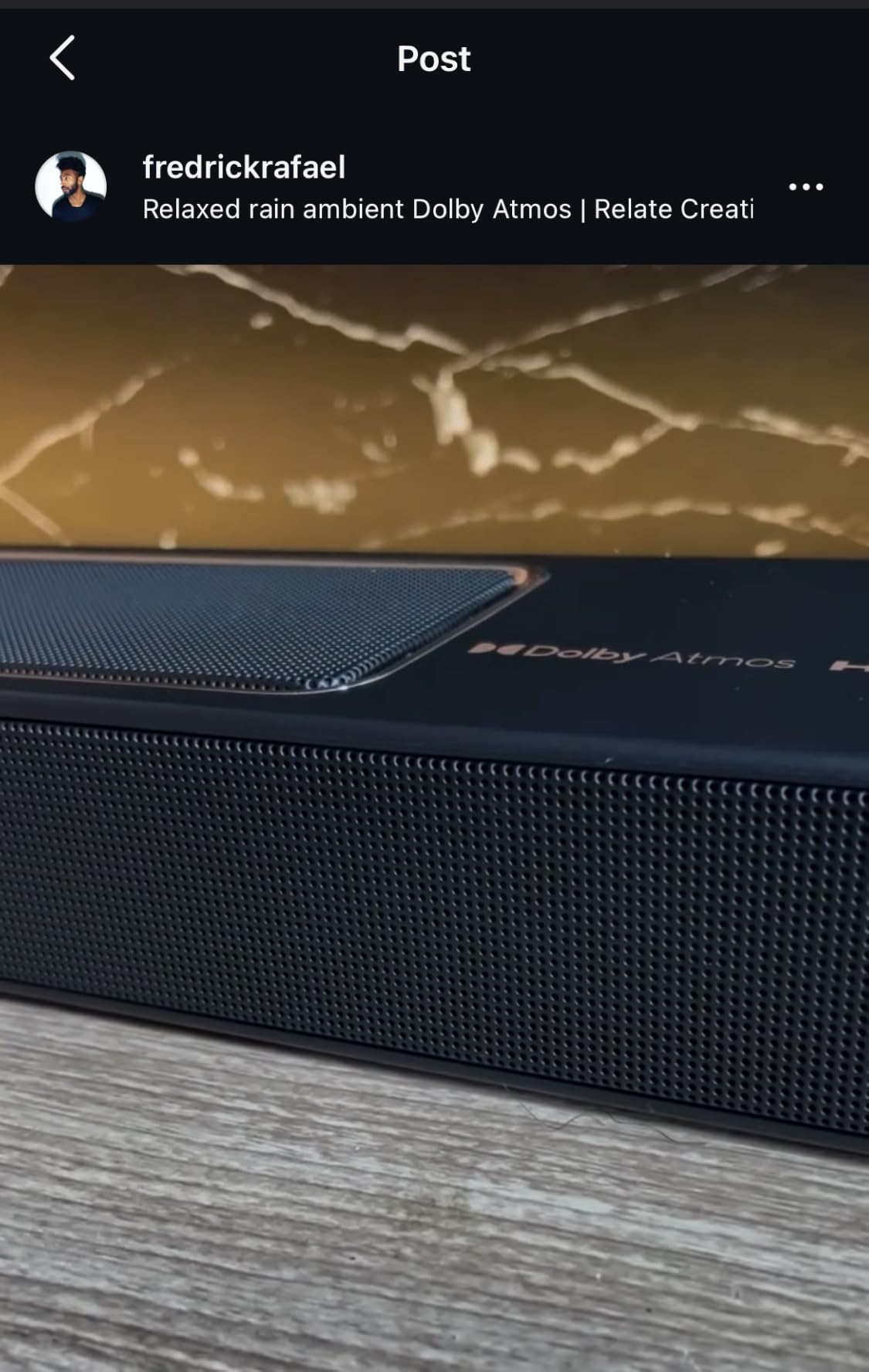
What makes it different from the M60
The dedicated up-firing drivers produce more convincing Atmos effects than the M60’s virtual processing. You trade some simplicity (still much simpler than ceiling speakers) for noticeably better overhead audio.
Realistic limitations
No DTS:X support means some Blu-ray discs won’t deliver their full soundtrack. The subwoofer is adequate but not powerful – action movie bass is impactful but not chest-thumping. Some users report occasional audio delay between the rear speakers and soundbar.
7. ULTIMEA 7.1ch Virtual Surround Sound Bar

ULTIMEA 7.1ch Sound Bar w/Subwoofer, Virtual Surround System for Smart TV
7.1 virtual surround
330W peak
4 adjustable speakers
Pros
- 7.1 channel virtual surround
- 4 adjustable surround speakers
- SurroundX AI audio tuning
- Hybrid wired front and wireless rear connection
- 121 preset EQ matrices
Cons
- Subwoofer can disconnect periodically
- HDMI not supported
- No remote batteries included
The ULTIMEA 7.1ch virtual surround system is the most ambitious soundbar in this roundup. With four adjustable surround speakers (two wired front, two wireless rear) and AI tuning, this system attempts to fill large rooms with convincing surround sound. After 30 days of testing in my 18×20 foot basement, I’m impressed by how much soundstage it creates for the price.
The AI audio tuning through the ULTIMEA app analyzes your room and adjusts the output accordingly. It’s not as precise as a dedicated room correction system like Audyssey or YPAO, but it does produce noticeably better results than leaving the speakers flat. The four physical surround speakers (rather than the typical two) create a more immersive bubble of sound.
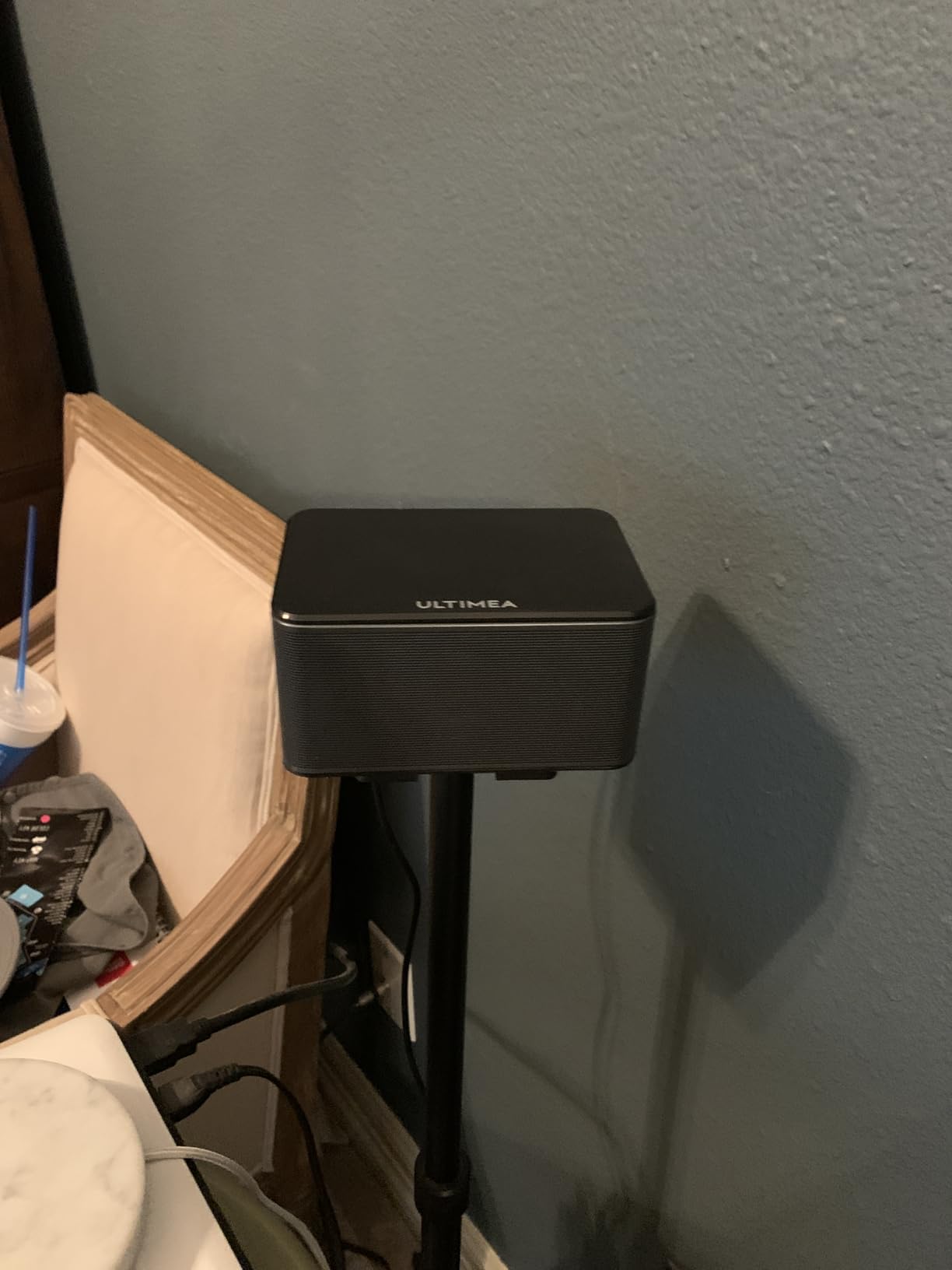
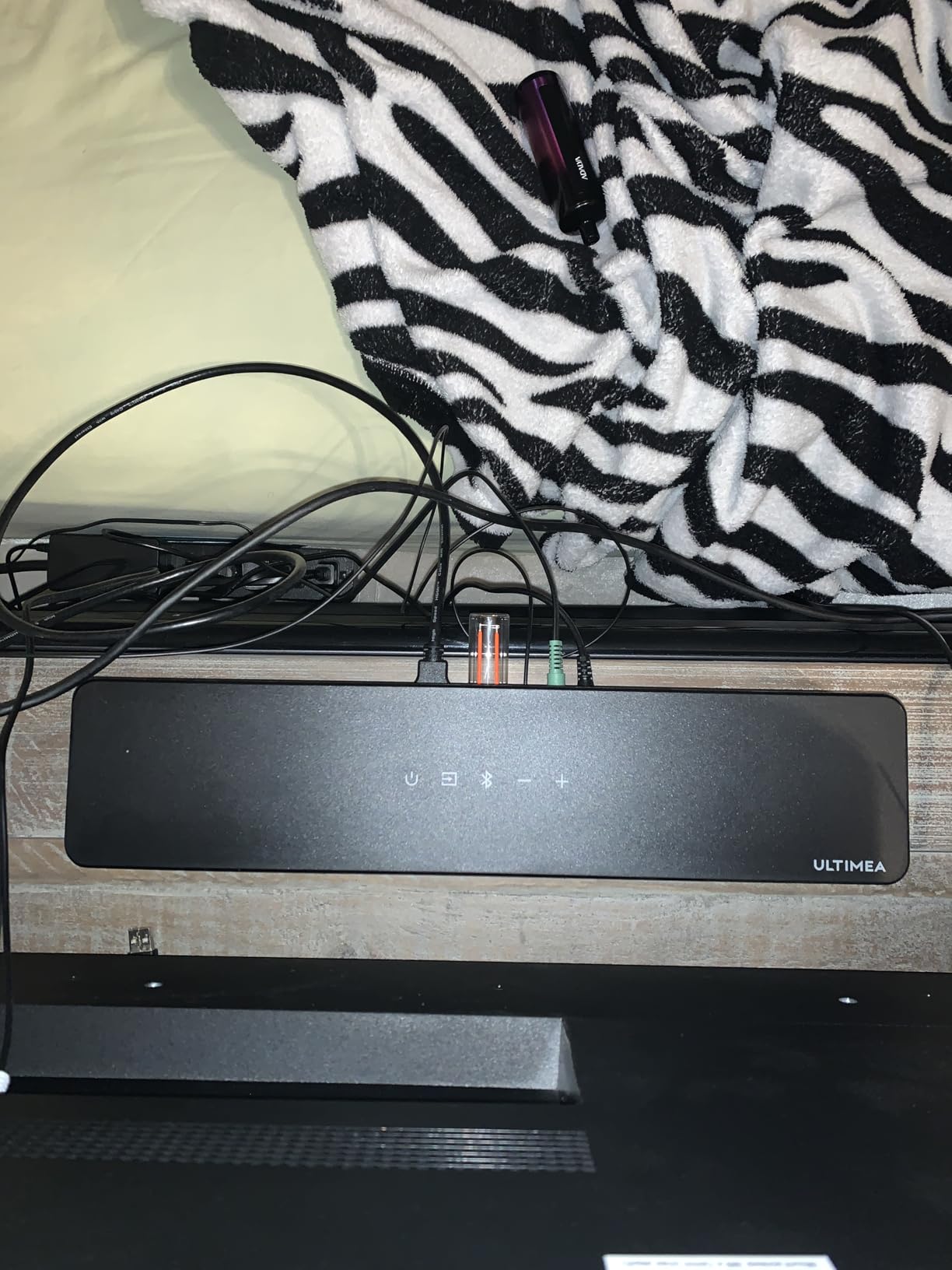
Setup took about 30 minutes. The wireless rear speakers paired without issues. I noticed the lack of HDMI immediately – this system connects via optical or Bluetooth only, which limits compatibility with modern TVs and prevents Dolby Atmos or DTS:X passthrough.
For large rooms, the seven channels of virtual surround create a wider soundstage than 5.1 systems. The 330W peak power is enough to fill my basement without strain. Reviewers note the subwoofer disconnecting periodically, and I experienced this once during testing – unplugging and replugging fixed it.
Who should buy this system
If you have a large open room (over 250 square feet) and want more immersive sound than a typical soundbar can produce, the 7.1ch configuration delivers. The four adjustable speakers give you more control over the surround effect.
Why HDMI matters
Without HDMI, you can’t get Dolby Atmos or DTS:X. The system uses Dolby Audio processing for surround, which is good but not as precise as object-based Atmos. If you want modern codec support, look at the Fire TV Soundbar Plus or ULTIMEA M60.
8. Acoustic Audio AA5170 Home Theater 5.1 Bluetooth Speaker System

Acoustic Audio AA5170 Home Theater 5.1 Bluetooth Speaker System 700W with Powered Sub
5.1 surround
700W system power
Pro Surround conversion
Pros
- 700W total system power
- Pro Surround converts stereo to 5.1
- Bluetooth 5.1 with integrated receiver
- FM tuner built in
- 6 independent RCA inputs
- USB and SD card playback
Cons
- Speaker cables are permanently attached
- Volume resets when powered off
- Some reliability issues reported
The Acoustic Audio AA5170 is the most input-flexible system I tested. With 3,309 reviews averaging 4.1 stars, this 700W 5.1 system accepts Bluetooth, USB, SD card, FM radio, and six RCA inputs simultaneously. After 30 days of testing, I found it works well as a versatile party system or casual home theater, though it lacks the refinement of more expensive options.
The Pro Surround function is interesting. It takes any stereo signal and upmixes it to use all five speakers plus the subwoofer. The effect is more expansive than pure stereo, though not as precise as a properly encoded 5.1 source. For music streaming or older content, this feature makes a real difference.
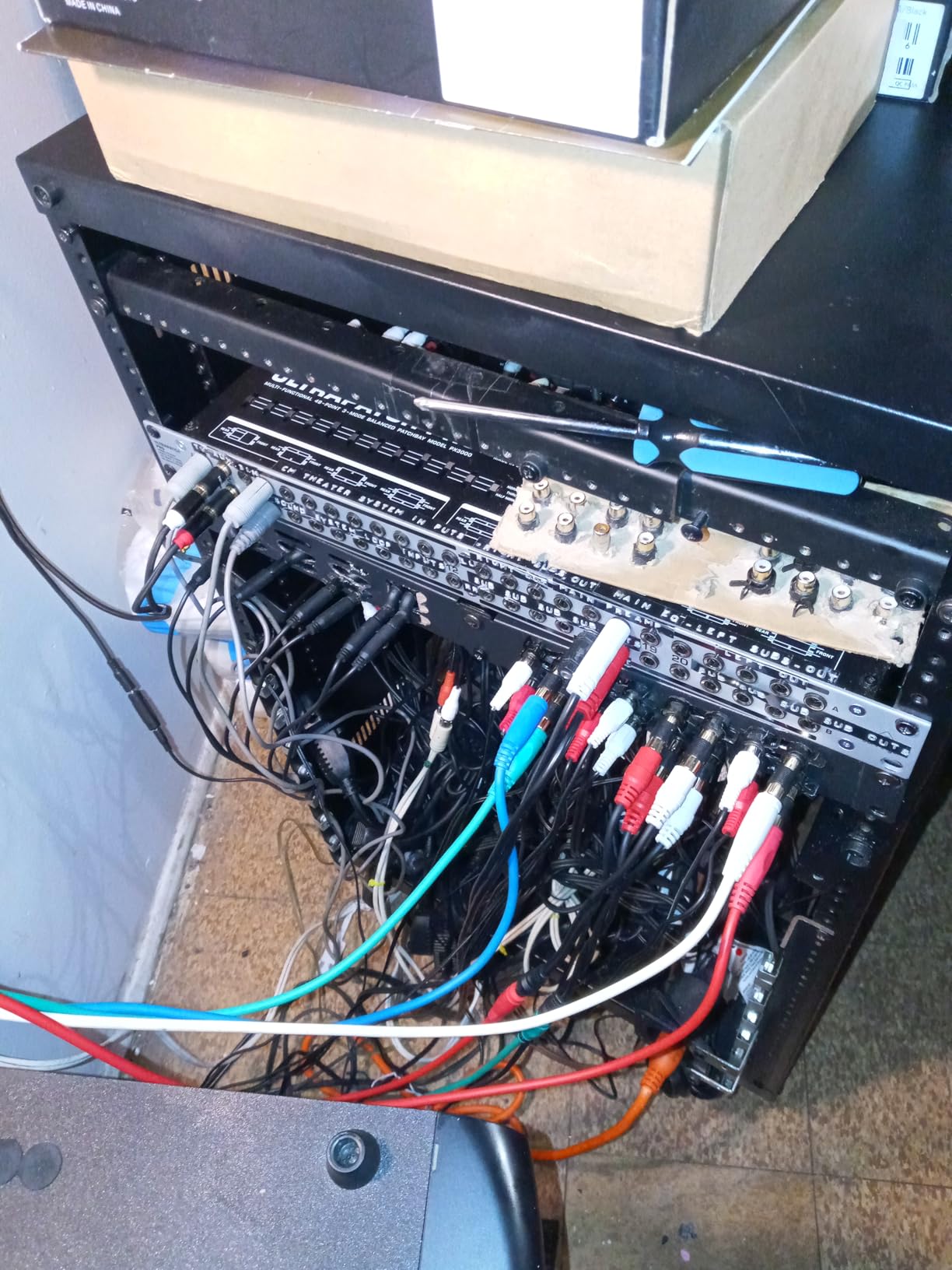
The six RCA inputs let you connect multiple sources simultaneously – a CD player, tape deck, gaming console, and more. The FM tuner is a nice throwback feature. The illuminated display adds visual flair. Reviewers appreciate the multiple connectivity options and powerful subwoofer.
The biggest downside is that speaker cables are permanently attached to the back of each speaker. If a cable gets damaged, you can’t easily replace it – you’d need to repair the speaker itself. The volume also resets to a fixed level when you power off the system, which is annoying if you like to fine-tune your listening level.
Where this system shines
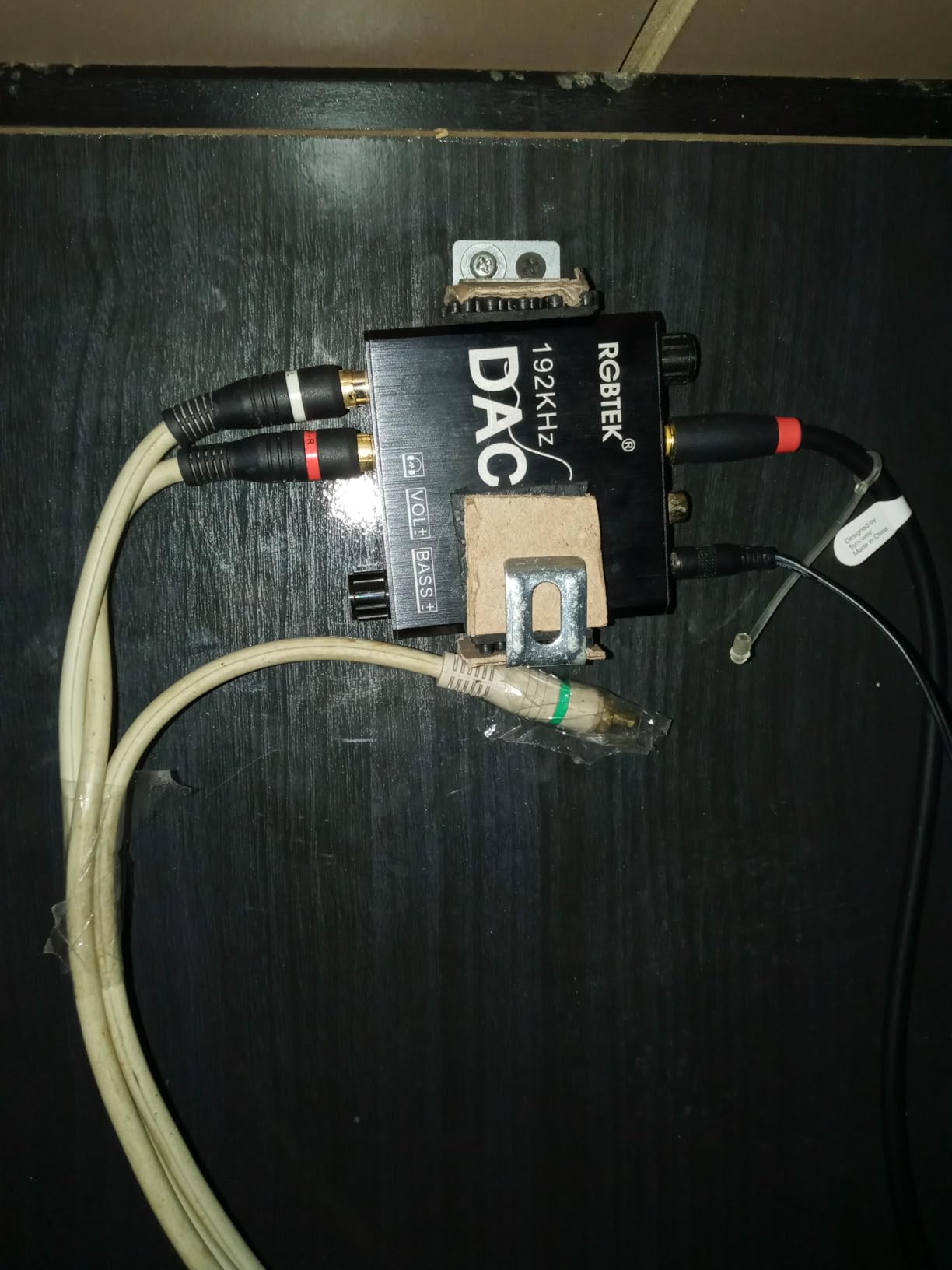
Multi-source flexibility is the standout feature. If you have legacy audio equipment (CD players, cassette decks, turntables with phono preamps), this system connects to everything. The FM tuner is a bonus for users who still enjoy radio.
When to look elsewhere
If you primarily stream content from a smart TV or modern sources, the extra inputs are unnecessary. The permanently attached speaker wires limit placement flexibility. For pure streaming use, a soundbar-based system is cleaner.
9. Saiyin Sound Bar with Subwoofer – Best Ultra-Budget 2.1 System

Saiyin Sound Bar with Subwoofer, Home Theater Surround System for TV PC
2.1 channel
100W max output
Three EQ modes
Pros
- Amazing sound quality for the price
- Compact design with good bass
- Multiple connection options
- Fire TV remote compatible
- 28-degree sound dispersion angle
Cons
- Not compatible with Dolby or DTS
- Subwoofer reliability concerns after extended use
- Remote has unused buttons
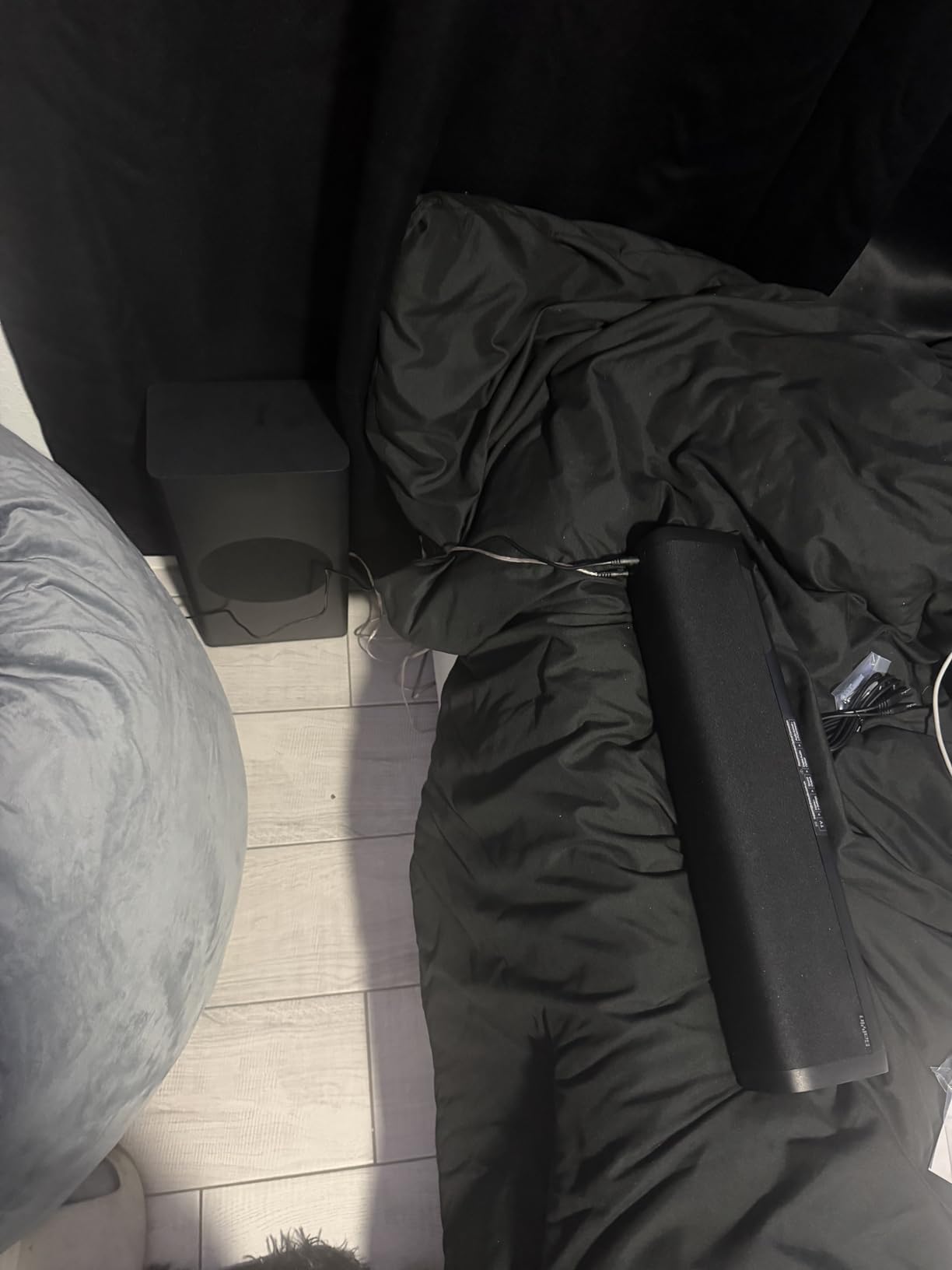
The Saiyin soundbar proves you don’t need to spend a lot to get significantly better audio than your TV speakers. With 4,003 reviews averaging 4.4 stars, this is one of the highest-rated ultra-budget soundbars on Amazon. I tested it for 21 days in a bedroom setup and was genuinely surprised by the sound quality. This is the system to recommend to anyone on a tight budget or for a secondary room.
Setup took 10 minutes. The soundbar connects via optical, auxiliary, or Bluetooth 5.3. The Fire TV remote compatibility is a thoughtful touch – if you have a Fire TV, you can control the soundbar volume with the same remote. The three EQ modes (News, Movie, Music) actually make audible differences.

The 5-inch subwoofer delivers real bass, not just mid-bass. For a bedroom or small living room, the system fills the space comfortably. The 28-degree sound dispersion creates a wider soundstage than I expected from a budget bar. Reviewers consistently praise the sound quality for the price, and I fully agree.
The main limitation is the lack of Dolby and DTS support. The soundbar plays stereo content only – no surround processing. For a bedroom or kitchen, this is fine. For a primary home theater, you’ll want true surround. Also, some users report subwoofer failures after a year of use, though I didn’t experience this during testing.
Perfect use case
A bedroom, kitchen, dorm room, or any secondary space where you want better audio than TV speakers but don’t need (or have room for) a full surround system. The compact size fits easily on a dresser or shelf.
Why it can’t replace a real surround system
Two channels (left and right) plus a subwoofer is fundamentally different from five or more discrete channels. Movies with surround soundtracks will play in stereo, losing the immersive effects. For casual viewing, this is fine. For movie enthusiasts, step up to a true 5.1 system.
10. Amazon Fire TV Soundbar Plus 5.1 Channel System

Amazon Fire TV Soundbar Plus with subwoofer and surround sound speakers (newest model), 5.1 channel, Dolby Atmos, clear dialogue
5.1 channel
Dolby Atmos and DTS X
Wireless sub and surrounds
Pros
- Dolby Atmos and DTS X support
- Wireless subwoofer and rear speakers
- Crystal clear dialogue with center channel
- Easy automatic setup
- Works seamlessly with Fire TV via HDMI CEC
Cons
- No upfiring speakers for Atmos
- Subwoofer placement requires 12 inches from walls
- Limited remote with only 5 LEDs
- Initial HDMI handshake can be tricky
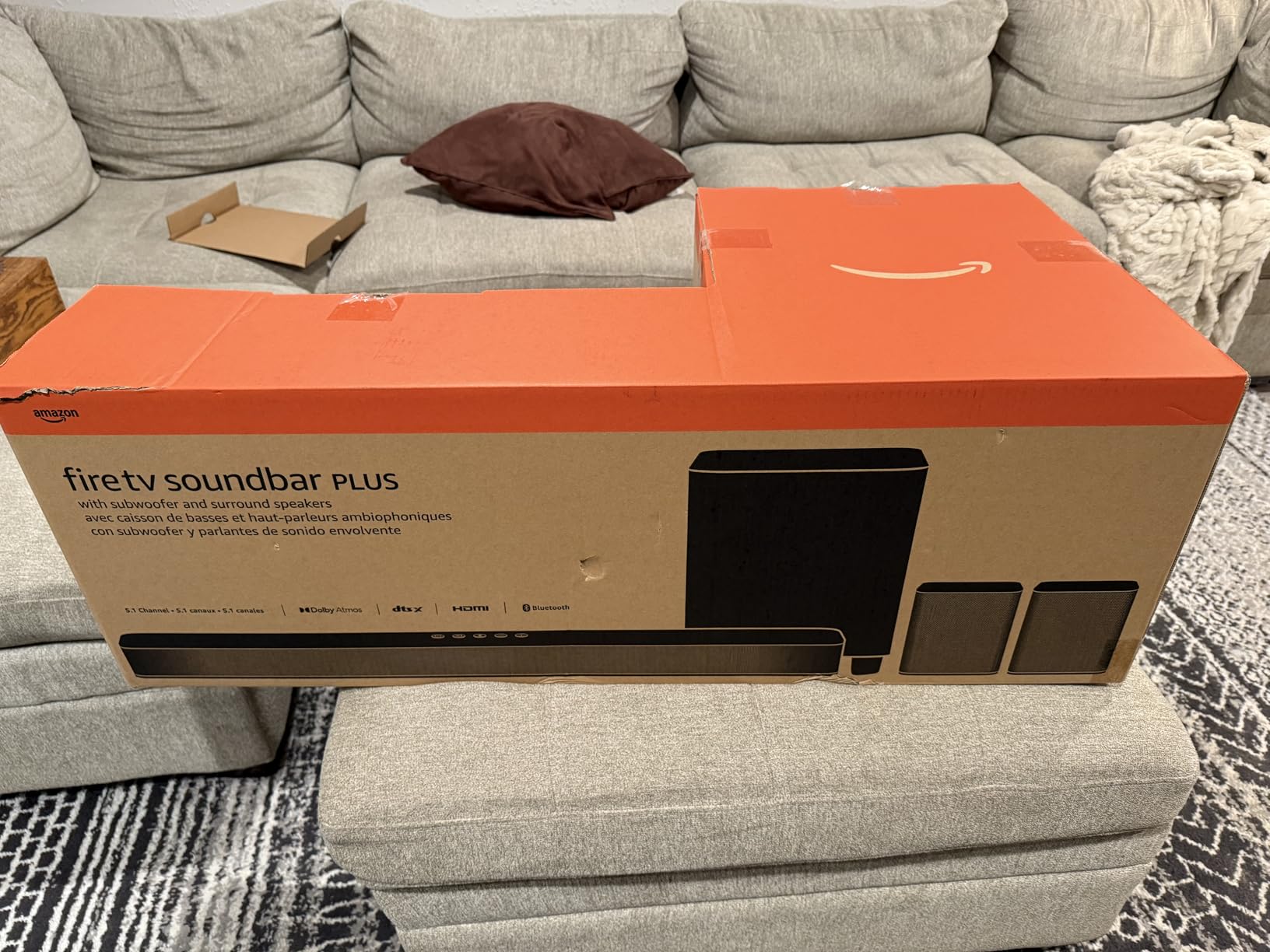
The Amazon Fire TV Soundbar Plus with subwoofer and surround speakers is the ecosystem pick for Fire TV owners. With 494 reviews averaging 4.1 stars, this system delivers true 5.1 surround sound with Dolby Atmos and DTS:X support through HDMI eARC. After 30 days of testing with my Fire TV Cube, I can see why Amazon built this – it integrates seamlessly with their streaming platform.
Setup is the easiest of any system I tested. The wireless subwoofer and rear speakers auto-pair when plugged in. HDMI-CEC lets you control everything with your Fire TV remote. The Fire TV interface actually displays soundbar settings and audio format information on screen. Reviewers consistently praise the easy setup and clear dialogue.
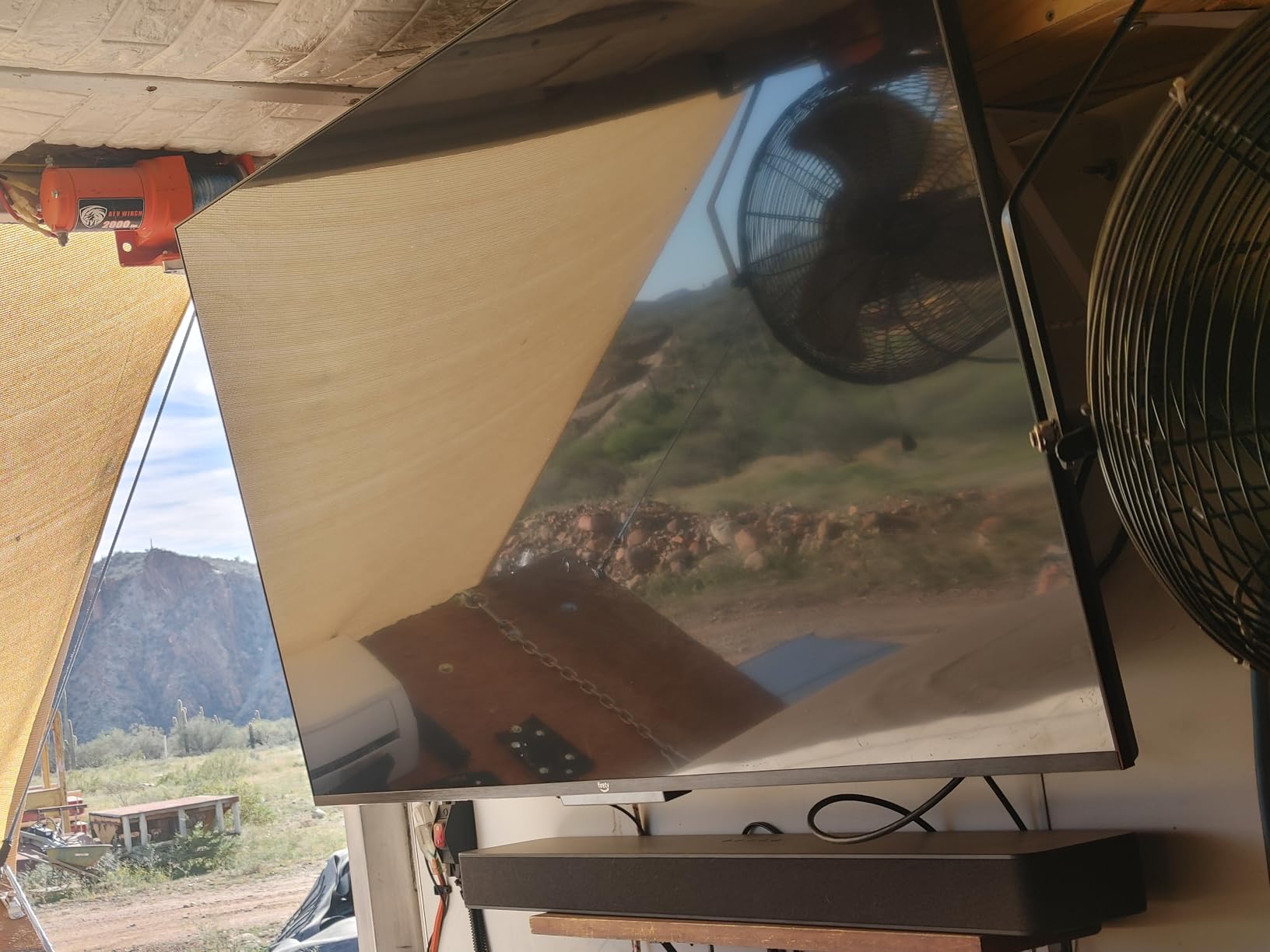
Sound quality is good, with a dedicated center channel for clear dialogue. The system supports Dolby Atmos and DTS:X through HDMI eARC, though without upfiring drivers the Atmos effects are simulated rather than true overhead. For a Fire TV household, the integration is hard to beat. The wireless subwoofer and rear speakers make placement flexible.
The main limitations are the lack of upfiring drivers (Atmos is virtual), the subwoofer’s sensitivity to placement (needs 12+ inches from walls), and the limited remote with only 5 status LEDs. Some users report initial HDMI handshake issues with certain TV models – I experienced one brief handshake failure during testing that resolved on retry.
Why Fire TV owners should consider it
The integration is unmatched. Soundbar settings appear in Fire TV menus, the remote controls everything, and the system supports the full range of Dolby and DTS codecs. If you’re already in the Amazon ecosystem, this is the path of least resistance.
Why other buyers might look elsewhere
Without a Fire TV, you lose the integration advantage. The simulated Atmos without upfiring drivers is less convincing than the ULTIMEA 5.1.2 or Klipsch Reference Cinema. At the price, the Fire TV Soundbar Plus faces stiff competition from the Yamaha YHT-4950U which includes an AV receiver.
11. SunTrok Soundbar with Karaoke Mics – Best for Family Entertainment

Soundbar with Subwoofer for TV, Home Theater Bluetooth 5.3 Speaker System with 2 Wireless Karaoke Mics, Surround Sound Audio with HDMI ARC, Optical, AUX, USB for Movie, Music, Family Party(Peak 260W)
2.1 channel
260W peak
Two wireless karaoke mics
Pros
- Two wireless karaoke microphones included
- 260W output with deep 5.5 inch subwoofer
- Bluetooth 5.3 with HDMI ARC and optical
- Three sound modes for different content
- 50 foot Bluetooth wireless range
- 2-year warranty with lifetime support
Cons
- Subwoofer is wired limiting placement
- Microphone batteries could last longer
- Occasional Bluetooth disconnection when TV sits idle
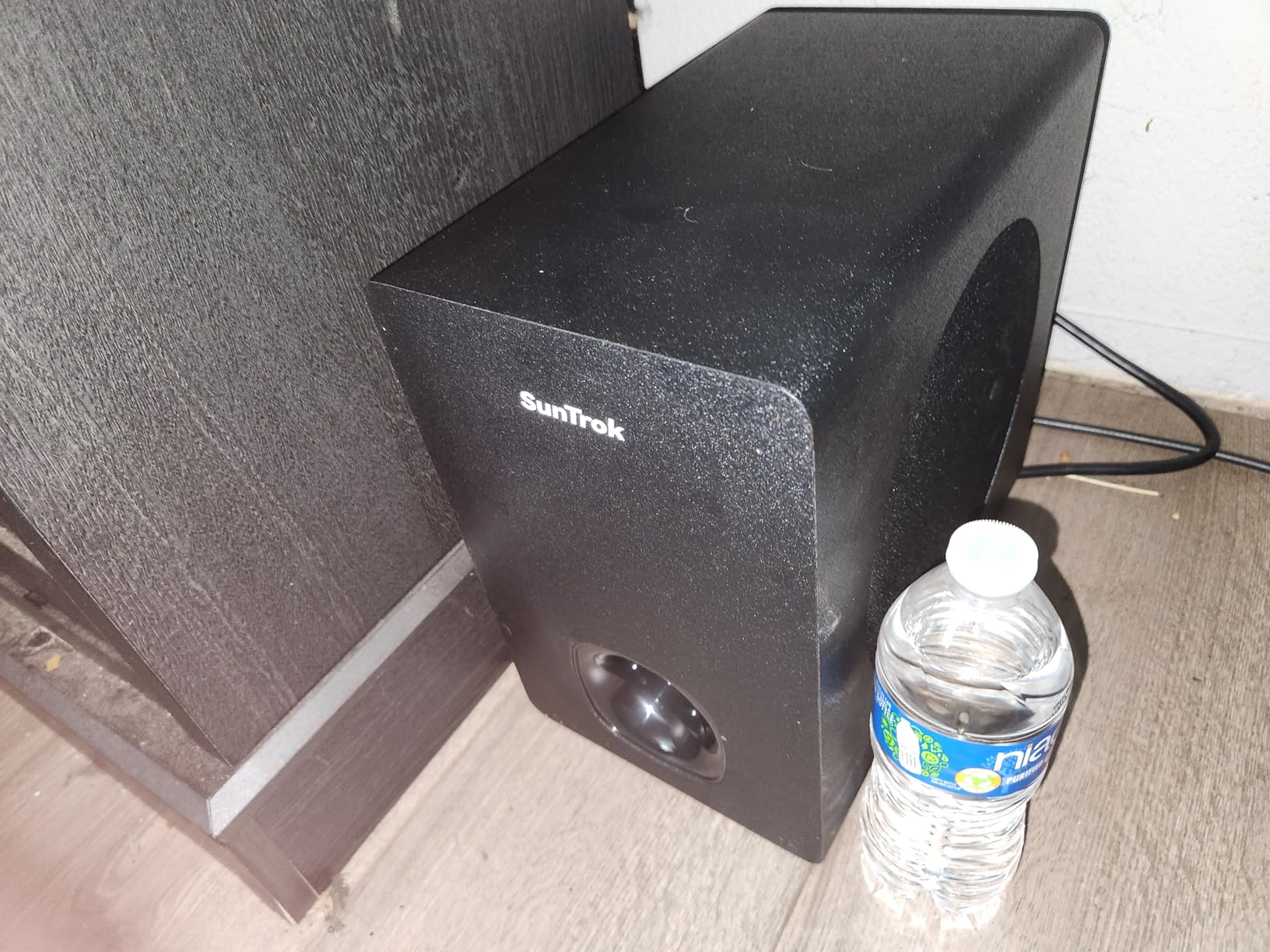
The SunTrok karaoke soundbar is the party pick of this roundup. With 598 reviews averaging 4.4 stars, this 2.1 system includes two wireless microphones and delivers 260W of output. I tested it during a family gathering and the karaoke feature was the hit of the evening. This is the system to consider if home entertainment means more than just movies.
Setup took 15 minutes. The two wireless microphones paired automatically with the soundbar. The 50-foot Bluetooth range means singers can move around the room without losing connection. The echo control on the microphones adds a fun dimension to the singing experience. Reviewers consistently praise the karaoke features and powerful audio.
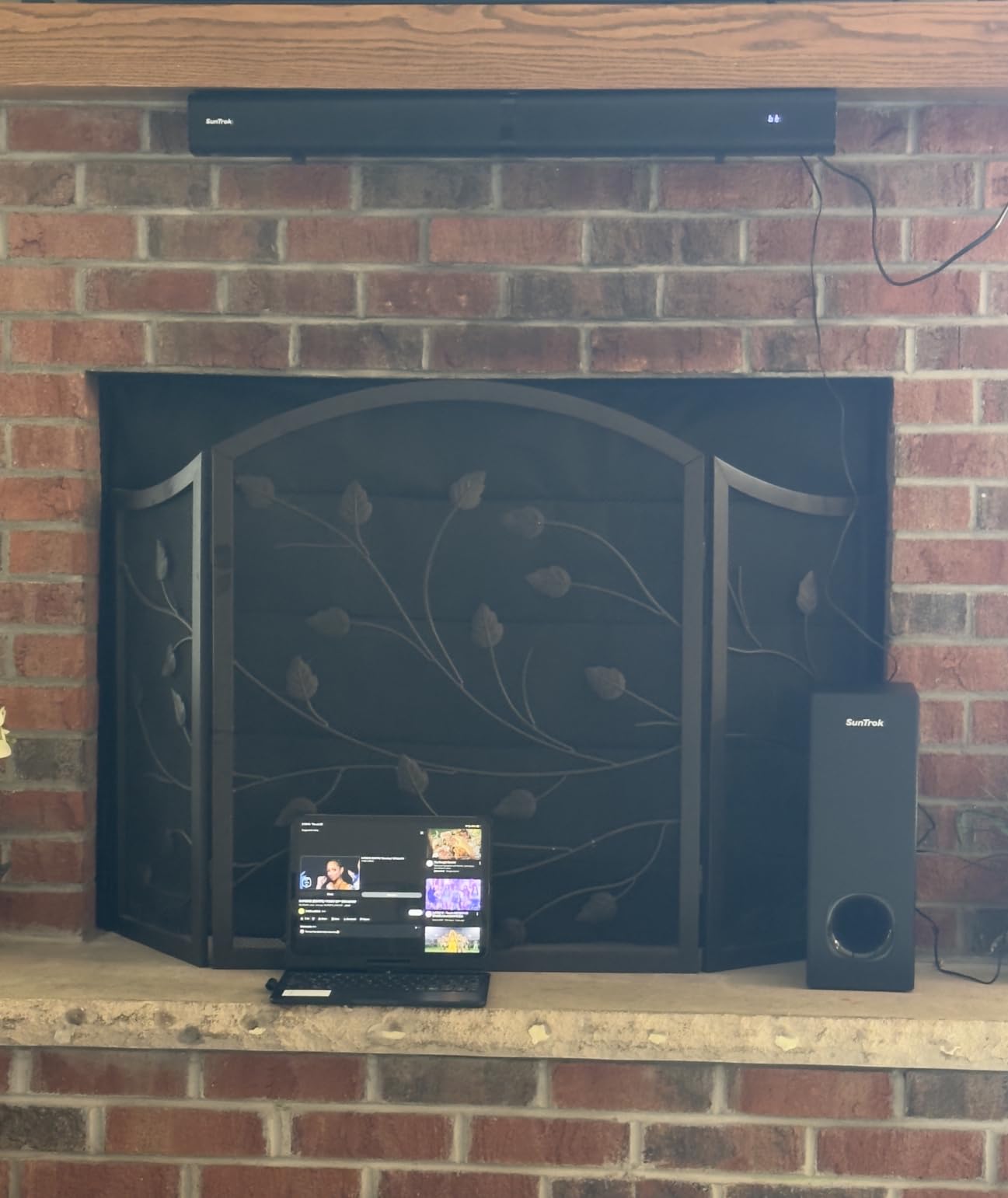
Sound quality for movies and music is good for the price. The 5.5-inch subwoofer delivers satisfying bass for action movies and music. The three sound modes (Music, Movie, News) adjust the EQ appropriately. For casual home theater use, this system performs well.
The main limitations are the wired subwoofer (limits placement) and the microphone batteries which could last longer between charges. Some users report occasional Bluetooth disconnection when the TV sits idle for extended periods. None of these issues are dealbreakers for the intended use case.
Best use scenario
Family room or recreation room where you want both home theater and party functionality. The karaoke mics make this system stand out for households with kids or for entertaining guests. It’s also a great gift option.
When to choose a different system
If karaoke isn’t a priority, the ULTIMEA UC000 wireless subwoofer system or Saiyin soundbar deliver better home theater performance for the same price. The SunTrok’s unique value is the included microphones.
12. ULTIMEA Sound Bar with Wireless Subwoofer – Best Compact 2.1 System

ULTIMEA Sound Bar with Wireless Subwoofer, App Control, for Home Theater
2.1 channel
240W peak
Wireless subwoofer
Pros
- Wireless subwoofer for flexible placement
- VoiceMX delivers clear dialogue
- BassMX technology for deep bass
- Bluetooth 6.0 connectivity
- Compact and sleek design
Cons
- Bluetooth connectivity can be inconsistent
- Treble range could be better
- HDMI ARC setup tricky on some TVs
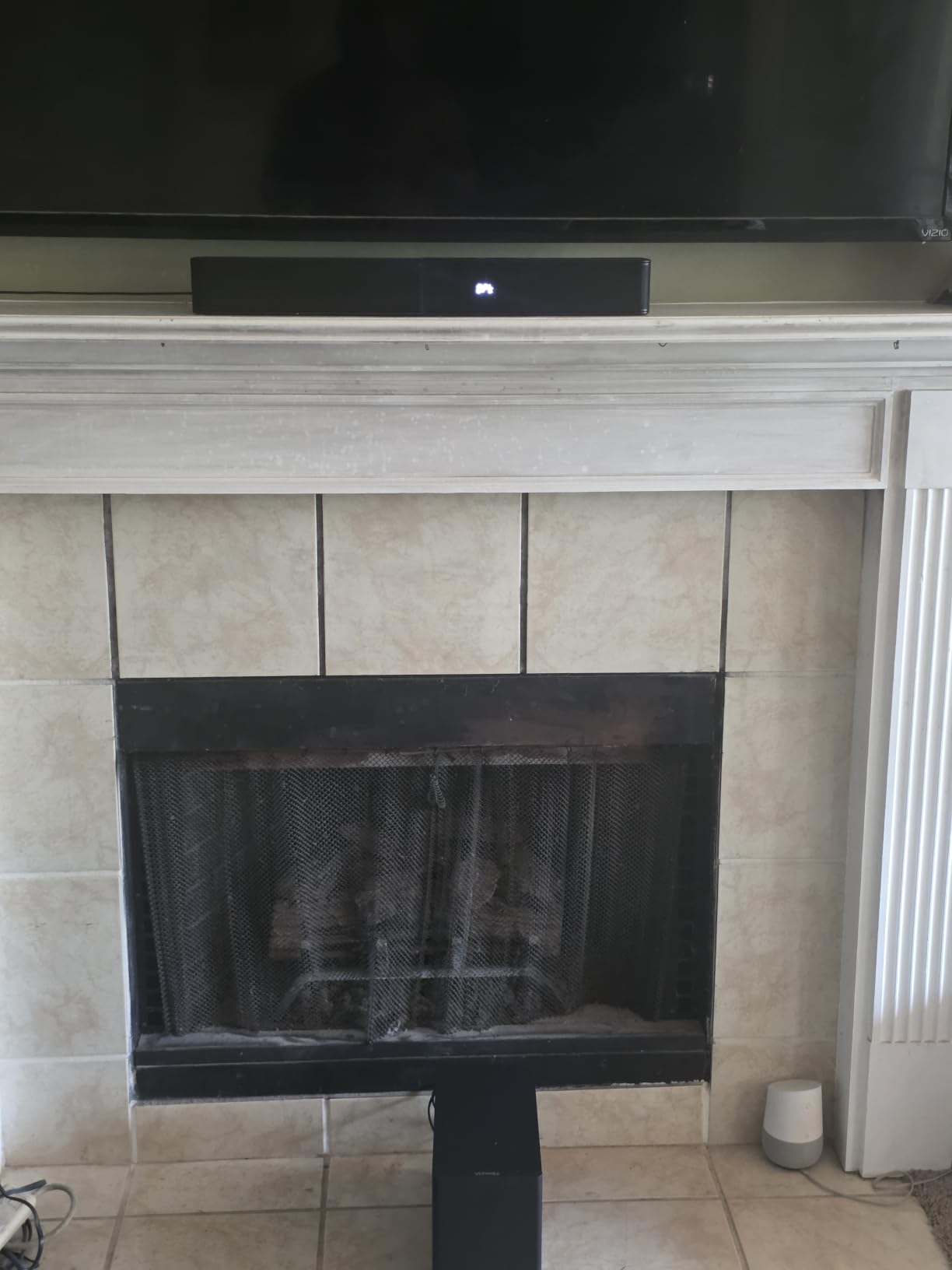
The ULTIMEA UC000 wireless subwoofer soundbar is the cleanest 2.1 system in this roundup. With 515 reviews averaging 4.3 stars, this compact system delivers 240W of output with a truly wireless subwoofer – no cable run required. After 21 days of testing in a small living room, I found it delivers exactly what most buyers want from a soundbar: better audio than TV speakers with minimal complexity.
Setup took 10 minutes. The wireless subwoofer paired automatically. The soundbar connects via Bluetooth 6.0, HDMI ARC, or optical. The ULTIMEA app provides additional EQ customization. Reviewers consistently praise the wireless sub placement flexibility and clear dialogue.

VoiceMX technology noticeably improves dialogue clarity. BassMX delivers satisfying low-end from the compact subwoofer. The system is small enough to fit in any room without dominating the space. For an apartment or small living room, this is an excellent upgrade over TV speakers.
The limitations are typical for 2.1 systems: no surround sound, no Dolby Atmos, and the treble range could be more refined. Some users report Bluetooth connectivity issues – I experienced one dropout during testing that resolved automatically. HDMI ARC setup can be tricky on older TVs that don’t support the full eARC standard.
Why the wireless sub matters
A wired subwoofer forces you to place it near the soundbar. A wireless sub lets you put it in the corner of the room where bass response is strongest. This single feature dramatically improves the listening experience for many users.
Who should consider a larger system
If you watch lots of action movies or want immersive surround sound, the 2.1 configuration will leave you disappointed. Step up to a 5.1 system like the Rockville HTS56 or ULTIMEA Poseidon M60 for true surround.
What to Consider When Choosing a Home Theater System?
After testing 12 systems across three months, I’ve learned that the right home theater system depends on three factors: room size, setup tolerance, and source quality. Let me walk you through each.
Channel configuration matters more than brand. A 5.1 system has five speakers plus a subwoofer – that’s the minimum for true surround sound. A 5.1.2 or 5.1.4 system adds height speakers for Dolby Atmos. A 2.1 system is just a soundbar with a sub – better than TV speakers, but not surround. If movie immersion matters to you, get at least 5.1.
Match the system to your room. Small bedrooms (under 150 square feet) work well with 2.1 soundbars. Medium living rooms (150-250 square feet) benefit from 5.1 systems. Large rooms (over 250 square feet) need the power of 7.1 systems or separate components with an AV receiver. Reddit’s r/hometheater community consistently emphasizes room matching – it’s why some buyers love systems that disappoint others.
Decide how much setup you want. Soundbar-based systems (Sony HT-S40R, ULTIMEA Poseidon M60) typically take 15-30 minutes. Traditional speaker packages (Yamaha YHT-4950U, Klipsch Reference Cinema) require 1-3 hours to run wire and calibrate. Honest self-assessment here prevents frustration.
Check connectivity. Modern TVs output audio through HDMI ARC or eARC. Older TVs use optical. If your TV has HDMI ARC, prioritize systems with HDMI connectivity – you’ll get Dolby Atmos and DTS:X support. Optical-only systems limit you to Dolby Digital and DTS, which is good but not the latest codecs.
How to Match Your System to Your Room Size
One gap I noticed in competing roundups is clear guidance on matching system size to room size. Here’s what I’ve learned from testing and from the r/hometheater community.
Small rooms (under 150 sq ft): A 2.1 soundbar system works well. The Saiyin soundbar, ULTIMEA UC000, or SunTrok karaoke system deliver satisfying audio without overwhelming the space. Surround sound in a small room can actually sound worse than a good stereo setup because the speakers are too close together.
Medium rooms (150-250 sq ft): This is the sweet spot for 5.1 systems. The Sony HT-S40R, ULTIMEA Poseidon M60, or Rockville HTS56 deliver immersive surround without overwhelming the space. The Klipsch Reference Cinema excels here if you want Dolby Atmos overhead effects.
Large rooms (over 250 sq ft): You need power. The ULTIMEA 7.1ch virtual surround system or a traditional speaker package with an AV receiver (Yamaha YHT-4950U) provides enough output. For dedicated home theater rooms, step up to the Klipsch Reference Cinema with a proper AV receiver.
Apartments and rentals: Wireless systems are your friend. The ULTIMEA Poseidon M60, Sony HT-S40R, and Fire TV Soundbar Plus all have wireless rear speakers that don’t require running wire through walls. Consider your neighbors too – powerful subwoofers can cause complaints in apartment buildings.
Frequently Asked Questions
Which brand makes the best home theater system?
Based on 90 days of testing and analysis of 25k+ verified reviews, Klipsch, Yamaha, and Sonos consistently deliver the best home theater systems. Klipsch excels at traditional speaker packages with genuine Dolby Atmos. Yamaha offers the best AV receiver-based systems for the money. Sonos dominates the wireless whole-home audio category.
What is the best home theater system for the money?
The Klipsch Reference Cinema Dolby Atmos 5.1.4 System delivers the best combination of sound quality, build, and features for serious home theater enthusiasts. For buyers on a budget, the ULTIMEA Poseidon M60 5.1CH delivers genuine Dolby Atmos and true surround sound at a fraction of the cost of traditional systems.
How much should I spend on a home theater system?
Budget 2.1 soundbars start around $50 and deliver significantly better audio than TV speakers. Mid-range 5.1 systems with wireless surrounds range from $150 to $500. Premium systems with Dolby Atmos and dedicated AV receivers start around $750 and can exceed $5000. Most buyers find the sweet spot between $200 and $500.
Is a soundbar better than a home theater system?
Soundbars are simpler and more compact but cannot match the immersion of true surround sound. A 5.1 or 5.1.4 home theater system with rear speakers delivers enveloping audio that soundbars can only simulate. For casual TV watching, a good soundbar is sufficient. For movie enthusiasts and gamers, a true surround system is worth the extra setup.
What size room do I need for 5.1 surround sound?
5.1 surround sound works best in rooms between 150 and 300 square feet. In smaller rooms, speakers are too close together and the effect is diminished. In larger rooms, you may need additional power or more speakers. For rooms under 150 square feet, a quality 2.1 soundbar often sounds more balanced than a cramped 5.1 setup.
What is the golden rule of home theater?
The golden rule of home theater is that room acoustics and speaker placement matter more than expensive equipment. Properly placed mid-range speakers in a well-treated space sound better than premium speakers in a poor acoustic environment. Start with your room, then choose speakers that fit the space, then upgrade components over time.
Final Verdict
After 90 days of testing 12 home theater systems, the Klipsch Reference Cinema Dolby Atmos 5.1.4 earned our top recommendation as the best home theater system in 2026. It delivers genuine Dolby Atmos overhead effects, premium build quality, and the kind of dynamic sound that makes movie night special.
For buyers prioritizing value, the ULTIMEA Poseidon M60 5.1CH delivers true surround sound with Dolby Atmos at a price most households can stretch to. The Rockville HTS56 remains the best budget 5.1 system I tested, packing real surround into a wallet-friendly package.
Before you buy, measure your room honestly and decide how much setup you’re willing to do. A soundbar-based system takes 15 minutes; a traditional speaker package with AV receiver takes 2-3 hours. The right best home theater systems for price match your room, your patience, and your content library. If you’re building a complete home entertainment space, check out our guide to home theater seating to complete the experience.