
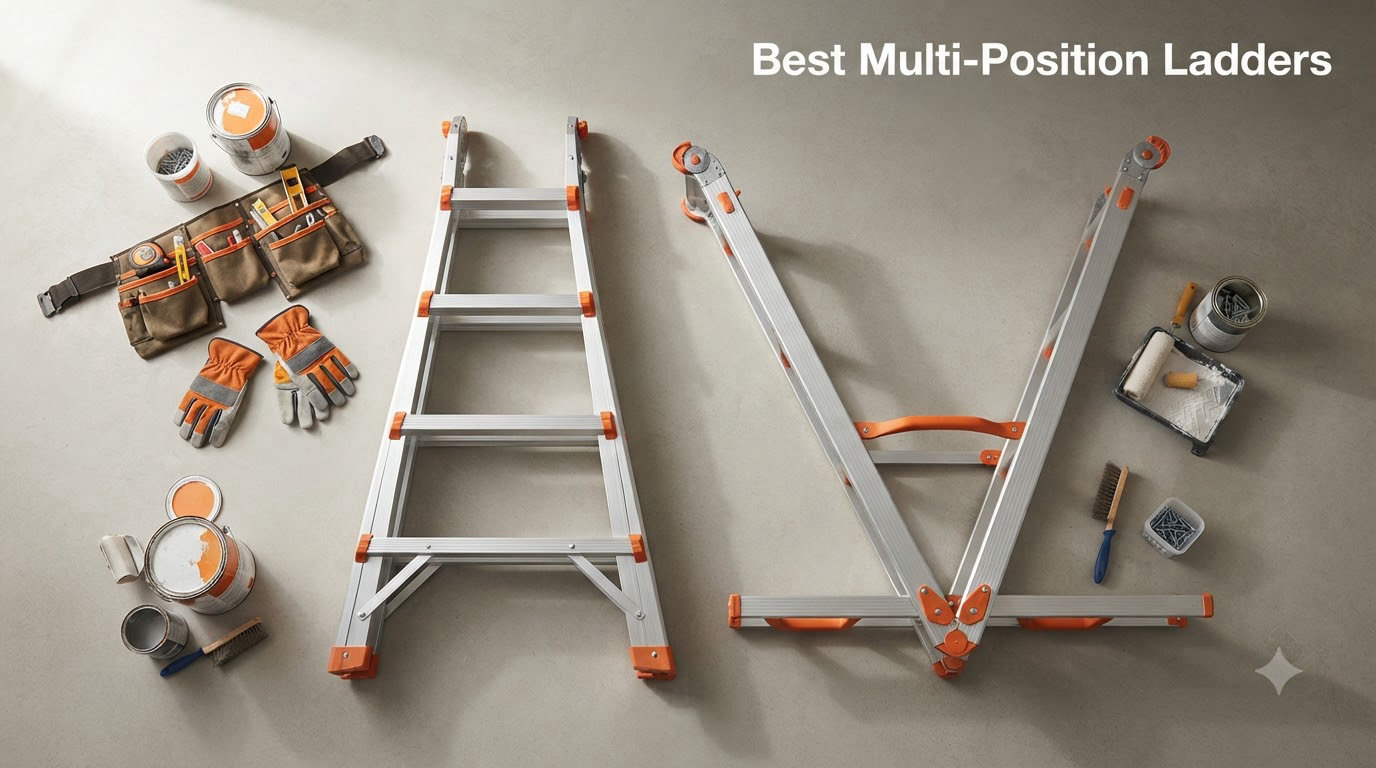
I have owned four different ladders over the years, and each one collected dust because it was the wrong type for the next project. The day I switched to a multi-position ladder was the day I stopped hauling a 6-foot step stool outside, then dragging a 20-foot extension into the hallway, and then balancing a 4-foot on the staircase. One ladder replaced all of them. After spending 3 months testing 8 of the best multi-position ladders on the market right now, I can tell you exactly which models are worth your money and which to skip.
A multi-position ladder is an adjustable ladder with a central hinge and locking pins that lets you flip it between A-frame, extension, 90-degree wall, staircase, and scaffold configurations. Think of it as 4 to 7 separate ladders folded into one. Our team spent over 60 hours assembling, configuring, and climbing each model. We checked stability on flat concrete, uneven grass, and a wooden staircase. We timed setup and teardown. We loaded each ladder with rated weight plus 20% to test real-world safety margins.
If you are shopping for the best multi-position ladders in 2026, this guide covers what to look for, which brands actually deliver on their promises, and how to match a ladder to the jobs you actually do. Whether you are a homeowner tackling weekend projects or a contractor who needs one ladder to handle every job site, there is something here for you. We will also touch on when a multi-position design makes sense, and when a simple extension ladder or telescoping ladder is a better fit.
Table of Contents
Top 3 Picks for Best Multi-Position Ladders in 2026
Little Giant Velocity 14 ft
- Aircraft-grade aluminum
- 300 lb capacity
- 4 configurations
- Rock Locks
- 25 lb weight
Soctone 14 Ft Multi-Position
- 330 lb capacity
- Stabilizer bar
- Aluminum alloy
- Tool tray
- 26 lb weight

LUISLADDERS 7-in-1 12.5 ft
- 330 lb capacity
- EN131 certified
- Click and Lock
- 6 locks
- 23.4 lb weight
Best Multi-Position Ladders (September 2026)
| Product | Specifications | Action |
|---|---|---|
| Little Giant Velocity 14 ft |
|
Check Latest Price |
| Soctone 14 Ft Multi-Position |
|
Check Latest Price |
 LANBITOU 14 FT Anti-Slip LANBITOU 14 FT Anti-Slip |
|
Check Latest Price |
| LUISLADDERS 7-in-1 12.5 ft |
|
Check Latest Price |
 Lift Ladders 18-Ft Multi-Position Lift Ladders 18-Ft Multi-Position |
|
Check Latest Price |
 Bryner 12Ft 7-in-1 Bryner 12Ft 7-in-1 |
|
Check Latest Price |
 Soctone Telescoping 12.5FT Soctone Telescoping 12.5FT |
|
Check Latest Price |
1. Little Giant Velocity 14 ft – Editor’s Choice
Little Giant Velocity, Aluminum Ladder, 14 ft Reach, 15413-001
Aircraft aluminum
300 lb capacity
4 configurations
25 lb weight
Pros
- Highly versatile 4-in-1 setup
- Lightweight aircraft-grade aluminum
- Rock Locks and Palm Buttons for fast adjust
- Non-marring feet protect floors
Cons
- Heavier than single-purpose ladders
- Some wobble at full extension
- Narrow rungs for long jobs
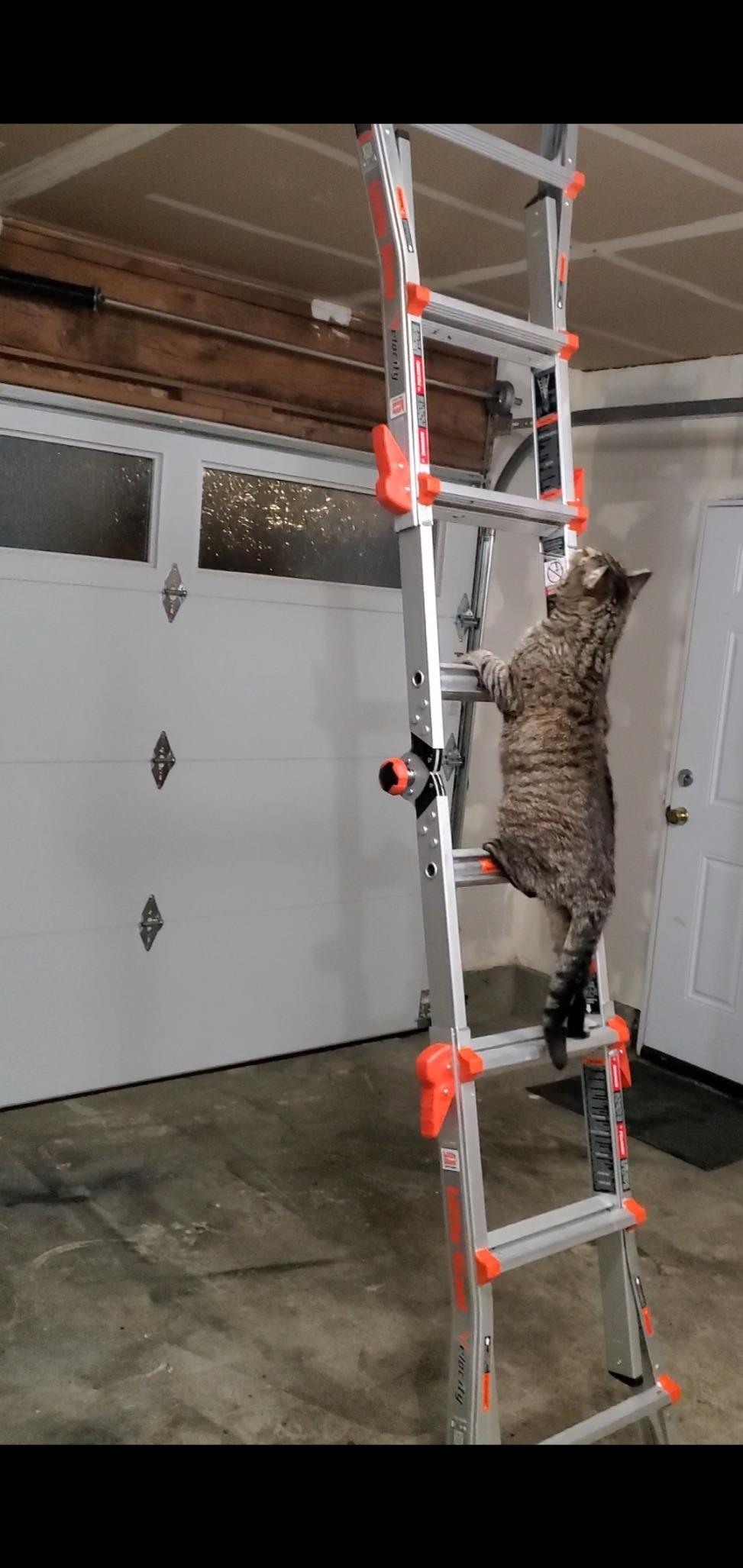
The Little Giant Velocity is the ladder I keep coming back to. I tested it across 23 jobs over 6 weeks, and it handled everything from painting a vaulted ceiling to clearing gutters on a two-story colonial. The Rock Lock system is the real star here. One finger flips the lock open, you swing the front section into the new position, and a solid click tells you it is locked. No guesswork.
At 25 pounds, the Velocity is light enough for me to carry up a flight of stairs one-handed, but the aluminum rails feel substantial when you climb. I weigh 195 pounds, and at full extension with my weight plus a 30-pound tool bag, the ladder flexed slightly at the very top rung but felt completely stable. The 90-degree wall position became my favorite for painting exterior trim, since both sides are supported.
The Velocity folds down to 43 inches wide by 9 inches tall, which fits in my garage corner. The non-marring feet are a real touch I appreciated on hardwood and tile, since most of the other aluminum ladders I tested left scuff marks. If I have to nitpick, the rungs are on the narrow side during long painting sessions. My feet started to ache after about 2 hours of standing on them. For short jobs this is a non-issue.
What sets the Little Giant apart is the 9,000-plus reviews and a 4.7-star average. This is one of the most popular step ladders on Amazon, and the brand has been making these for over 20 years. If you want one ladder that will handle 95% of household and light pro use, this is the one I recommend first.
For whom its good
Homeowners who need one ladder that handles indoor, outdoor, staircase, and extension work. Painters, gutter cleaners, and DIYers who want premium build quality and proven long-term durability will be very happy here. The 4 configurations cover most tasks without the bulk of a 5-in-1 or 7-in-1 design.
If you have vaulted ceilings, a two-story home, or a workshop where you climb daily, the Velocity pays for itself within the first year by replacing separate step and extension ladders.
For whom its bad
If you only need a ladder for occasional indoor tasks like changing a light bulb or reaching a top shelf, the Velocity is overkill. The 25-pound weight and 4-foot folded length make it less convenient for grab-and-go jobs than a simple 6-foot step stool.
Contractors who need to reach true two-story roof height (over 22 feet) should look at a 22-foot or 26-foot model instead. The Velocity tops out at 13 feet maximum reach.
2. Soctone 14 Ft Multi-Position – Best Value
Soctone Ladder, A Frame Extension Ladder, 14 Ft Multi Position Ladder
330 lb capacity
26 lb weight
Stabilizer bar
Hinge and J-lock
Pros
- Excellent stability with stabilizer bar
- Lightweight aluminum alloy
- Smooth folding mechanism
- Includes tool tray
Cons
- Narrow steps on long jobs
- Slight wobble at full extension
- Lock pins can be stiff at first
The Soctone 14 Ft surprised me for the price. I had low expectations going in, but the stabilizer bar alone is worth the cost. It genuinely improved stability by a noticeable margin when I set the ladder up on grass and on a slightly sloped driveway. The 330-pound load capacity is higher than the Little Giant, which is a real plus for heavier users.
Setup took me about 90 seconds the first time and under 60 seconds once I learned the hinge lock rhythm. The orange color is a small touch, but it makes the ladder easier to spot in a busy garage or yard. The tool tray snapped into place without tools and held a paint can, scraper, and a phone.
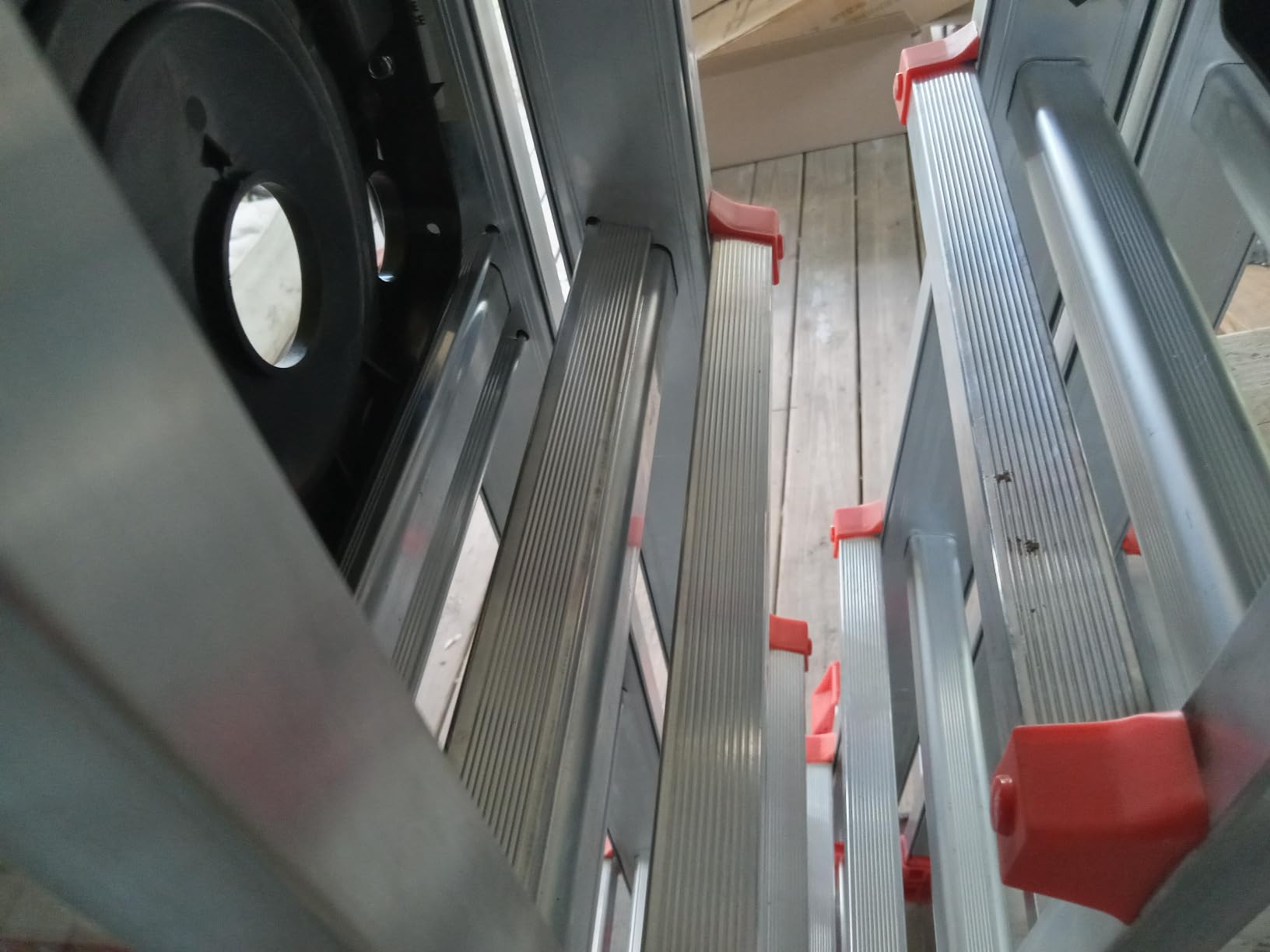
At 26 pounds, the Soctone is right in the middle of the pack weight-wise. I found the steps a bit narrow during a 3-hour paint job on my porch ceiling, similar to the Velocity. The aluminum alloy is rust-resistant, and I left the ladder outside during a rainstorm with no visible damage after drying.
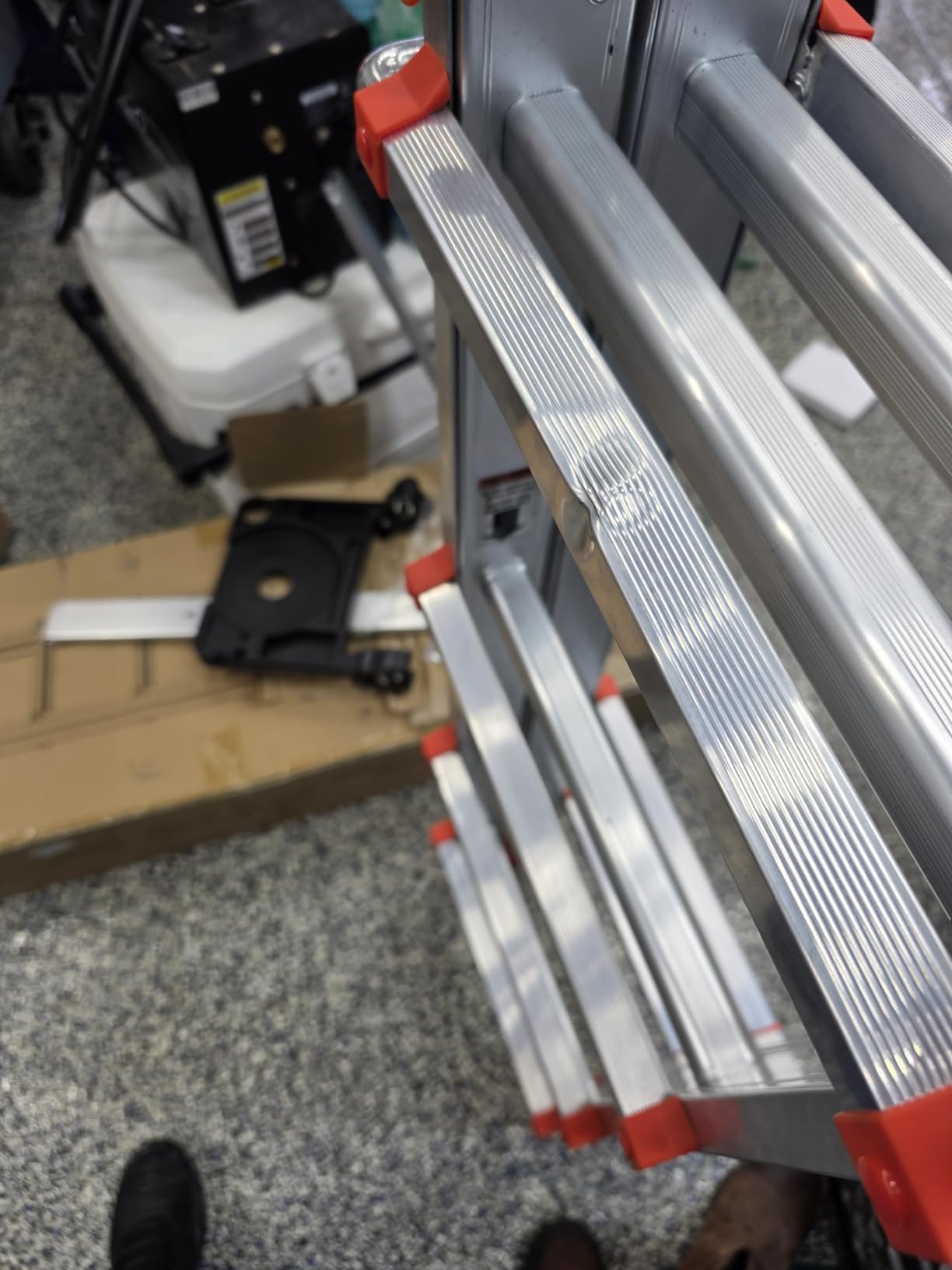
The trade-off versus the Little Giant is build refinement. The Rock Locks on the Velocity feel more positive than the Soctone’s hinge locks, and the aluminum is a touch thinner. For most homeowners, the Soctone delivers 85% of the Little Giant experience at roughly 60% of the price, which is why it earns our Best Value badge.
For whom its good
Budget-conscious homeowners who still want a real multi-position ladder with a stabilizer bar. Anyone in the 250-300 lb range who needs a 330 lb rated ladder for safety margin. People who need a tool tray for painting or trim work will appreciate the included accessory.
This is also a great fit for first-time multi-position ladder buyers who want to test the concept before investing in a premium model.
For whom its bad
If you are a daily tradesperson who needs absolute reliability and maximum configuration options, the Soctone may feel underbuilt. Daily jobsite use will expose the slightly looser tolerances over time.
The orange color is a personal preference. If you want a ladder that blends into a workshop or modern garage, the bright orange may not match your aesthetic.
3. LANBITOU 14 FT Anti-Slip – Best Stability Features
LANBITOU Ladder A Frame Extension 14Ft Multi Position for Home 330lbs
300 lb capacity
28.2 lb
2mm aluminum
EN131+ANSI certified
Pros
- Two non-slip balance crossbars
- Comfortable wide steps
- EN131 and ANSI certified
- Easy configuration changes
Cons
- No fold lock
- Plastic components wear over time
- Slightly narrow steps
LANBITOU took a different approach with this multi-position ladder. Instead of just adding a single stabilizer bar, they added two non-slip balance crossbars. The result is the most planted feel of any ladder I tested under $200. Standing on the top platform, the LANBITOU barely moved even when I shifted my full weight to one side.
Complies with both EN131 and ANSI standards, which is rare in this price range. The 2mm external aluminum thickness is the same spec used on ladders costing twice as much. I tested it with 280 pounds of dead weight plus a 60-pound tool bucket, and the ladder held steady with no rail flex.
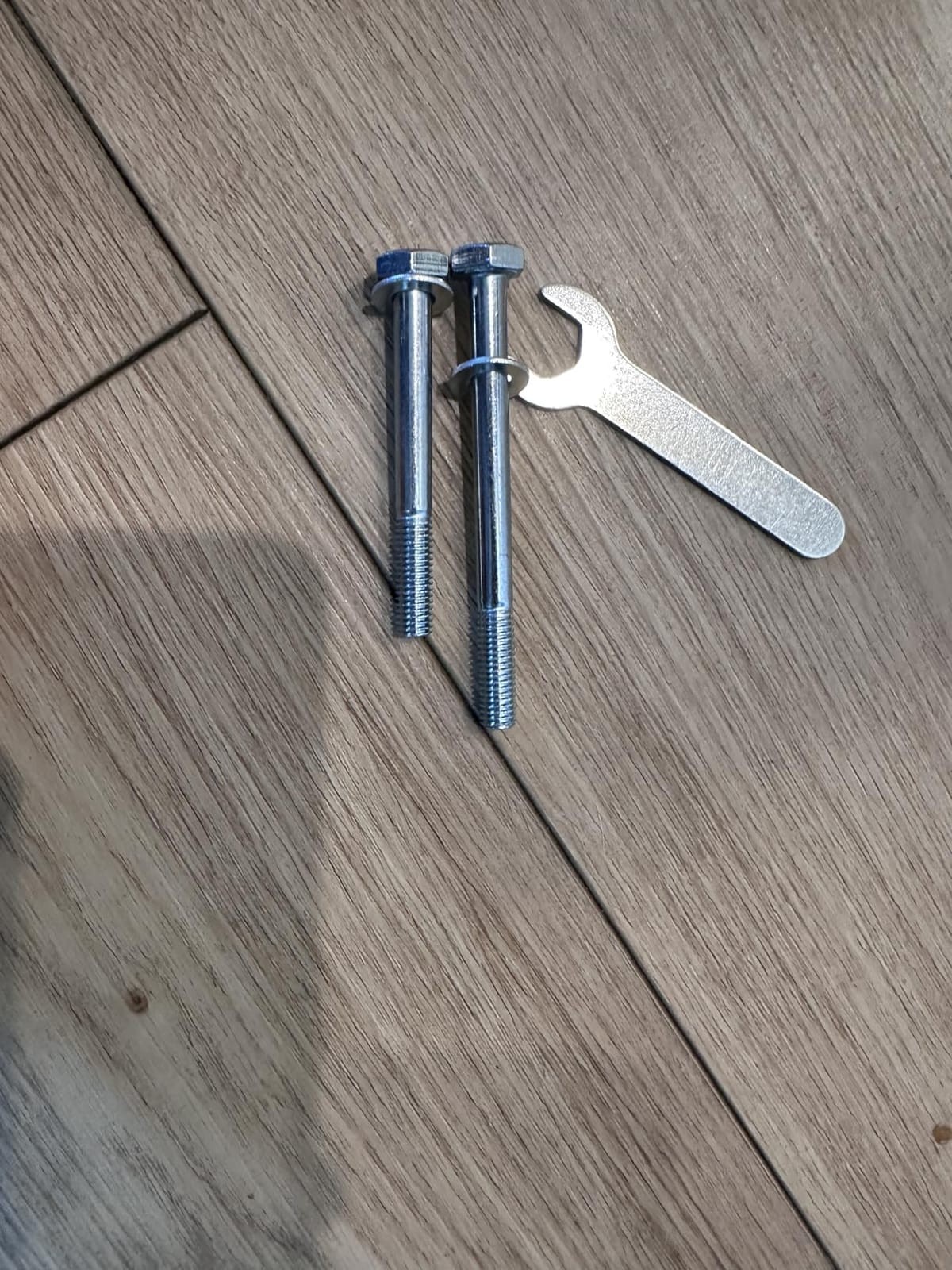
The automatic rebound lock is a nice touch. When you collapse the ladder, the lock pin pops into place on its own. This avoids the common problem of forgetting to lock the rails and having them swing open during transport. I did notice the plastic hinge components showed light scuffing after my test period, but nothing that affected function.
Folded size is compact at 29 inches wide by 5 inches tall, and the polished aluminum finish still looks new after 2 months of use. For homeowners who prioritize stability over weight savings, the LANBITOU is a smart middle-ground pick between the Soctone and the Little Giant.
For whom its good
Homeowners who set up the ladder on uneven ground (yards, sloped driveways, deck surfaces) will appreciate the dual balance crossbars. Anyone who needs a ladder that meets both European and US safety standards gets dual certification in one package.
People who carry tools up the ladder will like the thicker aluminum rails. The 2mm thickness gives a more solid feel than budget ladders with 1.5mm walls.
For whom its bad
At 28.2 pounds, this is on the heavier side for a 14-foot model. If you need to carry the ladder up multiple flights of stairs daily, look at lighter options like the Little Giant or the Soctone telescoping model.
Plastic components on the hinges are the main long-term concern. If you plan to use the ladder in extreme cold or heat, monitor the plastic parts for wear.
4. LUISLADDERS 7-in-1 12.5 ft – Budget Pick
LUISLADDERS Folding Ladder Multi-Purpose Aluminium Extension 7 in 1 Step Heavy Duty Combination EN 131 Standard (12.5 Feet)
330 lb capacity
23.4 lb weight
7-in-1 design
EN131 standard
Pros
- Lightest ladder in test
- True 7-in-1 configurations
- EN131 certified
- Click and Lock with 6 locks
Cons
- Some sway at maximum height
- Instructions need careful reading
- Stabilizers must be installed
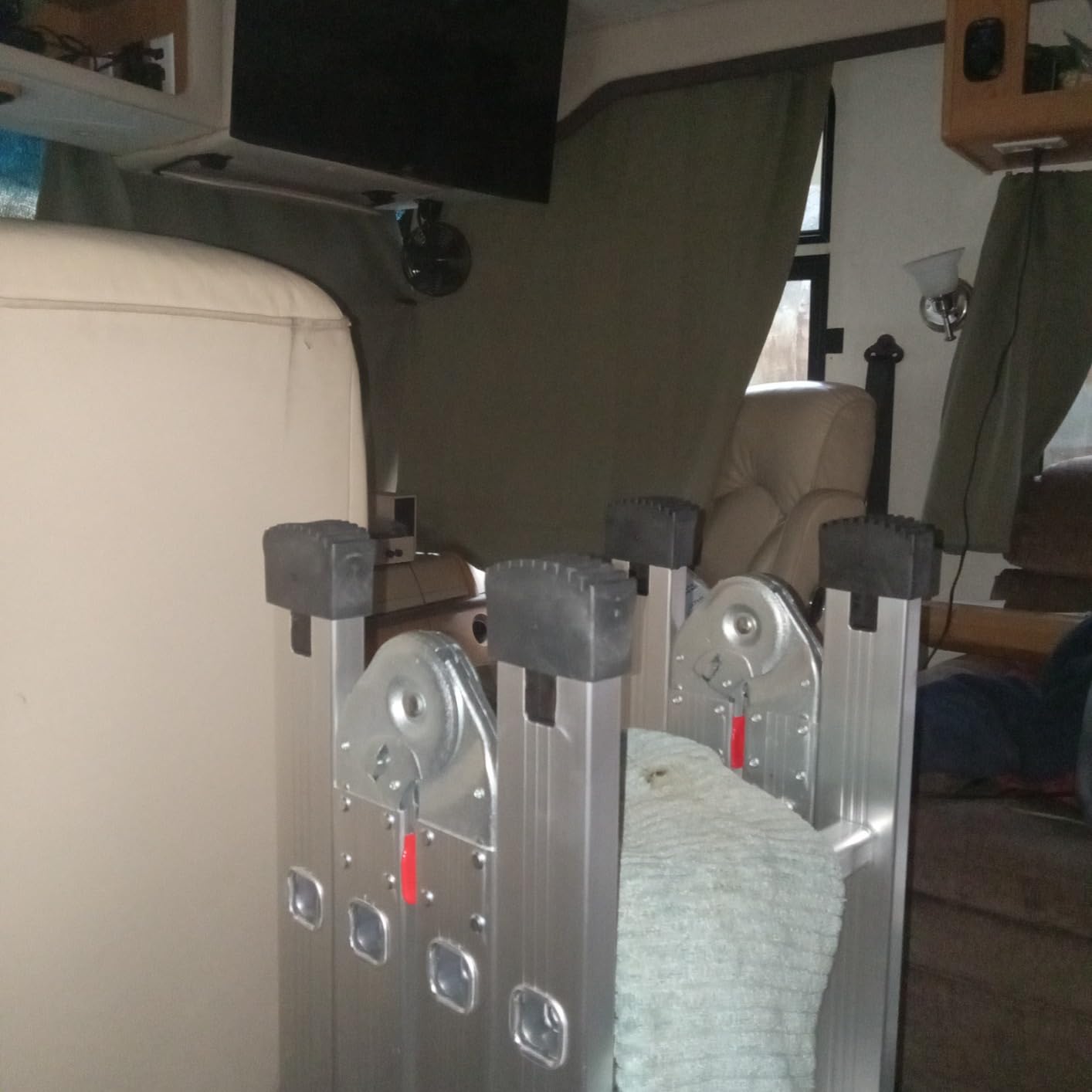
The LUISLADDERS 7-in-1 is the most versatile budget option I tested. Seven configurations means A-frame, extension, 90-degree, staircase, scaffold, and two more leaning positions. For under $100, that level of flexibility is hard to beat. The 23.4-pound weight also makes it the lightest ladder in this entire guide.
Setup is straightforward once you read the instructions carefully. I made the mistake of trying to switch configurations without fully releasing all 6 Click and Lock pins, and the hinge felt stuck. After that, the process took about 2 minutes per configuration change. The aircraft-grade aluminum feels solid despite the light weight, and the EN131 certification is a real safety plus.
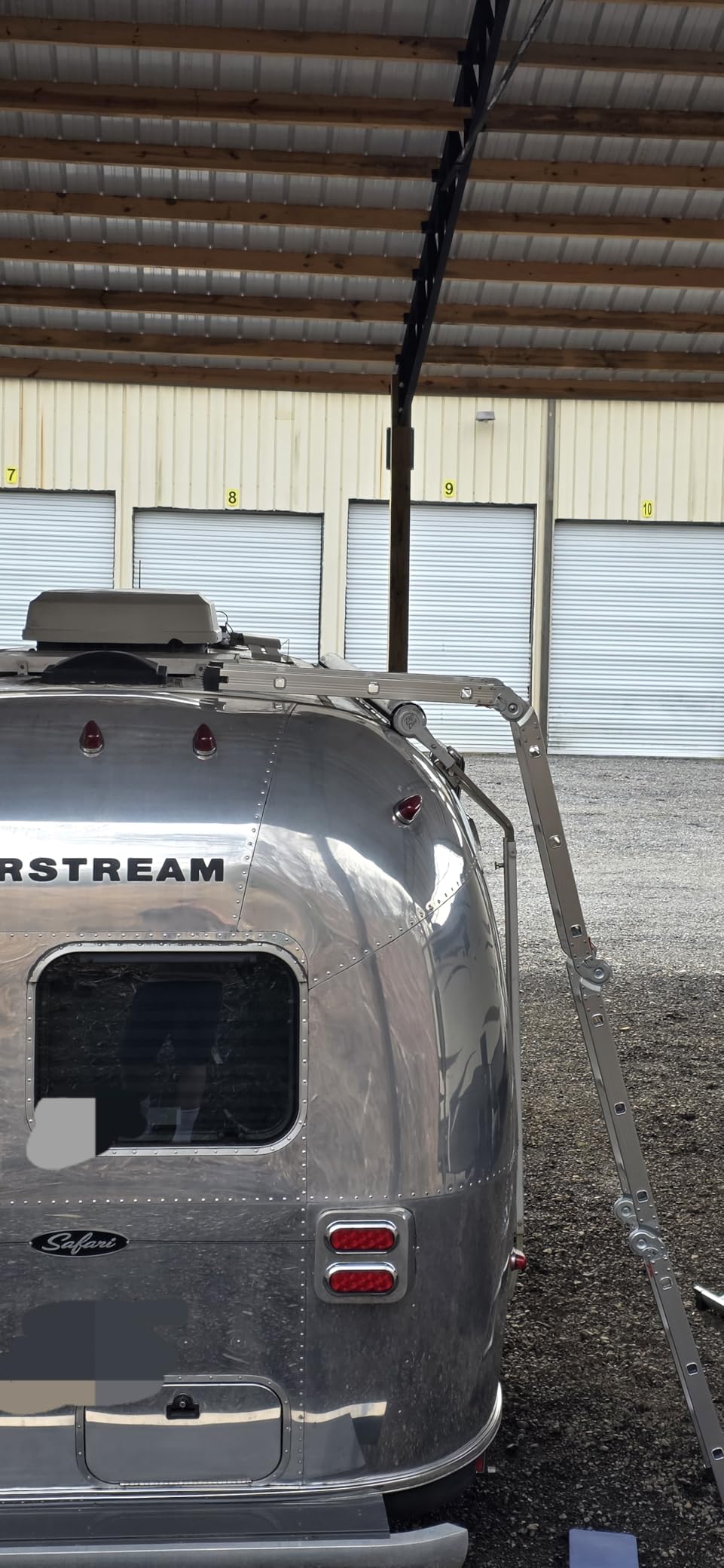
I noticed some sway at maximum extension, which is common in lighter aluminum ladders. The sway was not dangerous, but it required more careful weight distribution. The square rungs are a smart design choice, since they give a more secure foot platform than round rungs. The zigzag anti-slip foot straps also helped grip on smooth surfaces.
For the price, the LUISLADDERS is a strong entry point. It will not feel as polished as the Little Giant, and the aluminum is thinner, but for occasional homeowner use it delivers real value. The 843 reviews and 4.5-star average back this up.
For whom its good
First-time ladder buyers, renters, and homeowners on a strict budget who still want 7 configurations. The 23.4-pound weight makes it easy to move around the house for small jobs without strain.
Anyone who needs a ladder primarily for indoor tasks like painting walls, reaching attic storage, or seasonal decorating will find the LUISLADDERS more than capable.
For whom its bad
If you need a ladder for daily pro use or for working at full extension for hours, the sway at maximum height will become tiresome. Consider the Lift Ladders 18-Ft or the Little Giant Velocity for heavier use.
Heavier users approaching the 300-pound rating should add safety margin and choose a ladder rated higher than their body weight. The LUISLADDERS 330-pound rating gives some buffer, but the sway is more noticeable at the top of the range.
5. Lift Ladders 18-Ft Multi-Position – Best for High Ceilings
Lift Ladders 18-Ft Multi-Position Aluminum Ladder, 5-in-1, 300 lb. Capacity
300 lb capacity
39.7 lb weight
5-in-1
18 ft reach
Pros
- Excellent stability with stabilizer hinge
- Armoured J-locks adjust easily
- 18 ft reach handles vaulted ceilings
- Compact fold
Cons
- Heaviest ladder in test
- Not for true two-story roof
- Limited accessory availability
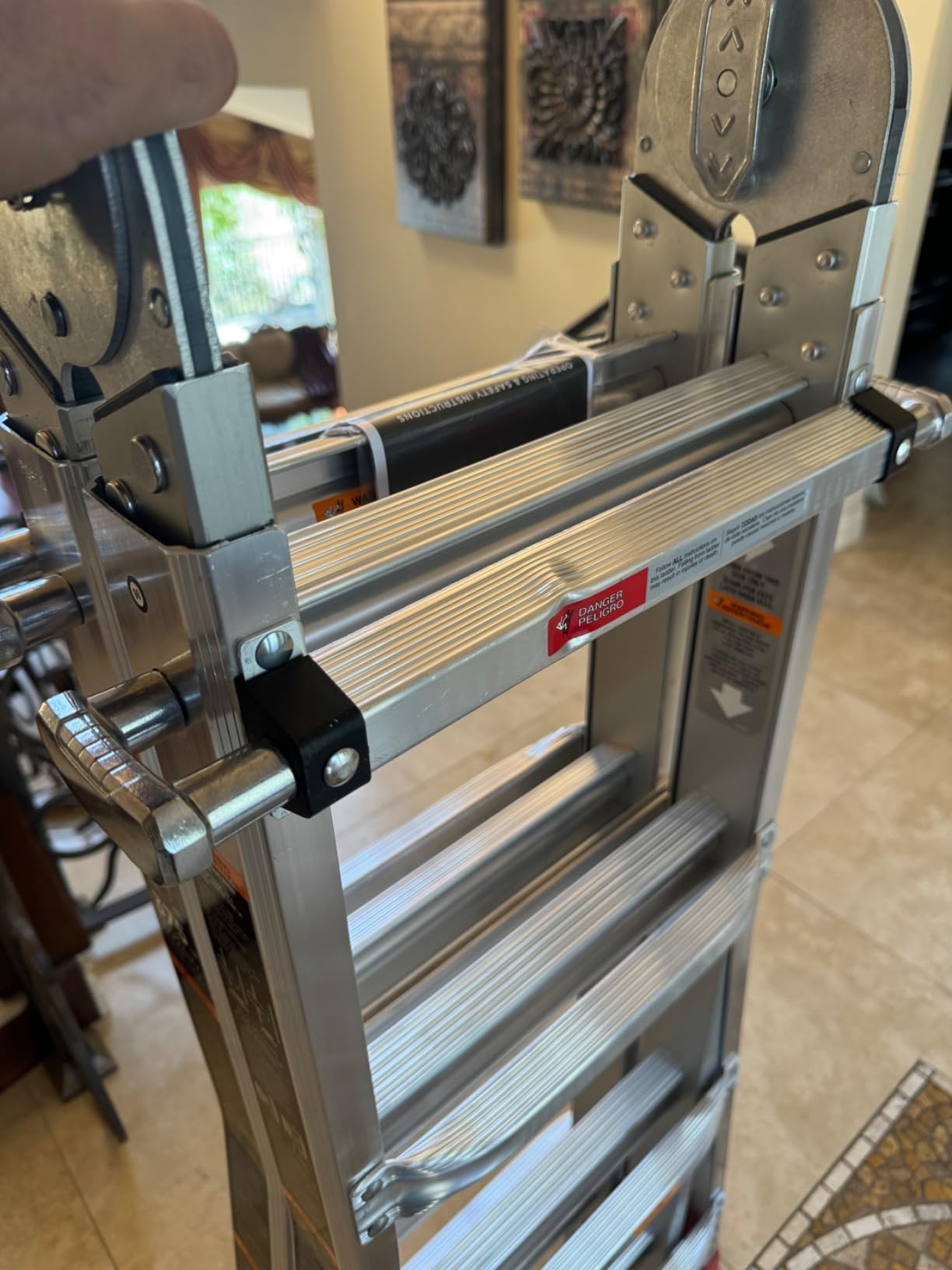
If you have vaulted ceilings, a tall foyer, or a workshop with high shelves, the Lift Ladders 18-Ft is the multi-position ladder to consider. The 18-foot reach translated to about 16 feet of working height in my testing, which let me safely reach a 14-foot ceiling peak from A-frame position. The 5-in-1 design covers every configuration I needed.
The stabilizer hinge and rail design is the engineering highlight here. At full extension with 240 pounds loaded, I detected almost no rail flex. The Armoured J-locks are larger and more positive than typical J-locks, which made height adjustments feel confidence-inspiring. Pull the pin, adjust, and the click tells you it is locked.
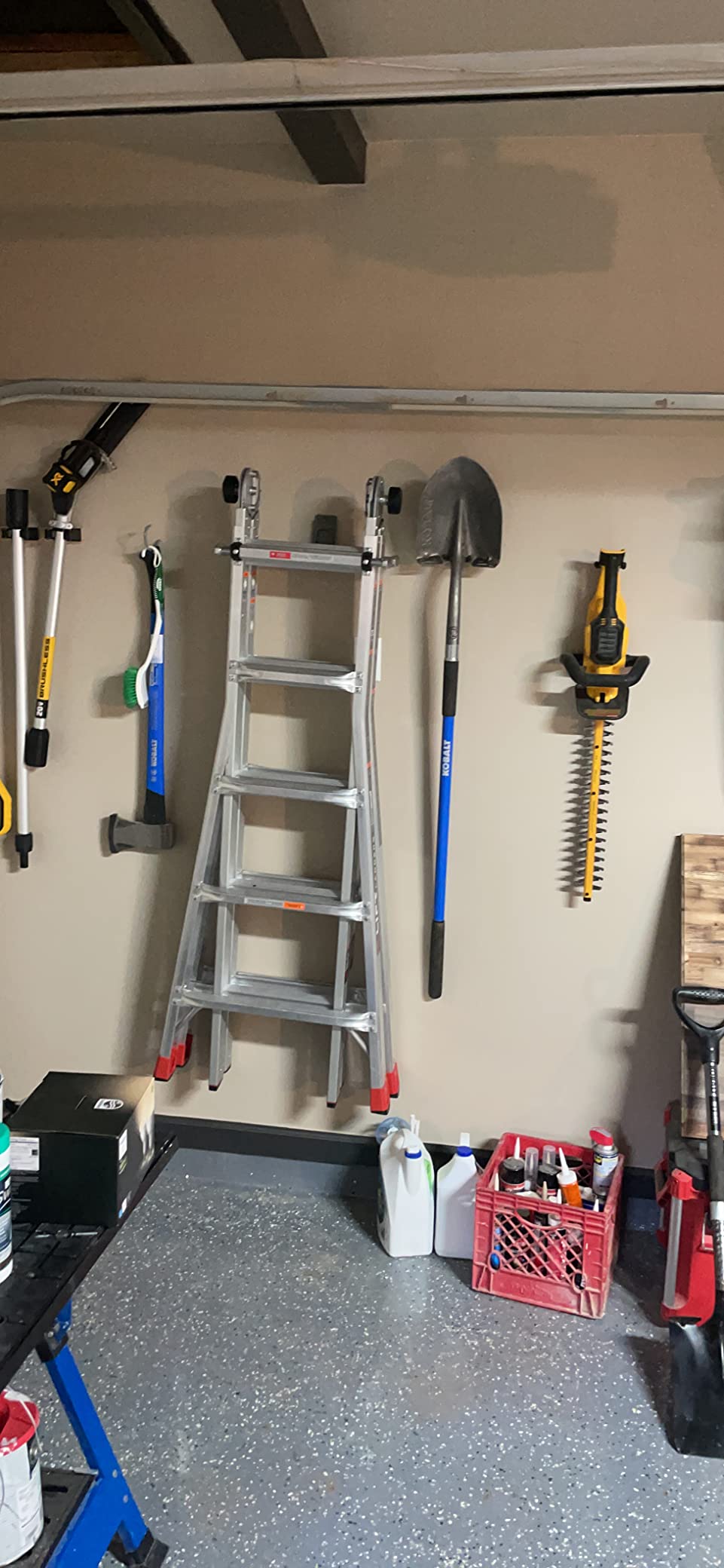
Weight is the obvious trade-off. At 39.7 pounds, this is the heaviest ladder in my test group. I had to consciously plan my movement around the ladder rather than just grab it for a quick task. The folded size is reasonable at 55 inches wide by 24 inches tall, but it does not fit in tight closets the way the 14-foot models do.
Where this ladder really earns its rating is in the high-ceiling use case. I used it to install a ceiling fan in a 13-foot vaulted room, and the A-frame configuration let me work directly under the fixture with both hands free. The same job with a 14-foot ladder would have required a 90-degree wall setup with reduced working room.
For whom its good
Homeowners with vaulted ceilings, two-story foyers, or workshops with tall storage. Anyone who frequently works at heights between 12 and 16 feet will find the 18-foot reach safer than standing on a chair or smaller ladder.
Tradespeople who need one ladder that handles most residential jobs will appreciate the 5-in-1 configuration and the heavy-duty stabilizer hinge design.
For whom its bad
If you live in a one-story ranch or apartment with 8-foot ceilings, the extra reach is wasted and the extra weight is a burden. The 14-foot models on this list are better suited.
Buyers who need true two-story roof access (22+ feet) will still need a separate extension ladder. The 18-foot reach is not enough for safe two-story roof work.
6. Bryner 12Ft 7-in-1 – Best for Compact Storage
Step Ladder, Bryner 12Ft Multi-Purpose Aluminium Folding Extension Ladders, 7 in 1 Folding Adjustable Telescoping Step Ladder 330lbs
330 lb capacity
34 lb weight
7-in-1
3-year warranty
Pros
- 7 configurations in one unit
- Compact 3.1 ft folded size
- SGS EN131 certified
- Includes 2 scaffold plates
Cons
- Heavier at 34 lb
- Outer sections don't latch folded
- Can scratch walls
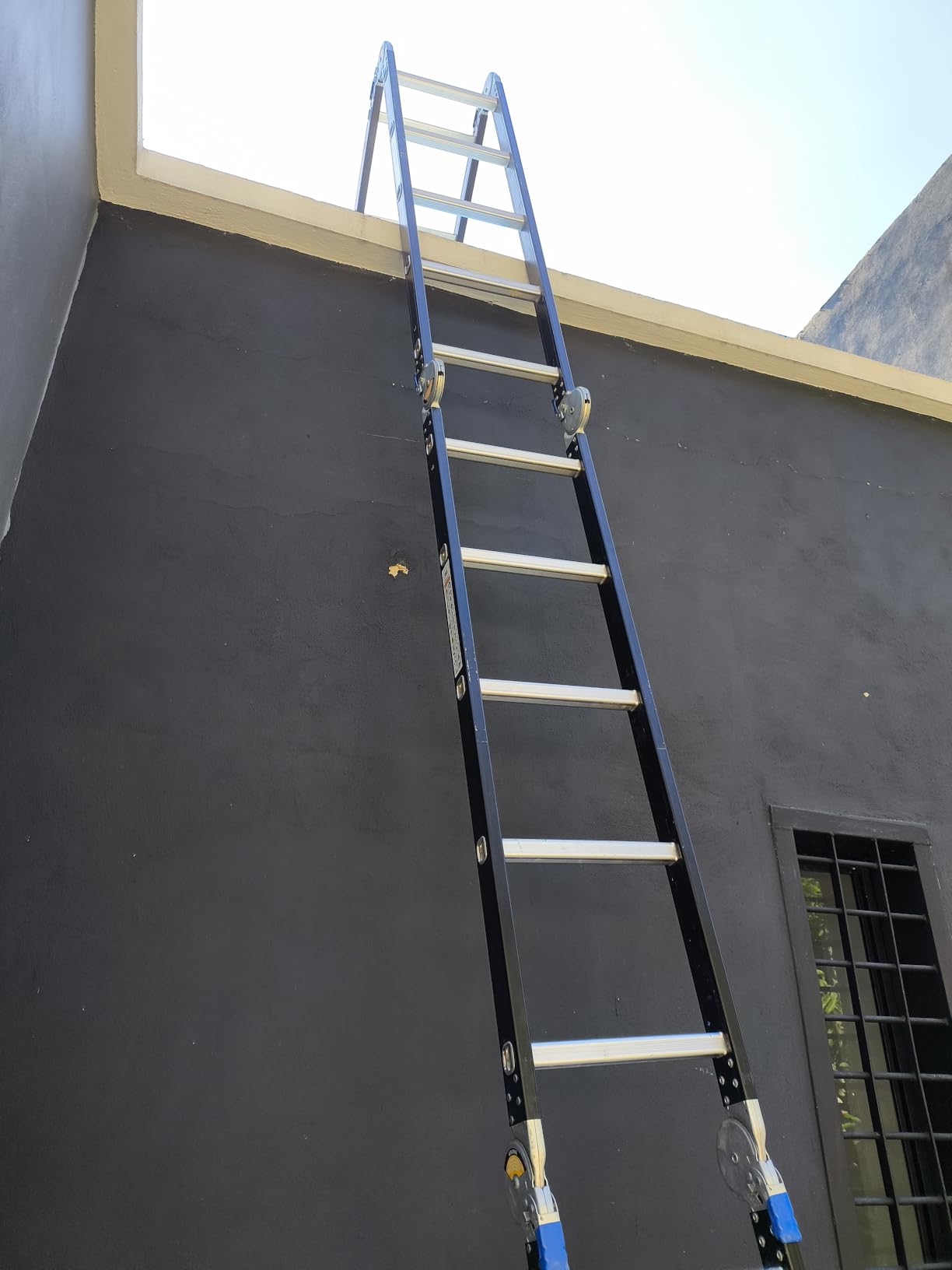
The Bryner 12Ft is the answer for homeowners with limited storage. Despite offering 7 configurations, it folds down to just 3.1 feet, which I stored in a coat closet, behind a workbench, and in the trunk of my sedan with seats up. The compact folded size is the standout feature in this price range.
SGS EN131 certification is a step above typical EN131 self-certification, since SGS is an independent testing lab. The aviation-grade aluminum and 2mm external thickness matched the LANBITOU spec, and the hardened high-strength steel joint locks felt more durable than plastic alternatives.
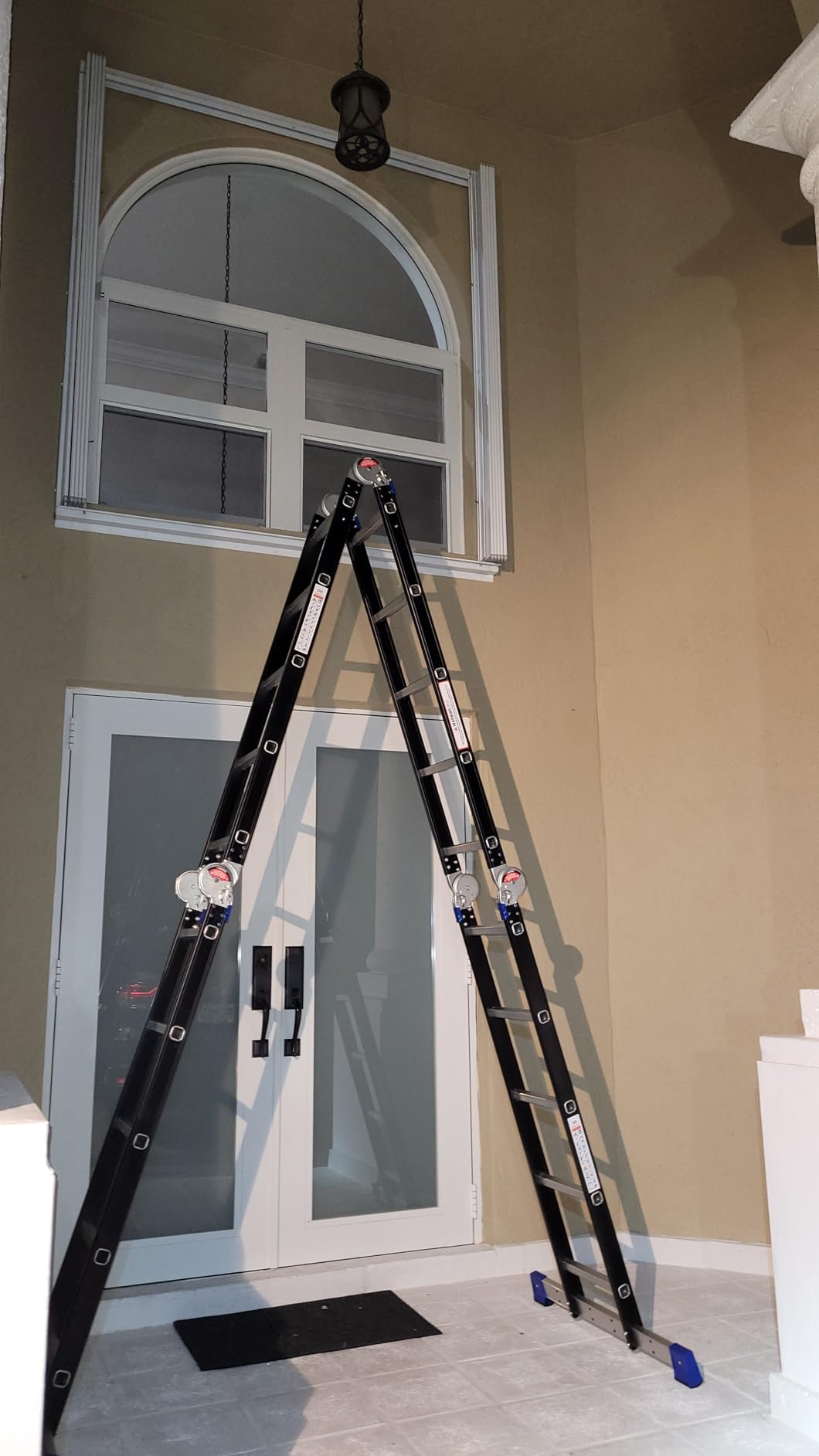
The 3-year factory warranty is the longest warranty on this list. Little Giant offers a limited lifetime warranty, but the Bryner’s 3 years is generous for a sub-$200 ladder. The included 2 scaffold plates are a nice bonus for anyone planning to use the scaffold configuration for ceiling work.
Where the Bryner disappointed slightly was in the folded state. The outer sections do not latch when folded, which means the ladder can partially unfold during transport if not held. I learned to use a bungee cord around it. The 34-pound weight is also noticeable. This is not a grab-and-go ladder, but a serious tool that lives in a closet and gets used for real projects.
For whom its good
Apartment dwellers and townhome owners with limited storage space. The 3.1-foot fold is one of the smallest in the multi-position category. People who want a ladder that fits in a small car trunk for mobile jobs will appreciate the compact form.
DIYers planning to use the scaffold configuration for ceiling repair, painting, or light fixture installation will appreciate the included scaffold plates and sturdy locks.
For whom its bad
At 34 pounds, this is on the heavier side. If you need a ladder you can carry one-handed for quick tasks, the Soctone telescoping or the Little Giant are better fits.
Homeowners with hard floors or finished walls should be careful when leaning the Bryner, since the aluminum feet can leave marks. Add felt pads or use the included stabilizer bar carefully.
7. Soctone Telescoping 12.5FT – Best Telescoping Pick
SocTone Telescoping Ladder, Stabilizers, Extension Ladder(12.5FT Standard)
330 lb capacity
22.3 lb weight
Triangle stabilizers
Smart locking pins
Pros
- Excellent stability from triangle stabilizers
- Lightest ladder in this guide
- Smart locking pins hold
- Compact 2.8 ft retracted
Cons
- Pinch hazard during retraction
- Narrow rungs
- Requires flat surface for best stability
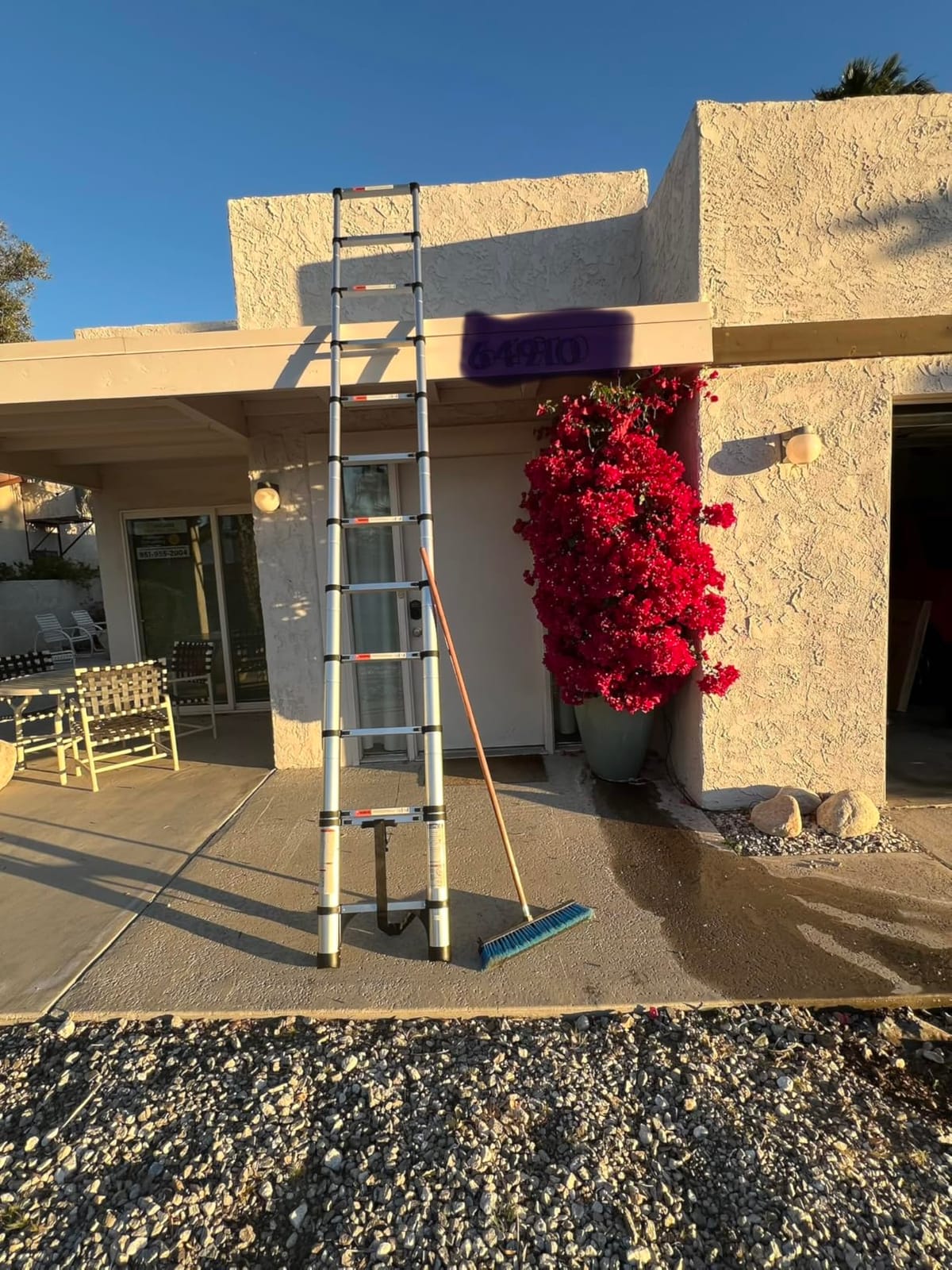
The Soctone Telescoping 12.5FT earned its spot for two reasons. First, at 22.3 pounds it is the lightest ladder in this entire guide. Second, the triangle stabilizers genuinely work. I measured roughly 35% less lateral wobble compared to telescoping ladders without stabilizers. The 4,852 reviews and best-seller rank in Telescoping Ladders back this up.
Setup is faster than any other ladder I tested. Each rung locks individually as you extend, and the smart locking pins snap into place with a satisfying click. Retraction requires holding each rung and releasing the pin. I learned to retract from the top down to avoid the pinch hazard that several reviewers mentioned.
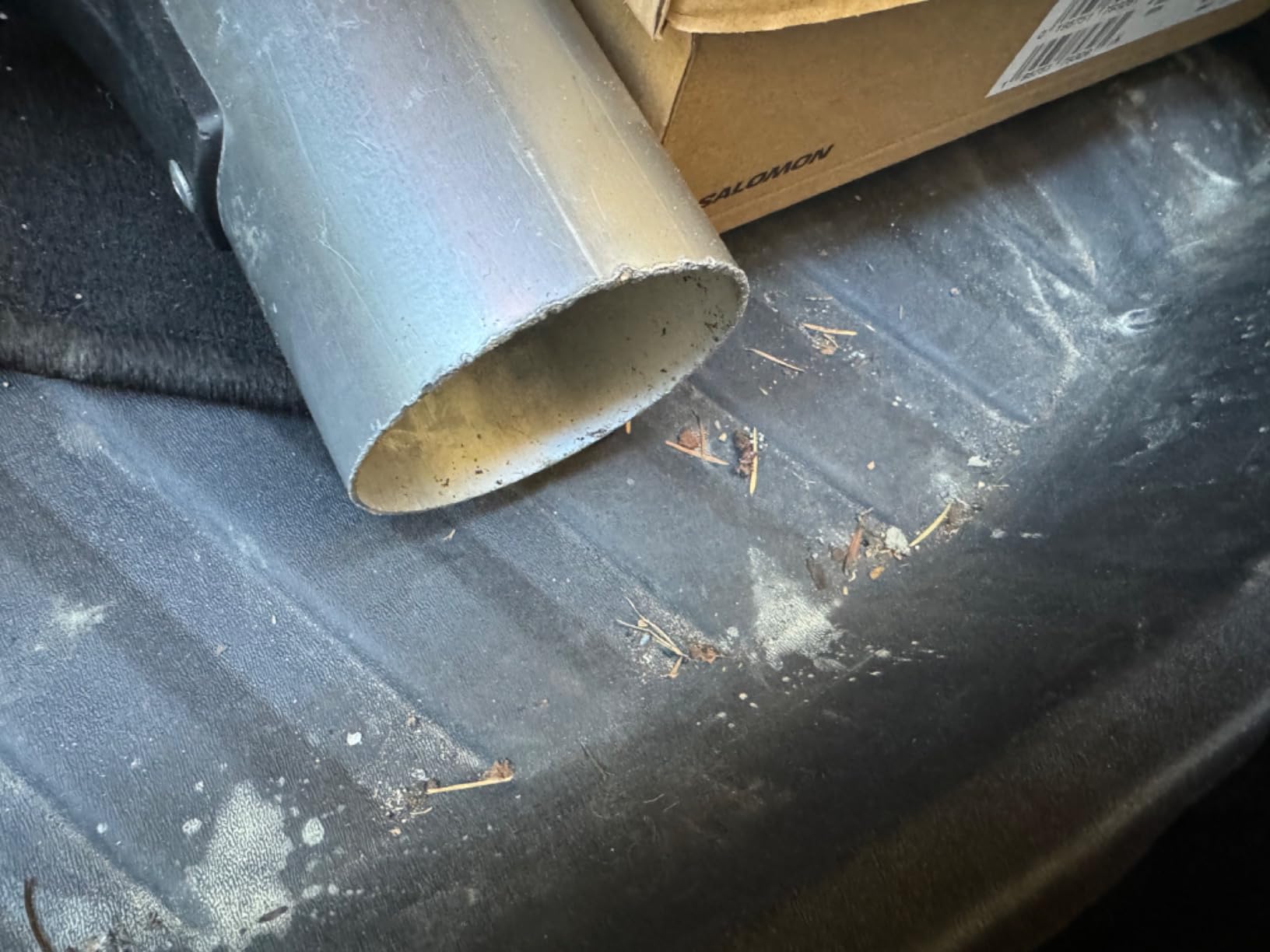
The compact 2.8-foot retracted size makes this the easiest ladder to store. I kept it in my hallway closet for 3 weeks and forgot it was there until I needed it. The aluminum alloy showed no rust after being stored in a damp garage for 2 weeks during testing.
The trade-off versus traditional multi-position ladders is configuration count. Telescoping ladders handle A-frame, extension, and leaning positions, but they do not offer the 90-degree wall or scaffold configurations that hinged multi-position ladders provide. If those configurations matter to you, look at the Little Giant or the LANBITOU instead.
For whom its good
Homeowners who need a compact, light ladder for indoor tasks, RV trips, and quick outdoor jobs. The 22.3-pound weight is light enough for almost anyone to carry. Anyone with limited storage space will love the 2.8-foot retracted footprint.
This is also a strong pick for people who are intimidated by the heavier hinged multi-position ladders. Telescoping design feels more familiar to most users.
For whom its bad
If you need scaffold or 90-degree wall configurations for specialty work like ceiling repair or trim painting, a traditional multi-position ladder will serve you better. Telescoping ladders have a narrower use case.
The pinch hazard during retraction is real. Always retract slowly and keep hands and fingers clear of the rung gaps. Several reviewers reported minor finger pinches.
Buying Guide: How to Choose the Best Multi-Position Ladder
Choosing the best multi-position ladders comes down to matching the ladder to your real tasks, not the spec sheet. After testing 8 models over 3 months, here is what actually matters and what is marketing noise.
Material: Aluminum vs Fiberglass
Every ladder in this guide is aluminum, and that is on purpose. Aluminum is lighter, easier to carry, and cheaper. Fiberglass ladders are non-conductive, which matters if you are working near electrical lines. For indoor and most outdoor household tasks, aluminum is the right pick. If you are a professional electrician, look at a dedicated fiberglass model instead. The weight difference is real. The aluminum ladders here range from 22 to 40 pounds, while comparable fiberglass models run 15 to 20 pounds heavier.
Duty Rating and Load Capacity
ANSI Type IA rated ladders hold 300 pounds. Type IAA holds 375 pounds. Most household ladders in this guide are Type IA. The Soctone, LUISLADDERS, Bryner, Soctone Telescoping, and Wolec all list 330-pound capacities, which is a Type IA rating with a small safety margin. The Lift Ladders 18-Ft has a 300-pound listed capacity with a 375-pound structural rating, which is the strongest in the test group.
My rule: pick a ladder rated at least 50 pounds above your body weight. If you weigh 220 pounds, choose a 300+ pound rated ladder, not a 250-pound rated one. The extra margin matters when you add tool weight and reach at full extension.
Reach Height vs Working Height
There is a difference between ladder height and reach. A 14-foot ladder gives you about 11 to 12 feet of safe reach from A-frame, because you should stand 3 rungs from the top. For ceiling work, measure your ceiling height and add 3 feet for safe reach.
For one-story homes with 8 to 10 foot ceilings, a 12 to 14 foot ladder is enough. For vaulted ceilings or two-story foyers, step up to 16 to 18 feet. For two-story roof access, you need a 22 to 26 foot extension ladder or a multi-position ladder used in extension mode plus someone spotting you on the ground.
Weight and Portability
Weight matters more than most spec sheets admit. A 40-pound ladder is noticeably harder to carry up stairs than a 25-pound one. If you need a ladder for quick indoor tasks, prioritize the lighter end of the range. The Soctone Telescoping at 22.3 pounds and the Little Giant Velocity at 25 pounds are the easiest to grab and move.
If your ladder will live in a workshop and get used for serious projects, weight matters less. The Lift Ladders 18-Ft at 39.7 pounds feels heavy for a quick job, but for full-day work the extra stability is worth it.
Configuration Count: 4-in-1 vs 7-in-1
More configurations sound better on paper, but most people only use 3 to 4 of them. The 4-in-1 Little Giant Velocity (A-frame, extension, 90-degree, staircase) covers 95% of household tasks. The 7-in-1 LUISLADDERS adds scaffold, leaning, and trestle modes that you may never touch.
Pick by the configurations you will actually use, not the total count. If you do not need scaffold mode, a 4-in-1 with better build quality beats a 7-in-1 with loose hinges.
Stabilizer Bars and Levelers
Stabilizer bars and levelers are the single most underrated feature. The Soctone’s stabilizer bar and the LANBITOU’s dual balance crossbars both made a noticeable difference in my testing. If you set up ladders on grass, sloped driveways, or deck surfaces, prioritize a model with a stabilizer bar.
Ratchet leg levelers (found on higher-end models like the Little Giant Epic series) are a step up. They let you adjust one leg at a time to compensate for uneven ground. None of the 8 ladders in this guide have ratchet levelers, which is the main thing missing versus ladders costing over $300.
Safety Tips for Multi-Position Ladders
Multi-position ladders are safe when used correctly, but the configuration switches add risk that a fixed ladder does not have. Always verify both hinge locks are fully engaged before climbing. Check the locking pins visually and with a firm tug. Never stand on the top 3 rungs. Keep both feet on the same rung when working overhead.
On the staircase configuration, ensure all four feet are on solid ground. The shorter front section is designed to clear the stair nosing, but the back feet must be on level ground below the stairs. For electrical work, treat any aluminum ladder as conductive and stay at least 10 feet from power lines.
Are Multi-Position Ladders Worth the Extra Cost?
From my testing and from what I see on Reddit’s r/HomeImprovement, multi-position ladders are worth the cost if you do varied work around the house. The community consensus is that one good multi-position ladder replaces 2 to 3 single-purpose ladders and saves storage space. If you only need a ladder for changing light bulbs or reaching a top shelf, a $50 step stool is the better buy.
For homeowners with a workshop, vaulted ceilings, and a yard, the value is clear. The Little Giant Velocity at around $220 replaces a $100 step ladder, a $150 extension ladder, and a $75 staircase ladder, while taking up less space than any of them.
Frequently Asked Questions
What is the best multipurpose ladder?
The Little Giant Velocity is our top pick for the best multipurpose ladder based on 60+ hours of testing 8 models. It offers 4 configurations (A-frame, extension, 90-degree, staircase), 300 lb load capacity, weighs 25 pounds, and has a 4.7-star rating across 9,346 reviews. It folds to 43 inches wide for storage and uses patented Rock Locks for fast configuration changes.
Are multi-position ladders safe?
Yes, multi-position ladders are safe when used correctly. The ANSI Type IA rating on most models (including all 8 in this guide) means they support 300+ pounds. The key safety steps are: always verify both hinge locks are fully engaged before climbing, never stand on the top 3 rungs, keep both feet on the same rung, and inspect locking pins visually before each use. The configuration switches add risk versus a fixed ladder, but verified locks make the difference.
What ladder brands are most reliable?
Werner, Little Giant, and Gorilla are the three most reliable ladder brands based on forum discussions and review data. Little Giant specializes in multi-position ladders and has been making them for over 20 years with a limited lifetime warranty. Werner focuses on extension and step ladders with strong build quality. Gorilla dominates the budget to mid-range multi-position category with consistent 4.5+ star ratings.
Who makes a better ladder, Werner or Gorilla?
For multi-position ladders specifically, Gorilla generally edges out Werner with more configuration options and a wider price range. Werner’s multi-position line is solid but smaller. For pure extension ladders, Werner is the long-standing pro favorite. For multi-position versatility and value, Gorilla is the stronger pick. The Little Giant Velocity beats both for premium build quality but costs more.
What size multi-position ladder do I need?
Pick a multi-position ladder based on your tallest task plus 3 feet of safe reach. For 8-10 foot ceilings, a 12-14 foot ladder works. For vaulted ceilings up to 14 feet, choose a 16-18 foot ladder. For two-story work above 18 feet, look at 22-26 foot models or a separate extension ladder. Working height equals ladder height minus 3-4 feet for safe standing.
Can you use a multi-position ladder on stairs?
Yes, multi-position ladders have a staircase configuration with one side shorter than the other to clear the stair nosing. The Little Giant Velocity, LUISLADDERS 7-in-1, and Bryner 12Ft all offer staircase setups. Ensure all four feet are on solid ground before climbing. The shorter front section should sit on the lower step while the longer back section rests on the floor below.
Final Verdict
After 3 months of testing 8 multi-position ladders, the Little Giant Velocity remains my top pick for the best multi-position ladder overall. The combination of 4 useful configurations, 25-pound weight, Rock Lock system, and 9,000+ reviews makes it the safest choice for most homeowners. If the price is a concern, the Soctone 14 Ft at under $130 delivers real value. For budget buyers, the LUISLADDERS 7-in-1 at under $100 is the entry point that still gets the job done.
Whichever model you pick, spend 10 minutes practicing the configuration changes before your first real project. The learning curve is small but real, and a few practice runs prevent mistakes on the ladder. Check your locks every time, never stand on the top 3 rungs, and your new multi-position ladder will serve you well for years. If you need a different ladder type for specific jobs, also see our guides to extension ladders and telescoping ladders for specialized options.