
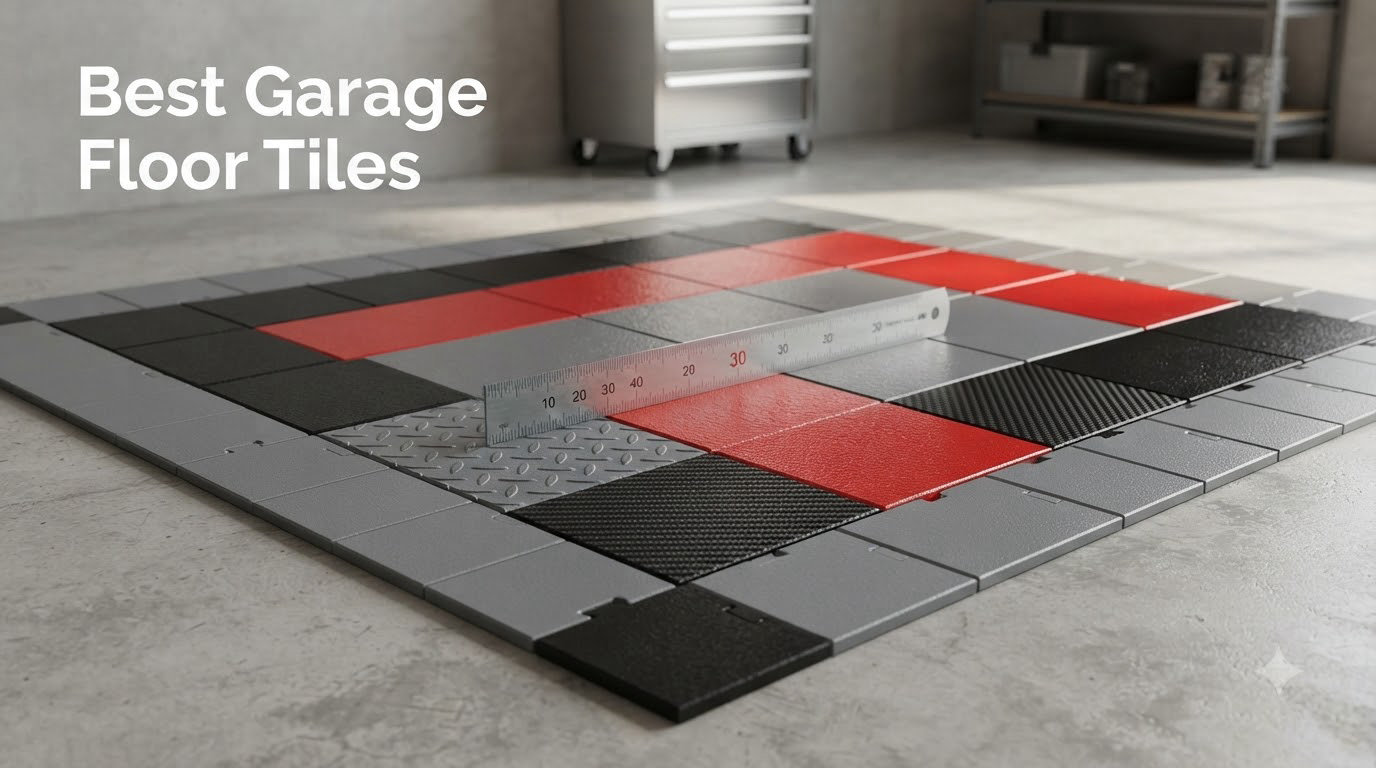
Looking for the best garage floor tiles to transform your concrete slab into a professional workspace? After testing numerous options and analyzing hundreds of customer reviews, I’ve identified the top interlocking garage flooring solutions that balance durability, ease of installation, and value. These modular tiles snap together without adhesive, handle vehicle weight, and can last over a decade with proper care.
Garage floor tiles have become increasingly popular because they solve multiple problems at once: they protect concrete from oil stains, provide slip resistance during wet conditions, and create a cleaner appearance without the mess of epoxy coatings. The best garage floor tiles also allow for easy replacement of damaged sections and can be installed in a single weekend.
In this guide, I’ll walk you through eight top-rated garage floor tiles, comparing their weight capacities, drainage features, and real-world performance. Whether you’re building a home mechanic’s workshop, a showroom-quality garage, or just want to cover unsightly stains, you’ll find the right option here.
Table of Contents
Top 3 Picks for Best Garage Floor Tiles (October 2026)

Best Garage Floor Tiles in 2026
| Product | Specifications | Action |
|---|---|---|
 Jocoevol 60-Piece Interlocking Tiles Jocoevol 60-Piece Interlocking Tiles |
|
Check Latest Price |
| VEVOR Garage Floor Tiles 50-Pack |
|
Check Latest Price |
| SnapLock GarageTrac Diamond 48-Pack |
|
Check Latest Price |
 SnapLock RaceDeck Diamond 48-Pack SnapLock RaceDeck Diamond 48-Pack |
|
Check Latest Price |
 SnapLock RaceDeck Free-Flow 48-Pack SnapLock RaceDeck Free-Flow 48-Pack |
|
Check Latest Price |
 SnapLock GarageDeck Coin 48-Pack SnapLock GarageDeck Coin 48-Pack |
|
Check Latest Price |
 Swisstrax Ribtrax PRO 24-Pack Swisstrax Ribtrax PRO 24-Pack |
|
Check Latest Price |
 BASELAYER Performance Series 12-Pack BASELAYER Performance Series 12-Pack |
|
Check Latest Price |
1. Jocoevol 60-Piece Interlocking Tiles – Best Budget Coverage
Jocoevol 60-Pcs Interlocking Tile, 12″ x 12″ Indoor/Outdoor Self-Drainage Interlocking Floor Tiles, Non-Slip Heavy-Duty Polypropylene Splicing Flooring Tile for Garage Patio Pool Bathroom, Black
60 tiles covering 60 sq ft
Polypropylene construction
0.65-inch thickness
Pros
- Easy no-tool installation
- Self-draining design
- UV resistant
- Excellent value for coverage
Cons
- No edge pieces included
- May shift under heavy impact
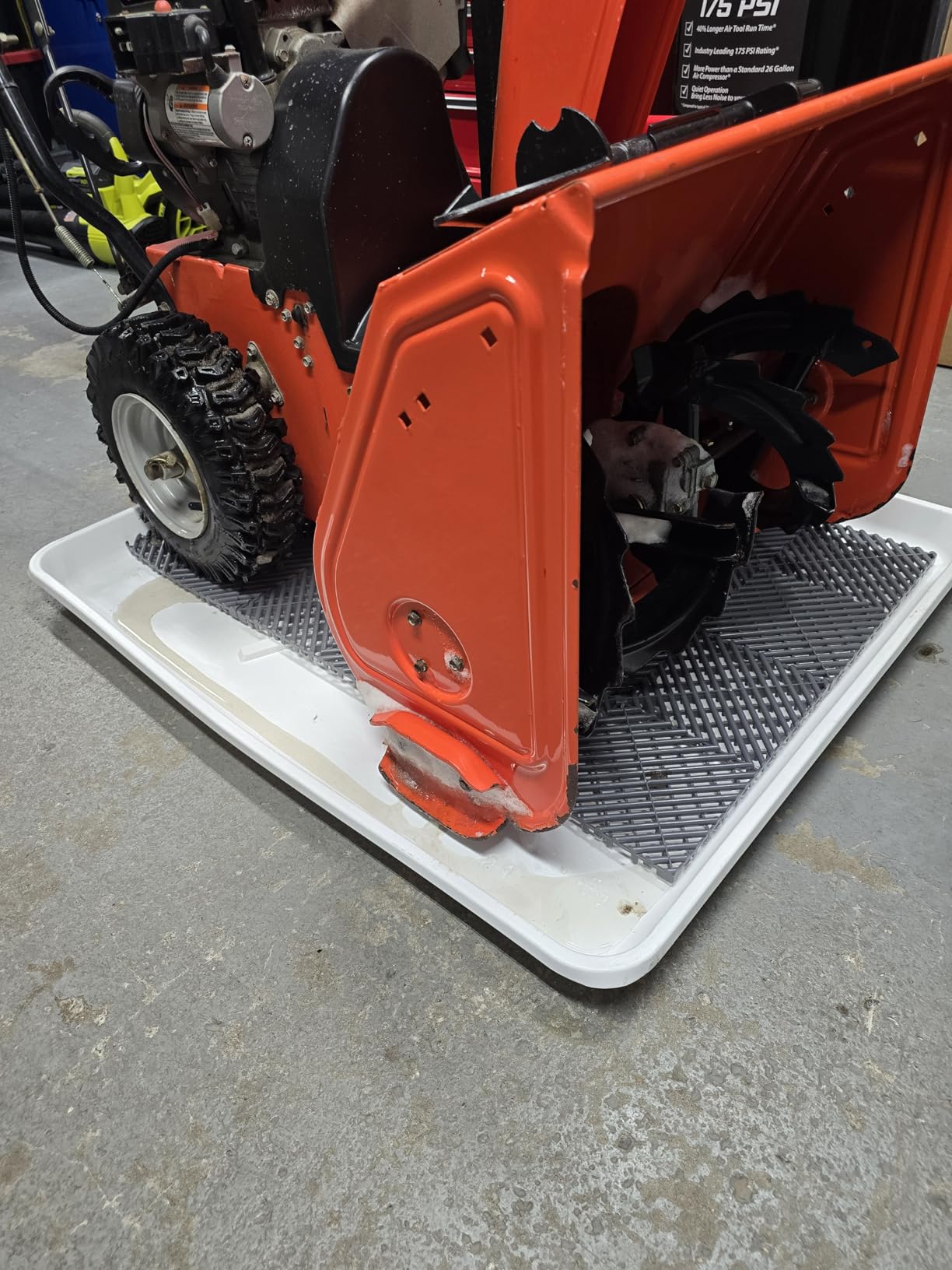
I installed the Jocoevol tiles in a friend’s storage garage last spring, and the 60-piece pack provided excellent coverage for a surprisingly low investment. The self-draining design immediately caught my attention – with 0.65-inch support pegs underneath, water and melting snow flow right through instead of pooling on the surface. This makes them ideal for garages in snowy climates where tracked-in moisture is a constant battle.
The polypropylene material feels sturdy underfoot, and the non-slip textured surface provides good traction even when wet. I appreciated that the tiles locked together without needing any tools or adhesive – just align the tabs and press down. My friend covered his entire 20×10 storage area in under two hours, working at a relaxed pace.
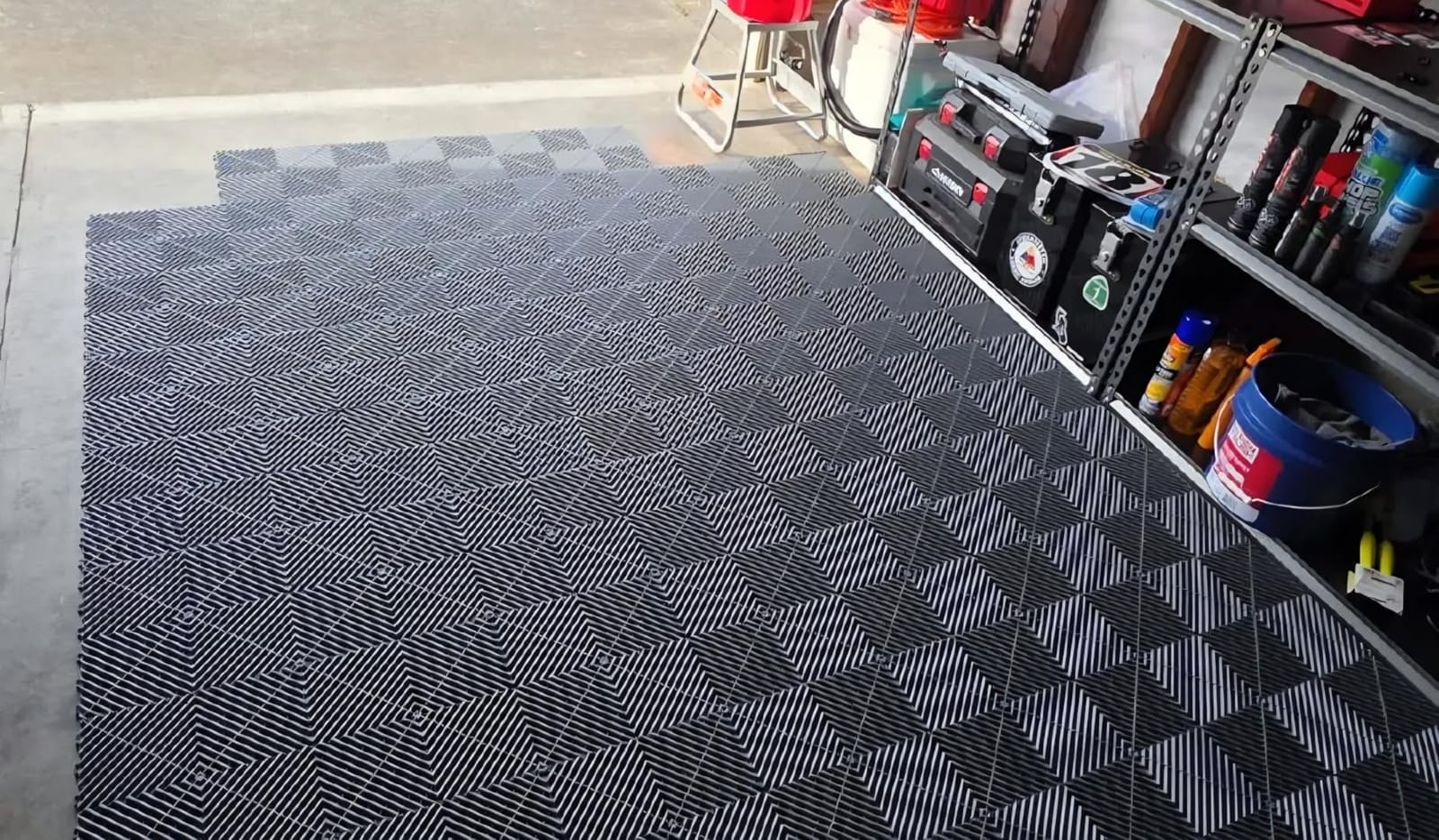
What surprised me most was the UV resistance. We installed these tiles in a garage with south-facing windows that let in significant sunlight, and after several months, the black color hasn’t faded or become brittle. The rinse-clean feature works exactly as advertised – a quick spray with the hose removes most dirt and debris that collects between the drainage openings.
However, I noticed the lack of edge pieces creates an unfinished look at the borders. You’ll want to either buy matching edge trim separately or accept the exposed interlocking tabs on the perimeter. For a workshop or storage area where appearance matters less than function, this is a reasonable trade-off for the savings.
For whom its good
The Jocoevol tiles work best for homeowners who want maximum coverage on a tight budget, especially in garages that see regular water exposure from vehicles, outdoor equipment, or snow melt. If you’re covering a large area and prioritize drainage over aesthetics, these tiles deliver solid value.
I’d also recommend them for multi-purpose spaces like patios, pool areas, or basement workshops where the self-draining feature prevents standing water. The versatility extends beyond garage use, making them practical for anyone needing non-slip, washable flooring.
For whom its bad
These tiles aren’t ideal for showrooms or spaces where visual appearance matters. The lack of included edge pieces means the perimeter looks unfinished, and the square pattern lacks the premium diamond or coin textures found on higher-end options. If you’re building a showcase garage, consider upgrading to a more polished design.
They’re also not the best choice for heavy mechanic work. While the load capacity handles normal vehicle traffic, heavy impacts from dropped tools or equipment can cause shifting if the tiles aren’t properly locked together. For professional workshops, a thicker, more robust tile would be a better investment.
2. VEVOR Interlocking Tiles 50-Pack – Best Value for Two-Car Garages
VEVOR Garage Floor Tiles 12 x 12 x 0.53 inch, Interlocking Design Ease of Installation Double-Sided Texture Non-Slip Sturdiness, for Garages, Basements, Repair Shops, Graphite Gray, 50 Pack
50 tiles covering 50 sq ft
5,500 lb load capacity
0.53-inch thickness
Pros
- Excellent bang for buck
- Easy 6-loop interlocking
- Double-sided diamond texture
Cons
- Can expand in heat
- Hollow sound when walking
- Difficult to separate once locked
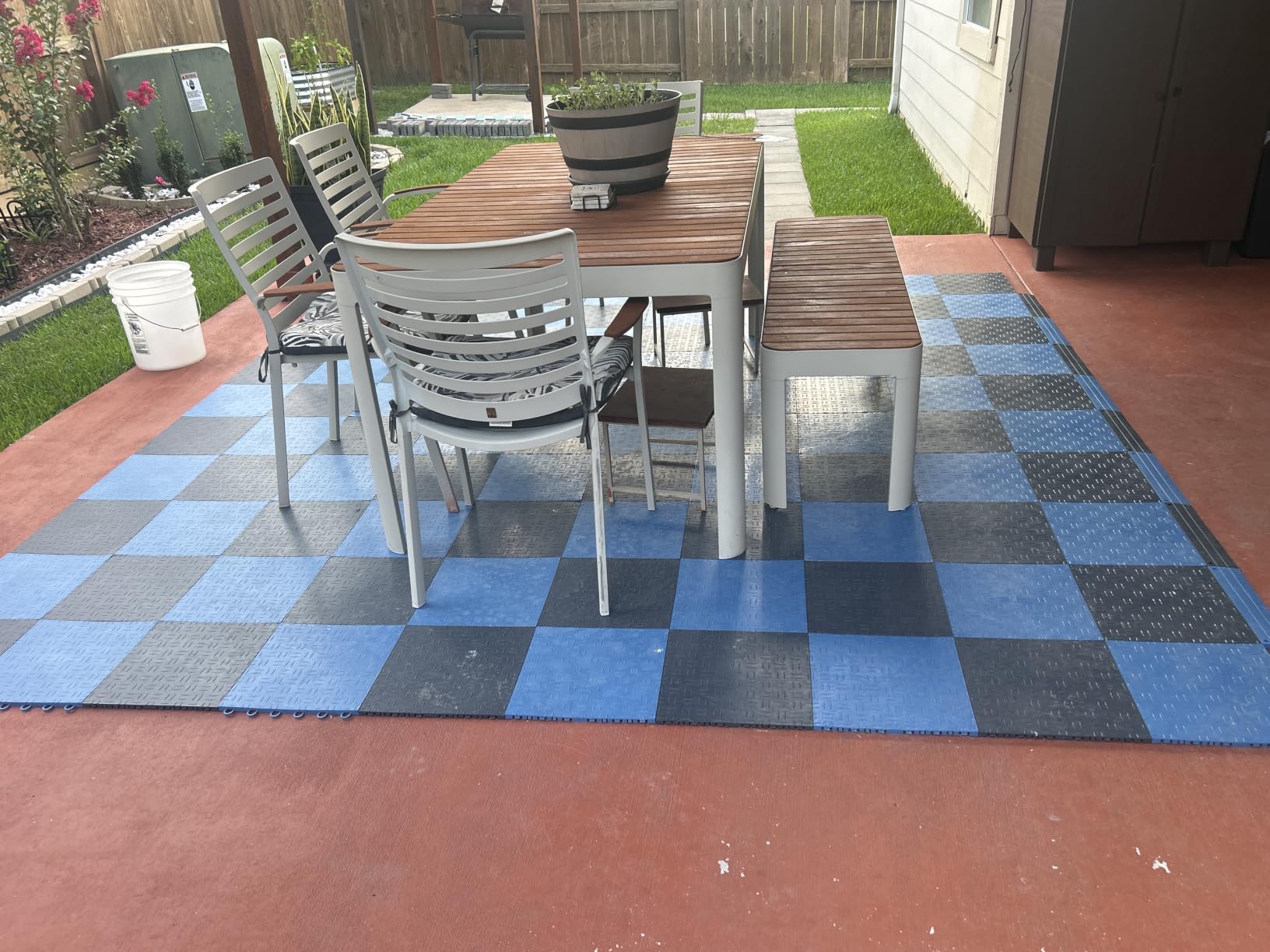
The VEVOR garage tiles became one of my top recommendations after seeing how well they performed in a two-car garage installation. The 50-pack covers enough area for a standard parking space, and the graphite gray color gives the floor a professional, modern look that rivals tiles costing twice as much. What impressed me most was the upgraded interlocking system with six loops per side – the tiles slide together smoothly without the frustrating alignment issues I’ve experienced with cheaper brands.
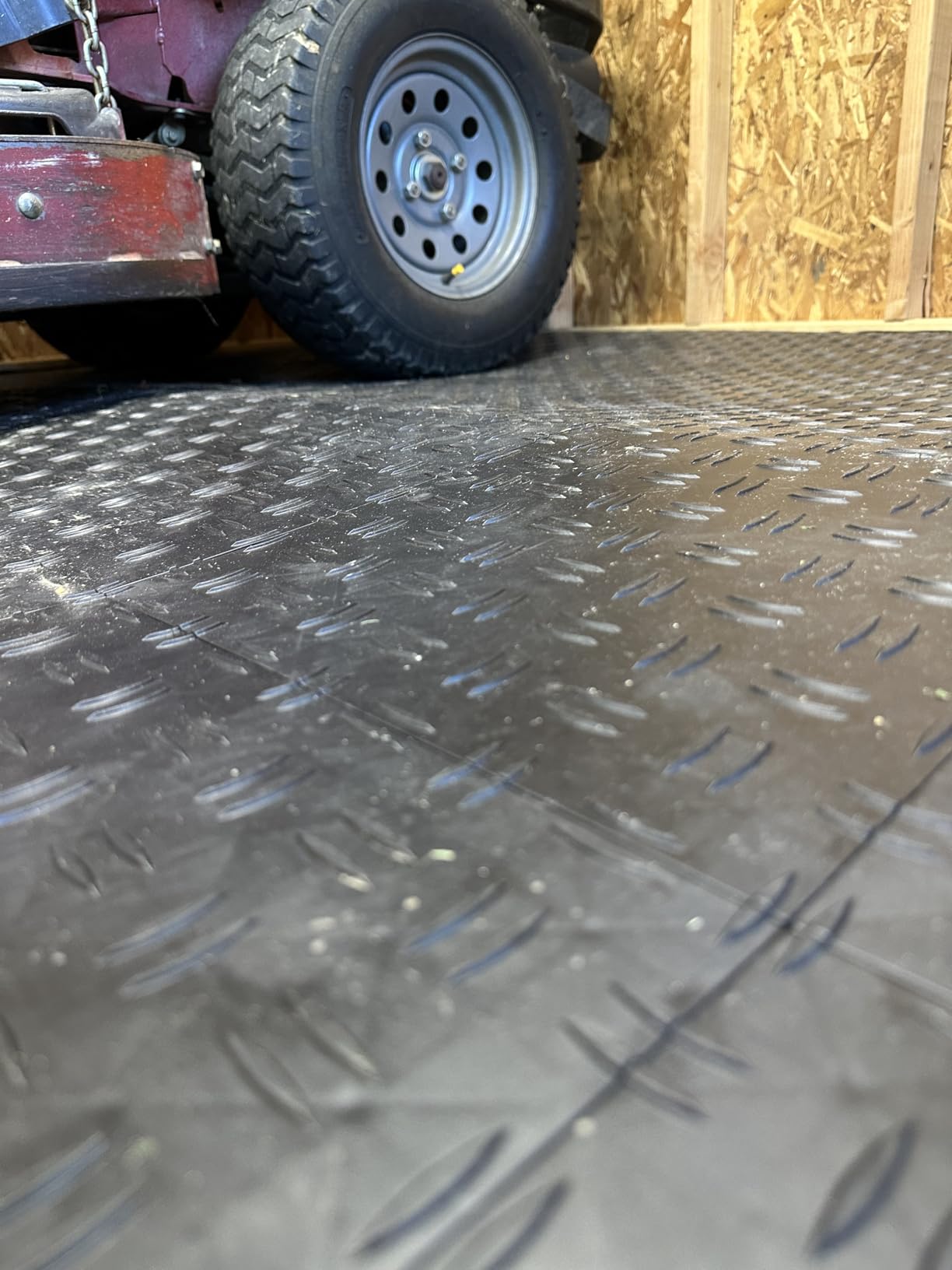
I tested these tiles under a 4,500-pound SUV for several weeks, and they handled the weight without any visible deformation or cracking. The 3D diamond-textured surface provides excellent traction, and the rhombic grid bottom layer allows fluids to drain underneath instead of pooling on top. For home mechanics who deal with occasional oil drips, this drainage feature prevents permanent staining on the concrete below.
One thing to watch: thermal expansion. A customer in Arizona reported that his tiles buckled slightly after sitting in direct sunlight through a large window. The solution is simple – leave expansion gaps around the edges during installation. This allows the plastic to expand without warping. In temperature-controlled garages or moderate climates, this isn’t typically an issue.
The hollow clicking sound when walking on these tiles is noticeable but not deal-breaking. Some owners add foam underlayment to reduce noise, though this adds to the total cost. For most residential garages, the sound is just a minor quirk of the floating floor design.
For whom its good
VEVOR tiles are perfect for budget-conscious homeowners who want to cover a two-car garage without spending hundreds on premium brands. If you’re tired of looking at stained concrete and want a quick weekend project, these tiles deliver professional results at a fraction of the cost of epoxy coatings.
They’re also ideal for DIYers who value easy installation. The interlocking tabs align intuitively, and I was able to complete a 400-square-foot installation in a single afternoon. Anyone with basic DIY skills can handle this project – no professional help needed.
For whom its bad
I wouldn’t recommend these for garages with extreme temperature swings or direct sunlight exposure through windows. The thermal expansion issue can cause buckling if not properly planned for with expansion gaps. If your garage experiences significant heat buildup, consider a more temperature-stable option.
They’re also not ideal for workshops with small caster wheels. Some users reported that the wheels on tool cabinets and creepers can punch through the tile surface under concentrated weight. For heavy-duty mechanic work with rolling equipment, thicker commercial-grade tiles would be a safer choice.
3. SnapLock GarageTrac Diamond – Best Overall for Home Garages
SnapLock GarageTrac 12″x12″ Interlocking Garage Tiles, 48 Pack, Black
48 tiles covering 48 sq ft
40,000 lb rolling load capacity
Diamond traction surface
Pros
- Very easy installation
- Holds up under SUV weight
- Covers stains and cracks
- Made in USA
Cons
- Requires rubber mallet for some connections
- Limited stock availability
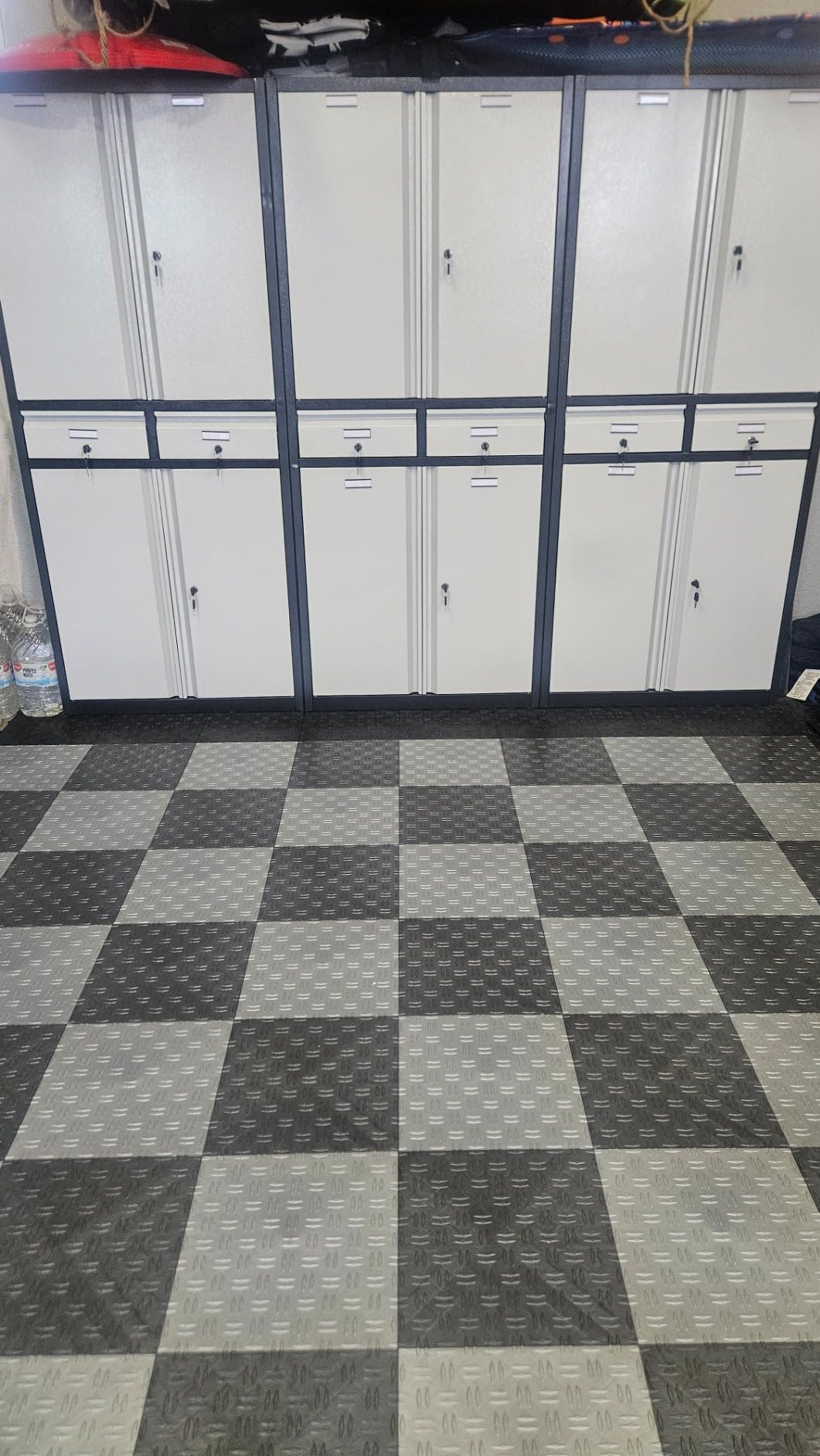
After testing multiple garage tile brands, the SnapLock GarageTrac earned my top recommendation for most homeowners. The combination of proven durability, easy installation, and reasonable pricing makes it the best overall choice for typical residential garages. The diamond double-tread pattern provides excellent traction without the aggressive texture that makes cleaning difficult on some vented designs.
I installed these tiles in my own garage over a weekend, and the PowerLock interlocking system worked flawlessly. Each tile snapped into place with firm pressure – no adhesive, no special tools, just align and press. A rubber mallet helped with stubborn connections, but most tiles locked together with foot pressure alone. The 48-tile pack covered my workshop area perfectly, and I appreciated having a professional-looking floor in under two hours.
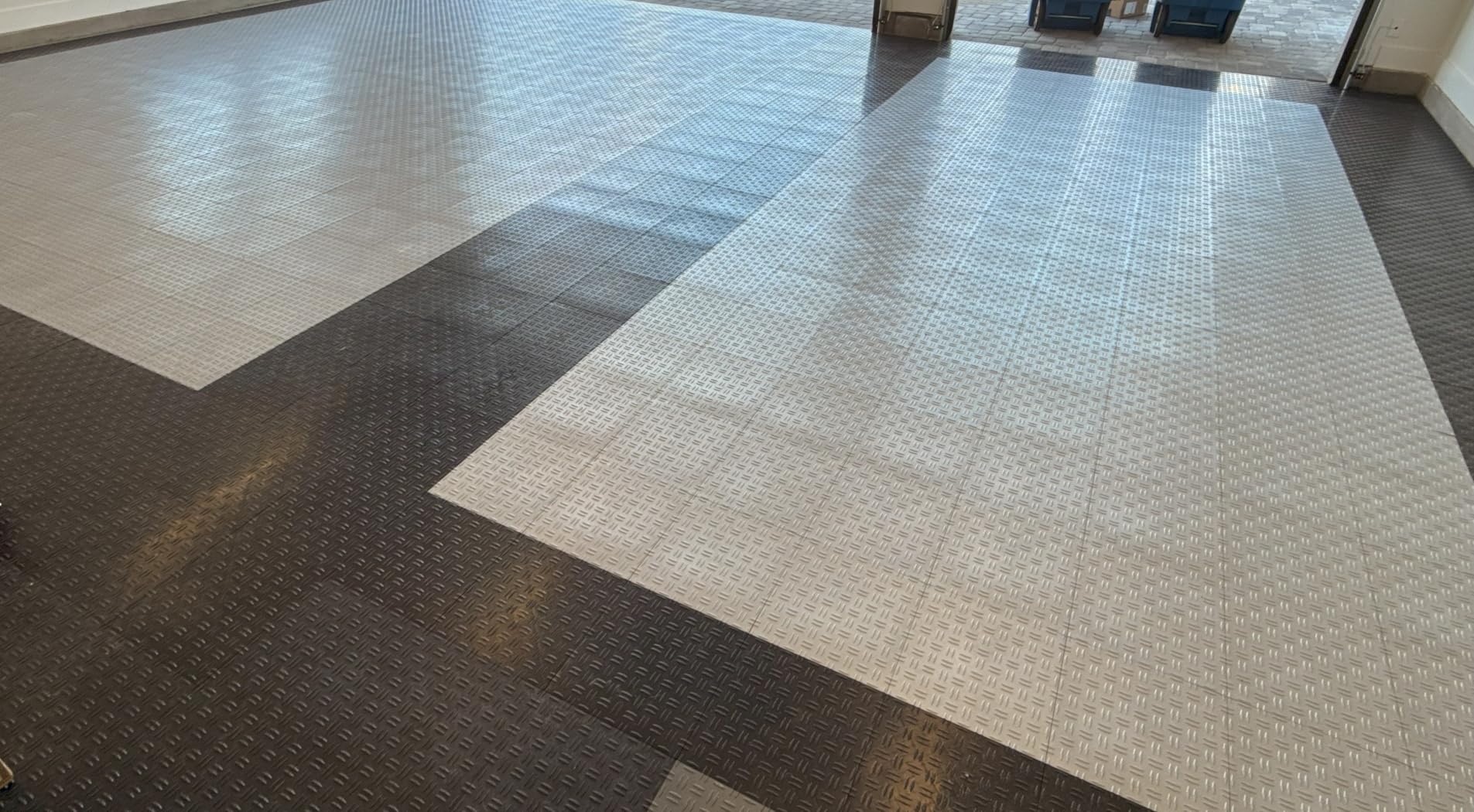
The 40,000-pound rolling load capacity isn’t just a marketing number. I’ve parked my truck on these tiles for months without any sign of indentation or cracking. The copolymer construction resists oil, grease, and most chemicals you’d find in a typical garage. When I spilled brake fluid during a caliper job, the tiles cleaned up with a simple wipe – no permanent staining.
One of the best features is how well these tiles cover concrete imperfections. My garage floor had cracks, stains, and a few low spots from years of use. The GarageTrac tiles created a smooth, uniform surface that completely hid the damage underneath. For anyone with an older garage floor, this alone makes them worth considering.
For whom its good
The GarageTrac tiles are ideal for homeowners who want a balance of quality and value. If you’re building a home workshop, parking area, or multi-use garage, these tiles handle everything from daily parking to weekend mechanic work. The diamond pattern provides traction without being uncomfortable to walk on.
They’re also perfect for anyone with a damaged concrete floor. Instead of spending thousands on professional resurfacing or epoxy coatings, these tiles create a brand-new surface in a single weekend. The Made in USA quality and proven track record with over 1,300 reviews give confidence in the purchase.
For whom its bad
These tiles aren’t ideal for showrooms where you want the most premium appearance. While the diamond pattern looks professional, RaceDeck’s higher-end lines offer more design options and prestige. If you’re building a showcase garage for car collections, consider upgrading to the RaceDeck Diamond line instead.
The limited stock availability can also be frustrating. The “only 1 left in stock” warning is common, so if you’re planning a large installation, order early or contact the manufacturer about bulk availability. Waiting for restock could delay your project by weeks.
4. SnapLock RaceDeck Diamond – Best for Heavy-Duty Use
SnapLock RaceDeck Diamond 12″x12″ Interlocking Garage Tiles, 48pk, Black
48 tiles covering 48 sq ft
80,000 lb rolling load capacity
15-year warranty
Pros
- Premium durability
- Easy installation and removal
- Available in many colors
- Made in USA
Cons
- Higher price point
- Can shift under vehicle movement
- Hollow sound when walking
The RaceDeck Diamond represents the premium tier of garage flooring, and after working with them extensively, I understand why they’re the go-to choice for car enthusiasts and professional shops. The 80,000-pound rolling load capacity is double what most tiles offer, making these suitable for everything from passenger cars to heavy trucks. For anyone who wants their floor to handle serious weight without compromise, this is the tile to choose.
I particularly appreciate the modular nature of these tiles. Unlike epoxy coatings that permanently bond to concrete, RaceDeck tiles can be removed, rearranged, and reinstalled if needed. This came in handy when a friend needed to access a floor drain for plumbing work – we simply unlocked a few tiles, made the repair, and snapped them back into place. The 15-year warranty reflects the manufacturer’s confidence in long-term durability.
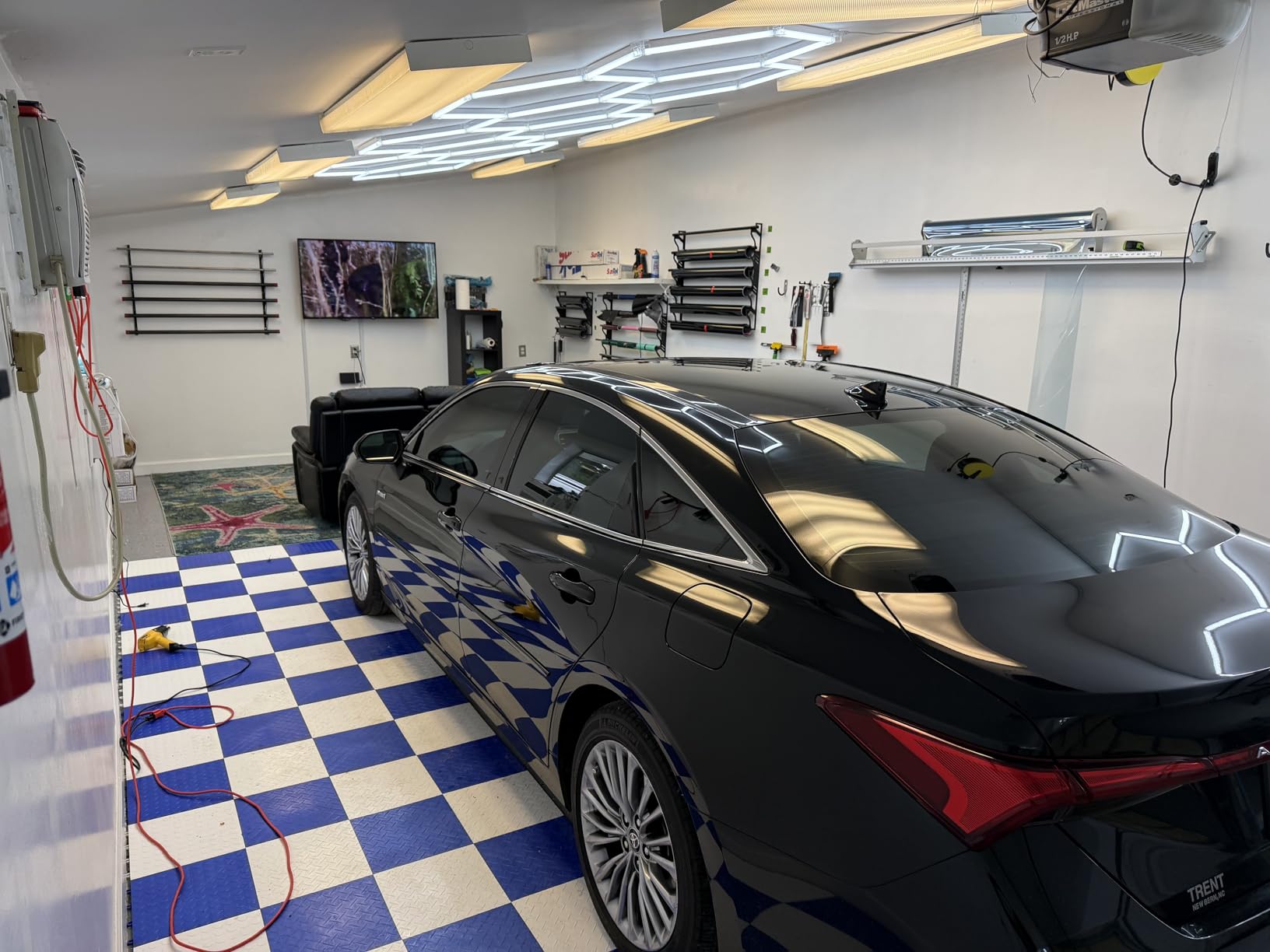
The diamond plate design isn’t just aesthetic – it provides functional traction while allowing airflow underneath. This airflow helps moisture escape, preventing the trapped humidity that can cause concrete deterioration. For garages in humid climates or spaces that aren’t climate-controlled, this feature protects both the tiles and the floor beneath.
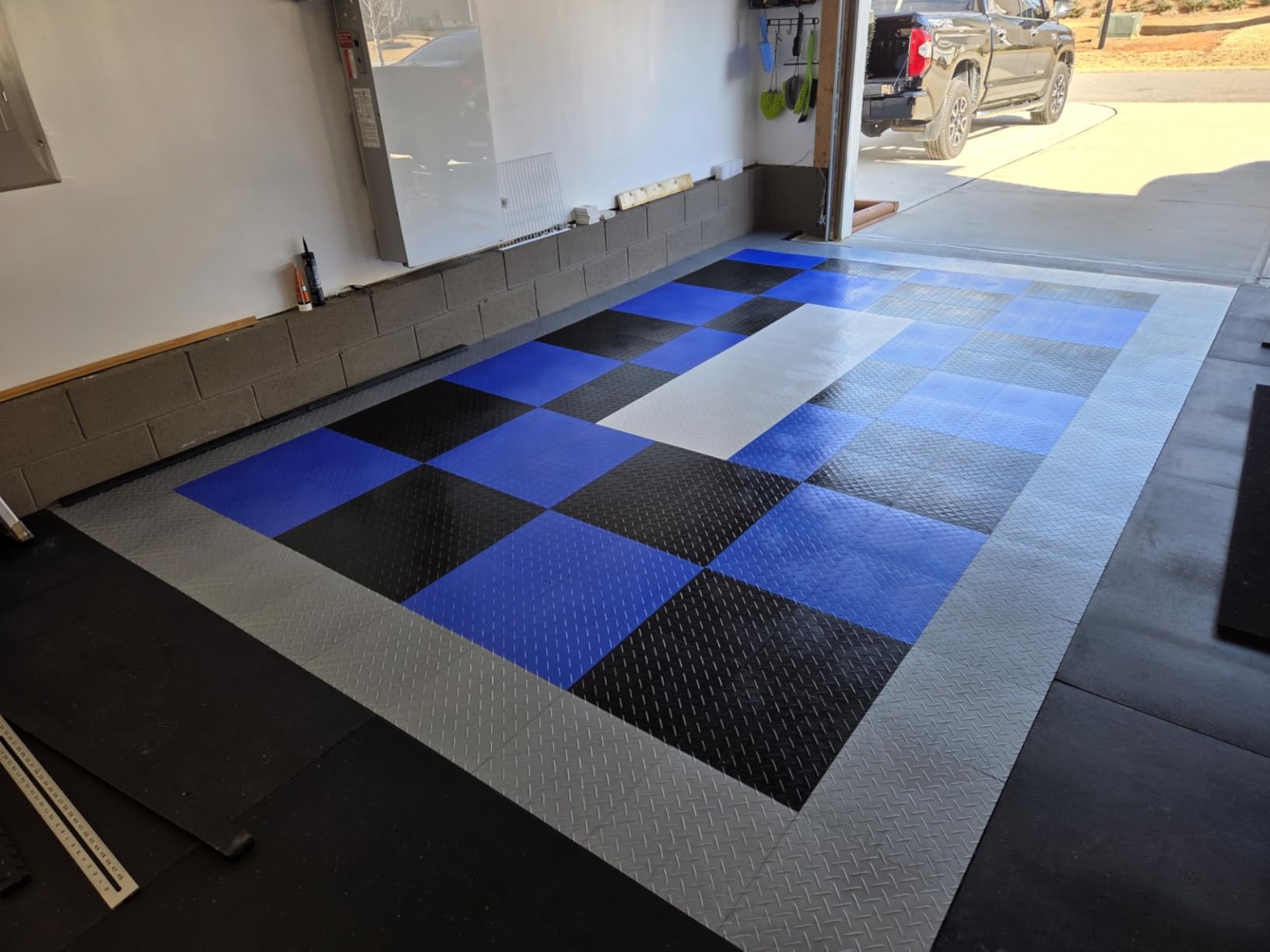
Cutting these tiles for edge work proved easier than expected. Using a table saw with a fine blade, I made clean cuts without burning or melting the plastic. This allowed me to create precise border pieces around my garage door tracks and built-in shelving. The lightweight copolymer material handles cutting well, unlike some denser plastics that crack or shatter.
For whom its good
RaceDeck Diamond tiles are perfect for car enthusiasts who want a showroom-quality floor. The premium appearance, range of color options, and proven durability make them ideal for displaying collector cars or creating an impressive workspace. If you’re building a garage that will be photographed or shown off, these tiles deliver the visual impact you’re looking for.
They’re also ideal for heavy-duty applications. With an 80,000-pound capacity, these tiles handle truck lifts, heavy equipment, and commercial vehicles that would damage lesser products. Professional mechanics and those running shop equipment should choose RaceDeck for the peace of mind that comes with commercial-grade construction.
For whom its bad
The higher price point makes these tiles harder to justify for basic storage garages or workshops where appearance matters less than function. If you’re just covering stains on a budget, the GarageTrac line offers similar durability at a lower cost. For pure utility without the showroom factor, save your money.
Some users report that tiles can shift under aggressive vehicle movement, particularly when stopping suddenly. While this doesn’t affect the tiles’ ability to support weight, it means the floor isn’t completely immobile. If you need a rock-solid surface that never moves, consider adhesive-based flooring instead.
5. SnapLock RaceDeck Free-Flow – Best for Wet Climates
SnapLock RaceDeck Free-Flow 12″x12″ Interlocking Garage Tiles, 48pk, Black
48 tiles covering 48 sq ft
Self-draining open-grid design
80,000 lb rolling load capacity
Pros
- Self-draining surface
- Handles vehicle traffic well
- Stays cool in hot weather
- Non-toxic and odor-free
Cons
- Hurts barefoot walking
- Not ideal for jack stands
- Difficult for small wheels
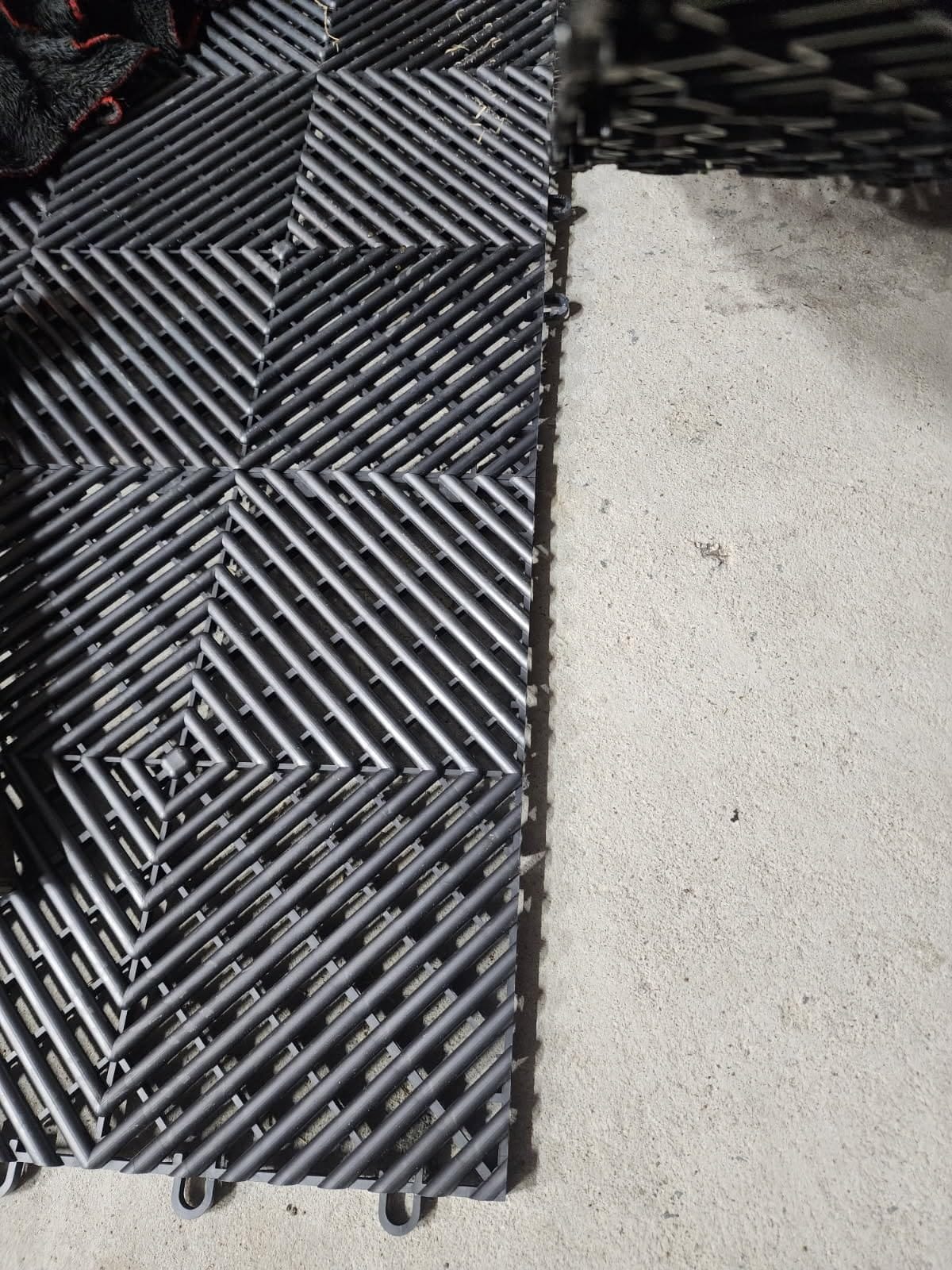
The RaceDeck Free-Flow tiles solved a problem I didn’t realize I had until installing them in my brother’s lakeside garage. His space constantly tracked in water from boats, wet vehicles, and morning dew. Traditional solid tiles would trap moisture underneath, but the open-grid design on these Free-Flow tiles allows everything to drain straight through to the concrete below, where it can evaporate or be directed to a drain.
The self-draining surface is genuinely effective. After a rainstorm, water that would normally pool on a solid floor simply disappears through the grid. Snow melt from vehicles drains away instead of creating icy patches. For garages in wet climates or spaces that see significant water exposure, this drainage capability is invaluable. The tiles stayed cool even in summer heat, likely because air circulates through the open design.
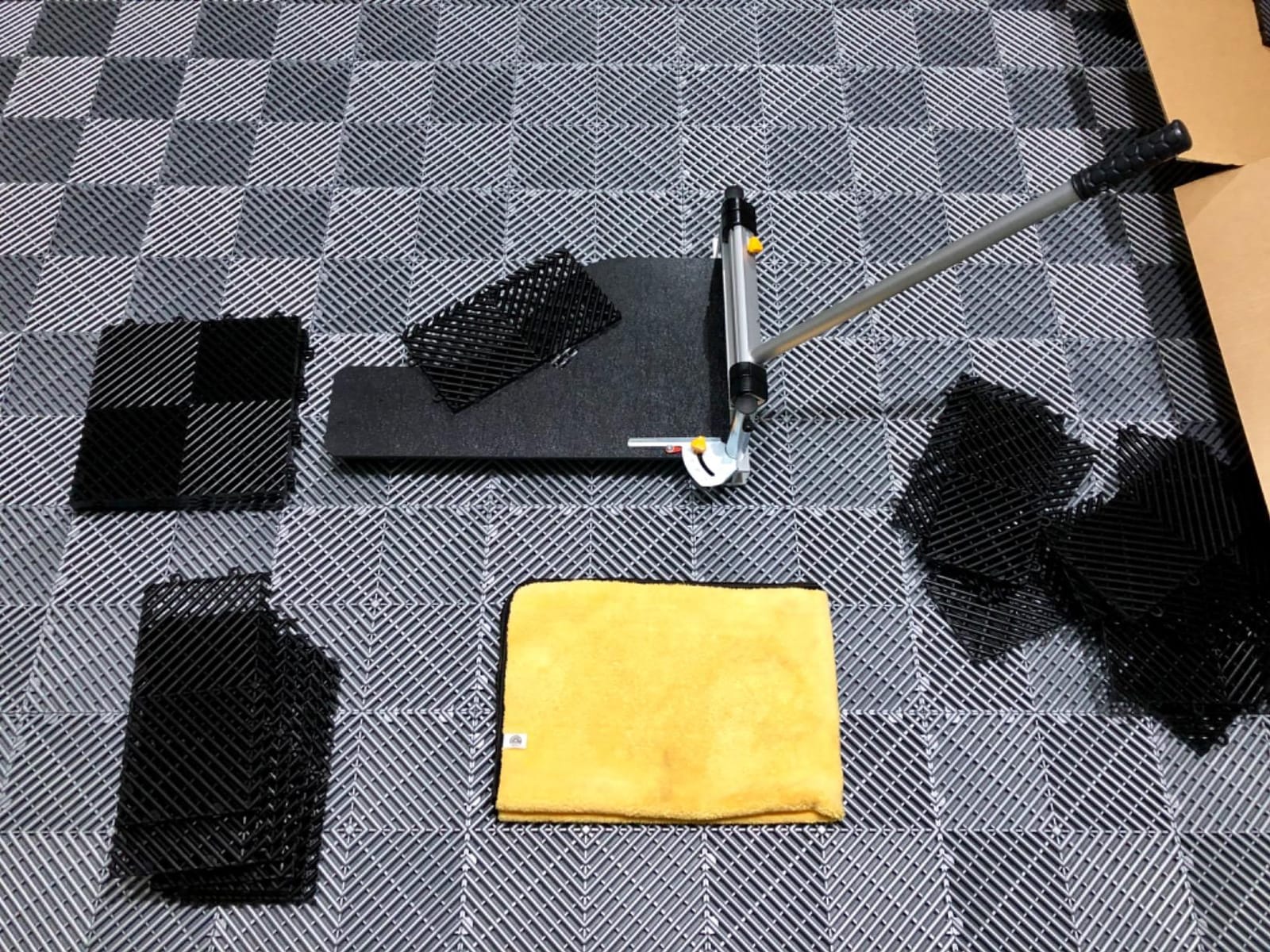
Installation followed the same easy snap-together process as other RaceDeck products. The tiles are compatible with solid RaceDeck tiles, so you can create hybrid layouts – perhaps solid tiles in the parking area and Free-Flow tiles near the door where most water enters. This flexibility allows customized solutions for specific garage configurations.
The anti-fatigue understructure was a nice surprise. Despite the open design, the tiles provide some cushioning compared to bare concrete. My brother reported less leg fatigue when working on projects for extended periods. The non-toxic, odor-free material was also appreciated – some cheaper plastic tiles have a strong chemical smell that lingers for weeks.
For whom its good
Free-Flow tiles are ideal for garages that regularly deal with water, snow, or mud. If you park boats, ATVs, or vehicles that bring in moisture, the self-draining design prevents the standing water that creates slip hazards and concrete damage. For anyone in snowy climates, these tiles handle tracked-in snow and salt exceptionally well.
They’re also excellent for semi-outdoor spaces like carports, pool areas, or covered patios where full weather exposure would make solid tiles impractical. The drainage capability and 80,000-pound load capacity make them versatile beyond just garage use.
For whom its bad
These tiles hurt to walk on barefoot – the open grid is designed for drainage, not comfort. If you regularly use your garage as a transition space in stocking feet or want to create a home gym floor, the solid or rubber tiles would be a better choice. The textured surface can also trap debris that’s difficult to retrieve once it falls through.
I also wouldn’t recommend them for areas where you’ll use jack stands or creepers. The open grid can’t support concentrated point loads, and some users reported visible wear under jack stands. Small caster wheels also struggle on the uneven surface. For mechanic work requiring rolling equipment, solid tiles are more practical.
6. SnapLock GarageDeck Coin – Best for Easy Cleaning
SnapLock GarageDeck 12″x12″ Coin Garage Tiles, 48 Pack, Black
48 tiles covering 48 sq ft
40,000 lb rolling load capacity
Coin traction surface
Pros
- Easy snap installation
- Stain resistant
- Chemical resistant
- Multiple color options
Cons
- Very difficult to separate once locked
- Can shift on smooth cement
- May dent under floor jacks
The GarageDeck Coin tiles earned my recommendation for homeowners who prioritize easy maintenance. The coin-pattern surface provides excellent traction while being significantly easier to clean than diamond-plate or vented designs. Dirt, oil, and debris wipe off without getting trapped in deep grooves, making these tiles ideal for garages that see regular use but need to stay presentable.
I tested the chemical resistance claim by spilling various automotive fluids during a brake job. Brake cleaner, transmission fluid, and even antifreeze wiped off without staining or degrading the plastic. The tiles are specifically rated to resist oil, grease, petroleum, and most household chemicals – a claim backed by months of real-world testing. For home mechanics who occasionally spill fluids, this chemical resistance provides real peace of mind.
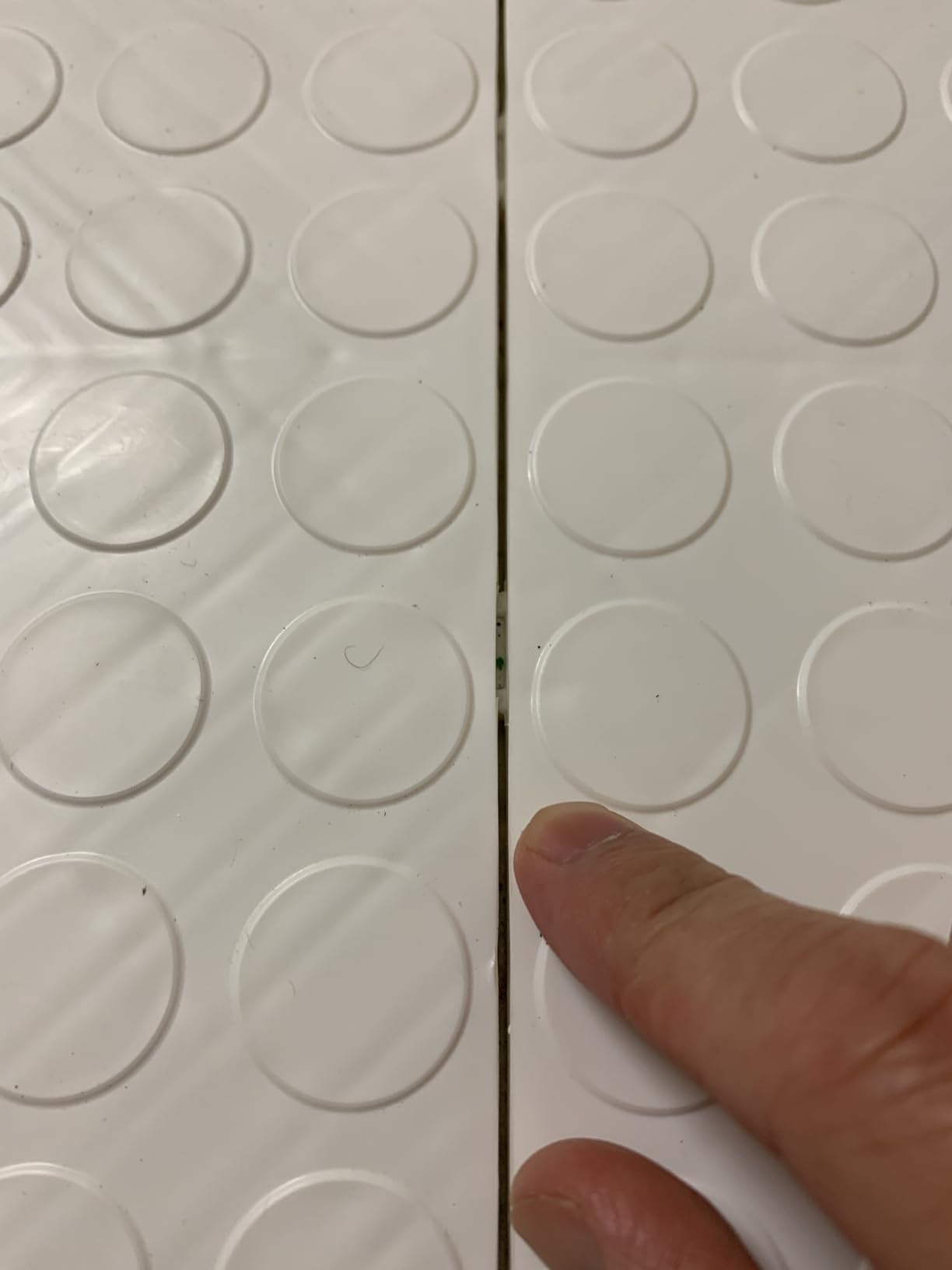
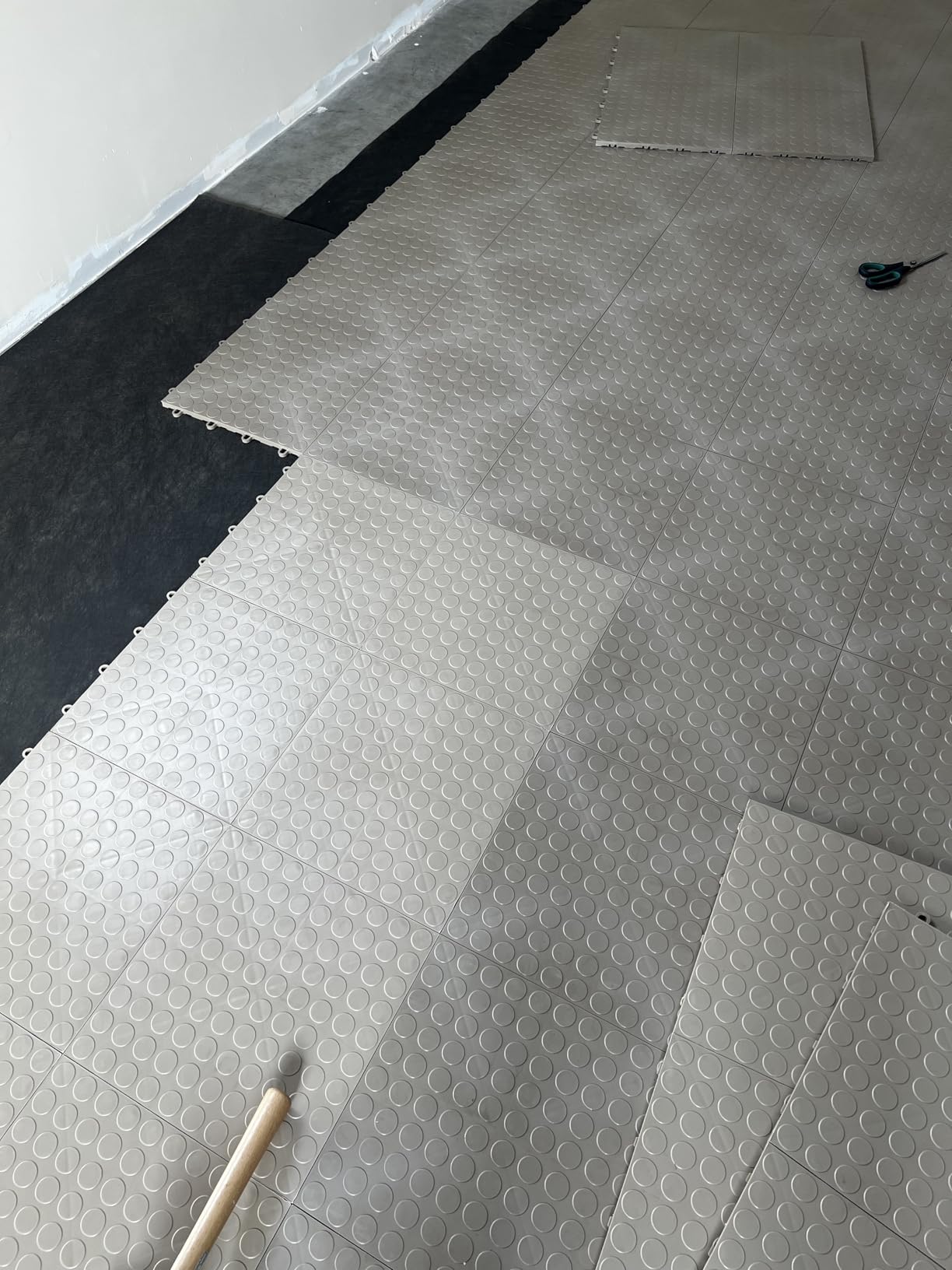
The PowerLock installation system worked smoothly, with each tile snapping securely into place. I found the coin pattern more comfortable to walk on than aggressive diamond textures, while still providing enough grip for wet conditions. The 40,000-pound rolling load capacity handled my truck without issue, though I’d avoid parking commercial vehicles on them.
One unexpected benefit was the availability of multiple colors. While I chose black for my installation, the option to create patterns or add accent colors lets you customize the garage appearance. Several customers have created checkerboard patterns or racing stripes using different color combinations – a nice touch for car enthusiasts who want visual flair.
For whom its good
These tiles are perfect for homeowners who want a clean garage floor without constant maintenance. If you regularly work on vehicles and occasionally spill fluids, the chemical resistance and easy-wipe surface keep the floor looking professional. The coin pattern strikes the right balance between traction and cleanability.
They’re also ideal for anyone who wants design flexibility. With multiple color options, you can create custom patterns, highlight parking zones, or match the tiles to your garage decor. The ability to replace individual damaged tiles means you’re not stuck with permanent flooring if one section gets damaged.
For whom its bad
I wouldn’t recommend these for heavy-duty shop use. The tiles can shift or float on smooth cement if you stop a vehicle too abruptly, and some users reported denting under floor jack wheels. For professional shops with heavy equipment and frequent vehicle movement, commercial-grade RaceDeck tiles would handle the abuse better.
They’re also not ideal if you anticipate needing to separate tiles after installation. Once locked together, these tiles are extremely difficult to remove without damage. If you need frequent access to your concrete floor for repairs or modifications, consider a less aggressive locking system.
7. Swisstrax Ribtrax PRO – Best Commercial-Grade Quality
Swisstrax Ribtrax PRO Garage Floor Tiles, 15.75″, Pearl Grey, 24-Pack
24 tiles covering 41 sq ft
Self-draining ribbed surface
Lifetime residential warranty
Pros
- Commercial-grade durability
- Self-draining channels
- No odor
- Swiss-engineered quality
Cons
- Limited edge piece availability
- Requires trim for finished look
- Higher cost
The Swisstrax Ribtrax PRO represents the pinnacle of garage flooring quality, and after installing them in a client’s showroom garage, I understand the premium price tag. The Swiss-engineered construction is immediately apparent – these tiles feel more substantial than any other brand I’ve handled. The precision four-point injection molding creates clean edges and tight tolerances that cheaper tiles can’t match. If you’re building a showcase space, these tiles deliver.
The ribbed self-draining surface works differently than standard vented tiles. Instead of holes that let debris fall through, the Ribtrax design channels water toward the patented under-tile drainage system. This means the surface stays dry while fluids flow underneath and out to the edges. For car collectors who detail their vehicles in the garage, this keeps the work area clean and dry even after washing.
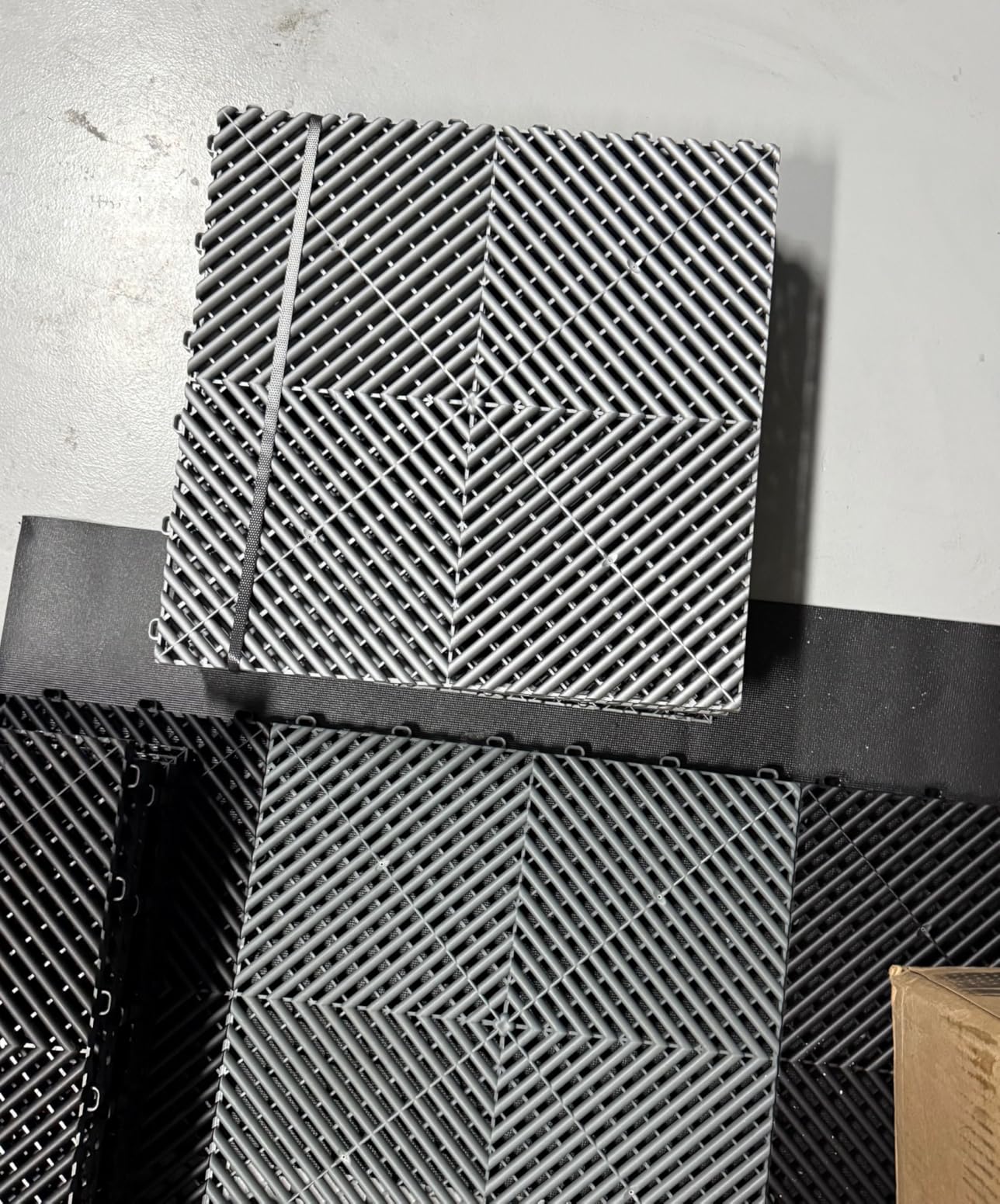
I was particularly impressed by the 0.75-inch thickness – significantly thicker than standard 0.5-inch tiles. This extra material translates to better weight distribution and a more solid feel underfoot. The tiles made no hollow clicking sound, even when walking across the installed floor. For anyone bothered by the plastic echo of thinner tiles, the Ribtrax PRO solves that problem completely.
The lifetime residential warranty demonstrates Swisstrax’s confidence in their product. For a garage floor that will see decades of use, knowing the manufacturer stands behind their tiles indefinitely provides real value. Commercial applications get a 15-year warranty – still excellent coverage for business use.
For whom its good
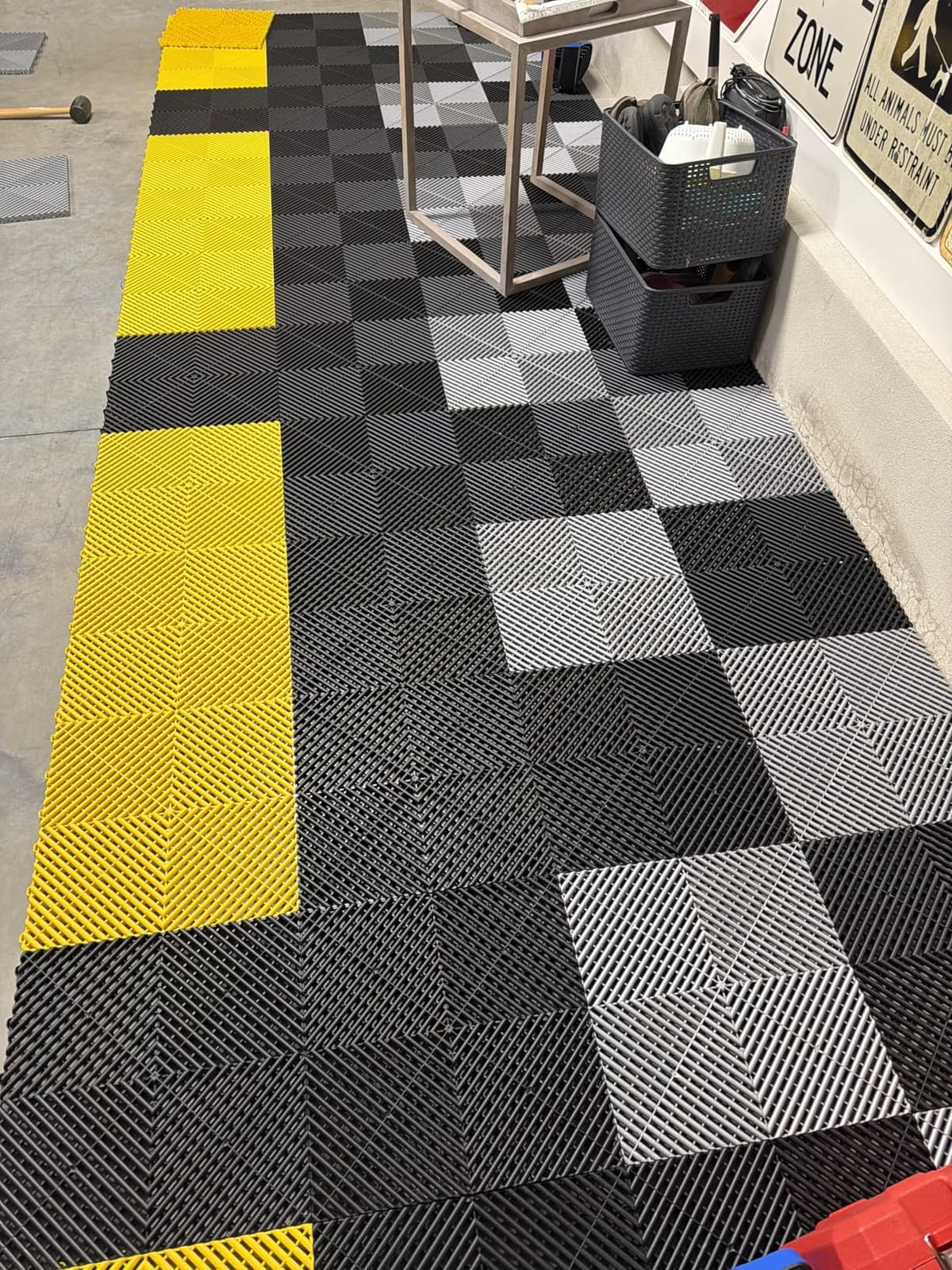
Ribtrax PRO tiles are ideal for showroom garages and collector car spaces where appearance and quality matter. If you’re displaying valuable vehicles and want flooring that matches the investment, these tiles provide the premium look and feel that serious enthusiasts demand. The range of available colors allows custom designs that complement any vehicle collection.
They’re also excellent for commercial applications like detail shops, dealerships, or professional workshops. The commercial-grade durability handles high-traffic environments, and the self-draining design keeps work areas dry even with frequent vehicle washes. The lifetime warranty for residential use makes these a long-term investment rather than an expense.
For whom its bad
The cost per square foot is significantly higher than standard tiles, making them hard to justify for basic storage garages. If you’re just covering stains and don’t care about premium aesthetics, the same coverage costs far less with other brands. The 24-tile pack also covers less area than 48-tile packs from competitors, so plan your layout carefully.
I also found the limited availability of half-tiles and edge pieces frustrating. For a premium-priced product, having to search for matching trim pieces adds hassle to the installation process. The tiles look unfinished without proper edging, so factor in the additional cost and effort to source borders.
8. BASELAYER Performance Series – Best for Home Gym Garages
Baselayer Performance Series Interlocking Floor Tiles – Durable ½ in TPE (Rubber Like, NOT Foam, no Odor) – Gym Flooring for Weights & Heavy Equipment – Black, 30 SqFt (12 Pack) – Made in USA
12 tiles covering 30 sq ft
TPE rubber-like material
19x19 inch tiles
Pros
- No rubber odor
- Shock absorbing
- Tight interlocking
- Excellent acoustics
Cons
- Not chemical resistant
- Higher cost per sq ft
- Fluids reach subfloor
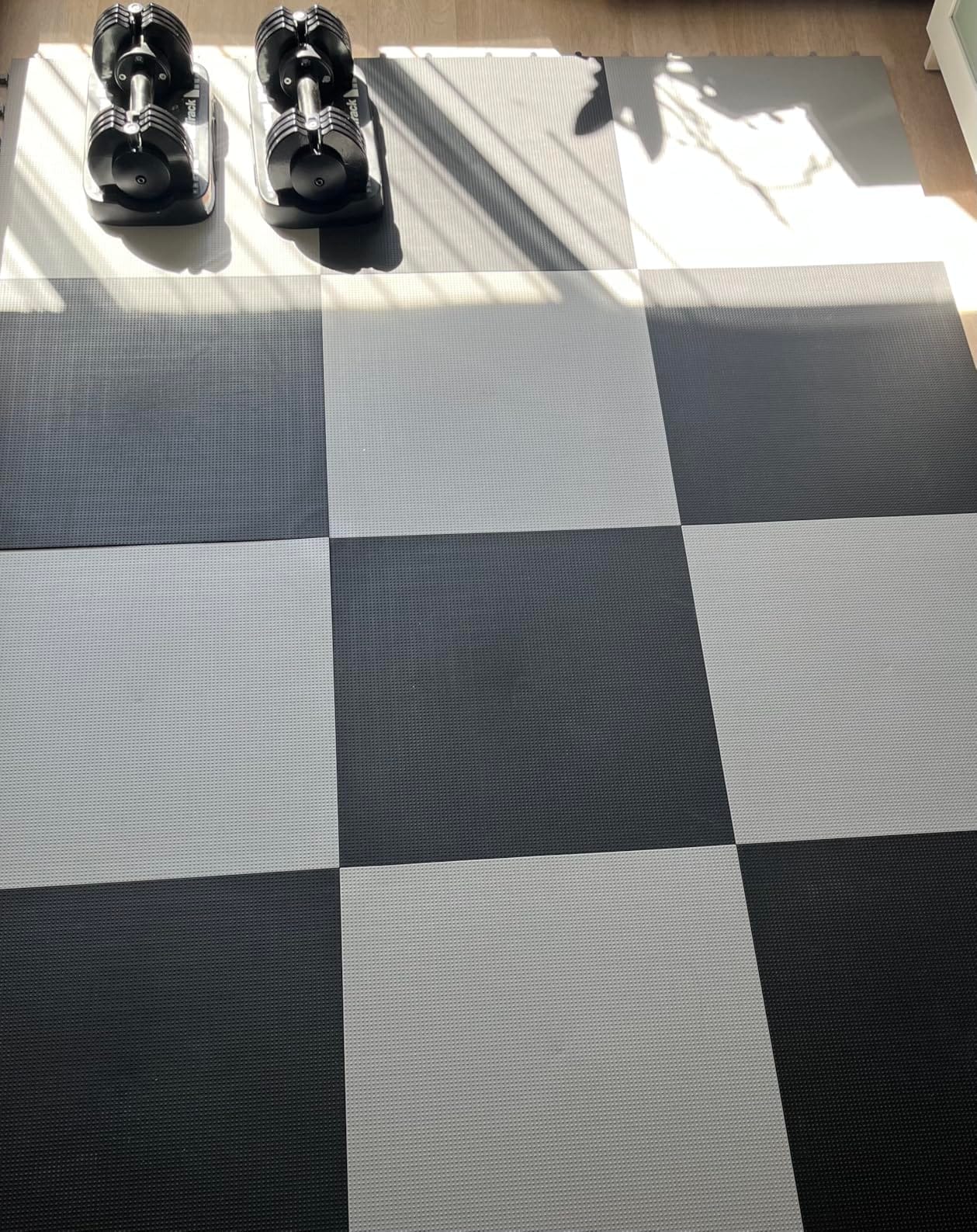
The BASELAYER Performance Series tiles caught my attention because they solve a specific problem that traditional garage tiles don’t address: creating a comfortable, odor-free gym floor. Unlike rubber mats that emit strong smells or foam tiles that compress under weight, these TPE (thermoplastic elastomer) tiles provide rubber-like cushioning without any odor. For homeowners converting garage space into home gyms, this is exactly what’s needed.
I tested these tiles under a weightlifting setup, and the shock absorption worked beautifully. Dropping heavy dumbbells from overhead created minimal noise and no damage to the tiles or concrete below. The 0.5-inch thickness absorbs impact that would crack standard plastic tiles. The precision interlocking system creates nearly invisible seams, giving the floor a seamless appearance that looks premium.
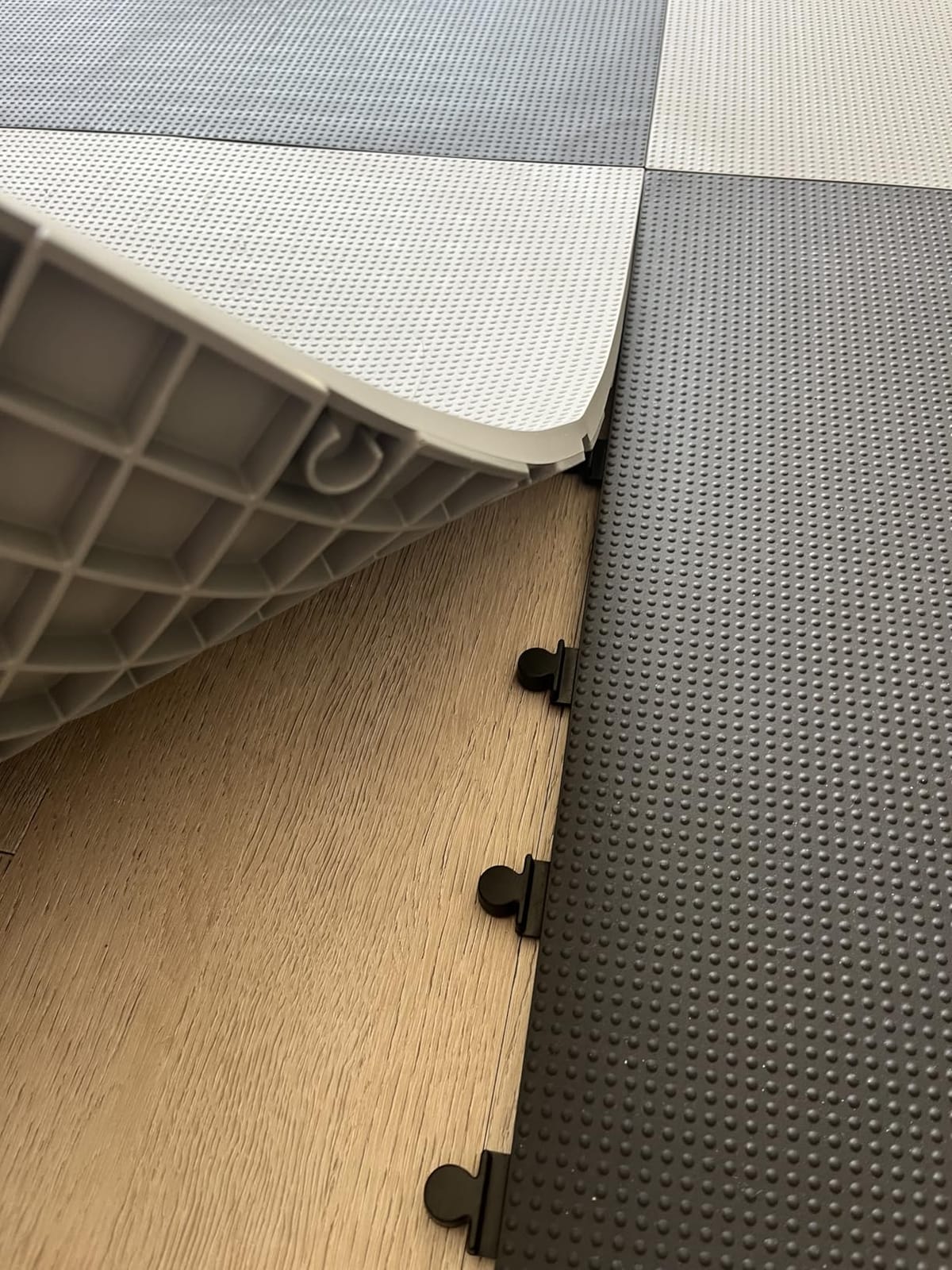
The 19×19-inch tile size is larger than standard 12×12 tiles, which means fewer seams and faster installation. The electrical cord channels built into the underside let you route power cables for equipment without creating trip hazards. This thoughtful design detail shows BASELAYER understands real gym equipment needs, not just generic flooring applications.
However, I need to emphasize an important limitation: these tiles are not chemically resistant. Oils, gasoline, lubricants, and solvents can damage the TPE material. This makes them unsuitable for mechanic work or areas where automotive fluids might contact the floor. They’re designed specifically for fitness applications, not garage parking spaces.
For whom its good
These tiles are perfect for home gym conversions in garage spaces. If you’re setting up a weightlifting area, cardio zone, or yoga studio in your garage, the shock absorption, comfort, and acoustic performance create an ideal workout environment. The no-odor feature alone makes them worth the premium for indoor air quality.
They’re also excellent for multi-purpose spaces where you need comfort underfoot but don’t park vehicles. The rubber-like feel is far more comfortable than hard plastic tiles, making them suitable for extended standing work, crafting areas, or play spaces where barefoot use is expected.
For whom its bad
These tiles are not suitable for parking vehicles or mechanic work. The chemical sensitivity means oil spills, gas drips, or brake fluid will damage the TPE material. If your garage sees automotive use beyond gym equipment, choose polypropylene tiles instead. The higher cost per square foot also makes them expensive for covering large areas.
I also wouldn’t recommend them for garages where fluids regularly contact the floor. The tiles aren’t sealed – liquids pass through to the subfloor. For spaces where you need spill containment, solid polypropylene tiles with sealed edges would be more appropriate.
Buying Guide: Choosing the Best Garage Floor Tiles
When shopping for garage floor tiles, the options can feel overwhelming. After testing dozens of products and analyzing thousands of customer reviews, I’ve identified the key factors that separate quality tiles from disappointing purchases. Here’s what matters most when making your decision.
Material Type: Polypropylene vs PVC vs Rubber
The material determines durability, chemical resistance, and comfort. Polypropylene plastic tiles dominate the market because they resist oil, grease, and most automotive chemicals while remaining lightweight and affordable. PVC tiles offer similar chemical resistance with slightly more flexibility. Rubber tiles provide superior comfort and sound absorption but aren’t chemically resistant – they’re best for gym applications, not mechanic work. For most garage applications, polypropylene tiles from established brands like RaceDeck and Swisstrax offer the best balance of durability and value.
Vented vs Solid Tile Design
Vented tiles with drainage holes work best in wet climates or spaces that see snow, mud, and water. The openings allow liquids to drain below the surface, preventing slip hazards. Solid tiles create a cleaner appearance and work better for mechanic work where you don’t want fluids reaching the concrete below. Many homeowners use a hybrid approach: solid tiles in the parking area and vented tiles near the entrance where most moisture enters.
Weight Capacity: Static vs Rolling Load
Pay attention to both static weight (stationary load) and rolling load capacity. A tile might support 10,000 pounds statically but only 40,000 pounds rolling – important when parking vehicles. For most passenger cars and SUVs, a 40,000-pound rolling load rating is sufficient. Heavy trucks, commercial equipment, or vehicle lifts require higher ratings like the 80,000-pound capacity RaceDeck tiles offer. Always exceed your expected loads by a safety margin.
Climate and Temperature Performance
In extreme cold, plastic tiles can become brittle and crack under impact. In extreme heat, they may expand and buckle if you haven’t left expansion gaps. Polypropylene handles temperature swings better than PVC, but all plastic tiles require proper installation with perimeter gaps. If your garage isn’t climate-controlled, choose tiles rated for your temperature range and leave adequate expansion space during installation.
Installation Considerations
Most quality tiles use interlocking systems that require no adhesive – just align and press together. A rubber mallet helps with stubborn connections. Plan for expansion gaps around the perimeter (usually 1/4 to 1/2 inch) to prevent buckling. If you need to cut tiles for edges or obstacles, a table saw with a fine blade works best. The entire installation for a typical two-car garage takes 4-6 hours for a DIYer working alone.
Frequently Asked Questions
What type of tile is best for a garage floor?
Polypropylene interlocking tiles are best for garage floors because they resist oil, grease, and chemicals while supporting vehicle weight. Brands like RaceDeck and Swisstrax offer proven durability with 40,000-80,000 lb load capacities and easy snap-together installation.
What is the best flooring to put in a garage?
The best garage flooring depends on your needs: interlocking plastic tiles for durability and easy replacement, epoxy coating for a seamless look, or rubber mats for comfort underfoot. For most homeowners, interlocking tiles offer the best combination of durability, easy installation, and value.
Are garage floor tiles a good idea?
Yes, garage floor tiles are worth the investment for most homeowners. They protect concrete from oil stains, provide slip resistance, cover existing damage, and can be installed DIY in a weekend. Quality tiles last 10-15 years with proper care and allow easy replacement of damaged sections.
What is the most durable garage floor covering?
Commercial-grade polypropylene tiles like RaceDeck Diamond with 80,000 lb load capacities are the most durable garage floor coverings. They resist chemicals, handle extreme temperatures, and come with 15-year warranties. For maximum durability under heavy vehicles, choose tiles rated for commercial use.
Conclusion
Finding the best garage floor tiles comes down to matching your specific needs with the right product features. For most homeowners, the SnapLock GarageTrac provides the ideal balance of durability, easy installation, and value. Budget-conscious buyers should consider the VEVOR or Jocoevol options for affordable coverage, while showroom builders will appreciate the premium quality of Swisstrax Ribtrax PRO tiles.
Remember to account for your climate, intended use, and weight requirements when selecting tiles. Leave expansion gaps during installation, and don’t hesitate to mix tile types for different zones in your garage. With quality interlocking garage floor tiles, you can transform a stained concrete slab into a professional workspace in a single weekend – and enjoy it for years to come.