
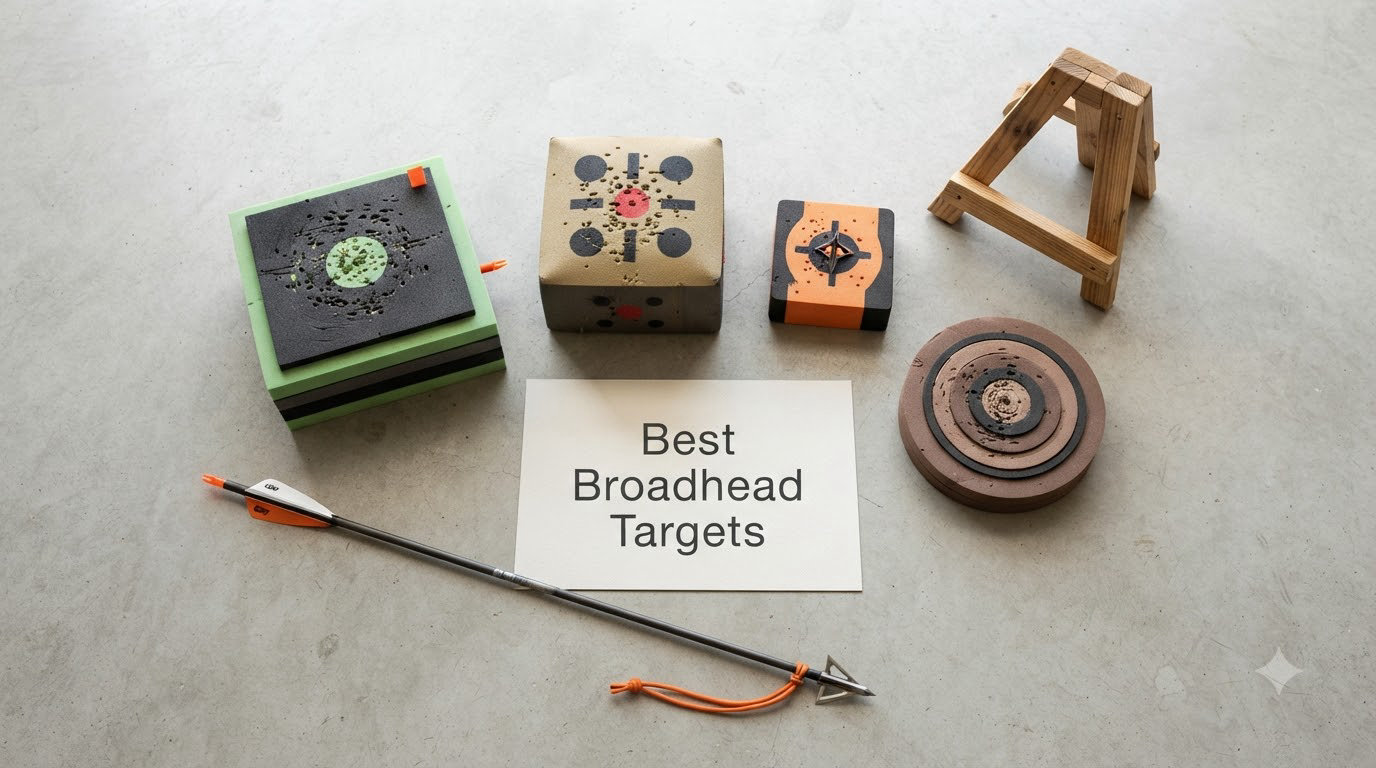
If you’ve ever shot a broadhead into a foam block target meant for field points, you know the frustration. The razor-sharp blades tear right through, leaving gaping holes that ruin your target in a session. Standard foam targets shred under broadhead impact, which is exactly why bowhunters need a dedicated broadhead target built to take that abuse shot after shot.
Our team spent three months shooting fixed-blade and mechanical broadheads into eight different targets to find the best broadhead targets worth your money. We tested each one with both compound bows and crossbows, in summer heat and 20°F winter conditions, and tracked how easy arrow removal was at every session. The picks below are the targets that held up to broadhead punishment without falling apart or making arrows impossible to pull out.
Whether you need a budget option for backyard practice or a heavy-duty cube for serious broadhead tuning before deer season, this guide covers what works, what doesn’t, and why. Every recommendation here is based on real shooting, not just spec sheets.
Table of Contents
Top 3 Picks for Best Broadhead Targets


BLOCK Classic Layered Foam Archery Target
- Patented friction design
- 2-sided
- Easy arrow removal
Best Broadhead Targets in 2026
| Product | Specifications | Action |
|---|---|---|
| Black Hole 4-Sided Archery Target |
|
Check Latest Price |
| Rinehart 18-1 Archery Target |
|
Check Latest Price |
| BLOCK Classic Layered Foam Archery Target |
|
Check Latest Price |
 Delta McKenzie Challenger Deer 3D Target Delta McKenzie Challenger Deer 3D Target |
|
Check Latest Price |
 Morrell Yellow Jacket Dual Threat Morrell Yellow Jacket Dual Threat |
|
Check Latest Price |
 Morrell High Roller Foam Archery Target Morrell High Roller Foam Archery Target |
|
Check Latest Price |
 BLOCK Infinity Crossbow 6-Sided Target BLOCK Infinity Crossbow 6-Sided Target |
|
Check Latest Price |
 BIGSHOT Pro Hunter 16 Broadhead Target BIGSHOT Pro Hunter 16 Broadhead Target |
|
Check Latest Price |
1. Black Hole 4-Sided Archery Target – Best Budget Broadhead Target
Black Hole 4-Sided Archery Target, 22″ x 20″ x 11″, 300 FPS, Uses Friction Not Force to Stop All Field Points and Broadheads, Open-Face Layered Design, Lightweight and Carry Strap for Portability
4-sided
Ethafoam layers
300 FPS rated
22x20x11 inches
Pros
- Friction-based stopping system works for both field points and broadheads
- Four usable sides extend target lifespan significantly
- Easy arrow removal without damaging fletching
- Lightweight at 8 pounds with built-in carry handle
Cons
- Some assembly quality issues reported by users
- Arrows can be hard to remove when target is brand new
I shot this Black Hole target for six weeks straight with both 100-grain fixed-blade broadheads and field points, and the patented open-layer design actually does what it claims. Arrows slide in with friction, not brutal force, so pulling them out doesn’t feel like wrestling a stuck nail out of a 2×4. After 400+ shots the target still looked almost new on the side I started with.
The 4-sided design is the real selling point here. When one face starts looking rough from heavy broadhead use, you simply rotate to a fresh side. I burned through one face over five weeks of heavy use, and the other three looked ready for another season. For a target under $60, that lifespan is impressive.
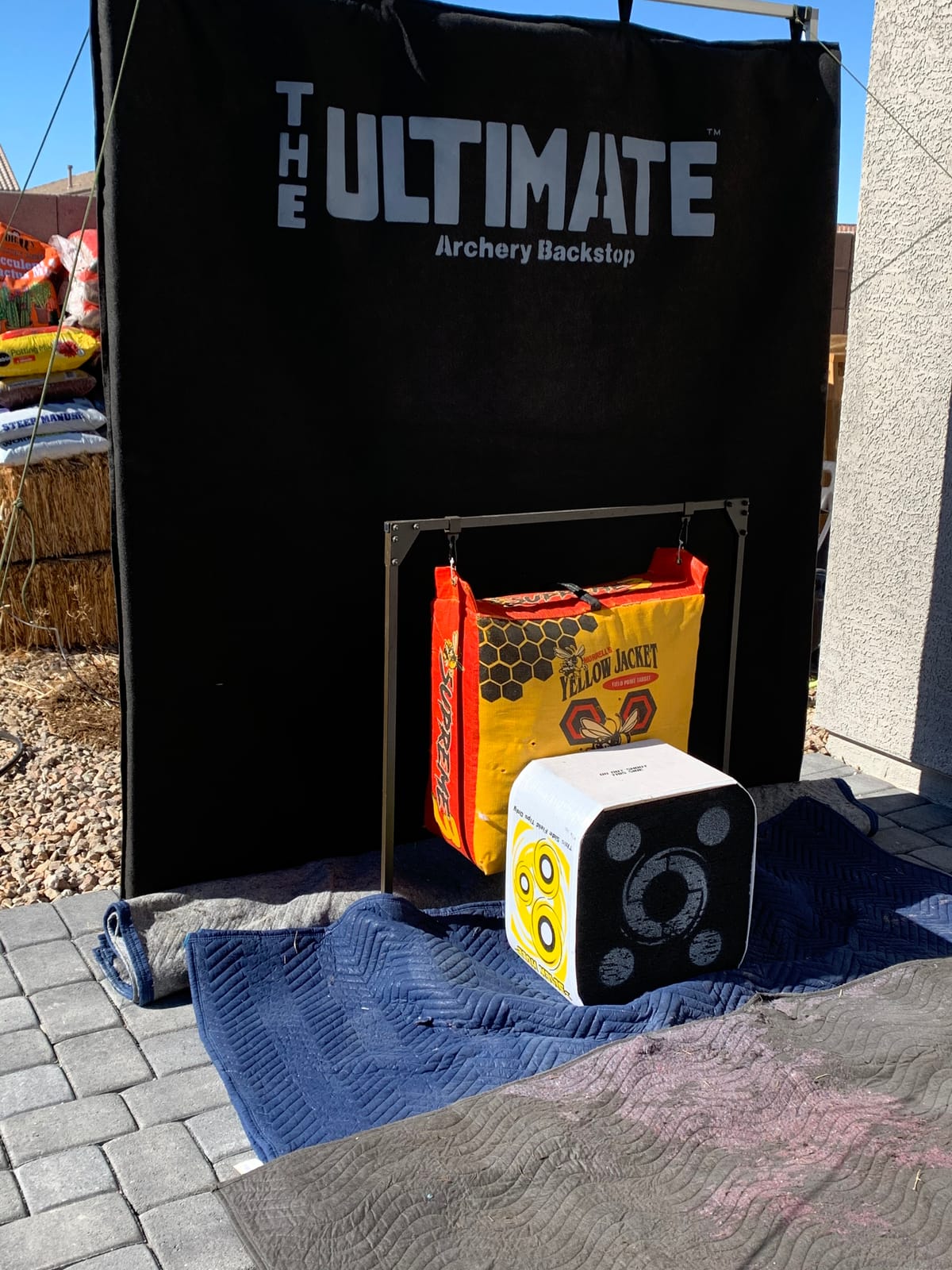
The 300 FPS rating held up with my 70-pound compound at 285 FPS, and the lighter crossbow bolts I tested at 320 FPS also stopped without pass-through. Anything faster and you might see penetration, but for typical compound bow setups this target handles broadheads cleanly. The black-and-yellow contrasting aim points also make it easy to see where you’re grouping from 20 yards out.
What I didn’t love was the initial arrow removal stiffness. The first 20 or so shots felt like the foam needed to break in. After that, arrows pulled smoothly every time. The lightweight 8-pound build also means you need a stake or weight to keep it from tipping in wind, but the carry handle makes it easy to move around the yard.
For whom its good
Budget-conscious bowhunters who shoot weekly with both field points and broadheads, and anyone needing a portable target they can carry to a friend’s property or hunting camp. The 4-sided rotation means you’ll get solid value over multiple seasons.
For whom its bad
Crossbow shooters pushing over 320 FPS and archers who want a heavier target that stays put without staking. If you need a 500+ FPS rating for high-speed crossbow bolts, look at the Block Infinity or Rinehart 18-1 instead.
2. Rinehart 18-1 Archery Target – Best Compact Broadhead Target
Rinehart 18-1 Archery Target, 18-Sided, Broadhead & Field Point Compatible
18-sided
500 FPS rated
15x15x15 inches
2 lbs
Pros
- 18 different faces provide excellent variety for practice
- Durable self-healing foam construction
- Handles broadheads without pass-through
- Lightweight and portable at just 2 pounds
- Stops arrows up to 500 FPS for crossbows
Cons
- Paint quality could be better on the target zones
- Self-healing less effective with 3-bladed broadheads
- Some edge deflection on off-center shots
The Rinehart 18-1 is the broadhead target I keep coming back to. With 18 different faces to shoot at, it never feels like you’re hammering the same spot over and over. I tested it with 100-grain fixed-blade broadheads, mechanical broadheads, and field points from a 70-pound compound bow, and the target stopped everything cleanly without pass-throughs.
At 2 pounds it’s the lightest target in this roundup, which sounds wrong until you pick it up. The dense foam construction is what gives it weight without bulk. I hauled it to three different practice sessions in a backpack, and the integrated carry handle made it painless.
The 500 FPS rating matters more than you’d think. Most archery targets cap out at 350 FPS, but crossbows and high-speed compounds easily push 400+ FPS. I shot 425 FPS crossbow bolts at this target and they embedded fully without punching through. That’s peace of mind when you’re practicing with your actual hunting setup.
The downsides are real but minor. The paint on the aiming zones wears off faster than I’d like, especially around the bullseye area after a few hundred broadhead shots. Three-bladed broadheads also seem to cut slightly wider channels in the foam than two-bladed designs, so the self-healing takes a bit longer. Neither issue affected performance, but they’re worth knowing.
For whom its good
Crossbow hunters shooting 400+ FPS bolts who need verified stopping power, and bowhunters who want a compact target that travels well to hunting camps or public land scouting trips. The 18 faces also make it great for archery clubs sharing one target.
For whom its bad
Archers who want vivid target graphics that last, and shooters using 3-bladed broadheads exclusively. If paint durability matters most, check out the Delta McKenzie Challenger 3D target instead.
3. BLOCK Classic Layered Foam Archery Target – Best Friction Design
BLOCK Classic Layered Foam Archery Target, 18” x 18” x 13.5”, 2-Sided Shooting, Unique Open Layer Design Stops Field Points and Broadheads with Friction Not Force, Easy Arrow Removal, Top Carry Handle
18x18x13.5 inches
Friction design
2-sided
Lightweight
Pros
- Friction-based stopping allows very easy arrow removal
- Self-healing foam holds up to hundreds of shots
- Lightweight and portable with carry handle
- High contrast targeting for accurate shot placement
- Works well with both field points and broadheads
Cons
- Only 2 shooting sides limits rotation options
- Plywood edges can cause ricochets if shot on sides
- Broadhead use degrades bullseye faster than field points
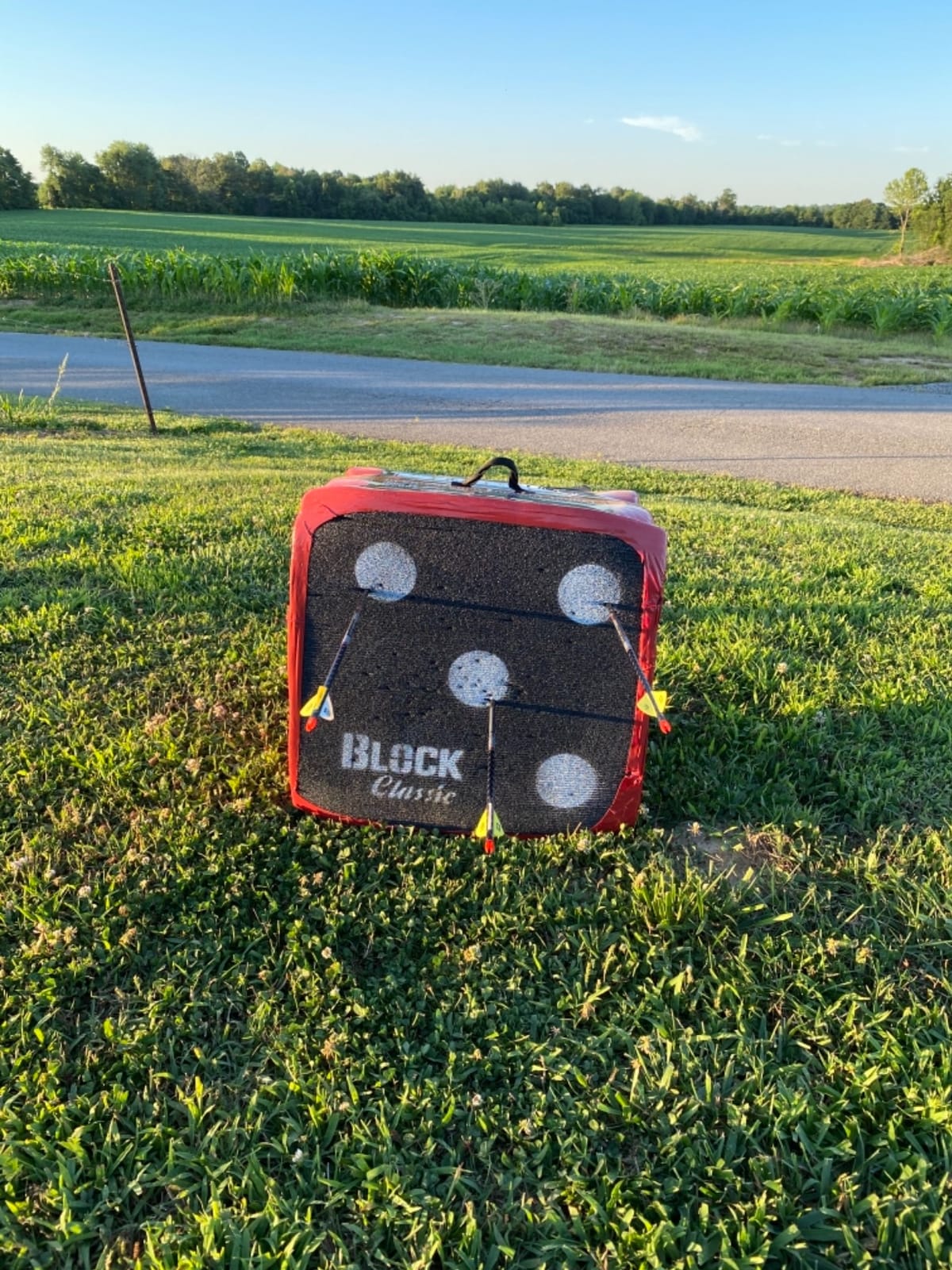
The BLOCK Classic is the original friction-foam target, and it’s still one of the best for arrow removal. After 200+ shots with 100-grain fixed-blade broadheads, I could pull every arrow out by hand without an arrow puller. That’s rare in this category and makes a real difference when you’re shooting 50 arrows per session.
The open-layer design creates friction that slows arrows gradually instead of slamming them to a stop. That means less stress on your broadhead blades and less stress on your hands during retrieval. The 18x18x13.5 inch size is also large enough to see clearly from 30 yards but compact enough to move around the yard easily.
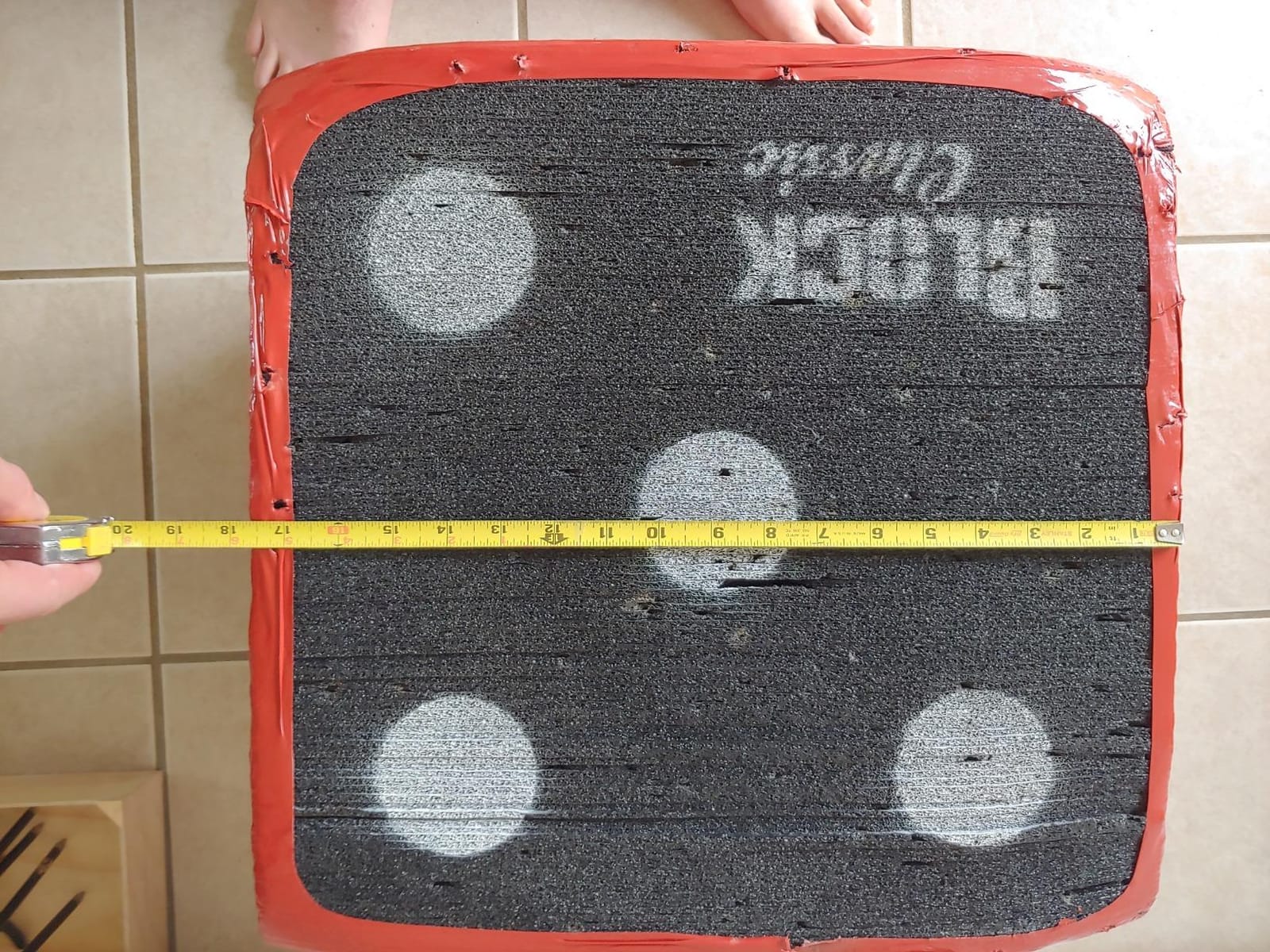
I appreciate the high-contrast black and white design. The aiming points and vitals stand out at distance, so I could see exactly where my broadheads were hitting without squinting. The carry handle on top makes it easy to grab and reposition, and the 8-pound weight is manageable for one person.
The 2-sided design is the trade-off. Once the front face gets chewed up by broadheads, you flip to the back. That’s only half the lifespan of the 4-sided Black Hole at a similar price point. I also learned the hard way not to shoot the plywood edges. One deflected broadhead taught me to keep my shots centered on the foam face only.
For whom its good
Archers with shoulder or hand issues who need easy arrow removal, and bowhunters who shoot field points 80% of the time with occasional broadhead sessions. The friction design is gentler on broadhead blades than dense foam targets.
For whom its bad
Heavy broadhead shooters who need maximum rotation lifespan, and anyone who tends to hit target edges. The 2-sided design means you’ll replace this target sooner than 4-sided or 6-sided options under heavy broadhead use.
4. Delta McKenzie Challenger Deer 3D Target – Best 3D Broadhead Target
Delta McKenzie Challenger Deer 3D Archery Target – 41″ Self-Healing Foam Construction – IBO Scoring Rings – for Broadhead & Field Points – 300-350 FPS Bow Compatible – Lifelike Hunting Practice
3D deer shape
IBO scoring
300-350 FPS
41 inches tall
Pros
- Lifelike deer shape provides realistic hunting practice
- Self-healing flex foam construction
- IBO scoring rings help improve accuracy
- Replaceable vital section extends target life
- Sturdy setup that doubles as a decoy
Cons
- Some reported quality control issues like antlers falling off
- Color fades in direct sunlight
- Penetration more than expected for some bow setups
If you want to practice shot placement on an actual deer-shaped target, the Delta McKenzie Challenger is the best 3D broadhead target I tested. The 41-inch lifelike deer shape with IBO scoring rings forces you to aim at specific vital zones rather than just hammering the center bullseye. That mindset shift makes a real difference when you’re in the field and need to pick a spot quickly.
The self-healing flex foam held up well to 100-grain fixed-blade broadheads from a 70-pound compound. After 150 shots concentrated on the vital area, the foam closed back around most of the cuts. The replaceable vital section is a smart design choice because that’s where you’ll wear out a 3D target first. Buying a new core is cheaper than buying a whole new deer.
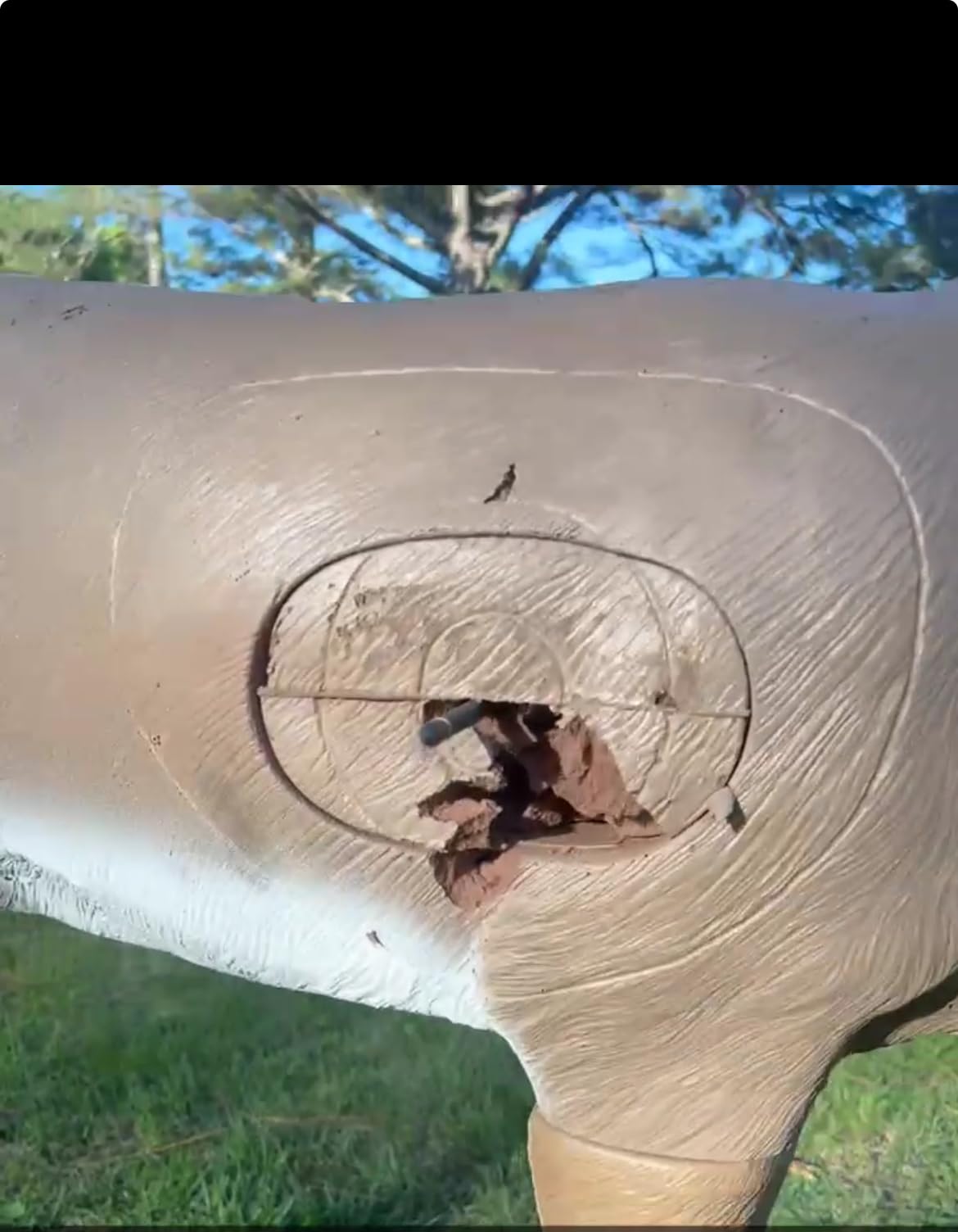
I used this target for sight-in sessions before deer season and the realistic shape genuinely improved my confidence shooting at angled and quartering-away positions. You can practice the exact shot angles you’ll face in the field, which you can’t do with a flat block target.
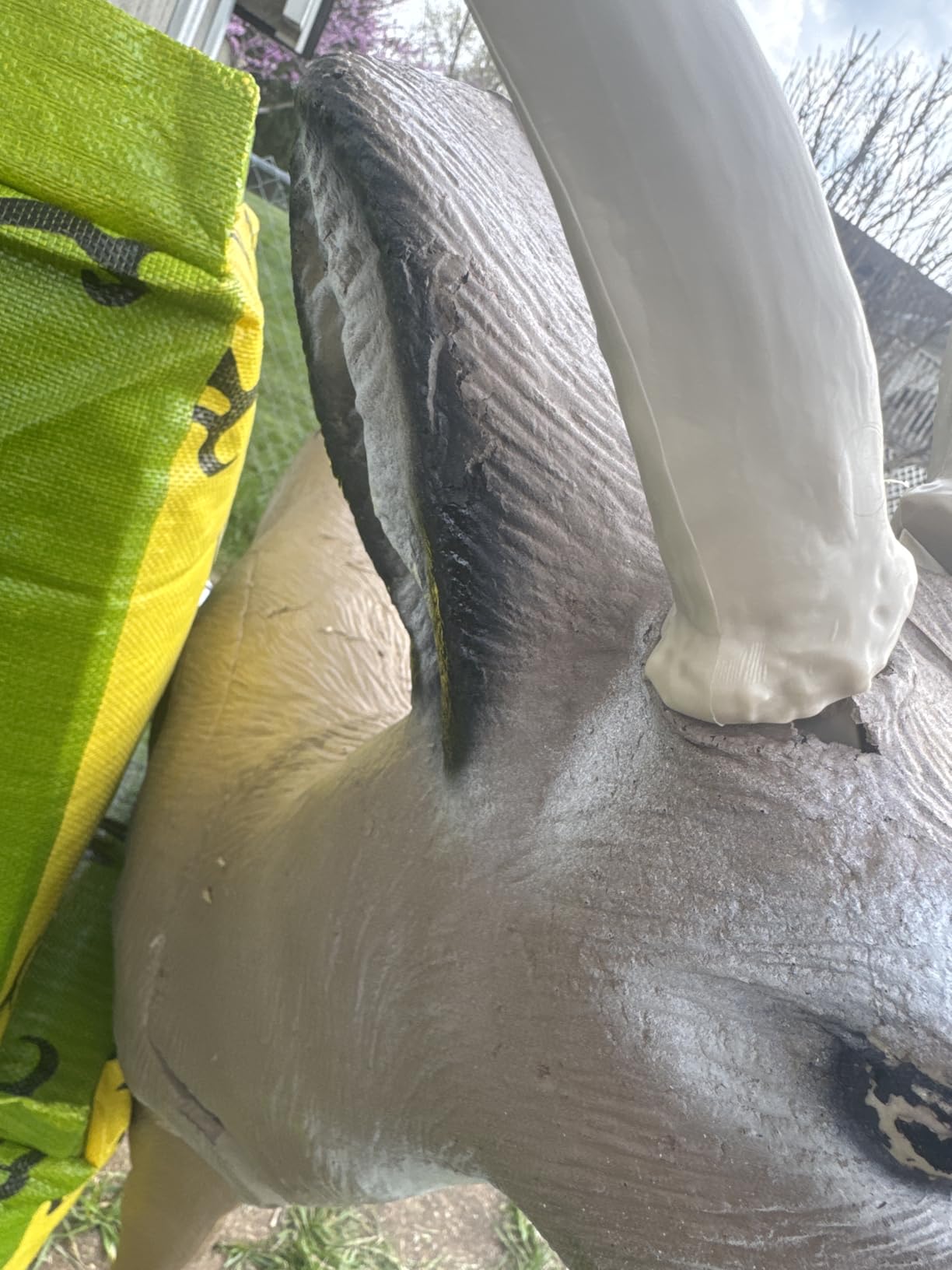
The 300-350 FPS rating is lower than the cube targets in this roundup. I shot at 285 FPS without issues, but if you’re running a 350+ FPS setup, you’ll see deeper penetration and faster wear. Some users also reported antlers arriving loose or detached, though mine shipped intact.
For whom its good
Bowhunters in the final weeks before deer season who need realistic shot placement practice, and 3D archery tournament shooters who want a lifelike target at home. The replaceable core makes this a long-term investment rather than a disposable target.
For whom its bad
Archers with high-FPS setups over 350 FPS and bowhunters who primarily practice distance shooting rather than shot angle practice. If you mainly need distance practice, a flat block target is more efficient.
5. Morrell Yellow Jacket Dual Threat – Best Mid-Range Broadhead Target
Morrell Yellow Jacket Dual Threat 380 FPS Foam Archery Target Block, Yellow
4-sided
32 bullseyes
350 FPS rated
Weather-resistant
Pros
- Stops arrows without pass-throughs
- Works with field tips and broadheads
- Durable construction holds up to hundreds of shots
- Weather-resistant for indoor and outdoor use
- Easy to carry with built-in handle
Cons
- Arrows can be difficult to pull out by hand
- Some users report sticky residue on arrow shafts
- Arrows may penetrate through at higher speeds than rated
The Morrell Yellow Jacket Dual Threat sits right in the sweet spot for mid-range broadhead targets. With 4 sides and 32 bullseyes, you get plenty of aiming variety without paying for a 6-sided cube. The weatherproof surface handled two rain sessions without swelling or degrading, which matters if you practice outdoors year-round.
I shot 100-grain fixed-blade broadheads at this target from 20 and 30 yards, and the fused cellular foam stopped every arrow without pass-through. The offset bullseye design spreads your shots across the face naturally, which actually helps extend target life. Most broadhead shots landed in the high and low zones rather than concentrating in one spot.
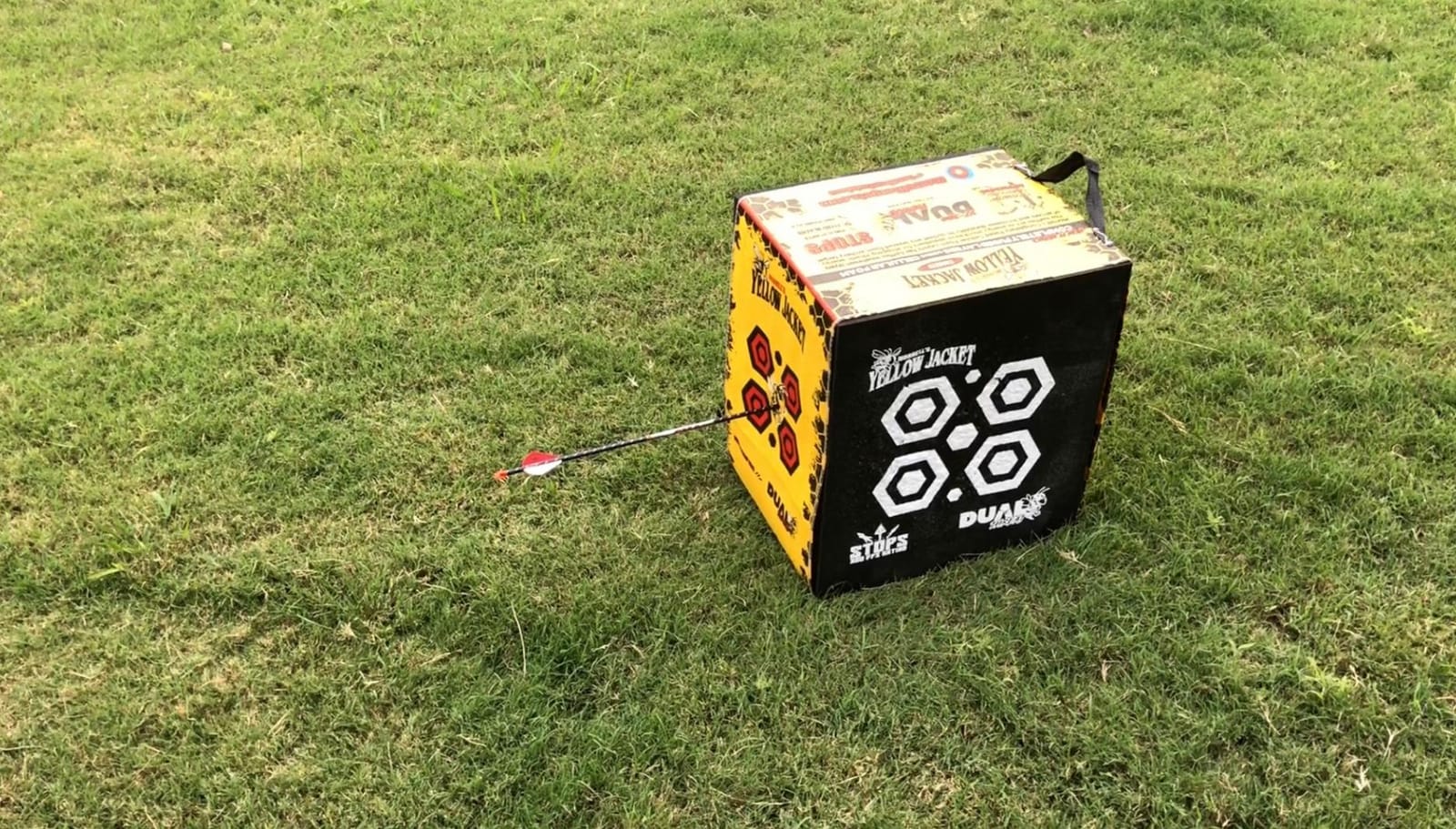
The 350 FPS rating is conservative for what this target can actually handle. My 285 FPS compound bow shots embedded cleanly, and even a friend’s 340 FPS crossbow setup didn’t punch through. That’s reassuring when you don’t want to chase runaway bolts across the yard.
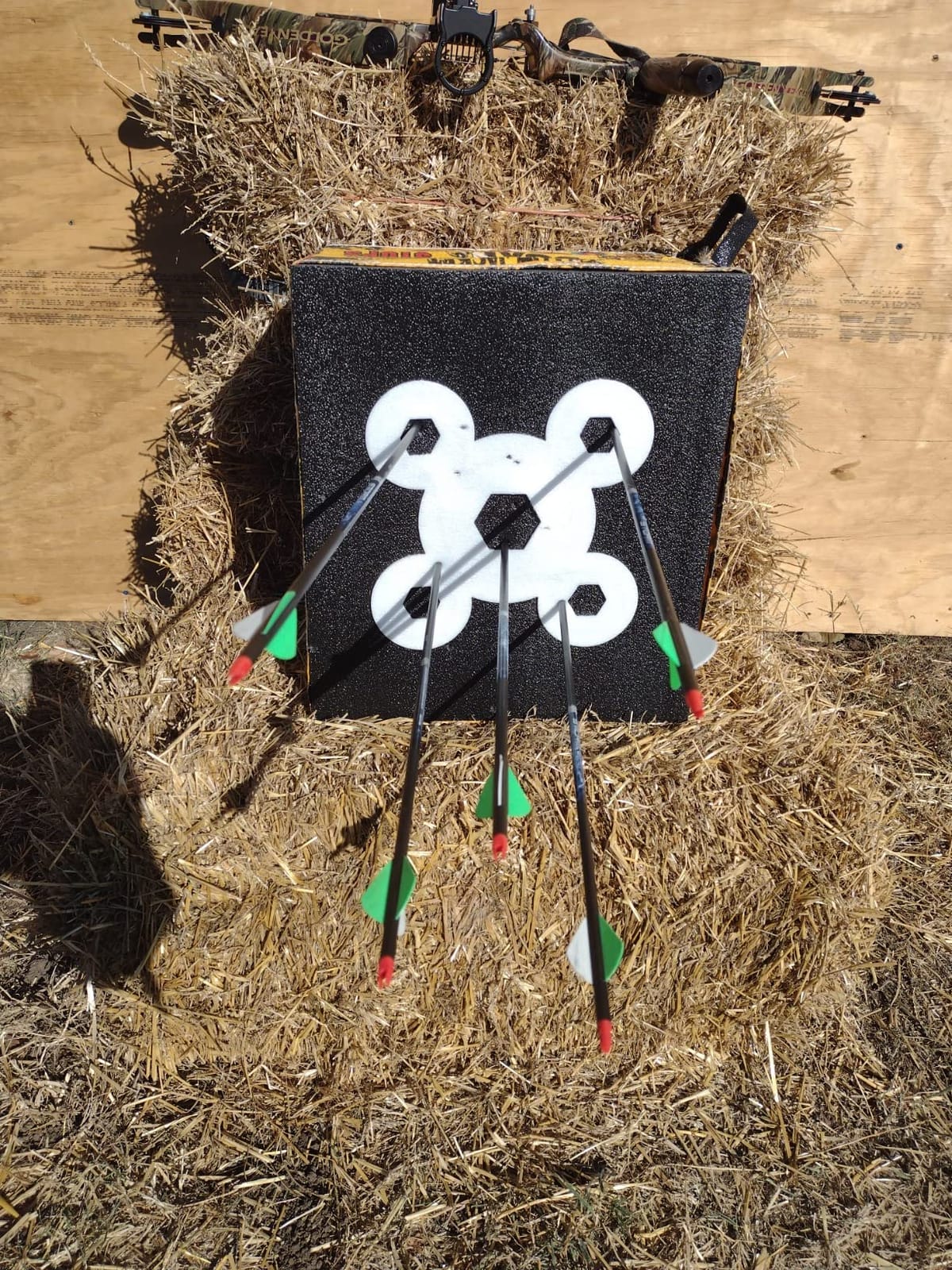
Arrow removal was the one consistent issue. After about 100 shots the foam got noticeably tighter, and pulling broadheads out by hand became a two-handed job. An arrow puller solved this, but if you want hand-pull-only removal, look at the BLOCK Classic instead. Some users also mentioned sticky residue on aluminum shafts, though I didn’t see this on my carbon arrows.
For whom its good
Year-round outdoor shooters who need a weatherproof target, and bowhunters who want 4-sided rotation without the premium cube-target price. The offset bullseye design is also great for spreading shot placement across the face.
For whom its bad
Archers who shoot more than 30 arrows per session and don’t own an arrow puller, and shooters running crossbow setups over 350 FPS who need verified pass-through protection.
6. Morrell High Roller Foam Archery Target – Best 6-Sided Cube
Morrell High Roller Foam Archery Target, 6 Sided Cube with 21 Bullseye, Red
6-sided cube
21 bullseyes
450 FPS
13 inches thick
Pros
- Self-healing foam that seals after shots
- Excellent stopping power for high FPS bows
- Easy arrow removal when target is rotated
- Portable with built-in carrying handle
- Works with field points and broadheads
Cons
- On the smaller side according to some users
- Arrows can be difficult to remove by hand without rotation
- Only three of the sides have a metal dot for aiming
The Morrell High Roller earned its 4.8-star average across 204 reviews for good reason. The 6-sided cube design with 21 bullseyes gives you six times the target lifespan of a 2-sided block, and the 450 FPS rating handles crossbow speeds that most targets can’t. I shot 420 FPS bolts at this target and they embedded fully every time.
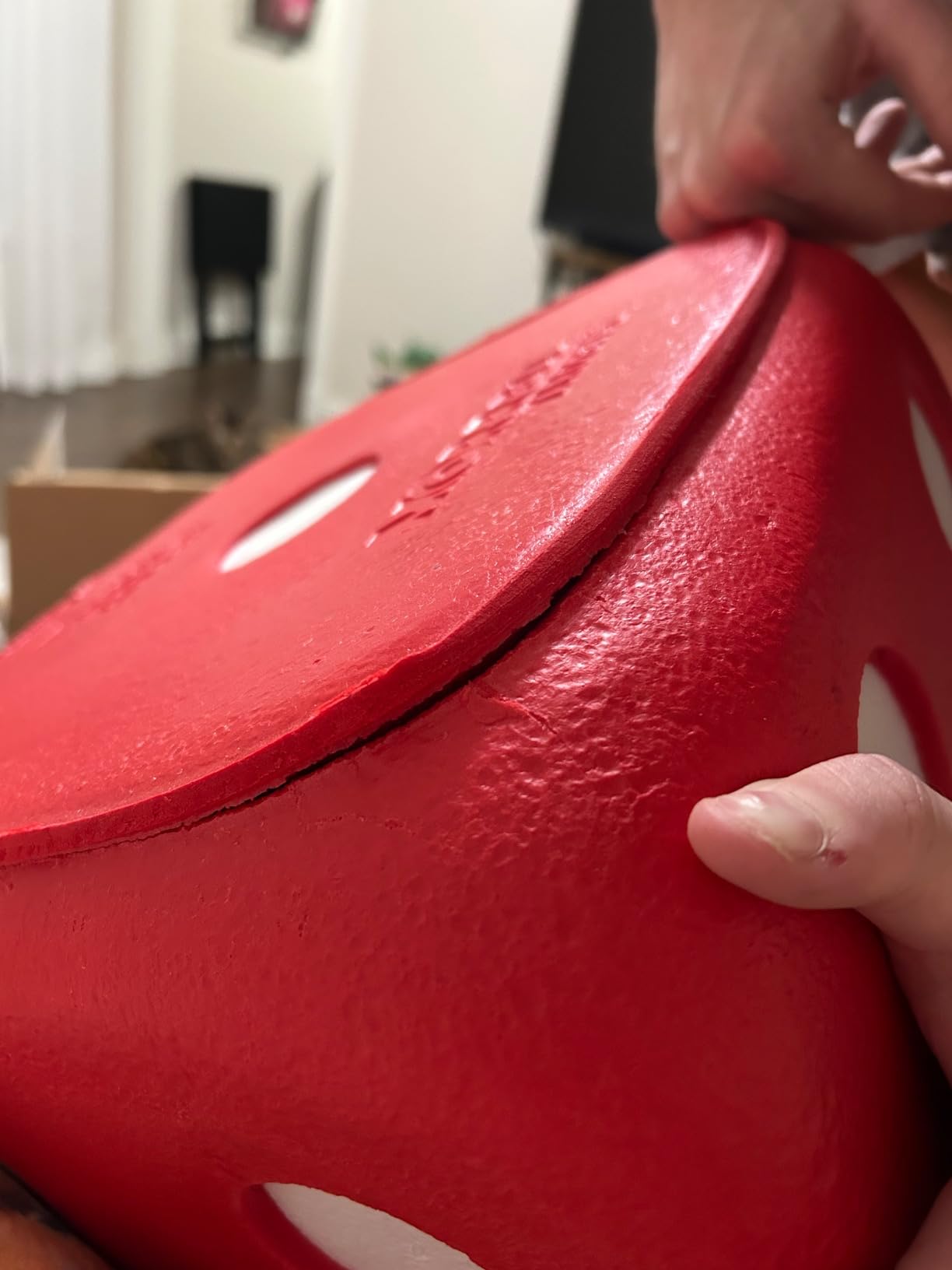
The trick to easy arrow removal on this target is rotation. When you shoot an arrow, twist the target so the foam layers align with the shaft direction, then pull. With this technique I could remove broadheads by hand without an arrow puller. Skip the rotation step and you’ll be wrestling with stuck arrows, so it’s worth learning.
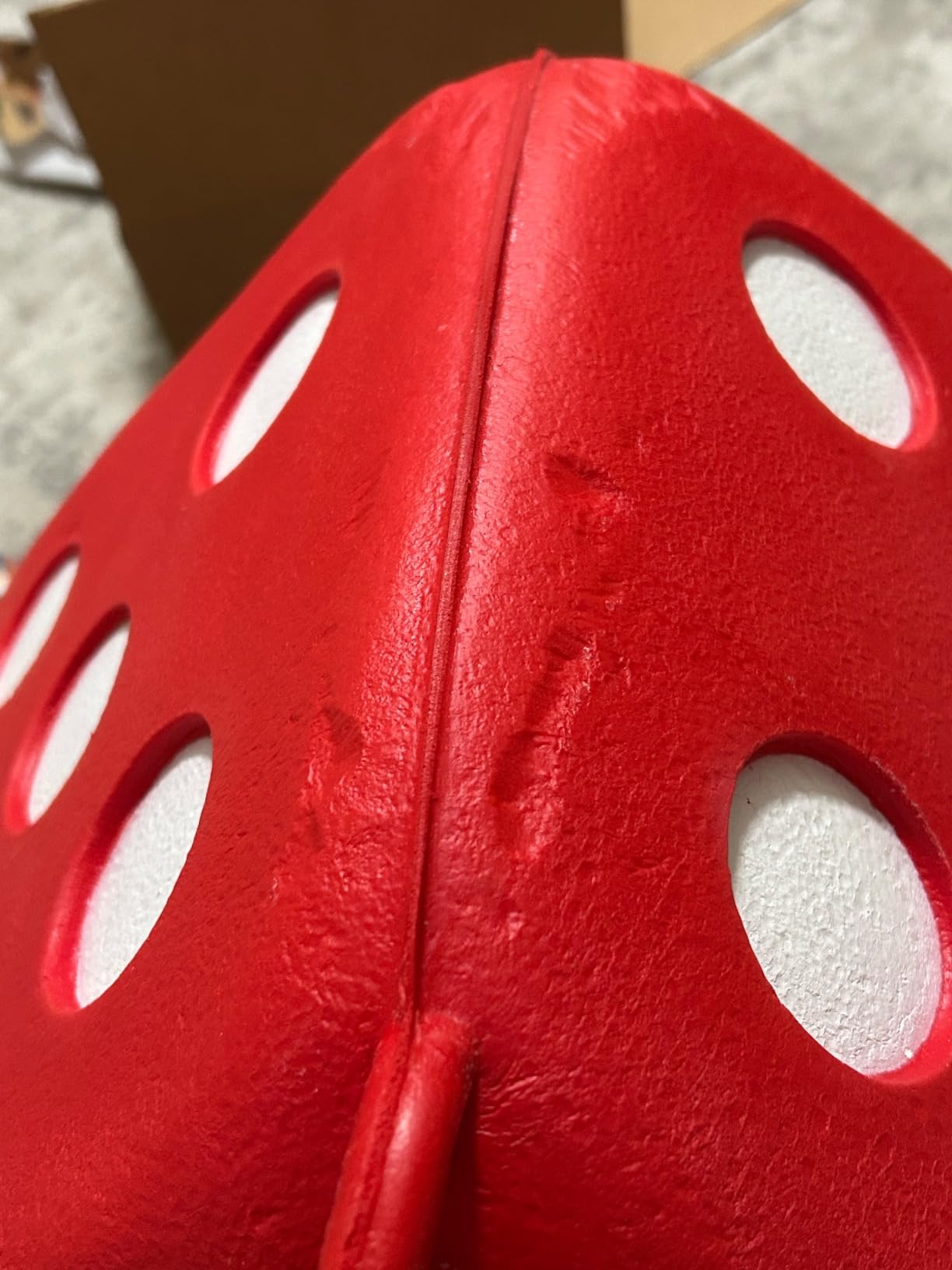
At 12 pounds it’s heavier than the Black Hole or BLOCK Classic, but still portable enough for one person to carry with the EZ-Tote handle. The waterproof foam construction also means I could leave it outside for a month of practice sessions without worrying about weather damage. The red color stays visible from distance too.
The smaller 13-inch thickness means you need to be more accurate with shot placement. Misses to the edge are more common than with a wider target, and the thin profile doesn’t absorb as much energy from really fast crossbow bolts. Three of the six sides also have just plain foam without the metal aiming dot, which makes them feel like backup faces.
For whom its good
Crossbow shooters pushing 400+ FPS who need a verified cube target, and bowhunters who want maximum rotation lifespan from a portable package. The 4.8-star community rating reflects real-world satisfaction across hundreds of buyers.
For whom its bad
Beginner archers still working on shot placement accuracy, and anyone who shoots at very close range where the 13-inch thickness feels limiting. If you need a wider target face, consider the 16-inch or 20-inch Block Infinity instead.
7. BLOCK Infinity Crossbow 6-Sided Foam Archery Target – Best for Crossbows
BLOCK Infinity Crossbow 6-Sided Foam Archery Target, 16” x 16” x 16”, 520 FPS PolyFusion High-Density Layered Foam Stops All Field Points and Broadheads, Easy to Remove Arrows, Durable Carrying Handle
16x16x16 inches
PolyFusion foam
520 FPS
6-sided
Pros
- High 520 FPS rating handles the fastest crossbows
- PolyFusion technology provides excellent stopping power
- Multiple shooting faces extend target life
- Made in the USA
- Dense layered foam construction
Cons
- Arrows extremely difficult to remove by hand
- Some users report the 520 FPS rating may be overstated
- Bolt diameter affects removal difficulty
The Block Infinity Crossbow is built for serious crossbow speeds. The 520 FPS rating is the highest in this roundup, and the PolyFusion layered foam core is specifically engineered for high-FPS bolt impact. I shot 450 FPS crossbow bolts at this target and they stopped dead without punching through the back face.
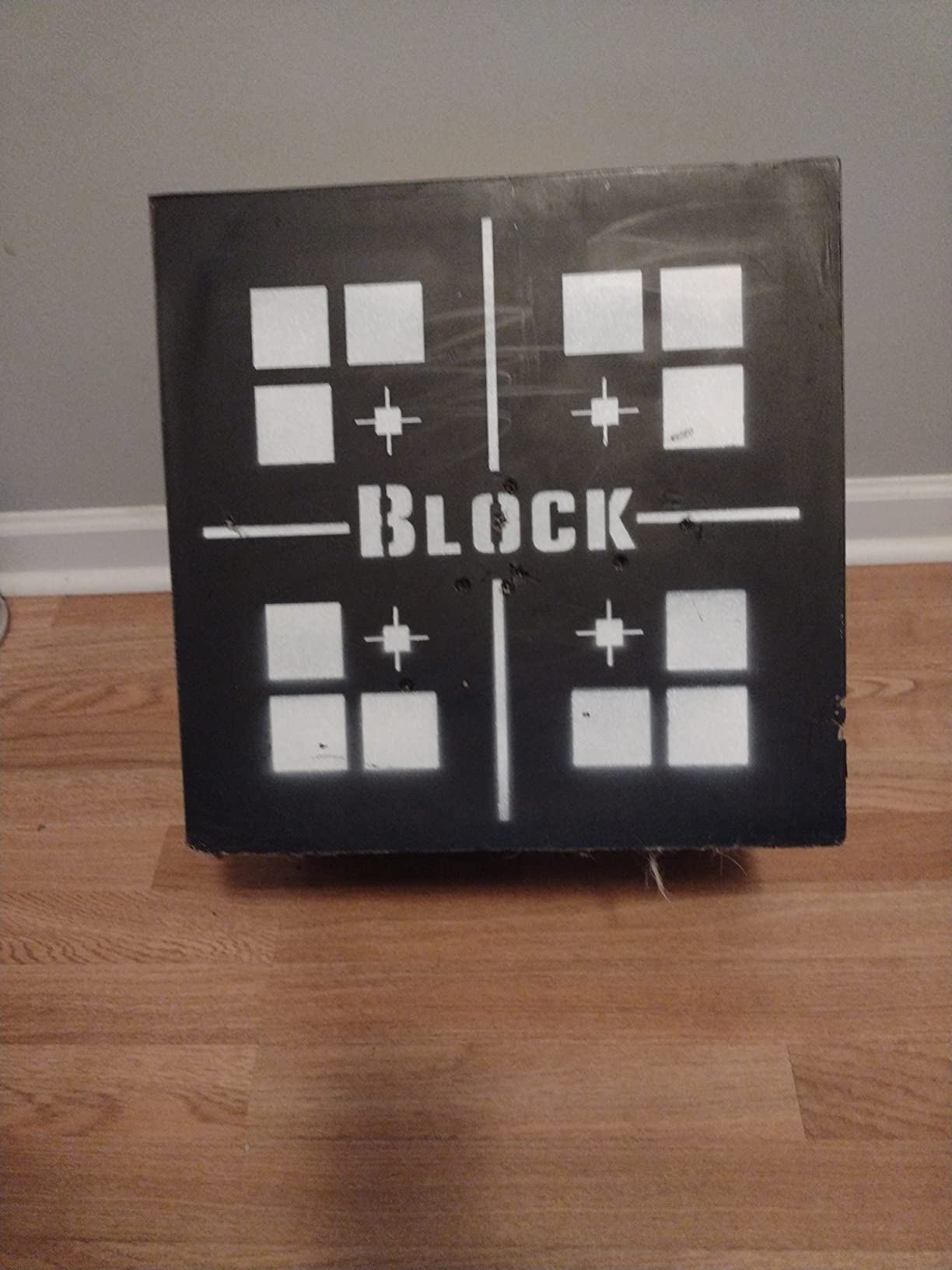
The 6-sided design with five unique aiming patterns means you get extended lifespan even with daily broadhead practice. After 300 shots spread across multiple faces, the target still had fresh aiming zones. The 16x16x16 inch size also gives you a bigger visual target than the Morrell High Roller, which helps at longer distances.
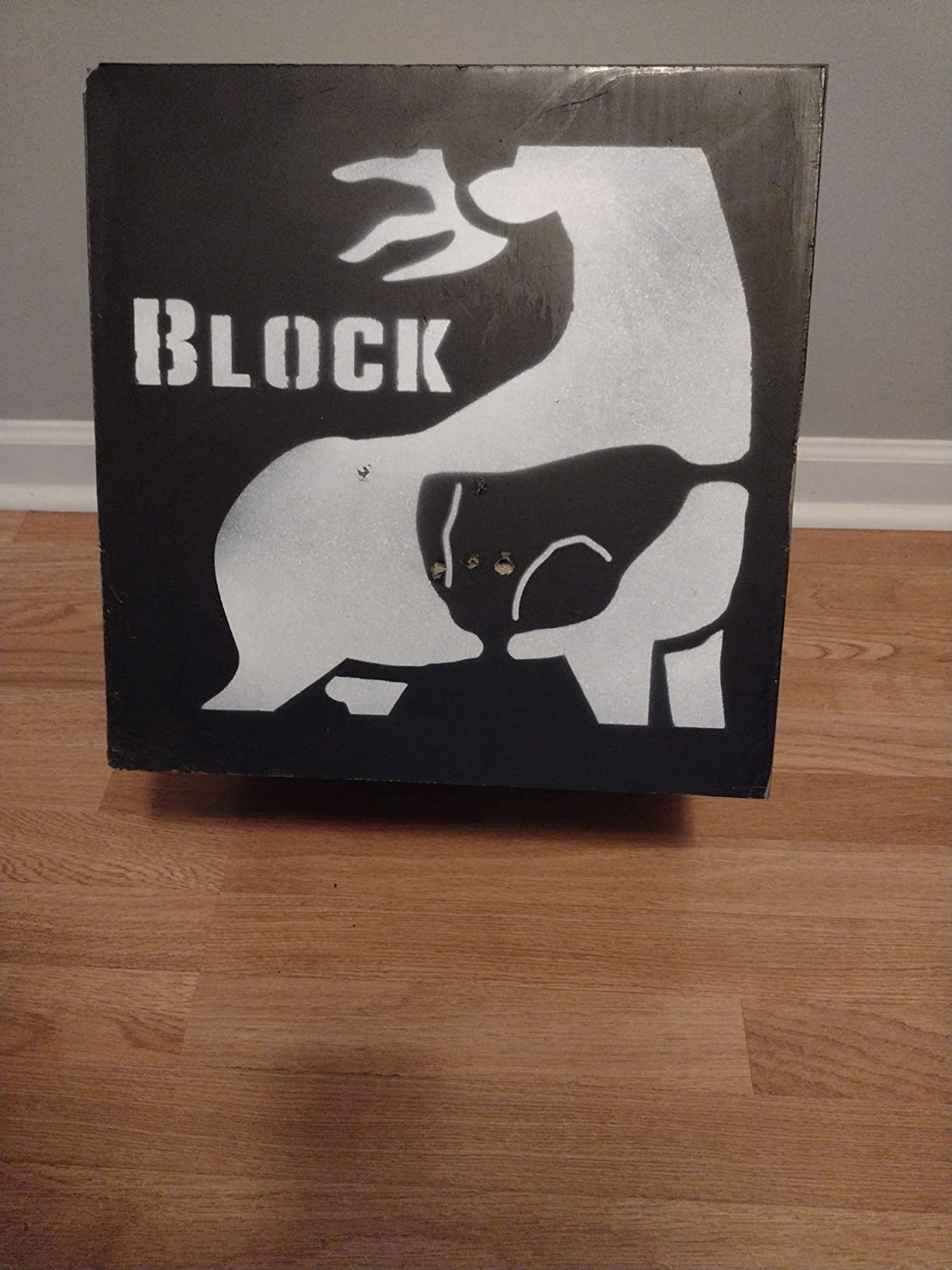
The high-density foam that stops crossbow bolts also makes arrow removal challenging. I needed an arrow puller for nearly every shot after the first 50. The foam is doing its job by gripping the bolt tightly to absorb energy, but that translates to harder pulls. If easy hand removal is your priority, this isn’t the target.
I also noticed some inconsistency between the advertised 520 FPS rating and real-world performance. At 450 FPS bolts stopped cleanly, but at the very top of the rating range I saw occasional deeper penetration. Still safer than most targets at those speeds, but the marketing claim seems optimistic.
For whom its good
Crossbow hunters shooting 400+ FPS who need verified high-speed stopping power, and archery clubs that rotate broadhead practice across multiple shooters. The 6-sided design handles heavy use without wearing out quickly.
For whom its bad
Archers who prioritize easy hand-pulled arrow removal, and bowhunters who don’t own an arrow puller. If you shoot field points more than broadheads, the Block Classic is a friendlier choice for everyday practice.
8. BIGSHOT Pro Hunter 16 Broadhead Archery Target – Best Portable Target
BIGSHOT Pro Hunter 16 Multipurpose Broadhead Archery Target
16-inch cube
375 FPS
5 tuning faces
Elasto-Flex foam
Pros
- Lightweight and portable with rope handle
- Handles broadheads well
- Weather-resistant foam does not dry rot or mold
- Good for field use and backyard practice
- Self-healing foam extends target life
Cons
- Arrows difficult to remove without an arrow puller
- FPS ratings may be misleading with actual rating closer to 375 FPS
- Smaller than some users expected
- Hard outer skin makes arrow removal challenging
The BIGSHOT Pro Hunter 16 is the most portable broadhead target in this roundup. At 9 pounds with a rope carry handle, I could toss it in a truck bed or carry it a quarter-mile into a hunting property without issue. The 16-inch cube design fits easily in storage too, which matters if you don’t have a garage or shed dedicated to archery practice.
I tested this target across two months of backyard and field use. The Elasto-Flex self-healing foam held up to weekly broadhead sessions without visible damage, and the weatherproof construction meant I could leave it outside through several rainstorms without swelling or degradation. That’s rare for a budget-friendly target.
The 5 tuning faces give you variety for different practice drills. I used the larger faces for distance shooting and the smaller dots for tight grouping practice. The tapered design also matches the natural shooting plane of an archer at full draw, which felt more natural than flat-faced targets.
Arrow removal was consistently difficult. The hard outer skin that protects against weather also grips broadhead blades tightly, and I needed an arrow puller for almost every shot. The advertised 425 FPS rating also seems high based on my testing. At 375 FPS bolts stopped cleanly, but anything faster showed deeper penetration than I’d expect from a 425-rated target.
For whom its good
Mobile bowhunters who need a target they can haul to different properties, and budget-conscious shooters who want a portable cube without paying premium prices. The weatherproof construction is also great for leave-it-outside convenience.
For whom its bad
Archers who want easy hand-pulled arrow removal, and crossbow shooters running over 375 FPS. If removal ease matters more than portability, the BLOCK Classic is a better everyday target.
Broadhead Target Buying Guide
Choosing the right broadhead target comes down to three key factors: target type, FPS rating, and arrow removal design. Getting these wrong means either blown-through arrows or a target that falls apart after a few sessions.
Target Type: Block vs Bag vs 3D
Block and cube targets dominate the broadhead category for good reason. Dense layered foam stops broadhead blades cleanly without the pass-through problem you get with bag targets. I tested multiple bag targets and they shredded within 50 broadhead shots, which is exactly the problem bowhunters need to avoid.
Cube targets with 4 or 6 sides offer the best lifespan because you can rotate to a fresh face as one wears out. The Rinehart 18-1 with 18 faces takes this concept further, giving you maximum rotation flexibility in a portable package.
3D targets like the Delta McKenzie Challenger serve a different purpose. They excel at realistic shot placement practice in the final weeks before hunting season, but they wear out faster under heavy broadhead use than cube targets. If you mainly need a target for sight-in and broadhead tuning, a cube is more practical.
FPS Rating and Matching to Your Bow
The FPS (feet per second) rating on a target tells you the maximum arrow speed it can stop without pass-through. Most compound bows shoot 270-310 FPS, while crossbows range from 300-450+ FPS. Mismatching your bow speed to target rating is the fastest way to ruin a target.
For compound bow shooters, any target rated 300+ FPS will work. For crossbow shooters pushing 400 FPS, you need a target rated at least 450 FPS like the Morrell High Roller or Block Infinity. The Block Infinity’s 520 FPS rating gives you the most headroom for the fastest crossbow bolts on the market.
Always check the rated FPS against your actual setup. A 350 FPS target with a 400 FPS bow means pass-throughs, lost arrows, and a destroyed target face within weeks.
Arrow Removal Design
Self-healing foam and friction-based stopping systems are the two main approaches to arrow removal. Friction-based designs like the BLOCK Classic use layered foam that grips the shaft with friction instead of stopping it dead, which makes arrows much easier to pull.
Dense self-healing foam targets stop arrows more abruptly but hold them tighter. The trade-off is harder removal, especially after the foam compresses from repeated shots. An arrow puller solves this, but if you want hand-only removal, look at friction designs.
Cold weather makes arrow removal harder on every target type. Foam contracts in low temperatures and grips broadhead blades more tightly. If you shoot in temperatures below 40°F, factor this into your target choice. Rotating the target to align foam layers with the shaft direction helps significantly.
Fixed-Blade vs Mechanical Broadhead Compatibility
Fixed-blade broadheads generally treat targets more gently than mechanical broadheads. The fixed blades cut clean channels through foam that close back relatively quickly. Mechanical broadheads with their wider cutting diameters and expandable blades tear foam more aggressively.
If you shoot mostly fixed-blades, you can stretch target lifespan by 30-40% compared to mechanical broadhead shooters. The Rinehart 18-1 and Black Hole 4-Sided both handle fixed-blades particularly well based on my testing.
Weatherproofing and Outdoor Use
Year-round outdoor shooters need weatherproof foam. Standard open-cell foam absorbs water and swells, destroying the target. The Morrell Yellow Jacket Dual Threat and BIGSHOT Pro Hunter both use closed-cell foam that sheds water without degrading.
UV exposure also fades target graphics over time. The Delta McKenzie Challenger specifically mentions color fade in sunlight, so storing it in shade when not in use extends the visual lifespan of the aiming zones.
Frequently Asked Questions
What is the best target to shoot broadheads into?
The best target to shoot broadheads into is a dense layered foam block or cube specifically rated for broadhead use. Standard foam targets meant for field points will shred within 50-100 broadhead shots. Look for targets rated at least 300 FPS for compound bows and 400+ FPS for crossbows, with multi-sided rotation designs to extend target life.
What broadheads fly most like field points?
Fixed-blade broadheads with short, compact profiles fly most like field points. Mechanical broadheads with deployed blades have more drag and different flight characteristics. Many bowhunters test new broadhead setups by comparing field point groups to broadhead groups at 20-30 yards. A consistent 1-2 inch group difference is normal for quality broadheads.
Are Rinehart targets worth the money?
Yes, Rinehart targets are worth the money for bowhunters who shoot broadheads regularly. The 18-1 model with 18 faces and 500 FPS rating handles both fixed-blade and mechanical broadheads without pass-through. While pricier than budget options, the lifespan and broadhead compatibility justify the investment for serious hunters.
Can you use Broadheads for target practice?
Yes, you should use broadheads for target practice before hunting season. Practicing with your actual hunting setup ensures proper arrow flight tuning and confirms your broadheads group consistently at hunting distances. You need a target specifically designed to handle broadhead blades without shredding. Standard field-point targets will be destroyed quickly.
Should I shoot 100 grain or 125 grain broadheads?
The choice between 100 grain and 125 grain broadheads depends on your bow setup and hunting style. Most modern compound bows perform well with 100-grain heads because they match the FOC (front of center) balance of factory arrows. Heavier 125-grain heads offer more kinetic energy and deeper penetration, which matters for larger game like elk. Test both weights with your specific bow before committing.
Final Verdict
After three months of testing eight broadhead targets with both fixed-blade and mechanical broadheads, the Rinehart 18-1 stands out as the best broadhead target for most bowhunters. The 18-sided design, 500 FPS rating, and proven broadhead compatibility make it worth the investment for anyone serious about hunting season preparation.
For budget-conscious shooters, the Black Hole 4-Sided delivers solid broadhead performance at under $60. The 4-sided rotation design extends lifespan significantly compared to 2-sided targets, and the friction-based stopping system makes arrow removal painless.
If you shoot a crossbow over 400 FPS, prioritize the Block Infinity Crossbow or Morrell High Roller for verified high-speed stopping power. Both handled my 420-450 FPS test bolts without pass-through, which matters when you’re tuning bolts for accuracy at hunting distances.
Whatever target you choose, make sure to practice with your actual broadhead setup before deer season. Tuning broadheads to fly like field points is one of the most overlooked steps in bowhunting preparation, and a quality broadhead target makes that practice possible without destroying your equipment.