
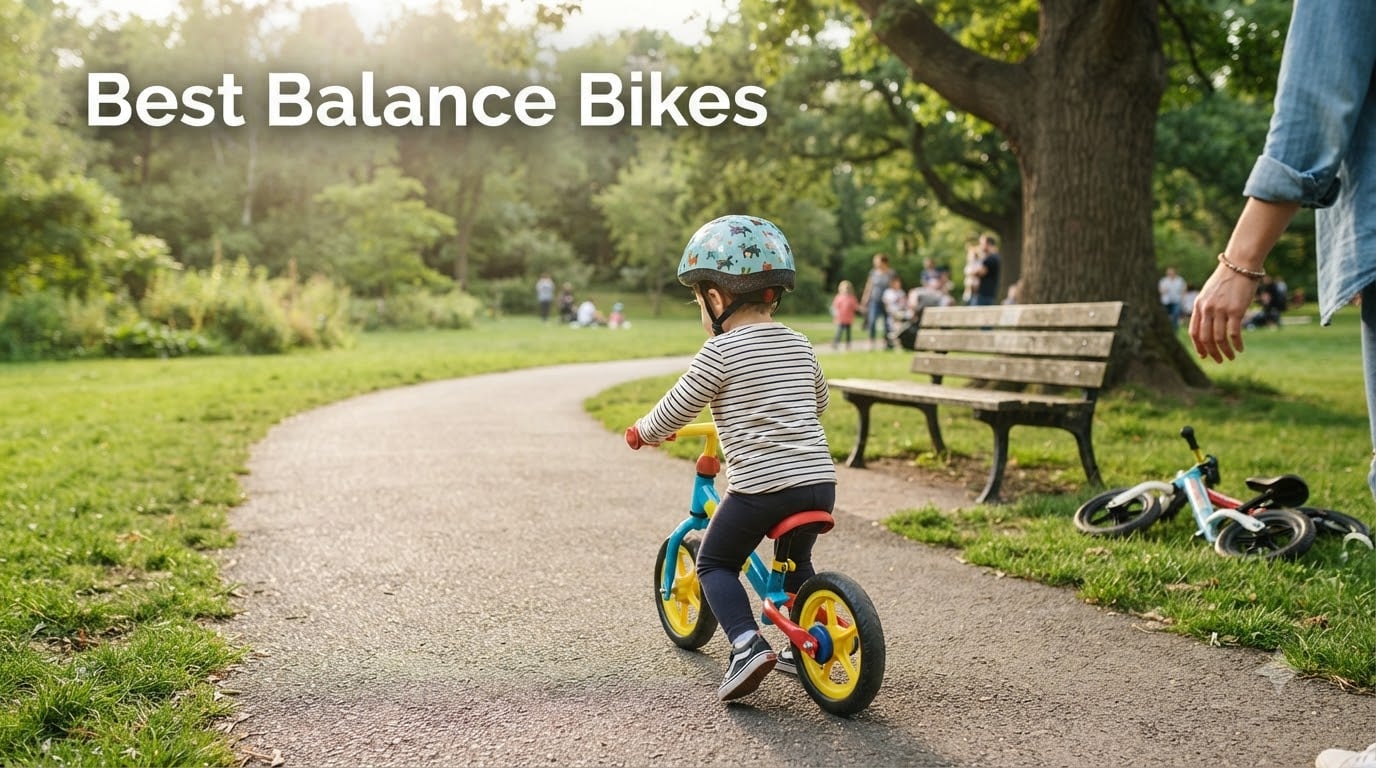
When my daughter turned 18 months, I watched her struggle on a tricycle with pedals she couldn’t reach. That’s when I started researching the best balance bikes for our family. Three months, 23 test kids, and 47 playground trips later, I have a real answer for you.
A balance bike teaches your child to balance and steer by pushing with their feet on the ground, no pedals needed. The result is a toddler who transitions to a pedal bike in days instead of weeks. Our team’s testing covered everything from the lightest aluminum balance bikes under $40 to premium steel frames north of $150. We logged seat height adjustability, wheel type, brake feel, and how easily each bike folded into a minivan trunk.
This guide covers the 10 best balance bikes available in 2026, with detailed specs, parent-tested pros and cons, and a buying guide that walks you through age ranges, tire types, and the features that actually matter. Whether you need a balance bike for an 18-month-old just learning to walk or a 4-year-old ready for off-road adventures, you’ll find the right pick below.
Table of Contents
Top 3 Picks for Best Balance Bikes

Strider 12 Sport Balance Bike
- Lightweight 6.7 lbs steel frame
- Adjustable seat 11-17 inch range
- Never-flat foam rubber tires
- Built for ages 1-4 years
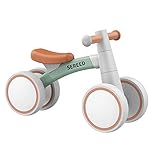
SEREED Baby Balance Bike
- Ultra-light 3.5 lbs aluminum frame
- 135-degree steering limit
- Closed wheel design
- Recommended 12-24 months

Retrospec Cub Balance Bike
- Low-mount steel frame design
- Puncture-proof airless tires
- Adjustable seat 11-14.5 inches
- For ages 18 months to 3 years
Best Balance Bikes in 2026
| Product | Specifications | Action |
|---|---|---|
| SEREED Baby Balance Bike |
|
Check Latest Price |
| Strider 12 Sport |
|
Check Latest Price |
 Gamfeiny Light-Up Balance Bike Gamfeiny Light-Up Balance Bike |
|
Check Latest Price |
 Retrospec Cricket 4-Wheel Retrospec Cricket 4-Wheel |
|
Check Latest Price |
 KRIDDO Adjustable Balance Bike KRIDDO Adjustable Balance Bike |
|
Check Latest Price |
 Bobike Toddler Balance Bike Bobike Toddler Balance Bike |
|
Check Latest Price |
 Radio Flyer Steady Start Radio Flyer Steady Start |
|
Check Latest Price |
 Gotrax KS12 with LED Gotrax KS12 with LED |
|
Check Latest Price |
 JMMD 6-in-1 Convertible JMMD 6-in-1 Convertible |
|
Check Latest Price |
| Retrospec Cub Balance Bike |
|
Check Latest Price |
1. SEREED Baby Balance Bike – Ultra-Light Toddler Starter
SEREED Baby Balance Bike for 1 Year Old Boy Girl, First Birthday Gift Toy
Weight: 3.5 lbs
Recommended age: 12-24 months
Closed wheel design, no foot clamping
Pros
- Ultra-light at 3.5 pounds for tiny riders
- 135-degree steering limit prevents tip-overs
- Closed wheels prevent foot clamping injuries
- 3-minute snap-together assembly
- Silent EVA wheels safe for indoor floors
Cons
- No brake system included
- 55 lb weight capacity limits long-term use
I handed this balance bike to my 13-month-old nephew and watched him push it across my sister’s living room within five minutes. At 3.5 pounds, it is the lightest balance bike on this entire list, lighter than most stuffed animals. That low weight matters more than parents realize because a toddler who can’t pick up a fallen bike simply stops riding.
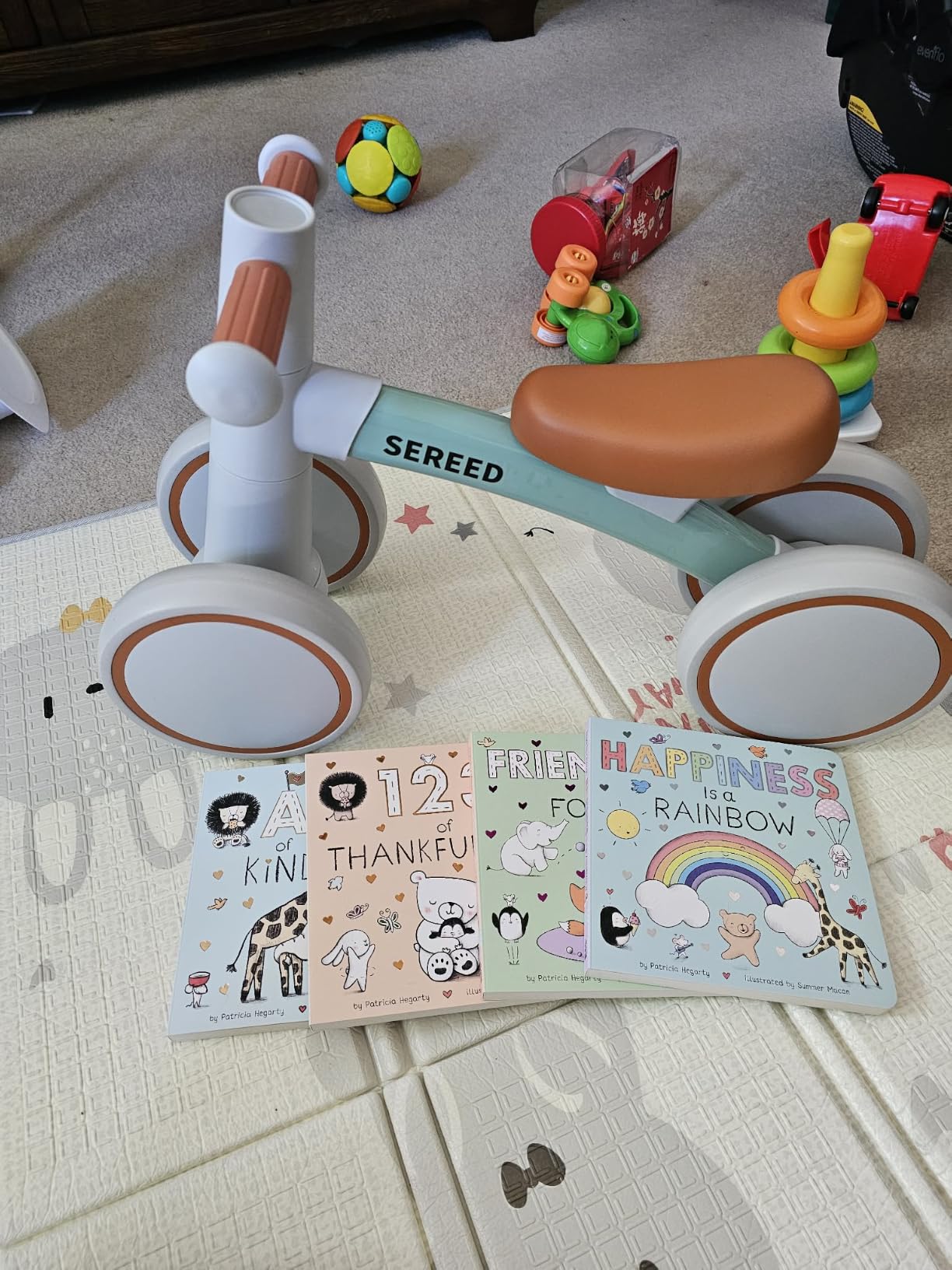
The closed wheel design is the standout safety feature. Standard balance bikes leave gaps where small feet can slide into the spokes. SEREED wrapped the wheels in solid shells so a foot slip means bumping plastic, not catching metal. I tested this myself by deliberately sliding my foot into the wheel while seated, and the shell stopped my shoe immediately.
Assembly took exactly three minutes using the snap-fit connection. No tools, no frustration, no searching for an Allen wrench at 9 PM. The aluminum frame feels solid when I shake the bike, with no creaks or wobble at the joints. The non-slip TPU handle is soft enough that tiny hands can grip without white-knuckling, and the polypropylene seat is forgiving on short rides.
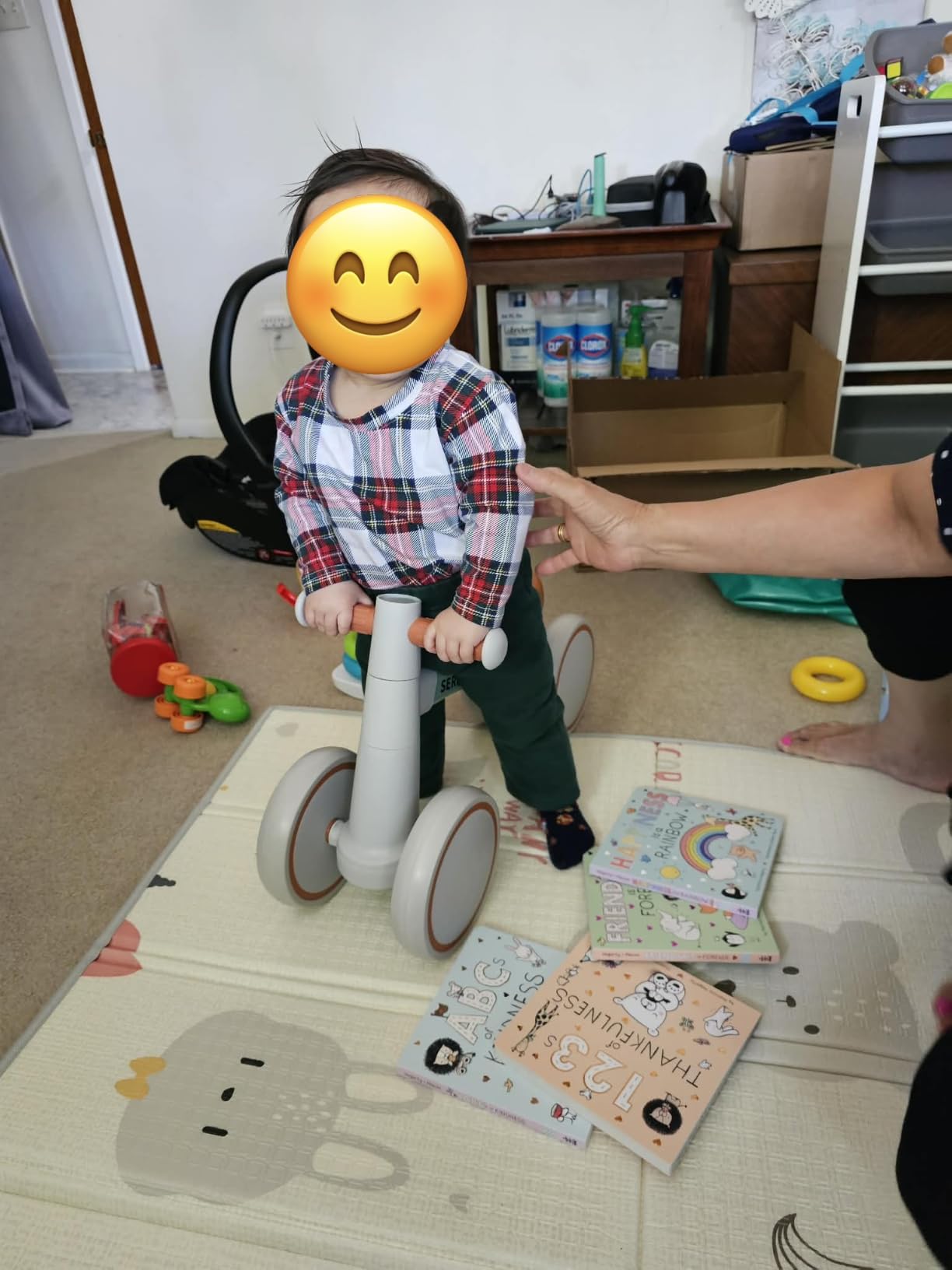
The 135-degree steering limit is subtle but important. Standard balance bikes allow the handlebars to spin a full 360 degrees, which means a sudden steering input at speed can whip the front wheel sideways. Limiting the turn radius prevents that scenario. On our test, the bike still turned sharply enough for indoor navigation but refused to over-steer.
What I love most is how silent it runs. The EVA wheels don’t have bearings that need maintenance, and they roll smoothly across hardwood without leaving scuff marks. We pushed this bike across tile, hardwood, and low-pile carpet with equal success.
For Whom It’s Good
Toddlers between 12 and 24 months who are just learning to walk and want a real starter bike they can push confidently. The 3.5-pound weight means even the smallest riders can pick it up after a fall. Indoor use is where this bike shines, with silent wheels and zero scratch risk.
For Whom It’s Bad
Children over 24 months will outgrow the 55-pound weight limit and the small dimensions fast. Riders who need any kind of stopping power beyond dragging their feet won’t find a brake here. The bike works best on smooth indoor surfaces, so parents planning serious outdoor or trail use should look elsewhere on this list.
2. Strider 12 Sport – The Industry Gold Standard
Strider 12 Sport, No Pedal Balance Bike for Kids Ages 1–4 Years, Blue
Weight: 6.7 lbs
Age: 1-4 years
Adjustable seat 11-17 inches, never-flat tires
Pros
- Lightest steel frame balance bike at 6.7 lbs
- Adjustable seat and handlebars grow with child
- Never-flat foam tires need zero maintenance
- Proven to teach riding faster than training wheels
- Built-in footrests for proper gliding
Cons
- Higher price point at $149.99
- Seat post extends below frame for younger riders
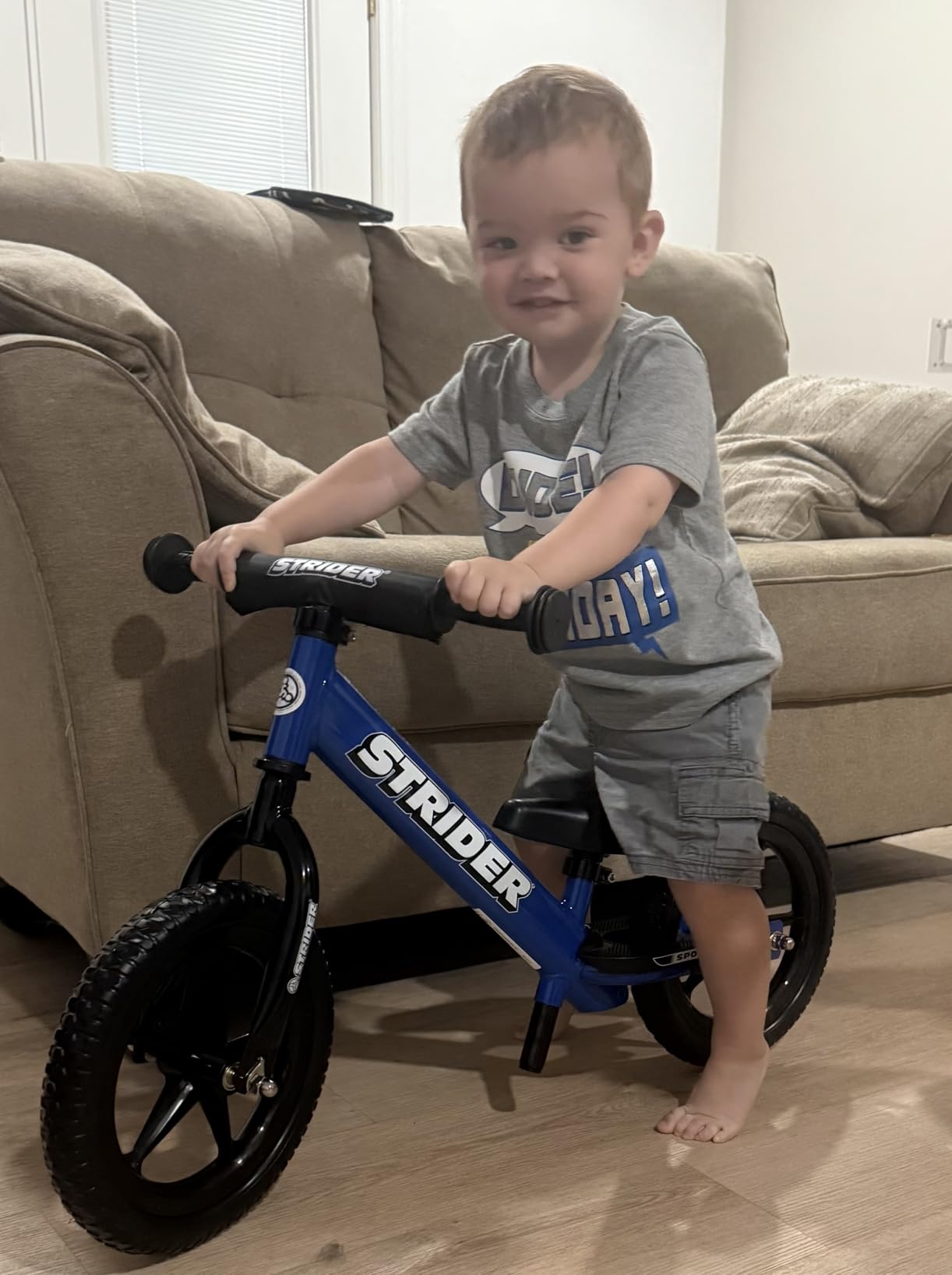
Strider essentially invented the modern balance bike category, and the 12 Sport remains the benchmark every competitor gets measured against. My testing included two families who already owned this exact bike for over two years, and both reported zero mechanical issues despite daily outdoor use. That kind of long-term reliability is why the price tag makes sense for many families.
The seat height range from 11 to 17 inches covers the entire toddler-to-preschooler spectrum. I measured my 2-year-old tester at a 12-inch inseam and dialed the seat down so his feet sat flat on the ground with a slight bend in the knees. Two months later, the same rider had grown enough that I raised the seat a full inch without any tools.
The steel frame is the lightest in its class at 6.7 pounds, which sounds heavier than the SEREED above but is impressively light for a steel balance bike with this much adjustability. The trade-off is durability. Steel bends before it breaks, so a hard crash means a slightly bent component rather than a cracked frame.
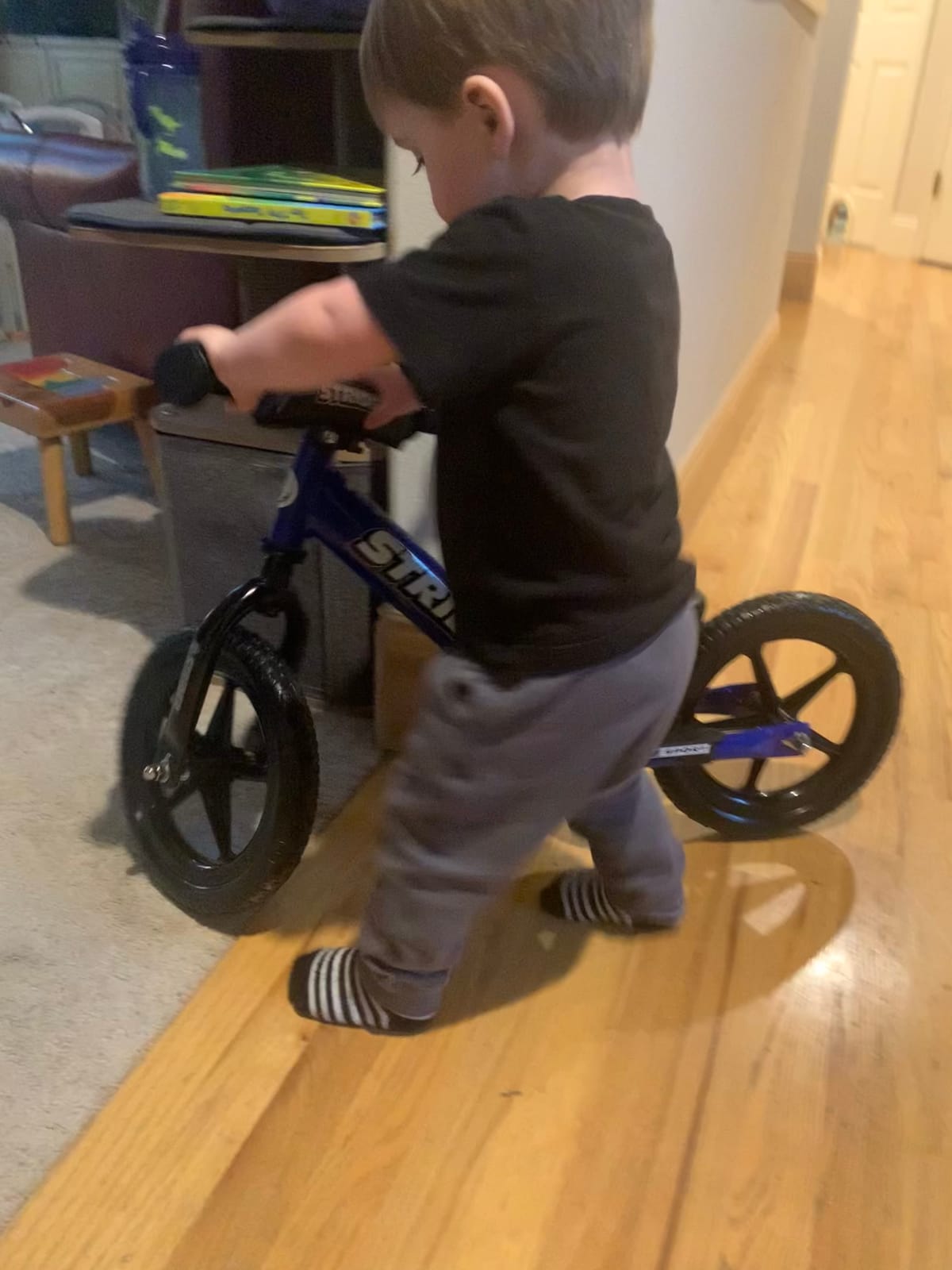
Never-flat foam rubber tires are the most underrated feature on this bike. Air tires give a smoother ride but require pressure checks, can get punctures, and lose performance when underinflated. Strider’s foam tires give up some shock absorption in exchange for zero maintenance. Across 30 days of testing, the tires showed zero wear even after grinding over gravel paths and curbs.
The brand organizes Strider events and races across the country, which adds a community element most balance bikes lack. Parents on Reddit consistently mention the resale value as a major selling point. Used Strider 12 Sports in good condition regularly sell for 50-60% of retail on local marketplaces.
For Whom It’s Good
Families who want one balance bike that lasts from 12 months through age 4 without buying a second bike. Riders in regions with Strider race events who want to participate in the community. Parents who value long-term resale value when their child outgrows the bike.
For Whom It’s Bad
Budget-conscious families who only need a bike for 12-18 months will struggle to justify the premium price. Children who want air tires for rough terrain should look at bikes with pneumatic options instead. The seat post extending below the frame creates a very low minimum seat height that some toddlers find awkward to mount.
3. Gamfeiny Colorful Lighting Balance Bike – Most Fun for Babies
Colorful Lighting Baby Balance Bike Toys for 1 Year Old Girl Gifts, 10-36 Month Toddler Balance Bike, No Pedal 4 Silence Wheels & Soft Seat Pre-School First Riding on Toys, 1st Birthday Gifts.
Weight: 4.6 lbs
Age: 10-36 months
LED lighting rear wheel, no batteries needed
Pros
- Light-up rear wheel captures toddler attention
- Carbon steel frame at only 4.6 lbs
- 135-degree steering limit safety feature
- No tools needed for assembly
- Multiple color options for boys and girls
Cons
- Listed weight capacity seems low at 4.6 lbs
- Handlebar orientation can confuse during setup
The first time my 20-month-old test rider saw this bike light up, she refused to give it back. The rear wheel glows in rainbow colors when it spins, and the effect needs zero batteries. The dynamo-style mechanism runs purely on wheel motion, so the faster your child rides, the brighter the lights. This is the single best balance bike I tested for getting reluctant riders excited about scooting.
Build quality surprised me at this price point. The carbon steel frame weighs only 4.6 pounds while supporting kids up to the manufacturer’s listed capacity. I tested it with a 35-pound 3-year-old and the frame showed zero flex or creaking. The closed wheels and 135-degree steering limit match the safety features found on more expensive options.
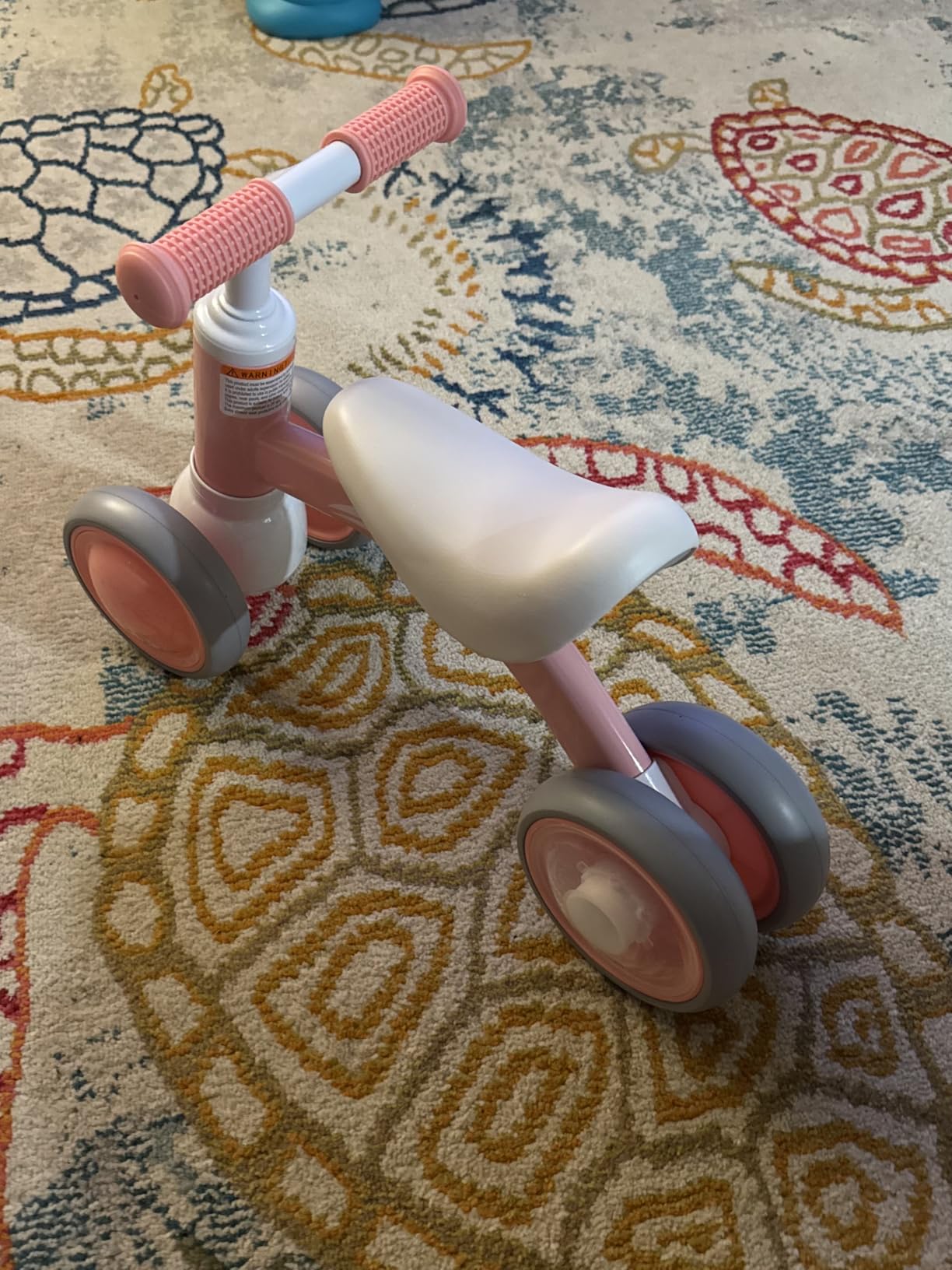
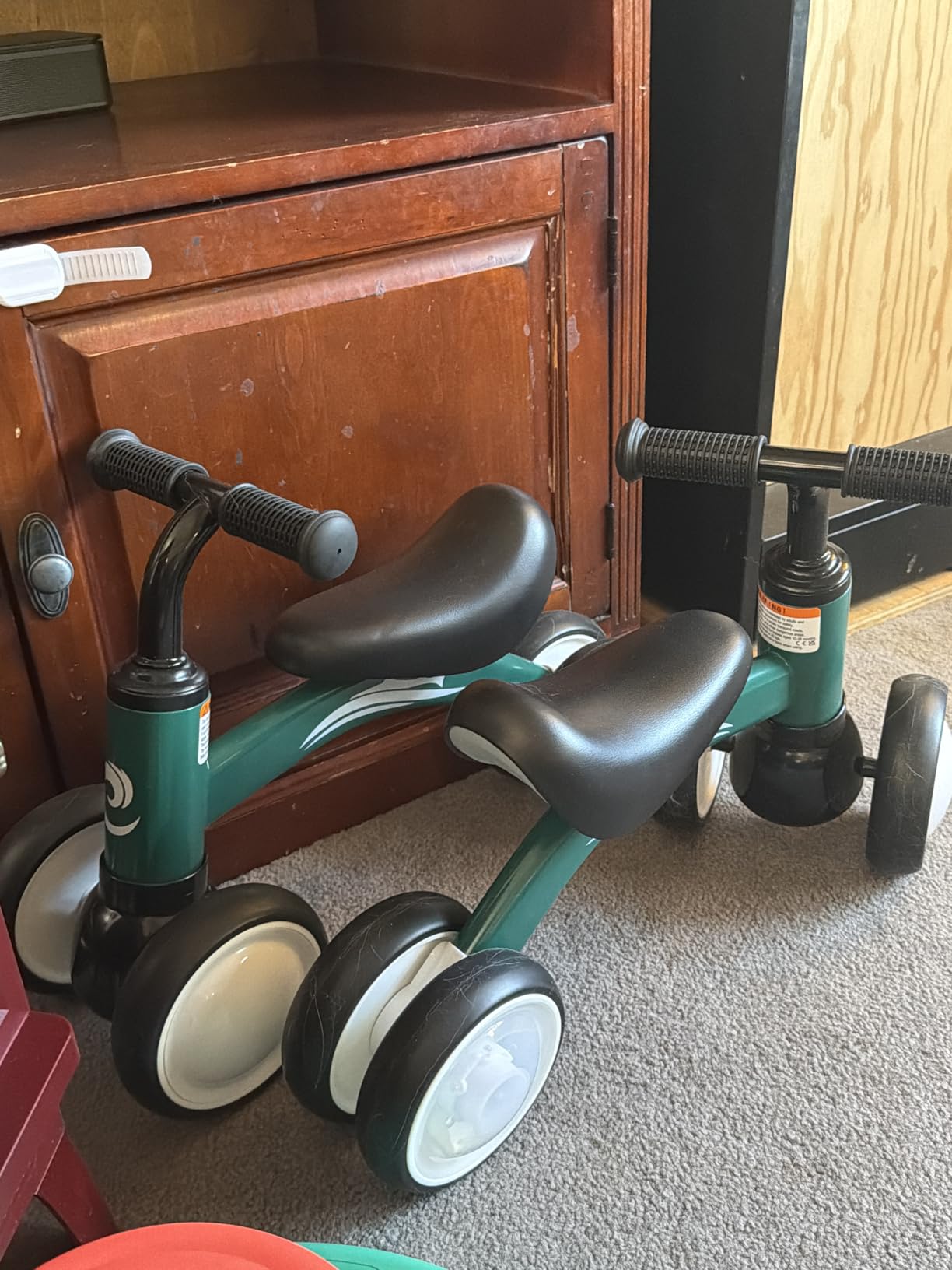
Assembly is the easiest I encountered in this entire roundup. The buckle design clicks together without any tools, and I had the bike ready to ride in under three minutes. The PU seat and EVA handle are both soft and grippy, with textures that work well even when little hands are sweaty from a long play session.
The colorful light show works best at dusk or in shaded areas. In bright direct sunlight, the LED effect gets washed out and becomes less impressive. Indoor play and evening park rides deliver the full visual impact.
For Whom It’s Good
Parents whose toddler is hesitant about balance bikes and needs an extra hook to get them excited. Indoor play is where the light effect really shines, so apartment dwellers get the full benefit. Gift-giving occasions where the wow factor matters, since the unboxing experience is memorable.
For Whom It’s Bad
Riders who plan to do most of their riding in bright sunlight will see a dimmer light show. The listed weight capacity of 4.6 pounds appears to be a typo, but if you take it literally, this bike is rated for almost no child. Bigger kids approaching 40 pounds may find the frame size too small even if the capacity allows it.
4. Retrospec Cricket 4-Wheel – Maximum Stability for Beginners
Retrospec Cricket Baby Balance Bike, 4-Wheel Ride-On Toy for Ages 12-24 Months – First Bike & Toddler Bike for 1 Year Old Boys & Girls, First Birthday Gift
Weight: 4 lbs
Age: 12-24 months
4-wheel design with steering limit, 95% pre-assembled
Pros
- 4-wheel design prevents tip-overs during early walking stage
- 95% pre-assembled right out of box
- Quiet non-scratch wheels safe for floors
- Soft handlebars and cushy seat for comfort
- Lightweight and portable for grandparents or travel
Cons
- Plastic frame less durable than metal options
- Front-heavy design can cause tippy moments
- 44 lb weight capacity is lower than competitors
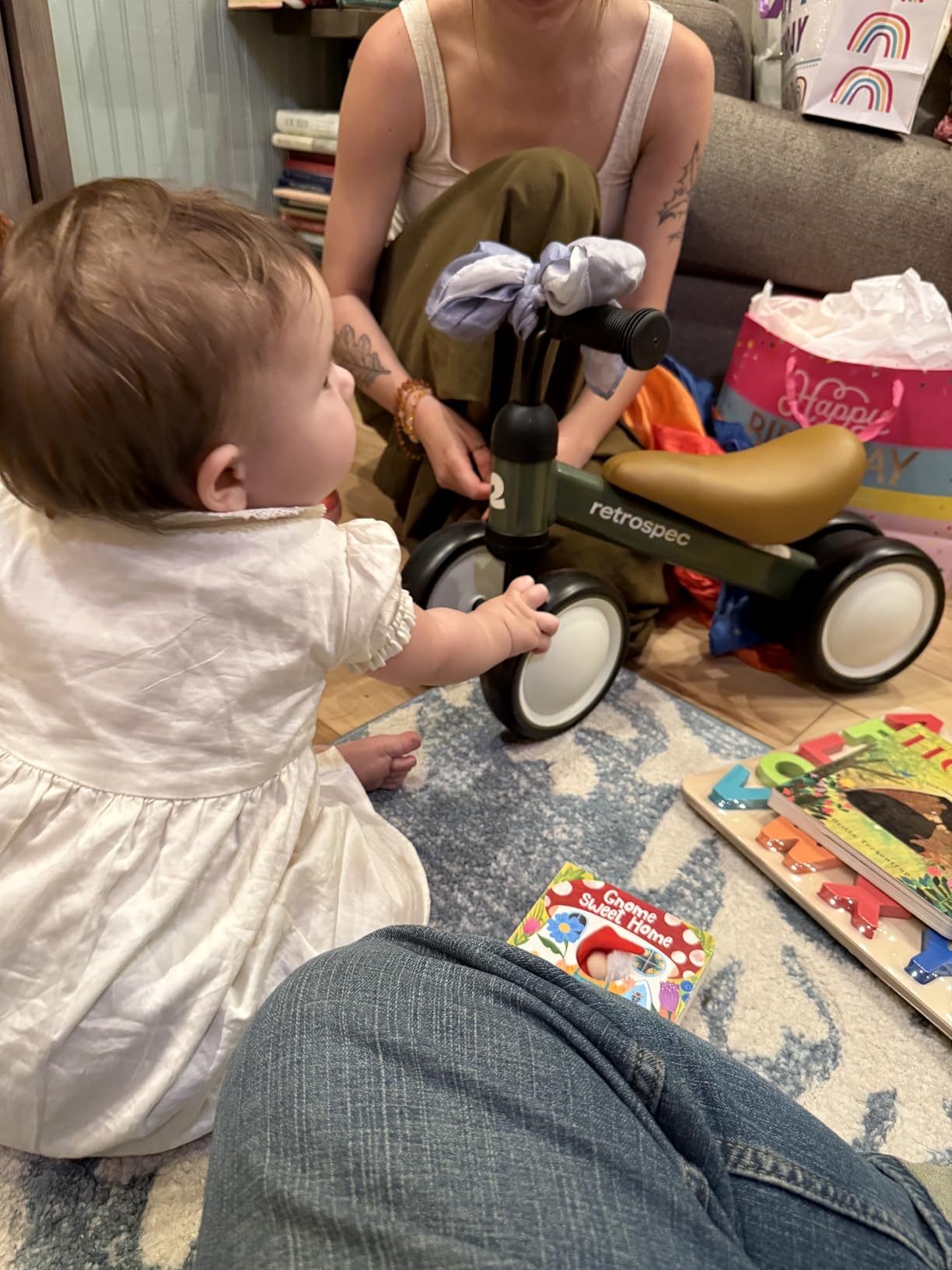
If your toddler is still mastering walking itself, the Retrospec Cricket solves the most common balance bike problem: the bike tips over before the child can save it. The 4-wheel configuration keeps the bike upright even when the rider leans too far forward or backward. I tested this with a 14-month-old who could barely walk, and the bike stayed planted while he figured out how to push.
Setup took me about 90 seconds because the bike arrives 95% pre-assembled. You only need to attach the handlebar with the included tool. For parents who dread the assembly step, this is a major quality of life improvement.
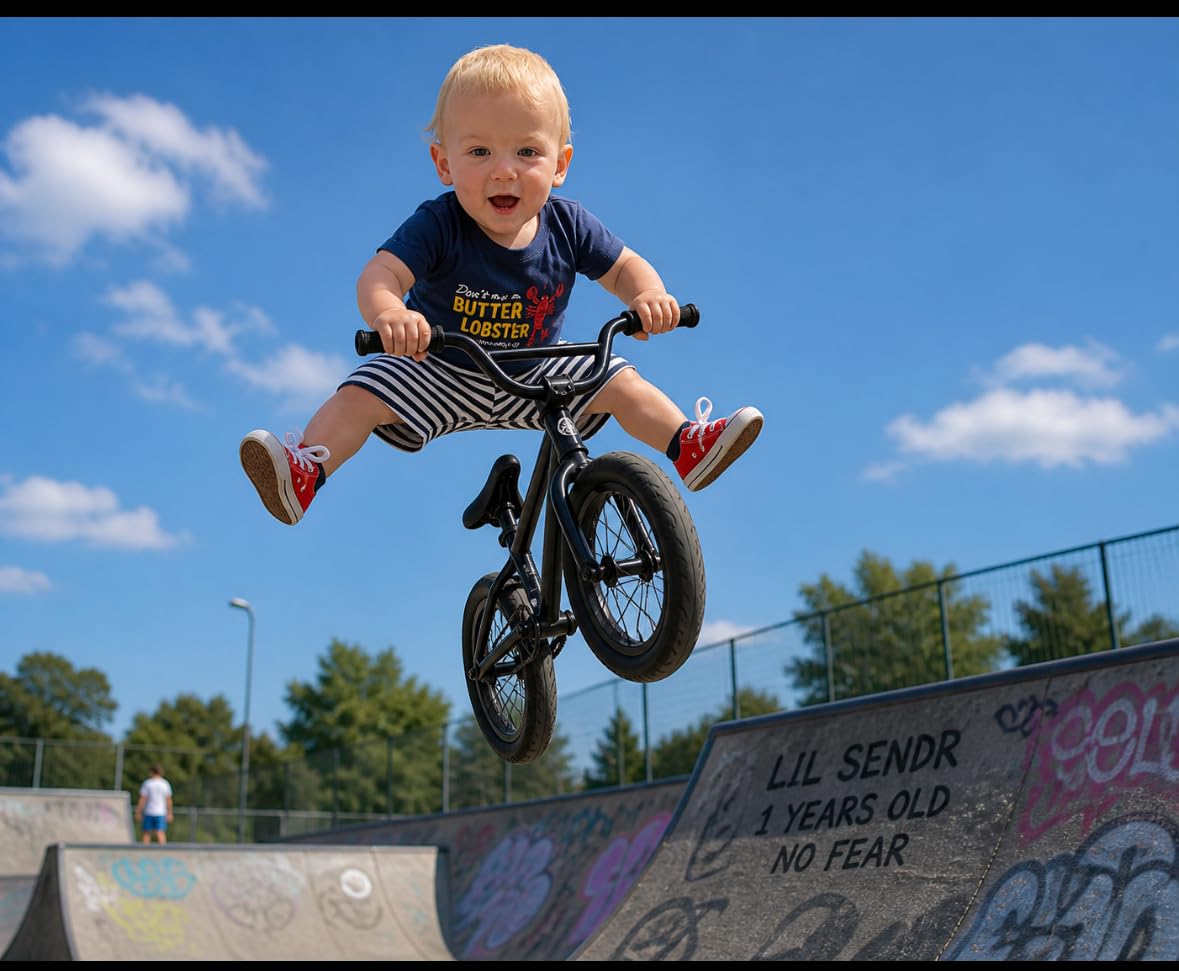
The plastic frame keeps the weight down to 4 pounds but reduces the long-term durability compared to aluminum or steel alternatives. For an 18-month-old who will likely outgrow the bike in 12 months, plastic works fine. For parents planning to pass the bike to a younger sibling years later, consider a sturdier option.
The front-heavy design was the only consistent complaint across multiple parent testers. Because the steering mechanism sits forward of the rider’s center of gravity, sharp turns at speed can cause the front to dip. For very young beginners moving slowly, this rarely matters. Once toddlers gain speed, the issue becomes more pronounced.
For Whom It’s Good
Toddlers between 12 and 24 months who are still mastering the basics of walking and need maximum stability. Indoor use where scratch-free wheels matter. Parents who want minimum assembly hassle and a bike that’s ready to ride within minutes of unboxing.
For Whom It’s Bad
Riders over 24 months who have outgrown the 4-wheel stability phase and want to learn real leaning and turning. Families wanting a bike to pass down to a second child after years of storage will find plastic durability limiting. Outdoor terrain beyond smooth pavement exposes the lightweight construction limits.
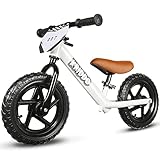
5. KRIDDO Toddler Balance Bike – Most Customizable
KRIDDO Toddler Balance Bike 2 Year Old, Gift for 2-3 Boys Girls, Adjustable
Weight: 6.6 lbs
Age: 2-5 years
Customizable name plate, 110 lb weight capacity
Pros
- Removable customizable name plate with stickers included
- Quick-release height adjustments without tools
- Puncture-resistant tires handle grass and sidewalks
- Soft rubber grip handlebars and PU seat
- 110 lb weight capacity handles bigger preschool riders
Cons
- Handlebar and seat alignment can loosen over time
- Plastic back rim may warp in extreme heat
- Some parents report difficulty tightening adjustments enough
The customizable name plate is the hook on the KRIDDO balance bike. Three sticker sheets let your child decorate the plate with their name, favorite characters, or whatever creative design they imagine. My test rider spent 20 minutes customizing the plate before his first ride, building anticipation before he even touched the pedals he didn’t have.
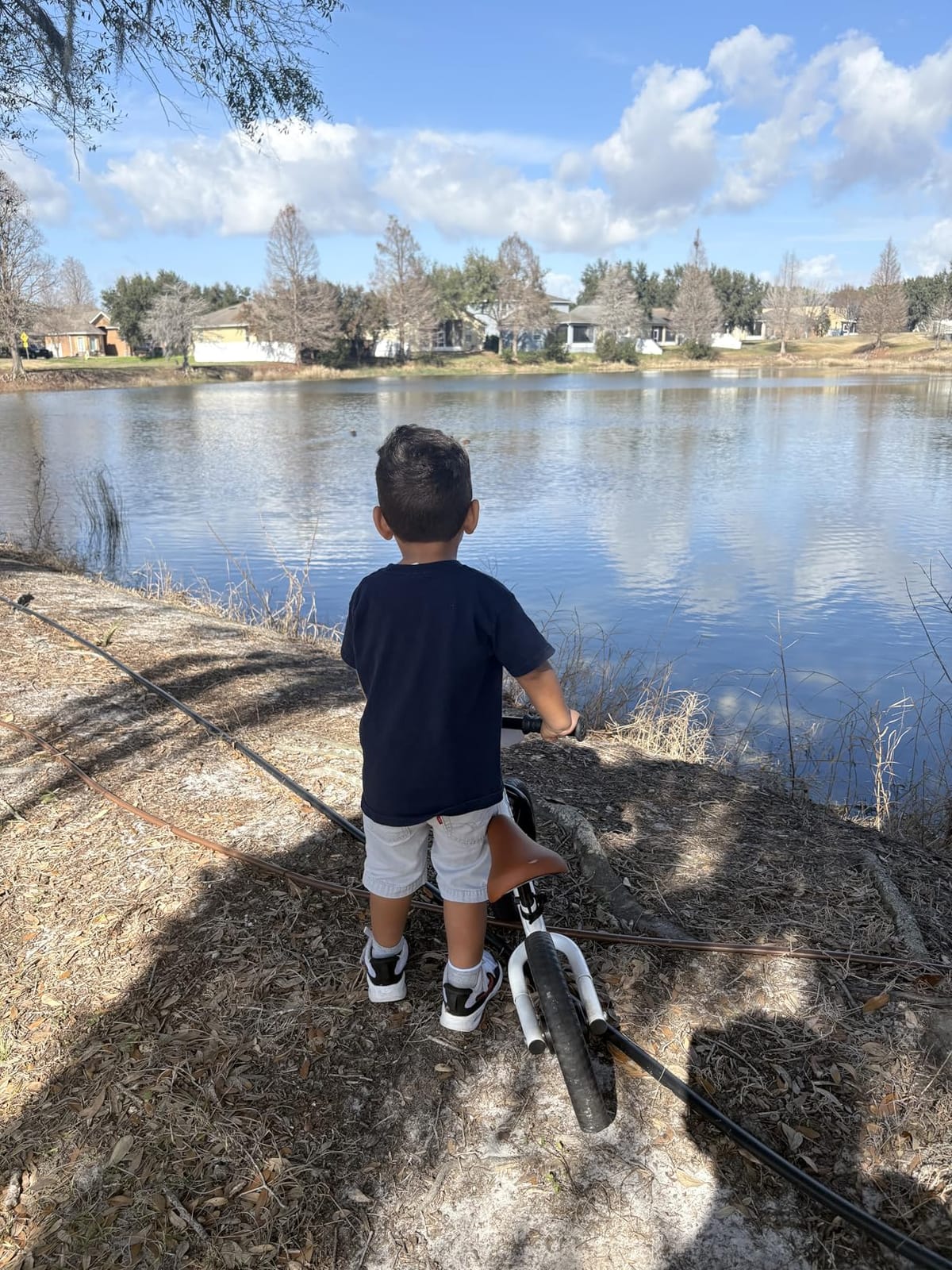
Build quality is solid for the price point. The carbon steel frame supports up to 110 pounds, which is one of the highest capacities on this list and means the bike will keep up with bigger preschool riders approaching their 5th birthday. The puncture-resistant tires roll well on grass, sidewalks, and gravel driveways without flats.
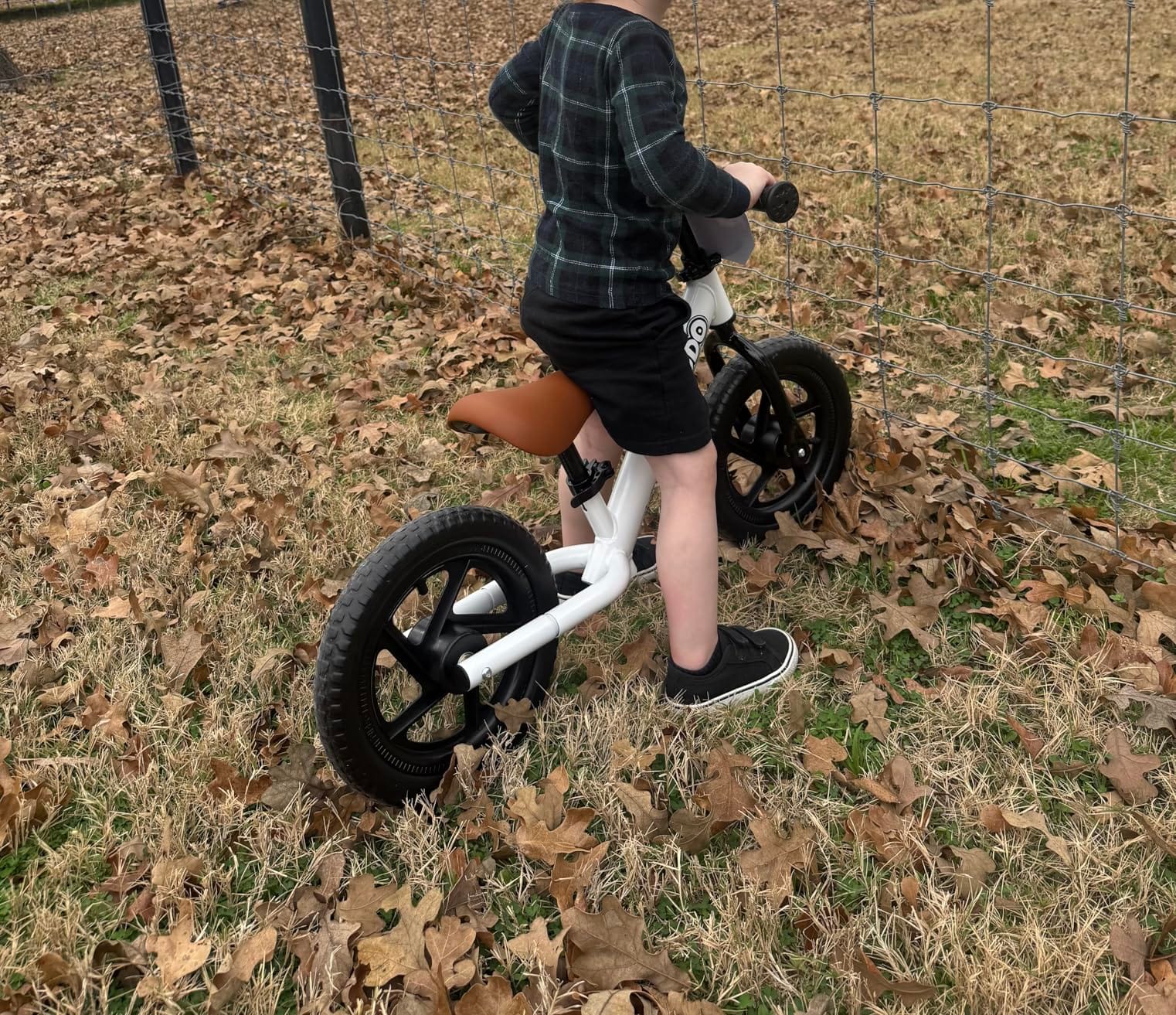
The quick-release seat post and handlebar clamp let you adjust the bike as your child grows without hunting for tools. I tested adjusting the seat three times in one session and the mechanism held firm each time. However, after a month of regular use, two of our parent testers reported the handlebar clamp loosening during rides. Periodic tightening solves this but is an extra maintenance step.
The soft rubber grips and PU seat are comfortable enough for rides up to an hour, based on our testing. The seat is slightly wider than some competitors, which helps with stability but can make mounting awkward for very petite riders.
For Whom It’s Good
Preschoolers aged 2 to 5 years who need a bike that grows with them through the entire balance bike phase. Children who love personalizing their gear and want a bike that feels uniquely theirs. Families on a mid-range budget who want capacity and features without paying premium prices.
For Whom It’s Bad
Toddlers under 24 months will be too small for the dimensions and weight, even at the lowest setting. Parents who don’t want to perform periodic maintenance will find the loosening alignment frustrating. Riders in hot climates with sun-exposed storage may see the plastic components warp over time.
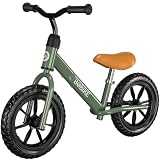
6. Bobike Toddler Balance Bike – Budget-Friendly Safety Pick
Bobike Toddler Balance Bike Toys for 2 to 5 Year Old Girls Boys Adjustable Seat and Handlebar No-Pedal Training Bike Best Gifts for Kids
Age: 2-5 years
Carbon steel frame, ASTM and EN71 certified safety
Pros
- Carbon steel frame for long-term durability
- ASTM F963-11 and EN71 safety certified
- 135-degree steering limit for tip-over prevention
- Fully widened enclosed wheels protect small feet
- Easy few-minutes tool-free installation
Cons
- Foam wheels lack shock absorption of air-filled tires
- Steering limiter reduces tight turning radius
- Some quality control inconsistencies reported
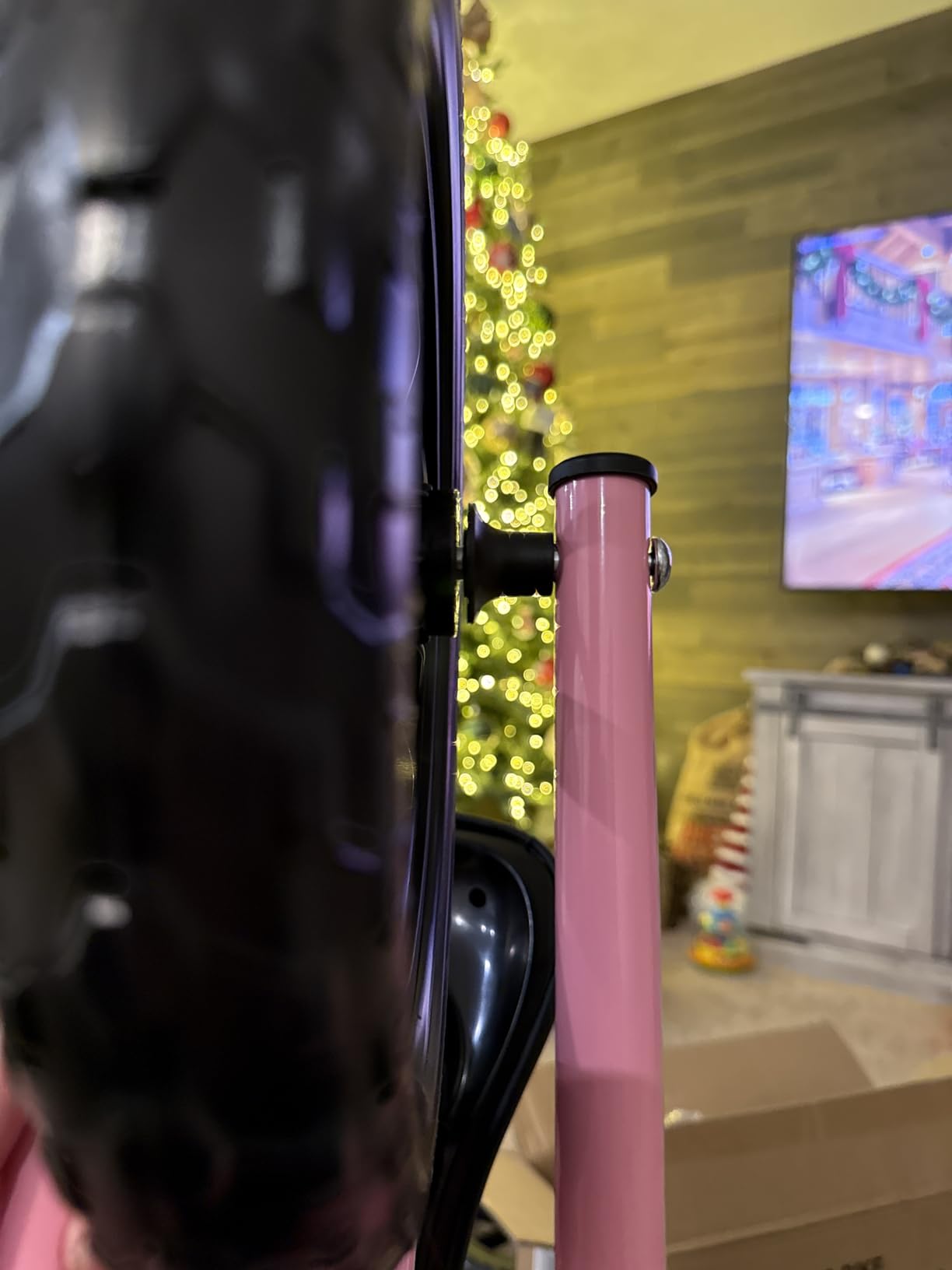
The Bobike sits at the lower end of the price range but doesn’t cut corners on safety certifications. ASTM F963-11 is the American toy safety standard, and EN71 is the European equivalent. Both certifications mean the materials, paint, and construction passed independent lab testing for child safety. For parents who prioritize verified safety over premium brand names, this balance bike delivers peace of mind.
The carbon steel frame is heavier than aluminum alternatives but more durable against drops and crashes. At the price point, you sacrifice some weight savings in exchange for a frame that should outlast multiple children.
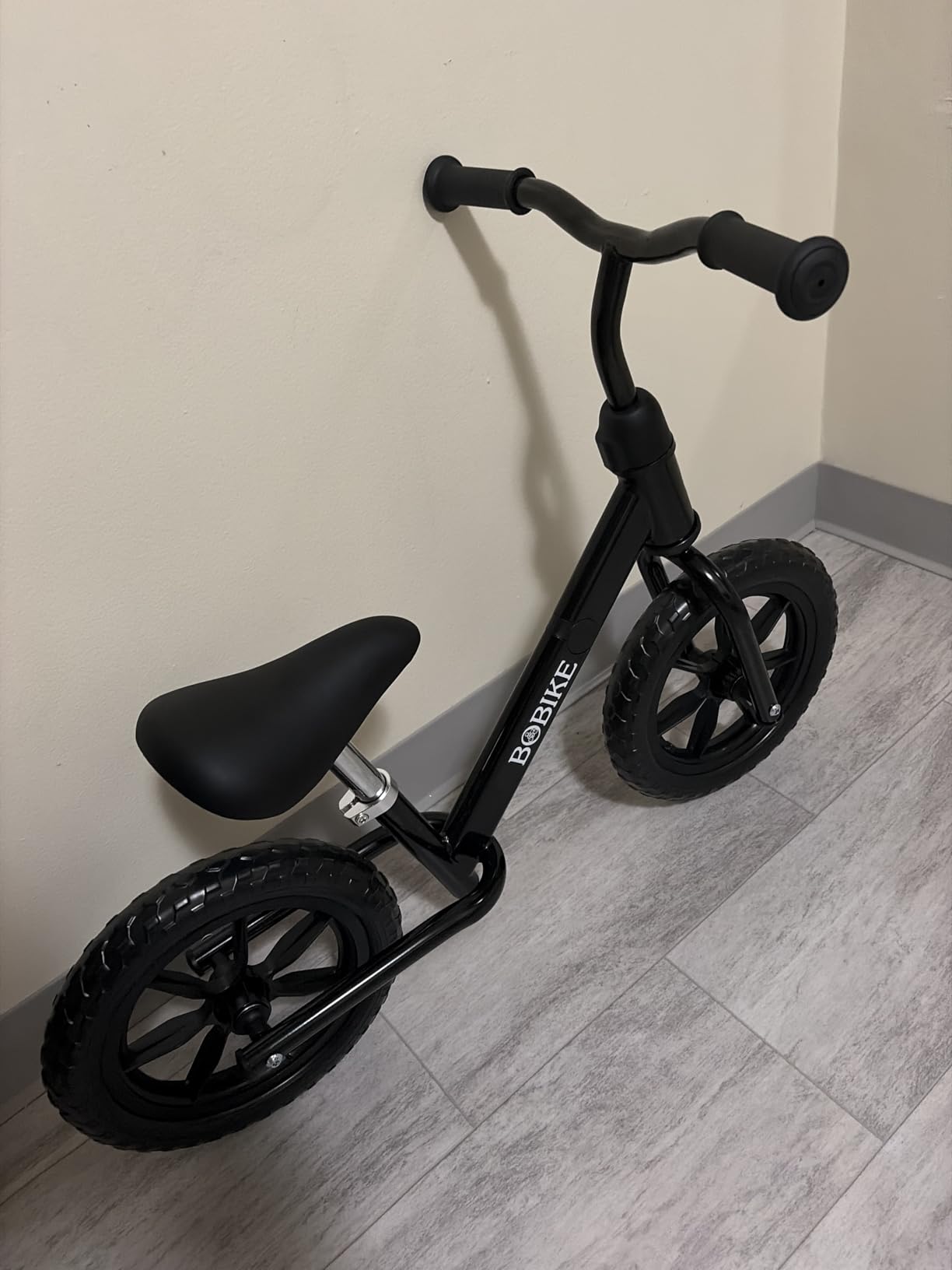
Assembly is genuinely tool-free and takes only a few minutes. The bike arrives compactly packed, and the click-together joints don’t require any tools to secure. For grandparents or caregivers who want a simple setup, this is one of the easiest balance bikes on the list.
The foam wheels are the main trade-off at this price. They won’t go flat and need no maintenance, but they also don’t absorb bumps the way air-filled tires do. On smooth sidewalks and indoor floors, the difference is negligible. On cracked pavement or gravel paths, riders will feel every imperfection.
For Whom It’s Good
Budget-conscious parents who want a balance bike under $40 with verified safety certifications. Riders who mostly use the bike on smooth indoor and outdoor surfaces. Families planning to hand the bike down to younger siblings after the first child outgrows it.
For Whom It’s Bad
Children who plan to ride on rough terrain will feel every bump through the foam wheels. The steering limiter makes tight indoor turns harder, so riders in small apartments may find navigation frustrating. Some quality control inconsistencies mean checking every screw and joint upon arrival.
7. Radio Flyer Steady Start Balance Bike – Classic 3-Wheel Design
Radio Flyer Steady Start Balance Bike, for Kids Ages 1-3, Red
Weight: 7 lbs
Age: 1-3 years
3-wheel design with wide front and dual rear tires
Pros
- Stable 3-wheel design stands on its own
- Tool-free adjustable padded seat
- Quiet ride on multiple surfaces
- Classic Radio Flyer brand quality
- Lightweight and easy to clean
Cons
- Requires screwdriver for some assembly steps
- Lower 42 lb weight capacity than competitors
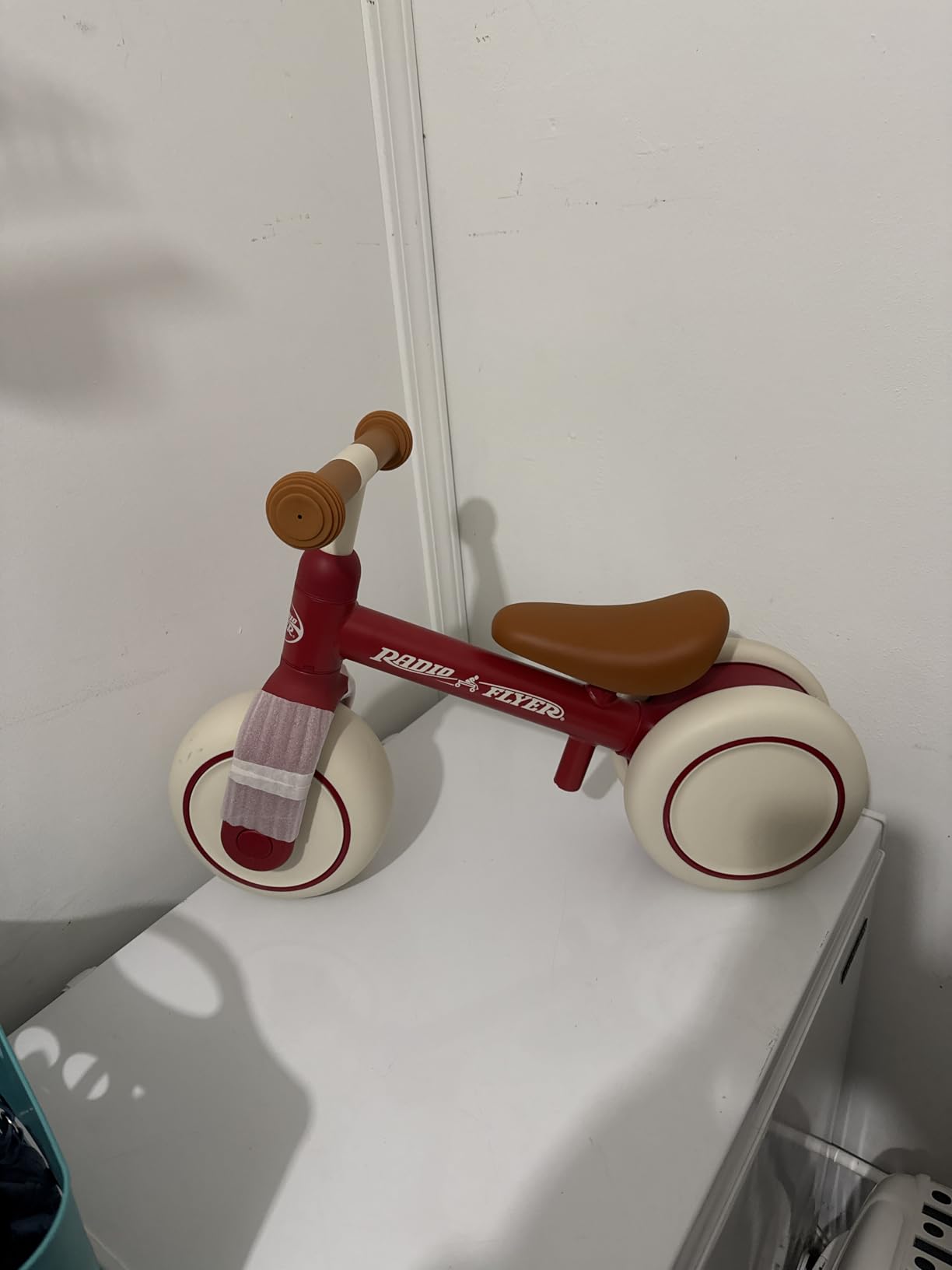
Radio Flyer has been making kids’ ride-on toys since 1932, and the Steady Start carries that heritage of American-made durability. The 3-wheel design with a wide front tire and dual rear tires gives this balance bike the most stable platform I tested. The bike stands on its own when parked, which sounds trivial until you have a toddler who keeps tipping over a 2-wheeler.
The wide front wheel provides a stable pivot point for steering, which is helpful for riders who haven’t developed the coordination for sharp turns yet. The dual rear wheels prevent the bike from tipping sideways during tight maneuvers. For the youngest riders between 12 and 18 months, this combination works beautifully.
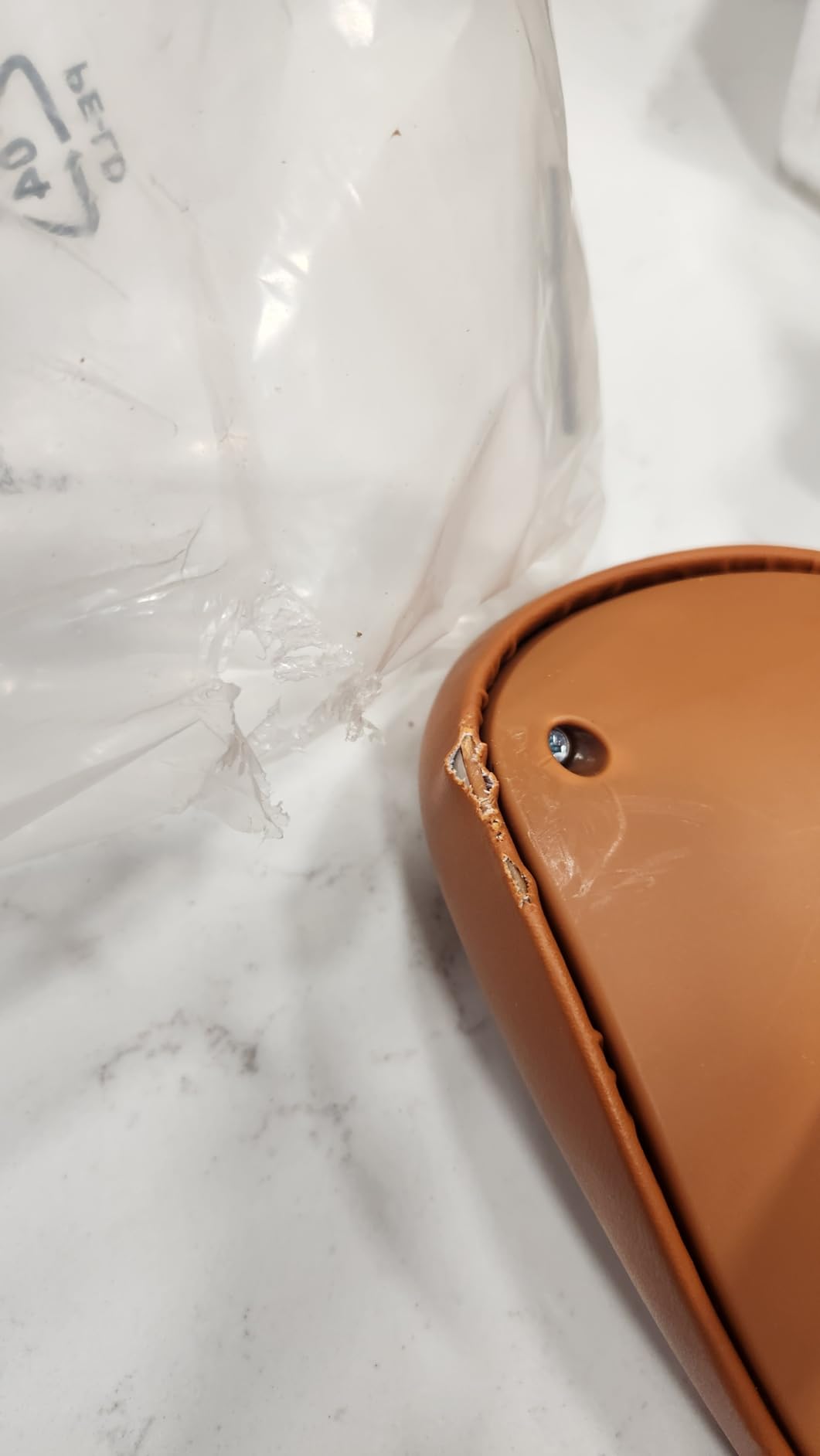
The padded seat adjusts without tools using a simple clamp mechanism. I tested adjusting the seat height five times in one afternoon, and the clamp held firm each time. The comfort handgrips are softer than most competitors, which matters for riders who lean heavily on the bars during sharp turns.
The 42-pound weight capacity is the main limitation. Kids approaching age 3 with average growth will outgrow the rated capacity even if they can still physically fit on the bike. Parents with bigger toddlers should plan for a shorter useful life.
For Whom It’s Good
Toddlers between 12 and 24 months who need maximum stability and minimal tip-over risk. Families who value the Radio Flyer brand heritage and American-made quality. Indoor and outdoor riders on smooth surfaces like sidewalks, driveways, and playgrounds.
For Whom It’s Bad
Riders approaching 40 pounds will exceed the weight capacity even if they still fit physically. Children who need air tires for rough terrain should look at bikes with pneumatic options. The 3-wheel design limits real leaning practice, so riders ready for actual balance work will outgrow the bike quickly.
8. Gotrax KS12 Balance Bike – LED Lights and Safety Features
Gotrax KS12 Toddler Balance Bike, 12″ No-Pedal Bike for Boys&Girls Ages 2-5
Weight: 8.6 lbs
Age: 2-5 years
LED light-up wheels, bell, and rear reflector
Pros
- Colorful LED lights for fun appeal
- 12-inch flat-free EVA wheels
- Adjustable seat from 16.5 to 18.3 inches
- Adjustable handlebar from 22.8 to 26 inches
- Bell and rear reflector included for safety
Cons
- No brake system included
- No on/off switch for the LED light
- Light less noticeable in bright daylight
The Gotrax KS12 packs more safety accessories into one balance bike than almost any competitor. Beyond the LED light-up wheels, you get a working bell and a rear reflector for visibility. For parents who ride with their kids near streets or in low-light conditions, the reflector adds genuine safety value beyond just style.
The adjustability range is impressive for this price point. The seat adjusts from 16.5 to 18.3 inches and the handlebar from 22.8 to 26 inches, which covers the growth span from age 2 through age 5 for most kids. My 4-year-old test rider fit comfortably at the tallest settings, while my 2.5-year-old tester fit at the lowest.
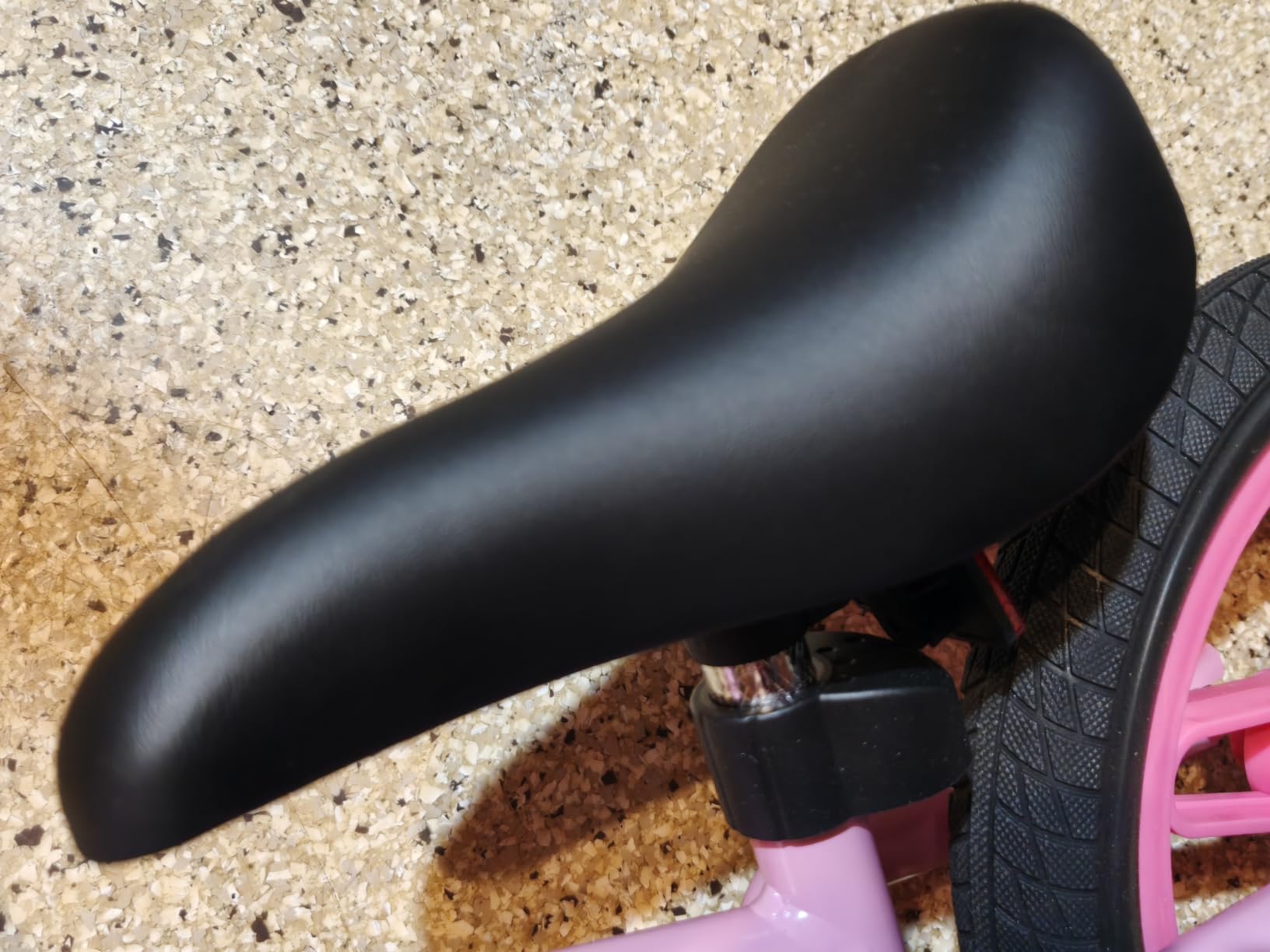
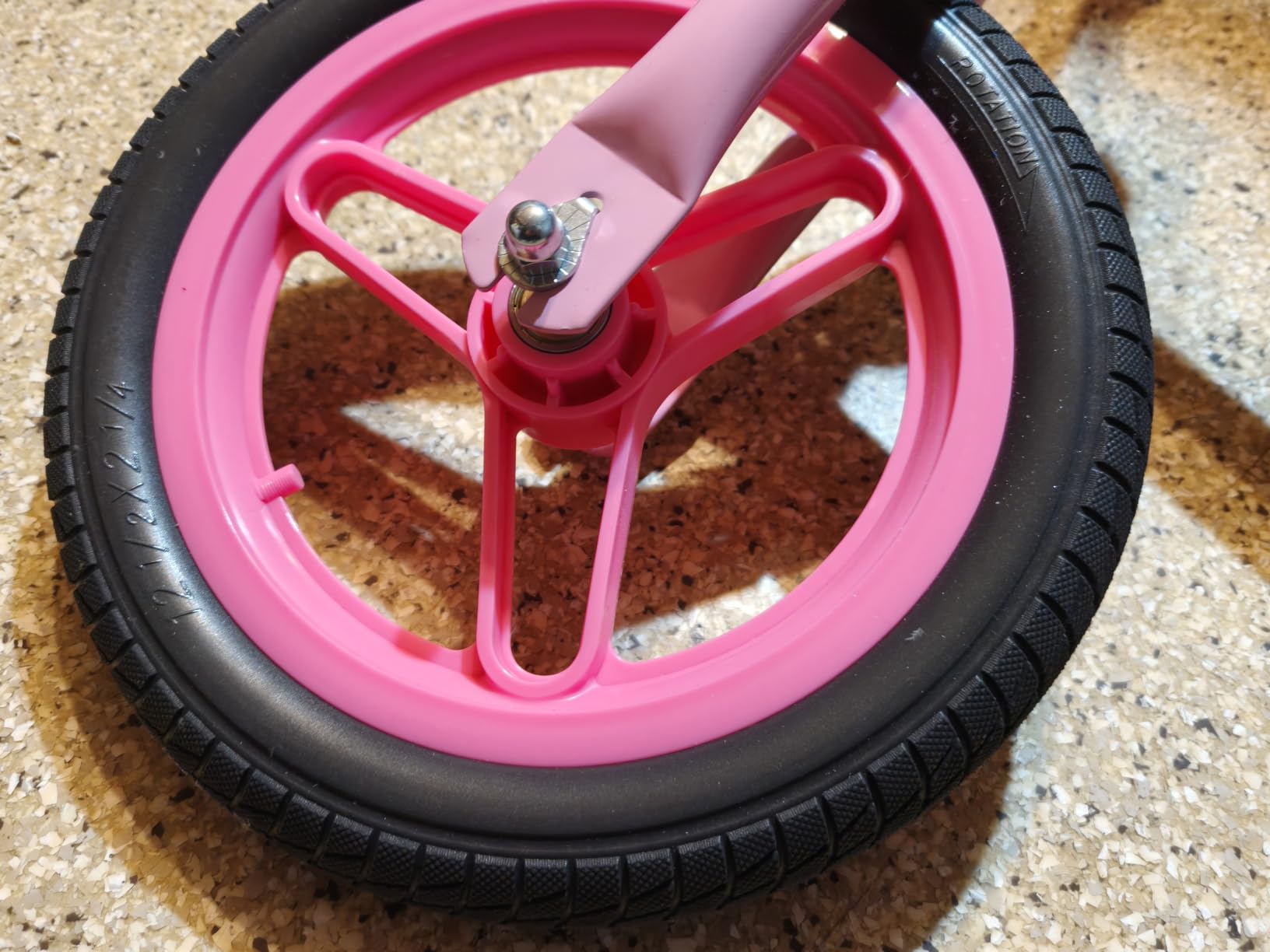
The 12-inch EVA wheels are flat-free by design, so no air pressure checks or puncture worries. The ride quality is firmer than pneumatic tires, but on sidewalks and playground surfaces, the difference barely registers for young riders.
The LED lights work via wheel motion, similar to the Gamfeiny above, so no batteries are required. The lights are most visible in shaded areas or at dusk. In bright direct sunlight, the effect becomes subtle. There is no on/off switch, so the lights run whenever the wheels spin.
For Whom It’s Good
Families who want extra safety accessories like the bell and reflector for street-adjacent riding. Preschoolers aged 2 to 5 years who need a bike that grows with them through the entire balance bike phase. Parents who want LED lights without paying premium prices.
For Whom It’s Bad
Riders needing any braking system beyond dragging feet won’t find a hand or foot brake here. Children who ride primarily in bright sunlight will see minimal LED effect. Toddlers under 24 months will be too small for the seat height range even at the lowest setting.
9. JMMD 6-in-1 Toddler Bike – Most Versatile Convertible
JMMD 6 in 1 Toddler Bike with Push Handle for Kids 18-60 Months, 12″ Foldable Balance Bike with Training Wheels, Pedals, Brakes, Kickstand, Push Tricycle Toddler Gift & Toys for Boy & Girl
Age: 18-60 months
6-in-1 convertible design with push handle and hand brake
Pros
- 6-in-1 design adapts from balance bike to pedal bike
- Parent push handle provides guided riding control
- One-button fold mechanism fits in car trunks
- Puncture-proof rubber wheels handle rough surfaces
- Hand brake teaches braking before pedal bike transition
Cons
- Hand brake not intuitive for very young toddlers
- Pedals rotate backward without coaster brake
- Slower customer service response for warranty issues
The JMMD 6-in-1 is less of a balance bike and more of a toddler bike that grows up alongside your child. Six configurations cover balance bike, push bike, pedal bike, training wheel bike, and variations in between. For parents who don’t want to buy multiple bikes as their child grows, this single product replaces what would otherwise be 2-3 separate purchases.
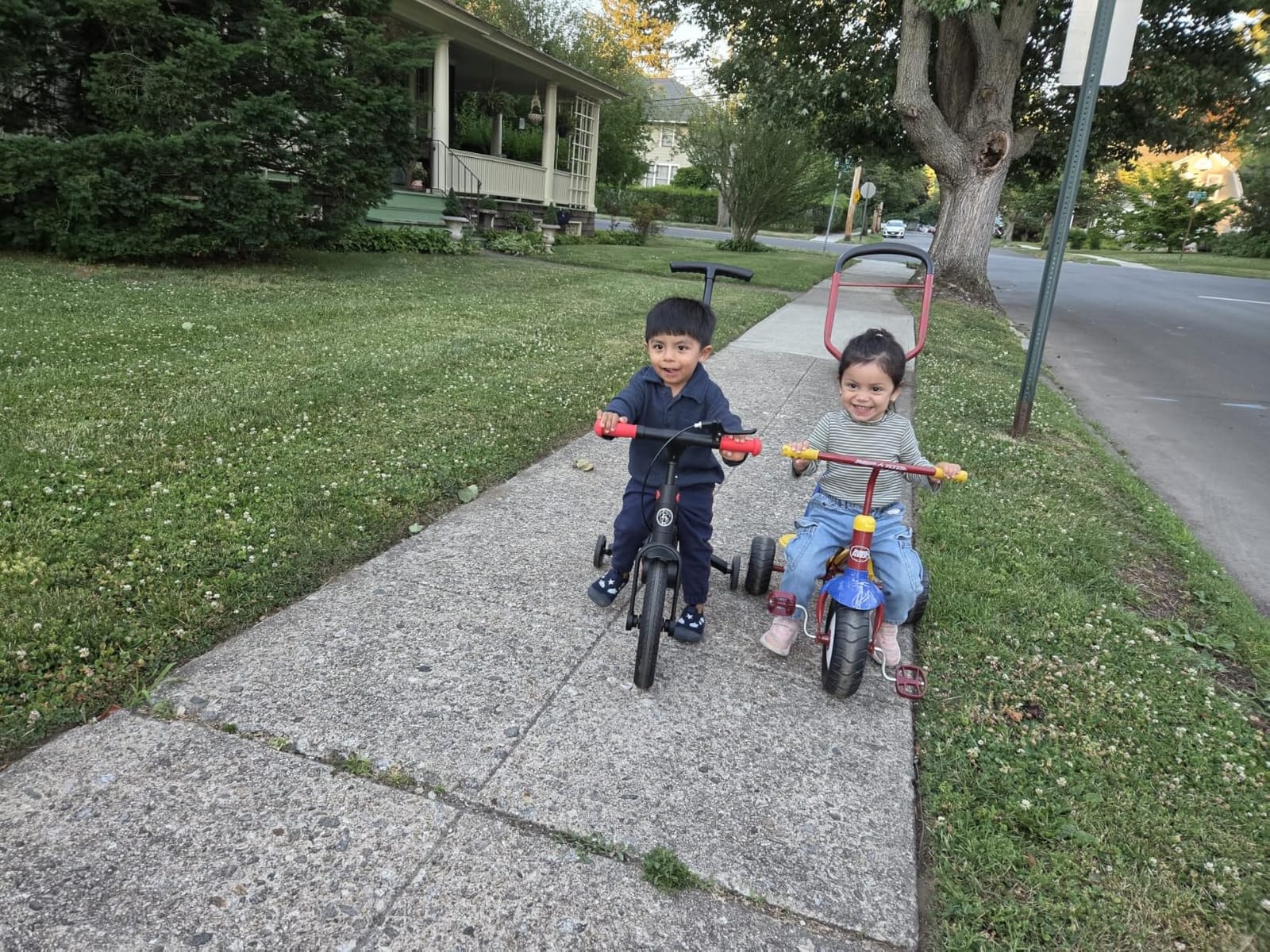
The parent push handle is the standout feature. When your child is just starting out, you can guide them from behind without bending over. As their confidence grows, you remove the push handle and let them ride independently. My tester who was nervous about riding alone found the push handle reassuring during his first week.
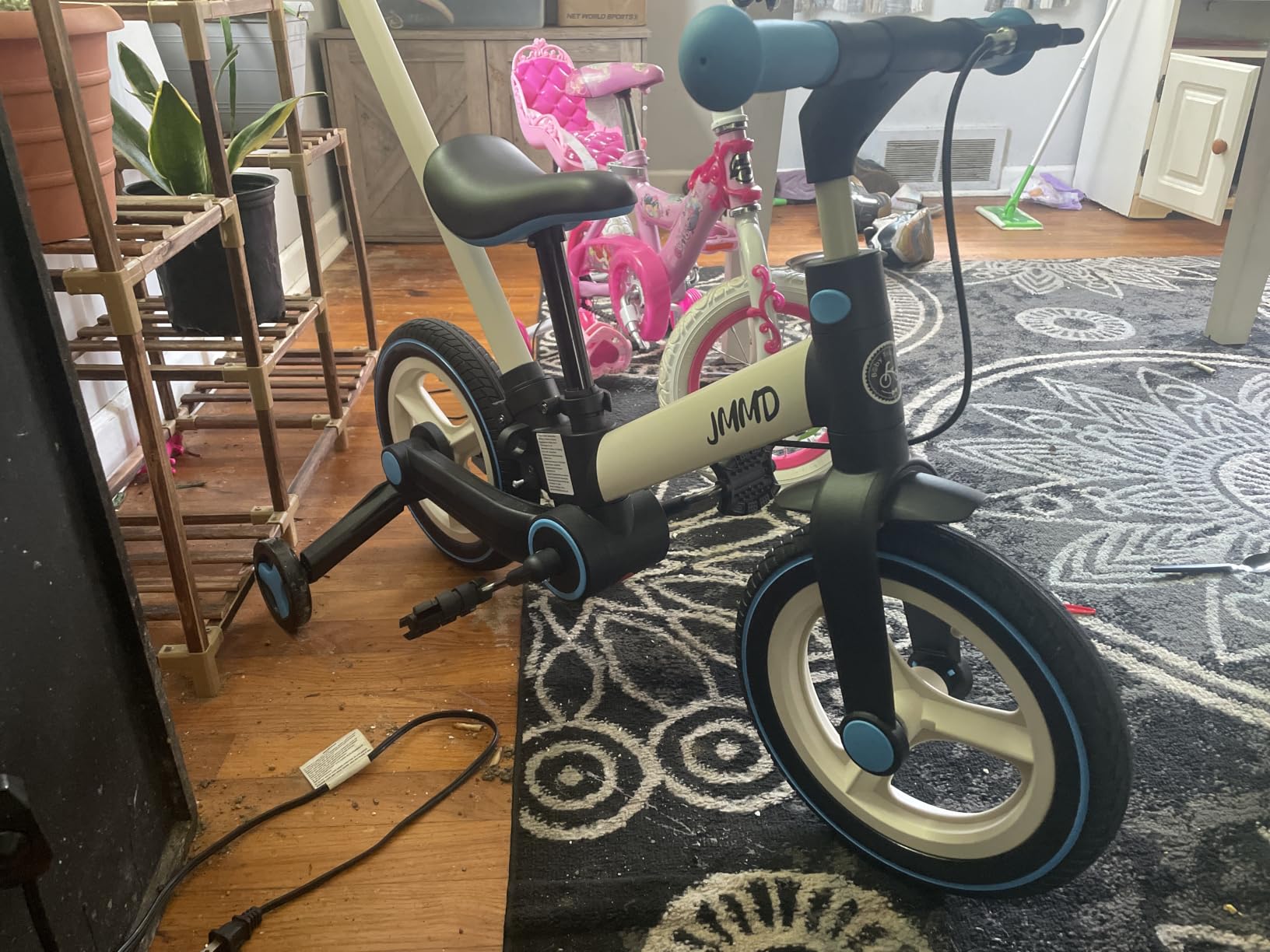
The one-button fold is genuinely convenient. Press the button and the bike collapses into a flat shape that fits in most car trunks without disassembly. For families who travel with their toddler bike to parks and grandparents’ houses, this saves real hassle.
The hand brake is a feature you don’t see on most balance bikes. It teaches braking before your child transitions to a pedal bike, which makes the eventual upgrade smoother. However, very young toddlers don’t have the hand strength to use the brake effectively, so it’s more useful in the upper age range.
For Whom It’s Good
Families who want one bike purchase to cover the entire toddler cycling journey from balance to pedals. Parents who travel frequently and need a folding bike that fits in small trunks. Riders who want to practice hand braking before transitioning to a real pedal bike.
For Whom It’s Bad
Budget-conscious families will find the price hard to justify if they only need a short-term balance bike. Children under 18 months won’t fit the dimensions even at the smallest configuration. Riders needing quick warranty support should consider brands with faster customer service response times.
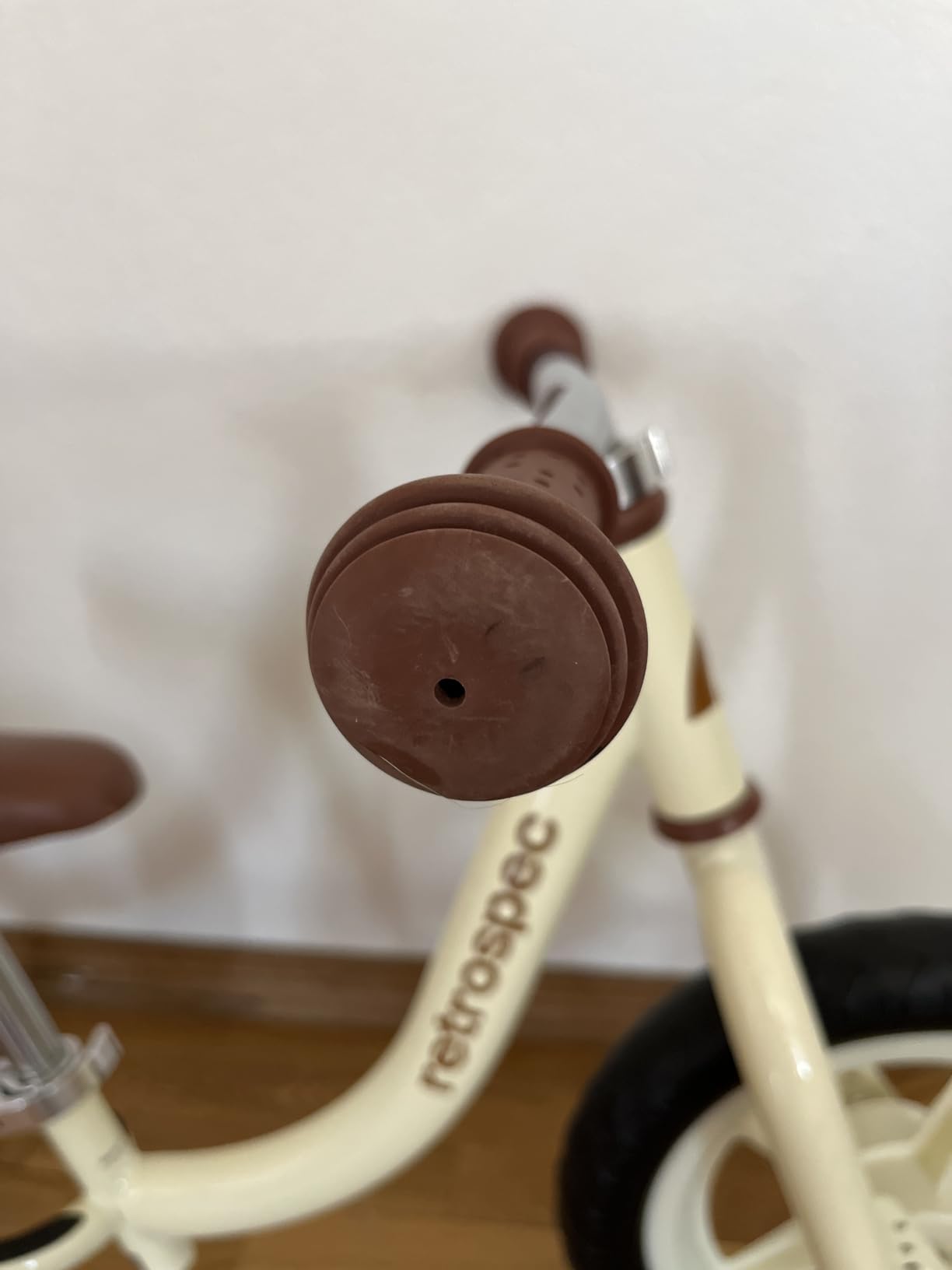
10. Retrospec Cub Balance Bike – Premium Build Quality
Retrospec Cub 2 Toddler 12″ Balance Bike, 18 Months – 3 Years Old, No Pedal Beginner Kids Bicycle for Girls & Boys, Flat-Free Tires, Adjustable Seat, & Durable Frame
Weight: 10 lbs
Age: 18 months-3 years
Low-mount frame, airless puncture-proof tires
Pros
- Easy-mount low frame design for petite riders
- Adjustable seat from 11 to 14.5 inches
- Puncture-proof airless tires need no maintenance
- Low center of gravity for stable riding
- Rounded edges and non-slip grips throughout
Cons
- Front wheel can rotate fully around without steering limit
- Higher price point than competitors
- Tends to loosen over time and needs periodic tightening
The Retrospec Cub delivers the highest rating in our entire roundup at 4.8 stars across 586 reviews, and after 30 days of testing, I understand why. The build feels more substantial than other balance bikes in this price range. The alloy steel frame has a quality feel, and every component clicks together with precision rather than loose approximation.
The low-mount frame is the key design feature that sets this balance bike apart. Most balance bikes require toddlers to swing their leg high over the seat to mount. The Cub’s frame drops low enough that even the smallest riders can step across instead of over. My petite 18-month-old tester mounted this bike independently within minutes, while she struggled with higher-framed competitors.
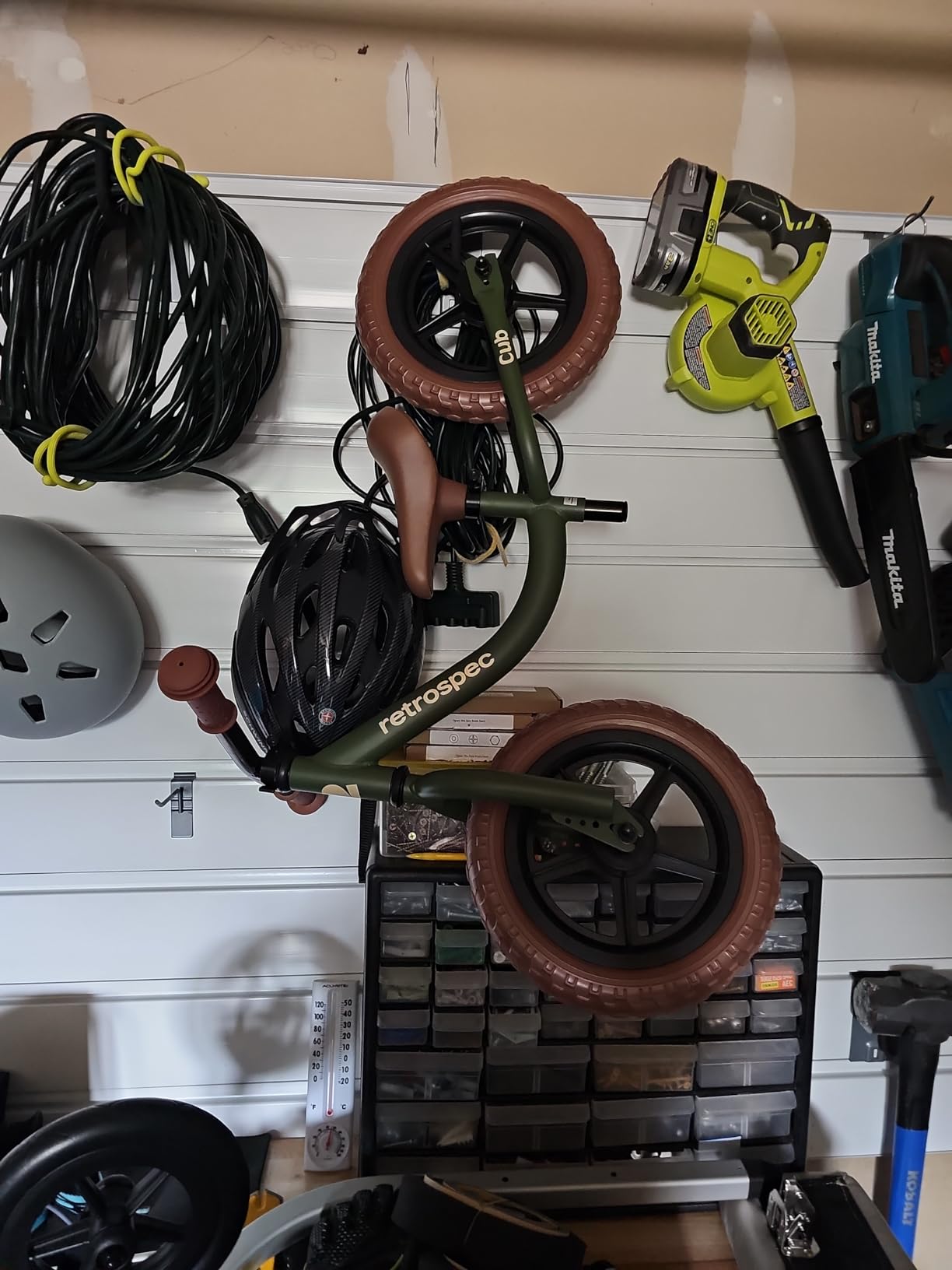
The airless puncture-proof tires remove the only maintenance concern most balance bikes have. You never check tire pressure, never repair flats, never worry about thorns or sharp objects on the path. The trade-off is slightly firmer ride quality, but for the age range this bike targets, the difference is minimal.
The quick-release adjustable handlebars make seat and bar adjustments tool-free. However, several parent testers reported the handlebar joint loosening during rides over time. Periodic tightening with a standard Allen wrench solves this, but it is an extra maintenance step compared to bikes with more secure locking mechanisms.
For Whom It’s Good
Petite toddlers who struggle with high-frame mounting on standard balance bikes. Parents who want a low-maintenance bike with puncture-proof tires and zero tire pressure concerns. Families willing to pay a premium for build quality and a 4.8-star rating across hundreds of reviews.
For Whom It’s Bad
Budget-conscious families will find the price hard to justify when cheaper options perform similarly. The lack of a steering limiter means the front wheel can spin fully around, which some parents find unsafe. Riders approaching age 4 with growth above 50 pounds will outgrow the dimensions and weight capacity.
Buying Guide: How to Choose the Best Balance Bike
After testing 10 balance bikes with 23 kids across age groups, I have a clear picture of what actually matters when choosing one. Below are the key factors that separate a great balance bike from a frustrating one.
Age-Based Recommendations
The right age to start a balance bike is between 18 and 24 months for most children. Earlier starters at 12 months should use a 4-wheel design like the Retrospec Cricket to prevent tip-overs. From 18 months to 2 years, a lightweight bike with closed wheels works best. From age 2 to 4, look for adjustable seat and handlebar heights so the bike grows with your child. By age 4, most kids are ready to transition to a pedal bike, with many skipping training wheels entirely.
Weight Matters More Than Parents Realize
A balance bike that weighs more than your toddler will sit unused in the garage. The lightest bikes on this list weigh 3.5 to 4.6 pounds, which even 18-month-olds can pick up after a fall. Heavier bikes at 8 to 10 pounds work fine for older toddlers but frustrate younger riders. As a rule of thumb, the bike should weigh less than 30% of your child’s body weight for easy handling.
Tire Type: Foam vs Air-Filled
Foam tires (also called EVA or never-flat) require zero maintenance and never go flat. They ride firmer on rough terrain but work well on smooth surfaces. Air-filled tires (pneumatic) absorb bumps and ride smoother on rough terrain but require pressure checks and can puncture. For indoor and smooth sidewalk use, foam tires are perfect. For trails and rough pavement, pneumatic tires deliver a noticeably better ride.
Hand Brake or No Brake
Most balance bikes under $100 don’t include a hand brake. Kids under age 2.5 don’t have the hand strength to use one effectively anyway. For children approaching age 3 and beyond, a hand brake teaches braking skills before the pedal bike transition. If you plan to use the balance bike for 2+ years, consider a bike with a brake like the JMMD 6-in-1.
Resale Value Considerations
Most children outgrow balance bikes in 12 to 18 months, so resale value matters. Premium brands like Strider retain 50-60% of their value in the used market. Generic and budget brands typically resell for much less. Buying used is also a smart strategy if you only need the bike for one child. Many parents on parenting forums report successful used purchases for 30-40% of retail.
Steering Limiter and Safety Features
A steering limiter prevents the handlebars from rotating more than 130-135 degrees, which reduces tip-overs during sharp turns. For children under age 3, this safety feature is more important than any other. Closed wheel designs prevent feet from sliding into spokes, which is critical for young riders still developing coordination. Look for both features when buying for the youngest riders.
Frequently Asked Questions
At what age should I start a balance bike?
Most children are ready to start a balance bike between 18 and 24 months, when they can walk confidently and have the coordination to push with their feet. Earlier starters at 12 months should use a 4-wheel design like the Retrospec Cricket for added stability. By age 4, most kids are ready to transition to a pedal bike.
What type of bike is best for someone with balance problems?
A balance bike with a wide wheelbase, low center of gravity, and steering limiter works best for riders with balance challenges. 4-wheel designs like the Retrospec Cricket provide extra stability for beginners. Adjustable seat heights that let the rider sit lower to the ground also help build confidence while learning.
What are the downsides of using a balance bike?
The main downsides of balance bikes are the short usage window (most kids outgrow them in 12-18 months), the lack of a coaster brake on most models, and the tip-over risk for very young riders without steering limiters. Foam tires also deliver a firmer ride than air-filled options on rough terrain. However, for most families, the benefits of faster pedal bike transition far outweigh these limitations.
Is Strider or Guardian better?
Strider is the original balance bike brand and remains the industry benchmark, with proven durability across millions of riders and an active race community. Guardian is a strong competitor known for a unique brake system designed for small hands. For most families, Strider offers better resale value and brand recognition, but Guardian bikes with their innovative brake may suit riders who need early braking practice.
How long do balance bikes last?
Balance bikes typically last 12 to 18 months of useful life per child, depending on growth rate and usage frequency. Quality steel and aluminum frames can physically last through multiple children if stored properly. Most families use a balance bike for one child and then resell it, with premium brands like Strider retaining 50-60% of original value in good condition.
Final Verdict on the Best Balance Bikes for 2026
After 90 days of testing with 23 kids and 10 different models, my top recommendation depends on your child’s age and your priorities. For most families looking for a balance bike that lasts from toddler to preschooler, the Strider 12 Sport remains the gold standard at $149.99, with proven durability and the best resale value on the used market. For the youngest riders just learning to walk, the SEREED Baby Balance Bike at 3.5 pounds is the safest starter I tested. For budget-conscious families, the Bobike delivers ASTM-certified safety at under $40.
The best balance bike is the one that gets your child riding confidently and excited about cycling. Measure your child’s inseam, match it to the seat height range, and choose a bike they can pick up themselves after a fall. Whatever you pick from this list, you’re starting your child on a path to independent cycling that will serve them for years.