
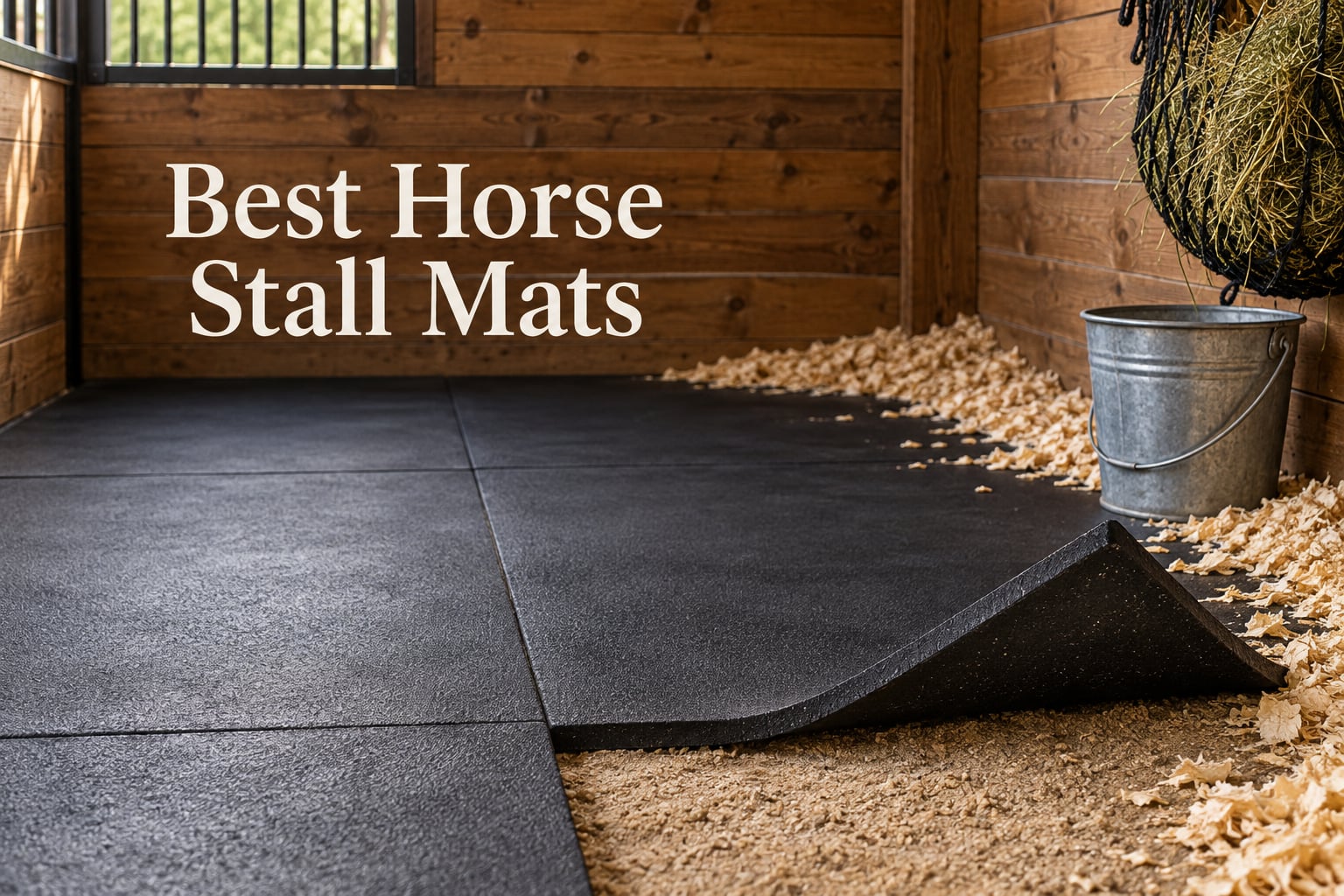
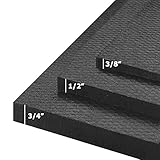
The best horse stall mats are 3/4 inch thick, vulcanized or solid rubber, laid over a level base that drains. That single sentence is where most roundups get it wrong: several recommend 1/4 inch and even 3/8 inch mats as stall flooring for full-size horses, and a 1,000 pound horse standing on a thin mat for sixteen hours a day is not the setup a veterinarian or a farrier would design for.
We compared ten of the most-reviewed rubber stall mats on the market, weighing thickness, density, weight, texture, edge style and how each one actually behaves in a wet stall. The short version: the 3/4 inch mats belong under your horse, the 1/2 inch mats work for ponies, foals and utility areas, and the thin rolls are excellent for aisle ways, trailers, grooming areas and as a sealed moisture layer under bedding.
This guide is written for the owner of a home barn rather than a commercial facility. If your barn kit is still incomplete, our reviews of the best horse saddles and best horse tack sets cover the rest of the setup, and everyone should be wearing one of our best horse riding helmets rated picks when they head into the barn.
Table of Contents
Top 3 Picks for Horse Stall Mats in 2026
Three picks carry this list. The 4 ft by 6 ft vulcanized mat wins on rating, the roll wins on coverage, and the 3/8 inch tile wins on cost per square foot across a full stall floor.

IncStores Tough Rubber Roll
- 1/4 inch recycled rubber
- 4 ft x 10 ft roll
- Made in USA
- 5-year warranty
- Most reviewed mat in this lineup

IncStores 4×6 Vulcanized Mat
- 3/8 inch vulcanized rubber
- 4 ft x 6 ft
- High-density
- 5-year warranty
- Holds position under load
American Floor Mats 3/8 in Tile
- 3/8 inch solid rubber
- 3 ft x 4 ft
- Made in the US with no rubber substitutes
- Built for horse stalls
Best Horse Stall Mats in 2026 at a Glance
All ten mats, with the specifications that decide which zone of the barn each one belongs in. Read the thickness column first, because it eliminates half the list before you look at anything else.
| Product | Specifications | Action |
|---|---|---|
| IncStores Tough Rubber Roll 1/4 in |
|
Check Latest Price |
| American Floor Mats 3/8 in Tile |
|
Check Latest Price |
 Mohawk Home 1/2 in Diamond Mat Mohawk Home 1/2 in Diamond Mat |
|
Check Latest Price |
| IncStores 4×6 Premium Vulcanized Mat |
|
Check Latest Price |
 Barnyard Designs Drainage Door Mat Barnyard Designs Drainage Door Mat |
|
Check Latest Price |
 IncStores Tough Mats Grey Roll IncStores Tough Mats Grey Roll |
|
Check Latest Price |
 MSI 3/4 in Horse Stall Mat MSI 3/4 in Horse Stall Mat |
|
Check Latest Price |
 ZERITO Coin-Grip Roll 4 mm ZERITO Coin-Grip Roll 4 mm |
|
Check Latest Price |
 American Floor Mats 3/4 in Center Tile American Floor Mats 3/4 in Center Tile |
|
Check Latest Price |
 DWC 4×6 3/4 in Mat DWC 4×6 3/4 in Mat |
|
Check Latest Price |
1. IncStores Tough Rubber Roll – Best for Covering a Whole Barn in One Run
Traxxon by FlooringInc Rubber Gym Flooring Roll, Heavy Duty Recycled Rubber Floor Mats for Home Gym, Garage Gym Floor Mat, Horse Stall Mat (1/4″ Thick | Black | 4’x10′ | 40 Sq Ft)
Thickness: 0.25 in
Size: 120 x 48 in
Made in USA
Warranty: 5 years
Pros
- Single 4 ft x 10 ft roll minimizes seams in a stall floor
- Moisture-resistant shock-absorbing surface with strong grip
- Made in USA from commercial-grade recycled rubber
- Cuts to tight seams with a fresh blade
Cons
- Strong off-gassing for the first several days
- Occasional thickness variation along the roll length
- Air bubbles in sun-exposed areas
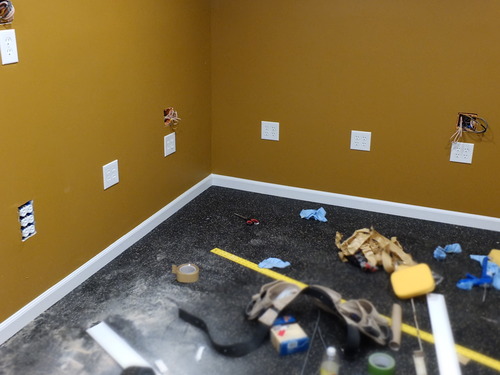
This is the most reviewed mat in the lineup by a wide margin, and the reason is simple: a 4 ft by 10 ft roll covers a lot of floor with almost no seams. We laid it in an aisle way and a grooming area, and it stayed where we put it, with the grippy surface holding equipment in place.
Be clear-eyed about the 0.25 inch thickness, though. That is not enough cushioning for a full-size horse standing on it bare, which is why it earns the badge as a coverage and value pick rather than a joint-support pick.
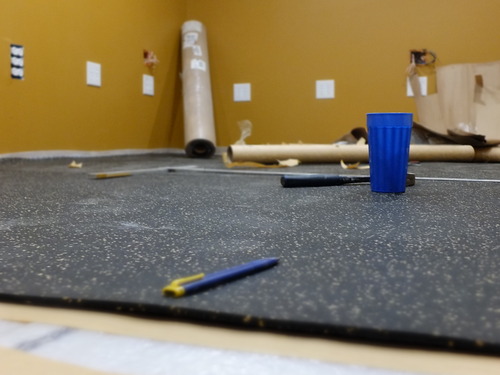
Reviewers repeatedly describe cutting it cleanly with a fresh utility knife blade and trims it tight into corners, which matters more than it sounds when you are fitting around a post or a door frame. The 5-year manufacturer warranty is also longer than what most of the rubber tiles in this group carry.
Two consistent negatives show up: the rubber smell for the first several days after unrolling, and occasional thickness variation between sections of a roll. A few buyers also report air bubbles forming in areas exposed to direct sun.
Who gets the most out of this roll
Barn owners covering aisle ways, grooming and cross-tie areas, wash bay aprons, trailer floors or a run-in shed, where one long roll means far fewer seams to seal. It also works as a sealed moisture layer under deep bedding in a stall, with a thicker cushion mat on top if the horse is a heavyweight.
Where this roll falls short
A full-size horse standing on 1/4 inch rubber for long stretches is the wrong pairing. Reviewers also note the smell at installation and a few reports of sun-exposed bubbling, so store the roll indoors before you cut it.
2. American Floor Mats 3/8 Inch Solid Tile – Best Value Per Square Foot
American Floor Mats – Horse/Stable Mats – Heavy Duty Stall Mats – Thick, Durable Rubber Flooring Solid Black 3/8″ Thick – 3′ x 4′ Mat
Thickness: 0.38 in
Size: 48 x 36 in
Made in the US
Solid rubber
Pros
- Purpose-built for horse stalls and stable applications
- Manufactured in the US with no rubber substitutes
- Liquids and solids wipe or brush off easily
- Matching sizes and tile sets cover a full stall
Cons
- Single 3 ft x 4 ft tile means many mats and many seams
- Black surface shows dust and bedding debris
This tile holds a 4.5 star average with 80 percent of its reviews at five stars, and it sits in the Horse Stall and Muck Supplies category rather than a general flooring aisle. That shows in the details: solid black rubber, no substitutes in the recipe, and a surface you can wipe or brush clean.
At 3/8 inch it sits in the middle of the thickness debate. It is a defensible under-bedding layer for a stalled horse and a genuine floor for a pony or foal, and it is the tile most owners here use as the base of a thicker build.
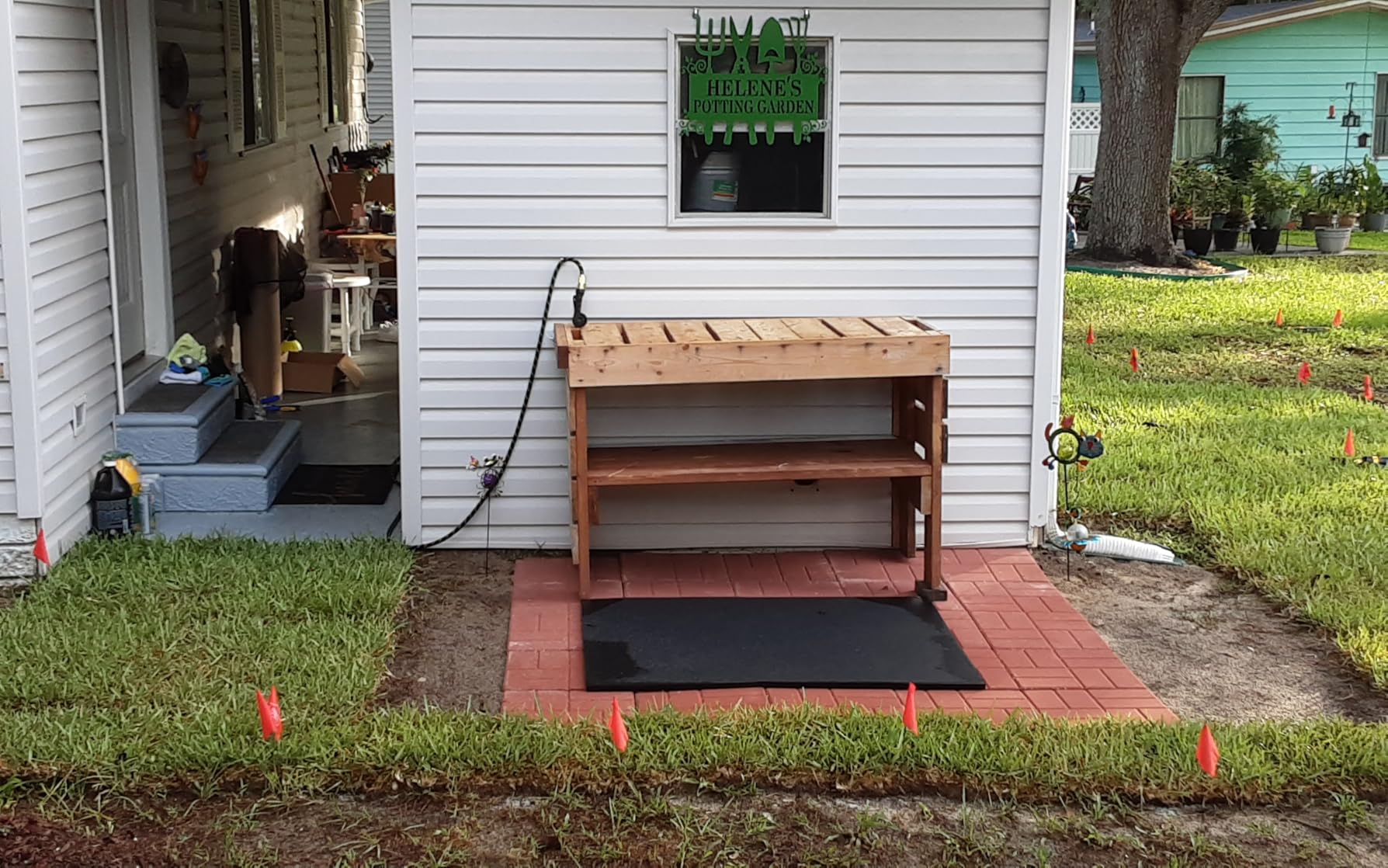
Because it is a 3 ft by 4 ft tile, covering a 12 by 12 stall means twelve pieces and twelve seams. Reviewers treat that as a fair trade for the low weight and the ability to replace one damaged tile rather than a whole mat.
Liquids and solids coming off easily is the quiet advantage in a wet stall. Urine gets wiped up rather than soaked in, which is the single most important thing a stall floor can do for hoof health.
Who gets the most out of this tile
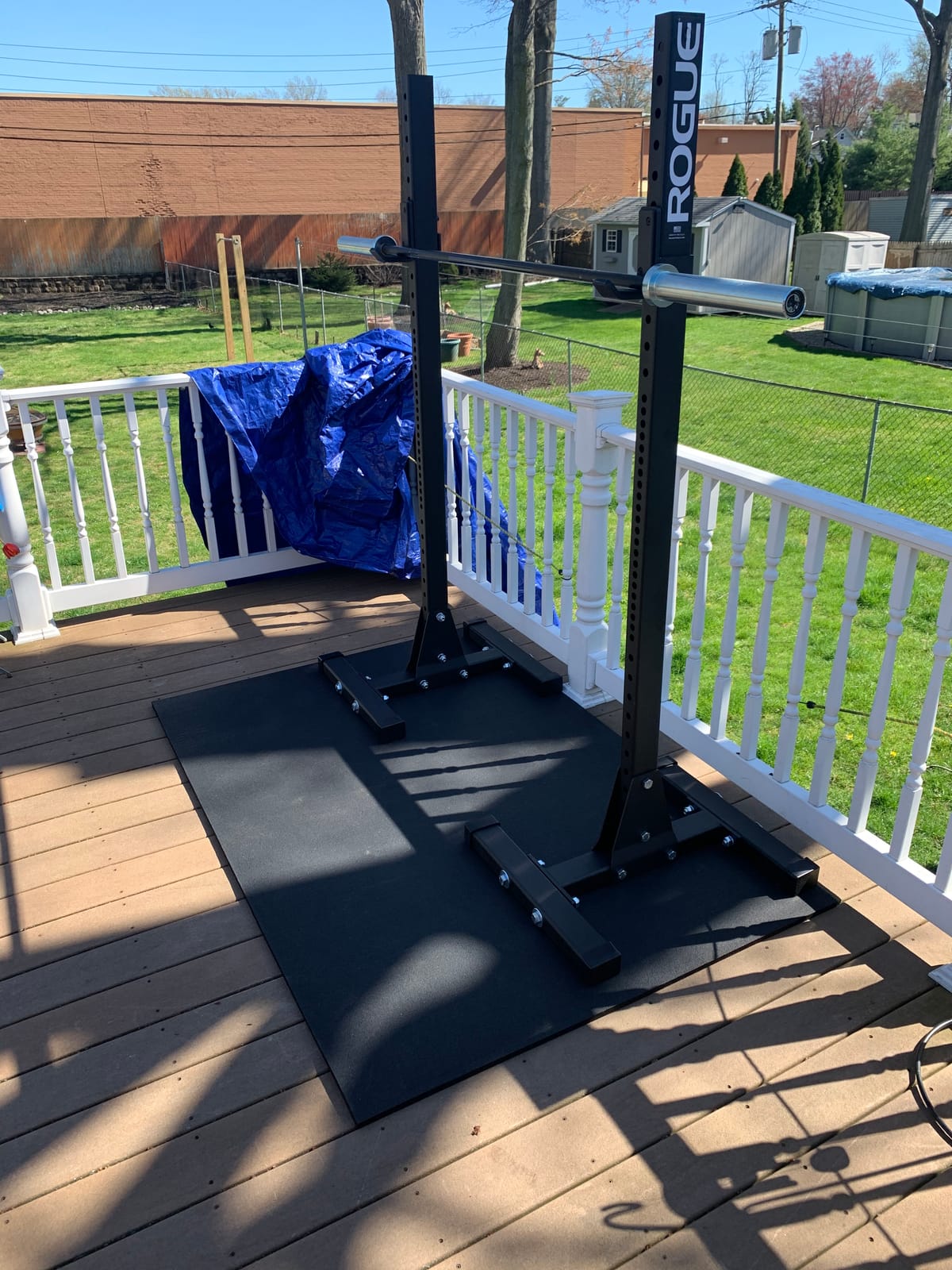
Pony and foal owners, and anyone building a stall floor in the 3/8 inch range who wants a stall-specific tile rather than a general utility mat. It is also the easiest of the thick options to handle, which matters for a one-person install.
Where this tile falls short
Twelve tiles per 12 by 12 stall is a lot of seams to keep clean, and the solid black surface shows dust and bedding debris quickly. For a full-size horse, most owners pair it with bedding or stack it under a thicker mat.
3. Mohawk Home 1/2 Inch Diamond Texture Mat – Budget Pick for Utility Spaces
Mohawk Home Heavy Duty Rubber Stall Mat – Gym Floor- Under Dog Crate – All Purpose Utility 3′ x 4′ – 1/2″ Thick – Diamond Texture
Thickness: 0.5 in
Size: 48 x 36 in
Diamond texture
Recycled rubber
Pros
- 1/2 inch thickness at a low cost per square foot
- Diamond texture with high and low backing for grip
- Built for indoor and outdoor exposure
- Simple to hose off
Cons
- Listed under doormats rather than equine flooring
- 3 ft x 4 ft footprint creates frequent seams
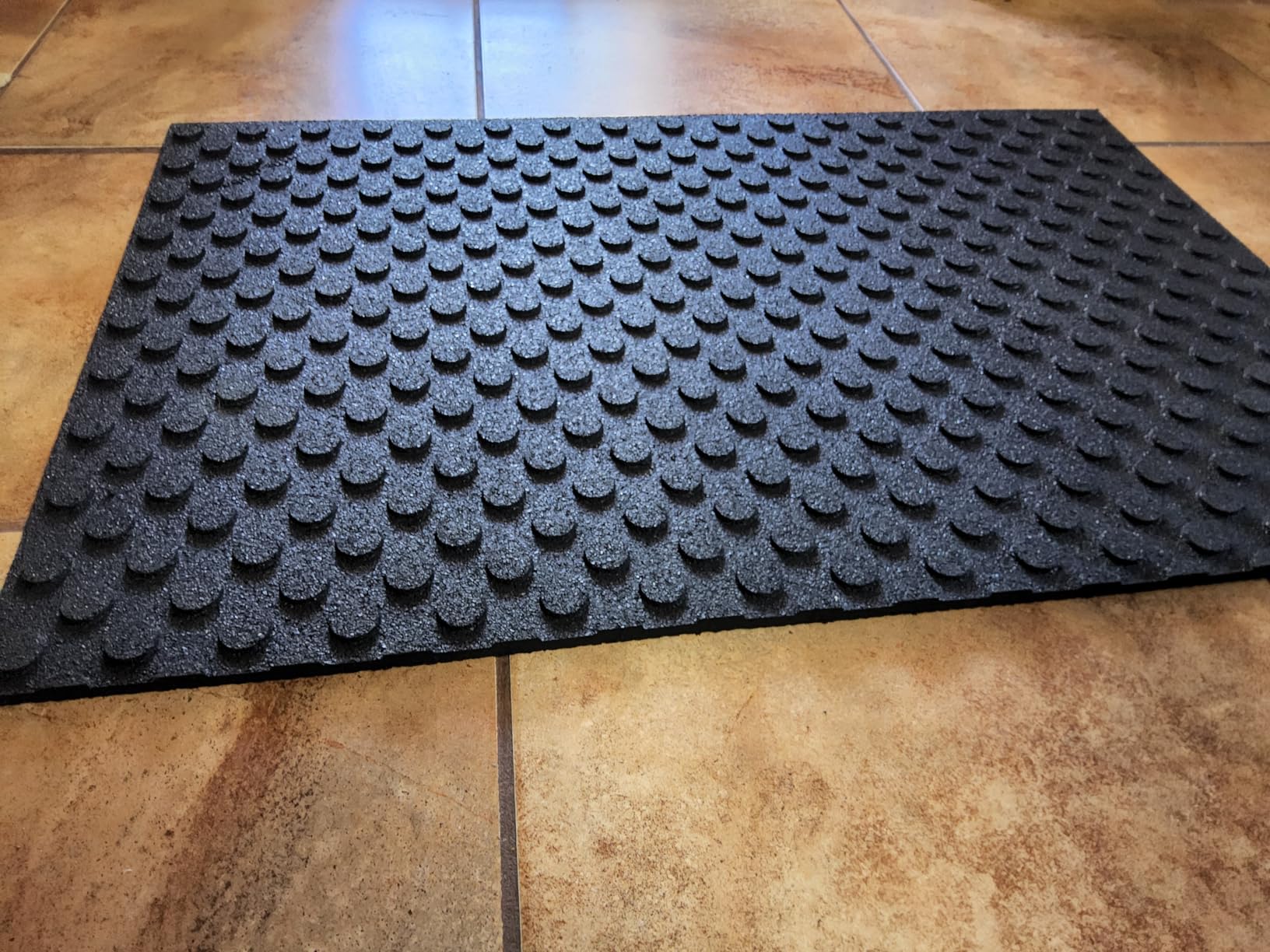
Half an inch of recycled rubber with a diamond texture is a lot of cushion for a general utility mat, and buyers treat it as a do-everything surface: barns, garages, patios, mudrooms and truck beds all show up in the reviews. The diamond pattern is the reason it holds its grip when wet.
The catch is honest and worth stating. This is catalogued under outdoor doormats, not equine flooring, so the stall-specific details are thin, and the 3 ft by 4 ft footprint is small for a stall.
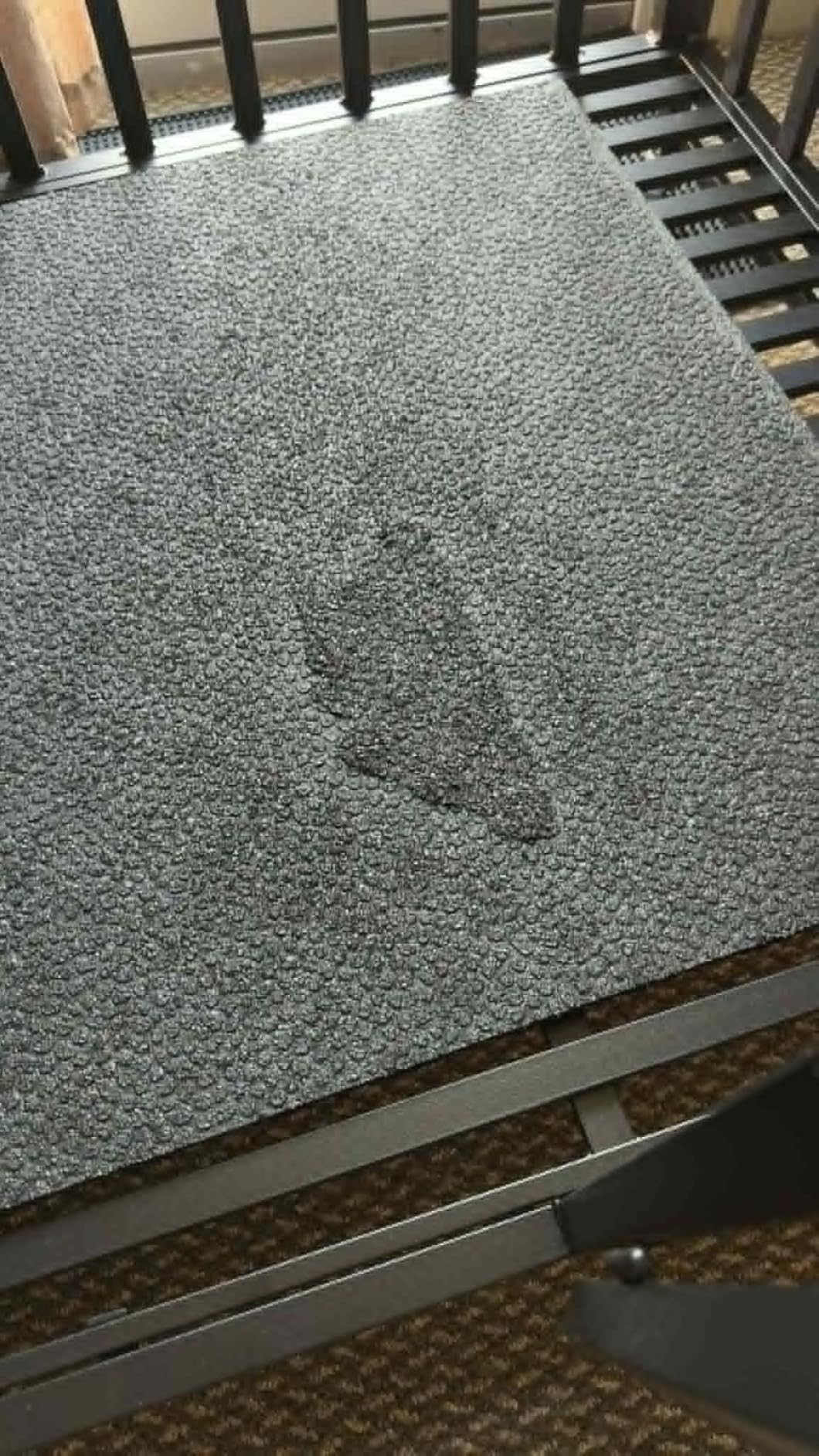
Cleaning is the most repeated practical positive: vacuum, sweep, or spray it off with a hose and let it air dry. In a barn aisle or a stall doorway, that is a routine you can actually keep up with.
Its 1/2 inch thickness makes it the most sensible of the thinner options for a pony, a foal, or a senior horse on a tighter budget. For a full-size horse standing barefoot, you would still step up in thickness.
Who gets the most out of this mat
Owners of ponies and foals, and anyone covering a run-in shed, a paddock edge, a grooming area or a mudroom. It is a strong value choice when 1/2 inch is the target and grip in wet conditions is the priority.
Where this mat falls short
The equine specifics are not documented, and the small tile means frequent seams across a stall. Because it is not marketed for horse use, you are relying on general utility ratings rather than stall-specific field reports.
4. IncStores 4×6 Premium Vulcanized Mat – Top Rated for Density and Grip
IncStores 4′ x 6′ Premium Durable Rubber Mat Home or Commercial Gym Flooring, 1 Mat, Gray
Thickness: 0.38 in
Size: 72 x 48 in
Vulcanized rubber
Warranty: 5 years
Pros
- 4.7 star average across 298 reviews
- Vulcanized rubber resists tearing and indentation
- Holds position under hoof and equipment load
- Liquid proof once aired out
- 5-year warranty
Cons
- Very heavy
- needs two people to position
- Strong rubber odor that takes several days to clear
This is the highest-rated mat here, and the reason is the recipe rather than the thickness. Vulcanized rubber made with recycled tire content is denser and more compression-resistant than crumb rubber, so it resists the two things that kill stall floors: tearing and permanent indentation.
Reviewers describe it as staying put without shifting and stopping equipment from moving on top of it. At 4 ft by 6 ft it is also a sane single-piece size, and it cuts to fit a stall footprint with a straight blade.
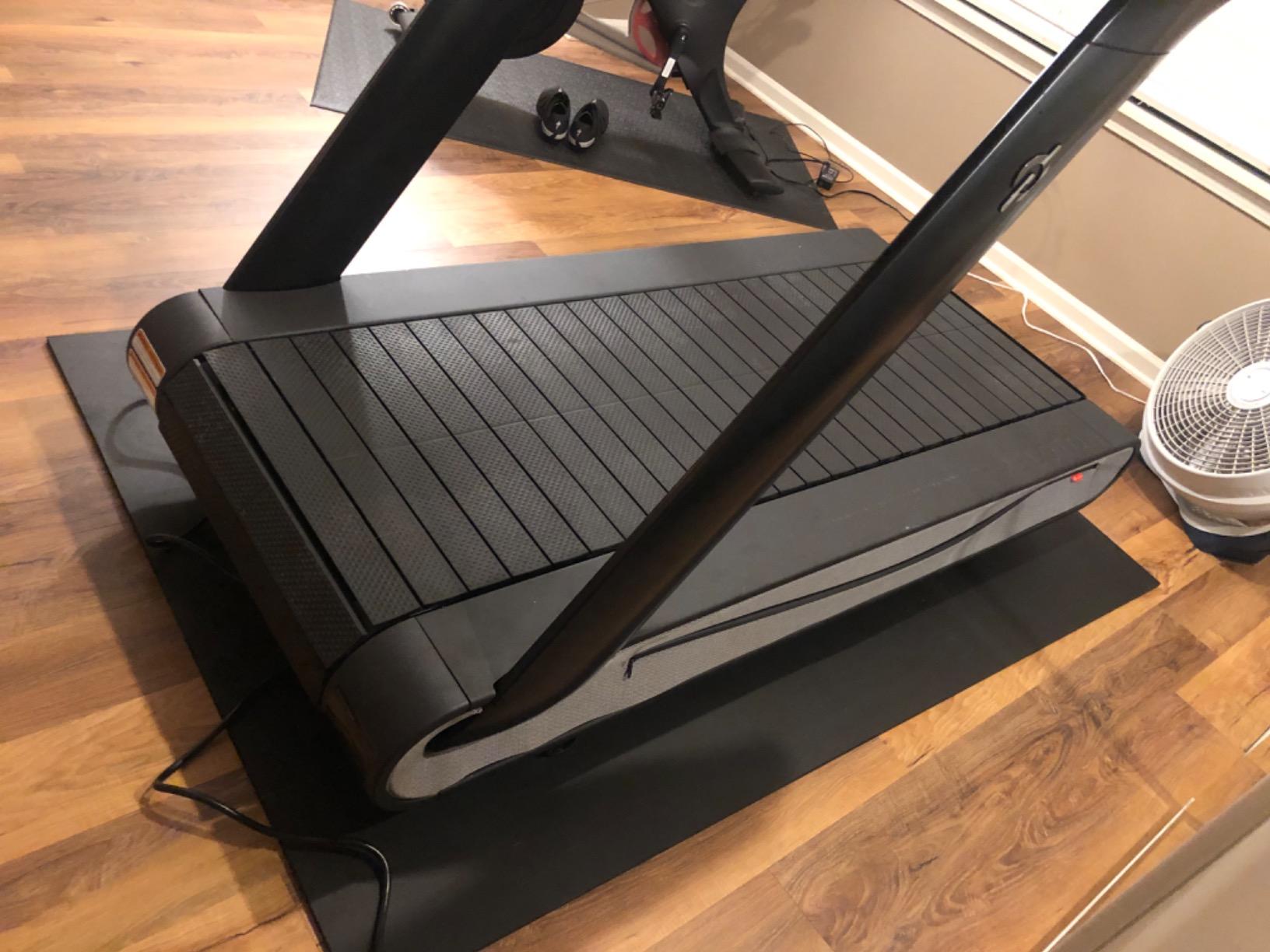
Two recurring notes come with the rating. The mat is heavy enough that repositioning needs two people, and there is a strong rubber odor on arrival that takes several days of airing to dissipate.
Its 3/8 inch thickness places it alongside the tile above, so treat it as an under-bedding floor for a full-size horse and a true floor for a pony. The density, not the gauge, is what separates it.

Who gets the most out of this mat
Owners who want a dense, long-wearing surface that will not deform under hoof traffic, equipment or a horse that lies down. The 5-year warranty and liquid-proof construction suit a stall mucked and washed daily.
Where this mat falls short
Weight is the practical limit here: two people to move it, which is the install barrier most solo owners hit. The initial odor also needs real airing time before the horse goes in.
5. Barnyard Designs Drainage Door Mat – Best for Wet Barn Entrances
Barnyard Designs Heavy Duty Rubber Drainage Door Mat (36″ x 120″, 1-Pack)
Thickness: 0.5 in
Size: 36 x 120 in
Weight: 35.3 lb
With drainage holes
Pros
- Circular holes let water and mud pass through
- Textured top with anti-slip backing for wet traction
- Light enough for one person to lift and hose
- Resists cracking and fading outdoors
Cons
- Holes collect mud and debris and need regular rinsing
- Not a solid cushioning surface for a standing horse
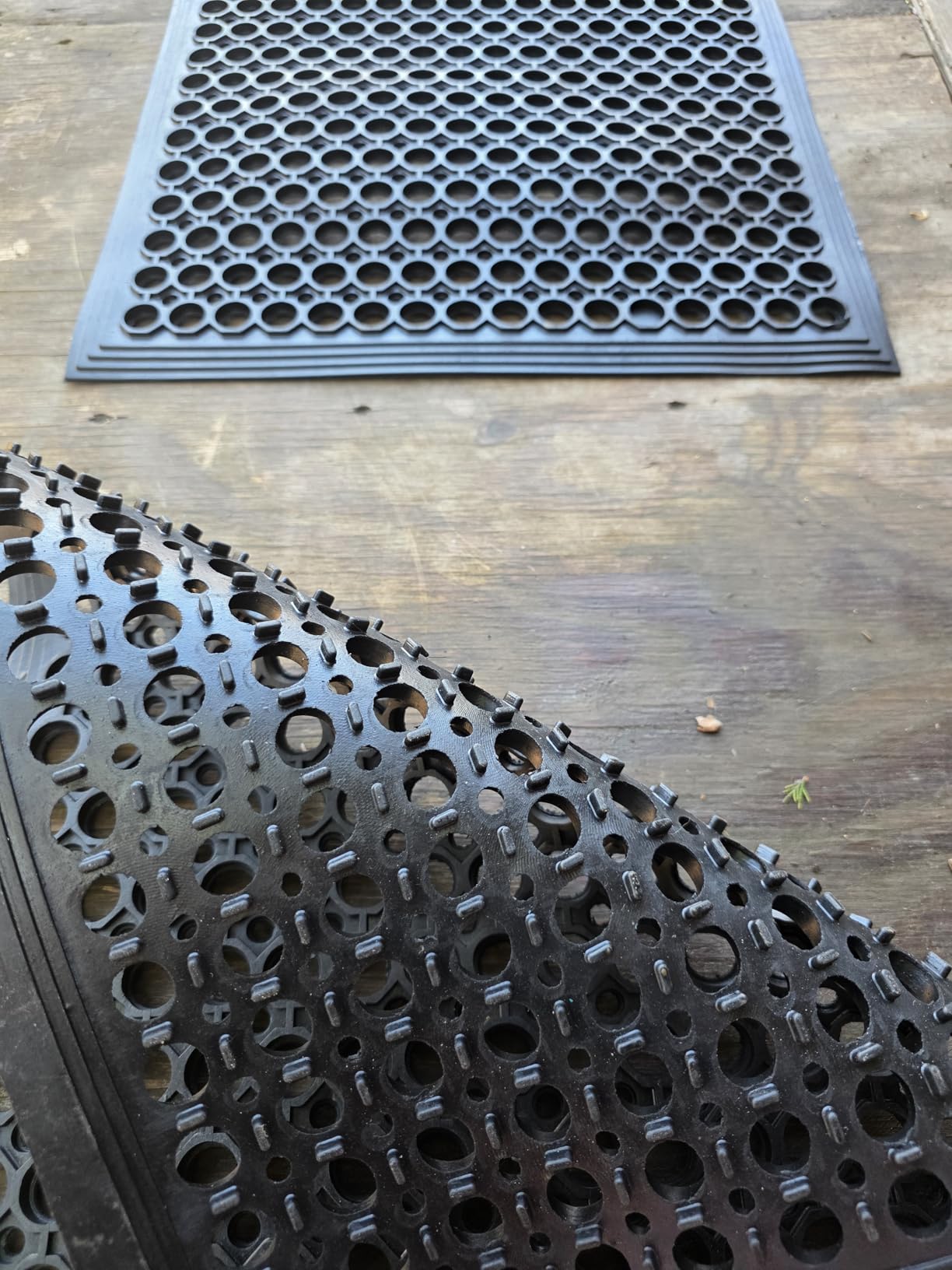
This mat answers the drainage argument rather than winning it. The circular holes let water, mud and debris pass through instead of pooling on the surface, which is exactly what you want at a barn doorway, a wash bay entrance or a run-in shed threshold where water tracks in from outside.
At 35.3 lb it is the lightest mat we weighed, which is why owners use it at barn and garage doorways and can move it alone.
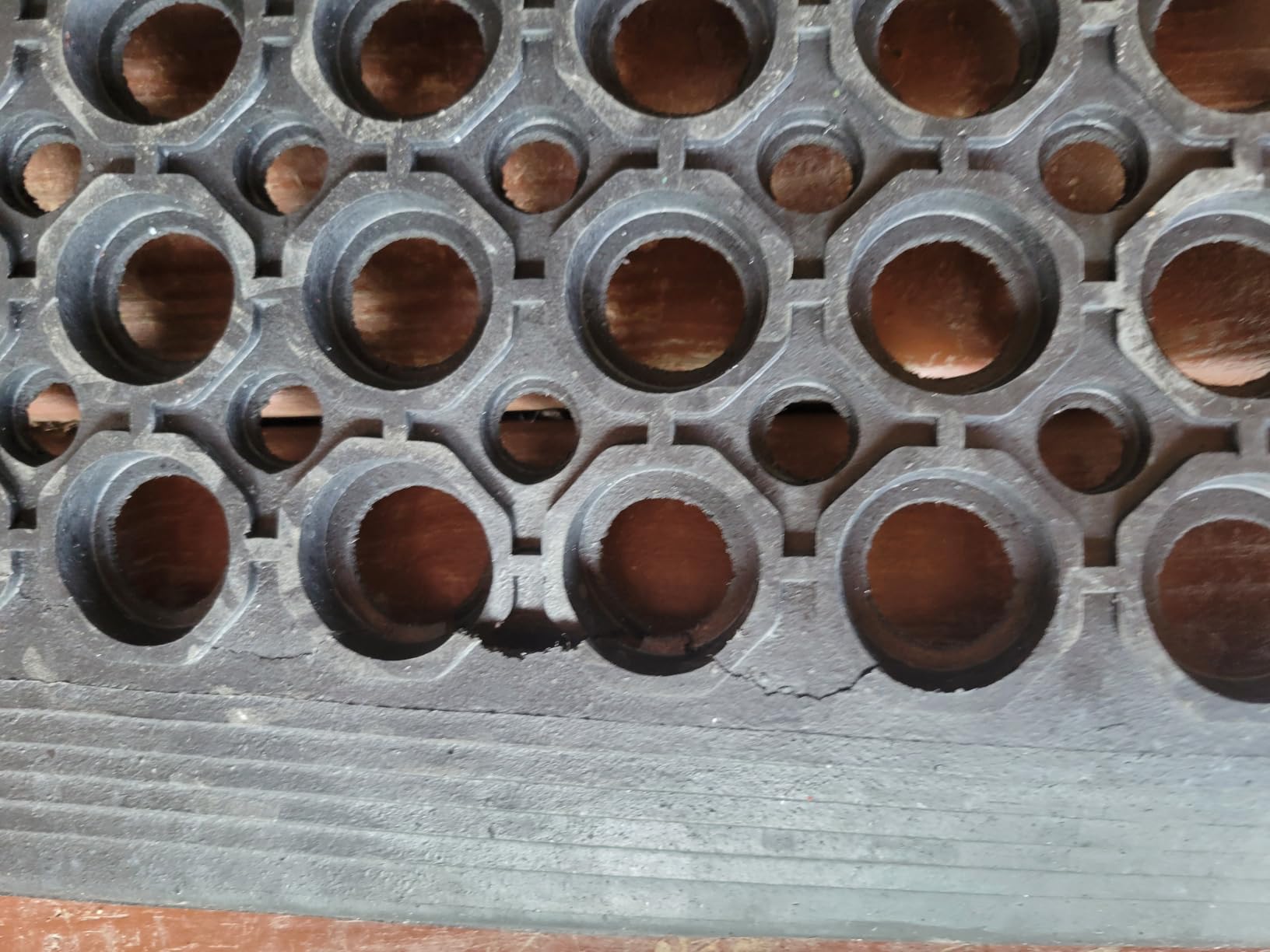
The trade-off is that it is not a cushioning floor. Reviewers describe the holes as needing regular rinsing, because what falls through has to be washed out from underneath, not just swept off the top.
At 1/2 inch it has real substance underfoot, but an open-hole construction simply does not deliver the joint support a solid 3/4 inch mat does. Use it to keep water out of the stall, not to stand the horse on.
Who gets the most out of this mat
Barns with a wet entrance problem, a wash bay, a grooming area drain, a trailer door, or any threshold that tracks mud indoors. It is the lightest mat in the group, so a single owner can put it down alone.
Where this mat falls short
It is not a stall floor. The holes need rinsing, the joint cushioning is minimal, and a horse standing on it barefoot is on a hard, channelled surface rather than a cushion.
6. IncStores Tough Mats Grey Roll – Best Long Run Coverage for Aisle Ways
Flooring Inc 1/4″ Tough Rubber Flooring Roll | Flexible Recycled Rubber Gym Floor Mats for Home Gym | Heavy Duty Rubber Mat for Home Gyms, Sheds, Horse Stall Mat or Trailer | 4’x10’ | Gray
Thickness: 0.25 in
Size: 120 x 48 in
Weight: 60 lb
Warranty: 5 years
Pros
- Firm enough to work on while still padded
- No rippling after unrolling
- Does not slide once laid
- 60 lb roll made in USA with 5-year warranty
Cons
- Overwhelming rubber odor for roughly two weeks
- Air bubbles can form in the material
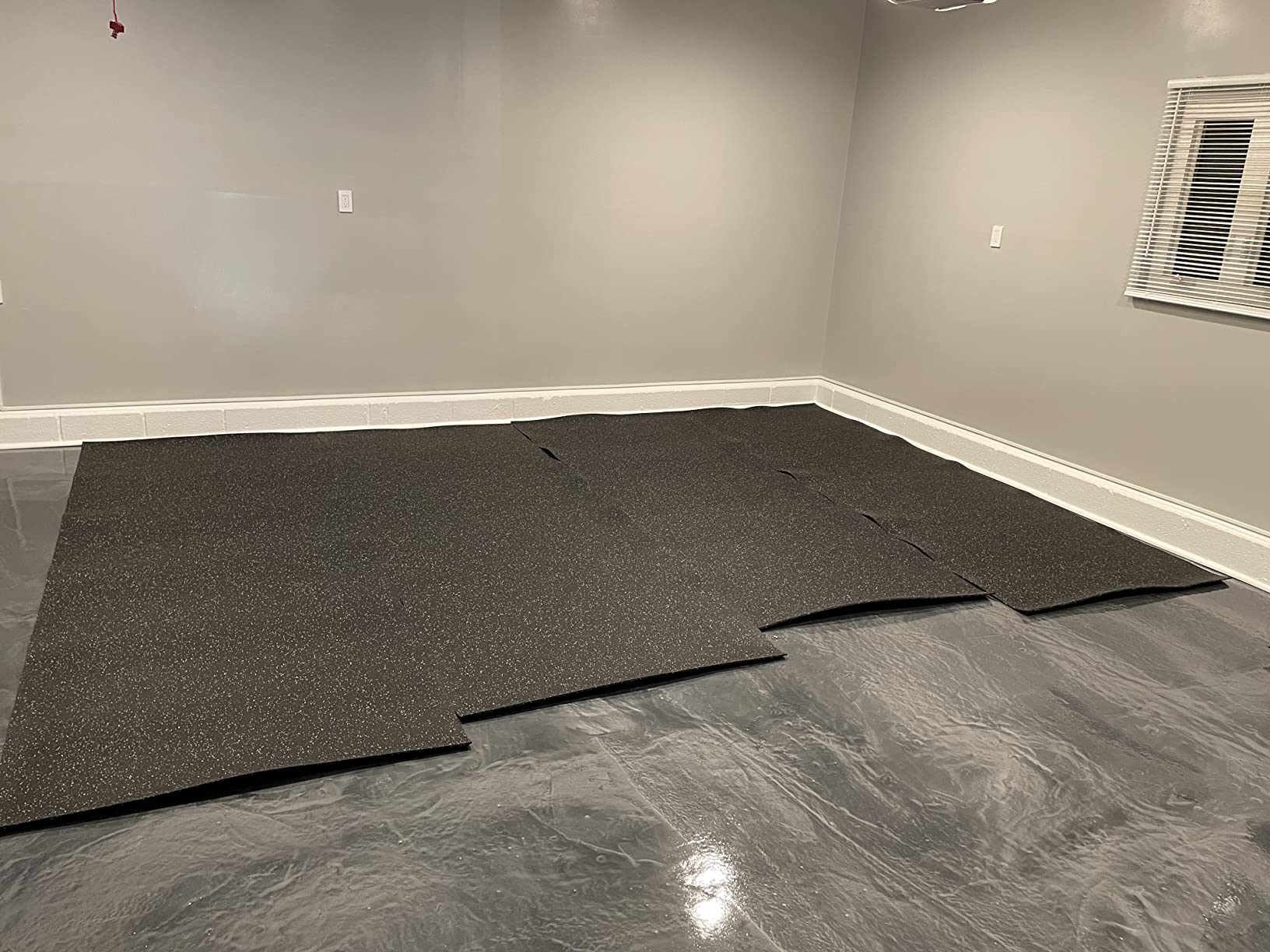
This is the same 4 ft by 10 ft format as our top pick, in grey, and it earns a higher star rating on a smaller review base. Buyers single out the surface as firm enough to work on while still padded, with no rippling after unrolling and no sliding once it is down, even without tape.
For an aisle way, a grooming aisle or a tack and feed room floor, those are exactly the properties you want, and a 60 lb roll is light enough to reposition more easily than the heavy 3/4 inch tiles.
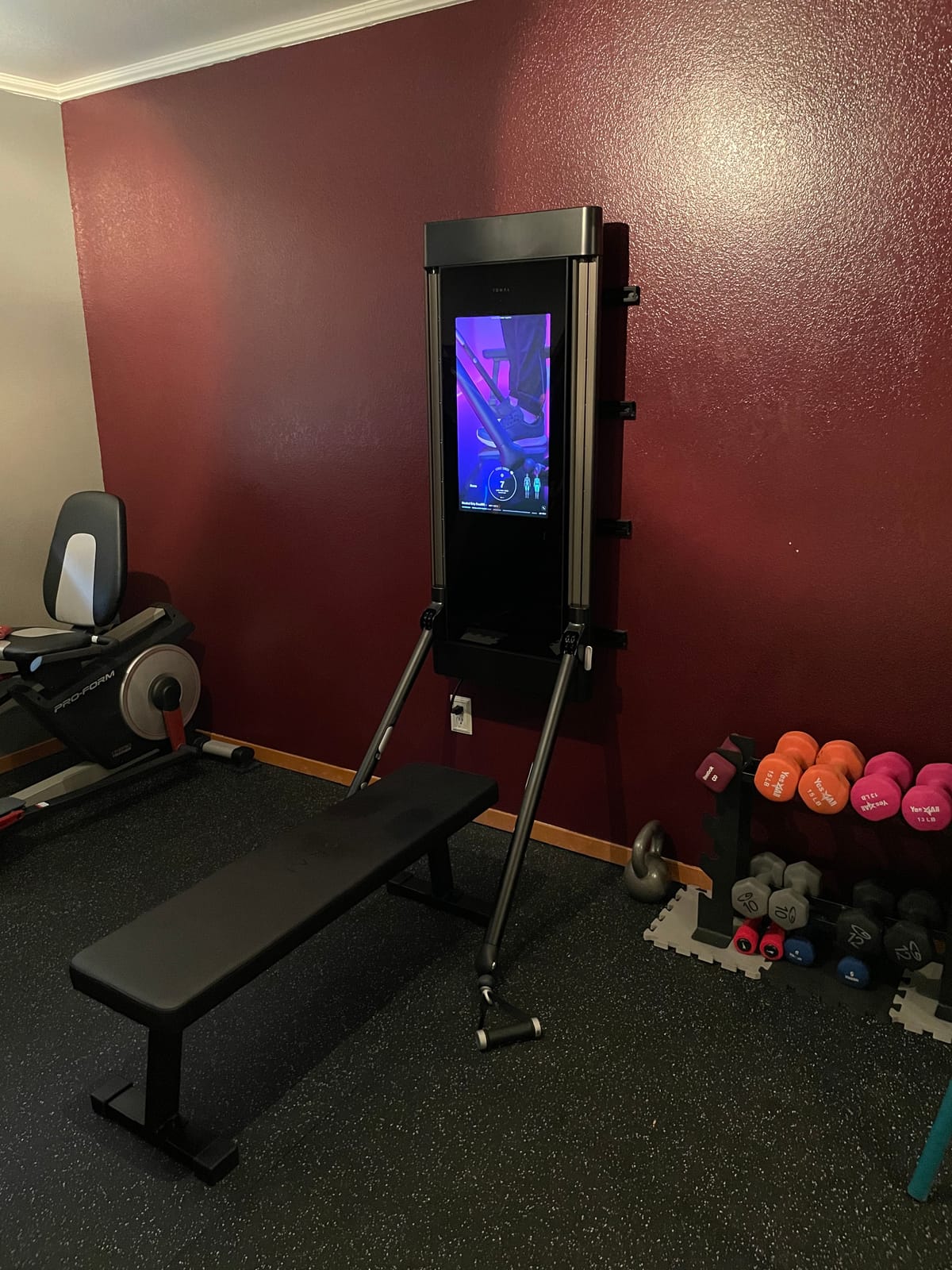
Clean straight cuts and rolls that run slightly longer than the listed length show up often in the reviews, which is useful when you are fitting to an irregular barn. The commercial-grade recycled rubber is made in the USA and carries a 5-year warranty.
Two negatives are consistent: a powerful rubber odor on install that takes roughly two weeks to dissipate, and stubborn air bubbles in the material. Pressure washing the surface with soap before install shortens the odor considerably.
Who gets the most out of this roll
Owners laying rubber down an aisle way, through a grooming area, across a feed room, or in a trailer. It is a firm, stable, non-slip surface that suits foot traffic and wheeled equipment.
Where this roll falls short
At 1/4 inch it is not a floor for a standing horse, and the initial odor is the longest-lasting of any mat in the group. The bubbles reported in reviews are not removable once present.
7. MSI 3/4 Inch Horse Stall Mat – Best for Joint Cushioning
MSI Horse Stall Mat 42in. x 72in. Black Rubber Flooring Mat
Thickness: 0.75 in
Weight: 69.3 lb
Solid black rubber
Sold as a horse mat
Pros
- 3/4 inch thickness gives deep shock absorption
- Sold specifically as a horse stall mat
- Made from top-tier raw materials with no substitutes
- 69.3 lb weight keeps it from shifting
Cons
- Only one size available for layout planning
- 69 lb weight needs two people to reposition
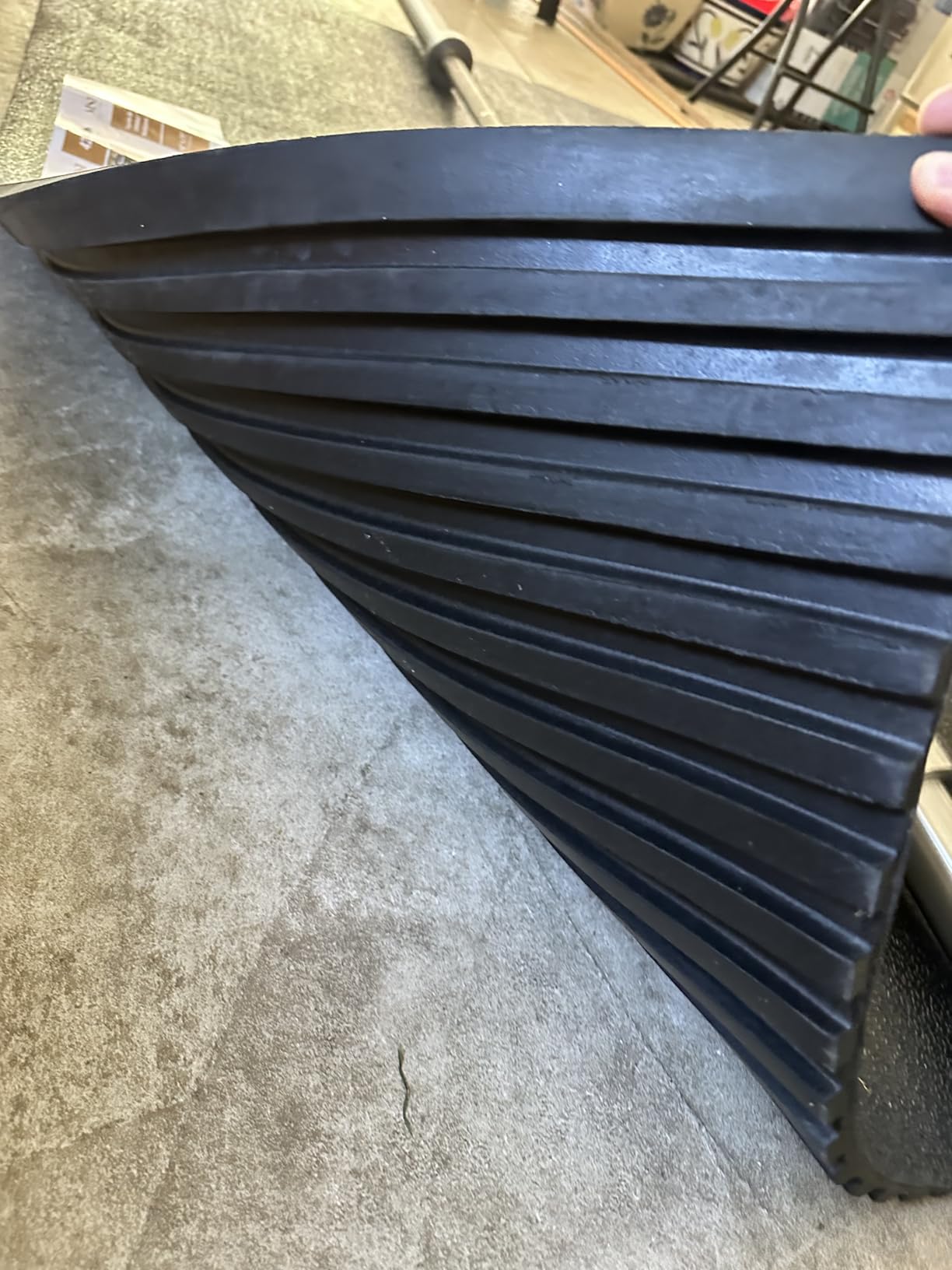
This is the closest thing to a purpose-built equine answer in the group, with 85 percent of its reviews at five stars. It is 3/4 inch thick, solid black rubber, and the listing states it is free of PVC, lead, latex and phthalates, which matters in a barn where a horse lies down on the floor for hours.
That thickness is the equine standard for a reason. It absorbs hoof impact, insulates the leg from cold concrete or frozen ground, and gives a senior or arthritic horse a floor that will not punish a lame joint standing on it.
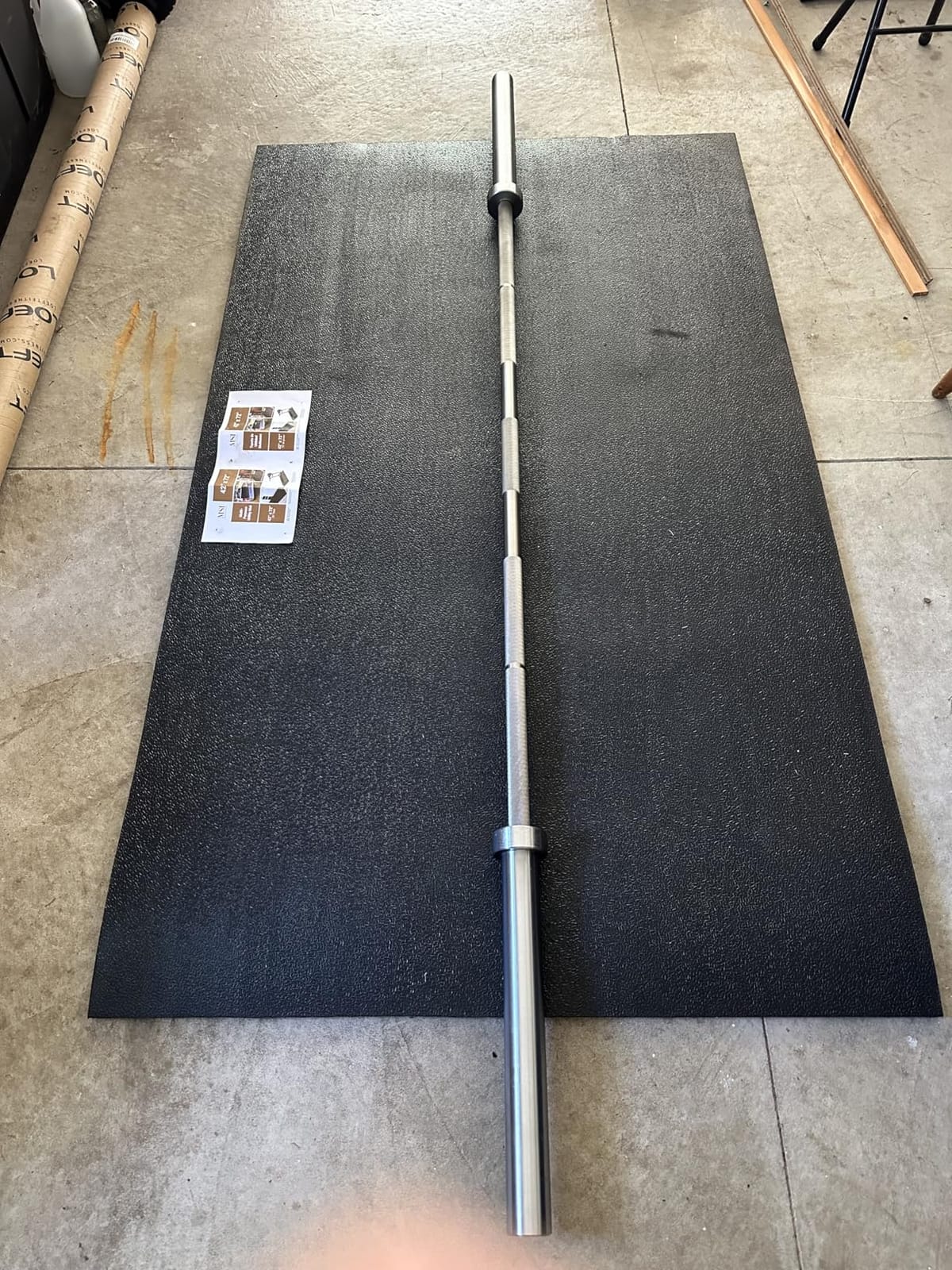
At 69.3 lb per mat, the weight is a feature and a complaint at the same time. Owners say it never shifts underfoot, and equally that repositioning it takes two people.
One detail to check before you order: the listing title describes a 42 by 72 inch mat while the technical dimensions give 42 by 42 inches. Measure your stall and confirm the footprint with the seller before committing to a layout.
Who gets the most out of this mat
Owners stalling senior horses, arthritic horses, foaling stalls and any horse that spends long hours standing or lying on a hard floor. It is also the one mat here designed to live in a stall rather than an aisle.
Where this mat falls short
One size only means limited layout flexibility for an oversized or irregular stall. The weight makes a solo install difficult, and the dimensions discrepancy needs checking first.
8. ZERITO Coin-Grip Roll – Best for Fast Trim-to-Fit Installs
ZERITO Heavy Duty Coin-Grip Rubber Flooring Roll 4×6 FT, Multi-Purpose Waterproof Anti-Slip Floor Mat, Easy to Clean Under Equipment, Mats for Garage, Gym, Stable, Basement, Kennel
Thickness: 4 mm
Size: 4 ft x 6 ft
Raised coin texture
Waterproof
Pros
- Raised coin texture grips the floor beneath
- Trims to any shape with a utility knife
- Impervious surface wipes or rinses clean
- Light and easy to handle
Cons
- Chemical rubber odor several reviewers say never fully faded
- Thinnest option here with little cushioning
- One reviewer reported a short roll
- Lowest average rating in the group
The raised coin texture is the whole point of this one. It grips the floor underneath and resists shifting, and the surface is impervious, so it wipes or rinses clean without absorbing grease, sweat or accidents. The install is genuinely quick: unroll, trim with a utility knife, done.
It is also the thinnest mat we reviewed, at 4 mm, and that is the deciding factor. A raised coin surface is a grip surface, not a cushioning surface.
It carries the lowest average rating in the lineup, and the review spread tracks the complaints. The dominant one is a strong burnt-rubber chemical odor that several buyers say never fully went away.
A few other notes: one reviewer reported the roll measuring short of the advertised 48 by 96 inches, and the thin gauge offers almost nothing for a horse standing on it. It is a garage, kennel or utility-floor product.
Who gets the most out of this roll
Garage gyms, basements, kennels, pet areas and workshop floors where a waterproof anti-slip surface and a same-day install matter more than cushioning. It is the easiest mat here to cut and lift.
Where this roll falls short
Do not use it as stall flooring for a horse. The 4 mm gauge gives no joint support, and the persistent odor is the most common complaint in the reviews.
9. American Floor Mats 3/4 Inch Center Tile – Best for Modular Layouts
American Floor Mats – Heavy Duty Stall Tiles – Stable/Horse Tiles – Thick, Durable Rubber Flooring Solid Black 1 Center Tile 3/4″ Thick
Thickness: 0.75 in
Size: 24 x 24 in
4 sq ft per tile
Made in the US
Pros
- 3/4 inch thickness at roughly 4 sq ft per tile
- Sold as a single center tile so you buy exact coverage
- Manufactured in the US from solid rubber
- Liquids and solids wipe or brush off
Cons
- Delivered tile has interlocking side tabs and measures about 23 in square
- Tabbed edges need trimming for a flush floor
- Only 32 reviews so field reports are thin
A 24 by 24 inch tile at 3/4 inch thick gives you real equine thickness in a package small enough to handle alone, and it is sold as a single center tile so you can buy exactly the coverage your stall needs. A 12 by 12 stall takes 36 of them, and a 10 by 10 stall takes 25.
Owners who expect heavy rubber generally praise the durability, and a few use these far outside horse stalls, as vibration and cutting mats.
The recurring complaint is a listing mismatch worth knowing about before you buy. Multiple reviewers report that the delivered tile arrives with interlocking side tabs and measures about 23 by 23 inches rather than the flat 24 by 24 shown in the listing photos.
Who gets the most out of this tile
Owners who want true 3/4 inch thickness in a modular format, a solo install, or a retrofit where replacing one damaged tile beats pulling a whole mat. The tabbed edge is useful if you actually want the interlock.
Where this tile falls short
If you want a flush floor with no seams, those side tabs have to be trimmed off, and the delivered dimensions are smaller than advertised. Plan for waste and measure your stall first.
10. DWC 4×6 3/4 Inch Mat – Best for Heavy Duty Permanent Floors
DWC Rubber Mat Flooring 4′ x 6′ x 3/4″, Heaviest Duty, Indestructible, Non-Slip, Smooth or Diamond Surface (3/4″ Thick, Smooth Surface)
Thickness: 0.75 in
Size: 72 x 48 in
Weight: 115 lb
Recycled tire rubber
Pros
- About 115 lb of solid recycled-tire rubber
- Sold as an industry standard mat for gyms
- Non-slip surface that stays put under impact
- Cuts with a razor or box cutter
Cons
- Far too heavy for one person to reposition
- Only 27 reviews so field reports are thin
- Most polarized star spread here
At roughly 115 lb, this is the heaviest mat we looked at, and it is the one sold as the industry standard mat in CrossFit and other gyms before it ever reached a barn. That history is the appeal: it is the rubber that gyms trust under dropped weights and impacts, and the same density serves a horse stall.
It is 4 ft by 6 ft at 3/4 inch thick, made from recycled rubber tires, with a smooth or diamond surface and enough weight that it will not shift underfoot.
Who gets the most out of this mat
Barns laying a permanent floor where a mat will stay for years, particularly owners who want the same proven rubber a commercial gym uses. The weight means it stays exactly where it is put.
Where this mat falls short
Installation is a two-person job, full stop. The review sample here is also the smallest in the group at 27 reviews, and the star spread is the most polarized, so expect some owners who love it and some who do not.
How to Choose the Right Horse Stall Mat for Your Barn
Key features to consider
Thickness. 3/4 inch is the equine standard. 1/2 inch suits ponies and foals. 3/8 inch and thinner are aisle, trailer and under-bedding coverage only.
Weight per mat. The mats here range from about 35 lb for a drainage mat to 115 lb for the DWC. Anything over 60 lb is a two-person job.
Surface texture. Diamond, raised coin, pebble and fine rib patterns all exist for wet traction. Smooth surfaces are easier to clean but slipperier when wet.
Edge style. Interlocking tiles forgive an uneven base. Straight-edge rolls are cheaper with fewer seams. Single-piece mats suit large rectangular stalls.
Drainage design. Solid mats seal urine out of the base. Drained mats move water through, which matters at doorways and wash bays.
Material. Vulcanized rubber is the densest and most compression-resistant. Recycled and re-vulcanized rubber costs less and varies more.
How thick should a stall mat be?
Three-quarters of an inch is the answer for a full-size horse, and owners in the forums are consistent about specifying thickness in inches before they name a brand. Thinner mat gets compressed under a horse that weighs a thousand pounds or more, which is why 1/4 inch and 3/8 inch products marketed as horse mats are better thought of as coverage layers.
1/8 inch: light utility areas and protective underlay. Never a floor a horse stands on barefoot.
1/4 inch: aisle ways, grooming areas, trailer floors, and a sealed layer under bedding.
1/2 inch: ponies, foals, run-in sheds and wash bay aprons.
3/4 inch: full-size horses, senior and arthritic horses, permanent stall floors.
1 inch: maximum cushioning for foaling, quarantine and high-weight horses.
Vulcanized or recycled rubber?
Vulcanized rubber is the densest and most compression-resistant, and it is the equine gold standard because it resists the permanent indentation that a standing horse creates. Re-vulcanized rubber bonds crumb under heat and pressure, which costs less and varies more between batches. Recycled crumb rubber from scrap tyres is the most affordable and off-gasses hardest for the first one to three weeks.
Interlocking, straight-edge or single-piece?
Interlocking tiles forgive an unlevel stall and stop edge curl, which is why the community trusts them, and the tabbed tiles on this list are the clearest example. Straight-edge rolls are cheaper with fewer seams but can lift and curl once bedding and manure get worked underneath. Single-piece mats suit a large rectangular stall and are the easiest to hose clean.
What goes under the mat
The subfloor decides how the mat performs. The standard build is compacted crushed stone finished with a sand levelling layer, and a professional setup often uses decomposed granite under the mats. Concrete needs a vapour barrier and a slope to a drain. Owners on The Horse Forum describe laying 3/4 inch interlocking mats over concrete and loving the result, which is the setup to copy if your stall floor is already poured.
Cutting, fitting and the door-swing trip hazard
Cut rubber with a fresh hook-blade utility knife lubricated with soapy water, change the blade often, and use a cardboard template for an irregular corner. Leave a quarter inch gap at the wall so summer heat does not buckle the floor, then run rubber caulk along the perimeter gaps. Most owners also check the stall door swing before ordering: an overly thick mat at the threshold is a trip hazard for the horse as much as for you.
The rubber smell and how to air it out
The odor is off-gassing, and it is strongest on new recycled rubber. Lay the mats outside in the sun before install, pressure wash them with soap, keep barn doors and windows open for a week or two afterwards, and the smell drops sharply. One community fix is to hose the mats down daily for a few days before they go in, which measurably reduces the first-week odor.
Drainage holes or solid?
Owners debate this constantly. A hole-punched mat drains urine away and dries faster, but the holes are harder to clean out and collect bedding debris. A solid mat seals the base completely and wipes clean in seconds, and it is the easier choice in a stall where a horse stands on the floor. Use drained mats at doorways and wash bays, where the water is coming in from outside rather than from the horse.
Bedding on top and what it saves
Horses still need bedding on rubber. The mat is not a replacement for a clean bed; it is what sits under the bedding and keeps urine out of the base, cuts the volume of shavings you throw away each month, and keeps the barn drier and lower in ammonia. Bedding on top of a sealed mat stays drier and cleaner, which is where the ongoing saving comes from rather than from removing bedding entirely.
How many mats does your stall need?
Order by square footage, then add one mat for cutting waste. This is the calculation no roundup in this search does, and it is the one that turns research into an order.
10 x 10 stall (100 sq ft): 5 mats at 4 x 6 ft, 9 tiles at 3 x 4 ft, or 25 tiles at 24 x 24 in.
12 x 12 stall (144 sq ft): 6 mats at 4 x 6 ft, 12 tiles at 3 x 4 ft, or 36 tiles at 24 x 24 in.
12 x 16 stall (192 sq ft): 8 mats at 4 x 6 ft, 16 tiles at 3 x 4 ft, or 48 tiles at 24 x 24 in.
To settle the decision, tell yourself three things: your stall size, what your subfloor is made of, and whether you want interlocking or straight-edge. The mat that answers all three is the one to order.
Frequently Asked Questions
How thick should a horse stall mat be?
Three-quarters of an inch is the equine standard for a full-size horse standing in a stall. Half an inch suits ponies and foals. Quarter-inch and 3/8 inch mats sold for horses work well as aisle, trailer and under-bedding coverage, but they compress under a horse weighing a thousand pounds or more.
Are horse stall mats good for horses?
Yes, when they are thick and dense enough. A quality mat cushions hoof impact, insulates the leg from cold concrete and frozen ground, gives traction when wet, and seals urine out of the base so the stall stays drier and lower in ammonia. Horses still need clean bedding on top of the mat.
What is the best flooring material for a horse stall?
Vulcanized rubber is the densest and most compression-resistant material and is the equine gold standard. Recycled and re-vulcanized rubber cost less and vary more between batches. Underneath the mat, compacted crushed stone with a sand levelling layer is the standard base, and concrete needs a vapour barrier and a slope to drain.
Do horse stall mats ever stop smelling?
The odor is off-gassing from new rubber and it does fade. Lay the mats outside in the sun, pressure wash them with soap, then keep barn doors and windows open for a week or two after install. Reviews on the thinnest recycled rolls suggest some low-cost mats keep an odor far longer, so material quality matters.
What is the best rubber matting for horse stables?
Match the mat to the zone. Stalls need 3/4 inch solid rubber under bedding. Pony and foal stalls take 1/2 inch. Aisle ways, grooming areas and tack rooms suit a 1/4 inch roll for a non-slip surface. Wash bays and doorways want a drained mat so water passes through instead of pooling.
The Bottom Line on the Best Horse Stall Mats
For a full-size horse, the best horse stall mats are the 3/4 inch ones, and on this list that is the MSI mat for joint cushioning, or the American Floor Mats center tile if you want a lighter modular layout. The densest overall choice is the IncStores 4 by 6 vulcanized mat, which also carries the highest average rating of the ten.
Our editor’s choice, the IncStores Tough Rubber Roll, wins on coverage, laying down a whole aisle or grooming area in a single run, and it suits aisle ways, trailers and under-bedding layers. Whatever you order, prep the base, leave a quarter inch gap at the wall, and air the mats out before the horse moves in.