
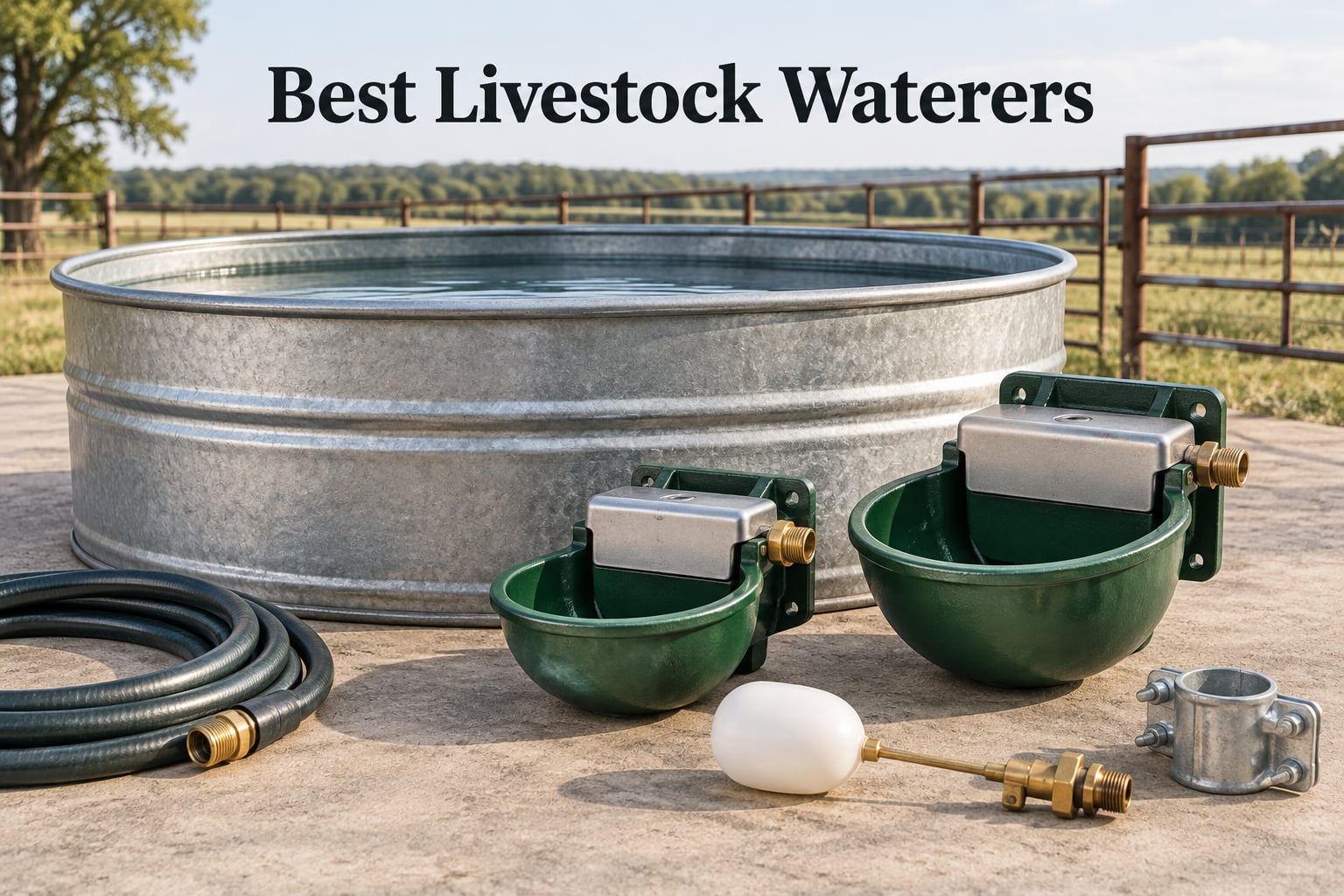
The best automatic livestock waterer is a float-valve bowl or a valve-fitted tank that refills itself as animals drink, so you stop hauling and scrubbing water every day. For most small herds a stainless steel bowl on a pressurized line is the sweet spot. Cold climates and large groups need either a heated unit or an energy-free setup with a deep buried riser.
I spent six weeks working through the livestock waterers that get used on real farms and small homesteads, and the pattern was clear. The bowl matters less than the water supply behind it. Nearly every failure I read about started with a supply line that froze, a float that got chewed, or a fitting that was never sealed properly.
This guide covers the best livestock waterers for cattle, horses, sheep, goats, hogs, dogs and backyard poultry. We looked at capacity, bowl material, whether the unit needs electricity, how hard it is to scrub out, and whether replacement parts exist when something gives up in year three. Updated for 2026, it also covers the winter strategies that forum ranchers actually use, which the roundups rarely explain.
Table of Contents
Top 3 Best Livestock Waterers for 2026
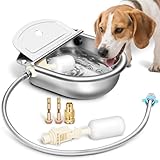
Ademon 3L Stainless Bowl
- No-power float valve
- 304 stainless bowl
- Full install kit
- Two spare float valves

Abustle 304 Stainless Bowl
- 304 stainless bowl
- 39 inch hose included
- Float ball level control
- Easy-clean surface
All 12 Livestock Waterers Compared (September 2026)
| Product | Specifications | Action |
|---|---|---|
| Ademon 3L Stainless Bowl |
|
Check Latest Price |
 Little Giant DuraMate 4 Gallon Little Giant DuraMate 4 Gallon |
|
Check Latest Price |
 Farm Innovators 16 Gallon Heated Bucket Farm Innovators 16 Gallon Heated Bucket |
|
Check Latest Price |
| Abustle 304 Stainless Bowl |
|
Check Latest Price |
 Little Giant Trough-O-Matic Little Giant Trough-O-Matic |
|
Check Latest Price |
 Abustle Water-Saving 0.66 Gallon Abustle Water-Saving 0.66 Gallon |
|
Check Latest Price |
 COMVIEE Two Float Valve Kit COMVIEE Two Float Valve Kit |
|
Check Latest Price |
 MODUODUO 1.35 Gallon Trough MODUODUO 1.35 Gallon Trough |
|
Check Latest Price |
 Lucky Farm 1.2 Gallon Bowl Lucky Farm 1.2 Gallon Bowl |
|
Check Latest Price |
 MINYULUA Plastic Waterer MINYULUA Plastic Waterer |
|
Check Latest Price |
 Little Giant Galvanized Waterer Little Giant Galvanized Waterer |
|
Check Latest Price |
 JIANBENKJ Float Valve JIANBENKJ Float Valve |
|
Check Latest Price |
1. Ademon 3L Stainless Bowl – Best All-Round Compact Waterer
Ademon Automatic Animal Drinking Water Bowl with Float Valve, Standard Pipe,3L Stainless Steel Waterer Feeder Farm Dog Dispenser Kit Self Filling for Livestock Horse Goat Water Trough
3 liter capacity
No-power float valve
304 stainless steel
9.84 x 10.6 x 3.94 inch
Pros
- No electricity needed
- Durable stainless bowl
- Countersunk bolts with no sharp edges
- Full kit with two spare floats and 80cm hose
Cons
- Needs a water line connection
- Some fittings need an adapter
Of everything we looked at, the Ademon bowl is the one I kept coming back to for small mixed herds. It is a plain, no-frills 3 liter stainless bowl with a float valve, and it does one job well: it refills itself when an animal drinks.
There is no electrical component anywhere in the design. Water pressure does all the work, which means you can mount it on a fence line in a back pasture without running a cord, a conduit or a solar setup.
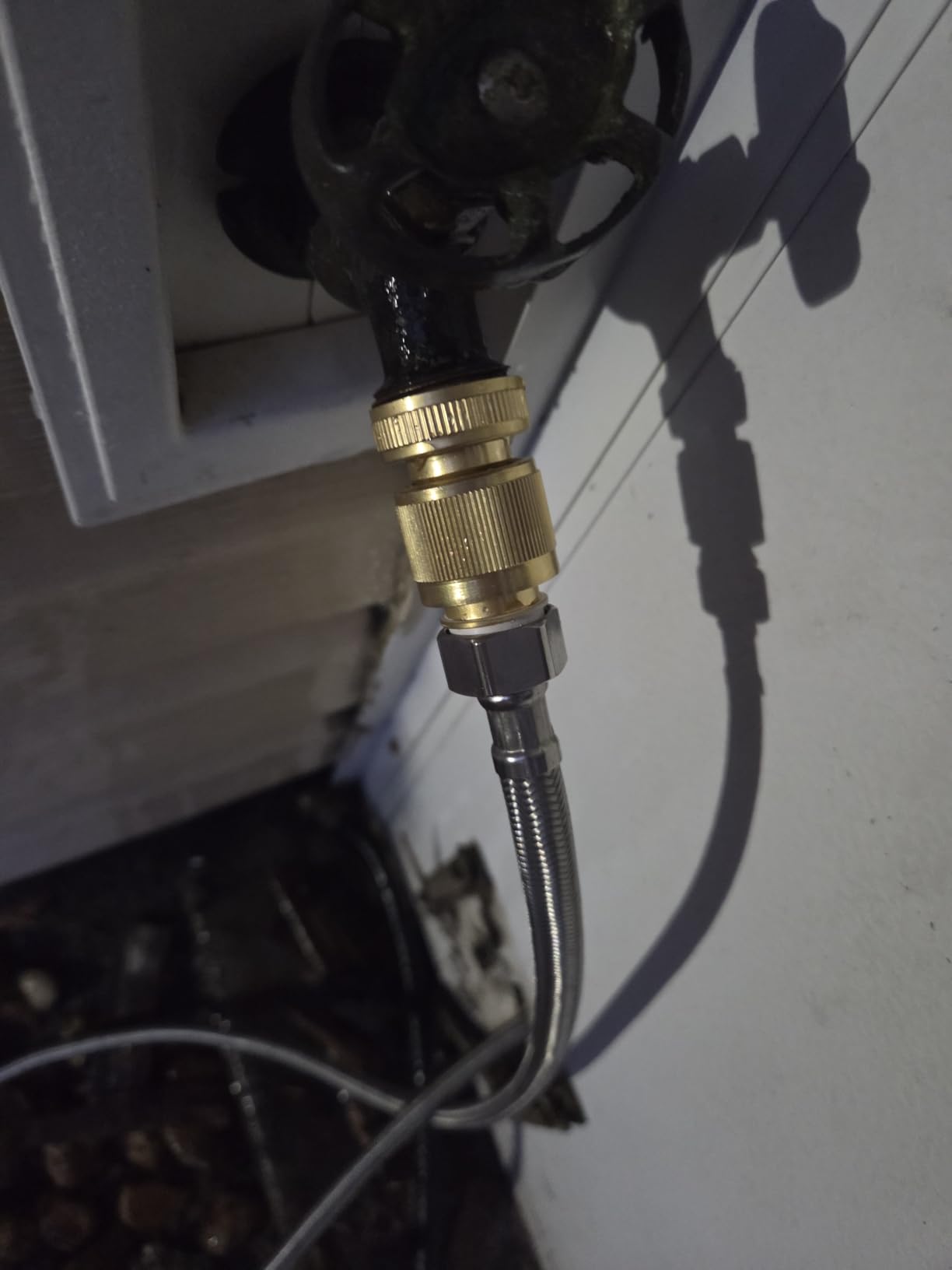
What stands out is the hardware bundle. The box carries the bowl, an 80 cm braided hose, two replacement float valves, an adapter and expansion bolts. Having spare floats in the box is the kind of detail that saves you a trip to the farm store at 6 pm on a Saturday.
The bowl itself measures 9.84 by 10.6 by 3.94 inches and weighs just over 4 pounds, so it is light enough to lift out for scrubbing and heavy enough not to get shoved around by a calf.
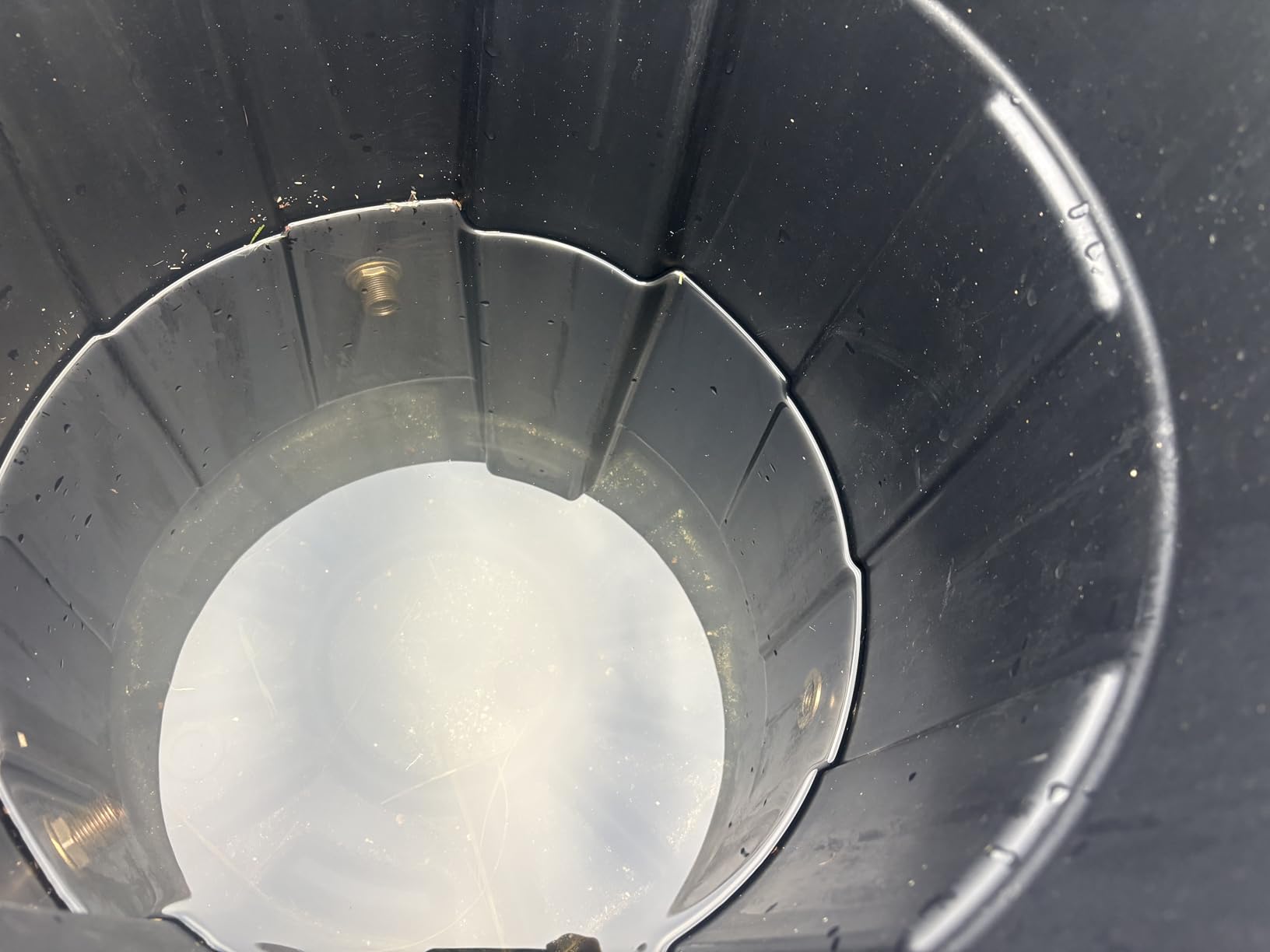
Why this bowl works for a mixed herd
At 3 liters the bowl is sized for horses, calves, goats, sheep and dogs, which covers the widest range of uses in this roundup. The stainless surface shrugs off the algae and mineral staining that turns plastic bowls into a scrubbing chore after one summer.
Countersunk bolts matter more than they sound. Cattle and horses push and bite at bowls constantly, and standard raised bolt heads are exactly where cut injuries start.
Where it falls short
It is a bowl, not a system, so you still need a pressurized line. If your water comes from a pond or a well with no tank above it, this unit will not draw.
There is no heating element, so in a climate that freezes hard you need to bury the supply line below the frost line or run it inside an insulated riser. Some buyers also report needing a hose adapter for their specific connection.
2. Little Giant DuraMate 4 Gallon – Best for Hot Climates
Little Giant® Automatic Animal Waterer | DuraMate Float Controlled Automatic Waterer for Livestock | Heavy Duty and Durable | Made in USA | 4 Gallon (Blue, 4 Gallon)
4 gallon capacity
Float controlled refill
3/4 inch garden hose
18 x 15 x 12 inch, 6.2 pounds
Pros
- Holds up in extreme heat
- Holds 4 gallons for peak drinking
- Easy to mount and clean
- Made in USA with a long production history
Cons
- Hose connection lacks a swivel
- Mounting brackets can feel thin
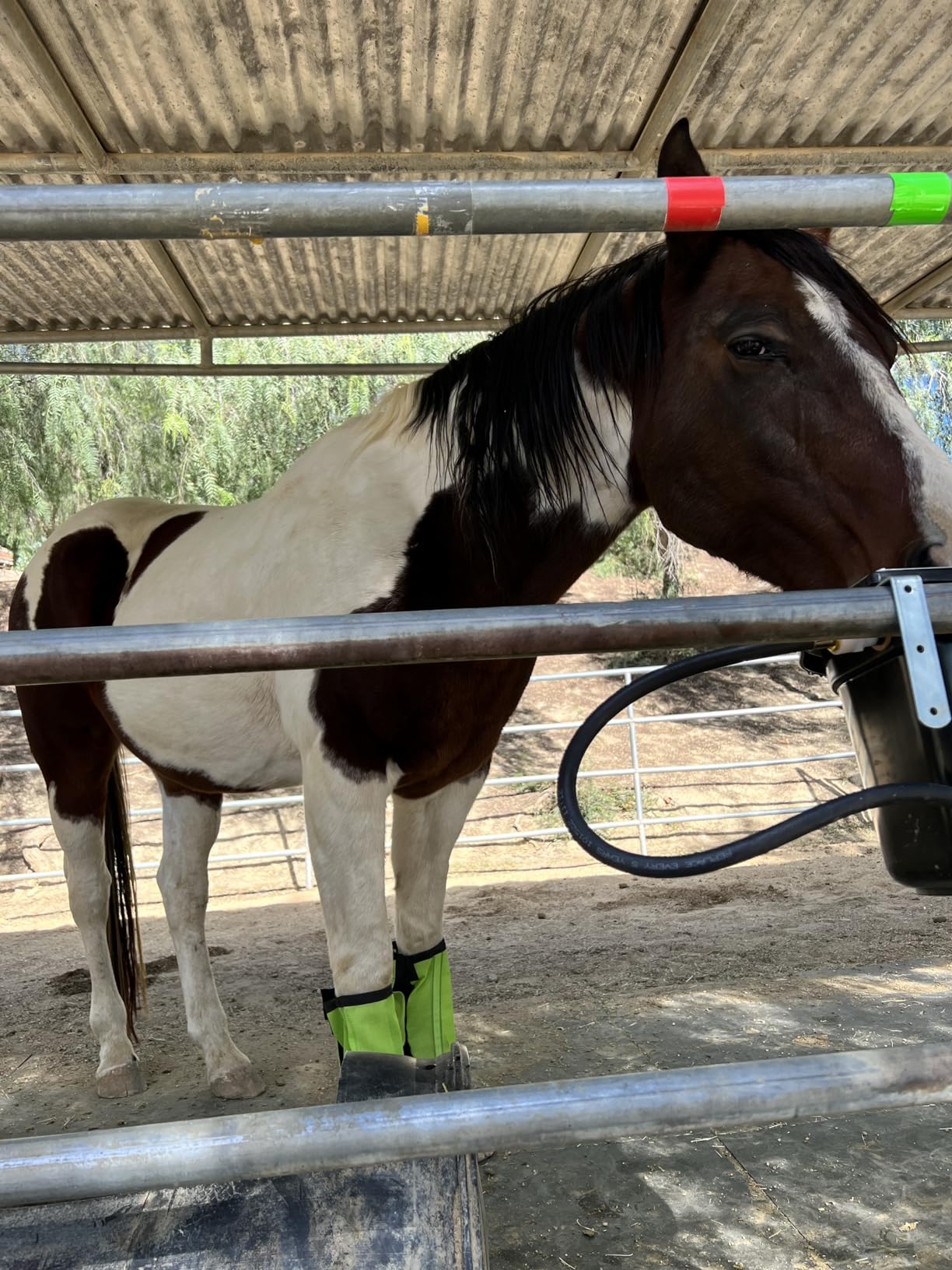
The DuraMate is the biggest plumbed bowl in this guide at 4 gallons, and that capacity is the whole argument. In a hot climate or at peak drinking time, a small bowl means an animal drinks, pushes the float, waits, and drinks again instead of settling in to drink its fill.
Reviewers consistently note it works in temperatures well past 100 degrees. The float-controlled refill is simple and direct, and the 3/4 inch garden hose connection means it drops onto a standard line with no special fittings.
Durability is the recurring theme in the reviews here. Owners report units still running after five years or more, and the can is made in the USA, which matters if you want replacement parts to exist in a decade.
Thirty inches of hose with a female attachment come in the box, along with metal mounting brackets. The bowl measures 18 by 15 by 12 inches and weighs 6.2 pounds, which is a comfortable weight for lifting out and cleaning.
Why ranch hands keep recommending it
Four gallons covers a cow or a horse in one pass, and the wide opening means a scrub brush fits inside without you scraping around corners. The drain-down is fast, so weekly cleaning takes minutes rather than an afternoon.
It also works in heat without any electrical draw, which matters in a pasture with no power. Several reviewers run it through desert summers without complaint.
Where it falls short
The most common complaint is the hose connection, which has no swivel. A fixed inlet puts sideways stress on the fitting, so the hose has to be routed straight down or you will drip at the joint.
The included brackets are the other weak point. Some owners reinforced theirs with a length of 2 by 6 lumber, which tells you the bowl is heavier than the mount is designed to carry in every soil type.
3. Farm Innovators 16 Gallon Heated Bucket – Best for Winter
Farm Innovators Heated Water Bucket, 16 Gallon 200W Livestock Waterer
16 gallon capacity
200W thermostatically controlled
Replaceable element
24 x 24 x 16.5 inch
Pros
- Stops water freezing in deep cold
- Thermostat only runs when needed
- Large 16 gallon reservoir
- Element can be replaced not the bucket
Cons
- Requires a power source
- Plastic can crack in extreme cold
If your problem is ice rather than convenience, this is the unit to buy. A 200 watt thermostatically controlled heater holds a 16 gallon reservoir above freezing through a northern winter, and the thermostat means it cycles only when the temperature drops.
The design detail that extends its life is the hidden, replaceable heating element. When the element eventually fails you replace a part rather than a whole container, and the element sits tucked under the bucket where animals cannot reach it.
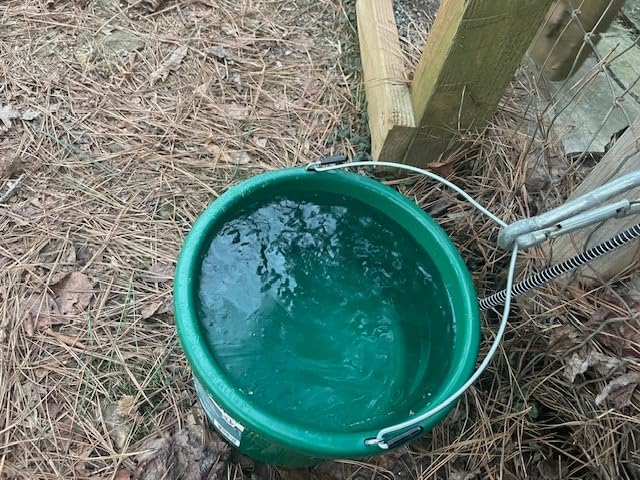
At 16 gallons it serves several animals at once, which is what you want during a cold snap when water consumption climbs. Owners rate it highly for exactly that reason, and roughly 80 percent of reviews land at five stars.
The bucket measures 24 by 24 by 16.5 inches and weighs 6.77 pounds, with easy-grip handles so you can move it from the barn to the paddock when the weather breaks.
Why heated beats insulated in deep cold
Heated water is water an animal can actually drink. Livestock drink more when it is not near freezing, so a heated source protects intake during exactly the stretches of the season when feed intake and weight gain are most fragile.
It also solves a problem a buried riser cannot: water sitting in an open bowl in freezing air, above the water table. An insulated riser keeps a supply line open, but the bowl itself is still exposed to the sky.
Where it falls short
It needs electricity, so a remote pasture means a buried service line or a generator. This is the single biggest reason ranchers in the forums reach for energy-free drinkers instead.
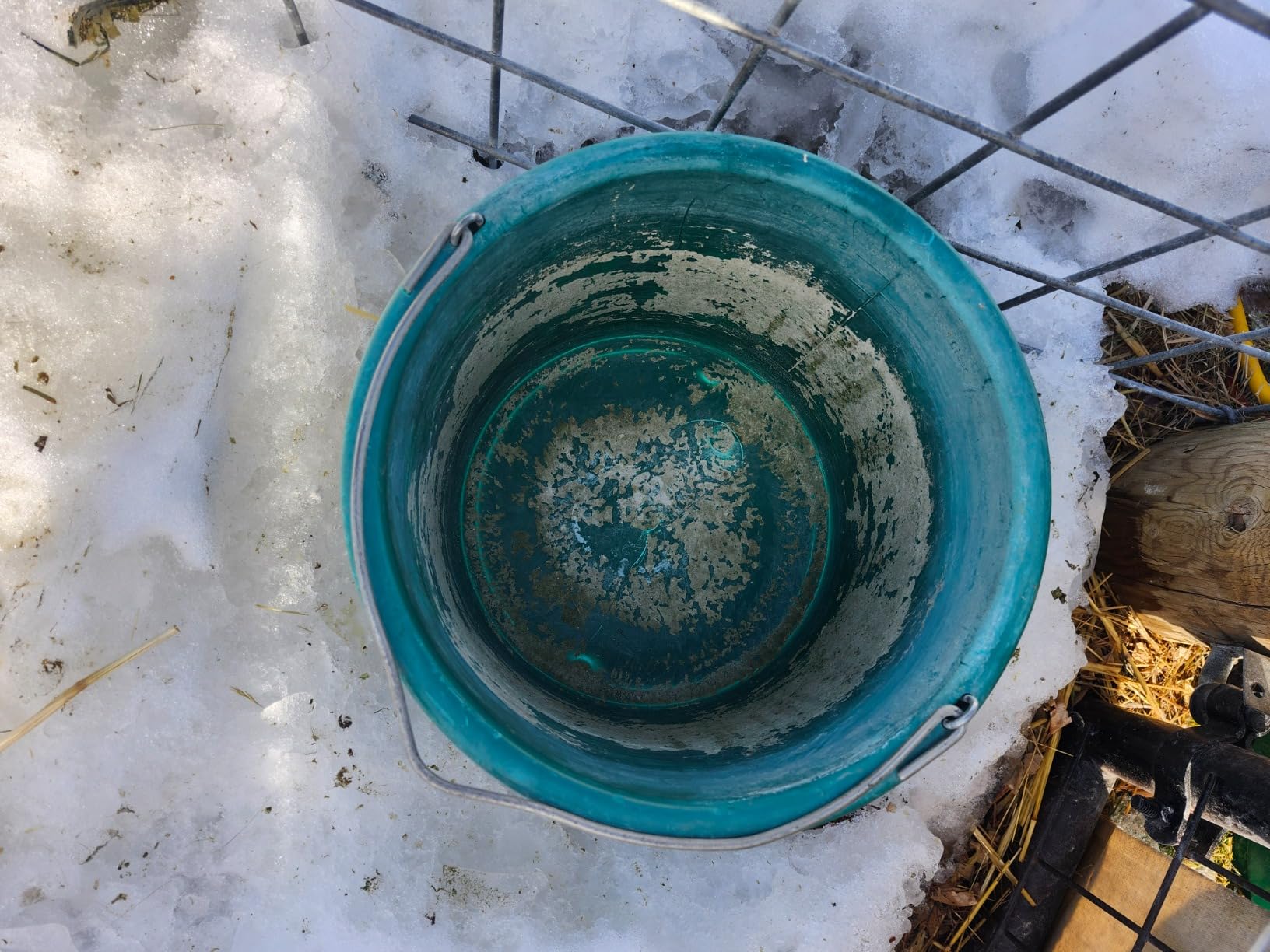
The plastic container is also the weak point in truly severe cold, and reviews note cracking in extreme temperatures. And it is a bucket, not a plumbed bowl, so you are still filling it manually.
4. Abustle 304 Stainless Bowl – Best Value Float Bowl
304 Stainless Steel Automatic Livestock Waterer with Float Valve and 39 inch Water Hose(one end 3/4”), Automatic Animal Water Bowl for Dogs,Horse,Calf,Chicken,Goat, Livestock Horse Waterer Dispenser
2.5 liter capacity
304 stainless steel
39 inch hose included
10.55 x 10 x 4.6 inch
Pros
- Wide choice of review volume from owners
- 39 inch hose included in the box
- Smooth stainless surface cleans easily
- Works for horses calves goats and poultry
Cons
- Hose gasket can leak if overtightened
- Float valve needs occasional adjustment
The Abustle 304 bowl covers most of the same ground as the Ademon at 2.5 liters, and it does it with a 39 inch hose already in the box. For a first install that is the difference between a ten-minute job and a trip to the hardware store.
The float ball principle is the same, but the inlet is a 3/4 inch female garden hose thread, which is a very common connection on farm pressure lines and well tanks.
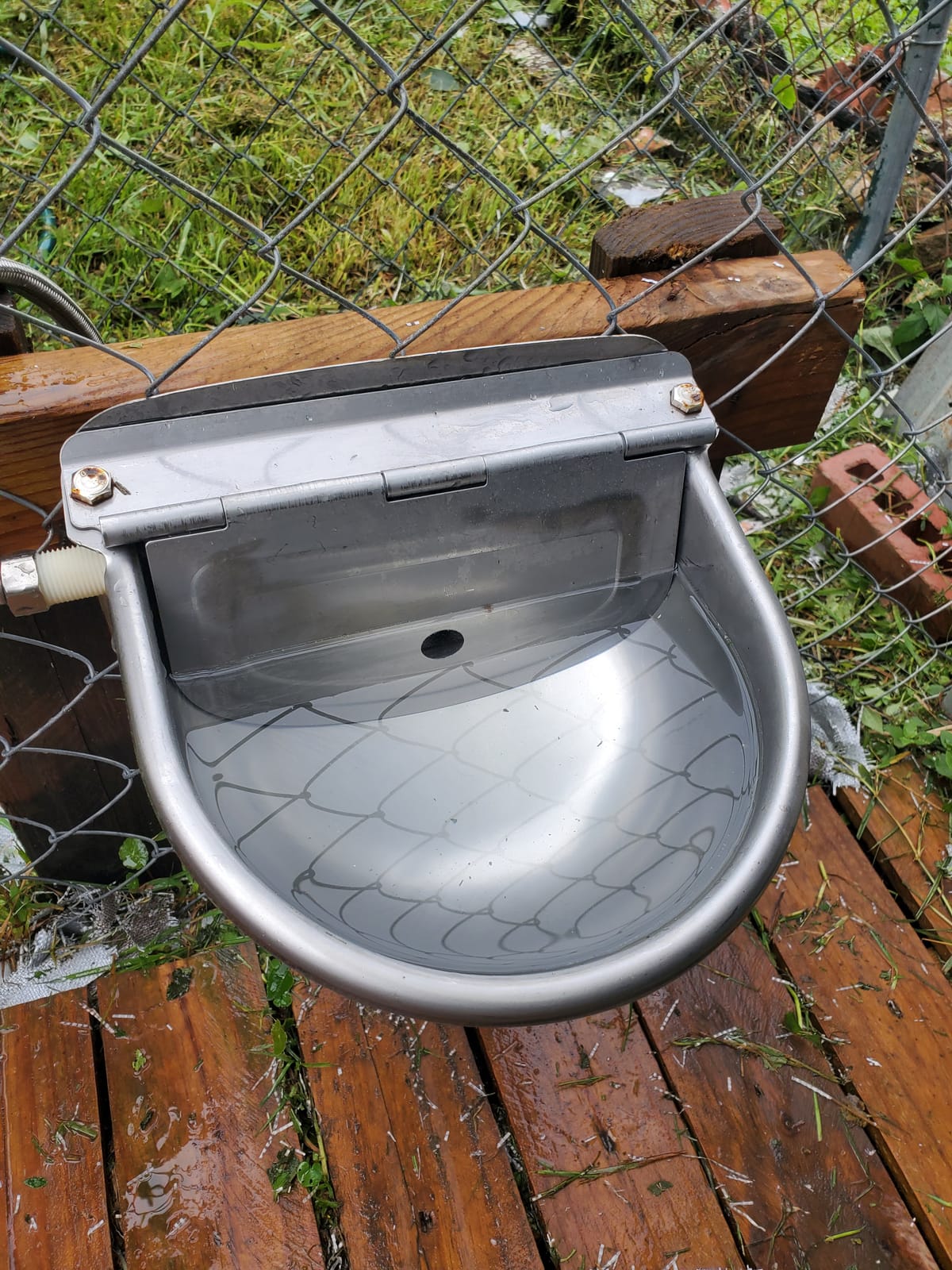
Stainless steel is doing a lot of the work here. It resists rust, resists deformation from animals leaning on it, and wipes clean without the scrubbing that plastic bowls eventually demand.
The bowl measures 10.55 by 10 by 4.6 inches and weighs 3.24 pounds. Reviews describe it as good value with a smooth surface that is easy to clean.
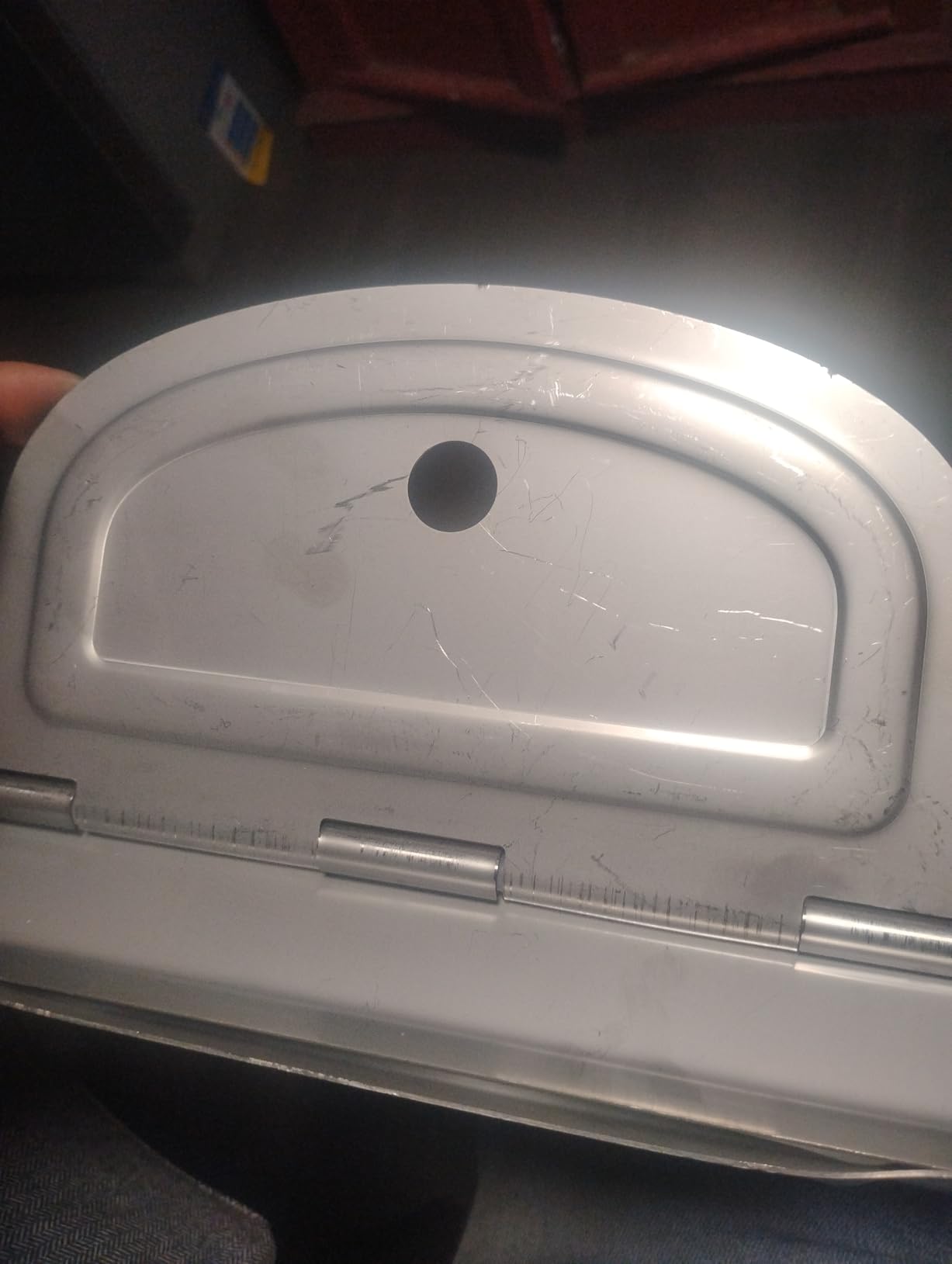
Why it suits a wide range of animals
Owners list horses, goats, dogs, chickens, geese, calves and alpacas as animals this bowl works for. At 2.5 liters it sits in the middle, large enough for a goat flock and small enough for poultry runs.
The company also sends replacement parts when a hose or gasket fails, which several buyers mention as a reason they stayed with the brand.
Where it falls short
Leaks at the hose connection are the most common complaint, and the manufacturer guidance is blunt about the cause: a gasket that gets over-tightened will fail. Hand-tight plus a wrap of tape is the fix.
The float valve needs occasional readjustment as it wears, and 2.5 liters is small for a group of full-size cattle arriving at the trough together.
5. Little Giant Trough-O-Matic – Top Rated Tank Float Valve
Little Giant® Trough-O-Matic® | Stock Water Tank Float Valve | Watering Tank with Aluminum Housing and Expansion Brackets | Made in USA
245 gallons per hour
20-50 PSI range
Aluminum housing
3 x 7.5 x 3.5 inch, 1.6 pounds
Pros
- Handles 245 gallons per hour
- Aluminum housing made in USA
- Works with tanks troughs barrels and pans
- Expansion brackets included
Cons
- Needs a regulator above 50 PSI
- Hose must drop straight down
Not every operation needs a bowl. If you already have a tank, a trough or a barrel, the Trough-O-Matic is a better answer than a molded bowl that holds a gallon and a half. It controls the water level in whatever container you point it at.
Flow is the headline number here at 245 gallons per hour, and the operating range is 20 to 50 PSI. That covers a farm pressure line or a well tank without complaint, and it means refill speed is never the bottleneck.
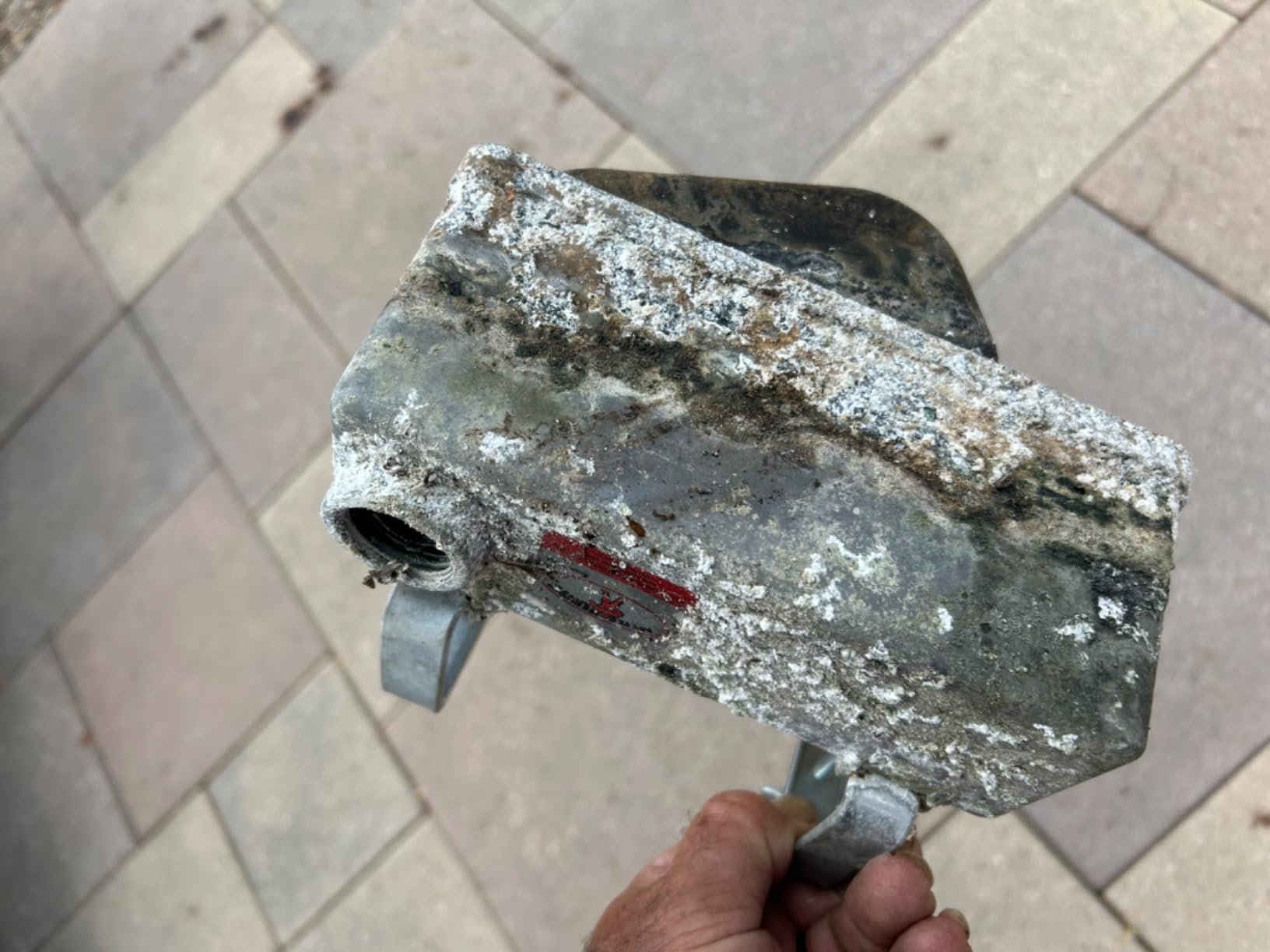
The aluminum housing is made in the USA and weighs 1.6 pounds, and the whole unit mounts with expansion brackets rather than a fixed bracket set. A plastic housing version exists separately if you want to save weight.
Reviewers report two years and beyond of service with correct installation, and roughly 80 percent of reviews sit at five stars.
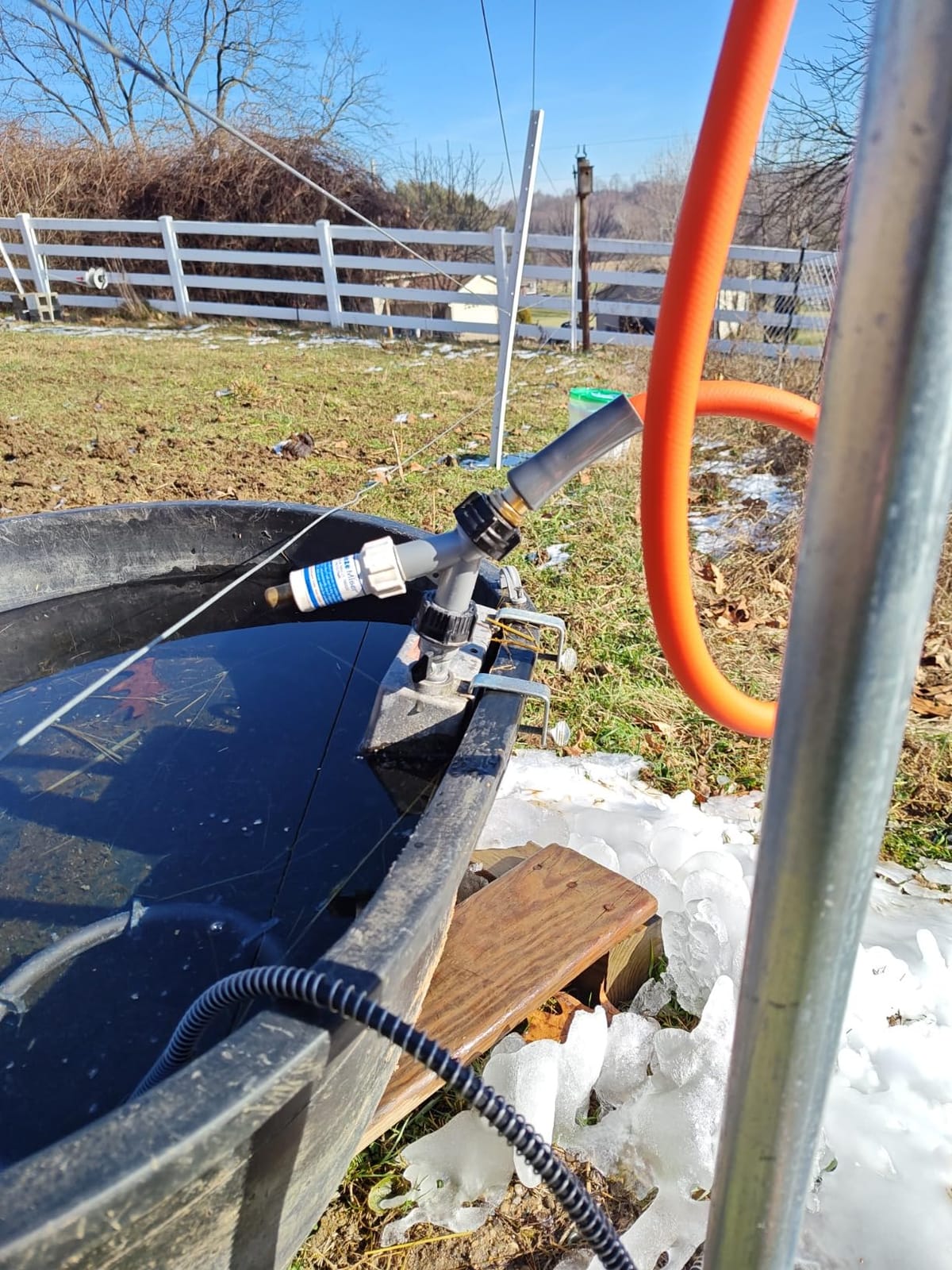
Why it earns the top rating in this roundup
It solves the problem a bowl cannot. A 200 gallon tank refilling at 245 gallons per hour supports a whole herd drinking at once, and a molded bowl simply does not have that throughput.
It is also a low-effort way to add automation to a tank or trough you already own, which is why it comes up often when owners compare waterer brands.
Where it falls short
Above 50 PSI you need a pressure regulator, and skipping that is the leading cause of failed valves. The hose also has to run straight down into the tank, because a sideways pull works the inlet seal loose.
Aluminum and brass hose fittings react to each other over time, so use a quick-connect coupler between them. Livestock will also chew an exposed valve, so mount it where they cannot reach it.
6. Abustle Water-Saving 0.66 Gallon Bowl – Best for Mixed-Species Farms
Automatic Livestock Waterer,304 Stainless Steel, for Cattle Dogs Horses
0.66 gallon capacity
30 percent plus water saving
Adjustable float arm
11.46 x 9.96 x 5.12 inch
Pros
- Conserves 30 percent plus of the water
- Adjustable float sets the level precisely
- Mounts on wall floor or fence
- Drain plug makes scrubbing quick
Cons
- Hose adapter not included
- Back lip stops a flush mount
This is the smallest bowl in the guide at 0.66 gallons, and that is the point rather than a limitation. On a mixed farm where a dog, a goat and a calf all drink from the same fence line, a small bowl refills faster and wastes less water on evaporation and spillage.
Owners report a water saving of more than 30 percent compared with a continuously full bowl, which adds up across a season on a dry year.
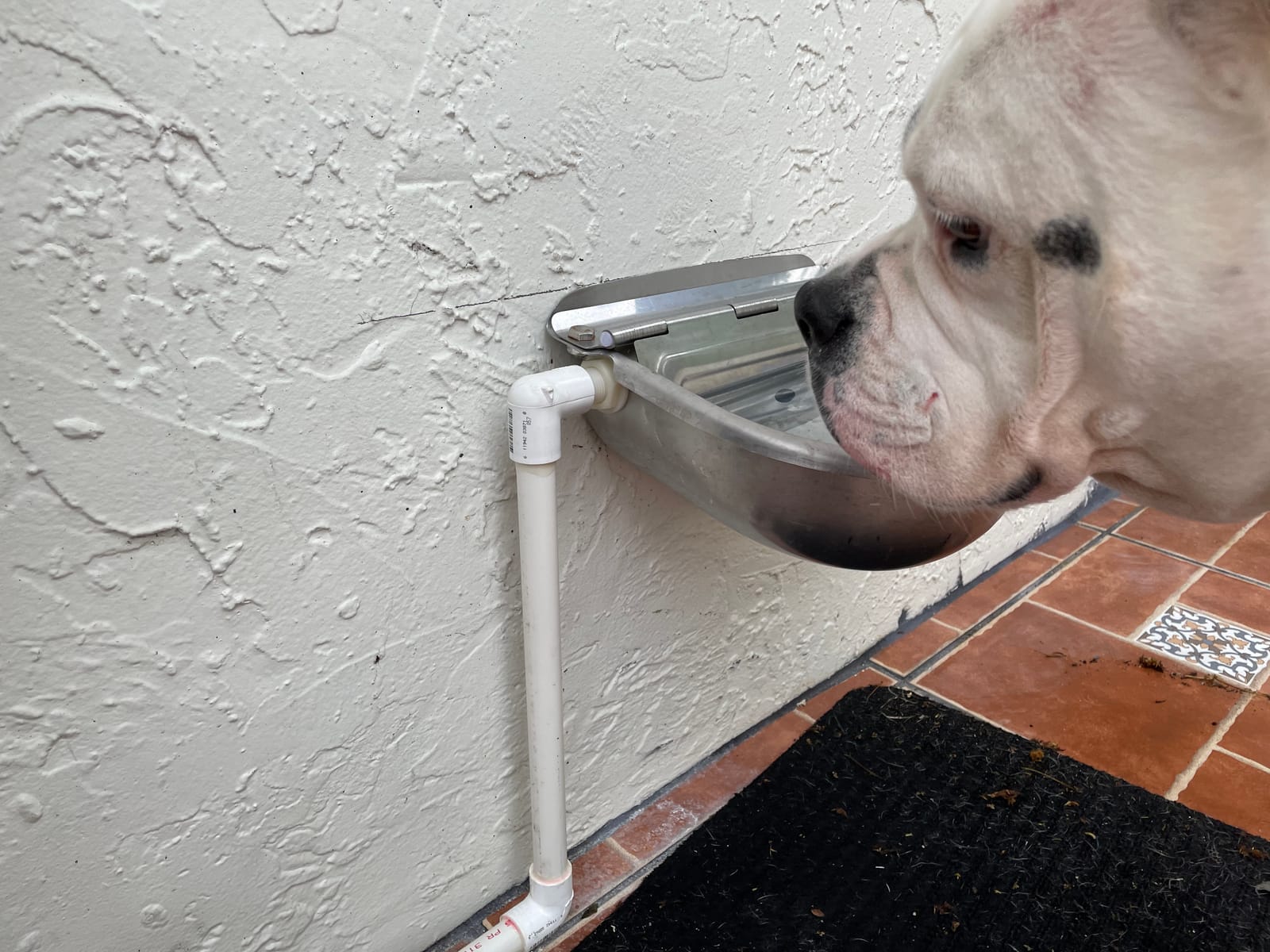
The adjustable float arm lets you fine-tune the level, and a filter at the entrance keeps debris out of the valve. Two pre-drilled holes mean it sits flat on the floor, hangs on a wall, or mounts to a fence rail.
It measures 11.46 by 9.96 by 5.12 inches and weighs 2.68 pounds, and the drain plug makes weekly cleaning a ten-minute job.
Why it earns a place on a small farm
The valve inlet fits on either side of the bowl, so you can orient it toward whichever wall or post you have available. That flexibility matters when the water line comes up on the wrong side of the mounting surface.
At this capacity it suits dogs, calves, sheep, goats and poultry rather than full-size cattle, and the reviews are consistent about that boundary.
Where it falls short
The garden hose adapter is not included. You will need a 3/4 inch female to 1/2 inch male swivel adapter, and several buyers only found out after the box arrived.
Some units arrive without a drain hole, and the back lip means it cannot sit flush against a wall. Reports of rust spots on arrival and a plastic float that degrades over time are also worth weighing.
7. COMVIEE Two Float Valve Kit – Best for First-Time Installers
Automatic Animal Drinking Water Bowl, 304 Stainless Steel Waterer for Dog Horse Goat Pig Cow, Livestock Water Trough Dispenser with Pipe Hose, 2 Float Valves, Quick Connecter, Expansion Bolt
Two float valves included
304 stainless steel
Quick connectors
10.94 x 10.35 x 5.39 inch
Pros
- Everything needed is in the box
- A spare float valve included
- Quick connectors simplify the hookup
- One year warranty with fast support
Cons
- Shorter review history
- May need extra adapters
COMVIEE is the kit you buy when you have never plumbed a waterer and do not want a second trip to the store. The box contains the bowl, an injection pipe hose, two float valves, a 1/2 inch female quick connector, a 3/4 inch male quick connector, two expansion bolts and PTFE tape.
Having PTFE tape in the box sounds trivial, but thread seal is the number one reason a new waterer leaks on day one.
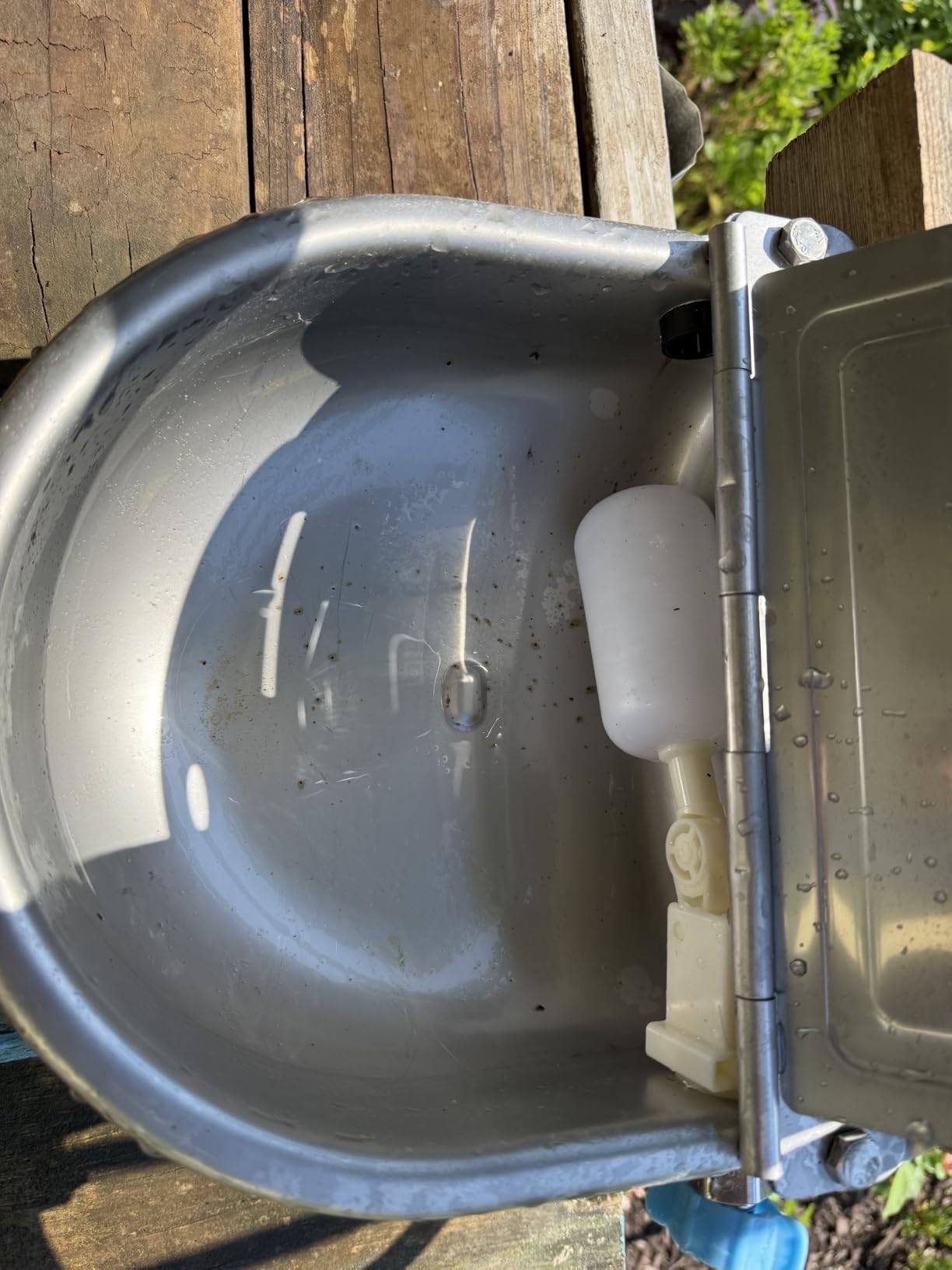
The float is adjustable through a rotatable button, so you set the water level and leave it. The 304 stainless steel bowl resists rust and wipes clean easily, and the whole unit weighs 4.08 pounds.
It measures 10.94 by 10.35 by 5.39 inches, and the company backs it with a one year warranty and a twelve hour customer service response window.
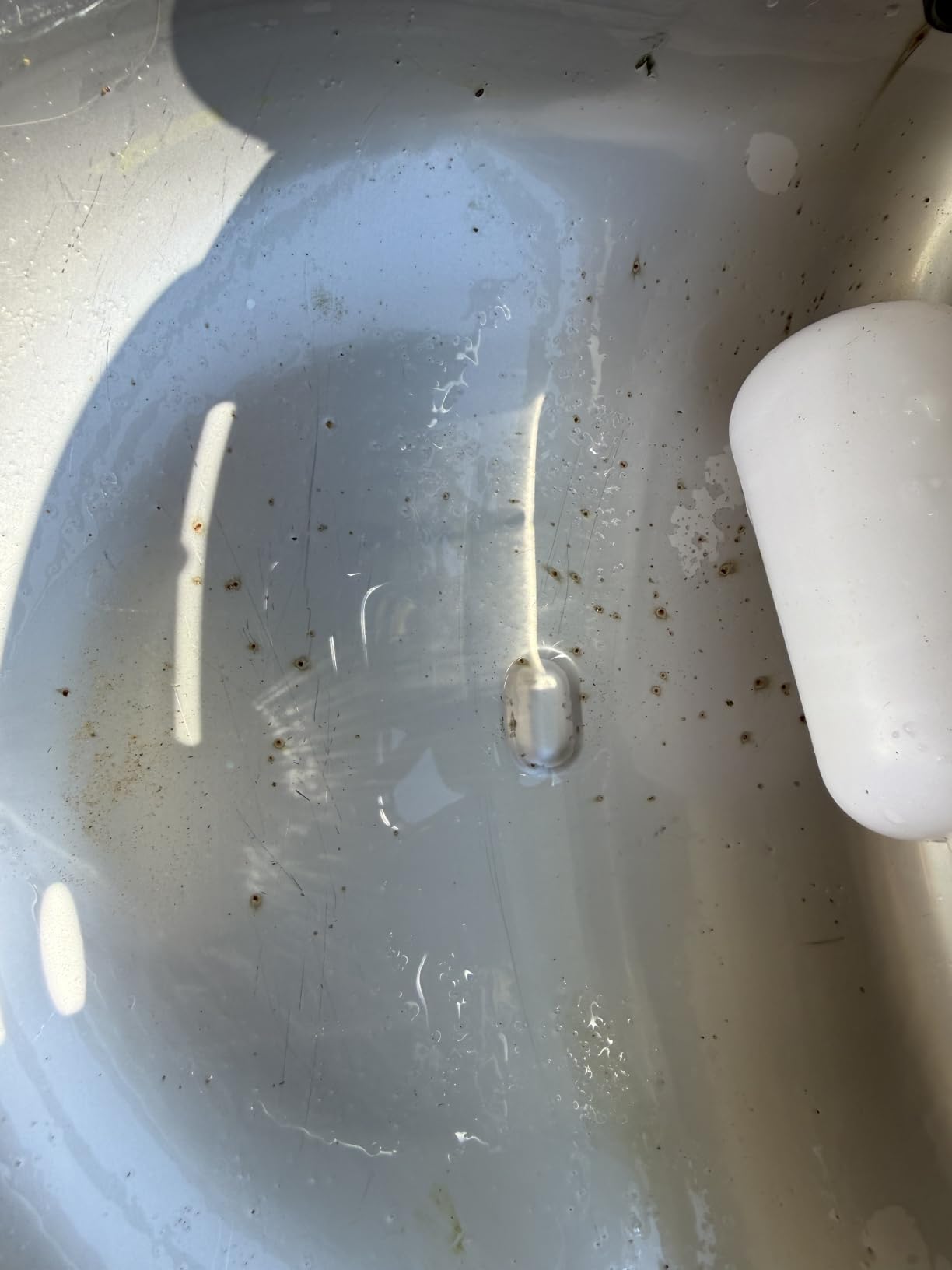
Why the spare float matters on a first install
Float valves are the part that fails first, usually after a season of mineral-laden well water. Shipping a spare turns a mid-drought emergency into a two-minute swap instead of a drive into town.
The quick connectors also let you detach the bowl for cleaning without tools, which keeps people actually doing the weekly scrub.
Where it falls short
This is a newer product with 295 reviews, so long-term durability is still being established in real farm conditions. The rating sits slightly below the other stainless bowls here.
Some buyers still needed additional adapters, which suggests the included connector set covers common cases rather than every hose and pipe combination.
8. MODUODUO 1.35 Gallon Trough – Best for Goats and Sheep
Automatic Horse Waterer Large Livestock Water Bowl 1.35Gal Stainless Steel Trough for Cattle Cow Pig Sheep Pet Dog
1.35 gallon capacity
Stainless float baffle
1/2 inch water inlet
Drainage hole for cleaning
Pros
- Stainless baffle protects the float from biting
- Drainage hole makes scrubbing easy
- Three sided gap keeps grass off the float
- Good for mixed small livestock
Cons
- Sharp edges need sanding
- Plastic inlet threads can strip
The MODUODUO trough solves a specific problem that most bowls ignore: animals chewing the float. A stainless steel baffle sits over the float assembly, and the float ball itself is shielded from biting and head-butting.
At 1.35 gallons it holds more than the small bowls here while staying light enough for a fence rail, and the deeper water storage means it does not run dry during a rush.
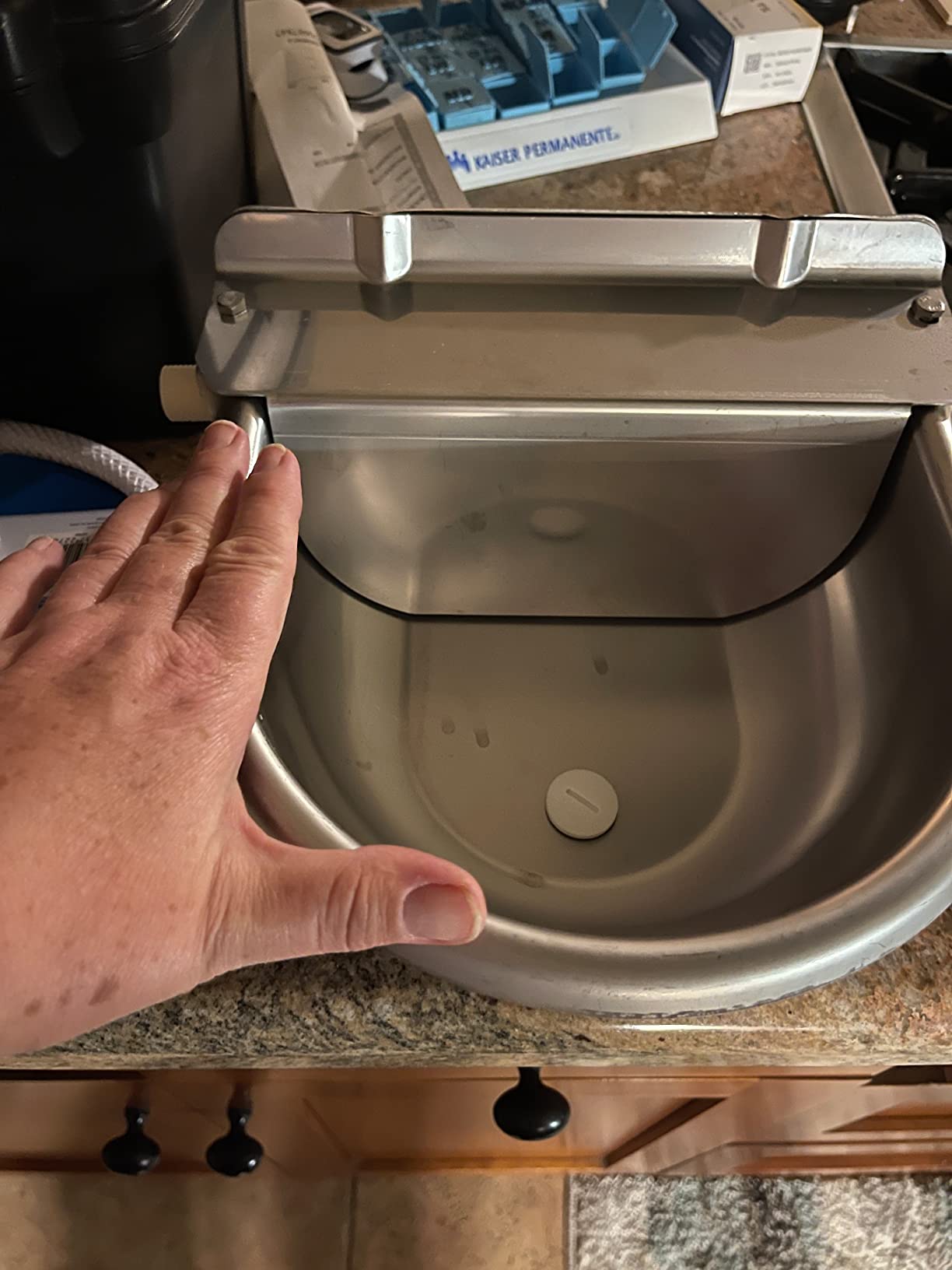
A three sided water gap design keeps grass, hay and debris away from the float, which matters in a pasture where the bowl sits in tall grass. The drainage hole empties the bowl for a proper scrub.
It measures 11.57 by 10.94 by 5.47 inches and weighs 3.26 pounds. Customer service has been quick to send replacement pieces when the plastic connection has failed.
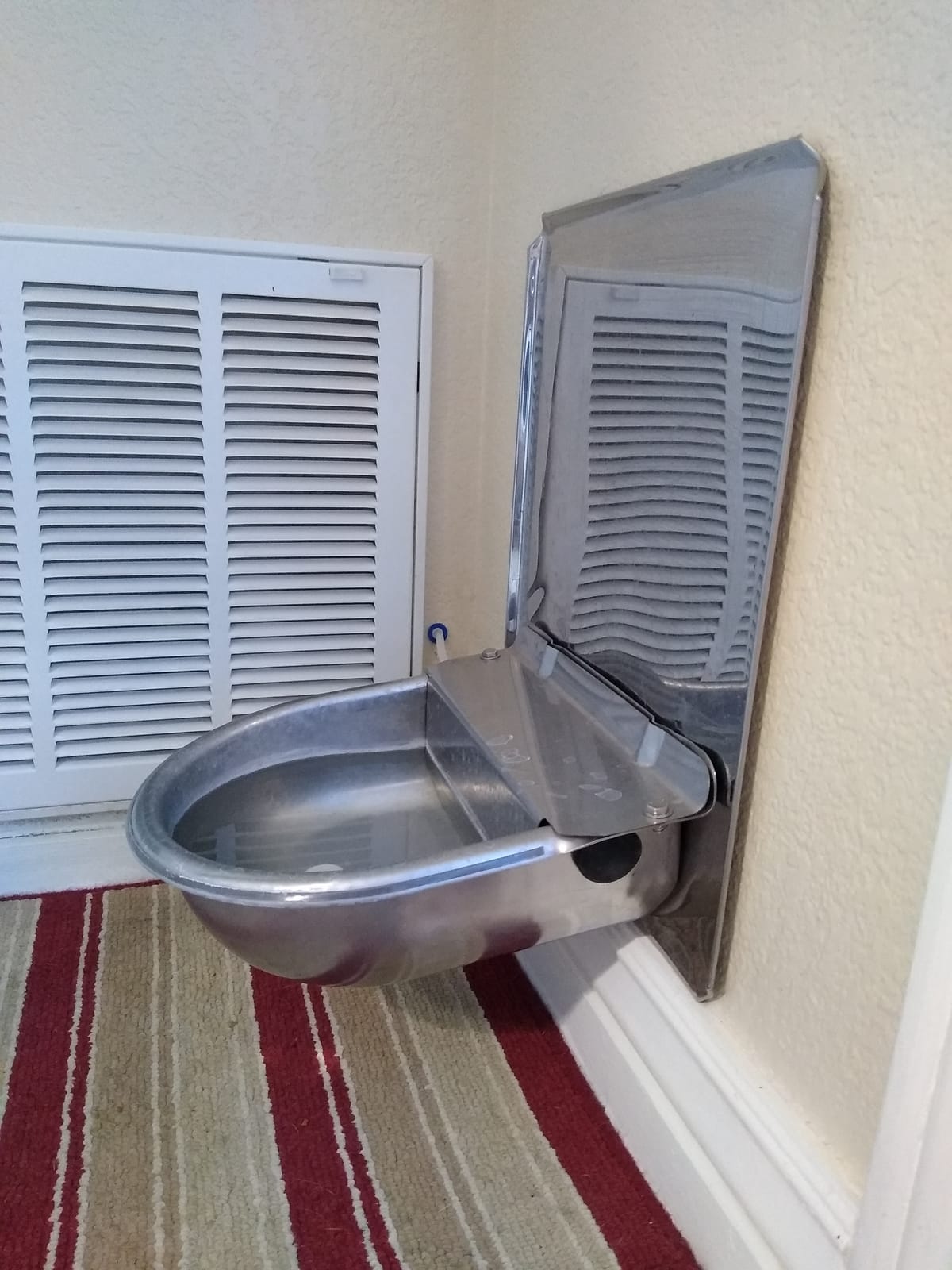
Why goats and sheep owners like it
Goats in particular will work at a float valve with a metal edge. The baffle turns a repeat damage problem into a non-event, and reviews mention responsive replacements rather than a return and wait.
The anti-debris gap also means fewer clogs in a paddock where the waterer is close to the grass line.
Where it falls short
Reviewers report dangerously sharp edges on arrival, and some had to sand them down before putting an animal near the bowl. Check the seams before you install it.
The 1/2 inch plastic inlet threads are a weak point, the drain plug is difficult to remove, and mounting holes do not line up with standard studs. This is also not the bowl for horses or cows that lean on their waterer.
9. Lucky Farm 1.2 Gallon Bowl – Best for Poultry and Small Flocks
Automatic 1.2 Gallon Water Trough Cow Cattle Horse Water Bowls with Float Valve Livestock Tool Bowl for Cat Goat Sheep Dog Animal Drinking Equipment
4.5 liter capacity
Heavy-duty plastic
Stainless float baffle
Drain plug
Pros
- Generous 1.2 gallon reservoir for plastic
- Smooth polished tank edges avoid scratches
- Drain plug for full draining
- Two holes for wall attachment
Cons
- Plastic ages faster than stainless
- Water warms in summer heat
The Lucky Farm bowl is the plastic option for anyone who cares more about capacity than about rust resistance. At 4.5 liters, or 1.2 gallons, it holds more than the other plastic bowls in this roundup.
The float ball stops inflow once the bowl is full, so there is no overflow if the valve is slightly misadjusted. A stainless steel baffle protects the float assembly from the animals themselves.
Smooth polished tank edges are a genuine detail here, because cracked and cut lips are the most common injury we see around plastic waterers. Two pre-drilled mounting holes make it a straightforward wall or fence install.
It measures 11.02 by 10.62 by 4.92 inches and weighs 2.27 pounds, and the float valve is reachable by unscrewing the lid for adjustment.
Why it suits poultry and small flocks
Chickens, ducks and small flocks drink in a slow trickle, so a wide shallow bowl with a steady level works well and is far easier to clean than a narrow one. The drain plug empties it completely for a weekly rinse.
It also works for cats and dogs in a barn, where a plastic bowl that will not rust matters more than a heavier stainless one.
Where it falls short
Plastic ages. UV exposure and freeze-thaw cycles eventually cloud and crack it, and there is no rust but there is a shorter service life than stainless.
Water warms noticeably in summer heat, and there is no heating element, so this bowl is not a winter unit. Reaching the float valve also means removing the lid every time you adjust it.
10. MINYULUA Plastic Waterer – Best for Small Pets and Light Use
MINYULUA Automatic Waterer Bowl Large Horse Waterer with Float Valve (Blue)
Adjustable water level
Drain plug
1/2 inch pipe or hose
11.02 x 10.63 x 4.92 inch
Pros
- Adjustable water level
- Connects to 1/2 inch pipe or flex hose
- Lightweight at just over 2 pounds
- Drain plug for cleaning
Cons
- 12 percent one star reviews signal variable quality
- Float adjustment needs the lid off
The MINYULUA bowl is among the simplest units here and the lightest at 2.12 pounds. It carries a float valve, an adjustable water level and a drain plug, and it connects to 1/2 inch pipe, flexible hose or a standard garden hose.
For a barn dog, a kennel run or a small paddock where nothing large leans on the waterer, that is enough. It installs with almost no effort and moves between locations easily.
Why it is a reasonable light-duty pick
The connection options are genuinely useful. If your line is 1/2 inch poly rather than a garden hose, most bowls need an adapter and this one does not.
Adjusting the level means loosening a plastic nut under the lid, which is a two minute job and only needs doing once.
Where it falls short
The 4.0 rating is among the lowest here, and about 12 percent of reviews land at one star. That pattern points to inconsistent quality control rather than a specific fault, and it is the main reason this bowl sits low in the ranking.
Plastic does not survive heavy animals, and there were no customer photos available for this model, so you are buying on the spec sheet rather than on how it looks installed.
11. Little Giant Galvanized Waterer – Best for Rugged Pastures
Little Giant® Galvanized Steel Automatic Stock Waterer | Automatic Livestock Water for Cattle
Cast galvanized steel
Adjustable install height
1/2 inch pipe or hose
10 x 5.5 x 10.75 inch
Pros
- Galvanized steel resists corrosion
- Installs at any height for the animal
- Standard pipe and hose compatibility
- Sanitary continuous fresh water
Cons
- Galvanized steel can eventually rust
- Basin capacity is on the small side
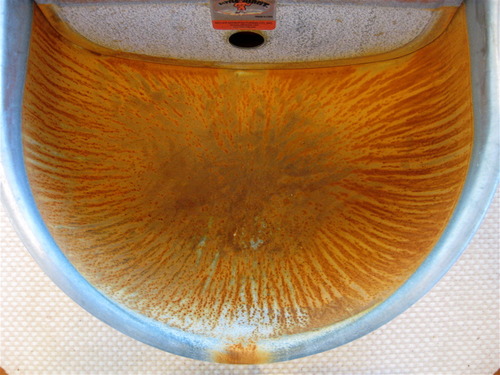
The galvanized Little Giant is the one in this roundup that is not stainless or plastic. Cast galvanized steel handles the abuse of a large animal that leans, rubs and occasionally kicks at its waterer, and it has been sold under this name since 2006.
Because the basin dispenses based on water level, it also fits into a mounting position that matches the animal. You set the height for a calf, a yearling or a mature cow rather than bending the animal to the bowl.
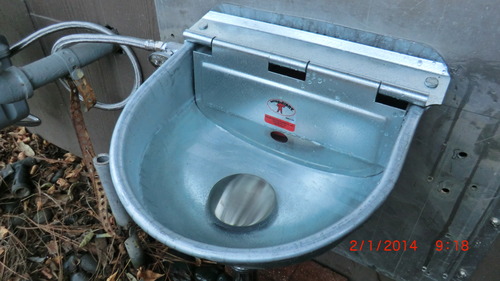
It takes a 1/2 inch pipe, flexible hose or garden hose, so it works with the same supply lines as the plastic options. The continuous fresh water supply is the sanitary argument for it: less standing water, fewer organisms.
It measures 10 by 5.5 by 10.75 inches and weighs 4.52 pounds. At 4.4 stars it scores well, though with 151 reviews it has a smaller history than the leaders.
Why pasture managers pick it
Galvanized coating is the reason. It is the cheapest corrosion-resistant option that still takes a hoof or a gate swing without cracking, and it ages more gracefully than plastic in full sun.
Making it adjustable to animal height is the quietly useful part. One waterer can serve a heifer and a mature cow as the herd grows if you move the mount rather than buy twice.
Where it falls short
Galvanized steel does eventually rust, particularly at scratches and welds, so it is not a lifetime unit the way a stainless bowl can be.
The basin is smaller than the 4 gallon DuraMate, and it carries a higher cost than a plastic bowl for a product that is not fully sealed against the weather.
12. JIANBENKJ Float Valve – Best Budget Tank Upgrade
Water Trough Float Valve for Stock Tank,Automatic Livestock Waterer Level
245 gallons per hour
20-50 PSI range
3/4 inch NPT connection
7.8 x 4.5 x 2.9 inch
Pros
- Simple way to automate an existing tank
- 245 gallons per hour flow rating
- PTFE tape included
- Works with tanks troughs buckets
Cons
- Thread pitch may not match US hoses
- Plastic float and housing wear faster
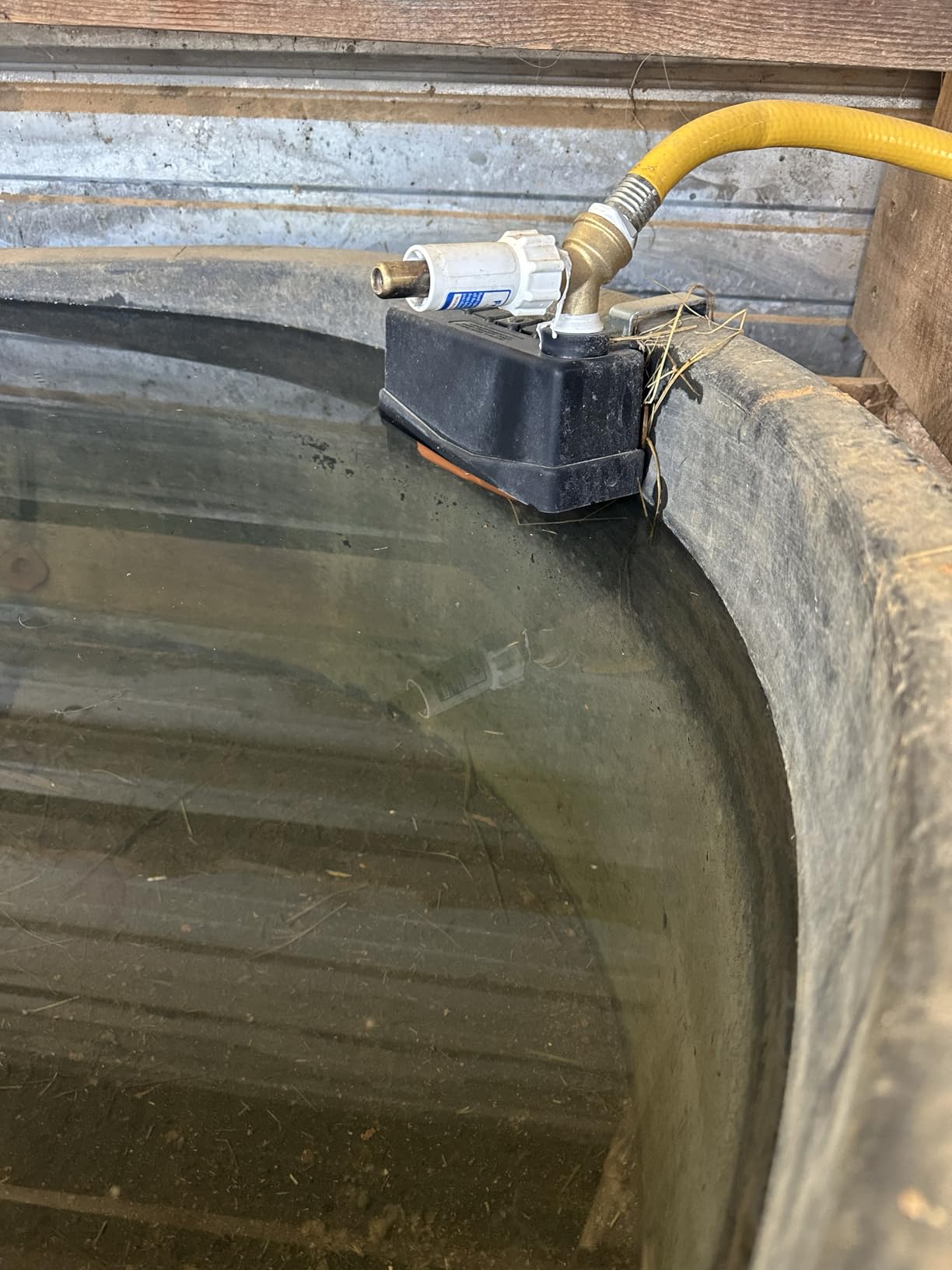
If you already own a tank or a trough and just need it to fill itself, this float valve is the shortest route. It hangs on the tank rim, connects to a hose, and shuts the water off when the float rises.
The flow rating matches the premium Trough-O-Matic at 245 gallons per hour in a 20 to 50 PSI window, so throughput is not the tradeoff you would expect at this level.
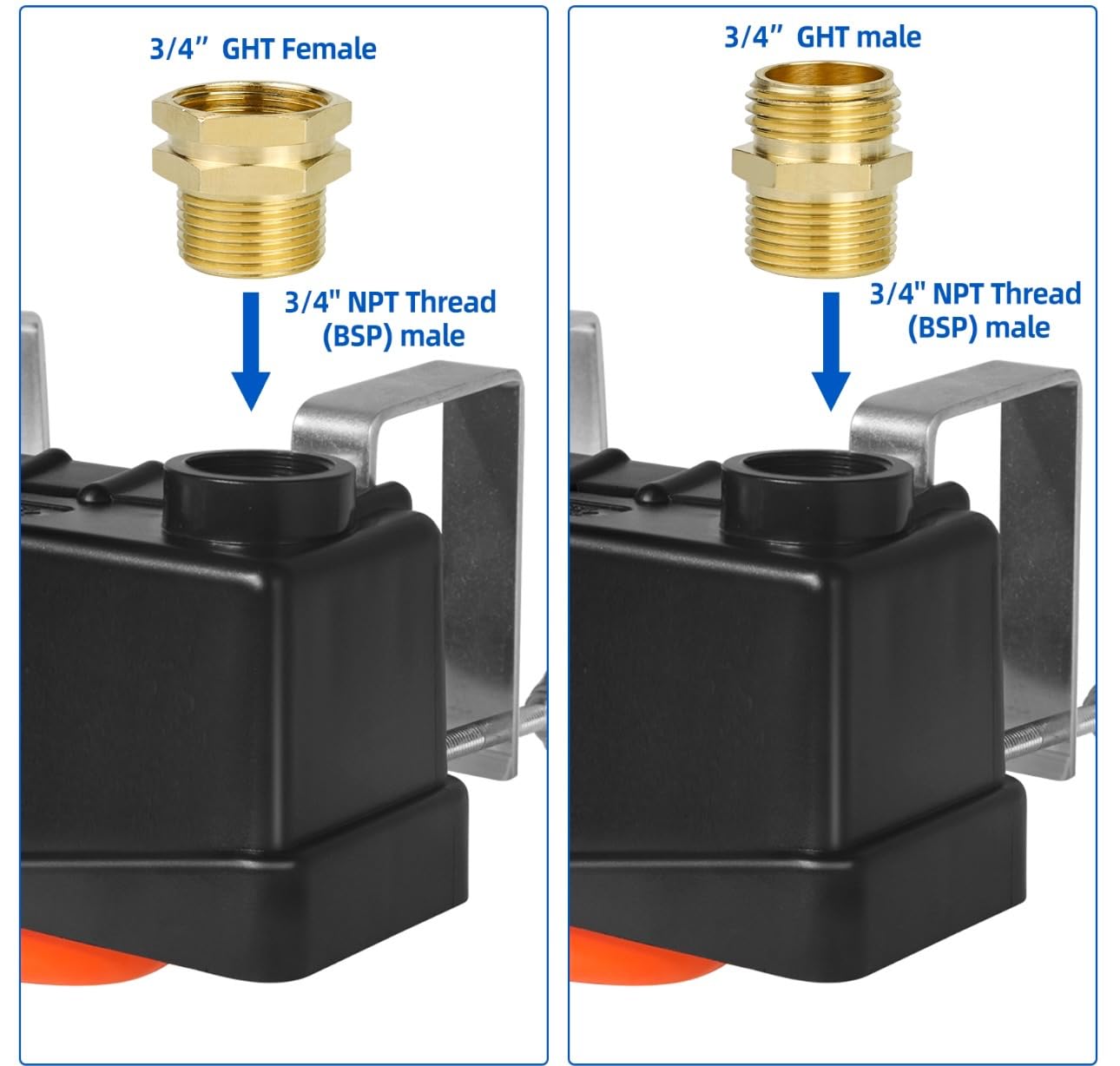
Construction is a thick PE float ball, an ABS housing and a galvanized metal bracket, and the package includes PTFE tape so the thread starts sealed.
It weighs just 6.4 ounces and measures 7.8 by 4.5 by 2.9 inches, which makes it easy to move between tanks as your operation changes.
Why it is worth it for a temporary or light-duty setup
It is genuinely universal. Tanks, troughs, waterers, buckets and gravity feed setups all accept it, and the galvanized bracket keeps it from rusting quickly in a wet environment.
Several owners use it exactly as intended, on a secondary tank or a seasonal setup, without expecting it to last a decade.
Where it falls short
The most common complaint is thread pitch. It is a 3/4 inch NPT connection, and some buyers found it does not mate cleanly with standard US garden hose, which cost them extra fittings and tape.
Reviews also flag that fittings can weep and that the plastic float and housing wear faster than metal, with several owners recommending a heavier valve for permanent service.
How Automatic Livestock Waterers Work
Every automatic waterer in this guide uses the same principle, and it is the same principle as a toilet tank. Water pressure pushes through a valve, a float rides on the surface, and the float position controls the inlet.
The animal drinks and the level drops. As the surface falls, the float falls with it and the inlet valve opens.
Water refills the bowl. Supply pressure pushes water in until the float rises back to its set height.
The float rises and closes the valve. Inflow stops exactly at the level you adjusted, so the bowl does not overflow.
The float is the failure point. A chewed float, a mineral-clogged valve or a shifted setting is what actually stops a waterer, not the bowl.
That last point is why the Moduoduo baffle and the spare float valves in the Ademon and COMVIEE kits matter more than the bowl material in most situations.
A heated unit adds one step: a thermostatically controlled element holds the bowl water above freezing. An energy-free unit skips electricity entirely and instead relies on a buried, insulated riser pipe that carries heat up from below the frost line.
How much water your animals actually need
A 1,000 pound cow drinks somewhere around 5 to 15 gallons a day, and the range is wide because weight, temperature, lactation and workload all move it. A lactating dairy cow in a hot summer sits at the top of that range, and a dry cow in mild weather sits at the bottom.
Horses land around 5 to 15 gallons daily as well, sheep and goats at roughly 1 to 4 gallons, and pigs vary widely with growth stage. Poultry use a fraction of a gallon per head.
The practical takeaway is that total herd demand has to be met within the peak drinking window in the morning and late afternoon, not spread over 24 hours. A two-gallon bowl that refills in a minute serves a group of animals. A two-gallon bowl on a slow supply does not.
Winter Strategies: Heated, Insulated Riser and Buried Line
A heated bowl does not save you from a frozen supply line. That is the single most repeated warning in the ranch forums, and it is the mistake behind most failed winter waterers. The bowl sits in open air while the pipe feeding it sits in frozen ground, and the pipe gives out first.
Ranchers on AgTalk and HorseForum describe the same fix for energy-free drinkers: the insulated heat tube has to start below the frost line and carry earth heat up to the bowl. A shallow riser is a decoration, not a solution.
Heated bowl or bucket draws roughly 200W and suits a barn or a paddock close to one. It needs reliable power, and plastic can crack in severe cold.
Energy-free fount needs no power at all and belongs in a remote pasture, provided the riser is set below the frost line. The trade-off is silting, since the tube stops moving ground heat as it ages.
Insulated supply line handles short runs from an existing riser, but the insulation degrades over time and heat tape reintroduces the power requirement.
Buried water line is the most complete option, distributing water year round across a farm, with success decided by installation depth and drainage.
Insulated bucket with no element costs nothing to run but only works in mild winters, since water still freezes in a hard freeze.
Miraco Lil’ Spring drinkers get singled out in the forums for a heating element that works reliably, while Lapp energy-free drinkers and Mirafont are described as similar in approach. Owners also warn that riser tubes silt in over decades and stop moving ground heat, so plan on replacing or flushing them.
The repairability question matters more than most roundups admit. Waterers that last a decade are the ones where a float, an element or a thermostat can be replaced as a part rather than a whole unit, which is exactly what makes the Farm Innovators bucket and the Little Giant valves good long-term buys.
Sizing Waterers and Number of Stations per Herd
Sizing is not about total daily consumption, which is what most guides lead with. It is about how many animals drink at the same time in the two peak windows of the day.
Count the herd that drinks together. Cattle cluster and drink as a group. Twenty head arriving at one bowl at once is the case to design for, not the average across the day.
Match the fill rate to the group. A 245 gallons per hour valve refills a large tank faster than any molded bowl can deliver, which is why valves win on big groups.
Set stations, not totals. For cattle, one station per 15 to 20 head is a common starting point, and two stations in different locations beat one central trough because animals dominate the closest water source.
Check pressure before you buy. Most float valves need 20 to 50 PSI. Above 50 PSI you need a regulator, and below 20 PSI the bowl will not fill properly.
Bowl capacity follows from the herd rule. Under 15 head, a 2.5 to 3 liter bowl is enough. Between 15 and 30 head, move to 4 gallons or a tank with a valve. Above that, you are looking at a trough or a tank rather than a bowl.
Rough-and-ready space rule: allow one linear foot of trough per ten to twelve head of cattle, and place the far end of a long trough at least 20 feet from the reach of the animal at the near end, so the quiet end stays clean.
Cleaning and Maintenance Routine
Automatic does not mean hands-off. A waterer that never gets scrubbed becomes a biofilm generator, and livestock will tell you by drinking around it.
Weekly: pull the drain plug, scrub the bowl with a stiff nylon brush and a bucket of water, rinse, and check the float is still set where you left it. Look at the inlet while you are there.
Monthly: flush the supply line for thirty seconds to clear sediment, inspect the float ball and linkage for chewing or mineral crust, and tighten any weeping fittings a quarter turn.
Before winter: confirm the riser is still carrying flow rather than silted, check the thermostat on a heated unit by feeling the bowl water, and confirm the power cord is on a protected route with no exposed section an animal can reach.
On algae and biofilm, prevention beats treatment. Stainless surfaces shed biofilm better than plastic, running the bowl a little lower reduces the standing water that algae needs, and keeping bird debris out of an open trough is the largest single improvement most operations can make.
If you have animals on a heater, check the cord route first. Chewed power cables are a fire risk, and routing the cord through a rigid conduit to the barn is worth the extra day of work.
Frequently Asked Questions
What is the best automatic livestock waterer?
For most small herds, a 304 stainless steel float bowl on a pressurized water line is the best automatic livestock waterer. It needs no electricity, resists rust, resists chewing and scrubs clean in minutes. Larger cattle groups are better served by a high-flow float valve on a tank or trough, and cold regions need a heated unit or an energy-free fount with a riser buried below the frost line.
What is the best automatic watering system for cattle?
For cattle, the best automatic watering system is a livestock tank or trough with a float valve rated around 245 gallons per hour operating between 20 and 50 PSI. Cattle drink as a group, so throughput matters more than bowl size. Run one station per 15 to 20 head, place stations in more than one location, and install a pressure regulator if your line runs above 50 PSI.
What is the best automatic horse waterer?
The best automatic horse waterer for a stall or paddock is a stainless steel float bowl holding 3 to 4 gallons, mounted at a height the horse can reach comfortably and protected with a float baffle so chewing does not ruin the valve. A heated bowl is worth adding in any climate where water freezes, since horses drink more when the water is not near freezing.
What is the best automatic waterer for sheep and goats?
For sheep and goats, the best automatic waterer is a smaller bowl with a stainless steel baffle over the float, because goats chew and head-butt float valves more than any other livestock. A 1 to 1.5 gallon bowl with a drainage hole and a three-sided gap that keeps grass off the float works well in a pasture. Add a heated option only in genuinely freezing climates.
What is the best automatic hog waterer that will not freeze?
The best hog waterer that will not freeze depends on your power. With electricity, a thermostatically controlled heated bowl or bucket with a replaceable element is the most reliable option. Without electricity, use an energy-free fount with a heat tube that starts below the local frost line, and keep the water moving through a buried supply line. A heated bowl alone will not save you from a supply line that freezes above ground.
How much water does a 1,000 lb cow drink a day?
A 1,000 pound cow typically drinks between 5 and 15 gallons of water per day. The wide range comes from weight, air temperature, lactation and workload, with a lactating dairy cow in summer at the high end. Water restriction directly cuts feed intake, milk production and weight gain, so size your daily supply for the top of the range rather than the average.
How do I keep automatic livestock waterers clean?
Drain and scrub the bowl weekly with a stiff nylon brush, rinse, and reset the float while you are in there. Flush the supply line monthly to clear sediment and check the float for chewing and mineral crust. Before winter, confirm the riser still carries flow and check the heating element and thermostat. Stainless steel sheds biofilm better than plastic, which is the main reason it costs more.
Best Livestock Waterers by Use Case
The best livestock waterers for a typical small mixed herd is the Ademon 3 liter stainless bowl, because it runs without power, survives hard use and includes spare floats. Where heat is the problem rather than labor, the Little Giant DuraMate adds a 4 gallon reservoir that holds up in desert conditions.
Winter is a separate purchase. The Farm Innovators 16 gallon heated bucket handles the cold near a barn, while operations in remote pastures need an energy-free fount with a properly buried riser rather than a cord across the field.
For cattle numbers, skip molded bowls entirely and fit a high-flow float valve to a tank. The Trough-O-Matic is the strongest of those here, rated at 245 gallons per hour, and the JIANBENKJ does the same job on a lighter budget if you accept plastic wear.
Whichever you pick, budget a scrub brush and a spare float. That is the difference between a waterer that lasts ten seasons and one that gets replaced every other winter.