
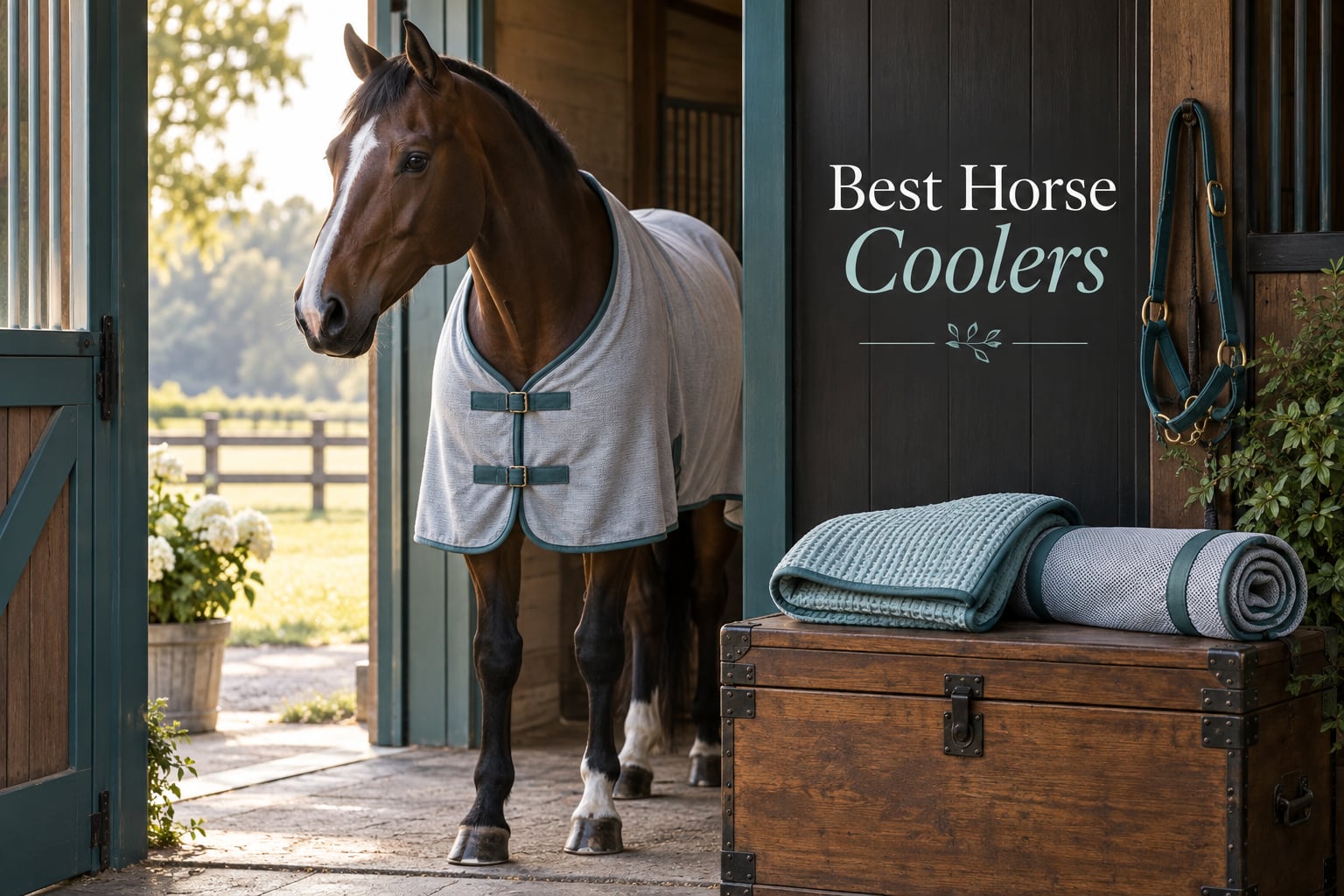
A horse comes off a cross-country course soaked to the skin, or steps out of the wash bay dripping after a bath, and the next hour decides whether that evening is fine or whether you are calling the vet. A cooler is the cheapest piece of kit that gets that hour right. It pulls water off the coat, lets the heat escape, and gives the horse a dry surface to stand on while the rest of the cooling happens.
Most cooler buying advice is thinner than the products. Retail category pages describe fleece, waffle and mesh in a paragraph and then leave you to pick from two hundred listings. Forum threads go the other way: real owners naming the brands they trust, but with no structured guidance. This roundup sits in the middle. We put 12 of the best horse coolers through the same criteria – wicking performance, fit, hardware that survives a yard, washability and value per season – and sorted them by the job each one actually does well.
Every horse is not the same problem. A clipped horse in a cold February yard needs warmth retention. A horse coming out of a gallop in July needs evaporation. A grey being shown needs a fabric that does not hold a stain. Getting the material, neck coverage and weight right matters more than any brand badge, so we explain the decision framework alongside the picks. If you are also fitting out a horse from scratch, our horse saddle reviews and tack set picks cover the rest of the kit.
Table of Contents
What Is a Horse Cooler?
A horse cooler is a lightweight, breathable rug that wicks sweat and water away from the coat to the outside of the fabric, where it evaporates, so the horse dries evenly without losing too much body heat or catching a chill. It is not a rain sheet, not a fly sheet and not a turnout rug. UK riders call the same product a cooler rug, a sweat rug or a fleece rug; US riders say cooler or anti-sweat sheet.
How it works is simple physics. Capillary action in the fabric fibres lifts moisture off the coat and holds it on the outer surface, where moving air and body heat drive evaporation off the horse entirely. The closer the fit, the better the transfer. That is why a contoured cooler on a wet horse finishes the job in a fraction of the time a loose sheet does.
One diagnostic shortcut is worth knowing: once the transfer is working, the rug reads damp on the outside while the coat underneath is already dry. Feel the rug, not just the horse.
Our Top 3 Horse Cooler Picks in 2026
We pulled the three strongest overall performers across fleece weight, hardware quality and review volume into the shortlist below. Each one covers a different job, so the right pick depends on your climate and how your horse sweats.

Tough 1 Fleece Liner Sheet
- Softfleece construction
- Works as a cooler or blanket liner
- Front buckle and tail cord
- Water repellent

Jeffers Elite Fleece Cooler
- Contoured moisture wicking fleece
- Adjustable front buckles
- Hidden surcingle
- Does not collect bedding

TuffRider Fleece Cooler Sheet
- Anti-pill polyester fleece
- High wicking action
- Durable T-hook closures
- Low cross surcingles
All 12 Best Horse Coolers at a Glance (September 2026)
Before the individual write-ups, here is the full field. Scan the features column to narrow the list fast, then read the section that matches your horse.
| Product | Specifications | Action |
|---|---|---|
| Tough 1 Soft Fleece Liner Sheet |
|
Check Latest Price |
 Tough 1 Contour Fleece Cooler Tough 1 Contour Fleece Cooler |
|
Check Latest Price |
| TuffRider Fleece Cooler Sheet |
|
Check Latest Price |
 Challenger Contour Fleece Cooler Challenger Contour Fleece Cooler |
|
Check Latest Price |
| Jeffers Elite Fleece Cooler |
|
Check Latest Price |
 RESISTANCE Contour Cooler RESISTANCE Contour Cooler |
|
Check Latest Price |
 TuffRider Standard Neck Cooler TuffRider Standard Neck Cooler |
|
Check Latest Price |
 HORZE Kiel Fleece Cooler HORZE Kiel Fleece Cooler |
|
Check Latest Price |
 WeatherBeeta Anti-Static Cooler WeatherBeeta Anti-Static Cooler |
|
Check Latest Price |
 TuffRider Combo Neck Cooler TuffRider Combo Neck Cooler |
|
Check Latest Price |
 Tough 1 Mini Contour Cooler Tough 1 Mini Contour Cooler |
|
Check Latest Price |
 T TEKE Anti-Pill Fleece Cooler T TEKE Anti-Pill Fleece Cooler |
|
Check Latest Price |
1. Tough 1 Soft Fleece Liner Sheet – Best Overall Cooler and Liner
Tough1 Soft Fleece Blanket Liner/Cooler – Black – Medium
Softfleece sheet
Front buckle closure
Tail cord
Water repellent
2 year warranty
Pros
- Soft fleece that wicks sweat and adds light warmth
- Doubles as a standalone cooler or a blanket liner
- Accurate sizing with generous coverage
- Water repellent fabric with a 2 year manufacturer warranty
Cons
- Fabric is thin and some buyers call it pajama-like
- No leg straps so it can slip when turned out
- Smallest available size still runs large on small ponies
This is the cooler we end up recommending first because it does the least interesting thing extremely well. It is a plain softfleece sheet with a front buckle and a tail cord, and after 773 reviews it still carries a 4.6 rating. That combination of volume and consistency is rare in this category, where most listings have fewer than a hundred reviews.
The dual use is what earns it the top spot. Owners use it as a standalone post-ride cooler, as a liner under a waterproof sheet, and as a layer for drying a clipped horse off in cold weather. Being water repellent matters here: a splash of rain beads on the outer face instead of soaking through to the coat.
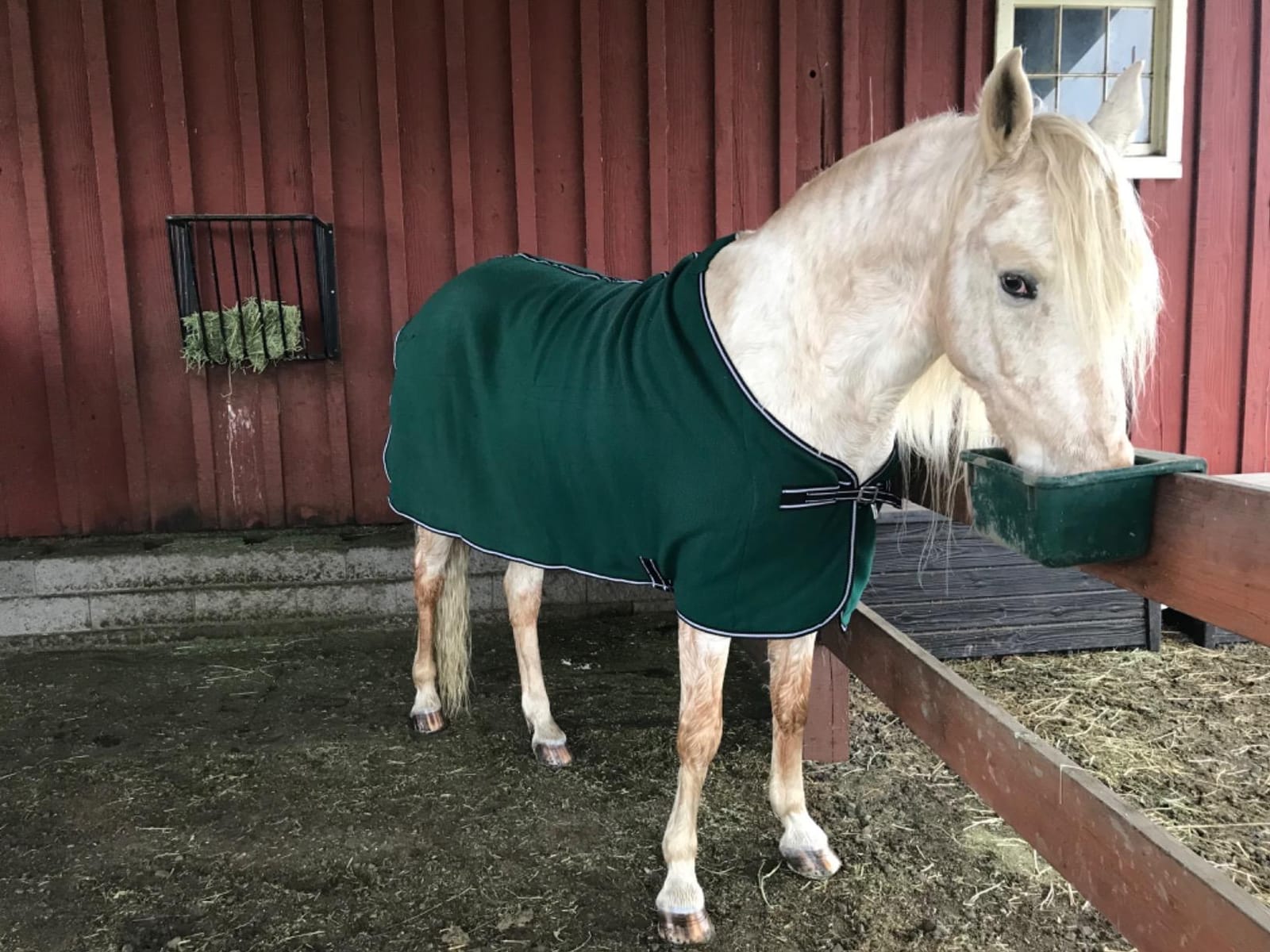
Construction is straightforward. Black softfleece, a round neck cut, a front buckle closure and a tail cord, backed by a 2 year manufacturer warranty. The pack dimensions of 34 x 30 x 14 inches describe the folded product, not the sheet itself, and the model is a Medium.
Owners frequently comment on the coverage across draft-type frames, and several describe it holding up to pasture wear better than they expected for a liner-weight fabric. It is the piece we would buy first for a barn that needs one cooler that never gets retired.
How well it holds up in a working yard
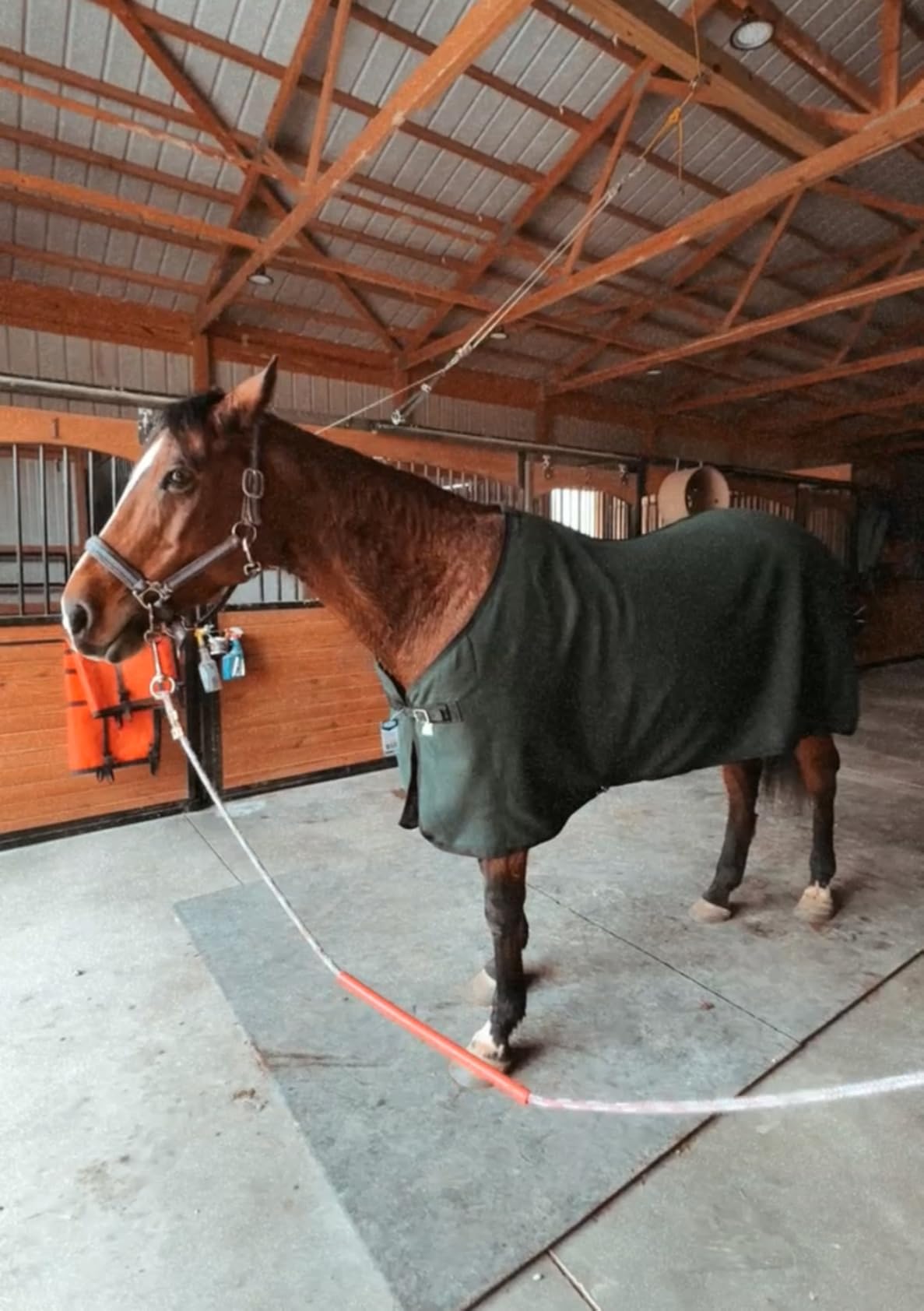
For stall use, trailering and layering under a blanket, the fabric wears steadily and the buckle and cord do not become the weak point. That is the opposite of the failure pattern riders complain about most, where a surcingle or belly band gives out long before the cloth does.
The single size is the catch. With one Medium on offer, a yard running several very differently sized horses will find the fit generous at the small end. Measure before you commit.
When this is the wrong choice
It is a light sheet with no leg straps, so it is not the right answer for a horse that spends the day turned out and rolls or gets tangled. It is also too thin for a winter night with a clipped horse in a cold climate.
If your horse sweats heavily and the air is warm, a thicker or more open-weave fabric will clear the water faster and reduce the risk of sweating again once the rug comes off.
2. Tough 1 Contour Fleece Cooler – Best Neck and Shoulder Coverage
Tough 1 Softfleece Contour Cooler Medium Purple
Contour fleece
Machine washable
Neck and shoulder coverage
Lightweight acrylic
Pros
- Dries heavy sweaters quickly after a hard ride or a bath
- Contoured shape covers the neck and shoulder
- Well-made hook-and-loop closures
- Lightweight and machine washable
Cons
- Strap length runs short on some horses
- Medium can fit small around the neck for mid-size horses
- Not water resistant
The shape is the whole argument here. This is a contour fleece cut that runs up over the neck and across the shoulder, the two areas a horse sweats through hardest after a lesson or a bath. Owners of heavily muscled horses mention the neck coverage specifically as the reason the sweater dries evenly rather than drying in patches.
It weighs 19 x 12 x 6 inches folded, and the build is deliberately light: acrylic fleece, machine washable, with a contour style cut described by the manufacturer as adjustable, comfortable and lightweight. Several colors and sizes run through the range, so matching a set of rugs is straightforward.
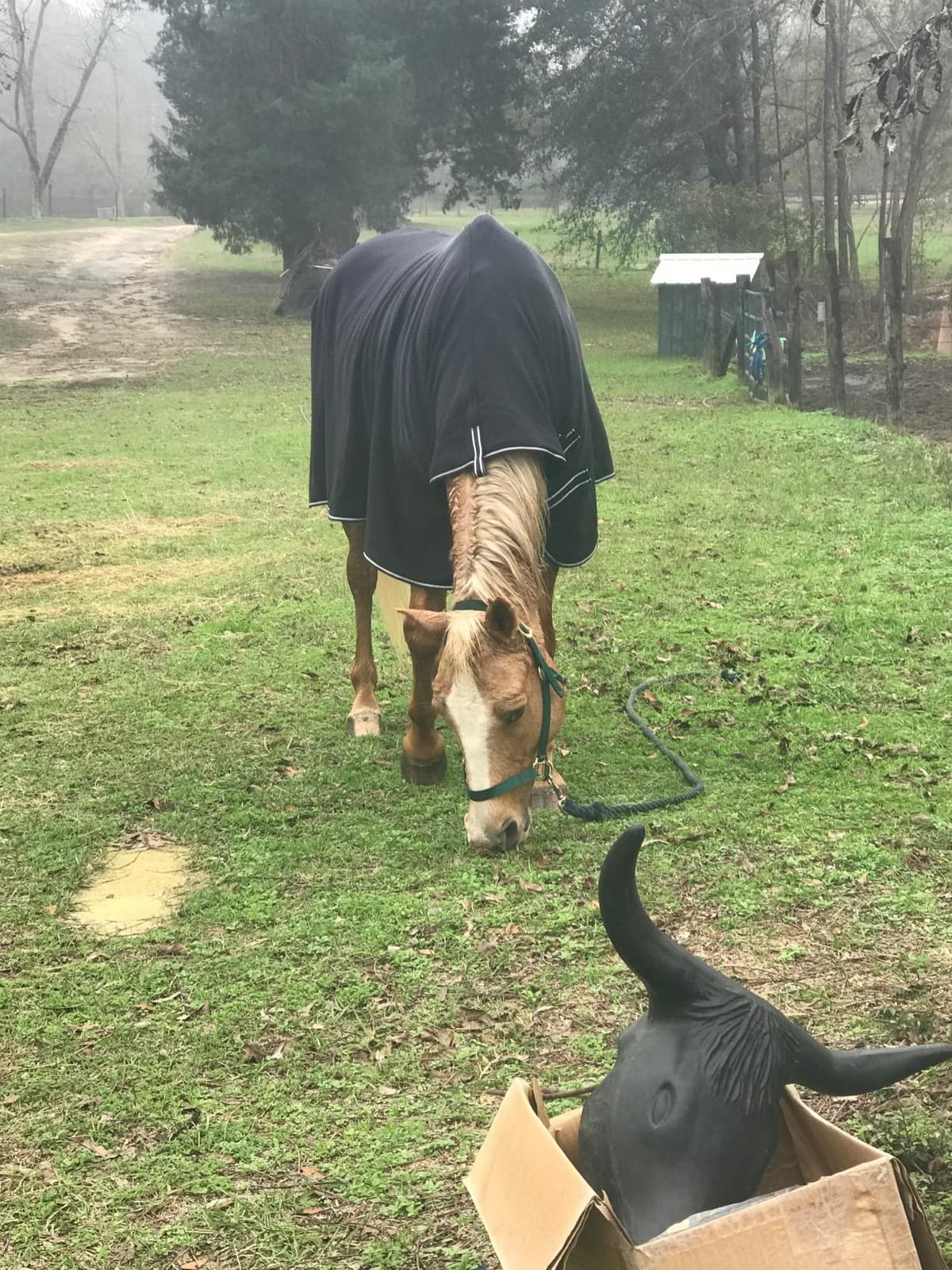
Performance reports cluster around one number of jobs: hard rides, cold-weather bath-and-dry, and post-lesson cool-downs. Owners repeatedly describe the rug reading damp on the outside while the coat underneath dries, which is the capillary action doing its job rather than the fabric simply absorbing and holding moisture against the skin.
Value is the other repeated theme. Buyers compare it against premium fleece coolers and conclude that this one does most of the same work for a fraction of the outlay.
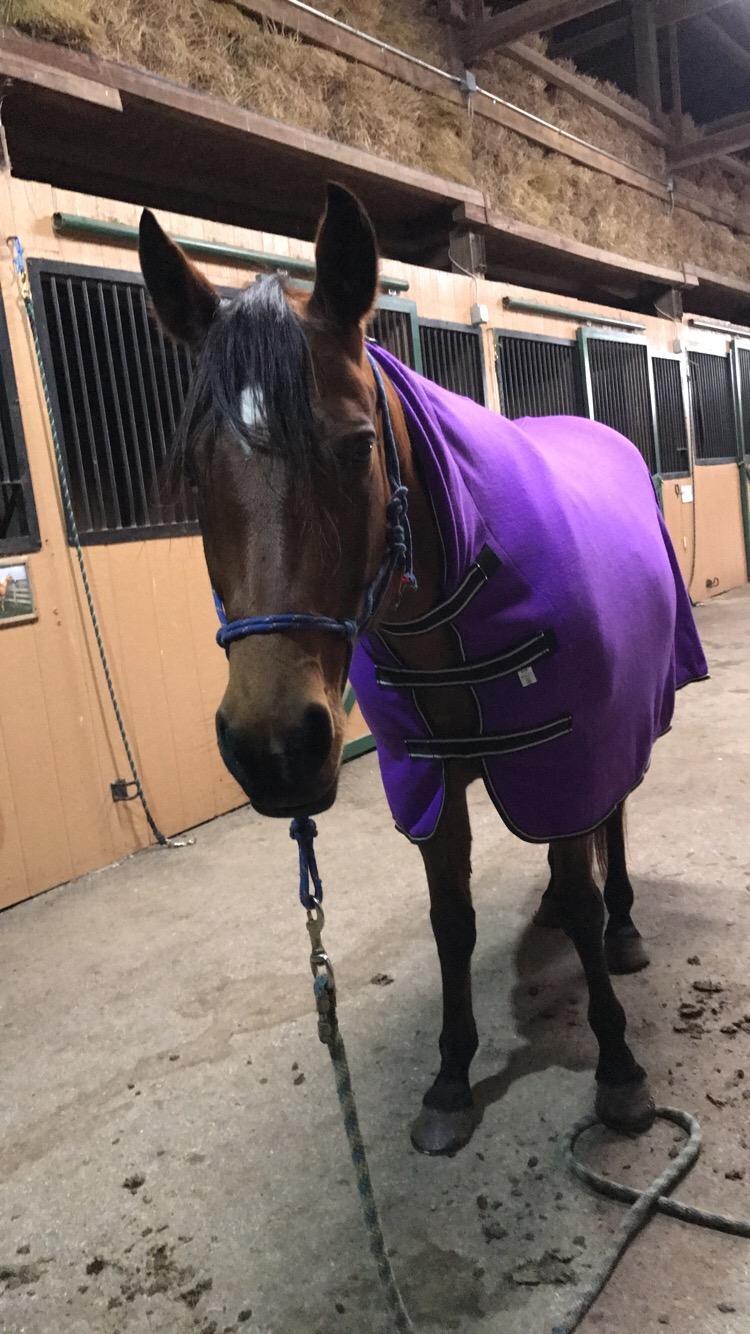
Whether the adjustment range fits your horse
The most common complaint is strap length rather than fabric. The first chest strap can run short on some horses, which pulls the front closure out of position and shifts the wicking contact away from the coat.
Measure the chest girth before ordering and, if you are between sizes, check the closure positions on the size chart rather than guessing. A cooler that cannot be adjusted tight enough will never wick as well as the material should allow.
Where it falls short
It is not water resistant, so it belongs indoors or under a waterproof layer rather than exposed to rain. In a wet climate, plan on a separate rain sheet for turnout.
Owners also note that Medium can sit small around the neck even when the body measurement fits, so horses with a fine head and a wide body need the neck measurement taken properly.
3. TuffRider Fleece Cooler Sheet – Best Anti-Pill Fleece with T-Hook Hardware
TuffRider Fleece Cooler Sheet for Horse – Black – 63
Anti-pill fleece
High wicking action
T-hook closures
Low cross surcingles
Pros
- Soft fleece that runs true to size
- Wicks moisture and works as a blanket liner
- Dependable T-hook closures and cross surcingles
- Wide color and size range
Cons
- Fleece is thinner than premium coolers
- Attracts shavings that need brushing out
- T-hook hardware may wear before the fleece
A 4.7 rating across 143 reviews with hardware that reviewers actually trust. The T-hook closures and low cross surcingles are the detail that separates this from a cheap sheet, and they are the reason it holds position on a horse that moves around rather than standing still.
Many owners use it as a winter blanket liner and report that it does not cause blanket sores, which is a fairly demanding test for a sheet that ends up sandwiched between a horse and a heavier rug all night. The technical fabric is described as anti-pill polyester fleece with high wicking action.
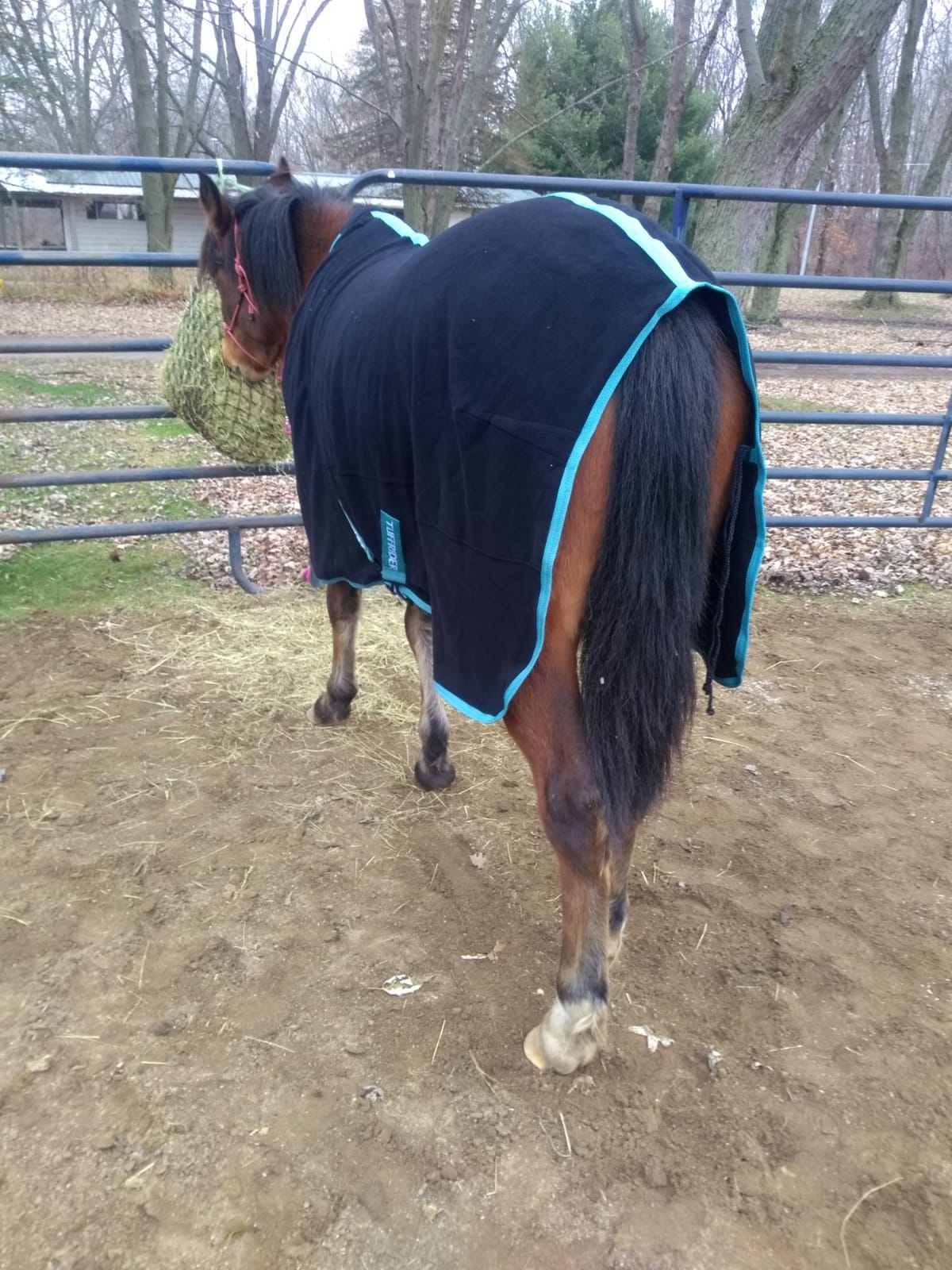
Sizing runs from 63 to 87 inches and the fleece runs true to size, which means the panel length lands where it should on a horse of that measurement. Color options are wide enough that most yards can build a matching set.
It is a sheet-only cut rather than a contour or combo design, so the neck sits higher and more open. That is a deliberate choice for layering: it tucks under a stable rug without a neck panel fighting the closure.
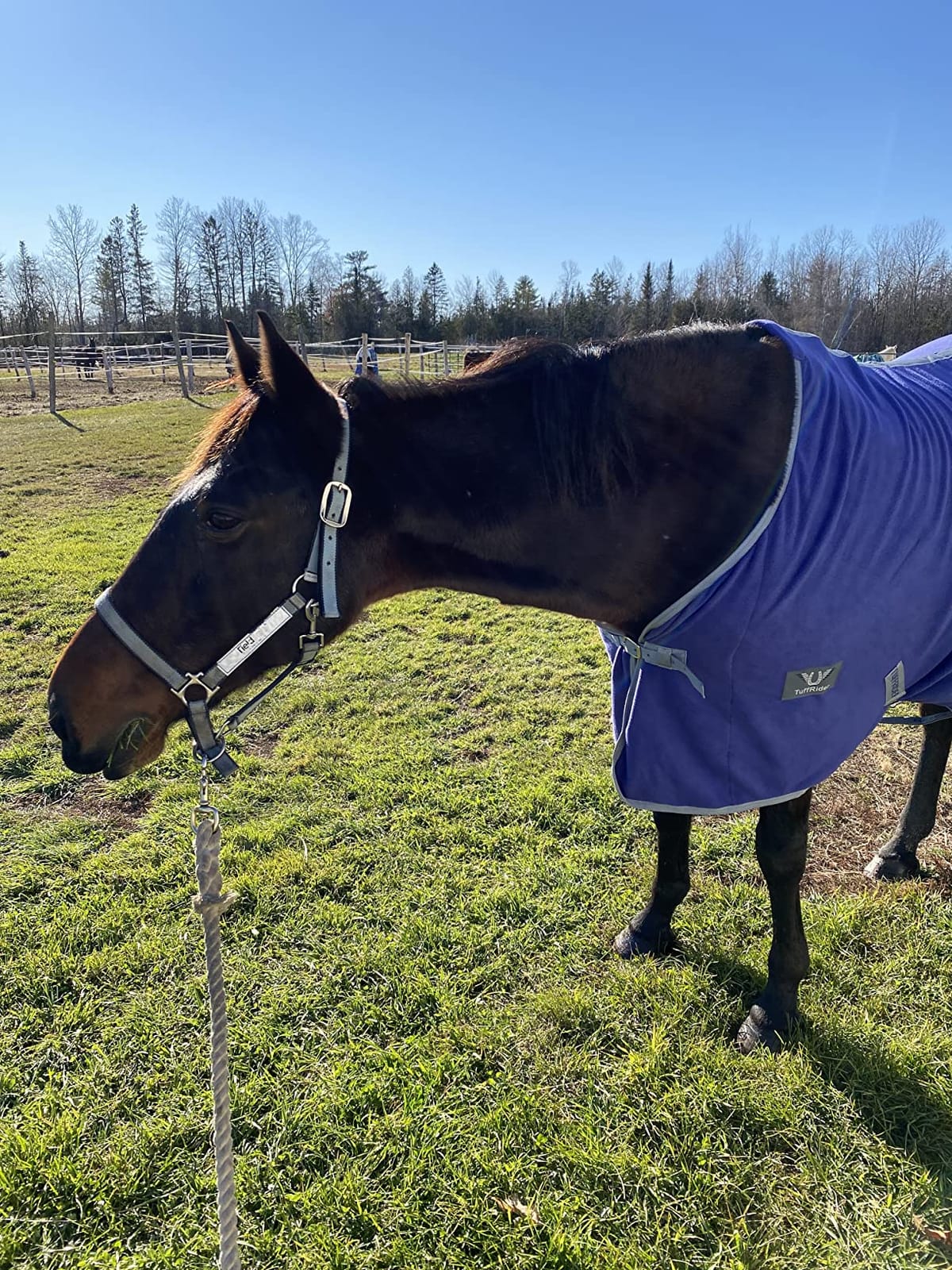
Whether it will last a full winter of use
Reported wear is about the fleece surface rather than the structure. Anti-pill construction is doing its job; the fabric stays smooth and the stitching holds. The weak point, if there is one, is the plastic hook hardware rather than the cloth.
If you are hard on rugs, the reinforcement at the surcingle and belly band is the first place to inspect after a season, and it is also the first place a cheaper sheet usually fails.
Where it falls short
The fleece is lighter than premium coolers, so it is a poor choice for drying a heavily clipped horse in genuinely cold weather. It is better suited to mild conditions and layering under a rug that provides the warmth.
It also collects shavings and dust from the barn floor and needs a brush-out routine, otherwise the wicking surface packs with debris and stops moving air.
4. Challenger Contour Fleece Cooler – Best Heavy Fleece for Cold Drying Off
Challenger Horse Soft Fleece Cooler Contoured Exercise Sheet Blanket Wicks Liner 43EE13
300 gsm polar fleece
Quick drying
Adjustable chest closure
Lightweight when wet
Pros
- 300 gsm double-sided polar fleece wicks without bulk
- Stays lightweight even when wet
- Breathable fabric for stall and post-ride use
- Adjustable front chest closure holds position
Cons
- Too warm for hot-weather drying
- Contour cut suits a shaped topline
- Check the chest closure after hard work
At 300 grams per square metre, double sided and non-pilling, this is the heaviest fleece in the group. That weight is the point: it is the pick for a clipped horse in autumn or winter, for post-bath drying in cold weather, and for layering under a stable rug as thatch.
The claim owners care about most is that it stays lightweight even when wet. A heavy fleece that soaks up water and then drags is miserable on a horse; a 300 gsm polar fleece that keeps its loft gives warmth without turning the sheet into a wet blanket.
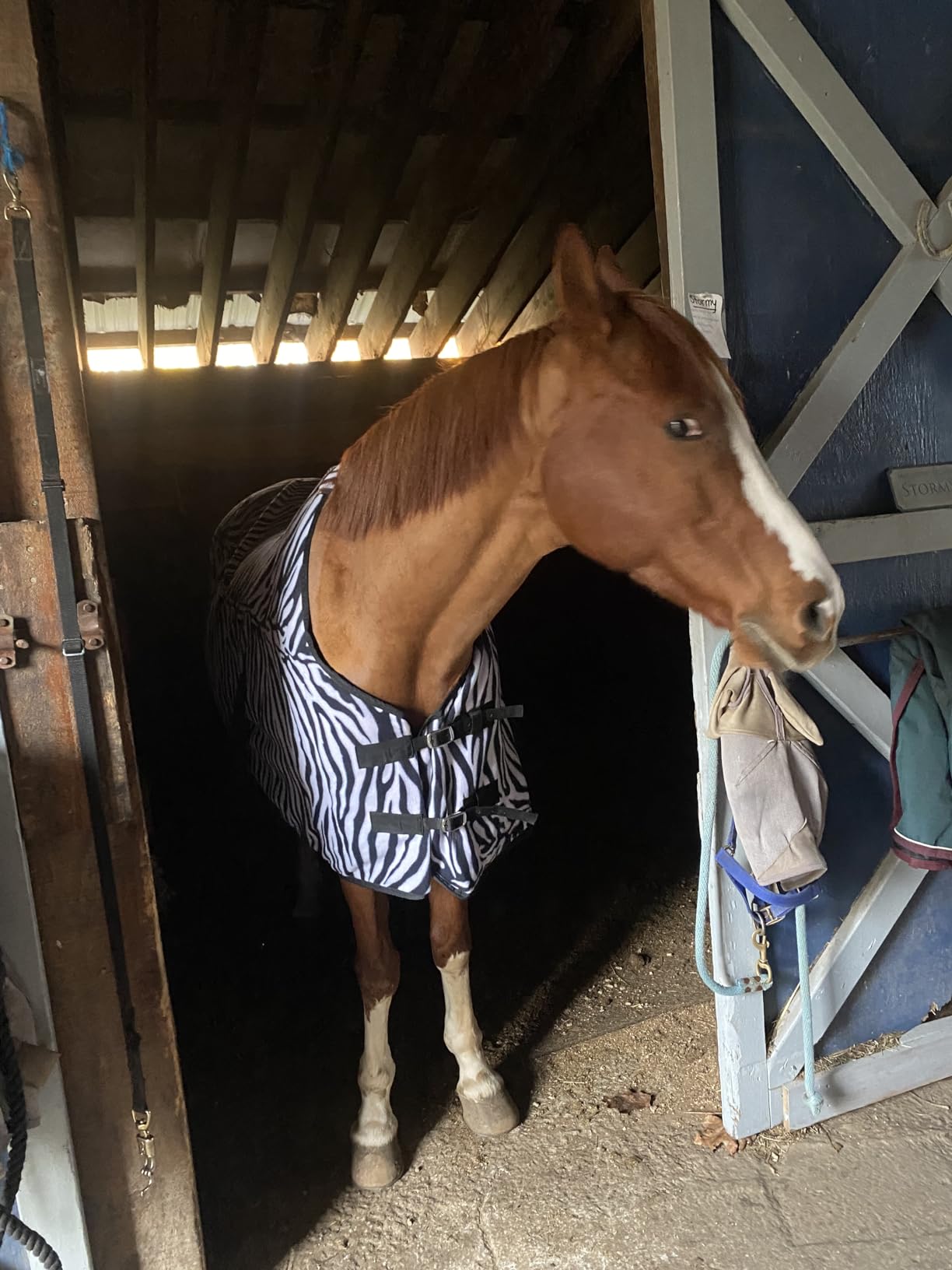
The build is straightforward: a contoured sheet with an adjustable front chest closure, a 72 inch size, and a folded pack weight of 2.95 pounds. The listing positions it for post-exercise, post-bath and cold-weather layering use, with prints and sizes running wide.
It is also listed as moisture wicking and quick drying, which sounds contradictory against that weight but is the honest result of a double-sided construction rather than a single thick pile.
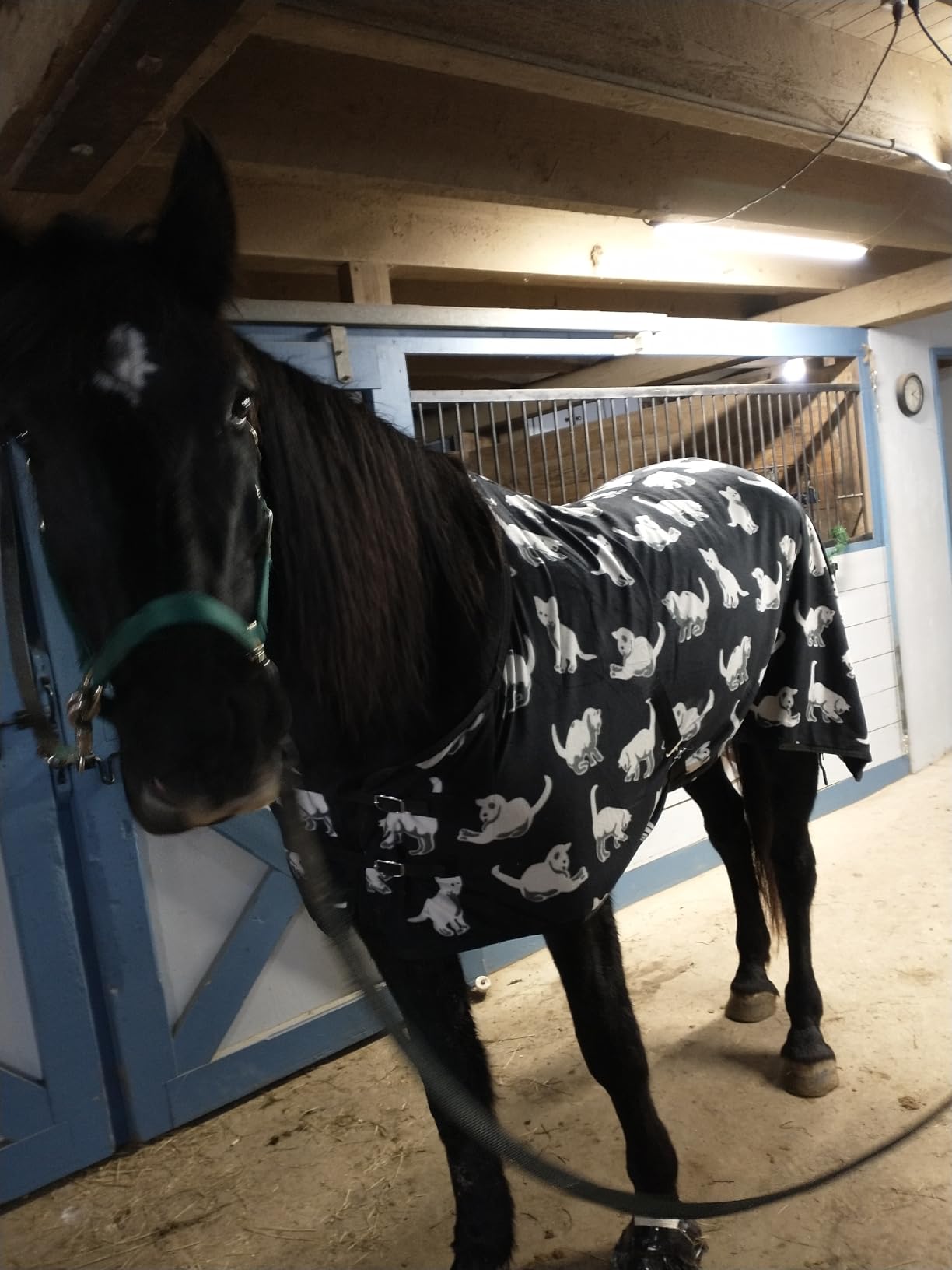
How warm does it actually get
Warm enough to keep a clipped horse comfortable through the drying phase, and light enough not to make the horse sweat again under the rug. That balance is why heavy fleece suits autumn and winter better than spring.
The risk of a heavier fleece is sweat breakout. If the horse arrives already soaked from a fast gallop in warm air, a warm rug on a wet horse keeps the moisture in contact with the skin rather than moving it outward.
Where it falls short
It is not the right pick for hot weather. In summer heat a 300 gsm fleece holds more warmth than the horse needs and works against the cooling it is meant to deliver.
The contoured cut is shaped to the topline, so a deep-chested or narrow-backed horse can find the neck and chest panel sitting away from the body. Check the chest closure tension after fast work and loosen it if the panel lifts.
5. Jeffers Elite Fleece Cooler – Best All-Round Contoured Cooler
Jeffers Elite Fleece Cooler Blanket for Horses, 78″ – Contoured Moisture Wicking Horse Cooler, Lightweight Breathable Fleece Horse Cover for Layering, Travel, Grooming & All Year Round Use – Navy
Contoured polyester fleece
Hidden surcingle
Adjustable buckles
78 inch
Pros
- Contoured fit follows the body for free movement
- Thick well-constructed fleece with strong buckles
- Does not collect hay or shavings when lying down
- Works as a layer under a turnout blanket
Cons
- Fleece only
- so no hot-weather option
- Print range changes between runs
This is the highest-rated cooler in the group at 4.8, and the reviews back the number with specifics rather than general approval. Owners point to true-to-size fit, adjustable buckles, thick fabric, and a print that does not grab bedding when the horse lies down.
That last detail matters more than it sounds. A fleece surface that hooks into hay and shavings stops moving air across the coat, and the whole mechanism of a cooler depends on that air. The contoured polyester fleece is described as moisture wicking, with a hidden surcingle keeping the sheet in place underneath.
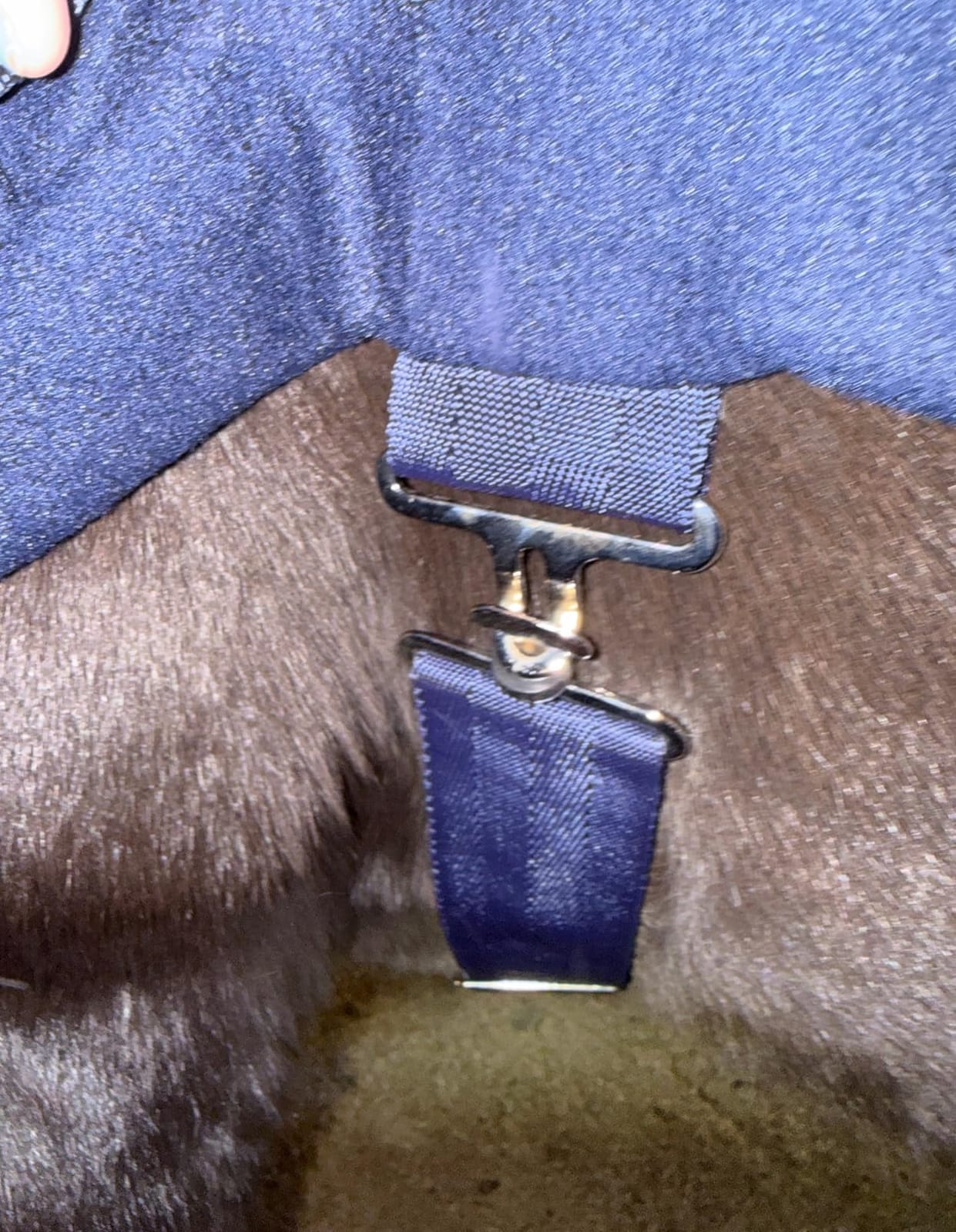
It is used two ways in the reviews: straight off a ride, and as a layer under a turnout blanket or stable sheet in cold weather. The listing covers a 78 inch size in navy, with a folded weight of 3.45 pounds and adjustable front buckle closures.
A thick rope tail tie is mentioned often enough that it is worth checking when the cooler arrives. Tail straps are the component most often missing from an otherwise solid sheet.
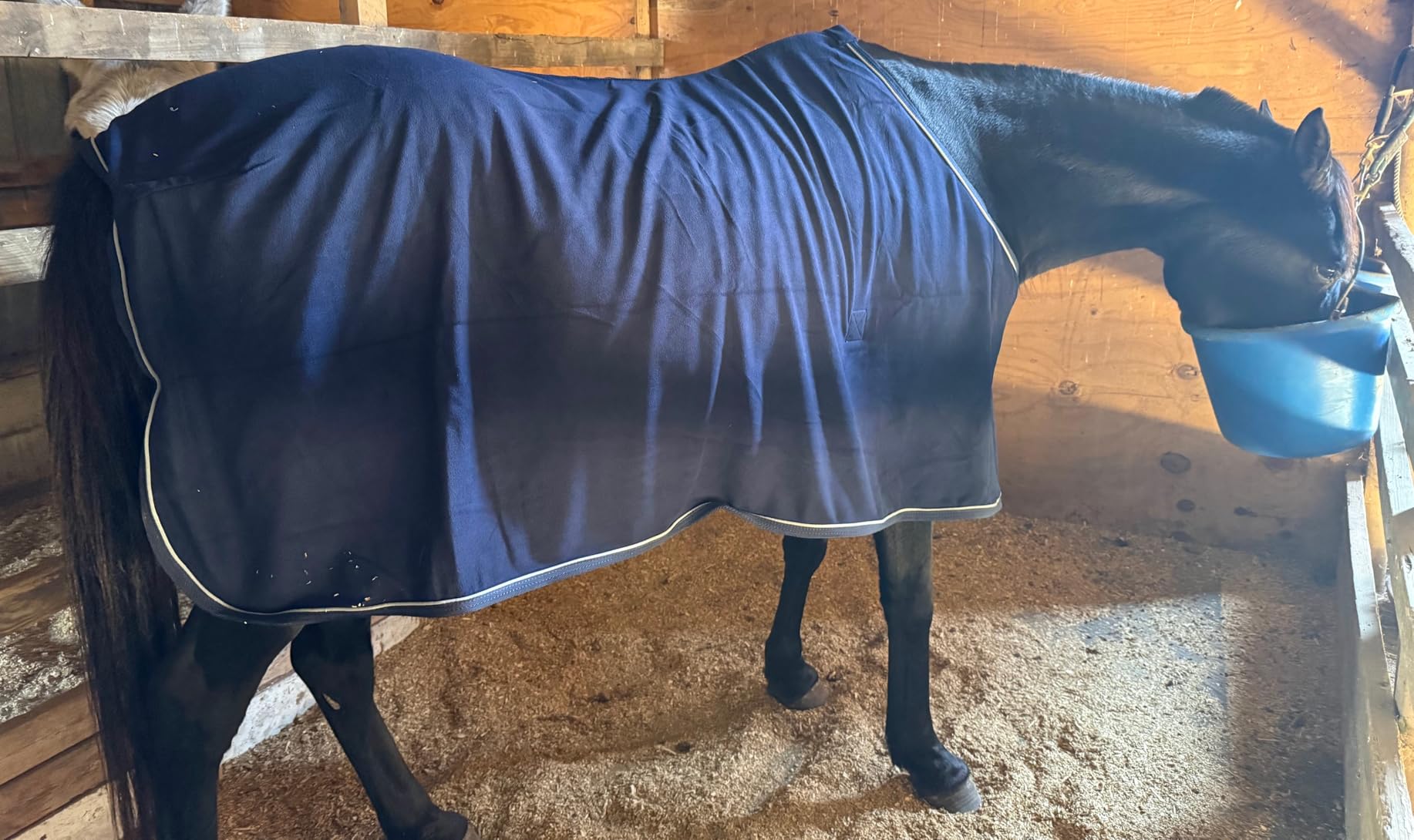
How it handles a horse that lies down
Repeatedly, owners note that this cooler does not pick up hay the way lighter fleece does, and that it comes out of a night in the stable without a layer of bedding pressed into the fabric. For a show horse or a clipped horse that spends the day resting, that is a meaningful advantage.
Strong buckles matter here too, because a cooler that has to be re-fitted every morning is one that will eventually be left off entirely.
Where it falls short
It is fleece only, with no mesh or open-weave option in the range, so there is no seasonal versatility in the box. In high heat you would add a separate evaporative sheet rather than repurpose this one.
Availability of any given print and size can change between production runs, so if you need a matched pair for two horses, check both sizes at once.
6. RESISTANCE Contour Cooler – Best Lightweight Daily Cooler
RESISTANCE Fleece Contour Horse Cooler — Anti-Sweat Moisture Wicking, 3 Quick-Grip Neck Closures, Tail Cord, Durable Hemmed Edges, Polar Soft Fleece, Post-Exercise Cool Down
Three quick-grip neck closures
Polar soft fleece
Integrated tail cord
2.51 pounds
Pros
- Three quick-grip neck closures give a snug anatomical fit
- Wicks sweat quickly to help prevent chills
- Light at about 2.5 pounds for daily barn use
- Hemmed edges resist fraying
Cons
- Hand wash cold and dry flat
- not machine washable
- Fleece attracts hay and shavings
Three quick-grip neck closures is a specification you rarely see, and it is the reason this cooler fits differently from a standard sheet. Instead of one or two front buckles, the closure pattern follows the anatomy of the neck, so the fabric stays in contact with the coat across the shoulder where a cooler does most of its work.
At 2.51 pounds folded, it is the lightest option we tested. That weight matters for a barn that cools a horse down after every lesson: the sheet goes on fast, does its work, and comes off again without the horse having to carry a damp rug around.
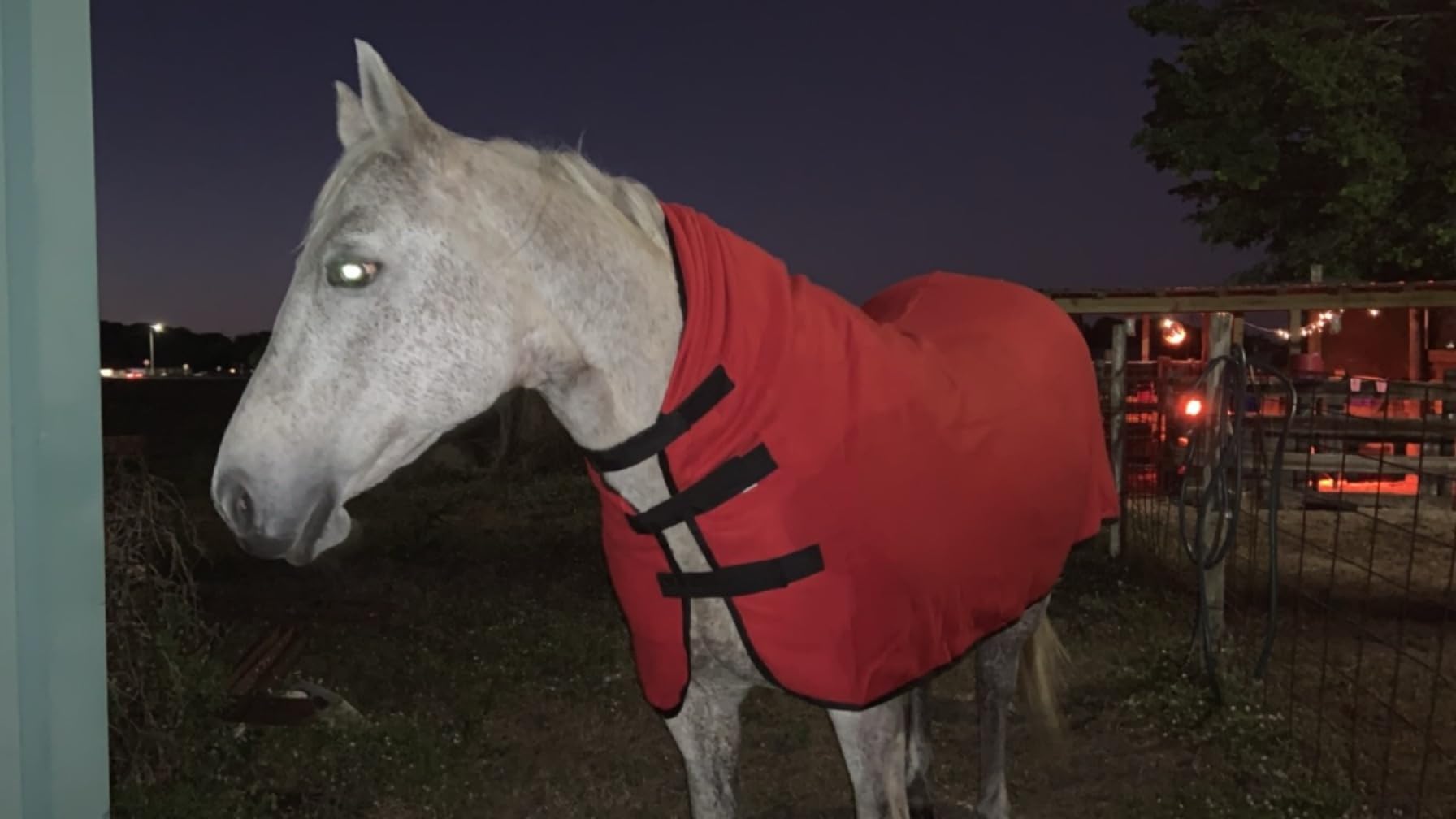
Owners report effective sweat wicking for post-ride cool-down, shows and trailing, and the polar soft fleece is paired with an integrated tail cord and durable hemmed edging. Sizing covers four sizes from 68 to 82 inches across nine colors.
Hemmed edges rather than raw cut fabric is a small upgrade that decides how the sheet ages. Raw fleece edges fray, pull at the coat and then snag. Hemming holds the shape and stops that cycle starting.
Whether the care instructions suit your routine
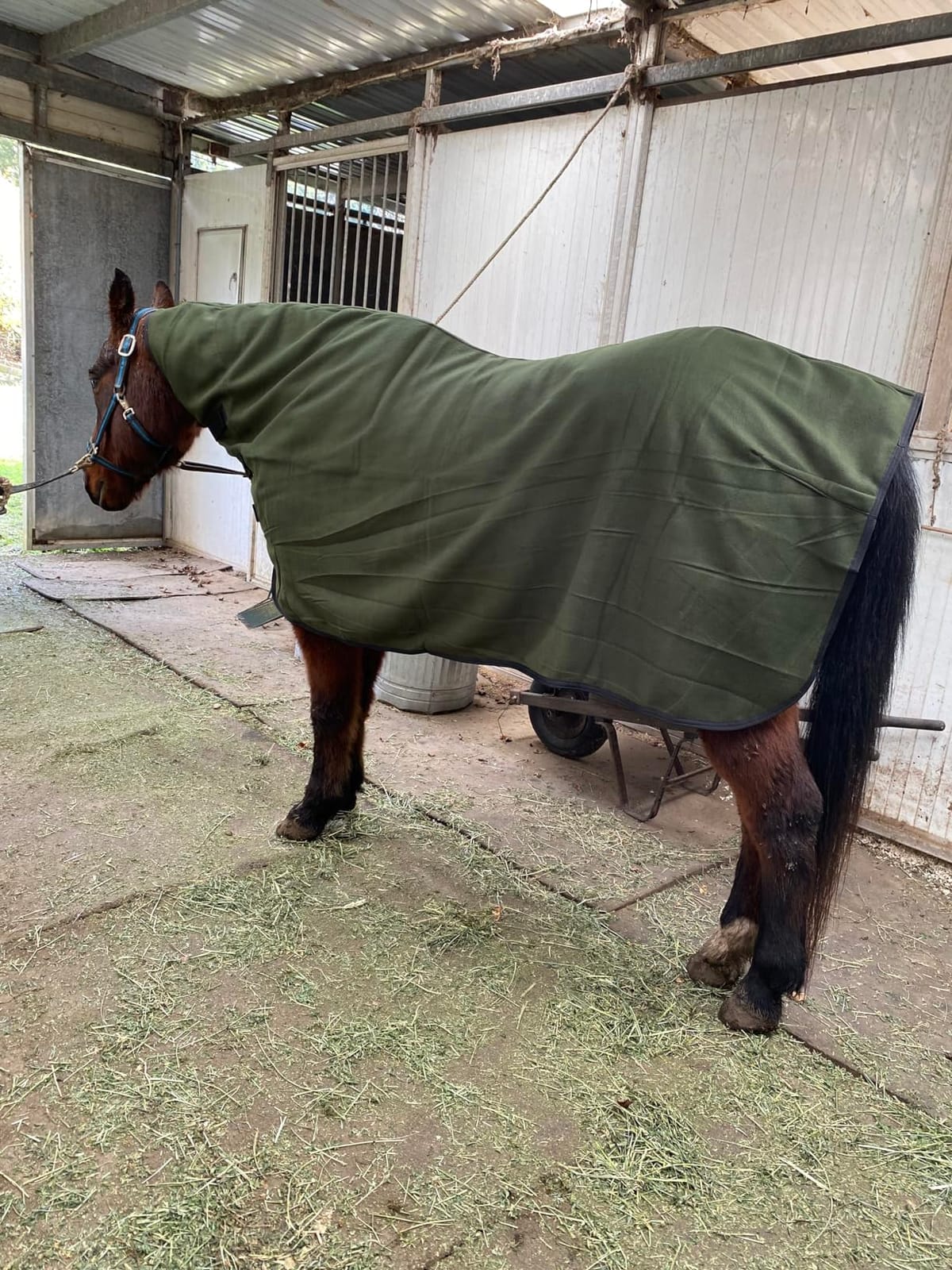
This is the one practical limitation to plan around. The care instructions are hand wash cold and lay flat to dry, so it is not a machine-washable cooler. In a busy yard that changes the calculus, because laundry cycles are usually the reason a cooler gets washed at all.
Hand washing does extend the life of the fleece, and a cooler that is never machine thrown in with a heavy rug is less likely to lose its loft.
Where it falls short
The fleece attracts hay and shavings, so it needs a routine brush-down to keep the surface open. In a dusty barn that is a weekly job rather than an occasional one.
With a lighter weight, it is a post-exercise cooler rather than a winter drying rug. If your horse is clipped and the weather is cold, pair it with a heavier layer rather than relying on it alone.
7. TuffRider Standard Neck Cooler – Best Budget Standard-Neck Cooler
Miller’s Standard Neck Fleece Cooler for Horses -Burgundy with Grey Trim-72
Thick warm fleece
Twin front closures
Low cross surcingles
Standard neck cut
Pros
- Thick warm fleece wicks sweat quickly
- Runs true to size across a wide range of horses
- Twin front closures plus low cross surcingles hold it in place
- Useful as a mid-layer under a rain sheet
Cons
- Runs longer than other coolers
- Some sizes measure larger than listed
- Plain construction
A dependable budget choice that reviewers treat as a workhorse. The fleece is described as thick and warm, and it pulls sweat off quickly after a workout or a bath, which is the entire job description.
What lifts it above a no-name sheet is the restraint system. Twin front closures plus low cross surcingles keep the cooler from rotating onto the shoulder, and a tail cord finishes the job. A cooler that shifts every time the horse walks out of the yard stops making contact with the coat and stops wicking.
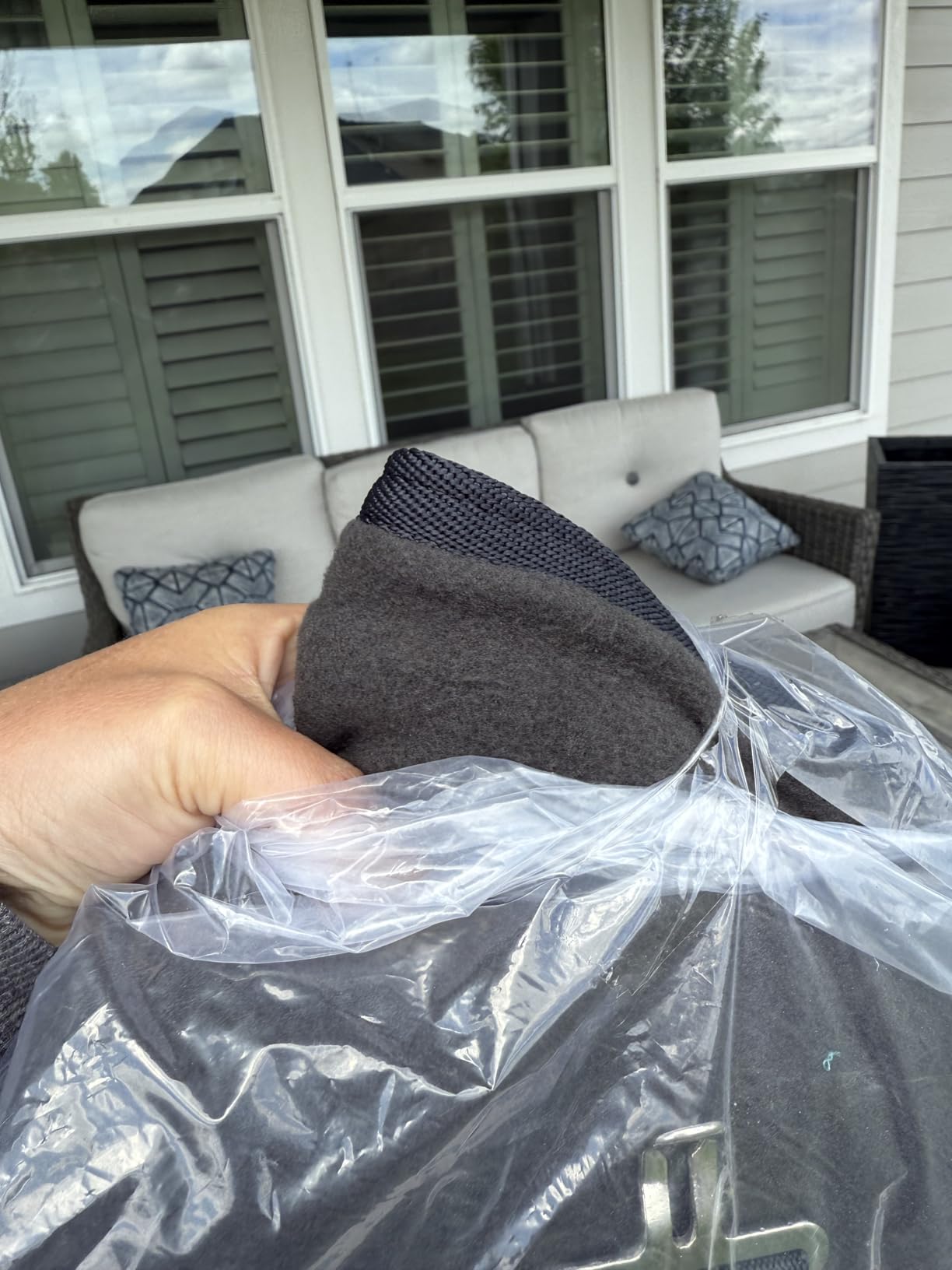
Several owners use it as a mid-layer under a rain sheet for in-between temperatures, which is a genuinely useful role: the fleece moves the moisture, the waterproof outer stops the rain driving it back in.
Sizing runs true across a wide range of horses, which is the other thing that keeps a cheaper sheet working year after year instead of ending up in the corner after one season.
How it layers under another rug
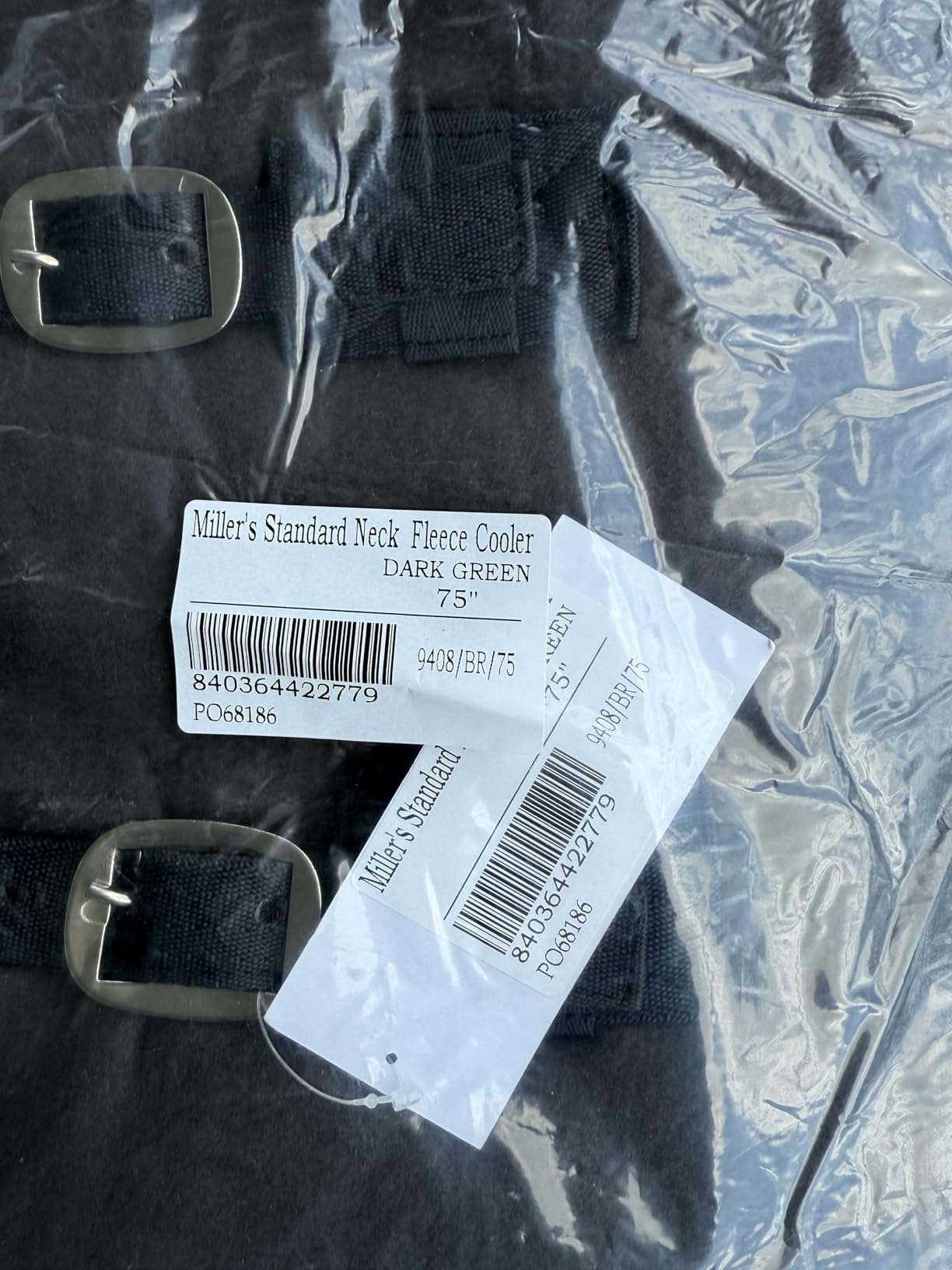
The long cut and the low cross surcingles are what make it work as a mid-layer. It tucks under a rain sheet or lightweight turnout without a neck panel fighting the outer closure, and the surcingles stop the fleece layer from bunching under the outer rug.
For a clipped horse in mild weather, that combination is a realistic alternative to a full winter rug for several months of the year.
Where it falls short
The cut runs longer than many other coolers, so it can extend past the barrel. That is a problem when layering under a close-fitting rug, and it is the reason we would size carefully rather than sizing up automatically.
Some sizes measure larger than the listed figure, so measure twice and compare against the size chart. The construction is also plain at close inspection, with no lining or shoulder panel to reduce rubbing.
8. HORZE Kiel Fleece Cooler – Best Soft Fleece for Layering
HORZE Kiel Fleece Cooler – Tan – 78 in
Polar fleece
Double front closure
X-surcingles
Tail cord
Pros
- Very soft polar fleece wicks moisture outward
- True to size with no slippage or sweating reported
- Works as a base layer under other blankets
- Easy to wash and holds up well
Cons
- Costs more than comparable fleece coolers
- Standard neck cut
- Limited colour range
This is the one we reach for as a base layer. Owners describe it as moving moisture to the surface while keeping the horse dry underneath, which is precisely the behavior you need when a stable rug goes on over the top: the fleece has already moved the water off the coat, so the rug is not trapping it.
It is frequently used as a winter base layer, and reports of no slippage and no sweating under the layer are consistent enough to be worth noting. True-to-size sizing across a 66 to 84 inch range is part of that, because a cooler that slides around changes the contact pattern.
The restraint set is a double front closure with X-surcingles and a tail cord, and the fleece is polar throughout. Folded, it measures 17.3 x 14.2 x 4.9 inches at 3.97 pounds.
Whether it is worth the extra spend
The price sits above comparable fleece coolers from other brands, and the honest answer is that you are paying for finish rather than fabric specification. The fleece softness, the closure quality and the washing behaviour are what owners mention when they justify it.
If the cooler is going to be washed weekly through a full winter, that durability over repeated cycles usually decides the question faster than the initial cost.
Where it falls short
It is a standard neck cut, so there is no neck or shoulder panel, and a heavily sweating horse in warm conditions will not get the extended coverage a contour or combo design provides.
With 46 reviews the long-term record is thinner than the picks above it, so treat the durability claims as encouraging rather than proven across many seasons.
9. WeatherBeeta Anti-Static Fleece Cooler – Best Multi-Purpose Rug
WeatherBeeta Anti-Static Fleece Cooler Standard Neck, Black/Silver, 78″
Anti-pill polyester fleece
Shoulder overlay
Twin buckle closures
4 pounds
Pros
- Works as a cooler
- a stable blanket and a liner
- Sturdy buckles
- leg straps and quality stitching
- Boa fleece at the withers avoids pressure points
- Good fit on large-bodied horses
Cons
- Fleece attracts and holds hay and straw
- Can stick to a damp coat and bunch
- Static build-up still reported
- Runs slightly tight in some sizes
WeatherBeeta is the name that comes up most often in rider discussions of durability, and this is their anti-static fleece cooler. Owners on r/Equestrian single the brand out for holding up with rug-chewing horses, and that reputation is the main reason to look at this model rather than a generic fleece sheet.
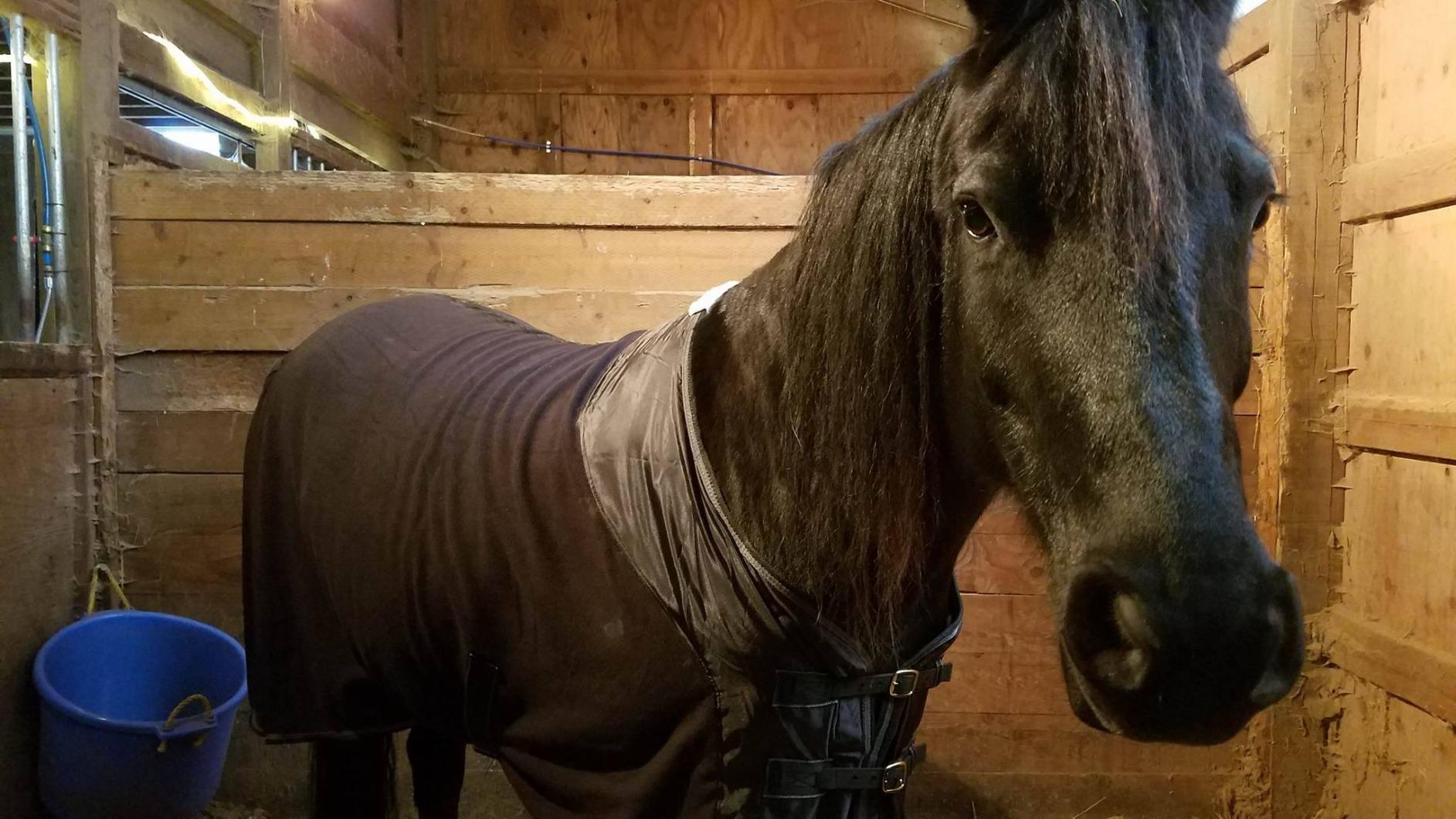
The build is more thorough than most. There is a shoulder overlay to reduce rubbing and stretching, boa fleece at the withers to take pressure where the crupper sits, twin adjustable buckle front closures with touch tape, twin cross surcingles, a tail cord and well-placed leg straps. It works as a cooler, a stable blanket and a blanket liner.
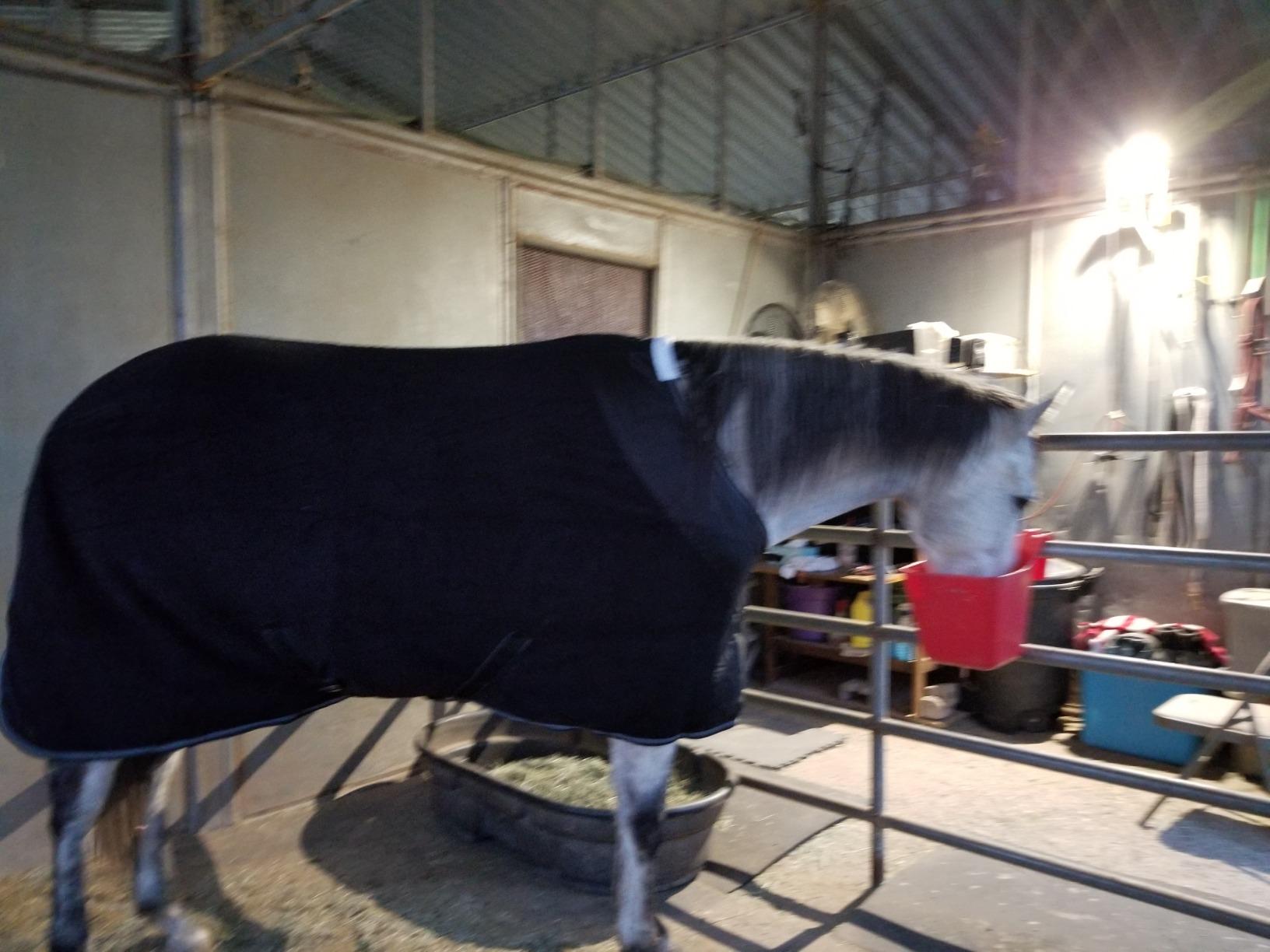
Reports of a good fit on large-bodied horses are common, and the fabric is 100% polyester anti-pill fleece that is machine washable. It weighs 4 pounds, which makes it the heaviest fleece in this group alongside the Challenger 300 gsm sheet.
At 78 inches, it suits a full-size horse, so a pony owner should look at the sizing chart rather than assuming it runs down.
Whether the anti-static claim holds up
This is where buyer reports and the product name diverge. A minority of owners still report static build-up despite the anti-static fleece, and a few also note that the fabric sticks to a damp coat, bunches and in one case contributed to a rip.
If your horse sweats heavily and the coat is wet, check the sheet every thirty minutes for the first outing rather than trusting it to sit flat on its own.
Where it falls short
The fleece attracts and holds hay and straw, so expect to clear it out regularly, particularly if the cooler is doing a spell as a stable blanket overnight.
At 4.3 it carries the lowest rating in this group, and the fit runs slightly tight in some sizes. If your horse is between measurements, check the shoulder overlay and chest closure positions before committing.
10. TuffRider Combo Neck Cooler – Best Full Neck Coverage
TuffRider Cooler Sheet Combo
Combo sheet with attached neck
Metal T-hooks
Low cross surcingles
5 pounds
Pros
- Attached combo neck gives extended coverage
- Wicks winter sweat off quickly
- Front buckles help prevent the sheet popping off
- Secure stitching and solid hardware
Cons
- Runs big
- so sizing down may be needed
- Heavier than sheet-only models
- One report of a first-night tear
The neck is the main heat-loss route after exercise, which is why combo coverage exists. This sheet carries an attached neck rather than a standard open neckline, so the neck and shoulder stay covered while the horse cools, and owners report it pulling winter sweat off quickly.
Hardware is the selling point: metal T-hooks, low cross surcingles, and front buckles that help prevent the sheet popping off when the horse rolls. Stitching is reported as secure and the combination is often described as cozy rather than merely functional.
It weighs 5 pounds folded, making it the heaviest item in the group, and sizes run from 63 to 87 inches. That weight is the trade for the extra coverage and the warmth it retains.
Why neck coverage changes the result
A horse that has galloped will have sweated through the neck as well as the barrel. With a standard neck sheet, that water sits on the skin while the rest of the body dries, and the neck is the last area to come dry. A combo cut closes that gap.
For a clipped horse being turned out in a cold yard after exercise, or for a winter cooling-down that happens in the open, that extra coverage is the difference between finishing the job and putting a rug on a wet neck.
Where it falls short
Sizing runs generous, so several owners suggest sizing down. Measure rather than assume, and expect to adjust the chest strap carefully to get the neck panel sitting flat.
At 5 pounds it is noticeably heavier than the sheet-only models, and one buyer reports a tear on the first night. Inspect the stitching on arrival, particularly around the neck join, which is the highest-stress seam on a combo design.
11. Tough 1 Miniature Contour Cooler – Best for Miniature Horses and Donkeys
Tough1 Softfleece Mini Contour Cooler – Black – Medium
Contour softfleece
Quick Grip closures
Water resistant
Round neck
Pros
- Fits miniature horses and small donkeys with neck coverage
- Soft double-lined fleece that survives repeated washing
- Quick Grip front closures are easy to use
- Works for post-bath drying and winter warmth
Cons
- One Medium size only
- No belly straps
- Halter loop sometimes missing
- Runs short on larger donkeys
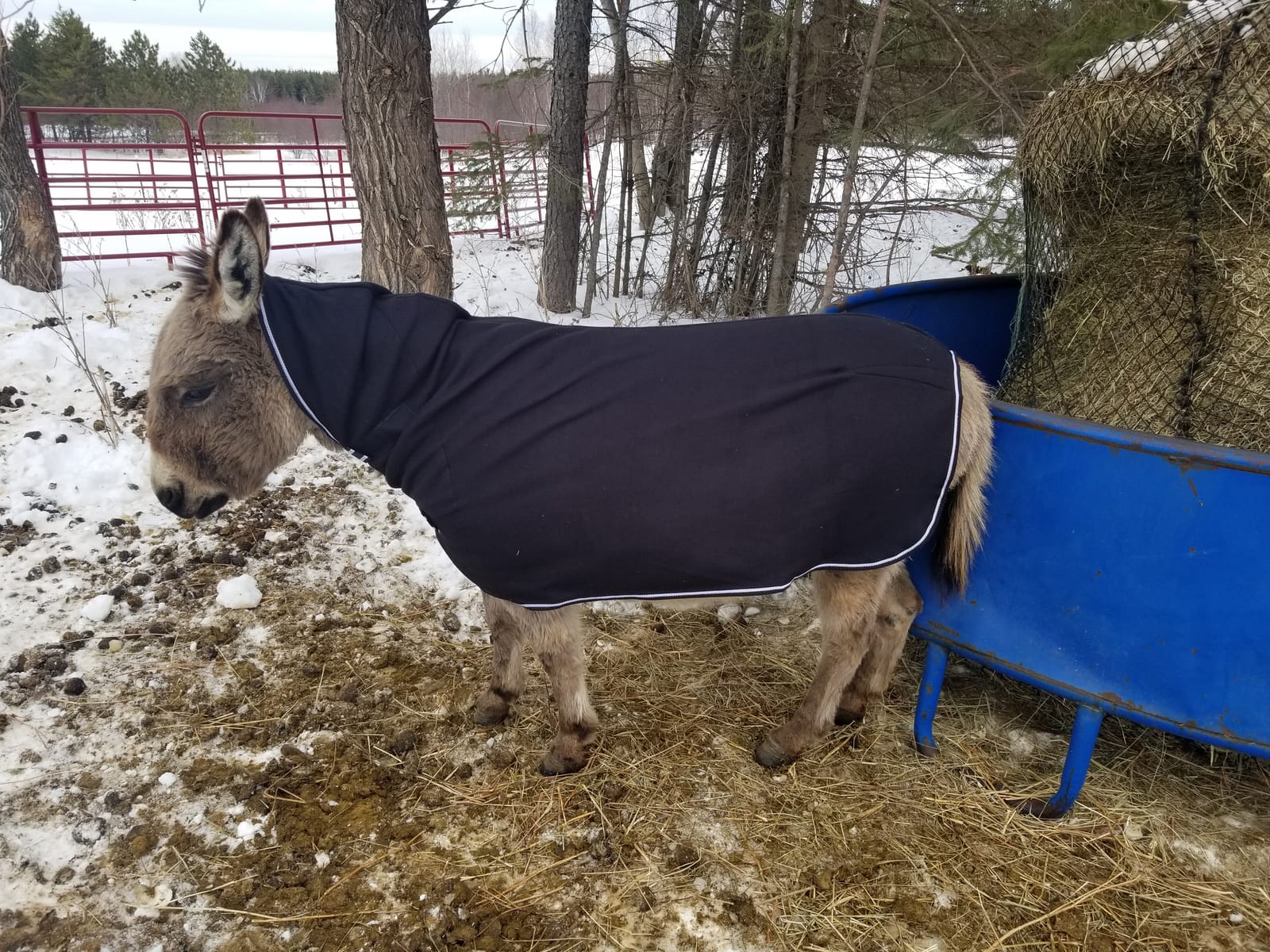
Miniature horses and donkeys cool differently from full-size horses, and off-the-shelf sheets cut for a 16-hand horse leave a mini exposed at the shoulder. This contour softfleece is cut for the smaller frame and covers the neck, which is where a mini sweats hardest after a harness or cart work.
Owners of 32 to 36 inch minis and small donkeys report that it fits as intended, and durability through repeated washing comes up often. The double lining is what makes that possible: it holds its shape and softness through cycles that would flatten a single-layer fleece.
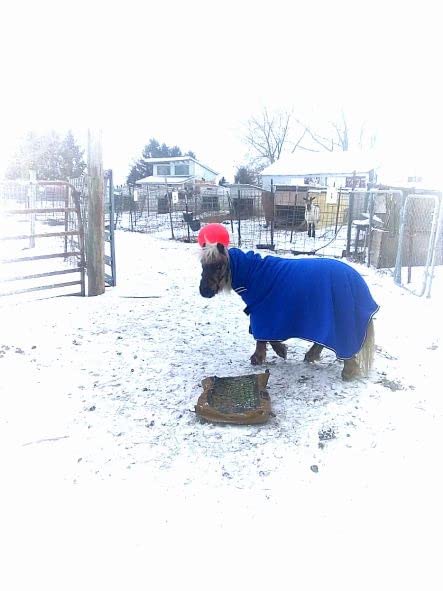
It is water resistant, which is useful for a young animal being turned out or stood in an outdoor paddock. Quick Grip front closures are simple to use one-handed, and the chest size is listed at 12 inches for the Medium.
Owners also use it for post-bath drying and as extra warmth under a winter blanket, so it does more than one job in a small-animal yard.
Whether the sizing works for your animal
Correct sizing for a 32 to 36 inch mini is the strength of this pick. The limitation is that only a Medium is offered, so the smallest minis can find it running large while larger donkeys find it short at the rear.
Measure from the point of the shoulder to the point of the buttock, in the same position you would measure a full-size rug, and compare against the listed figure before ordering.
Where it falls short
There are no belly straps, and minis that get tangled with each other can pull a sheet loose that has nothing anchoring it underneath.
Some units arrive without the halter loop shown on the package, so check the contents on delivery. It is a small part but the one some yards rely on for stall tying.
12. T TEKE Anti-Pill Fleece Cooler – Best Anti-Pill Fleece with Satin Shoulder Lining
T TEKE Fleece Cooler with Double Side Anti-Pilling for Horse Cooling and Drying Workout/Bath, or as a Blanket Liner for Chilly Weather
300 g/m2 anti-pill fleece
Satin shoulder lining
Double buckle closures
Interior label
Pros
- Double-sided anti-pill fleece resists hay and dust
- Thicker 300 g/m2 fabric absorbs more sweat
- Satin shoulder lining helps prevent rubs
- Interior label for the horse name
Cons
- Smallest listed size is 72 inches
- Single belly surcingle
- Only 24 reviews
- so the long-term record is thin
The anti-pilling story is what separates this one from a standard fleece sheet. Both faces are 300 g/m2 anti-pill fleece, which is the specific defence against hay, sawdust and sand embedding in the pile, and that is a daily problem in a barn rather than an occasional one.
The satin polyester lining at the shoulders is the detail we would point a clipped horse owner toward. A smooth lining between the seam and the coat is the simplest way to reduce shoulder rubs, and it is exactly where a heavier fleece tends to press hardest.
Restraint comes from double buckle front closures, a single belly surcingle and a tail cord, and the interior shoulder label is genuinely useful in a yard running several horses. Sizes run from 72 to 84 inches across S to XL.
How it handles a show horse
Anti-pill fabric matters more than most buyers expect for showing. Once the pile mats, the surface stops moving air, the cooler holds heat against the coat, and the finish that a grey or a bay needs before a class is already lost.
Double-sided anti-pill is also the reason a fleece still works as a liner after a full winter, rather than needing to be replaced every season.
Where it falls short
With 24 reviews, the long-term durability record is the thinnest in this group, so treat the fabric specification as promising rather than proven over many seasons.
A single belly surcingle is less restraint than the cross surcingles on several picks above, and the smallest listed size of 72 inches excludes ponies. The folded weight is 3.7 pounds, in line with the heavier fleece options.
How to Choose a Horse Cooler
Match the material to the job, then everything else follows. Fleece, waffle and mesh each solve a different problem, and picking the wrong one is the single most common reason a cooler gets abandoned.
Fleece for warmth and winter drying
Fleece is the default and the right default most of the time. It wicks well, holds some warmth, machine washes and is easy to find in a wide range of sizes. Heavier weights such as the 300 gsm options suit a clipped horse in cold conditions and layering under a stable rug, which riders on the British H&H forums describe as the thatching setup.
Waffle and open weaves for heat and heavy sweat
Acrylic waffle and open-weave fabrics are the answer in hot conditions or for a horse that breaks out in sweat. Peer advice in UK forums is consistent on the mechanism: a waffle cooler moves moisture away quickly if the horse does sweat, where a warm fleece can simply hold it. The trade is that a waffle gives you almost no warmth back, so it is a summer and warm-spring product.
Mesh and technical constructions for maximum airflow
Air-mesh constructions prioritise evaporation over warmth. They suit a horse that is genuinely hot rather than cold, and they are the right answer in 100-degree conditions where any trapped heat is working against you.
Wool for a horse that needs temperature regulation
Wool is the traditional pick in communities that value natural fibres, described in forum consensus as effective for wicking and regulating temperature, and it ages well. It is heavier, slower to dry and more expensive, and none of the picks here are wool.
Standard, contour or combo neck
A standard neck leaves the neck open and layers easily under a stable rug. A contour cut adds neck and shoulder coverage and dries a sweaty horse more evenly. A combo or full neck gives the most coverage and the most warmth, at more weight and a bigger size commitment. If you compete or ship long distances, full neck coverage is the difference between arriving with a dry horse or a damp one.
Fit, closures and sizing
Measure from the point of the shoulder to the point of the buttock and compare against the size chart, remembering that a combo neck usually wants a size up while a close-fitting standard neck usually wants a size down. Prioritise cross surcingles, a tail cord and a chest closure over decorative details, and check the surcingle reinforcement on any horse that is hard on rugs.
For the rest of the kit, our riding helmet reviews cover the other piece of safety equipment worth getting right before a hot-weather season starts.
Why Your Horse Sweats Again After the Cooler Comes Off
This is the most common complaint in rider forums and the one almost no buying guide addresses. The mechanism is straightforward: a warm fleece on a horse that is already wet and standing in warm air keeps that water in contact with the skin instead of moving it outward.
The result is a horse that looks dry under the rug and then sweats heavily the moment you remove it. Riders describe it as sweating again in the trailer, in the wash bay, or halfway through grooming the horse for the next class.
The fix is a decision about fabric rather than a technique. If a horse breaks out in sweat in warm conditions, move to a waffle or open-weave cooler so evaporation can continue after the rug comes off. If the horse is cold and damp, a heavy fleece is correct and the sweat breakout is a sign you changed it too late, not that the fleece was wrong.
Two habits prevent most of it. Walk the horse until the sweat has stopped producing before removing any rug, and never leave a soaked cooler on overnight, because a wet fleece against a warm horse is the exact combination that produces a chilled horse by morning.
How to Cool a Horse Down in 100-Degree Heat
Extreme heat changes the priority from wicking to evaporation, and a warm fleece is the wrong tool entirely. Work through this in order.
Walk the horse first. Twenty minutes of walking and licking at a water trough moves more heat than any rug you can put on.
Offer water and electrolytes before the horse is fully cooled, not after.
Hose the big muscle groups, particularly the neck, shoulder and hindquarters, and scrape the water off so the coat is damp rather than dripping.
Use an open-weave, waffle or mesh cooler, and leave the neck open as long as the horse is genuinely hot.
Walk for a minimum of fifteen minutes, keeping the horse moving slowly so the surface vessels stay dilated.
Remove the cooler before the horse is fully dry if the air is still hot, so nothing traps heat against a warm coat.
If the horse is not sweating, breathing comfortably and interested in food within twenty minutes, that is heat stress and needs a veterinarian, not a rug change.
How to Use, Wash and Care for Your Cooler
Most coolers fail early because of washing, not wearing. Fleece that is machine thrown with heavy rugs loses its loft, pills and stops wicking within a season.
Check the care label first. Hand wash cold and lay flat applies to some models, and a machine cycle on those is what causes shrinking.
Use a non-biological detergent, since biological residue attracts bacteria and smells.
Wash coolers separately from blankets and rugs. They get heavy and thick when wet and will not rinse properly alongside them.
Use a rug wash bag on the front buckles and surcingles to stop hardware catching and tearing the fleece.
Wash cool, not hot, and never tumble dry. Air dry flat or on a line, and fill the shape with a towel to restore the loft.
Between washes, clear shavings and hay off the fleece with a stiff brush. A surface packed with debris is no longer moving air, which is the only reason the whole design works.
On overnight use, the safest routine is to remove a soaked cooler and put a dry one on, or to wait until the horse has trotted out and felt dry beneath before leaving anything. Riders on riding forums describe leaving a soaking cooler on all night out of caution, and that is precisely when chill risk peaks.
Horse Cooler Brands Worth Knowing
A handful of names come up consistently when owners describe what has lasted more than a season.
WeatherBeeta is the most frequently recommended brand in community threads, endorsed for holding up with destructive or rug-chewing horses. The brand track record matters more than any specification when your horse is hard on rugs.
HORZE and Bucas are strong on fleece finish and fit, and both are widely available across US and UK retailers, which matters for returns. LeMieux and Kentucky Horsewear cover the technical and premium performance end, where the premium is for construction and targeted coverage rather than raw wicking ability.
Shires and Rhinegold cover traditional value and heavy fleece, and SmartPak, Eskedron, Centaur and TuffRider supply the durable mid-range sheets that most yards buy in numbers. Riders tend to treat a known brand as insurance rather than a luxury, dividing cost by seasons of use when judging worth.
Frequently Asked Questions
What is the purpose of a horse cooler?
A horse cooler is a lightweight, breathable rug that wicks sweat and water away from the coat to the outside of the fabric, where it evaporates. That lets the horse dry evenly without losing too much body heat or catching a chill, and it doubles as a blanket liner or a base layer under a stable rug.
How long should you leave a cooler on a horse?
Leave a cooler on until the coat underneath is dry, which usually takes between 20 and 45 minutes of walking. Once the horse has trotted out, felt dry under the rug and stopped sweating, remove it. Leaving a soaked cooler on overnight is the most common route to a chilled horse.
Can I leave a cooler on my horse overnight?
Only if the horse is fully dry under the rug, the fabric is breathable and the climate is mild. In cold conditions a damp fleece against a warm horse holds heat and moisture against the skin, which is how chill and sweat breakout both start. Swap to a dry cooler partway through, or remove it entirely.
Will a fleece cooler keep a horse warm?
Yes. Fleece is the only common cooler material that returns meaningful warmth, which is why heavier weights are used to dry a clipped horse in cold weather. It also keeps a horse warm enough to stand outside after a ride. In hot weather the same warmth works against you and an open weave is a better choice.
What is the best material for a horse cooler?
Fleece is the best all-round material because it wicks, warms and machine washes. Waffle and open-weave fabrics are best for heat and heavy sweat because they evaporate fastest. Air mesh gives maximum airflow with no warmth. Wool regulates temperature well and ages well, but it is heavy, slow to dry and expensive.
How do you keep a horse cool in 100-degree weather?
Walk the horse for at least fifteen minutes, offer water and electrolytes, hose the neck, shoulders and hindquarters and scrape off the excess. Use an open-weave, waffle or mesh cooler rather than fleece, keep the neck open while the horse is genuinely hot, and remove the cooler before the coat is fully dry so nothing traps heat.
What size horse cooler do I need?
Measure from the point of the shoulder to the point of the buttock, in a straight line, and compare against the brand size chart. A combo neck usually wants a size up because of the extra panel, while a close-fitting standard neck usually wants a size down. Check the chest closure positions as well as the length.
How do you wash a horse cooler?
Check the care label, then wash cool with a non-biological detergent, separately from blankets and rugs. Use a rug wash bag around buckles and surcingles, skip the tumble dryer and air dry flat, reshaping the fleece with a towel. Some models are hand wash only, and a hot machine cycle is what causes shrinking and pilling.
Conclusion and Final Verdict
The Tough 1 Soft Fleece Liner Sheet takes the top spot because it is the only cooler here with the volume of real-world use behind it and none of the obvious failure points, and because it earns a place in two roles most coolers manage badly: standalone cooler and blanket liner. If you want a single cooler to buy and stop thinking about, that is the one.
For a horse that sweats through the neck after hard work, the Jeffers Elite Fleece Cooler is our pick: the highest rating in the group, a contoured fit and a print that does not grab bedding. For cold-weather drying off, move up to the Challenger 300 gsm or the T TEKE with its satin shoulder lining. For a horse that breaks out in sweat in the heat, none of the fleece picks here is the right answer, and you need an open weave instead.
Whatever you pick in 2026, measure the horse, check the closure positions, and decide the material from the job rather than from the label. That single decision resolves almost every problem riders report with coolers.